
Inventors and scientists have been continuously working towards reducing the size of technological components. Room-sized computers to laptops that are slimmer than a pane of glass? It’s done. Huge bulky telephones to smartphones that can fulfil a lot more? A thing of the past. The real question is, to what extent can all this go? Will we see smartphones that can be embedded in human bodies? Or is there more to it?
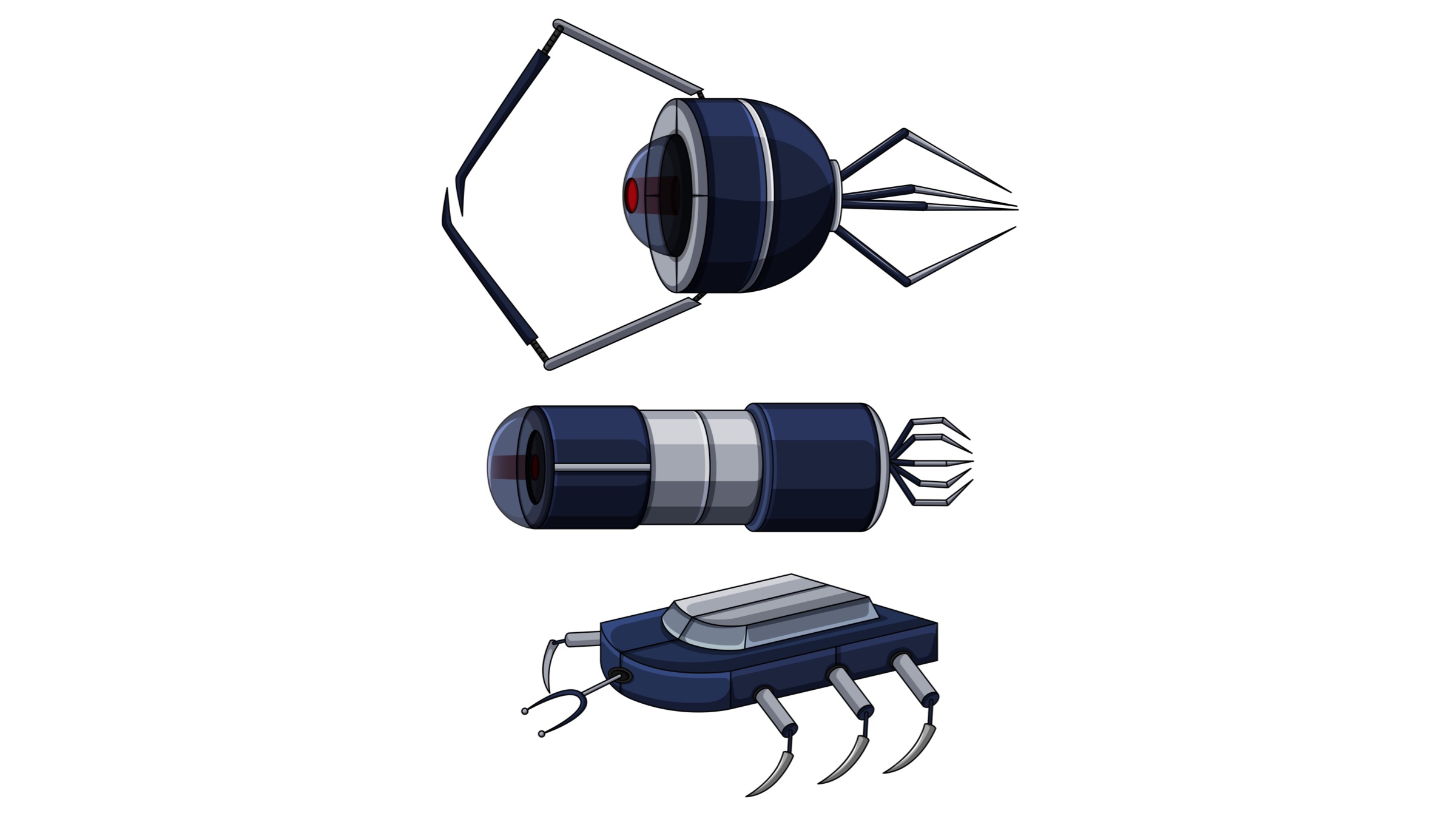 Nanotechnology has been around for a while now. It is a branch of technology so minuscule that it can operate on a microscopic level. And what’s more, it can be programmed to do whatever is desired of it. Richard Feynman was the physicist who first gave birth to an idea of nanotechnology and nanoscience in 1959. With his paper titled “There’s plenty of room at the bottom”, Richard laid the vision on top of which nanotechnology is being developed today. And in the future, it is expected to greatly change the way our world operates.
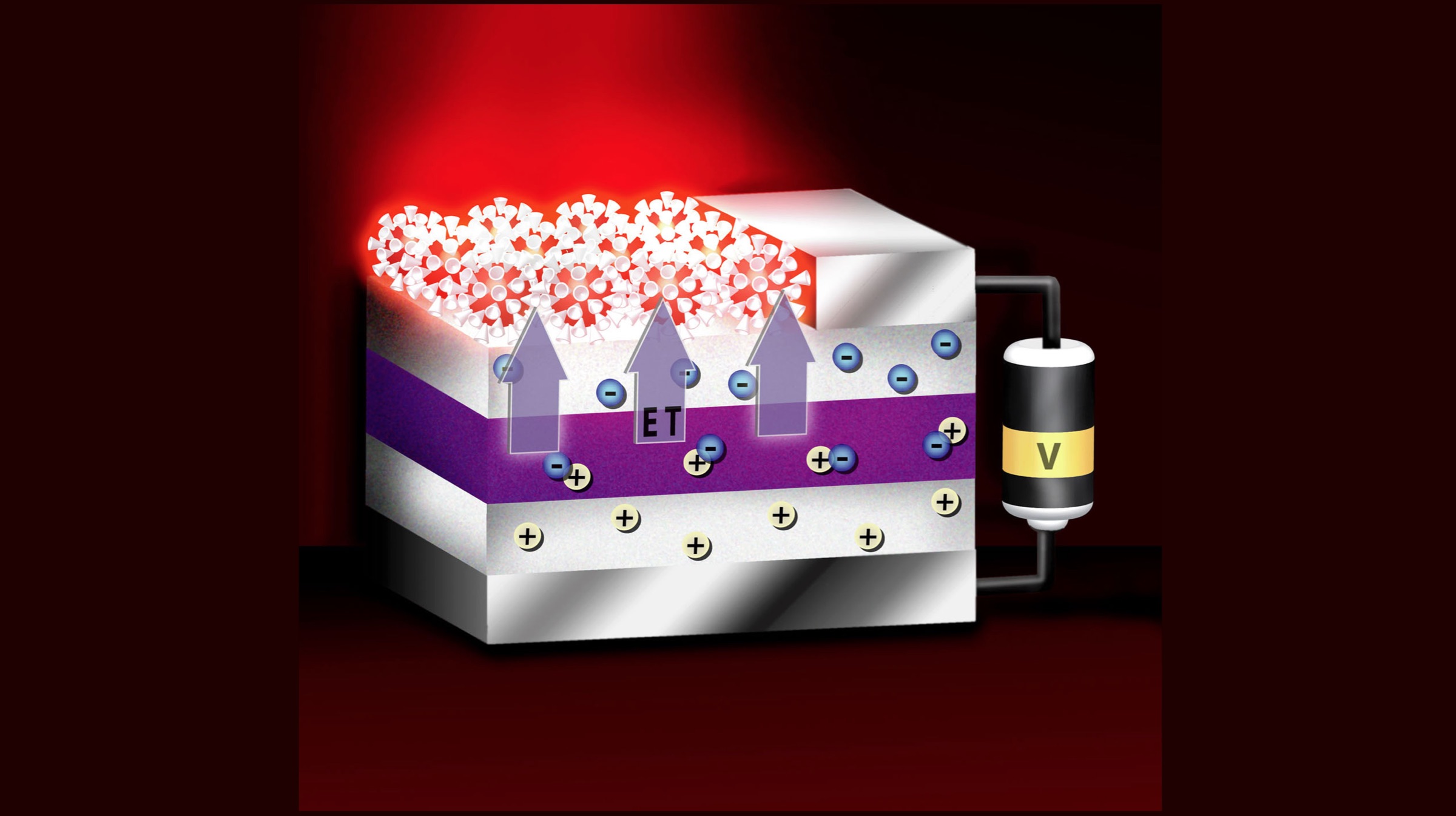
“Nanobot” is a term that people may have gotten used to because of Hollywood science fiction movies. As the name suggests, a nanobot or a nanorobot measures about a few nanometers, where 1 nm = 10-9 meter. With properties like self-replication (producing copies of themselves to replace defective units) and molecular manufacturing (building nanoscale circuits and devices), nanobots have a host of applications that can be implemented in our day-to-day life. They are highly valued in healthcare, construction, telecommunications and disaster management.
Here are some of the areas where nanobots can be of immense help and value:
Nanotechnology In Healthcare
A major chunk of funding that goes into Nanobots R&D originates from the medical field, and for reasons that make it very clear why we need nanobots. Medical researchers call nanobots “the biggest medical breakthrough since medicines”. And there is a lot of excitement once we explore what nanotechnology can hold in store for medical science.
 In 2016, researchers used nanobots to treat a tumour by targeting it via nanobots, which then administered the necessary medicine to the clot of cells. This means that no surgery was involved to treat the tumour, no incisions were made and no anaesthesia was involved. It is very heart-warming to think that cancer may be a thing of the past in a decade or so. Chemotherapy and cancer treatments could be rendered obsolete for all we know.
 Imagine that a person is unfortunately involved in a severe accident and is bleeding profusely, probably towards his/her death. Nanobots can heal up the damaged tissue right before your eyes. The microscopic robots are programmed to swarm like bats to scout out the point that needs repair. Once the point of activation is detected, all the bots collectively work together to fix it.
Hollywood movies like “G.I. Joe” and “I, Robot” display the use of nanobots in healing. Further implication includes the military, which will be taken up later.
Nanotechnology In Construction
 As per surveys, almost 41 percent of the total energy consumed in the United States is routed to construction and building. Nanotechnology can significantly reduce construction times and energy consumption that is involved in development. Deeper applications include maintenance of buildings, safety facilities and self-cleaning. Using micron-sized coatings, the nanoparticles can provide UV resistance in both coatings and paints. Nanoparticles of compounds like Titanium Dioxide and Zinc Oxide can be applied as a final layer on construction ceramics to provide the aforementioned resistance.
Nanobots can be used to automatically fill cracks in concrete and other building material, averting disasters that arise from construction negligence. Addition of nanoparticles to building materials will lead to fire resistant, air cleansing, more durable and easy to clean end-products. When used in glass, cracks will automatically repair themselves, preventing any hazards. The implications are endless.
Nanotechnology In Military
 In the last 13 years, the Indian Army lost a soldier on duty every third day. Casualties on the front line are much higher in number than in any other profession. The development of nanobots in the Military sector will ensure that the number of lives lost is drastically reduced. For starters, nanorobots can be used to scout the front lines for any impending risks. They can be used for spying and scouring sensitive information without putting any human lives at risk.
 Kevlar vests can be designed with nanoparticles to provide material regeneration during combat. Weapons developed with nanoparticles will be lighter and more modular than conventional weapons. Military nanorobots will be capable of performing complex functions like grabbing and wielding heavy objects, which can be used to safely neutralize threats like IEDs and Mines.
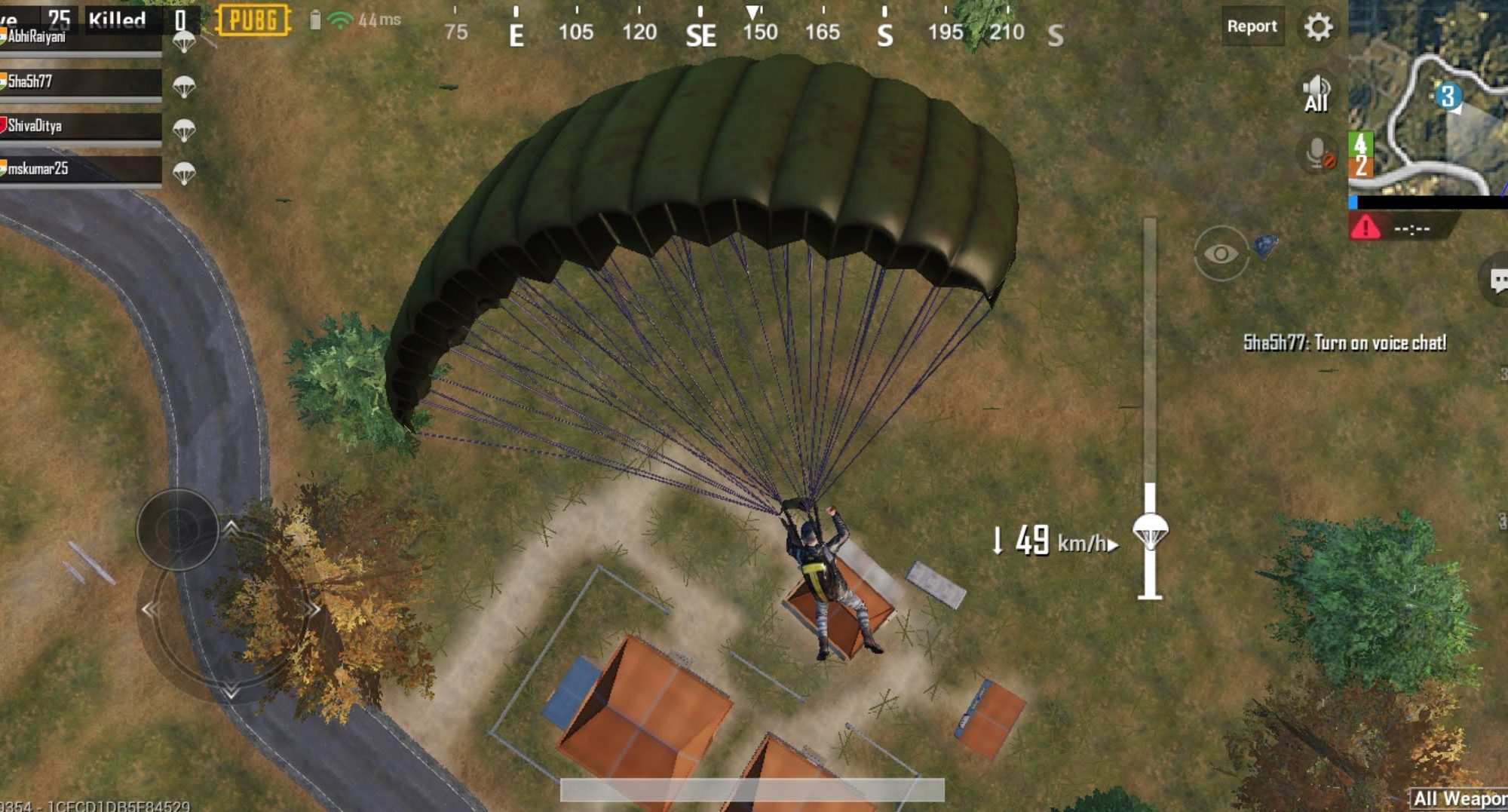 If you want to win a game, remember that PUBG is not a deathmatch, it’s a survival game. You may have a good aim and praiseworthy skills, but none of it matters if you don’t make it to the endgame. This is why survival is key. Pay attention to your surroundings when you are parachuting down to the ground. Try to get the maximum loot from an area before a fight breaks out, and participate in the fight only if you have the resources necessary to do so. Try to draw the least amount of attention to yourself, because even the best players will find himself in a turmoil if they get shot at by multiple players simultaneously.
 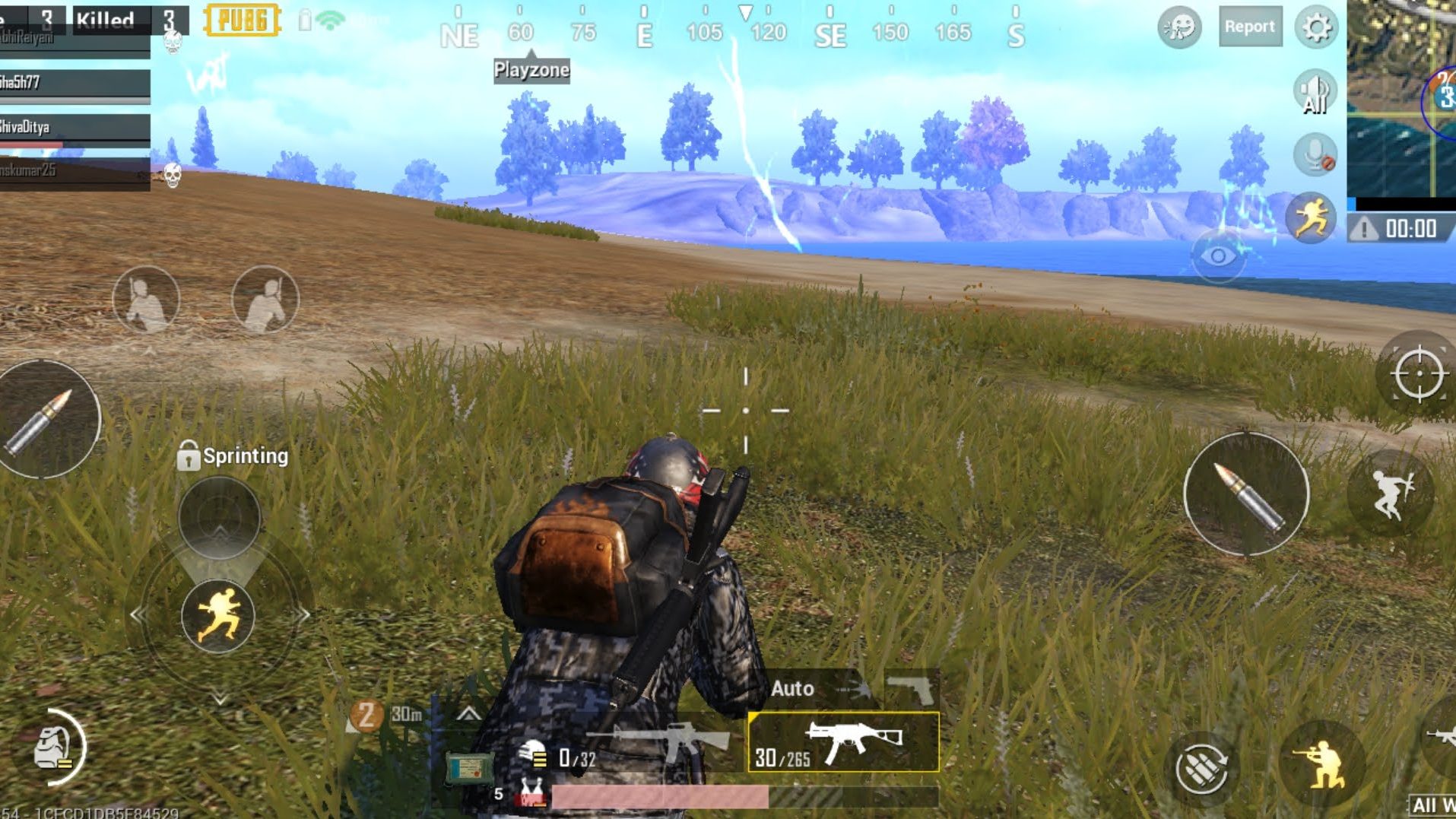 In every shooter game, there are generally two types of players. One who likes to go all out and shoot everything he/she sees anything in motion on the battlefield, and the other one who watches the movements of enemies from a safe distance and tries to raise as less conundrum as possible. If you belong to any one class of the aforementioned players, you’ll be more successful in the battlefield if you follow your instincts. If you have a good aim and are confident enough to take the enemy down in a single flurry of bullets, by all means, do so. But if you are not sure about pursuing this road, you can always play it safe and wait for the perfect moment to strike while lying in wait. You’ll always be a better player when you do what you can do best.
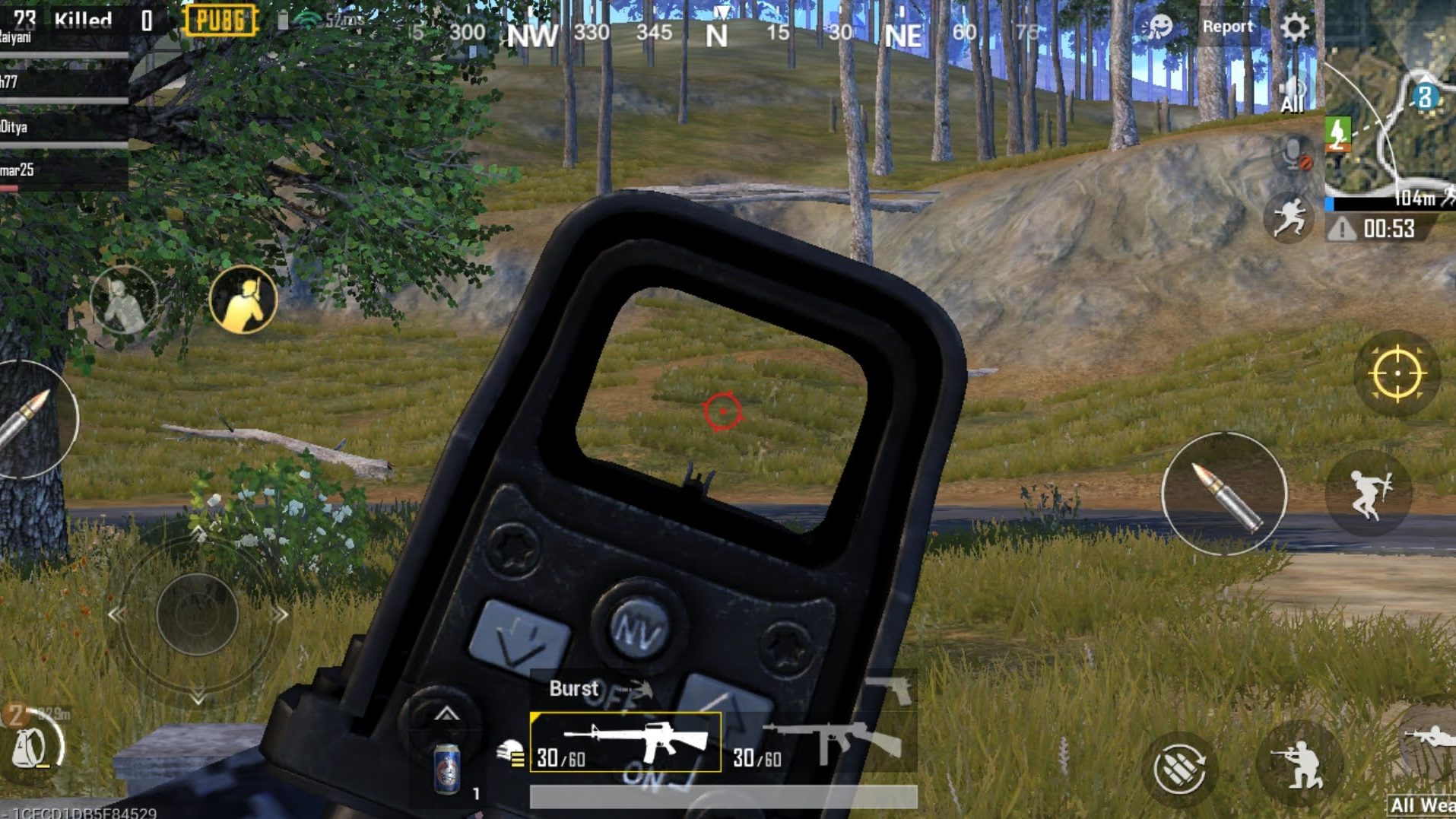 Sound sense wins you almost 50 percent of the game. Professional PUBG players always focus on their surrounding noises on the battlefield. Knowing that someone is approaching you may be the only information you need to shoot that enemy down, even if they have better inventory than you. While playing the game, try to use earphones/headphones in order to gain an idea of directional sound during firefights. Moreover, keep paying attention to the minimap, because you can “see” nearby footsteps on the map even if you did not hear them. An orange directional marker will give you an indication of nearby enemies so that you can focus on that particular direction.
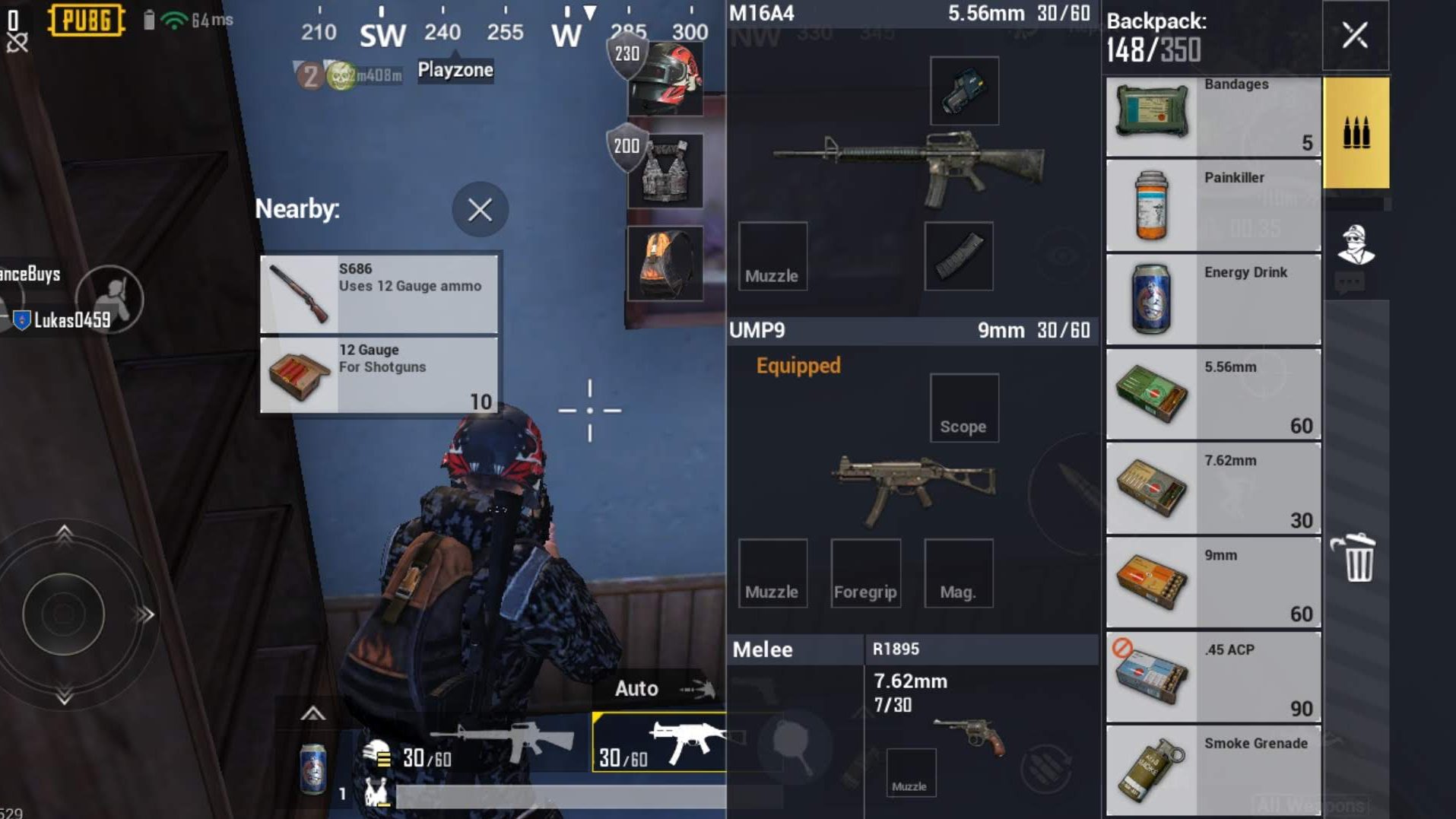 Ever wondered why the backpack has a strict limit? This is because you can’t go around stuffing every item in there. A lot of PUBG players end up with a lot more ammunition than they need, or too little of healing equipment when it comes to bandaging up. In all entirety, you should never have more than 200 rounds of any ammunition in your backpack, because that’s just a waste of valuable space. Furthermore, if you’re using a sniper rifle, less than 100 ammunition rounds are more than sufficient for you. If you kill an enemy (or multiple enemies), you can always use their crates to stock up on ammunition and other equipment rather than filling your backpack up to its capacity. Some space should always be available in the backpack to flash-loot someone’s crate or a house (picking up equipment without paying attention to what you’re gathering).
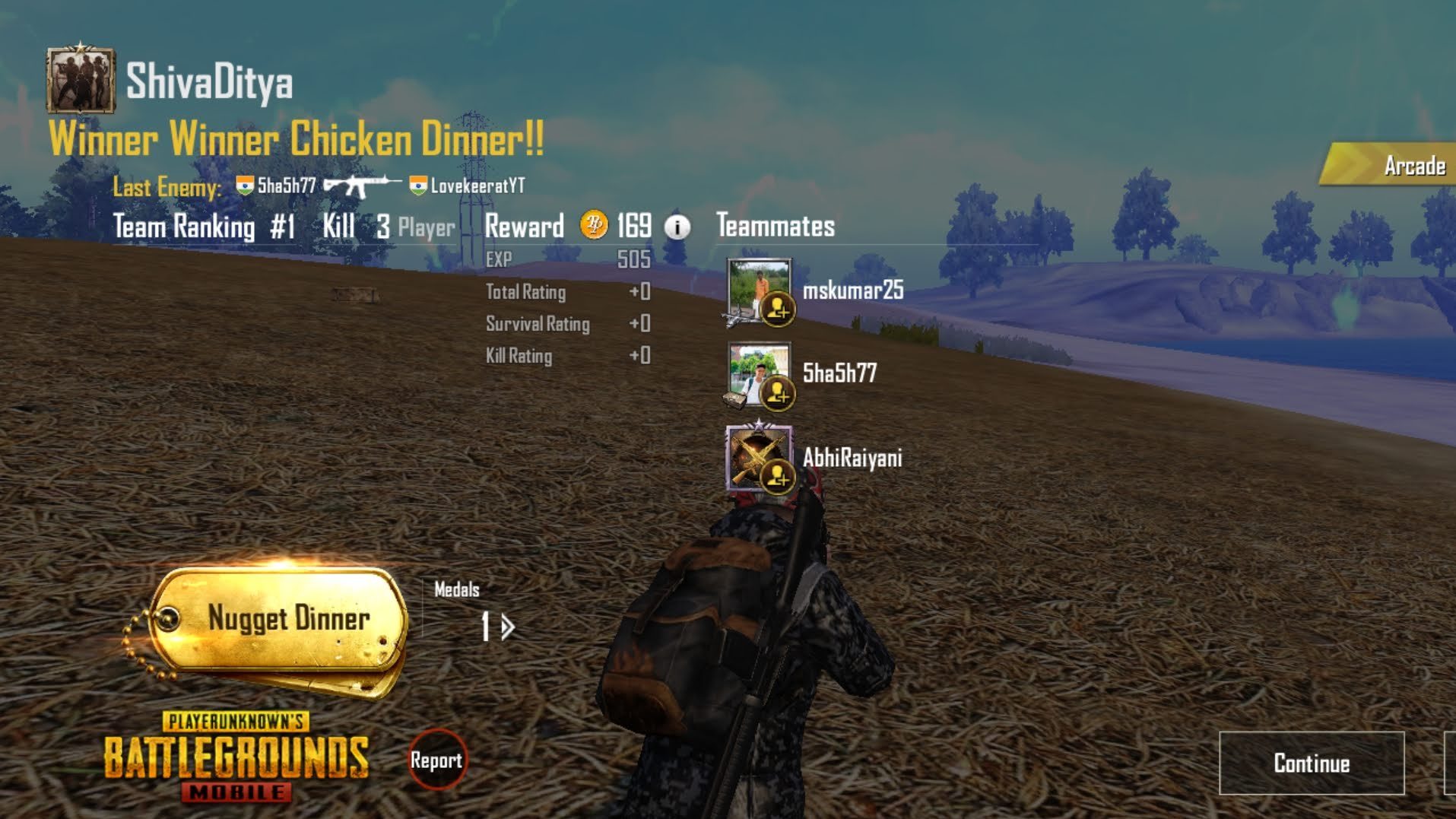 If you’re playing in a squad (which a lot more players prefer), you may have experienced a lack of coordination amongst your team. This is generally due to improper communication between players and can be fixed by informing your teammates regarding any important developments in the game. If you find some surplus ammunition that you know your teammate needs, use the pinging system or the chat system to inform him/her about it. Keep updating them about the incoming zone if you’re still outside the circle of safety. If you see an enemy who’s far from your reach, let your friend with a sniper rifle handle him. Never be afraid to toss a smoke grenade near your knocked-out teammate to revive him/her. Having an extra member on the squad can be the difference between a chicken dinner and a heartbreaking defeat.
 Also Read: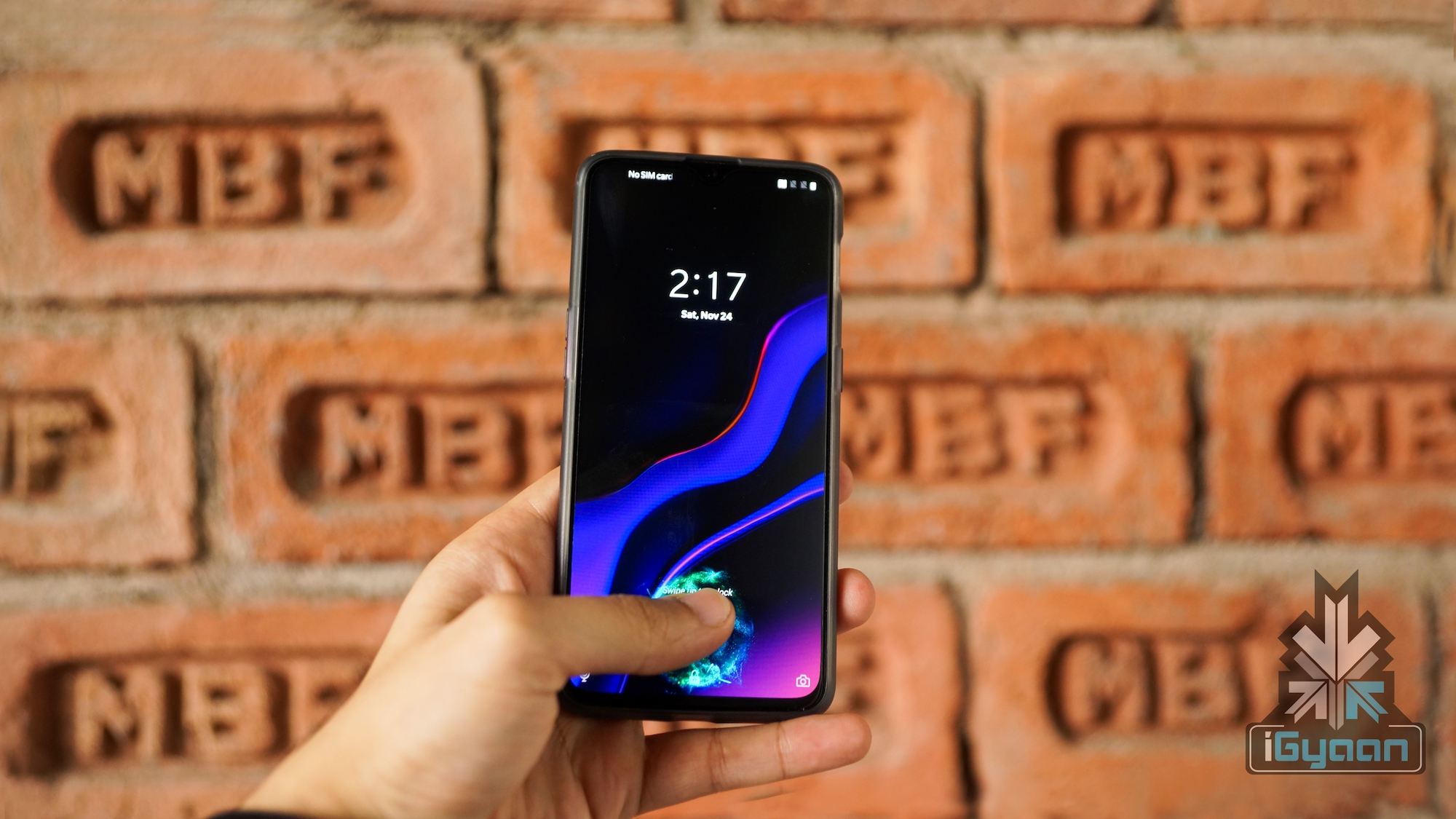
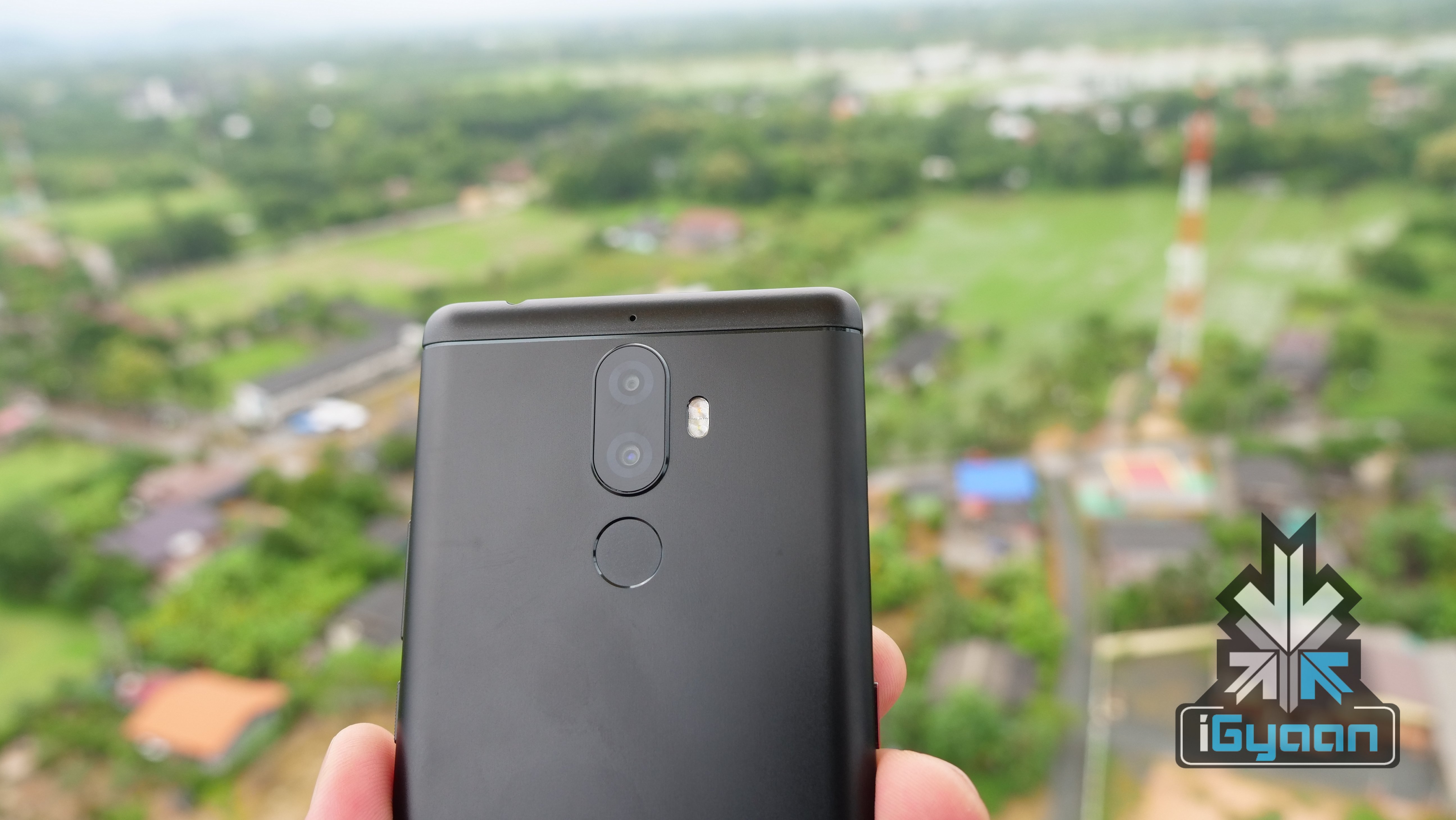 These days, smartphones are loaded with a host of security options to ensure that the data on the device remains private to the user. Some primary security features are listed below: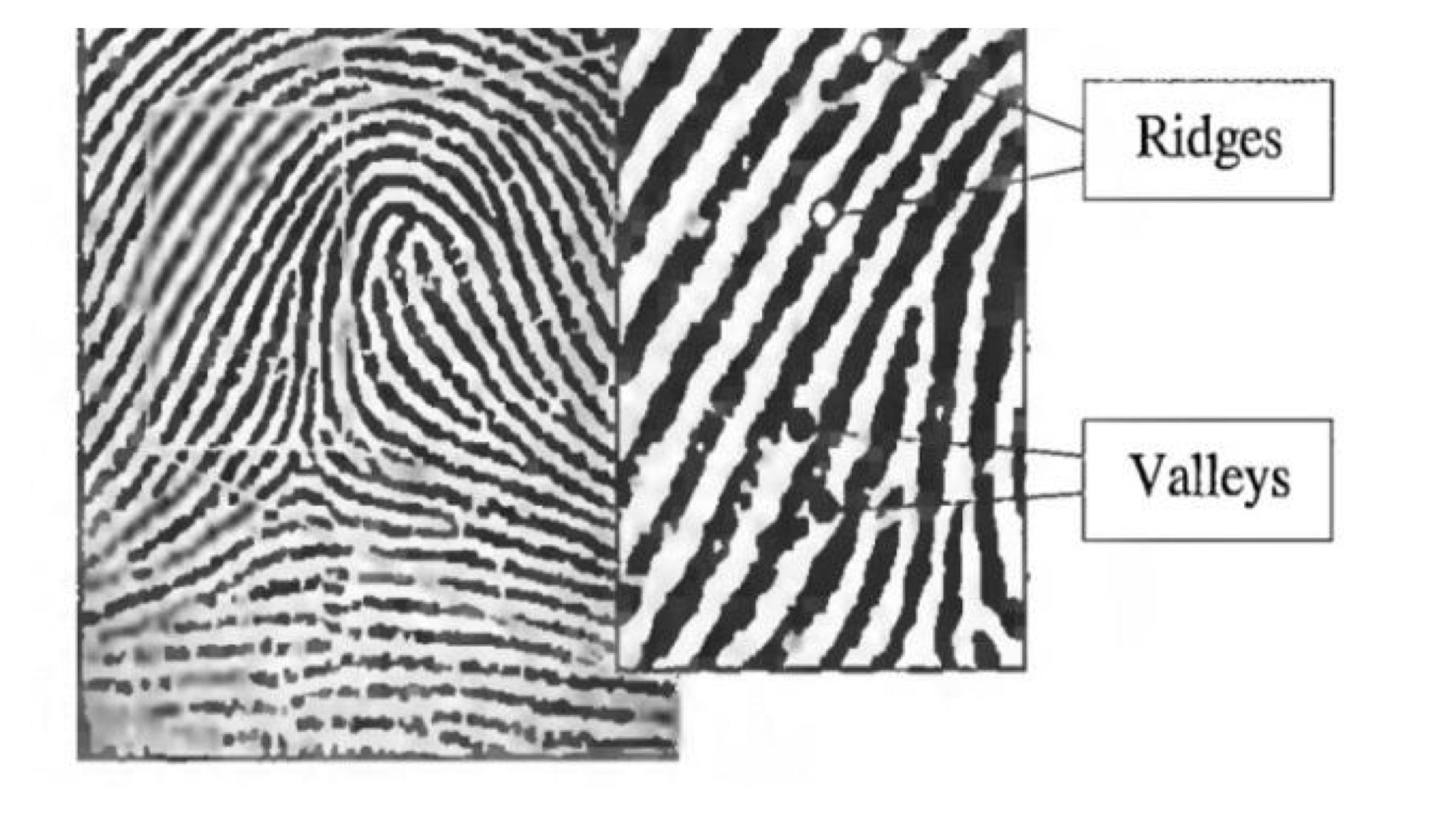
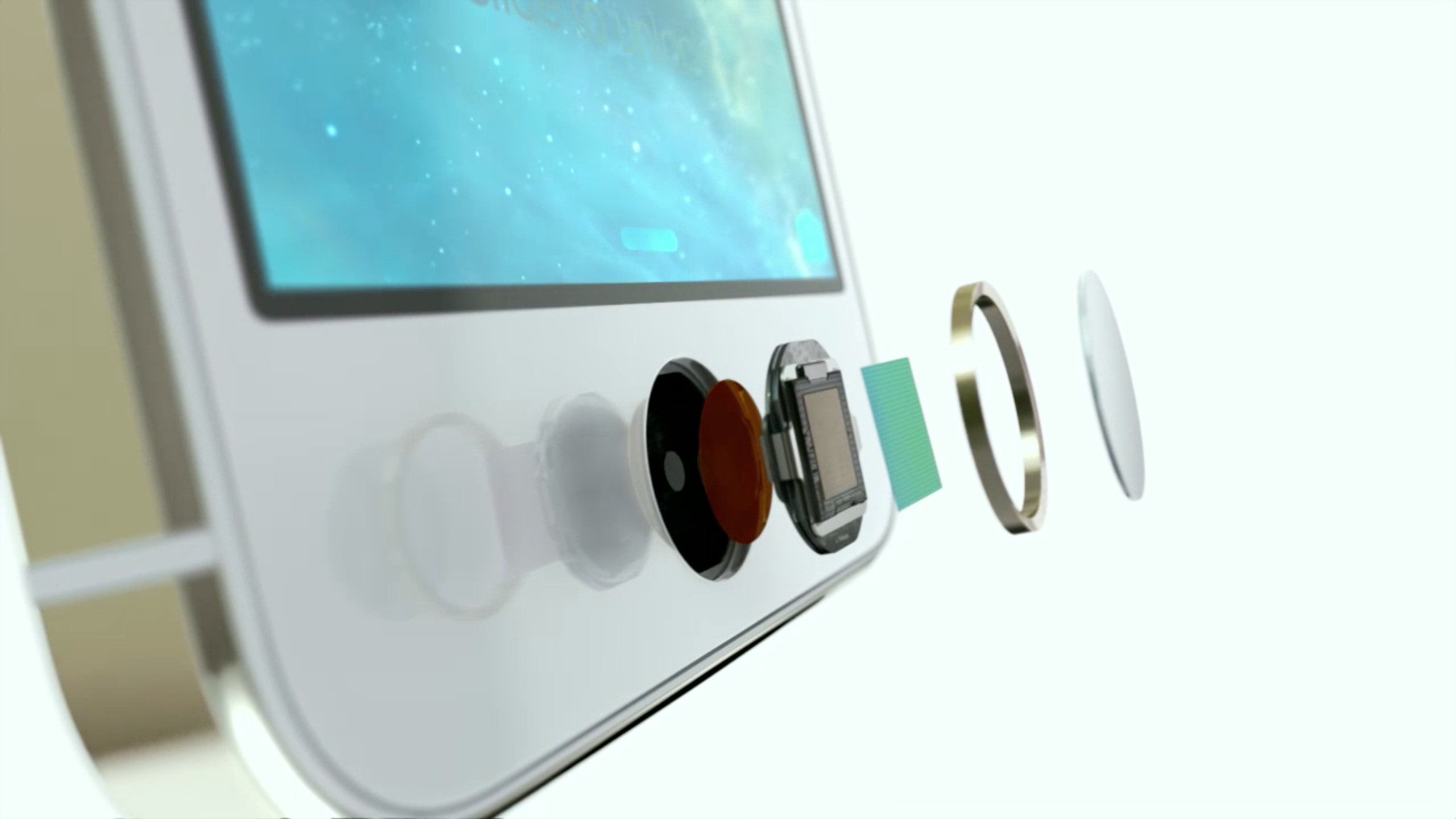 The processor in the scanner module ensures that the image generated is clear enough to process. In addition, the processor also checks the pixel darkness. If the image is too dark or too light, it is discarded. The scanner then adjusts the exposure time of the sensor and scans the fingerprint again. As soon as a crisp image is generated, the fingerprint is cross checked with other images/prints of the finger. Every fingerprint signature is entirely unique, so any print that matches any other image in the list is picked as the verifiable one.
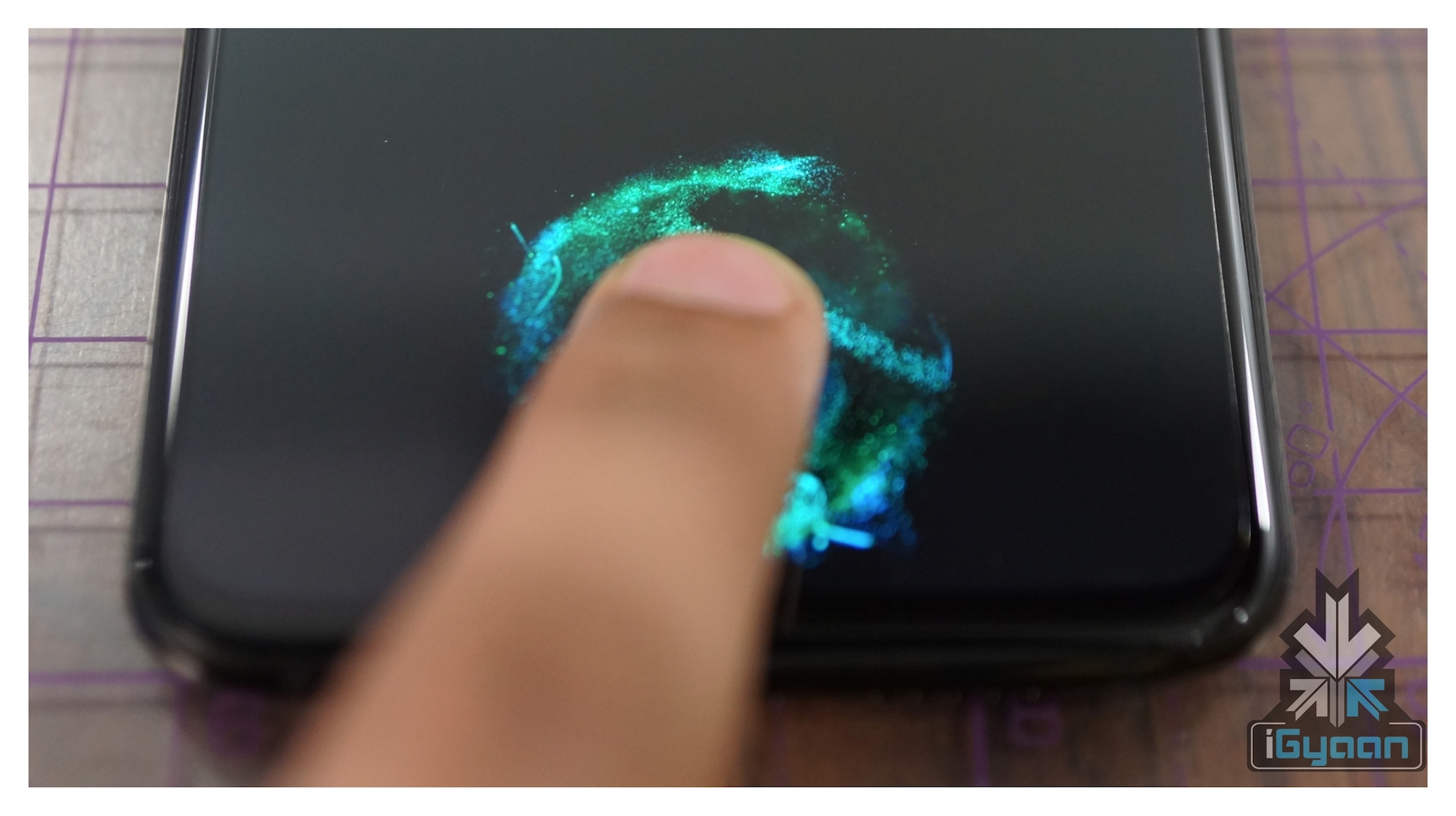 Unlike Digital Scanners, Capacitive scanners make use of electrical current to verify fingerprints. The capacitive sensors are made of semiconductor chips. Each chip contains a small array of cells with conductor plates, which in turn are covered by an insulating material. When the finger is placed on a capacitive scanner, the finger’s image is developed by the process of varying input and output voltage.
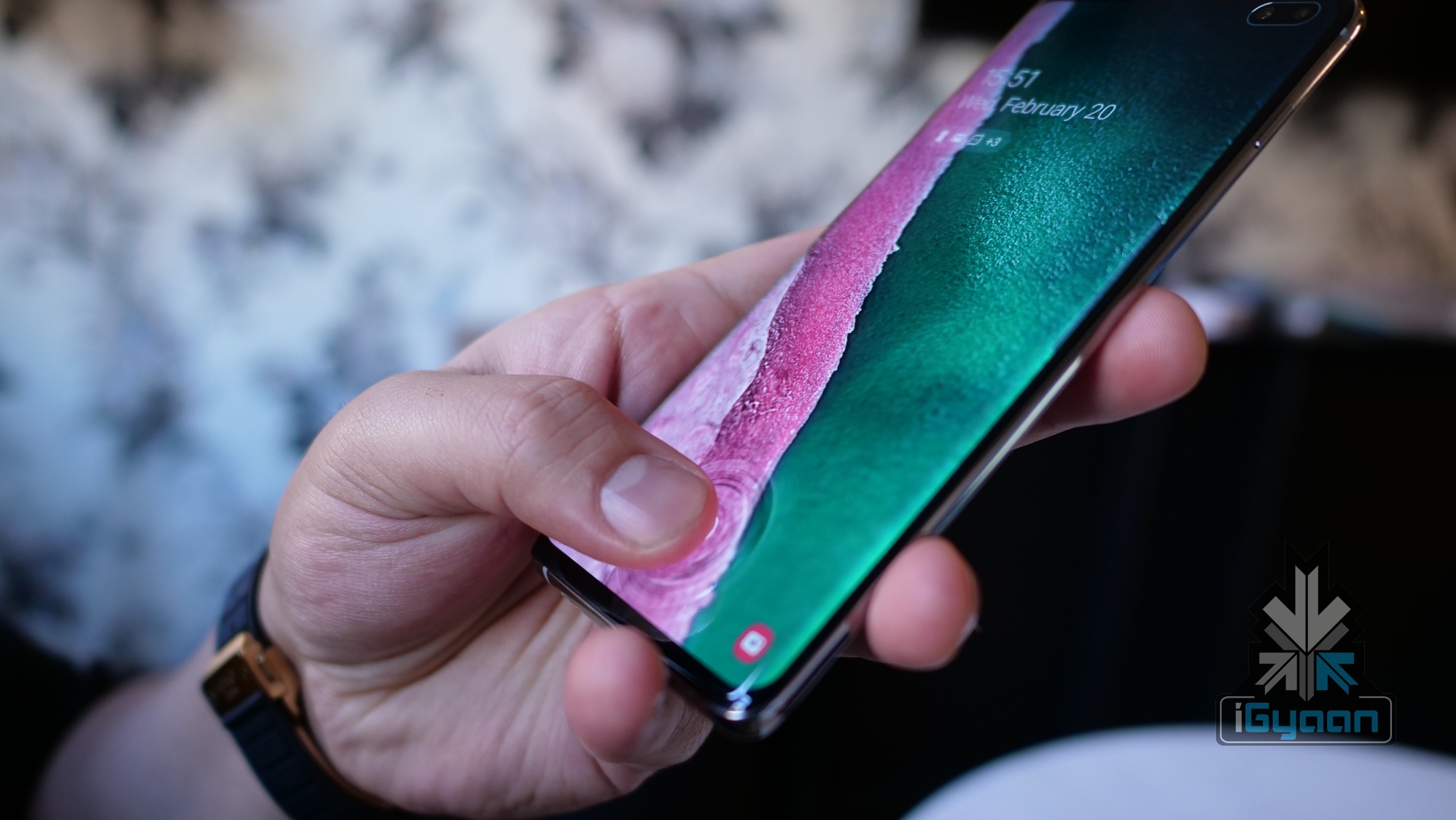 Ultrasonic Scanners are fairly recent. Samsung’s latest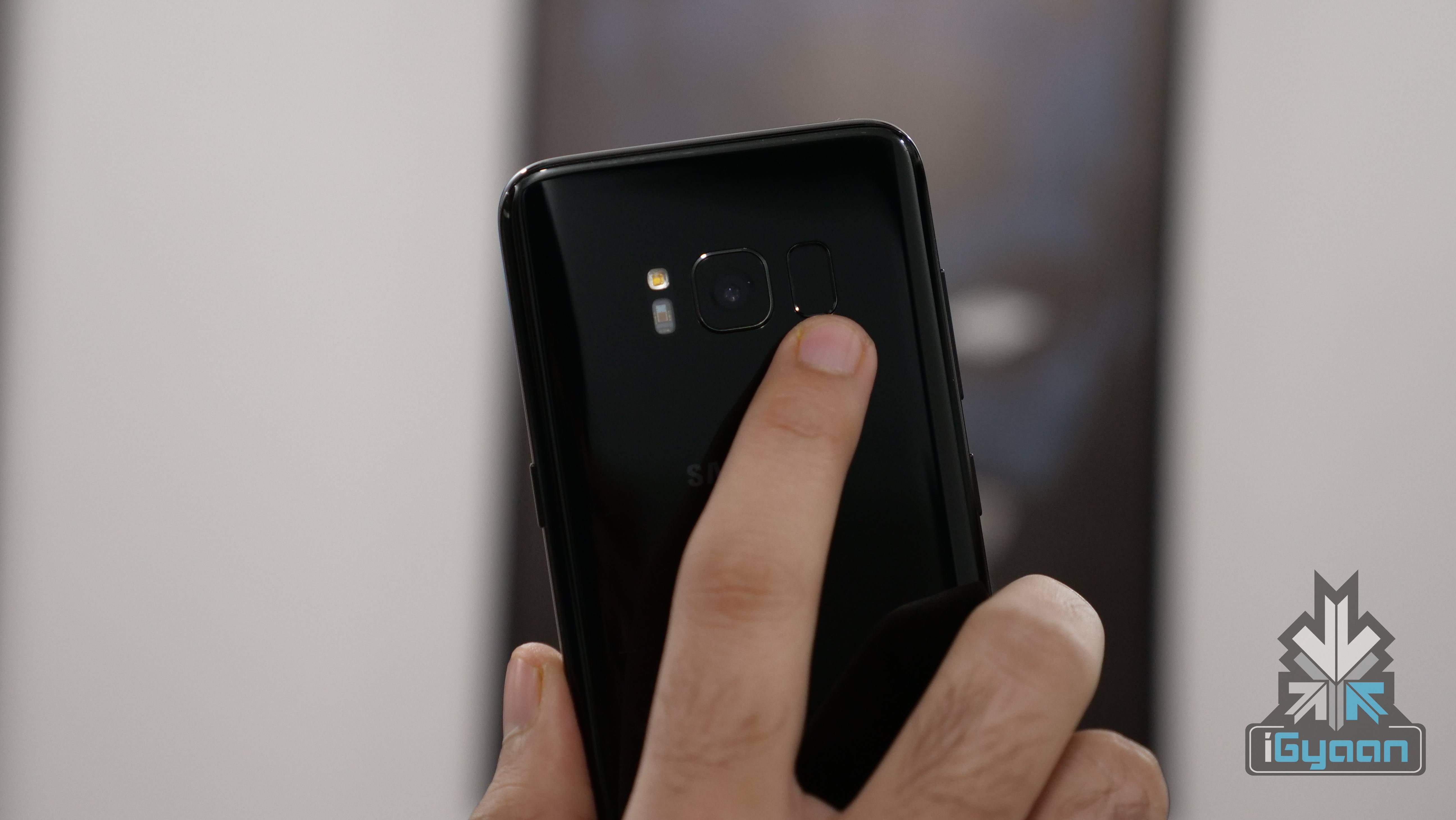
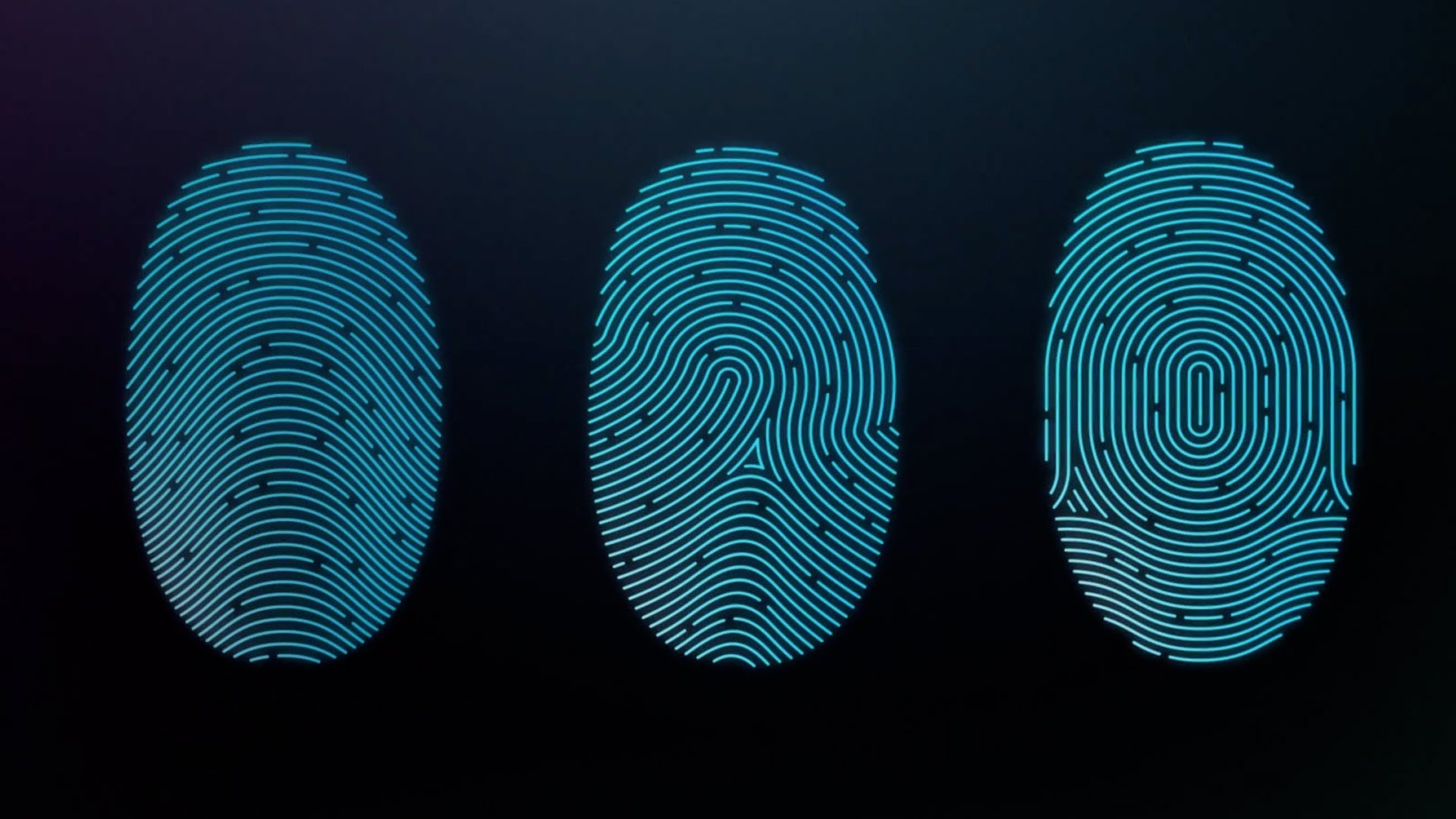 Full fingerprints are extremely difficult to fake, but instead, the smartphone fingerprint scanners only record partial fingerprint signatures. Findings indicate that if a person creates a glove with a masterprint (with the highest possible number of ridge-and-valley combinations), he/she can break into a fingerprint protected device 40 to 50 percent of times before the smartphone asks for a numeric PIN. And that’s a scary high probability of something like this happening in our daily life, again, highly unlikely.

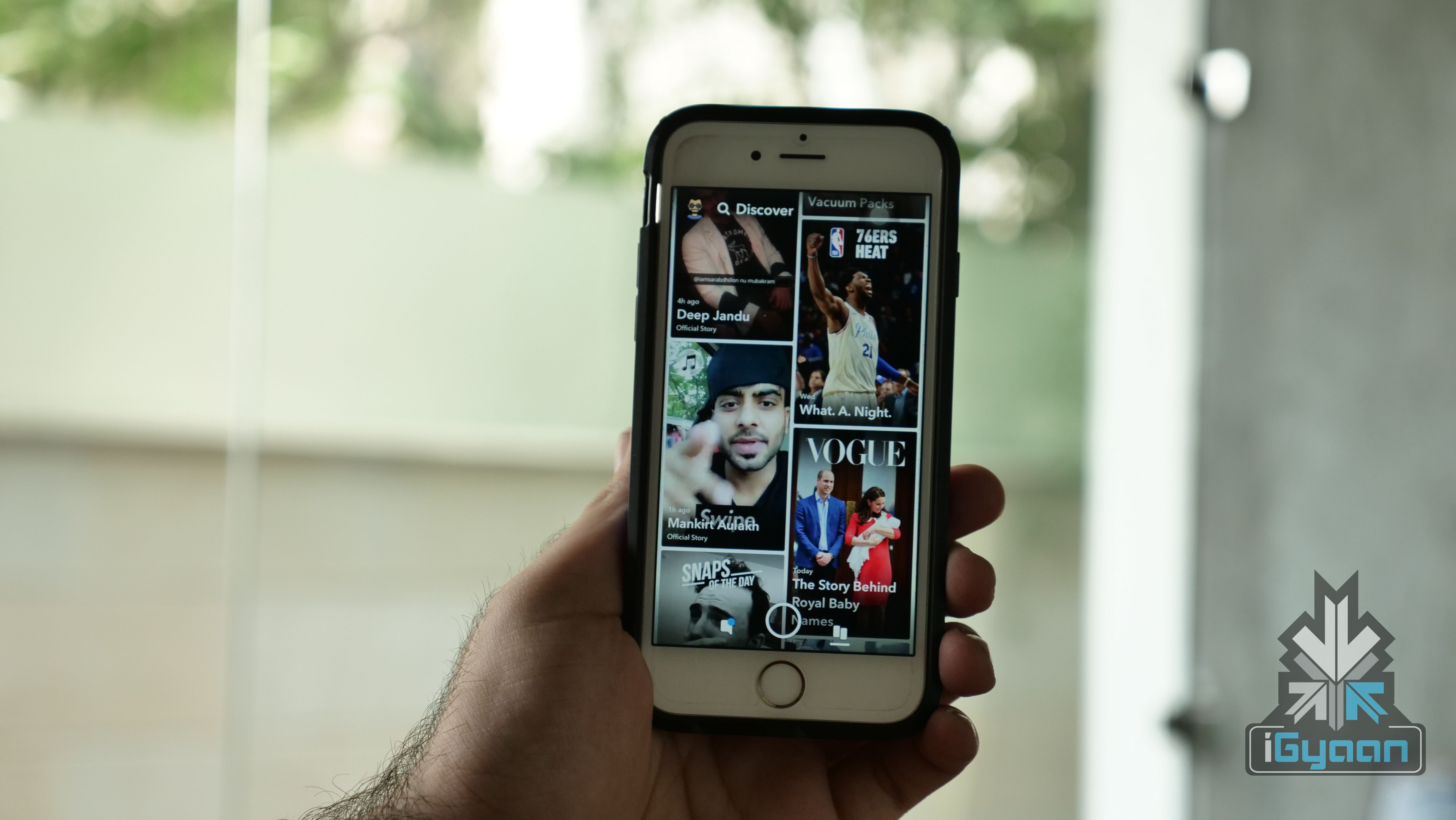
 Initially codenamed “Project Cognac“, the mobile gaming platform will be integrated into the application itself and will showcase a number of games designed by developers who are specifically working on Snapchat-based add-ons. This project will be unveiled at the company’s first ever summit in Los Angeles, which is being held especially for Content and Developer partners of the company. On April 4, new video content will also be announced for the platform.
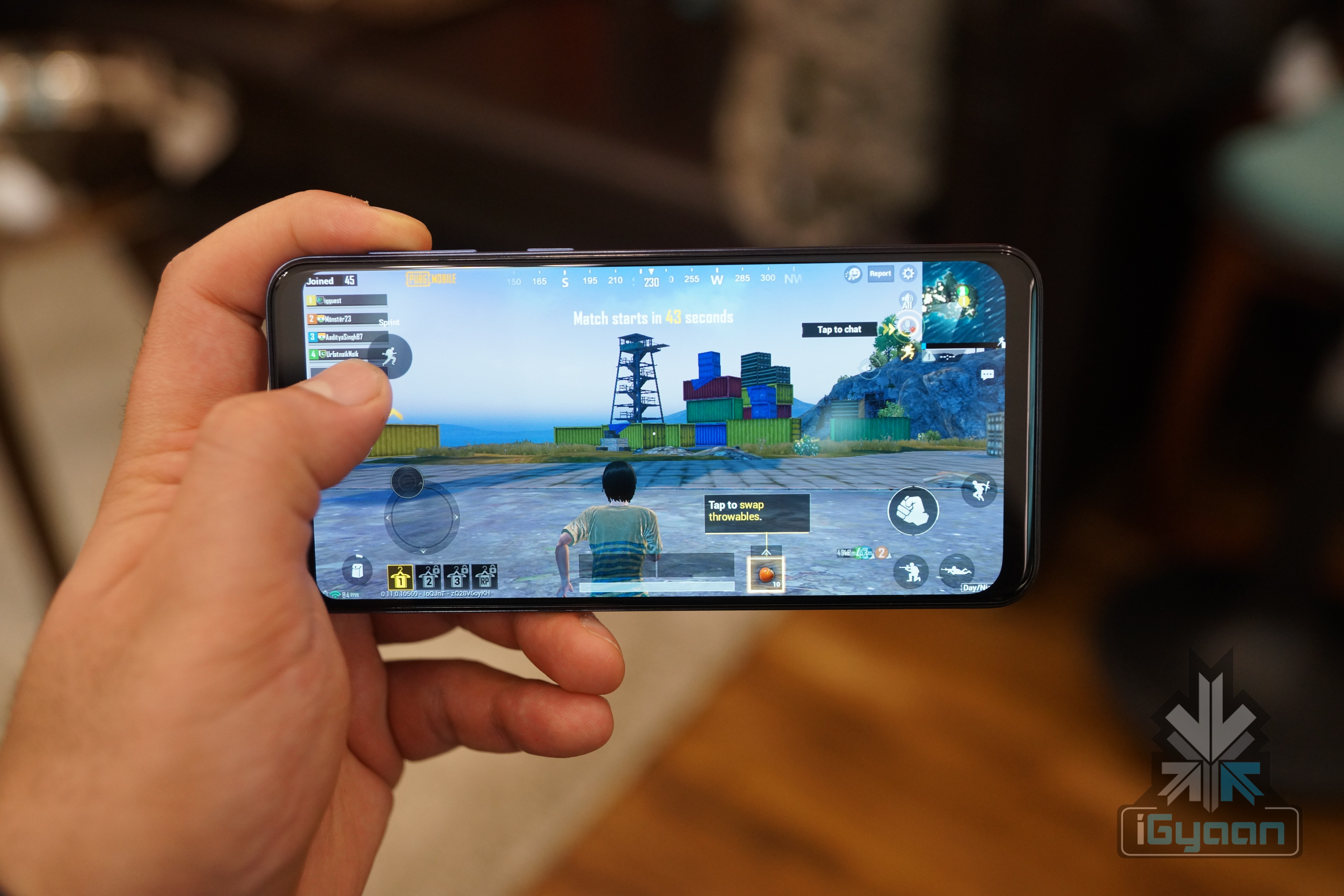 In 2017, Tencent acquired 10 percent of Snapchat’s public market shares. The Chinese tech giant has published some hugely popular games like League of Legends and PUBG Mobile, aiming towards the idea that Snapchat may have collaborated with Tencent for the launch of their gaming platform. Snapchat has already been exhibiting interest in AR (Augmented Reality) games since early 2018.
 Also Read:

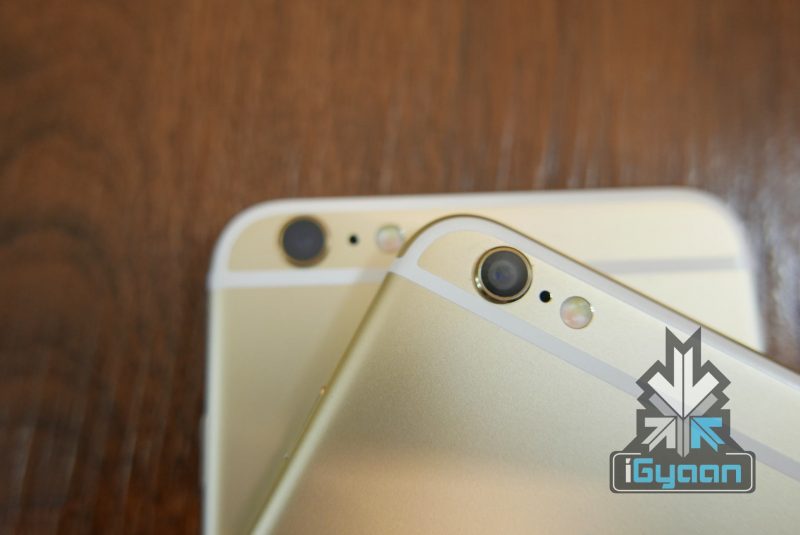 As mentioned before, it has been confirmed that Apple is phasing out the iPhone 6 and 6 Plus, leading to an increase in the entry price barrier for Apple devices. Consequently, Apple’s entry level smartphones will now be the iPhone 6S and 6S Plus, which are already retailing at a higher price point compared to the previous entry level models, the iPhone 6 and 6 Plus respectively. The American technology organization claims that even after reducing the selling prices of some smartphone models in the country, the market response is not up to its expectations. This is reflecting on the fact that Apple has a lower percentage of shares in the Indian smartphone market as compared to other countries, where Apple is the leader of market shares.
 Also Read:
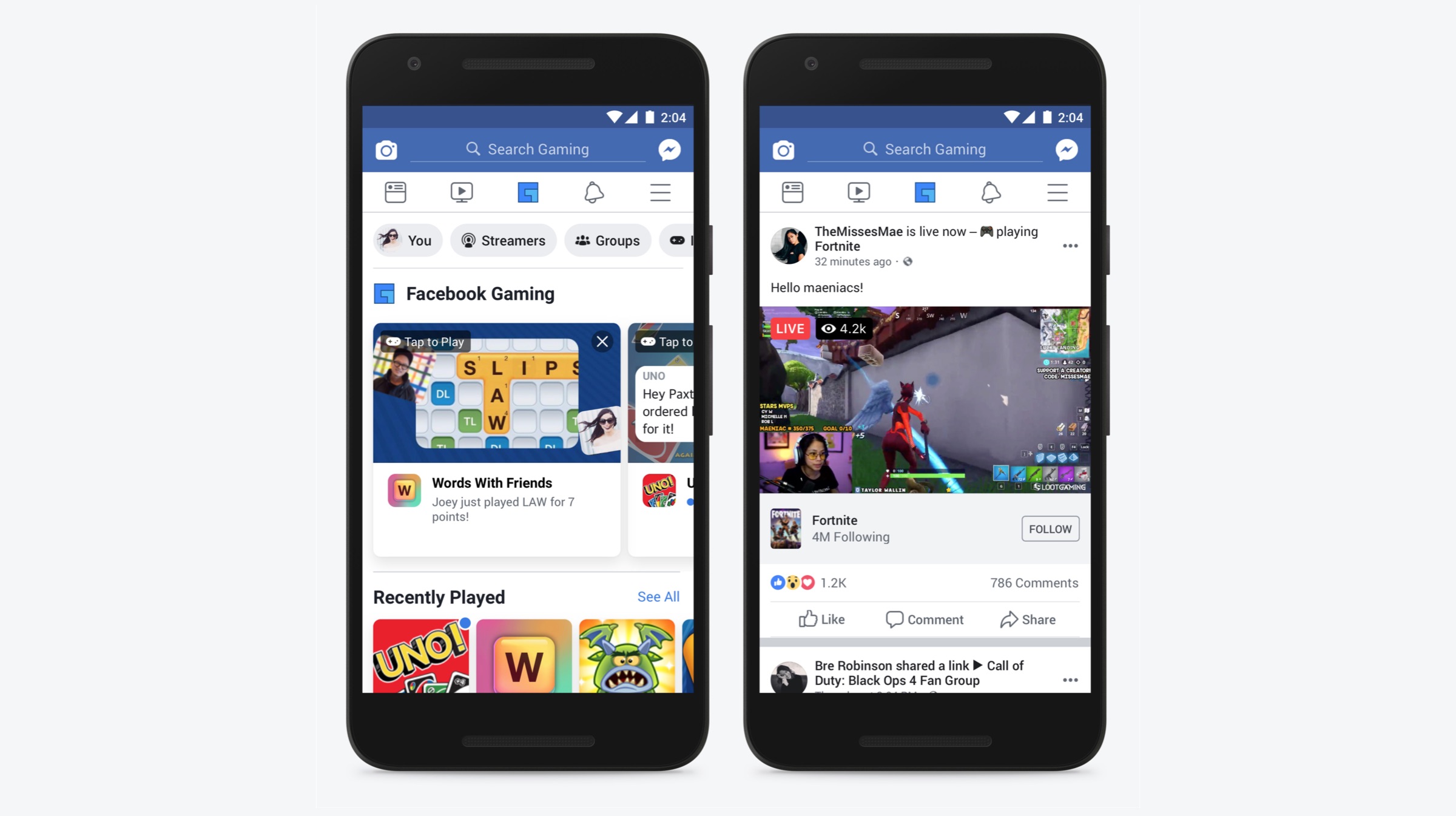 With an approximate 700 million users interacting with game-based content (as per Facebook), live streaming is becoming a platform to connect with gamers over social media. Previously, users discovered new gaming channels via their news feed, where they followed the streamer’s page and got notified every time they went live. To make it easier to find live games at one place, Facebook is rolling out an update which adds a gaming tab in the app navigation bar, using which gamers and other users can discover popular games being streamed around their area, as well as gaming content from the creators they follow.

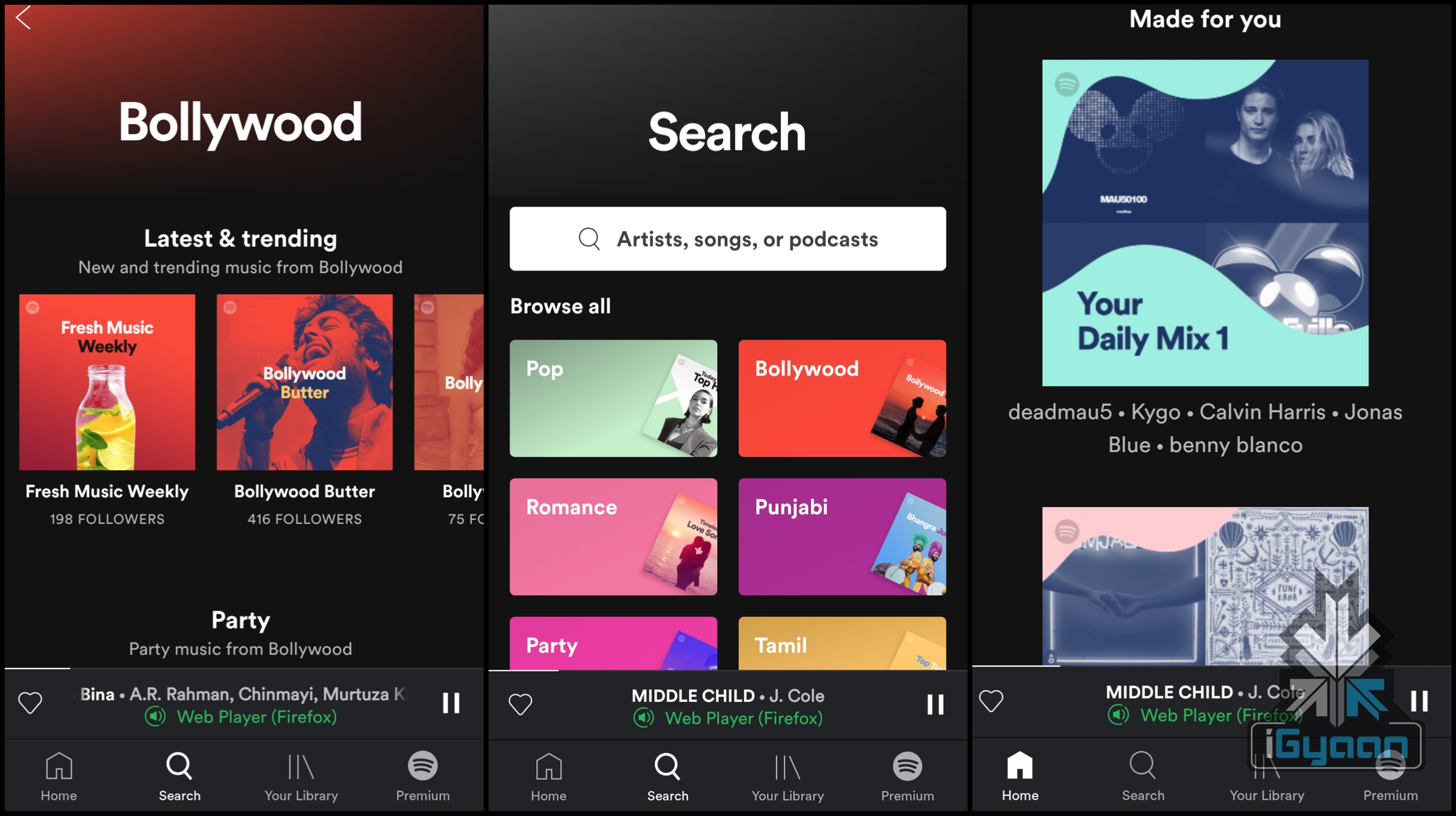
 Music applications like Apple Music and Last.fm have been around for a long time too. There are still a lot of users who side with apps like Saavn, Gaana and Soundcloud. But the reason why Spotify is different are the algorithms that form the basis of what the service is. Over 100 million users use Spotify’s music algorithm every month to listen to music that’s tailored for them. An Indie music fan wouldn’t be a huge fan of Electronic Music, and someone who likes Hip hop would not exactly enjoy folk music.
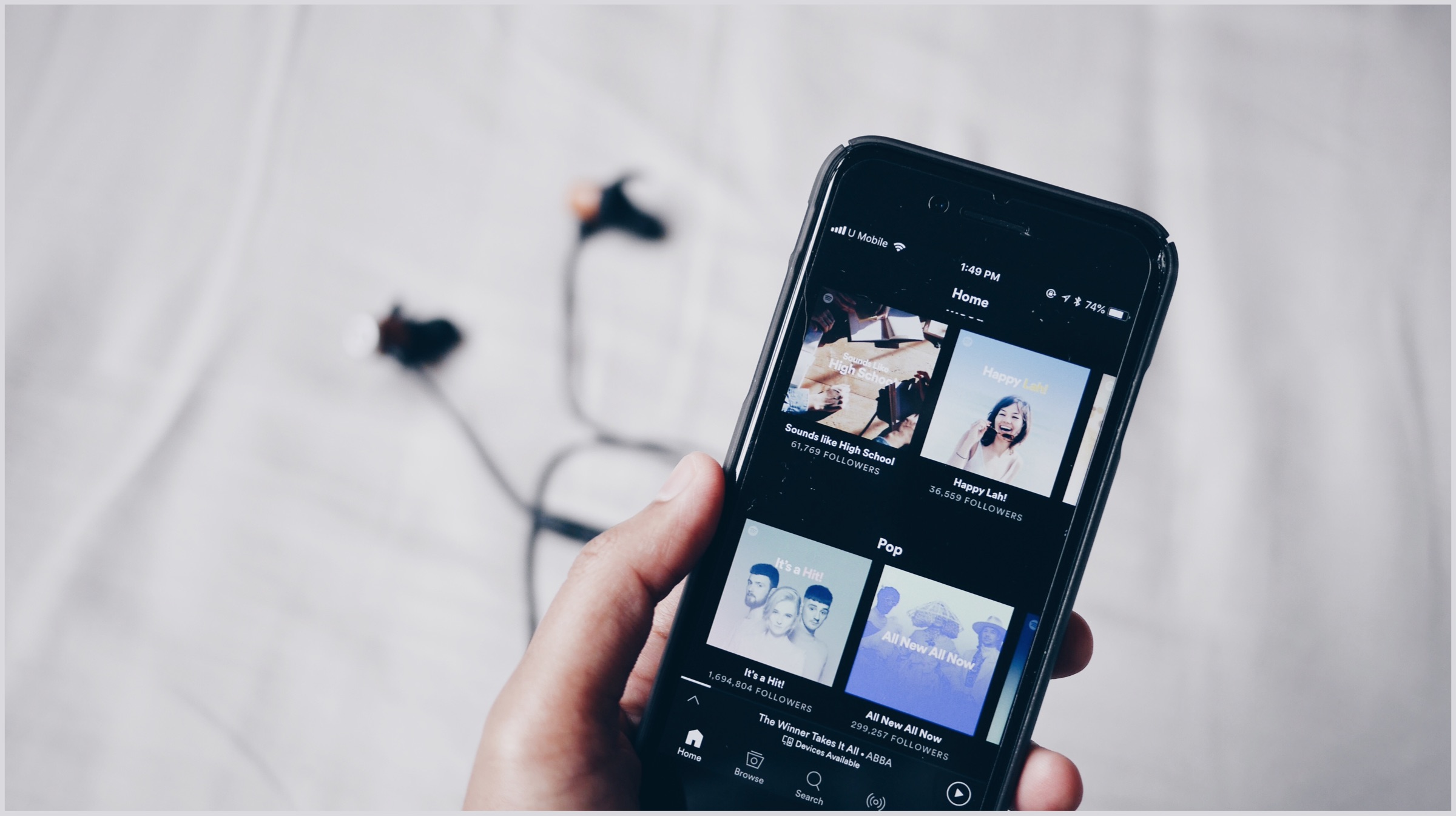 Spotify understands that. In 2015, the company launched its ‘Discover Weekly’ feature, which allowed users to explore a weekly playlist that’s curated by Spotify. The playlist includes soundtracks that the user might like, based on his/her listening history. Not just that, the algorithm also goes through the most recent releases for each artist you like, runs it through a user base of almost 2 billion similar playlists and adds that music to your playlist. Usually, people get used to listening to the same songs every day, but Spotify users have reported that the “Discover Weekly” feature makes listening to music a lot more fun than ever. It’s like the algorithm personally knows its users, listeners state.
 To make it simpler, one of the first media streaming services that used this algorithm was Netflix. It analyzed a user’s rating for a specific movie and compared it with another user’s rating to find out which movie taste such users had in common. After that, it used this analysis to recommend movies to similar users. Needless to say, Netflix was hugely successful, because it “knew” what people liked and how to keep an audience hooked.
 Natural language processing (NLP) is a technique that has long been used for translating human speech to machine language. A lot of websites other than Spotify use NLP to find related text across different websites, acting upon which they can implement that newfound information on their own platform. NLP holds a very high spot in the list of algorithms that are used for mining big data.
 Analyzing Raw audio models is basically Spotify’s way to ensure that new tracks don’t go unnoticed. Take it this way – taking a technology similar to Facial Recognition and applying it to soundtracks is what Spotify does. It analyzes the audio data including the wavelength, time signatures, key, tempo and loudness of a music track, and then uses the same to find more tracks with similar audio signatures. This allows the music service to detect similarities between songs and therefore, it suggests those tracks to users.
 Also Read: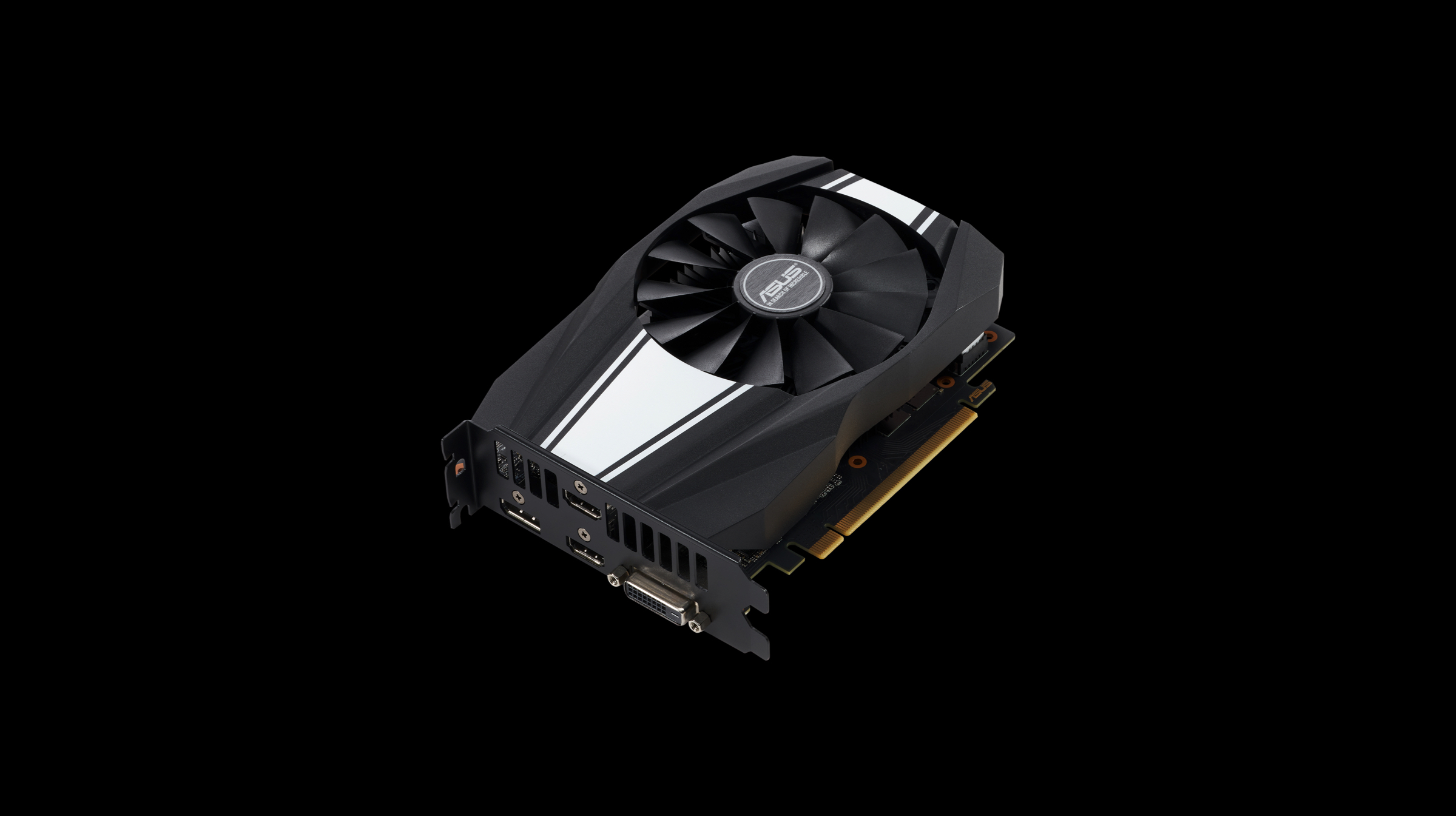
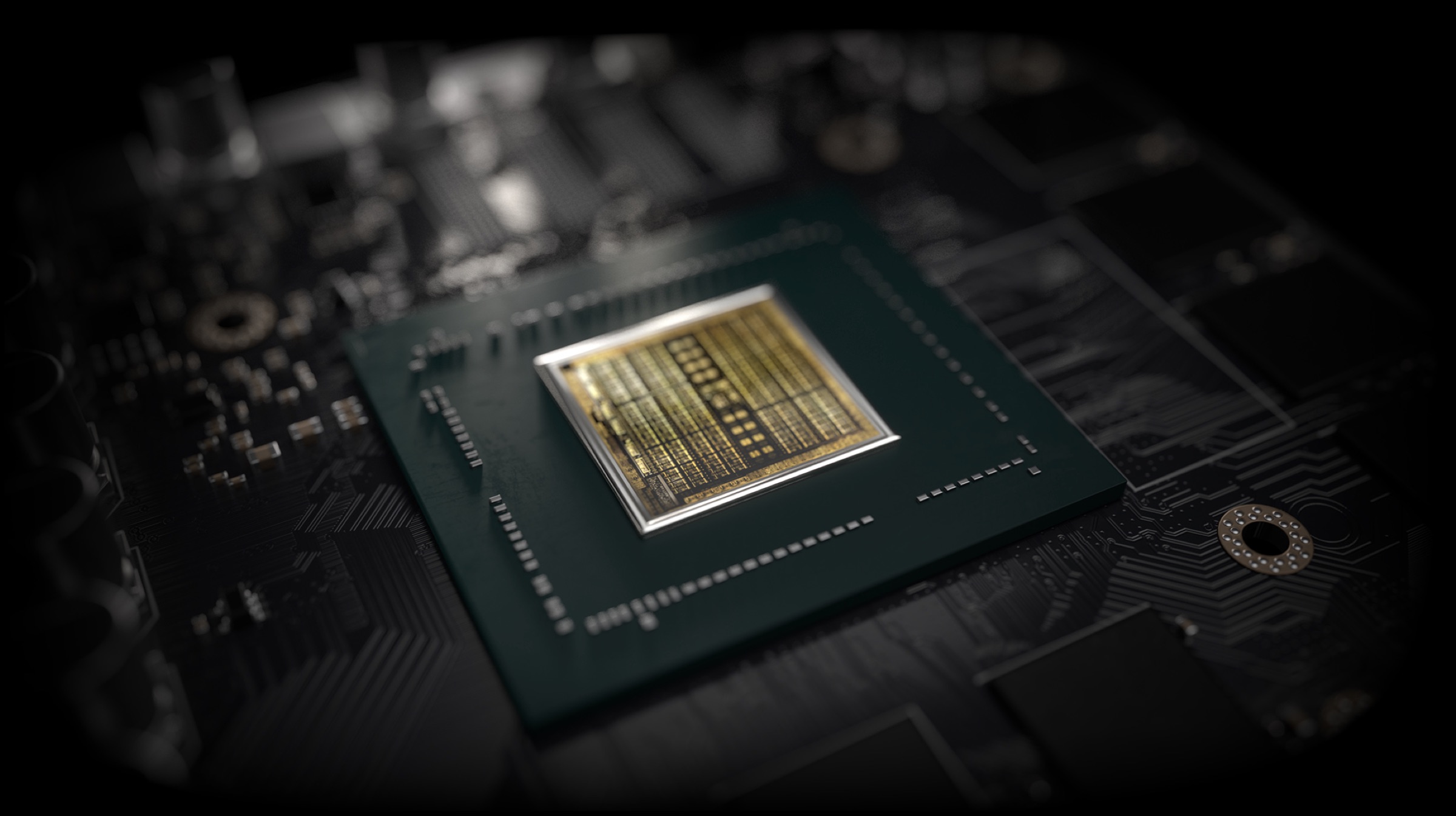
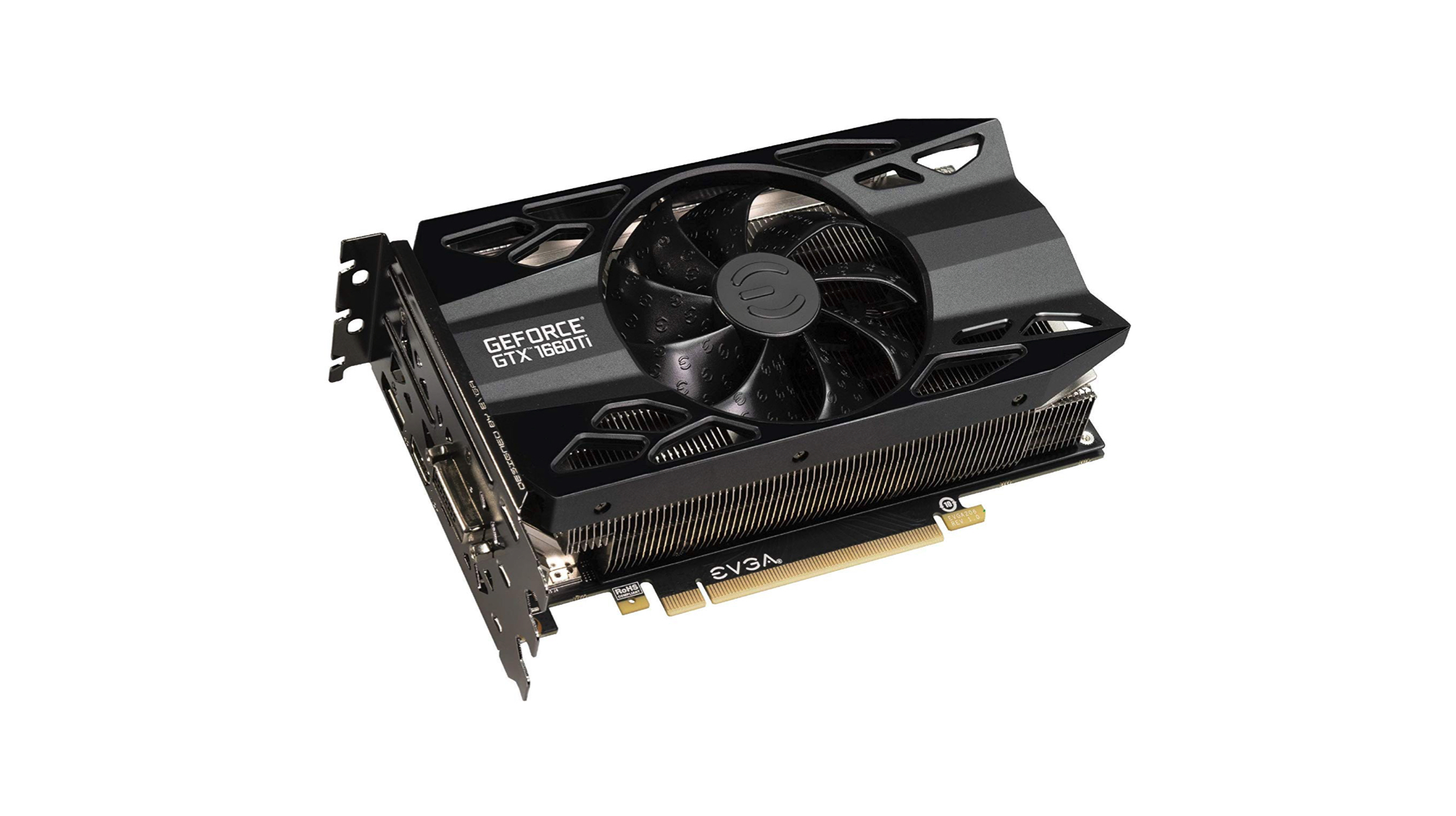
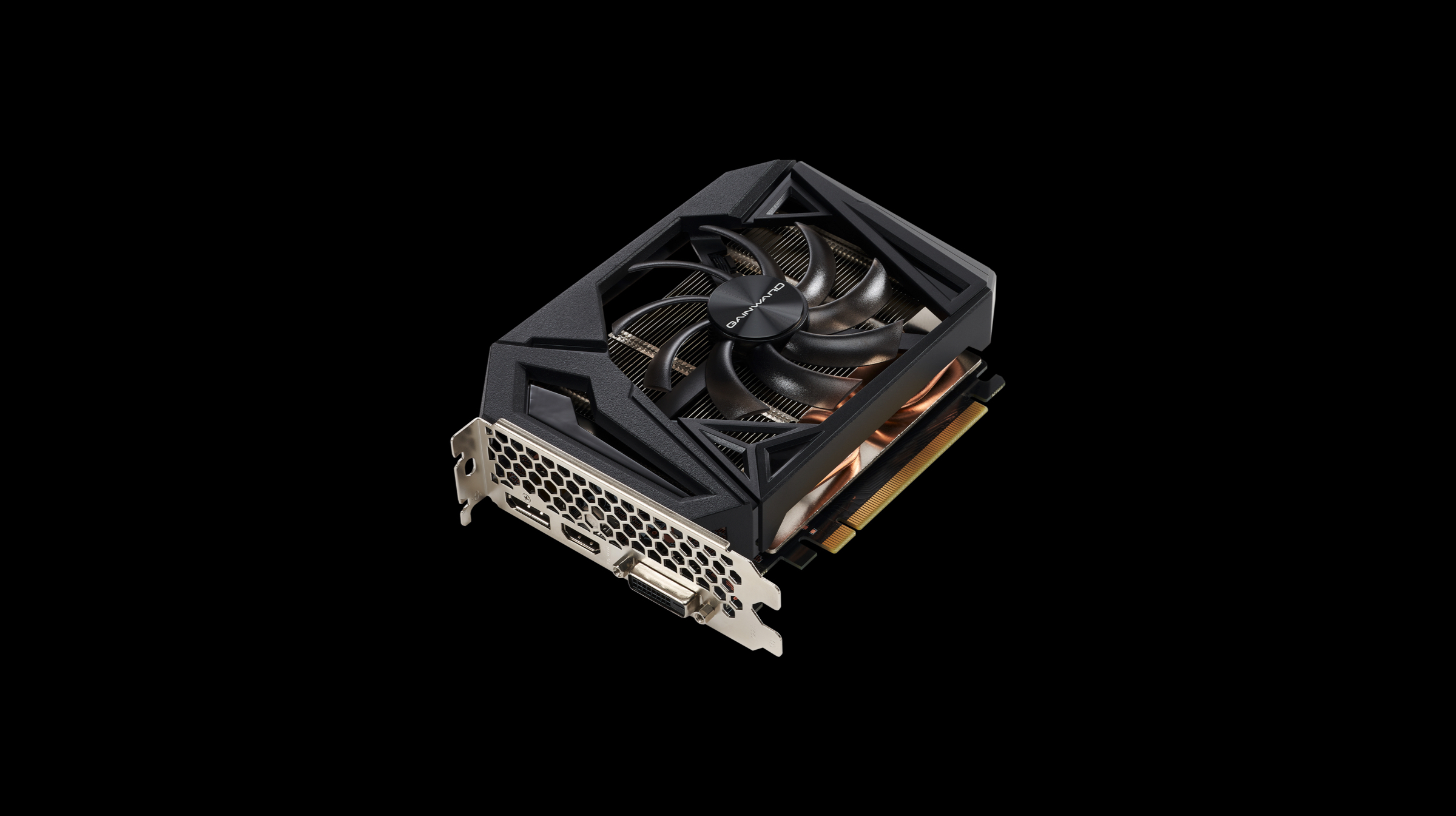 As mentioned before, the GTX 1660 is based on the 12th Generation Turning Architecture. The company claims that 1660’s architecture is much more power efficient than the standard Pascal architecture. The GPU chip requires 120 watts of power to operate optimally, which means that users with Generation 800 and 900 NVIDIA cards can upgrade to the GTX 1660 without upgrading their power supply unit. Taking increased power efficiency into consideration, NVIDIA claims that the GPU delivers the best performance per watt in its class.
 With built-in NVIDIA Ansel, the 1660 enables users to capture high quality images in-game or create 360-degree photospheres of the same. Using NVIDIA Freestyle, gamers can use post-processing to customize the way their games look.
 Also Read:
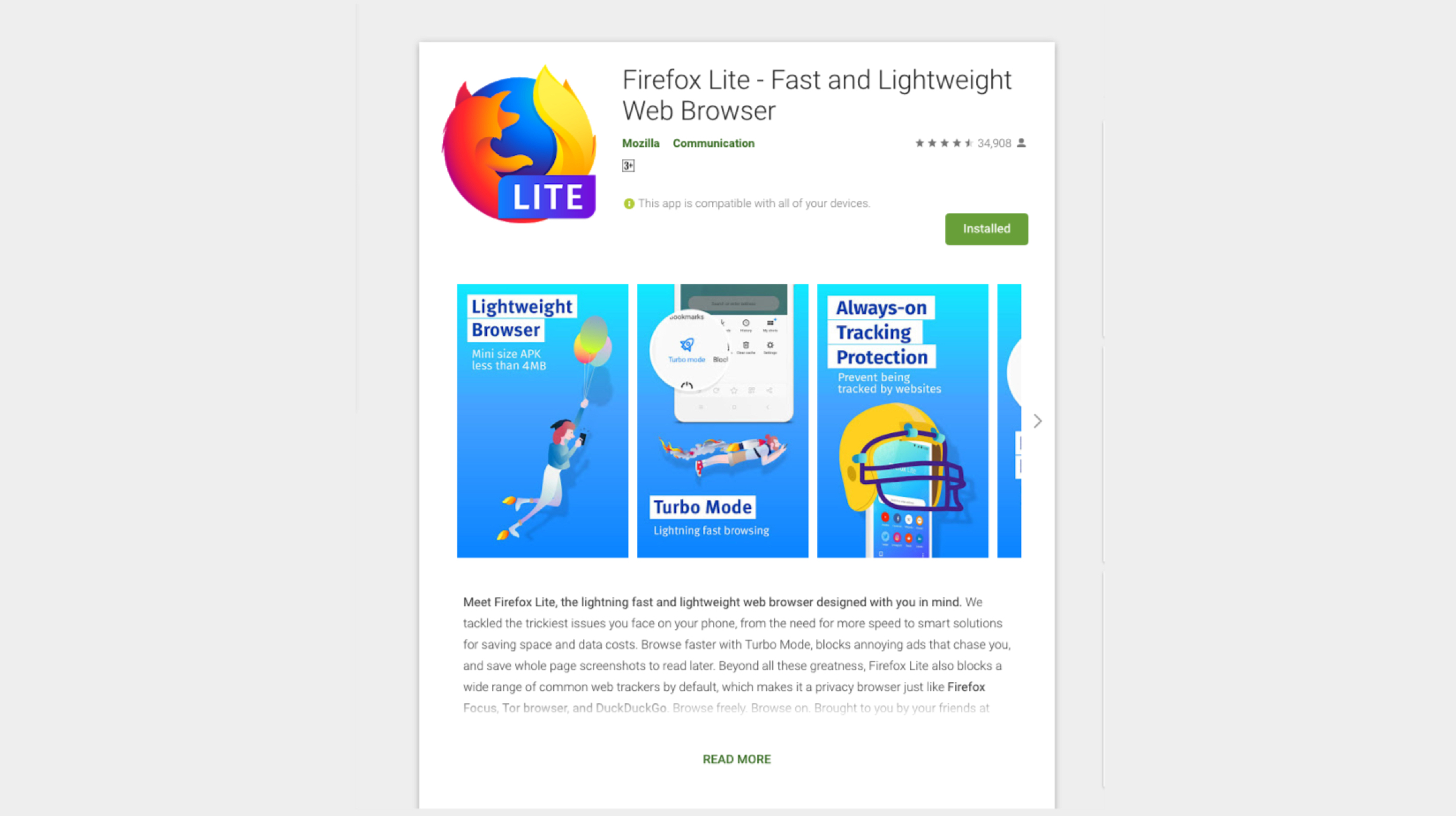
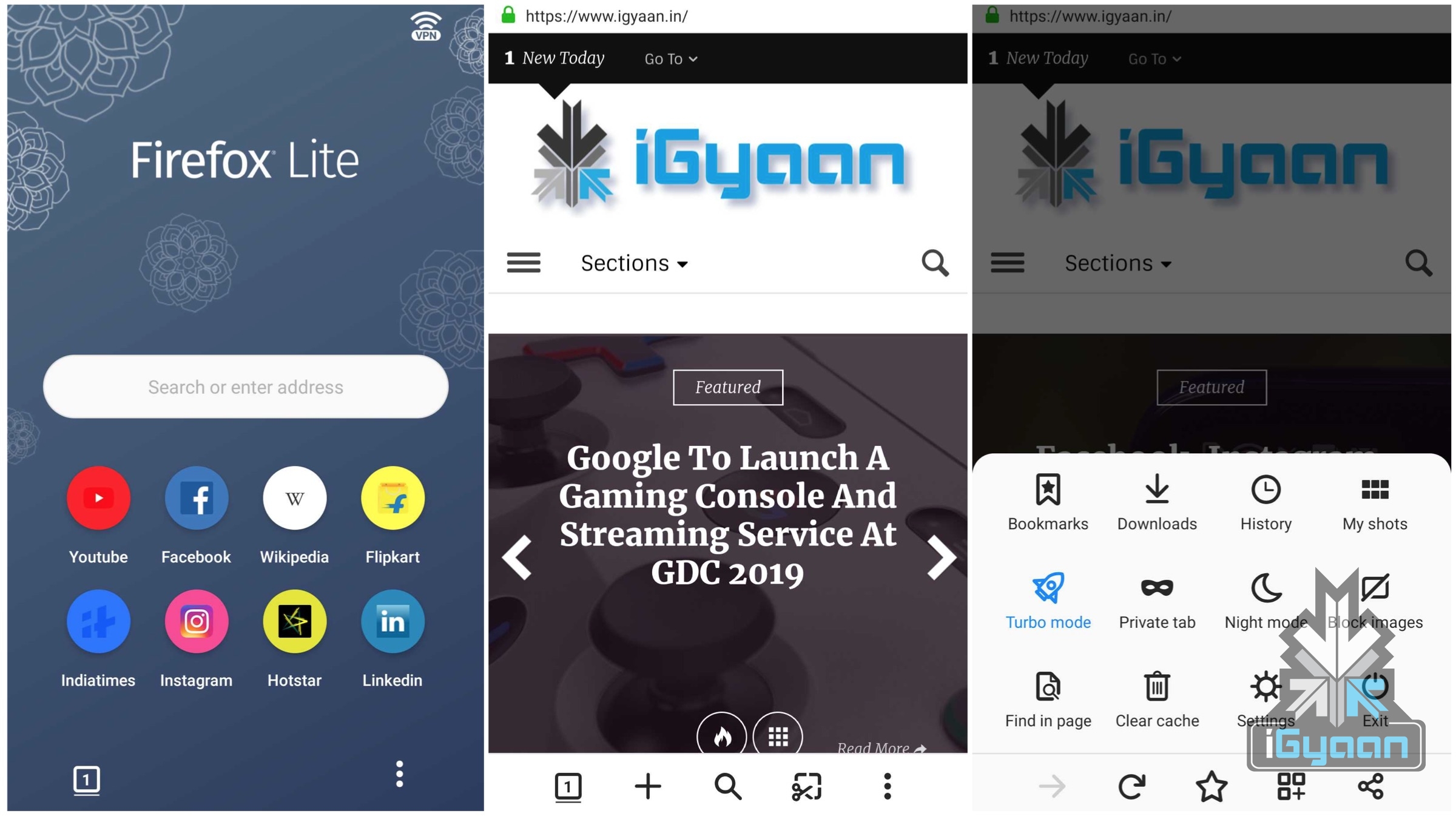 Mozilla Firefox Lite is available with a host of features to improve web browsing in Android devices. The company claims that the “Turbo Mode” in the browser can automatically block third party ad-tracking code, helping websites load much faster and reducing overall data consumption. In addition, the browser has a night mode, a feature which is being adopted by a multitude of applications in the market. Users can also long-press the Night mode option to customize the brightness of the mode.
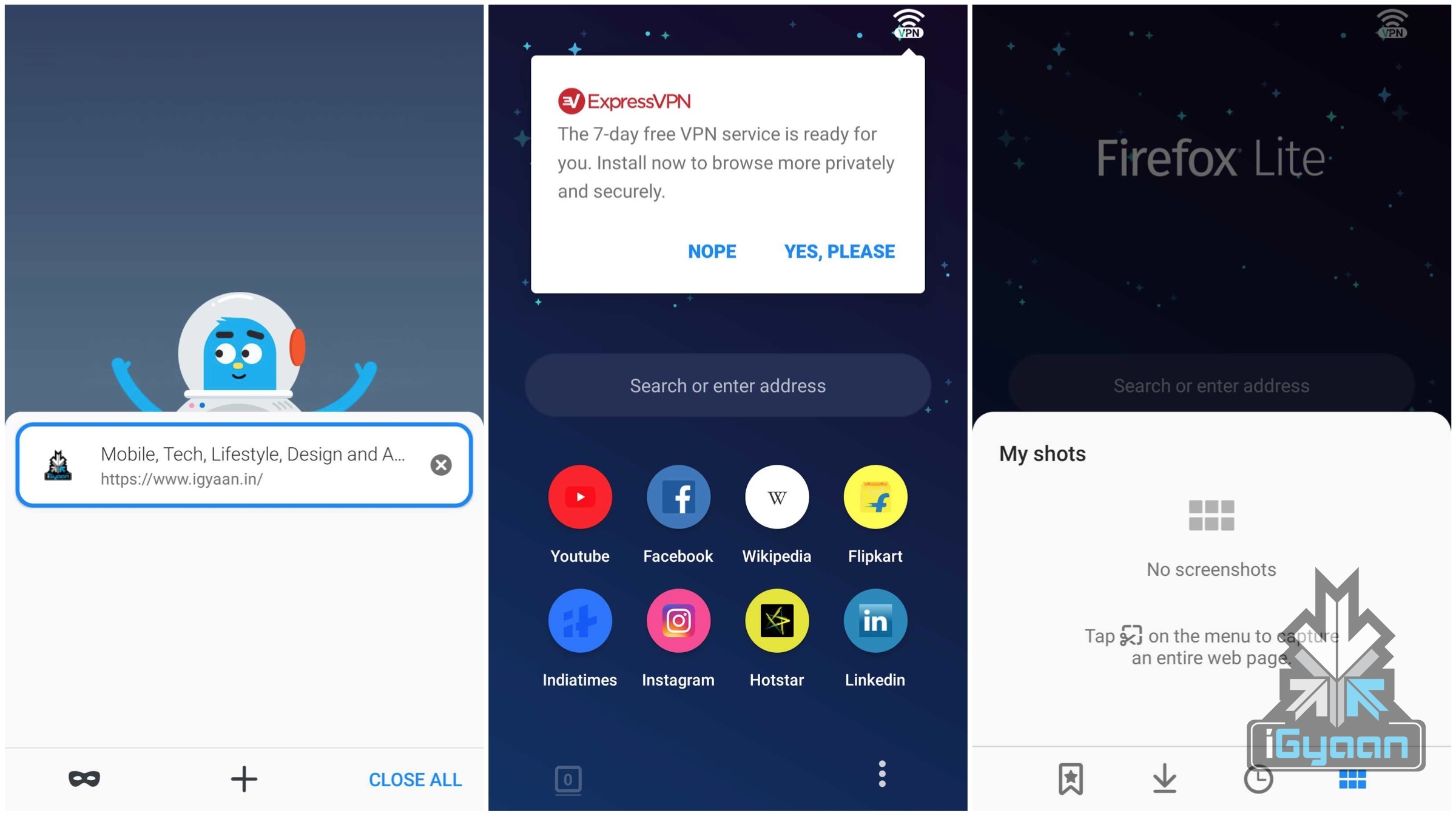 The browser also has an option for VPN browsing, called ExpressVPN. The plugin can be downloaded separately from the Play Store and can help users browse more privately. Noteworthy, the VPN service is free for only 7 days, after which users will have to pay for the same. Another helpful feature in the application is the “Block images” feature, which will hide all the images on the website for faster loading times.
 Also Read: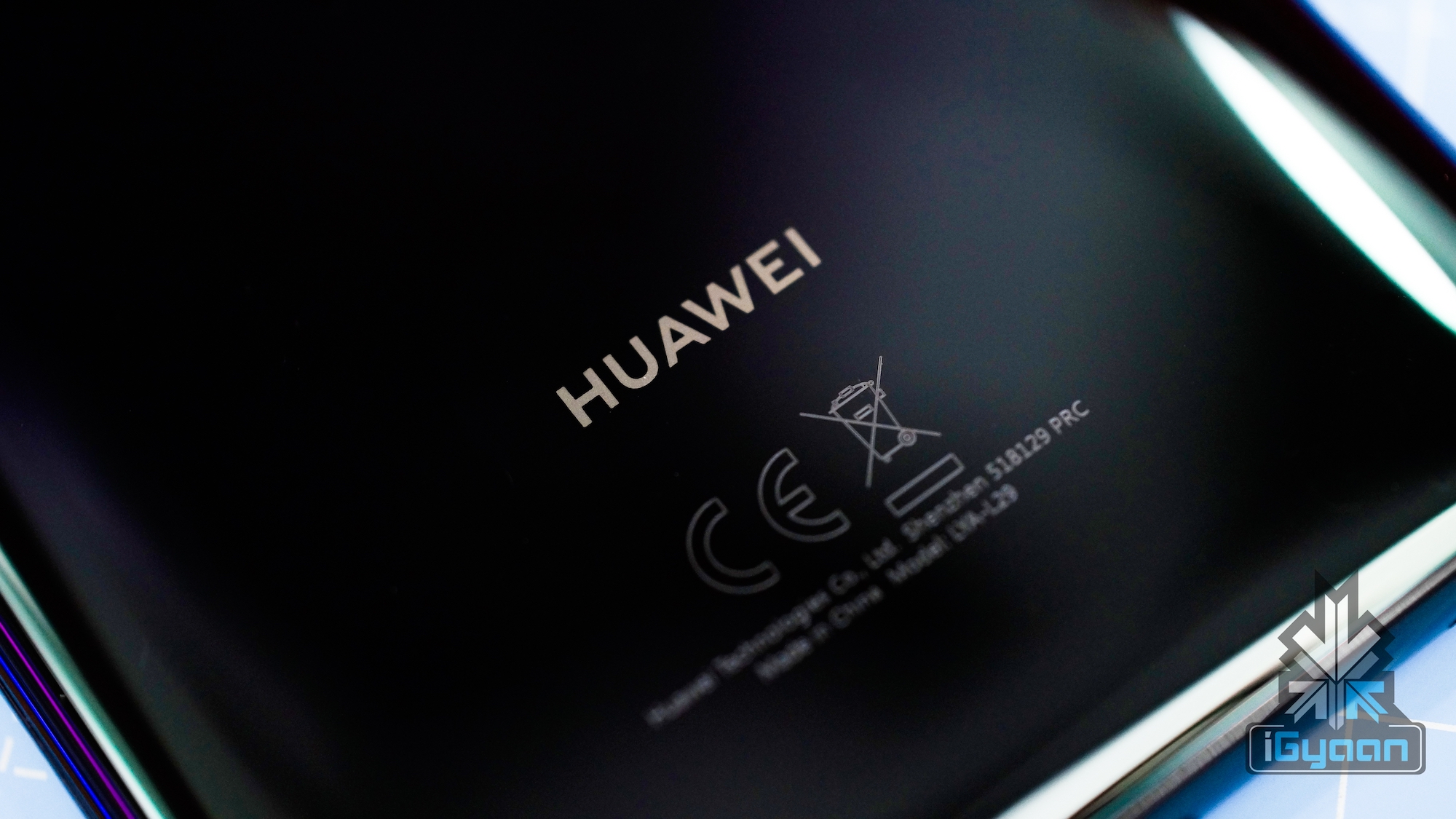
 The
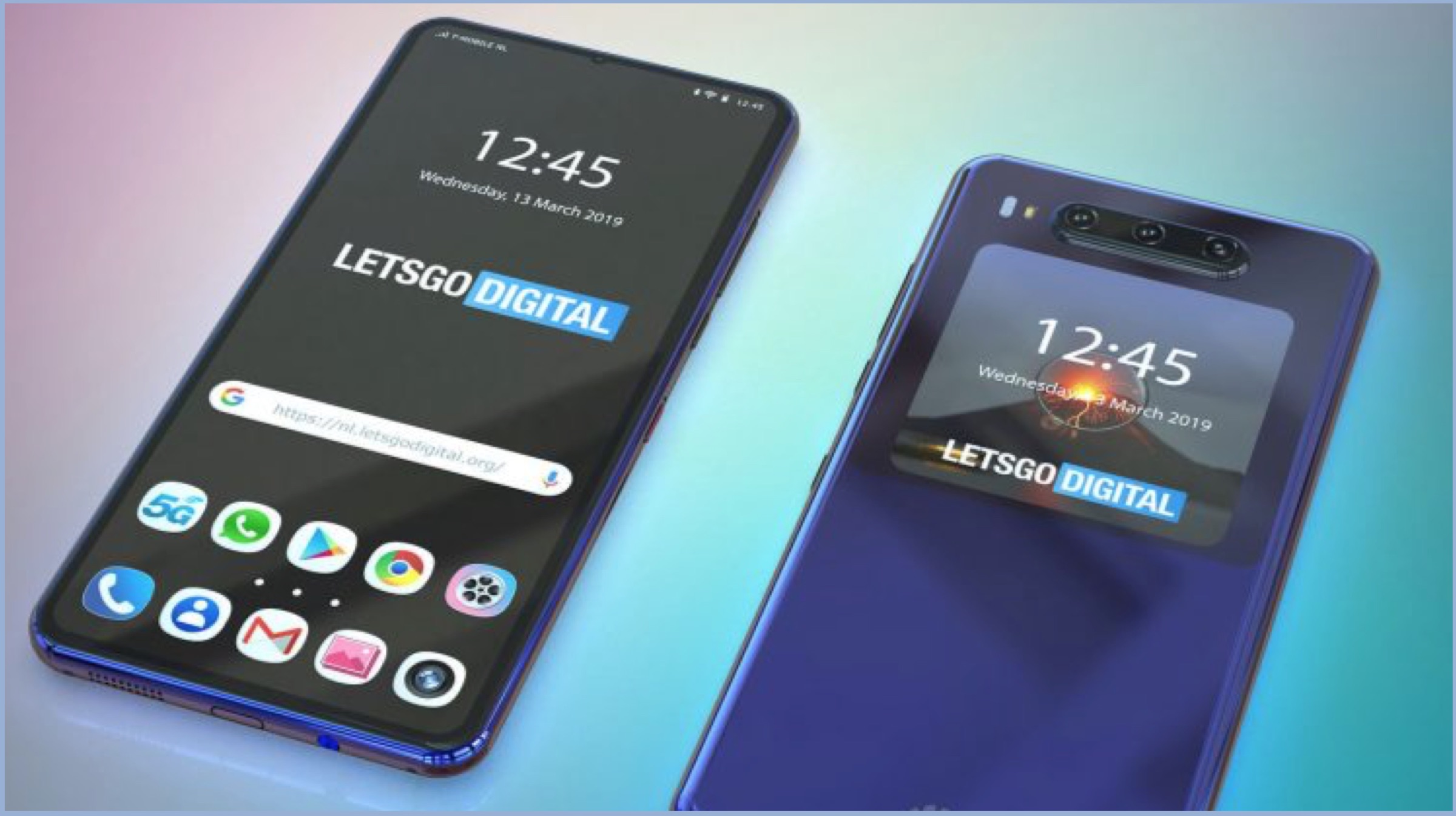
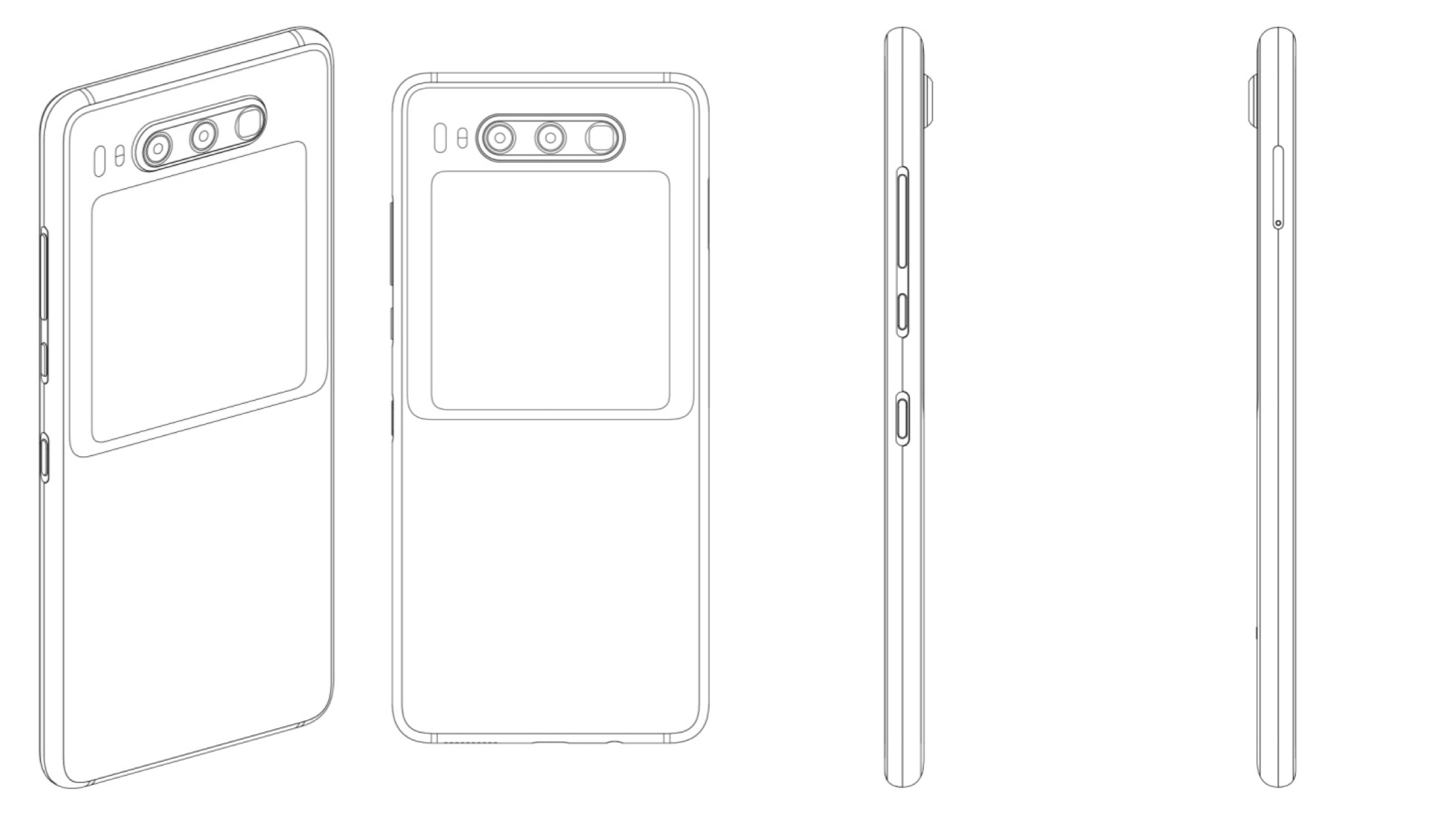
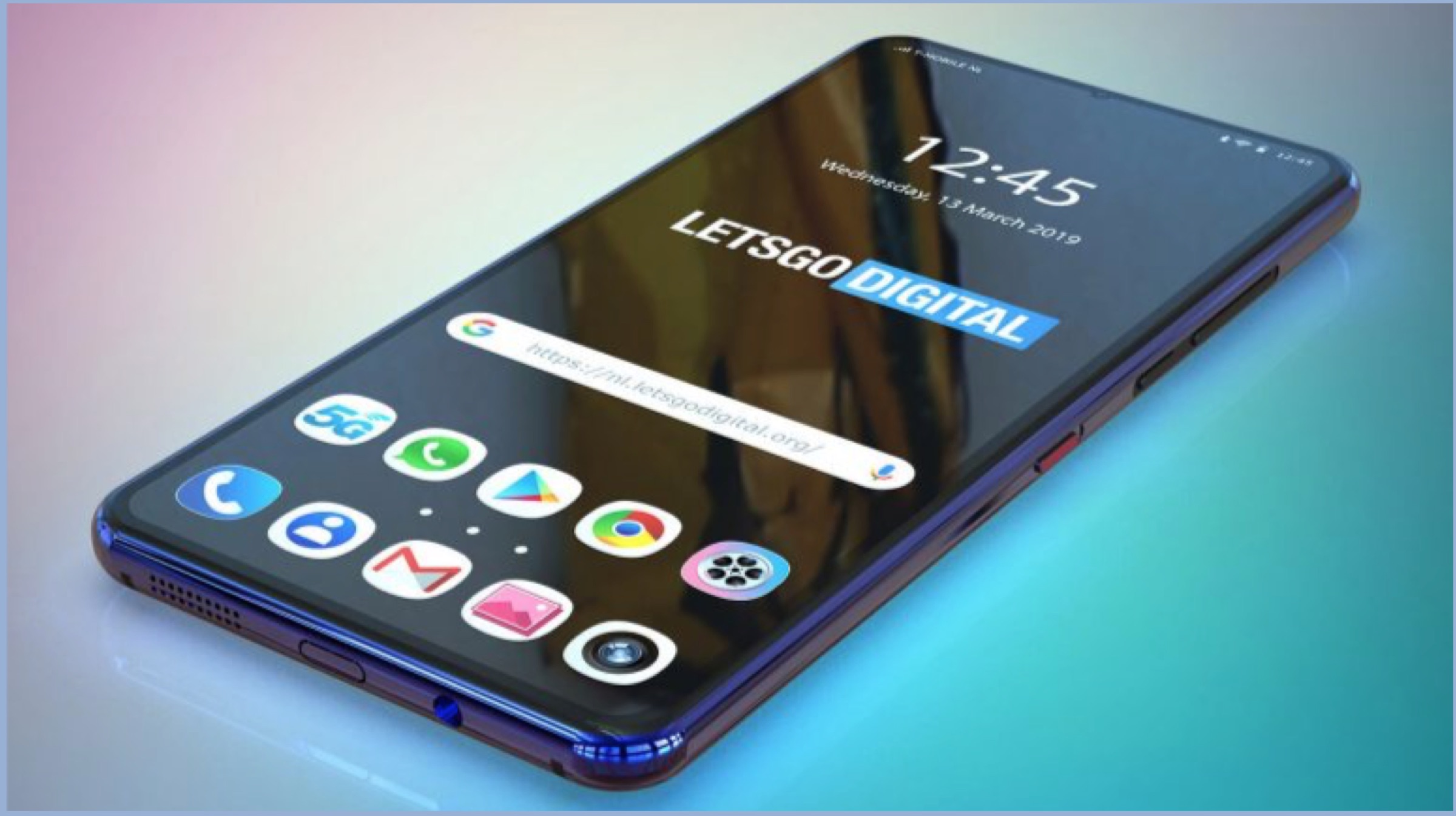
The 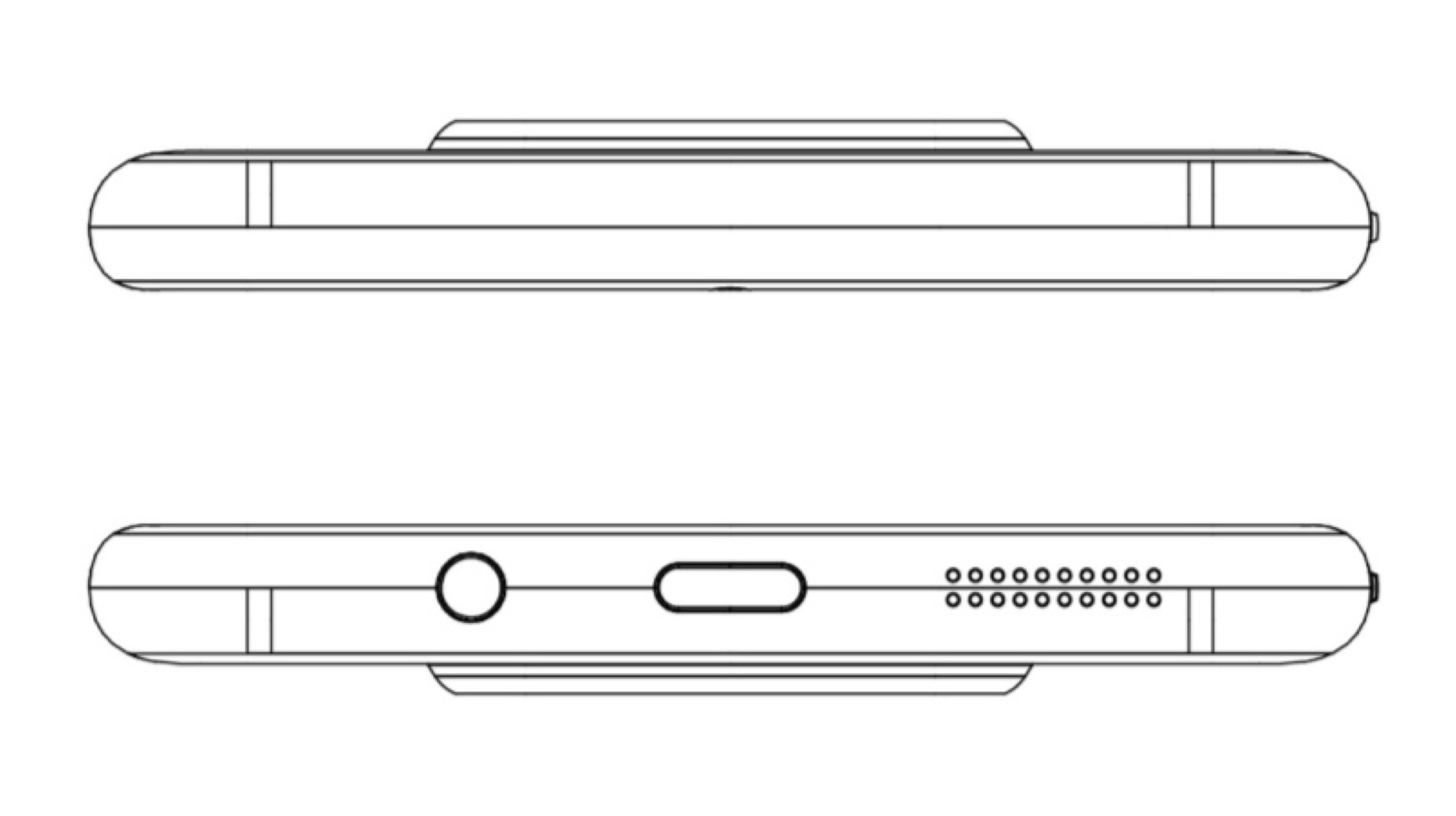 The patent shows that the Huawei device also houses a ToF (Time of Flight) sensor in the front notch for face recognition. Noteworthy, the Vivo Nex was launched without a front camera or sensor so as to implement a full-screen design. Furthermore, the patent also shows a 3.5 mm headphone jack placed at the bottom of the device, placed right next to the USB Type-C port and the loudspeaker grille. The left side of the smartphone houses the volume rockers and the lock/power button, along with another button that may be used to hot-switch between the two screens. The right side, on the other hand, houses the SIM card tray.
  Also Read:
 The first look of the game is now out, thanks to Warner Bros. and Niantic Games. The primary mission of the game is to save non-magic folk (also known as Muggles) from evil wizards, and capture them all before they cause any more havoc. The players will play as a recruit of the Statue of Secrecy Task Force, which is a venture by the Ministry of Magic and the International Confederation of Wizards to lock down all the rogue wizards that threaten the sanctity of the wizarding world.
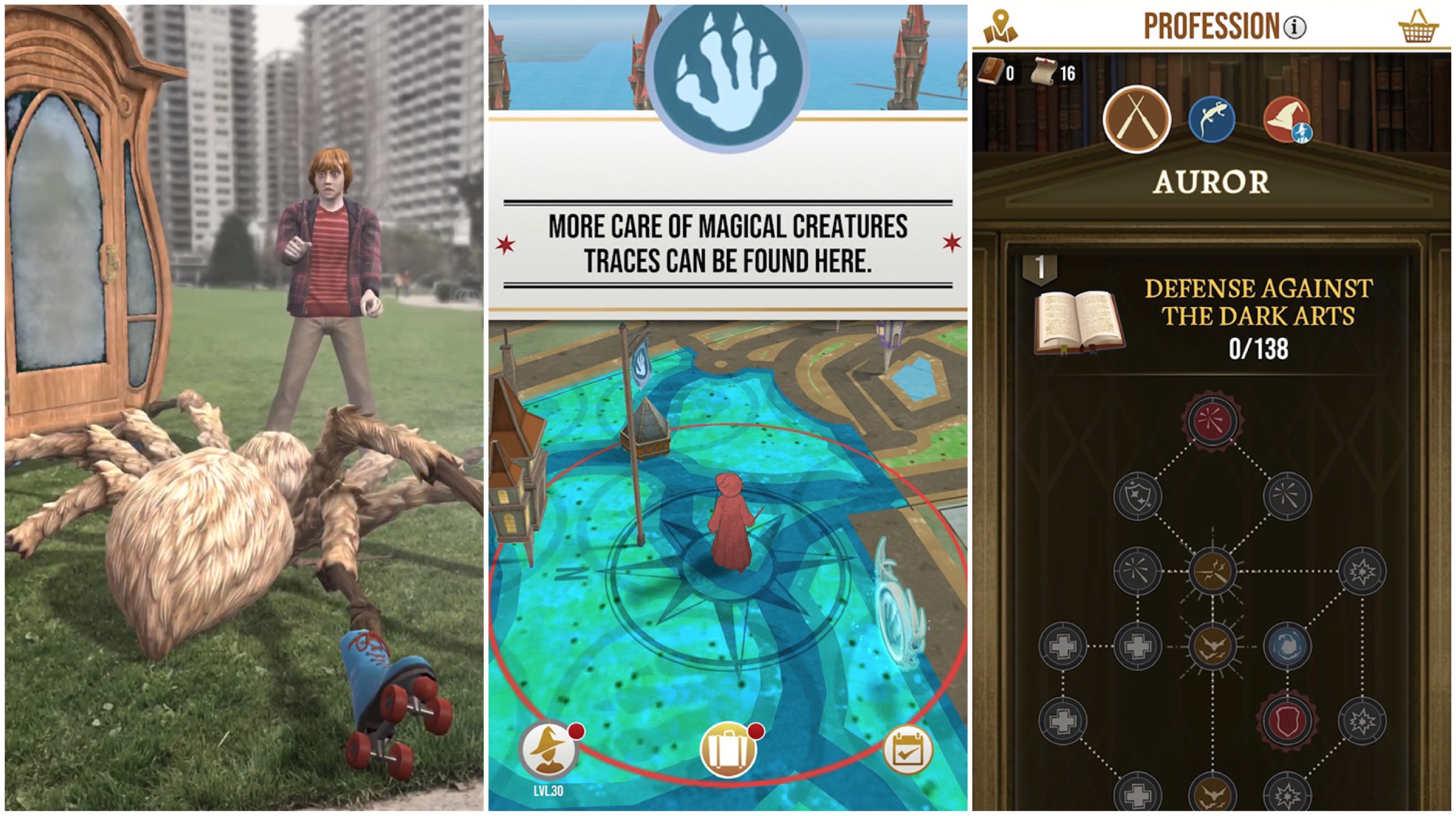 The game will also introduce “Spell Energy” to limit how much users can play in a given stretch of time. Once a player runs out of Spell Energy, he/she won’t be able to cast spells until the Spell energy is replenished at “Inns” by collecting food items and drinks. Also, the player can brew potions to help him/her during battles and travelling. The items required for brewing can be found around the map, and their availability depends on the environment (such as weather, time of day).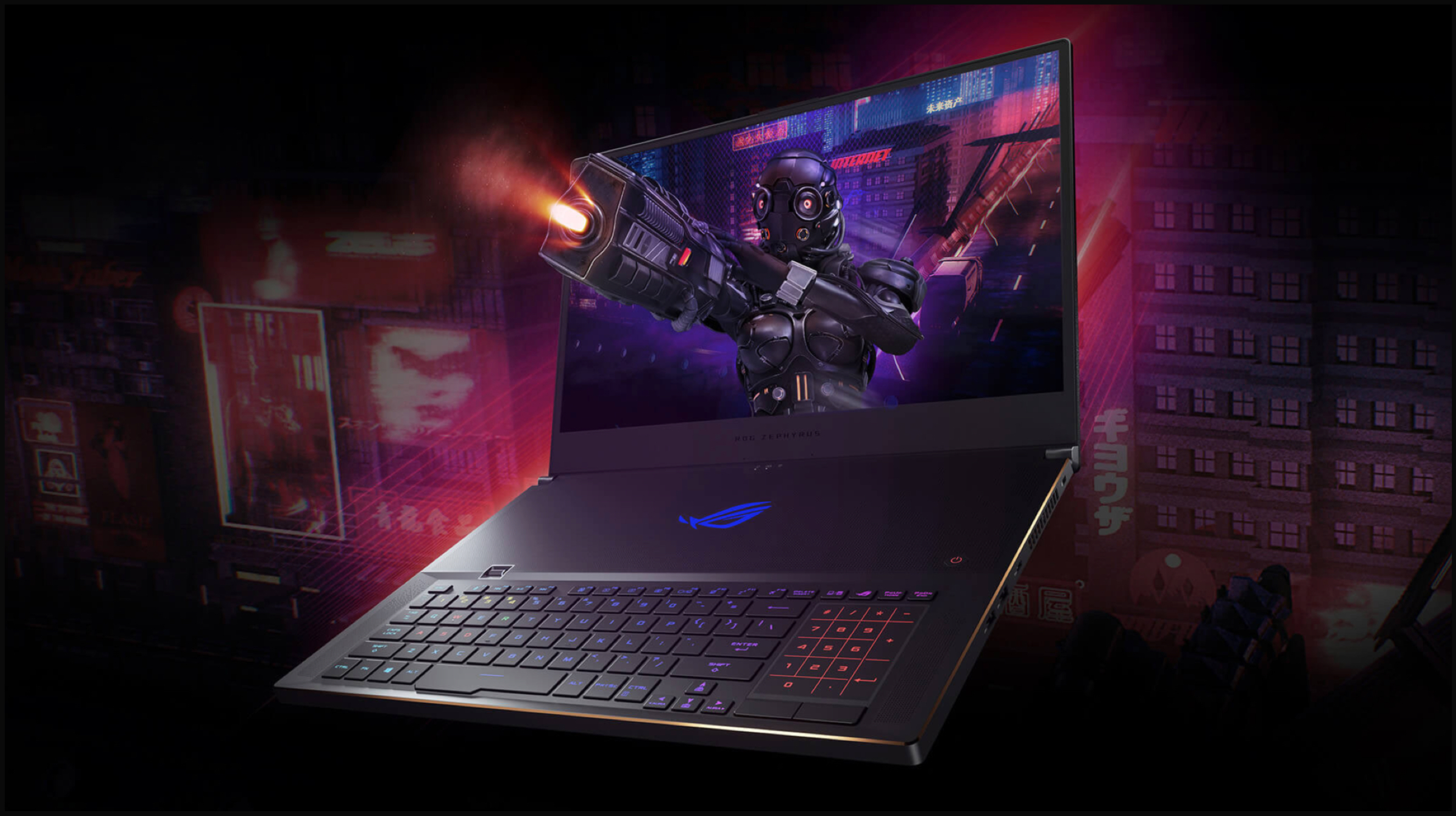
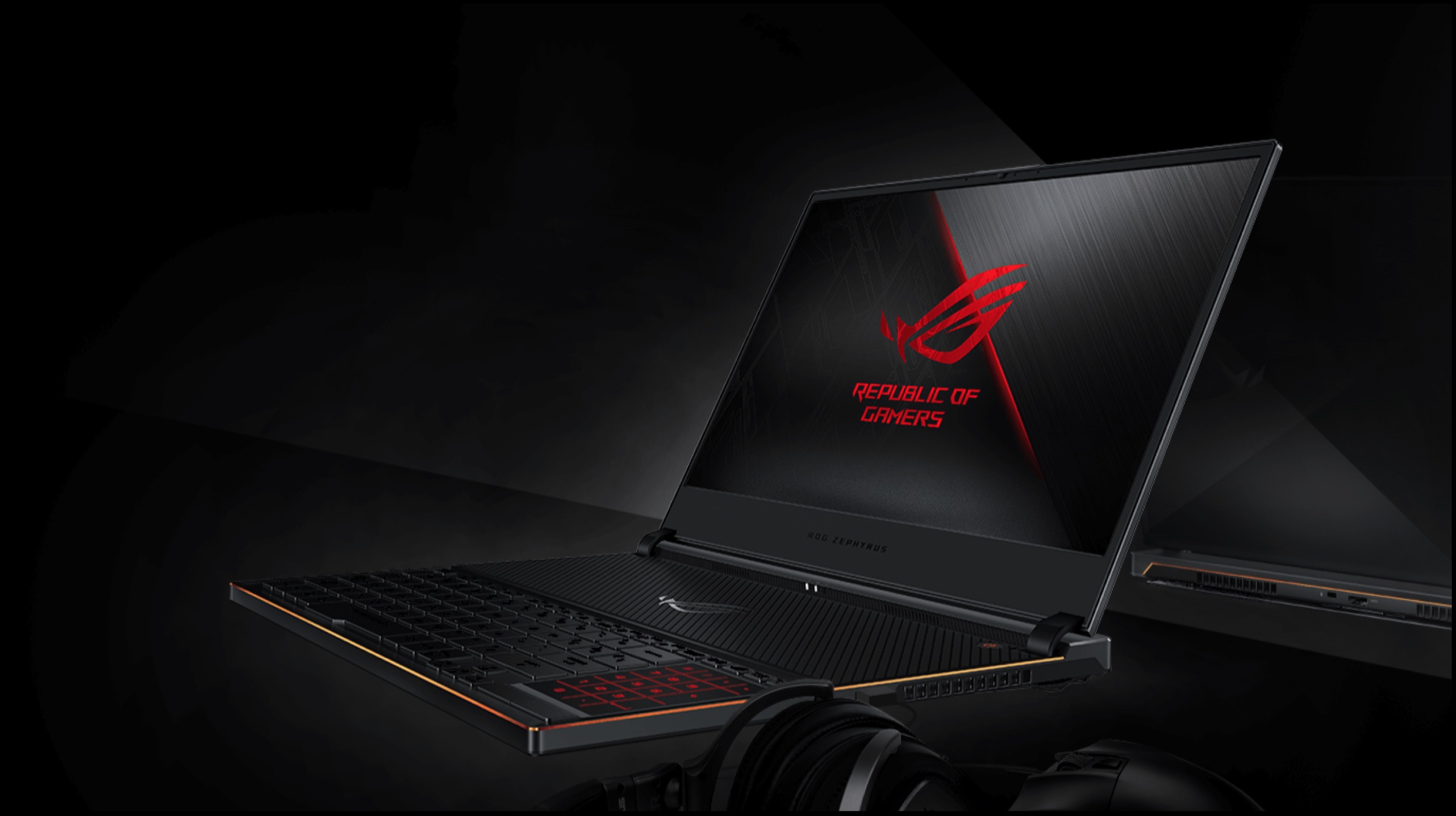 The GX531 features a 15.6 inch Full HD IPS display, with 144 Hz refresh rate, 3 ms response time and full VR compatibility. It packs an Intel Core i7-8750H hexa-core processor clocked at 2.2 GHz, which can be overclocked to 3.9 GHz. The laptop is kitted with the NVIDIA GeForce RTX 2070, which has 8 GB of GDDR6 VRAM. Furthermore, the GX531 has 8 GB of onboard DDR4 RAM, with expansion support up to 24 GB. It has two M.2 NVMe PCIe 3.0 slots and a 512 GB SSD.
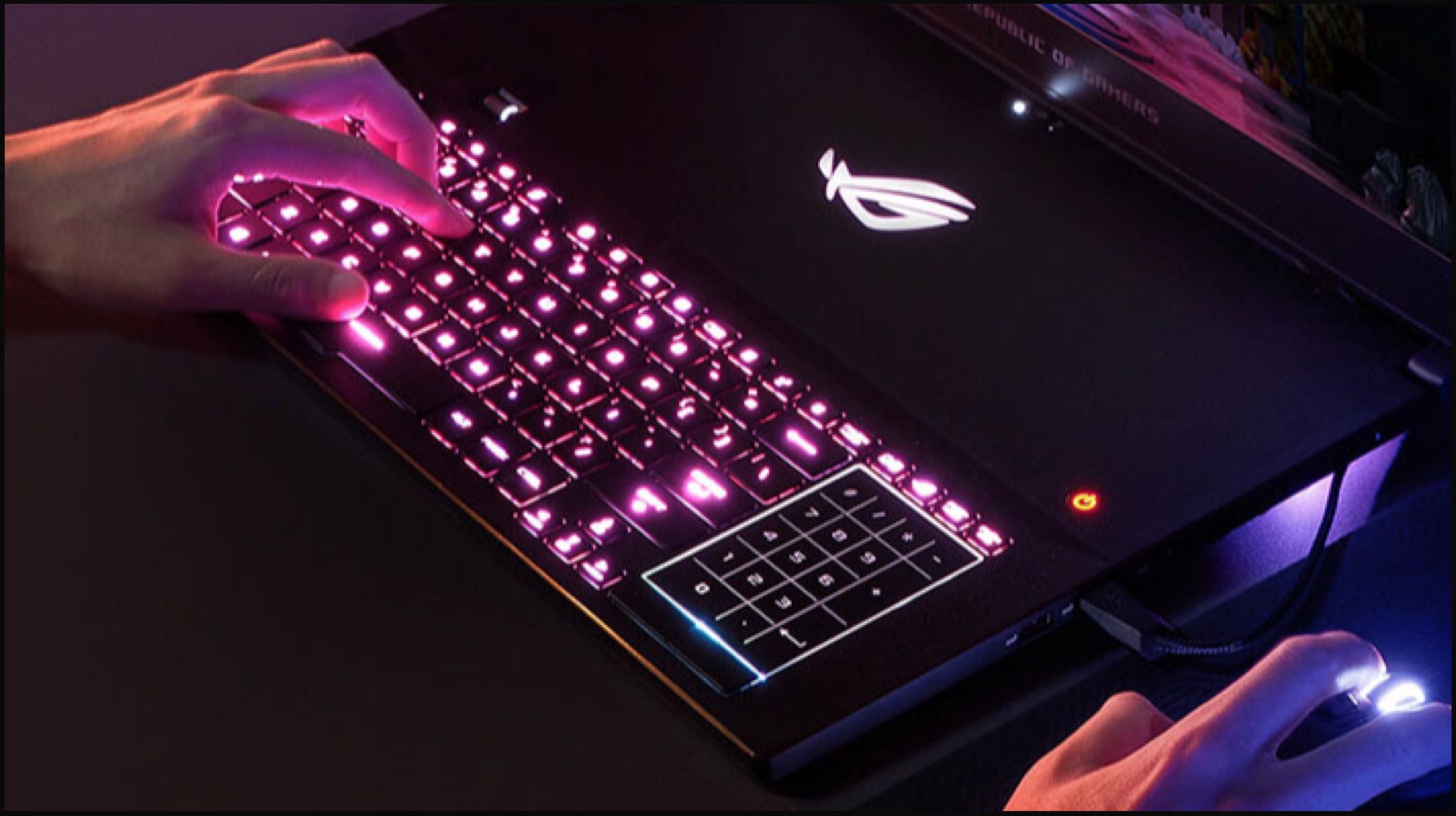 The gaming laptop doesn’t sport a mechanical keyboard, however, it has a Backlit Chiclet Keyboard with N key rollover. The Zephyrus S GX531 supports Aura Sync, using which users can synchronize RGB lighting patterns across the supported peripherals. It has two 2W speakers with an Array Microphone. Interestingly, the laptop is bundled with a webcam (for streaming or video calling) that can be attached to any part of the laptop for preferred angle capturing. In terms of ports, it is fitted with 1 x USB3.1 Gen2 Type-C port, 1x USB3.1 Gen 1 Type C port, 1x USB3.1 Gen2 Type A port, 2x USB 2.0 Type A ports, 1x HDMI 2.0b port, 1x 3.5mm headphone and microphone combo jack and 1x Kensington lock. The laptop weighs at 2.1 kilograms
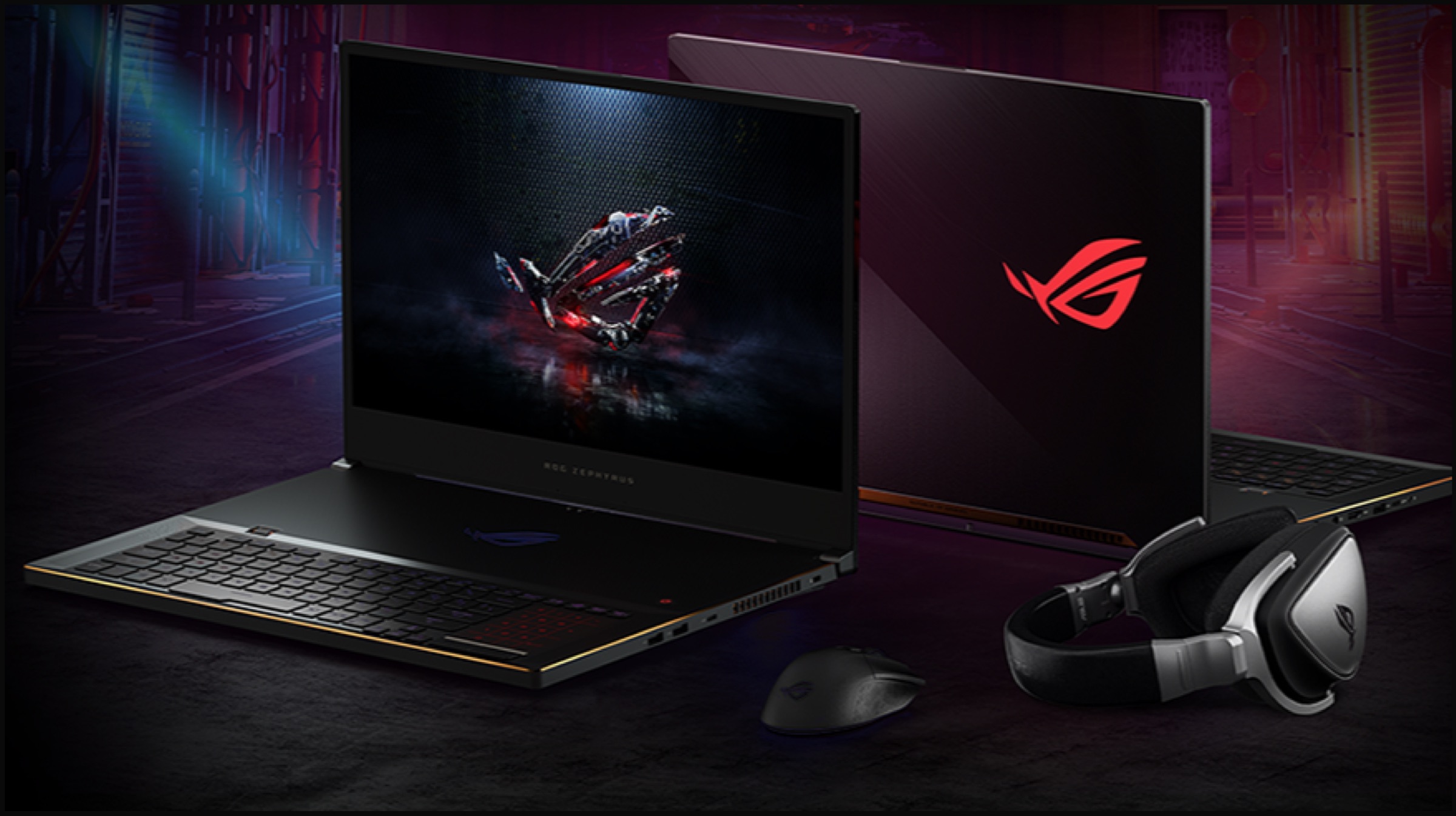 The GX701 gaming laptop sports a 17.3 inch Full HD IPS display, with 144 Hz refresh rate, 3 ms response time and VR compatibility. Under the hood, It packs an Intel Core i7-8750H hexa-core processor clocked at 2.2 GHz, which can be overclocked to 3.9 GHz. For graphics, the laptop is kitted with the NVIDIA GeForce RTX 2080, which has 8 GB of GDDR6 VRAM. The GX701 has 8 GB of onboard DDR4 SDRAM, with expansion support up to 24 GB. It has four M.2 NVMe PCI-E 3.0 slots and a 1TB SSD.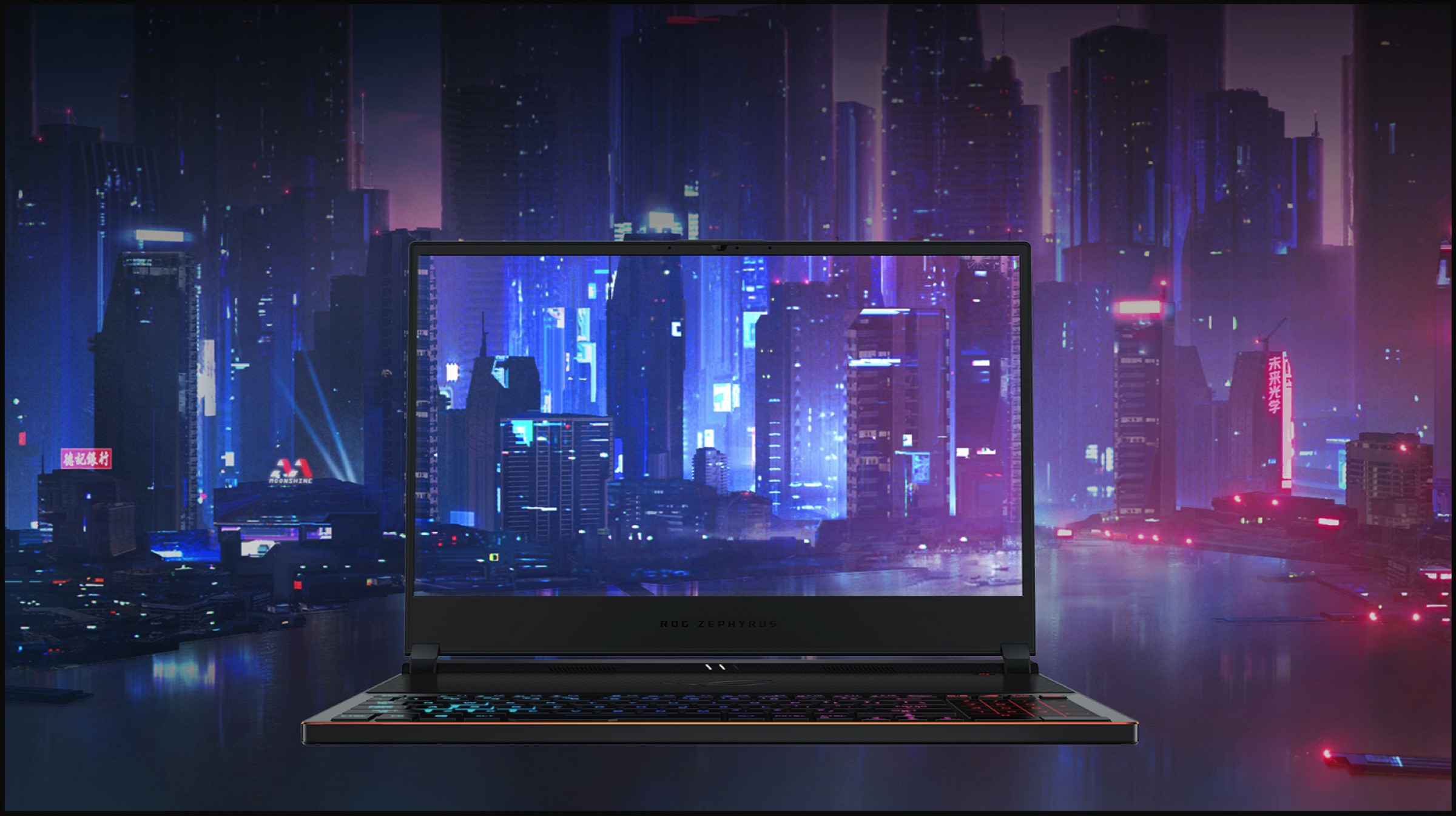
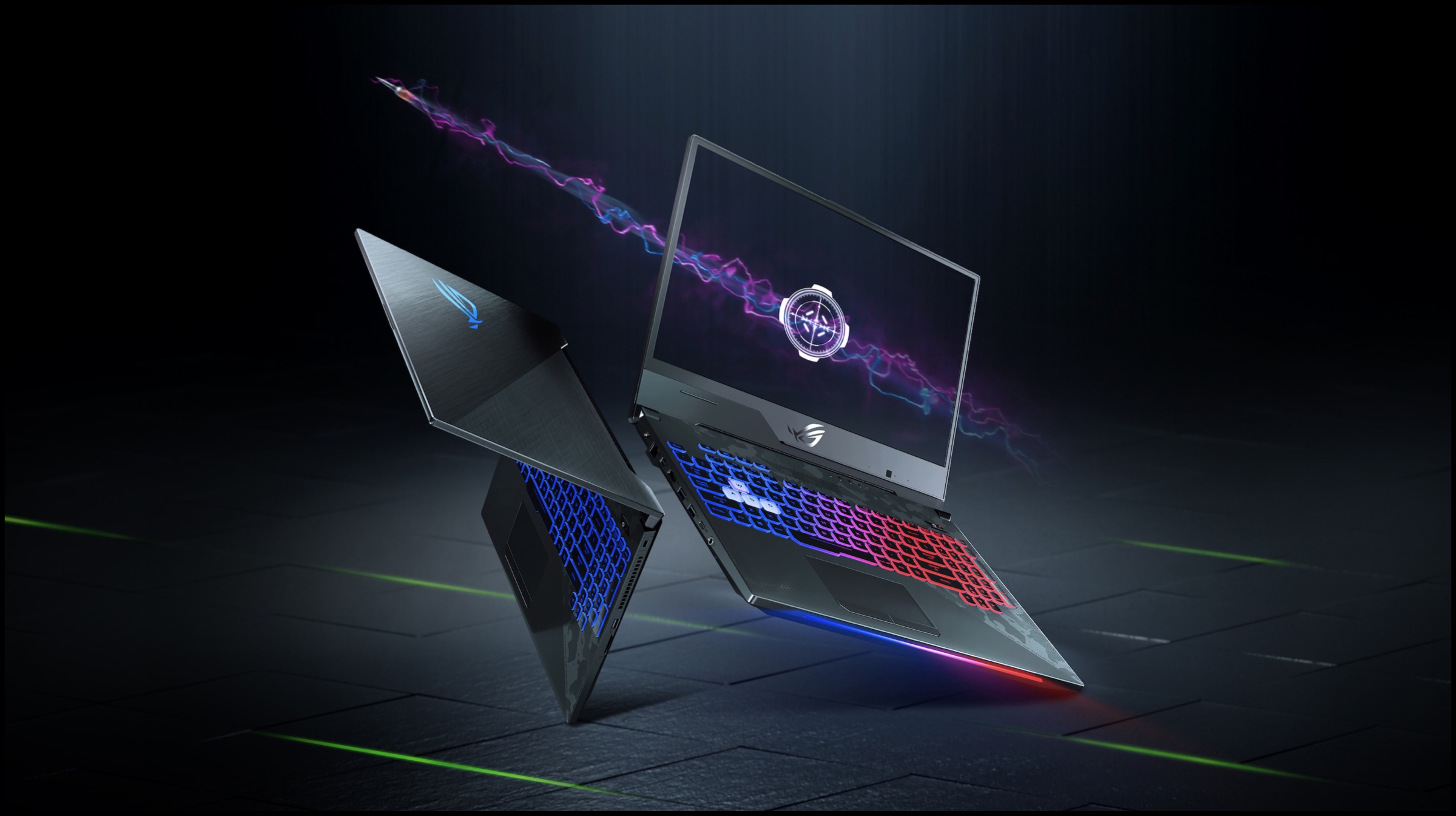 The ROG Strix SCAR II laptops are specifically designed for Esports, the company states. It has a 15.6 inch Non-Glare Full HD IPS Panel with 144 Hz Refresh rate and 3 ms response time. It packs an Intel Core i7-8750H hexa-core processor clocked at 2.2 GHz, which can be overclocked to 3.9 GHz. The laptop features the NVIDIA GeForce RTX 2070, which has 8 GB of GDDR6 VRAM. The GX701 has 8 GB of onboard (dual channel) DDR4 SDRAM, with expansion support up to 32 GB. It has a M.2 NVMe PCIE 3.0 slot and a 512GB SSD, along with a 1TB FireCuda SSHD (Solid State Hybrid Drive).
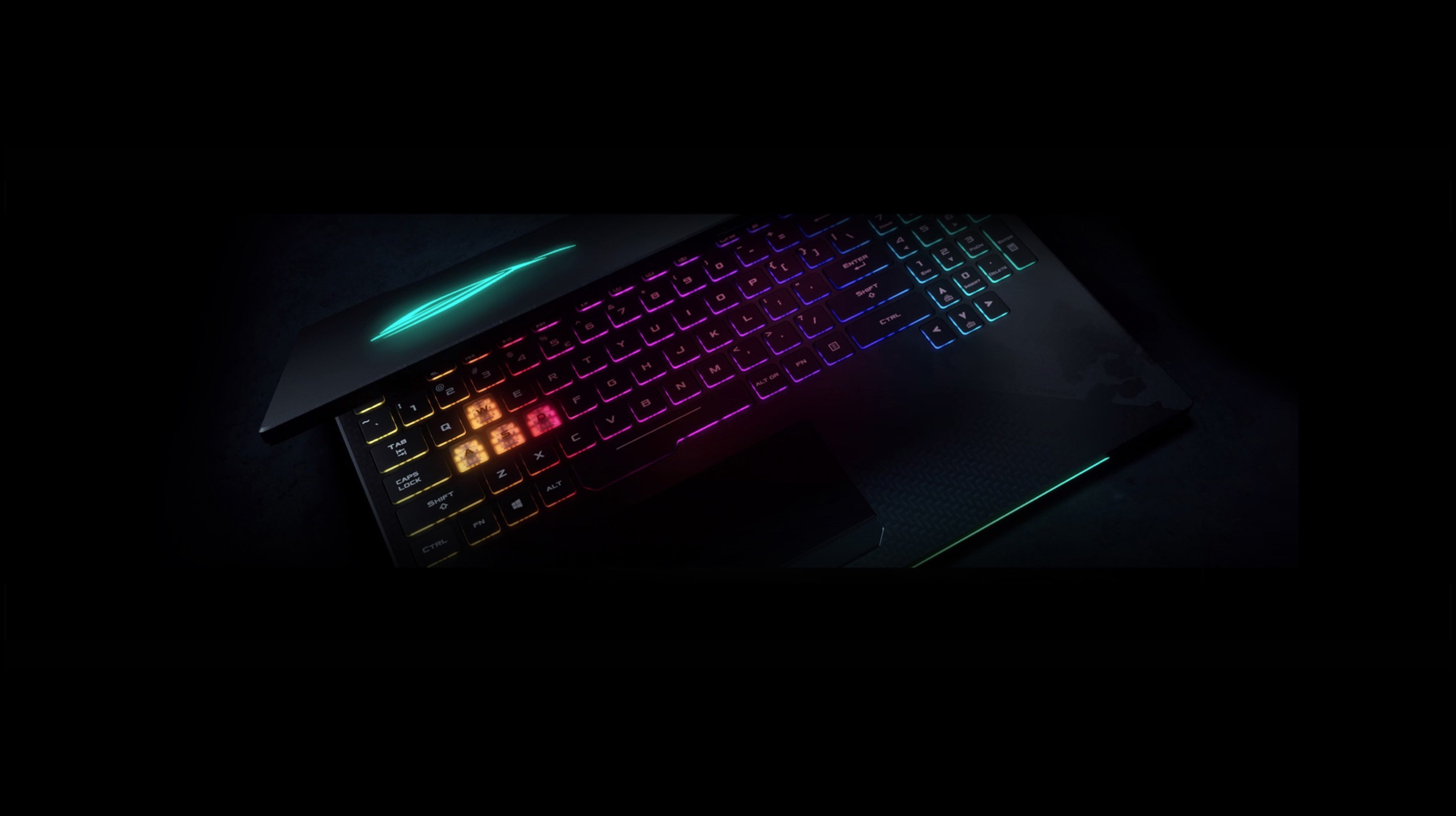 In addition to a backlit chiclet keyboard, the SCAR II’s keyboard has 4 extra hotkeys, which can be used to increase/decrease volume, mute the microphone and launching the ROG Armoury Crate (ASUS software to optimize games and save RGB profiles). The laptop has two 3.5W speakers with Smart AMP technology and features a similar webcam attachment to the GX531 and GX701. In terms of ports, it houses 1x USB3.1 Gen2 Type-C port, 2x USB3.1 Gen 1 Type C port, 1x USB3.1 Gen2 Type A port, 1 x mDP 1.2 port, 2x USB 3.1 Gen1 Type A ports, 1x HDMI 2.0b port, 1x RJ-45 Jack, 1x SD card reader, 1x 3.5mm headphone and microphone combo jack and 1x Kensington lock. It weighs at 2.4kg.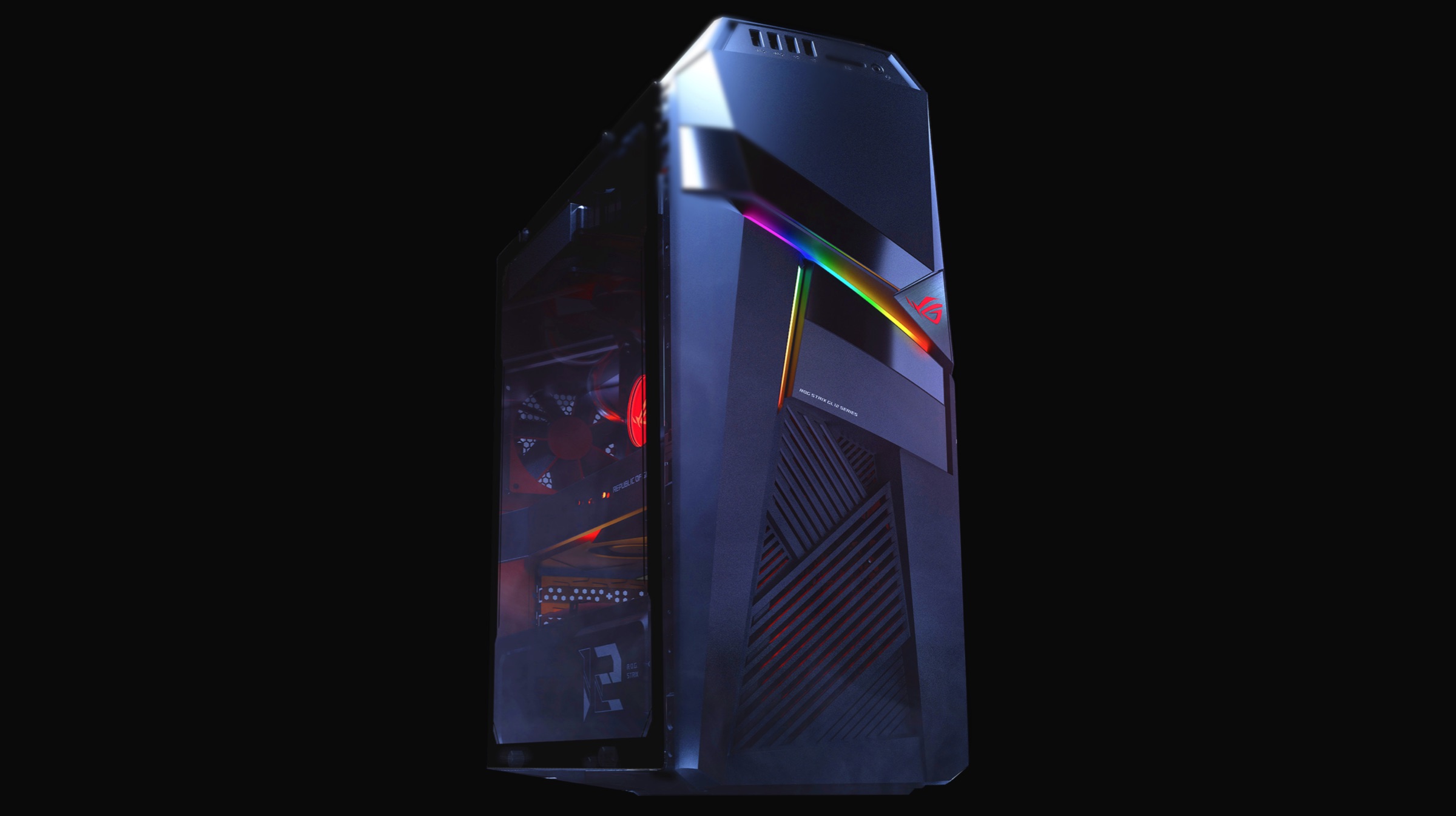

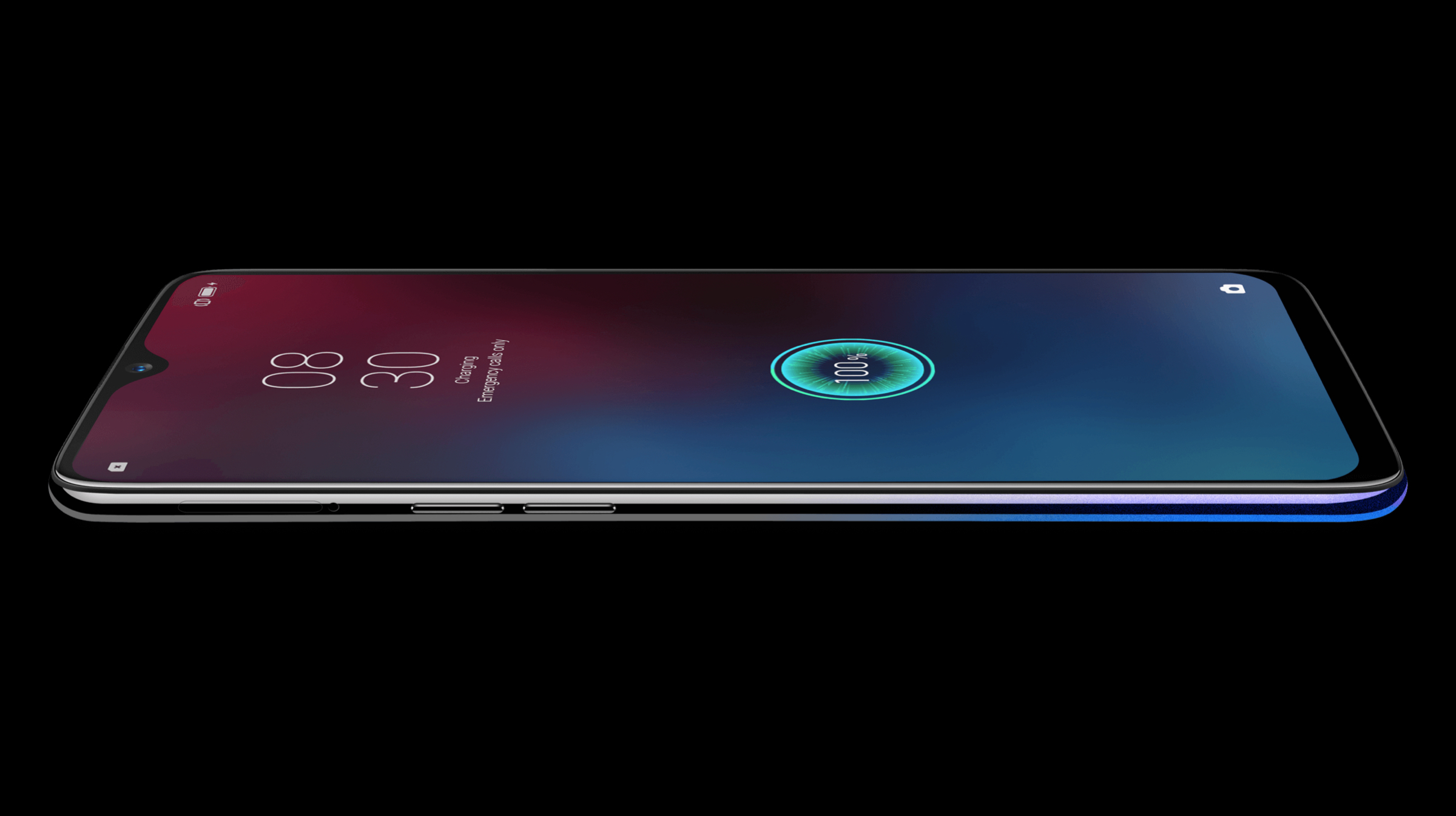
 The smartphone runs on the Helio P70 chipset which comprises of a 2.1 GHz octa-core CPU and the Mali G72 GPU. The Realme 3 has two memory variants, one with a 3 GB of RAM and 32 GB of internal storage and the other with 4 GB RAM and 64 GB ROM. The device has the Color OS 6.0 on top of Android 9 (Pie) out-of-the-box. The OS features gesture navigation and AI battery management.
 The dual camera module consists of a primary 13 MP (f/1.8) camera sensor and a 2 MP depth sensor. The camera has features like Nightscape and Chromaboost, which are first-in-class. In terms of the front camera, the device has a 13 MP selfie shooter. It is powered by a 4,230 mAh battery with 10 W charging support. Notably, the Realme 3 also sports Bluetooth v5.0.