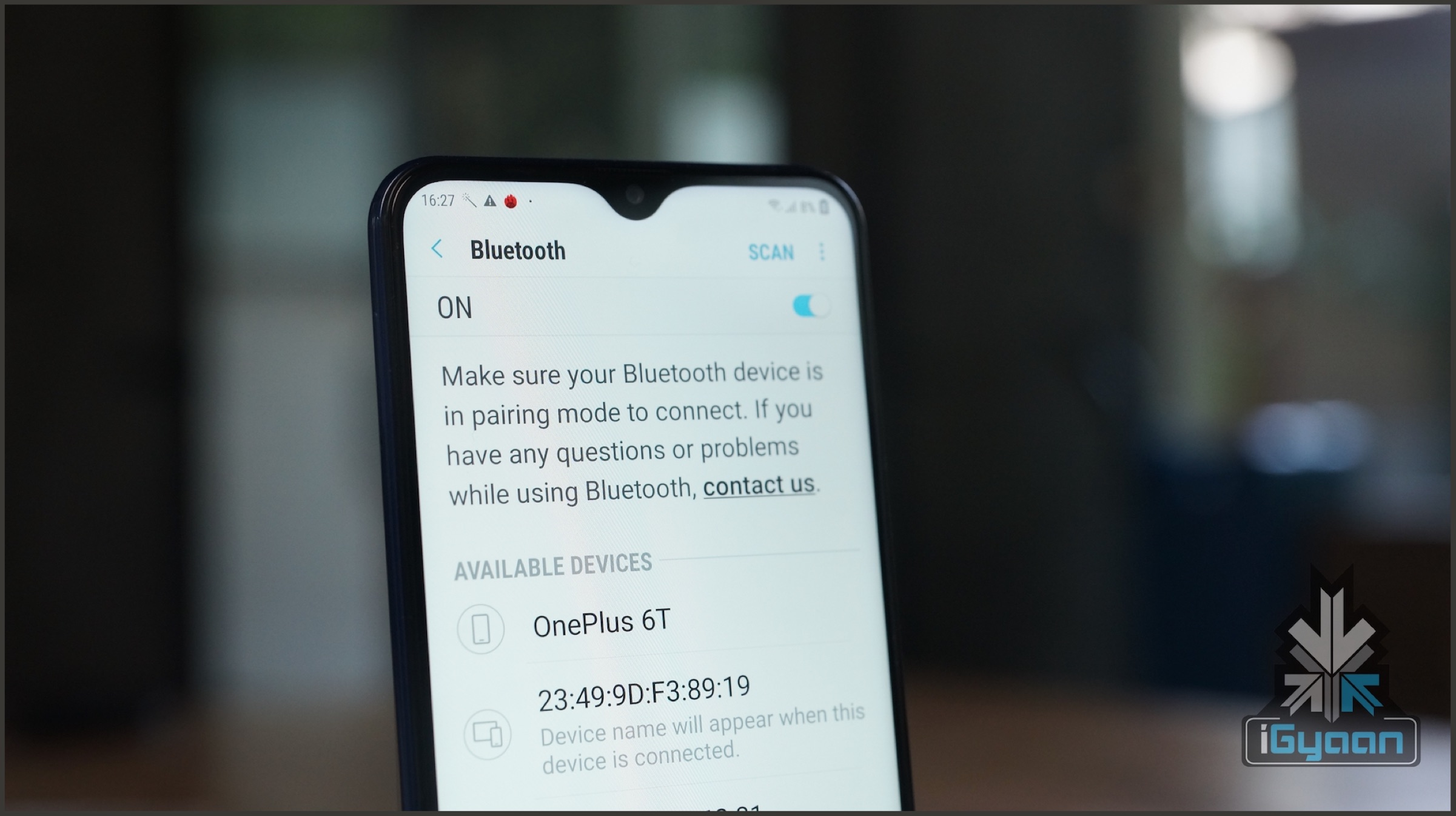
The term Bluetooth was officially coined in the year 1998. It is a global wireless communication standard that is used for connectivity and exchange of data over a limited distance. Over a time period of almost 20 years, this technology is not an option anymore. It’s a necessity for all mobile computing devices, such as smartphones, Laptops and Tablets. Bluetooth 1.0 specification was released in 1999, and in the very next year, the first v1.0 enabled mobile handset and headset was launched in the market.
 After a long series of product integrations and new versions being rolled out almost every year, Bluetooth v5.0 was announced in 2016. By the next year, Apple, Samsung and other major smartphone brands had included v5.0 support in their devices. Currently, the company extends its support to almost 35,000 brands, all of which are members of the SIG (Special Interest Group). Most users associate the chronological Bluetooth versions with the increase in transfer speed, which is not entirely true. A lot has changed over the years, and it’s not just the data transfer speeds, it’s basically everything that the technology is built around.
The various factors that are involved in distinguishing between different Bluetooth versions are the range, data transfer speed and power consumption. See how the different iterations of the technology line up against each other.
Bluetooth 1.0 & 2.0
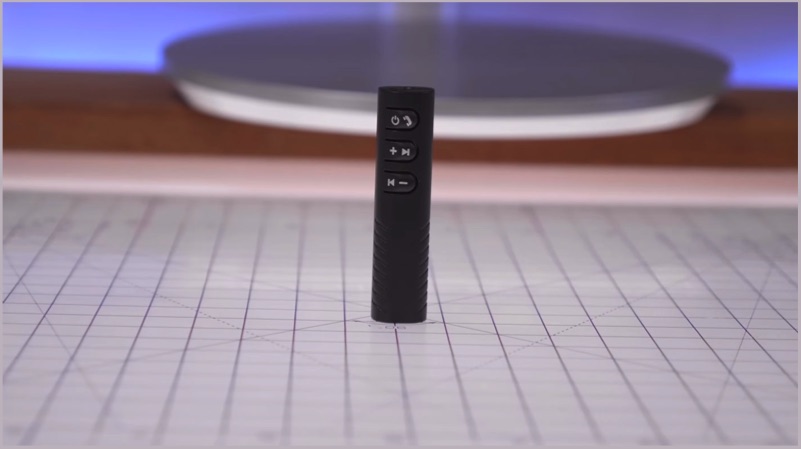
The first iteration of Bluetooth paved the way for wireless headsets, controllers and speakers that we still use today. Bluetooth 1.0 supported data speeds that capped off at just 1 Mbps. This is because Bluetooth 1.0 used a modulation scheme called Gaussian Frequency Shift Keying, or GFSK, which enabled the carrier to switch between two different frequencies (represented by 0 and 1). The two devices had to be placed within 10 meters of each other in order to facilitate communication between them.
The shortcomings of GFSK were attempted to be eliminated in the v2.0, which used two newer schemes, p/4-DQPSK and 8DPSK. Where Bluetooth 1.0 used frequency modulations to transfer data, v2.0 made use of changes in waveform phases to carry data. This led to a minimal yet significant upgrade in information transfer speeds, with devices communicating at speeds of up to 3 Mbps.
Bluetooth 3.0
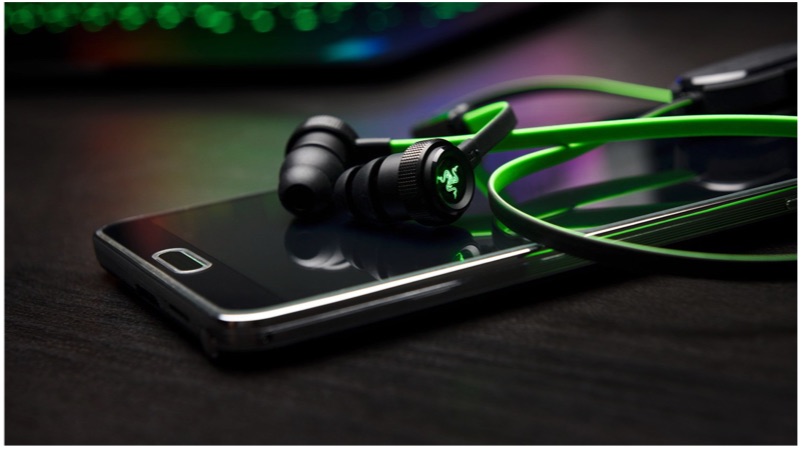
Bluetooth 3.0 was the first iteration to be recognized as a “high-speed” data transfer norm. While offering a much higher transfer rate of almost 24 Mbps, it also reduced the power consumption of devices using the technology. The high data transfer speed was achieved by the addition of 802.11, which is a standard created by IEEE (Institute of Electrical and Electronics Engineers) for wireless connectivity. Bluetooth v3.0 revolutionized short-range wireless communication and lay the foundation stone upon which v4.0 was designed a few years later.
Bluetooth 4.0, 4.1 and 4.2
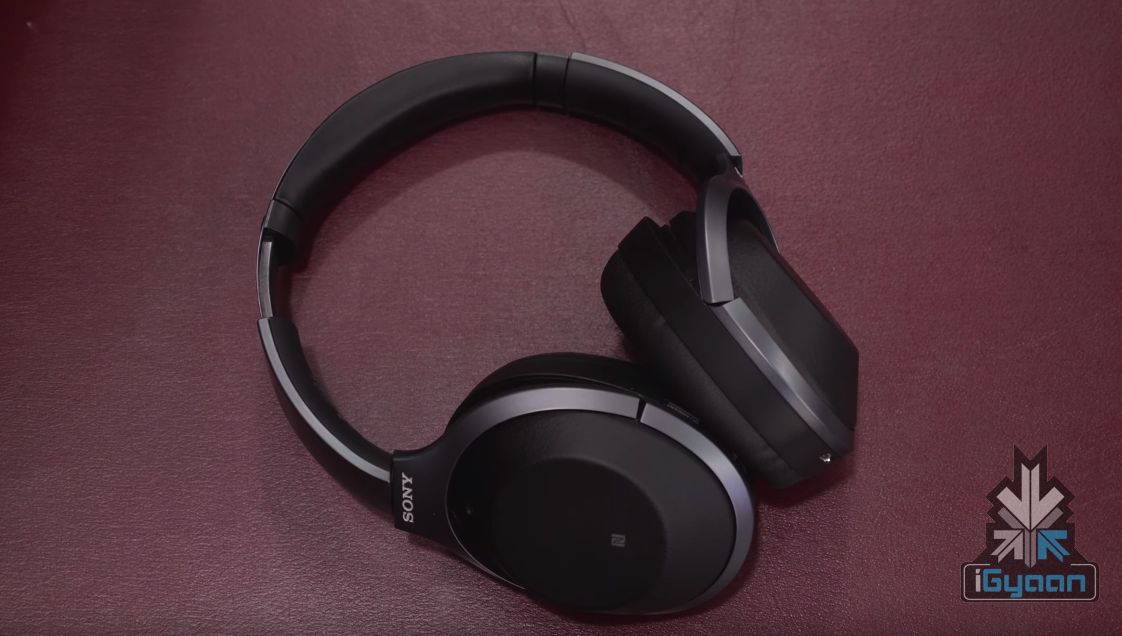 Bluetooth v4.0 boasted of a higher range of usage and better power management. It also introduced the Low energy protocol, which was highly appreciated by people who used Bluetooth headphones for longer period of times. Bluetooth 4.1 took this a step further. It introduced a power plan for Bluetooth devices that automatically adjusted the power consumption of the device depending on range and usage. Sure, 4G LTE and other communication technology interfered with its frequency bands, but updates have been introduced since then to get rid of that problem.
v4.2 brought some privacy updates to the table, which specified that tracking services cannot do what they are intended to do unless the user’s permission is granted. Also, it increased transfer speeds by almost 2.6 times, which was a huge step up from Bluetooth 4.1.
Bluetooth 5.0
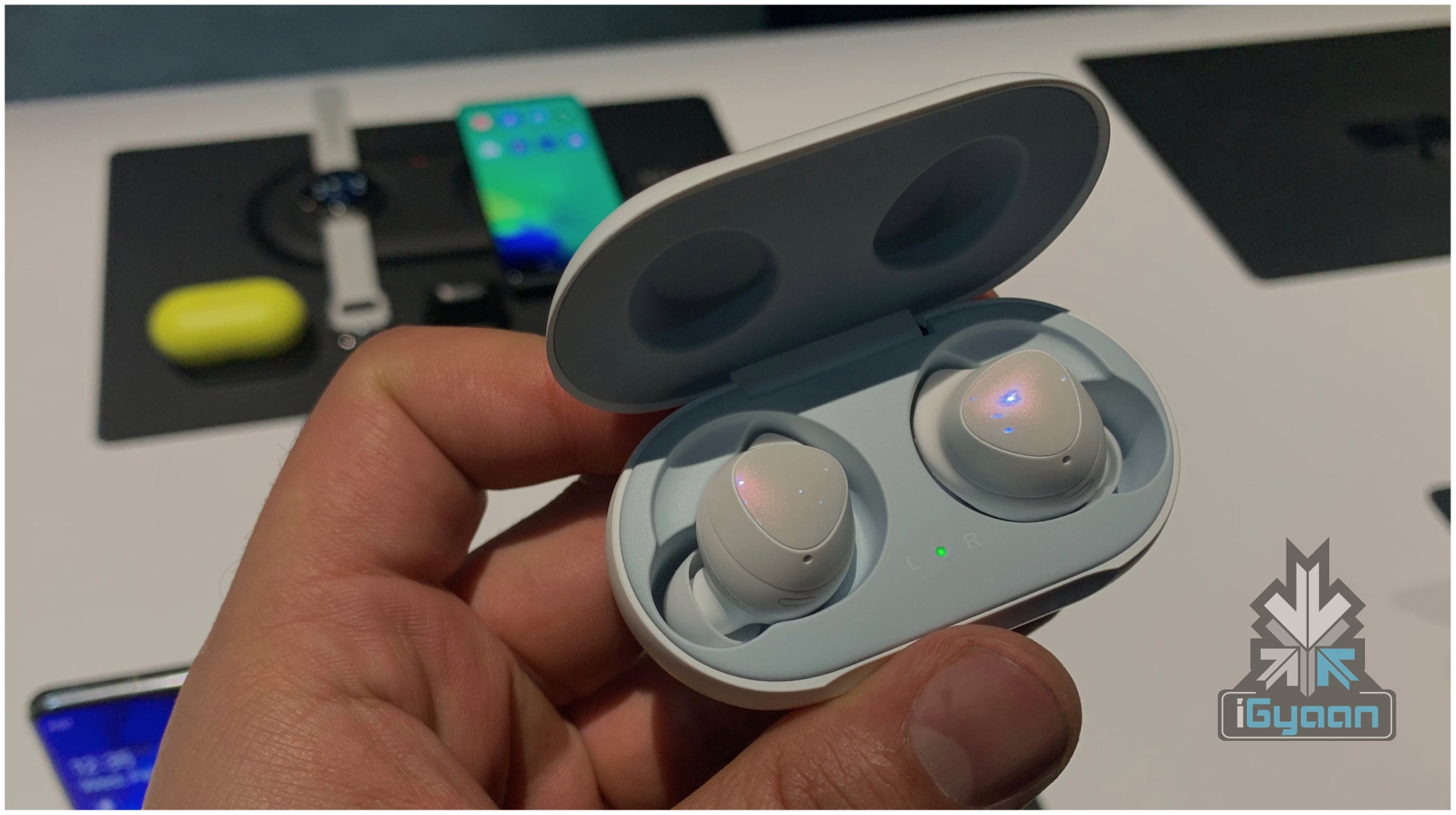 Bluetooth 5.0 is the latest iteration in the series as of now. First announced in 2016, v5.0 was specifically designed to render a lossless and secure communication channel between devices. With twice the connection speed of Bluetooth 4.0 and 4 times the range, it is very responsive as compared to the previous versions. Also, a larger amount of data can be transferred using an increased message broadcast message size.
 Also Read: What Is Wi-Fi 6; Understanding Different Wi-Fi Standards
A summarized table of all the versions and their key details is given below
|
Bluetooth Version
|
Transfer Rate |
Range (without obstacles) |
| v1.0 |
1 Mbps |
10m (33ft) |
| v2.0, 2.1 |
3 Mbps |
30m (100ft) |
| v3.0 |
24 Mbps |
30m (100ft) |
| v4.0, 4.1, 4.2 |
24 Mbps |
60m (200ft) |
| v5.0 |
48 Mbps |
200m (800ft) |
 Apple’s leading witness for the case, former engineer Arjuno Siva was supposed to testify in the court on March 7. However, as per reports, he was unable to reach the destination, and the Qualcomm’s defence defense was accused of witness tampering by the Apple counsel. Moreover, the company called its former employee a “tainted witness” when he failed to turn up for the hearing.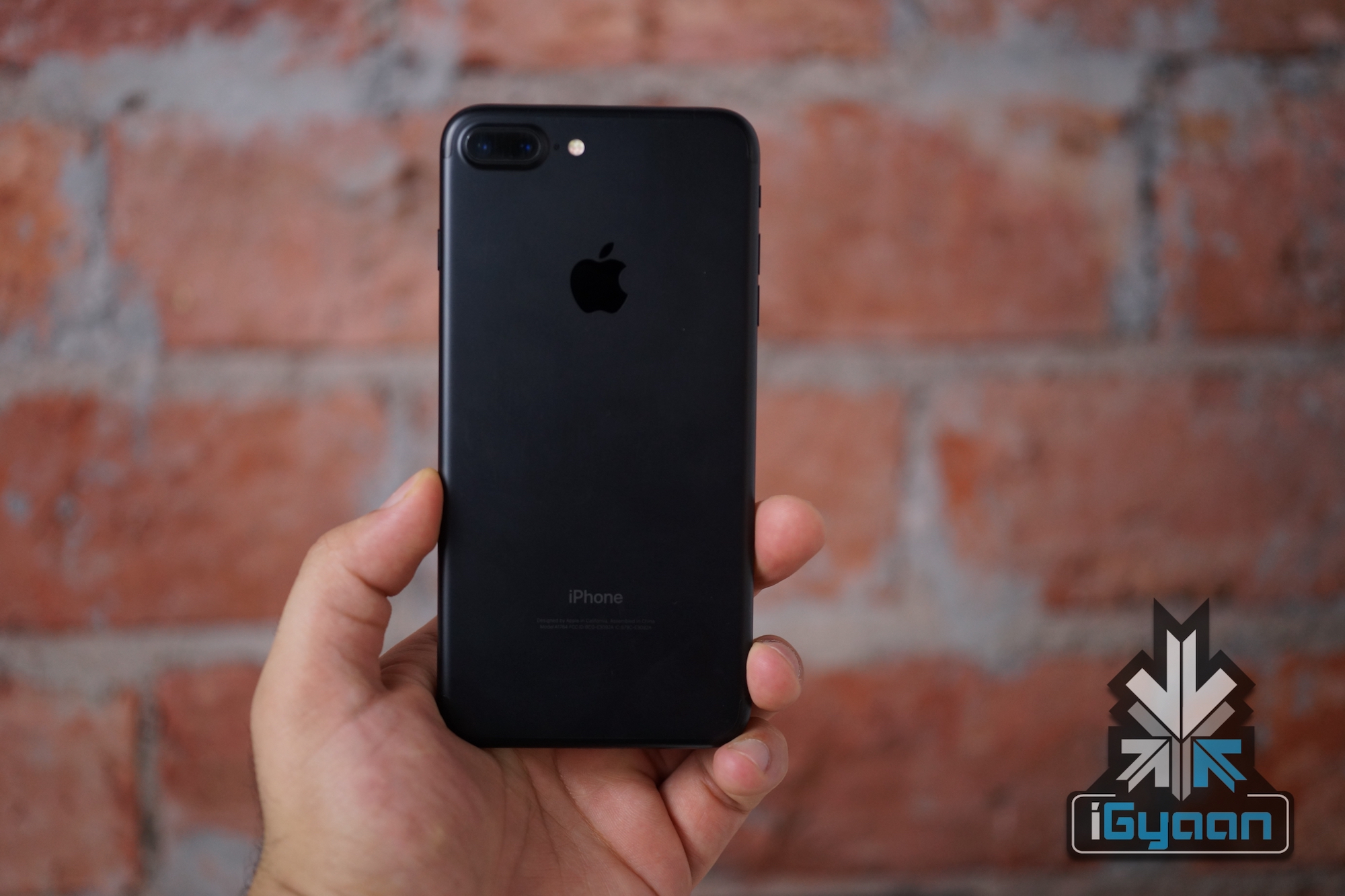
 Hence, Qualcomm is seeking US$ 31 Million in damages from Apple, which roughly breaks down to US$1.40 per iPhone sold. The infringed patents are as follows: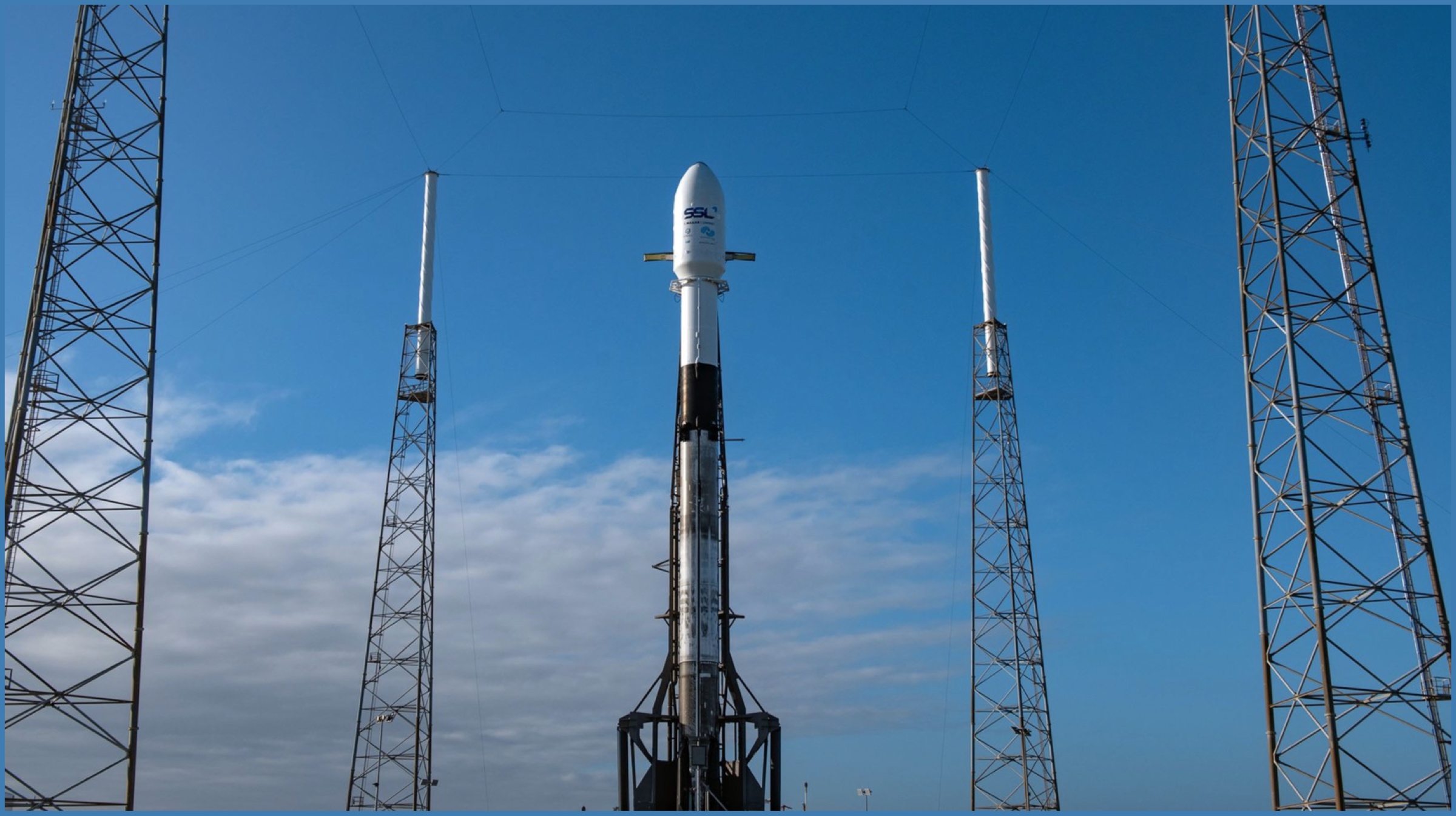
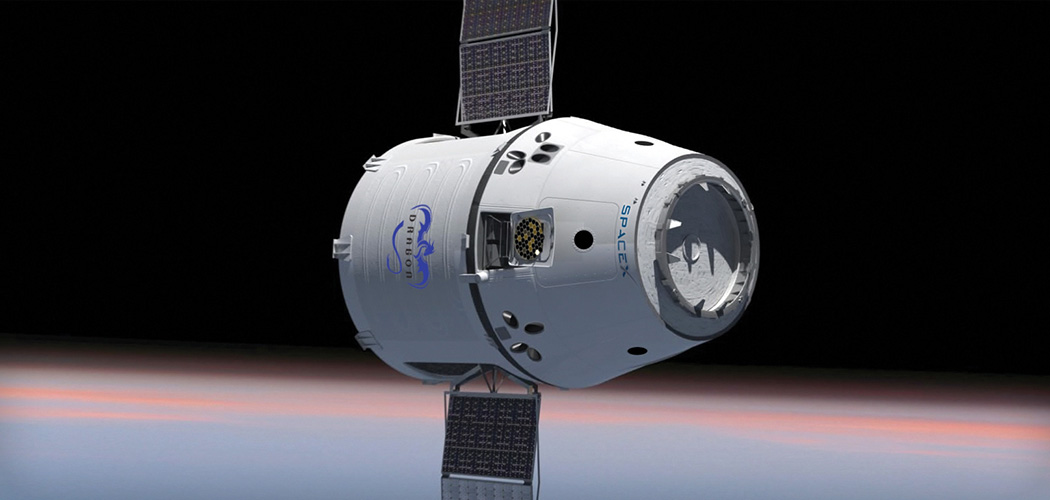
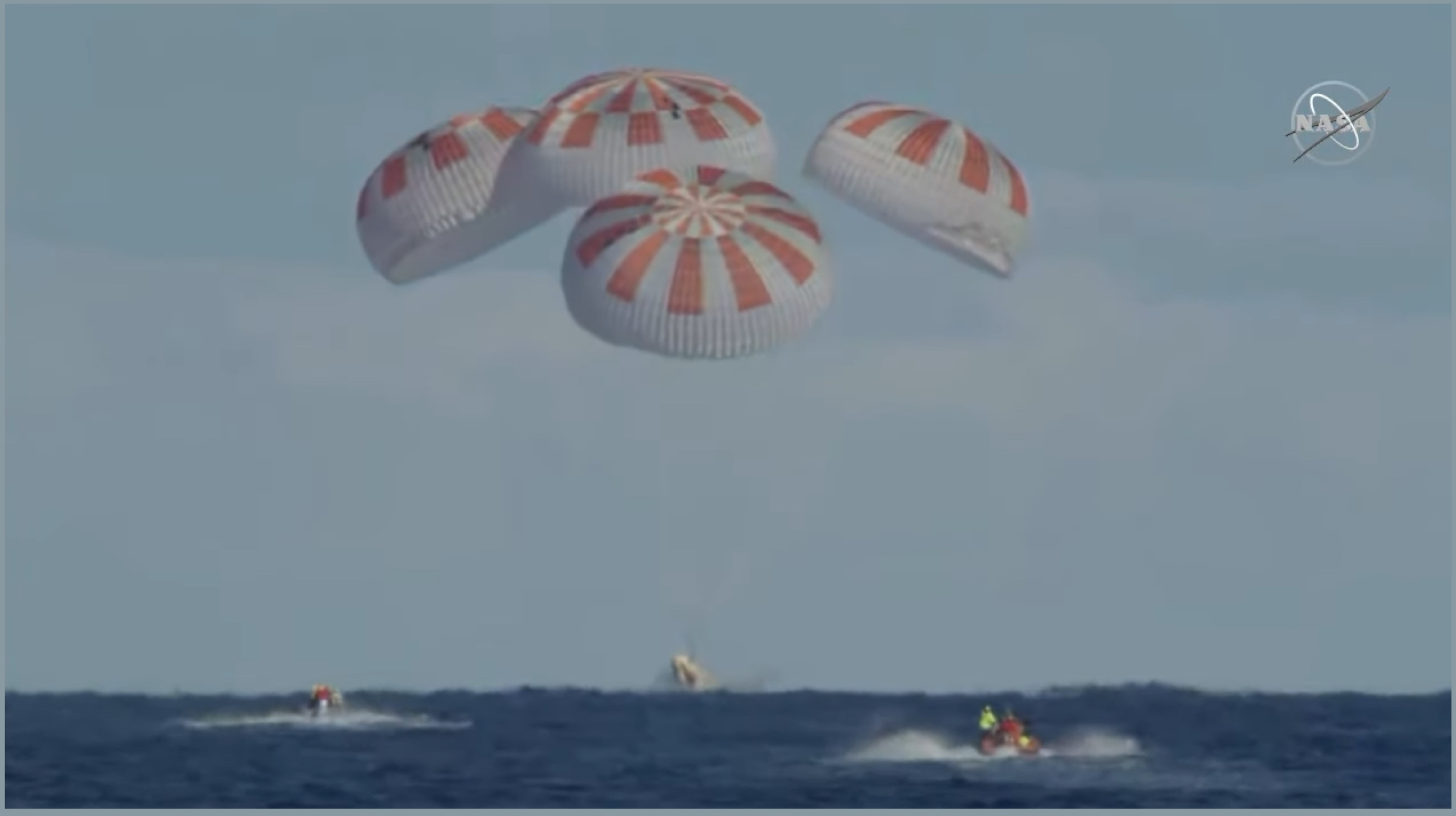 The touchdown of the Dragon capsule was the last part of SpaceX’s Demonstration – 1 mission. The reason why the mission was of utmost importance is NASA’s upcoming Commercial Crew Program, under which the agency is planning to send NASA astronauts to a USA owned spacecraft. So, the SpaceX DM1 was basically a test run to prove that it is capable of space travel, and it struck off as “better than expected” as per SpaceX and NASA representatives.
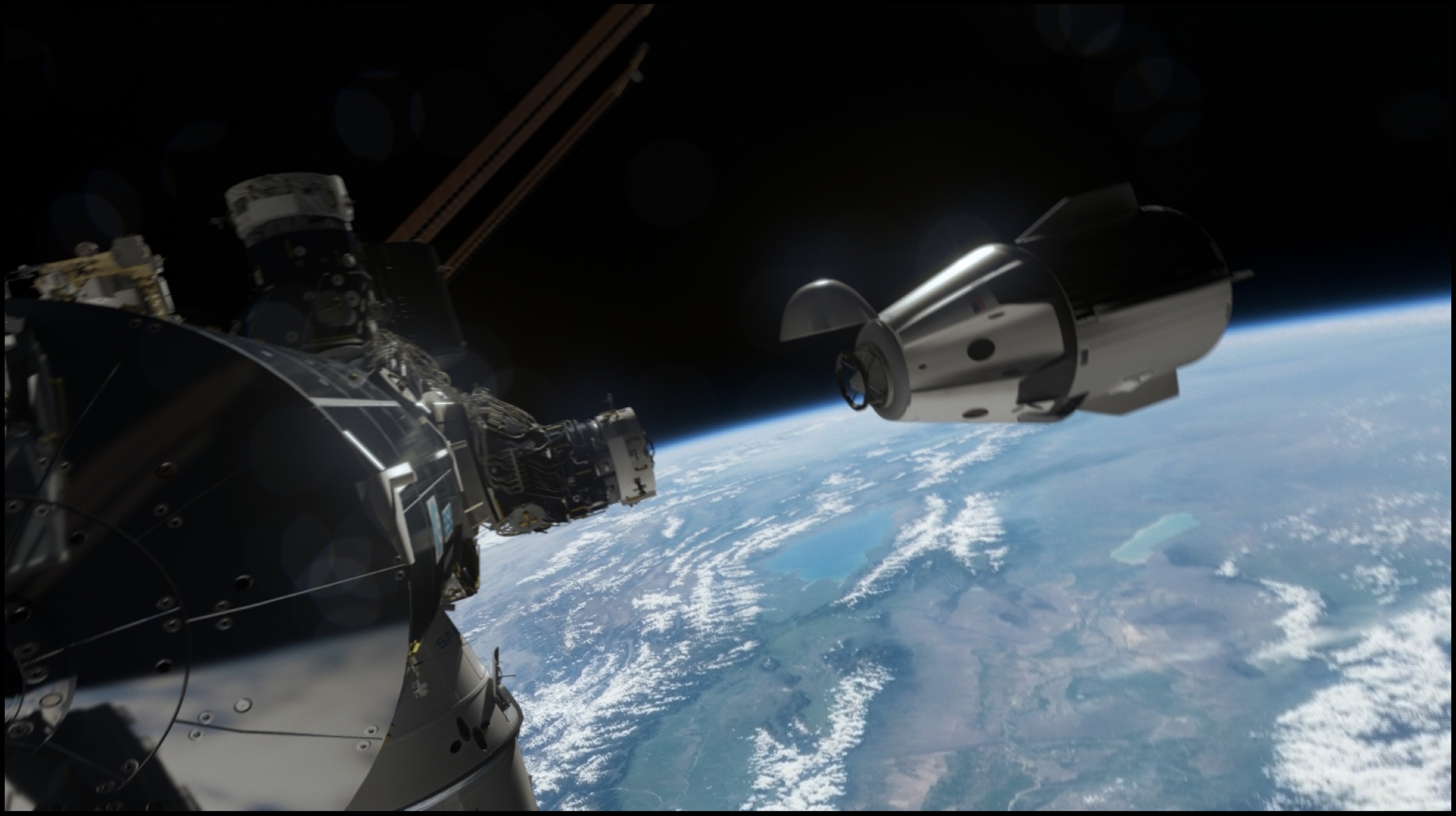 The demonstration’s first step took place at the Kennedy Space Center, Florida, where the capsule was placed on SpaceX’s very own Falcon 9 rocket. At 1:19 pm IST (2:49 am EST) on March 2, liftoff happened, and the DM1 made its way towards the International Space Station. The Crew Dragon then auto-docked with a port on the station, something that had never been achieved by SpaceX previously.
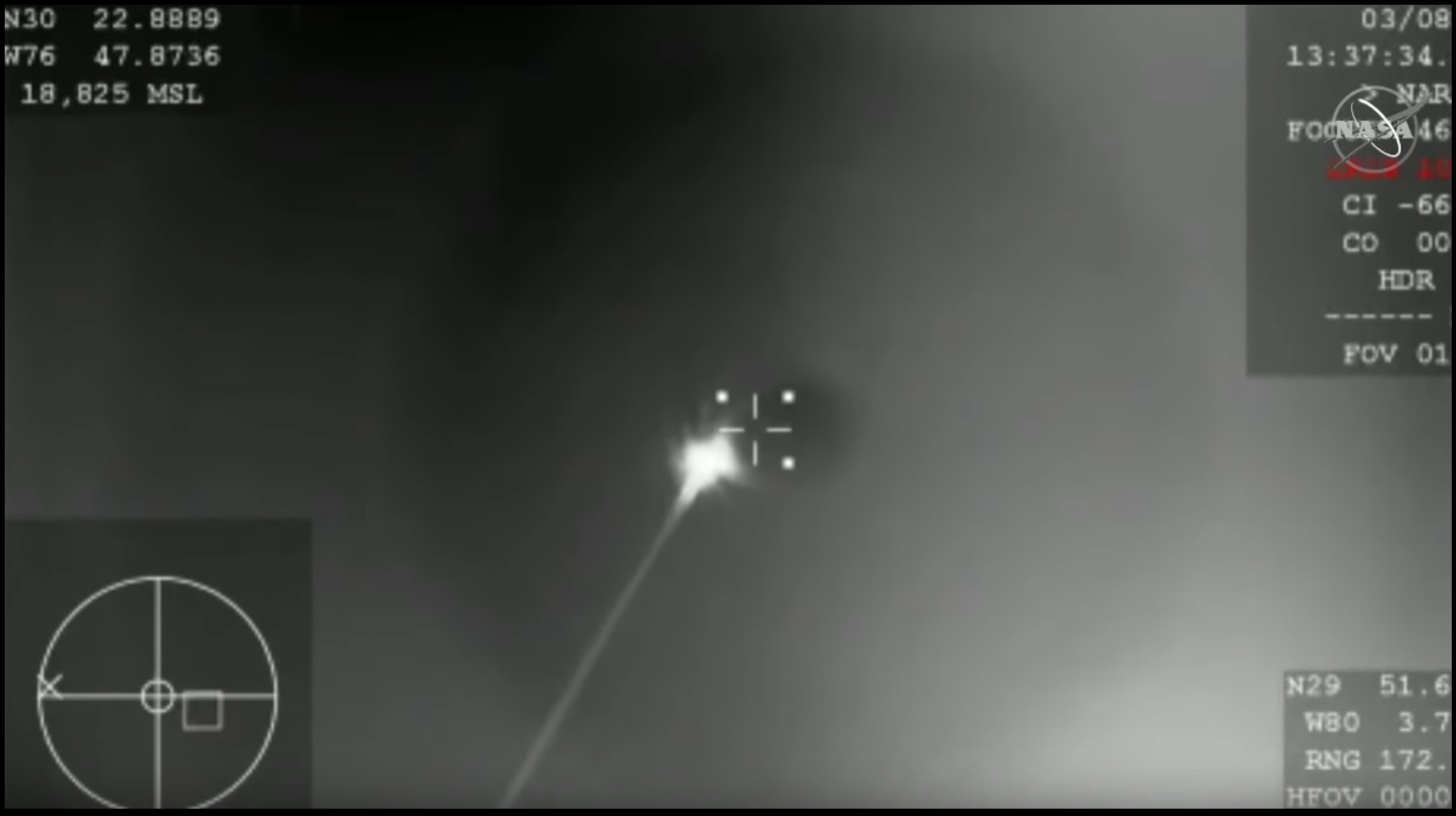 Out of the three main stages of the mission, two were a complete success, which included the liftoff and the docking. The biggest challenge of the DM1 mission was the splashdown, which had to demonstrate that the capsule carrying cargo (and humans, in the future) can safely penetrate the earth’s atmosphere and land safely where it was intended to. At 1:02 pm IST (2:32 am EST), the Crew Dragon undocked from the ISS and started preparations for its descent to earth. The Crew Dragon ignited its thrusters for a period of 15 minutes to leave its orbit and began its descent to earth.
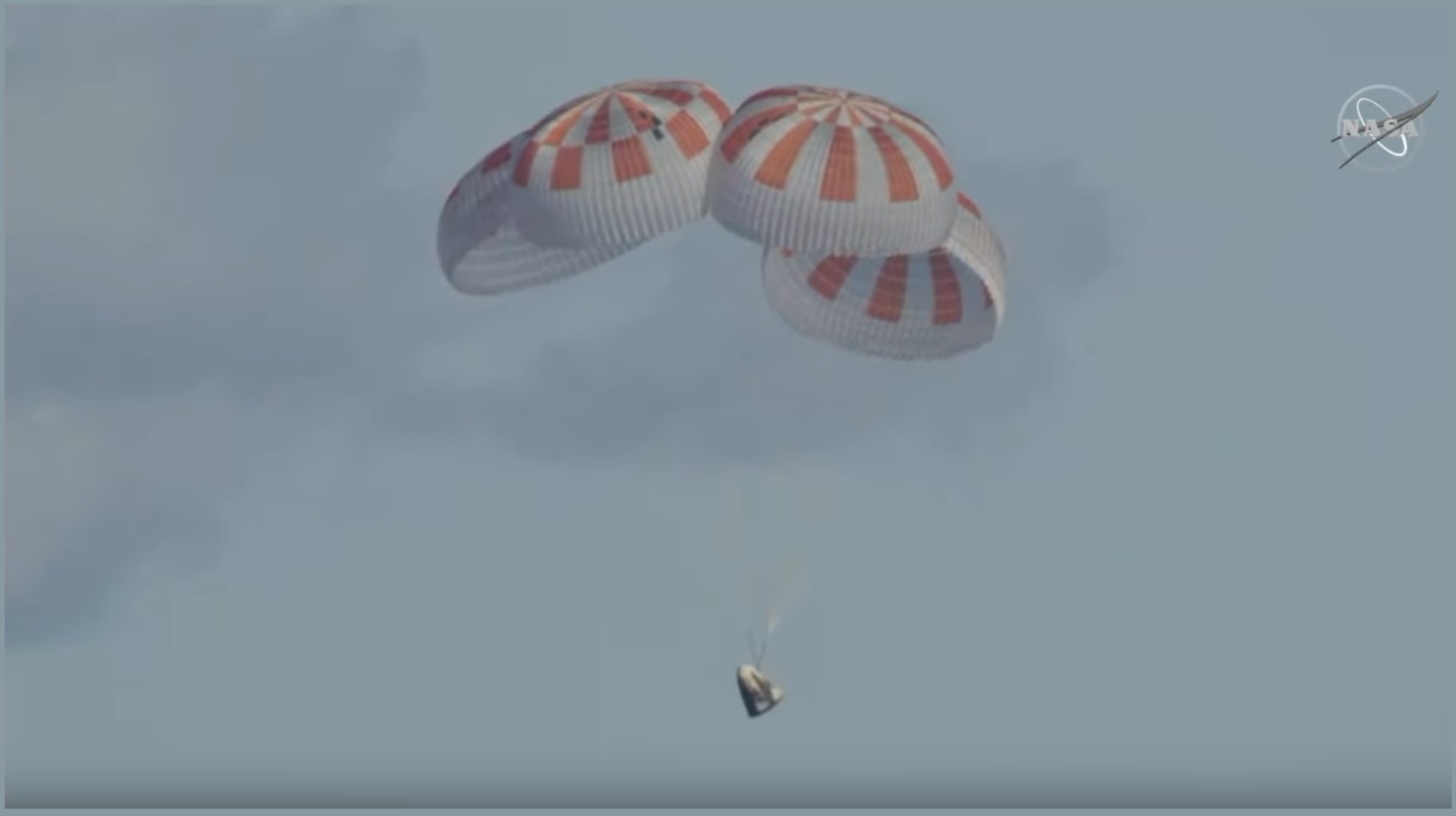 The capsule exceeded the speed of sound while falling to the earth’s surface. After minutes of intense heating, the Crew dragon deployed four parachutes and gently “splashed down” in the Atlantic ocean, 200+ nautical miles away from the coast of Florida. SpaceX’s recovery boat, Go Searcher collected the capsule and will bring it back to the shore for further tests.
 Also Read:
 A report states that a bug in Facebook
 Also Read:

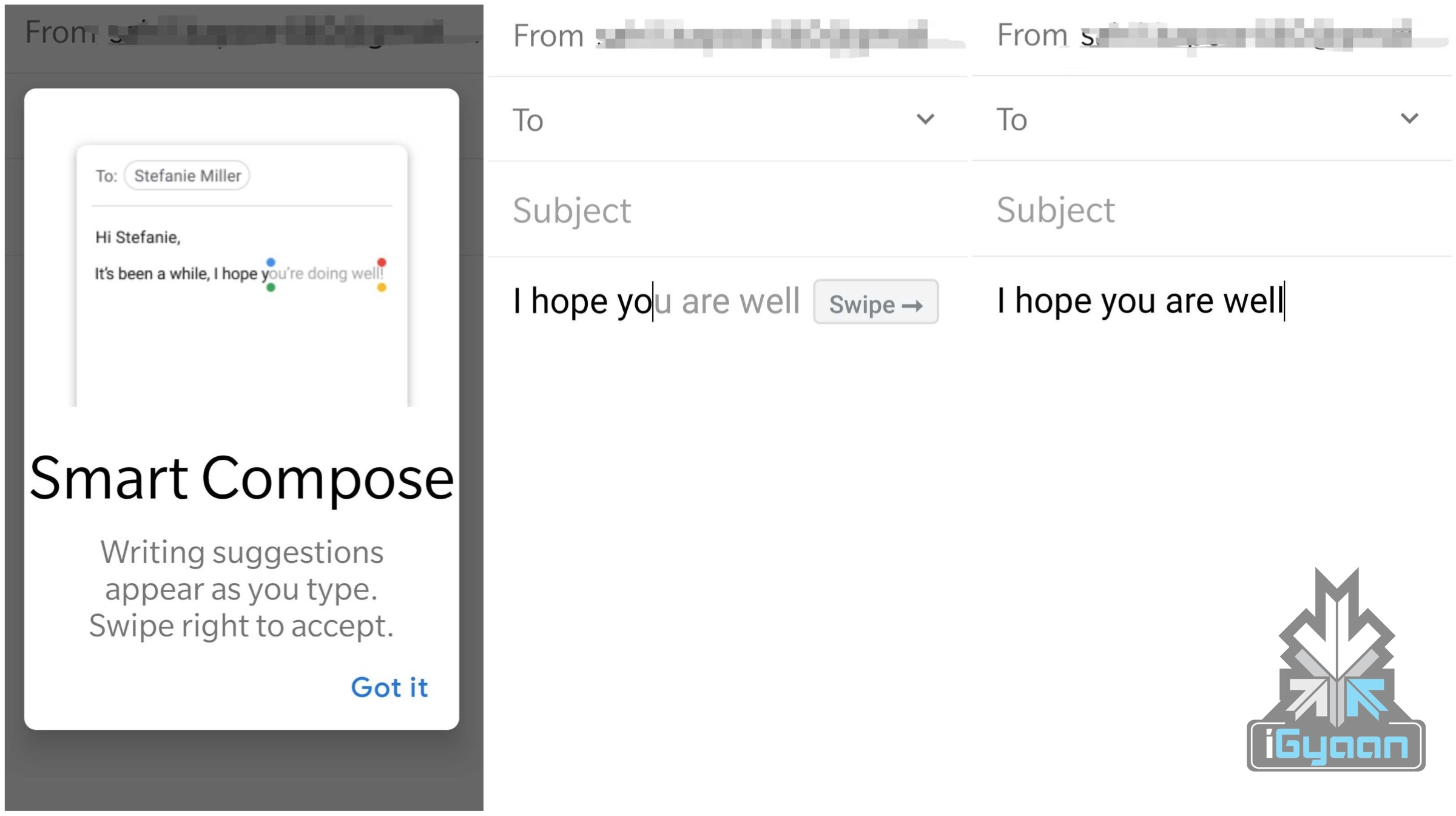 As per users, the desktop version of Gmail even recommends the names of the recipients whenever necessary. The Gmail Android App plays it safe and just helps users finish their sentences. Since this is AI-powered, the feature is likely to improve over time. For instance, if a user is typing “Will my shipment arrive-“, Smart Compose will automatically recommend “Will my shipment arrive tomorrow” or whatever is more relevant to the context of the conversation. Some users may find this to be unnecessary, but it can be very beneficial for others.
 Also Read: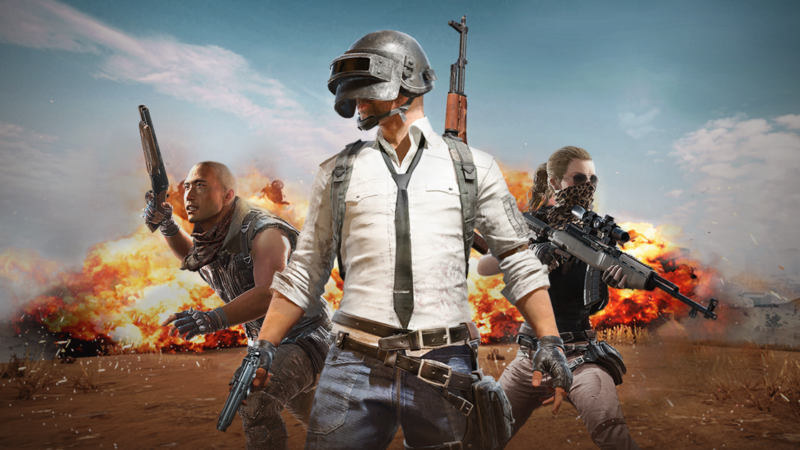
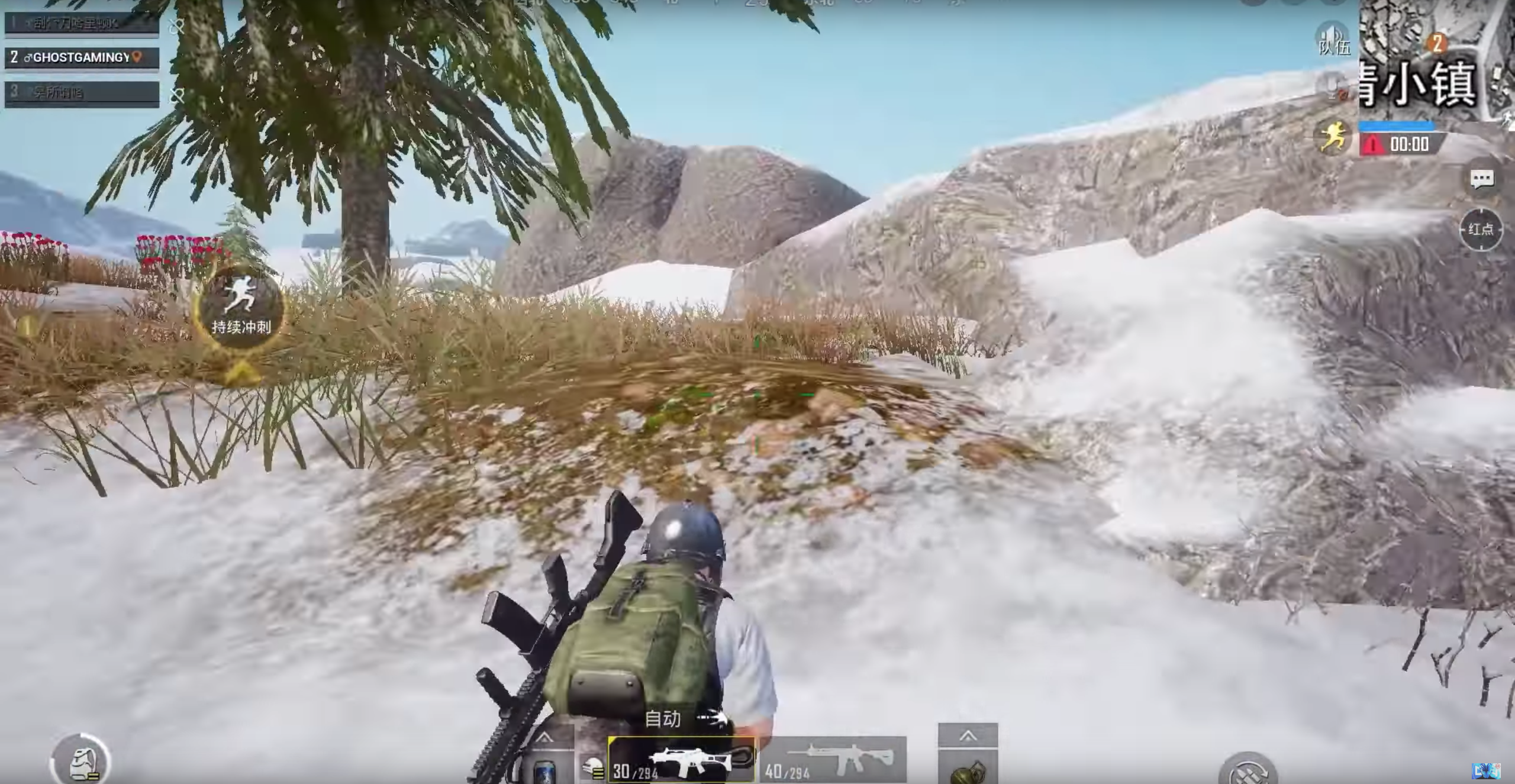 On January 23 2019, Gujarat’s government wrote to the Central Government to impose a ban over the aforementioned game. On March 7, Rajkot Police Commissioner issued a notification to ban PUBG. As per the notice, the ban will be implemented from March 9 to April 30. If someone sees a person or a group of people playing PUBG, he/she can inform the police regarding their whereabouts and the associated authority will take necessary action. Furthermore, The Chairperson of Gujarat Child Rights Body sent a circular to the National Commission for the Protection of Child Rights (NCPCR) of all states to help keep PUBG addiction in check.
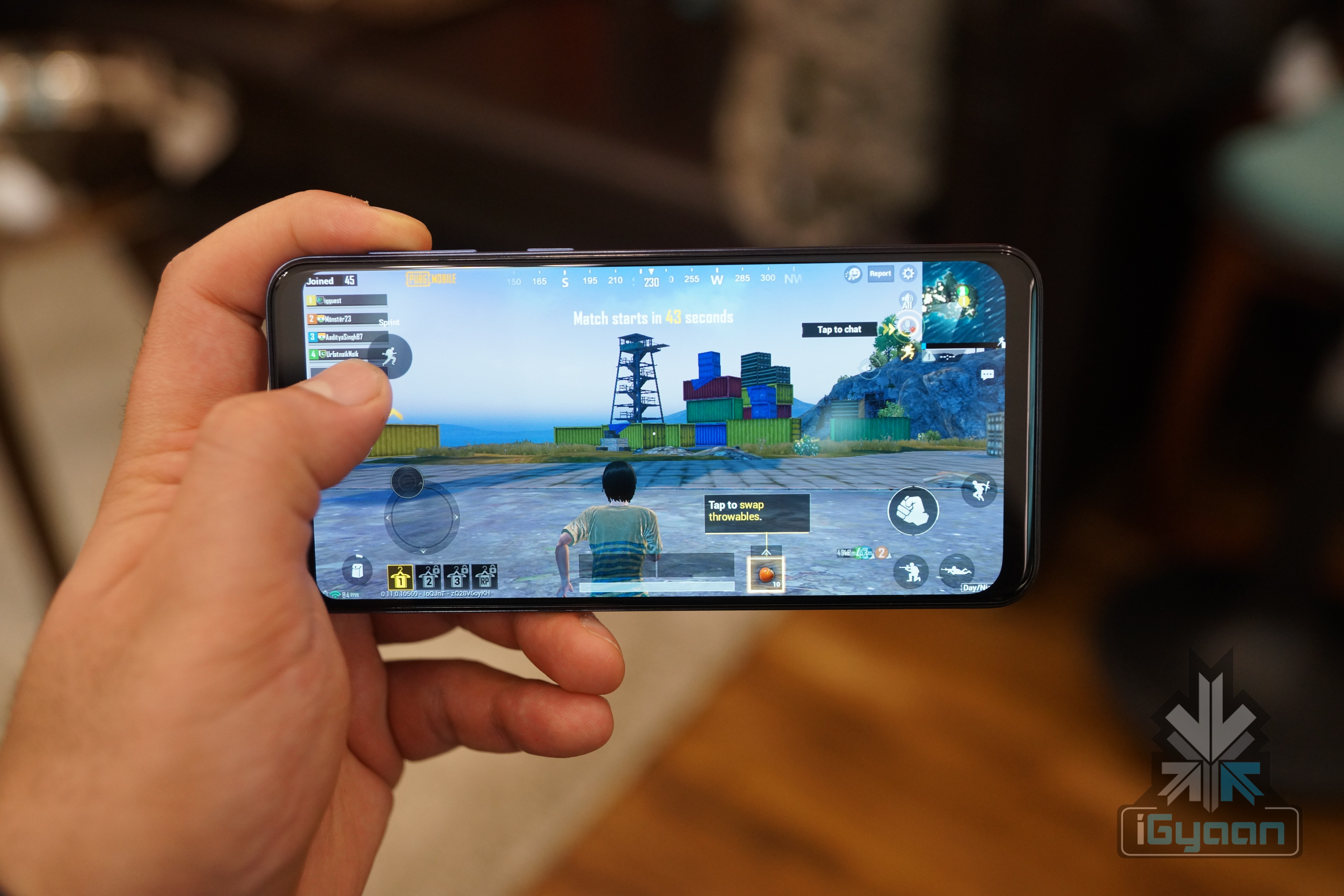 PUBG was not the only game which was banned by the authorities. A similar ban was imposed on the “Momo Challenge”, which is a series of challenges that the user must complete in order to achieve victory and meet an imaginary character called “The Momo”. According to reports, the game involved self-harming acts that eventually led to suicide. Games that brainwash children and teenagers are not new since a similar game called “Blue Whale” gained popularity in 2017-18.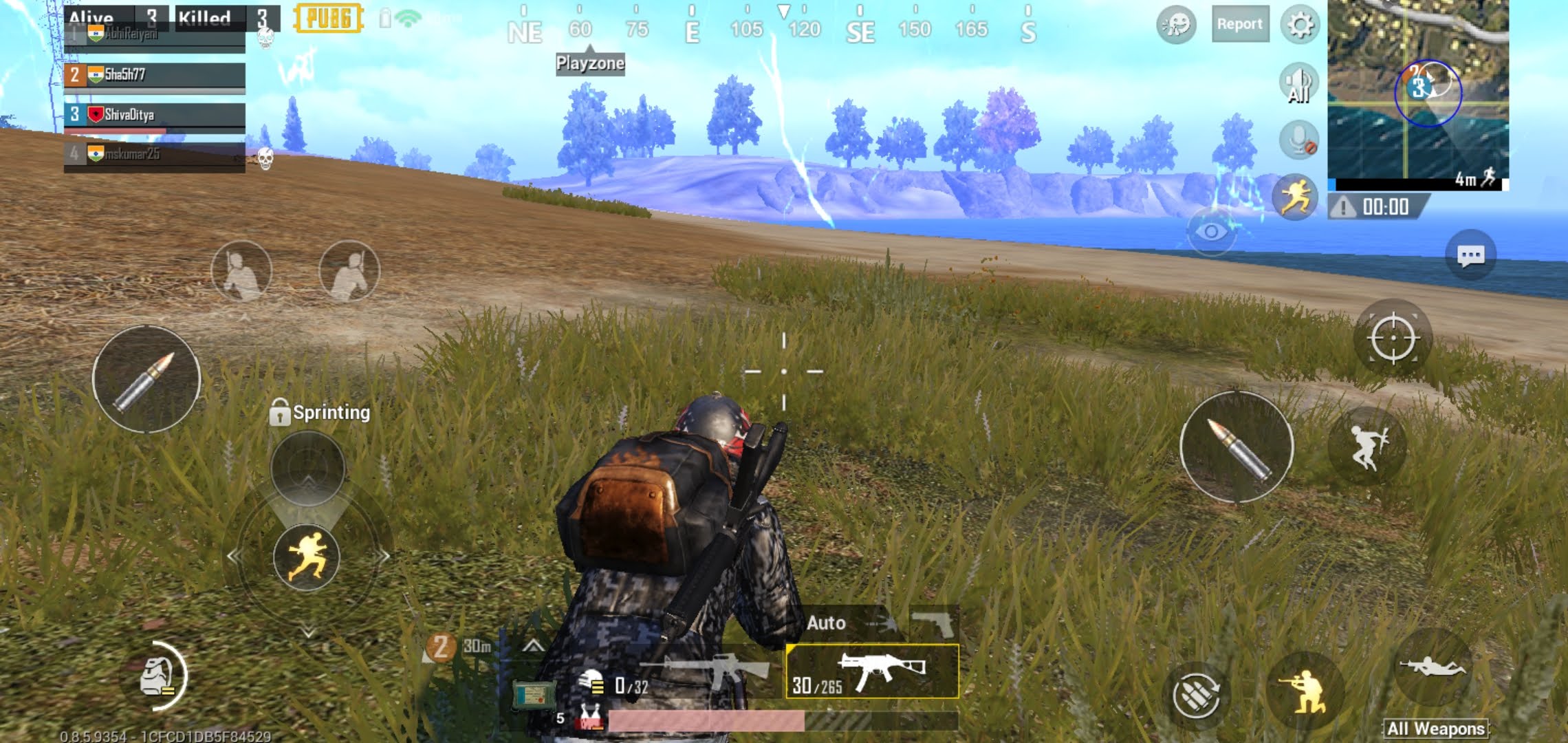
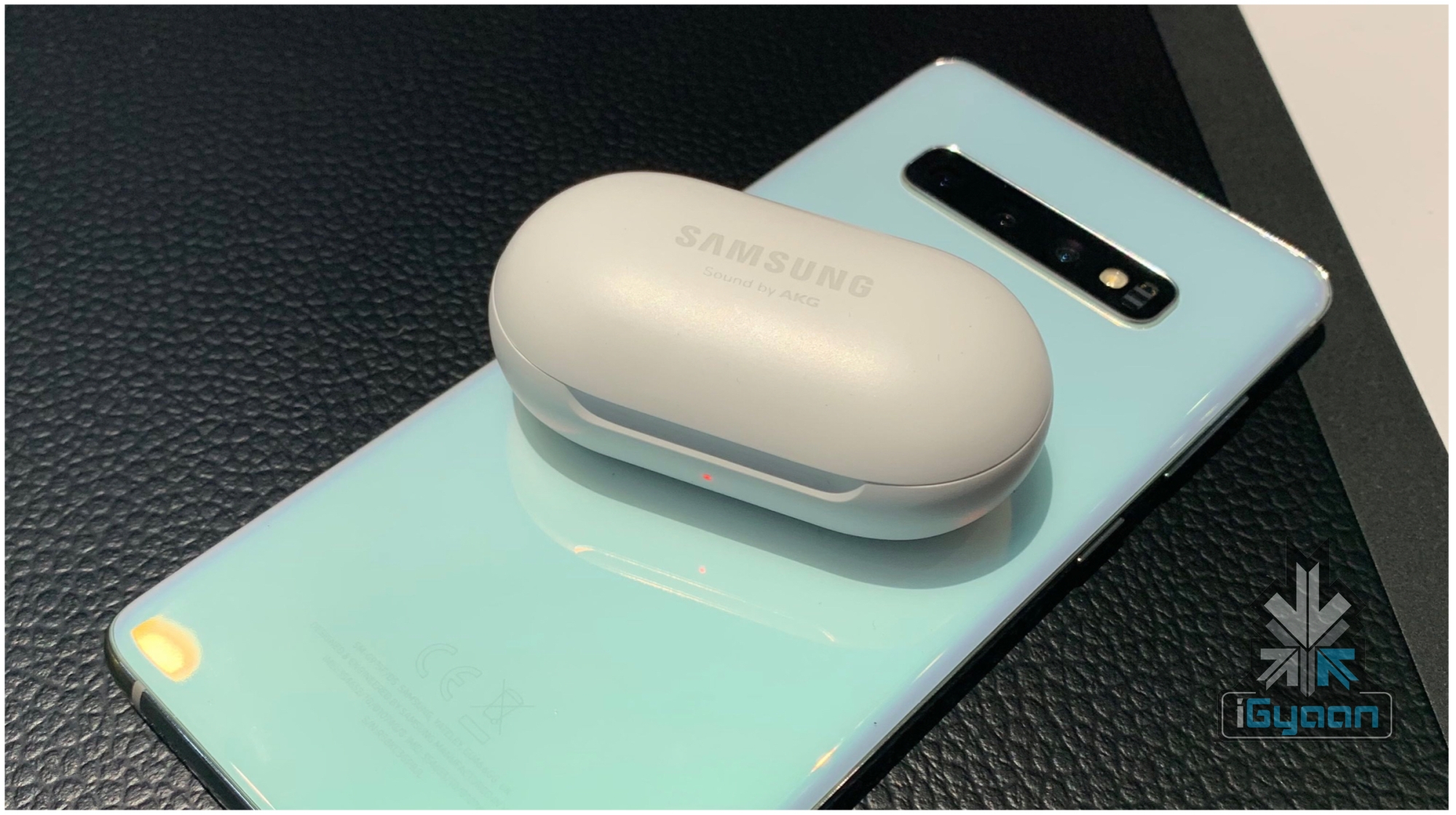
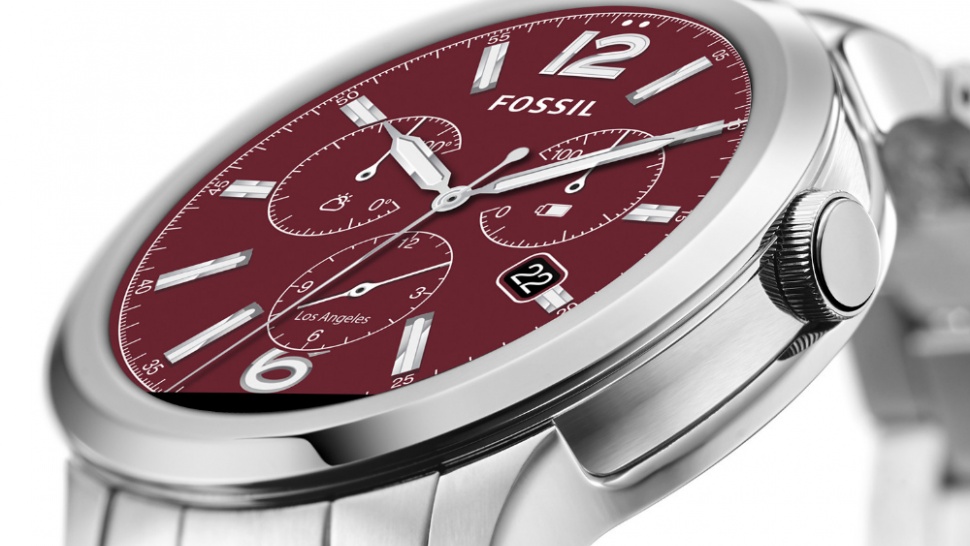
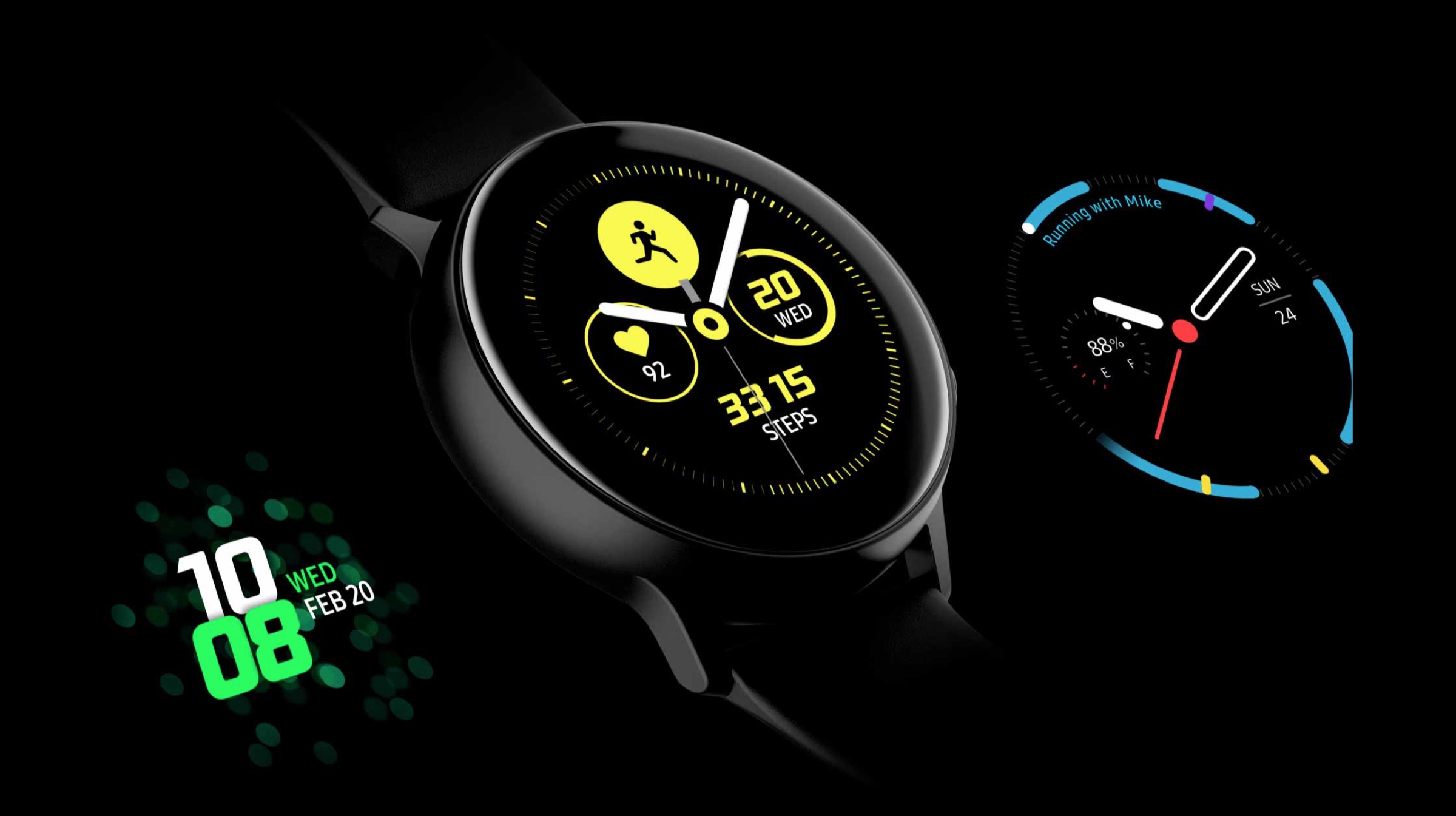 However, it is possible that the smartphone count may plummet sharply. Not because people will stop using smartphones. Because alternatives to smartphones are taking over the world. Wearables. This upcoming generation of technology could dethrone smartphones, once and for all. Wearables are defined as an electronic gadget that can be worn/clipped on the body. It’s a vast category, but the most common ones are
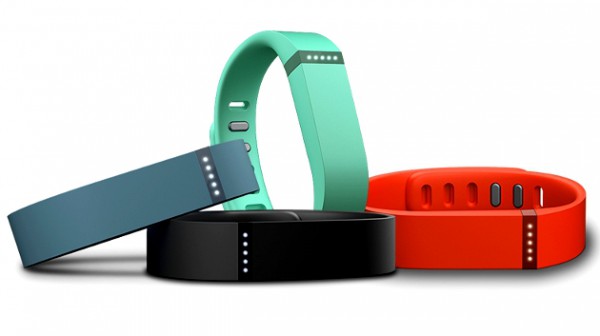 As per a survey, over 51 percent of the youth uses some form of a fitness tracker to monitor daily health and activities. Smartwatch sales are booming day by day, clearly showcasing the fact that people are looking towards making their lives easier and faster-paced to catch up with the rest of the world. Hence, in a world where winning matters to a significantly larger chunk of the population, smartphones are slowing them down while speeding things up at the same time.
 What makes a smartphone so special? Is it the CPU of the device? Or is it the fact that you can make calls via your smartphone? You can listen to music whenever you want, view pictures, get directions to a place you’re going to, or simply tell your smartphone voice assistant to book a taxi while you read an e-book.
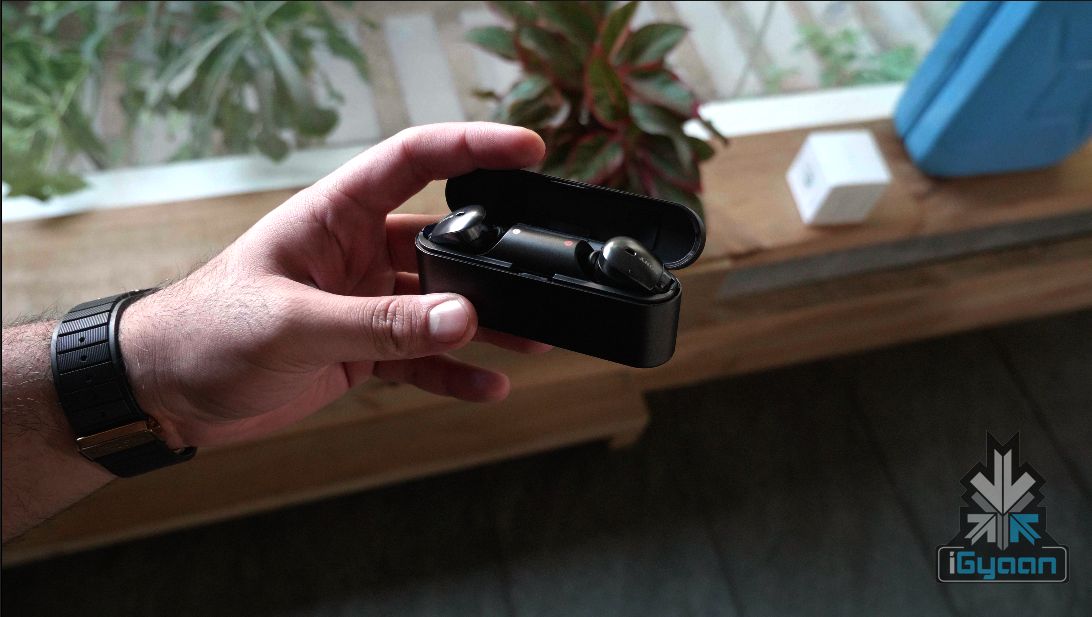
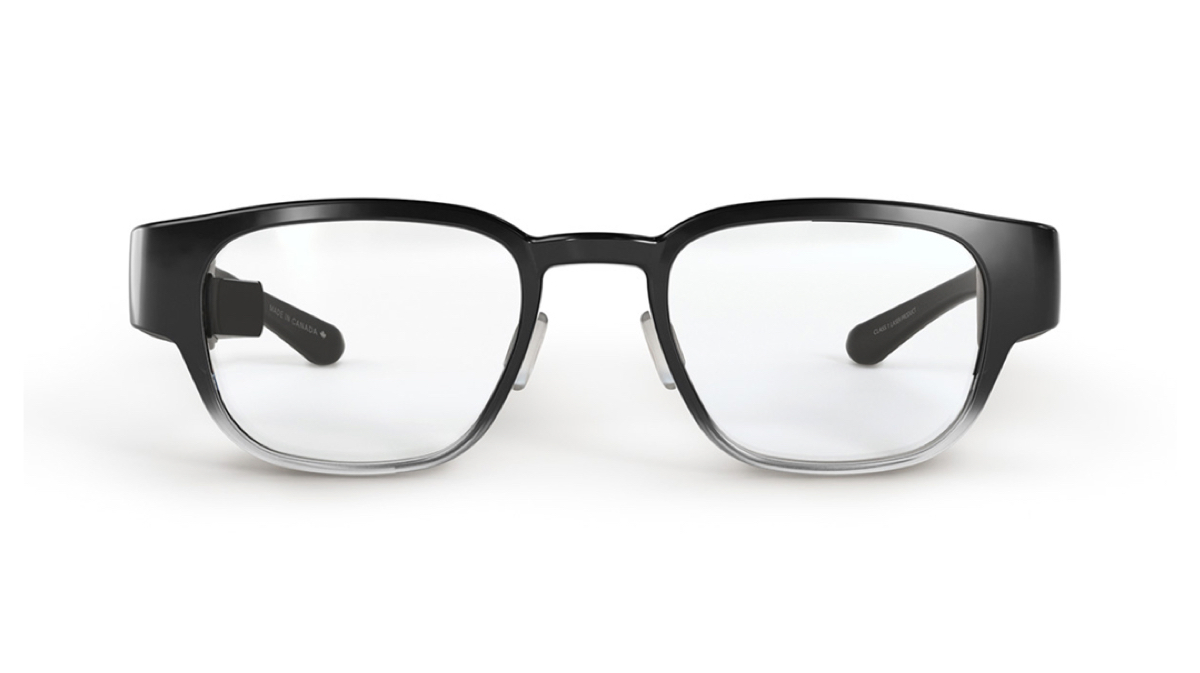 In the not-so-distant future, a combination of swanky sunglasses/spectacles and a pair of earbuds will be able to do all of the aforementioned tasks, and so much more. A lot of companies are working on smart earbuds that will contain CPUs as powerful as smartphone processors and more efficient than them too. For instance, Here One earbuds from Doppler Labs have a feature that allows you to filter out what you hear. You’re probably thinking, “Hey, I heard about this feature some time back, didn’t I?” Well, these earbuds allow you to filter out selective sounds from your environment, like the crying of a baby, a person playing the piano or just some old fashioned crowd chatter. It wouldn’t be wrong to say that these earbuds are more powerful than some of the early computers. Sadly, the company stopped producing the earbuds because of the lack of funding.
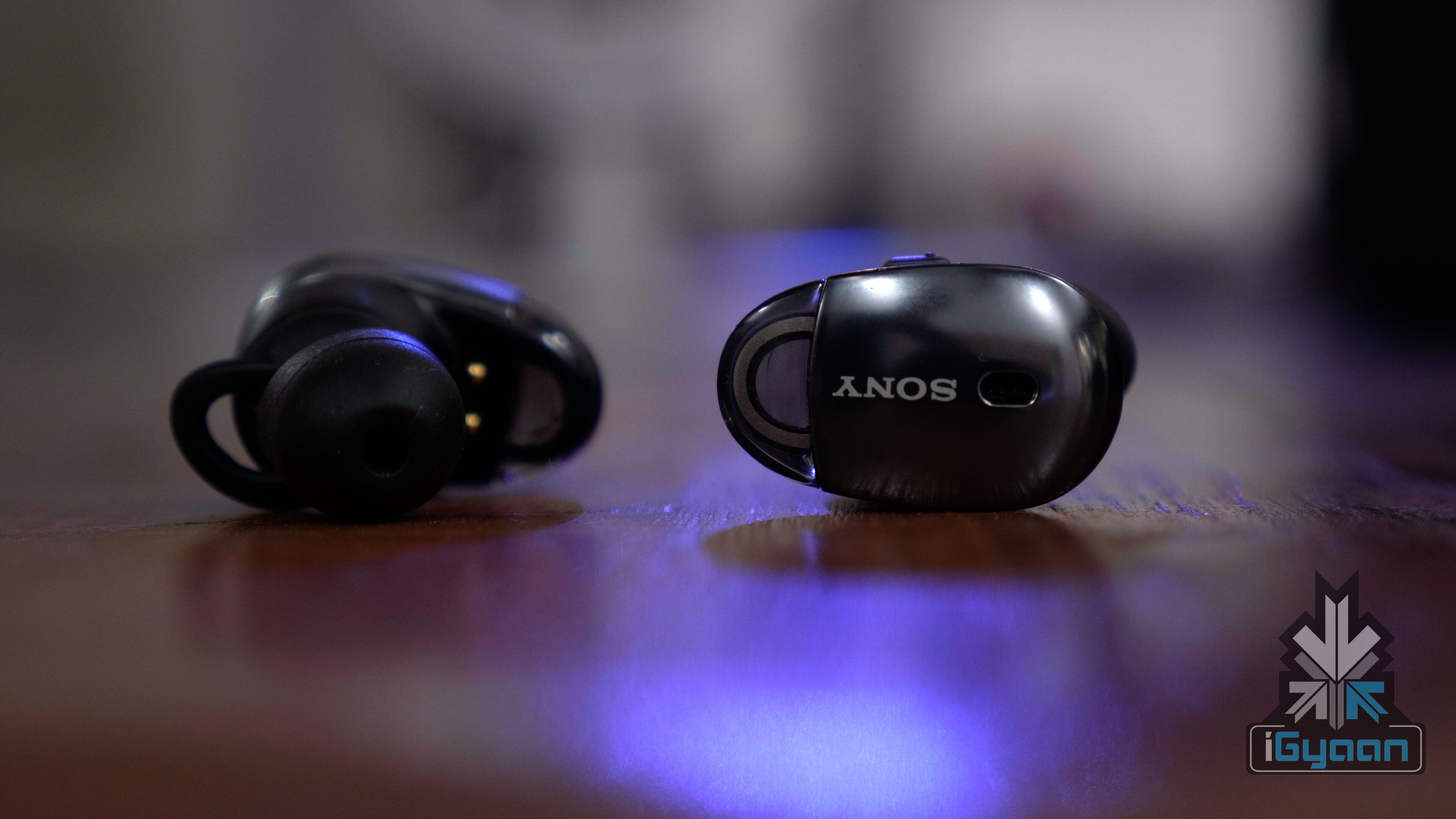 Just like adaptive filtering, a lot of other technologies are being implemented in wearables which can make a huge difference in the way we live our life. Motion sensing earbuds turn on when a user inserts them in his/her ears. Smartwatches detect almost every activity of the wearer, analyze them with the help of the chipset present on the device and provide analytics regarding the same. Wearable cameras click an image every time a catchphrase is detected or when a special gesture is recorded.
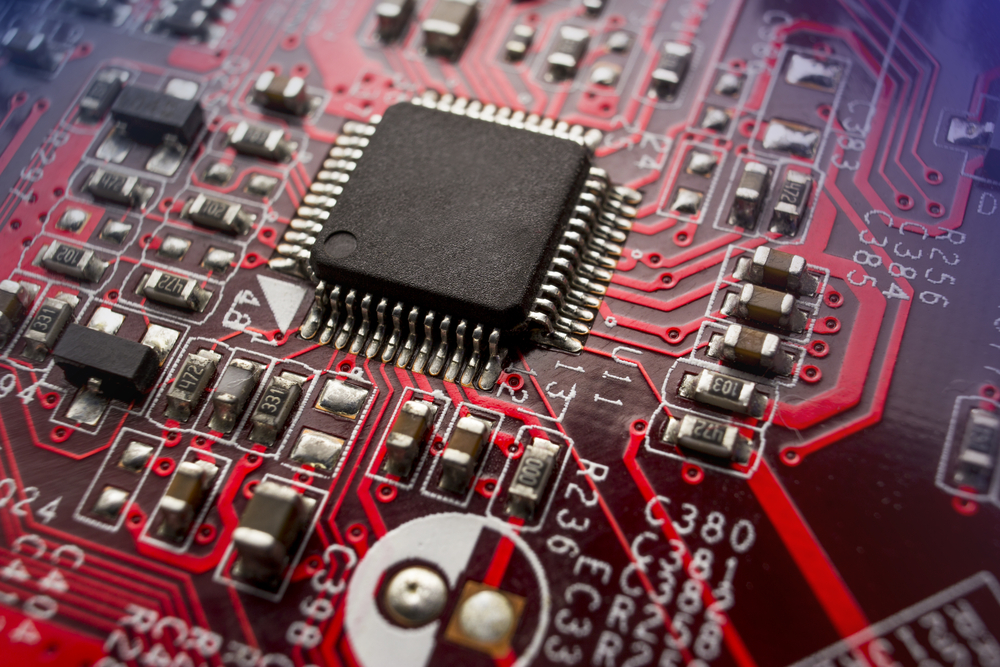 With technology reaching a point where all the components of a device can be placed on a chipset which measures smaller than a fingernail, possibilities are endless. Projects like
  Also Read: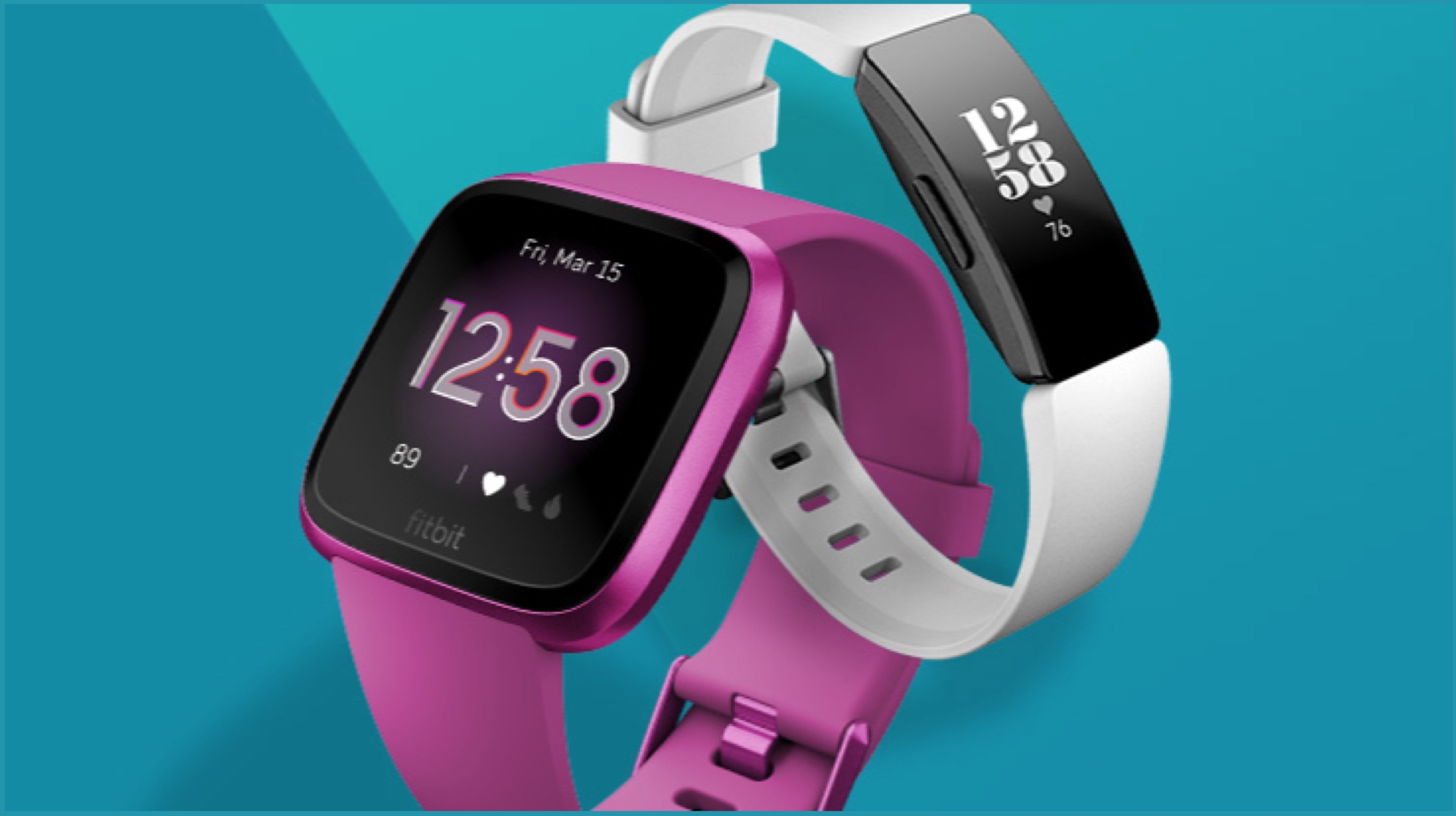
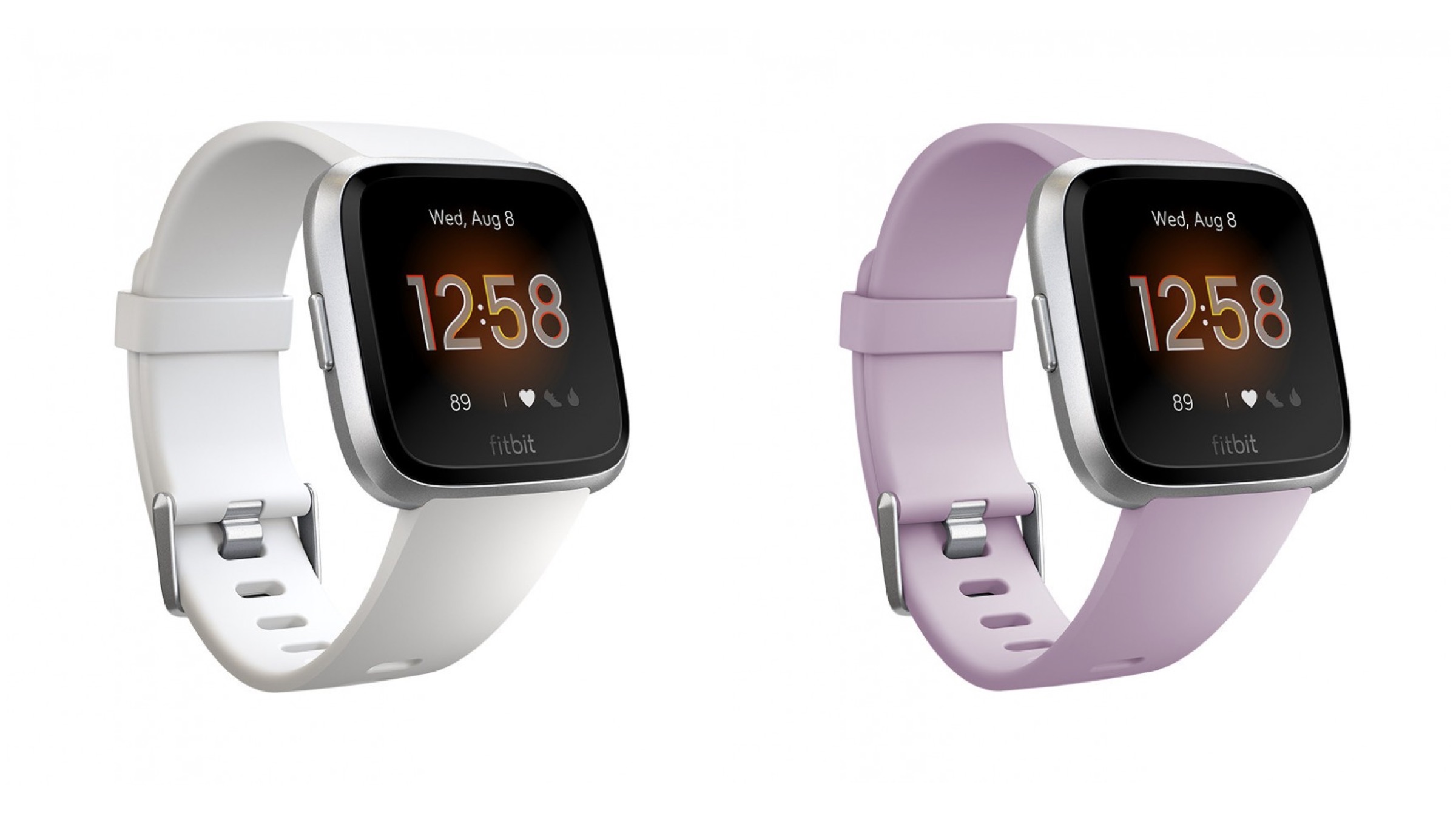 Like the original Versa, the Fitbit Versa Lite has a battery life of 4 days, an SPO2 sensor (for measuring oxygen saturation levels) and a heart rate monitor. The Versa Lite is waterproof, which means that users can take it for a swim, but it lacks the automatic lap counting feature of the original Fitbit Versa. Also, the smart band is unable to count the number of stairs because of the lack of a barometer. Furthermore, if users are planning to store music on this device, they cannot do so because of no built-in storage in the Versa Lite.
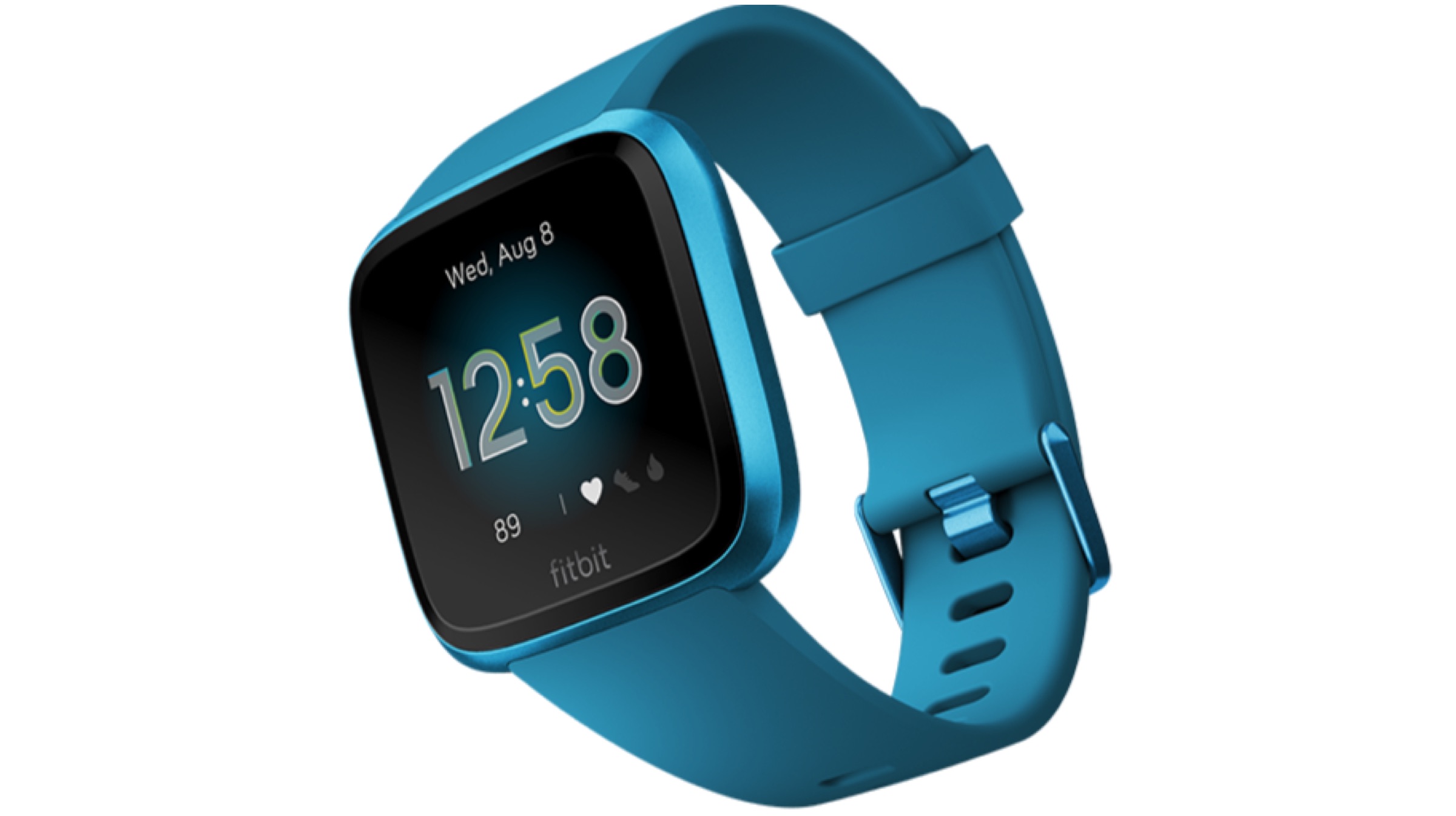 The original Fitbit Versa was priced at US$200 (~Rs. 14,000), whereas the Fitbit Versa Lite is priced at $159.95 in the US and Rs. 15,999 in India. It is available in White, Lilac, Mulberry, and Marina Blue colour options.
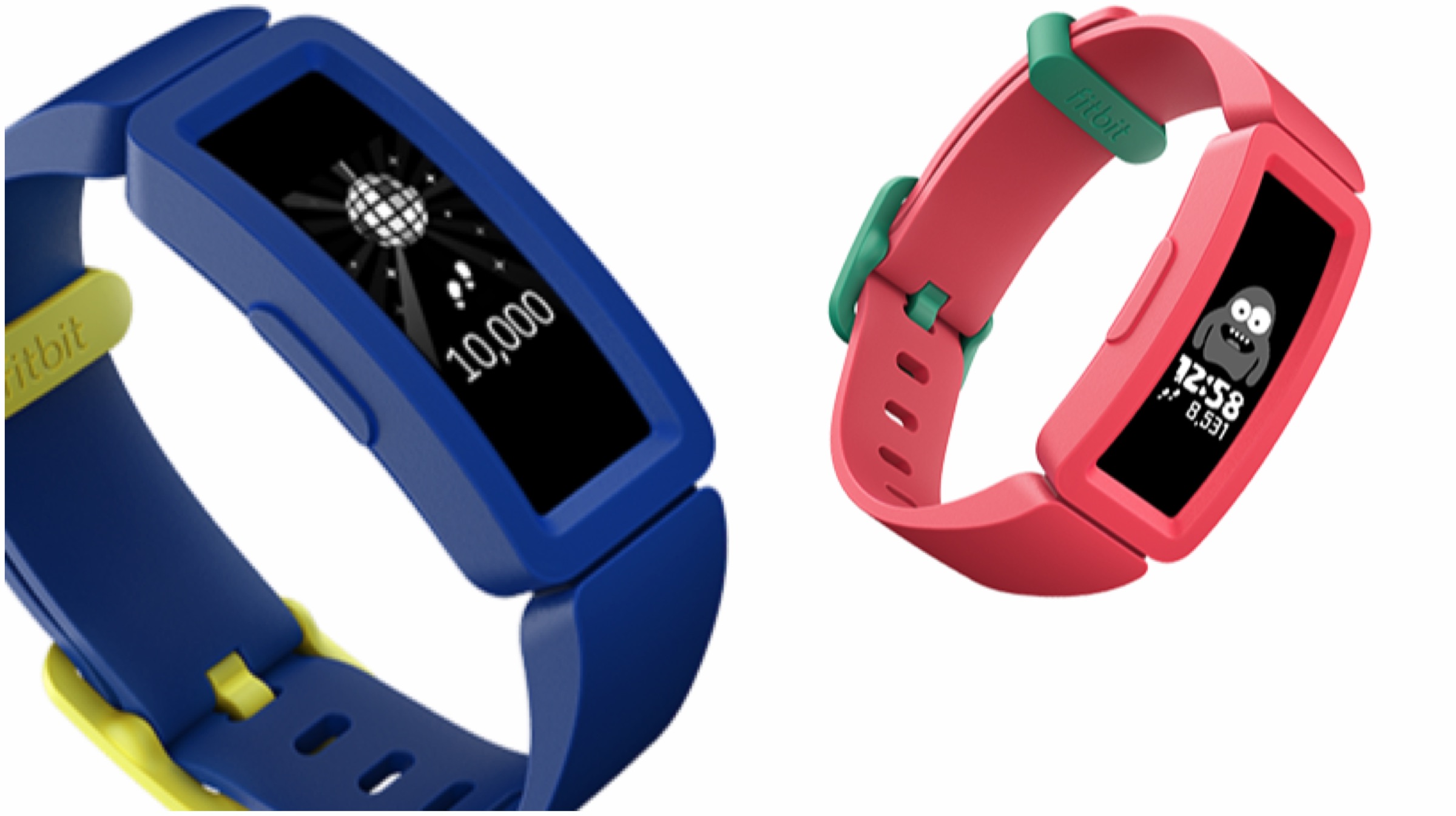
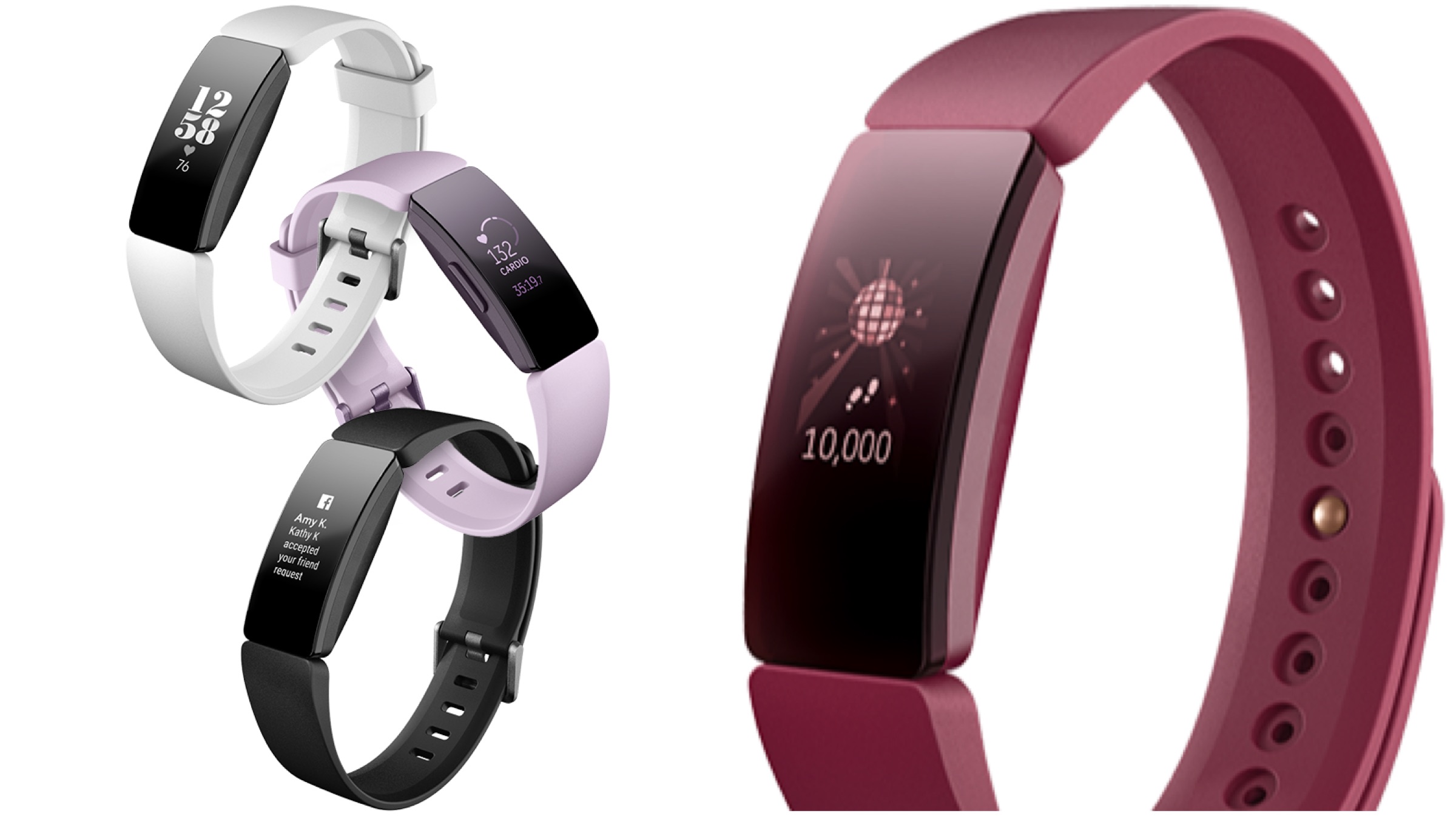 Fitbit also launched its new Inspire smart bands, which can last up to five days after a 2-hour charge. They support sleep tracking and relax guided breathing techniques. Furthermore, the bands track the period during which the user is actively moving and then provides information regarding the same. The bands are water resistant up to 50m, with built in timer and stopwatch to measure your laps (and much more). The Inspire band also features a grayscale OLED display for displaying notifications and calendar information. It is priced at $69.95 in the US and Rs. 6,999 in India.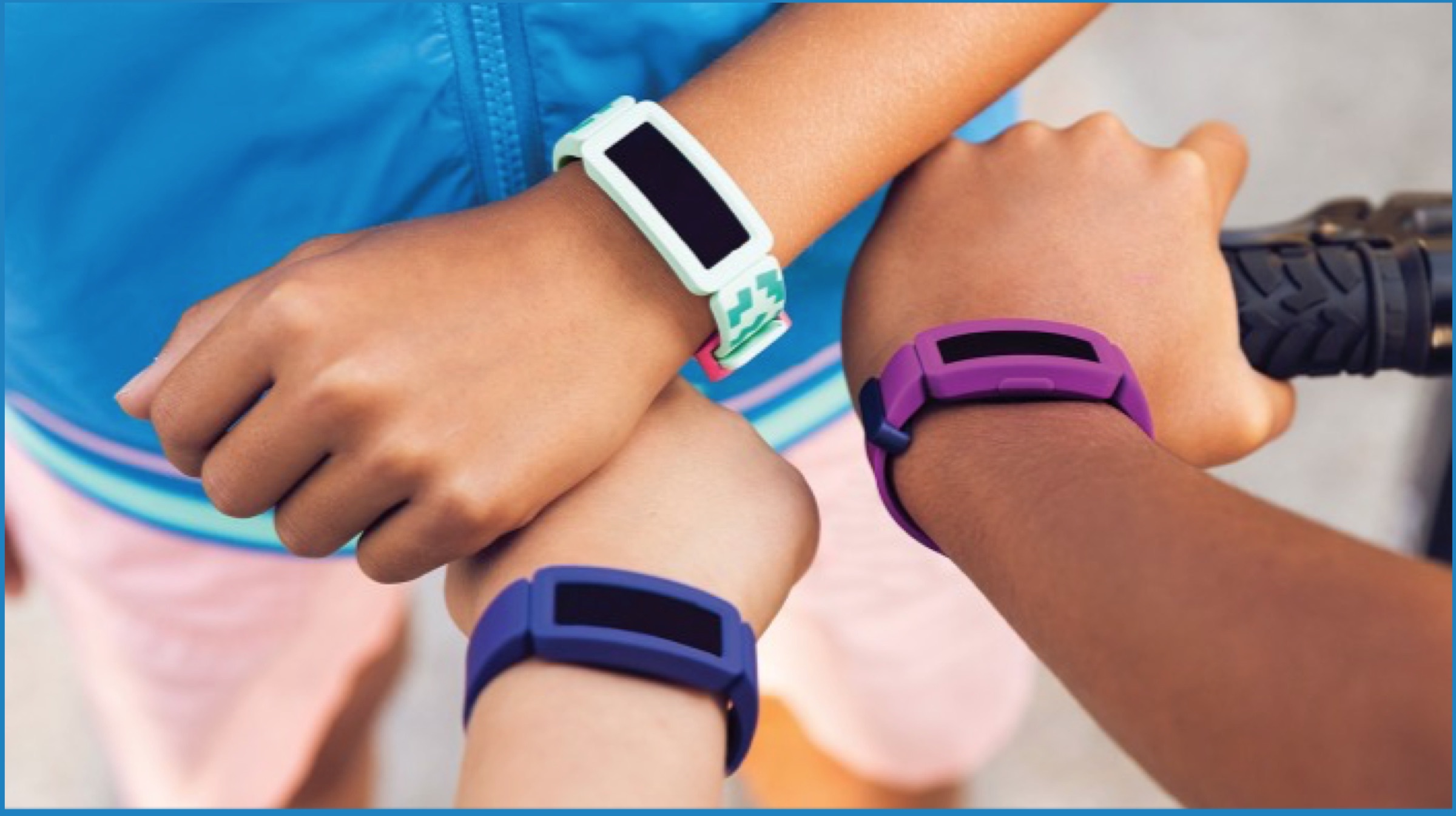
 Also Read:
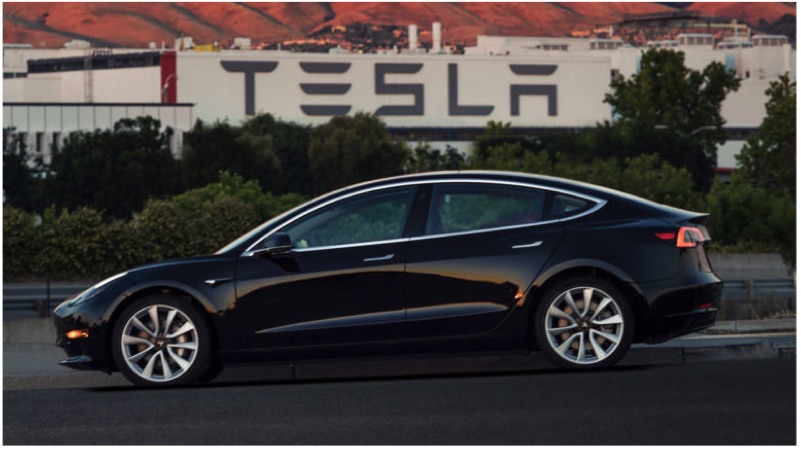
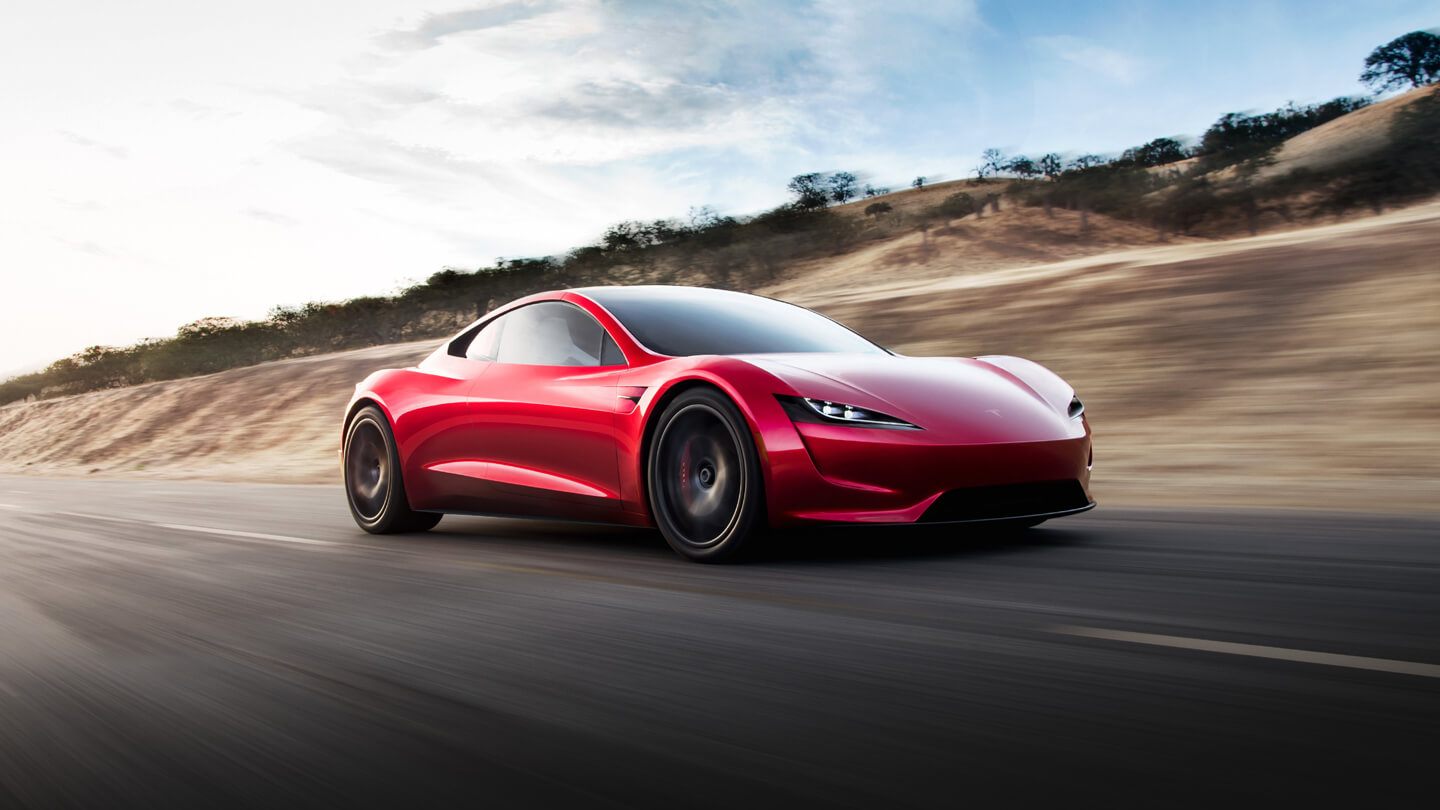 The company stated that the installation of the first batch of V3 Superchargers will roll out in the second quarter of 2019. The consumers in the European and Asian-Pacific regions, however, will have to wait until the fourth quarter of the year to gain access to the V3 Superchargers. As of now, the first Supercharger V3 station is only accessible to members of Tesla’s early access program.
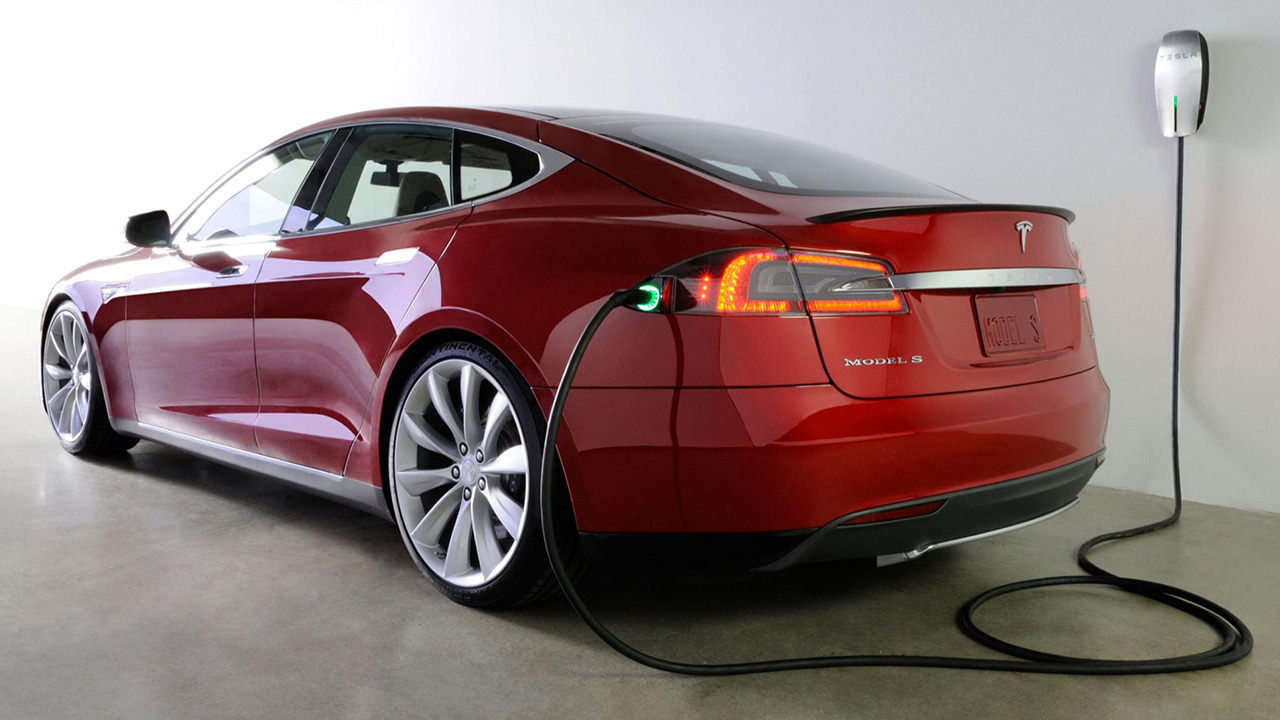 As mentioned before, the Tesla V2 Superchargers were rated to a maximum output of 150 kW. However, Tesla users found that they were actually capped at 120 kW. The company later confirmed that the V2 Superchargers will be updated to 145 kW peak charge rate soon. Also, the company is rolling out a new feature called “On-Route Battery Warmup”, which will ensure that the car’s battery will automatically start heating up to the optimal temperature as the car is en route to a Supercharger. Doing so will reduce average battery charging times by 25 percent.
  Also Read: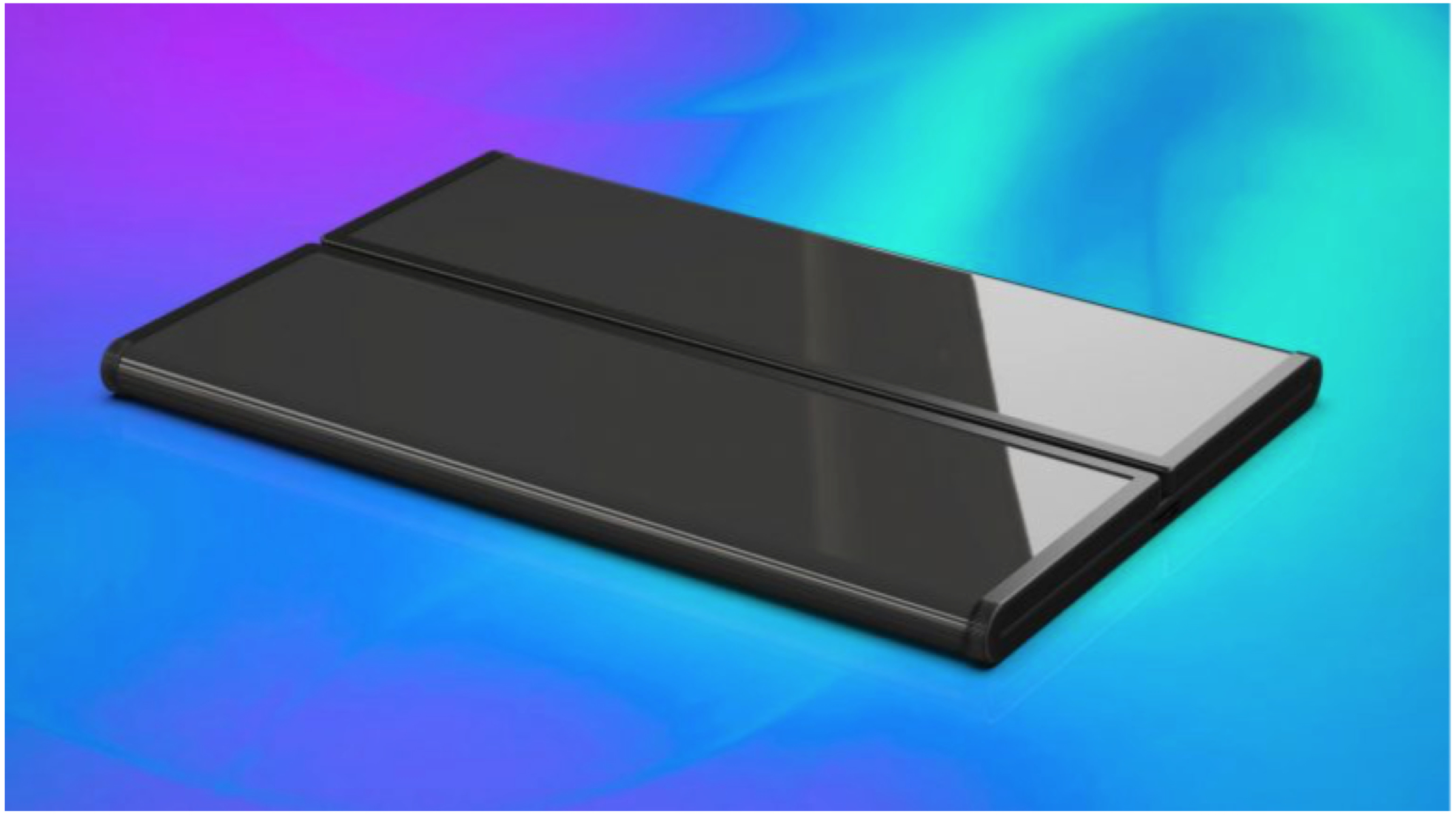
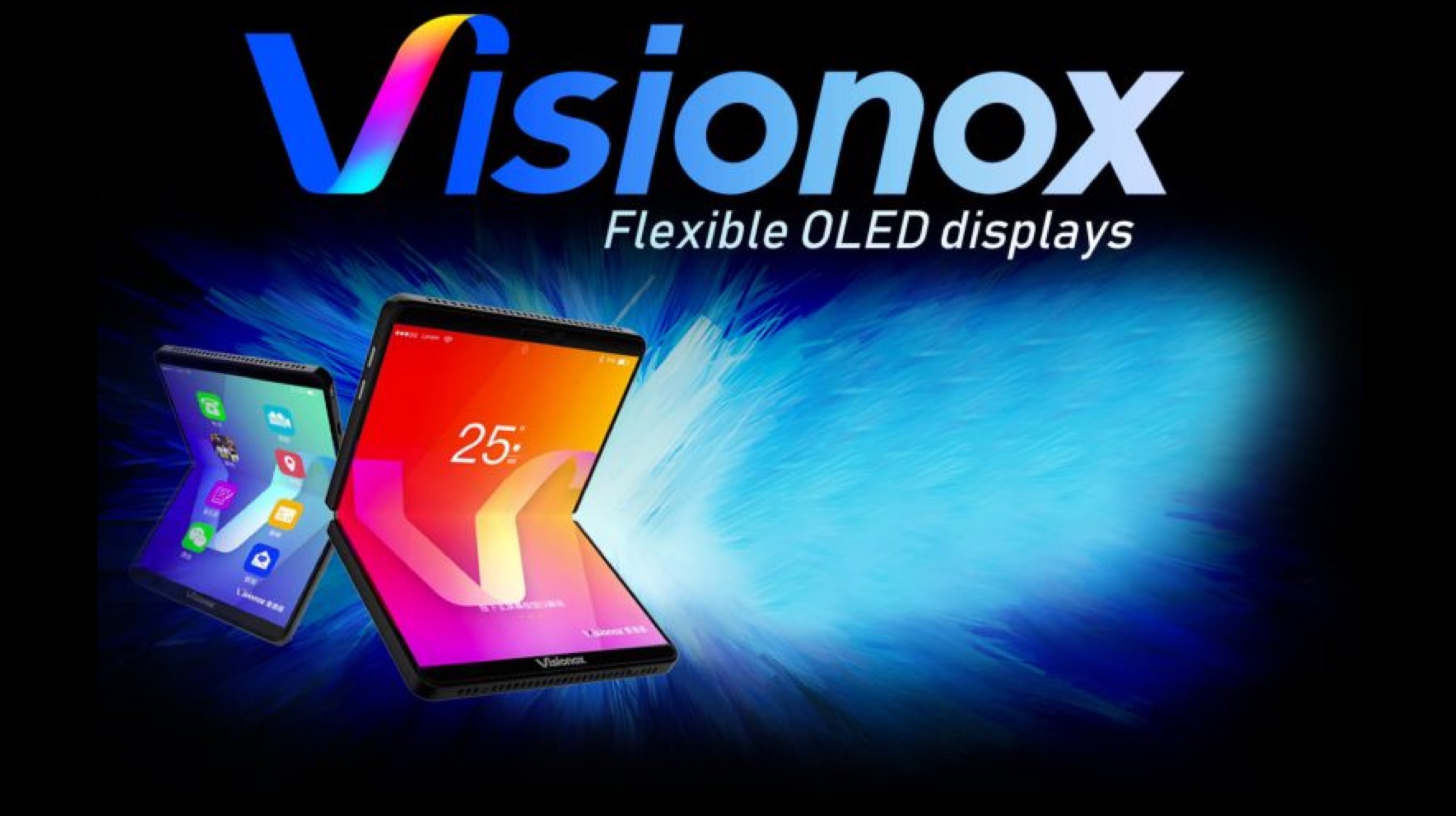
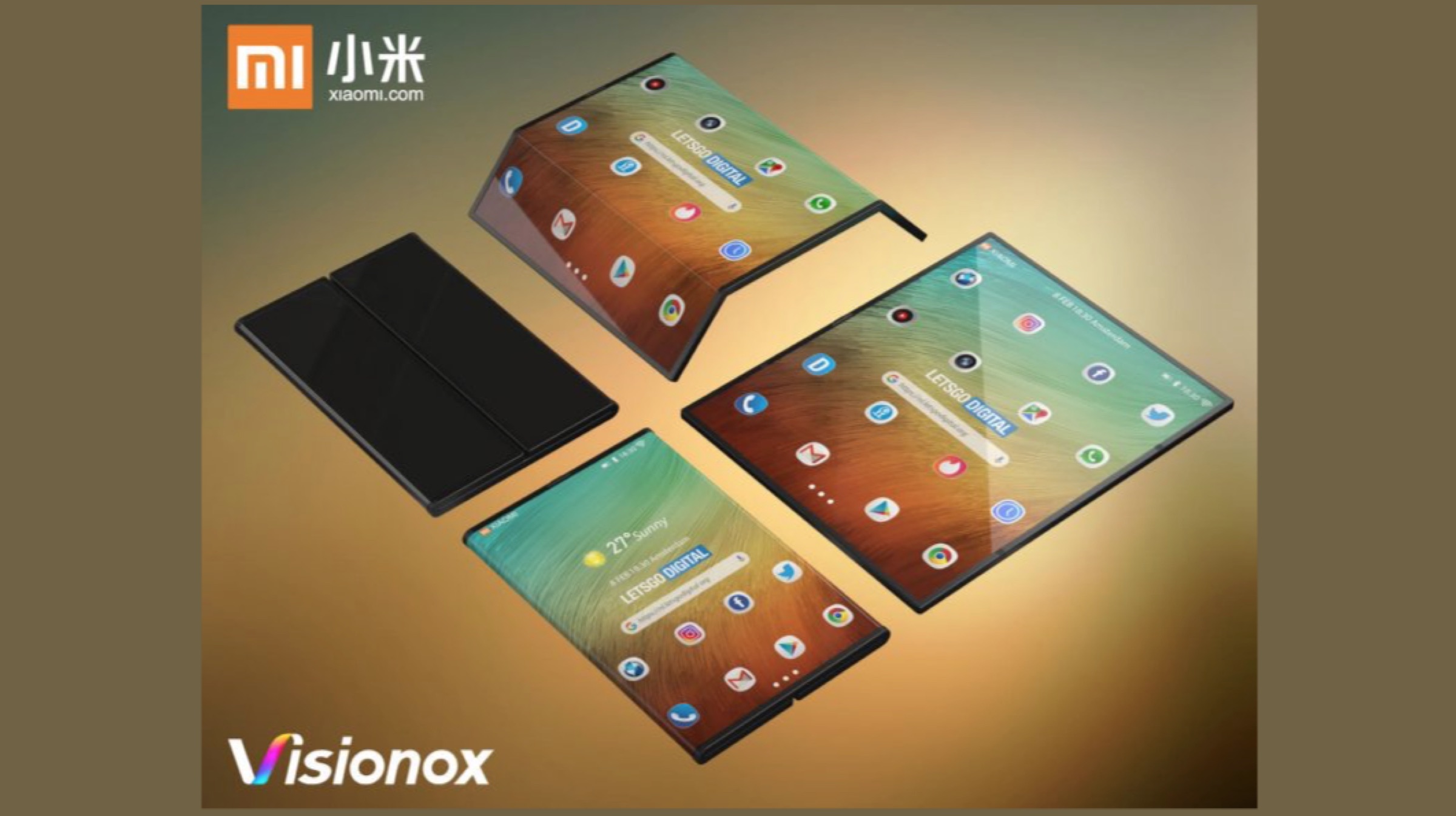 The company has been manufacturing OLED screens for various brands across China, and it is reportedly developing a flexible AMOLED display for Xiaomi’s next
 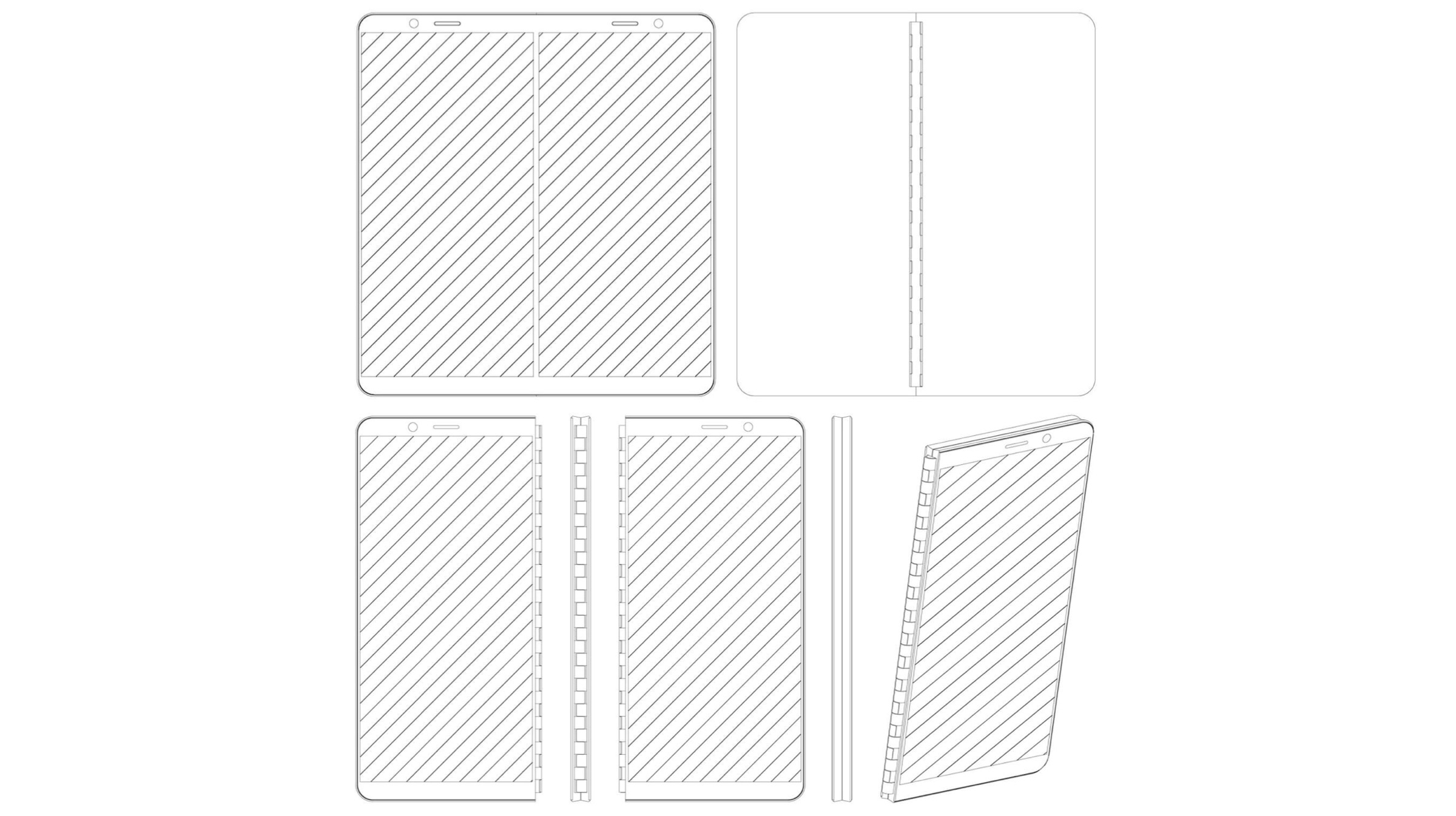 The patent shows a foldable smartphone with the display on the outside of the device. However, the display does not seem to be flexible, since two different screens are clearly visible with a gap in between for the hinge. The design of the phone is similar to the ZTE Axon M. The main difference between both the smartphone designs is the presence of rounded corners on the ZTE device, which seems to be non-existent on Visionox’s display. Furthermore, Visionox’s screen is completely straight in the middle section, which gives it some resemblance to a tablet of sorts. Top and bottom bezels are prominent in the device, and a camera appears to be present on both the right and left side in the top bezel, right next to the earpiece.
 Also Read:
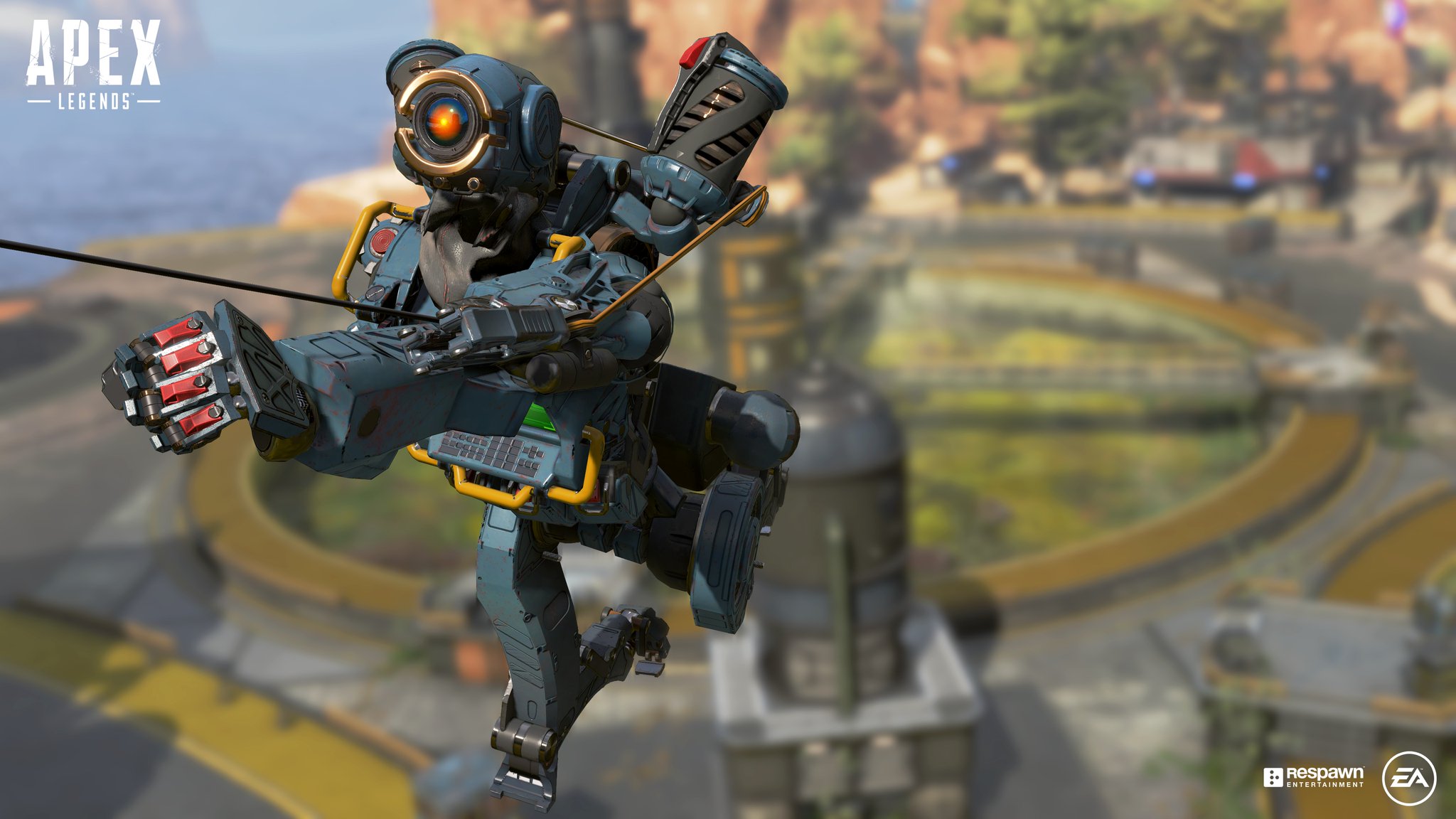 Nvidia released the new 419.35 game ready driver package that extended optimization for games like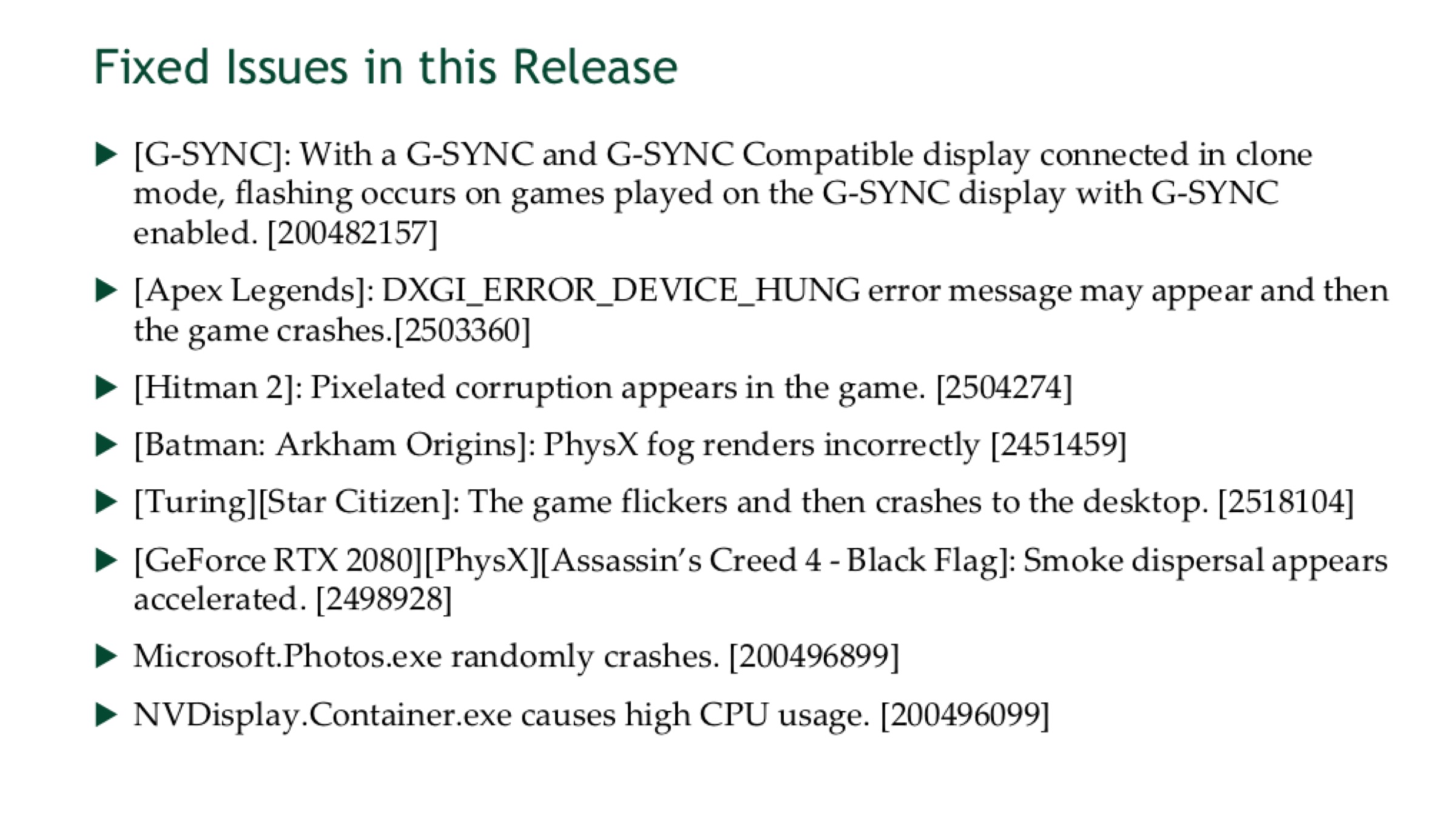
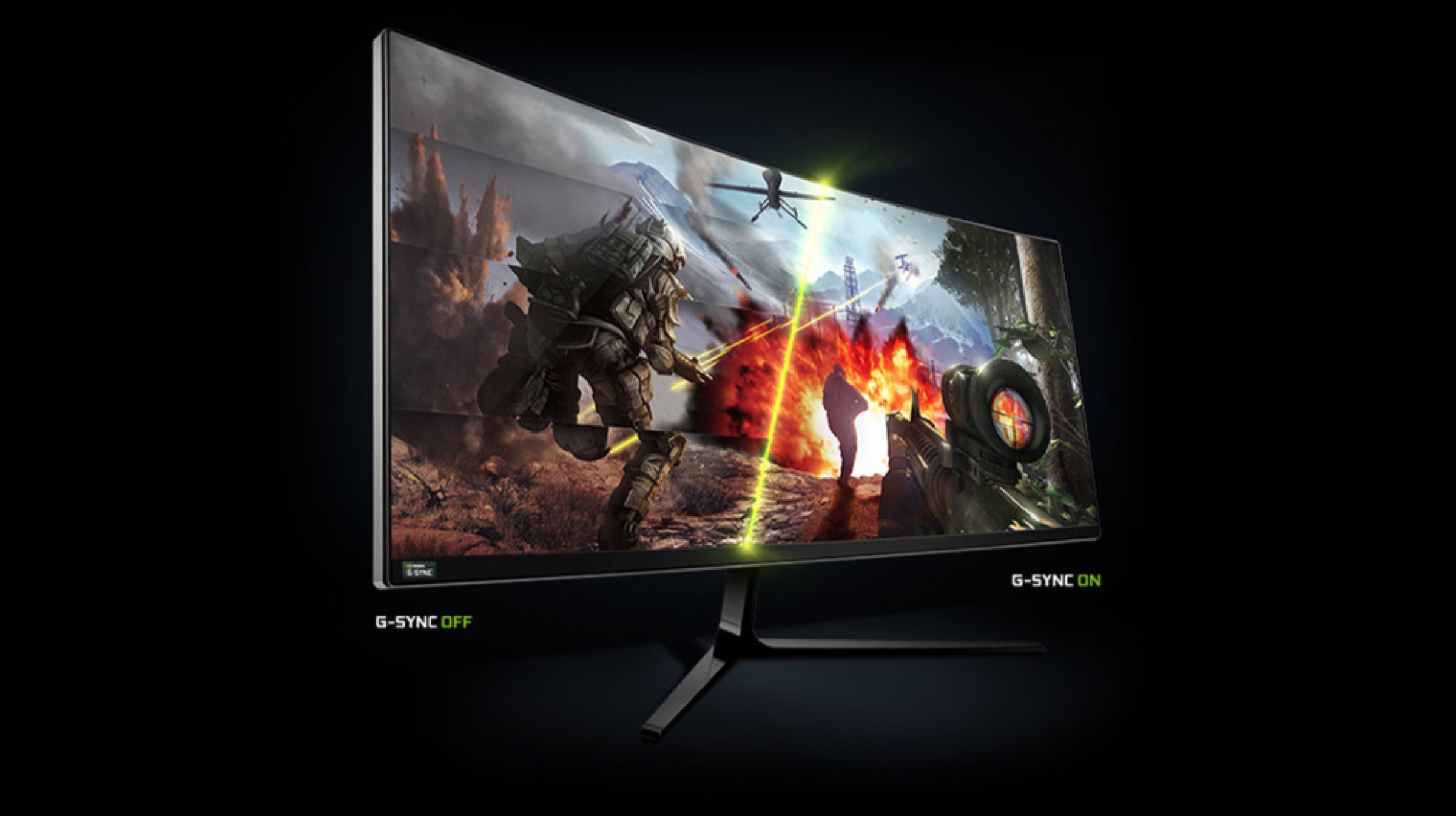 Nvidia is continuously testing new displays to see if they’re compatible with G Sync or not. Nvidia CEO says that the company will optimize the software that’s necessary to make the monitors G Sync compatible. If a user has a G Sync monitor, he/she can manually turn on G Sync support in the Nvidia Control Panel to check if driver support has been introduced for that specific model or not. However, Nvidia has warned the users not to experiment with the G Sync Nvidia control panel if their monitors are not certified by the same.
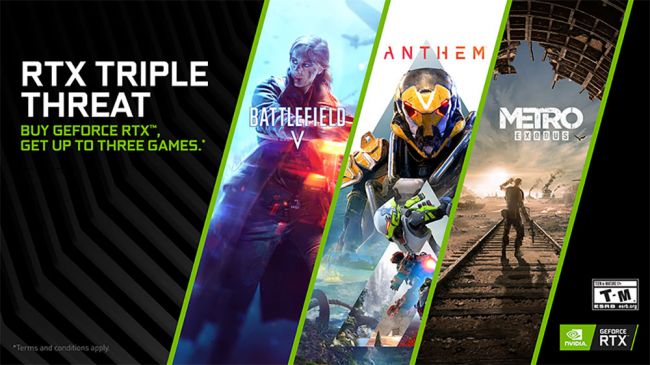 To keep gamers on their heels, Nvidia has announced that it will give away a game bundle containing three A-list titles with the purchase of each RTX series graphics card, laptop or gaming desktop. The company has included digital codes for Battlefield 5, Anthem and Metro Exodus which the users can redeem on the respective accounts.
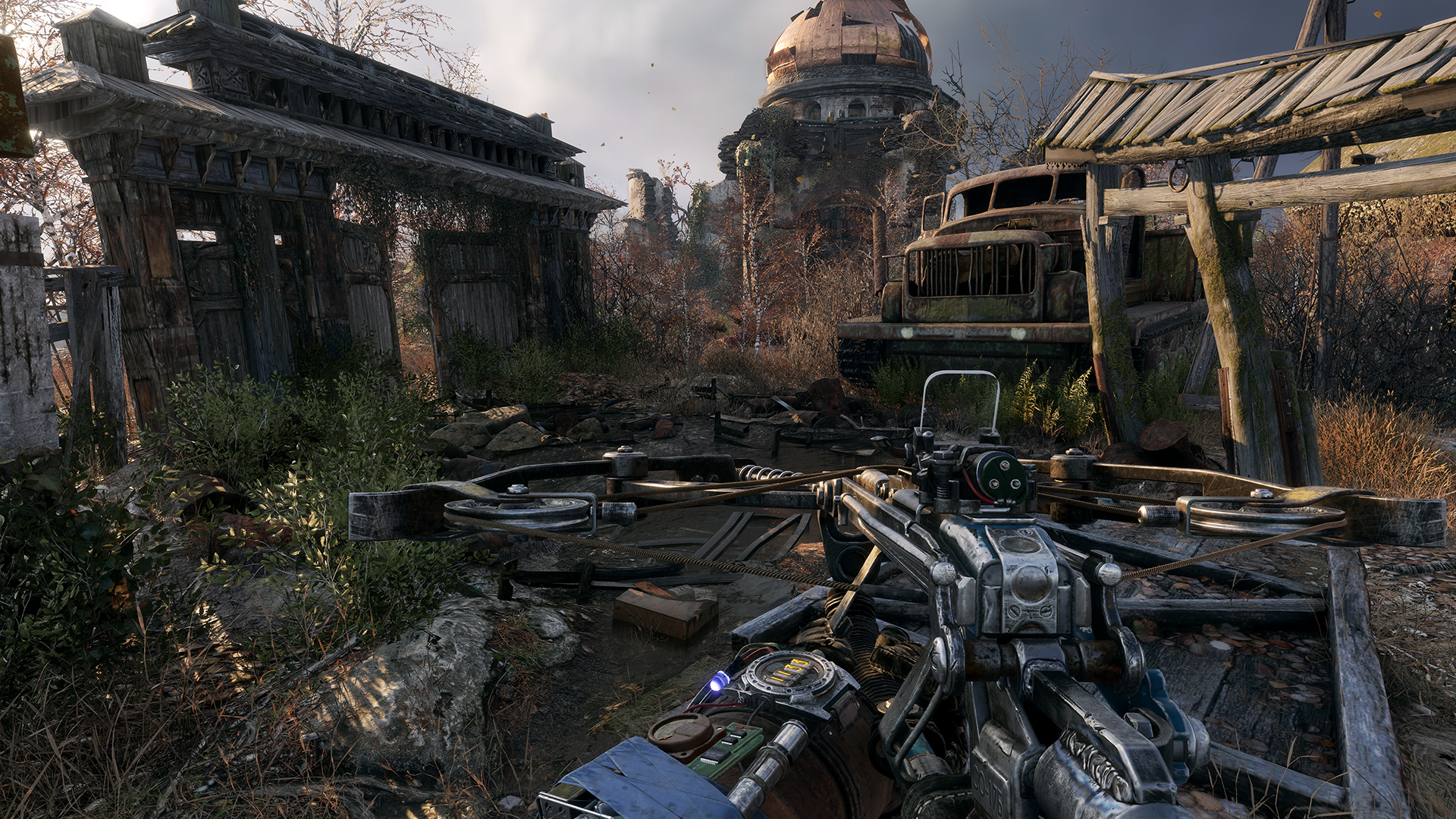 If a user purchases the RTX 2080 Ti or the RTX 2080, all three games will be included in the bundle. However, the user will get only one of the aforementioned games if he/she purchases the RTX 2070 or the RTX 2060. More details regarding the offer are available

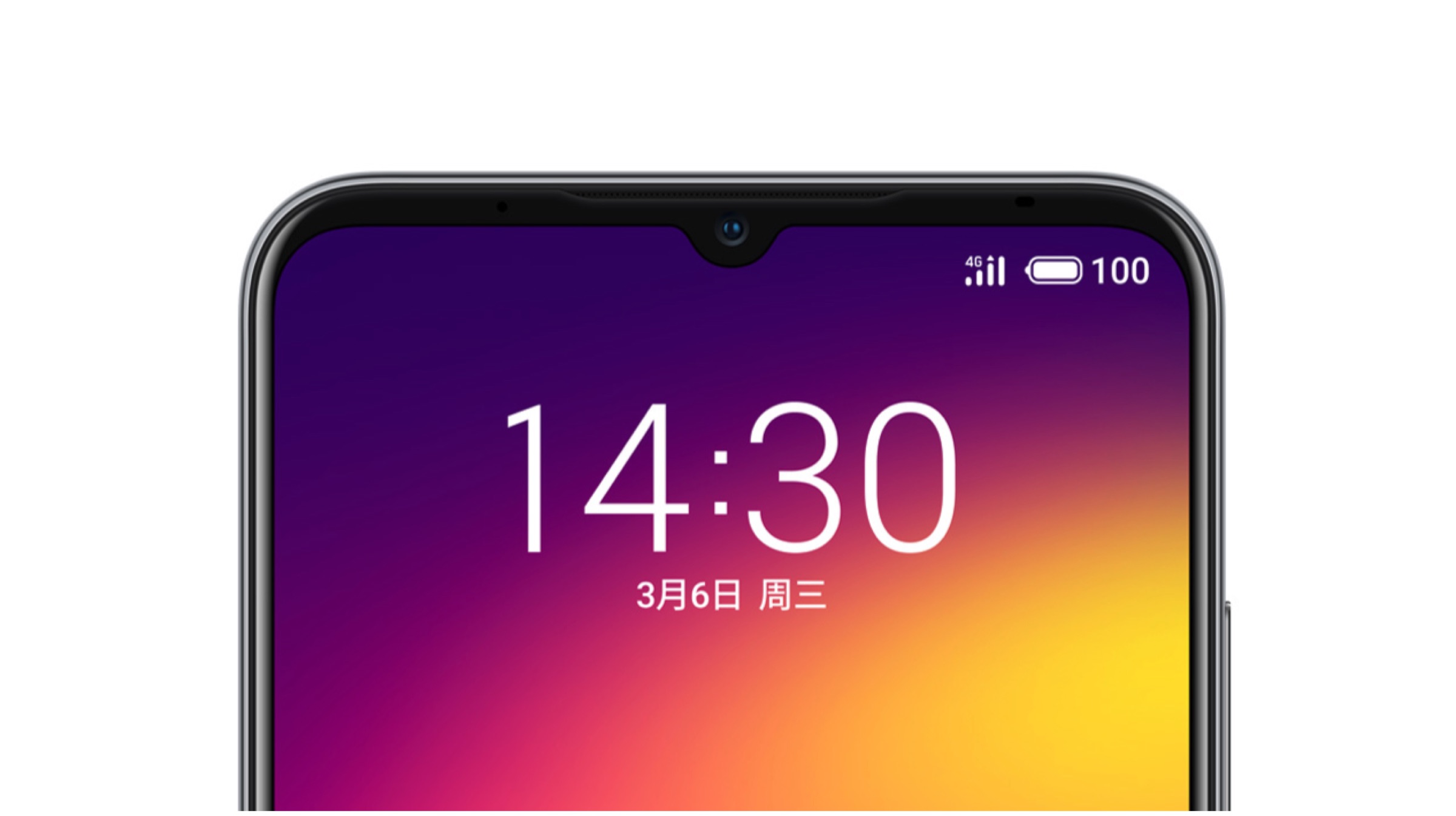
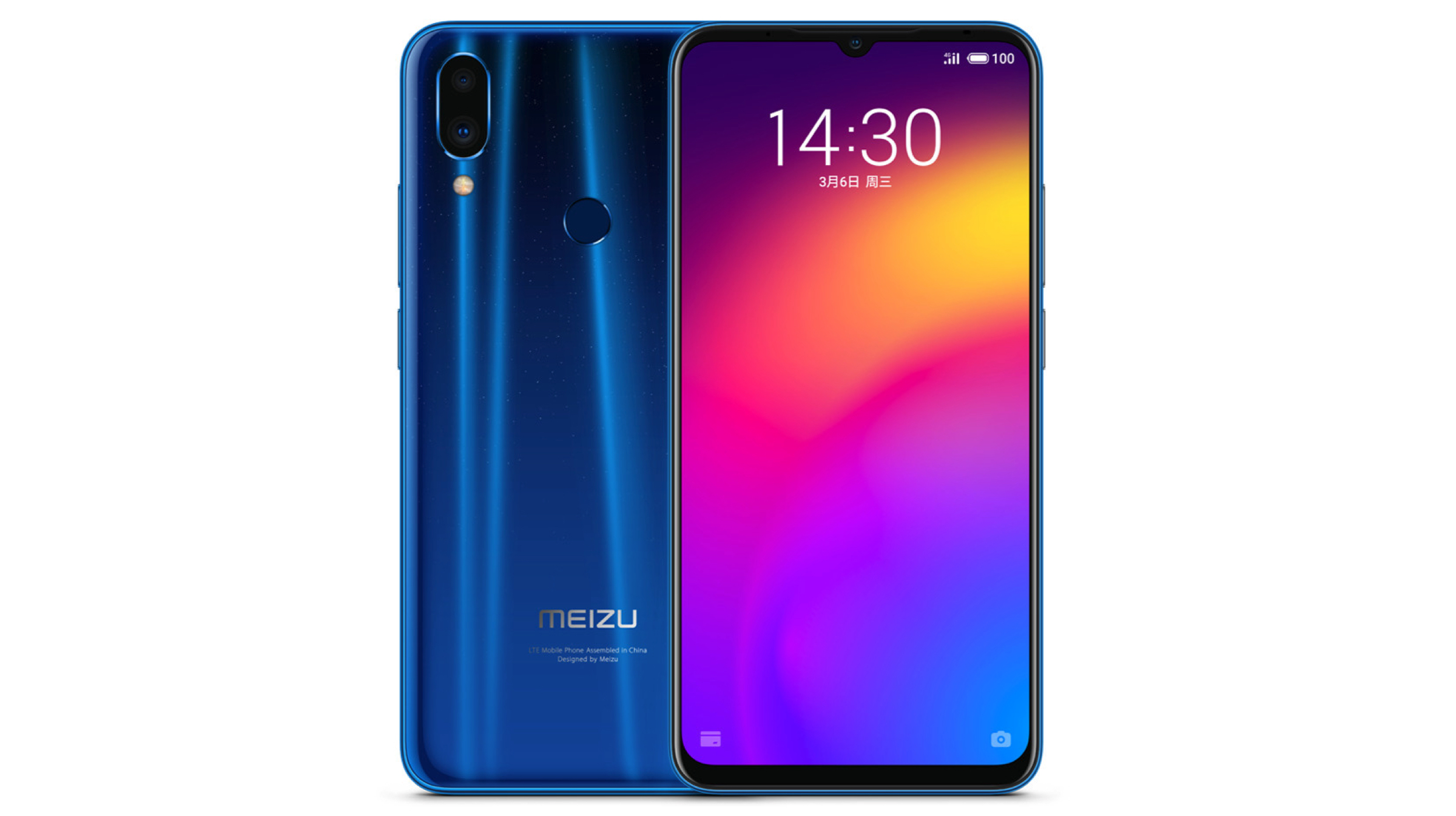 The Meizu Note 9 sports a 6.2 inch FHD+ display with a waterdrop notch. It has an 89.2% screen to body ratio, owing to the 3 mm top, 3.1mm side and 5.35mm bottom bezels. The smartphone runs on the Snapdragon 675 SoC, which comprises of a Kryo 460 octa-core CPU and the Adreno 612 GPU. The handset is available in 4GB RAM and 6GB RAM, with 64GB and 128GB of internal storage.
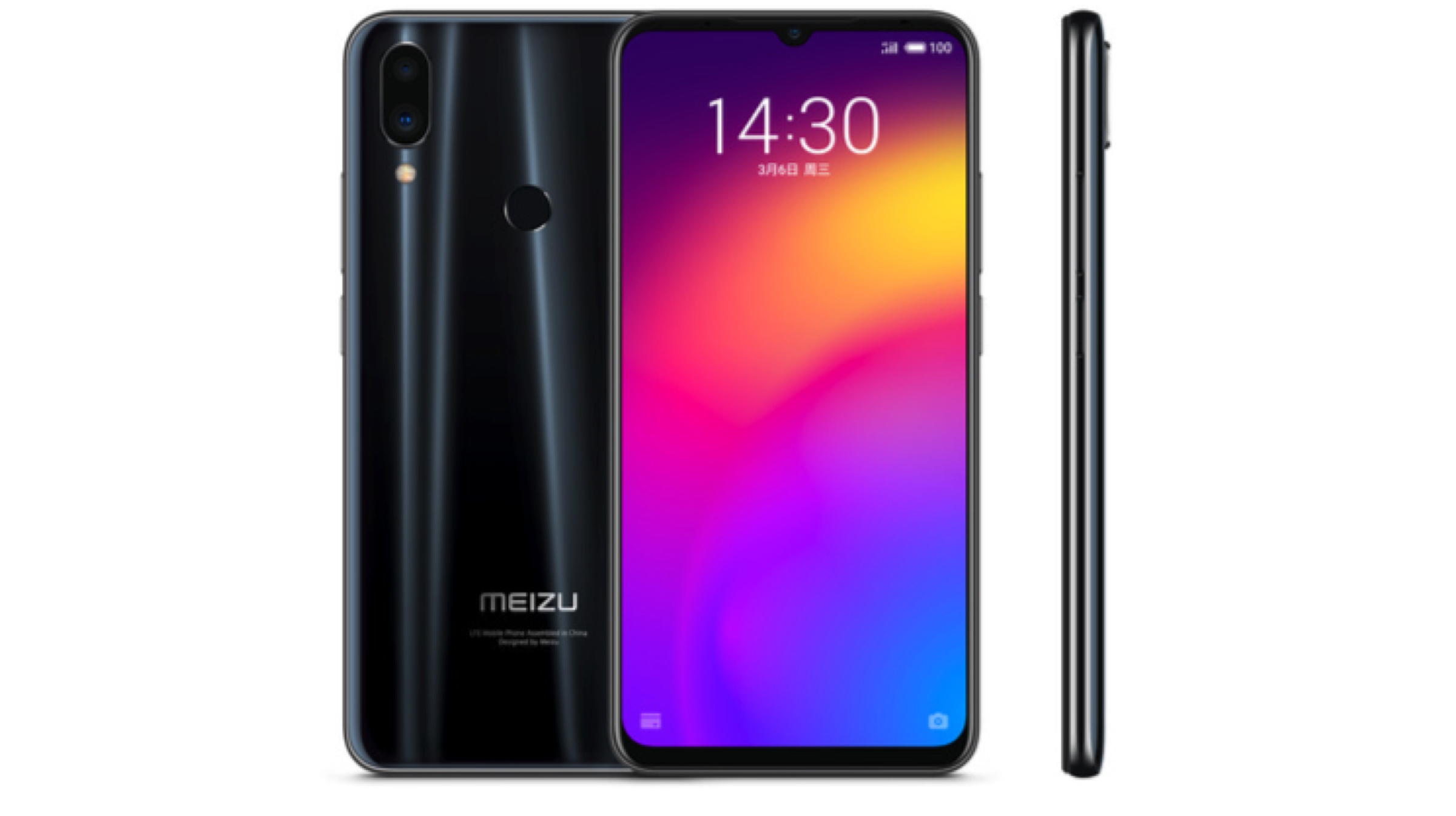 The Meizu Note 9 is powered by a 4000 mAh battery with 18 W fast charging support. It features a 3.5 mm headphone jack which is placed at the bottom of the handset, right next to the speaker grille and the USB Type-C port. In terms of OS, the Note 9 will run the Flyme 7.2 UI which is based on Android Pie.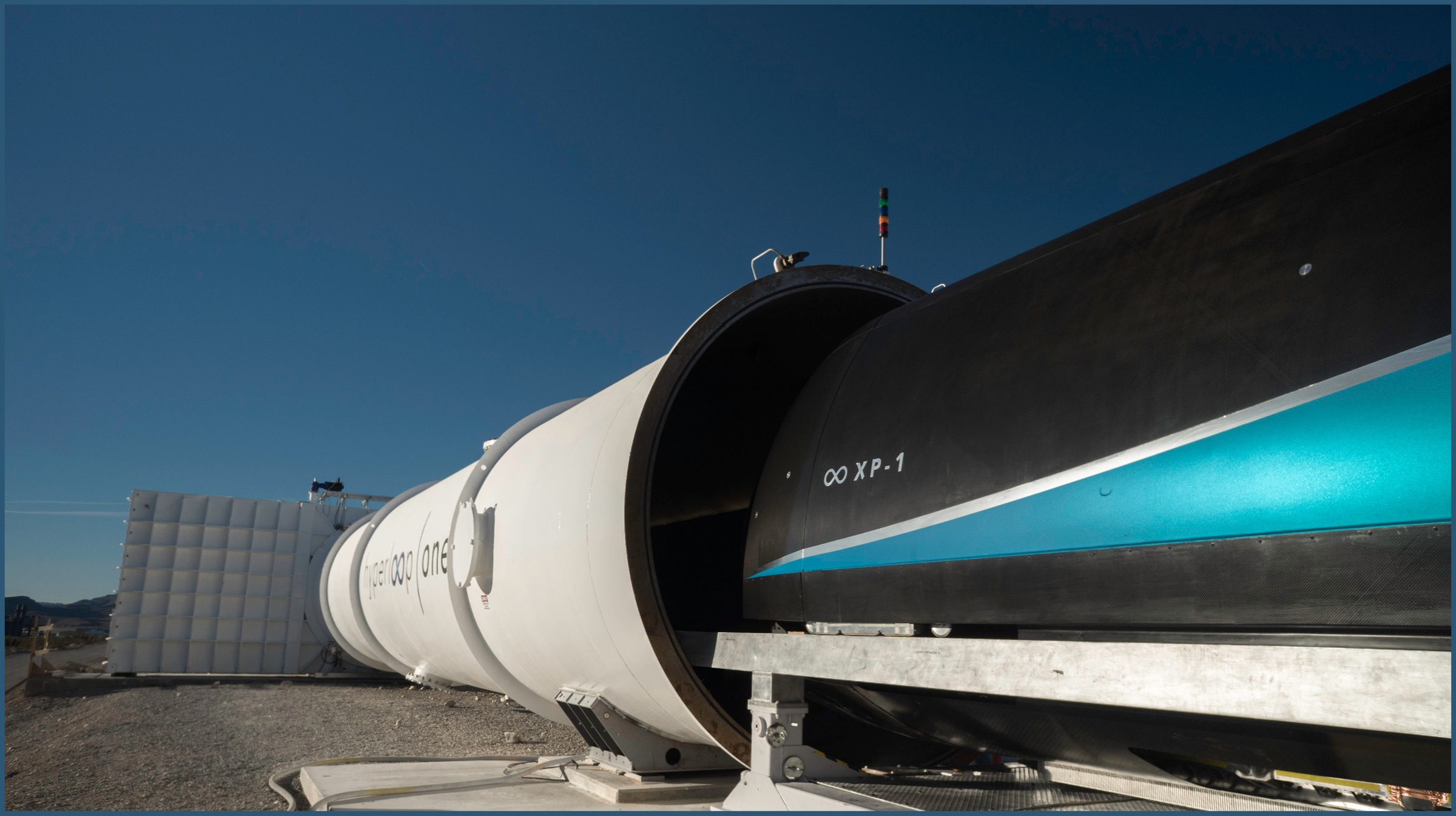
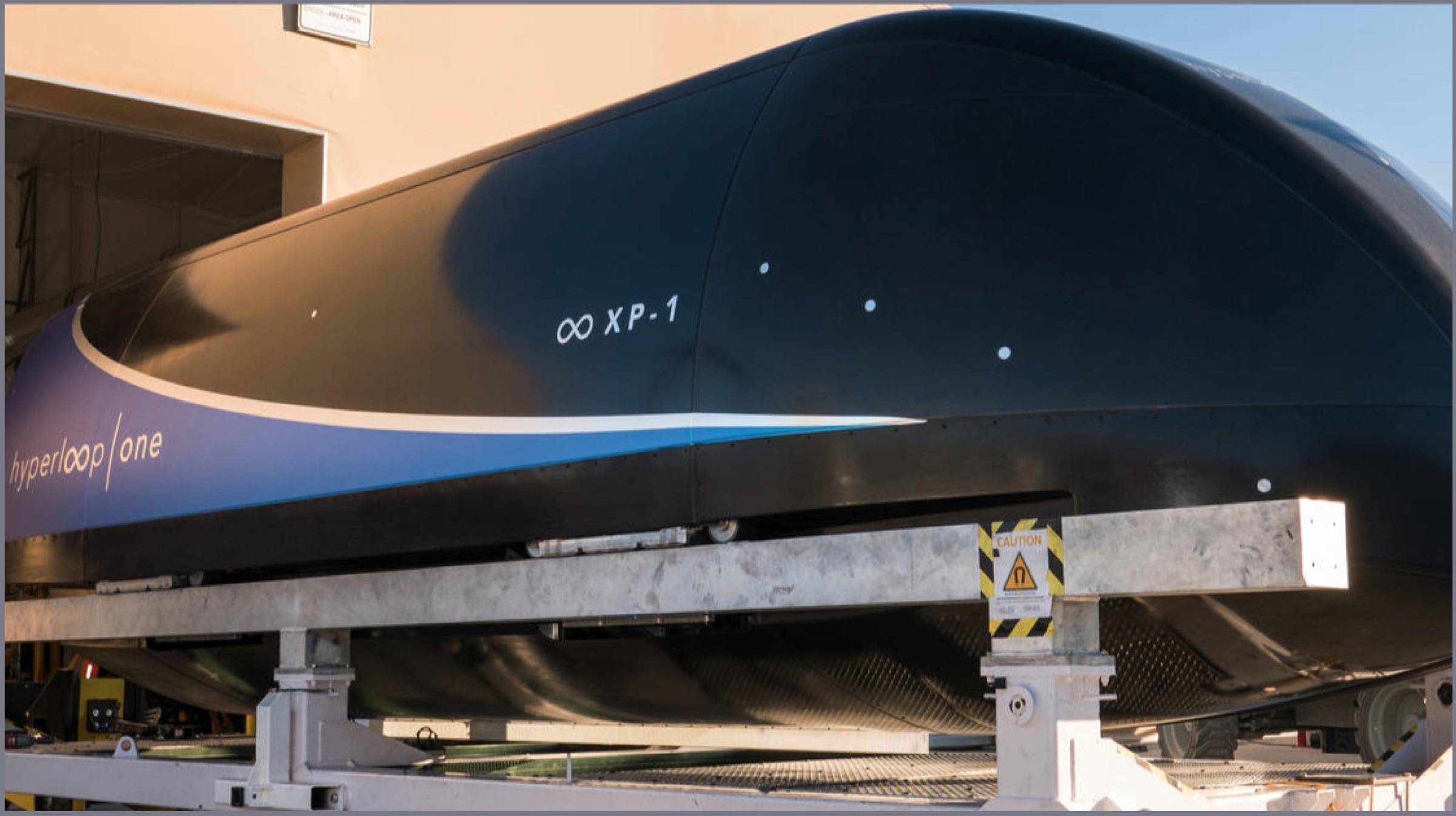 The concept of the Hyperloop was promoted by Elon Musk, CEO of Tesla, SpaceX and Neuralink. Basically, the Hyperloop works by impelling the wheel-less pods through a tube which is maintained at near-vacuum or extremely low pressure. It ensures minimal air resistance and friction, implying that the power needed to propel such a pod is reduced massively. Magnetic Levitation or MAGLEV is the technology that ensures ‘zero contact’ between the pod and the tracks. As stated by the company, the pod glides at airline-like speeds for long distances, thanks to very low aerodynamic drag. The Hyperloop is currently being funded by organizations like DP World, Caspian VC and the Virgin Group. Till date, the project has raised almost US$295 million.
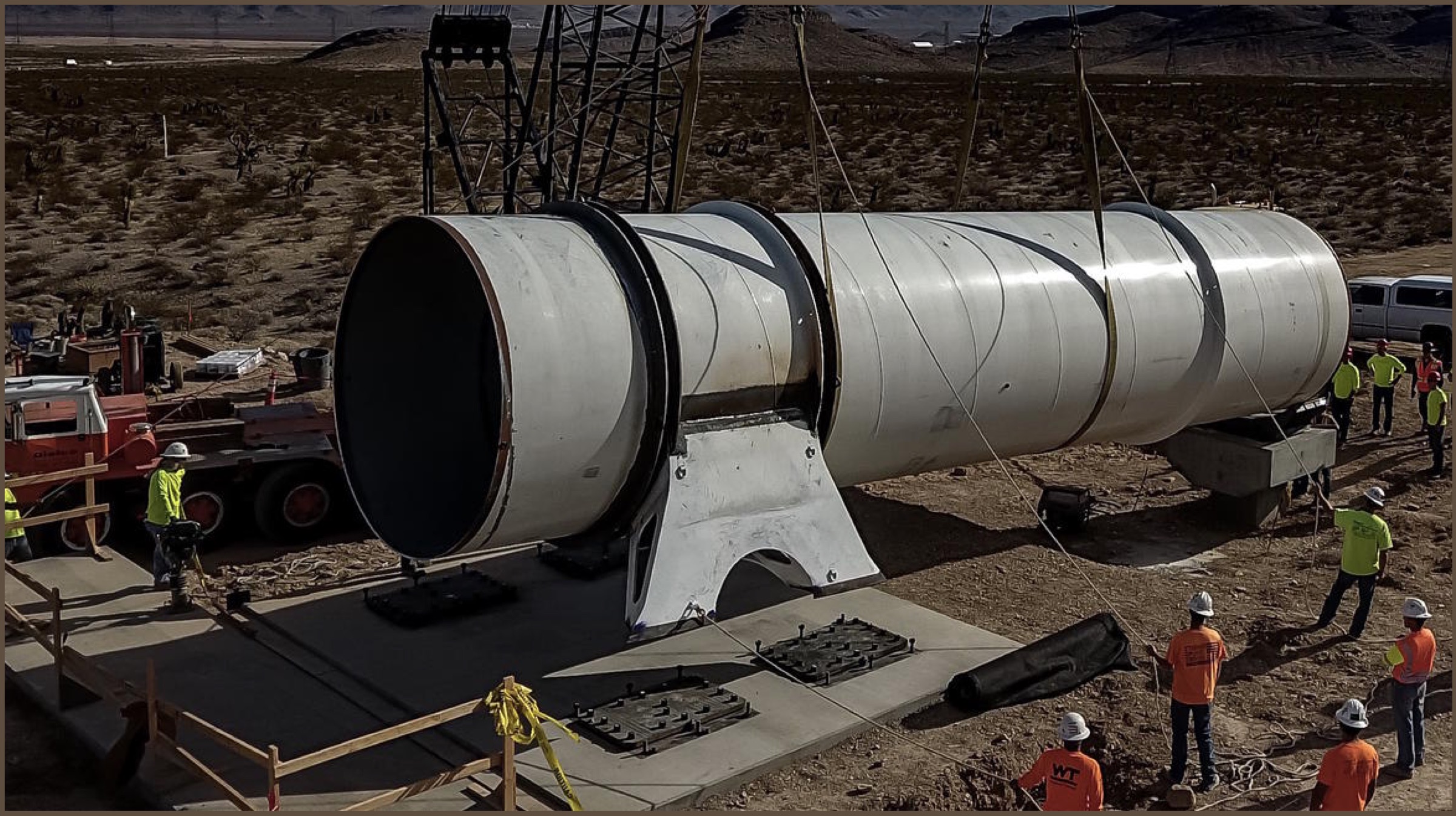
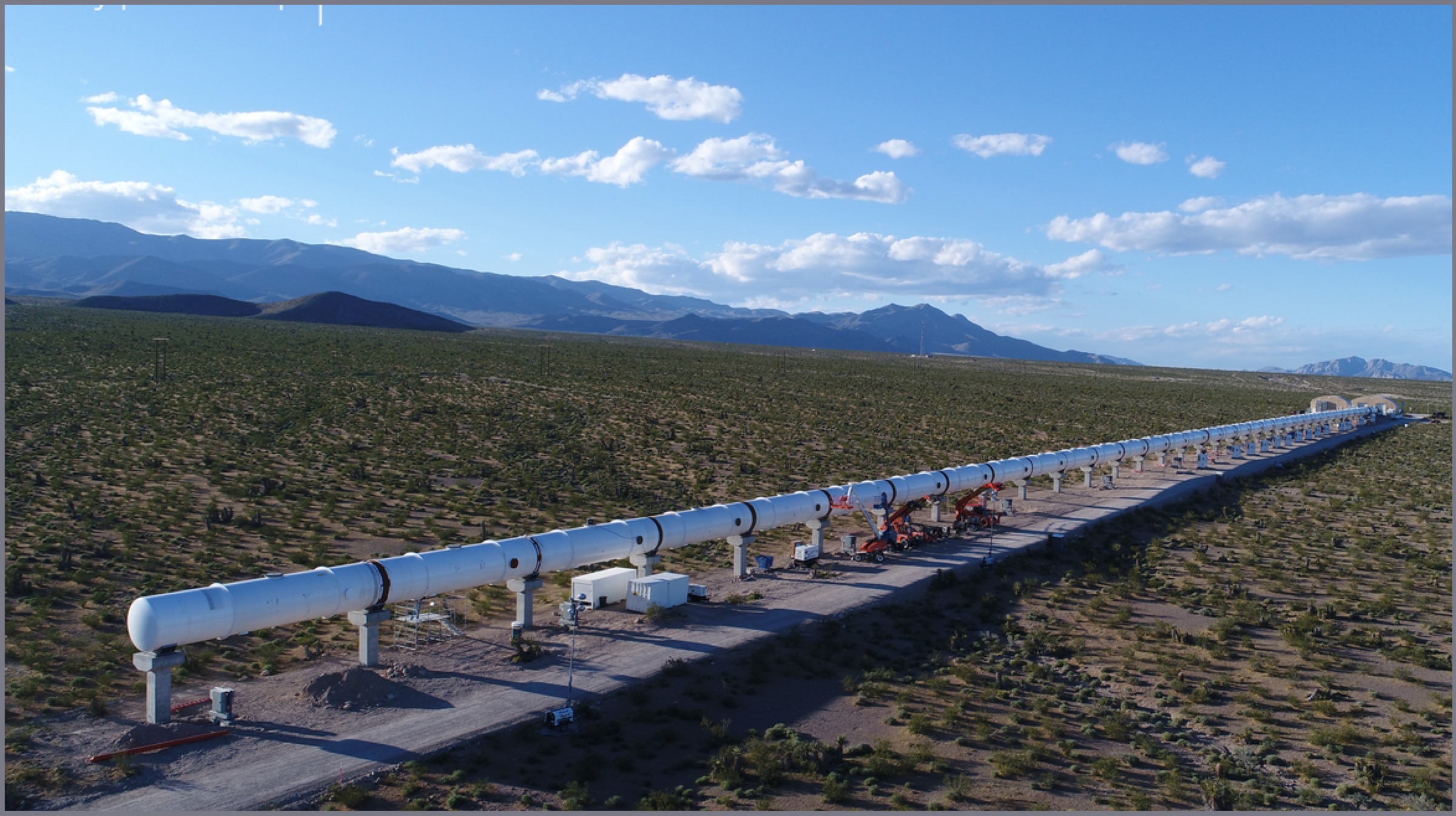 Quite a fair amount of concerns surround the technology. For instance, questions arose regarding the construction of the tubes and the safety issues that accompany them. As per the company, Hyperloop is completely weatherproof, with tubes that can withstand almost 100 Pa of pressure without getting punctured. The tubes are made out of thick strong steel, and can safely stand strong against any forms of weather disturbances. In the rare case that there is any leak in the tube, a power boost would get the pod to the next station. Environmental concerns are not going to be a problem, the company states. It reports that carbon emissions are almost zero and the only sound you’ll hear from the pod travelling through the tube is a silent ‘whoosh’, something that you might hear when something fast passes by your ear.
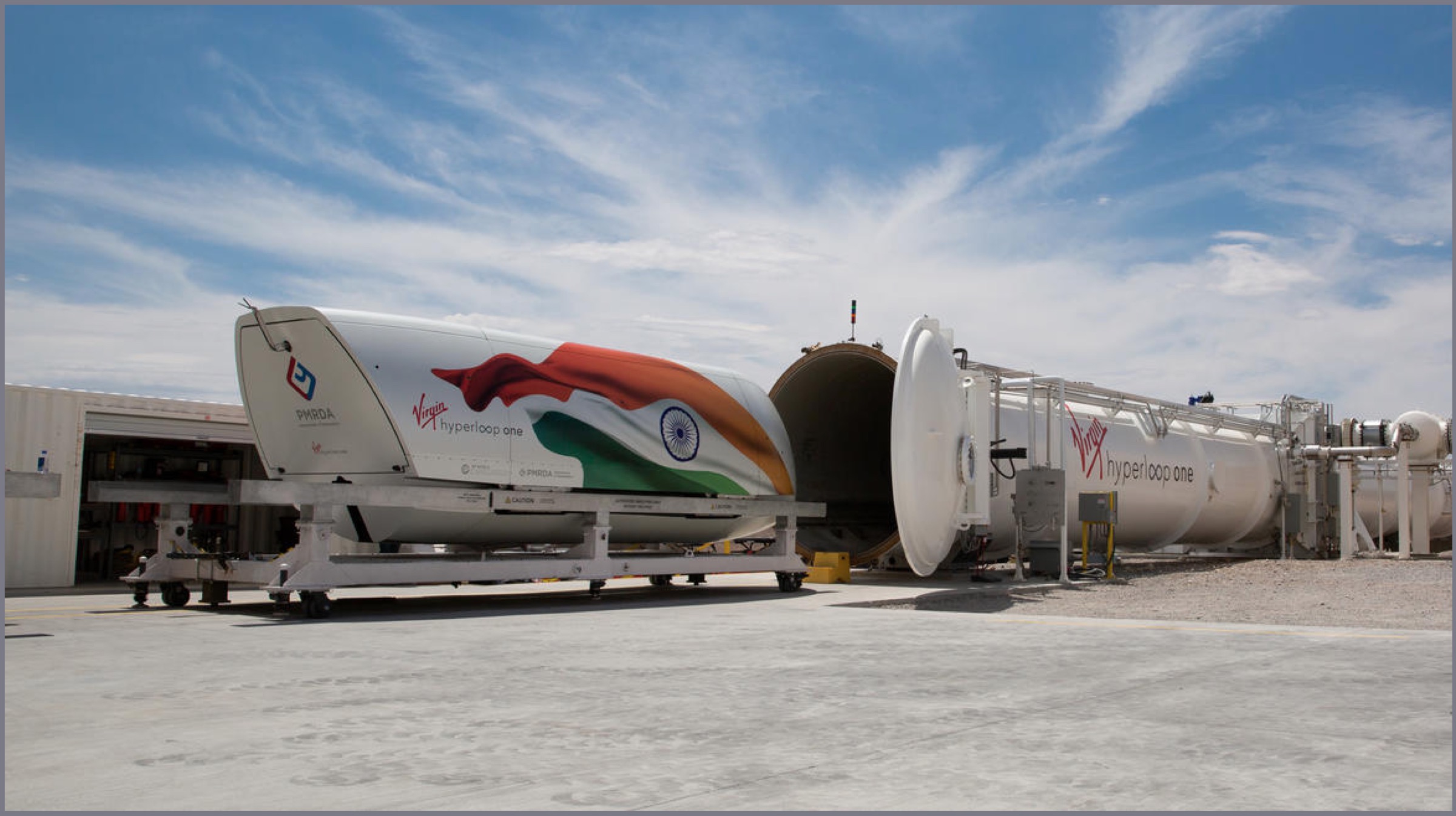 The Hyperloop ‘one’ completed its first test ride successfully in July 2017. Currently, the company is initiating developmental stage oriented projects in India and Ohio. In July 2018, the Indian state of Maharashtra expressed their intent to construct a hyperloop route between Mumbai and Pune, which would enable a pod to cover the distance in under 25 minutes. Phase 1 of the demonstration is already underway, with the company already constructing experimental tubes and planning to complete a 7-mile (11.2 km) long tube soon.
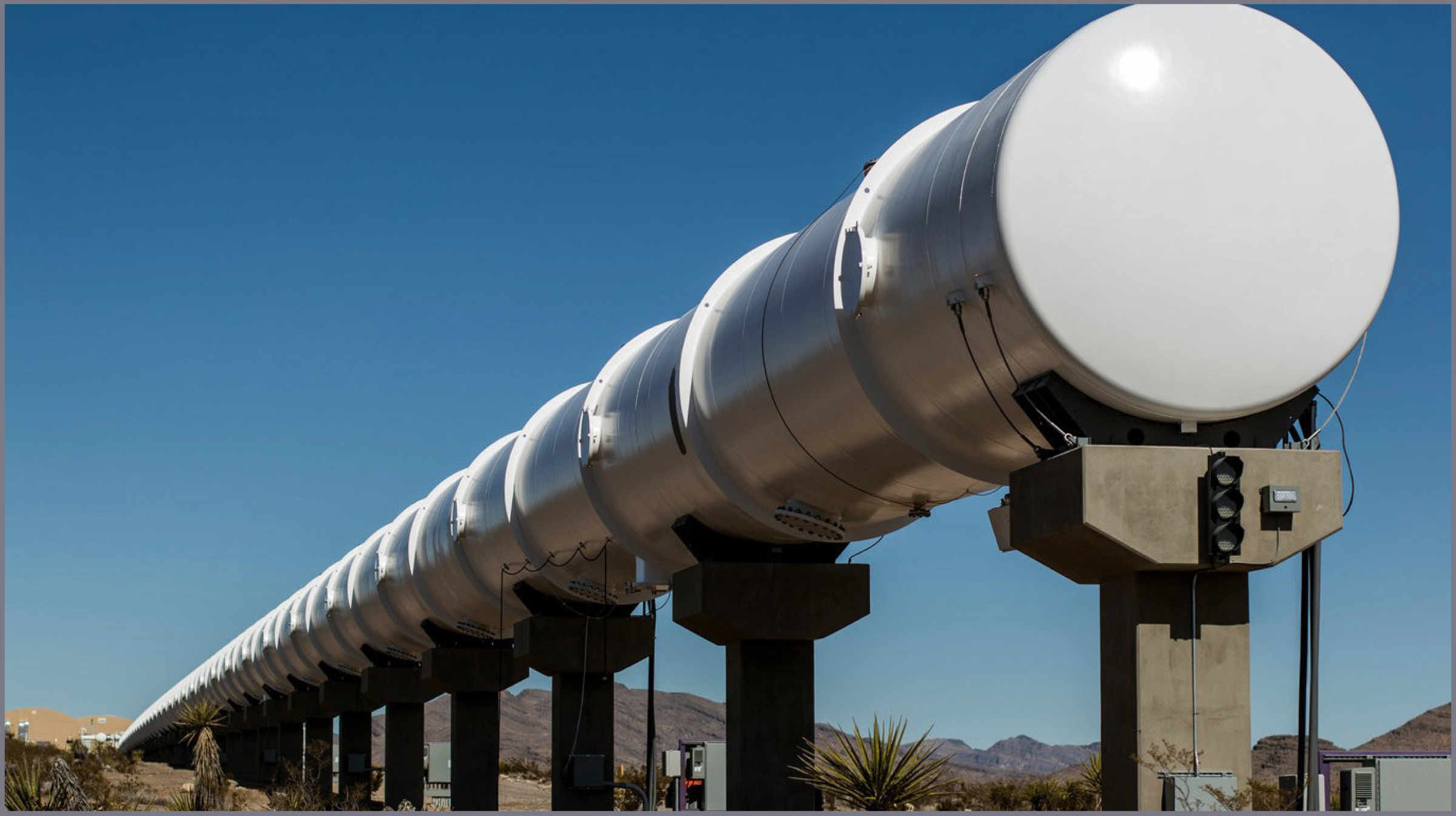 The company believes that it will achieve extensive Hyperloop connectivity in different cities across the world by mid-2020s. India based DGWHyperloop suggests a Hyperloop corridor between Mumbai and Delhi, that would include the cities of Indore, Kota and Jaipur. A lot of certifications are still pending for this futuristic mode of transport, the company claims. Apart from transporting people, it can also make transporting goods faster than it ever was. Logistics will benefit a lot from the Hyperloop network. The company assures that once Hyperloop is on the roll, the tickets will be affordable as far as the pricing is concerned.
  Also Read: