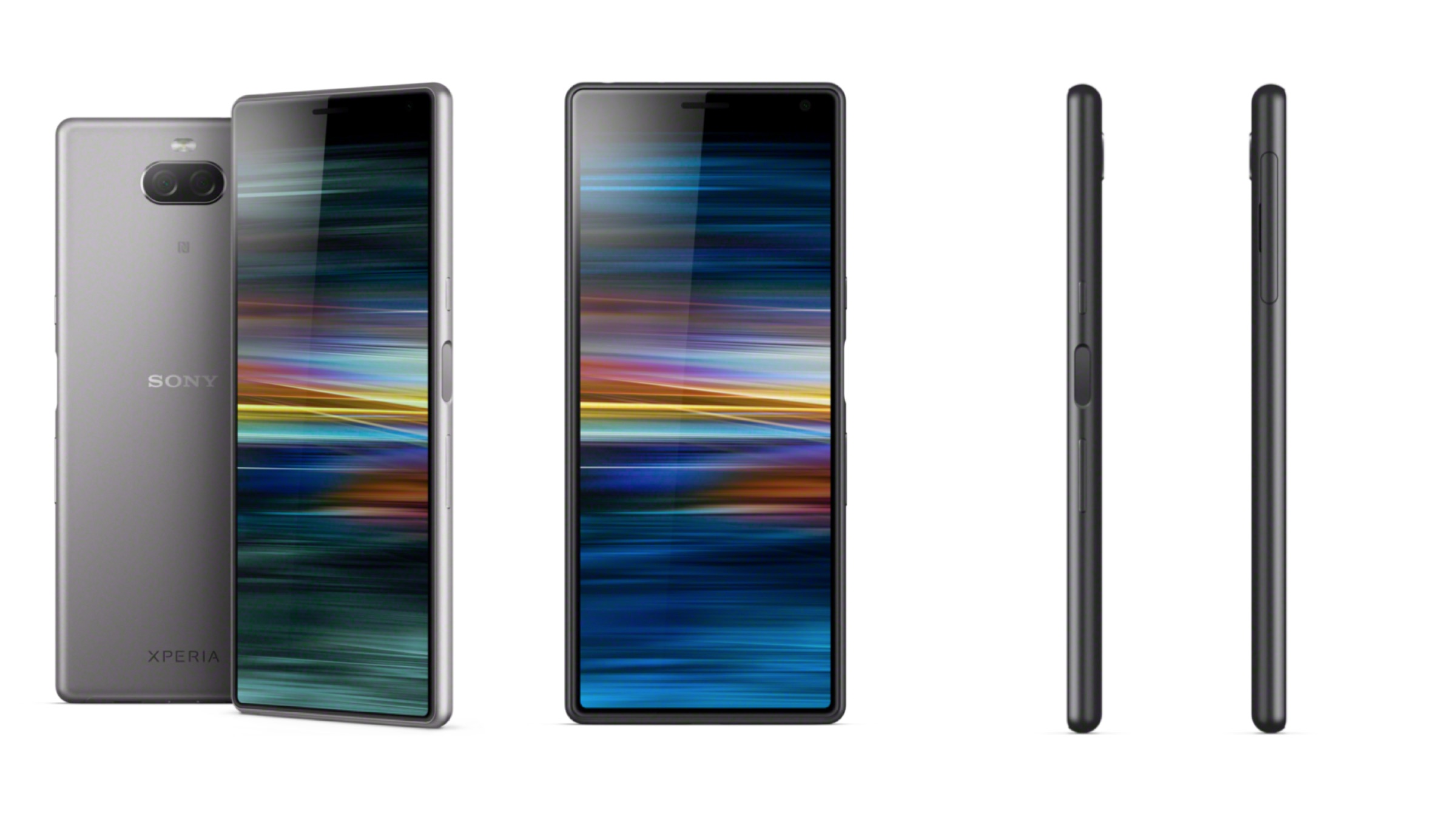
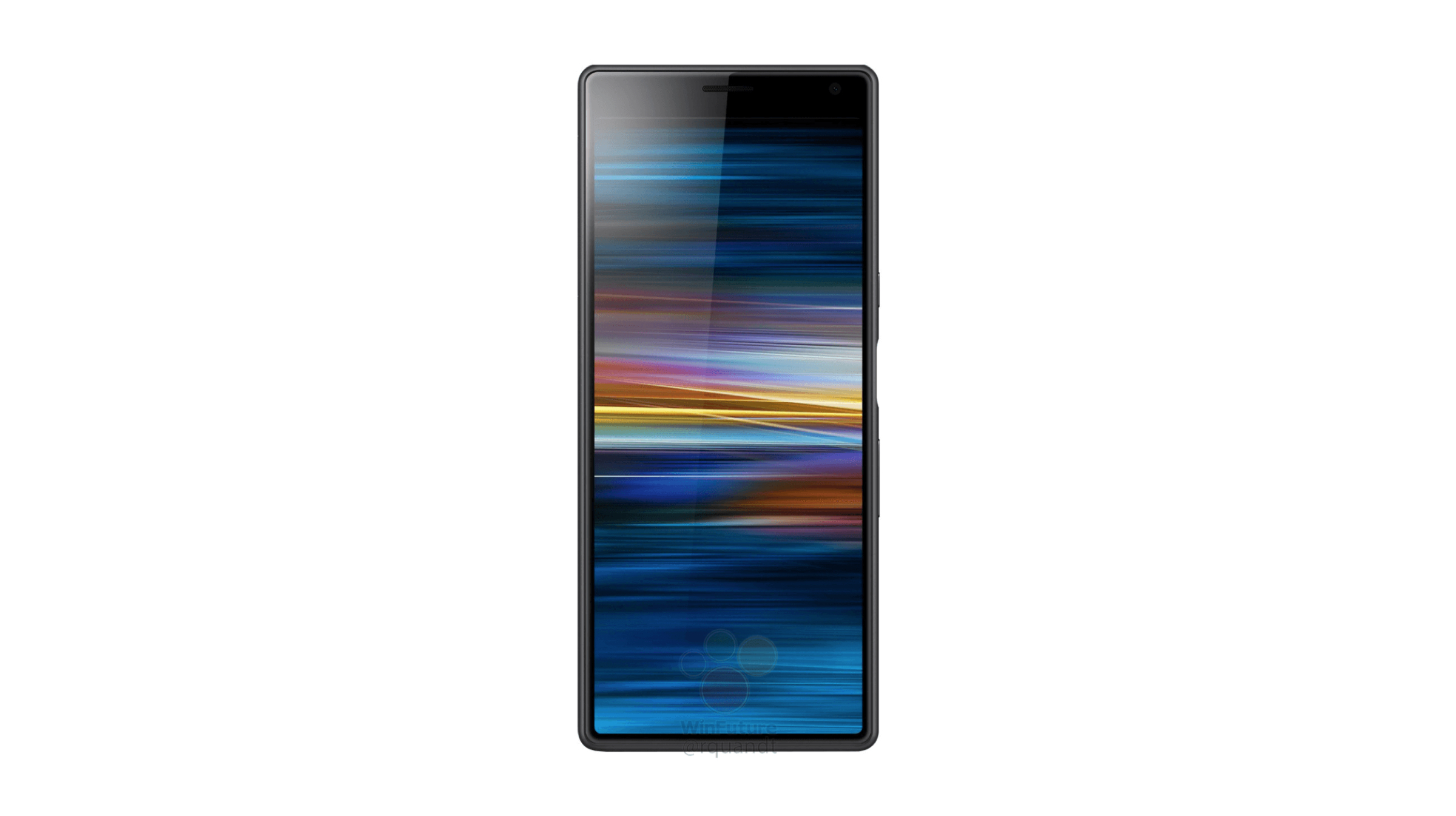
Unconventionally tall displays were never a trend in the smartphone arena, but it seems that Sony is challenging the same niche with their latest devices, which were showcased at the MWC 2019. The Xperia 10 and 10 Plus are the latest additions to the Xperia family, and both the devices sport a tall 21:9 display. Noteworthy, the devices may have a 21:9 aspect ratio, but they don’t feature the CinemaWide display which is present in the Xperia 1.
Design & Display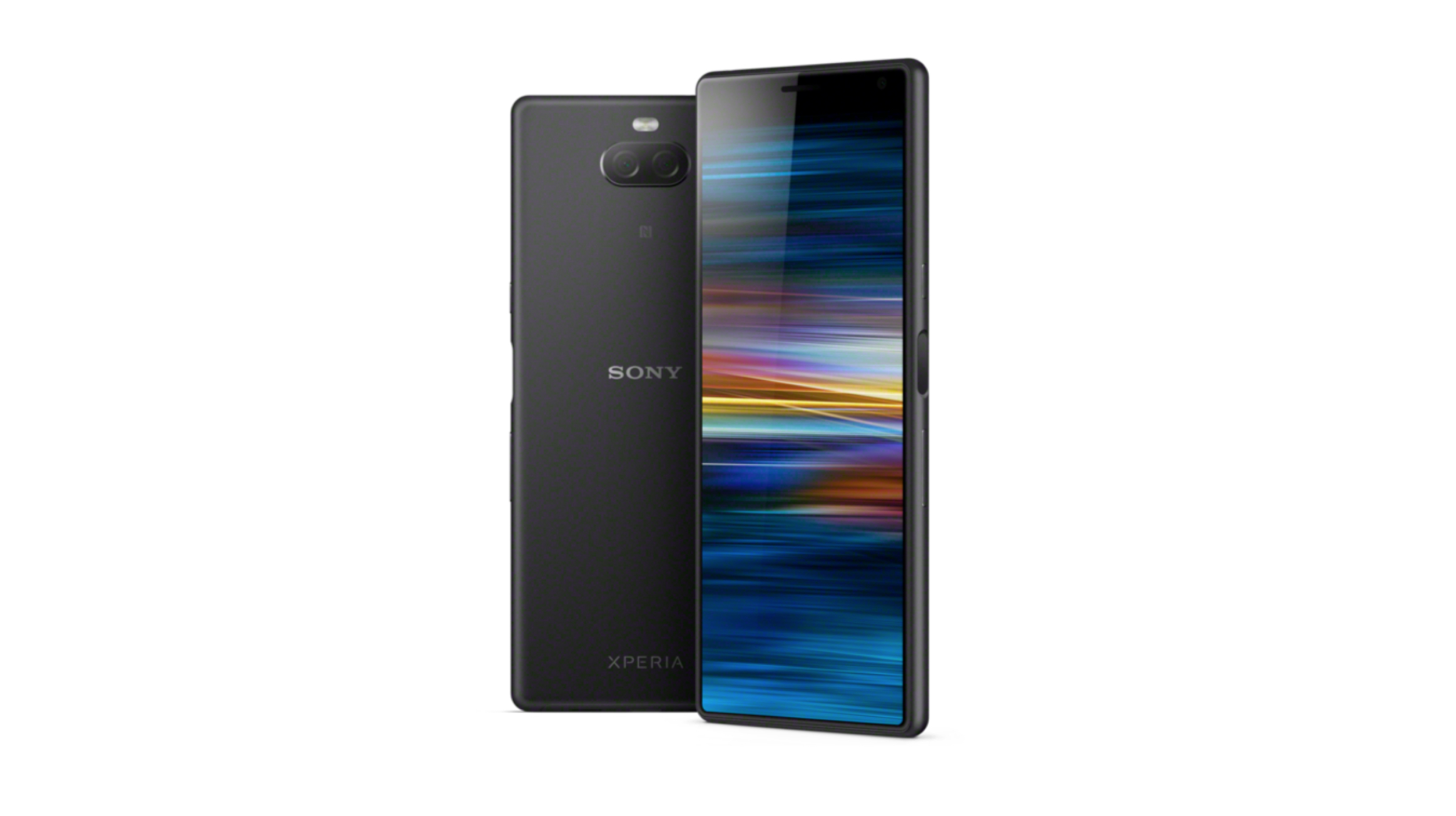
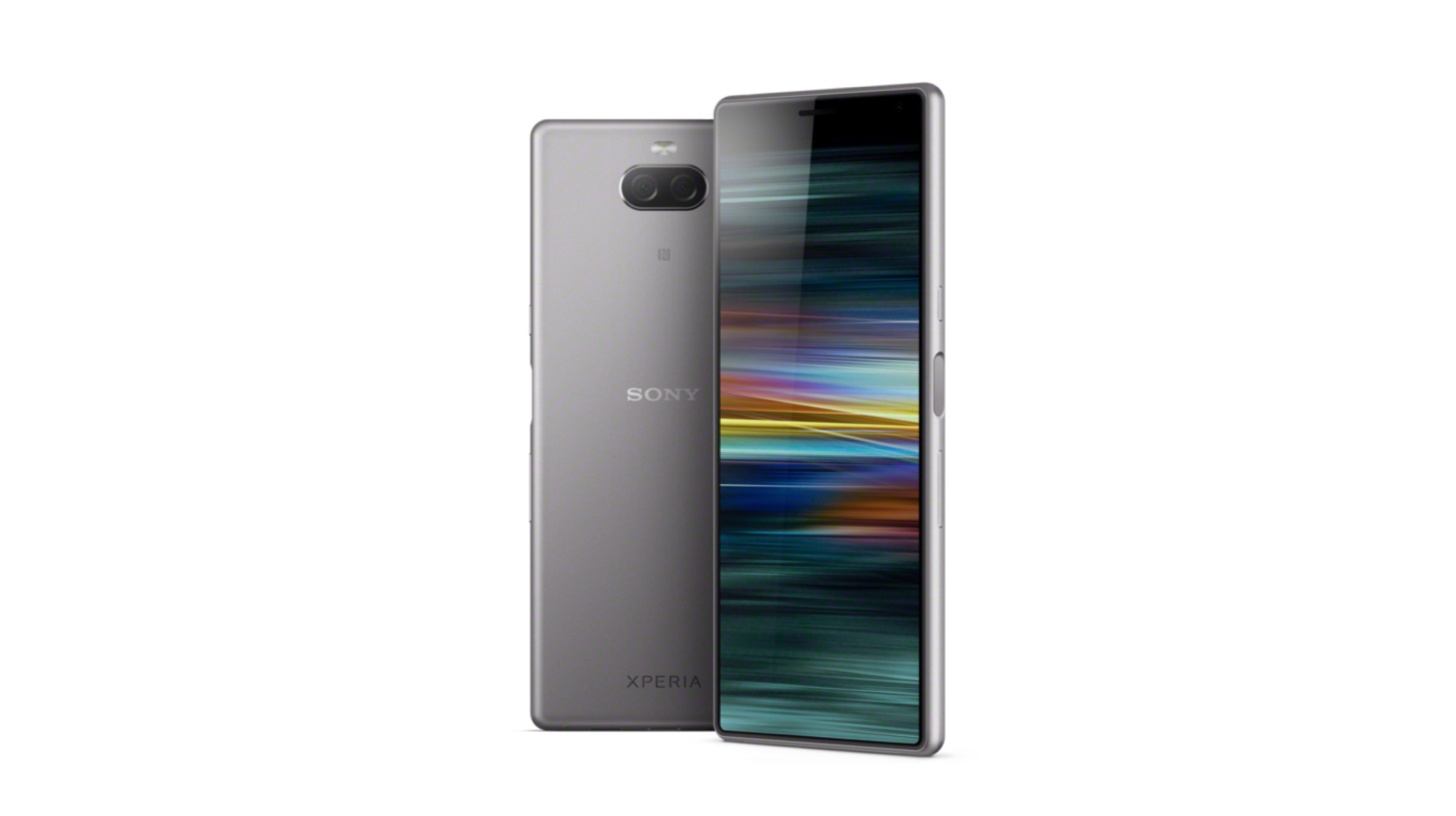
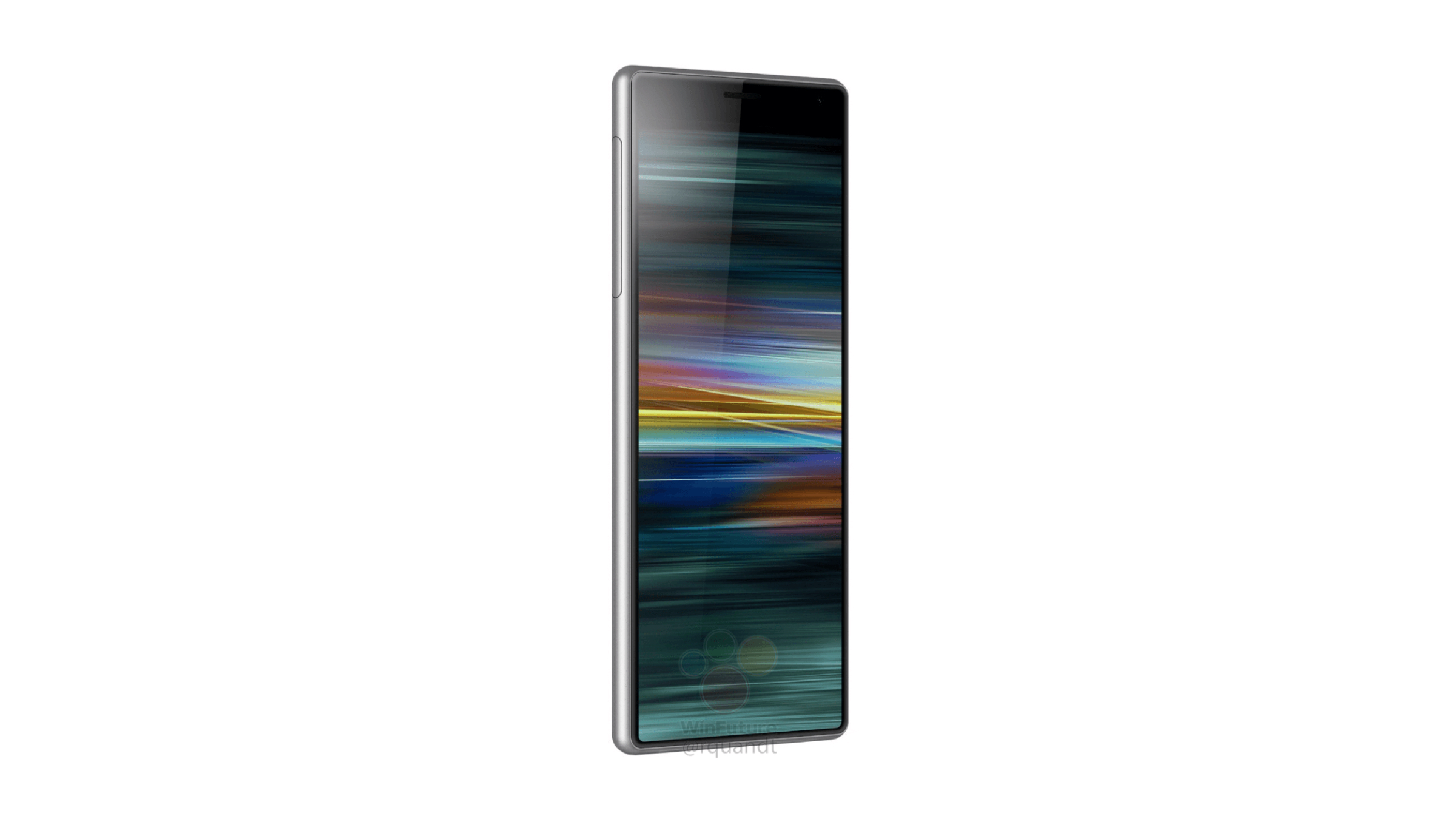
Both the Xperia 10 and 10 Plus look identical, except for the fact that Xperia 10 Plus is a bit larger than its counterpart. The Xperia 10 has a 6 inch full HD+ display with a distinct 21:9 aspect ratio, whereas the 10 Plus features a larger 6.5 inch display with the same aspect ratio. The device has a visibly large ‘forehead’ which holds the front camera, earpiece and an ambient light sensor. The rear camera setup is horizontally aligned. The volume rockers, the power button and (this time) a separate fingerprint sensor are present on the right edge of the smartphone, whereas the left edge houses the SIM card tray. The 3.5mm headphone jack can be found on the top edge of the device, while the USB Type-C port is located at the bottom of the device.
Specifications
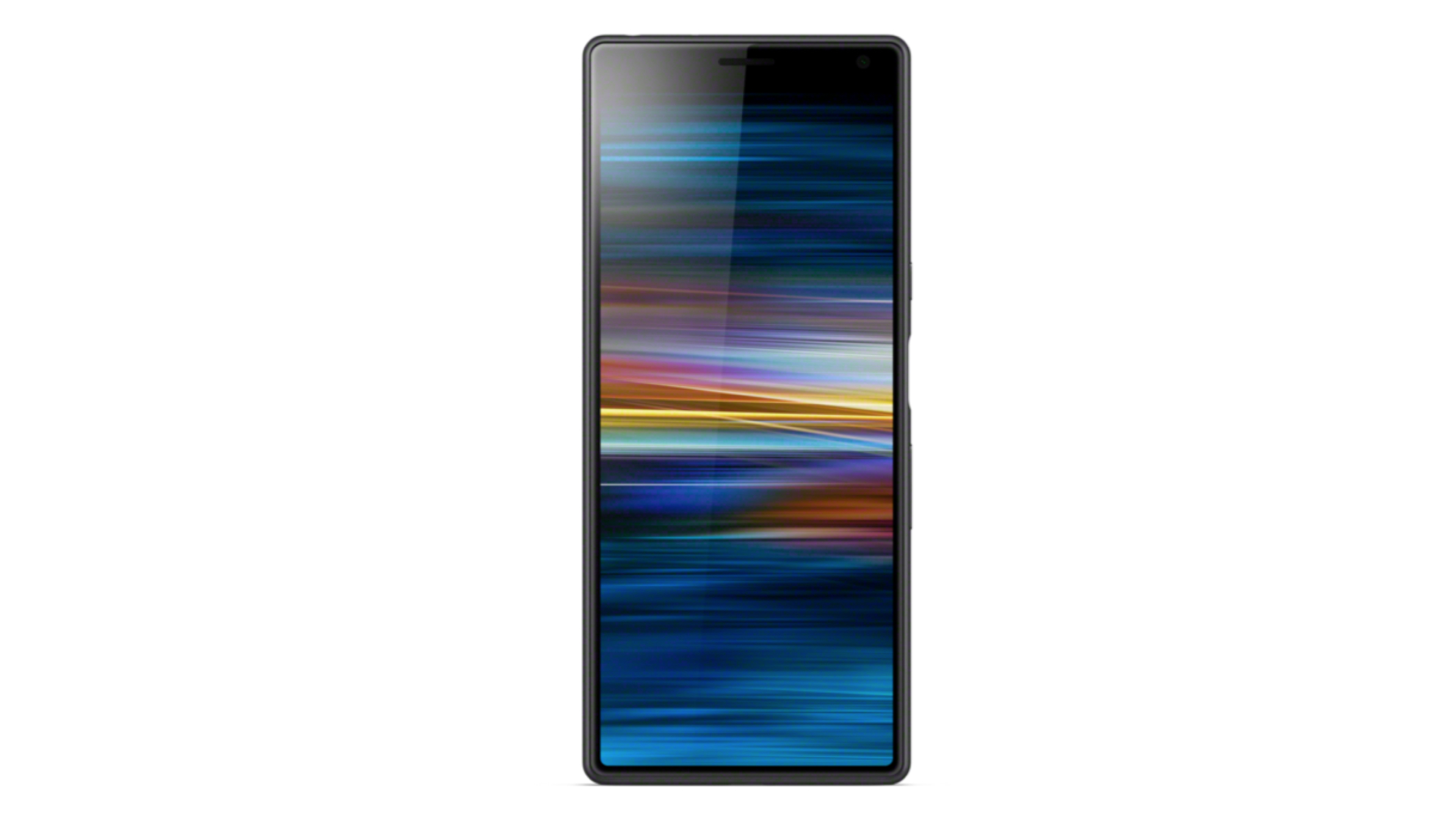 The Xperia 10 runs on the 14nm Snapdragon 630 SoC, which consists of the 64 bit 8x ARM Cortex A53 CPU clocked at 2.2 GHz. It is paired with the Qualcomm Adreno 508 GPU. The device has 3 GB of RAM and 64 GB of internal storage, which is expandable via the microSD slot (up to 512 GB). The elder sibling of the Xperia 10, the 10 Plus is equipped with the Snapdragon 636 chipset, which comprises of the Kryo 260 octa-core CPU, with four cores clocked at 1.8 GHz and the rest of the cores clocked at 1.6 GHz. The SoC also packs the Adreno 509 GPU. In terms of memory, the smartphone is available with 4 GB RAM and 64 GB of storage, which is expandable upto 512 GB.
Camera
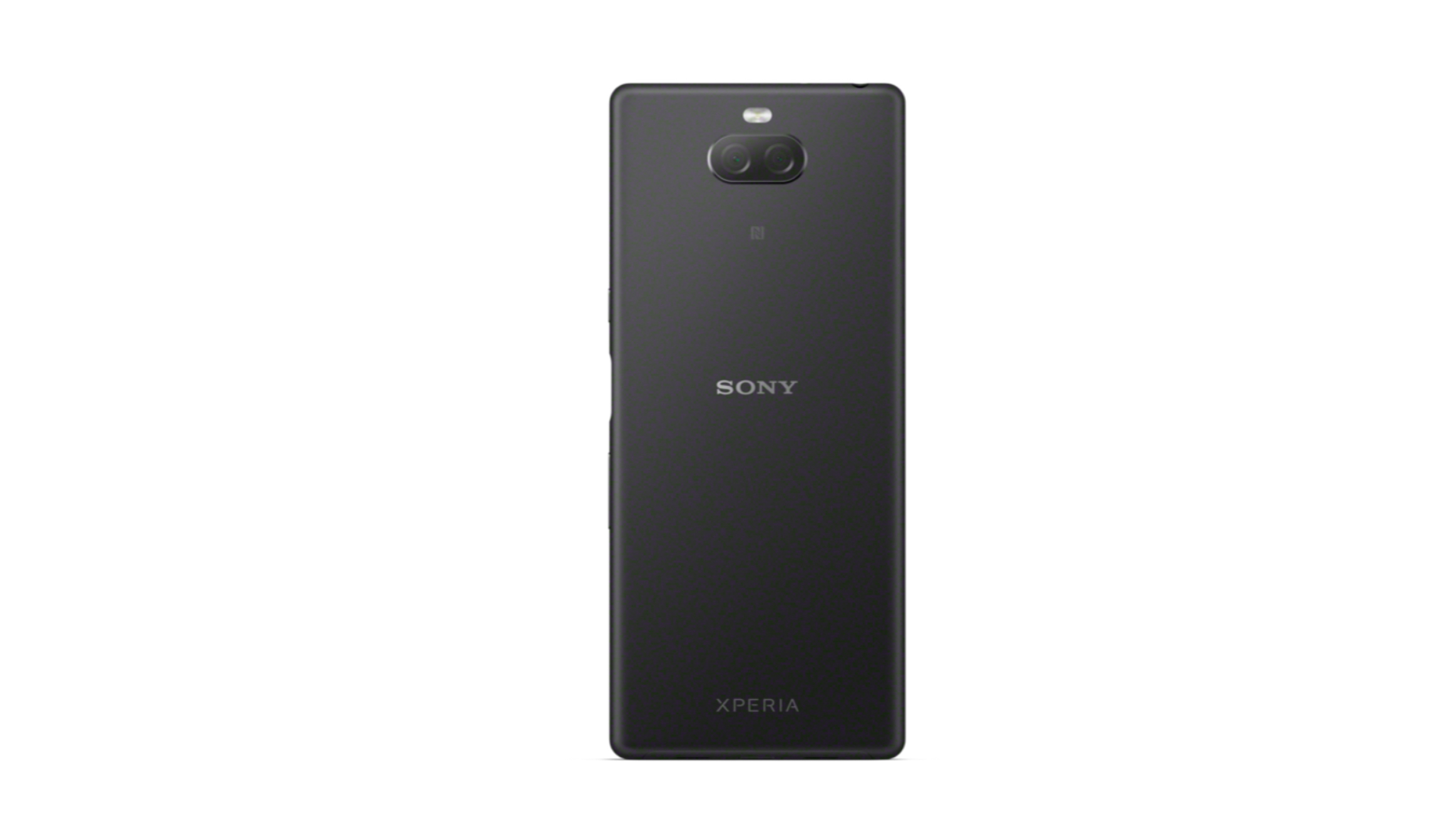 The Sony Xperia 10 has a dual camera setup, with one 13 MP (f/2.0) wide-angle sensor and a second 5 MP (f/2.4) sensor, whereas the Xperia 10 Plus has a combination of a 12 MP (f/1.75) primary sensor and a secondary 8 MP (f/2.4) sensor. Both the devices have the identical 8 MP (f/2.0) front camera equipped with an LED flash. Camera features include hybrid autofocus, bokeh effect, HDR, 5X digital zoom and 4K video recording.
Features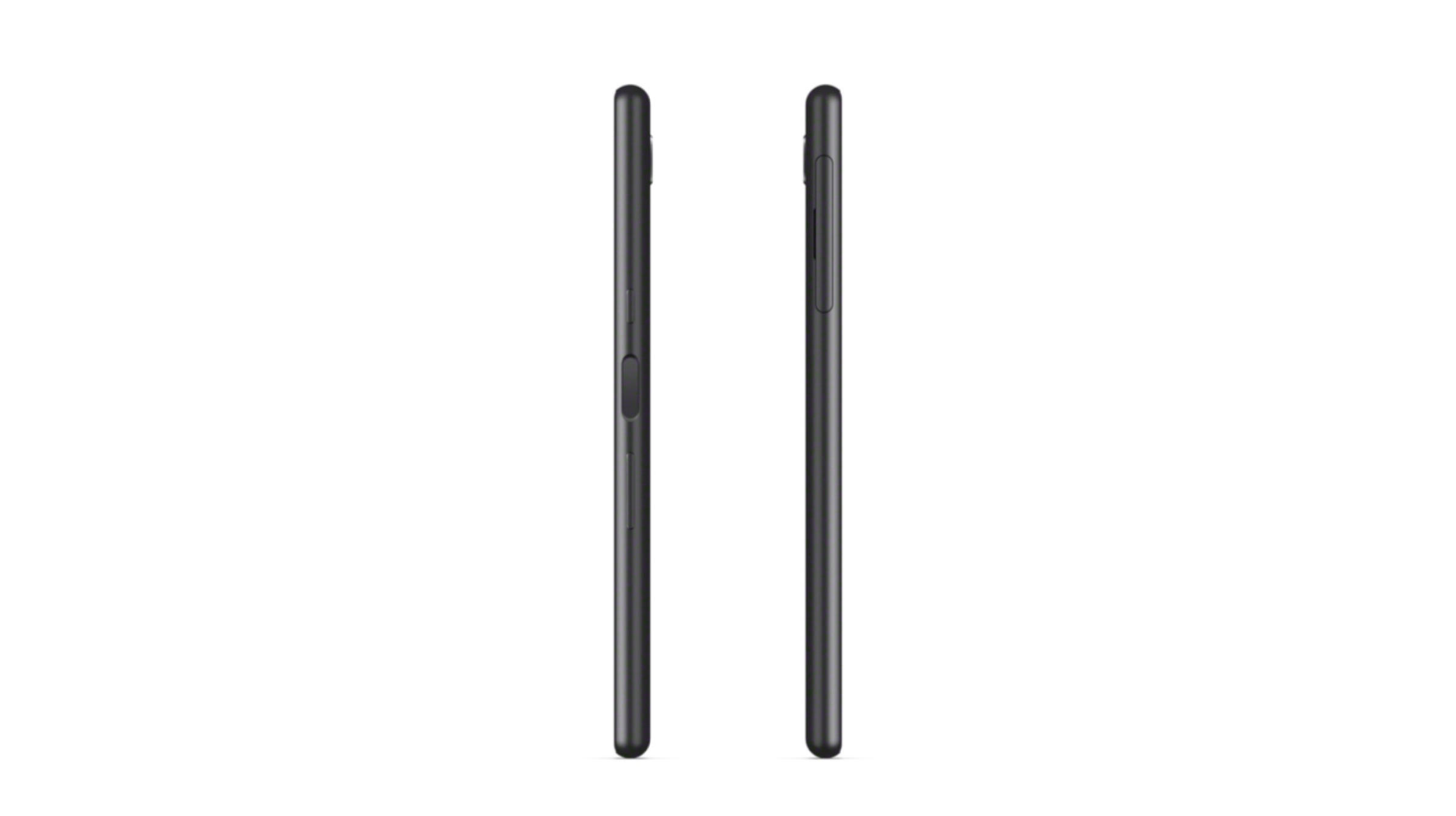
The Sony Xperia 10 is powered by a 2,870 mAh battery, whereas its larger variant packs a 3,000 mAh battery. Both the devices have fast charging support, in addition to features like 4G VoLTE, NFC, USB Type-C etc. In terms of audio, it supports high-resolution audio, LDAC, Smart Amplifier and Qualcomm aptX HD audio. The Xperia 10 weighs in at 162 g, while the Xperia 10 Plus weighs 180g.
Availability
Also Read: Sony Launches The Xperia 1 With 21:9 CinemaWide Display
The Xperia 10 has a price tag of US$ 349.99 (around Rs. 24,800) and will be available in Black and Silver colour options. On the other hand, the Xperia 10 Plus has a price tag of US$ 429.99 (around Rs. 30,500) and will have the same colour options as the Xperia 10. Both the smartphones will go live on sale on March 18 in the US. Indian pricing and availability are not confirmed as of now.
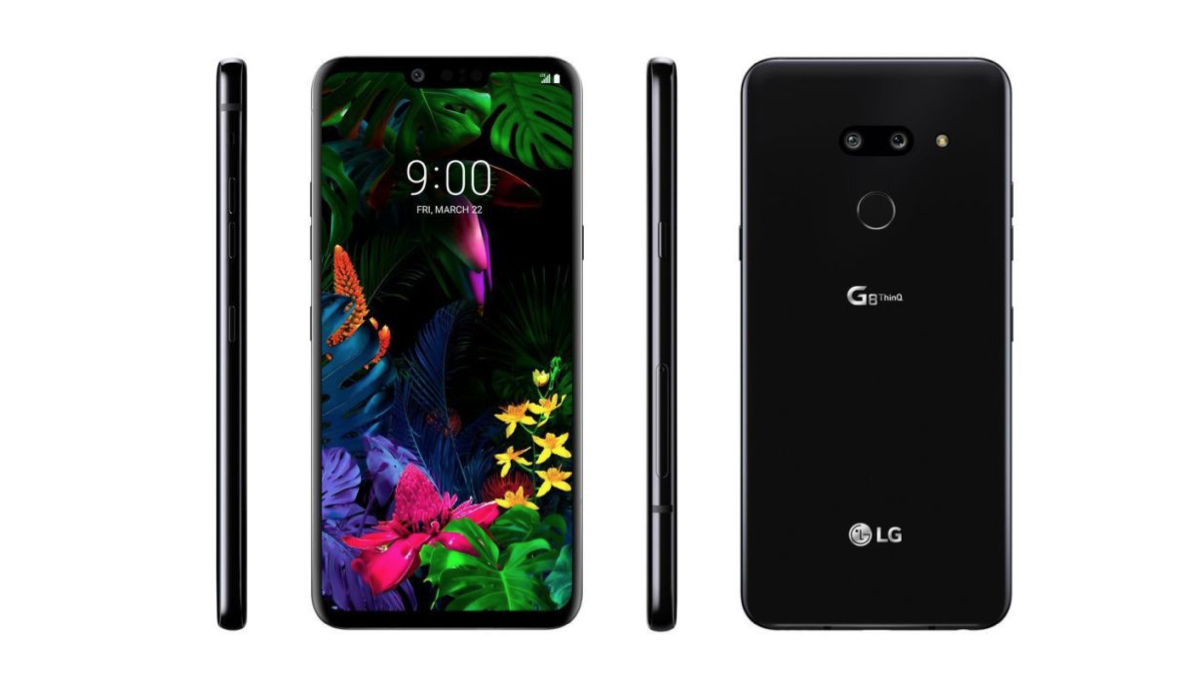
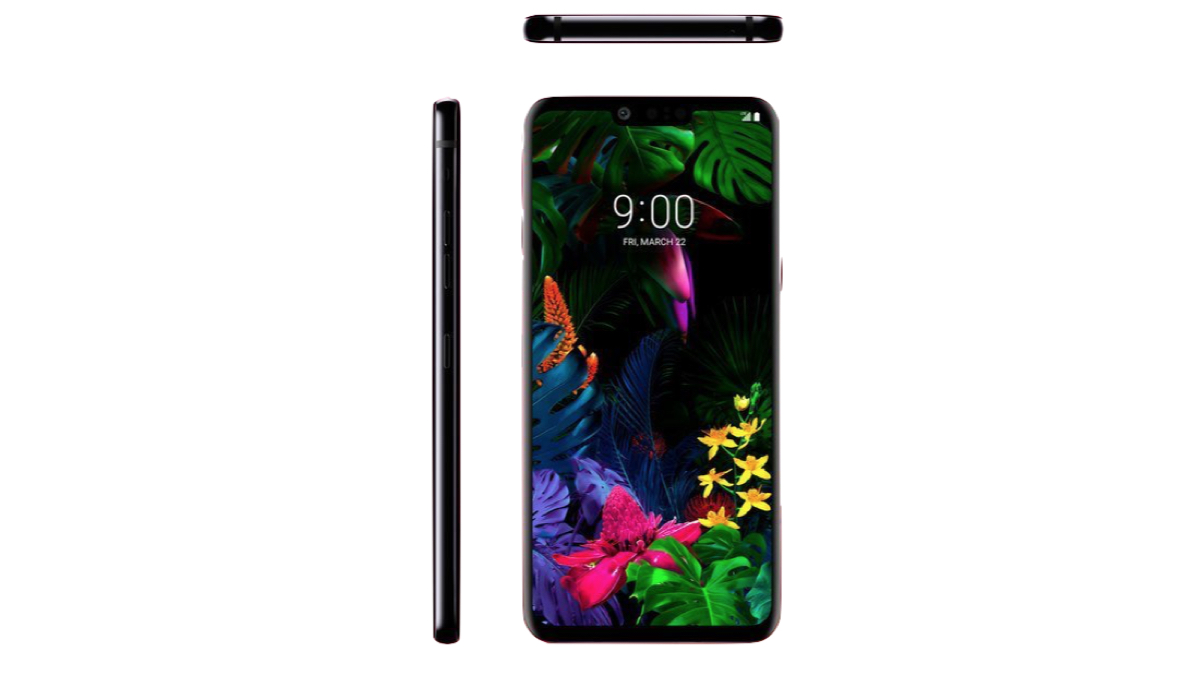 The G8 ThinQ stands out owing to its glass-sandwich design built around a metal frame. Glass panels adorn both the front and the back of the device, which are protected by Gorilla Glass on both the sides. Interestingly, the rear of the device has Gorilla Glass 6, while the display is covered by Gorilla Glass 5. The bezels are thin, but not thin enough, giving the G8 an 83.5 percent screen-to-body ratio.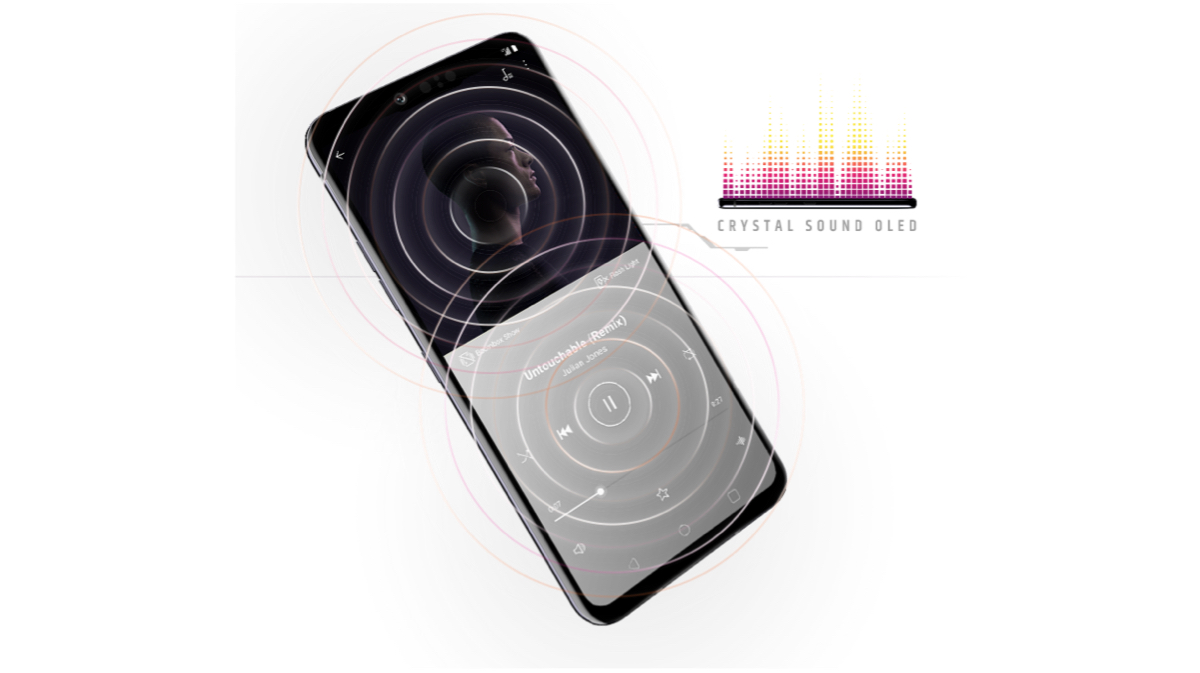
 The G8 ThinQ runs on a 7nm Snapdragon 855 chipset, which comprises of an octa-core processor (1×2.84 GHz Kryo 485, 3×2.42 GHz Kryo 485 and 4×8 GHz Kryo 485) and the Adreno 640 GPU. In terms of memory, the smartphone packs 6 GB of RAM and 128 GB internal storage, which can be further expanded using the microSD slot with support for up to 2TB microSD cards. It will run Android 9 Pie out-of-the-box.
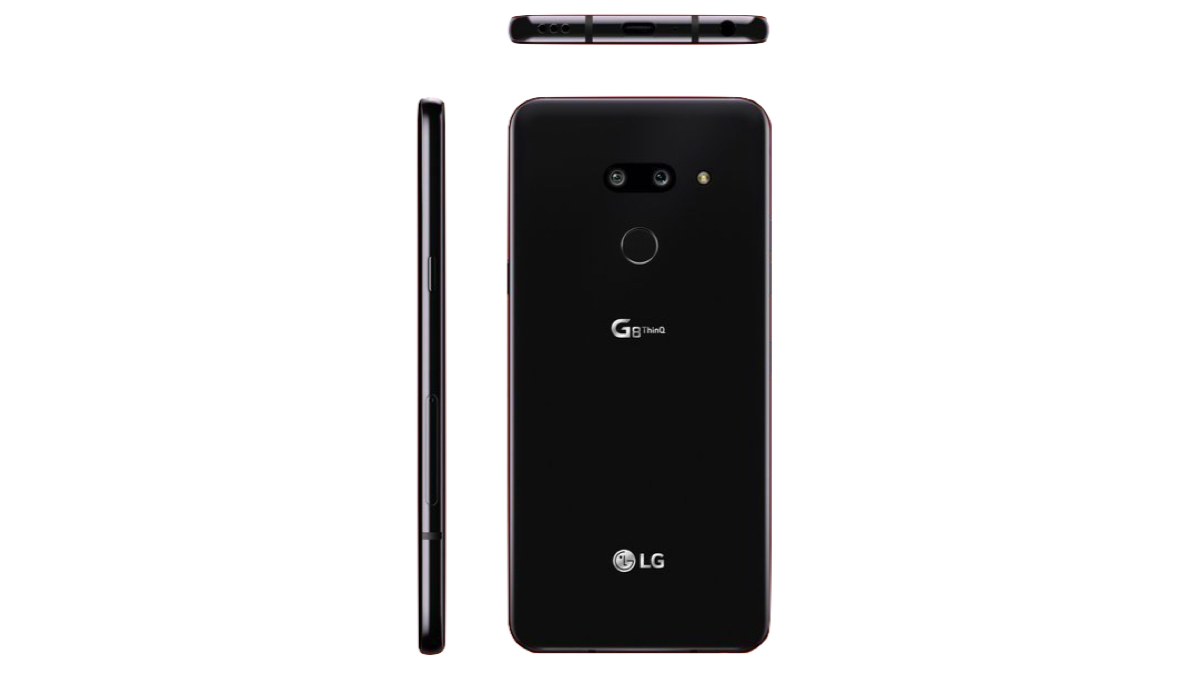 The triple camera module on the back panel of the LG G8 ThinQ is almost identical to the
  The device has a 3.5 mm headphone jack, which lies next to the USB Type C port and a ‘grille’ at the bottom of the device. One of the highlighting aspects of the LG G8 ThinQ is the resonating panel that can produce sound. Known as the CSO (Crystal Sound OLED), LG claims that the panel act as stereo speakers and adds an acoustic touch to the sound quality. Moreover, the CSO also acts as an earpiece for receiving phone calls, so users can literally listen to any part of the screen while conversing. The beforementioned ‘grille’ may be a part of the resonating chamber beneath the screen which is used to redirect audio. 32-bit Hi-Fi Quad DAC is integrated with in addition to DTS:X 3D Surround Sound for headphones. The device packs a 3,500 mAh battery which supports Quick Charge 3.0. It is also IP68 dust and water resistant and meets 14 MIL-STD 810G standards, which means that it can survive drops of over 8 feet without taking any damage.
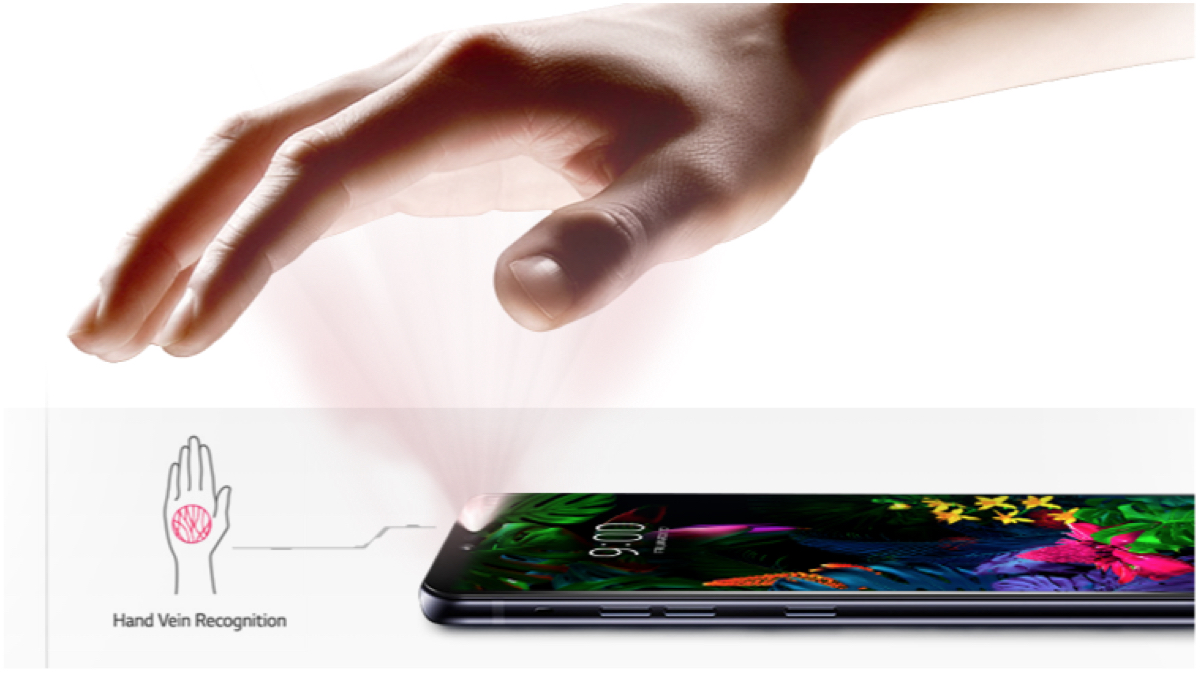
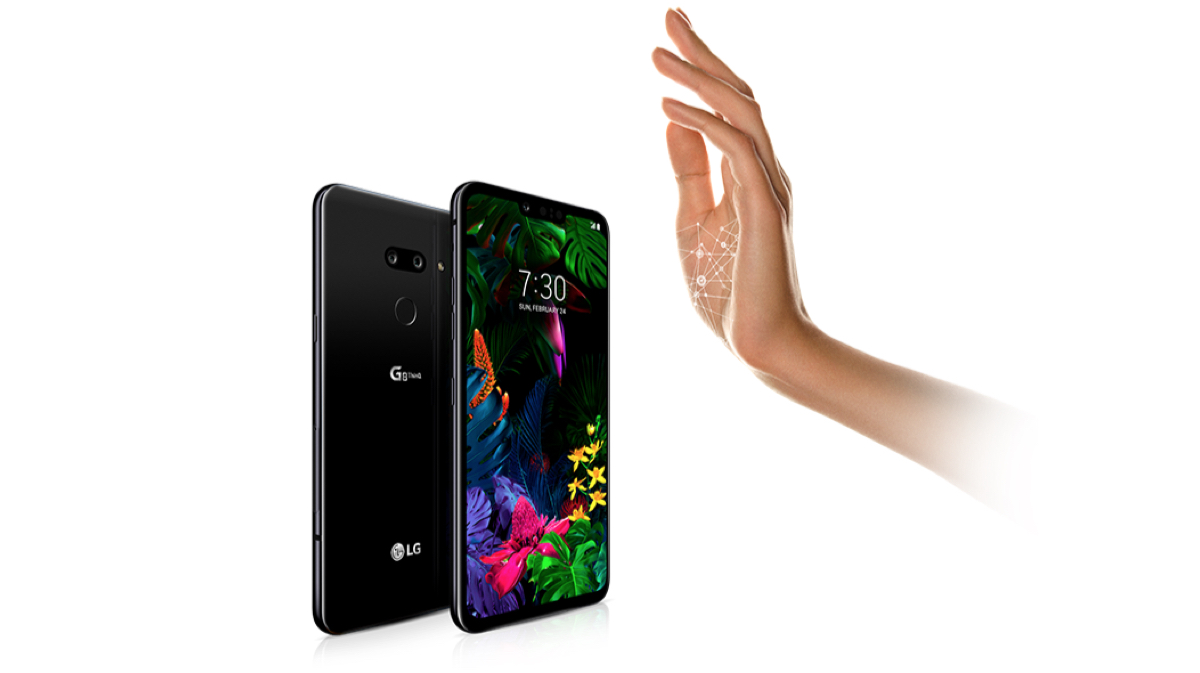 The LG G8 ThinQ has support for Portrait Video Recording in the front camera. It is really intriguing to see how the device will record videos with the bokeh effect. Also, as mentioned previously, the handset has a front facing 3D ToF sensor. Positioning it at the front ensures more functionality from the sensor. Also called the ‘Z Camera’, it claims to be more precise than a dot projector and faster than Apple’s current ‘Face ID’ technology. Also, the ToF sensor can capture an accurate image of a user’s palm – complete with wrinkles and the blood flowing through the veins. Since every person has unique wrinkles and veins, placing the hand in front of the sensor will instantly unlock the smartphone. It can also be used for hand gestures to control various apps in the device. It is still unclear how practical can this be, but sure, it’s an example of ‘useful innovation’ by LG.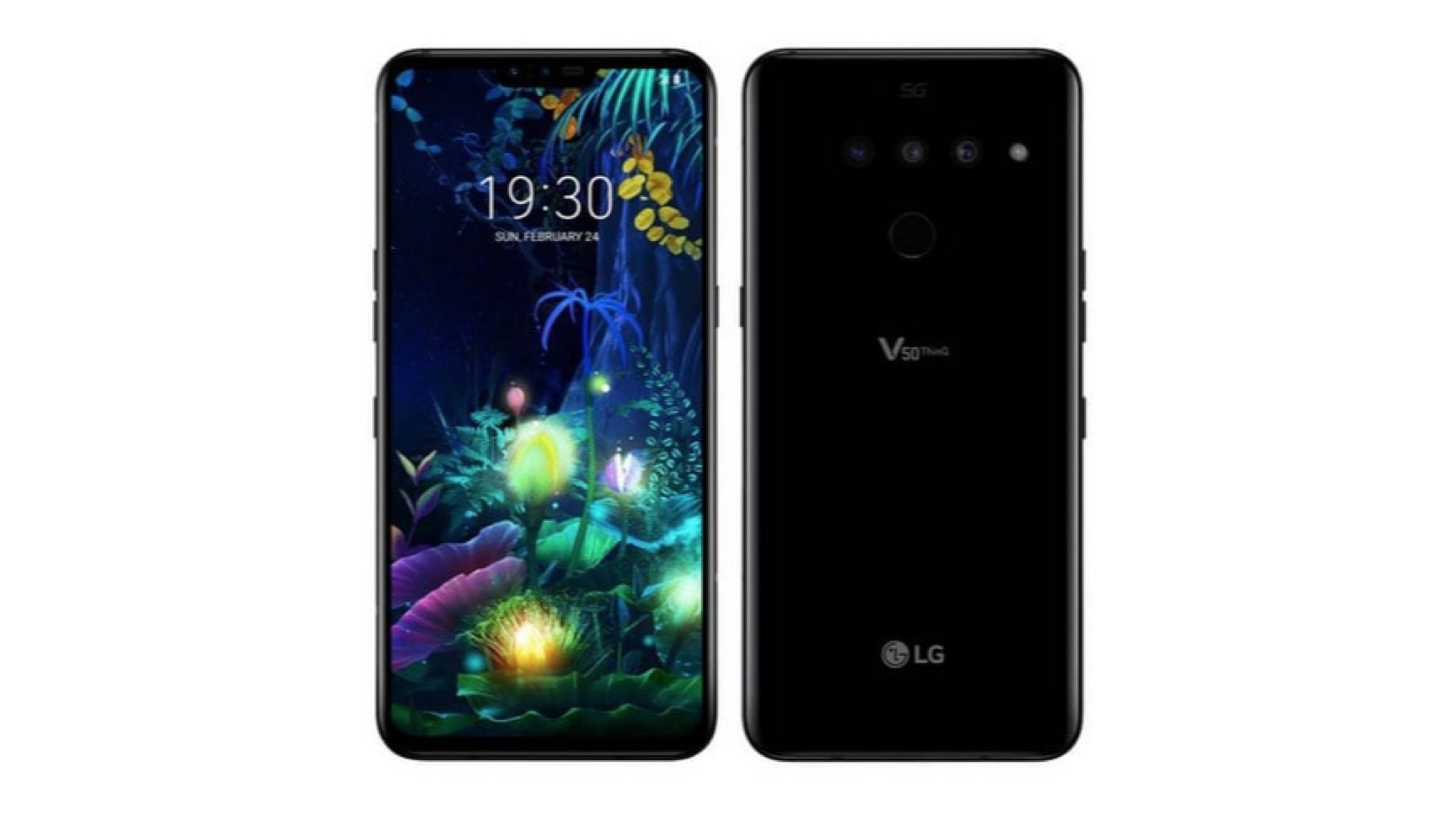
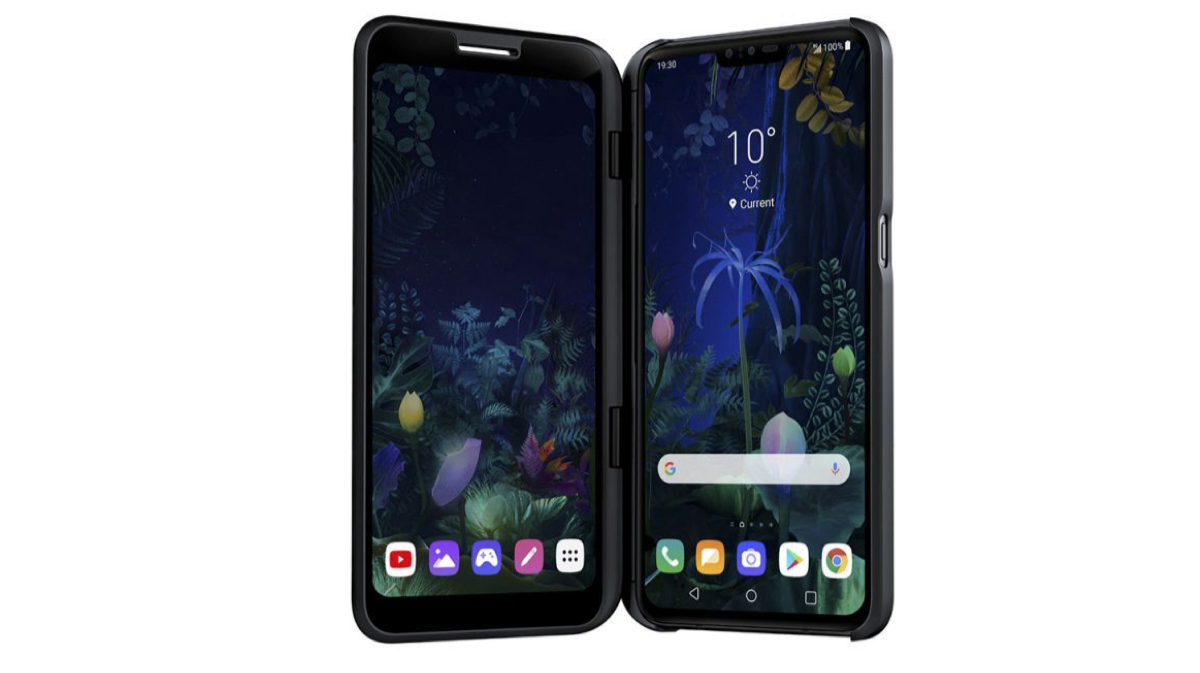
 The V50 ThinQ is a dual glass smartphone with a glass-sandwich design, which gives the smartphone an elegant look. The device sports a 6.4 inch OLED screen with a resolution of 3120 x 1440 px and an aspect ratio of 19.5:9. The display panel has a pixel density of 537 ppi, and supports HDR 10. It has a similar notch to the
  The LG V50 ThinQ runs on the 7nm Snapdragon 855 chipset, which consists of an octa-core processor (1×2.84 GHz Kryo 485, 3×2.42 GHz Kryo 485 and 4×8 GHz Kryo 485) and the Adreno 640 GPU. The device also features Qualcomm’s 5G modem. In addition, the V50 has an advanced cooling system to keep the temperature of the device under check. It runs on Android 9 Pie out of the box, with a layer of LG UX on top. The device has 6GB of RAM and 128GB of internal storage, which can be further expanded via the microSD slot.
 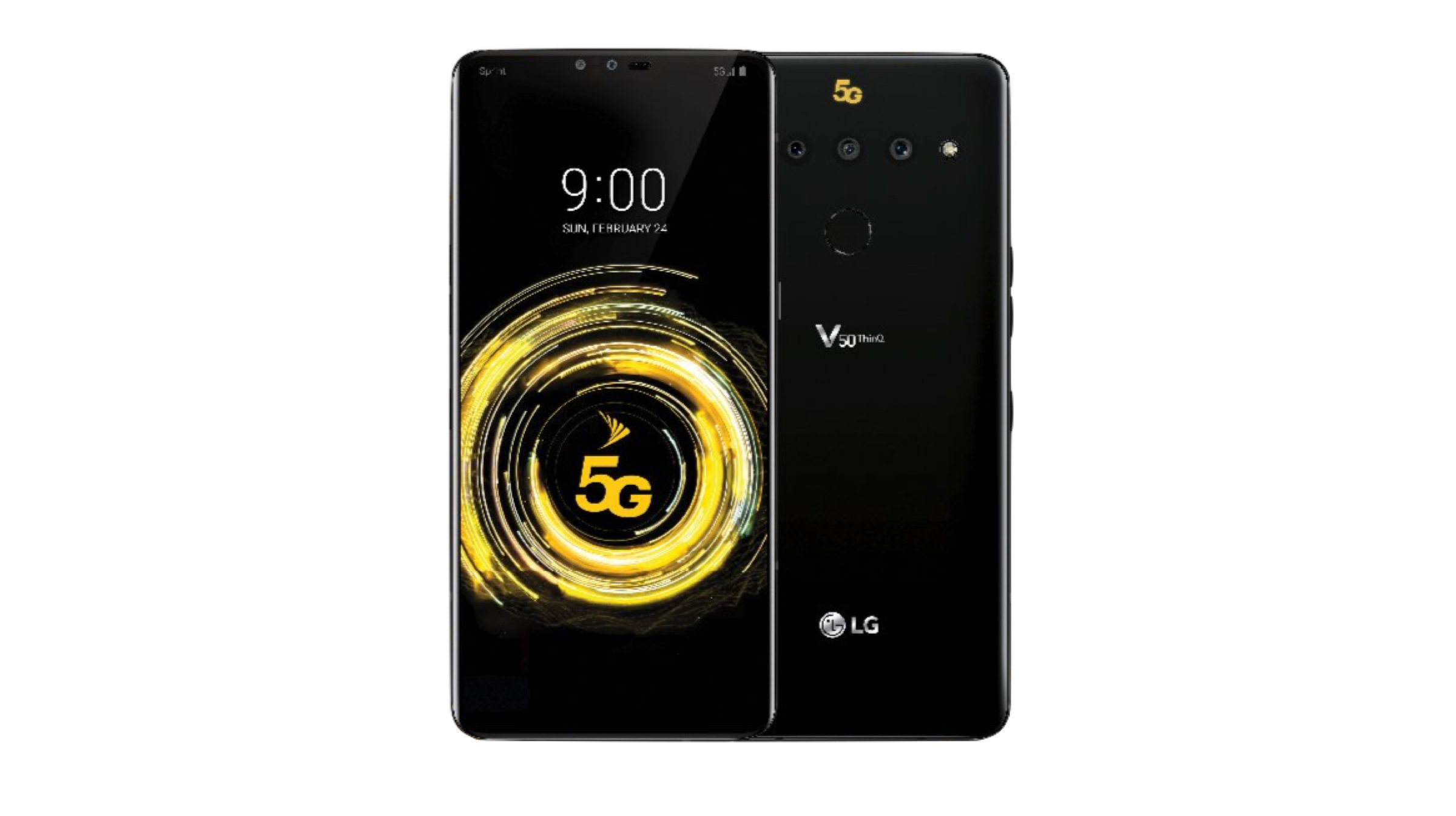 The V50 ThinQ features a triple rear camera setup, which comprises of a 12MP (f/1.5) camera sensor, a 12MP (f/2.4) telephoto sensor and a 16MP ultra-wide-angle snapper. The camera also supports Optical Image Stabilization (OIS) for taking high quality blur free images. In addition, the smartphone sports a dual front camera module which is housed in the notch along with the earpiece. The selfie camera setup consists of an 8MP (f/1.9) standard sensor and a 5MP (f/2.2) wide-angle camera.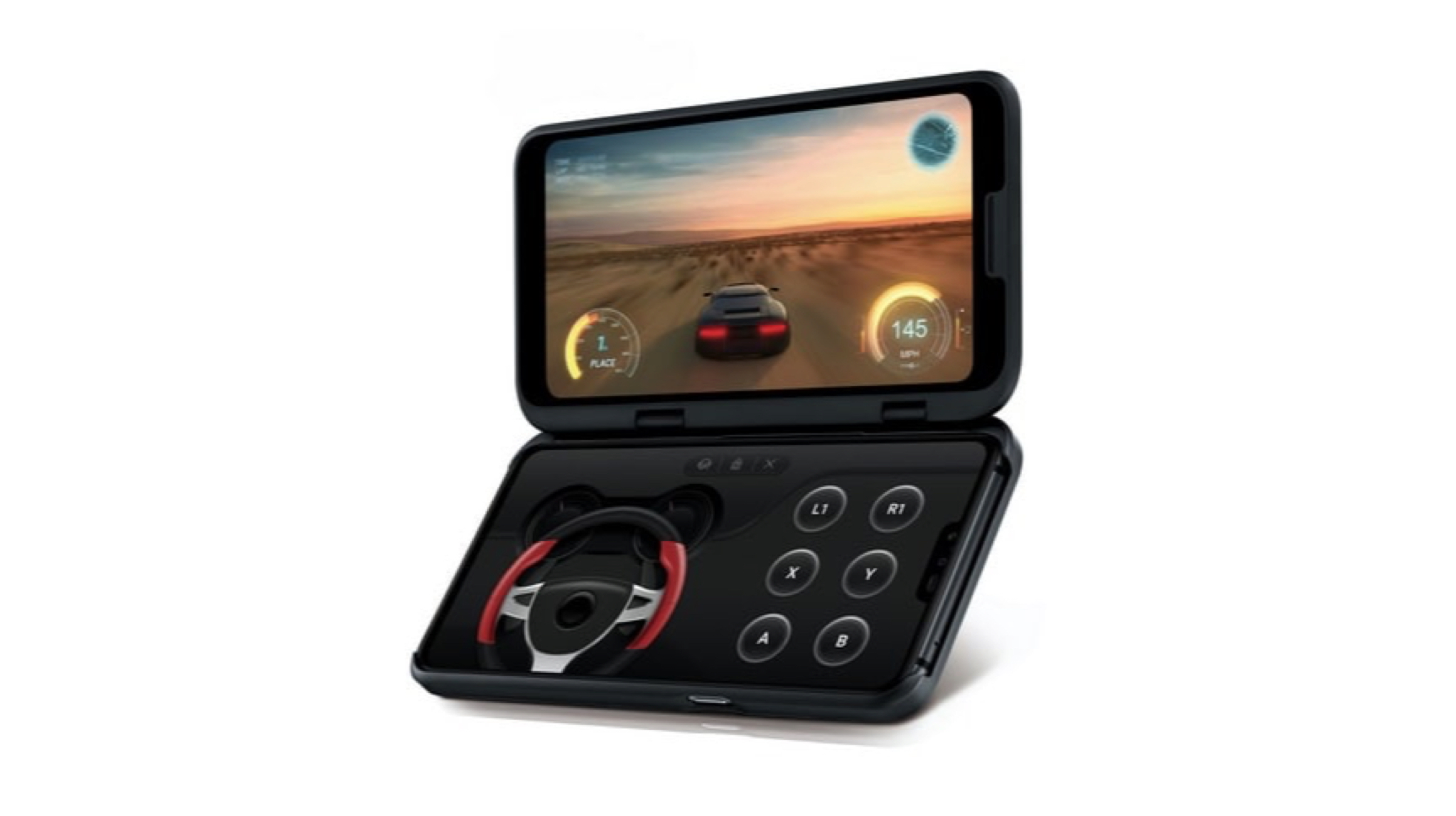
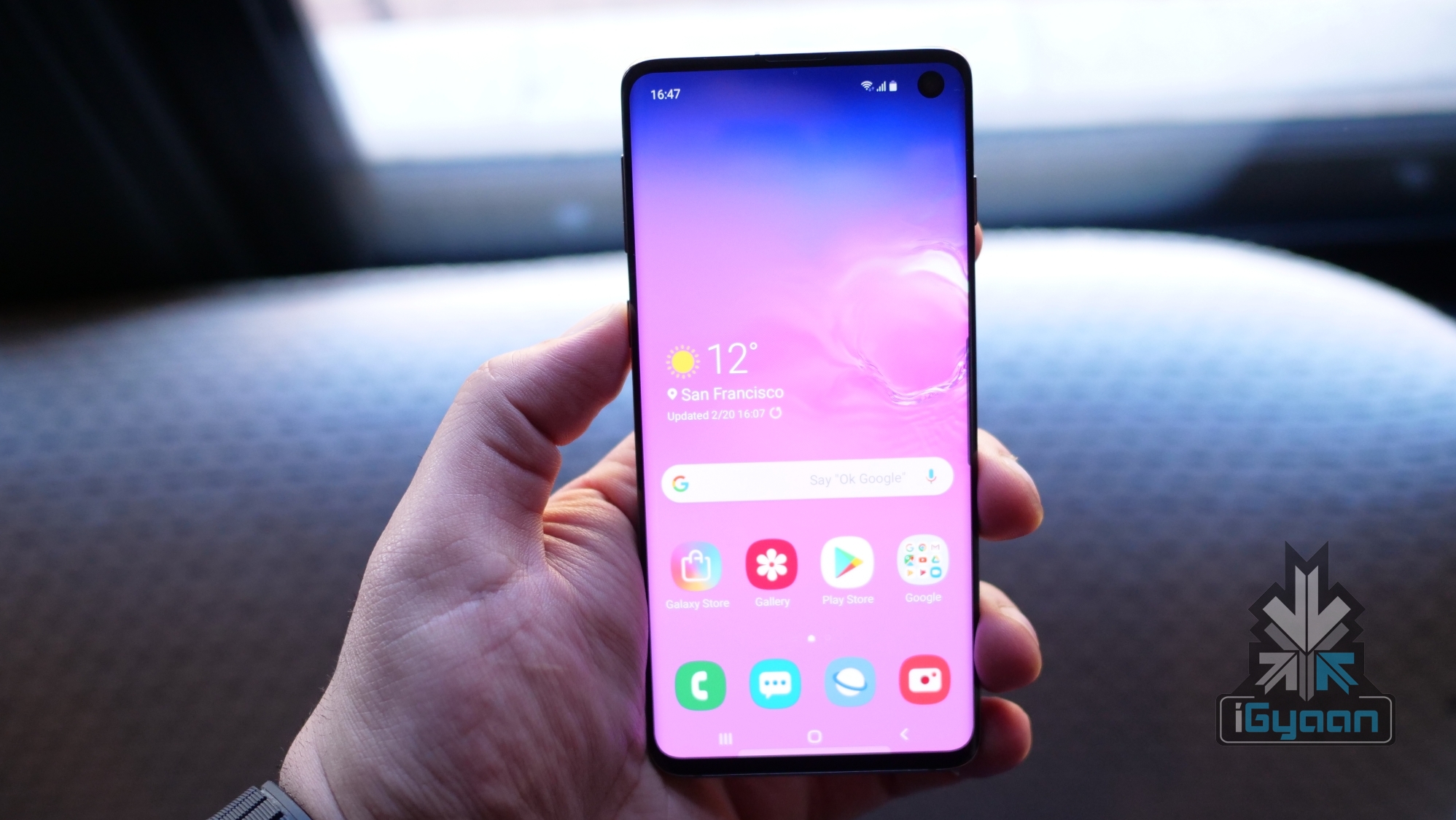
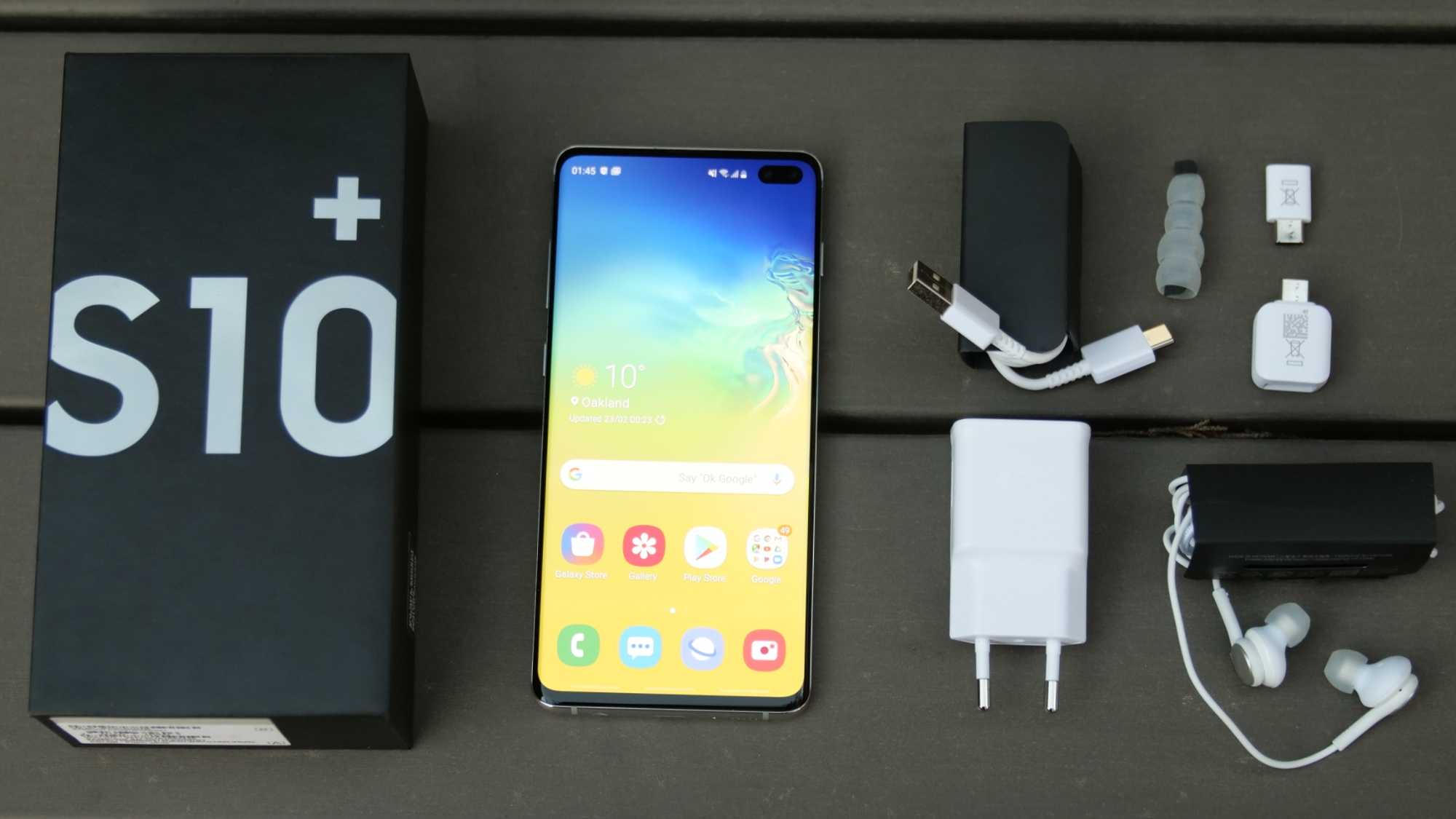
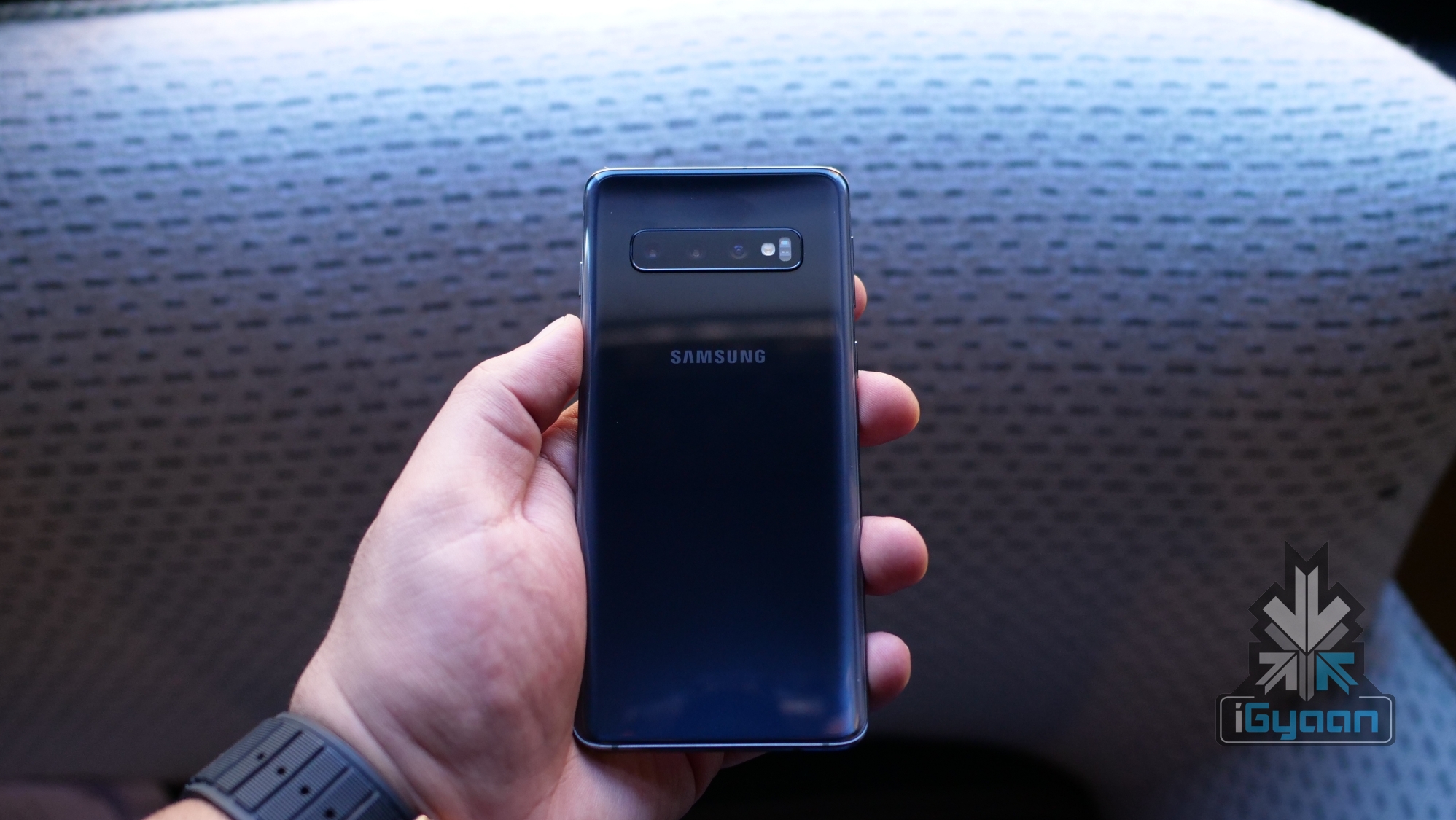
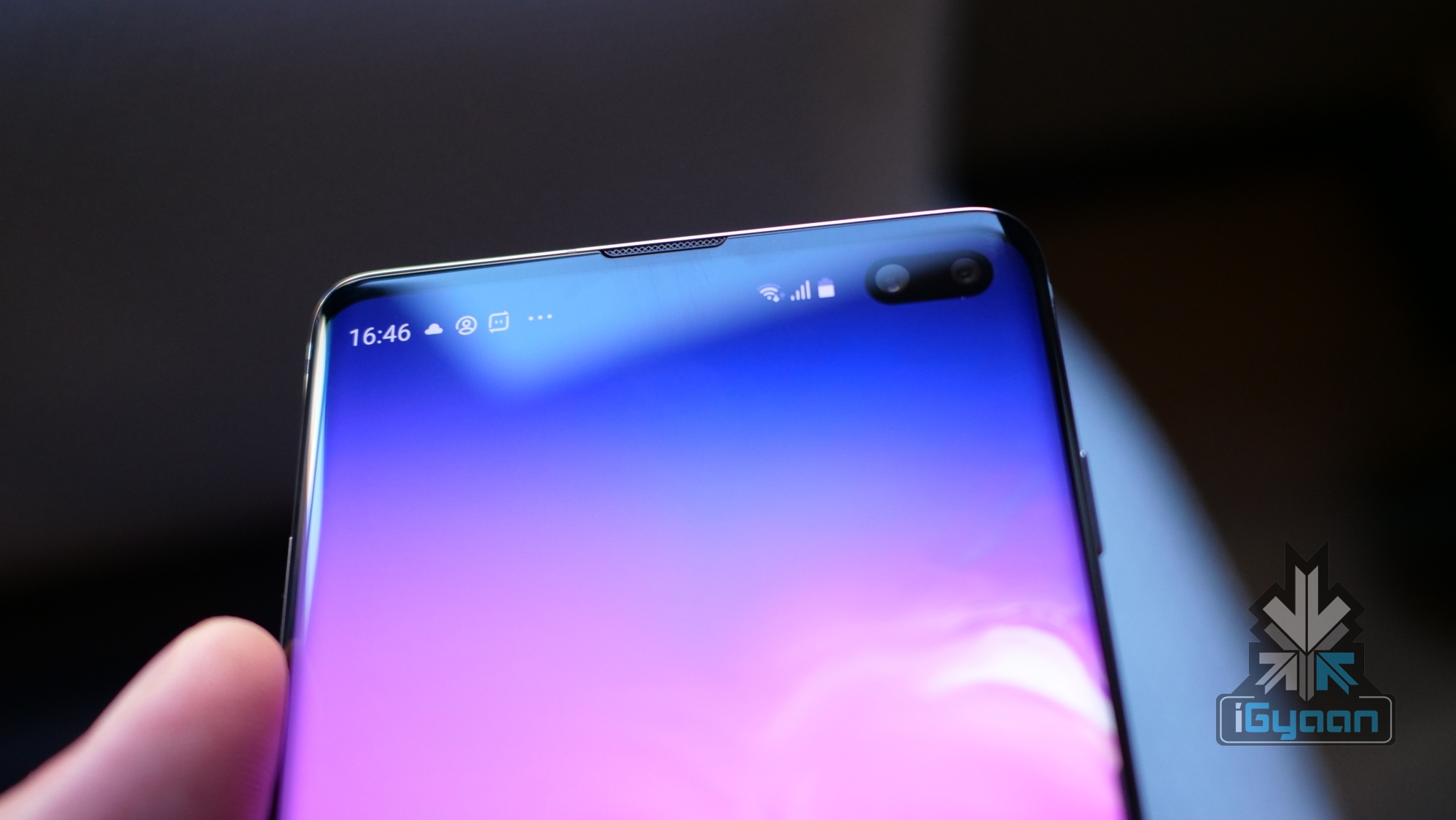
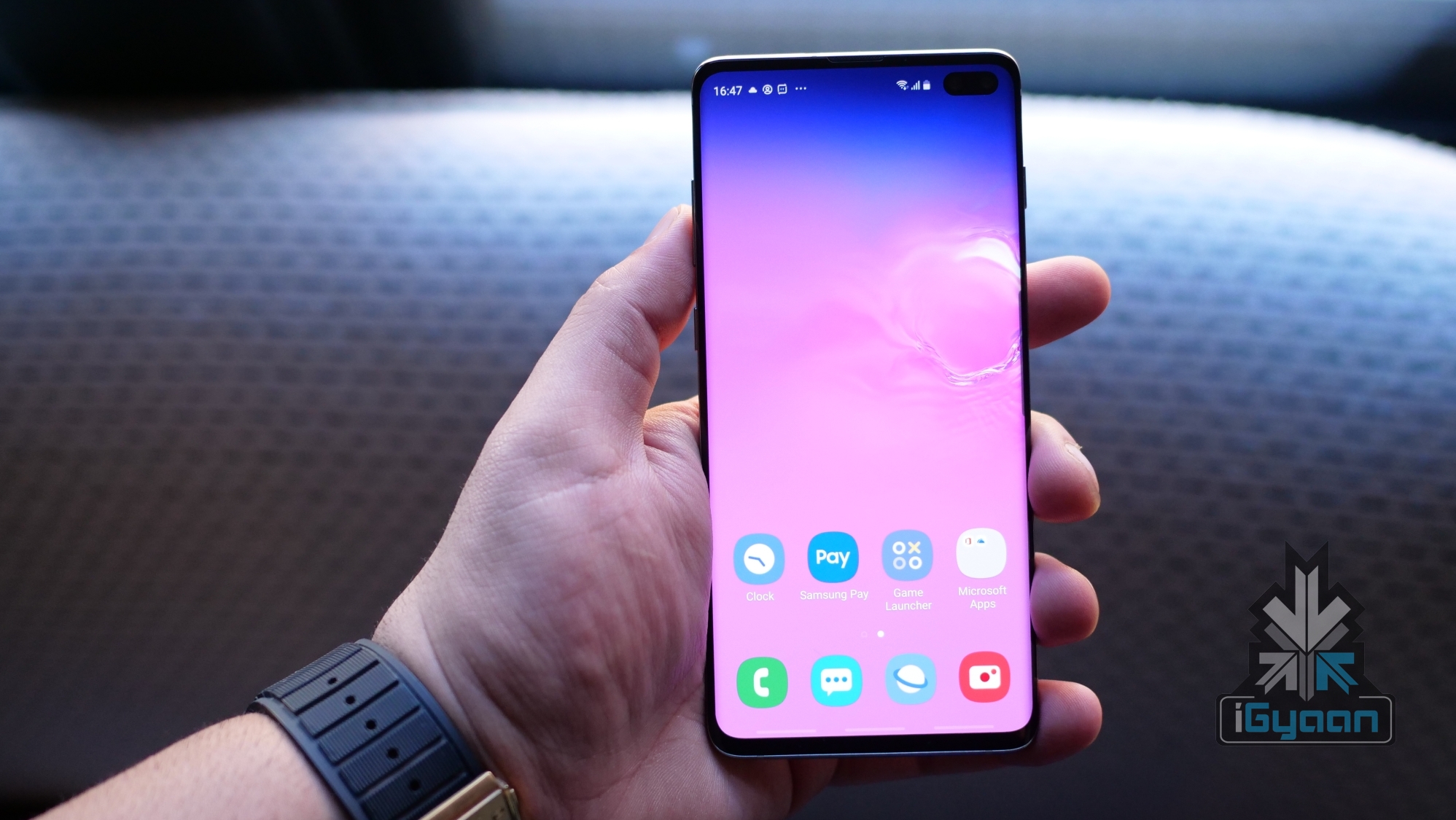
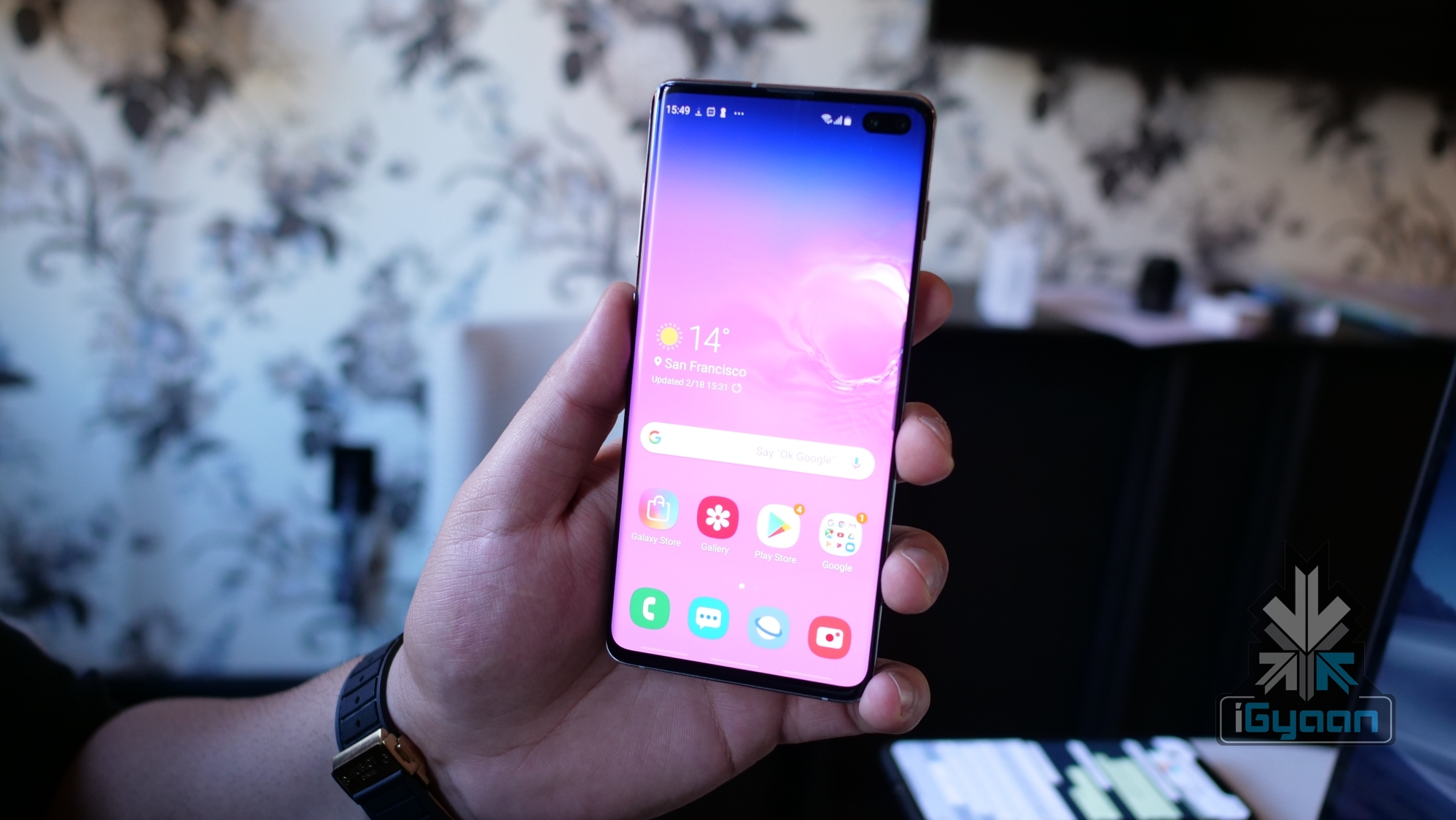 The Samsung Galaxy S10+ features a 6.4 inch Dynamic AMOLED Infinity-O display. Featuring an edge-to-edge HDR+ display that tapers towards the edges, the screen has a resolution of 3040 x 1440 px and a pixel density of 522 ppi. The display on the smartphone has a 19:9 aspect ratio. The front and the back of the smartphone have Corning Gorilla Glass to safeguard it from scratches and accidental drops. The Galaxy S10+ is offered in two different finishes which include glass and ceramic. Regardless of the material choice, both variants have a premium look.
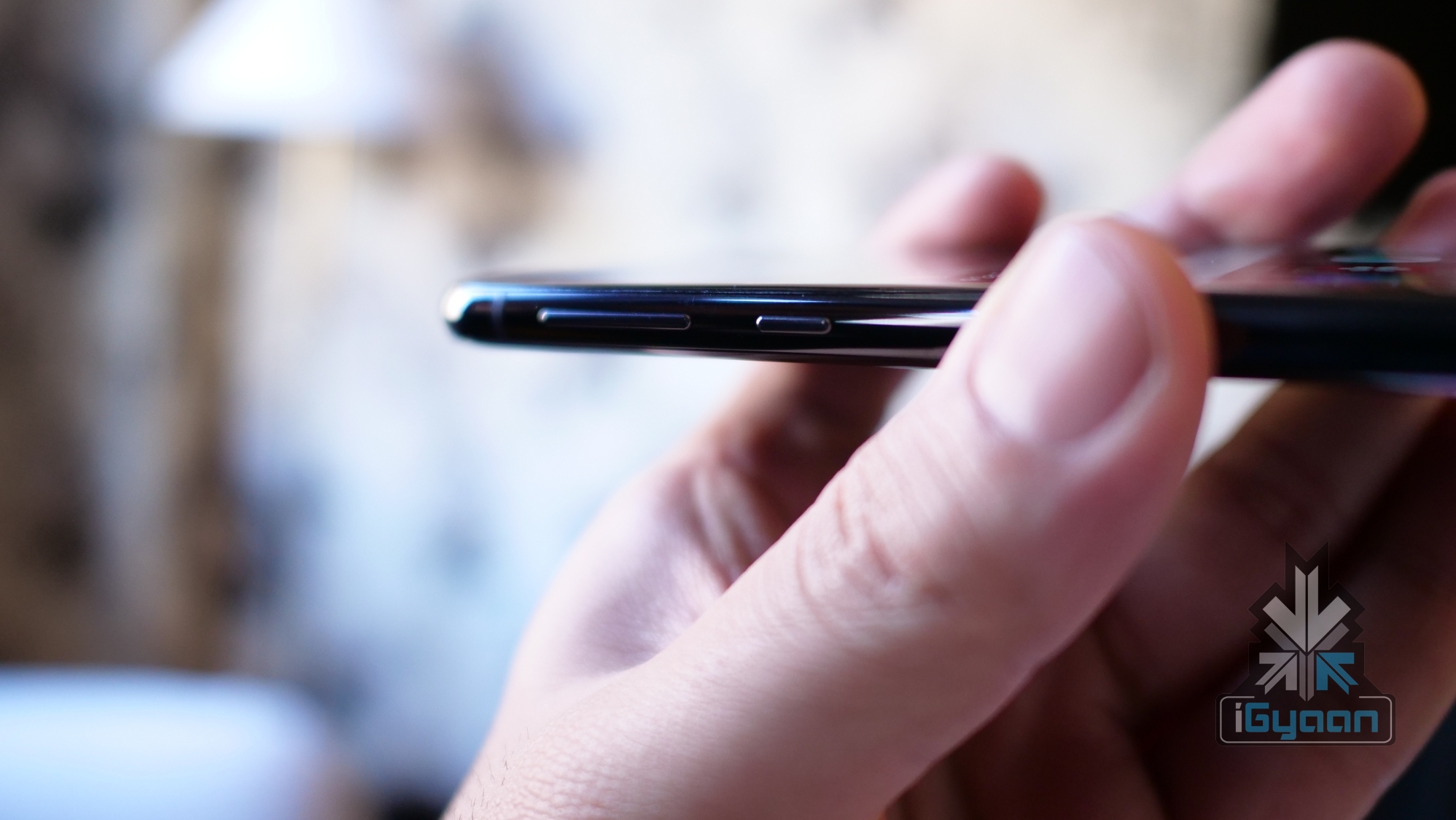 The right side of the device houses the power/lock button, while the left side of the phone houses the volume rockers and the dedicated Bixby button which can also be remapped as per the user’s convenience. The S10+ weighs 175 g for the glass version and 198 g for the ceramic version. The 3.5 mm headphone jack is retained by Samsung and is placed at the bottom of the handset along with the USB Type C port and loudspeaker grille. The SIM card slot is present at the top of the smartphone which can either house two nano SIM cards or one SIM and microSD card.
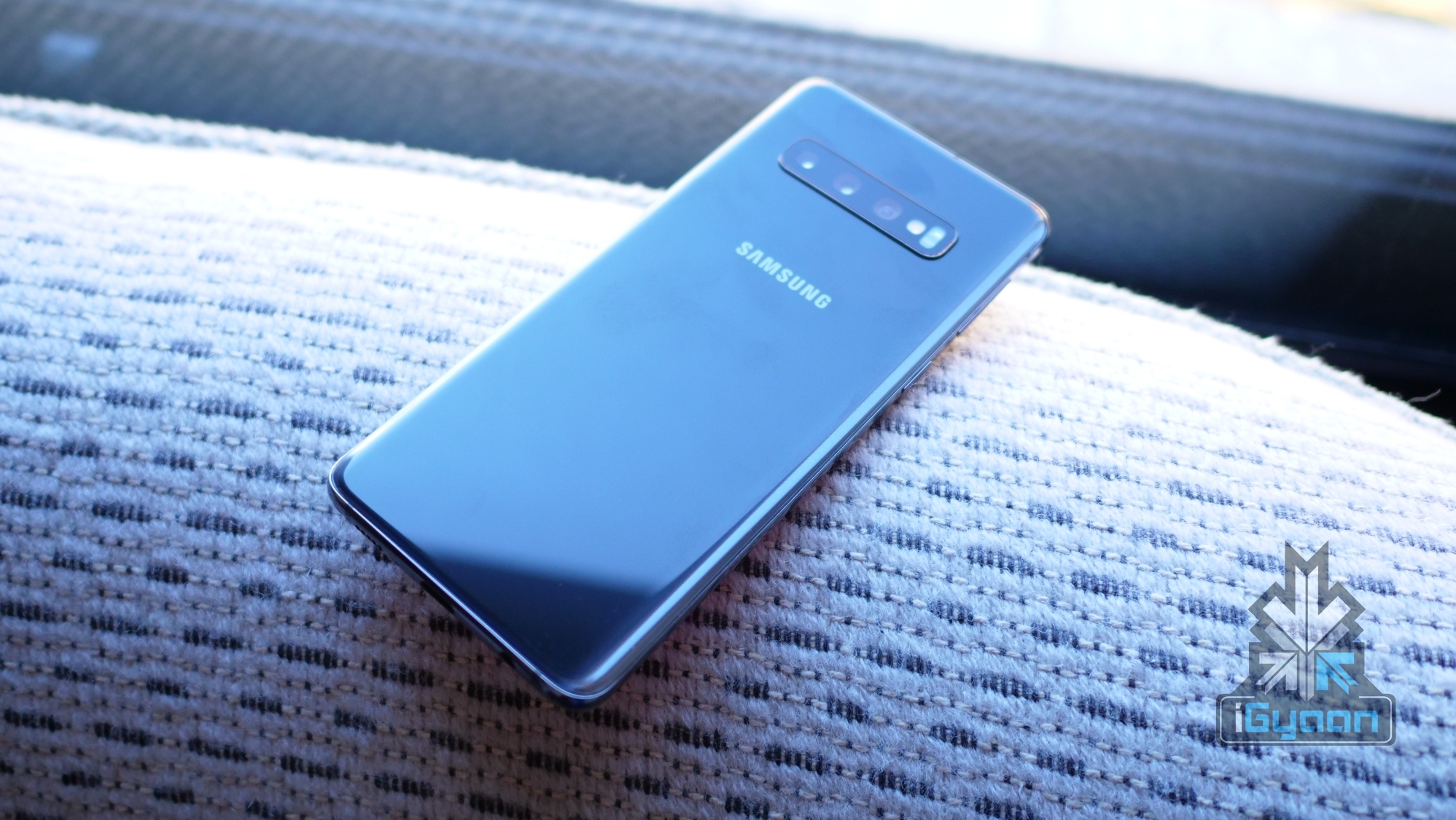 The US/China variant of the Samsung Galaxy S10+ runs on the Qualcomm Snapdragon 855 chipset, which comprises of the Kryo 485 octa-core CPU and Adreno 640 GPU. On the other hand, the EMEA version of the device runs on Samsung’s own Exynos 9820 SoC consisting of an octa-core CPU and Mali G76 MP12 GPU.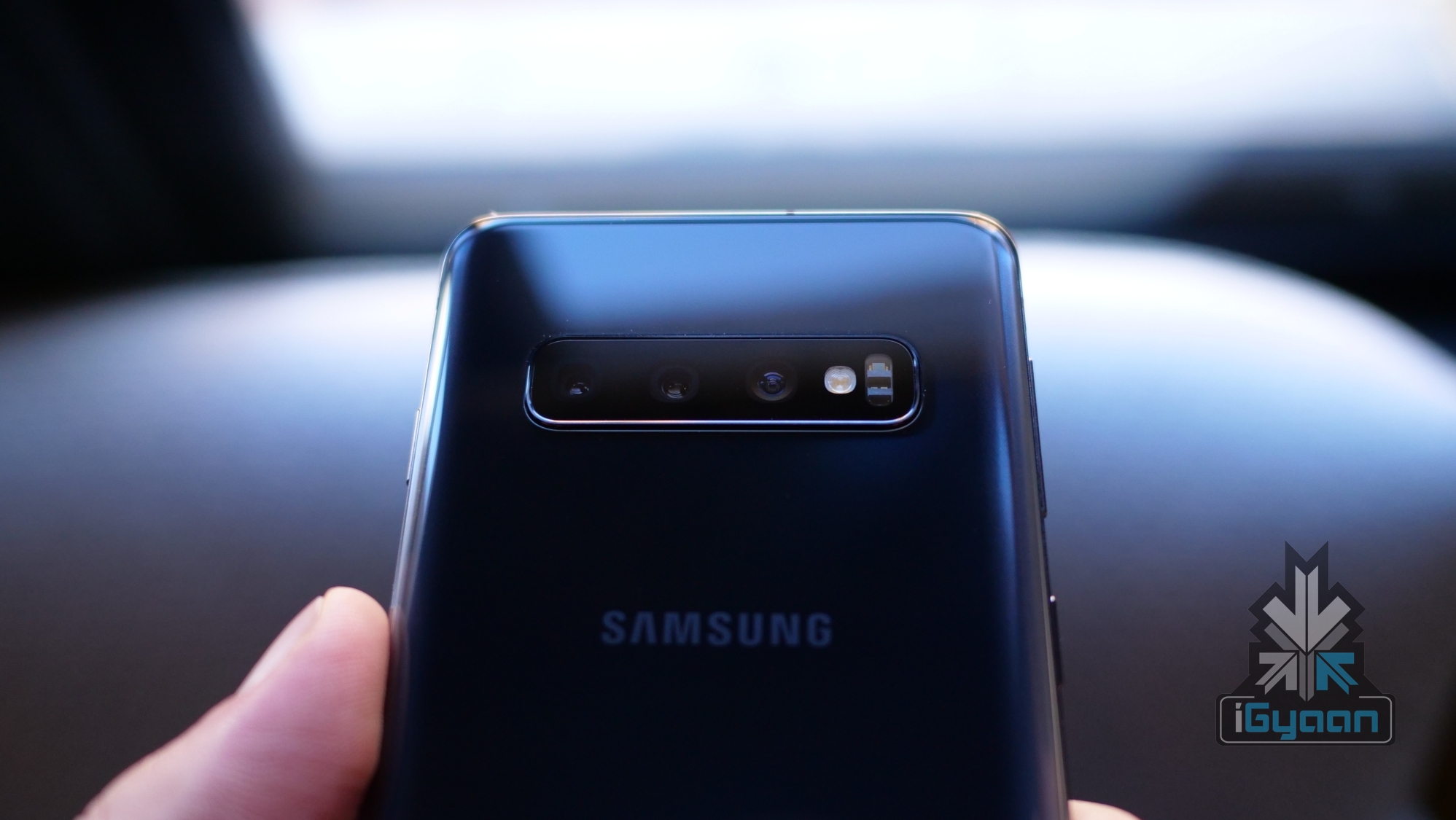
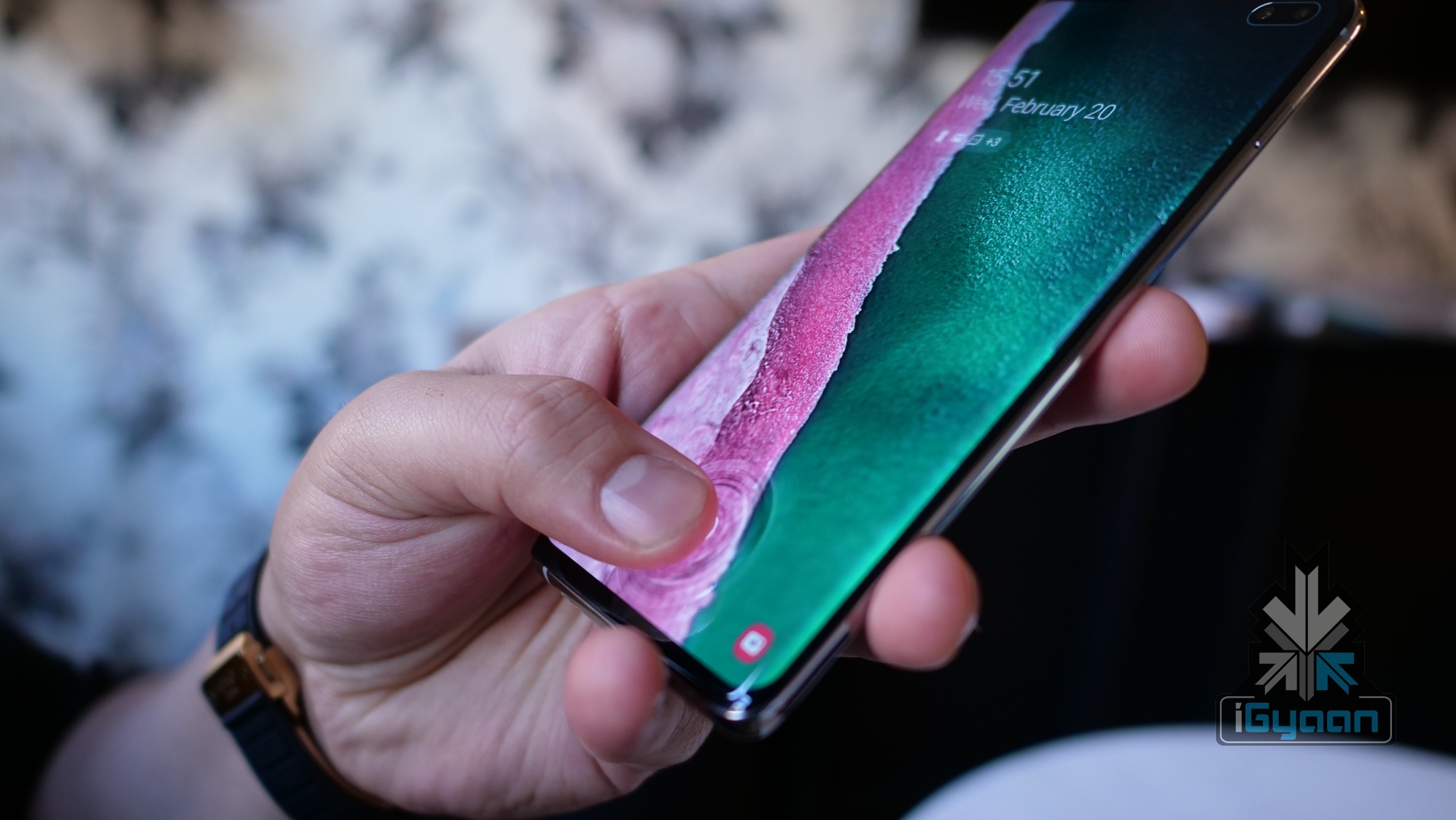 The Samsung Galaxy S10+ is the first smartphone ever to feature an ultrasonic in display fingerprint sensor. In addition, the device has 3D face scanning technology for quickly and securely unlocking the device. The Galaxy S10+ is powered by a 4100 mAh battery, which supports both fast charging and wireless charging at maximum 15 w. The device also supports reverse wireless charging called ‘Powershare’, enabling the user to charge other ‘Powershare supported’ devices by placing them on the rear of the smartphone. Moreover, the premium smartphone is IP68 certified that makes it dust and water resistant.
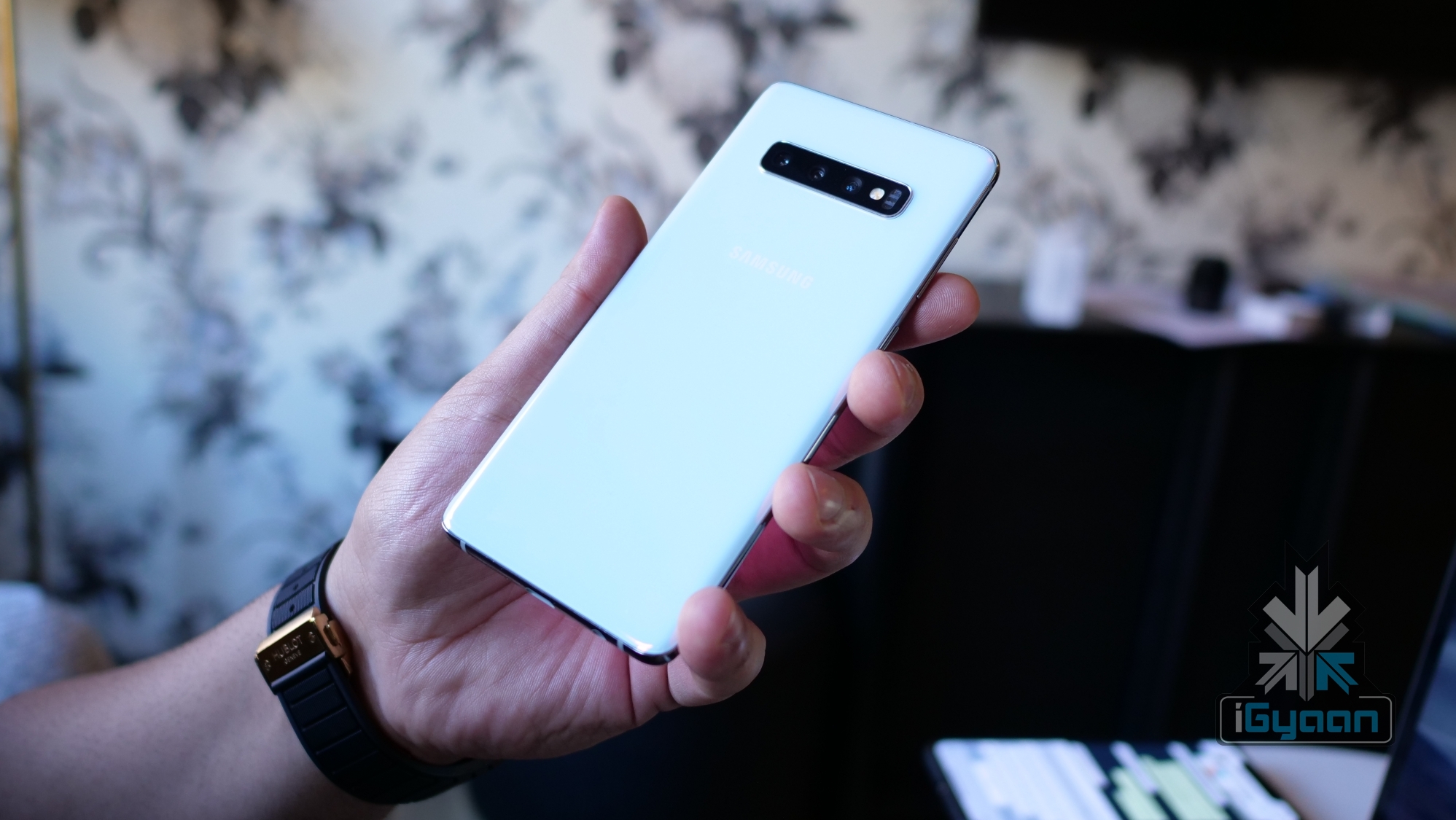
 The Galaxy S10+ is available in three storage variants which include a 6GB+128GB version, an 8GB+512GB version, and the limited edition 12GB+1TB variant. The two base variants of are available in four colour options which include Prism White, Prism Black, Prism Green, and Prism Blue colour options. The 12GB+1TB storage variant of the device is available in Ceramic Black and Ceramic white colour options. The Samsung Galaxy S10+ will go live on sale in India on the 8th of March.
 Also Read:
 The Nokia 9 may sport a 5.99 inch AMOLED display with a 2960×1440 px resolution. The smartphone will have Gorilla Glass protection which will safeguard it against scratches and accidental drops. It will run on the Snapdragon 845 chipset, which consists of an octa-core CPU paired with an Adreno 630 GPU. The smartphone is speculated to be available in 4GB and 6GB RAM variants which will be paired with 128GB of internal storage. Reportedly it will be powered a 4150 mAh battery which will be charged via a USB Type-C port. Past leaks have claimed that the smartphone will also have an in-display fingerprint scanner and IP68 dust and water resistance.
 As per the leaked specs list revealed by sources, the Xperia 10 will run on the 14nm Qualcomm Snapdragon SDM630, which consists of the 64 bit 8x ARM Cortex A53 CPU clocked at 2.2 GHz. It is paired with the Qualcomm Adreno 508 GPU. The list also shows that the display of the smartphone will have a screen density of 480 DPI and exhibit a resolution of 2520 x 1080 px with a 21:9 aspect ratio.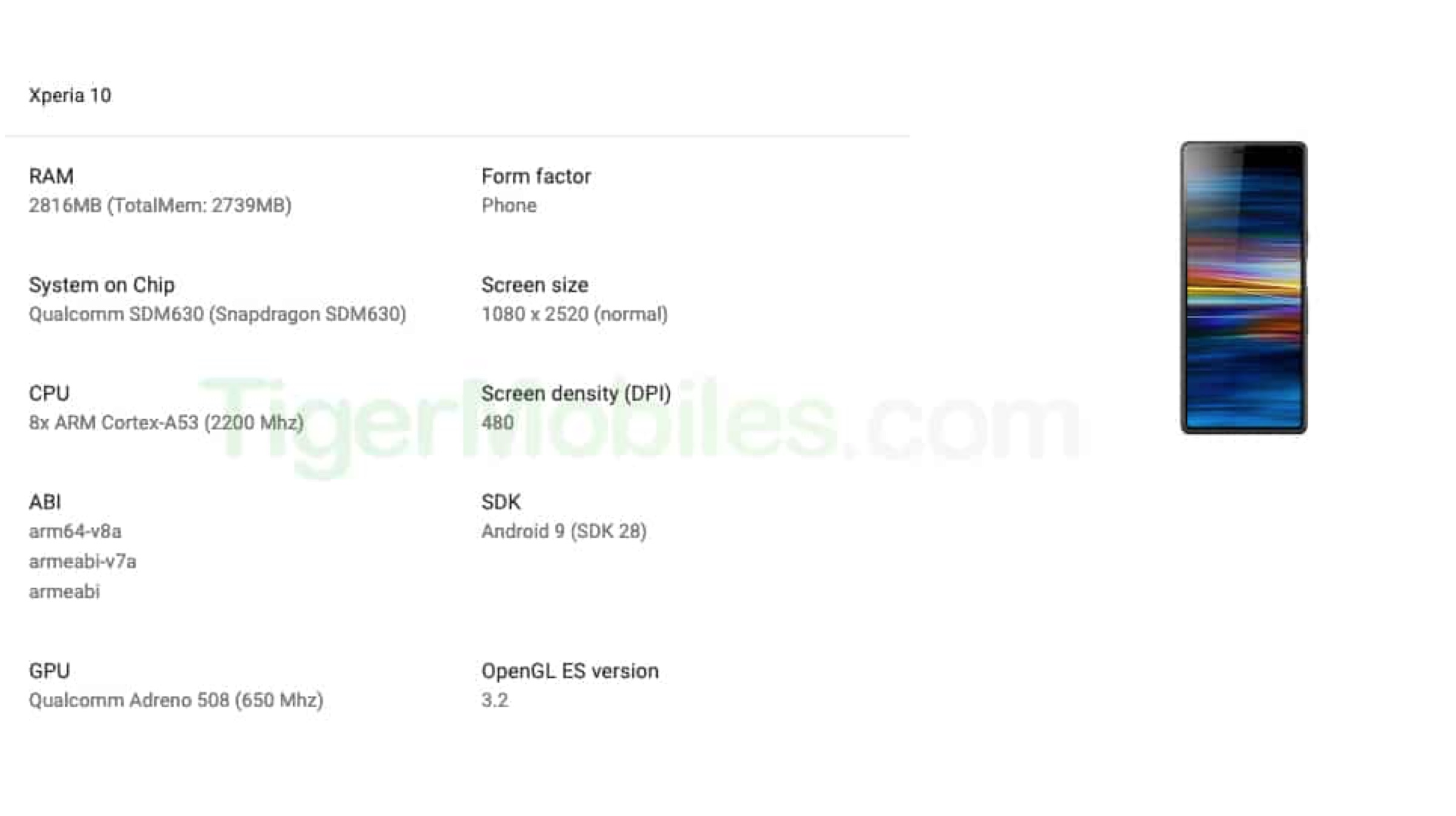
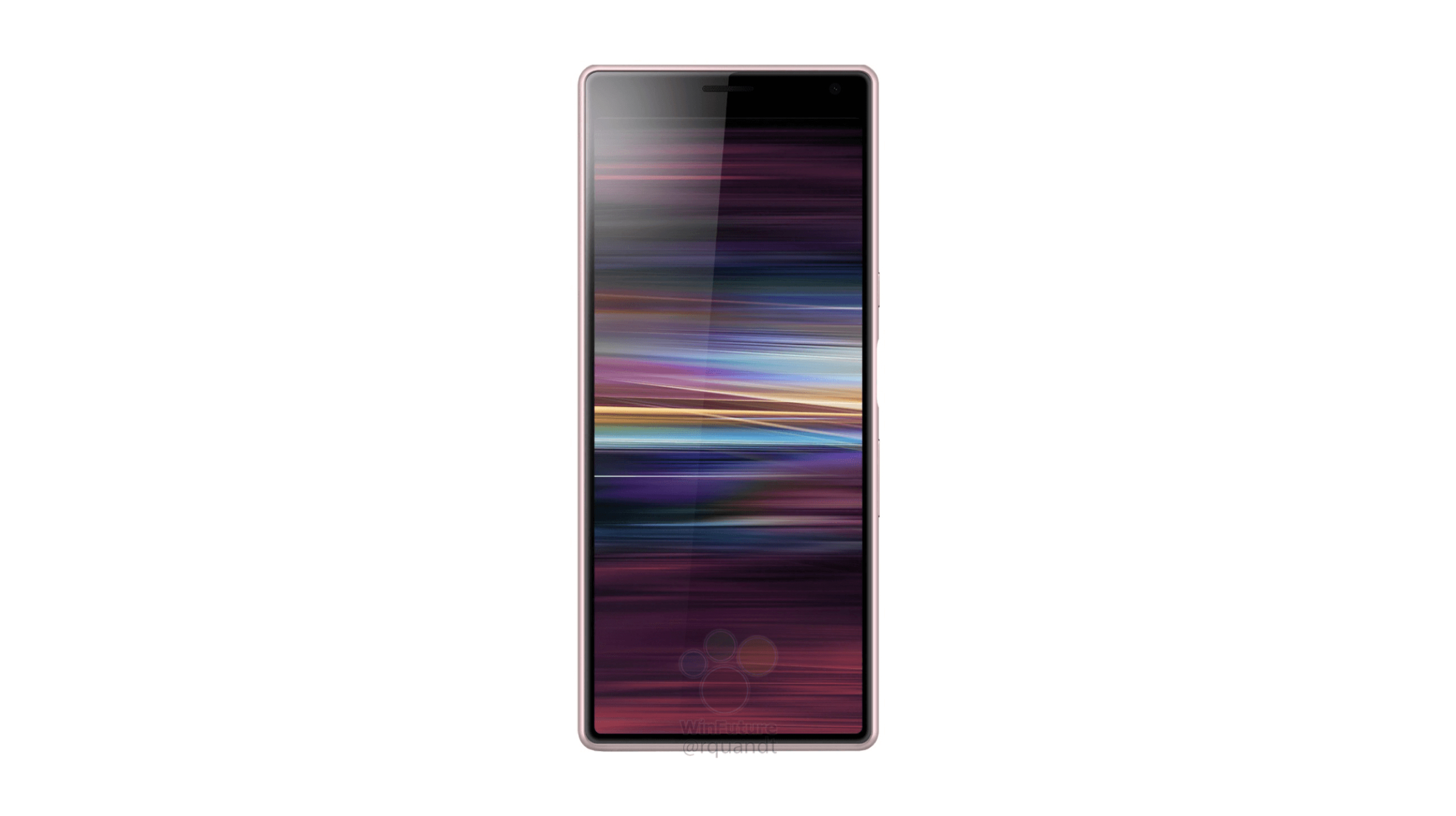 The leaked list also reveals some key specifications about the Xperia 10’s elder sibling, the Xperia 10 Plus. As per sources, it will run on the 14nm Qualcomm Snapdragon SDM 636 chipset. The chipset comprises of the Kryo 260 octa-core CPU, with four cores clocked at 1.8 GHz and the rest of the cores clocked at 1.6 GHz. The SoC also packs the Adreno 509 GPU. The smartphone’s screen will have the same resolution and aspect ratio as the Xperia 10.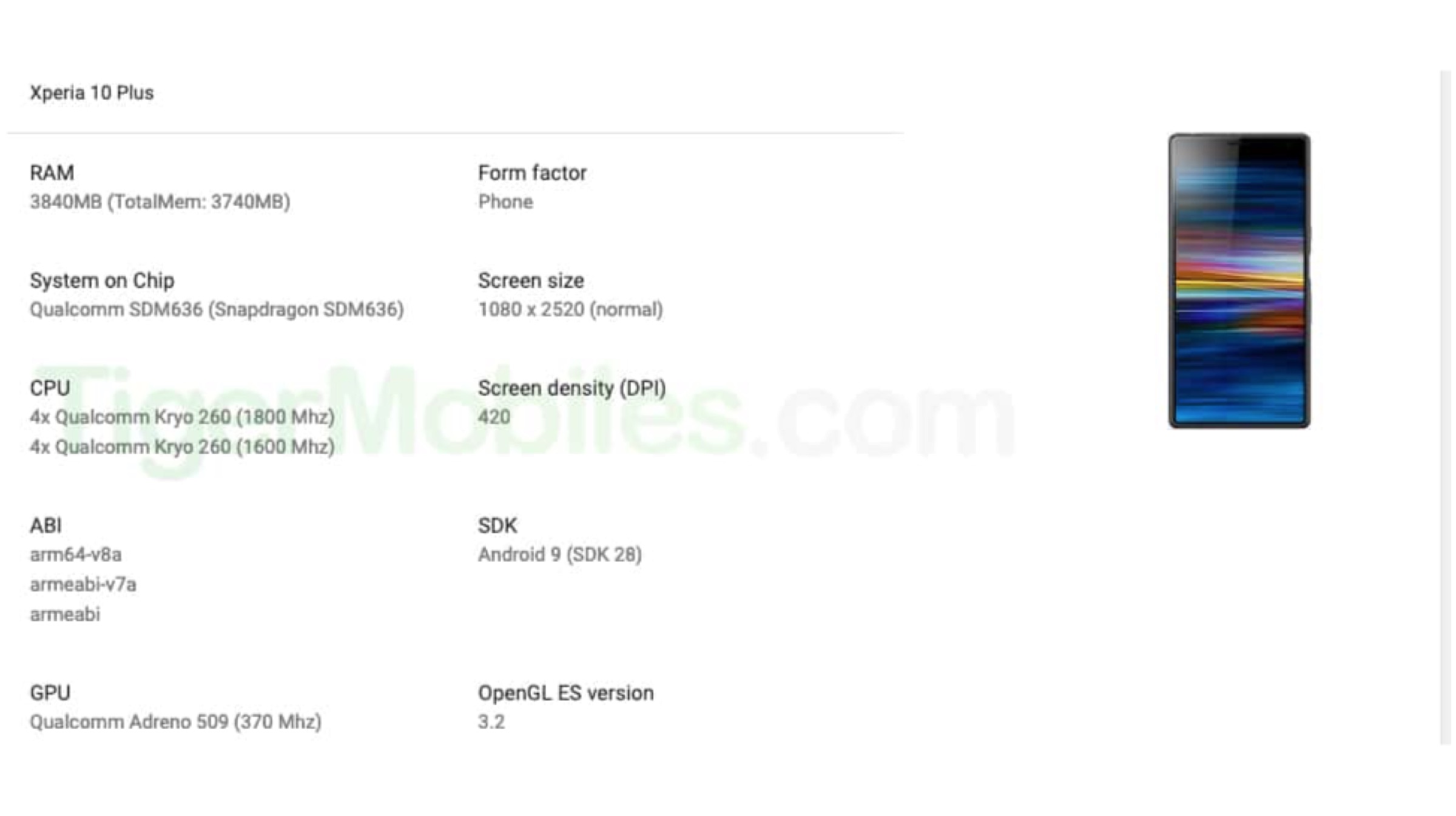
 Also Read: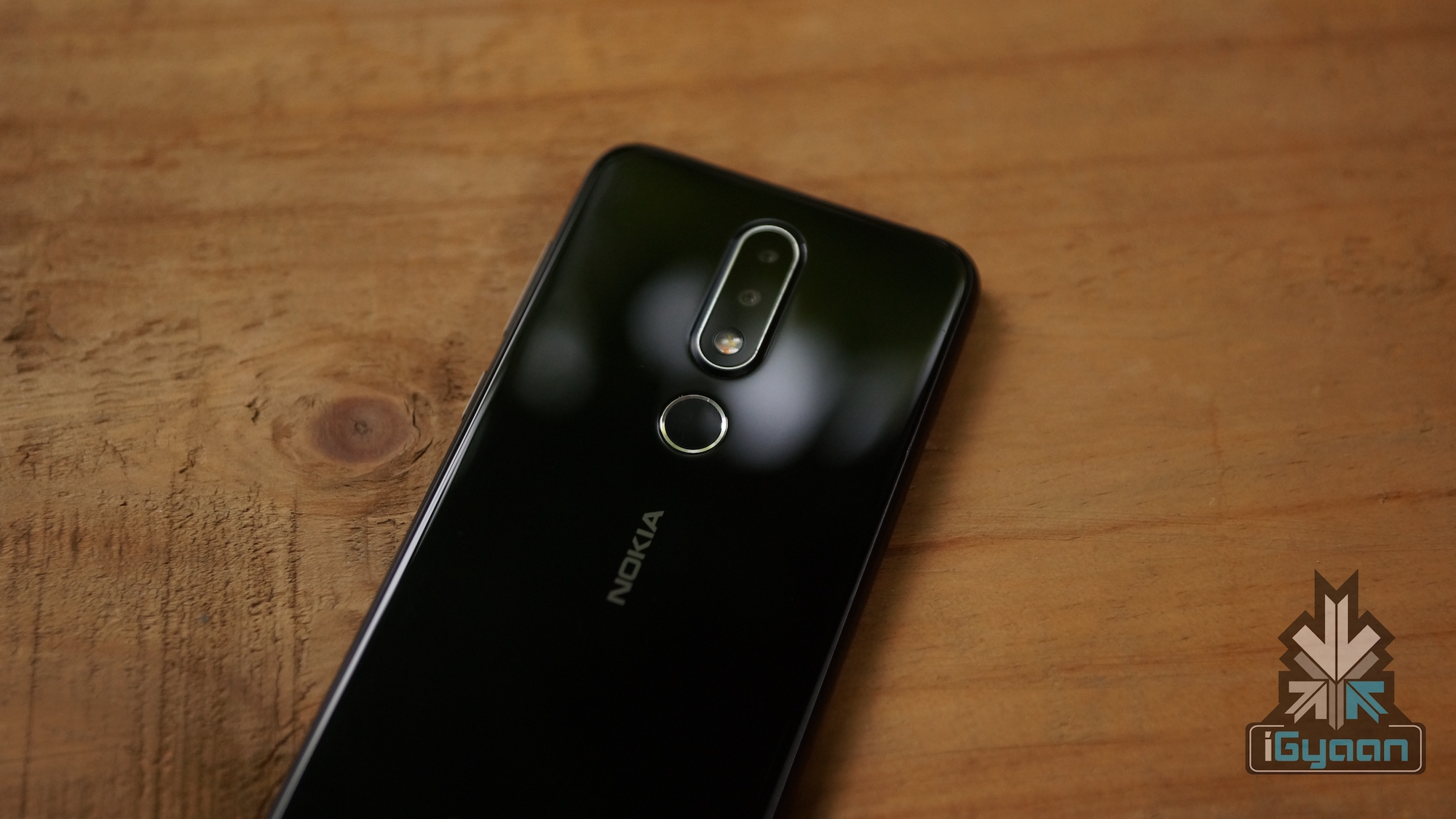
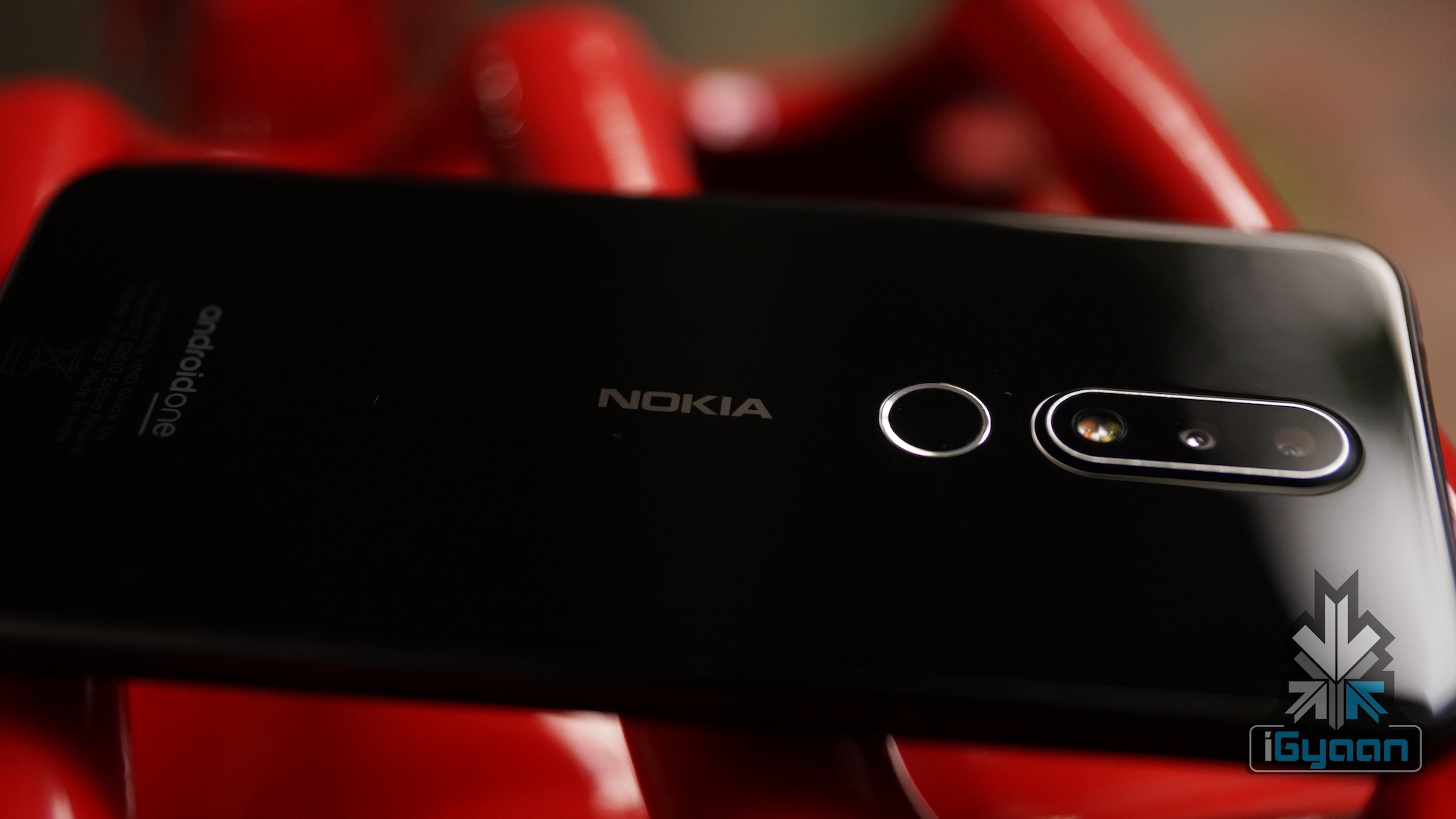 The Nokia 6.1 Plus has an aluminium frame and is fitted with front and back glass panels. The device is equipped with Corning Gorilla Glass 3 for protection against scratches and impacts. The smartphone sports a 5.8 inch IPS LCD display. The screen has a resolution of 2280 x 1080 px and 19:9 aspect ratio. The volume rockers and the power/lock button are present on the right side of the smartphone.
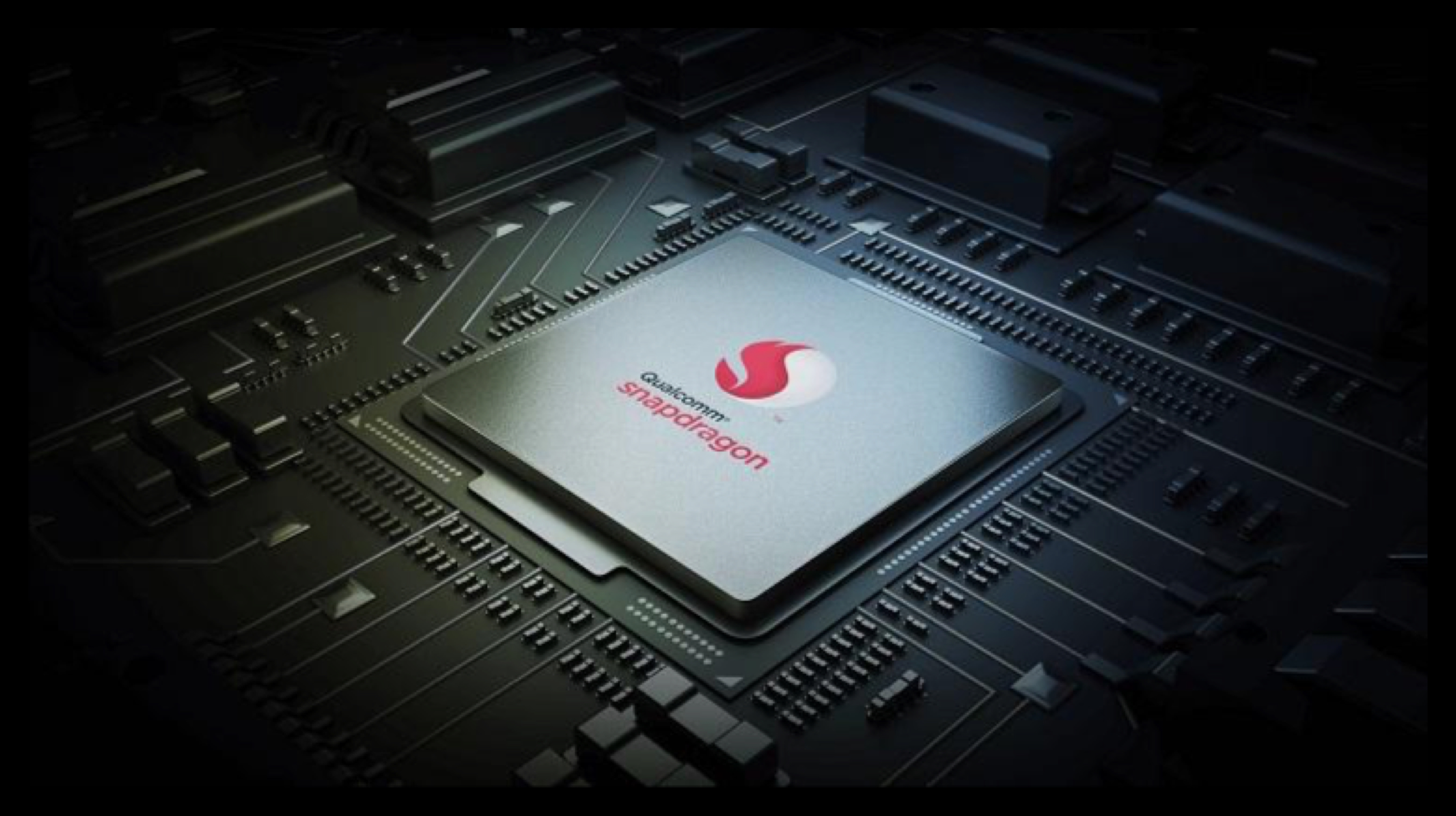 The Nokia 6.1 Plus runs on the Qualcomm Snapdragon 636 chipset which consists of an octa-core 1.8 GHz Kryo 260 CPU paired with the Adreno 509 GPU. The device has Android 8.1 (Oreo) out-of-the-box and will be upgradable to Android 9 (Pie) in the future.
  The smartphone is powered by a 3,060 mAh battery which supports 18W fast charging via the bottom mounted USB Type-C connector. In terms of biometric security, it has a rear mounted fingerprint sensor. The newer version which is launched in India has 6GB RAM and 64GB internal storage. The device also supports expandable memory up to 400GB via a microSD card. It will be available in Black and Blue colour options.
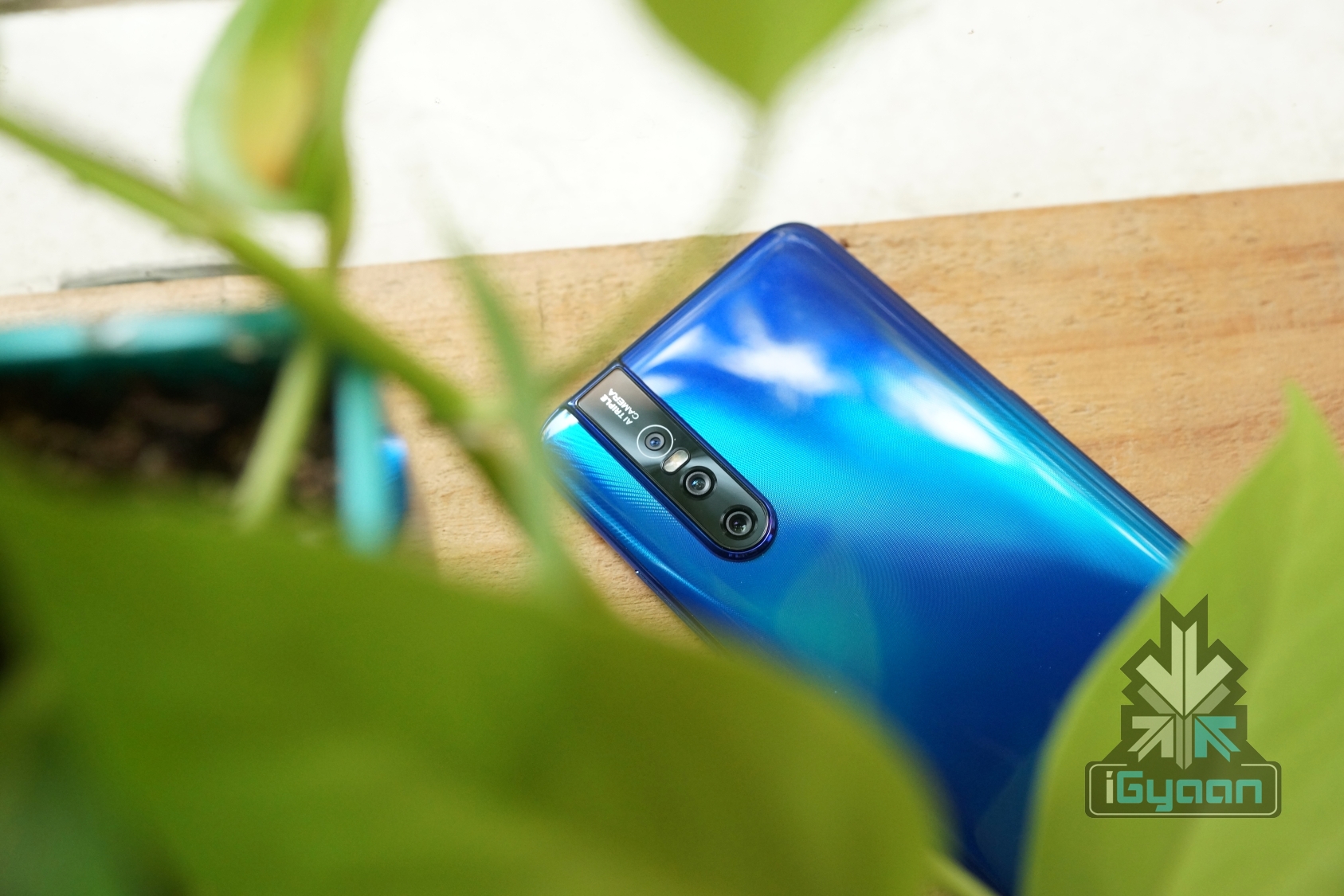
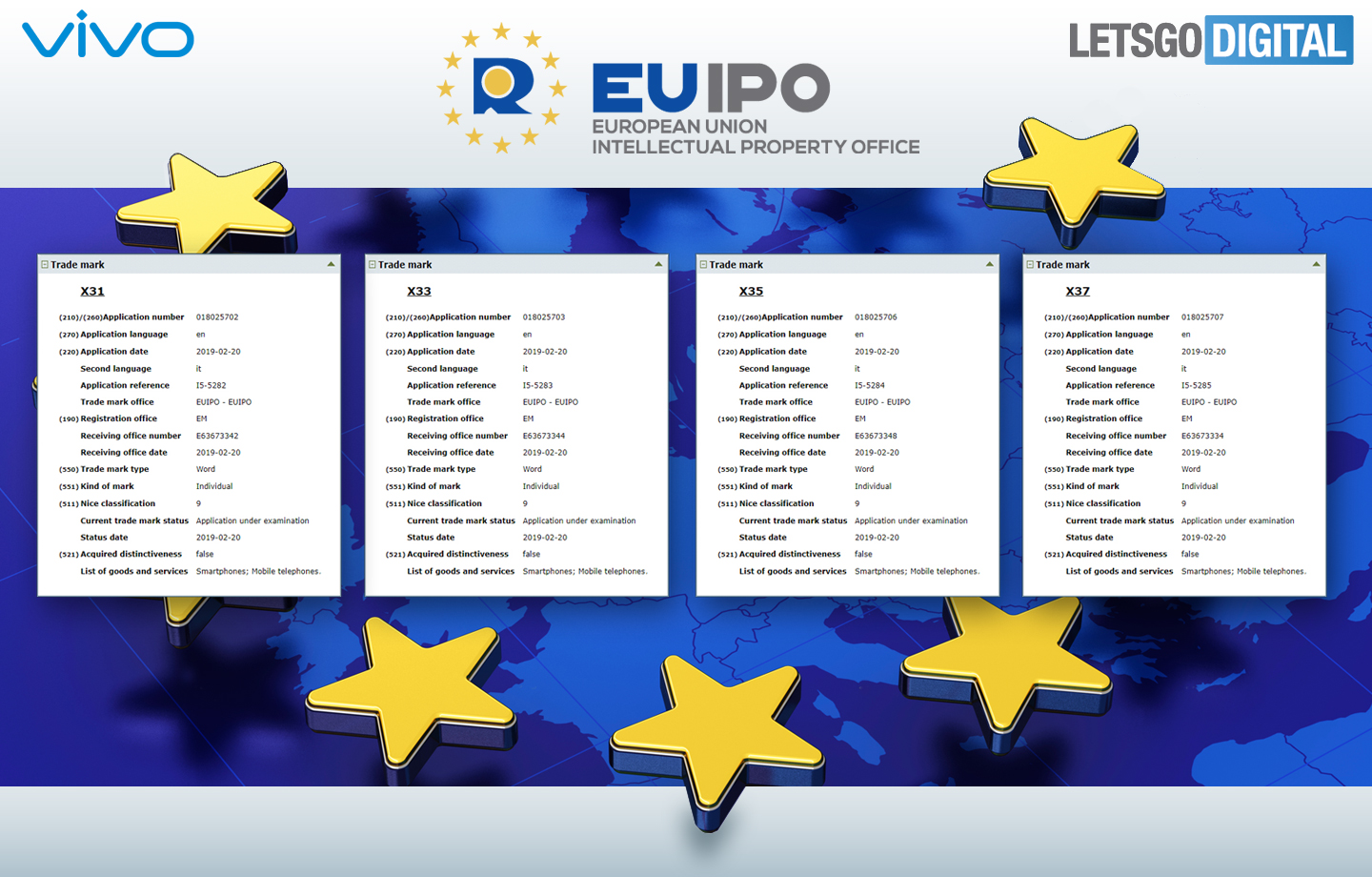 The X series will include high-end smartphones from Vivo. Last year, Vivo X21 became the world’s first device with an in-display fingerprint scanner. The device will probably be followed by the X31 by March 2019. Trademark requests for the Vivo X35 and the X37 were also filed, but it is too soon to expect their launch.
 The mid-budget segment of the market will be targeted by the V series of Vivo smartphones. The latest device from this series was the
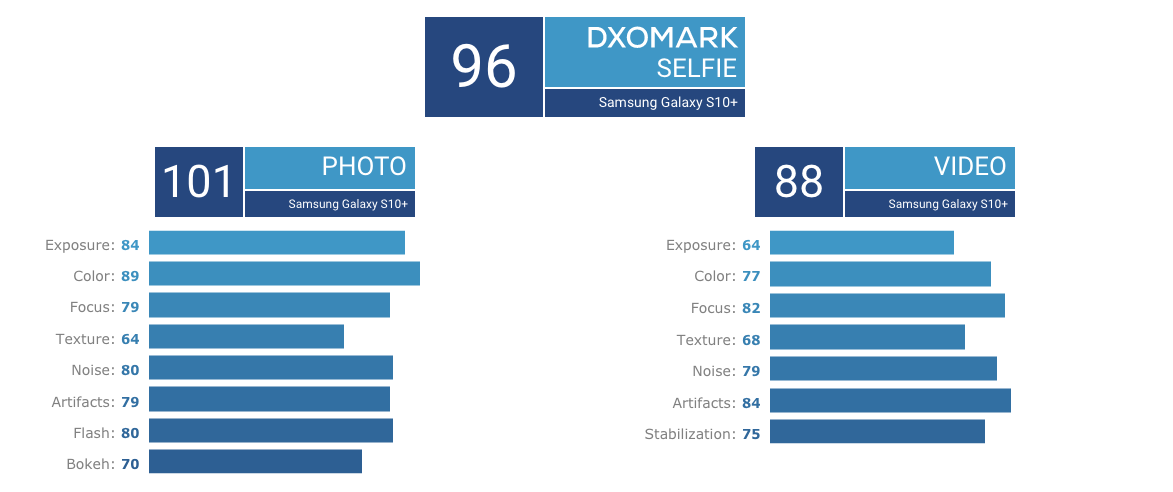
 Xiaomi released the Mi 9 in China on February 20, and it has been the talk of the town since its launch. With flagship-level specifications at almost half the price of premium smartphones, there are high expectations from the camera of the Mi 9. DxOMark tested out the camera of the smartphone, and fair enough, the Mi 9 didn’t disappoint.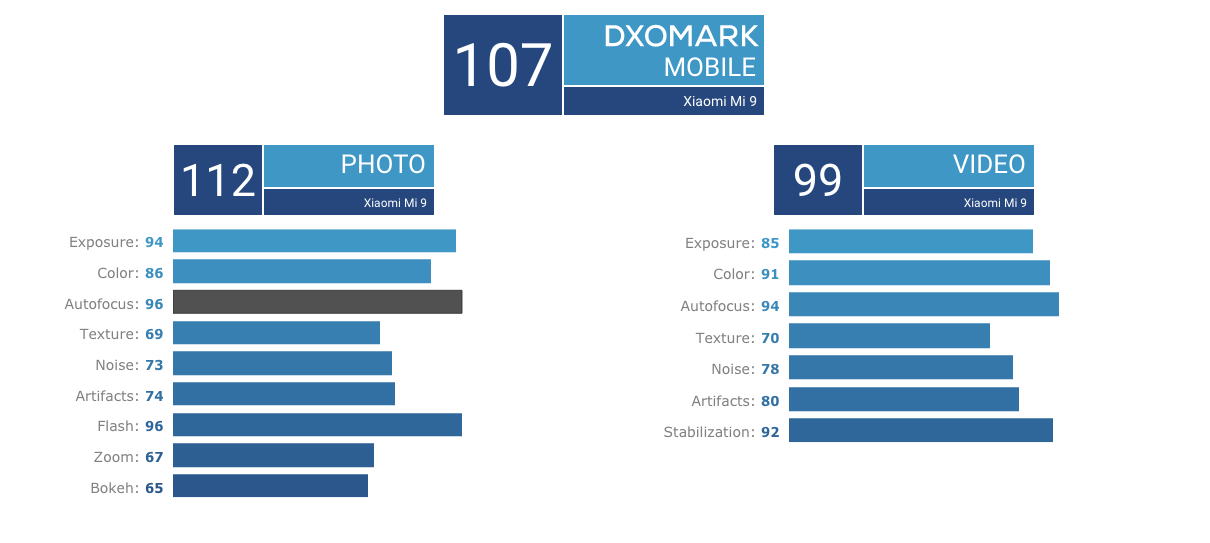
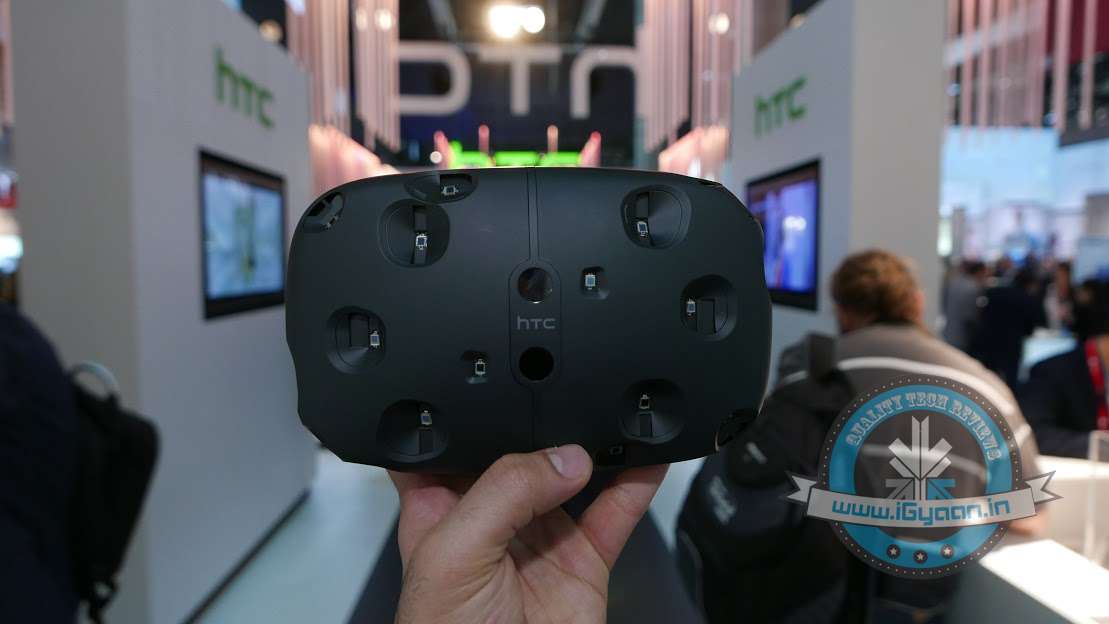

 The headset of the Vive Focus Plus resembles the headset of the original Vive Focus in almost all aspects. It is equipped with the Qualcomm Snapdragon 835 chipset and provides the user with six degrees of freedom tracking. The VR headset has a 3K AMOLED display with 2880 x 1600 px resolution. The Vive Focus Plus runs on the Vive Wave platform, enabling its users to download new content and apps from the Viveport online store. Furthermore, HTC claims that the new edition of the Vive Focus can distribute its weight more evenly by increasing its contact area with the forehead.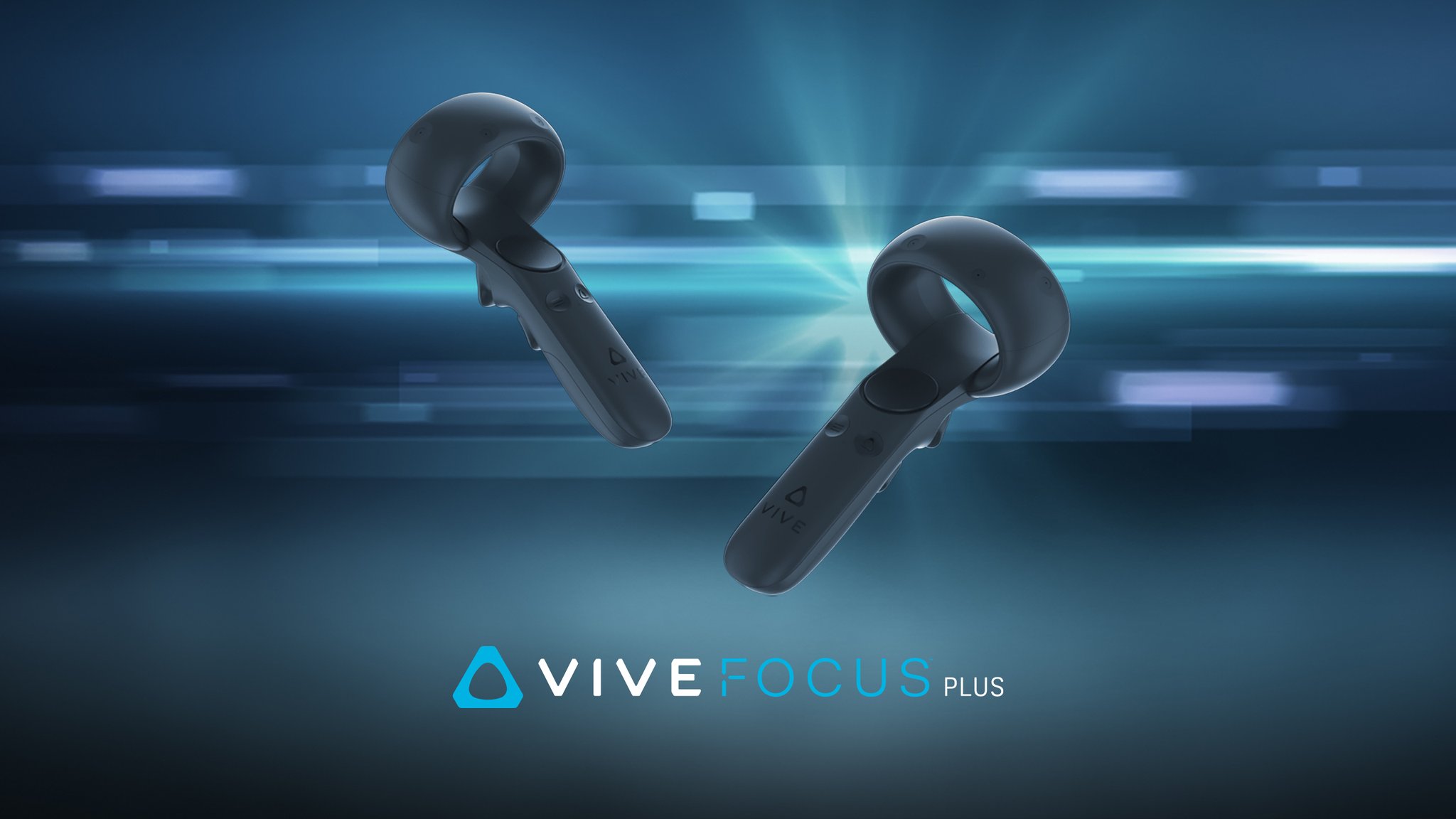

 The 23-storey-tall rocket disappeared into the sky as it made its way towards the moon. There were three sets of cargo on the Falcon 9, which is one of the most famous rockets in the arsenal of Elon Musk’s aerospace research organization, SpaceX. As mentioned before, one of the payloads was the 585 kg Beresheet lunar lander, whereas the other two payloads were intended for different purposes. One of them was Indonesia’s telecommunications satellite and the other was an experimental satellite for the US Air Force. It was also reported that the lunar lander took its place in earth’s orbit almost 34 minutes after its launch. 15 minutes later, two satellites separated from the Beresheet. The complete launch was broadcasted on SpaceX live webcast.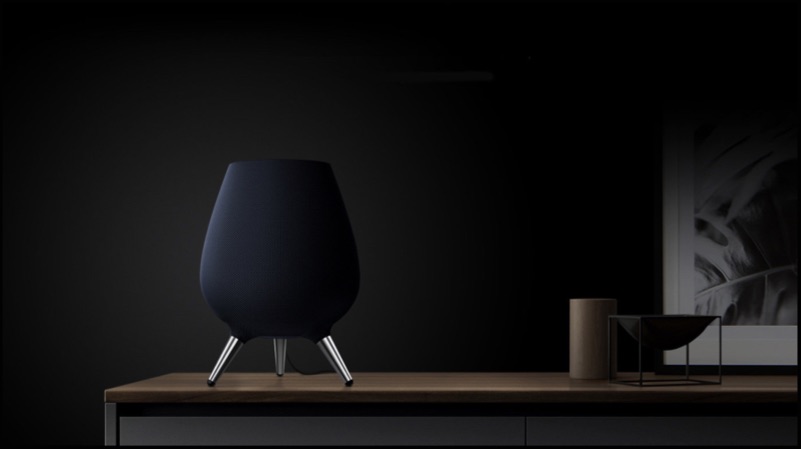
 The Galaxy Home would compete with similar smart speakers such as Amazon Echo and Google Home. Talking about voice assistants, Amazon Echo has Alexa integration while the Google Home uses Google Assistant. The smart speaker from Samsung will have the Bixby Voice Assistant. The sound quality is tuned by AKG, which was acquired by Samsung in 2017. The Galaxy Home can also be used as a smart hub for keeping tabs on the gadgets that are compatible with the platform.
 According to Samsung, Galaxy Home is the only AI speaker that will transmit a wave of sound directly towards you when you communicate with the device. This means that the user will experience surround sound irrespective of their position in the room. It packs 6 different speakers and one subwoofer, all of which are housed in the same unit. Furthermore, the Galaxy Home also has 8 microphones with integrated ‘far-field’ technology. Users can say “Hi Bixby” from across the room and communicate with the smart speaker.
 Also Read:
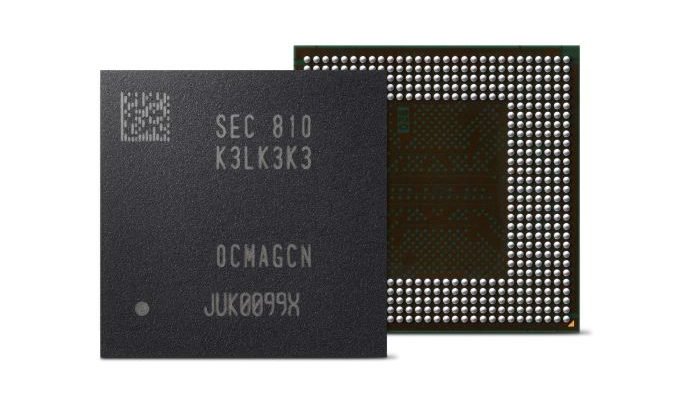 Furthermore, LPDDR5 has some new components that are specifically designed for mission-critical applications. The original LPDDR5 architecture has been redesigned and now runs on a whole new 16Banks programmable structure with an integrated multi-clocking architecture. Also, the LPDDR5 documentation is available for download
  Two revamped command-based operations have been introduced to the new RAM module. They aim towards the improvement of system power consumption while reducing data transmission at the same time. Named Data-copy and Write-X, the operations will keep a check on the overall power consumption of smartphones and laptops.
 Also Read: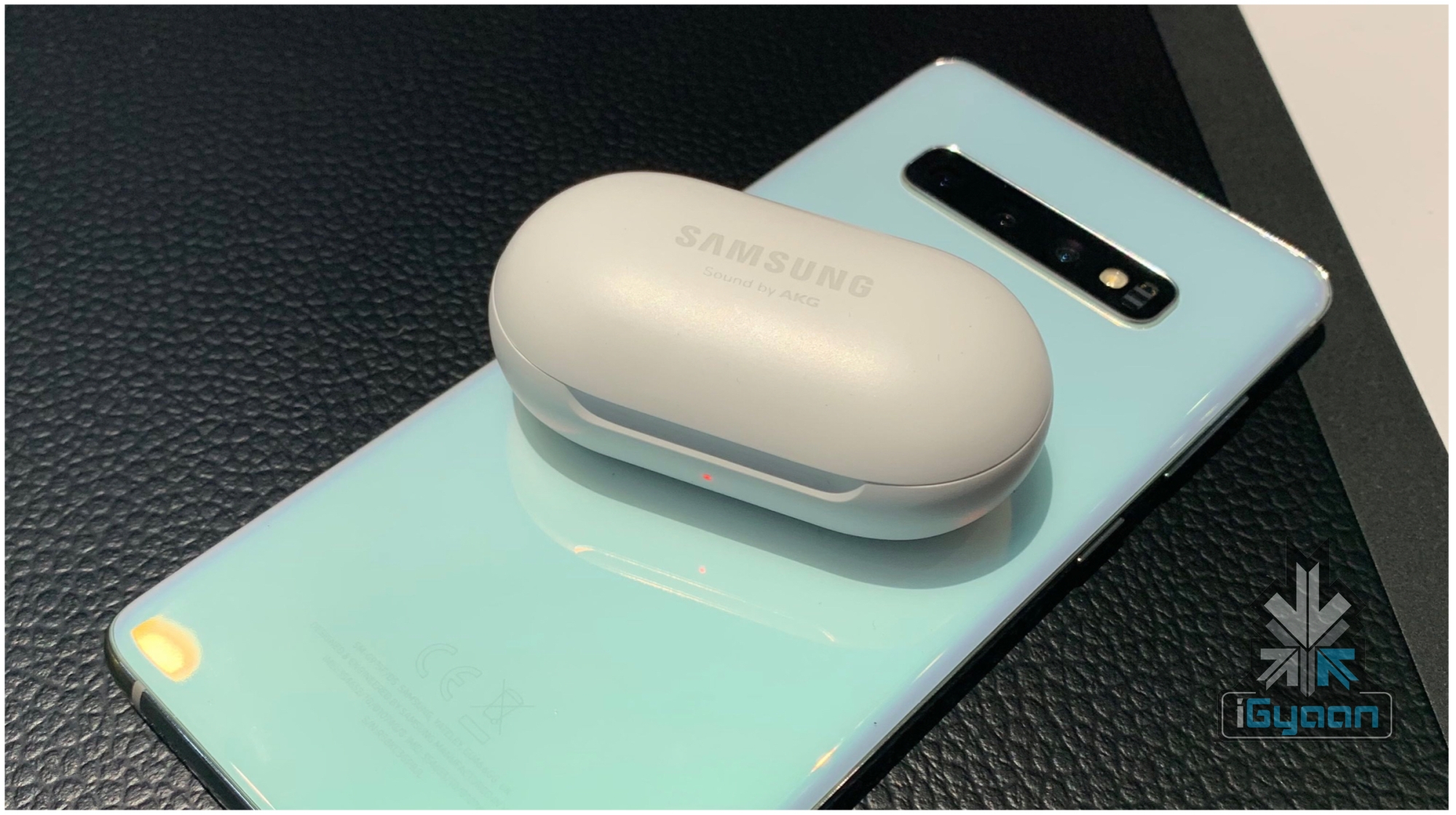
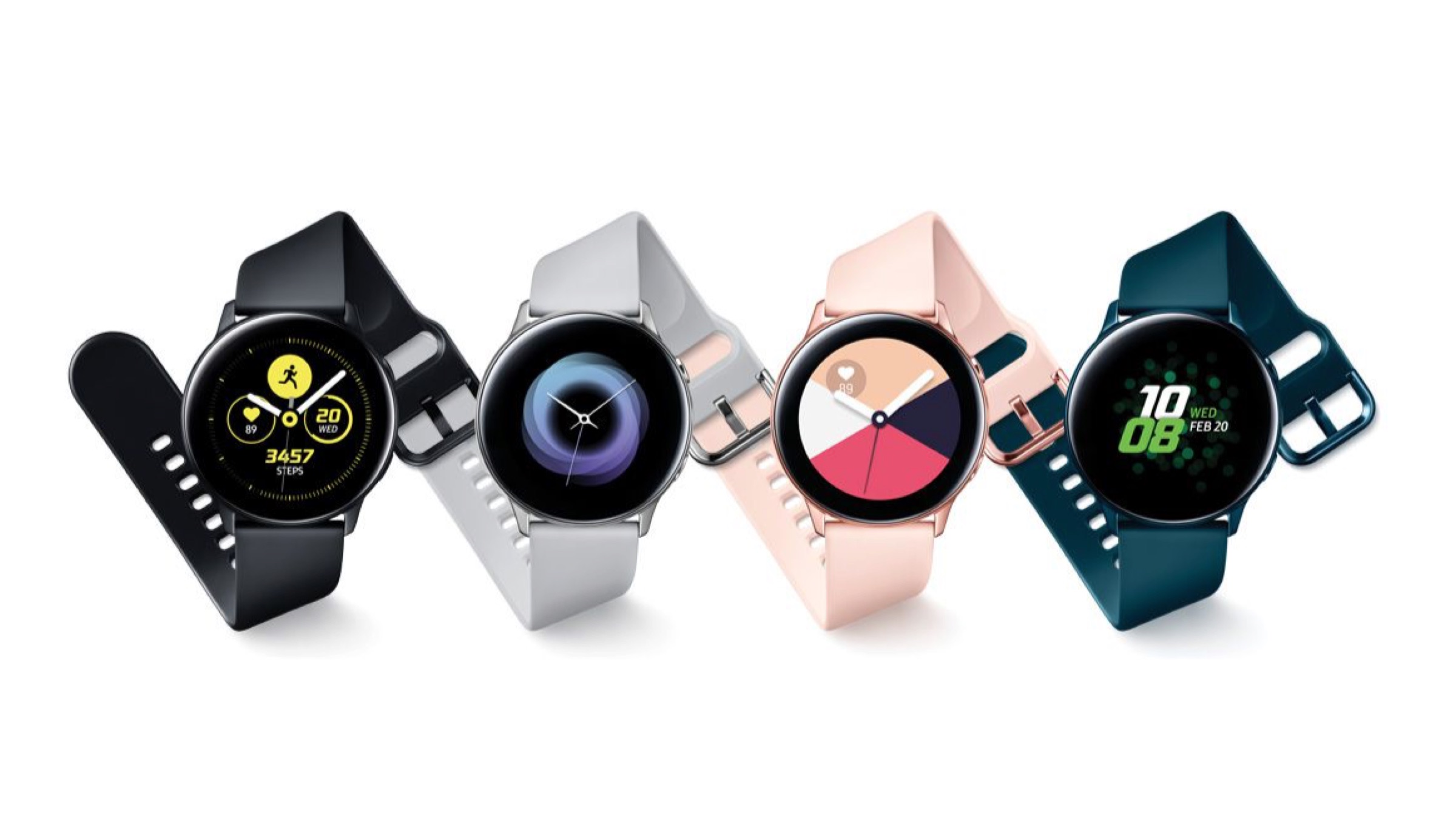 The Galaxy Watch Active runs on Tizen based wearable OS 4.0 and packs an Exynos 9110 SoC which consists of a dual-core processor. The smartwatch has a reduced screen size than the Galaxy Watch from 2018, measuring 1.1 inches in diameter and having a resolution of 360×360 px. It is powered by a 230 mAh battery. The Galaxy Watch Active sports an AMOLED display.
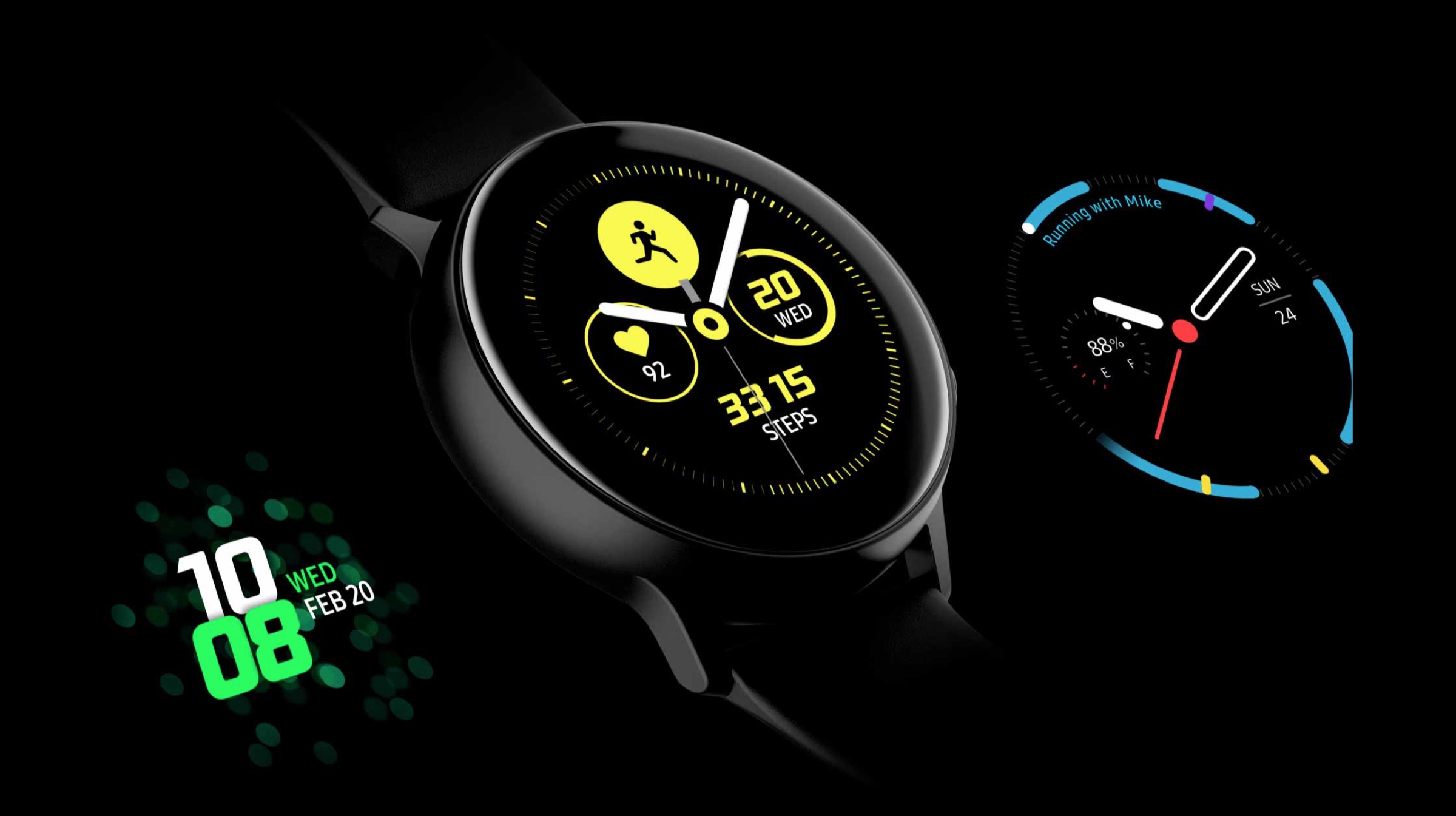 The smartwatch runs on Samsung’s freshly overhauled One UI, and is operated via gestures and the two side mounted buttons. It automatically recognizes and tracks the activity being performed by the user. Apart from that, it also has a continuous heart rate tracking feature which can provide users with real-time information regarding their cardiac health.
 The Galaxy Watch Active has 768 MB of RAM and 4 GB of internal storage. The smartwatch is IP68 water and dust resistant and is MIL-STD-810G certified. Connectivity options on the device include GPS, NFC, Bluetooth 5.0. As far as the sensors go, the Galaxy Watch Active has an accelerometer, ambient light sensor, gyroscope and a pedometer. Furthermore, the smartwatch also has a sleep monitoring feature.
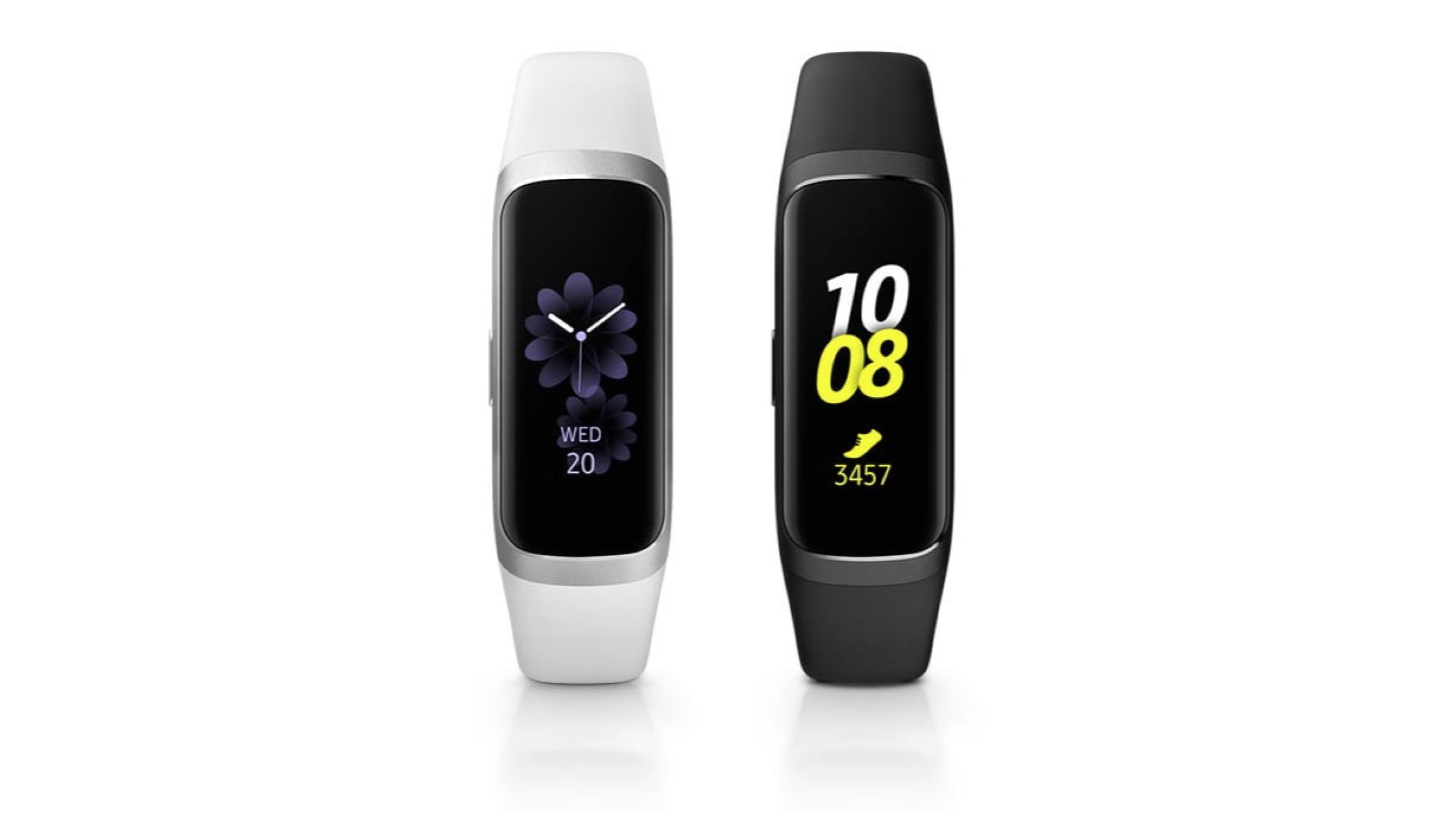 Samsung announced its fitness activity trackers at the event, known as the Galaxy Fit and Galaxy Fit e. As the name suggests, they are mainly targeted towards fitness enthusiasts. As per Samsung, the newly launched Galaxy Fit and Fit e are designed for users who need the functionality of just a fitness tracker and not a smartwatch. The Galaxy Fit and Fit e can automatically start tracking the user when he/she starts running, biking or swimming. Apart from this, users can also choose their exercise manually from a list of over 90 different activities. Both fitness trackers sport lightweight and ergonomic design.
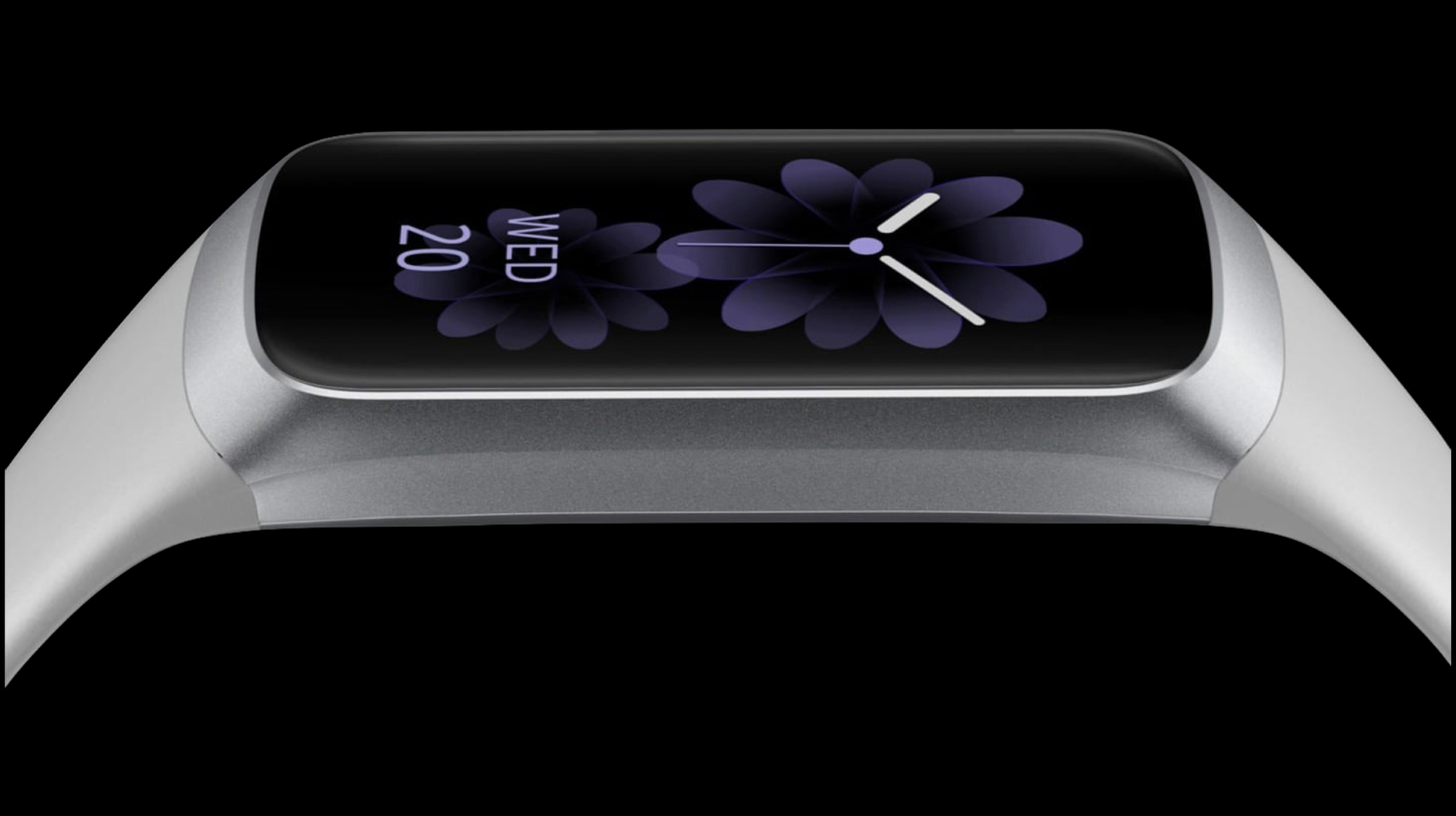 The Galaxy Fit has a 0.95 inch AMOLED screen, with a resolution of 240×120 px. On the other hand, the Galaxy Fit e has a smaller 0.74 inch PMOLED display (Passive Matrix OLED) with a 128×64 px resolution. The fitness trackers run on Realtime OS and are also equipped with a heart-rate monitor. Noteworthy, the fitness trackers are 5ATM water resistant (up to 80 PSI). The Galaxy Fit will be available in Black and Silver colours, whereas the Galaxy Fit eis available in Black, White and Yellow colour options.
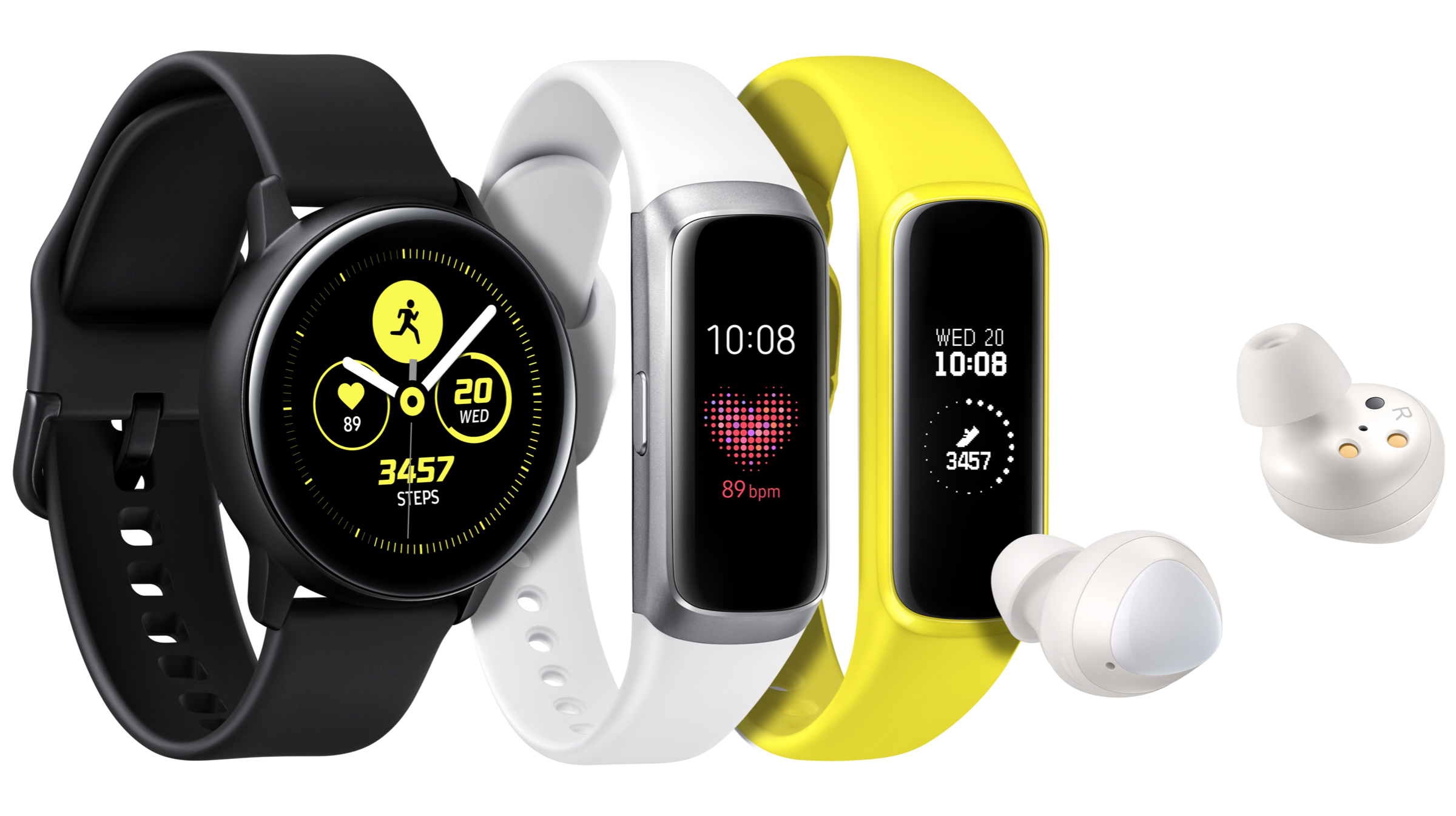 The Samsung Galaxy Fit has been launched with a price tag of US $99 (roughly Rs. 7,000). It will go on sale May 31 onwards in the US. However, the availability and price of the Galaxy Fit e have not been revealed yet. It is still unclear when these fitness trackers will be launched in India.
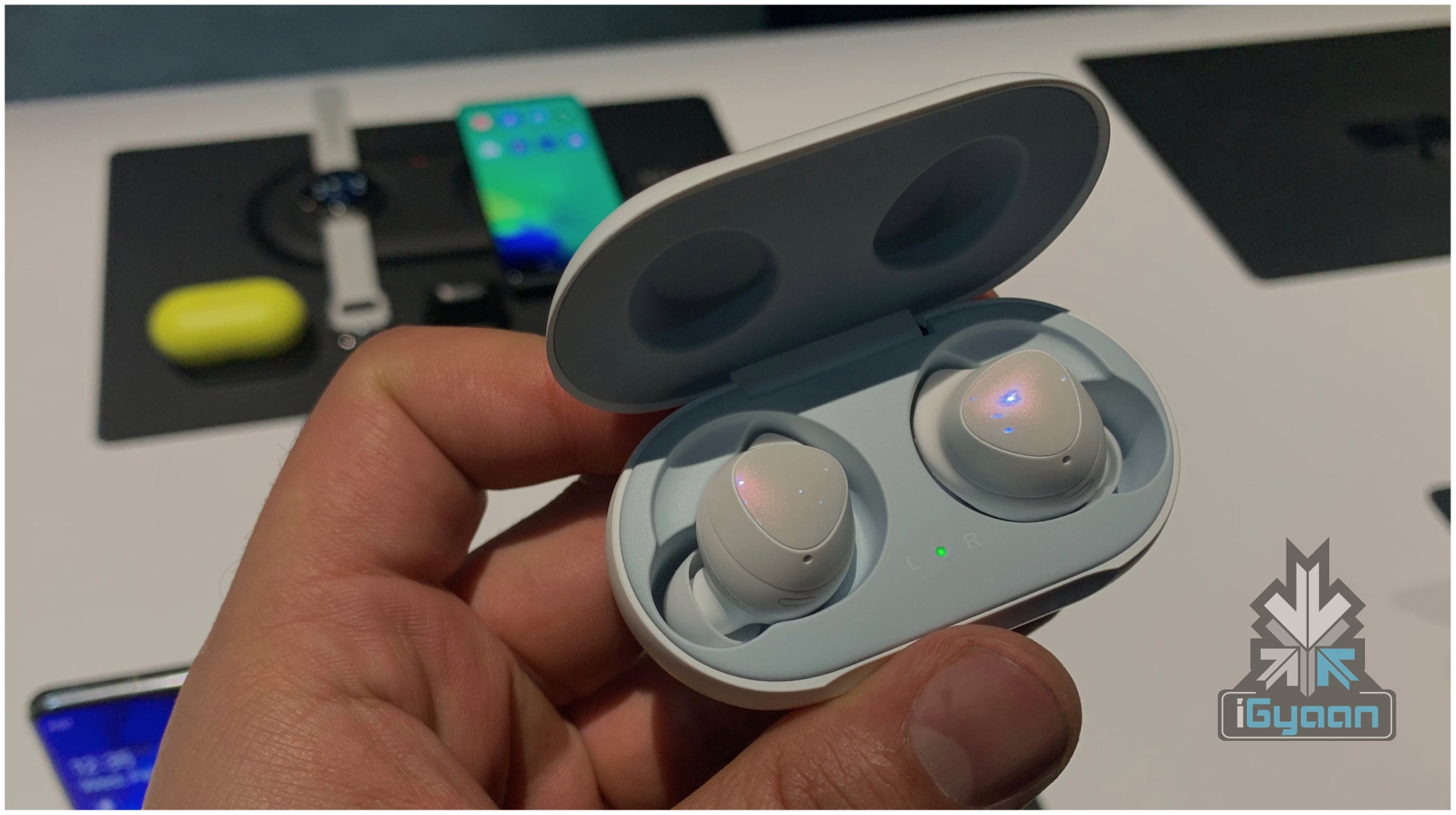 Samsung also launched its Galaxy Buds at the Galaxy Unpacked Event. The wireless earbuds are slightly smaller than the Gear IconX earbuds and have Bixby integration. As per Samsung, the voice assistant can process instructions in multiple languages including German, Italian and Spanish. The Galaxy Buds are available with the AKG branding. AKG Acoustics (Akustische und Kino-Geräte) are used in various studios worldwide for high quality sound. The wearables have a 5.8pi dynamic driver in each earbud along with an Adaptive Dual Microphone system. This allows users to communicate more easily in loud environments.
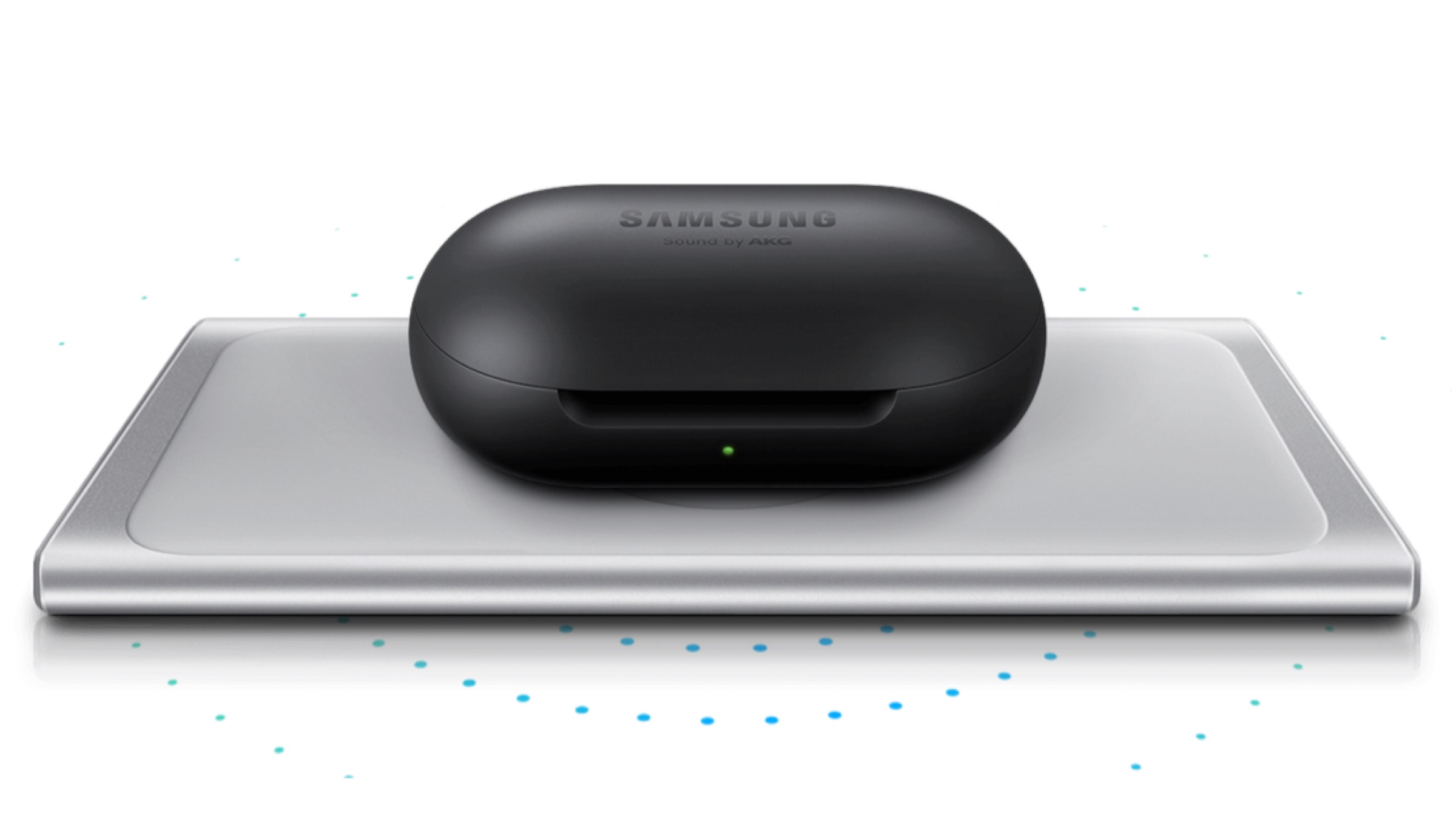 The case for the Buds is chargeable via USB Type-C. A 58 mAh battery powers each earbud, delivering 5 hours of calling time or up to 6 hours of music playback. The charging case for the earbuds packs a 252 mAh battery which can add an additional 7-8 hours to the battery life of the earbuds. Furthermore, the Galaxy Buds support wireless charging, so they can be charged by placing them on the rear of the Samsung Galaxy S10. This feature, known as Samsung’s ‘Powershare’ was first noticed in the Huawei Mate 20 Pro. The wireless earbuds use Bluetooth 5.0 for connectivity with smartphones.
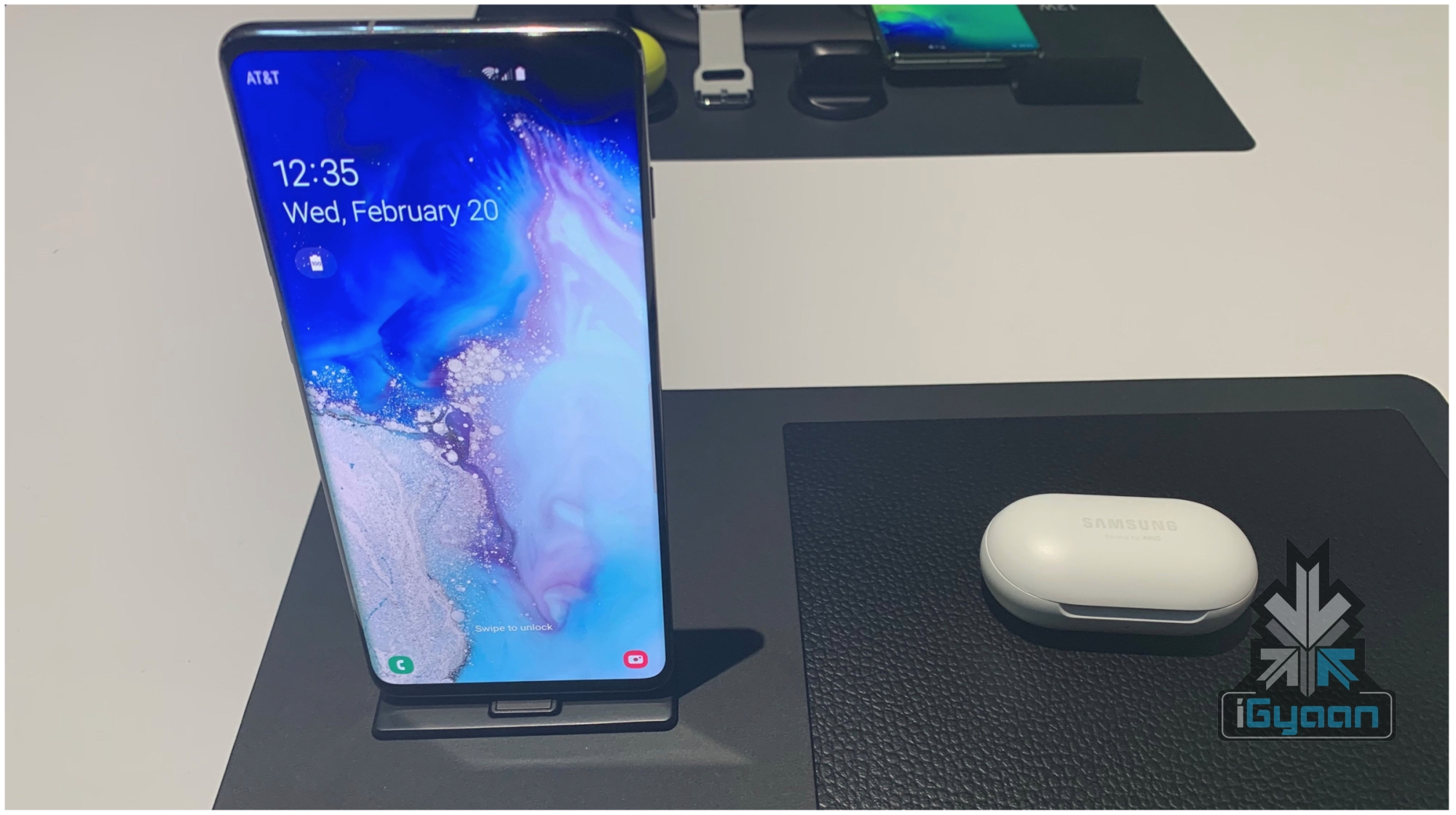 The case for the wireless earbuds weighs 39.6 grams, while each Galaxy Bud weighs at just 5.6 g. The charging case measures at 38.8x70x26.5mm. whereas the Galaxy Buds measure 17.5×19.4×22.3mm. They are equipped with ear on/off detection sensors, as well as touch sensors for controlling playback and accepting/rejecting calls.
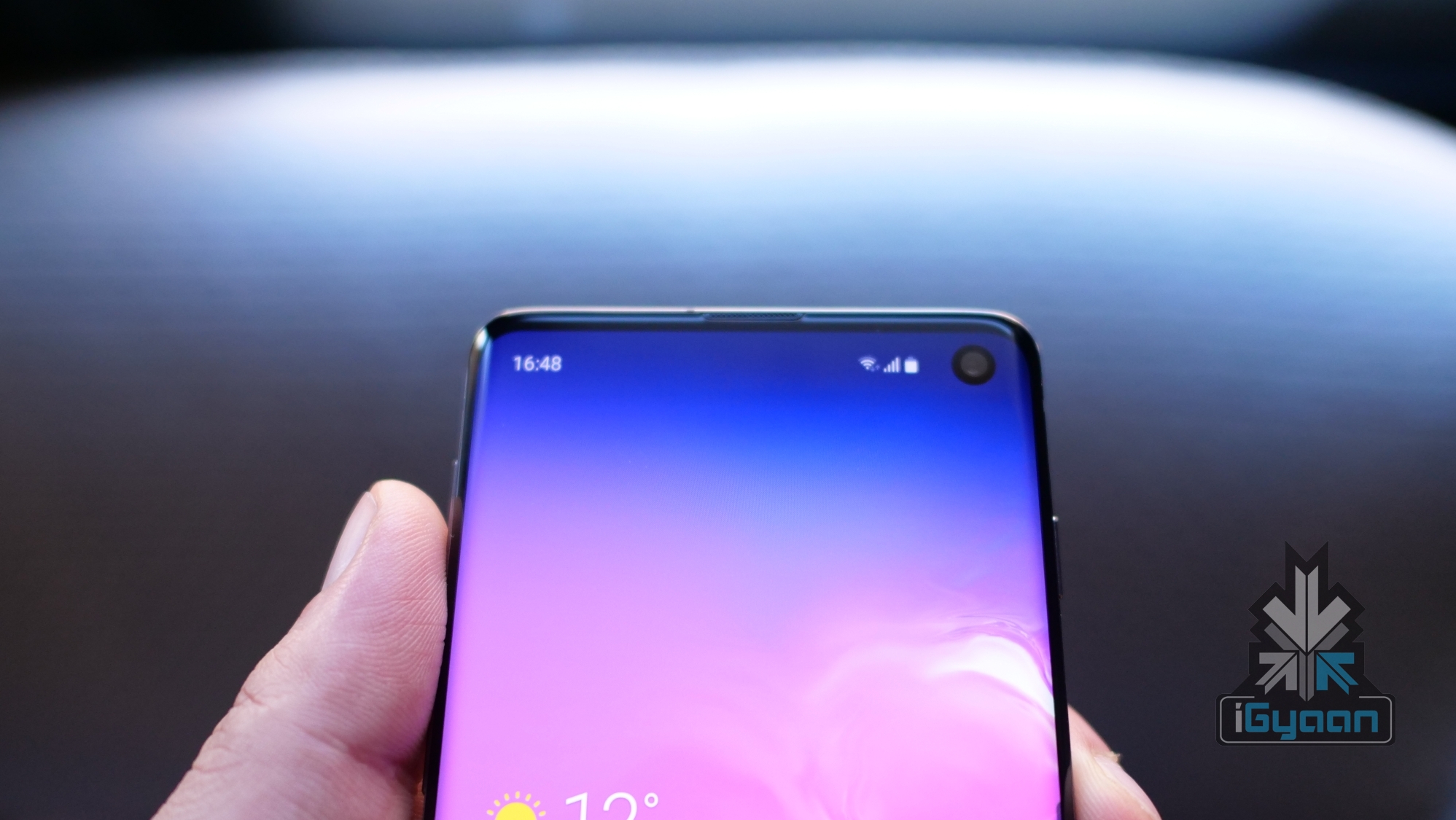 The Samsung Galaxy S10 is available in two storage configurations, a 6GB+128GB version, and an 8GB+512GB variant. It is available in four colour options which include Prism Black, Prism White, Prism Blue, and Prism Green.