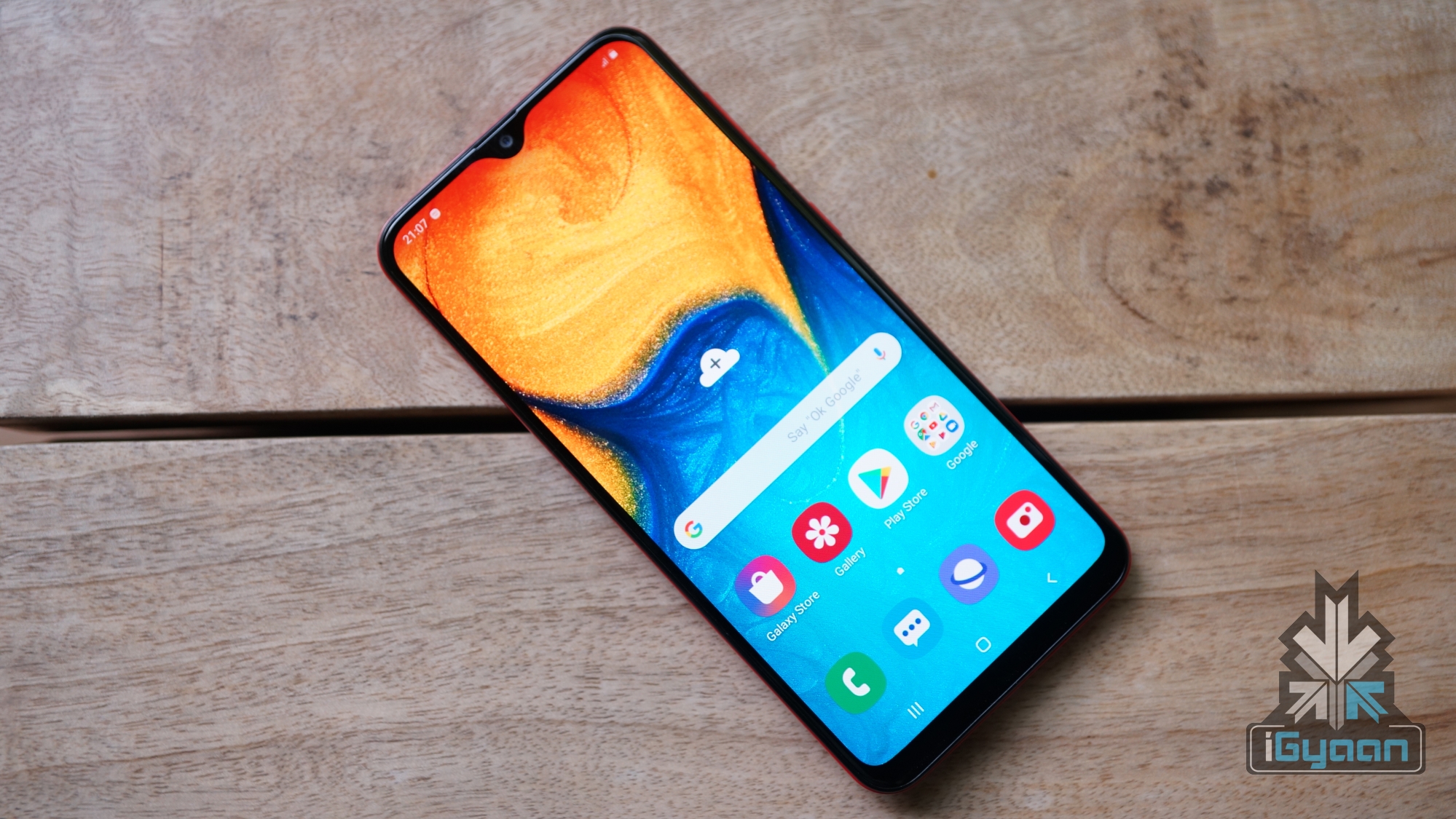
The Samsung Galaxy A20 was unveiled in India on April 5, 2019, and it features a 6.4 inch Super AMOLED display with a resolution of 1560 x 720 px. The device runs on the Exynos 7885 chipset, comprising of an Octa-core CPU and Mali G71 MP2 GPU. The smartphone has a 13MP primary camera with a secondary ultrawide 5MP camera. For selfies, the Galaxy A20 has an 8MP (f/2.0) camera. It is available in three colours: Blue, Black, and Red.
Samsung is known for innovating with its smartphones in order to provide a better user experience. The company became the first one to launch a foldable smartphone in the market, which is the Galaxy Fold. Previously, a smartphone with dual display panelswas patented by the South Korean organization. In March 2019, Samsung was granted a patent for a device which had a spring mechanism for the foldable display. As per latest reports, the company has patented a rectangular display device can be conveniently folded.
About The Patent
The patent was granted to Samsung and published on May 7 2019 in the USPTO (United States Patent and Trademark Office) and the WIPO (World Intellectual Property Organization) database. It clearly depicts a device that has one large single flexible display. When the device is unfolded, it reveals an elongated tablet-sized panel which has 3 folding creases, indicating the lines around which the smartphone has to be folded. Once it is folded, the resulting device has a screen on all the four sides.
Users can choose what to display at each face of the folded display. For instance, one side can showcase the time and date, whereas the other side can display the incoming notifications. Furthermore, such a design can be very handy at meetings, where the user can simply unfold the device to convert it into a tablet to convey necessary information to multiple people at the same time.
The images in the patent exhibit that the foldable device has a power button at the front alongside the USB 2.0 port. Additionally, no technical specifications and functionalities of the device are spoken of in the patent. Considering that Samsung has applied for the patent both in Korea and America, the company may have plans to manufacture such a device in the near future.
The detailed patent can be viewed by clicking here
Xiaomi’s sub-brand Redmi is headed towards the launch of its first ever flagship grade smartphone. The device has been densely surrounded in rumours and leaks, but the latest information revealed regarding the handset is not a leak at all. Rather, the General Manager of Redmi, Lu Weibing has confirmed a couple of new features that will make their way into the company’s upcoming smartphone, which include an in-display fingerprint scanner and an excellent battery life.
Redmi Flagship Device: All We Know So Far
As posted on the popular Chinese social website Weibo, the alleged Redmi K20 Pro will feature a fingerprint sensor that will be embedded beneath the display. The GM of Redmi posted a screenshot of the unlocking screen of the smartphone, which clearly depicts the spot where the supposed optical fingerprint scanner is located. Furthermore, Lu Weibing also commended the battery performance of the device, which he deemed to “exceed his expectations”. Although the battery capacity of the Redmi handset was not revealed, previous leaks suggest that it will be 4000 mAh with support for 27W fast charging.
Redmi X Render
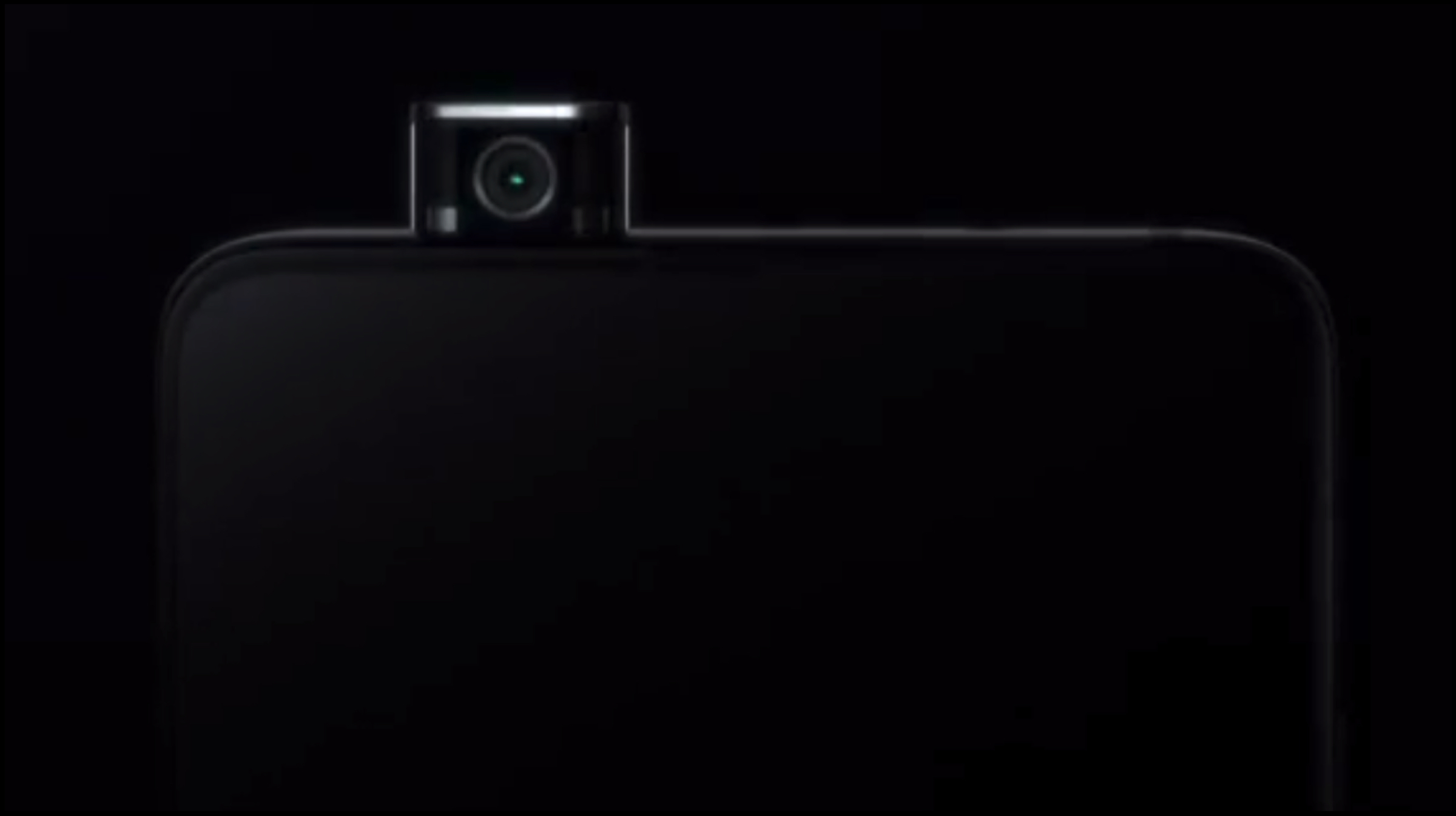
The smartphone runs on the 7nm Snapdragon 855 SoC which comprises of the Kryo 485 Octa-core CPU and the Adreno 640 GPU. In terms of optics, it sports a triple camera module consists of a 48 MP sensor , a 20 MP sensor and a third unknown sensor, which may be a depth sensor. In terms of the front camera, the smartphone is expected to house the same in a pop-up camera mechanism. However, the specifications of the front camera are still unknown.
Former leakshave suggested that the Redmi device sports a 6.39 inch AMOLED display with Full HD+ resolution. Other details including the price, resolution of front-facing selfie camera and storage variants will be publicised once it officially launches. The company has not revealed any other information about the smartphone as of now, so an official statement is highly awaited. As per reports, the Chinese company is expected to make an announcement regarding the Redmi device on May 13 or May 20.
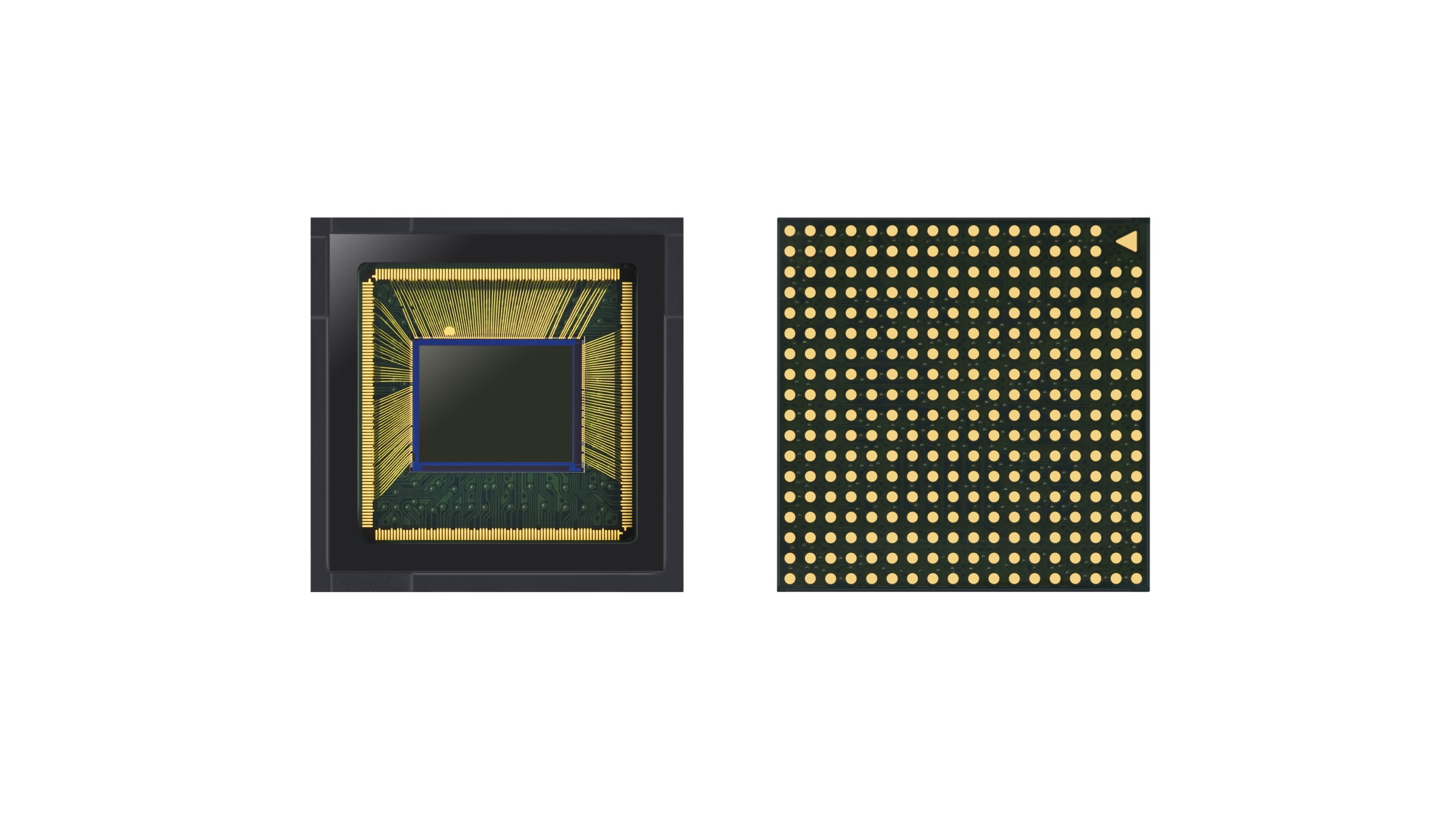
South Korean technology giant Samsung is planning to make a bigger impact on the smartphone camera market this year. On the 9th of May 2019, the company announced its upcoming 64 megapixel ISOCELL Image Sensors that will reportedly be the highest resolution sensor in a smartphone camera. As per the company, the new sensors will enable users to capture vibrant high-res images.
Samsung ISOCELL GW1 Image Sensor Features
Samsung Electronics introduced a total of two new 0.8? (micrometre) pixel image sensors. One is the 64 megapixel ISOCELL Bright GW1 sensor and the other is the 48 megapixel ISOCELL Bright GM2. Samsung claims that its 0.8? (micrometre) pixel size is currently the smallest in the world, and this expansion in the lineup will also be incorporated in existing 20 megapixel sensors, all the way up to high-resolution 64 megapixel sensors.
As stated by the Executive VP of the company, Samsung’s new advanced pixel technologies will enable considerably thin devices to house top-of-the-line image sensors so as to enhance the level of photography. The South Korean company claims that its 64 megapixel image sensor features Tetracell technology (where four pixels are merged to work as one to increase light sensitivity) and the Remosiac algorithm (which is used to generate full resolution images in bright light conditions). Furthermore, the sensor is claimed to support HDR (High Dynamic Range) of up to 100 decibels.
Samsung ISOCELL GM2 Image Sensor Features
As mentioned previously, the second announcement by the company is the ISOCELL Bright GM2 48 megapixel image sensor, which adopts similar technologies to the ISOCELL Bright GW1 sensor. Additionally, both the sensors sport DCG (Dual Conversion Gain), which covers the light received into an electric signal which is dependant on the illumination of the surroundings.
Samsung says that the ISOCELL Bright GW1 and GM2 are currently undergoing testing and will be available via mass production later in 2019. This implies that smartphones that launch in the early 2020s may boast of Samsung’s new sensors.
Chinese manufacturer Huawei has been making a lot of progress over the past years. The company is the second largest smartphone maker in the world after Samsung. Huawei’s latest flagship, the P30 Pro received positive reviews for its innovative camera system, which provides 5x Optical Zoom capabilities. Furthermore, the company is planning to release the Y9 Prime 2019 smartphone in the not-so-distant future. Huawei has patented a new smartphone which has a unique selfie camera design.
About The Patent
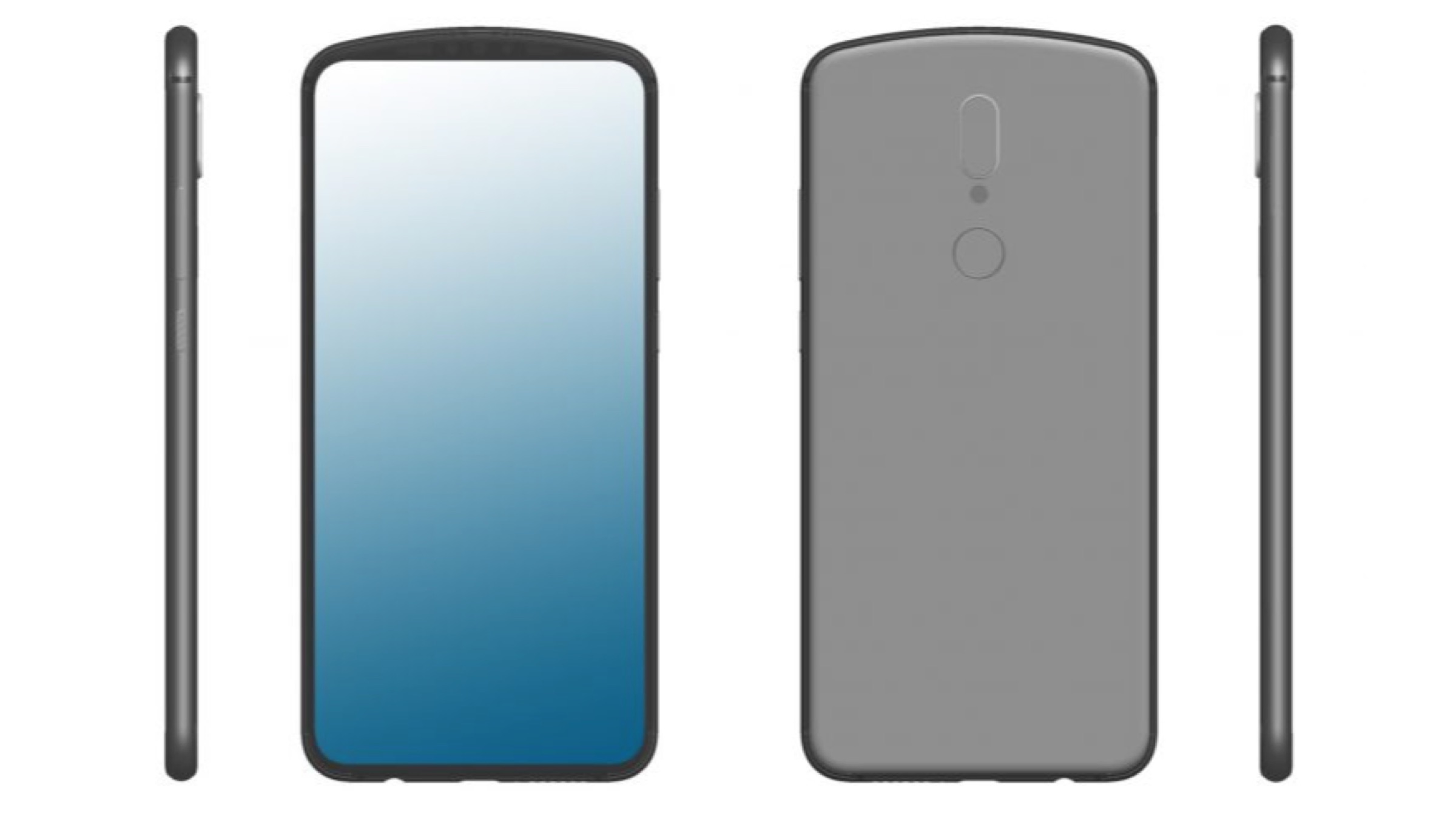
The patent reveals a device which does not feature a notch, yet has a full screen design. The aforementioned patent was first filed with the WIPO (World Intellectual Property Office) in the month of March 2018 and was published on the 7th of May 2019. Interestingly, the depicted smartphone does not have a notch or a pop-up style camera. Instead, the patented handset is slightly rounded on the top, which is the real catch here.
The rounded top ensures that there is just enough space at the top to accommodate the front camera sensor and the earpiece. The patent addresses a major drawback in smartphones with pop-up cameras, stating that such devices cannot be deemed waterproof. However, with this new design, Huawei claims that its smartphone can be waterproof and fullscreen at the same time.
The rear panel of the Huawei device from the patent has a traditional layout. It sports a dual camera setup and an LED flash with a fingerprint scanner placed just below them. Bottom renders of the device suggest that it will also feature a 3.5mm headphone jack. Clearly, the dual cameras on the handset indicate that it is intended to be a budget smartphone. Since Huawei hasn’t hinted about such a device in the immediate past, chances are that it may be released in the early 2020s or late 2019. However, as of now, all this information should be taken with a grain of salt.
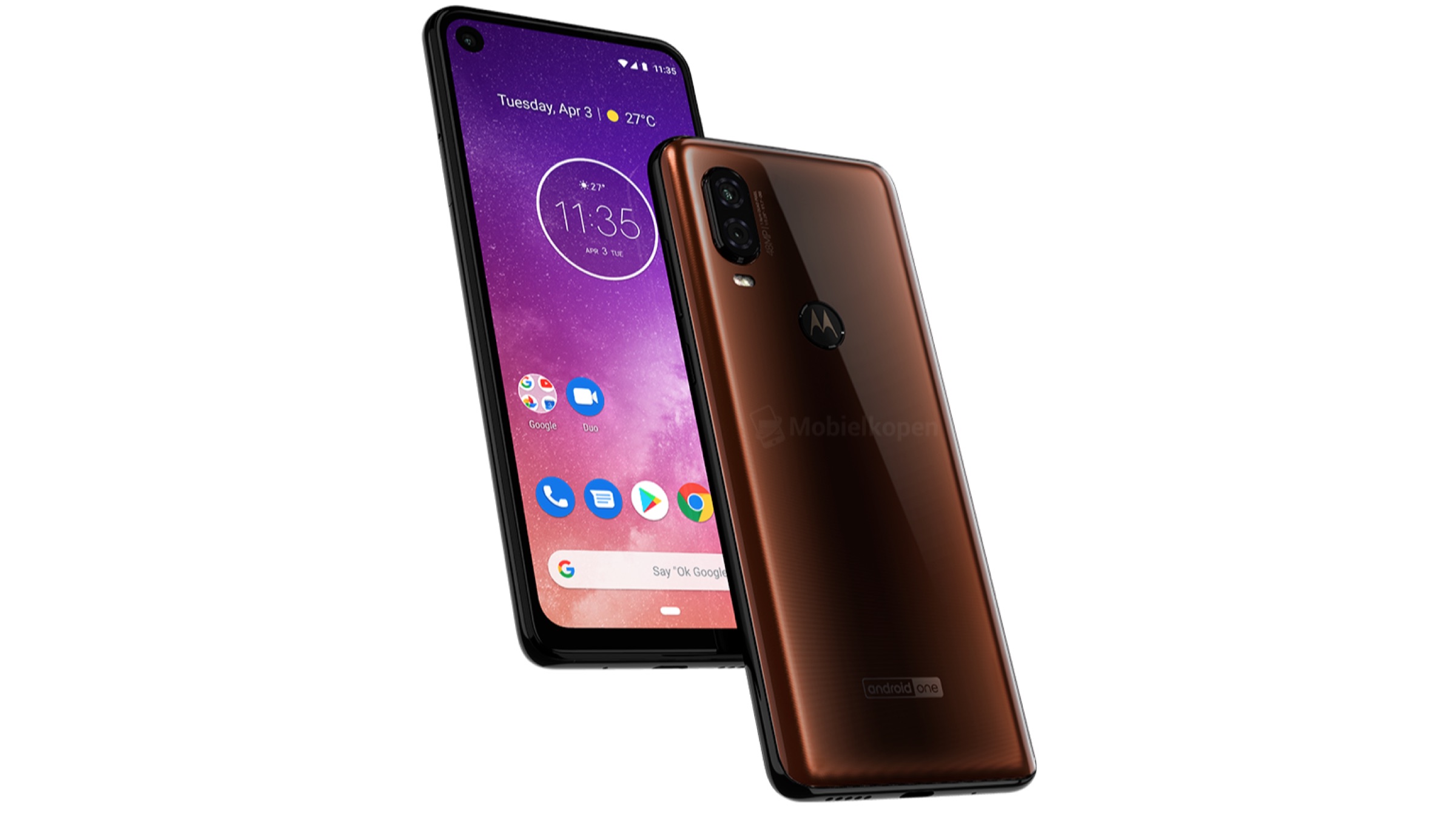
Lenovo owned technology company, Motorola is gearing up for the launch of the One Vision smartphone. Previous leaks and rumours have already divulged a major chunk of information regarding the device. The device is a part of the Android One program, which means that it is guaranteed to receive software updates for at least two years. Fresh leaks regarding the Moto One Vision suggest that it will be launched in two colours, and will sport a punch hole selfie camera.
Motorola One Vision: Specifications & Features
As per reports, the Moto One Vision will feature a 6.2 inch FHD+ display with 21:9 aspect ratio. The smartphone has a glass sandwich design, and the glossy back panel of the device features a fingerprint scanner for biometric security, which is housed in the Motorola Logo. The design is different from Motorola’s conventional method, since this will be the first Motorola handset to feature a punch hole cutout.
Unlike other Motorola smartphones, the Moto One Vision will run on the 11nm Exynos 9610 SoC, which is manufactured by Samsung. The chipset comprises of an octa-core Cortex CPU (up to 2.3 GHz clock speed) and the Mali G72-MP3 GPU. It will be available in two storage variants: a 3GB RAM version and a 4GB one, which will be paired with either 32, 64 or 128GB of internal storage.
In terms of optics, the Moto One Vision has a f/1.7 aperture equipped 48MP primary sensor, which will feature quad pixel technology and OIS (Optical Image Stabilization), and a secondary 5MP depth sensor. For selfies, a 12MP camera will be housed in the aforementioned punch hole cutout. As per reports, the Moto One Vision will pack a 3500 mAh battery with 18W fast charging support. The bottom of the smartphone will accommodate the speaker grille and the USB Type-C port. The renders of the smartphone, however, do not exhibit the presence of the 3.5mm headphone jack on the device.
The Motorola One Vision is expected to be unveiled on May 15 in Sao Paulo, Brazil. Noteworthy, the same device is speculated to be marketed as the Motorola P40 in China. It will be available in two colours as per reports, which are expected to be Gradient Blue and Gradient Brown.
May 7 was the first day of the much-awaited Google I/O event, and Google introduced a variety of new features and devices, such as the Google Pixel 3a series , the Nest Hub Max Smart Display and the Live Caption feature, which is a part of Android Q. Talking about the aforementioned OS, Google plans to release the full version of Android Q by this fall (somewhere between September and November). However, the latest beta version of the 10th iteration of Android is available on multiple Google devices as of now. The American technology company introduced a host of new features that will accompany Android Q.
Dark Theme
The dark theme is being adopted by an increasing number of operating systems and applications across various devices. As announced at the event, the dark mode will be activated by simply pulling down the notification bar and choosing the “Dark Theme” option from the Quick Settings menu. The mode can also be activated by turning the battery saver on.
Google stated that the dark theme will especially help in conserving battery on those devices which feature OLED displays, since only selected pixels on the screen are lit up during the operation of such panels. Further Google adds that all its first party apps will be dark theme compatible. This implies that Google Clock, Google Calendar and Google Photos will be able to take advantage of system-wide dark theme to preserve battery.
Support For Foldable Devices
As Google states, multiple OEMs will release foldable smartphones this year, and all of them will run on the latest Android OS. In a demo showcased by the company, the user was seamlessly able to switch from the game running on one screen to the foldable screen by simply unfolding the device. Supporting application continuity over the UI can help app developers work with APIs in a different way, Google says.
Gesture Navigation
Google is finally shifting away from the navigation bar and adopting a single white bar at the bottom of the screen. Users can swipe up to go to the home screen. To go into multitasking mode, users can swipe up and drag across the screen. If you swipe across the bar quickly, users can directly switch between adjacently running applications. Directly swiping up from the home screen can direct users towards the application drawer. Google further stated that animations across Android Q will be drastically improved in future updates.
Security Upgrades
Google plans to integrate new security features into Android Q. The company will add a new “Privacy Section” under Settings, where users can adjust multiple security settings regarding their smartphones. The company states that users can now choose to share their location data with specific applications as per their requirements. Google will also add a feature to use the Android Q enabled device as a security key for logging into third party applications. The update system overhaul will ensure that users receive all the security patches and updates in the background, which will be installed without having to reboot the smartphone.
Live Caption is another interesting feature that was brought to light. When the said feature is enabled, users will be able to see transcribed captions for the respective audio/video on the screen in real time. The feature is not just limited to Google application, instead, multiple media apps like YouTube and Instagram can make use of this feature. Furthermore, the feature also works with live video calling apps like Google Duo and Skype. Noteworthy, an internet connection is not required for Live Captions to function.
As mentioned before, Android Q will make its way to supported devices somewhere between the months of September and November. Note that the beta version 3 of the same is already rolling out to 21 devices from 13 smartphone brands, including the Realme 3 Pro and Nokia 8.1.
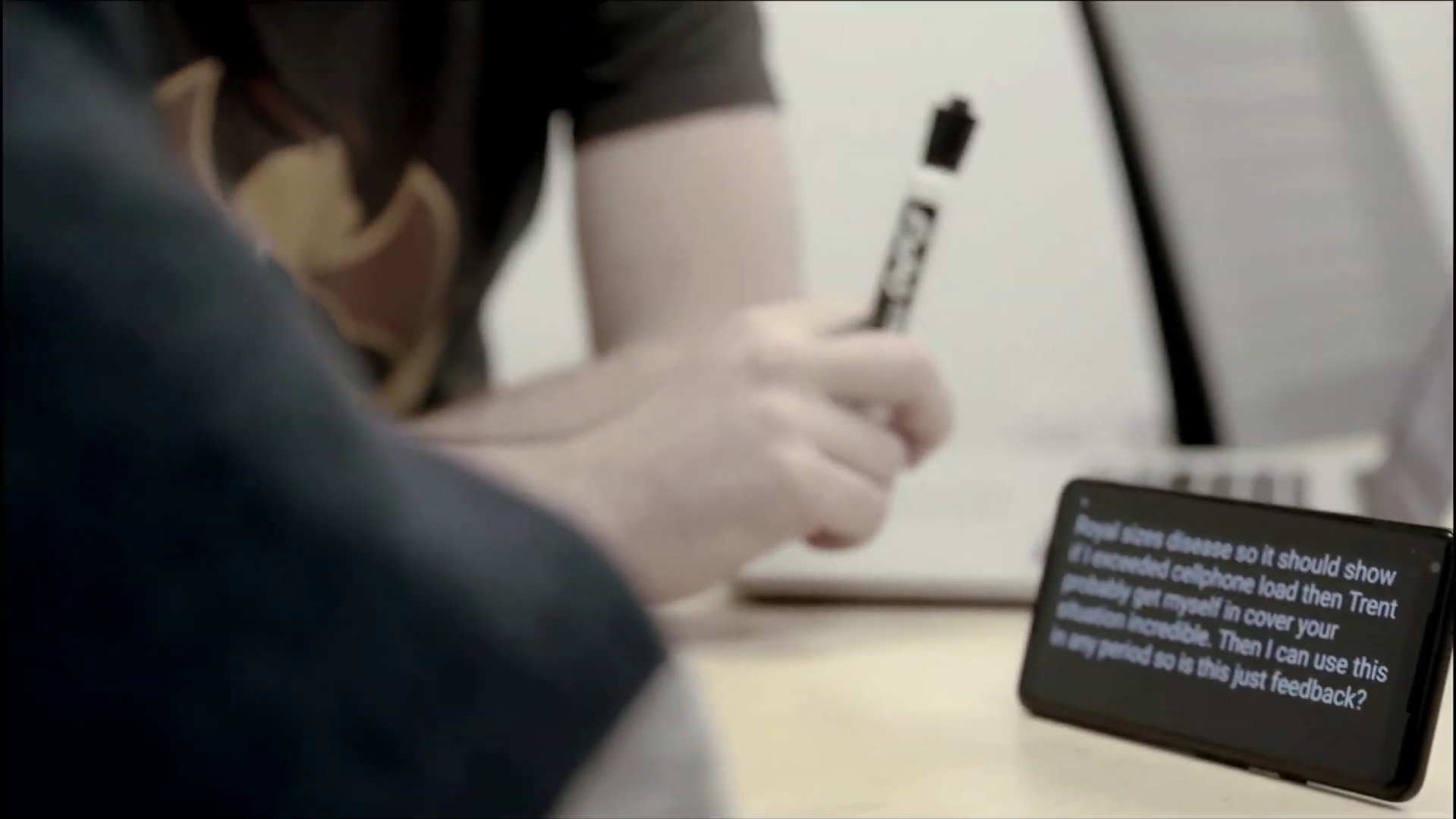
Google’s I/O 2019 isn’t all about the new Pixel devices. The American Multinational Company added a new feature to Android Q, which is called Live Caption. When the said feature is enabled, users will be able to see transcribed captions for the respective audio/video on the screen in real time. The feature is not just limited to Google application, instead, multiple media apps like YouTube and Instagram can make use of this feature. Furthermore, the feature also works with live video calling apps like Google Duo and Skype. As per Google, around 500 million people around the world are either deaf or have some forms of hearing problems. Such a feature may help in making content more accessible and easily available to hearing impaired people. Google CEO Sundar Pichai further stated that the company is constantly working on products that enable a multitude of people to access Google services along with others.
An interesting feature of the same is the ability to work offline. As per the demo showcased at the event, Live Captions are powered via on-device machine learning. As per Google, no data is sent regarding the user’s activity while he/she is using the feature. The text transcription appears in a box that can be moved around the screen, just like any pop-up video player.
The demo also exhibited the ability of the feature to analyze the video/audio source even when the audio was muted. The feature can be used in a multitude of scenarios, for instance, in meetings. Users can access the Live Captions by pressing any volume rocker on the device. The feature has to be switched on via the accessibility settings in order to show up though. The Live Captions feature can prove to be useful to hearing-impaired people in the long run.
In a world where Neurogenerative diseases affect millions of people worldwide, there is no significant cure that that can effectively help battle such diseases. In India alone, Multiple Sclerosis affects almost 1 million people yearly. As per latest news, Researchers at the University of Maryland School of Medicine (UMSOM) have discovered a skin-related stem cell that can be used in the regeneration of myelin sheaths, which is an integral part of the human nervous system.
Research performed on mice yielded positive results. Restoration of myelin sheaths in mice led them to believe that stem cells could be a much simpler alternative to using embryonic stem cells. Since the human skin stem cells can be isolated, expanded and used therapeutically, they can possibly improve the chances of functional recovery in case of any injury to the neurons in the nervous system. Dr Thomas J. Hornyak, the lead investigator in the research plans to expand research into the aforementioned area using collected data.
Isolation And Growth Of Melanocyte Stem Cells
Dr Hornyak and his team of researchers implemented a mouse model to identify a specific version of the melanocyte stem cell. As the name suggests, the cells produce melanin (the pigment that determines the colour of skin and hair) and are present in the hair follicles and skin. These cells have a very unique ability – they can divide limitlessly. In fact, this ability is so unique that it is not present in any other cell in the human body. These stem cells can further develop different types of cells, which depends entirely upon the type of signal provided to them.
Dr Hornyak’s Team grew melanocyte stem cells with mice-isolated neurons that could not make myelin. These stem cells acted like glial cells (insulating cells), and eventually formed a myelin sheath around the healthy nerve cells/neurons. Researchers further state that this study holds a lot of potential for those who have very serious neurogenerative diseases. With the development of such a technique, scientists can develop cures for many more nervous disorders which involve the degradation of neurons in the nervous system.
Samsung unveiled the company’s first foldable smartphone, the Galaxy Fold at the Galaxy Unpacked event on February 20, 2019. The device features two screens and is the first phone in the world to manage such a feat. The global rollout of the Galaxy Fold was scheduled on April 26 2019, but shortly before the same, some reviewers started experiencing issues with the hinge of the smartphone, which became a cause of worry for those who had pre-ordered the device. While users are were still eager for the news of any further developments from the company, Samsung has sent out emails to select customers who pre-ordered the Galaxy Fold.
The aforementioned emails affirm that a new Galaxy Fold release date cannot be provided by the company immediately. Instead, the customers who pre-ordered a unit of the smartphone will get their complete payments refunded. As per reports, the South Korean technology giant states that it’s experiencing success in the process of enhancing the design of the foldable smartphone. Samsung further added that it wants the updated Galaxy Fold to meet the high standards that customers expect from it.
Noteworthy, Samsung says that it will have more specific shipping information to share in upcoming days, which is quite vague. Nonetheless, the company says that it is making solid progress with the Galaxy Fold’s schematics, which may be worth it for the customers who are eagerly waiting for the new date of availability. As per reports, the company will update their customers regarding the developments by May 31 2019. The customers who are interested to retain their spot even after the date mentioned above can notify Samsung regarding their decision to do so. Moreover, the customers can cancel their pre-orders anytime, but note that they won’t be able to get back on the list once they withdraw from the same.
Micro-blogging website Twitter is known for introducing features that caters to the need of their users. The latest update from the company brings the ability to Retweet posts with a twist. Over 326 million Twitter users can now add images, GIFs and videos to their retweets. This feature has already been rolled out to both Android and iOS users, and is available on the mobile website as well.
As per Twitter support, users can express themselves better with the help of GIFs and images, which would enhance their reactions to a specific tweet. To do the same, users need to click on the “retweet with comment” option and then choose the respective image or GIF to go along with the tweet. Even though this is a small addition to the micro-blogging app, Twitter stated that the service was quite cumbersome to incorporate in the mobile application, since a lot of GIFs and images can make the Twitter timeline look cluttered.
Twitter spokesperson reported that the layout of the new retweet design resembles that of a stack. For the ease of users, the original tweet will be included in a smaller rectangular box alongside the user’s avatar, and all of it will be topped off by the GIF/image. Some creators are already making use of the new retweet functionality, which may not look the same on desktop websites, but will work just fine on the mobile application for both Android and iOS platforms.
If you are one of those people who loved playing Pokémon as a kid, chances are that your brain is wired in a certain way that enables you to respond more intuitively to cartoon characters than other pictures. As per the latest investigation performed by researchers at Stanford reveals that people who played Pokémon in their childhood exhibit preferential activation to Pokémon characters. The game may have affected the human brain after all.
Scientists found out that a certain area of the brain behind the ears responded more in case of avid Pokémon fans than those who did not play the game at all. It is already known that humans have specific areas of the brain dedicated to recognizing numbers, words, images and faces. For instance, the human brain responds differently to celebrities like Morgan Freeman, Tom Cruise than it does to other people. Scientists at Stanford decided that to confirm the same study at a younger age, Pokémon fans are the most suited options, as they were already exposed to the game when they were quite young.
The existing theory was confirmed in terms that childhood exposure is in fact necessary in order to develop the regions of brain dedicated to recognition and experiential learning. The fold behind the ear, which is called the occipitotemporal responds to images of Pokémon in the same way as it responds to images of animals. Furthermore, researchers believe that the brain acts in a certain way that enables it to decide how to respond to a specific image.
Researchers state that the reason they chose Pokémon was not only because they are loved by kids, instead, owing to a multitude of characters associated with the universe, the Pokémon family was more suited to the same. Since the game rewards its players with in-game items, it creates a memory associated with the same that is tough to eradicate. Additionally, the researchers said that all the test subjects grew up to be very successful people. They all had PhDs, indicating that the game had no adverse effect of any kind on young brains during childhood.
The highly anticipated OnePlus 7 lineup is all set to debut on May 14 2019. Amidst leaks and rumours, the devices have been speculated to have flagship-level specifications at competitive price points. On May 3 2019, two colour variants of the OnePlus 7 Pro were leaked, which were Mirror Grey and Nebula Blue. Allegedly, the smartphone was rumoured to have one more colour variant, known as Almond. In latest news, the aforementioned colour variant has been leaked in all its glory.
OnePlus 7 Pro: Specifications, Features & Availability
The Almond-coloured OnePlus 7 Pro resembles a “gold” shade and features similarly coloured accents on the edges of the smartphone. It will sport an all glass design on the front and back. Former leaks suggest that the smartphone will have a 6.7-inch Optic AMOLED display with 3120 x 1440 px resolution and a 90Hz refresh rate. Eliminating the “notch”, the smartphone will use a pop-up camera mechanism to house the selfie camera. For security detail, it will feature an in-display fingerprint scanner along with face unlock technology.
On the inside, the OnePlus 7 Pro will pack the 7nm Qualcomm Snapdragon 855 SoC, which is featured on other flagship devices like LG G8 ThinQ and Samsung Galaxy S10+(US). It will have a triple rear camera module, consisting of a 48 MP (f/1.7) sensor, 16 MP (f/2.2) ultra wide sensor and a third 8 MP (f/ 2.4) sensor. For selfies, the device will boast of an f/2.0 aperture equipped 16 MP camera housed in the elevating pop-up mechanism. Noteworthy, the device will have Ultra Fast Storage (UFS) 3.0 standard and a USB Type-C port.
The OnePlus 7 Pro will pack a 4000 mAh battery with support for 30W Warp charging. Rumours suggest that that the device may be launched alongside a 5G variant, which will mark the next generation of connectivity standard for the smartphone. As mentioned previously, the device will make its way into markets on May 14, 2019. The device will be available in three RAM and storage variants. Prices for the same were leaked beforehand, which are given below:
Chinese manufacturer OnePlus is gearing up for the launch of the OnePlus 7 lineup on May 14, 2019, and rumours surrounding the pricing of the smartphone are in full swing. The device will be unveiled at simultaneously occurring events in the United States, United Kingdom and India. A major chunk of all specifications have already been leaked for the same, and as per latest reports, the Indian pricing for the same has been leaked on Twitter.
Sources reveal that the OnePlus 7 Pro will be available in three different variants, and the prices of the same are listed below:
6GB/128GB: INR 49,999 ($723)
8GB/256GB: INR 52,999 ($766)
12GB/256GB: INR 57,999 ($838)
OnePlus 7 Pro: Features And Specifications
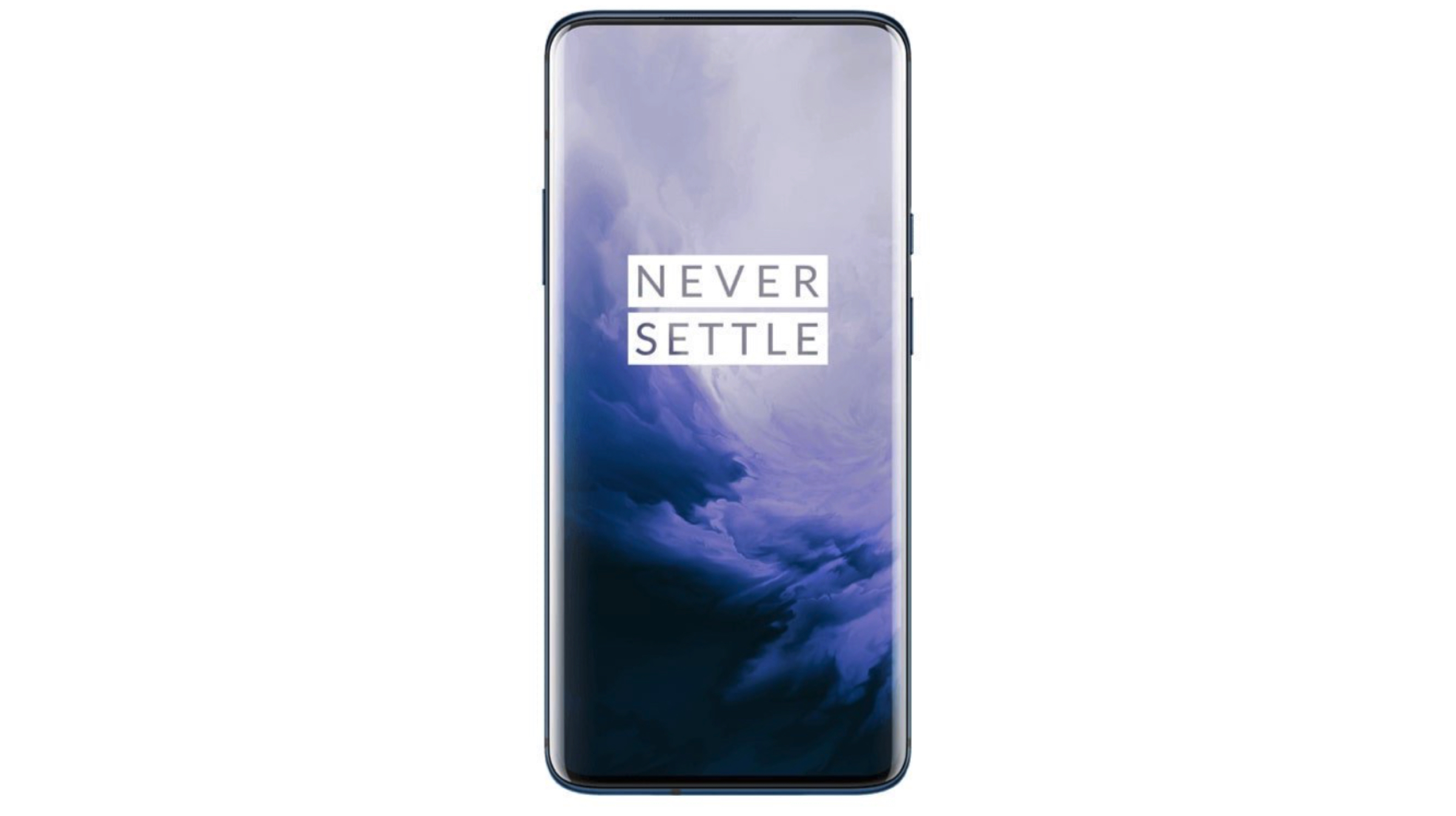
The OnePlus 7 Pro will be the specced up variant of the regular OnePlus 7, sporting an all glass design on the front and back with a metal chassis to provide reinforcement. Previous leaks suggest that the smartphone will have a 6.7-inch Optic AMOLED display with a resolution 3120 x 1440 px and a 90Hz refresh rate. The OnePlus 7 Pro will use a pop-up camera mechanism which will house the front camera. Regarding biometrics, it will feature an in-display fingerprint scanner along with the support for face unlock technology for additional security.
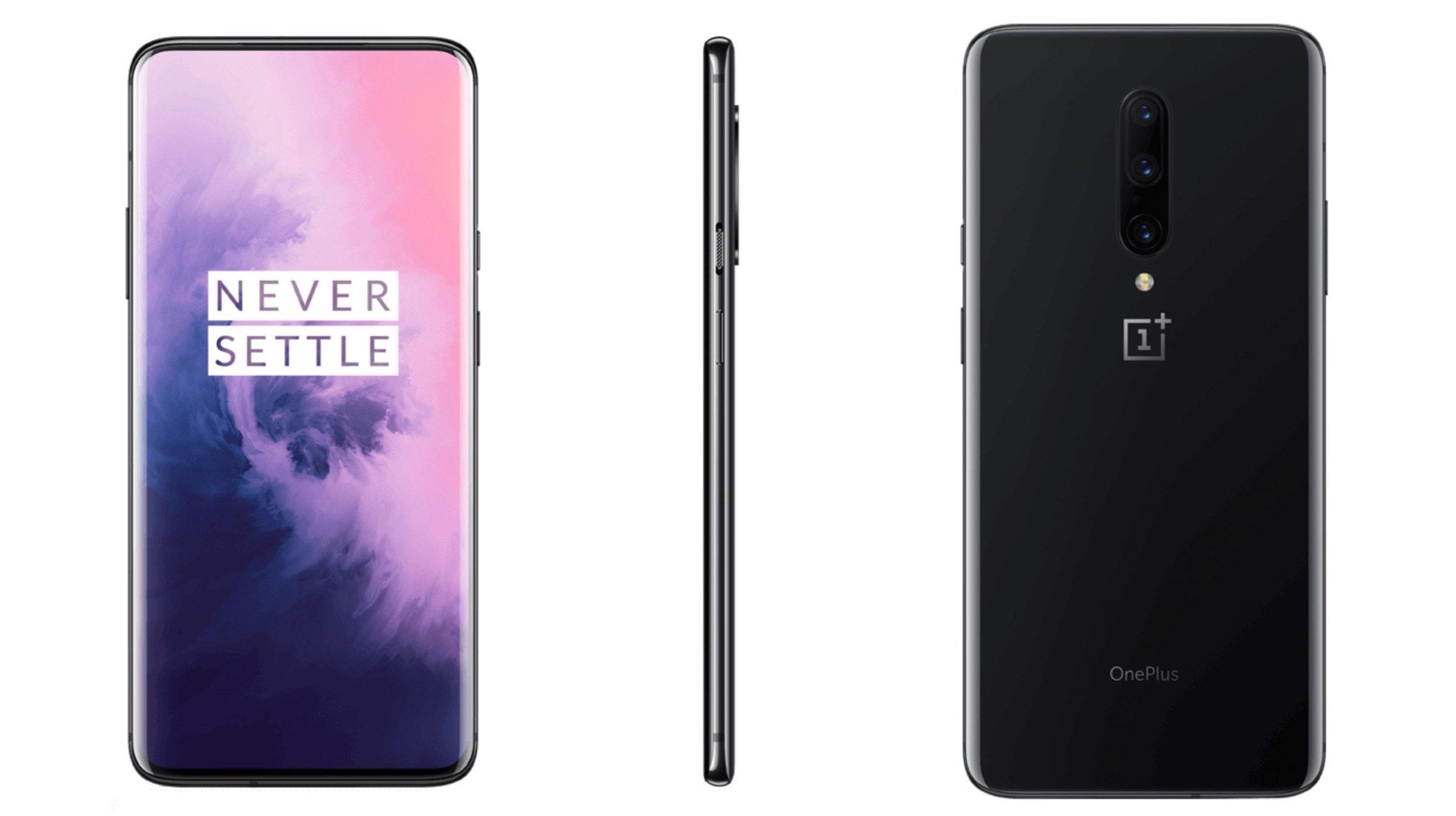
The OnePlus 7 Pro will run on the 7nm Qualcomm Snapdragon 855 SoC. It will have a triple rear camera module, comprised of an f/1.7 aperture equipped 48 MP sensor, an f/2.2 aperture equipped 16 MP ultra wide sensor and an f/ 2.4 aperture equipped 8 MP sensor. For selfies, the device will boast of a f/2.0 aperture equipped 16 MP camera housed in the aforementioned pop-up mechanism. Reportedly, the device will have Ultra Fast Storage (UFS) 3.0 standard and a USB Type-C port.
The OnePlus 7 Pro will pack a 4000 mAh battery with support for 30W Warp charging. It is also speculated that the device may be launched alongside a 5G variant, which will mark the next generation of connectivity standard for the smartphone. Additionally, on May 3, 2019, the company held a OnePlus 7 Pro pre-booking event for interested customers on popular e-commerce website, Amazon.
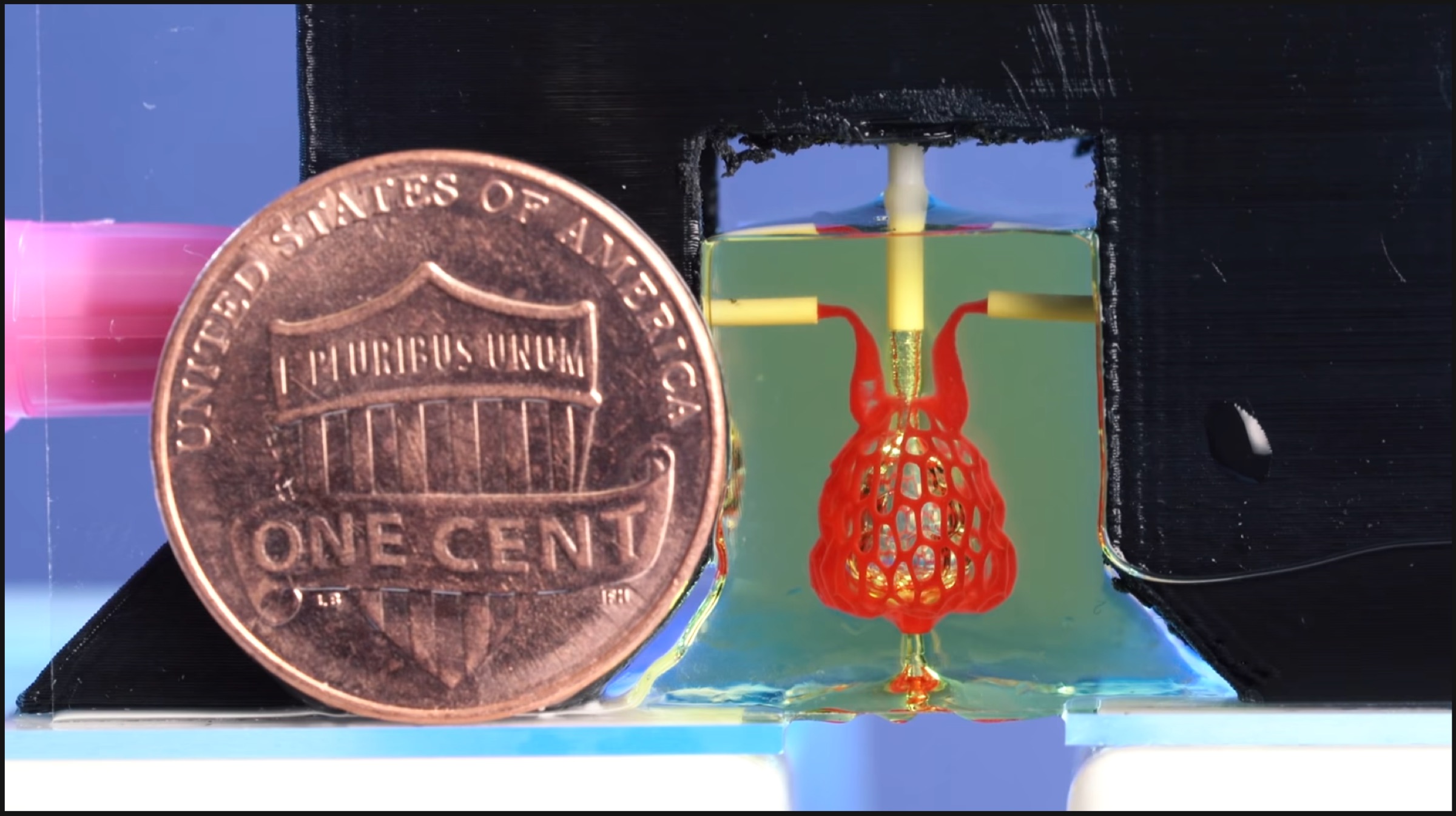
One of the major hurdles for scientists regarding the creation of human organs via 3D printing was the inability to print the complex vascular structure that can transfer nutrients to nearby tissues. Previously, a breakthrough was achieved in the form of a 3D printed heart, and as per recent reports, Bioengineers from the United States have overcome the aforementioned hurdle and have created a hydrogel model of a lung-mimicking air-pocket/sac, which has airways that can deliver oxygen to surrounding blood vessels.
The team was led by bioengineers from Rice University and University of Washington. The 3D printed lung was designed in such a way that it could include independent vascular networks. The different vascular networks include airways, lung blood vessels, bile ducts and the blood vessels present inside the liver. Delivering oxygen to tissues surrounding the blood vessels was always a challenge, but the researchers claim that their bioprinting technology is the first one to beat the hurdle of multivascularization in an artificially designed organ.
An assistant professor at the University of Washington states that with the removal of such an obstacle from the path, multiple tissues can be designed which can breathe and function just like the healthy tissue in our bodies. Not just that, 3D printed organs will be able to behave more functionally than ever before. Bioprinting has gained a lot of traction in the past few years, solely because it could allow doctors to print replacement organs from a patient’s own cells, increasing chances of survival drastically.
The bioengineers believe that a ready supply of such bioprinted organs can one day be rolled out in huge quantities, which could then be used to treat patients worldwide. Additionally, 2D slices of organs (as thin as 1-50 microns) will also be used to fabricate organs like the liver, which is especially complex to manufacture using just a 3D printer. It is specifically necessary to develop a bioprinted liver that can perform the same functions of a human liver. This is because unlike some other organs, no machine or therapy can entirely replace the functionality of the liver. Hopefully, in the not-so-distant future, 3D printers will be capable of printing a complete set of organs that can effectively replace human organ functionalities.
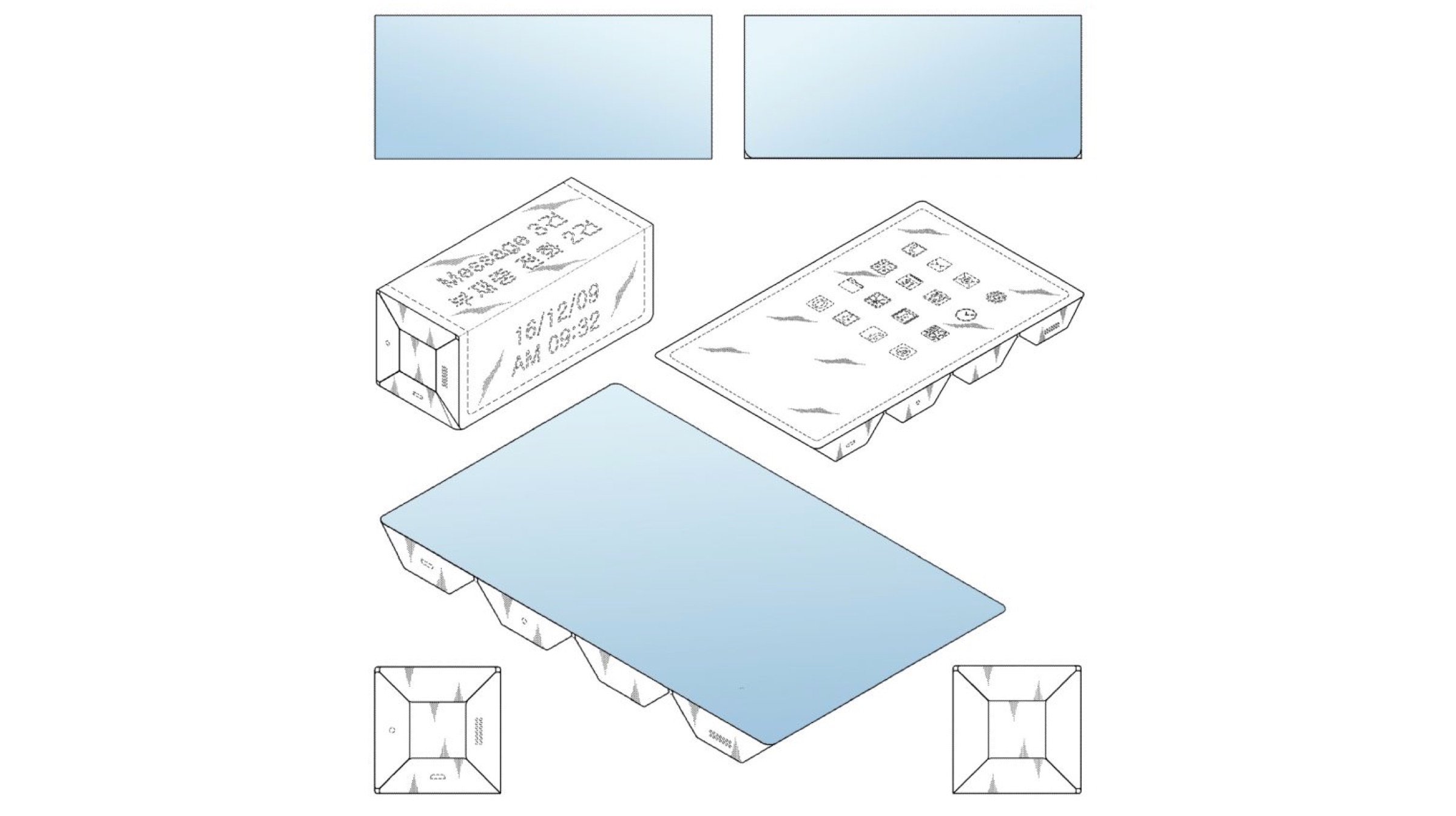
 The patent was granted to Samsung and published on May 7 2019 in the USPTO (United States Patent and Trademark Office) and the WIPO (World Intellectual Property Organization) database. It clearly depicts a device that has one large single flexible display. When the device is unfolded, it reveals an elongated tablet-sized panel which has 3 folding creases, indicating the lines around which the smartphone has to be folded. Once it is folded, the resulting device has a screen on all the four sides.
 Users can choose what to display at each face of the folded display. For instance, one side can showcase the time and date, whereas the other side can display the incoming notifications. Furthermore, such a design can be very handy at meetings, where the user can simply unfold the device to convert it into a tablet to convey necessary information to multiple people at the same time.
 Also Read:
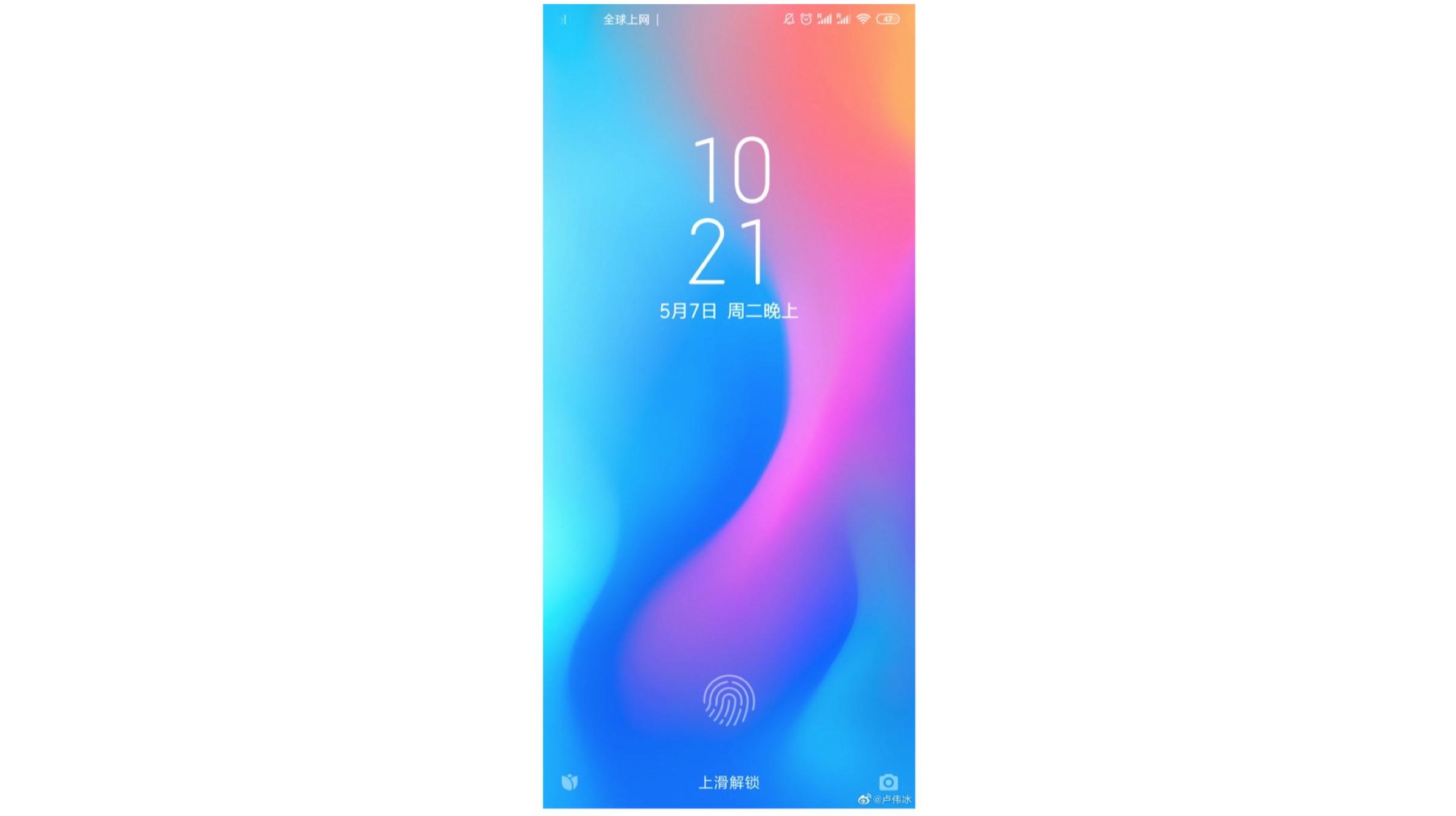 As posted on the popular Chinese social website Weibo, the alleged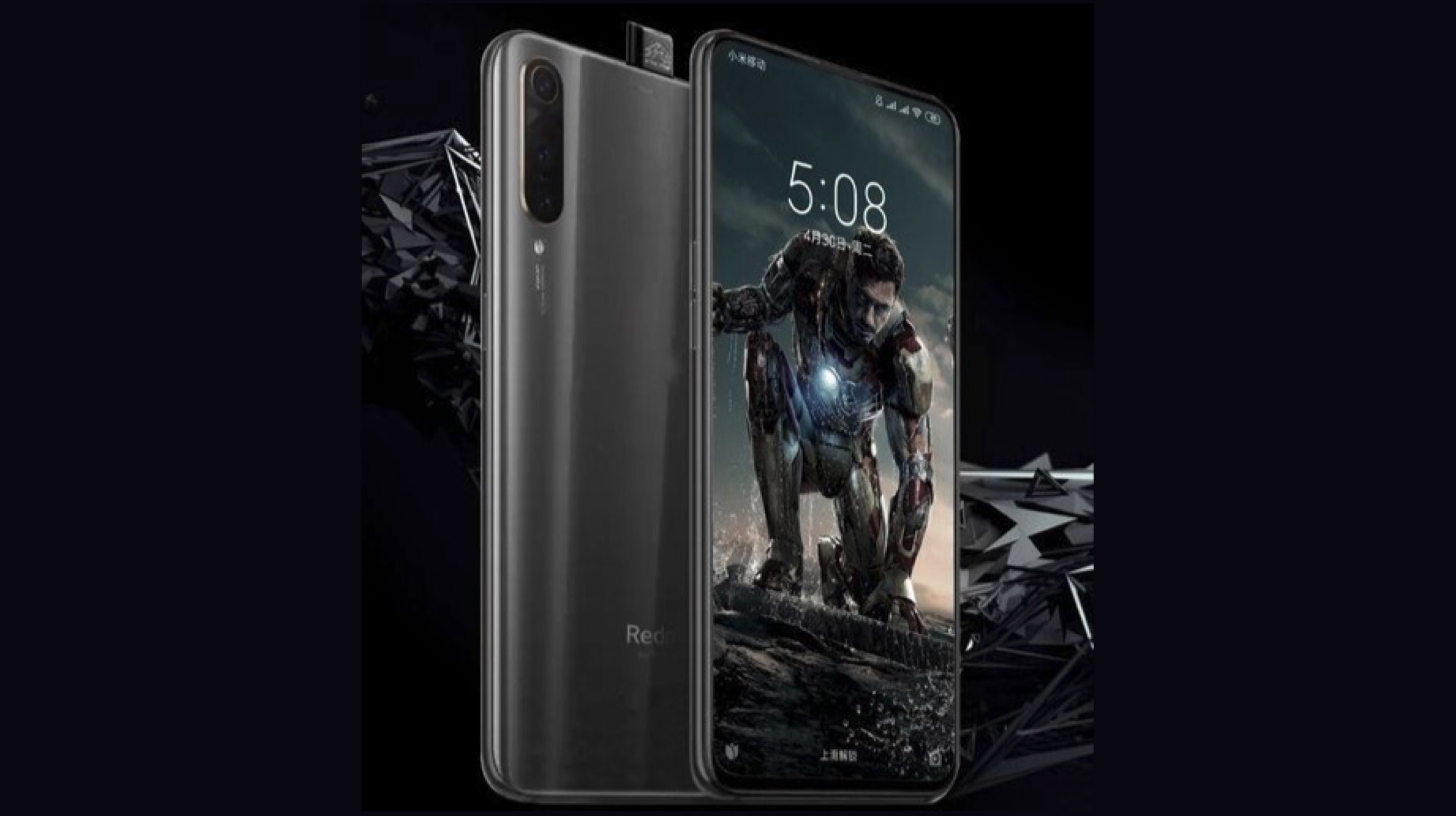
 Also Read: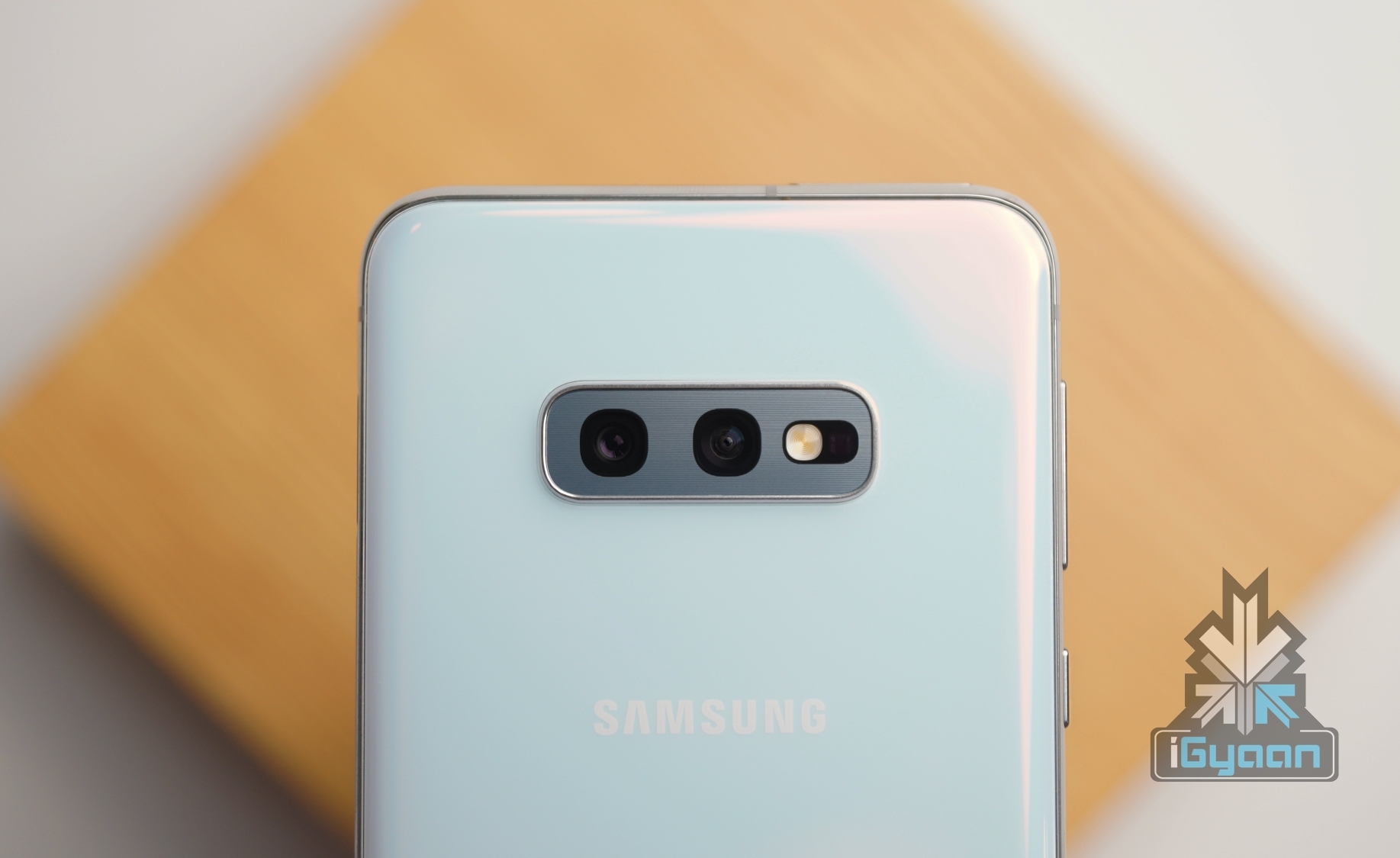
 Samsung Electronics introduced a total of two new 0.8? (micrometre) pixel image sensors. One is the 64 megapixel ISOCELL Bright GW1 sensor and the other is the 48 megapixel ISOCELL Bright GM2. Samsung claims that its 0.8? (micrometre) pixel size is currently the smallest in the world, and this expansion in the lineup will also be incorporated in existing 20 megapixel sensors, all the way up to high-resolution 64 megapixel sensors.
 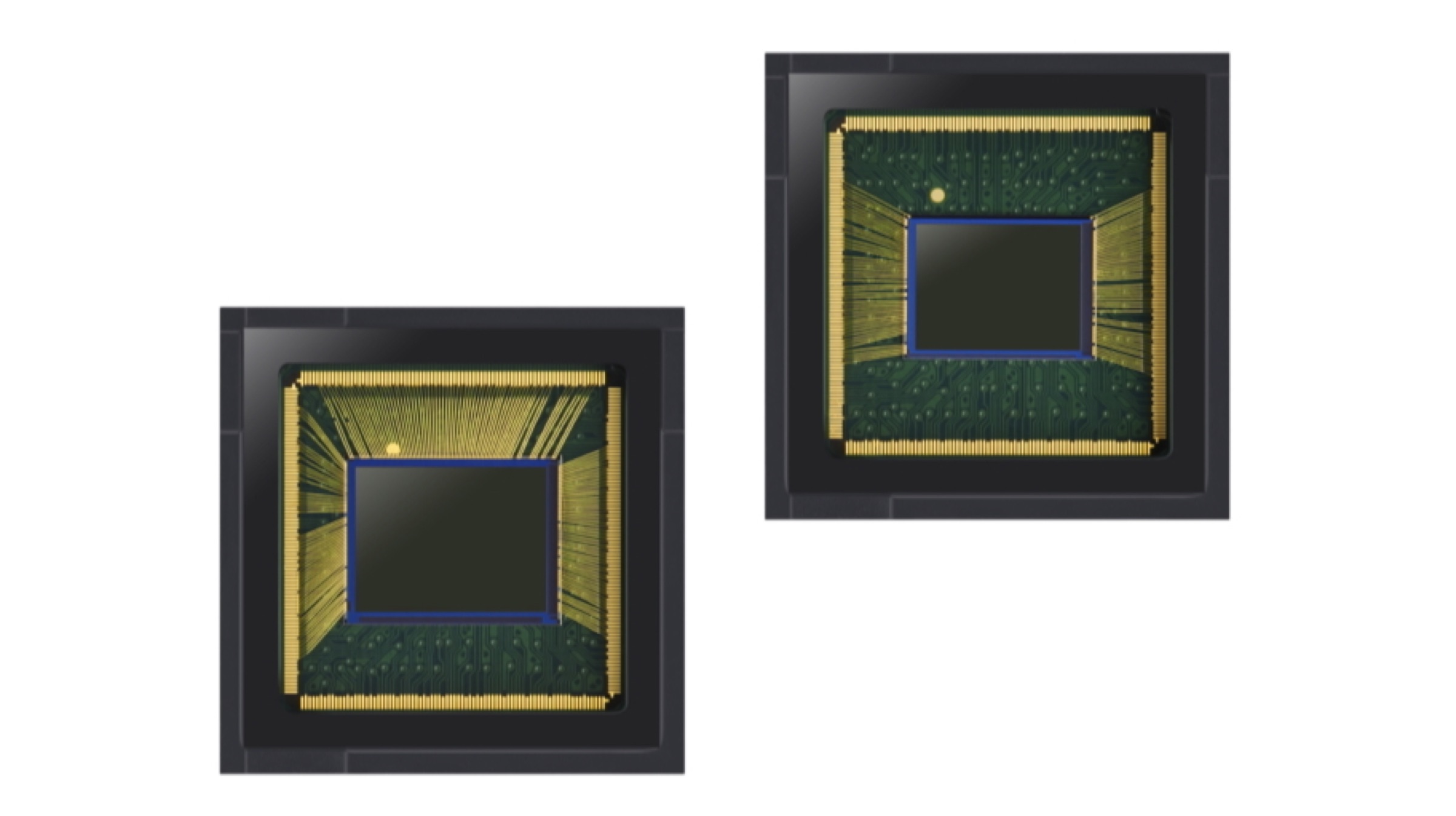 As stated by the Executive VP of the company, Samsung’s new advanced pixel technologies will enable considerably thin devices to house top-of-the-line image sensors so as to enhance the level of photography. The South Korean company claims that its 64 megapixel image sensor features Tetracell technology (where four pixels are merged to work as one to increase light sensitivity) and the Remosiac algorithm (which is used to generate full resolution images in bright light conditions). Furthermore, the sensor is claimed to support HDR (High Dynamic Range) of up to 100 decibels.
 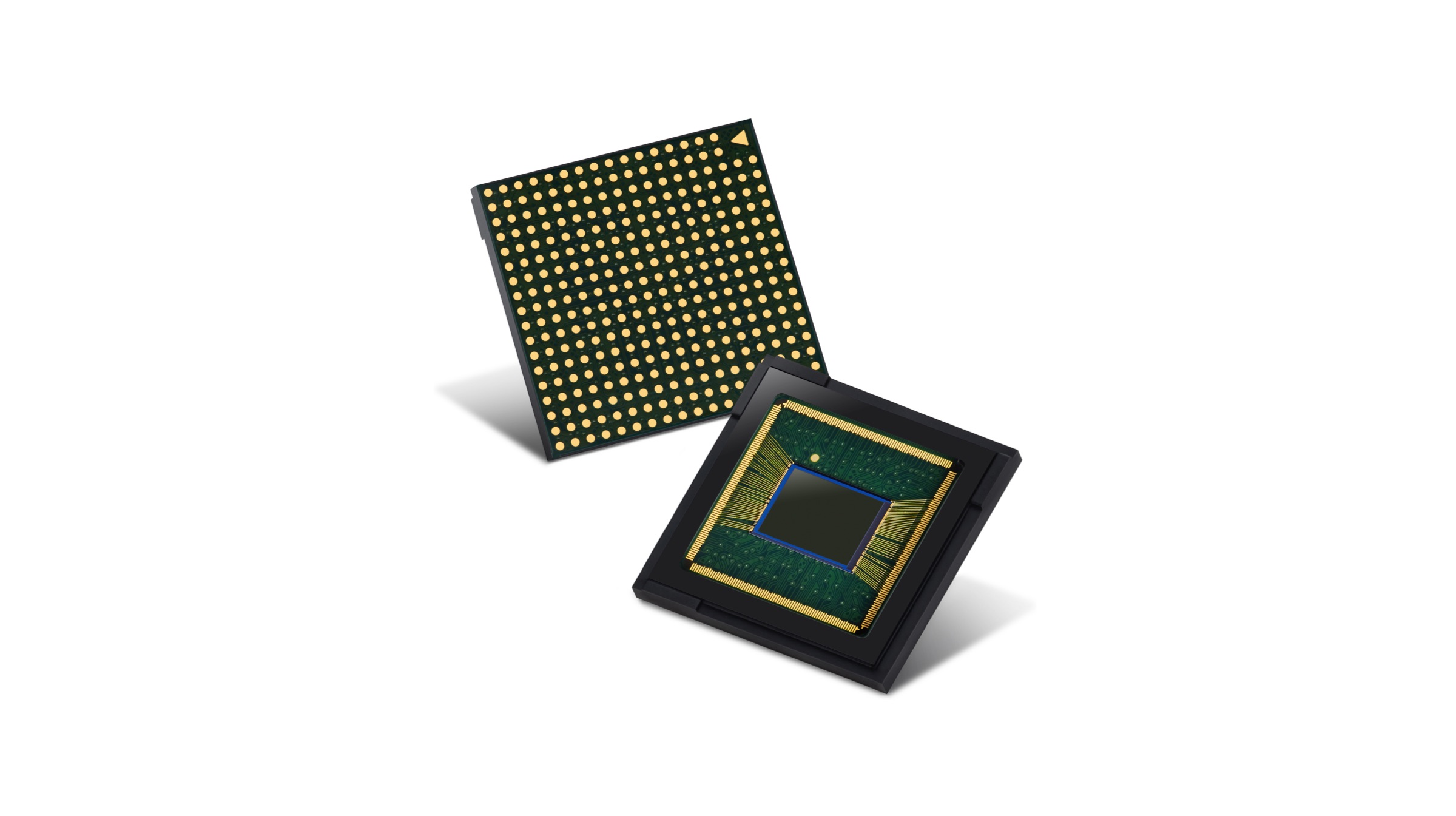 As mentioned previously, the second announcement by the company is the ISOCELL Bright GM2 48 megapixel image sensor, which adopts similar technologies to the ISOCELL Bright GW1 sensor. Additionally, both the sensors sport DCG (Dual Conversion Gain), which covers the light received into an electric signal which is dependant on the illumination of the surroundings.
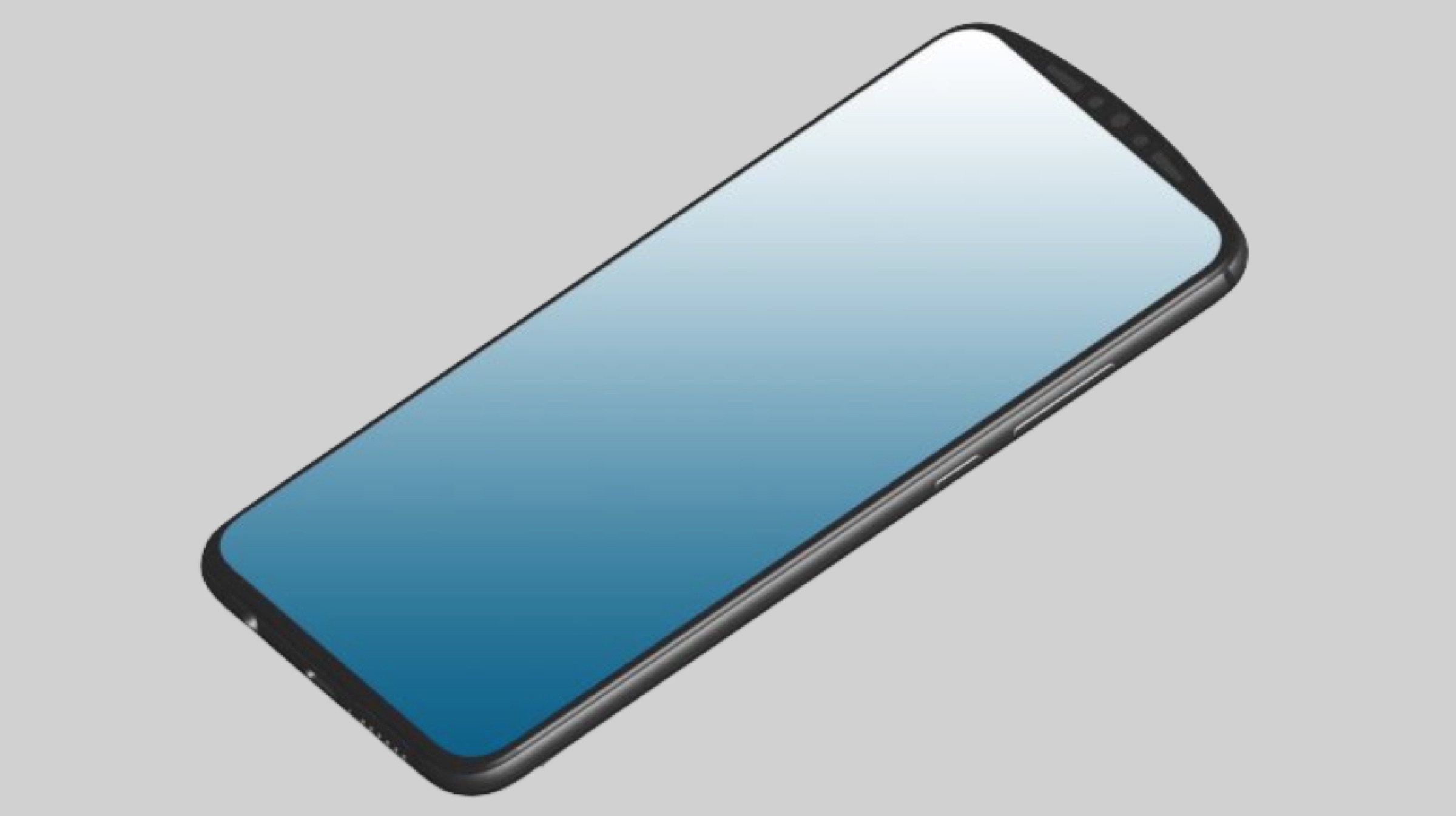 The patent reveals a device which does not feature a notch, yet has a full screen design. The aforementioned patent was first filed with the WIPO (World Intellectual Property Office) in the month of March 2018 and was published on the 7th of May 2019. Interestingly, the depicted smartphone does not have a notch or a pop-up style camera. Instead, the patented handset is slightly rounded on the top, which is the real catch here.
  Also Read:
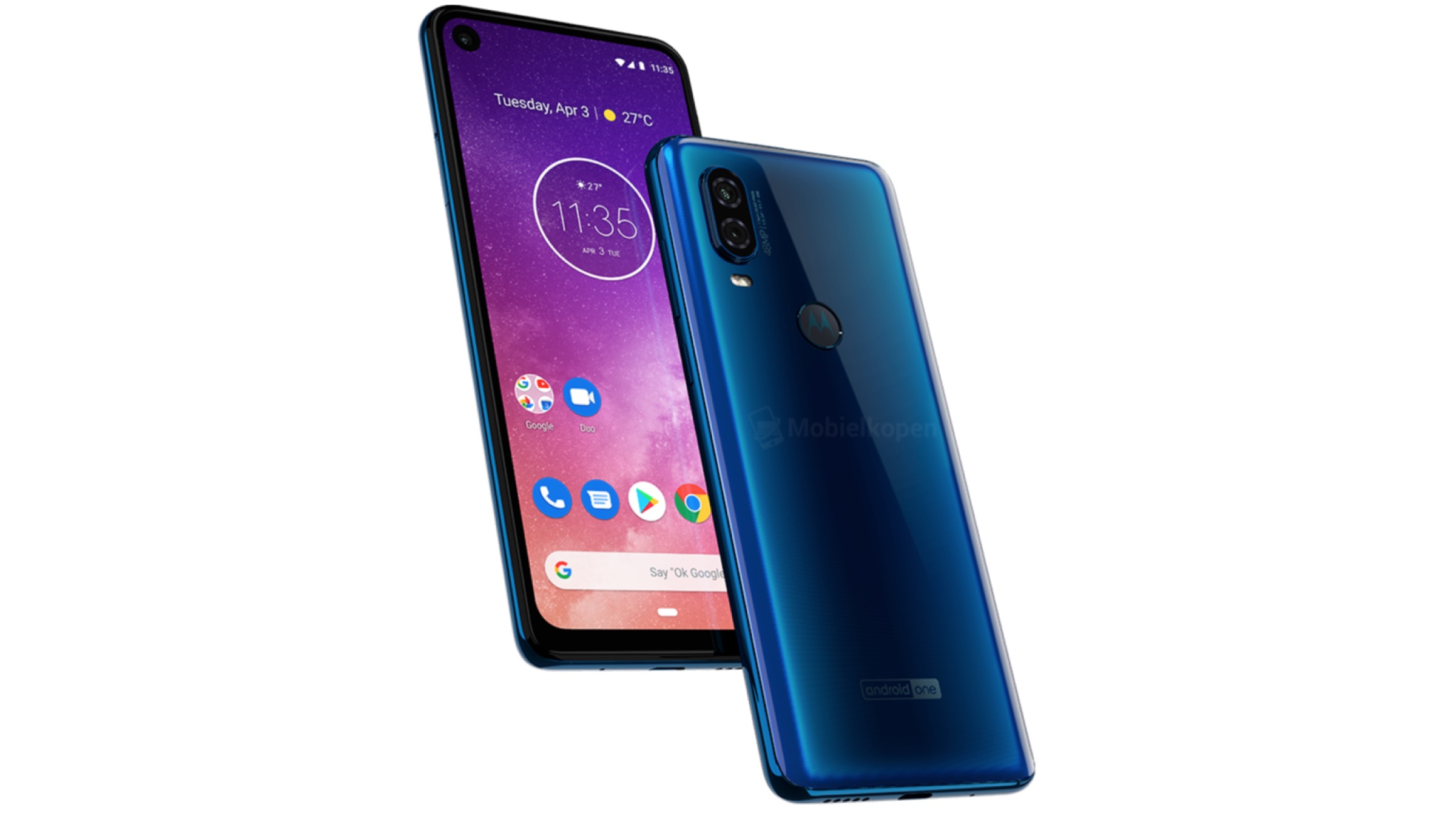 As per reports, the Moto One Vision will feature a 6.2 inch FHD+ display with 21:9 aspect ratio. The smartphone has a glass sandwich design, and the glossy back panel of the device features a fingerprint scanner for biometric security, which is housed in the Motorola Logo. The design is different from Motorola’s conventional method, since this will be the first Motorola handset to feature a punch hole cutout.
 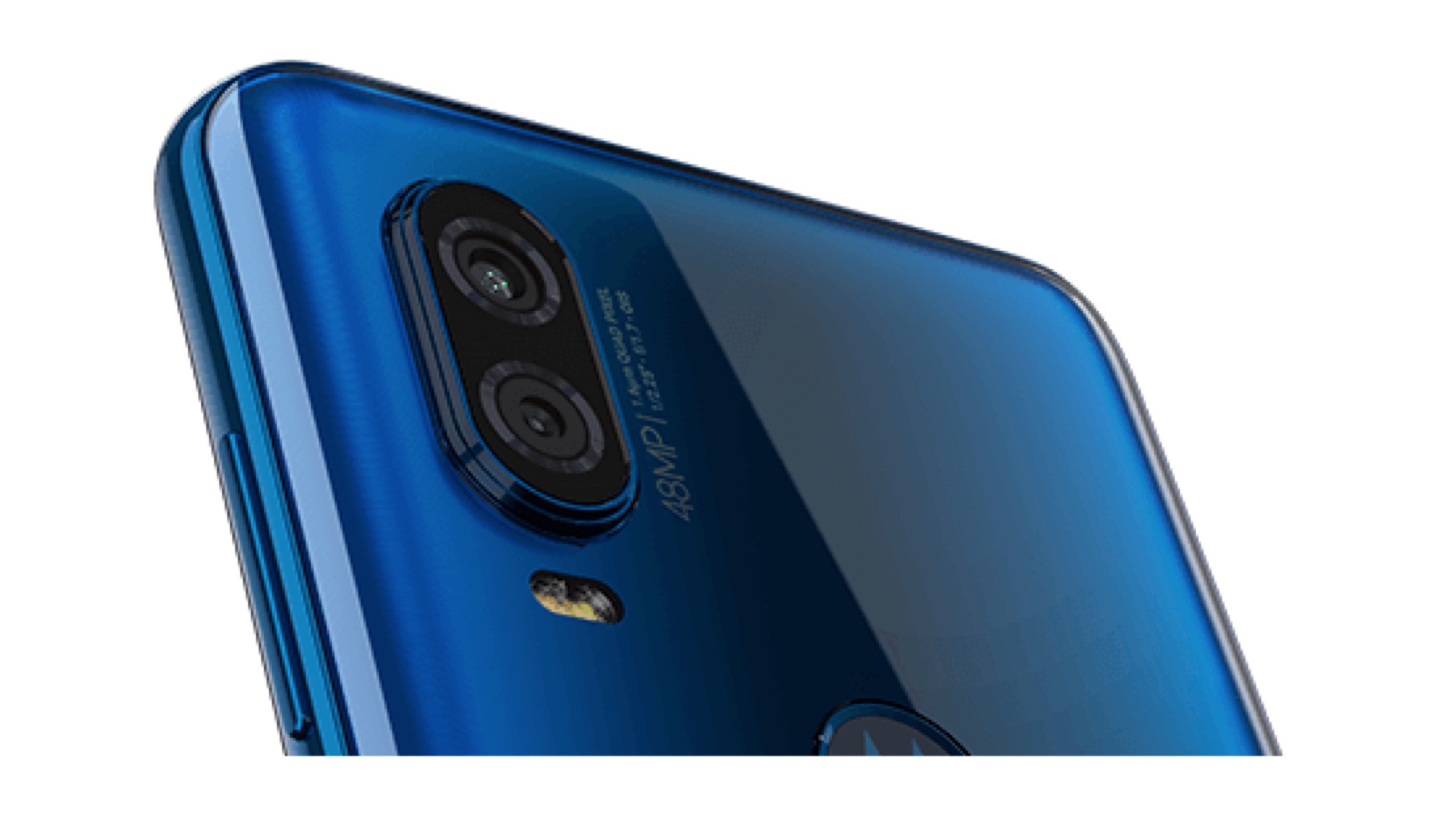 In terms of optics, the Moto One Vision has a f/1.7 aperture equipped 48MP primary sensor, which will feature quad pixel technology and OIS (Optical Image Stabilization), and a secondary 5MP depth sensor. For selfies, a 12MP camera will be housed in the aforementioned punch hole cutout. As per reports, the Moto One Vision will pack a 3500 mAh battery with 18W fast charging support. The bottom of the smartphone will accommodate the speaker grille and the USB Type-C port. The renders of the smartphone, however, do not exhibit the presence of the 3.5mm headphone jack on the device.
  Also Read:
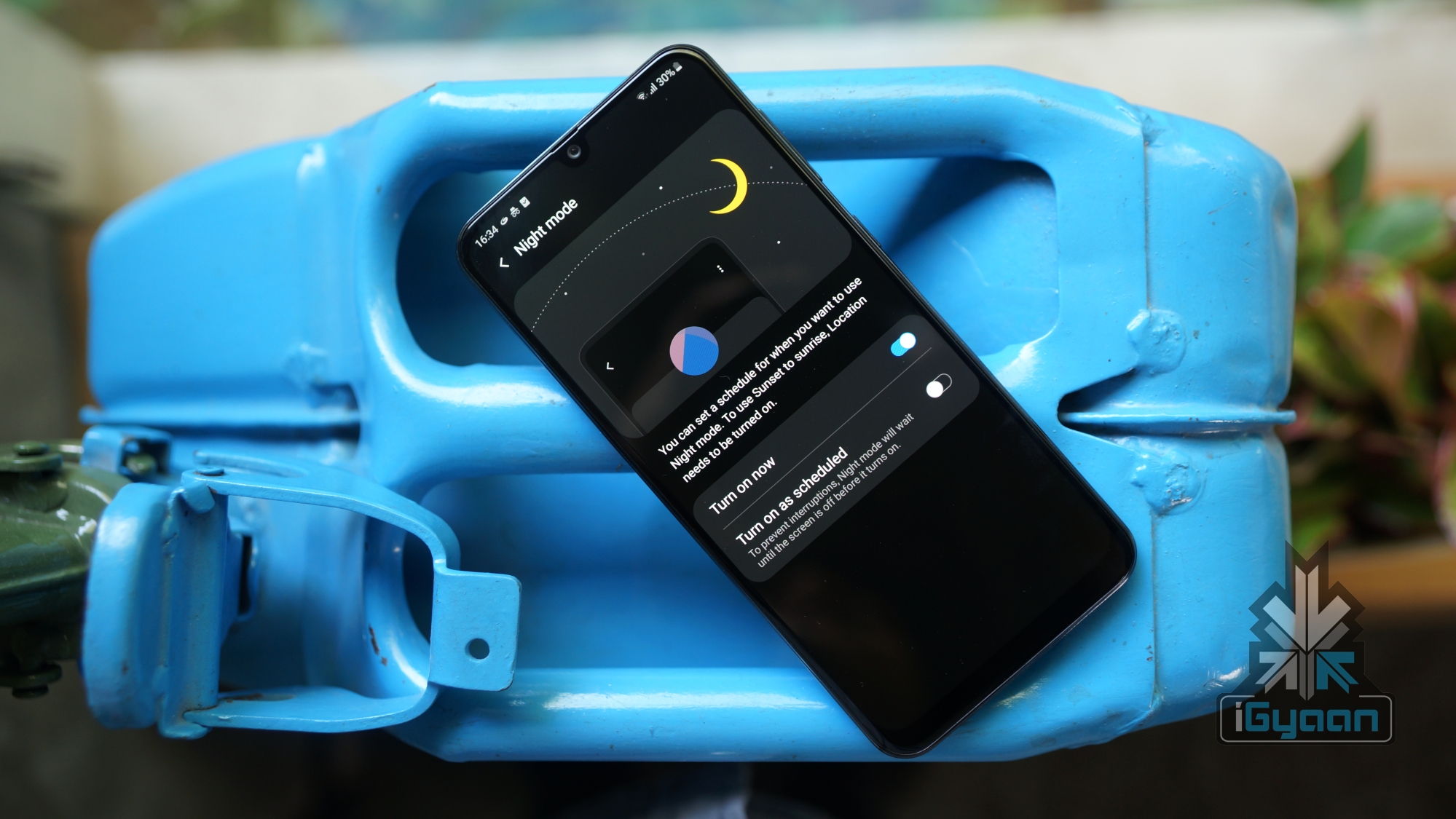 The dark theme is being adopted by an increasing number of operating systems and applications across various devices. As announced at the event, the dark mode will be activated by simply pulling down the notification bar and choosing the “Dark Theme” option from the Quick Settings menu. The mode can also be activated by turning the battery saver on.
 Google plans to integrate new security features into Android Q. The company will add a new “Privacy Section” under Settings, where users can adjust multiple security settings regarding their smartphones. The company states that users can now choose to share their location data with specific applications as per their requirements. Google will also add a feature to use the Android Q enabled device as a security key for logging into third party applications. The update system overhaul will ensure that users receive all the security patches and updates in the background, which will be installed without having to reboot the smartphone.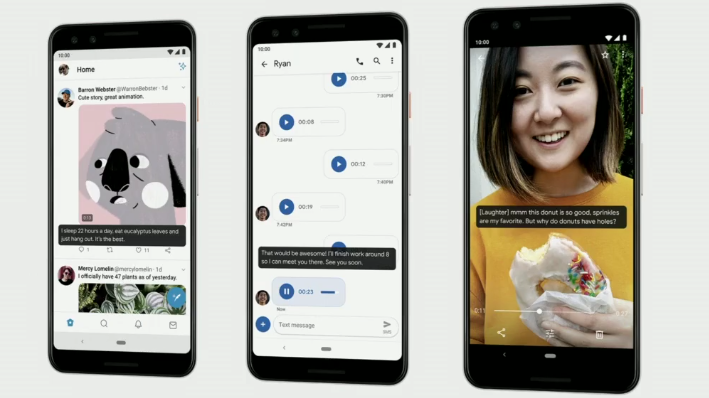
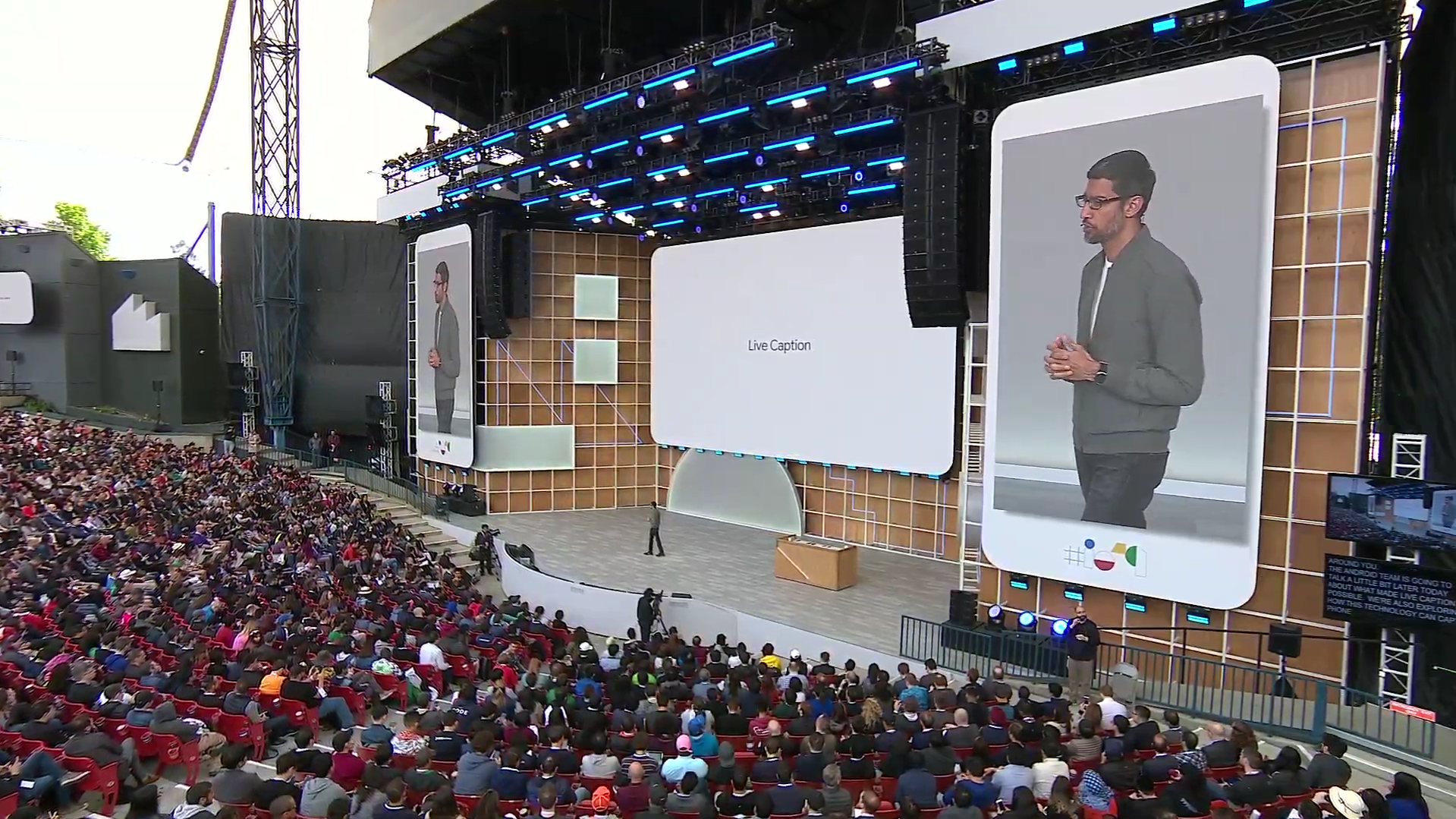 As per Google, around 500 million people around the world are either deaf or have some forms of hearing problems. Such a feature may help in making content more accessible and easily available to hearing impaired people. Google CEO Sundar Pichai further stated that the company is constantly working on products that enable a multitude of people to access Google services along with others.
 Also Read:
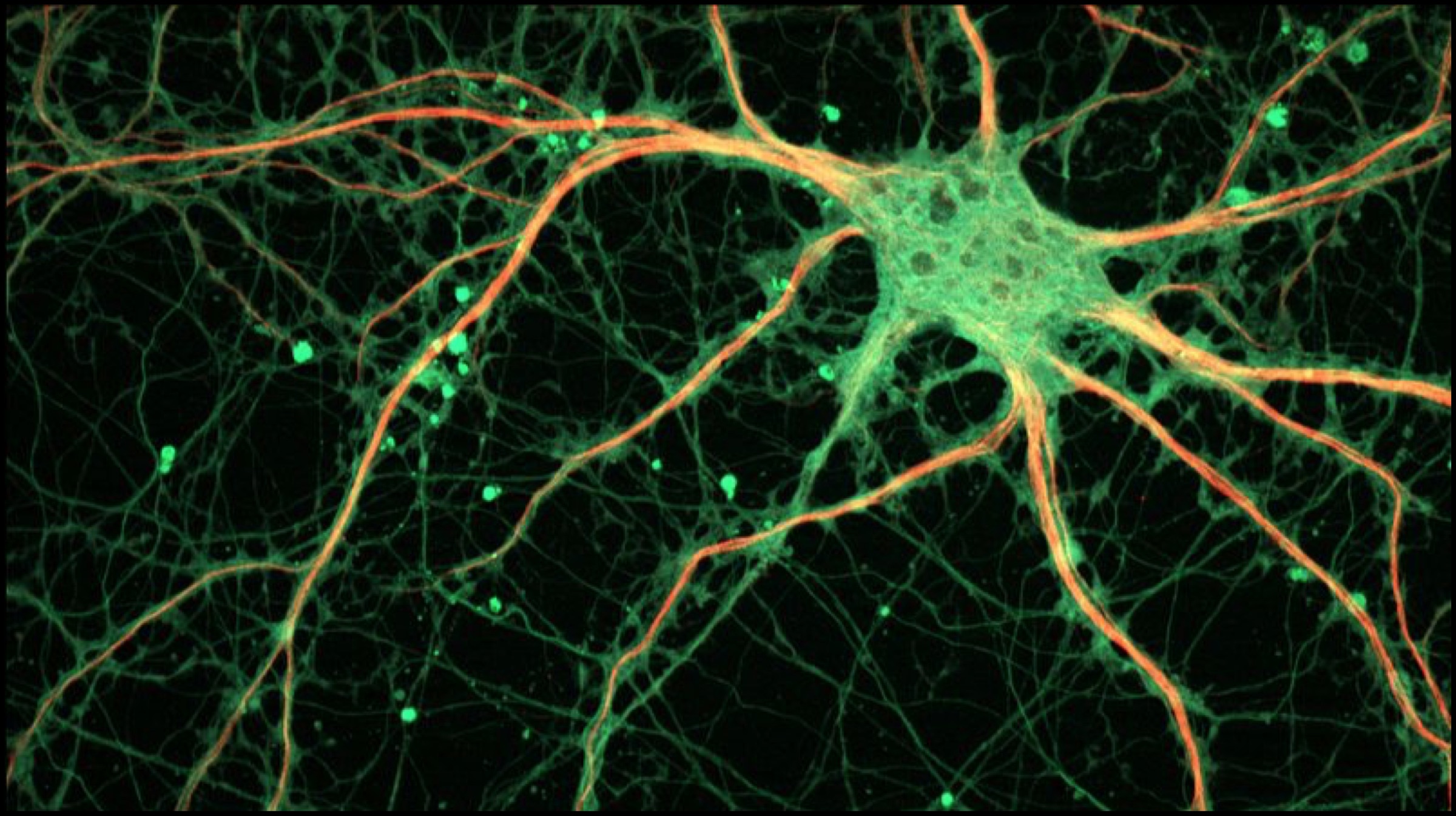
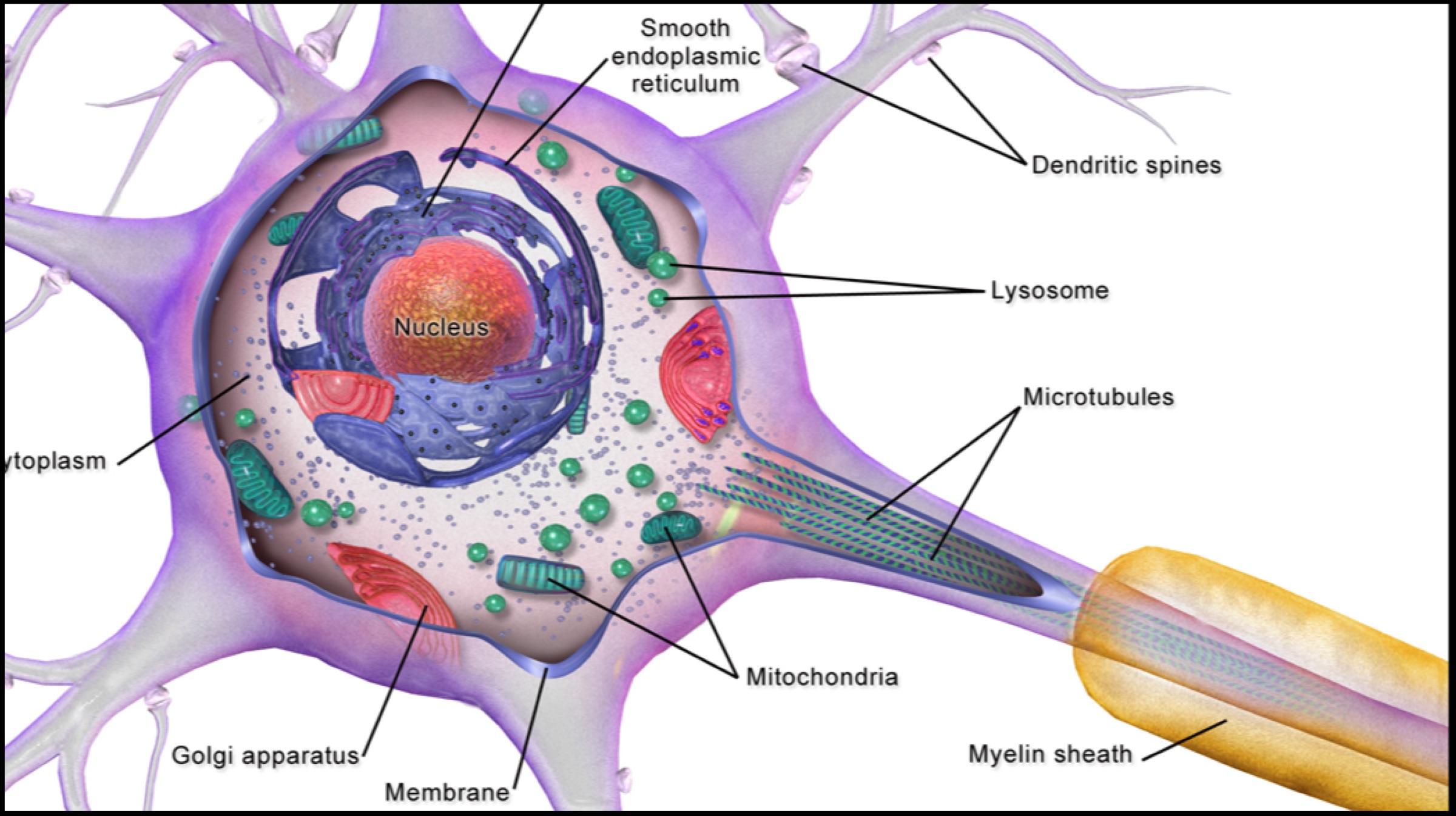 Research performed on mice yielded positive results. Restoration of myelin sheaths in mice led them to believe that stem cells could be a much simpler alternative to using embryonic stem cells. Since the human skin stem cells can be isolated, expanded and used therapeutically, they can possibly improve the chances of functional recovery in case of any injury to the neurons in the nervous system. Dr Thomas J. Hornyak, the lead investigator in the research plans to expand research into the aforementioned area using collected data.
  Dr Hornyak and his team of researchers implemented a mouse model to identify a specific version of the melanocyte stem cell. As the name suggests, the cells produce melanin (the pigment that determines the colour of skin and hair) and are present in the hair follicles and skin. These cells have a very unique ability – they can divide limitlessly. In fact, this ability is so unique that it is not present in any other cell in the human body. These stem cells can further develop different types of cells, which depends entirely upon the type of signal provided to them.
  Also Read: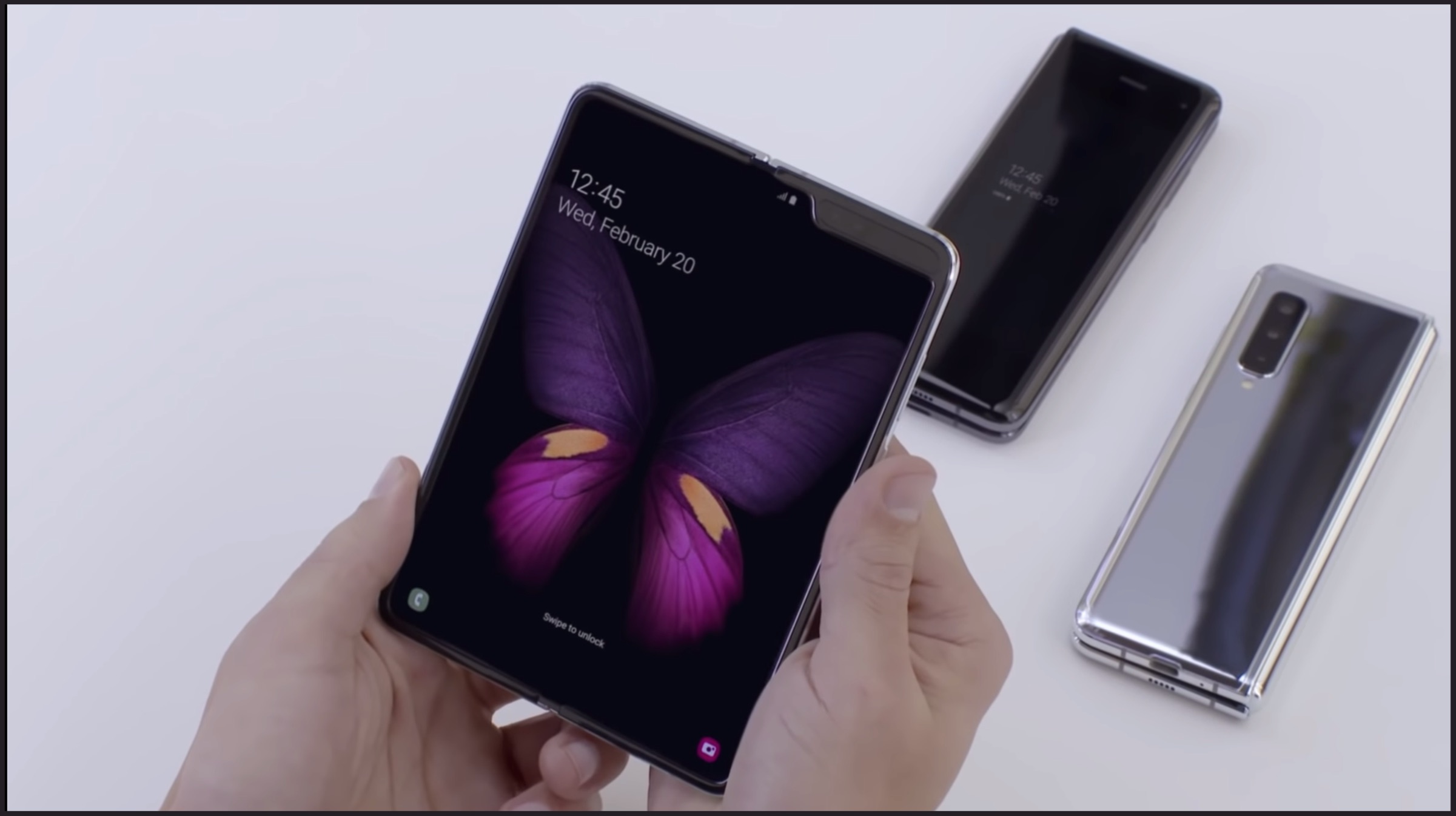
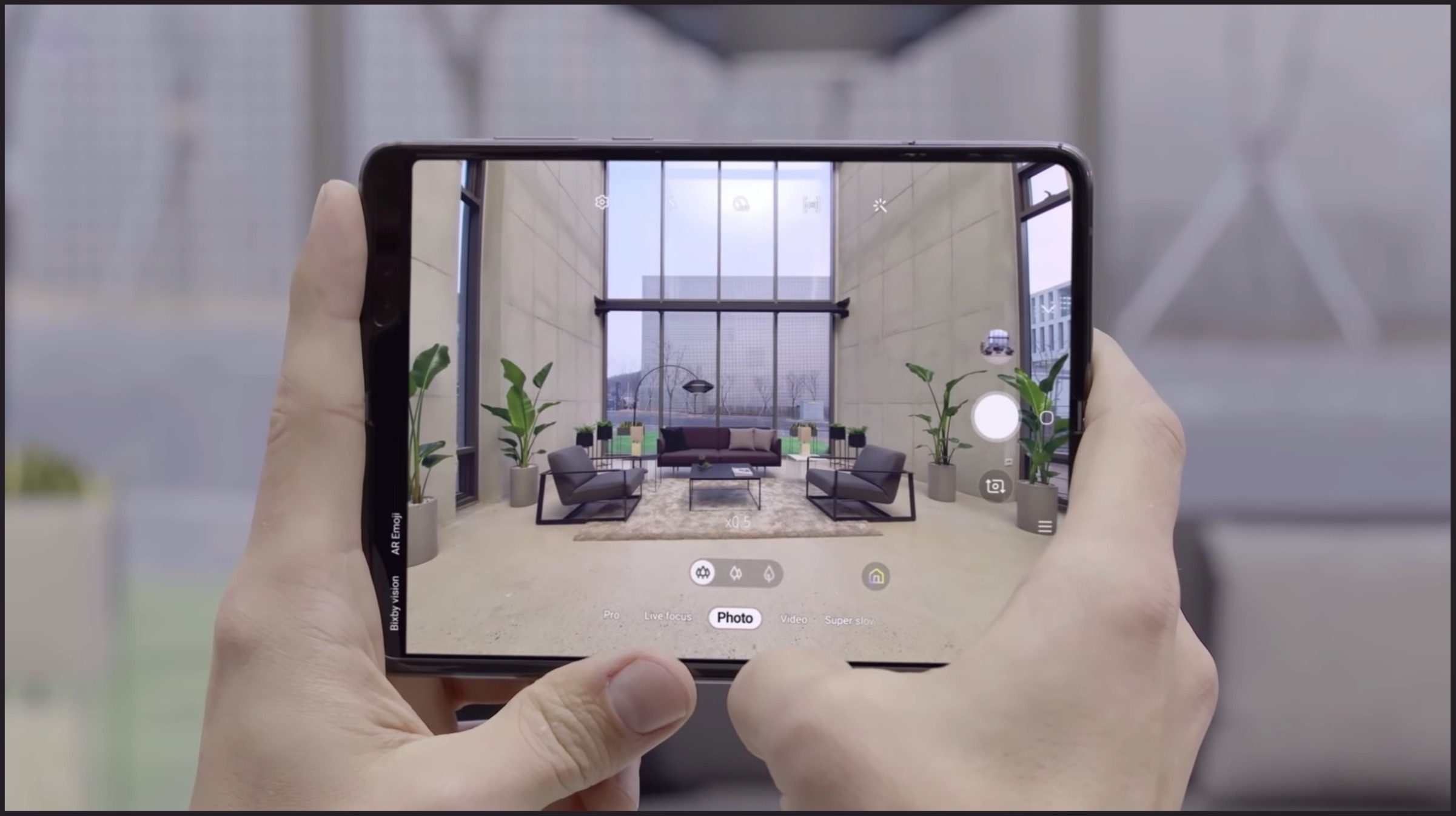 The aforementioned emails affirm that a new Galaxy Fold release date cannot be provided by the company immediately. Instead, the customers who pre-ordered a unit of the smartphone will get their complete payments refunded. As per reports, the South Korean technology giant states that it’s experiencing success in the process of enhancing the design of the foldable smartphone. Samsung further added that it wants the updated Galaxy Fold to meet the high standards that customers expect from it.
  Also Read:
 As per Twitter support, users can express themselves better with the help of GIFs and images, which would enhance their reactions to a specific tweet. To do the same, users need to click on the “retweet with comment” option and then choose the respective image or GIF to go along with the tweet. Even though this is a small addition to the micro-blogging app, Twitter stated that the service was quite cumbersome to incorporate in the mobile application, since a lot of GIFs and images can make the Twitter timeline look cluttered.
 Scientists found out that a certain area of the brain behind the ears responded more in case of avid Pokémon fans than those who did not play the game at all. It is already known that humans have specific areas of the brain dedicated to recognizing numbers, words, images and faces. For instance, the human brain responds differently to celebrities like Morgan Freeman, Tom Cruise than it does to other people. Scientists at Stanford decided that to confirm the same study at a younger age, Pokémon fans are the most suited options, as they were already exposed to the game when they were quite young.
 Also Read:
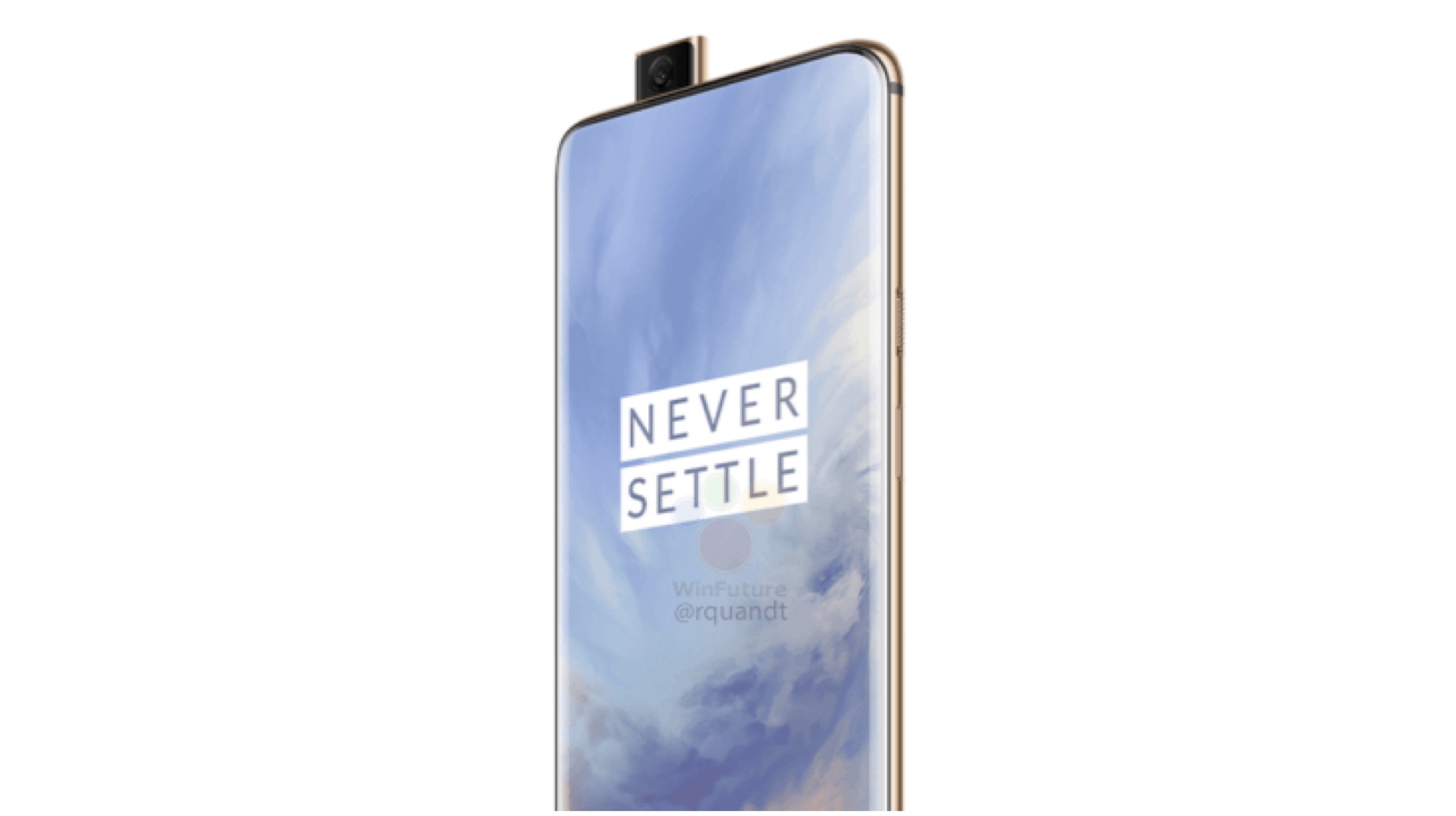
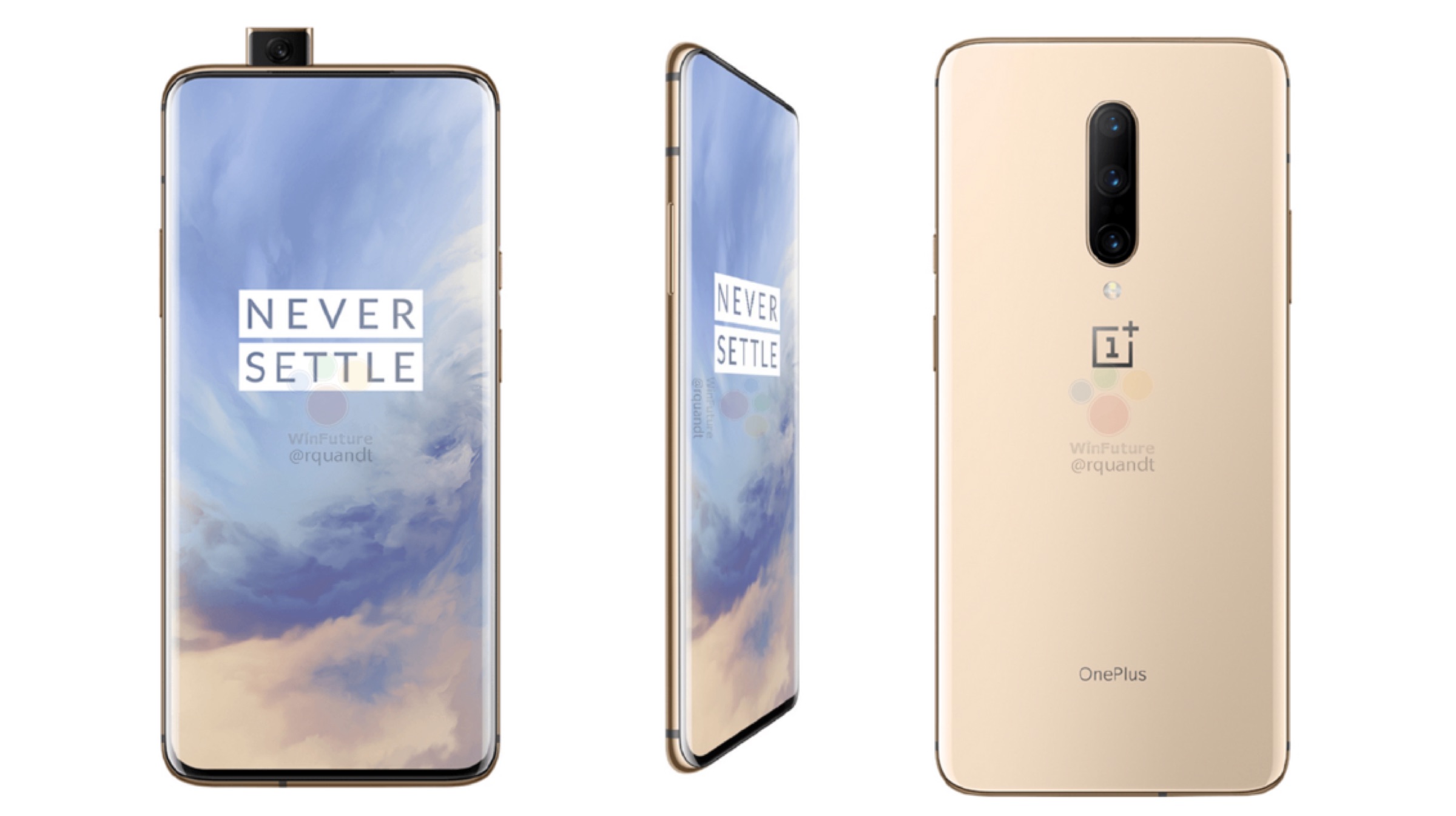 The Almond-coloured OnePlus 7 Pro resembles a “gold” shade and features similarly coloured accents on the edges of the smartphone. It will sport an all glass design on the front and back. Former leaks suggest that the smartphone will have a 6.7-inch Optic AMOLED display with 3120 x 1440 px resolution and a 90Hz refresh rate. Eliminating the “notch”, the smartphone will use a pop-up camera mechanism to house the selfie camera. For security detail, it will feature an in-display fingerprint scanner along with face unlock technology.
 Also Read: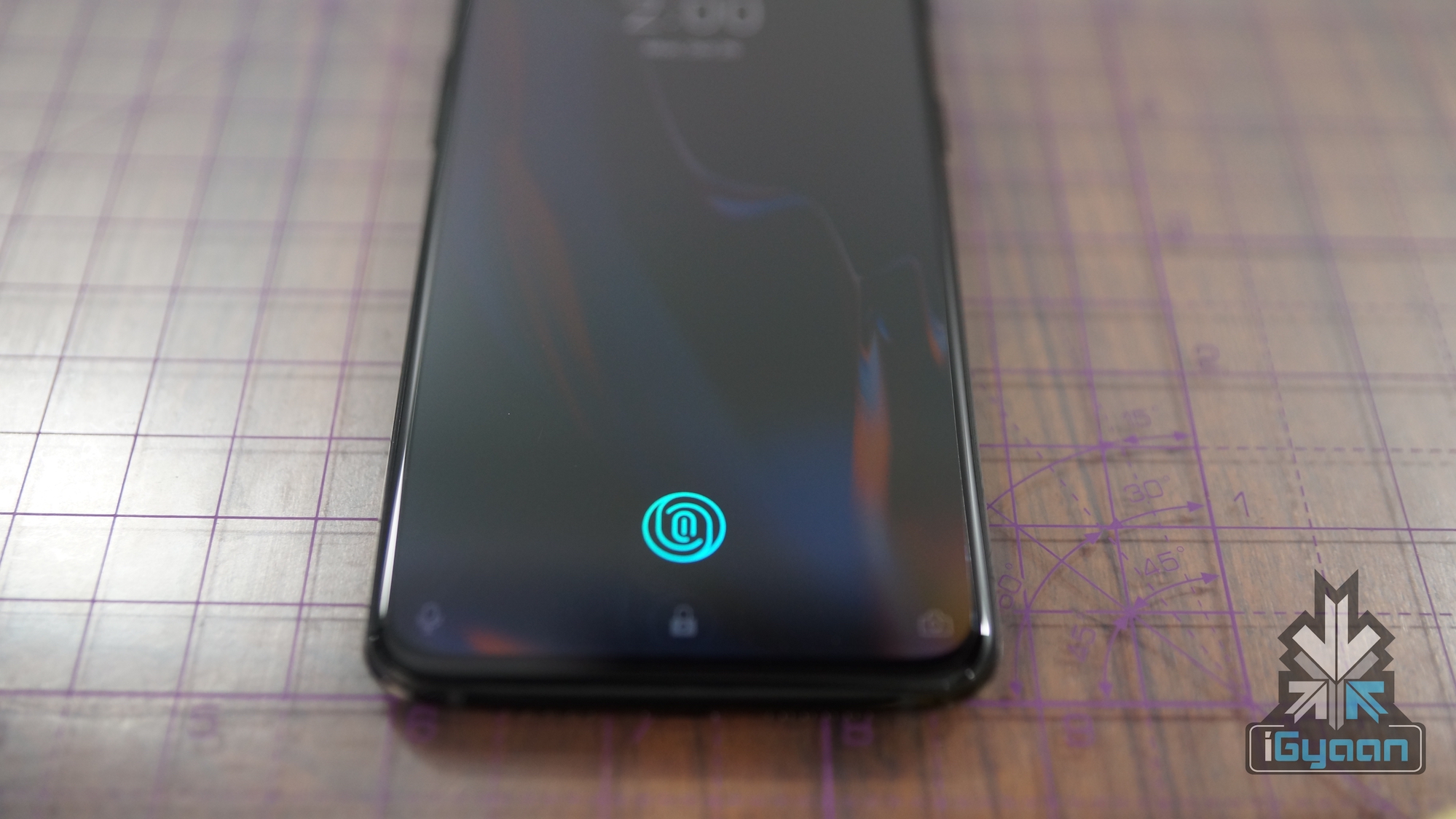
 The OnePlus 7 Pro will be the specced up variant of the regular
 The OnePlus 7 Pro will run on the 7nm Qualcomm Snapdragon 855 SoC. It will have a triple rear camera module, comprised of an f/1.7 aperture equipped 48 MP sensor, an f/2.2 aperture equipped 16 MP ultra wide sensor and an f/ 2.4 aperture equipped 8 MP sensor. For selfies, the device will boast of a f/2.0 aperture equipped 16 MP camera housed in the aforementioned pop-up mechanism. Reportedly, the device will have Ultra Fast Storage (UFS) 3.0 standard and a USB Type-C port.
 The team was led by bioengineers from Rice University and University of Washington. The 3D printed lung was designed in such a way that it could include independent vascular networks. The different vascular networks include airways, lung blood vessels, bile ducts and the blood vessels present inside the liver. Delivering oxygen to tissues surrounding the blood vessels was always a challenge, but the researchers claim that their bioprinting technology is the first one to beat the hurdle of multivascularization in an artificially designed organ.
 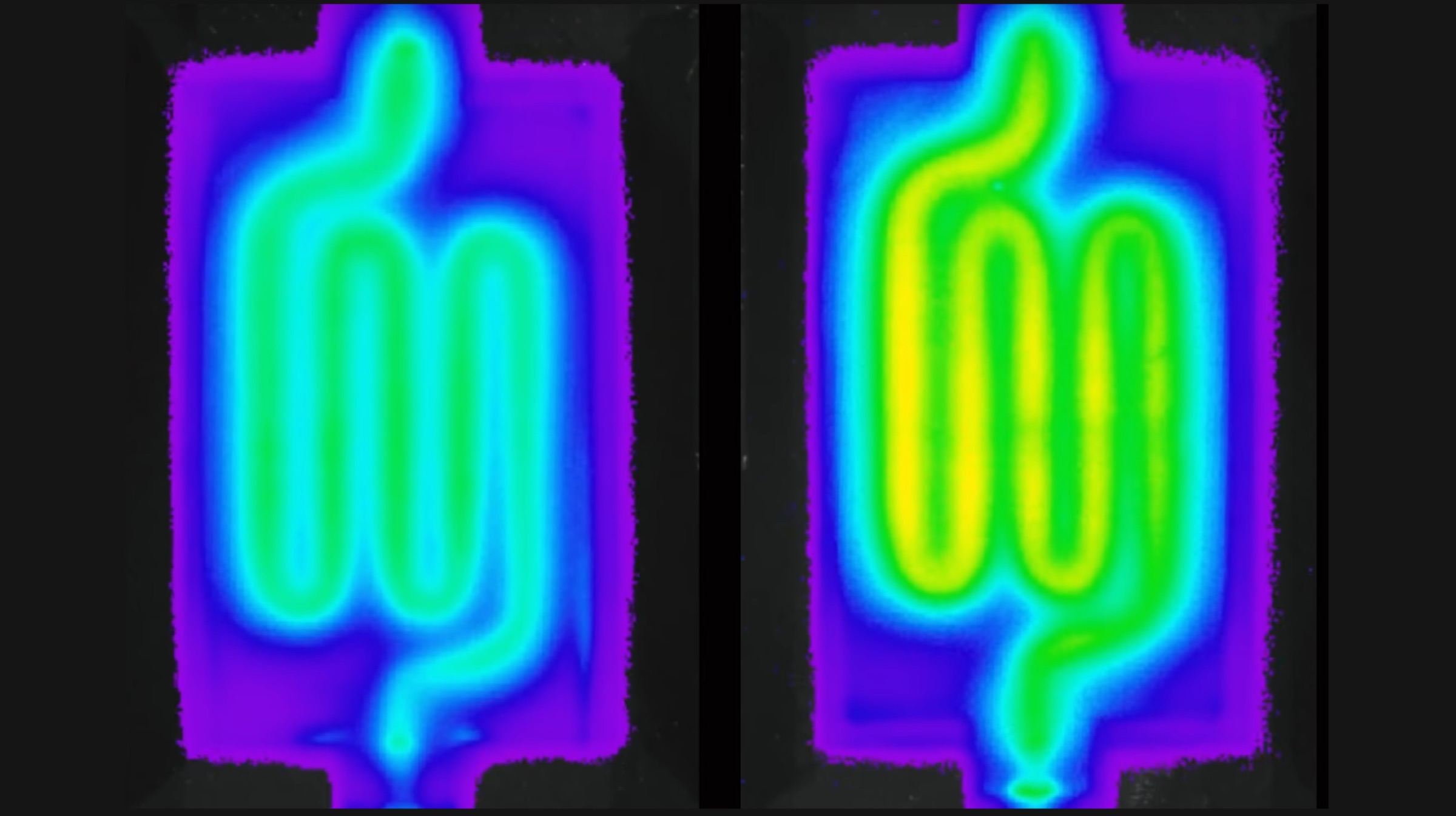 An assistant professor at the University of Washington states that with the removal of such an obstacle from the path, multiple tissues can be designed which can breathe and function just like the healthy tissue in our bodies. Not just that, 3D printed organs will be able to behave more functionally than ever before. Bioprinting has gained a lot of traction in the past few years, solely because it could allow doctors to print replacement organs from a patient’s own cells, increasing chances of survival drastically.
  Also Read: