Author: Meenakshi Rawat

  • Spec Battle : ASUS ZenFone 2 Vs OnePlus One

    Spec Battle : ASUS ZenFone 2 Vs OnePlus One

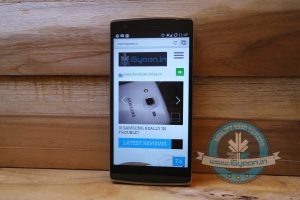
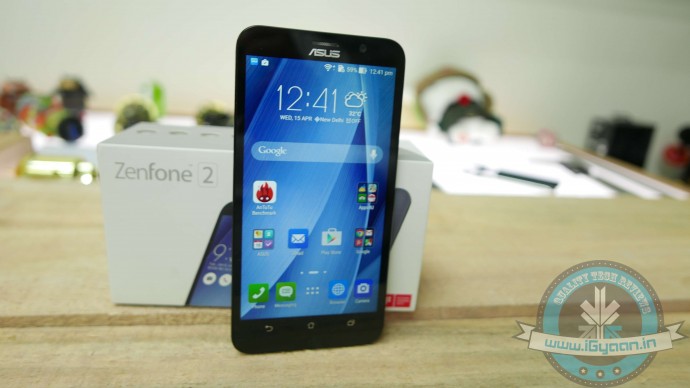
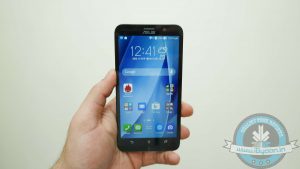
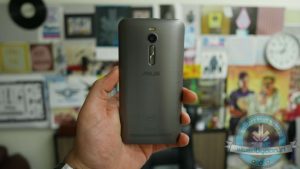
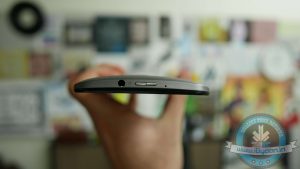
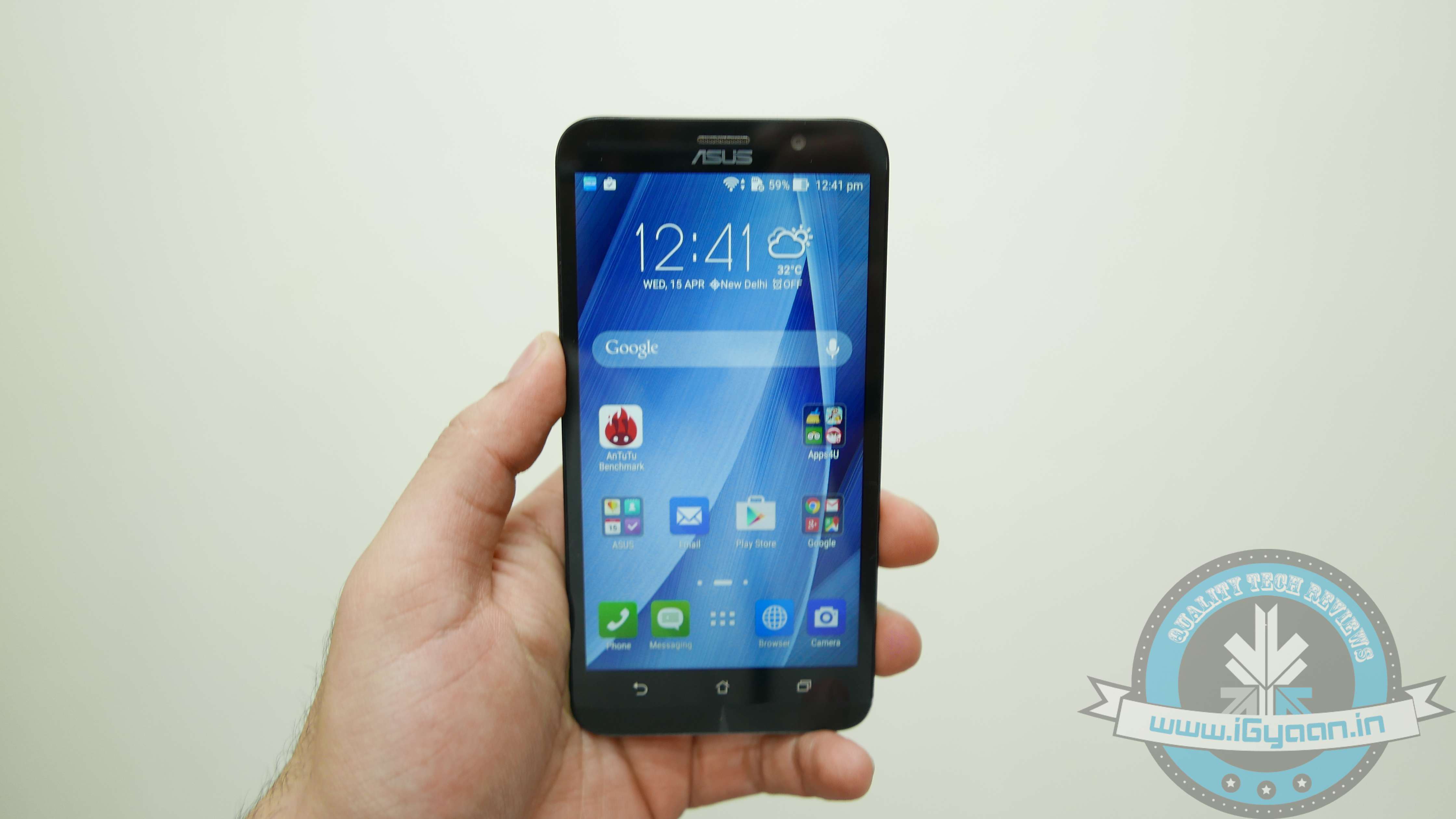
    The ASUS Zenfone series is a highly appreciated lineup in the Indian smartphone market. The Taiwanese electronics maker already has Zenfone 4, 5 and 6 in its India handset portfolio and today, it expanded its ZenFone range in the country with the launch of ZenFone 2. The latest iteration is a mid-range smartphone and known to boast the powerful 4GB of RAM.

    Priced at Rs. 22,999, ZenFone 2 holds quite a good spec sheet. It has an edge over many the high-end smartphones and competes with devices like Huawei Honor 6 Plus, iPhone 5c, and LG G3. We have pitted it against the flagship killer of 2014 i.e. OnePlus One and here are the differences between the two.
    Specs

    OnePlus One

    ASUS ZenFone 2

    Display 5.5-inch Full-HD, 1080×1920 pixels 5.5-inch Full-HD, 1080×1920 pixels
    Processor 2.5GHz Quad-core Snapdragon 801 2.3GHz quad-core Intel Z3580
    RAM 3GB 4GB
    Storage 64GB, non-expandable 64GB, expandable up to 64GB
    Camera 13MP Rear and 5MP Front 13MP Rear and 5MP Front
    Battery 3100mAh 3000mAh
    Operating System CyanogenMod 12 Android 5.0 Lollipop
    Price Rs. 21,999 Rs. 22,999

    As you can see in the table above, both OnePlus One and ASUS ZenFone 2 bear nearly the same specifications. Both the devices have a 5.5-inch Full-HD display, 64GB onboard memory, 13MP primary shooter, and 5MP selfie camera. The One has a slightly bigger battery and stuffs a Snapdragon processor, while the new ZenFone houses an Intel chipset. The ZenFone is priced Rs. 1,000 higher than the OnePlus One.

    OnePlus has an edge over the ZenFone as it give a variation to the users by offering CyanogenMod which can now be upgraded to CyanogenMod 12 or Oxygen OS now. The ZenFone 2, on the other hand, comes with Android 5.0 Lollipop. We won’t be able to give a final verdict till we’ve reviewed Asus’ new flagship. Stay tuned, more coming up on iGyaan.
  • Facebook Launches a Multi-Functional Dialler App, Hello

    Facebook Launches a Multi-Functional Dialler App, Hello

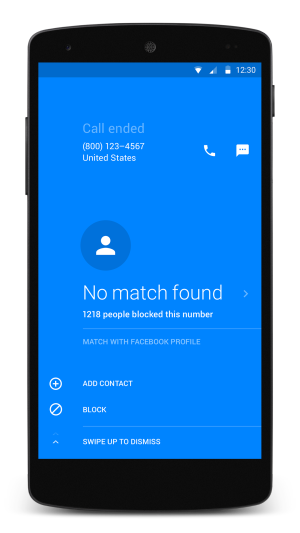
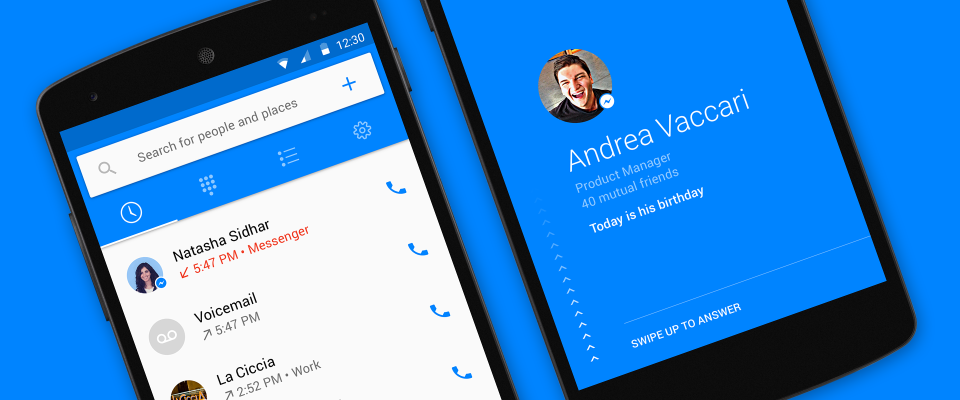
    We have to admit that the Phone app on our smartphones is really basic. It just performs limited number of functions like keeping call log and allowing users to make a call. However, Facebook aims to change our call making experience. The social networking service has brought out a smart app that is a blend of TrueCaller, Google Search, Google Maps, and WhatsApp. Hailed as ‘Hello’, it’s an Android-only dialler that works in conjunction with your Facebook account.

    facebook hello 1

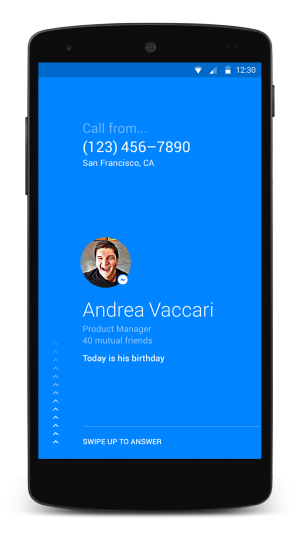
    The Hello application is a product of Facebook’s Messenger team. It connects the Facebook data with the contact info on your device, and pops up relevant details of the incoming and outgoing calls. No worries if your phone book is narrow, you’ll still get to know the name and other available details of the caller via Hello. Users have the choice to block possibly spam numbers and avoid unwanted calls. Meanwhile, TrueCaller is best known for this feature.

    facebook hello

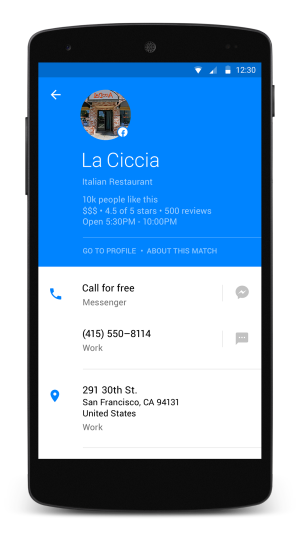
    Users can also find businesses with the Hello tool. Meaning you can start a search for a restaurant right in the Hello app and can call for a reservation. The tool comes with direction support, subtracting the need to start off Google Maps to get directions.

    facebook hello 2

    Its features don’t end here. With Hello installed on the device, one can text and make calls for free. Hello links with the Messenger app and allows users perform both the functions using cellular data.

    Hello is available for free on Google Play Store for the US, Brazil and Nigeria. The tool is likely to arrive in more countries soon. Check out the video below to know how it works:

  • ASUS Outs 4 Variants of ZenFone 2 in India; Pricing Revealed

    ASUS Outs 4 Variants of ZenFone 2 in India; Pricing Revealed

    The much-awaited flagship by Taiwanese consumer electronics firm has finally arrived in India. Today, ASUS introduced the latest ZenFone 2 with 4GB RAM in the Indian market. The smartphone was first showcased at CES this year. The ZenFone 2 enfolds some top-notch specifications that give it an edge over other smartphones in the budget segment. The device will be available in India exclusively on Flipkart.

    ASUS has launched the ZenFone 2 in four variants – ZE551ML (4GB RAM) with 64GB and 32GB inbuilt storage, ZE551ML (2GB RAM), and ZE550ML. The former one is a top-tier device, while the other three have comparatively lower specifications. The ZE551ML with 4GB RAM comes in two storage versions. The one with 64GB storage space will cost customers Rs. 22,999, while the 32GB model will cost Rs. 19,999. The ZE551ML (2GB RAM) variant is launched at Rs. 14,999 and the ZE550ML will be available for Rs. 12,999.

    ASUS ZenFone 2 ZE550ML (both 4GB and 2GB of RAM) sports a 5.5-inch full-HD (1920x1080p) IPS display with Gorilla Glass 3 protection. On the other hand, ZenFone 2 ZE550ML features a 5.5-inch HD screen. A 64-bit 2.3GHz Intel Atom processor Z3580 is equipped to the ZE550ML with 4GB RAM. It’s 2GB RAM version, along with ZE550ML has a 64-bit 1.8GHz quad-core Intel Atom Z3560. All the handsets run on Android 5.0 Lollipop OS with custom ZenUI on top. All the variants can expand up to 64GB via MicroSD card.

    The ZenFone 2 packs a 13MP PixelMaster rear camera with dual-LED Flash along with a 5MP selfie snapper. The rear shooter also offers 52MP Super Resolution mode. A 3000mAh non-removable battery is fitted with all the ZenFone 2 models. The handsets are dual-SIM and offer dual active support. The devices have ZenMotion touch and gesture control support features common in them.

    Here’s the specs sheet of the four handsets:

    Specs

    ZenFone 2 ZE551ML (4GB RAM)

    ZenFone 2 ZE551ML (4GB RAM)

    ZenFone 2 ZE551ML (2GB RAM)

    ZenFone 2 ZE550ML

    Display 5.5-inch full-HD 1080p 5.5-inch full-HD 1080p 5.5-inch full-HD 1080p 5.5-inch HD 720p
    Processor 2.3GHz quad-core Intel Z3580 2.3GHz quad-core Intel Z3580 1.8GHz quad-core Intel Z3560 1.8GHz quad-core Intel Z3560
    RAM 4GB 4GB 2GB 2GB
    Storage 64GB (Expandable up to 64GB) 32GB (Expandable up to 64GB) 32GB (Expandable up to 64GB) 16GB (Expandable up to 64GB)
    Rear Camer 13MP with dual-LED Flash 13MP with dual-LED Flash 13MP with dual-LED Flash 13MP with dual-LED Flash
    Front Camera 5MP 5MP 5MP 5MP
    Battery 3000mAh 3000mAh 3000mAh 3000mAh
    Operating System Android 5.0 Lollipop with ZenUI Android 5.0 Lollipop with ZenUI Android 5.0 Lollipop with ZenUI Android 5.0 Lollipop with ZenUI
    Price Rs. 22,999 Rs. 19,999 Rs. 14,999 Rs. 12,999

    In case you missed our review of ASUS ZenFone 2, watch the video below:

  • Here’s Everything You Need to Know About Google’s New Mobile Network ‘Project Fi’

    Here’s Everything You Need to Know About Google’s New Mobile Network ‘Project Fi’

    A couple of days back, there had been reports that Google was planning to launch its own US mobile wireless service. Now, the company has made its plan to bring wireless services public. Google’s new venture gives users an alternate way to curb data usage and keep their phone bills low.

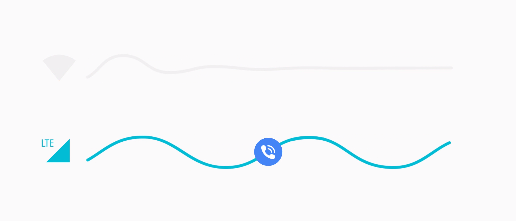
    Dubbed as ‘Project Fi’, the new Google-run network service is a customizable package that switches between Wi-Fi and cellular networks. It eradicates boundaries and gives customers freedom to use the network in their hometown and during international travels at the same rate. The service is only available for Nexus 6 smartphones as of now, and will work with newer models soon.

    The blog post of Google reads –

    Similar to our Nexus hardware program, Project Fi enables us to work in close partnership with leading carriers, hardware makers, and all of you to push the boundaries of what’s possible. By designing across hardware, software and connectivity, we can more fully explore new ways for people to connect and communicate.

    google project fi

    Project Fi makes use of Wi-Fi hotspot or specific 4G LTE networks, together with the US mobile networks of Sprint and T-Mobile, the venture partners. Here’s how it works: if you are connected to a Wi-Fi hotspot and leave the Wi-Fi coverage area, your call will seamlessly transmit to cell networks. The service requires a special SIM and is supported in over 120 countries without roaming charges.

    google project fi 1

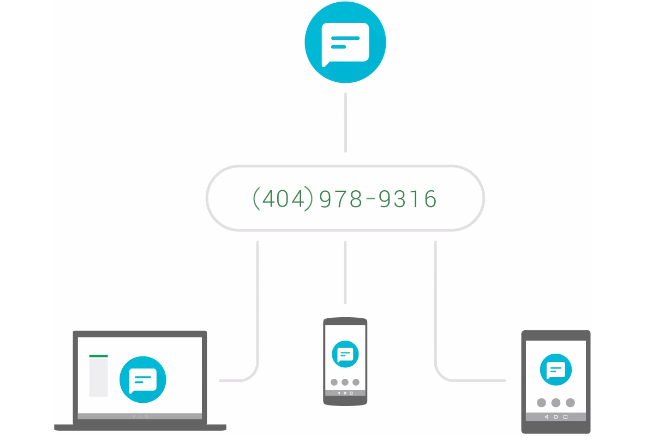
    Another revolutionary development that comes with Project Fi is that phone numbers adopt “a multi-screen world”. This means your number works with all your devices like a phone, tablet or laptop. You can connect any device that supports Google Hangouts, whether it works on Android, iOS, Windows, and start a chat. It cuts down the dependency on your smartphone and makes every device a ready-to-use handset.

    Google’s new project is unconventional in the sense that it charges customers only for the data consumed. It breaks the standard procedure of dispatching a bill for the unused data as well, which is practiced till date. Google says, “Project Fi takes a fresh approach to how you pay for wireless, manage your service, and get in touch when you need help.” There is one plan for all, and in case a user doesn’t utilize the pack called, Google will simply refund the variance.

    Here’s how Project Fi works:

    For $20 a month you get all the basics (talk, text, Wi-Fi tethering, and international coverage in 120+ countries), and then it’s a flat $10 per GB for cellular data while in the U.S. and abroad. 1GB is $10/month, 2GB is $20/month, 3GB is $30/month, and so on. Since it’s hard to predict your data usage, you’ll get credit for the full value of your unused data. Let’s say you go with 3GB for $30 and only use 1.4GB one month. You’ll get $16 back, so you only pay for what you use.

    For now, Project Fi is invite-based, and customers need to request an invite on their site to get the service. Meanwhile it’s available only in the US, but India can expect to receive it sometime later. Check the video below to understand it better:

  • Google Gives a Boost to Mobile-Friendly Websites With its New Update

    Google Gives a Boost to Mobile-Friendly Websites With its New Update

    Google is making a pre-determined move that will affect website search on mobile devices. The search giant has revised its search algorithm to rank sites at the top that are tailored for mobile screens. Termed as Mobile-Friendly update, the new changes have been implemented from yesterday.

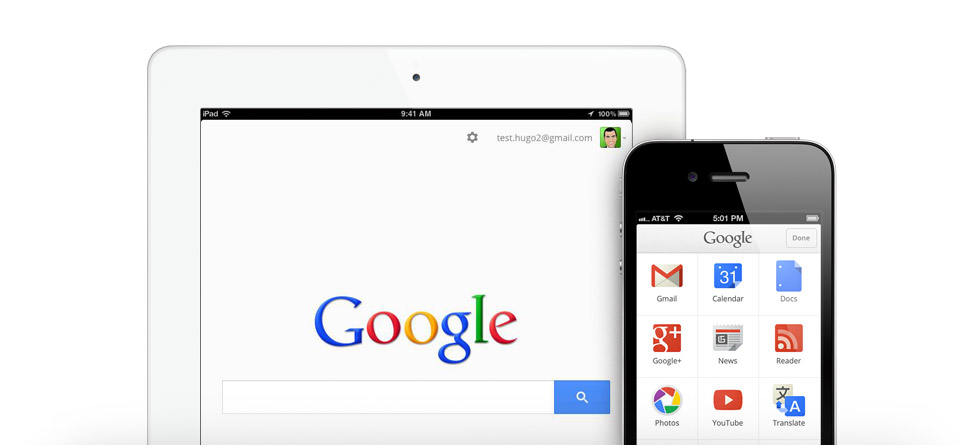
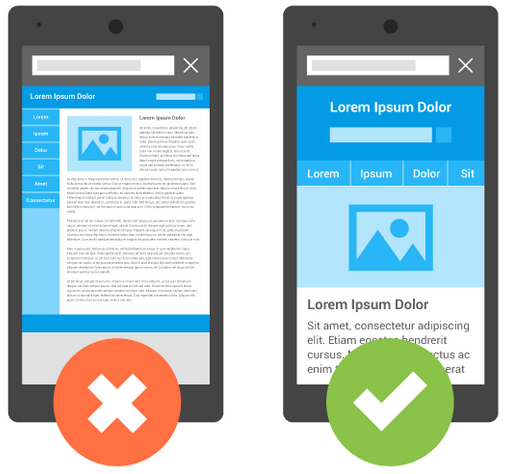
    The new upgrade will push up the content fitting the small screen of your smartphones and force the desktop-optimised searches down to the bottom of the list. It will give a boost to mobile-adaptive websites, given that over 60 percent of the search is done through smartphones. The update is limited to just handsets only and doesn’t extend to bigger devices like tablets. This suggests that from now on, search results on mobile will be different from the results googled on the desktop.

    google mobile friendly update

    Google stated in its blog post –

    We’re boosting the ranking of mobile-friendly pages on mobile search results. Now searchers can more easily find high-quality and relevant results where text is readable without tapping or zooming, tap targets are spaced appropriately, and the page avoids unplayable content or horizontal scrolling.

    However Google is not favouring anyone in the internet business, it will give advantage to the sites designed for mobile. The search would work on Mobile-Friendly Test and would scan different factors of each page to give it a thumps up. It’s important to note that the update applies to individual pages, not entire websites. It will affect search results in all languages globally.

    The California-based giant recently did another major alteration for smartphones; it slipped a list of relevant apps within search results for you to download. Both these moves are useful for users and developers alike.

  • Xiaomi Mi Power Banks are Back in Stock on Flipkart

    Xiaomi Mi Power Banks are Back in Stock on Flipkart

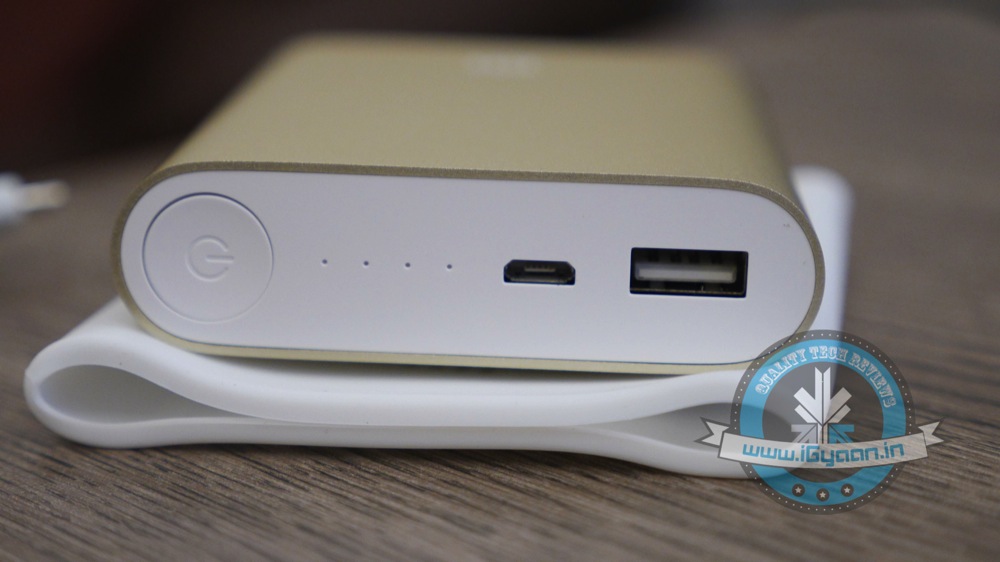
    One of the reliable and affordable power banks in India, Mi Power Bank, was unavailable on Flipkart since long. The e-commerce website has now restocked its cart with both the variants of Mi Power Bank – 5200mAh and 10400mAh. The 5200mAh version will come at a price of Rs. 599, while the latter one will cost Rs. 999.

    Xiaomi has also launched a 16000mAh power bank, but it’s not out for sale yet. The highest capacity portable charger will go on flash sale on April 24 at 12 noon.

    mi power bank

    Coming back to the available Mi Power Bank variants, the Mi 5200mAh external charger boasts an elegant design and is extremely portable. It can charge a regular-sized battery (2100mAh) twice, e.g. iPhone 5s can be charged two times on a full charge. On the other hand, the 10400mAh power bank on a complete charge can refill a regular battery four times.

    Meanwhile, Mi Power banks are available on Flipkart only, and its latest online partners Snapdeal and Amazon India are yet to stuff their carts.

    Check our review of the Mi Power Bank below:

    Click here to buy now:

  • OnePlus Pauses Cyanogen OS 12 Update Roll Out to Include ‘OK OnePlus’ Feature

    OnePlus Pauses Cyanogen OS 12 Update Roll Out to Include ‘OK OnePlus’ Feature

    After weeks of delay, OnePlus finally rolled out the much-awaited CyanogenMod OS 12 (CM OS 12) based on Lollipop. It was only for a few days that the release sustained and after that, the company decided to halt its roll out. The Chinese smartphone brand did have a sold reason for this. They announced that the OTA update of CM OS 12 had been paused temporarily to add a new feature called “OK OnePlus”.

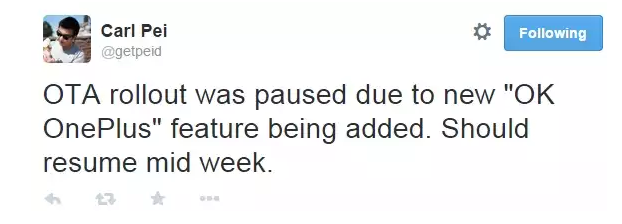
    The Co-Founder of OnePlus commented on the issue on Twitter. His quote is captured in the screenshot below:

    cyanogen

    As per his comments, the roll out will resume mid-week with the new ‘OK OnePlus’ feature. He also added, “Those who don’t want to wait, feel free to flash manually.” The new tool on OnePlus One functions similar to ‘OK Google’ on Android phones. It will also work when the device is in sleep mode; a feature that was introduced with the Moto X.

    For folks who have updated their One devices with CM 12 will also be able to access the feature. Users with the pre-installed operating system will receive an OTA update to incorporate ‘OK OnePlus’ tool on their handsets. It is not certain if the Indian version of OnePlus’ custom ROM OxygenOS will get the voice command feature.

    The latest CyanogenMod OS 12 update brings some unique features like new Cyanogen email app, Exchange Support, Multiple Account integration and canned responses for quicker replies.

  • Indian Tech Startups Write an Open Letter to PM Modi to Help Save Net Neutrality

    Indian Tech Startups Write an Open Letter to PM Modi to Help Save Net Neutrality

    An unbiased internet is a right of all and should not be a distinctive property limited to a privileged few. For the Internet to be a free entity is extremely important for regular internet users, as it is the equally essential for the budding businesses to grow. Start-up firms, who are launching themselves to gain recognition using the internet, need a non-discriminatory medium to establish themselves. For them, an unbiased platform both on the basis of cost and speed is a crucial need.

    A group of tech start-ups has pushed its concern over the lack of Net Neutrality. The emerging companies wrote an open letter to PM Modi which states the necessity of free Internet to build a Digital India. The letter throws light on the fact that the dream of India to produce the next Google is impossible without a non-discriminatory Internet. The Prime Minister of India, few days back, remarked in his speech that he wants India to be the birthplace of next renowned search engine.

    net-neutrality

    The letter by the small businesses reads, “We dream that an Indian startup may one day become the next Google, Facebook or Amazon. We know that you share our dream. We share another dream with you, the dream of a Digital India. We dream of this as Indians, and also as businesses that wish to serve a fast-growing Indian internet market. These dreams cannot be achieved without the open Internet.”

    The message ends up with the comment, “We request that open-house debates be held in major Indian cities after the consultation process is over. We, the start-ups that are at the forefront of creating Digital India, request you to take action now. We need you to protect our nation’s innovation ecosystem.” The open letter is signed by some of the fresh companies like Housing.com, Goibibo, TheSecretKart.com and much more.

    Late last year, Airtel attempted to violate net neutrality by charging extra for free calls and chat services, but faced an aggressive backlash resulting it to withdraw the proposed plan. Recently Airtel Zero, a scheme to offer free data access to a variety of mobile apps, faced such hostility that it forced Flipkart to back off from Airtel’s Zero plan. However, Airtel stood by its initial claim and came out openly denying the allegations.
    Meanwhile, the government has stepped into the matter and will look into the Zero plan. Facebook and Twitter are flooded with various campaigns such as #SavetheInternet, #NetNeutrality, to save the internet from classism.

    To read the full letter, click here.

  • WhatsApp Brings Voice-Calling to iOS Along With Few More Features

    WhatsApp Brings Voice-Calling to iOS Along With Few More Features

    It’s been a while since the cross-platform mobile messaging app debuted its much-talked about free calling service on Android platform. The iOS users were left behind with no access to this feature, but now WhatsApp has released the calling tool for iOS users as well.

    WhatsApp update with version 2.12.1 hit the iTunes Store, which states that upgraded app will feature voice-calling on iPhone. Users can make a call to any of their friends and relatives across the globe using the cellular data. WhatsApp stated that it has started rolling out the service, and it will slowly reach all iOS devices “over the next several weeks.”

    The latest version is not just about the voice-calling update and introduces a slew of other features, making use of iOS 8’s sharing extensions. With the new version installed, users would be able to share photos, videos, and links right to WhatsApp from other apps. To know more about the useful inter-app sharing improvements, click here. 

    iPhone users can now also edit contacts directly from the app. One can capture photos and videos within WhatsApp and can send multiple videos before cropping them. A caption can also be added along with the photos, just like Android app.

    Meanwhile, WhatsApp recorded a steep increase in its active user base. The CEO of the company said that it now serves 800 million active users, which was 600 million nearly four months back. Covering the iOS users as well, Windows is the only platform left where the voice-calling is still to arrive.

  • Qualcomm to Tap Samsung to Build Next-Gen Snapdragon 820 Chip

    Qualcomm to Tap Samsung to Build Next-Gen Snapdragon 820 Chip

    Qualcomm has long association with one of the world’s largest semiconductor foundry Taiwan Semiconductor Manufacturing Company (TSMC). The latter firm has provided some of the cutting-edge chips like Snapdragon that are fitted to most of the high- and low-end smartphones of the decade. But Qualcomm seems to giving a break to its customary practice and is planning to head towards Samsung for the next-generation Snapdragon processor.

    As per a report by Re/code, Qualcomm will make use of Samsung’s manufacturing arm to build the upcoming Snapdragon 820, stated an insider. This means we might see the high-end 2016 smartphones powered by a Snapdragon processor manufactured at Samsung’s chip-making plants. Meanwhile, it is heard that Apple has also given the contract to Samsung for the A9 chips.

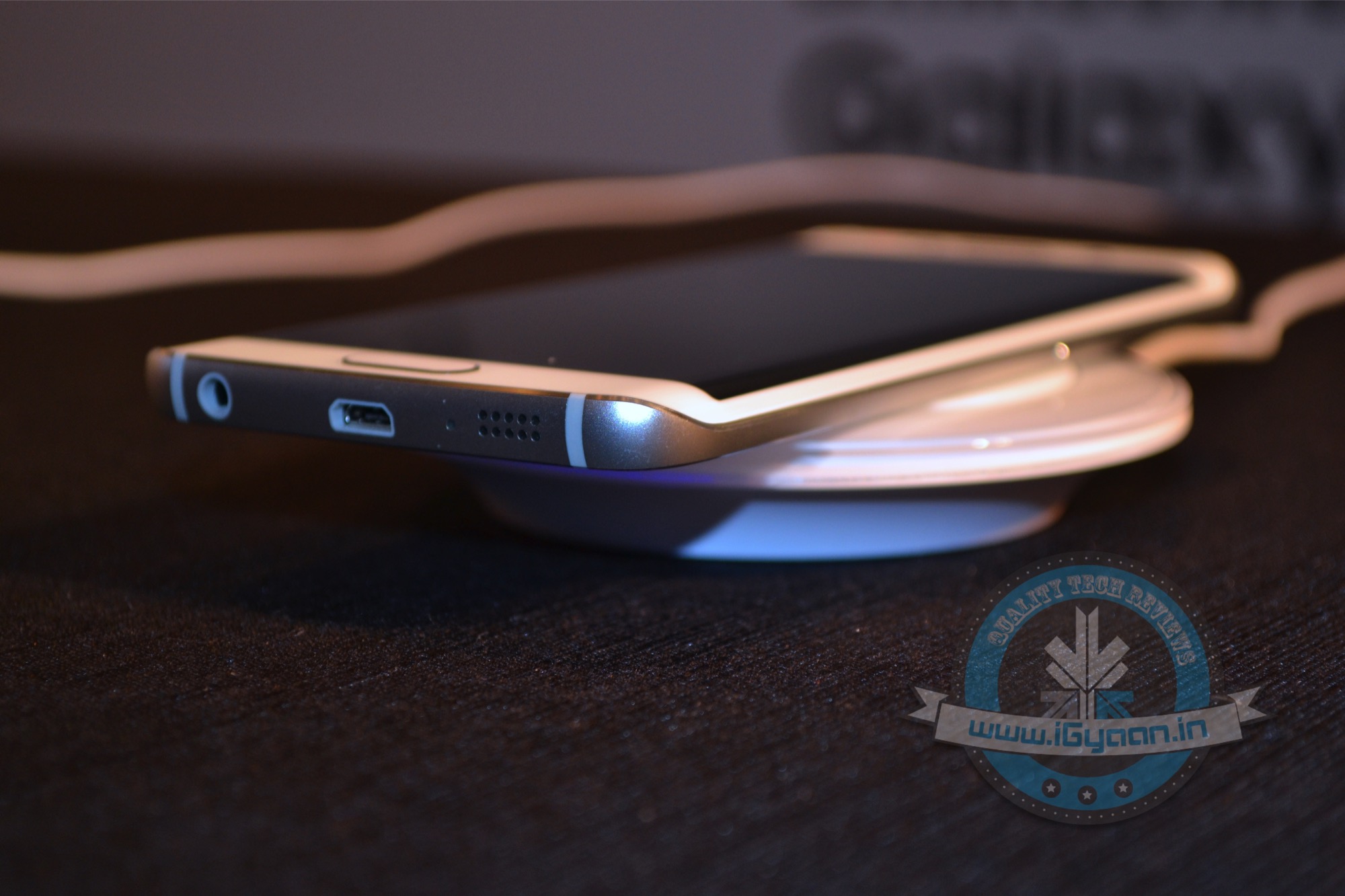
    Samsung Galaxy S6 Edge side

    The present Snapdragon 810 made by TSMC lags behind Samsung’s own Exynos 7, equipped with the latest Galaxy S series handsets. Unlike previous processors, the Snapdragon 810 heats up and slows down immensely after certain minutes of usage. This led to a major loss to Qualcomm, who lost a major chunk of its customers because of the problematic Snapdragon 810 processor.

    Samsung also has an edge over TSMC as it uses thinner 14nm transistors instead of 20nm used at TSMC. A thin wiring adds benefits to the phone. As the wires are slim, the chips would be small and smaller chips costs less. Smaller chips also give a better battery performance.

    qualcomm-snapdragon-mobile-processor

    Qualcomm has all reasons to turn to Samsung as Snapdragon is the major revenue factor for the company. To regain its lost clients, the global semiconductor firm may make a switch and tie up with the Korean company for improved chips. It is welcoming news for Samsung who has shown tremendous growth in the smartphone, as well as hardware business.

    According to the source, the Snapdragon 820 will have built-in LTE modem along with a graphics core and a custom-designed Qualcomm processor. For now, both Samsung and Qualcomm hasn’t slipped any information, and we have to wait for an official announcement for the authenticity of the report.

  • Here’s How You Can Watch Xiaomi’s “Global Mi Phone Premier” Live

    Here’s How You Can Watch Xiaomi’s “Global Mi Phone Premier” Live

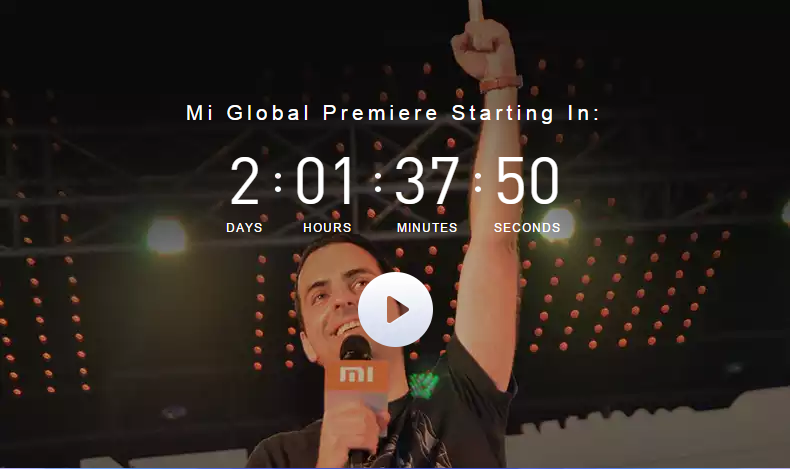
    The forthcoming Xiaomi event is going to be grand in many ways. It’s the first time that the Chinese electronics firm has chosen India for Global Mi Phone Premier and today, Xiaomi announced another first. The firm came up with a statement saying that the global Mi event will be live streamed on April 23 at 3.30pm IST. Users can visit the official Mi page to watch the event live.

    For now, the Mi page features a countdown to the event. On April 23, the timer will be replaced by a live streaming video for the Xiaomi fans. Also, the live stream of the event will be in English for the majority of the world to understand. The audience sitting in their homes can also participate in the live event by sending tweets with hashtag #MiLaunch2015.

    xiaomi mi globallaunch

    As we all know, the launch event is open for all, and anyone from fans and media can walk in to witness the launch of the new phone.

    Xiaomi teased the new smartphone with a tagline “i IS COMING”. Since then, much has been speculated about the forthcoming device. There have been reports that the next device is the low-end version of the Mi 4. A device with title Mi 4i was also spotted on the GeekBench3, which brought to light scare details of the phone.

    Fortunately, there are just two more days for the new device to launch, and it will put an end to all the anticipations. Keep checking back for more updates on the next Mi Phone.

  • Google Gives Android Wear a New Look With the Latest Update

    Google Gives Android Wear a New Look With the Latest Update

    The search engine major is geared to update its smartwatch operating system that would bring Android-run watches a step closer to Apple Watch. Lately, Google announced to update Android Wear to bring a slew of new features that are simple, fast and would make Android watches convenient to use.

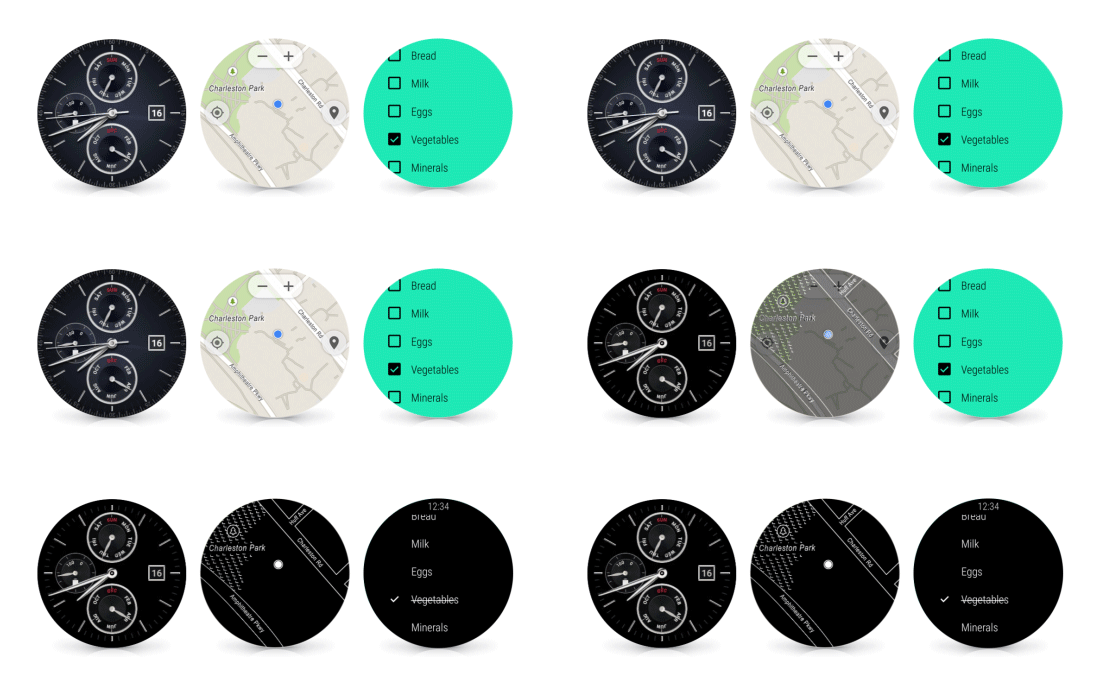
    The foremost significant feature of the new update is the always-on mode that is now extended to the apps. With the update, Android Wear will support a low-power, always-on mode that would allow apps to stay in the background in black and white. The screen will remain on, showing just a minimal amount of data and will save the battery life as well. The feature is helpful especially with shopping lists, map directions, music controls and fitness apps. The screen turns back to full colour when the user is actively looking at it.

    android wear always on

    Google has reduced the dependability on your smartphone with the latest Android Wear update. The Android smartwatches can now operate independently “as long as your watch is connected to a Wi-Fi network, and your phone has a data connection.” Yes, the Android Wear now supports Wi-Fi. Users can move the smartwatch beyond the Bluetooth range of their handset, which was the only connecting medium until now. The Android Wear device will now receive notifications, send messages, and use all your favorite apps.

    android wear

    The fresh update will sort of change the way users interact with their smartwatch. Google has added a few gestures to improve usability. Now, one can scroll the screen up just by a flick of the wrist and don’t need to empty your hands to operate the watch.

    android wear apps_people_actions

    The basic functionality of the watch has been simplified by bringing ahead the apps and contacts. Just touch the watch face and users can start send messages immediately and start apps.

    android wear _emoji

    Also, Google has added hand-drawn emoji support as a mode to communicate with your friends. Android Wear will understand the hundreds of different emojis drawn by you and send it via message or text.

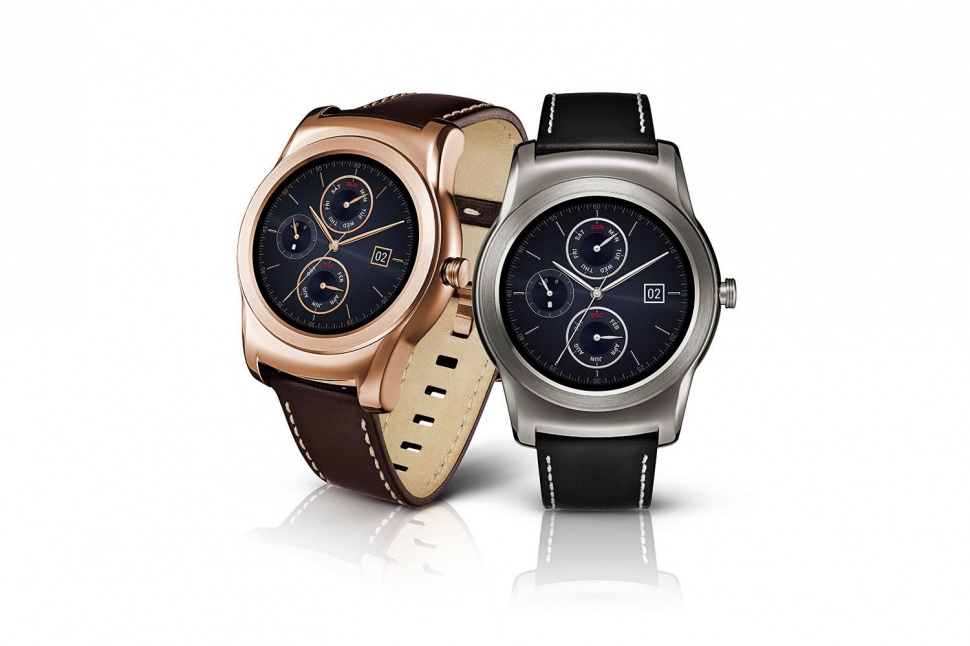
    The update will be coming over the next few weeks, starting with the new LG Watch Urbane. All the other Android watches will soon follow.

  • Moto E (Gen 2) 4G Goes Up For Sale Tonight Priced at Rs. 7,999

    Moto E (Gen 2) 4G Goes Up For Sale Tonight Priced at Rs. 7,999

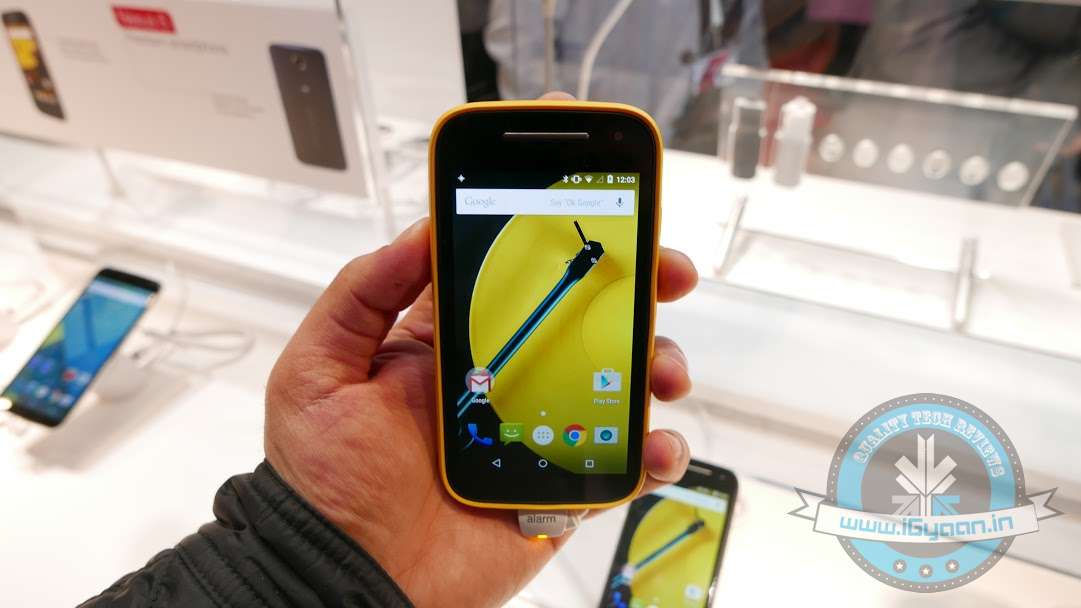
    After the huge success of Moto E (ten 2), Motorola has finally introduced the LTE version of the second-generation Moto E in India. Today, the company has announced the roll out of the same starting tonight at 12am. The bigger Moto E successor comes at a price of Rs. 7,999.

    While the base version of the new Moto E costs Rs. 6,999, the LTE variant of next-gen smartphone is priced Rs. 1,000 higher than the standard variant.

    moto e gen 2 1

    Recalling the specifications of Moto E (Gen 2) LTE, the device touts a bigger 4.5-inch qHD (540×960p) screen and a 1.2 GHz quad-core Snapdragon 410 processor as compared to the Snapdragon 200 processor of the 3G model. The handset features 1GB of RAM and 8GB of inbuilt storage capacity, expandable up to 32GB.

    A rear camera of 5MP is fitted onto Moto E (Gen 2) LTE, while the front has a 0.3MP shooter. Running on Android 5.0 Lollipop, the device comes with a 2390mAh battery.

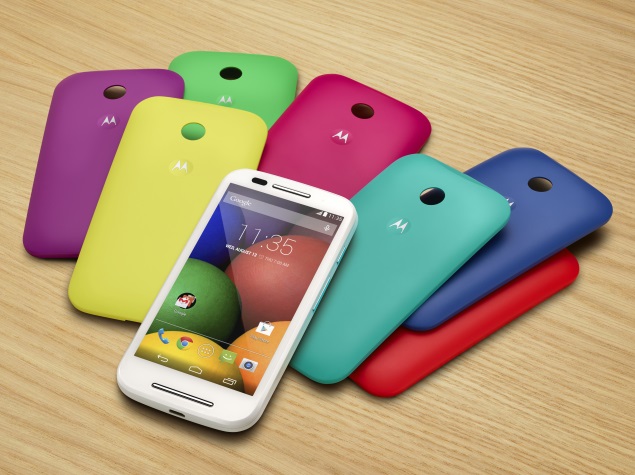
    Unlike the Moto E, users can now personalize their devices. The new interchangeable, colourful bands and grip shells have been introduced that give the phone an appealing look. The bands come in six different shades (Golden Yellow, Turquoise, Blue, Raspberry, Purple, and Red) and for back plates any colour can be chosen from Golden Yellow, Charcoal, Turquoise, Blue, and Raspberry.

    It would be interesting to see if the new model can secure the amount of traction acquired by the first device in the E series.

    Use this link to purchase the device:

  • Sony’s Run Continues, Announces High-End Xperia Z4 in Japan

    Sony’s Run Continues, Announces High-End Xperia Z4 in Japan

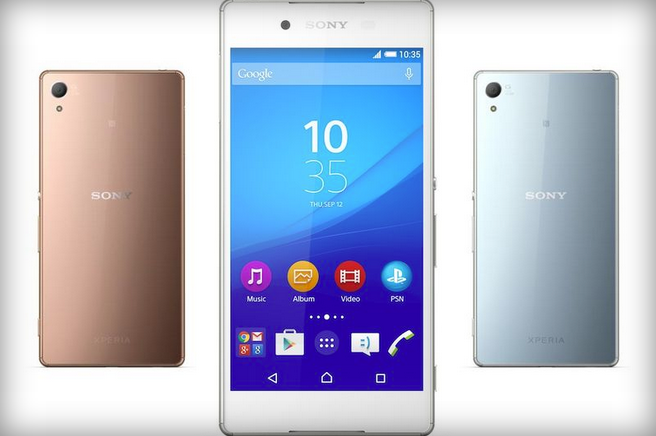
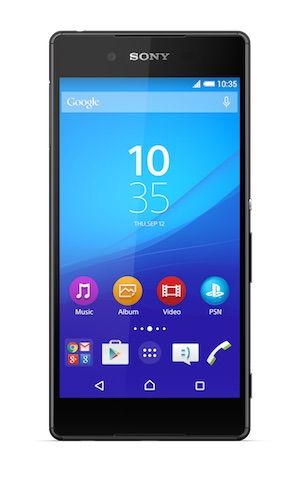
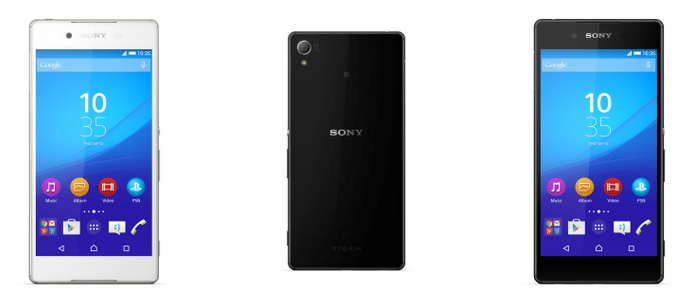
    Sony Corp is pushing hard to overcome the unfavorable circumstances and has launched a premium smartphone to signify its presence in the mobile business. Today has marked the debut of Sony’s latest flagship, the Xperia Z4, in the company’s home ground Japan. The smartphone boasts a aluminum frame and features an Omni-Balance design just like the other handsets in Xperia series.

    Weighing a mere 144g at 6.9mm thickness, the device holds a full HD screen of 5.2-inch with 1080p pixel density. The device runs on 64-bit 2GHz octa-core Snapdragon 810 processor bundled with 3G RAM and 32GB onboard storage capacity. The phone features a memory card slot that can hold a MicroSD card of 128GB. Software-wise, the Xperia Z4 runs on Android 5.0 Lollipop.

    sony xperia z4

    A robust 20.7MP camera with Exmor RS sensor and BIONZ image processor sits at its back, while the front sports a 5.1MP snapper. The phone gets its juice from the 2930mAh battery, which is quite enough to keep the phone running for a day. Connectivity options include Bluetooth, Wi-Fi, Micro-USB port along with LDAC, Sony’s new wireless technology to transmit audio wirelessly.

    The phone is water and dust resistant and has got IP6X (dust) and IPX5/IPX8 (water) certification. The phone will be out in Japan this summer in white, black, copper and aqua green color options. Meanwhile, there is no word about its price.

    sony xperia z4 2

    Sony has sold one of the founding units of the company (personal computer segment) and according to top executives, it may exit from the mobile business too. One of the major reasons for Sony to find itself in the deteriorating state is the high price of its smartphones in the budget-sensitive market. The Japanese firm needs to follow the footsteps of Chinese and Indian smartphone firms to retrieve its lost esteem.

    The company, once neck and neck with Samsung and Apple, is now left behind in the smartphone race. It is battling with the price pressure by the recently established firms like Xiaomi and OnePlus. A while back, Sony announced to focus on camera sensors and video games instead of TV and smartphones. This may be its last attempt to restore the ailing mobile division.

  • Xiaomi Plans to Invest in More Than a 100 Start-ups

    Xiaomi Plans to Invest in More Than a 100 Start-ups

    Chinese electronics giant Xiaomi, which was once a start-up, has now grown to become the third largest consumer electronics firm in the world. It has gained a foothold in its home market as well as the native markets of other renowned electronics titans. The tech major is working towards turning every budding business into an empire.

    According to a recent report, Xiaomi is betting on emerging businesses to help them copy the growth model of the company. The CEO of Xiaomi has announced that the company plans to invest in hundred startups to help them financially. This step is in accordance with the earlier move to back 20 startups that has shown productive outcomes.

    Lei Jun commented about its plan that Xiaomi’s strategy is to enable the company into an “ecosystem empire” with major focus on software firms. He further stated –

    We plan to move full steam ahead in its quest to become an ecosystem empire.

    Investing in software firms would help Xiaomi link anything; consequentially aiding its product portfolio expansion.

    Recently Xiaomi’s backed robotics manufacturer Ninebot acquired Segway. The buyout seized the attention of the industry-watchers as a small industry is expanding rapidly, but more than that, it was a call for big celebration for Xiaomi. Late last year, Xiaomi became the world’s most valuable technology start-up after gaining  $1.1 billion from investors.

    Xiaomi has made use of its small associates and has launched a bunch of smart products such as air purifiers, smart bulbs, smart televisions, etc. With its new approach to software firms, we may soon hear of some unconventional innovations amongst their smartphones.

    Meanwhile, Xiaomi has shown significant interest in the Indian market. It has announced to establish a physical warehouse and an R&D center in Southern parts of India.

iGyaan Network
Privacy Overview

This website uses cookies so that we can provide you with the best user experience possible. Cookie information is stored in your browser and performs functions such as recognising you when you return to our website and helping our team to understand which sections of the website you find most interesting and useful.