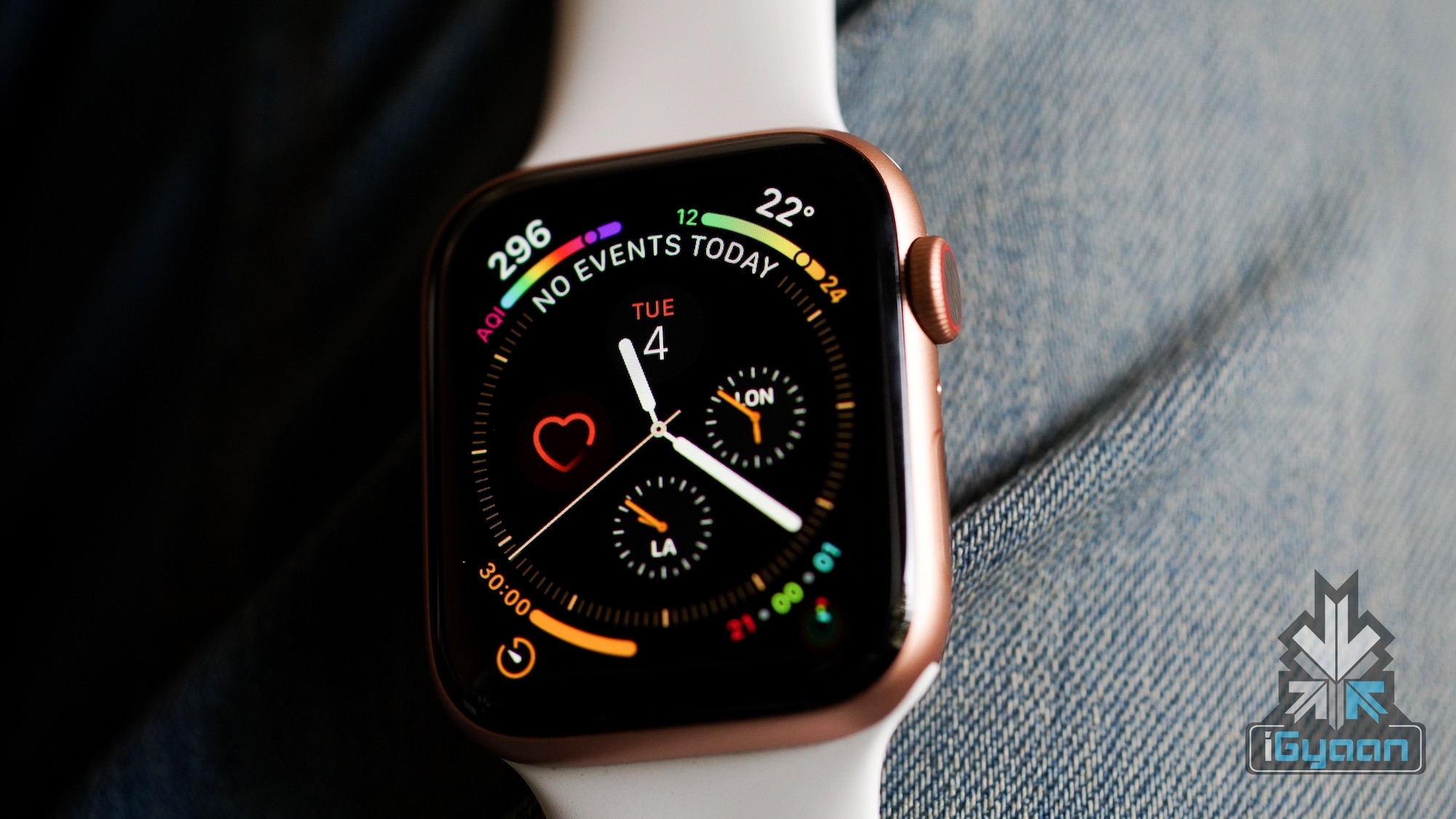
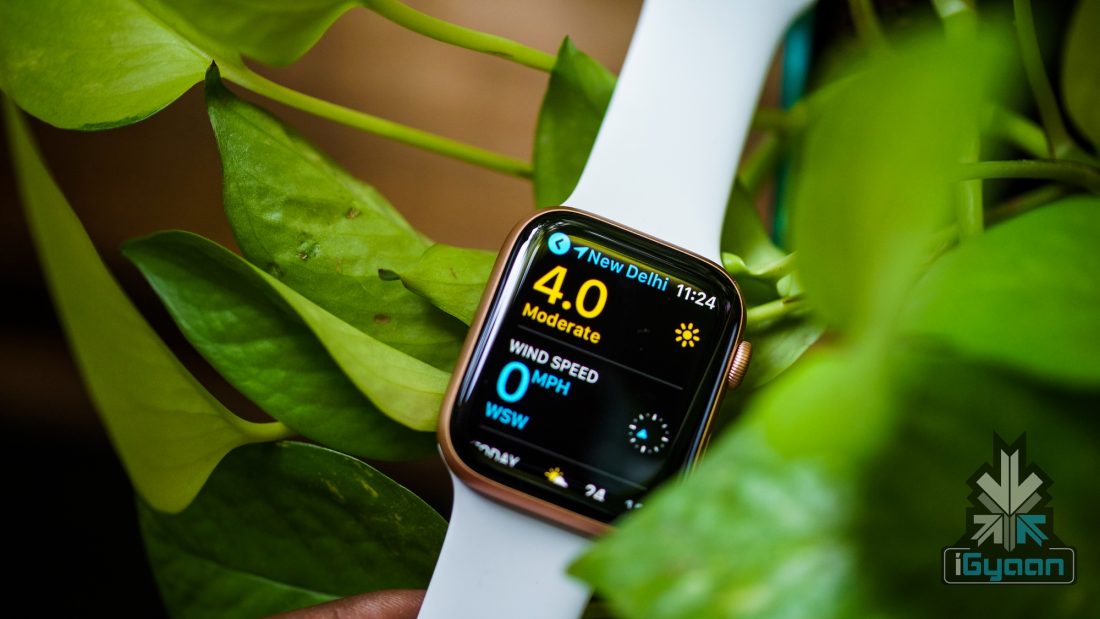
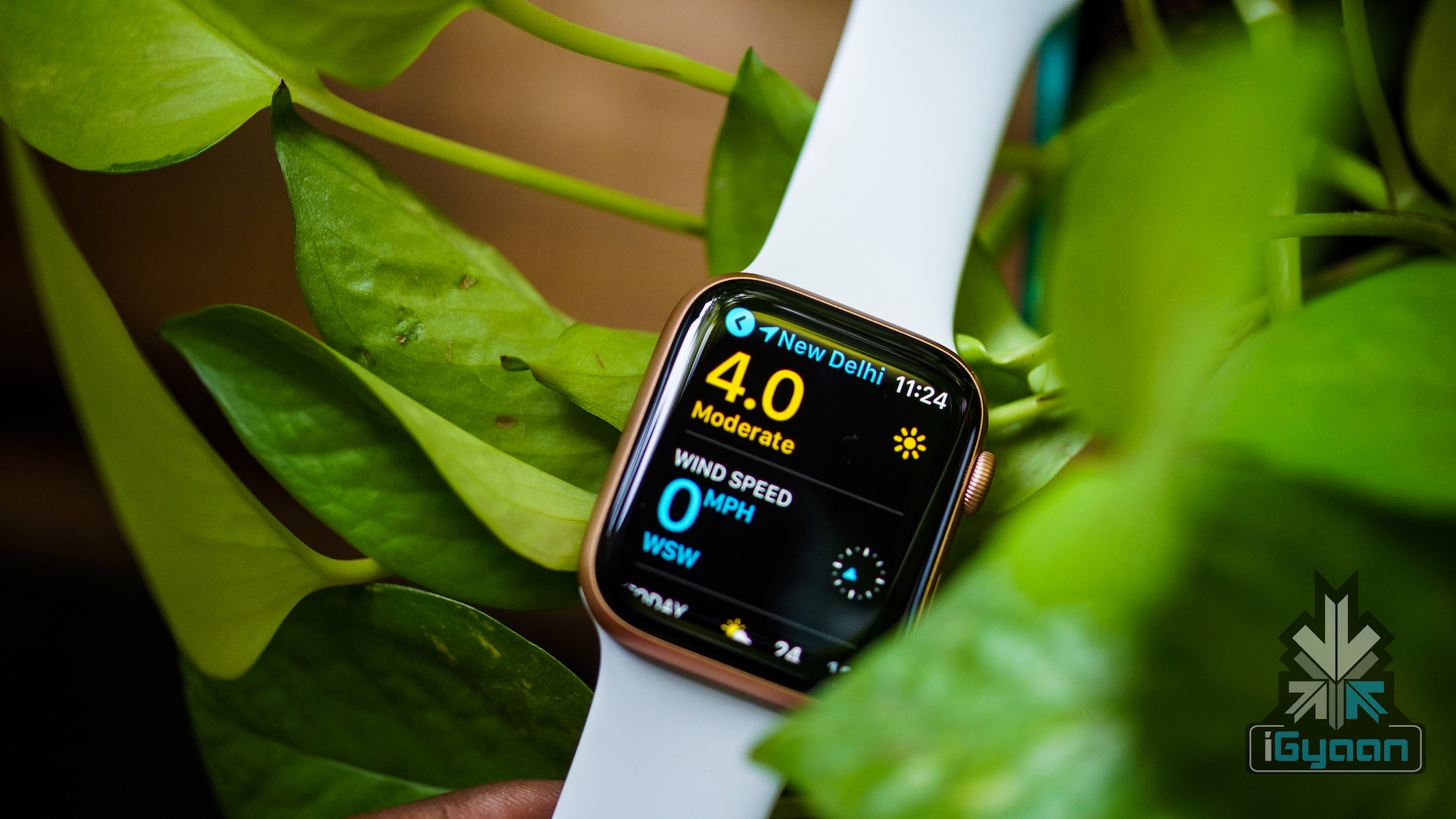
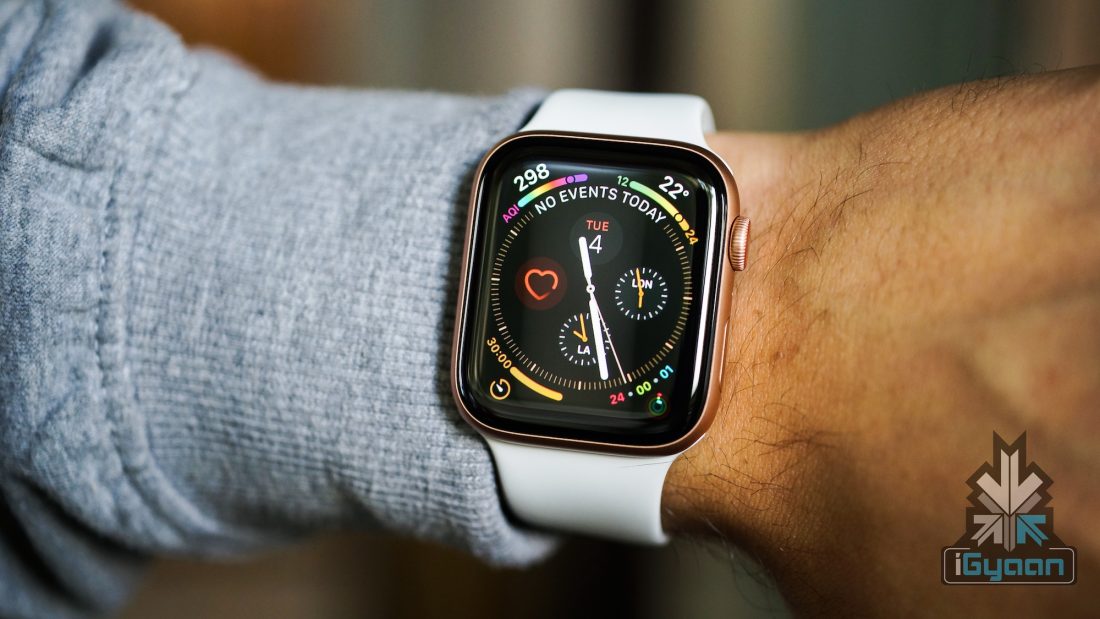
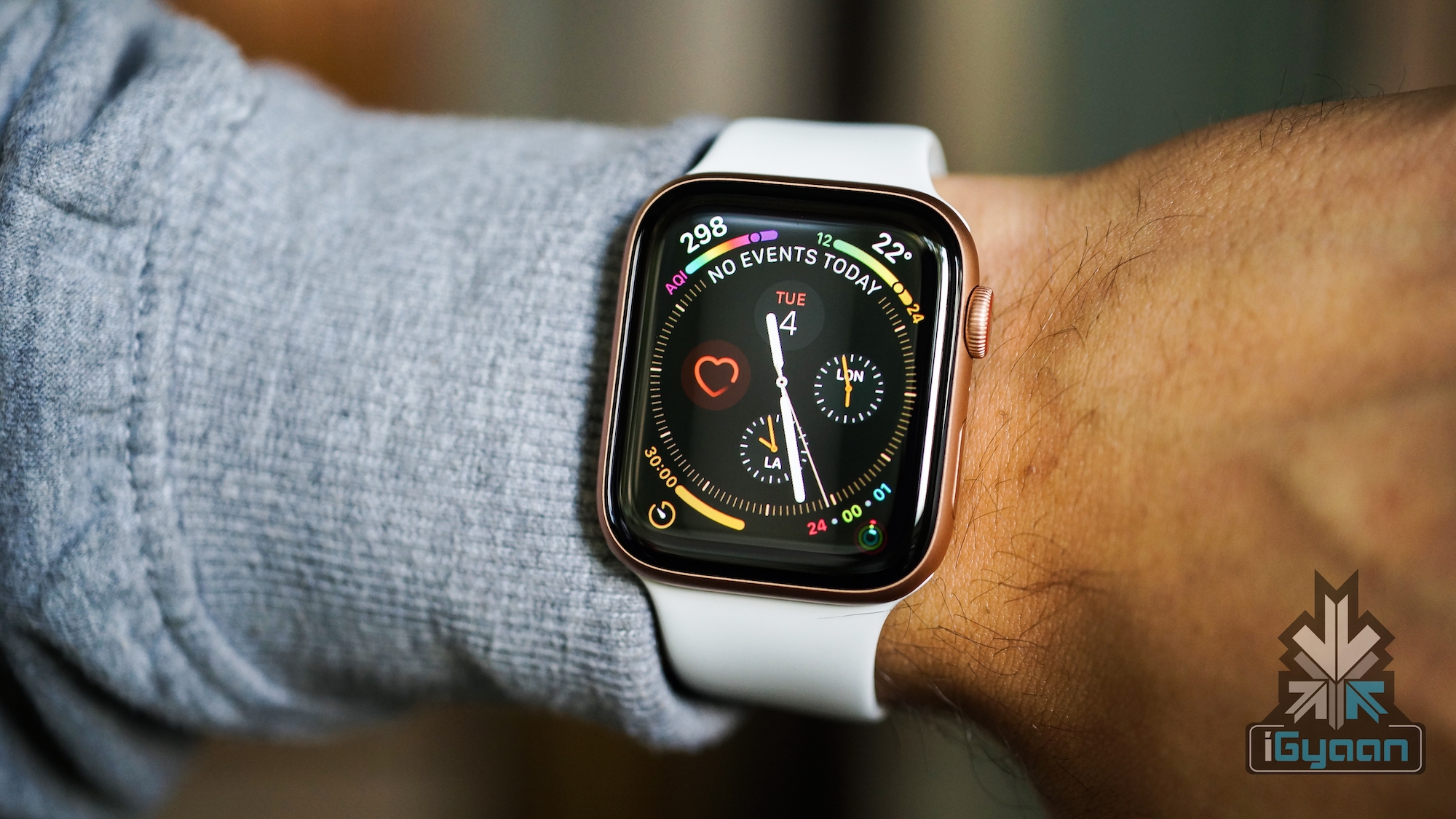
The Apple Watch 4 was one of the most interesting devices revealed at Apple’e special September 12th event held this year. The Series 4 Watch has a bigger screen, added and improved features to track your health and many more changes. However, a recent report details that Apple has extended the return period for the Apple Watch 4 to 45 days. Compared to the traditional 15 days they offer on other devices.
The Extension
The information regarding the extension came through MacRumours. They got their hands on an internal document distributed by Apple to their Authorised Service Providers. So now, if any customer wishes to return their Apple Watch 4 after a period of 45 days, their request will directly go to Apple support. Then, customers will need to contact Apple by phone, email or chat online to initiate a refund.
The move is reported to be regarding the health features included in the new watch, especially the heart rate monitor and the ECG app. It also includes irregular heart rhythm notifications. Another document obtained by MacRumours also details that Apple Watch Series 1 to 4 will receive these features with the watchOS 5.1.2 update.
The Motive
However, it is still not clear as to why Apple has extended the return period for the Apple Watch 4. Some claim that this is done to let users get used to the health features and see whether they are really benefiting from it. This includes time for users to test out the ECG feature. And see whether it really has an impact and use in their daily life. However, Apple has warned users that the ECG feature is just to aid your health tracking and should not the used to replace a doctor. You must still rely on regular visits to your doctor in case you are suffering from any health issues.
The Apple Watch 4 also includes other features such as automatic fall detection. This will alert emergency services after a certain time duration, if you do not wake up after a fall. It is still not clear as to why Apple has made the move to extend the time period for the return of the Apple Watch. But users will surely benefit from it.
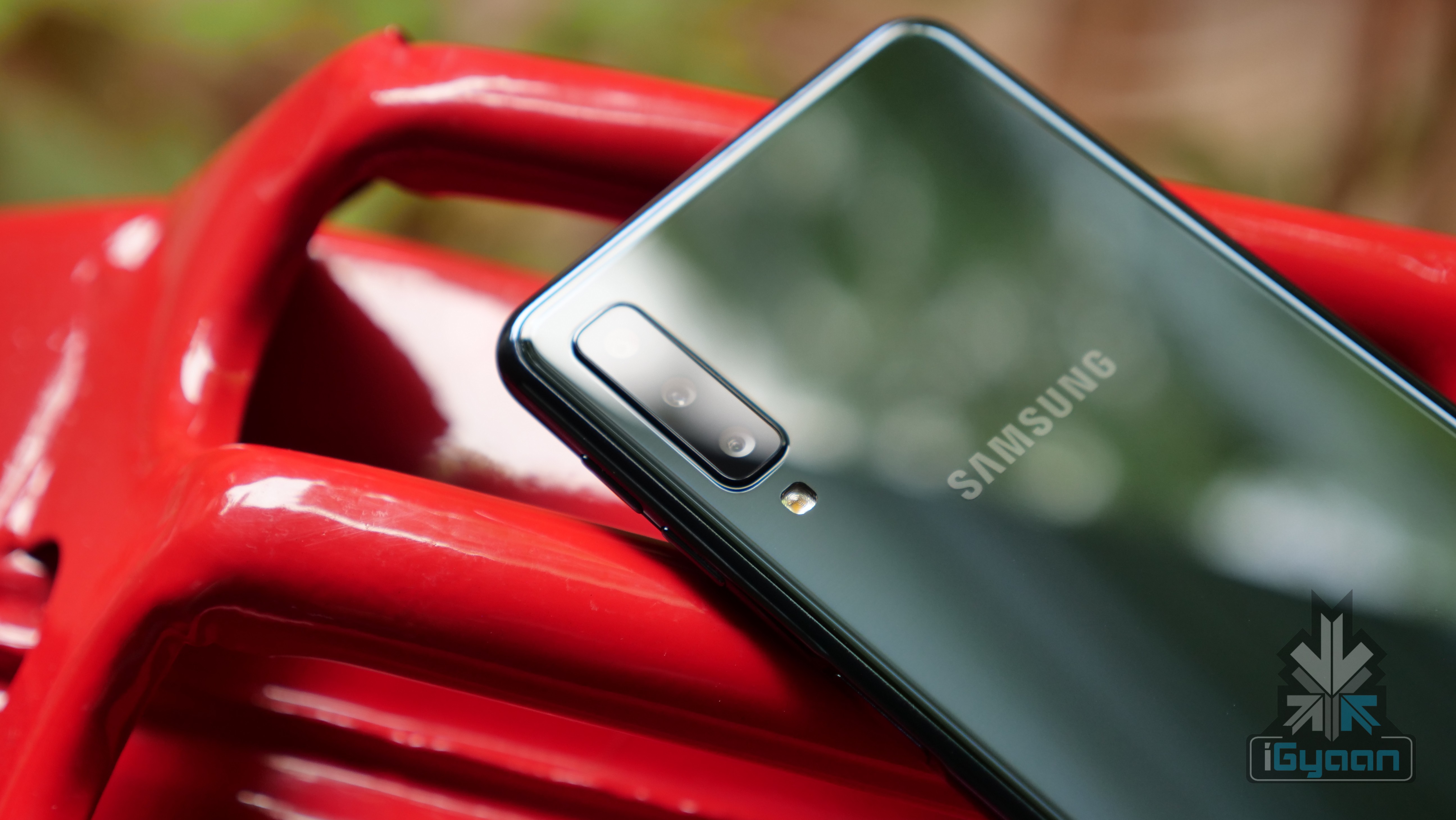
The Samsung Galaxy A8s was teased by Samsung earlier this month. Since then, the phone has been making headlines for its unique camera cut-out. The camera cut-out replaces the need for a notch or bezels, without the hassle of a sliding panel. The phone almost immediately found a competitor in form of the alleged Huawei Nova 4. Now, it seems like the launch of the smartphone is near as it has been certified by the FCC. This tells us some of its specifications too!
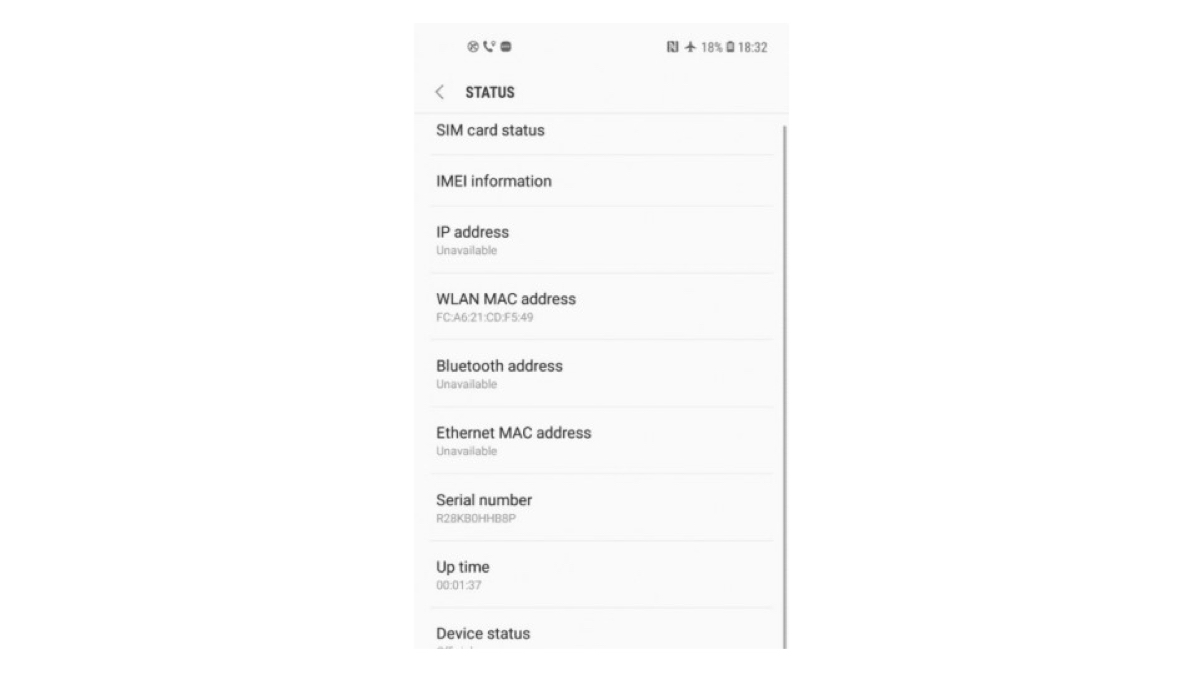
FCC Listing
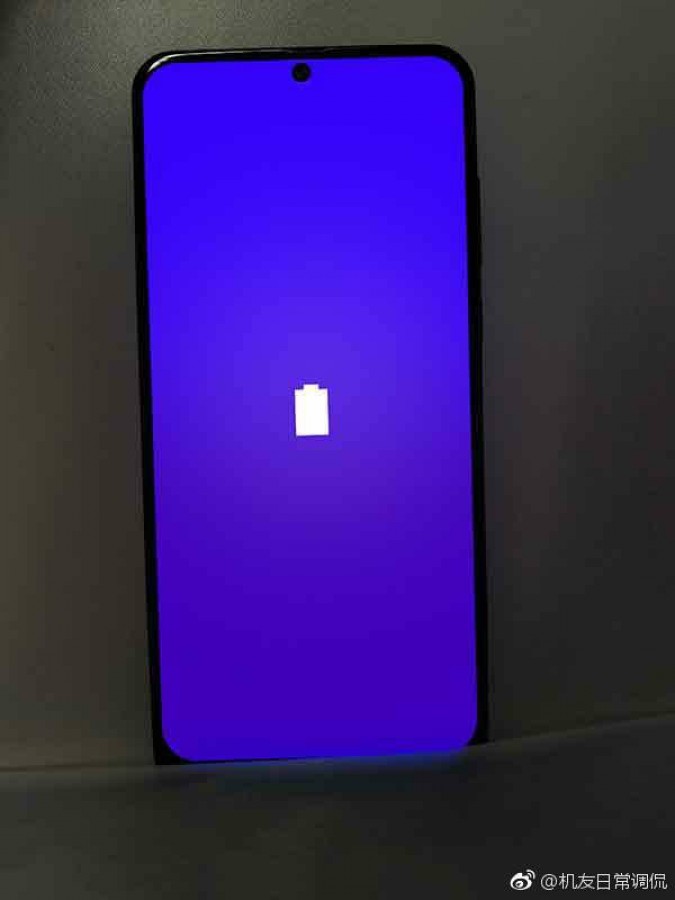
The position of the icons on the left has moved due to the camera cut-out
A screenshot from the FCC listing reveals some of its key specs. The phone has a 19:5:9 aspect ratio, owing to the hole in its display. This camera cut-out is located on the right side of the phone. Registered under the model number SM-G8870, the phone also has adaptive fast charging support. This is a common feature in most mid-range smartphones. The camera cut-out cannot be seen in the screenshot, but we can see that there are no notifications towards the right top corner do the smartphone. This is the exact position of the camera cut-out. It also gives us a look at how the display will look like to the user.
Earlier leaks have given us a fair idea about the device as well. The phone is said to have a 6.3 inch FHD+ display with a 2340 x 1080 px resolution, with 2.5D glass. It is said to be running on the Qualcomm Snapdragon 710 SoC which is based on the 10nm manufacturing process. This will be supported by the Adreno 616 GPU. It will have 6 GB of RAM and a 128 GB of storage, which is also expandable up to 512 GB, according to reports.
It is said to feature a triple camera setup on the back, like the Galaxy A7. This will include a 24 MP primary camera with a 10 MP ultra wide lens and a 5 MP depth sensor. The phone is said to feature a 24 MP front facing camera. Under the hood, it packs a 3,400 mAh battery and is said to be running Android Oreo 8.0 out of the box.
The much awaited Asus Zenfone Max M2 Pro has been confirmed to launch in India, by the company. Asus did so through a tweet on its official account. They have set the date for its launch for the 11th of December. The tweet also mentions that the smartphone will have Corning Gorilla Glass 6 and will be a Flipkart exclusive.
The unrivalled champion of mid-range is ready to begin its dominance with the most durable screen in the segment – Corning Gorilla Glass 6. The Zenfone Max Pro M2 launches on 11th December, exclusively on @Flipkart. Stay tuned for more. @corninggorilla#UnbeatablePerformer2dot0pic.twitter.com/Kd2vHKN22B
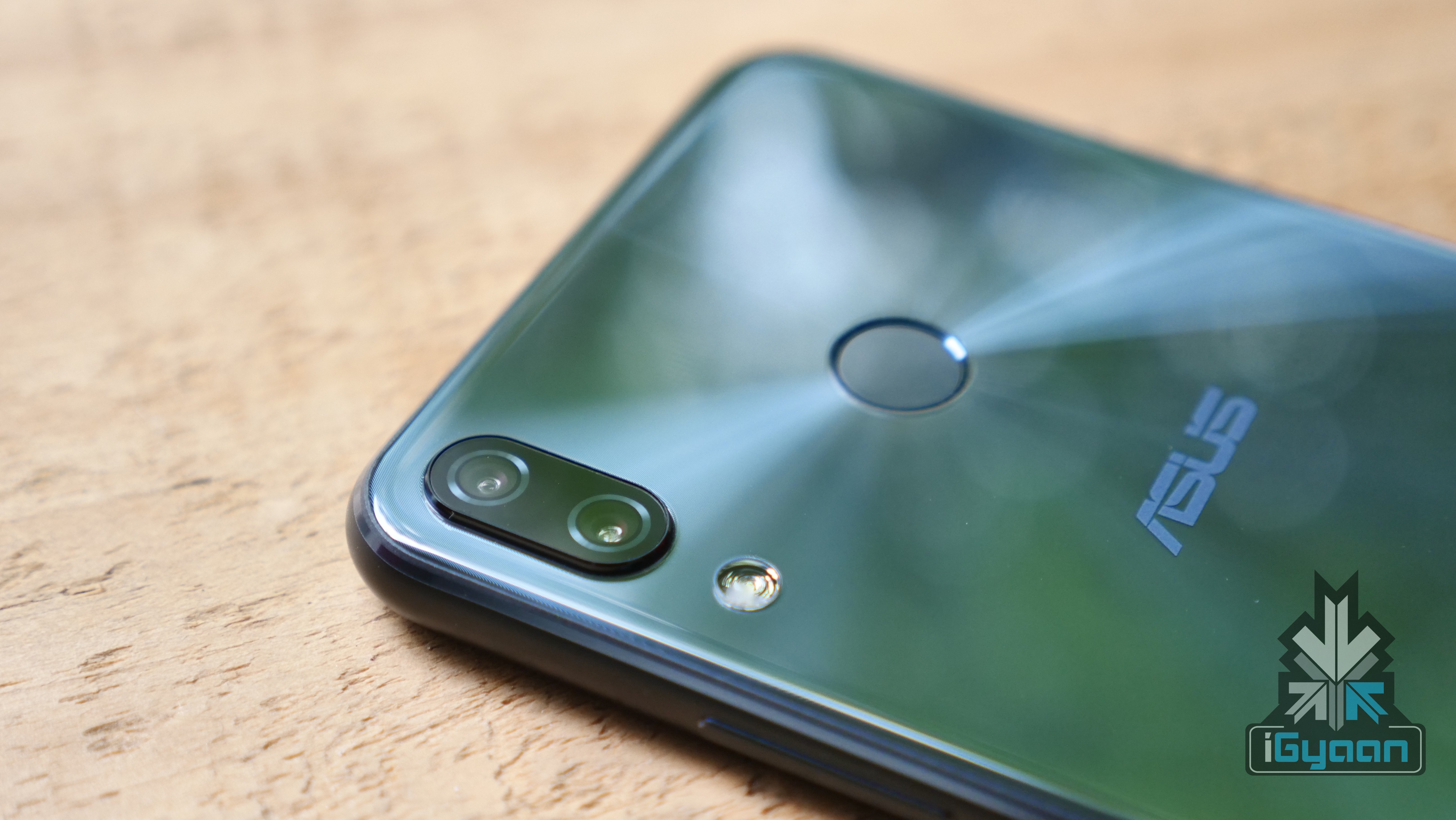
Earlier, a teaser on the companies Indonesian account had revealed that the phone has a massive 5,000 mAh battery. The Asus Zenfone Max Pro M2 is expected to have many more such features which will make it a worthy successor to the extremely popular Zenfone Max Pro M1. The phone is also has a dual rear camera setup, as has been seen from earlier teasers and leaks. The device also has a rear mounted fingerprint sensor and a glass back. The phone will also have a notch on its display, which will house the front facing camera.
The phone is also said to have a 6.3 inch FHD+ display, which will house a notch. It is said to run on the Qualcomm Snapdragon 660 SoC. And will have 4 GB of RAM along with 64 GB and 128 GB storage options. Some reports also claim of a second variant with 6GB of RAM. The Snapdragon 660 chipset has a lot fo improvements in terms of performance and AI capabilities when compared to the Snapdragon 636 chipset on the Zenfone Max Pro M1.
Interestingly enough, some sources also claim that the phone has a triple rear camera setup and not a dual rear camera. This can be a possibility as none of the teasers actually show the entire camera setup. They always cut the phone at a place where the third lens os not visible. However, it is also possible that this is not a third sensor and is simply the LED flash on the back. We will have to wait till the launch of the device on December 11th to know more details about the phone.
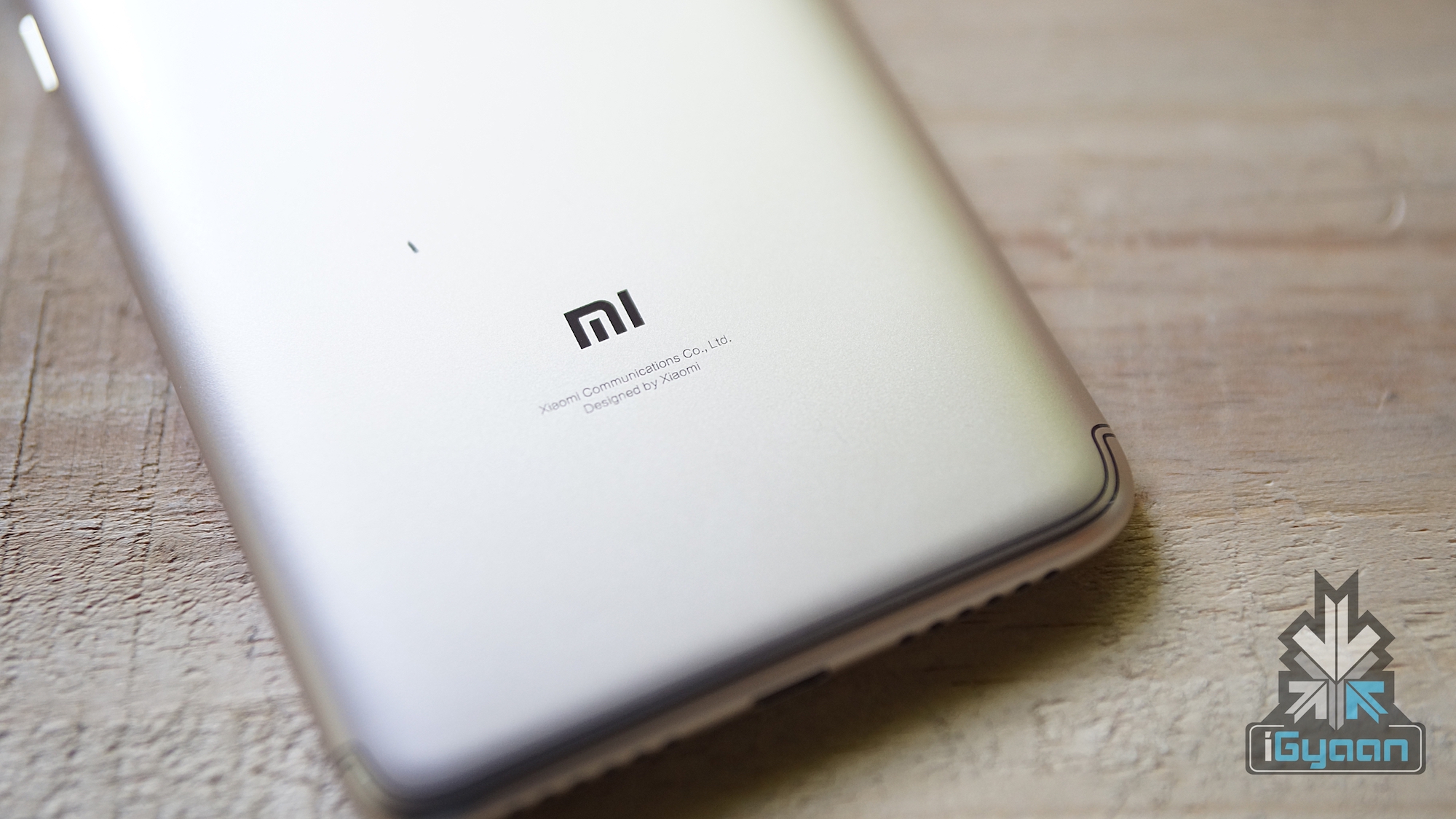
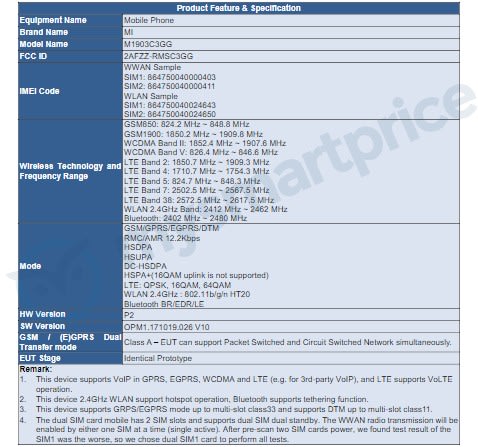
An upcoming Xiaomi smartphone has passed the FCC certification. This new smartphone bears the ID 2AFZZ-RMSC3GG and is said to target the budget conscious buyers in the Android smartphone market. Sources also claim it could be a more affordable phone from the Mi 8 series by Xiaomi. However, it is not clear as to which markets will see the launch of this device and whether it will make its way to India.
Not much is known about the device, but there are quite a few specifications which are seen on the listing. The Xiaomi smartphone only supports single-band WiFi and only works on WiFi b/g/n 2.4 GHz bands. This means it will not support dual-band WiFi or the latest WiFi 802.11ac. Also mentioned in the listing is that it is a dual SIM smartphone. However, only one SIM card can support 4G connectivity at a given point of time even though it supports dual standby.
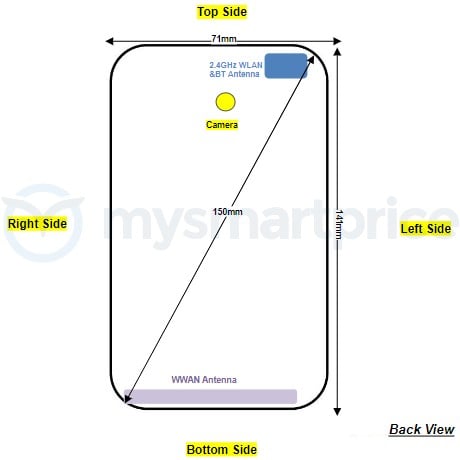
Also mentioned in the listing is the fact that the phone has Bluetooth 4.2 support and not the latest Bluetooth 5.0. The listing also reveals the physical dimensions of the phone. The phone has a 5.9 inch screen and is around 71 mm wide. It is also reported to have dual rear cameras placed horizontally next to each other.
It is highly probable that this will be another China exclusive smartphone and might not see its launch in India. However, it is interesting to note that the Xiaomi smartphone does have Band 4.0 support. India’s leading telecom company, Reliance used the Band 4.0 technology in its Jio service. This might give us hope that the phone will be launched in India.
Smartwatches are what define the dawn of a new era for wearables. You can now text, set reminders, track your health and do much more, just with a tap on your wrist. While most of the smartwatch makers focused on making sure that they can squeeze in as many features as possible into a tiny space. Google is thinking outside the box and more importantly, outside the watch.
That’s right, Google now plans to let you use you skin as the interface to control your smartwatch. If it comes through, this will be the most revolutionary smartwatch in the market, without any doubts. We do not know if the technology to make this happen is in place or whether Google plans to develop this as they go along. However, the patent is quite descriptive and explains almost everything there is to know about the possible design.
A ‘Personal’ Touch
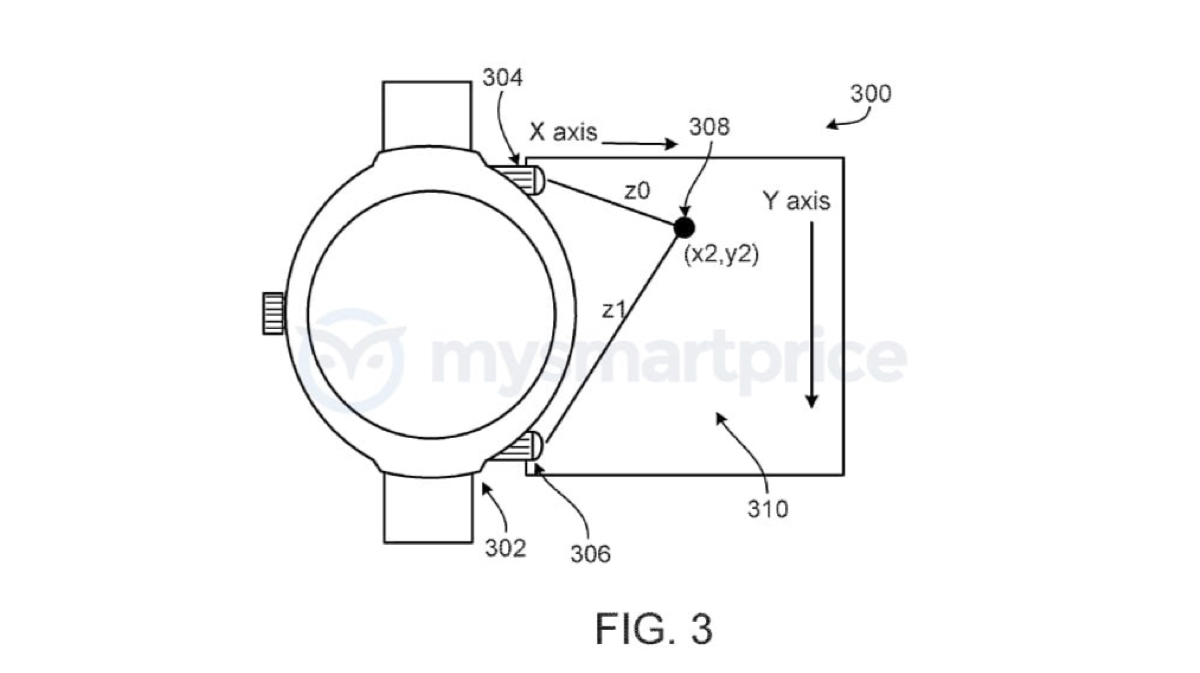
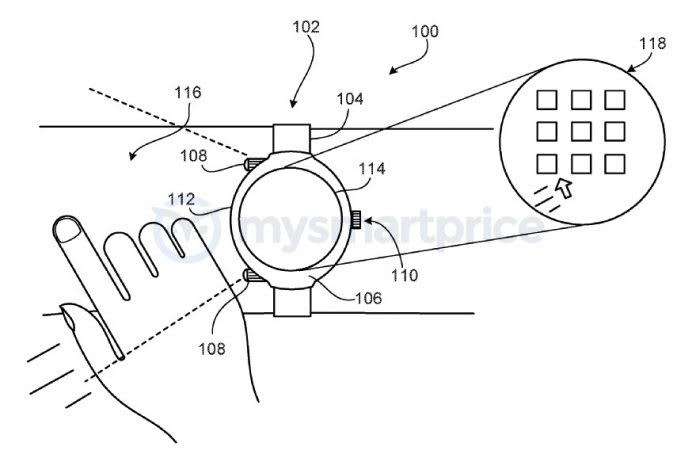
The entire technology is titled as ‘Gesture Based Small Device Input’ and has a load of other features under it. The main focus of the patent is to ensure that the user is able to interact with the smartwatch. Without causing an obstruction to the really small display present on it. It plans to use your wrist, forearm and even the back of the hand to do so. However, the bottom line is, it will let you use your finger as a stylus to be used on your skin adjacent to the smartwatch.
The patent details a lot of ways to help make this become a reality. It will use sensors, in pairs, to figure out an approximate of your finger’s position relative to each sensor. And it will determine what the gesture is being used for. These sensors will include ultrasound based implementations to deliver almost instantaneous data. It will also use photo-diodes and some low cost CCD or CMOS cameras along with a light emitting diode. This is quite similar to the technology employed by the common optical mouse to read movement data.
Sources claim that the optical mouse type of system will be the primary sensors to track your hands while the ultrasonic sensors will provide additional data specially in conditions with lower lighting. Another interesting fact is that these sensor can be set up on either sides of the smartwatch. This will allow you to use either sides to control the watch. The patent also mentions the implementation of a QWERTY keyboard which will be projected or superimposed on to your skin for a better typing experience.
If this technology actually comes into production, it will be the start of a new era for smartwatches, with an extremely increased usability experience. With users not being limited to small keyboards and cramped up displays, the future of smartwatches looks exciting!
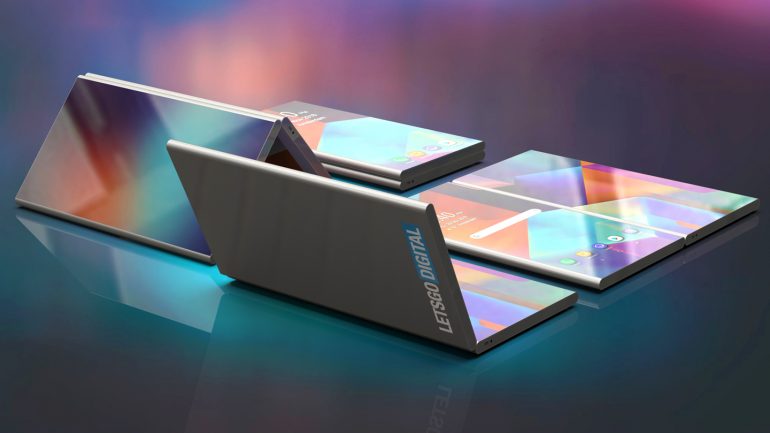
Samsung has been on a patent-filing spree recently. From in-display cameras to an entire display which doubles up as the fingerprint scanner, they’ve got it all covered. Recently, one of Samsung’s long pending designs, that of the folding phone. The folding phone was shown by the company at the Samsung Developer Conference held earlier this month and the device is expected to enter production in the early parts of next year. Now, Samsung has patented a folding dual display smartphone, quite different form the existing foldable phone.
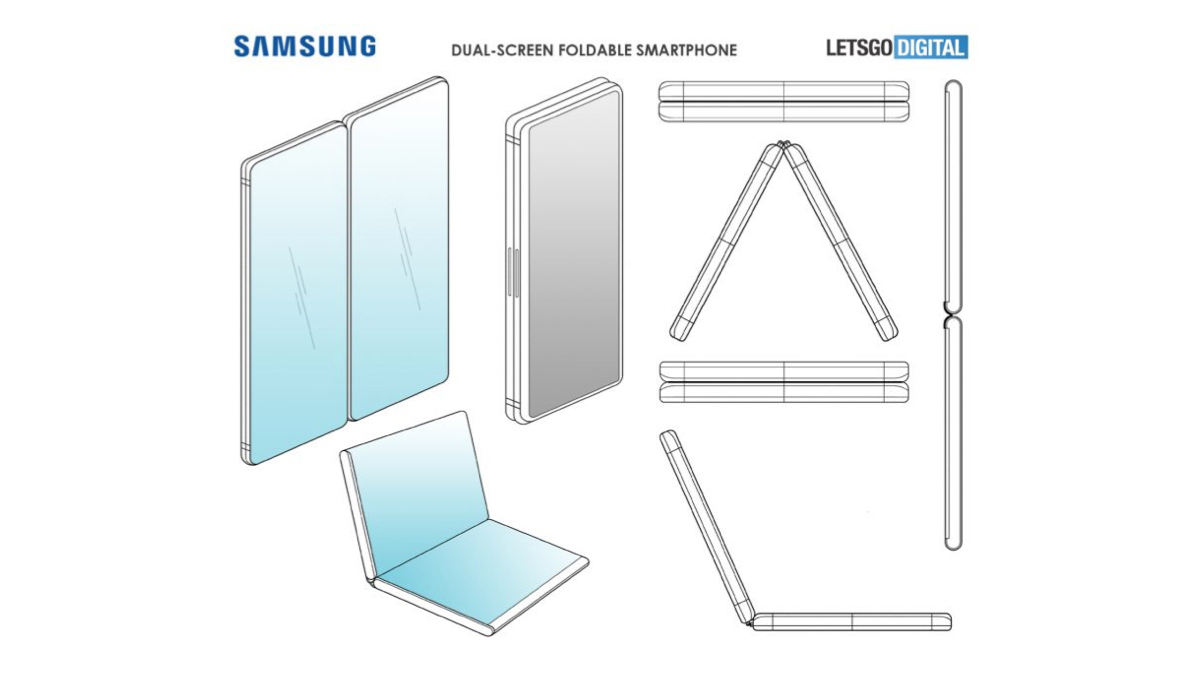
The patent for this new phone was filed early this year, in May. It has now been published and describes a smartphone with two separate housings. Each of these have an almost full-sized display. While the design of the foldable was shown, it has many variations compared to this patent. The new patent lists two full sized screens which work independently. The foldable phone can either be used as a smartphone when folded or as a tablet when opened fully. Android is also developing a separate OS for the device, to help support it better.
The Patent
The two display housings are independent of each other and area pulls together by the means of a magnet. You can also fold the device in a way to have both the displays facing outside. The patent describes the phone to be extremely versatile in terms of functionality and lists some of its functions. Data such as the time, status bar, battery and signal strength are shown on the left display. You can also use this screen to display a keyboard, while the content is shown on the other display of the phone.
The smartphone also has two cameras. Additionally, a camera, flash and speaker are also placed on the front of the phone. The display on the left also has a camera, lighting sensor and a proximity sensor. Additionally, the phone will also have an audio jack which will be placed on either the top or the bottom of the phone. The volume and power buttons are placed on the right side of the display.
While the concept is pretty impressive, we are not sure whether this phone will make it into production. It is however possible that Samsung may take some cues from this and apply it to their other phones.
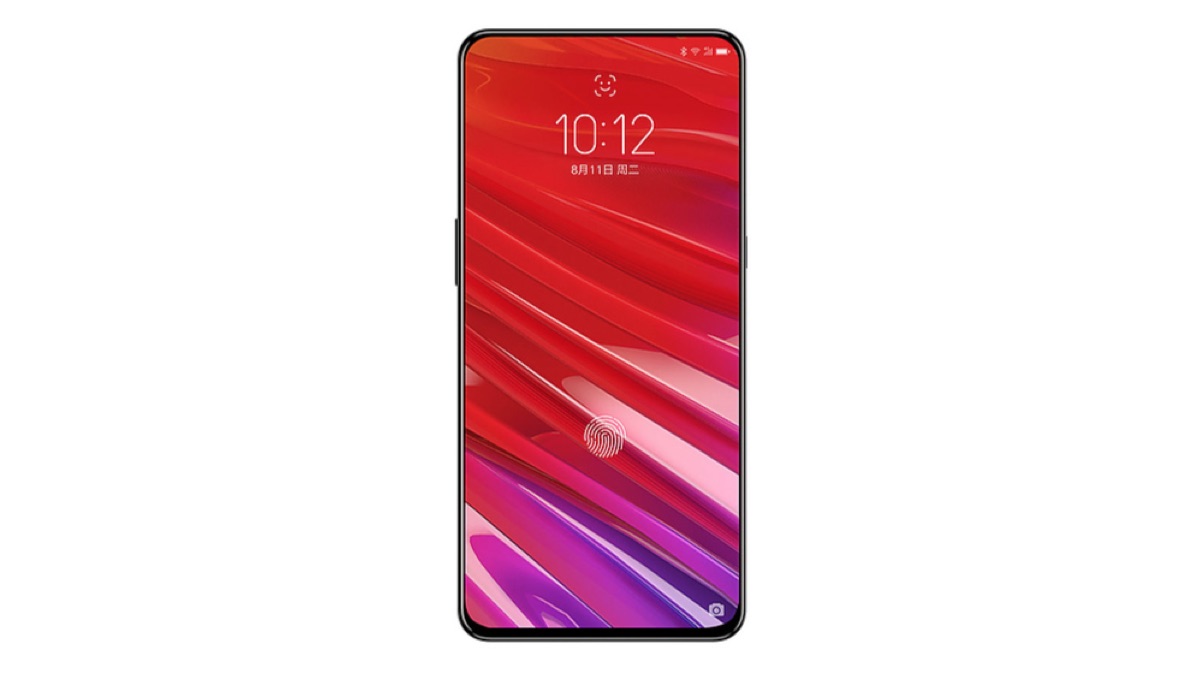
The Lenovo Z5s was spotted a few days back in a TENAA listing and has been in the headlines ever since. The device sported triple rear cameras and what seemed to be a tear-drop notch. However, latest hands-on images of the phone reveal that it was a camera cut-out and not a notch. This is due to the fact that it is placed in the centre and not the side. Which is seen in the likes of the upcoming Galaxy A8s and the Huawei Nova 4.
The Future Of Design
While it is evident that smartphone manufacturers are moving away from notches and sliding cameras, this might hint at where the trend is now moving. Being the third confirmed device with a camera cut-out, we might be looking at a new wave of smartphone design. The Lenovo Z5s is also important in other aspects as well. For starters, it places the cut-out in the middle of the display. And not to the right side like the Galaxy A8s and the Nova 4.
https://www.youtube.com/watch?v=JXrY4Q7DQvE
The centre aligned camera cut-out is not just aesthetically pleasing, but it also more practical in terms of the notification bar. The phone will be able to display all the notification icons without being disturbed by the camera. This is not the case with the right aligned cut-out. The right aligned cut-out will see all the notification icons being squeezed to the other side. However, the central placement also has its drawbacks.
It will be interesting to see how Lenovo sorts out the issue of displaying messages or notification alerts.The Lenovo Z5s is set for a December release, according to its teaser. The phone is said to have a 6.3 inch display and will be Lenovo’s first triple camera phone. It is also said to be powered by the Qualcomm Snapdragon 8150 chipset, but this information does not seem very credible.
The concept was introduced by Samsung a few weeks back when they introduced their Galaxy A6s and Galaxy A9s smartphones. They call it the Infinity-O display, owing to the O shaped camera cut-out in the display of the phone. The Samsung Galaxy A8s was supposed to be the first smartphone with this technology. But yesterday, Huawei announced their own device which will feature the camera cut-out. According to sources, the phone is the Huawei Nova 4 and is set for a December launch, before the Samsung A8s.
The Nova 4
Most recently, the phone has been spotted out in the wild, in a subway carriage in China. The user is obviously testing the phone and while the big chunky case does hide the device pretty well, it cannot possibly overshadow the unique camera cut-out. The camera cut-out is positioned on the top left corner of the smartphone and really stands out. The notifications and other relevant information are applied to the right.
Another interesting aspect of the image is the presence of a 3.5mm headphone jack. This is quite a luxury these days. The fact that Huawei is including this with this phone is a welcome step. The teaser has set the launch of the device for the 12th of December. We will get to know about the features of the device, closer to the launch date.
The camera cut-out is the next step towards a truly bezel-less display. Without the use of a sliding camera or a pop-out camera. It is the notch-less solution for a display. Until some manufacture figures out how to operate in-display cameras. However, the in-display camera could be seen soon in the upcoming Samsung Galaxy S10, as Samsung has already patented this technology. With all these phones going to be launched, the future of smartphone displays sure looks exciting.
It seems like Samsung is going all out with its upcoming flagship, the Galaxy S10. Various leaks up till now have told us about some of the details of the phone. And they are every bit interesting. But a latest leak claims something even more interesting.
Massive Memory
A report by GF Securities in Honk Kong has detailed new facts. It says that Samsung is likely to launch a smartphone with 12 GB of RAM along with a massive 1 TB of internal storage. Some reports back in October had also shown alleged images of a listing of a Samsung phone with 12 GB of RAM. Considering the fact that Samsung is not holding back on innovations anymore. Also, the Galaxy S10 is Samsung’s shot at retaining the top position world-wide, 12 GB of RAM looks like a real possibility.
Apart from the crazy memory specifications, the phone is said to launch in four different variants. And these variants will differ not only in price but also a lot of specifications. For starters, they will all have different display sizes, and one of the them, even a different display type altogether. This includes a cheaper Galaxy S10 Lite and a higher end Galaxy S10+. The Galaxy S10 Lite is said to have a flat display. Something that hasn’t been seen in flagship Galaxy phones for a while. The Galaxy S10+ is said to have a massive display, along with 5G connectivity.
Apart from this, the Samsung Galaxy S10 is said to have a triple or even possible quad rear camera setup. It is expected to have an in-display fingerprint sensor, which will use the ultrasonic technology and not the optical fingerprint sensor seen in most devices these days. It is also tipped to be the first phone with a truly bezel-less display, having no notches, cut-outs or sliding cameras.
In the past couple of years, dual cameras have become a norm. In fact, it is one of the identifying factors of a modern smartphone. Some companies have taken this a step forward by introducing a triple camera setup, and now Samsung has introduced a quad camera phone. Nokia is ready to one-up all of these with their penta camera Nokia 9 PureView. But nothing could have prepared us for this latest patent by LG. A smartphone with 16 camera lenses!
16 Camera Phone
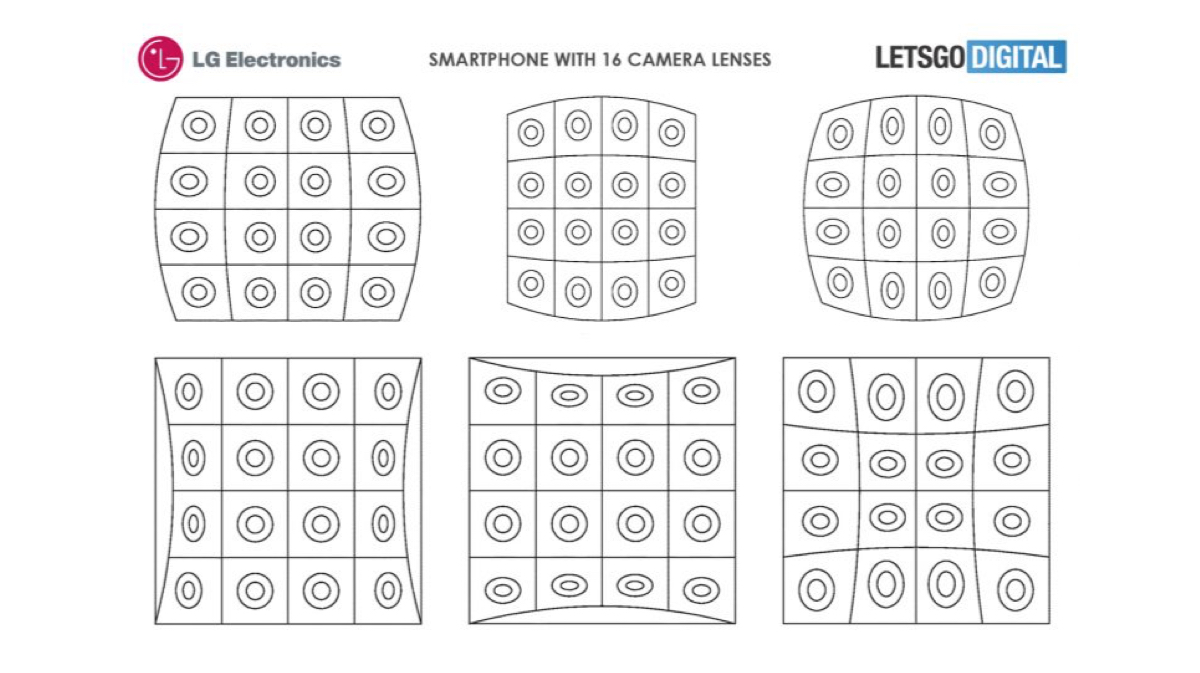
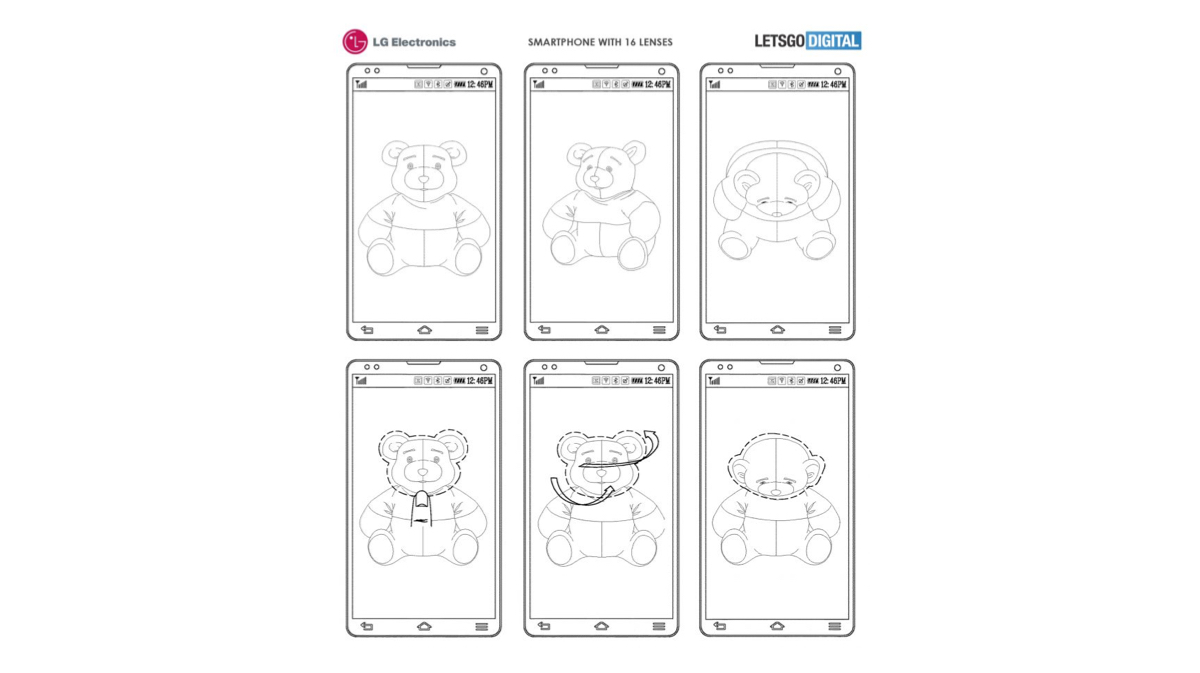
The new ‘hexadecimal’ camera setup looks as weird as it sounds. The images in the patent look like something out of a board game. The patent is with the USPTO (United States Patent and Trademark Office). It explains the design for a mobile terminal and control method for the mobile terminal. Describing a smartphone with 16 lenses in a matrix setup, it also tells us about its functionality.
The lenses are set in a curve, allowing for more features. This allows you to take images from different angles, and use any of them as you please. For example, you can either use all the lenses at once to take the image, and then choose the best out of those. Conversely, you can just choose any one lens as well, depending on the situation you are using it in.
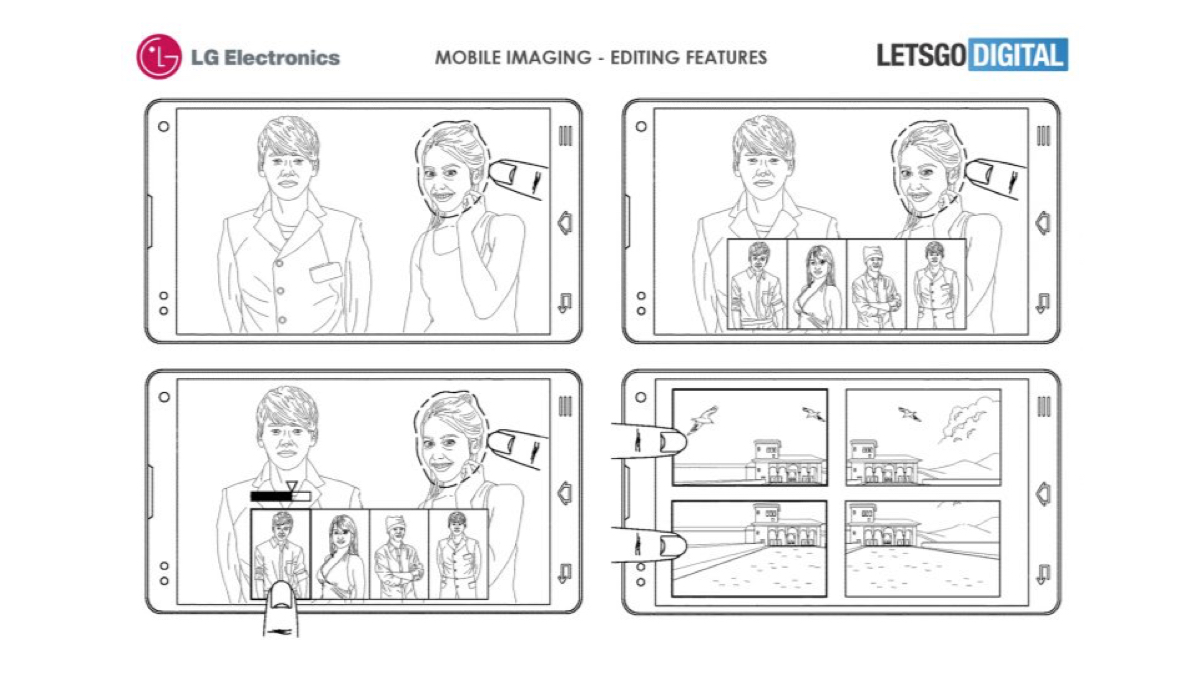
Another very interesting feature detailed by the patent is the possibility to combine multiple images into one. You can cut out a part of the image, and replace it with an image taken by a different lens, which gives you another angle. The smartphone also allows you to combine several parts of different photos to make an image. You can also select the head of a person or an object, and even turn it around or replace it with a head from another image.
What’s More
Another interesting aspect is the mirror on the back of the phone. According to the patent, you can use the mirror to take a self-portrait using the main camera. This will result in higher quality selfies. But the patent also explains that the phone will still maintain a front camera, as the image from the main camera will be large in terms of size and can sometimes be difficult to share. It will also aid in making video calls.
There is also a possibility of the smartphone integrating a touchpad/ display at the rear. The back of the phone also has a speaker, giving the user a stereo sound effect. Additionally, the patent also details that the this can be used in a foldable phone and a flip phone as well.
Every month we bring to you the best and the coolest gadgets from around the web. So here’s this month’s pick for the top tech gadgets and accessories and DIY tools for under Rs 200.
Foldable Keyboard
This foldable keyboard is a great accessory for all those who work on the go. Being a bluetooth keyboard, it can connect to your smartphone easily and at any point of time. The keyboard also comes with a stand, on which you can mount your phone. The keys are well spaced-out, but its not the best typing experience. However, considering its size, it offers great travel. It also has a micro USB charging port. It even has dedicated keys for Windows, iOS and more. Another interesting feature is the dedicated shutter button which lets you take selfies on your phone from the keyboard. Surely a top tech.
Smart Plug
This is a smart plug which connects to your Wi-Fi to function. You can then use an app through your smartphone to control the smart plug and turn it on and off. The smart plug also has two USB ports which are turned on always, regardless of whether you turn on the plug or not. You can also set up schedules and timers as to when you want the plug to be turned on. You can also control it via Alexa and Google Assistant.
Bumper Laptop Sleeve
This Bumper Laptop Sleeve is as functional as good looking. It has a very sleek, non intrusive design and goes well in all kinds of environments. The laptop sleeve is built for 13.3 inch laptops. It has a rigid, rubber bumper on the outside, which will protect it from shocks and impact. It has a soft fabric lining on the inside, which also protects your laptop. The exterior bumper also has a very attractive design. The case opens from one side. The opening is magnetic and snaps back into place once you take your laptop out or place it in.
Wireless Air Mouse
This is a rechargeable wireless Air Mouse cum keyboard. This wireless mouse can connect to any TV or laptop and can be helpful in many ways. The wireless mouse lets you control your device easily, without the hassles of buttons. This is also useful in laptops in scenarios where you would have to get up again and again to access the controls. The mouse also has a keyboard on the back, which is useful for typing, both on TVs and on laptops. A very useful top tech.
Cordless Screwdriver
This is a great product for all those who love DIY projects and also for generally anybody who uses screws and screwdrivers regularly. The screwdriver has a great build quality and it also grips very well in your hand. On the front, it has an LED torch light, which helps you see the area ahead of it, to help you in dark conditions. It is rechargeable and has many different magnetic bits for each type of screw head. It has a 200 cycles per minute speed. The screwdriver also has three different speed modes.
USB Fingerprint Scanner
This is a portable, USB fingerprint scanner. This can be used on laptops and PCs and gives you security and convenience at the same time. The device is fairly easy to setup and can be used whenever you are on the go. It has Windows Hello support, making it trustworthy and secure. You just need to setup your fingerprint once, after which the sensor will help you unlock your system. Th fingerprint sensor is very fast and responsive and ensures a better user experience.
Tyre Pressure Gauge
The Michelin tyre pressure gauge is one of the most accurate tyre pressure gauges both in and around its price segment. The gauge comes with a keyring, which we felt is very convenient. The accuracy of the gauge is pretty high and gives you a clear idea about the air pressure levels in your tyres. It also has an inbuilt flashlight and a backlit display for use in darkness. You can measure the tyre pressure in PSI, BAR, KPA or Kg/cm. This range of options surely makes it very convenient.
Gas Leak Detector
This gas leak detector is a great gadget for in terms of both, functionality and safety. The detector gives out a loud alarm in case it detects a gas leak or incase the temperature outside rises a beyond limit. This includes Butane, CNG and more. It is really helpful and convenient and is a must have for almost everyone. A helpful top tech.
Gods Rudra Backpack
The Gods Rudra backpack is a water repellant laptop back. It is not only useful, but it looks great as well. The bag has a lot of storage and dedicated slots for many items or accessories you might use on a daily basis. It also has a reflective pair of ‘eyes’ on the back which reflect any light thrown at them. The eyes resemble Ironman and not only look really cool, they are handy for drivers to spot you if you are walking down the road or even riding a bike.
USB Type-C To HDMI Adapter
This USB Type-C to HDMI adapter is a great accessory for all those who have a USB Type-C port on their smartphones. The adapter can be used for connecting your phone or any other device for that matter, to an external display. It supports 4K at 60 Hz. You can also use it with laptops or tablets with a USB Type- port. The adapter is made from good quality aluminium and is a great accessory to have.
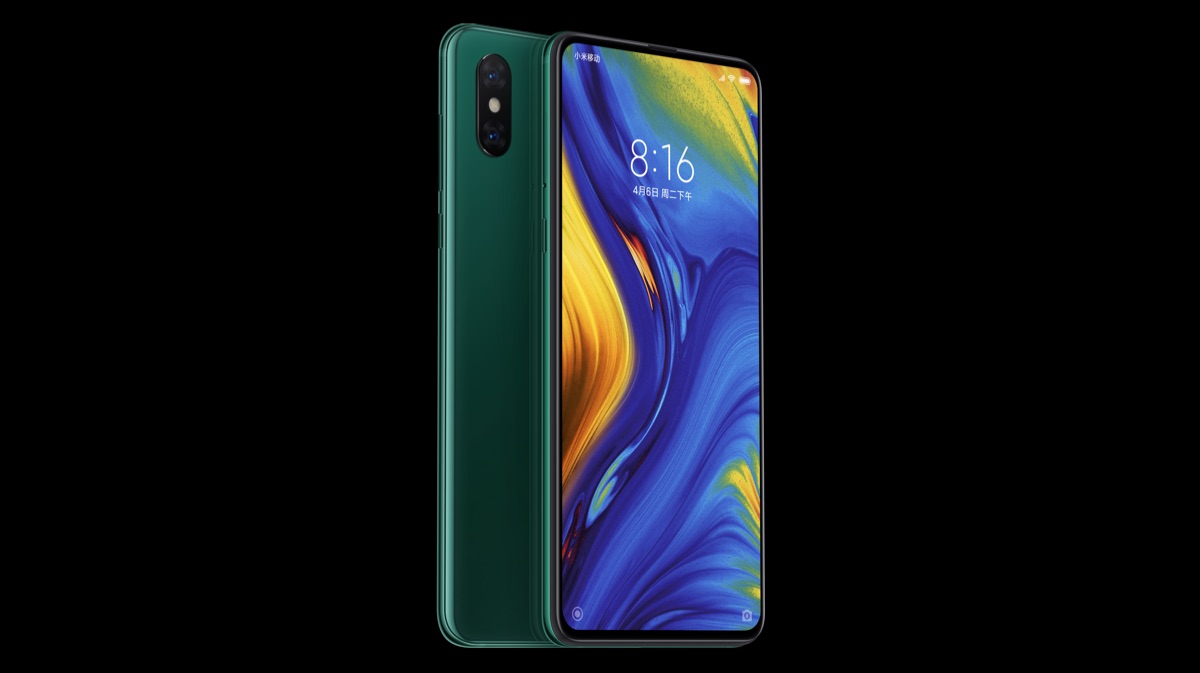
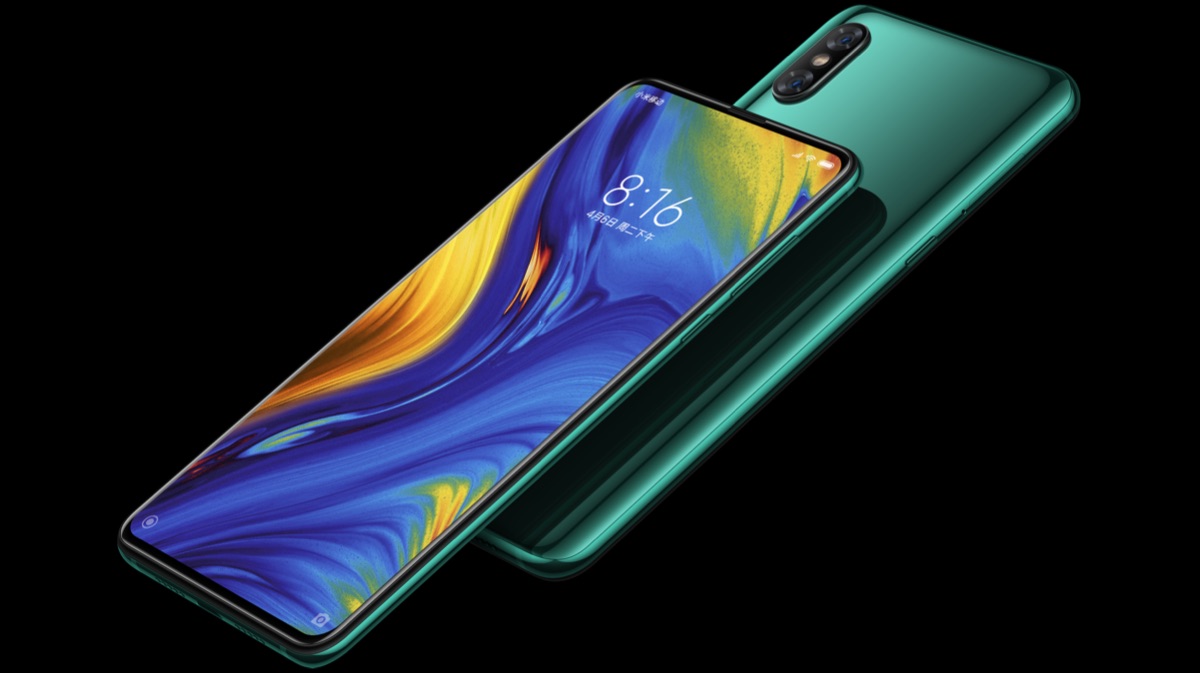
The Xiaomi Mi Mix 3 was launched last month and is the latest flagship from the company. It is feature loaded and its biggest highlight is the high screen-to-body ratio, owing to its sliding camera panel. The phone also features other attractive features such as 10 GB RAM and an in-display fingerprint sensor. Xiaomi had also announced that they will launch a variant with 5G capabilities. This might be getting closer to reality. As a Mi Mix 3 running on a 5G network is seen in the latest image designed by the company.
5G Mi Mix 3
During the launch event Xiaomi had announced that they would launch a 5G variant of the phone in the first quarter of 2019. It looks like Xiaomi is on track to keep that promise. As the phone seems to already be testing on 5G networks. From the image we can see that the Xiaomi Mi Mix 3 is running on Android 9 Pie. On the right side of the notification bar, we can see the 5G flag. This clearly means that it is running on a 5G network. This also indicates that the development of this technology for the Mi Mix 3 is complete and will enter production soon.
The Xiaomi Mi Mix 3 has a 6.39 inch AMOLED FHD+ display with a 93.4 % screen-to-body ratio. It runs on the Qualcomm Snapdragon 845 SoC and has up to 10 GB of RAM and upto 256 GB of internal storage. It has a 12 MP + 12 MP rear camera and a 24 MP + 2 MP front facing camera.
However, what is interesting to watch out for is whether the infrastructure for 5G phones will be available by the time the phone is released. While companies like Xiaomi and OnePlus are all set to launch their 5G devices next year. Apple is not on the same page. The company has made it clear that they will only launch their first 5G device in 2020. Apple claims that the reason behind this is that 5G technology will not develop to a stage where users will be able to get 5G connectivity everywhere.
2018 has been the year of in-display fingerprint sensors in smartphones. We have seen an increasing number of companies adapting this technology, with most of the latest flagships having the same. The next big thing is the arrival of this technology to mid-range and budget phones. And it looks like Samsung is already gearing up to do the same. Latest reports say that Samsung has finalised a supplier for in-display fingerprint sensors for its A series lineup.
The report details that the Galaxy A series in 2019 will feature an in-display fingerprint sensor. However, this will be an optical sensor and not the ultrasonic sensor, said to be on the Galaxy S10. The way optical sensors work is by reflecting light of the finger. Then the cameras capture this image and use an algorithm to detect the unique patterns on a person’s hand. This differs form the ultrasonic fingerprint sensor which uses ultrasound to map the patterns on your hand. This is so detailed that it even registers the ridges and sweat pores on your fingers.
Optical vs Ultrasonic
While the optical fingerprint sensor is more favoured by most smartphone manufacturers, it lacks in many areas when compared to the ultrasonic sensor. However, companies are willing to use it as the ultrasonic sensor costs 3x more than the optical sensor.
The Galaxy A series is Samsungs mid-range series of smartphones. This year, Samsung tried to win over the segment by adding a number of cameras and gradient colours to the devices. Some of the latest A series phones are the triple camera Galaxy A7 and the quad camera Galaxy A9.
While we knew from earlier reports that Samsung is planning to integrate this technology in its upcoming flagship Galaxy S10, this news came as a surprise. However, considering the position that Samsung is in right now, it seems like a logical step. With its grip over the smartphone market decreasing day by day, Samsung needs to ensure it packs each and every device with the latest features.
Xiaomi is expected to showcase quite a few products at its event in New York next month. Out of the many possibilities, it is rumoured to be the global launch event of the Mi Mix 3 smartphone. However, a new product which has just received its certification could also be one off the debutants at the event. These are a pair of bluetooth wireless earphones by Xiaomi.
FCC Listing
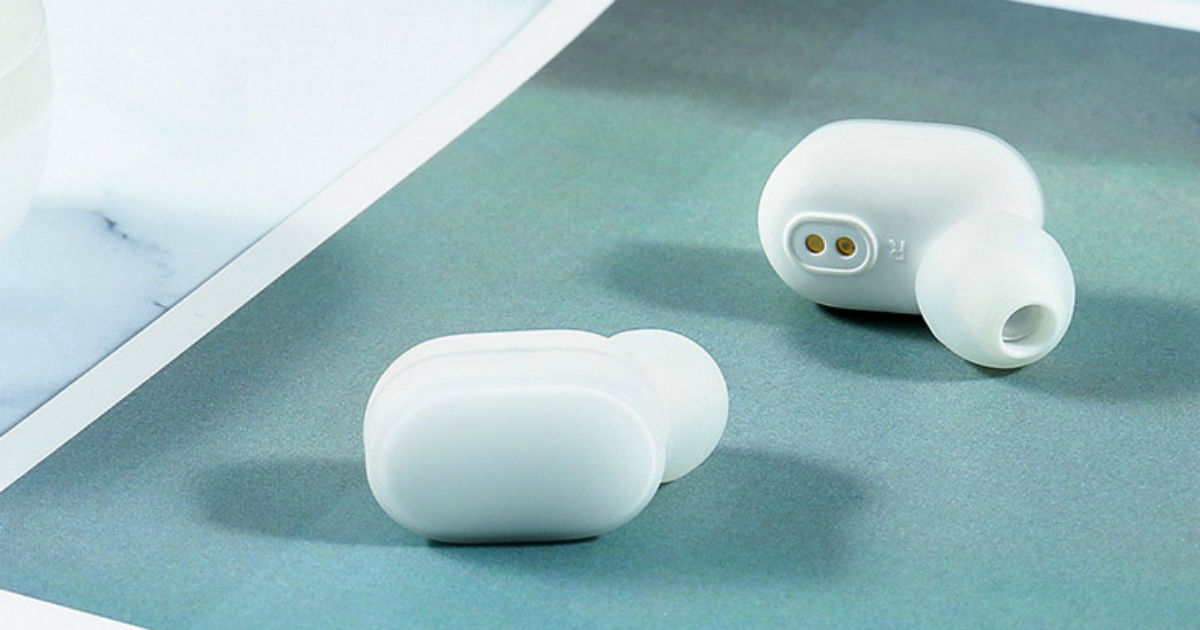
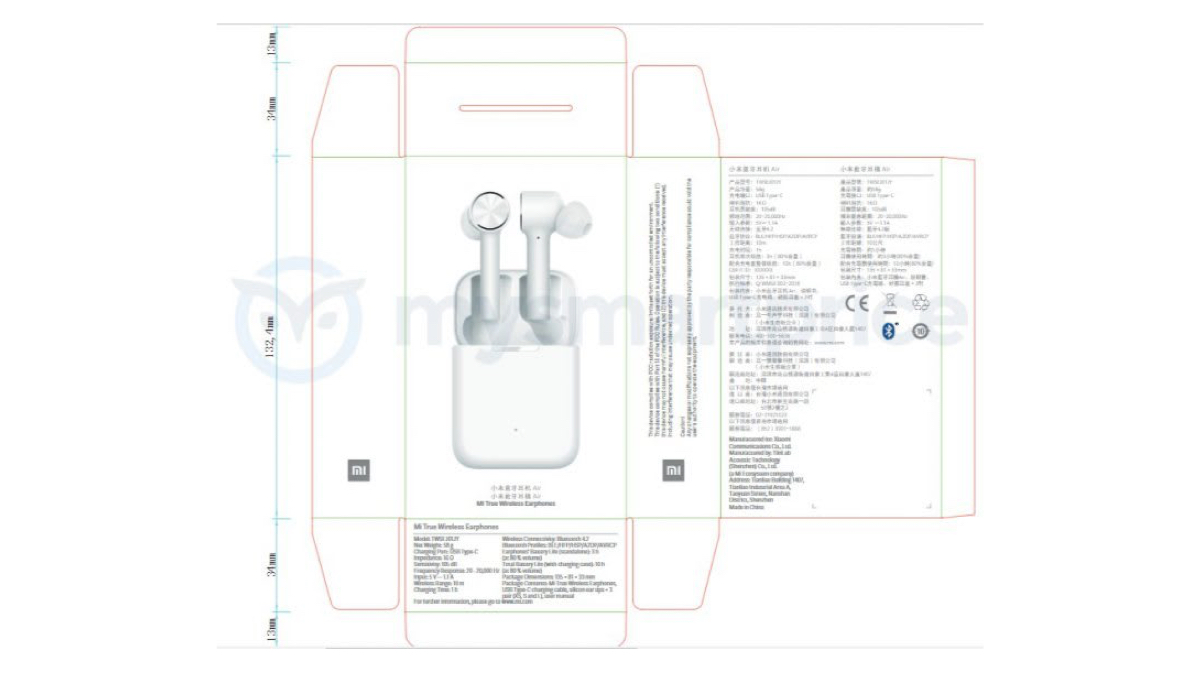
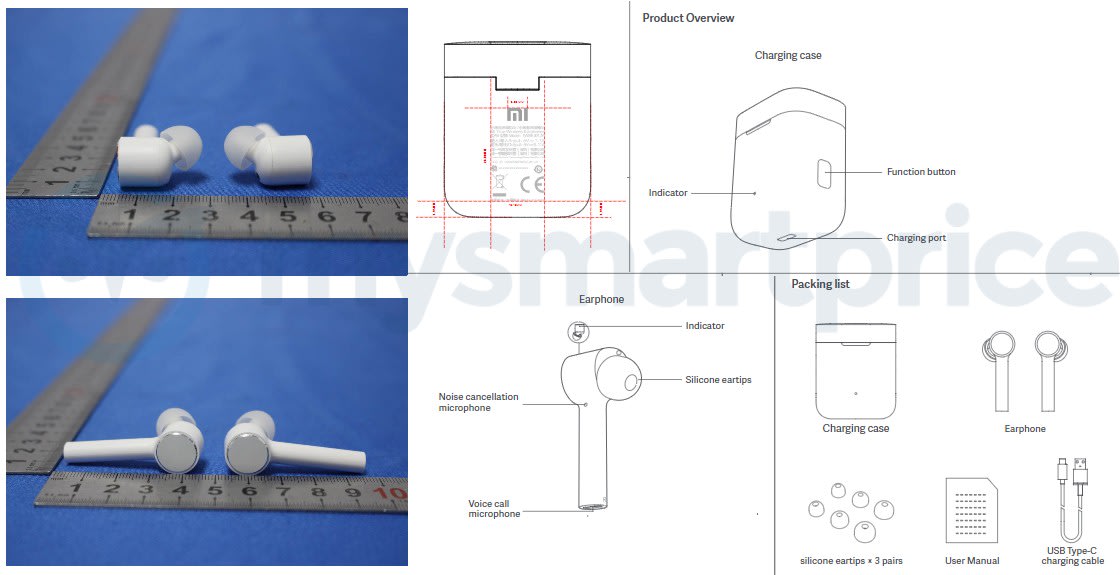
The earphones have received their certification from the Federal Communications Commission (FCC) in the US. The earphones are registered under the model number TWSEJ01JY and bear the name ‘Mi True Wireless Earphones’. The same model has also been cleared for Bluetooth certification. Additionally, a series of leaked images give us a good look at the design of the earphones. The design looks pretty similar to the Apple AirPods and the and the Xiaomi Bluetooth Headphones Youth Edition. Then again, there is nothing much you can do about the design of a pair of wireless earphones.
From the images we can see they have an inward curve to fit snugly into your ears. They also have a charging case, similar to the Apple AirPods. They also come with 3 pairs of silicone earths, to be fitted according to your ear size. The FCC listing also suggests that the earphones will be available in white colour only. The listing also tells us that they are Bluetooth 4.2 compatible. The listing also suggests that the earphones can be controlled using touch and that you can accept and reject calls as well as control music. The earphones also have an LED light and the eartips are also tipped with soft silicone. They will also have active noise cancellation feature.
Additionally, the earphones will charge fully in one hour and the charging case has a battery back up of upto 10 hours. It is expected that the earphones will be priced aggressively just like the Mi AirDots. Xiaomi is known for its disruptive products which challenge competitors with aggressive pricing.
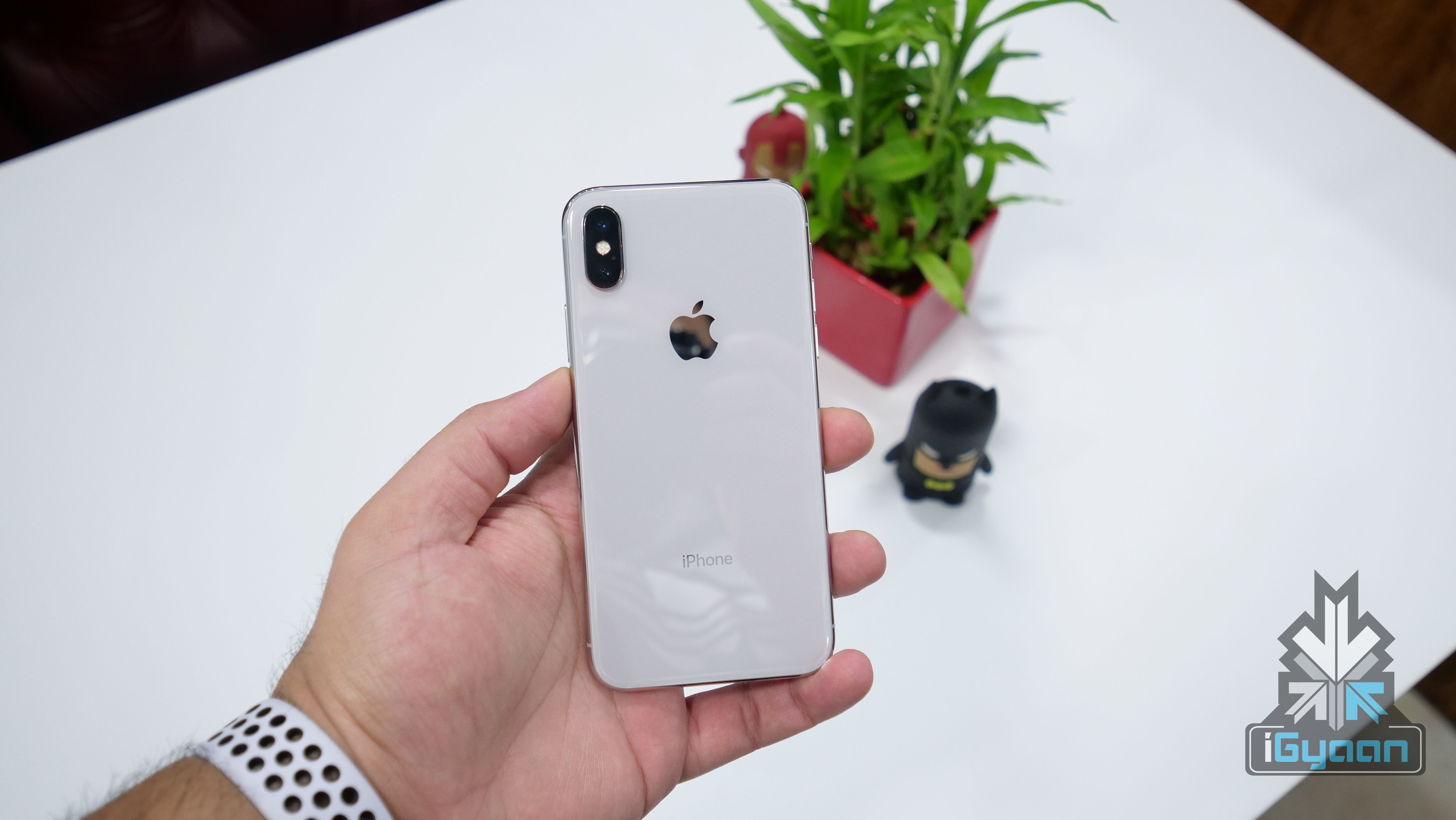
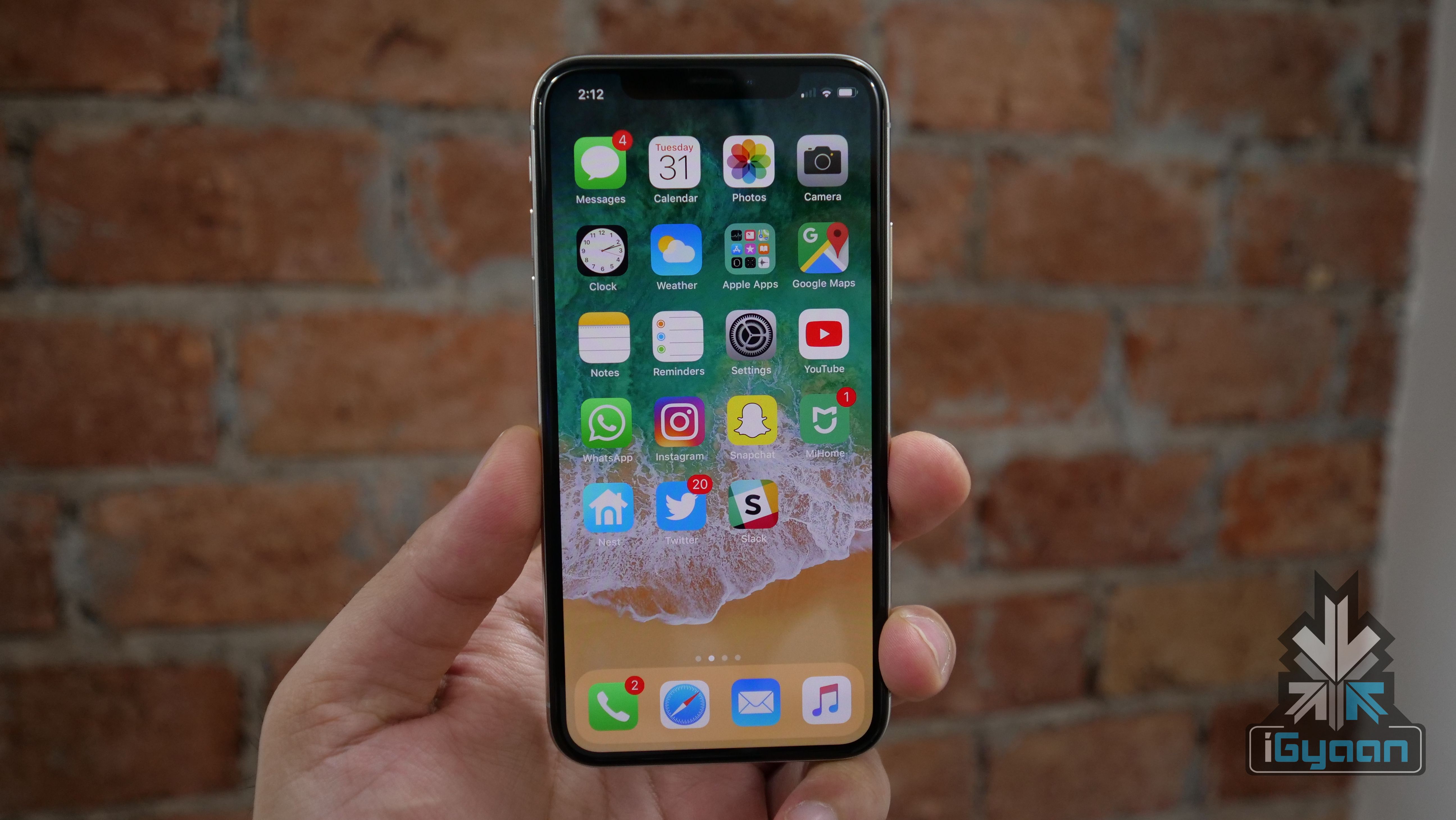
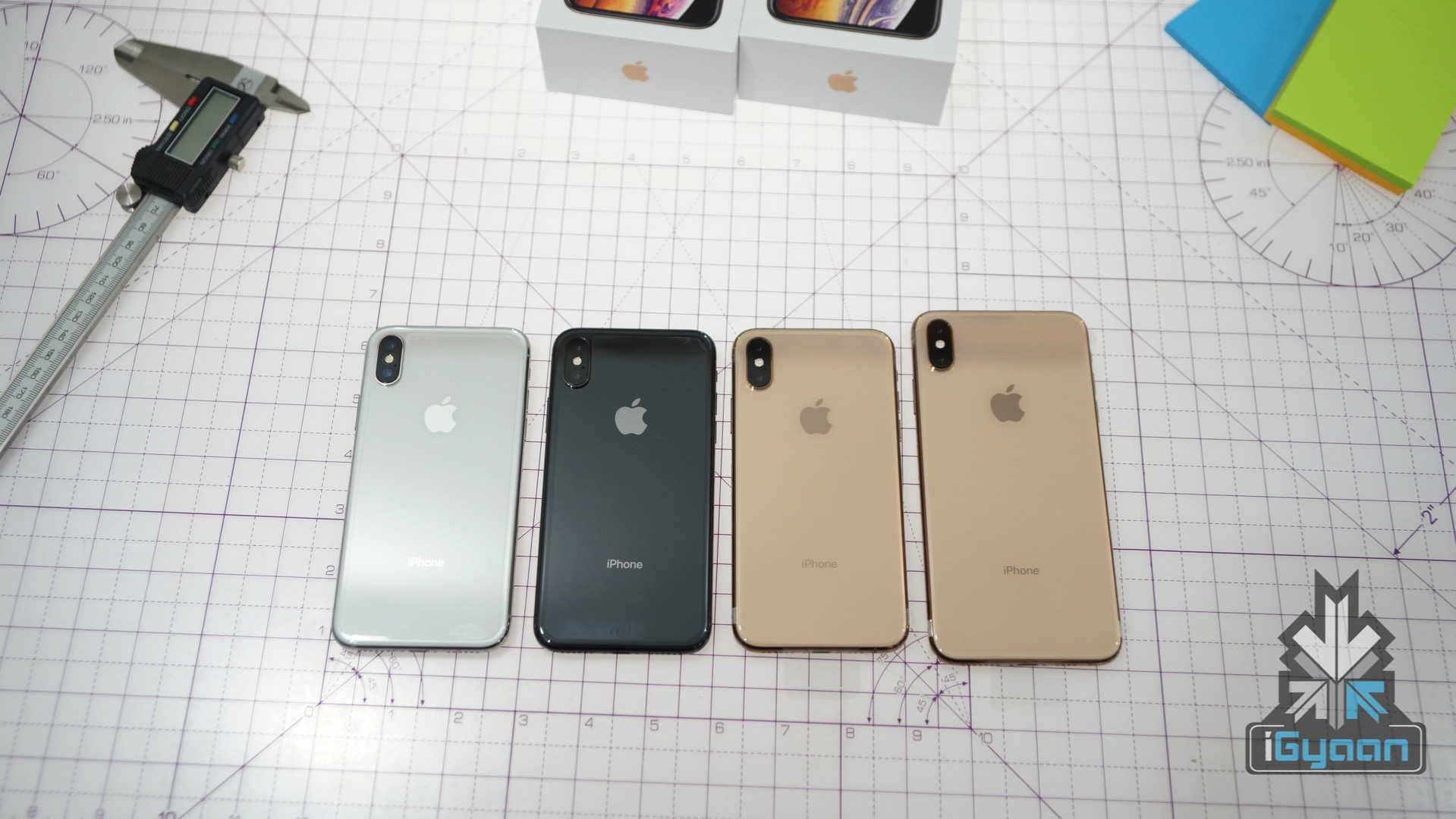
The iPhone X is Apple’s flagship smartphone from last year. When the latest iPhone XS and XS Max started hitting stands after their launch this year, Apple quietly removed the iPhone XS from stores. This was done to ensure that all the focus is on the latest phones. However, in a turn of events, Apple has now resumed production of the iPhone X.
The Reason
The move has been detailed in a report by The Wall Street Journal. According to their source, the move is due to a deal between Apple and Samsung with regard to the purchase of OLED screens. Apple had agreed to purchase a certain quantity of OLED screens from the company. However, the tech giant is finding it difficult to keep up with the sheer number of displays. This is due to a much lower than expected demand for the iPhone XS and XS Max.
Therefore, they are switching back to producing the iPhone X. The product is a cheaper alternative, for both Apple and for consumers. Since the iPhone X has lesser component and manufacturing equipment costs than the XS and XS Max, the costs that Apple will incur will be lesser. Additionally, it seems like a more feasible option as most of the consumers are more likely to purchase the iPhone X as well. This is a trend that has been seen over a period of time. People tend to purchase older variants of iPhones as they get cheaper. More and more people are buying the older iPhone 8 and 8 Plus over the iPhone XR because it is cheaper.
At the end of the day, sales do not look very bright for the latest lineup of iPhones. Analysts had already predicted lower sales for the iPhone XS and XS Max, even before the release of the phones. However, even the iPhone XR, which was expected to have a higher number of sales is seeing grim figures. Recently, Apple also announced that they will stop disclosing the sales figures of the iPhones as well.