Author: Rosheena Zehra

  • Mark Zuckerberg Wants a Jarvis of His Own

    Mark Zuckerberg Wants a Jarvis of His Own

    Mark Zuckerberg revealed yesterday that he will be working on an AI butler for his home this year. He hopes to make it efficient enough to be able to recognise his friends’s faces and let them in, to keep an eye on his baby daughter’s room and take care of other basic controls of the house like music, temperature and light.

    Zuckerberg put up a status update on his Facebook page stating,

    My personal challenge for 2016 is to build a simple AI to run my home and help me with my work. You can think of it kind of like Jarvis in Iron Man.

    He intends to use his work on the AI to also help him with research in VR as he says, “On the work side, it’ll help me visualize data in VR to help me build better services and lead my organizations more effectively.”

    This won’t be the first time, however, when someone is going the Tony Stark way. Tesla’s Elon Musk already has a lab which is heavily inspired by the snazzy Avenger character.

    Looks like things on the tech-front are going to get quite interesting as real-life tech geniuses borrow from popular culture to add that extra edge to their lifestyle.

    Every year, I take on a personal challenge to learn new things and grow outside my work at Facebook. My challenges in…

    Posted by Mark Zuckerberg on Sunday, January 3, 2016


  • ASUS ZenFone Max Launches in India With a Battery of 5,000 mAh

    ASUS ZenFone Max Launches in India With a Battery of 5,000 mAh

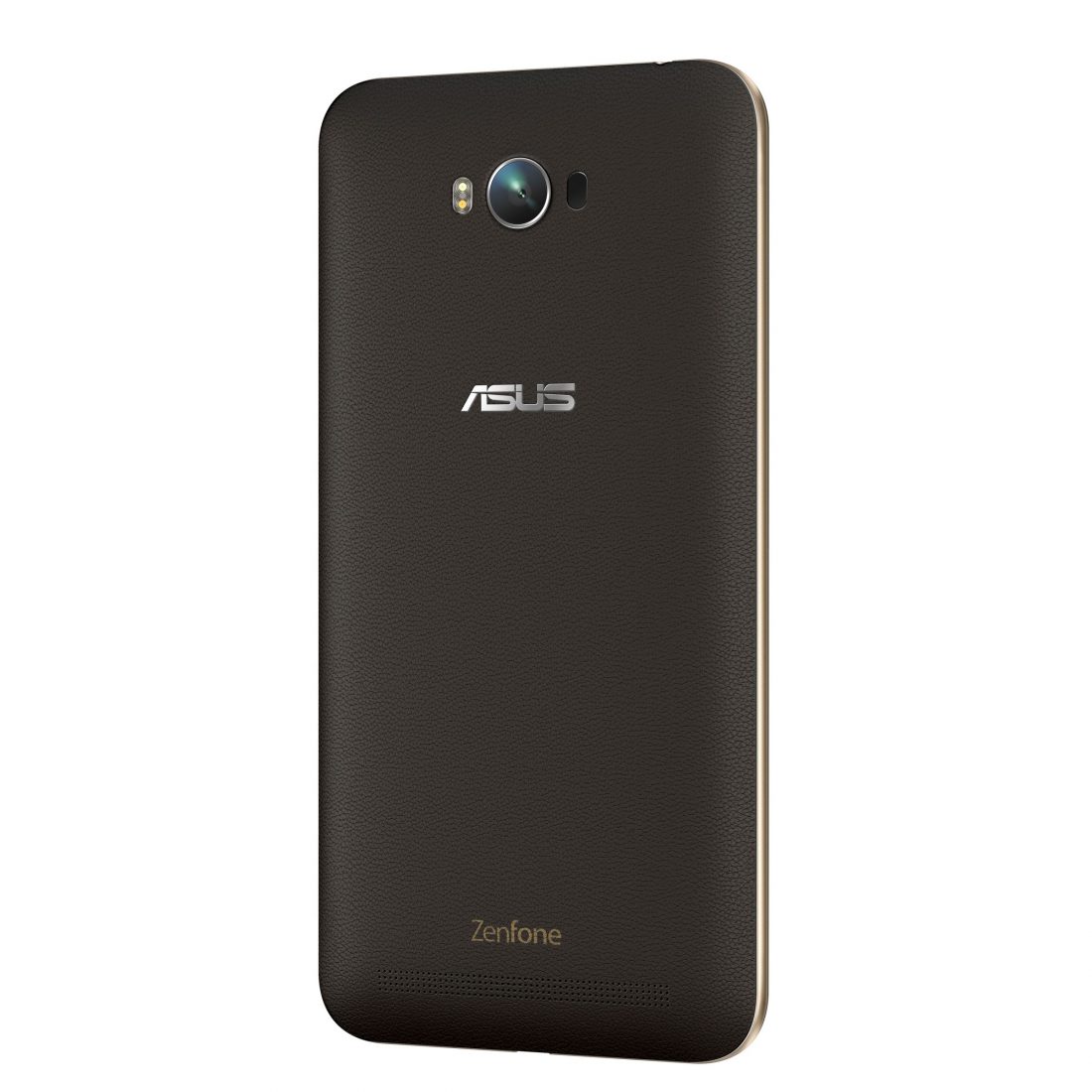
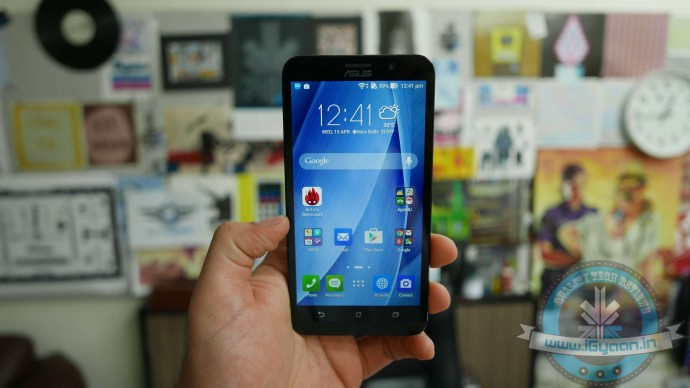
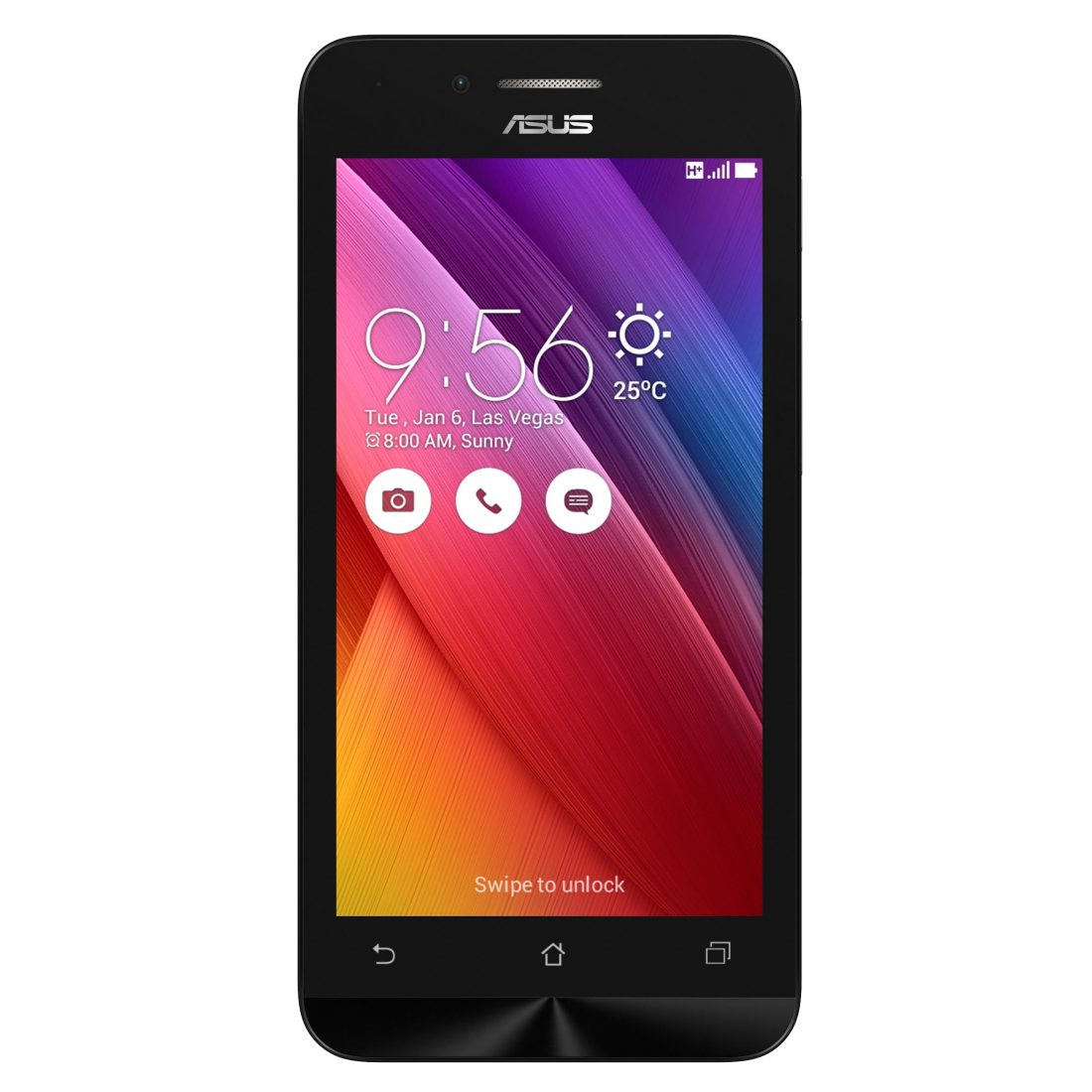
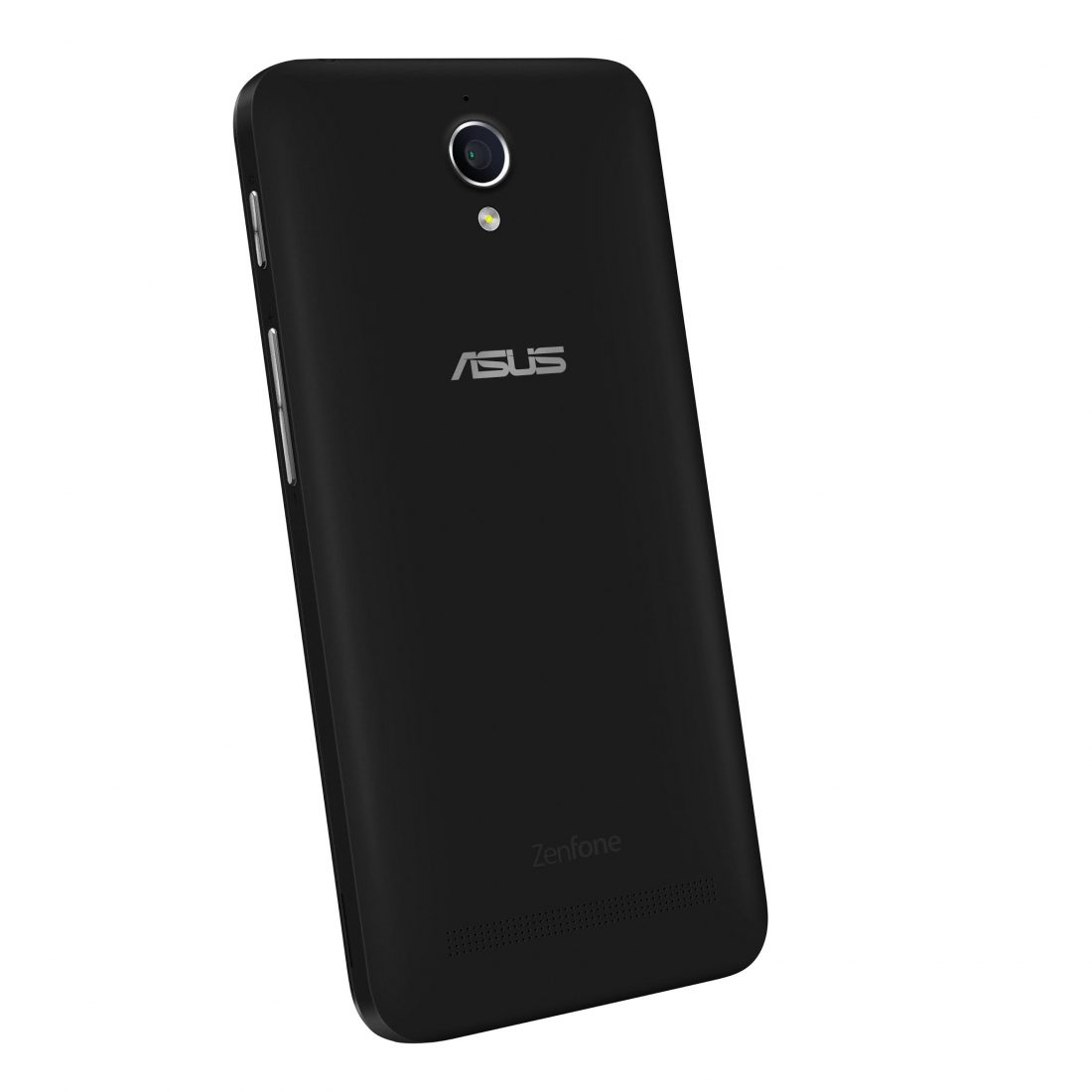
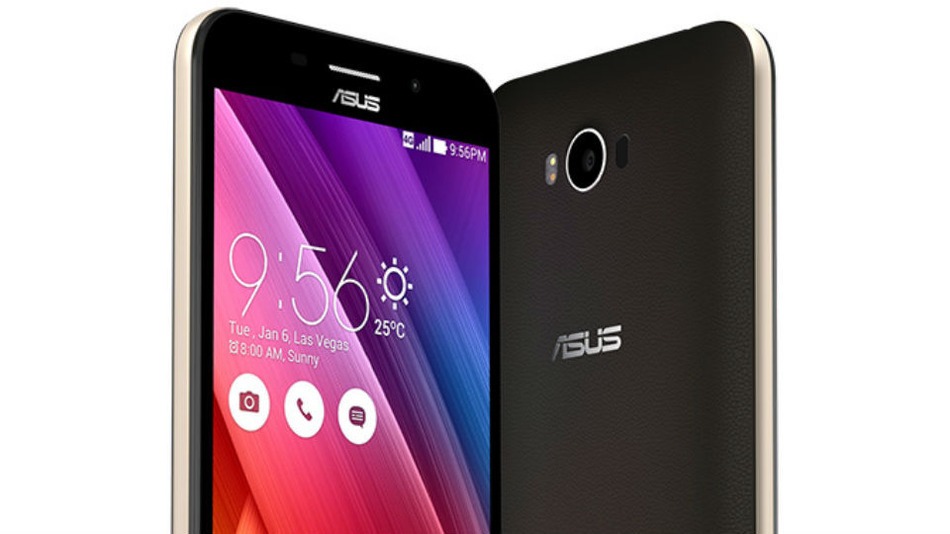
    Asus ZenFone Max launches in India today priced at Rs. 9,999. The highlight of the device is its 5,000 mAh battery. The massive battery on the Zenfone Max also lets you use the device as a power bank to charge other smartphones and tablets. Additionally, it requires less charging cycles, making it more efficient and last longer, according to Asus. ZenFone Max Black

    In terms of specs and hardware, the phone comes in a 5.2 mm thin body, along with 13 MP main camera and 5 MP front camera. ZenFone Max is powered by Snapdragon 410 quad-core processor with 2 GB RAM and 16 GB in-built storage expandable up to 64 GB.

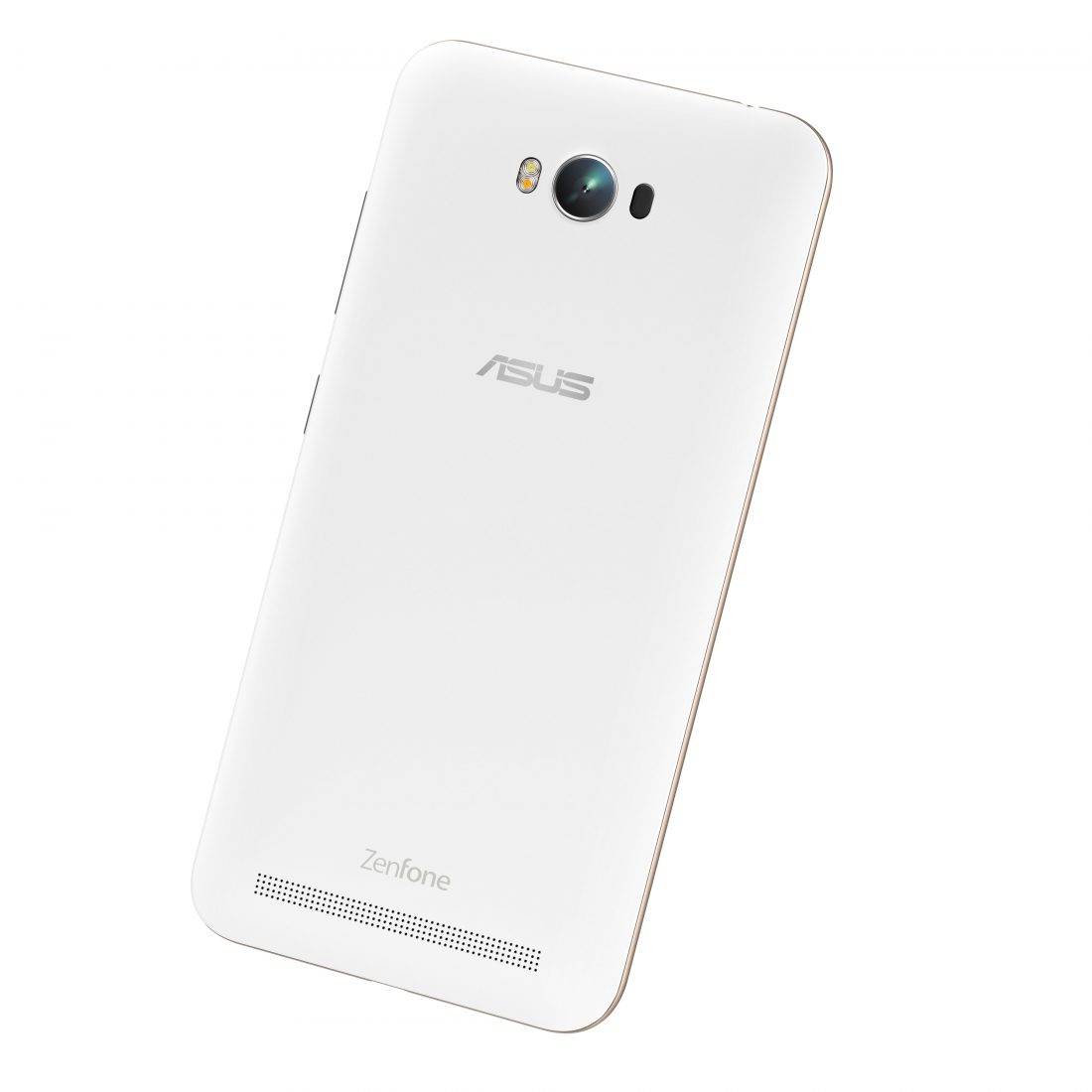
    ZenFone Max White

    Pre-booking for the ZenFone Max began today at 12 PM on Flipkart and Amazon, and it will be up for sale at Asus Exclusive stores and other retail stores starting the second fortnight of January.

    Specs

    ASUS ZenFone Max

    Display 5.5 inch, Corning Gorilla Glass 4 with ASUS ZenUI
    Resolution 720 x 1280 pixels (~267 ppi pixel density)
    Processor Qualcomm MSM8916 Snapdragon 410
    CPU Quad-core 1.2 GHz Cortex A53
    GPU Adreno 306
    RAM 2 GB
    Storage 16 GB
    Rear Camera 13 MP, laser autofocus, dual-LED flash
    Front Camera 5 MP
    Expandability 64 GB
    Battery Non-removable Li-Po 5,000 mAh
    Connectivity  Wi-Fi 802.11 b/g/n, Wi-Fi Direct, hotspot, Bluetooth v4.0, A-GPS, GLONASS, microUSB v2.0
    OS  Android OS, v5.0 (Lollipop)
    Price Rs. 9,999


  • LG to Introduce an 18-inch Rollable Screen at CES 2016

    LG to Introduce an 18-inch Rollable Screen at CES 2016

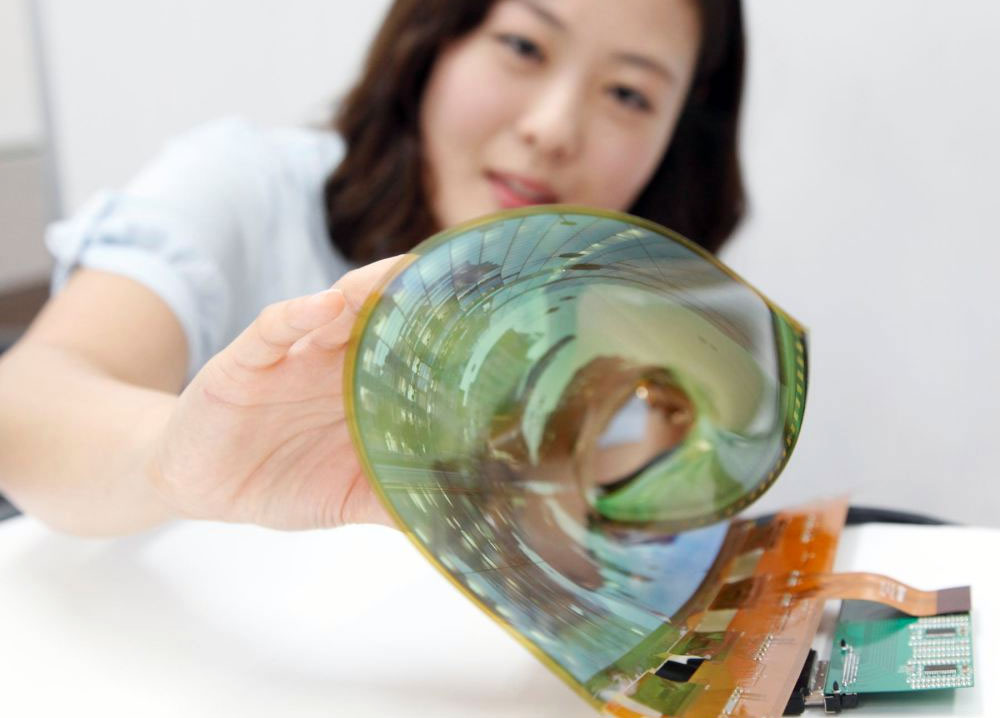
    LG has taken foldable and bendable displays a step ahead this year. The company had hinted at similar tech last year at CES but had kept mum the entire year. However, now the company is ready to display a prototype at CES ’16 this time around.LG Rollable Screen CES '16 1

    LG is ready with a prototype of an 18-inch rollable screen it will showcase at the Consumer Electronics Show this time around. Similar concept displays have been seen in the past by companies like Samsung, Sony and Sharp. Now LG follows suit and marks an important moment for displays of smartphones, tablets and television sets. It is concentrating on making OLED screens bendable, curvable and rollable.

    The company is also expected to unveil a 25 inch curvable screen installed in a car as part of the Auto Zone of CES ’16. We can also expect to see a 55-inch “paper thin” television with all its components installed independently according to LG. Watch this space for more updates.

  • Apple Watch 2: What to Expect

    Apple Watch 2: What to Expect

    According to reports, Apple is holding an official event in March where it is expected to unveil the iPhone 6c along with iPad 3 and the new Apple Watch. Needless to say, the rumour mill is working round the clock. Here’s a look at some of them:

    Release Date:

    Even if the Apple Watch 2 gets announced in March, it won’t be ready for shipping before April at the earliest, suggests 9to5Mac. Another rumour places May as the probable date for the Watch.

    Quant, the Chinese manufacturer of the previous model of the Apple Watch, is expected to manufacture the second generation model as well. Therefore when Bary Lam, the Chairman of Quant comments on this, we sit up and listen. Reportedly, he claims that near the end of Q2 2016, a limited stock of the Apple Watch 2 would be available, followed by more in Q3. Following this, the Apple Watch 2 can be expected to make an appearance in June this year.

    Camera:

    The Apple Watch 2 is expected to have a front camera to allow for FaceTime; the user would now be able to receive and make video calls from the Watch itself, if this speculation turns out to be true. The front camera will probably be embedded in the top bezel of the face of the Watch.

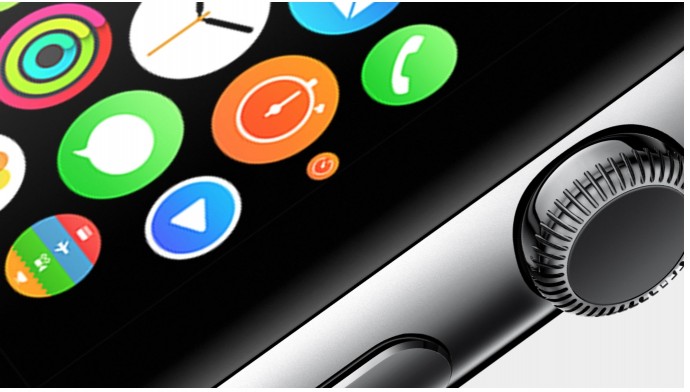
    Apple watch Features Design 26

    Wireless Chipset:

    Other than some basic features like playing music or tracking activity, the current version of the smartwatch relies almost entirely on an iPhone to perform any other function. However, the new , updated smartwatch is expected to come with a wireless chipset which would make the Watch ‘tether-less’. It would no longer require connection with an iPhone to perform functions, owing to the chipset which would make it more independent of the phone.

    Battery:

    One of the main drawbacks of the first generation Apple Watch is its battery life. Even though it was initially expected to last an entire day, many users discovered to their disappointment, that this was not so. The Watch would be drained of battery even before the day ended. Additionally, it was a big strain on the battery of the iPhone it was connected to.

    However, there are not any big rumours about battery improvement in the second gen. This news is a little disheartening for Apple fans all over.

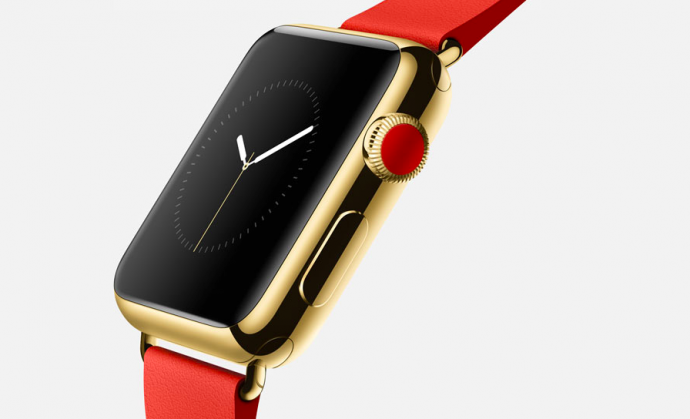
    Apple Watch
    Apple Watch

    Design:

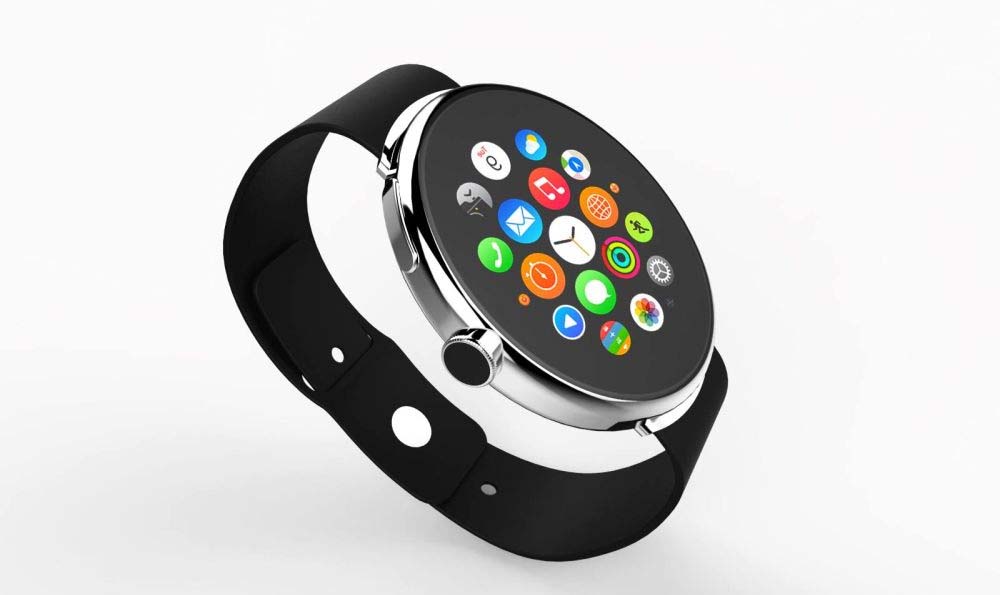
    In terms of design, Apple is expected to introduce a new variant priced between the steel Apple Watch at £949 and the Apple Watch Edition at £8,000. We hope for some more variety like a circular watch face as well as a thinner design, along with more strap options to choose from.

    Some of its other features we hope Apple would include in the second gen smartwatch are in-built GPS and better durability against water, dust and scratches. We’ll keep you updated as more rumours hit the scene and if anything gets confirmed. Let us know what would you want to see in the Apple Watch 2.

  • New Gold and White OnePlus X Variant Comes to India

    New Gold and White OnePlus X Variant Comes to India

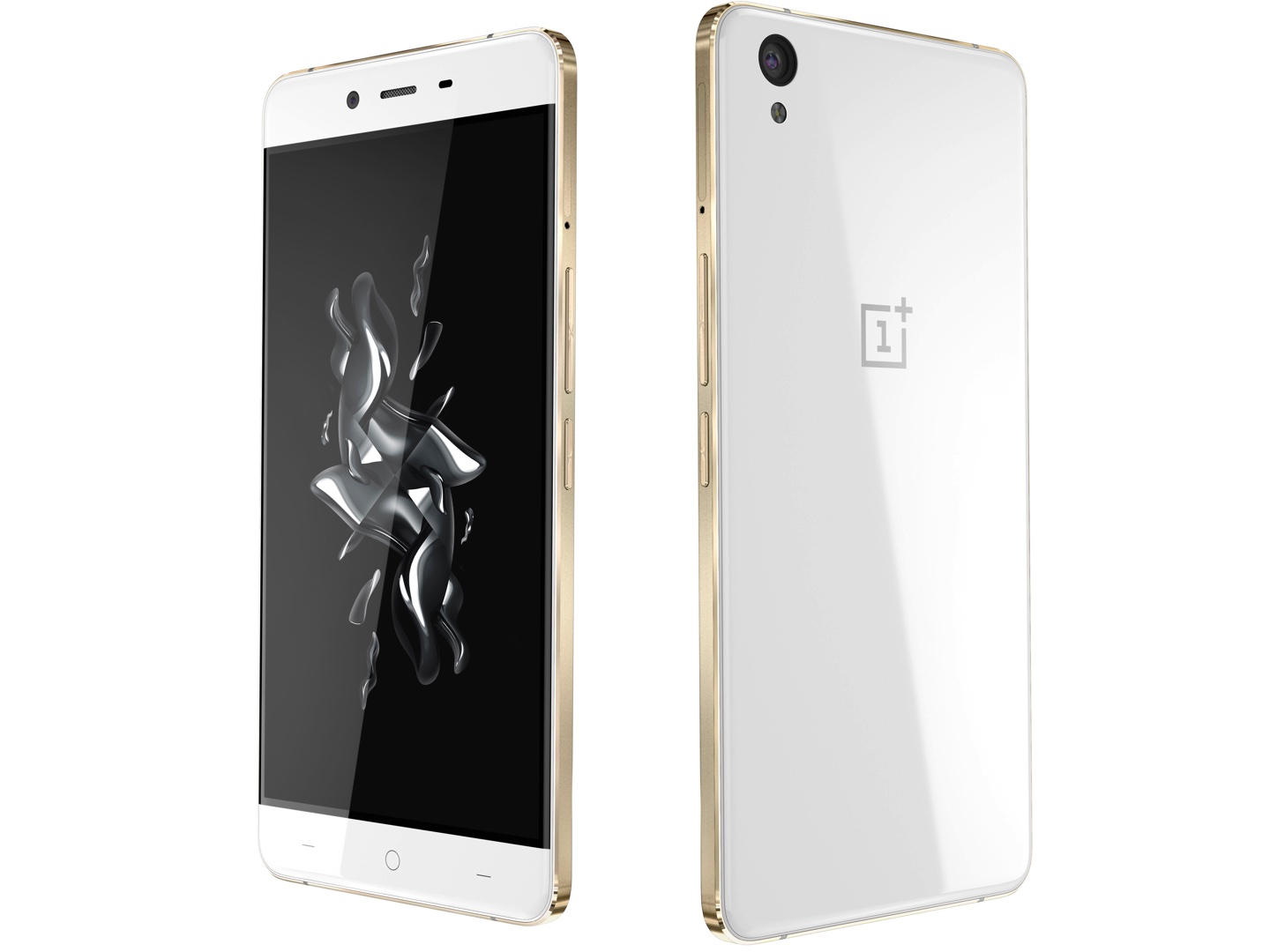
    There’s some exciting news in store for OnePlus fans in India. The company has announced the launch of a colour variant for OnePlus X. It’s called the Champagne and is a beautiful white and gold version of the handset.

    OnePlus X Champagne goes on sale starting at midnight tonight on Amazon. This new variant joins OnePlus X Onyx. It can be bought by using existing OnePlus X invites which can be redeemed both for the Onyx and the Champagne versions.

    Specification OnePlus X
    Display 5-inch full HD AMOLED screen, Corning Gorilla Glass 3
    Resolution 1920×1080 pixels, 441ppi
    Dimensions 140 x 69 x 6.9 mm
    Weight 138 g (Onyx)/ 160 g (Ceramic)
    Chipset  Qualcomm Snapdragon 801
    CPU 2.3 GHz Quad-core processor
    GPU Adreno 330
    RAM 3 GB
    Front Camera 8 MP f/2.4
    Rear Camera 13 MP f/2.2 ISOCELL
    Storage 16 GB eMMC v5.0
    Expandability Up to 128 GB via MicoSD
    Battery 2,525 mAh embedded rechargeable battery
    Connectivity Wi-Fi 2.4 GHz b/g/n WCN3680 / Bluetooth 4.0
    Operating System Oxygen OS based on Android 5.1.1
    Price Rs. 16,999 (Onyx)/ Rs. 22,999 (limited edition Ceramic)


    The new variant is exactly the same as the previous variant in terms of specs as well as the price at Rs. 16,999. Our full Review of the Phone Here 

  • Official Samsung Galaxy A TV Commercial Goes Live

    Official Samsung Galaxy A TV Commercial Goes Live

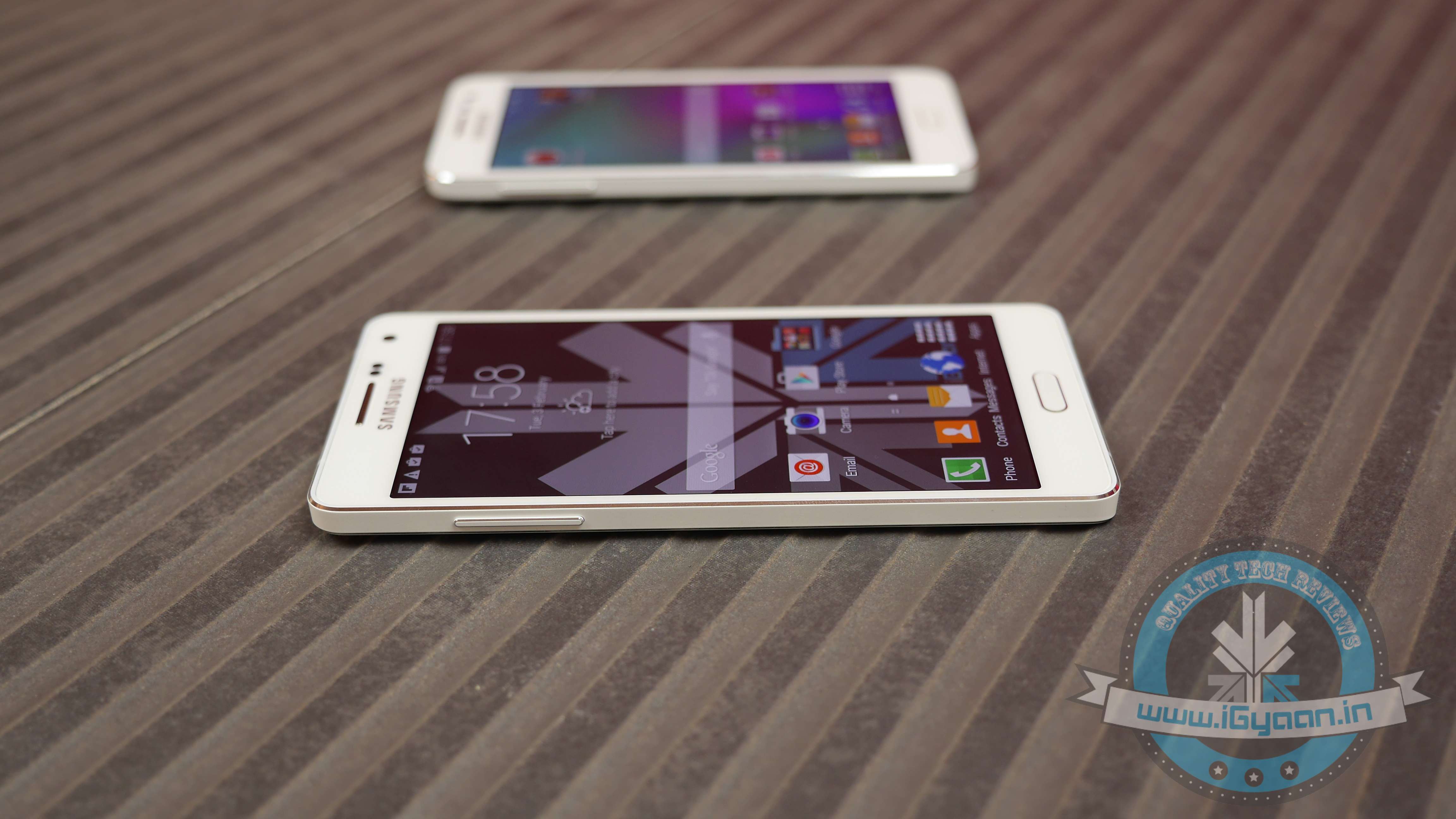
    Samsung Galaxy A3,  A5 and A7 have been already launched in China, and are expected to arrive in markets in rest of the world in January, 2016. To keep the phones fresh in the memory of the consumers, Samsung has now launched its first official Galaxy A TV commercial. However, it does not showcase any specific phone but the entire Galaxy A series.

    https://youtu.be/Hy409bgKcgE

    In terms of specs, this is what we can expect from the three Galaxy A phones when they arrive in India -the A7, which is the biggest of the three, will sport a 5.5-inch AMOLED screen with 1920 x 1080p resolution and a 1.6 GHz octa-core processor, 3 GB of RAM and 16 GB internal storage and 3,300 mAh Fast Charging battery. On the camera front, the A7 features a 13 MP primary camera with f/1.9 aperture and OIS. The front camera also features an f/1.9 aperture. samsung_galaxy_a7

    The A5 has a 5.2-inch AMOLED screen with 1080p resolution, 2 GB RAM and 16 GB storage, quad-core processor and a battery marked at 2,900 mAh. It has a 13 MP primary camera with OIS, and a 5 MP front camera.

    Finally, the smallest of the lot, the Galaxy A3, comes with a 4.7-inch AMOLED screen and 720p resolution. The device also features 1.5GB of RAM and 16 GB of internal storage. The A3 is the only device among the three that won’t feature a fingerprint scanner. The device has a rear camera of 13 MP and a front camera of 5 MP, with both having f/1.9 apertures (no OIS here, though). Samsung Galaxy A3 and A5 15

    Which of the three phones is your favourite? Let us know in the comments below. Follow this space for more on Samsung’s A-series launch.

  • Samsung Exynos 8870 Will be Sold to Meizu and Other Companies

    Samsung Exynos 8870 Will be Sold to Meizu and Other Companies

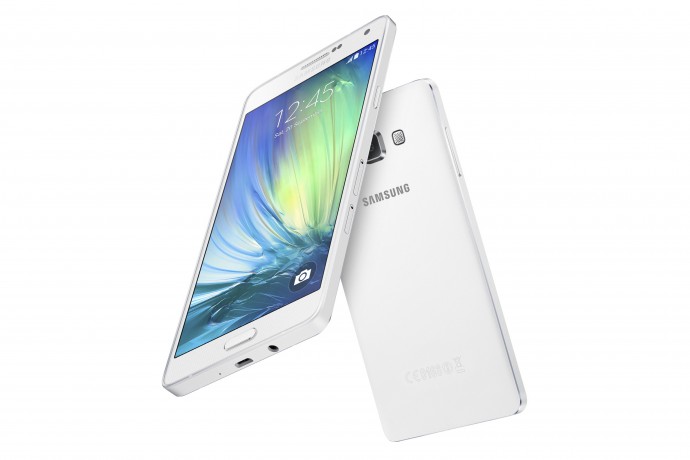
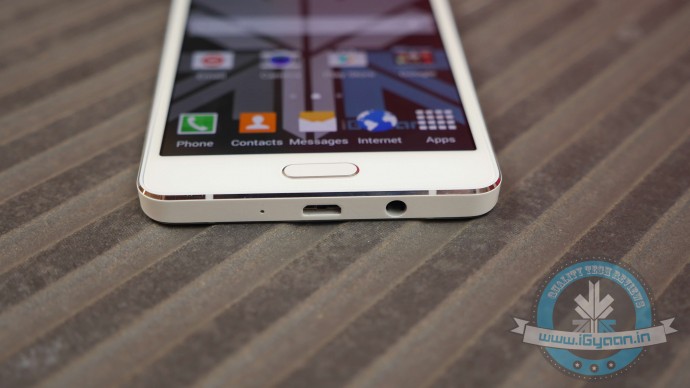
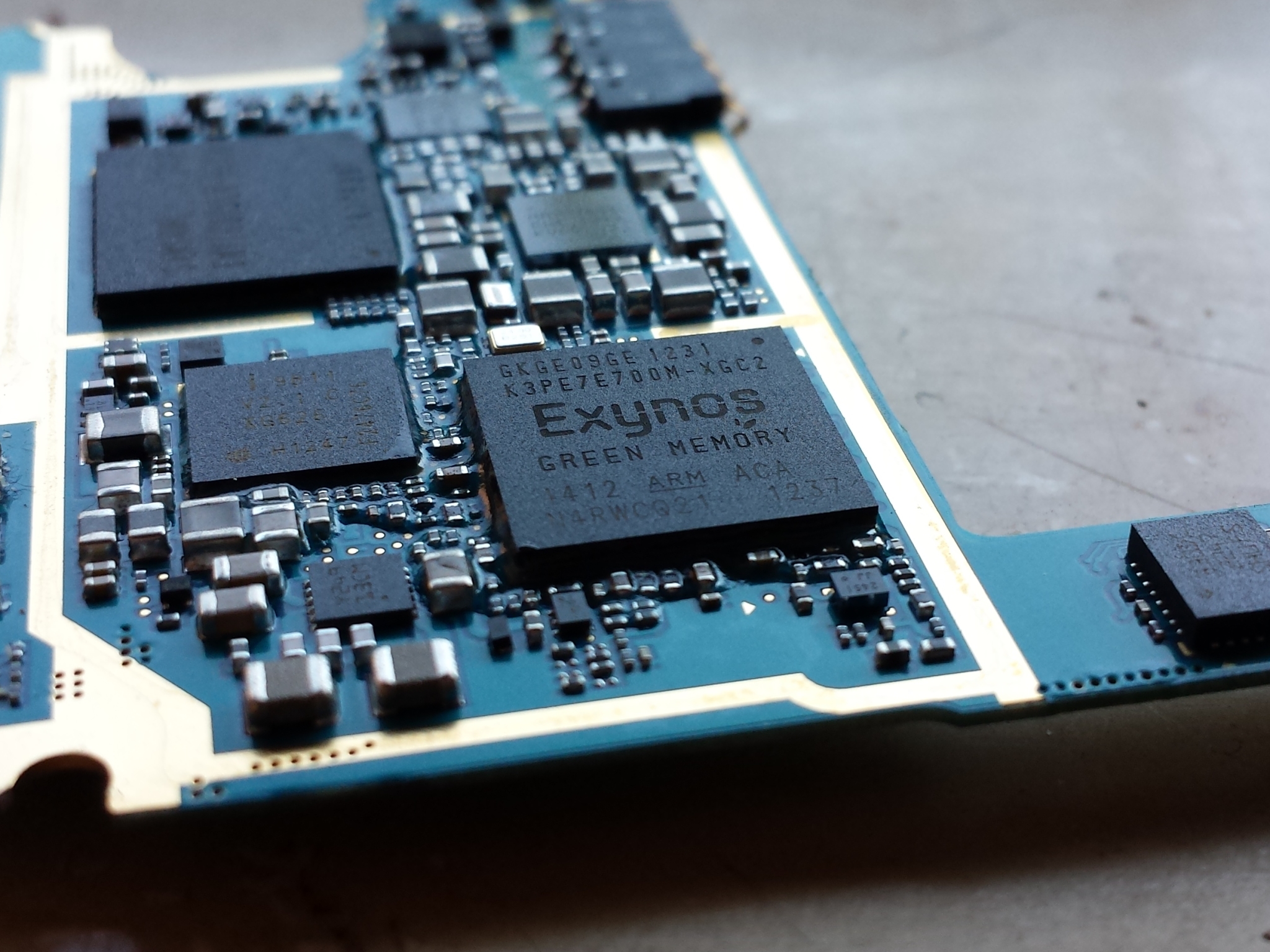
    If rumours are to be believed, Samsung is working on releasing a Exynos 8870 chipset. This chipset would be mainly for Samsung’s external clients like Meizu. Additionally, rumours further suggest that Meizu Pro 6 and Pro 6 Mini are expected to come equipped with this chipset next year. The performance of the chipset is expected to be as good as that of Qualcomm Snapdragon 820.Exynos Samsung

    The rumour which has emerged out of China expects the chipset to be official sometime in 2016. Samsung, however, is expected to make use of Exynos 8890 as the chipset of its own high-end devices instead of this rumoured Exynos 8870. Speculations will continue making the rounds for a while until something gets confirmed by Meizu or Samsung.

  • ASUS Launches Budget ZenFone Go Variant

    ASUS Launches Budget ZenFone Go Variant

    ASUS launched a variant of ZenFone Go called ZC451TG in India today. The phone comes equipped with a 4.5 inch display and 480X854 resolution. It further has a 5 MP primary camera with auto-focus and F2.0 aperture and a front camera marked at 0.3 MP.ASUS Zenfone Go Variant

    The handset is made available in four colours which include Charcoal Black, Pearl White, Rouge Pink and Flash Blue and is priced at Rs. 5,299. It can be purchased on Flipkart, and from ASUS Exclusive Stores and other retailers starting January, 2016.ASUS Zenfone Go Variant1

    The new ZenFone Go variant is powered by Android Lollipop 5.1 and has 8 GB of internal storage which is expandable up to 64 GB using microSD card. The phone further has 5 GB of ASUS web storage.

  • Samsung to Manufacture 5 Million Galaxy S7 Phones in Initial Production

    Samsung to Manufacture 5 Million Galaxy S7 Phones in Initial Production

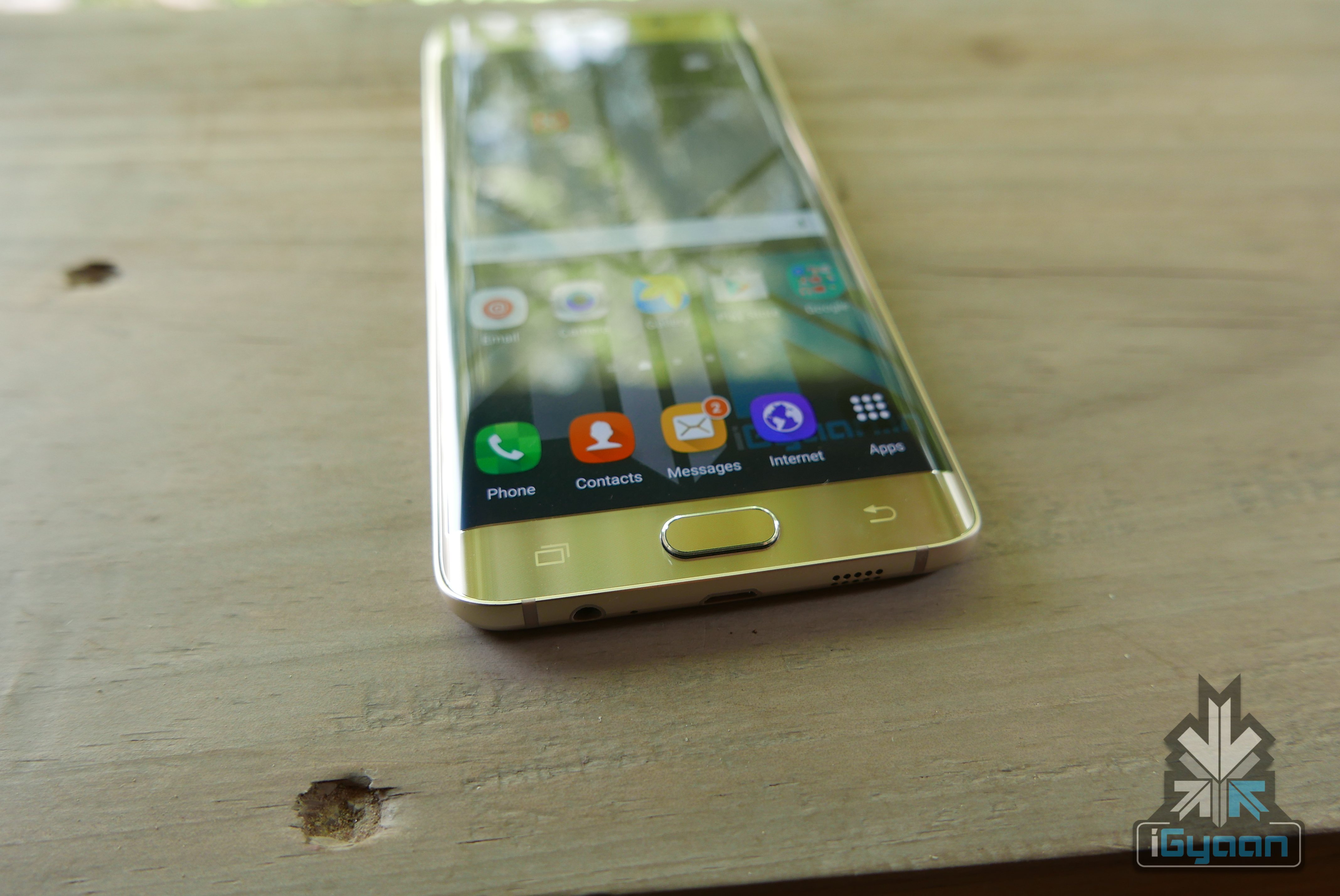
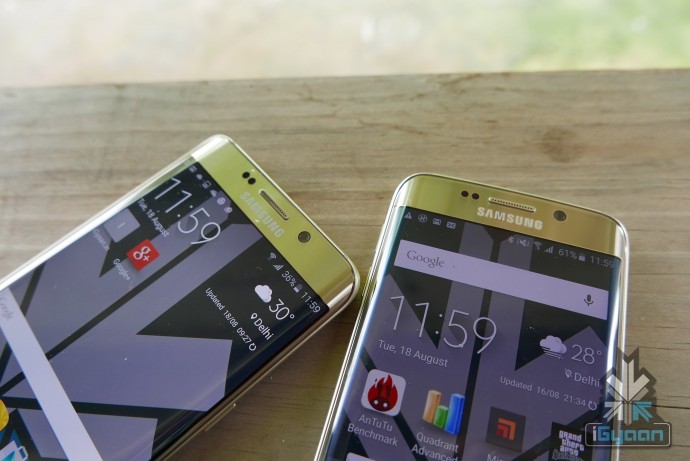
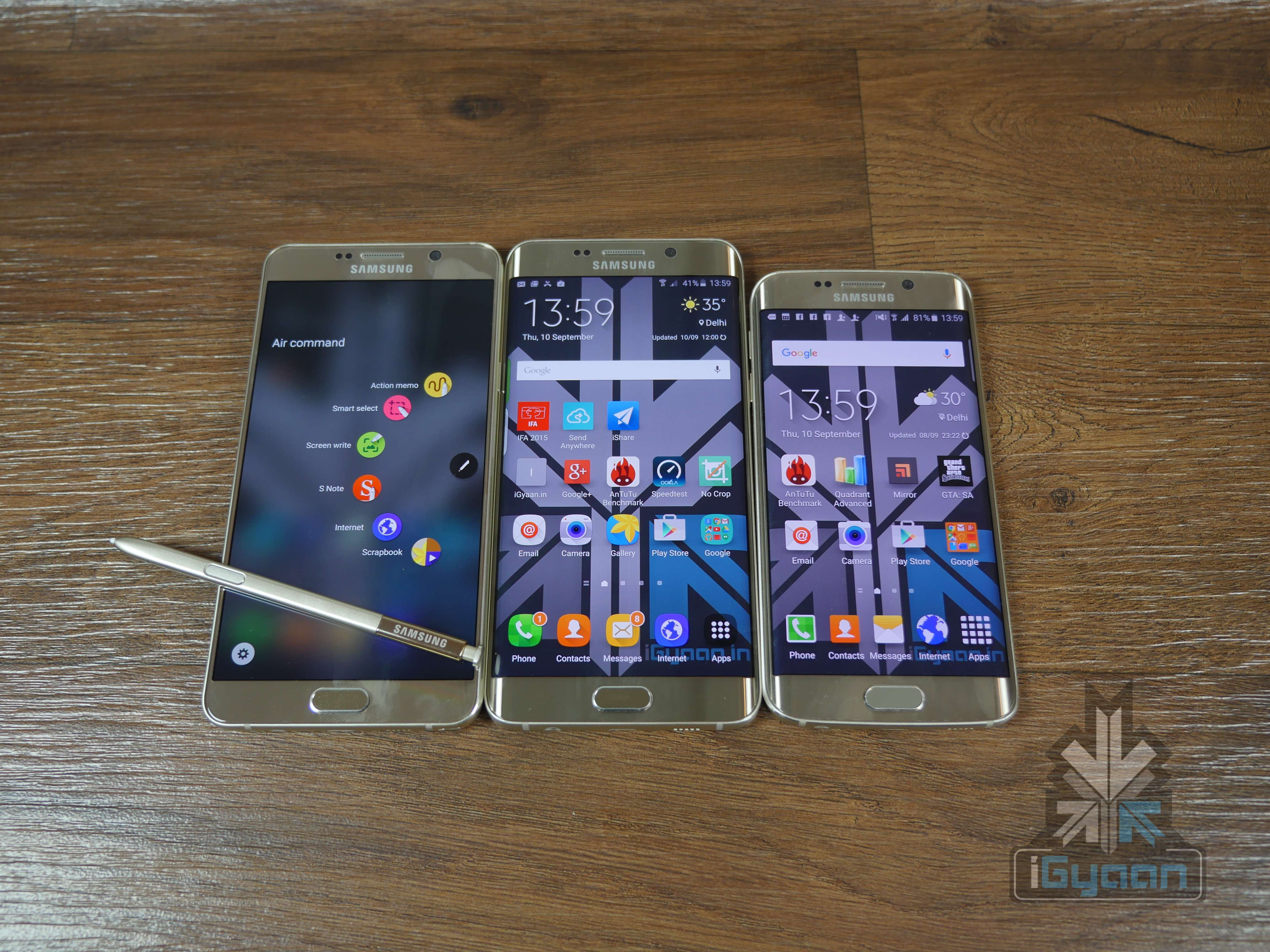
    South Korea’s Electronic Times has reported that Samsung’s initial production would include 5 million Galaxy S7 handsets. The new flagship of the company would have two variants, a 5.2 inch Galaxy S7 and a Galaxy S7 Edge with a larger curved screen of 5.5 inches.Galaxy S6 Edge + plus iGyaan 18

    The division between the two variants would include 3.3 million S7 phones and 1.6 million S7 Edge phones. The flagship will not be an entirely new smartphone but simply an upgraded and improved version of the S6 series, similar to what Apple has been doing with its iPhones. Samsung goes the Apple way in terms of hardware as well -it’s expected to include touch sensitive display.

    There have been a lot of rumours regarding when the S7 phones will be launched. Earlier, it was expected that Samsung would unveil the devices at the CES conference to be held in January. Next up was at the MWC scheduled to take place in February. Now, word from China Mobile, China’s leading carrier, is that Samsung will present its flagship devices in March. Let’s hold our breath until then.

  • Samsung Galaxy J1 Successor Seen Online in Leaked Image

    Samsung Galaxy J1 Successor Seen Online in Leaked Image

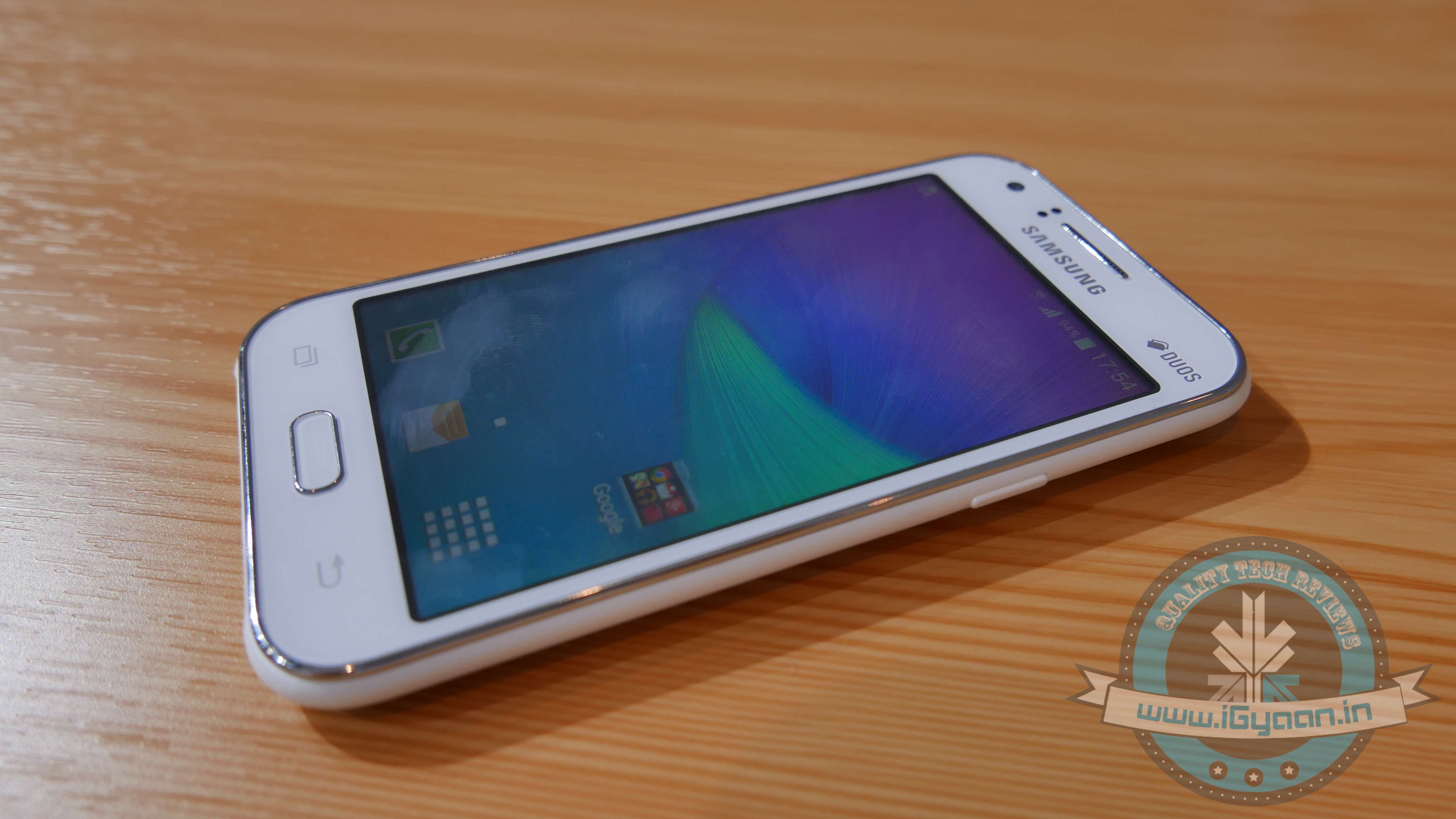
    After a month of its FCC clearance, a leaked image of the Samsung Galaxy J1 successor has appeared online. The image also appeared with a bunch of specs which include a 4.5 inch display, which is slightly larger than the current J1’s 4.3 inches, with 480×800 pixel resolution. The phone will be powered by Android 5.1.1 Lollipop.

    The FCC certificate does not reveal any specifications for the handset, although a siting on GFXBench can throw some light on it. The SM-J120F (the model number of J1’s successor) is expected to arrive with a dual SIM variant which will be powered by the Samsung Exynos 3475 chipset with quad-core 1.3 GHz CPU and will come with 1 GB RAM and 4 GB internal memory.

    On the camera front, one can expect a 5 MP rear camera and a 2 MP front camera. The phone will be a budget phone arriving at close to Rs. 7,000.

  • Top Wearable Tech in 2015

    Top Wearable Tech in 2015

    If wearables is what you’re looking for, you’ve come to the right place. Read on to find out about the best pieces of wearable tech in 2015.

    Apple Watch:apple-watch-6_1

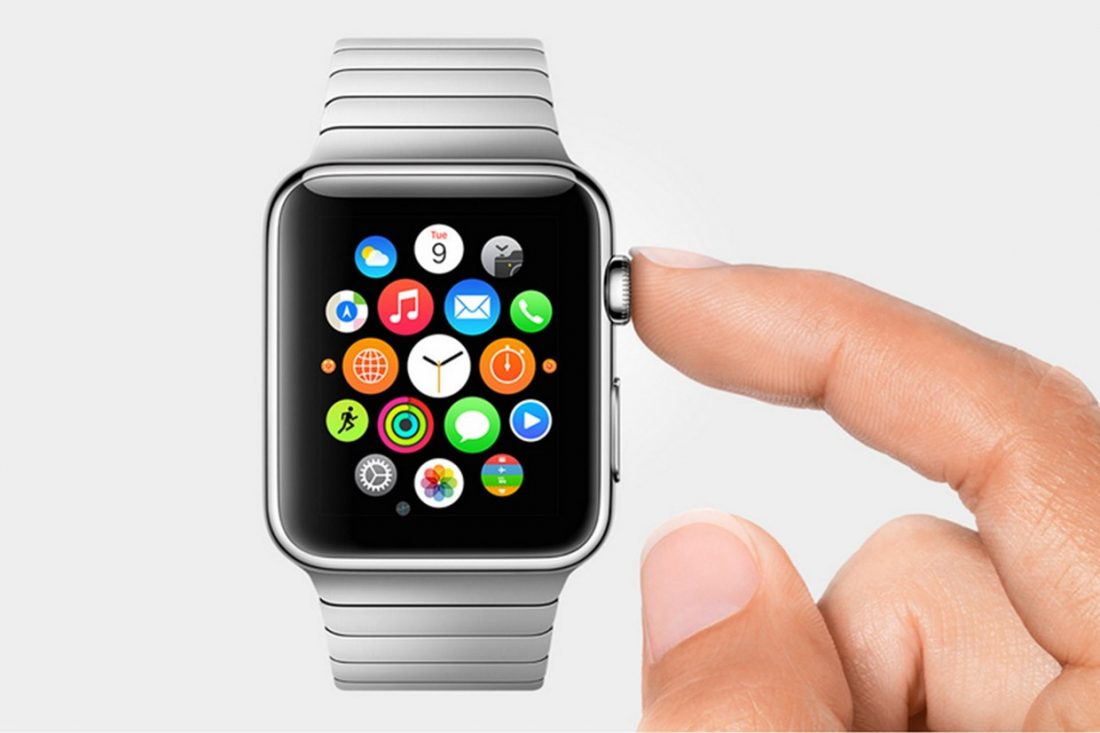
    Apple released its Watch in April this year, and 7 months later it made it to the Indian market starting at Rs. 30,900. It’s available with Apple retailers across the country. The Watch comes in a variety of colours including gold, Rose Gold, Space Gray, silver anodized aluminium, polished silver or Space Black stainless steel, and 18-Carat Rose Gold or Yellow Gold, but not all of these variants made it to India. Click here for specs and all other details of the smartwatch.

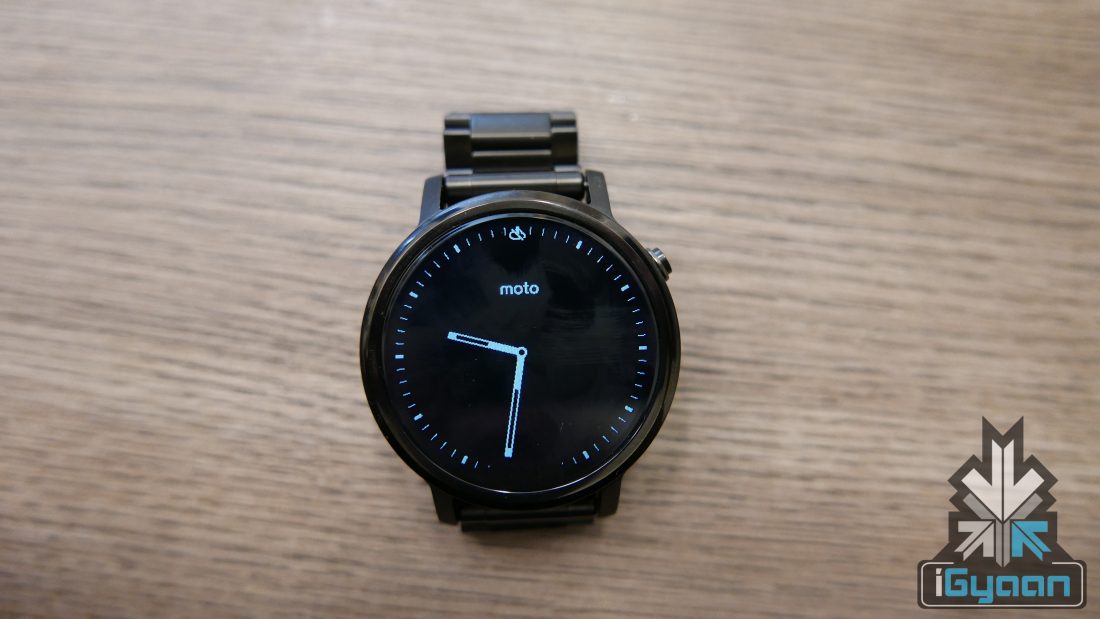
    Moto 360 Gen 2:Moto 360 Gen 2 9

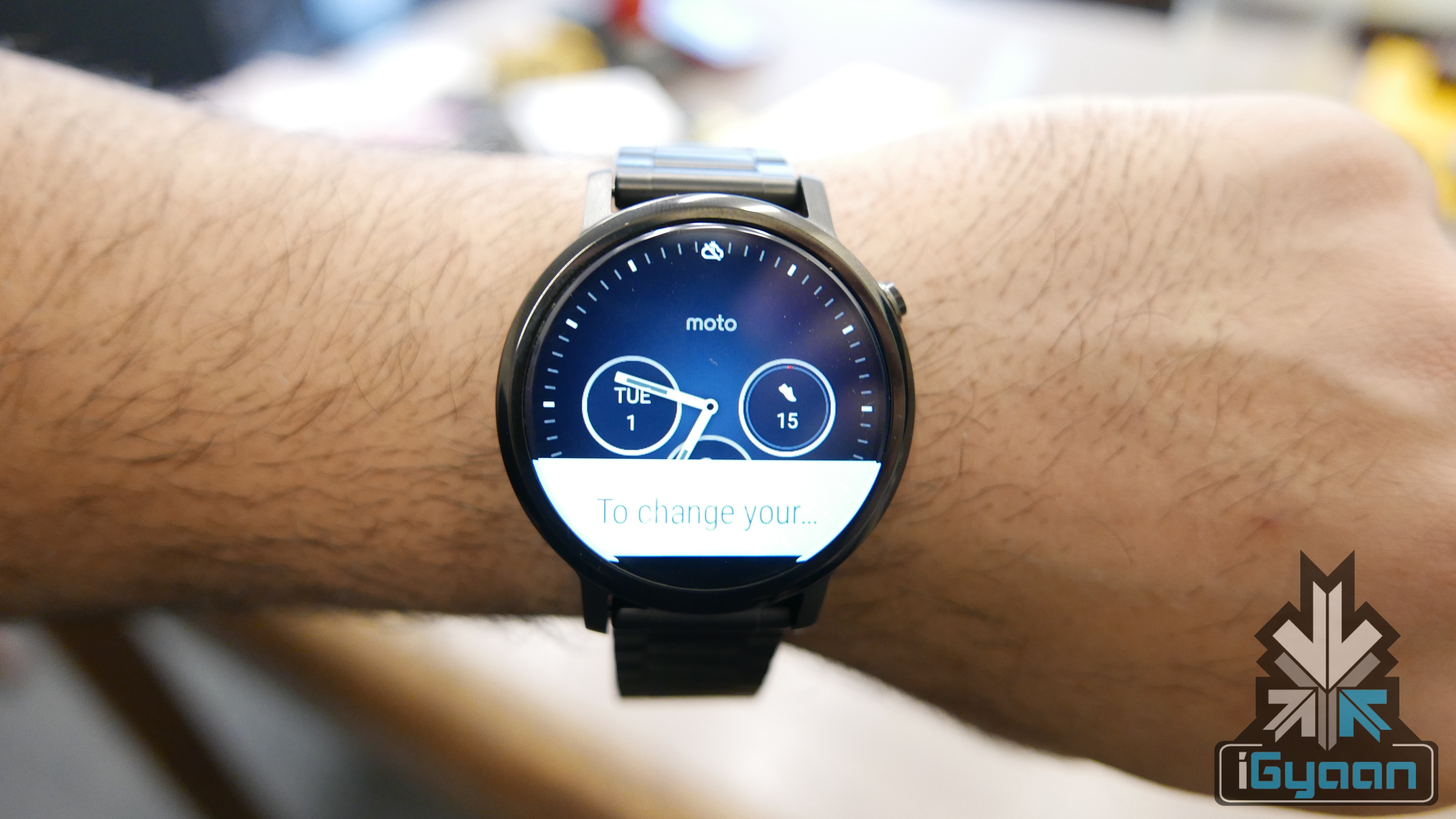
    Launched at IFA Berlin this year, the Moto 360 Gen 2 arrived in India in early December. With a starting price of Rs. 19,999, the Moto 360 comes in two different sizes – a 42 mm male and female version, and a male-only 46 mm model. The bands of the watch can be chosen from metal and leather. Though there is also a silicon option available for the band, it won’t be arriving in India any time soon. Click here for the specs and a hands on of Moto 360 Gen 2.

    HTC Re Action Camera:
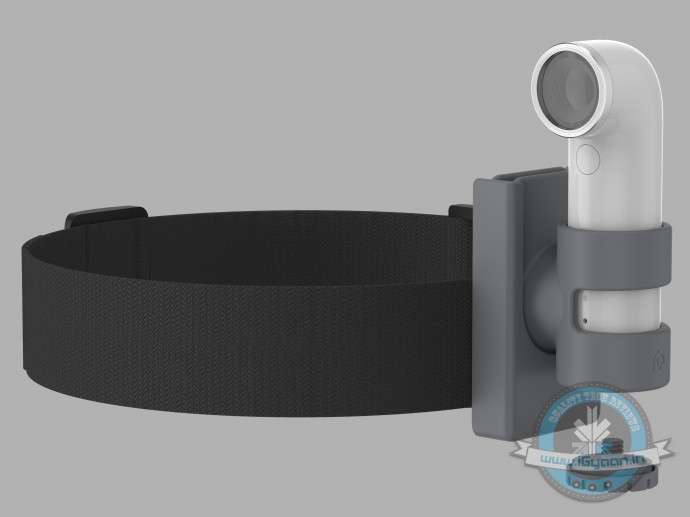
    RE head mount
    The new HTC RE camera is a take on Go Pro style action cameras but HTC calls it the first camera that is designed to be held, and fits naturally and comfortably in the palm of your hand. It comes in various colors and sizes with various mounting options and accessories. Specs wise the RE is pretty impressive. It is equipped with a 16MP 1/2.3” CMOS sensor with an Ultra wide angle: 146° lens (f/2.8) captures 1080p, 30fps FHD video and 720p, 4x slow motion video and it also has a Time-lapse video recording mode. Click here for more details.
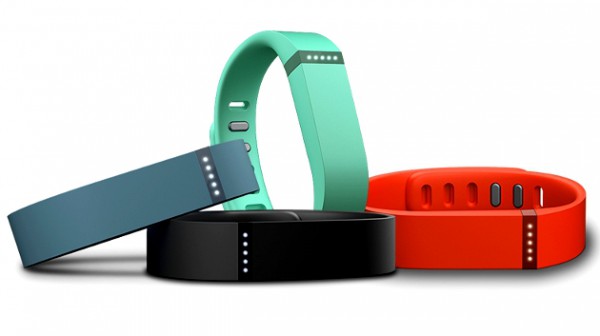
    FitBit Fitness Wearables:fitbit-flex-colours_fullwidth-600x336

    Fitbit, the world’s largest tech wearable brand, entered the Indian market in 2015 through a partnership with Amazon India. The company is popularly known for selling wearable technology, which helps monitor fitness. It offers its range of wearables on Amazon which include Zip, Flex, Charge HR and Surge. The prices range from Rs. 4,000 – Rs. 19,990. You can find more details and specs of FitBit wearables here.

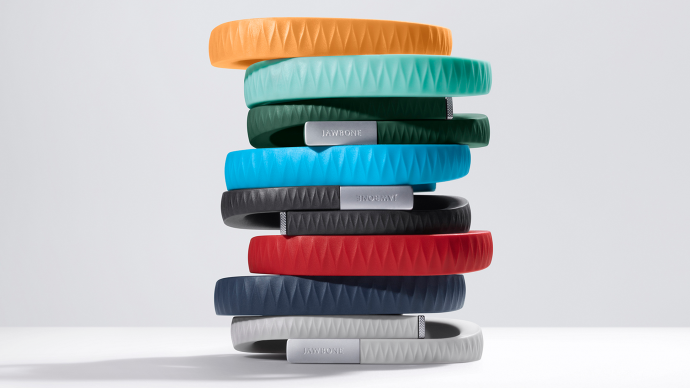
    Jawbone:Jawbone UP 2

    Jawbone products give a better understanding of sleeping patterns, diet and physical movements. The company introduced its UP product range in India in September, 2015. This technology allows you to monitor your diet, sleep patterns and physical movement. The app in the gadget is equipped with Smart Coach – Jawbone’s coaching system which turns data into personalised guidance, giving you insights and challenges to help you improve your sleep, activity and diet. The UP activity trackers are of three kinds – UP Move, UP2 and UP3.

  • Facebook’s “Free Internet” TRAI Email Scam Explained

    Facebook’s “Free Internet” TRAI Email Scam Explained

    Internet.org was announced globally in August, 2013 and it arrived in India in February 2015. The initiative aims to provide free internet services on the Reliance network in the states of Tamil Nadu, Maharashtra, Andhra Pradesh, Gujarat, Kerala and Telangana. The users would have free data access to more than three dozen services.

    The idea of thousands and millions being included within the ambit of the virtual world sounds brilliant and one everyone is up for. But before that, those endorsing this initiative need to understand all that it entails.

    Internet.org:

    internet.orgInternet.org refers to a collaboration between Facebook and six other companies, namely, Samsung, Qualcomm, Nokia, Ericsson, MediaTek and Opera Software. The aim of this collaboration is to bring easily accessible internet to developing countries, especially in remote rural areas. However since it includes only selected services and online operators, it is seen not only as a direct threat to net neutrality but also as rampant publicizing of Facebook. It would be a single company, or a small group of them, which would decide what services are made available and which ones are excluded, a right earlier extended only to the user of the internet, not the service providers.

    The Digital India Display Picture Controversy:Mark Zuckerberg

    This controversy surfaced during Prime Minister Narendra Modi’s trip to Silicon Valley to promote Digital India. When Mark Zuckerberg changed his display picture on Facebook to one with an overlay of the Indian flag, the Prime Minister followed suit and did the same with his display picture. Facebook also introduced a feature which allowed users everywhere to make the tri-colour part of their display pictures. Post this, people, as we know them to be, switched their profile pictures left and right and centre. All of a sudden, we woke up to find unanimous, enthusiastic support for Digital India. Utopia, could it be?Narendra Modi
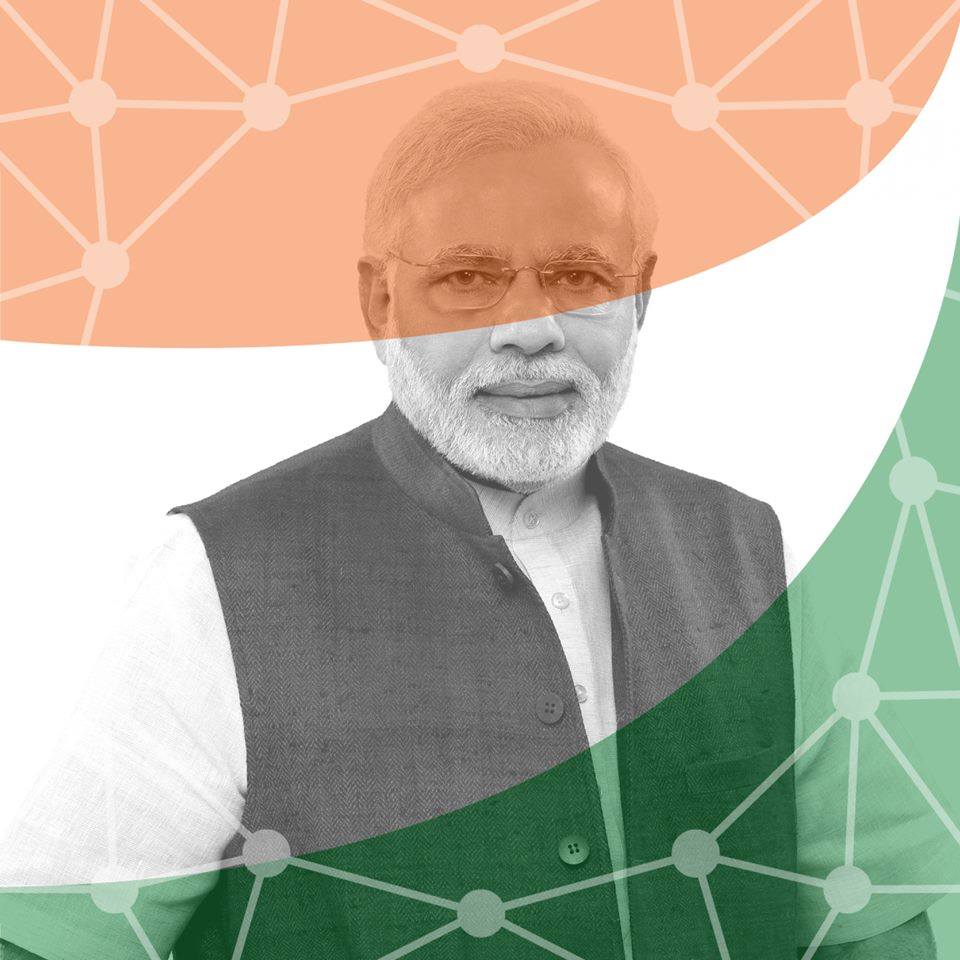
    A lot of netizens took to social media platforms to express their dismay at the new feature, which was allegedly directly connected with Facebook’s Internet.org. It was assumed that these pictures had a source code which would automatically link them to Internet.org, inadvertently making them support the initiative. However, the confusion was soon cleared up -the tri-coloured display pictures had nothing to do with Internet.org and that was the end of this controversy.

    Free Basics:Free Basics Internet.orgFree Basics is part of Internet.org and lets users access the services of the initiative by downloading an app. It became available in India last month and allowed users access to Facebook and Facebook messenger, Wikipedia, BBC News and health services, among others. The app was initially made available on Reliance Communications Network, Facebook’s partner in Internet.org.
    The app and the initiative has received flak from the word go for its alleged preferential treatment, and thereby being in direct contradiction with net neutrality. Mark Zuckerberg defended this, however, and said Free Basics provides not only internet services for free but plans to include more services and developers within its reach.

    Current Scenario:internet.org-facebookjpg

    A little after its release in the country, Free Basics ran into turbulent waters. Reliance Communications had to withhold the service after it received a request from the Telecom Regulatory Authority of India (TRAI) to do so.

    “As directed by TRAI, the commercial launch of Freebasics has been kept in abeyance, till they consider all details and convey a specific approval,” said a Reliance representative.

    This was soon followed by a Facebook campaign -users were flooded with notifications of their Facebook contacts having ‘voiced their opinion’ on Free Basics. Clicking on the notification directs the user to a page which automates reply to TRAI in appeal in favour of the same. Users were also presented with this pre-filled form as they logged in which would be sent to TRAI in support of Free Basics. Though this feature was meant only for Indian users, it was sent to many American users as well. Facebook claims it was a mistake which has been corrected. The fate of Free Basics is uncertain until a verdict is passed post TRAI’s hearing on net neutrality next month.

    India is one of the 36 countries where Free Basics has been launched and is the second largest user of Facebook in the world.

    Free Basics and Internet.org are the Same but Not Many Remember it:Facebook Free Basics Free Basics is an extension of Internet.org but quite a lot of seem to have forgotten that. There had been a lot of hue and cry only a couple of weeks ago over Internet.org and its ‘altruistic’ intentions behind the initiative. However, the clamour died down quiet magically as large number of people have stepped forward declaring their support for Free Basics on Facebook, without even realising it in many cases.

    Facebook notification windows have their hands full all over the country with updates about users voicing their opinions about Free Basics (read: declaring support for Internet.org, which they had opposed only a little while ago).

    Times of India aptly commented on the whole topic recently and said, “Facebook is just trying to play on the fact that most of us click the like button on its platform without reading or understanding the complete picture.”

    Nothing would be better on the tech front than to have a country where internet is available in every household. But any policy that endangers net neutrality, and therefore, the freedom of expression, needs to be reconsidered.

    Equal internet is important for the virtual space, for future Facebooks and platforms like iGyaan itself. It enforces net neutrality and makes sure consumers don’t end up paying with every click online. However, concepts like ‘free internet’, what the Facebook-based app aims to provide under its Internet.org campaign, tends to complicate things, and endangers net neutrality.

    Have you signed your TRAI-email petition yet on Facebook, if not would be willing to or would you rather steer clear from it? Let us know in the comments below.

  • US Aviation Association: Over 45,000 Drones Registered in Two Days

    US Aviation Association: Over 45,000 Drones Registered in Two Days

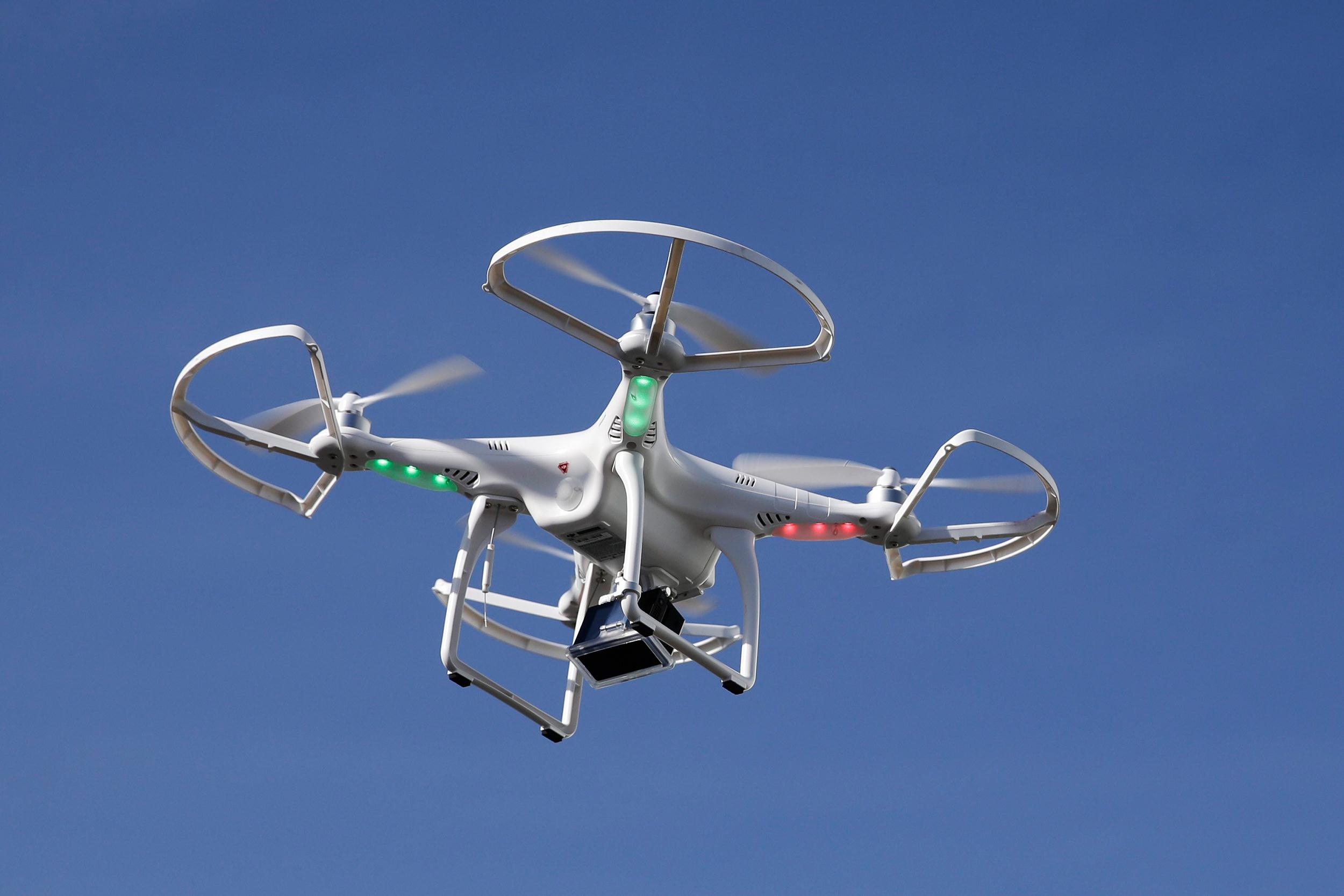
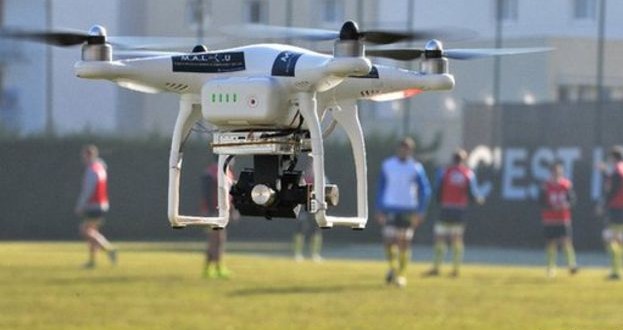
    America clearly loves its drones. The Federal Aviation Association (FAA) has revealed that over 45,000 drones have been registered just two days after the Federal Drone Registration website went live.

    The deluge of registrations has led the FAA to take the website down for a few hours starting Wednesday, 9 PM ET. This move is to prepare the website better for the unexpected response. It will be available again on Thursday morning at 6 AM ET.news drone

    Close to 400,000 drones are expected to be sold this holiday season. Strict penalties will be imposed on those who fail to register their drones in time. Drones which are bought post 21st of December must be registered before their first flight. Those purchased before that have till February 19th, 2016 for registration.

    The registration is expected to help the FAA trace the owners in case of accidents or injuries caused by drones. The administration has further announced formidable penalties that include fines up to $27,500 and fines which can go as high as $250,000 and/or imprisonment up to 3 years. Drones clearly have taken the tech world by storm. It would be interesting to see how this new piece of technology is incorporated in the contemporary lifestyle.

  • Samsung to Focus on Mid-Range Phones, Cut Down Total Shipment in 2016

    Samsung to Focus on Mid-Range Phones, Cut Down Total Shipment in 2016

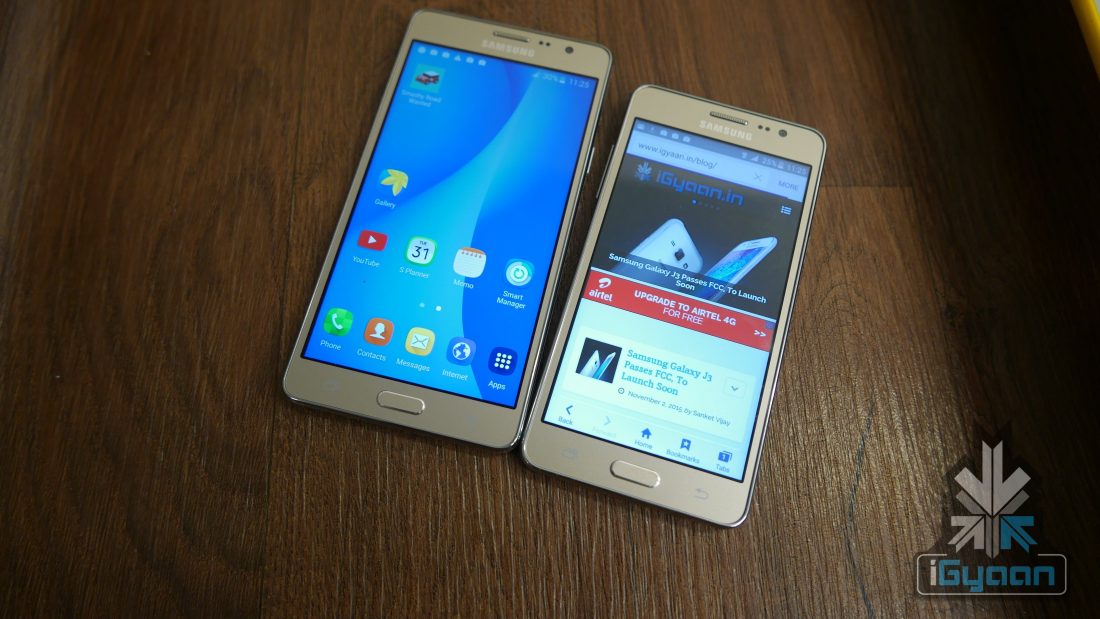
    According to reports, Samsung is going to lower the shipment of its smartphones in 2016 by 12%. This means the company would be shipping about 420-430 million units next year. Samsung is going to focus less on its high-end S series, and more on its budget and mid-range phones. The J series and the A series ensured that Samsung performed well in 2015. However, the year also saw a fall in the over-all demand of smartphones globally.Samsung Galaxy On5 and On7 iGyaan 0

    While Samsung still continued to be a leading smartphone manufacturer despite the falling demands, the company is altering its course a little next year. There will be some new additions to the Samsung Galaxy A and J series. There are also big plans for the company’s flagship phones. Galaxy S7 and S7 Edge, expected to arrive in 2016. Watch this space for all latest developments.

  • Letv Launches 65-inch Super TV With Curved Screen

    Letv Launches 65-inch Super TV With Curved Screen

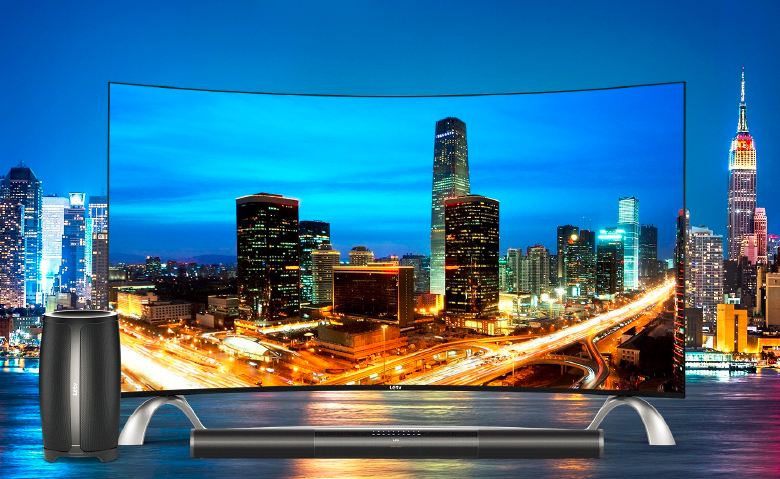
    Letv has launched a 65-inch split TV with curved screen, called the Super 4 Max65 Curved, and claims it to be the first of its kind electronic. This was launched along with Super 4 Max70, the first smart TV in the world with a glass light guide plate (LGP). Both televisions sets were unveiled at a launch event in Beijing on December 22nd.

    Letv has already brought 8-core 1.8 GHz 64-bit Qualcomm Snapdragon 810 processor (APQ9084) to its TV sets, along with incorporating Samsung’s ultra-thin curve panel. Now Le 4 Max65 comes equipped with Adreno 430 GPU with 4 GB of RAM and 32 GB/ 64 GB Flash, Novatek72324 motion processing chip. The TV also includes independent sub-woofer and an audio system by Harmon Kardon which seems to hold potential for a smooth audio experience as a home theatre.Le Super TV 1

    On the other hand, Super 4 Max70 includes 10th generation 70-inch 4K panel by Sharp in its specs. The TV also marks the first time Corning’s Iris LGP glass has been adopted by a major Chinese TV brand.

    In terms of sales, Letv reveals having sold 3 million smart TVs this year, and aims to double these sales to 6 million in 2016. The Super 4 Max70 will be available for sale starting 29th December on Lemall.com, While January 19th, 2016 is the date when sales of Super4 Max65 Curved Engineering Commemorative Edition begin.

    The pricing is as follows – Super4 Max65 Curved Engineering Commemorative Edition is priced $1000 (about Rs. 66,000), while the Super4 Max70 costs $2000 (about Rs.1,33,200) and $2300 (about Rs.1,50,000) respectively for its 2D and 3D versions. The company aims to offer competitive prices for these smart-TVs by generating profits through advertisements and its content ecosystem, thereby bringing down the price.

    Le has revealed it plans to hold an official event in New Delhi early in 2016, followed by other major cities in India. This could all be a follow-up to tentative plans of bringing its Le Superphones followed by Super TVs to the country. Let’s see what 2016 has in store for Le’s tryst with the Indian tech scenario.

iGyaan Network
Privacy Overview

This website uses cookies so that we can provide you with the best user experience possible. Cookie information is stored in your browser and performs functions such as recognising you when you return to our website and helping our team to understand which sections of the website you find most interesting and useful.