Author: Happy Nagashetti

  • Revisiting 2014: Top Technology Failures of Last Year

    Revisiting 2014: Top Technology Failures of Last Year

    The world of technology saw many ups and down last year. It was predominantly a good year for the tech industry, but there were some visible failures as well. While the sales of smartphones reached new altitudes, the biggest name of mobile telephony, Nokia departed from the mobile phone business. Several high-level security breaches questioned the safety of online storage. As 2014 comes to a close, we decided to list the gleaming failures of the tech industry.

    1. Sony Pictures:

    North Korea had taken serious offense against the movie and threatened merciless retaliation.

    Never before has a movie been called an ‘act of war’, and you wouldn’t have guessed that it would be a Seth Rogen movie. The film led to one of the biggest ever cyber-attacks on a major movie studio. Sony Pictures was brought down and humiliated by a group called the Guardians of Peace or #GOP. They claimed to have stolen more than 100 Terabytes of data from the studio. The hackers soon began unveiling details from the Sony data, that was embarrassing not just to the studio, but also to some big names from the entertainment industry including Angelina Jolie, Leonardo DiCaprio, and Adam Sandler. The hack is also the reason of heavy diplomatic tussle between the USA and North Korea.

    2. iCloud Hack:

    Jennifer Lawrence
    Another major cyber breach took place at Apple’s trusted iCloud storage. Thousands of private and intimate photos of celebrities were leaked online. This caused quite a furor around the world and put Apple in an awkward spot. Apple later confirmed that the hackers responsible for the leak had obtained the images using a “very targeted attack” on account information, such as passwords, rather than any specific security vulnerability in the iCloud service itself.

    3. Uber:
    uber-taxi
    The app based cab service had to face one PR disaster after another. There were multiple complaints of its driver harassing the passengers or sexually assaulting them. A highly publicized rape case in India led the company to temporarily cease its operations in many parts of the country. There were also revelations that Uber was spying on journalists who were being critical of the company. Uber also tried to take down its competition by ordering about 6000 rides and then canceling them. Even the drivers reported that they were exploited by the company. Guess for its new year resolution, Uber’s only resolution should be: Don’t be evil.

    4. Malaysian Airlines MH 370:

    MH 370

    On 8th March 2014, Malaysian Airlines flight MH370 disappeared – vanished, leaving behind many questions and limited answers. No one would have thought that in the age of satellites and modern communication equipments, a plane can just disappear from the radar screens. The disappearance also led to several conspiracy theories. The last signal from the aircraft was broadcasted when it was over South China sea. There was a massive multinational effort to locate the lost plane, but it yielded no results. The search was the largest and most expensive in aviation history. There was also added bad news for Malaysian Airlines whose other plane, MH 17 was shot down pro-Russian separatists in Ukraine using surface to air missiles.

    5. Apple iPhone 6 Plus:
    BEndgate
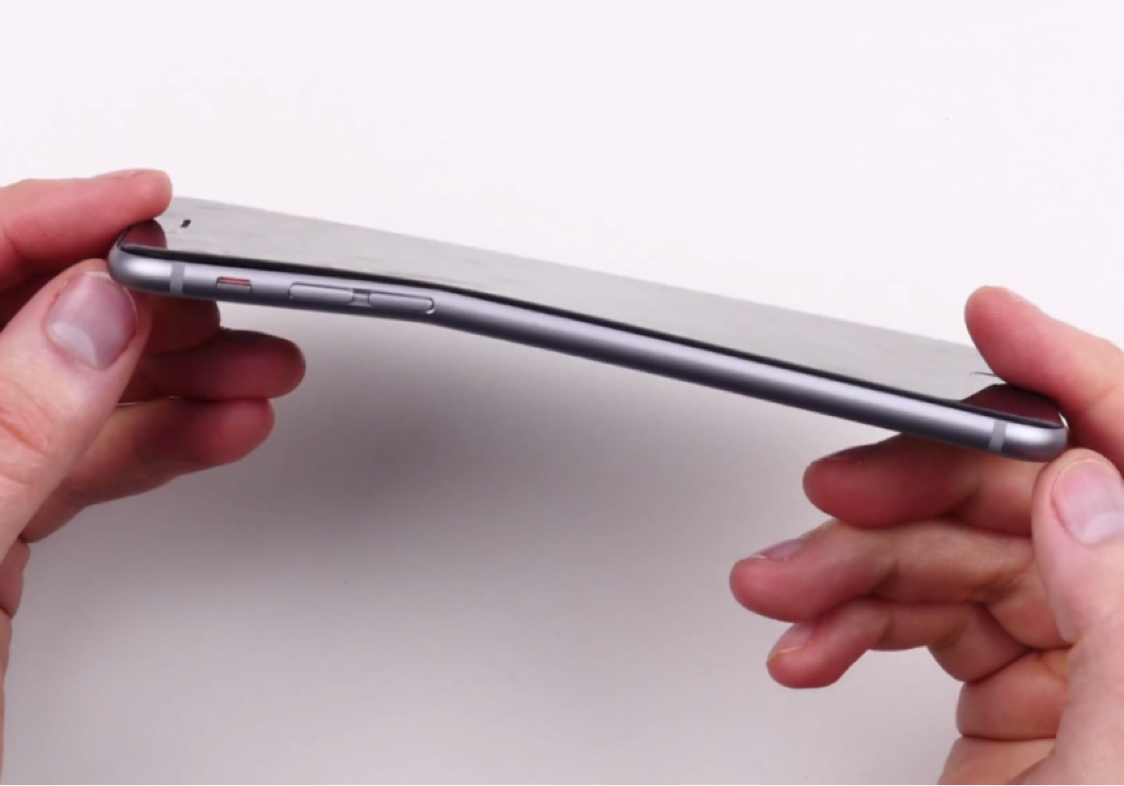
    After months of speculations and ever present hysteria around it, the iPhone 6 and 6 Plus were launched with much fanfare albeit with a faulty livestream. The bigger variant, the iPhone 6 Plus soon became the butt of all jokes following reports of its bendability. Users found that the new device was easy to bend, and it quickly started trending on social media with the tag “#Bendgate”. There is an easy fix for the issue, and that is to use the phone with a protective case.

    6. Amazon Fire Phone:
    amazon fire phone

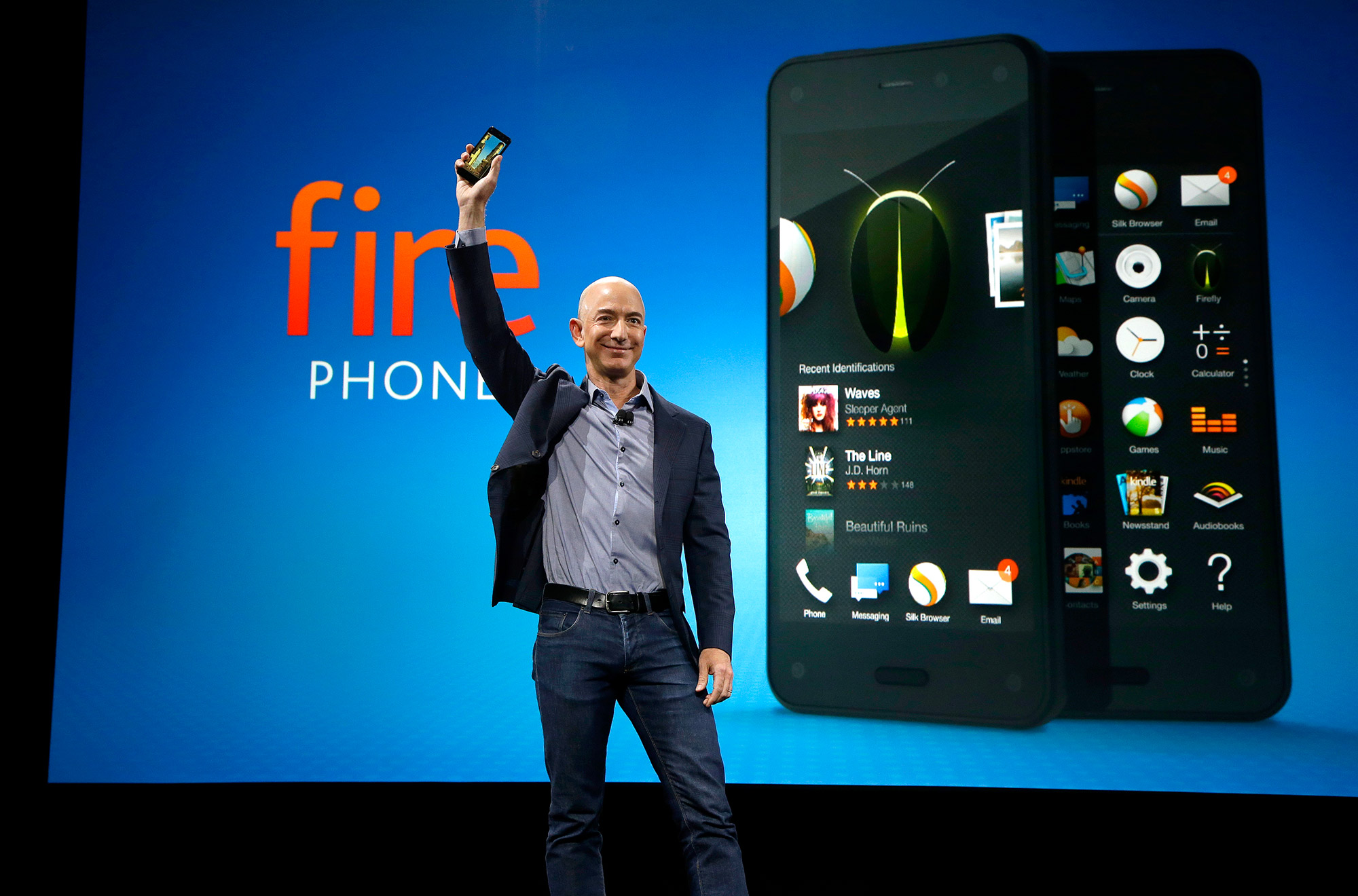
    Amazon really hyped its phone. There was a lot of buzz before the launch of the device, but it failed to capture commercial appeal. The device had some features like 3D display that could have been its defining element but turned out to be gimmicky. That coupled with below average battery performance, and low app availability led to low sales and forced the company to slash prices rapidly. Some reviewers even called it more of a prototype than a real device. Amazon has now begun working on the Amazon Fire Phone 2, which is expected to come out in 2016.

    7. BlackBerry:
    Classic Blackberry

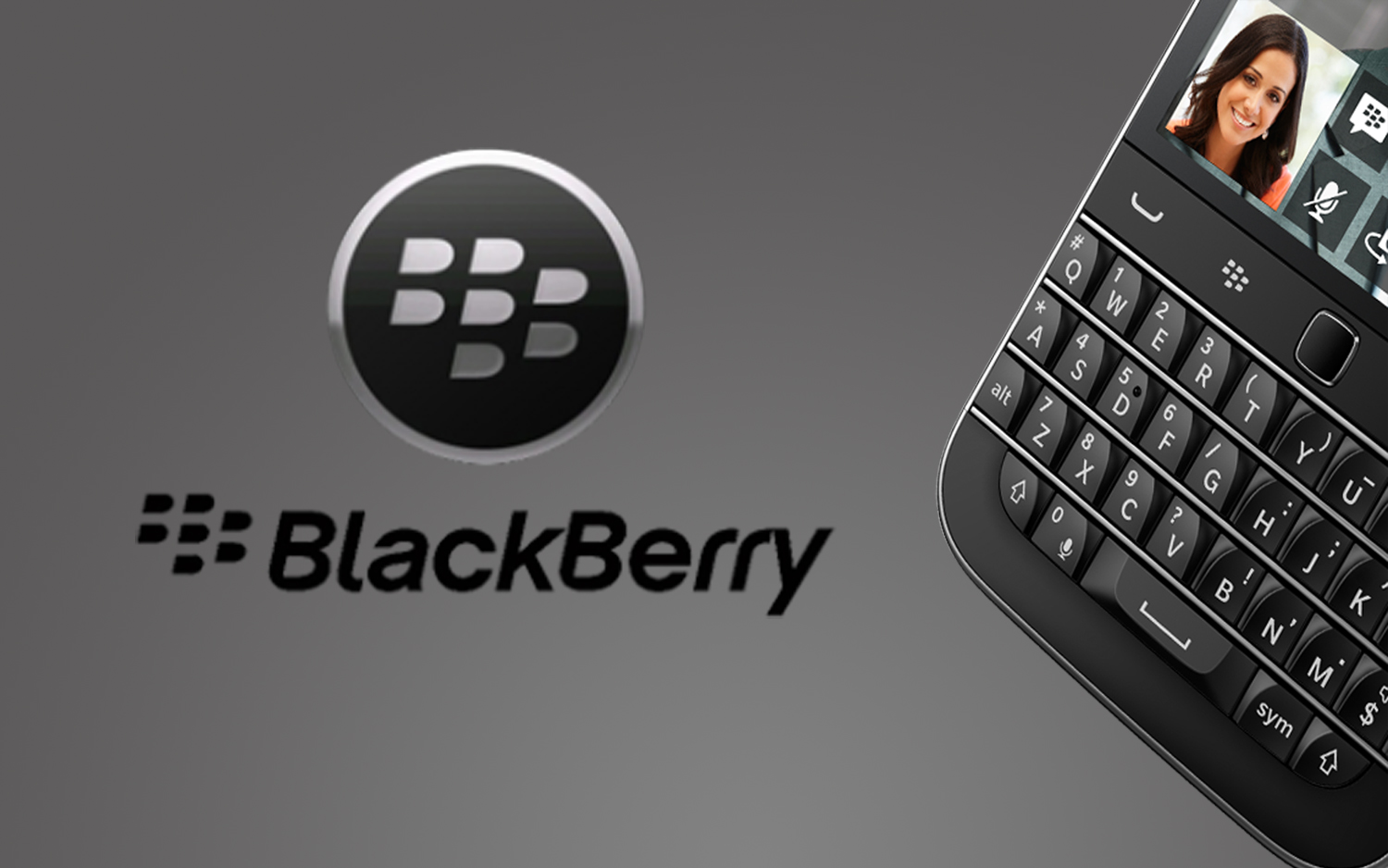
    The company that was identified as one of the pioneers of the smartphone market has rapidly lost market share ever since the advent of the iPhone and Android ecosystems. Seeing that it was not going to carve out a place for itself in the brutal touch screen device market, the company decided to go back to its roots. The first device in this new attempt by the company was the Passport. Though the company tried to bring innovations into the device like a keyboard that also acts as a touchpad and a square display, it hasn’t managed to entice a lot of folks. This ultra wide device cannot be used with one hand and takes its own sweet time to focus while taking photos. The second device from the company called the Classic, might help bring back the experience that BlackBerry users were used to and get the company out of these times of peril.

    8. Sony:
    sony

    The year 2014 wasn’t really kind to this consumer electronics giant. The company lost a massive amount of money, in terms of billions. Its smartphone market share constantly kept falling along with its other electronics. The end of the year brought it a massive torment when its Hollywood studio got hacked by the North Korean hackers. The only saving grace for the company was its PlayStation business which saw an upward trajectory this year. All these misfortunes caused the company to introspect and set a goal of returning back to profitability.

    9. Microsoft Kinect 2.0:

    Kinect

    Seems like consumers are not ready for motion capture or spending extra for a hands-free gaming experience. Microsoft bet big money on the Kinect 2.0 and brought it in the market with improved functionalities. Microsoft was selling Kinect with the Xbox One. Sales were slow, and so Microsoft decided to unbundle the Kinect and sold Xbox One without it and cut $100 off the price. The result: Microsoft’s console easily beat Sony’s PlayStation in holiday sales. Though it is not the end of the Kinect as of yet. As the motion-based games and technology gets better, more folks will get comfortable to give the boot to the good old controllers and get on the Kinect bandwagon. It’s just a matter of time.
  • Xiaomi Get a Clean Chit from Taiwan in the Data Breach Investigation

    Xiaomi Get a Clean Chit from Taiwan in the Data Breach Investigation

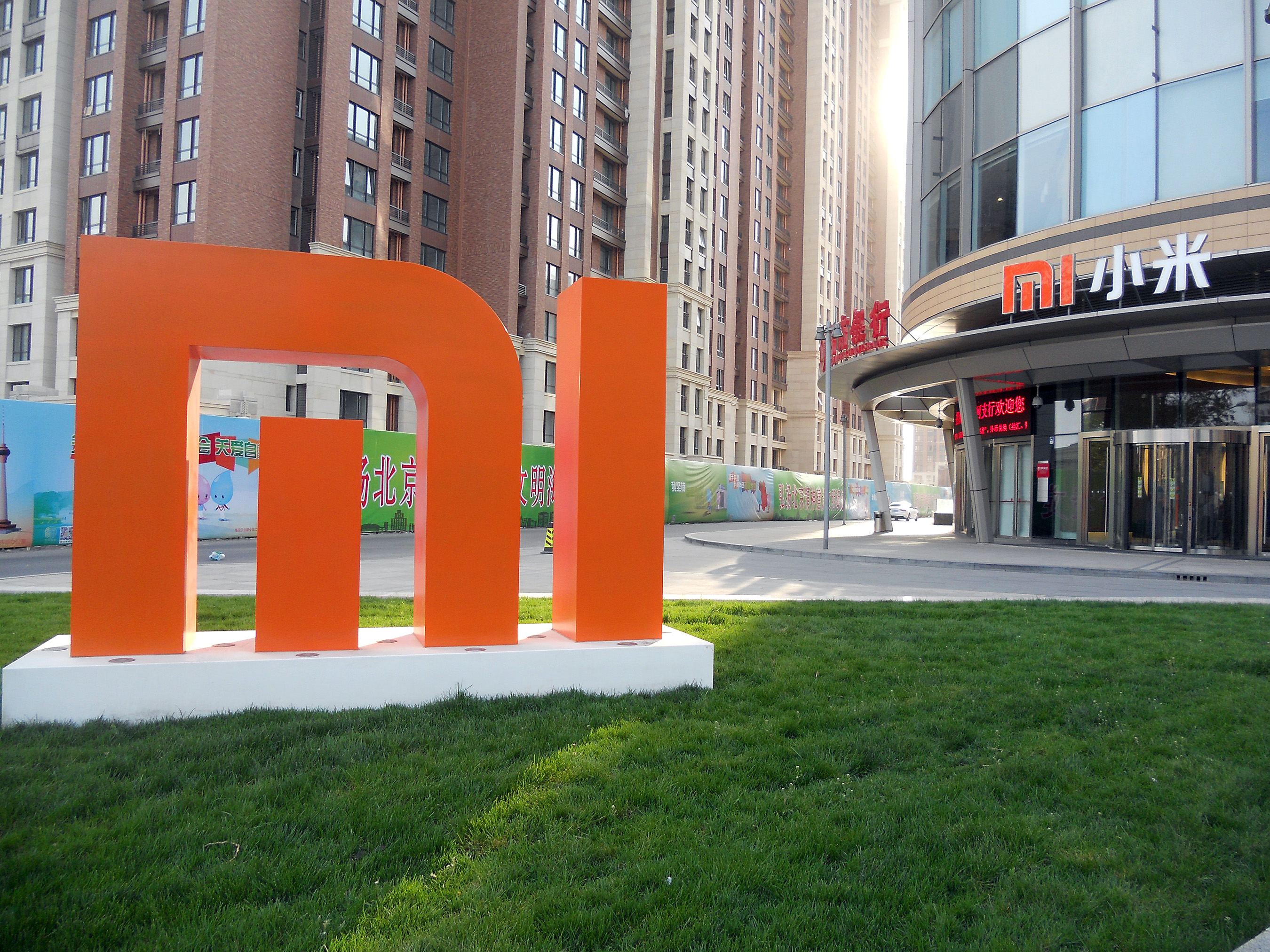
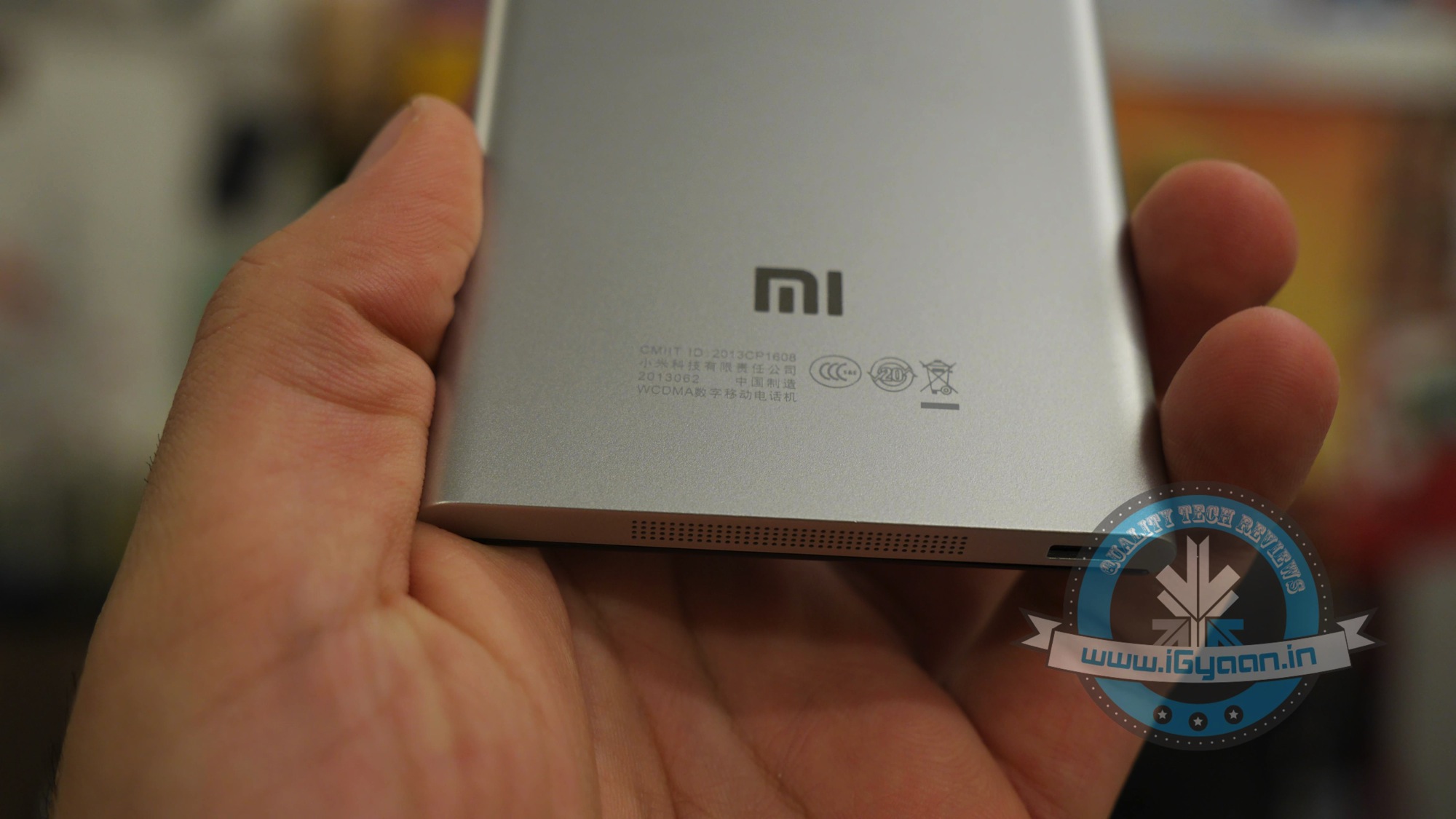
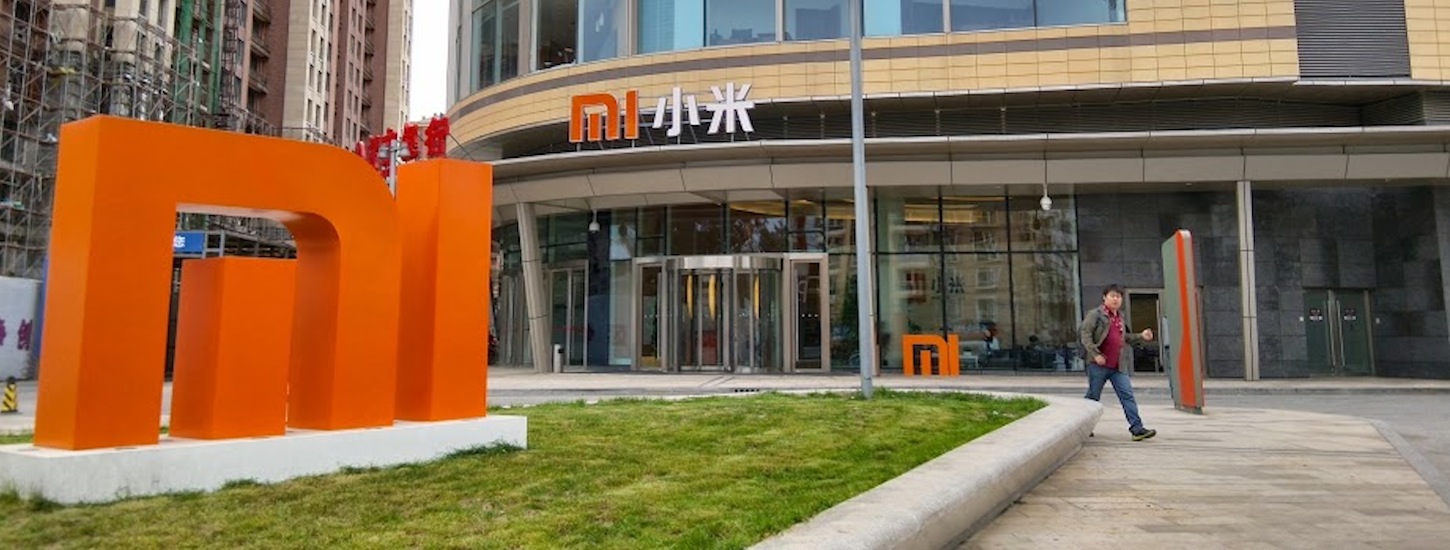
    Xiaomi has had a fantastic year, but it also had to face several allegations and controversies. One of the prominent embarrassments for the company was the allegation that the company’s smartphones were sending user’s personal data to their servers in China without permission. This was seen as a serious allegation and it prompted a probe in Taiwan for Xiaomi and other smartphone brands.

    It was a security agency called F-secure which found that Xiaomi was automatically syncing the files on the cloud. This incident led the Taiwanese authorities to initiate an investigation into handsets from major companies to check whether they are breaching data protection laws. Xiaomi responded by saying that cloud syncing was activated by default, which led to the issue. It then issued a new update which let the users decide whether they wanted to sync their data on the cloud or not.

    xiaomi

    It is important to know that it wasn’t just Xiaomi which faced the scrutiny from Taiwanese authorities. The National Communications Commission of Taiwan investigated 12 brands in total which also included devices from Apple, Samsung, LG, Sony, along with Chinese brands like Huawei and ZTE. All of these were cleared by the commission.

    The investigators did ask the companies to strengthen the transfer of information on their devices and make them more secure. The Xiaomi data breach issue had also led the Indian Air force to issue a directive to its staff to refrain from using Chinese smartphones, especially Xiaomi. The company had then responded by moving its Indian user’s data to servers in India. It even plans to launch a local data center in India in 2015 to serve the needs of (and store data for) their Indian users.

    It seems like after a few hurdles, Xiaomi’s ship is now in smoother waters. The company has some big plans for 2015 including a new flagship and more devices coming out of its stable. After this report, you can go ahead and register for the next flash sale with an ease of mind.

  • Lenovo to Take on the Redmi 1S with an Affordable 4G device

    Lenovo to Take on the Redmi 1S with an Affordable 4G device

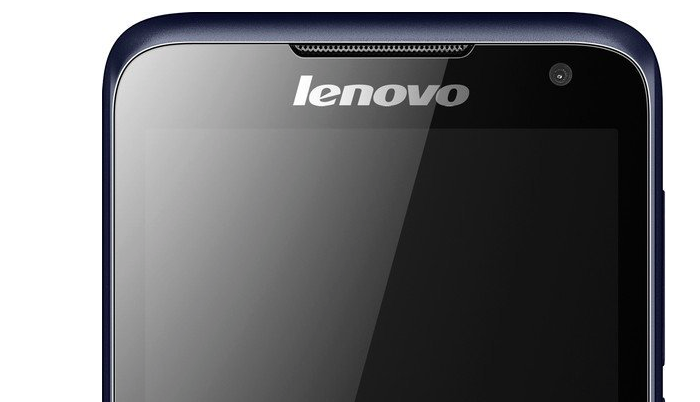
    Xiaomi is fiercely racing ahead in the smartphone race. With the recent influx of capital into the company, Xiaomi has become the most valuable startup in the world. Its products are seriously challenging its competition, and there still hasn’t been a real opponent to the company. Lenovo, the other Chinese electronics giant, plans to take on Xiaomi with a new 4G device which will be priced below the popular Redmi 1S.

    According to a report, Lenovo would be introducing a new device at CES 2015. The website suspects that this device might be the Lenovo K3. It is said be powered by 4G-LTE compatible Qualcomm’s 1.2 GHz Snapdragon 410 processor. Lenovo is wasting no time in introducing the device in competitive markets. It will be launching the device in India just a week after its CES launch.

    The specifications cited for the Lenovo K3 make it look like an effective challenger to the Redmi 1S. It has a 5 inch 720 HD display with a pixel density of 294 PPI. It holds 1 GB RAM with 16 GB of internal memory, which might be advantageous as against the Redmi 1S’s 8 GB storage.

    There has been a flux of affordable smartphone companies this year. Companies like Motorola, Xiaomi, Asus have begun the culture of offering good specifications at affordable prices and thus have gained a considerable amount of market share. The winner of this battle, of course, is a budget buyer who gets great functionalities without shelling big bucks.

    Considering the price of the Xiaomi Redmi 1s(a mere 5,999); this device could be a game changer if it delivers the specifications mentioned above. It will also be nice to see a healthy rivalry to the Xiaomi 1s, which presently seems to be running away with the ‘Best Budget Phone’ tag.

  • Get Ready For A Whole New Browser For Windows 10

    Get Ready For A Whole New Browser For Windows 10

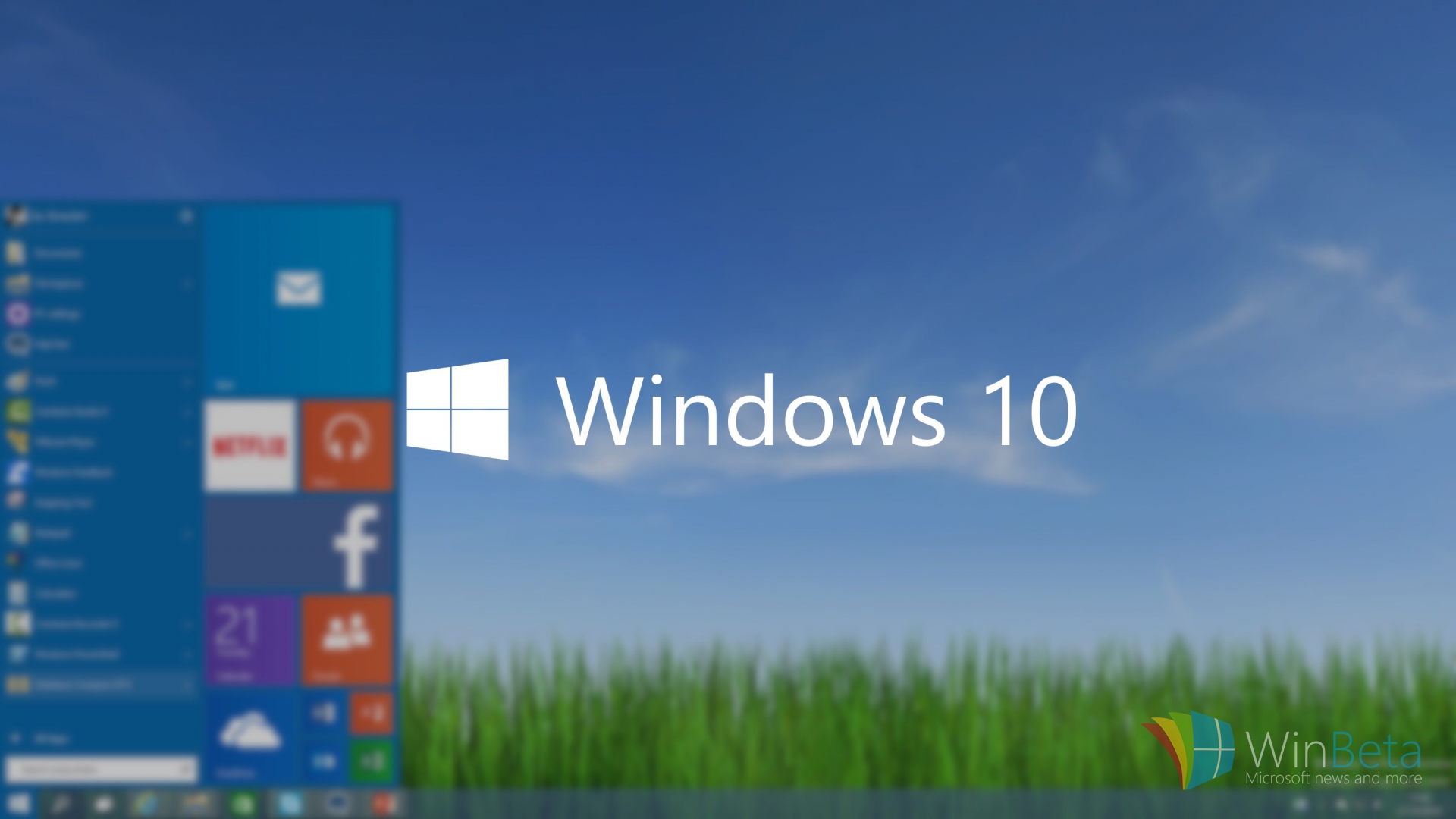
    If there is one internet browser that has gathered immense online infamy, it’s the Internet Explorer (IE). As one of the oldest browsers, it helped Microsoft win the browser game as it was provided for free with its Windows OS. It’s competitors, like Netscape Navigator couldn’t compete, because of the massive reach of Windows. But lately with the emergence of browsers like Mozilla Firefox and Google Chrome, the Internet Explorer has taken a back seat. However, Microsoft hasn’t lost out of hope with one of its oldest product yet. It is planning to create a whole new browser for the upcoming Windows 10 operating system.

    According to ZDNet’s Mary Jo Foley, The project is apparently code-named “Spartan”. Microsoft’s top competition Apple introduced multiple features in this year’s version of its browser Safari. With the Spartan, Microsoft hopes to create a light-weight browsing experience similar to that on Firefox and Chrome. This browser will be available for both the desktop and the mobile versions.

    It is also being reported that Microsoft will ship Windows 10 with Internet Explorer 11 for the sake of backward compatibility. Microsoft wishes to reignite the browser wars that it started back in the 90’s. The winner in this battle would be the consumer who will get improved functionalities thanks to the fierce competition.

    Microsoft is going to hold a press event on January 21st where we will get to know more about the consumer aspects of the Windows 10. Maybe we’ll get to know more about Spartan too. The previews of Windows 10 have been appreciated and so we have some hopes with this new browser. Windows 10 is expected to come to the market by next September; only then we’ll finally know whether Microsoft’s Spartan forms a formidable opponent to the three ruling forces of the browser game.

  • Xiaomi Grows Stronger With New Investments Worth $1.1 Billion

    Xiaomi Grows Stronger With New Investments Worth $1.1 Billion

    Chinese powerhouse Xiaomi refuses to look back in its pursuit to the top. The smartphone maker has become a major disruptive force in the industry. Industry Sales reports show that Xiaomi has reached the third spot in the global market, behind Samsung and Apple. That’s a phenomenal rise for a company that came into existence in 2010. Now, Xiaomi has taken a step ahead by raising $1.1 Billion in the latest round of funding, and its valuation now stands at more than $45 Billion.

    The USP of Xiaomi is to provide devices with high specifications at prices comparatively lower than the competition. This coupled with an exclusive internet-based flash sale model makes the device more desirable for the users.

    With more than $45 in valuation, Xiaomi has now become the most valuable startup.
    With more than $45 Billion in valuation, Xiaomi has now become the most valuable startup.

    Investors in this round of funding included private equity firms like All-Stars Investment, DST Global, Hopu Investment Management, Yunfeng Capital, and Singapore sovereign wealth fund GIC. The company was previously been supported by Temasek Holdings Pte, Qiming Venture Partners, Morningside Venture Capital and DST.

    Xiaomi has seen a meteoric rise in its valuation over just a year. Last year it garnered $10 Billion after the last round of financing. This year it crossed over $45 Billion, thereby towering over its contemporary startups like, Uber, Dropbox, Pinterest, etc. It can, in fact, be considered the most valuable startup right now.

     In India, it faces some challenges, thanks to a patent infringement complaint by Ericsson. We’ll have to wait till January to know the fate of companies India plans. Xiaomi has said that India is an important market for them and by the looks of it, Indians have embraced the brand too. It just a matter of time that the company uses its new found wealth to devise a strategy to overcome its hurdles with amicable solutions, something rich corporations have done in the past. This is a rising horse that requires an equally formidable competitor to bring it down.

  • Uber Introduces New Safety Standards to Revive its Public Image

    Uber Introduces New Safety Standards to Revive its Public Image

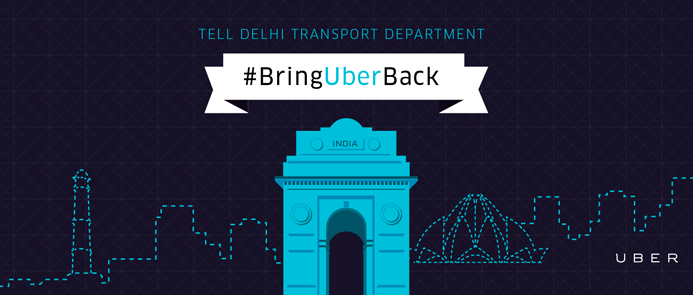
    Uber in India came under scrutiny after the recent rape incident. It was held responsible for not conducting a proper background check on the driver involved in the unfortunate incident. Now the company is taking several actions to revive its public perception. The app based cab service has introduced new safety standards through which it intends to create a safer environment for its riders as well as its drivers. The company has asked its followers to use the hashtag #BRINGUBERBACK to show their support for the company.

    Uber will be facing a hearing at the transport department on Monday, 29th of December. This hearing will determine if Uber can begin offering its services again. The company has created a page with a petition for the consumers to sign. This page lists the new security initiatives devices by the company.

    The text begins by explaining the present safety features of Uber. This includes features like real-time GPS tracking with the ‘Share My ETA’ feature. This feature lets Uber users share their location in real time with others so they can be sure of their safety. Next safety feature is hiring drivers who are police verified and are declared eligible by state transport authority. Uber also requires mandatory star ratings for feedbacks about the driver. The company also states that as the payment can be made through the app, there is no need to carry cash either.

    Screen Shot 2014-12-27 at 2.30.31 pm

    After stating its present safety standards, it goes ahead to introduces the new safety features. Uber says that it will ensure all its drivers have authentic and valid police verification. Additionally, there will also be a local team of specially-trained safety experts to detect fraud, verify and authenticate driver/ vehicle documents and test the validity of our screening. It will bring in experts who will specialize in evaluating the background checks.

    Uber will be setting up an Incident Response Team that will specialize on resolving critical issues for the rider and the drivers. They have also enhanced the ShareMyETA feature in their app. Through this, users can send complete trip details (including live GPS tracking, driver photo, name and vehicle license number) to their loved ones.

    There had been many incidents this year where Uber came out as an antagonist. The company is in desperate need of an image overhaul, and the introduction of new safety features might just be the first step towards it.

    To read more about how technology can be used to make cabs safer in India, click here.

  • Sony Cyber Attack : Timeline of Events Leading Up to ‘The Interview’ Release

    Sony Cyber Attack : Timeline of Events Leading Up to ‘The Interview’ Release

    Seth Rogen and James Franco’s new comedy about the assassination of Kim Jong-un was the most prominent piece of geopolitical news of the past month. A group of hackers had wreaked havoc on Sony Pictures; they threatened a 9/11 style attack if the movie was allowed to release. Heeding to concerns raised by several theatre chains, the company said that it won’t object if the chains choose not to screen the movie. That move brought in comments from all sides of the spectrum, from severe criticism for being anti-free speech to support for ensuring the safety of moviegoers. After many hassles, Sony has finally released the movie on multiple platforms.

    We trace out the bizarre course of events that finally led to the film’s release.

    The Interview shows two American Journalists assassinating North Korean leader Kim Jong Un.
    The Interview shows two American journalists assassinating North Korean leader Kim Jong-un.

    On June 11: the first trailer of The Interview releases online. Following this, on June 25, North Korea issues a tough response to the trailer calling it “an act of war” and said there will be a “merciless response”, if the movie was allowed to release.

    November 24: the employees of Sony Pictures, across the country, received a shock in the morning when they saw all their computers were compromised. There was just one message on the screen that said that the system was hacked by Guardians of Peace or #GOP. They said they have taken all the data hostage and would release it if their demands were not met; it wasn’t sure at the time what the demands were. They claimed to have stolen up to 100 terabytes of data. Sony calls it an IT issue and says the company is looking into it.

    A week after the attack, the first wave of release started to show up. The hackers release four movies online before the release dates. These films soon found their way on torrent sites. Soon after this, hackers released the salaries and social security details of former and current employees.

    Coming to the start of December, the story takes a nasty turn when the hackers start releasing stolen emails. It takes a teenage gossip mode when details of various conversations between Sony executives and others start leaking out. The leak that Sony Pictures Chief Amy Pascal called Angelina Jolie “a spoilt brat” lead to an awkward moment when they met. Amy’s emails also saw racially tainted discussion about the American president.

    There were awkward moments between Stars and Sony since revelations leaked by the hackers
    There were awkward moments between Stars and Sony following the revelations by the hackers

    December 4: We get news that North Korea might be one of the suspects in the case. The hermit kingdom denies any involvement. But its involvement seems to get more evident when the hackers call for a stop on the release of The Interview, calling it a movie of terrorism. This further strengthened the idea of North Korea’s involvement.

    December 6: The incident starts taking the shape of terrorism when multiple employees of Sony Pictures start receiving threatening emails. Some days later the hackers comment saying that they are about to offer a Christmas gift for the people, which consists of more leaked data.

    The hackers leaked scripts and details of future movies including the next James bond movie.
    The hackers leaked scripts and details of future movies including the next James bond movie.

    December 15: The frustration starts to grow in the entertainment industry against the leak. This follows the release of the draft of the new James Bond Movie ‘Spectre’. Academy Award winning writer Aaron Sorkin scolds the media in an op-ed in the New York Times for reporting using stolen data. Brad Pitt also joins to condemn the media calling it an assault on privacy and comments saying that they are profiting by colluding with terrorists.

    December 16: the most inflammatory threat comes from the group. They threaten a 9/11-style attack on cinemagoers if The Interview is allowed to release; this spooks a lot of cinema chains in the country. Sony also gets slapped with a class action suit by former employees who blame the company for not being vigilant with their data.

    December 17: Other studios start claiming that the GOP attack and subsequent threats might deter other moviegoers from coming to the theatre thereby dampening the profit making holiday season for everyone.

    [quote text_size=”small” author=”Barack Obama” author_title=”President, United States of America”]

    We cannot have a society in which some dictator someplace can start imposing censorship in the United States.

    [/quote]

    December 18: The Federal Bureau of Investigation says that it is ready to link North Korea with the attack. Sony finally pulls the plug on The Interview, which also leads Seth Rogen and James Franco to cancel further promotional events for the movie. Sony also cancels DVD and VOD of the movie. This results in widespread criticism of the company, many saying that it has bowed down to terrorists subsequently encouraging them and defeating the bedrock of democracy.

    December 19: US authority officially links North Korea with the attack. President Obama says Sony “made a mistake” in pulling back the movie saying, “We will respond proportionately and in a space, time and manner that we choose.” He also added, “We cannot have a society in which some dictator someplace can start imposing censorship in the United States.”

    December 24: Google and Microsoft get in talks with Sony to release the movie on their platform. Independent theatre owners too join in the release, but the big chains still stay a safe distance away.

    December 25: The movie is released on Google Play and YouTube movies. Seth Rogen tweets saying “…Freedom has prevailed!…” As soon as the movie hits the internet ,it is on the torrent sites and is downloaded massively. But the reviews for the movie are mixed.  

    It is a bit unsettling though that one of the biggest movie studios in the world was brought to its knees after this attack. It has been said that the company would need millions of dollars and may take years to recover from this attack. One thing is true though that this was an act of terror and if Sony did back down, as it was planning to, it could have set a precedent for other criminals to follow. It took the reassurance of the President of the United States to get the movie out to the public.

    This incident has forced other major institutions to strengthen the security of their digital infrastructure. This hack has shown that in our present world, information is power, and your own data can be used against you. The technology sector should now put more focus on prevention of cyber-attacks and there is a need for training more professionals in cyber security. It’s time for the nerds to lead the war.

  • Airtel Violates Net Neutrality; Will Now Charge Extra for Free Call and Chat Services

    Airtel Violates Net Neutrality; Will Now Charge Extra for Free Call and Chat Services

    We have heard the term Net Neutrality a lot this year, mostly in the context of the politically charged conversation that is happening in Washington. Net Neutrality is a bedrock principle of the internet. It says that internet providers cannot pick and choose between different internet offerings. For e.g., internet providers cannot charge extra for YouTube or Skype or any other individual website or service. All websites must get equal speeds, and no service can be charged extra. Internet providers are actively trying to dismantle this principle to boost their revenues further. In India, Airtel has drawn the first blood and has introduced extra charges for Voice Over Internet Protocol (VoIP).

    Bharti Airtel has brought out the new rates a day after Christmas when it thought no one would notice. The new rates almost feel like the company is holding you upside down and shaking down every last penny you got in your pocket.

    This is the official quote from Airtel’s terms and conditions page:

    [quote text_size=”small”]

    All Internet/data packs or plans (through which customer can avail discounted rate) shall only be valid for Internet browsing and will exclude VoIP (Both Incoming/ Outgoing). VoIP over data connectivity would be charged at standard data rates of 4p / 10 KB (3G service) and 10p / 10 KB (2G service).

    [/quote]

    Here are the new rates:

    Features of VOIP services like Skype, Viber and other free apps Before Now
    Audio Rs. 0.00 Rs. 1.8 – Rs. 3.98 per minute
    Video Rs. 0.00 Rs. 22.50 per minute
    HD-Video Rs. 0.00 Rs. 135 per minute

    Telephony and Internet service providers have seen a dip in their earnings since the advent of app-based messaging and calling services. Services like WhatsApp have brought down SMS usage, and Skype and Viber like services have affected call based revenues for the companies. This has led to expensive internet data packs which have also resulted in protests in the past. The mobile market in India has become monopolistic as the rates have become stagnant across all service providers. There aren’t a lot of choices left for the consumers. But this move by Airtel is a major assault on the freedom of the internet and can lead to even more attacks on net neutrality if not protested right now. The company has made video chatting service more expensive than ISD calling.

    In the information age, internet has become an essential utility, and every day is becoming more intertwined with our lives. We now use it for paying bills, shopping, apply for jobs, gathering knowledge and much more. It has also allowed small start-ups to take on big companies. But by decimating net neutrality, companies like Airtel and others can charge you different rates for different websites. Imagine paying for a browsing data pack, a separate pack for WhatsApp, and an another one for YouTube, and so on. Sounds scary, doesn’t it? Airtel just took a step closer to making that future a reality.

    A free and open internet is important; it should not just be a service anymore, it should be considered an inviolable right, just like right to freedom of speech. Net Neutrality is supported by big names of the tech world like Google, Facebook, Amazon, and others. Airtel has opened a can of worms that needs to be immediately shut down and buried. In America, even President Obama has stood by the Net Neutrality principle. Airtel needs to mend its ways immediately.

    Here’s John Oliver explaining the importance of Net Neutrality in his own style.

    [poll id=”25″]


    Updates:

    1. Minister of Telecom has said that the government is looking into it and will come with a structured response.

    2. According to TOI, Airtel has said that the new VOIP charges are only meant for Audio calls only, video chats can still be done through data packs. The company says that there will be a 6 month cooling off period before the new charges are introduced. They also added that only prepaid customers would have to get the VOIP pack for audio calls.

  • Here is Everything You Need to Know About VR Headsets

    Here is Everything You Need to Know About VR Headsets

    In the year 2014 Virtual Reality(VR) took a giant leap. From the hands of a limited few, the technology has now seeped into the consumer market. Oculus can be credited for bringing the technology to the mainstream. Taking cues from Oculus, several new devices have arrived in the market. Sony got its Project Morpheus and Samsung got the Gear VR headsets. There were also some independent attempts into making VR headsets including Google’s Cardboard project. The question remains – is this just a mere fad or is this technology here to stay? We delve into the past, present and future of VR Headsets today.

    What is Virtual Reality?

    According to a popular online encyclopedia, virtual reality is a computer simulated environment that can simulate physical presence in places in the real world or imagined worlds. It, in essence, creates a world that creates the perception of being in a whole new place. Using various other techniques, VR can create sensory perceptions of touch, smell, sounds and even taste.

    The Journey to Now…

    It’s not really a recent phenomenon in any sense of the word. There have been efforts to create an artificial environment for manipulating the senses since the 1800s. In 1860’s there were art installations that used a 360-degree panoramic mural to create an artificial reality. One of the most prominent examples of this is Sala delle Prospettive by Baldassare Peruzzi.

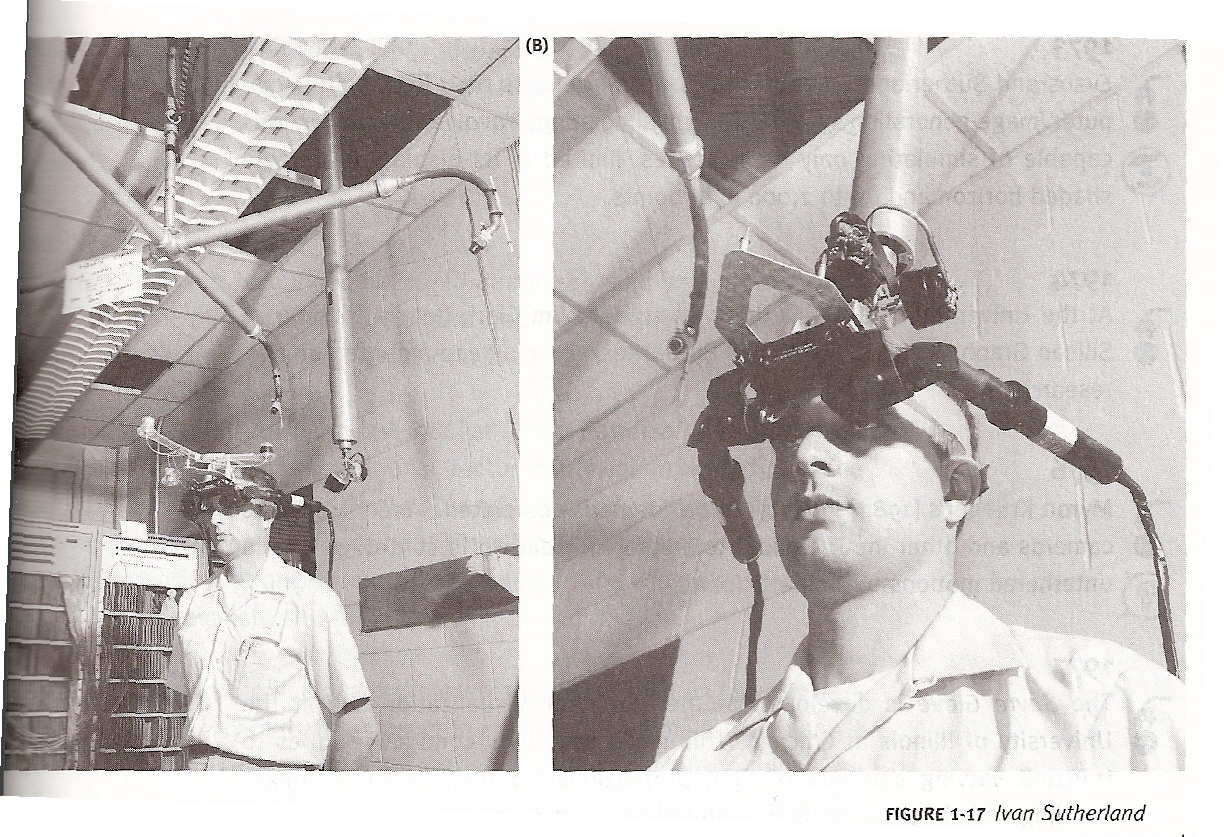
    Since then, there have been multiple efforts to artistically take the audience into a perceived reality. But in 1968 the first computer artificial reality headsets came to become a reality. Dubbed the Sword of Damocles that was created by computer scientists Ivan Sutherland. It was archaic in every sense of the word. It only displayed wire-frame models and was so heavy that it needed to be suspended from the ceiling, thus getting its name.

    Sword of Damocles was the first computer aided VR headset.
    Sword of Damocles was the first computer aided VR headset.

    In 1991, Sega arrived with the first VR headsets for the consumers. Though it got a tepid response from the press, and there were fears that they could spoil the eyesight of children, this prevented it from getting to the shelves.

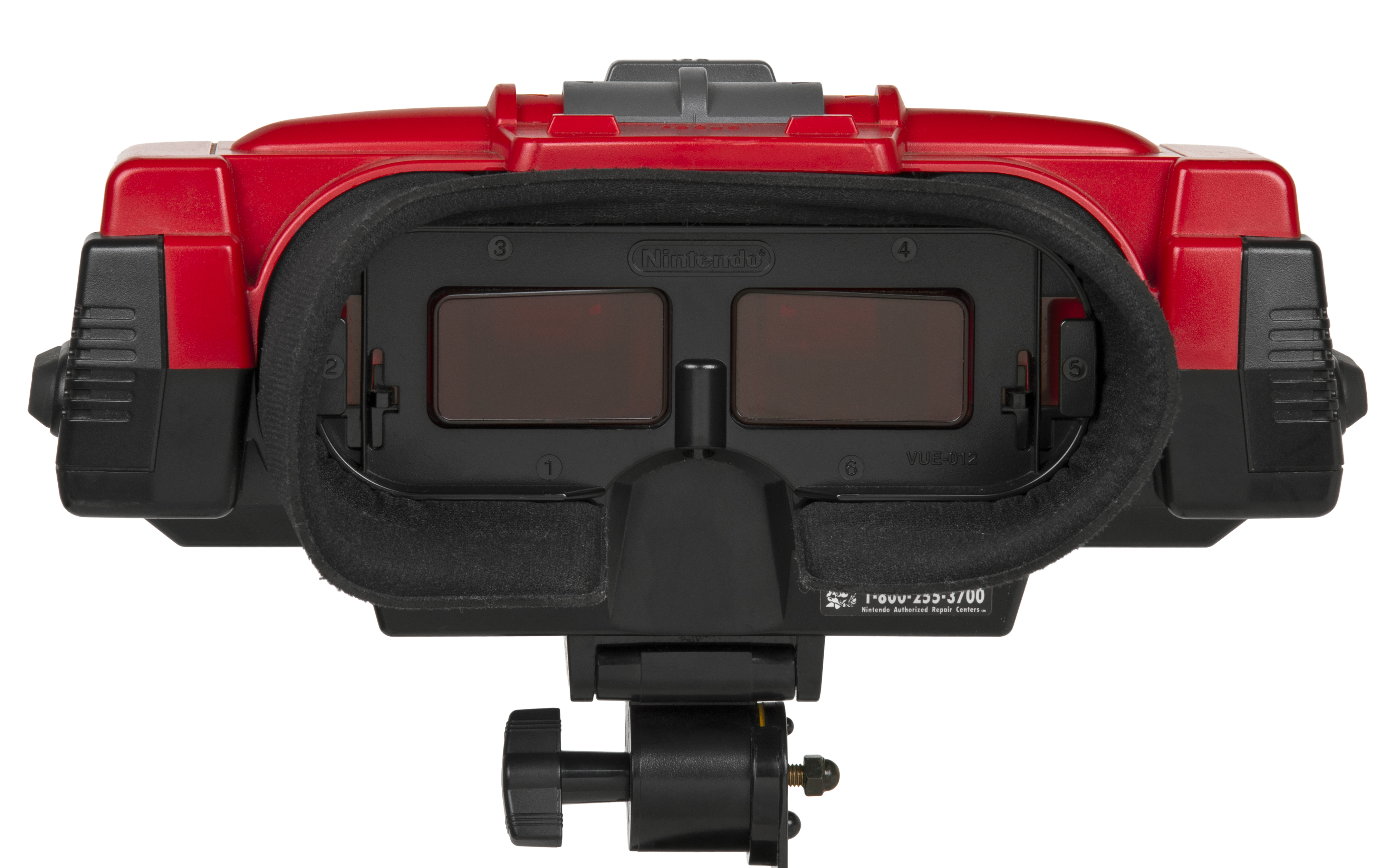
    Nintendo tried its hand at VR headsets when it came out with the Virtual Boy in 1995. This device too was a commercial failure, and the users faced discomforts like dizziness, nausea, and headaches after extended use. The device was also lamented for the lack of a head tracking feature and color graphics.

    SONY DSC
    Virtual Boy by Nintendo released in 1995

    Fast forward to 2014, and we see a return with a vengeance of the VR technology. Aided by high processing power of modern day devices and the phenomenal breakthroughs in the mobile technology, it seems like VR has finally found its moment in time. The race was intensified with the purchase of Oculus VR by Facebook. Sony and Samsung soon followed with their own designs. Google tried to bring the technology in the grasps of everyone with the cardboard project, a DIY project through which you can create a stereoscopic VR headsets using cheap ingredients which costs just about $20.

    How do VR Headsets work?

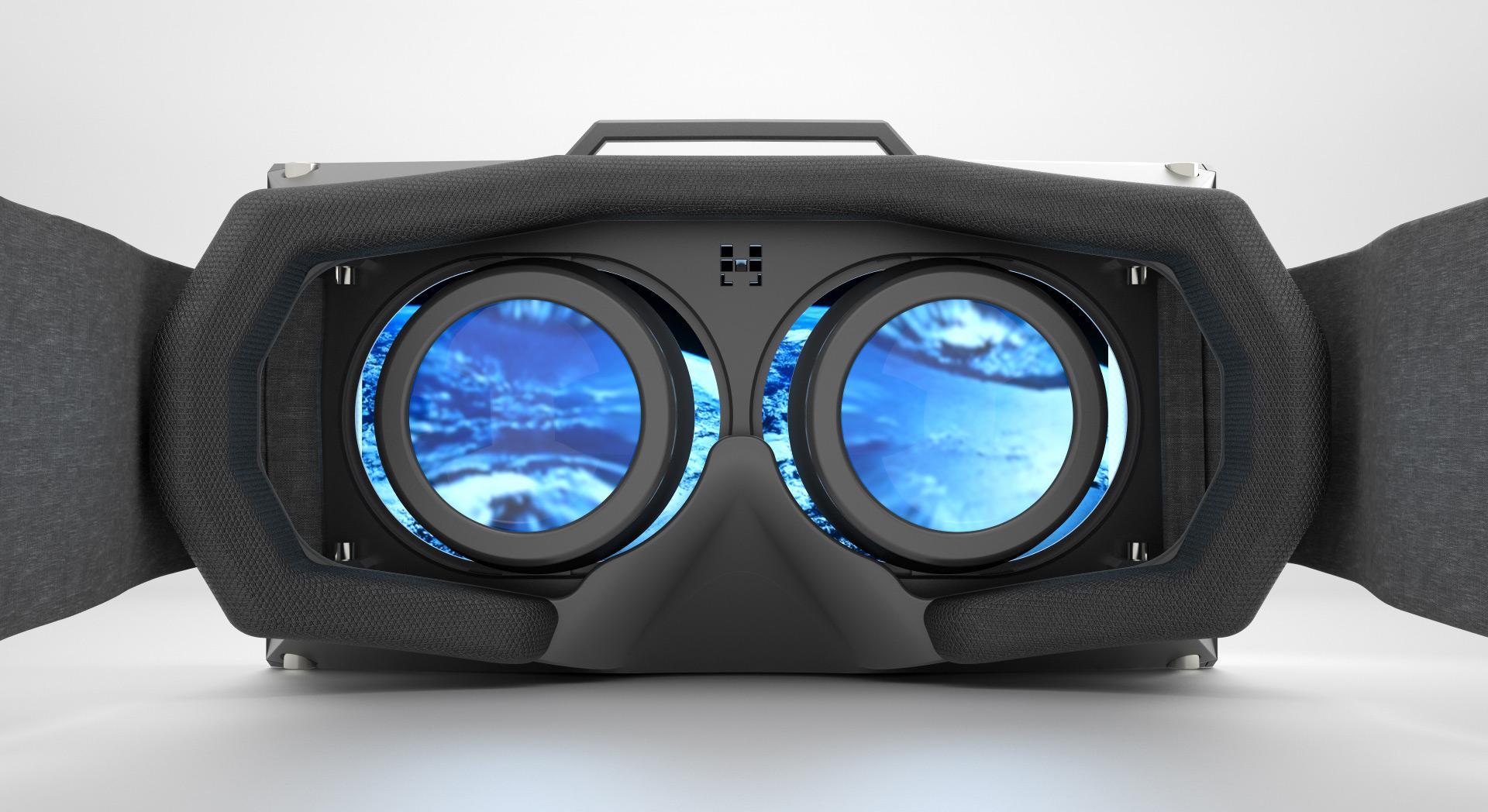
    VR headsets pretty much use the concept of 3D glasses. On the displays, there are two images, one for each eye. These images, when viewed through a stereoscopic lens system, gives a perception of depth in the images. The brain brings together the two images as one and that creates the depth that immerses the user into the artificial world. Advanced VR systems like the Oculus have motion tracking system that responds to the user’s movement. Using hardware like the Omni treadmill, you feel like you are really moving around in the virtual environment.

    The emergence of mobile-based portable headsets has made it a lot easier to access the technology. Devices like the Gear VR, Google cardboard, and ANTVR make it a lot easier to use. These even allow you to look at your movies with a perception of watching them on a big screen. This could possibly mean the end of movie theaters and the expensive popcorn that comes with it.

    The other potential uses of the technology

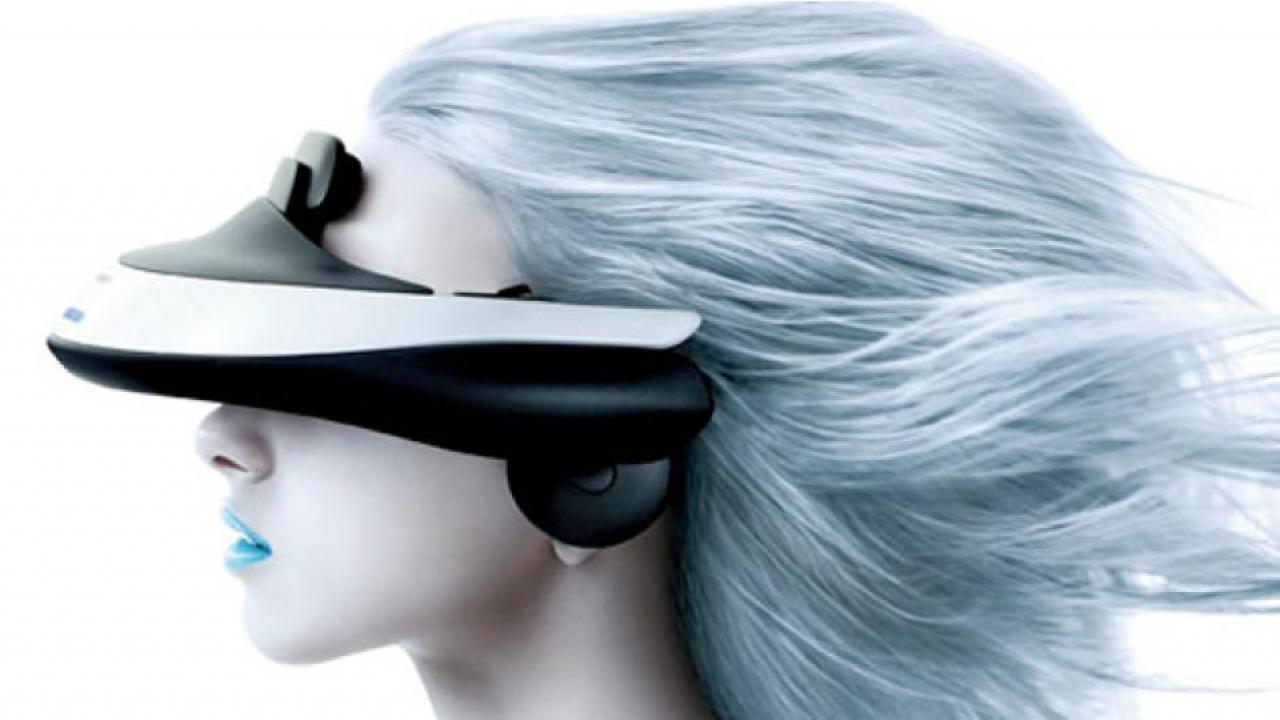
    There are a wide range of uses of VR technology.
    There are a wide range of uses of VR technology.

    Virtual Reality is not just limited to providing quality entertainment and gaming, it has many real world applications too. It can come in handy in multiple fields such as:

    Virtual field Trips

    The best way to learn about a new place is to go there and travel around. It can often be educational to travel. But if you cannot afford the trip, you have virtual reality to your rescue. The virtual tour can show you around the place and using complementary technologies like haptic mediums; you can get to touch and smell your new environment too. It can be a complete immersive experience that you wouldn’t want to come out of.

    Education

    Learning by doing is the best way to acquire knowledge. Using the tools provided by gaming advancements in VR, students can learn to interact with their future workplace. For example, an architect can learn to create buildings and manipulate it in real time, almost like Ariadne in Inception. It can even come handy to school children to bring lessons to them in a more interactive immersive fashion.

    Training

    Several military professionals are trained on VR surfaces. It is a lot more economical than creating real world environments and also decreases the chance of injury while training. It gives the chance to practice their lessons as many times as needed. Pilots are also trained on simulators that actively recreate the flying environment. VR can come handy to train drivers who work in specialized environments such as high terrains or ice roads.

    Medicine

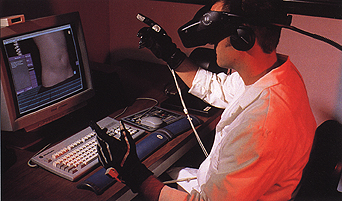
    The technology can be used to train doctors.
    The technology can be used to train doctors.

    Doctors can benefit from some virtual simulations too. Specialized surgeries that require immense precision require constant practice. In an artificially created environment, the surgeon can constantly train on the simulated body to perfect his/her skills that could someday come handy to save real lives.

    Challenges with VR Devices

    VR though has been in development for quite a while, but there are some limitations to the technology to make it more palatable to a mass audience. The confines of graphics and the tracking systems even in the best headsets results in various discomfort for the users. The industry needs to really work on the VR tracking systems.

    The audio too is an important element of an immersive experience. The disconnect between the audio and visuals or low quality audio can also lead to motion sickness and other discomforts. The audio industry is being encouraged to fix the gap to create a more natural environment for the users.

    There are also some issues with the content that can be created for consumption in the virtual world. Some psychologists say that the VR can create a generation of sociopaths who have gotten so used to first person violence that they are desensitized to it. To counter this, there is a need for regulation and codification of content meant for VR headsets. There should also be instruction and education on how to use the technology right so that it benefits all.

    Virtual Reality has come a long way, but there still is long way ahead for the technology to grow.
    Virtual Reality has come a long way, but there still is long way ahead for the technology to grow.

    A Long journey begins now.

    With the processing power up to the mark and graphical interfaces replicating reality better than ever, this is the right time for VR to come out of its cocoon. The smartphone revolution has brought the VR technology in the grasps of everyone. Google’s cardboard project literally makes this technology universal. There is a long way to go with the potential applications of the technology, but its mainstream visibility will speed up its adoption in various fields. There is a lot the technology can offer us, and it’s just the beginning of the access to the virtual world. The immense potential of the technology is still up for unlocking. We’re excited about the prospects of VR, are you?

  • Samsung Finally Brings Out the Note Edge in India for Rs. 64,900

    Samsung Finally Brings Out the Note Edge in India for Rs. 64,900

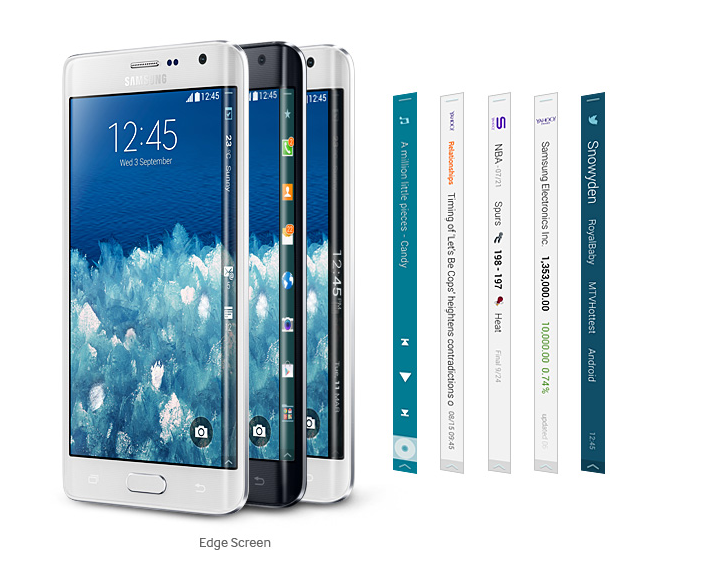
    Samsung has brought its edgy new device, the Note Edge to India. The company unveiled the device at the IFA Berlin earlier this year, alongside the Note 4. It was quite a surprise when it was launched as Samsung had done a good job at keeping it a secret. This is a unique device as it has a slightly curved screen on the side that acts a second display and which can be used for viewing notifications without unlocking the main display.

    The device carries pretty much the same specs as the Note 4. The device gets its processing might from a quad-core, 2.7 GHz Snapdragon 805 processor which is supported by 3GB RAM. It has 32 GB internal storage that is expandable up to 128 GB.

    Just like its un-curved sibling, the Note Edge also sports a Quad HD display. The 5.6 inch primary display is coupled with a curved display also known as the edge display. This display can be used to access frequently used apps, check alerts and notifications, news and more. This display stays on even when the main display is covered, so it’s convenient to catch on with the essentials without disturbing the main screen.

    The curved display can be used for accessing alerts, notifications, news and more.
    The curved display can be used for accessing alerts, notifications, news and more.

    The camera was one of the highlights of the Note 4, and it is true for the Note Edge as well. It carries almost all the features of the Note 4 including wide selfies and OIS. The main camera on the device is a 16 MP shooter that comes with optical image stabilization. The camera on the front has been designed keeping selfies in mind. It gives you the option to shoot 90-degree selfies and an option to take even wider 120-degree selfies by panning the device around.

    The S-pen, that separates the Note family from the rest of the smartphones in the market, is incorporated in this device too. Samsung has added improved functionalities to the S-pen this time around. You can use it like a mouse to click and drag multiple files, use smart select to combine multiple files together and it offers better handwriting recognition than previous generation S-pens.

    Samsung claims that the Note Edge has improved battery life. The device has a 3000 mAh battery which is 220 mAh less than the Note 4. Samsung claims that using its adaptive charging feature; the device charges 30% faster than conventional methods.

    The device is priced at Rs. 64,900 and will go on sale in January 2015. It will be available in ‘Charcoal Black’ and ‘Frost White’ color variants in the India.

  • Xiaomi’s Redmi Note to Go on Sale on 30th December

    Xiaomi’s Redmi Note to Go on Sale on 30th December

    Xiaomi returned back today with fresh stocks of the Redmi 1S, its blockbuster low-cost smartphone. The sale went on longer than the usual Xiaomi flash sales, but the company did end up selling all of its stock as usual. The company has now revealed the date of the flash sale of the Redmi Note.

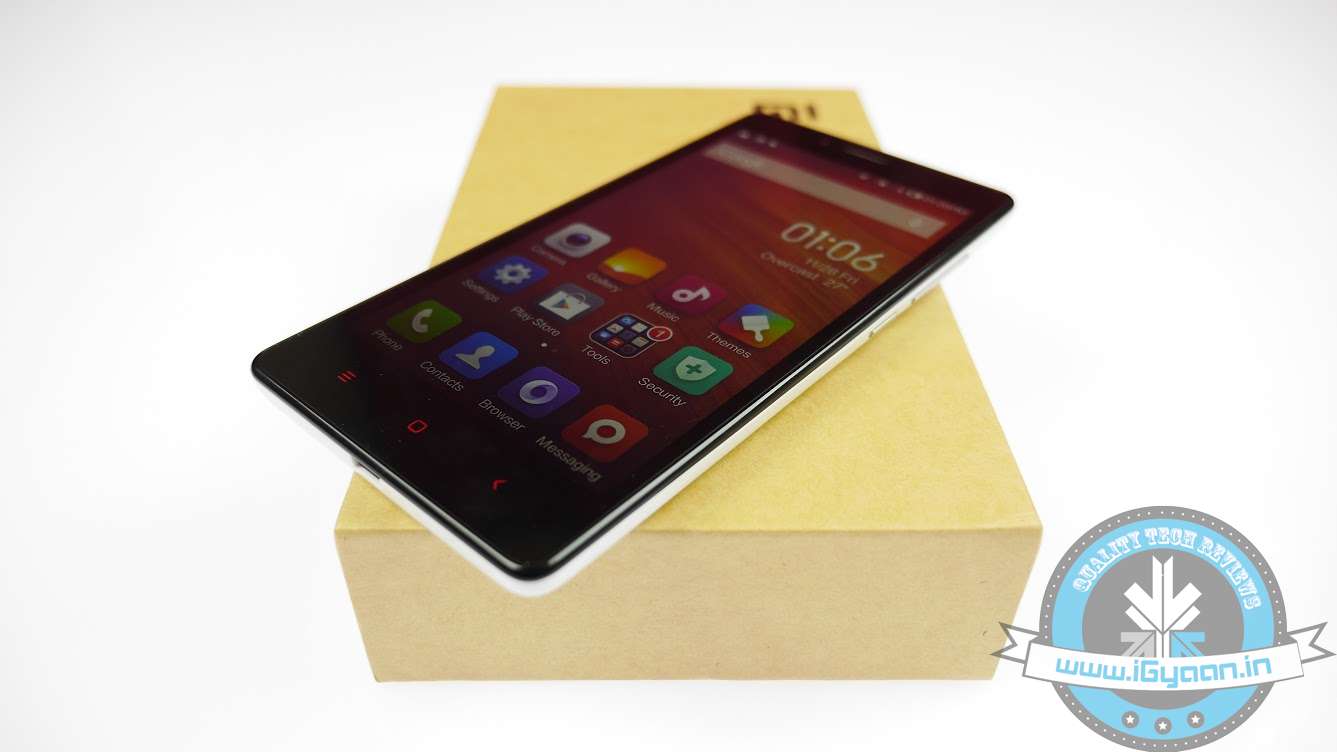
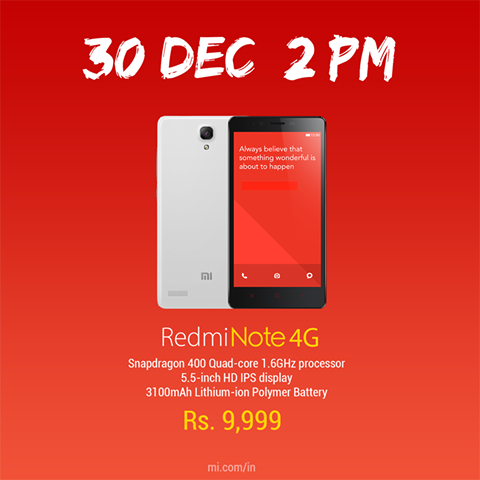
    Xiaomi will hold a flash sale for the 4G variant of the Redmi Note 0n Tuesday 30th December at 2pm. The device has a price tag of Rs. 9,999. It is powered by a Snapdragon 400 processor clocked at 1.6 GHz. The 5.5-inch 720p HD display will also be appreciated by multimedia enthusiasts.

    10309057_1567632200118012_2673613062872690987_n

    A 3G variant was also launched by the company and it was priced at Rs. 8,999. This variant of the phone has been banned from sale by Delhi high court following an infringement accusation from Ericsson India.

    So if you want to enjoy the big screen goodness of the Redmi Note, make sure you register for the sale on Flipkart by the 29th of December.

  • Xiaomi Redmi 1S Has a Slow Sales Day in its Comeback Flash Sale

    Xiaomi Redmi 1S Has a Slow Sales Day in its Comeback Flash Sale

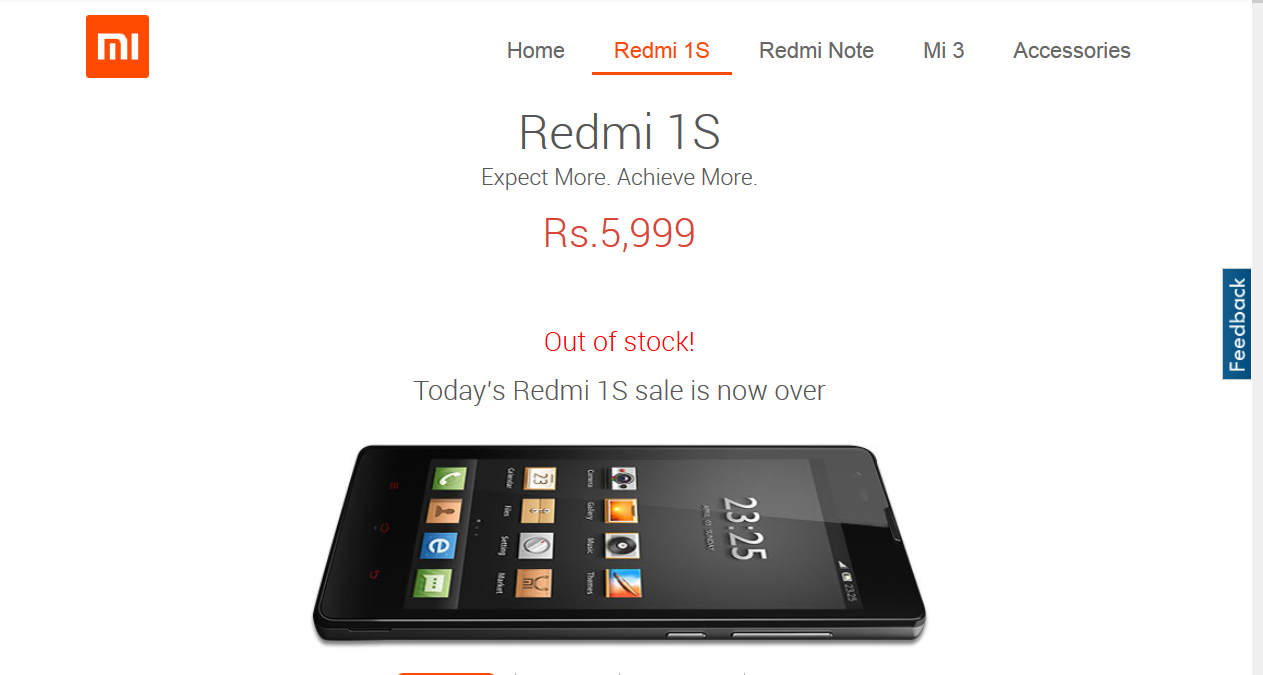
    Xiaomi fans, who were dejected after the ban on the company’s devices, have a reason to smile today. The Xiaomi Redmi 1S went on sale after a gap of nearly a month. The devices were selling faster than hot cakes before the ban was imposed. At 2pm today, the devices were up again for purchase on Flipkart but the virtual stampede by fans to buy the device was missing. The sale went on for over thirty minutes before going out of stock.

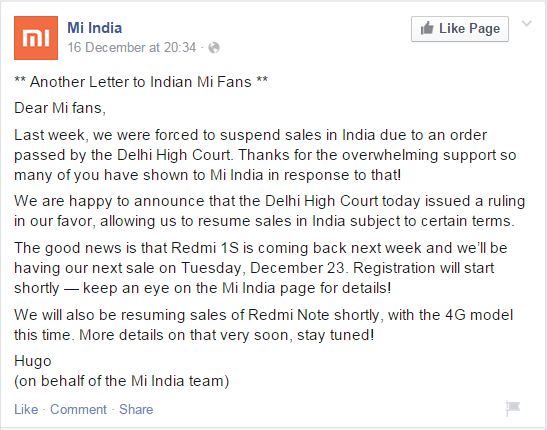
    Xiaomi’s VP, Hugo Barra had announced the sale through a Facebook post on 16th December:

    hugo xiaomi

    The Delhi High court had banned the devices after a patent infringement accusation by Ericcson. Ericcson claimed that Xiaomi infringed on eight of its patents that include features like AMR, EDGE and 3G technologies. Xiaomi later appealed to the court saying that it sold Qualcomm chipset based devices, and Qualcomm had obtained the required licenses from Ericsson. This meant that the Xiaomi phones running on Qualcomm chipset did not infringe on the patents of Ericsson. Thus the Delhi High Court raised the ban on the company allowing them to sell Qualcomm chipset based devices. And hence the Redmi 1S with its Snapdragon 400 chipset went on sale today.

    20141222-191015-registration-closed-promo redmi 1S out of stock

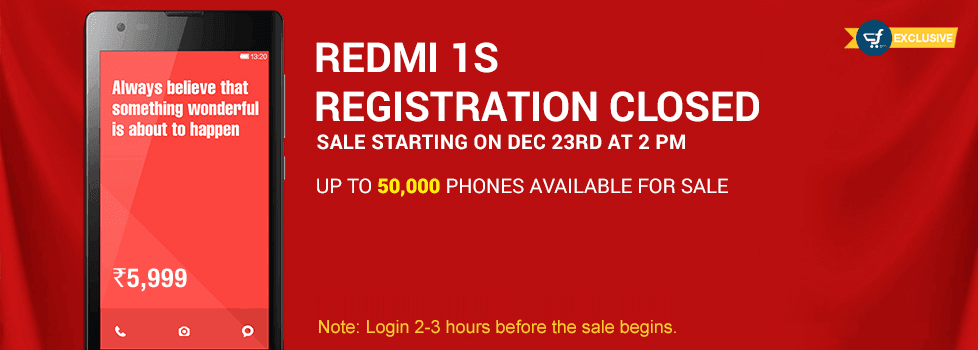
    Xiaomi had brought up to 50,000 devices for sale today, which is one of the biggest stocks from the company for a single flash sale. It was a slow sales day at Mi India’s page at Flipkart. During previous sales we saw the devices disappear within seconds but this time around, the window of purchase was open for several minutes before the devices went out of stock.

    Xiaomi also said that it will be bringing the 4G variant of the Redmi Note, which runs on a Snapdragon processor to the market. However the date of sale is yet to be specified. We would like to assume that the folks have been saving for the Redmi Note, which carries a bigger display with almost the same specs as the Redmi 1S. The Note also supports 4G so it surely has that advantage over the 1S. But even with a slow sales day, Xiaomi still managed to clear all its stocks which means the love for the company hasn’t ended yet.

    If you are one of the many who scored the device, share your joy with us in the comments. We will also keep you updated on the date of sale of the Redmi Note. Keep checking iGyaan for more.

  • Sony Xperia Z4 Teased With an Abstract New Video

    Sony Xperia Z4 Teased With an Abstract New Video

    January is the month when CES, one of the biggest consumer electronics trade show comes to town. CES 2015 is just a few weeks away, but the buzz around it is already heating up in this excruciating winter. Sony has put its foot forward and posted a new video which might be a teaser for the upcoming Sony Xperia Z4.

    Sony hasn’t had a good time with the market in the past couple of years, and they have seen their profits shrink year by year. The company is in a major re-invention period, and it is currently focusing on bringing itself back to profitability even if that means losing 25-30% of their market share in the smartphone business.

    The video posted by the company is titled ” Welcome to the New World”. It shows a girl licking a lollipop that seems to signify that the device will run on Android Lollipop. There have also been rumours that the new flagship device from Sony will feature a Snapdragon 810 processor which would make it one of the first devices to feature this latest chipset. The company had previously launched the Xperia Z3 at IFA Berlin last September and keeping with its six months update schedule; the new flagship is ready for the world. The Xperia Z3 was appreciated for its design and features but was berated for being too pricey.

    Have a look at the video right here:

  • Editor’s Pick : The Week in a Video

    Editor’s Pick : The Week in a Video

    This week we saw a lot of excitement along with many highs and lows. Here are the past seven days summed up in a video:

    The biggest news of the week was the launch of the new brand by Micromax called YU. The brand is a result of a collaboration between Micromax’s founder Rahul Sharma and custom ROM maker Cyanogen. The first phone from the brand is called Yureka and it has an impressive spec sheet and comes at a mind-blowing price.

    Micromax was also in news for its infringement case against the Chinese phone manufacturer, OnePlus. This led to a temporary ban on the sale of OnePlus devices in India.

    OnePlus also launched a powerbank this week. Known as the OnePlus Power Bank, it supplies 10,000 mAh of power, enough to provide three full charges for your smartphone.

    The other major Chinese smartphone maker, Xiaomi had a better week than the last month. After banning the company from selling its devices in India, the court gave respite to the company to sell its Qualcomm chipset based devices. The first flash sale is scheduled for 23rd December.

    Xiaomi also had a good week globally as it reached the fourth spot on the points tally of phone makers and ended up kicking out LG from the fifth spot. In just a span of one year the company has raised its market share from 1.5 percent to 5.2 percent. It stands just 0.1 percent behind No.3 spot holder Huawei. Samsung managed to hold on to the first spot with 24.4 percent market share while Apple managed to keep a steady hold on the market with 12.7 percent share.

    Yet another Chinese manufacturer was in news. Gionee India head said that his company is ready to set up a manufacturing unit in India subjected to government clearance.

    World’s thinnest phone also arrived in India this week. With only 4.75 mm thickness, the Vivo X5 Max is priced at Rs. 32,980.

    Skype also brought good news for Indians when it offered free calling to US and Canada. Although this facility will last till 1st March 2015.

    It was reported that WhatsApp may soon be available online. A leaked screen shot shows the HTML coding for a potential online avatar of the popular messaging app.

  • How Micromax Might Be Using YU to Rebrand its Public Image

    How Micromax Might Be Using YU to Rebrand its Public Image

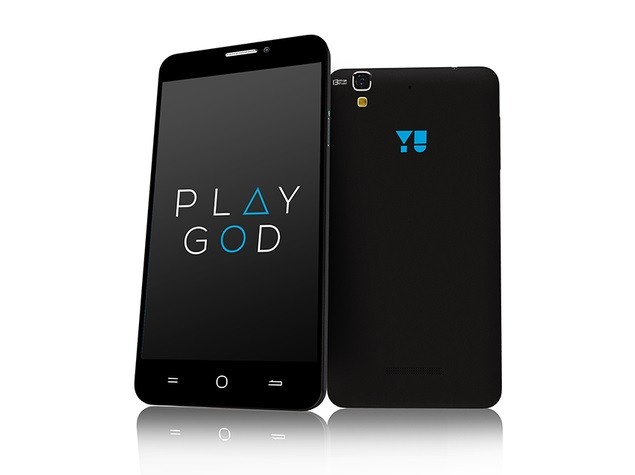
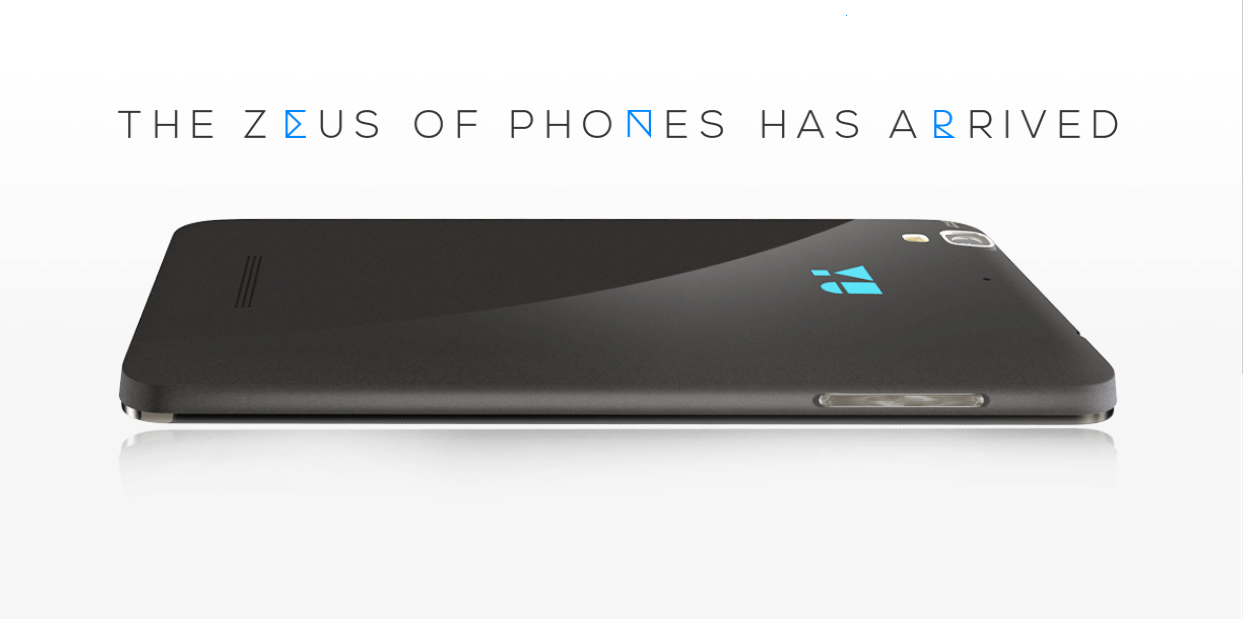
    With the introduction of the YU brand, Micromax has shown that it has the potential to rise in the brutal global mobile market. The first phone from the brand, ‘Yureka,’ is packed with amazing specs and comes for a price that can induce goosebumps. YU televentures is a brand formed by a collaboration between Micromax’s founders and famed custom ROM maker, CyanogenMod. Cyanogen’s active support might help YU create a mass fan following for itself.

    The first offspring of the collaboration is the ‘Yureka’. It flaunts a 1.5 GHz, 64-bit Snapdragon 615 processor, 2 GB DDR3, 16 GB internal storage and CAT-4 LTE. Yureka’s spec sheet looks better than any other release from Micromax’s stable.

    Micromax Yu

    Let’s look into why Micromax failed to be a brand that Indians could proudly call their own. Firstly, Micromax is not into the manufacturing business (if you didn’t already know), it rebrands handsets that it buys from China. This leads to a frequent disappearance or shortage of the devices from the market. Another adverse effect of this business strategy is the lack of spares for the devices. The company buys a limited quantity of devices by an estimation of sales numbers and if the Chinese manufacturer stops producing the model, the access to spares of that particular model also starts to dry up. This is the reason why sometimes phones with defects are stuck at their service center for weeks or even months.

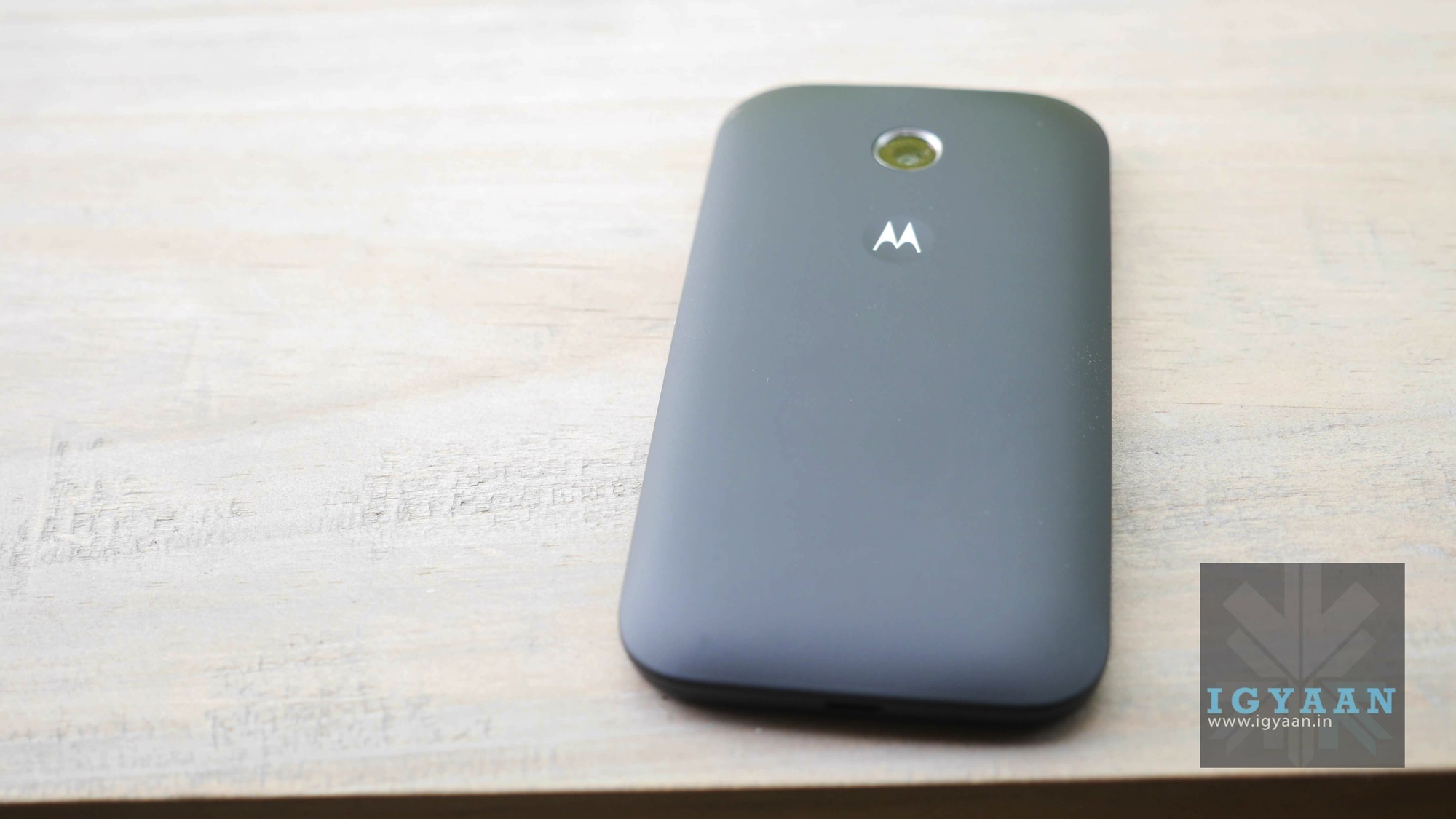
    Secondly, as the devices are bought from foreign manufacturers, there isn’t software support for them. The bootloader is locked, so advanced users find it tough to tweak around the device, unless someone takes the effort to unlock it. The lack of software updates is also a major bone of contention between the company and its customers. While products like the Motorola Moto G and E, which exist in Micromax’s home market, get almost instant updates; Micromax users are left fending for themselves.

    moto e igyaan 10
    Motorola, one of Micromax’s competitors, managed to deliver regular software updates whereas Micromax fell behind.

    It isn’t like Micromax is short on cash. If we would have to bet our money on one company that could have become a stalwart of phone manufacturers in India, we would bet on Micromax. But instead, they took the easier approach by simply rebranding devices made by foreign manufacturers. The company has the resources and potential to become a respectable brand around the world, but it chooses to be an amateurish brand with no real long term strategy. It could have been India’s Xiaomi, but its choice of mediocrity and the lack of real effort is holding it back.

    With YU televentures, Micromax hopes to take on the issues that have blown up its public perception. The new brand though is not setting up a manufacturing unit as of yet, which should be one of its top priorities. But at least Micromax has taken the first baby steps to answer its critics.

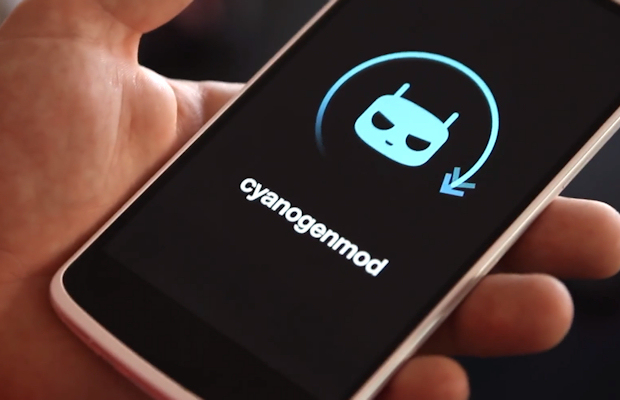
    YU’s biggest strength, of course, is Cyanogenmod, the custom ROM brings improved functionality and provides immense convenience to the consumers. Running on CM OS 11 which is based on Android 4.4.4, the YU Yureka offers an immense amount of customizability. It provides themes, ability to manipulate the functions of the buttons, improved hardware performance and everything in between. Not just that, it adds features like Baton from Nexbit (a Silicon Valley partner of Cyanogen) that would make the transfer of data and apps from one device to another feel like a natural limb movement.

    At the press event, the term ecosystem was used multiple times. The presenter spoke about establishing a common forum where customers and developers can interact with each other to improve the functionalities of the devices. This is also something Micromax could have created by itself in the past four years. But better late than never. With their new forum page, YU will be a collaborative effort between consumers and the company. Customers can discuss the issues that they have with their devices and the developers will try to address them. There will also be regular OTA updates every month which will keep these devices in sync with the latest developments.

    oneplus-one-cyanogenmod
    Micromax’s collaboration with Cyanogenmod gives it an edge above others

    For Micromax, the success of YU televentures can work as a great PR boost. For the business aspect of YU, the company is taking the approach of reducing distribution, advertising and retail end costs by releasing the device online. According to earlier reports the unit price of the imported device stood at Rs. 8301 and it is being sold at Rs.8999 so the margin for the company is minuscule. This is an effort to create a buzz for the device.

    The service aspect of the Yu also garnered massive applause at the presentation. The company plans to begin a door-to-door service initiative by which professionals would come to the house of the buyer to service the device. This sounds like a far fetched plan for a device worth Rs. 9,000. To see if this initiative actually succeeds, we have to wait for it to arrive. But if it does succeed, we would be the first to applaud as it would raise the standard of customer support for mobiles in India.

    The company also plans to get into the accessories segment (as it should). At present, it is only offering leather cases and a tempered glass screen protector but they plan to expand it further. They also plan to delve into producing devices like wearables and power banks. This would be an important step towards  improving and expanding the ecosystem that the founders of YU wish to achieve.

    YU’s grand plans sound amazing on paper, but we will still hold on to our skepticism. Micromax has always promised us grand things, but when it came to delivering, its past promises were found to be mostly empty. We do think that YU has the potential to revolutionize the mobile sphere in India, but bits like providing door-to-door services, still sound audacious for the company. We will keep a vigilant eye on the YU televentures in action to see if it stands true to the promises it has made. In the meanwhile, as a parent brand, Micromax should work towards fixing its follies to become a world-class brand that Indians could feel proud enough to flaunt. We are excited Micromax, don’t let us down.

iGyaan Network
Privacy Overview

This website uses cookies so that we can provide you with the best user experience possible. Cookie information is stored in your browser and performs functions such as recognising you when you return to our website and helping our team to understand which sections of the website you find most interesting and useful.