Author: Happy Nagashetti

  • Asus Stocks Up 20,000 ZenFone Units on Flipkart

    Asus Stocks Up 20,000 ZenFone Units on Flipkart

    Asus has become a darling of the Indian market since its release in India. It along with Xiaomi made it the summer for Chinese smartphone makers. Their high-spec-low-price business model is tailor-made for the Indian market.

    The Asus Zenphone series have seen shortage of supply and they are either out of stock or available in limited numbers. Asus wants to correct that and they are bringing in a 20,000 phone inventory to Flipkart. Though the number of individual phone models haven’t been specified, it is a good big number of devices.

    Most importantly today will become a Taiwan on China battle here as Xiaomi too is bringing 20,000 devices for a flash sale today the 19th of August. It will be fun to see if Asus is capable of stealing Xiaomi’s customers. The folks who are disappointed by the Xiaomi sale can see the Asus line-up as a good alternative.
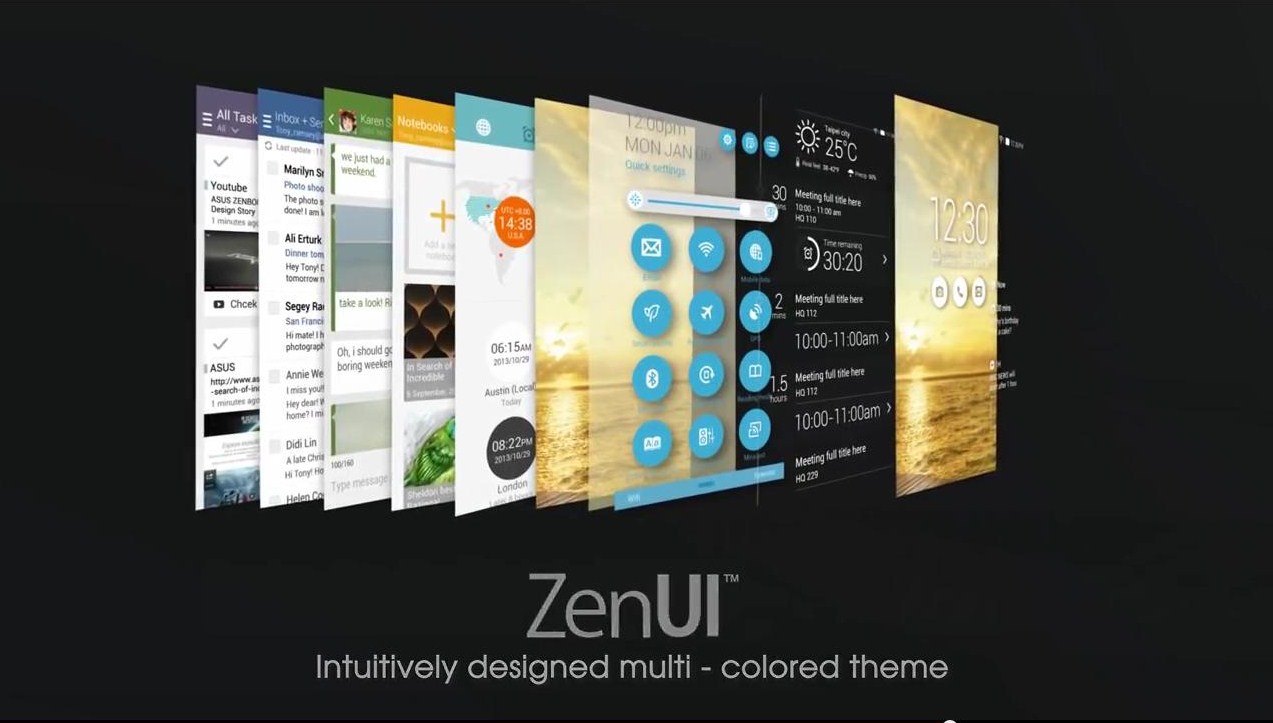
    The Customization and Color features of the ZenUI are unique and tasteful
    The Customization and Color features of the ZenUI are unique and tasteful

    The Asus Zenphones are powered by Intel Atom processors and come in 4, 5 and 6-inch display variants. The phones also come in multiple color variants and have a youth friendly design. The Zenphone 6 has a classy look which will be appreciated by corporate users too.

    The Zenphones are dual SIM capable and can be used easily with gloved hands. These phones also run on Asus’s own UI called the ZenUI which has been appreciated for its unique design and customizability features.

    Asus’s business model is more appreciable than that of Xiaomi. The company seems like it is interested in staying in the market for a long time. They have also said that it wants to sell its phone in the offline market thereby making there long term plan in India apparent. By bringing in products in accordance with the demand in the market, the company gets to retain as well bring in new customers. The Zenphone 4, 5 and 6  are priced at Rs. 5,999, Rs. 9,999 and Rs. 16,999 respectively.
  • Xiaomi Brings Out MIUI 6 For Developers

    Xiaomi Brings Out MIUI 6 For Developers

    Xiaomi is growing and how, the young Chinese company has earned tremendous brand recognition in a short period. Its Android based UI, the MIUI has been a recognized and well-appreciated interface. Lot many folks are impressed by the regular updates and superior customizability of the UI. The company announced that it will be bringing the next version of the UI, the MIUI 6 for developers, and it will be out for the users very soon.

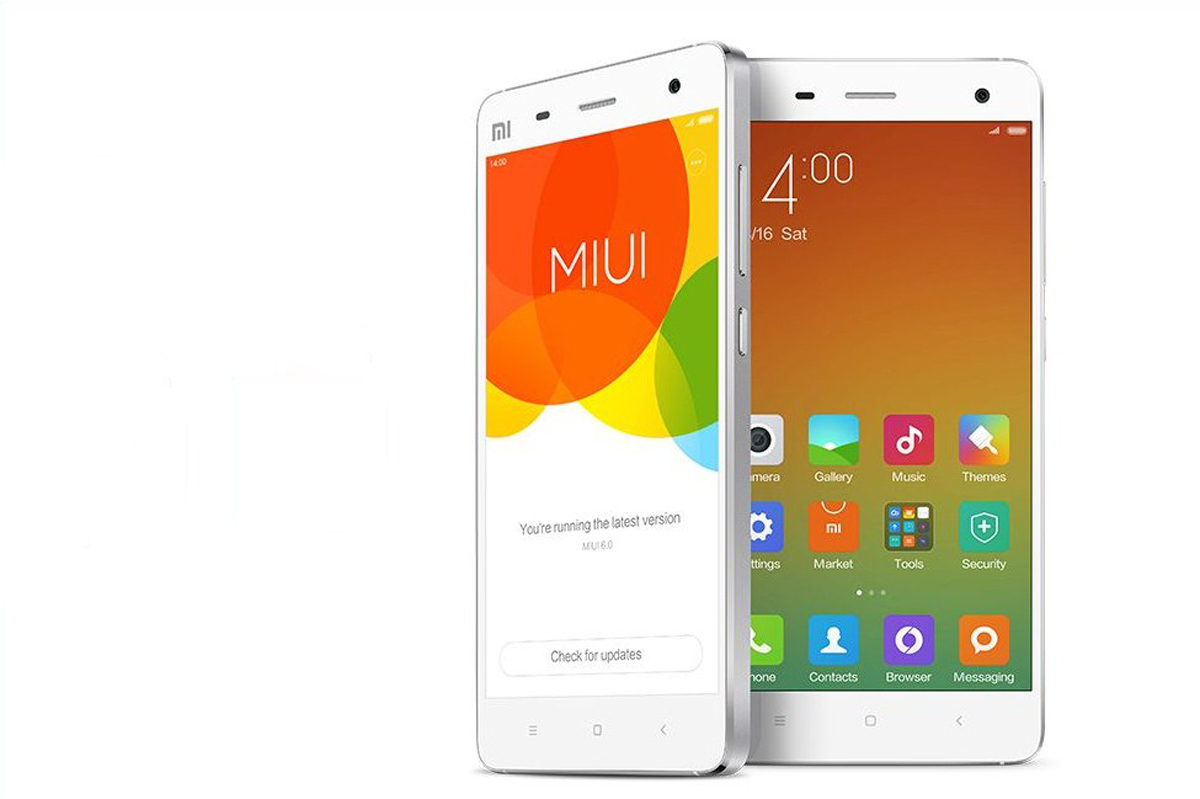
    The company released a teaser video of what the new MIUI would look like and true to Xiaomi’s design approach; the new UI looks rather close to iOS 7. Xiaomi doesn’t make it a secret that they derive some of their “inspiration” from Apple products, and this one seems to fall just in line.

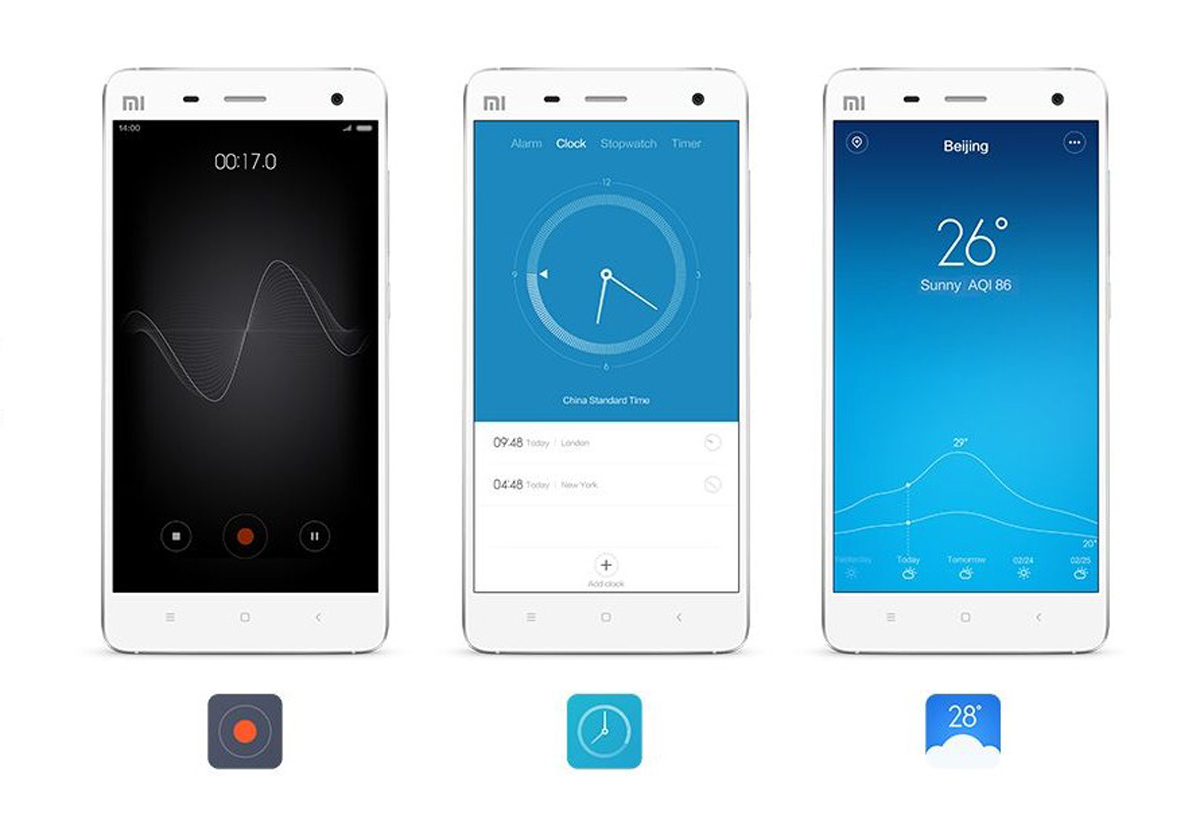
    MIUI 6 will follow a minimalistic design pattern with lots of colors. It will also have enhanced security and new features such as immersive parallax effect on apps like clock.

    Minimalistic Look with subtle graphics.
    Minimalistic Look with subtle graphics.

    The new update according to Xiaomi will be less distracting, and if the visuals are to be believed, the clean interface has some sweet graphics backing it. The new phonebook allows you to identify unknown callers; mark service numbers (as banks, scams, sales) and see a visible menu of the carrier’s hotline numbers so you can easily choose your option without trying to decipher the IVRS.

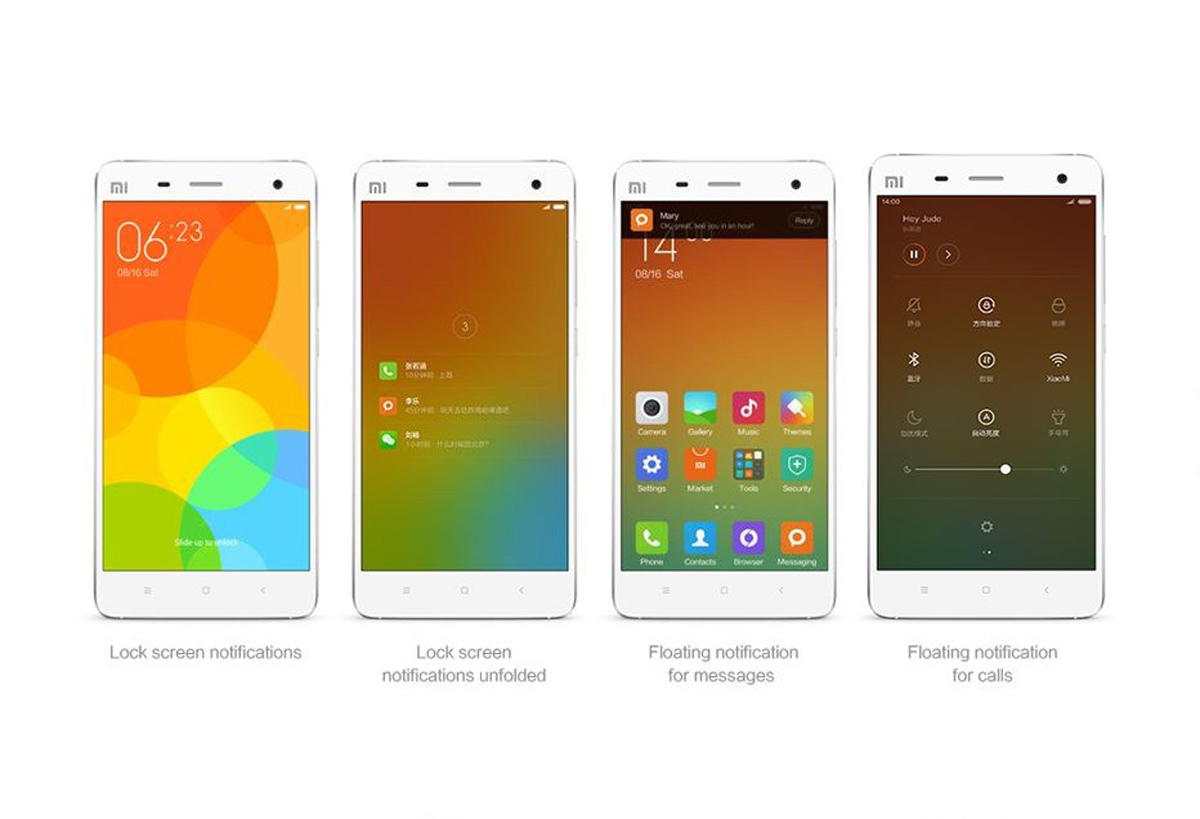
    MIUI 6 will have new gestures for the home-screen and a redesigned notification shade with toggles for various settings. The notification center shows notifications on the lock-screen and the UI has support for more than 5,000 theme options.

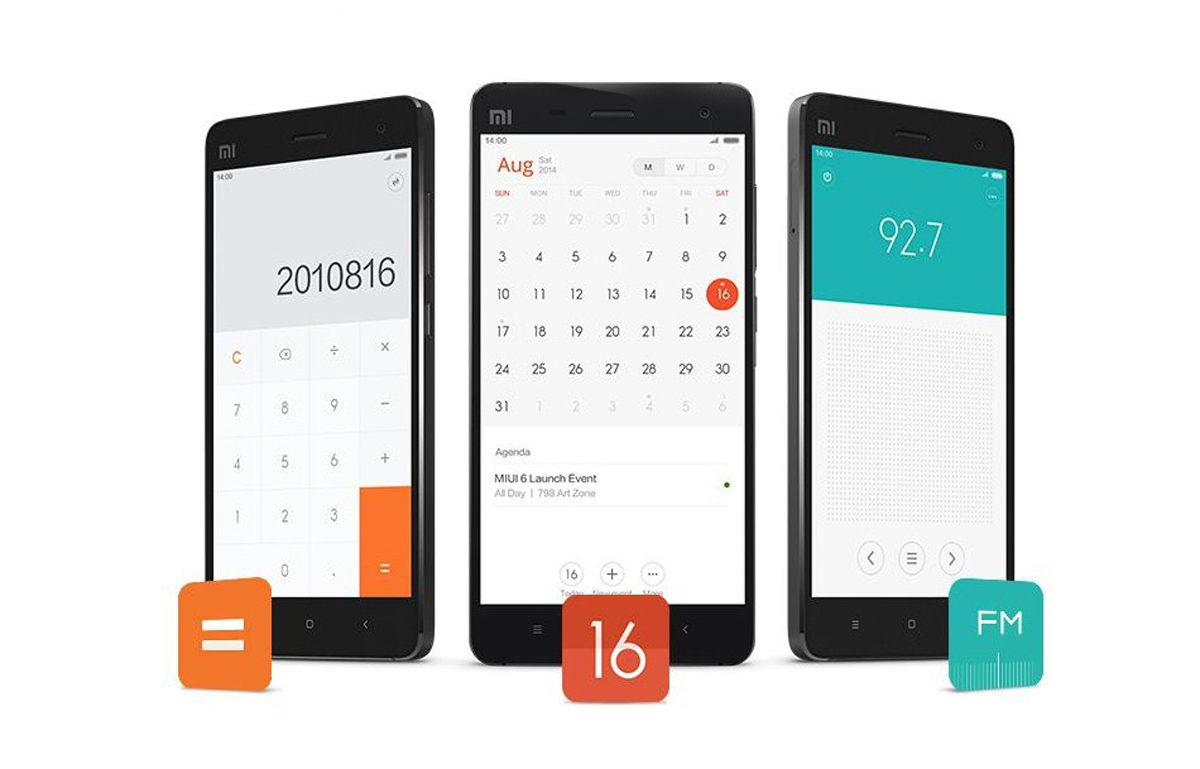
    The Flat design is almost reminiscent of sticky pads.
    The Flat design is almost reminiscent of sticky pads.

    The flat design sure makes some of the apps seems as if they are sticky notes. The translucent features of the UI stand out and give dimension to the content that is also visually appealing.

    The Color options are visually appealing.
    The Color options are visually appealing.
    The Color options are visually appealing.
    The Color options are visually appealing.
    The Color options are visually appealing.
    The Color options are visually appealing.
    The Color options are visually appealing.
    The Color options are visually appealing.

    Overall, the design is clean and easy on the eyes and will definitely impress the seasoned MIUI users as well as new adopters. But it’s time the company took a departure from blatantly copying Apple; even their website follows the Apple design. Now that the company is out of the Chinese borders and made its mark in countries across the globe, it needs an identity for itself. The company is still ahead in terms of product design, both interiors and exterior, than many of its competitors, but “Apple copycats” is not the tag they want when attracting a wide audience.

  • Unboxed: The Sony Xperia T3

    Unboxed: The Sony Xperia T3

    Sony has been a background player in the smartphone game. They have lost some market in the past and haven’t brought anything out of the ordinary in a while.  The Japanese company has now come with the next in their T series of smartphones. The Xperia T3 looks impressive on the outside but the innards leave a lot to be desired.

    Sony Xperia T3_0
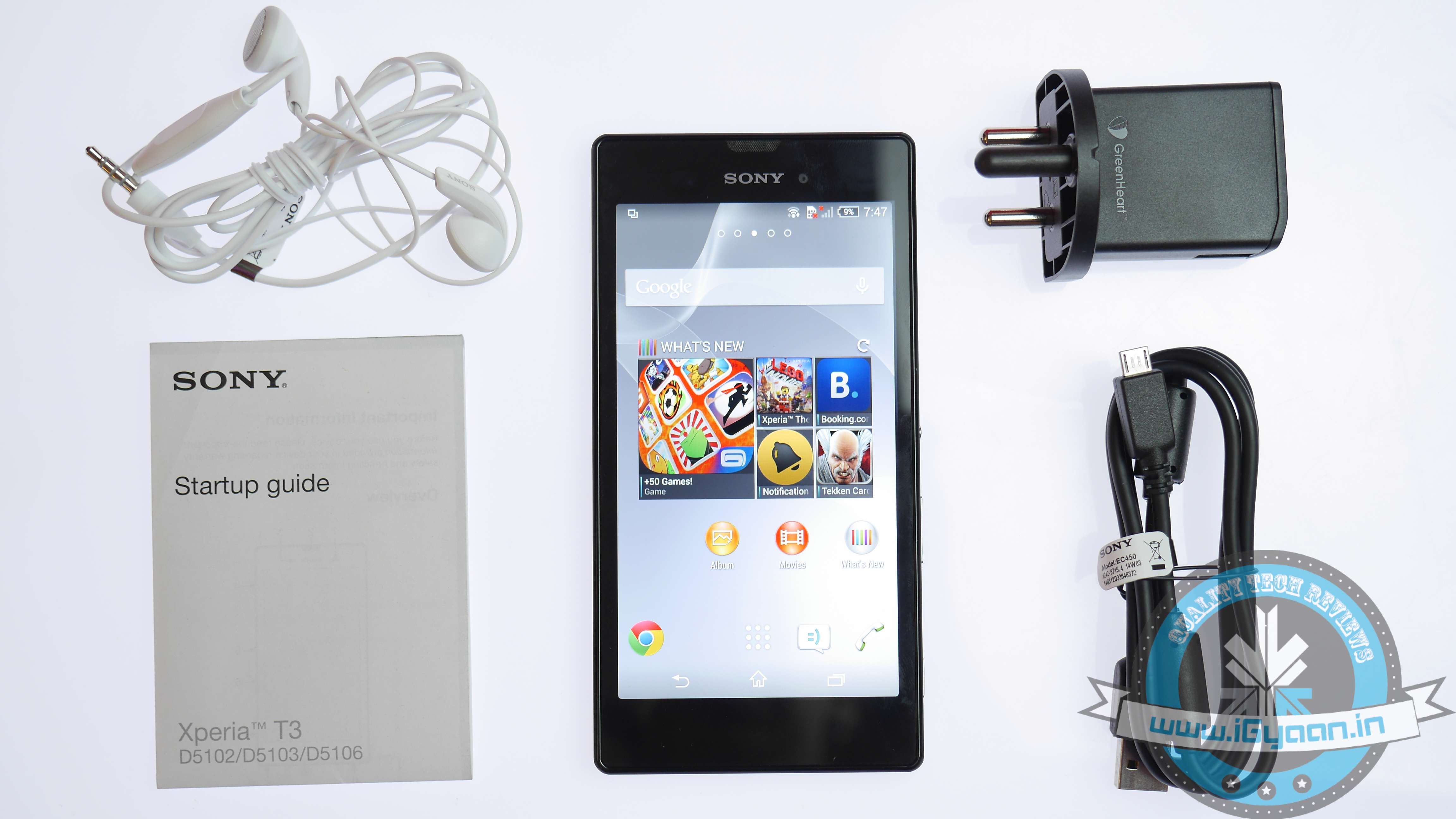
    The box offers the usual. The headset could have been better.

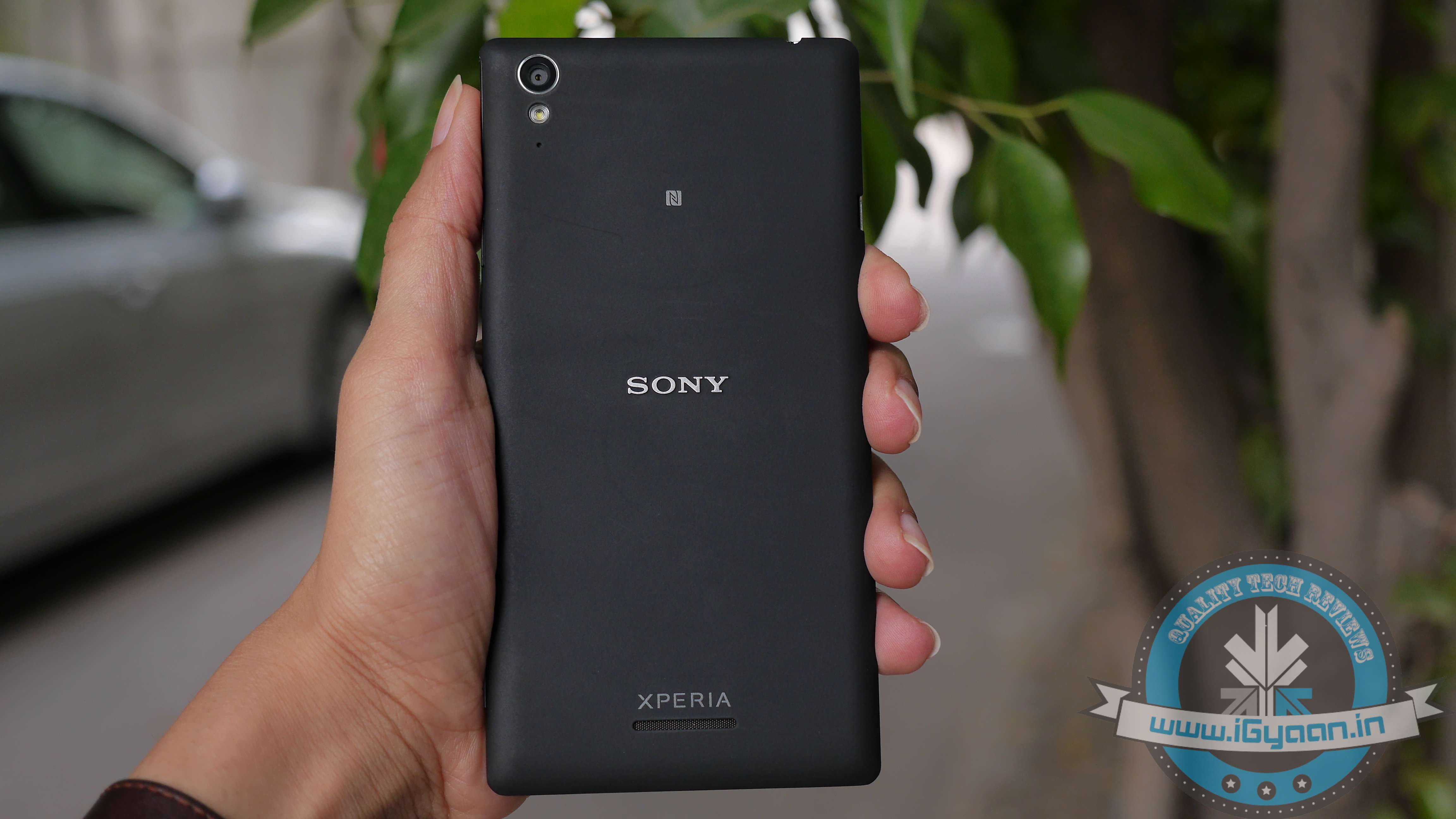
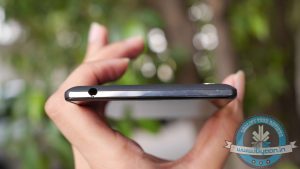
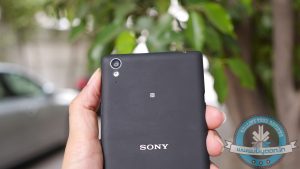
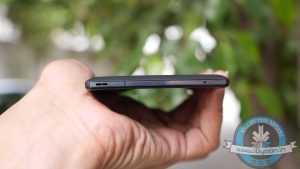
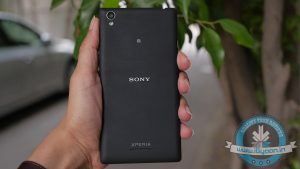
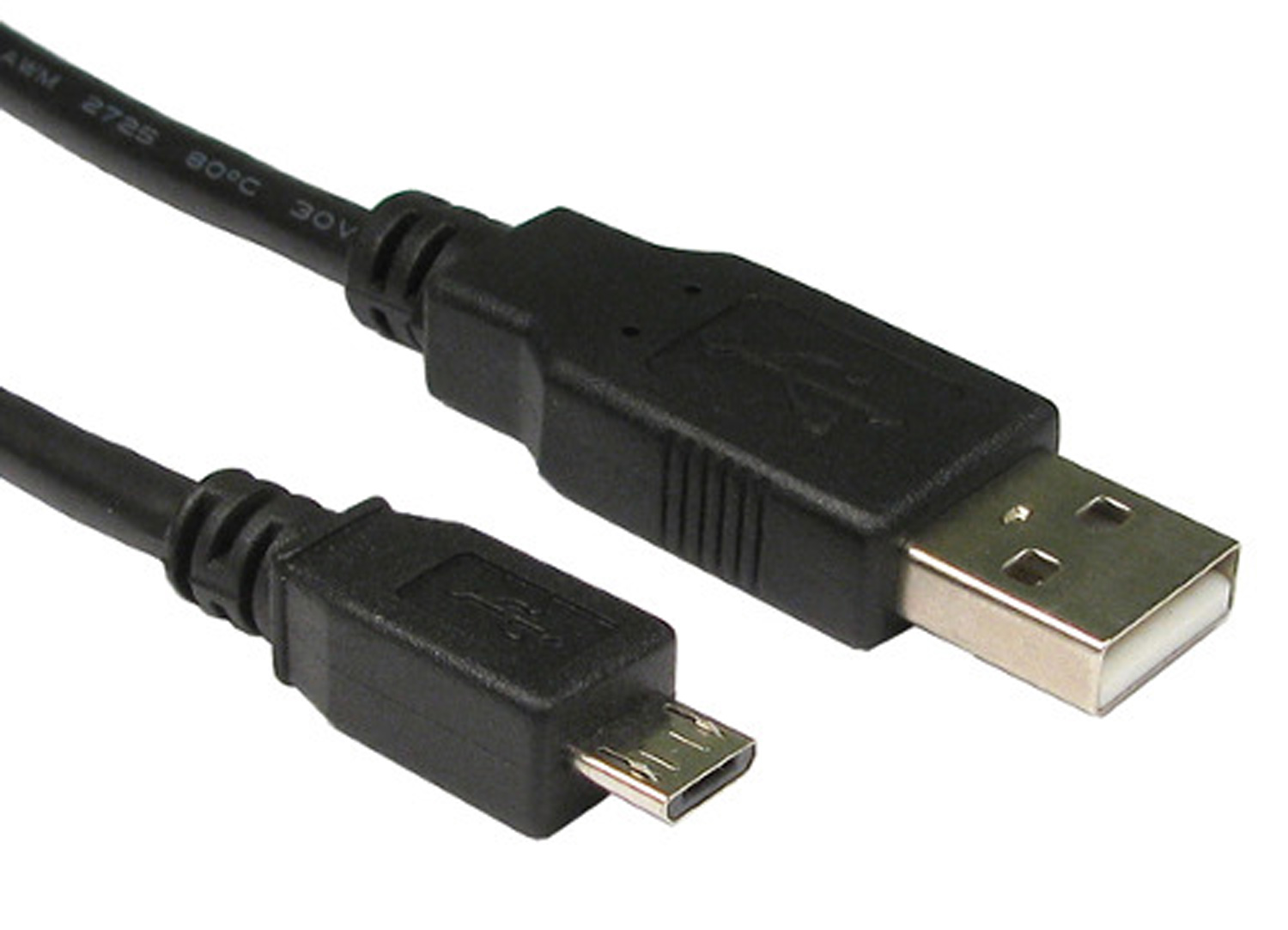
    The box comes with the usual inhabitants; the handset, pair of generic looking headsets, charger, micro-USB to USB cable and the documentation. The headsets provided in the box that is available is very average and doesn’t at all say Sony. Design-wise the phone is good to look at. The back panel is made of a gradient or distressed material that makes the phone appealing to hold with its enhanced grip. The exteriors of T3 appear premium, and the 7.7mm ‘thinness’ does make the phone look sexy.

    Sony Xperia T3_5
    The back panel makes the phone look premium and is good to hold

    Specs wise, the Xperia T3 runs Android 4.4.2 out of the box. It is powered by a quad-core 1.4 GHz, Snapdragon 400 processor with an Adreno 305 GPU. The RAM stands at 1GB and 8GB of internal storage. The phone gives expandable storage options up to 32GB. The device is NFC capable. Compared to its competition and its price, the specs don’t feel satisfactory. The battery on the device is 2500 mAh that can take good care of the phone for about a day.

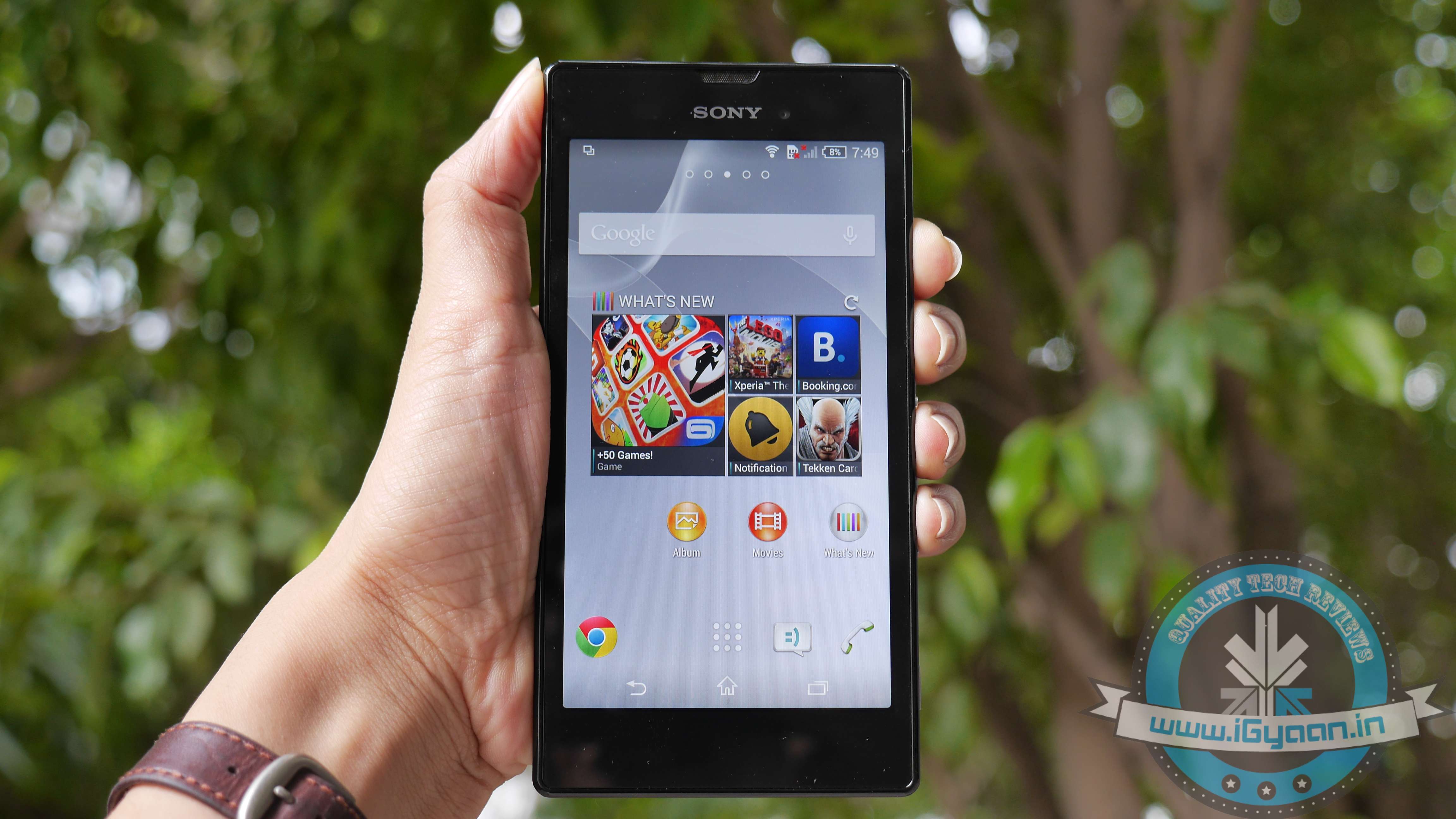
    Display wise, the T3 sports a 5.3 inch IPS LCD screen. The resolution of the screen is 1280×720 with a pixel density of 277 ppi. The annoying part of this device is that even with its massive display it only accepts four finger touch.


    The main camera on the device is 8 MP shooter whereas on the front is rather disappointing 1.1MP camera, which is capable of shooting 720p videos. The dedicated camera button is a welcome feature. The User Interface (UI) is similar to previous generation Sony Timescape UI. There are some decent customization features but overall it is pretty much the usual Xperia experience.

    Multimedia experience in the T3 is appreciable. The playback and viewing angles on the display are great. The sound from the speakers is decent and gets the job done, but Sony should have brought in better speakers.

    Overall, the device looks like a lazy attempt by Sony and has too little for too much. The phone is priced at Rs. 25,990. The competitors have lot better specs at this price point, and Sony really needs to buck up its game if it wants to be perceived as a worthy smartphone company.

  • Delhi’s Khan Market is Now a Wi-Fi Zone

    Delhi’s Khan Market is Now a Wi-Fi Zone

    Delhi’s audacious project of bringing Wi-Fi connectivity to the markets of Delhi has begun at Khan Market. The shopping area now has limited time, free usage internet. After the free usage has expired, the shoppers can just use scratch cards to get access to the network.

    To connect to the network, you just have to punch in some basic information such as email ID and phone number. Next you get a one-time password (OTP) on your phone using which you can register into the Wi-Fi network.

    The facility was to be extended to Connaught Place (CP) but it is facing some technical delays. The major issue in bringing WiFi access to CP has been the size of the area. To avoid the place from looking cluttered, the cables for the services are being laid underground.

    Tata Docomo and Vodafone who have partnered together with NDMC for the service say that CP will be Wi-Fi activated by the end of the month. As of now a beta service is being run in the N-block of CP.

    The security agencies based in CP have also raised some issues with the service. According to them the WiFi service may be used to interfere with their network. But the folks at NDMC state that the networks used are extremely secure.

    The service providers have got their security clearance after clearing five levels of certification testing. The project can also be monitored by the Department of Telecom, thereby being in safe hands.

  • Spice Tries its Hand at Wearables With the Spice Smart Pulse

    Spice Tries its Hand at Wearables With the Spice Smart Pulse

    Wearables are in and here to stay. The biggest names in the tech world anticipate that the wearable technology will be the next step in mobile evolution. Now Indian phone company, Spice has decided to enter the field by bringing out the first Smartwatch in the affordable range.

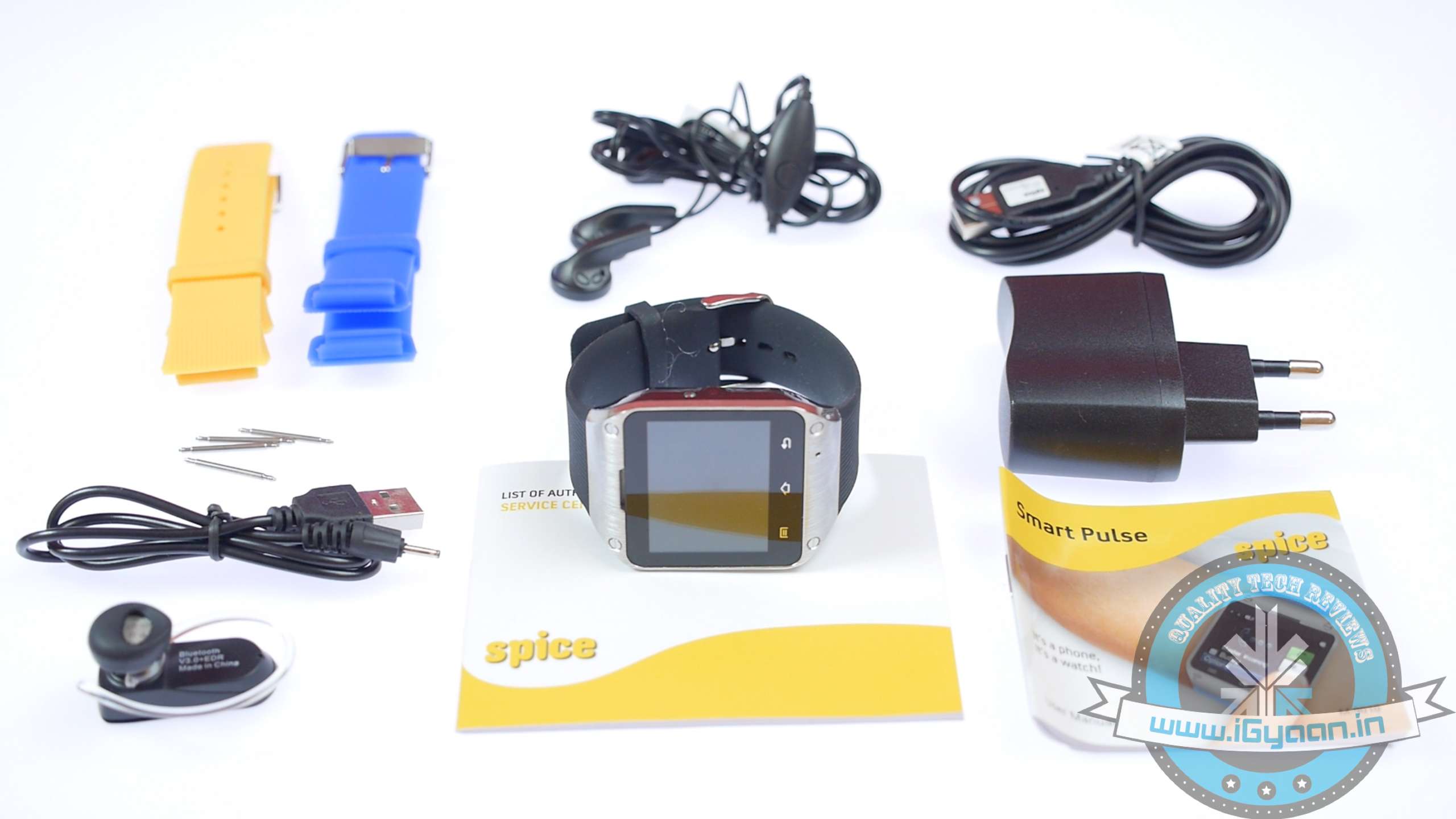
    The Smart Pulse comes with an assortment of accessories
    The Smart Pulse comes with an assortment of accessories

    You won’t believe the amount of stuff that comes with this smartwatch at its price. It seems like they filled the box with accessories till they could fit no more. You get a handsfree, a Bluetooth headset, two extra watch straps, charging cables for the watch and a Bluetooth headset.

    Design

    On the design front, the Smart Pulse reminds you of the Galaxy Gear Live. The fake metal body does succeed in hiding its real make. You might be impressed by the brushed metal finish until you realize that its just plastic.

    User Interface (UI)

    At first impression, the UI is visually appealing. The Smart Pulse has a dialer and messaging feature for sending SMS’s. The UI is a generic Chinese UI and so, unfortunately, cannot reap the benefits of the wearable specific apps that are being brought out on an everyday basis. It can though be connected to an Android phone through Bluetooth and can be used as a secondary device. Using this connect, you can make calls, send texts, enable remote camera capture, stream music and get notification alert for social applications.

    The UI isn’t too tacky, and you might easily get used to it after some tries. It is capable of dispensing all that a wearable can do, except, of course, the health features. The device doesn’t have any heart rate sensors or monitors so it can’t be used for fitness purposes. The main complaint with the UI is the tiny typefaces. It can be grueling to use if you have bad eyesight.

    Internals

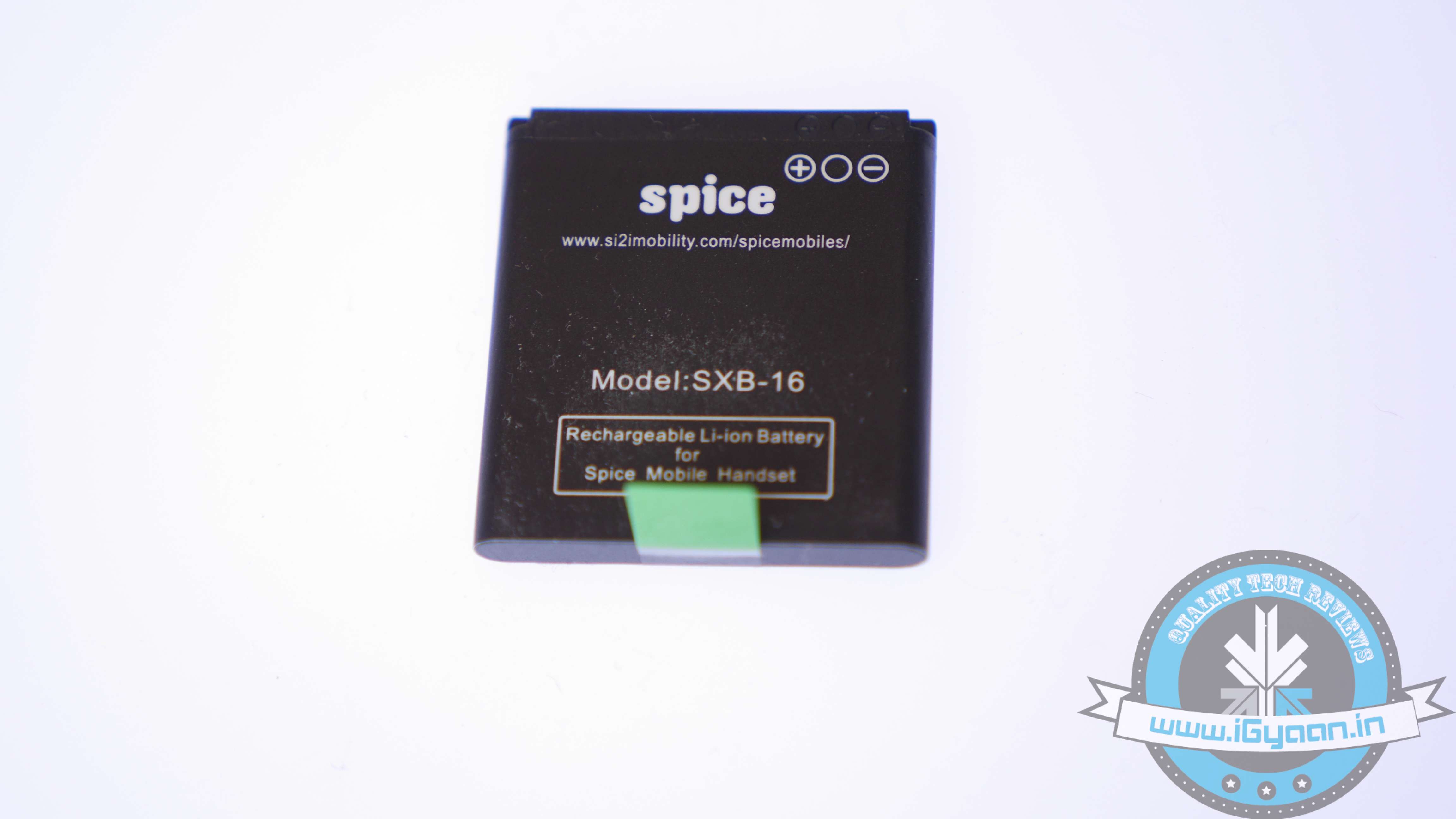
    The battery is too tiny to handle the features available with the watch
    The 420 mAh battery is too tiny to handle the features available with the watch

    The Smart Pulse should be known as the Smartphonewatch, or Smartphwatch (or maybe something better.) It is powered by a 420 mAh battery. How this tiny battery will handle the dual SIM capability is a mystery. It also has other juice gulping features like Bluetooth and GPRS. The watch also has a camera with flash that might be used only when you desperately need to take a photo. The flash can be used as a torch, which is handy at times. The makers have also added a vibration motor which could be useful for notifications.

    Dual Sim

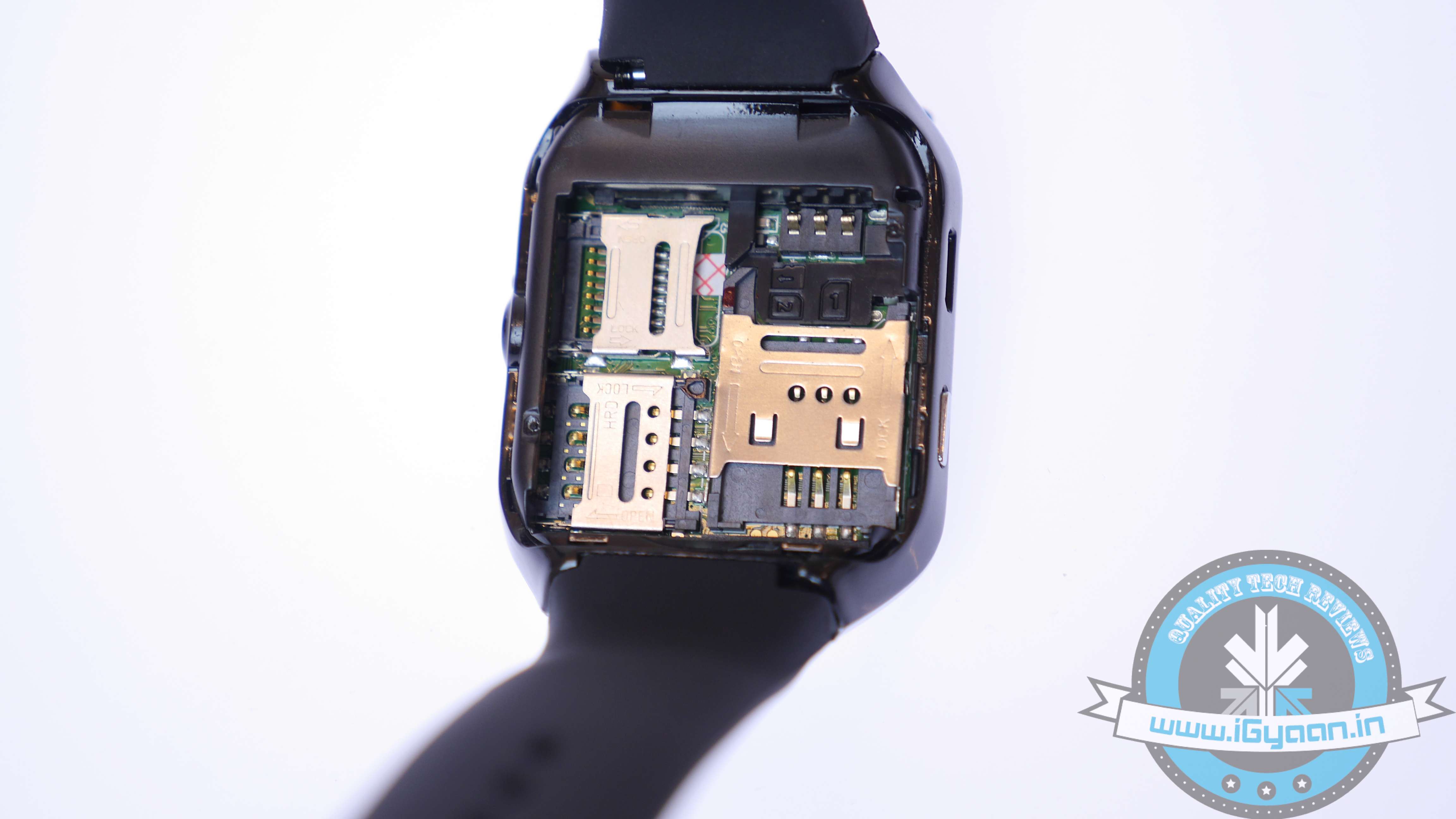
    Smart Pulse is Dual SIM and expandable storage capable
    Smart Pulse is Dual SIM and expandable storage capable

    The most surprising part of the watch is its dual SIM slots. Not just that, it also capable of holding expandable storage upto 8GB. It is basically an independent phone masquerading as a watch.

    Price

    With all that phone features packed into a tiny watch, which also comes with tons of accessories, the Smart Pulse is modestly priced. The watch is available for just Rs. 4,000, which is a great price for someone who wants to get introduced to wearable technology. As it’s a standalone phone in itself it can be a flaunt-worthy gizmo for some, a little taste of the future if you may. There are in fact some Android based smartwatches being manufactured by Chinese manufacturers and you may want to look into that. But as those are not yet available in India, you can try this out till the time Moto 360 arrives in India.

    If you’d like us to do a full review, leave a request in the comments below.

  • Micromax Brings Out the Canvas Knight Cameo

    Micromax Brings Out the Canvas Knight Cameo

    Indian smartphone manufacturer Micromax recently released a mini version of their Canvas Knight phone. The phone is to be known as the Canvas Knight Cameo A290. The phone will be scaled down version of its bigger sibling.

    The 4.7 inch display on the Knight Cameo has a resolution of 720p. The phone is powered by a MediaTek MT6592M chipset, which sports a 1.4 GHz “true octa-core” CPU. The internal storage on the device is 8 GB which is expandable. The phone has 1 GB of RAM.

    The main camera on the device is an 8-megapixel shooter whereas for selfies the front of the devices sports a 5 MP camera. The software comes with the options for object erasing and cinemagraphs. It is capable of full HD recording.

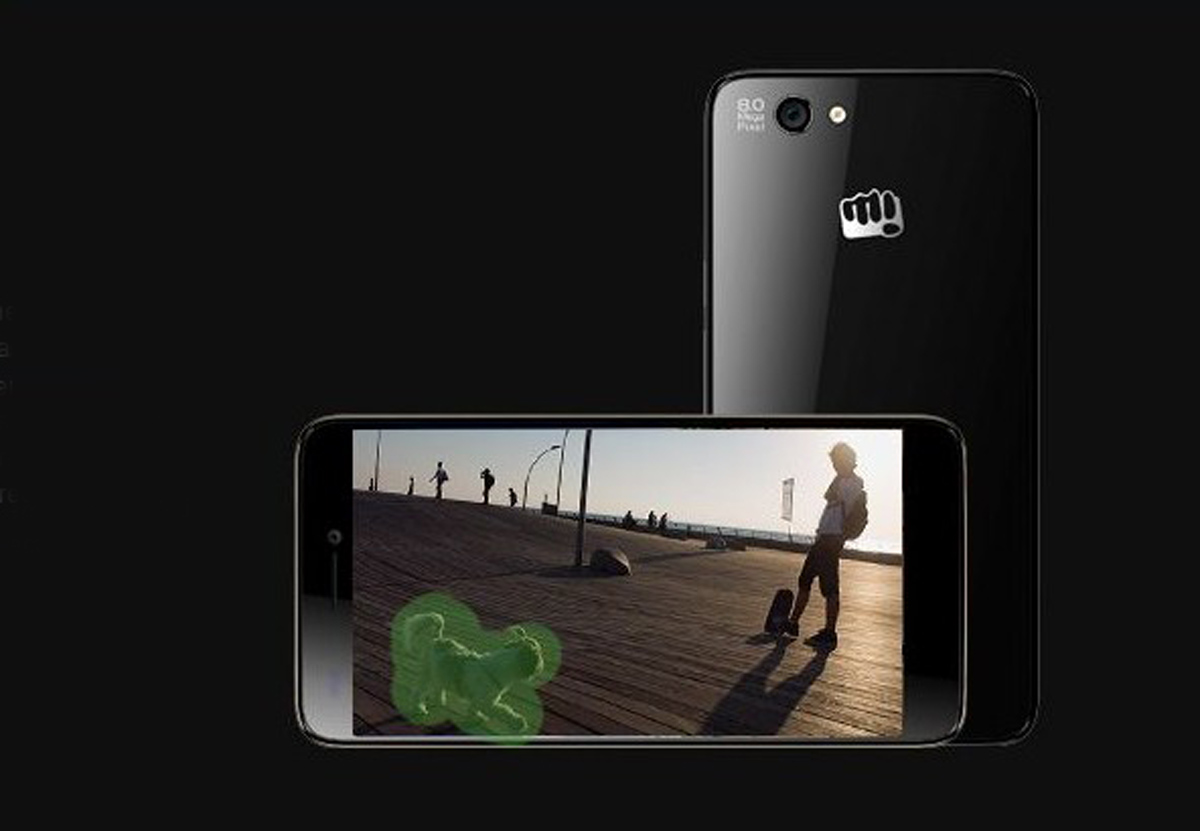
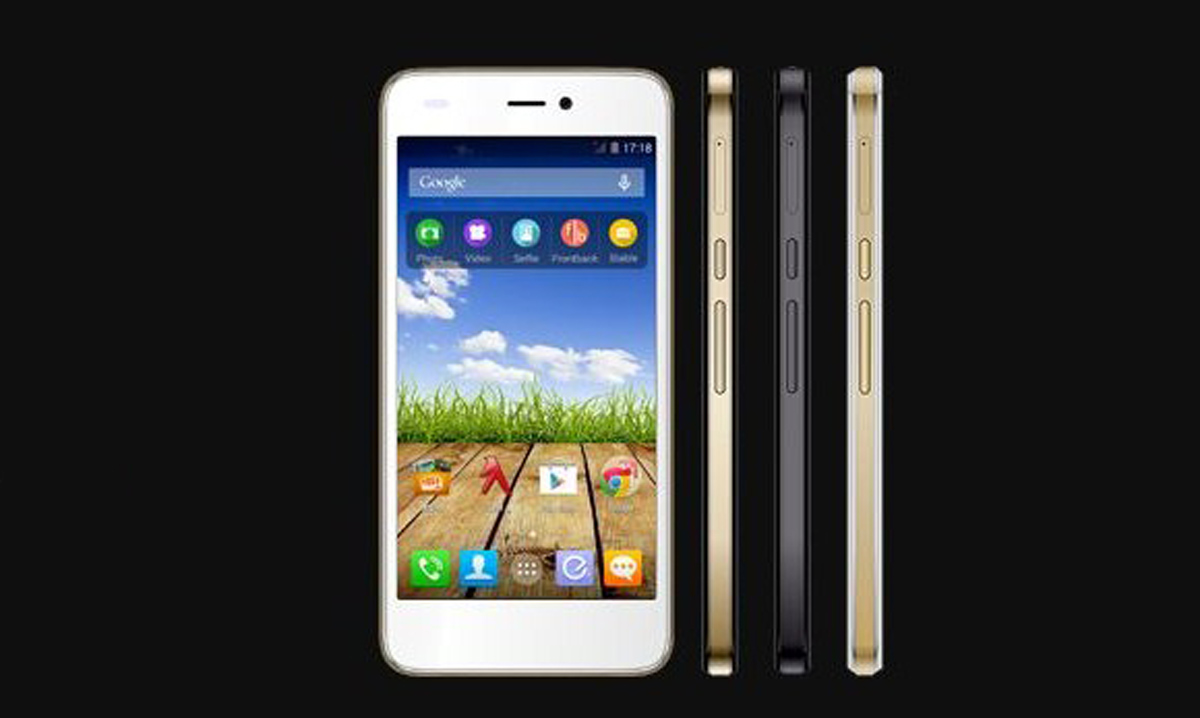
    Cameo comes in classy color options
    Cameo comes in classy color options

    The Knight cameo runs Android Kitkat 4.4.2 and has a 2000 mAh battery. The phone comes in Pure Black, Black and Gold, and White and Gold color options, which gives them a premium feel.

    The phone is already available on ebay.in at a price of Rs. 12,350. The phone is decently speced and it can make some good following around it. A bit stronger spec sheet in terms processor and RAM would have made it more attractive but we’re guessing they can take a risk.

  • Next Generation Reversible Type-C USB Ports Ready to Hit the Market

    Next Generation Reversible Type-C USB Ports Ready to Hit the Market

    Universal Serial Buses (USB’s) have changed the way we interact with our computing devices. Before their massive use, computer peripherals had different sockets for each kind. With the advent of the USB, it all changed, and we had the luxury of multiple devices following similar connection protocols. The USB was capable of taking care of almost all the gizmos we wanted to connect to our computers and gave birth to a whole new market of USB devices.

    Fast forward to the mobile revolution. The mobile ecosystem got a major boost, first from the mini USB and then from micro USB, which virtually replaced all other propriety connectors. The standard micro USB gave immense convenience to folks who could just juice up their devices using their friends chargers instead of finding the adapter made for their phone.

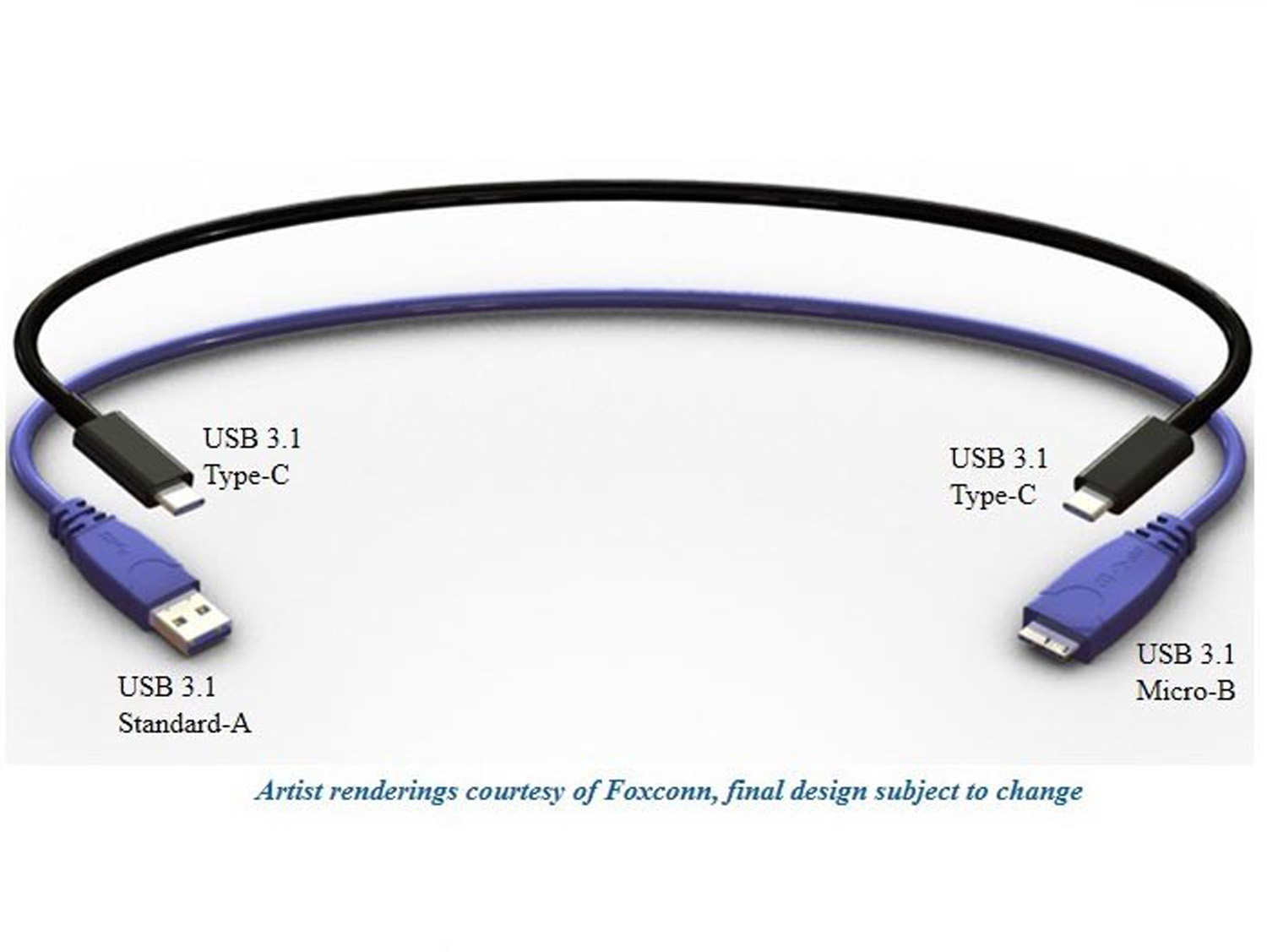
    Being reversible Type-C will be lot more convenient than the present USB
    The reversible Type-C will be a lot more convenient than the present USB

    The new Type-C USB intends to take convenience to the next level. Its makers say that they’ve completed work on this innovation and this USB can be incorporated in mobiles as well as bigger devices. The shining glory of Type-C is its reversibility. Which means that you don’t have to keep turning the USB around till the planets align in the exact positions for it to go into the slot.

    The only issue with this next generation USB is that it can’t directly function with the older design. But the problem can be easily fixed using adapters. And the folks who now grumble that it’ll take long to integrate this new USB into devices, just remember the times when every company had their own propriety connector. When the market demanded a standard cable, all these companies had to oblige and then the micro USB became a standard across almost all devices. The connectors are also capable of 10 Gbps of bandwidth so they’ll definitely be welcomed by the users. The technical details of the Type-C USB will be unveiled soon.

  • HP and Google had Planned for an Enterprise Nexus Device

    HP and Google had Planned for an Enterprise Nexus Device

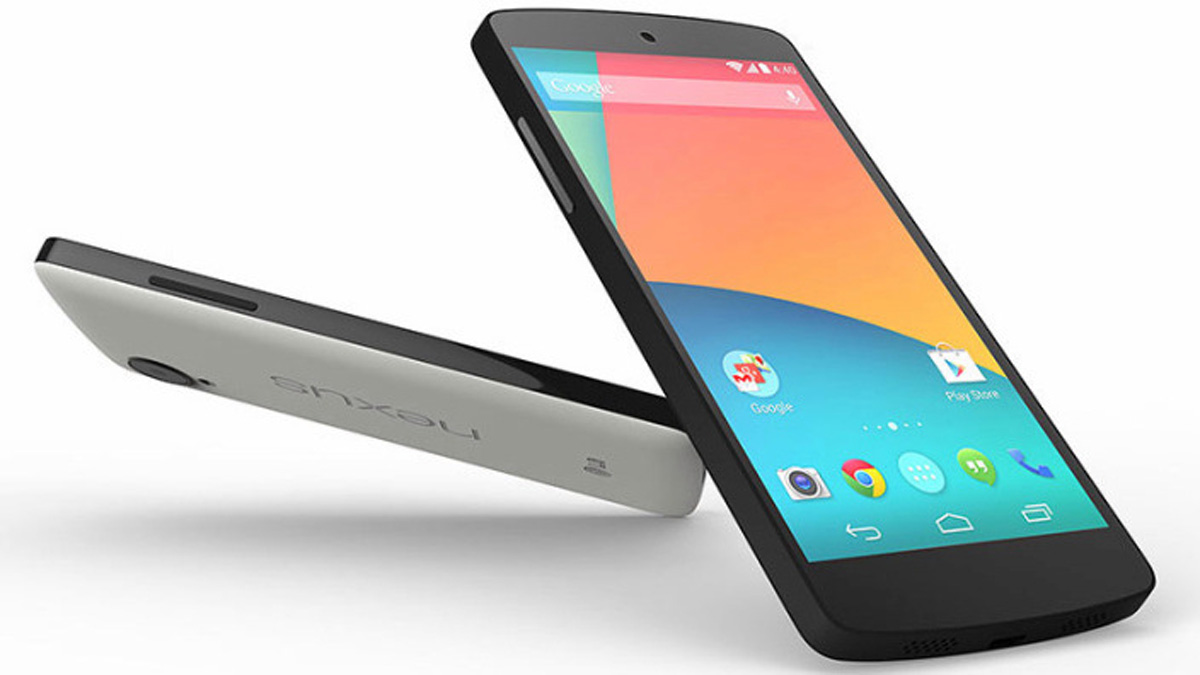
    Just when we got to know that Motorola might bring out the next Nexus smartphone, it is now being reported that HP and Google were to partner together for an enterprise Nexus device.

    The Information reports that the two tech giants have been having talks to bring enterprise specific devices and were planning to expand Google Now for enterprise needs.

    Google and Apple had previously made the decision to quell all the lawsuits they had been hurling at each other in the past. The companies had decided to compete in the market instead of the courthouse, and this seems to be the beginning of the market wars. Just a few weeks back Apple had partnered with IBM to bring enterprise solutions through its iOS ecosystem.

    The proposition that was being examined between the two companies was the prospect of bringing Google Now to the corporate environment. Google would try to simplify data gathering and access through Google’s personal assistant.

    Being an enterprise device, the hardware had high-end encryption. It is said that Google wasn’t appreciative of the hardware that HP brought into the deal, and hence, the talks have apparently failed.

    This surely doesn’t seem like the end of Google’s pursuit to bring convenience in enterprise mobility. The mobile environment in the corporate arena is up for grabs, and the monetary rewards will be massive. There is a massive opportunity here, and the company that gives the perfect enterprise mobility solution will be rewarded the way Microsoft was rewarded with its desktop computer business. This war will sure be fun to watch and follow.

  • Samsung Galaxy Alpha: Samsung’s New Design Philosophy Unveiled

    Samsung Galaxy Alpha: Samsung’s New Design Philosophy Unveiled

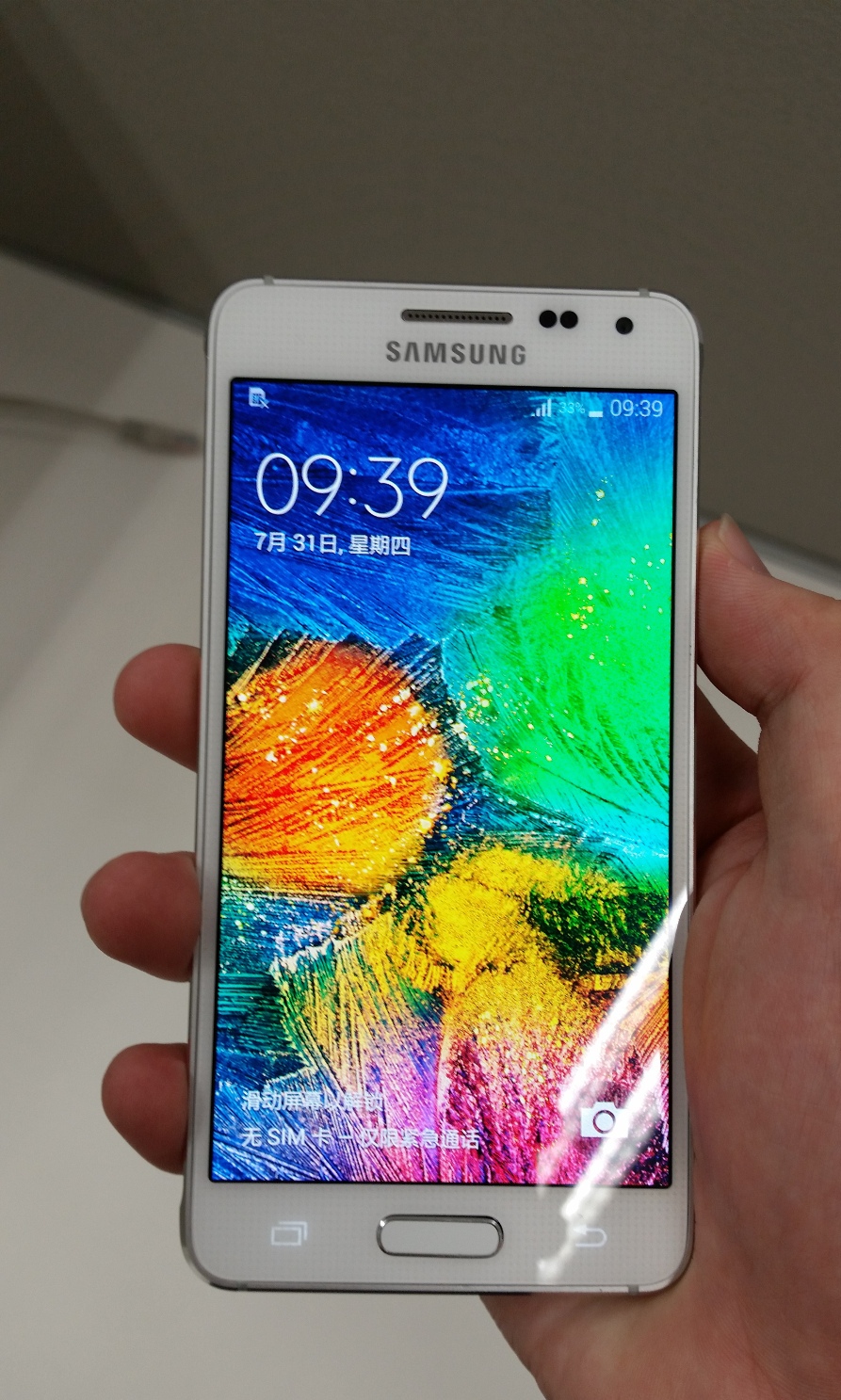
    The Galaxy Alpha has been surprisingly prone to leaks, like none other in its range. The phone looks like what an arrange marriage between Apple’s iPhone and Samsung Galaxy S5 might lead to. The phone as expected is made of a metal frame and boasts an Octa-core chipset.

    Galaxy Alpha had been hot in leakster circuits ever since it was announced but with its official launch, the leakers now have one less device to worry about. Samsung seems to be learning the lessons that the market has been trying to teach it for quite a while. The company has tried a different design approach for this device. Though it resembles the design of the iPhone, it is still a welcome change from all that plastic Samsung has been throwing at the consumers for the last few years.

    The phone had seen a lot many leaks before its official release.
    The phone had seen a lot many leaks before its official release.

    The phone is a lot thinner in comparison to its older siblings. The Alpha is 6.7mm thick and weighs about 115 grams. The display on the phone is a 4.7 inch screen with 1280X720 resolution. The styling does look premium on the device. It is anticipated that Samsung’s new design philosophy would also influence the upcoming Galaxy Note 4 which is expected to be made of new materials.

    On the hardware front, the Samsung Galaxy has a few things that won’t impress the technologically minded. The device runs on the latest Android Kitkat 4.4.4 OS. It has an unnamed Octa core processor (Quad 1.8GHz + Quad 1.3GHz), and it is most probably an Exynos 5 based chipset. The RAM on the device is 2 GB and has internal storage of 32 GB. It has no expandable storage though. The Alpha has a dismal 1860 mAh battery which might dissuade a lot of folks from getting the device.

    The main camera on the Alpha is a 12 megapixel shooter and is accompanied by a 2.1 MP front camera. It is capable of shooting 4K videos. It will retain the usual Samsung features such as Ultra-Power Saving Mode, S Health, Fingerprint Scanner, and Private Mode, amongst others.

    The Galaxy Alpha will be available in September and will be available in black, white, gold, silver and blue colors.

  • Google to Bring 60 Tbps Internet to Asia Through Undersea Route

    Google to Bring 60 Tbps Internet to Asia Through Undersea Route

    Google along with some major Asian telecom companies is planning to bring high-speed internet connectivity to Asia using undersea cables that will connect the two sides of the pacific in a technological alliance. The cables will connect western USA to Japan. The data transmission speed of this cable is an astounding 60 Terabits per second (Tbps.)

    For this mega venture, Google will partner with some of the major telecom names in Asia such as China Mobile International and China Telecom Global. From Malaysia, there is the Global transit, from Japan KDDI and Singapore’s Singtel will also be a part of this venture.

    The cables, aptly named ‘Faster’ will aid in quenching the thirst of massive internet traffic in these growing markets. Google’s senior vice president of technical infrastructure, Urs Hölzle describes the project on his Google+ page as a backbone infrastructure development for its Android system and Google Cloud computing Platform.

    [quote text_size=”small” author=”Urs Hölzle” link=”https://plus.google.com/u/0/+UrsH%C3%B6lzle/posts/haJzDXnp9Z4″]

    “At Google we want our products to be fast and reliable, and that requires a great network infrastructure, whether it’s for more than a billion Android users or developers building products on Google Cloud Platform. And sometimes the fastest path requires going through the ocean. That’s why we’re investing in FASTER, a new undersea cable that will connect major West Coast cities in the US to two coastal locations in Japan with a design capacity of 60 Tbps (that’s about ten million times faster than your cable modem).”

    [/quote]

    NEC Corporation will act as a system supplier for the FASTER cable system. NEC has more than 30 years of experience in constructing over 200,000 kilometers of cables (that’s like five times the circumference of Earth.) NEC is one of the world’s top vendors of submarine cable systems.

    Google has previously invested in other undersea initiatives too like UNITY in 2008 and SJC (South-East Asia Japan Cable) in 2011. The company’s initiative to speed up the internet will help boost innovation in the countries connected through this network. It will aid in facilitating home grown products that will have an equal opportunity to stand in the world and find consumers in a different part of the world. These forms of infrastructural development have the potential to evolve the human race into one interdependent and functional species which can aim for the stars together. Though the thought is a Utopian one but Google deserves the kudos for investing in real world technological infrastructure which will be beneficial to it, as well as the people.

  • Leaksters at it Again : iPhone 6 Box and Handset Revealed

    Leaksters at it Again : iPhone 6 Box and Handset Revealed

    Love them or hate them, the leaksters are out for the all-new upcoming smartphone. No other phone has seen such scrutiny or faced such regular leaks like the Apple’s iPhone 6.

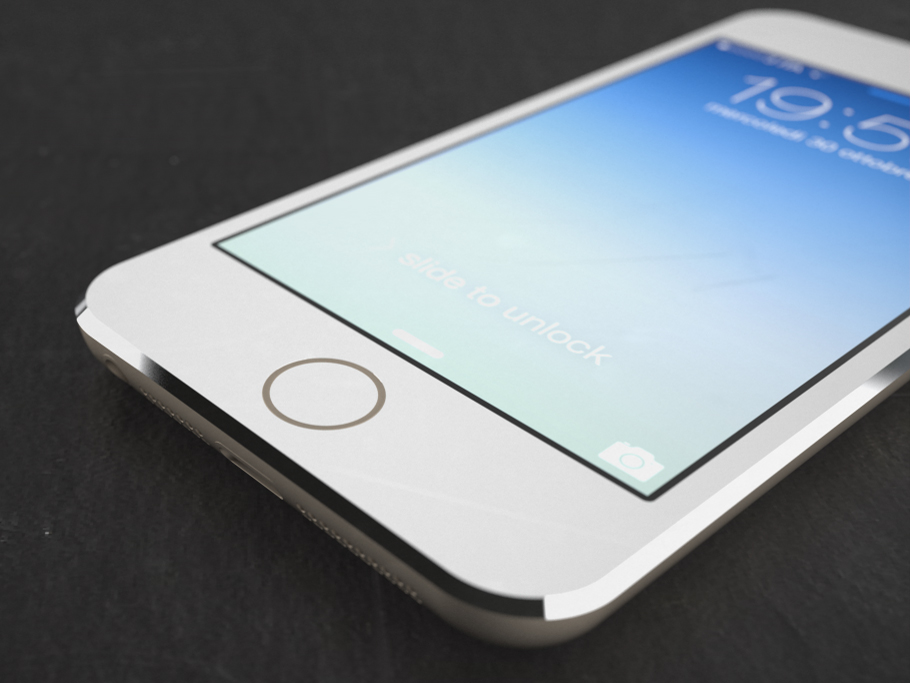
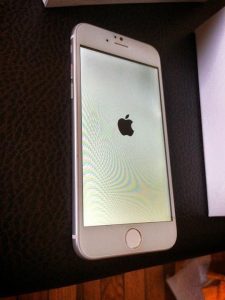
    Now Techradar has gone ahead and posted snaps of what they say is the next iPhone 6 along with its box. The phone they are showing off may look like a knock off but they do have a snap with the Apple logo at the start on the display. The box seems no different from the previous releases of the phone; the screen as expected is bigger than its predecessors.

    Techradar claims the photos are authentic and have been acquired through an Apple insider. The square at the center of the home button and the health app on the screen seems to be missing thereby fueling speculations of this being a mock product made by somebody with a lot of time on their hands. But overall the device shown in the image lives up to all the leaks and renders posted in the past few months.

    The leaks have slowly started to become a menace. They were great when they used to release certain specifics of the upcoming products. They used to add to the hype around the products and in turn made us eagerly wait for the release date of the products. But now they are being giant spoilers, both for the companies as well as the enthusiasts. There needs to be a sort of leakster ethic with limits. By doing this, they’d keep some healthy surprises for all.

    [poll id=”17″]

  • Smoother Sale for Xiaomi Mi3, Flipkart Fixes Server Issues

    Smoother Sale for Xiaomi Mi3, Flipkart Fixes Server Issues

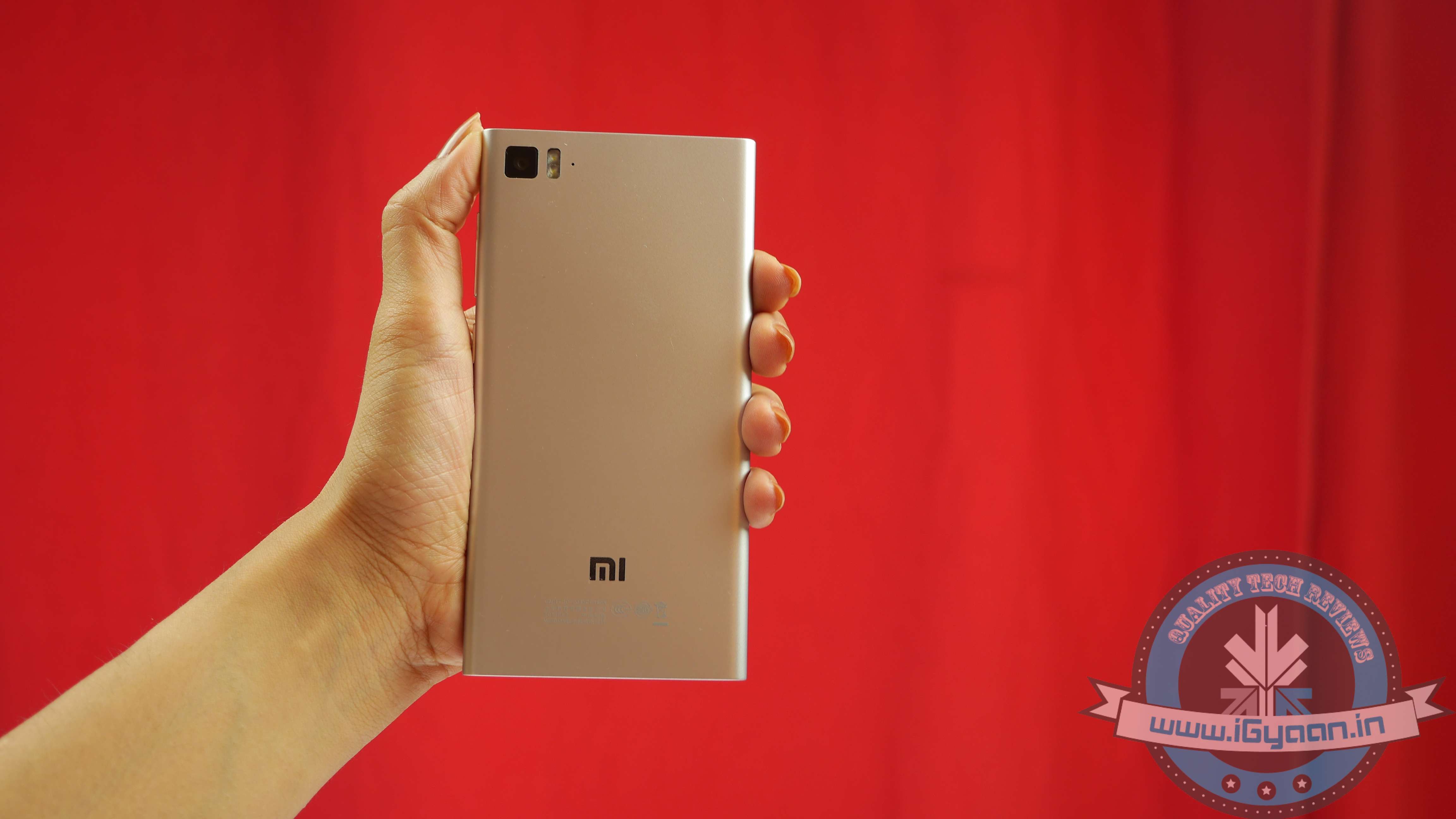
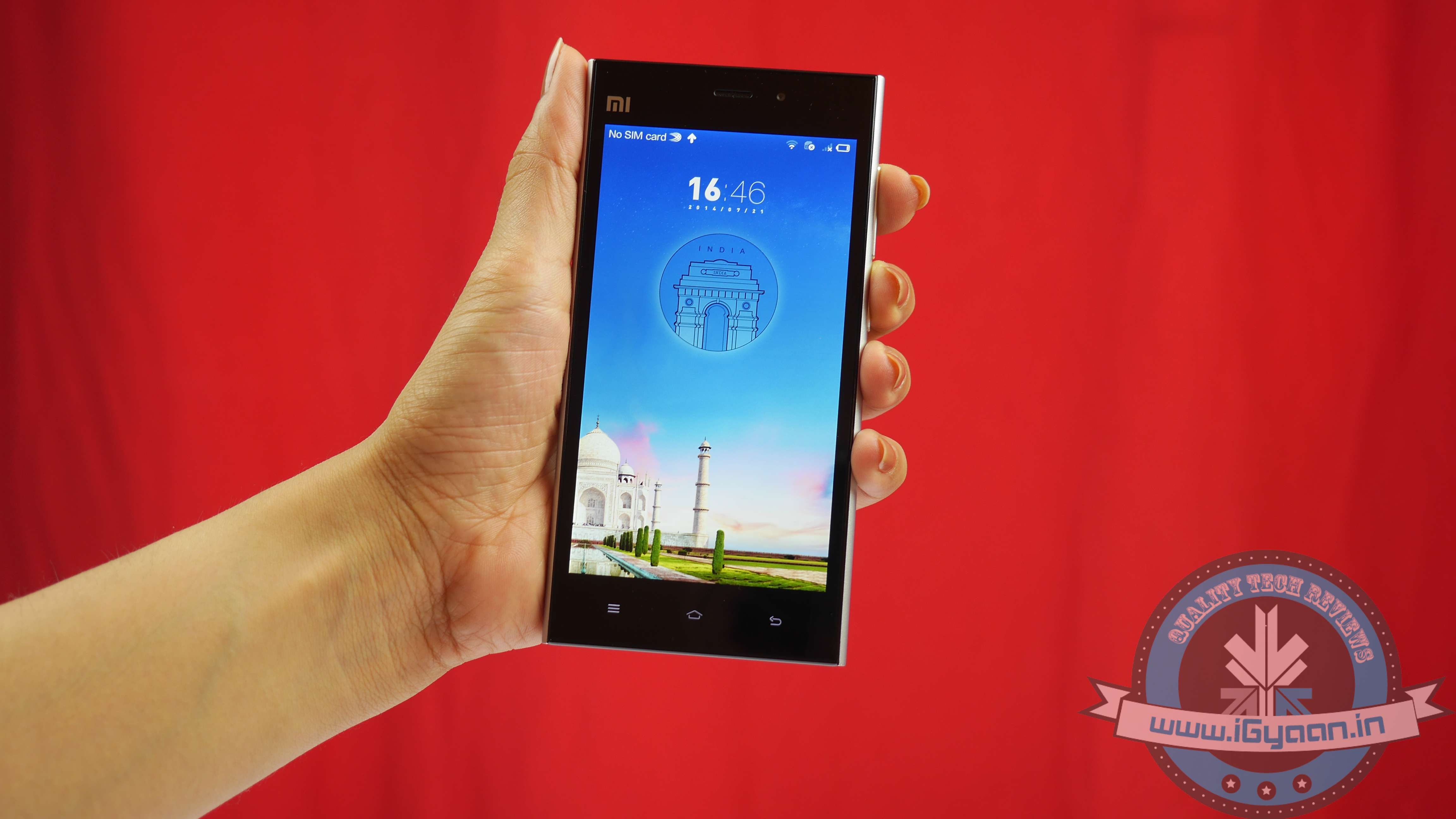
    Xiaomi was back with its big sale today bringing in about a 20,000 piece inventory for the folks who had pre-registered for the sale. The sale took place today, August 12 at 2.00 pm and the stocks flew out as soon as the sale started. Yesterday, we gave you tips on making sure you score yourself a Mi3. We tried our techniques and were amongst a fortunate few who got one.

    As has been their model, the company had requested registrations from buyers interested in getting the phone. The registrations according to the company were in the 1,50,000 range. A single user could only buy one phone at a time, and the sale was on a first come first serve basis.

    With such a wide gap between the demand and supply, the sale resembled a virtual knife fight and lot many folks had to go home without a phone in hand. Now, to give a fair chance to people trying their luck to give Xiaomi their hard earned money the next time, the registrations from this sale will not be carried forward. So if you were to be in line again for a Mi3, you have to re-register for the next sale that will start from 6.00 pm tonight.

    Unlike the last sale when the Mi3 sale led Flipkart’s website to crash, the e-tailer seemed to have a better hang of things this time. The website performed optimally and as expected and it finished the sale without any issue, apart from the rivers of tears and expletives unleashed by folks who couldn’t get their Mi3. This time around we were able to get ourselves another Mi3 quite easily, though we did have to wait around for a bit before we could proceed to payment. Maybe this was Flipkart’s way of creating a breather space before executing orders. The website gave us time till 11.59 pm, 13th of August to execute our order, which is huge window.

    Xiaomi’s strategy of limited product offering has made many folks angry. The company has made its name in the market with its exceptional products and should just clear out its inventory instead of pitting its consumers against each other keeping folks in uncertainty of getting a product. After successfully introducing their product, the company should follow Motorola’s path wholly and bring a bigger inventory for the next sale if it wants to prevent negative perceptions of itself in the Indian market.

  • XOLO Brings Out its Gaming Phone, The 8x-1200

    XOLO Brings Out its Gaming Phone, The 8x-1200

    Just few days after releasing their propriety user interface, HIVE, Xolo today released the 8x-1200, their gaming phone. The phone will adorn the XOLO Play series. It is Xolo’s priciest phone yet.

    The phone gets its processing capabilities from a 2.0 GHz True Octa-Core Processor with Mali 450 GPU clocked at 700MHz. It has 2 GB of RAM and 32 GB of internal storage. The phone runs Android KitKat 4.4 OS. The display is a Full HD 5-inch screen with 441 PPI density. Xolo also included OTG support for expanding storage.

    The main camera on the device is a 13 MP shooter with a dual LED flash. The phone is selfie friendly as it has a 5 MP front shooter with LED flash, so those night parties are now going to get better lit Facebook albums. The phone is powered by a 2300 mAh which will primarily service the Octa Core Processor.

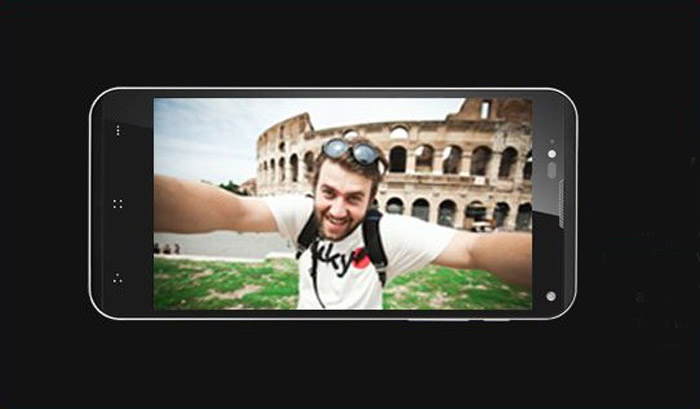
    The Front LED flash may attract selfie enthusiasts to the device.
    The Front LED flash may attract selfie enthusiasts to the device.

    The phone is priced at Rs.19,999 which makes it the most expensive phone in Xolo’s lineup. Given its massive processor and game centric marketing, XOLO could have brought in a bigger battery. Xolo has grabbed some attention since its HIVE UI release and it was a good opportunity to launch the phone while the hype is still alive.

  • Xiaomi Releases a Fix to Address Privacy Scares

    Xiaomi Releases a Fix to Address Privacy Scares

    Xiaomi has faced all the spectrums of media coverage. From the good ones such as the phenomenal praise for being an innovative handset and equipment maker to the bad ones such as being an Apple copycat. Recently the company faced allegations of privacy lapse from its cloud messaging service. Some even alleged that Xiaomi was spying for the Chinese government. Xiaomi was fast on their feet to release an update that will try to put the hysteria to rest.

    Here’s for some perspective on the news. A Finnish online security and Privacy Company called F-secure took it upon itself to inquire into claims of Xiaomi sending cloud based messages back to its servers in Beijing. What was more infuriating was the fact that the data that was being sent back was unencrypted, so anyone could intercept and sell it for profit. The data sent to the servers included phone’s carrier name, phone number, IMEI and even numbers and text messages back to HQ in Beijing.

    The allegations were huge enough to harm the company’s potential consumer market, and hence, Xiaomi brings out this new upgrade. The MIUI cloud messaging service is a free SMS service. By routing messages via IP instead of using the carrier’s SMS gateway, the SMSes are sent free of charge. Xiaomi says it needs the data packets to determine if the message can be routed over the internet for free.

    Xiaomi mi3 Review 5

    The issue was that the phone’s cloud messaging was enabled to be always on sync. Now with the new ROM update, folks who buy fresh Xiaomi or factory refresh their phones will have the option to enable cloud messages manually. So if you don’t want to use Xiaomi’s cloud service you can turn it off. The update also encrypts the data that is sent to servers so that it can’t be sniffed out for unscrupulous purposes.

    Xiaomi’s VP Hugo Barra took to Google Plus (in an act of corporate transparency rarely seen) to explain the entire issue. He posted an in-depth FAQ’s in which he mentions that no user data or social graph is stored, and the messages leave the servers immediately to ensure quick delivery of the message. Hopefully with the new encryption and security update, Xiaomi can return to being a giant pain to competing smartphone manufacturers and an angel in consumer’s eyes.

  • Disney Can Help Auto-Edit Holiday Videos Into a Movie

    Disney Can Help Auto-Edit Holiday Videos Into a Movie

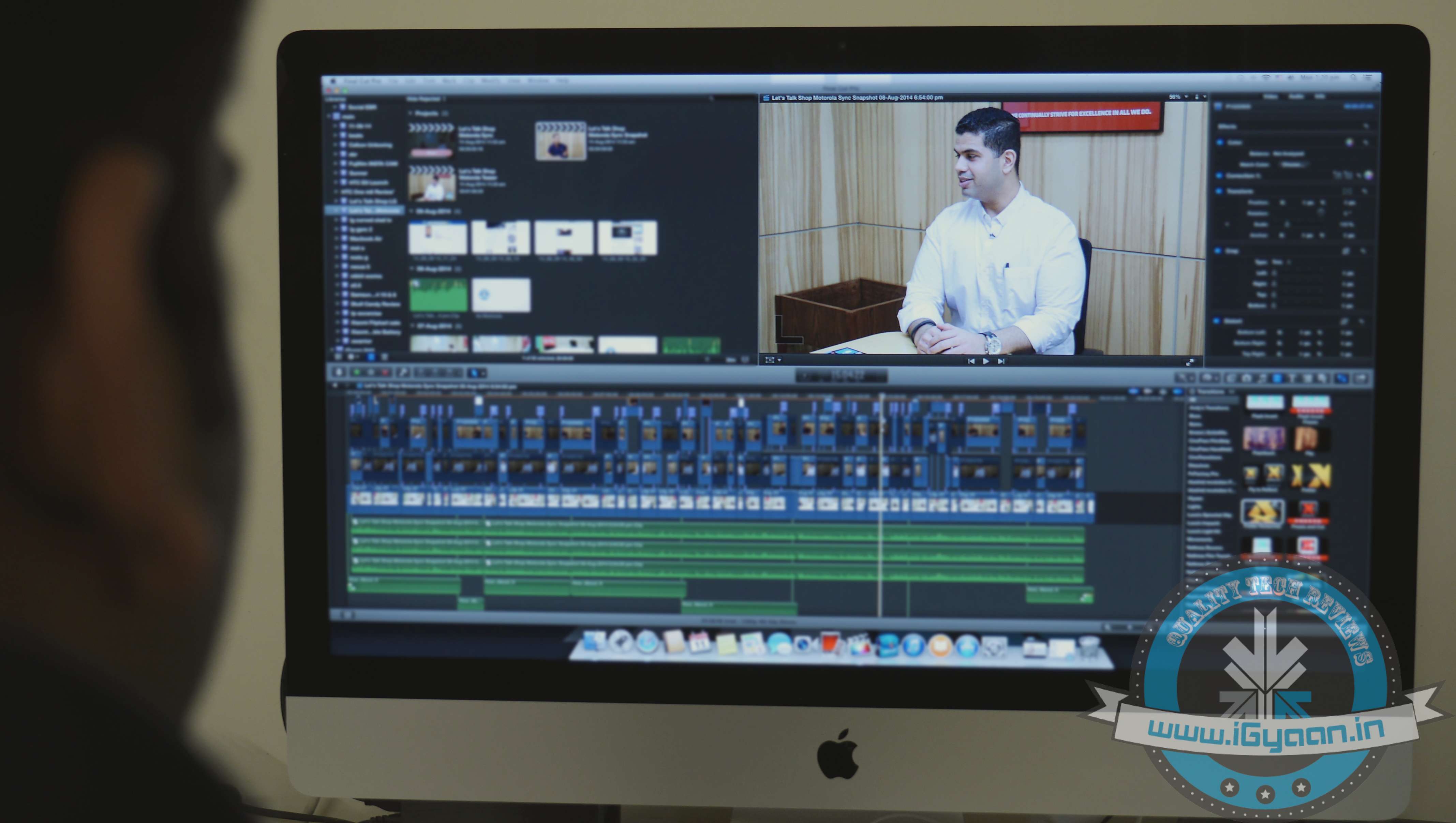
    Remember that time you went on a trip with all your mates and got hours and hours of footage? Unfortunately, which is still lying untouched, stored in all your phones. How cool would it be if you could compile it into one awesome professionally cut movie, which you could then share with your friends and on social media. The only issue with that is finding an editor capable of editing the footage and he might charge a huge amount per hour bounty on the video. Well it seems like Disney may have an easier solution.

    Engineers at Disney have created an algorithm through which a software would be able to auto edit your footage. Yes you may soon be able to save a lot of useful hard drive space by cutting off the footage into a video and getting rid of all the other thrash. The algorithm, if its beta videos are to be believed, is capable of delivering professional grade videos by using the set cinematography rules followed by professionals everywhere.

    Disney’s algorithm scans the footage for lighting conditions, continuity angles, cinematography rules and more. It can sense what footage would look the best in the timeline. It can pick up on actions that will suit the video well. The users will have the options of selecting the length of the video and the algorithm will create it accordingly.

    The engineers at Disney are so confident of their find, that they say their process can actually assist professional editors too. By trashing out unneeded footage the editor will have more control over the content and create better videos in less time. The algorithm based process still takes its own sweet time to give the final output but it’s still faster than the time an editor needs to scour through the entire footage to find the meaningful shots.
    Though it may take some time to reach the users, it seems like once again technology is getting ready to take over a profession. Editors, beware!

iGyaan Network
Privacy Overview

This website uses cookies so that we can provide you with the best user experience possible. Cookie information is stored in your browser and performs functions such as recognising you when you return to our website and helping our team to understand which sections of the website you find most interesting and useful.