Author: Yashonil Gupta

  • Apple AirPods 2 To Feature Fast Wireless Charging; Launch Imminent

    Apple AirPods 2 To Feature Fast Wireless Charging; Launch Imminent

    Ever since Apple launched the AirPods in 2017 with the iPhone 7 and iPhone 7 Plus, the wireless earphones have been crowned as the gold standard in the segment. The ease of connectivity the device offers within the company’s ecosystem remains unmatched. There had been reports doing the round all over the internet that the second generation of the wireless earphones are all set to launch soon. Fresh leaks have claimed that the new Apple AirPods 2 will feature fast wireless charging and may launch in the month of March.

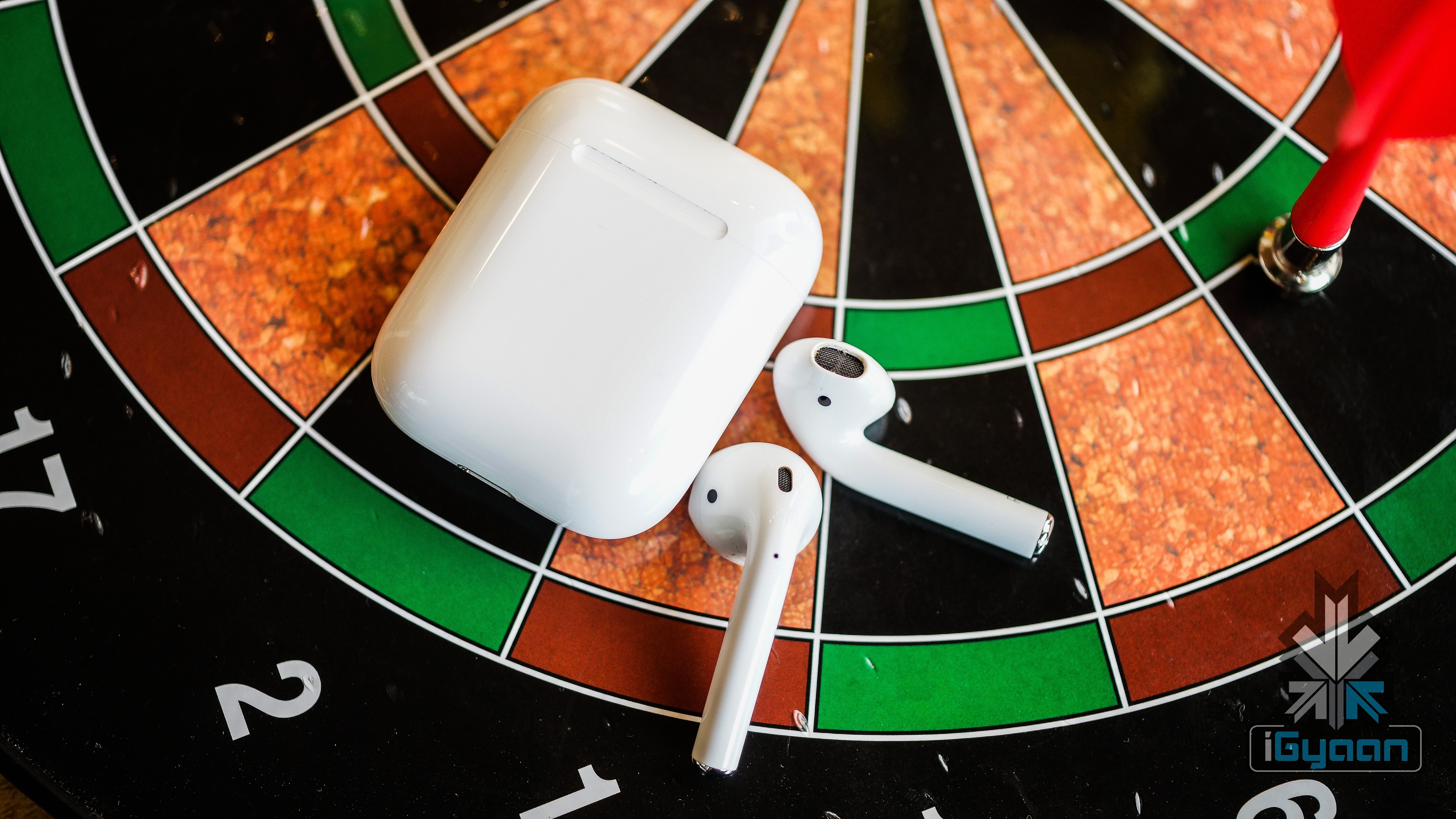
    Apple AirPods 2

    The second generation of Apple AirPods is expected to be a major upgrade over its predecessor. The company already showed off the wireless charging case for the device but hadn’t released it because reportedly, it had overheating problems. It seems like Apple not only has figured out the solution, it has one-upped the competition by featuring fast wireless charging. According to the leaks, the AirPods 2, along with the case will take 15 minutes to charge from 0 to 100 percent.  This will be due to the Qi-enabled wireless charging feature on the device.

    Unfortunately, the leaks also alleged that the AirPods 2 will have a case that will be bigger in one direction and heavier than the last generation. This will be due to the fast wireless charging feature of the device, as it required different hardware. The wireless earphones may feature a similar charging mechanism like the Apple Pencil 2, which was announced alongside the iPad Pro last year. Other leaks also claimed that the AirPods 2 will be available in a new Black colour, and will have a new matte finish on the earphones.

    Also read: Chrome Canary Android App Gets A Dark Mode; Google Chrome App To Follow Suit

    Apple is expected to unveil the AirPods 2 at a press event on March 25. The device will be available for sale starting March 29 at an expected price of US $199 (around Rs 14,000).

  • Chrome Canary Android App Gets A Dark Mode; Google Chrome App To Follow Suit

    Chrome Canary Android App Gets A Dark Mode; Google Chrome App To Follow Suit

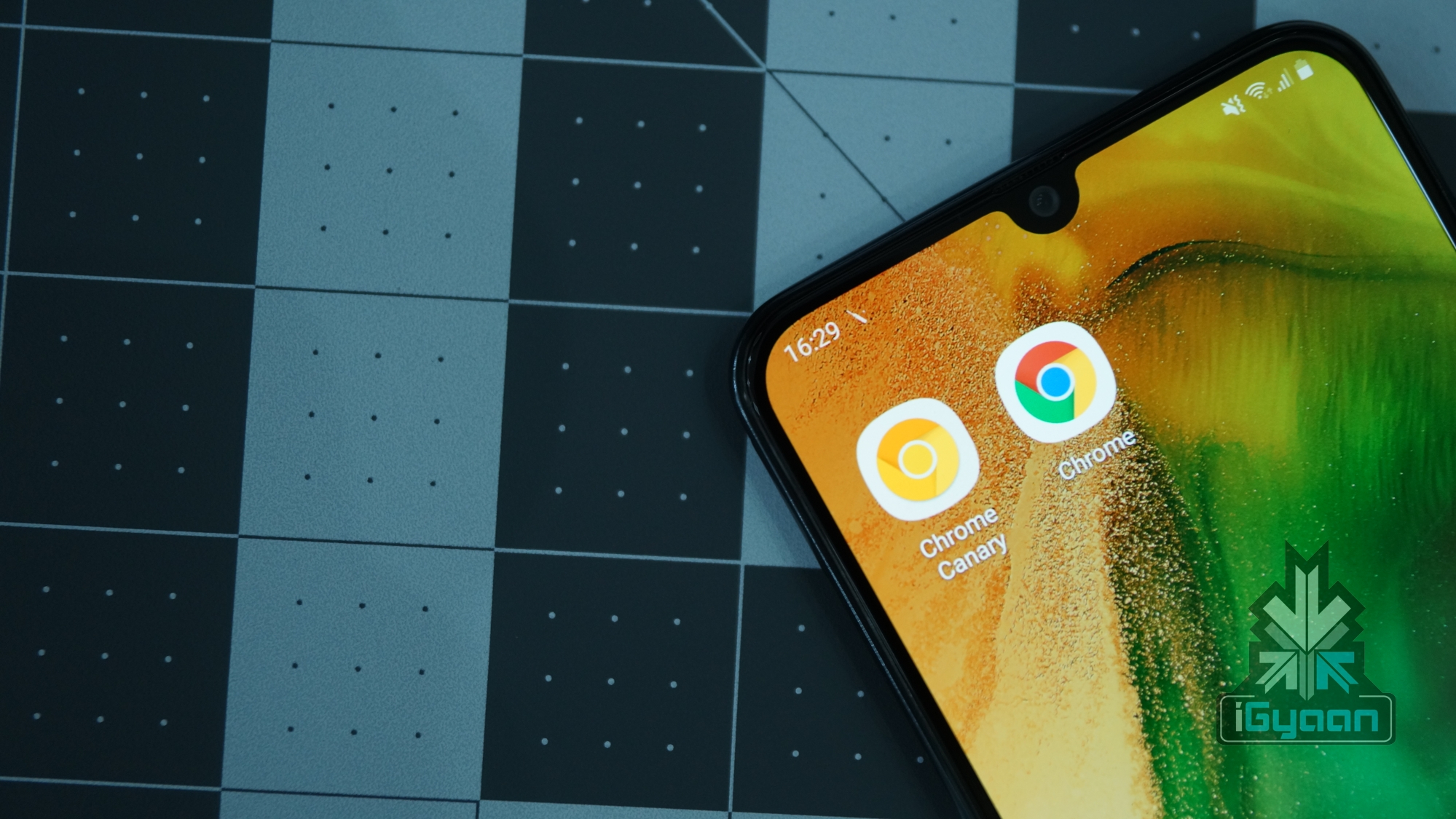
    Looks like Google Chrome for Android is all set to join the ever-expanding list of apps that support a native dark mode. In the latest update to Chrome Canary, a dark mode has been added which can even be forced to be applied to websites. The Chrome Canary app has been known for testing out features before releasing them to the stable Chrome browser. It may be an indication that Google is planning to introduce the long-awaited feature in the following weeks.

    Chrome Canary Dark Mode

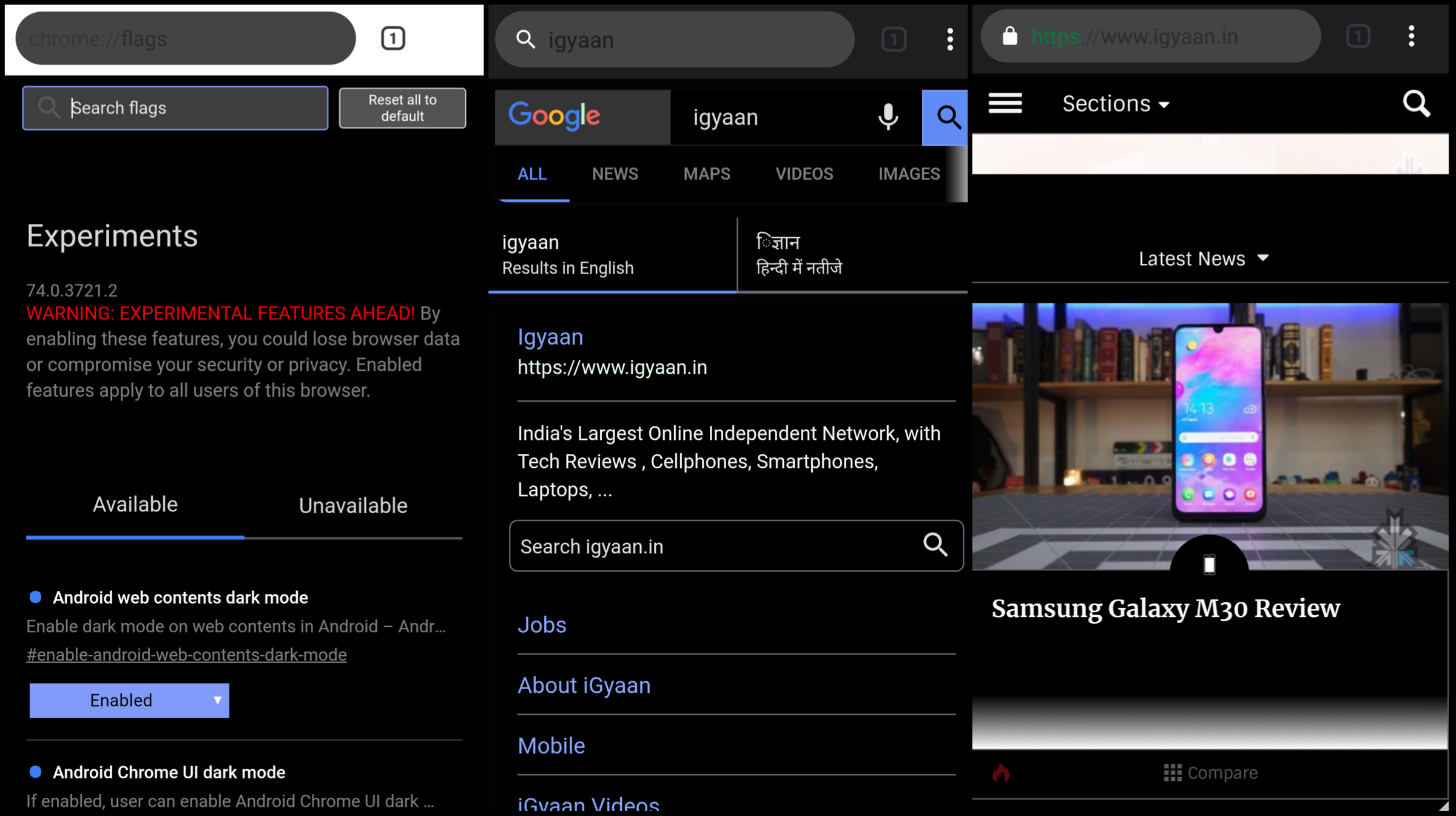
    The dark mode has been included in the latest version of the Chrome Canary app having version number 74.0. To activate the feature, users will need to toggle the feature flags in the latest update by typing ‘chrome://flags’ in the URL bar. Then the user needs to hover over to the search menu and type dark mode in the query box. Then a toggle of ‘Android web contents dark mode’ is required to switch from default to enabled. If an additional toggle titled ‘Android Chrome UI dark mode is enabled, a new option called ‘Dark mode’ is added into the applications settings. Choosing to turn this on will make the UI of the browser shift into greyscale.

    The dark mode on the Chrome Canary apps makes use of an aggressive fix to make the background of the websites dark, even if they are not originally themed so. This is assumed to achieved by inverting colours of the website which may end up making the websites look different than before. One word of caution though, the app is unstable to use. This is clear right off the bat as the Play Store listing of the app highlights this aspect right in the title. Moreover, Chrome feature flags is a developer feature and can cause hindrance in the usage of the application due to unresolved bugs.

    Also read: Whatsapp To Introduce Dark Mode, Advanced Search In Updates Soon

    But one thing is clear if Google is trying to experiment with a native dark mode in Google Canary, the feature is most likely to make its way into the Chrome browser once the company has fixed all the bugs. Unfortunately, the release for the stable update is not known yet but is expected to roll out in the subsequent weeks.


  • Understanding IP Ratings: Is Water Resistant The Same As Waterproof?

    Understanding IP Ratings: Is Water Resistant The Same As Waterproof?

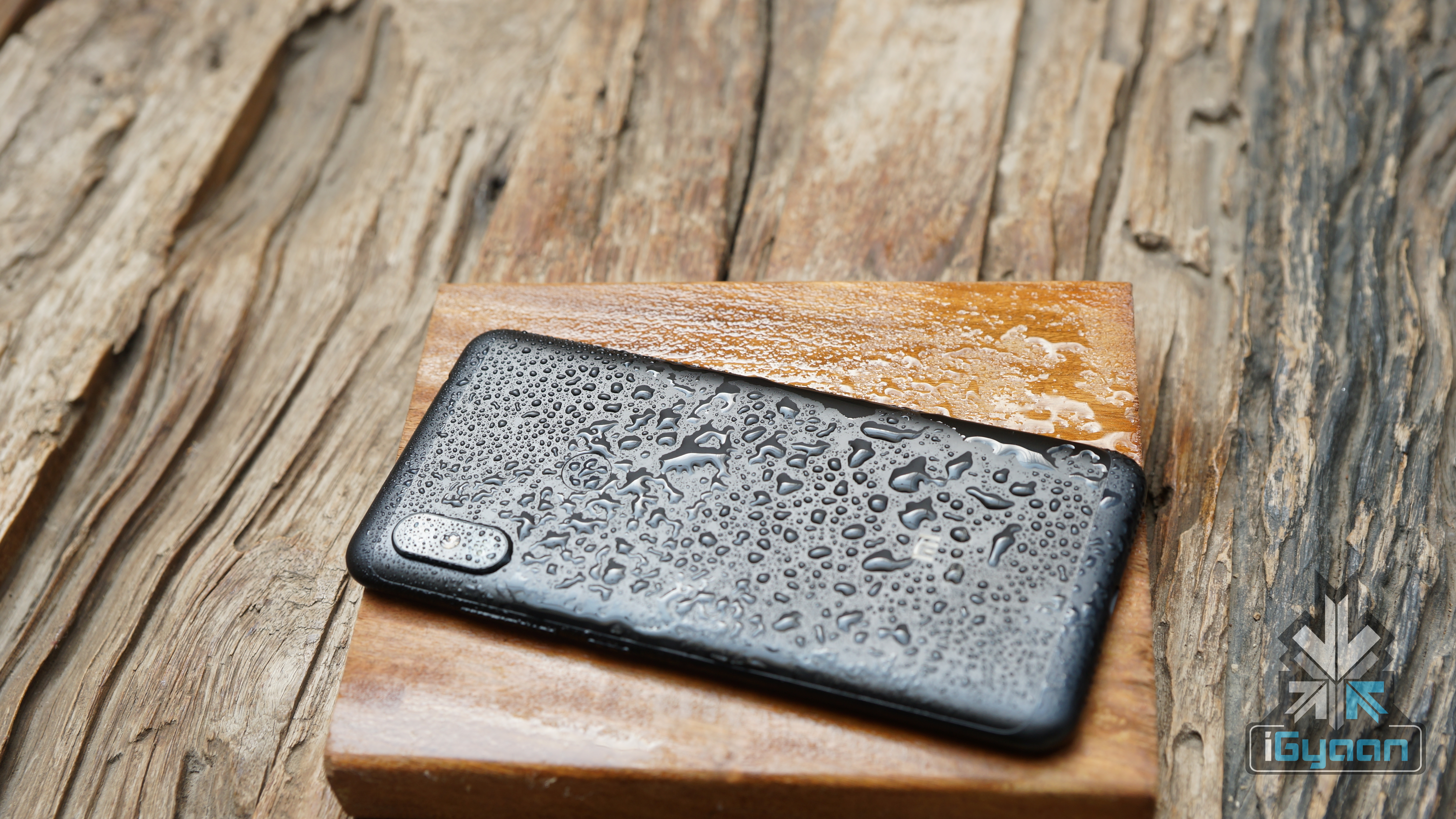
    Most modern flagship smartphone in today’s day and age are kitted with a plethora of features. In many ways, these devices couldn’t be more different than each other. But there is a feature that is slowly catching up to speed in most modern smartphones and is often one of the most sought out. Ever since Samsung advertised its Galaxy S5 as being water resistant, the past few years have seen more OEMs providing the feature in their offerings. This feature, a smartphone being water resistant, is also often referred to as being waterproof, which couldn’t be more misleading.

    Understanding Water Resistance and IP Ratings
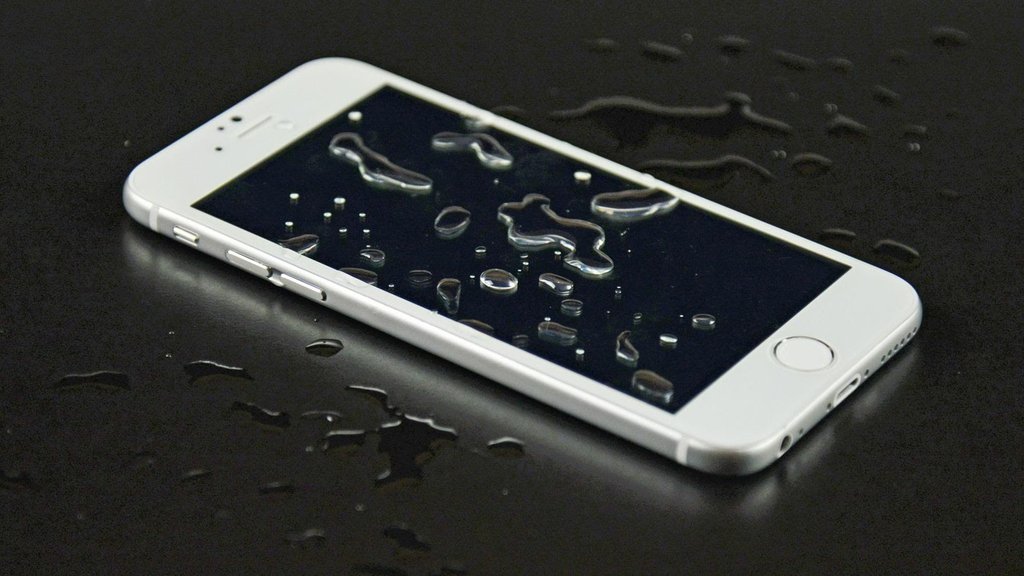
    To certify a modern smartphone as water resistant, it is given an Ingress Protection (IP) rating. This rating is essentially measured by how protected the device is in letting natural elements such as dust and water inside it. Most modern smartphones like the Samsung Galaxy S10, iPhone XS and the LG V40 ThinQ have an Ingress Protection rating of 68. This implies that the devices are water and dust resistant.

    However, to comprehend IP ratings, there is a need to understand how they are determined. The rating is composed of two digits out of which, each one implies different levels of protection from the aforementioned elements. An explanation of what each digit means is highlighted in the table below.

    The first digit of the IP rating signifies:

    Level Certified to be protected against:
    X No data available to specify a protection rating 
    0 Not protected
    1 Any large surface of the body (>50mm)
    2 Fingers or similar objects (>12.5mm)
    3 Tools, thick wires, etc. (>2.5mm) 
    4 Most wires, screws, etc. (>1mm)
    5 Dust Protected
    6 Dust Tight


    The second digit of the IP rating means:

    Level Certified to be Protected against:
    0 Not protected
    1 Dripping water
    2 Dripping water when tilted up to 15°
    3 Spraying water
    4 Splashing water
    5 Water jets
    6 Powerful water jets
    7 Immersion up to 1 metre
    8 Immersion beyond 1 metre

    So, to define the IP rating of a device, both the digits of the said rating need to be taken into consideration. For example, an IP68 rating would imply complete protection against dust and submersion underwater beyond 1 metre. Such a device will be safeguarded from all possible entry points like the charging port, the microphone, the SIM card tray and the headphone jack, to keep the dust and water out of it. Noteworthy, OEMs don’t provide a warranty on damaged devices as susceptible electronic components on individual units can behave differently. Also, lab tested results are performed under a precisely controlled environment which is usually different from the real world scenarios.

    So, What Does Waterproofing Mean?
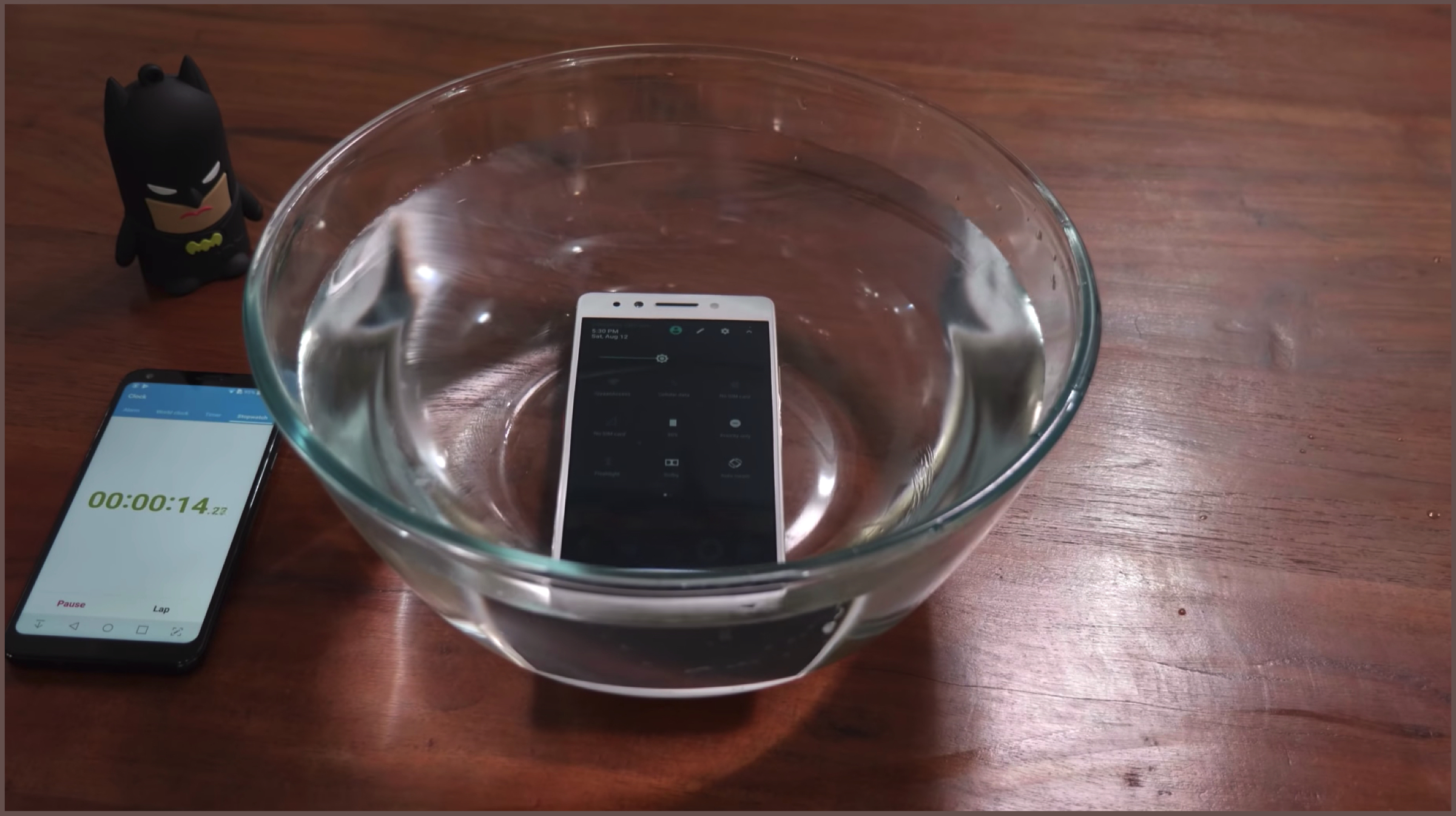
    It must be clear that water resistance and waterproofing an electronic device implies two completely different things. These terms suggest a similar protection method but are completely different in their approach. Waterproofing an electronic device, a smartphone, for example, means water and dust usually, will not get inside the device in any shape, form or manner. This is generally achieved by sealing all the entry ports shut with the help of rubber seals and flaps. Waterproofing a device is essentially a guarantee that liquid will not seep inside the device and if it does, the OEM has to repair or replace it.

    The guarantee may be the reason most manufacturers don’t market their devices as waterproof, even if they are well protected against it. There is no rating on how waterproof an electronic device can be like it is the case with measuring resistance. Making a smartphone waterproof would just require a tight seal to not let allow a drop of liquid inside it. There are some smartphones, particularly from CAT, the brand known for its heavy machinery which is marketed as waterproof. But in order to make them so, the design takes the back seat and they often end up being more expensive. 

    Also read: Whatsapp To Introduce Dark Mode, Advanced Search In Updates Soon

    So yes, it is possible to make a smartphone truly waterproof, but it takes a toll on design and often, the price. Therefore, the future of a sleek and modern looking smartphone which is completely impervious to liquids and dust seems a little too far fetched and distant at the moment.



  • Samsung Galaxy A40 Price Leaked

    Samsung Galaxy A40 Price Leaked

    Samsung announced the newest devices of the Galaxy A series, the Galaxy A10, Galaxy A30 and the Galaxy A50 at an event on February 28. Fresh reports and leaks surfaced which claimed the existence of a new variant in the lineup. This device was purported to be the Galaxy A40 because of an official support page which went live on Samsung’s German website a few days ago. Unfortunately, many details about the device were unknown at the time including the price. Latest reports claim that the launch of the smartphone is imminent in Europe.

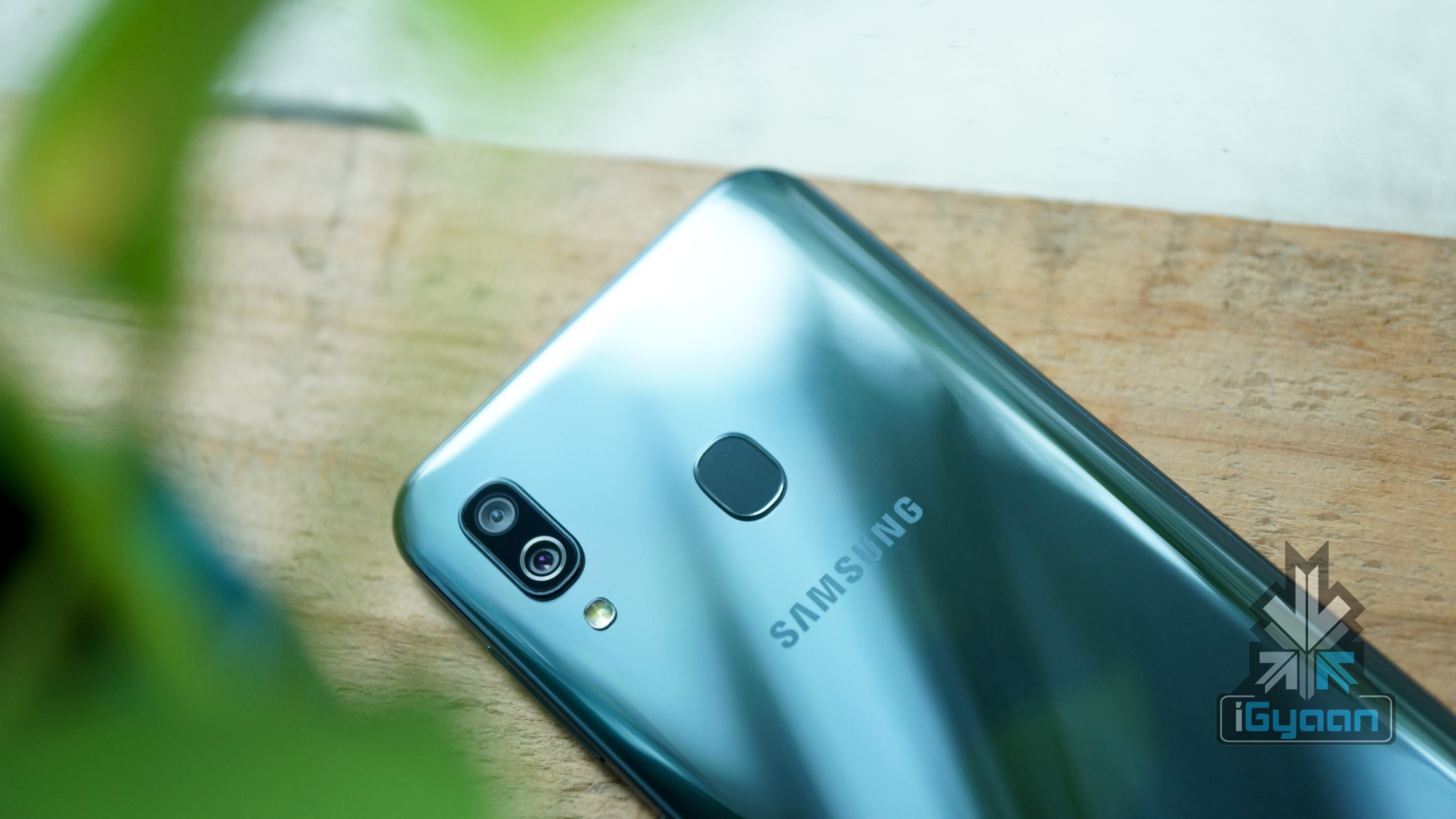
    Samsung Galaxy A40
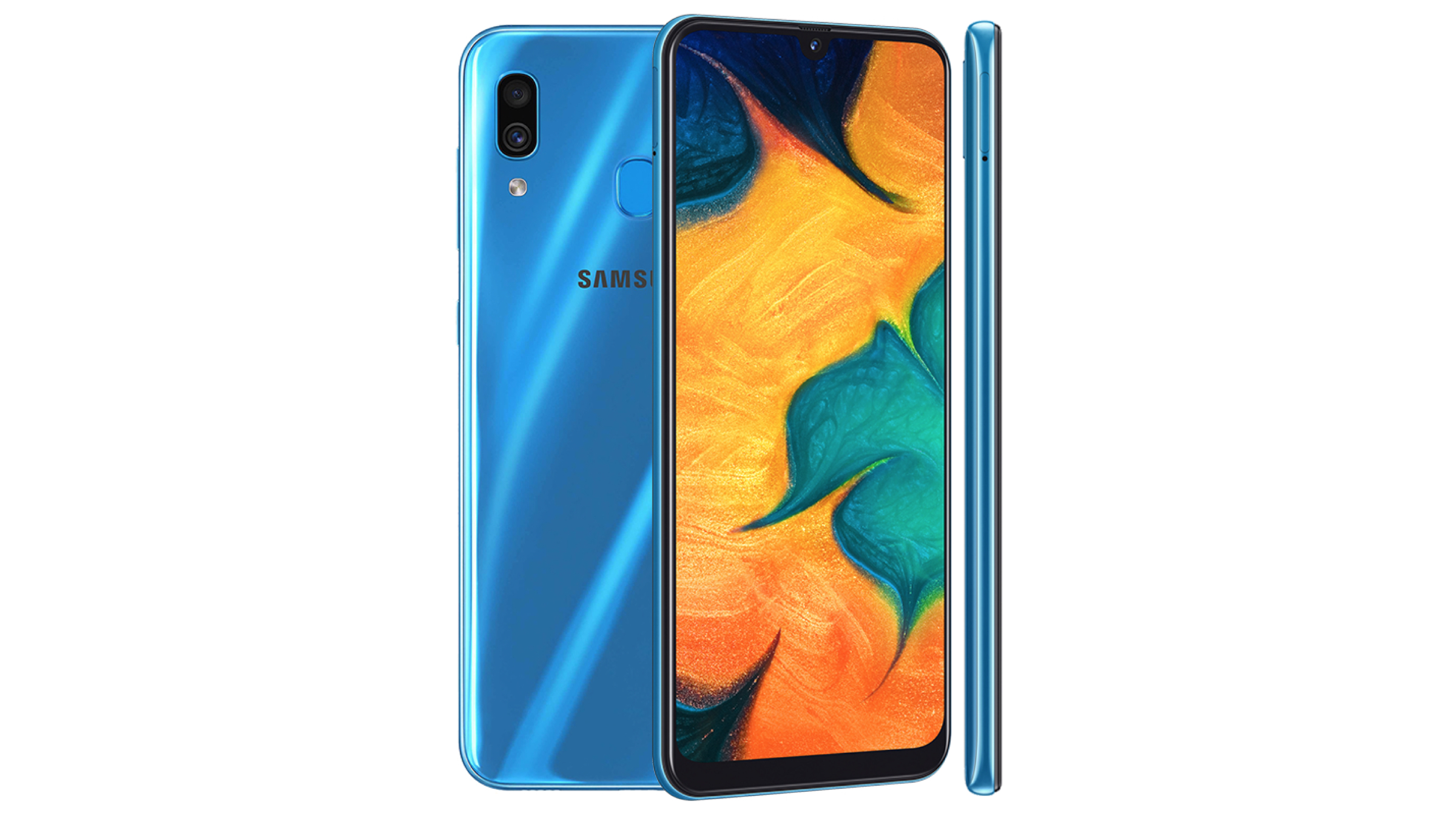
    Samsung Galaxy A30

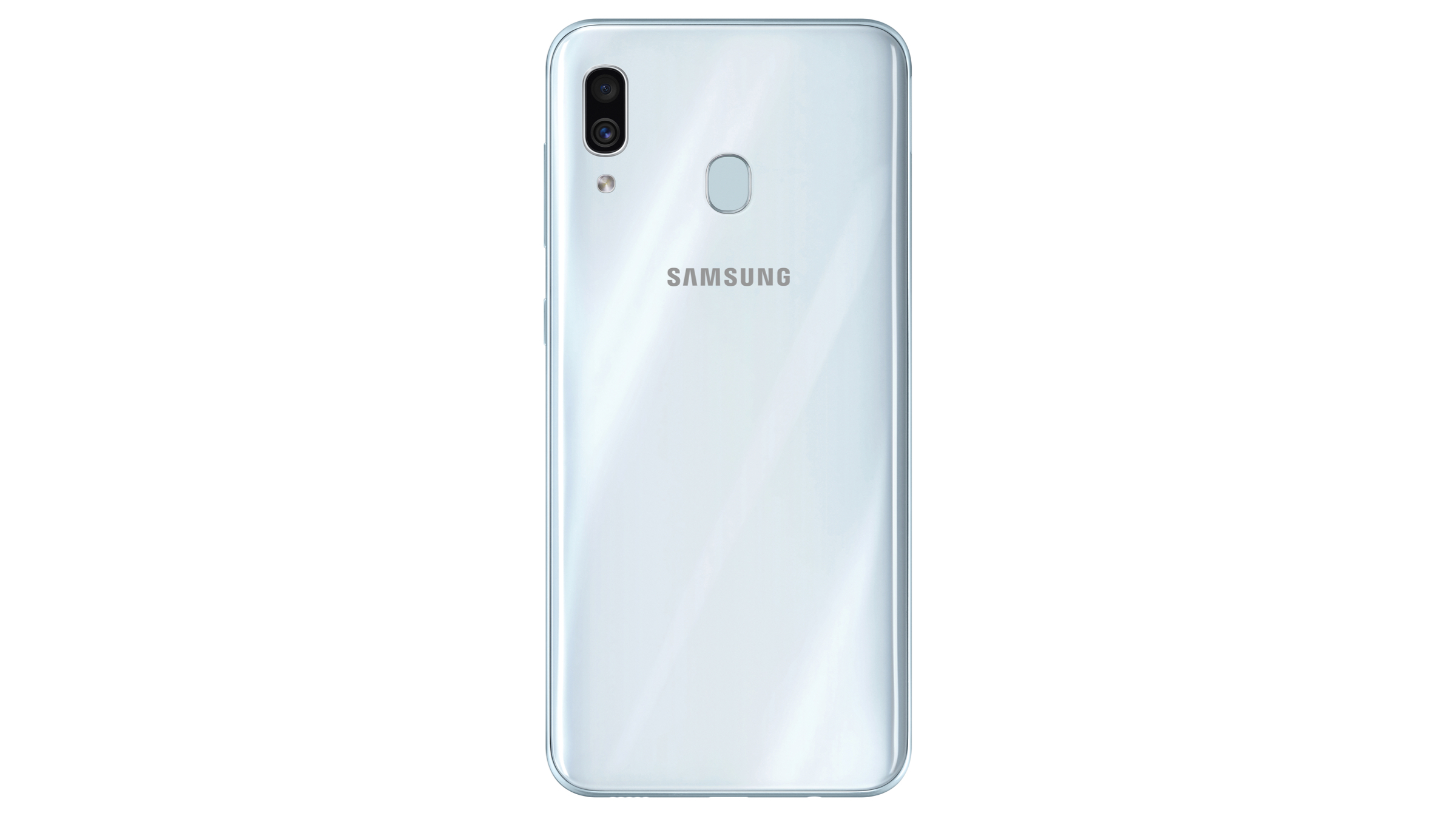
    As the name suggests, the Samsung Galaxy A40 will be a mid-range smartphone from the company which will sit between the Galaxy A30 and the Galaxy A50. It is expected that these devices being a member of the same lineup, will share most of their design traits. Like the Galaxy A30, the Galaxy A40 is expected to feature a glossy polycarbonate back which will be called a ‘Glasstic’ design. The display of the device is expected to be an Infinity-U, 6.4 inches Super AMOLED panel with a resolution of 2340 x 1080 px. Noteworthy, this will be the same display as the ones found in its siblings.

    Samsung Galaxy A30

    Under the hood, the Galaxy A40 is expected to run on the Exynos 7904 which is manufactured using 14nm fabrication process. The chipset has an Octa-core CPU and a Mali G71 GPU. For memory and storage, the smartphone will feature 4GB of RAM and 64GB of Internal Storage. The smartphone is expected to sport better optics on the rear than the Galaxy M30. The front camera is expected to be a 16MP f/2.0 sensor housed in the notch on top of the display.

    Also read: Samsung Galaxy M30 Review

    Like the Galaxy A30 and Galaxy A50, the Galaxy A40 is also expected to be powered by a 4000mAh battery with 15W fast charging, support Bluetooth 5.0, and run on the latest OneUI on top of Android 9 Pie. The smartphone will reportedly cost €249 in Europe and may arrive in India in the coming weeks at an expected price of Rs 17,999.

  • Redmi Note 7

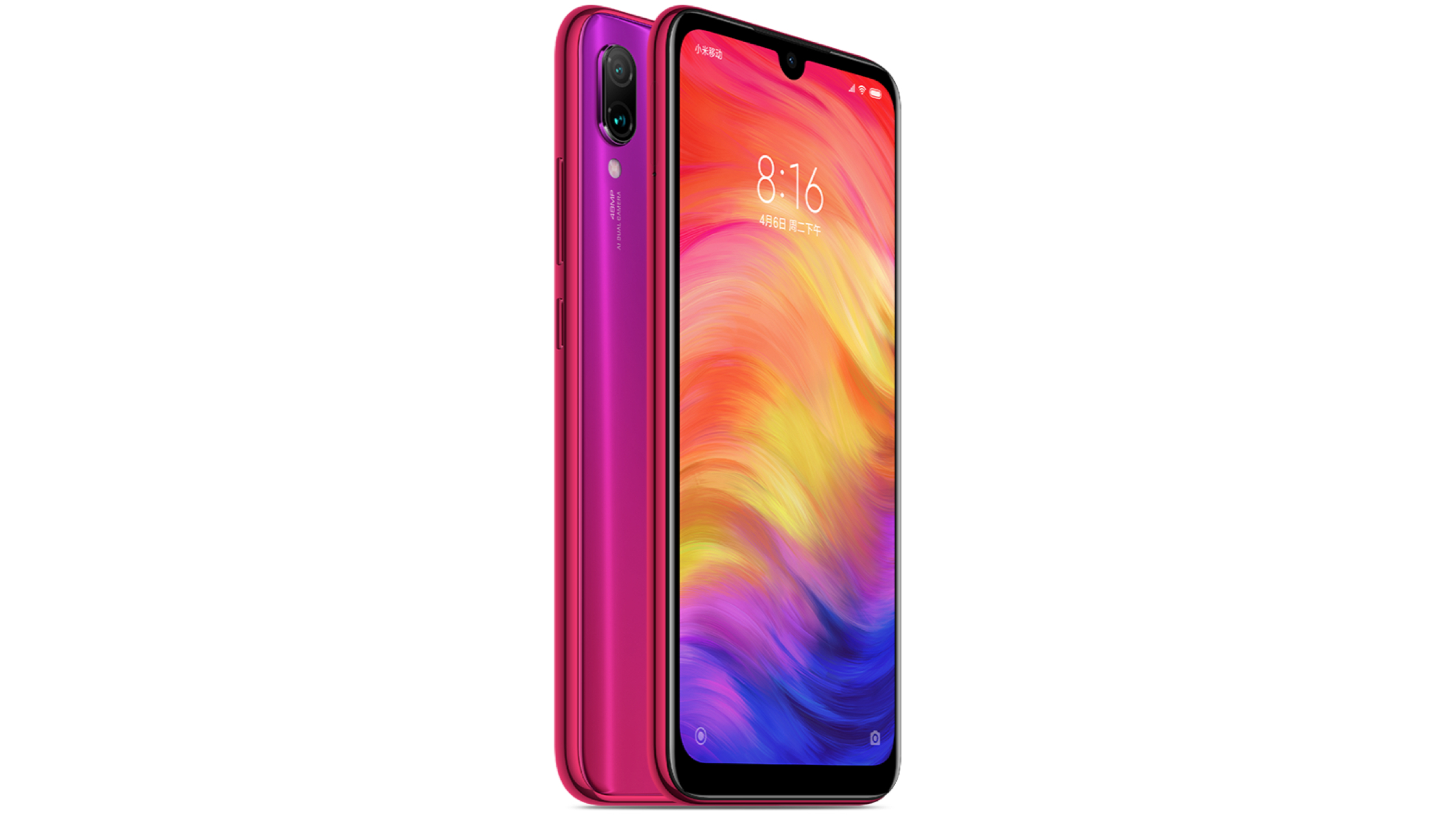
    Redmi Note 7

    Redmi Note 7 is the latest device in the company’s portfolio. The smartphone is the successor of the Redmi Note 5 which was launched early last year. The smartphone boasts of improved performance, design and optics over its predecessor. The device has a modern design with a waterdrop notch and a glass sandwich design.

    Click here to buy the Redmi Note 7

    [loop included_tags=”59085,59676″ loading=”paged” layout=”f” postsperpage=”4″]

  • Redmi Note 7 Pro

    Redmi Note 7 Pro

    Redmi Note 7 Pro is the latest entrant in the company’s ever-popular Redmi Note series. It is the successor to last year’s Redmi Note 6 Pro and brings about many improvements in terms of performance and optics. The smartphone features a whopping 48MP rear camera sensor. The Redmi Note 7 Pro also has an all-new design for the series with a waterdrop notch and a gradient glass back.

    Click Here to buy Redmi Note 7 Pro

    [loop included_tags=”59676,59085″ loading=”paged” layout=”f” postsperpage=”4″]

  • Samsung Galaxy A40 Support Page Goes Live; Launch Imminent

    Samsung Galaxy A40 Support Page Goes Live; Launch Imminent

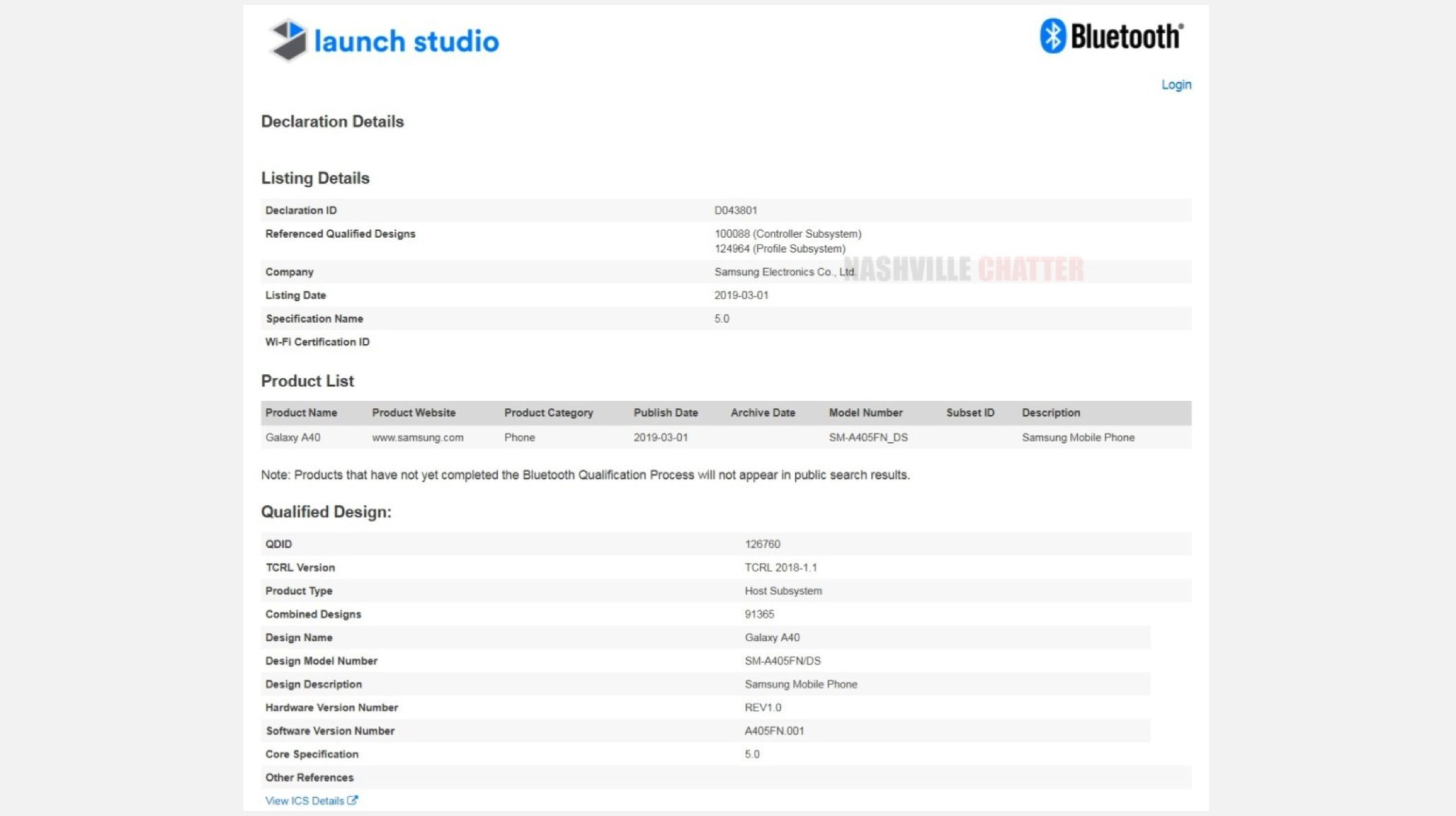
    Samsung launched the latest entrants in the Galaxy A series on February 28; when it launched the Galaxy A10, Galaxy A30 and Galaxy A50 in India. Fresh leaks suggest that a new device possibly called the Galaxy A40 may also be launching soon. The support page for a Samsung device with the model number SM-A405FN/DS is live on the company’s German website. Going by Samsung’s naming scheme for previously launched smartphones, the aforementioned device is most likely the Galaxy A40. Also, the webpage suggests that the launch of the handset is imminent in Europe. 

    Samsung Galaxy A40

    Samsung Galaxy A40 will be an affordable offering from the company which will sit between the newly announced Galaxy A30 and Galaxy A50. Reports suggest that the smartphone will have a similar design to its siblings, complete with a polycarbonate body and a ‘glasstic’ back. The display will sport an Infinity-U, 6.2 inch Super AMOLED panel with a resolution of 2340 x 1080 px. Like the Galaxy A30, it will have a rear-mounted fingerprint scanner and will support face unlock technology.

    Under the hood, the Galaxy A40 is expected to run on the Exynos 7885 SoC which is manufactured using 14nm fabrication process. The chipset has an Octa-core CPU and a Mali G71 GPU. In terms of optics, the smartphone will feature a dual rear camera setup consisting of a 16MP f/1.7 sensor and an 8MP f/2.2 ultra-wide angle sensor. For selfies, the Galaxy A40 will have a 16MP f/2.0 sensor housed in the notch on top of the display. In terms of memory and storage, the device will be available with 4GB of RAM and 64GB of onboard storage. Recent reports also confirm that the Samsung Galaxy A40 will have Bluetooth 5.0 support for connectivity.

    Also read: Asus Zenfone Max Pro M1 Starts Receiving Android Pie Beta Update

    The Galaxy A40 is expected to be powered by a 4000mAh battery, just like its siblings. There will be support for 15W fast charging via the bottom mounted USB Type-C port. Out of the box, the smartphone will feature Samsung’s OneUI on top of the latest Android 9 Pie. Unfortunately, there is no report on the pricing of the device but estimates suggest that the device could launch at a price of Rs 17,999.

  • Asus Zenfone Max Pro M1 Starts Receiving Android Pie Beta Update

    Asus Zenfone Max Pro M1 Starts Receiving Android Pie Beta Update

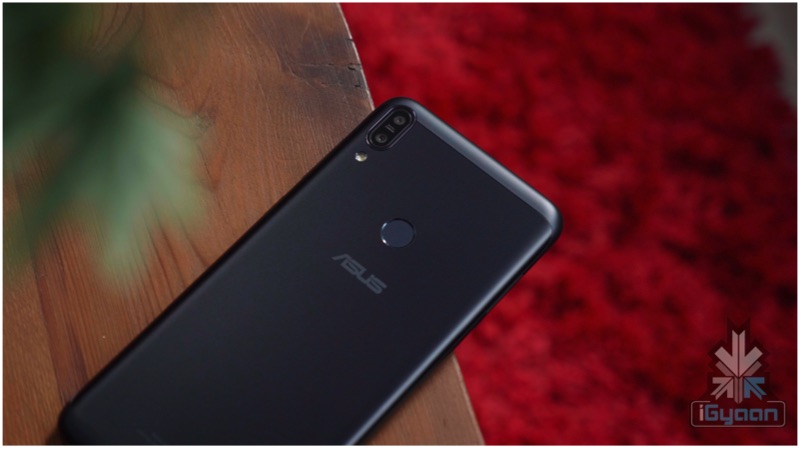
    Asus launched the Zenfone Max Pro M1 back in the month of April last year. The smartphone quickly became one of the best selling models of the company owing to its affordable price and the features it offered. Asus has made an announcement on Twitter that it has started rolling out Android 9 Pie to the device, but there is a catch. The update is only available as a part of a beta program; users will need to register for the update on their device to get the latest software. 

    Android 9 Pie: What’s New?

    The current generation of AndroidOS, Android 9 Pie was introduced in August last year and brings about significant changes from its predecessor, Android 8 Oreo. The most notable change is the introduction of navigation gestures, which can be enabled manually in the settings. These gestures offer a completely new way to navigate around the user interface. Also introduced is the new settings menu, which is completely overhauled since Android Oreo. The quick settings menu has also been updated, with the option of selecting a dark or a light mode active at all times.

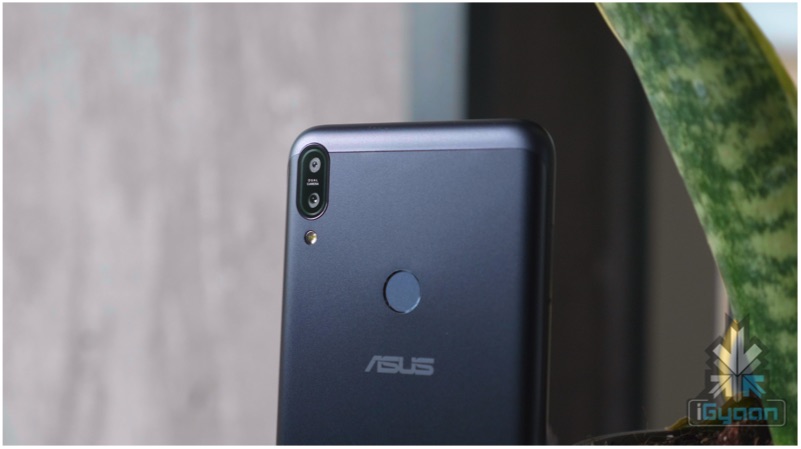
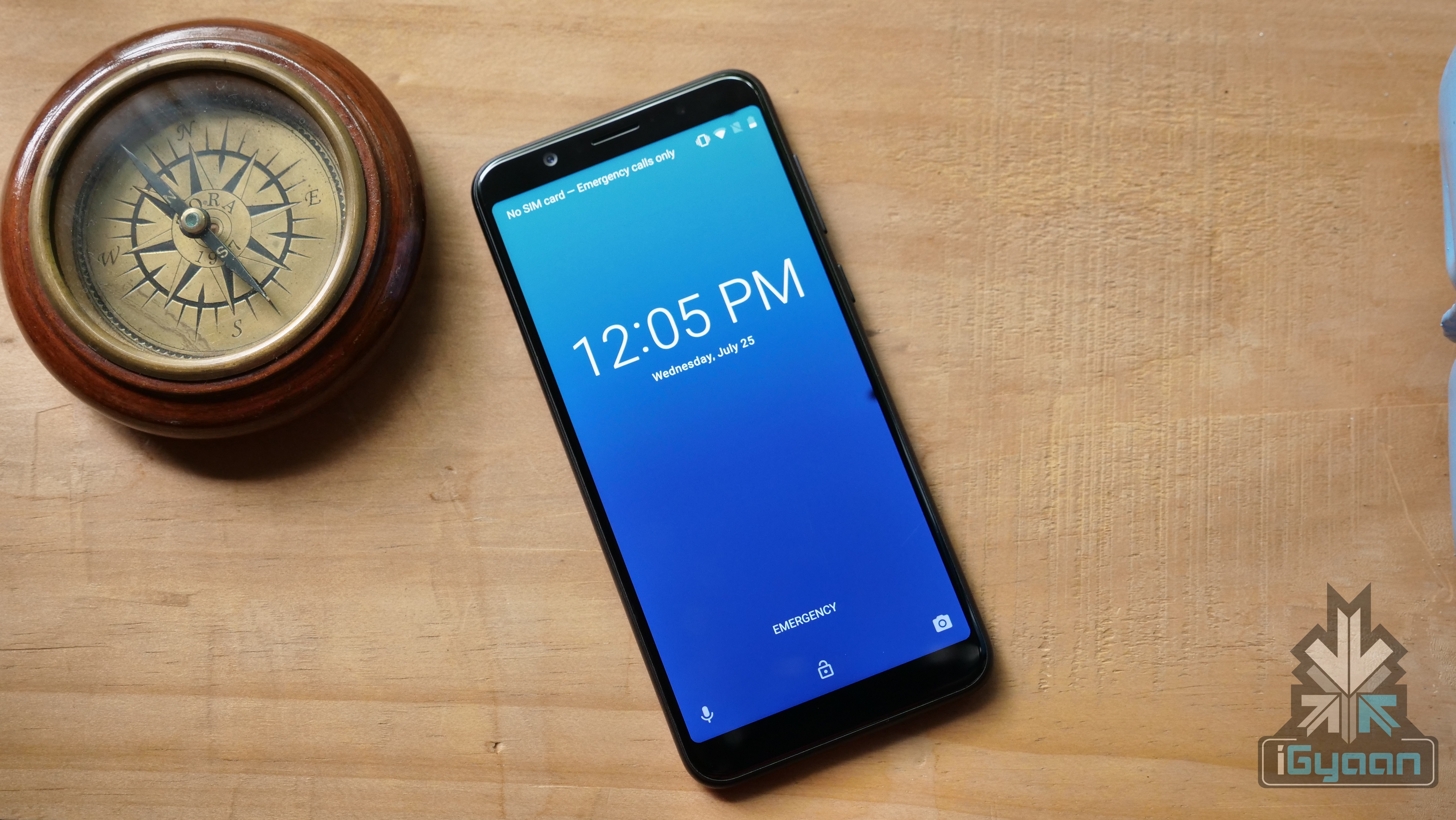
    Zenfone Max Pro

    With Android 9 Pie, there is better notch compatibility and the volume slider has been moved to the right side. The software also introduced an all-new Digital Wellbeing setting; which can be used to monitor the device usage and cut down on the repeated use of certain apps. The update also introduces new, smoother animations to the devices.

    Zenfone Max Pro M1

    Also read: GoPro Launches HERO 7 Black Limited Edition In India

    The user can register for the Android Pie Beta program by visiting the link here. Notably, Asus also started the beta program for the Zenfone Max Pro M2 earlier last month. The company had previously promised that both of these devices will be updated to a stable build of Android 9 Pie by the month of February which they have failed to deliver. Unfortunately, Asus has not revealed any information on when the stable build of the update will be released for the Zenfone Max Pro M1.


  • Apple Working On A Foldable Smartphone With A Magnetic Mechanism

    Apple Working On A Foldable Smartphone With A Magnetic Mechanism

    Last month saw a bunch of smartphone manufacturers showcasing their take on a foldable smartphone. Samsung announced the Galaxy Fold and Huawei showed off its Mate X. There is another major OEM which is reportedly working on a foldable device. Fresh patents filed by Apple reveal what the company has planned as a folding mechanism on its long rumoured foldable smartphone. The company may be planning to put magnets under both sides of the display to make the device fold completely flat.

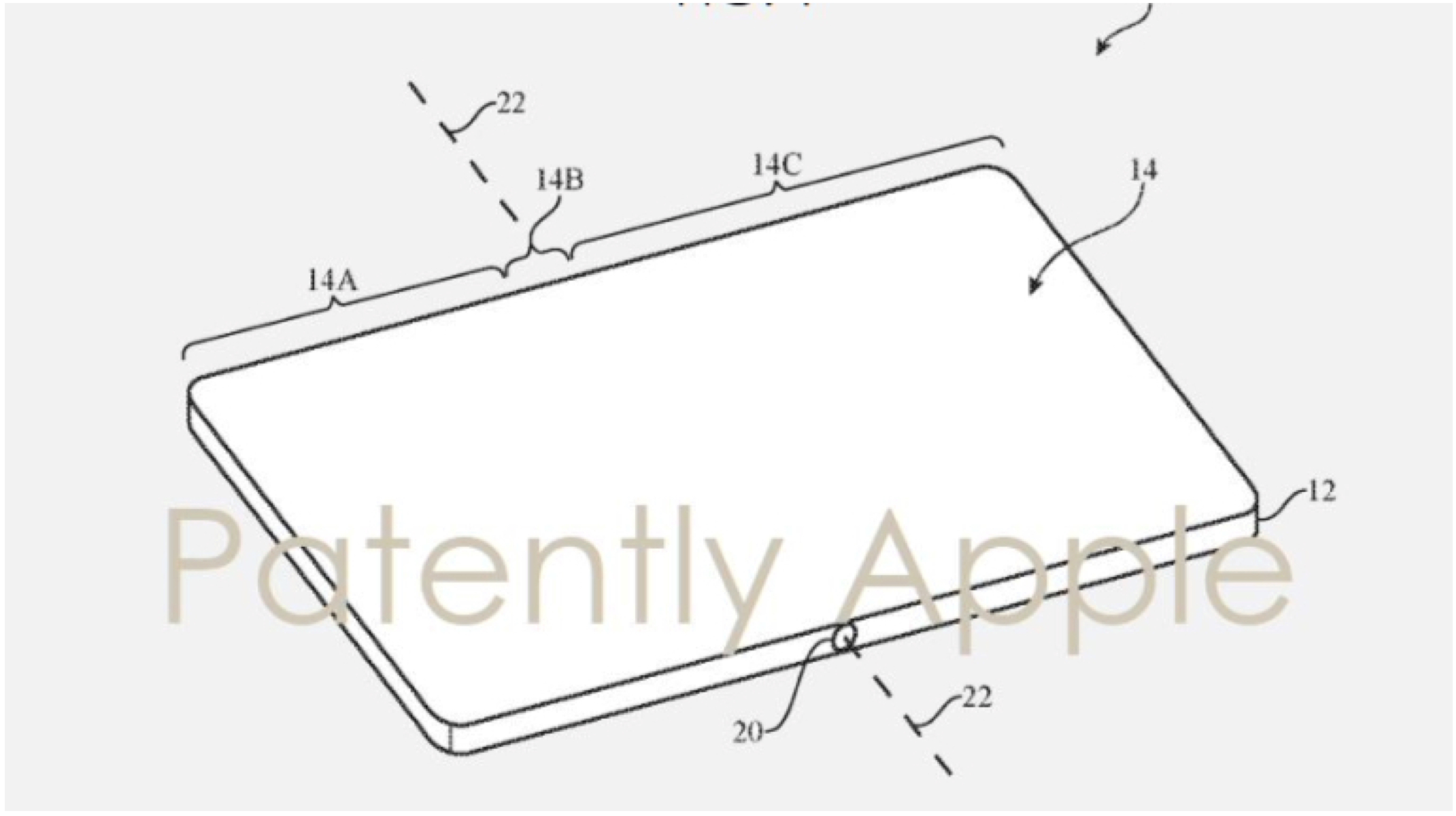
    Apple Foldable Smartphone

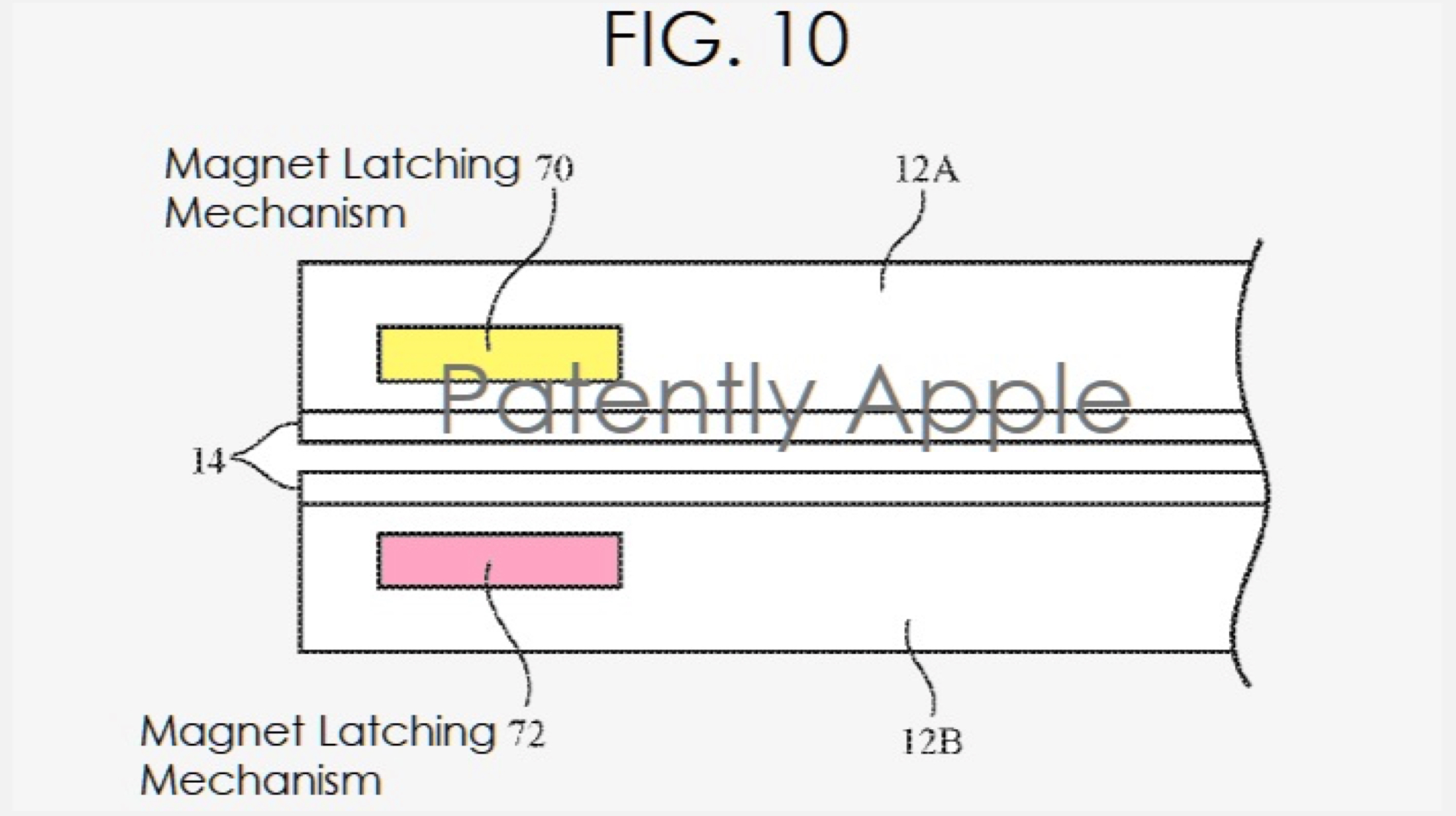
    The patent filed by Apple suggests different folding designs that the company may be planning on using. The image in the patent exhibits the use of magnets under the display. These magnets may be used to make the foldable smartphone fold completely flat, which is a problem other OEMs seem to struggle to figure out. The magnets that may be used are expected to be electromagnetic in nature and spring into action when the device is folded, to keep both sides of the display latched together. As soon as the device is unfolded, the electromagnets will lose their charge, making it effortless to open the device.

    According to reports, Apple is trying to develop a specialized display coating and new foldable sensors to make the folding mechanism work. Intriguingly, the patent suggests that the display panel makes use of some sort of heating technology to improve the operability of the panel. The heating method that is suggested is required every time the display is folded or unfolded, as a cold display is more susceptible to breaking or cracking when folded and unfolded repeatedly. The images also show a unique, circular hinge which consolidates both sides of the display. Unfortunately, other details about the Apple foldable device isn’t known yet.

    Also read: Canon Launches The EOS RP Mirrorless Camera In India

    This technology employed by Apple is expected to be groundbreaking as the company is known to wait out on current trends until they are perfected. The foldable device from Apple may be a smartphone or a computing device, like an iPad which will turn into a compact device when folded. As per the reports, the company may release the device next year.

    You can check out the patents filed by Apple here.

  • Canon Launches The EOS RP Mirrorless Camera In India

    Canon Launches The EOS RP Mirrorless Camera In India

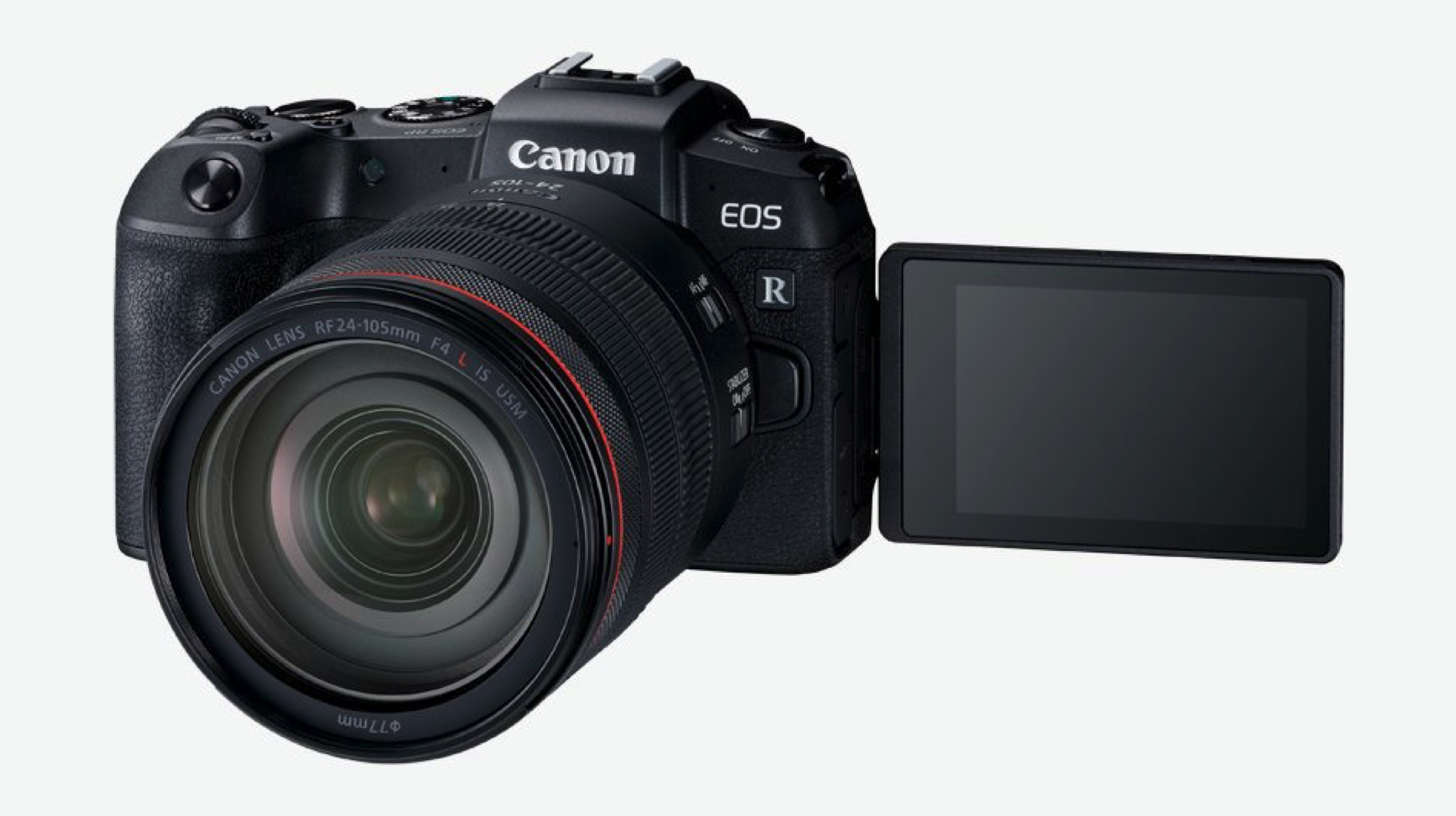
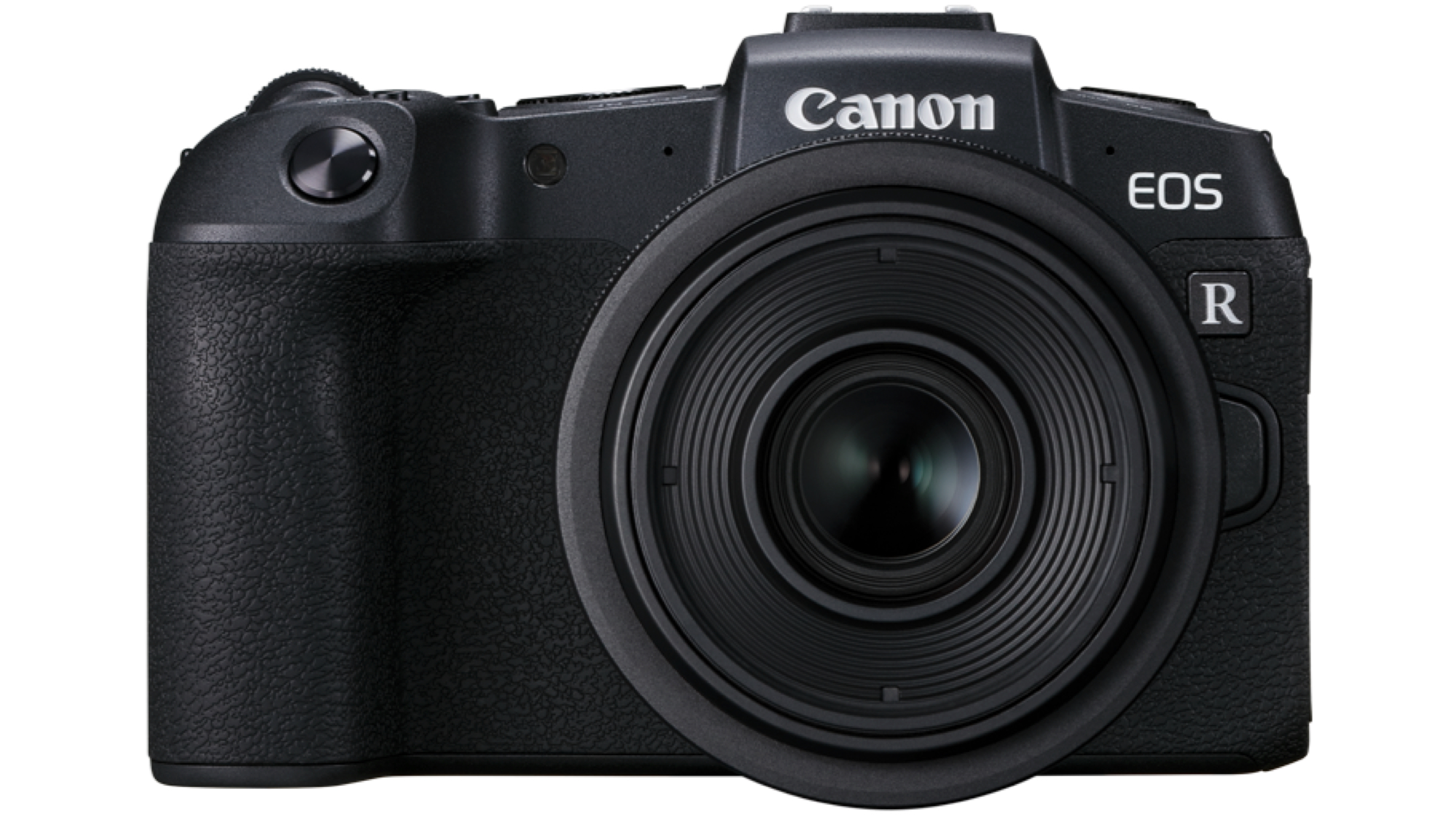
    After launching it on February 14 in Singapore, Canon has launched the EOS RP mirrorless camera in India. It is the lightest and smallest full-frame mirrorless camera the company has ever made. The camera is the second addition to its EOS R range, with the first one, the Canon EOS R which was launched in September last year.

    Canon EOS RP: Features

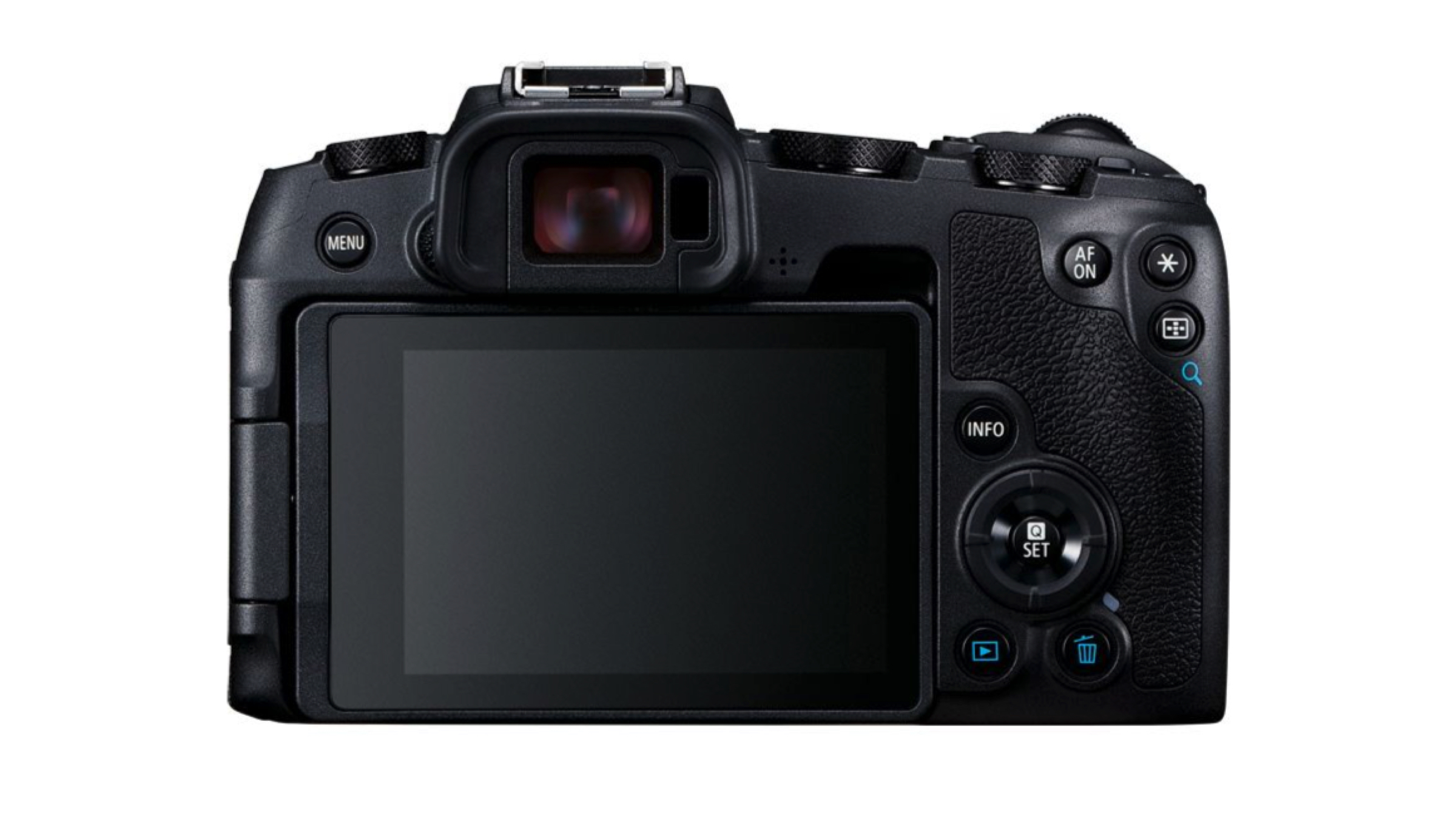
    The Canon EOS RP boasts of a lighter, smaller body compared to regular DSLRs. Measuring 132.5 × 85 × 70 mm in body size and weighing in at 485g, the camera is 285g lighter than its closest competitor, the company’s own 6D Mark II. The Canon EOS RP features a 26.2MP dual pixel CMOS sensor which is capable of 4K video recording at 25fps. It has a 0.05s focusing speed and EV-5 (Exposure Value) focusing capabilities. The camera runs on Canon’s Digic 8 image processor and is equipped with the RF mount which was introduced with the EOS R last year. 

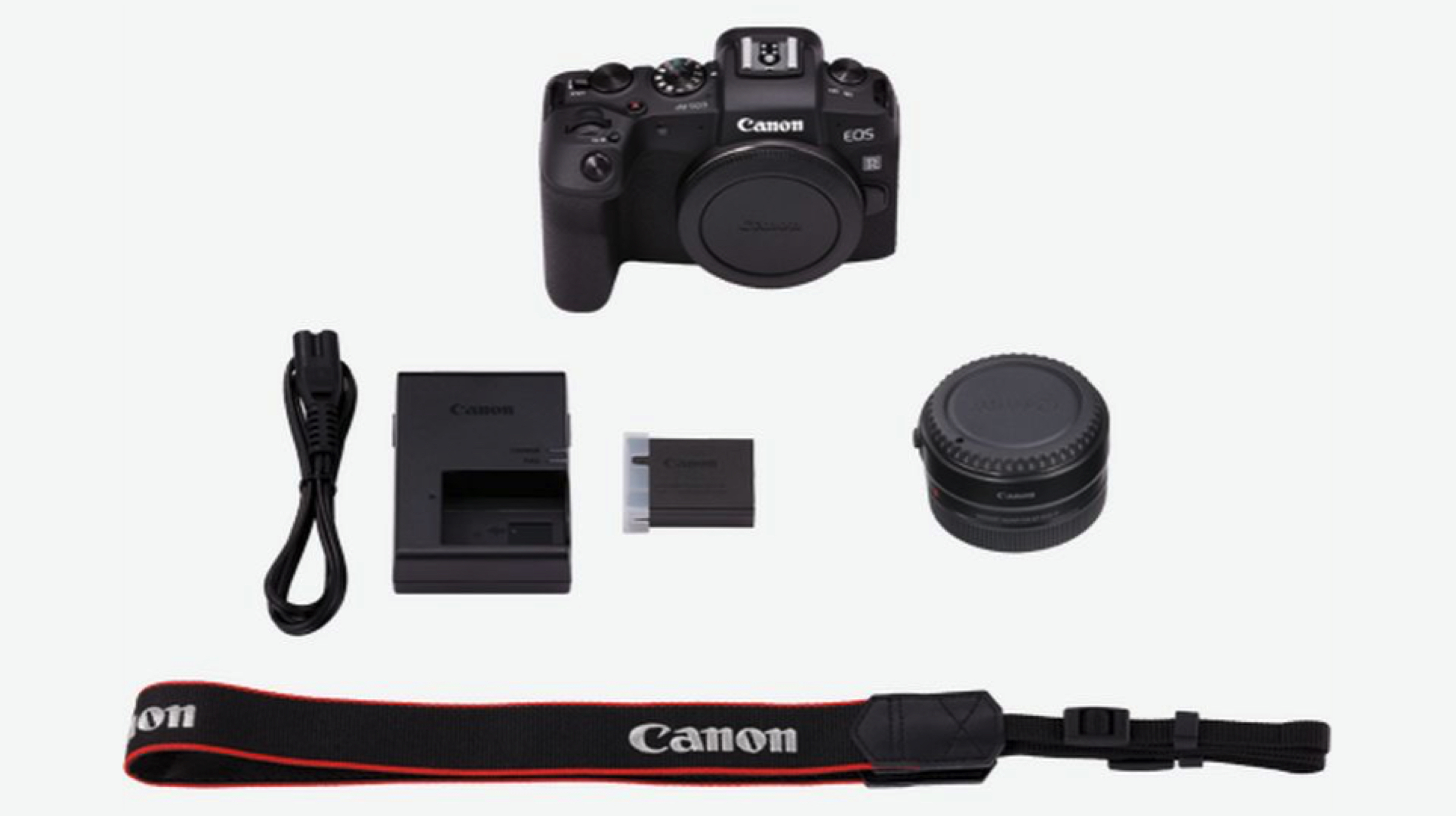
    The Canon EOS RP has a wide range of lens compatibility options. Either an RF, EF or an EF-S lens can be used with an EF-EOS-R Mount Adapter in the camera. An LP-E17 battery is utilised in the camera which the company says should be good for 250 shots. For the viewfinder, Canon is using a 2.36 million dot OLED Electronic viewfinder with a 22mm eyepoint. It also has silent scene mode and support for UHS-II memory cards. Just like the EOS R, the EOS RP can be charged via a USB Type-C port, but there will be a need for the optional PD-E1 adapter (sold seprately).

    Canon EOS RP: Price 

    Also read: Xiaomi Launches Mi Wireless Earphones In India

    The entry of Canon in the mirrorless camera space seems to be a little late. But what will make it stand out from the competition is the price. The Canon EOS RP is available in India at a starting price of Rs. 1,10,495 for the body. If the RF24-105mm f/4 IS USM lens is purchased alongside the camera, it will cost Rs. 1,99,490. 

  • Samsung Begins Mass Production of First 512GB eUFS 3.0 Storage

    Samsung Begins Mass Production of First 512GB eUFS 3.0 Storage

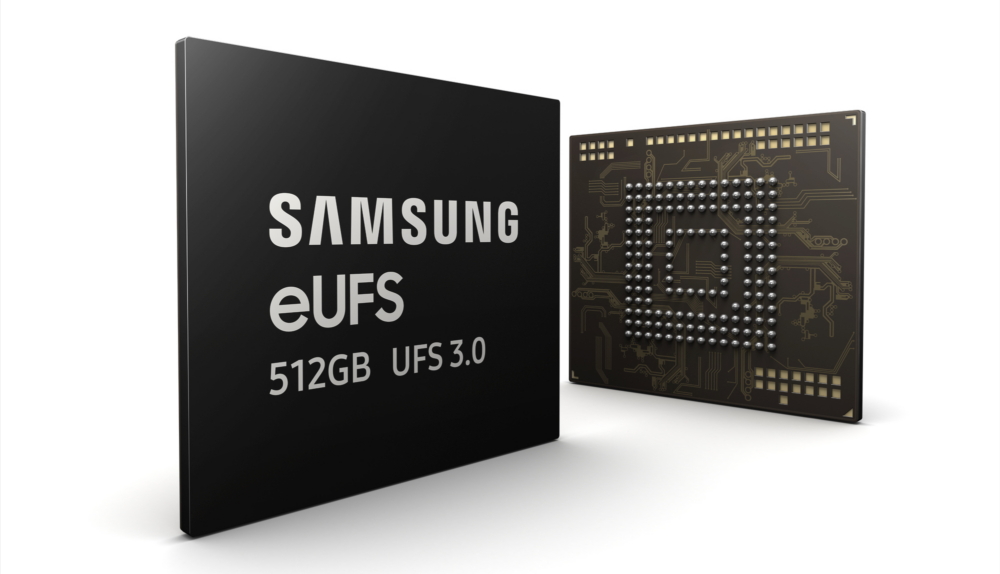
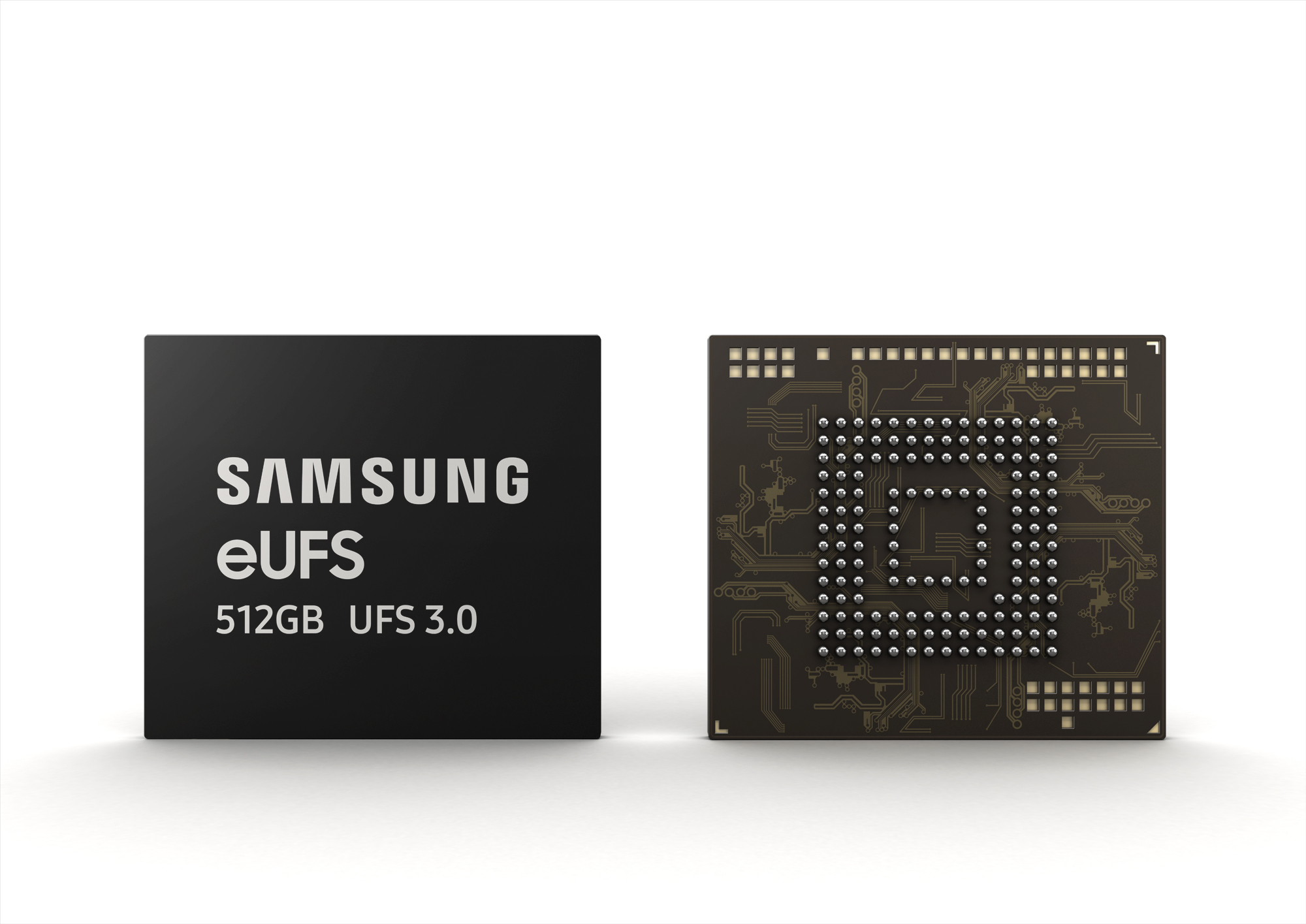
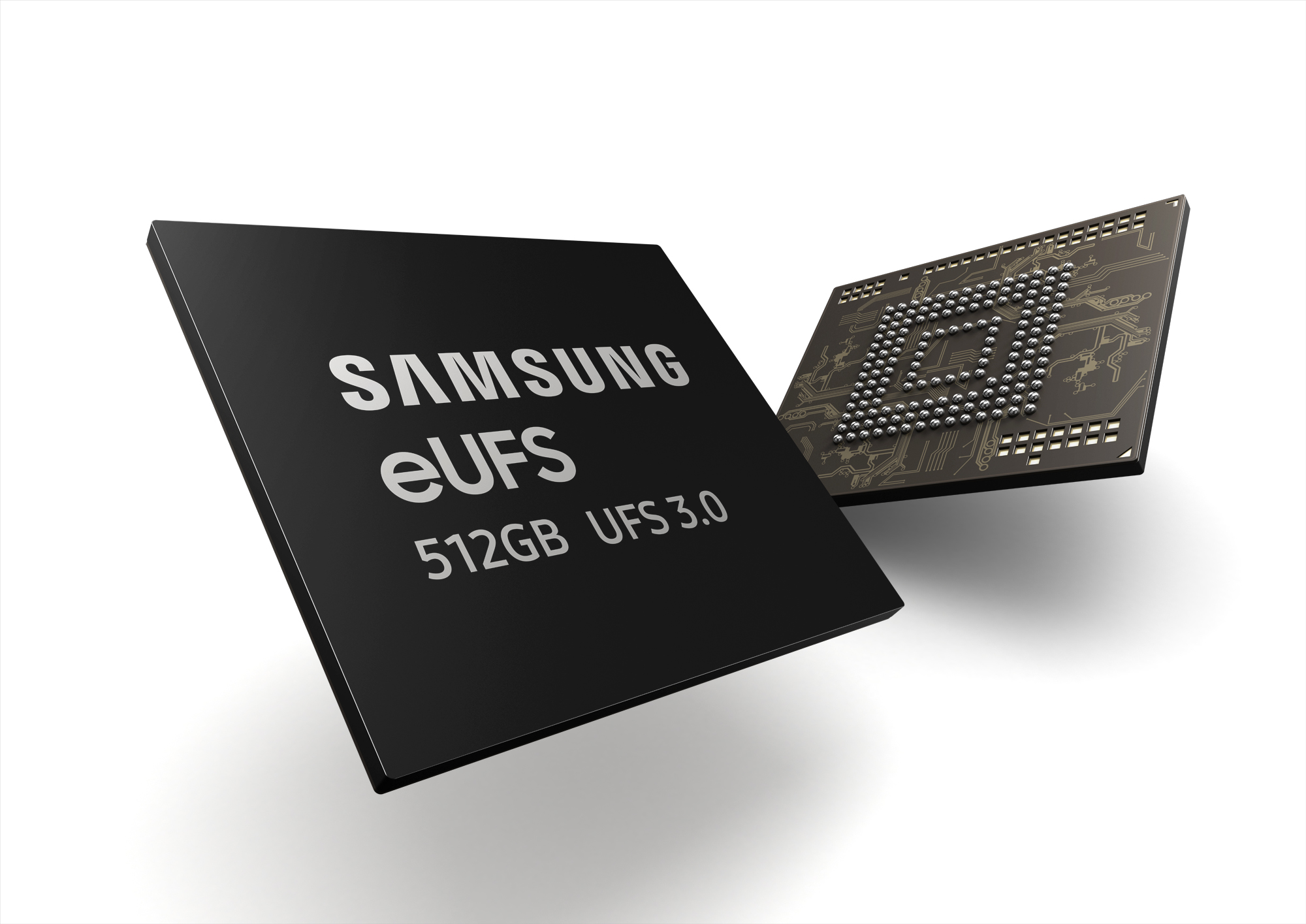
    On February 20, Samsung announced the Galaxy Fold, its first foldable smartphone. The device had some groundbreaking features like a foldable display and six cameras in total. One feature that was mentioned in the device was 512GB of eUFS 3.0 storage which would translate to lightning fast read and write speeds on paper. Samsung has announced that it has started the mass production of the Industry’s first 512GB embedded Universal Flash Storage (eUFS) 3.0 for smart device.

    Samsung’s 512GB eUFS 3.0 Storage

    Samsung’s new eUFS 3.0 storage for mobile devices claims to deliver twice the read and write speeds of the previous generation, which was eUFS 2.1. The company also claims that this new storage solution would make the transfer speeds on mobile devices that were only available on ultra-slim laptops. This would suggest that Samsung is promising SSD level of speeds on its eUFS 3.0 storage. This offers the read speed of up to 2,100MB per second and offers write speed of up to 410MB per second.

    Interestingly, Samsung was the first company to produce the first UFS interface with eUFS 2.0 storage in early 2015. This was claimed to be 1.4 times faster than the mobile memory standards at the time, embedded multi-media card 5.1 (eMMC). It is surprising to see the company match up to ultrabook-level of speeds in four years.

    Also read: Xiaomi Black Shark 2 Gaming Smartphone Leaks Online

    Samsung also plans to launch a 128GB version of the eUFS 3.0 storage and it is planning to launch a 256GB and a whopping 1TB version in the second half of the year 2019. The 512GB version will debut with the Galaxy Fold, which goes on sale starting April 26. The mass production of the storage may suggest that it will be available in upcoming Samsung flagships.

  • Samsung Launches The Galaxy M30 In India

    Samsung Launches The Galaxy M30 In India

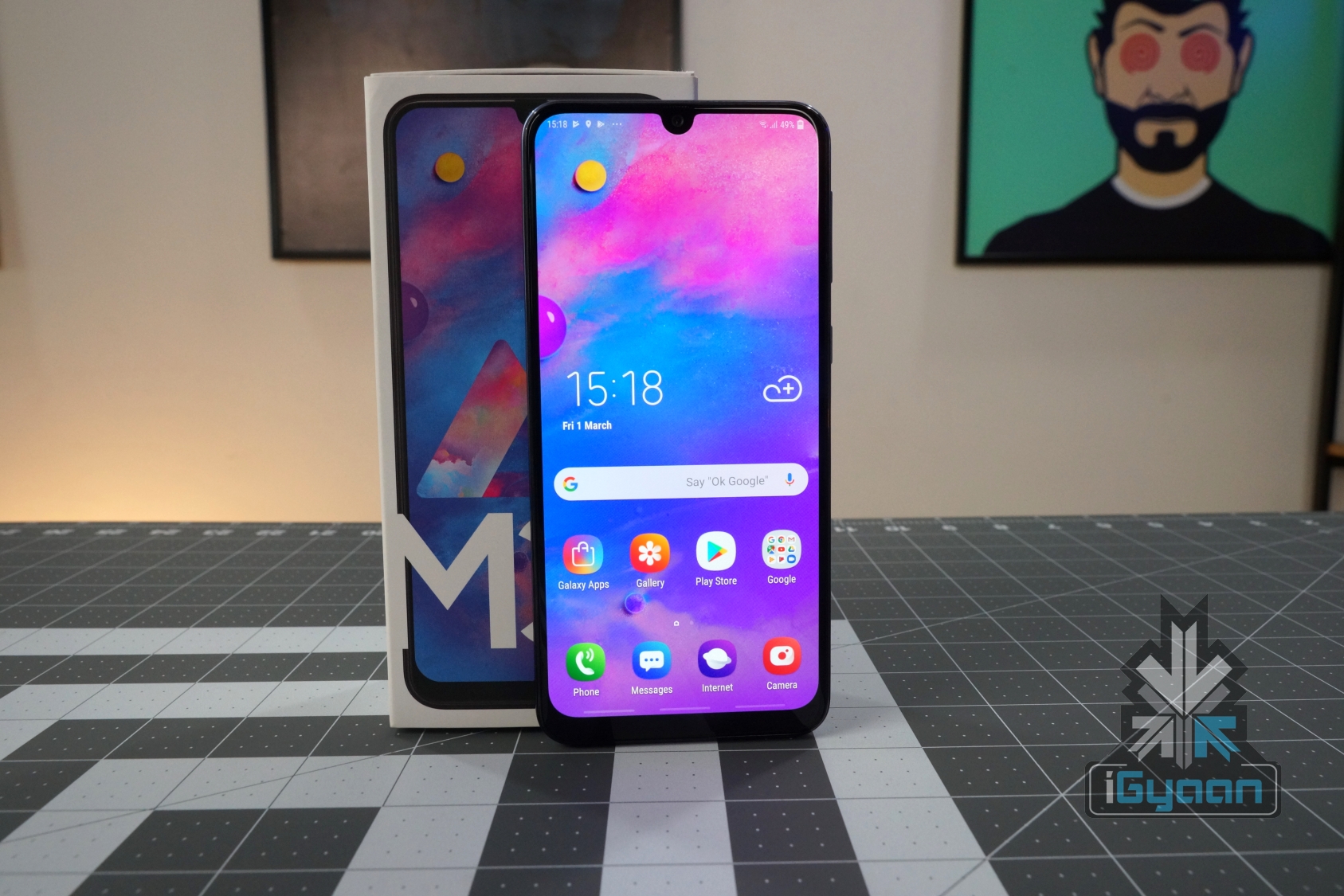
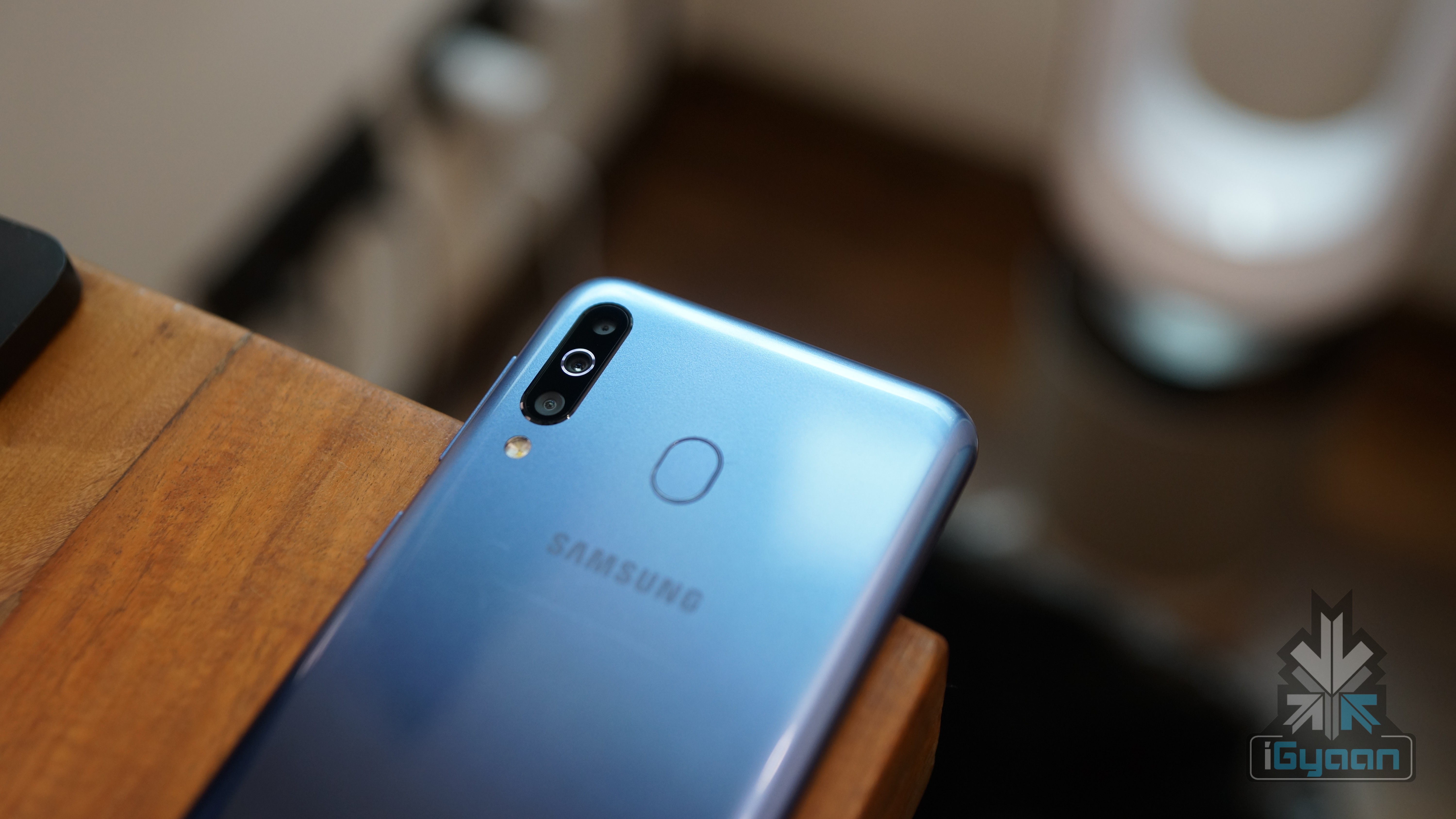
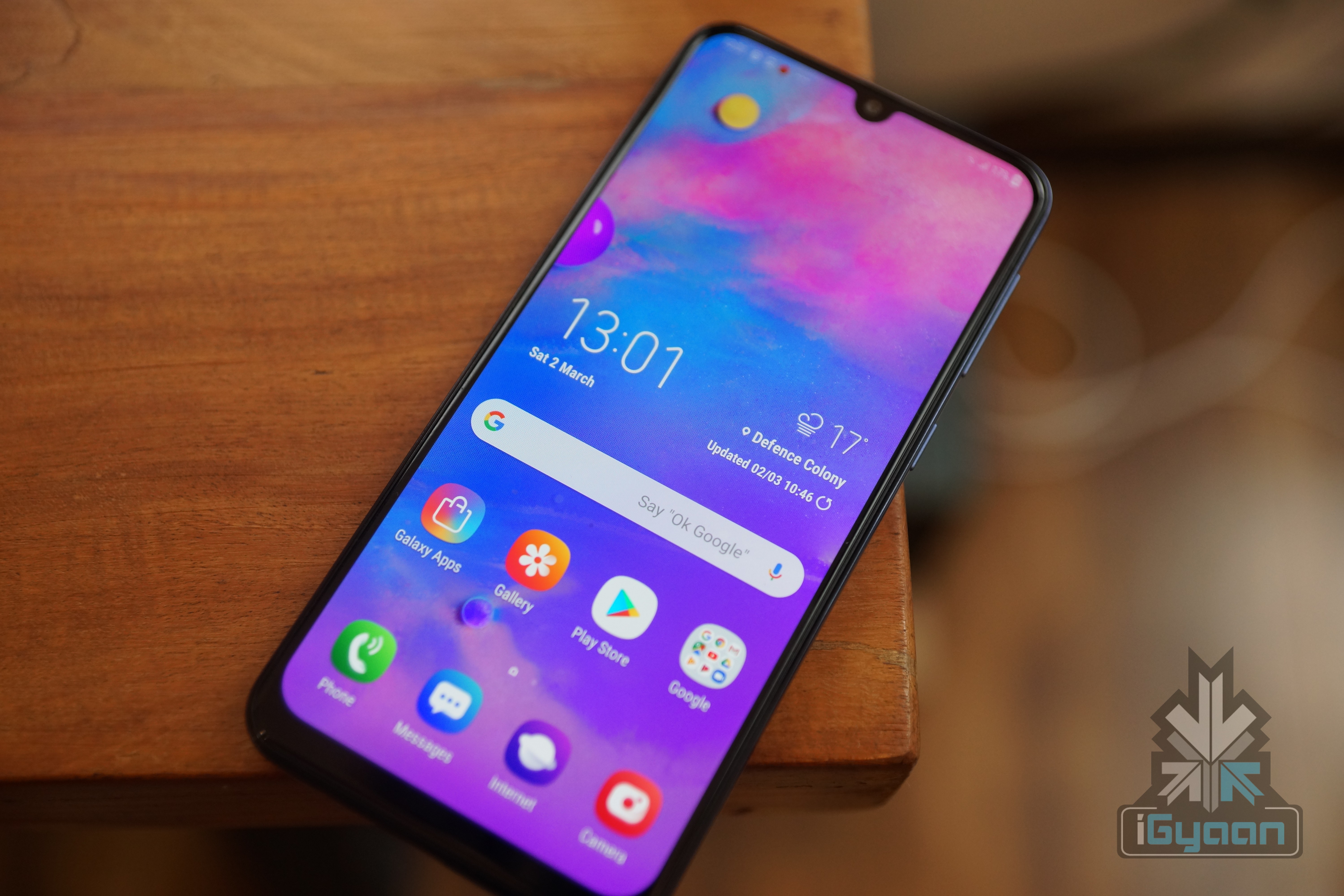
    Samsung launched the Galaxy M30 in India at an event today, February 27. The smartphone is the latest entrant in the company’s online only, budget Galaxy M lineup. It is accompanied by the Galaxy M10 and the Galaxy M20 that were launched late last month. The Galaxy M30 has an upgraded display, better optics and higher RAM options than the Galaxy M20.

    Design & Features

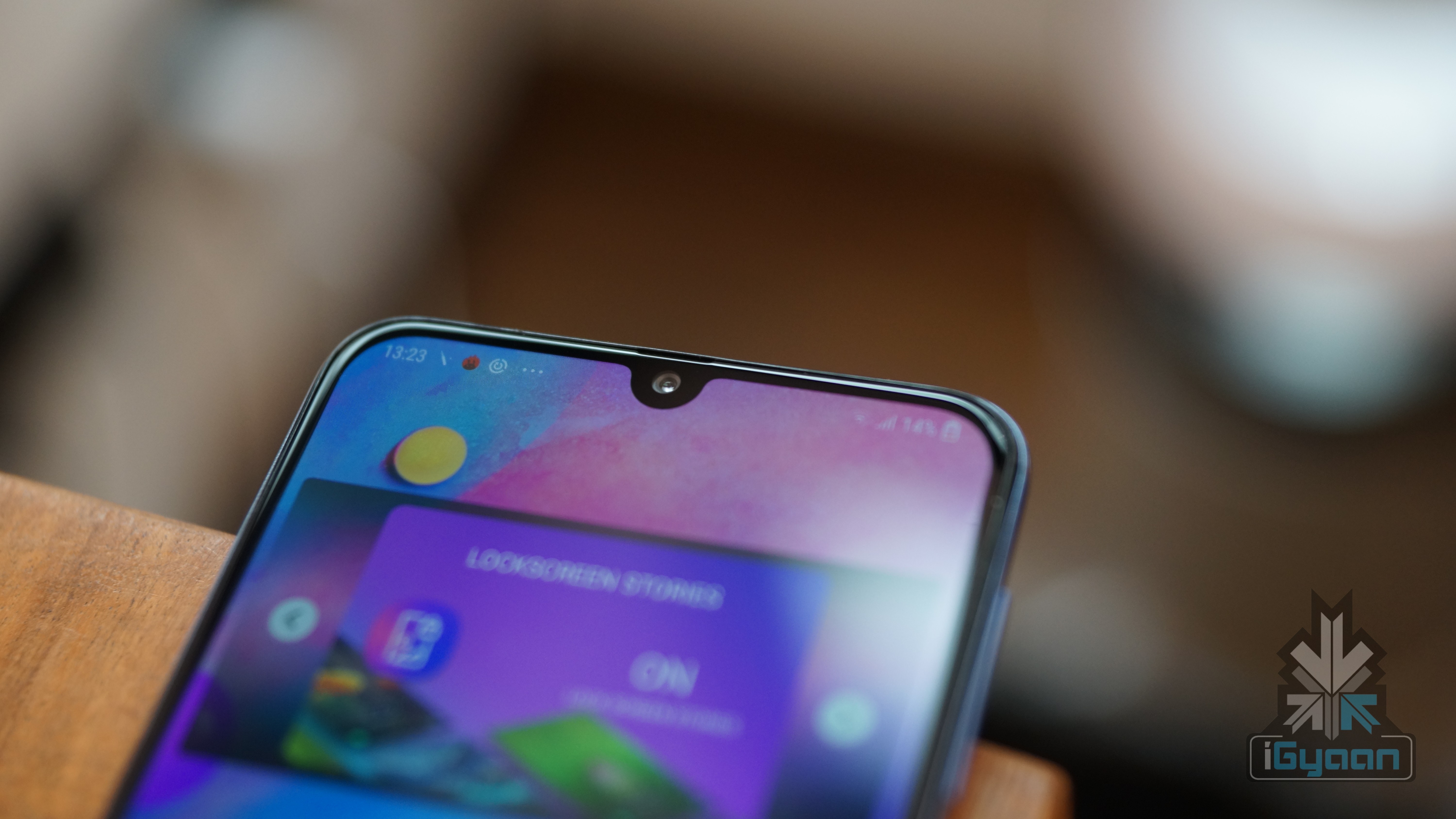
    The Samsung Galaxy M30 measures 159 x 75.1 x 8.4mm and weighs 175g. The smartphone features a polycarbonate body and an edge to edge display with minimal bezels. Its display is an Infinity-U, 6.4 inch Super AMOLED panel with a resolution of 2220 x 1080 px. The Galaxy M10 and Galaxy M20 have a PLS TFT display, which is considered inferior to an AMOLED panel. The smartphone has a rear mounted fingerprint sensor and also supports facial unlock technology. The device has a triple rear camera setup consisting of a 13MP f/1.9 sensor combined with a 5MP f/2.2 ultra-wide sensor and a 5MP f/2.2 depth sensor for portrait shots. For selfies, there is a 20MP f/2.0 sensor housed in the Infinity-U notch.

    Under the hood, the Galaxy M30 runs on the Exynos 7904 SoC which is manufactured using 14nm fabrication process. The chipset has an Octa-core CPU and a Mali G71 MP2 GPU. Interestingly, this is the same processor that is present on the Galaxy M20. The Galaxy M30 is powered by a massive 5000mAh battery with support for 15W fast charging via the bottom mounted USB Type-C port. The device is available in two colours, Gradation Black and Gradation Blue. For memory and storage, the device will be available in two variants:

    • 4GB RAM and 64GB ROM
    • 6GB RAM and 128GB ROM
    Price & Availability

    Also read: OnePlus 7 Won’t Support Wireless Charging, Confirms Company

    The Galaxy M30 has been priced at Rs. 14,990 for the 4GB+64GB variant. The 6GB+64GB variant will retail for Rs. 17,990. It will be sold exclusively via Amazon India and Samsung’s official website starting March 7.

  • OnePlus Partners with Qualcomm to Bring 5G in India

    OnePlus Partners with Qualcomm to Bring 5G in India

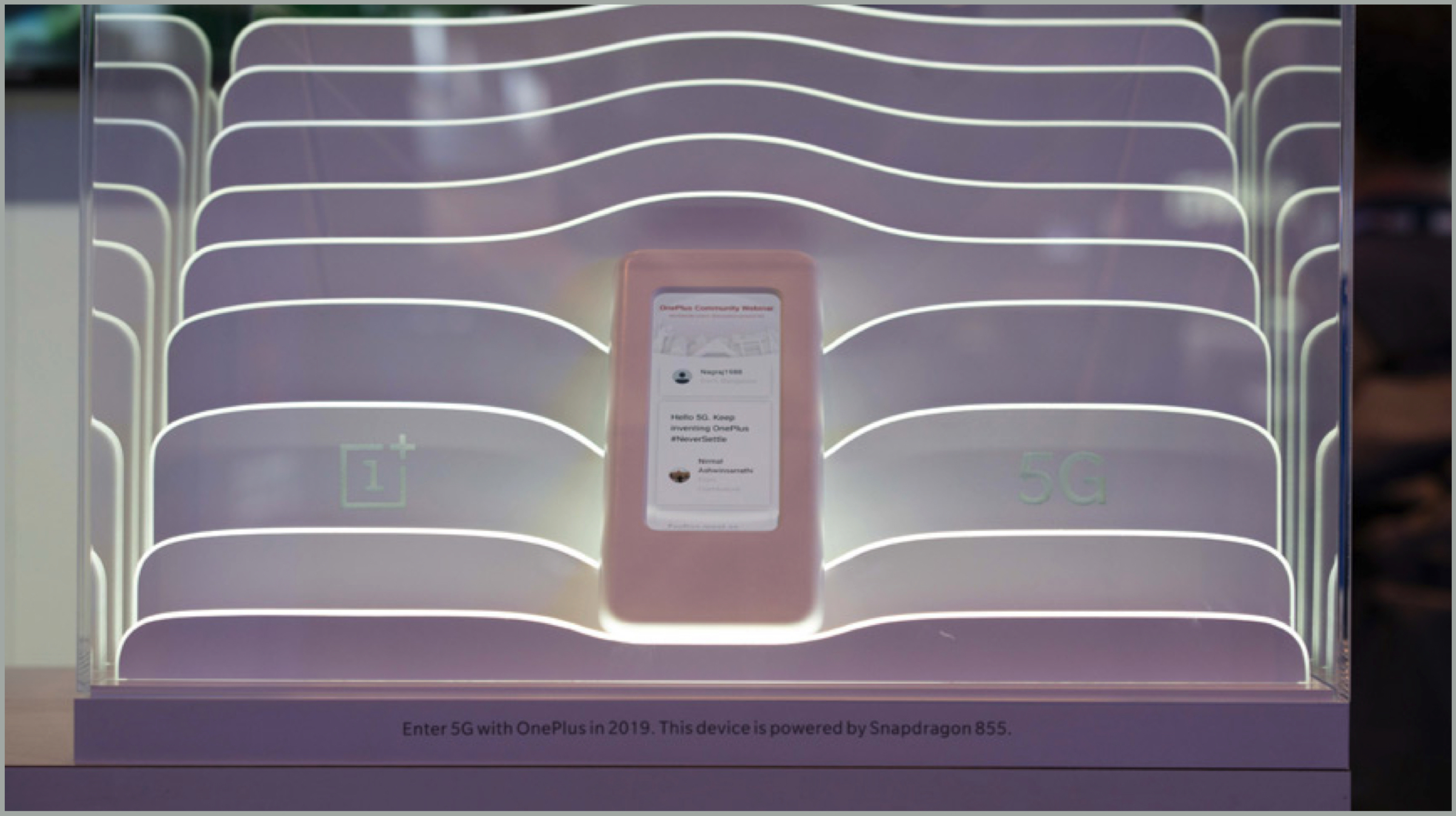
    The Mobile World Congress (MWC) 2019 in Barcelona has seen many launches and announcements that seized all the attention. But there was one company, OnePlus which despite not launching any device, managed to steal the thunder from other companies like Samsung and Huawei; when they showcased their 5G prototype smartphone at the MWC. The company has announced at the event that it has some big plans for India. OnePlus has partnered with Qualcomm to bring 5G, the next generation of mobile networks to the country. The company also claimed that it will be one of the first company’s to bring a smartphone with Qualcomm’s Snapdragon 855 SoC in India.

    The Future Of 5G In India

    In its current state, the next generation of wireless network, 5G may still be a distant dream in India. The spectrum allocation for the same is yet to occur in the country, so it may be while when mobile telecom companies start the nationwide rollout of 5G. This rollout is expected to happen either later this year or by the year 2020 when the technology will be more mainstream. 

    OnePlus’ 5G Plans

    OnePlus didn’t specify what its partnership with Qualcomm means and what the companies will do together. Both the companies first started their collaboration in 2017, when they developed a 5G enabled device. Then at the Qualcomm conference which happened in late 2018, OnePlus announced that it will be one of the first company to launch a 5G enabled device in 2019 with the Snapdragon 855 chipset and Qualcomm’s X50 modem. At the MWC, the company had its 5G prototype device, which was used to demonstrate gaming from the cloud.

    OnePlus has also started a contest called “5G Apps for tomorrow” competition in partnership with Qualcomm wherein the participants will need to visit this link and submit their entries. The winner of the contest will get a trip to OnePlus HQ, a 5G device from the company and 20,000 euros in cash among other prizes.

    Also read: Samsung Galaxy Note 10 To Have Four Rear Cameras

    The device that OnePlus will bring to India may be its next flagship smartphone, assumed to be the OnePlus 7. It seems like a great initiative by OnePlus and Qualcomm in bringing faster wireless networks to the Indian subcontinent.
  • OnePlus 7 Won’t Support Wireless Charging, Confirms Company

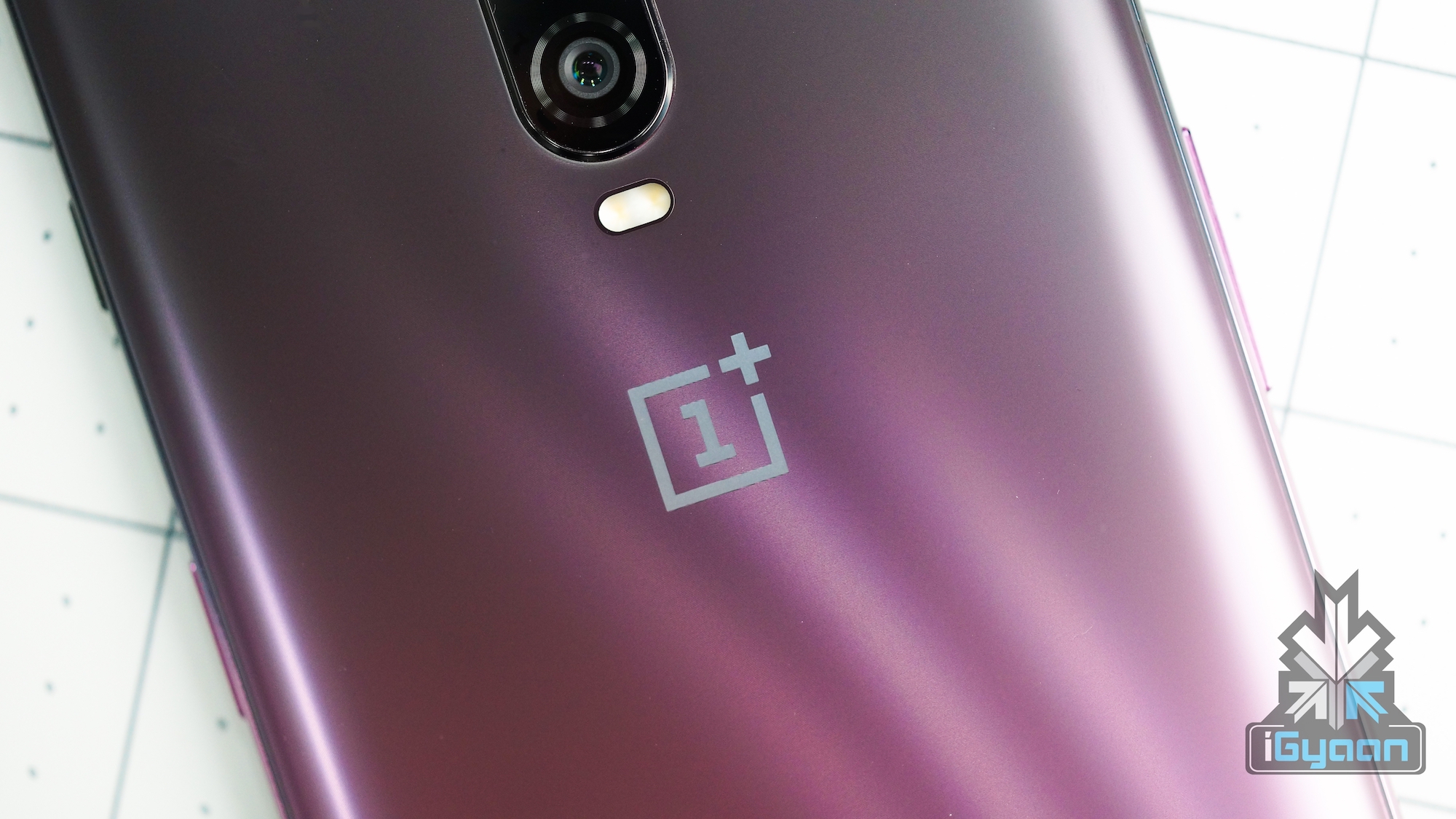
    OnePlus 7 Won’t Support Wireless Charging, Confirms Company

    OnePlus devices are known for bringing flagship specifications for the price of a mid-range smartphone. But, to bring the costs down, the company has always skimped on providing certain features that are considered essential for a flagship smartphone nowadays. None of the devices the company has ever released features wireless charging; or has an Ingress Protection (IP) rating for water and dust resistance. A senior OnePlus executive has confirmed that the next smartphone from the company, presumably the OnePlus 7 won’t support wireless charging either.

    Wireless Charging & The OnePlus 7

    While many major smartphone manufacturers have started providing wireless charging in their flagship smartphones, OnePlus has confirmed it won’t be putting the feature in their next. Notably, the feature was brought into the mainstream by Nokia with the Lumia 820 and Lumia 920. When Apple launched the iPhone 8, iPhone 8 Plus and the iPhone X with the feature in 2017, It prompted other OEMs to give the feature in their smartphones too. Xiaomi freshly launched its flagship Mi 9 with the feature, and Huawei’s current flagship the Mate 20 Pro, supports wireless charging as well. 

    With the advent of new fast wireless charging technologies, it was expected that OnePlus will likewise provide the feature in its smartphone this year. The company has elucidated that the technology is not ready yet and its main goal currently is to improve wired charging speeds. OnePlus also said that it is working on making the wireless charging technology faster, but it hasn’t been successful in figuring out how to do it without much heat. 

    The next flagship from OnePlus, assumed to be the OnePlus 7, is expected to feature top-tier specs and an entirely new design. As the company is known for putting the latest Qualcomm processor in its smartphones; OnePlus 7 is expected to run on the Snapdragon 855 SoC which is manufactured using 7nm fabrication process. The chipset has an Octa-core CPU and Adreno 640 GPU. It is also expected to feature a triple rear camera setup; an AMOLED display with minimal bezels around it; and an upgraded in-display fingerprint scanner. It may be available in two storage variants:

    • 8GB RAM and 128GB ROM
    • 10GB RAM and 256GB ROM

    Also read: Poco F1 Gets Widevine L1 Support For HD Streaming

    The next device from OnePlus is expected to be unveiled in Q2 of 2019. It will be priced higher than its predecessor, the OnePlus 6T and will be accompanied by another smartphone from the company supporting 5G, the next generation of mobile networks.

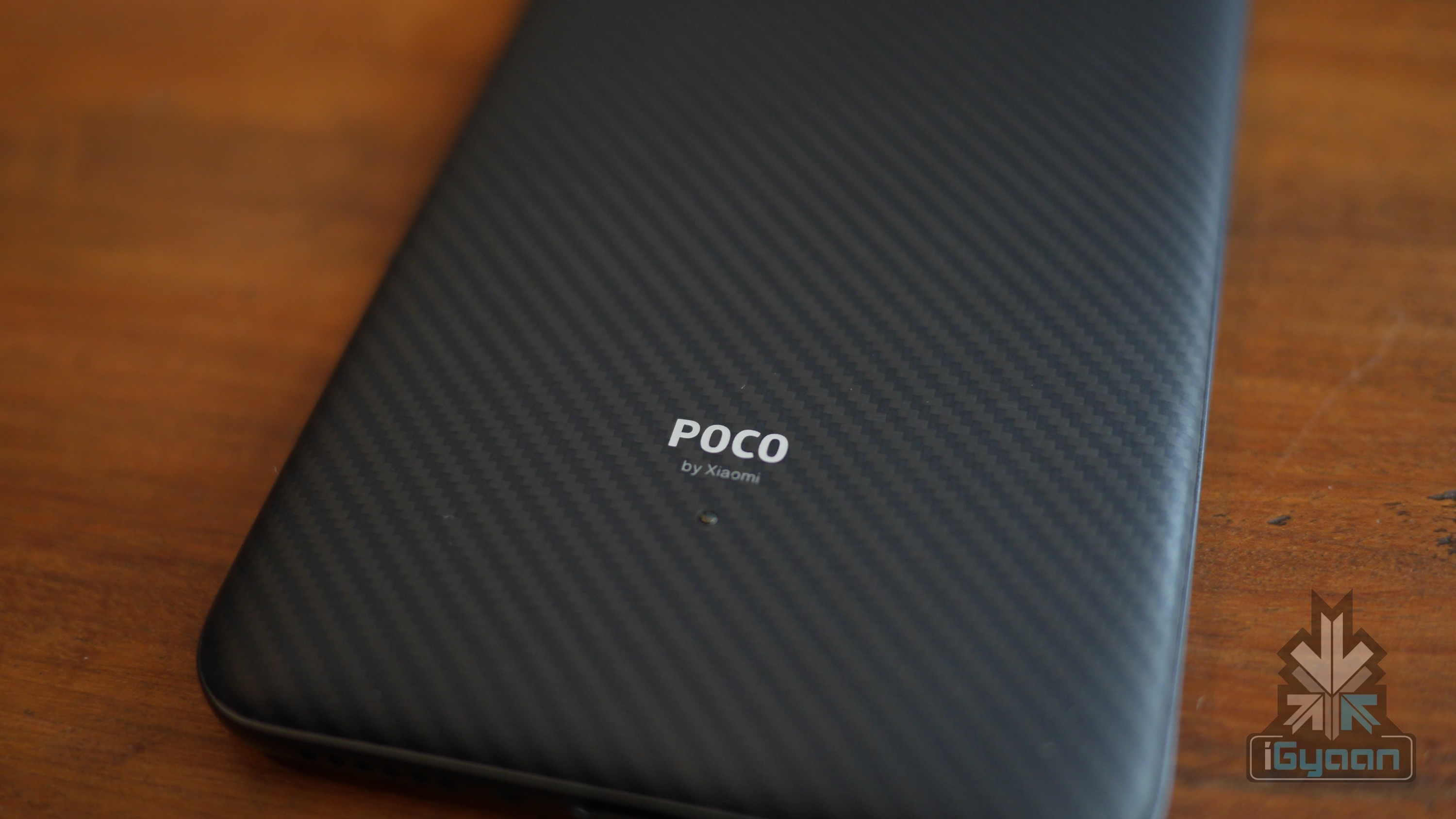
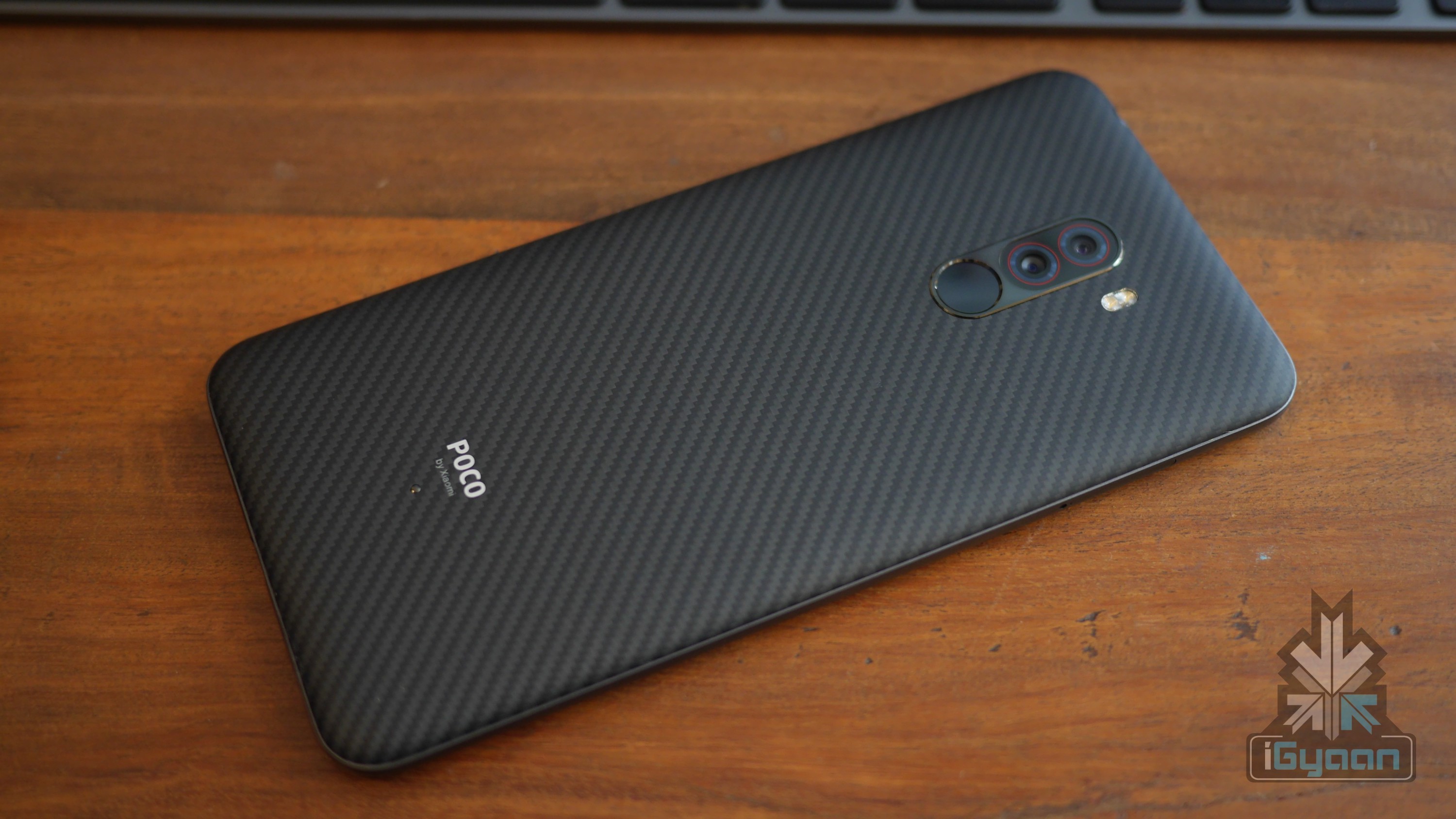
  • Poco F1 Gets Widevine L1 Support For HD Streaming

    Poco F1 Gets Widevine L1 Support For HD Streaming

    Xiaomi launched the Poco F1 in India back in the month of August last year. The smartphone with a budget price and flagship specifications witnessed rave reviews globally. But soon after the launch, the controversy arose that the device lacked the support for Widevine L1 certificate; which is necessary to stream HD digital content on services like Netflix and Amazon Prime Video.  According to a senior Xiaomi India executive, the Poco F1 has been granted Widevine L1 certification. The executive also states that an OTA update with the L1 certification is being rolled out for beta users. Besides, the upcoming general public MIUI update for the device will incorporate this certificate. Therefore, the users will soon be able to stream HD content on their devices after updating the latest update. 

    Poco F1: Widevine L1 Support

    The Widevine L1 certification is granted by Widevine Technologies, which is owned by Google. It is an encryption system to distribute video content from streaming services to consumer devices. When it was discovered that the Poco F1 lacked the Widevine L1 certification; it became identified that the device was incapable of streaming video content higher than 540p resolution. Similarly, OnePlus’s yesteryear flagship, the OnePlus 5T was also plagued by the same problem which was sorrowfully never eradicated. 

    The Poco F1 has started receiving the update supporting the Widevine L1 certificate in the latest MIUI 10 9.2.25 Beta. It was earlier speculated that the devices lacking certain hardware components cannot be Widevine L1 certified. However, Xiaomi has demonstrated that the aforementioned problem can indeed be fixed via software modifications. In addition to the L1 certification, streaming services also need to whitelist devices to allow them to stream HD content. Streaming services including Amazon Prime Video and Hotstar have already updated their respective applications to allow Poco F1 to be able to stream HD content. However, Netflix is yet to roll an update that allows updated Poco F1 units to stream HD content on its platform. 

    Also read: 1TB MicroSD Cards Are A Reality At MWC 2019

    The update on the Xiaomi Poco F1 should arrive as a sigh of relief to existing users of the device. Unfortunately, the company has not provided any information on the stable release of the update; but it is expected to roll out as soon as the current software is out of Beta and has the bugs ironed out.

iGyaan Network
Privacy Overview

This website uses cookies so that we can provide you with the best user experience possible. Cookie information is stored in your browser and performs functions such as recognising you when you return to our website and helping our team to understand which sections of the website you find most interesting and useful.