Category: Android

  • Upcoming Xiaomi Smartphone May Get A 200-Megapixel Camera

    Upcoming Xiaomi Smartphone May Get A 200-Megapixel Camera

    Xiaomi may soon be following Motorola in putting a 200-megapixel camera in an upcoming smart phone, as it seems that the former is working in the tech too. Reports claim that there is another phone that will launch with a 200-megapixel sensor. Said phone will also feature a 120Hz display, 5,000 mAh battery, and a Snapdragon 8+ Gen 1 chipset.

    While the leak didn’t name the brand, some speculate that it is a Xiaomi phone. More specifically, the Redmi K50S Pro or the Xiaomi 12T Pro. Both may end up being the same phone, just different names for different regions.

    The HP1 sensor is also being used by Motorola

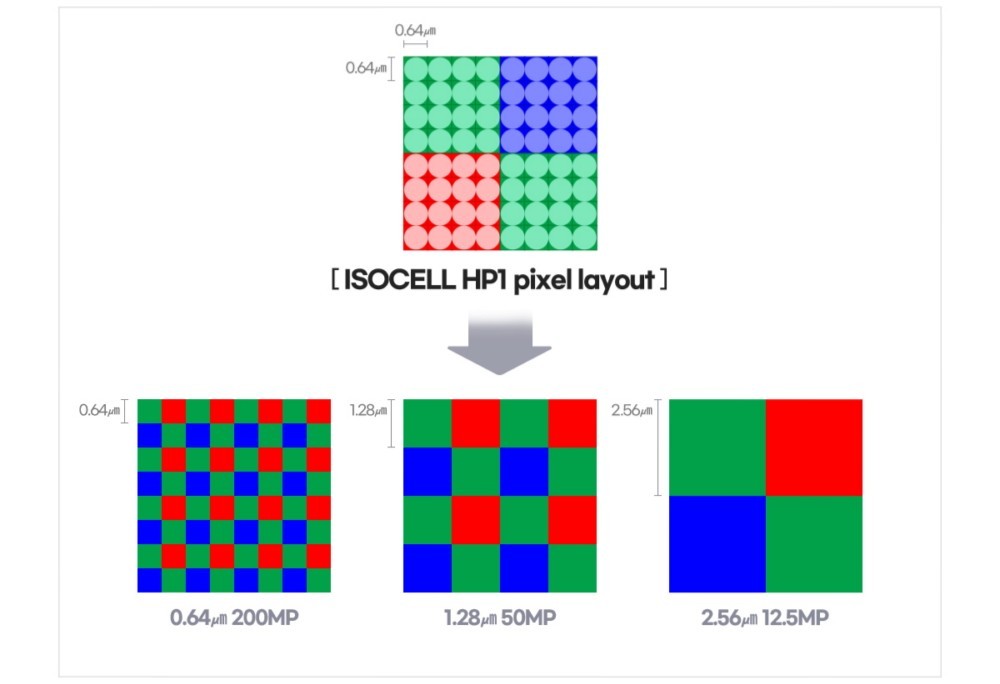
    The sensor is going to be from Samsung, either their ISOCELL HP1 or ISOCELL HP3. Both are 200 megapixels, with the difference being the pixel size and optical format – 1/1.22” and 0.64µm and 1/1.4” and 0.56µm, respectively (before 4-in-1 binning).

    Motorola is using the larger HP1 sensor, recently posting a camera sample of it. The sample shows what the sensor can do with its 4-in-1 pixel binning enabled, which is still a 50-megapixel picture.

    It’s not quite clear which sensor Xiaomi will go for. However, given the flagship spec 8+ Gen 1 chipset, The HP1 makes more sense.

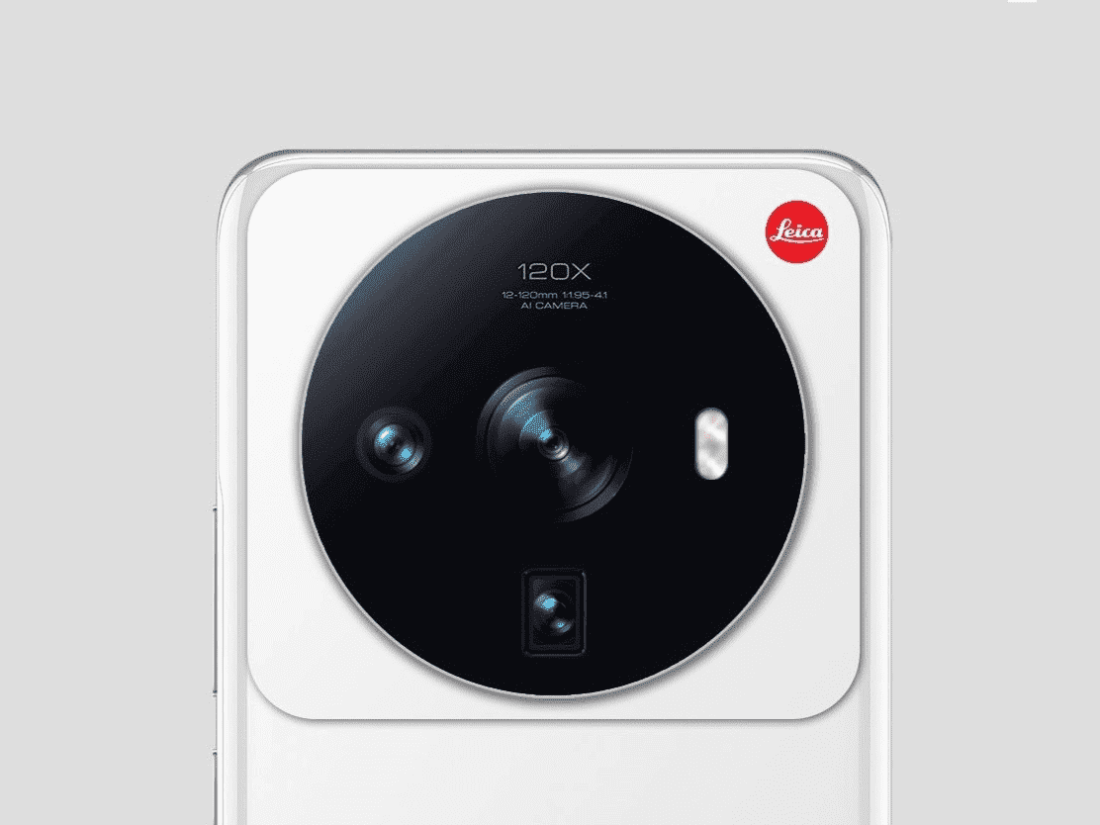
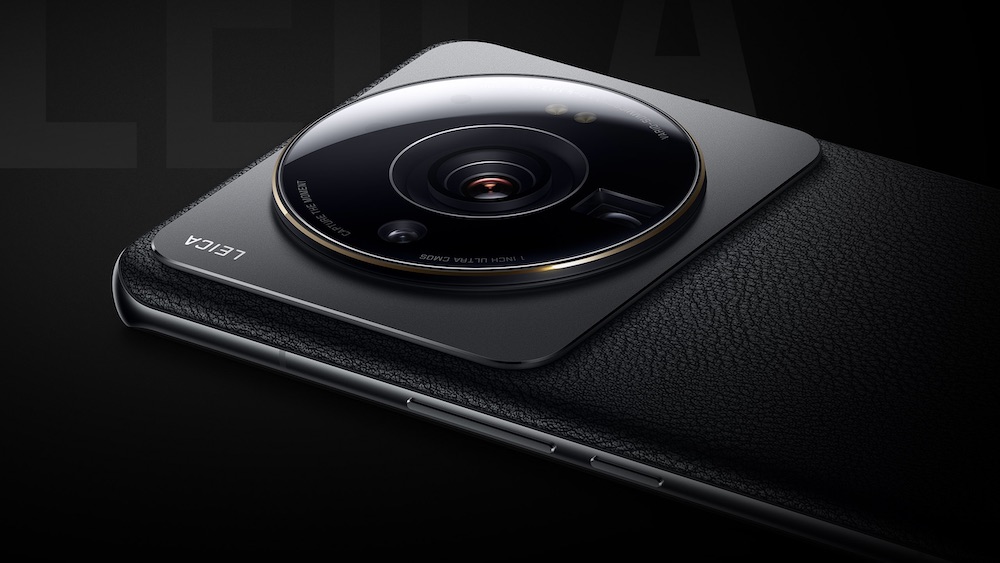
    The latest 12S Ultra features a 50-megapixel main camera
    Xiaomi 12S Ultra

    Xiaomi’s latest flagship, the recently launched 12S Ultra, currently features a 50-megapixel main camera. Compared to this, the HP1 sensor sounds better on paper. It will be interesting to see how the sensor will perform in real world testing. The Xiaomi 12S Ultra features an ultra-wide and telephoto lens, which are both 48-megapixel. The telephoto camera has a periscope lens, giving it up to 120x zoom capabilities. Furthermore, will the current partnership between Xiaomi and Leica continue for the upcoming device? We will have to wait and watch to find out.

    A 200-megapixel ultra premium smartphone sounds quite exciting. But, as smartphone prices creep further upwards, how many people will actually buy one? A 200-megapixel flagship is not going to be cheap. Let us know your thoughts below.

  • Google Pixel Pro Buds To Launch In India This Month

    Google Pixel Pro Buds To Launch In India This Month

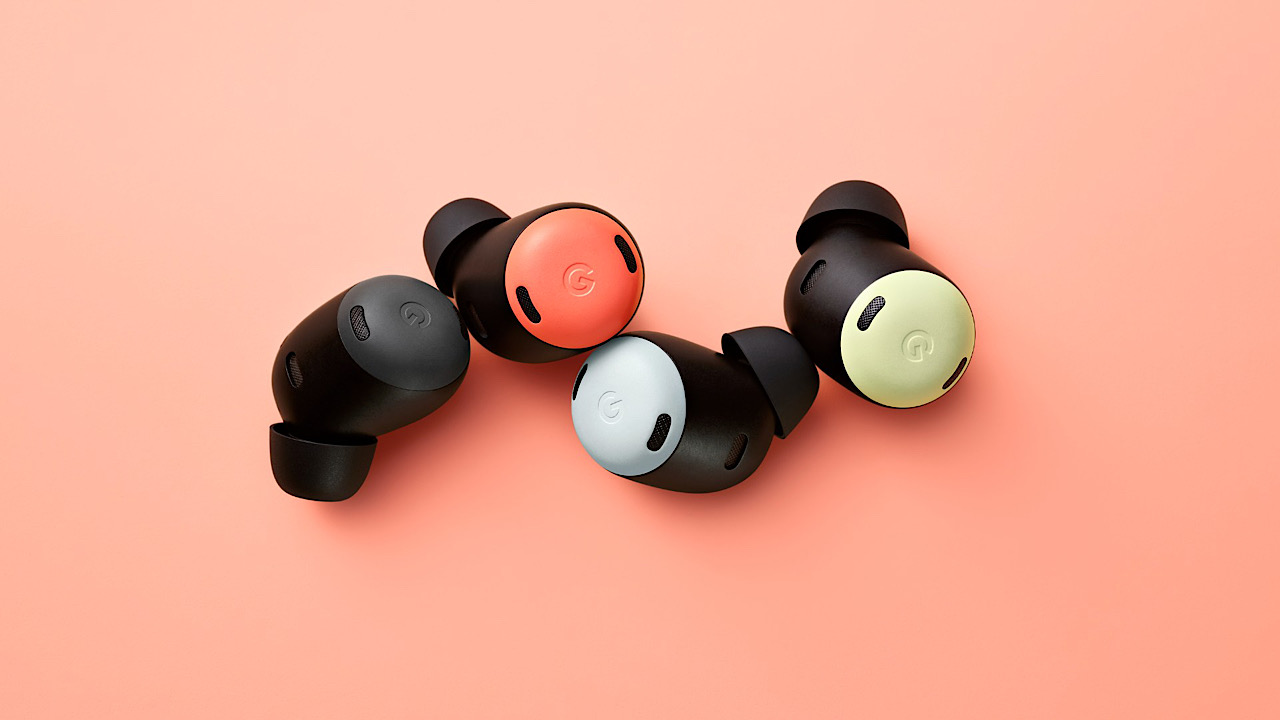
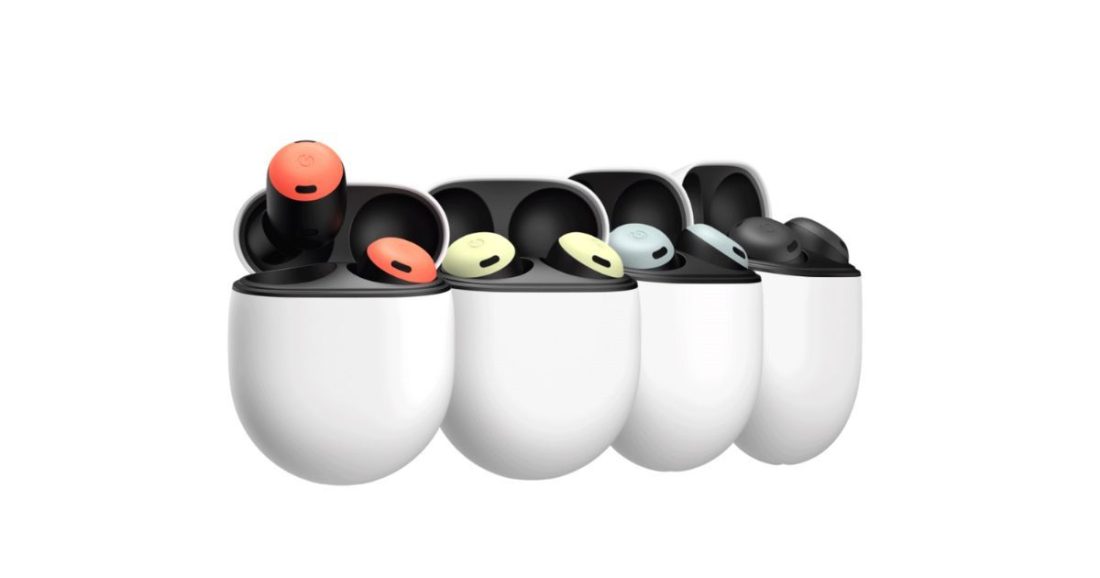
    Tech giant Google has officially confirmed that it will be bringing the Pixel Buds Pro to India this month. The TWS earbuds will be up for pre-order starting July 21, with retail sales starting a week later on July 28. Google hadn’t revealed the availability of the Pixel Buds Pro when it was revealed globally back in May. The Buds Pro are Google’s first earbuds to come with Active Noise Cancellation. It will join the Pixel Buds A series that’s already on sale in the country.

    The Google Pixel Buds Pro come with custom-designed hardware, algorithms and sensors that allow the earbuds to automatically adjust both the fit and sound output. It allows support for hands-free Google Assistant and offers real-time translation of 40 languages.

    First Google earbuds to feature ANC 

    Like the original Pixel Buds, the Buds Pro comes with features like Fast Pair and Volume EQ. New features other than ANC include transparency mode, and IPX4 dust and water resistance. Google has also confirmed that the Pixel Buds Pro will get Spatial audio head tracking at a later date via OTA updates.

    Pixel Buds Pro price in India (tentative) 

    Prices for the Pixel Buds Pro in India haven’t been revealed yet. However, with the Buds being priced at $199(INR 15800) internationally, expect them to be priced between INR 15,000 – 20,000 here. The Pixel Buds A series was priced at $99 internationally and was launched in India at a price of INR 9,999.

    Google Pixel 6a Release Date

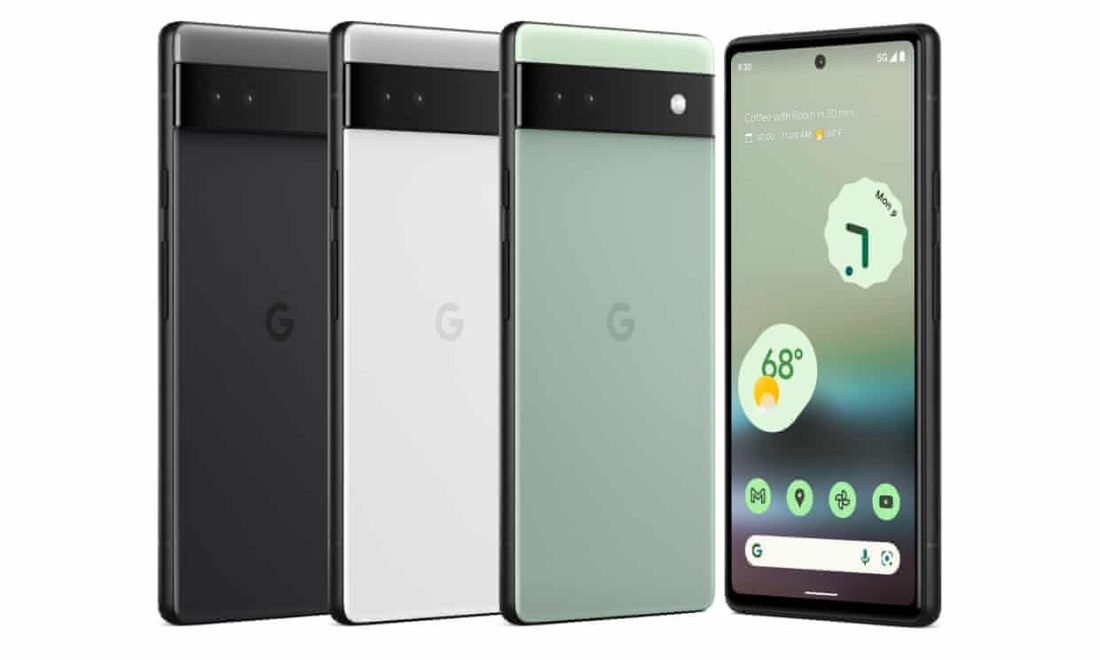
    The Pixel 6a is Google's mid-range offering

    At the same Google I/O, the company also revealed the Pixel 6a. Google stated that the mid-range offering will be more widely available compared to its premium siblings. The Pixel 6a is going to be available for pre-orders globally from July 21 as well. Google already confirmed that the Pixel 6a will be launched in India. This will be the first time since the Pixel 4a, that launched two years back, that Google will launched a Pixel phone in India.

  • Samsung Galaxy Z Flip 4 Spotted On FCC Website Ahead Of Launch

    Samsung Galaxy Z Flip 4 Spotted On FCC Website Ahead Of Launch

    Samsung is gearing up for the global launch of the Galaxy Z Flip 4. It will be releasing alongside the Z Fold 4 and Galaxy Watch 5 Series. All three devices are expected to be revealed at the August Unpacked event with launch dates to be announced at the same event. Now, ahead of the release, the Samsung Galaxy Z Flip 4 has been spotted on the FCC’s(Federal Communications Commission) website in the US. The smartphone’s network, Wi-Fi details, and more has been revealed in the listing. We are going to have a look.

    Samsung Galaxy Z Flip 4: FCC Certification Details

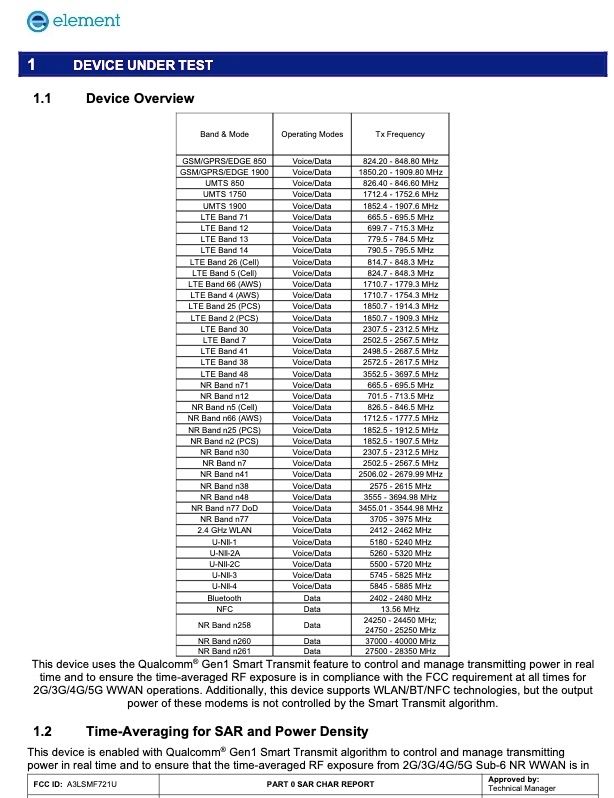
    On the FCC website, few the Galaxy Z Flip 4’s (model number SM-F721U) specs can be seen. The website confirms that the device will be supporting multiple global 4G and 5G bands. Other features like Bluetooth, Wi-Fi 802.11a/n/ac/ax, GNSS, NFC, and wireless charging have been listed as well. he device was also used with a wireless charging pad during the certification process. The Galaxy Z Flip 4 will have its antenna on the left. These are the only features that have been confirmed by the site.

    Samsung Galaxy Z Flip 4 FCC Listing


    What We Know So Far

    Back in may, the Galaxy Z Flip 4 was spotted on Geekbench. According to the listing, the device will be powered by a Qualcomm Snapdragon 8+ Gen 1 processor, Adreno 730 GPU, Android 12 operating system, and  8GB of RAM. The Z Flip 4 will come with a 12 megapixel and 10 megapixel dual camera setup. As per reports, the front camera of the Z Flip 4 will be an under the display unit.

    The display itself is speculated to be a 6.78-inch Full HDAMOLED screen with 120Hz refresh rate. The outer display is expected to be a 2.1-inch AMOLED screen. The Galaxy Z Flip 4 is expected to pack in a larger battery compared to the Z Flip 3, 3,700 mAh to 3,300 mAh. The device will support 25W fast charging compared to the 15W charging on the Z Flip 3. Expect the smartphone to launch with the Android 12 based OneUI 4.1 out of the box.

  • New Motorola Razr Breaks Cover In China Without The Chin

    New Motorola Razr Breaks Cover In China Without The Chin

    Motorola didn’t launch a new Razr in 2021, with reports and leaked details strongly suggesting a new model to be launching this year. Yesterday, the upcoming Motorola Razr (codename Maven) was officially showcased in China. Though it was more of a sneak peek than a full reveal, the pictures give us a glimpse at the foldable’s design.

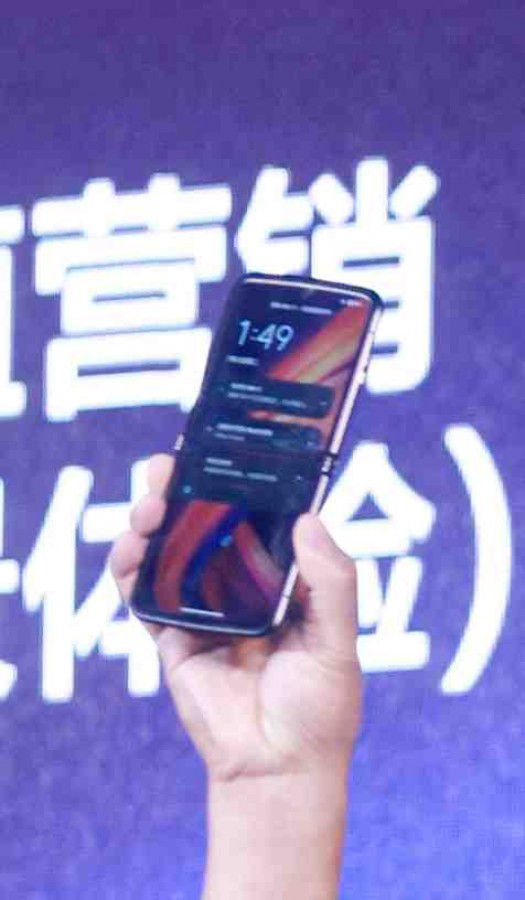
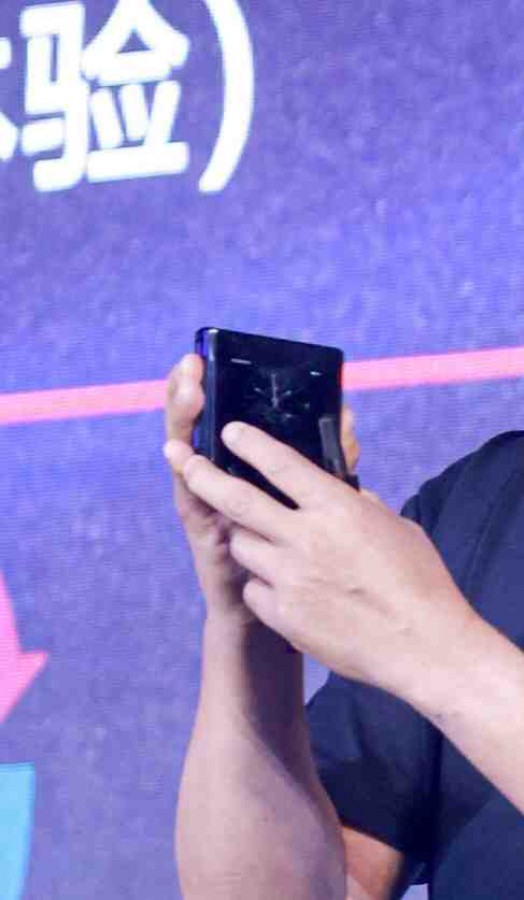
    Chen Jin, Lenovo Mobile Chia GM showcased the next Motorola Razr at a press event. The handful of pictures taken shows the device in both folded and unfolded form. As seen in the images, the new Razr ditches the “chin” design of the earlier models that emulated the original 2000s Razr.

    Pictures of the new Razr, when closed, give us a look at the new dual-cameras at the bottom right corner. The new Razr design actually looks quite similar to the Samsung Galaxy Z Flip 3.

    A teaser video posted on Weibo further shows off the new Motorola Razr. The new hinge looks inspired by Samsung’s design, as well as the new larger outer display, the main USP of the Galaxy Z Flip.

    Previous leaks have already confirmed that the new Motorola Razr will be powered by a Snapdragon 8+ Gen 1 chipset. The latest spec leaks suggest that the new Razr will feature a 6.7-inch P-OLED folding screen, 120 Hz refresh rate, and a redesigned hinge. The outer display is expected to be bigger than before at 3-inches. Camera duties will be handled by a 50-megapixel main camera and a 13-megapixel ultra-wide.

  • Android 10 Announced: Looking Back At The 10-Year-Old History Of Android Versions

    Android 10 Announced: Looking Back At The 10-Year-Old History Of Android Versions

    American technology behemoth Google announced earlier this week that the latest version of its Android operating system will be officially called Android 10. By this decision, the company has also broken on the long going tradition of naming the versions after sweet treats or desserts. The latest release also marks the tenth version of the platform, as is evident from the name. The operating system may have had a rocky start back in the year 2008, it has significantly evolved over the years. So to mark the landmark release of Android 10, we look at the extensive history of the software over the years.

    Android 1.0 and 1.1

    Android


    The one that started it all. The first version of the platform was released back in 2008 and it seems like so long ago that it did not even have a dessert name. But just to complete the cycle, enthusiasts have started calling it Android Alpha and Beta for the versions 1.1 and 1.2 respectively. The first generation of the operating system included basic Google apps like Gmail, Maps, Calendar and YouTube. While all of it seems very basic now, it was quite a big deal to have a suite of applications on a mobile phone.

    Android 1.5 – Cupcake

    Android Cupcake

    The Android 1.5 Cupcake was released in 2009, which also established the naming scheme based on sweet treats. Apart from being a monumental release, Cupcake brought about many changes to the platform. It was the first version to include an on-screen keyboard and third-party widgets. The latter provided the platforms one of the most unique features. Fun fact, this was also the first time the operating system gained the functionality enabling video recording on smartphones.

    Android 1.6 – Donut
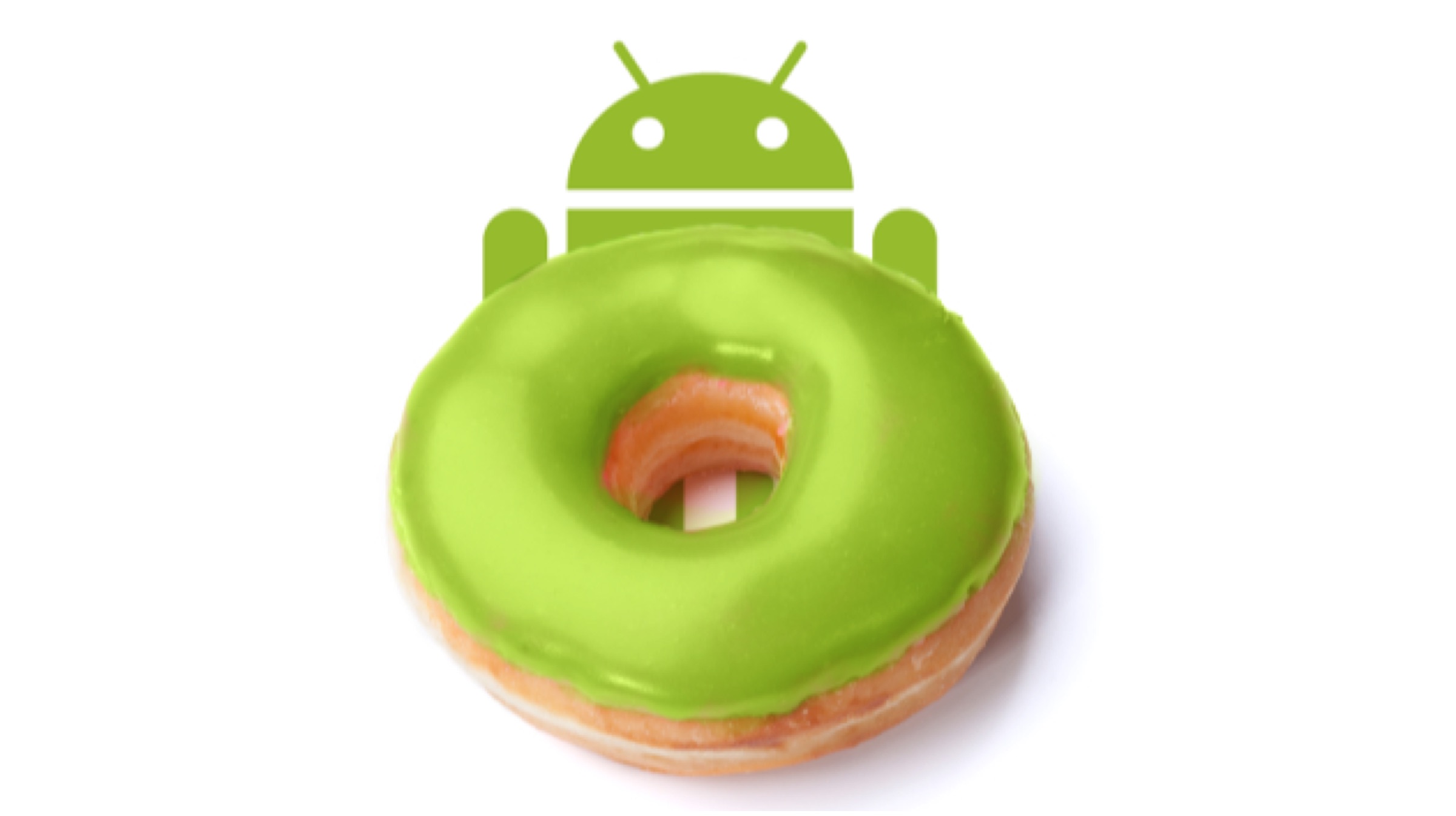
    Android Donut


    Android 1.6 Donut was also released in the year 2009 and brought about many features to the platform. The first and most significant was adding the search box. What is now a ubiquitous feature was first added to Donut. The version also added support for multiple display sizes, which is a key element for the platform’s success. It also introduced Google Play, which was called the Android Market at the time. The store enabled users to download and try out different apps and games.

    Android 2.0/2.1 – Eclair
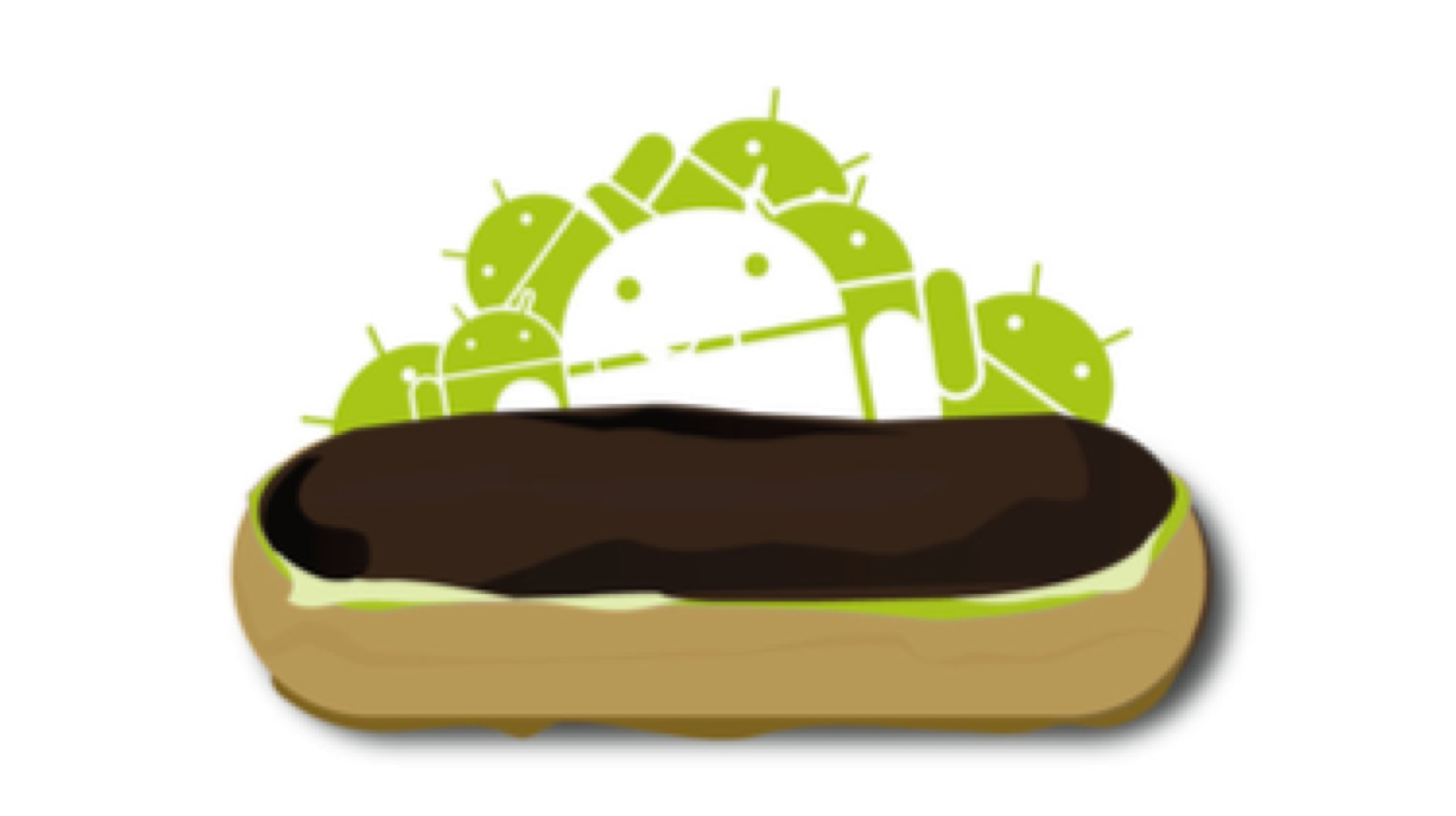
    Android Eclair

    The Android Eclair was released after almost six months of Donut, which is not something the company does today. It was sort of like an incremental update, with the platform adding support for Google’s turn by turn navigation and speech to text among other features. Eclair also added live wallpapers, which while it drained a lot of battery, was a really cool feature at the time.

    Android 2.2 – Froyo

    Android Froyo

    Google plopped up the Android 2.2 Froyo just four months after Eclair. This release, just like the Frozen Yogurt it is named after, was a sweet treat to the users as it focussed on increasing the performance of the devices. The release added the support for new Voice Actions and added support for mobile hotspots; which is also an important addition by historical importance.

    Android 2.3 – Gingerbread
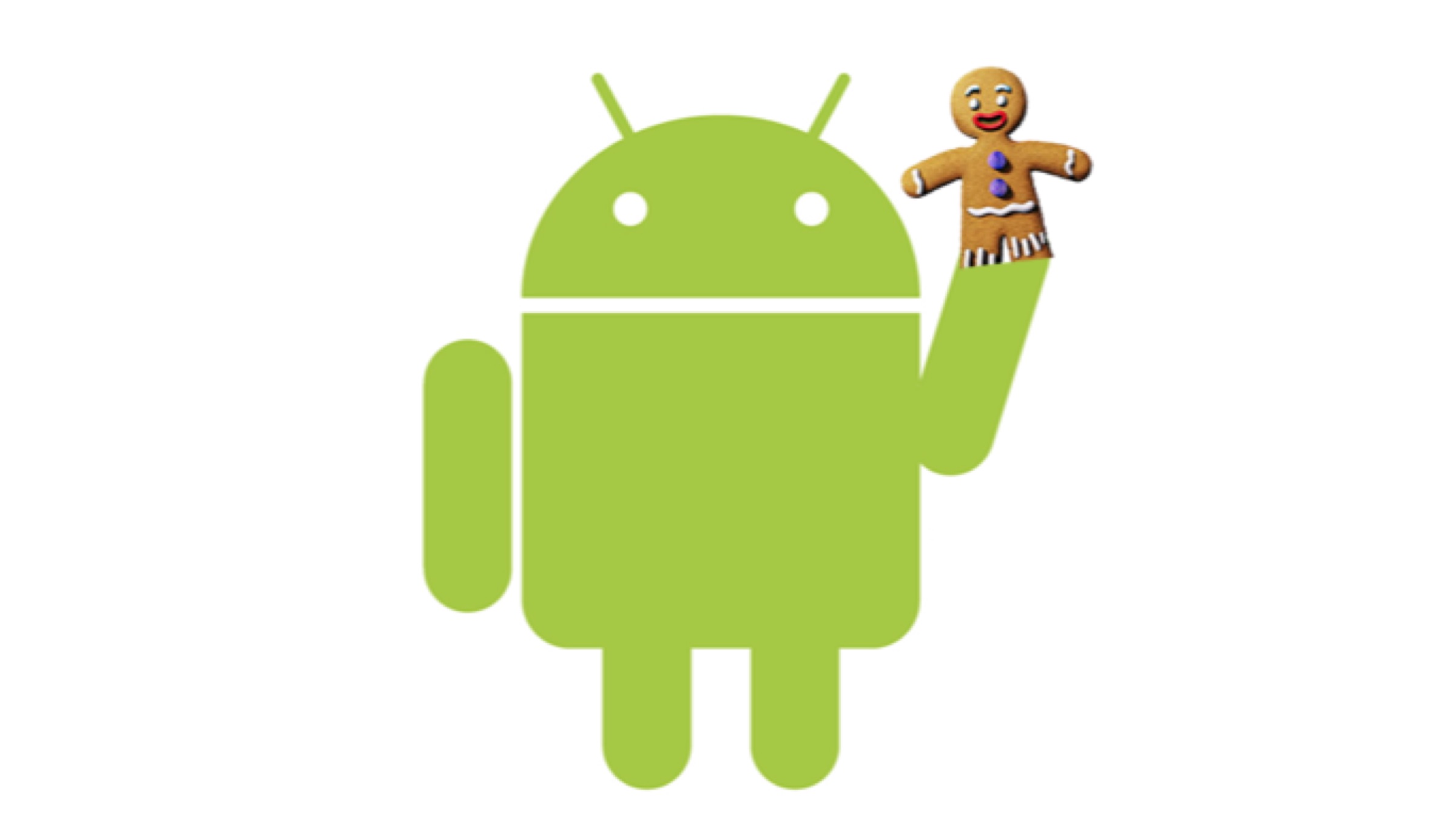
     

    Android 2.3 Gingerbread was released in the year 2010 and marked an incremental update over Froyo. The platform gained support for new and improved gaming API for better and graphically intense gaming. It also added NFC connectivity to compatible devices; enhancing their connectivity. Fun fact, Google added a hidden easter egg in the operating system starting Gingerbread. The first hidden surprise was a zombie artwork when the users tapped on the version number multiple times in settings.

    Android 3.0/3.1/3.2 – Honeycomb
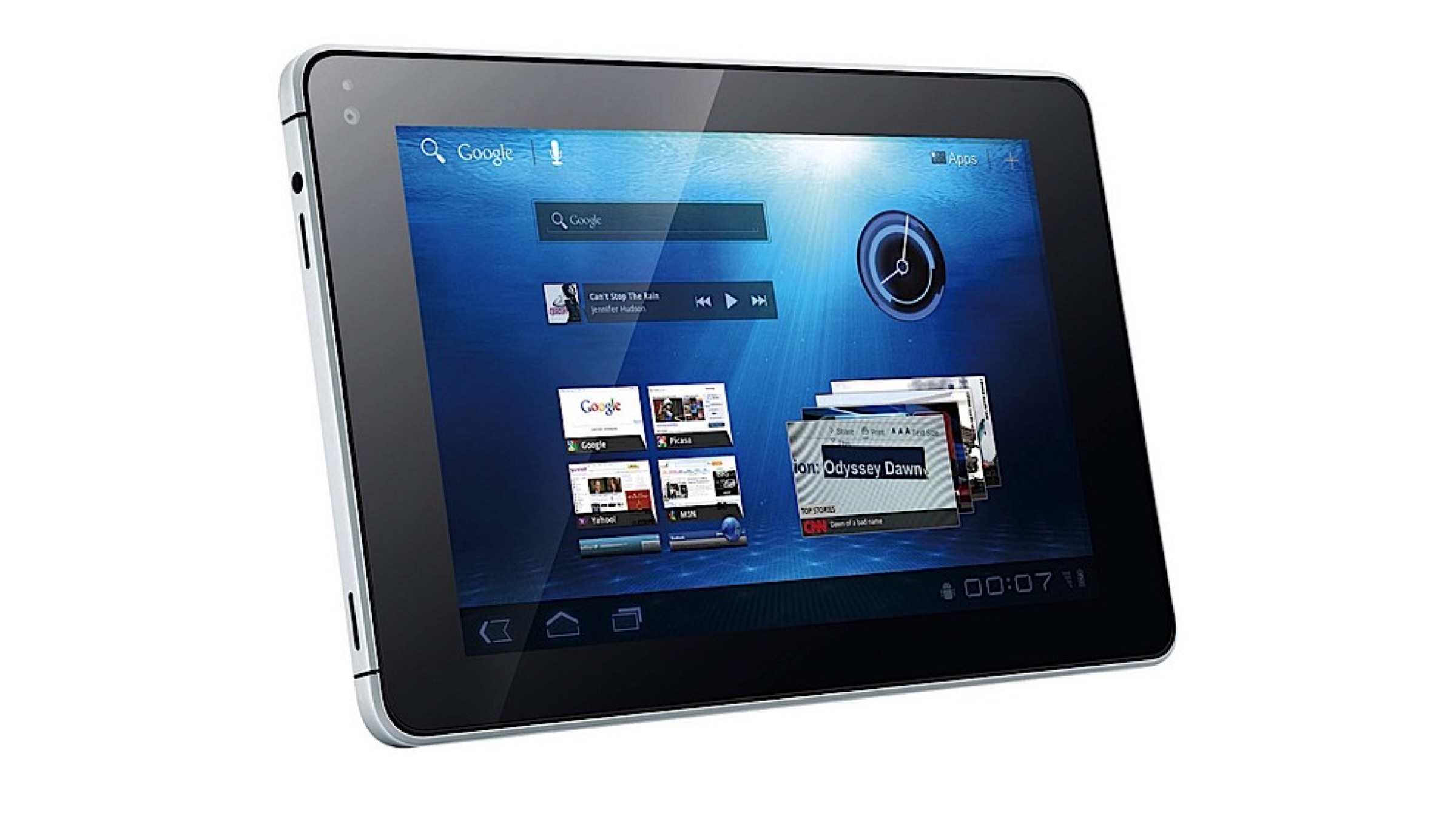
     

    Back in the year 2011, when tablets were becoming all the rage in the market, Google released the Android 3.0 Honeycomb. As a tablet exclusive operating system, it didn’t see many takers but was an important step in the redesigning of the platform. The version saw a user interface that utilised the whole display of the device, which was important in a tablet. However, due to limited application support and not many makers adopting it, Honeycomb is one of the more obscure versions on the list.

    Android 4.0 – Ice Cream Sandwich
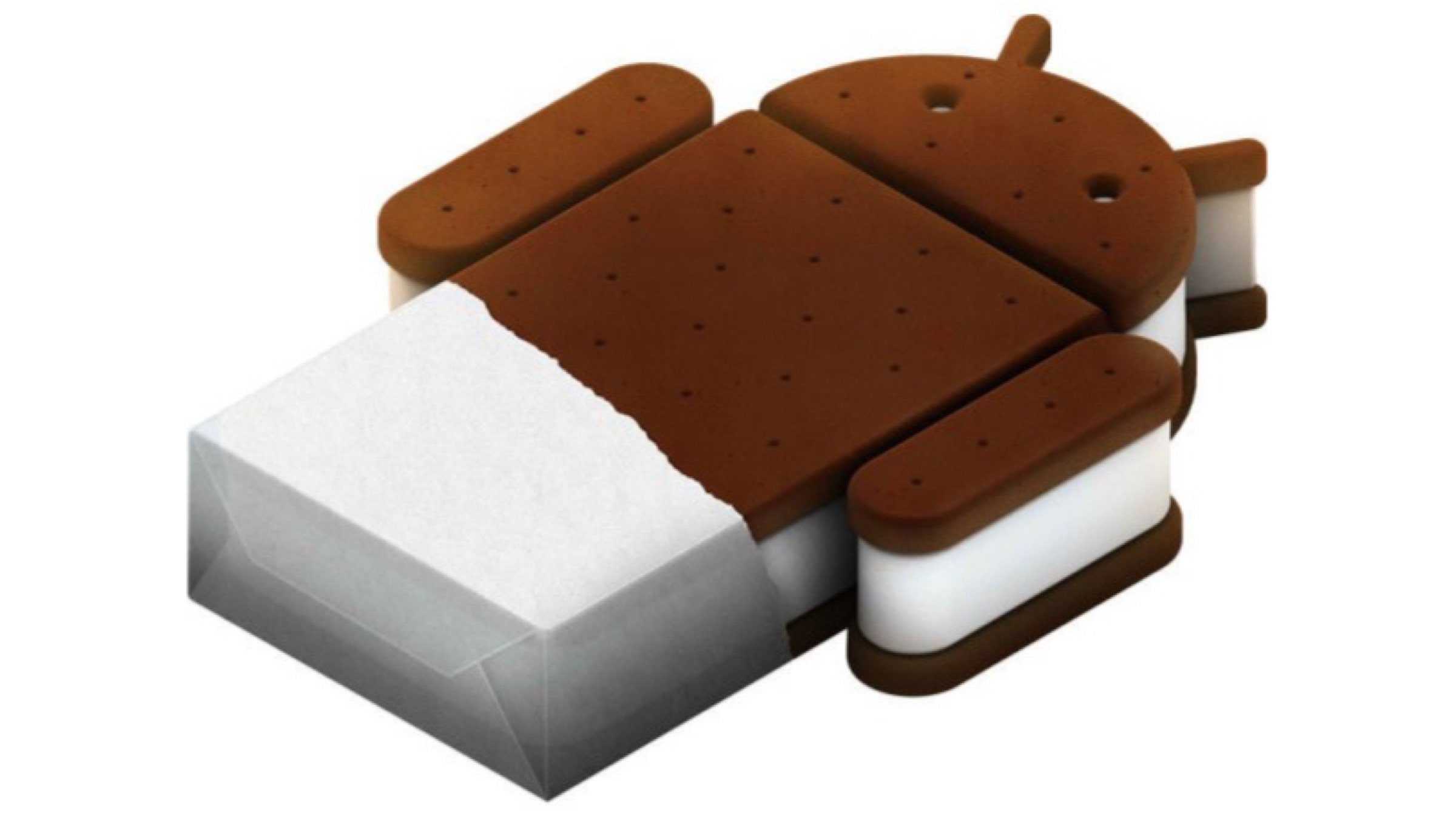


    Android 4.0 Ice Cream Sandwich was a major design overhaul for the operating system. Released in the same year as Honeycomb, the version brought about changes like a new Holo design, swipe gestures for notifications and recent apps, and support for Android Beam. Looking back at Ice Cream Sandwich now feels like it was an extremely ambitious update, one which has futuristic vibes going on for it.

    Android 4.1/4.2/4.3 – Jellybean
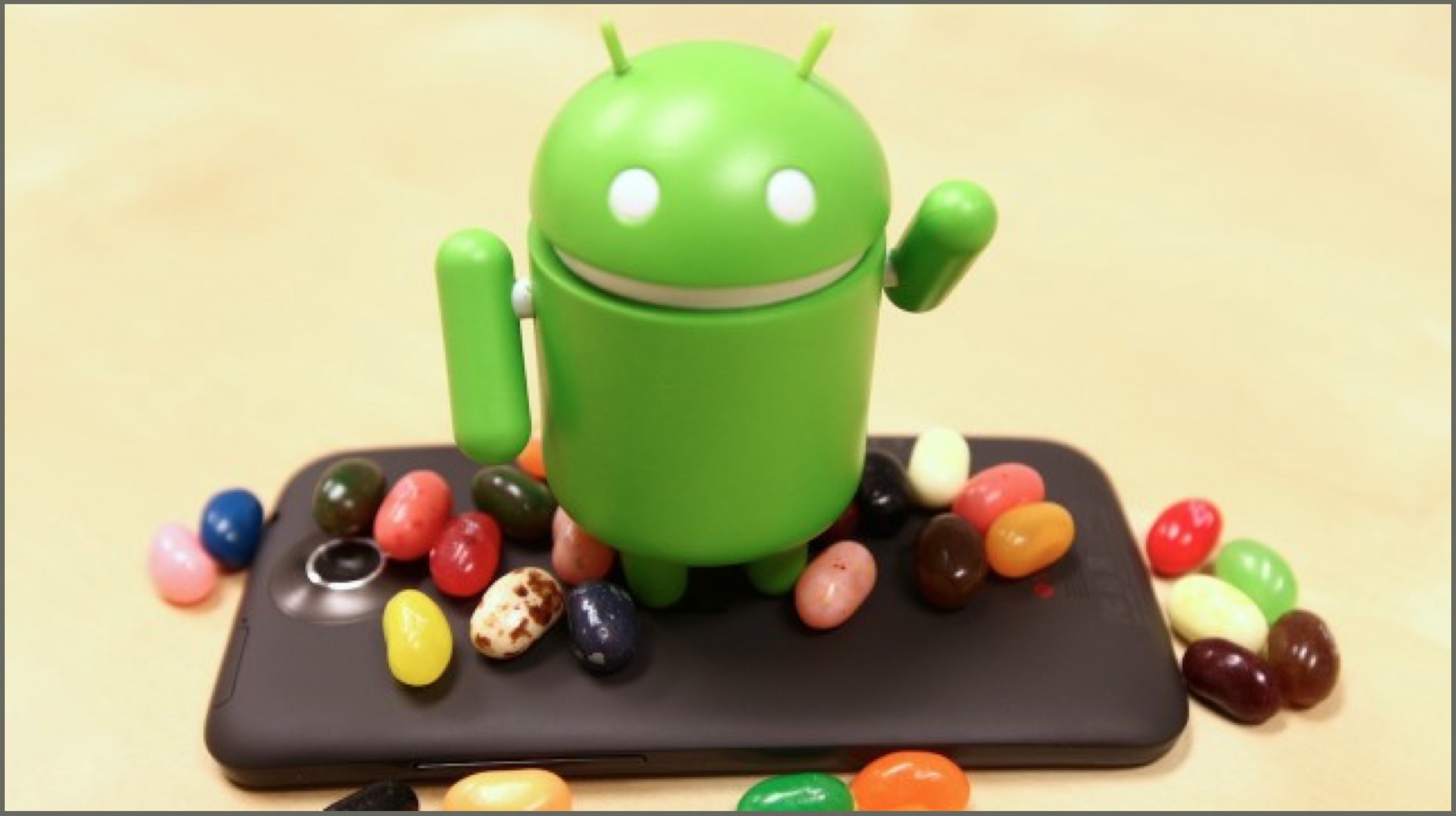
    Released over multiple periods between 2012 and 2013, the Android 4.1/4.2/4.3 Jellybean was an incremental update over Ice Cream Sandwich. The platform gained support for account switching, which lets multiple users use a smartphone in different ways. It also has Google Now, a barebones digital assistant which has now been christened as Google Assistant. Jellybean also got actionable notifications, which let taking actions without opening certain applications easier.

    Android 4.4 – KitKat
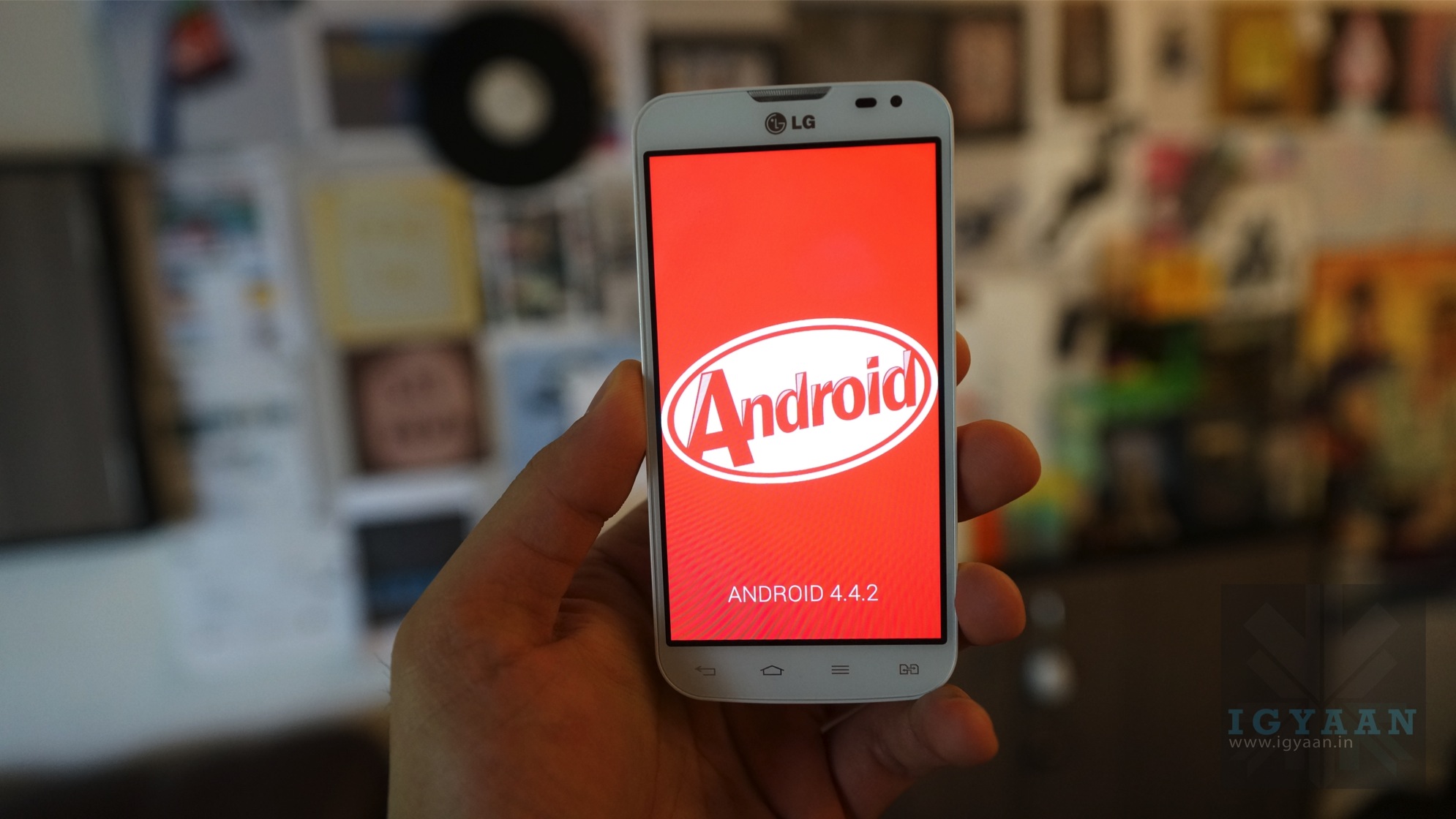
    The name for Android 4.4 KitKat was a result of Google’s partnership with Nestle in the year 2013. This release made for a delicious name, and software refinements all around the operating system. Things like a smart dialer, full-screen applications and the “Okay Google” keyword; which we now take for granted, were first added in KitKat.

    Android 5.0 – Lollipop
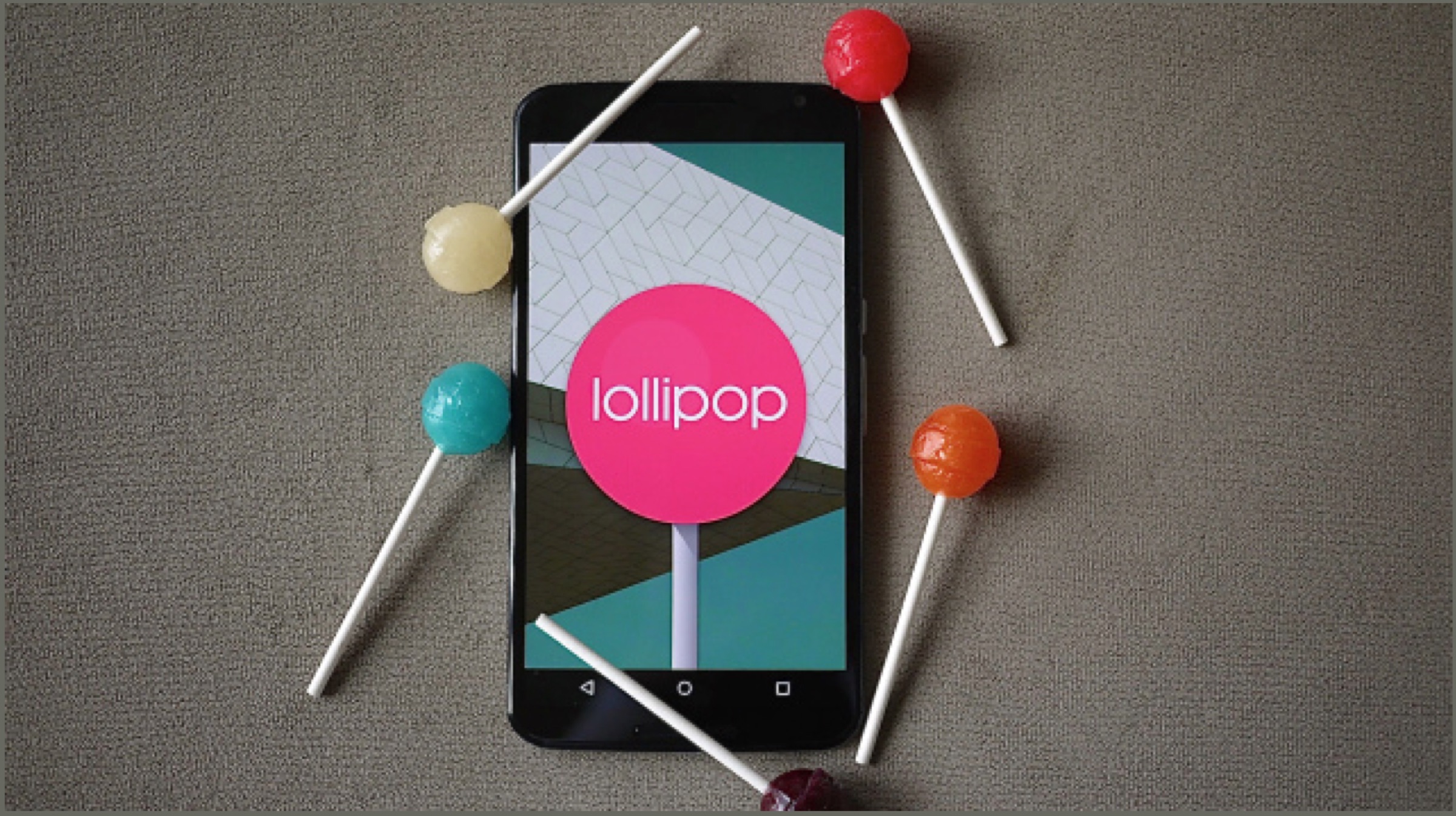
    One of the biggest releases of the operating system, Android 5.0 Lollipop saw Google going back to the drawing board in 2014. The company adopted the Material Design theme, which is still in use today and almost redesigned the platform. With the release, lock screen notifications became a thing, and the software gained support for full hands-free “Ok Google” detection. Not to mention the change in the recent apps drawer with the release. Fun fact, Google added a neat little game in the easter egg which resembled Flappy Bird, another smash hit game of the time.

    Android 6.0 – Marshmallow
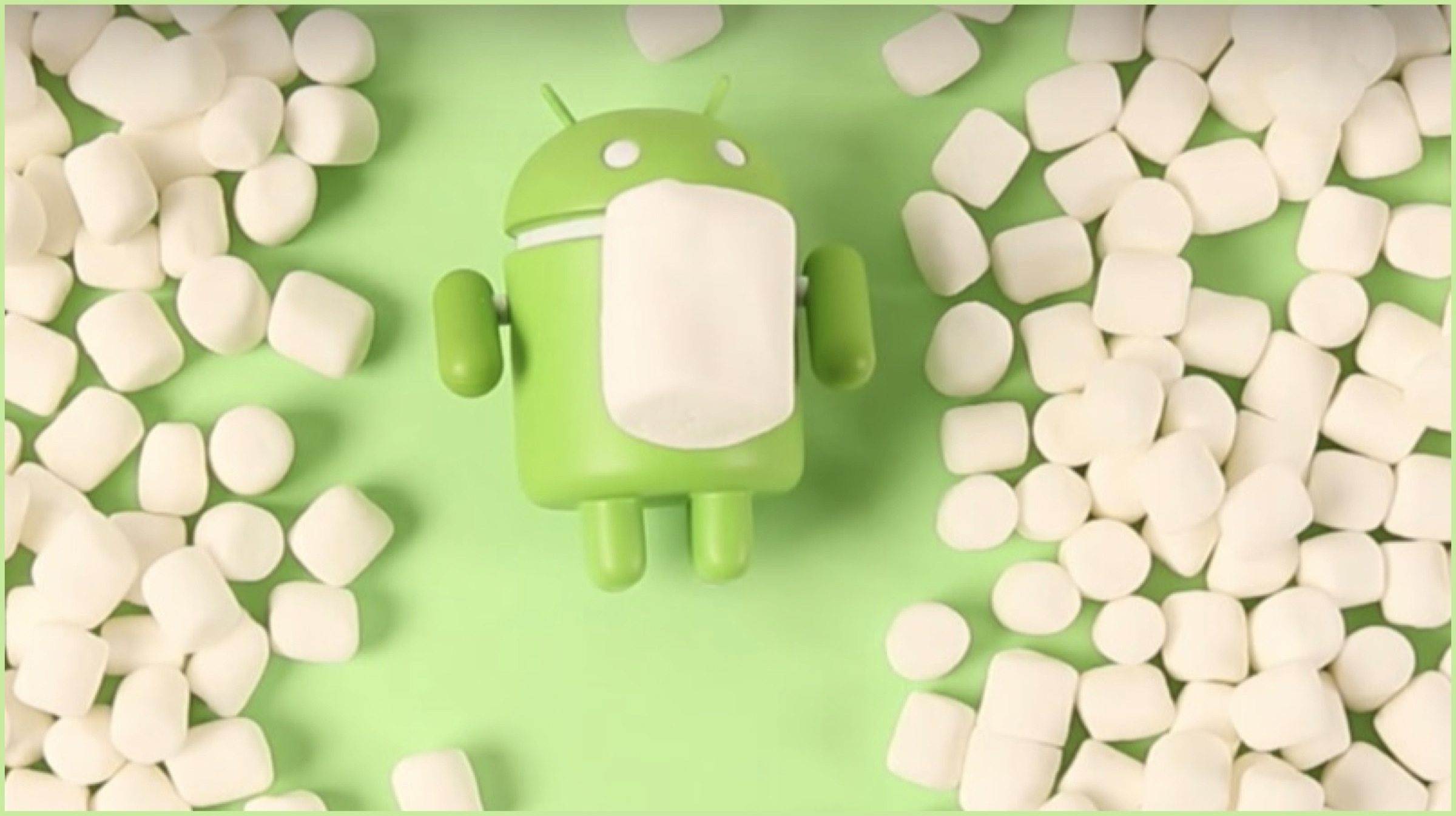
    Android 6.0 Marshmallow was released in 2015 and was an incremental update over Lollipop. It was in part because the previous version was such a design overhaul that it made for Marshmallow not to do anything drastic. The version added support for things like fingerprint readers and USB Type C ports and added a feature called Now on Tap. It used the company’s machine learning to provide more information on what is being displayed on the device. For granular privacy settings, Marshmallow also had permission controls for each application.

    Android 7.0 – Nougat
    nougat android

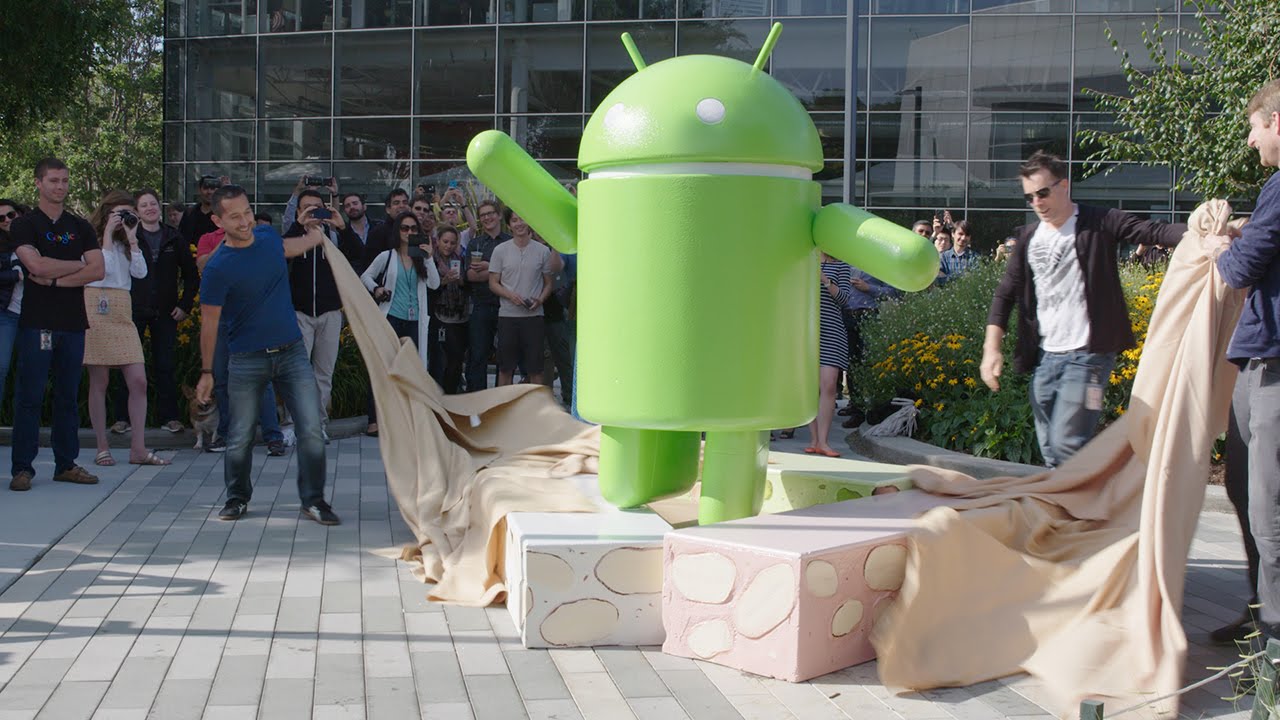
    Android 7.0 Nougat, was released in the year 2016 and focussed on improving upon Marshmallow. It was launched alongside the first Google-made smartphone, the Pixel and Pixel XL. With Nougat, the company introduced the split-screen feature and debuted Google Assistant, which is arguably the best digital assistant on a smartphone.

    Android 8.0 – Oreo
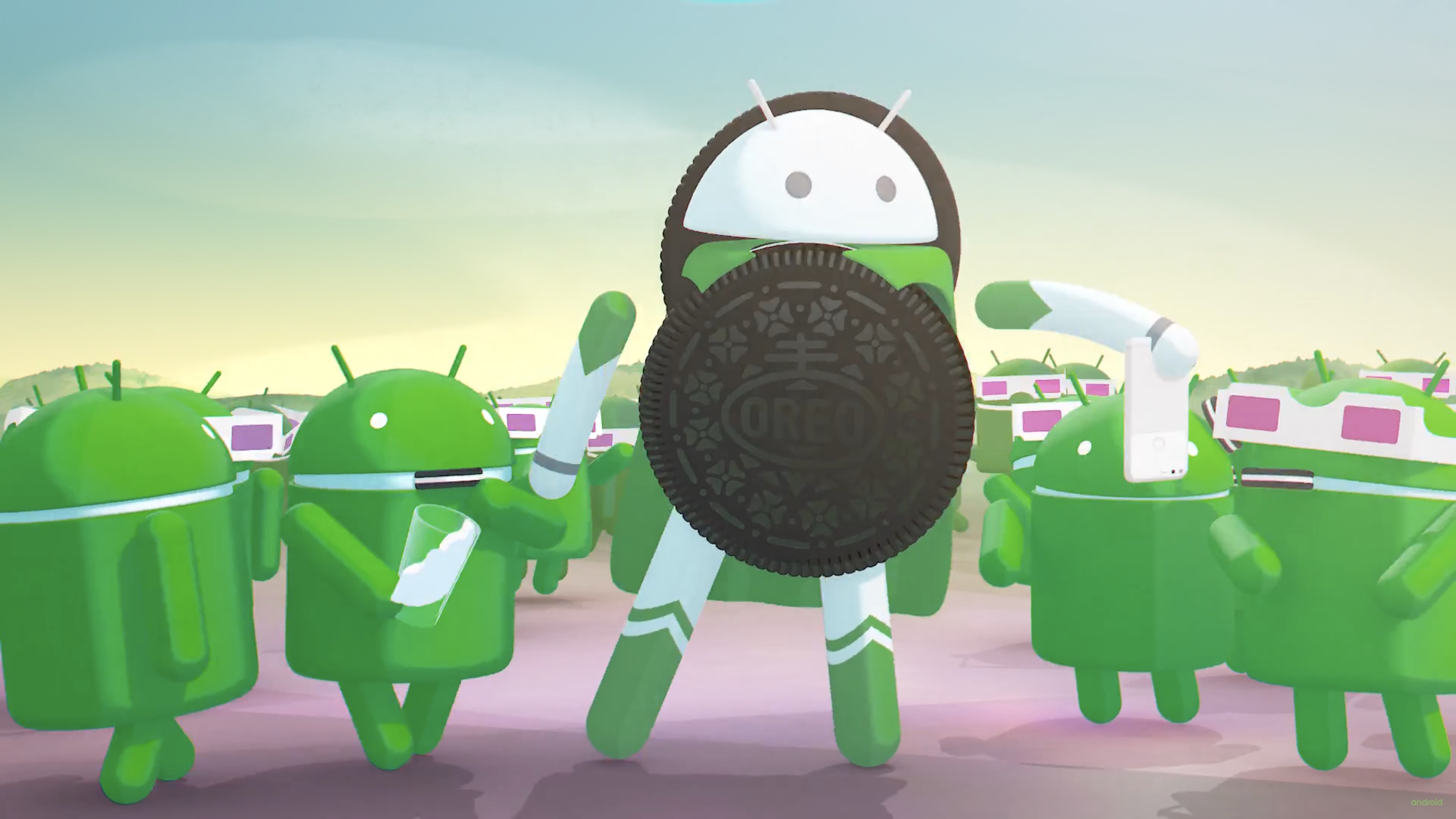
    Android 8.0 Oreo was released in the year 2017 and again, was an incremental update over Nougat. The name, much like KitKat was a result of Google’s partnership with a big company, this time it being Nabisco. This release brought about feature like a picture in picture mode, granular control over notifications. One of the landmark features of the sandwich cookie version was the support for Project Treble. It was an attempt by Google to minimise Android Fragmentation; by getting the latest release on most devices faster. Sadly the last bit has not played out very well.

    Android 9 – Pie
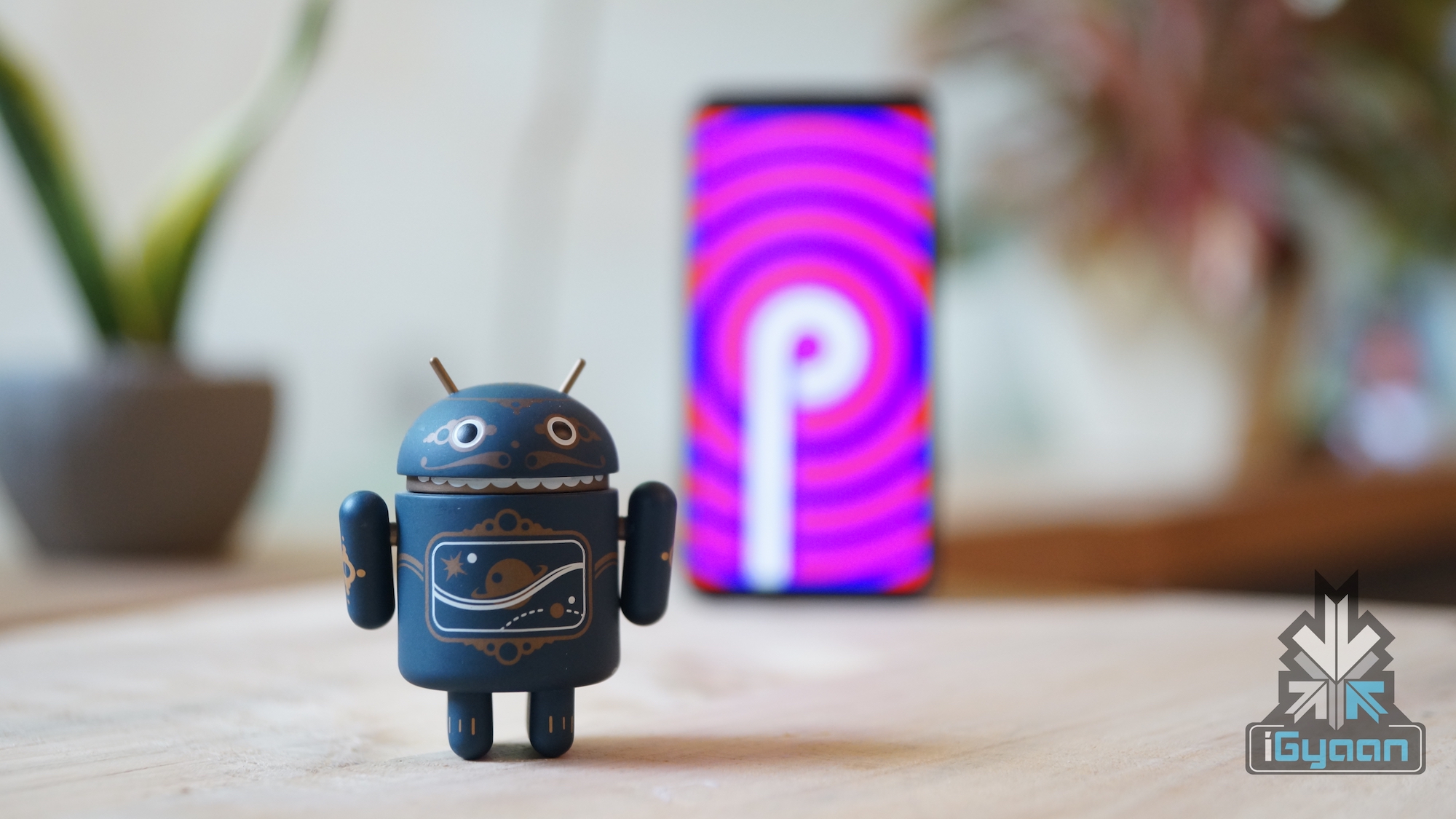
    The last release of the platform yet and one of the most important, Android 9 Pie was baked in the year 2018. It marked a soft reboot in designing the operating system, with the company trying to move away from Material Design. The release introduced new gesture-based navigation, which however half baked they may be; paved the way for all-screen smartphones. Also added to the release were clever software controls for Wi-Fi and mobile data. It also introduced the Digital Wellbeing feature on some devices. This lets users see the amount of time they spend on their smartphones and can limit it.

    Android 10 – No Desserts For You!
    Also read: Lenovo Teases An Upcoming Budget Smartphone, The Lenovo A6 Note

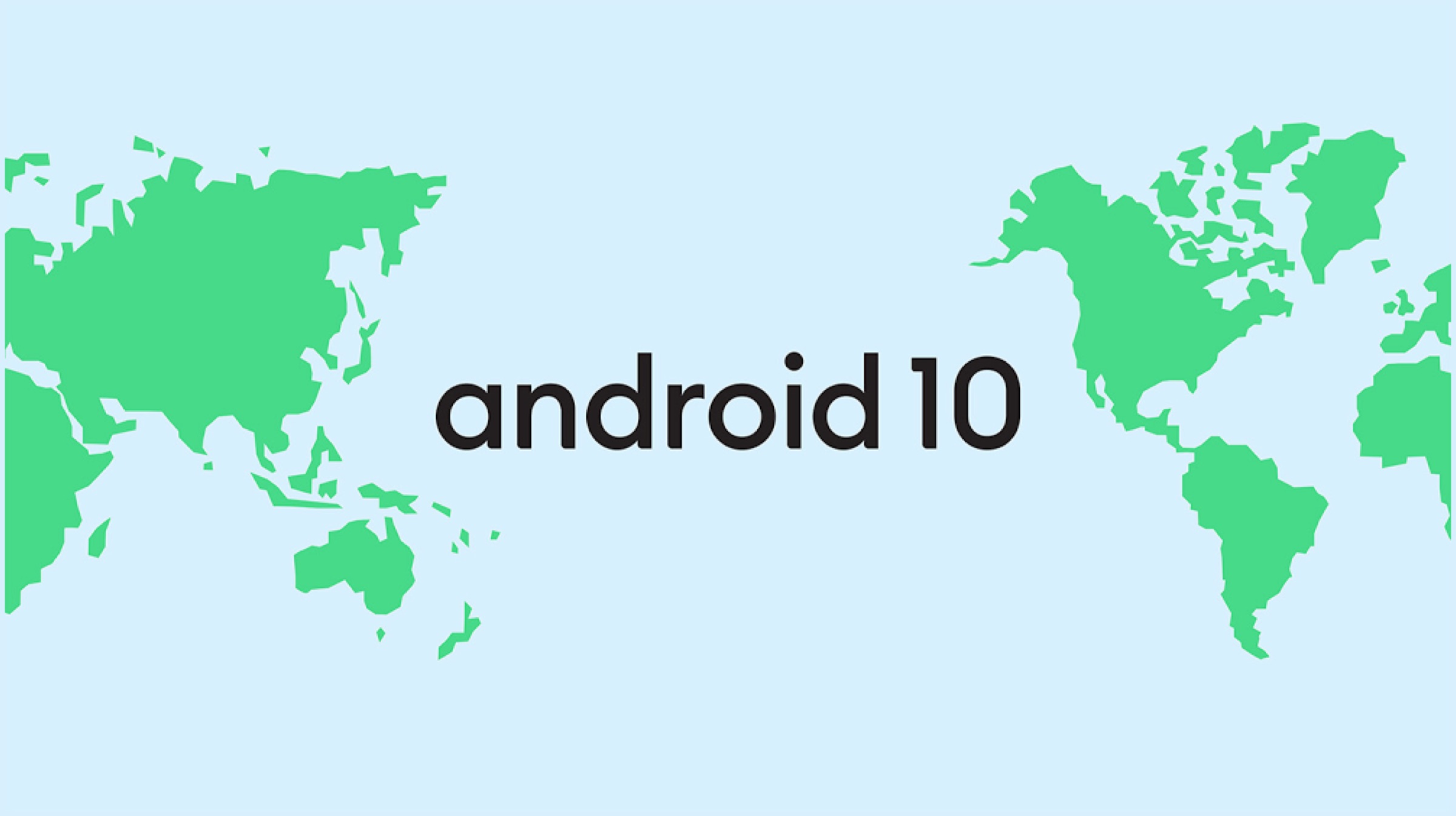
    The latest release by the company, Android 10 as mentioned above does not have an official dessert name. However, according to some reports, Google still has the codename for the release which is named after a dessert that starts with Q. Take your guesses, I’m going with Quiche. However sad the company’s naming decision may be, the latest release will bring about significant changes in the platform. The first one is an all-new navigation gesture system, which resembles the new iPhone gestures. Also arriving in the release are better and faster security updates and support for Live Captions. The final developer’s Beta for the software has just been released; so Google is expected to roll out a stable update in the following weeks.
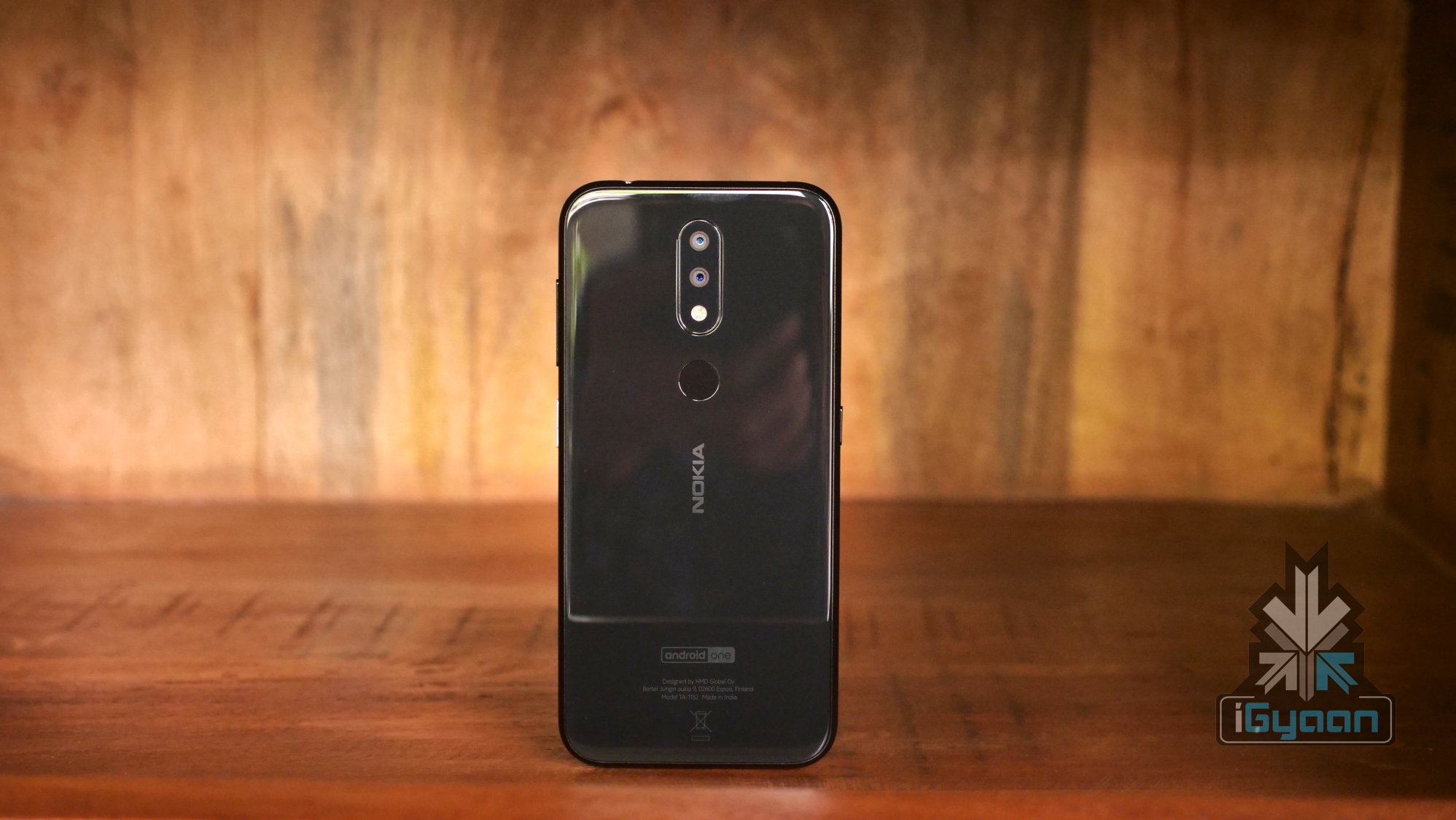
  • Nokia Announces Android 10 Update Schedule For Existing Smartphones

    Nokia Announces Android 10 Update Schedule For Existing Smartphones

    In the last couple of hours, we have received two major news from Google and Nokia. First, that Google’s Android Q’s official name is Android 10. Second, Nokia has announced its Android 10 schedule for its existing smartphones that are part of the Android One program. The announcements came one after the other and here’s a short breakdown of it.

    Android 10

    Nokia Update Timeline

    Nokia had re-entered the global market with its Android One smartphones two years ago. Since then, the company has seen a warm welcome owing to a bloatware-free experience its devices offer. Most of the handsets offered by Nokia are targetted towards mid to budget range which is uncommon for an Android One device to be. For those unaware, it is a program started by Google that ensures the device running the stock Android gets at least two major Android updates and security patches for three years.
    In other words, Nokia devices are ensured for long term use. The company shared its schedule regarding the roll-out of Android Q on its devices which is as follows:

    2019 Q4:

    • Nokia 7.1
    • Nokia 8.1
    • Nokia 9 PureView

    2020 Q1:

    • Nokia 6.1
    • Nokia 6.1 Plus
    • Nokia 7 Plus
    • Nokia 2.2
    • Nokia 3.1 Plus
    • Nokia 3.2
    • Nokia 4.2
    • Nokia 1 Plus
    • Nokia 5.1 Plus 
    • Nokia 8 Sirocco

    2020 Q2:

    • Nokia 2.1
    • Nokia 3.1
    • Nokia 5.1
    • Nokia 1

    Android 10

    Google Android 10

    Google has officially announced that it is parting from its beloved naming philosophy. The sweet-toothed names that were associated with each new generation of the OS are finally being sobered down. It has been confirmed that Android Q will officially be called Android 10. The reason the company said for this major change is to help people understand generations better.

    Also ReadSamsung Announces Galaxy A30s, Features A Triple Rear Camera

    The example given out was that some regions cannot distinguish between L or R in regional languages. So, simply saying Lollipop makes no sense to them. Thus, Google is employing a clean, sober and chronological name scheming. It would also seek to not have certain countries in the world feel left out over dessert names from their region (R for Rasgulla Or L for Laddo ;)). The move by Google is purely unifying and simplifying in nature.

  • Google Testing An Android App Subscription Service Called Play Pass

    Google Testing An Android App Subscription Service Called Play Pass

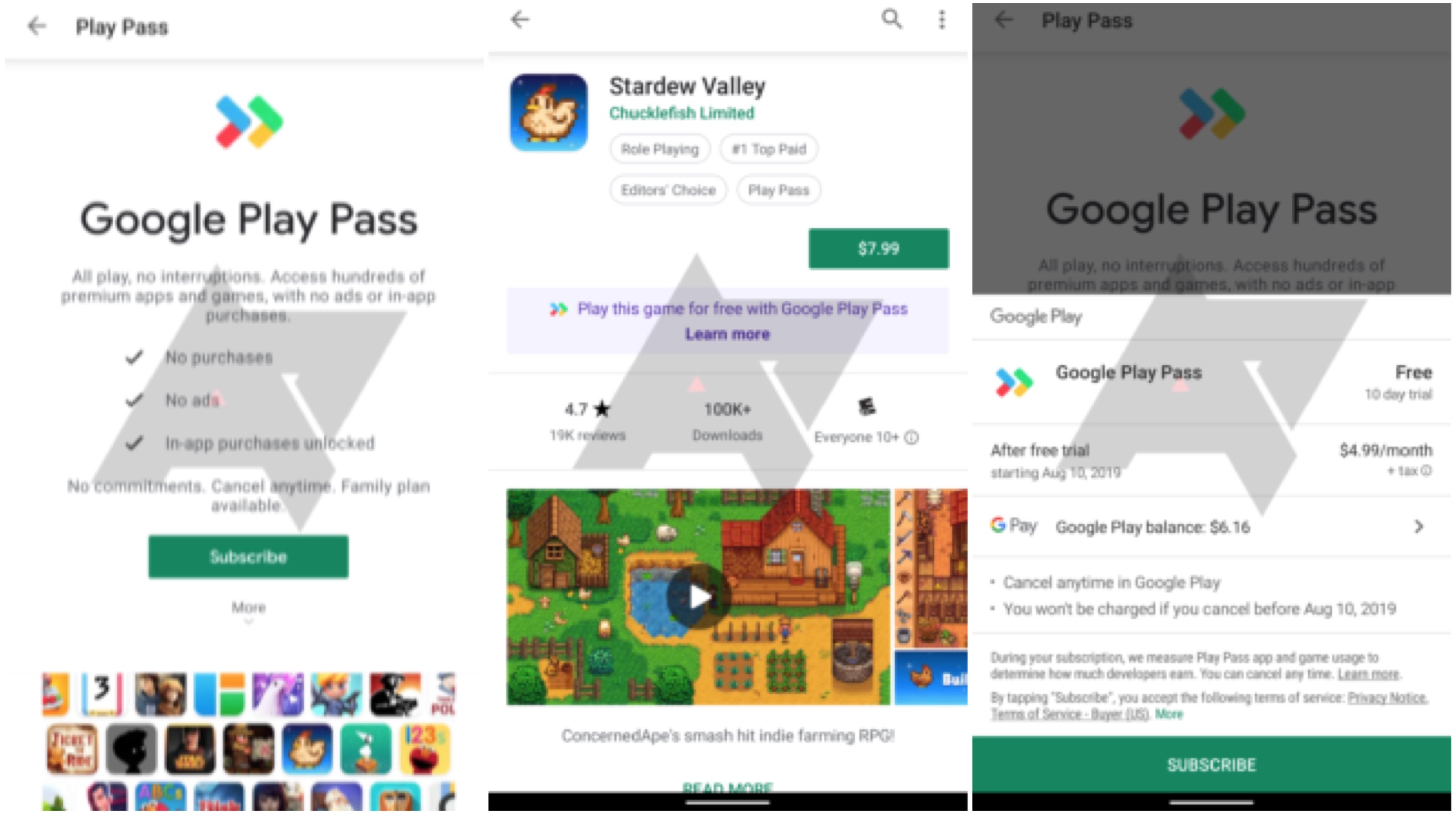
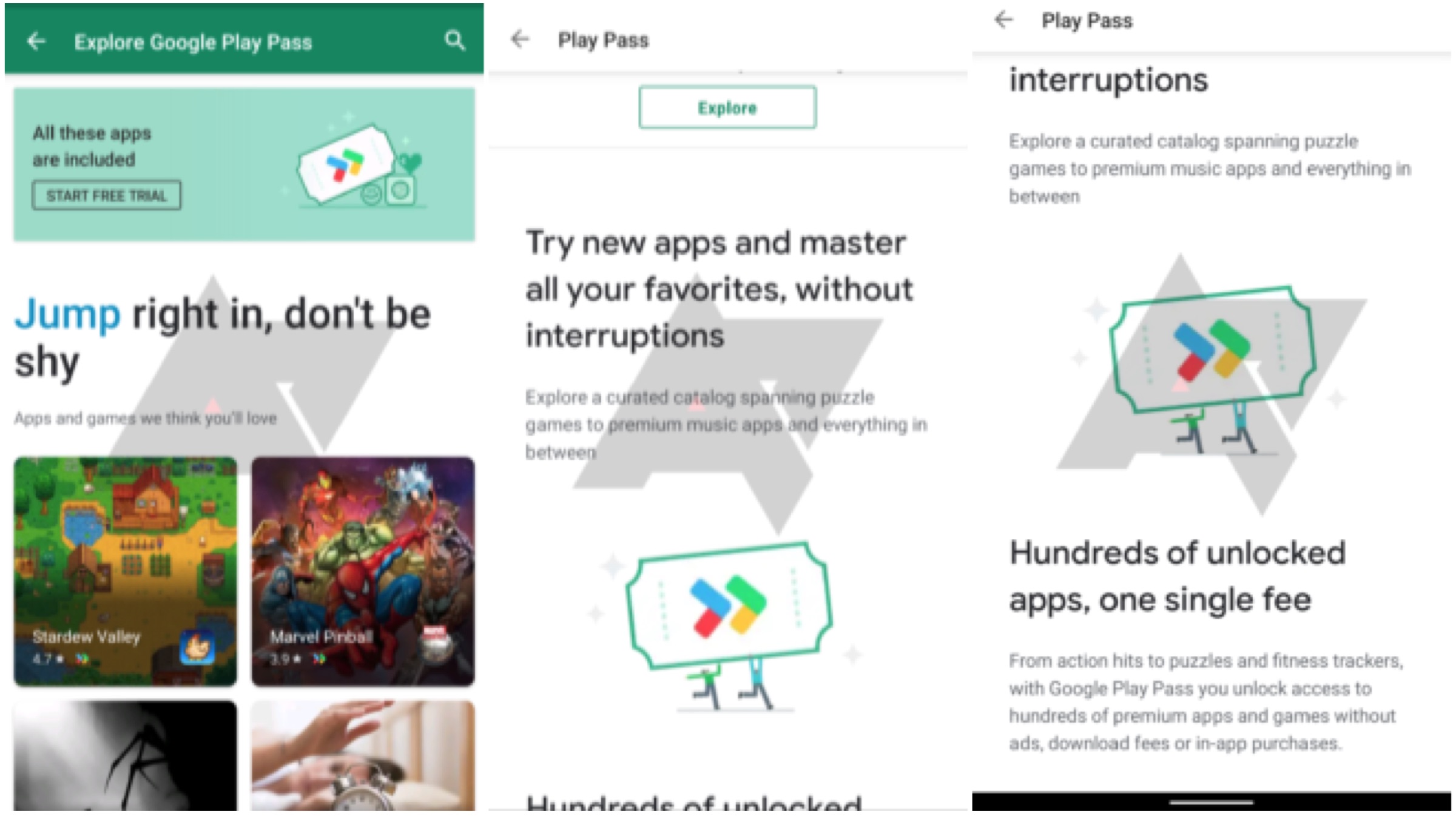
    American technology giant Google launched the Play Store for its Android operating system back in the year 2008. Earlier known as the Android Market, it offers a plethora of different applications and games. While most are free to download and use, the others charge a fee to be downloaded. Now, the latest reports claim that Google is planning on launching an app subscription service; that will unify most premium software on the Play Store and offer a seamless experience. Along with the service’s existence, screenshots revealing how it will work have also been showcased.

    About Play Pass

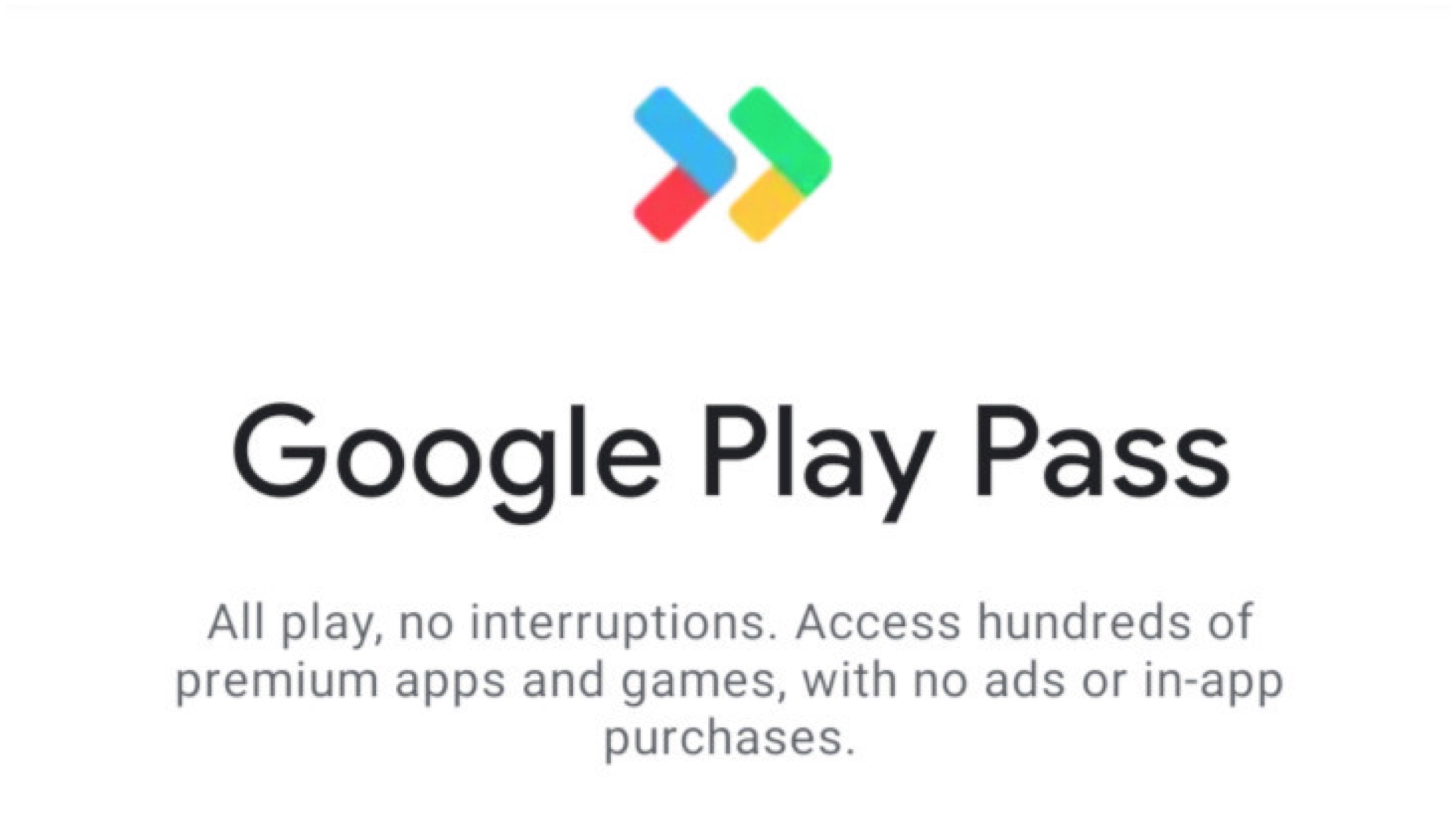
    Google Play Pass

    As mentioned above, the Google Play Pass is a new application subscription service on Android. According to reports, the service will offer a curated library of various paid apps and games. It will also let users bypass the in-app purchases of the particular software. The leaked screenshots reveal that the service will cost users US$ 4.99 (Rs. 345) a month; which will be charged after a 10 day trial period. It is assumed that users will be able to cancel the subscription before their trial period is over if they are unsatisfied by the product.

    Also read: Samsung Galaxy Tab S6 Launched, Snapdragon 855 and Super AMOLED Display In Tow

    The report also claims that Google has been working on Play Pass since last year, and the service has just started rolling out for public testing. The company has admitted to working on Play Pass and has revealed that it is still in a testing phase. Unfortunately, it is not known when the final stable release of the service will be announced; but the screenshots suggest that it is almost ready for primetime and may be launched soon. When official, the Google Play Pass will compete against the Apple Arcade, which is a similar offering on iOS due later this year.

  • Agent Smith Malware Affects 25 Million Android Devices

    Agent Smith Malware Affects 25 Million Android Devices

    The world’s most popular mobile OS, Android has once again been subjected to a wide scale malicious attack. A security firm “Check Point” discovered a new malware which replace portions of known apps with its own code. Noteworthy, the malware has affected more than 25 milion devices around the globe, out of which 15 million are in India alone. 

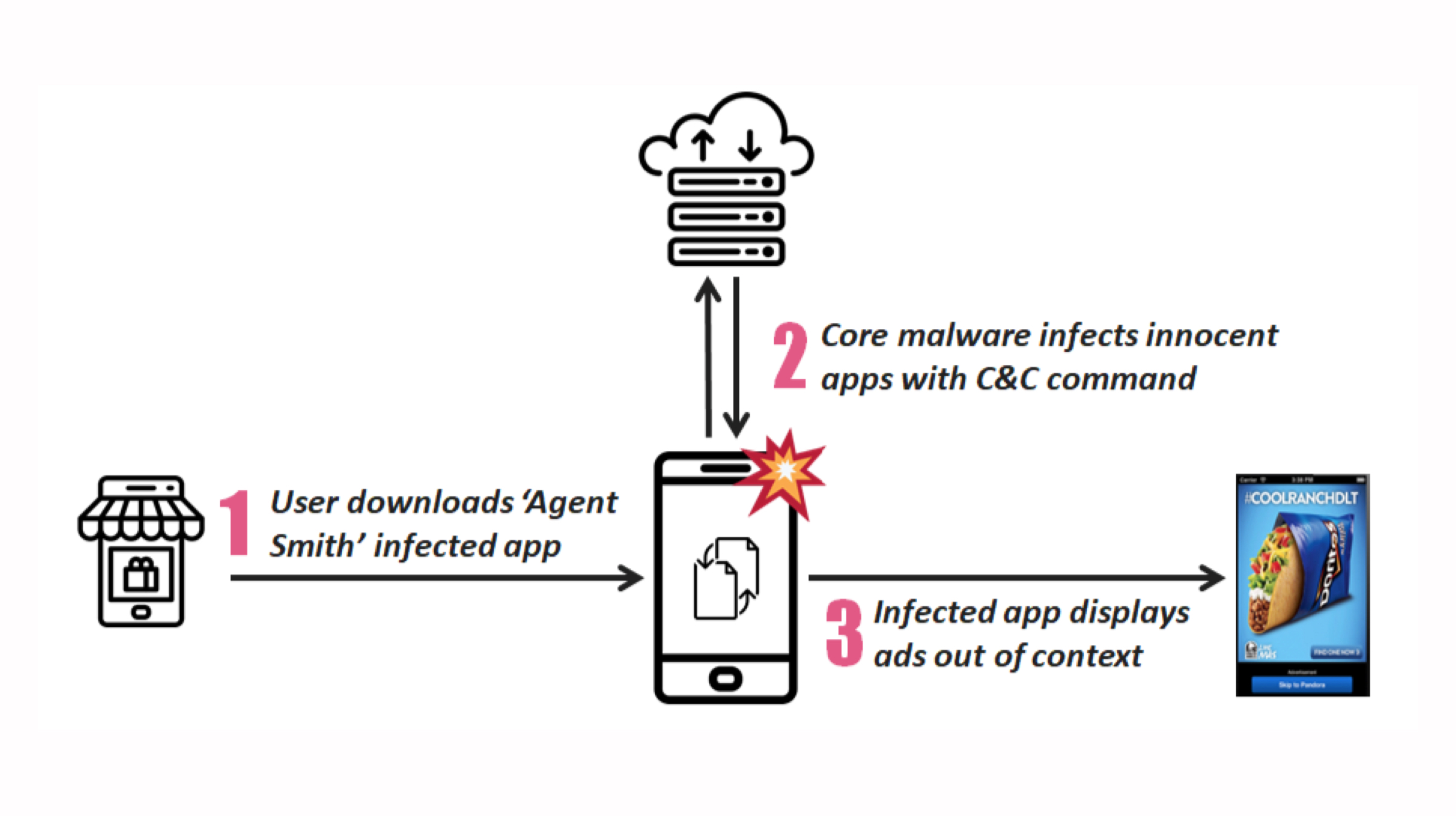
    According to Check Point, the malware is named “Agent Smith” and is designed to target known vulnerabilities  of the Android operating system. The application was revealed to partially replace code on legitimate apps with malicious code. Notably, the whole process was exectuted without the knowledge or permission of the device owner.agent smith malware

    Surprisingly, the malware is not intended to steal user data, instead, it injected the infected apps with lines of  code so that they display advertisements. The developer would earn ad credits whenever a user with infected applications would watch or click on the display advertisements. Therfore, the developer could gain monetary value with the whole scheme. agent smith malware

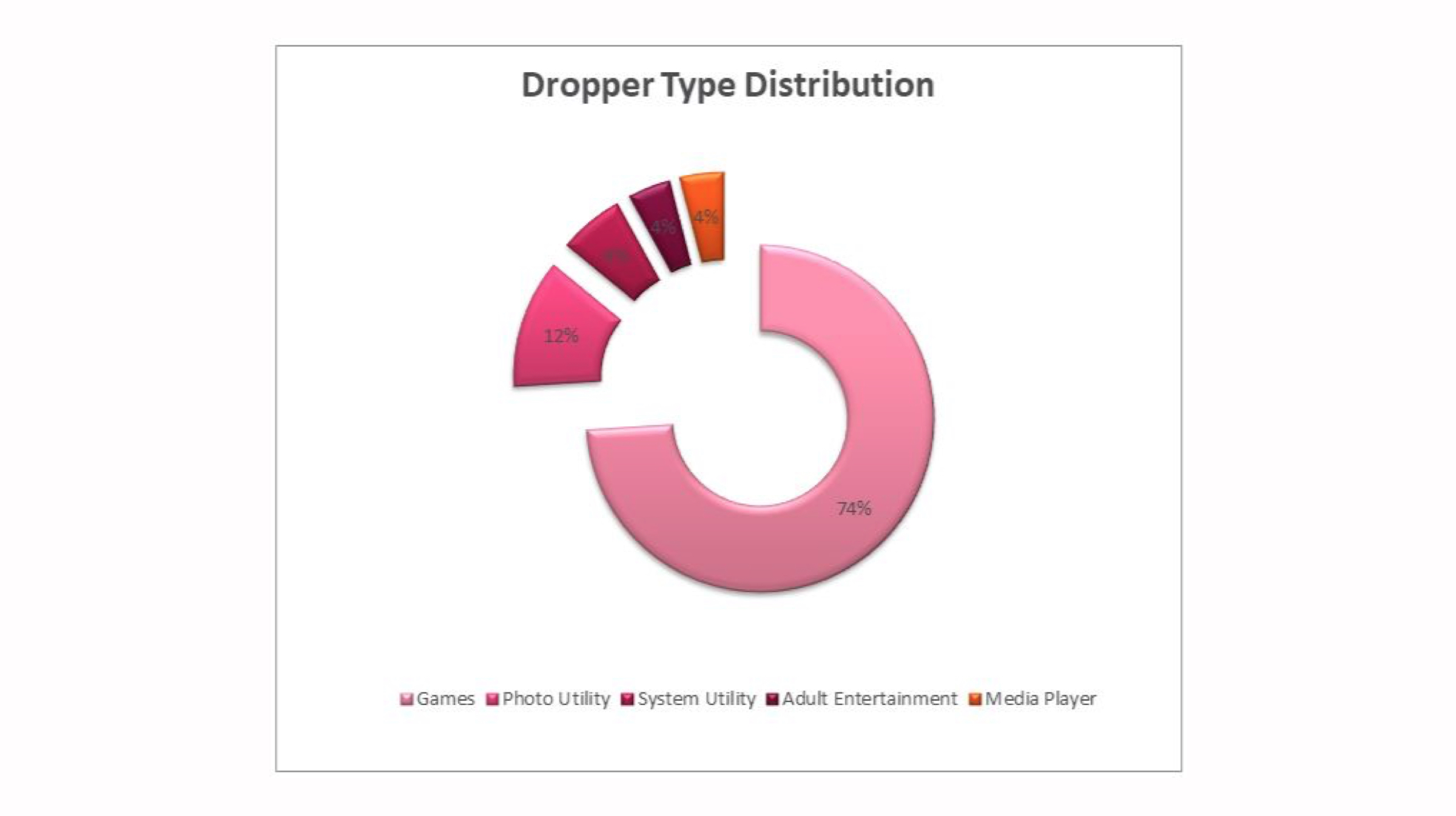
    The reserach agency revealed that the Agent Smith malware mainly targeted well-known apps like WhatsApp and Flipkart, therefore, accounting for the astounding reach it had. The source of the malicious app was traced back to a third party application store which is called 9Apps. The malware was concealed in programs like games, video players and adult entertainment apps which have high demand. agent smith malware

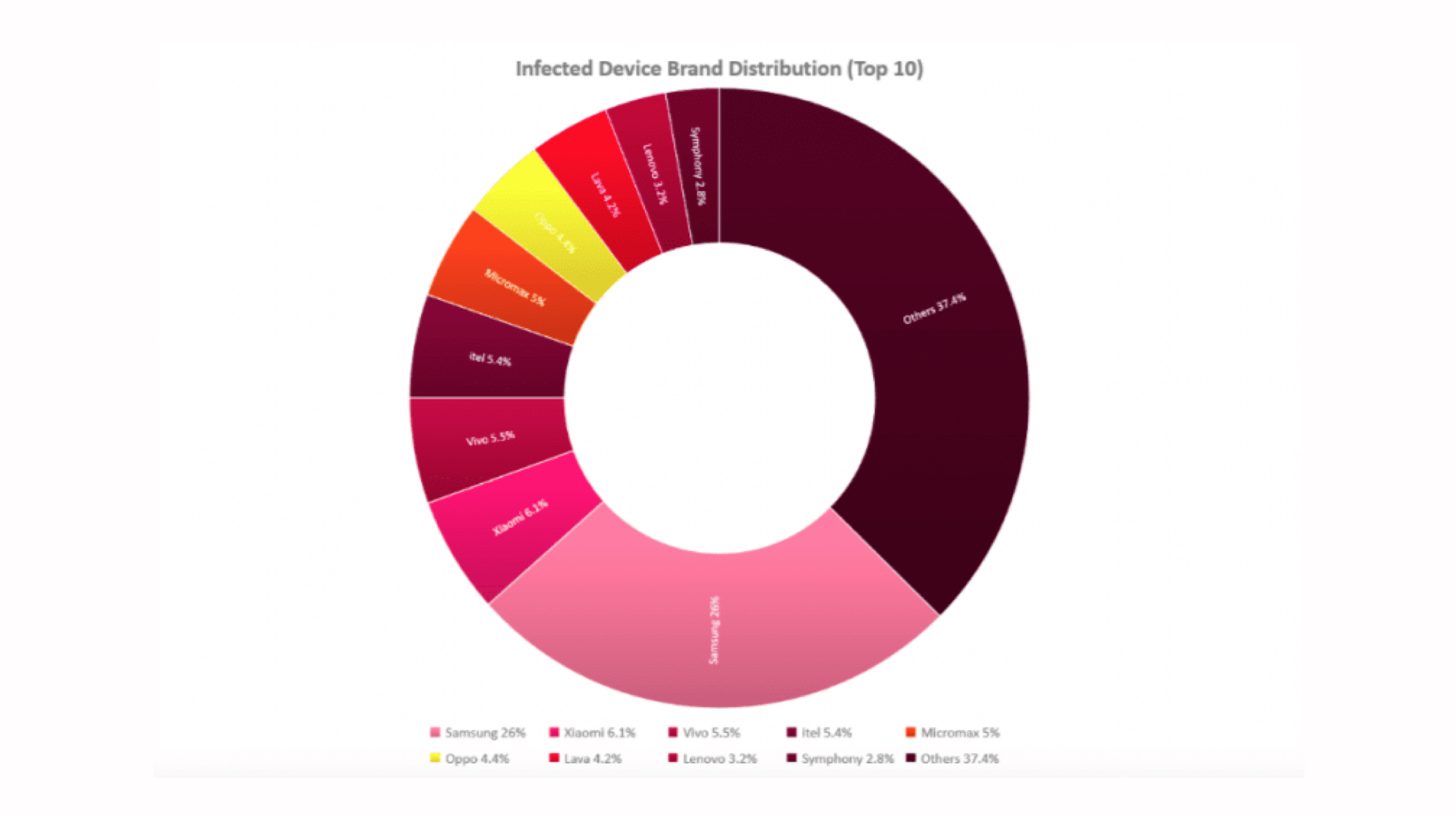
    Check Point also shared a donut graph that shows the distribution of malware on smartphones manufactured by OEMs. At over 26 percent, Samsung device owners carry the maximum share in the information representaion tool. 

    Aside from 15 million Indian smartphones, the malware was even able to spread onto 3,00,000 devices in the US. Surprisingly, the exploits used by the malware to execute the infection process were patched several years ago. However, a large number of developers did not update their respective applications. 

    Also Read:  Apple Will Soon Launch Multiple New iPad Models

    This is just one security breach that has made out to the public. It wont be wrong to assume that several other cases like this still remain covered. Conclusively, in this day and era of widespread technology, nothing seems to be truly safe regardless of security measures that are implented. 

  • Huawei Mate 20 Pro Added To The Android Q Beta Program Again

    Huawei Mate 20 Pro Added To The Android Q Beta Program Again

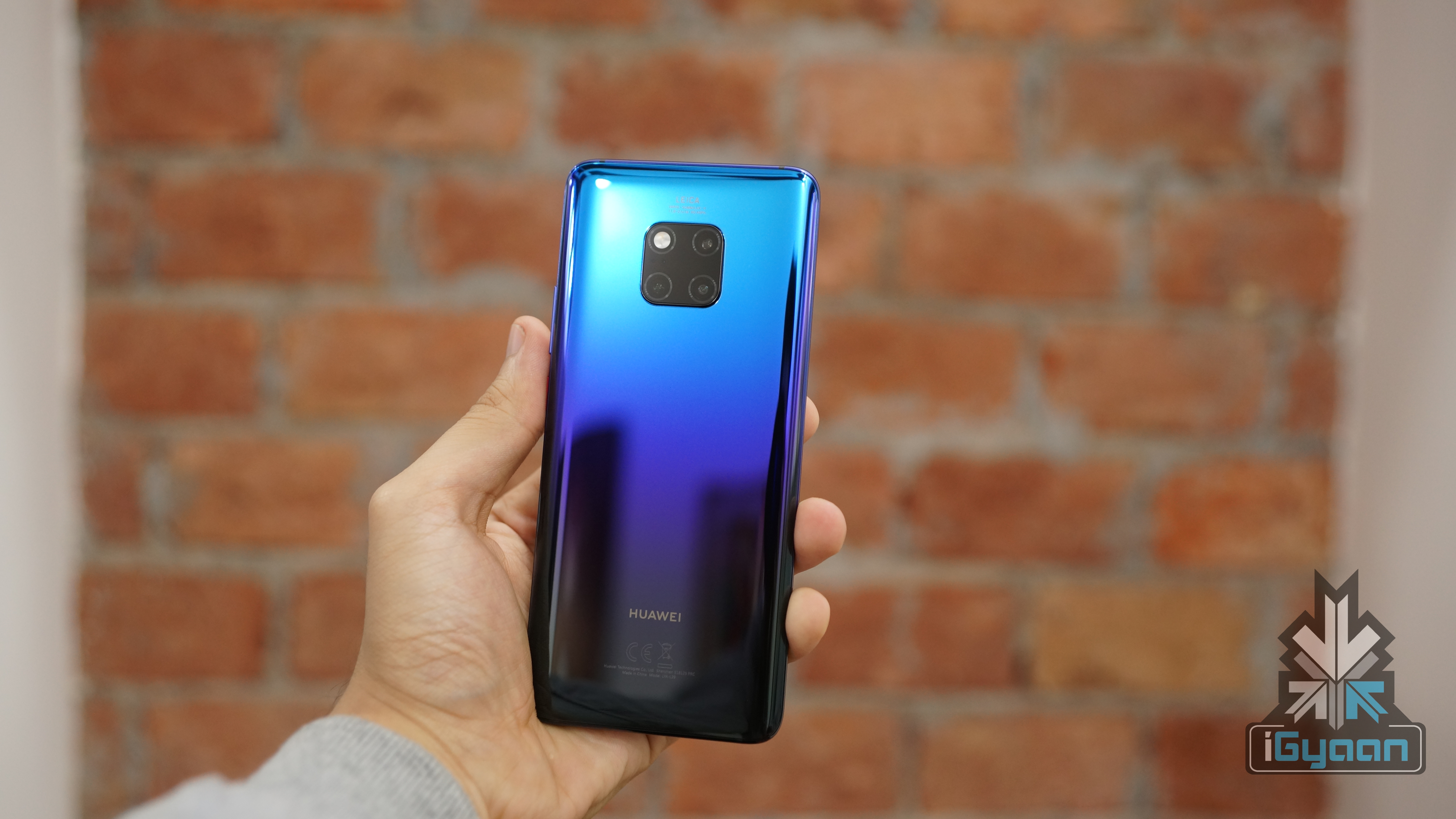
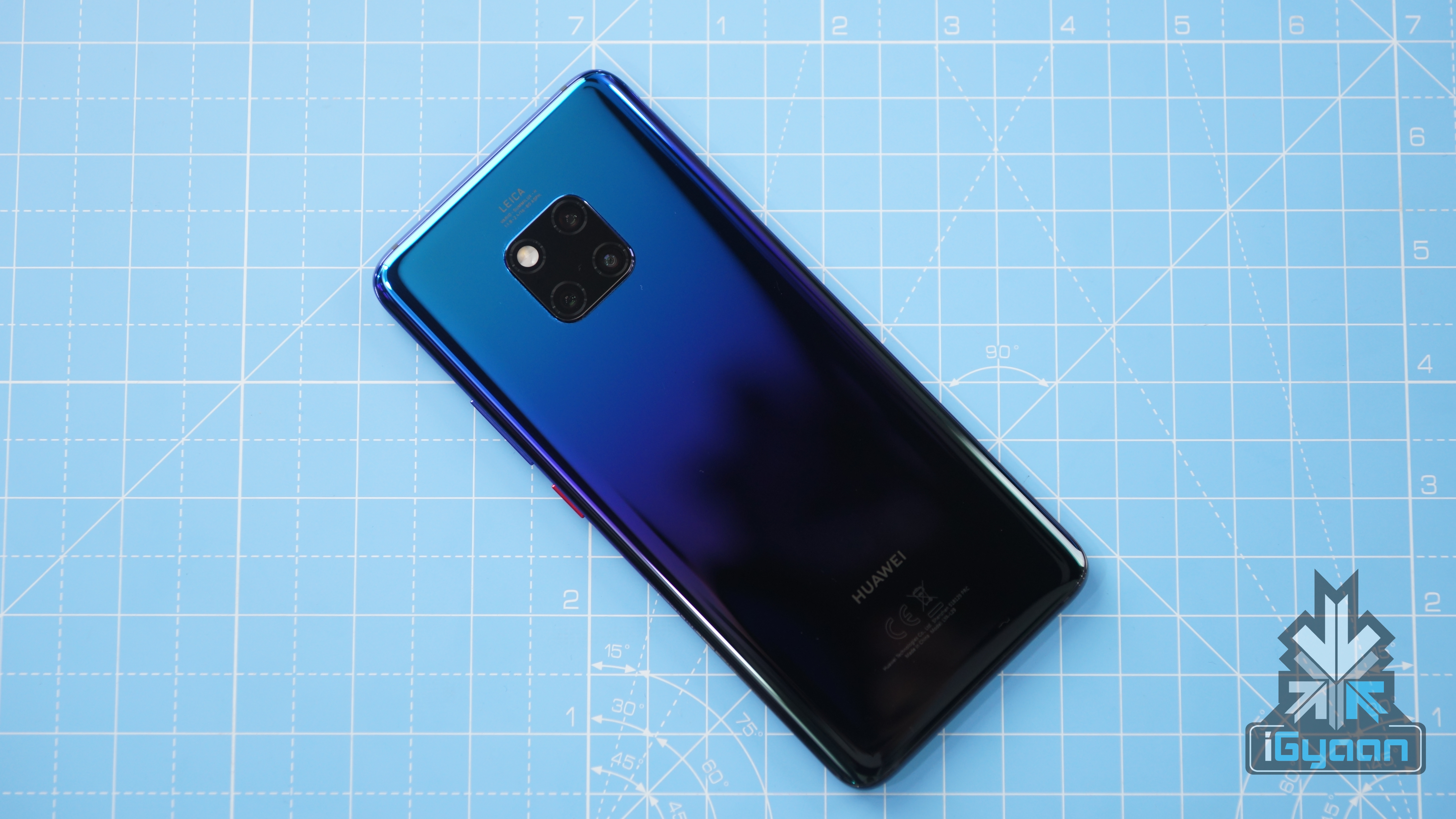
    Huawei was recently barred from doing any business with American companies; after the US government included it in an entity list earlier this month. However, the company was later given a 90-day extension to finish all pending business after which the ban will be in its full effect. Due to this, smartphones from Huawei lost the Android license provided by Google and were also removed from the Android Q Beta Program. Now, Google has added the Huawei flagship device from last year, the Mate 20 Pro back to the list of handsets supporting the upcoming Android Q Beta update.

    Huawei Mate 20 Pro Android Q

    Huawei Mate 20 Pro Android Q Beta

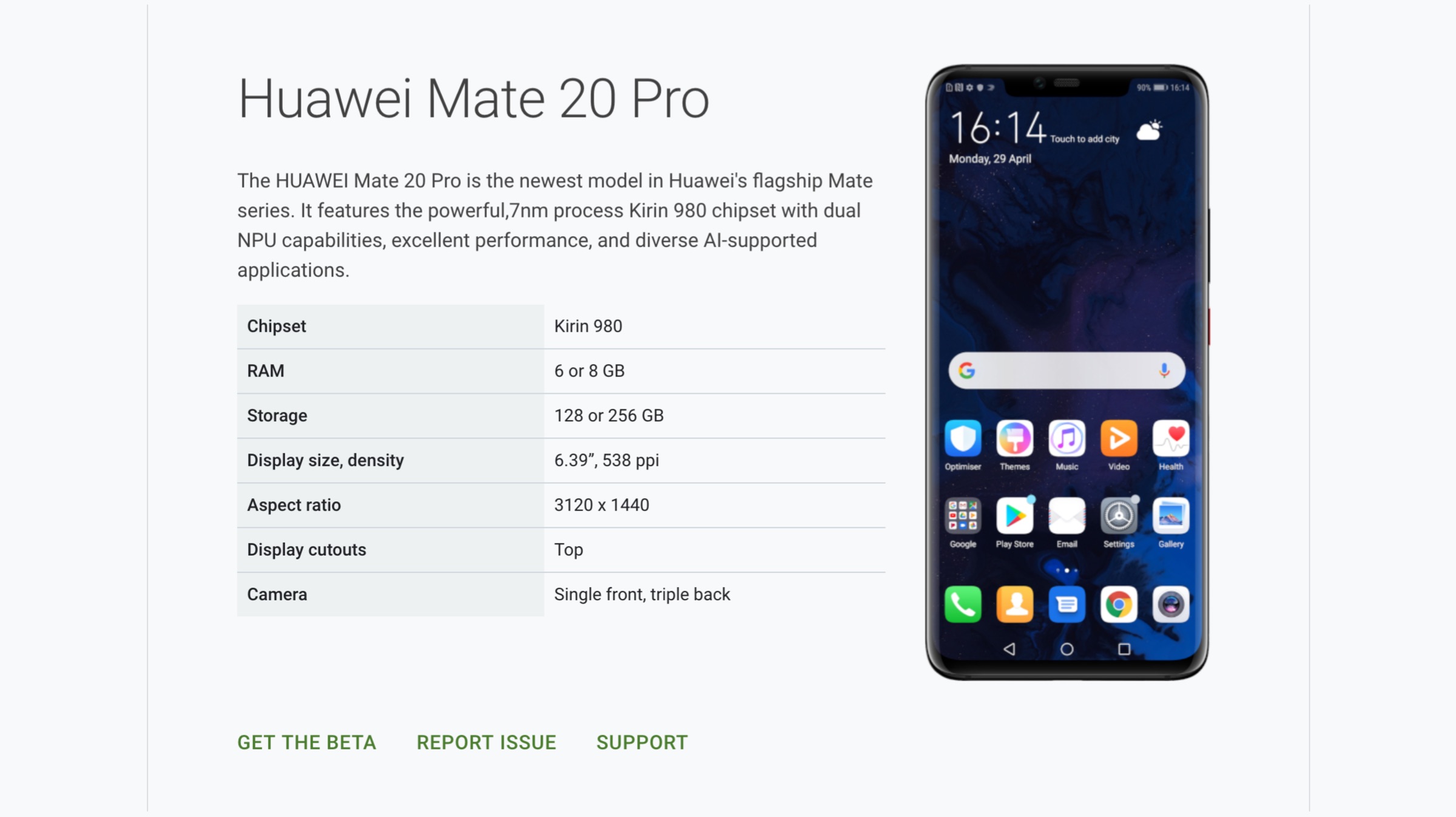
    As mentioned above, the official website of Android has added the Mate 20 Pro smartphone by Huawei back to its Android Q Beta Program. The device was removed from the listing because of the ban placed by the US government; restricting any business between an American company and the Chinese OEM. With this, the handset joins the limited list of devices including the Asus Zenfone 5Z, LG G8, Nokia 8.1 to be a part of the Beta program. While the Mate 20 Pro was also removed from the Android Enterprise recommended devices and Google’s list of Android handsets last week; the listing in both cases have not restored the name of the Huawei flagship yet.

    Huawei mate 20 pro

    Also read: A 16 Year Old Dies After Allegedly Playing PUBG Mobile For Six Hours

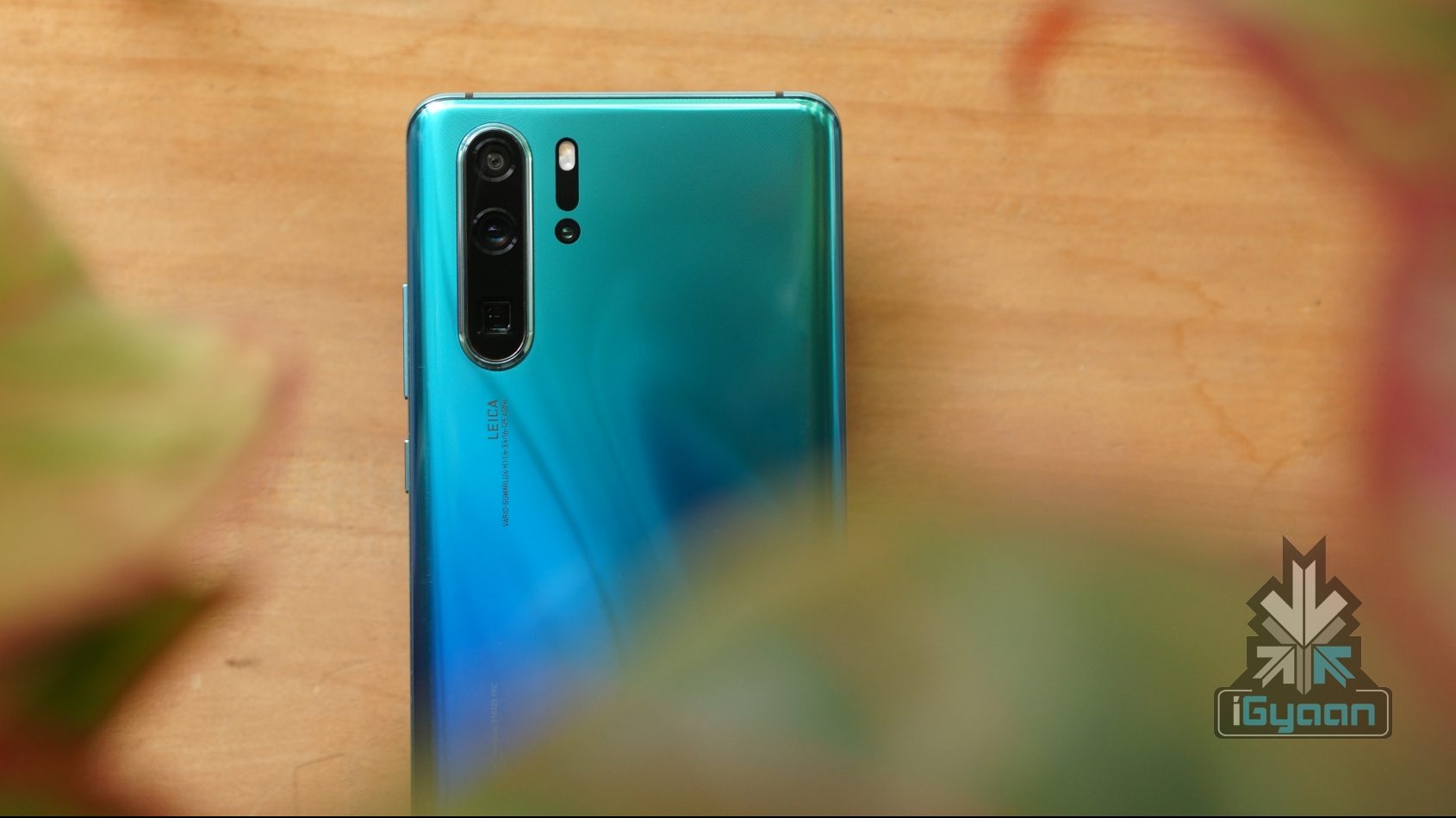
    The addition of the Huawei Mate 20 Pro back to the Android Q Beta Program may be due to the 90 day extension period in effect. And since the smartphone has been added to the listing once again, it may insinuate that the handset will receive the stable update of Android Q after all. Unfortunately, it is not known if the company’s latest flagship smartphone, the P30 Pro; launched back in the month of March will receive the Android Q Beta update. However, an official announcement regarding the same is expected soon.

    Watch the Unboxing and First Look of the Huawei Mate 20 Below:

  • Screenshots Of Ark OS, The Android Replacement By Huawei Leaked

    Screenshots Of Ark OS, The Android Replacement By Huawei Leaked

    Chinese telecommunications giant Huawei was barred from doing business with any American company a while ago. Because of the sanctions placed by the American government, it lost access to softwares like Android and Windows from its devices. The company was then granted a 90-day breathing window to fulfil all unfinished business with US companies. It was then reported that Huawei has secretly been working on its own Operating System (OS) for mobile devices in a bid to replace Android. According to the latest reports, the company has filed the name “Ark OS” with the German Patent and Trademark Office (DPMA). This application was filed on the 24th of May.

    Ark OS

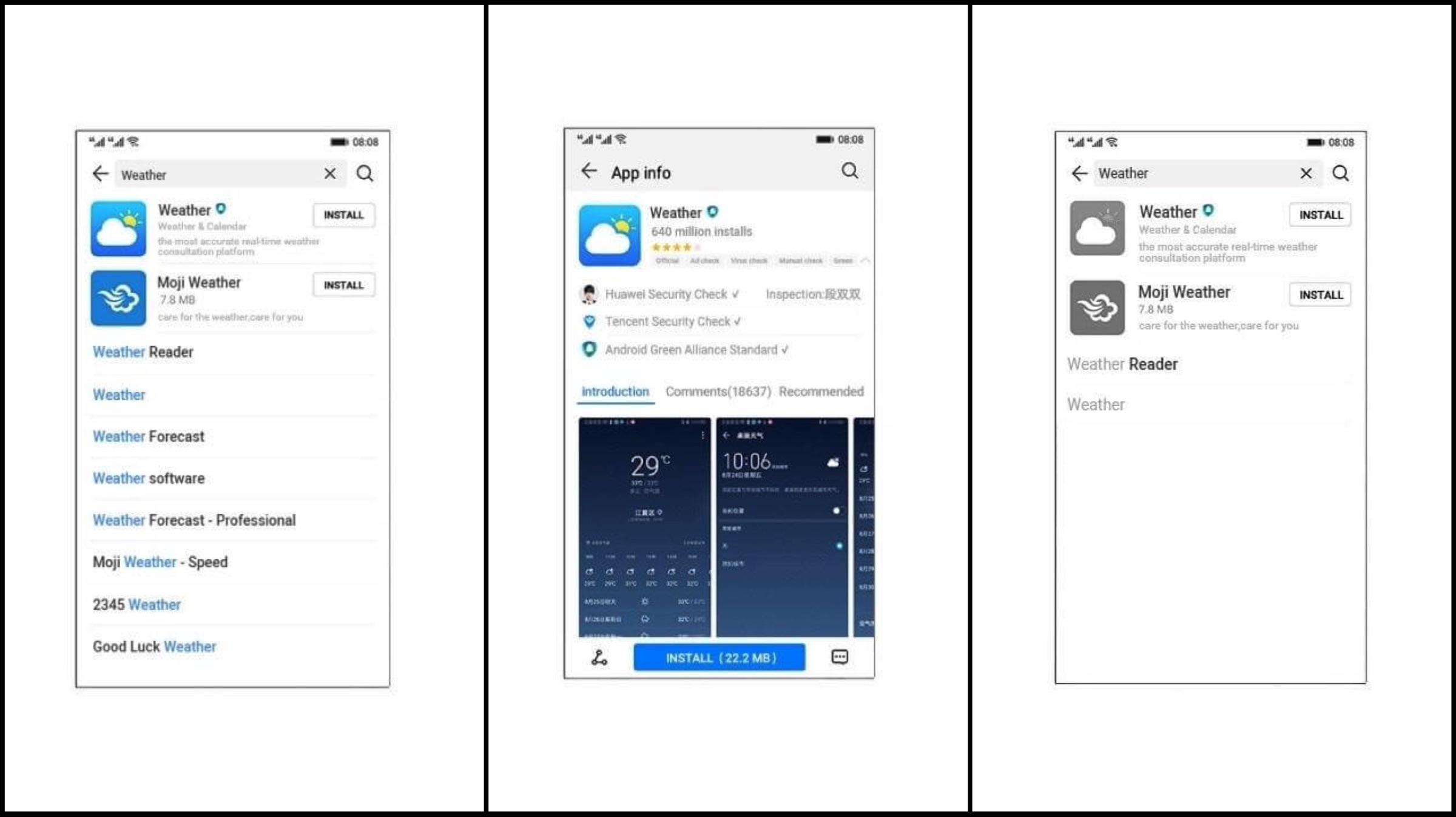
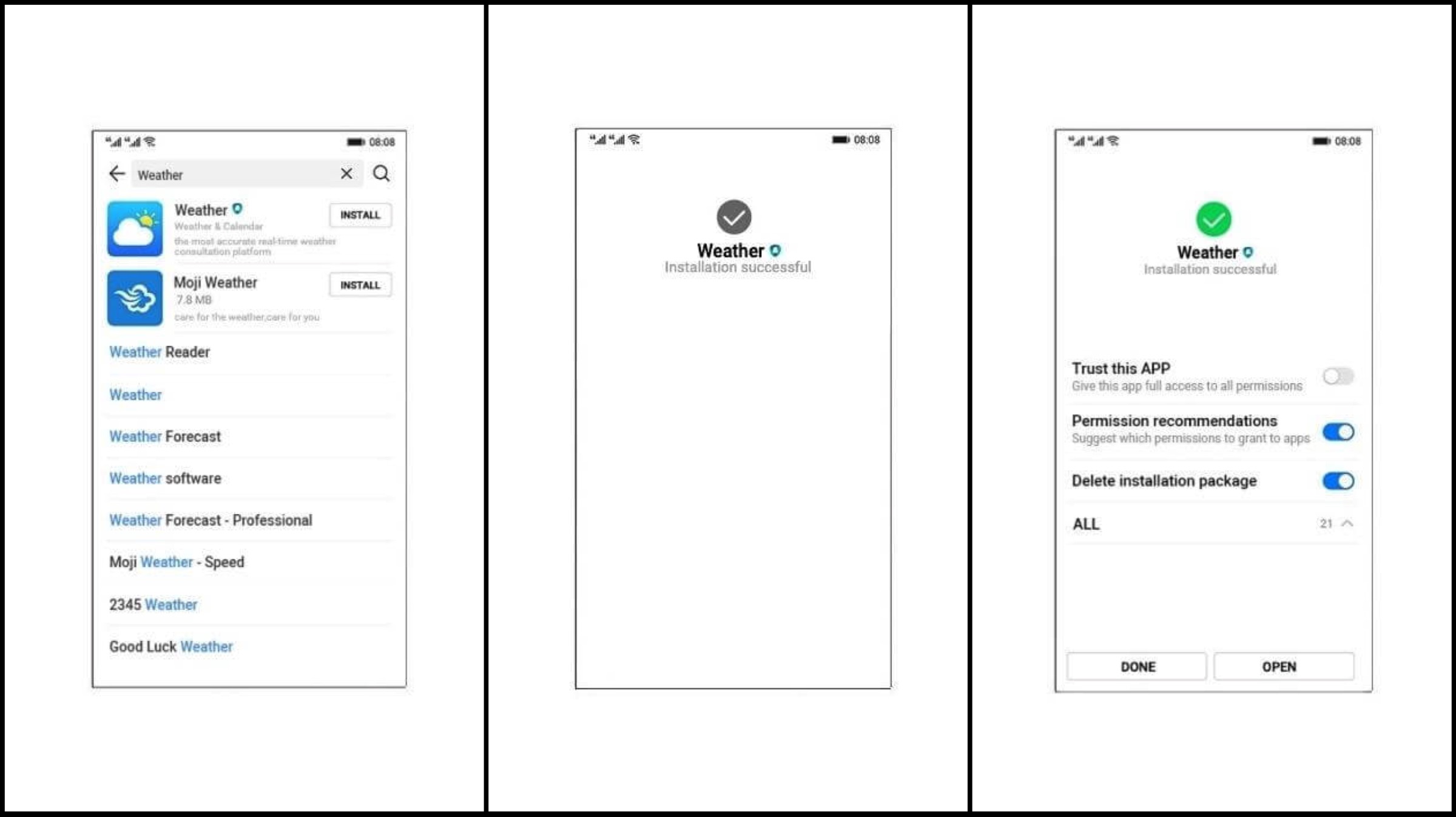
    Reportedly, Huawei filed a claim at the DPMA for the design of certain elements of an interface. In the patent application, the company also shared screenshots of the menus inside the said interface. The images are starkly different from what the company has been doing with the current Android skin called EMUI. The applications showcased in the screenshots are allegedly Android-based. This insinuates that the purported Ark OS will support Android apps natively and will give an option to download them using a third party store.

    Also read: Amazon Echo Show 5 Launched In India, Features A 5.5 Inch Display

    The screenshots of the alleged Ark OS also repeatedly mention the name of the “Android Green Alliance”. This is a Chinese association formed up of companies like Tencent and Alibaba. It was formed a few years ago in an attempt to introduce quality and design standards of their apps in the Android OS. While it is not known what role will the Alliance play in the Ark OS; it may set up a standard for testing the quality of applications eligible to exist on the app store on the upcoming OS. Unfortunately, Huawei has not announced when its Android replacing OS might debut. But it is expected to make an appearance before the 90-day deadline for the company gets exhausted.

  • OnePlus 7 Pro Camera May Not Have A True 3x Optical Zoom

    OnePlus 7 Pro Camera May Not Have A True 3x Optical Zoom

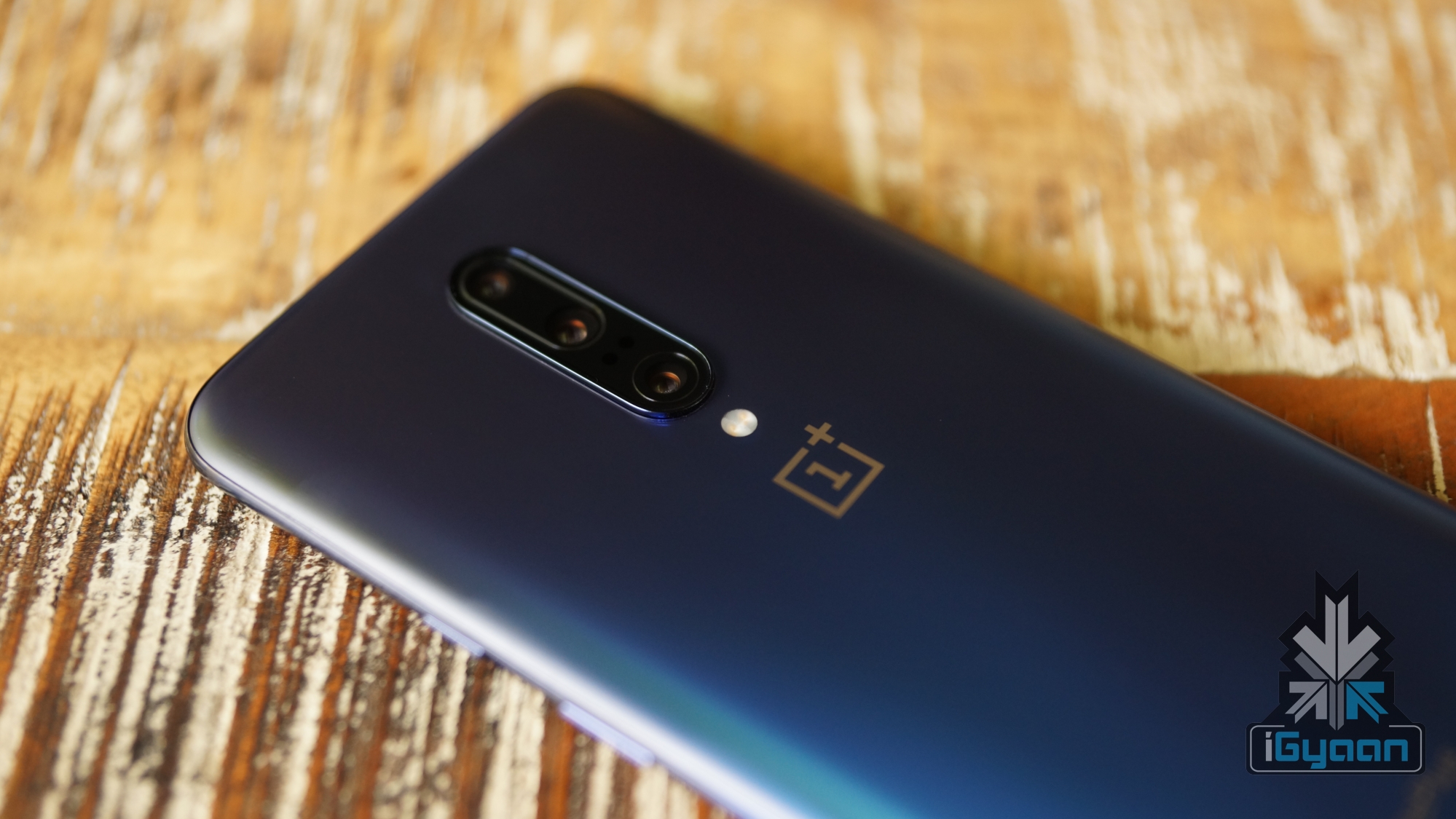
    OnePlus has found itself under the same scrutiny with their latest flagship smartphone the OnePlus 7 Pro in a similar fashion to its previous lineup of 2017, namely the OnePlus 5. A Reddit post by a user had discovered that the telephoto lens on the OnePlus 7 Pro captures pictures in a 2.2x optical zoom rather than the advertised 3x optical zoom that OnePlus had claimed.

    The triple camera setup which features the 8MP telephoto lens alongside the 16MP wide-angle lens and the primary 48MP camera was one of the key differences between the ‘Pro’ and standard version of the OnePlus 7. The Pro uses the telephoto lens along with the primary sensor to capture portrait shots but apparently the field of view while using the telephoto lens for portrait clicks and the 3x zoom differ. As it turns out the sensor is actually a 13MP Samsung S5K3M5 that is cropped down to 8MP to hit the 3x zoom.

    OnePlus advertising the telephoto lens with a 78mm focal length does make it capable for 3x optical zoom. Although as the sensor has been cropping the image down to 8MP, the effective focal length actually achieved is 57mm or in other words 2.2x zoom. This falls in line with OnePlus previously false advertising the OnePlus 5 to have a ‘lossless’ 2x zoom on its telephoto lens, that was only capable of 1.6x zoom but used digital processing to achieve the remaining 0.4x.

    https://twitter.com/getpeid/status/877582806020272128?ref_src=twsrc^tfw|twcamp^tweetembed|twterm^877582806020272128&ref_url=https%3A%2F%2Fwww.androidcentral.com%2Foneplus-7-pro-telephoto-lens-cant-deliver-3x-optical-zoom

    Also ReadSamsung Will Soon Launch The Galaxy A70s With 64 MP Camera

    No official statement has been received so far for OnePlus’s second advertising mishap. However, they haven’t used any digital enhancements in the current iteration of the smartphone. Hopefully, a prompt response is issued by their PR team that clears the dilemma caused by their marketing department.

  • OnePlus 7 and OnePlus 7 Pro Get Android Q Beta, How To Install Guide

    OnePlus 7 and OnePlus 7 Pro Get Android Q Beta, How To Install Guide

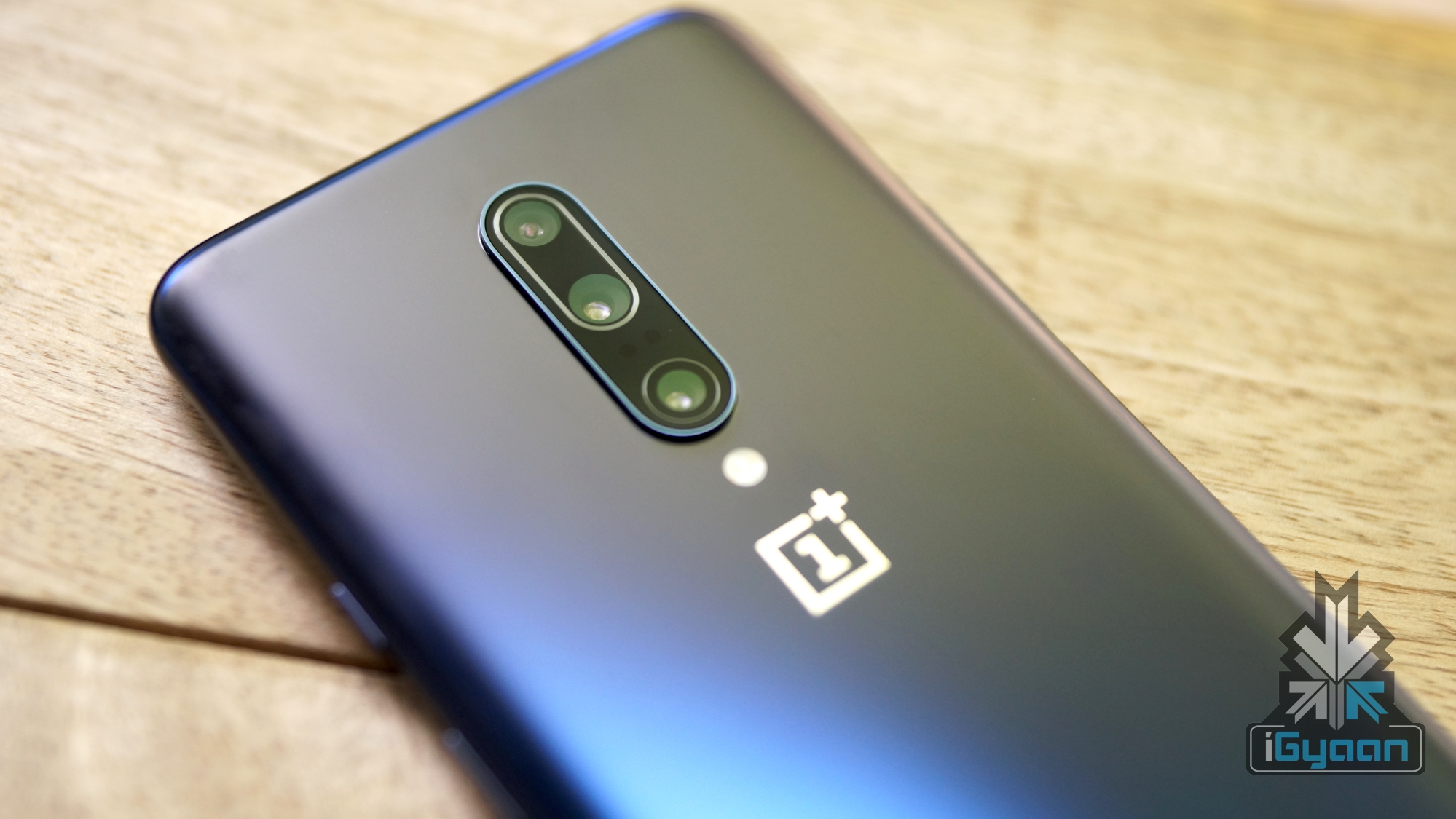
    Earlier this month, Google held its annual developer conference, Google I/O in Mountain View, California where it showcased the upcoming Android Q. The future Android update will introduce several new features while simultaneously enhancing the existing ones. The consumer-ready update of the latest Android version is expected to roll out in the month of August. However, interested device owners can experience the Beta version of Android Q which takes a bit of tinkering to install.OnePlus 7 Pro Front

    During the conference, Google published a list of OEMs whose devices are eligible for the Beta software update. As promised, Chinese smartphone maker, OnePlus has dropped the said Android Q beta for its latest flagship smartphone duo which includes the OnePlus 7 and OnePlus 7 Pro. Consequently, interested OnePlus 7 and 7 Pro owners can install the latest software on their devices and experience what the future version of Android has on offer. Though, it must be noted that Beta software has certain issues which will be fixed gradually with upcoming updates. The list of known issues is listed below:

    • Ambient Display is not working
    • System stability issues
    • Cannot send SMS when VoLTE is on
    • Navigation gesture is not working
    • Recovery mode doesn’t work
    • Some apps may not function as expected when running on this Developer preview release
    • An issue with MTP that doesn’t allow you to copy rollback file from PC to Phone

    After going through the list of known issues, if you still want to install Android Q beta on your OnePlus 7 or OnePlus 7 Pro, the following guide will help you

    How To Install Android Q Beta On OnePlus 7 and OnePlus 7 Pro?OnePlus 7 Pro Rear

    Note:

    • The update will delete the existing data on your smartphone, therefore backup important data before installing the update.
    • Make sure your device is 30% charged and has at least 3 GB of available storage space.

    Steps:

    • Download the latest ROM upgrade zip package. (OnePlus 7, OnePlus 7 Pro)
    • Copy the ROM upgrade package to the phone storage.
    • Navigate to Settings > System > System Updates > Click top right icon > Local upgrade > Click on the corresponding installation package > upgrade
    • After the upgrade is complete, click Restart.
    • The phone will boot into recovery mode to format user data, it will reboot again after formatting.
    • Update successful.?
  • Huawei Smartphones To Stop Receiving Android Updates As Google Suspends Business Relations With Huawei

    Huawei Smartphones To Stop Receiving Android Updates As Google Suspends Business Relations With Huawei

    Chinese telecommunications giant Huawei has time and again faced backlash for its ties with the Chinese government. It has been accused of stealing its user’s data and sending it back to the home country for spying purposes. In what could be a major blowback to the company’s imperative business, American technology giant Google has suspended the majority of its business with the company. This insinuates that going forward, Huawei and it’s subsidiary Honor’s devices will not receive Android security updates. They will also lose access to the search engine giant’s popular services such as Maps and YouTube.

    What Does This Mean?

    The aforementioned suspension of business will take place between Huawei and Alphabet, the parent company of Google. With this in effect, the existing and future smartphones from the former will stop receiving monthly security updates from Google. These are important for keeping the device up to date and safe from newly discovered malware. Furthermore, as mentioned above, the handsets from the Chinese OEM will also lose access to services like the Google Play, YouTube and Google Maps. Notably, the suspension does not affect the existence of Android on Huawei smartphones. This is because the suspension is not applicable on open source software and as is implied, Android is an open source software. But, the Chinese company will only be able to use the public version of the operating system and not the one made available by Google.

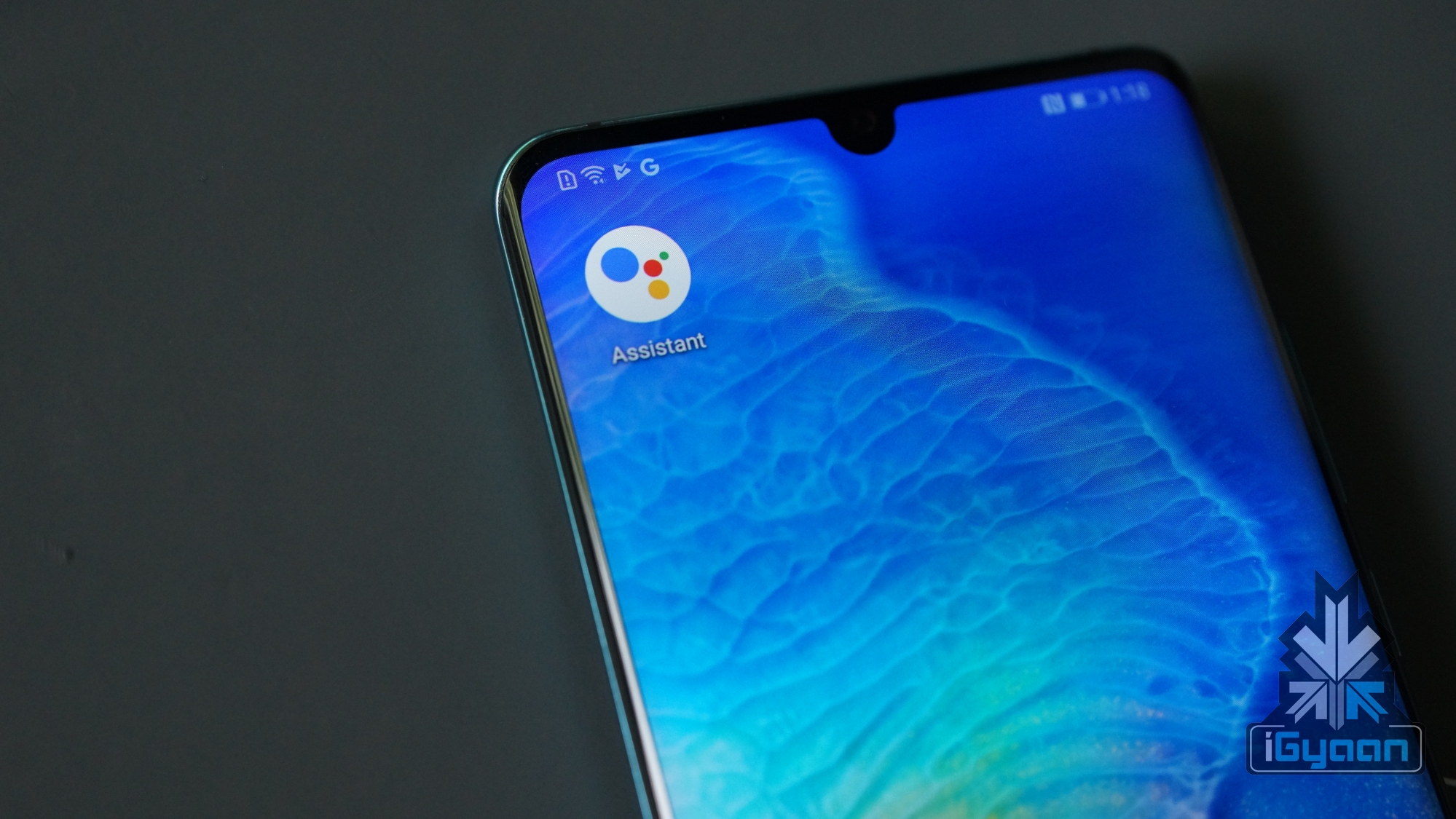
    Google Voice Assistant On Huawei P30 Pro

    Also read: 5 Of The Weirdest Gadgets Ever Designed

    The suspension of business by Alphabet on Huawei takes place after the United States government added the latter to its trade blacklist. It was added to the aforementioned list on Thursday and it means no American firm can engage in business with the Chinese company until explicitly given permission by the US government. In a post on microblogging website Twitter, the official account of Android has assured existing Huawei users that the suspension does not affect existing devices from the company. Present users of all Huawei and Honor handsets will keep featuring the Play Store and receive app updates via the software.

  • Google Not Forcing New Android Q Navigation Gestures On Manufacturers

    Google Not Forcing New Android Q Navigation Gestures On Manufacturers

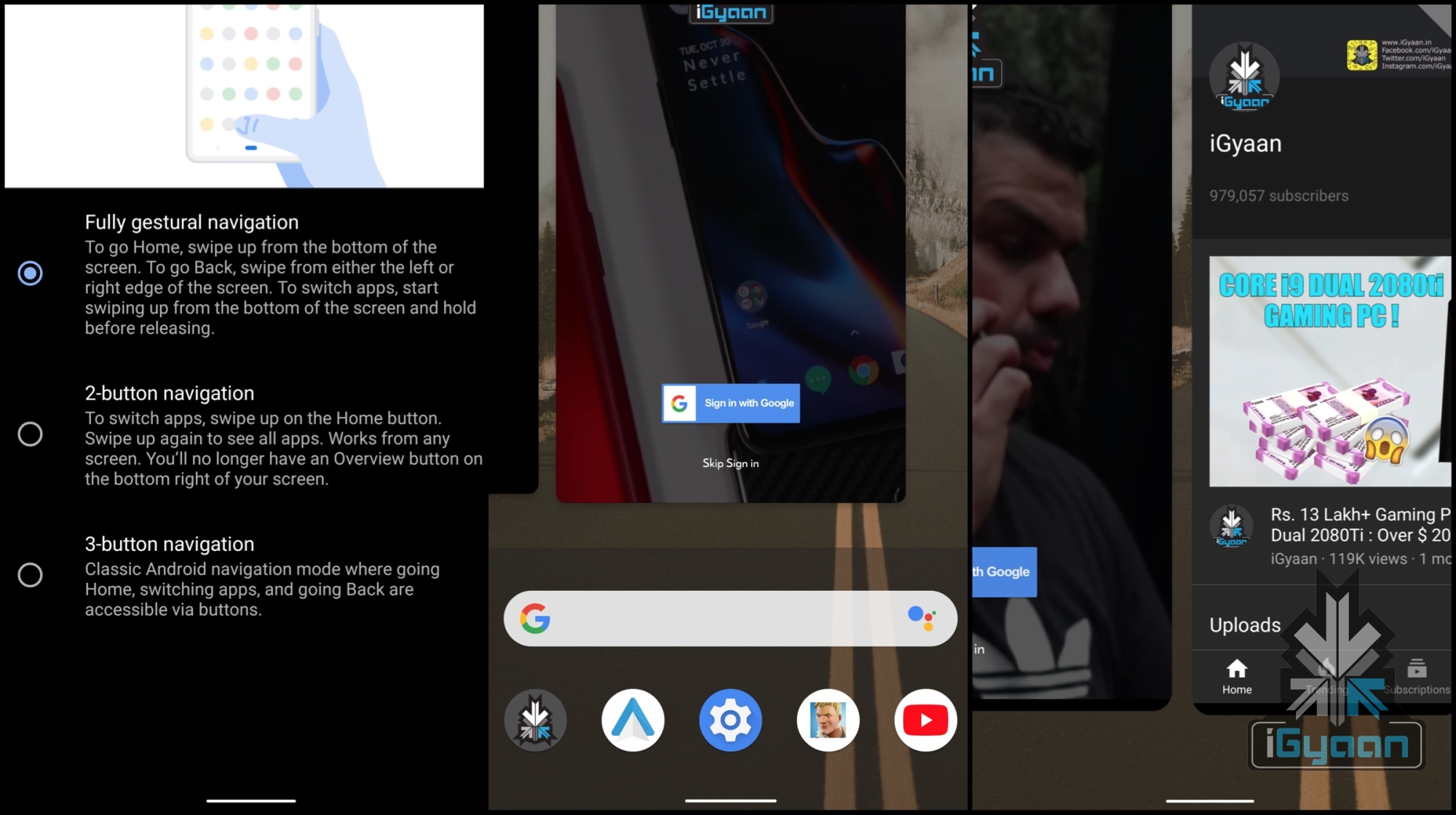
    Amongst a ton of other updates announced at the Google I/O, Google unveiled a variety of features that are bundled with its upcoming iteration of Android. Google’s new “fully gestural navigation” removes the back button from the navigation bar at the bottom of the screen. As per previous reports, Google made it mandatory that the OEMs ship their Android Q enabled devices with the new navigation gestures. However, latest developments state that Google will not force OEMs to adopt the new gesture navigation. 

    The Product Manager for Android clarified the underlying situation by saying that Google is solely encouraging OEMs to use the new navigation gestures. Since Gesture Navigation can be troublesome to incorporate with previously existing gestures, the company does not want this to be a bigger challenge for developers. He further added that Android has always been about choice, hence the company plans to keep it that way. Android Q will still include the original 3-button navigation bar, which was previously removed from Pixel 3 smartphones running Android P. 
    Also Read: Google Reveals The Key Details Of Its Upcoming Fuchsia OS

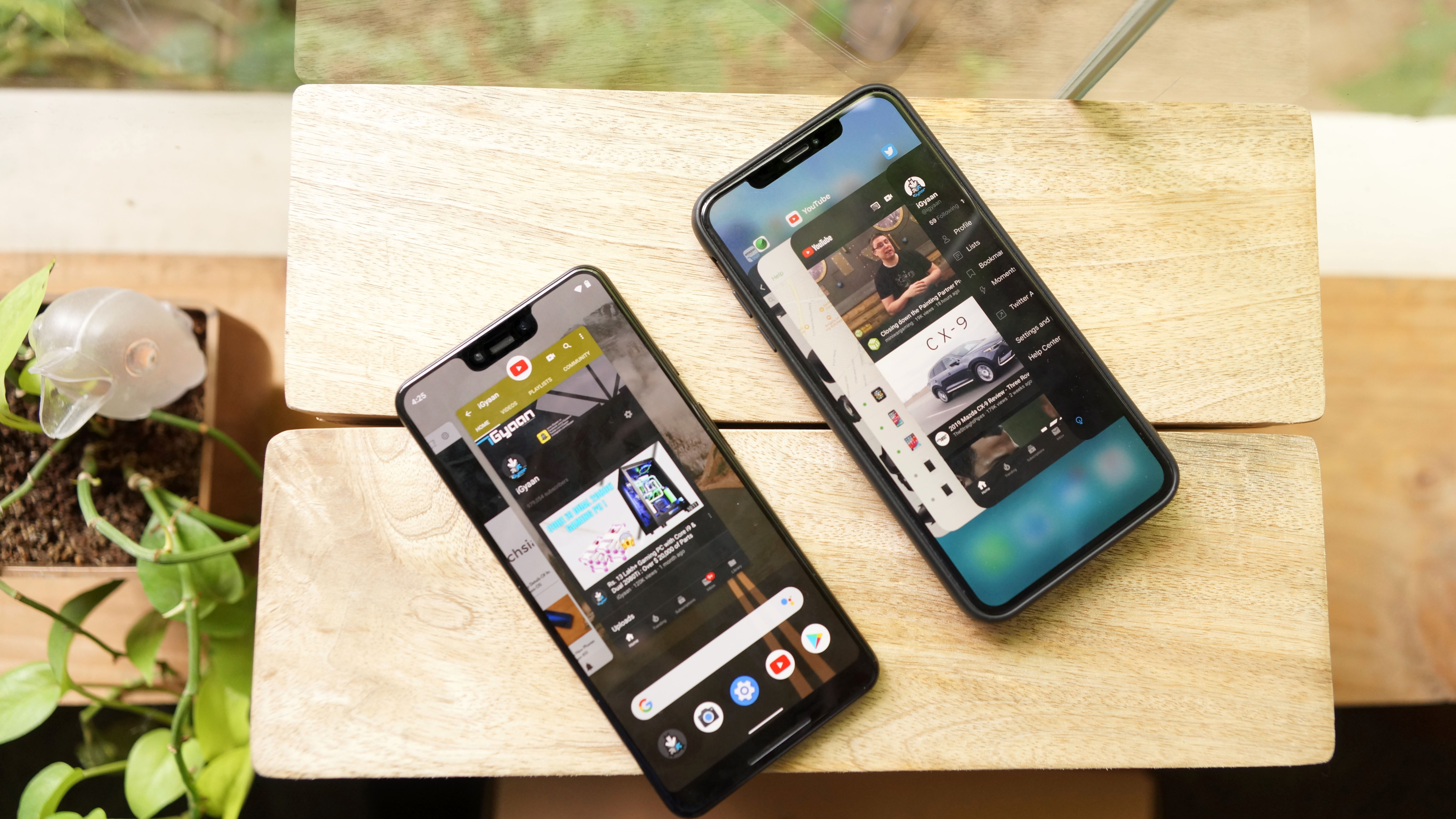
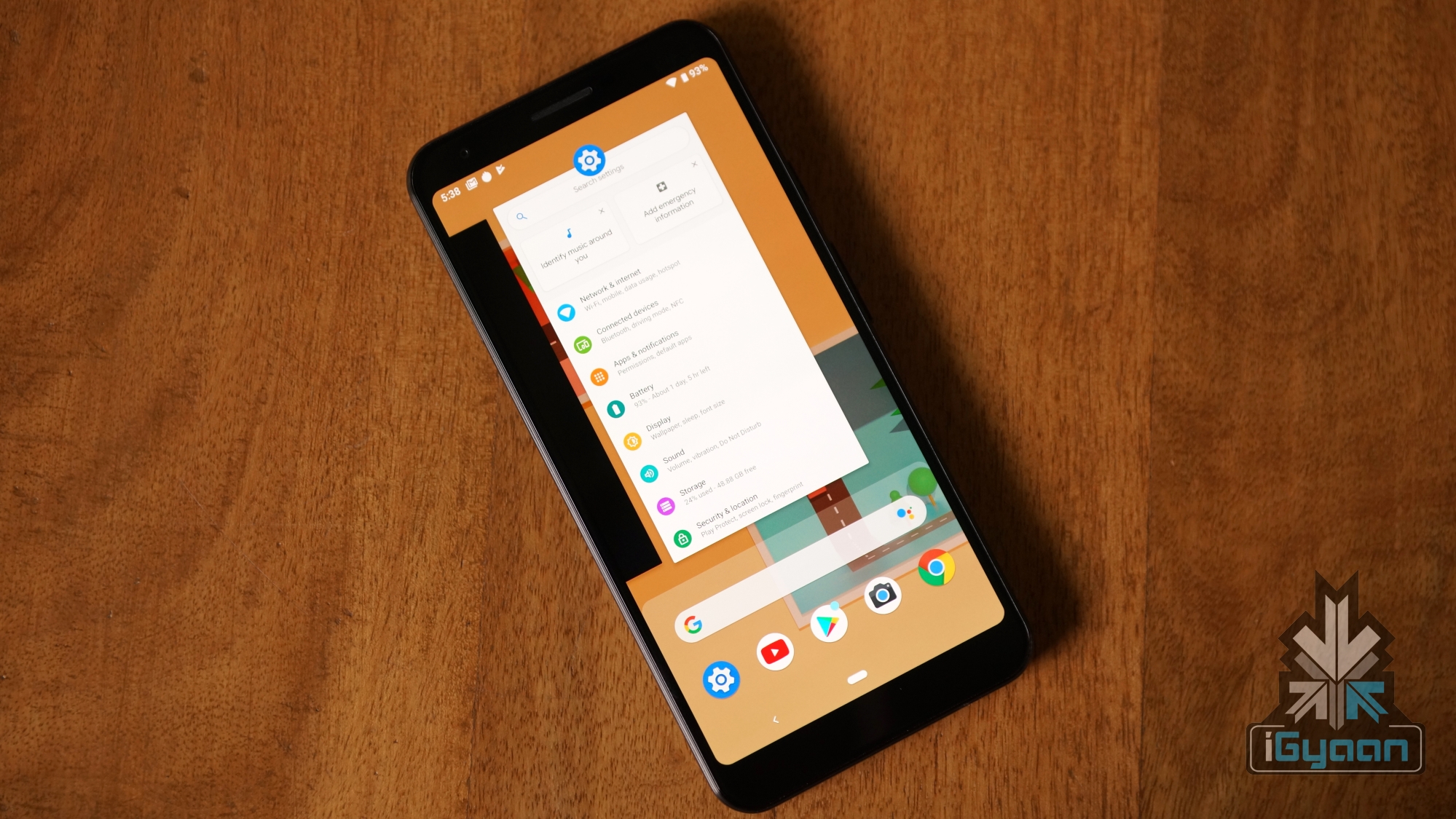
    The new gestures introduced in Android Q resemble the gestural navigation of iPhones. Since the bottom section is now comparatively smaller and no longer includes any button. Users can swipe vertically up from the bottom to go to the home screen and swipe horizontally from the left or right to go back to the previous screen. Swiping diagonally from the bottom left or right corner to the middle of the screen will launch the Google Assistant. Whereas swiping left or right on the gesture bar will enable users to quickly switch between applications. Lastly, recent apps can be viewed by swiping up from the bottom of the screen.  

    Those on Android Q Beta can see these updates on their phones already. 

  • Google Reveals The Key Details Of Its Upcoming Fuchsia OS

    Google Reveals The Key Details Of Its Upcoming Fuchsia OS

    Google is looking to replace the Android and ChromeOS platforms with a unified Operating System (OS). This OS, dubbed Fuchsia has been in development for the past few years. No information on how it will work or its functionalities have been shared by the company. However, on the last day of the Google I/O 2019 a senior Google executive revealed a few key details about the Fuchsia OS.

    Fuchsia OS

    Google Fuchsia

    The Fuchsia OS from Google has been reportedly in development since 2016 and is looking to unite all of Google’s software in one place. At Google I/O, the company’s executive said that it is looking at a new take on what operating systems can be like. He further added that Fuchsia is not about replacing Android or Chrome OS. It is about pushing the state of the art in terms of Operating Systems; and implementing it into other products. The team at Google working on the OS is also experimenting with different form factors, which insinuates Fuchsia may be designed for wearables, VR/AR headsets and smart home devices. 

    Google Pixel 3a XL
    Google Pixel 3a XL

    Also read: Moto E6 Passes Through FCC, To Have A 3000 mAh Battery

    As mentioned above, Fuchsia OS has been in development by Google since the last few years. The OS has even been booted to smartphones like the Honor Play in the past. Known details about it unveil it will be an open source project, which is similar to the Android Open Source Project (AOSP). But unlike the latter, it will have the capability to run on a range of devices like smartwatches, laptop and smartphones. Unlike Android and Chrome OS, who are built on the Linux kernel; the Fuchsia OS will have its foundations in the new Google made kernel called ‘zircon’. A same Operating System for a range of devices can give way to a more unified experience, which is what the company intends to do with Fuchsia.

iGyaan Network
Privacy Overview

This website uses cookies so that we can provide you with the best user experience possible. Cookie information is stored in your browser and performs functions such as recognising you when you return to our website and helping our team to understand which sections of the website you find most interesting and useful.