Category: Apple

  • Apple iPhone SE 2: Everything We Know So Far

    Apple iPhone SE 2: Everything We Know So Far

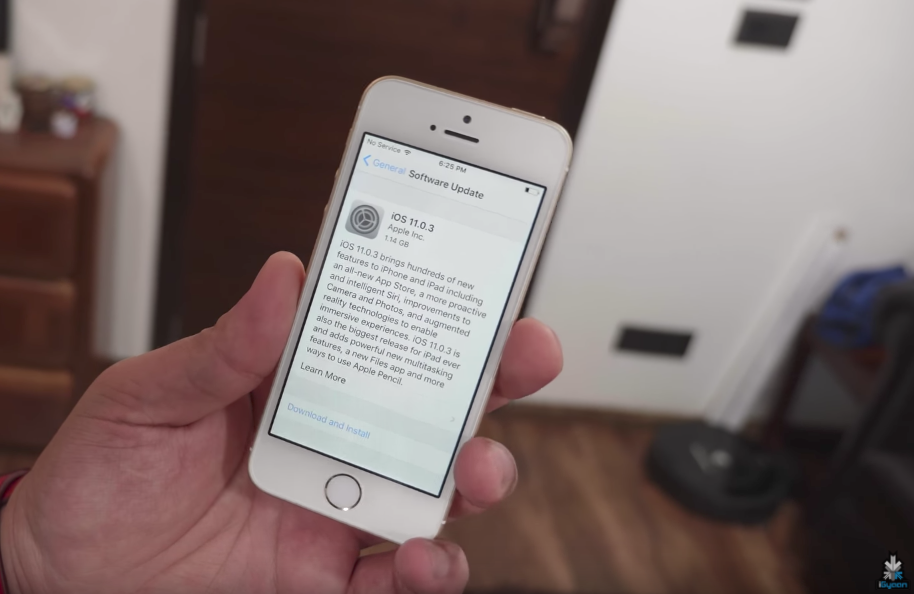
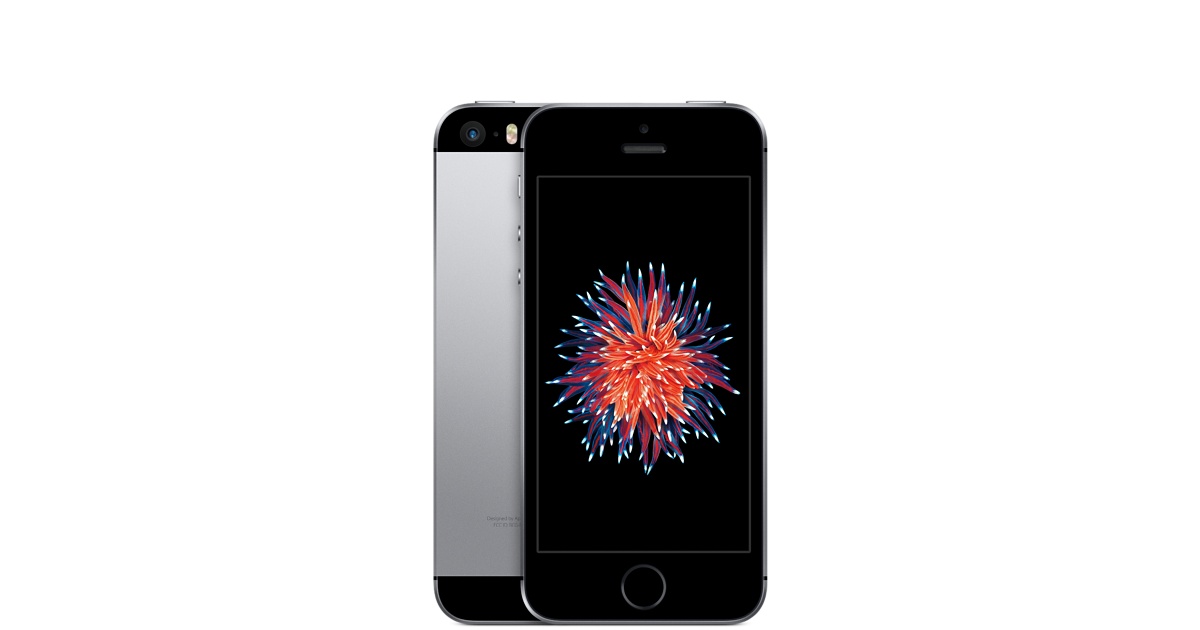
    In March 2016, Apple launched the iPhone SE along with Apple Watch Series 1 and the 9.7 inch iPad Pro. The iPhone SE was considered as the successor of the iPhone 5s and reverted to a 4 inch screen after Apple had moved on to bigger smartphones with the launch of the iPhone 6 and 6 Plus. Even two years since its launch, the iPhone SE continues to be a strong seller because of its update software, better hardware and a compact form factor. In the world of 6 inch phablets now being called smartphones, a powerful 4 inch smartphone is a great option.
    Apple
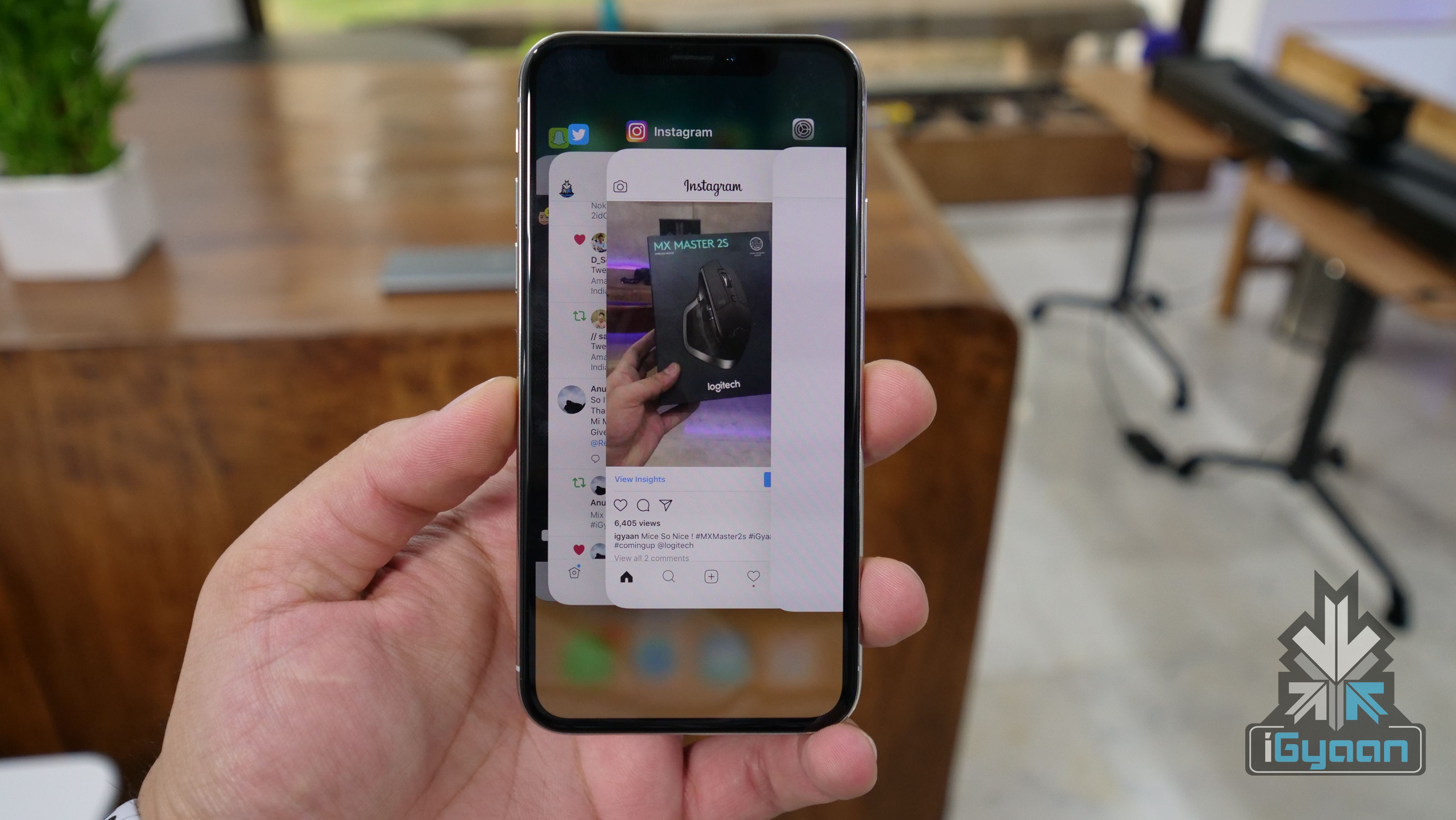
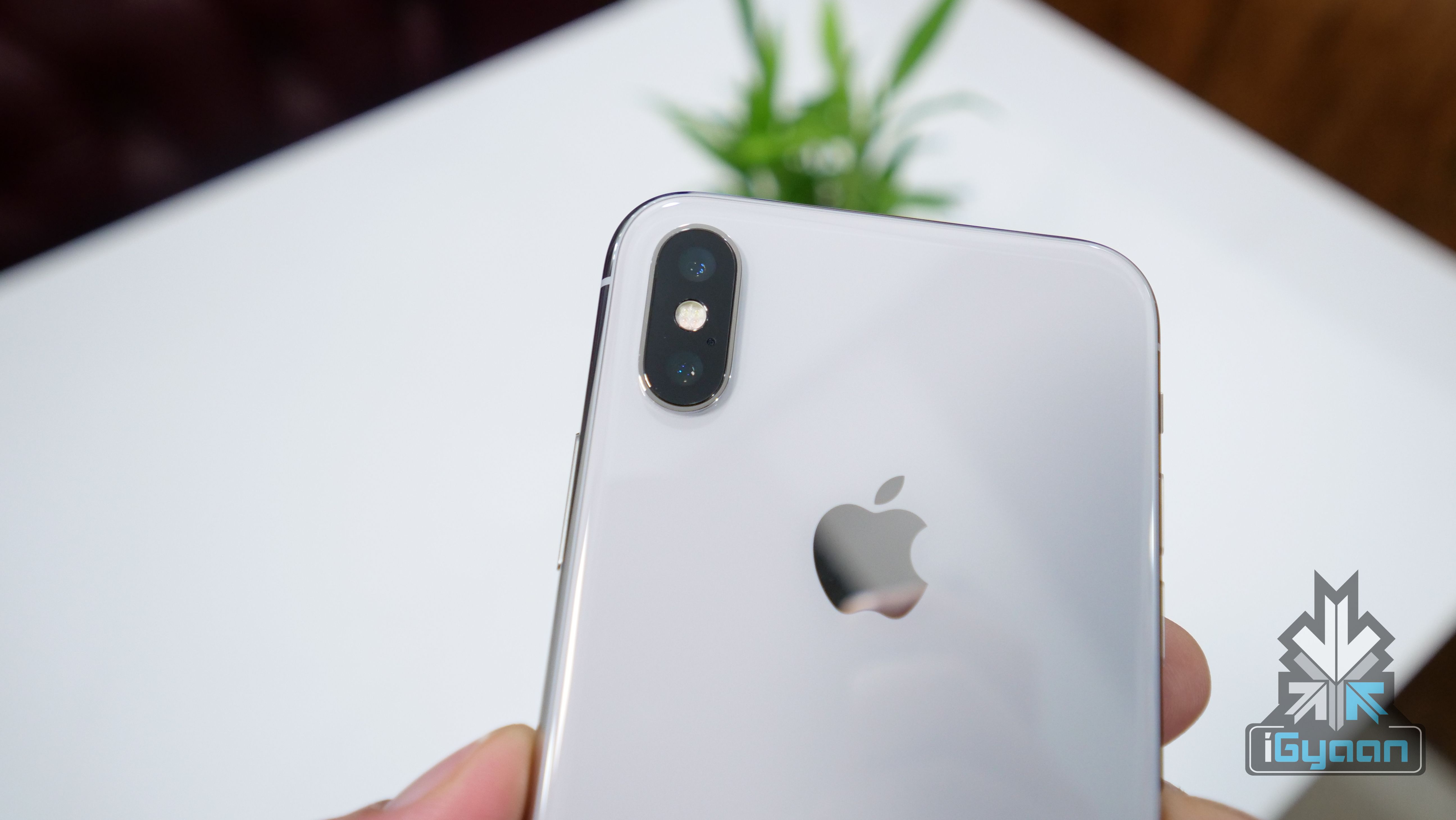
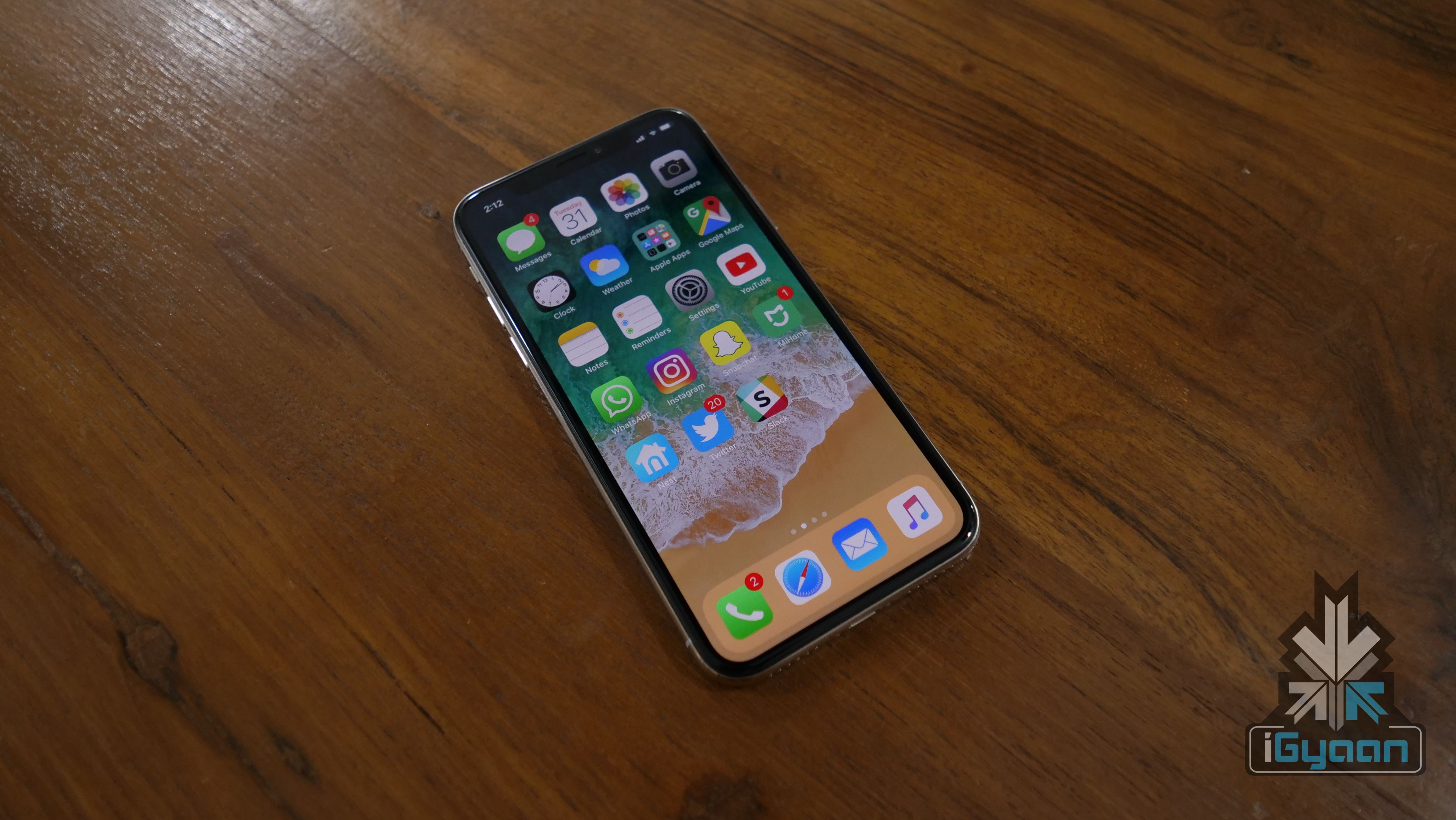
    iPhone X

    The iPhone SE, at the time of its launch, was priced at Rs. 39000 in India which was much less than the introductory price of the older gen iPhones in India. In a price-sensitive market like India, the availability of an iOS device that did not compromise on hardware and also offered a compact flagship design helped Apple penetrate further into the Indian market. The Indian market had a certain section of society that thrived to buy a new iPhone while the rest of the population resorted to Android devices thanks to its wider availability and cheaper price tag.

    [amazon_link asins=’B071DF166C’ template=’ProductAd’ store=’igyaan-21′ marketplace=’IN’ link_id=’d4b19b48-eb06-11e7-b421-dbf57a1e2b03′]

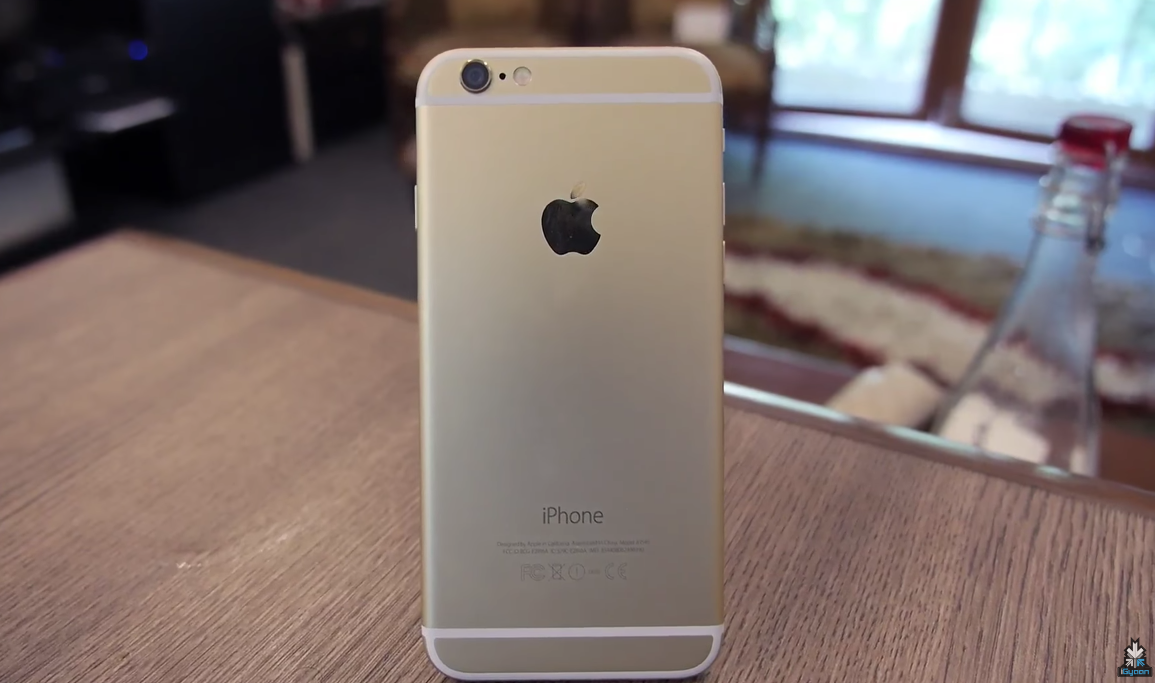
    The iPhone SE allowed people to enter the Apple ecosystem. Not just in terms of sale, the iPhone SE was groundbreaking for Apple because it was the first (and so far the only) iPhone that was manufactured in India. This helped Apple keep the price of the iPhone SE much lower than its predecessors. Apple began manufacturing the iPhone SE in India in May of 2017 and since then the price of the iPhone SE has significantly lowered. Currently, the iPhone SE retails for Rs. 18499 for the 32GB storage variant.

    Also Read: Apple iPhone SE 2: What To Expect?
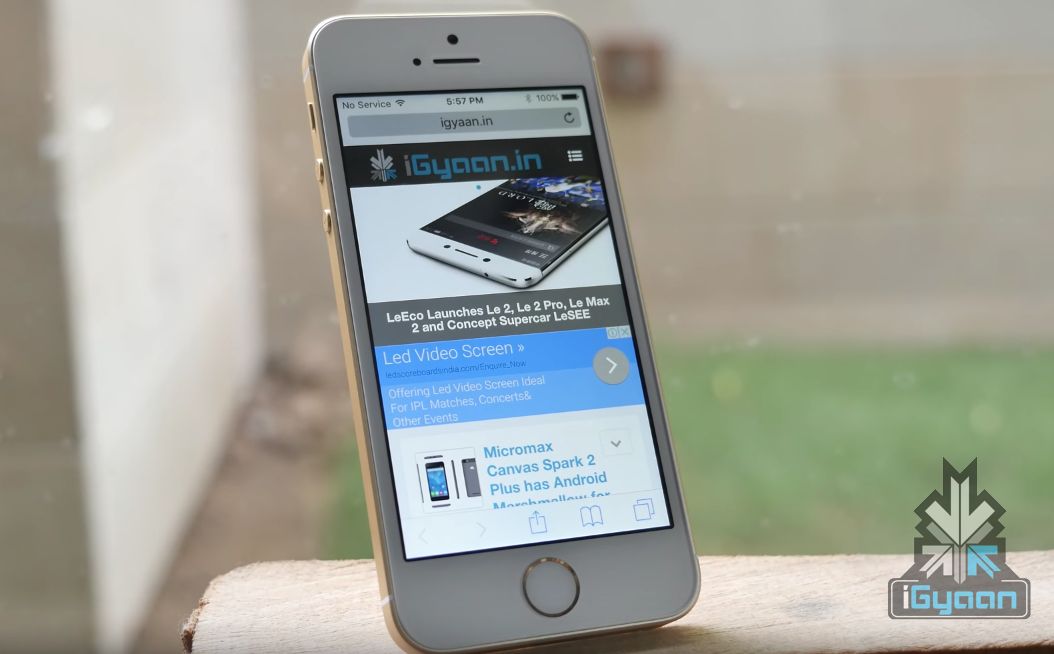
    iPhone SE

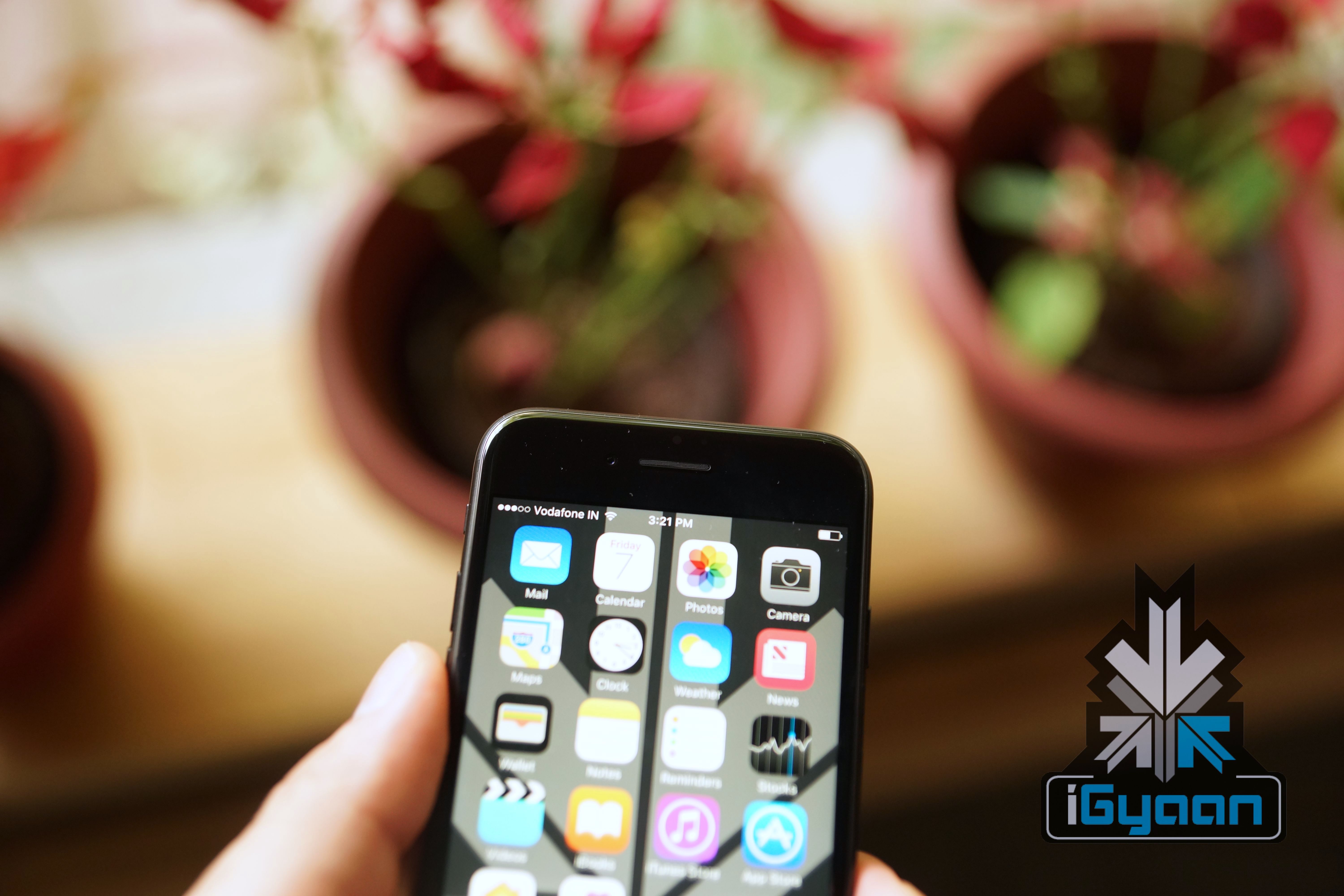
    The iPhone SE lineup was not refreshed in 2017 and instead, Apple launched three new iPhones later in the year in September. The iPhone X being the most significant of the three. Ever since the launch event in September, there have been rumours that the ‘SE’ lineup will see a new iteration in 2018. So far, we have seen conflicting reports about the design of the iPhone SE 2 while it is quite clear that the specifications will resemble that of the iPhone 7.

    Launch

    Soon after the September launch event hosted by Apple, there were rumours that the iPhone SE 2 would launch in March, just like the iPhone SE. However, the March 27th event focussed primarily on education and Apple launched a refreshed entry-level iPad. The next big Apple event is the World Wide Developer’s Conference that will commence on the 1st of June. Again, WWDC is not known for product launches as it focusses on software and app developers. The HomePod is the only notable unveiling that happened at WWDC 2017. It doesn’t seem likely that Apple would launch the iPhone SE 2 at WWDC 2018.

    There have been reports that the iPhone SE 2 will be an India-exclusive device which means that the company could launch it a few months before the September launch event. However, there is no fixed date for the launch of the iPhone SE 2 so far.

    Name

    This is probably the most straightforward aspect of the iPhone SE 2 we know of. Apple has followed a set naming pattern for its iPhone lineup so far and will, in all probability, continue to do so with the ‘SE’ lineup. The iPhone SE 2 will succeed the iPhone SE, hence, it would make sense for Apple to name its the “iPhone SE 2.”

    Design

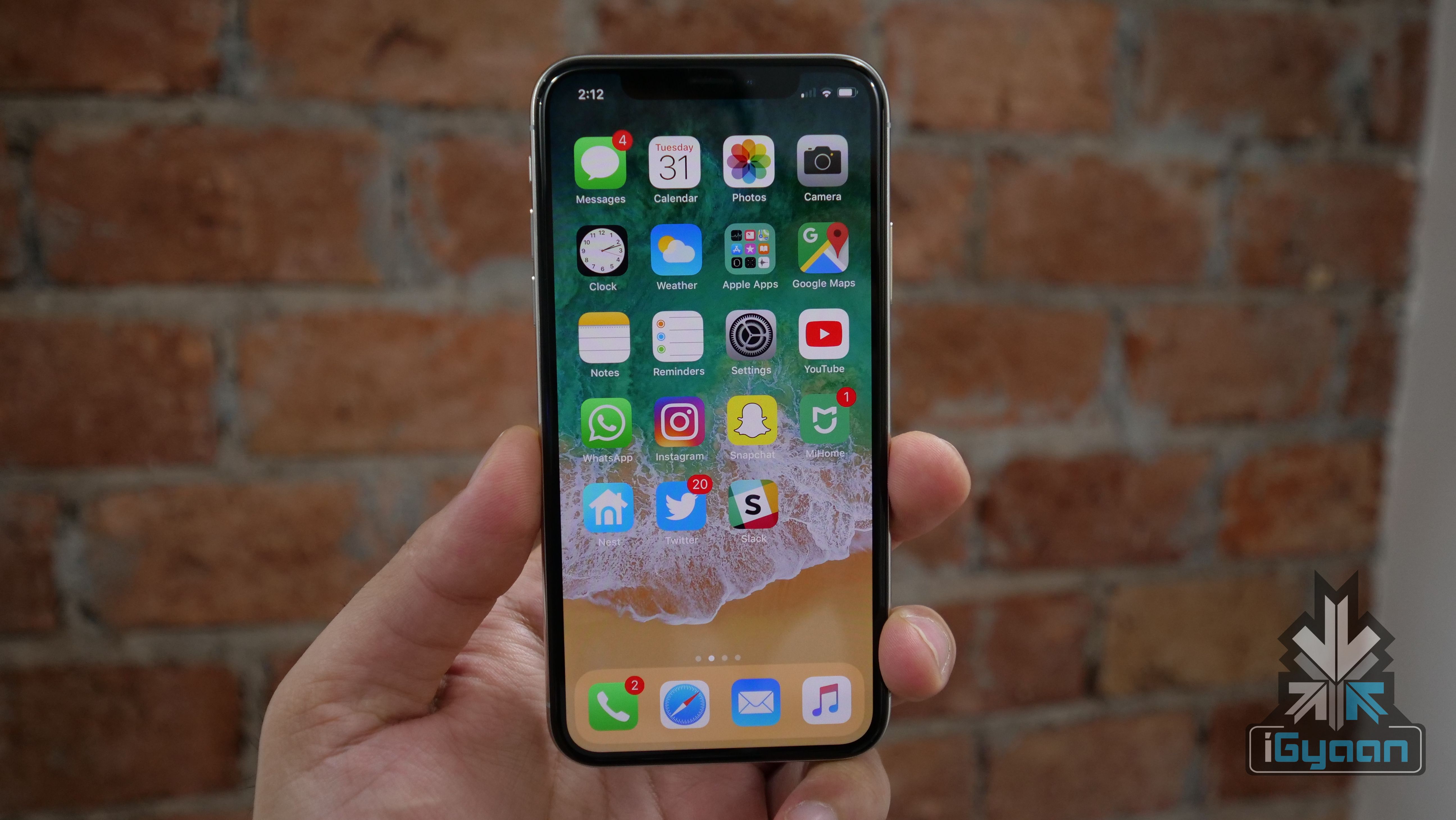
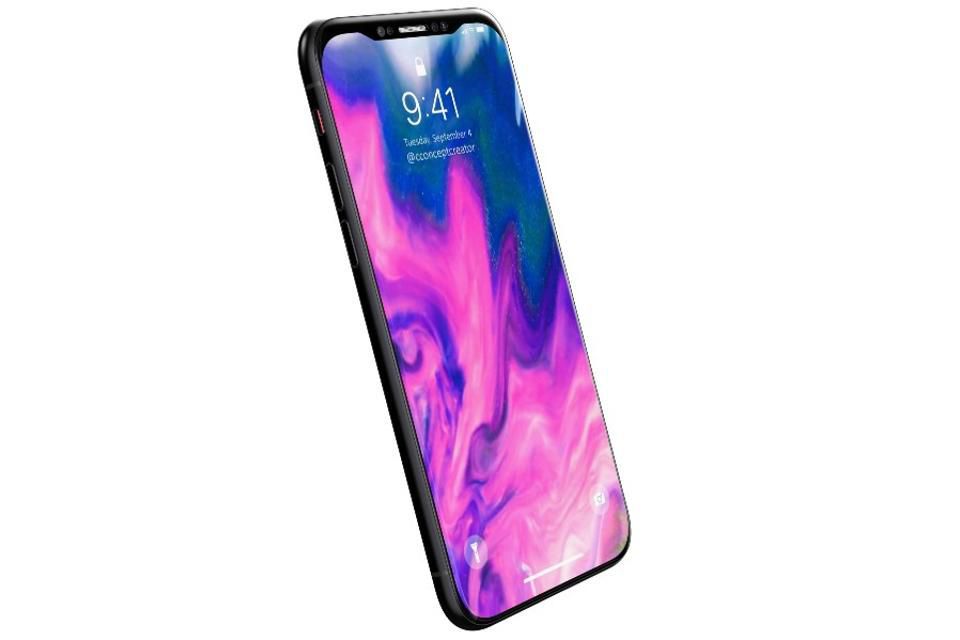
    The design of the iPhone SE 2 is where most of the contradictions appear. Soon after the iPhone X was launched, reports claimed that Apple will unify the design of all the future iPhones including the iPhone SE 2. If so, we could see a major design overhaul with the SE 2 and might be one of the best-looking budget smartphones in India. An iPhone X design would also mean the introduction of Face ID and the departure of the Home Button.
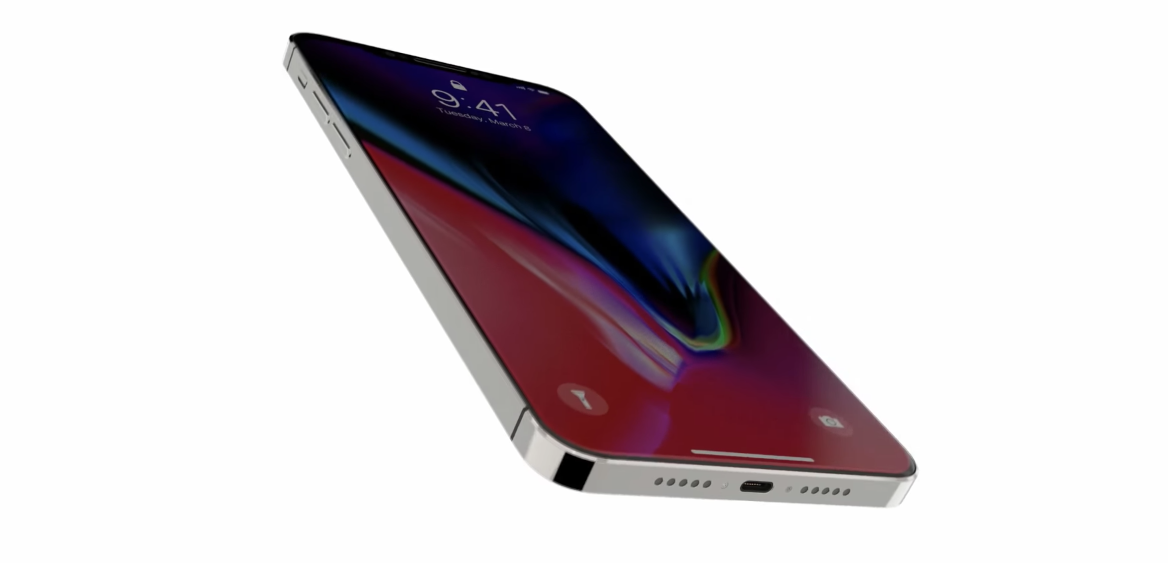
    iPhone SE 2 Concept

    Apple would be able to fit in a larger display in the same compact form factor which would be appreciated by many. However, implementing Face ID will increase the cost of production which would, in turn, increase the final price of the smartphone. An increase in price would take away one of the most exciting factors of the iPhone SE 2, its affordability. Hence, it is fair to assume that Apple could retain the design of the original SE and just upgrade the specifications and cameras.

    Display

    The size of the display of the iPhone SE 2 will largely depend on what design language Apple decides to follow. Recent reports suggest that the iPhone SE 2 will have a design very similar to the iPhone SE, which means the SE 2 will retain the 4 inch display. In such a case, we expect Apple to bump up the resolution a bit from iPhone SE’s 1136 x 640 px resolution.

    With the iPhone 8 and iPhone X, Apple also introduced the True Tone display technology for iPhones. With True Tone, the display adjusts to the environment, in theory, reproducing better colours. Apple is expected to do the same with the iPhone SE 2 to maintain some sort of commonality with its current line of iPhones.

    Under The Hood

    When the iPhone SE was launched in March 2016, it was powered by the Apple A9 chipset. This was the same chipset that also powered the iPhone 6s and 6s Plus which were launched in September 2015. If Apple follows the same pattern with the iPhone SE 2 could have the Apple A11 Bionic chipset that is also found on the iPhone 8, 8 Plus and the iPhone X.

    However, it is more likely that the SE 2 will have the Apple A10 Fusion chipset under the hood. This is the same chip that powers the new 9.7 inch iPad and the iPhone 7 lineup. Coupled with the A10 chip will be 2GB of RAM and a minimum of 32GB of storage. The iPhone SE 2 will also retain in other storage variants, possibly 64GB and 128GB.

    Camera

    With the iPhone SE, users got the same primary camera found on the iPhone 6s, which was launched a few months before the iPhone SE. This means that the iPhone SE 2 could have the same camera setup found on the iPhone 8. So far, there are no reports claiming that the iPhone SE 2 will have a dual-camera setup hence, we don’t expect the iPhone 8 Plus camera setup to make its way to the SE 2.
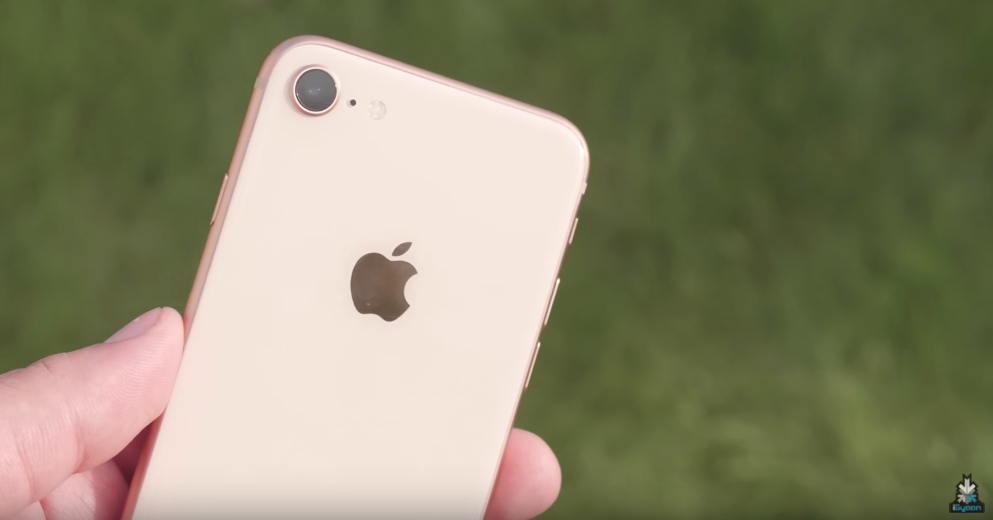
    iPhone 8

    On the front, the iPhone SE 2 will have an improved version of the front-camera found on the iPhone SE. Even though the iPhone SE was launched two years ago, ist front camera still holds up pretty well. This means that the iPhone SE 2 is expected to have a good camera performance if and when it is launched.

    Conclusion

    The Apple iPhone SE 2 appears to be ready for a launch in 2018. It is yet to be confirmed whether Apple will launch the smartphone at a separate event or at one of it upcoming launch events. Irrespective of the date of launch, the iPhone SE 2 is highly anticipated all over the world. Especially in price-sensitive markets like India, to be able to buy an iOS device at an affordable price is a great prospect for consumers.

  • Apple iPad 2018 Vs Apple iPad 2017 Specs Comparison

    Apple iPad 2018 Vs Apple iPad 2017 Specs Comparison

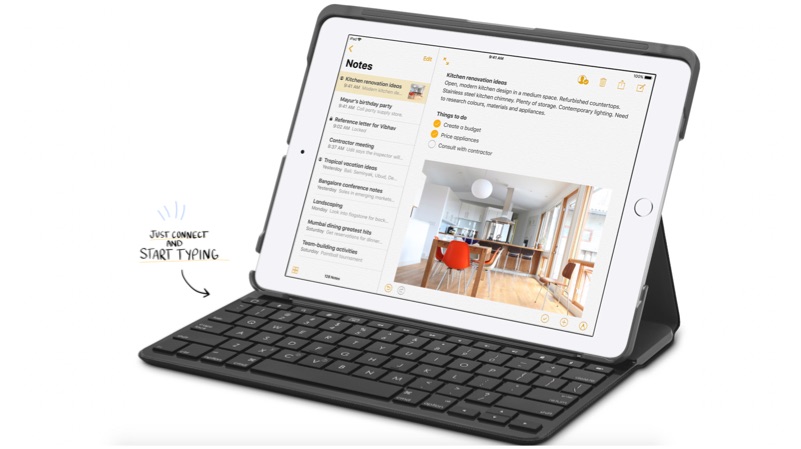
    Apple recently launched the 6th Gen Apple iPad 2018 at an educational event in Chicago. The iPad 2018 is a successor to the company’s cheapest 5th Gen Apple iPad 2017. In terms of design and aesthetics, both iterations of the iPad have a same metal unibody design. The cellular LTE models have a plastic antenna band and the Wi-Fi only models have a complete metal unibody design. However, both models miss out on a laminated display, which creates an air gap between the display and the touch panel.

    The Apple iPad 2017 currently retails for Rs 25,990 for the 32GB storage variant. Similarly, the Apple iPad 2018 will be available from late April for a price of Rs 28,000. So, what are the upgrades that one can get by paying additional Rs 2,000?

    Apple iPad 2018

    The 5th Generation and the 6th Generation Apple iPads come with a 9.7 inch 2048 x 1536 px resolution display with 264 ppi. Though these have the same display, the 6th generation iPad supports input from Apple Pencil, which is missing on the 5th Gen iPad. The Apple Pencil will retail for Rs 7600 in India. Additionally, the 6th Generation Apple iPad is powered by the Apple A10 chipset, whereas the 5th Generation iPad is powered by the Apple A9 chipset. Both the iPads have 32GB and 128GB storage options with 2GB RAM.

    Specs Comparision
    Features Apple iPad 2018 (6th Generation) Apple iPad 2017 (5th Generation)
    Display 9.7 inch

    IPS LCD

    2048 x 1536 px

    9.7 inch

    IPS LCD

    2048 x 1536 px

    Processor Apple A10 Apple A9
    RAM 2GB 2GB
    Storage 32GB

    128GB

    32GB

    128GB

    OS iOS 11 iOS 11
    Primary Camera 8MP

    f/2.4

    8MP

    f/2.4

    Secondary Camera 1.2 MP

    f/2.2

    1.2MP

    f/2.2

    Battery 32.4 Wh 32.4 Wh
    Add-Ons First Gen Touch ID

    Support for Apple Pencil

    First Gen Touch ID
  • Apple iPhones With Curved Displays To Launch In 2-3 Years

    Apple iPhones With Curved Displays To Launch In 2-3 Years

    Apple may never be the first to introduce a feature but, it usually sets an industry-wide trend. In 2017 again, Apple was not the first one to introduce a notch (not a feature but, still). However, it is not rocket science to figure out the overall design shift across Android smartphones ever since the iPhone X was launched. Now, Apple appears to be working on launching a few iPhones with a curved display. However, this reality is still a few years away.

    According to few people close to the matter at Apple, these panels will curve inward gradually from top to bottom. This implementation is different from Samsung’s for its recent flagship smartphones. Now, so far we have seen smartphone makers choose the same route for curves, like Samsung. So, it is unclear why Apple would go a different way. It could be because Apple’s research team identified ergonomic advantages with this method. The other reason could be to potentially prevent people from saying that they copied Samsung.

    Another interesting feature in future iPhones will be touchless gestures. Since the launch of the iPhone X, other smartphone makers have also identified gestures for navigation as a viable replacement to the same old navigation buttons found on Android since its inception. However, Apple wants to that a step further with touchless gestures. Users will be able to perform certain tasks by just hovering their fingers over the display. But, since the technology will be built into the display, users will have to bring their fingers very close to the display.

    These features, as of now, are in early stages of R&D. As we know, Apple never puts out something until the technology is perfected which means we will have to wait a while for the new iPhones. However, the features are very interesting and could, potentially, set another industry trend in the years to come.

  • Apple Has Released The Biggest iOS Update Since iOS 11

    Apple Has Released The Biggest iOS Update Since iOS 11

    Soon after the launch of the iPhone X, Apple started rolling out the new iOS 11 update to all compatible iOS devices. Keeping up with its reputation for extensive software support for its older devices, the iPhone 5s received the iOS 11 update. For context, the iPhone 5s was launched in September 2013. However, everything wasn’t rosy for iOS 11 as it was marred with many bugs. Initially, it had the slowest adoption rate when compared to previous iOS versions.

    After multiple software updates, the iOS 11 experience has become much better but, still leaves a lot to be desired in some aspects. But, the new iOS 11 update is much more significant than the previous ones so far. As promised by Tim Cook, the new iOS 11 update has brought about a major change.

    Battery Health And CPU Throttling

    In late-December 2017, it was unearthed that Apple was deliberately slowing down older iPhones. The company came out and laid down the reasons for which it took those measures. Apple admitted that it capped the peak demands of the processors of older iPhones to battle battery degradation. This lead to a huge uproar and Apple faced multiple class action lawsuits as well.

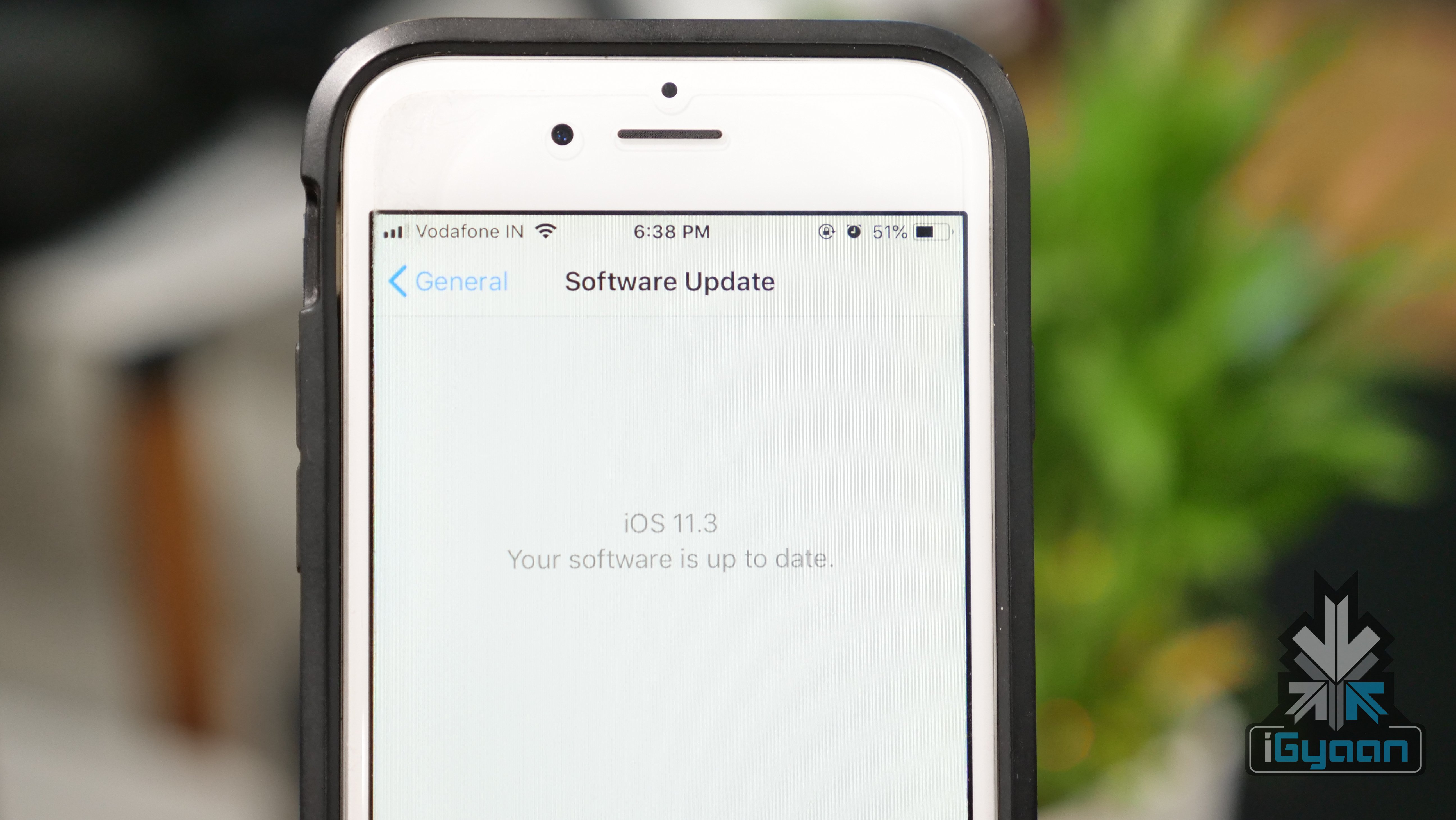
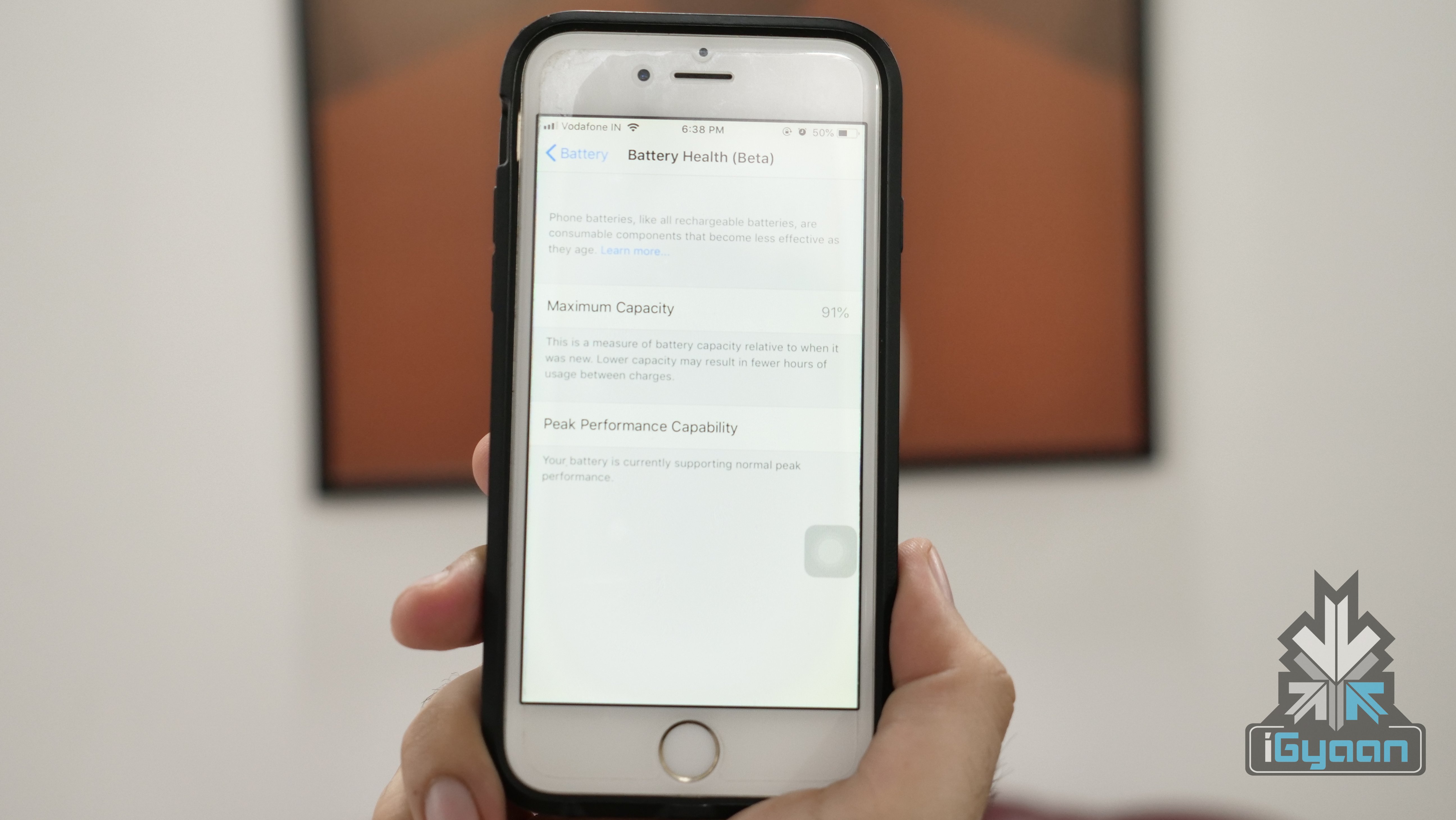
    Tim Cook then conceded that an iOS 11 update would let users choose between battery health and unadulterated performance. With iOS 11.3, users can head to the battery settings to check the battery health of their iPhone and whether it has been slowed down via software or not.

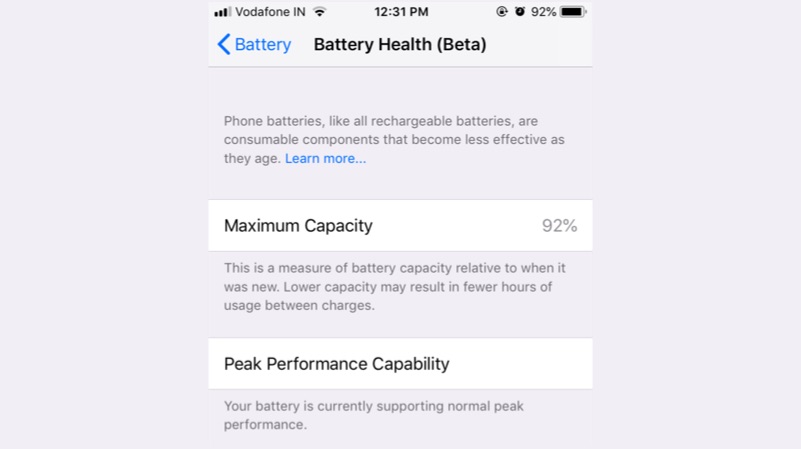
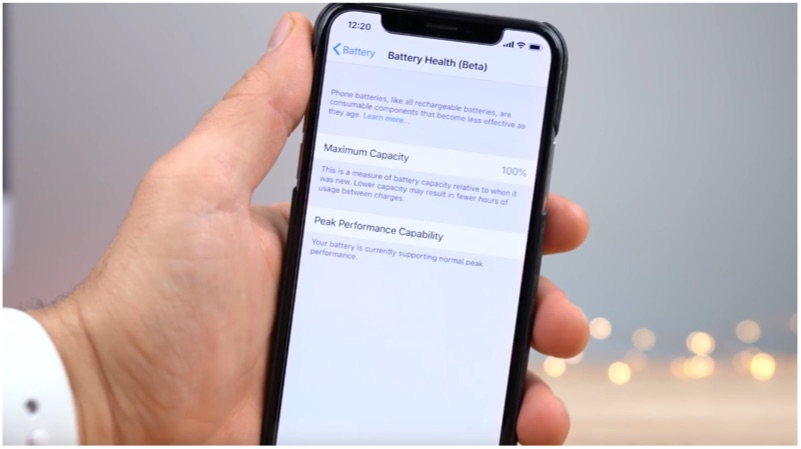
    This was a necessary step for Apple and now gives a lot of control to the user. Some users would choose battery health in order to avoid replacing the old battery. However, there is a majority of people who’d rather use their iPhone to its full potential. The new feature, right now, is in its Beta mode. Once you click on Battery Health (Beta), the window displays the iPhone battery’s maximum capacity. This is a measure of the battery capacity relative to when it was new.

    The lower section of the screen is labelled “Peak Performance Capacity,” and has two types of sub-headings. If your phone has never experienced an unexpected shutdown, it will say, “Your battery is currently supporting normal peak performance.” However, in the opposite case, the message will read:

    Your battery’s health is significantly degraded. An Apple Authorized Service Provider can replace the battery to restore full performance and capacity.

    How to check battery health: Settings>Battery>Battery Health (Beta)

    New Animojis

    It is hard to fathom that the most famous feature of a brilliant smartphone like the iPhone X is dancing animated characters. Apple showed off Animojis on stage during the launch of the iPhone X and the craze has fizzled away since. Companies like Samsung and Huawei have come up with their own rendition of Animojis but failed to impress.

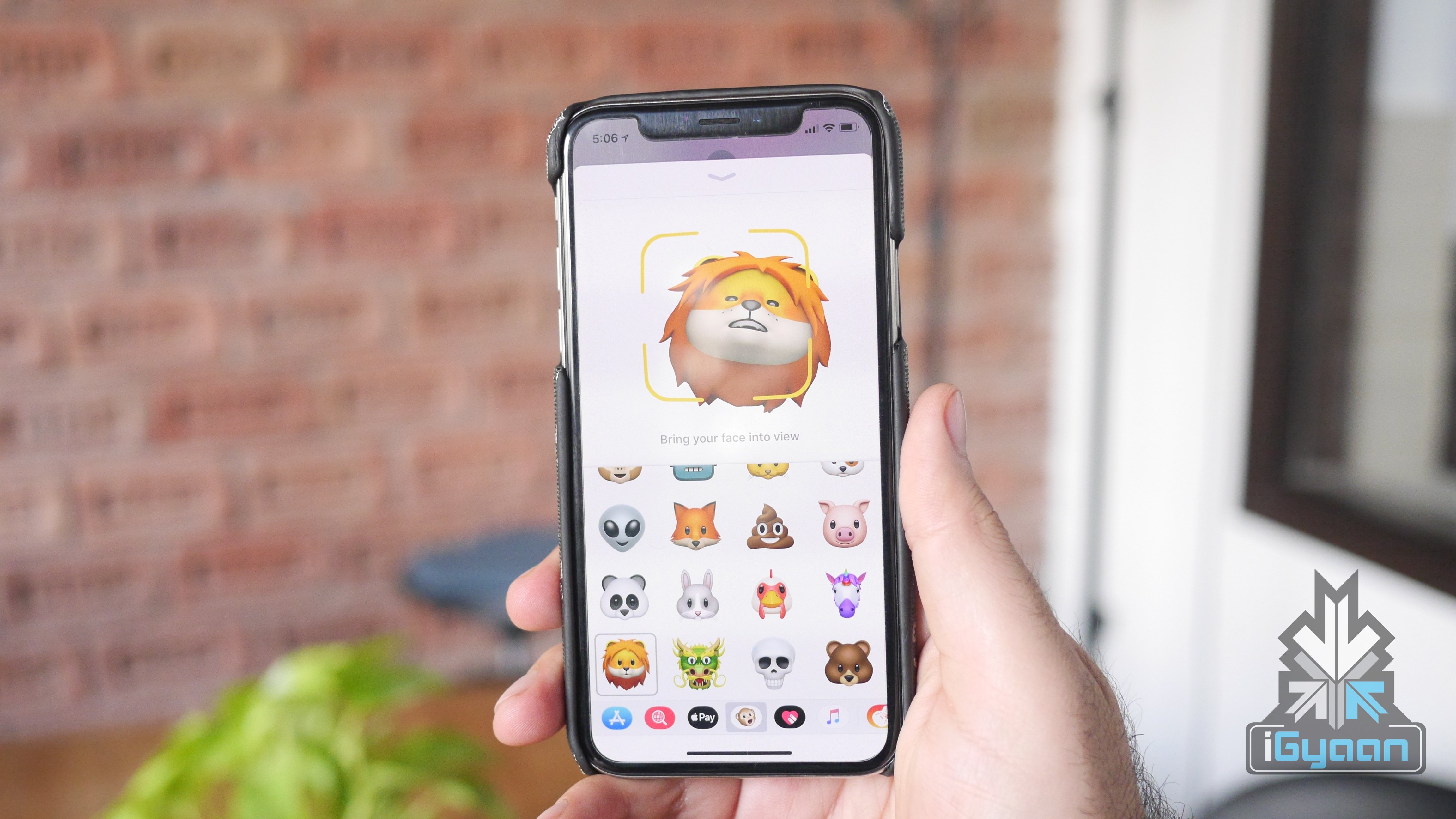
    With iOS 11.3, Apple has added more characters to Animojis. The update adds a skeleton, a lion, a dragon, and a bear, not to be confused with the existing panda bear Animoji. It is worth noting that these new Animojis don’t add any functionality to the existing system, they’re just new skins to play around with.

    ARKit 1.5

    At the World Wide Developer Conference 2017, Apple introduced ARKit. This is Apple’s AR application programming interface. Its main function is to handle the lower-level processing so that developers can focus on the experience of the app. Up until the new update, ARKit could only place objects on flat surfaces or horizontal planes. But, with ARKit 1.5, developers can place objects on surfaces like a wall or any other vertical plane. Also, accuracy is now increased while mapping objects on a vertical plane.

    Another interesting feature is image-recognition. For example, the ARKit can project a full-size robot if a poster for an associated robot movie is seen by the phone’s camera. These developments prove that Apple has a lot of focus on AR and will come out with even more functions in the future updates.

    This also means that we could see great developments in AR at the upcoming WWDC 2018.

  • Apple Will Make It Own Chipsets To Power Mac Devices By 2020

    Apple Will Make It Own Chipsets To Power Mac Devices By 2020

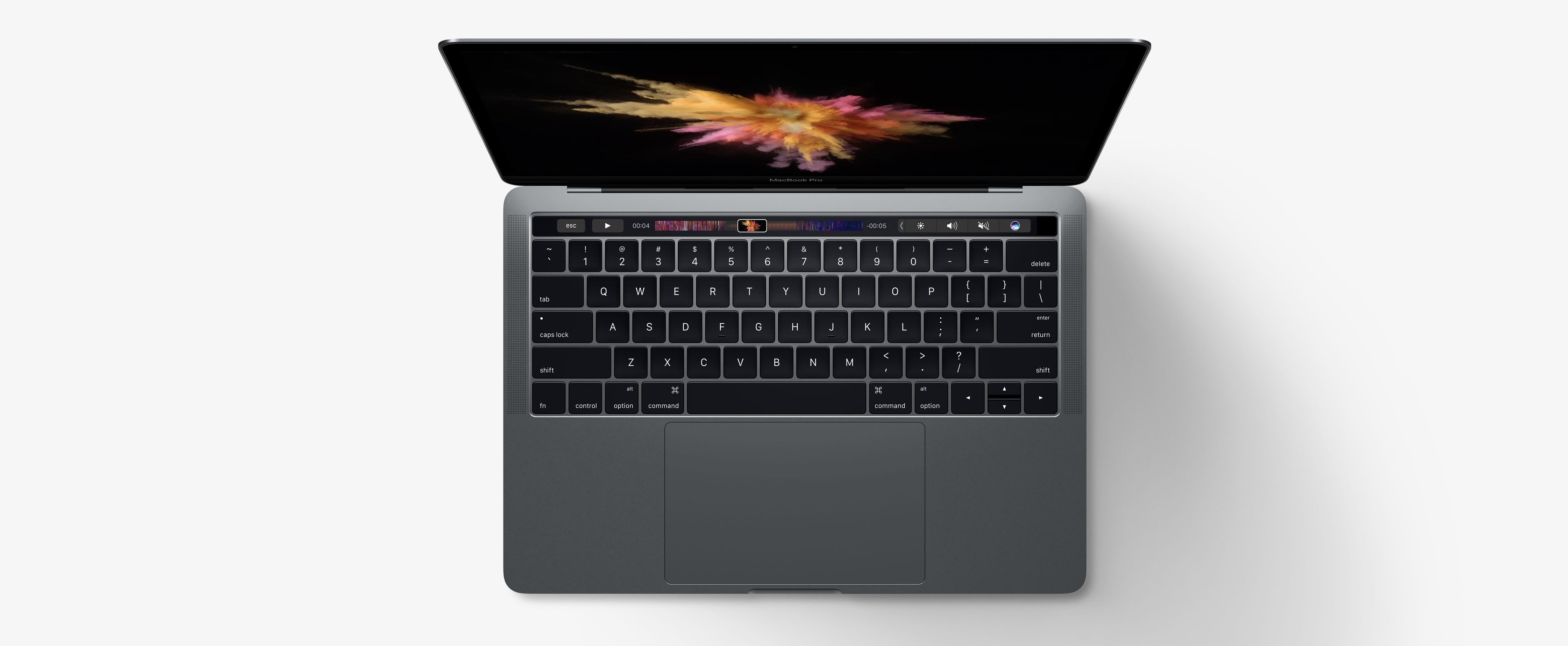
    Most of the Notebook manufacturers use either Intel or AMD chipset. However, recently, companies like HP and Asus has started to launch notebook based on the Qualcomm chipsets. According to a report, Apple might replace the Intel processors on Macs to use its custom ARM chipsets. When Apple started making MacBooks and iMacs, the company initially used Motorola and IBM’s PowerPC chipsets. However, in 2005 Apple switched to Intel processor-based Macs.

    The report suggests that the company is working on a new project named ‘Kalamata.’ The project is still in a nascent stage and this will help Apple to achieve seamless integration across its lineup including iPhone, iPad, iMac, and MacBook. This would also affect Intel, as 5% of its overall revenue generated comes from Apple. As soon as this news was out, Intel’s shares were down by 9.2%, which is the biggest intraday drop in the last two years.

    However, Intel has not spoken a word about this development, and played safe:

    We don’t comment on speculation about our customers

    Apple Custom Chipset Specs

    The processors will be manufactured by TSMC, which is the manufacturer of Apple A series chipsets for iPhones and iPads. These chipsets will use Arm’s technology. These processors are expected to offer better battery life and it will ease out the transition of unifying the iOS and macOS. The unification will be achieved using a new platform called ‘Marzipan’, which will be expected to go live in WWDC 2018 for developers.

    Most of the notebook manufacturers like HP, Dell, and Asus wait for Intel or AMD to launch its latest chipset. If Apple develops its own chipset, then the company can be ahead of the competition. This will have a positive impact on Apple, as the company will have an all-around control over the components required for designing a device. This also means that the company will be able to launch newer Mac models with its own time frame. Additionally, this will help the company to integrate iOS and macOS on chipset level.

  • Apple Sued By 60,000 South Korean Users For Slowing Down Older iPhones

    Apple Sued By 60,000 South Korean Users For Slowing Down Older iPhones

    Apple recently released iOS 11.3 software update with new features. In fact, this update also solves the CPU throttling issue on older iPhones. Users, who own an older iPhone model can now toggle between performance or battery life in the settings menu. However, the company warns that manually enabling the performance will drain the battery. Now, a large group of iPhone users in South Korea have filed a class action lawsuit with the Seoul Central District Court against Apple for slowing down older iPhones.

    Apple started to slow down (by throttling the CPU frequency) older iPhones with degraded batteries to offer better battery life. However, this was done without user’s consent. As soon as the news went viral, Apple CEO Tim Cook apologised the users and announced a new battery replacement programme at an affordable price.

    The Lawsuit

    60,000 iPhone users in South Korea are now demanding a compensation of US$ 188 per customer or US$ 12 million in total. This is also the one of the biggest action lawsuit that in South Korea. However, the initial number of users who wanted to file a lawsuit was near 400,000. The number lessened at the time of document verifications and other legal procedures. Similarly, Civic Group Activists have already filed a class action suits against Apple in South Korea in early 2018. They won the lawsuit with a compensation amount of US$ 2.2 million.

  • iOS 11.3 Finally Lets You Choose Between Battery Health And Performance

    iOS 11.3 Finally Lets You Choose Between Battery Health And Performance

    In December 2017, a series of benchmark tests revealed that Apple was deliberately slowing down older iPhones. Apple then came out and cleared the air around what was the motive behind such a drastic decision. While many conspiracy theories believed that Apple did this to force people into buying new iPhones, the reality was something different. The new iOS 11.3 update now fixes this issue.

    However, Apple took full responsibility for its actions and promised to make amends. Tim Cook, CEO of Apple Inc. conceded that a future iOS update will let people choose between peak performance and battery health. And now, the new iOS 11.3 update lets users do exactly that. With iOS 11.3, users can head to the battery settings to check the battery health of their iPhone and whether it has been slowed down via software or not.

    This was a necessary step for Apple and now gives a lot of control to the user. Some users would choose battery health in order to avoid replacing the old battery. However, there is a majority of people who’d rather use their iPhone to its full potential. The new feature, right now, is in its Beta mode.

    How to check battery health: Settings>Battery>Battery Health (Beta)


  • Apple iPhone X (Product) RED Looks Stunning And Could Launch Soon

    Apple iPhone X (Product) RED Looks Stunning And Could Launch Soon

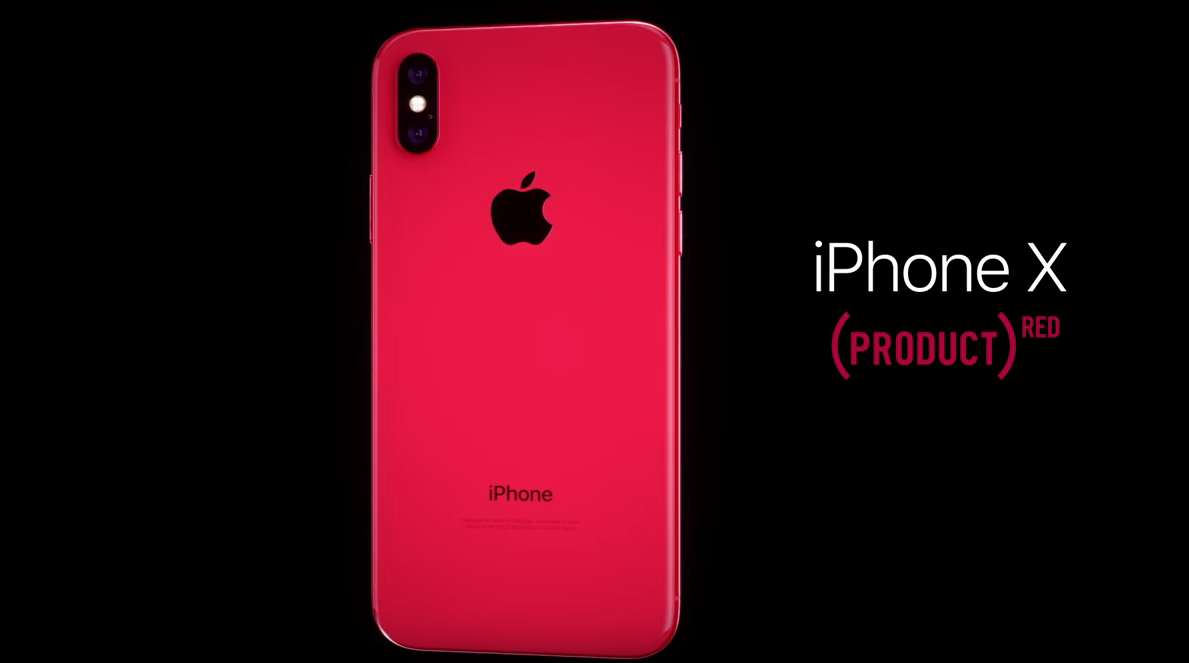
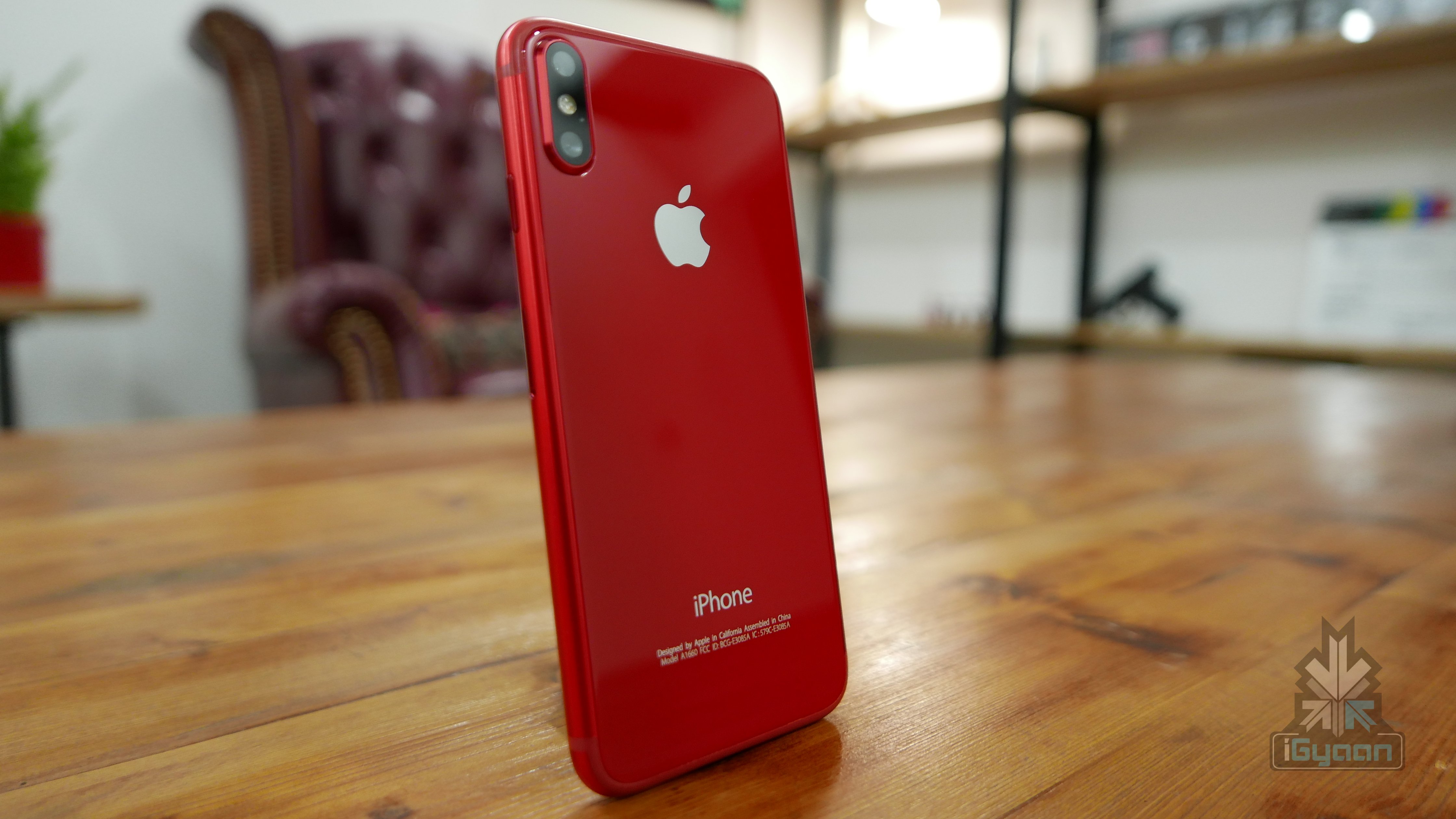
    Apple launched the iPhone 7 and 7 Plus (Product) RED variants in March 2017. This meant that many expected an iPhone X (Product) RED launch at the Apple Keynote on March 27th. However, that did not happen and instead, it launched 9.7 inch iPad. But, it is still possible for Apple to launch a red-coloured iPhone X and a new render imagines what it might look like.

    Steve H, a renowned leaker tweeted that an unfamiliar source says Apple will launch the iPhone X (Product) RED. He has, however, conceded that it is not certain. The uncertainties aside, the renders of the iPhone X look stunning and it could be a great addition to the iPhone X lineup. Apple’s WWDC 2018 conference will commence in June, and will mostly concentrate on the software side of Apple.

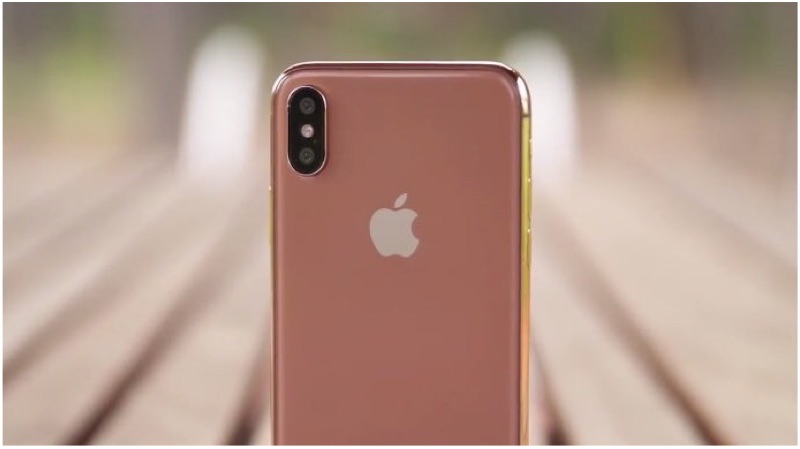
    Again, Apple did not launch the iPhone 7 (Product) RED at a separate event. This means that a launch of the iPhone X (Product) RED could happen anytime soon if Apple has planned it. A few days ago, a leak suggested that Apple was working on a Blush Gold variant of the iPhone X. In fact, it went as far to say that it is in (Product)ion already.

    A lot of smartphone maker off late have launched a “Special Variant” of their popular smartphones. Interestingly, Apple kind of started the trend with the iPhone 7 (Product) RED launch. Subsequently, the OnePlus 5T, Mi A1 and Honor 7X were launched in the special red colour variant. However, it is fair to say that a red coloured iPhone X will gather much more fanfare than the rest.

    iPhone X Blush Gold

    If Apple does launch the iPhone X (Product) RED, it will contradict a few reports about the flagship smartphone. However, launching a new colour variant means the company still believes that the iPhone X can do even better than its current situation.

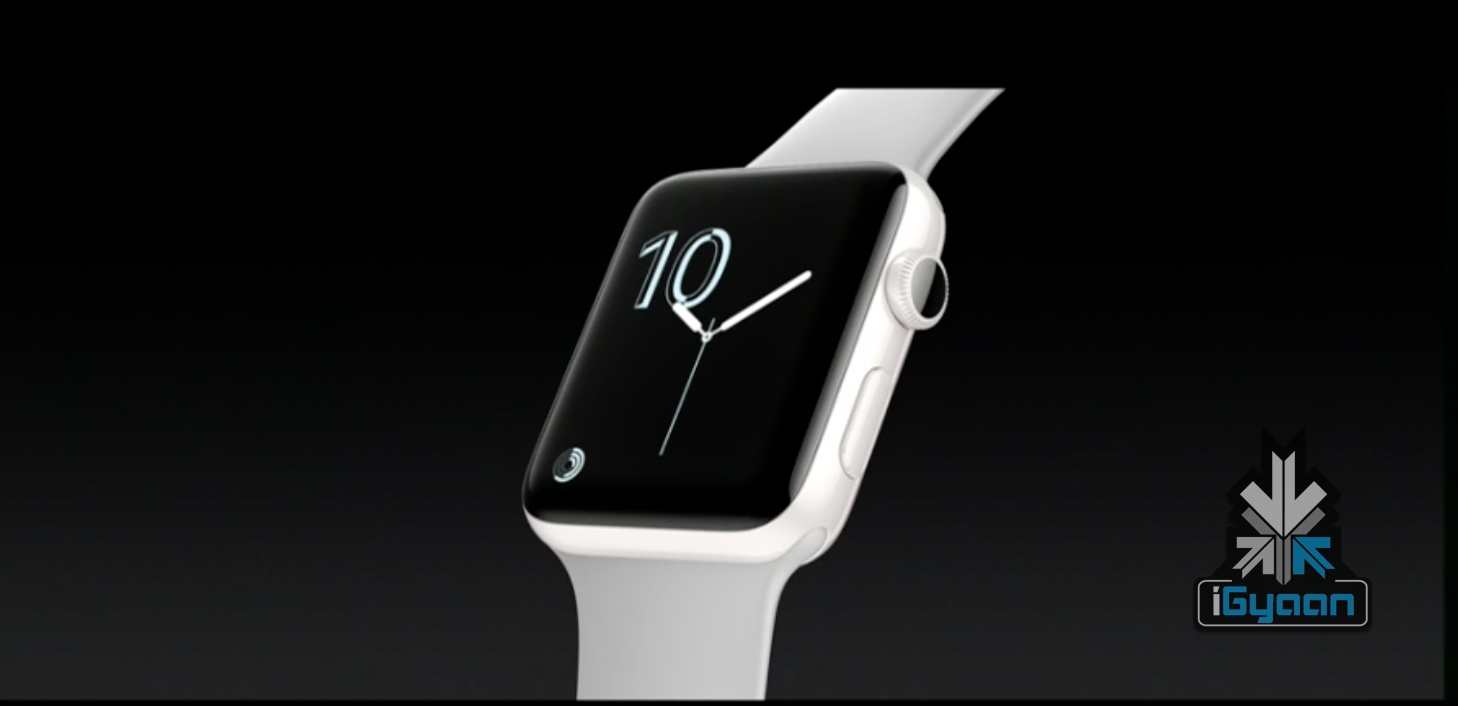
  • Apple Watch Series 4 Will Have A 15% Bigger Screen And A New Design

    Apple Watch Series 4 Will Have A 15% Bigger Screen And A New Design

    The smartwatch industry, much like tablets, is dominated by Apple. Google recently rebranded its smartwatch OS to Wear OS in a bid to revive it a bit. However, all of that might not come to any fruition as Apple plans a design overhaul for the upcoming Apple Watch. Apple has already launched three generations of the Apple Watch. However, all three generations look very similar. According to a new report, the Apple Watch Series 4 will have a new design with a 15% bigger screen.

    Apple Watch Series 4
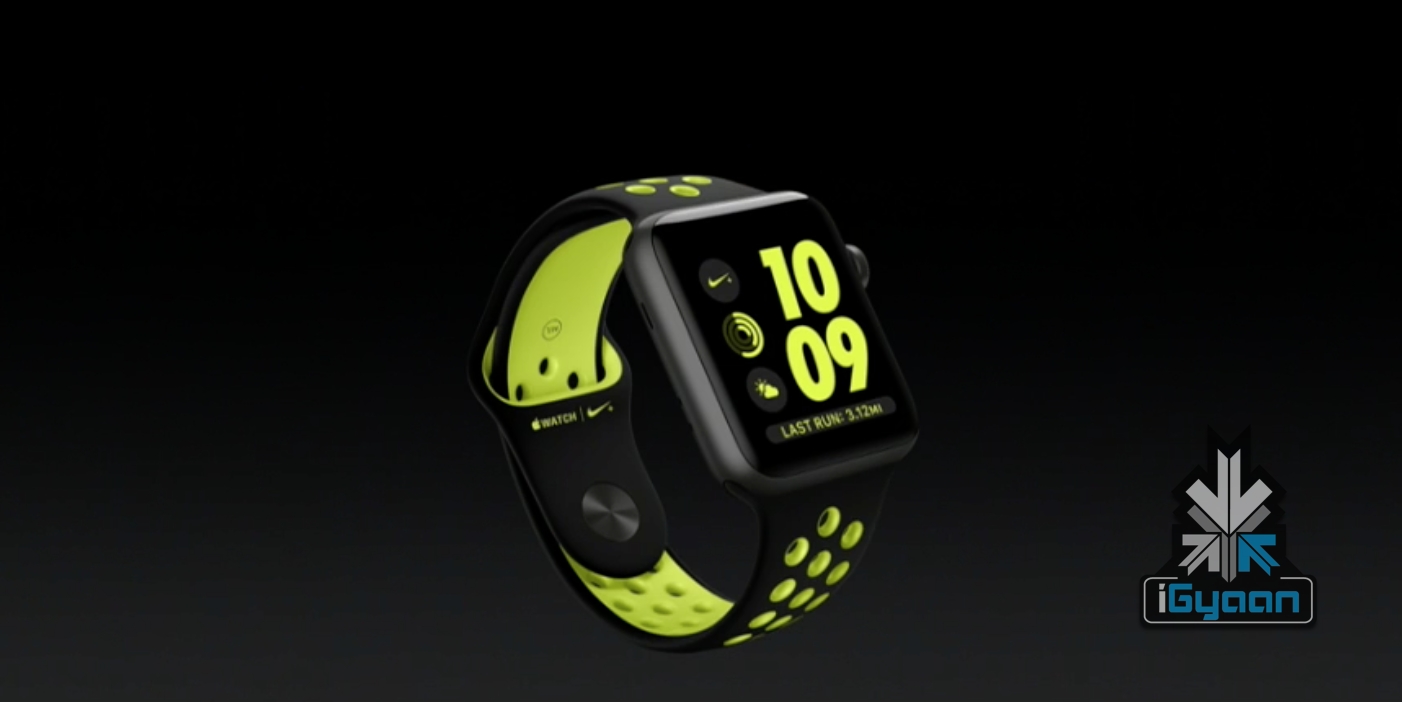
    Apple Watch Series 2 Nike Edition

    The Apple Watch Series 4 will debut in September 2018, along with the new iPhones. According to KGI Securities’ Ming-Chi Kuo, the watch will have a newer design with a bigger screen and a longer lasting battery life. Additionally, the smartwatch will have additional health monitoring capabilities. The company is also working on a new display technology called micro-LED display. This display technology will consume less power by offering more pixels per inch.

    The watch will be available in 38mm and 42mm screen sizes with minimal bezels. To cater to a bigger display, the watch will also have a bigger battery with extended battery life. The report also predicts that Apple will sell at least 30 million units of Apple Watch in 2018, which will go up to 50 million in the upcoming year.

  • Apple Launches 9.7 Inch iPad With Apple Pencil In India At Rs. 28000

    Apple Launches 9.7 Inch iPad With Apple Pencil In India At Rs. 28000

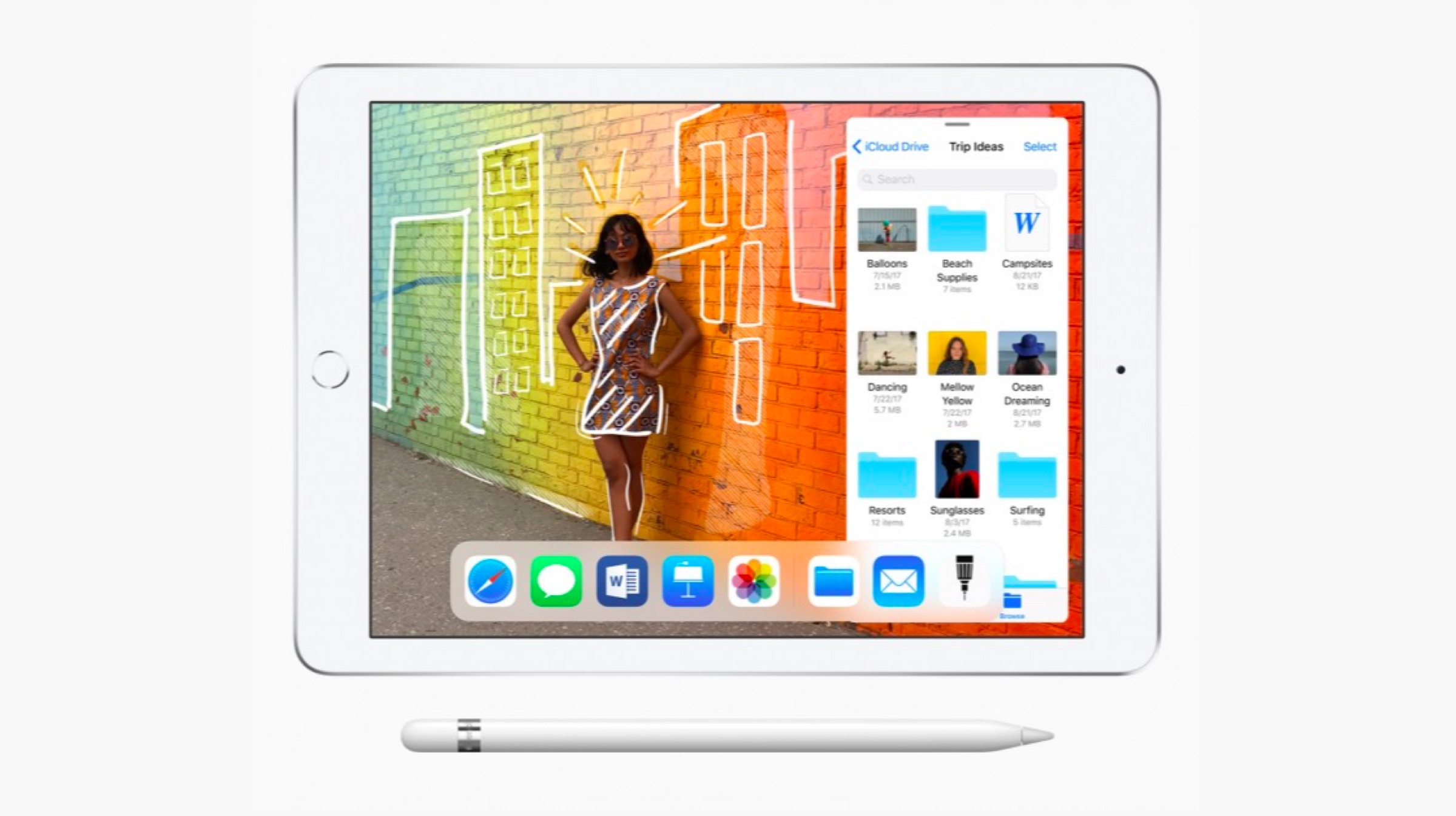
    27th March has been an eventful day for the tech industry. Companies like Xiaomi and Huawei held grand launch events to launch their new flagship devices while Apple quietly introduced a significant upgrade in its iPad lineup. The Cupertino-based tech giant held a keynote in Chicago to launch the new 9.7 inch iPad with support for Apple Pencil. The new iPad will hit the Indian shores sometime in April. The 9.7 inch iPad WiFi-only model will retail for Rs 28000 in India and start shipping some time in April. The cellular variant, on the other hand, will cost Rs 38,600. The Apple Pencil will retail separately for Rs 7600.

    The new iPad has a 9.7 inch LED-backlit IPS LCD Retina display with a 2048 x 1536 resolution. The design of the iPad is reminiscent of every other iPad. It has the Home Button/Touch ID housed in the bottom bezel. The tablet will be available in Space Gray, Silver and Gold colour variants.

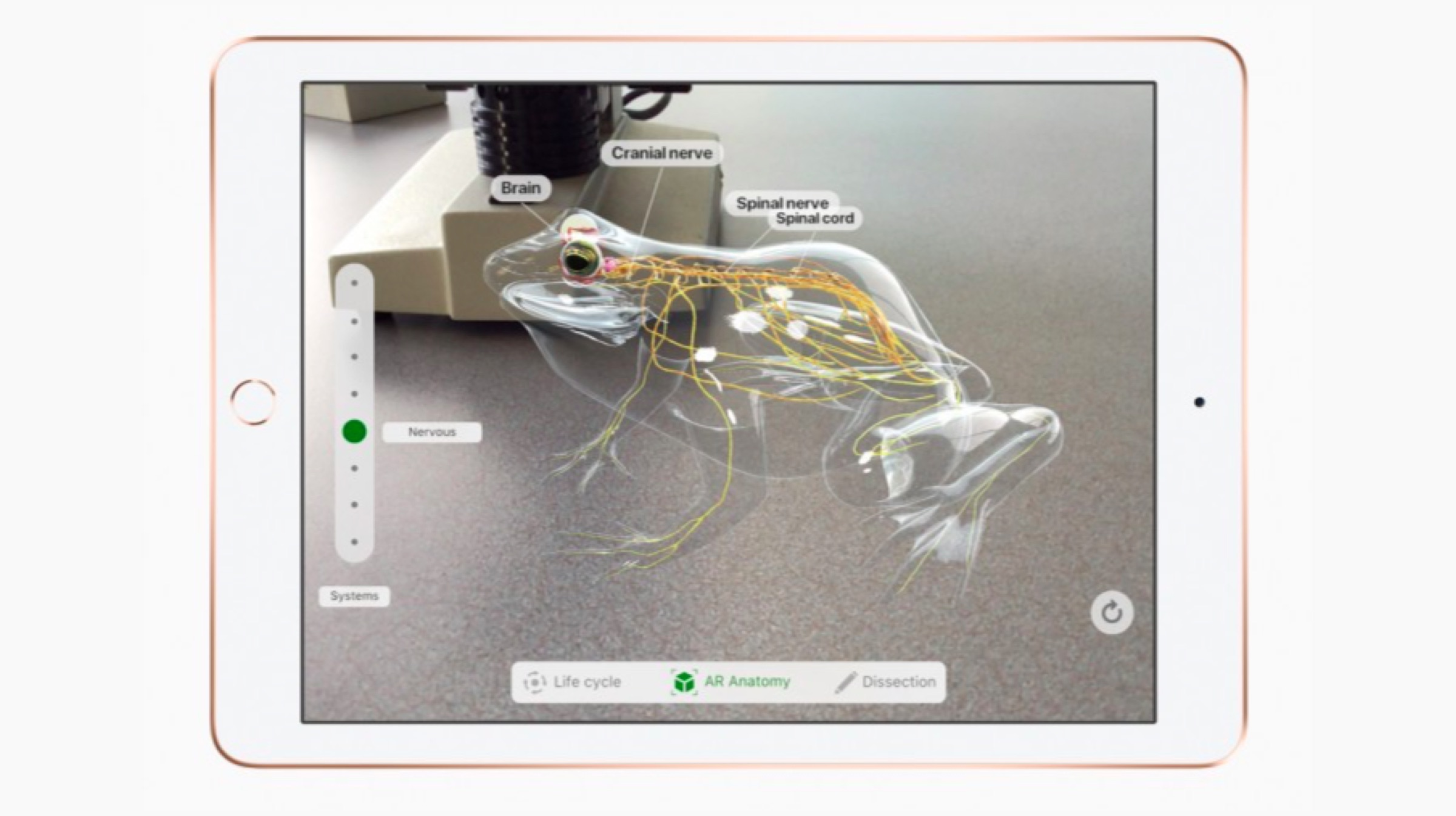
    Powering the iPad is Apple’s own A10 Fusion chipset. This is not the latest chipset from Apple and was first introduced in the Apple iPhone 7 and 7 Plus. While Apple’s keynote focused on the iPad’s educational benefits, it also has a few interesting AR features. Froggipedia is an app that lets students dissect a frog using the Apple Pencil.

    While iOS 11 has not had the greatest of starts, it has been well-received on the iPads at least. Just like every new iOS product, the new 9.7 inch iPad will also run the latest iOS 11 version. The tablet will also get software support for many years and won’t be out-of-date anytime soon.

    The new iPad also has an 8MP primary camera with f/2.4 aperture. It records 1080P videos at 30fps and 720P videos at 120fps. The 1.2MP front-facing camera records 720P videos and has an f/2.2 aperture.

    The tablet industry, so far, has been dominated by Apple and the dwindling popularity of Android tablets is an apt evidence of that. However, globally, the iPads have a great competition from Chromebooks, which are very affordable and offer something different than an entry-level iPad.

  • Apple iPhone SE 2 Might Be An Indian Exclusive Device

    Apple iPhone SE 2 Might Be An Indian Exclusive Device

    There are many rumours swirling around the launch of the Apple iPhone SE 2. Some hint towards the iPhone X’s design, while the others incline towards a design similar to the iPhone SE. According to a new rumour, the smartphone will be manufactured in India, exclusively for India. Which means this could be the first smartphone from Apple made just for a single country. However, we are not sure about this yet, since Apple has never done anything like this ever.

    The report also says that the iPhone SE 2 might have a display with a screen size ranging from 4.0 inches to 4.2 inches. This indicates that the device will have prominent bezels, which means the device is most likely to have a Touch ID rather than Face ID. The report is also clear about the fact that, the device will not launch at WWDC 2018.

    iPhone SE 2

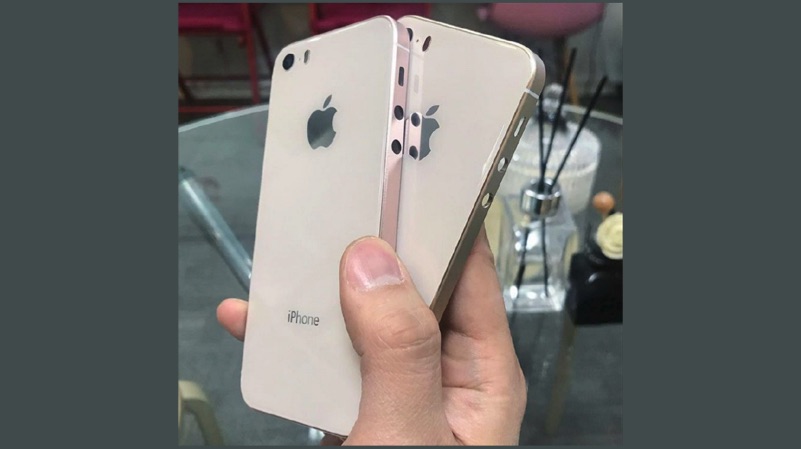
    The iPhone SE 2 is expected to launch with a price tag of Rs 25,000 to Rs 30,000. Considering these numbers, we are safe to say that, the smartphone will have a lot of similarities to the iPhone 8. Additionally, the smartphone will probably have a glass back panel with support for wireless charging capability.

    Apple iPhone SE 2 Specs

    The iPhone SE 2 will have a display with a screen size of 4 inch to 4.2 inch. Additionally, the display will have HD retina resolution with 16:9 aspect ratio. Under the hood, the device will have the Apple A10 processor with 2GB RAM and 32/128GB storage option.

    Going by the latest standards by Apple, the company is most likely to pull out the 3.5  mm headphone jack.The smartphone will run on latest iOS at the time of launch, fueled by a 1700 non-user replaceable battery.

  • iOS 11.3: Top Five Features

    iOS 11.3: Top Five Features

    Apple is expected to release the iOS 11.3 update for compatible iPads and iPhones in the next few days. This will be one of the biggest software updates, after iOS 11.2, which introduced Apple Pay cash.

    The company was highly criticised for slowing down older iPhones to save battery life without user’s consent. After this fiasco, Apple also decreases the price of battery replacement from Rs 6,000 to Rs 2,000.

    The main focus of this update is to resolve that issue, where, owners of older iPhones will be able to toggle between the performance and battery life with a touch a button. Additionally, this also introduces some other features as well. So, here are the top five features to look forward to in iOS 11.3.

    Privacy

    If the company decides to introduce a feature, that might interfere with the performance of the device, one might see this option. Additionally, when Apple collects personal data to personalise the user experience, the same icon will be displayed on top of the device. This provides a transparency between the user and company to build a strong foundation of security. Similarly, the setting app icon for privacy has been updated from a grey icon to blue coloured one.

    Battery Health

    This feature will help users to get detailed insights on iPhones battery condition. Depending on the condition, a user will be able to toggle the switch between performance and battery life. Additionally, Apple says, manually toggling the switch will affect battery life. This means user’s with older iPhones will be able to get back the device performance without replacing the battery.

    iOS 11.3

    Four new Animojis

    This feature is only limited to the iPhone X users. With this new software update, Apple adds four new Animojis characters. Lion, Dragon, Skull, and Panda are the four new characters that have been added to this update.

    Messages on iCloud

    iMessages now seamlessly sync with iCloud to free up storage on your phone. This also means that one can access messages on devices like iPad and Mac by signing into your Apple ID. Additionally, if you delete a message on one device, it will be deleted from other devices as well.

    Multi-Room support for AirPlay 2

    This is one nifty feature, which helps you to play the same music on more than one Apple devices. If you have a Home Pod and an Apple TV, now you will be able to play music on both devices simultaneously.

  • 10 Million Indians Will Own iPhones In 2018

    10 Million Indians Will Own iPhones In 2018

    The priciest iPhone ever, the iPhone X was well-received all over the world. In 2018, Apple will repeat the trifecta by launching three new iPhones. The design of the iPhones will be identical to the iPhone X. This means that the iPhone SE 2 will be the only new iPhone to feature Touch ID. But, that won’t stop the company from reaching 10 million iPhone users in India.

    iPhone SE

    In 2017, there were 8.9 million iPhone users in India. With the launch of three of new iPhones and a price drop of some famous iPhones like the iPhone 7 and 7 Plus, this number will increase a lot more. A report by CyberMedia Research claims that Apple will reach the number far quicker if it ramps up its assembly operations in India. If done so, the company will be able to reduce the price of other iPhones as well, just like it did for the iPhone SE.

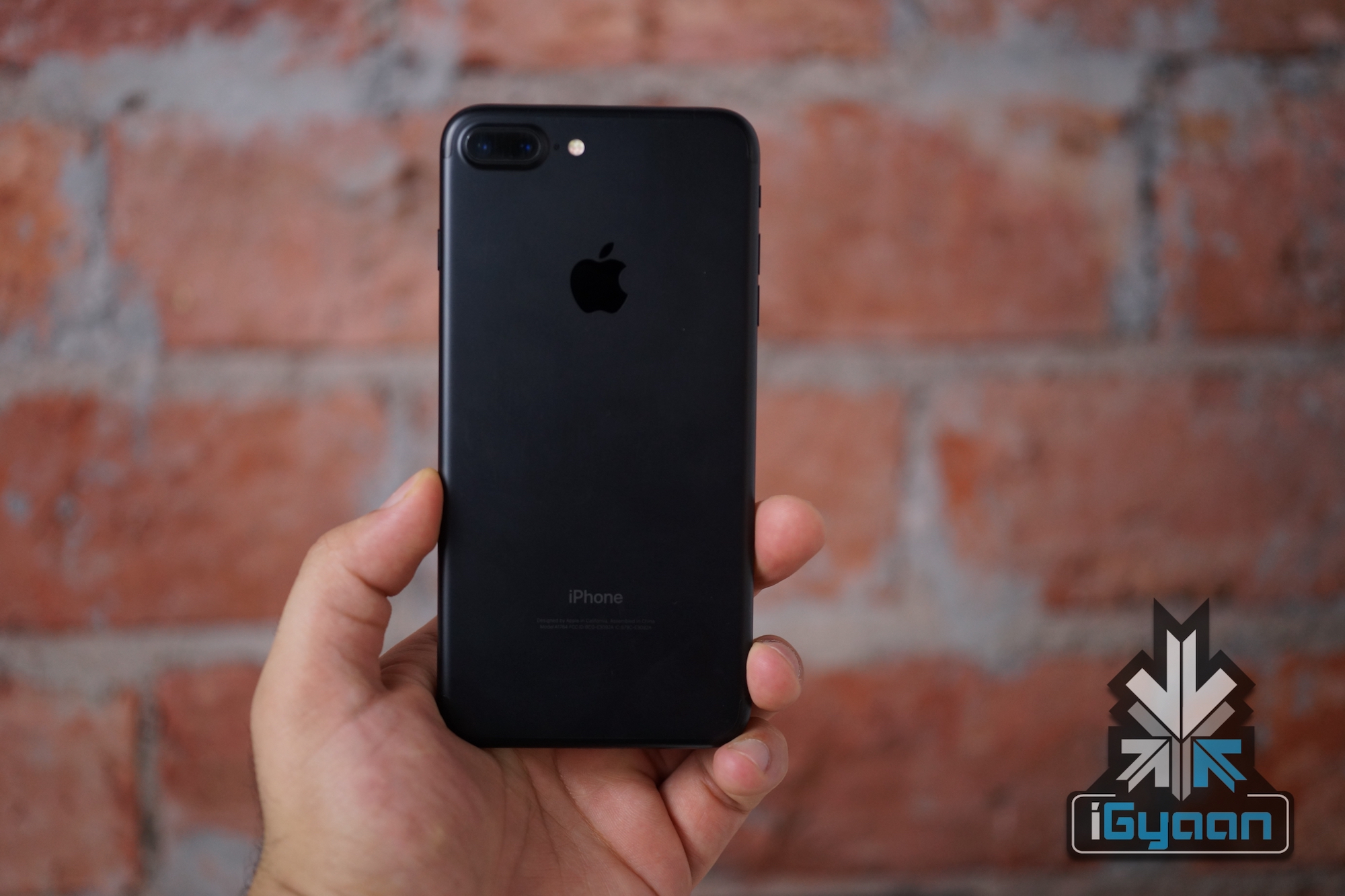
    iPhone 7 Plus

    CyberMedia Research analyst Faisal Kawoosa said:

    It’s a remarkable accomplishment for Apple. In a price-sensitive market like India where 56% of the smartphones sold are still sub Rs 10,000.

    However, just comparing pure numbers would reveal that Apple’s accomplishment pales in front of that of Xiaomi and Samsung’s. The new market leader, Xiaomi, had 28 million users by the end of 2017. Samsung, on the other hand, has crossed the 100 million-barrier. But, as the report points out, India is a very price sensitive market and Apple only sells premium smartphones here. Even its most affordable offering, the iPhone SE is double the average price of a bestselling smartphone.

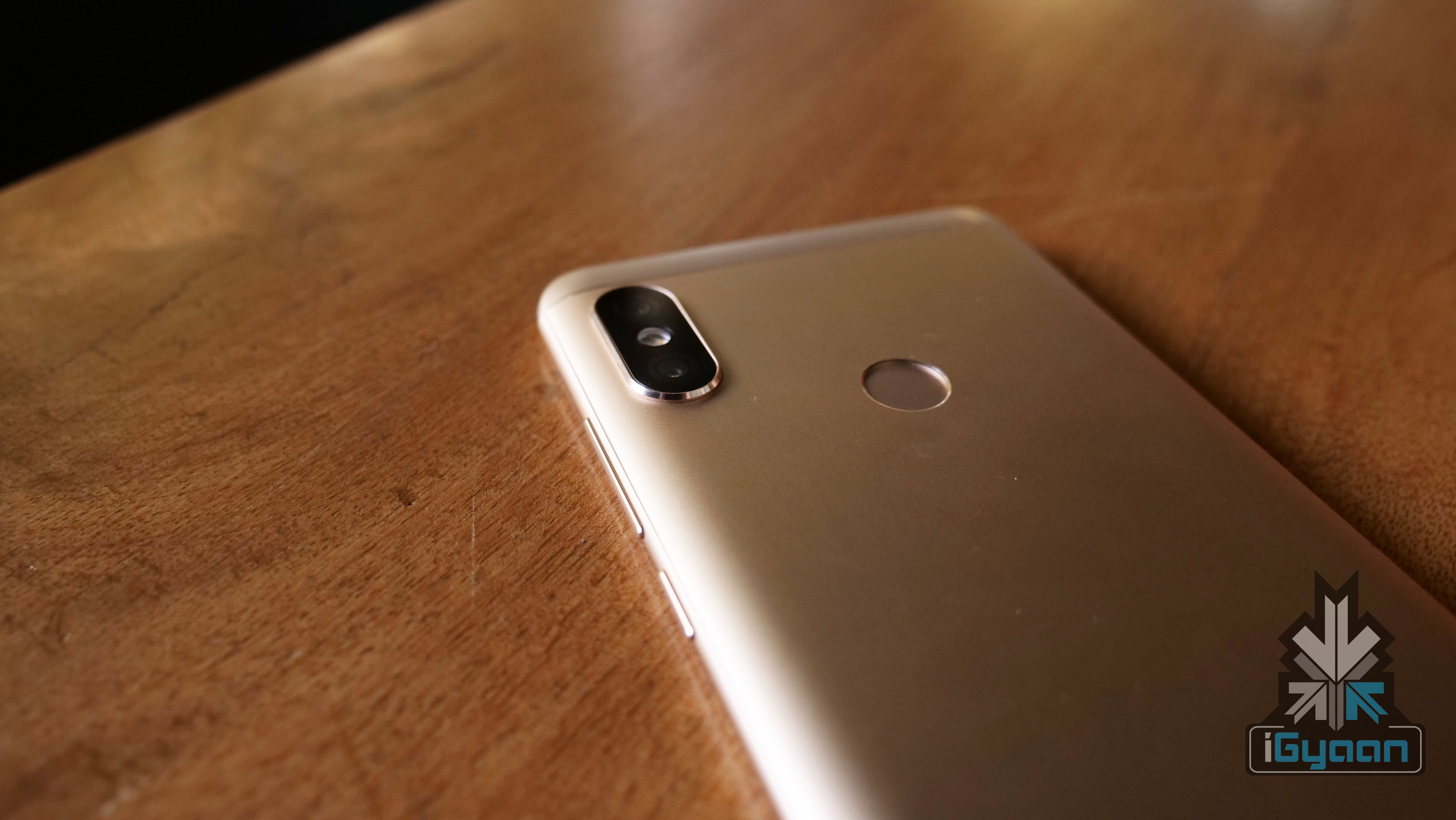
    Redmi Note 5 Pro

    In fact, the iPhone X recently became the bestselling premium smartphone in India. In Q4 2017, the iPhone X was the top smartphone in the premium segment, with a share of 21% of the shipments. The iPhone X was followed by the OnePlus 5T at 17% and Samsung Galaxy Note 8 at 8%.

  • Apple To Begin Trial Production Of 2018 iPhone Lineup In Q2 Of 2018

    Apple To Begin Trial Production Of 2018 iPhone Lineup In Q2 Of 2018

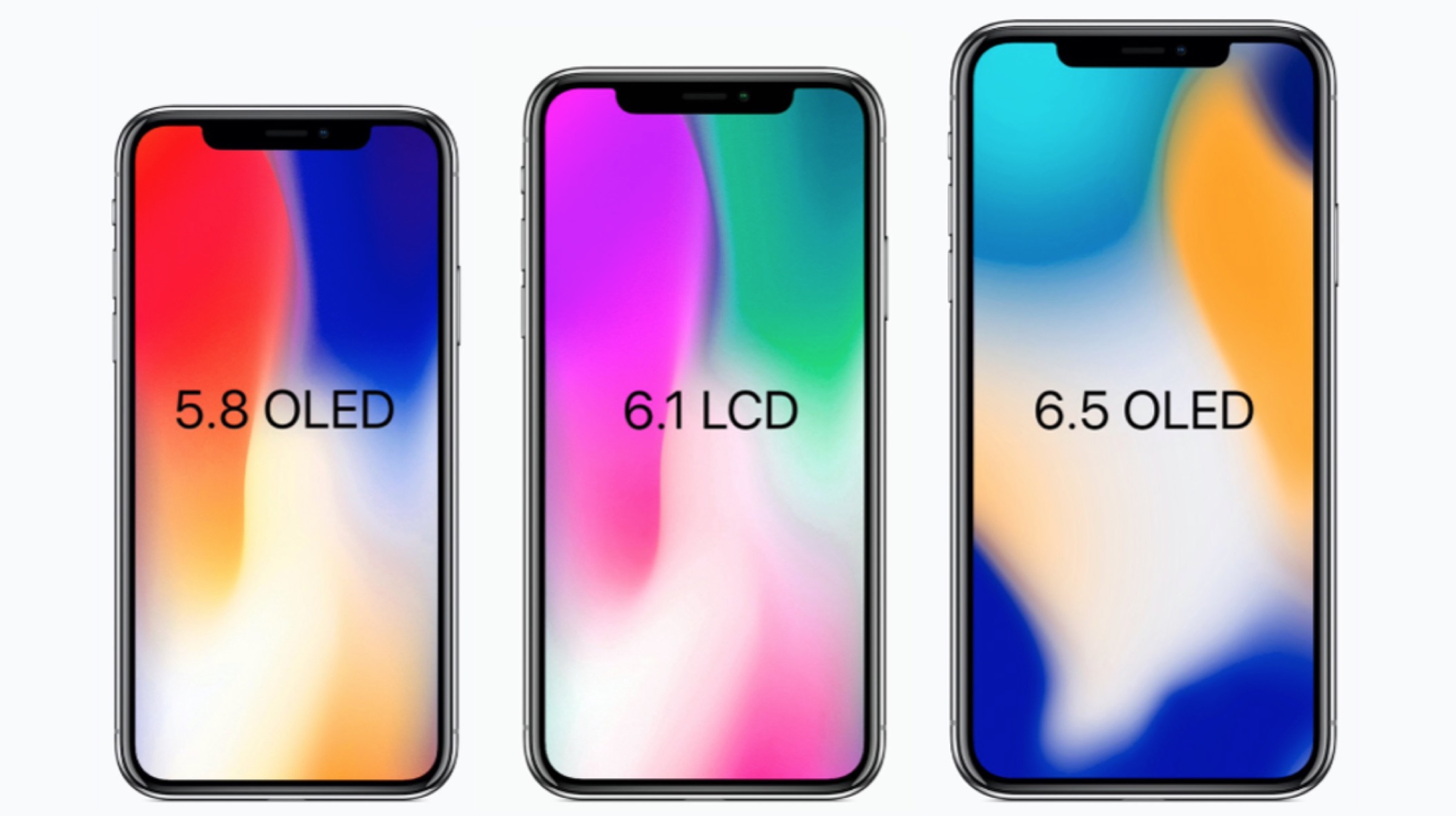
    There have been many rumours and speculations about the successors of the Apple iPhone X. Apple is expected to launch three new iPhones at the end of 2018. Two models are expected to have an OLED display, and the third one will have an IPS LCD display. According to a report, the company is expected to begin a trial run production of these three smartphones by the end of Q2 2018. This enables the company to have enough stock at the time of launch.

    Apple was hit by the production delay of the Apple iPhone X and the company is taking precautionary steps not to repeat the same mistake. Additionally, the company is also focusing on 3D sensors for Face ID, as all three iPhones are expected support Face ID. The report also adds that there is no surging in the order of internal hardware components. Since Apple is expected to launch the successor of the iPhone SE in Q3 of 2018, the revenue generation is expected to go upwards.

    iPhone
    2018 Apple iPhone lineup
    2018 Apple iPhone Lineup Specs

    Except for the display, these three iPhones will have identical specifications. The models with an OLED display will have a 5.85 and 6.45 inch display. Whereas, the LCD model will have a 6.1 inch display. These devices will be powered by a next-generation A12 chipset with 64GB or 256GB storage.

    The iPhone with 5.85 inch OLED display will be the most affordable of the lot. To make that happen, Apple might take a step back and use Aluminium frame instead of Stainless steel. The device is expected to have a dual camera setup similar to the iPhone 8 Plus.

    The iPhone X Plus (tentative name) with a 6.45 inch OLED display could be the costliest iPhone of this series. Which is expected to have premium features like dual camera setup with dual OIS and. a stainless steel frame.

    The iPhone with 6.1 inch display will be priced between these devices. It is expected to have similar internals as of the 5.85 inch iPhone. Additionally, the usage of an LCD panel will drive down the overall cost of production, compared an OLED model.

  • Apple iPhone X Successor Will Be The Cheapest 2018 iPhone With OLED Display

    Apple iPhone X Successor Will Be The Cheapest 2018 iPhone With OLED Display

    It is time to now look forward to the iPhone X successor in 2018. Each year, there are a handful of launches that eagerly waited, and the iPhone launch is one of them. So far, we have seen multiple reports corroborating that Apple will launch three iPhones in September. However, we have assumed that the LCD variant will be the cheapest and the iPhone X Plus will be the priciest.

    A new report by a senior analyst at Digitimes, Luke Lin says otherwise. Lin has been keeping a keen eye on the supply chain of Apple and believes that the like-for-like iPhone X successor will indeed be the most affordable iPhone in 2018. Although there will be an iPhone with an LCD display, it won’t be the cheapest. As the pricing will largely depend on the display type, RAM, and storage of all the 2018 iPhones.

    2018 Apple iPhone
    iPhone X Plus Concept

    The successor to the iPhone X will stick to the 5.85 inch screen size with an OLED display panel. However, Apple managed to get the bill of materials down 10% from the US$ 412.75 of the current model. The OLED display accounted for a big chunk of that. Next up will be the 6.1 inch iPhone with an LCD display. The 6.45 inch iPhone X Plus with an OLED panel will be the priciest iPhone in 2018.

    Obviously, there will be more than just the display and RAM differences between the three iPhones. Apple will use different camera configurations and maybe, the iPhone X Plus will have a few exclusive features to justify its possible exorbitant price tag.

    A couple of months ago, Ming-Chi Kuo, one of the most trusted Apple analysts released some information about the 2018 iPhone lineup. The iPhone X 2018 (tentative name) will have the same 5.85 inch OLED display found on the current iPhone X. It will have a 2,700 to 2,800mAh battery, supplied primarily by Unimicron. The 2018 iPhone X will also be powered by a new chipset and is expected to feature advanced Face ID.

    Apple
    iPhone X

    The iPhone X Plus will have a 6.5-inch OLED display in a body that might not be much bigger than the iPhone 8 Plus’. It is expected to have a 3,400 to 3,500 mAh battery supplied Unimicron.

iGyaan Network
Privacy Overview

This website uses cookies so that we can provide you with the best user experience possible. Cookie information is stored in your browser and performs functions such as recognising you when you return to our website and helping our team to understand which sections of the website you find most interesting and useful.