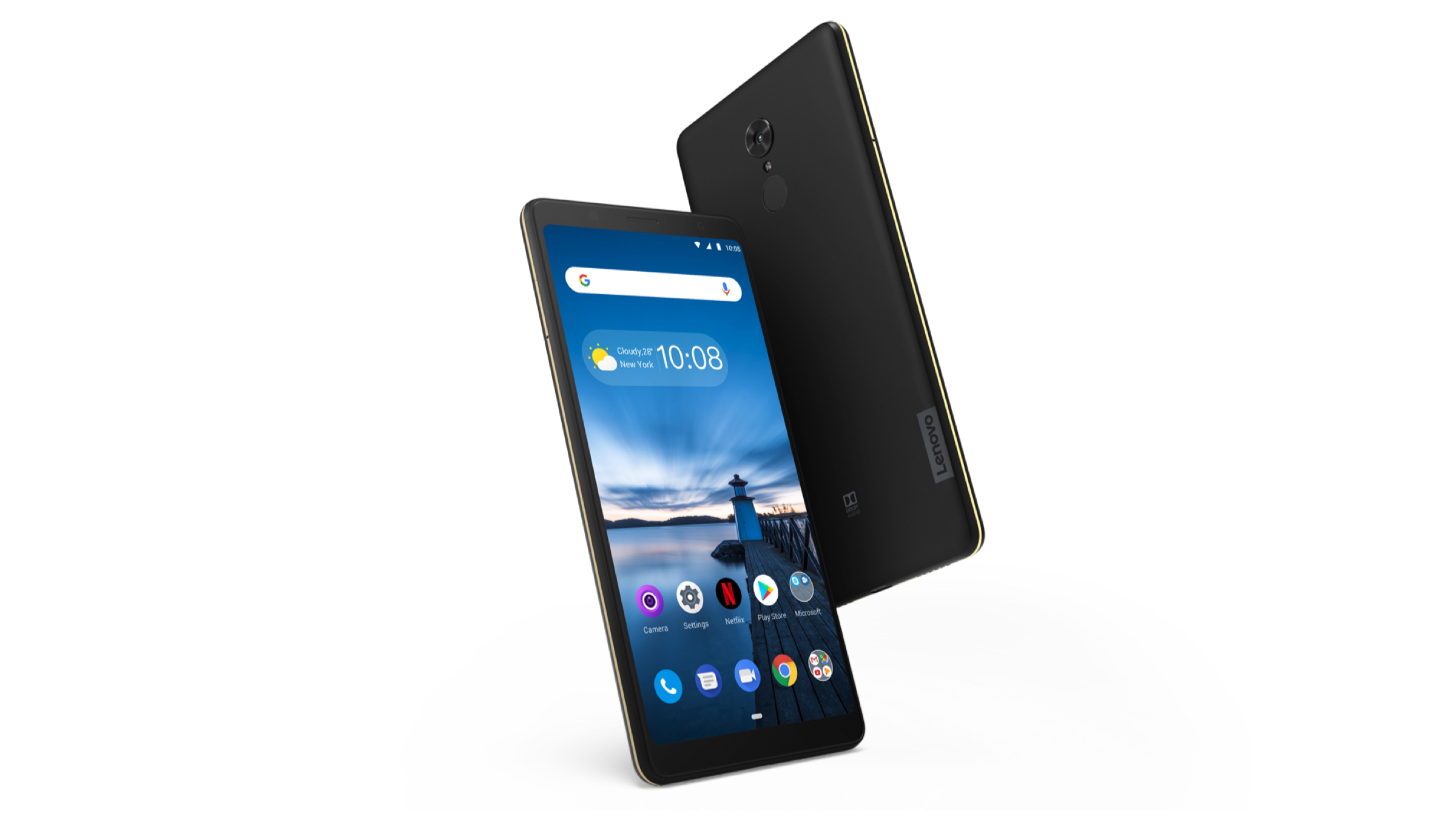
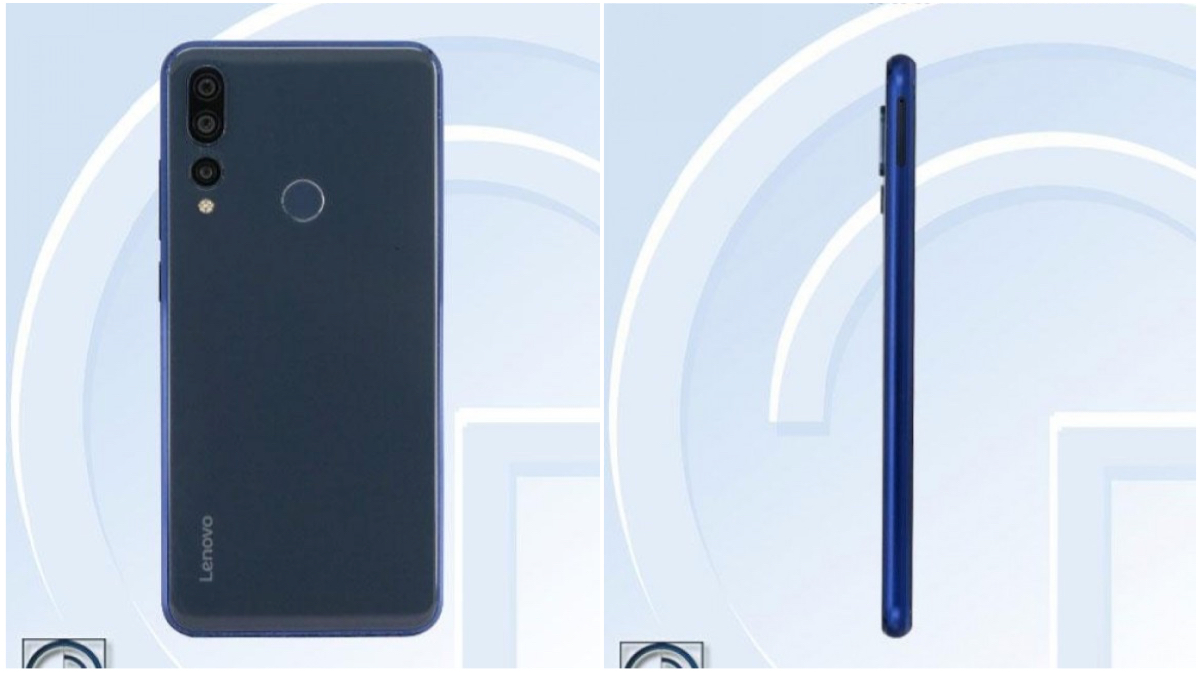
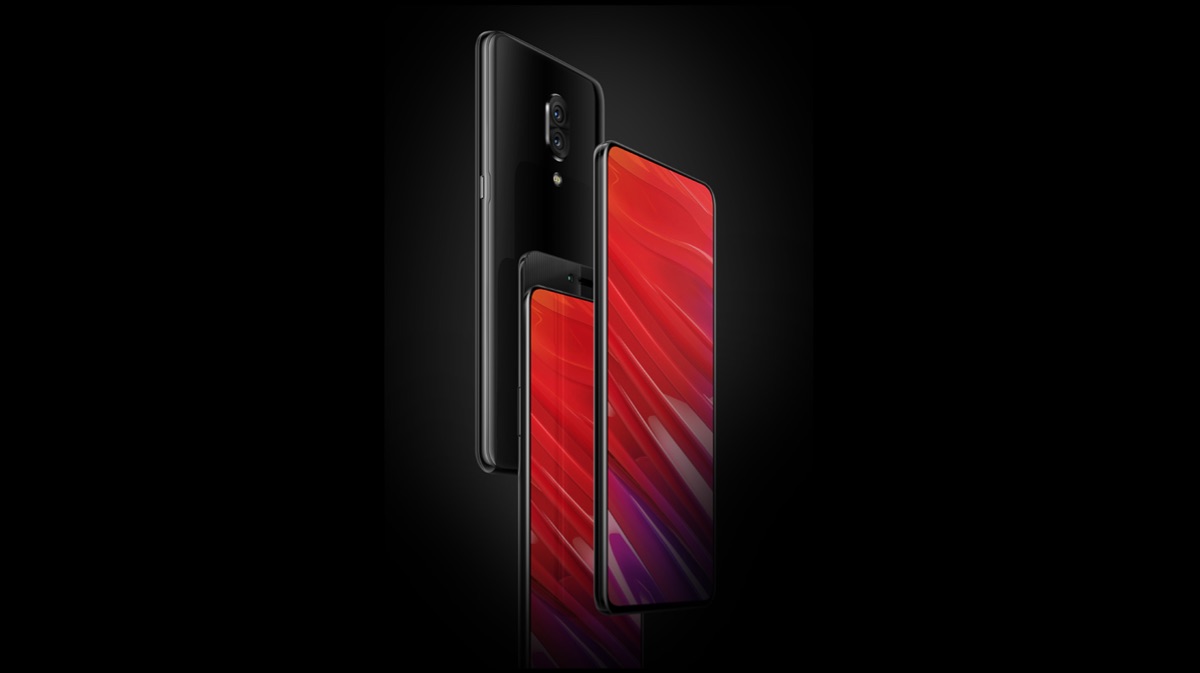
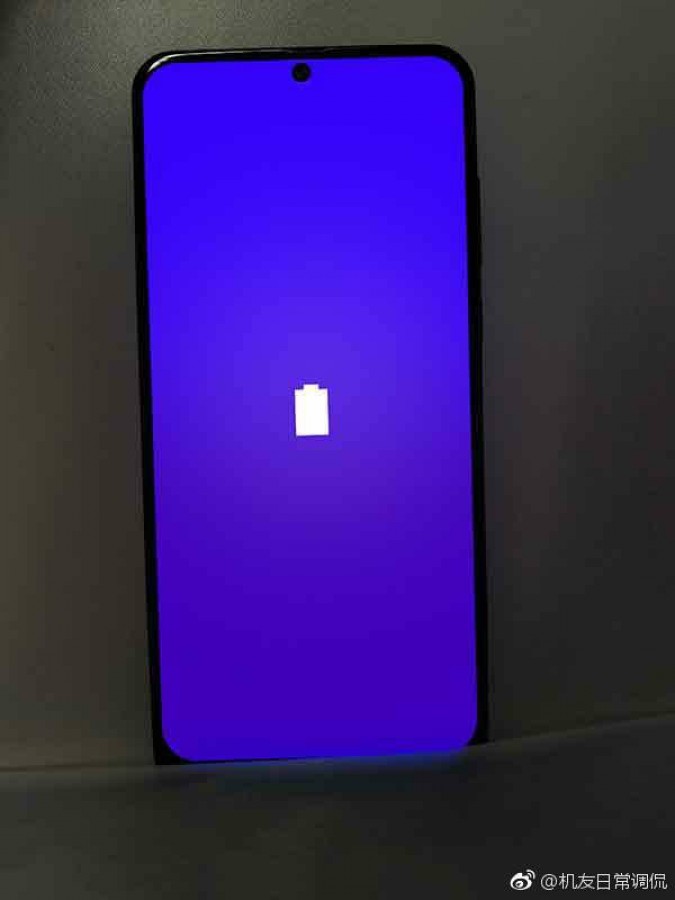
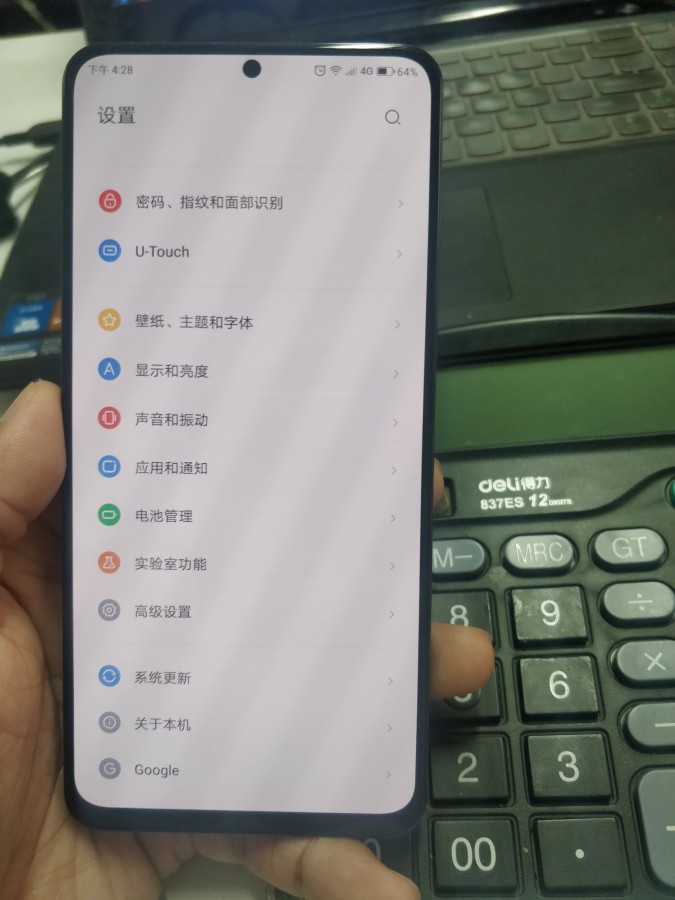
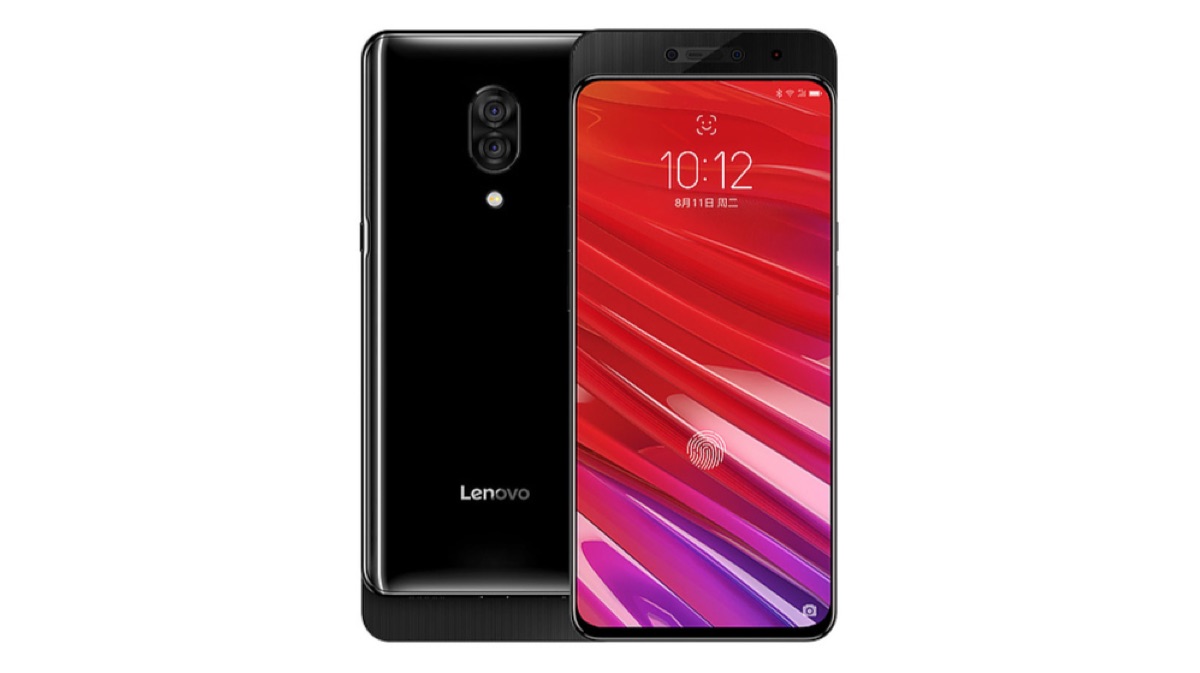
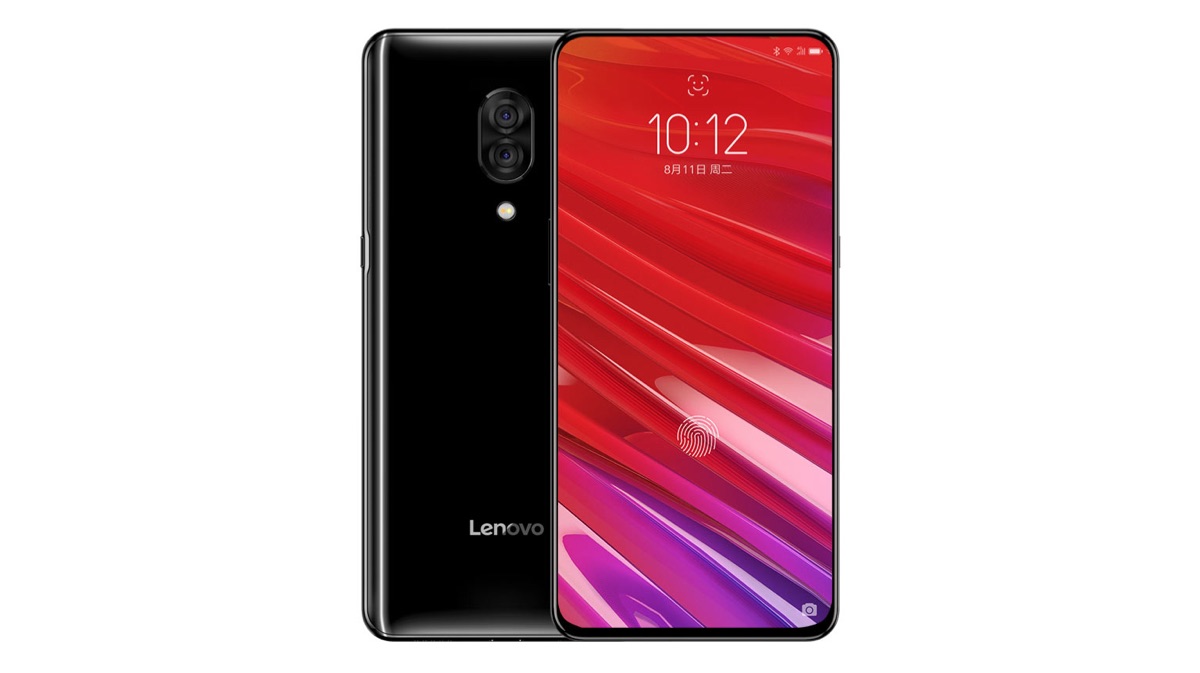
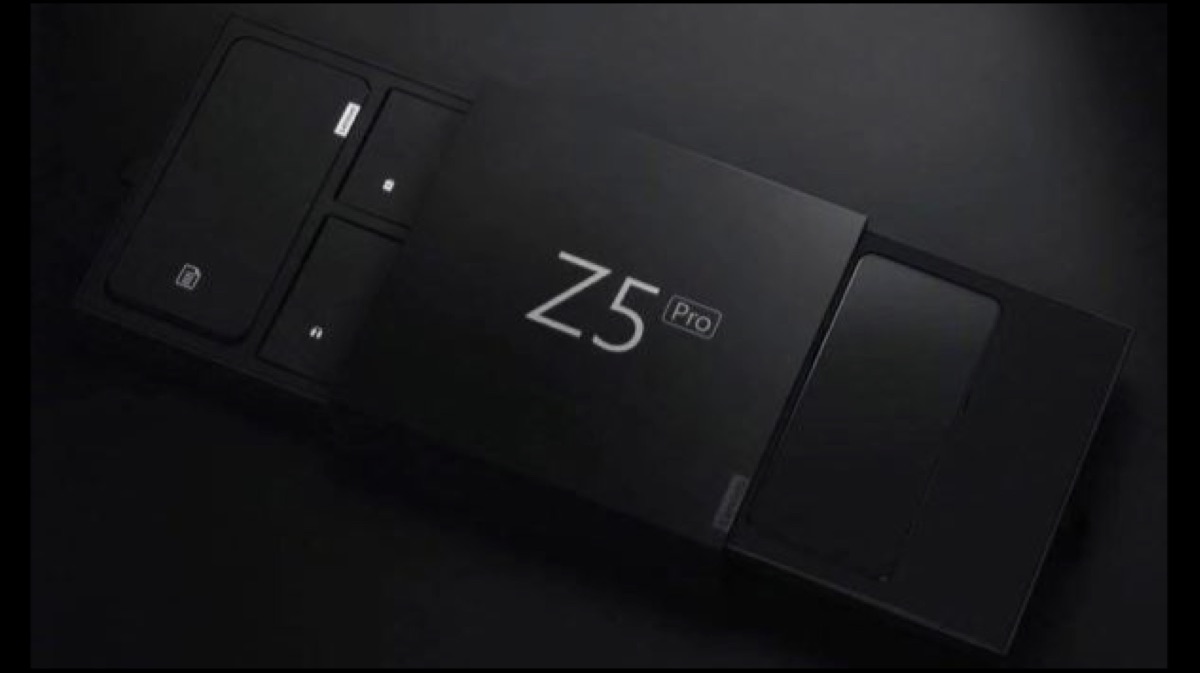
After much speculations and leaks, Lenovo has launched its latest flagship smartphone, the Z6 Pro. The device was launched at an event in the company’s home country of China. It is the successor to the Lenovo Z5 Pro GT launched last year. The latest device boasts of modern design and top tier specifications, combined with a lucrative price tag. It is also one of the first smartphones in the world to support 5G networks, the upcoming standard in mobile technology.
Lenovo Z6 Pro
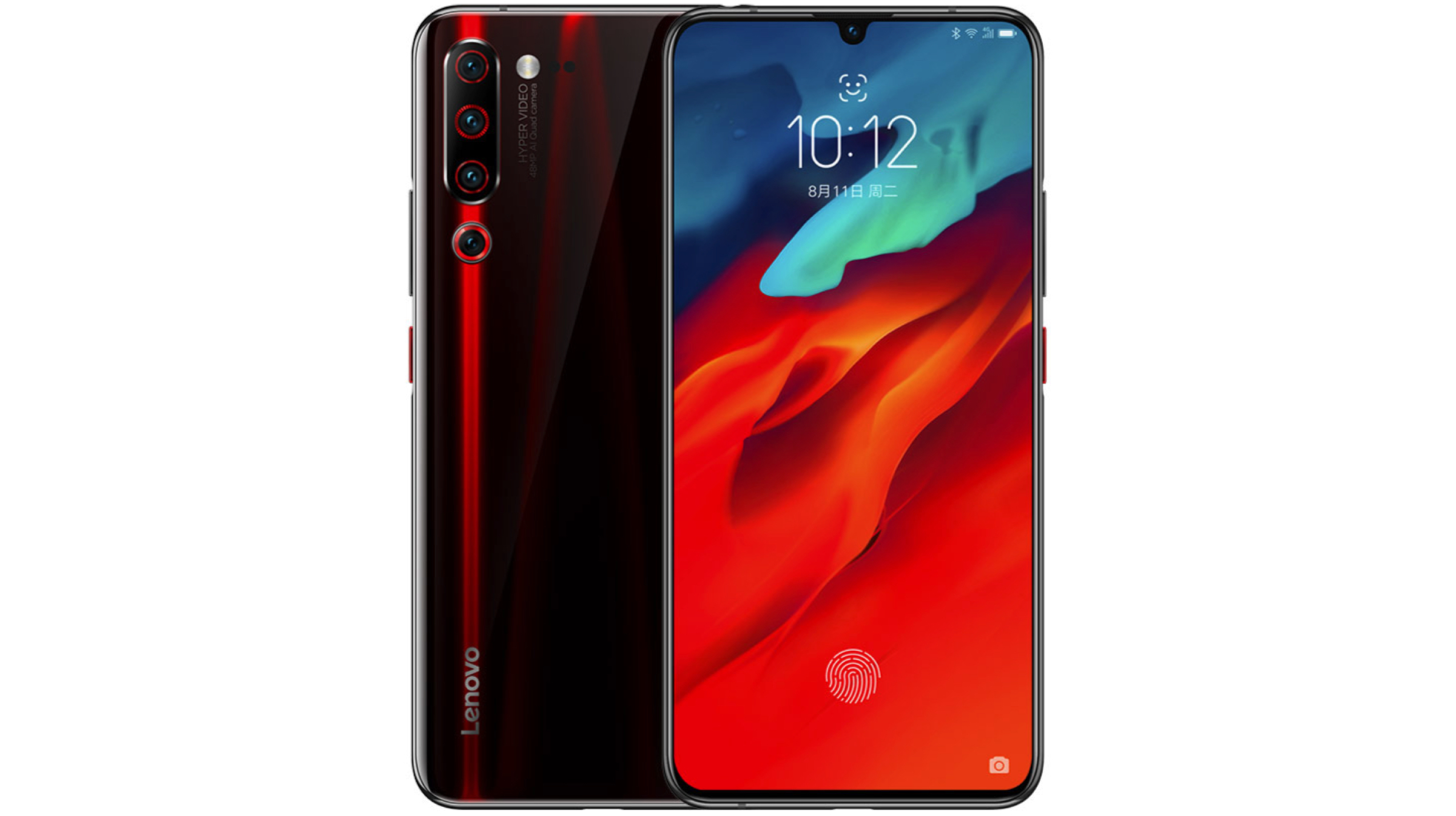
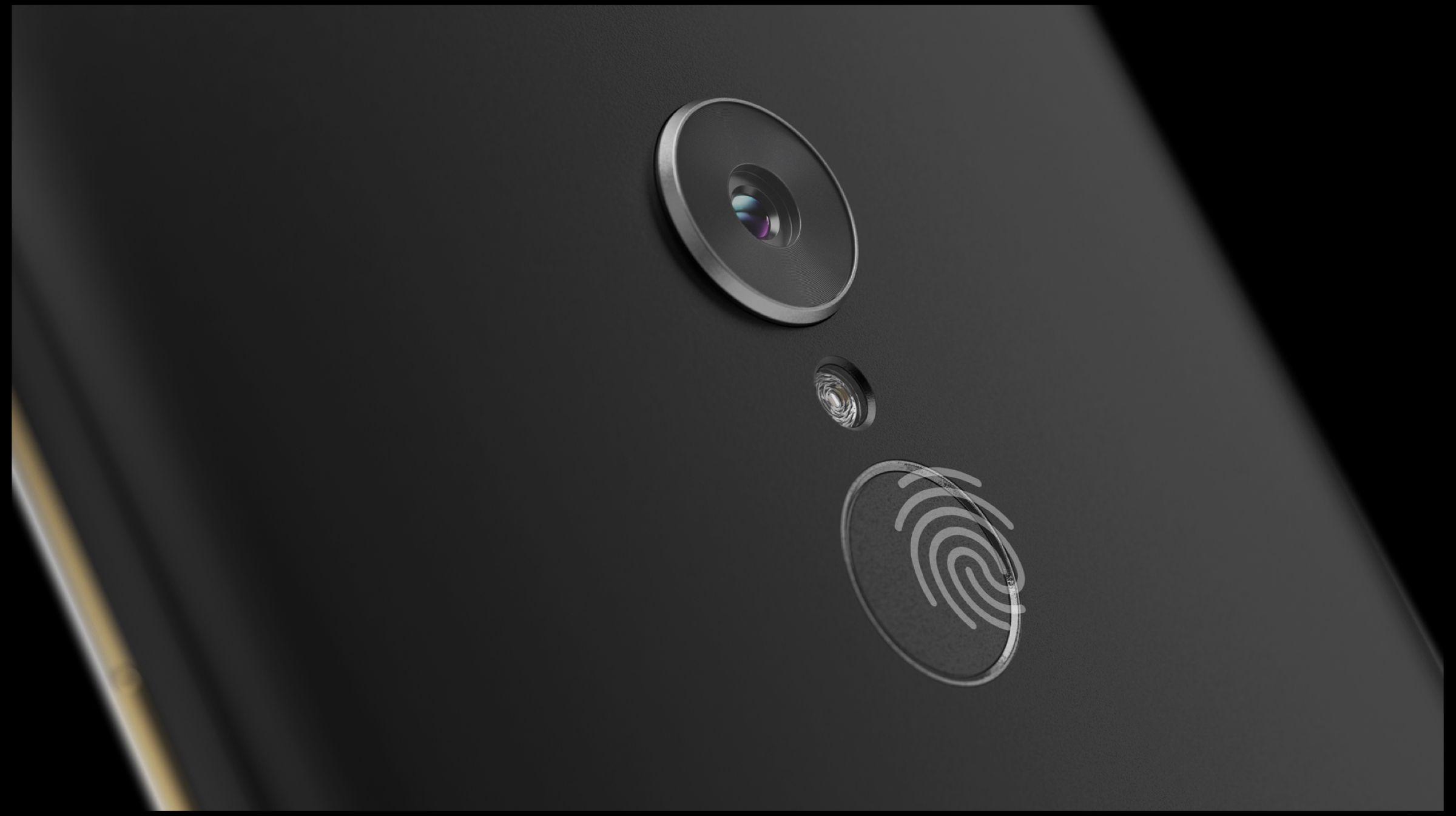
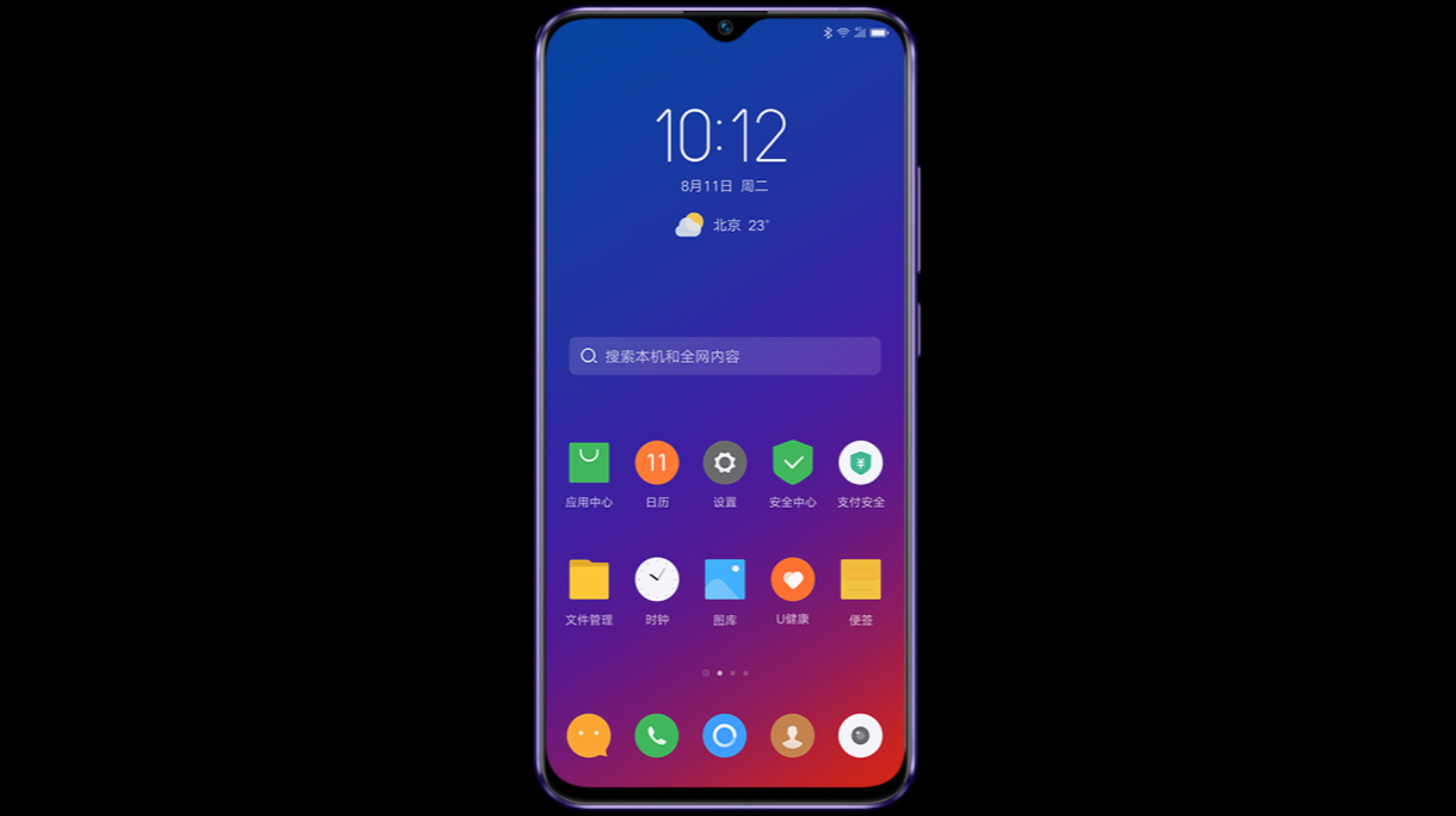
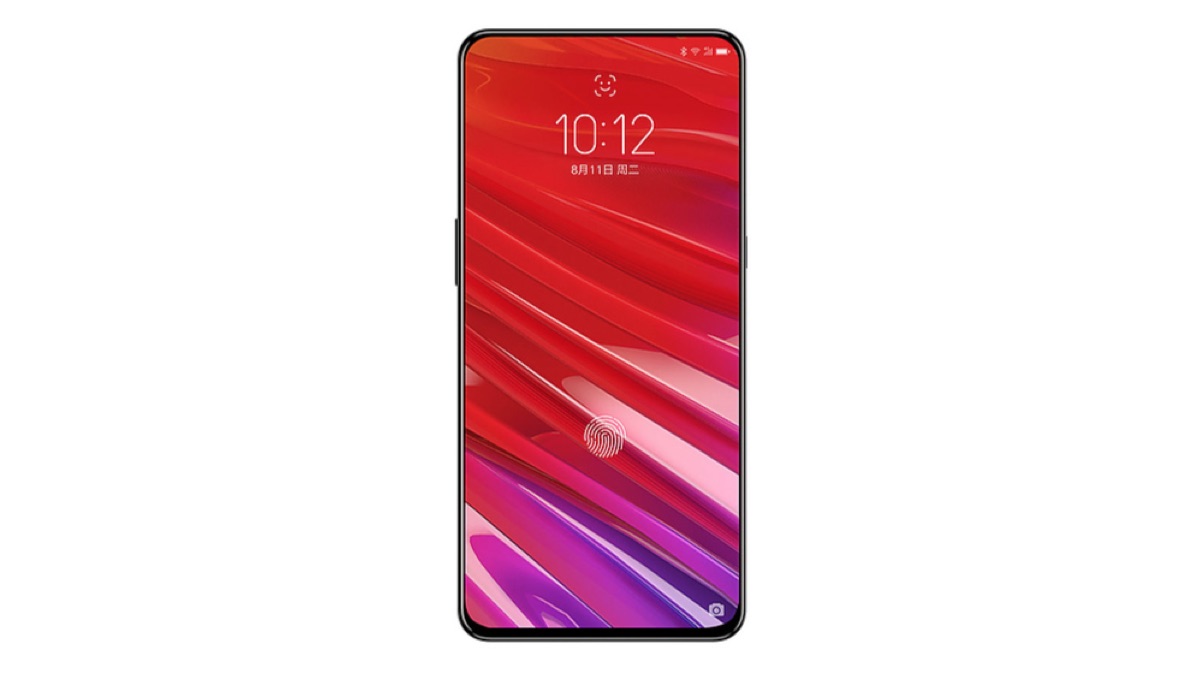
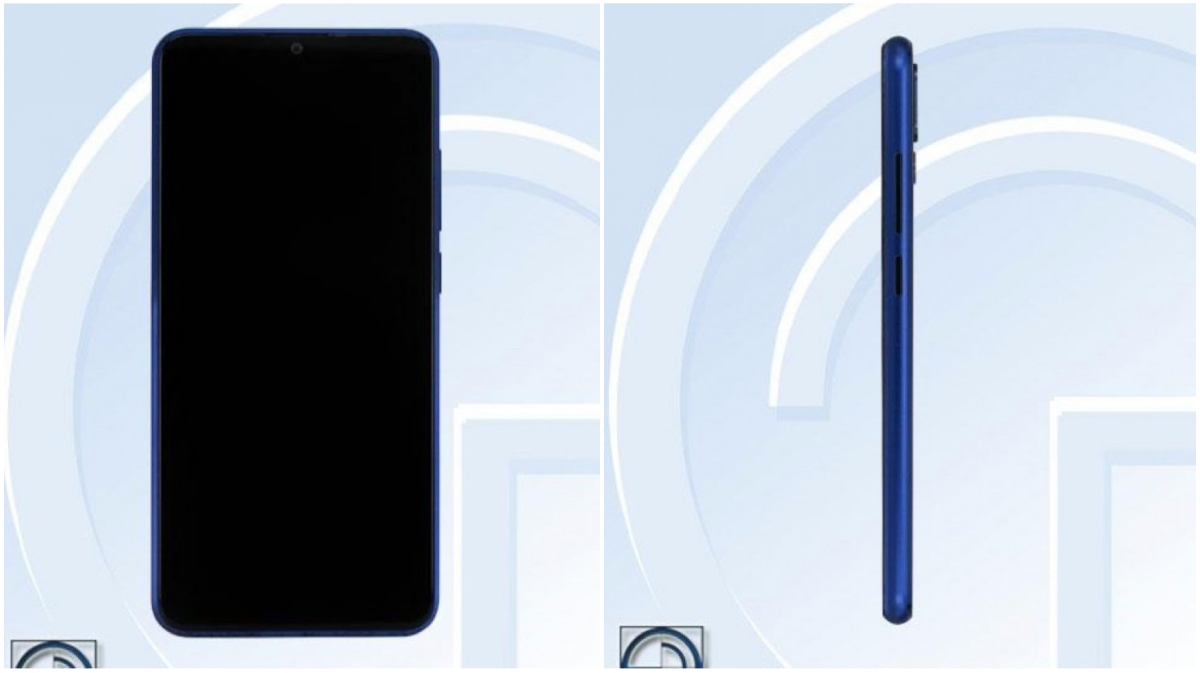
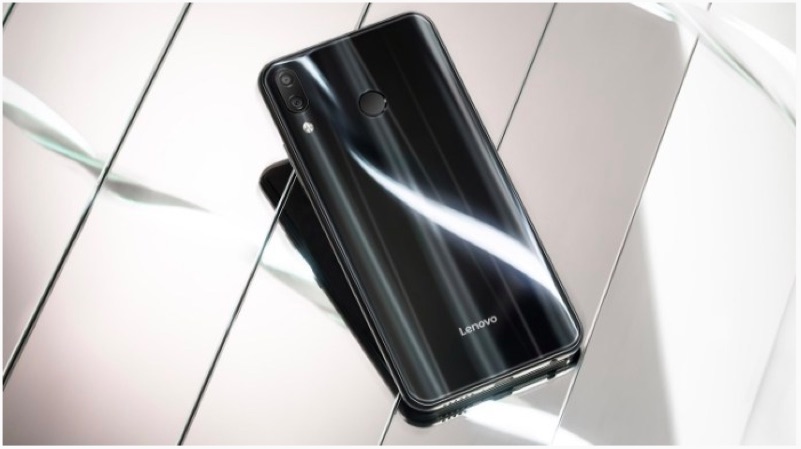
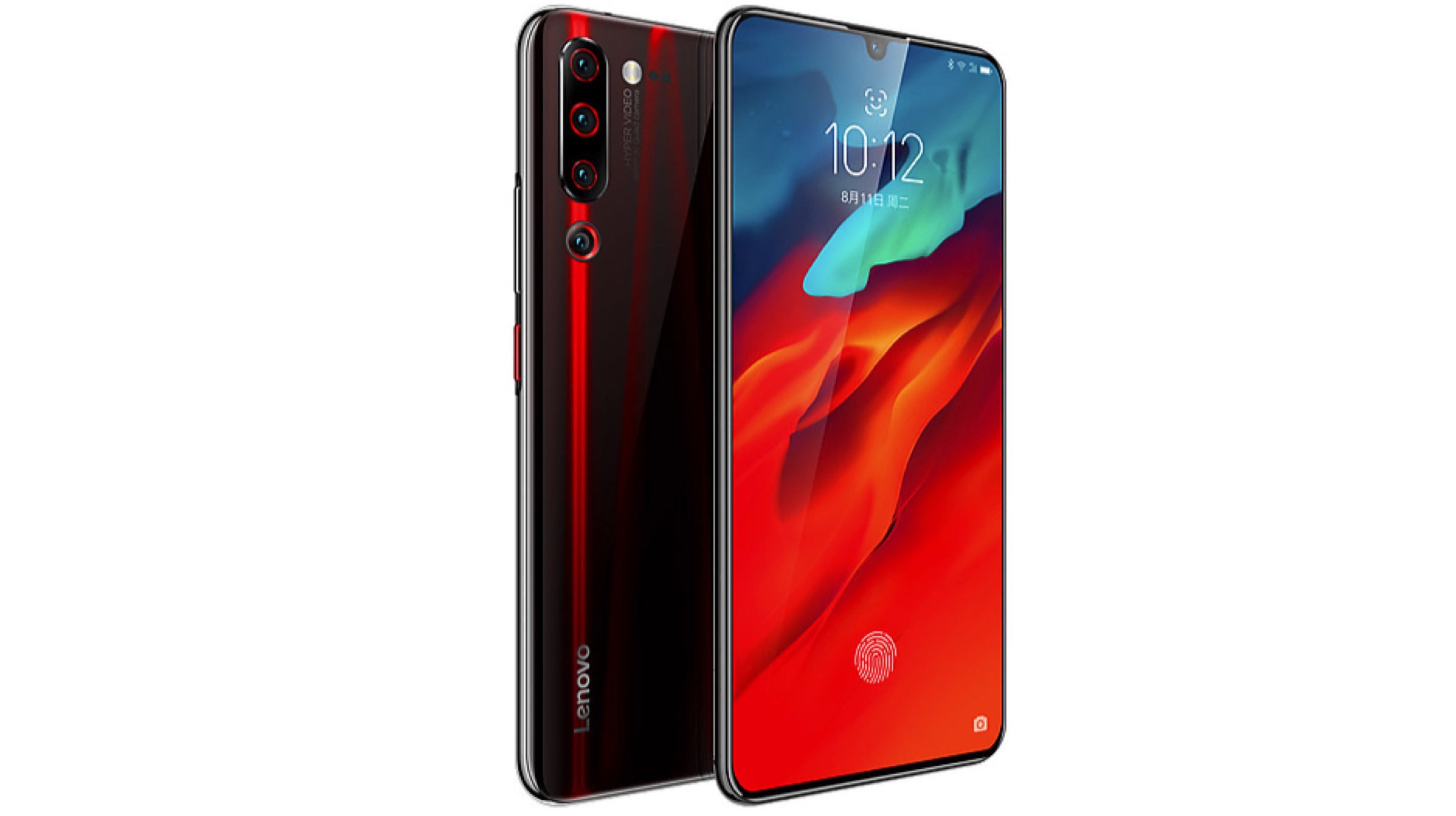
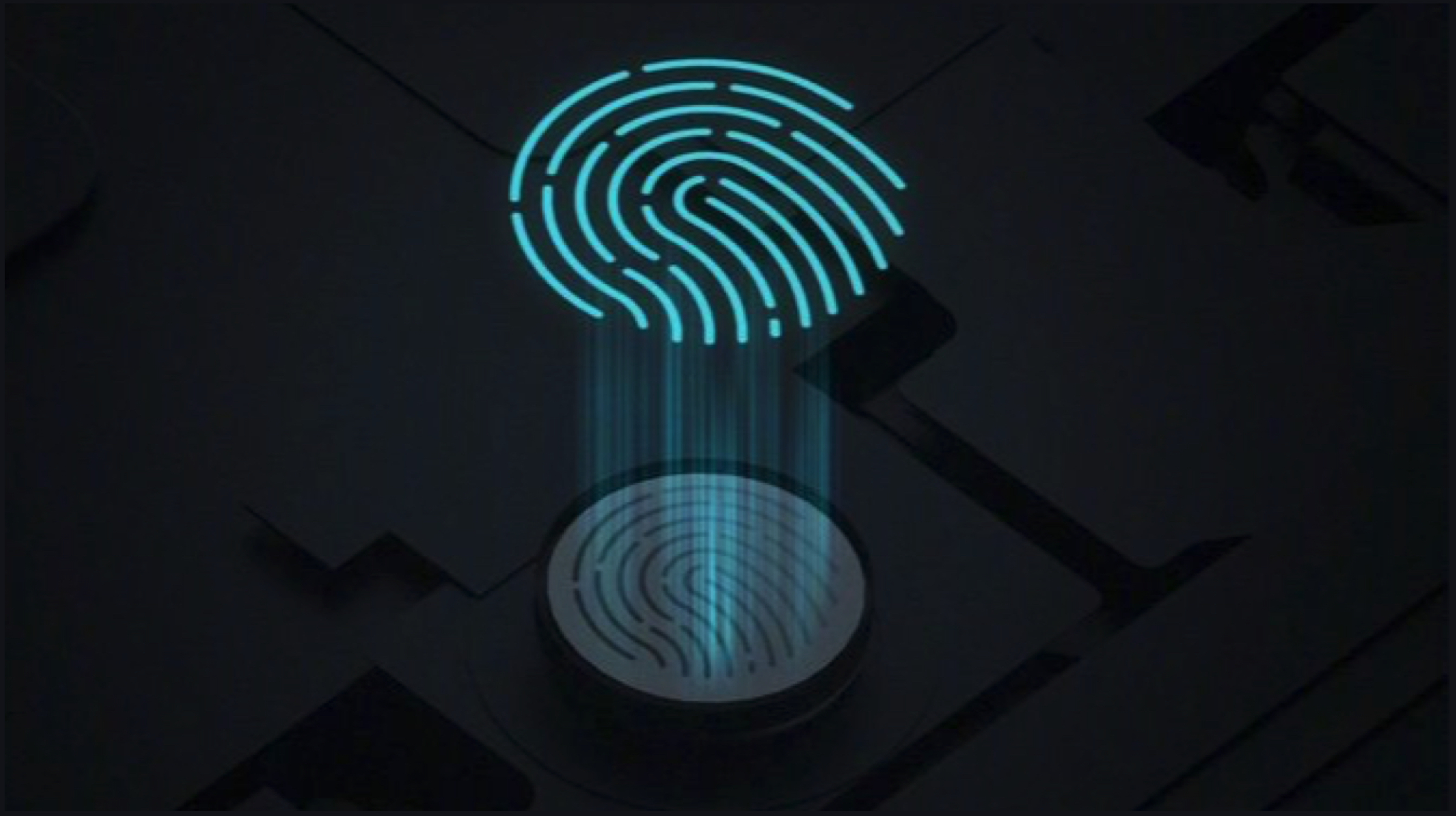
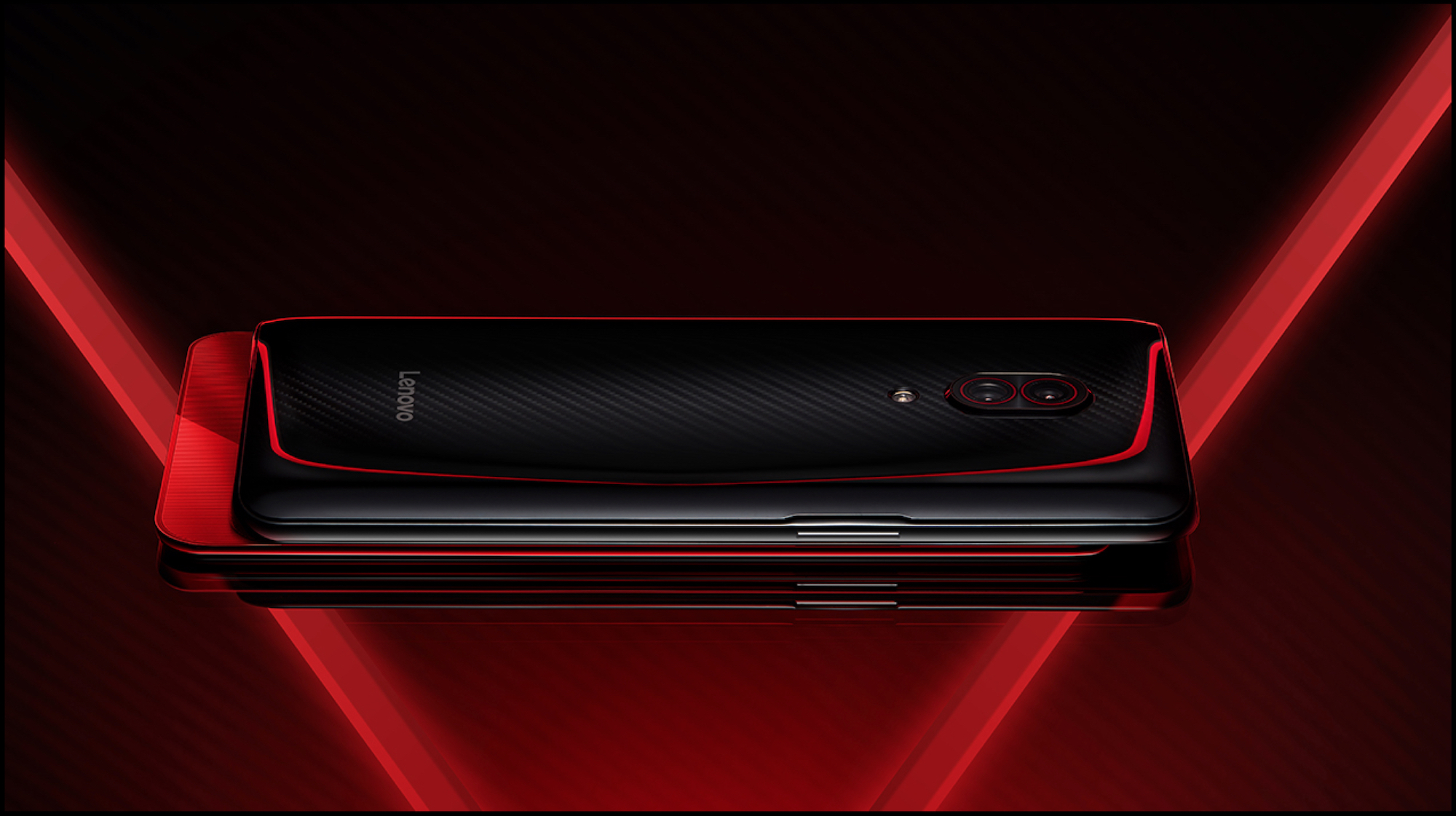
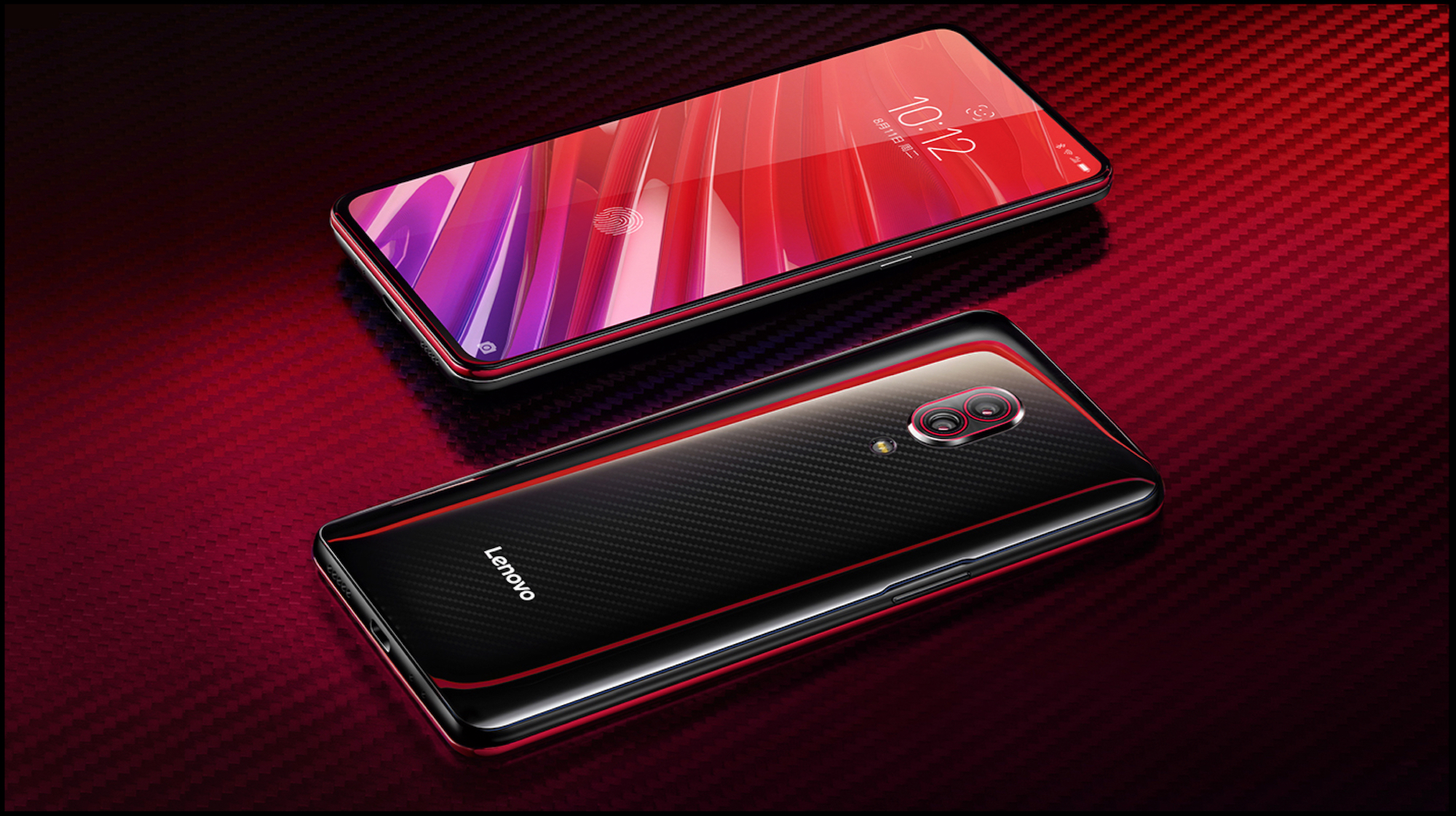
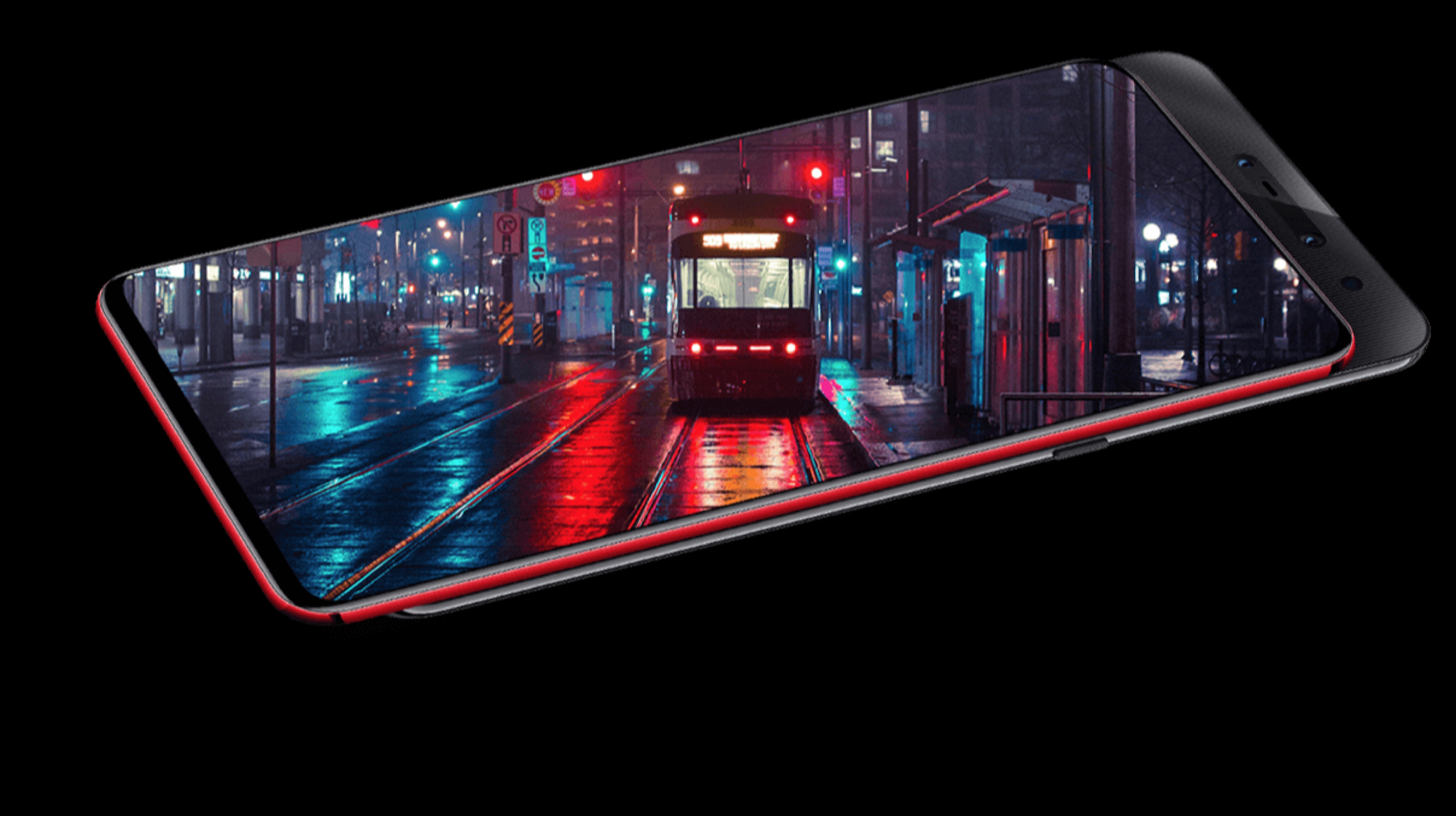
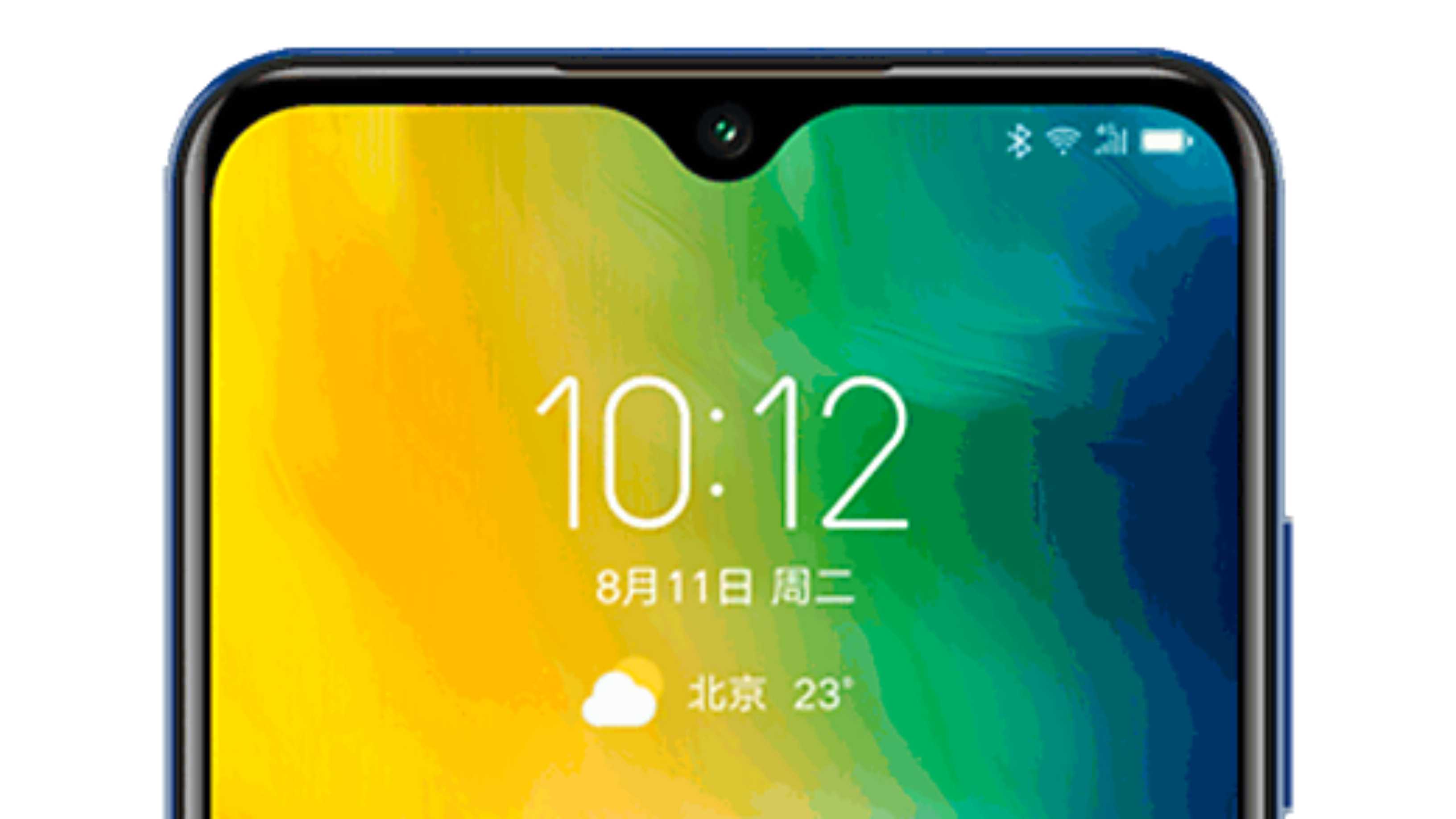
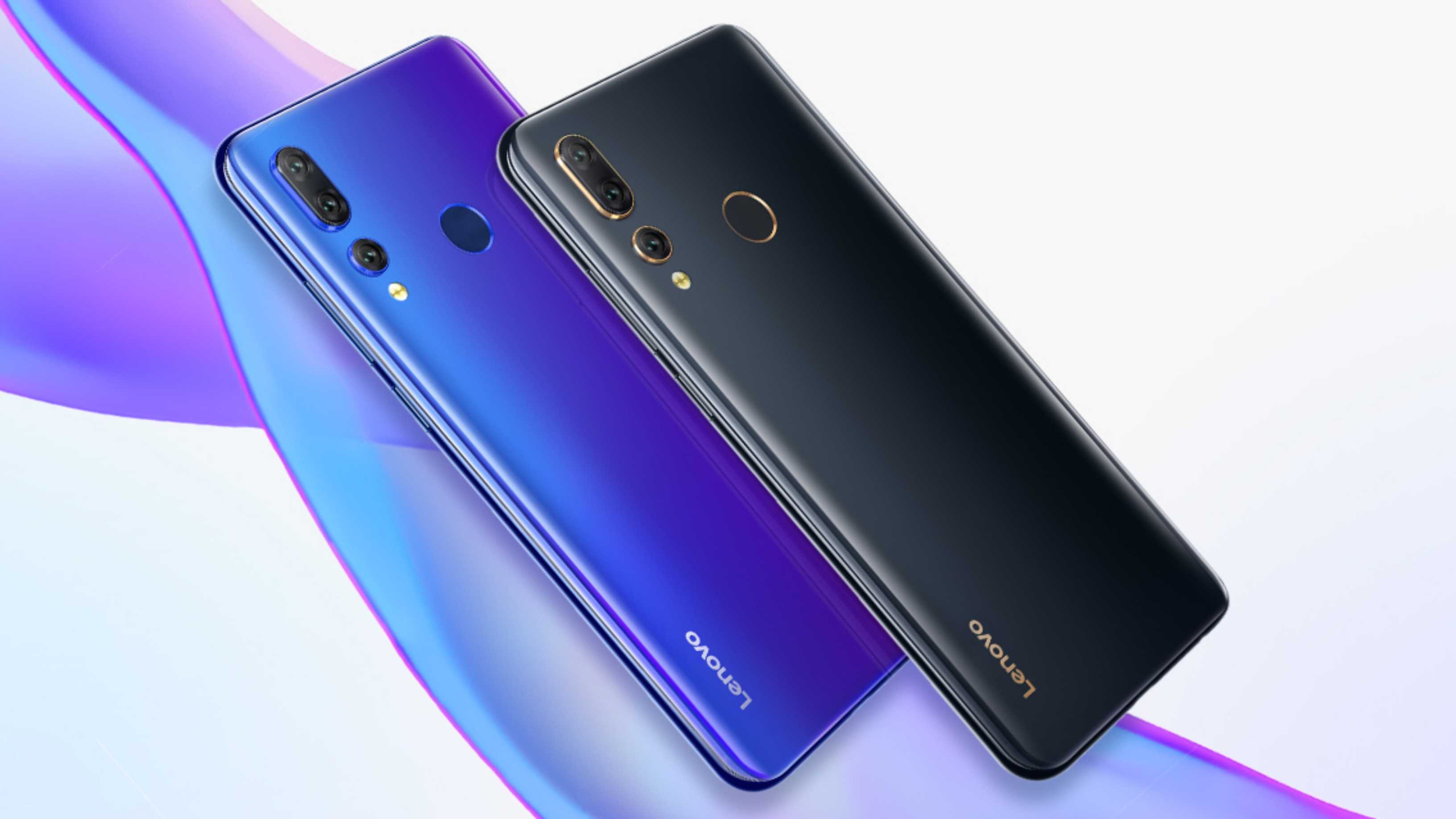
The Lenovo Z6 Pro is the company’s first flagship smartphone of the year. It has a glass design on the front and back with an attractive gradient rear panel. The handset has a 6.39 inch AMOLED display with a resolution of 2340 x 1080 px and support for HDR10 standard of video technology. To maximise the screen real estate, it has a waterdrop notch on top of the display. For biometrics and security, the Z6 Pro has the sixth generation optical in display fingerprint scanner and support for face unlock technology.
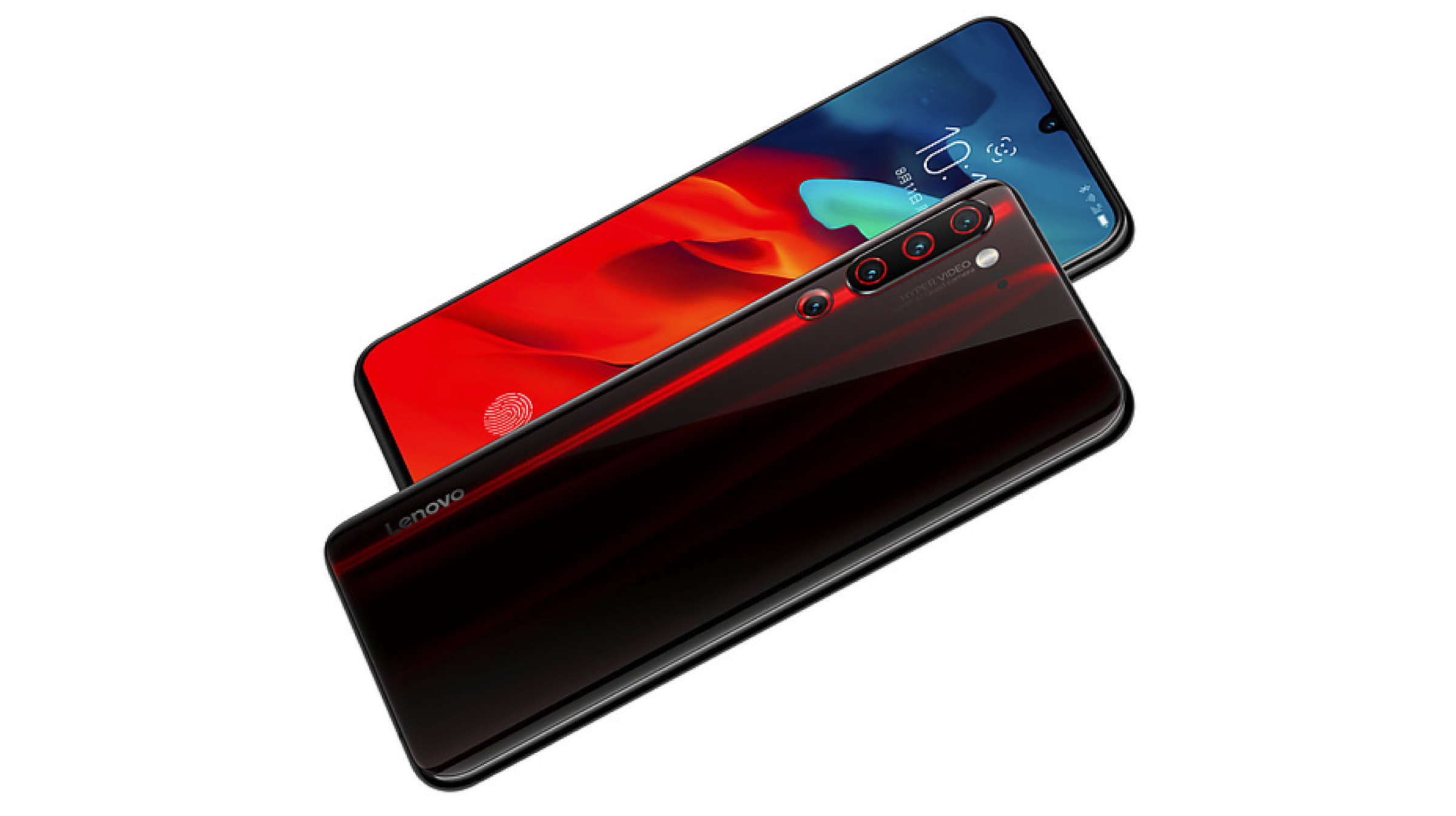
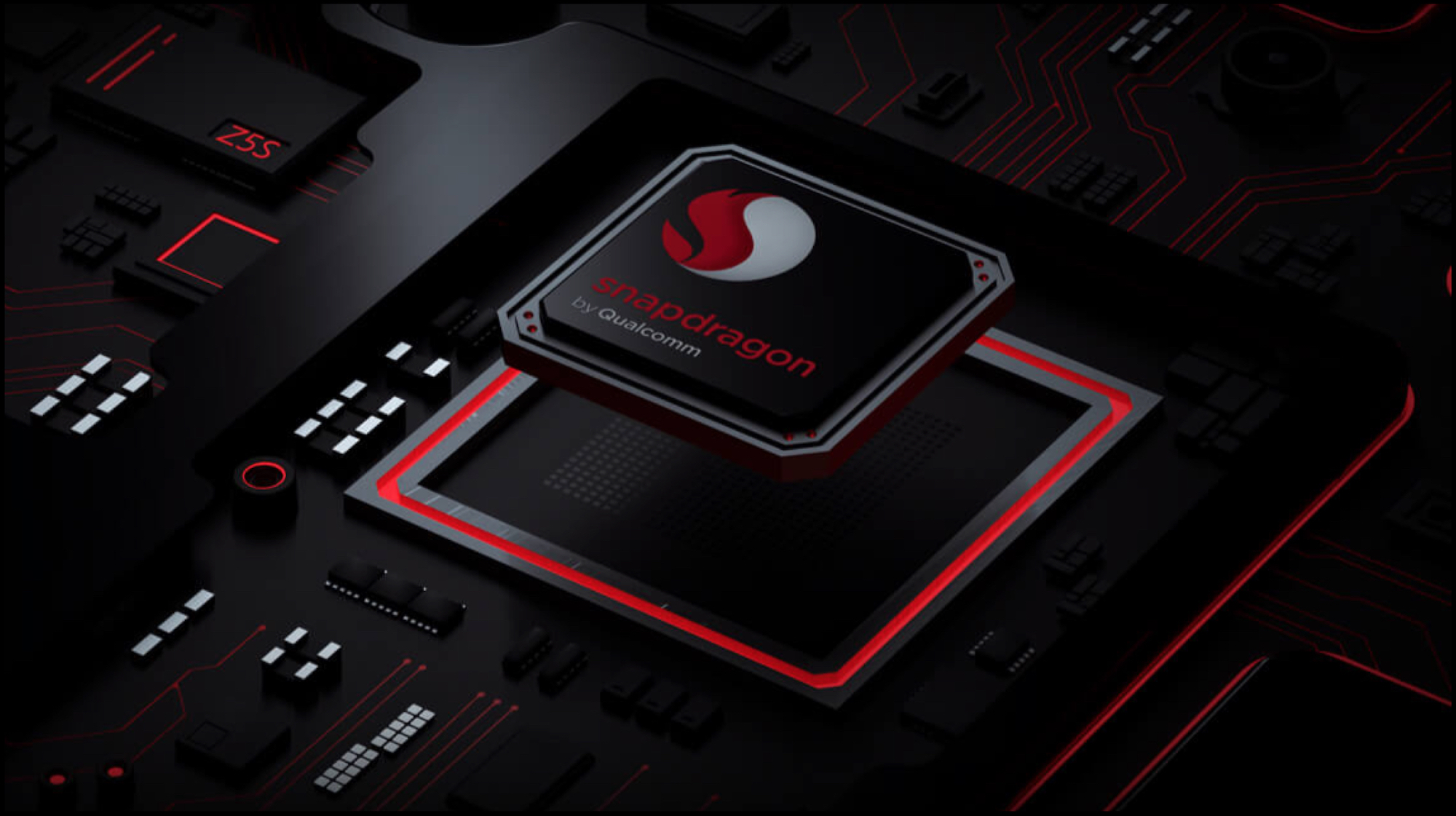
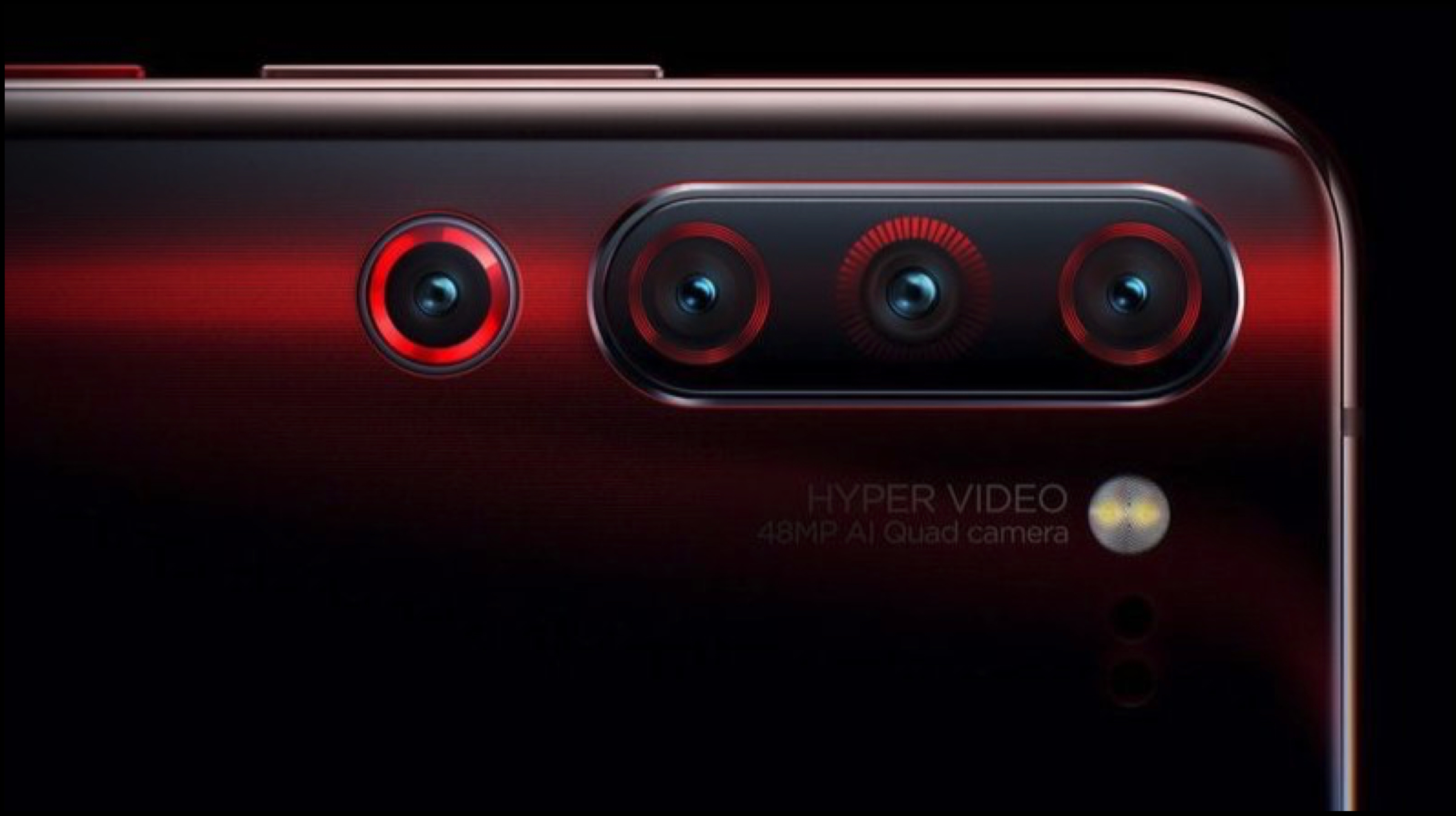
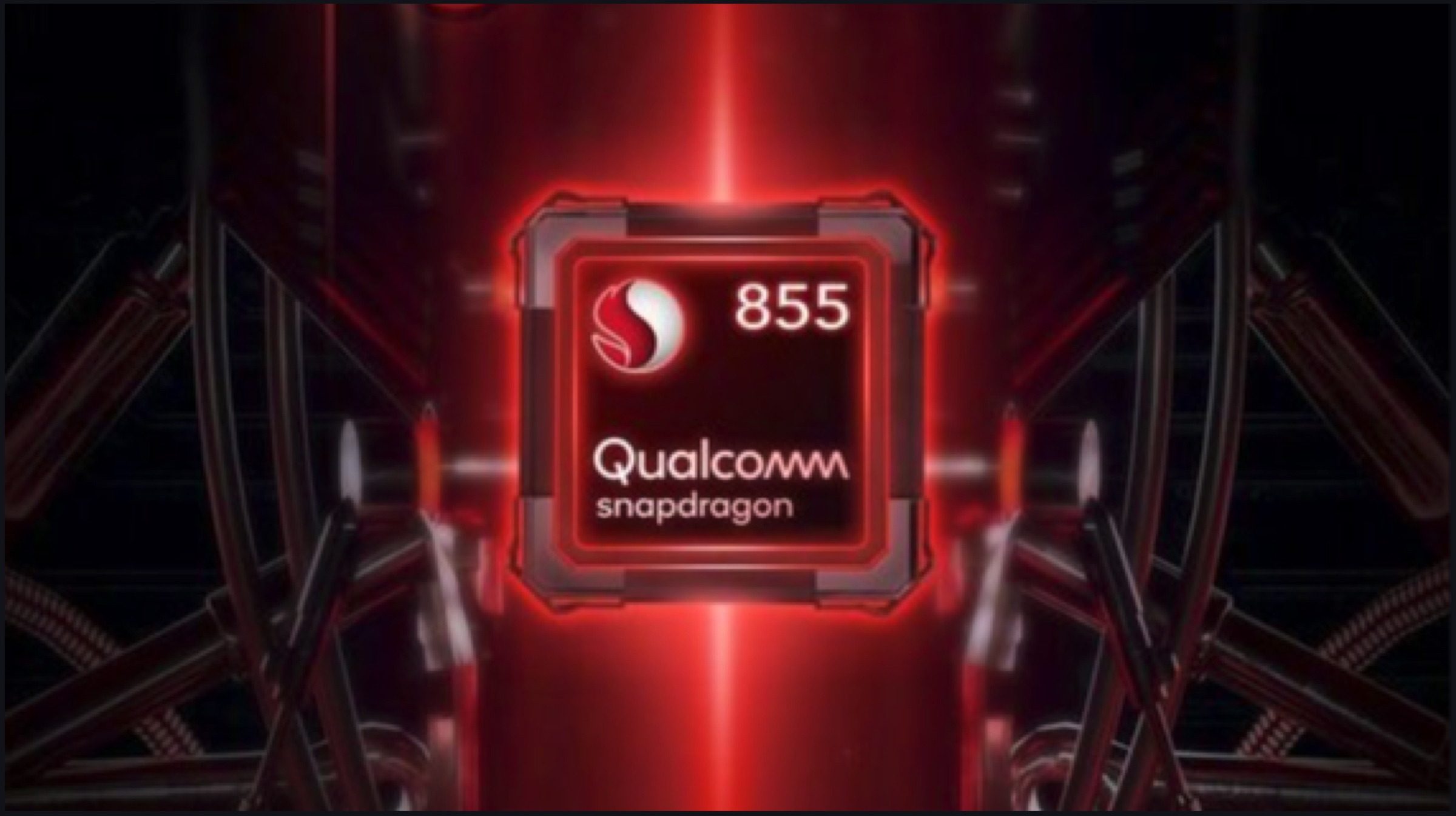
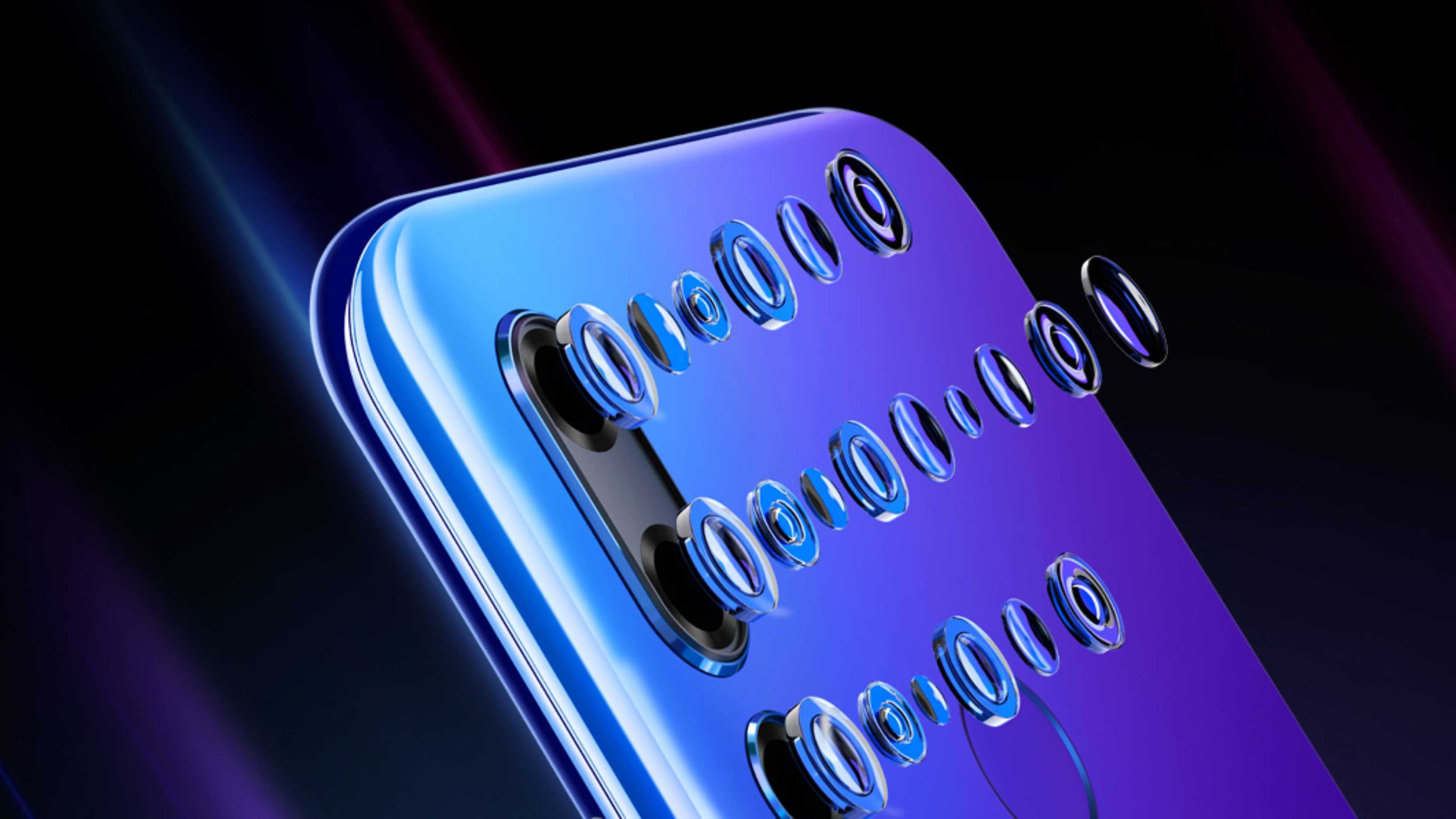
Under the hood, the Lenovo Z6 Pro runs on the Snapdragon 855 SoC which is manufactured using the 7nm fabrication process. The chipset is comprised of an Octa-core CPU and the Adreno 640 GPU. For efficiently cooling the internals of the smartphone, the company has employed an advanced liquid cooling system. In terms of optics, the device has a quad rear camera setup comprising of an f/1.8 aperture equipped 48 MP sensor; combined with an f/1.9 aperture equipped 16 MP ultra-wide sensor; an f/2.4 aperture equipped 8 MP telephoto sensor and a 2 MP depth sensor. For selfies, a 32 MP selfie camera is housed in the waterdrop notch on top of the display. The Z6 Pro will be available in the following storage variants.
- 6GB RAM and 128GB ROM
- 8GB RAM and 128GB ROM
- 8GB RAM and 256GB ROM
- 12GB RAM and 512GB ROM
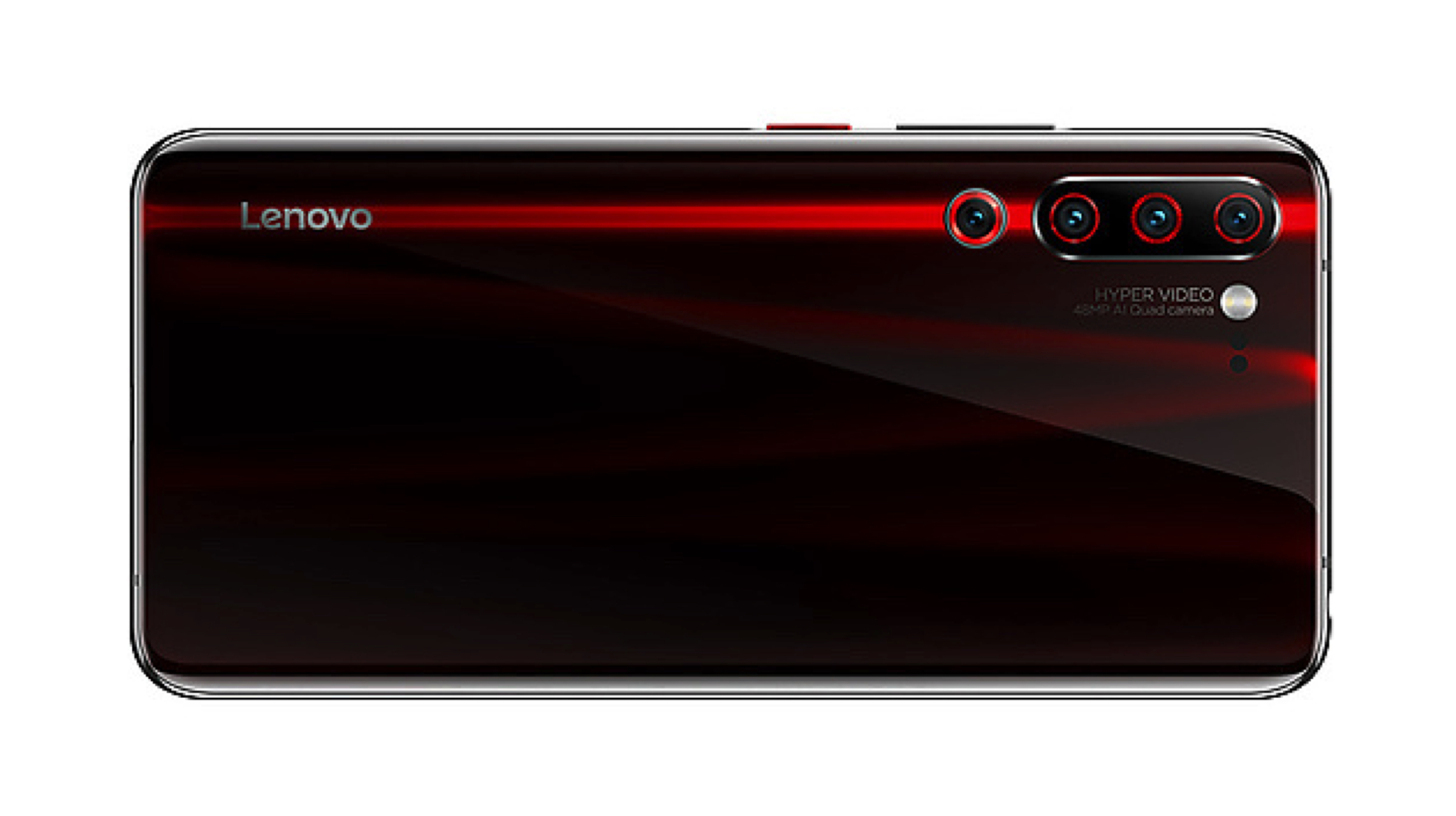
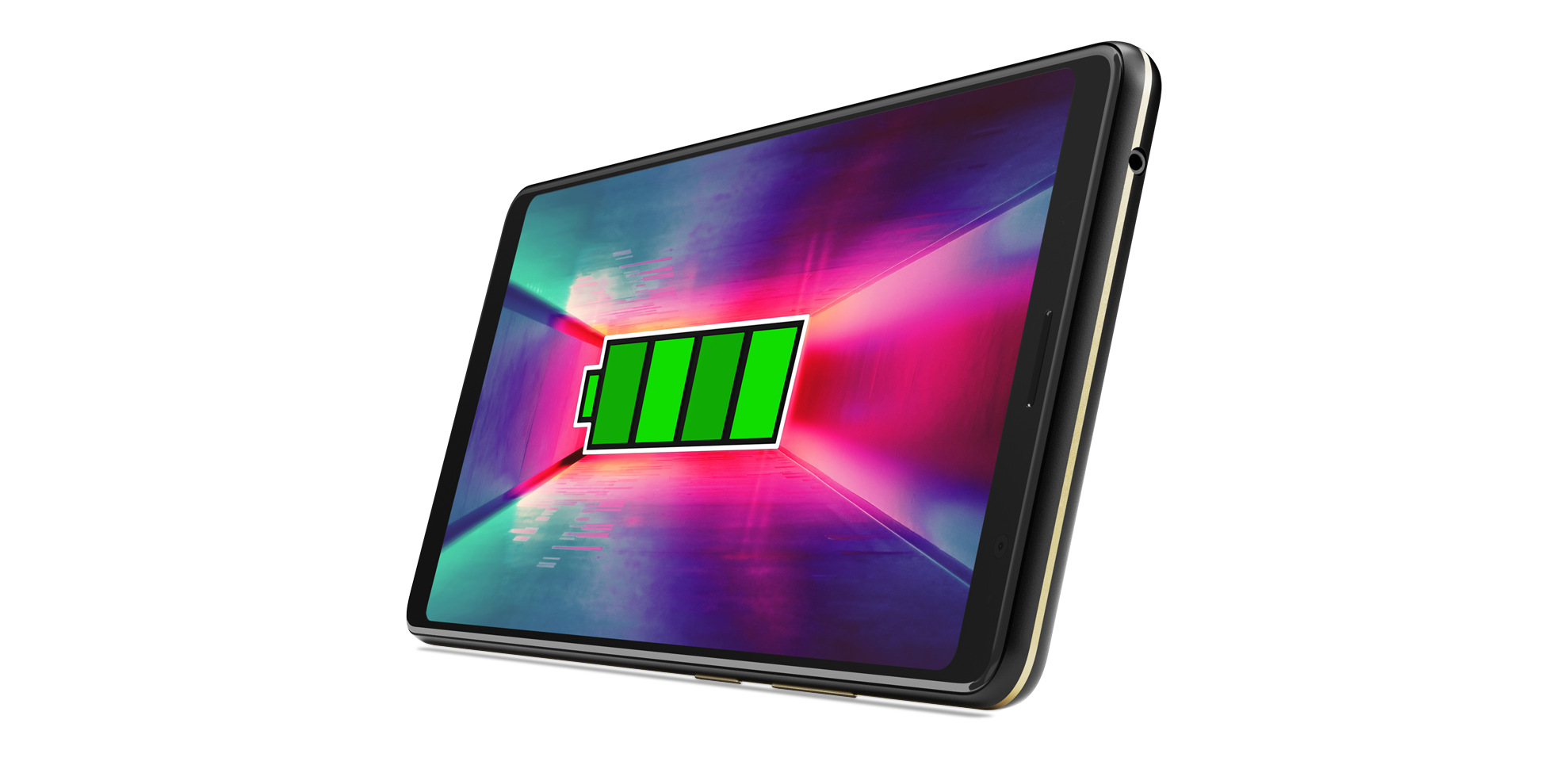
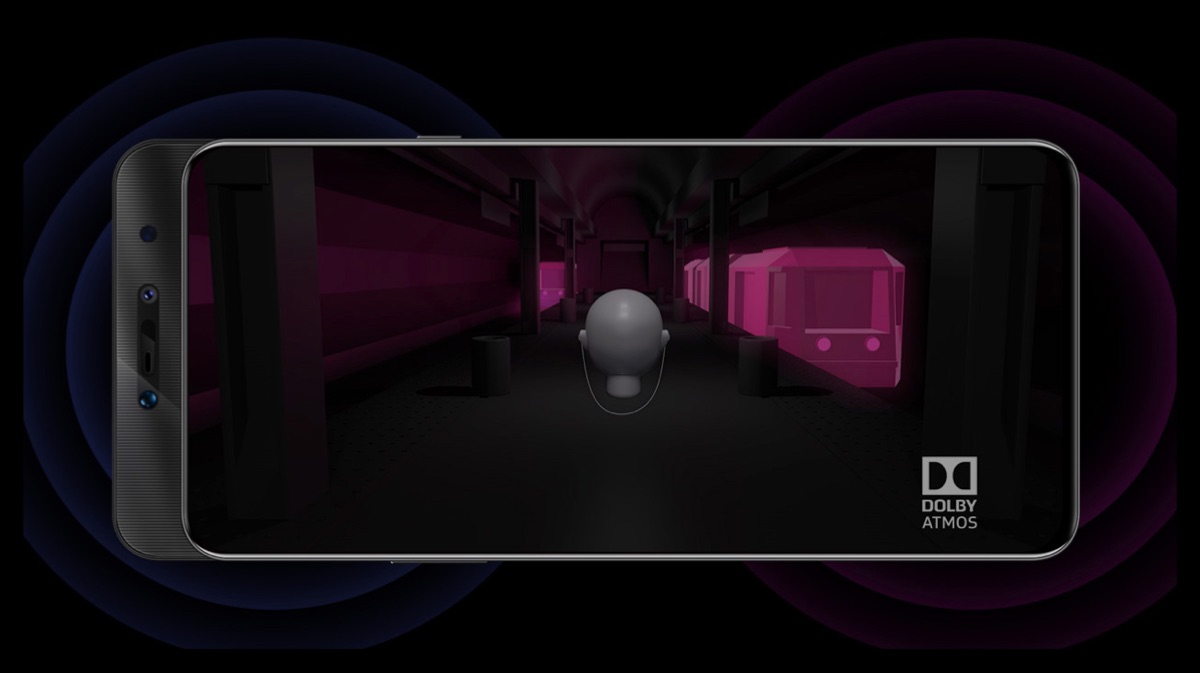
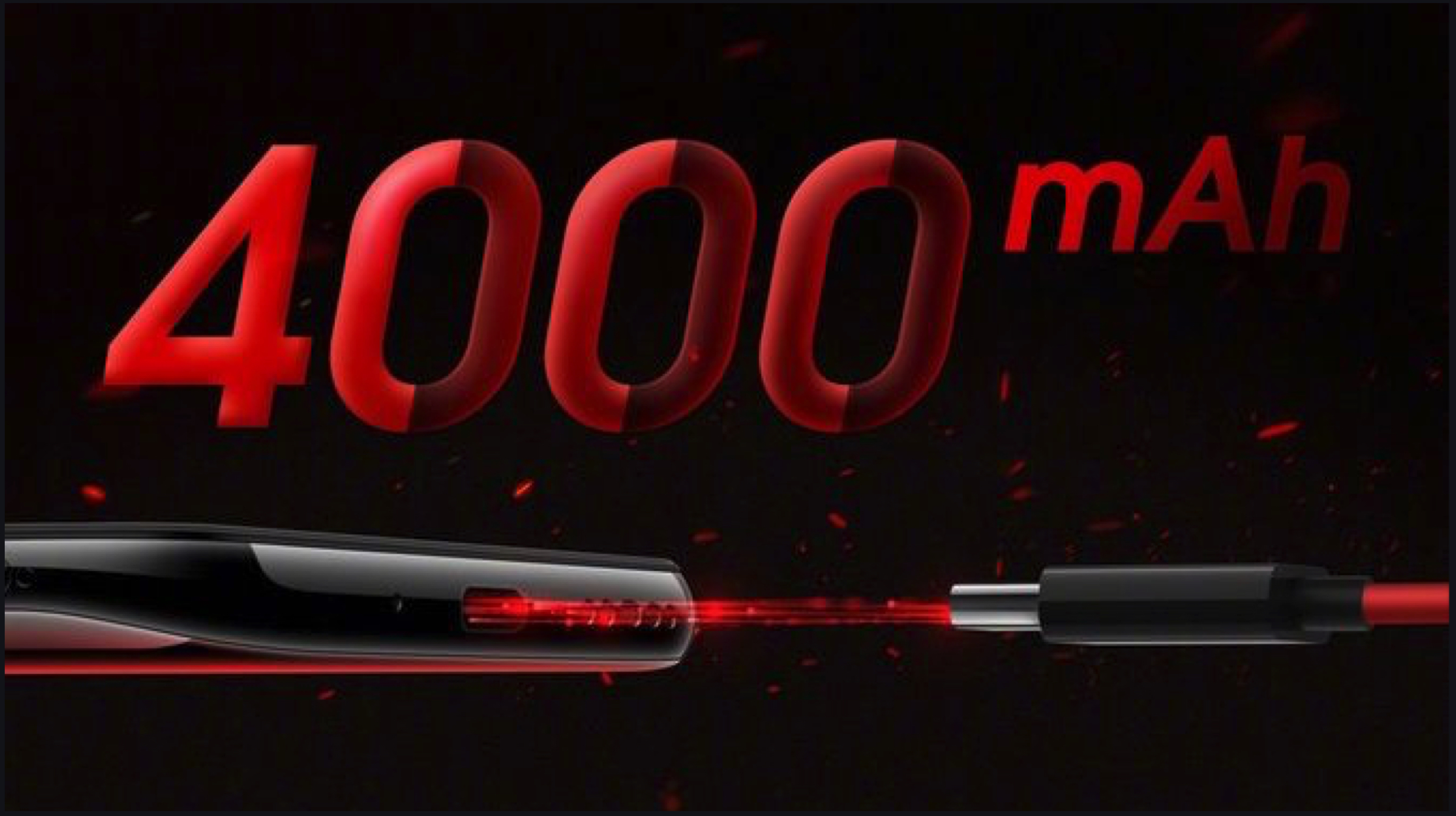
The Lenovo Z6 Pro is powered by a 4000 mAh battery with support for 27W fast charging. It runs on the company’s current ZUI 11 on top of latest Android 9 Pie and supports Dolby audio to ensure better sound output from the smartphone. The device is available in two colours, namely Red and Blue
Pricing and Availability
Also read: Samsung Galaxy View 2 With 18 Inch Display And Android OS Surfaces Online
The Lenovo Z6 Pro will be available in the Chinese market initially, with global availability expected to be announced soon. Pricing of the smartphone starts from CNY 2899 (Rs. 30,000) for the variant with 6GB RAM and 128GB internal storage. The version with 8GB RAM and 128GB onboard memory has been priced at CNY 2999 (Rs. 31,100). For the variant with 8GB RAM and 256GB internal storage, the pricing will be CNY 3799 (Rs. 39,400). The top end model, with 12GB RAM and 512GB internal storage, will cost CNY 4999 (Rs. 51,900).
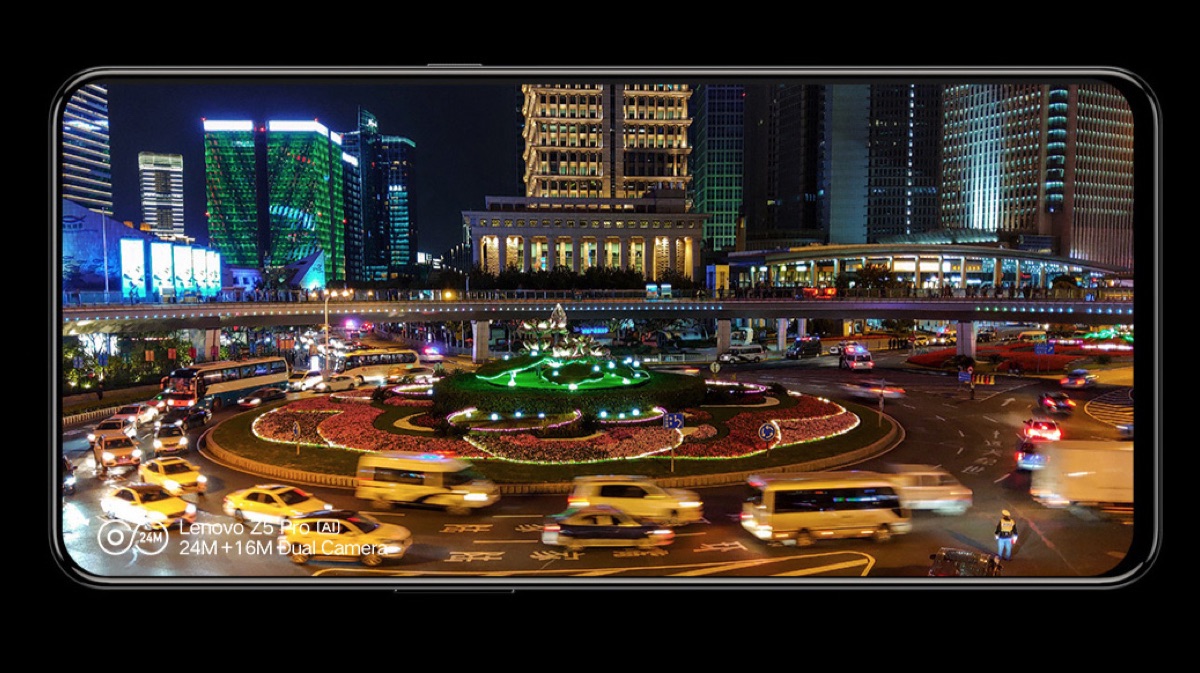
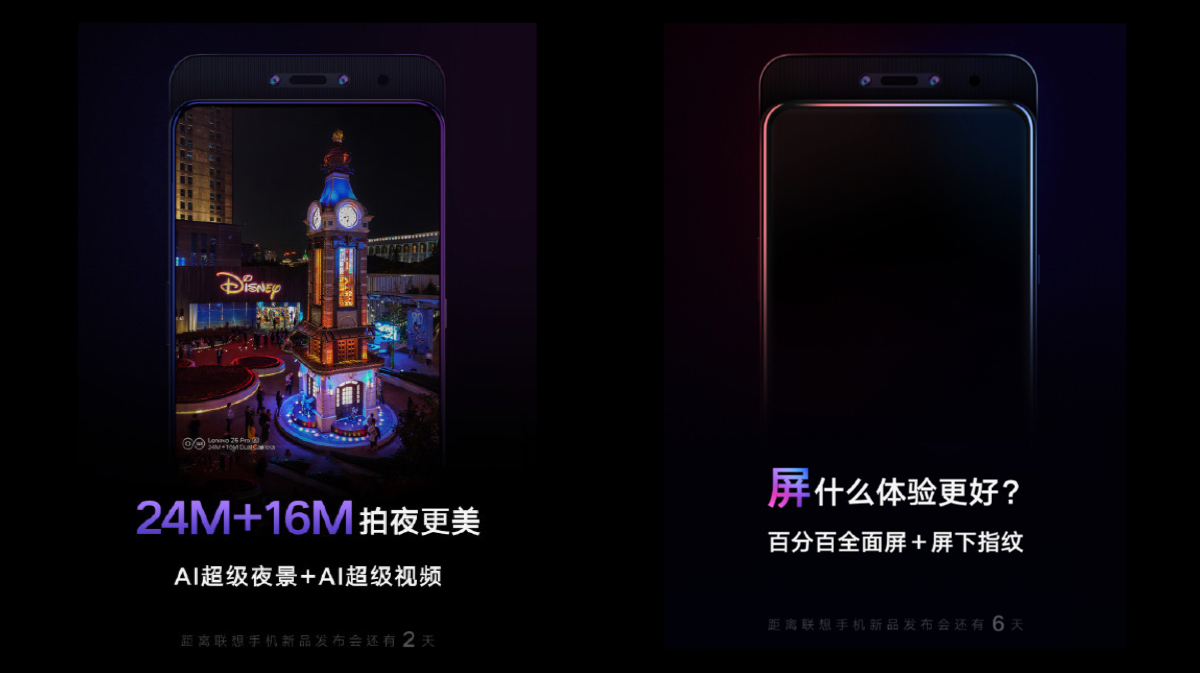
 The images are taken during the phase of dusk and the night, and they bear watermarks in Chinese, which when translated, reveal significant information regarding the Z6 Pro’s camera. The images exhibit detailed levels of colours and brightness. The faint layer of light on top of the images give them a natural look. As deduced from the overlaid watermarks, the camera has a pixel size of 2.9 ?m, indicating towards a camera with advanced night mode capabilities. Moreover, the second watermark exhibits an 80dB over-motion map, which hints towards the fact that the camera has a large photosensitive area.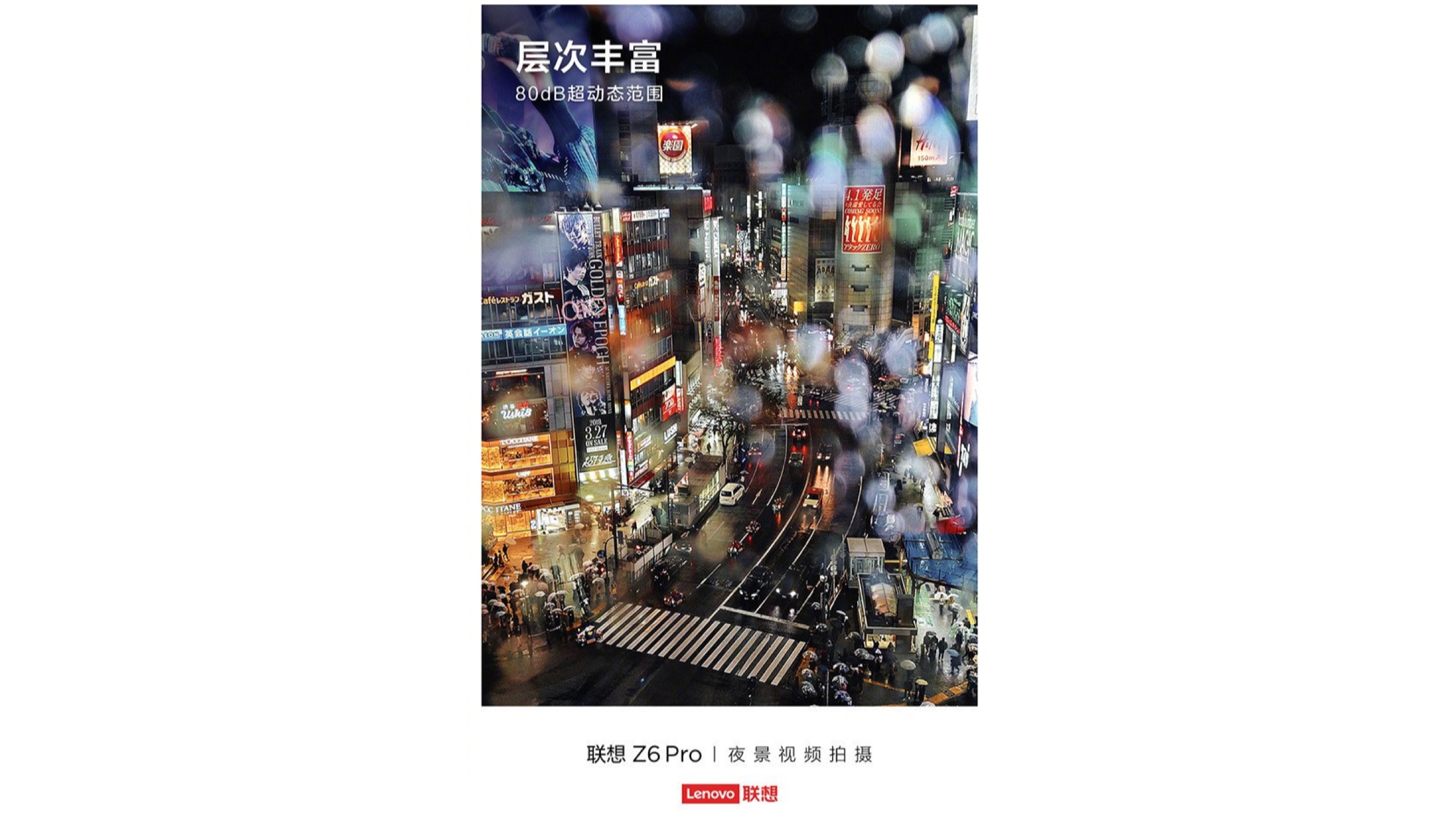
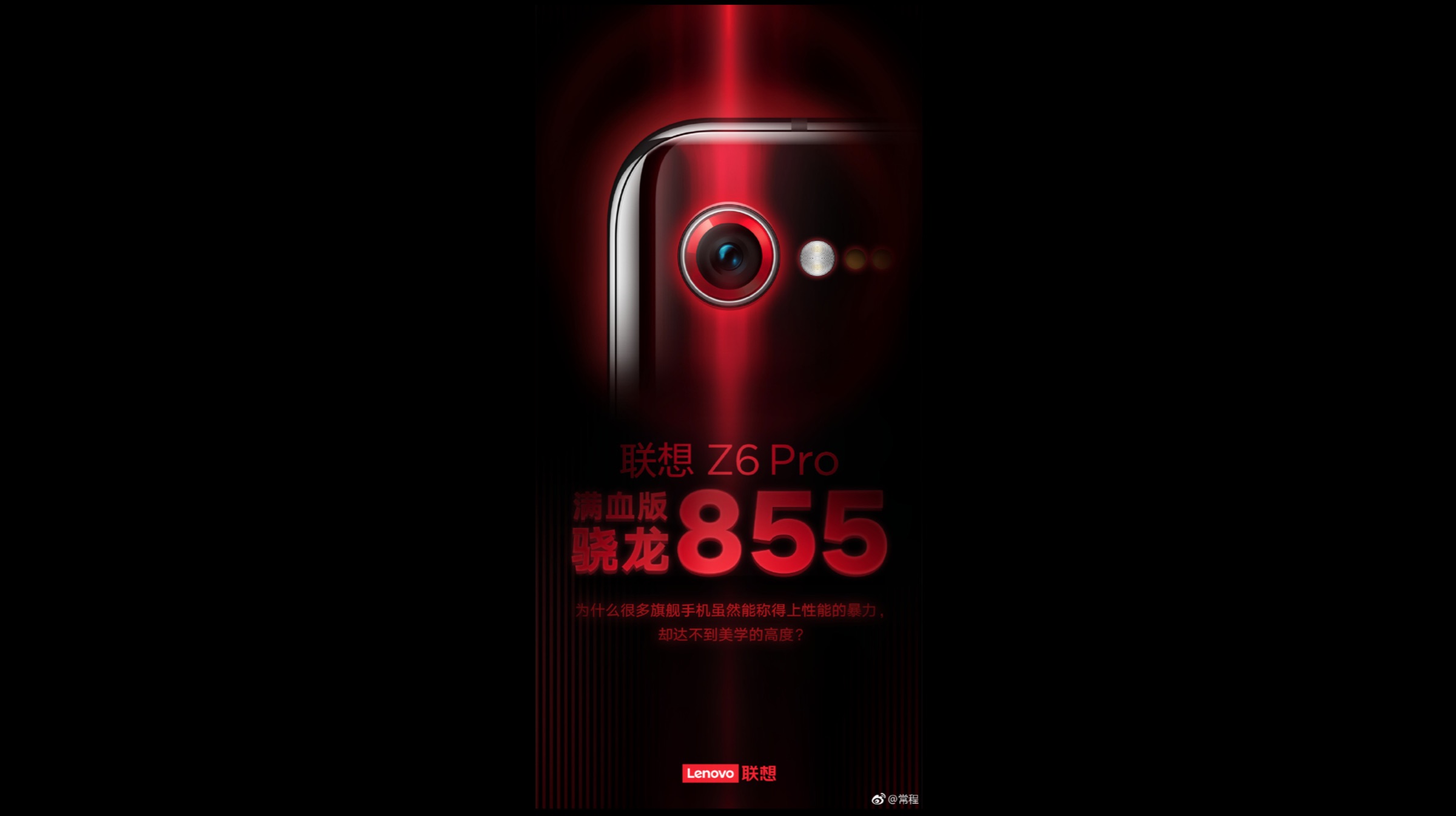 Previously, the company confirmed that the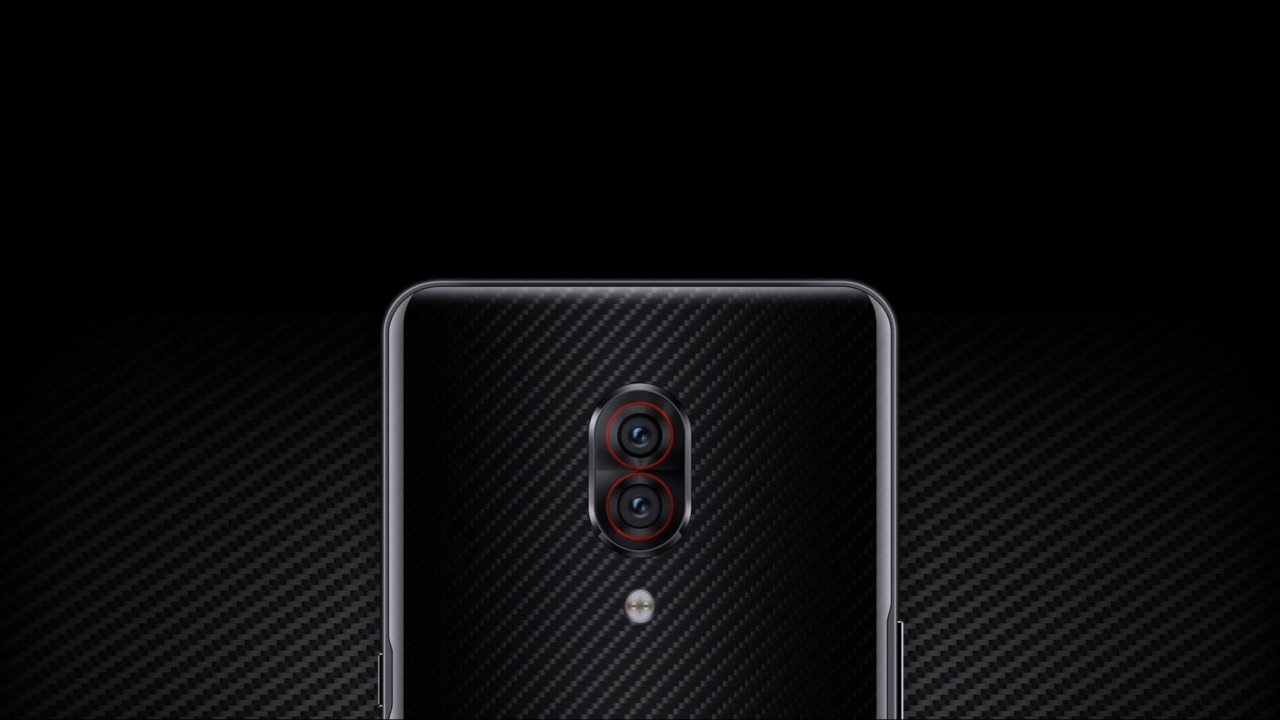
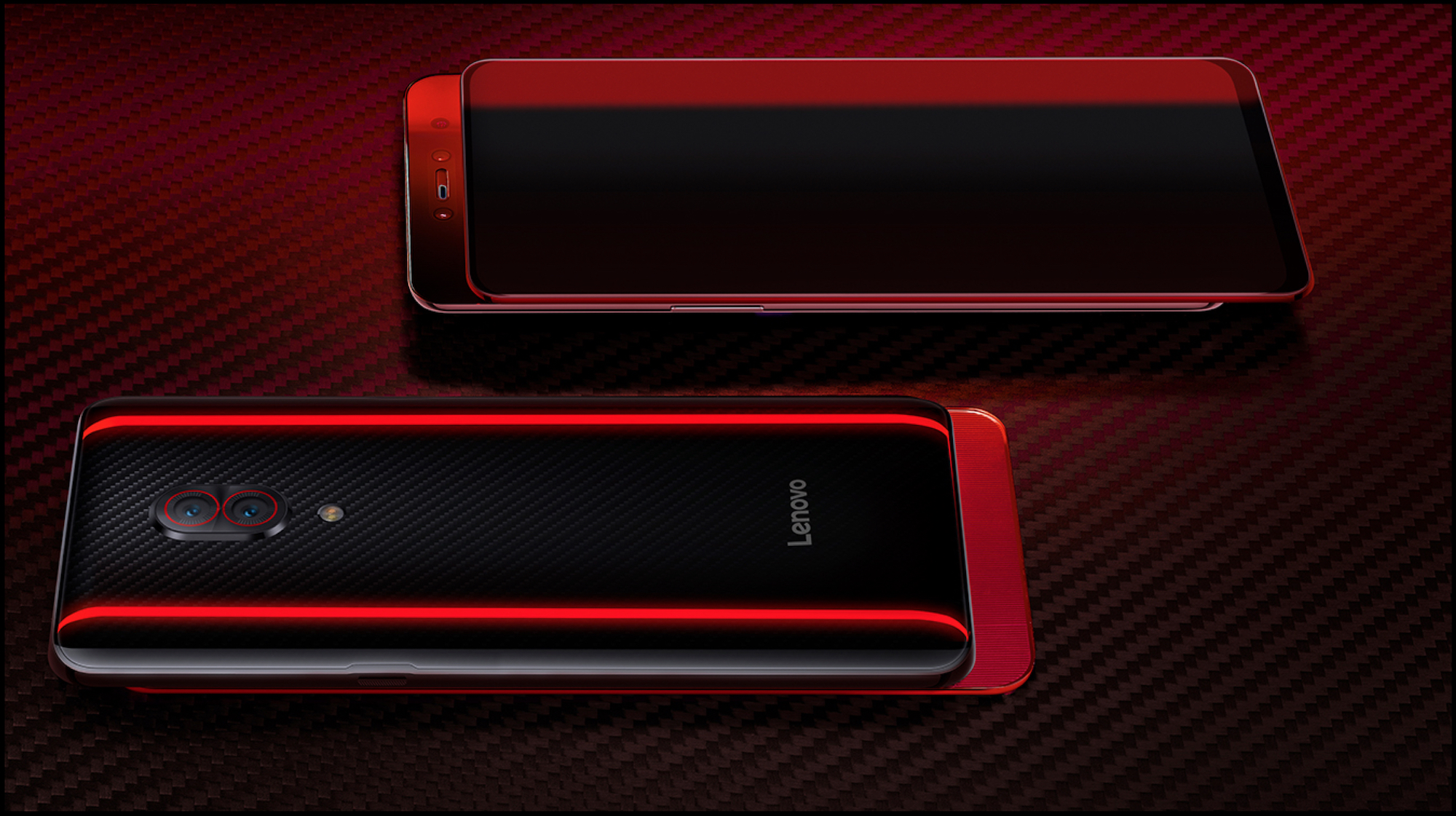 In terms of the camera, Lenovo is claiming that the Z6 Pro will have a ‘HyperVision’ camera which will redefine the way videos are recorded. As per a recent teaser by the company, the device will be capable of capturing 100-megapixel images. Apparently, the company may work around the AI in the smartphone to achieve this feat, but once launched, this will be the highest camera megapixel count ever seen in a smartphone.
 Also Read:

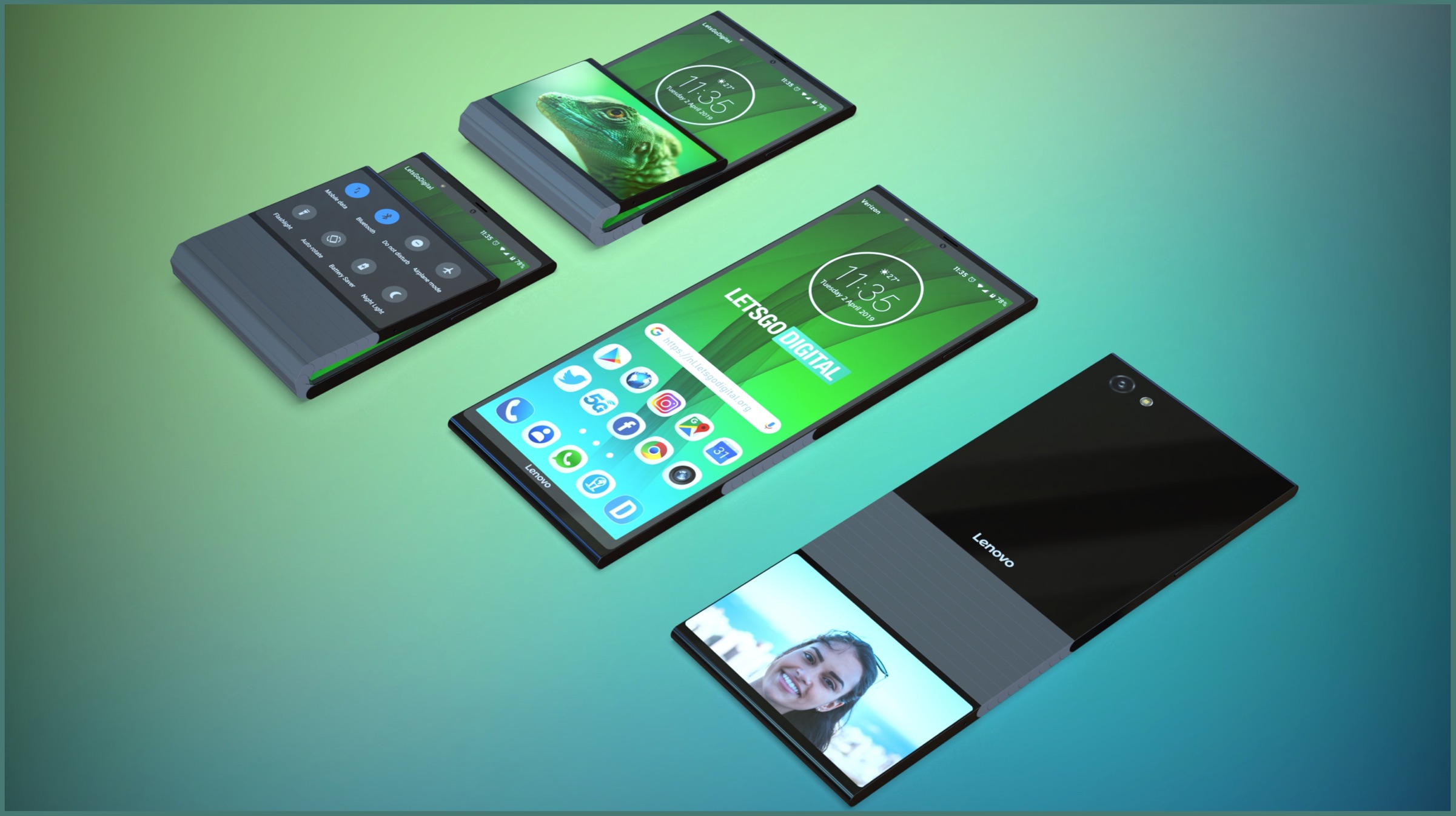 The design patent was applied for in the month of September 2018 in the G
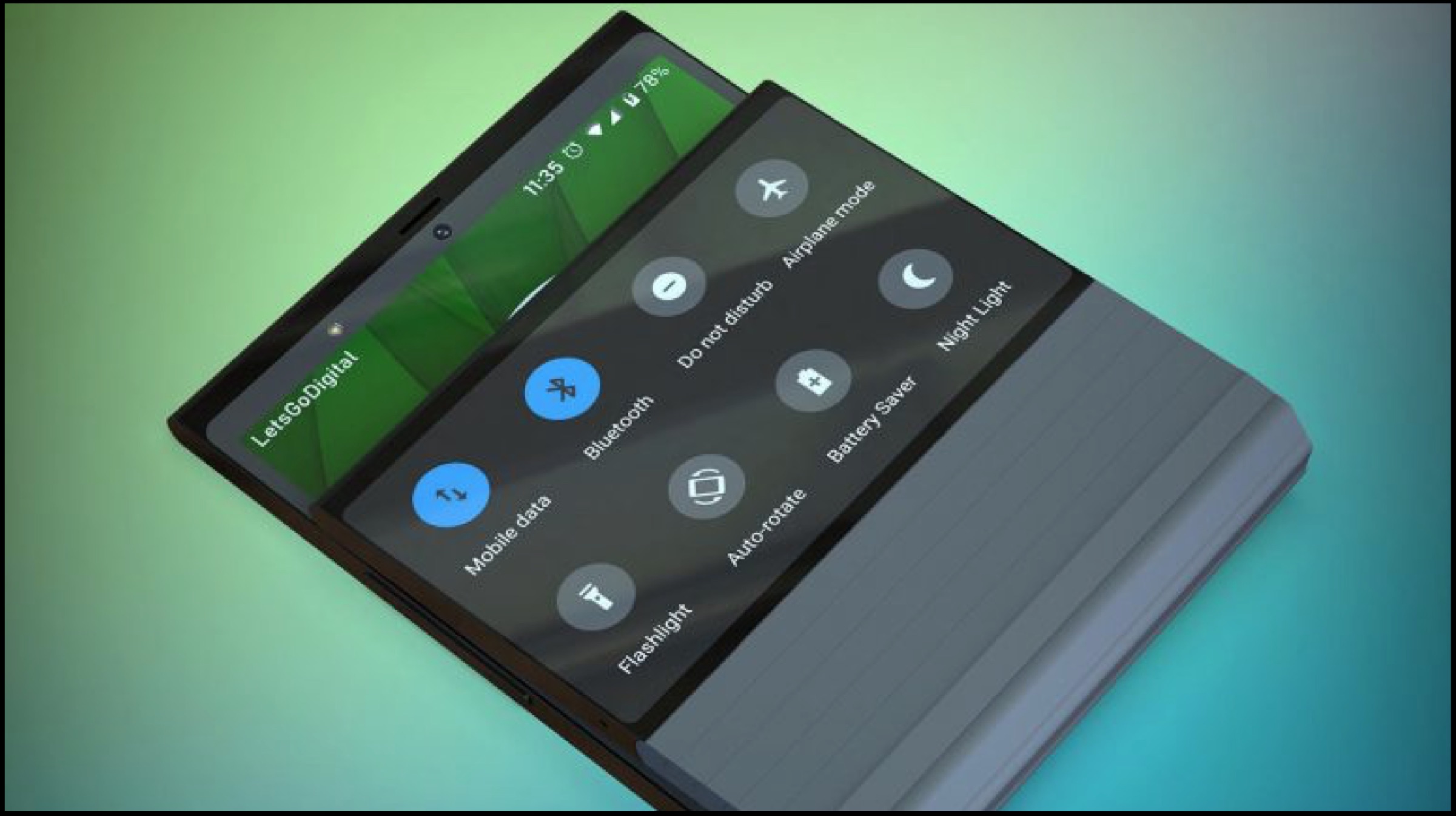
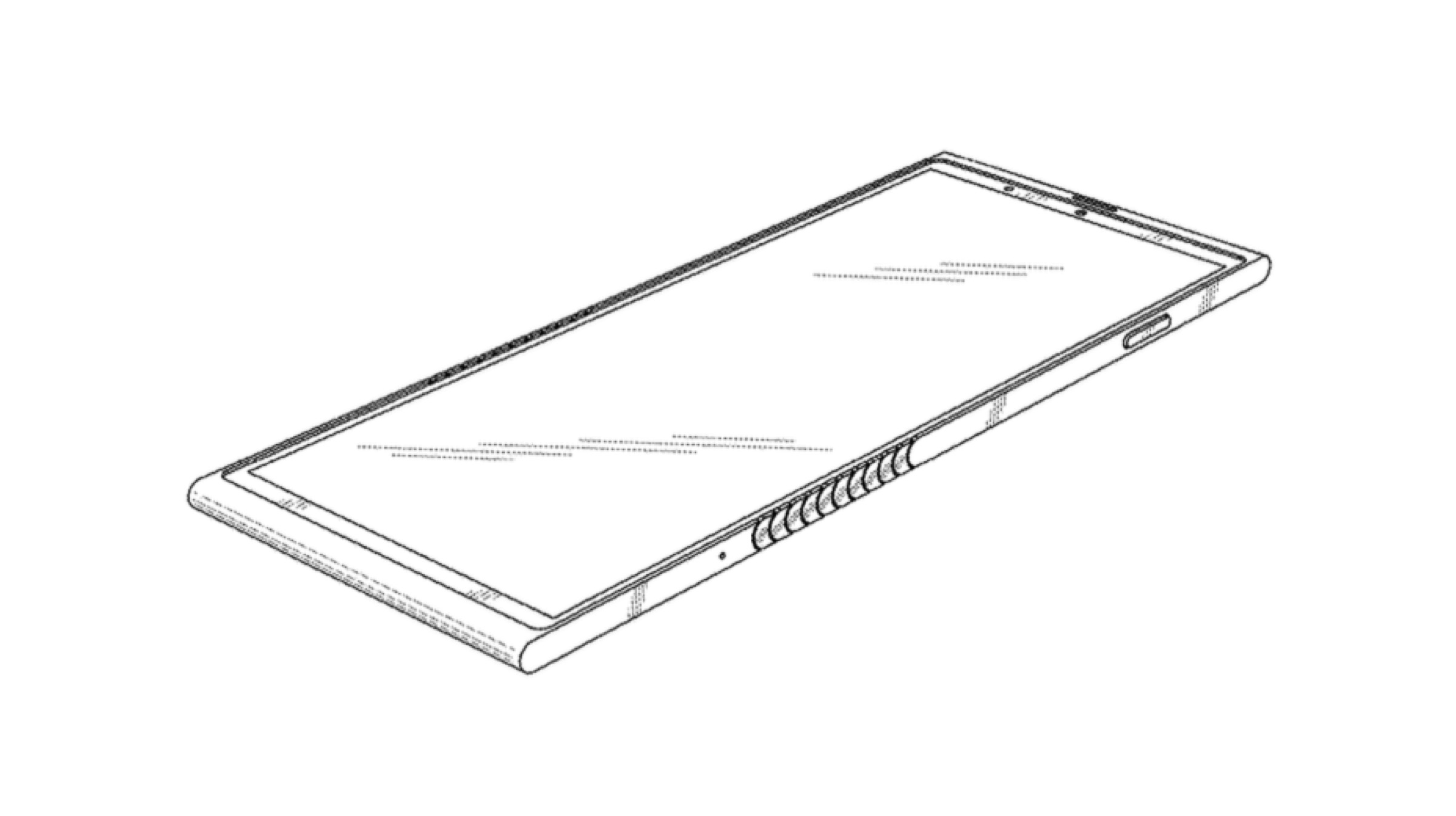 Interestingly, the Lenovo foldable smartphone has a second screen that is present at the back of the device and is visible only when the device is folded shut. Noteworthy, images suggest that the fold hinge/line doesn’t lie in the middle of the smartphone, instead the lower part of the device is shorter as compared to the upper part. Once the user bends the lower part, a smaller screen will be visible.
 Also Read: