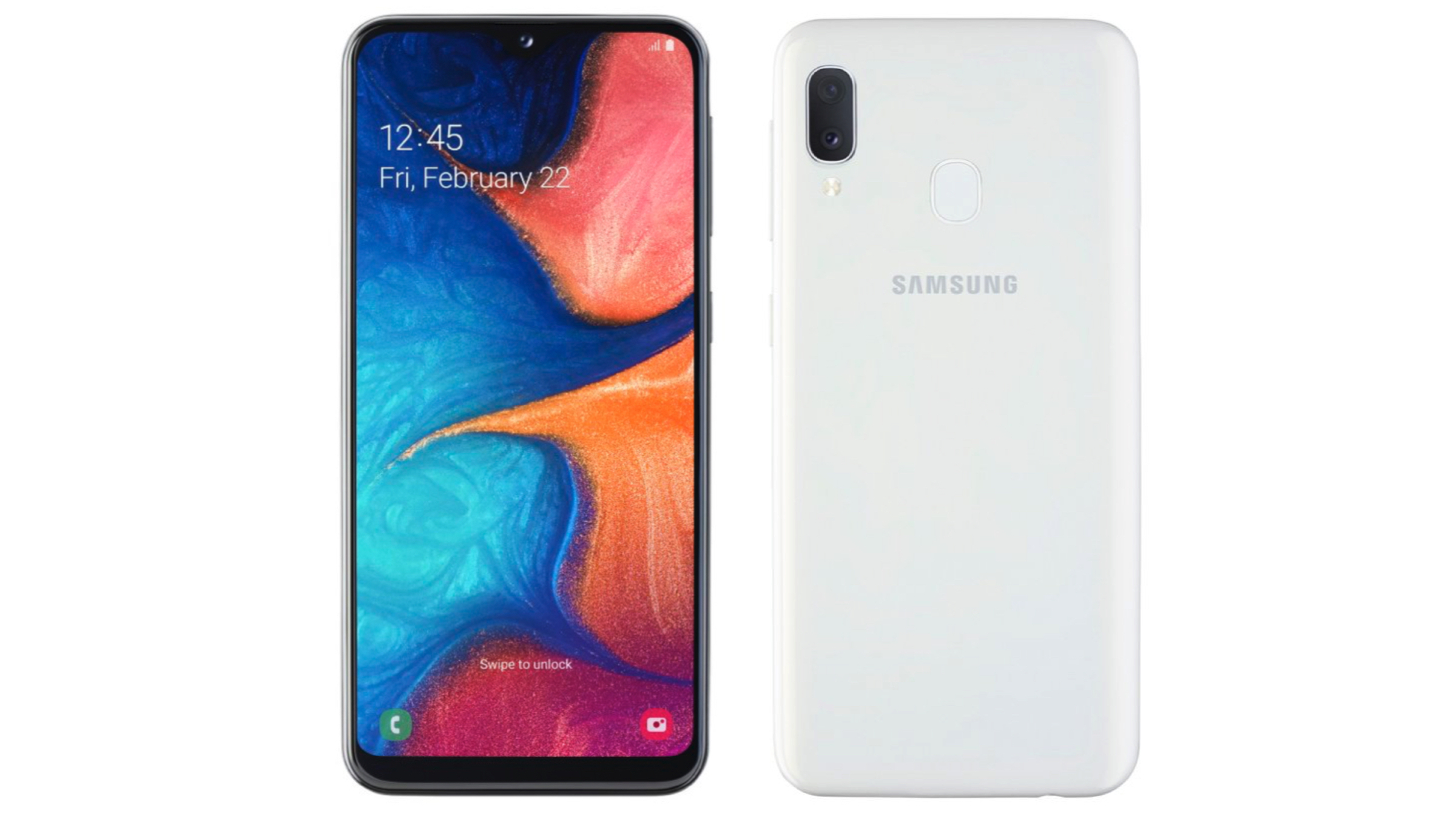
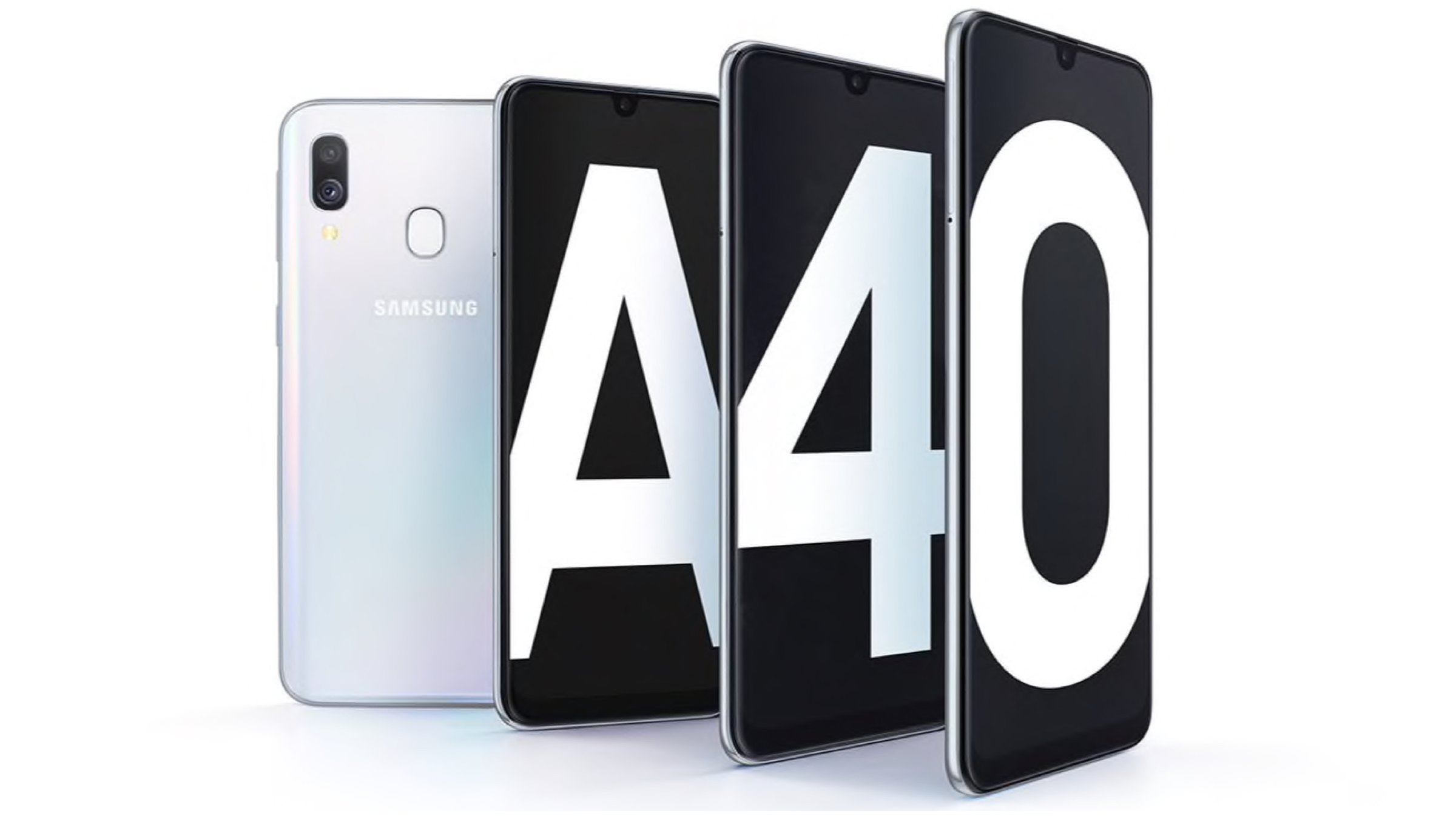
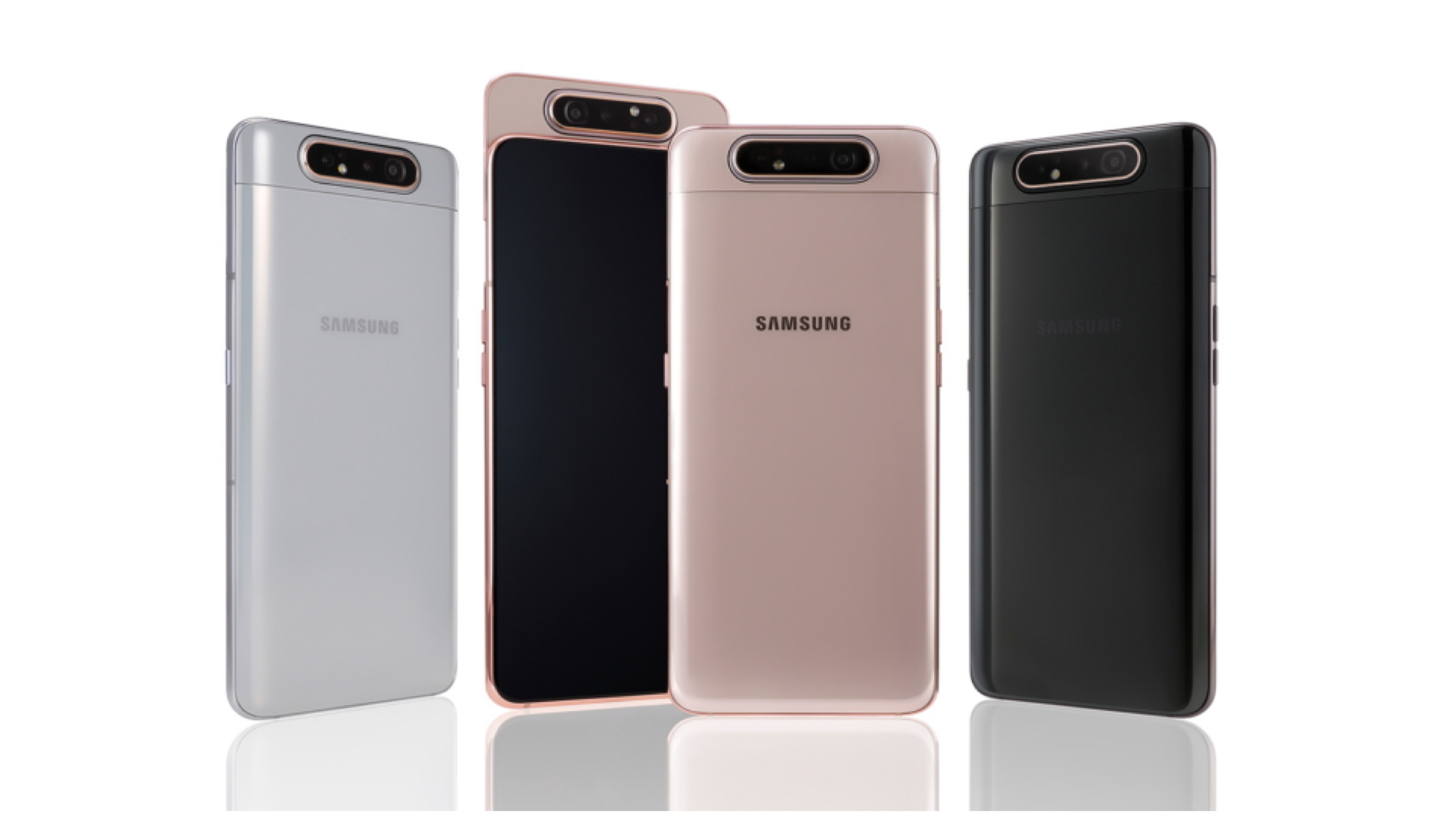
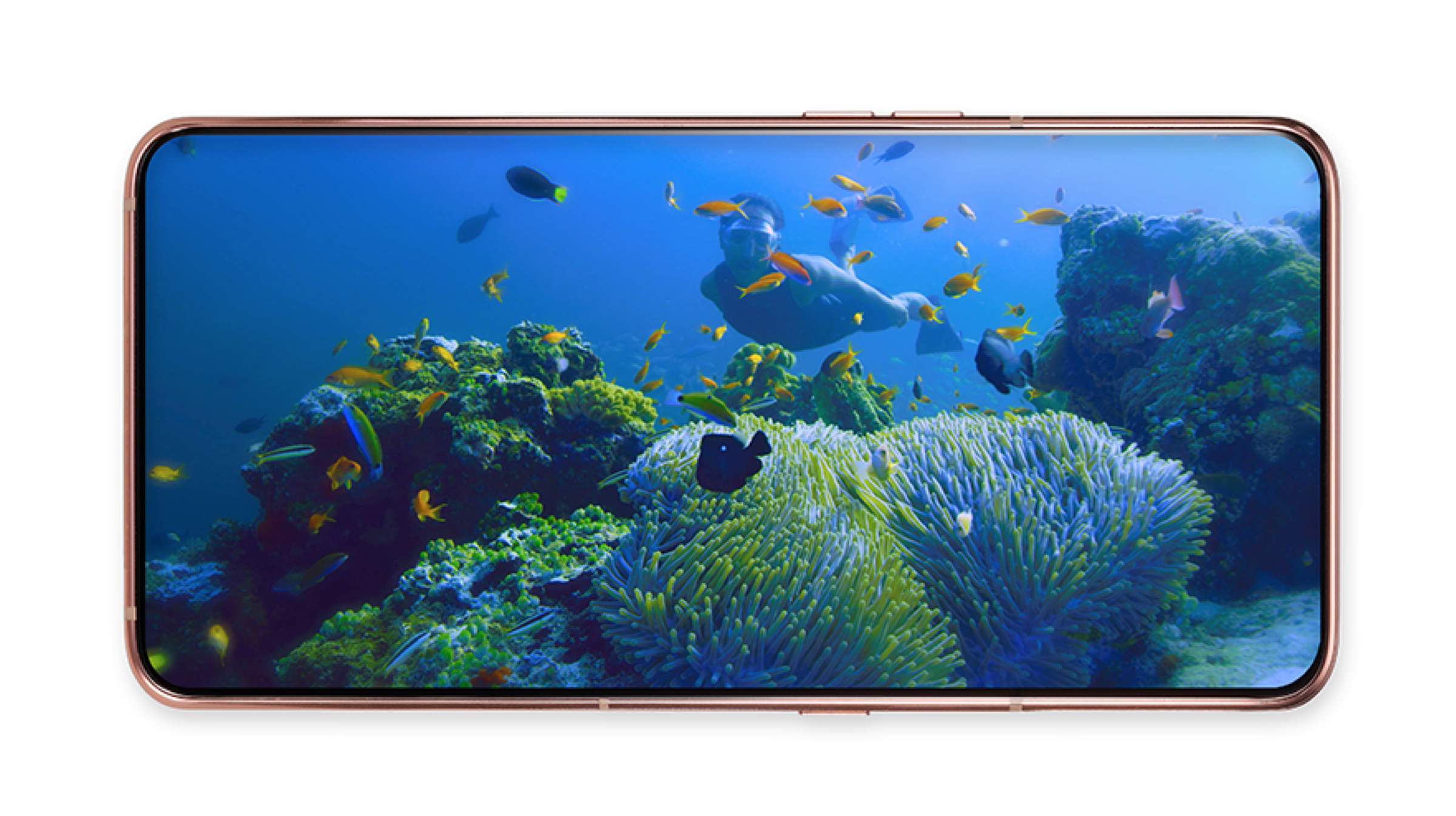
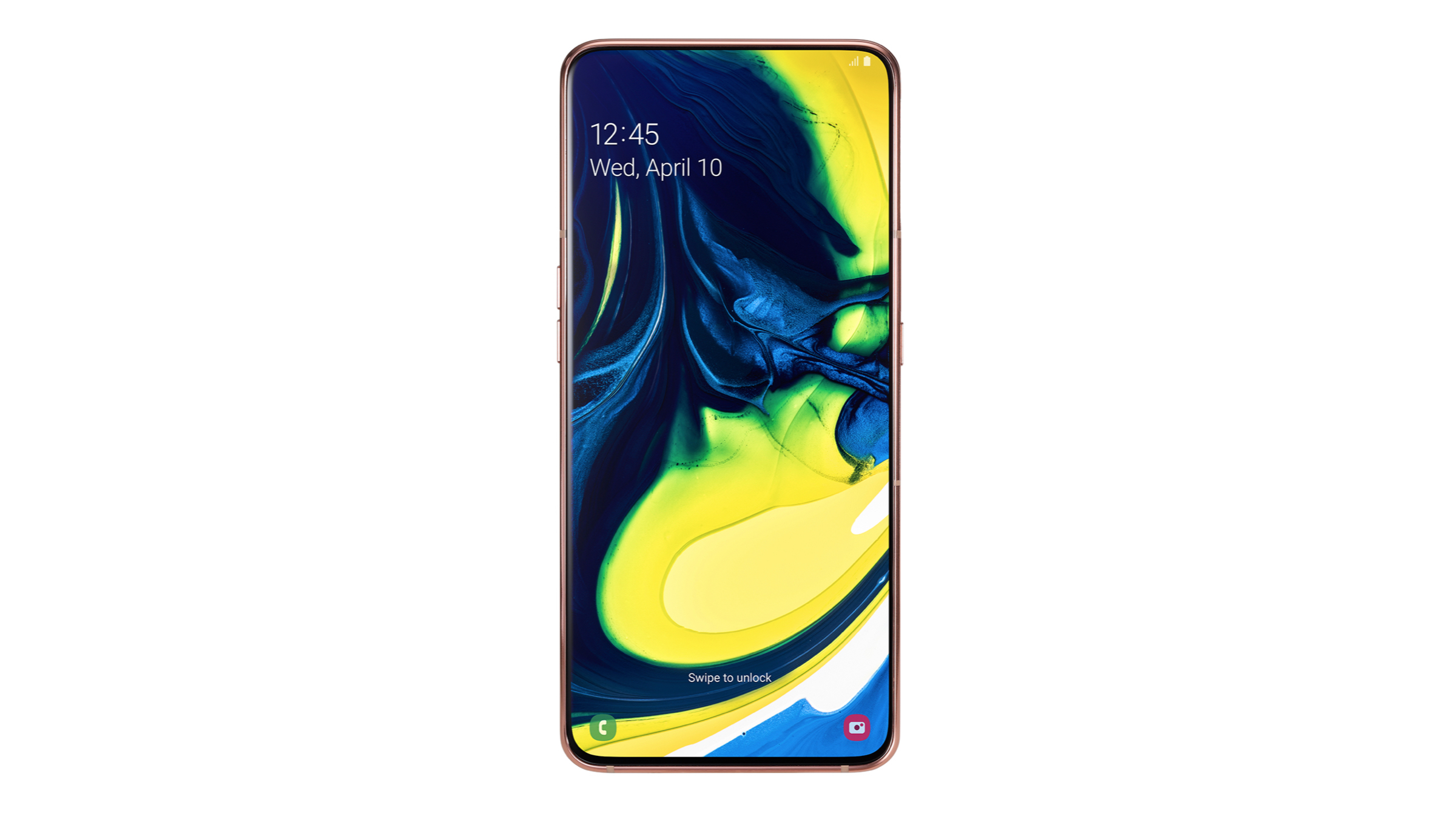
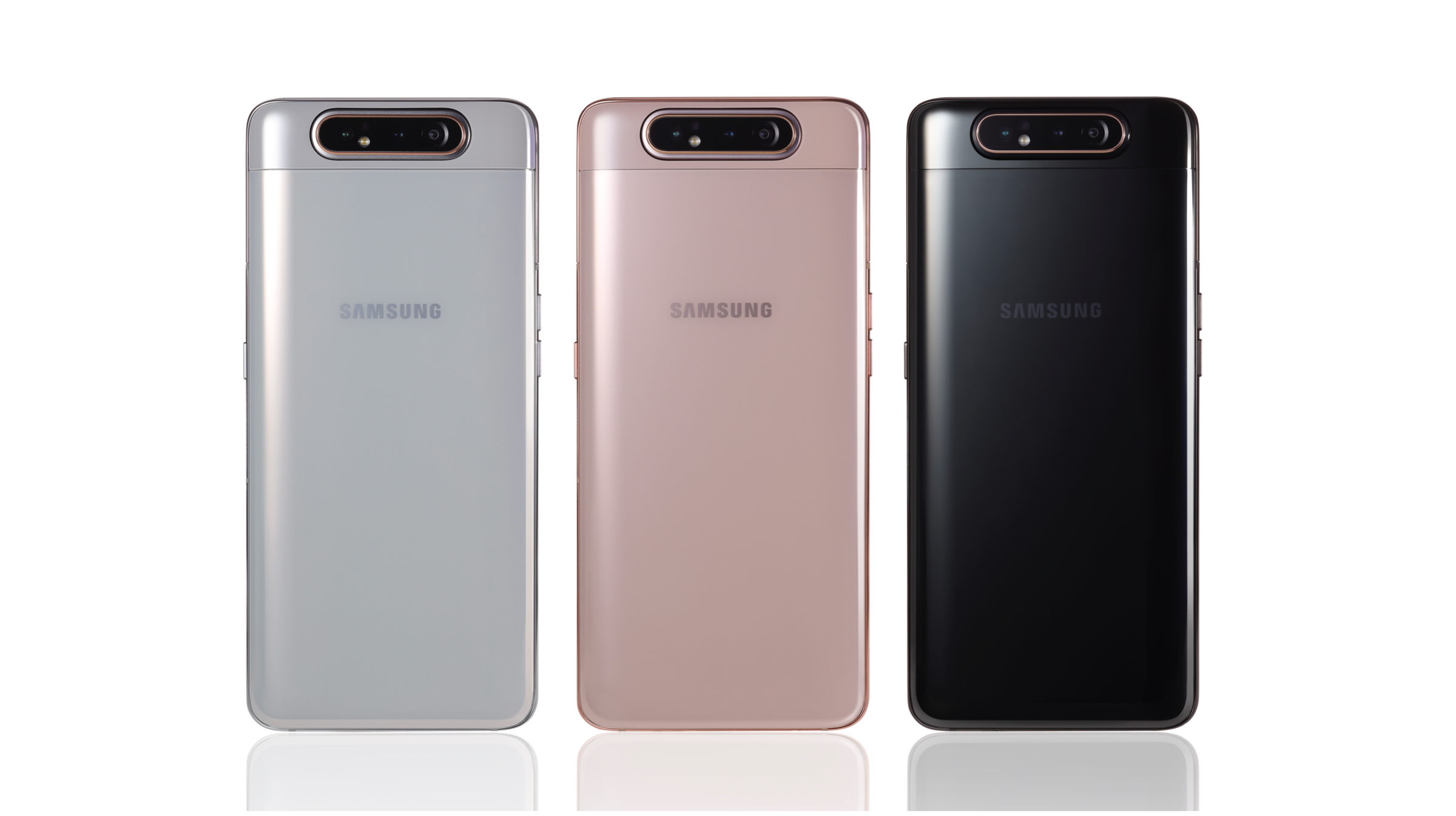
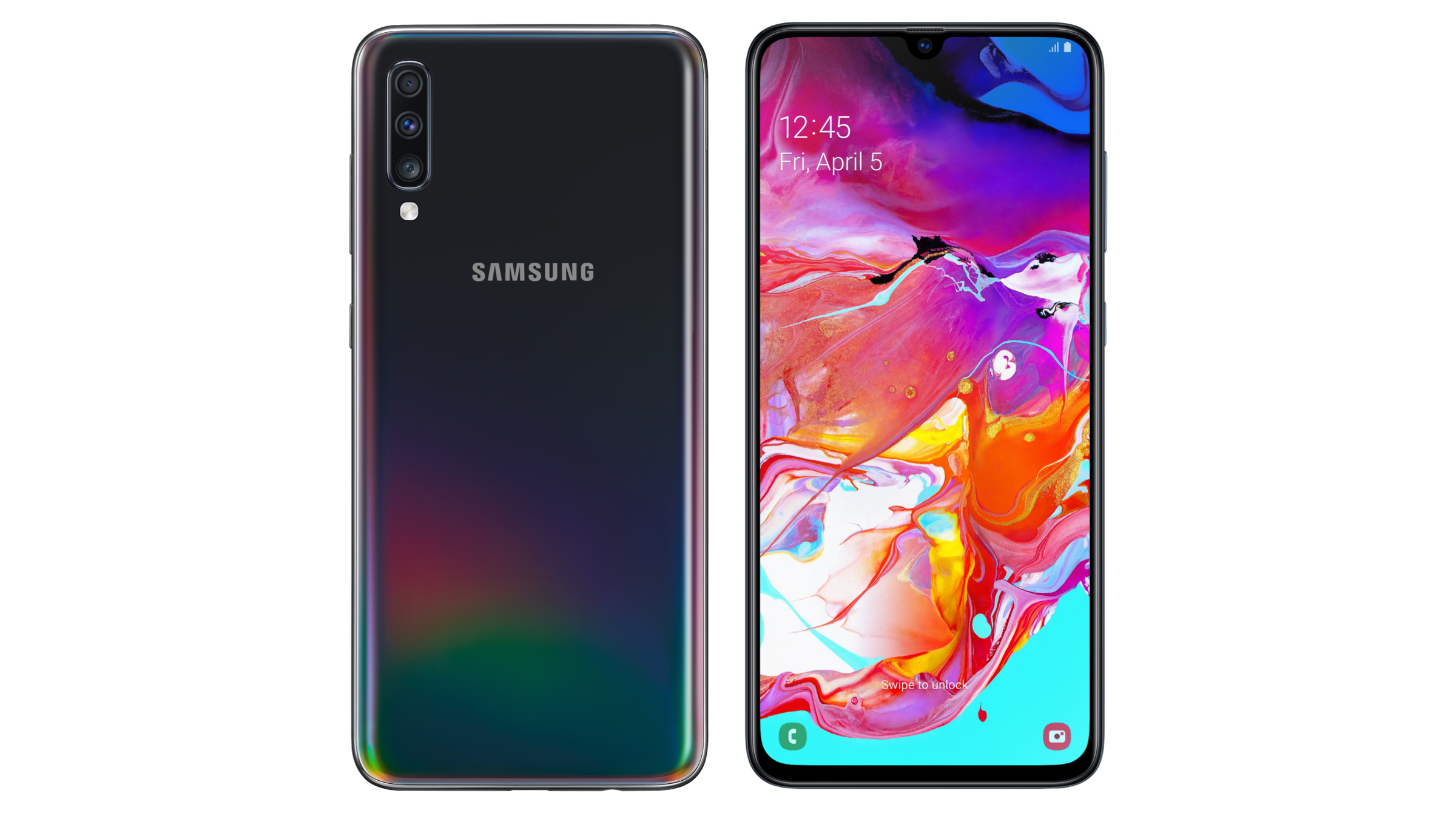
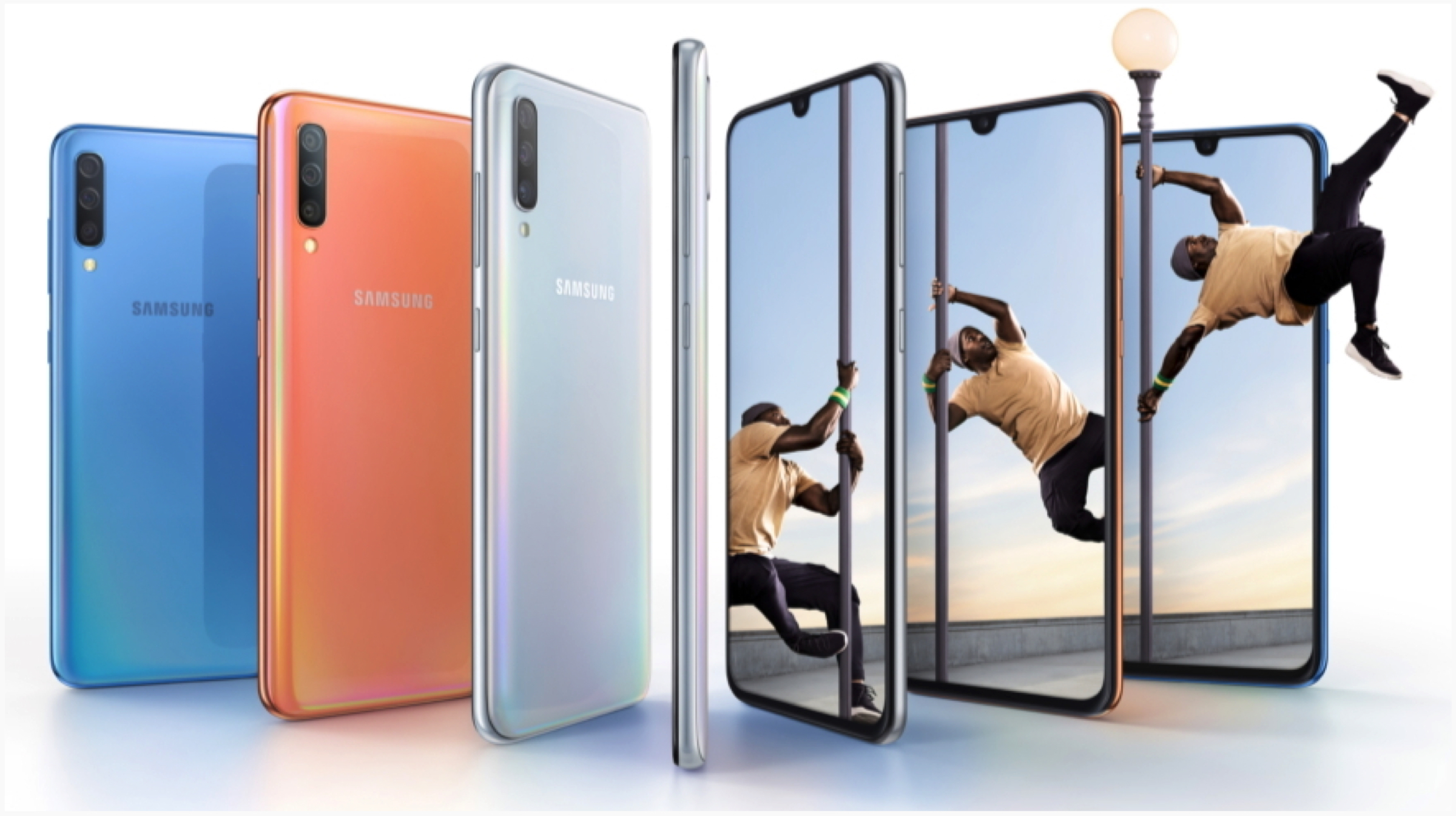
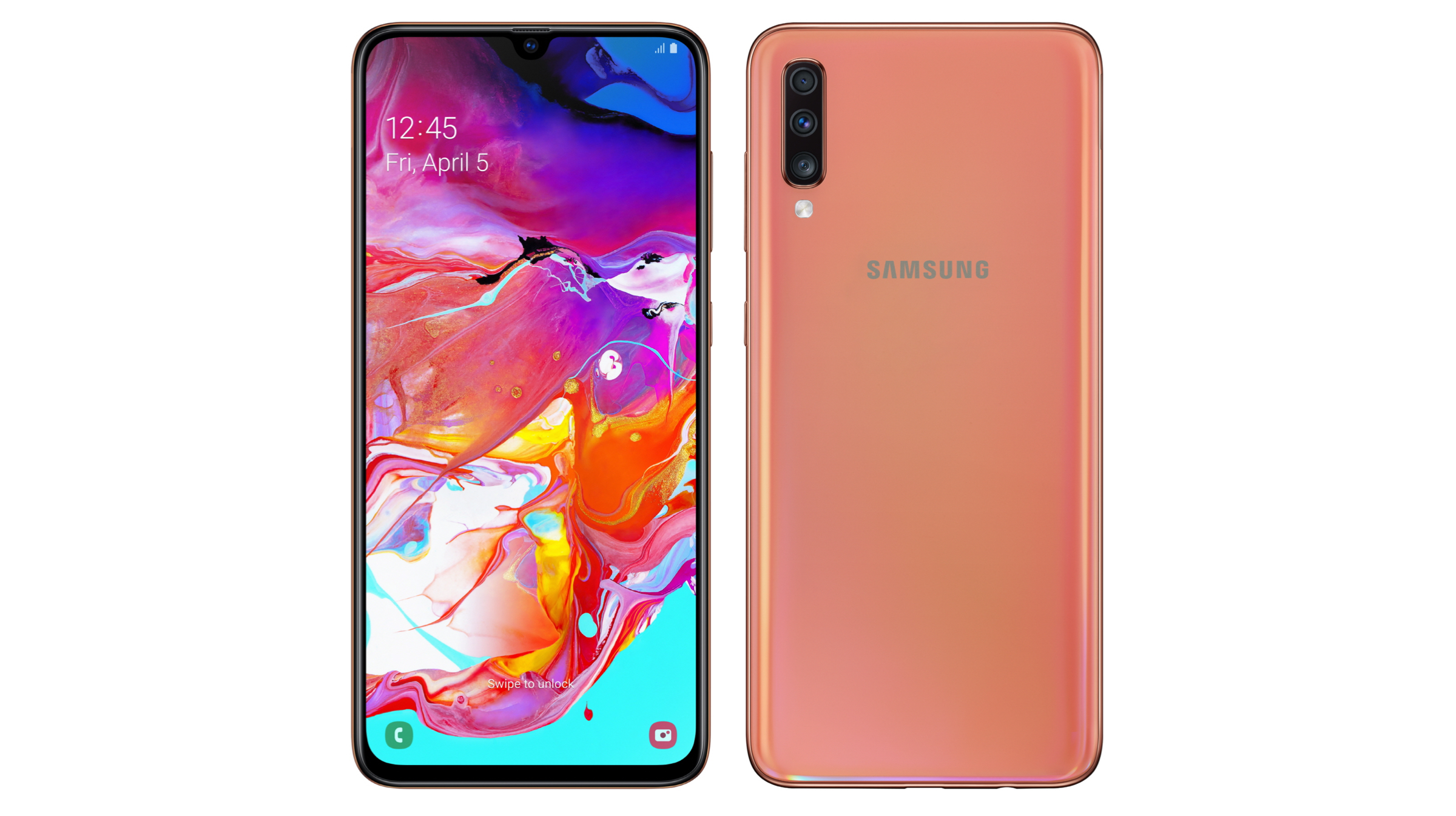
Samsung, the largest smartphone OEM in the world, has been on a launching spree lately. The company has tried to completely reinvent its budget and mid-range segment with the current Galaxy A lineup. It has now freshly announced the Galaxy A20e budget smartphone in the series to target emerging markets. The device was launched on the 10th of April alongside the Galaxy A80, Galaxy A70 and Galaxy A40 smartphones. The Galaxy A20e features a new design language adopted by Samsung and offers humble specifications at a lucrative price.
Galaxy A20e
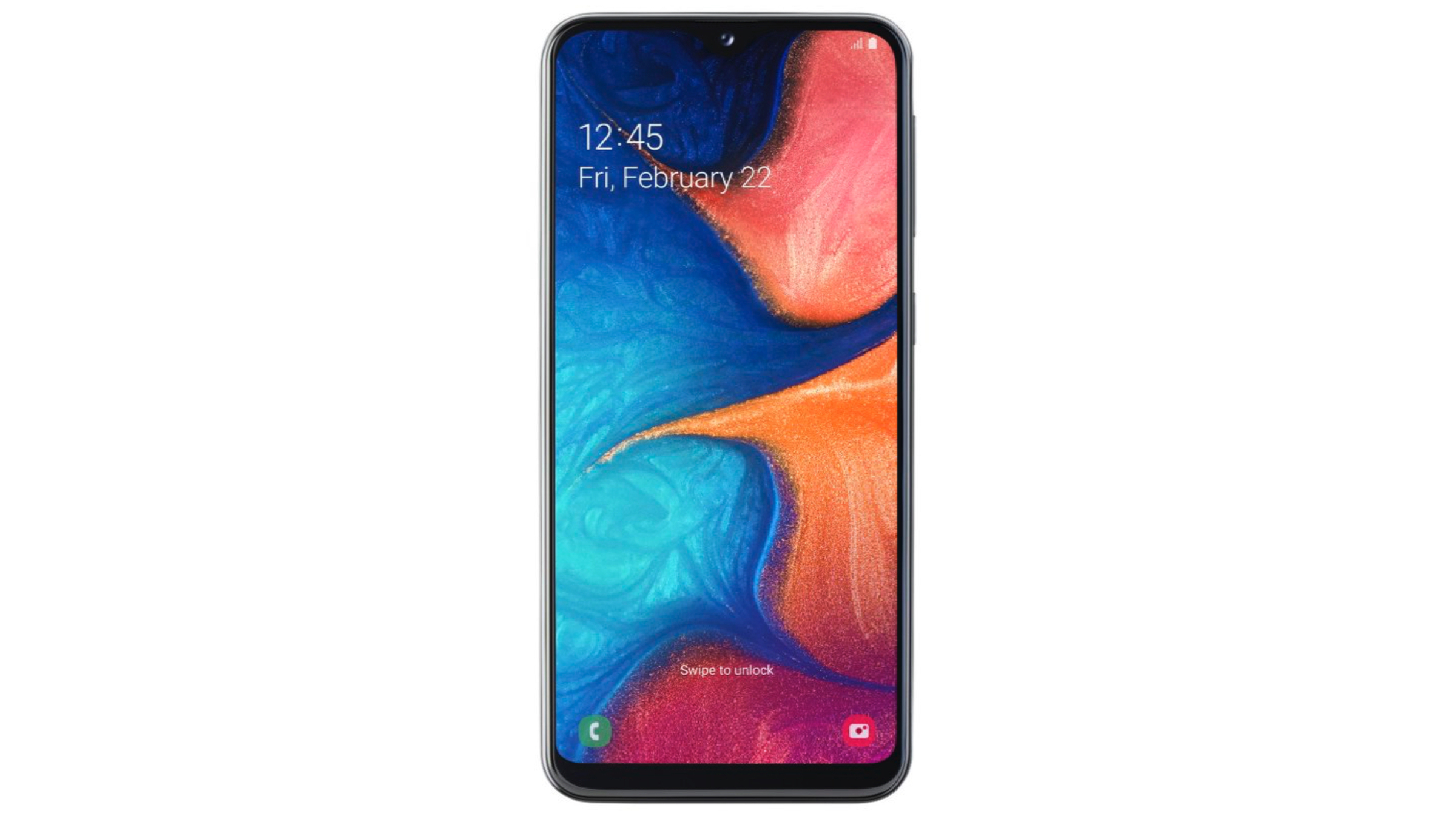
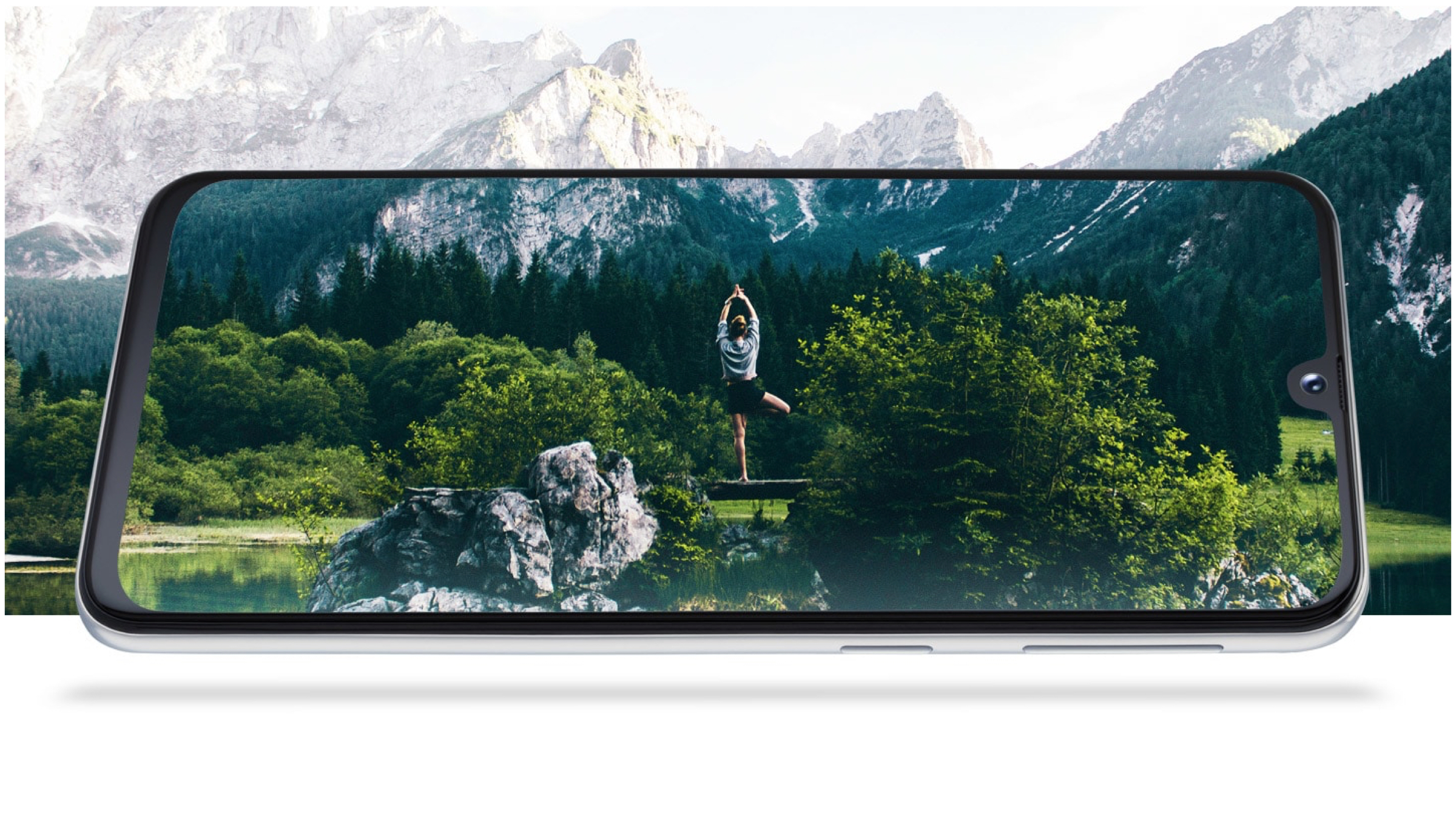
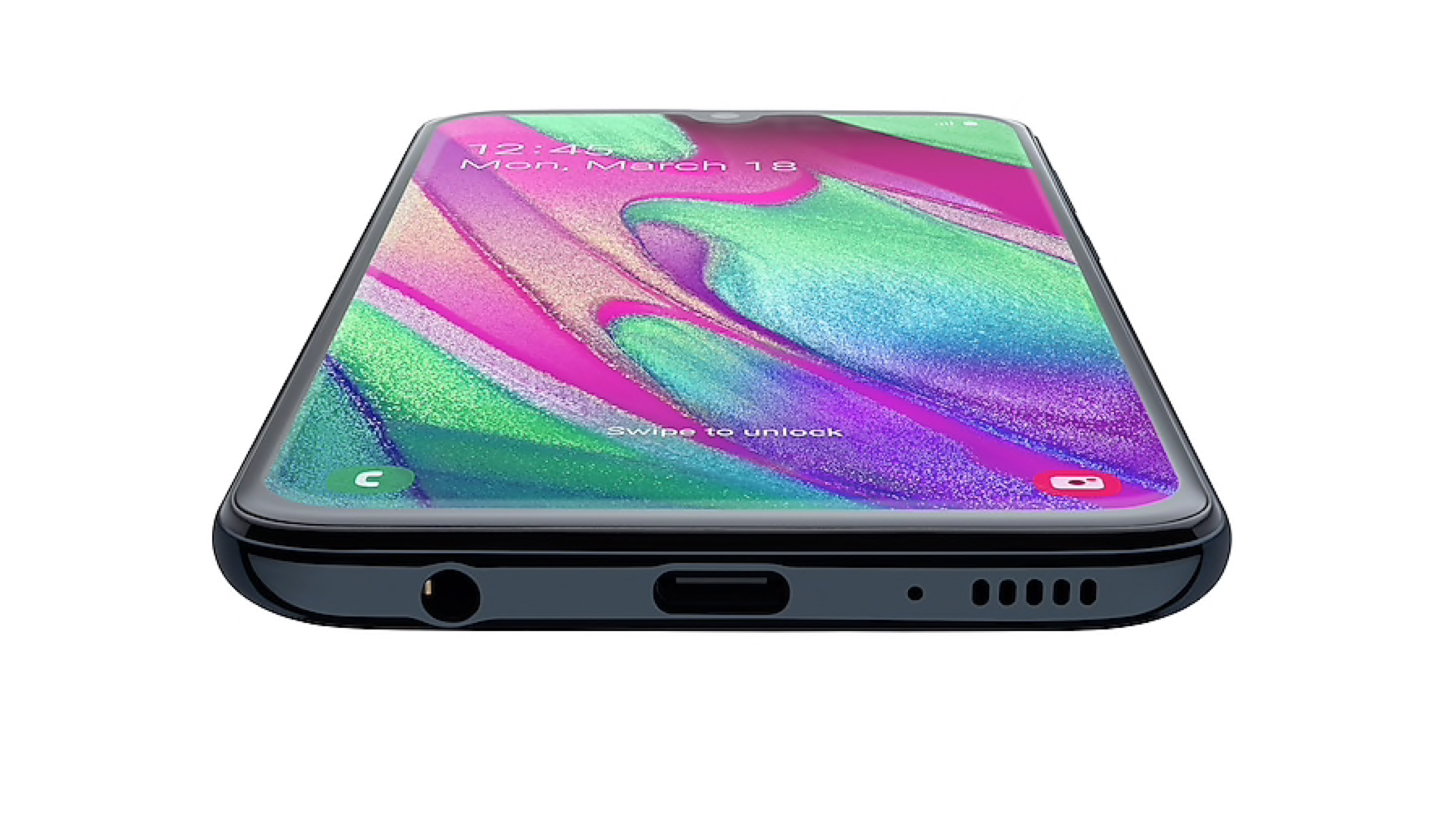
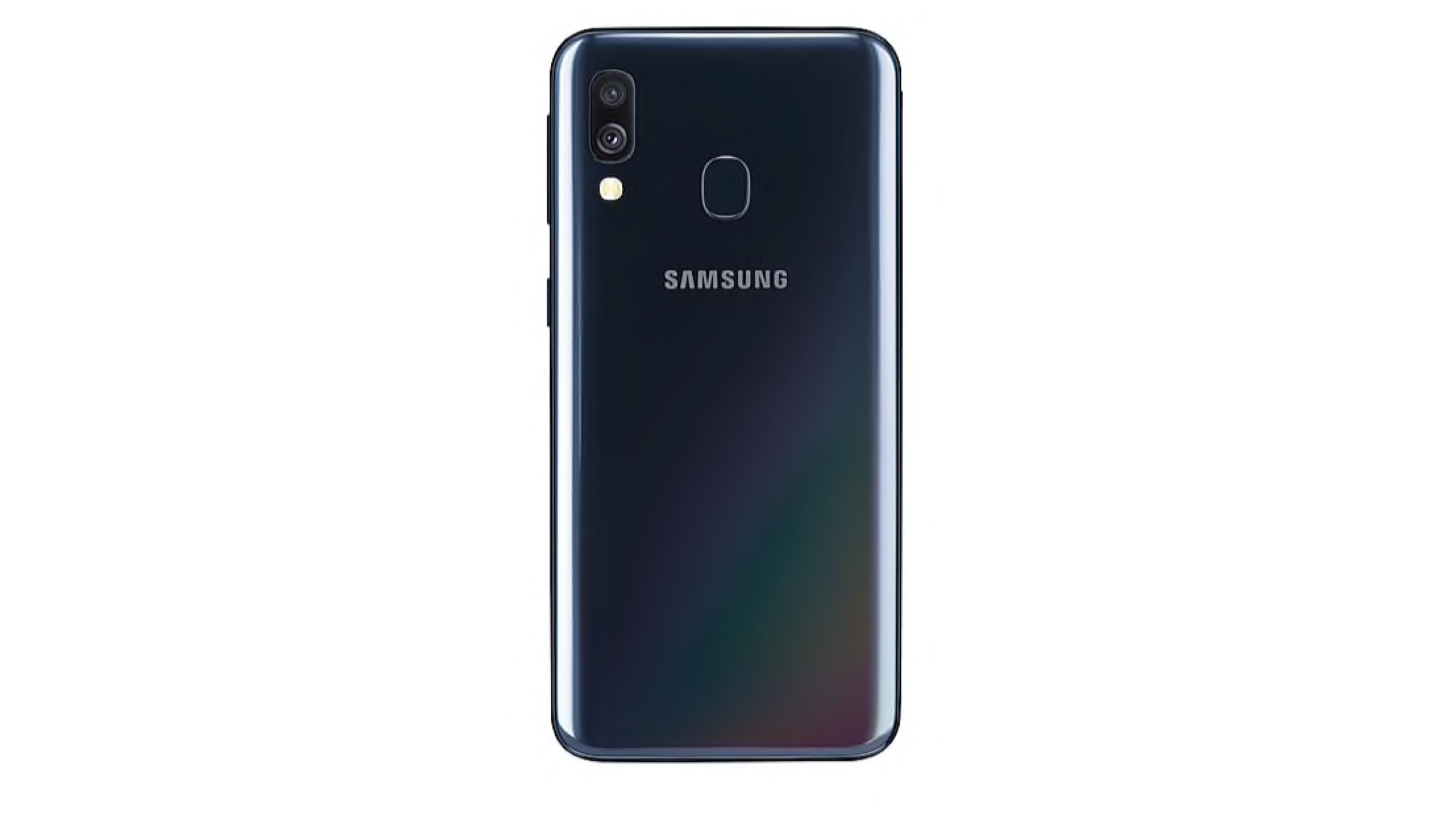
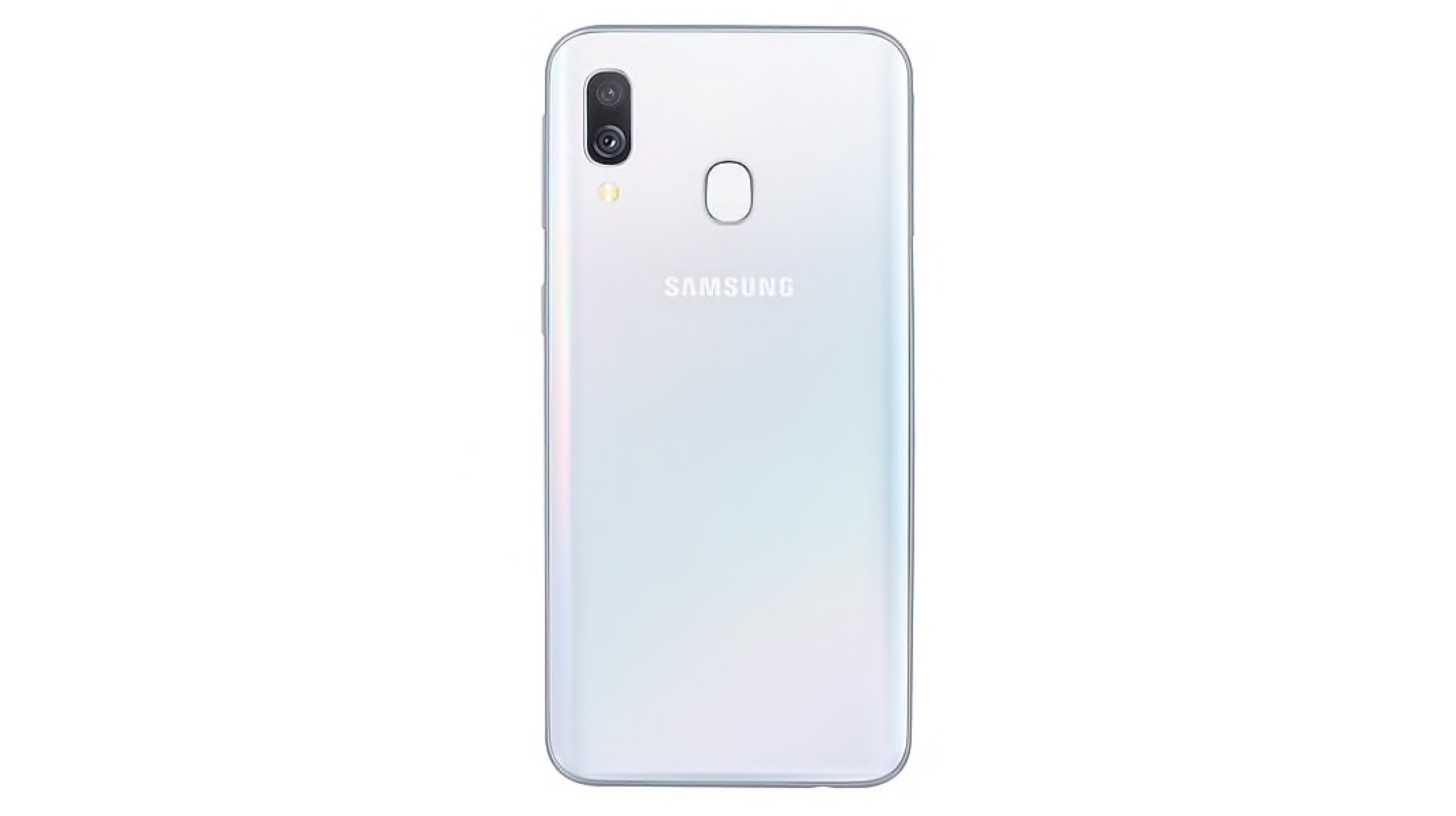
The Galaxy A20e features a polycarbonate body with a similar design language to the Galaxy A20 launched a few days ago. The device measures 147.2 x 69.5 x 8.3mm and has a 5.8-inch TFT display with a resolution of 1560 x 720 px. The front has minimal bezels all around the display with a small Infinity-V style waterdrop notch on top. The rear of the smartphone houses a fingerprint sensor which allows it to be unlocked securely. Additionally, it also supports face unlock technology.
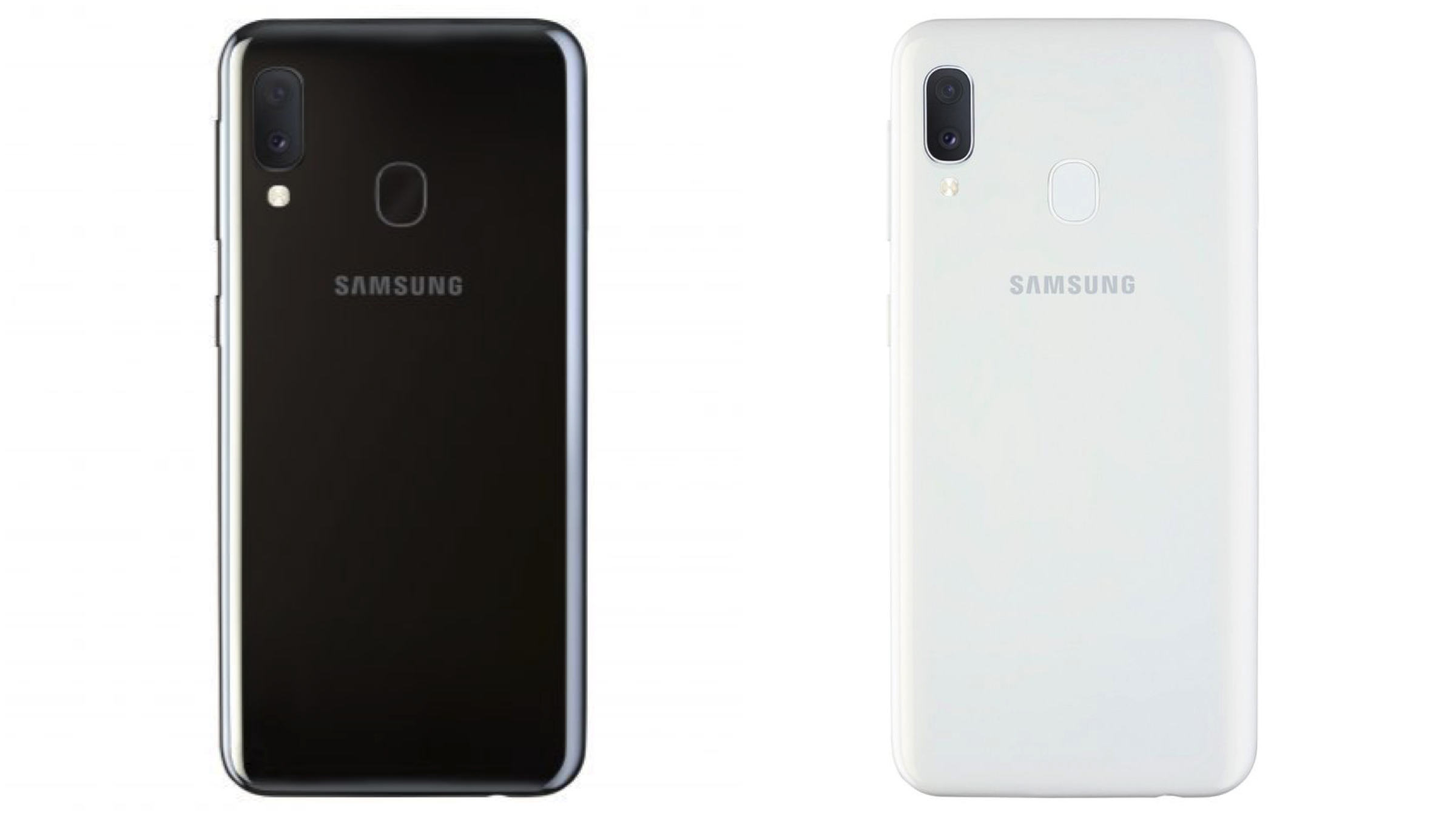
Under the hood, the Galaxy A20e is kitted with the Exynos 7885 SoC which consists of an Octa-core CPU and the Mali-G71 GPU. The device has a dual rear camera setup comprised of an f/1.9 aperture equipped 13MP sensor, an f/2.2 aperture equipped 5MP sensor and an LED flash. For selfies, it has an f/2.0 aperture equipped 8MP camera housed in the notch on top of the display. The smartphone is available with 3GB of RAM and 32GB of internal storage which is further expandable up to 512GB via the dedicated microSD slot.
Also read: The Upcoming Redmi Y3 Will Have A 32 MP Selfie Camera
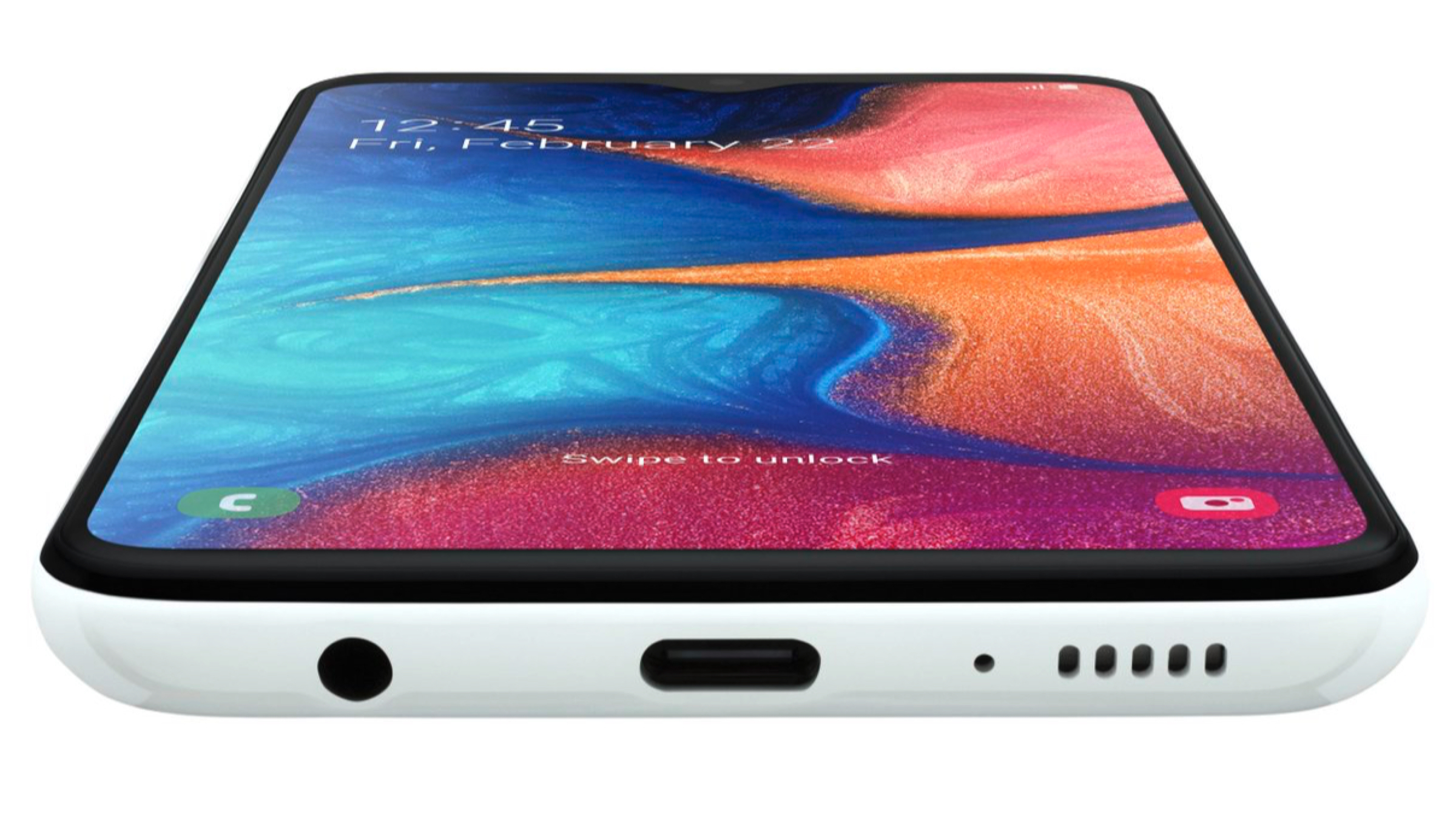
The Galaxy A20e is powered by a 3000mAh battery which supports 15W fast charging via the bottom mounted USB port. The smartphone runs on the latest OneUI on top of the current Android 9 Pie. It will be available in two colour variants, namely Black and White. Unfortunately, Samsung hasn’t announced the pricing and availability of the Galaxy A20e, but it is expected to cost Rs 8,990 when it arrives in India.



 The company has been experimenting with the transparent screen design for quite some time now, which was last spotted at CES 2019 (Consumers Electronics Show) when LG showcased a transparent OLED television. Its display had a transparency of 40%. Previously, on SID (Society for Information Display), LG unveiled a flexible and transparent 4K UHD OLED display with a screen size of 77 inches. It may be possible that the company incorporates a similar technology in its future smartphone designs.
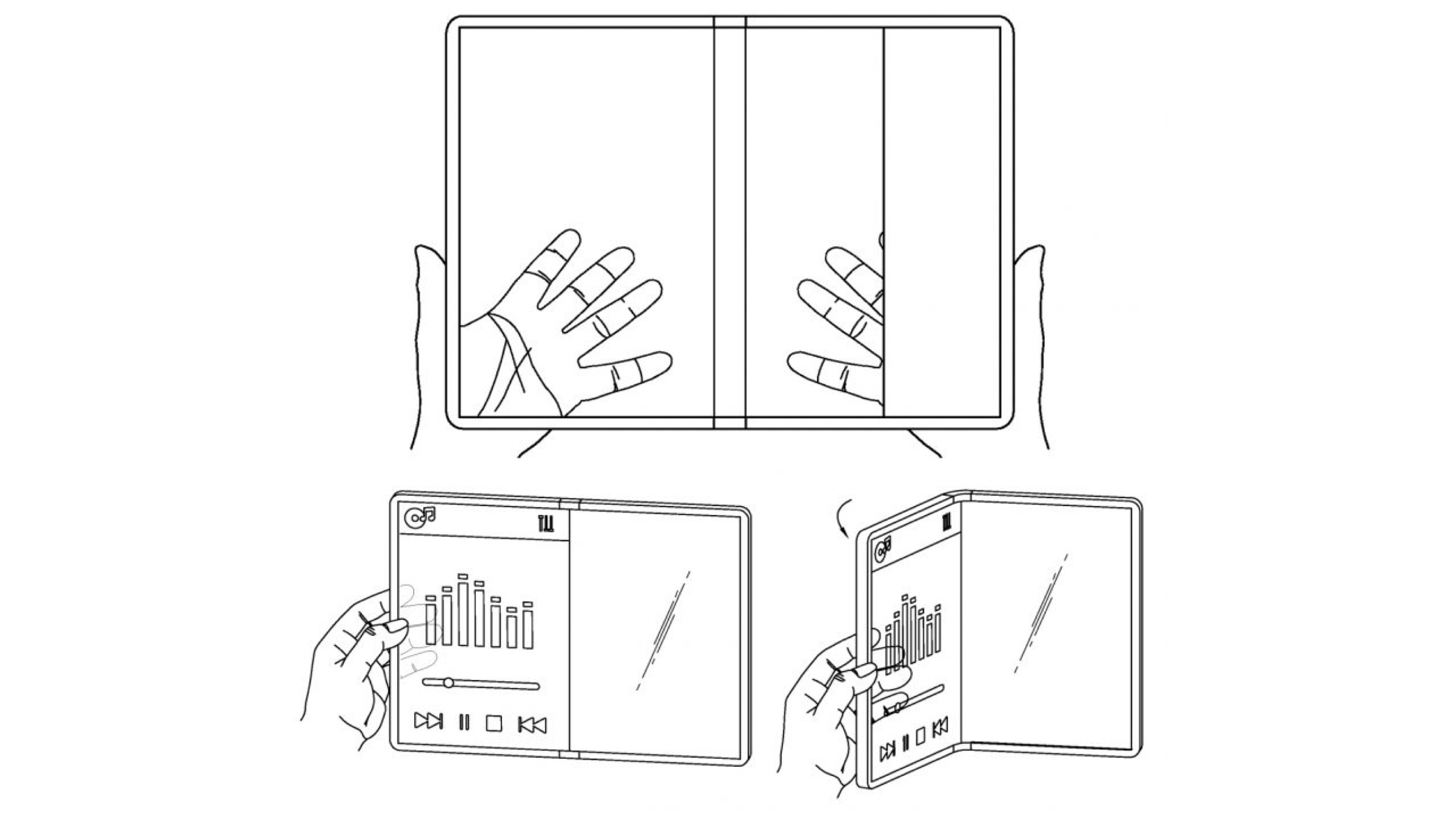
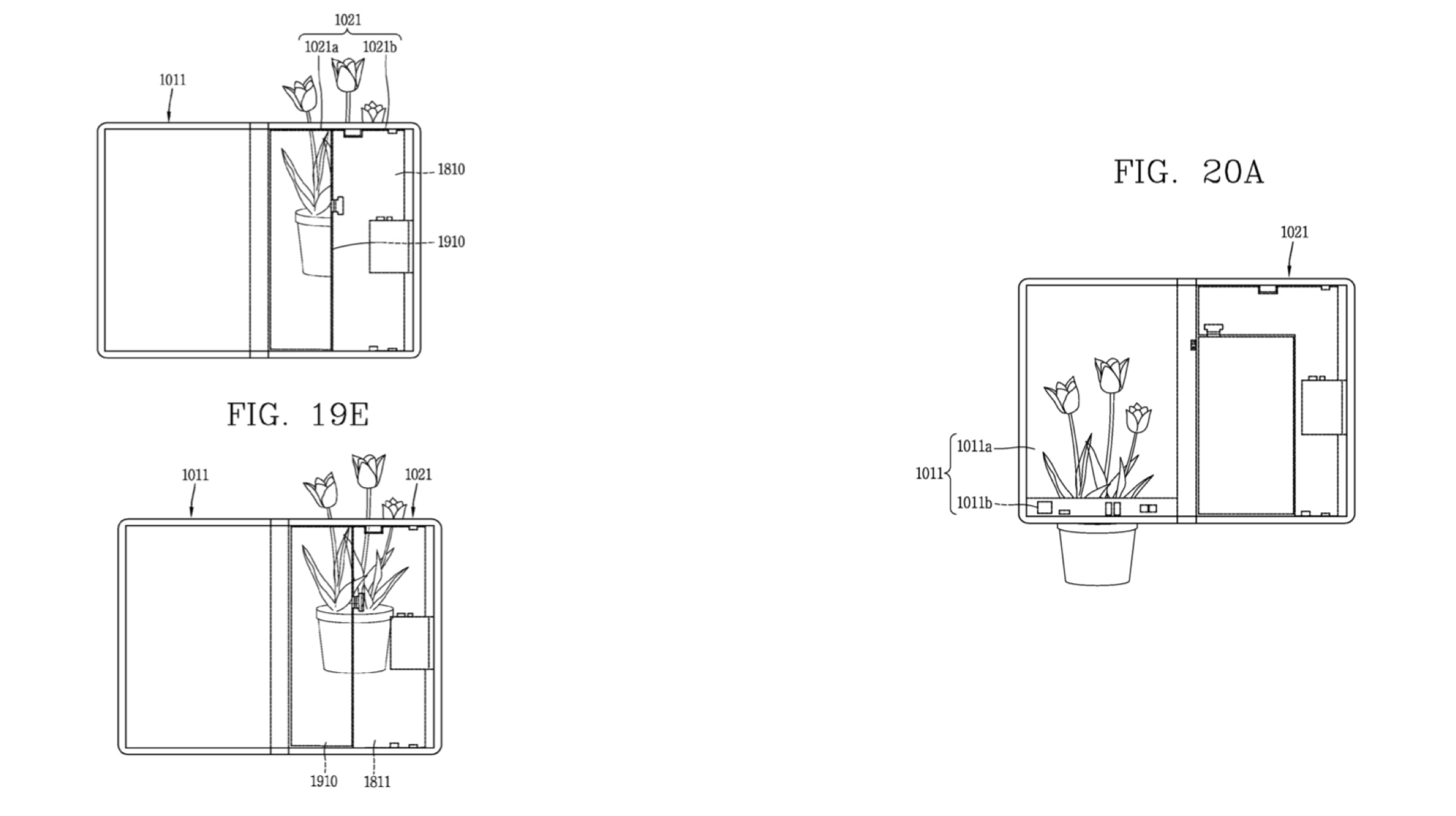 On April 9, 2019, a patent was published by the United States Patent and Trademark Office (USPTO). Originally filed by LG Electronics more than three years ago, the patent clearly depicts a smartphone with a flexible transparent display. A lot of details are included in the patent, such as the UI (User Interface), operation and the materials required to make the display. This may very well be the first foldable transparent smartphone of its kind.
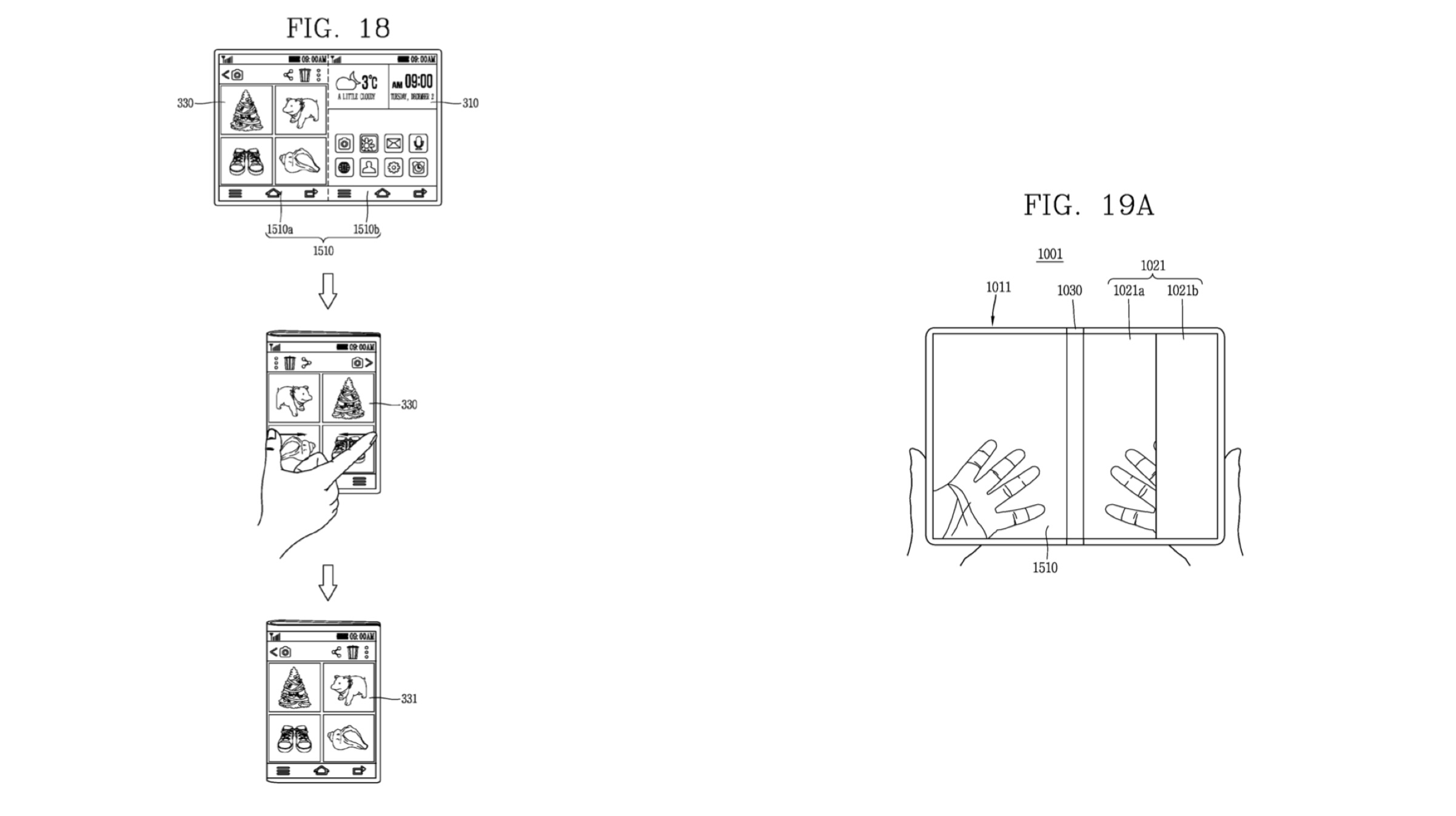
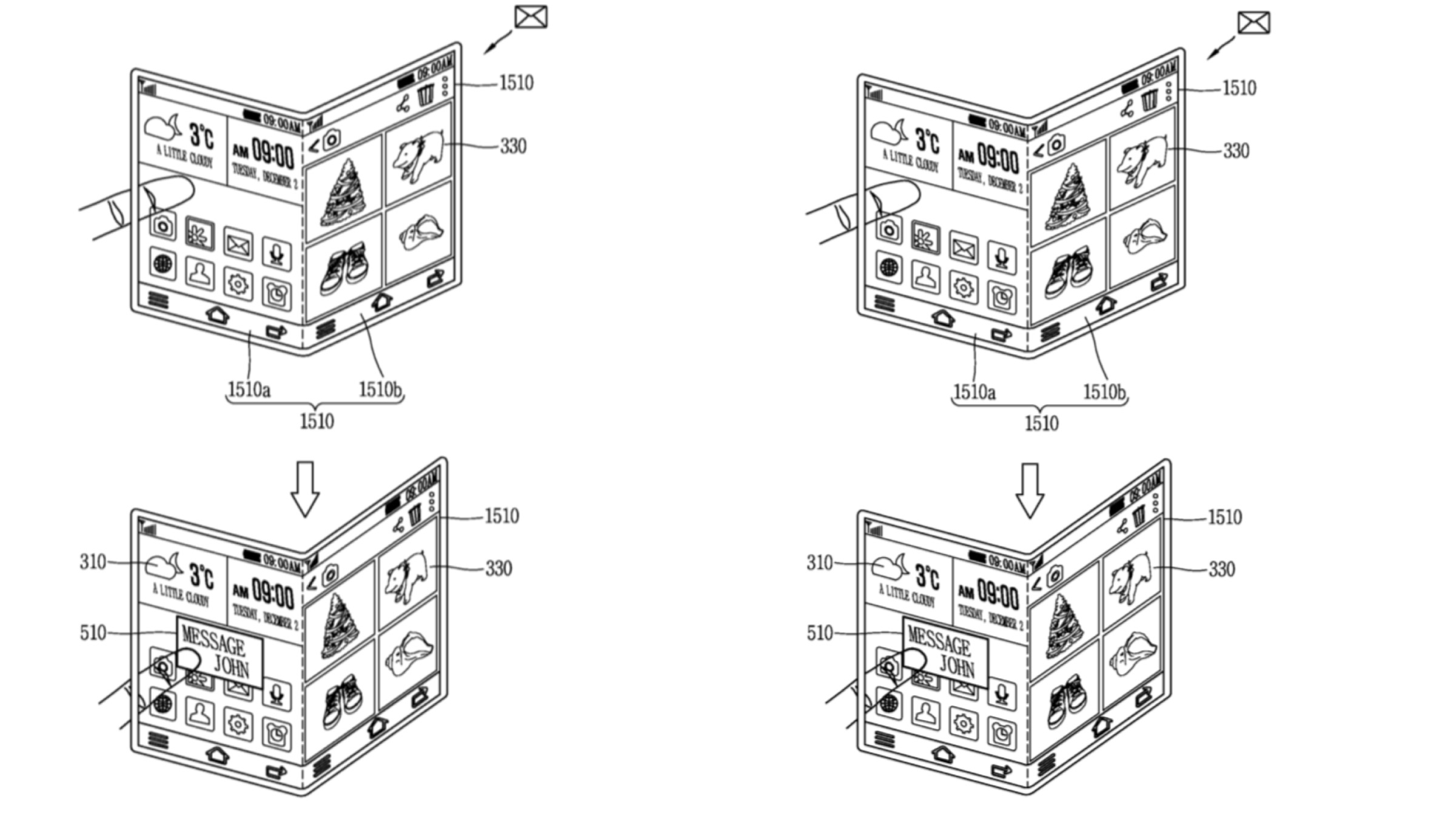 As per the patent, the smartphone is entirely made of the flexible display, which is incorporated both on the inside and outside the foldable smartphone. The handset can be unfolded to almost double its size, which then enables the user to operate it in the tablet mode. While unfolded, both the left and the right parts can independently turn opaque or transparent, indicating that separate modules will be used for the two adjacent sides of the device. As per the patent, the transparency of the smartphone changes with the way it is held, which is quite interesting.
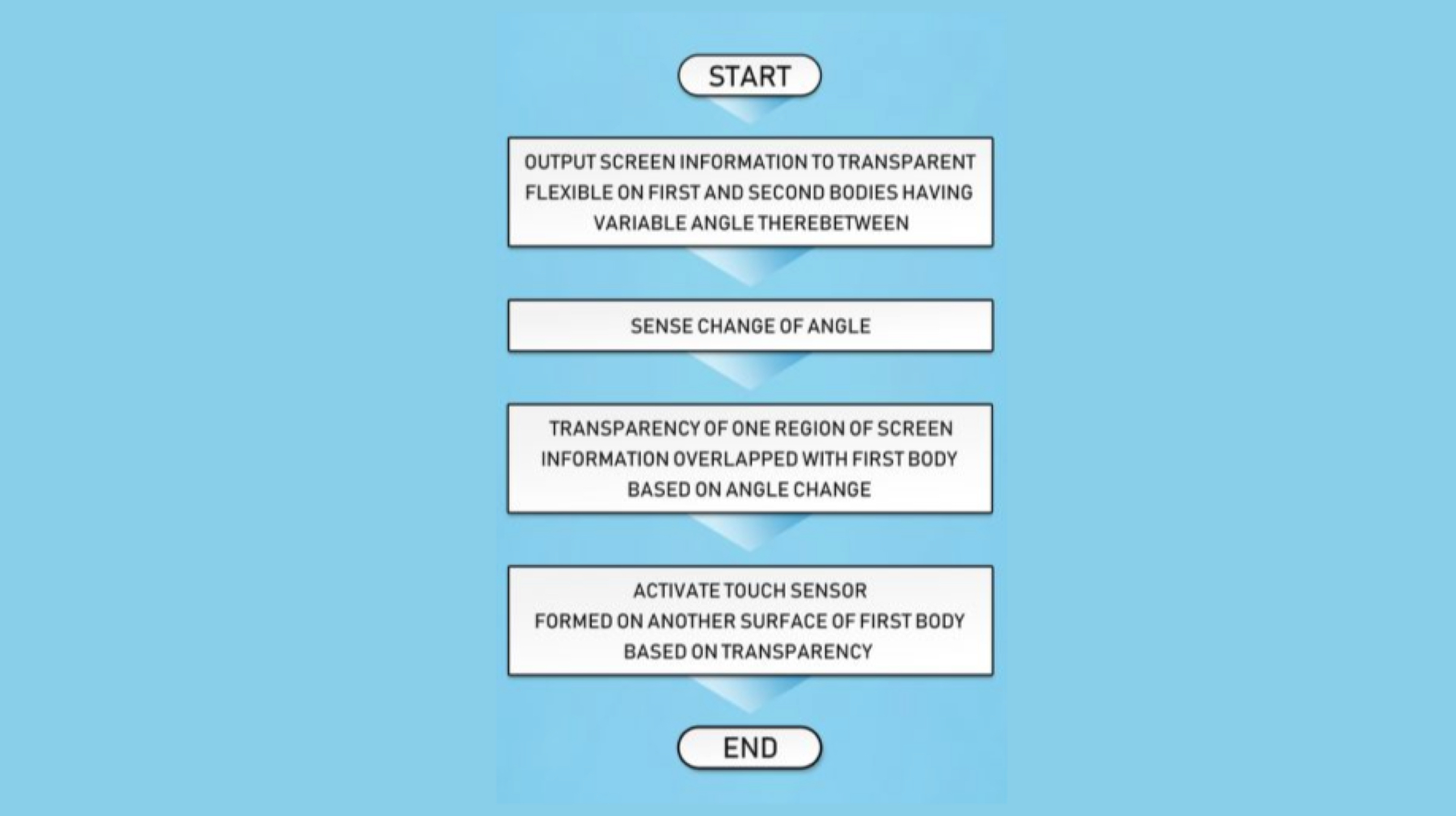 If the smartphone is lying flat on a surface, the display will exhibit a very low degree of transparency. However, when the smartphone is picked up and folded, the transparency will be clearly visible. Upon increasing the transparency beyond 20%, the rear touch sensor of the device is enabled, with the help of which users can operate the flexible transparent display from the rear. This feature seeks to maximize functionality in such a smartphone.
 Also Read: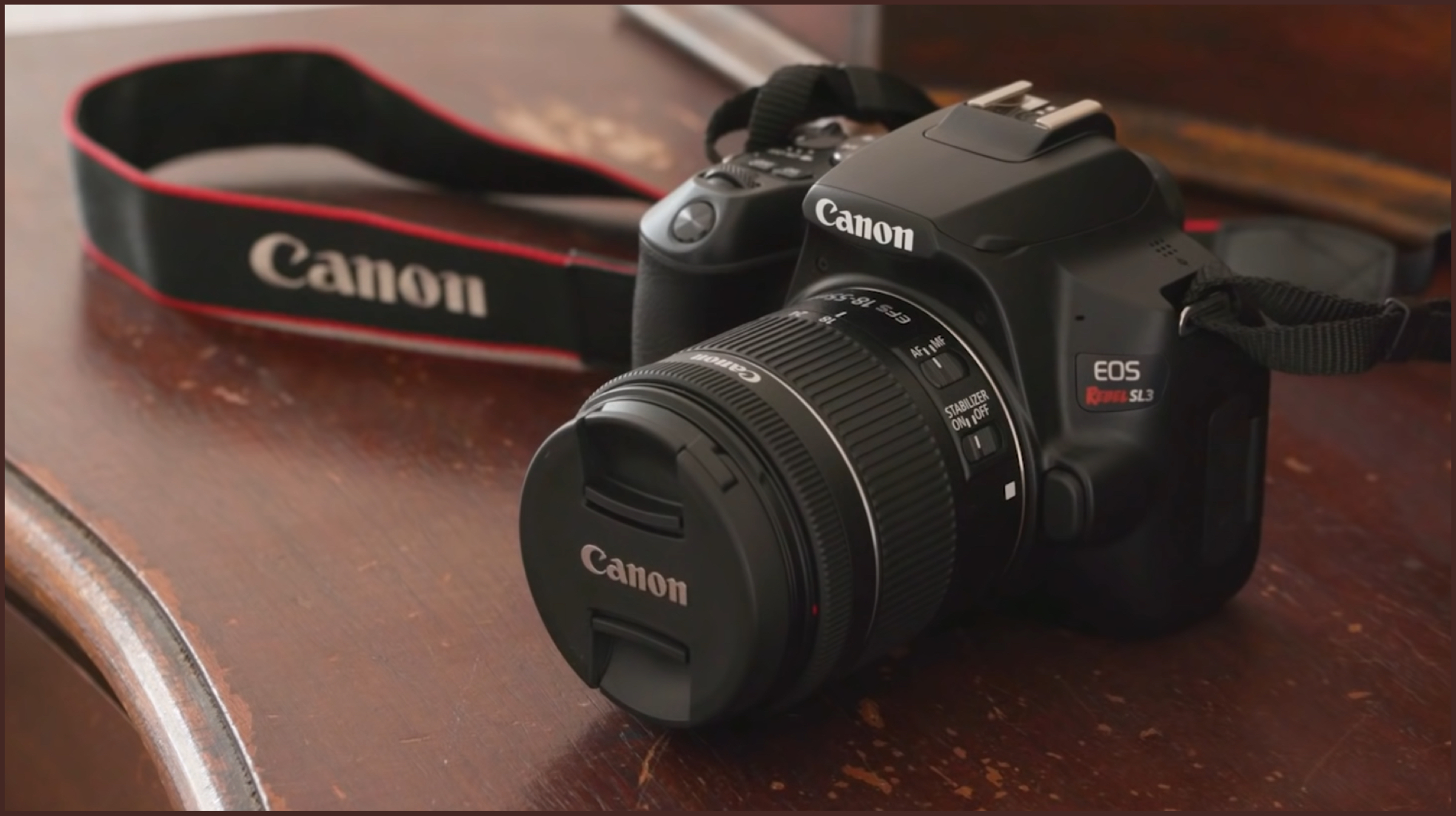
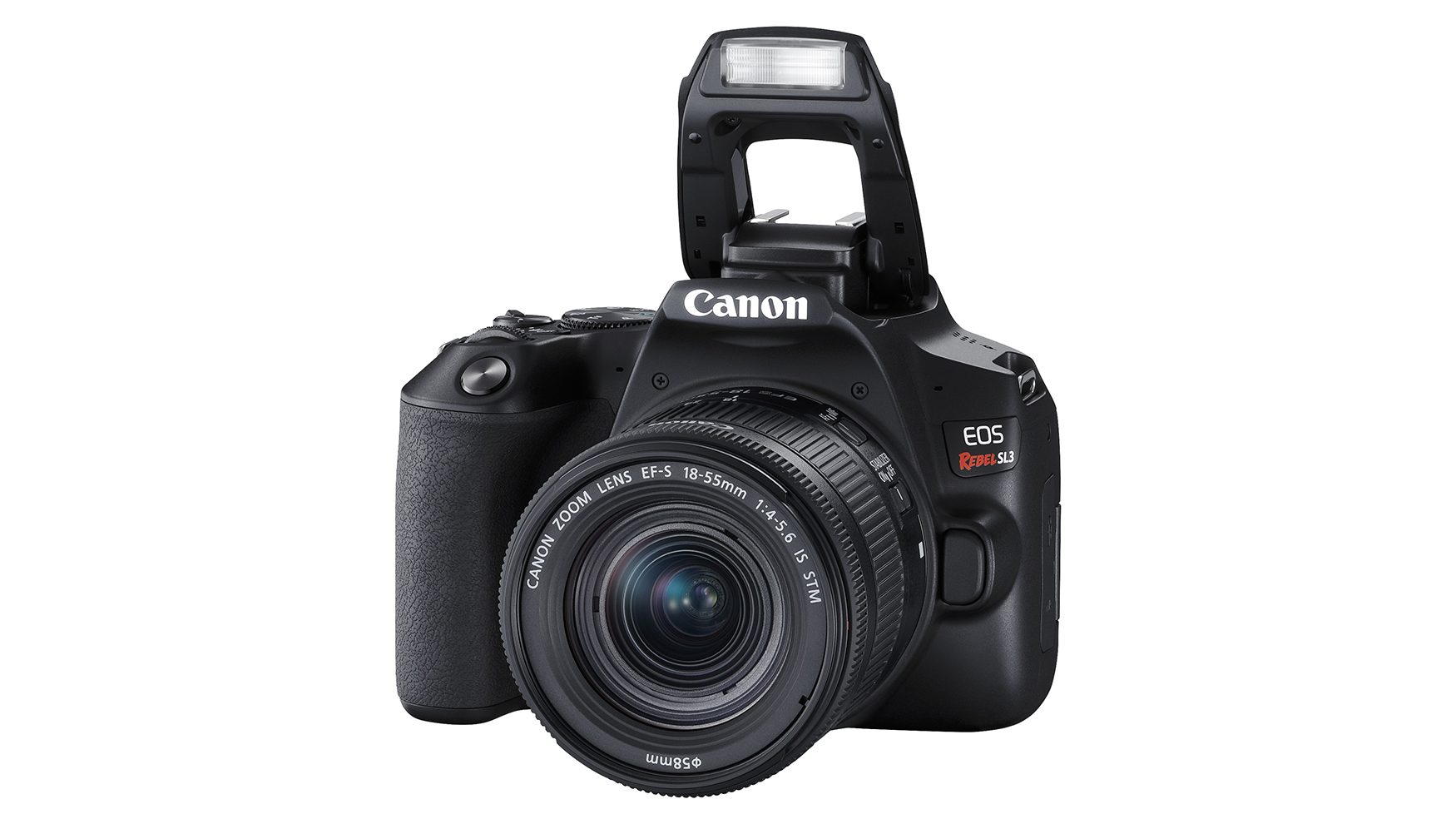 Weighing at 449 grams, the Rebel SL3 packs a DIGIC 8 Processor, along with a 3.0-inch touchscreen (that flips around for selfies or vlogging) and 4K video support. The camera features a 24.1 megapixel APS-C (Advanced Photo System Type-C) sensor, which is also used in Nikon and Sony DSLRs. Furthermore, the Rebel SL3 offers a 9AF point-optical system and spot focus feature, so that users can accurately select their subjects while capturing images.
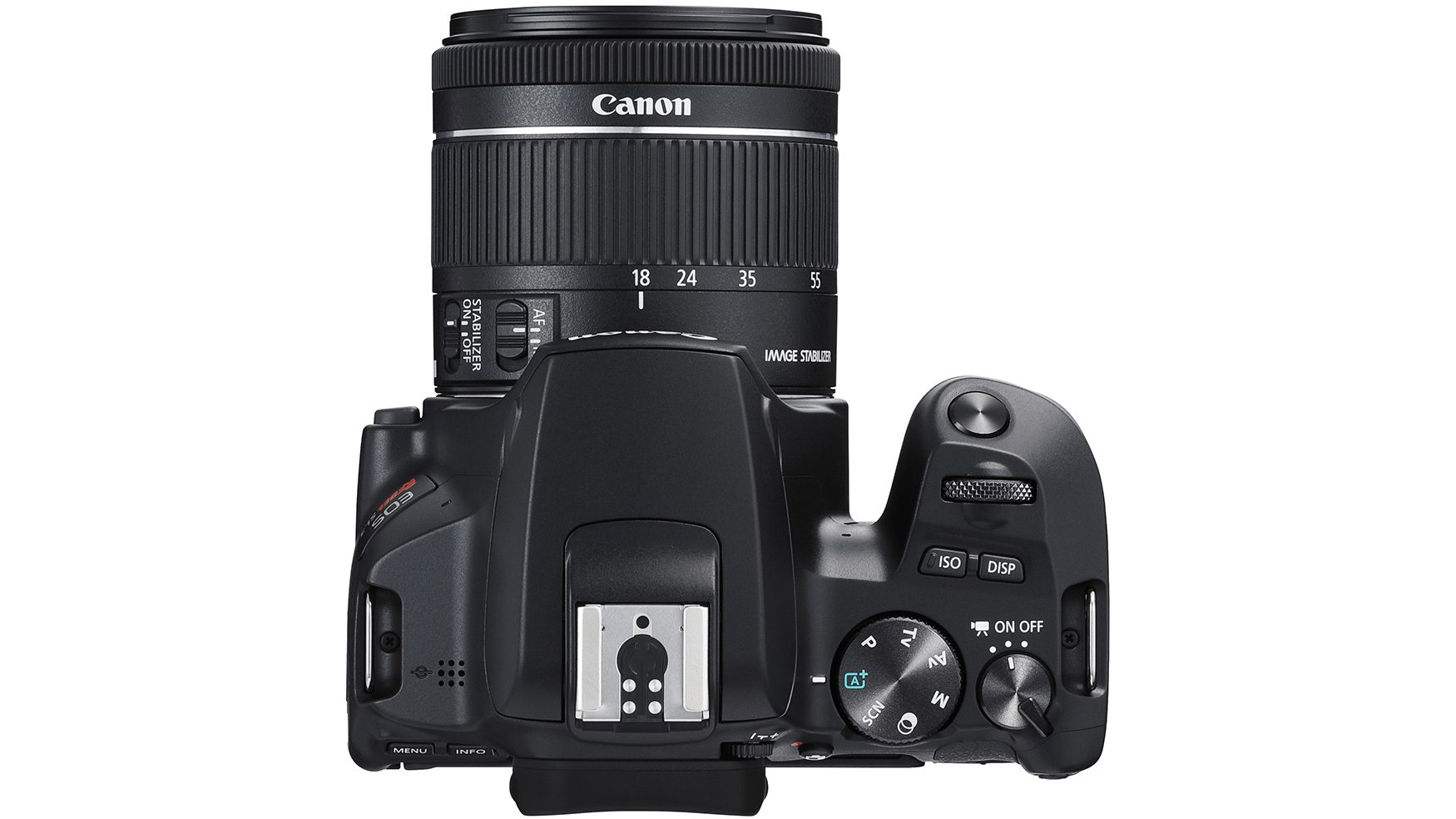 The Canon EOS Rebel SL3 offers an on-sensor Dual-Pixel system, which may not be as efficient as the optical system, but still provides accurate eye-tracking Auto-Focus in 1080p videos considering the price of the budget DSLR camera. The SL3 also takes the spot for being the first Canon Rebel Series camera that can shoot in 4K resolution. A downside of the camera is the lack of sensor-based-in-body stabilization, which forces the Rebel SL3 to use Digital Image Stabilization. Moreover, the camera supports wireless image transfer via built-in Wi-Fi and Bluetooth across smartphones and tablets.
 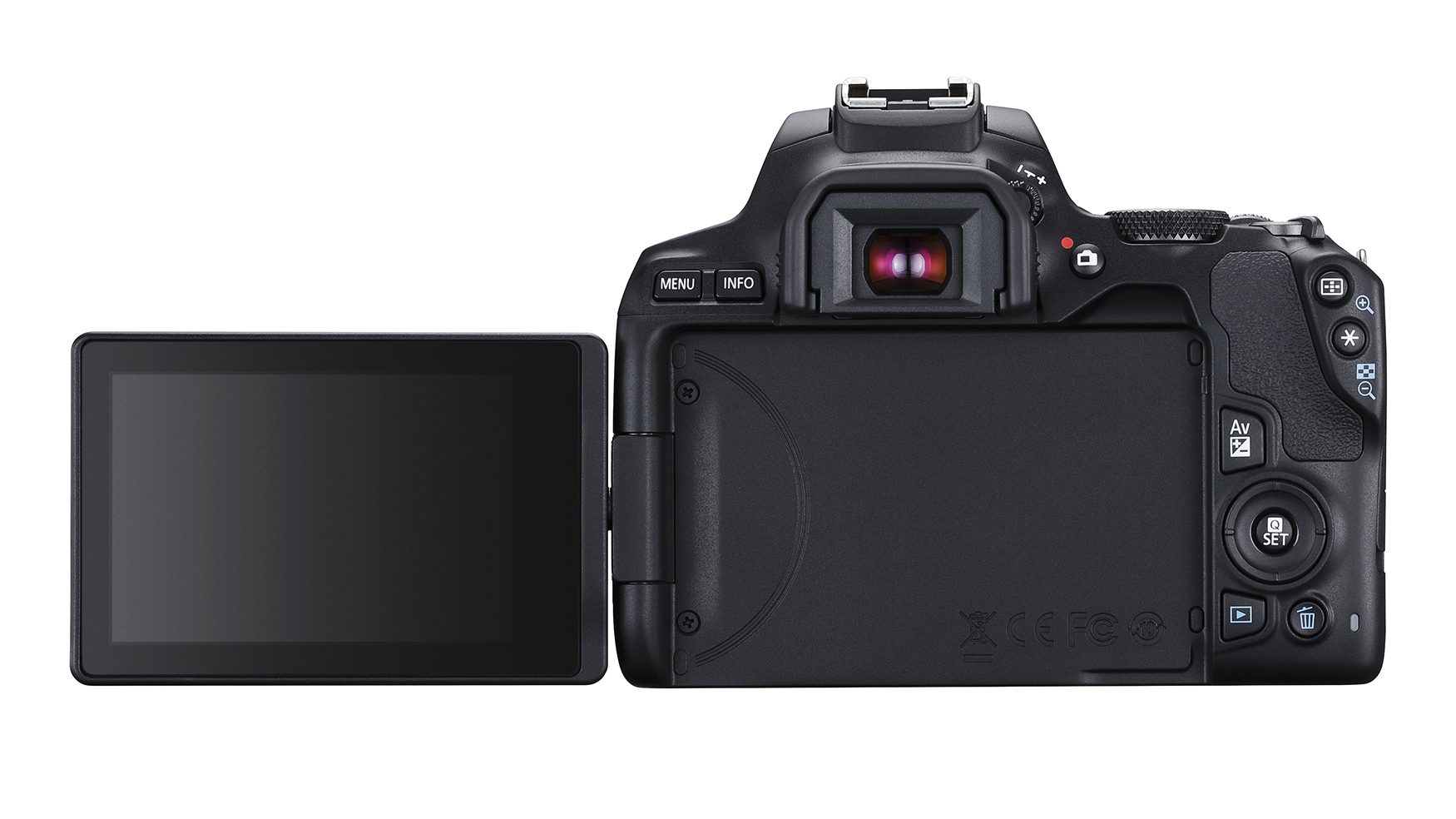 Photographers can utilize the Burst Shoot feature at a rate of 5fps. The DSLR has a native ISO range of up to 25,600 and an expanded ISO range of 51,200. In terms of the battery, Canon claims that the camera can shoot a total of 1,630 images on a single charge, and the number comes down to 350 shots with the Live View feature turned on. Talking of features, another nice addition to the camera feature list is the “smooth skin” mode, which enables the user to blur the background (similar to portrait mode in smartphones) without the presence of a fast lens.


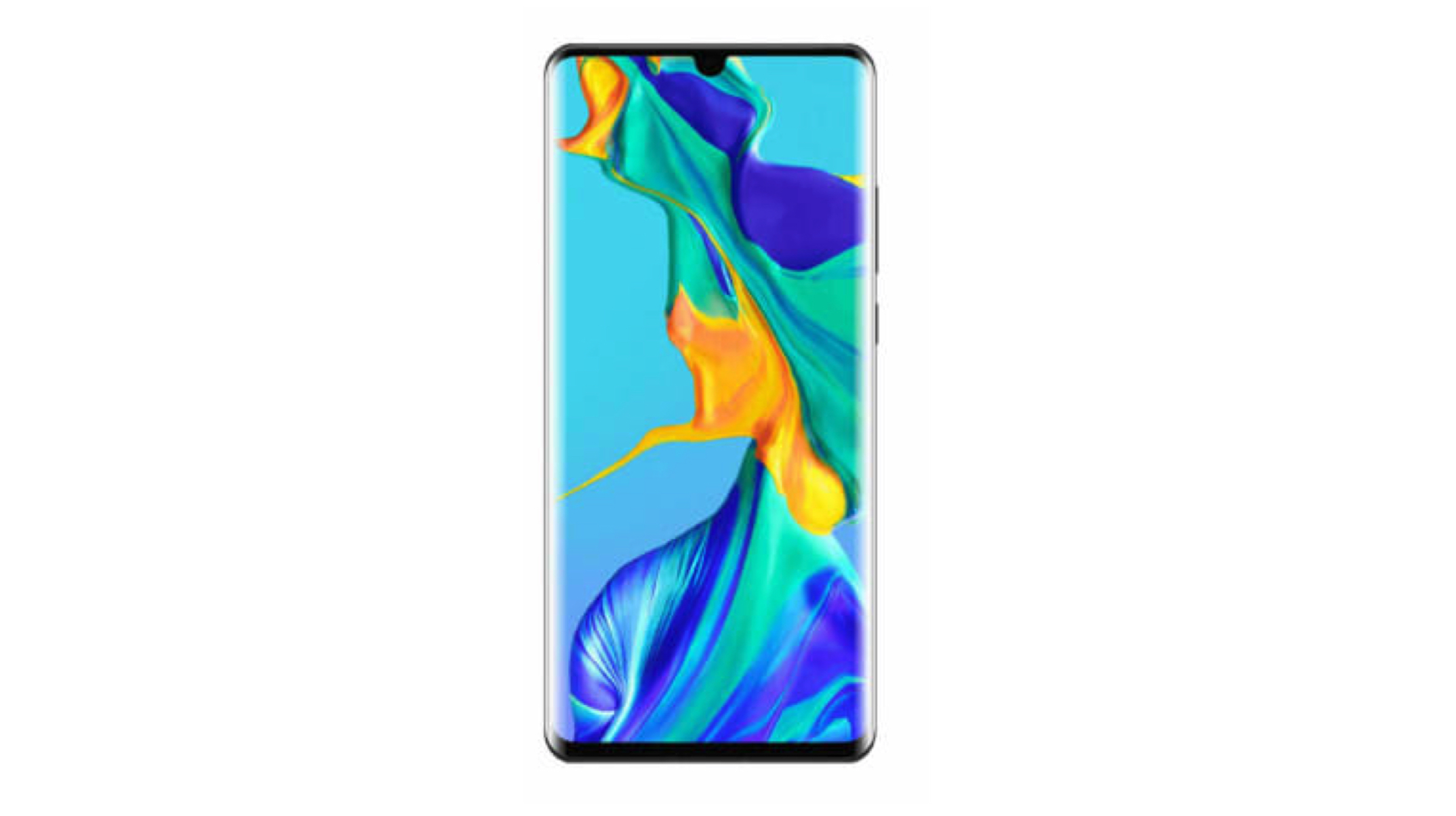
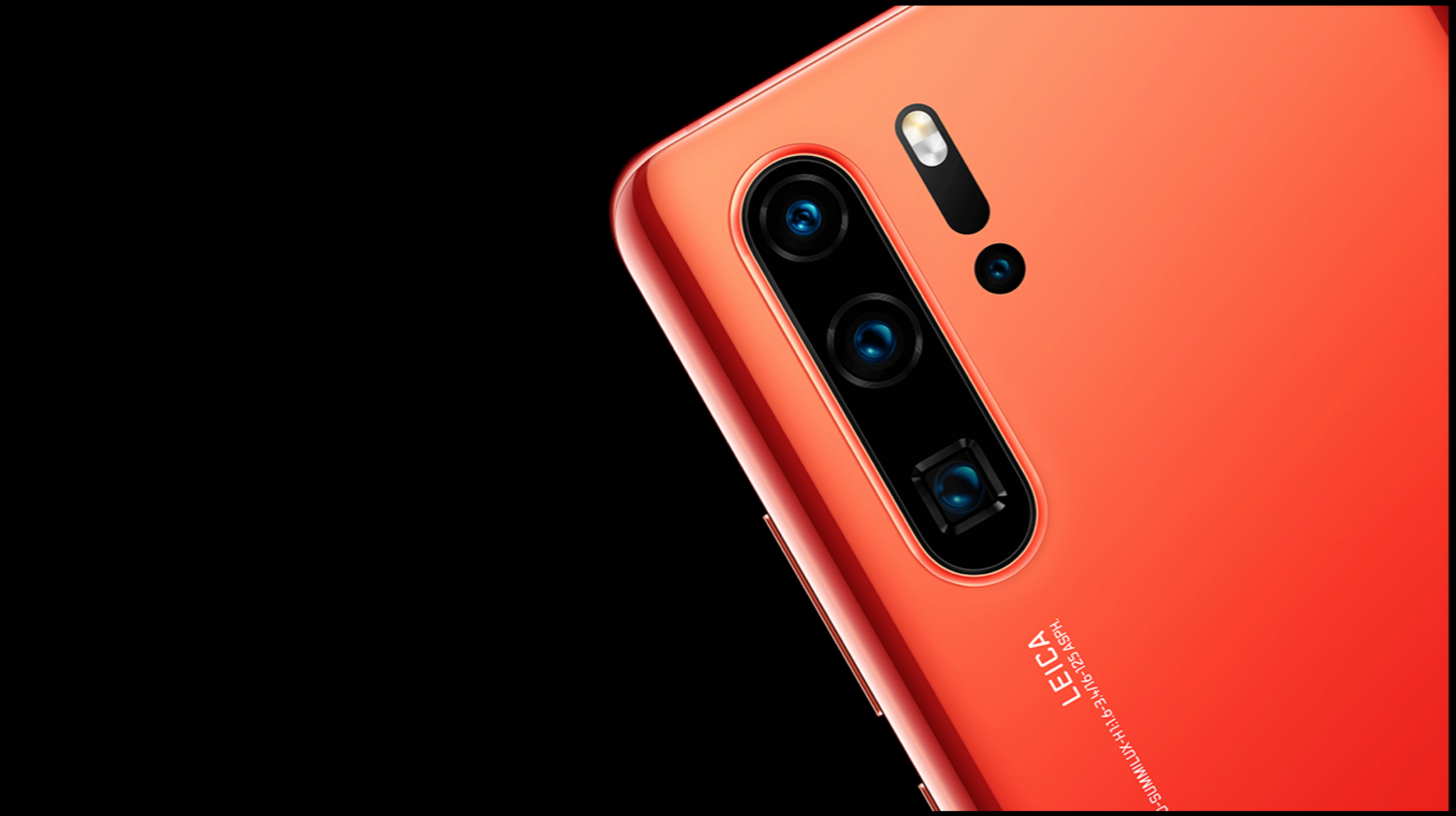
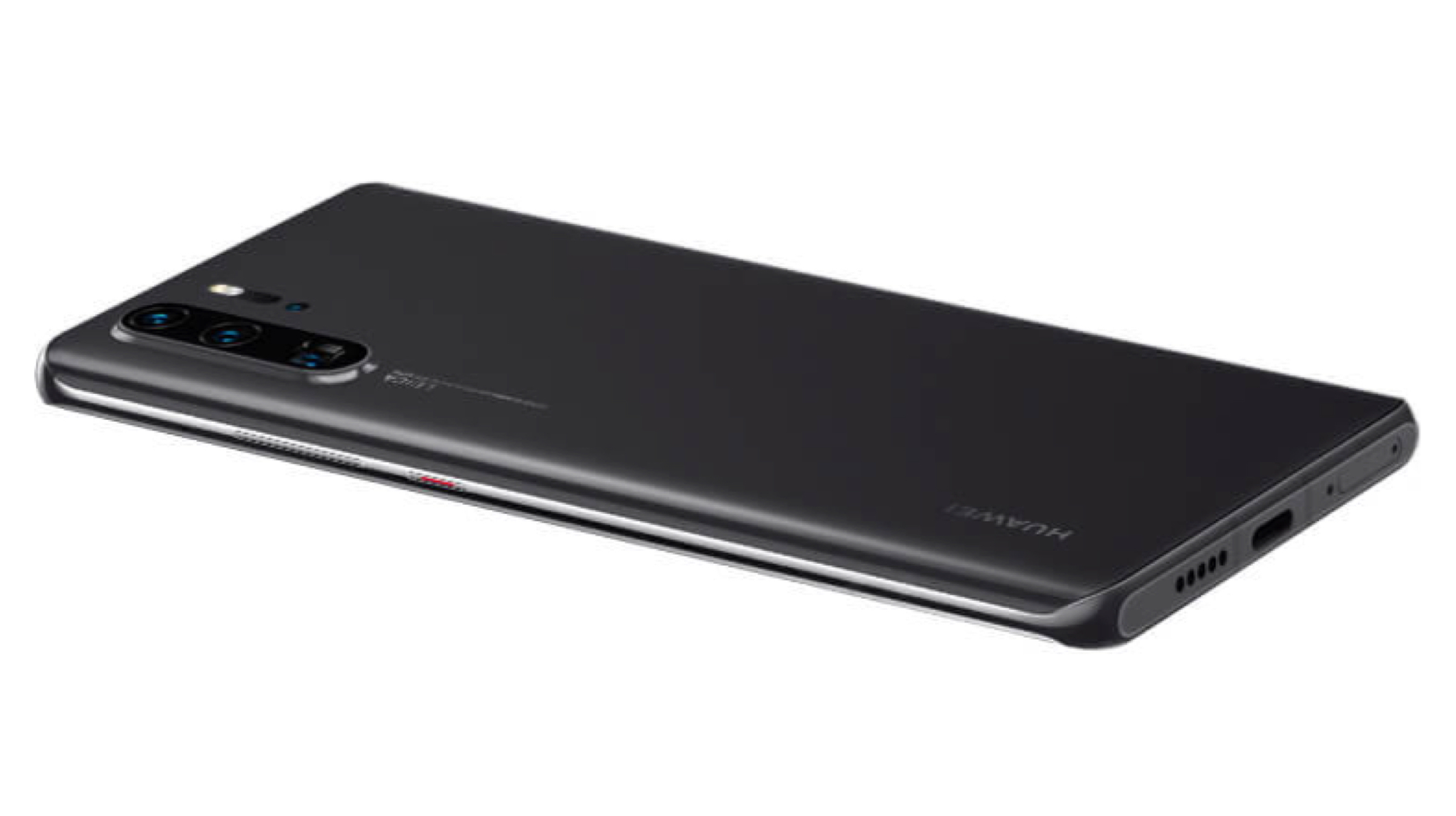
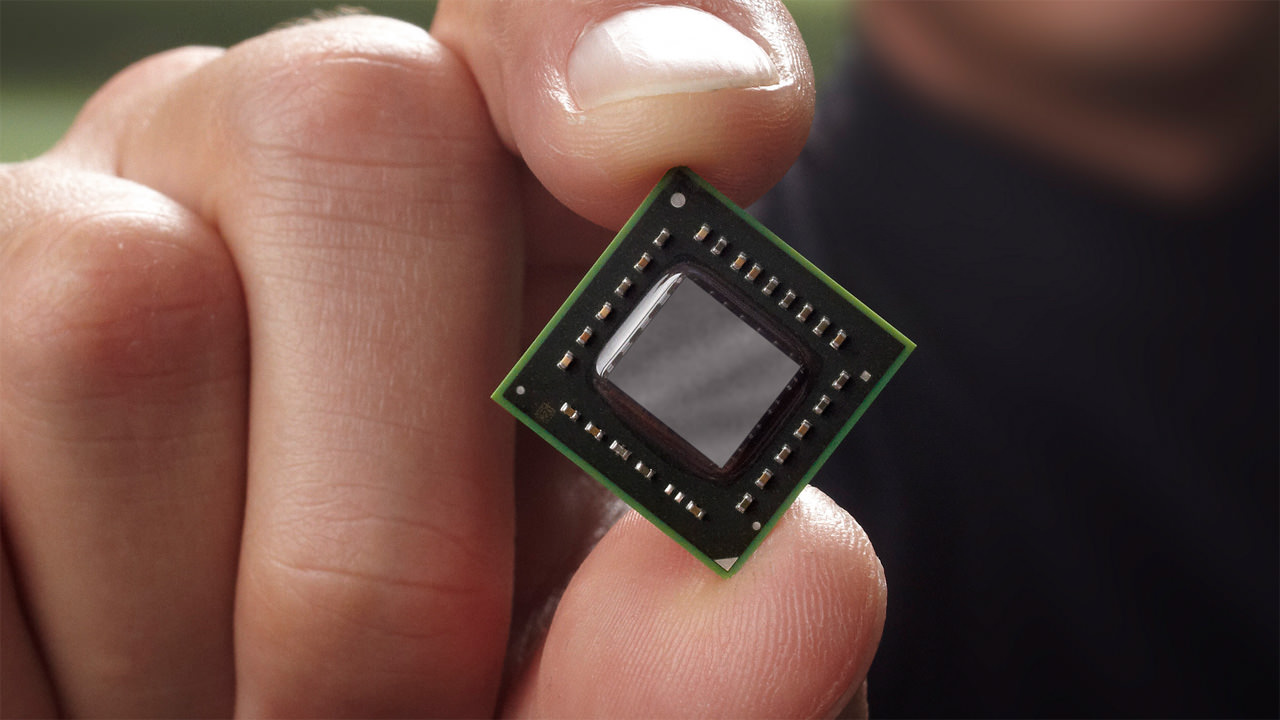
 The new lineup includes 2nd Gen AMD Ryzen PRO Mobile Processors (with Radeon Vega GPU) and AMD Athlon PRO mobile processors with a similar VEGA GPU. The primary incorporation of these processors would include premium professional notebooks and everyday-usage notebooks. Also, the company is planning to introduce its new lineup in the upcoming HP and Lenovo notebooks, which will make their way into the market in the second quarter this year. Updates for the same are expected to be released later in the year 2019.
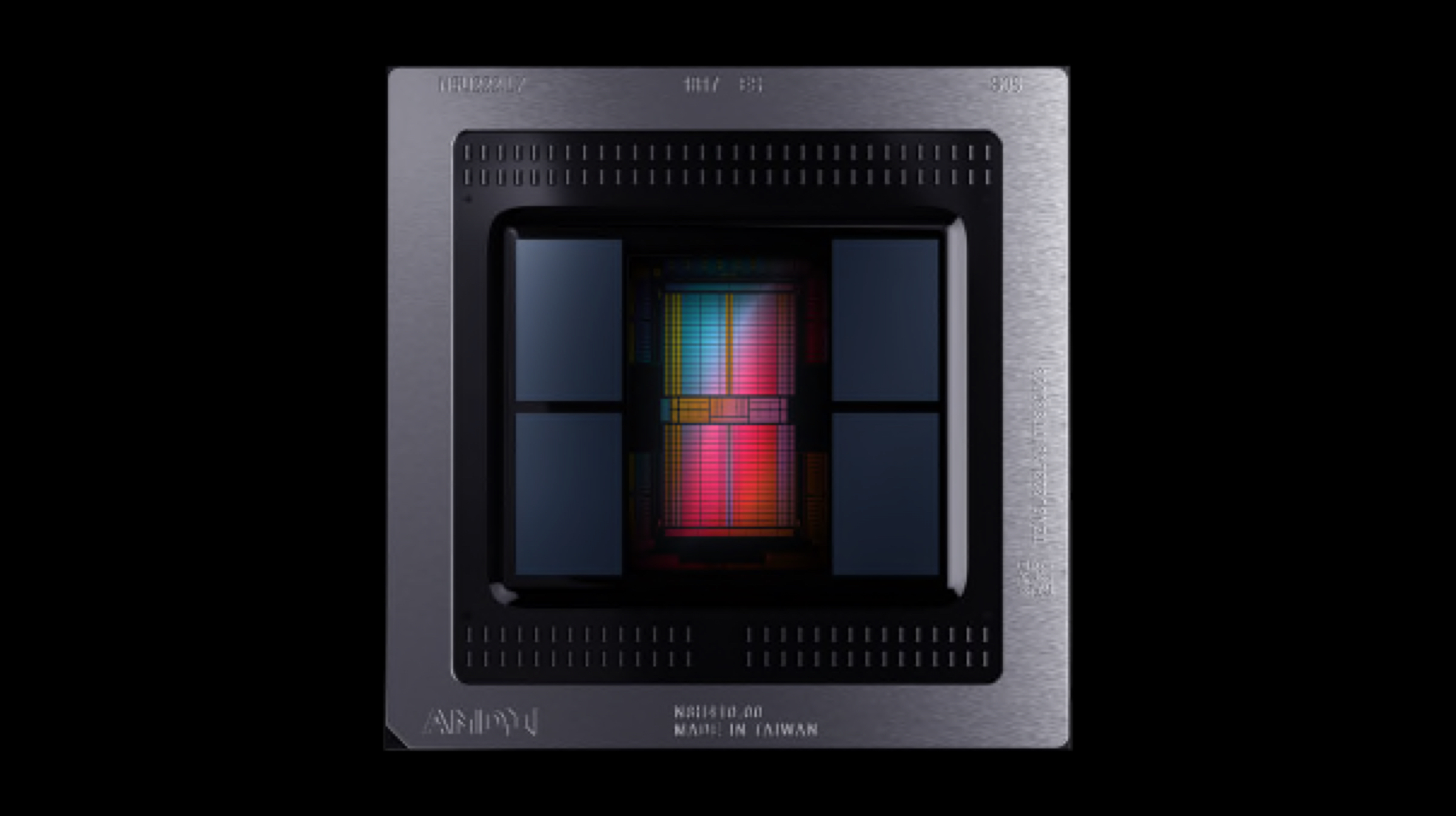 The 12nm mobile processors claim to increase productivity and deliver best-in-class performance. Also, the company states that the AMD Ryzen PRO 3000 series processors offer up to 16% more multi-threader processor performance than other similar processors in the market. Further claims include up to 12 hours of office usage, 14% faster content creation and best-in-grade security features.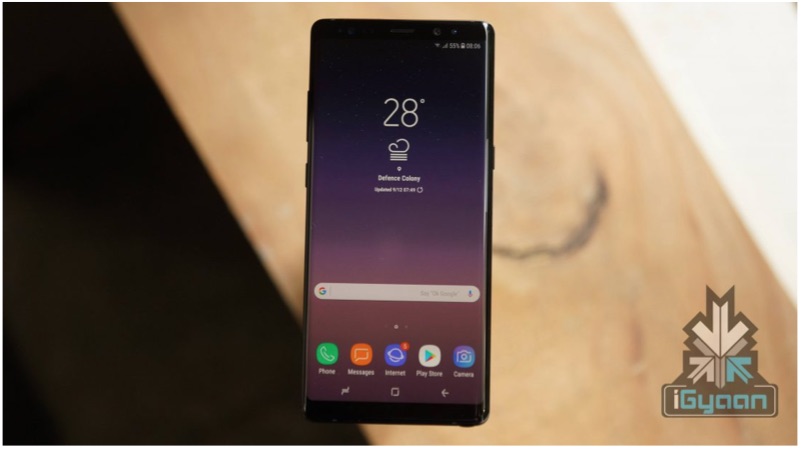
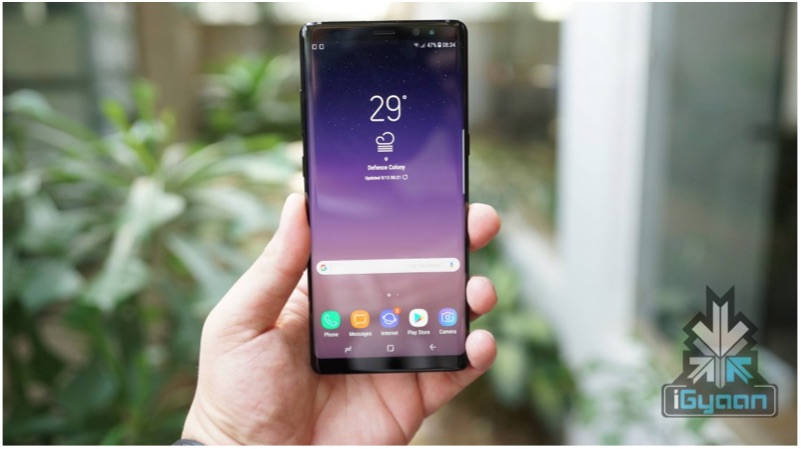 As per reports, the lineup will feature at least one 5G smartphone. Moreover, the Korean technology company is planning to release a significantly cheap model of the Galaxy Note 10. It is apparent here that the company is rolling the same dice as it did with the Galaxy S10e. The device which was intended to be the base model in the lineup received exceedingly rave reviews. Note that the last time when Samsung released more than one variant for the Galaxy Note series was in 2014 when the company unveiled the
 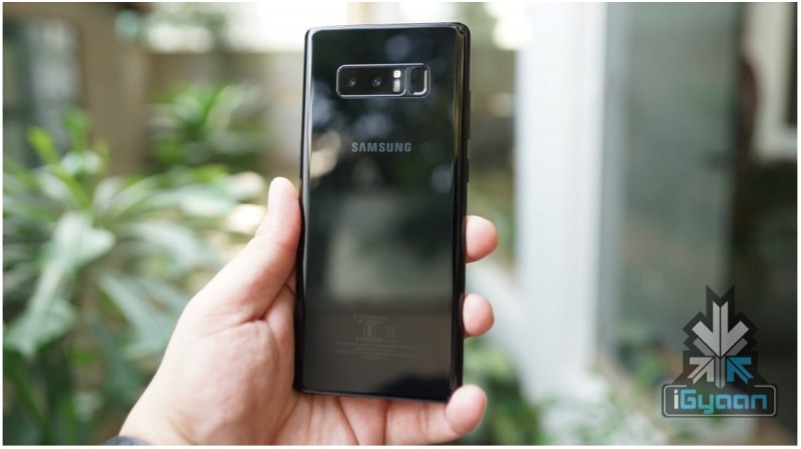 Reports also state that Samsung is modelling its strategy in order to create more impact on the smartphone market. Two of the four LTE variants of the Note 10 series are speculated to sport 6.28-inch and 6.75-inch displays with triple and quad camera setups respectively. The other two devices will carry over similar specs to the aforementioned devices, with the only notable addition being the 5G connectivity option.
 Also Read: