
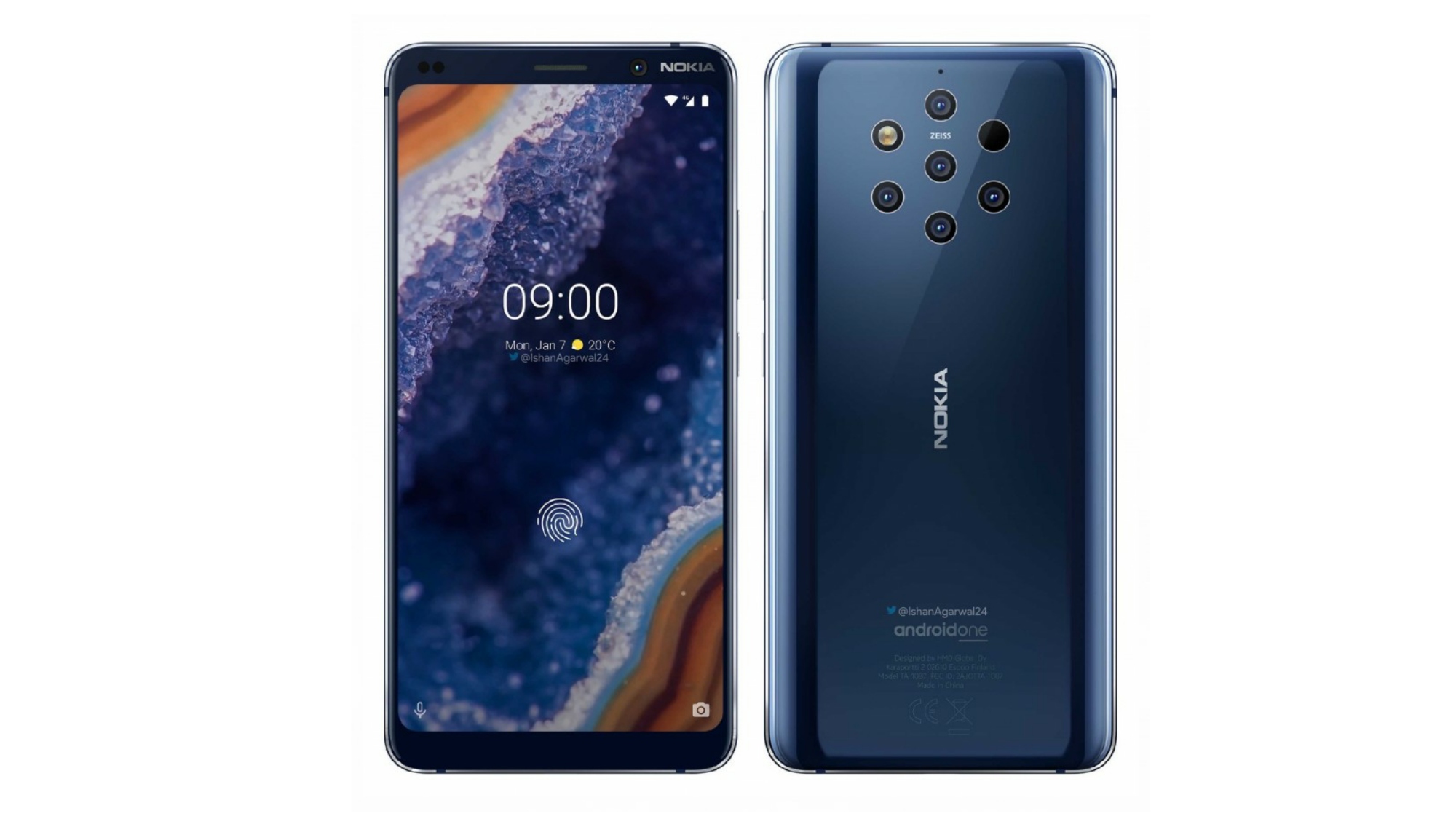
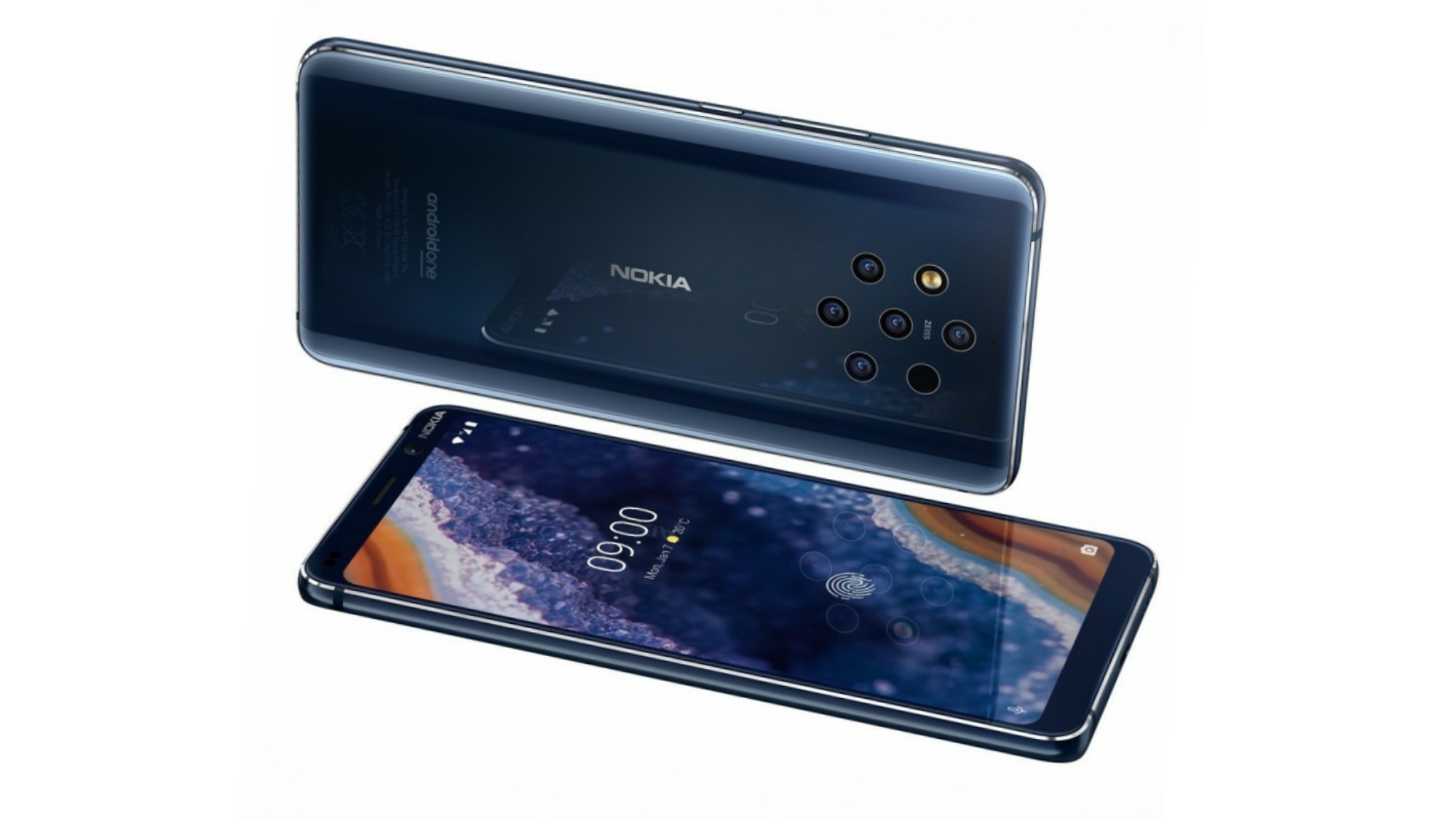
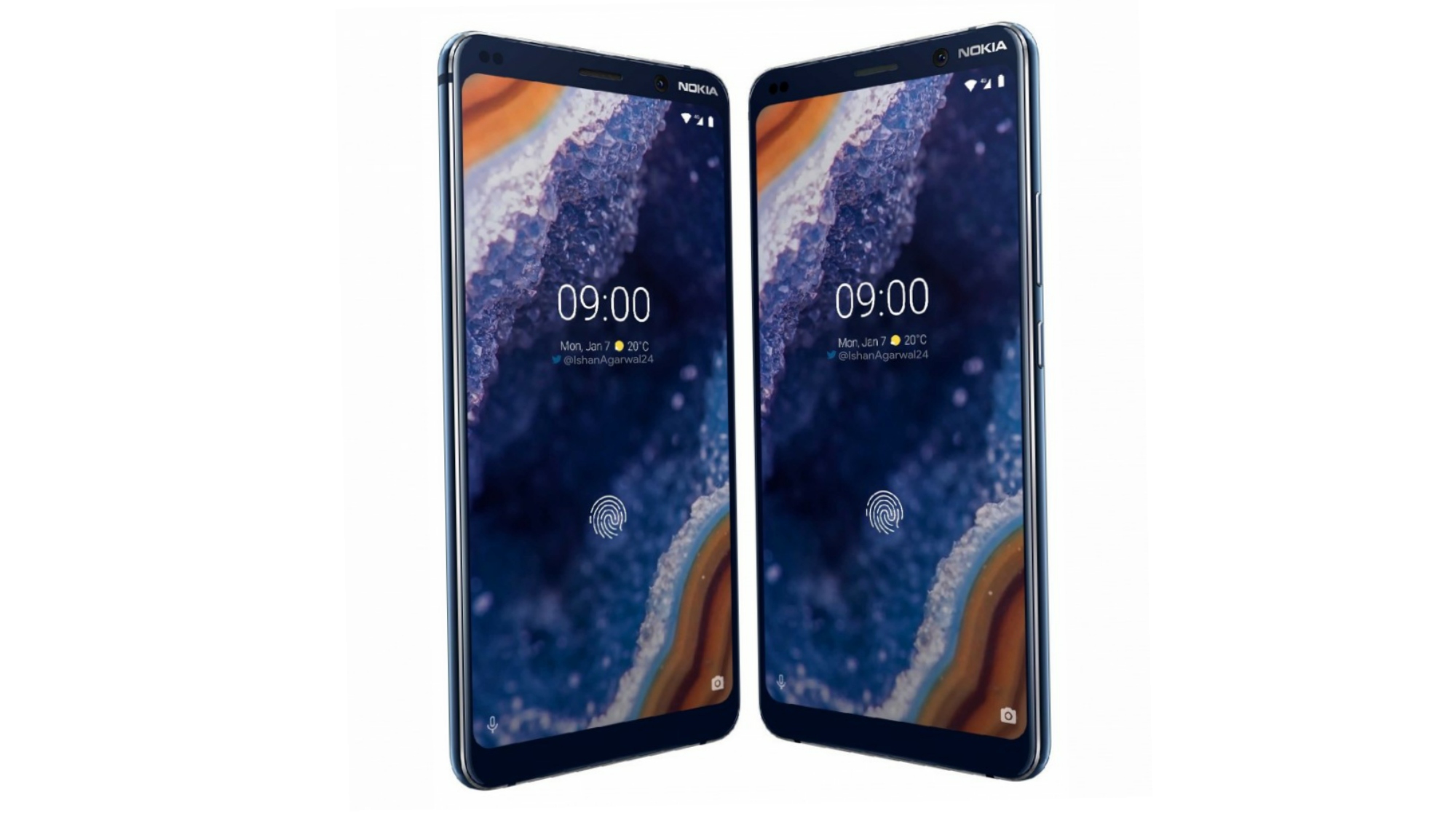
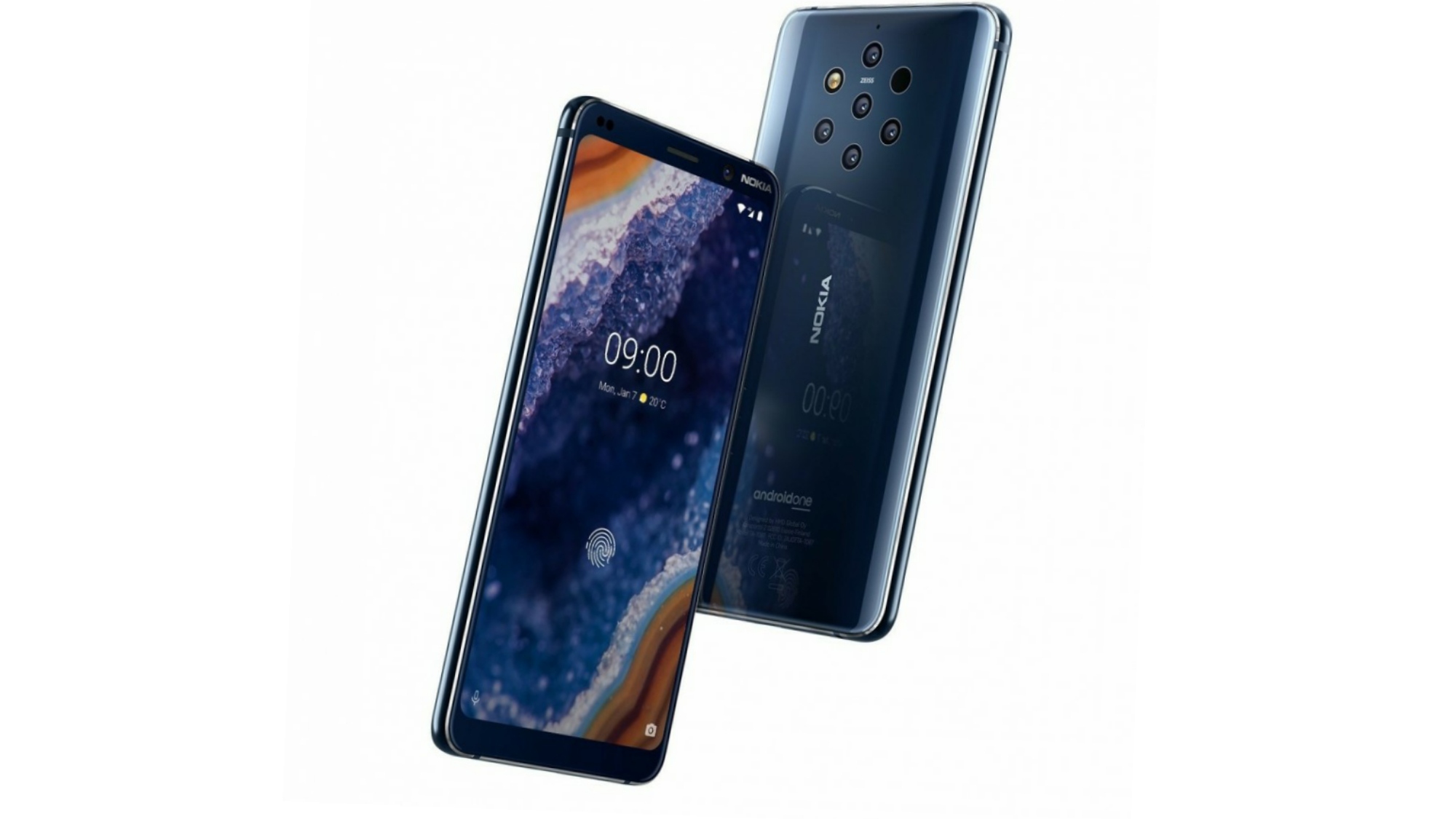
HMD Global owned brand Nokia launched several smartphones at an event on February 24. The newly launched devices include the Nokia 9 PureView, Nokia 1 Plus, Nokia 3.2 and Nokia 4.2. Out of the four smartphones, the Nokia 9 PureView is focused towards photography while the Nokia 1 Plus is targetted towards the budget segment. Both, the Nokia 3.2 and Nokia 4.2 are targetted towards the mid-tier segment.
Nokia 3.2

Nokia 3.2 is the successor of the Nokia 3.1 which was launched last year. It is a budget device featuring a polycarbonate body. The display of the device sports a 6.26 inch TFT LCD panel with a resolution of 1520 x 720 px. The display has a pixel density of 269 ppi and features a waterdrop notch on top. In terms of optics, the handset is equipped with a single rear camera which has a 13MP f/2.2 sensor; while the front has a 5MP f/2.2 sensor housed in the notch up front. It also supports face unlock for easier access to the device.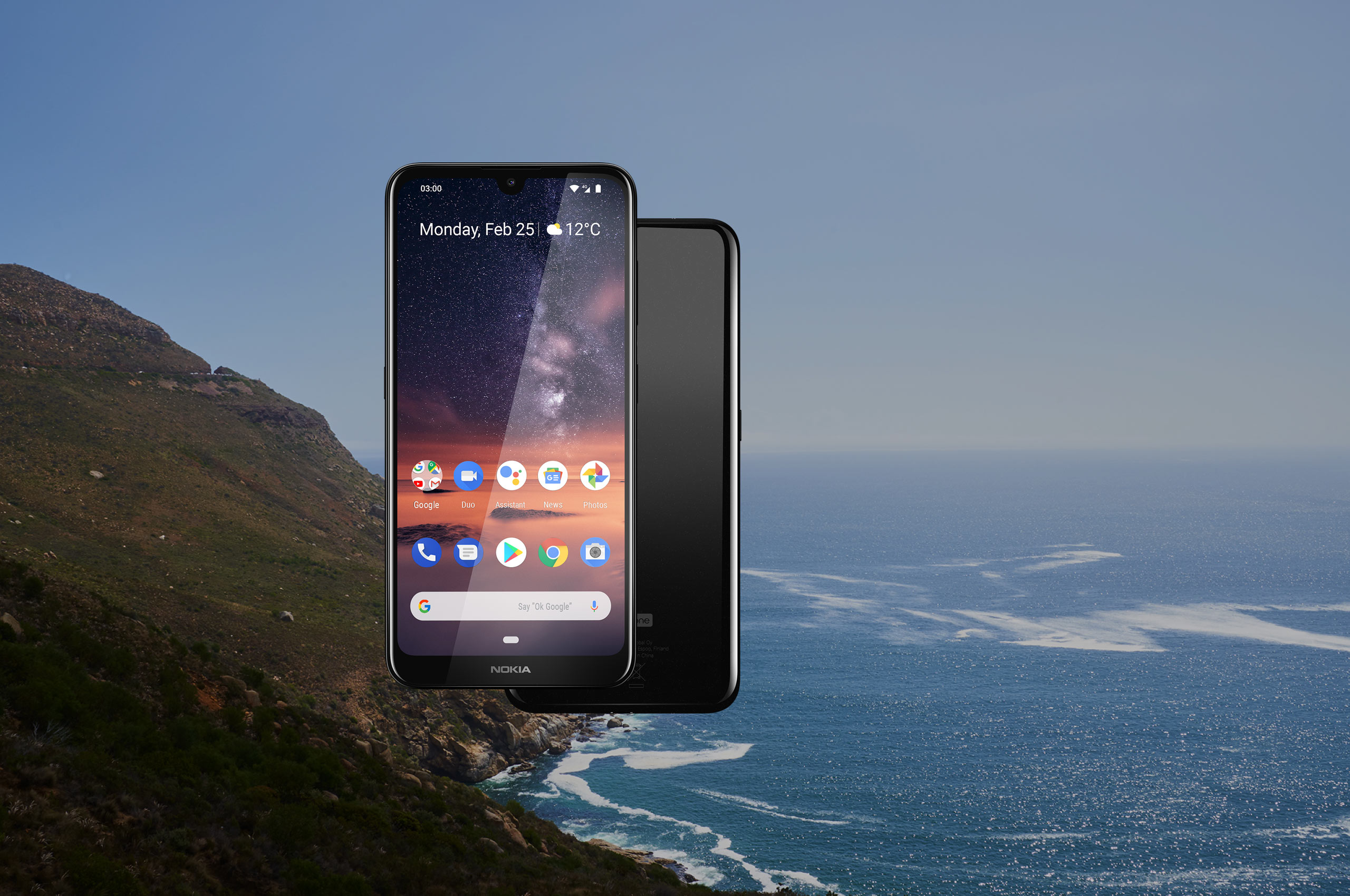
Under the hood, the Nokia 3.2 is kitted with a Snapdragon 429 SoC which is manufactured using the 12nm fabrication process. The chipset is comprised of an Octa-core CPU and Adreno 504 GPU. The smartphone runs on Android 9 Pie and is Android One certified; which states that it will receive Android updates for two years and monthly security updates for three years. For memory and storage, the device will be available in two variants:
- 2GB RAM and 16GB ROM
- 3GB RAM and 32GB ROM (Also features a fingerprint sensor)

Nokia 3.2 is powered by a 4000mAh battery which the company claims can last up to two days on a single charge. There is also a dedicated Google Assistant button present on the left side of the device. The smartphone will retail at US $139 (around Rs. 9,900) for 2GB + 16GB variant and US $169 (around Rs. 12,000) for 3GB + 32GB variant.
Nokia 4.2

Nokia 4.2 is another budget offering by Nokia which features in a completely new lineup. It features a glass sandwich design with a polycarbonate frame. The display of the device sports a 5.71 inch TFT LCD panel with a resolution of 1520 x 720 px. The display has a pixel density of 270ppi and features a waterdrop notch on top. In terms of optics, the handset has a dual rear camera setup. This consists of a 13MP f/2.2 sensor paired with a 2MP f/2.2 sensor for depth information. For selfies, the device has an 8MP f/2.0 sensor housed in the notch on top of the display. It also supports face unlock for easier access to the device.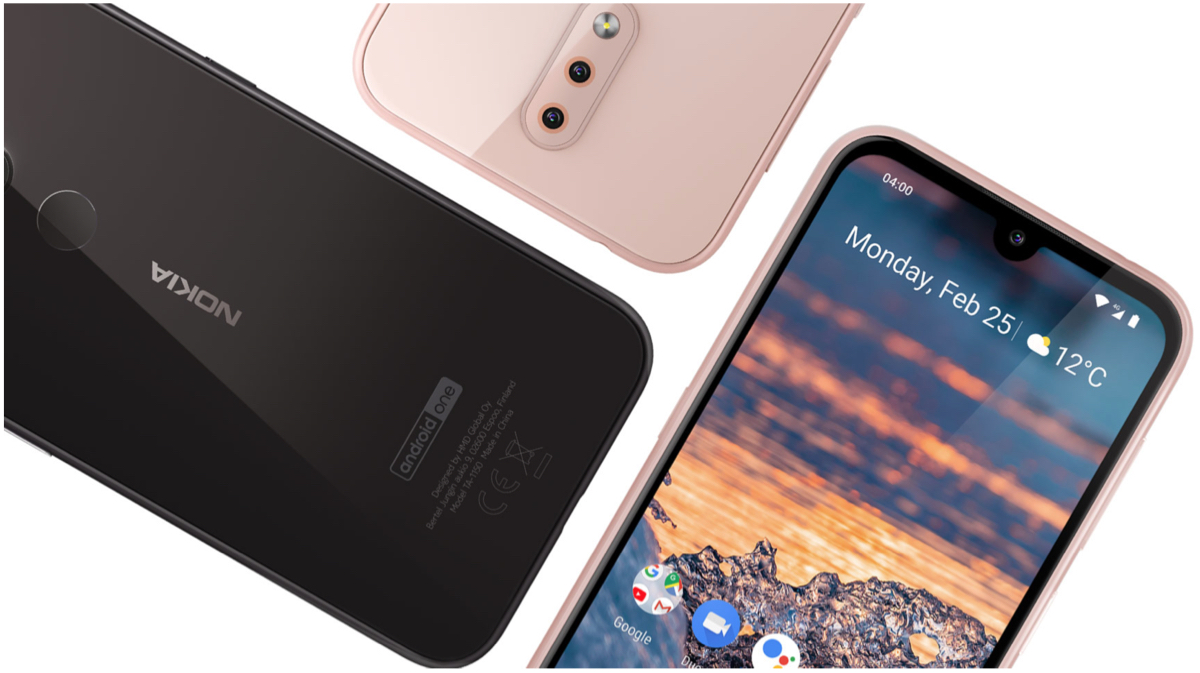
Under the hood, the Nokia 4.2 runs on a Snapdragon 439 SoC which is manufactured using the 12nm fabrication process. It has an Octa-core CPU and Adreno 505 GPU. The smartphone features Android 9 Pie and is also Android One certified; which suggests that it will receive Android updates for two years and monthly security updates for three years. For memory and storage, the device will arrive in two variants:
- 2GB RAM and 16GB ROM
- 3GB RAM and 32GB ROM

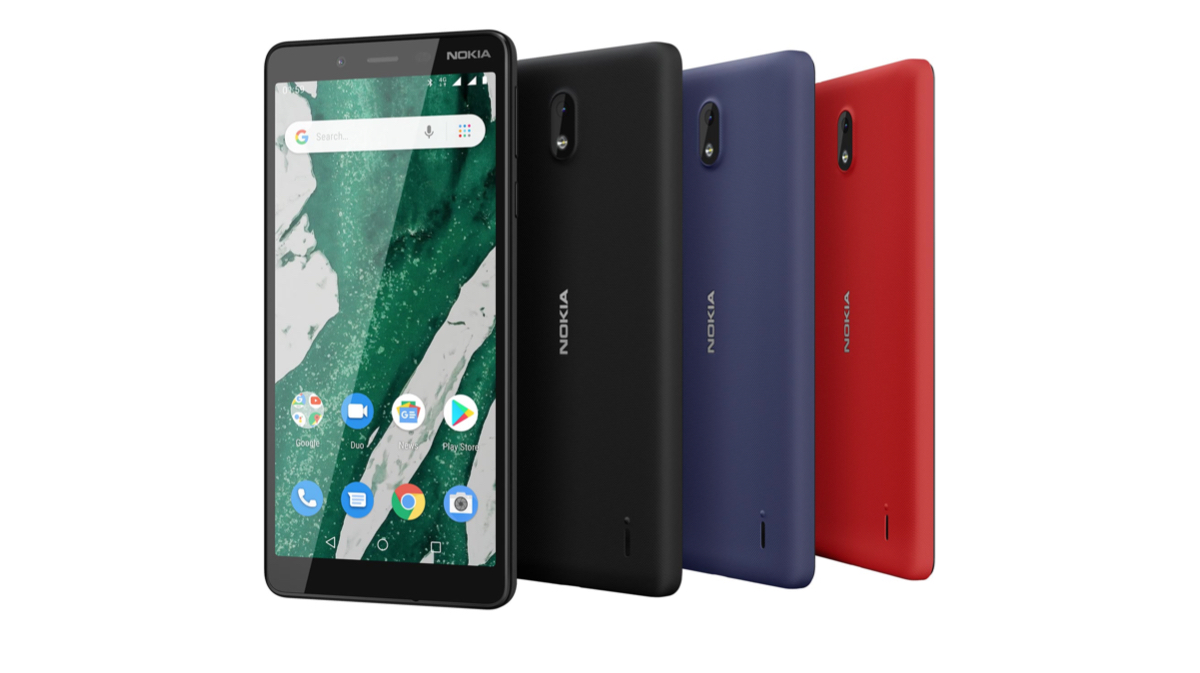
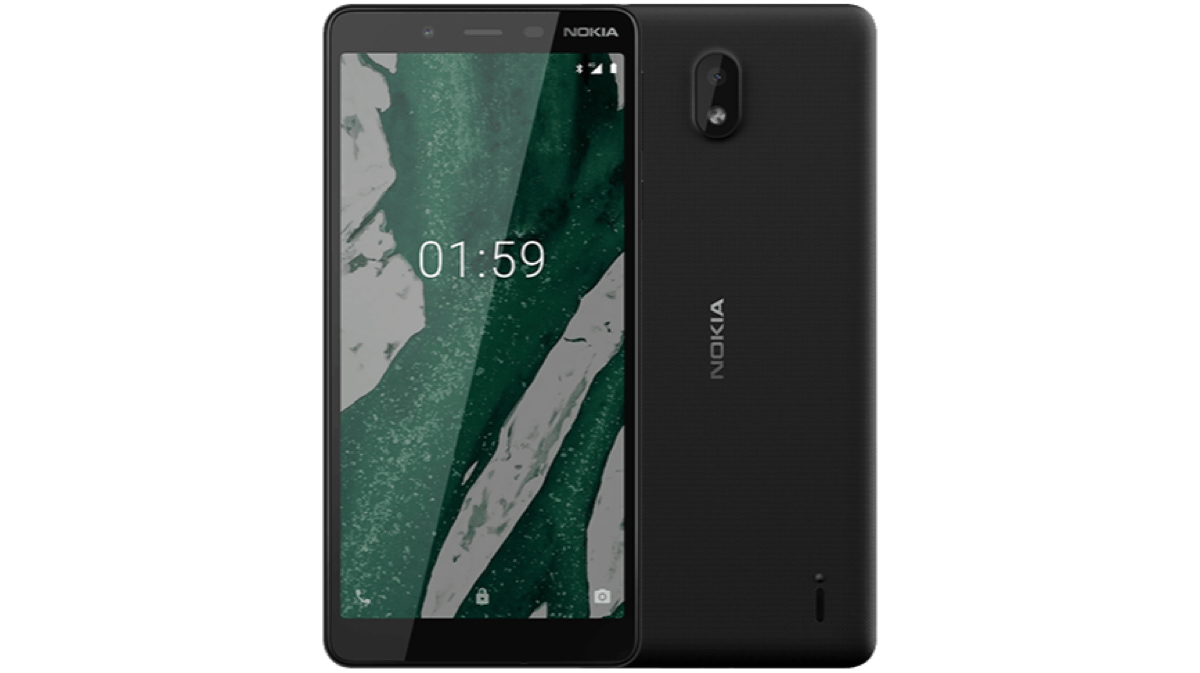
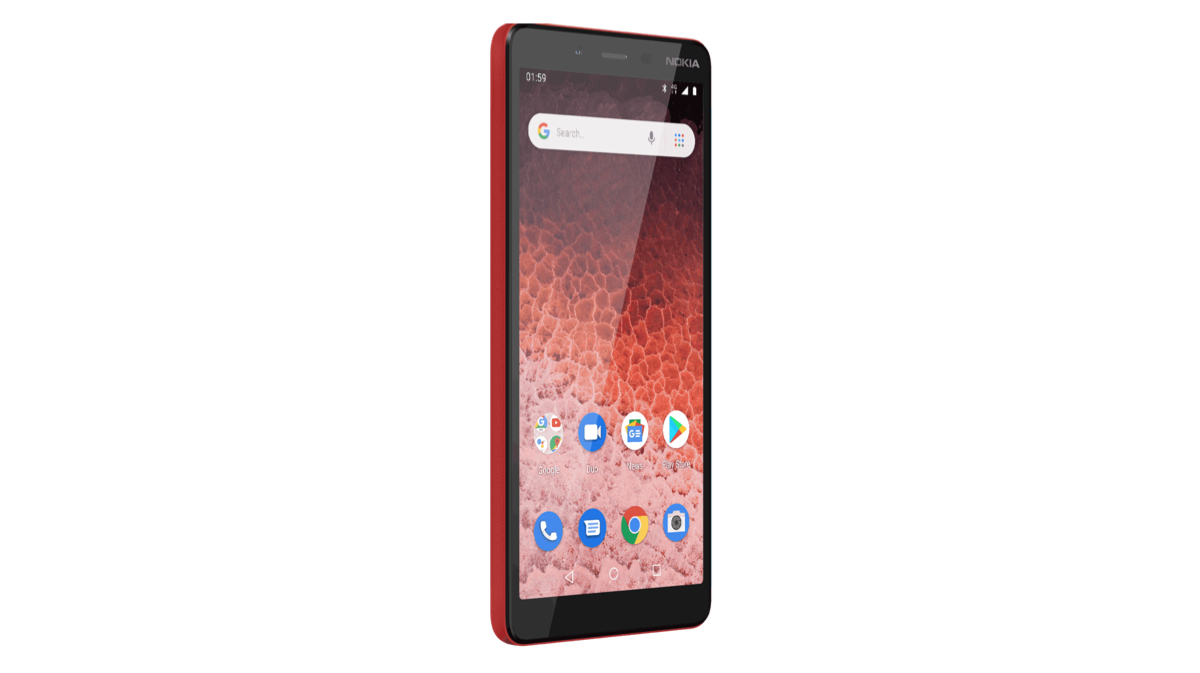
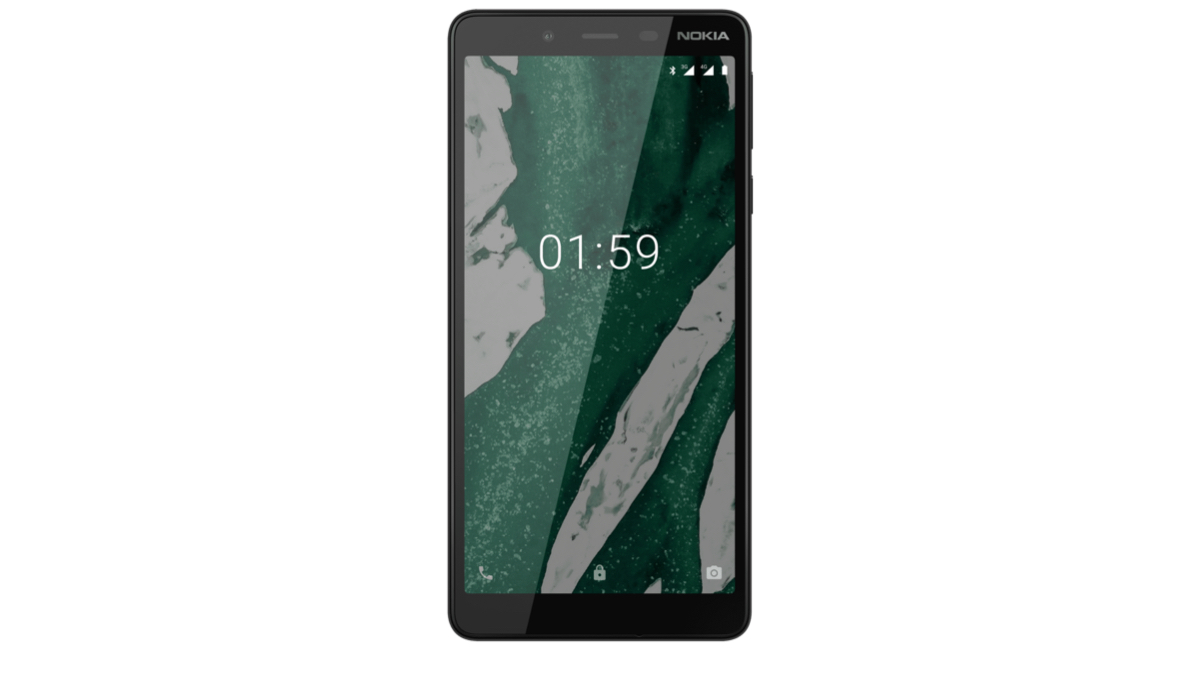
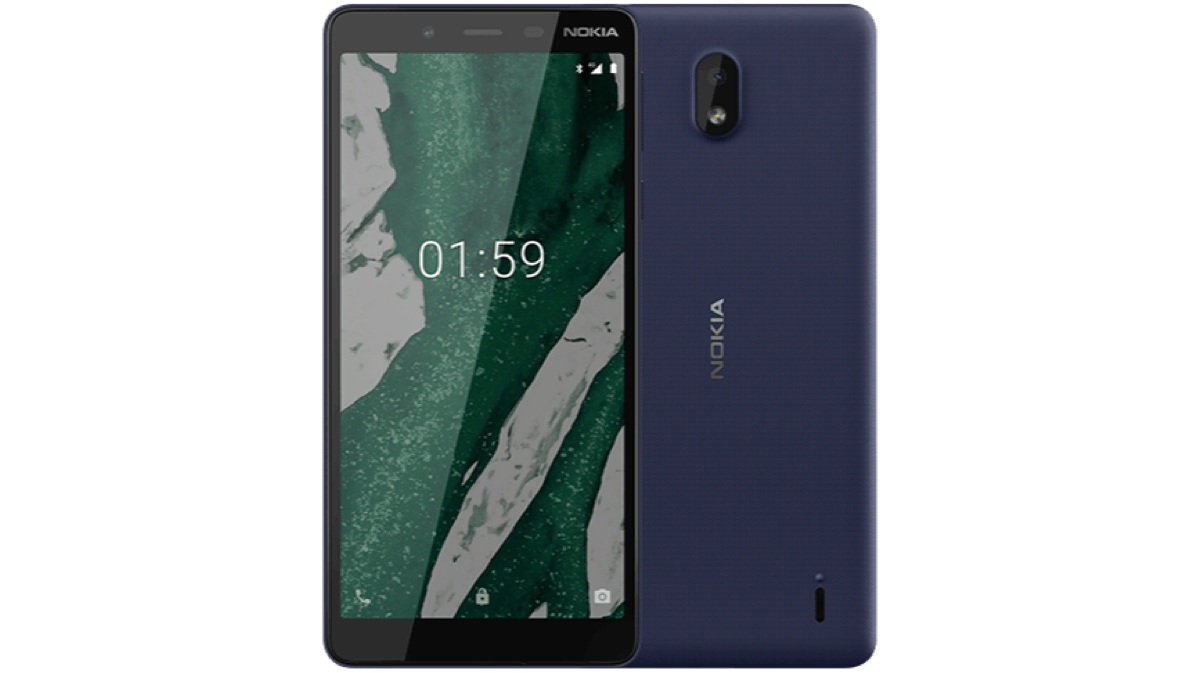
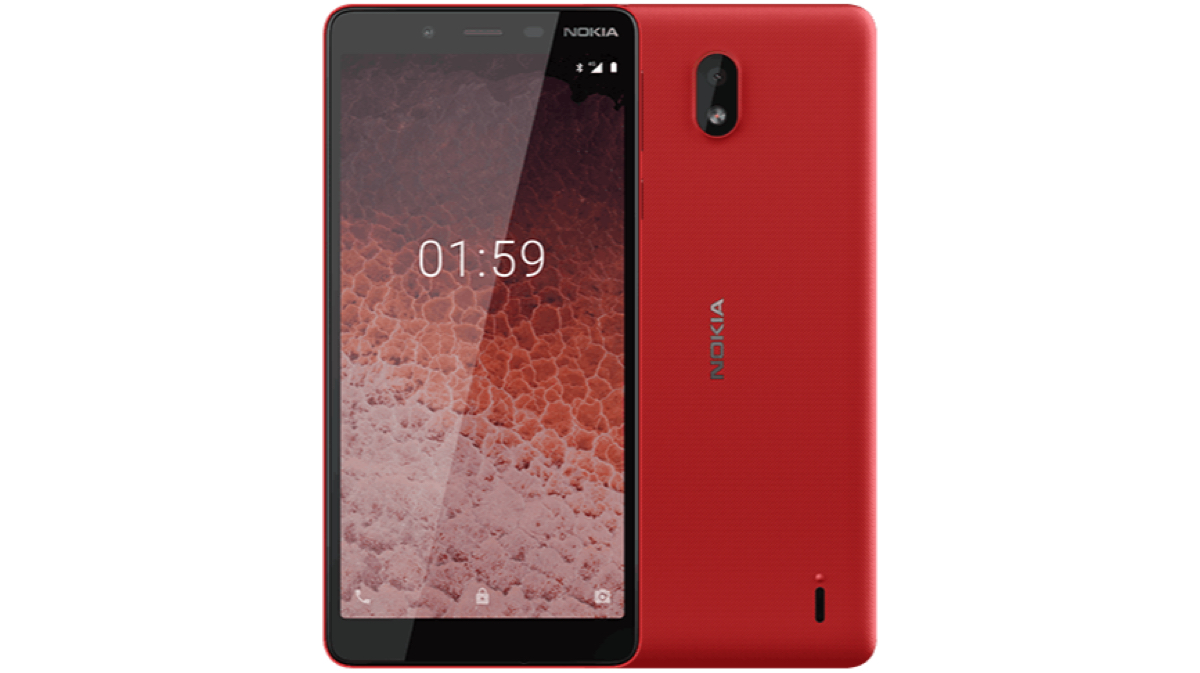
Also read: Budget Oriented Nokia 1 Plus With Android Go Launched
Nokia 4.2 is powered by a 3000mAh battery which can be charged using the MicroUSB port on the bottom of the smartphone. Like the Nokia 3.2, it also features the dedicated Google Assistant button which is present on the left side of the device. The handset will retail at US $169 (around Rs. 12,000) for the 2GB + 16GB version and $199 (around Rs. 14,200) for the 3GB + 32GB version.
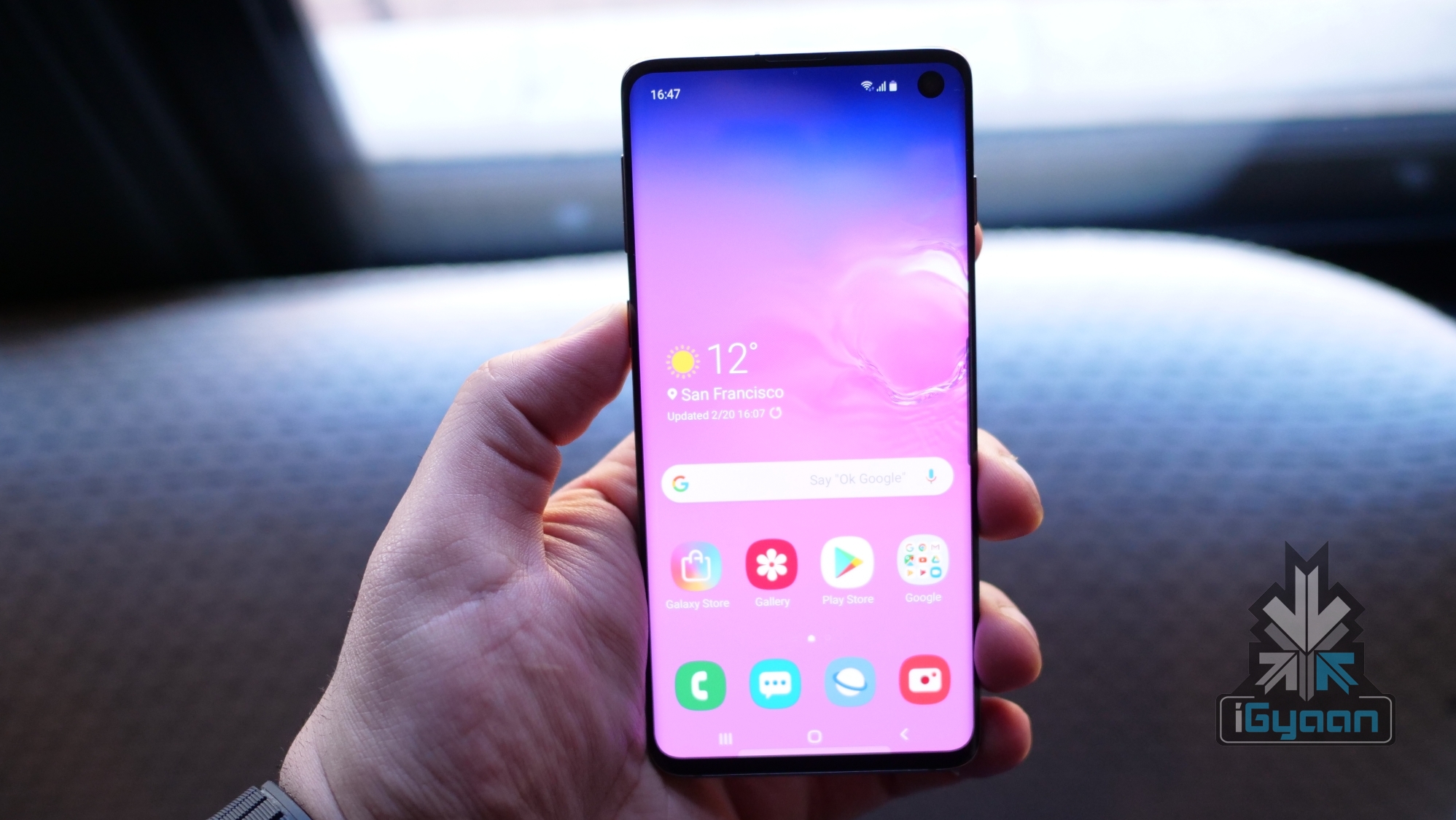
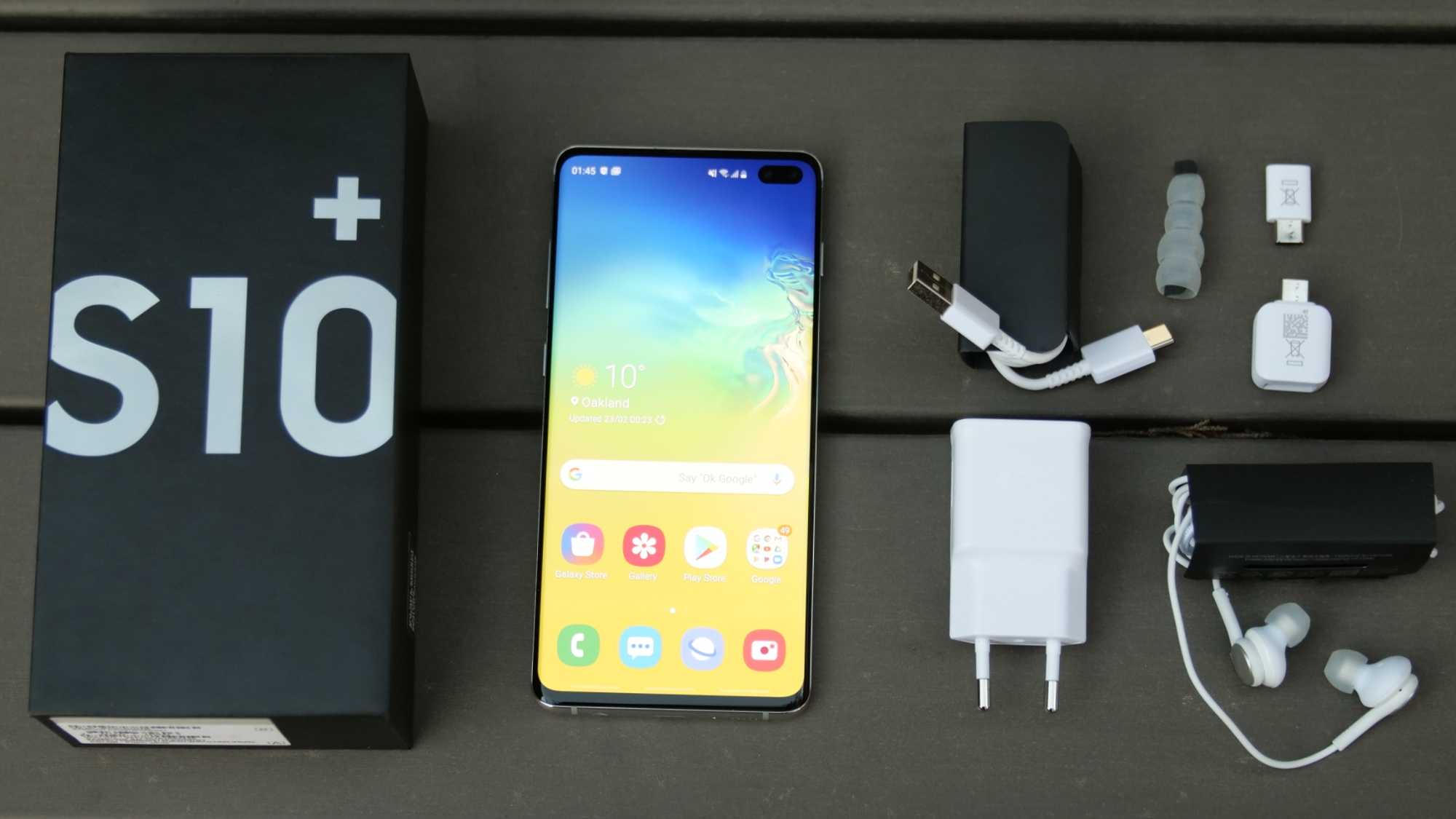
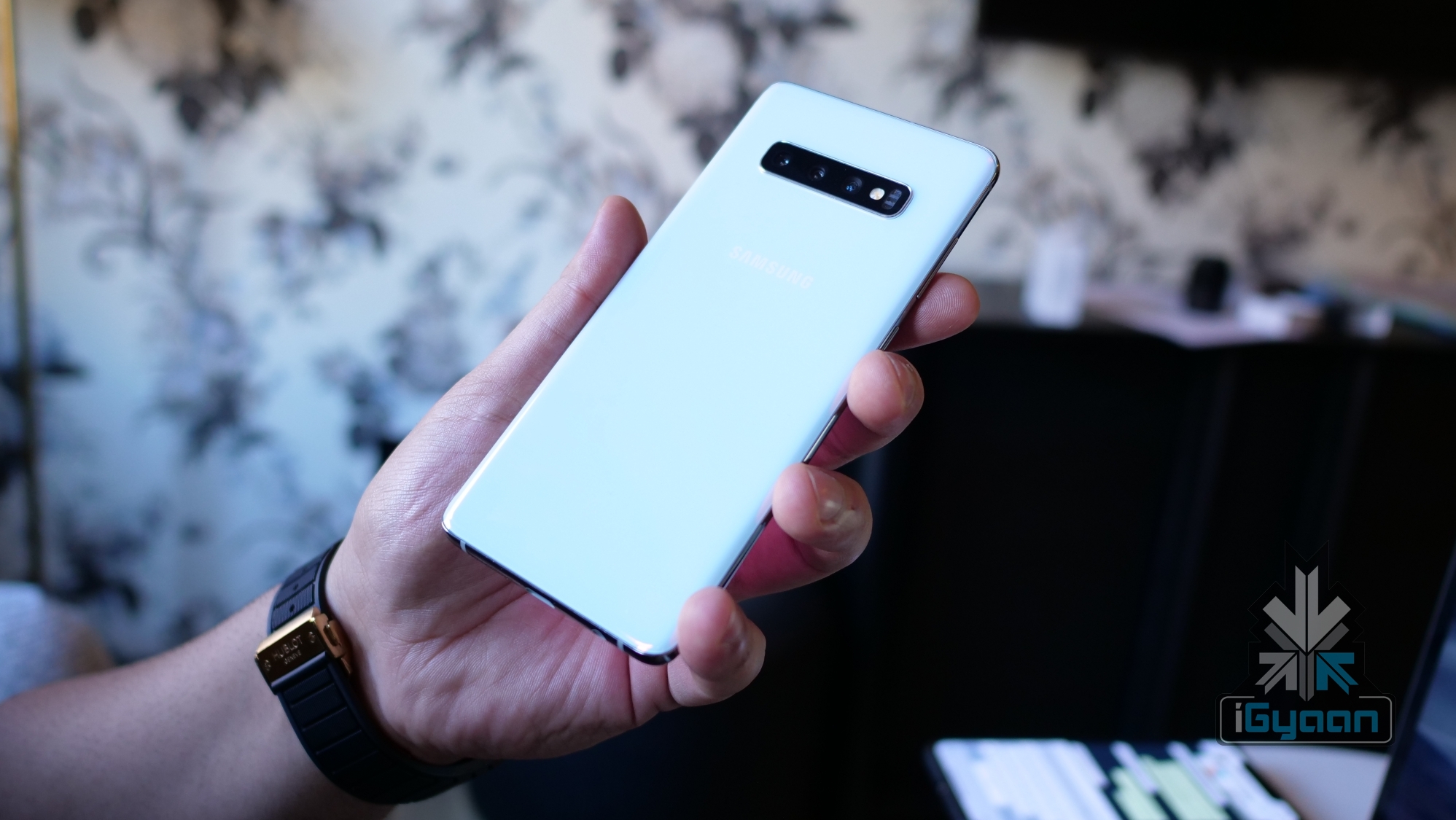
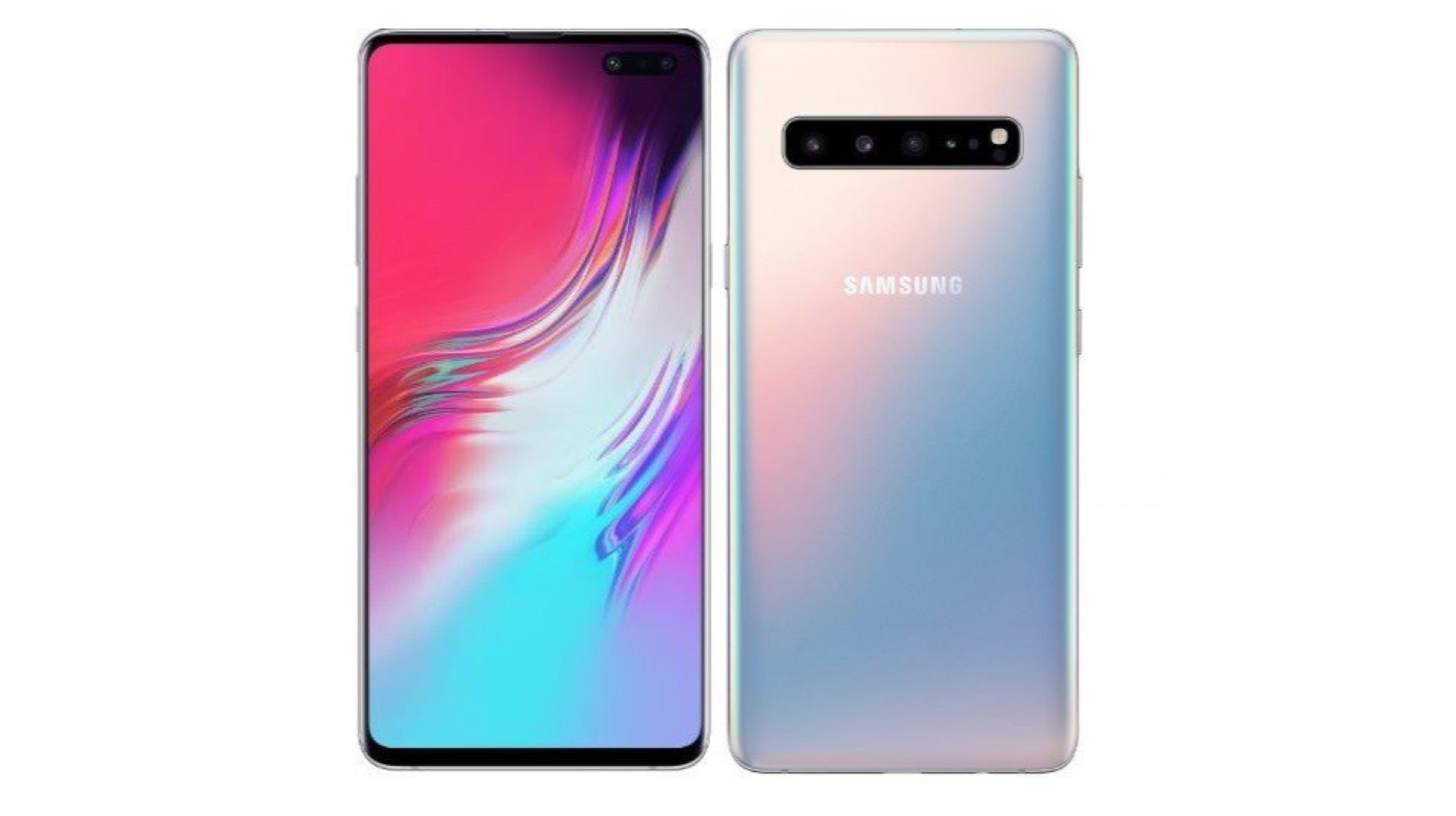
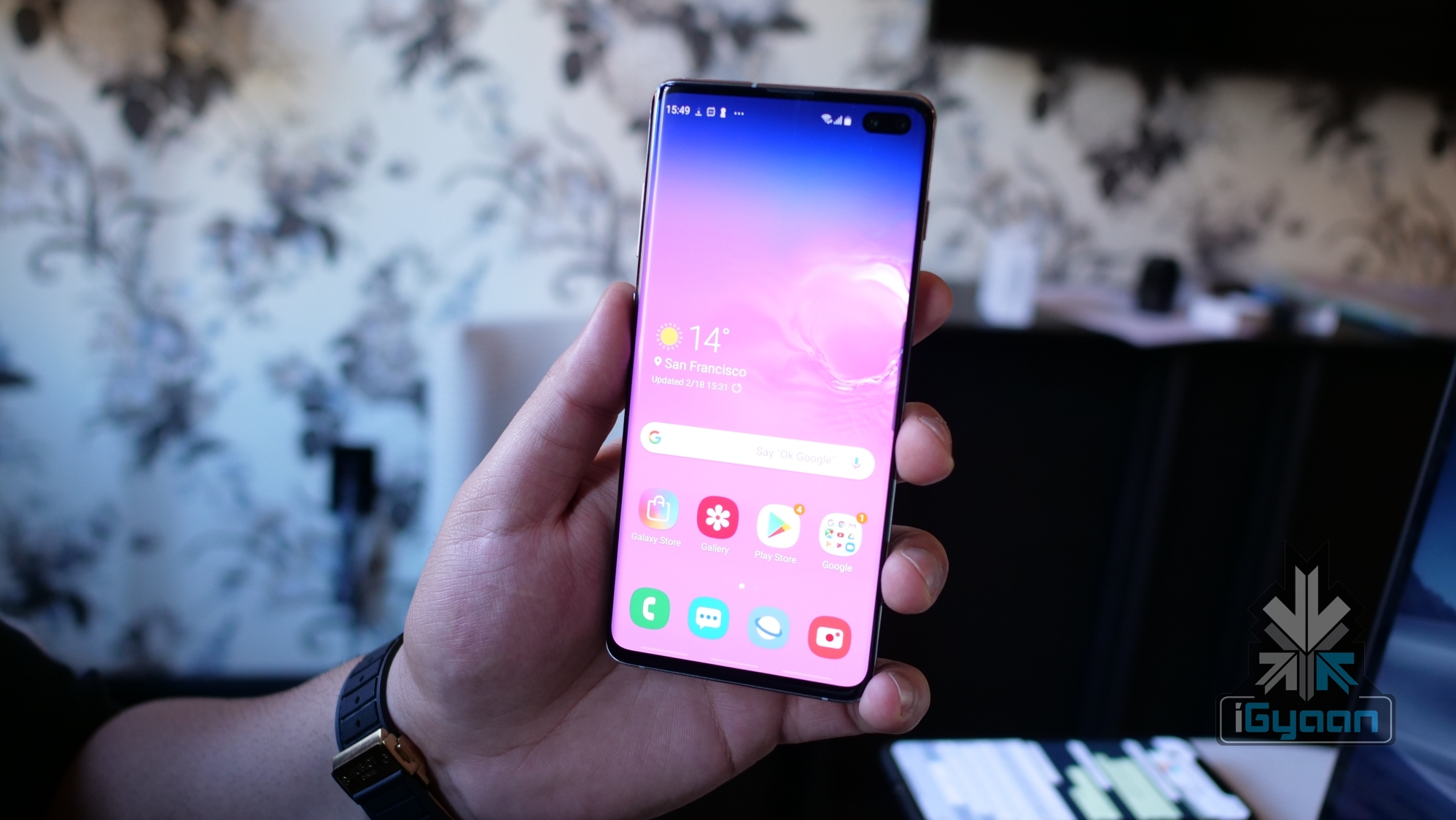 The Samsung Galaxy S10+ features a 6.4 inch Dynamic AMOLED Infinity-O display. Featuring an edge-to-edge HDR+ display that tapers towards the edges, the screen has a resolution of 3040 x 1440 px and a pixel density of 522 ppi. The display on the smartphone has a 19:9 aspect ratio. The front and the back of the smartphone have Corning Gorilla Glass to safeguard it from scratches and accidental drops. The Galaxy S10+ is offered in two different finishes which include glass and ceramic. Regardless of the material choice, both variants have a premium look.
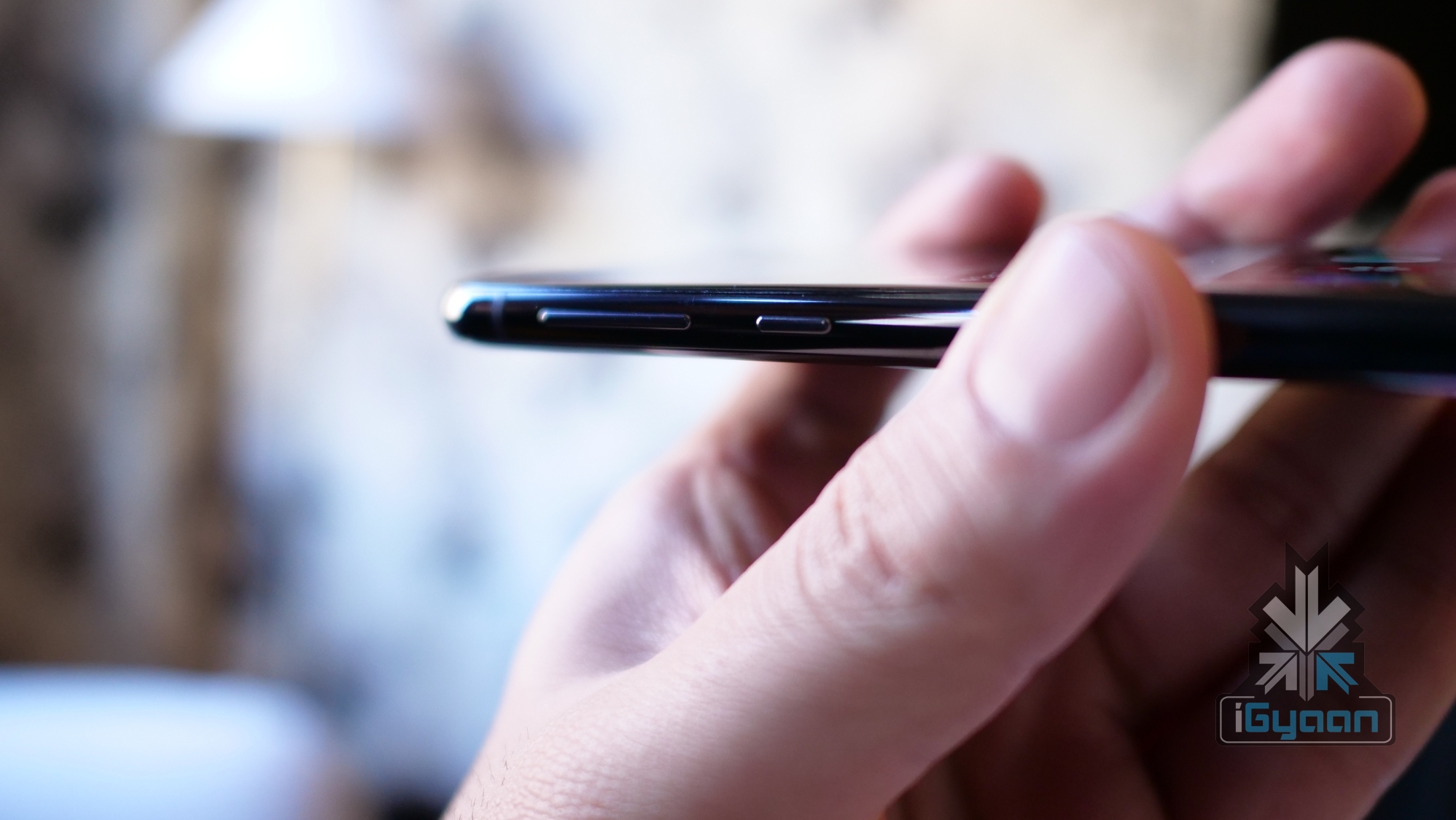 The right side of the device houses the power/lock button, while the left side of the phone houses the volume rockers and the dedicated Bixby button which can also be remapped as per the user’s convenience. The S10+ weighs 175 g for the glass version and 198 g for the ceramic version. The 3.5 mm headphone jack is retained by Samsung and is placed at the bottom of the handset along with the USB Type C port and loudspeaker grille. The SIM card slot is present at the top of the smartphone which can either house two nano SIM cards or one SIM and microSD card.
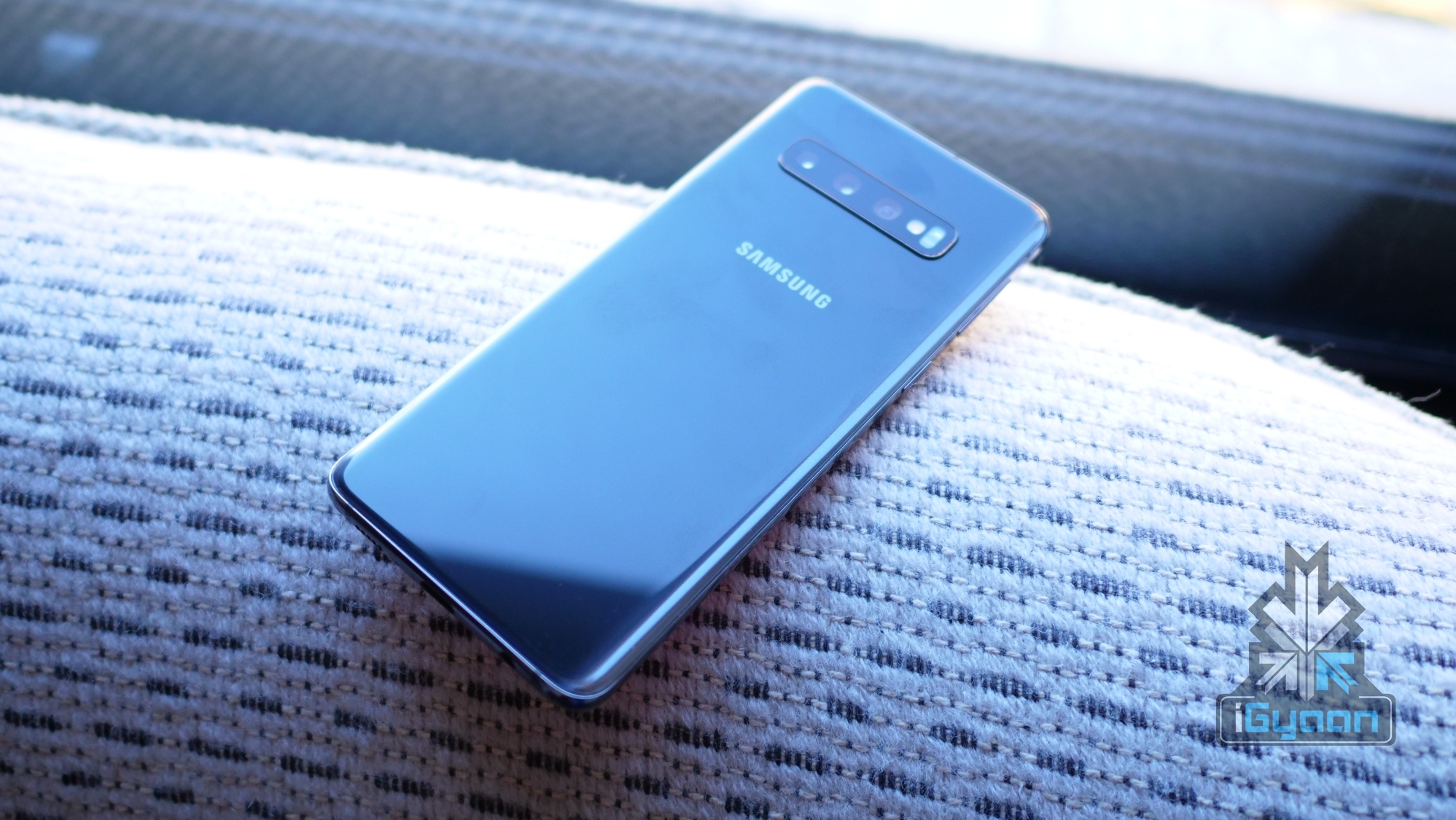 The US/China variant of the Samsung Galaxy S10+ runs on the Qualcomm Snapdragon 855 chipset, which comprises of the Kryo 485 octa-core CPU and Adreno 640 GPU. On the other hand, the EMEA version of the device runs on Samsung’s own Exynos 9820 SoC consisting of an octa-core CPU and Mali G76 MP12 GPU.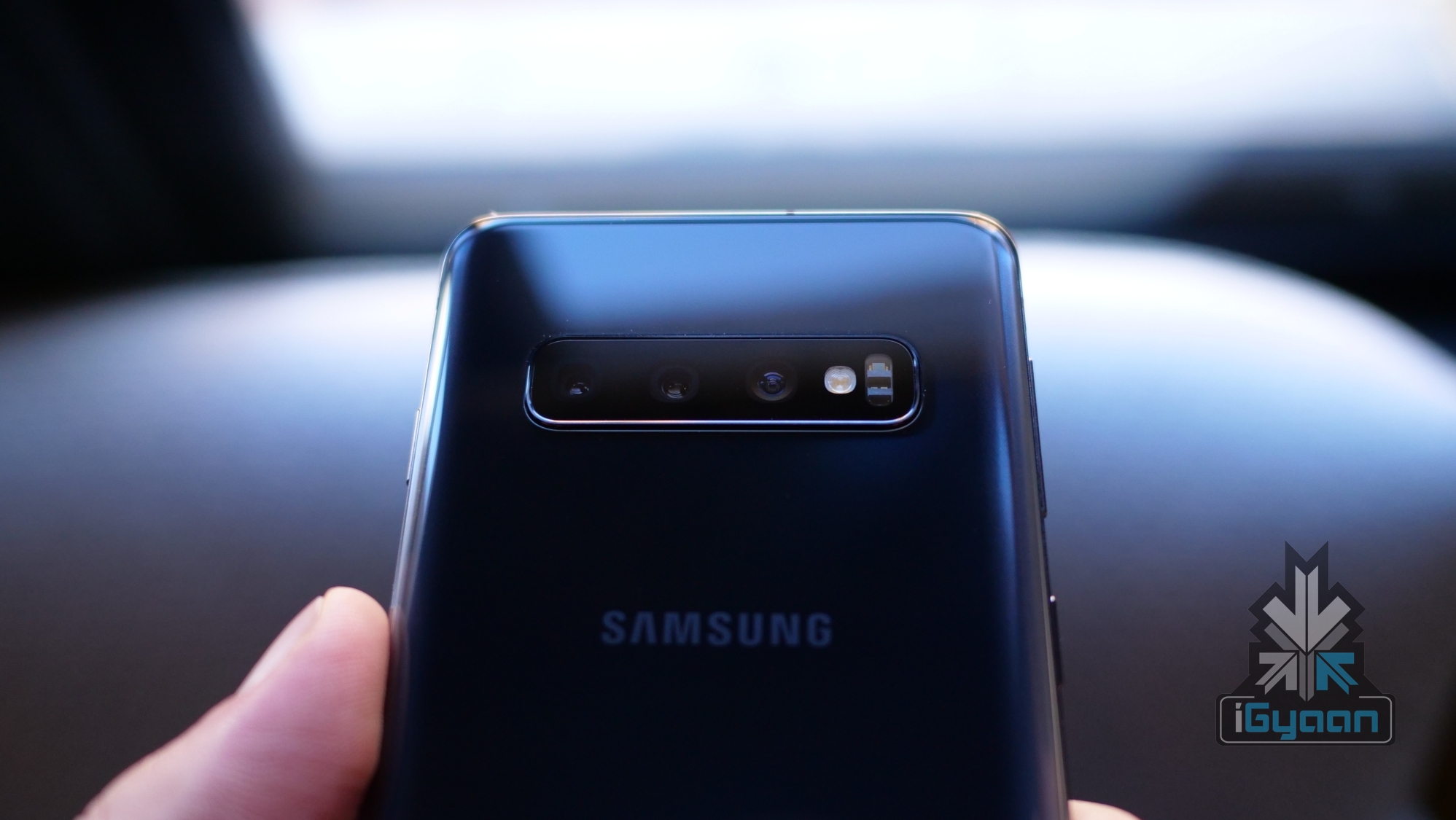
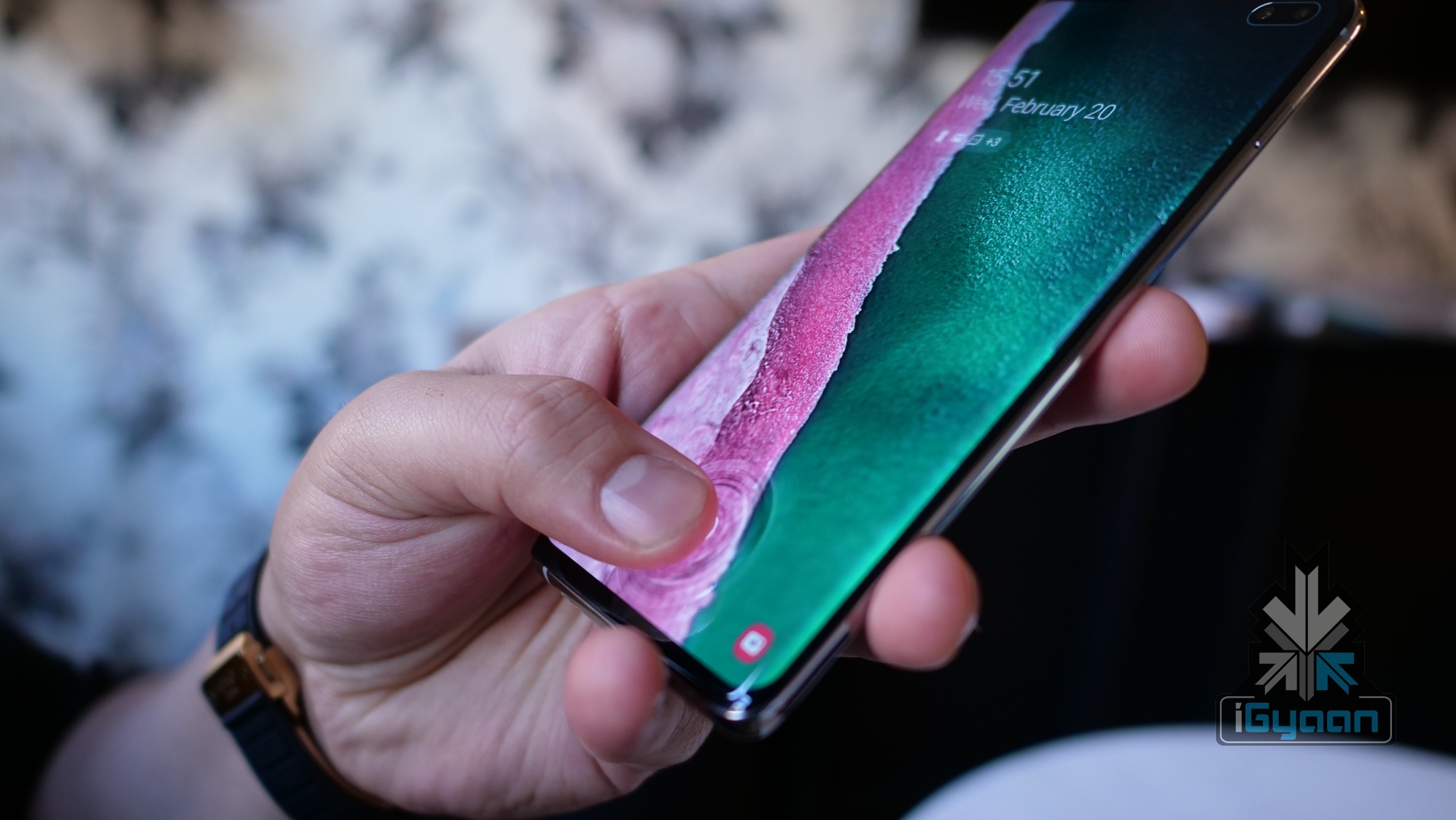 The Samsung Galaxy S10+ is the first smartphone ever to feature an ultrasonic in display fingerprint sensor. In addition, the device has 3D face scanning technology for quickly and securely unlocking the device. The Galaxy S10+ is powered by a 4100 mAh battery, which supports both fast charging and wireless charging at maximum 15 w. The device also supports reverse wireless charging called ‘Powershare’, enabling the user to charge other ‘Powershare supported’ devices by placing them on the rear of the smartphone. Moreover, the premium smartphone is IP68 certified that makes it dust and water resistant.
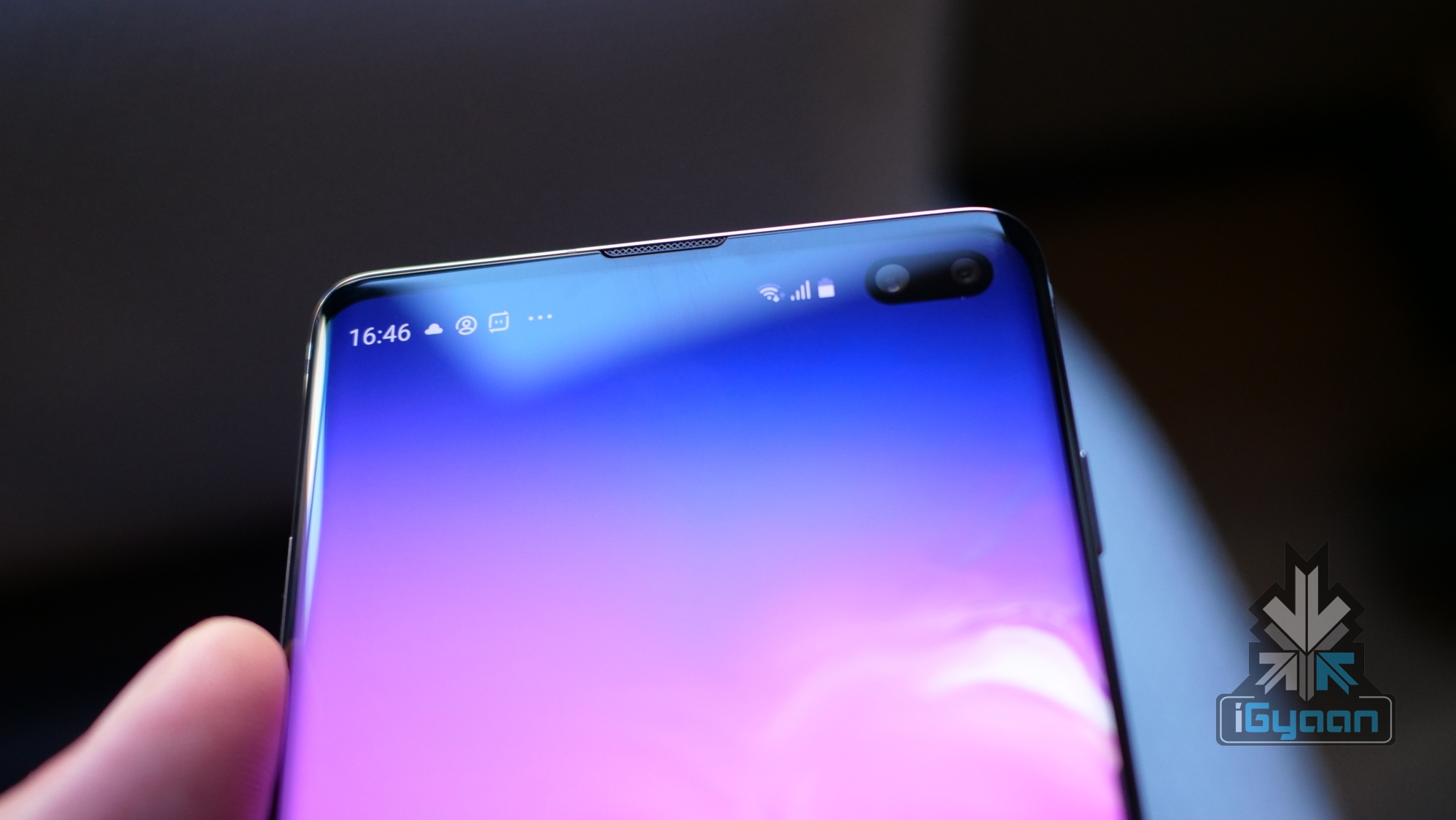 The Galaxy S10+ is available in three storage variants which include a 6GB+128GB version, an 8GB+512GB version, and the limited edition 12GB+1TB variant. The two base variants of are available in four colour options which include Prism White, Prism Black, Prism Green, and Prism Blue colour options. The 12GB+1TB storage variant of the device is available in Ceramic Black and Ceramic white colour options. The Samsung Galaxy S10+ will go live on sale in India on the 8th of March.
 Also Read:


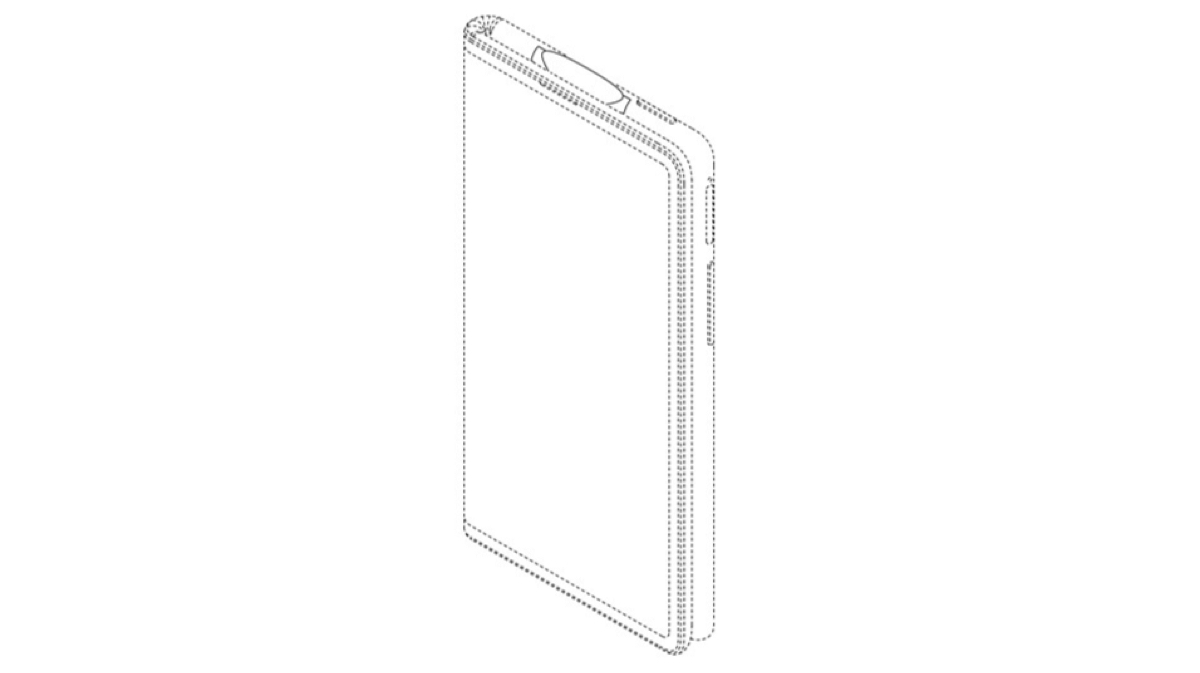



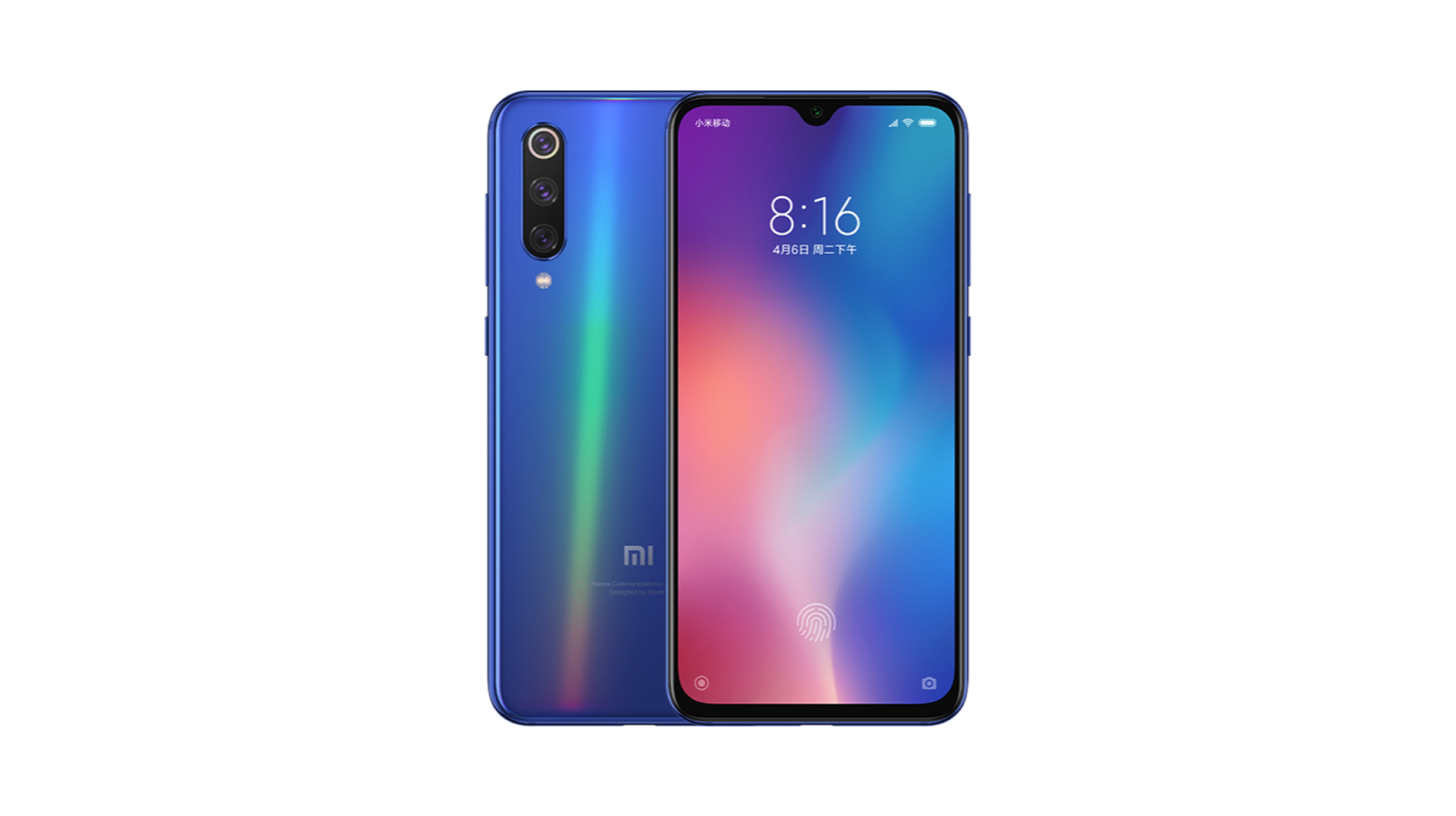

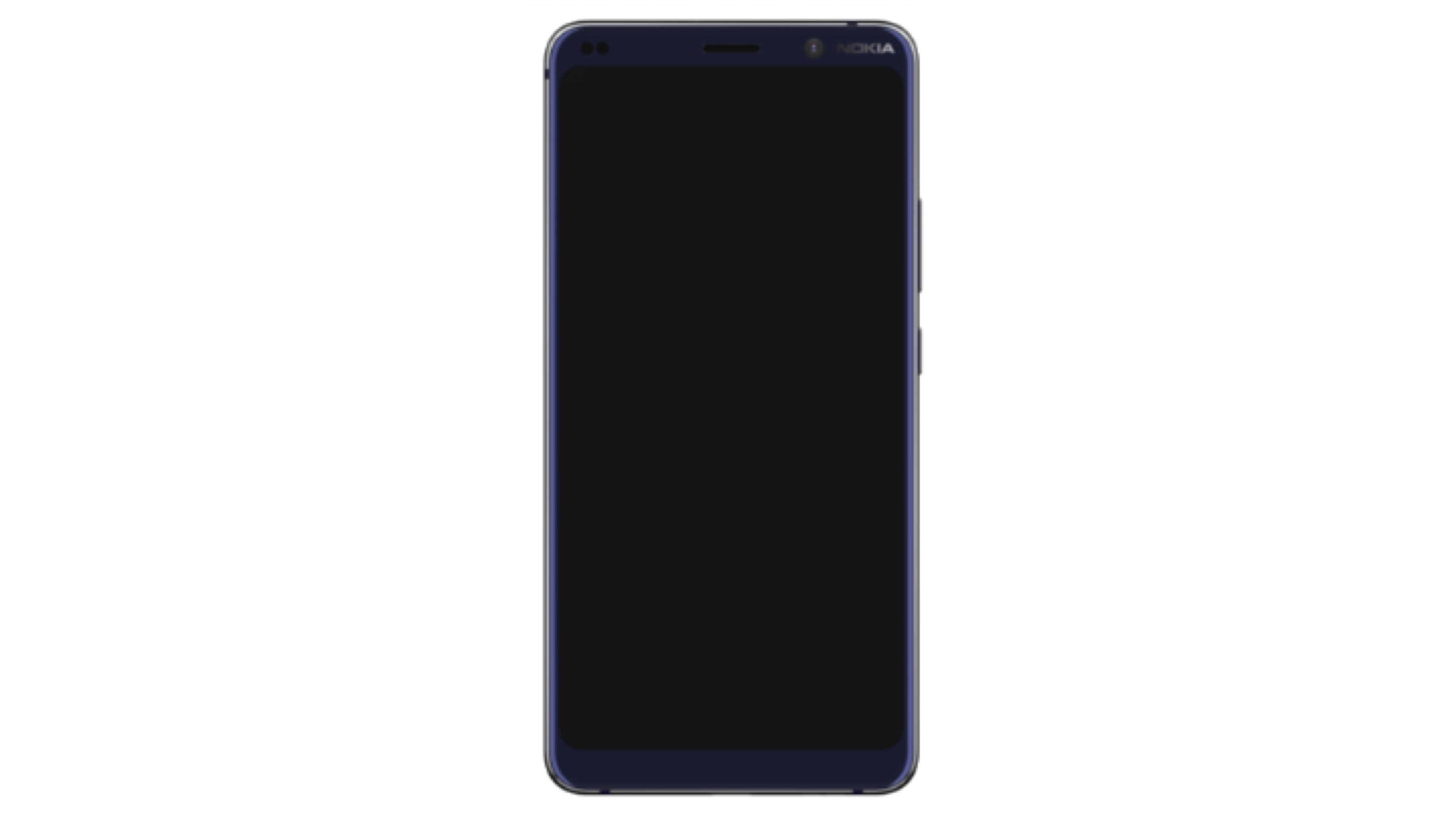 The Nokia 9 may sport a 5.99 inch AMOLED display with a 2960×1440 px resolution. The smartphone will have Gorilla Glass protection which will safeguard it against scratches and accidental drops. It will run on the Snapdragon 845 chipset, which consists of an octa-core CPU paired with an Adreno 630 GPU. The smartphone is speculated to be available in 4GB and 6GB RAM variants which will be paired with 128GB of internal storage. Reportedly it will be powered a 4150 mAh battery which will be charged via a USB Type-C port. Past leaks have claimed that the smartphone will also have an in-display fingerprint scanner and IP68 dust and water resistance.
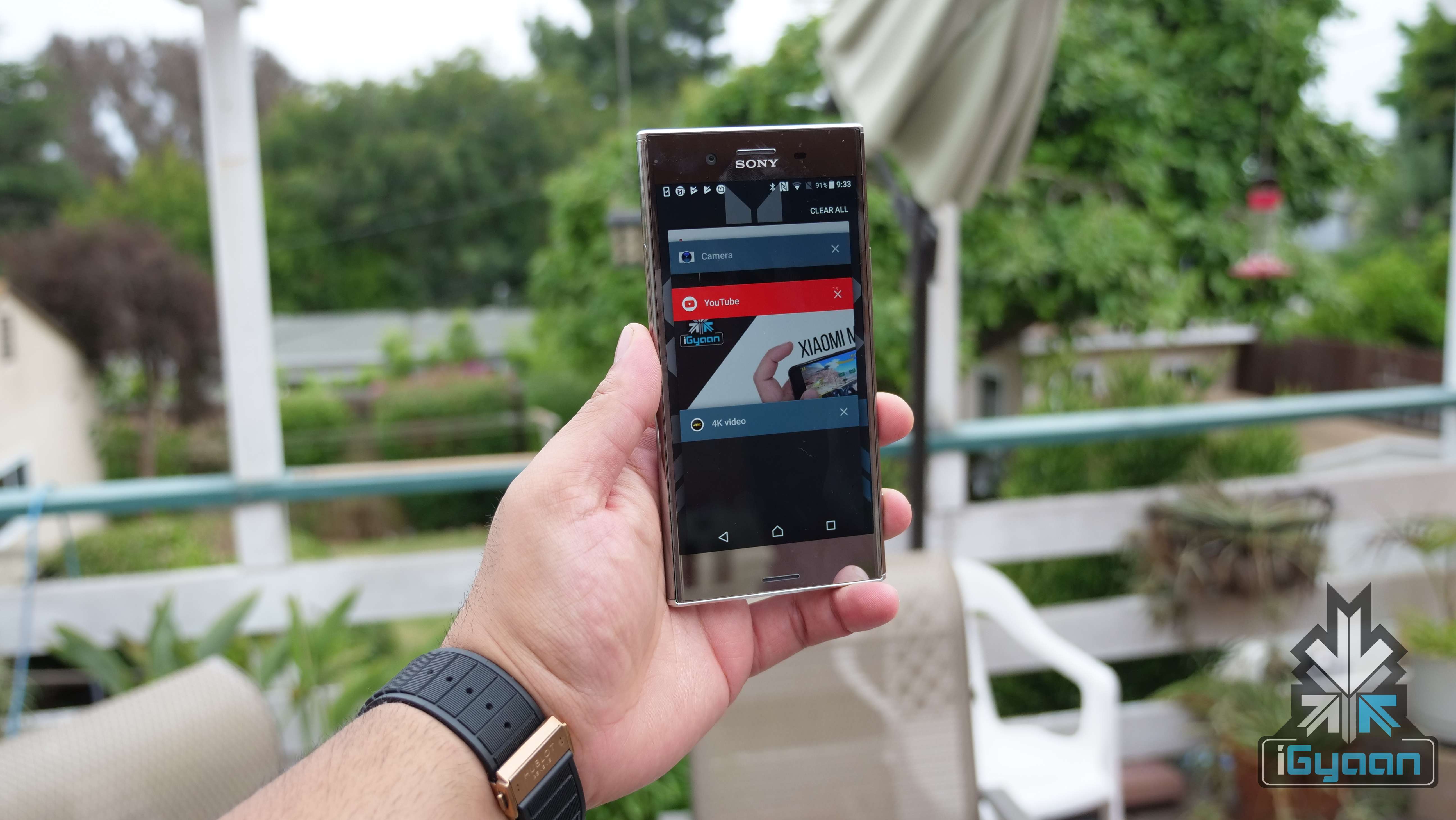
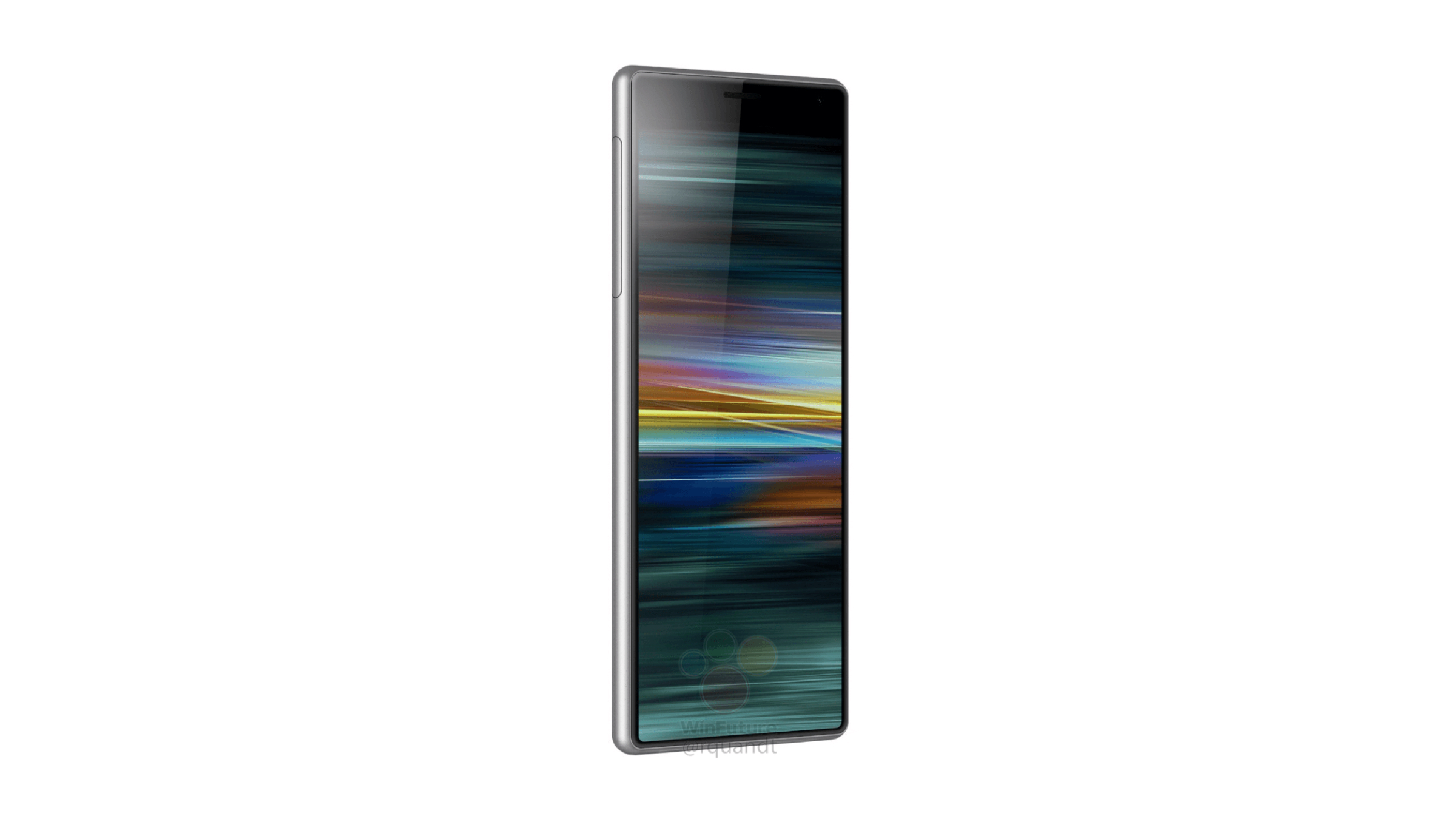
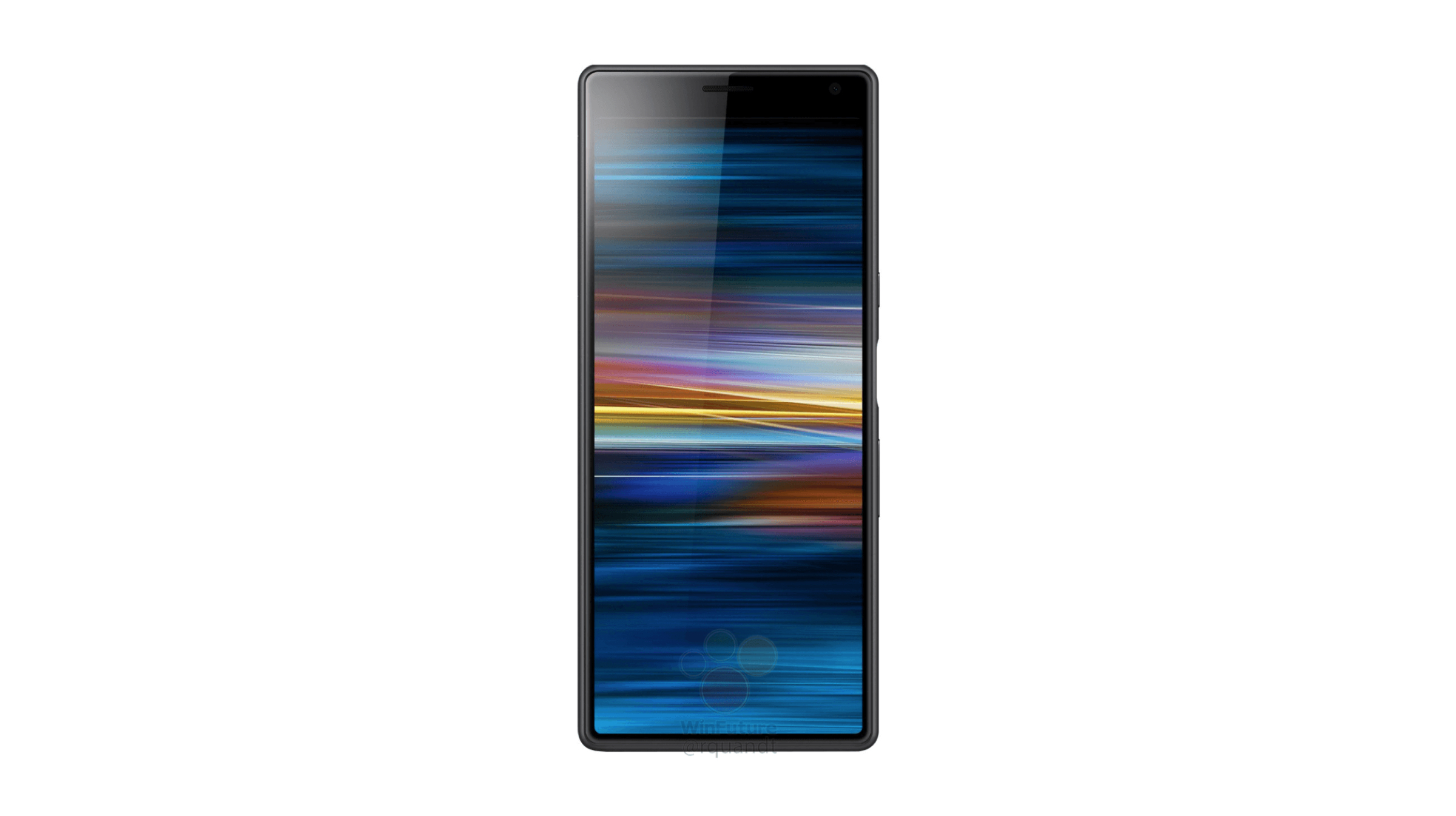 As per the leaked specs list revealed by sources, the Xperia 10 will run on the 14nm Qualcomm Snapdragon SDM630, which consists of the 64 bit 8x ARM Cortex A53 CPU clocked at 2.2 GHz. It is paired with the Qualcomm Adreno 508 GPU. The list also shows that the display of the smartphone will have a screen density of 480 DPI and exhibit a resolution of 2520 x 1080 px with a 21:9 aspect ratio.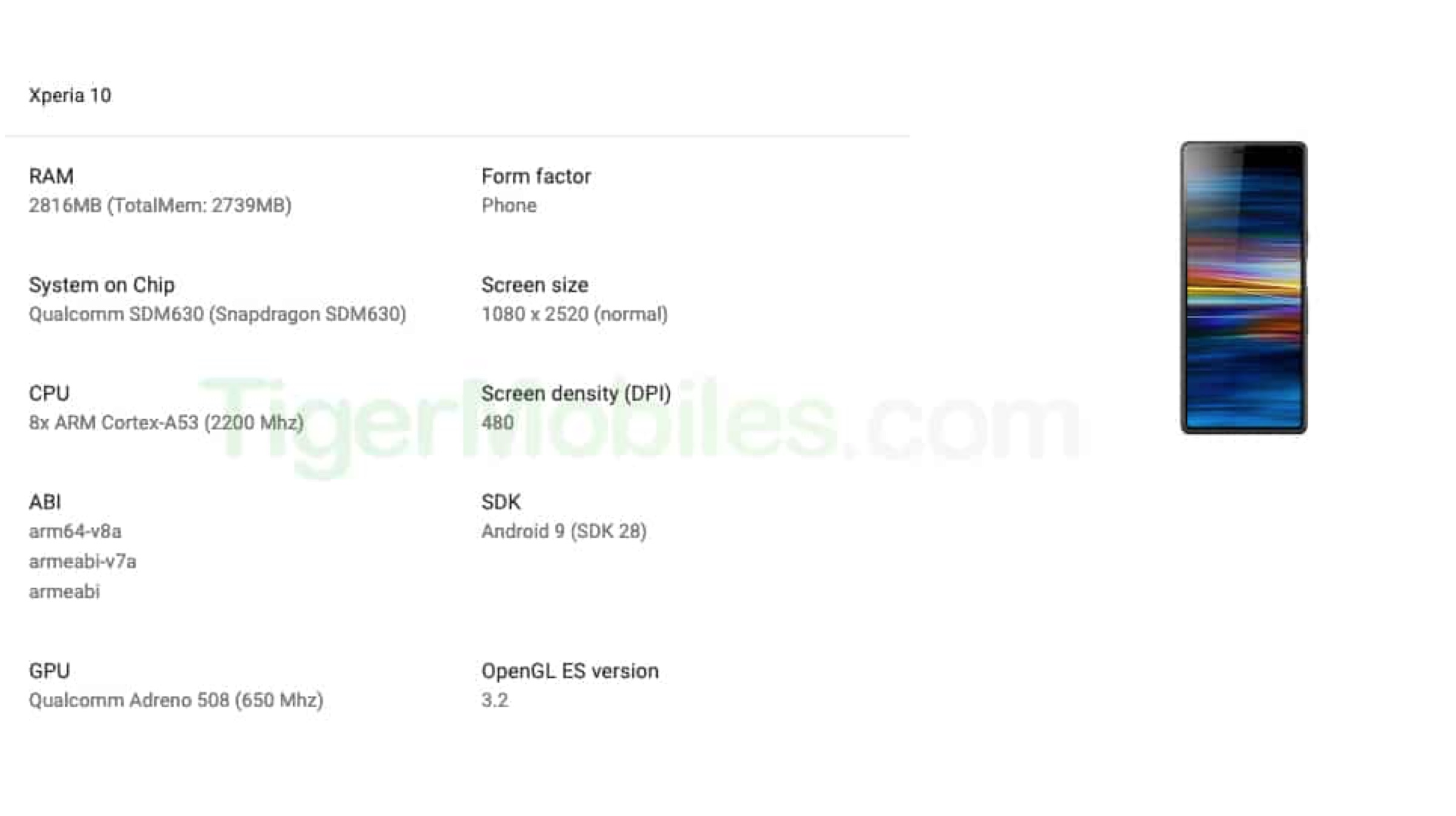
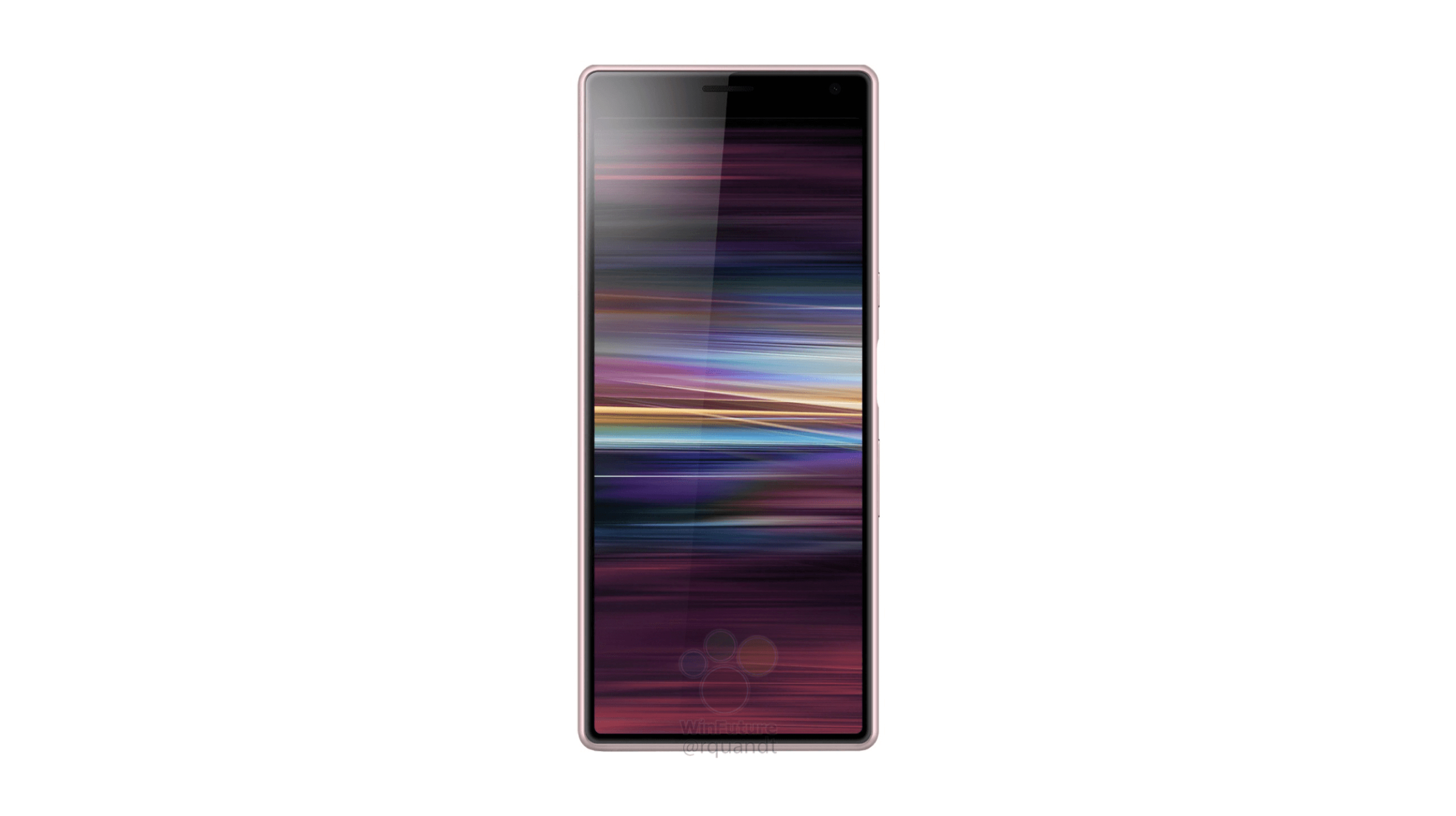 The leaked list also reveals some key specifications about the Xperia 10’s elder sibling, the Xperia 10 Plus. As per sources, it will run on the 14nm Qualcomm Snapdragon SDM 636 chipset. The chipset comprises of the Kryo 260 octa-core CPU, with four cores clocked at 1.8 GHz and the rest of the cores clocked at 1.6 GHz. The SoC also packs the Adreno 509 GPU. The smartphone’s screen will have the same resolution and aspect ratio as the Xperia 10.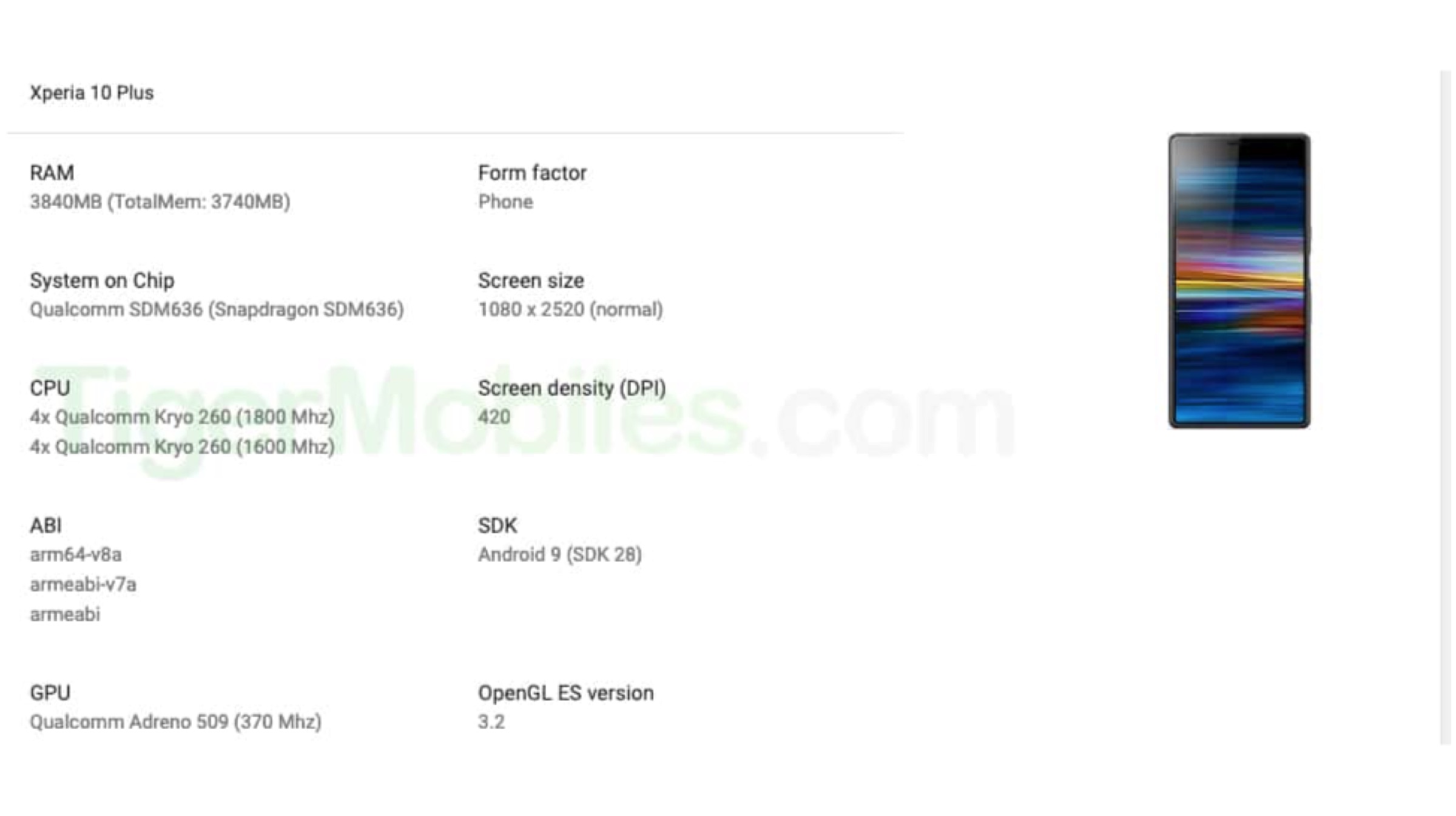
 Also Read:
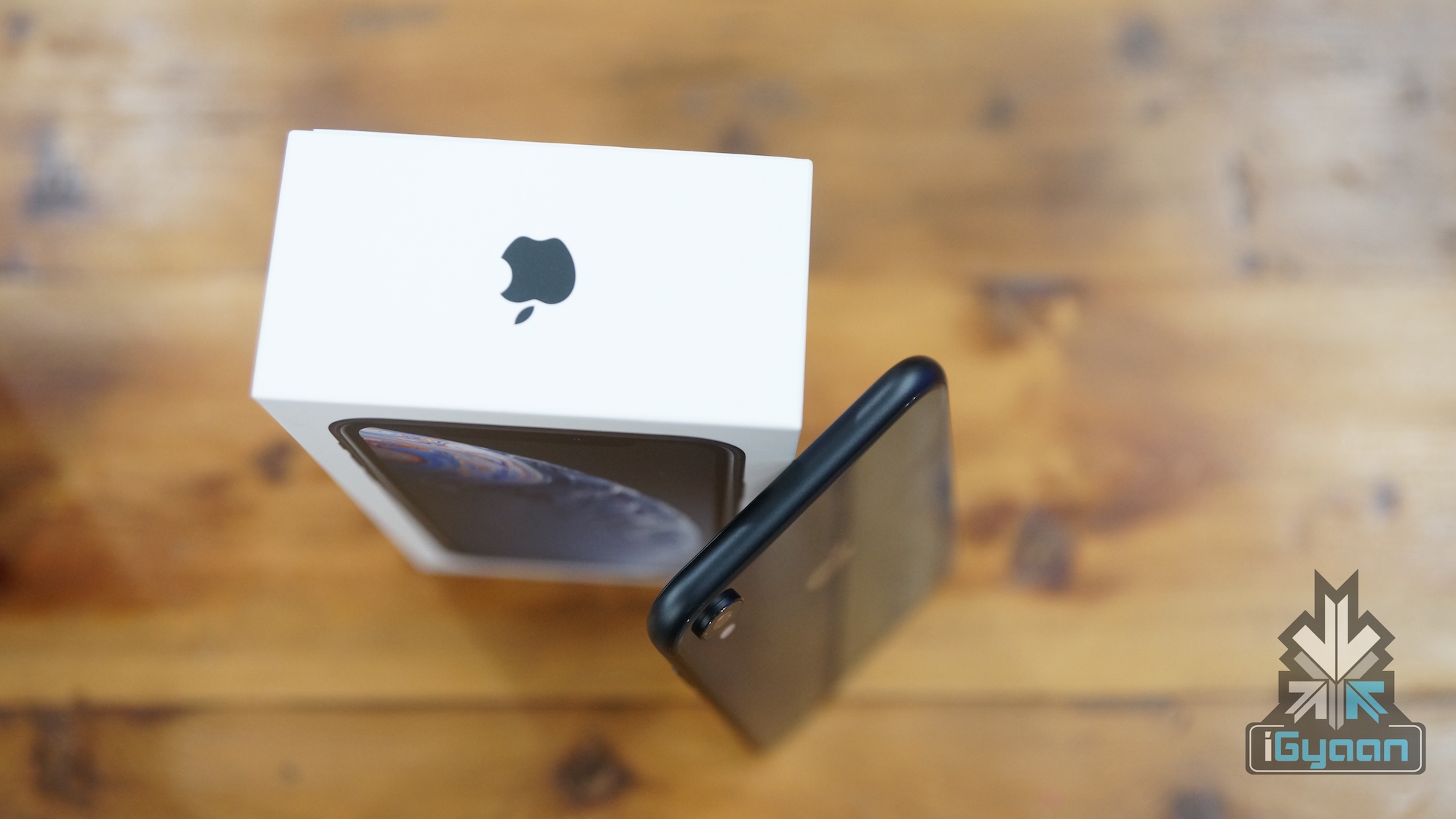
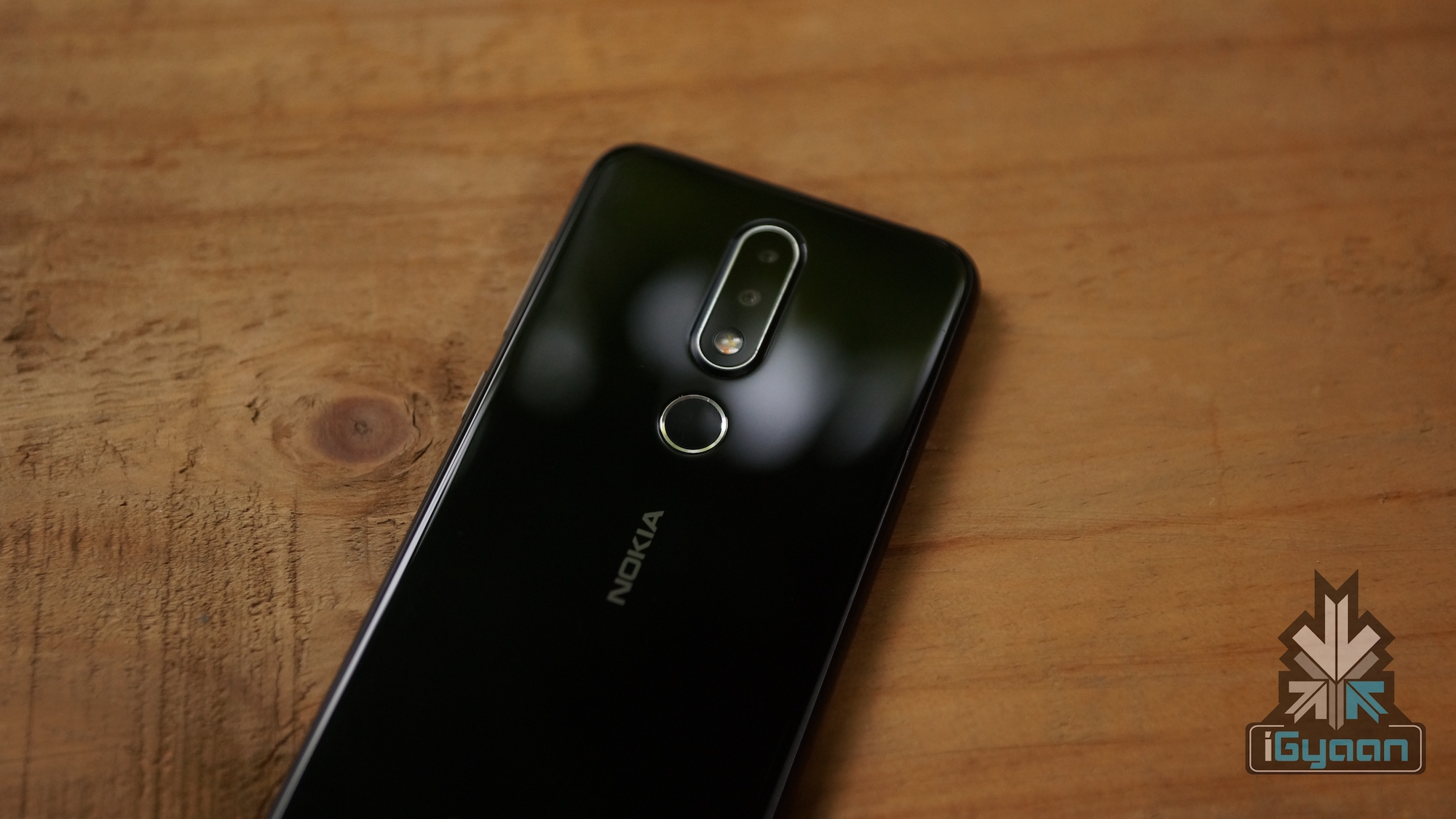
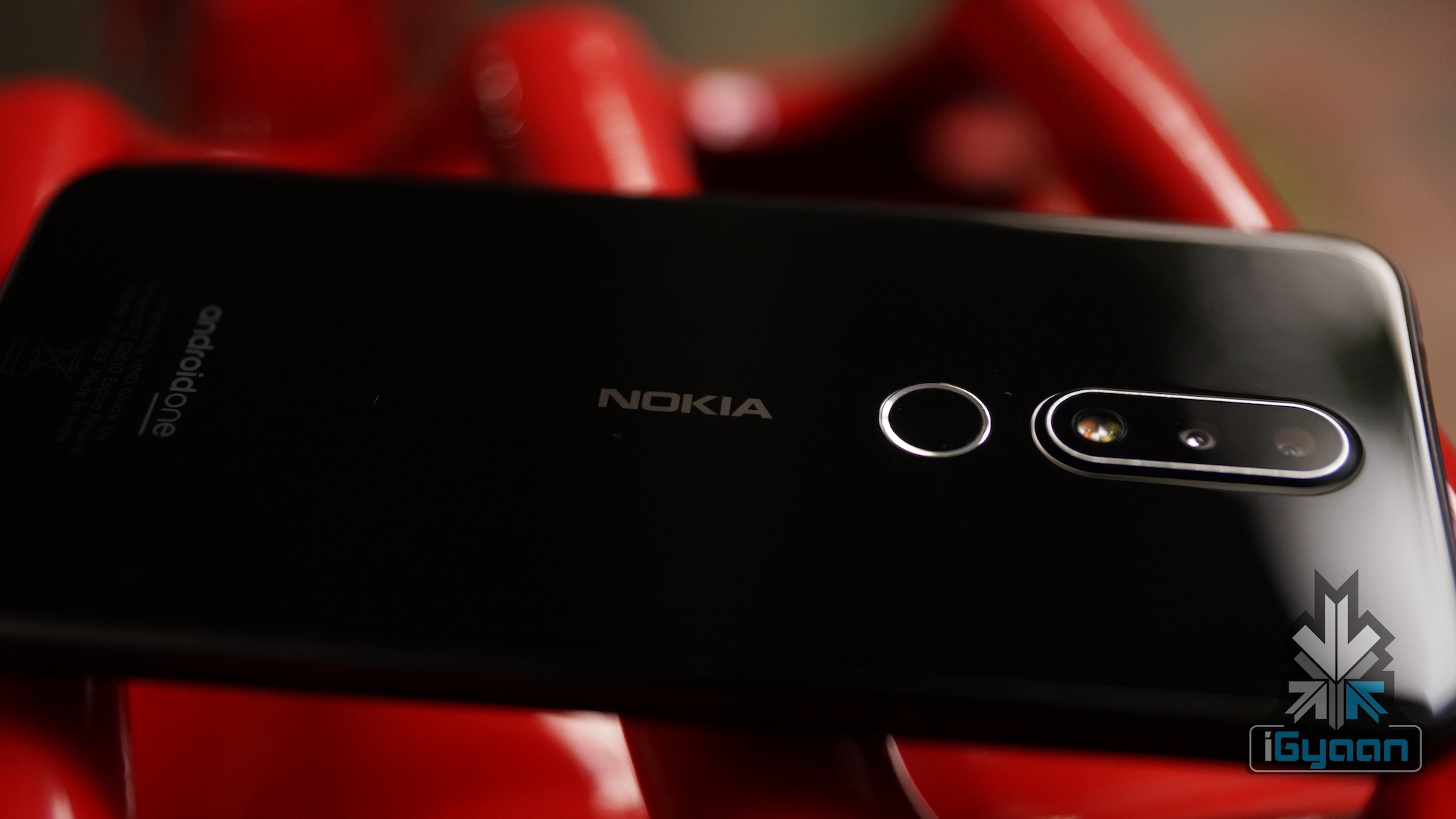 The Nokia 6.1 Plus has an aluminium frame and is fitted with front and back glass panels. The device is equipped with Corning Gorilla Glass 3 for protection against scratches and impacts. The smartphone sports a 5.8 inch IPS LCD display. The screen has a resolution of 2280 x 1080 px and 19:9 aspect ratio. The volume rockers and the power/lock button are present on the right side of the smartphone.
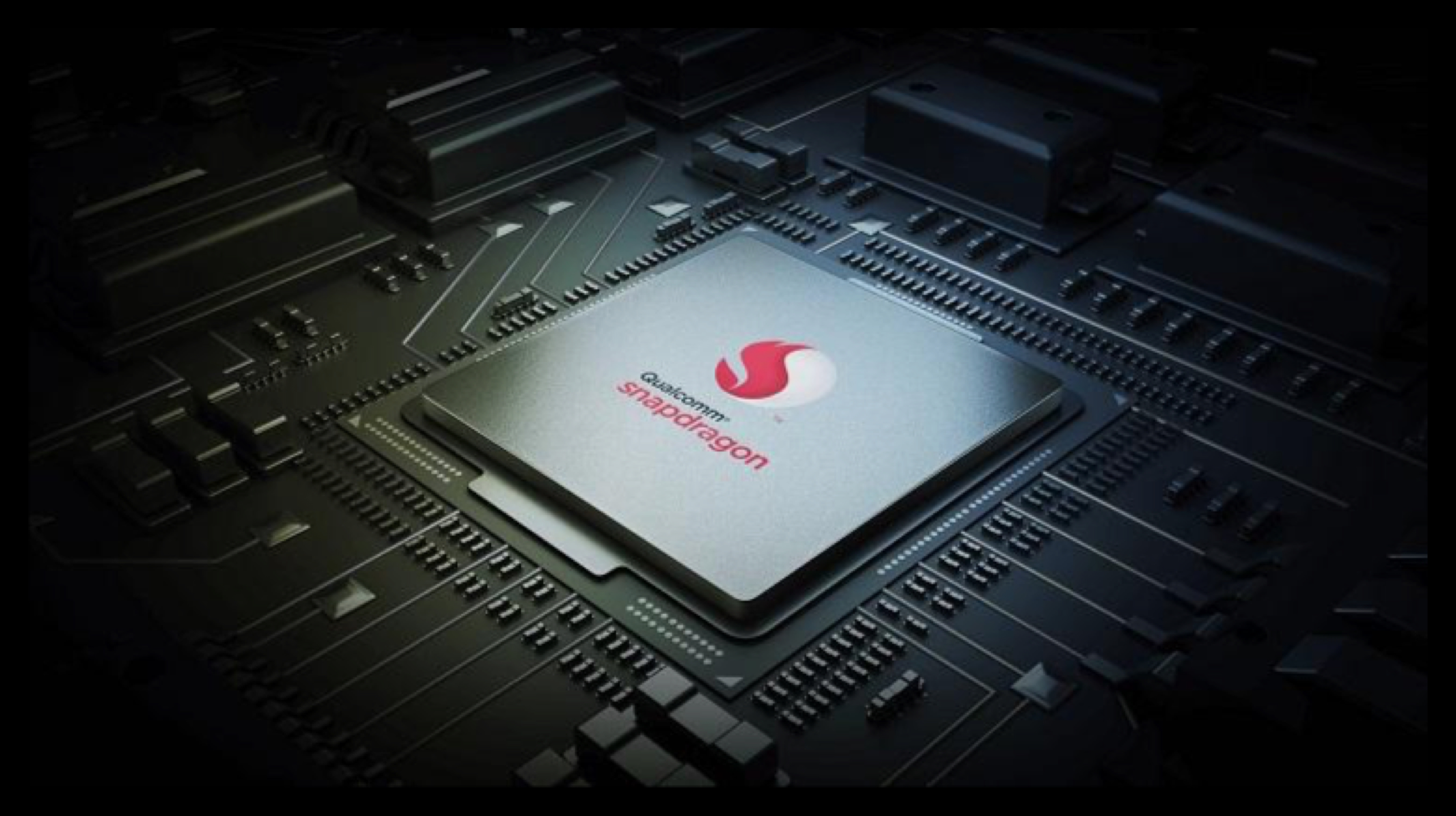 The Nokia 6.1 Plus runs on the Qualcomm Snapdragon 636 chipset which consists of an octa-core 1.8 GHz Kryo 260 CPU paired with the Adreno 509 GPU. The device has Android 8.1 (Oreo) out-of-the-box and will be upgradable to Android 9 (Pie) in the future.
 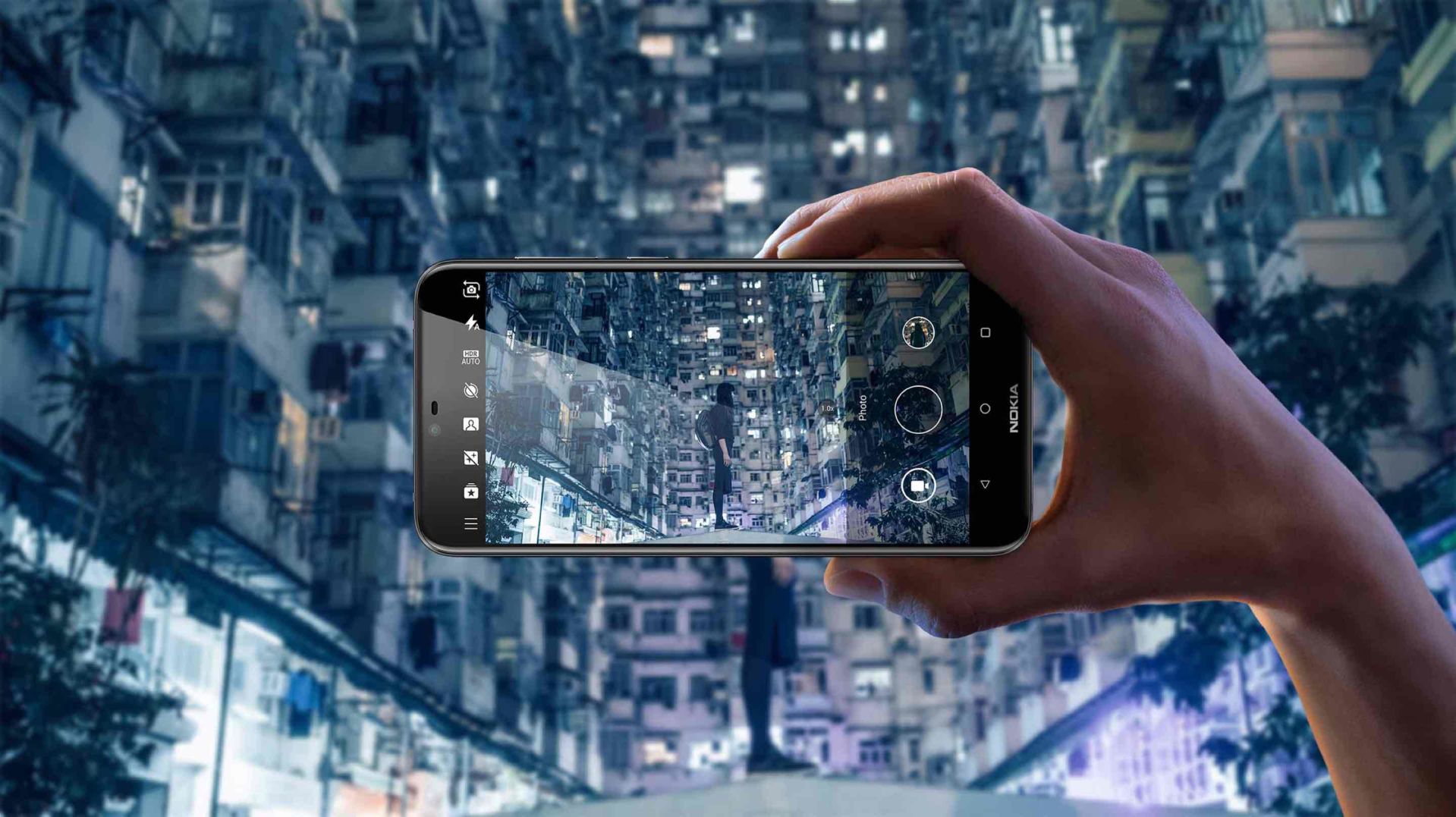 The smartphone is powered by a 3,060 mAh battery which supports 18W fast charging via the bottom mounted USB Type-C connector. In terms of biometric security, it has a rear mounted fingerprint sensor. The newer version which is launched in India has 6GB RAM and 64GB internal storage. The device also supports expandable memory up to 400GB via a microSD card. It will be available in Black and Blue colour options.