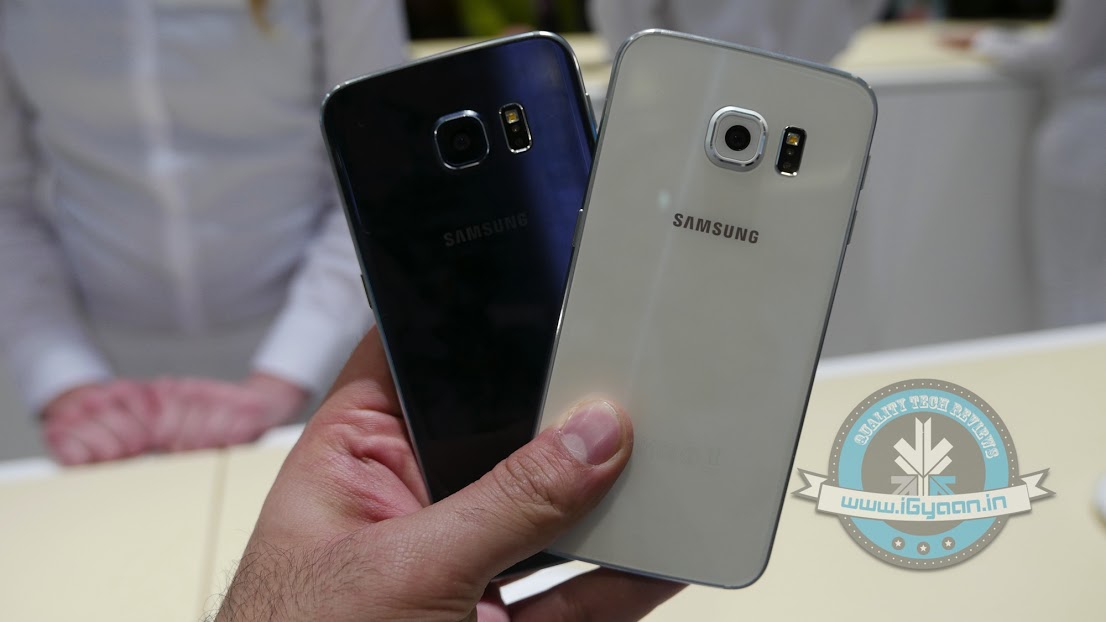
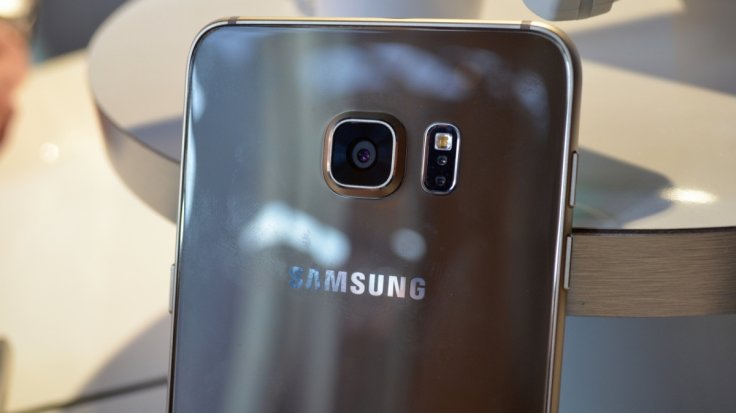
Over the next few weeks, you can expect a lot of leaked images and specs of Samsung’s upcoming Galaxy S7 flagship devices. Since we’re getting closer and closer to the launch, there’s a lot of hype and expectations surrounding the devices. Recent rumours suggest that Samsung might unveil 4 Galaxy S7 variants – two flat screen, and two with dual-curved displays.
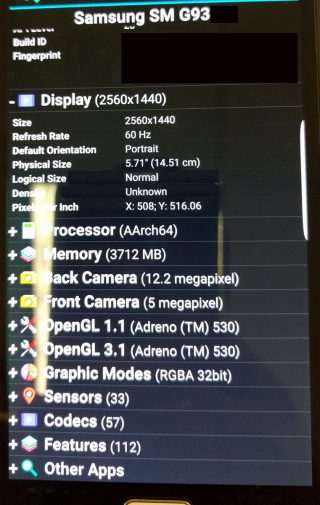
Today, we have a leaked photo that reveals a 5.7-inch Galaxy S7. A Redditor posted an image showing a 5.7-inch screen (with 1440 x 2560 pixels) that’s curved, which suggests it might be the Galaxy S7 Edge Plus.
The photo also reveals some important specs. The 5.7-inch Galaxy S7 features Qualcomm’s Snapdragon 820 chipset and Adreno 530 GPU, 4 GB of RAM, 12 MP primary camera and a 5 MP front. It has been speculated for a while that Samsung is looking to improve its camera quality rather than upgrade its pixels. So a 12 MP camera for the S7 series wouldn’t be all that surprising.
Needless to say, you should take this with a pinch of salt. Samsung is likely to unveil its flagship devices at the MWC in February. Follow this space for more.
CES, short of Consumer Electronics Show, is the place where new and shiny gadgets are revealed that sets the tone for the technology that year. CES 2016 will be no different. The event will take place at in Las Vegas from Wednesday, January 6 to Saturday, January 9, 2016. Here are some of the many technologies that will be unveiled at the four-day conference.
Samsung
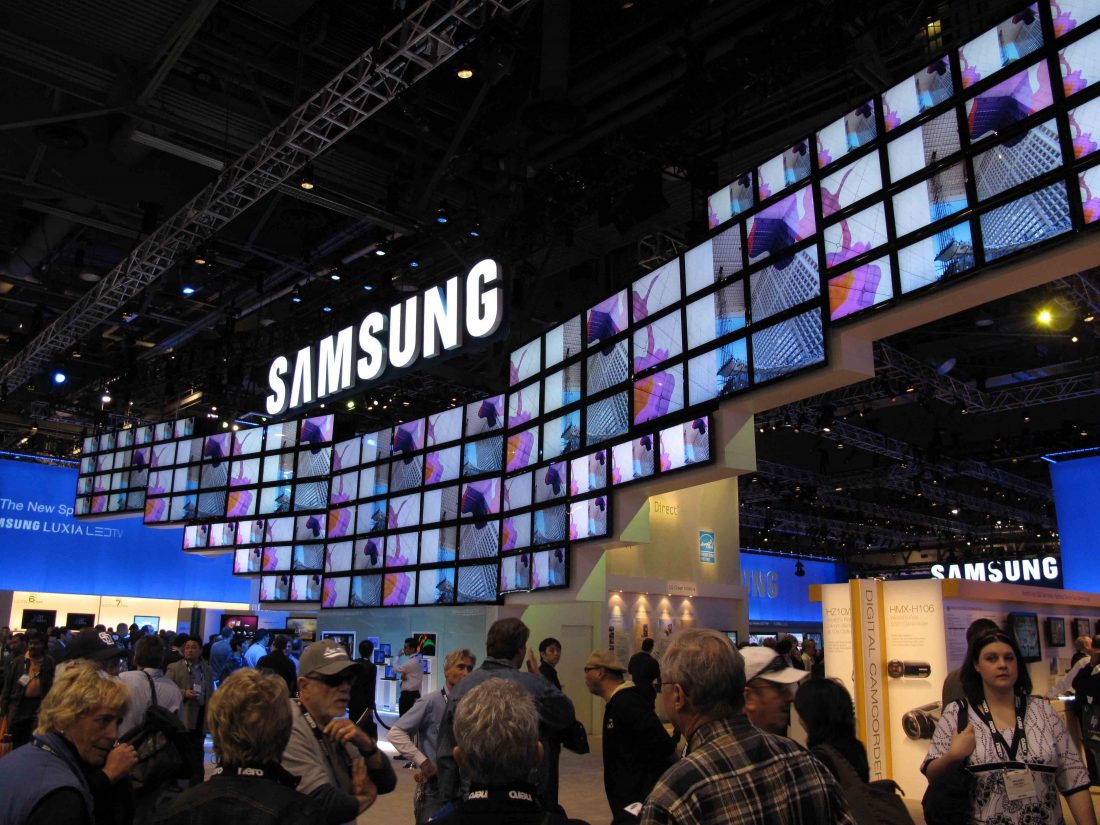
Samsung is likely to draw a lot of attention at CES 2016. Or perhaps that may have been the case when it was expected that the company would launch its next flagship Galaxy S7 devices at the event. However, this rumour has been almost completely denied. Samsung’s invitation puts highlight TVs and home appliances as their main showcases.
But this doesn’t rule out a phone launch by the company. It may not be the Galaxy S7, but Samsung has many other handsets in its pockets that are just waiting to come out. It is likely that the Korean-based company will reveal some mid-range devices – possibly the Galaxy A4 and A7 smartphones, or perhaps the new Galaxy Tab Pro and Note Pro tablets. On the TV front, you can expect some 4K and 8K products in the offing.
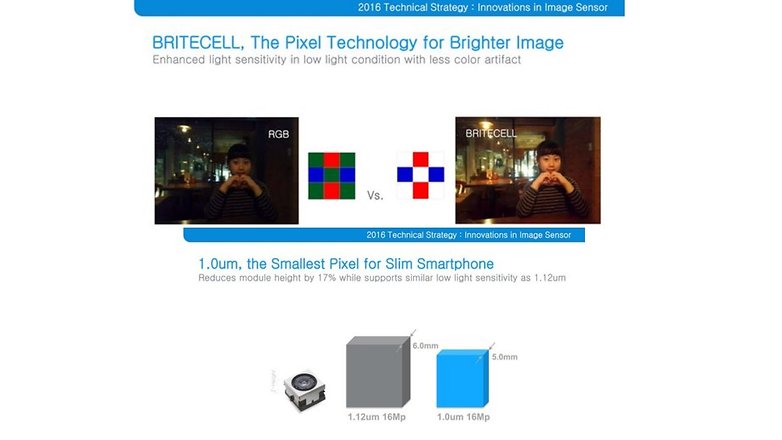
Camera Tech – BRITECELL
BRITECELL is Samsung’s new camera technology that IS expected in the upcoming Galaxy S7. The technology will be showcased at CES and viewers will get a sneak peek into what they can expect from the flagship handset, at least on the camera front.
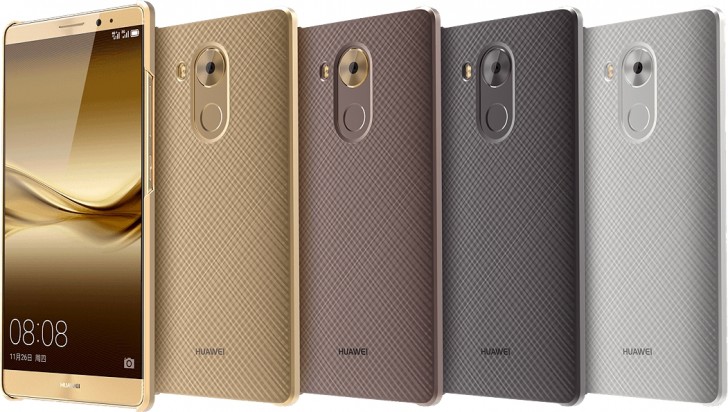
Huawei Mate 8
Huawei has been eager to launch the Mate 8 in the U.S and has received the green light for it. The device has already passed FCC and will be unveiled at CES 2016.
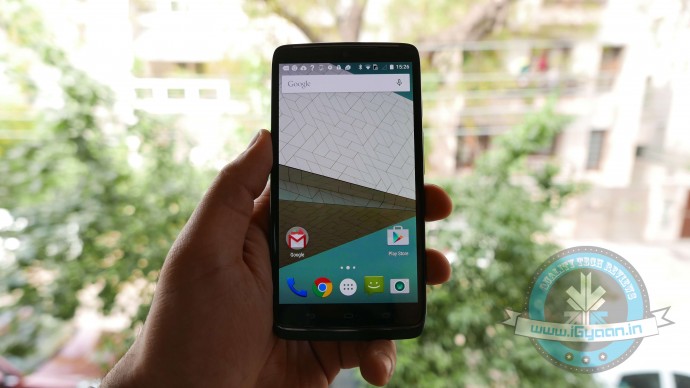
For those of you unaware about the Mate 8, the device sports a 6-inch 1080p touchscreen display and will be powered by Huawei’s new Kirin 950 chipset and an ARM Mali-T880 GPU. Furthermore, the handset will be available in 3GB and 4GB of RAM with 32GB and 64GB and 128GB storage variants. The Mate 8 has a large 4,000 mAh battery and will run on Android 6.0 Marshmallow.
HTC One M10
There’s a lot of uncertainty surrounding the launch of HTC’s next flagship device. The HTC One M10 has been floating between CES and MWC for a while. HTC is still enjoying the launch of the One A9, but fans have already been asking about the One M10, and HTC is likely to reveal the device soon enough.
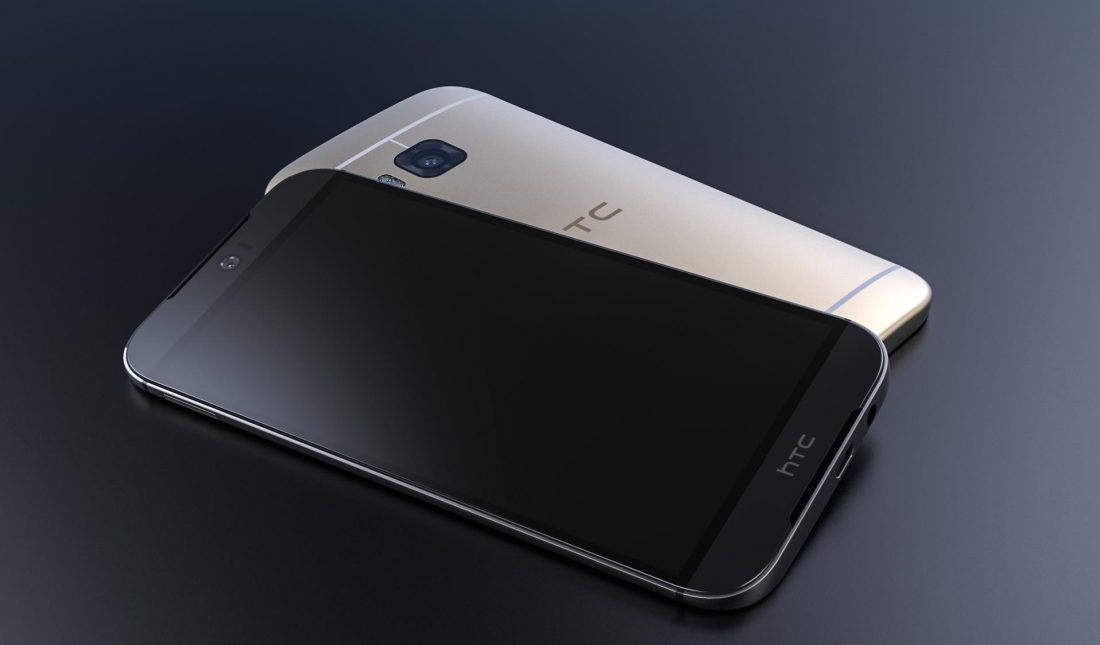
HTC One M10 Concept
What we know so far about the One M10 is that the handset will likely sport a 5.5-inch screen with 2 GB of RAM and 16 GB storage. The device will come pre-installed with Android 6.1, which is a good piece if information. More details will be known as we get closer to the unveiling.
VR
Smartphones and other technology aside, it in VR and autonomous cars that the CES 2016 will revolve around. The two technologies are set to be the highlights at the press conference. We’re slowly moving towards an age of wearable technology and virtual reality is the next big leap. 2015 has already seen the the Oculus Rift and in action, but 2016 will see the official launch of the headgear in the first quarter.
The Oculus Rift will not be the only VR headgear at the CES. Sony’s Project Morpheus, now known as Playstation VR, will also be at the event. Furthermore, Samsung may also reveal a second version of the Gear VR, though nothing has been confirmed on that front. Lastly, HTC is also likely to present a developer version of the Vive VR at CES 2016.
While these were the major names in the department let it be known that there are more than 40 companies presenting VR gear at CES. If that doesn’t tell you how the future of technology looks, nothing will.
Autonomous Cars
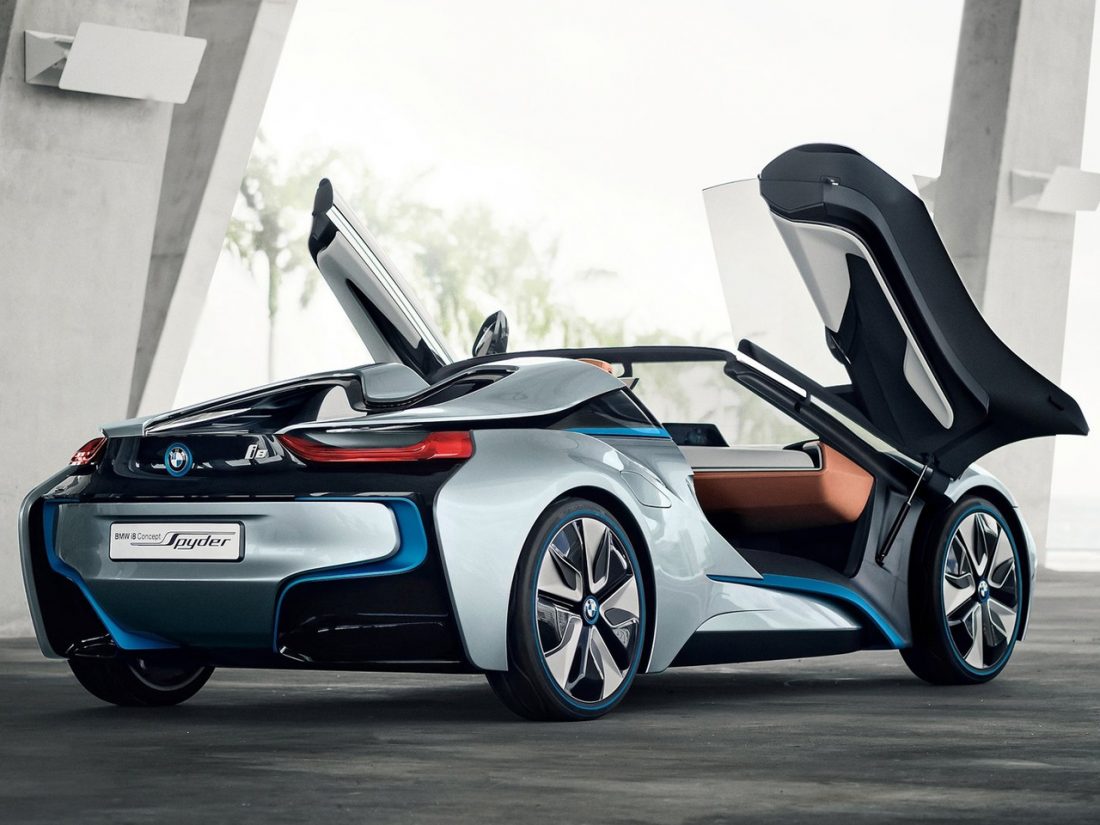
Finally, the other major focus at CES 2016 will be on smart cars. A number of players in the automobile industry are set to unveil autonomous or self-driving vehicles. Some of the speculated names include BMW’s i8 Spyder and the Apple Car. Volkswagen is also keen on shifting people’s attention from the the dieselgate scam, which is why the company is also ready to unveil its first all-electric autonomous vehicle. A teaser revealed earlier this month showing a boxy shape front has raised suspicion that VW is ready with its much-talked about microbus revival.
Samsung Galaxy A3, A5 and A7 have been already launched in China, and are expected to arrive in markets in rest of the world in January, 2016. To keep the phones fresh in the memory of the consumers, Samsung has now launched its first official Galaxy A TV commercial. However, it does not showcase any specific phone but the entire Galaxy A series.
https://youtu.be/Hy409bgKcgE
In terms of specs, this is what we can expect from the three Galaxy A phones when they arrive in India -the A7, which is the biggest of the three, will sport a 5.5-inch AMOLED screen with 1920 x 1080p resolution and a 1.6 GHz octa-core processor, 3 GB of RAM and 16 GB internal storage and 3,300 mAh Fast Charging battery. On the camera front, the A7 features a 13 MP primary camera with f/1.9 aperture and OIS. The front camera also features an f/1.9 aperture.
The A5 has a 5.2-inch AMOLED screen with 1080p resolution, 2 GB RAM and 16 GB storage, quad-core processor and a battery marked at 2,900 mAh. It has a 13 MP primary camera with OIS, and a 5 MP front camera.
Finally, the smallest of the lot, the Galaxy A3, comes with a 4.7-inch AMOLED screen and 720p resolution. The device also features 1.5GB of RAM and 16 GB of internal storage. The A3 is the only device among the three that won’t feature a fingerprint scanner. The device has a rear camera of 13 MP and a front camera of 5 MP, with both having f/1.9 apertures (no OIS here, though).
Which of the three phones is your favourite? Let us know in the comments below. Follow this space for more on Samsung’s A-series launch.
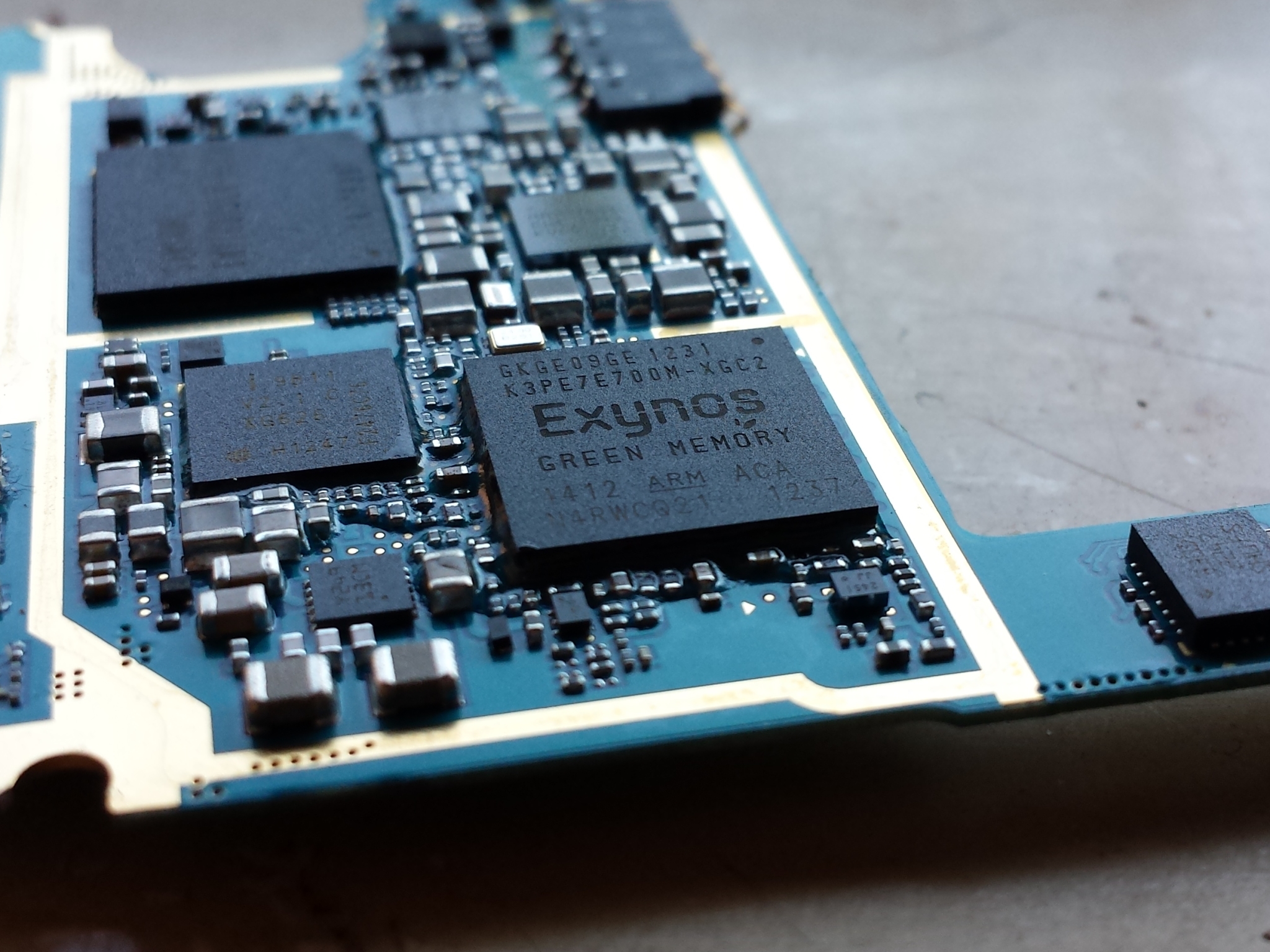
If rumours are to be believed, Samsung is working on releasing a Exynos 8870 chipset. This chipset would be mainly for Samsung’s external clients like Meizu. Additionally, rumours further suggest that Meizu Pro 6 and Pro 6 Mini are expected to come equipped with this chipset next year. The performance of the chipset is expected to be as good as that of Qualcomm Snapdragon 820.
The rumour which has emerged out of China expects the chipset to be official sometime in 2016. Samsung, however, is expected to make use of Exynos 8890 as the chipset of its own high-end devices instead of this rumoured Exynos 8870. Speculations will continue making the rounds for a while until something gets confirmed by Meizu or Samsung.
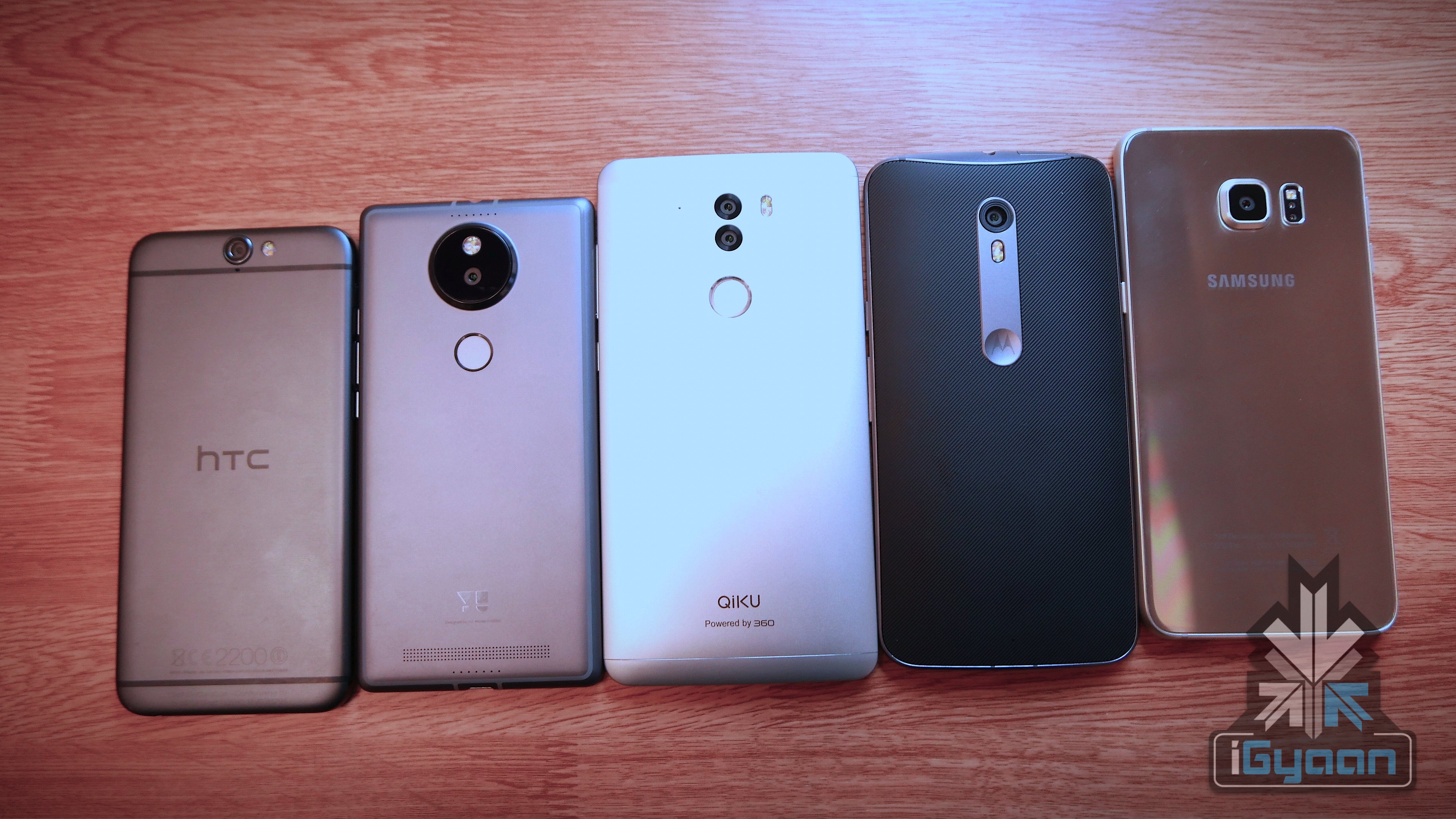
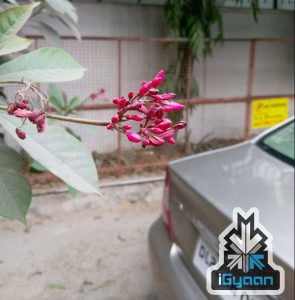
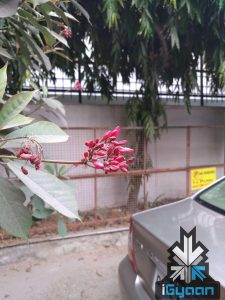
2015 has seen some top-of-the-line smartphones that have excelled in the camera department. We look at the Samsung Galaxy S6 Edge+, Moto X Style, HTC One A9, and Qiku Q Terra and how they perform with the snapper. The images taken are all in auto mode for better comparison.
Galaxy S6 Edge+
The one thing you can blindly trust about Samsung is their camera. The past few years, Samsung’s flagship devices have come with spectacular cameras that have become a kind of benchmark for other flagship devices. The primary camera of S6 Edge+ rocks 16 MP, 2988 x 5312 pixels, optical image stabilization, autofocus and LED flash, while the front camera has a 5 MP along with dual video call and Auto HDR.
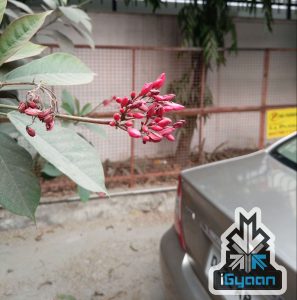
Having one of the best sensors in the market is bound to get you some amazing captures. Pictures taken by the device appear incredibly crisp and clear, and the colours are close to what your eyes see. There is no added saturation here and the bench looks the right kind of orange. The wide angle shot also captures the sun, where other devices in this list have failed to do so.
HTC One A9
HTC’s new One A9 features a 13-megapixel primary BSI sensor behind an f/2.0 lens with OIS and a 4-Ultrapixel front camera. HTC launched the One A9 proudly ripping off the aesthetics of the recent iPhones. While the hardware may be still a way off, the HTC One A9 does well in the camera department.
The outdoor photos came out with a good amount of detail, accurate colors and spot-on white balance. The new One A9 delivers loads of sharpness and clarity. The device comes with a great deal of modes to improve the way things can be shot for the more professionally inclined. For example, there is a RAW mode that takes a little while to process the image, but it does this to give you the best shot possible.
Thanks to the AMOLED display, the images look bright and crisp. However, the shutter speed isn’t the fastest in this list, but that can be ignored for a phone that isn’t quite a flagship device. The colour of the bench and the flower look saturated, but it also gives the picture a certain attractive gloss. Indoor images look good too but it’s still a bit darker when compared to the others.
Yu Yutopia
The Yu Yutopia is one of those devices that have been launched under the moniker of ‘flagship killers’. Sitting comfortably between the Rs. 20,000 to Rs. 30,000 range, the Yutopia made tall claims which it failed to deliver. The camera, however, doesn’t fail at all.
The Yutopia sports a 21 MP Sony Exmor RS IMX230 camera, which is considered one of the most powerful modules in the market today. The rear camera is also capable of capturing 4K video. The camera is fast and responsive and captures a lot of detail. The Yutopia’s shutter speed is indeed fast, as the company claims, at least on auto mode.
Moto X Style
The Moto X Style sports a 21 MP primary camera with f/2.0 aperture on the rear, and a 5MP wide-angle lens on the front (both with flash). The rear camera does not come with OIS, but the camera is an improvement over the others in the Moto X lineup.
In normal to low lighting, the rear camera does quite well. The images are sharp and detailed with just the right amount of vibrancy and saturation. Like the HTC One A9, the Moto X Style also adds a bit of saturation and warmth to the colours, but without making the photos look unnatural. The images are also sharp when zooming into a picture. Furthermore, the X Style is the only other device after the Galaxy S6 Edge+ that was able to capture the sun in the wide angle shot.
One down side to the Moto X Style would be the lack of a full suit of manual controls, which other devices in the list offer. That being said, the camera interface is very simple to use. You can tap anywhere on the screen to take a picture, and swipe right for your basic adjustment setting or swipe left to view your previous snaps.
Qiku Terra
For a debut phone, the Q Terra is massive in all aspects . The 6-inch device not only has a big build and sturdy design, but comes with some impressive specs as well. The Q Terra features a 13 MP rear sensor and an 8 MP front.
On the camera front the Q terra uses a DuoScopic Camera System that integrates two 13MP Sony back cameras – a IMX278 color sensor along with a B/W IMX214 sensor. The phone combines the two instantly for better results. Adding to this, the phone also offers an 8MP front camera with f/2.4 aperture. The images are not only rich in detail but also have great colours.
Outdoor pictures look quite decent with very little saturation. The colours look just like you would see them and the images stay sharp and clear even after zooming in. We found that the phone struggles on occasion to focus on a point. A few shots appeared blurry, but often the pictures were detailed and well balanced.
Conclusion
After taking several pictures with the above mentioned devices, we found that while the S6 Edge+ dominates the pack with its spectacular camera, other devices like the HTC One A9 and Yutopia feature some great sensors as well. The images are colourful and clear and the AMOLED display on the One A9 really adds more flavour to the pictures.
Qiku’s Q Terra doesn’t have much to brag about, but the device works well under outdoor conditions. Moto X Style is for the absolute basic photographers who want some quick, auto captures with no fuss. Though basic it may be, the X Style does come with a pretty solid camera.
South Korea’s Electronic Times has reported that Samsung’s initial production would include 5 million Galaxy S7 handsets. The new flagship of the company would have two variants, a 5.2 inch Galaxy S7 and a Galaxy S7 Edge with a larger curved screen of 5.5 inches.
The division between the two variants would include 3.3 million S7 phones and 1.6 million S7 Edge phones. The flagship will not be an entirely new smartphone but simply an upgraded and improved version of the S6 series, similar to what Apple has been doing with its iPhones. Samsung goes the Apple way in terms of hardware as well -it’s expected to include touch sensitive display.
There have been a lot of rumours regarding when the S7 phones will be launched. Earlier, it was expected that Samsung would unveil the devices at the CES conference to be held in January. Next up was at the MWC scheduled to take place in February. Now, word from China Mobile, China’s leading carrier, is that Samsung will present its flagship devices in March. Let’s hold our breath until then.
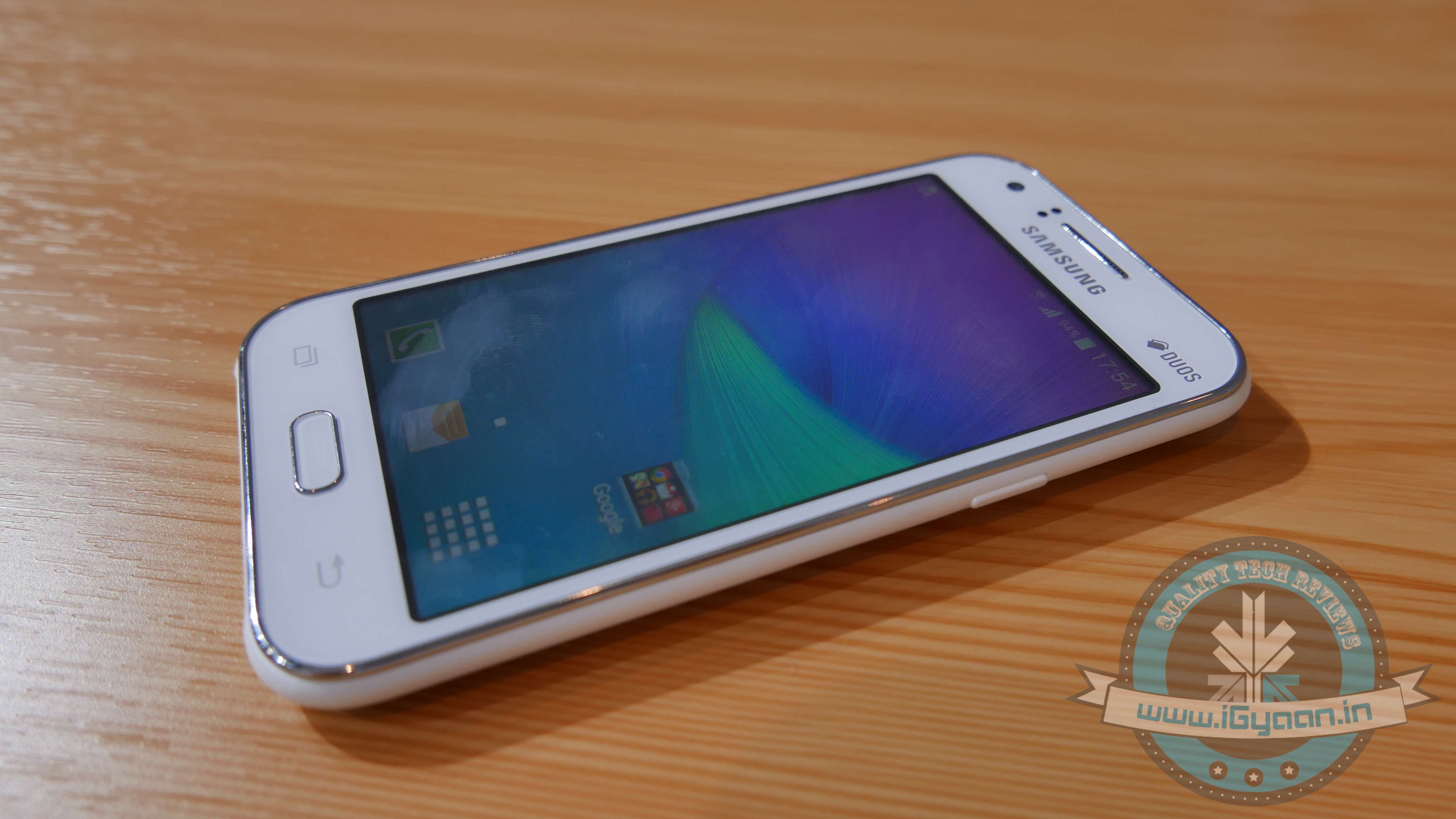
After a month of its FCC clearance, a leaked image of the Samsung Galaxy J1 successor has appeared online. The image also appeared with a bunch of specs which include a 4.5 inch display, which is slightly larger than the current J1’s 4.3 inches, with 480×800 pixel resolution. The phone will be powered by Android 5.1.1 Lollipop.
The FCC certificate does not reveal any specifications for the handset, although a siting on GFXBench can throw some light on it. The SM-J120F (the model number of J1’s successor) is expected to arrive with a dual SIM variant which will be powered by the Samsung Exynos 3475 chipset with quad-core 1.3 GHz CPU and will come with 1 GB RAM and 4 GB internal memory.
On the camera front, one can expect a 5 MP rear camera and a 2 MP front camera. The phone will be a budget phone arriving at close to Rs. 7,000.
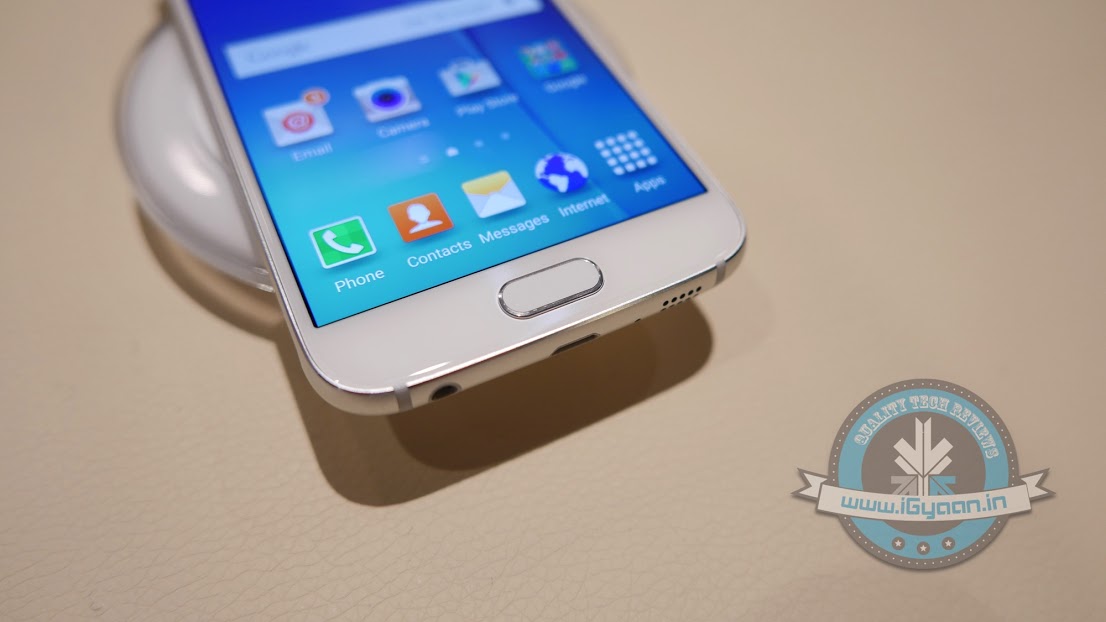
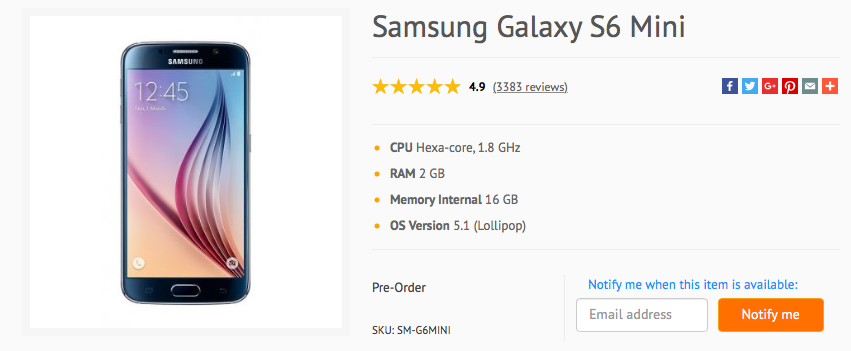
Apple isn’t the only one working on a mini device for 2016. Turns out Samsung has one in the pipe as well. The Galaxy S6 Mini is likely to hit the markets soon, as one online retailer has already listed the device on their website.
The Galaxy S6 Mini will sport a 4.6-inch Super AMOLED screen with Corning Gorilla Glass 4. The handset is powered by the Snapdragon 808 chipset, with a hexa-core 1.8GHz CPU and the Adreno 418 GPU. 2 GB RAM and 16 GB internal storage is to be found as well.
On the camera front, the S6 Mini will feature a 15MP rear and 5MP front. Other details include a non-removable battery, wireless charging, a fingerprint sensor, and Android 5.1 pre-installed.
The phone, listed on United Arab Emirates-based website LetsTango, is not yet available for purchase. However, pre-registrations for the device have already begun. It is also unknown whether the device will in fact see light of day, as Samsung has yet to confirm anything about the Galaxy S6 Mini.
According to reports, Samsung is going to lower the shipment of its smartphones in 2016 by 12%. This means the company would be shipping about 420-430 million units next year. Samsung is going to focus less on its high-end S series, and more on its budget and mid-range phones. The J series and the A series ensured that Samsung performed well in 2015. However, the year also saw a fall in the over-all demand of smartphones globally.
While Samsung still continued to be a leading smartphone manufacturer despite the falling demands, the company is altering its course a little next year. There will be some new additions to the Samsung Galaxy A and J series. There are also big plans for the company’s flagship phones. Galaxy S7 and S7 Edge, expected to arrive in 2016. Watch this space for all latest developments.
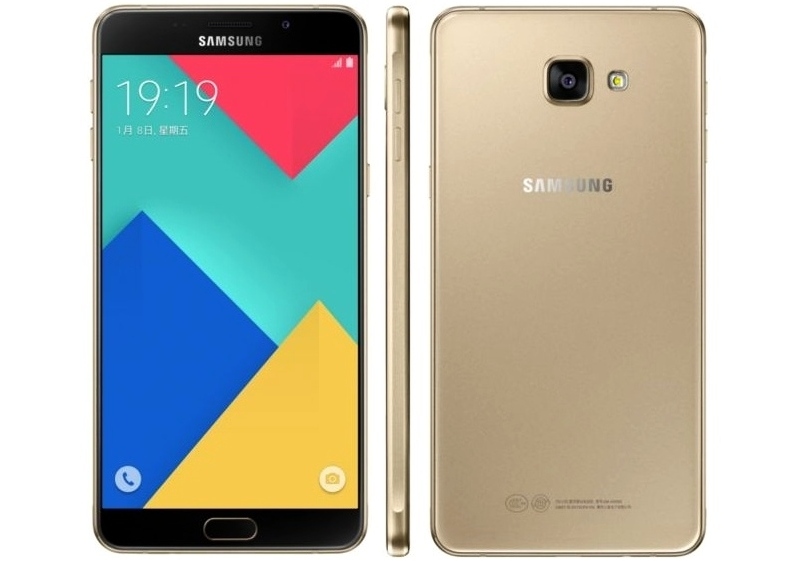
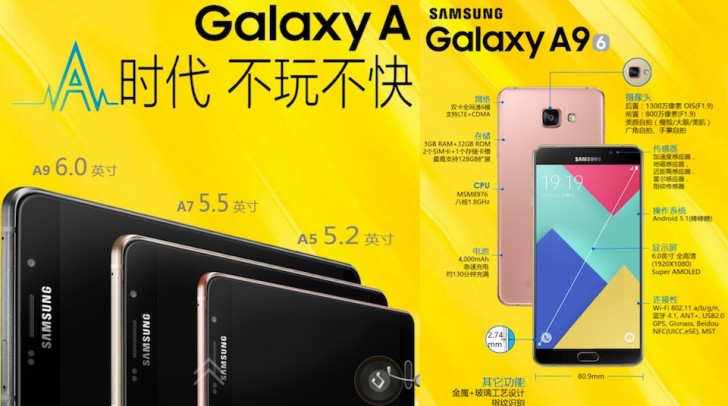
Just yesterday we told you that Samsung’s new Galaxy A9 device passed China’s TENAA certification. This meant that a launch was soon expected. But it turns out that ‘soon’ meant ‘today’. Yes, China has finally unveiled the 6-inch Galaxy A9 smartphone today.
The announcement confirms the rumoured specs that we have come to know about the device. The Galaxy A9 sports a big 6-inch Full HD AMOLED display and a metal frame. Powering the device is a Snapdragon 652 (earlier named 620) chipset with 3 GB of RAM and 32 GB of internal storage.
The new handset also features a fingerprint scanner embedded in its home button, and will run on Android 5.1.1 Lollipop. The device features a 13 MP primary camera with a wide f/1.9 aperture and optical image stabilisation, and an 8 MP front. The Galaxy A9 also packs a massive 4,000mAh battery with QuickCharge support.
Connectivity support includes Wi-Fi a/b/g/n, bluetooth v4.1, GPS/Beidou and NFC. The only thing remains is the price, which is yet to announced.
They came, they saw and they conquered 2015 -we take a look at smartphones above the price range of 40K in this list which took the tech circuit by storm this year.
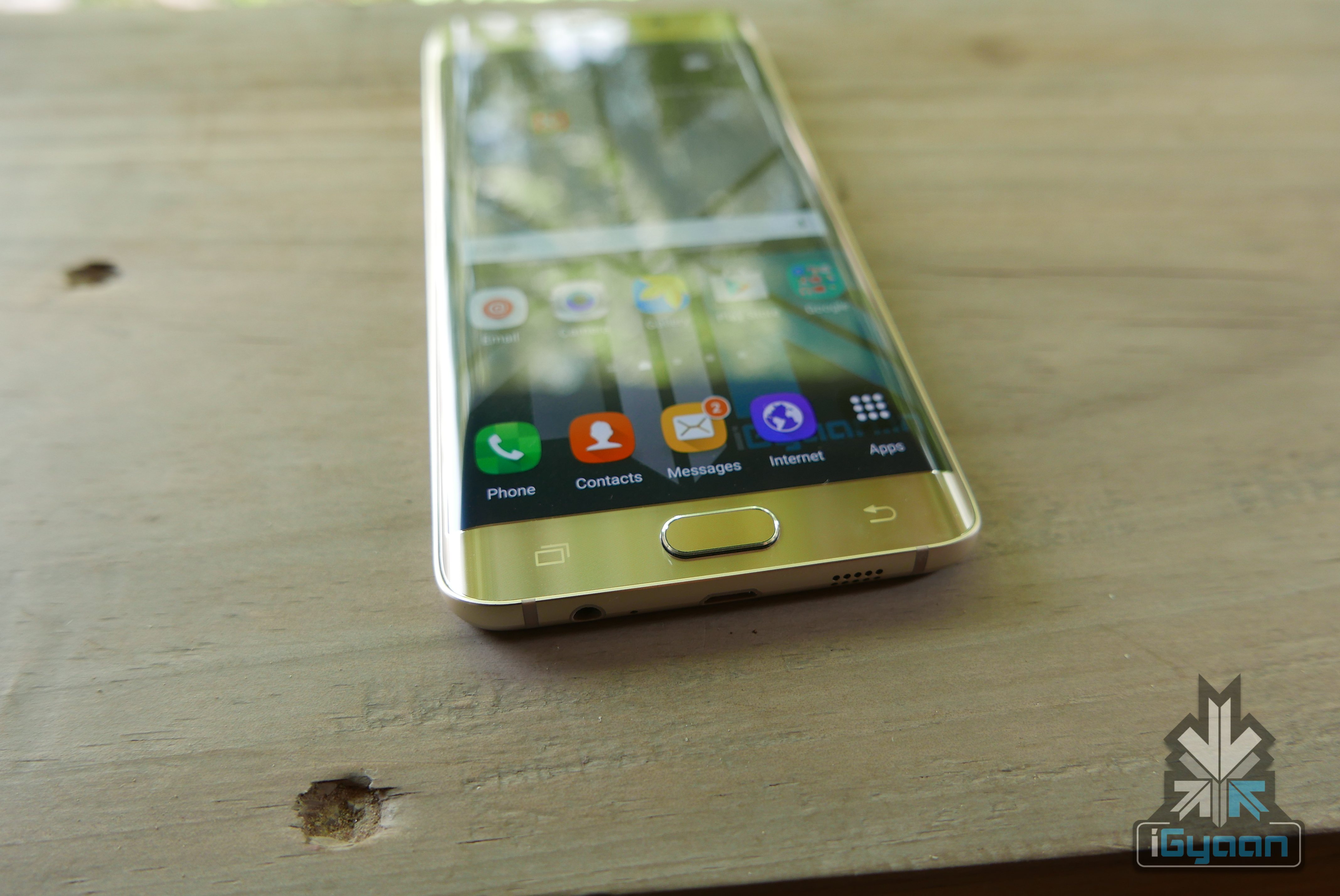
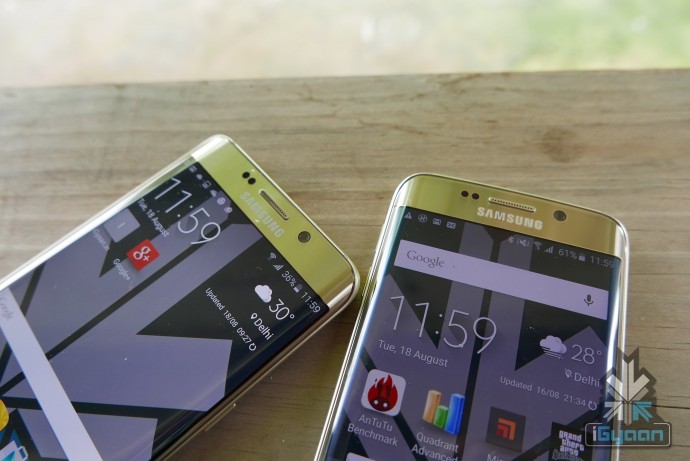
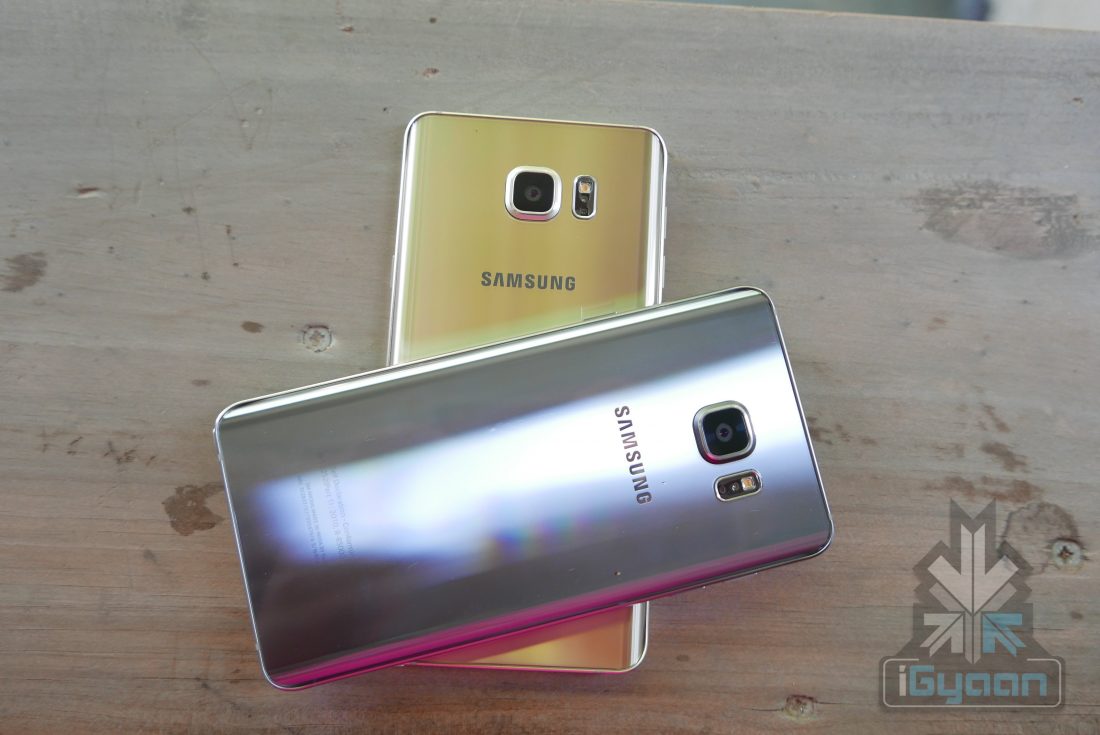
Samsung Galaxy S6 Edge and Edge Plus: Samsung Galaxy S6 Edge sports a 5.1 inch Super Amoled screen and QuadHD resolution with a total of 577 ppi. Powered by a 2,600 mAh battery, the handset is available only with fixed storage of either 32GB, 64GB or 128GB, which are all based on UFS 2.0 (Universal Flash Storage). With 16 MP primary camera, it is capable of shooting 4K video as well. Click here to check out the hands on of the gold variant of Samsung Galaxy S6 Edge.
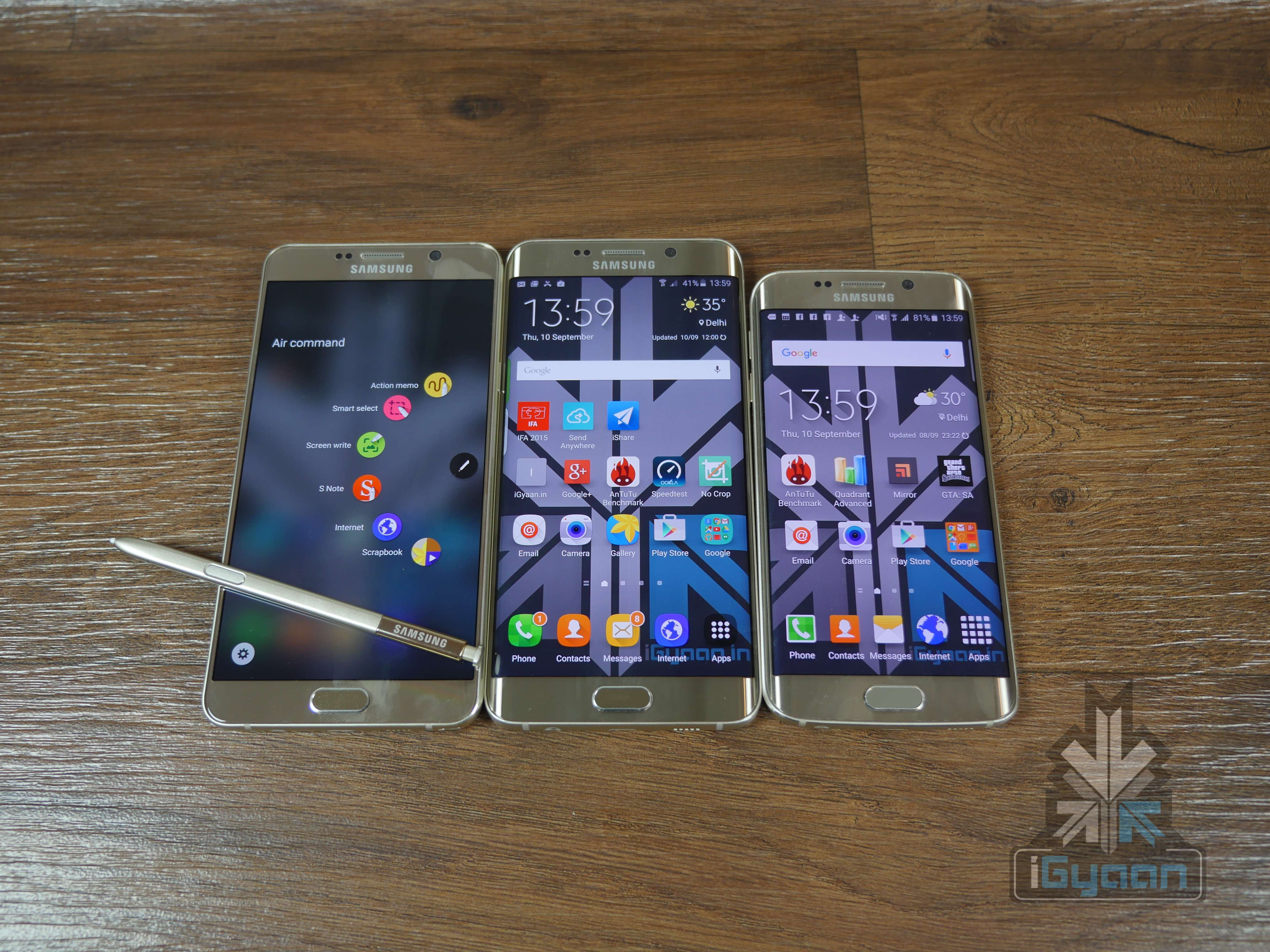
When it comes to S6 Edge+ -everything from display and resolution to chipset and cameras are identical to the Galaxy S6 Edge. However thanks to the new large display of the S6 Edge+ the pixel density drops to 515 ppi vs the mammoth 577 ppi on the S6 Edge. The Edge+ variant also sports a larger 3,000 mAh battery to combat the drain from the larger QHD Super AMOLED display. An additional 1 GB of LPDD4 RAM, takes it upto 4 GB on the Edge+ however the phone is missing the 128GB storage option as only the 32 and 64 GB variants will go on sale. Find the complete review of Galaxy S6 Edge+ here.
Samsung Galaxy Note 5:
Samsung Galaxy Note 5
The Note 5 is a beautiful device thanks to its extensive use of glass and metal -Gorilla Glass 4 on the back and the front, and rear glass tapers in to the edges, putting the Edge display design on the back of the Note 5. It runs on what is possibly the best version of Samsung’s skin called “TouchWiz”. Other features include the Slick UI elements, use of power buttons to increase or decrease screen font size, the S-Pen, which is capable of giving previews, like before, and the super smooth pop ups. The 5.7 inch size of the screen is larger than before and hence reduces the PPI to 518. For more details of the Galaxy Note 5, click here.
iPhone 6s and 6s Plus:The iPhone 6s and 6s Plus add an improved Apple A9 chip and an M9 co-processor, along with enhanced cameras. There is a 12 MP rear camera that shoots 4K videos. On the front, there is a 5 MP snapper, which however is still restricted to 720p. Compared to the iPhone 6s’ 1330 x 720p display, the Apple iPhone 6s Plus gets a larger display with a 1920 x 1080p resolution. It also gets a bigger battery and Optical Image Stabilisation in the rear camera. Everything else on both devices is identical in terms of specifications.
The introduction of the 3D Touch functionality is the highlight of iPhone 6s and 6s Plus, and the Peek and Pop UI of iOS 9 makes this feature infinitely fun. If you are in India and have been planning to buy iPhone 6s, now is the best time to do it. The smartphone has undergone a big price-cut of 11K -after being launched for Rs. 62,000 in India, it’s now available for 50K. There is a fall in the price of the iPhone 6s Plus as well but it’s not as drastic as the 6s. If you’re still unsure about the new iPhones, read our full review here.
Sony Xperia Z5 and Z5 Premium:
The Z5 Premium has a 5.5-inch 4K display. It is world’s first 4K display smartphone and comes with a 3,430 mAh battery, bigger than the Xperia Z5. The rest of the specs of the two phones are pretty much the same. The Sony Xpreria Z5 features a 5.2-inch full HD screen and 2900mAh battery. Both devices run on Android Lollipop 5.1, powered by a 64-bit octa-core Snapdragon 810 chipset with Adreno 430 GPU, 3GB RAM, 32GB storage (expandable to 200 GB).
The devices also come with a 23MP primary camera and a 5 MP camera in front. There is also a fingerprint scanner in the power button on the side of the device.
The Xperia Z5 has a matt finish that looks great. The Z5 Premium, on the other hand, has a glossy finish and will be available in Gold or Chrome. The front of the devices has BoomSound-styled dual speakers that are loud and give a crisp, well balanced sound. Click here for the complete hands on of Sony Xperia Z5 and Z5 Premium.
Lumia 950 and 950 XL:
Microsoft Lumia 950 XL
The Lumia 950 sports a 5.2-inch AMOLED display with 2560×1440 pixel resolution and a pixel density of 564 ppi for clear, sharp images. The 950 XL, on the other hand, comes with a larger 5.7-inch IPS display with 2560×1440 pixel resolution and a pixel density of 518 ppi. This is the first time Microsoft has used QHD display in its Lumia lineup.
The Lumia 950 is powered by a hexa-core Qualcomm Snapdragon 808 processor with 3GB of RAM while the 950 XL packs in a 64-bit octa-core Qualcomm Snapdragon 810 processor with 3GB of RAM. Both phones feature a liquid cooling technology, similar to the one found in the Surface tablet computer.
Lumia 950 and 950 XL have 32 GB of internal storage along with a MicroSD slot that allows up to 200 GB of expandable storage. The devices sport a 20MP primary camera with triple LED flash and fifth generation OIS, all of which promises detailed low light pictures.
The selfie snapper is marked at 5 MP and has a physical camera button. One of the biggest USPs of these Windows devices is the Continuum feature -you can read about it as well as all other specs of Lumia 950 and 950 XL on iGyaan.
The Turing Phone:
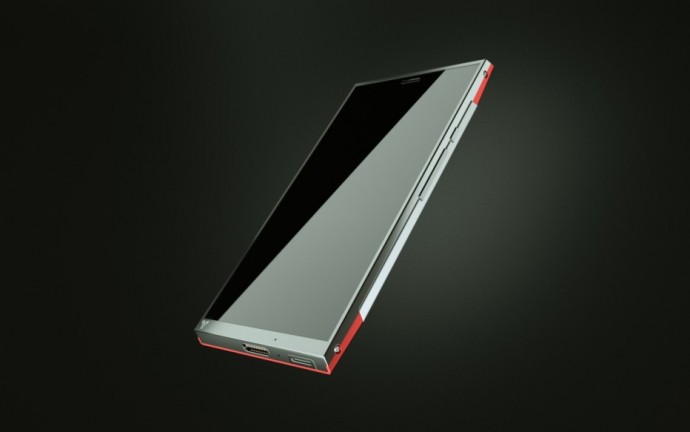
The Turing phone is an Android phone that is designed around the idea of being unhackable. It does not come with a USB port or headphone jack or any other extension that could be used to manipulate its data, leaving BlackBerry far behind in terms of security measures.
The specs of this phone include a 5.5-inch 1080p LCD, a Snapdragon 801, 3GB of RAM, a 13MP rear and an 8MP front camera, 3,000 mAh battery and a fingerprint scanner on the left side of the phone.The phone runs on a hardened version of Android 5.1 with built-in end-to-end encryption with Turing Aemaeth UI. The phone can be charged via a magnetically attached power connector, like Apple’s MagSafe.
When registrations had begun back in August this year, the 16 GB, 64 GB, and 128 GB variants were priced at $610 (approximately Rs 39,000), $740 (approximately Rs 47,300) and $870 (approximately Rs 55,700) respectively. Additionally, the dark Wyvern special edition Turing phone was available for $999 (approx. Rs.66,023), and the Dark Wyvern “Glaedr” special edition was available for $1299 (approx. Rs. 85,850). The pre-order period for the Turing phone has ended for now but you can sign up for the next round here.
BlackBerry Priv: Though the phone is yet to arrive in the country, a list of smartphones from 2015 priced over 40K won’t be complete without the BlackBerry Priv. It’s Android-powered, but is very much a BlackBerry phone. Privacy and security is of major importance here and that’s what Priv stands for. The handset is a hybrid with both a full touchscreen as well as a slide-out QWERTY keyboard. This means the phone caters to both touchscreen fans as well as keyboard loyalists. And given that very few devices today offer a keyboard, this may just work in BlackBerry’s favour.
The Priv comes with a Snapdragon 808 processor and 3 GB of RAM with 32 GB extendable storage. It features a 5.5 -inch curved display with a 1440×2560 pixel resolution and 537ppi. Finally, the phone has an 18 MP primary camera and a 5 MP front camera. The Indian pricing of the device is expected to be close to Rs. 50,000.
Moto Droid Turbo 2/Moto X Force:The phone, famous because of its ‘crack-proof’ screen, has not hit the Indian markets yet but is expected to arrive soon. Launched as Droid Turbo 2 in the US, the smartphone is expected to be released with its current price tag of $624 (Rs. 40,000 approximately) and $720 (Rs. 47,000 approximately) for the 32 GB and 64 GB variants respectively.
On the specs front, Moto X Force packs a 5.4 inch Quad HD display with a resolution of 2560×1440 pixels. It is powered by Qualcomm Snapdragon 810 octa-core chipset along with 3 GB of RAM. The two internal storage options of 32 GB and 64 GB are expandable up to 2 TB with the help of a microSD card.The highlight of the device is its super-hardy screen.
Needless to say, Motorola cannot stop talking about its first ever shatter-proof phone in the world. Let’s see if Moto X Force manages to live up to all the expectations. It seems like a pretty neat device which is why it’s included in this list.
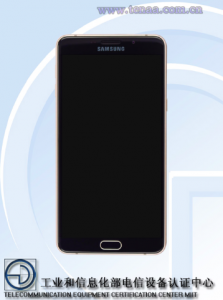
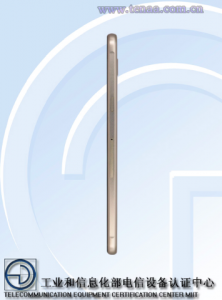
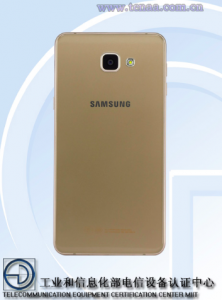
Expected to be unveiled at the CES in January, Samsung’s new Galaxy A9 smartphone is set to become one of the largest smartphones by the company with a 6-inch 1080p Super AMOLED screen. The handset recently passed the FCC and today, the device has been approved by China’s Telecommunication Equipment Certification Center, which means it’s ready to be sold in China soon.
The certification body also reconfirmed what we’ve come to know about the rumoured specs and has also revealed some new images of the device. The Samsung Galaxy A9 is going to sport a 6-inch 1080p Super AMOLED display and a metal frame. It will also have a battery marked at 4000 mAh to match the huge screen.
The device will be powered by an octa-core Qualcomm Snapdragon 620 (or 652, according to the new name change) processor clocked at 1.8 GHz. The new handset also features a fingerprint scanner embedded in its home button, and will run on Android 5.1.1 Lollipop. The Galaxy A9 is also expected to include a 13 MP main camera, 8 MP front camera, 3 GB of RAM and 32 GB of internal storage.
No word yet on the pricing of the device, but rumours suggest the A9 will be priced around $450 or close to Rs. 30,000.
If you’re looking for a phone priced between 30-40K, here are our recommendations. Let us know about your favourite smartphones in this price bracket in the comments below.
HTC One M9 Plus
The HTC One M9 Plus packs a 20 MP primary camera with sapphire cover lens, auto focus, BSI sensor and ultrapixel front facing camera. It has a5.2-inch (13.2 centimeters) display with 1440 x 2560 pixels resolution. The phone is powered by 2.2GHz octa-core processor, 3GB RAM, 32GB internal memory expandable up to 2 TB, and it supports only a single SIM. The battery is marked at 2840 mAh.
Samsung Galaxy Note 4
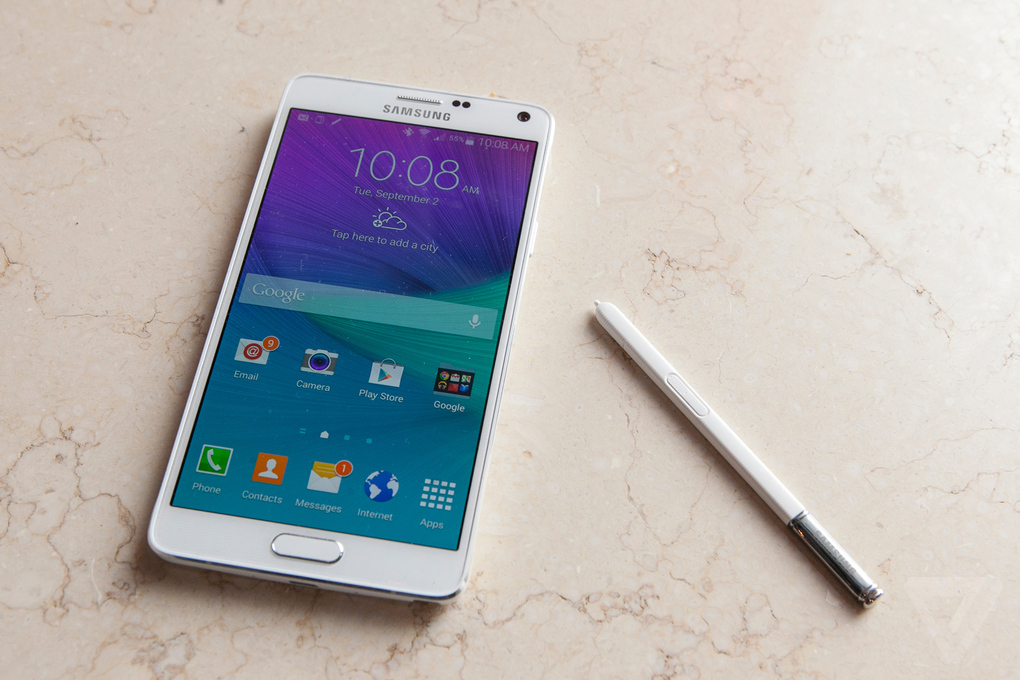
Galaxy Note 4 comes with a 5.7 inch QHD display and a 3,220 mAh battery with fast charging technology. It is powered by Snapdragon 805 chipset which is clocked at 2.7 gHz quadcore, coupled with 3GB RAM. It offers 32GB internal memory with support for expandable memory of upto 64 GB. Note 4 packs a 16 MP rear camera with OIS, along with a 3.7 MP front snapper allowing users to take wide-angle selfies. Samsung also added a fingerprint scanner feature along with a heart rate monitor on the back of the device. You can find our hands on of the Galaxy Note 4 here.
Huawei Nexus 6PThe 6P features a 5.7-inch QHD touchscreen, Qualcomm’s Snapdragon 810 chipset, with 3 GB RAM, a 3450 mAh battery and a USB Type-C port. The camera sports a 12.3 MP sensor with laser autofocus, dual-LED flash at the rear and a rather impressive 8MP on the front. This pure Android phone runs on the latest Marshmallow operating system. One of the main highlights of the Nexus 6P is the Nexus Imprint. The fingerprint sensor on the back is fast and fluid in accessibility, which according to Google only “gets better over time” as it learns more about your unique fingerprint. Click here for a detailed hands on of the device.
Nokia Lumia 1520
Even though Nokia Lumia 1520 was launched as early as 2013, this list wouldn’t be complete without it.The device features a 6-inch Full HD with 1080p display resolution. The device is powered by a Snapdragon 800 processor, sports a 20 MP PureView camera and has an inbuilt storage of 32 GB expandable upto 64 GB. Nokia has included a big 3400 mAh battery, the device is packed with a 2 GB of RAM. The polycarbonate build supports wireless charging. The price of the phone has now dropped to 39K after the initial price tag of about 47K during the time of its release.
LG G4: The LG G4 is an iconic design from LG, while many companies have attempted to make leather looking handsets (Note 3 and Galaxy S5), LG actually made a smartphone with a genuine leather back panel. The phone packs a 5.5-inch Quad HD LCD with 2560 x 1440 PX resolution. It is powered by Qualcomm Snapdragon 808 with 1.8 GHz hexa-core processor. The LG G4 also has dual sim (certain regions) and a removable and replaceable battery marked at 3,000 mAh, along with micro-SD expansion all of which is lacking in the Galaxy S6 and S6 Edge. Find the complete review of the smartphone here.
Samsung Galaxy S6
The S6 is equipped with 64-bit Exynos octa-core, a premium metal and glass based design. Additionally, the S6 has the most pixel intensive Quad HD display with 577 ppi for a unique, eye-popping multimedia experience, along with wireless charging and ultra power saving mode for improved convenience. For the complete specs and a hands on of the device, click here.
iPhone 6The iPhone 6 is available at an all time low of Rs. 41,000, falling pretty much in the 30-40K price bracket. The phone is a good buy at this price -it offers almost all features of the iPhone 6s (except for Force Touch) minus the hefty price tag. If there was ever a right time to buy an iPhone in India, it is now. iPhone 6 has a 4.7 inch display with a resolution of 1334 by 750 with 326 ppi, and is equipped with an 8 MP iSight camera. Find here the complete review of the iPhone 6.
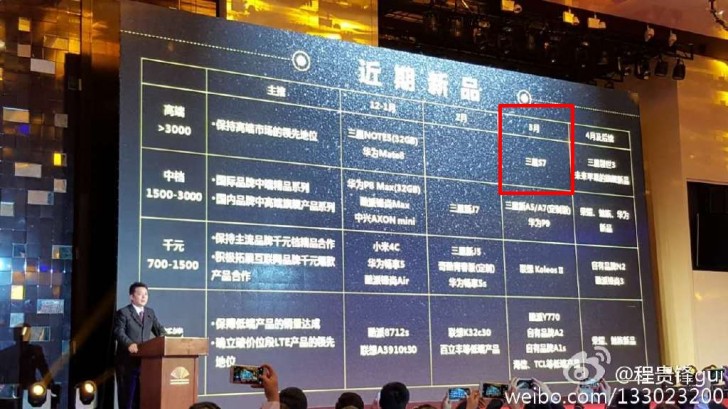
There have been a lot of rumours and a lot of questions regarding when Samsung will launch its upcoming flagship Galaxy S7 devices. Earlier, it was expected that Samsung would unveil the devices at the CES conference to be held in January. Next up was at the MWC scheduled to take place in February. Now, word from China Mobile, China’s leading carrier, is that Samsung will present its flagship devices in March.
The above image was taken at a recent event where China Mobile revealed its roadmap for the coming months. The roadmap also revealed the possible price range in which the Galaxy S7 will fall – above RMB 3,000, which means north of $465 (roughly Rs. 30,000, although the actual Indian pricing is expected to be higher that that). The roadmap also revealed information about the Huawei P9 and Samsung’s new Galaxy A5 and A7 devices, among others.
Not much is known about the flagship device as of yet, but what is almost confirmed is that the Galaxy S7 will arrive in two variants – one powered by the new Snapdragon 820 chipset and the other being Exynos 8890. More will be revealed as we approach the launch date.
The March launch does put more credibility to rumours that Samsung could launch the device at the MWC late February, while the U.S launch is expected in mid-March. Follow this space for more on Samsung’s upcoming flagship smartphone.
Continuing with our 2015 roundup, here’s our pick of some of the best smartphones launched this year priced between Rs. 10,000 to Rs. 15,000. Let us know your favourites in the comments below.
Samsung Galaxy On7
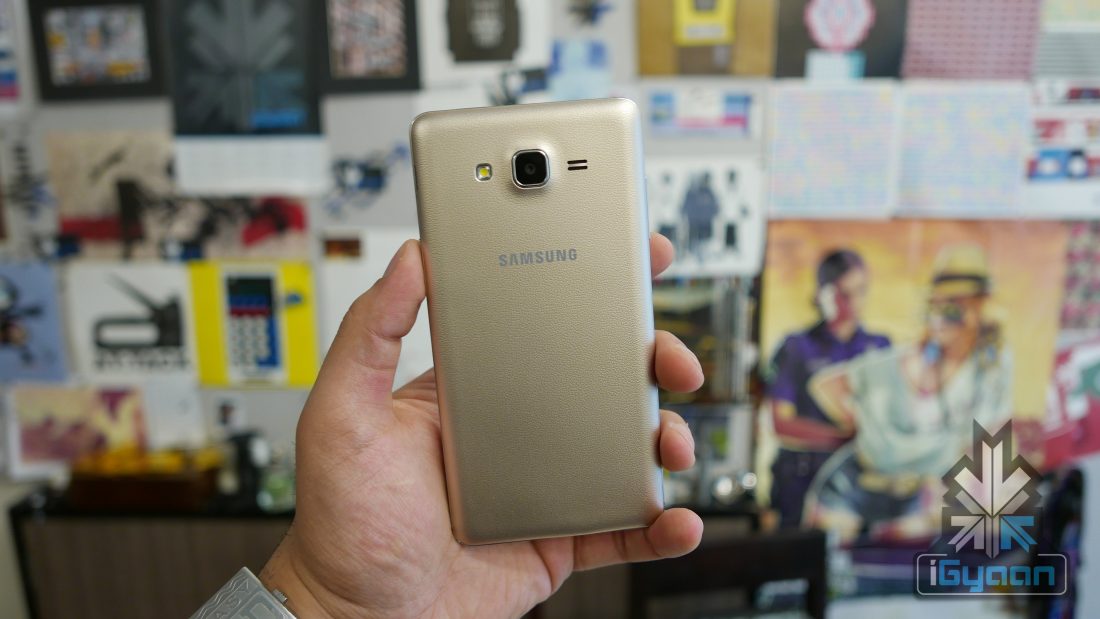
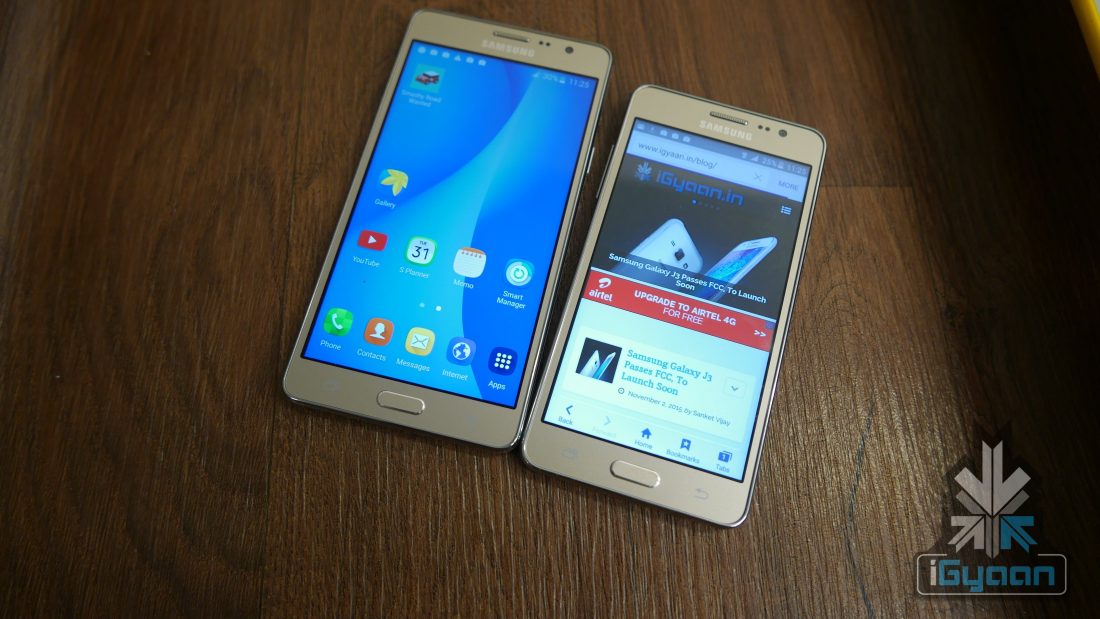
The Samsung Galaxy On7 sports a 5.5-inch (138.6mm) HD display. It runs on a 1.2GHz quad core Sanpdragon 410 processor and a 1.5GB RAM. The storage is the same as the On5 at 8GB and both are expandable up to 128GB via MicroSD card slot. Bith the devices are dual SIM. The On7 houses a 13MP primary camera with auto-focus and a 5MP front.
The device is touted as youth friendly and comes an Ultra Data Saving mode that compresses data and saves up to 50% data charges for greater networking and browsing. The devices also come with RadioMix which is an Apple Music-like streaming service that lets you stream millions of songs and also offers curated music based on your preference. The Galaxy On7 is available at a price of Rs. 10,990. Check out our unboxing and hands on with the Galaxy On7 to know more about the handset.
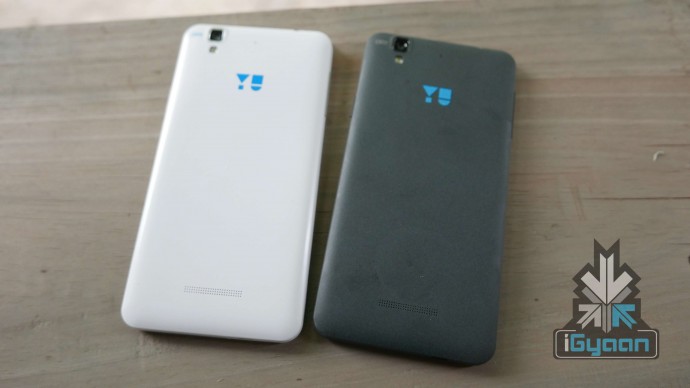
Yu Yureka Plus
The Yureka Plus comes with a 1920x1080px display vs the 720px on the original Yureka. The Plus version also gets the Corning Gorilla Glass 3 protection layer added to the top of the display. All this is on the same size 5.5-inch display which bumps up the pixel density to 400 ppi.
The device is powered by a 1.5GHz octa-core processor with 2 GB of RAM and 16 GB internal storage. The device was originally priced at Rs. 9,999 and was the phone that started it all in that price bracket, but is now available for Rs. 11, 278 on Flipkart.
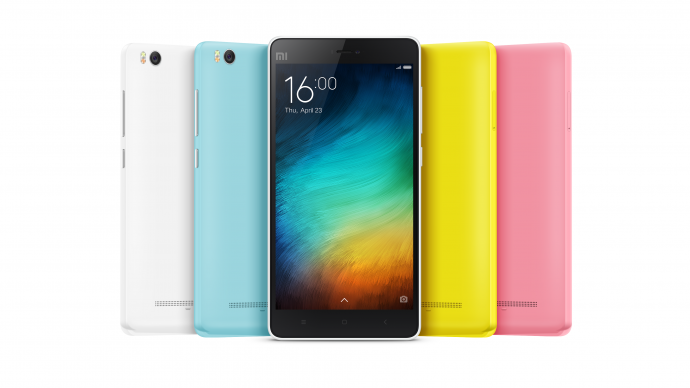
Xiaomi Mi 4i
Xiaomi applied its powerful design and engineering capabilities to create the Mi 4i, which was launched globally at a premiere in New Delhi in April this year. The Xiaomi Mi 4i has a 5-inch Full HD OGS IPS display with 441ppi pixel density. The processor powering the phone is a 64-bit octa-core Cortex-A53; the four cores clocked at 1.7 GHz and the other four at 1.1 GHz. It features 2GB of RAM and 16GB of non-expandable storage space. The Mi 4i runs on Android 5.0 Lollipop with the company’s MIUI 6 on top.
Other features include a 13MP rear and a 5MP shooter. The dual-SIM device is powered by a 3120mAh battery. Connectivity options include Micro-USB 2.0, Bluetooth 4.0 and Wi-Fi. The device is available at a price of Rs. 11,999 for the 16 GB variant.
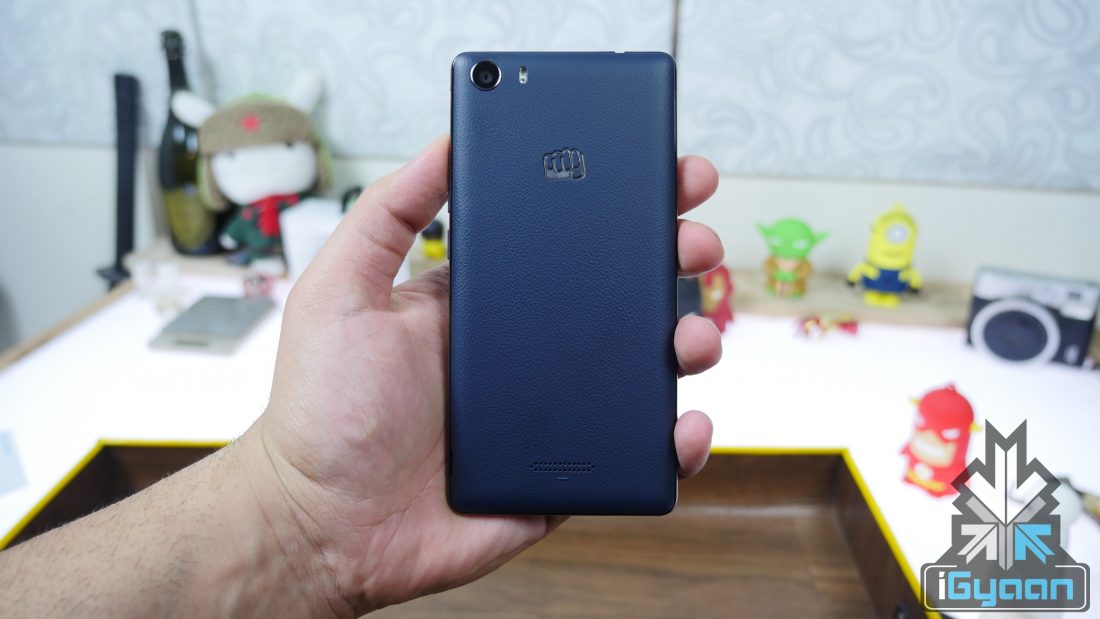
Micromax Canvas 5
Micromax’s latest flagship device, Canvas 5, is priced at Rs. 11,999 and sports a 5.2-inch FHD screen with 480ppi. It is powered by a 1.3GHz octa core MediaTek MT6753 ARM Cortex-A53 chipset. It also features 3 GB RAM and 11 GB internal storage expandable up to 128 GB via MicroSD card slot.
The device features a 13MP rear camera and a 5MP front with flash. The images taken by the primary camera are fairly decent and is quick at capturing images. The added professional modes like ISO, exposure compensations and white balance help you take that perfect shot. Have a look at our full review of the Canvas 5 for a better look at the device and specs.
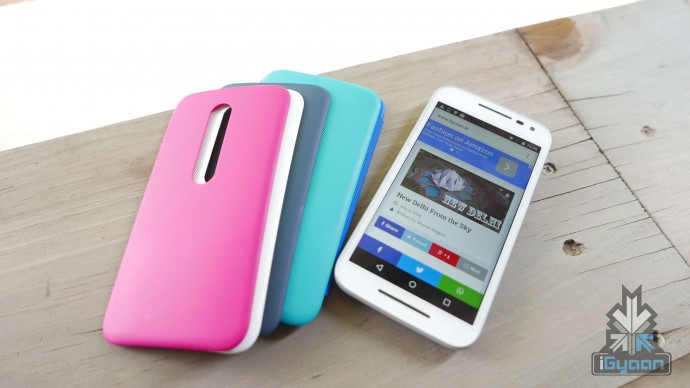
Moto G (3rd Gen)
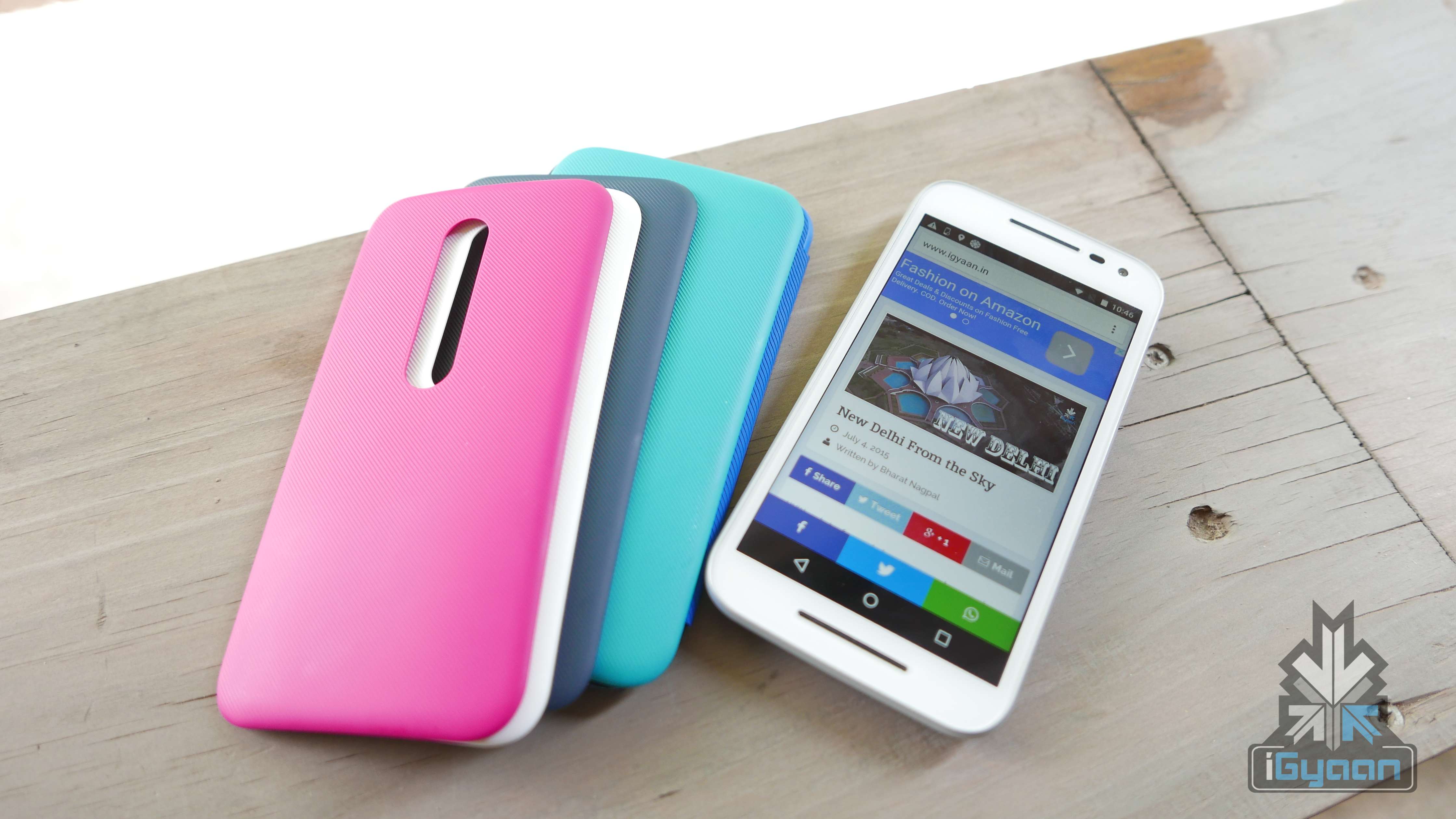
The Moto G (3rd Gen) It comes with the Android Lollipop 5.1.1, a Qualcomm Snapdragon 410 (MSM8916) processor with 1.4 GHz quad-core CPU, Adreno 306 with 400 MHz GPU.
The display boasts of a 5-inch, 720p HD (1280 x 720), 294 ppi with a battery of 2,470 mAh, mixed usage up to 24 hours. It provides a 4G LTE network connection with a rear camera of up to13MP f/2.0, Field of view (FOV) 76 degree, and a front camera of 5 MP f/2.2, Field v (FOV) 72 degrees Display flash with fixed focus.
The Moto G (Gen 3) Turbo went on sale in the country last week and is exclusively available on Flipkart for order, at a price of Rs. 14,499. The phone comes in two variants, namely, Black with Deep Sea Blue back and White with Slate.
On the specs front, the Moto G Turbo comes with a different chipset, Qualcomm MSM8939 Snapdragon 615, with Adreno 405 and a quick charge capability that Motorola calls a turbo charge. Everything else remains identical to the 16GB storage variant of the Moto G 3rd Gen which comes with 2GB RAM.
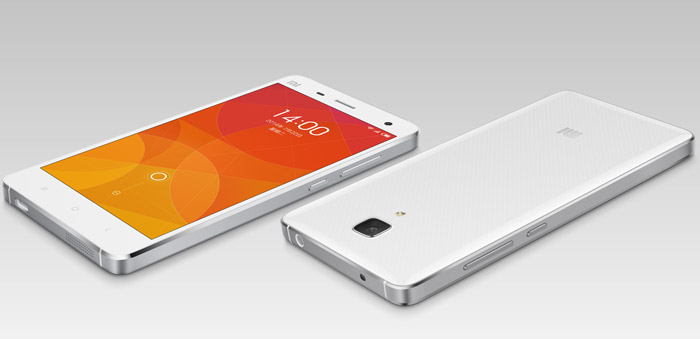
Xiaomi Mi 4
A device from last year still continues to draw the attention of smartphone buyers today. Xiaomi’s Mi 4 comes with stainless steel styling elements which sets it apart from its predecessor, the Mi 3. The 5-inch 1080p smartphone gets its processing powers from the 2.5GHz quad-core Snapdragon 801 SoC. The phone has 3GB of RAM and comes with 16/64 GB internal storage options.
The camera on the phone is a 13 megapixel rear with a wide f/1.8 aperture. The selfie camera is a massive 8 MP; a major upgrade in the MI series. The phone also gets an LTE radio and is juiced up by a 3080 mAh battery. Xiaomi fans may still prefer this over the rest, so if you’re in the market for the Mi 4, hit the link below and ready your wallet.
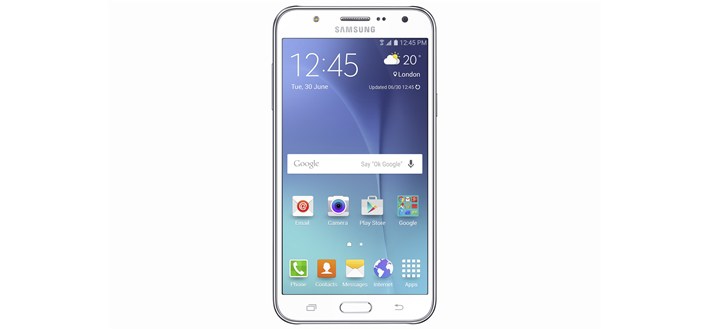
Samsung Galaxy J7
Samsung’s Galaxy J7 runs on 1.5 GHz Octa-Core Exynos processor. It has 16GB of storage which can be expanded upto 128 GB and sports a 5.5 inch HD AMOLED display.
It is a dual-SIM device that supports 4G LTE. It features a 13 MP rear camera with LED Flash and a 5 MP front camera with LED Flash. The phone are capable of full HD recording. It runs on Android 5.1 Lollipop and features 1.5 GB of RAM. The device is available at a price of Rs. 14,999.
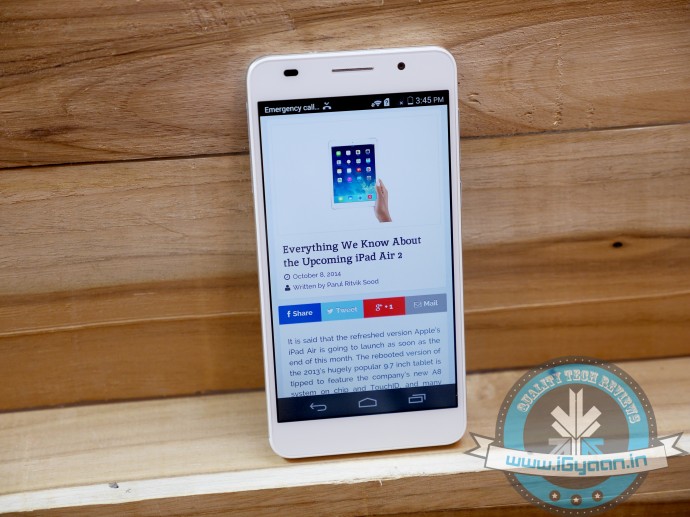
Huawei Honor 6
Another 2014 device worth adding to the list is the Huawei Honor 6. The device may be average in terms of design but does have hardware to boast of. It’s the first smartphone with the HiSilicon Kirin 920 SoC, an octa core processor coupled with 3GB RAM and 3100 mAh battery. The handset features an octa-core processor made of four Cortex A 15 cores and similar number of Cortex A7 cores.
The Huawei Honor 6 offers a 13 MP rear shooter with a Sony BSI sensor along with a F2.0 28mm wide angle lens and a dual LED flash, and a 5 MP front. The handset is available at a price of Rs. 14,999 of Flipkart. Check out our review of the Honor 6 for more on the device.















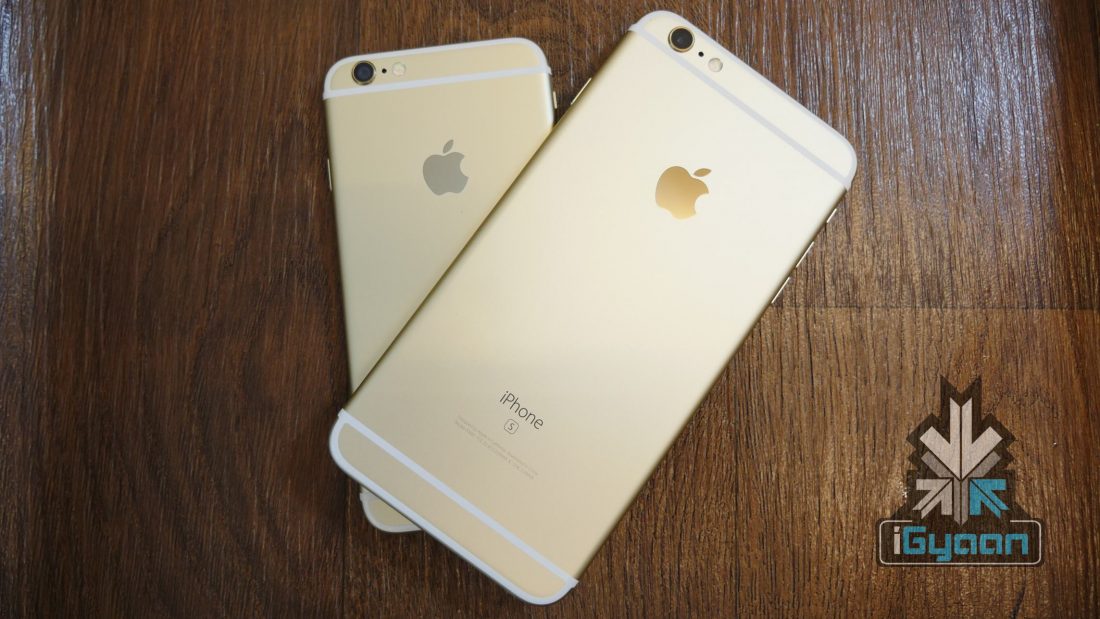 The iPhone 6s and 6s Plus add an improved Apple A9 chip and an M9 co-processor, along with enhanced cameras. There is a 12 MP rear camera that shoots 4K videos. On the front, there is a 5 MP snapper, which however is still restricted to 720p. Compared to the iPhone 6s’ 1330 x 720p display, the Apple iPhone 6s Plus gets a larger display with a 1920 x 1080p resolution. It also gets a bigger battery and Optical Image Stabilisation in the rear camera. Everything else on both devices is identical in terms of specifications.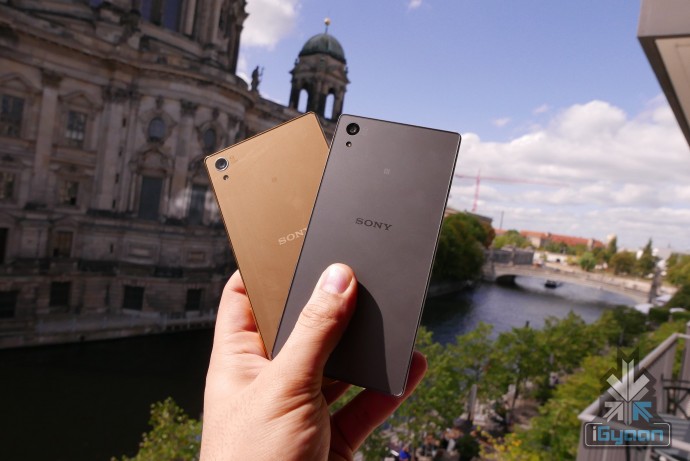
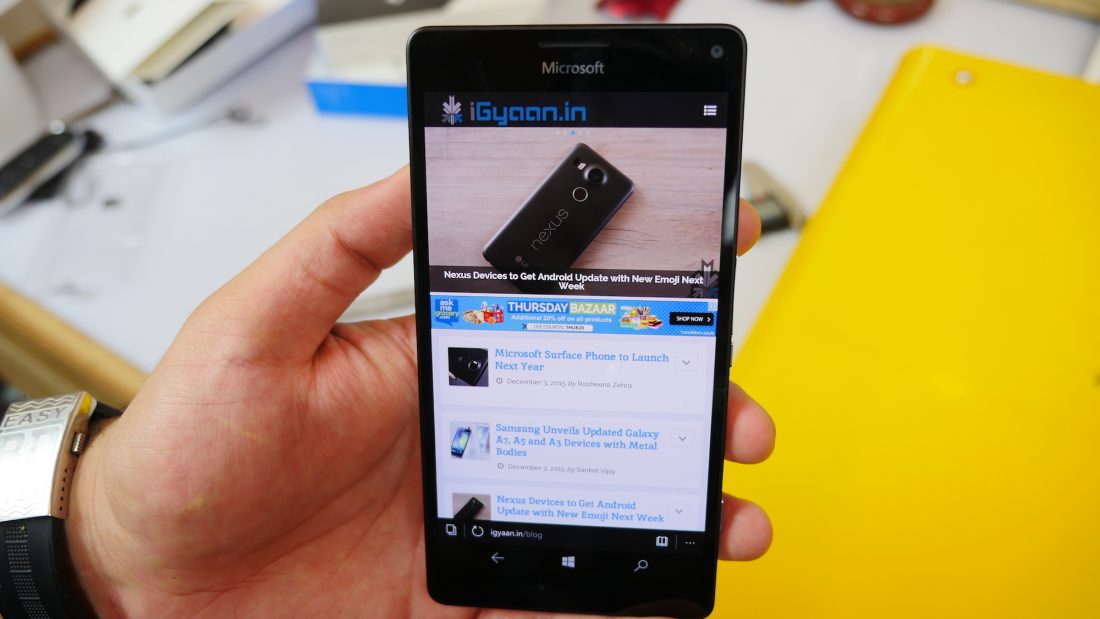
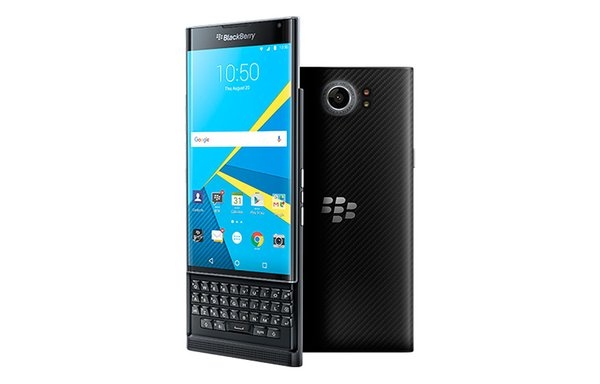 Though the phone is yet to arrive in the country, a list of smartphones from 2015 priced over 40K won’t be complete without the BlackBerry Priv. It’s Android-powered, but is very much a BlackBerry phone. Privacy and security is of major importance here and that’s what Priv stands for. The handset is a hybrid with both a full touchscreen as well as a slide-out QWERTY keyboard. This means the phone caters to both touchscreen fans as well as keyboard loyalists. And given that very few devices today offer a keyboard, this may just work in BlackBerry’s favour.
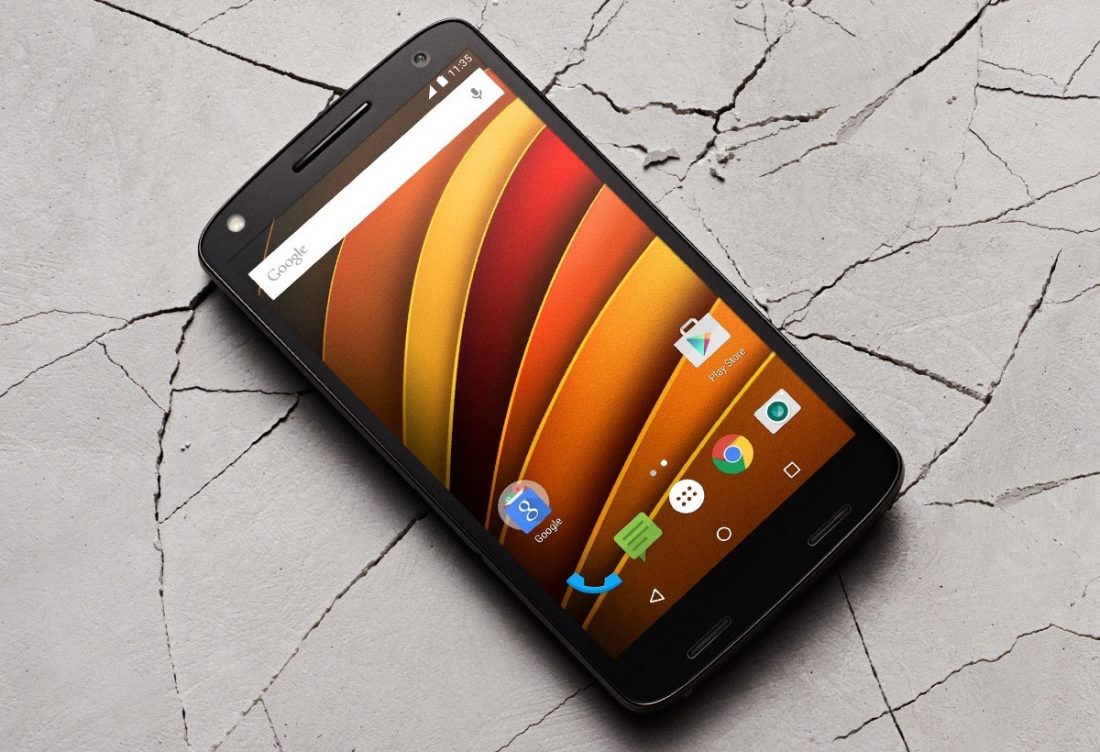 The phone, famous because of its ‘crack-proof’ screen, has not hit the Indian markets yet but is expected to arrive soon. Launched as Droid Turbo 2 in the US, the smartphone is expected to be released with its current price tag of $624 (Rs. 40,000 approximately) and $720 (Rs. 47,000 approximately) for the 32 GB and 64 GB variants respectively.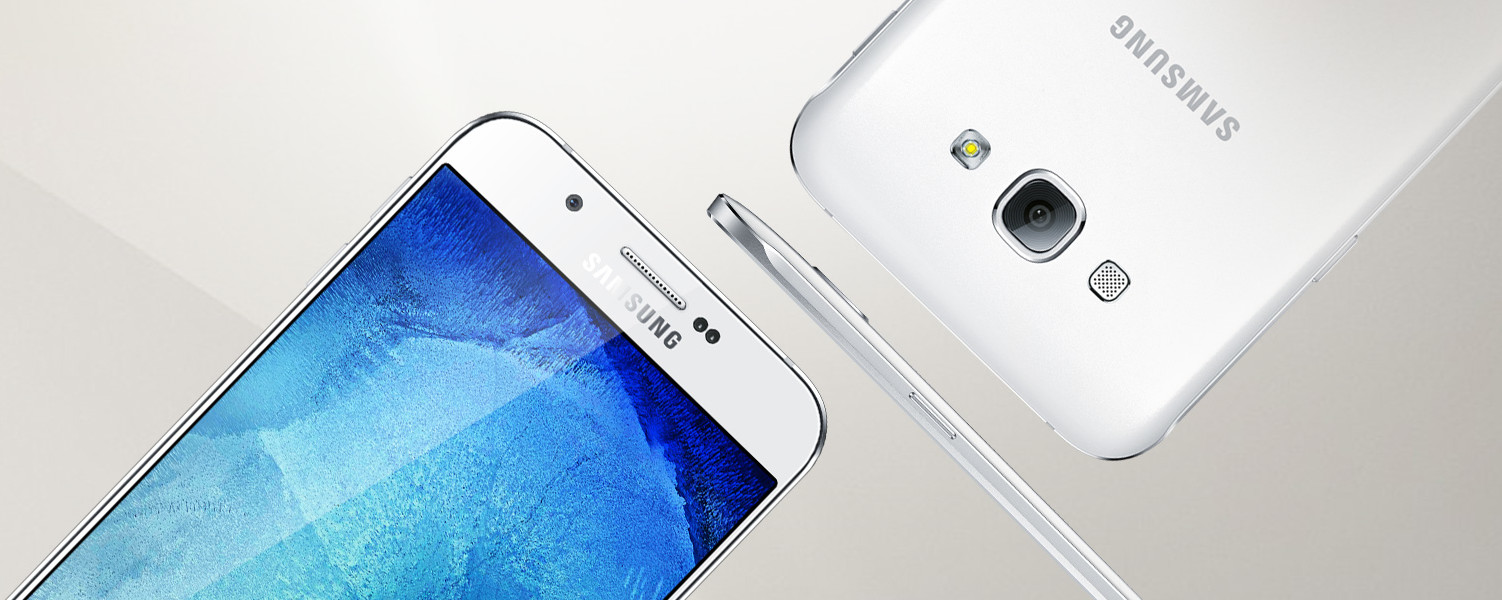
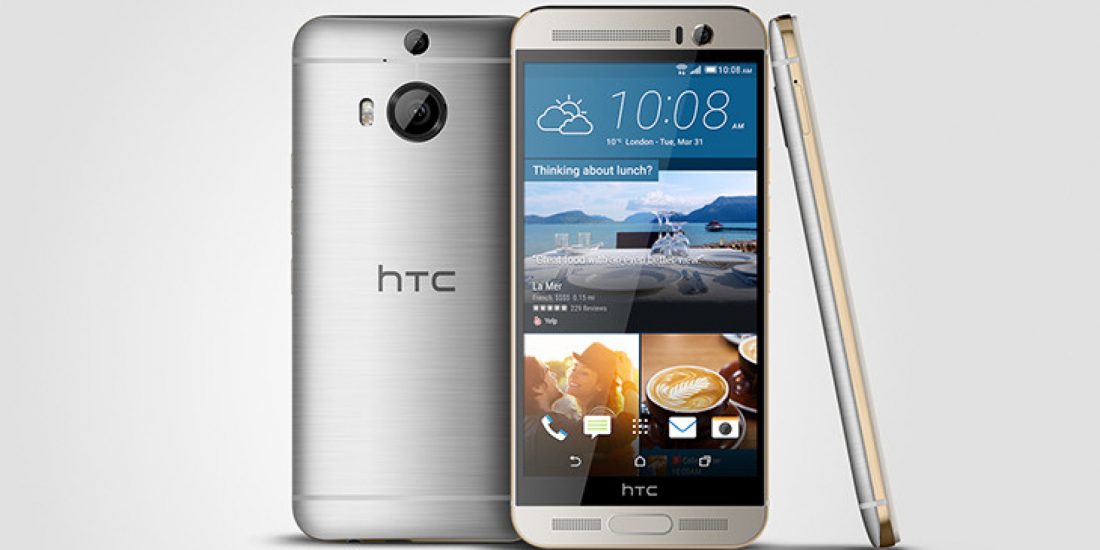
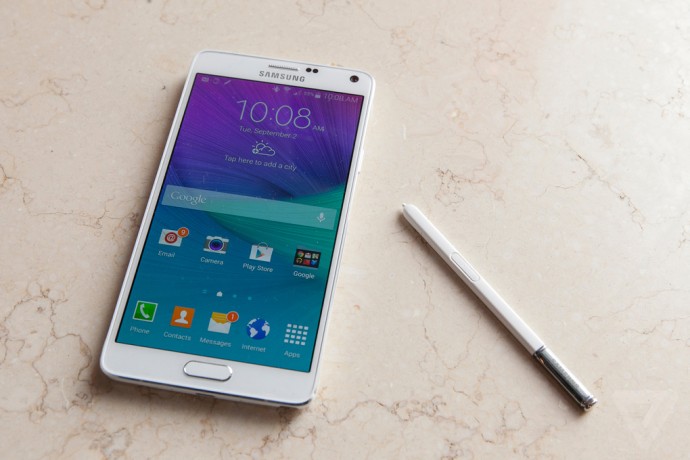
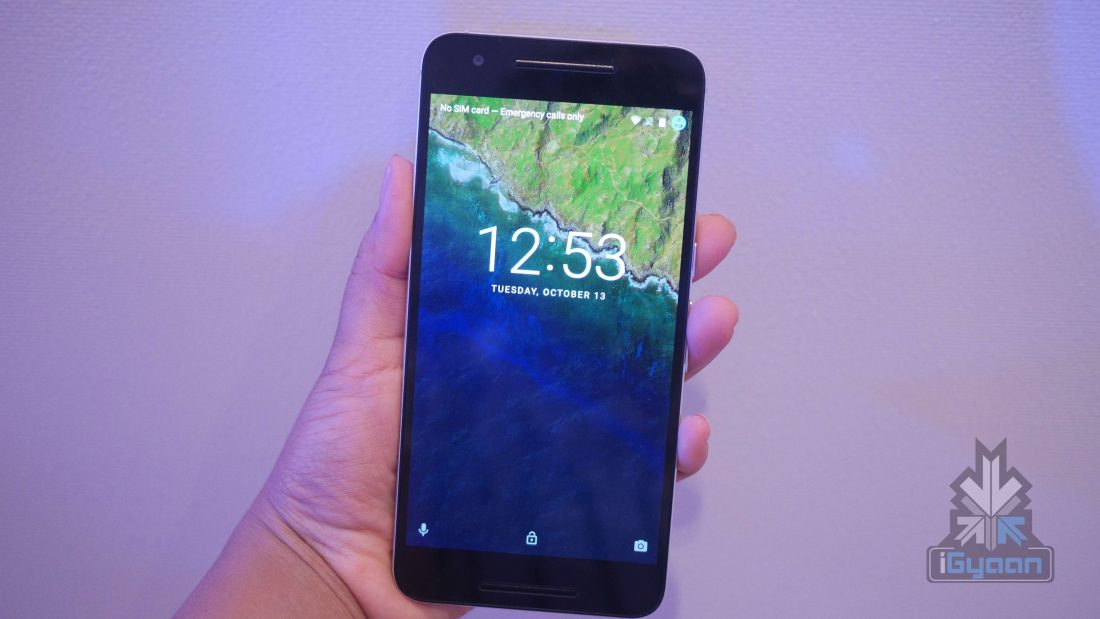 The 6P features a 5.7-inch QHD touchscreen, Qualcomm’s Snapdragon 810 chipset, with 3 GB RAM, a 3450 mAh battery and a USB Type-C port. The camera sports a 12.3 MP sensor with laser autofocus, dual-LED flash at the rear and a rather impressive 8MP on the front. This pure Android phone runs on the latest Marshmallow operating system. One of the main highlights of the Nexus 6P is the Nexus Imprint. The fingerprint sensor on the back is fast and fluid in accessibility, which according to Google only “gets better over time” as it learns more about your unique fingerprint.
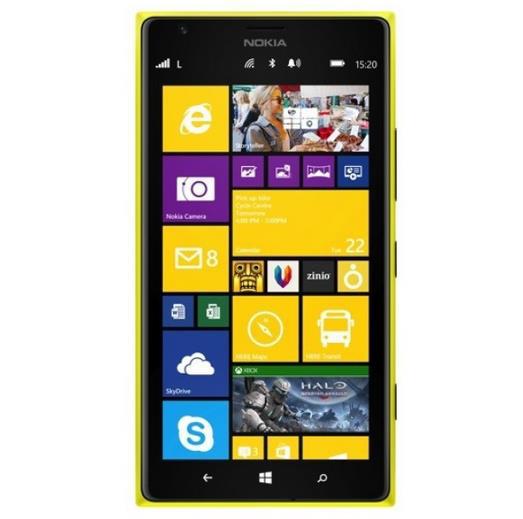
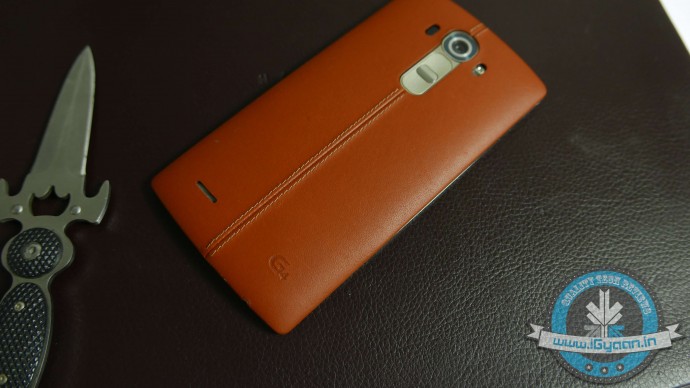 The LG G4 is an iconic design from LG, while many companies have attempted to make leather looking handsets (Note 3 and Galaxy S5), LG actually made a smartphone with a genuine leather back panel. The phone packs a 5.5-inch Quad HD LCD with 2560 x 1440 PX resolution. It is powered by Qualcomm Snapdragon 808 with 1.8 GHz hexa-core processor. The LG G4 also has dual sim (certain regions) and a removable and replaceable battery marked at 3,000 mAh, along with micro-SD expansion all of which is lacking in the Galaxy S6 and S6 Edge. Find the complete review of the smartphone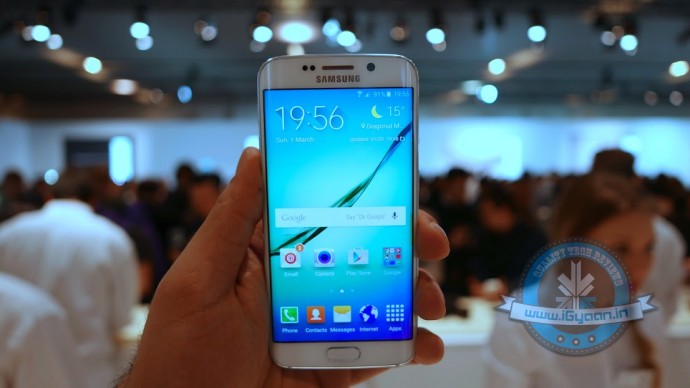
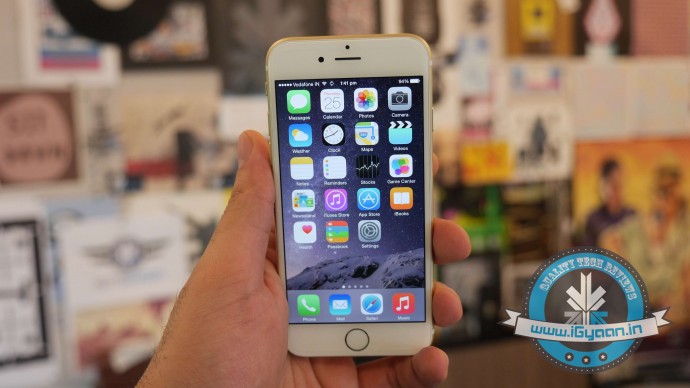 The iPhone 6 is available at an all time low of Rs. 41,000, falling pretty much in the 30-40K price bracket. The phone is a good buy at this price -it offers almost all features of the iPhone 6s (except for Force Touch) minus the hefty price tag. If there was ever a right time to buy an iPhone in India, it is now. iPhone 6 has a 4.7 inch display with a resolution of 1334 by 750 with 326 ppi, and is equipped with an 8 MP iSight camera. Find here the