All the Latest, News, Reviews, Updates, How To, Mobile Phone news, Global and International News, From Cameras to Automobiles, from TV To PC and a lot more! Constantly updating!
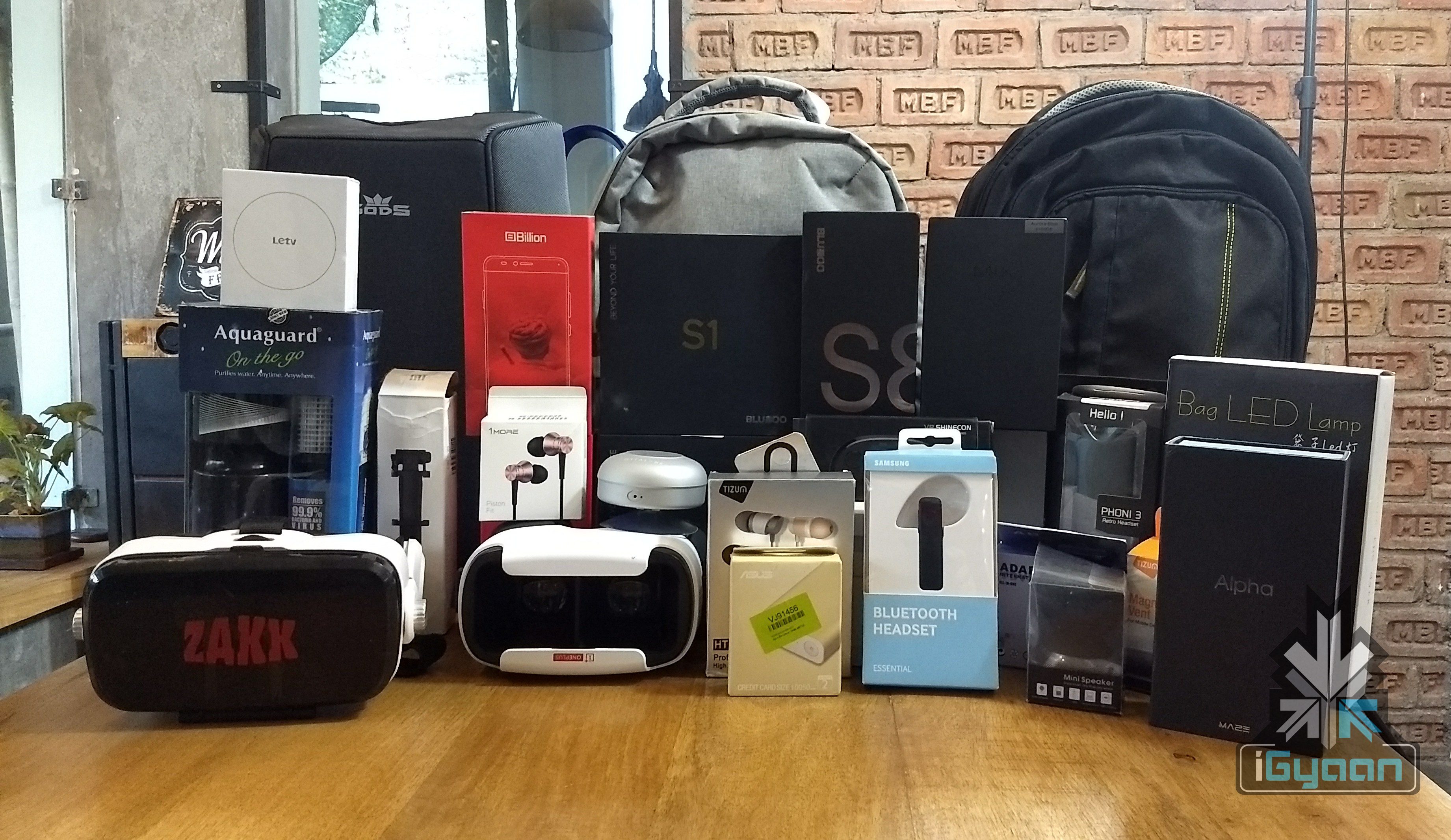
Happy Republic Day to all our readers! On this day, iGyaan is feeling very generous and we have decided to give a lot back to our Team iGyaan. A mega giveaway awaits everyone where ten lucky winners can win a backpack, smartphone, earphones and much more!
Here is a comprehensive list of who will win what:
26th of January is celebrated all across India as the Republic Day. The Republic Day honours the date on which the Constitution of India came into effect on 26 January 1950 replacing the Government of India Act as the governing document of India. Google Doodle, commemorates important dates and events across the country is celebrating the Republic Day in India.
A Google Doodle is a special, temporary alteration of the logo on Google’s homepages that commemorate holidays, events, achievements, and people. You can head to google.com/doodles to see all the important events that took place on that particular day. Google surely knows to make full use of the abundance of data it possesses.
The Google Doodle on display for the Republic Day, however, was not created on the first go. Google reveals different designs that came about before the final one was chosen.
Interestingly, the first ever Google Doodle honoured the Burning Man festival in 1998. It was designed by Google co-founders, Larry Page and Sergey Brin to notify users of their absence in case the servers crashed.
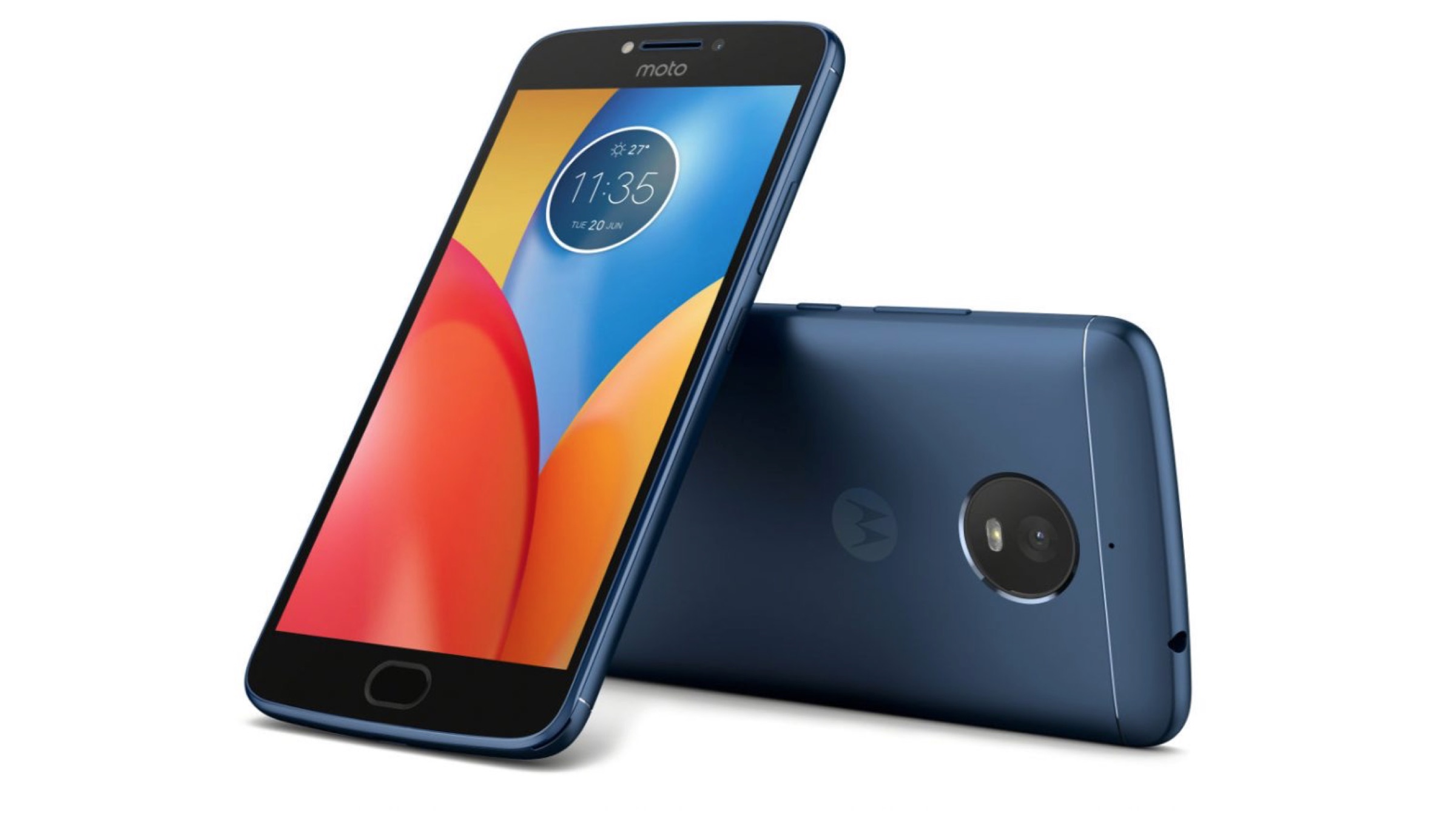
Lenovo-owned Motorola launched a few exciting smartphones in India in 2017. In 2018, Motorola is expected to launch the Moto E5 and E5 Plus as the successors to the Moto E4 and E4 Plus.
While there isn’t much known about the devices, two Motorola phones have shown up on FCC. The devices in question carry the model numbers XT1922-4 and XT1922-5. FCC listing never really reveals a whole lot about any smartphone. But, there are some details which might shed some light on this upcoming Motorola device.
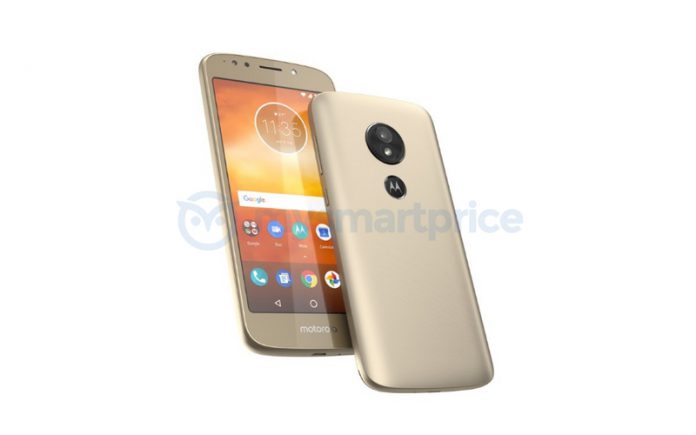
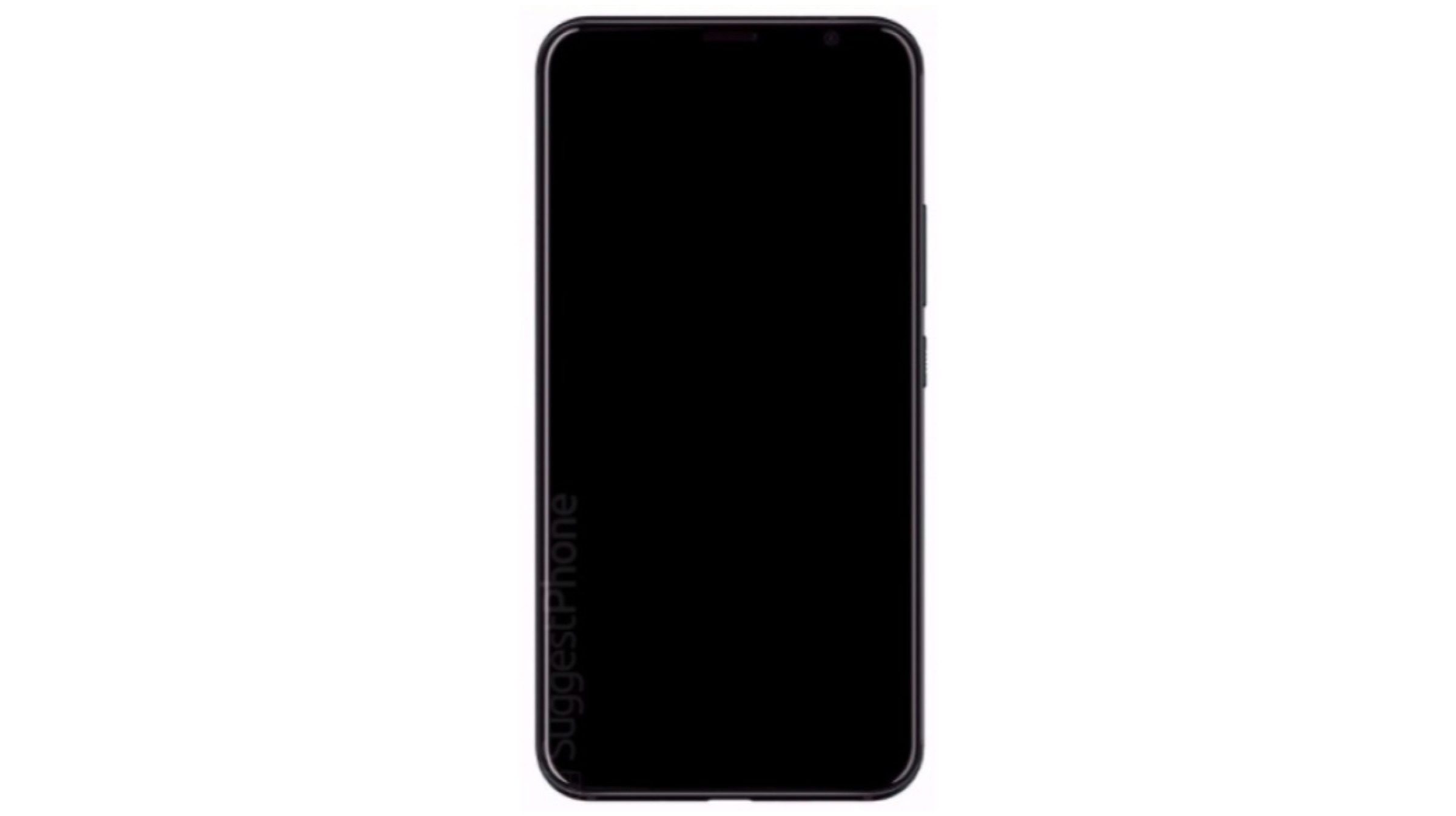
Moto E5 Render
For starters, a 4000 mAh battery it looks like the device will be powered by a 4000 mAh battery. While these are not the final specifications of the device in question, this proves that a couple of Motorola phones are on the way.
Moto E5 Rumour Roundup:
Recently, an image was leaked which revealed the possible design of the Moto E5. The interesting bit about in the image is the placement of the fingerprint sensor. The fingerprint sensor on the upcoming Moto E5 will be housed inside the Moto logo on the back.
No other details were mentioned. It is expected to have the same 5.5 inch IPS LCD display with a 1280 x 720 px resolution.
Last year, Motorola went with a MediaTek chipset last year but, it could revert to a Snapdragon chipset. According to the leaked image, the smartphone will retain the single camera setup on the front and back along with an LED flash.
The Moto E4 Plus was announced in June 2017. While there doesn’t seem to be an apparent reason for the company to disrput the launch cycle, it could spring a surprise and launch the E series phones early this year.
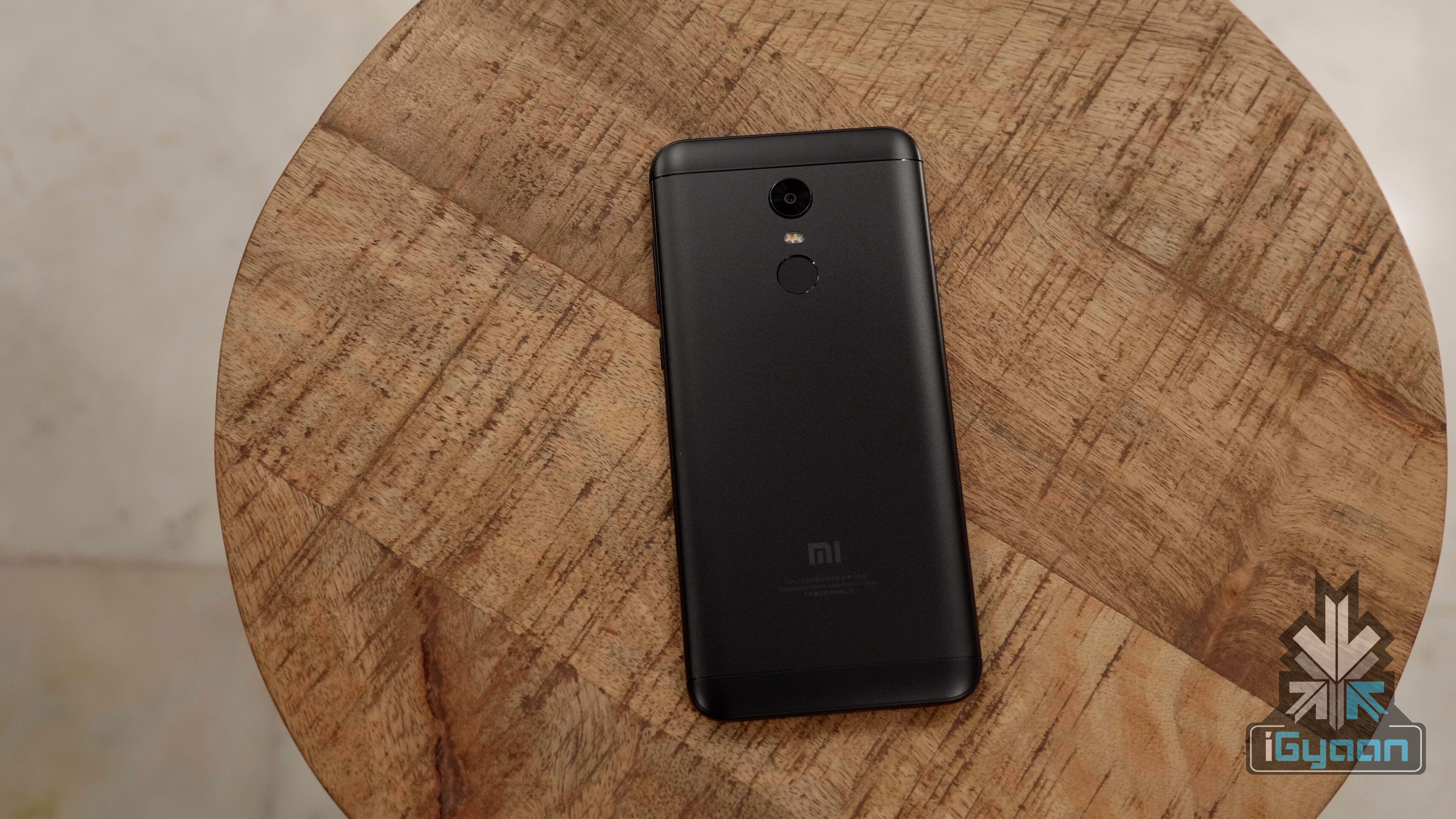
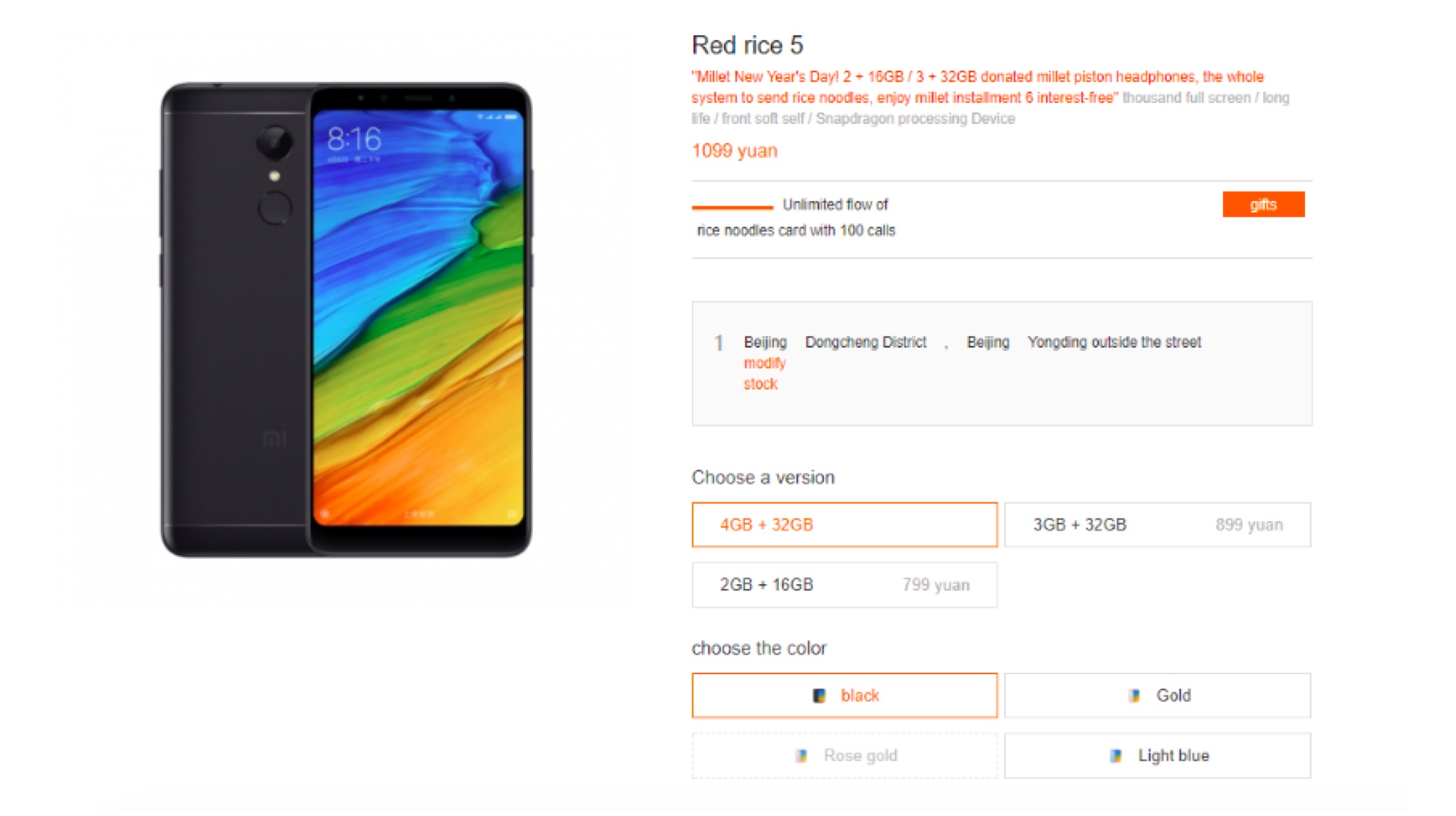
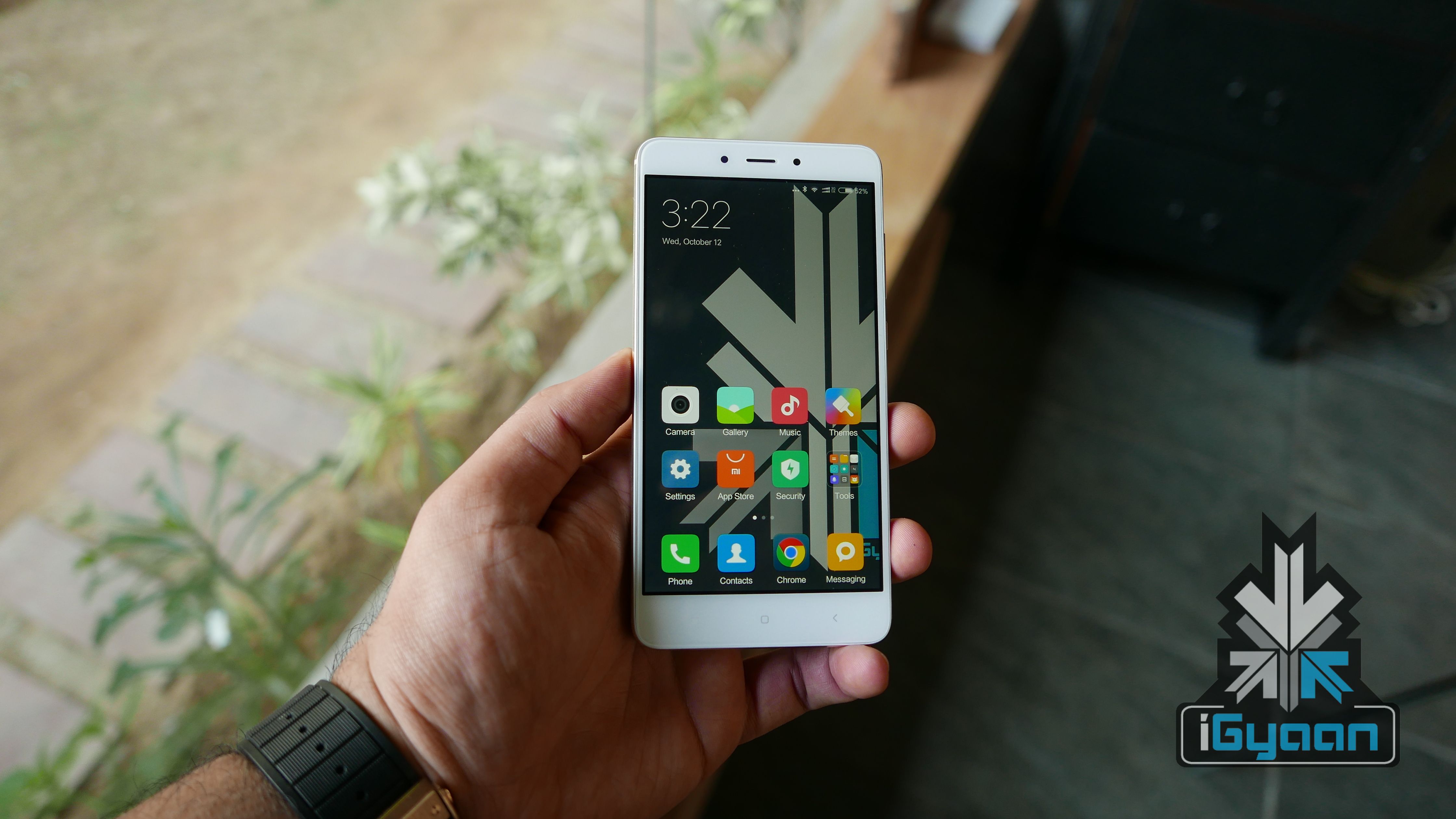
In November 2017, Xiaomi launched the Redmi 5 and Redmi 5 Plus in China. Two budget-oriented devices with thin bezels and an 18:9 aspect ratio. At the time of its launch, the Redmi 5 was priced at CNY 799 (Rs 7,800 approx) for the 2GB RAM/16GB storage variant and CNY 899 (Rs 8,800 approx.) for the 3GBRAM/ 32GB storage variant. It is available in Black, Blue, Gold and Rose Gold colour variants.
In order to keep up with the market demands, Xiaomi has launched a 4GB RAM variant of the Redmi 5in China at a price of CNY 1099 (Rs. 11,000 approx.). The 4GB RAM variant, however, is only available in Blue, Black and Gold colour variants.
Xiaomi Redmi 5 Specifications
The Xiaomi Redmi 5 has a 5.7-inch 1440 x 720 px display with an 18:9 aspect ratio.
Under the hood, the Redmi 5 has the Qualcomm Snapdragon 450 chipset, a 1.8GHz octa-core processor, Adreno 506 GPU, 2GB, 3GB or 4GB of RAM, 16GB or 32GB of onboard storage which will be expandable via microSD card. There is a fingerprint sensor placed at the back of the phone just below the camera.
Redmi 5 Plus
Powering the device is a 3300 mAh battery which, Xioami claims has a standby time of up to 12 days. The battery is charged via a micro USB slot which means no fast charging. There is a 3.5mm headphone jack placed next to the charging port as well.
The Redmi 5 has a 12MP camera at the back with 1.25-micron pixel size. The camera surprisingly only records 1080P videos at 30fps. To the front of the device is a 5MP camera with Beautify 3.0, which is Xiaomi’s software for enhanced selfies.
It doesn’t look like the Redmi 5 will make its way to the Indian market. For starters, Xiaomi has strong contenders in the price segment and the Redmi Note 5 is expected to grab all the headlines if and when it is launched.
HTC will not launch its much-anticipated flagship smartphone, the HTC u12 at MWC 2018. The Mobile World Congress is scheduled to take place from the 26th of February to March 1st in Barcelona. The company will apparently hold an event right after MWC in Barcelona and announce the HTC U12 there.
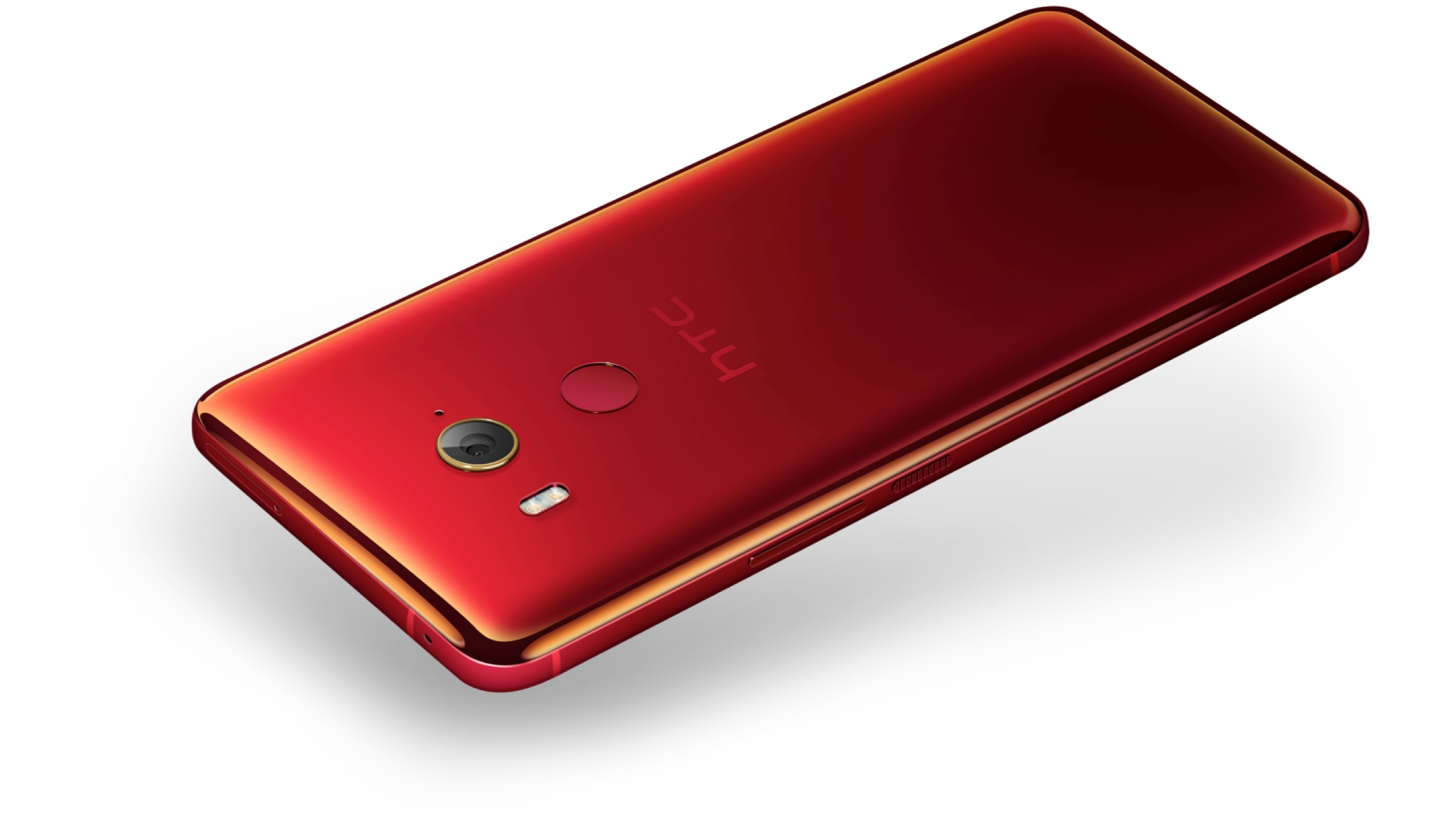
HTC U12 Render
A lot of smartphone makers are expected to take the stage and announce their upcoming phones. Along with concepts, companies like Samsung, Sony, and Xiaomi will announce their smartphones. It was reported that LG and Huawei would skip MWC launches to avoid clashing with the Galaxy S9 and S9+ launch. HTC, too, seems to take the same approach. The Taiwanese company is having a booth at the Gran Via Exhibition Center where it is expected to demonstrate its new standalone VR headset Vive Focus, and the HTC U11 EYEs, announced earlier this month.
HTC U12 Specifications
While not a lot is known about the upcoming smartphone, it is expected to have an 18:9 aspect ratio. Some rumours have gone ahead and claimed that it will have 4K resolution.
The Snapdragon 845 will power the new flagship. Like a lot of flagship devices in 2018, the HTC U12 will have 6GB of RAM and expandable onboard storage. The fingerprint sensor will be placed on the back of the phone as Clear ID seems unlikely to feature this soon in an HTC device.
HTC U11 EYEs
The HTC U12 will also have Edge Sense, a feature that allows users to launch an app or action by squeezing the frame of the device. The Google Pixel 2 and Pixel 2 XL had the feature as well which could only launch the Goog Assistant. HTC, however, allows for a lot of customisations pertaining to the use of Edge Sense.
The HTC U11 EYEs had a dual-camera setup on the front as well as Face Unlock. The HTC U12 is expected to have a better implementation of that along with a dual-camera setup on the back.
After the deal with Google, a lot of people speculated that the HTC U11 would be the last smartphone from the HTC brand. However, in its subsequent statement, Google hinted that HTC would continue launching smartphones. Since then, HTC has launched more than a couple of smartphones, the latest being the HTC U11 EYEs.
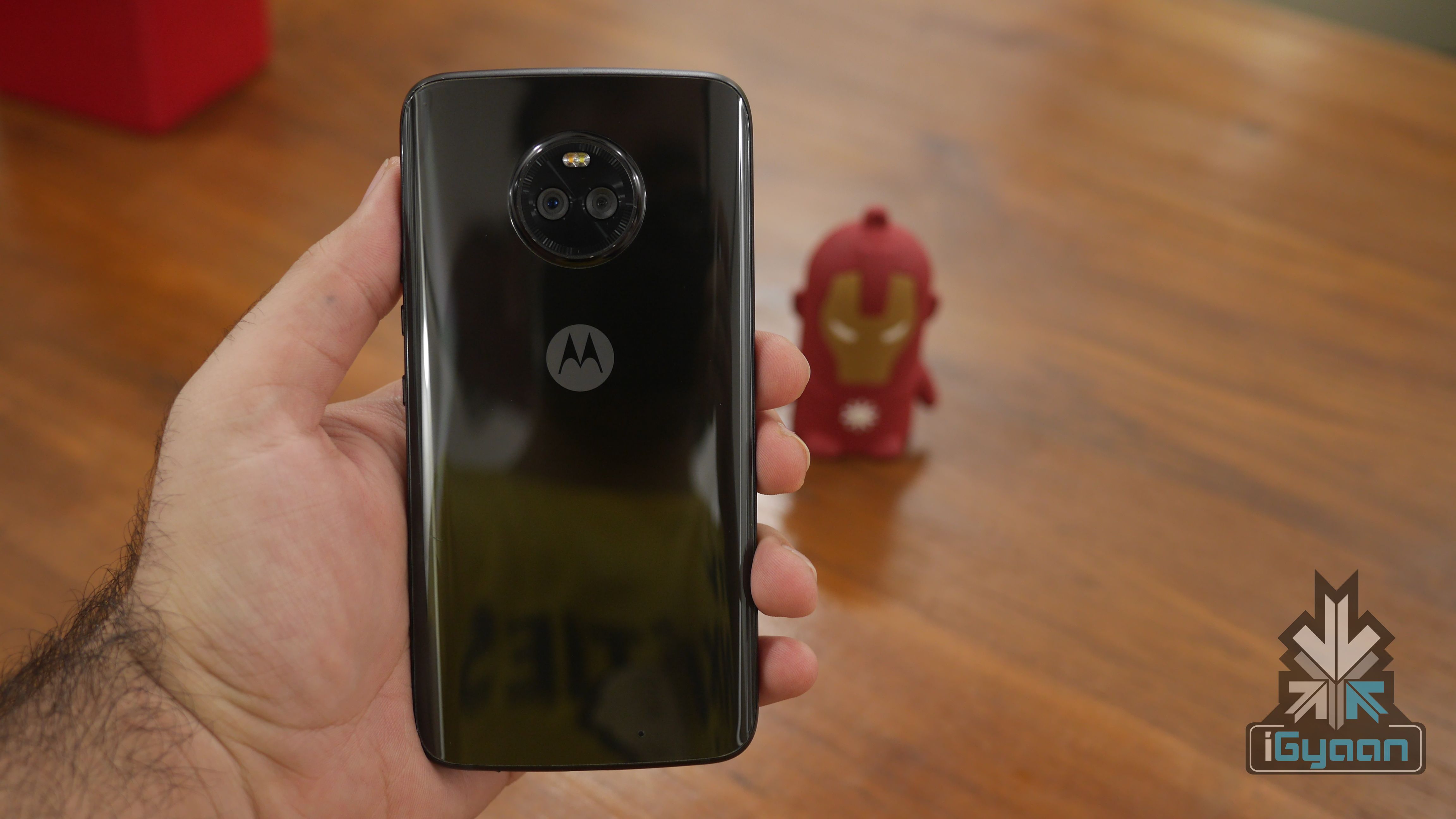
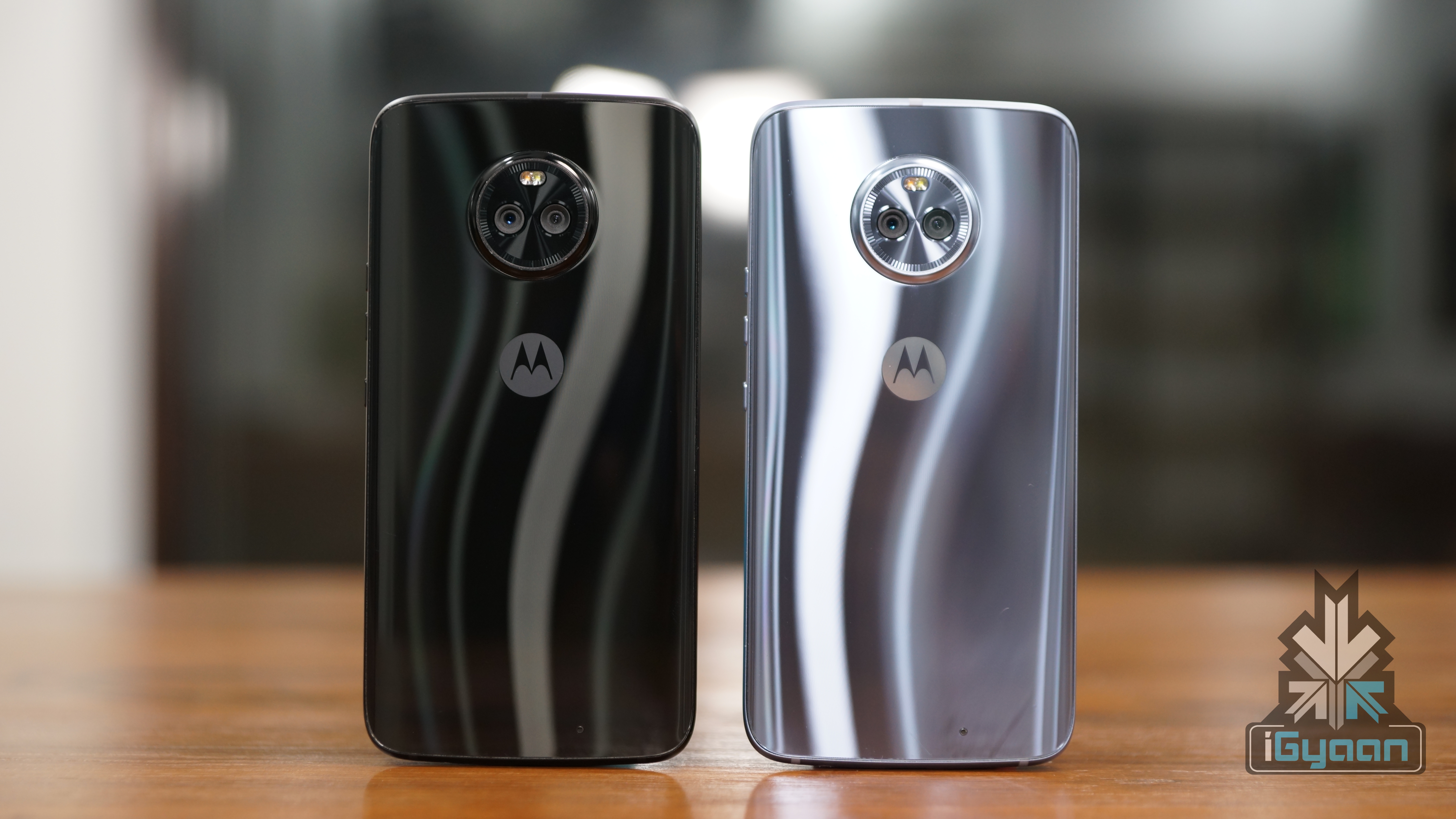
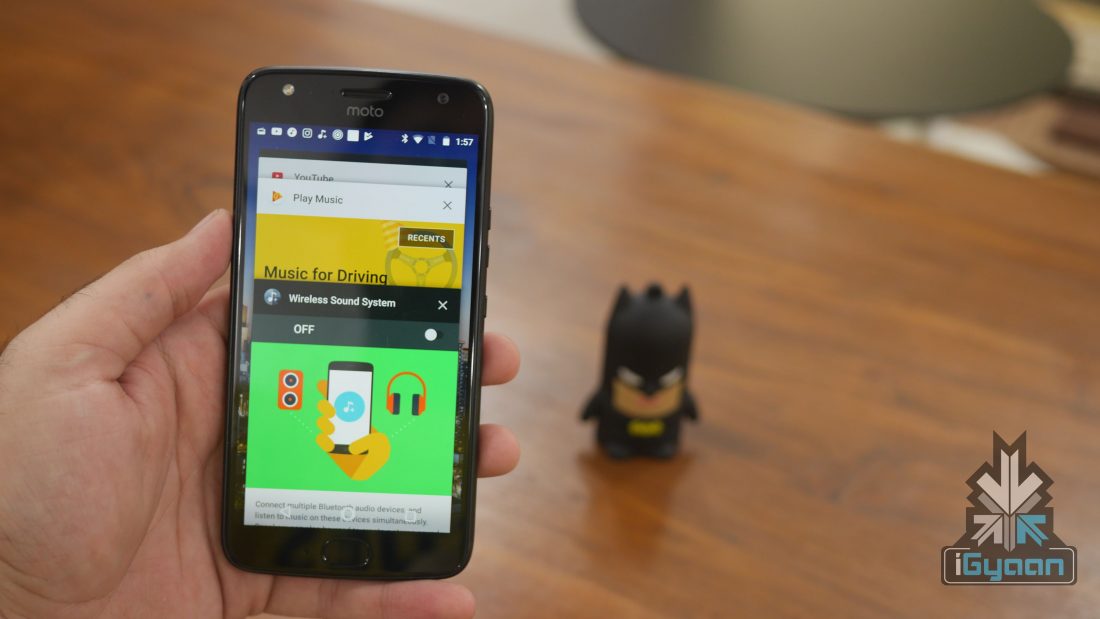
Lenovo-owned Motorola will launch a refreshed version of the Moto X4 on the 1st of February. The Moto X4 was launched in November in India at a starting price of Rs. 20999 for the 32GB storage variant. The 64GB storage variant is priced at Rs 22999 and it is one of the few phones in this price bracket to offer a dual-camera setup and IP68 rating.
On the 1st of February, Motorola will launch a new variant of the Moto X4 with 6GB RAM. Apart from the bumped up storage, the new version will also run Android 8.0 Oreo out of the box. The specifications apart from this will remain the same. There is no word on its price yet.
Specifications
The Moto X4 has a 5.2 inch 1920 x 1080 px LTPS IPS LCD display with Corning Gorilla Glass 3 on top for protection.
The Moto X4 has the Qualcomm Snapdragon 630, 2.2 GHz octa-core processor and Adreno 508 GPU, along with 3GB or 4GB of RAM and 32GB or 64GB of onboard storage which can be expanded up to 2TB via microSD card. The phone has an IP68 rating for water and dust resistance. The fingerprint sensor is housed inside the home button which also doubles up as a single navigation button.
The Moto X4 is powered by a 3000 mAh battery with TurboCharge capabilities.
The device has a dual-camera setup at the back. The main camera is a 12MP sensor with an f/2.0 aperture, and the 8MP secondary camera with an f/2.2 aperture is equipped with a wide-angle lens. The dual-cameras allow users to have depth effect shots, bokeh effect shots, ultra-wide angle shots, and selective focus shots. On the front of the device is a 16MP camera with an f/2.0 aperture and an LED flash. The cameras record 4K videos at 30 FPS.
The Moto X4 has impressive specifications for its price and with 6GB RAM, it gives consumers a new version to look out for.
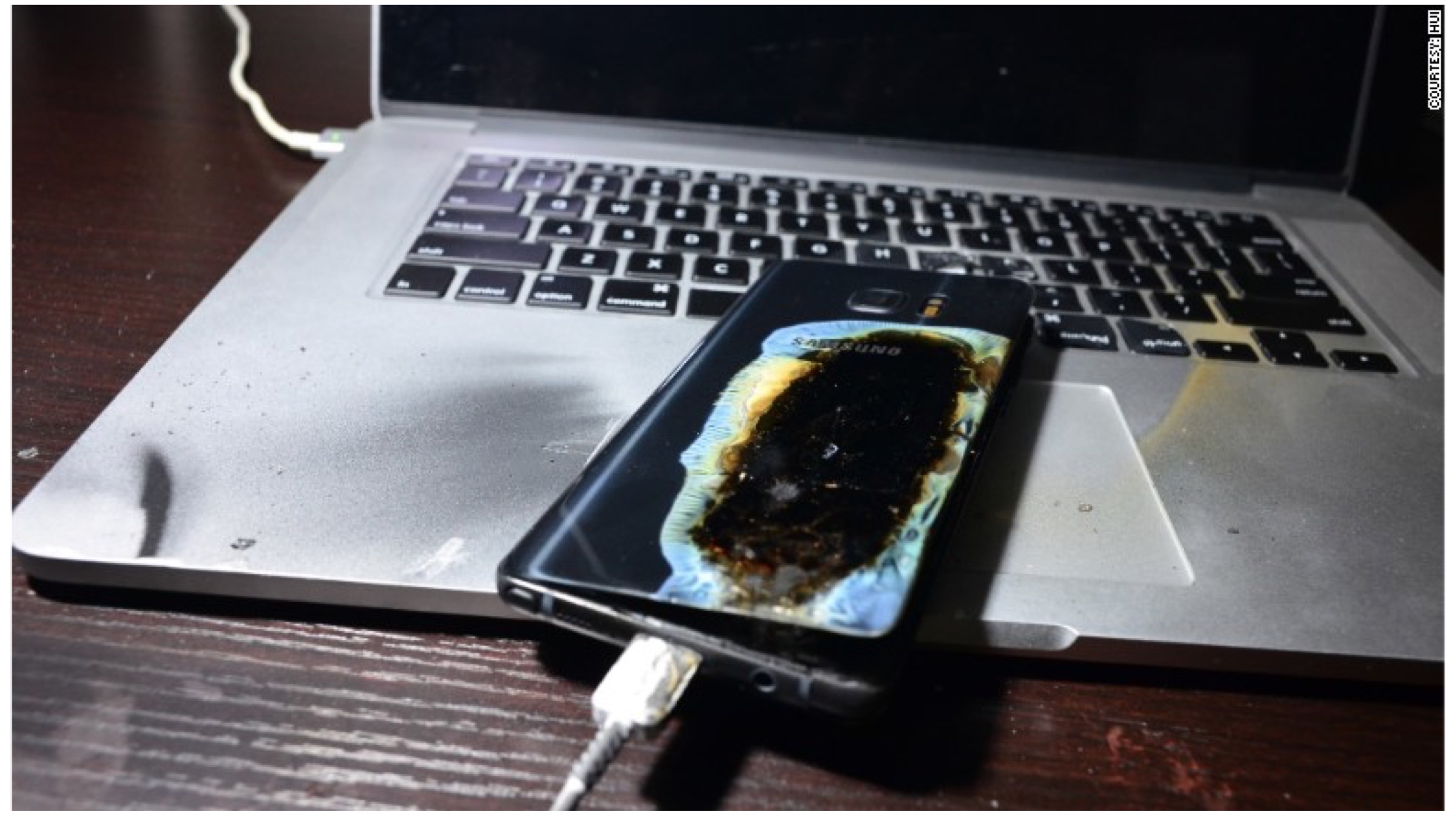
Tech can be confusing at times. Moreover, people can let their preconceived notions about technology get the better of their decision-making skills. This isn’t a secret that a smartphone battery can explode. Samsung and Galaxy Note7users, unfortunately, learned that the hard way. It appears that people still don’t understand how smartphone batteries work.
Image: CNNMoney
What’s The Story?
A video coming out of a Chinese gadget store reveals the incident of a man biting into a smartphone battery. Before getting the new battery installed, he decided to check the authenticity of it by biting into it. We still don’t know what he was expecting from that bite. Despite the incident occurring very close to his and another person’s face, nobody was said to have been harmed in the incident.
While it is true that fake lithium-ion batteries can explode or overheat, this method was counter-productive. It is a known fact that lithium-ion batteries can explode if punctured. Lithium-ion batteries are made up of layers, with positive and negative electrodes are wrapped around each other. These positive and negative electrodes are insulated from each other.
This is done because explosions can occur if the positive and negative leads on a battery touch each other. So, the biting would not have made a difference as he won’t know whether the battery exploded because it’s fake or because he damaged it with his teeth.
Biting into a battery can essentially trigger an explosion because lithium-ion batteries are prone to explosions if punctured.
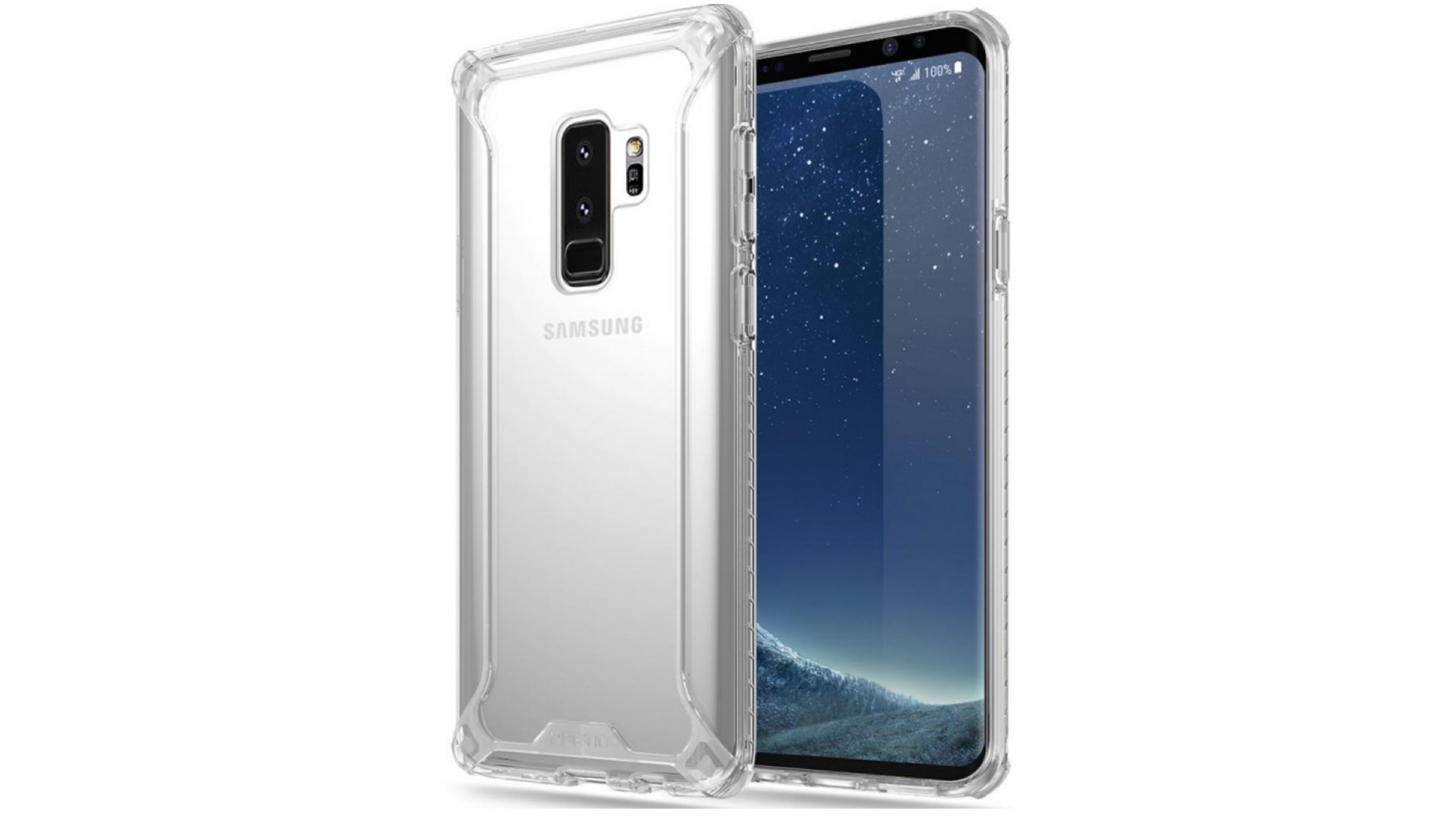
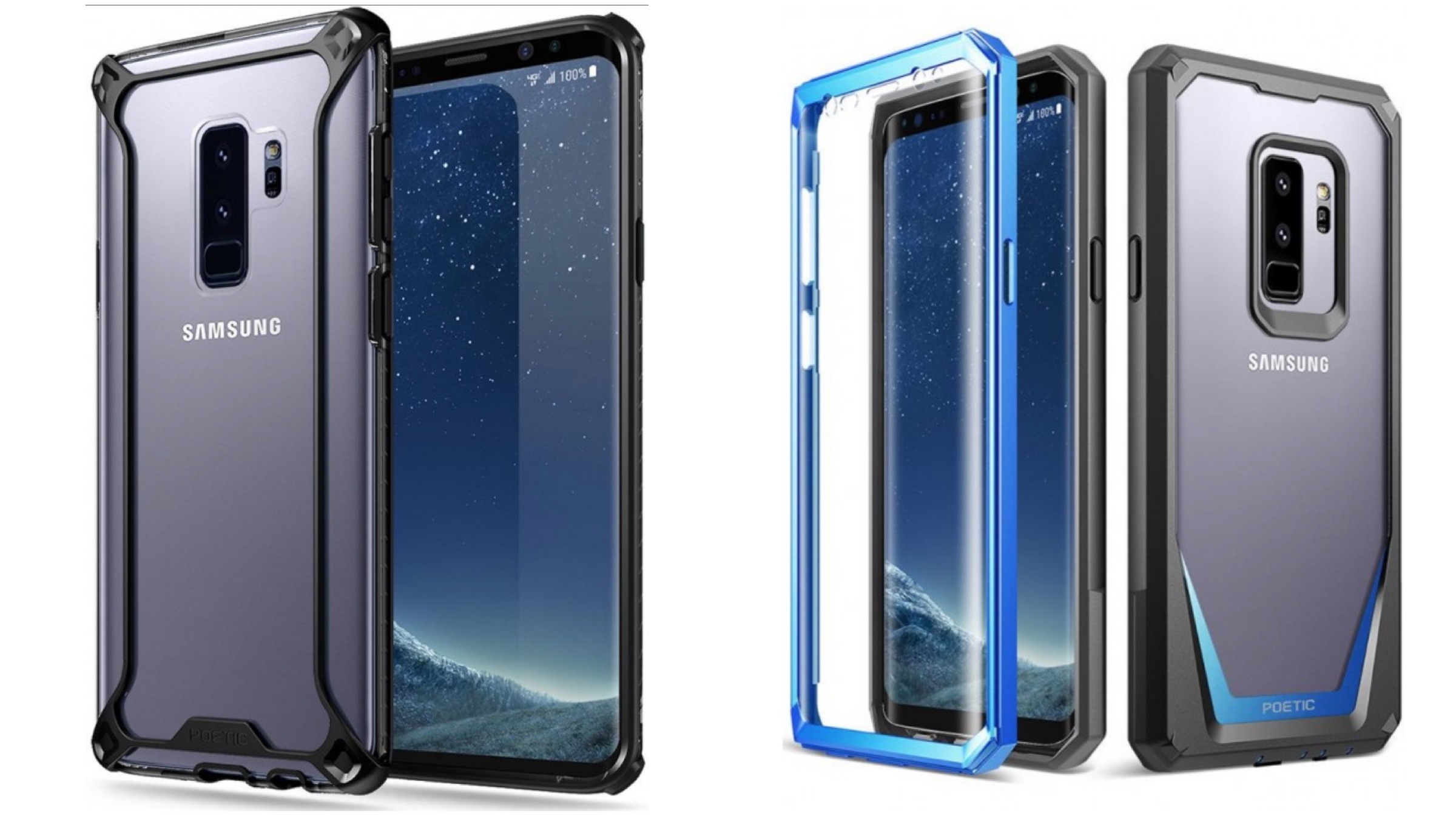
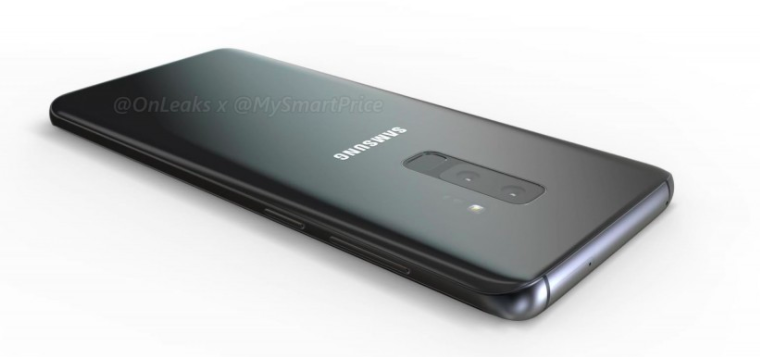
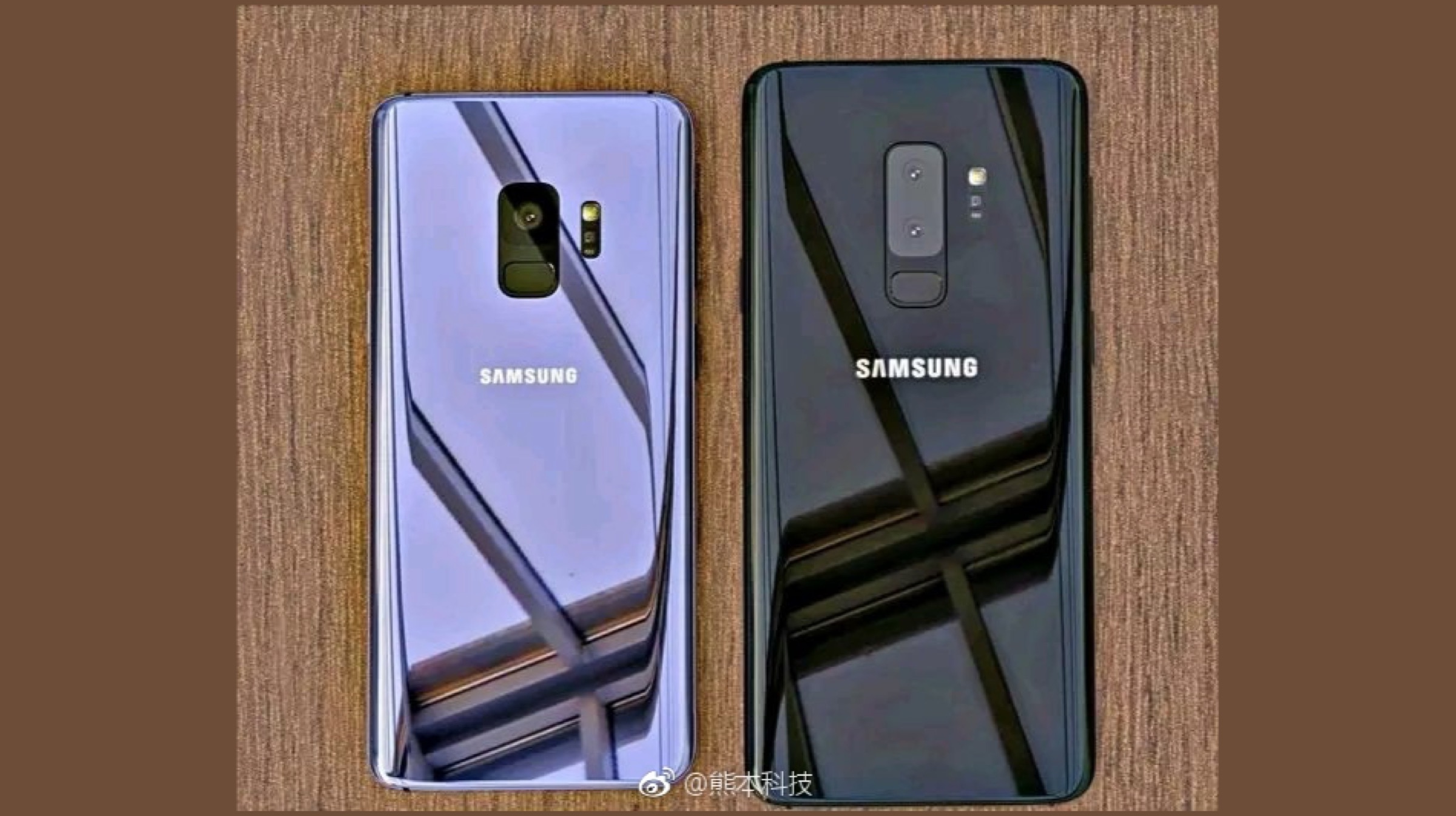
Samsung Galaxy S9+ and its smaller sibling, the Galaxy S9 will be launched on the 25th of February. The company sent out press invites, hinting at a major upgrade in the camera department of both the devices. There have been plenty of leaks revealing the design of the two phones. The latest render of Galaxy S9+ gives us a closer look at what the new flagship might look like.
Rumour Roundup
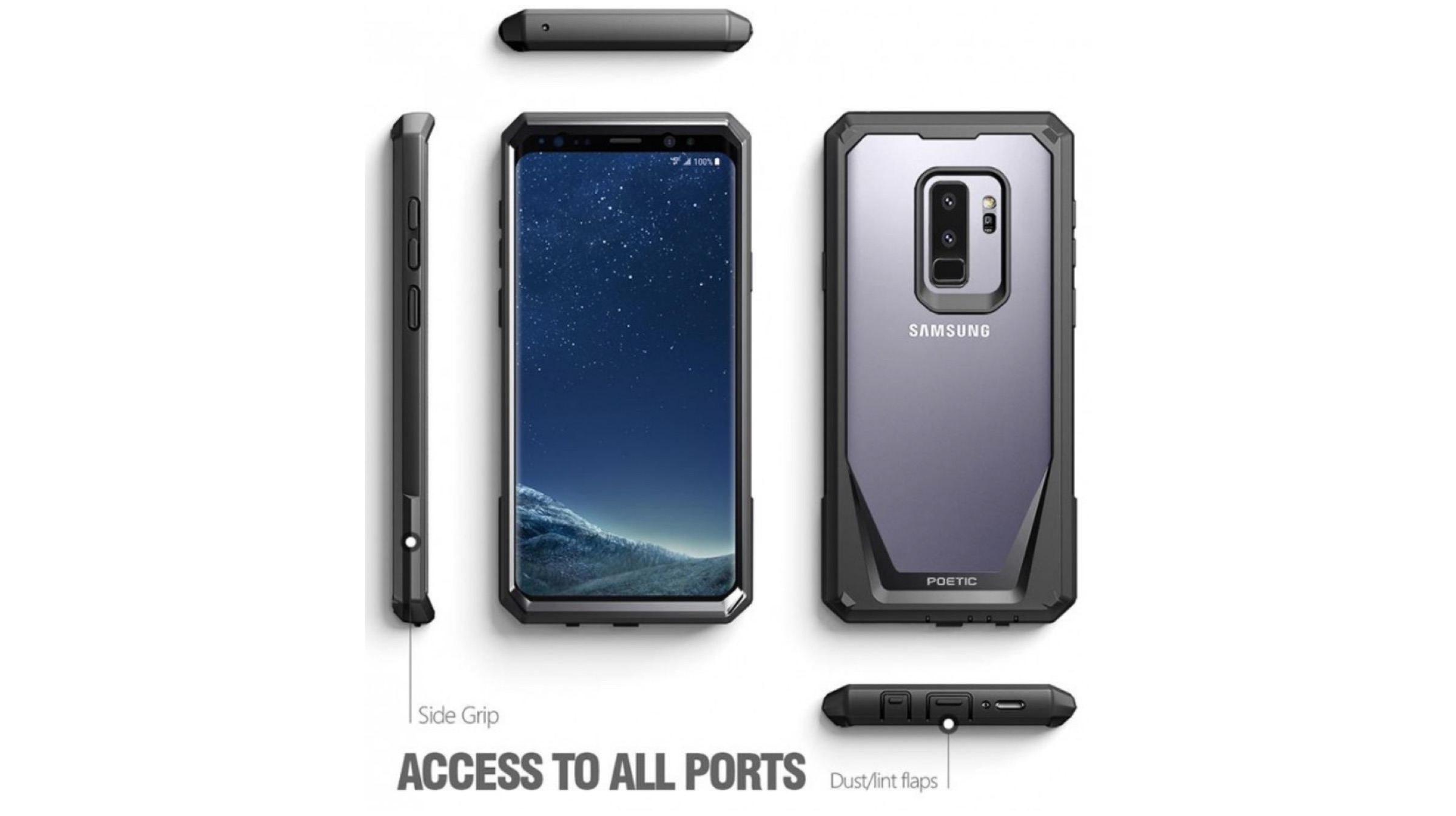
As expected, the renders reveal a dual-camera setup for the Samsung Galaxy S9+. Samsung has taken this decision to make sure there is a definitive difference between the two models. As expected, there is a 3.5mm headphone jack on the bottom of the phone along with a single speaker and a USB C port.
The Galaxy S9 and Galaxy S9+ will have glass on the back since it will support wireless charging. Even though wireless charging has recently received a lot of attention, Samsung has been implementing wireless charging in its flagship phones for some time now, dating back to Galaxy S6. The fingerprint sensor, placed below the dual-camera setup is in a much better position.
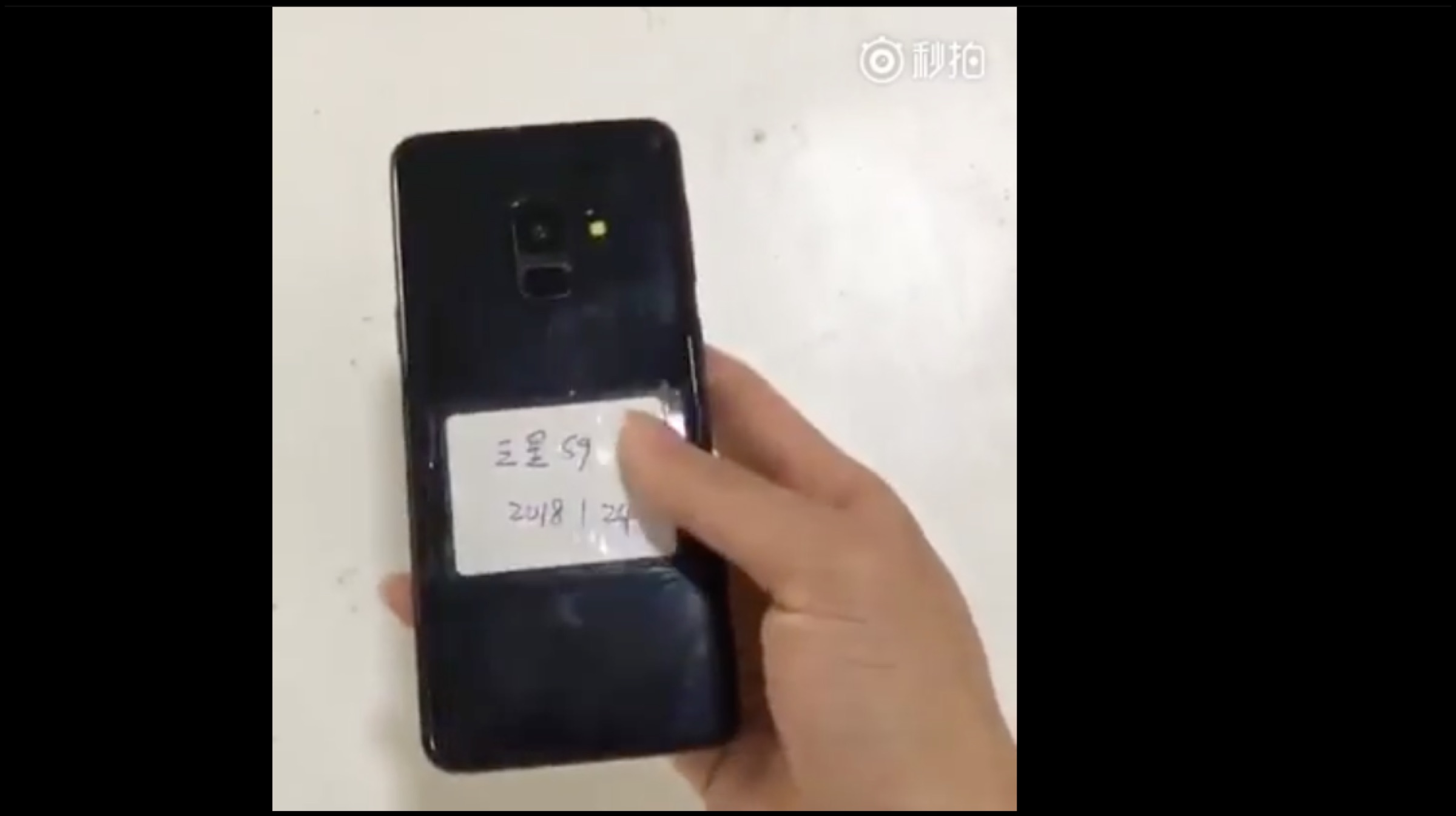
Another video of a Galaxy S9 dummy has been leaked which reveals a design similar to the Galaxy S9+. The dummy in the video looks much thicker than what the actual device will be. However, similar design elements from two different leaks is an encouraging sign. The video shows a person revealing the Galaxy S9 from all angles. The Galaxy S9 will have a single camera on the back and a smaller screen size.
The Galaxy S9 will have a 5.8 inch Super AMOLED display while the Galaxy S9+ will have a 6.2 inch display. Both the devices will have a 2960 x 1440 px resolution.
Similar to its predecessor, the Galaxy S9 will have a single 12MP SuperSpeed Dual Pixel camera. This time around, however, the camera will have an f/1.5 aperture and record super slow motion videos, probably at 960fps. The Samsung Galaxy S9+ will become the second phone from Samsung to feature a dual-camera setup on the back after the Galaxy Note8. Similar to the Samsung Galaxy Note8, the Galaxy S9+ will have a wide-angle and a telephoto lens setup.
The Samsung Galaxy S9 and Galaxy S9+ are expected to be the most sought after flagship phones at least in the early part of 2018.
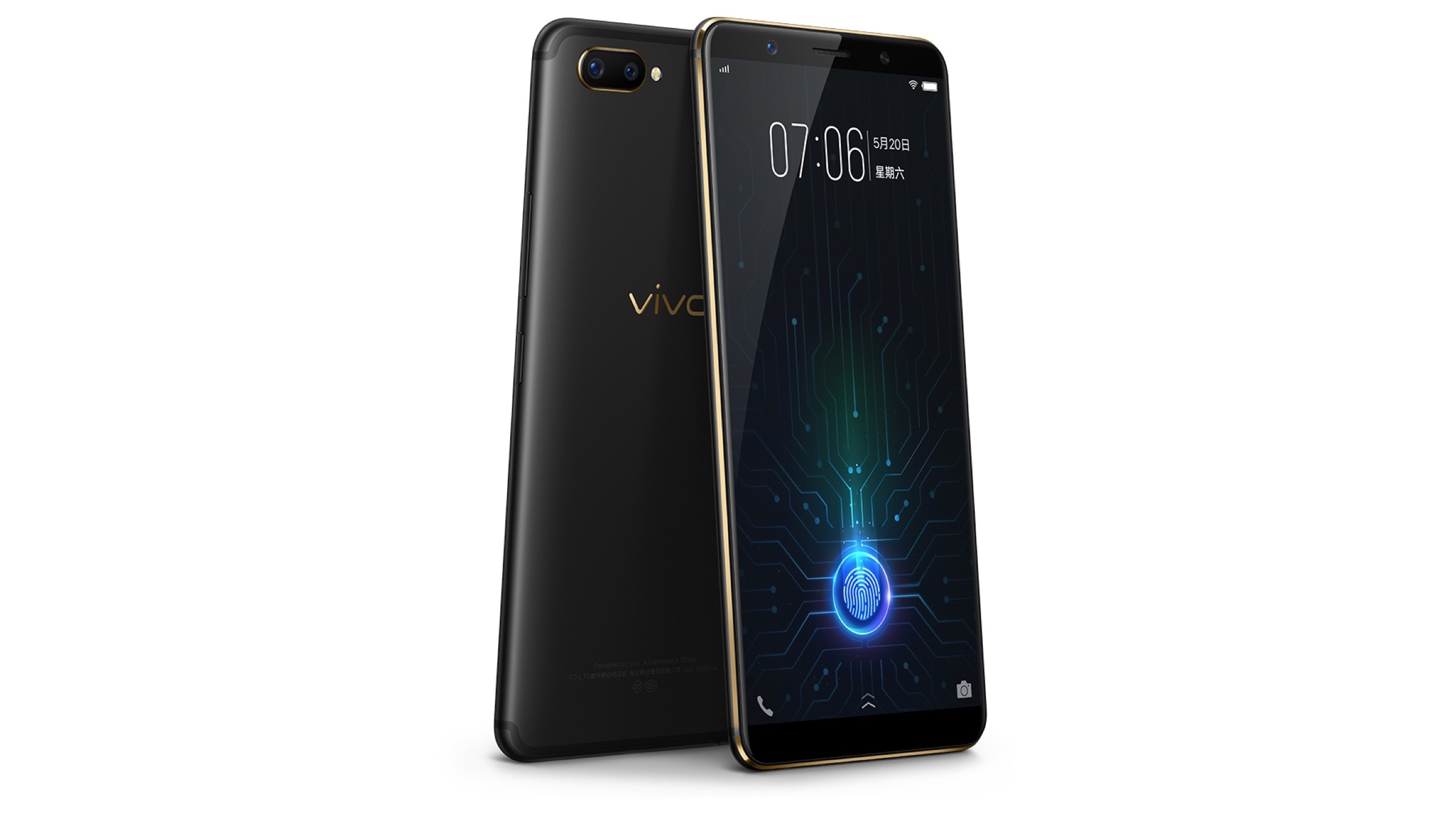
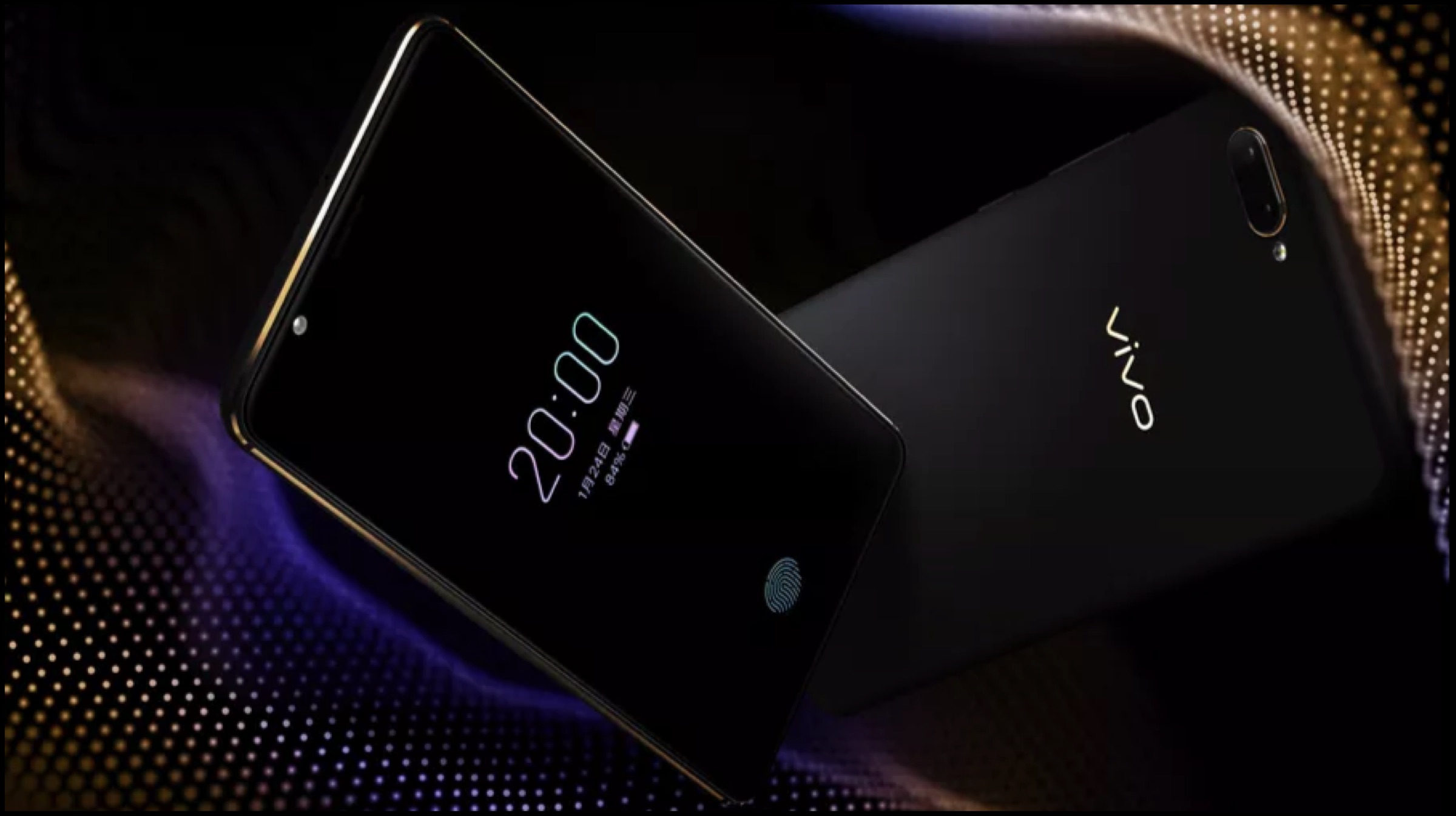
The launch of the Vivo X20 Plus UD was highly anticipated. Vivo, one of the top five smartphone manufacturers in the world became the first company to unveil a phone with an in-display fingerprint sensor. The Vivo X20 Plus UD is not a prototype or a concept, it is a consumer-ready device with a fingerprint sensor placed inside the display.
Now, the company has made officially launched the device in China. UD, presumably, stands for “under display”. It will go on sale in China starting February 1st at a price of CNY 3598 (Rs. 36100 approx.).
Specifications
The Vivo X20 Plus UD is basically the Vivo X20 Plus, with an in-display fingerprint sensor instead. It has a 6.43 inch Super AMOLED display with a 2160 x 1080 px resolution which translates to an 18:9 aspect ratio.
The Qualcomm Snapdragon 660 chipset powers the device. The Vivo X20 Plus UD has 4GB of RAM and 128GB of onboard storage which is further expandable up to 256GB via a microSD card.
The smartphone is powered by a 3900 mAh battery. The Vivo X20 Plus UD runs Android 7 Nougat out of the box. Since Android 8 Oreo was launched in August of 2017, this news is a bit disappointing.
To the back, it has a dual-camera setup consisting of a 24MP sensor with an f/1.8 aperture and OIS along with a 5MP sensor. To the front of the phone is a 12MP sensor with a soft LED flash and an f/2.0 aperture.
What Is Clear ID?
Clear ID lets users OEMs embed a fingerprint sensor under the display. Synaptics claims that it has a failure rate of 1 in 50,000 which, for a first gen product, is admirable. Early reviews of the device are in and mostly paint a positive picture. People have praised the accuracy of the sensor after initial usage. While it is slower than the OnePlus 5T, it is hard to complain when the process feels so futuristic.
The fingerprint sensor sits between the mainboard and the OLED panel where it illuminates the finger and then processes the beams of light. Hence, this technology will not work on LCD panel, at least for now.
Vivo has already listed the device on its official website in China. However, there is no word on its global availability yet. Considering the precedence that this phone has set, Vivo would want to launch the smartphone in other markets as well, since there will be a lot of suitors for a new technology like Clear ID.
The Xiaomi Redmi Note 4 continues to be a best-seller in the India market. Its successor, the Redmi Note 5 has been subject to a lot of speculation since the launch of the Redmi 5 Plus. While many believed that the Redmi 5 Plus will be launched in India as the Redmi Note 5, new leaks tell a different story.
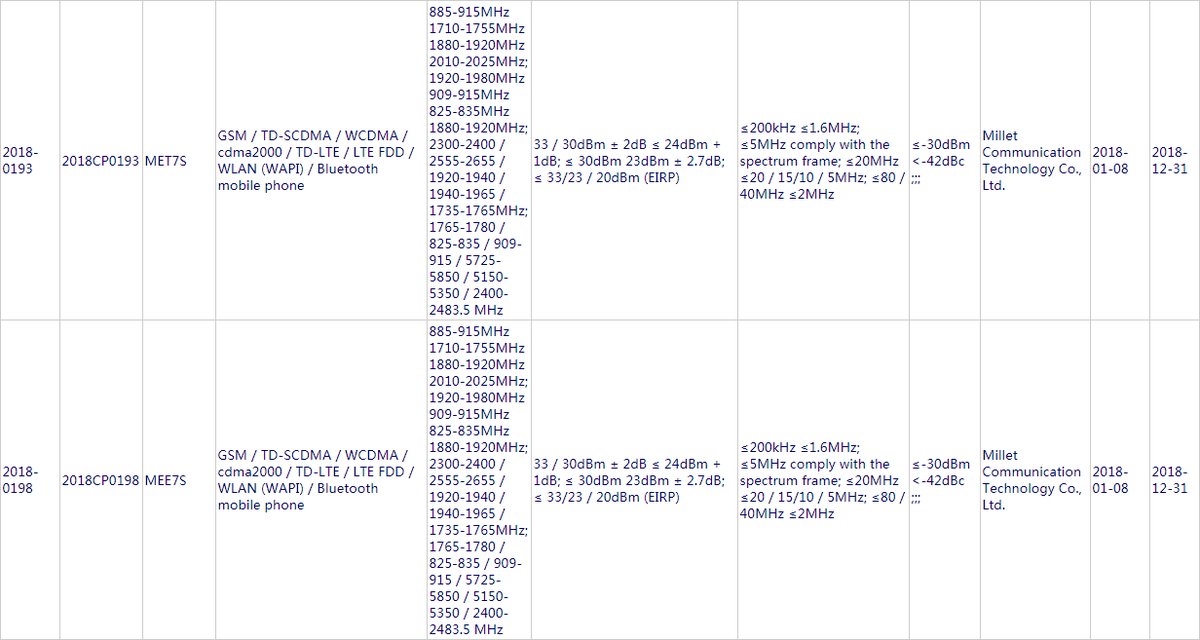
It is being reported that the Chinese smartphone maker wants to launch the Redmi Note 5 before the Mi 7. This means that the phone could see an early or mid-February launch. Recently, the Xiaomi MEE7S and MET7S devices received 3C approval in China. It is now being reported that these are indeed two variants of the Redmi Note 5 and will soon be made official. The Redmi Note 5 is rumoured to be priced at 1499 Yuan (Rs. 15000 approx.) and 1799 Yuan (Rs. 18000 approx.).
What Do We Know About The Xiaomi Redmi Note 5 So Far?
As a 2018 smartphone, the Redmi Note 5 is expected to look different from its predecessor. The smartphone is expected to have a 5.99 inch display with a 2160 x 1080 px resolution which translates into an 18:9 aspect ratio.
Under the hood, the phablet will have two variants. One will run on the Snapdragon 630 chipset, have 3GB RAM and 32GB of onboard storage. The other one will be powered by the Snapdragon 636 chipset, have 4GB of RAM and 64GB of storage. Both the variants are expected to support storage expansion via microSD card.
Xiaomi Redmi Note 4 Launched in Early-2017
The Xiaomi Redmi Note 5 will run MIUI 9 out of the box. There is still no word on whether it’ll run Android 8 Oreo or Android 7 Nougat.
The Redmi Note 5 could also be the first Redmi phone to feature a dual-camera setup. It is expected to have a 16MP primary sensor that will be accompanied by a 5MP sensor. To the front will be an 8MP camera.
Xiaomi knows that once launched, the Redmi Note 5 will be met with a lot of demand. Hence, there are reports claiming that it is stocking as many units of the Redmi Note 5 as possible. The rumoured price could be a bit off, especially for the Indian market. Xiaomi would want to launch the Redmi Note 5 at a price of about Rs.11000-12000, similar to what it did with the Redmi Note 4.
Xiaomi has announced that it will be present at the upcoming Mobile World Congress event. It is likely that the Xiaomi Mi 7 will be announced at the event. But, with leaks of the Mi 6X coming thick and fast, could we see an early announcement at MWC? However, expecting an early announcement of the phone might be a leap. Xiaomi usually launches its mid-range phones in China first. However, the Mi 6X leaks look promising so far.
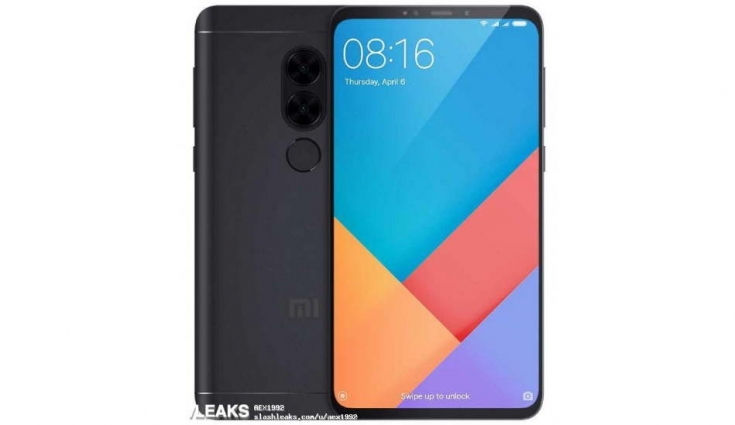
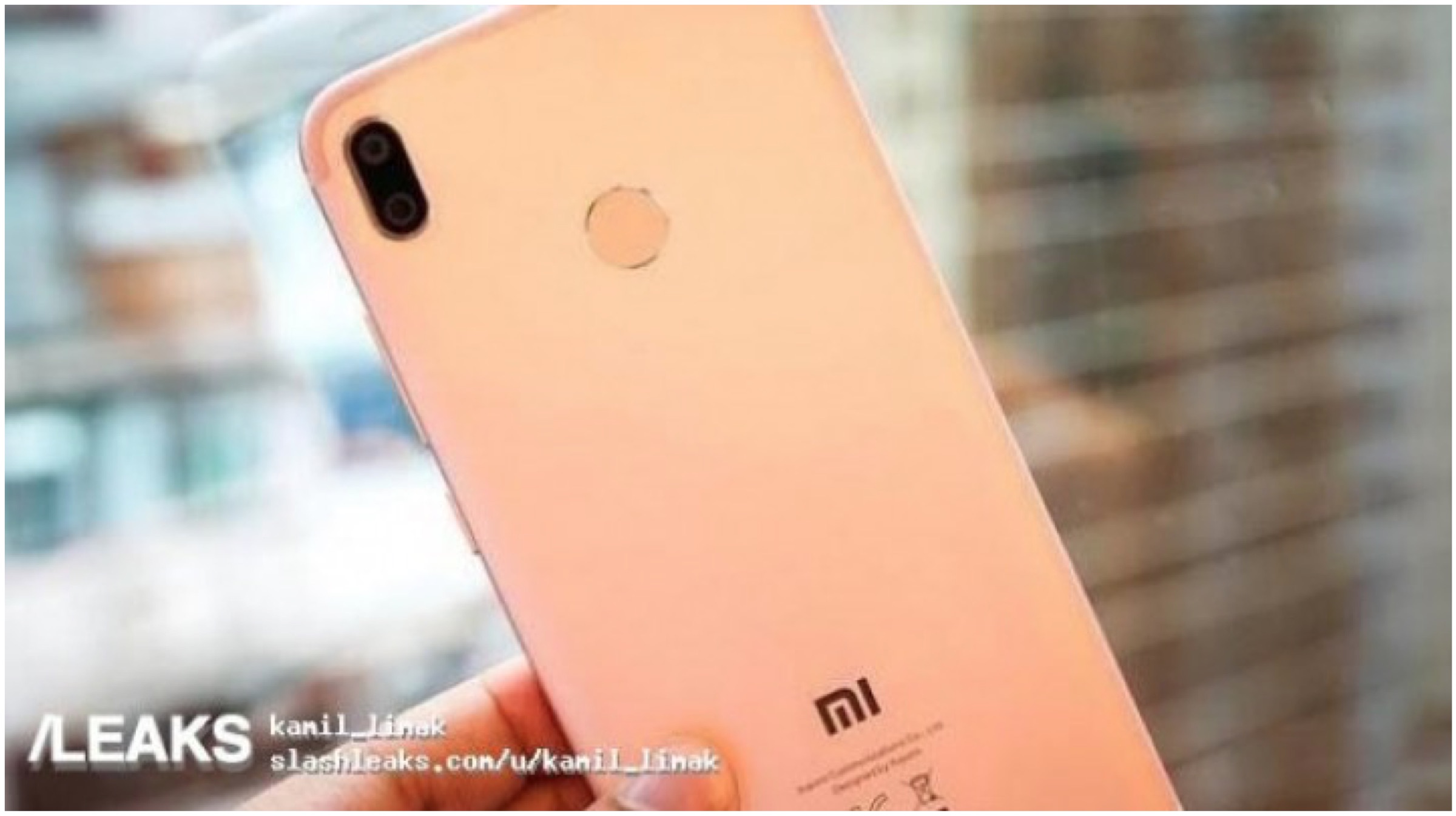
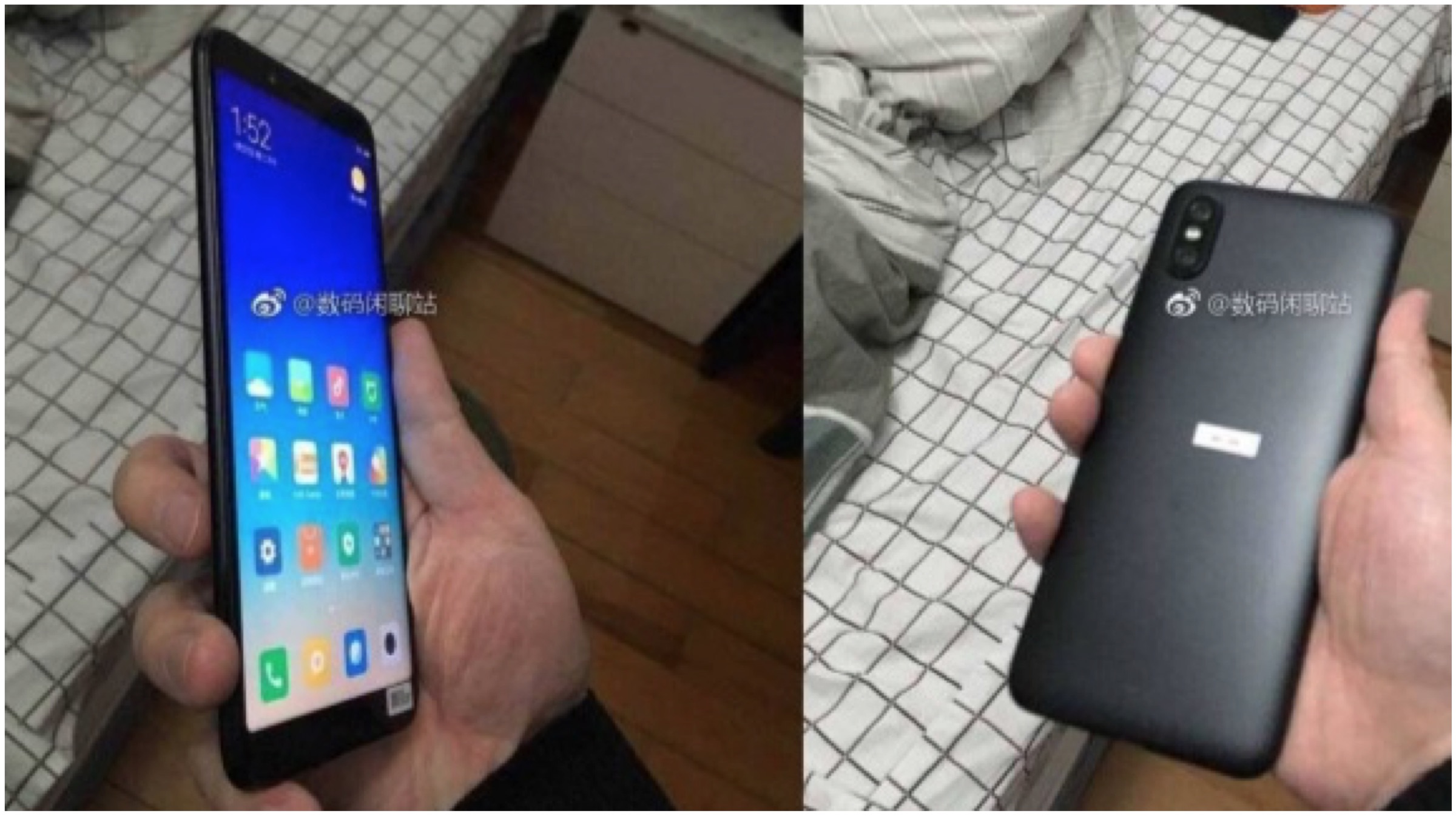
After a couple of renders and sketches, two images of the Xiaomi Mi 6X reveal the device out in the wild. In line with previous leaks, the images reveal an 18:9 aspect ratio of the phone with thin bezels. The front of the phone looks very similar to the Redmi 5 Plus wherein it has a tall display but, the bezels are not the thinnest by any means.
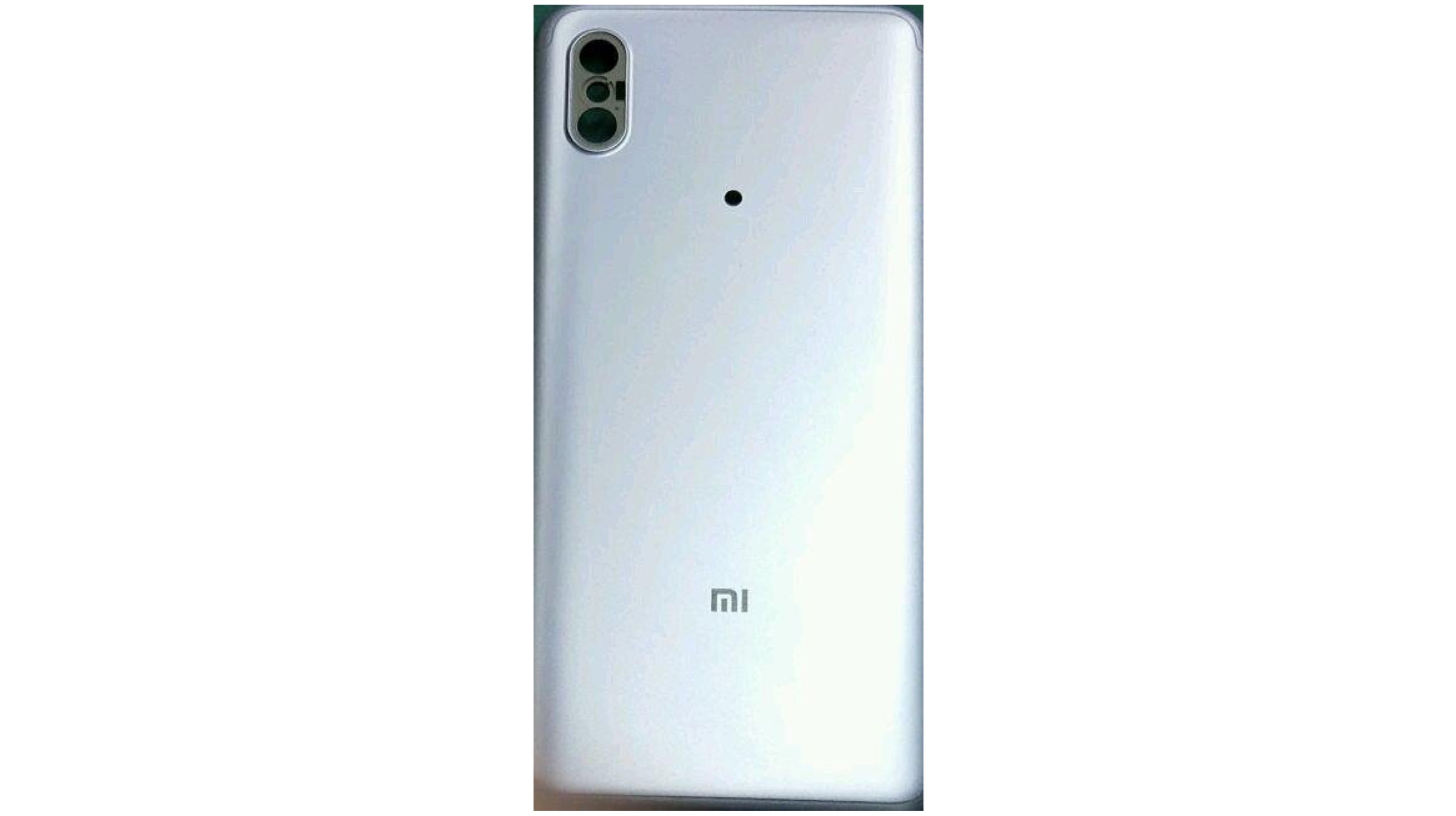
The interesting bit, however, is on the back of this smartphone. With a move that will surely help Xiaomi grab the headlines, the Mi 6X has a vertically placed dual-camera setup. The catch here is that the camera placement is uncannily similar to the iPhone X. It is noteworthy the LED flash is placed in between the two camera sensors as well. The fingerprint sensor, as suspected is placed on the back as well, which means no in-display fingerprint sensor right now.
What Do We Know About The Xiaomi Mi 6X So Far?
A few days ago, two leaks of the Xiaomi Mi 6X revealed that the device will continue the trend of having dual cameras and a tall display. The new images seemingly confirm that and it appears that the Mi 6X will have an 18:9 5.99 inch display. The company could use an IPS LCD panel, similar to its predecessor and a lot of other Xiaomi mid-range devices.
The Xiaomi Mi6X will be powered by the recently leaked Surge S2 chipset. The Surge S2 will have an octa-core CPU with four Cortex-A73 cores running at 2.2 GHz and four Cortex-A53 at 1.8 GHz. Accompanying the chipset will be the Mali-G71 MP8 GPU which is a great improvement over the Mali-T860 from the Surge S1. A report claims that Xiaomi is looking to par the Surge S2 with the Kirin 960 by Huawei.
Previous Leaks
There has been no information leaked regarding the battery capacity or the camera setup as of now. However, with the launch of the smartphone still a few months away, we could see a lot of other information about the device being leaked as well.
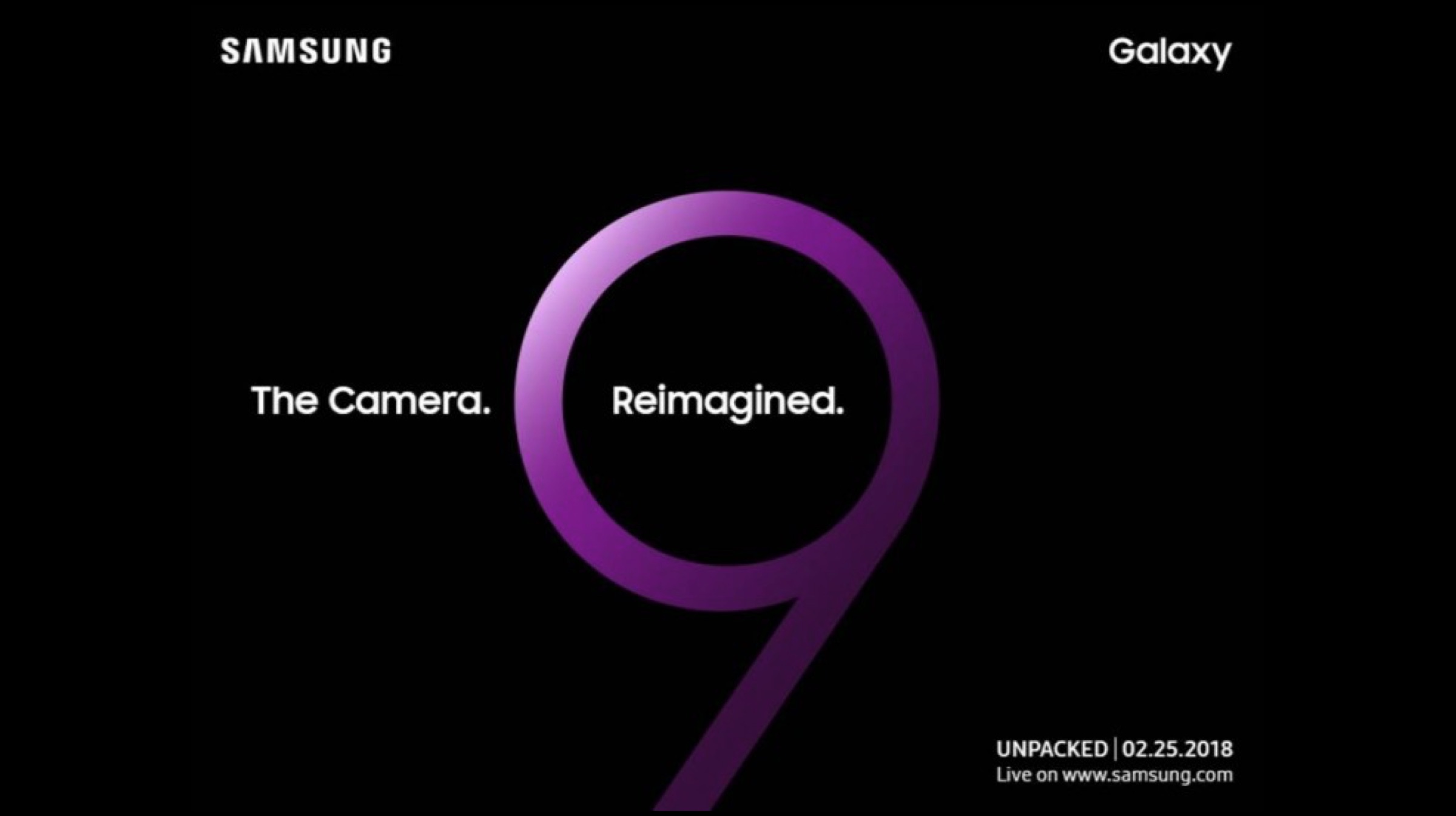
Samsung will officially announce the eagerly awaited Samsung Galaxy S9 and Galaxy S9+ on the 25th of February. The company has sent out press invites for the launch event which hints at a very important aspect. The invite simply has a large “9” on it along with the words “The Camera. Reimagined.” This is a huge hint that, as per some leaks, the Galaxy S9 devices will receive a huge camera upgrade.
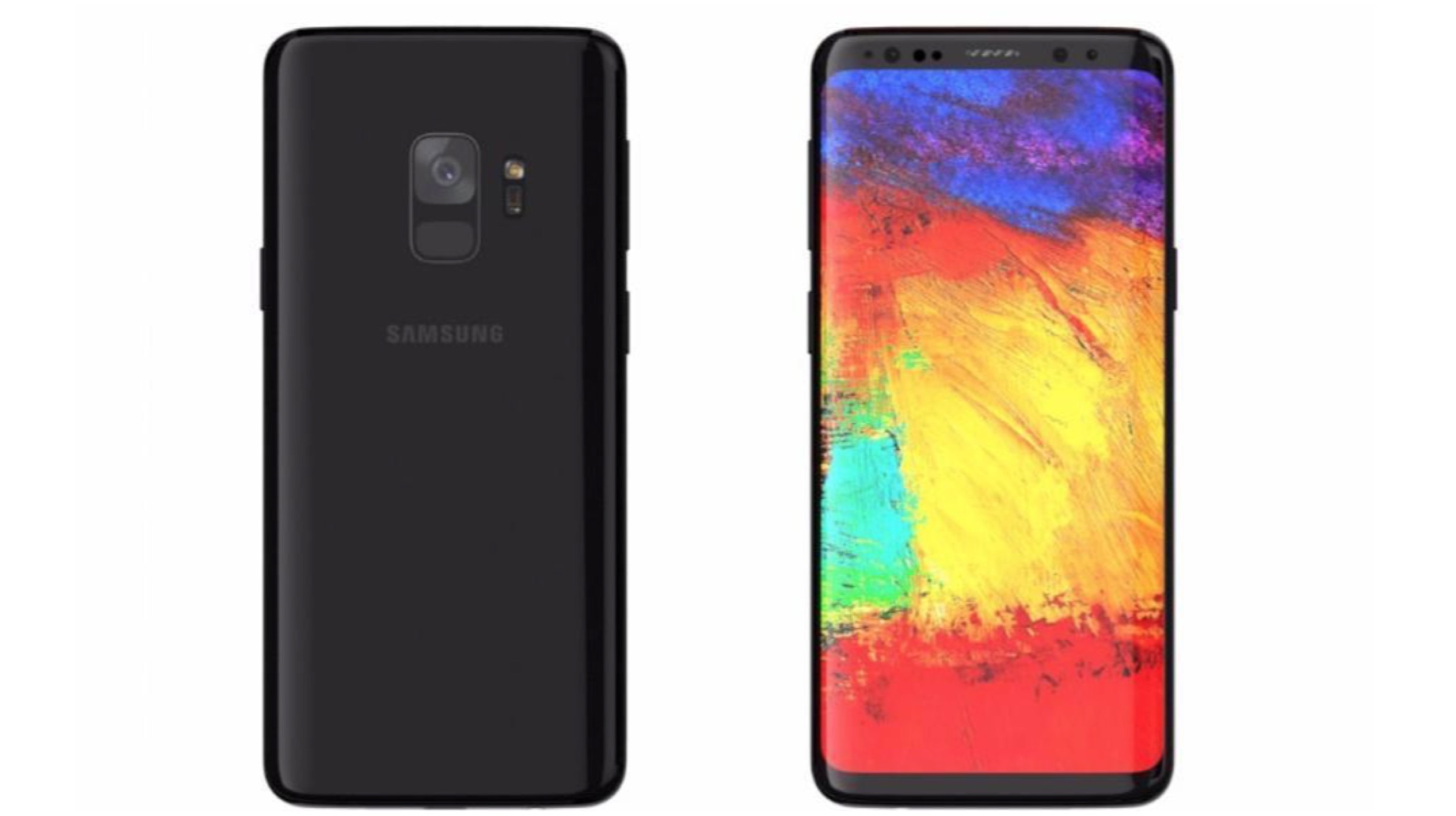
Galaxy S9 Renders
The Galaxy S8 and S8+ were launched with a slight improvement in the camera department over the Galaxy S7. However, the Samsung Galaxy S9 and Galaxy S9+ will come with much better cameras this time around. According to a previous leak, the Galaxy S9 will have a 12MP camera with an f/1.5 aperture. It is worth noting that the Galaxy S9 will have a variable aperture this time around. With a variable aperture of f/1.5/ to f/2.4, the camera on the Galaxy S9 will be able to adjust aperture similar to a DSLR camera.
The Samsung Galaxy S9+ is poised to become Samsung’s second phone with a dual-camera setup. While the specifics are unknown as of now, it could have a setup similar to the Samsung Galaxy Note8. Leaks have also suggested that we might see higher frame rates in slo-mo videos on the Galaxy S9 for example, 1080P @ 480fps.
Samsung Galaxy S9, S9+: What Do We Know So Far?
The Galaxy S9 will have a 5.8 inch Super AMOLED display while the Galaxy S9+ will have a 6.2 inch display. Both the devices will have a 2960 x 1440 px resolution.
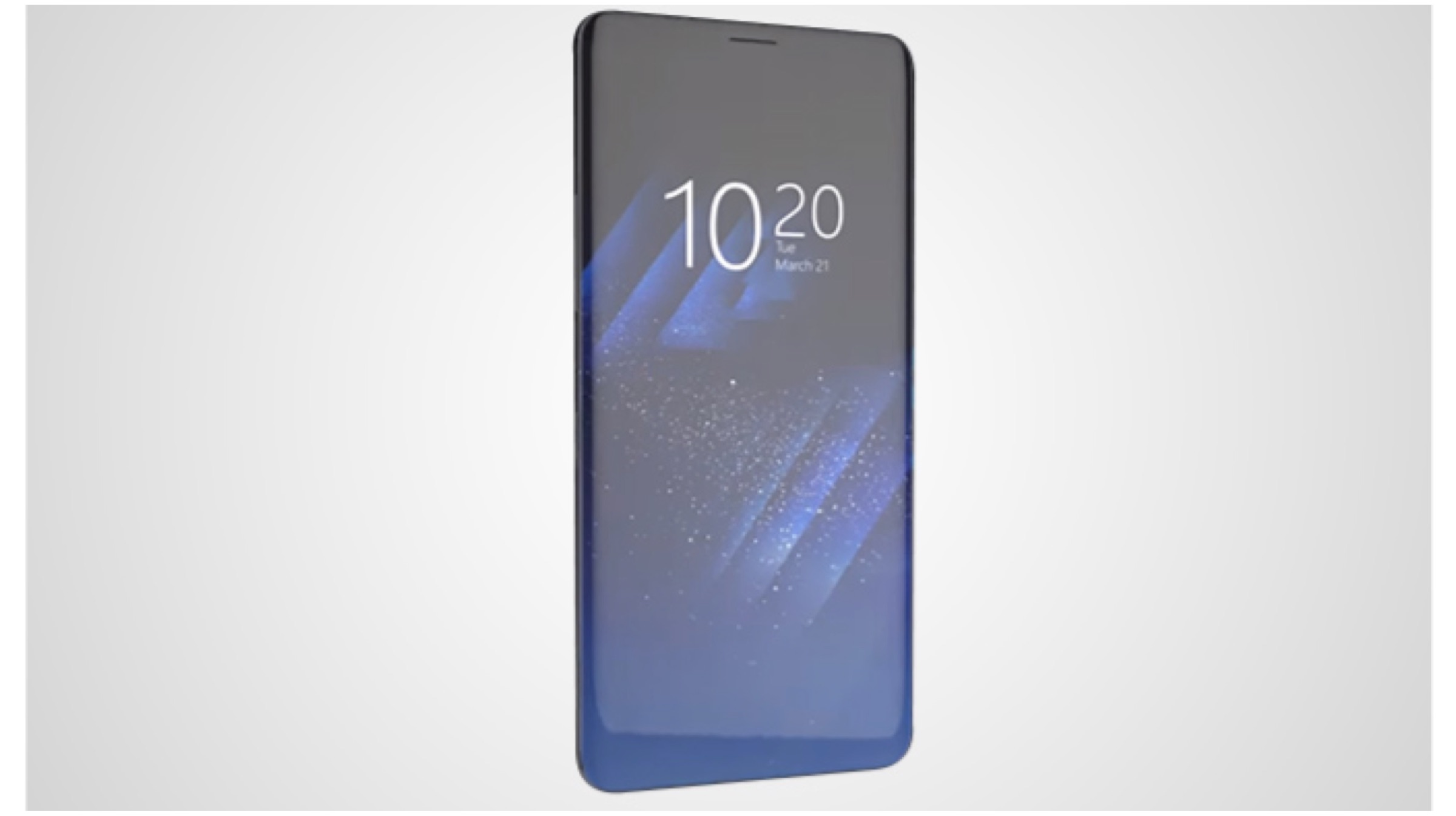
Galaxy S9 Concept
Samsung Galaxy S9 and S9+ will have the Qualcomm Snapdragon 845 chipset (US and Korea), 4GB of RAM and 64GB of onboard storage. Like every Samsung smartphone, the onboard storage will be expandable via a microSD card. This time around, the fingerprint sensor will be placed below the camera. It will have an IP68 rating for water and dust resistance and stereo speakers tuned by AKG.
As was the case last year, the Samsung Galaxy S9 and Galaxy S9+ will run on the Exynos 9810 chipset in all markets except the US and South Korea. The Galaxy S9 is powered by a 3000 mAh battery, similar to the Galaxy S8. Apparently, the fast charging technology won’t see an upgrade either as discovered in a new leak. This kind of 15W Adaptive Fast Charge has been present in Samsung flagship phones since the days of the Galaxy S6, so this doesn’t come as a surprise.
Similar to its predecessor, the Galaxy S9 will have a single 12MP SuperSpeed Dual Pixel camera. This time around, however, the camera will have an f/1.5 aperture and record super slow motion videos, probably at 960fps. The Samsung Galaxy S9+ will become the second phone from Samsung to feature a dual-camera setup on the back after the Galaxy Note8. Similar to the Samsung Galaxy Note8, the Galaxy S9+ will have a wide-angle and a telephoto lens setup.
There has been no word on the pricing of the smartphones yet. Samsung is, however, expected to launch the devices at a price similar to that of the Galaxy S8 and S8+.
The internet is a boon, and it needs to be more accessible. Ever since the advent of Reliance Jio, internet consumers in India have been rapidly increasing. After Airtel jumped the entry-level 4G smartphone bandwagon, Vodafone is next in line. The company had earlier launched the Itel A20 Android smartphone at an ‘effective price’ of just Rs. 1,590. Now, it is offering substantial cashback on a select range of Android smartphones sold via Flipkart as part of a #MyFirst4GSmartphone scheme.
These entry-level smartphones will be available from just Rs 999 without exchange after all the applicable cashback and discount offers are applied. A comprehensive list of all the eligible smartphones has not been released. However, there is a report that claims that the list includes the iVoomi Me4, iVoomi i1, iVoomi i1S, Yu Yunique 2 and Yu Yunique 2 Plus, among others. As the campaign picks up the pace, more smartphones will be added.
So, How Do You Get A Smartphone For Rs. 999?
Rs. 999 is not the upfront amount you will have to pay for a smartphone. According to the terms of the deal, all new and existing Vodafone subscribers who purchase one of the select smartphones from Flipkart will need to recharge their prepaid accounts with a minimum of Rs. 150 per month for 36 months to be eligible for the cashback offers.
Users who follow these instructions will receive a cashback worth Rs 900 after the first 18 months and another Rs 1,100 will be credited at the end of the 36-month period. This means that at the end of the three-year period, users will get cashback worth Rs. 2000.
It is worth noting that the cashback will be credited to the subscribers’ M-Pesa wallets. However, users won’t be tied down to using the cashback money on just Vodafone recharges.
Are you excited about this offer from Vodafone and Flipkart? Let us know in the comments below!
Samsung is gearing up to launch the Samsung Galaxy S9 and Galaxy S9+ at MWC 2018. The 2018 flagship smartphones will succeed the highly popular Galaxy S8 and S8+ which were announced at a separate event in March of 2017.
It is hard to keep a phone in the hiding in today’s day and age as leaks become more accurate. There have been plenty of leaks and rumours about the Galaxy S9 and its bigger sibling. However, this new leaked video of the Galaxy S9 could be our best look at the device yet.
Initially posted on Weibo, it apparently is a pressure sensitivity test video of the Samsung Galaxy S9. If genuine, this video confirms one of the most prominent rumours about the upcoming flagship phones. In the video, the bottom bezel of the Galaxy S9 is very clearly visible. The size of the bezel appears to be identical to that of the Galaxy S8. While the video shows a person randomly typing on the phone, it doesn’t reveal any other design aspects.
Samsung Galaxy S9, S9+: What Do We Know So Far?
The Galaxy S9 will have a 5.8 inch Super AMOLED display while the Galaxy S9+ will have a 6.2 inch display. Both the devices will have a 2960 x 1440 px resolution.
Samsung Galaxy S9 and S9+ will have the Qualcomm Snapdragon 845 chipset (US and Korea), 4GB of RAM and 64GB of onboard storage. Like every Samsung smartphone, the onboard storage will be expandable via a microSD card. This time around, the fingerprint sensor will be placed below the camera. It will have an IP68 rating for water and dust resistance and stereo speakers tuned by AKG.
Galaxy S9, S9+ Expected Design
As was the case last year, the Samsung Galaxy S9 and Galaxy S9+ will run on the Exynos 9810 chipset in all markets except the US and South Korea. The Galaxy S9 is powered by a 3000 mAh battery, similar to the Galaxy S8. Apparently, the fast charging technology won’t see an upgrade either as discovered in a new leak. This kind of 15W Adaptive Fast Charge has been present in Samsung flagship phones since the days of the Galaxy S6, so this doesn’t come as a surprise.
Similar to its predecessor, the Galaxy S9 will have a single 12MP SuperSpeed Dual Pixel camera. This time around, however, the camera will have an f/1.5 aperture and record super slow motion videos, probably at 960fps. The Samsung Galaxy S9+ will become the second phone from Samsung to feature a dual-camera setup on the back after the Galaxy Note8. Similar to the Samsung Galaxy Note8, the Galaxy S9+ will have a wide-angle and a telephoto lens setup.
There has been no word on the pricing of the smartphones yet. Samsung is, however, expected to launch the devices at a price similar to that of the Galaxy S8 and S8+.
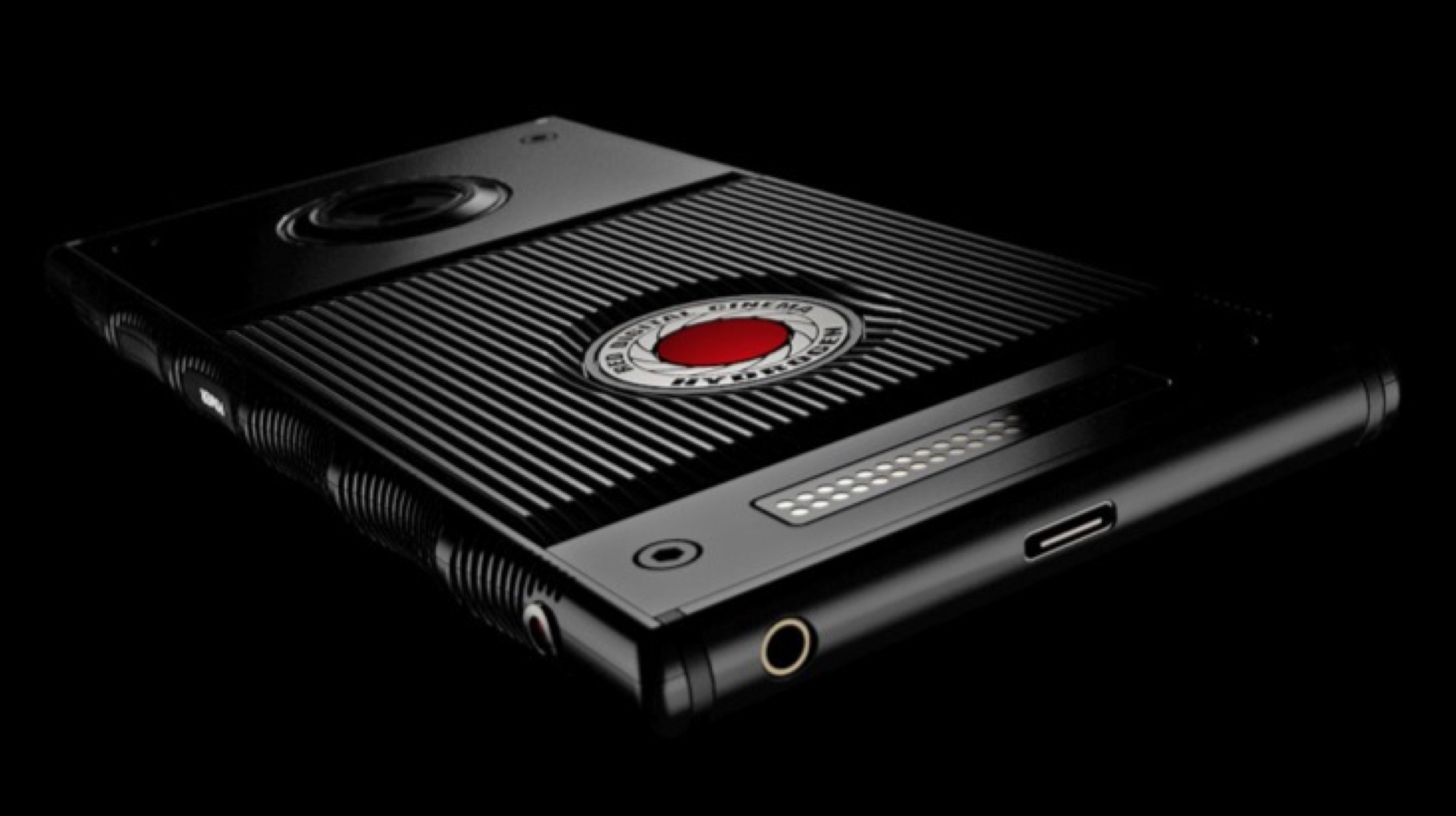
RED is the industry standard when it comes to video making gear. Mid 2017, the company announced that it will enter the world of smartphones with the RED Hydrogen One. More details for the smartphone have appeared now on Red User forums.
The Hydrogen One from Red will be the first smartphone ever to have a holographic display. Priced at US$ 1195 for the Aluminium variant and US$ 1595 for the Titanium version of the Red Hydrogen One, The aluminium variant has a price which is similar to the 256GB variant of the iPhone X. The Hydrogen One titanium variant will become one of the most expensive smartphones in the market.
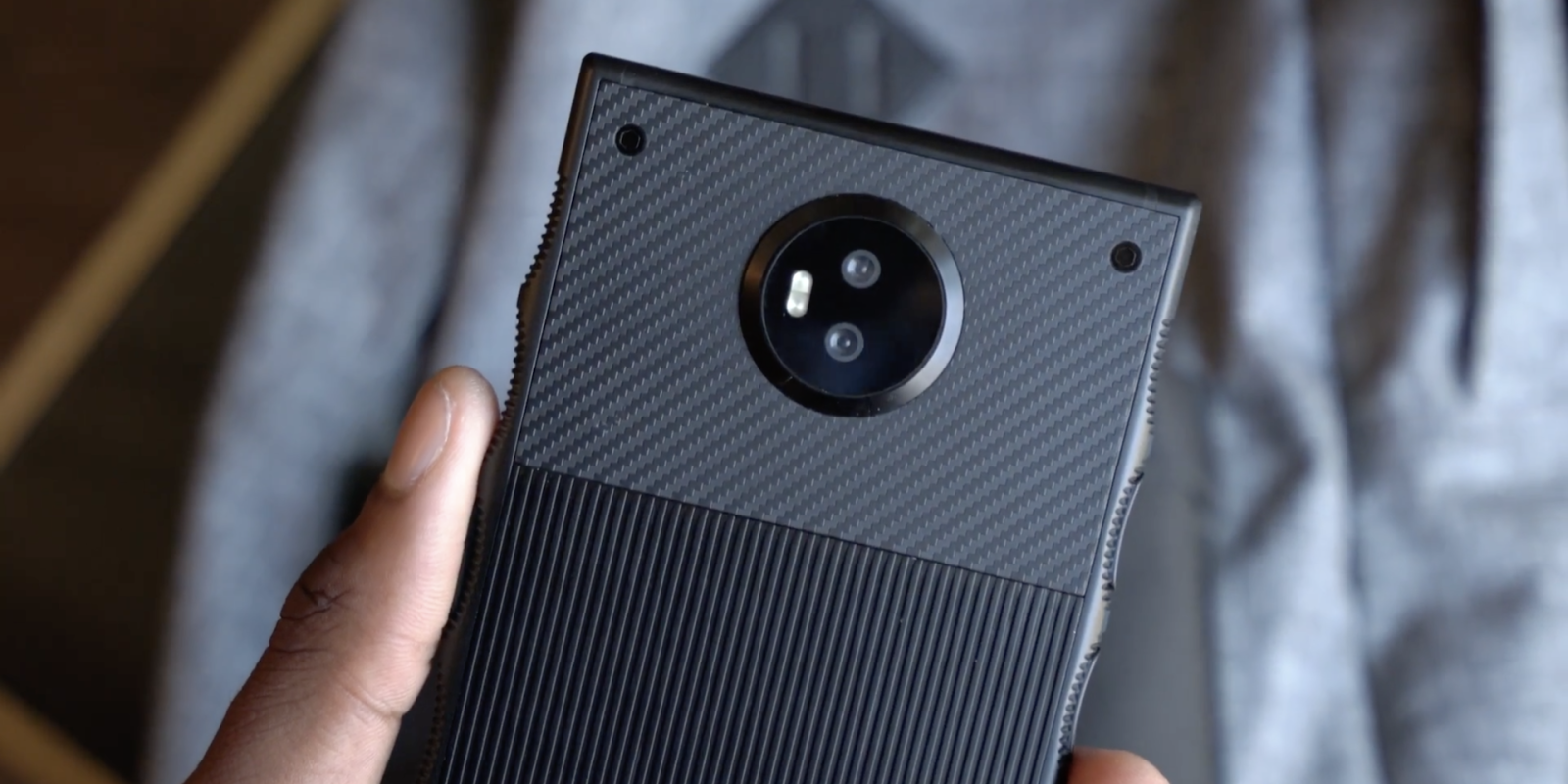
Image Via MKBHD
Jim Jannard, RED’s CEO and founder, gave a timely update in a post on the company’s forum. Though very unclear, the post does shed a bit more light on what to expect from the Hydrogen One. Announcing that RED has managed to get mobile carriers in the US on board for the phone’s launch. Jim was still not open about the shipping date, but, said that RED will release preordered phones before carrier phones.
Specifications for the Red Hydrogen One Confirmed
There were a few details on the phone that were doing the rounds, and Jim Jannard has confirmed a few. Jim writes that the Hydrogen One is powered by the Snapdragon 835X chipset, which is interesting because such a chipset doesn’t exist. Jannard wanted to write Snapdragon 835, it seems. It will also have a dual SIM slot and include a massive 4500mAh battery. Could Qualcomm be developing a special chipset for the Red Hydrogen One?
The RED Hydrogen One will also be a modular phone meaning you can attach add-ons for extra functionality. Jannard teased a pair of modular accessories that will attach to the Hydrogen One, including a battery pack and a “cinema grade camera module.” He has also claimed that additional modules for improved 3D and 4V filming are in the pipeline. RED is also working on a “Hydrogen Network” that will collect 4V video from “major studios and other content providers.”
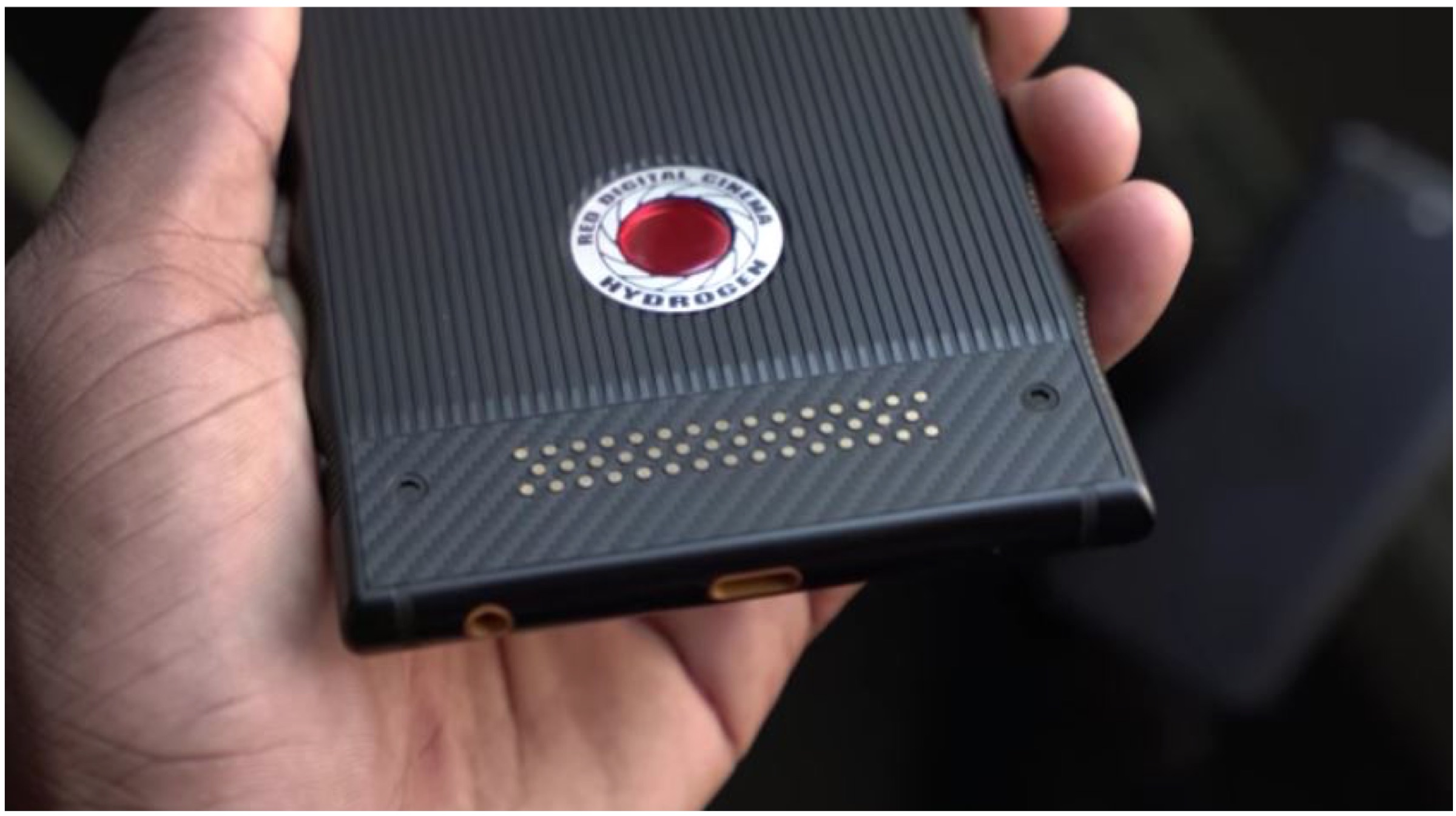
Image Via MKBHD
RED had already announced that the Hydrogen One will have a 5.7-inch display with a 2560 x 1440 px resolution. It will charge via a USB-C port, support microSD card expansion, a headphone jack, and have dual front and rear cameras. The phone’s highlight will be its cameras and display. The screen will display “holographic 4-view content,” which are basically 3D images that change with your perspective without requiring any other special hardware or eye glasses. The Red Hydrogen One’s cameras will be able to record video in 2D, traditional 3D, or RED’s new “4V” format, which will presumably only work on the Hydrogen One in the beginning.
A CEO of a company is as reliable a source as you’ll ever get. These little nuggets of information only increase the anticipation of the Hydrogen One, which is expected to be Q2 2018.