Category: Latest

All the Latest, News, Reviews, Updates, How To, Mobile Phone news, Global and International News, From Cameras to Automobiles, from TV To PC and a lot more! Constantly updating!

  • Realme 3 To Go On Sale In India For The First Time Today

    Realme 3 To Go On Sale In India For The First Time Today

    Amidst the launch of a number of budget-aggressive smartphones in India, Realme 3 was launched on March 4, 2019. Succeeding the Realme 2, the device offers significant performance and design upgrades over its predecessor and will go up against devices like the Redmi Note 7 and the Samsung Galaxy M20 in India.

    Specifications, Design And Features
    Click here to buy the Realme 3 on Flipkart.

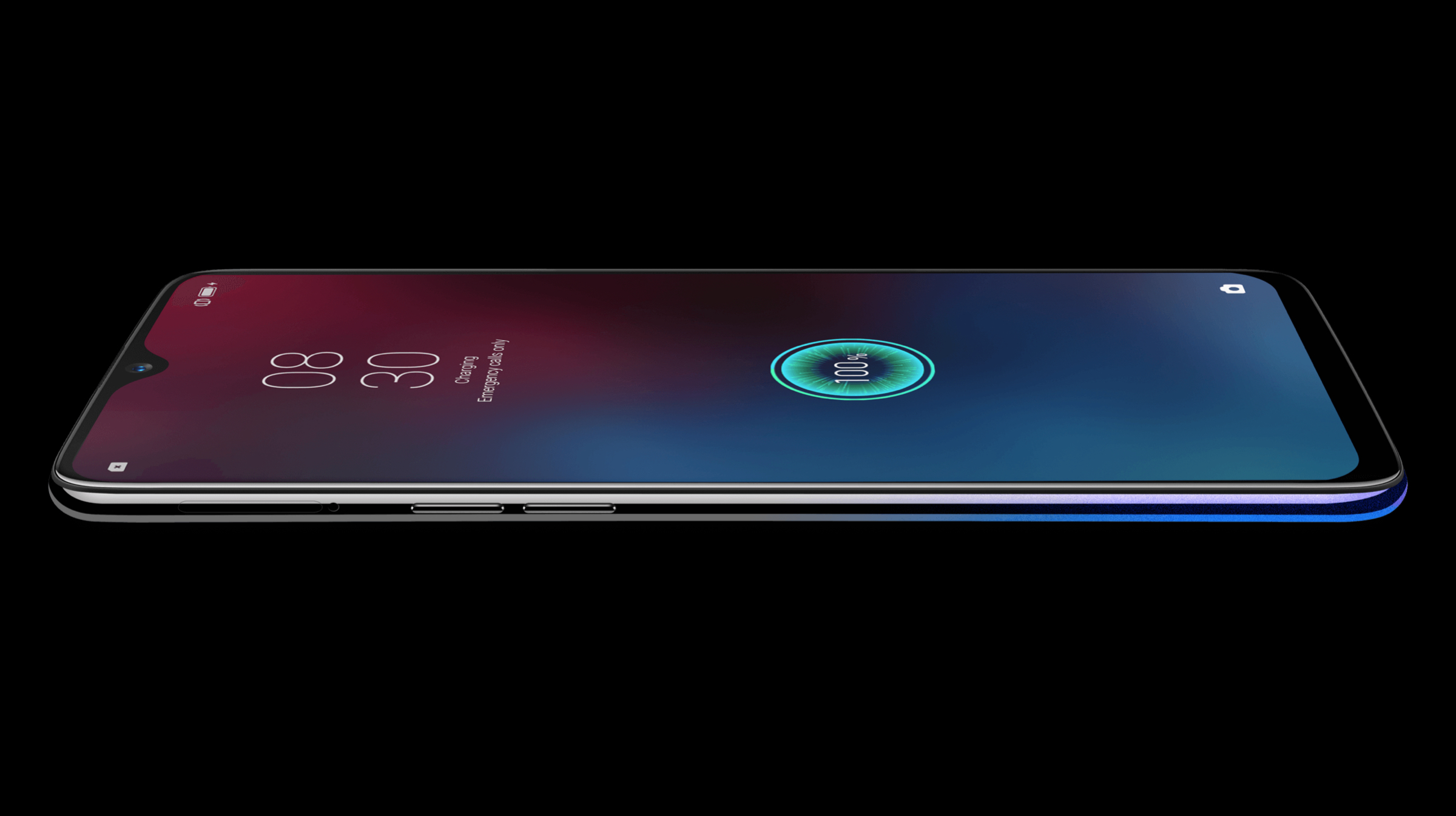
    The Realme 3 sports a 6.2 inch IPS LCD with a 1520 x 720 px resolution. The device has a dewdrop notch display and is encompassed by narrow bezels which add to the elegance of the device. The rear unibody panel of the smartphone is made out of polycarbonate with a 3D gradient finish on top. The back of the device houses the dual camera module with the LED flash, the Realme branding and a fingerprint scanner. The left side of the Realme 3 is occupied by the volume rockers and the SIM card tray with a dedicated microSD card slot (up to 256 GB), whereas the right side is occupied by the power button. The bottom of the handset accommodates the micro USB port, the speaker grille and the 3.5 mm headphone jack.

    The smartphone runs on the Helio P70 chipset which comprises of a 2.1 GHz octa-core CPU and the Mali G72 GPU. The Realme 3 has two memory variants, one with a 3 GB of RAM and 32 GB of internal storage and the other with 4 GB RAM and 64 GB ROM. The device has the Color OS 6.0 on top of Android 9 (Pie) out-of-the-box. The OS features gesture navigation and AI battery management.
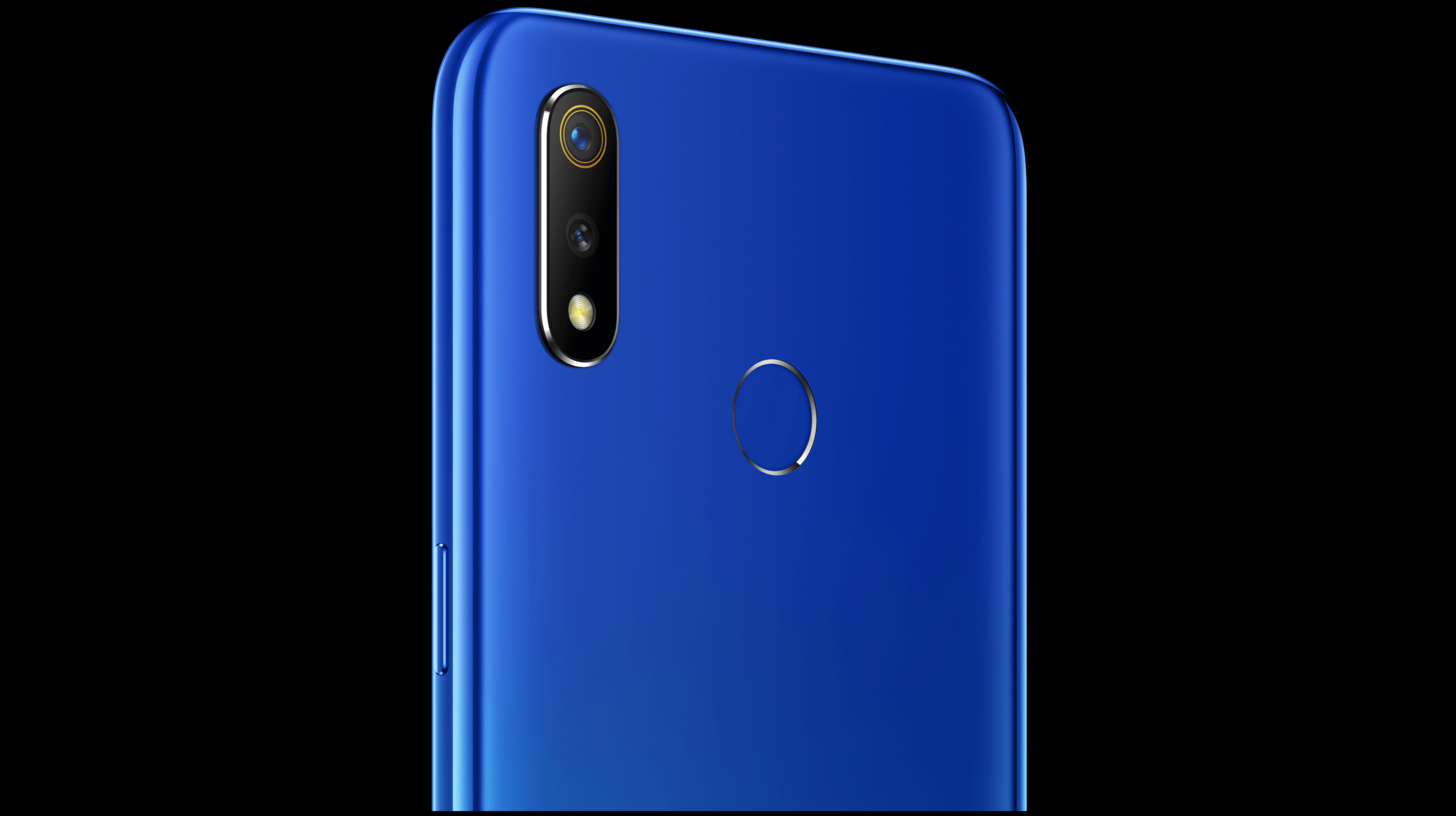
    The dual camera module consists of a primary 13 MP (f/1.8) camera sensor and a 2 MP depth sensor. The camera has features like Nightscape and Chromaboost, which are first-in-class. In terms of the front camera, the device has a 13 MP selfie shooter. It is powered by a 4,230 mAh battery with 10 W charging support. Notably, the Realme 3 also sports Bluetooth v5.0.

    Price And Availability

    https://www.youtube.com/watch?v=9khBEFQgIPc

    Also Read: Realme 3 With 3D Gradient Unibody Launched

    The Realme 3 is available in three colour options which include Dynamic Black, Radiant Blue, and Classic Black. It is available for purchase on the Flipkart online store, as well as Realme offline stores. As mentioned before, it is available in two storage variants for which the prices are as follows:

    • 3 GB RAM + 32 GB ROM – Rs 8,999
    • 4 GB RAM + 64 GB ROM – Rs 10,999

    Click here to buy the Realme 3 on Flipkart.


  • OnePlus To Launch A Pair Of Truly Wireless Earbuds With The OnePlus 7

    OnePlus To Launch A Pair Of Truly Wireless Earbuds With The OnePlus 7

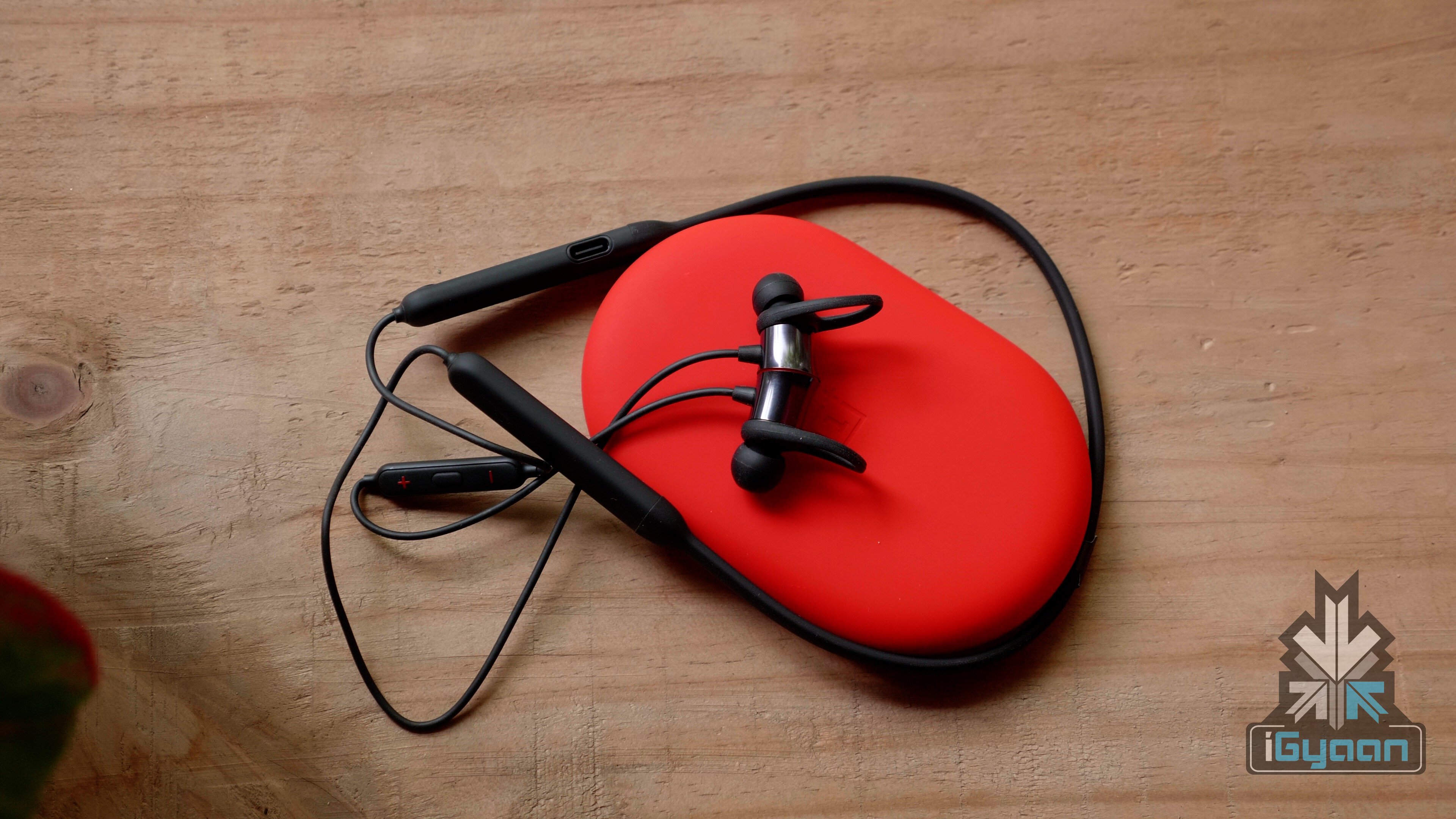
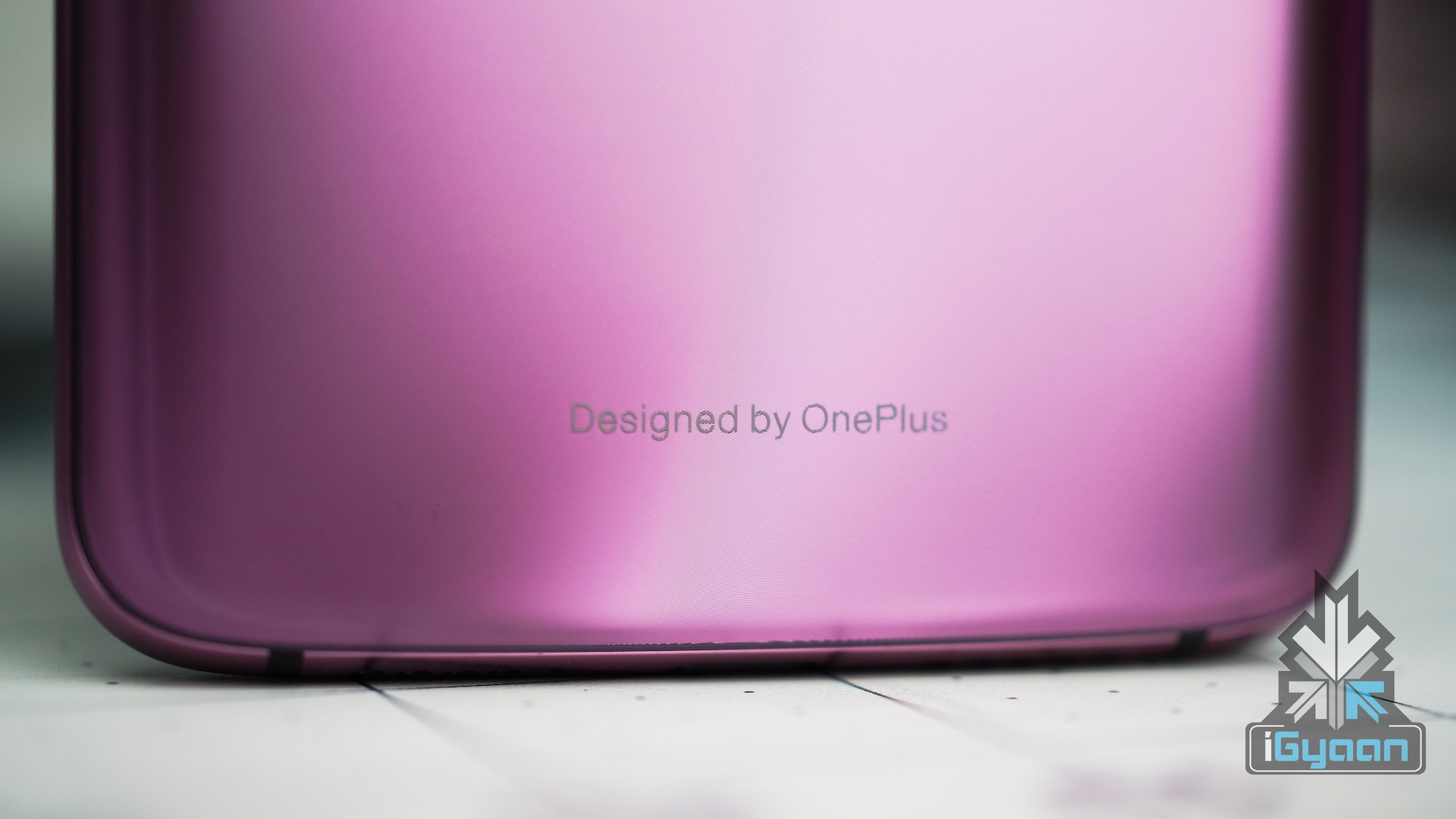
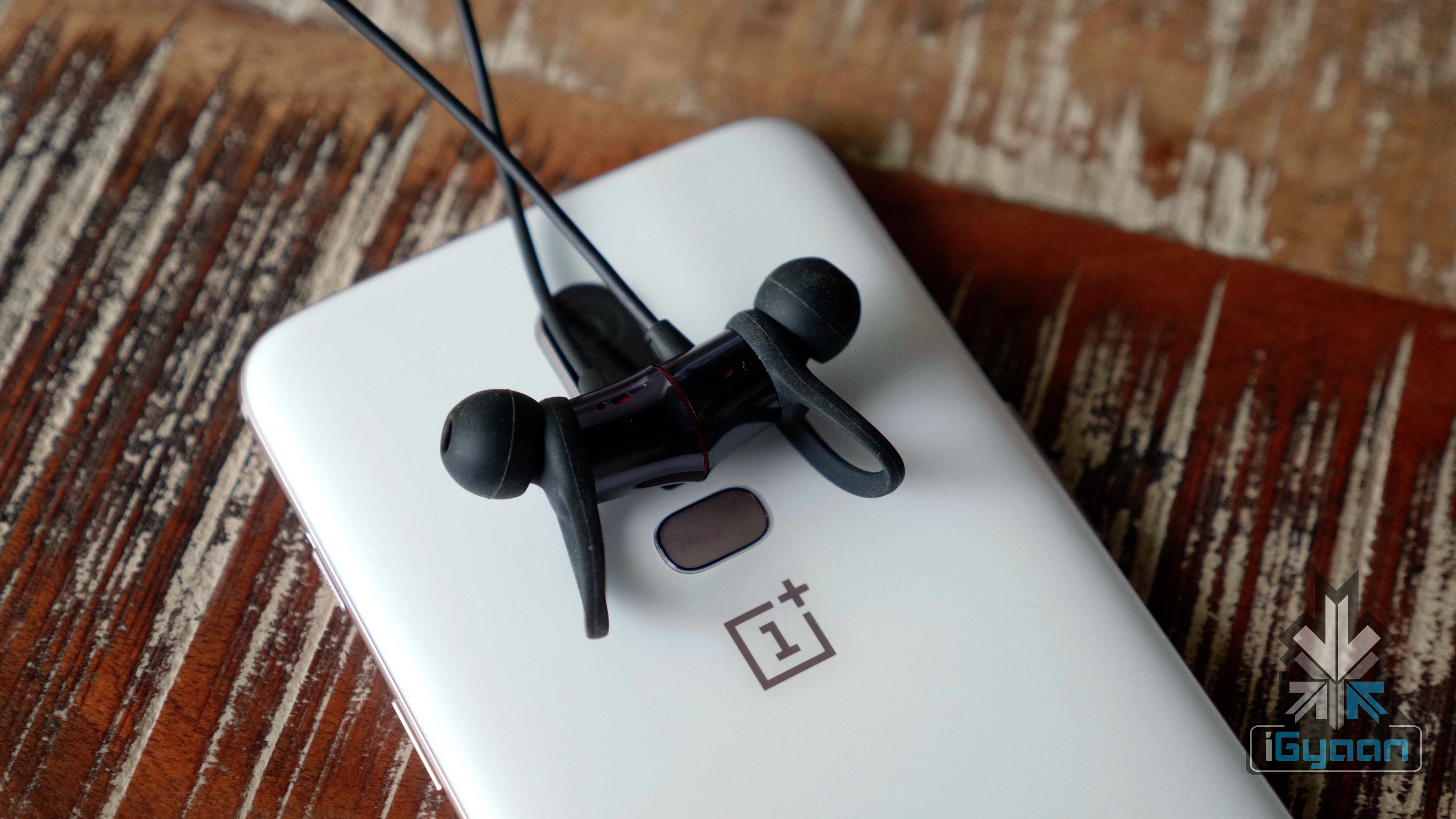
    OnePlus is expected to launch its next flagship, the OnePlus 7 in the month of June. The smartphone will be a successor to the OnePlus 6T which was lauded for its performance and affordability. The device has been previously leaked to sport an all-new design and updated internals. A post by the CEO of OnePlus, Pete Lau on the Chinese social networking website Weibo has suggested that the company is working on a pair of truly wireless earbuds which may be announced along with the OnePlus 7.

    OnePlus Truly Wireless Earbuds

    In his post, the senior OnePlus executive mentions the current industry trend of removing the 3.5mm headphone jack in favour of a single port. He then asks for suggestions for truly wireless earbuds. Considering smartphone manufacturers like Nokia and Samsung have already released earbuds that are fully wireless, OnePlus may be looking to go down the same path. The earphones will be an upgrade to the Bullets Wireless earbuds, which were launched last year. Unfortunately, details about the device aren’t known yet, but the upcoming truly wireless earbuds from OnePlus are likely to retain the Bullets branding and will arrive with a charging case like the Apple AirPods. It is also reported to have a minimal audio delay, a small and lightweight body and will be comfortable to wear.

    Also read: YouTube Rolling Out Fact Checking Feature To Combat Fake News

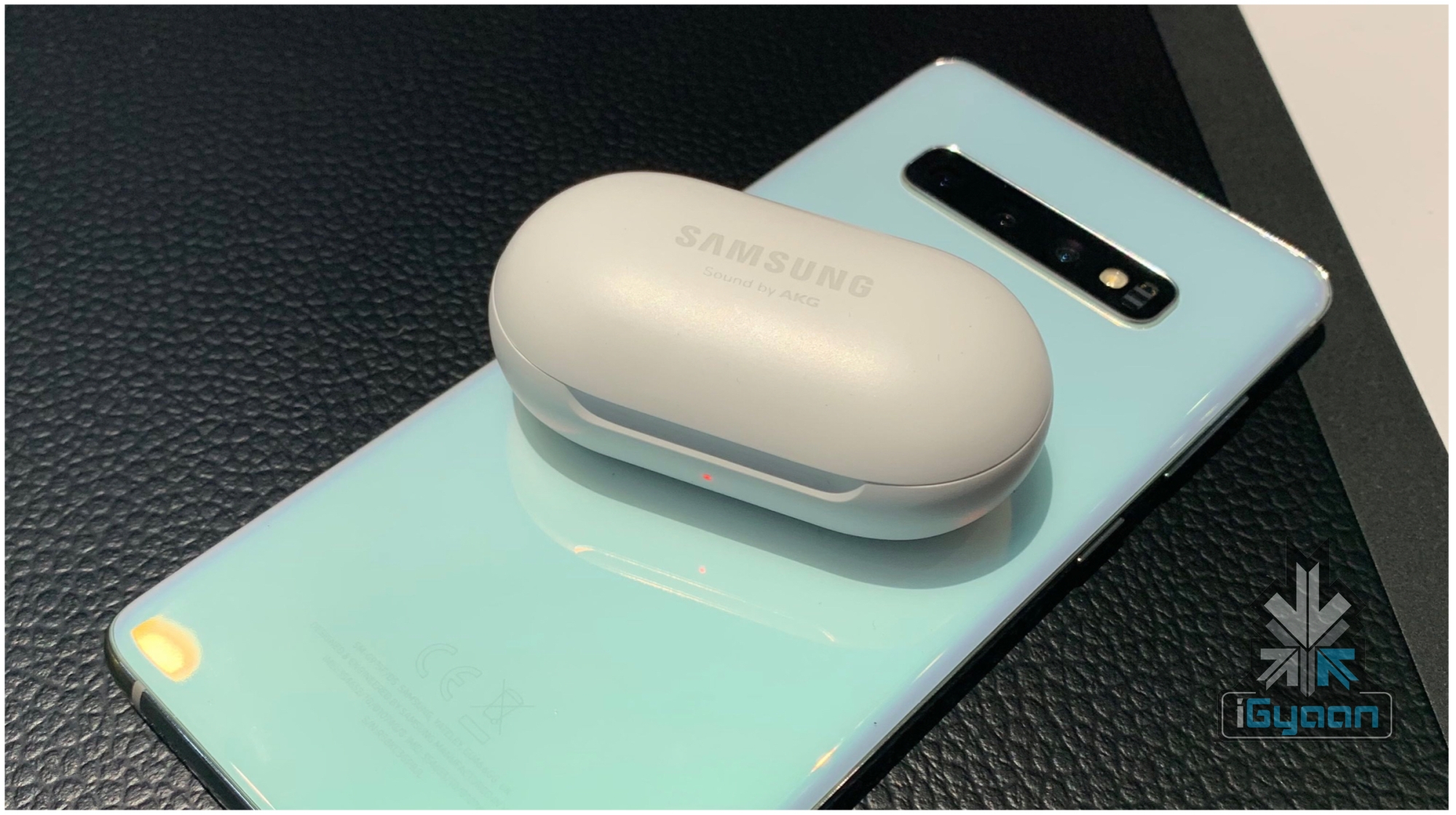
    Interestingly Apple started this trend of removing the 3.5mm headphone jack with its 2017’s iPhone 7 and iPhone 7 Plus. OnePlus removed the headphone jack with their current generation flagship smartphone, the OnePlus 6T. Like its predecessor, the upcoming OnePlus 7 is not expected to have the ill-fated headphone jack. So, the idea of launching truly wireless earbuds along with the device may turn out to be a good idea for the company. The truly wireless earbuds from OnePlus will compete against the likes of the Apple AirPods, the latest Samsung Galaxy Buds and Nokia’s True Wireless Earbuds. As the company is known to price its devices competitively, the earphones could be priced around the US$ 120 (Rs. 8300) range.

  • Samsung Is Working On An Ingenious Foldable Phone Claims Patent

    Samsung Is Working On An Ingenious Foldable Phone Claims Patent

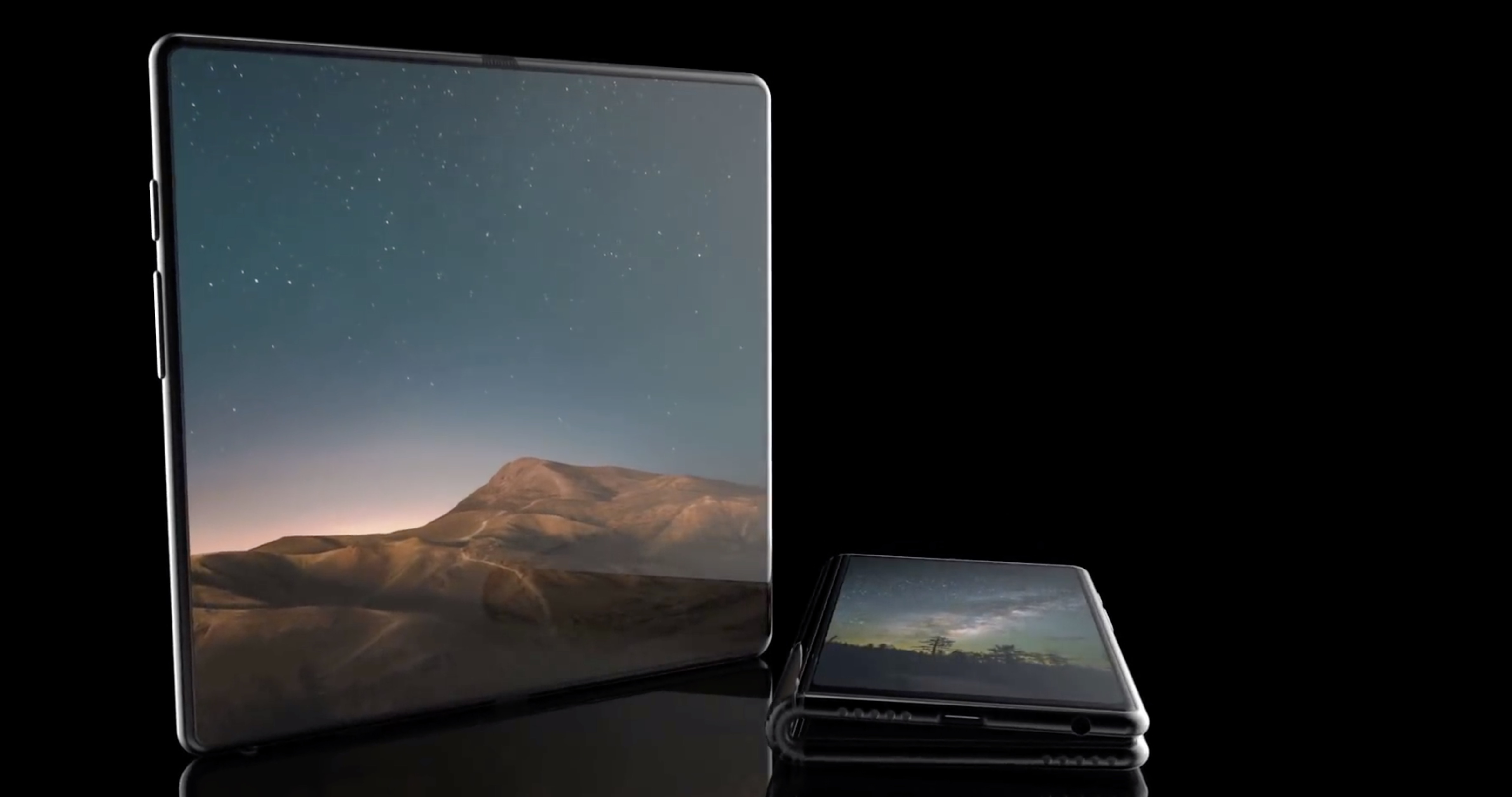
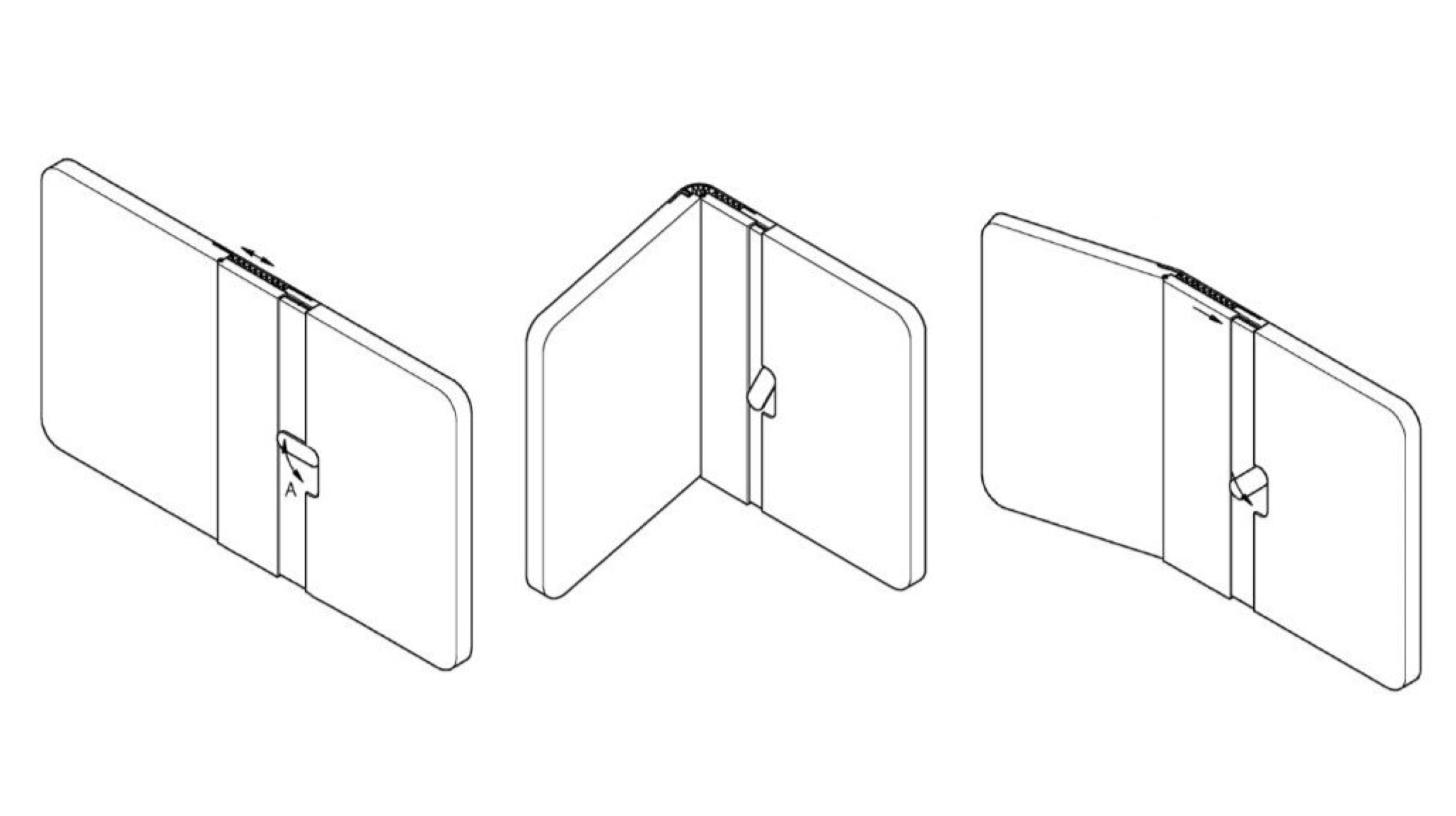
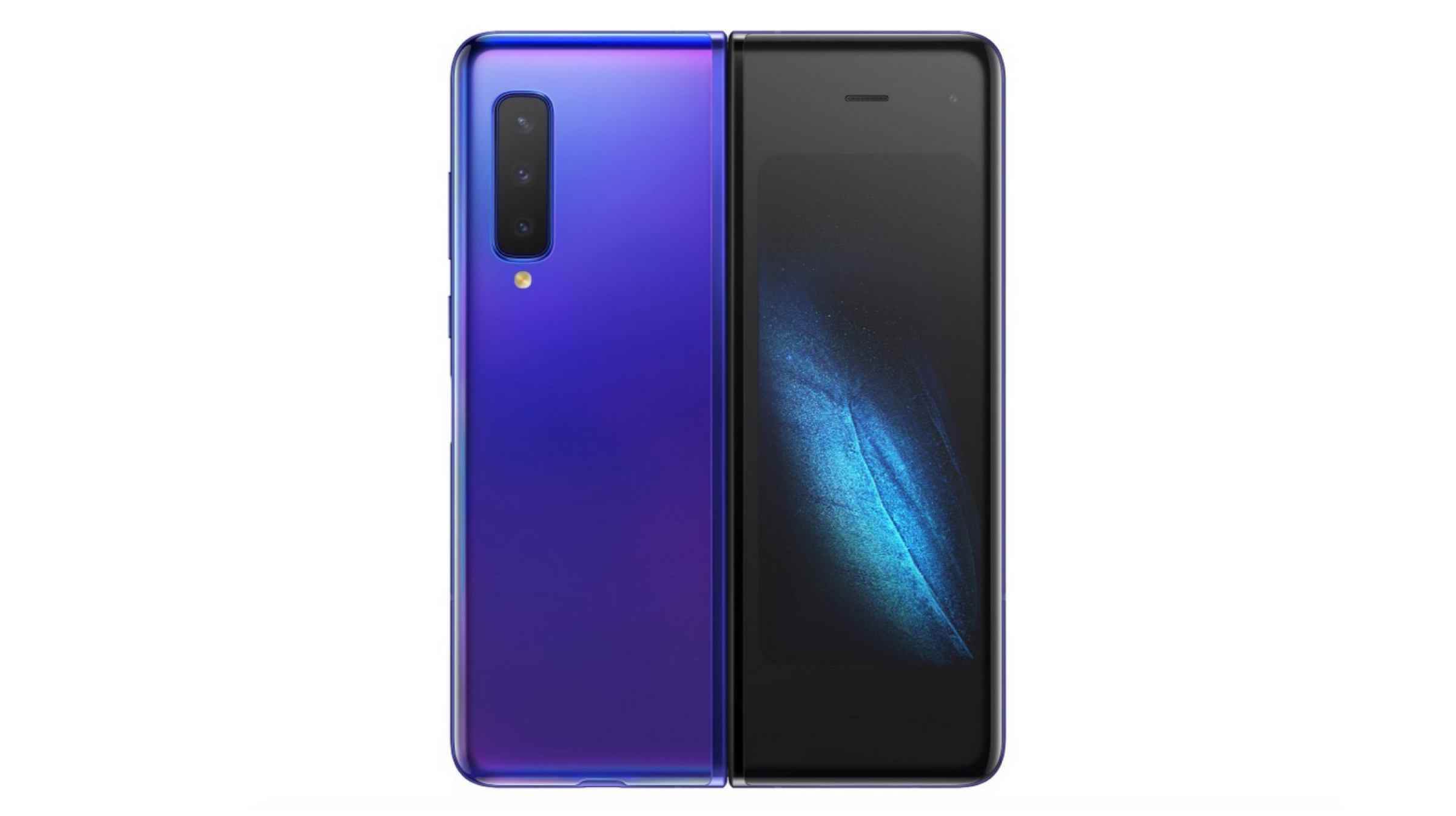
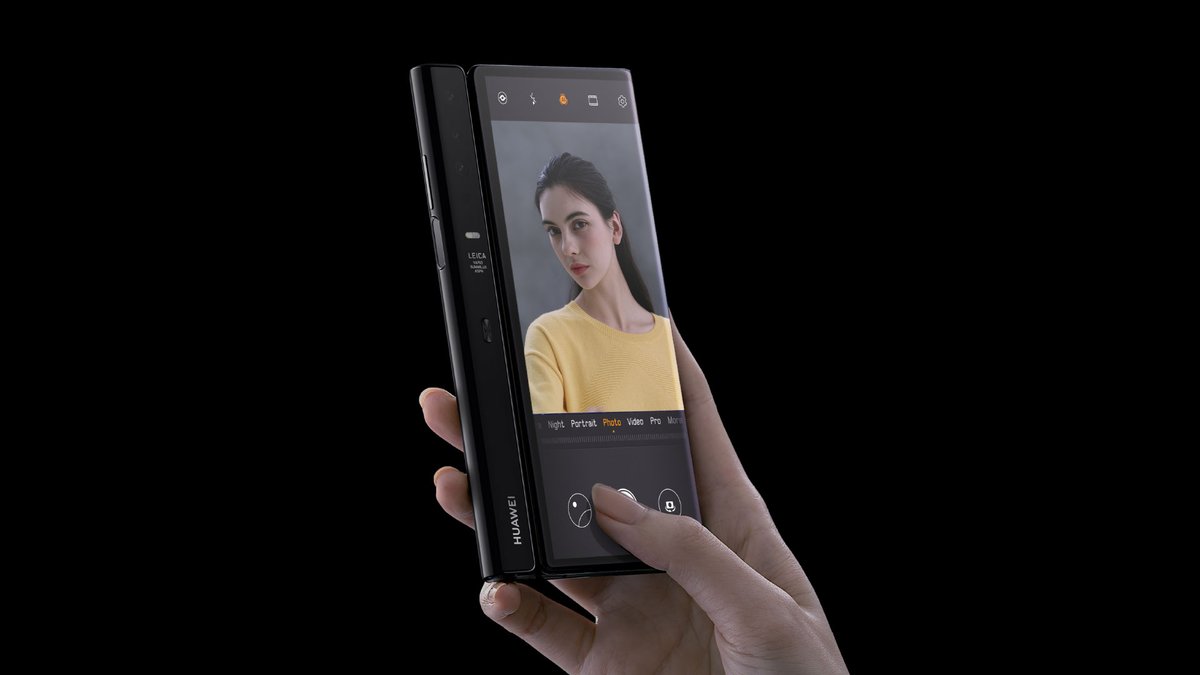
    Late last month, the Korean Electronics giant, Samsung launched its first foldable smartphone called the Galaxy Fold. The device has an unconventional design with a large foldable inner display and a primary cover display. Soon after the launch of the Galaxy Fold, Huawei launched its first foldable smartphone that carries the Mate X moniker. The key difference between the two newly launched devices is the type of foldable display. The Samsung Galaxy Fold has an inner folding display while the Mate X has an outward folding display which the company refers as a falcon wing design. A freshly granted patent to Samsung proposes that the company is working on another foldable phone with an ingenious design. The patent also raises the question of whether the device is a successor to the Galaxy Fold or an entirely different smartphone. 

    Patent Disclosures

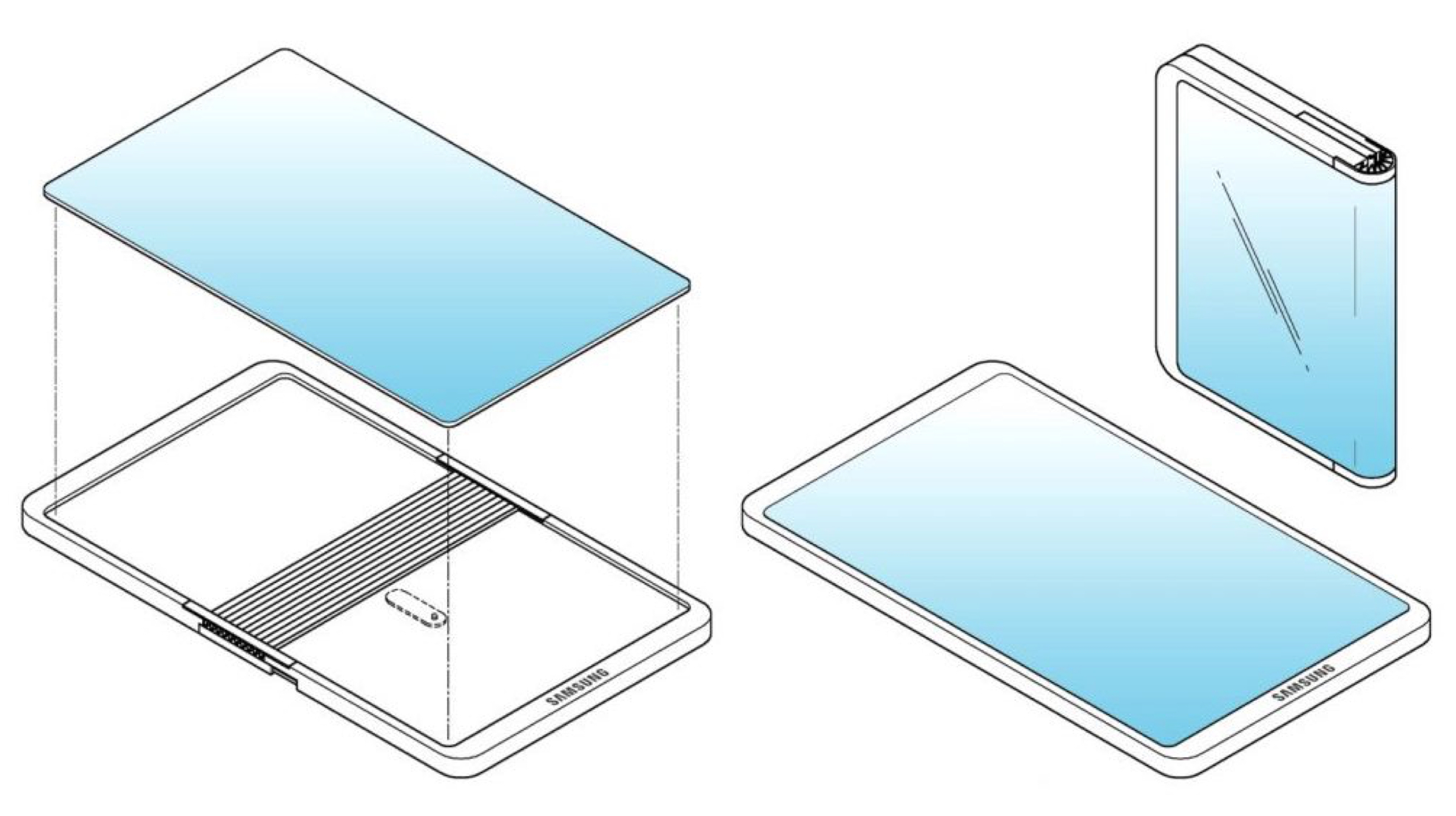
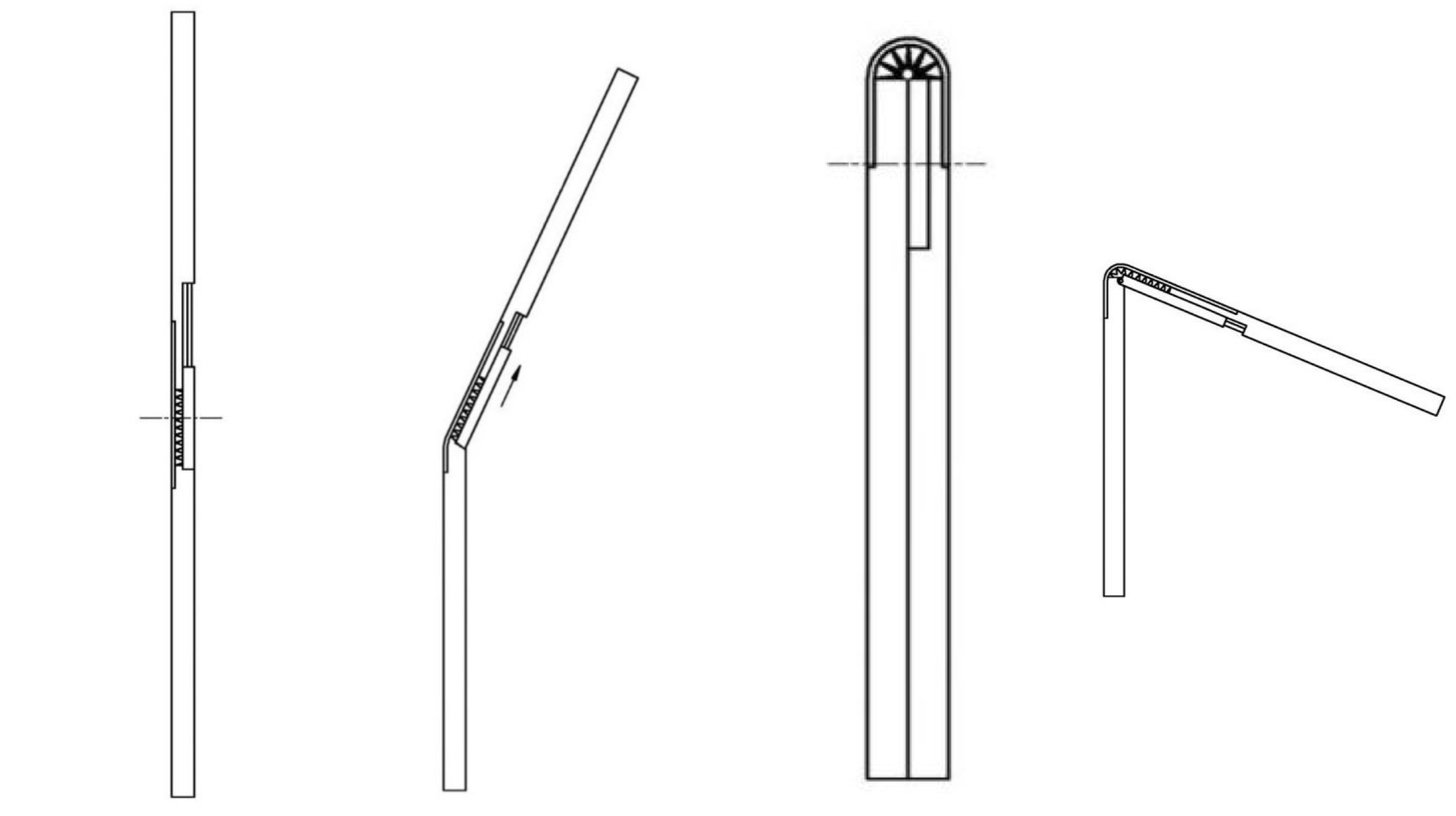
    Samsung filed the patent for the aforementioned foldable smartphone with WIPO (World Intellectual Property Organization) on the 21st September 2018 which it was granted on the 4th of January 2019. The front of the device houses a large screen foldable display which is stabilised via a complex spring-loaded mechanism. The left and right halves of the foldable device are consolidated with the help of a flexible material which conceals the previously mentioned mechanism.

    The spring that drives the mechanism stays in a rested position when the device is in its folded state. However, to maintain a flat unfolded state the user must turn a small latch at the rear of the device which tenses the spring to present a smooth and wrinkle-free display. As the display of the device from the patent stays exposed it is highly susceptible to scratches and scuffs. Therefore, the company is also expected to develop a protective case for the device. Surprisingly, the patent does not exhibit any camera sensor on the front or the rear of the device. Any details about the specifications of the foldable smartphone are currently unavailable. We will have to wait for the company to spread some light on the foldable smartphone from the freshly granted patent. 

    Is It The Galaxy Fold 2?

    Also Read: Indian Government Implements cVIGIL App To Prevent Devious Voting

    The answer to this question is not certain, however, presumably the freshly patented device will co-exist alongside the Galaxy Fold. The market for foldable phones has just started to bloom and Samsung being a leader would want to take full advantage of the market that is soon expected to explode. Accordingly, the company is likely to launch several foldable phones with disparate sizes and forms to examine the choices of the consumers.

  • YouTube Rolling Out Fact Checking Feature To Combat Fake News

    YouTube Rolling Out Fact Checking Feature To Combat Fake News

    In a bid to eliminate fake news from its platform, YouTube has started rolling out a fact-checking feature in its smartphone application. The feature is currently available for limited users as part of a testing program. While its public rollout is also expected to follow soon. As of now, the feature is only confined to Indian smartphone users, with a worldwide release to follow suit. 

    YouTube Fact Checker

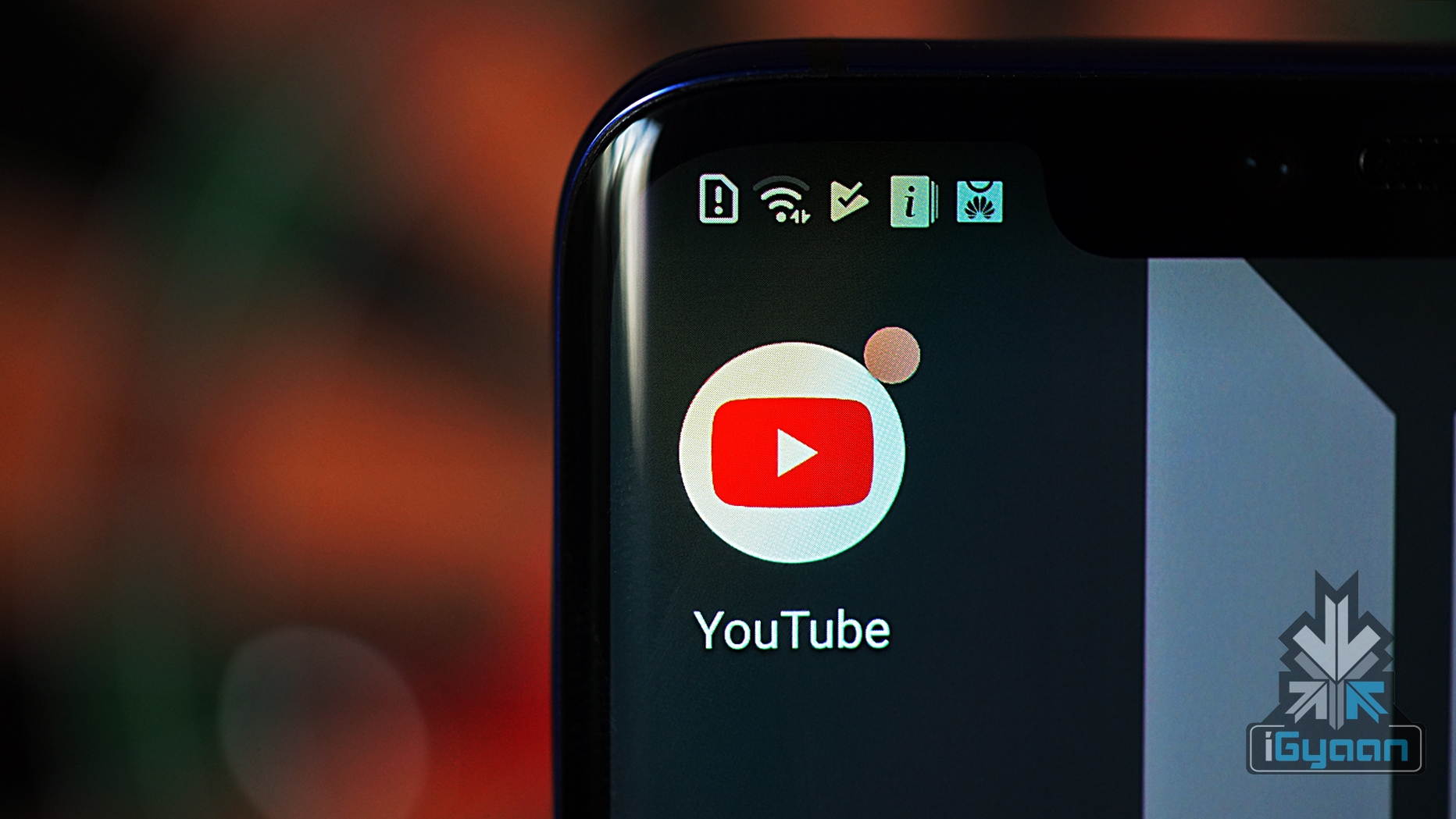
    The fact checks on the YouTube app will be displayed in the search results of queries which are most susceptible to be fake and manipulative. Videos based on the query, explaining the real information will be displayed on the top, inside the information pane. The fact checks will appear as content from YouTube’s partner sites concerning the particular search query. Results are available in the Hindi and English language currently, with more languages to be added soon.

    Notably, YouTube will use information from around six verified services in the country to exhibit the aforementioned panels in India. Many of the same services are also working with Facebook to check misinformation on its platform and in apps like WhatsApp and Instagram. YouTube has been trying hard to curb malpractices on its platform. A few weeks ago, it started demonetizing and disabling comments on videos which had objectionable content. This move by the company to curb fake news is seen as a positive step and may prove to help in dispersing true and unadulterated information to the audience via the globally used platform.

    Also read: Google To Add More Smartphones To The Android Q Beta List In 2019

    Interestingly, YouTube is not looking to ban the objectionable content it is targeting. Fake news has been a problem in the online space particularly in India for the past few years. Previously, WhatsApp also tried to curb the spread of false news on its platform via advertisements cautioning its users. And, as the General Election have also been announced, the spread of misleading information on platforms like YouTube, Whatsapp and Facebook may increase in the following weeks.

  • Redmi 7 To Launch In China On March 18

    Redmi 7 To Launch In China On March 18

    Earlier this year, Redmi separated from its parent company Xiaomi as an independent brand. The company launched its first smartphone the Redmi Note 7 in China in the month of January. On the 28th of February, Redmi launched the Redmi Note 7 and its beefed-up sibling the Redmi Note 7 Pro in India which made its global debut. The company has announced that the latter will launch in China on March 18. Fresh reports claim that it won’t be the only device to be launched then, as the Redmi 7 is also presumed to make its debut at the event.

    Redmi 7 Specifications

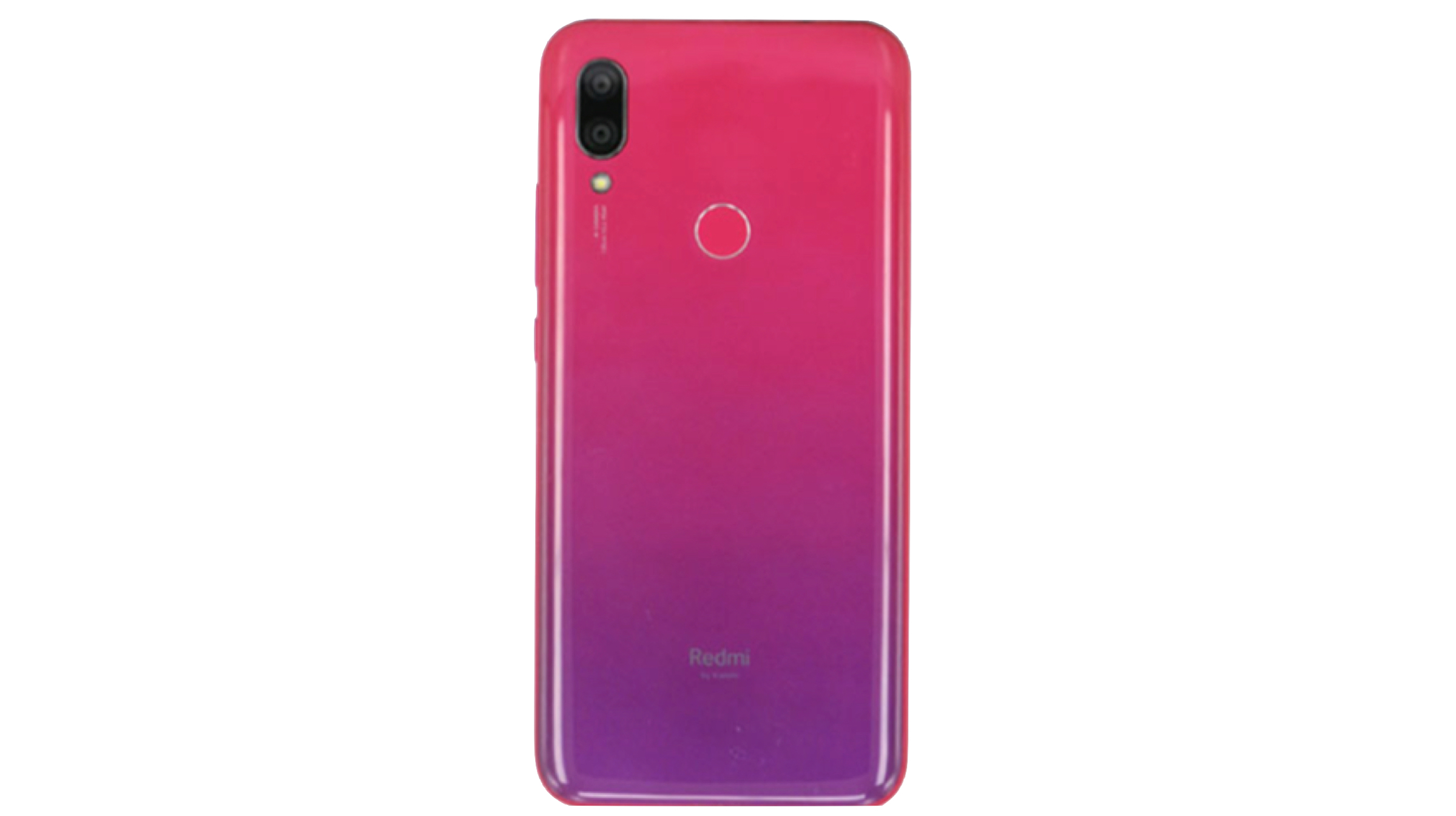
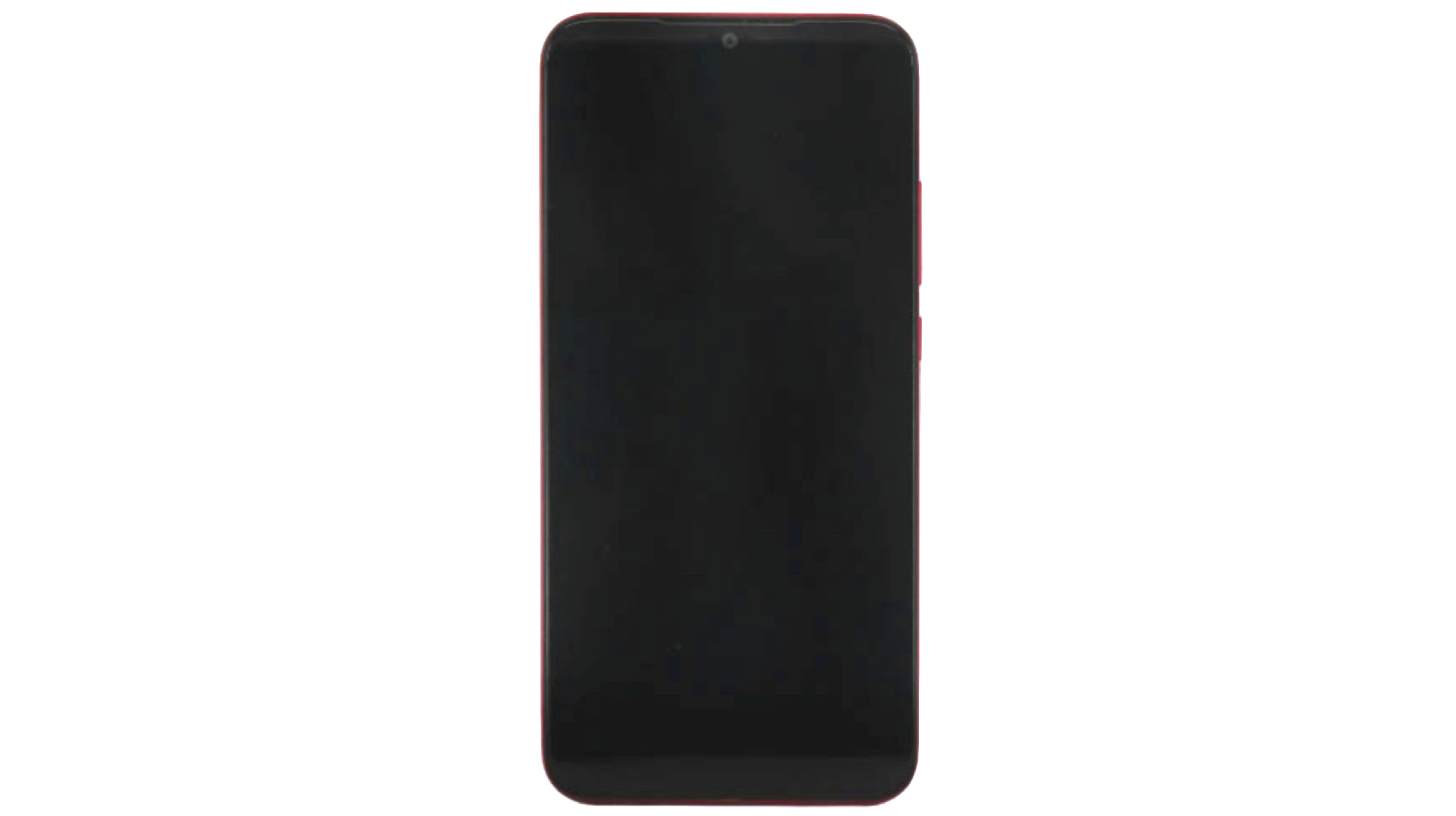
    The Redmi 7 will succeed the Redmi 6 as a budget smartphone from the company. A few days ago, specifications of the device were leaked online. According to the leaks, it will have an all-new design with a polycarbonate frame and a colourful gradient back. The display will be a 6.2 inch IPS LCD panel with a resolution of 1520 x 720 px. There will be a waterdrop notch on the top with minimal bezels on all sides of the display. The smartphone has a rear-mounted fingerprint scanner with support for face unlock technology.

    According to leaks, the Redmi 7 will run on the Snapdragon 632 SoC which is manufactured using 14 nm fabrication process. The chipset is comprised of an Octa-core CPU and Adreno 506 GPU. In terms of optics, the smartphone will feature dual rear cameras which consist of a 12MP sensor combined with a 2MP depth sensor for enhanced portrait shots. For selfies, the smartphone has an 8MP camera housed in the notch on the top of the display.

    The Redmi 7 will be powered by a 4000mAh battery with support for fast charging. It will run on the latest MIUI 10 which is built on top of the latest Android 9 Pie. The company has confirmed on the Chinese social networking website Weibo that the handset will also have an infrared blaster and a 3.5mm headphone jack. In terms of memory and storage, the smartphone will be available in the following variants:

    • 2GB RAM and 16GB ROM
    • 3GB RAM and 32GB ROM
    • 4GB RAM and 64GB ROM

    In addition to the inbuilt storage, it will also support memory expansion via a microSD card. Although not yet confirmed, it is likely to support cards of up to 256 GB. 

    Price & Availability

    Xiaomi Redmi 6 Pro

    Also read: Google To Add More Smartphones To The Android Q Beta List In 2019

    The Redmi 7 will launch alongside the Redmi Note 7 Pro in China on March 18. It is also expected to soon make its way into the Indian markets. Unfortunately, the company has not revealed the price of the device but reports claim it will be available starting CNY 700 (Rs. 7,200) for the variant with 2GB RAM and 16GB internal storage; the version with 3GB RAM and 32GB of onboard memory will cost CNY 800 (Rs. 8,300); and the version with 4GB RAM and 64GB internal storage will be priced at CNY 900 (Rs. 9,300). Pleasingly, we won’t have to wait for long as the launch of the device is imminent. 

  • Indian Government Implements cVIGIL App To Prevent Devious Voting

    Indian Government Implements cVIGIL App To Prevent Devious Voting

    For a long time, the Indian government has been stressing on the importance of digital technologies for the betterment of society. It had previously launched several applications that intend to achieve the same. An application called, cVIGIL which was launched last year has now been implemented on pan India level. The cVIGIL app is dedicated to maintaining the Model Code of Conduct of the voting process. In simpler words, it is a digital tool that can be used to desist devious practices which can be used to manipulate voting. The application has begun services before the Lok Sabha Elections 2019 which will be conducted from the 11th of April to 19th of May. 

    About and Purpose Of cVIGIL Application

    According to the Government of India, the cVIGIL application has been developed to act as a medium that can be used to transmit and track complaints on MCC (Model Code of Conduct) violations. Due to the delay in the reporting of these violations, culprits in the past have escaped detection from the squads of election commission which are entrusted to ensure enforcement of the code of conduct.  Additionally, the lack of evidence in the form of pictures or video has been a major hurdle in investigating a reported complaint.

    The purpose of the cVIGIL application is to curb or desist the unfair practices that the affiliates of an organisation use to alter the voting patterns of the voters. Some methods that are used to manipulate the voter behaviours are as follows:

    • Money/Liquor/Drugs Distribution
    • Firearms Display
    • Fake News
    • Communally Hateful Speeches
    • Intimidation
    How Does cVIGIL Application Work?

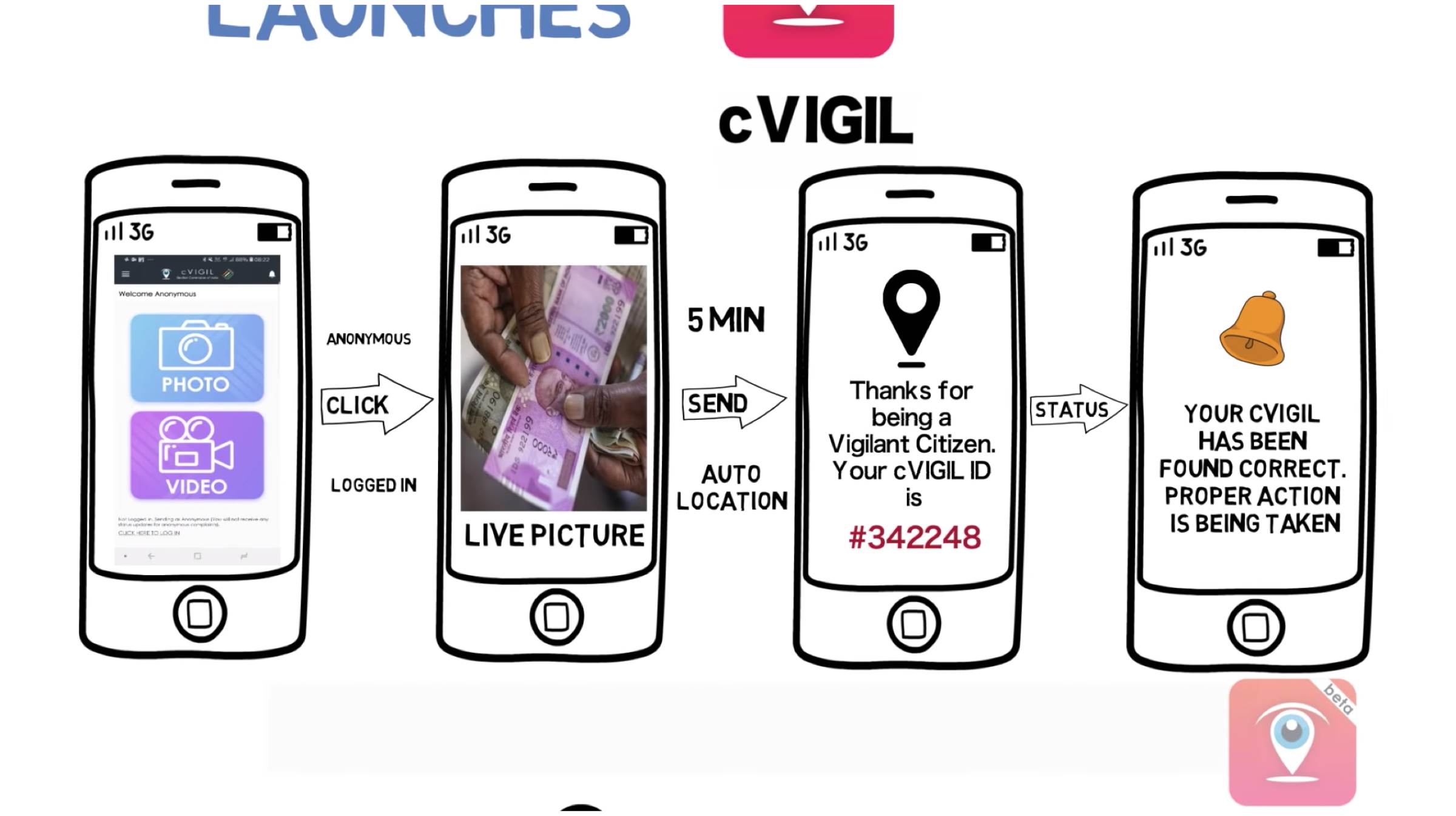
    The cVIGIL application has a sophisticated mechanism which with the help of both digital devices and media intends to prevent the aforementioned methods used to influence voting. Users of the application can capture photo or video evidence of an MCC violation. The application uses the inbuilt GPS module of the smartphone to stitch the location of the crime with digital evidence. The location and digital evidence is anonymously sent to the government headquarters from where the officials can take necessary actions. Noteworthy, the application also provides a cVIGIL ID which can be used to track the status of the complaint. All in all, it seems to be a great move by the Indian government which has been pestered by these issues for a long period.  

    Also Read: Google To Add More Smartphones To The Android Q Beta List In 2019

    The application is currently available only for Android smartphones that run the version Jellybean 4.1 to 4.3 or above. 

    Click here to download the cVIGIL Application

  • Google To Add More Smartphones To The Android Q Beta List In 2019

    Google To Add More Smartphones To The Android Q Beta List In 2019

    Each year Google announces changes and upgrades in its Android Operating System (OS) at its developer’s conference called Google I/O. Last year, it surprised the audience by announcing that the Android 9 Pie Beta will be made available for smartphones other than the company’s own Pixel lineup. This step was taken in order to curb Android Fragmentation, which means an alarming difference in the various available Android versions in the market. Fresh reports claim that the company is planning on adding more smartphone OEMs to this list for the year 2019 with the upcoming Android Q Beta update.

    Android Q Beta

    Google is expected to announce the first Android Q Public Beta at the Google I/O event which will be held in the month of May this year. The update will bring about significant changes in the design and usability of the OS. Previous leaks suggested that with the next version, the company is planning on removing the back navigation button completely in favour of new gestures; which will be used to navigate around the UI. Last year, it added smartphones from different OEMs which were eligible to get the first Android P Public Beta. Those devices included:

    A senior Google executive was noted saying the company will add a host of new smartphone OEMs to the list of devices supporting Android Q Public Beta. Unfortunately, as of now it is not known which devices will be added to the list but speculated names include smartphones from Motorola, Samsung, LG and Huawei. The brands from last year will be retained and their latest devices are also expected to be provided with the update.

    Also read: Qualcomm Demands US$ 31 Million In Damages From Apple

    The Android Q Public Beta update is being provided with the help of Google’s Treble project. It was released with Android 8 Oreo in the year 2017 and separated the chipset maker from the update process. This was aimed at streamlining the software updates, which differed drastically with each brand. This initiative of adding more smartphones to the beta update list by Google aims at fixing the issue of fragmentation in Android. It will be announced at the upcoming Google I/O, which will take place from May 7 to May 9 at the Shoreline Amphitheatre in California, USA.

  • USB 4 With Faster Speeds And Thunderbolt Support Announced

    USB 4 With Faster Speeds And Thunderbolt Support Announced

    USB or Universal Serial Bus is an industry standard that sets specifications for connectors, protocols and cables for communication and power supply between computing devices and their peripherals. USB, first introduced in the year 1996 has seen several iterations during the time of its existence. Its latest standard, the USB 4 has been freshly announced which is capable of transferring data up to 4 times faster than its predecessor. 

    How Fast Is USB 4?

    USB 3 certified devices usually have data transfer speeds of 5Gbps, 10 Gbps or 20 Gbps depending on its certification. Whereas USB 4 is capable of transferring data up to speeds of 40 Gbps which is a significant boost. This improvement in the speed of the new standard will open up new possibilities for devices with this port. Notably, it will allow the connection of multiple 4K monitors flawless.

    The new USB 4 standard will further advance docking stations that use a single port to connect to several peripherals including monitor, storage drives and network cables. Noteworthy, not all devices can transfer data at a rate of 40 Gbps. Distinctly, smartphones will support slower speed which is fine as they are not generally connected to multiple devices simultaneously like a couple of 4K monitors. 

    What Else Does USB 4 Offer?
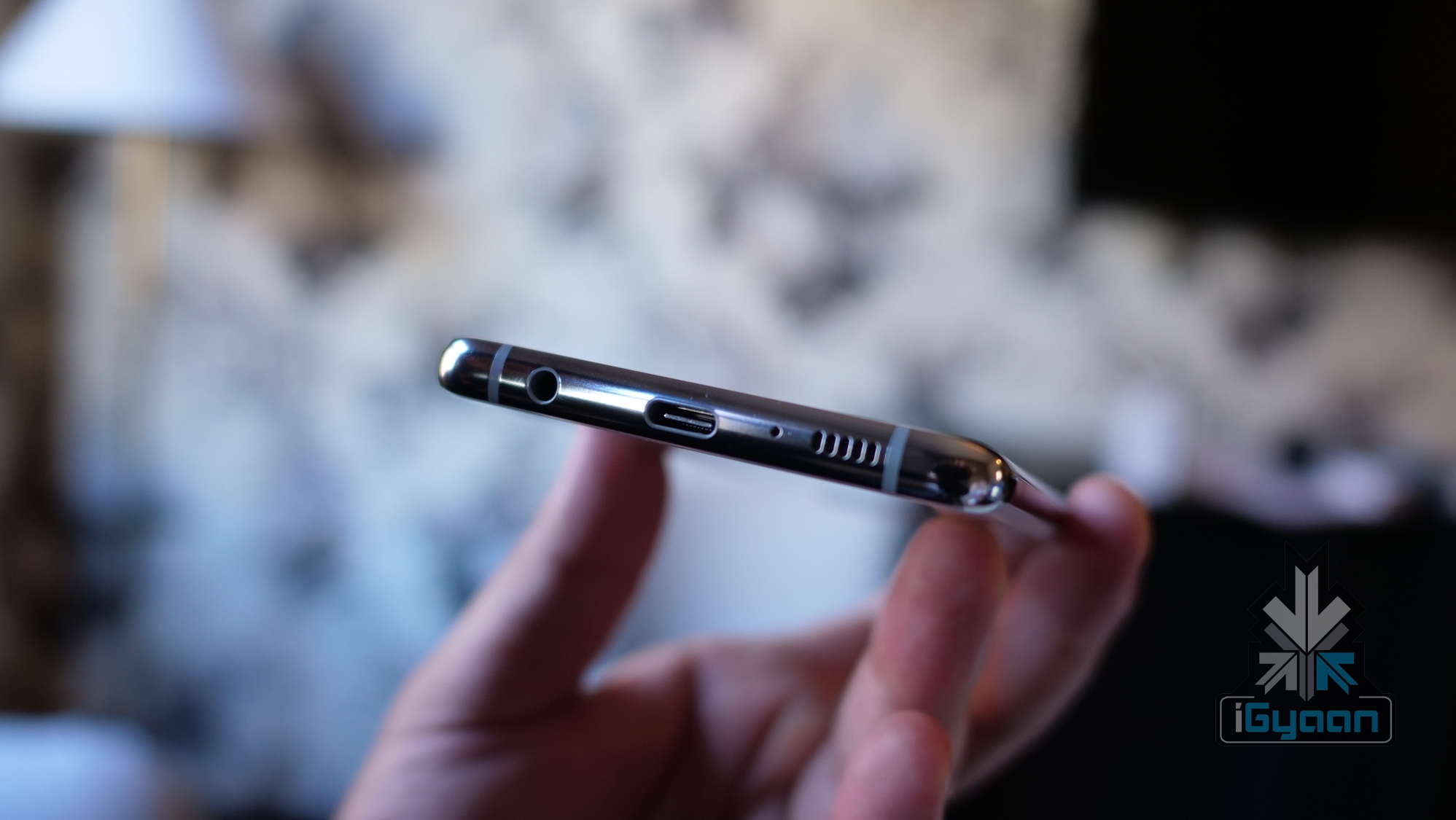
    USB C Port On The Samsung Galaxy S10

    In addition to the highly appreciated speed boost, USB 4 will also incorporate Thunderbolt technology. Thunderbolt is a type of hardware interface which was developed by Intel in collaboration with Apple. Like the USB interface, it is also intended to allow connection between a computer and external peripherals. However, it is capable of transferring data at much higher rates than USB. Noteworthy, the Thunderbolt 3 standard which was previously announced shares the common connector as USB Type-C.

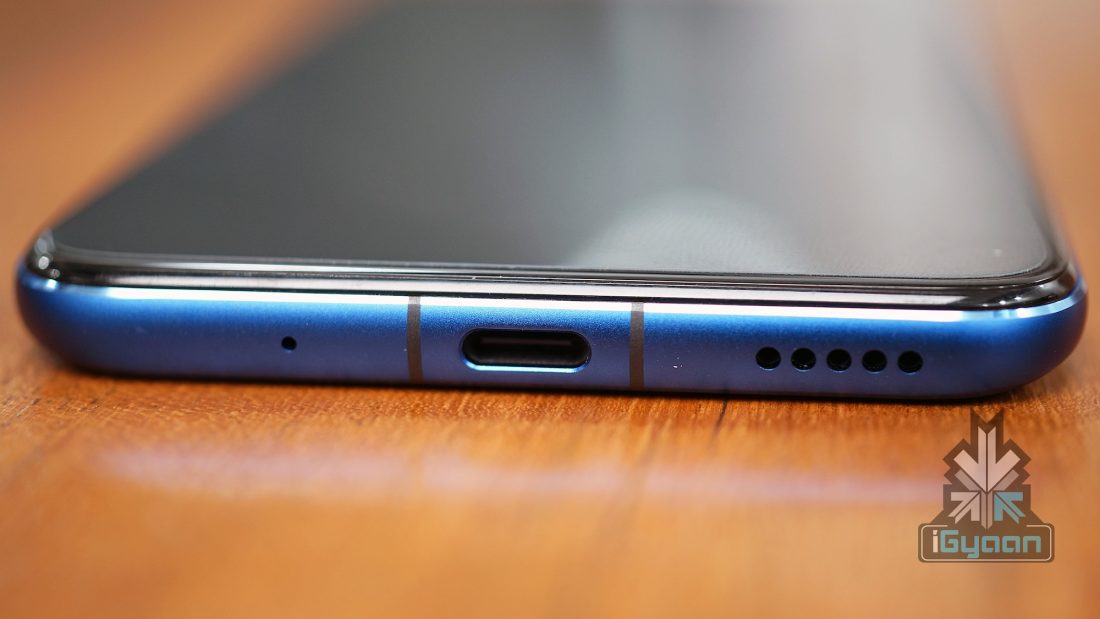
    USB Type-C Port On The Honor View 20

    The aforementioned port is the latest standard for physical ports for the USB interface. The USB Type-C port is much more versatile and convenient than both USB A ports which are present on computers/laptops and Micro USB ports which are present on older Android smartphones. Also, the new physical connector can carry heavier electrical loads in comparison to the previous generation. The USB 4 standard also improves the USB Power Delivery (USB PD) system which governs the amount of power to supply to a connected peripheral. 

    When Will USB 4 Make Its Way To Consumer Ready Products?

    Also Read: OnePlus 7 Listed Online Confirming Price & Specifications

    OEMs that take part in USB IF (USB Implementers Forum) are expected to release the details of USB 4 in the Q4 of 2019. The first consumer-ready device will take about 12 to 14 months to make its way to the market. Accordingly, the first commercially available device with USB 4 standard will be seen in the second half of the year 2020.


  • Qualcomm Demands US$ 31 Million In Damages From Apple

    Qualcomm Demands US$ 31 Million In Damages From Apple

    Qualcomm and Apple are known for battling out a number of suits in courts, and the latest trial between the two companies was held in San Deigo over infringement of three different patents by Apple. As per reports, Qualcomm has demanded the trillion dollar technology company, Apple to pay a sum of US$ 31 Million in damages for the same. 

    The Hearing

    Apple’s leading witness for the case, former engineer Arjuno Siva was supposed to testify in the court on March 7. However, as per reports, he was unable to reach the destination, and the Qualcomm’s defence defense was accused of witness tampering by the Apple counsel. Moreover, the company called its former employee a “tainted witness” when he failed to turn up for the hearing.
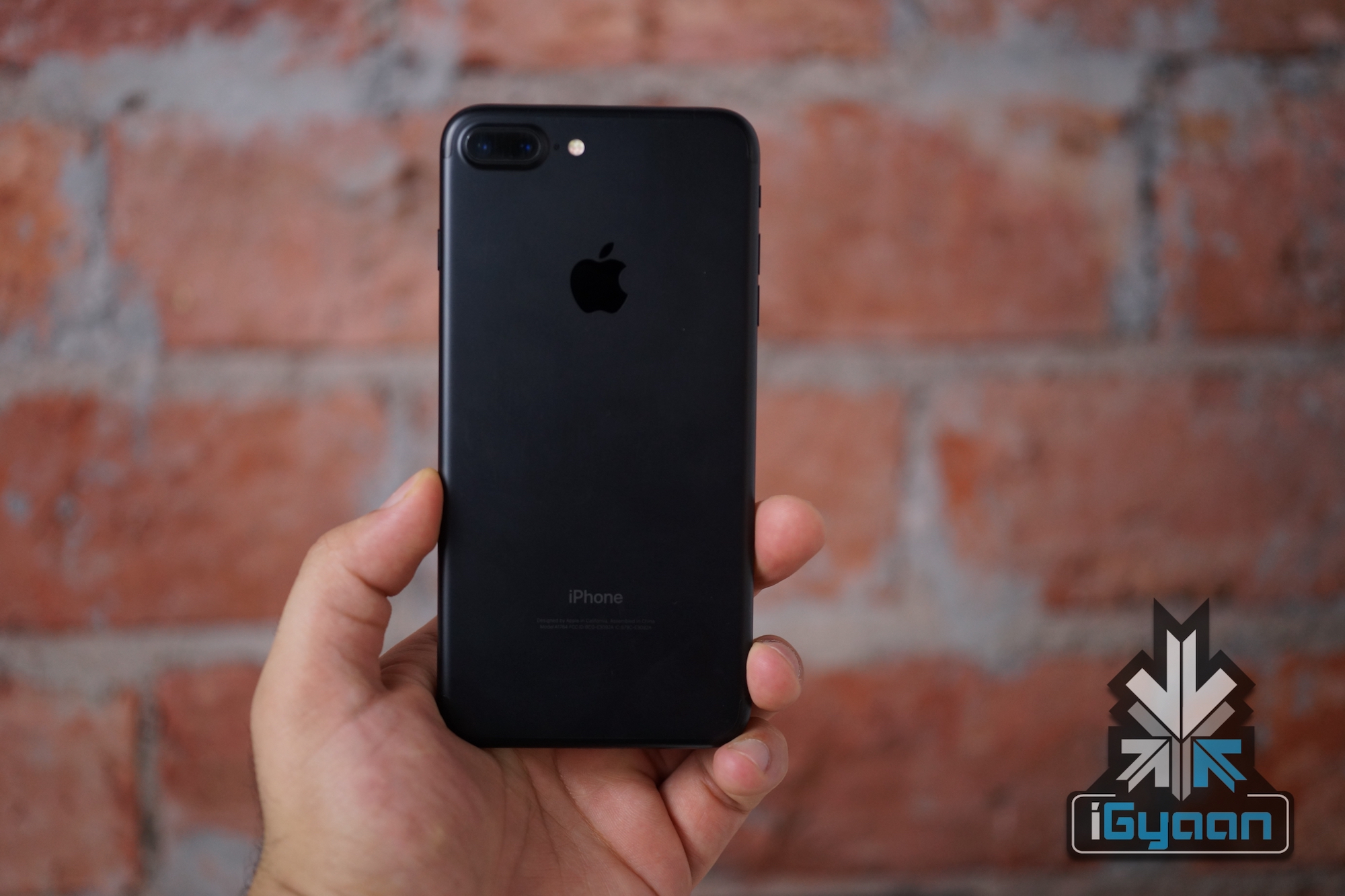
    In a turn of events, the ex-Apple employee has hired a new attorney, leading to Apple’s confirmation that the testimony will take place during the next hearing after all. Furthermore, information has come to light that the damages are for iPhones sold July 2017 onwards, which were kitted with Intel Chips. Later in the year 2017, Apple replaced Qualcomm with Intel as its exclusive components supplier. As per reports, in the year 2016, Apple was also using Intel modems in some iPhone variants instead of Qualcomm modems. The devices included the iPhone 7 and 7 Plus.

    About The Patents

    Hence, Qualcomm is seeking US$ 31 Million in damages from Apple, which roughly breaks down to US$1.40 per iPhone sold. The infringed patents are as follows:
    • one that handles the CPU and modem connection to download applications.
    • one that helps the iPhone to connect to the Internet immediately after it is turned on.
    • one that focuses on battery life and the processor.

    Also Read: Intel And Qualcomm Will Offer 5G Modems For Computers

    Notably, the biggest lawsuit between the companies will be settled in April 2019, in which Apple has accused Qualcomm of indulging in anti-trust practices and illegally withholding US$ 1 Billion worth of rebates from Apple.


  • Is The Future Of Charging Wireless?

    Is The Future Of Charging Wireless?

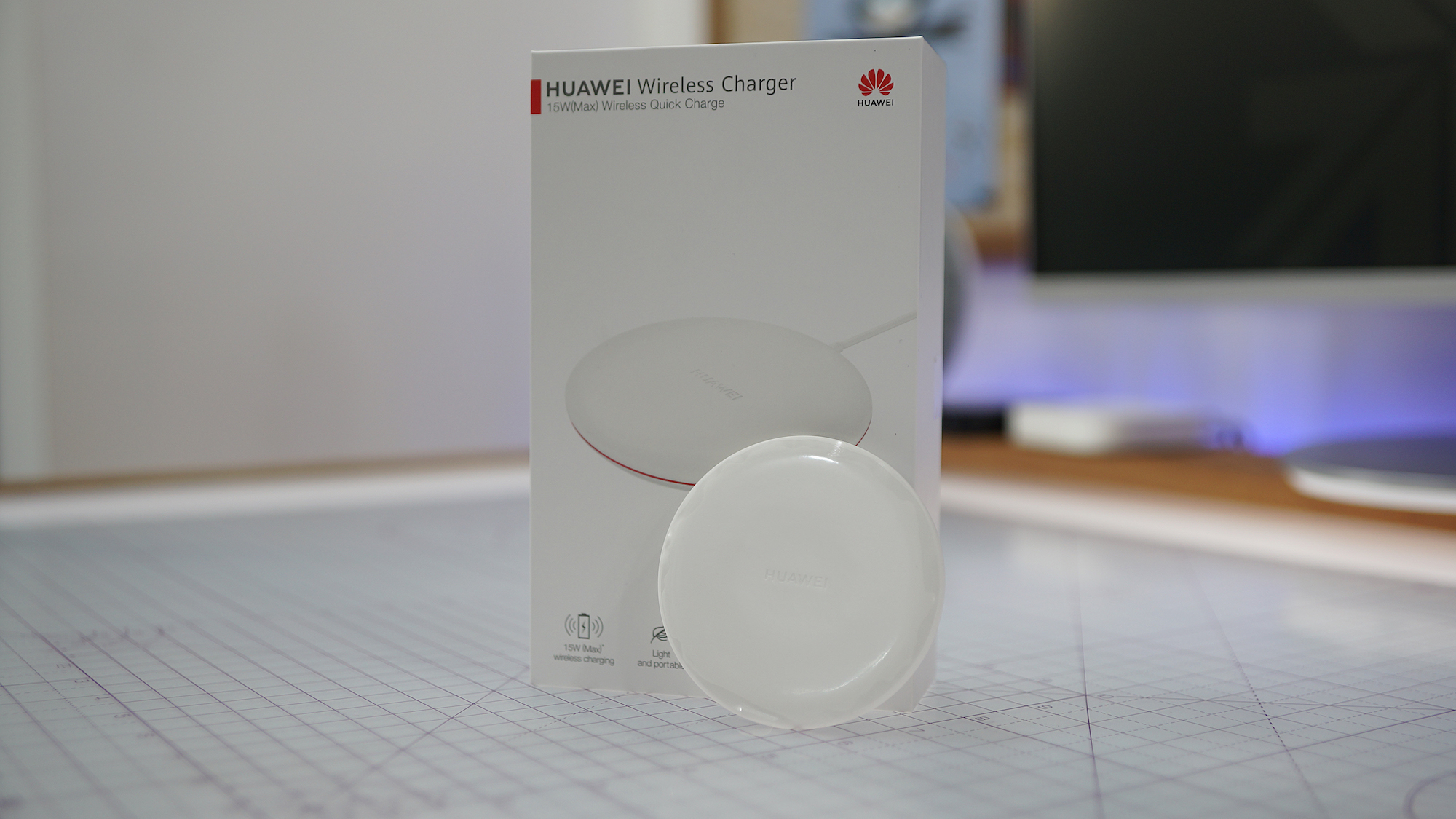
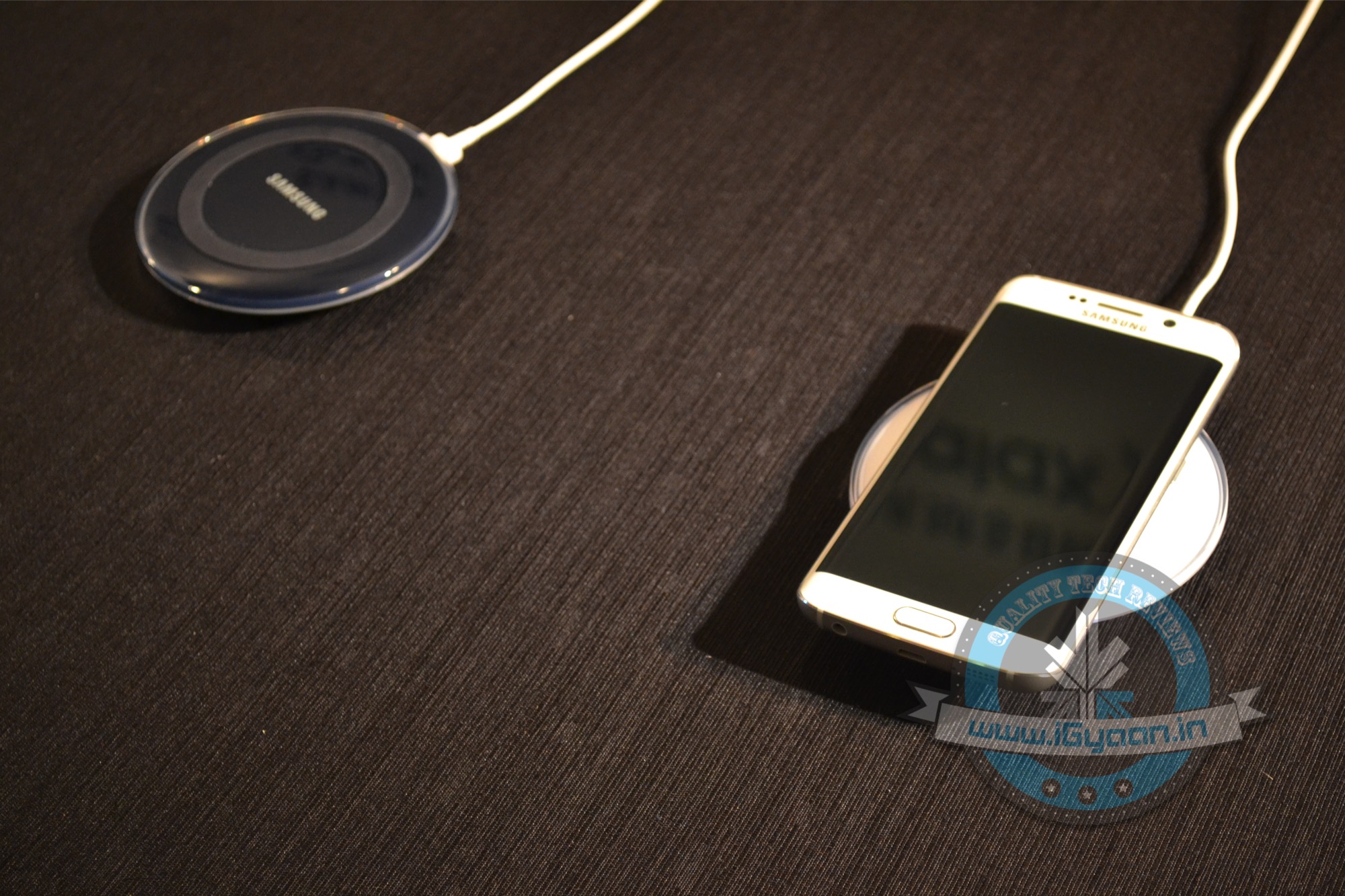
    Apple introduced wireless charging with the iPhone models in the year 2017 which include the iPhone 8, iPhone 8 Plus and the iPhone X.  While the technology was available for a long time in smartphones, its embracement by Apple made it mainstream. Smartphone OEMs followed Apple and started introducing wireless charging in their devices. The market of wireless chargers has also grown exponentially over the past two years. But, the technology is still imperfect and slow in its current state. So, what could be the next big thing in wireless charging and will we ever see a future without wires?

    Introduction and History

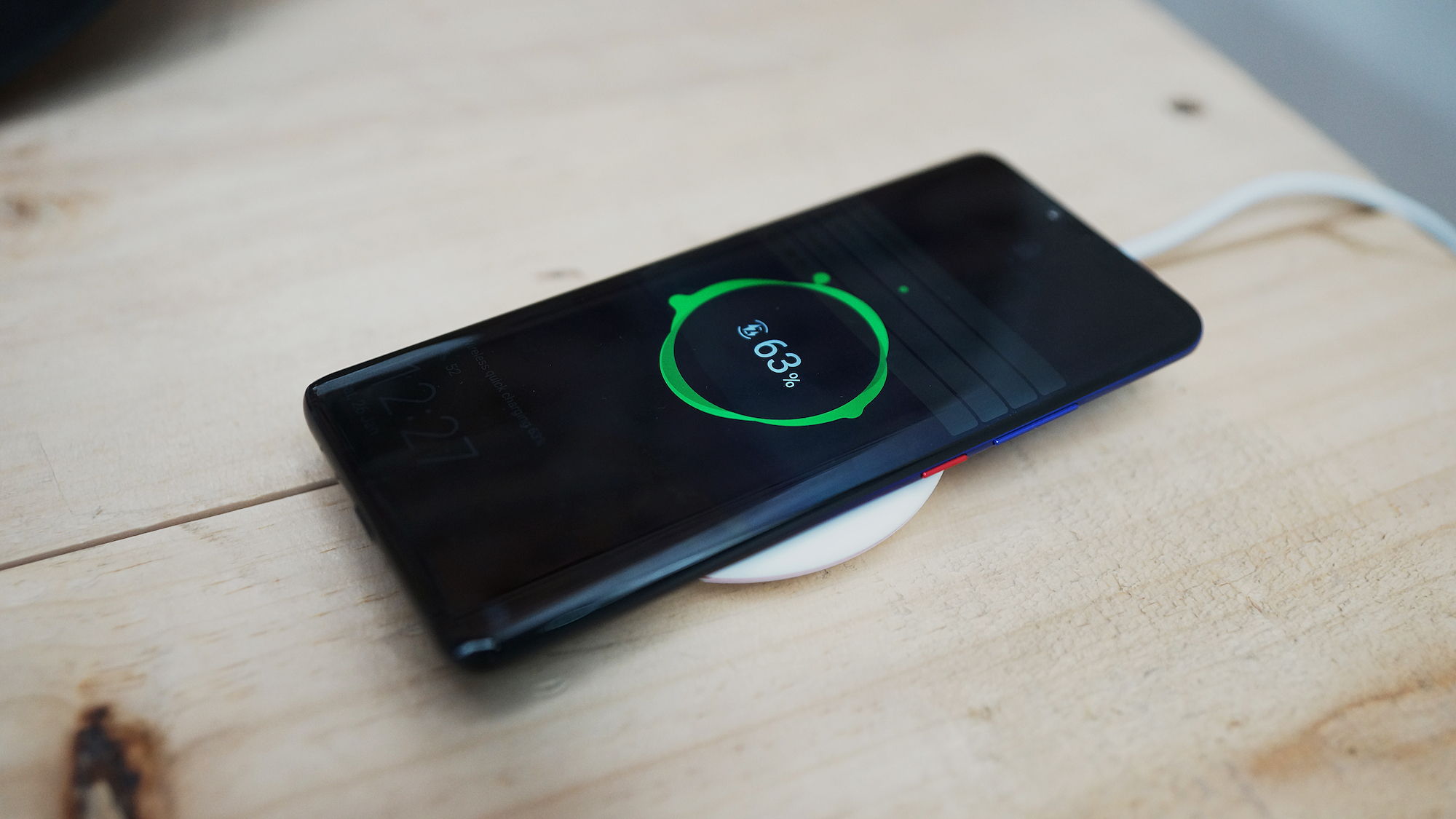
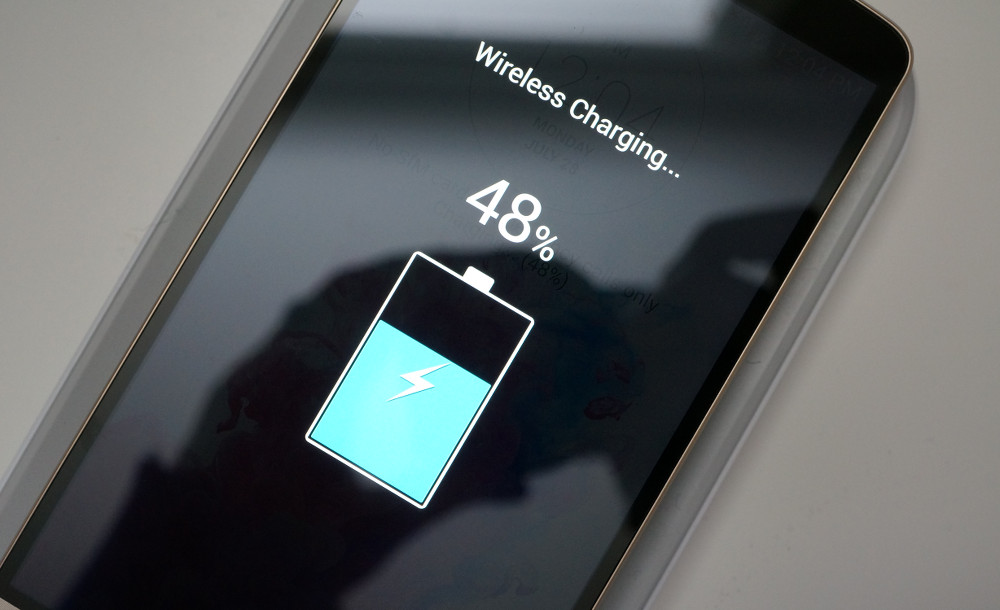
    Wireless charging is a feature that allows compatible electronic devices to recharge via electromagnetic induction. This allows the transfer of power without the hassles of cables and wires. The feature has grown to become immensely popular in smartphones lately.  It was first introduced with the Nokia Lumia 820 and 920 back in September 2012. Soon after that, OEM’s like LG and Samsung brought this feature to their flagship devices. In today’s day and age, the feature is more common and is generally observed in premium smartphones. This feature only works in smartphones that use glass, plastic or ceramic back as metal does not allow electricity to pass via induction technology.

    Most smartphones that support wireless charging technology are certified by the Qi standard. This standard was established by the Wireless Power Consortium (WPC) in the year 2010. Some modern smartphones that make use of the Qi standard to pack wireless charging include Samsung Galaxy S10 series, iPhone XS, XS Max, Pixel 3, Pixel 3XL, and the Huawei Mate 20 Pro. A Qi certified dock or a charger is used which is connected to a wall outlet. The smartphone or any Qi-enabled device can be placed over the charger or on the dock to charge it. The current record for fastest wireless charging on a smartphone is held by Xiaomi’s latest flagship the Mi 9; which supports 20W wireless charging. 

    Why Wireless Charging?

    The Wireless Charging technology may not be in its best state right now, but it’s unarguably useful because of many reasons. Some of the reasons to choose the feature over conventional charging are highlighted below:

    • Convenience: This one is a no brainer, as just keeping a device over the charging dock is easier than plugging it in. This aspect of convenient charging makes the best case to switch to a Qi-enabled device.
    • Safer, because of a shielded connection: The feature uses induction, and there is no fiddling with wires, which makes this a safer way to charge an electronic device. One might argue that the wire is present but is needed to be handled with rarely.
    • Increased durability of ports: Regular plugging and unplugging an electronic device will mechanically wear out the connection port over time. With wireless charging, there is no need to fiddle with a wire, so the ports remain intact.
    • Increasing developments in technology: This point is valid for wired charging as well, but seeing how wireless charging has improved over the years, it will be very interesting to see what the future holds for this visionary technology.
    The Future Of Wireless Charging

    While wireless charging is a great feature to have and saves the user a lot of hassle in handling cables; it is still not as fast and efficient as wired charging. Also, there is no consumer solution currently available which can transfer current from a distance. The development of this technology is still in its nascent stage and the prototypes of it working aren’t very promising. Disney in the year 2017 showcased a prototype room which turned the whole space into a wireless charger. Unfortunately, this required an aluminium room and a metal pole in between. In order to create a wireless charging enabled room, designs and aesthetics take a backseat. 

    Also read: OnePlus 7 Listed Online Confirming Price & Specifications

    One more problem with wireless charging is overheating. The manufacturers have struggled to increase the charging speed with minimal heating. Notably, overheating is the reason that has caused the production delay of the highly anticipated AirPower wireless charging mat from Apple. But as is the case with every new technology, wireless charging is also expected to get better with time and it is expected to work at a faster speed, that too from a distance and with much less heat dissipation. Vivo, the Chinese smartphone manufacturer has recently partnered with Energous; which is known for its long-distance wireless charging technology. This collaboration is expected to further increase the pace of development of wireless charging technology. The future of wireless charging seems very exciting and may lead to one where there are no wires, and our devices never run out of battery.

  • Xiaomi’s Foldable Phone Will Launch Q2 For Half Price Of The Galaxy Fold

    Xiaomi’s Foldable Phone Will Launch Q2 For Half Price Of The Galaxy Fold

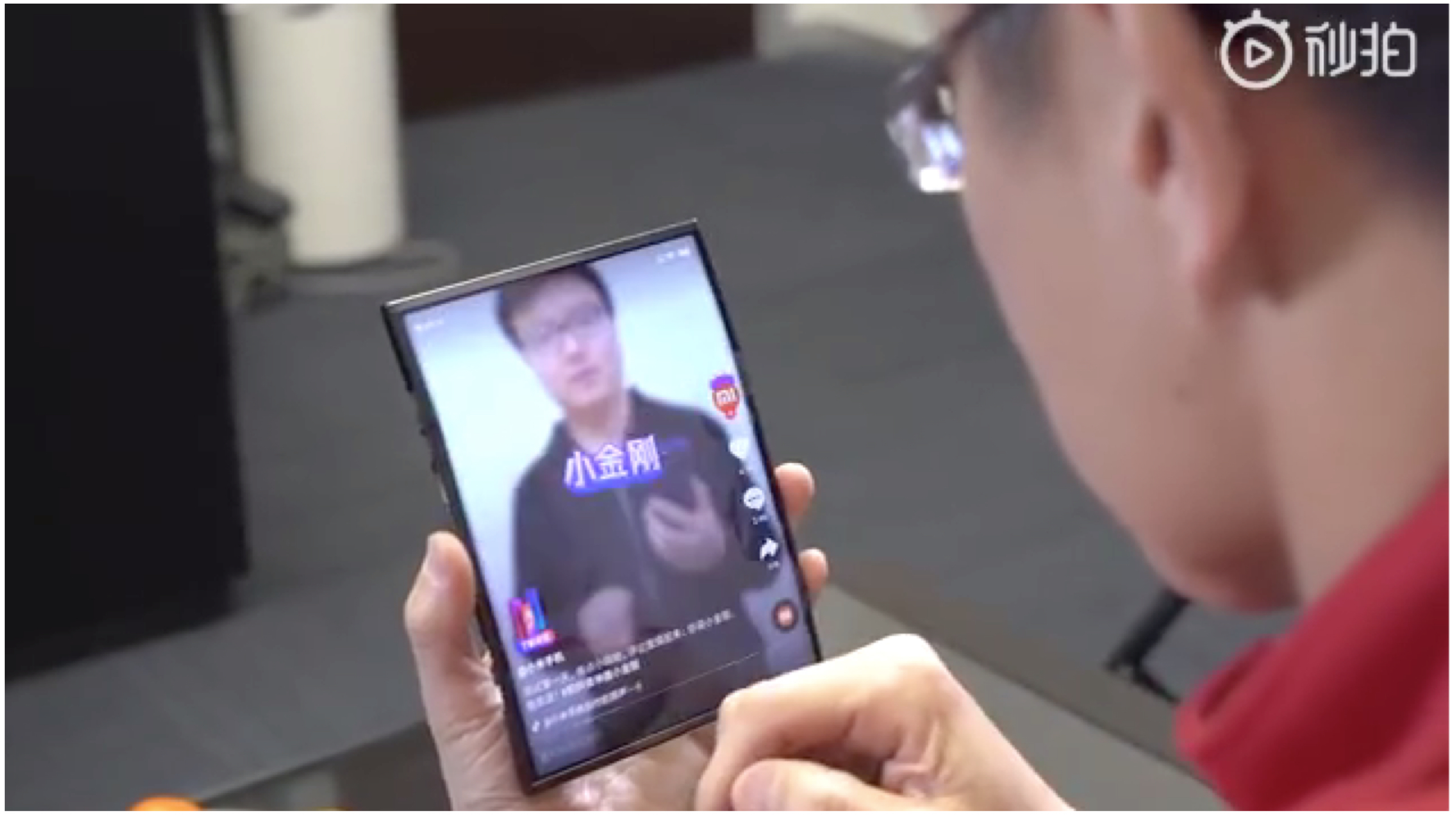
    Foldable phones are all the rage in 2019. And even before Samsung could show off their first foldable phone, the Galaxy Fold, many devices were teased and one was even on display at the CES 2019. 

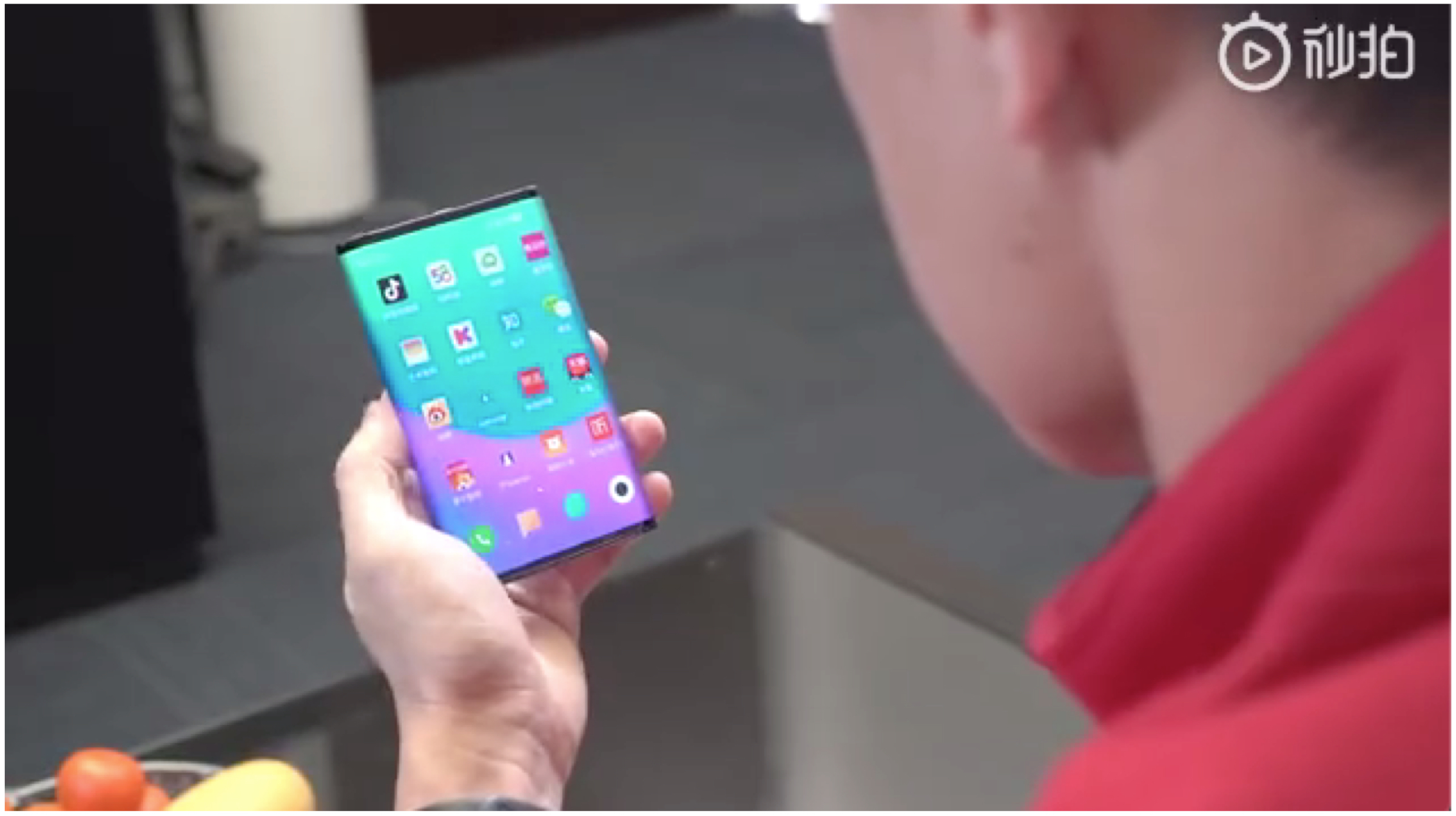
    Xiaomi was one such company that released a video showcasing their version of the foldable phone. Xiaomi not only showed off a working prototype of the device but also showed that the phone worked well and was relatively easy to use and fold up.

    The Samsung Galaxy Fold became the first device to be launched by the electronics giant, and with that, the company officially opened the market to potential competition. Samsung’s foldable phone was soon followed by Huawei Mate X which also showed a new falcon wing design and a more premium price bracket. Samsung wants to retail the Galaxy Fold for US$ 1980 while Huawei Mate X was launched for US$ 2600.

    Investors in Xiaomi’s supply chain reveal that the Chinese electronics company will launch their foldable phone as soon as the end of April or early June. Xiaomi will hold a separate event in China which will be a global launch of the product followed by several localised launches in its important markets.

    Our source also reveals that Xiaomi plans to sell the Foldable device at a US$ 999 price mark. Which will make it the cheapest foldable smartphone. Xiaomi will also bring the phone to Europe for €999 and to India for Rs.74999.

    If Xiaomi manages to launch the Foldable Mi device at such an aggressive price it will surely be able to gather some attention for the product.

    Part of the reason Xiaomi will manage this low pricing is the display. While Samsung and Huawei are using higher quality OLED panels manufactured by Samsung and BOE display. Xiaomi will use Visionox Technology OLED displays. Visionox has developed the foldable displays as per Xiaomi’s requirements. Xiaomi has also funded development and manufacturing resource infrastructure costs for Visionox Technology to be able to develop this display. The company recently filed a patent for the foldable display.

    If Xiaomi manages to launch the Mi Fold / Flex at the above price, it will surely generate enough excitement to warrant sales for the phone. The smartphone will continue to have flagship specifications including the Snapdragon 855 chipset and 8GB to 10GB of RAM.

  • OnePlus 7 Listed Online Confirming Price & Specifications

    OnePlus 7 Listed Online Confirming Price & Specifications

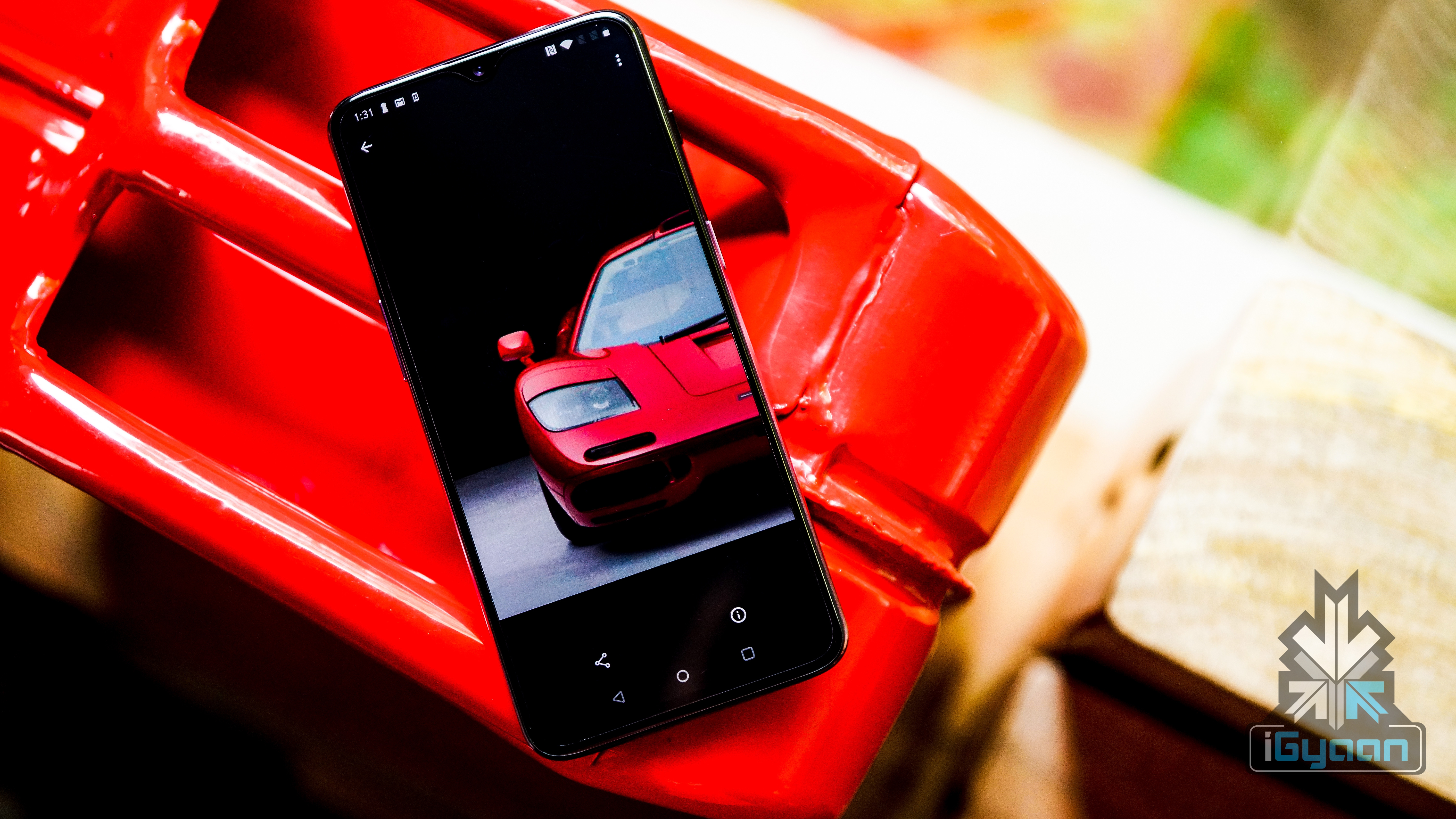
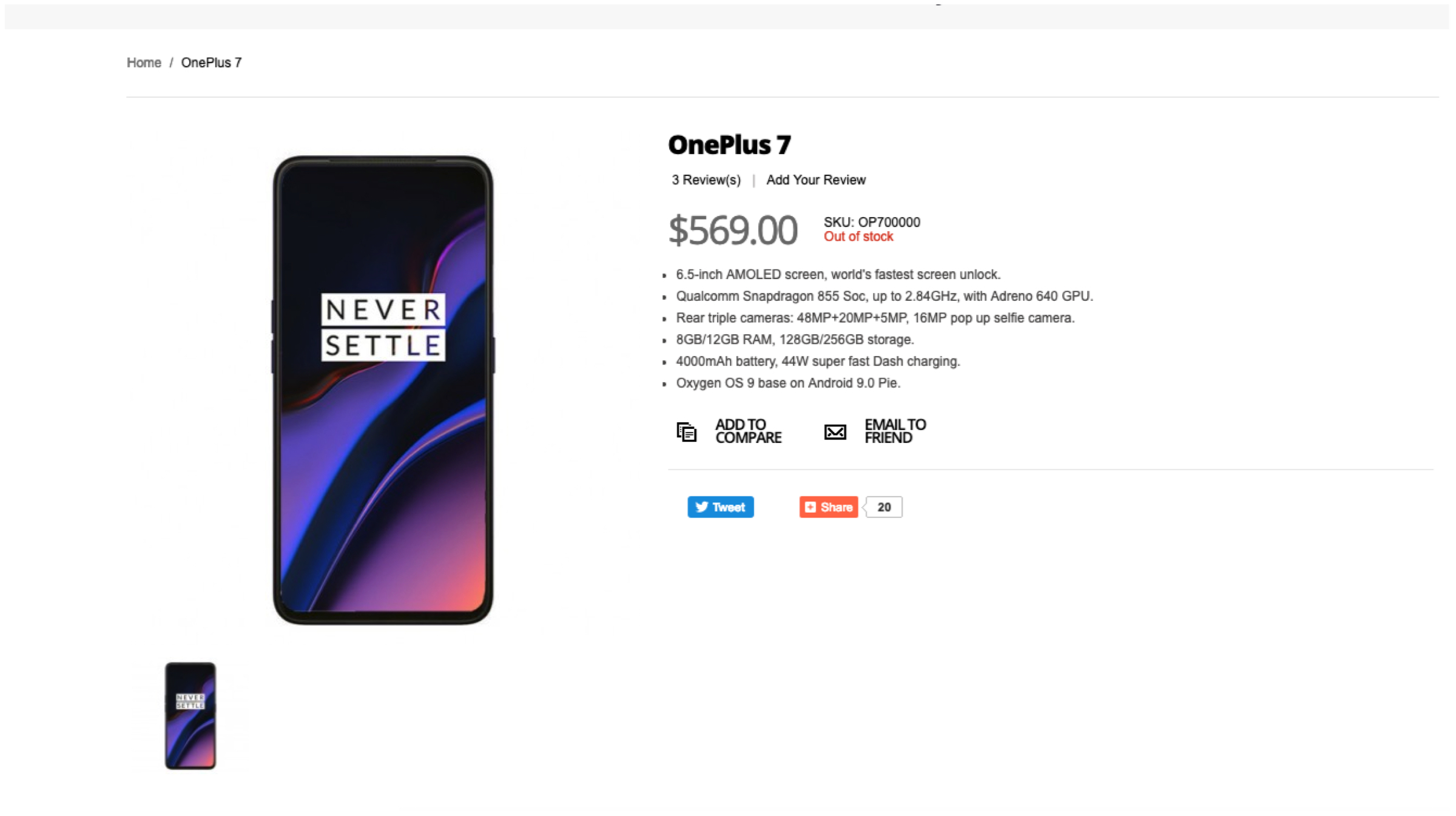
    OnePlus is expected to launch its newest flagship, the OnePlus 7 in a few months. The smartphone is expected to be a significant change over its predecessor, the OnePlus 6T in terms of design and specifications. A fresh listing on Chinese E-commerce website Gizbot has leaked the price and specifications of the upcoming device. This news arrives after the renders of the OnePlus 7 were leaked online a few days ago.

    OnePlus 7 Specifications

    According to the listing, the OnePlus 7 has a glass on the back and the front with minimal bezels around the display. It has a 6.5 inch Super AMOLED display with an FHD+ resolution. Unlike its predecessor, the upcoming device does not have a notch and it rather has a pop-up selfie camera like the Vivo V15 Pro. The smartphone has an in-display fingerprint scanner which has been carried forward from the OnePlus 6T.


    Under the hood, the OnePlus 7 runs on the Qualcomm Snapdragon 855 SoC which is manufactured using 7nm fabrication process. The chipset consists of an Octa-core CPU and Adreno 640 GPU. In terms of optics, the smartphone has a triple rear camera setup consisting of a 48MP primary sensor, 20MP secondary sensor, and a third 5MP sensor. For selfies, the device has a 16MP camera hidden in the pop-up mechanism on the top of the device. For memory and storage, the OnePlus 7 will be available in the following variants:

    • 8GB RAM and 128GB ROM
    • 8GB RAM and 256GB ROM
    • 12GB RAM and 256GB ROM

    The OnePlus 7 will be powered by a 4000mAh battery with support for 44W fast charging. It will run on the company’s OxygenOS 9 which is built on top of the latest Android 9 Pie. Although the listing has leaked most of the upcoming smartphone’s specifications, we will still have to wait for the company to confirm them aforementioned details. 

    Price & Launch

    Also read: SpaceX’s Crew Dragon Marks Yet Another Significant Achievement

    The OnePlus 7 is expected to launch in the month of June and will be available for sale soon after. According to the listing, the smartphone will be priced starting US$ 569 (Rs. 40,000). The company is known for increasing the price of its devices with each iteration, so the news of a price hike might not arrive as a shock to the prospective buyers.

  • SpaceX’s Crew Dragon Marks Yet Another Significant Achievement

    SpaceX’s Crew Dragon Marks Yet Another Significant Achievement

    SpaceX’s “test crew” aboard the Dragon Capsule splashed down in the Atlantic Ocean on March 8, 7:15 pm IST (8:45 am EST) after spending almost a week at the ISS (International Space Station). The company has proven that its “Dragon” capsule can survive a full-fledged trip to space and back. The next step on the list is to send astronauts to space now that the capsule has proven its worth, the company states.

    The touchdown of the Dragon capsule was the last part of SpaceX’s Demonstration – 1 mission. The reason why the mission was of utmost importance is NASA’s upcoming Commercial Crew Program, under which the agency is planning to send NASA astronauts to a USA owned spacecraft. So, the SpaceX DM1 was basically a test run to prove that it is capable of space travel, and it struck off as “better than expected” as per SpaceX and NASA representatives.

    Liftoff And Docking

    The demonstration’s first step took place at the Kennedy Space Center, Florida, where the capsule was placed on SpaceX’s very own Falcon 9 rocket. At 1:19 pm IST (2:49 am EST) on March 2, liftoff happened, and the  DM1 made its way towards the International Space Station. The Crew Dragon then auto-docked with a port on the station, something that had never been achieved by SpaceX previously.

    Undocking And Reentry

    Out of the three main stages of the mission, two were a complete success, which included the liftoff and the docking. The biggest challenge of the DM1 mission was the splashdown, which had to demonstrate that the capsule carrying cargo (and humans, in the future) can safely penetrate the earth’s atmosphere and land safely where it was intended to. At 1:02 pm IST (2:32 am EST), the Crew Dragon undocked from the ISS and started preparations for its descent to earth. The Crew Dragon ignited its thrusters for a period of 15 minutes to leave its orbit and began its descent to earth.

    The capsule exceeded the speed of sound while falling to the earth’s surface. After minutes of intense heating, the Crew dragon deployed four parachutes and gently “splashed down” in the Atlantic ocean, 200+ nautical miles away from the coast of Florida. SpaceX’s recovery boat, Go Searcher collected the capsule and will bring it back to the shore for further tests.

    Also Read: SpaceX Test Fires A Huge New Engine For Their Next Rocket

    The company will also perform another “Emergency Abort System” test, which is supposed to help save the onboard crew if anything goes wrong. The capsule would be fitted with external engines that can fire as soon as a failure is detected, taking the capsule away from the disintegrating rocket. As per reports, the Crew Dragon capsule will again be used for this mission, which is scheduled for April 2019. If everything goes as per expectations, a manned mission can be planned in 2019 itself, the company representatives stated. 


  • Reports Claim Apple’s AR Glasses Will Launch In 2020

    Reports Claim Apple’s AR Glasses Will Launch In 2020

    Apple showed off its ARKit at the company’s annual Worldwide Developer Conference in the year 2017. The new software development tool was able to run Augmented Reality (AR) apps without requiring any specific hardware for it. The company then unveiled the iPhone 8, iPhone 8 Plus and the iPhone X the same year with AR capabilities natively present in the smartphones. Fresh reports claim that Apple will launch AR Glasses in the year 2020. These may be released as an accessory for the iPhone.

    Apple AR Glasses

    Noted Apple analyst, Ming-Chi Kuo claimed that the company is working on a pair AR Glasses which may release in the year 2020 as an optional accessory for the iPhone. The analyst states that the anticipated device will take the role of a display which will wirelessly facilitate computing and networking from the iPhone. Augmented Reality is defined as “an enhanced version of reality created by the use of technology to add digital information on an image of something”. Reportedly the glasses will be lightweight and portable as they would use the computing power of the iPhone to process data. Unfortunately, this suggests that they won’t work independently and will be compatible will products from Apple’s ecosystem.

    Earlier reports about Apple AR headset alleged that the company is developing an all-new Operating System (OS) for it. It is rumoured to be called rOS which stands for reality Operating System. This OS is also expected to be featured in Apple’s Virtual Reality (VR) ventures, which are suspected to be under development. The Apple AR Glasses may go into production in the fourth quarter of this year or by the second quarter of the next year. 

    Also read: Facebook Messenger Bug Can Leak Sensitive User Information

    The idea of AR Glasses by a company as significant as Apple is expected to bolster the development of the technology substantially. Apple is usually marked as a leader in terms of technology trends which are later followed by other OEMs globally. Consequently, companies except Apple will also develop their variants of visionary technology.  

  • Facebook Messenger Bug Can Leak Sensitive User Information

    Facebook Messenger Bug Can Leak Sensitive User Information

    Facebook CEO, Mark Zuckerberg posted his vision to eradicate the privacy concerns surrounding the social media website. In his article, he claimed that the company will focus on gaining the trust of its users and ensuring better product development. The social media company aims to achieve high privacy standards in the next few years while sticking to all necessary norms at the same time.

    About The Bug

    A report states that a bug in Facebook Messenger gave permission to websites to access users’ private data, including the people they have been exchanging messages with. It was reported by researchers that the vulnerability was in direct violation of the user-organization privacy policy since the data of the user wasn’t safe at all. Although the issue was reported to Facebook as per its Responsible Disclosure Program, the bug was mitigated via social media. As of now, the bug has been fixed by the company.

    Previous Privacy Concerns

    Also, as reported on March 5, users blamed Facebook for misusing their phone numbers. As per Facebook’s two-factor authentication, users had to sign up with their phone numbers, which were visible to advertisers. Consequently, a lot of users were being pestered by advertisements from sources they were not even familiar with.

    facebookAlso Read: Facebook Planning To Integrate Whatsapp, Messenger And Instagram

    It is still yet to be clear how Facebook will get rid of the multitude of bugs that are present in the social media website/app. The company states that it will achieve “Whatsapp-like” privacy and encryption in the upcoming months, but with the discovery of bugs almost every week, Facebook might need to step up its privacy checks.


iGyaan Network
Privacy Overview

This website uses cookies so that we can provide you with the best user experience possible. Cookie information is stored in your browser and performs functions such as recognising you when you return to our website and helping our team to understand which sections of the website you find most interesting and useful.