Category: Latest

All the Latest, News, Reviews, Updates, How To, Mobile Phone news, Global and International News, From Cameras to Automobiles, from TV To PC and a lot more! Constantly updating!

  • New Motorola Patents Suggest Thinner Bezels On Future Devices

    New Motorola Patents Suggest Thinner Bezels On Future Devices

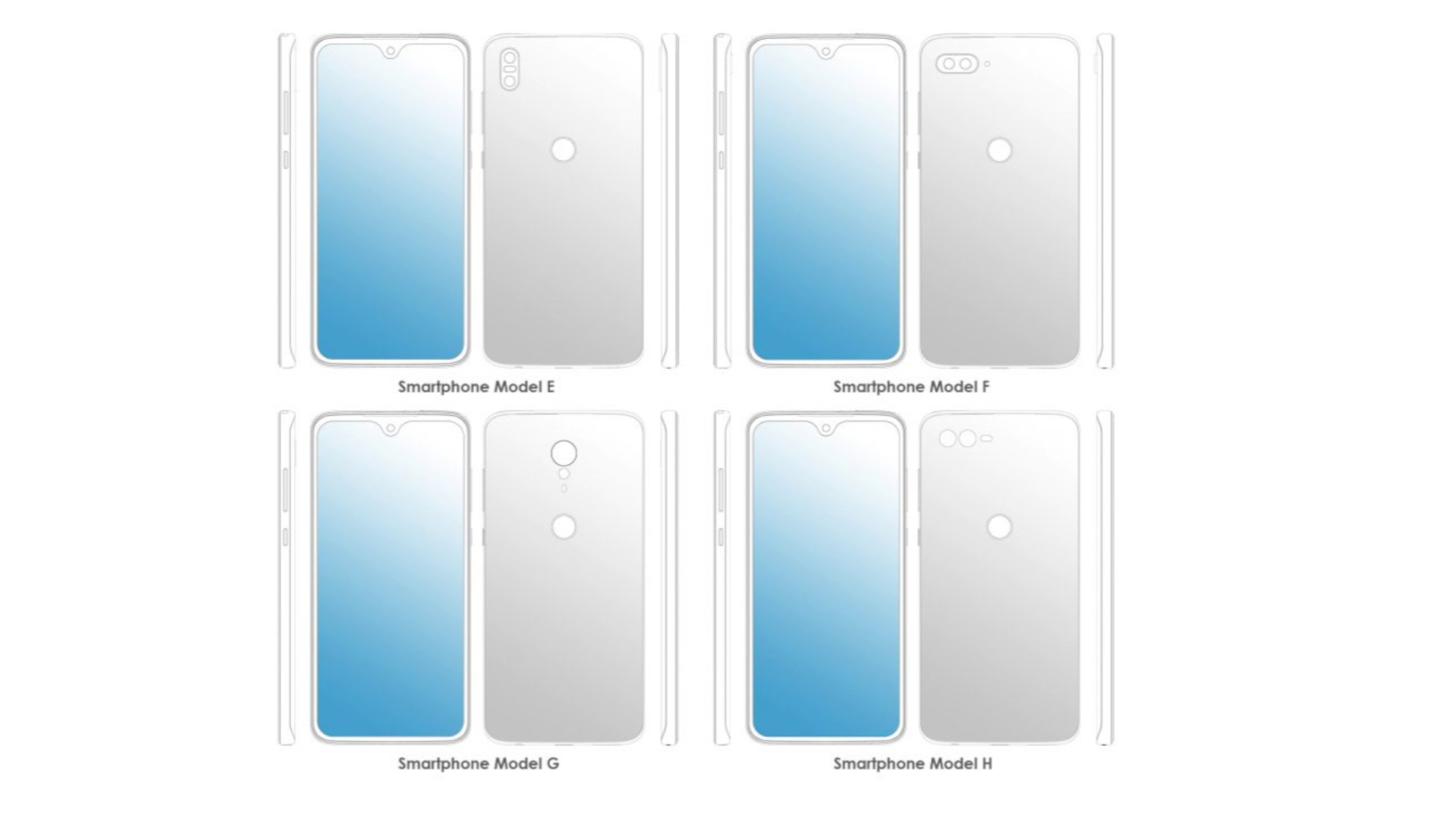
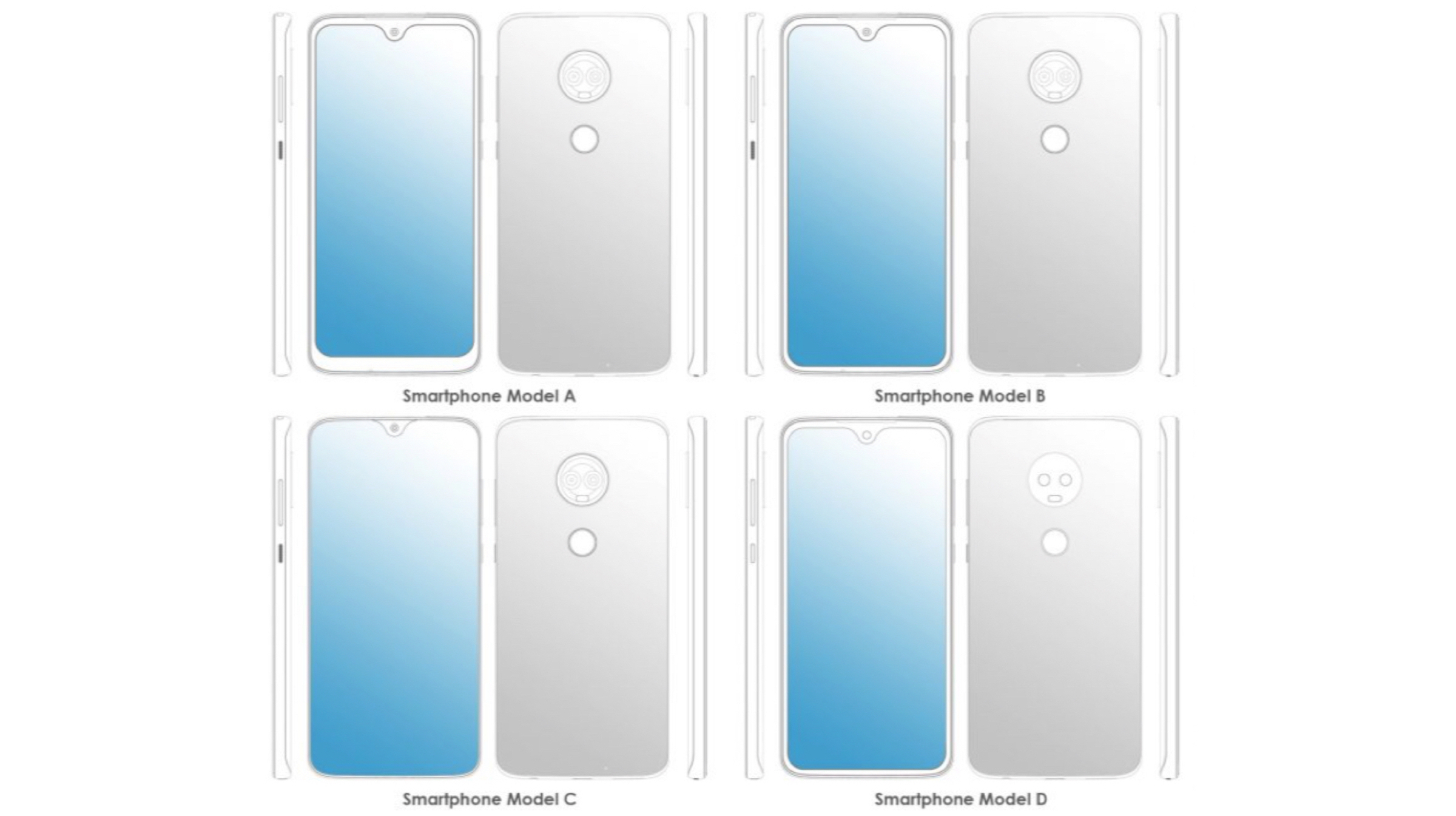
    Motorola launched the G7 series last month with an all-new design. The smartphones were first from the company to sport a waterdrop notch. In a fresh patent listing, the parent company of Motorola, Lenovo has filed for new designs that might make its way into future devices from the company.

    Motorola Patent Listing

    The patents were registered on the World Intellectual Property Office (WIPO) website on the 5th of March. These show the all-new designs Motorola is working on. All the designs show a waterdrop notch like the one last seen on the Moto G7 and Moto G7 Plus. But unlike G7 devices, some of the images show a smartphone with minimal or no chin. There is also a new, more trimmed notch size which will increase the screen to body ratio substantially. The camera placement on the devices seems to be the same as the current generation, two cameras placed horizontally with an LED Flash underneath. The fingerprint sensor seems to be located in the rear mounted Motorola Batwing logo.

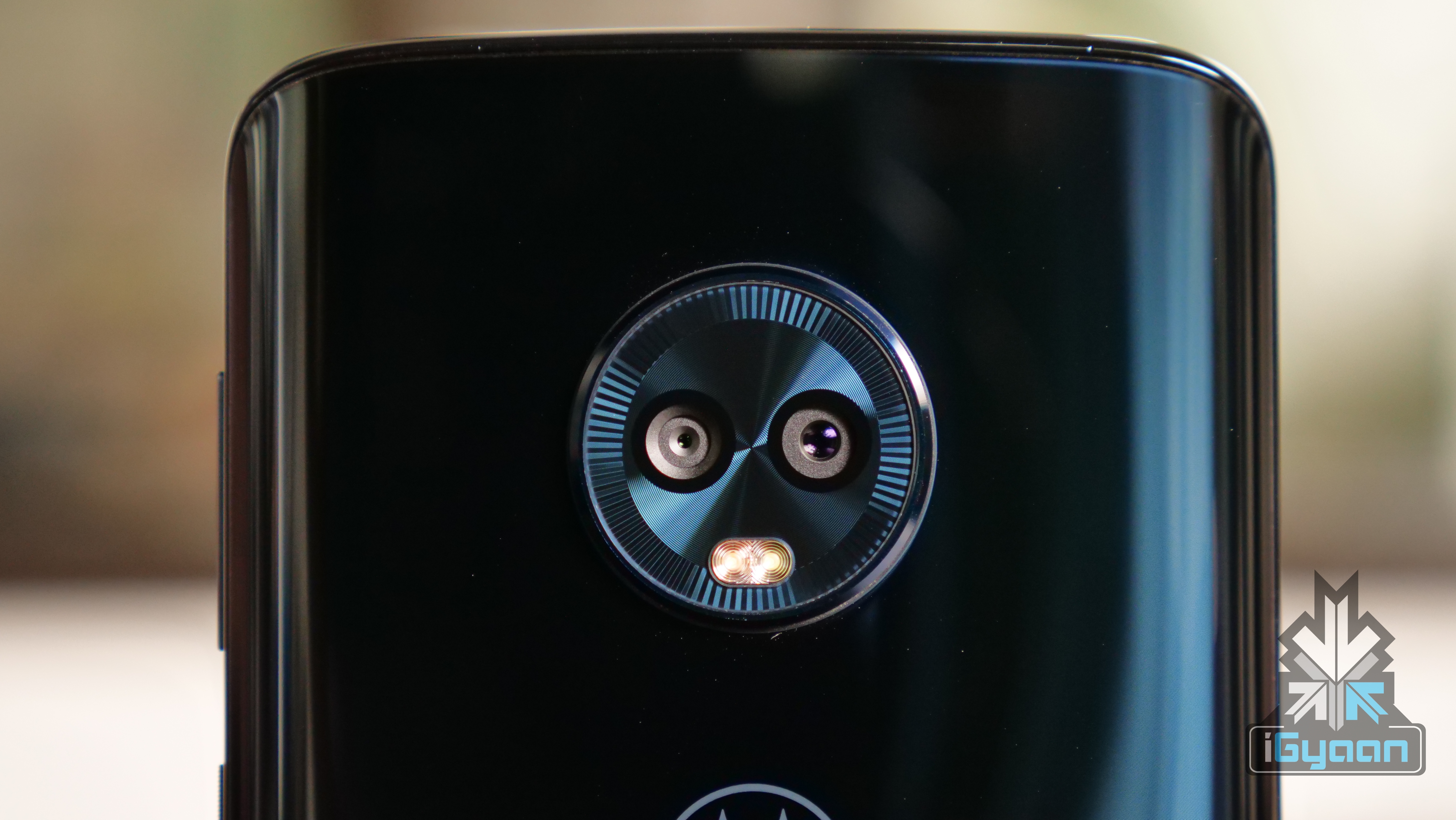
    More images from the Motorola patent show different camera placements in the smartphones. There is a vertically aligned camera sensor which is reminiscent of the Moto One Power launched last year. The second image shows a horizontal dual camera placement, but unlike the G7 it is placed on the top left corner at the back of the device. The third variation shows a single camera sensor and what possibly could be a Time of Flight (ToF) sensor underneath it. This may be used to capture 3D and depth information. Below it there is a standard LED Flash followed by a fingerprint sensor.

    Also read: Best Wired Earphones In India Under Rs 1,000

    The designs discovered in the latest Motorola patent may make its way into the next generation of smartphones by the company. It is expected to announce the next generation of its flagship Moto Z device in a few months, which may end up exhibiting a few of the design characteristics.

  • Best Wired Earphones In India Under Rs 1,000

    Best Wired Earphones In India Under Rs 1,000

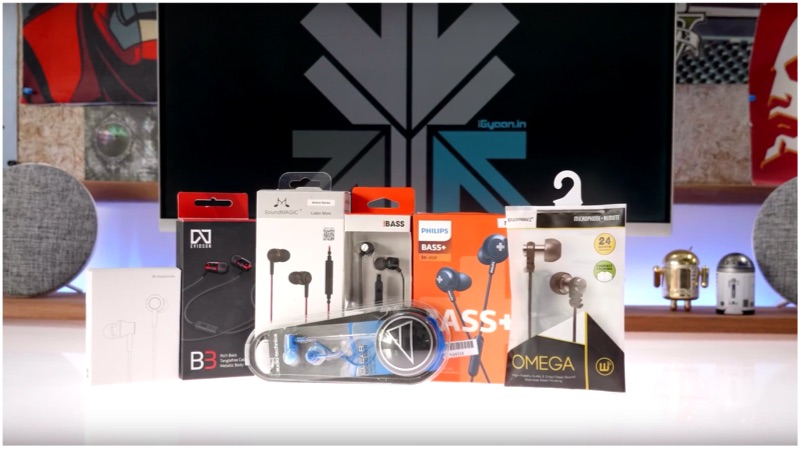
    Apple removed the 3.5mm headphone jack from the iPhone 7 and 7 Plus models in the year 2017. Since then, many more smartphone OEMs like Huawei, HTC and Sony have expelled the ill-fated headphone jack from their devices. But, the option of listening to music and managing calls from wired earphones is still very popular. Buying the perfect pair can be a daunting task because of the sheer number of options available today. To make the choice easier, we have combined the five best earphones available in the market today for under Rs 1,000. 

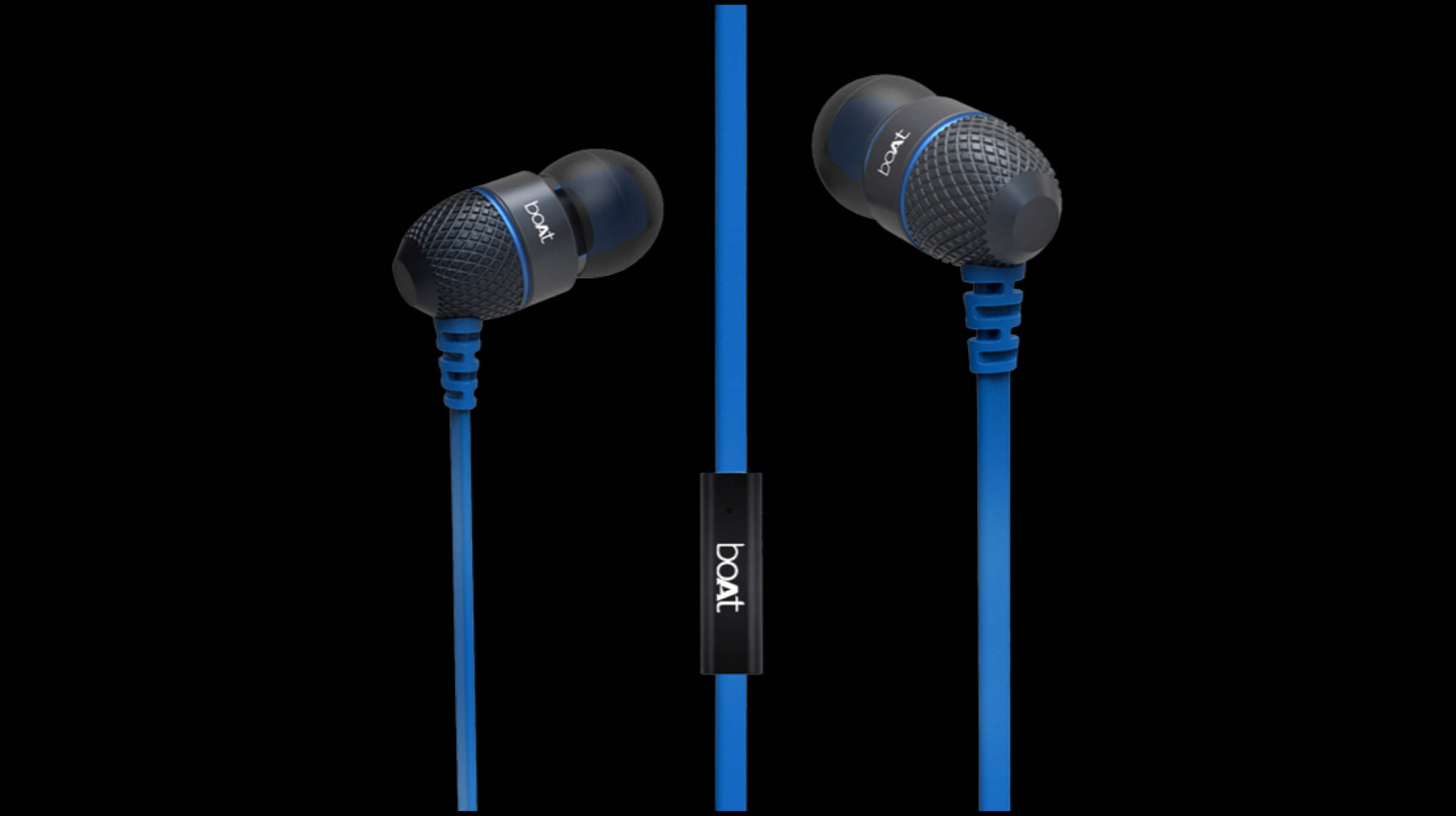
    Boat BassHeads 225

    Available in six colours and at an attractive price, the Boat BassHeads 225 are one of the best earphones available in the market for a price less than Rs 1,000. Each earbud has a polished metal housing and features tangle-free, flat cables. The silicone tips are interchangeable and there are different sizes available in the box, for an easy and comfortable fit. There is also a 10mm driver and an inline microphone and audio control button. Promising of good bass, the sound quality of the Boat earphones is great for the price and make them worthy of the asking price.

    Mi Basic Earphones

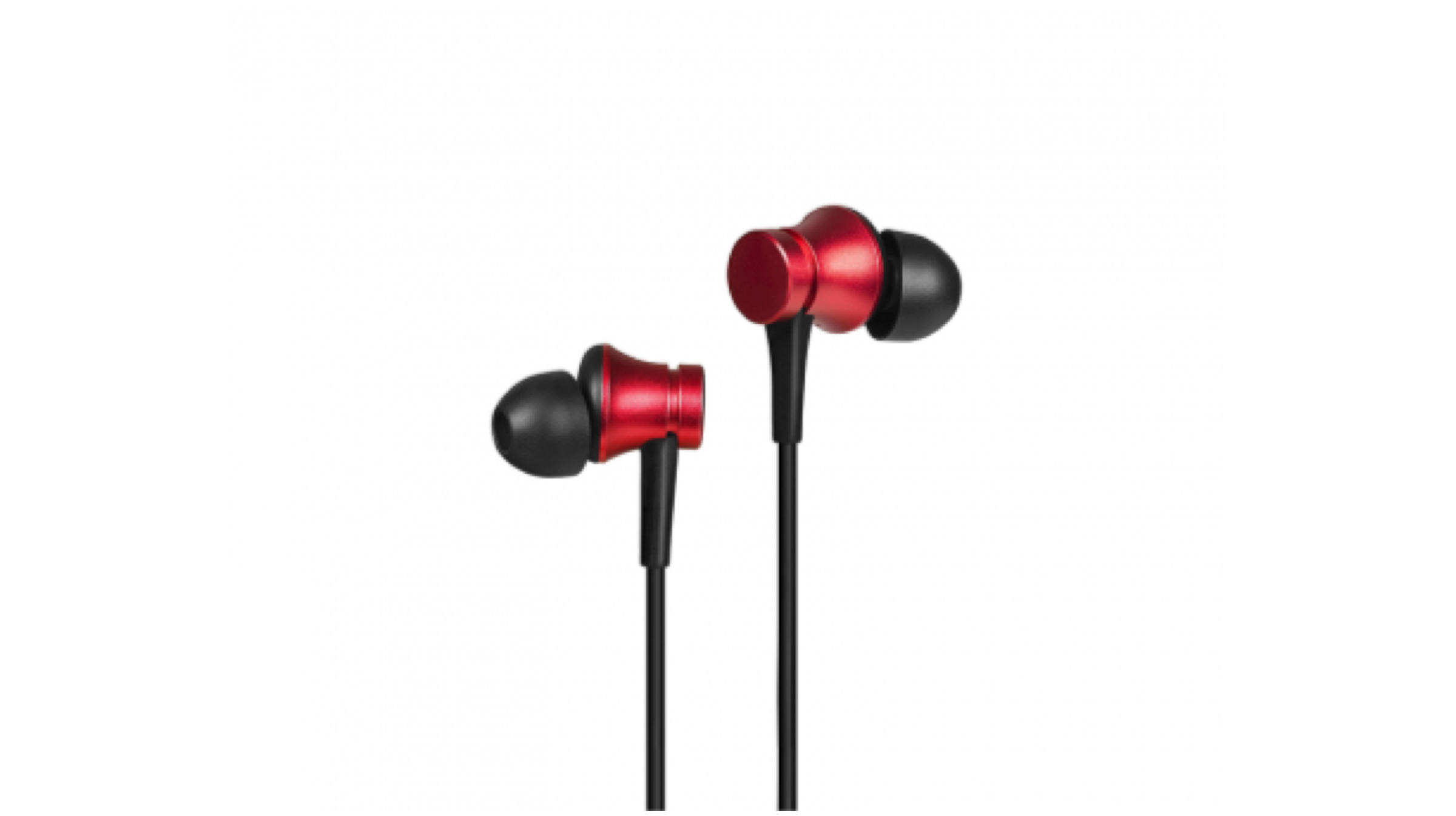
    The Mi Basic Earphones, like most Xiaomi products, have the culmination of great features at a jaw-droppingly low price point. The earphones have an aluminium alloy chamber and have an inline microphone with a single button for play/pause and picking up calls. The silicone tips are interchangeable and there are different sizes available in the box, for comfort. The body itself is angled for easier fit into the ear. They are available in two colours, Red and Black, and has a 10mm audio driver. The sound output is quite balanced, making them an ideal choice for the price.

    Sennheiser CX180 Street II

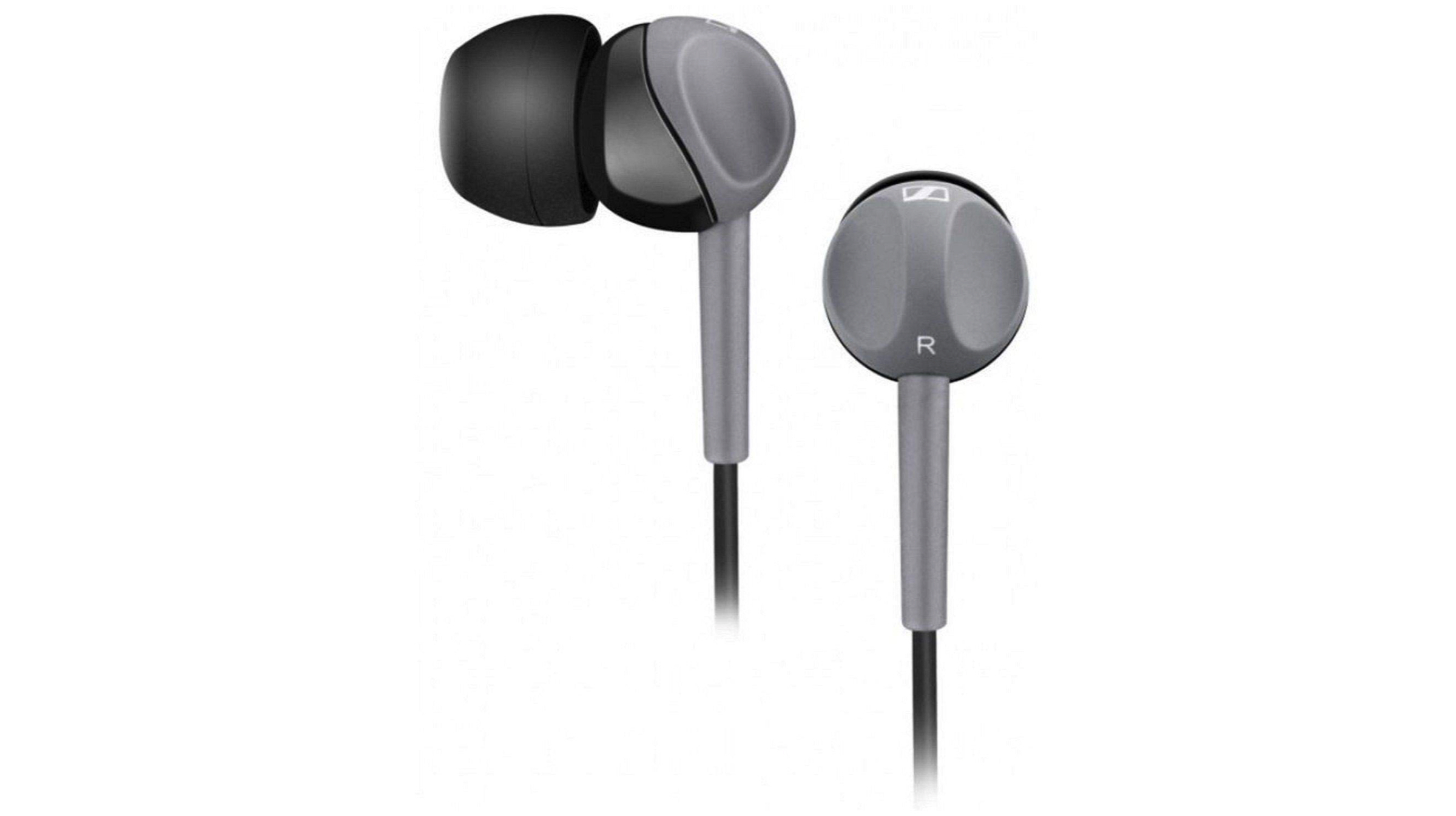
    The Sennheiser CX180 Street II were launched a few years ago, but continue to remain one of the best choices for anyone looking to buy earphones under Rs 1,000. They have a comfortable fit and feature a unique looking design. Unfortunately, there are no microphones or inline controls on the earphones. They do have changeable silicone ear tips in the box which makes for a better fit for most users. The sound quality is one of the best in the price range, with great vocals and a balanced bass and treble.

    JBL C100SI

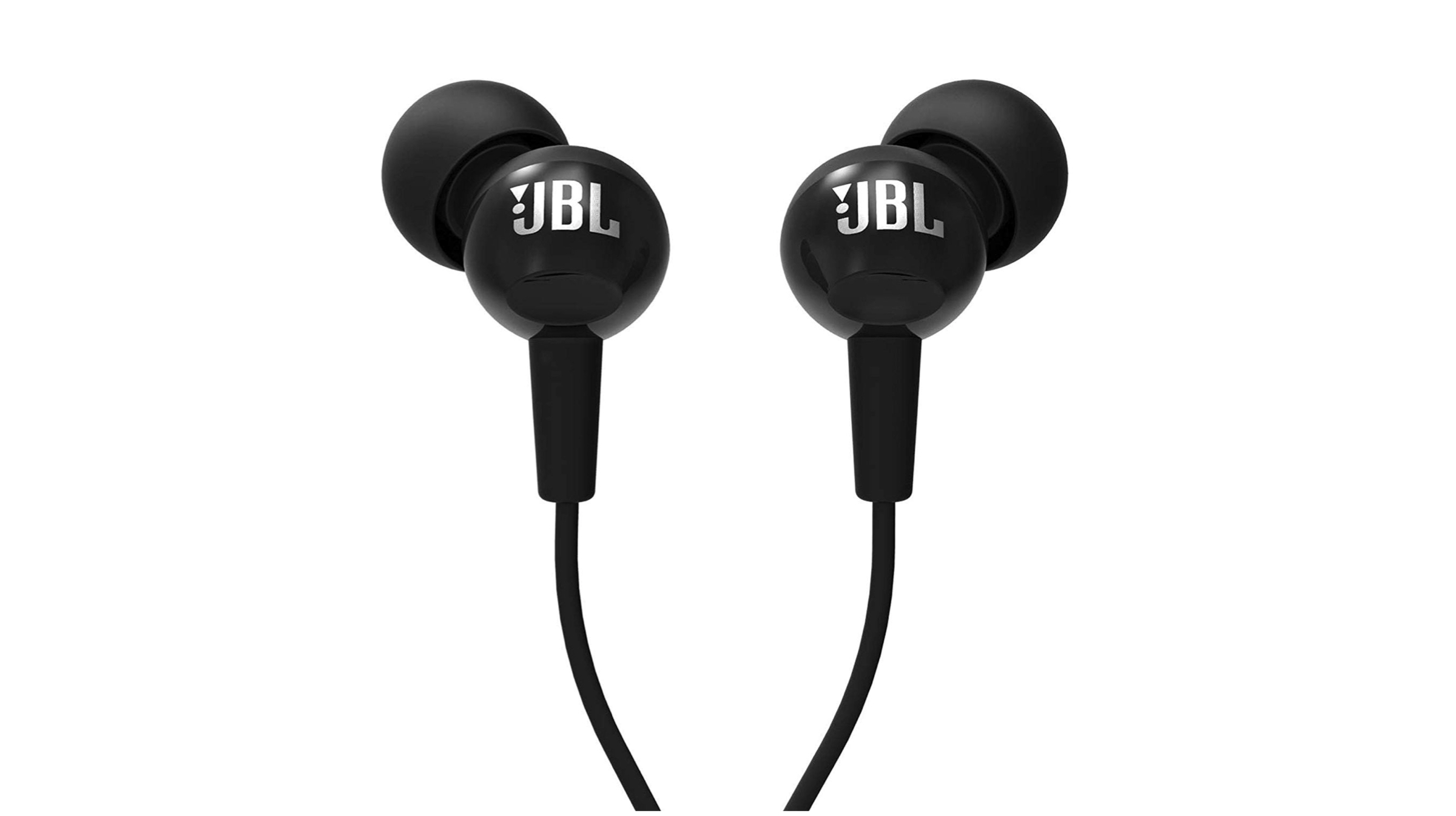
    The company JBL is not unheard of when it is about audio equipment. Available in three colours, Black, White, Red, the JBL C100SI has a nimble design with a slight angle for a better fit. There are interchangeable silicone tips in the box for universal fit. The earphones have a microphone with in-line controls for music play/pause and to answer calls. The sound output is decent and makes it one of the best earphones for the price.

    House of Marley Smile Jamaica

    Not many people may have heard about the audio company House of Marley. The Smile Jamaica earphones are arguably the best looking ones of this list, complete with a wooden finish. They have a braided cable which makes them tangle-free to an extent. The silicone ear tips are replaceable for different ears and there is a microphone, in-line control button on the earphones. The sound quality of the headphones is balanced, with good bass, treble and vocals. The Smile Jamaica is one of the best choices for people looking for an earphone under Rs 1,000.

  • Best Smartphones To Enjoy PUBG Mobile In Every Price Bracket

    Best Smartphones To Enjoy PUBG Mobile In Every Price Bracket

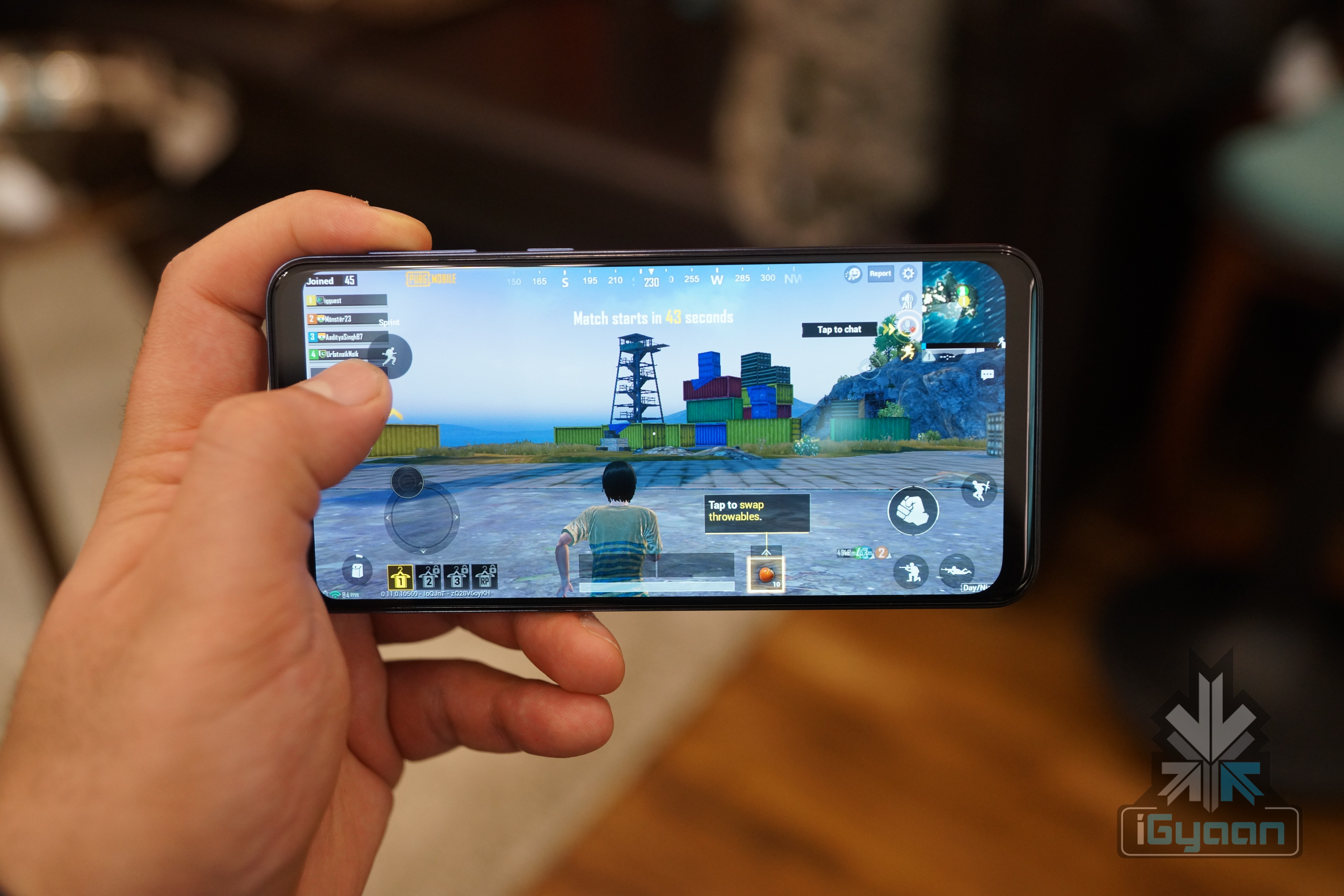
    PUBG or Player Unknowns Battleground Mobile has become a global phenomenon in the mobile gaming industry. The game is undoubtedly entertaining and captivating. However in order to have an enjoyable PUBG experience, one must have a smartphone that is powerful and has a long battery life. We have compiled a list of top smartphones that churn out the maximum performance in different price brackets. 

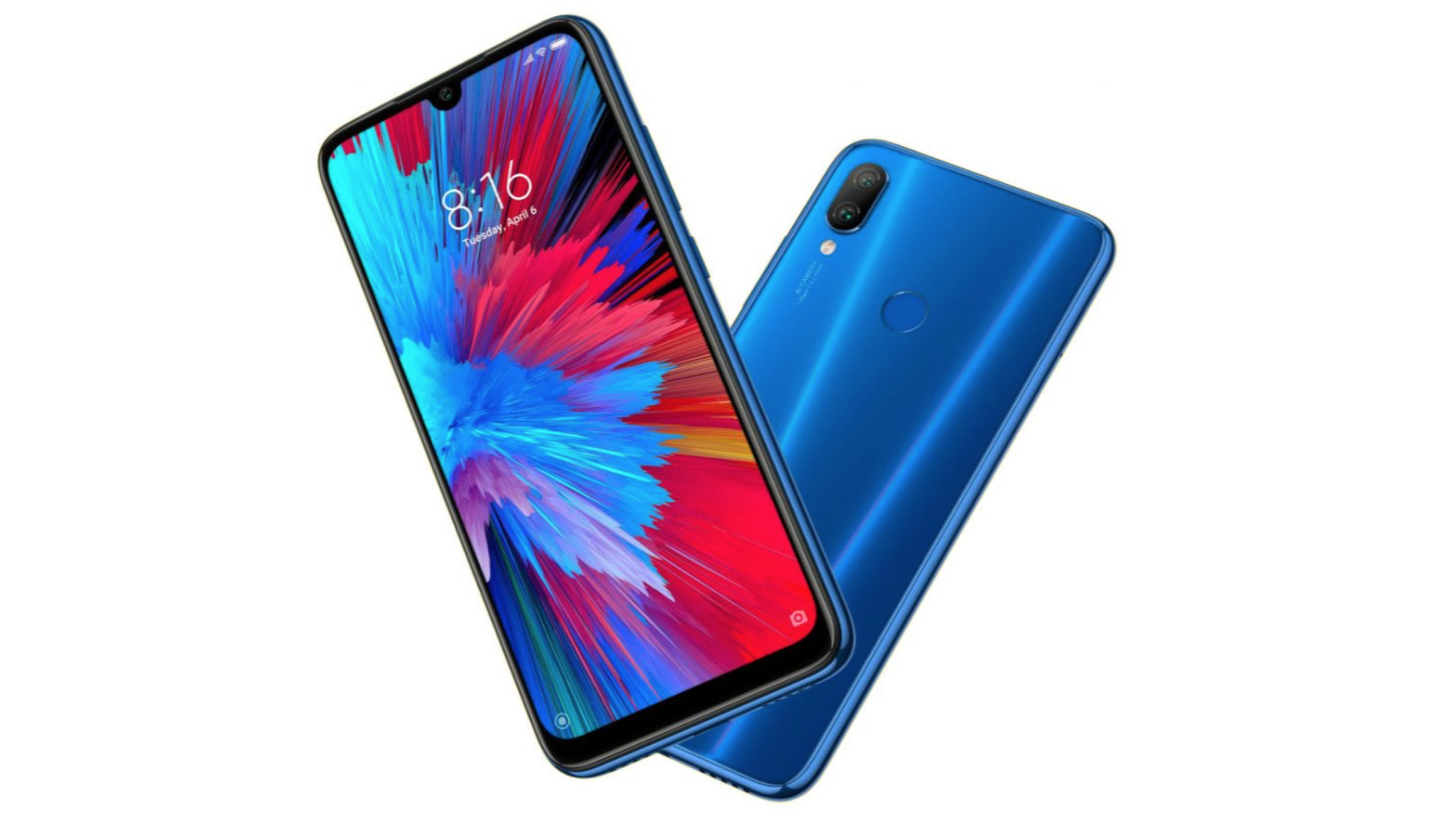
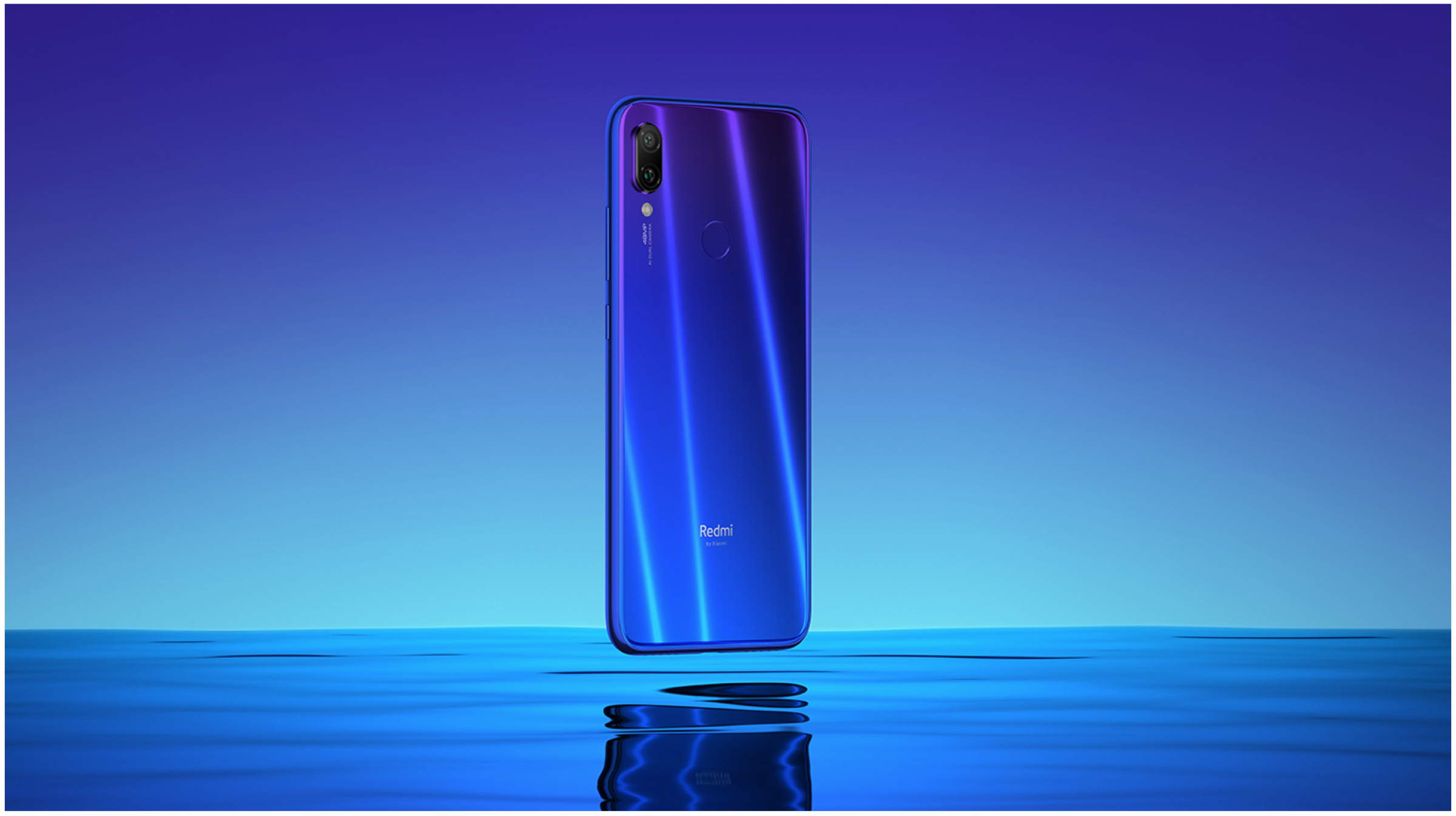
    Under Rs 10,000- Redmi Note 7

    The Redmi Note 7 was first launched in the month of January in China and it turned a lot of heads due to its worthy specifications. The device has now been launched in India and is currently the only smartphone under Rs 10,000 which packs the Snapdragon 660 SoC. Due to its chipset, the device is capable of playing PUBG mobile on medium settings comfortably without any noticeable frame drops. It packs a large 4,000 mAh battery which supports 18 w fast charging.  Its 3 GB RAM + 32 GB ROM variant is available for Rs 9,999 which also supports memory expandability up to 256 GB. One notable drawback of the Redmi Note 7 is its plastic frame. Not much can be said about its sturdiness only time will tell how it fairs against day to day usage. 

    See Full Specs Here

    Click Here To Pre-book The Redmi Note 7

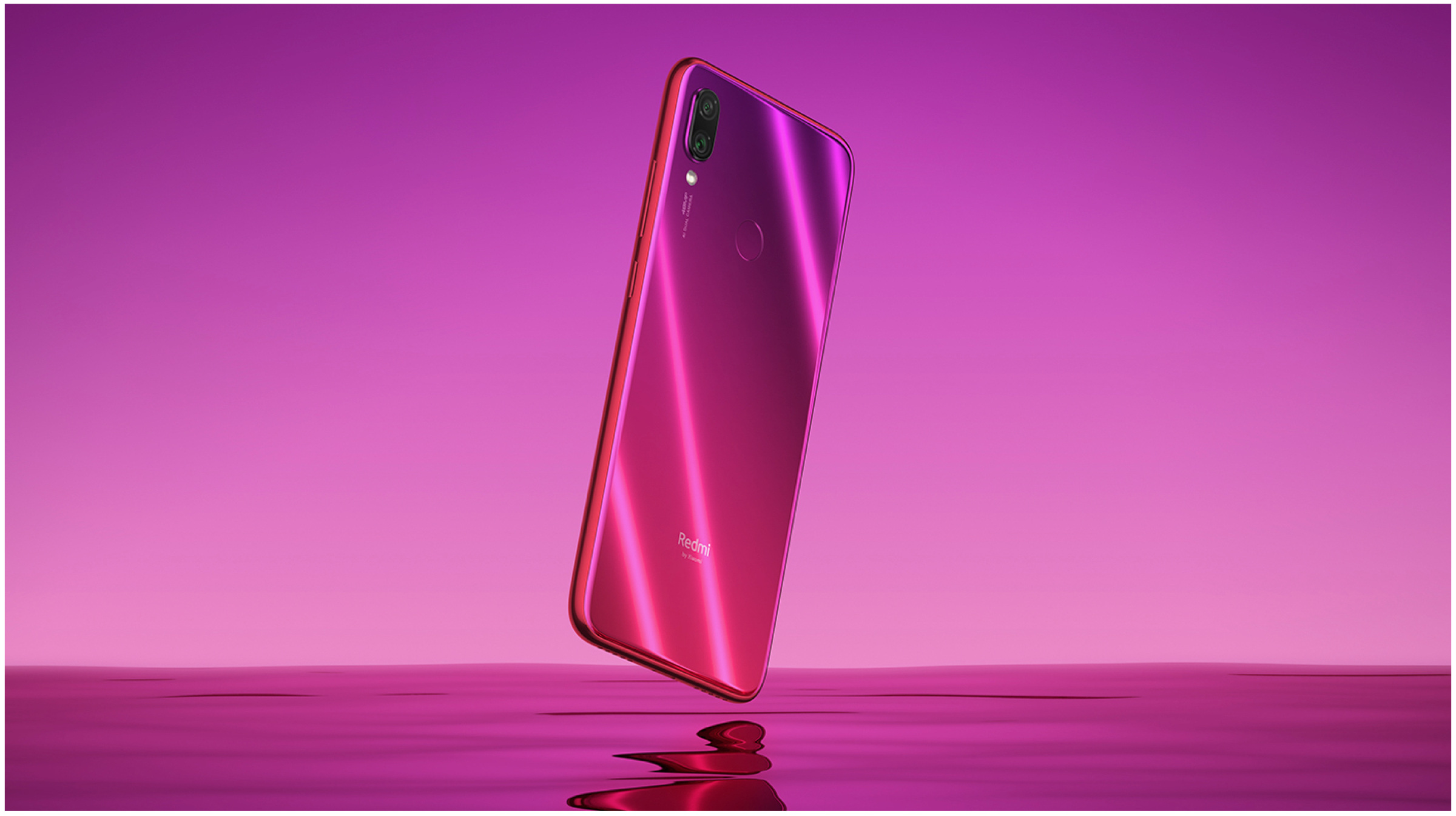
    Under Rs 15,000- Redmi Note 7 Pro

    As the name suggests, the Redmi Note 7 Pro is a beefed up variant of the Redmi Note 7. It made its global debut in India on the 7th of March. It is one of the first smartphones that is kitted with the Snapdragon 675 SoC. At a price of under Rs 15,000 it is currently the only device that has the aforementioned chipset. The Snapdragon 675 chipset is capable enough to run PUBG mobile at high graphics settings. It is praiseworthy that such an aggressively priced smartphone can manage to deliver this type of performance. Worth mentioning, the weak plastic frame issue cripples its way to the Redmi Note 7 Pro like its younger sibling. 

    See Full Specs Here

    Click Here To Pre-book The Redmi Note 7 Pro

    Under Rs 20,000 – Galaxy A50

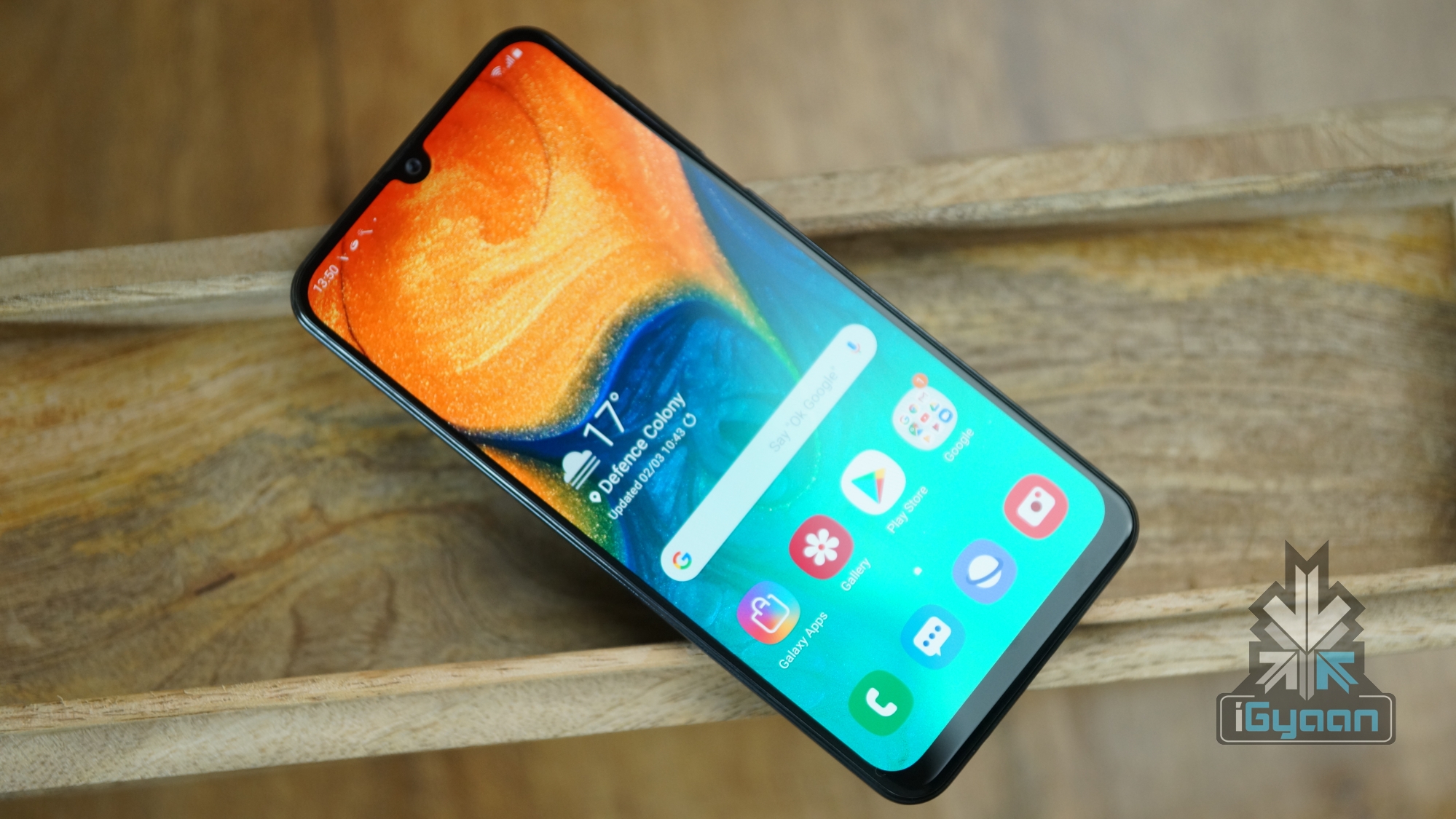
    Samsung launched the Galaxy A50 along with the Galaxy A30 on the 28th of February in India. It is remarkable what Samsung has achieved with the newly launched device in terms of price and features. The device has a stunning 6.4 inch Super AMOLED display which also houses an On-display fingerprint sensor. The display is kitted with the Exynos 9610 SoC which is manufactured using 10 nm fabrication process. It is powered by a large 4,000 mAh battery which supports fast charging. Pleasantly, Samsung ships the device with a 15w fast charging. Due to the 10 nm chipset, it consumes less power, therefore, prolonging the battery backup. It has a triple rear camera setup which consists of 25 MP + 5 MP + 8 MP. The device is powerful enough to easily run PUBG mobile in high settings and simultaneously capture praiseworthy photographs and video.

    See Full Specs Here

    Under Rs 30,000 – Asus ZenFone 5Z

    Even though the Asus ZenFone 5Z was launched about a year ago, it is still a great value for money product. It is one of the few smartphones under Rs 30,000 that features the Snapdragon 845 chipset. In addition to the powerful chipset, it has a Full HD+ 6.2 inch display which is protected with Corning Gorilla Glass. It is powered by a 3,300 mAh battery which supports 18 w fast charging. Running PUBG mobile on high settings is no big deal for the device and 8 GB of RAM is more than enough to deliver a lag-free experience. The device has 256 GB of inbuilt storage which is further expandable upto 512 GB. This enormous inbuilt storage is another factor that makes it a lucrative option. 

    See Full Specs Here

    Click Here To Buy The Asus ZenFone 5Z

    Under Rs 50,000 – OnePlus 6T 

    OnePlus 6T has turned as a device that needs no introduction. Like the ZenFone 5Z it also has a Snapdragon 845 SoC. But, the device runs on the OxygenOS which is one of the best Android skins due to its fast animations and stock Android-like experience. A handful of praiseworthy features that the OnePlus 6T offers is a Super AMOLED display, 20W dash charge, and quick Android updates. Running PUBG is like a walk in the park for the OnePlus 6T accrediting to its specifications. The 8 GB RAM + 256 GB ROM variant is available at a price of Rs 45,999.

    See Full Specs Here

    Under Rs 80,000 – Samsung Galaxy S10+

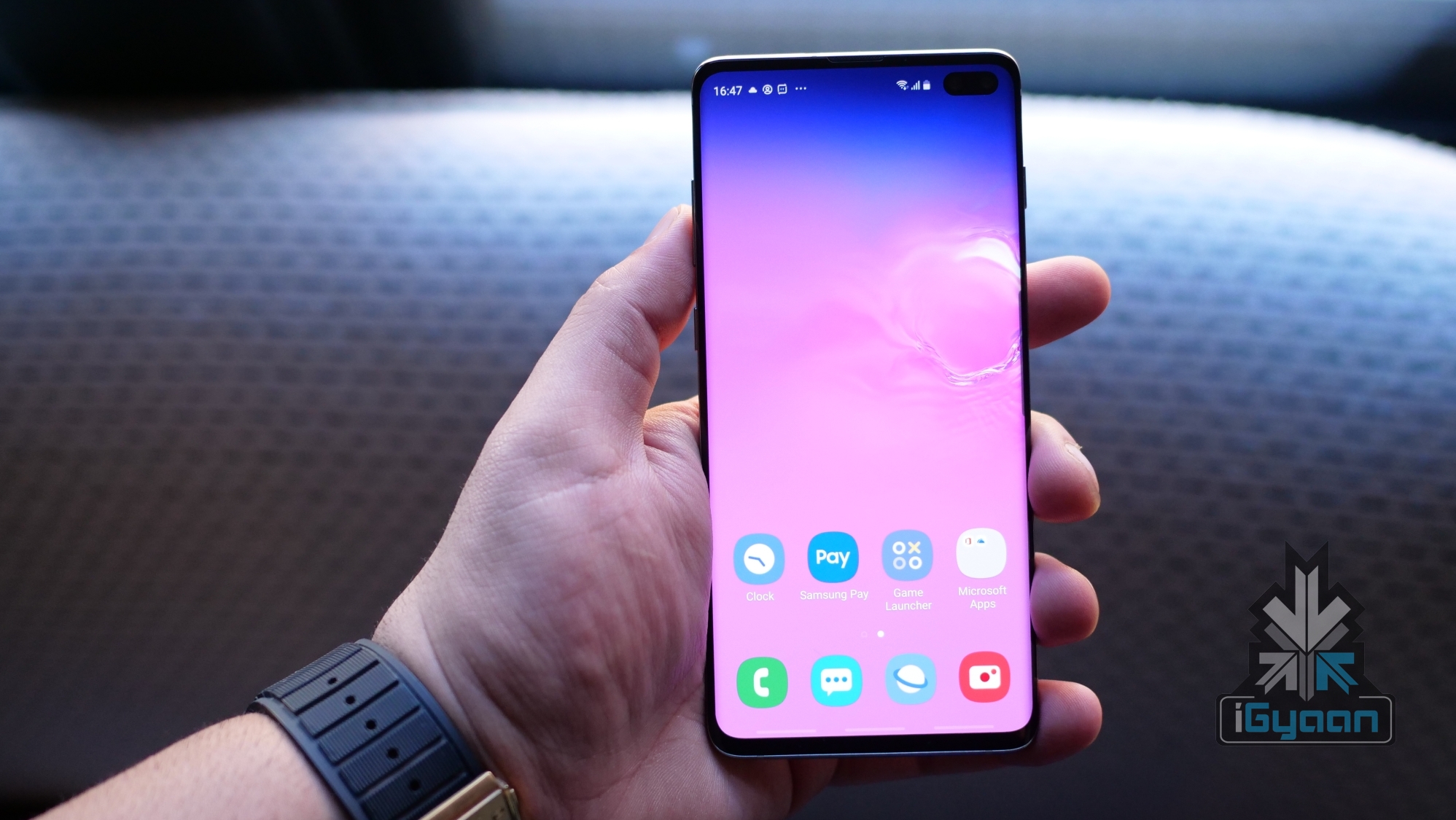
    The Galaxy S10+ is one of the most exceptional smartphones of the year 2019. It is kitted with the Exynos 9820 SoC which is manufactured using 7 nm fabrication process making its highly power efficient. It has an edge-to-edge Super AMOLED display with QHD resolution and a pixel density of 522 ppi. It is powered by a large 4,100 mAh battery which supports billateral wireless charging. Bilateral wireless charging means it can both receive and transmit power, therefore, users can also charge their other wireless charging compatible devices. The Galaxy S10+ certainly delivers one of the best PUBG Mobile experience on any smartphone there is. The 8 GB RAM and 128 GB ROM variant of the Galaxy S10+ is currently available at a price of Rs 73,990.

    See Full Specs Here

  • Black Shark 2 Gaming Phone To Launch On March 18

    Black Shark 2 Gaming Phone To Launch On March 18

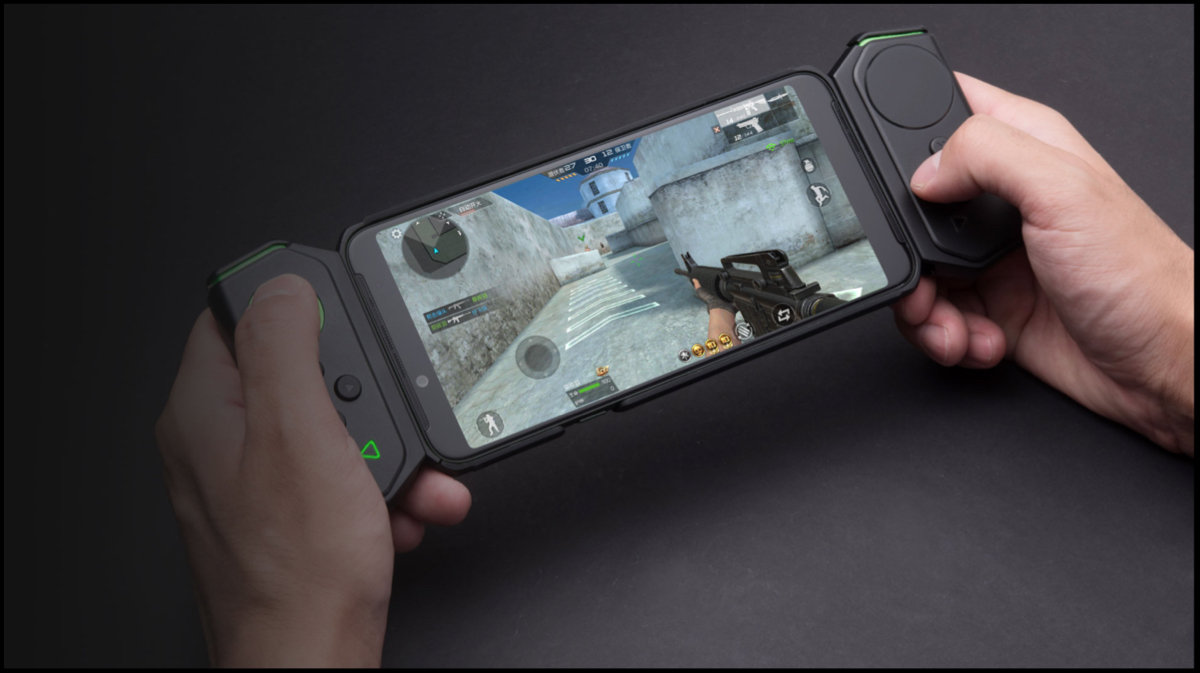
    Xiaomi launched the gaming-centric Black Shark brand last year in a bid to capture the ever-growing market of smartphone gaming. For the delight of Indian consumers, the company has started its operations in the country and will soon launch its first device. All this while, it was also set to reveal the next flagship smartphone that would succeed last year’s Black Shark and Black Shark Helo. Xiaomi has confirmed that the Black Shark 2 will be launched on March 18 in an event in Beijing, China. 

    Black Shark 2 Specifications

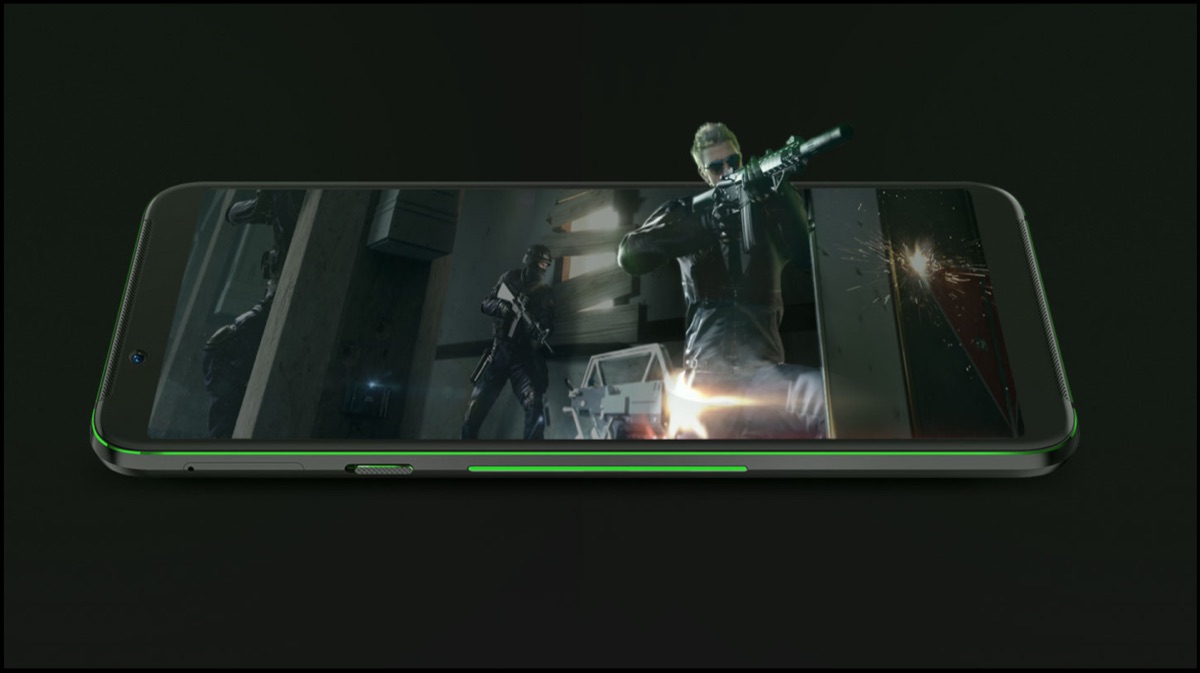
    The Black Shark 2 was referenced as Black Shark Skywalker in a leaked Antutu listing. The listing also confirmed the key specifications of the device. It will feature a similar design to its predecessor, meaning a dark grey coloured panel with green lines running vertically along the back and the Black Shark logo in the middle. The smartphone is expected to have a 6.3-inch AMOLED display with a resolution of 2340 x 1080 px. The leaked Antutu listing revealed a whopping score of 359,973 points. This score places it in the second place, below the company’s own flagship Mi 9 which has a score of 371,849 points.

    To achieve the high score on Antutu, the Black Shark 2 will pack top tier specs. Under the hood, it will run on the Snapdragon 855 SoC which is manufactured using 7nm fabrication process. The chipset consists of an octa-core CPU and Adreno 640 GPU. The company previously confirmed that the device will feature a new form of cooling technology called Liquid Cool 3.0 to keep its temperature under check while running intensive applications. For memory and storage, the smartphone will be available in the following variants:

    • 6GB RAM and 128GB ROM
    • 8GB RAM and 128GB ROM
    • 12GB RAM and 256GB ROM

    The Black Shark 2 is expected to be powered by a 4000mAh battery like its predecessor and is confirmed by the company to support 27W fast charging. It will also be bundled with accessories for gaming which will launch alongside the smartphone.

    Price & Availability

    Also read: PUBG Mobile Banned In Cities Of Gujarat

    The Xiaomi Black Shark 2 will launch on March 18 and is expected to go on sale soon after in markets like Europe and China. As the company has now started operations in India, the device may be launched in the country a few months after its China launch.

    Unfortunately, the price of the device isn’t known yet, but it is expected to be priced around Rs 40,000 in India.


  • Gmail’s Smart Compose Feature Rolls Out To More Android Devices

    Gmail’s Smart Compose Feature Rolls Out To More Android Devices

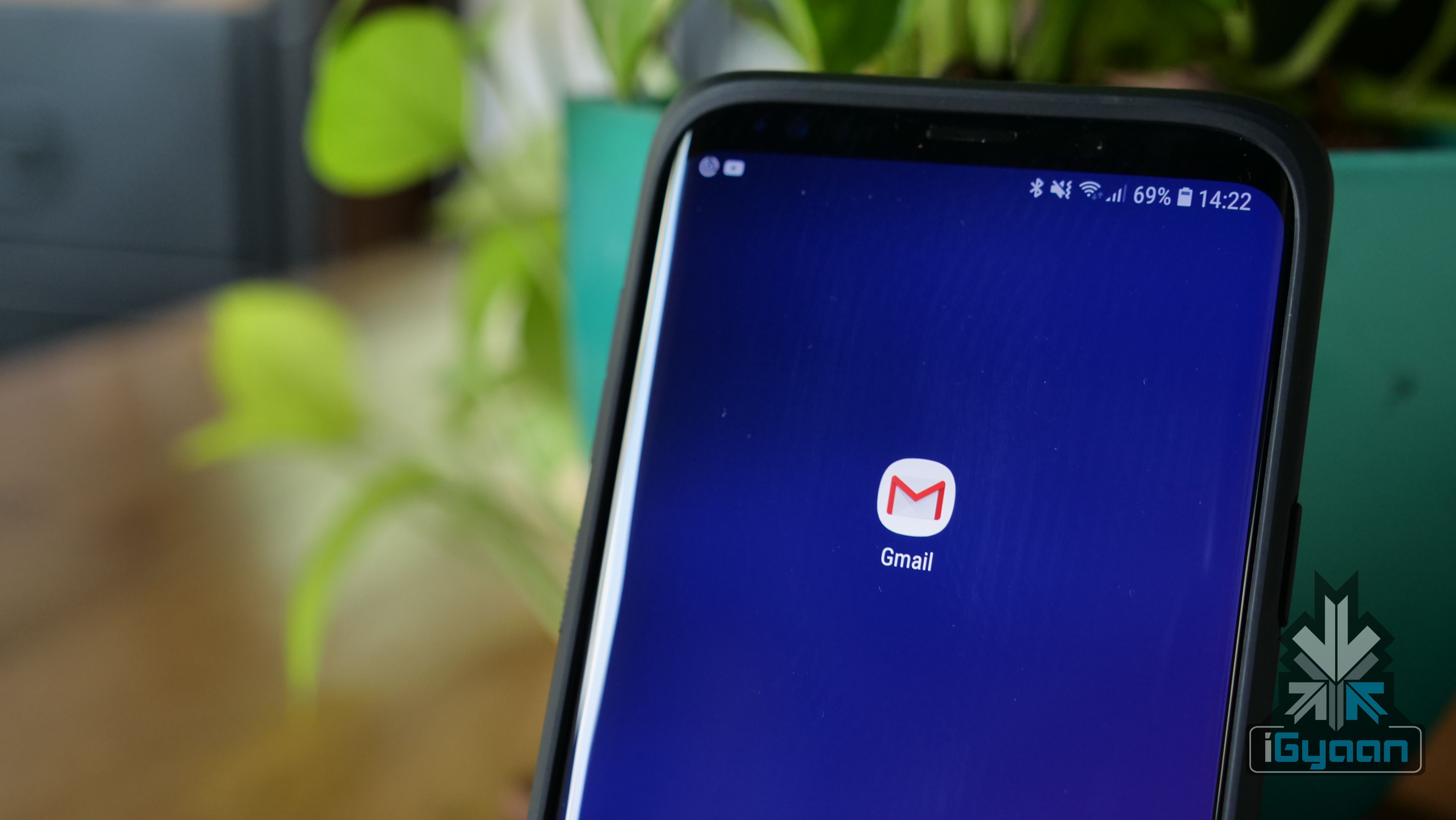
    Gmail introduced the AI powered Smart Compose feature for the desktop version in the year 2018, and it was a convenient feature for users who were familiar with auto-prediction texts. In October 2018, the feature was made available on smartphones with the launch of the Google Pixel 3. At the time of its release, Google announced that the feature will be exclusive to Pixel devices. However, the update is now being rolled out for non-Pixel Android smartphones as well.

    About Smart Compose

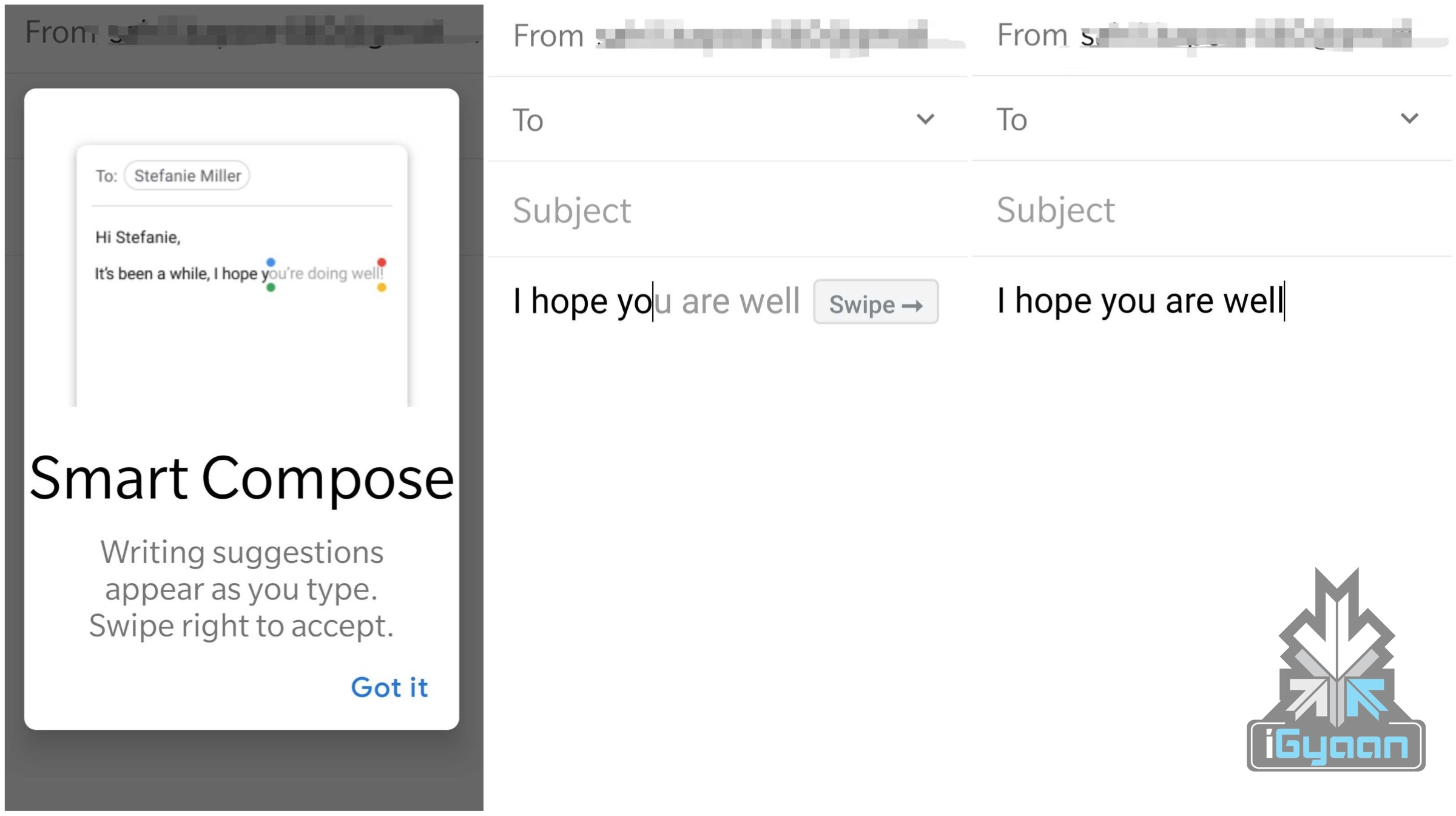
    The Smart Compose feature was spotted in the Gmail app version 9.2.3. When a user clicks on the compose button, Gmail will prompt them regarding the new feature and familiarise them with the feature. Dependent on the users choice, it can be manually turned off from the applications setting menu. But instead of pestering the user, the feature is actually quite functional. Once the user starts typing a reply or a new message, the Smart Compose feature will suggest words or even complete sentences that will help the user to finish the message faster. 

    How It Works

    As per users, the desktop version of Gmail even recommends the names of the recipients whenever necessary. The Gmail Android App plays it safe and just helps users finish their sentences. Since this is AI-powered, the feature is likely to improve over time. For instance, if a user is typing “Will my shipment arrive-“, Smart Compose will automatically recommend “Will my shipment arrive tomorrow” or whatever is more relevant to the context of the conversation. Some users may find this to be unnecessary, but it can be very beneficial for others.

    Also Read: Google Launches Bolo App To Improve Children Literacy In India

    Google Keyboard uses a similar prediction technique, where it suggests words and phrases based on a user’s previous message history. As mentioned before, it’s a feature that is still under development and will undergo a considerable number of revamps before it is perfected for use in day-to-day life.


  • PUBG Mobile Banned In Cities Of Gujarat

    PUBG Mobile Banned In Cities Of Gujarat

    Player Unknown’s Battlegrounds or PUBG is a household name these days. The game has been downloaded over 100 million times from the Google Play Store and the number keeps on growing. The game involves 100 online players who are dropped on a deserted island, and the last player to survive wins. Different strategies are used by players to remain alive on the battlefield. The game is free to play on all platforms, hence the game has developed a huge player base in a short period of time. But lately, various incidents are coming to light in regard to people being addicted to this game. 

    About The Ban

    On January 23 2019, Gujarat’s government wrote to the Central Government to impose a ban over the aforementioned game. On March 7, Rajkot Police Commissioner issued a notification to ban PUBG. As per the notice, the ban will be implemented from March 9 to April 30. If someone sees a person or a group of people playing PUBG, he/she can inform the police regarding their whereabouts and the associated authority will take necessary action. Furthermore, The Chairperson of Gujarat Child Rights Body sent a circular to the National Commission for the Protection of Child Rights (NCPCR) of all states to help keep PUBG addiction in check.

    Bans On Other Games

    PUBG was not the only game which was banned by the authorities. A similar ban was imposed on the “Momo Challenge”, which is a series of challenges that the user must complete in order to achieve victory and meet an imaginary character called “The Momo”. According to reports, the game involved self-harming acts that eventually led to suicide. Games that brainwash children and teenagers are not new since a similar game called “Blue Whale” gained popularity in 2017-18.

    Circulars were being distributed around schools since students started showing signs of addiction to the battle royale game. Some of them were performing poorly in academics. A number of extreme incidents were also reported across the country. For instance, a Delhi teenager committed suicide because his parents refused to buy him an expensive smartphone for playing PUBG. In March 2019, A 25 year old accidentally drank acid instead of water while he was hooked to the game, almost losing his life.

    Also Read: PUBG Mobile Zombie Survival Mode Is Live Now

    It is yet to be seen how and for how long the ban will be implemented. The government bodies are quite serious about this matter, so strict actions are expected to be taken in various states. 


  • Samsung Official UK Website Confirms Galaxy A90, Galaxy A40 And Galaxy A20e

    Samsung Official UK Website Confirms Galaxy A90, Galaxy A40 And Galaxy A20e

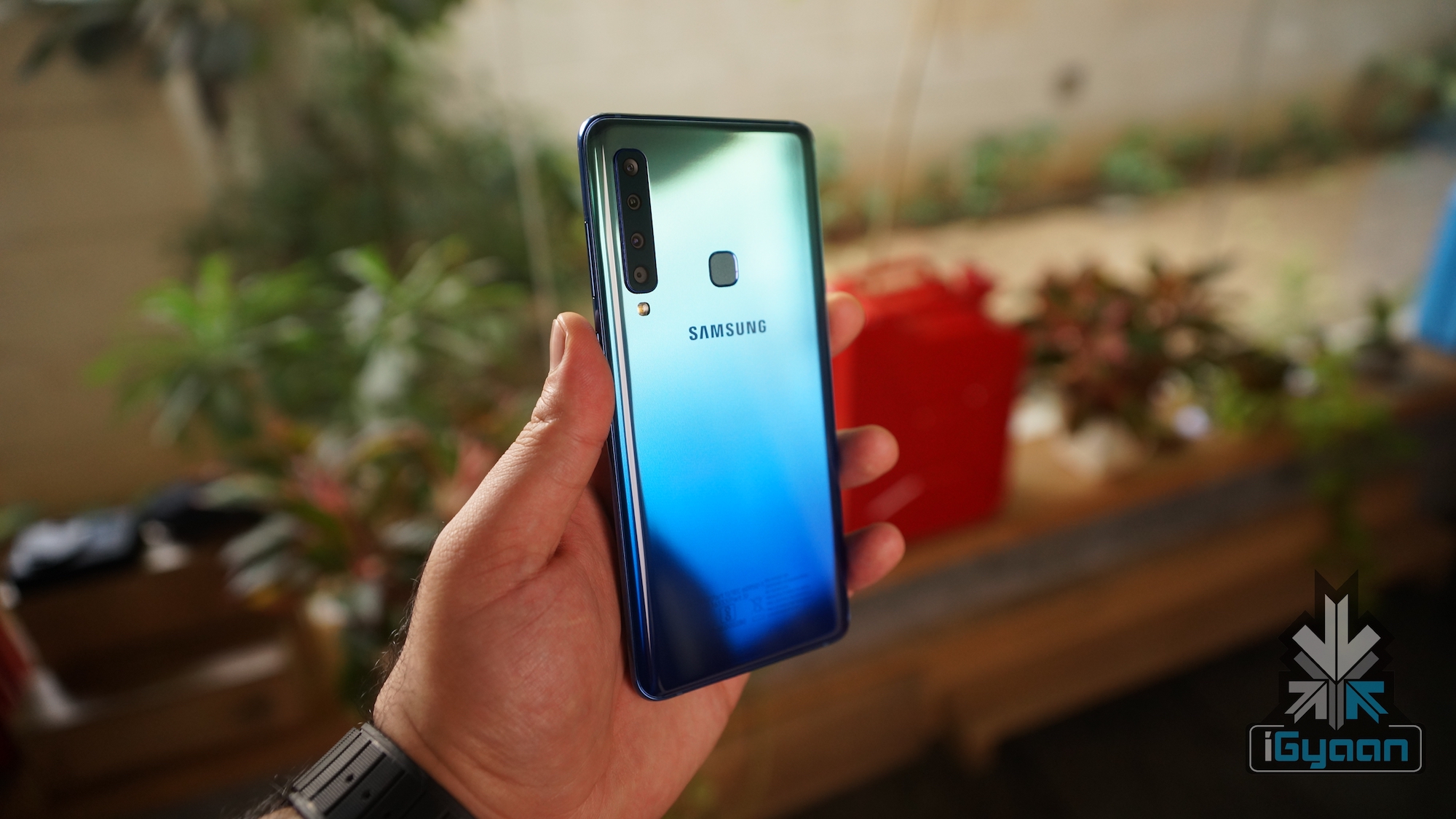
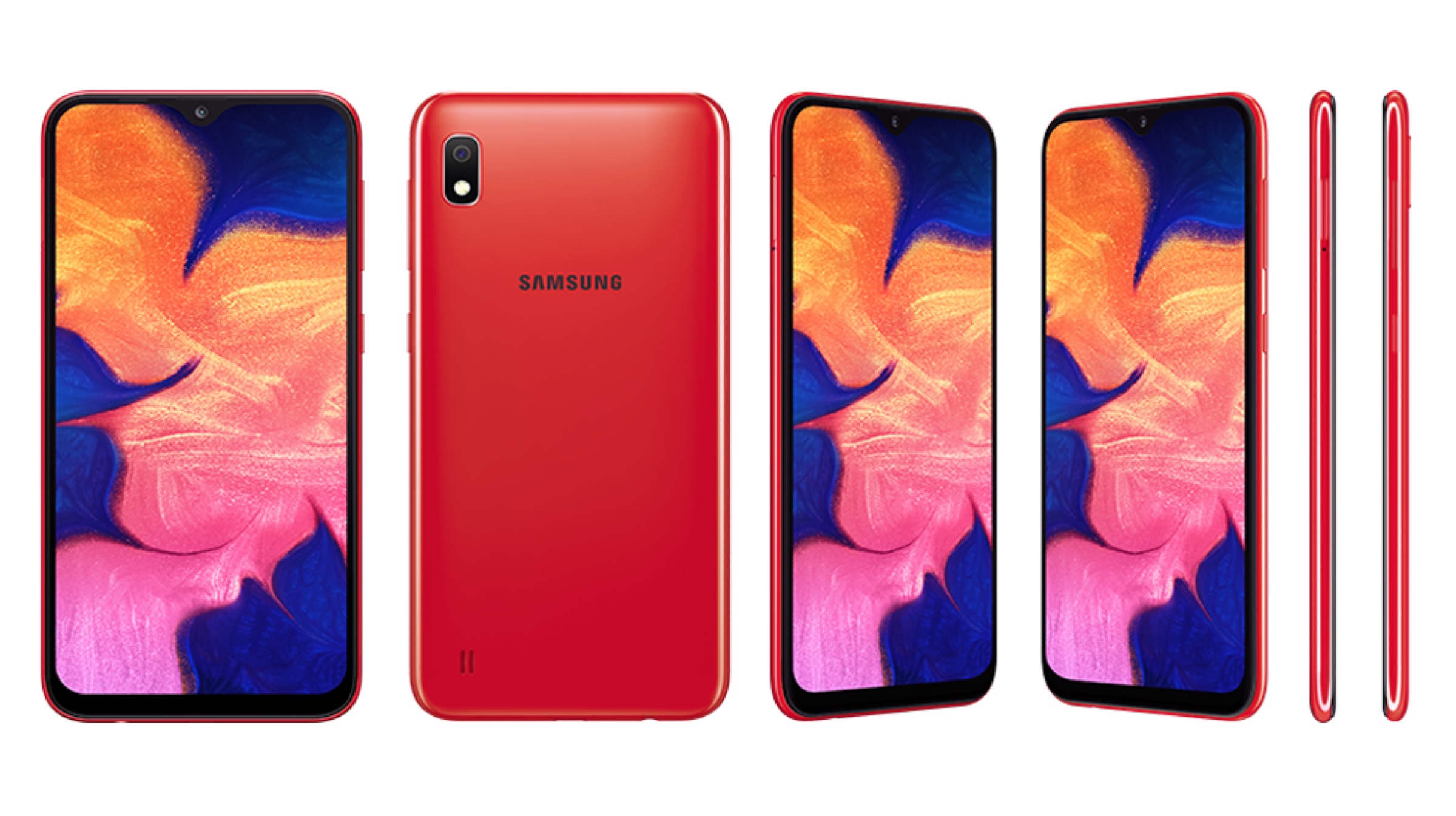
    Samsung launched a range of smartphones in the Galaxy A lineup last month. These devices include the Galaxy A10, Galaxy A30 and the Galaxy A50. They were not just new launches for the company but also signified a change in product strategy in order to compete with the ever-increasing hold of Chinese OEMs in countries like India. A few days ago, unreleased Samsung smartphones which were alleged to be the Galaxy A90, Galaxy A40 and Galaxy A60 were hinted in leaks. Samsung’s UK website has confirmed the existence of the Galaxy A90, Galaxy A40 and the Galaxy A20e. The dedicated pages of the smartphones were listed on the aforementioned website.

    Samsung Galaxy A90

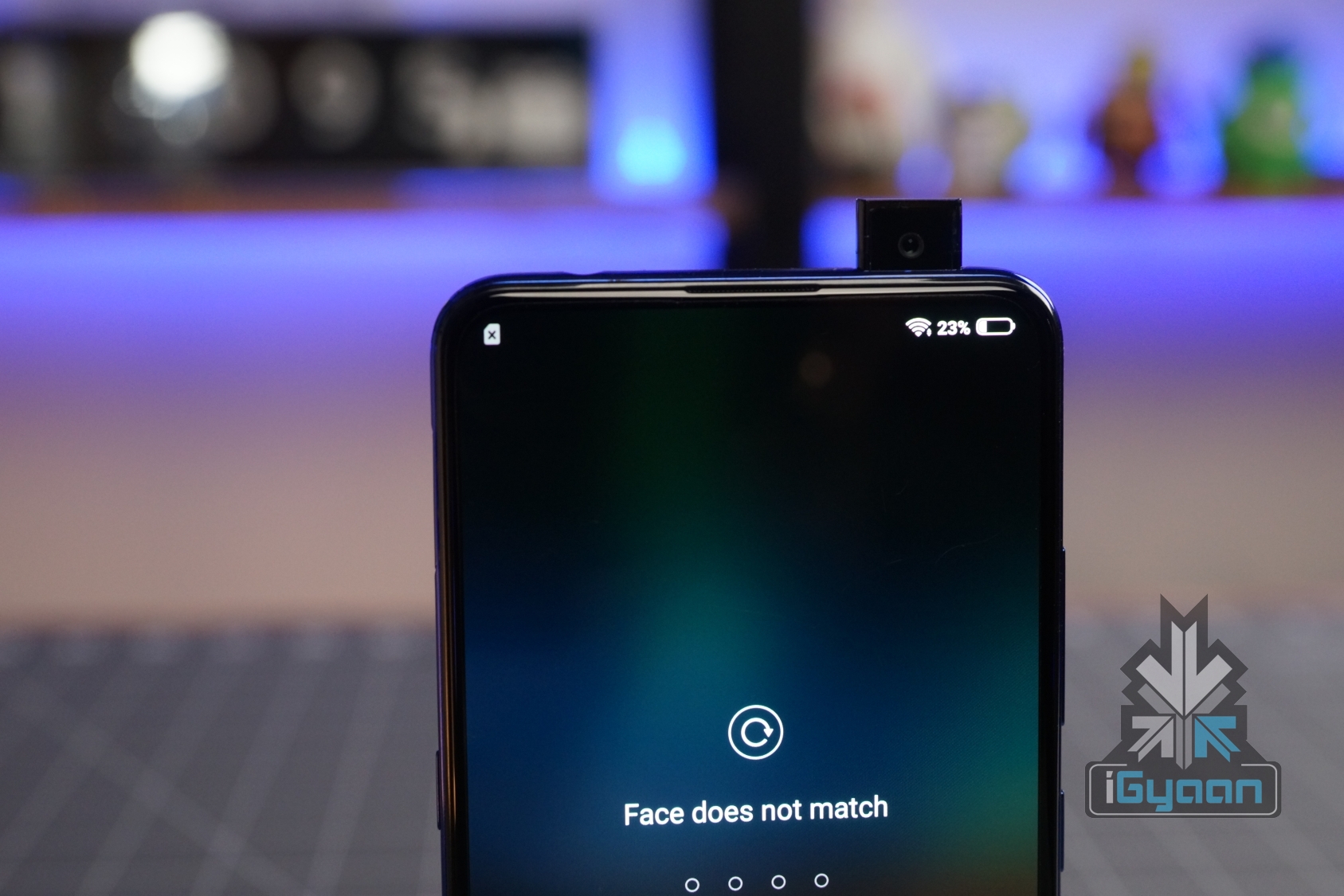
    The Galaxy A90 is expected to be the most premium device in the current A series of smartphones. While most details of it aren’t known yet, it is expected to feature a similar design to its siblings. The device was previously leaked to have a mechanical pop-up camera or a rotating mechanical camera to achieve a high screen to body ratio. If the latest smartphones are anything to go by, the Galaxy A90 will have a Super AMOLED display and will run on the OneUI on top of Android 9 Pie. The company may use an entirely new type of Infinity Display on the handset. Like the last year’s Galaxy A9, it is also expected to have a quad-rear camera setup, details of which are unknown at the moment.

    The Galaxy A90 will most likely have an in-display fingerprint sensor. The device may run on the Snapdragon 710 SoC which is manufactured using 10nm fabrication process. The chipset has an Octa-core CPU and Adreno 616 GPU. For memory and storage, the smartphone may feature 8GB of RAM and up to 256GB of storage.

    Samsung Galaxy A40

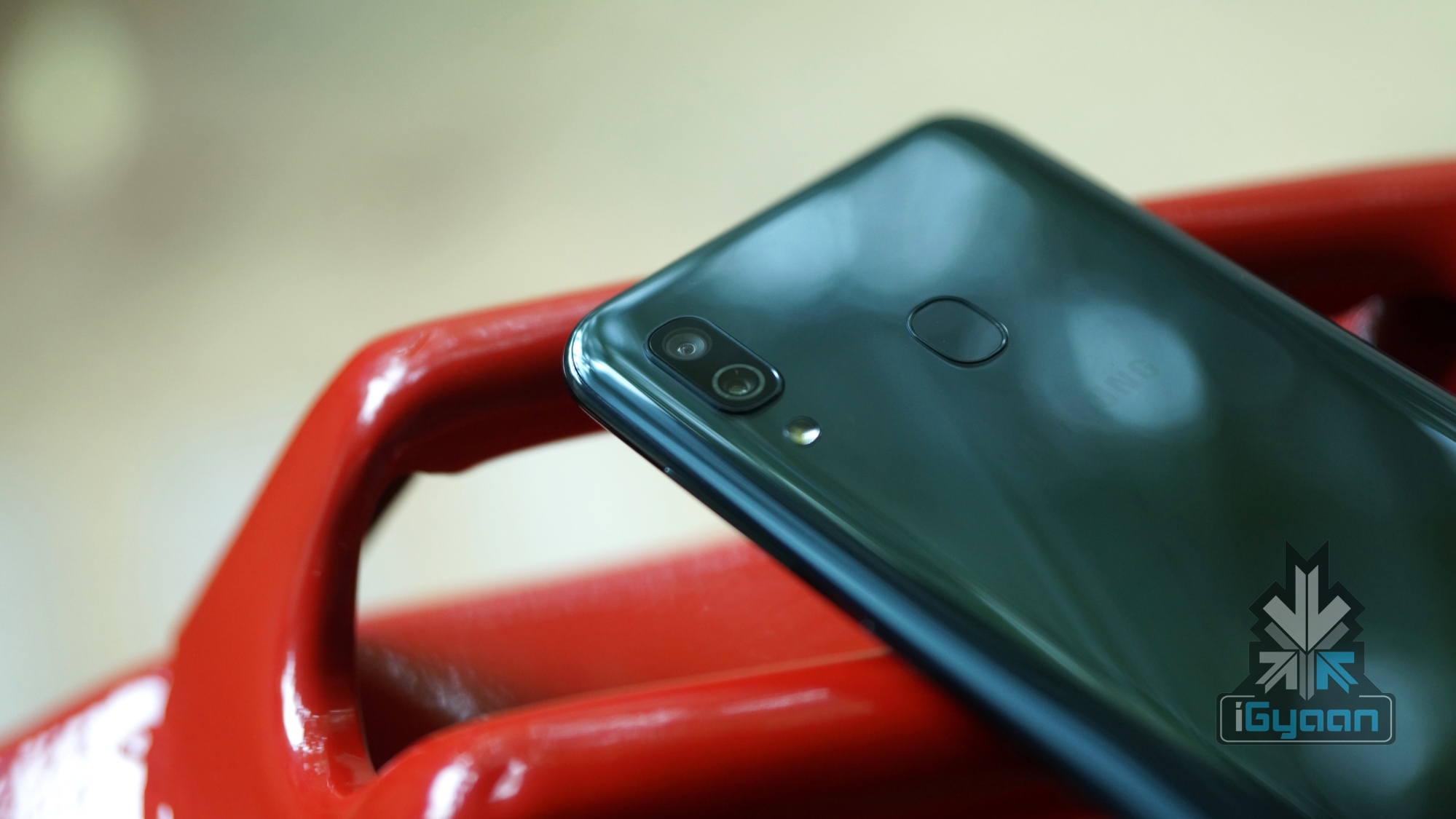
    Samsung Galaxy A40 will be an affordable offering from the company which will sit between the newly announced Galaxy A30 and Galaxy A50. Reports suggest that the smartphone will have a similar design to its siblings, complete with a polycarbonate body and a ‘glasstic’ back. The display will sport an Infinity-U, 6.2 inch Super AMOLED panel with a resolution of 2340 x 1080 px. Like the Galaxy A30, it will have a rear-mounted fingerprint scanner and will support face unlock technology.

    Under the hood, the Galaxy A40 is expected to run on the Exynos 7885 SoC which is manufactured using 14nm fabrication process. The chipset has an Octa-core CPU and a Mali G71 GPU. In terms of optics, the smartphone will feature a dual rear camera setup. In terms of memory and storage, the device will be available with 4GB of RAM and 64GB of onboard storage.

    Samsung Galaxy A20e

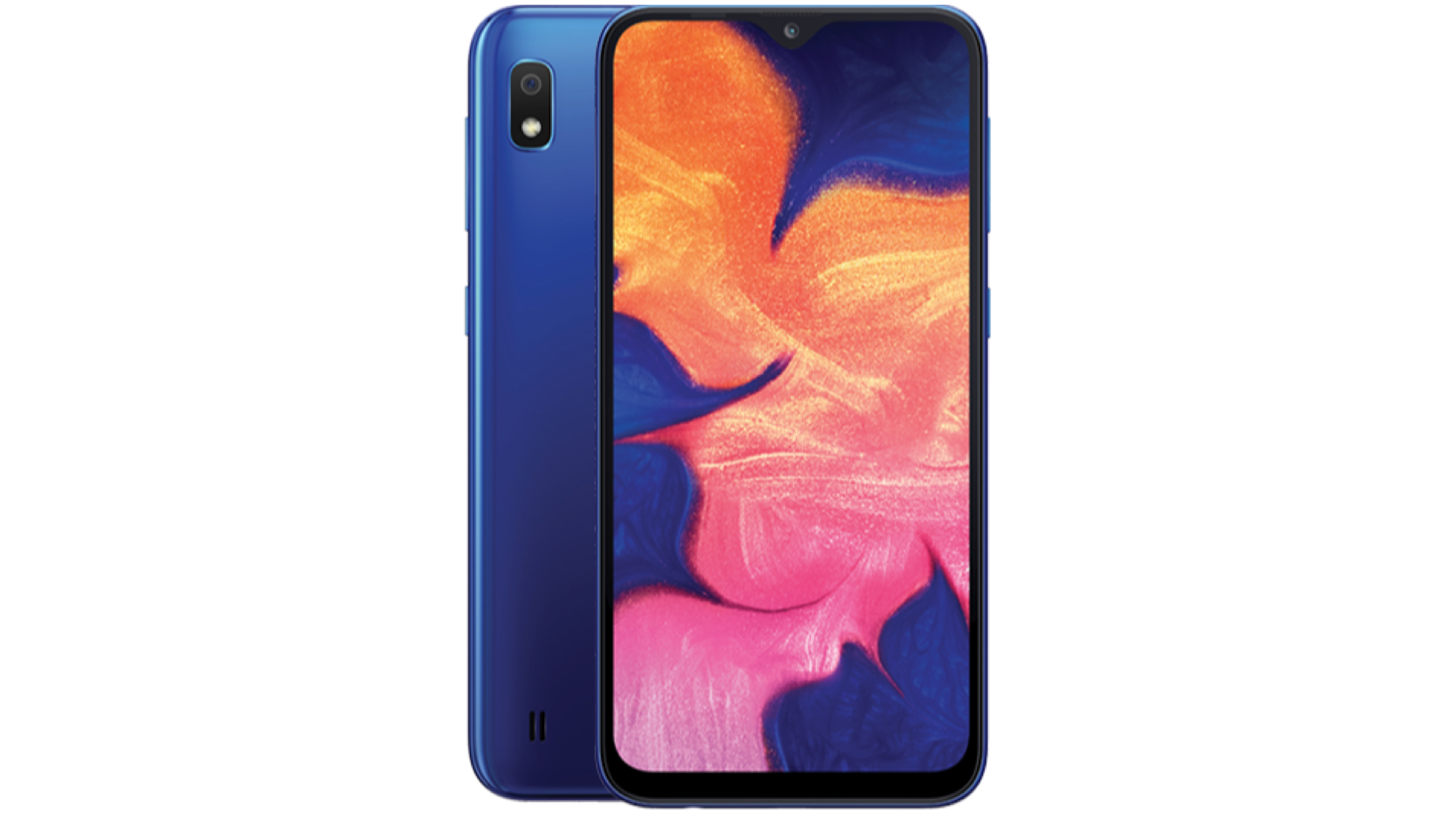
    The Samsung Galaxy A20e will be the most affordable device out of the three. The alphabet ‘e’ in the name suggests a lighter version of the regular Galaxy A20, as Samsung did the same with the Galaxy S10e and the Galaxy Tab S5e. It will be likely that the smartphone features the ‘Glasstic’ design on a polycarbonate back that the Galaxy A10 has. In terms of display, the device will have a Super AMOLED display with a resolution of HD+ and an Infinity-U notch on the top.

    The leaks hint that the Galaxy A20e will be the Android Go edition of the regular variant and thus feature Android Oreo Go edition out of the box. The smartphone will not have a fingerprint sensor and instead will rely on face unlock technology for quick access to the device. Under the hood, the device will run on the Exynos 7870 SoC. For memory and storage, the device is expected to pack in 1GB of RAM and 16GB of internal storage.

    Price & Availability

    Also read: Is The Future Of Wearables With Or Without Smartphones?

    The leak by Samsung on their official website suggests that the launch of the Galaxy A90, Galaxy A40 and the Galaxy A20e is imminent. The devices may launch in the following months. Unfortunately, the pricing of the smartphones aren’t confirmed yet, but the Galaxy A90 is expected to start around Rs 29,999; the Galaxy A40 may cost Rs 17,999 and the Galaxy A20e is expected to be priced at Rs 6,999.

  • High-End iPhones To Be Soon Manufactured In India

    High-End iPhones To Be Soon Manufactured In India

    According to a fresh report, the IT ministry of India has authorised a contract manufacturer Wistron’s Rs 5,000 crore plan to manufacture high-end Apple devices in the country. This project marks a significant achievement for the government’s ‘Make In India’ movement which it has been promoting heavily. The initiative intends to make the country a hub of production as it will generate employment and boost the nation’s economy.

    As previously mentioned Wistron is a contract manufacturer for the Cupertino based technology giant, Apple. The company currently manufactures two older iPhone models in India which include iPhone SE and iPhone 6S. These devices are still expensive taking Indian wages into consideration. Noteworthy, they would be about 40% pricier if they were imported, due to the government tariffs. 

    The Indian IT minister Ravi Shankar Prasad stated that another contract manufacturer Foxconn had submitted an application for a Rs 2,500 crore project which will further increase the production of iPhones in India. He also added that the government is not unsettled by the added incentives that China is currently providing in order to maintain its position as a leader in electronics manufacturing. 

    Advantages Of Setting Factories In India

    The key advantages highlighted by the Indian minister to choose India over China for manufacturing are as follows:

    • India has a rapidly increasing skilled taskforce, therefore the difficulty to find workers is almost non-existent.  
    • The country is currently the fastest growing market for smartphones in the world. Hence, international companies must keep a close eye to maintain their lead against the competition.
    • Another vital factor that makes India a lucrative destination for setting up factories is English fluency. This is one factor where India clearly beats China as the population of Englis speaking workers is considerably low. 
    Which High-End Devices Will Be Manufactured In India?

    Also Read: Is The Future Of Wearables With Or Without Smartphones?

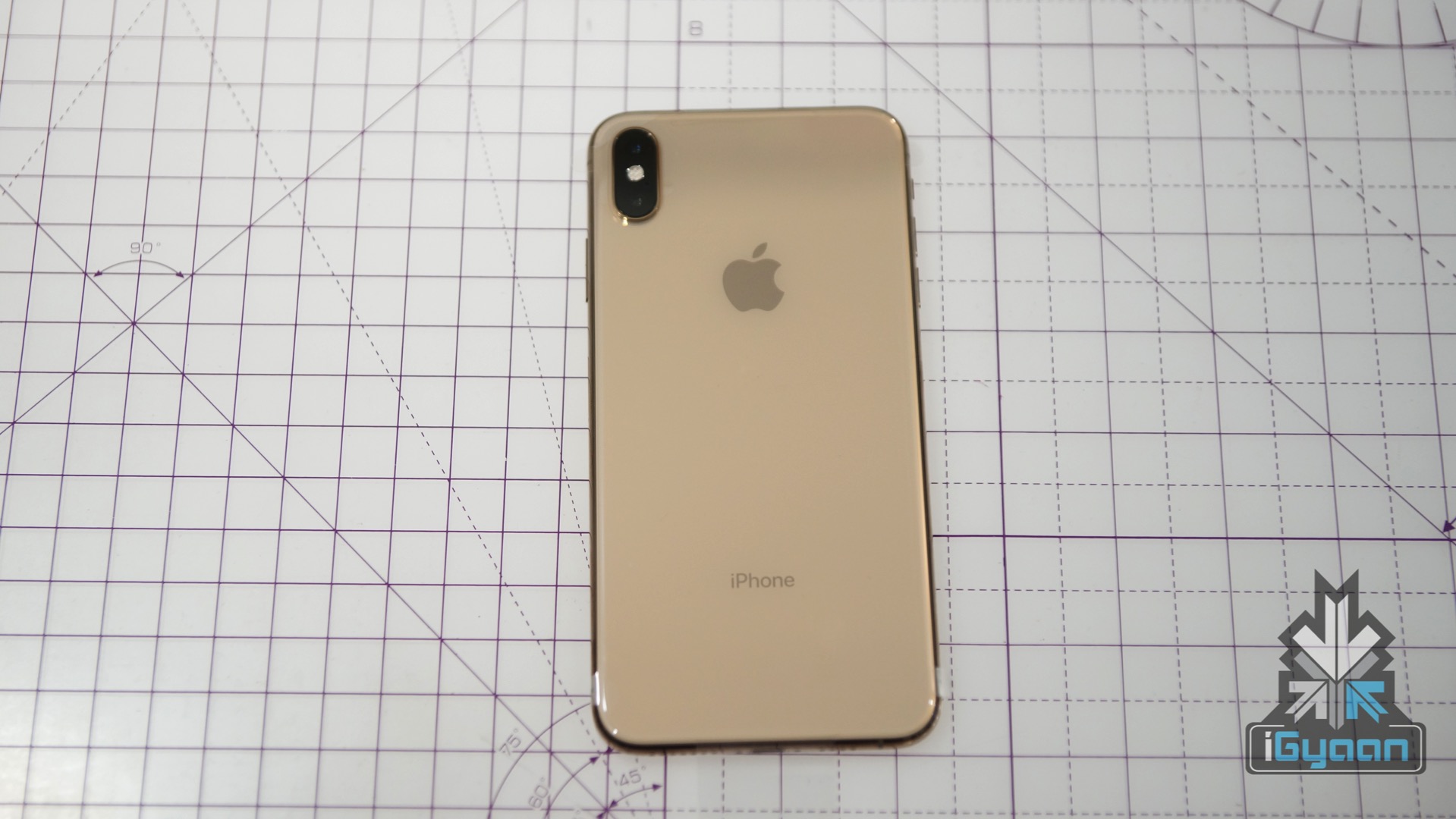
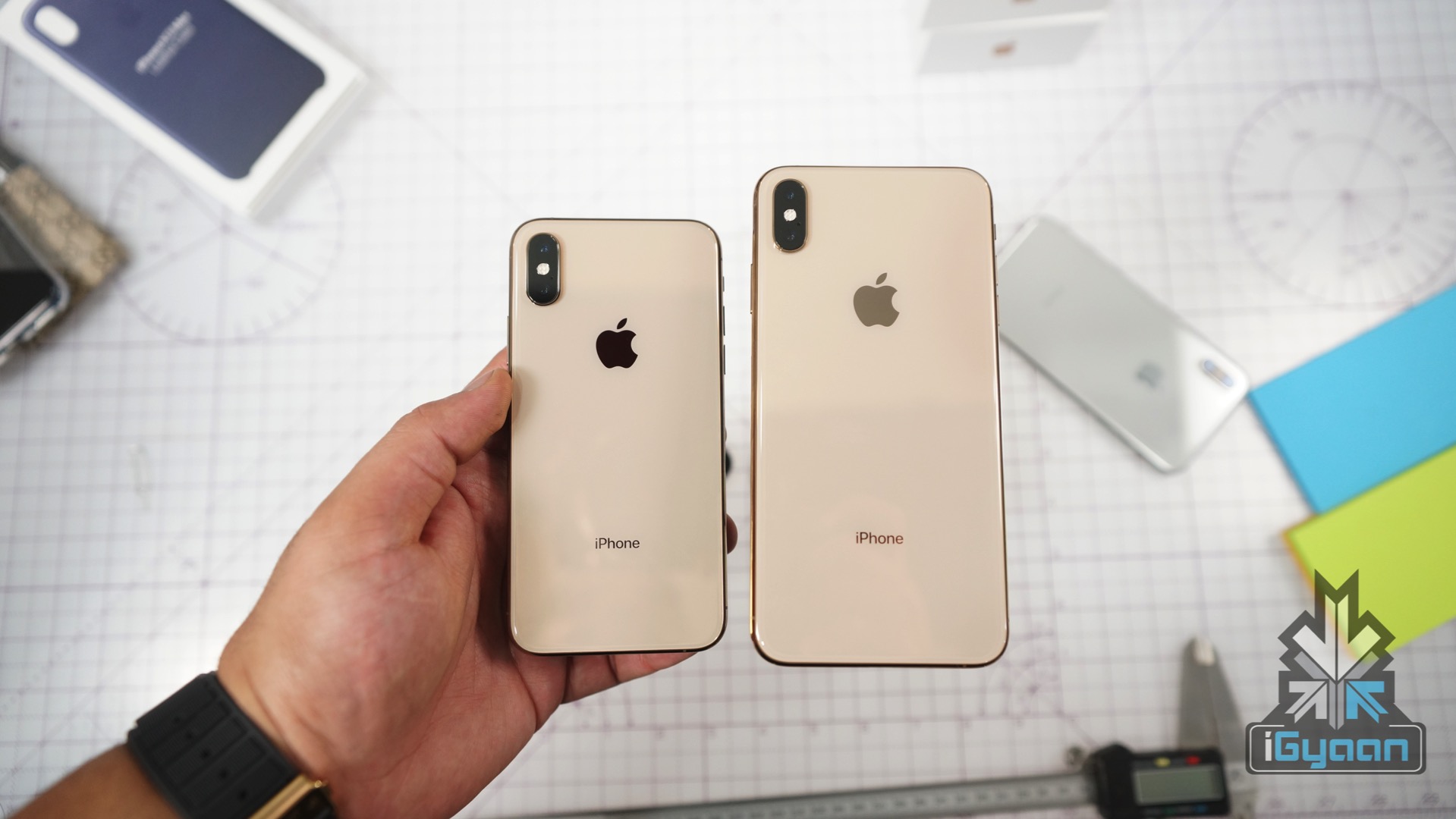
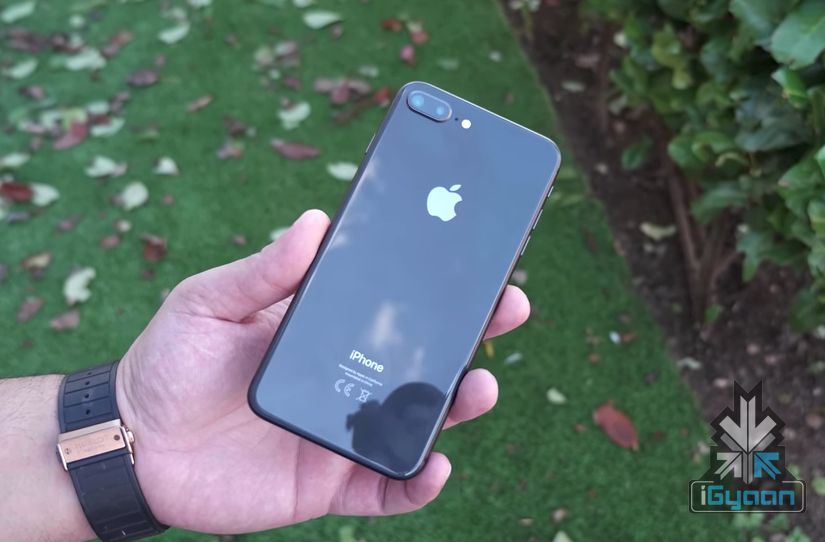
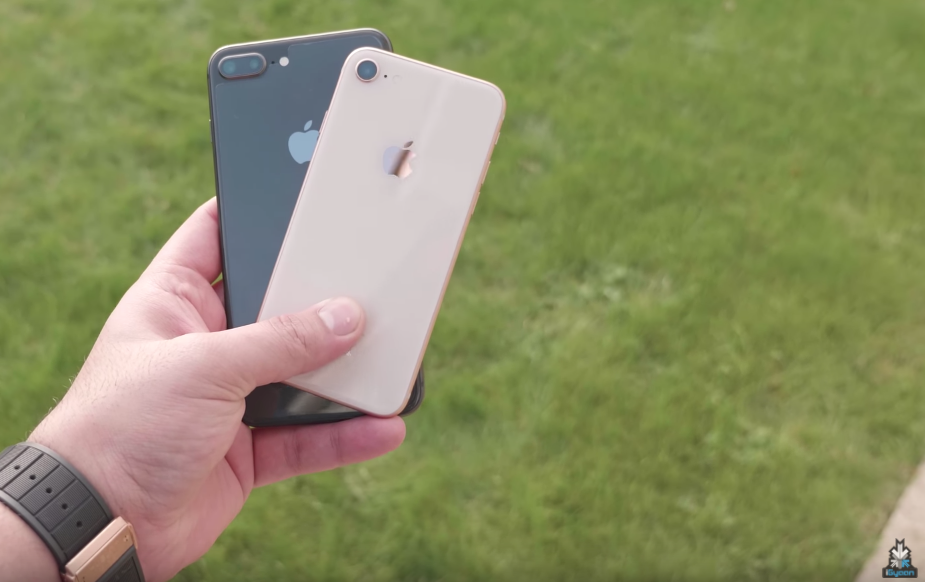
    It is not yet announced but the Wistron factory is expected to be used for manufacturing the iPhone 8 model. On the other hand, the Foxconn factory once approved and finalised will be used to manufacture units of iPhone XS and iPhone XS Max. The high-end iPhones manufactured in India will be significantly cheaper. Therefore, the reduced price of Apple iPhones in India is likely to give its sales a massive boost. 


  • Is The Future Of Wearables With Or Without Smartphones?

    Is The Future Of Wearables With Or Without Smartphones?

    According to a report by Statista, the number of mobile phone users in the world is going to reach 5 billion by the end of 2019. Relatively, there are almost 8 billion people on the planet. This means that almost 63 percent of the total world population owns a mobile phone of sorts. And that number is rising since all companies are hell-bent towards designing a smartphone which meets all the norms of a perfect smartphone – one device that can do it all. 
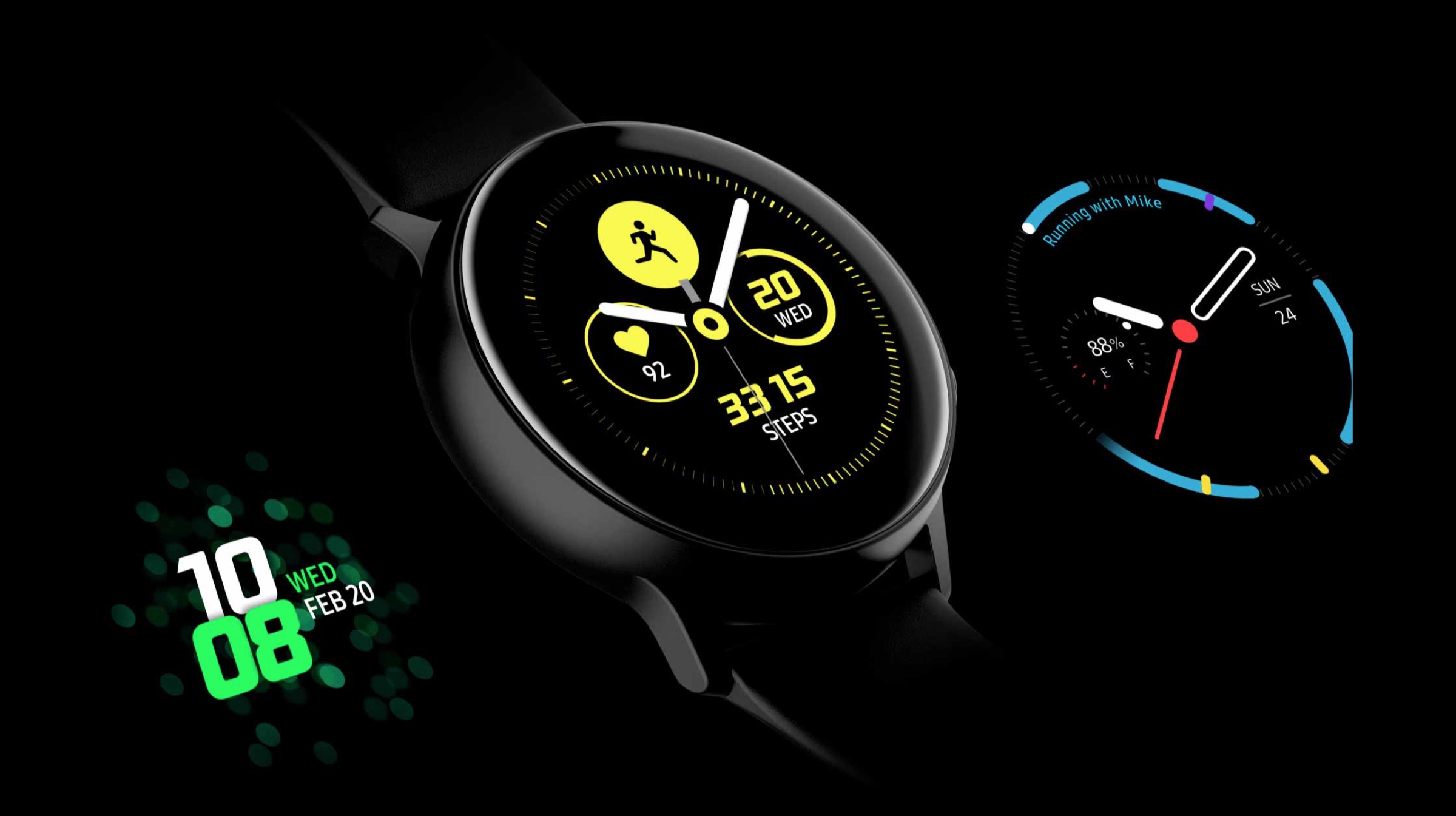
    However, it is possible that the smartphone count may plummet sharply. Not because people will stop using smartphones. Because alternatives to smartphones are taking over the world. Wearables. This upcoming generation of technology could dethrone smartphones, once and for all. Wearables are defined as an electronic gadget that can be worn/clipped on the body. It’s a vast category, but the most common ones are

    • Smartwatches
    • Fitness Bands And Health Monitors
    • Earbuds And Headsets
    • Clip-On Cameras
    Why Are Wearables Catching Up?
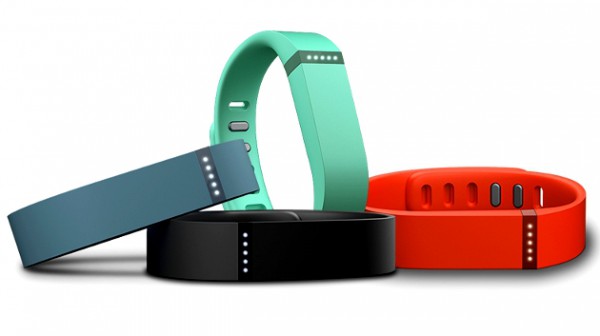
    As per a survey, over 51 percent of the youth uses some form of a fitness tracker to monitor daily health and activities. Smartwatch sales are booming day by day, clearly showcasing the fact that people are looking towards making their lives easier and faster-paced to catch up with the rest of the world. Hence, in a world where winning matters to a significantly larger chunk of the population, smartphones are slowing them down while speeding things up at the same time.
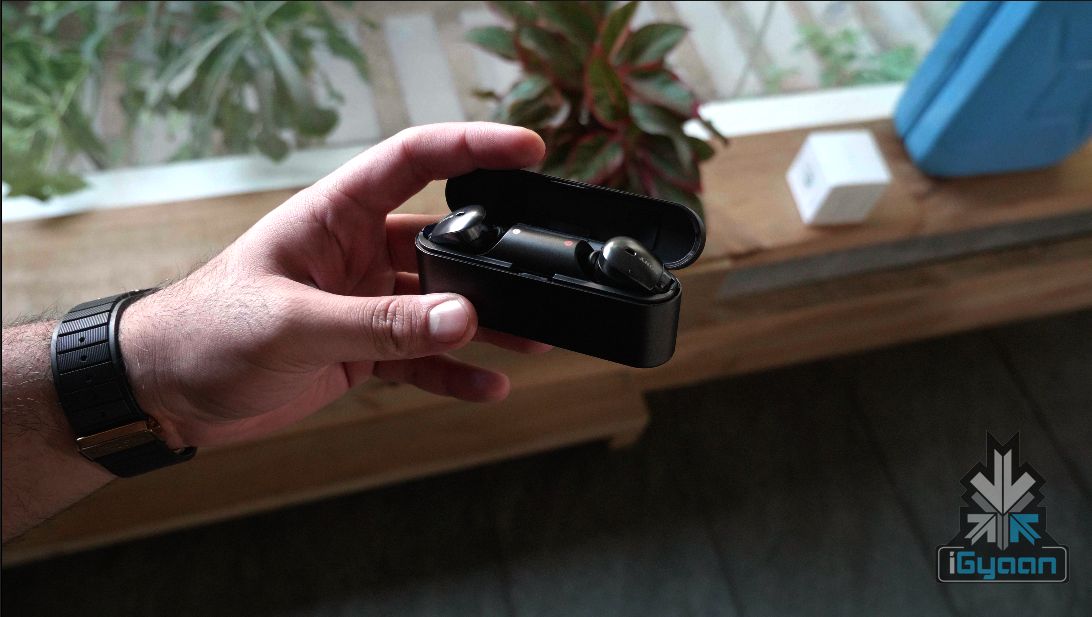
    What makes a smartphone so special? Is it the CPU of the device? Or is it the fact that you can make calls via your smartphone? You can listen to music whenever you want, view pictures, get directions to a place you’re going to, or simply tell your smartphone voice assistant to book a taxi while you read an e-book.

    The Future Of Wearables

    In the not-so-distant future, a combination of swanky sunglasses/spectacles and a pair of earbuds will be able to do all of the aforementioned tasks, and so much more. A lot of companies are working on smart earbuds that will contain CPUs as powerful as smartphone processors and more efficient than them too. For instance, Here One earbuds from Doppler Labs have a feature that allows you to filter out what you hear. You’re probably thinking, “Hey, I heard about this feature some time back, didn’t I?” Well, these earbuds allow you to filter out selective sounds from your environment, like the crying of a baby, a person playing the piano or just some old fashioned crowd chatter. It wouldn’t be wrong to say that these earbuds are more powerful than some of the early computers. Sadly, the company stopped producing the earbuds because of the lack of funding.
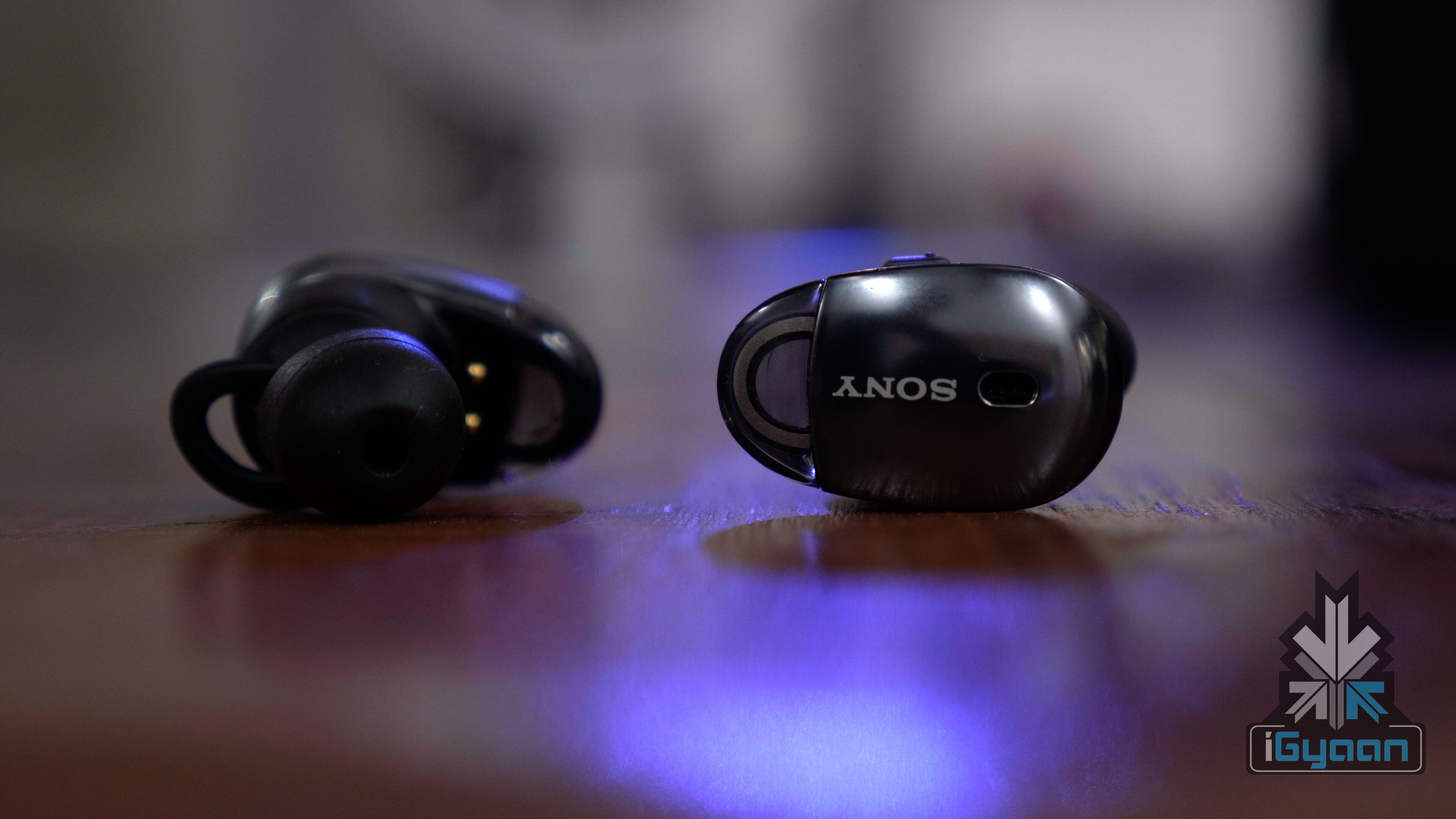
    Just like adaptive filtering, a lot of other technologies are being implemented in wearables which can make a huge difference in the way we live our life. Motion sensing earbuds turn on when a user inserts them in his/her ears. Smartwatches detect almost every activity of the wearer, analyze them with the help of the chipset present on the device and provide analytics regarding the same. Wearable cameras click an image every time a catchphrase is detected or when a special gesture is recorded.

    Wearables VS Smartphones
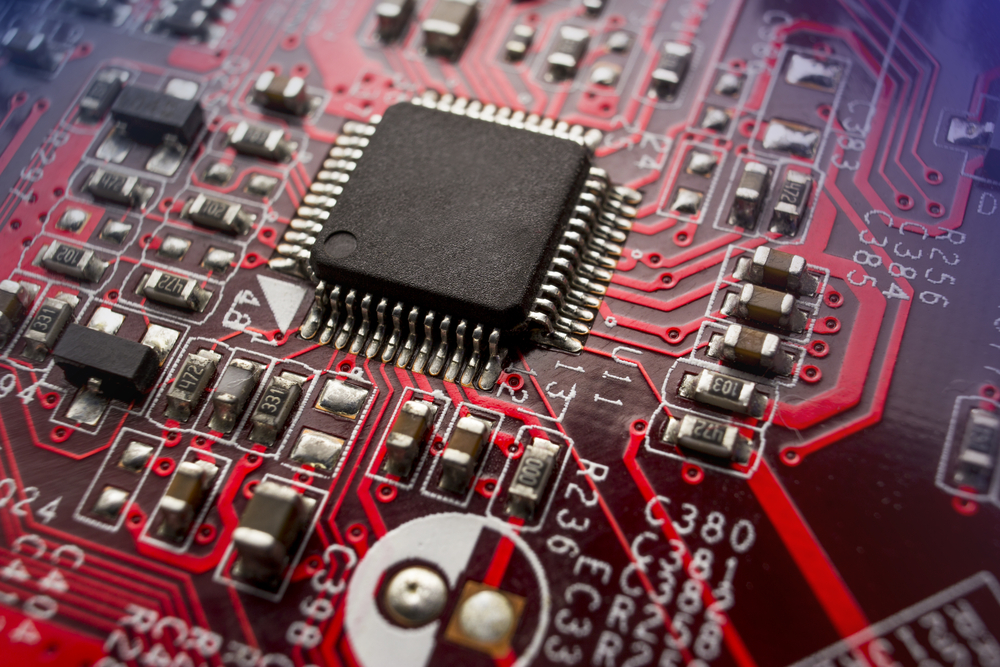
    With technology reaching a point where all the components of a device can be placed on a chipset which measures smaller than a fingernail, possibilities are endless. Projects like Google Glass weren’t so successful when they started out, solely because society isn’t ready to accept a piece of tech that you can wear on your face. And that’s exactly the difference between wearables and smartphones. A smartphone can never be a part of you, it is just something that’s an “add-on”. Instead, wearables can be a part of you. They replace conventional accessories that a human is already accustomed to. Smart glasses will soon replace “traditional glasses”, smart earbuds will wipe the floor with basic earphones and smart watches will eventually take their place on your wrist instead of your wrist watches. Brands like Fossil have already launched a wide range of smartwatches in order to keep up with the ongoing trends.

    Also Read: Understanding Different Realities; What is AR, VR And MR

    Once companies figure out how to enable the inclusion of network adapters, graphic modules, camera modules and basically “every smartphone feature” in wearables, the trend will see a shift of technology, which will veer away from smartphones. Subdermal implants and biometric clothing are just some other technological innovations that are making their way into the arena. We can expect to see something way out of the ordinary, or something so ordinary that it will blow our minds away.  
  • Facebook Announces Its Vision For Privacy Focussed Social Networking

    Facebook Announces Its Vision For Privacy Focussed Social Networking

    Facebook CEO Mark Zuckerberg announced in a post from his account about the company’s next move to create a more privacy focussed social network. In his over 3,000 words long article about privacy and building trust of the users, he claimed that his company will be more open to product developments. There were six principles that were shared in the post, aiming to serve as a guideline for future development for the company. These principles are expected to take place in the next few years.

    Facebook & Privacy

    While Facebook has been criticised about its privacy policies and has seen its fair share of controversies regarding the matter, the company in the post aims to take a firm stand on the matter in the future. The six principles for the company highlighted in the Facebook posts are as follows:

    • Private interactions
    • Encryption
    • Reducing Permanence
    • Safety
    • Interoperability
    • Secure data storage

    Facebook claims that they are planning to rebuild more of its services around the above ideas. Understanding privacy concerns, the company also reaffirmed that it start the development and changes openly and collaboratively. Zuckerberg said that the public sharing on the platform will decline in the next few years because people will shift towards private messaging via Messenger or WhatsApp, which will be the main way they will communicate on the Facebook network.

    Facebook is also expected to implement end-to-end encryption to all of its communication networks. The post also claimed that will limit the time it will store the user’s messaging metadata. The company got into trouble a few weeks ago for storing and recording data. It will also add a feature to its every service that will allow them to send a message, a report of this feature was also hinted a few weeks ago. The reports said that it planning on adding cross-texting between Facebook Messenger and WhatsApp.

    Also read: Fitbit Launches Versa Lite, Inspire & Ace 2 Fitness Bands

    The steps that Facebook seems to be emphasizing upon seem like a step in the right direction for the company, Considering that its reputation hasn’t been great in terms of privacy and collecting user data.

  • What Is Android Fragmentation, And Will Google Be Ever Able To Fix It?

    What Is Android Fragmentation, And Will Google Be Ever Able To Fix It?

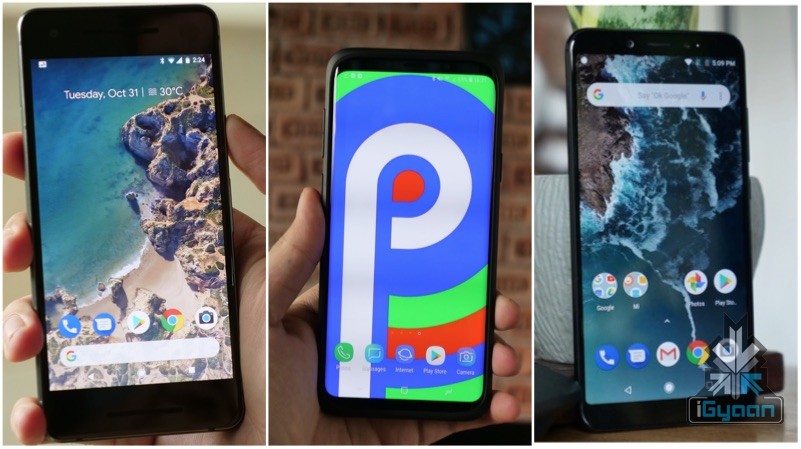
    Google released the latest generation of its Operating System, Android 9 Pie back in August last year for Pixel smartphones. The update marked the ninth major release of the software by the company. But, despite the latest generation of Android out almost seven months ago, many of the modern devices are still stuck at one or more generations older software. What’s even more surprising is that some OEMs are launching new smartphones with old software on purpose.

    This disparity in Android devices makes the mind think about what problems could there be that restrict some manufacturers into providing older versions of the software. The alarming number of different available Android versions in the market is called Android Fragmentation. This inequality of software versions has plagued the Android Platform since its inception. But is there a way for Google to fix it?

    The Current State Of Android Fragmentation

    Google releases a report every year in October highlighting the distribution of different software versions. The data, though a few months old, gives an insight on how things are currently on Android’s side. This is what Google found in their testing:

    Version Name Release Year

    Distribution

    (in %)

    2.3.3 

    2.3.7

    Gingerbread 2010 0.2%

    4.0.3 

    4.0.4

    Ice Cream Sandwich 2011 0.3%

    4.1

    4.2

    4.3

    Jellybean 2012 3.0%
    4.4 KitKat 2013 7.6%

    5.0

    5.1

    Lollipop 2014 17.9%
    6.0 Marshmallow 2015 21.3%

    7.0

    7.1

    Nougat 2016 28.2%

    8.0

    8.1

    Oreo 2017 21.5%


    By looking at the above table, there is no mention of the latest Android 9 Pie, because, at the time of this report in October last year, it was still below 0.1%. The numbers are expected to be significantly higher since then. Despite being released for more than two months, the software still couldn’t make it to the list. The most used version was Android 7 Nougat, which had more than 28% of users. This shows how manufacturers refrain from providing any updates to the devices.

    Besides not providing new features with the lack of Android updates, they also pose a grave security threat. Every month, Google releases security patches for Android, but not every smartphone gets it. But it’s not the company’s fault, because updating a smartphone with the latest firmware is the OEM’s responsibility.

    The Reason For Fragmentation On Android 

    Android Pie Android 9 Google

    The reason that the manufacturers continue to provide older software with newer devices or refuse to update them faster than normal; is that most of them have to optimise Android according to the company’s custom skins. These can range from a lightly customised one, like Oneplus’ OxygenOS or a heavily customised take on Android, like Xiaomi’s MIUI. So the OEMs take their own sweet time to adopt the latest version and release it.

    When Google provides the manufacturers with the latest Android Platform Development Kit (PDK), they have to start developments on the software. The process includes testing out the new version with the device’s hardware. Then the version is added with manufacturer specific software features, like the aforementioned skin and is tested and certified for bugs. For some manufacturers like HMD Global, Essential and OnePlus, the process has been proven to take only a few days or weeks. 

    How Can Google Prevent It Further?

    The only way that Google can prevent Android Fragmentation from happening in future releases is by being strict with OEMs. And it’s not like the company hasn’t tried. Despite warning the manufacturers when they slacked in providing software updates, the results weren’t much different. Google then released Project Treble in 2017 with Android Oreo. This modified how the updates are delivered by bypassing the chip manufacturers’ modifications to it. It was an ambitious step and worked in theory, but unfortunately, the situation didn’t change much.

    Android Go Stock Android Android One

    Also read: Tesla Unveils Faster Third Generation Supercharger

    Google tried to fix Android Fragmentation further by signing up more OEMs to the Android Pie Beta Program. This provided them with more time to develop the software according to their own customisations and was a step in the right direction. But, if the company has to fix the problem further, it has to get more manufacturers on board and if possible, then all of them. But this sends out hope that the company is serious about the issue and it may take some more time to fix. If manufacturers are serious about the disparity in updates, the days of Android Fragmentation may be over sooner than later.


  • Fitbit Launches Versa Lite, Inspire & Ace 2 Fitness Bands

    Fitbit Launches Versa Lite, Inspire & Ace 2 Fitness Bands

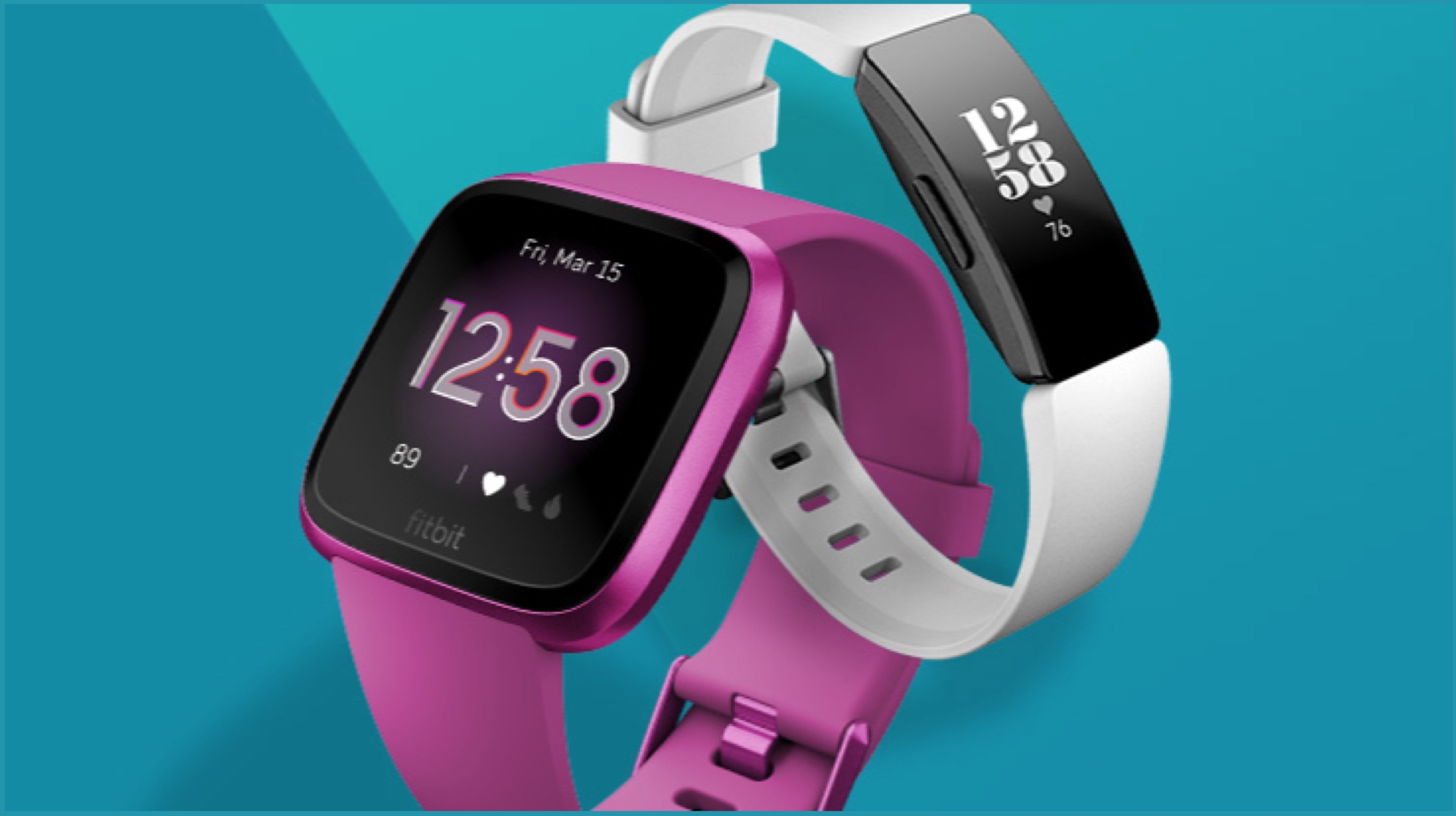
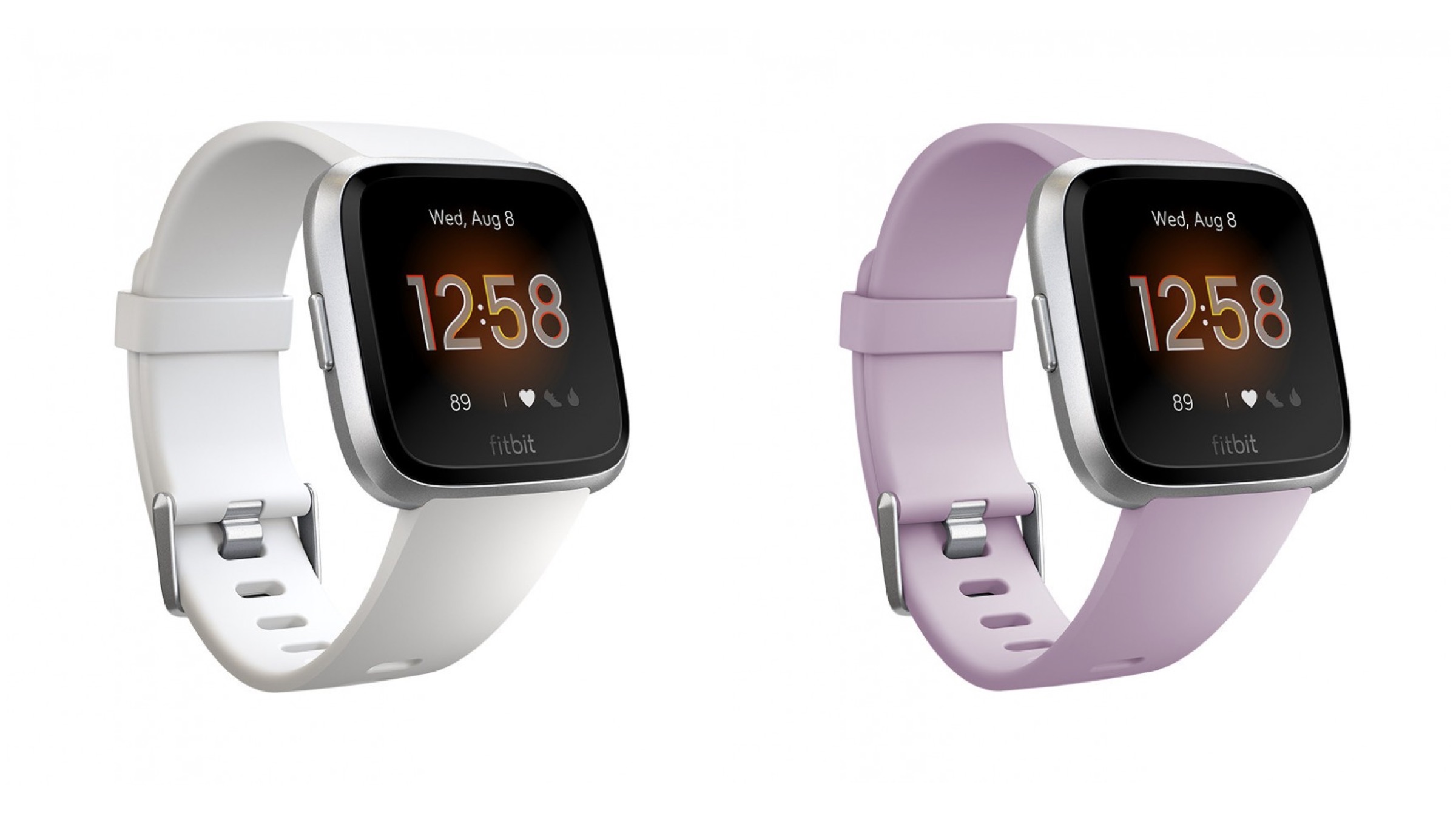
    Fitbit Versa was first launched in March 2018, and till date, it has been the most popular fitness band from the company so far. Fitbit unveiled a whole new range of wearables on March 6, 2019. It includes the Fitbit Versa Lite, Inspire & Inspire HR, and Ace 2 bands. Where the Versa Lite and Inspire bands are designed for adults, the Ace 2 fitness bands are targeted towards children.

    Fitbit Versa Lite

    Like the original Versa, the Fitbit Versa Lite has a battery life of 4 days, an SPO2 sensor (for measuring oxygen saturation levels) and a heart rate monitor. The Versa Lite is waterproof, which means that users can take it for a swim, but it lacks the automatic lap counting feature of the original Fitbit Versa. Also, the smart band is unable to count the number of stairs because of the lack of a barometer. Furthermore, if users are planning to store music on this device, they cannot do so because of no built-in storage in the Versa Lite.
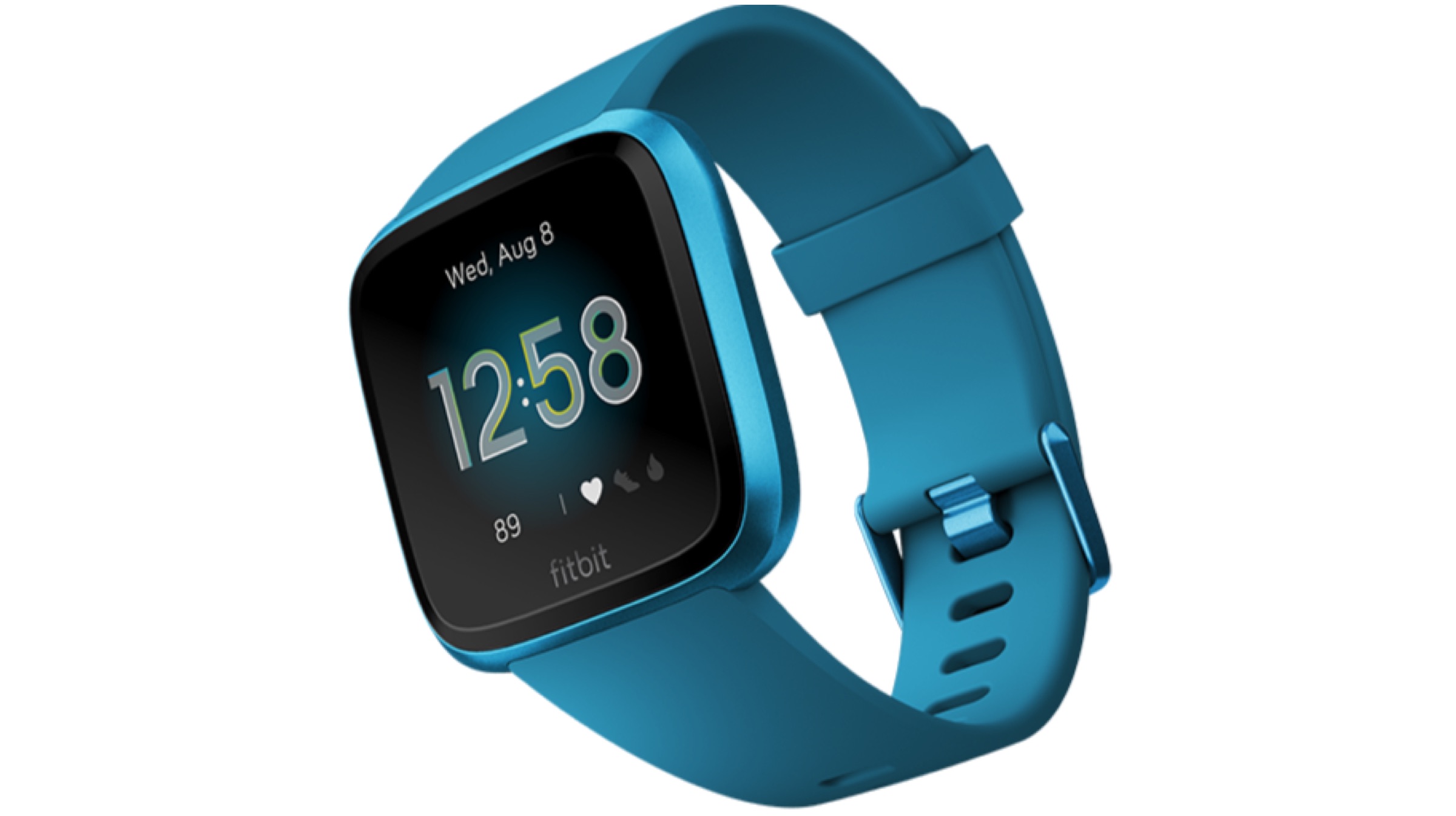
    The original Fitbit Versa was priced at US$200 (~Rs. 14,000), whereas the Fitbit Versa Lite is priced at $159.95 in the US and Rs. 15,999 in India. It is available in White, Lilac, Mulberry, and Marina Blue colour options.
    Fitbit Inspire And Inspire HR

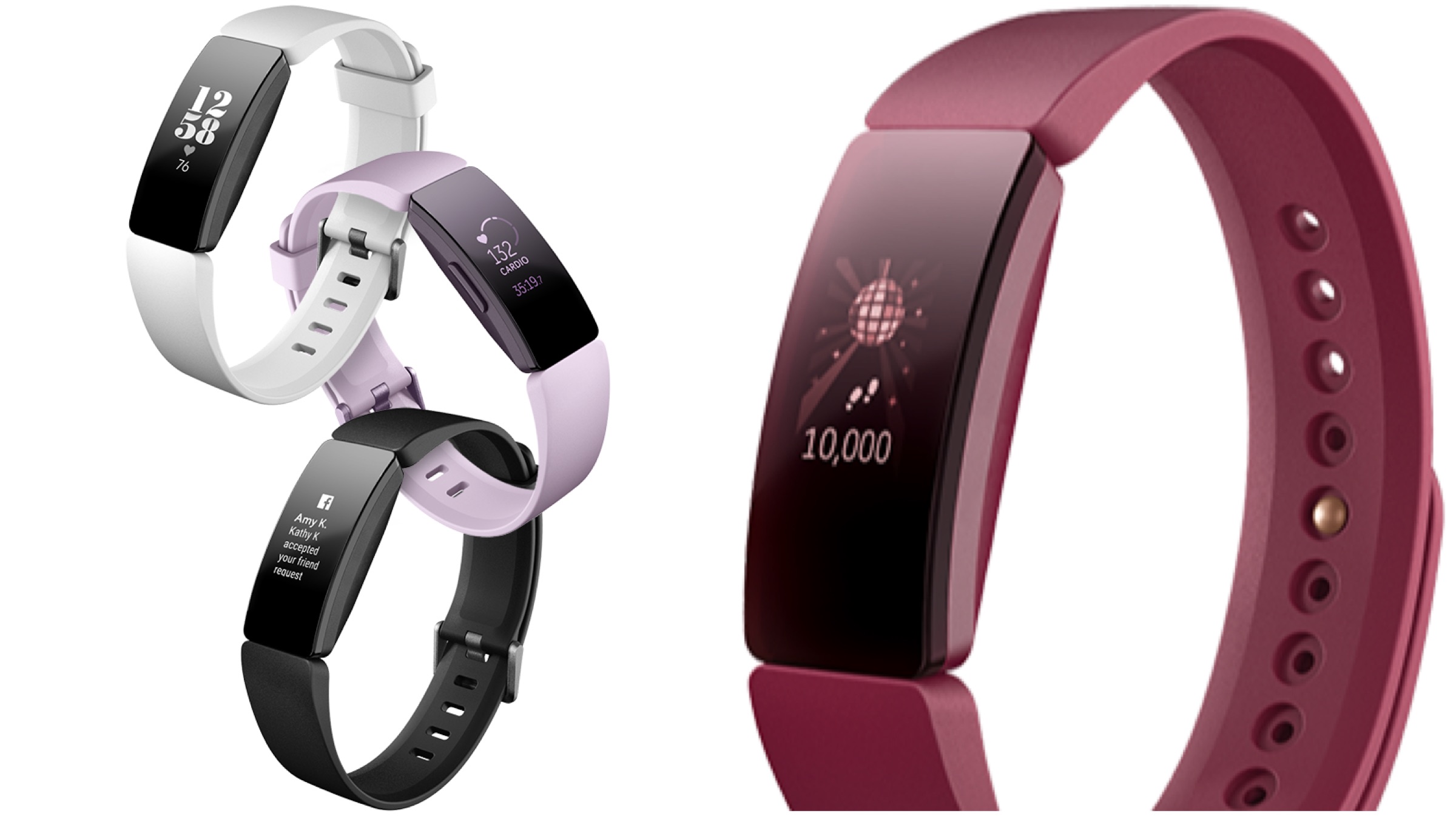
    Fitbit also launched its new Inspire smart bands, which can last up to five days after a 2-hour charge. They support sleep tracking and relax guided breathing techniques. Furthermore, the bands track the period during which the user is actively moving and then provides information regarding the same. The bands are water resistant up to 50m, with built in timer and stopwatch to measure your laps (and much more). The Inspire band also features a grayscale OLED display for displaying notifications and calendar information. It is priced at $69.95 in the US and Rs. 6,999 in India.
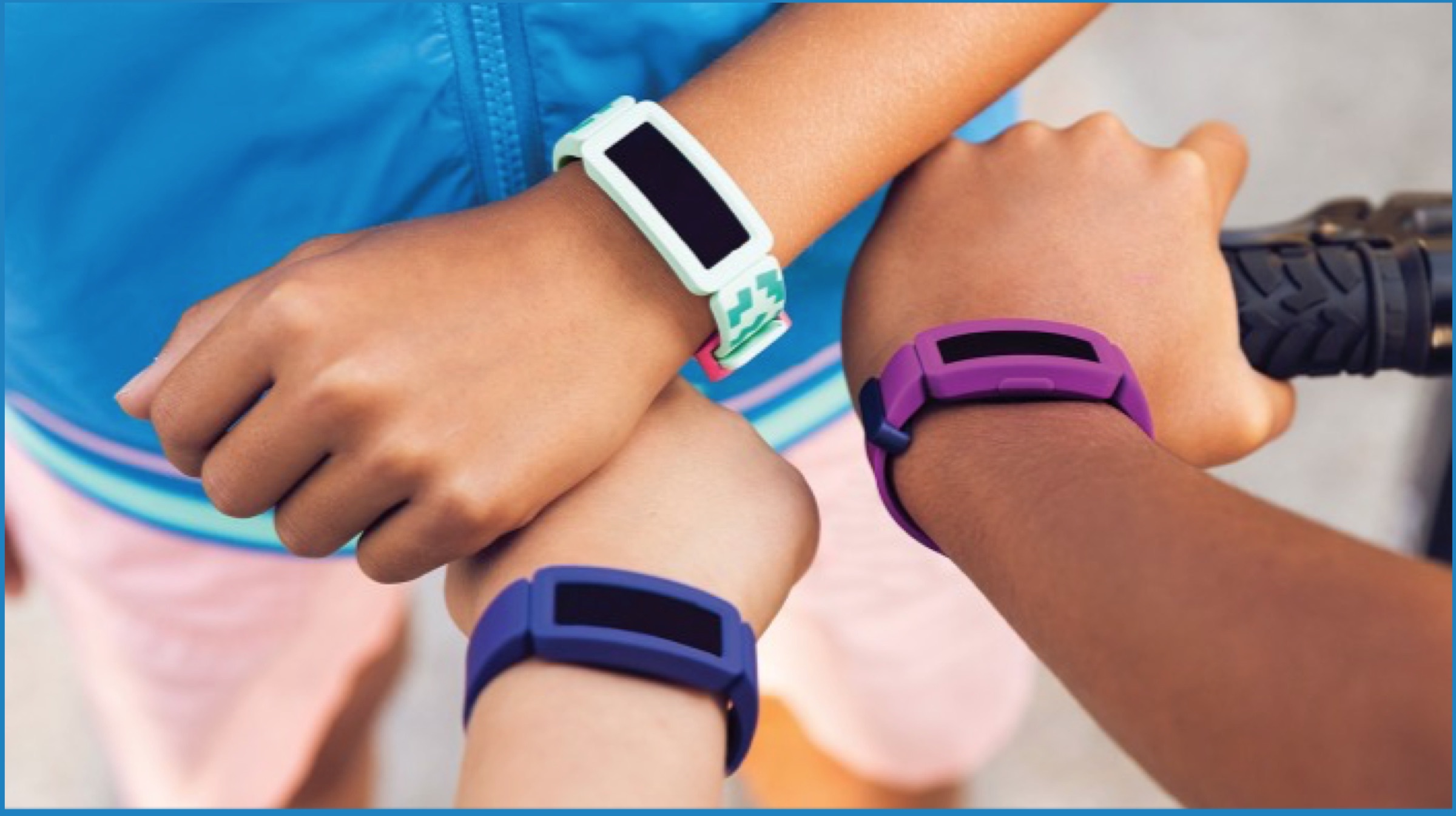
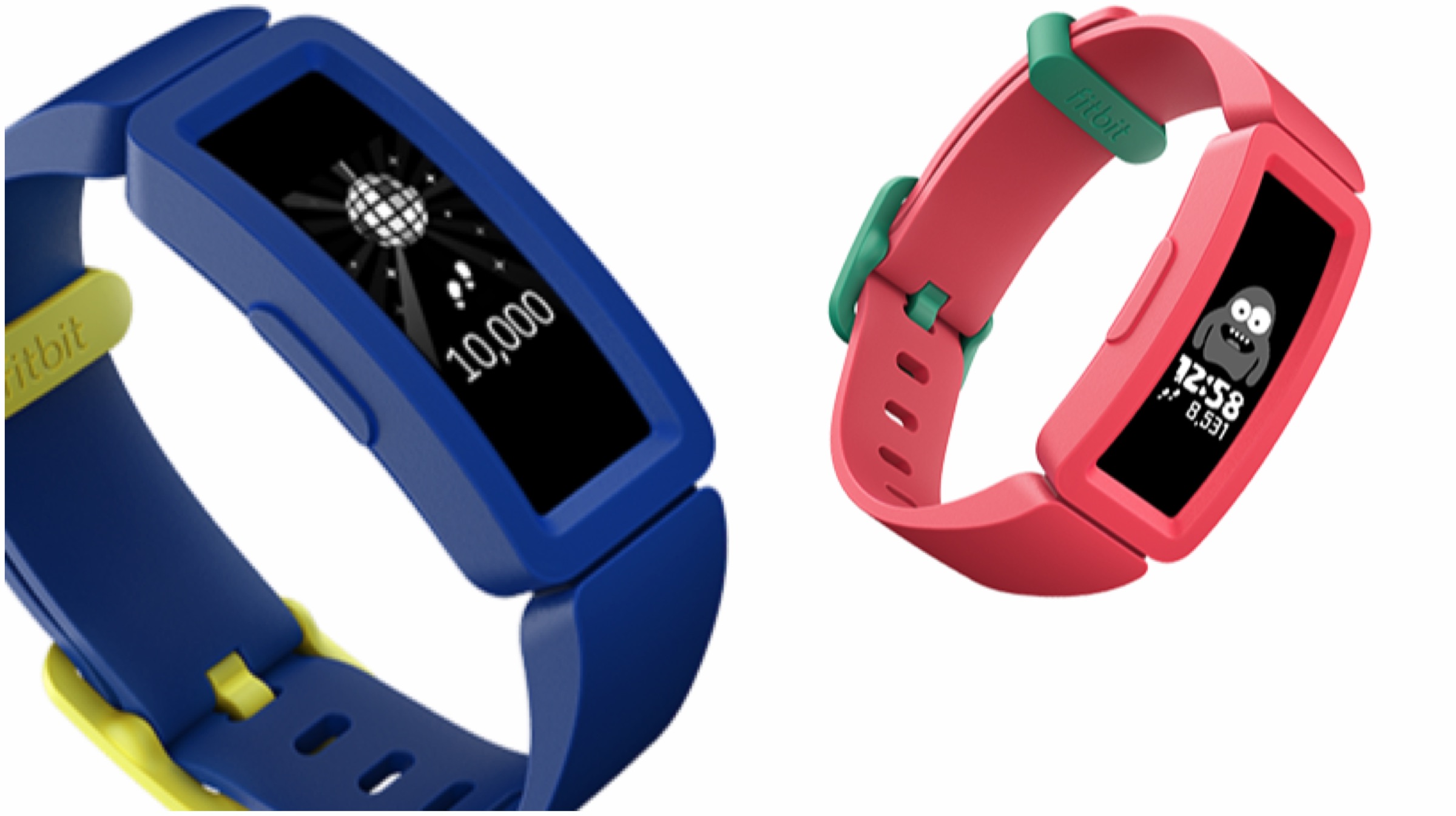
    The Inspire HR is similar to the Inspire Band in all aspects except the fact that it sports a Heart rate monitor (hence the HR). Real time heartbeat monitoring keeps track of your heart rate at 5 second intervals. However, upon starting an exercise, the monitor will measure the user’s heart rate every second. The Inspire HR fitness band is priced at $99.95 in the US and Rs. 8,999 in India.

    Fitbit Ace 2

    As mentioned previously, the Ace 2 is the only fitness band in the series that is children focused. The watch faces are animated and colourful in order to make it appealing to children. The company says that the main motive behind these fitness bands is developing healthy habits for children. The Ace 2 fitness bands also include virtual badges that can be won by completing daily achievements when certain goals are met. The bands are made out of silicone and have a durable bumper design. They are water resistant up to 50 meters. The battery can last for about 5 days on a single charge. The Ace 2 bands are available in the following colour options:

    • Grape
    • Night sky
    • Neon yellow
    • Watermelon and teal

    Also Read: Google Launches Bolo App To Improve Children Literacy In India

    The Fitbit Ace 2 bands are purchasable for $69.95 in the US and Rs. 6,999 in India. Additional printed bands for the same can be purchased for US$ 29.95.


  • Top Smartphones Under Rs 15000 In India, March 2019

    Top Smartphones Under Rs 15000 In India, March 2019

    Over the past few years, the competition in the smartphone market has gotten so tough that it has become overwhelming for customers to choose the best option depending on their need and usage. In this article, we will take a look at top smartphones under Rs 15000 which excel in their own way. 

    The Powerful Slayer – Redmi Note 7 Pro

    The newly launched Redmi Note 7 Pro is a stellar smartphone accrediting to its powerful chipset and praiseworthy camera. It is kitted with the Snapdragon 675 chipset which is unheard of in this price segment. The second highlight of the device is its 48 MP rear facing Sony IMX586 sensor which is usually seen on high end devices like the Honor View 20. All in all, it is one of the best smartphones that are currently available at this price point.

    Specifications Summary:
    • Price: Rs 13,999
    • Display: 6.3 inch IPS LCD, 409 ppi
    • Rear Camera: 48 MP + 5 MP, Front Camera: 13 MP
    • SoC: Snapdragon 675, Octa-Core CPU, Adreno 612 GPU
    • Battery: 4,000 mAh, 18W Fast Charge Support (Charger sold separately)
    • Storage: 4 GB +  64 GB, Expandable upto 256 GB, uses SIM 2 slot   

    Click Here To Pre-book The Redmi Note 7 Pro

    The One With The Best Display and Battery – Galaxy M30

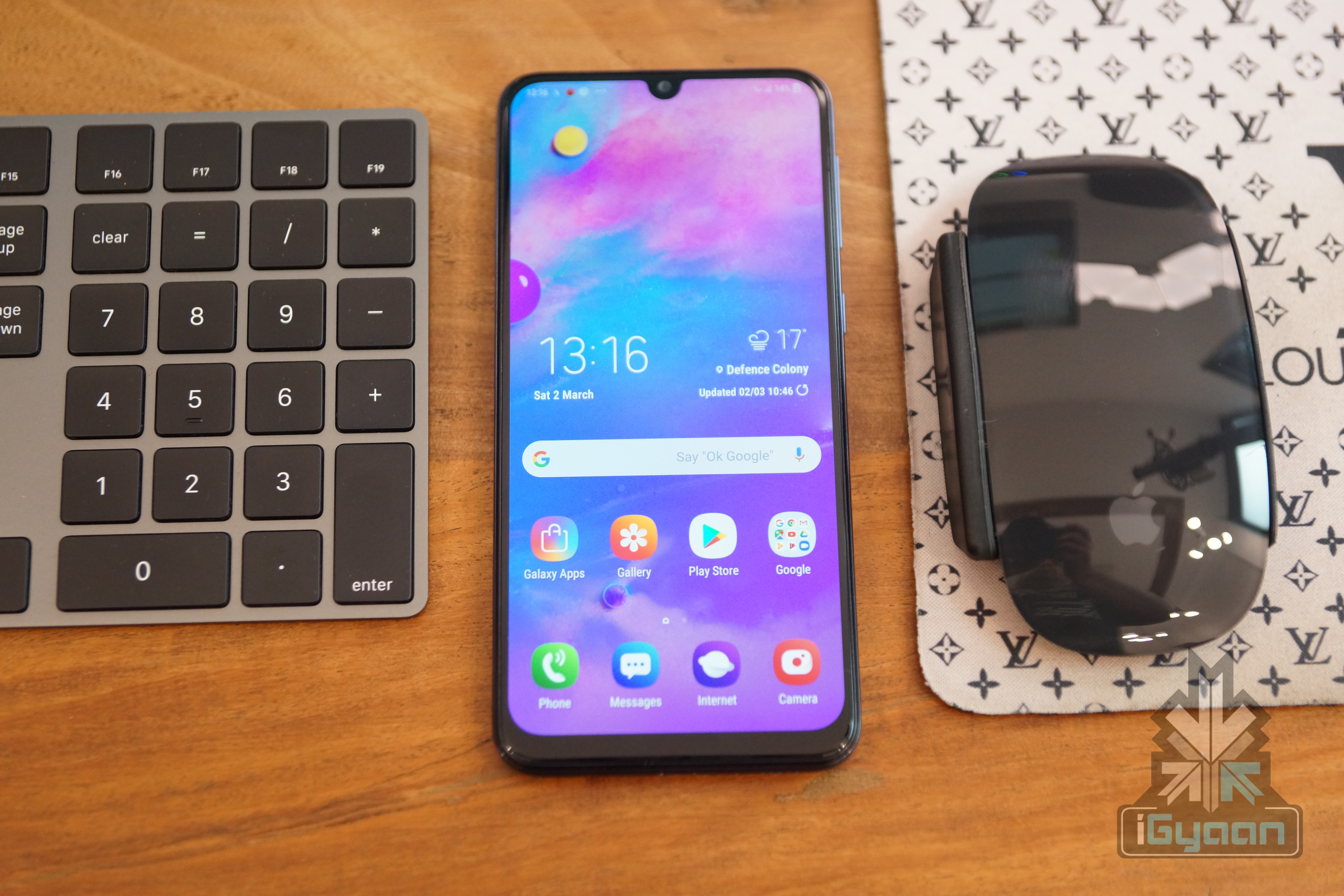
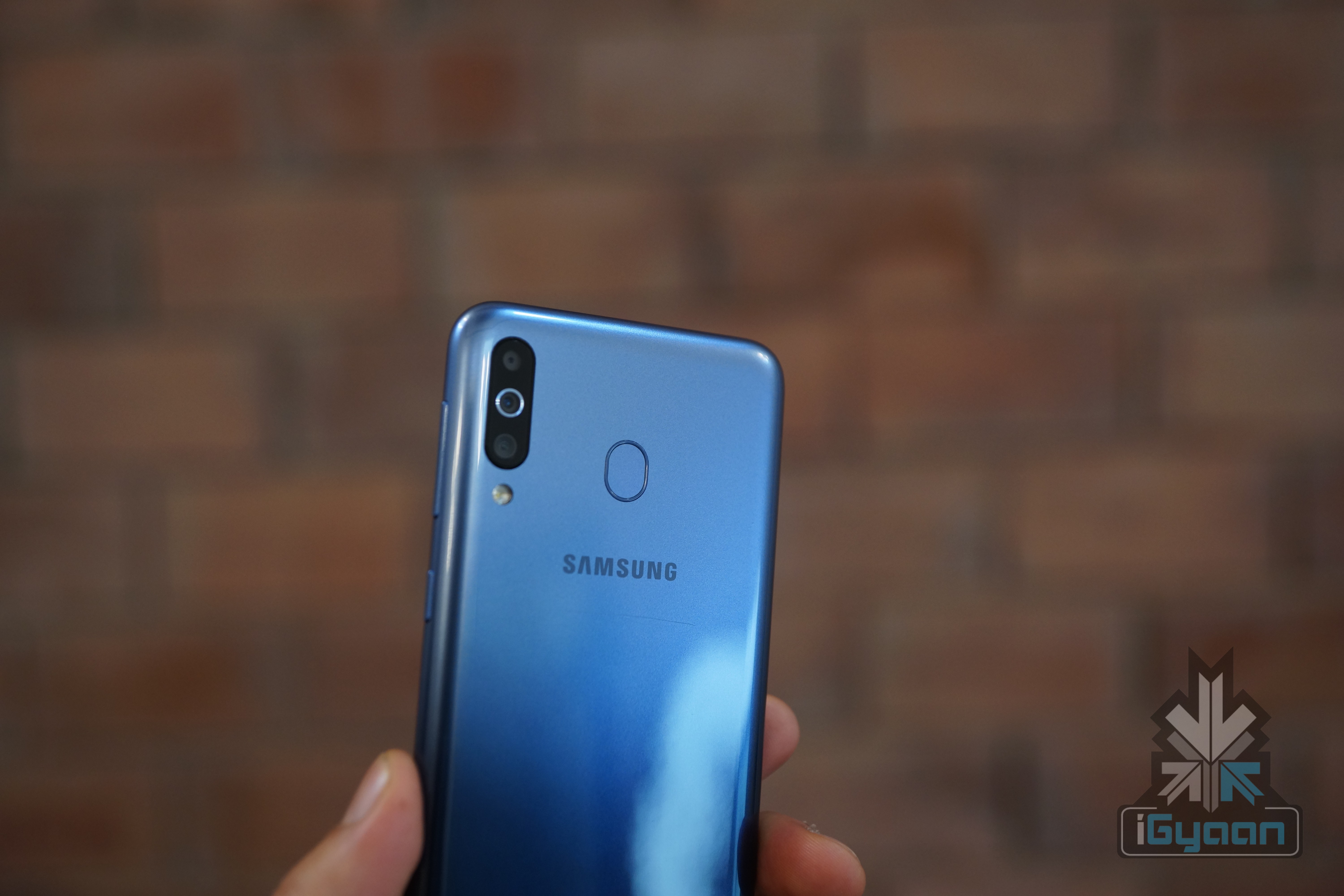
    Like the Redmi Note 7 Pro, the Galaxy M30 has been newly launched. It sports a 6.4 inch Super AMOLED display which has never been seen on a device in this segment. Furthermore, it is powered by a massive 5000 mAh battery which supports 15 w fast charging. Pleasingly, Samsung ships the smartphone with a fast charger. Noteworthy, the Galaxy M30 features a triple rear camera which consists of a 13 MP PDAF sensor, 5 MP depth sensor and a 5 MP sensor with 12 mm lens that can capture ultrawide pictures and videos. Another feature that the M30 offers is expandable memory upto 512 GB via a dedicated microSD slot.

    Specifications Summary:
    • Price: Rs 14,990
    • Display: 6.4 inch Super AMOLE, 394 ppi
    • Rear Camera: 13 MP + 5 MP + 5 MP (ultrawide), Front Camera: 16 MP
    • SoC: Exynos 7904, Octa-Core CPU, Mali G71 MP2 GPU
    • Battery: 5,000 mAh, 15W Fast Charge Support (included in box)
    • Storage: 4 GB +  64 GB, Expandable upto 512 GB, dedicated slot


    Memory Monster – ZenFone Max Pro M2

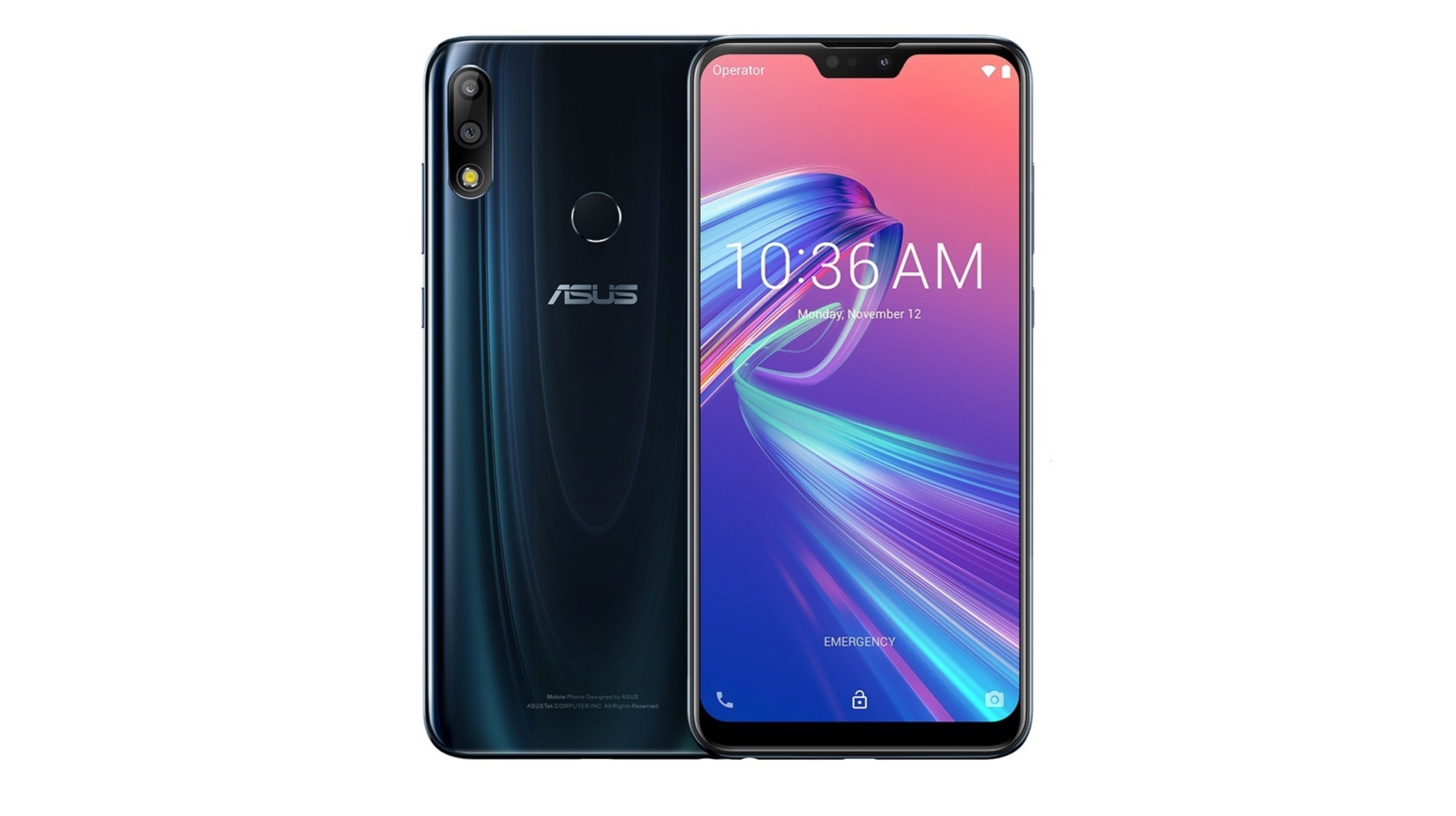
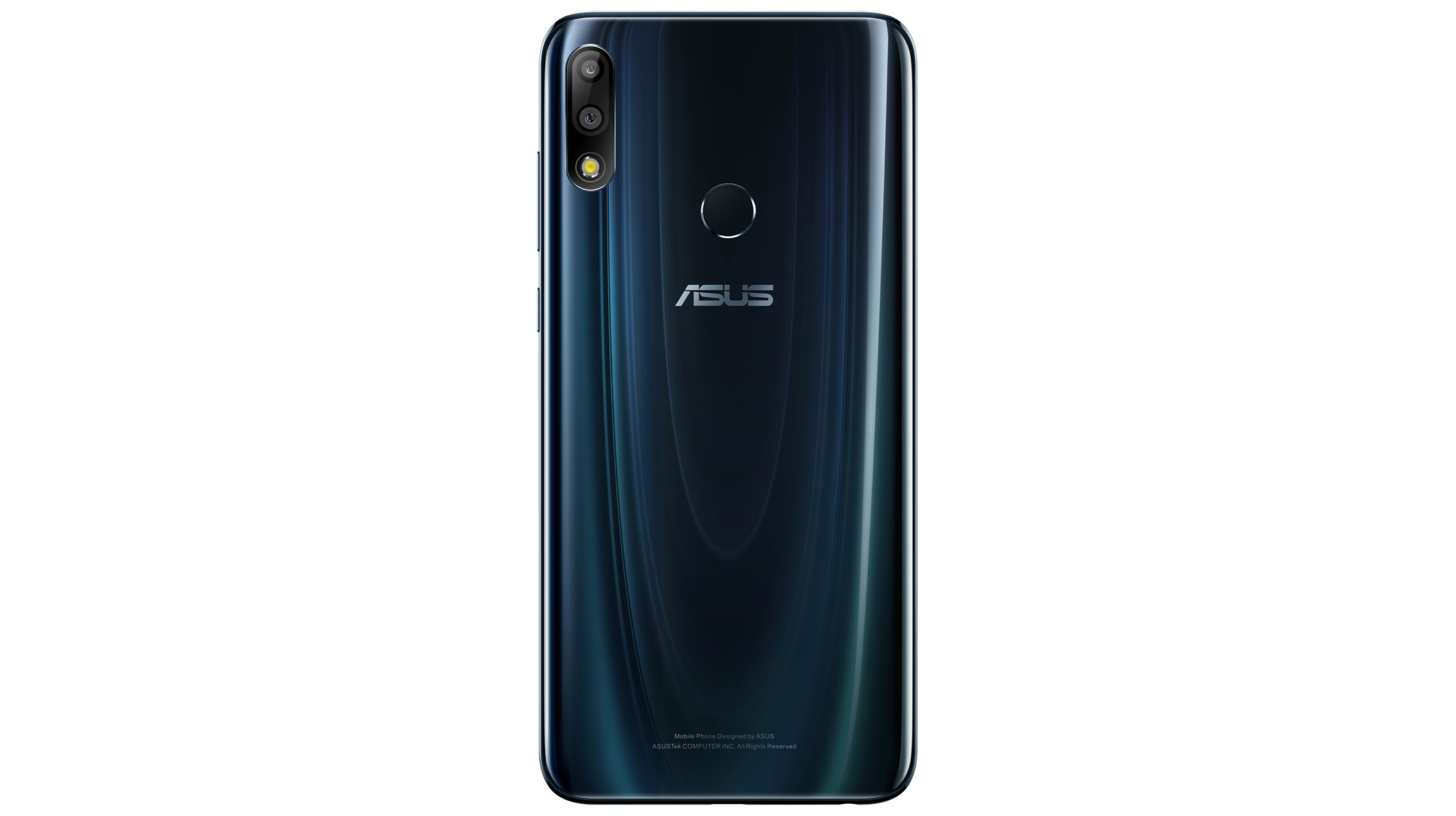
    The ZenFone Max Pro M2 is the successor to the ZenFone Max Pro M1 which was warmly received by the Indian consumers. The device has a premium build with Corning Gorilla 6 protection on the front. It runs on stock Android OS which is fast and stutter-free. Like the Galaxy M30, it packs a massive 5,000 mAh lithium battery. It is the only device in our list whose 6 GB RAM variant is priced under 15k making it a good choice for performance enthusiasts and gamers. 

    Specifications Summary:
    • Price: Rs 13,999
    • Display: 6.26 inch IPS LCD, 403 ppi
    • Rear Camera: 12 MP + 5 MP, Front Camera: 13 MP
    • SoC: Snapdragon 660, Octa-Core CPU, Adreno 512 GPU
    • Battery: 5,000 mAh, 10 W Charging  
    • Storage: 6 GB +  64 GB, Expandable upto 512 GB via dedicated slot 

    Click Here To Buy Asus ZenFone Max Pro M2

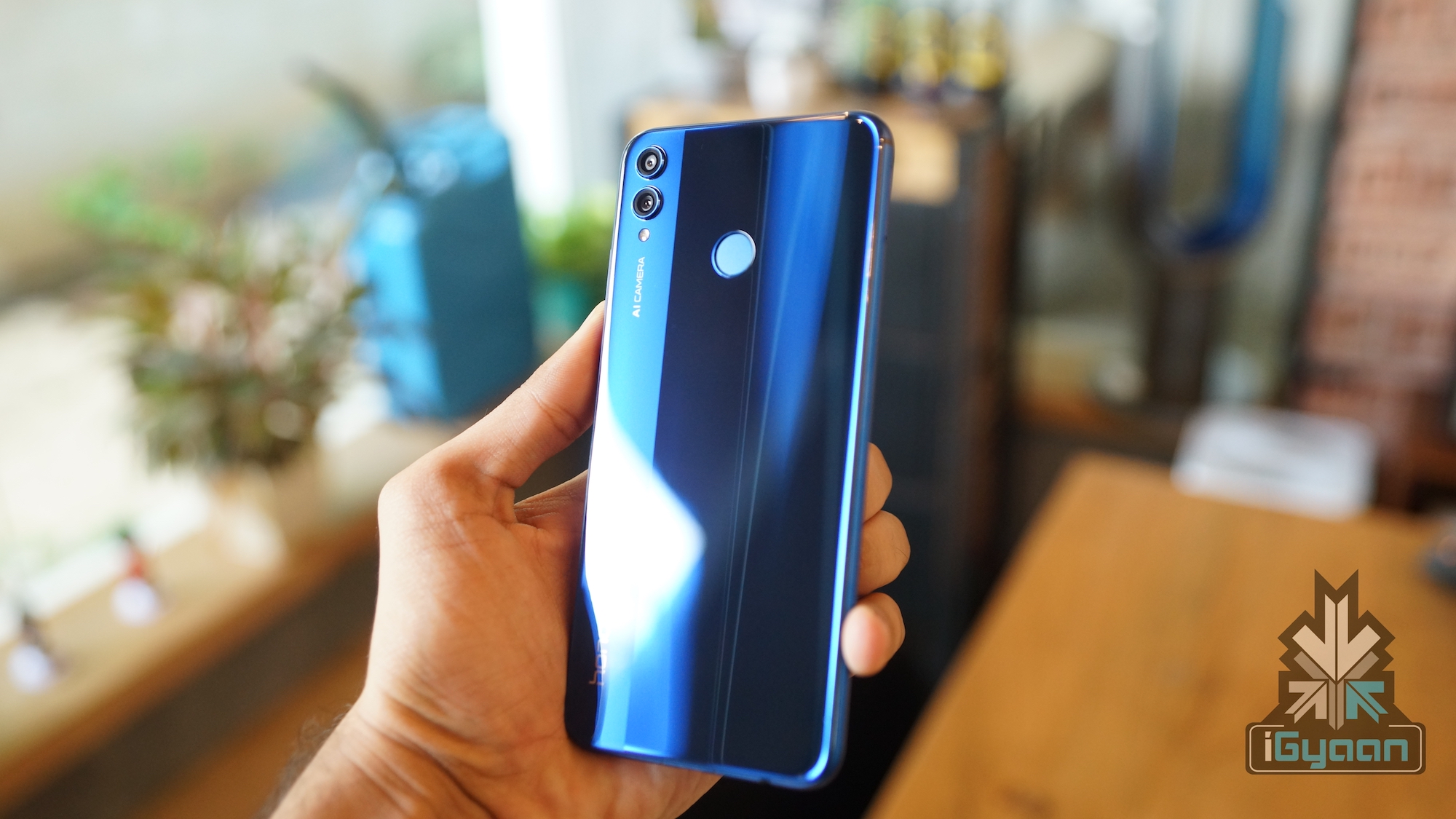
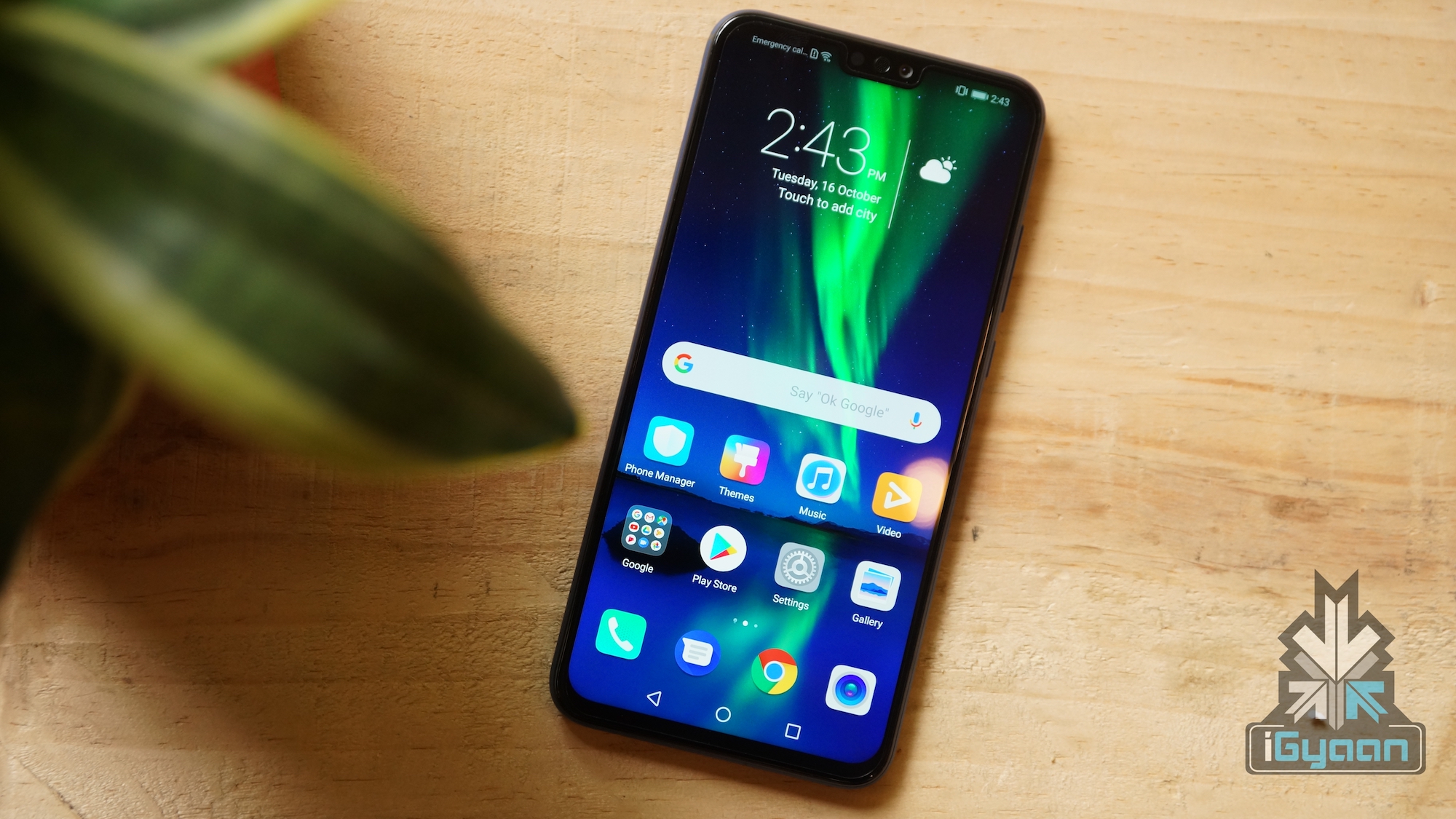
    The Looker – Honor 8x

    The Honor 8x is a well balanced smartphone that is generally overlooked by consumers. It has a top-notch build with an aluminium frame and glass on both the front and back. It packs a large 6.5 inch display with Full HD+ resolution which is protected with Corning Gorilla Glass 3. It features the Kirin 710 SoC which is manufactured using 12 nm fabrication process.

    Specifications Summary:
    • Price: Rs 14,499
    • Display: 6.5 inch IPS LCD, 397 ppi
    • Rear Camera: 20 MP + 2 MP, Front Camera: 16 MP
    • SoC: Kirin 710, Octa-Core CPU, Mali G51 MP4 GPU
    • Battery: 3,750 mAh, 10 W Charging  
    • Storage: 4 GB +  64 GB, Expandable upto 400 GB via dedicated slot


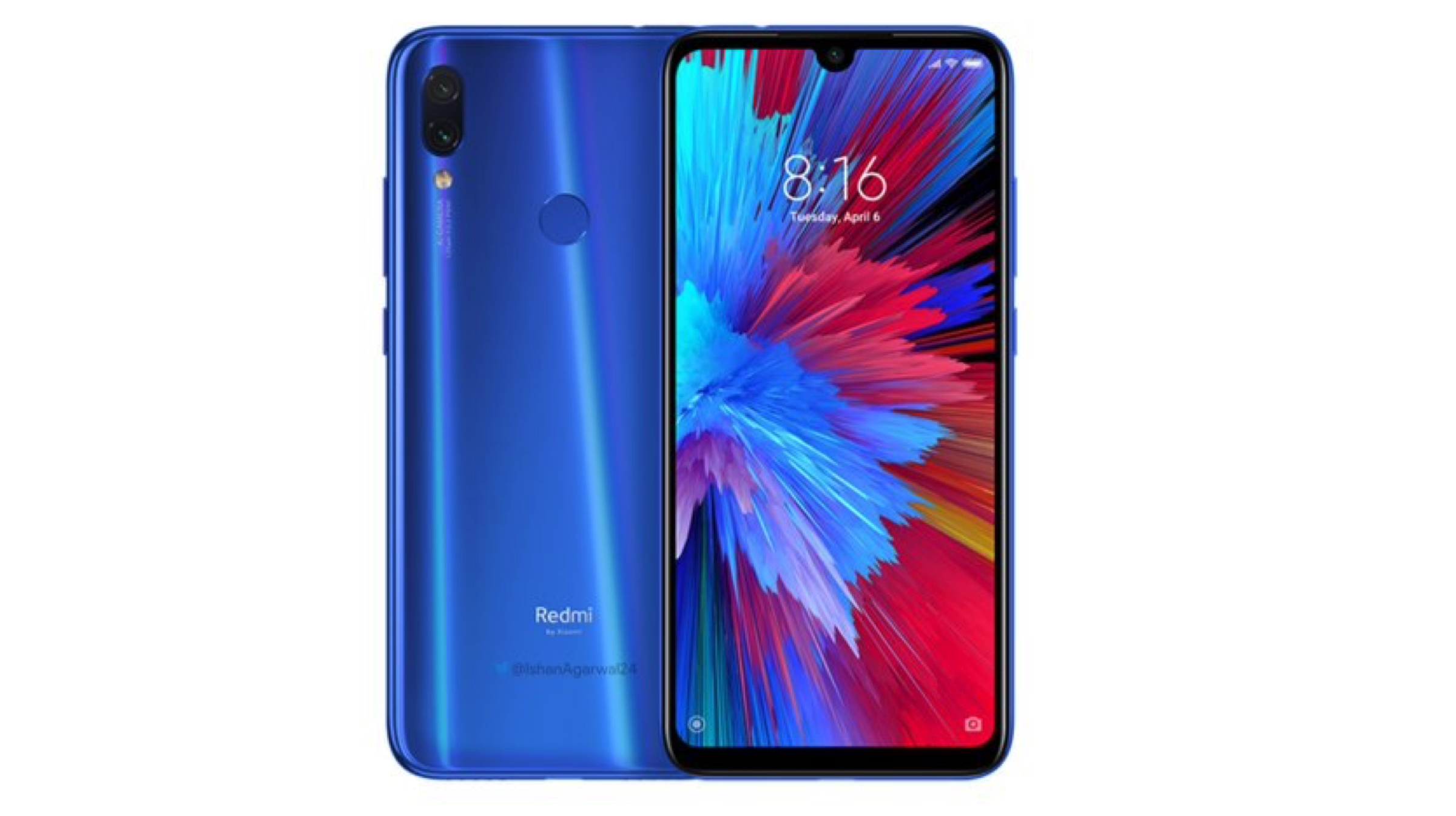
    Affordable Beast – Redmi Note 7

    The Redmi Note 7 is the less feature rich and more affordable variant of the Note 7 Pro. It has a 6.3 inch dewdrop notch display with Corning Gorilla Glass 5 protection on the front. Under the hood, it packs the Snapdragon 660 SoC which consists of an Octa-Core CPU and Adreno 512 GPU. It packs a large 4,000 mAh battery which supports QuickCharge 4.0. For photography, it has dual rear cameras and a single selfie camera.

    Specifications Summary:
    • Price: Rs 11,999
    • Display: 6.3 inch IPS LCD, 409 ppi
    • Rear Camera: 12 MP + 2 MP, Front Camera: 13 MP
    • SoC: Snapdragon 660, Octa-Core CPU, Adreno 512 GPU
    • Battery: 4,000 mAh, 18W Fast Charge Support (Charger sold seprately)
    • Storage: 4 GB +  64 GB, Expandable upto 256 GB, uses SIM 2 slot   

    Click Here To Pre-book The Redmi Note 7

  • Tesla Unveils Faster Third Generation Supercharger

    Tesla Unveils Faster Third Generation Supercharger

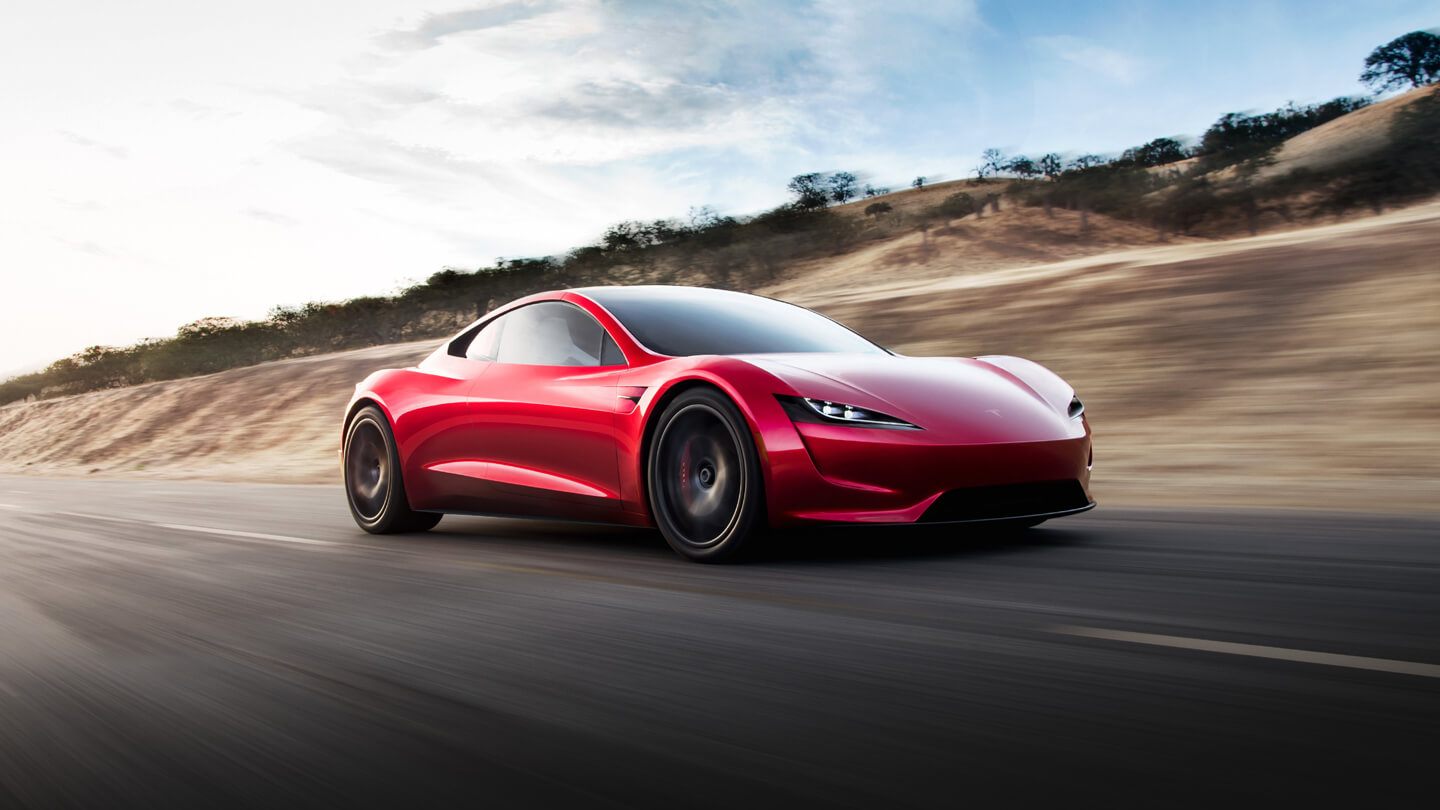
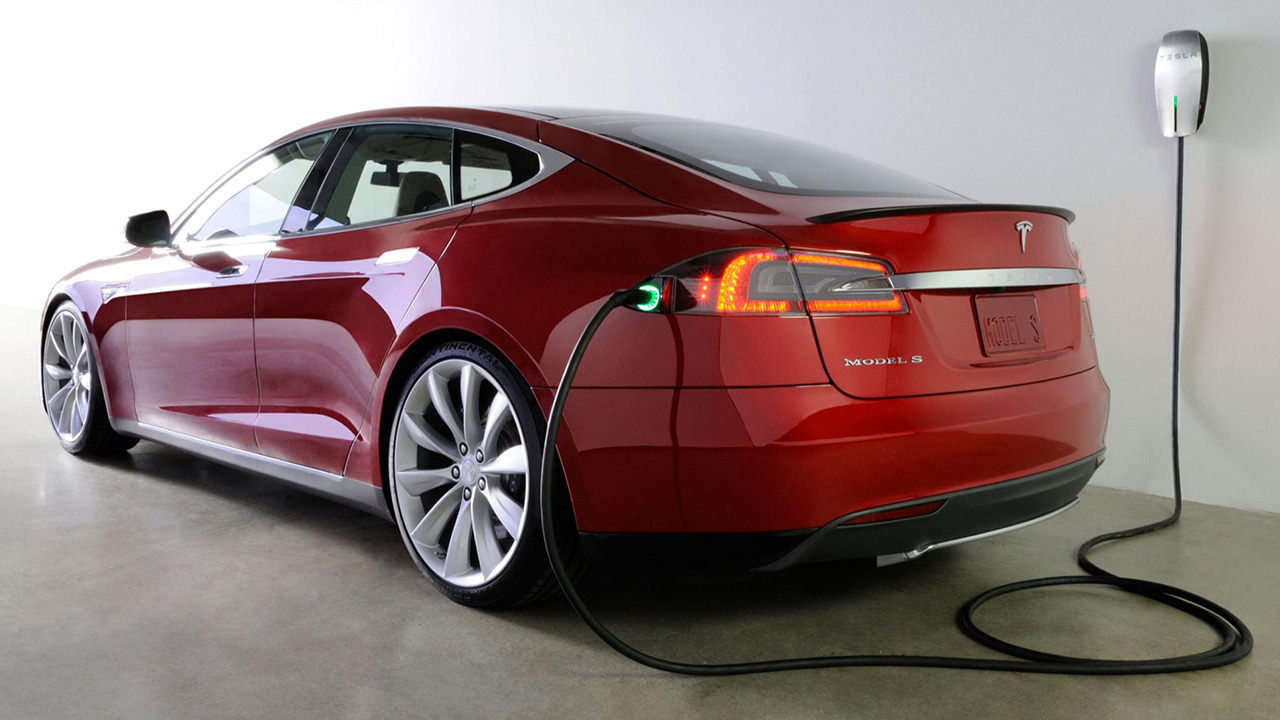
    At a customer event at Tesla’s California headquarters on March 6, the company launched its third generation Supercharger which is its fastest yet. It will be capable of charging the Model 3 at the rate of a whopping 250kW, adding another extra 75 miles of range in just about 5 minutes. The ‘V3’ Supercharger is a significant improvement over the company’s V2 Superchargers

    Supercharger Availability

    The company stated that the installation of the first batch of V3 Superchargers will roll out in the second quarter of 2019. The consumers in the European and Asian-Pacific regions, however, will have to wait until the fourth quarter of the year to gain access to the V3 Superchargers. As of now, the first Supercharger V3 station is only accessible to members of Tesla’s early access program.
    Features And Updates

    As mentioned before, the Tesla V2 Superchargers were rated to a maximum output of 150 kW. However, Tesla users found that they were actually capped at 120 kW. The company later confirmed that the V2 Superchargers will be updated to 145 kW peak charge rate soon. Also, the company is rolling out a new feature called “On-Route Battery Warmup”, which will ensure that the car’s battery will automatically start heating up to the optimal temperature as the car is en route to a Supercharger. Doing so will reduce average battery charging times by 25 percent. 

    Tesla Model 3 automobiles will be able to reap the full benefits of the V3 Supercharger. Owing to a better battery optimization, the Model 3 will be able to charge quicker than the Model S and Model X, which will stay capped at 120 kW for now. Although Tesla plans to upgrade the charging speeds in the aforementioned models, the company hasn’t provided complete details regarding the update.

    Tesla SmartphoneAlso Read: Tesla Will Unveil The Model Y SUV On March 14

    In addition, Tesla has also fixed a major issue with currently operating Supercharger stations, which is power splitting. Power splitting refers to “slower charging speeds” when multiple charging stations are being used at the same time. The V3 Superchargers aim to eradicate this problem by using built-in liquid coolant systems, ensuring that the Superchargers won’t catch fire spontaneously because of overheating.


  • Huawei Sues The US Government Over The Ban On Its Devices

    Huawei Sues The US Government Over The Ban On Its Devices

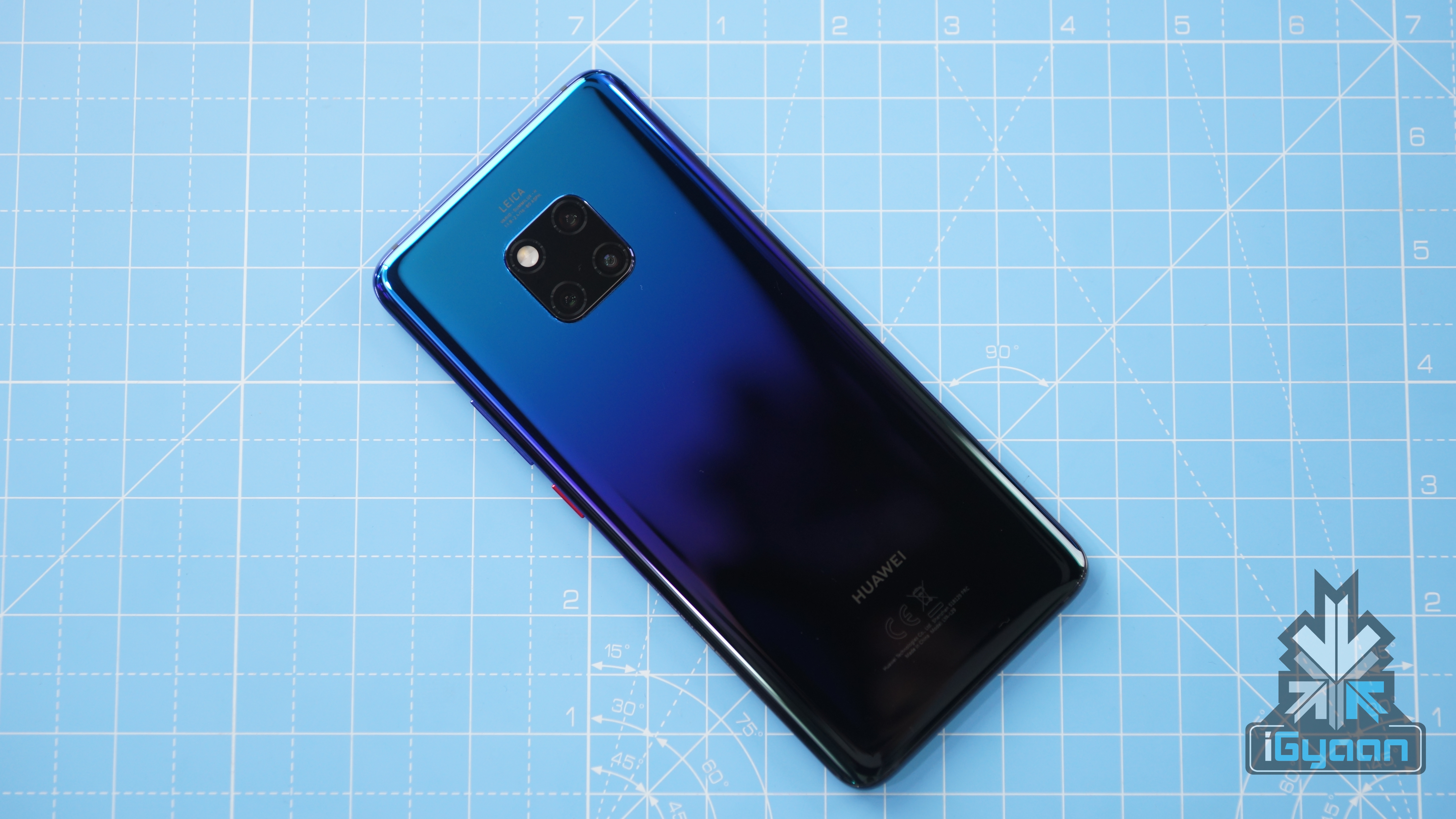
    Huawei has announced on March 7 that it is suing the government of the United States of America (USA) owing to the ban of its products the country put in place. The company has claimed that it has filed a lawsuit in the US district court in Plano, Texas. A senior executive of the company claims that the company was left with no choice other than to take legal actions against the government. It also called the ban on its devices ‘unlawful’ in a bid to justify its actions.

    Huawei’s Lawsuit On The US Government

    Huawei

    In a press conference on Thursday, March 7, Chinese telecommunications giant Huawei announced its decision to file the aforementioned lawsuit. It claimed the ban on its devices in the country is ultimately harming US consumers. It said it is looking forward to the court’s verdict and trusts that it will eventually benefit both Huawei and the people of America. The lawsuit arrives after several accusations of the company spying for, and having ties with the Chinese government.

    The ban on the company’s products was taken into effect in August 2018. It was earlier set to enter the US market with its smartphone Mate 10 and Mate 10 Pro in 2017. Not only the company’s deal with telecom carrier fell flat, but the President of the country, Donald Trump also signed a provision of the National Defence Authorisation Act; which prevented government agencies using third-party contractors to use Huawei products. 

    Also read: Google Launches Bolo App To Improve Children Literacy In India

    Huawei alleges that by singling out the company for punishment without a fair trial, the US government has violated the terms of its own constitution. The company also fired back at reports claiming it installs backdoors in its devices to spy on the users. Notably, Huawei is the world’s largest supplier of telecoms equipment, the second largest smartphone maker and is currently one of the global leaders in the development of wireless 5G networks. 

iGyaan Network
Privacy Overview

This website uses cookies so that we can provide you with the best user experience possible. Cookie information is stored in your browser and performs functions such as recognising you when you return to our website and helping our team to understand which sections of the website you find most interesting and useful.