Category: Apps and Software

Games, Apps, Softwares, Operating Systems and Software Hacks

  • YouTube Rolling Out Fact Checking Feature To Combat Fake News

    YouTube Rolling Out Fact Checking Feature To Combat Fake News

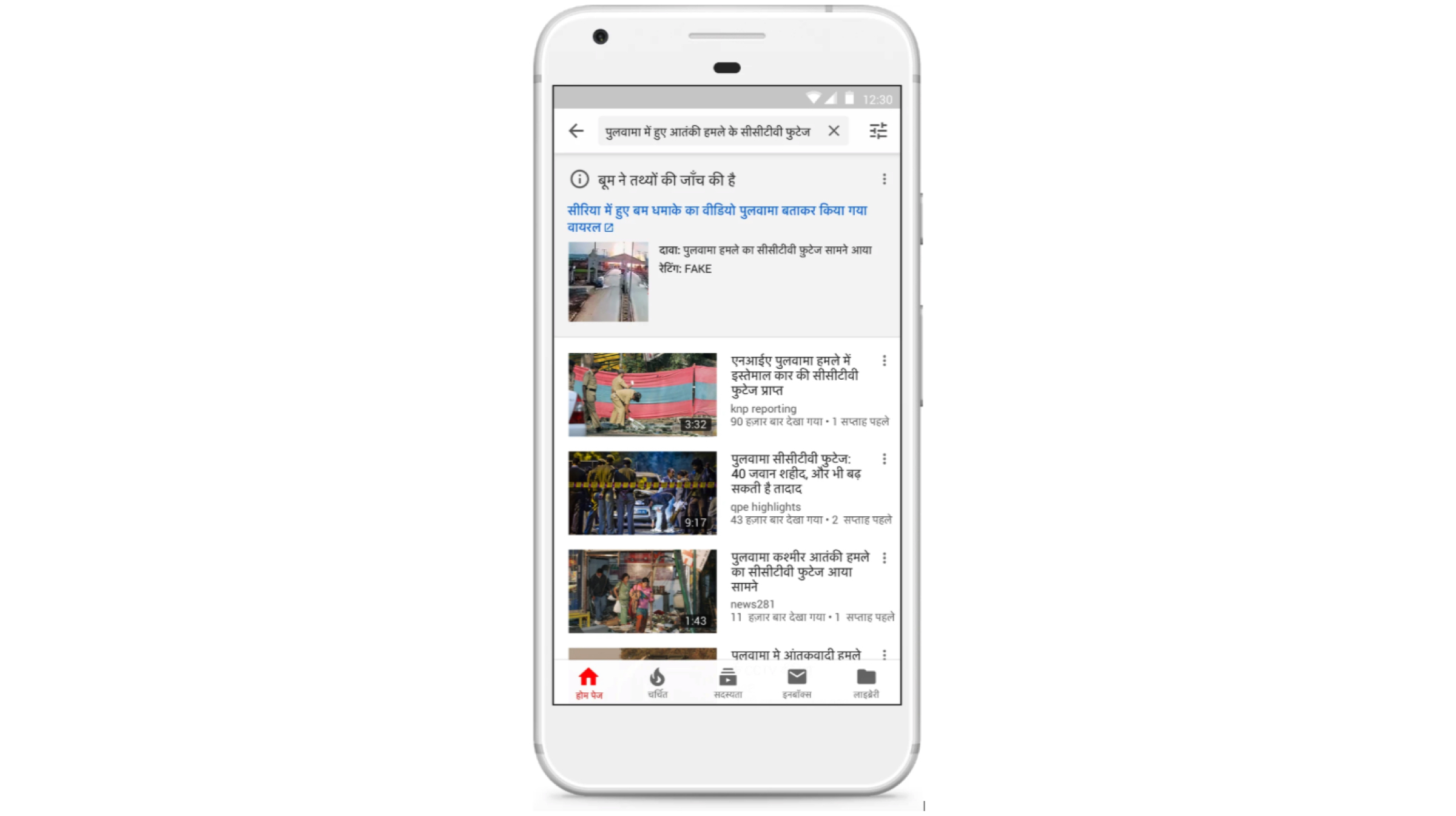
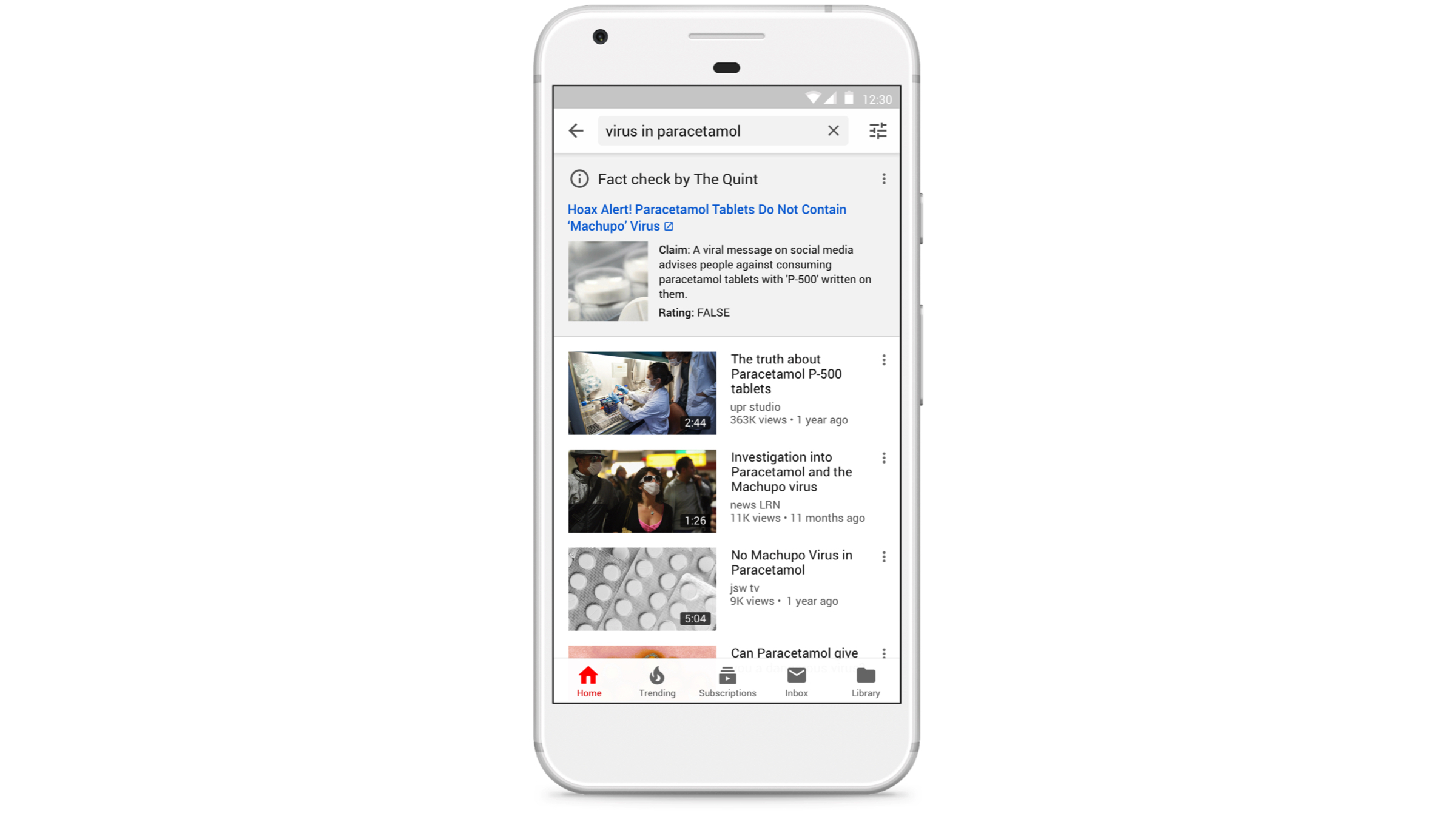
    In a bid to eliminate fake news from its platform, YouTube has started rolling out a fact-checking feature in its smartphone application. The feature is currently available for limited users as part of a testing program. While its public rollout is also expected to follow soon. As of now, the feature is only confined to Indian smartphone users, with a worldwide release to follow suit. 

    YouTube Fact Checker

    The fact checks on the YouTube app will be displayed in the search results of queries which are most susceptible to be fake and manipulative. Videos based on the query, explaining the real information will be displayed on the top, inside the information pane. The fact checks will appear as content from YouTube’s partner sites concerning the particular search query. Results are available in the Hindi and English language currently, with more languages to be added soon.

    Notably, YouTube will use information from around six verified services in the country to exhibit the aforementioned panels in India. Many of the same services are also working with Facebook to check misinformation on its platform and in apps like WhatsApp and Instagram. YouTube has been trying hard to curb malpractices on its platform. A few weeks ago, it started demonetizing and disabling comments on videos which had objectionable content. This move by the company to curb fake news is seen as a positive step and may prove to help in dispersing true and unadulterated information to the audience via the globally used platform.

    Also read: Google To Add More Smartphones To The Android Q Beta List In 2019

    Interestingly, YouTube is not looking to ban the objectionable content it is targeting. Fake news has been a problem in the online space particularly in India for the past few years. Previously, WhatsApp also tried to curb the spread of false news on its platform via advertisements cautioning its users. And, as the General Election have also been announced, the spread of misleading information on platforms like YouTube, Whatsapp and Facebook may increase in the following weeks.

  • Indian Government Implements cVIGIL App To Prevent Devious Voting

    Indian Government Implements cVIGIL App To Prevent Devious Voting

    For a long time, the Indian government has been stressing on the importance of digital technologies for the betterment of society. It had previously launched several applications that intend to achieve the same. An application called, cVIGIL which was launched last year has now been implemented on pan India level. The cVIGIL app is dedicated to maintaining the Model Code of Conduct of the voting process. In simpler words, it is a digital tool that can be used to desist devious practices which can be used to manipulate voting. The application has begun services before the Lok Sabha Elections 2019 which will be conducted from the 11th of April to 19th of May. 

    About and Purpose Of cVIGIL Application

    According to the Government of India, the cVIGIL application has been developed to act as a medium that can be used to transmit and track complaints on MCC (Model Code of Conduct) violations. Due to the delay in the reporting of these violations, culprits in the past have escaped detection from the squads of election commission which are entrusted to ensure enforcement of the code of conduct.  Additionally, the lack of evidence in the form of pictures or video has been a major hurdle in investigating a reported complaint.

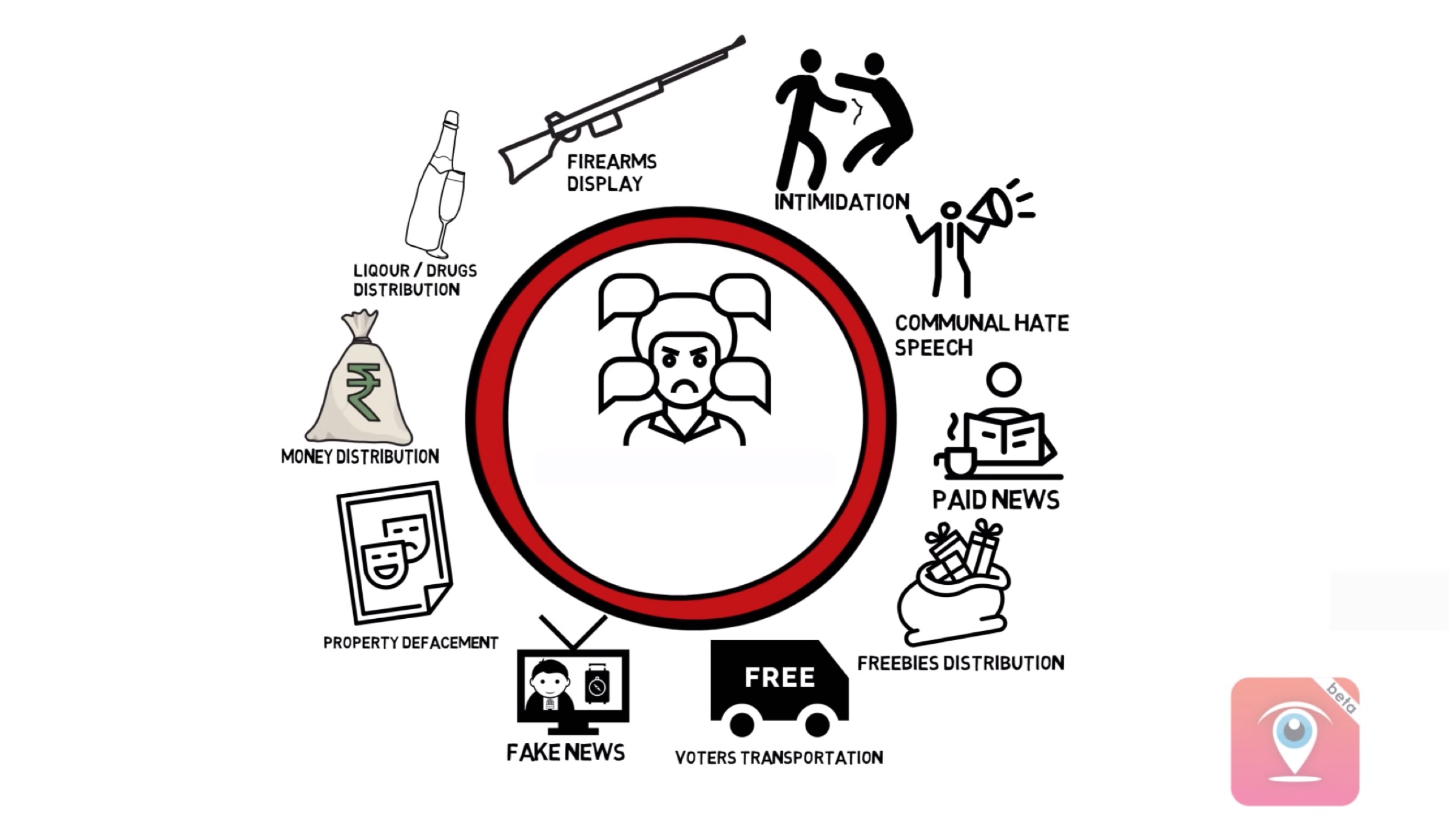
    The purpose of the cVIGIL application is to curb or desist the unfair practices that the affiliates of an organisation use to alter the voting patterns of the voters. Some methods that are used to manipulate the voter behaviours are as follows:

    • Money/Liquor/Drugs Distribution
    • Firearms Display
    • Fake News
    • Communally Hateful Speeches
    • Intimidation
    How Does cVIGIL Application Work?

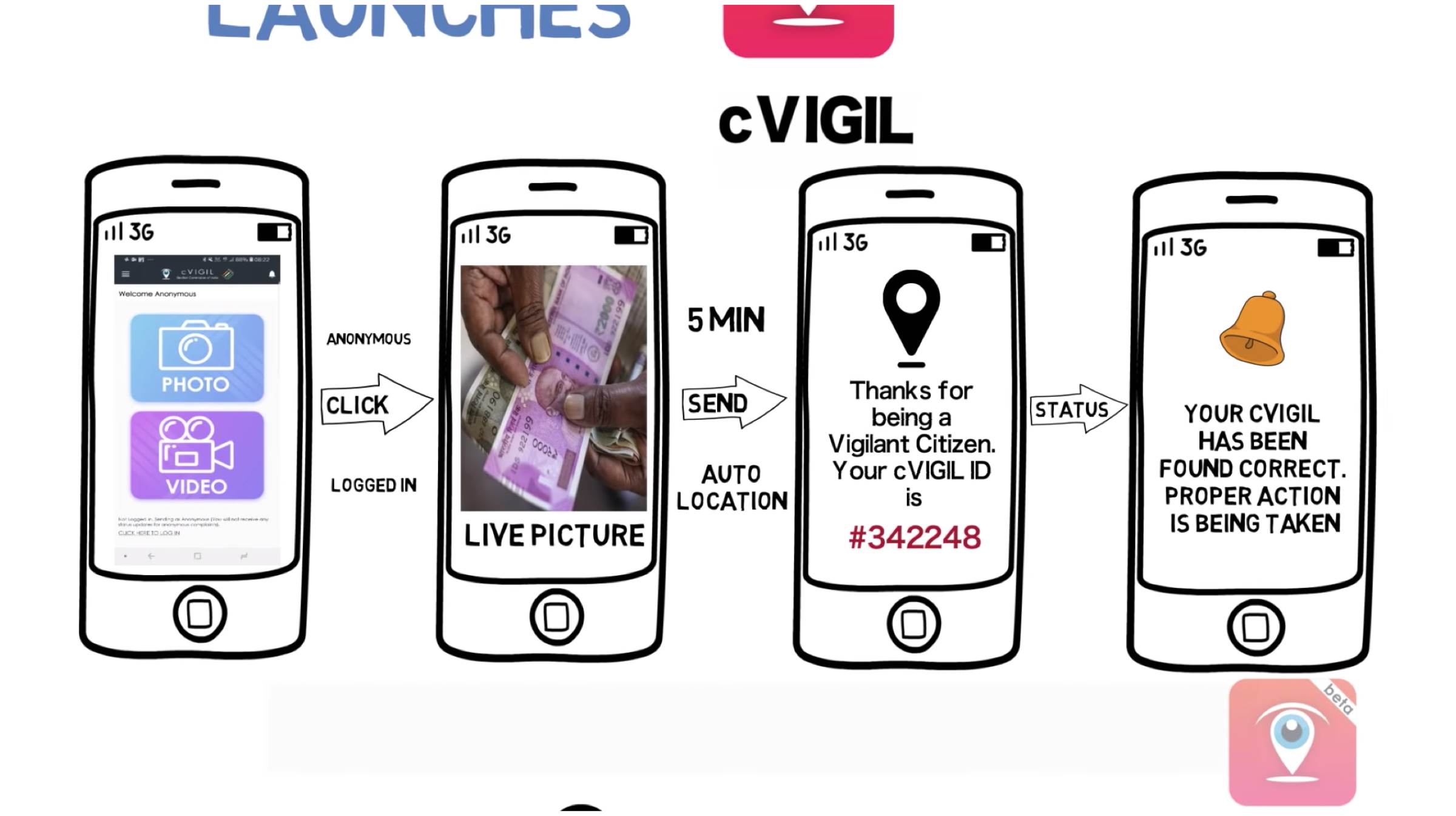
    The cVIGIL application has a sophisticated mechanism which with the help of both digital devices and media intends to prevent the aforementioned methods used to influence voting. Users of the application can capture photo or video evidence of an MCC violation. The application uses the inbuilt GPS module of the smartphone to stitch the location of the crime with digital evidence. The location and digital evidence is anonymously sent to the government headquarters from where the officials can take necessary actions. Noteworthy, the application also provides a cVIGIL ID which can be used to track the status of the complaint. All in all, it seems to be a great move by the Indian government which has been pestered by these issues for a long period.  

    Also Read: Google To Add More Smartphones To The Android Q Beta List In 2019

    The application is currently available only for Android smartphones that run the version Jellybean 4.1 to 4.3 or above. 

    Click here to download the cVIGIL Application

  • Google To Add More Smartphones To The Android Q Beta List In 2019

    Google To Add More Smartphones To The Android Q Beta List In 2019

    Each year Google announces changes and upgrades in its Android Operating System (OS) at its developer’s conference called Google I/O. Last year, it surprised the audience by announcing that the Android 9 Pie Beta will be made available for smartphones other than the company’s own Pixel lineup. This step was taken in order to curb Android Fragmentation, which means an alarming difference in the various available Android versions in the market. Fresh reports claim that the company is planning on adding more smartphone OEMs to this list for the year 2019 with the upcoming Android Q Beta update.

    Android Q Beta

    Google is expected to announce the first Android Q Public Beta at the Google I/O event which will be held in the month of May this year. The update will bring about significant changes in the design and usability of the OS. Previous leaks suggested that with the next version, the company is planning on removing the back navigation button completely in favour of new gestures; which will be used to navigate around the UI. Last year, it added smartphones from different OEMs which were eligible to get the first Android P Public Beta. Those devices included:

    A senior Google executive was noted saying the company will add a host of new smartphone OEMs to the list of devices supporting Android Q Public Beta. Unfortunately, as of now it is not known which devices will be added to the list but speculated names include smartphones from Motorola, Samsung, LG and Huawei. The brands from last year will be retained and their latest devices are also expected to be provided with the update.

    Also read: Qualcomm Demands US$ 31 Million In Damages From Apple

    The Android Q Public Beta update is being provided with the help of Google’s Treble project. It was released with Android 8 Oreo in the year 2017 and separated the chipset maker from the update process. This was aimed at streamlining the software updates, which differed drastically with each brand. This initiative of adding more smartphones to the beta update list by Google aims at fixing the issue of fragmentation in Android. It will be announced at the upcoming Google I/O, which will take place from May 7 to May 9 at the Shoreline Amphitheatre in California, USA.

  • What Is Android Fragmentation, And Will Google Be Ever Able To Fix It?

    What Is Android Fragmentation, And Will Google Be Ever Able To Fix It?

    Google released the latest generation of its Operating System, Android 9 Pie back in August last year for Pixel smartphones. The update marked the ninth major release of the software by the company. But, despite the latest generation of Android out almost seven months ago, many of the modern devices are still stuck at one or more generations older software. What’s even more surprising is that some OEMs are launching new smartphones with old software on purpose.
    This disparity in Android devices makes the mind think about what problems could there be that restrict some manufacturers into providing older versions of the software. The alarming number of different available Android versions in the market is called Android Fragmentation. This inequality of software versions has plagued the Android Platform since its inception. But is there a way for Google to fix it?

    The Current State Of Android Fragmentation
    Google releases a report every year in October highlighting the distribution of different software versions. The data, though a few months old, gives an insight on how things are currently on Android’s side. This is what Google found in their testing:

    Version Name Release Year

    Distribution

    (in %)

    2.3.3 

    2.3.7

    Gingerbread 2010 0.2%

    4.0.3 

    4.0.4

    Ice Cream Sandwich 2011 0.3%

    4.1

    4.2

    4.3

    Jellybean 2012 3.0%
    4.4 KitKat 2013 7.6%

    5.0

    5.1

    Lollipop 2014 17.9%
    6.0 Marshmallow 2015 21.3%

    7.0

    7.1

    Nougat 2016 28.2%

    8.0

    8.1

    Oreo 2017 21.5%


    By looking at the above table, there is no mention of the latest Android 9 Pie, because, at the time of this report in October last year, it was still below 0.1%. The numbers are expected to be significantly higher since then. Despite being released for more than two months, the software still couldn’t make it to the list. The most used version was Android 7 Nougat, which had more than 28% of users. This shows how manufacturers refrain from providing any updates to the devices.

    Besides not providing new features with the lack of Android updates, they also pose a grave security threat. Every month, Google releases security patches for Android, but not every smartphone gets it. But it’s not the company’s fault, because updating a smartphone with the latest firmware is the OEM’s responsibility.

    The Reason For Fragmentation On Android 
    Android Pie Android 9 Google

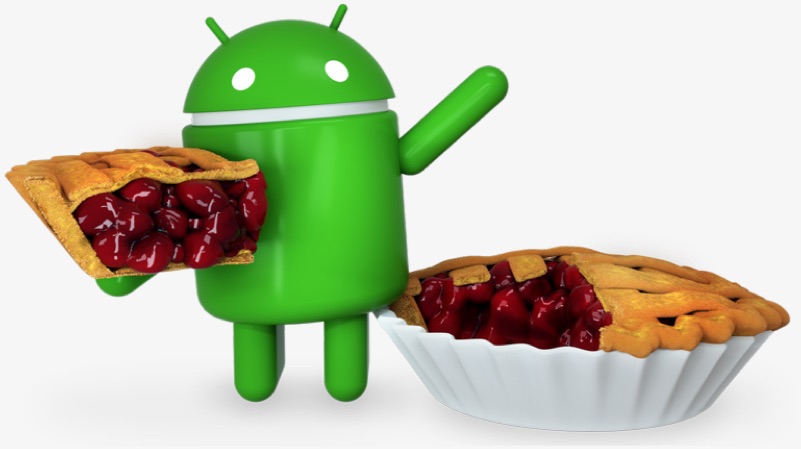
    The reason that the manufacturers continue to provide older software with newer devices or refuse to update them faster than normal; is that most of them have to optimise Android according to the company’s custom skins. These can range from a lightly customised one, like Oneplus’ OxygenOS or a heavily customised take on Android, like Xiaomi’s MIUI. So the OEMs take their own sweet time to adopt the latest version and release it.

    When Google provides the manufacturers with the latest Android Platform Development Kit (PDK), they have to start developments on the software. The process includes testing out the new version with the device’s hardware. Then the version is added with manufacturer specific software features, like the aforementioned skin and is tested and certified for bugs. For some manufacturers like HMD Global, Essential and OnePlus, the process has been proven to take only a few days or weeks. 

    How Can Google Prevent It Further?
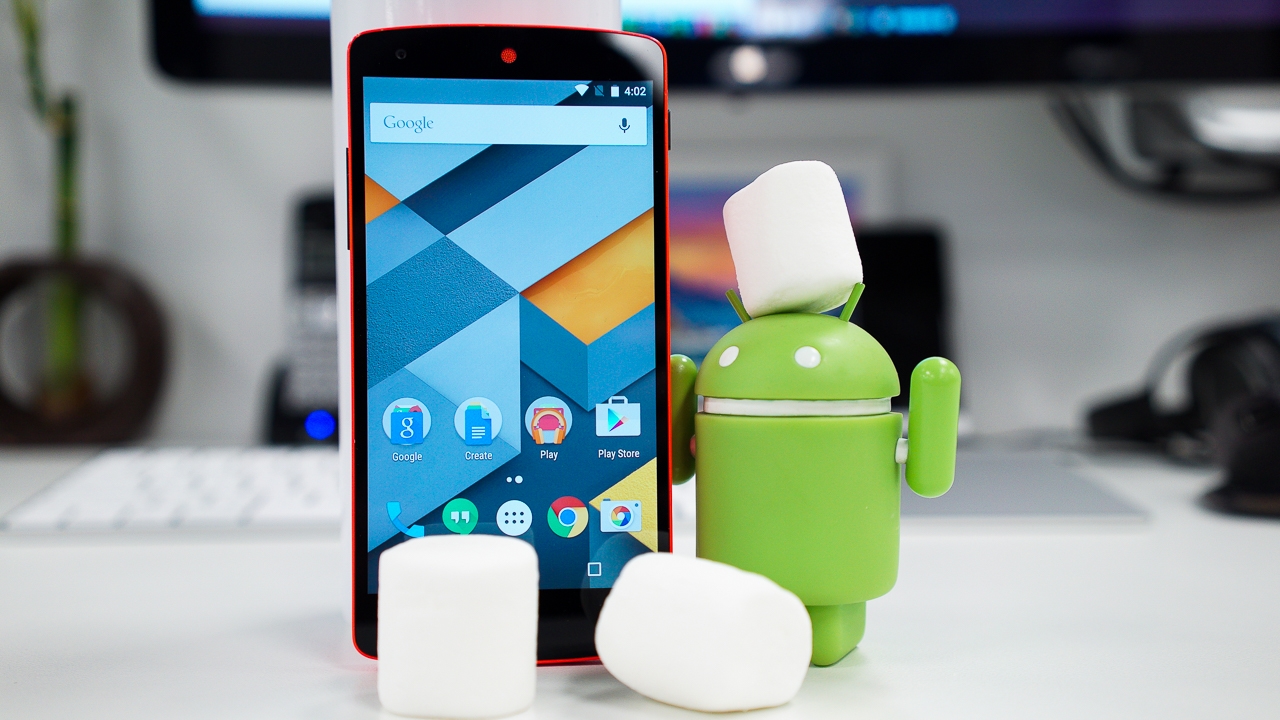
    The only way that Google can prevent Android Fragmentation from happening in future releases is by being strict with OEMs. And it’s not like the company hasn’t tried. Despite warning the manufacturers when they slacked in providing software updates, the results weren’t much different. Google then released Project Treble in 2017 with Android Oreo. This modified how the updates are delivered by bypassing the chip manufacturers’ modifications to it. It was an ambitious step and worked in theory, but unfortunately, the situation didn’t change much.
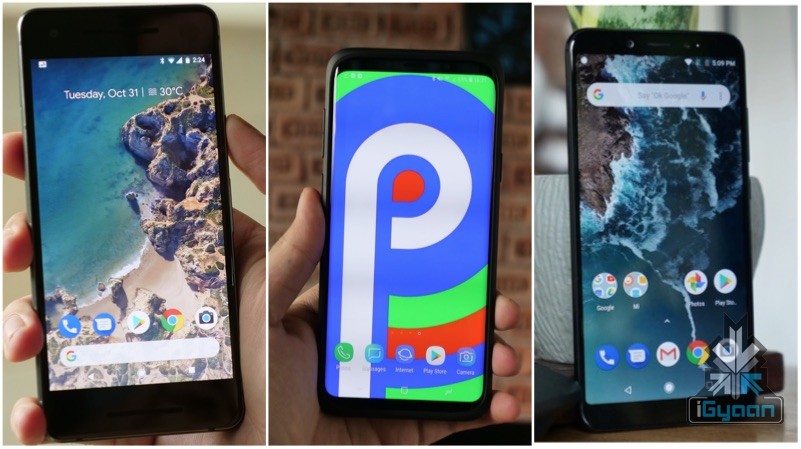
    Android Go Stock Android Android One

    Also read: Tesla Unveils Faster Third Generation Supercharger

    Google tried to fix Android Fragmentation further by signing up more OEMs to the Android Pie Beta Program. This provided them with more time to develop the software according to their own customisations and was a step in the right direction. But, if the company has to fix the problem further, it has to get more manufacturers on board and if possible, then all of them. But this sends out hope that the company is serious about the issue and it may take some more time to fix. If manufacturers are serious about the disparity in updates, the days of Android Fragmentation may be over sooner than later.
     

  • Google Launches Bolo App To Improve Children Literacy In India

    Google Launches Bolo App To Improve Children Literacy In India

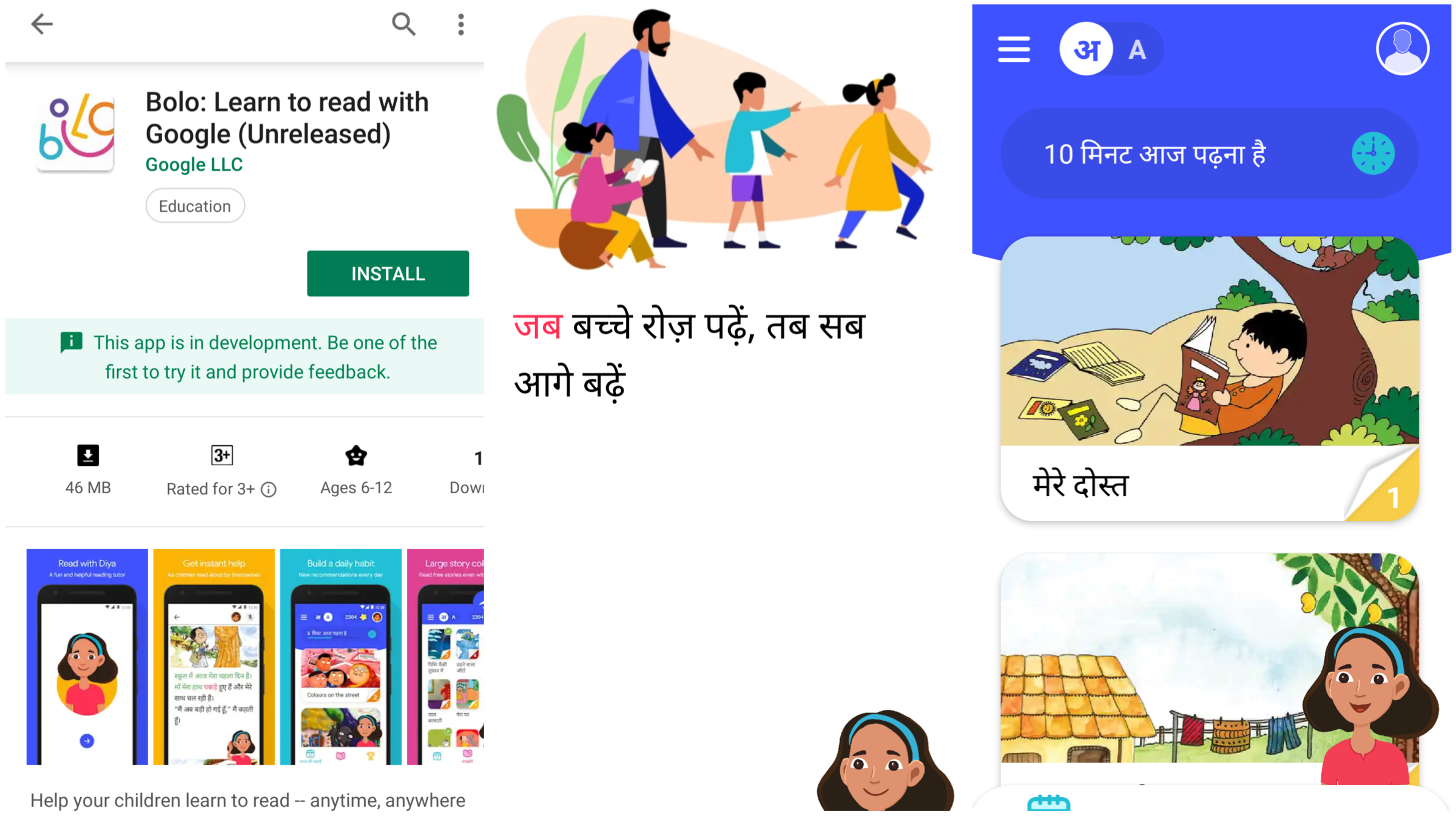
    In a bid to create more apps designed for the Indian market, Google has introduced a new app called ‘Bolo’. The app is aimed at improving children’s literacy in the country. It is available to download on the Google Play Store starting March 6. ‘Bolo’ is a Hindi term which means ‘to speak’ in English. The app is still in development, so there may be a few bugs to fix and changes to introduce before the company rolls out a stable version of it.

    Google Bolo App

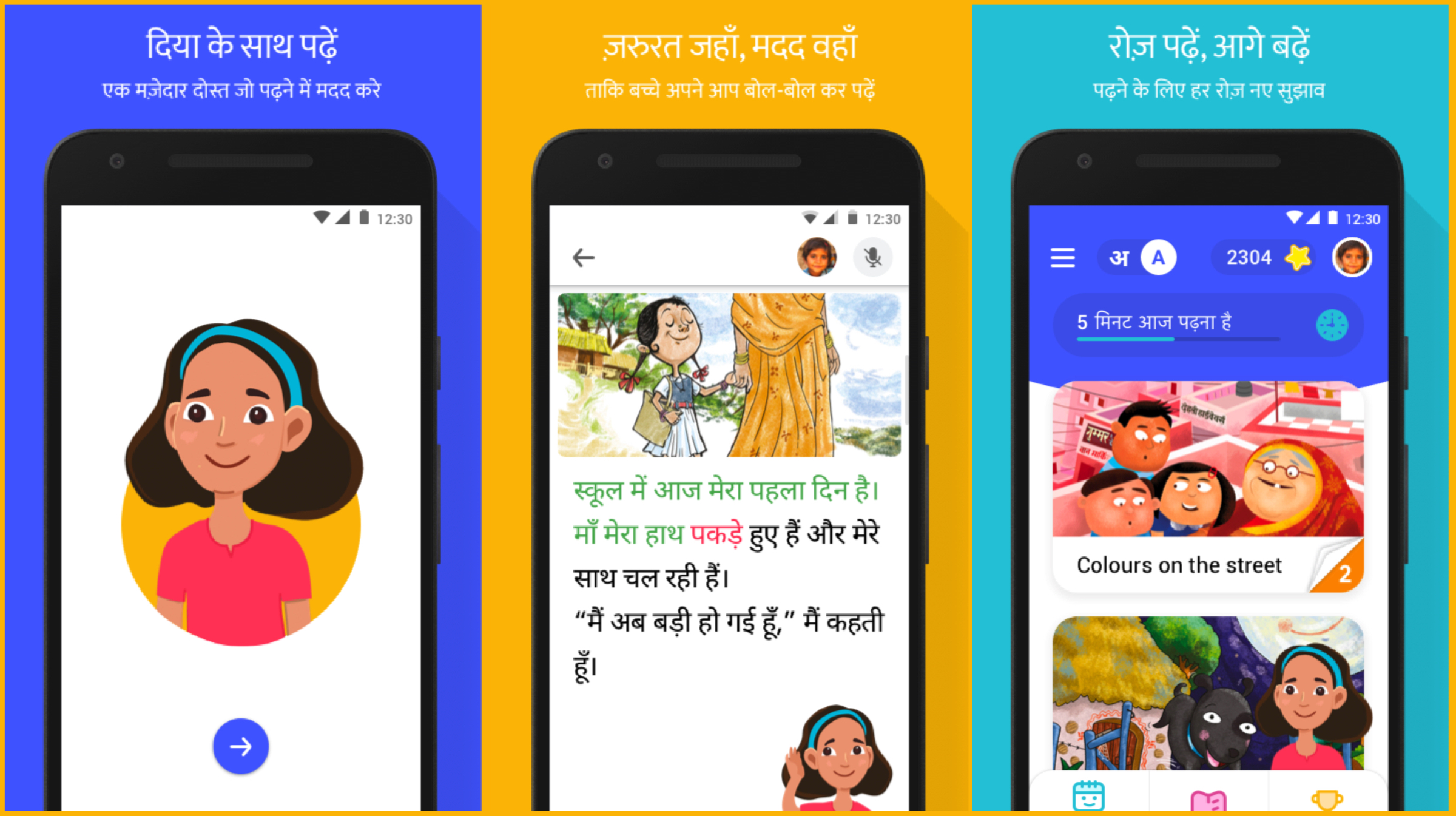
    Google Bolo uses a Hindi UI and a personal assistant called Diya, which is also configured to speak in Hindi. The app is aimed towards children in primary grade, to improve their English and Hindi reading skills. This is achieved by encouraging the reader to speak aloud using the device’s microphone, and giving them instant feedback. It is completely free to use and works offline, so no internet connection is required. The stories that are available to read and practice are either in Hindi or in English, and it is expected that Google may add more languages to the platform soon.

    To make the stories engaging and interesting, Google Bolo features the aforementioned personal assistant called ‘Diya’ which uses the same speech technology as the Google Assistant. The assistant can also be used in case help is needed in the app. There are some word games as well, to make it more engaging and versatile. 

    Also read: ZTE Is Working On A Foldable Phone With A Clamshell Design

    This is not the first time Google has developed an India exclusive application. The last few years have seen the company release a bunch of apps designed for the country. Google Pay, which was formerly called Tez, was released back in August 2017. It is a Unified Payments Interface (UPI) app which has since gained immense popularity. Some other apps, like Google Neighbourly, can be used to ask questions about a particular neighbourhood. The Google Indic Keyboard also has been popular among the Indian audience, owing to its support for multiple local languages. The Go editions of popular apps like Youtube, Google Maps, have also been designed for countries like India.

    Click here to download Google Bolo from Play Store

  • Chrome Canary Android App Gets A Dark Mode; Google Chrome App To Follow Suit

    Chrome Canary Android App Gets A Dark Mode; Google Chrome App To Follow Suit

    Looks like Google Chrome for Android is all set to join the ever-expanding list of apps that support a native dark mode. In the latest update to Chrome Canary, a dark mode has been added which can even be forced to be applied to websites. The Chrome Canary app has been known for testing out features before releasing them to the stable Chrome browser. It may be an indication that Google is planning to introduce the long-awaited feature in the following weeks.

    Chrome Canary Dark Mode

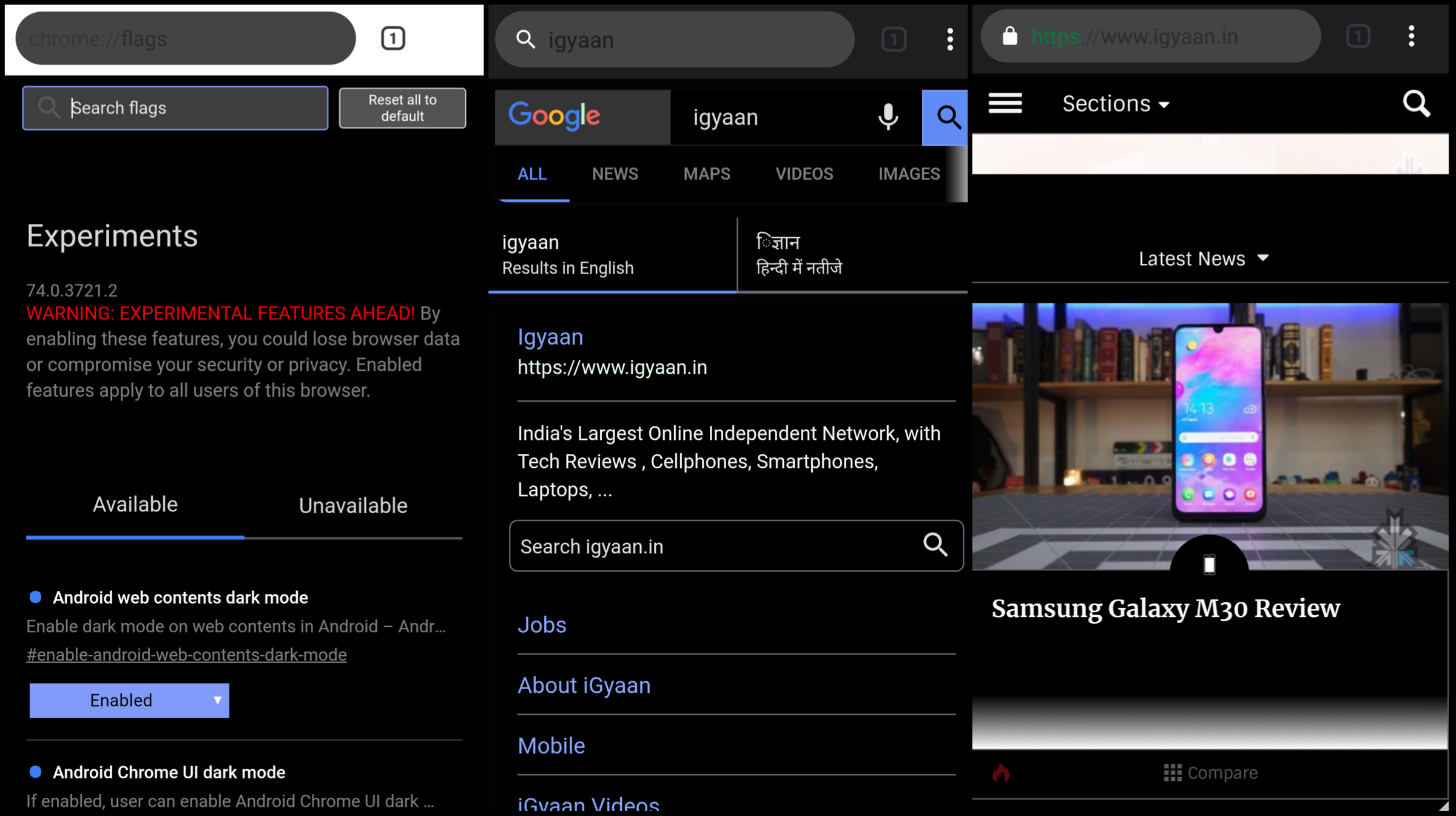
    The dark mode has been included in the latest version of the Chrome Canary app having version number 74.0. To activate the feature, users will need to toggle the feature flags in the latest update by typing ‘chrome://flags’ in the URL bar. Then the user needs to hover over to the search menu and type dark mode in the query box. Then a toggle of ‘Android web contents dark mode’ is required to switch from default to enabled. If an additional toggle titled ‘Android Chrome UI dark mode is enabled, a new option called ‘Dark mode’ is added into the applications settings. Choosing to turn this on will make the UI of the browser shift into greyscale.

    The dark mode on the Chrome Canary apps makes use of an aggressive fix to make the background of the websites dark, even if they are not originally themed so. This is assumed to achieved by inverting colours of the website which may end up making the websites look different than before. One word of caution though, the app is unstable to use. This is clear right off the bat as the Play Store listing of the app highlights this aspect right in the title. Moreover, Chrome feature flags is a developer feature and can cause hindrance in the usage of the application due to unresolved bugs.

    Also read: Whatsapp To Introduce Dark Mode, Advanced Search In Updates Soon

    But one thing is clear if Google is trying to experiment with a native dark mode in Google Canary, the feature is most likely to make its way into the Chrome browser once the company has fixed all the bugs. Unfortunately, the release for the stable update is not known yet but is expected to roll out in the subsequent weeks.


  • Whatsapp To Introduce Dark Mode, Advanced Search In Updates Soon

    Whatsapp To Introduce Dark Mode, Advanced Search In Updates Soon

    Whatsapp has been focused on releasing new updates to improve the user experience. The Facebook-owned application was reportedly testing out the ‘group invitation’ feature on the Testflight server last month. The ‘group invitation’ feature lets the user filter out the contacts who can add them to a group chat, enabling them to stay in control of their privacy. This feature was first spotted in Whatsapp Beta update 2.19.55.

    Advanced Search

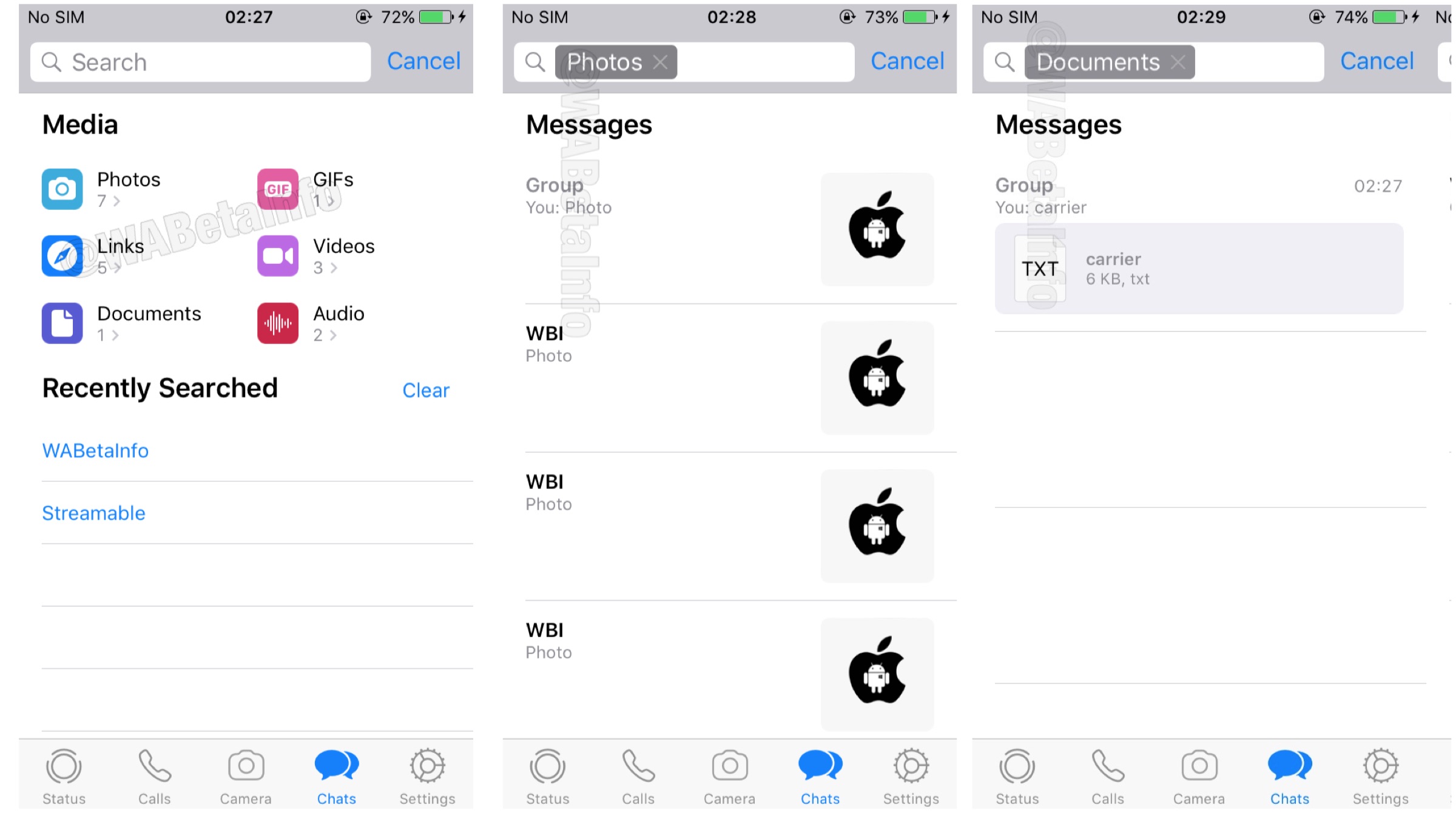
    Reports state that Whatsapp is aiming towards further improving the chat search feature. The company calls the feature ‘Advanced Search’, and Whatsapp aims to implement it in the upcoming updates. Instead of just searching for text messages and chats, the new feature allows the user to search through multiple types of messages. It is basically an evolution of the basic Search feature, with added integration. Users can search between Photos, GIFs, Videos, Documents, Links and Audio files that they have exchanged with a contact in their device. For instance, if the user taps on a video, the app will show all the messages that contain that video. In addition to this, the feature also displays the user’s Search History which can be deleted as easily. Furthermore, the search results are shown with a neat preview, so each result doesn’t have to be opened in order to check its specifics.
    Dark Mode And Other Features

    The messaging app is also expected to introduce the much awaited ‘dark mode’. This mode has already been spotted in the beta version of the application, and will probably be available in the next official update. Whatsapp has been on a roll so far, releasing functional features like Touch ID and Face ID to unlock the app, replying privately to group chats and using 3D touch to check Whatsapp statuses on the iOS applications. The company is also expected to bring features like auto-playing consecutive voice messages and viewing videos directly from the notification tray.
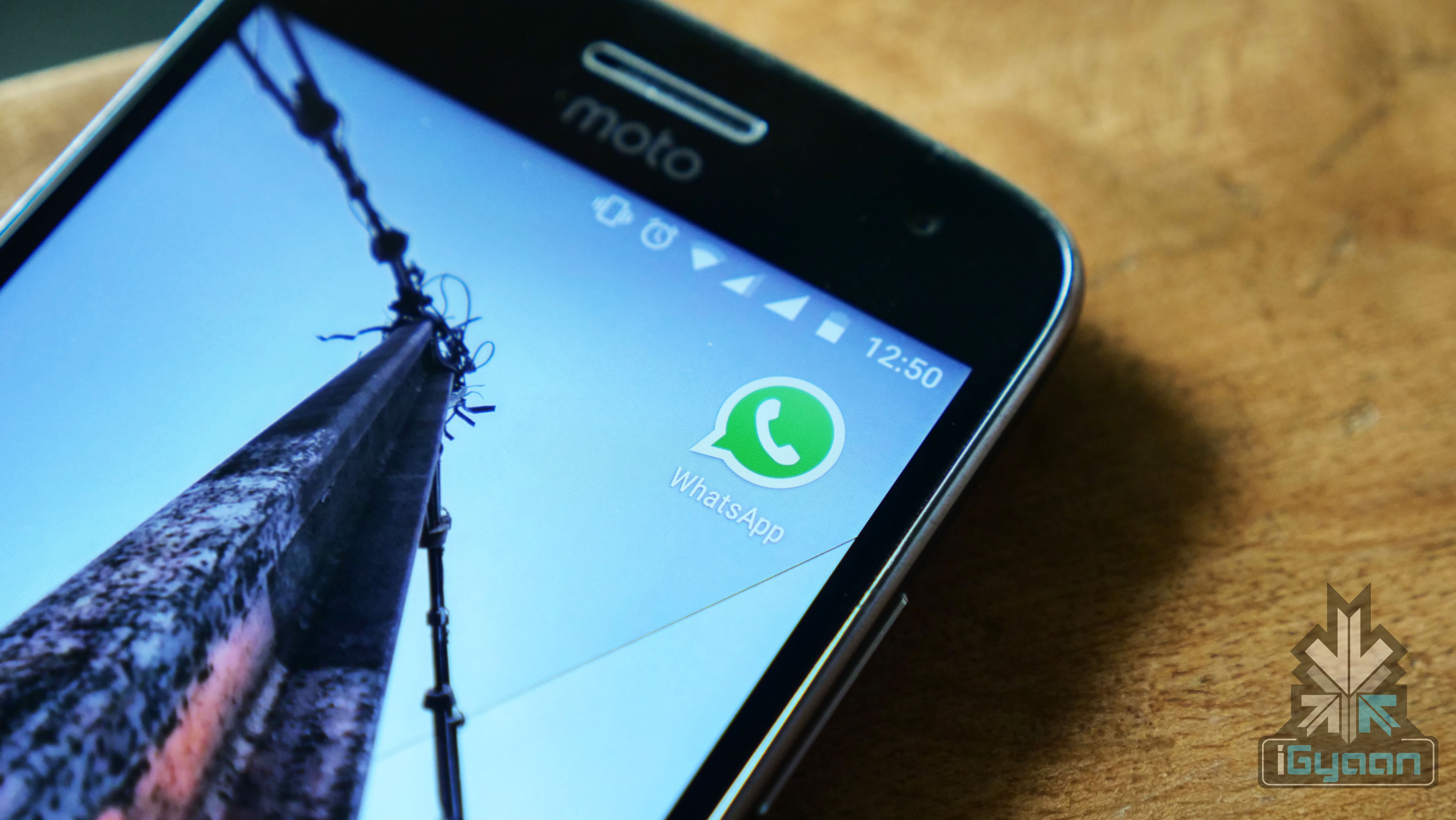
    WhatsAppAlso Read: Google To Replace ‘Voice Match Unlock’ With Assistant Lock Screen Access

    Although sources say that slots for the iOS Beta program are full, users can still check the availability for new Whatsapp beta slots by signing up for the same. The American company may officially roll out the updates soon for both iOS and Android, as the testing of the features is in full swing right now.

  • Asus Zenfone Max Pro M1 Starts Receiving Android Pie Beta Update

    Asus Zenfone Max Pro M1 Starts Receiving Android Pie Beta Update

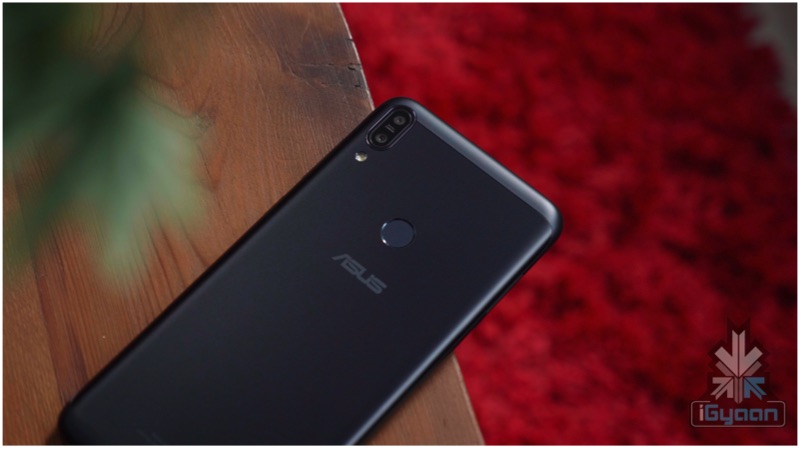
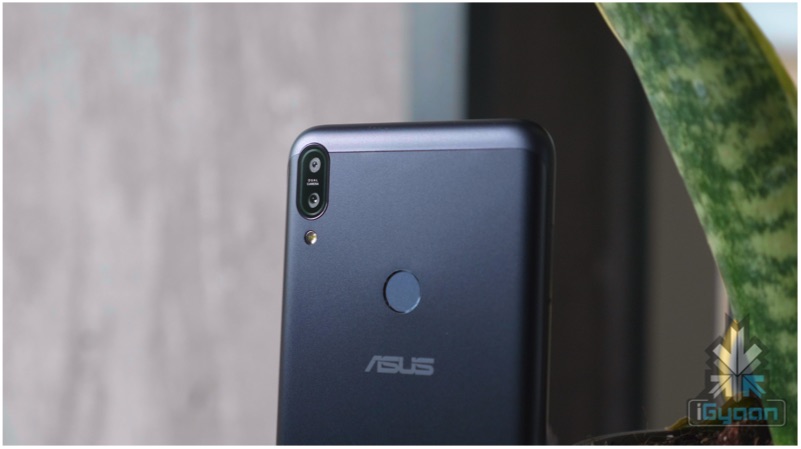
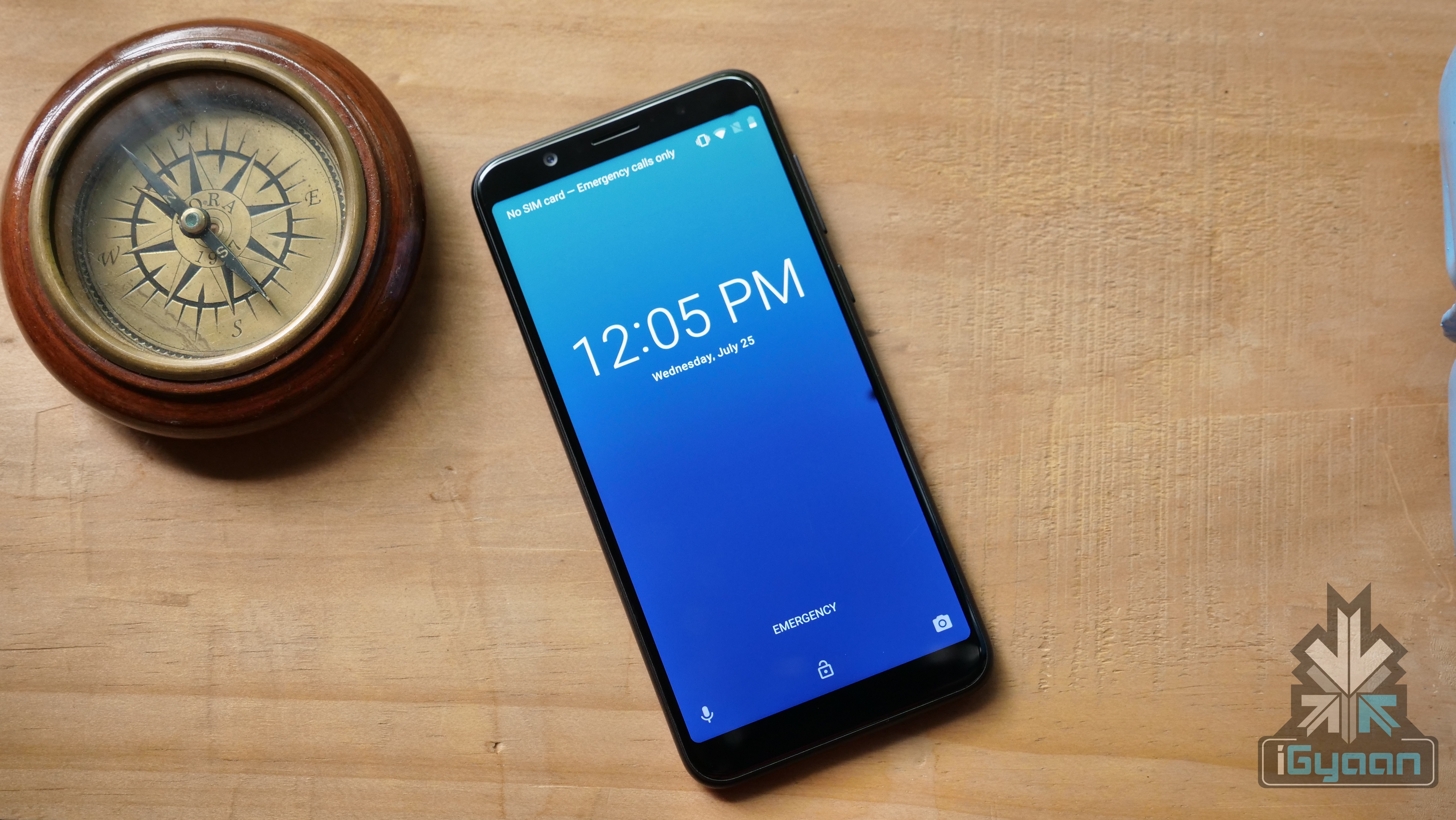
    Asus launched the Zenfone Max Pro M1 back in the month of April last year. The smartphone quickly became one of the best selling models of the company owing to its affordable price and the features it offered. Asus has made an announcement on Twitter that it has started rolling out Android 9 Pie to the device, but there is a catch. The update is only available as a part of a beta program; users will need to register for the update on their device to get the latest software. 

    Android 9 Pie: What’s New?

    The current generation of AndroidOS, Android 9 Pie was introduced in August last year and brings about significant changes from its predecessor, Android 8 Oreo. The most notable change is the introduction of navigation gestures, which can be enabled manually in the settings. These gestures offer a completely new way to navigate around the user interface. Also introduced is the new settings menu, which is completely overhauled since Android Oreo. The quick settings menu has also been updated, with the option of selecting a dark or a light mode active at all times.

    Zenfone Max Pro

    With Android 9 Pie, there is better notch compatibility and the volume slider has been moved to the right side. The software also introduced an all-new Digital Wellbeing setting; which can be used to monitor the device usage and cut down on the repeated use of certain apps. The update also introduces new, smoother animations to the devices.

    Zenfone Max Pro M1

    Also read: GoPro Launches HERO 7 Black Limited Edition In India

    The user can register for the Android Pie Beta program by visiting the link here. Notably, Asus also started the beta program for the Zenfone Max Pro M2 earlier last month. The company had previously promised that both of these devices will be updated to a stable build of Android 9 Pie by the month of February which they have failed to deliver. Unfortunately, Asus has not revealed any information on when the stable build of the update will be released for the Zenfone Max Pro M1.


  • Whatsapp Group Invitation Feature Being Tested In Android Beta

    Whatsapp Group Invitation Feature Being Tested In Android Beta

    Whatsapp’s group invitation feature will enable users to stay in control of who can add them to a group. Reportedly, the company is now testing the functionality of the new update in Android Beta. This will be a step towards improving privacy settings for users. Also, Apple users who have registered for the public beta program will be able to test out this new feature.

    About The Update

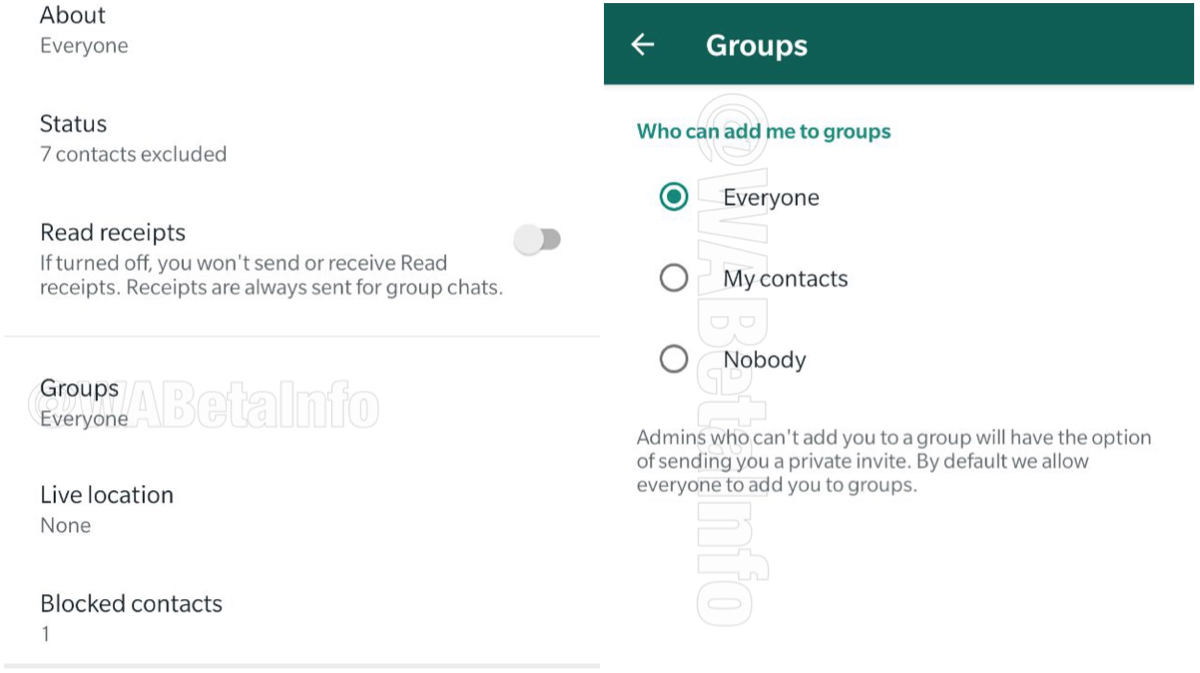
    The Group invitation feature will ensure that users will not be randomly added to a group. If a person wants to have a user in their group, the user would have to give them permission to do so. As per a screenshot shared in the report, the new restriction feature would be available under Whatsapp Settings > Account > Privacy > Groups.

    Restriction Levels

    After these steps, users will have the option to set a privacy limit that works for them. There will be three options in that menu: Everyone, My Contacts, and Nobody. It is quite obvious that the ‘Everyone’ option will allow any person to add the user to the group they want. That will hold true even if their numbers are not present in the contact list.
    If the user chooses ‘My Contacts’, he/she can limit the group invites to just those contacts who are added in the list. The ‘nobody’ feature will ensure that no one can add the user to any group without permission. The user will get a request every time someone wants to add him/her to their group. The invitation will expire within 72 hours, and a user cannot receive more than two invitations from the same group at the same time.

    Also Read: Logging Into Apps Will Soon Get Easier On Android

    The feature was first spotted in the Whatsapp beta update 2.19.55. At the same time, the test feature was rolled out to iOS TestFlight members. The update can be expected to roll out as soon as the company eradicates the bugs with the new feature.

  • Spotify Launched In India, Plans Start At Rs. 119 A Month

    Spotify Launched In India, Plans Start At Rs. 119 A Month

    The world’s most popular music streaming service, Spotify, has finally made its way into India. The company promises unlimited music and podcasts at competitive prices. The launch was being speculated for a while now, as Indian Music Label T-Series signed a deal with the Swedish company on January 14. On January 26, the application went live on application stores across major platforms in the country.

    Plans/Subscription

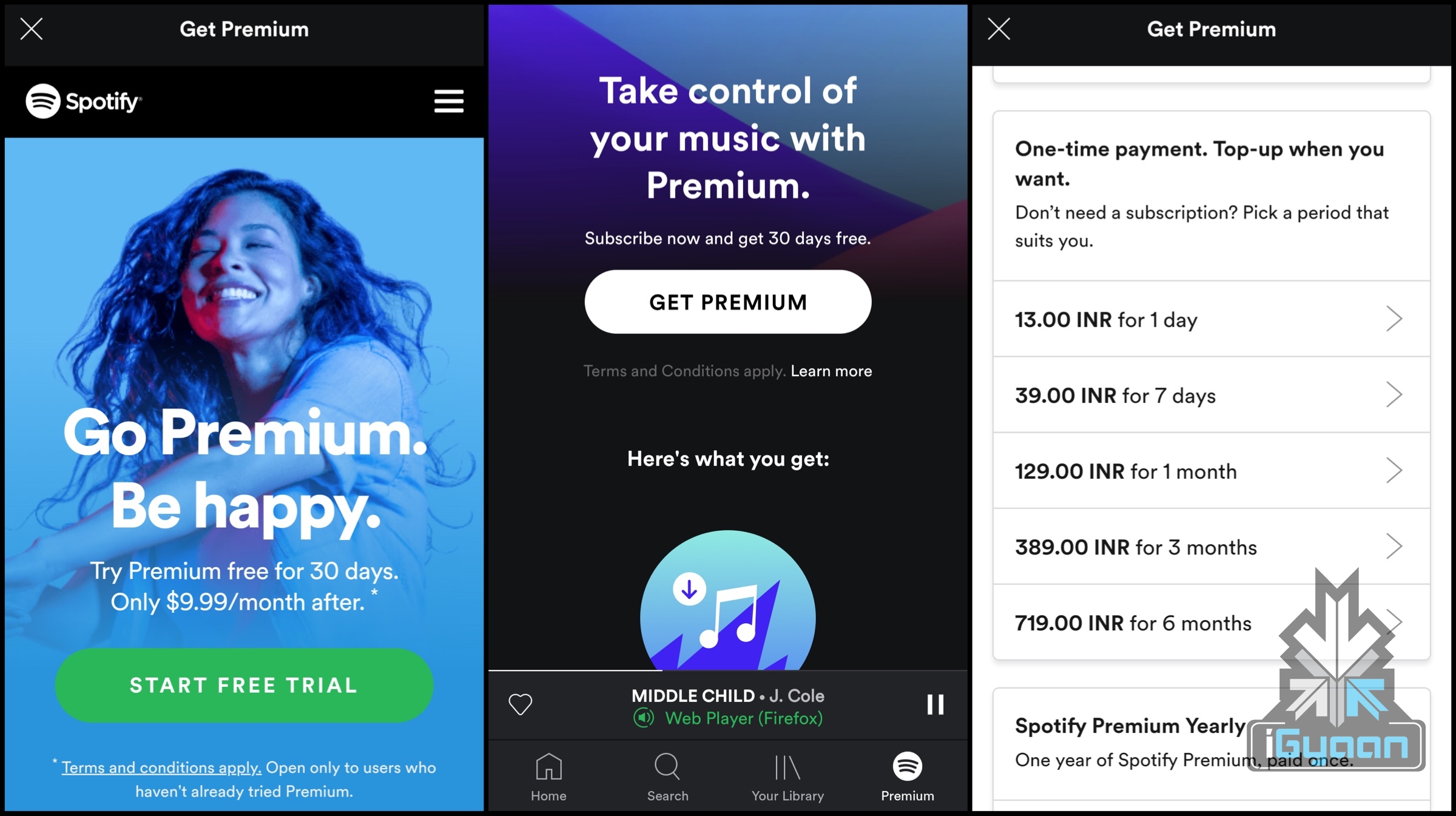
    The Spotify India Website is also live, where users can find all the information they need regarding Spotify subscriptions. According to the website, users can avail Spotify premium services at Rs. 119 per month, with more options for a day, week, month, quarter, 6 months and a year. People can choose from a premium subscription plan which allows users to avail a free 30 day trial, a prepaid plan which starts from Rs. 129 a month, and a student plan which offers up to 50% discount on the beforementioned plans.
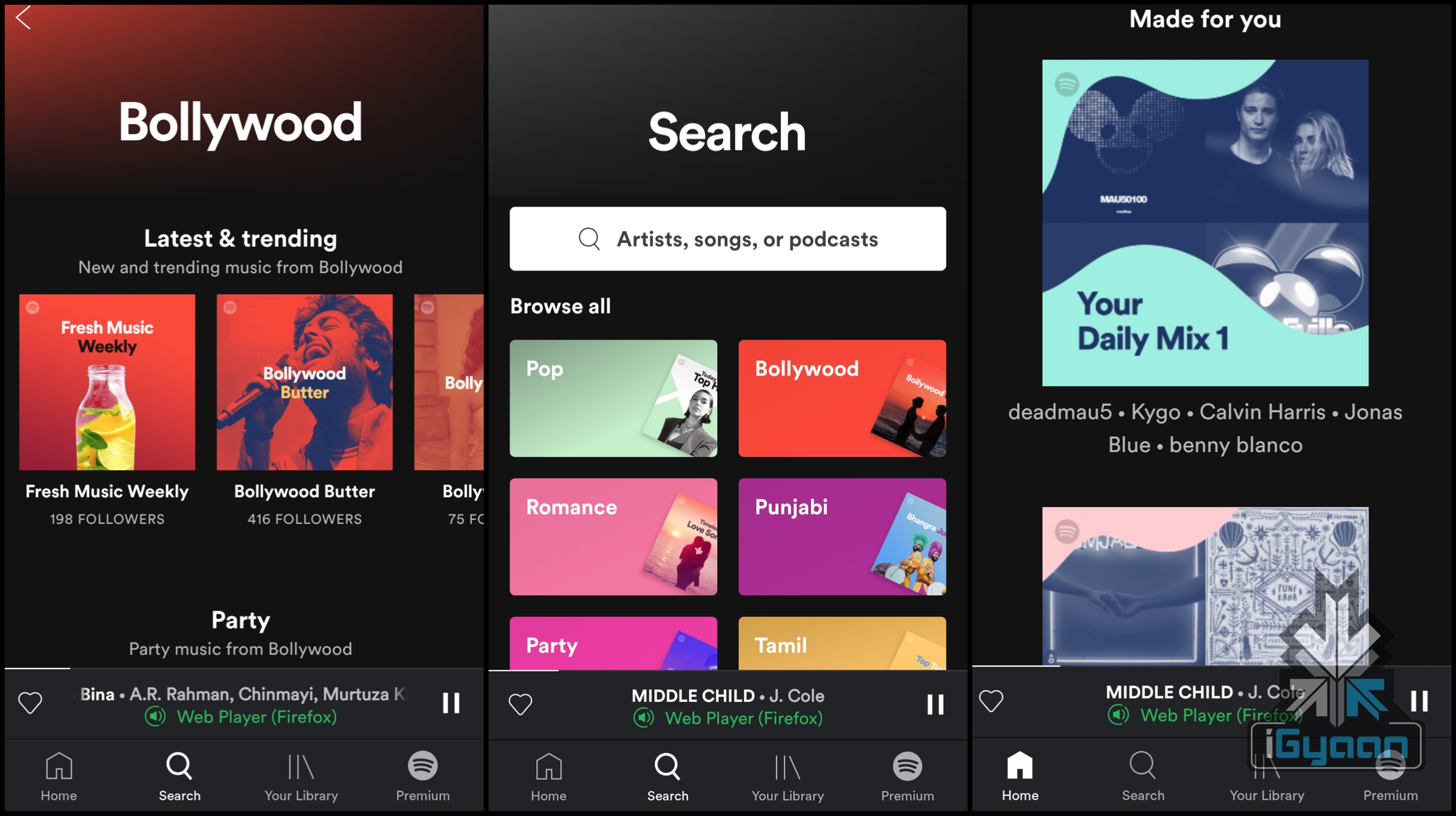
    Noteworthy, users can also use the application without paying for a subscription. Premium subscription allows users to take their songs offline and listen to high quality (320 kbps) music on the go. Plus, it gives them an added advantage of ad-free music, which is a huge factor when it is about music streaming. Users can still access free playlists which are personalized as per their music taste. Plus, Spotify claims that over 30,000 tracks are added to the library every day.

    Spotify’s founder and CEO acknowledged the rich music culture of India and wanted to blend it with other music forms across the world. He also said that Spotify’s family is a lot bigger now that India has become a part of it. As mentioned previously, the catalogue of Indian music on Spotify has expanded considerably now that T-Series has entered into a contract with the company. Spotify claims to have a ton of Bollywood and regional content, with music playlists extending to languages like Malayalam and Kannada. 
    The Competition

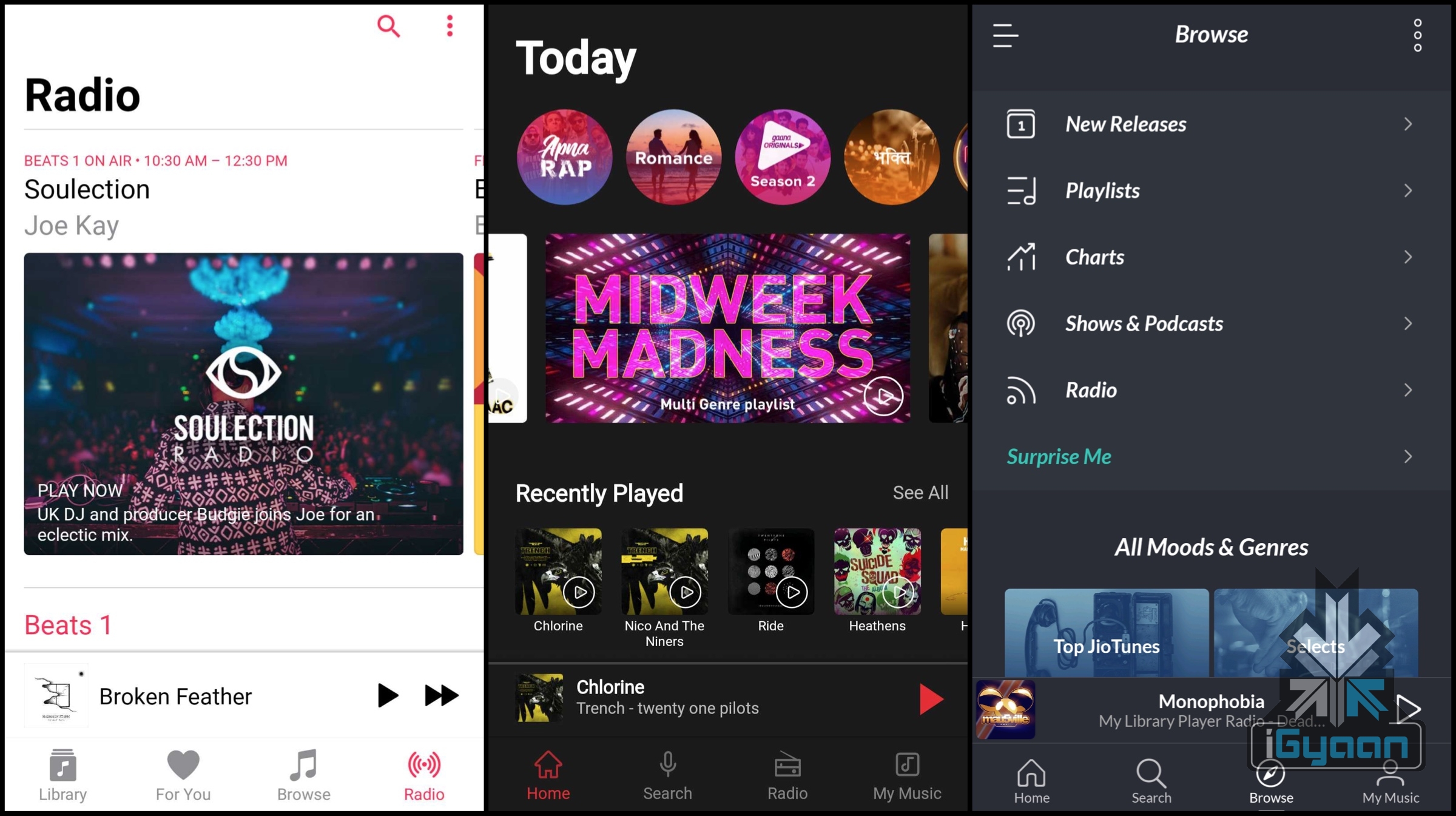
     Post release, Spotify will have to go up against music streaming applications like JioSaavn, Gaana and more. Exclusive music launches from the music vendor can also be expected soon if Spotify wants to make a statement in the Indian music streaming industry. And with a market as huge as India, doing so becomes a compulsion rather than a luxury.
    If Spotify is compared to Apple Music (which is another strong contender in India), both providers offer similar subscription plans. Currently, only Apple Music and Spotify offer premium student plans in India, which both start at Rs. 60 per month. Noteworthy, Apple Music provides a three month free trial when users sign up with their card details. Furthermore, Applications like Gaana have extensive Indian regional music libraries and may be the first preference for some users.

    Pricing And Availability

    Also Read: 1TB MicroSD Cards Are A Reality At MWC 2019

    The Spotify Music streaming app is now available for Android, iOS and Windows devices in India. Once users have downloaded the application, they can either continue to use it for free or pay for a premium subscription. The different pricing plans for the app are given below:

    • Premium Subscription Plan – Rs. 119 per month (cancel anytime) + 30 days free trial
    • Prepaid Plan – Starting from Rs. 13 a day to Rs. 1189 a year (Pay via debit/credit card, PayTm or UPI)
    • Premium Student Plan – Offers up to 50% discount on the Premium Subscription Plan for students above 18 years of age.

    You can visit Spotify’s official website here

  • Upcoming Update Will Augment Messaging App & Google Assistant Integration

    Upcoming Update Will Augment Messaging App & Google Assistant Integration

    With an upcoming update, Google assistant will show relevant suggestions about the subject of the message while it is being typed. The assistant will look for keywords in the message which with the help of AI algorithms will be used to populate the suggestions. One such example of this feature could be suggesting reviews of a particular place or destination that is being talked about in the message. Not just this, Google will also introduce 7 new Indic languages to its Google Assistant. Doing so will enable support for Bengali, Gujarati, Kannada, Malayalam, Tamil, and Urdu. Also, the AI model of the Assistant will be more suited to a higher number of users.

    About The Update

    The Android Messages application is preinstalled on nearly all Android smartphones, so integration with such an application would be fairly easier. Smart texting has been around for a while now. Links inserted in text messages automatically show web previews whenever an internet connection is available. Google posted that this feature can be used with any device that uses Android (even Go editions), iOS and KaiOS.
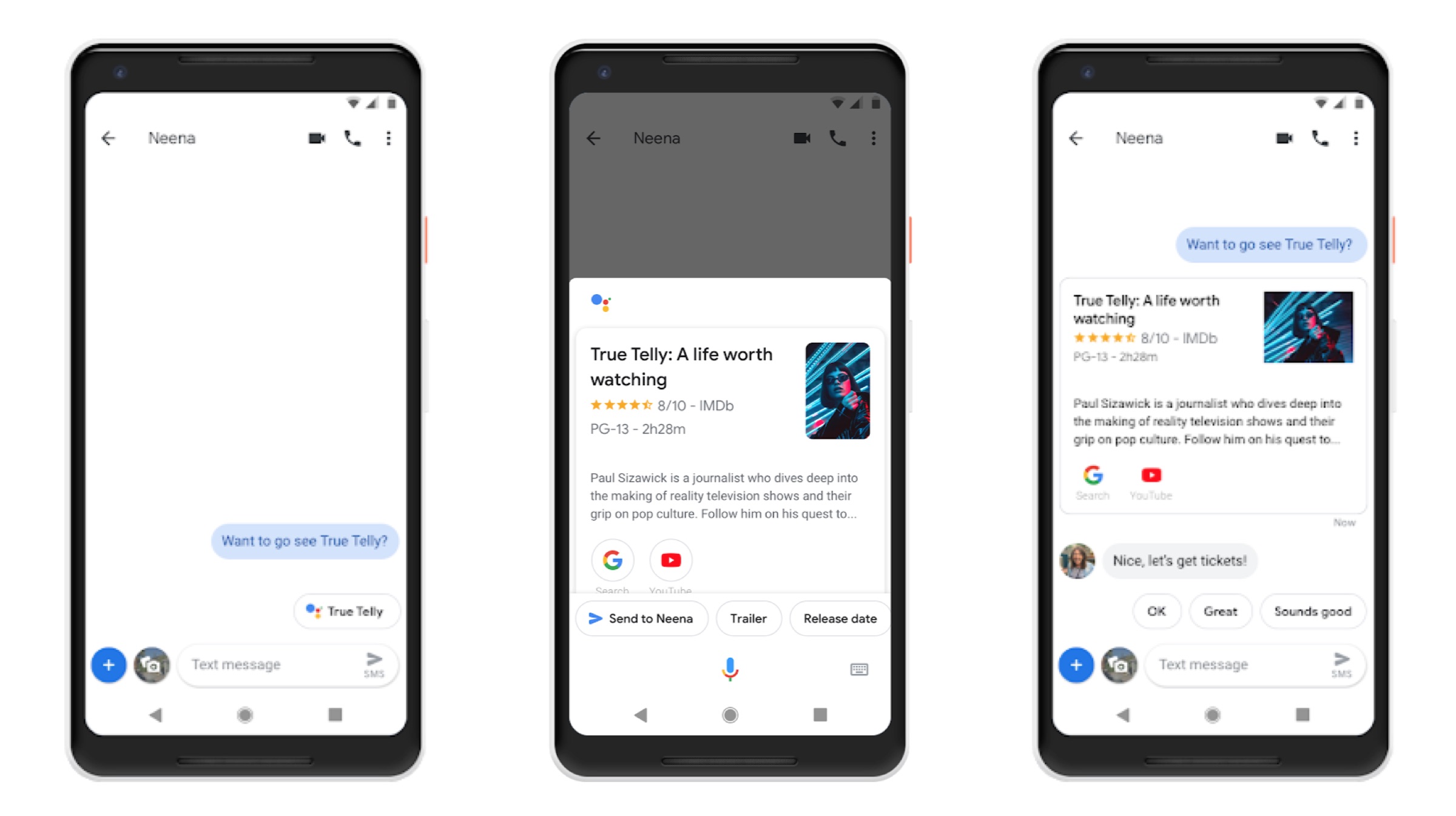
    Google Assistant Integration

    The Google Assistant integration is also seen in other Google apps like Maps, where drivers can get hands-free instructions regarding which directions to follow, making calls and read out texts. Similarly, the Android Messages app will rely on AI to provide suggestions that can make texting easier. It displays the information as a ‘suggestion chip’, and the user can click on it and just add that piece of info to the message. 
    Platform Support

    Google has also brought Voice Typing on KaiOS, which can help translate speech to text conveniently. As mentioned before, the multilingual support will help the Assistant to improve support for multiple dialects and accents. Apart from Indic languages, Google Assistant also adds support for bilingual talkback, with language support choices from Korean, Hindi, Swedish, Norwegian, Danish and Dutch.

    Also Read: Nubia Alpha Foldable Smartwatch Launched At MWC 2019

    Users can soon install the update rolling out to their devices. Let us know what you think about these features in the comments below.

  • Google Will Require Android Apps To Support Android Pie In 2019

    Google Will Require Android Apps To Support Android Pie In 2019

    Google’s operating system Android has been really popular because of the millions of apps available on the platform. What also helps its case is the level of customisation Android devices offer. This includes the ability to sideload apps from third party sources. But, some of these sources have been known to spread spyware through bypassing the app permissions as they support older Android’s Application Programming Interface(API). Google in a bid to counter the problem, has announced that all the new apps submitted to the Play Store in the year 2019 will have to support the latest API level 28, that is Android 9 Pie.

    What Does This Mean?

    According to Google, over 150,000 applications have added support for runtime permissions in 2018. Shockingly, the feature was introduced back in 2016 with Android Marshmallow, which had the API level 23. This meant that these apps were capable of bypassing permissions altogether, creating a security risk. Google tackled this by mandating all new apps to support API level 26, which was in Android 8.0 Oreo. Updates to the existing apps also had to support the same API.

    Google is updating these restrictions up a notch by mandating the app developers to update these apps to the latest API. Google Play Protect which was launched in 2017 is a security suite integrated into the Play Store. This service will be used to warn users of the apps not supporting the latest API. Here are the new timelines for the developers:

    • August 2019: New apps will be required to target API level 28 (Android 9 Pie).
    • November 2019: Updates to existing apps on the Play Store will be required to target API level 28(Android 9 Pie).
    • By 2020: The target API level will increase annually.

    Android Pie Android 9 Google

    Android will also use the Google Play Protect to warn the users if the app they are about to sideload targets to an API level older than Android Oreo (API level 26). It has also gotten the major Chinese application markets to comply with the new API levels on their app stores. These are from companies like Huawei, OPPO, Vivo, Xiaomi, Alibaba, and Baidu.

    Also read: Samsung Will Finally Allow Users To Remap The Bixby Button

    Google has said that 95% of the spyware target API level 22 (Android 5 Lollipop) or older, which creates a host of security issues. Notably, the Android platform gets monthly security patches, but some devices take a long time to be updated because of their respective OEMs. This leaves these devices vulnerable to new security threats. Therefore, this move is expected to make Android more secure.

  • Apple Planning To Combine iPhone, iPad And Mac Apps By 2021

    Apple Planning To Combine iPhone, iPad And Mac Apps By 2021

    The Apple ecosystem is vast, with various devices interconnected seamlessly. Despite running the same OS, the apps on the iPhone and the iPad differ in functionality and availability. A report claims that by the year 2021, the company will combine its iPhone, iPad and MacOS apps in a project codenamed Marzipan.

    Combined Apps In The Apple Ecosystem

    The move of combining apps for all the major products in the Apple ecosystem will make it easier to develop apps for these products. The Marzipan project might make an appearance in the upcoming Apple’s WWDC Developer conference in June. Only app development will be linear as Apple has confirmed that it won’t merge iOS and MacOS as a singular platform. Along with the alleged Marzipan project; Apple is also expected to announce the next generation of iOS, the iOS 13 for iPhones and iPads, at the event.

    The alleged project Marzipan will begin its journey later this year, as Apple will let the developers port their iPad apps to Mac computers via a software development kit. This will be further explored in the year 2020 when iPhone apps will be tested for porting to Mac. All of these will be combined to form a united app experience across these three platforms by the year 2021. The kit will be released as early as June, which coincides with reports of it launching at the WWDC. This change will let developers create a cross-platform experience for an app, as some apps are currently available on iOS and not on MacOS.

    Also read: Samsung Announces The Galaxy S10 5G Smartphone

    The project Marzipan is expected to provide a revenue opportunity for Apple as the company takes a profit share for in-app purchases and in-app subscriptions. It is also expected to announce some new products in its services divisions; namely a premium news subscription service and a video content initiative, in the month of March. The idea of combining apps for different ecosystems was first explored by Microsoft for its Windows Phone and Windows PCs, as well as Google when developing Android apps for ChromeOS. This move by Apple is expected to improve the app experience and may provide seamless connectivity on a single app between different platforms. 

  • PUBG Mobile Zombie Survival Mode Is Live Now

    PUBG Mobile Zombie Survival Mode Is Live Now

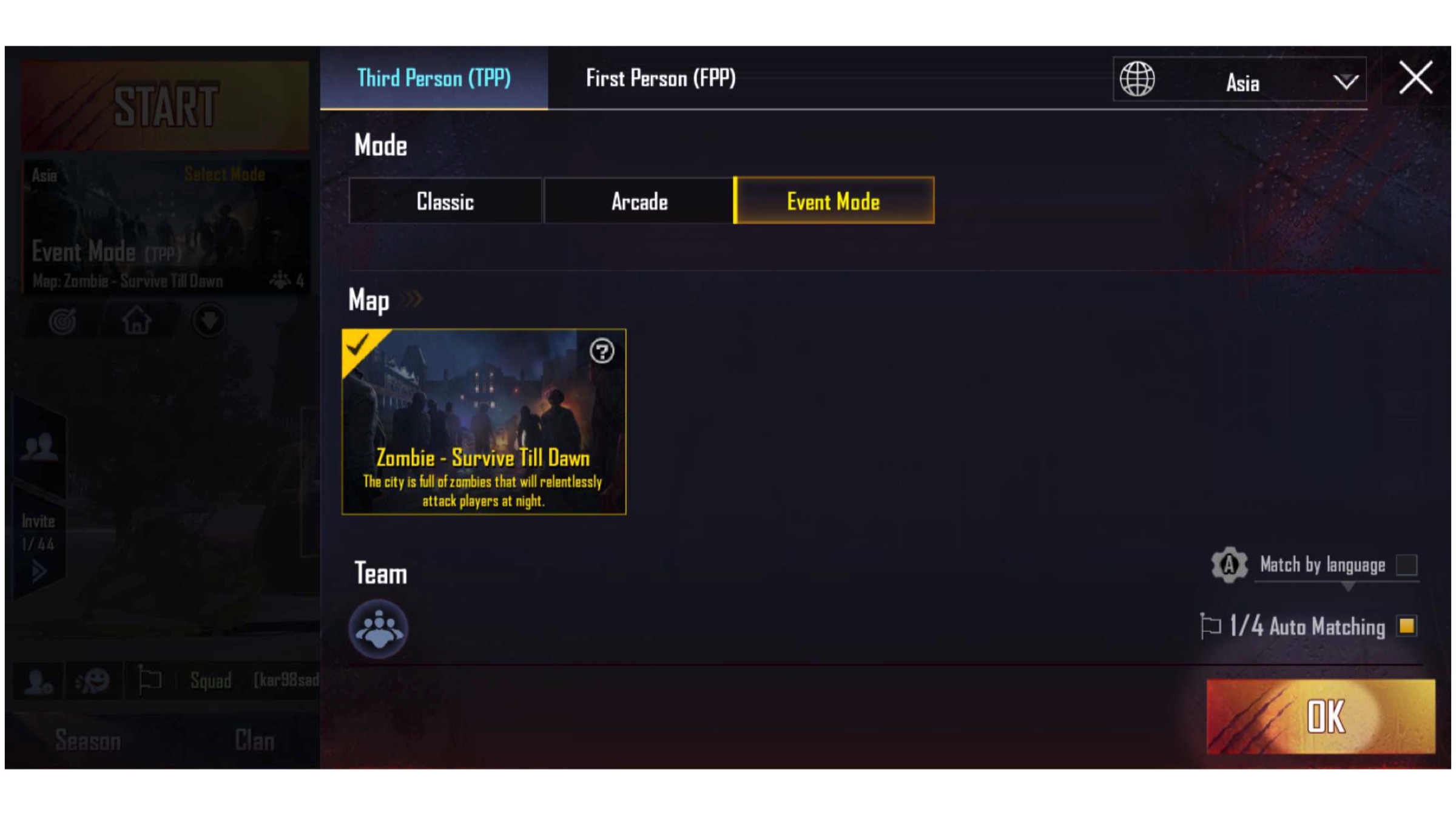
    PUBG Mobile was released for smartphones a little over a year ago. The game has since become a phenomenon worldwide. Essentially a version of an already hit PC and console game optimised for smartphones, PUBG Mobile has seen tremendous success. A few weeks ago, it announced a partnership with Capcom’s new game Resident Evil 2 in which a zombie mode was promised in the game. On February 19, the creator of PUBG Mobile, Tencent released an update that adds the much-awaited event to the game. The zombie survival mode is live on the latest PUBG Mobile v0.11.0.

    PUBG Mobile v0.11.0: What’s New?

    The new update adds two significant updates to PUBG Mobile. One is the aforementioned zombie survival mode. This mode has been made available for a limited time and is only limited to the Erangel map in the game. The players will be able to participate in the game as a team or can go solo for the event. Besides the regular battle royale mode wherein the players have to eliminate each other to become the last man standing, zombies and monsters will also be introduced in the game. Eliminating them will get the players treasures and items. The players will also be able to listen to the Resident Evil 2 theme music in the main menu and while playing the game.

    Also read: Android To Replace The Back Navigation Button With Gestures In Android Q

    Another noteworthy addition is the introduction of new weather called moonlight on the Vikendi map. This is expected to be an iterative addition and does not affect its playability in any manner. More features in the update include new frames and emotes, new player spaces to get information about a player, and the availability of Sanhok map in the Quick match mode. The update weighs around 440MB on Android devices and is assumed to enhance the excitement about the game.

  • Android To Replace The Back Navigation Button With Gestures In Android Q

    Android To Replace The Back Navigation Button With Gestures In Android Q

    The latest version of Google’s mobile operating system, Android 9 Pie was launched in August last year. The version included many changes in UI and introduced the long-awaited navigation gestures. The navigation gestures saw the removal of the multitasking navigation button from Android OS and instead it relied on just the ‘pill’ style navigation.

    Android One Android Go Stock AndroidThe back navigation button was still present on the OS and made an appearance whenever in an application. This half-baked approach turned out to be polarising with many people ending up liking the change; and many people straight-up hating it. Recent reports suggest Android will let go of the back navigation button completely and instead rely upon gestures in the upcoming Android Q.

    Android Q Gestures

    A device running a leaked version of Android Q revealed that Google may be planning to forego the back navigation button entirely in favour of one pill navigation. This would allow the users to go back with a single left swipe on the home ‘pill style’ button. This is expected to make Android easier to navigate and more intuitive. Notably, Google was inspired by Apple when it introduced gestures with the latest generation of Android. 

    Android Pie Android 9 Google

    Going by the release schedule Google follows while releasing the developer preview of the devices, the first developer preview of Android Q is expected to be out in a few weeks. It is, however not expected to introduce new gestures with the initial release. Google may wait for the second developer preview to reveal them, which will see the light of the day at the Google I/O 2019, a developer conference scheduled for the month of May. The new version of Android is also expected to bring in changes like a native dark mode, smoother transition animations, revamped app permissions and a new desktop mode. Earlier reports also claimed that Android Q may also support FaceID like face authentication.

    Also read: Sony Teases The Launch Of Xperia XZ4 In The New Teaser Video

    The new gestures that are speculated to arrive with the new version of Android, seem like a step in the positive direction for the operating system. The final, stable build of Android Q is expected to be out in August. It will be when Google also uncovers what desert this generation will be called.

iGyaan Network
Privacy Overview

This website uses cookies so that we can provide you with the best user experience possible. Cookie information is stored in your browser and performs functions such as recognising you when you return to our website and helping our team to understand which sections of the website you find most interesting and useful.