Twitter is constantly working on new updates that aim to provide its users with a better experience while retaining simplicity at the same time. It was reportedly testing the upcoming ‘editable tweets’ feature, the anti-abuse feature and a load of other tools. Twitter has confirmed that it is testing out its quick peek feature on iOS and Android Operating System.
About The Feature
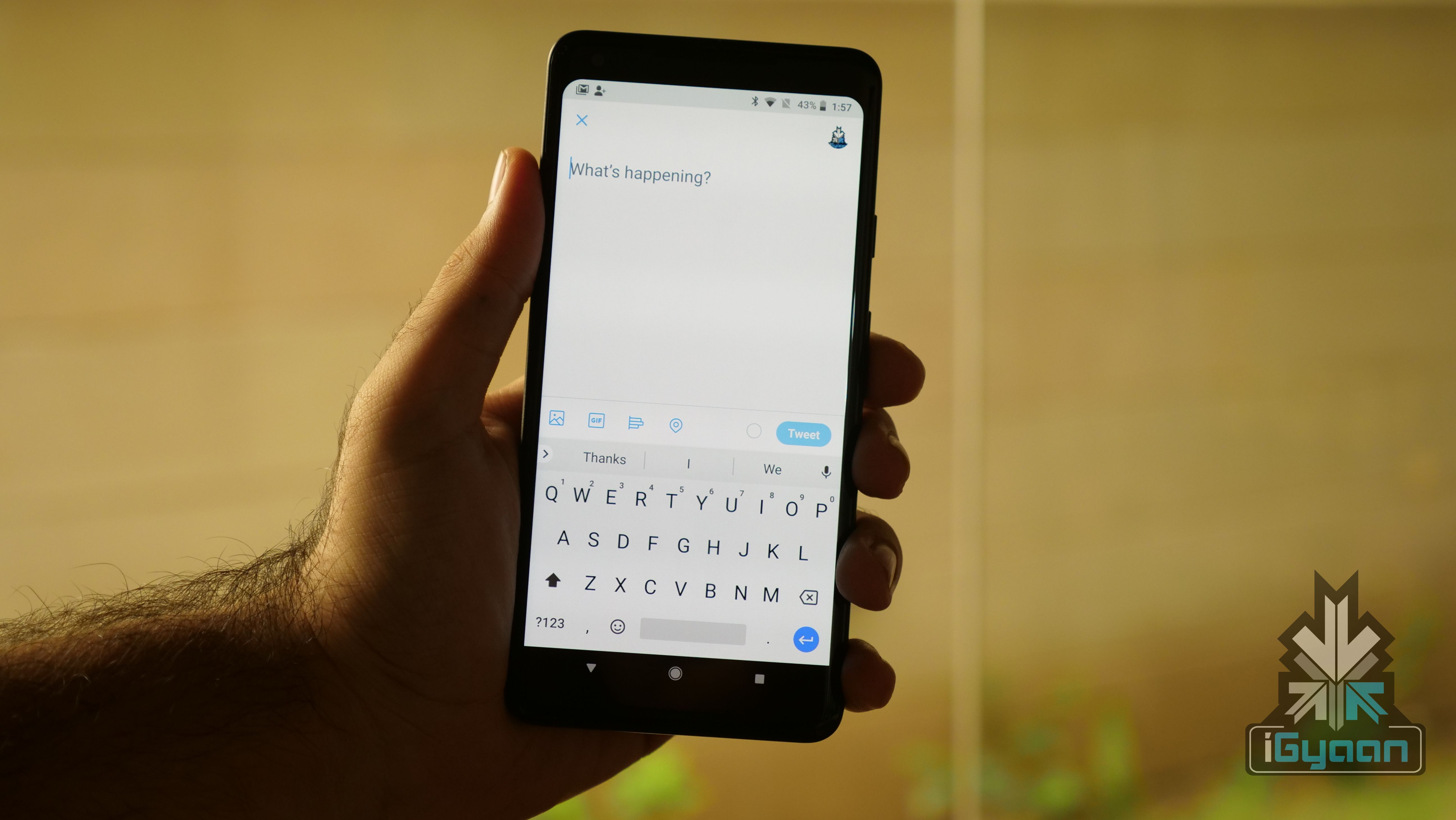 The option will enable users to tap on the @username in the main app feed to pop up the profile which they intend to view. It can be a very helpful feature. Not all accounts on Twitter have relevant usernames which can tell a user more about the person. Also, if the user clicks on a person’s avatar/username, they are taken to the profile page, interrupting whatever they were originally doing. Instead, the new feature will act just like the ‘mouseover’ option which can be experienced on the Twitter desktop website. Users will get an option to follow the person or interact with other options on the profile.
https://twitter.com/Twitter/status/1095784011845324801
Also Read: Twitter May Add The Option To Edit Tweets Soon
This feature is already being tested on iOS. The company, however, followed up with a reply to its original post just an hour later, confirming an Android update too. Twitter has not posted about the release date of this feature, but users can expect it to be implemented soon.

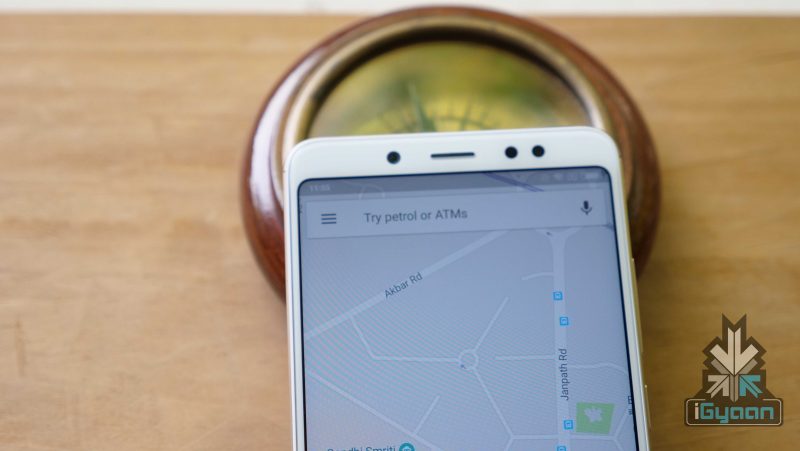
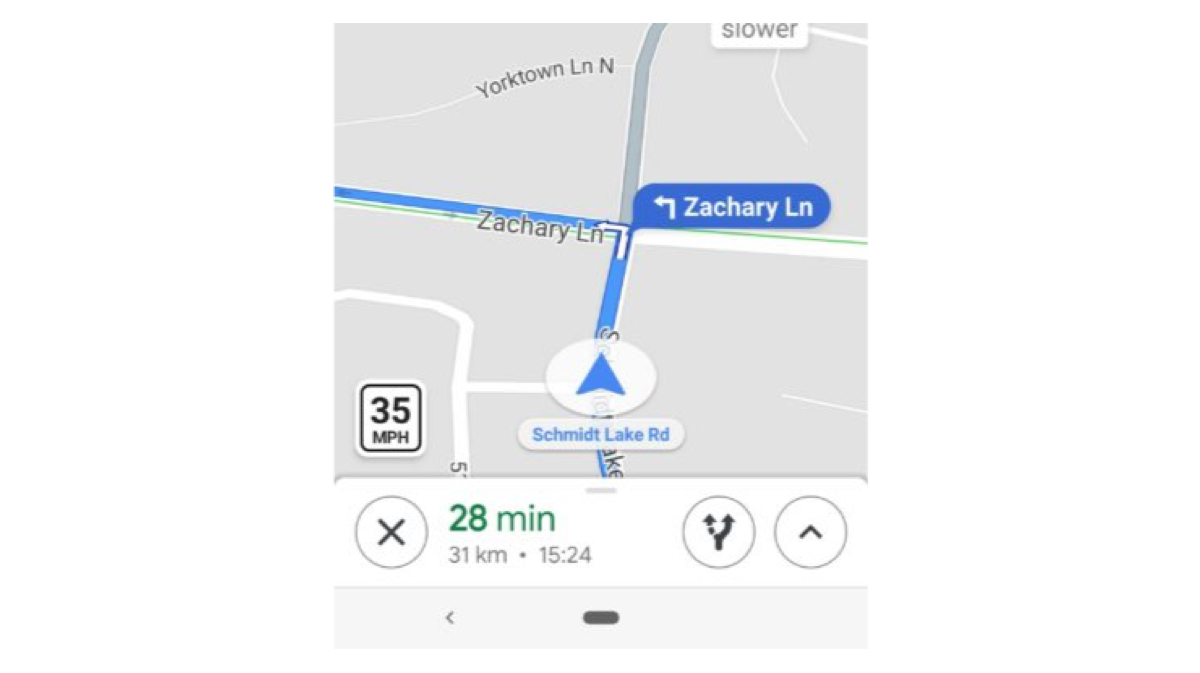
 As per reports, the AR version of the Maps is still in the making. Google previously previewed another version for developers in May 2018. The interesting part of that was that Google showed maps on the lower part of the screen. The rest of the screen helped the user navigate the real-world surroundings. Google also used a blinking arrow system, which was almost alike to the arrow in Google’s previous presentation.
  Wall Street Journal’s David Pierce noticed some more intriguing details about this demo feature. After orienting itself to the surroundings, the Google AR version of Maps kept prompting David to put his phone down, so that he doesn’t hit an obstruction. Similarly, WSJ said that the app should be used by more users to test out its features. But the guide for the same wasn’t available anywhere on the app.


 Also Read :
 As reported, several apps which are downloaded from the Play Store tend to display objectionable links and content on their screens. The links and clickable content then redirects the users to ‘scam’ websites, where information is misused. Supposedly, these ‘fake’ apps can access remote ad configuration servers for performing their phishing attacks. Previously, Google banned some Crypto-mining apps from their Play Store, due to policy changes by Google in July 2018. It also banned Chrome crypto-mining apps from the Chrome store. Crypto-jacking was a pretty common activity at that time. Hackers used to take over user’s devices for crypto-mining, even on mobile devices.
 Also Read :




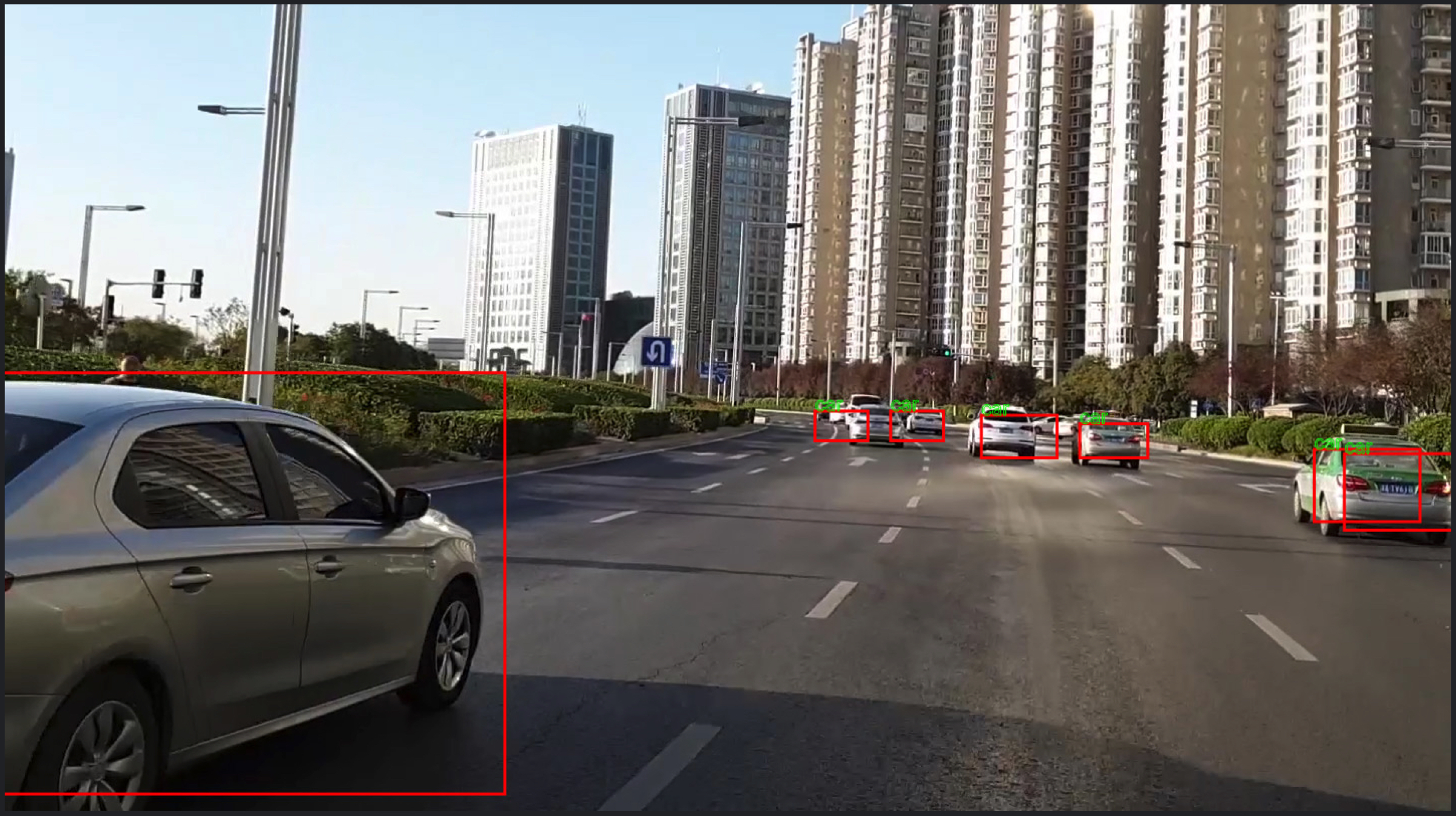
 Among them, the image classification is based on the Inception v3 neural network, the test data is 200 pictures; and the object recognition is based on the mobilenet ssd neural network, the test data is a 600-frame video. The final score is calculated based off accuracy and speed. The higher the both, the higher is the final score.