Smartphone News and Reviews, Latest Cellphones, Accessories, New Launches, Specifications, Details with Image and Video from Apple, Samsung, Lenovo, Moto, HTC, Xiaomi, Oneplus, Meizu, Sony, Lava, Micromax Yu Mobile and More.
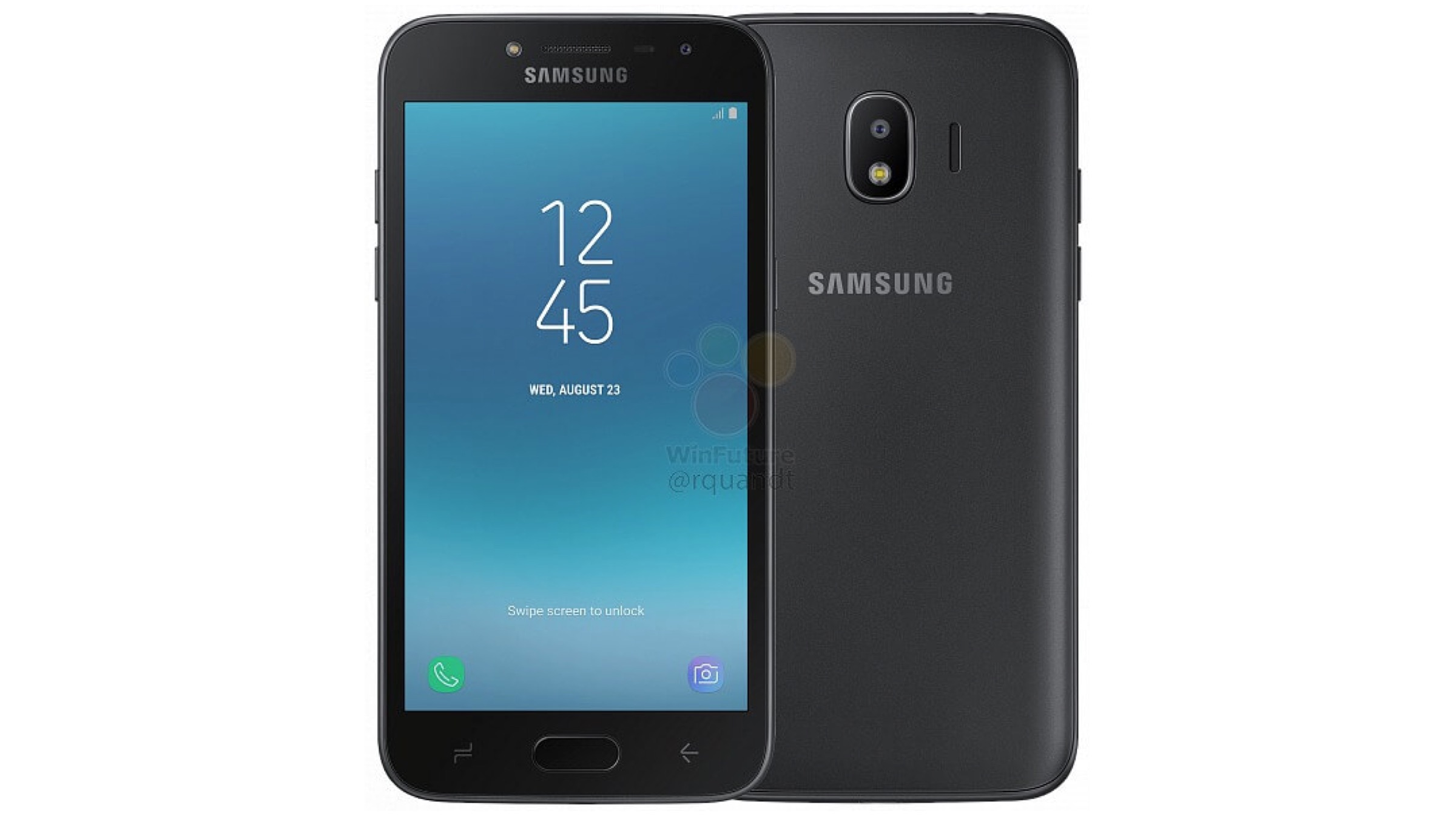
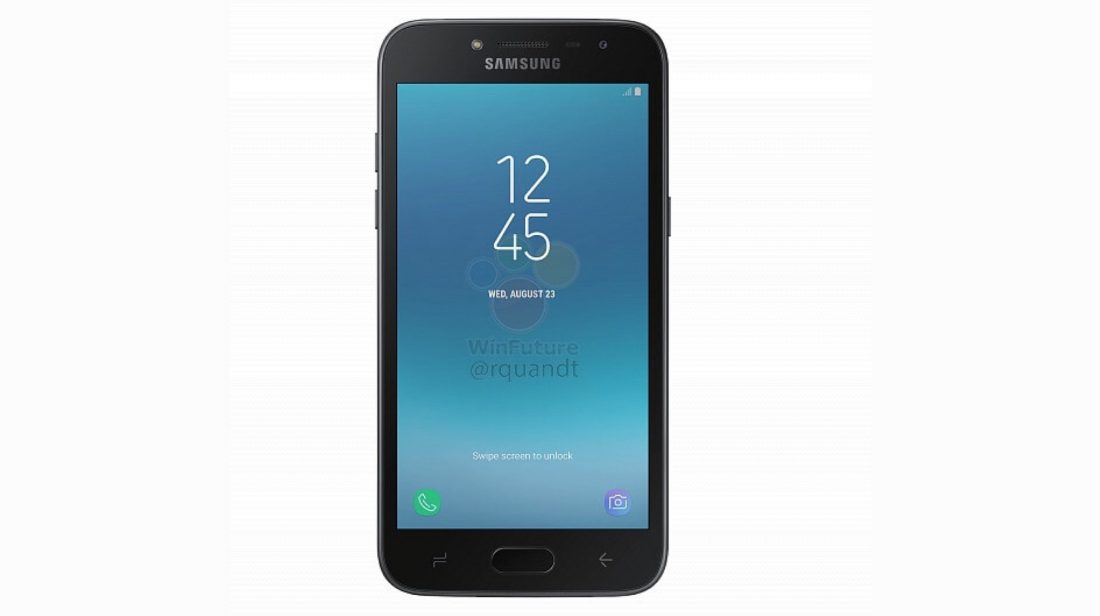
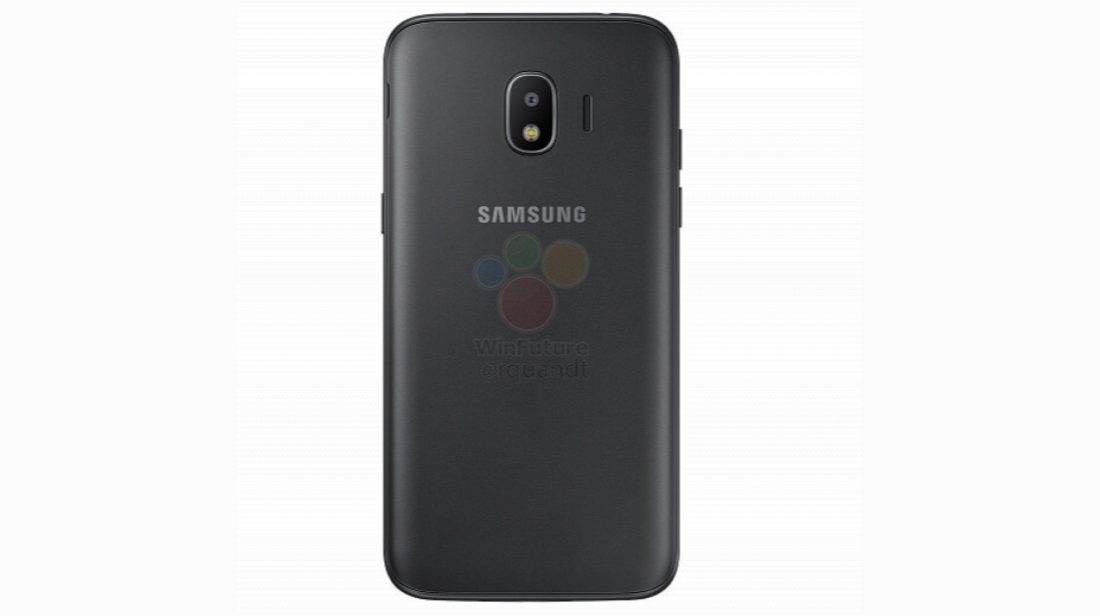
Samsung has decided that 2018 will be the year when its flagship-exclusive features will trickle down to its mid-range devices. In comes the Galaxy A8 and Galaxy A8+ but, it appears that the company’s lower-end offerings will continue to be on the same path of design and features albeit a few upgrades. The Galaxy J2 (2018) will be Samsung’s mid-range offering for the early-2018 period and a new leak has revealed all the important specifications of the device.
The device will have a 5-inch Super AMOLED display with 960 x 540 px resolution.
Under the hood, the device is expected to have the Qualcomm Snapdragon 425 chipset, 1.4GHz quad-core processor, Adreno 308 GPU, 2GB of RAM, and 16GB of onboard storage which will expandable via microSD card.
Powering the device is a user-replaceable 2600 mAh battery. The J2 (2018) has dual-SIM support, Bluetooth 4.2, LTE Cat.4 (up to 150Mbps down), and 802.11n Wi-Fi.
Both the primary and secondary cameras have an LED flash, according to the renders. On the back is an 8 MP camera and the front houses a 5MP camera.
There is no word from the company regarding the official launch of the device.
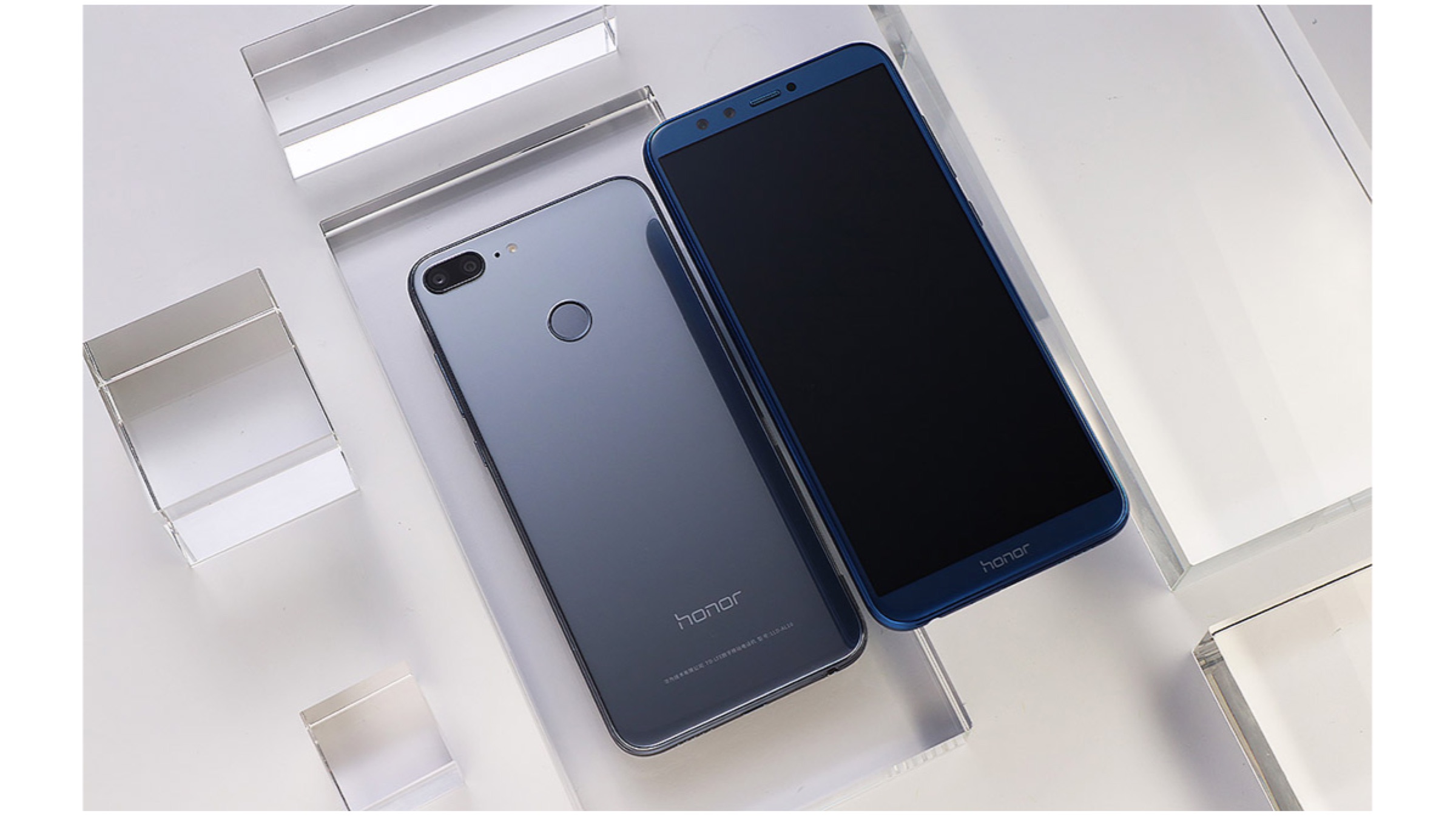
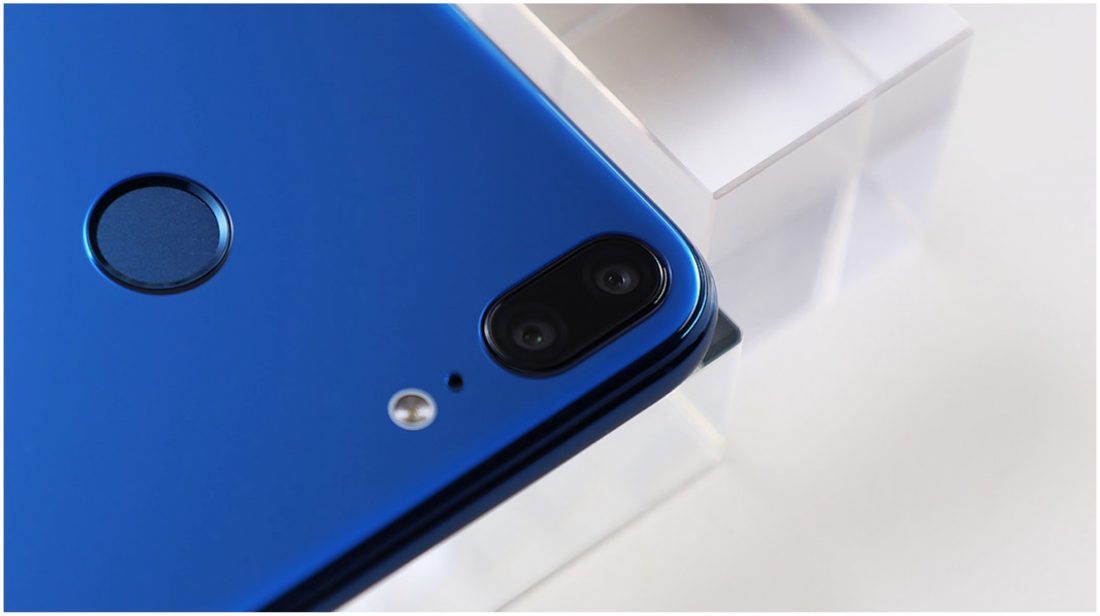
Huawei’s sub-brand Honor has launched a mid-range variant of the Honor 9, the Honor 9 Lite at an event in China. It is priced at CNY 1199 (Rs. 11600 approx.) for the 3GB/32GB variant, CNY 1499 (Rs. 14500 approx.) for the 4GB/32GB variant and CNY 1799 (Rs. 17400 approx.) for the 4GB/64GB variant. In China, it will go on sale from the 26th of December and India, along with Russia and Europe will also get the smartphone soon.
The Honor 9 Lite follows the same design language as the Honor 7Xand the Honor View10. It has a 5.65-inch IPS LCD display with a 2160 x 1080 px resolution which translates into an 18:9 aspect ratio.
Under the hood, similar to the Honor 7X, the Honor 9 Lite has the HiSilicon Kirin 659 chipset, an octa-core processor, the Mali-T830 MP2 GPU, 3GB or 4GB of RAM and storage options of 32GB and 64GB. It is worth noting that the onboard storage will be expandable up to 256GB via a microSD card. The fingerprint sensor is placed at the back and the bottom bezel on the front houses the Honor branding.
Powering the device is a 3000 mAh battery which also supports the Super Charge technology.
The Honor 9 Lite has four cameras. To the front and back, it has a 13MP + 2MP setup and both the setups record 1080P videos at 30fps.
The Honor 9 Lite shares a lot of its features with the Honor 7X and falls short a bit short of what the Honor View10 will offer when it is launched in India in January, at least of paper. As is with every smartphone in India, the pricing will be crucial for the Honor 9 Lite.
As smartphones move to an all-display and no bezels design, the onus will be on smartphone makers to produce rigid and robust phones. Even in today’s day and age, the smartphones are broken after a bad fall and if it’s a flagship phone, then the cost of repairing is huge. All of that might change if this self-healing glass becomes commercially available to smartphone makers.
Researchers from the University of Tokyo claim that they have discovered a type of glass that can heal itself, which could be used in phone displays and other devices. This can be done thanks to a new polymer called “polyether-thioureas” that lets the screen repair cracks when pressed upon. Just like a lot of famous discoveries, this self-healing glass was discovered by accident as well. A student named Yu Yanagisawa was attempting to use the material as glue when he discovered its healing properties.
This is not the first time that a similar technology has come to the fore. Similar self-healing methods have been tried on plastic and rubber but, the researchers say this is the first of its kind as it can be repaired at room temperature. Motorola filed a patent a few months back which chronicled the use of self-healing display technology that would fix cracks when heat is applied. The LG G Flex 2 had a back panel that could self-heal minor scratches and dings.
It is certain that implementing this technology especially at its nascent stage will be costly and might not be an average consumer’s cup of tea. But, there is a market for rugged smartphones and enthusiasts will be more than happy to spend the extra bucks if it meant that their devices could self-heal.
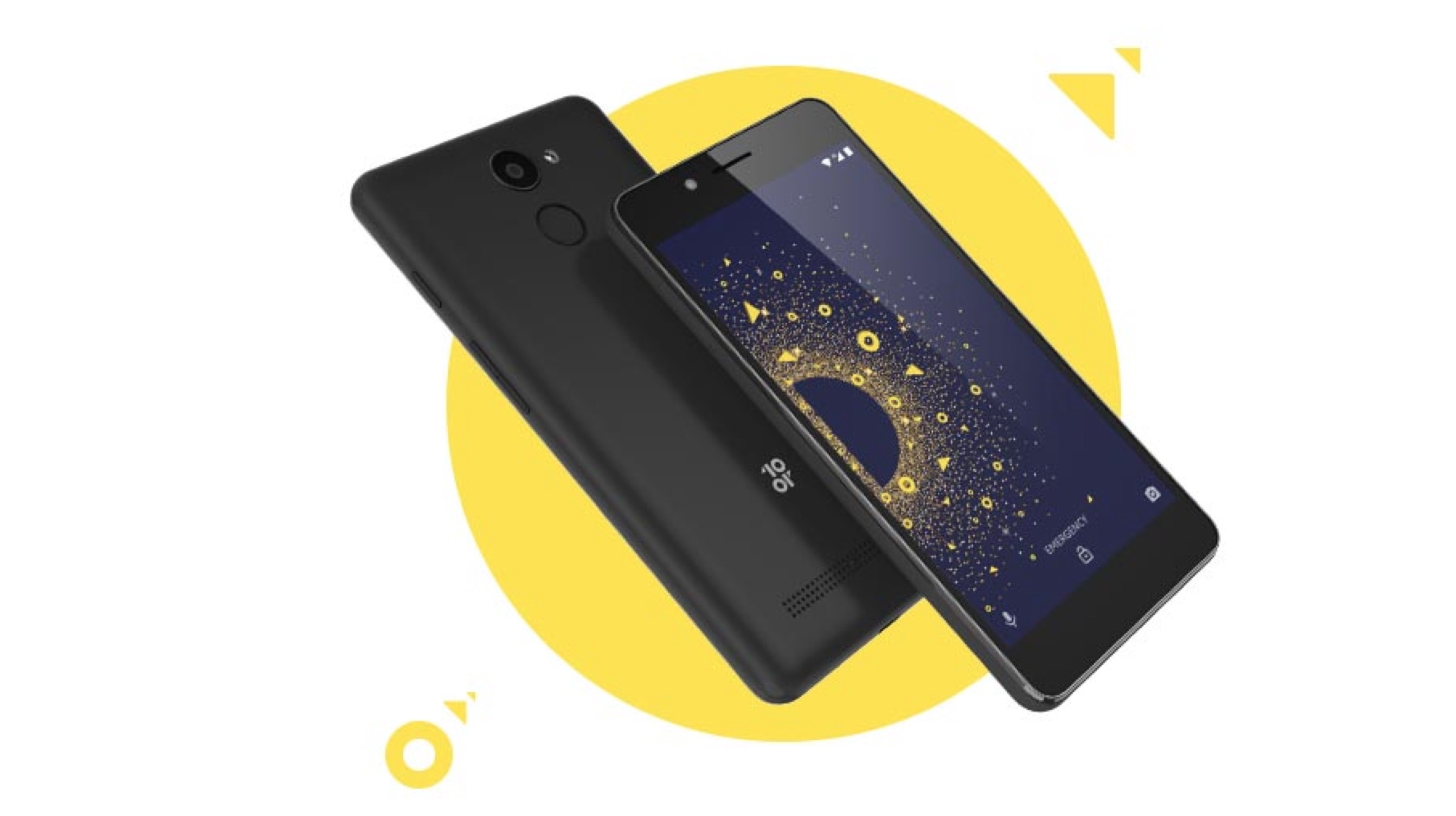
2017 has been a fascinating year for mobile phone enthusiasts from all walks of life. There have been flagship phones that have cost over a lakh such as the iPhone X and practically free 4G phones like the JioPhone. Toward the end of the year, Xiaomi launched a sub-5K phone, the Xiaomi Redmi 5A which could be the ideal phone for someone making a shift from a feature phone to a smartphone. Now, Amazon has launched the third phone in its ‘Tenor or 10.or” brand, the 10.or D.
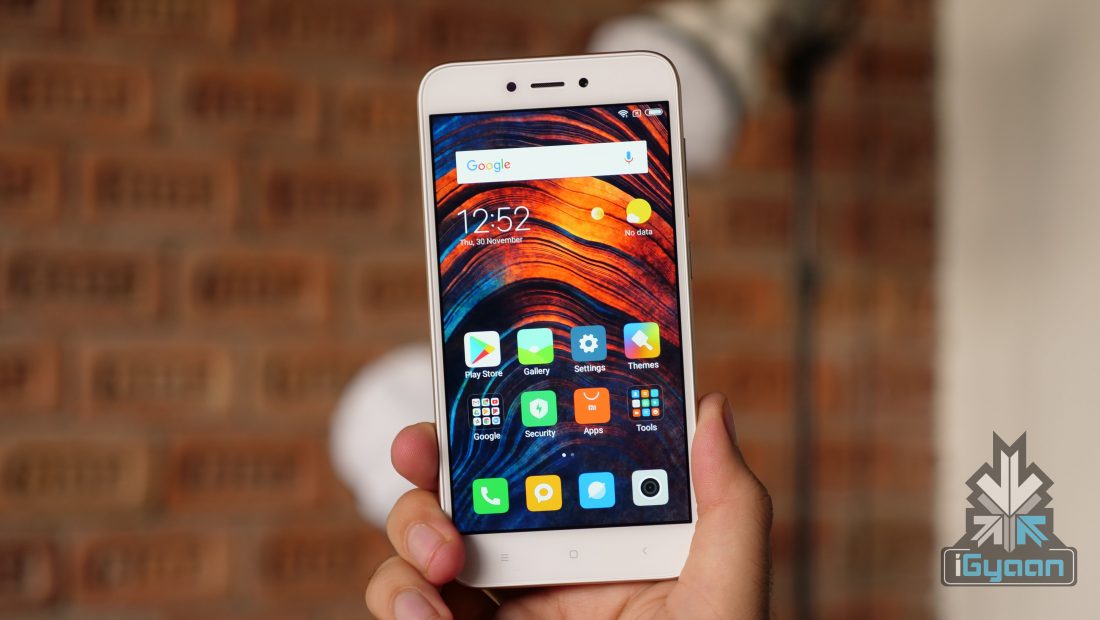
Xiaomi Redmi 5A
Priced at Rs. 4999 for the 16GB storage variant and Rs. 5999 for the 32GB storage variant, the pricing is almost identical with the Redmi 5A. The smartphone will go on sale at 12:00 PM on the 5th of January, and registrations for the first sale have already begun on Amazon India. The e-commerce giant is also giving away a 1-year subscription to Amazon Prime.
The 10.or D will have a 5.2-inch display with a screen resolution of 1280 x 720 px.
Under the hood, the device will have the Qualcomm Snapdragon 425 chipset, a quad-core processor, the Adreno 308 GPU to handle the graphics, and two RAM/storage variants. One of the variants will have 2GB of RAM and 16GB of storage while the other one will have 3GB of RAM and 32GB of storage, the storage will be expandable via microSD card. The fingerprint sensor is placed at the back of the phone.
Powering the device will be a 3500 mAh battery which in theory, should be sufficient enough to handle the 5.2-inch HD display. The listing page claims to deliver up to 70 hours of MP3 playback time, up to 25 hours of talk time and up to 10 hours on the internet.
Similar to the Redmi 5A, the 10.or D has a 13MP primary camera with auto-focus and an LED flash. On the front of the phone is a 5MP camera.
The specifications of the 10.or D are identical with the Redmi 5A. However, specifications are not the only factor and it will be interesting to see if Amazon can compete with the popularity of Xiaomi in the budget smartphone category.
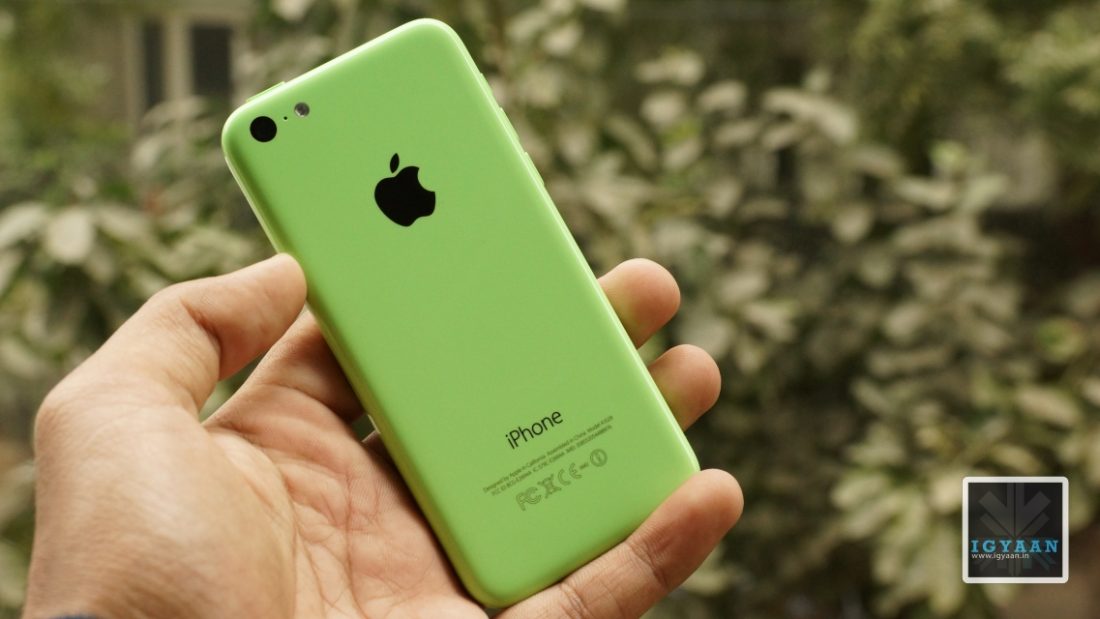
Ever since the iPhone 8 and iPhone X was launched, there have been multiple reports from previous gen iPhone users of their devices slowing down considerably. Theories about how Apple deliberately slows down older iPhones to practically force people into buying the new ones have been doing the rounds ever since.
Ever since a Reddit post gained attention and the interpretation of subsequent benchmark tests posted by Primate Labs’ John Poole went even more viral, people have been taking shots at Apple for throttling the speeds of older iPhones.
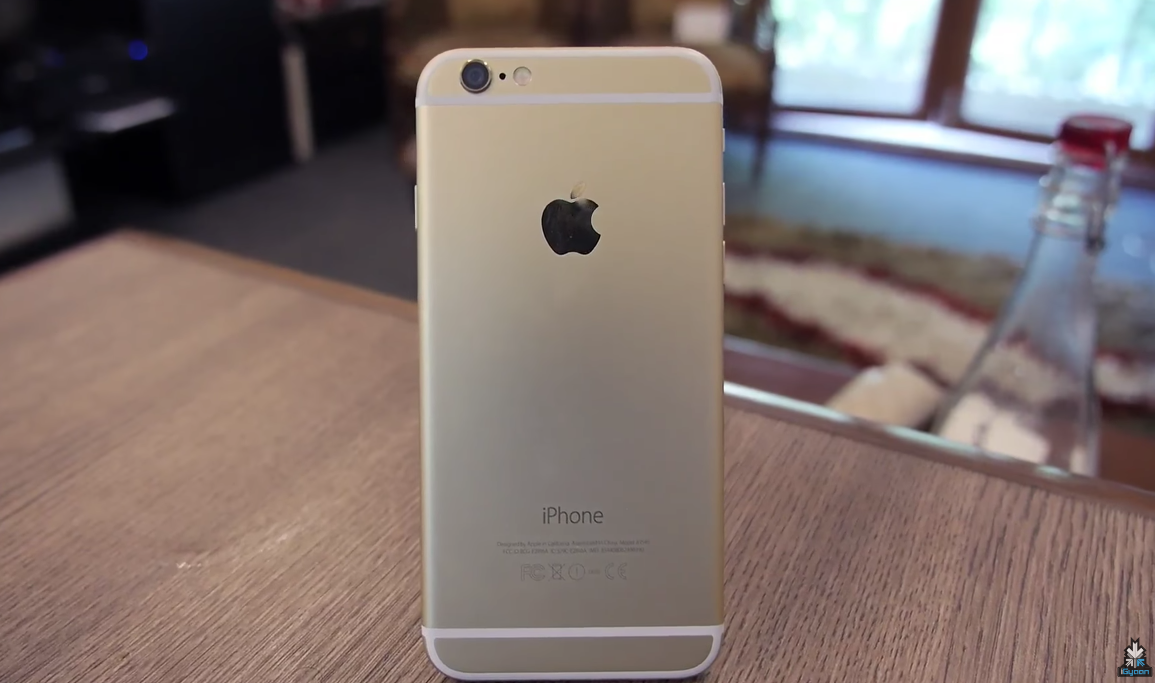
iPhone 5c Was Launched In 2013
To actually believe that Apple or for that matter any company would do something so ethically wrong would be unfair. If Apple were to do this, it would likely lead to incredible battles with the governmental that no company like Apple would ever want to happen. In fact, Apple is focusing attention on smoothing out the very high and quick peaks of power draw that can cause problems with older batteries.
To address the issue and the theories flying around the internet, Apple issued a statement to TechCrunch:
Our goal is to deliver the best experience for customers, which includes overall performance and prolonging the life of their devices. Lithium-ion batteries become less capable of supplying peak current demands when in cold conditions, have a low battery charge or as they age over time, which can result in the device unexpectedly shutting down to protect its electronic components.
Last year we released a feature for iPhone 6, iPhone 6s and iPhone SE to smooth out the instantaneous peaks only when needed to prevent the device from unexpectedly shutting down during these conditions. We’ve now extended that feature to iPhone 7 with iOS 11.2, and plan to add support for other products in the future.
In short, what Poole’s benchmarks are showing is the result of a power curve-smoothing algorithm that Apple rolled out last year to mitigate iPhone shutdown issues.
To tackle battery ageing in a more efficient way, what Apple is doing for older iPhones is it is capping the processor power to prolong the age of the battery. This is a is a lithium-ion chemistry issue, not an Apple or any other OEM issue. Over time, batteries just become bad. This is an attempt to make people’s phone work for longer with fewer issues, not to get them to switch away from it.
These changes will not affect the average performance of a device, and it is not throttling; it is capping the peak demands. In doing so, it is not allowing them to be as high and spreading that work out over more cycles rather than one.
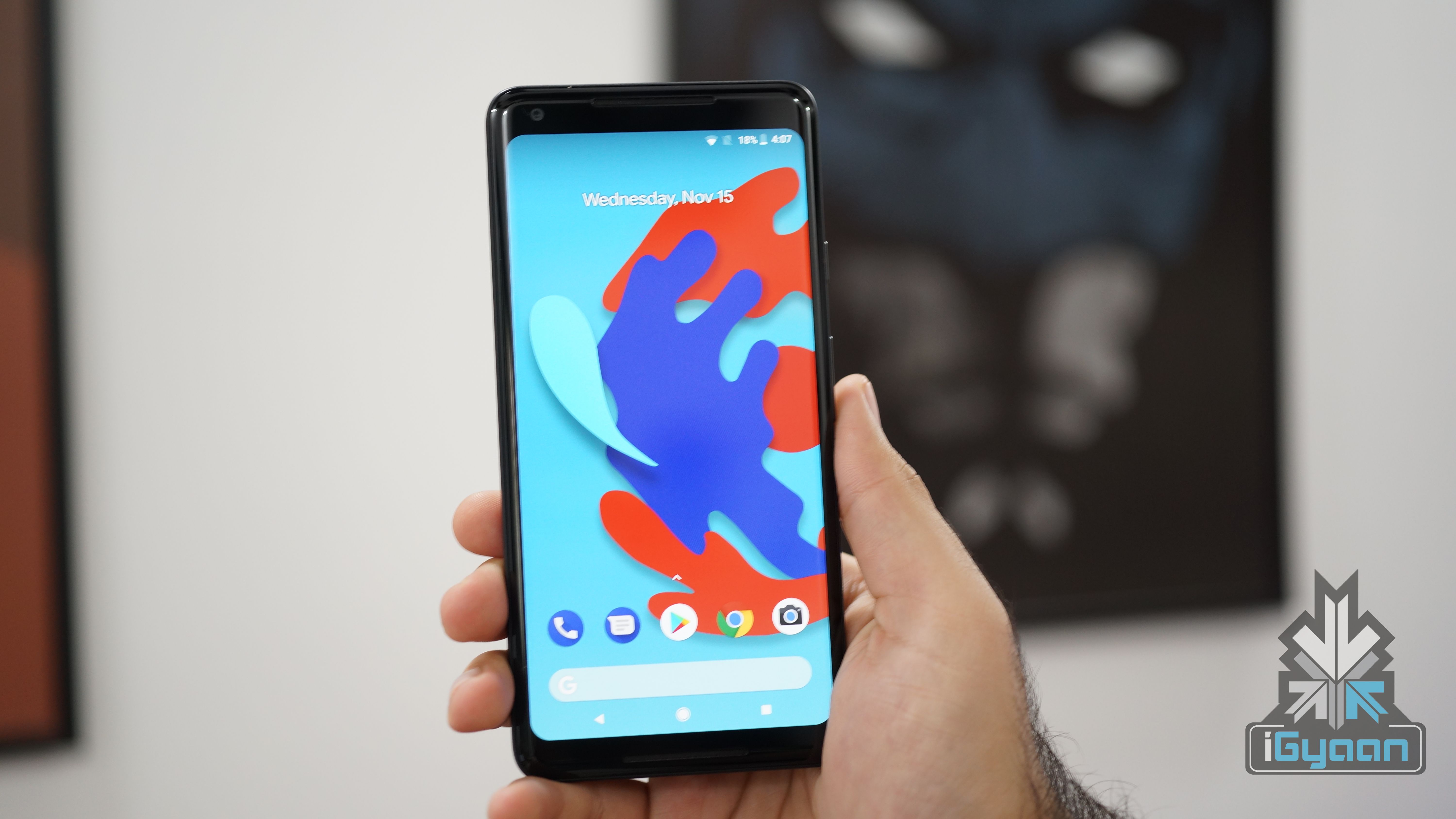
Google launched the Pixel 2andPixel 2 XL back in October to much fanfare. When both the devices were launched, there were hardware and software issues that marred the progress of the two devices and definitely persuaded a lot of customers away from the two devices.
The latest software update for the Google Pixel 2 and Pixel 2 XL has brought new issues to both the Pixel 2 and Pixel 2 XL. After the latest software update, users have to physically wake up the screen to see who’s calling and accept or decline the call. That is a basic function that every feature phone also has, to wake up the screen and display who’s calling.
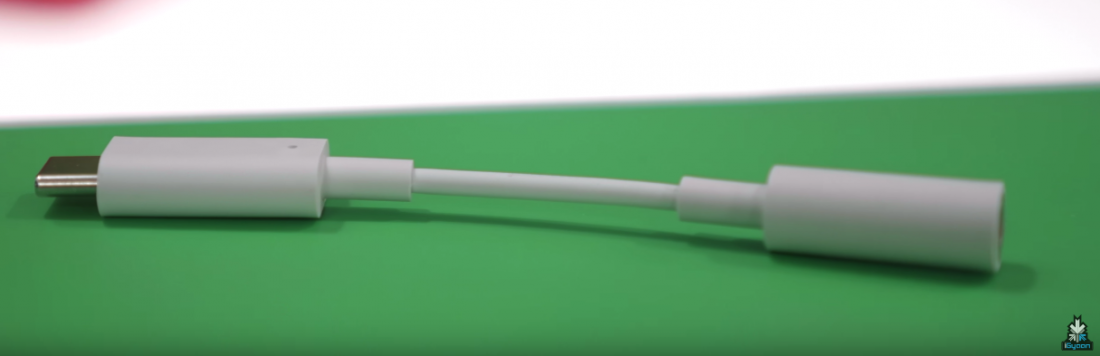
The smaller of the two phones, Pixel 2 has its own set of issues. Since the latest software update, the USB-C to 3.5mm headphone jack dongle that comes inside the retail box is not working anymore. Users have reported that the adapter doesn’t work as the sound comes from the phone’s speakers instead of headphones.
Google has not responded to any of the complaints so far.
The Google Pixel 2 and Pixel 2 Xl are priced at Rs. 61000 and Rs. 73000 for the base variant, respectively. Users expect top-notch service and performance from phones that cost so much and it appears that the Pixel 2 devices are having a hard time coping with the demands of the consumers.
The Xiaomi Redmi Note 4 is one of the most popular smartphones in India. The budget smartphone with a big battery and decent camera became the benchmark of budget smartphones over the past year. While Xiaomi and other brands have come out with similarly priced devices, a lot of consumers are waiting for the Xiaomi Redmi Note 5 to launch. The sad news is that Xiaomi might not be launching the Redmi Note 5 and instead, the recently launched Redmi 5 Plus will be the only big screen device from Xiaomi, as of this moment.
According to a Supermoderator on the MIUI forum, the Xiaomi Redmi 5 Plus is going to remain the company’s only large-screened affordable option. This is not an official confirmation but, it as close as it gets to one.
The Redmi 5 Plus was launched in China along with its smaller sibling, the Redmi 5 on the 7th of December. It is possible that Xiaomi will launch the Redmi 5 Plus in India as the Redmi Note 5, considering the Redmi Note 4’s immense success in the country.
Xiaomi Redmi 5 Plus
It has a 5.99-inch display with a 2160 x 1080px resolution which again, translated to an 18:9 aspect ratio. Similar to the Redmi 5, its display also has rounded corners.
Under the hood, the Redmi 5 Plus has the Qualcomm Snapdragon 625 chipset, 2.0GHz octa-core processor, Adreno 506 GPU, 3GB or 4GB of RAM, and 32GB or 64GB of onboard storage which will be expandable via microSD card. The fingerprint sensor sits at the back of the device which has become a Redmi signature irrespective of thin or thick bezels.
The Redmi 5 Plus is powered by a massive 4000 mAh battery which, according to Xiaomi, has a standby time of up to 17 days. The device has a micro USB port for charging and data syncing along with a 3.5mm headphone jack.
The Redmi 5 Plus has a 12MP primary camera and a 5MP secondary camera with beautify 3.0 software.
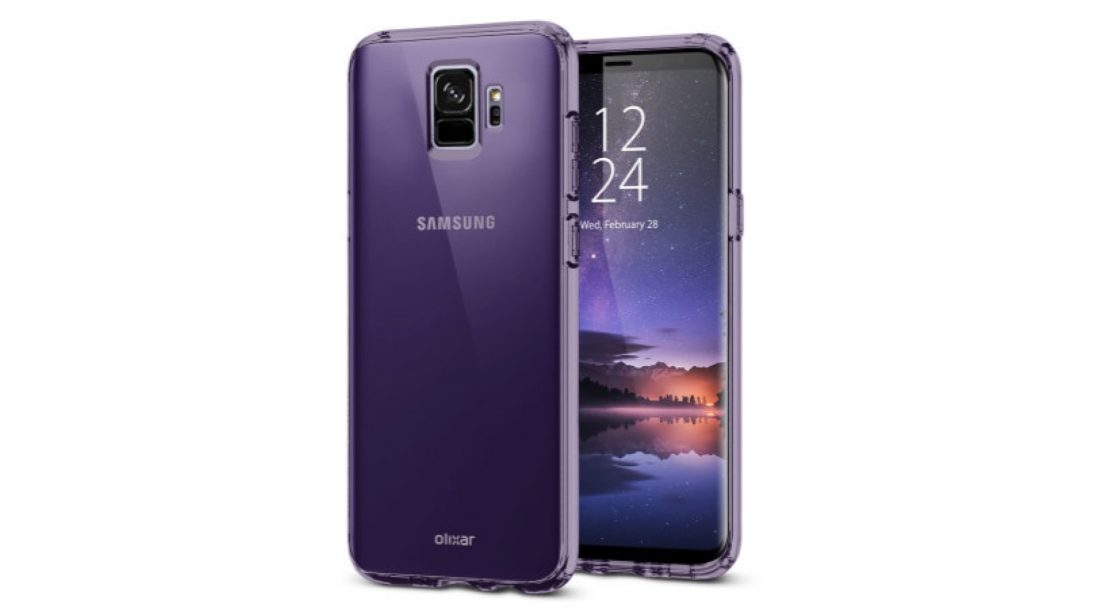
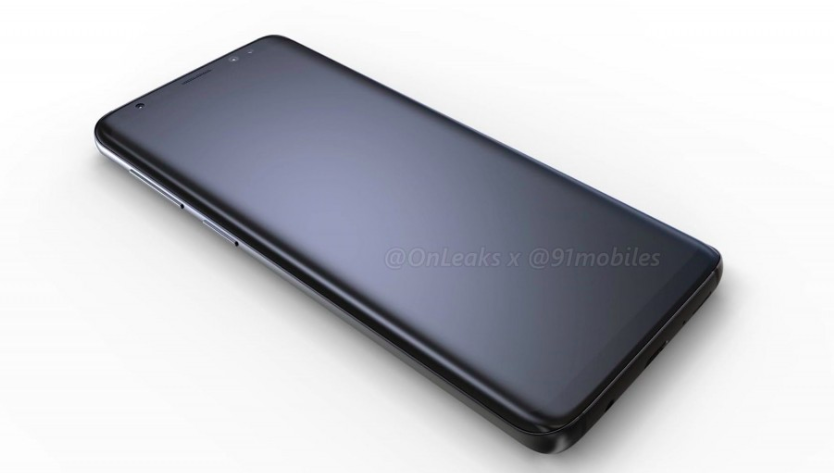
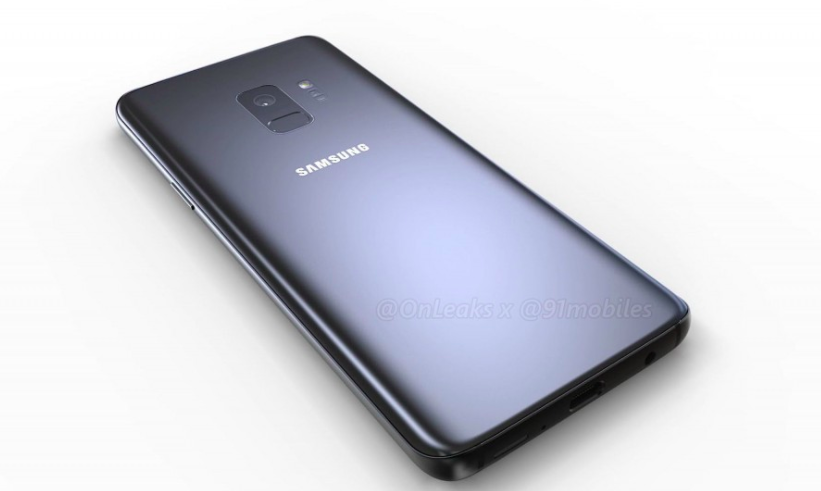
As we approach the end of 2017 and the possible launch of the Samsung Galaxy S9 and Galaxy S9+, the rumours and leaks will come thick and fast, We recently unearthed the specifications and benchmark scores of the Galaxy S9+ and this new leak reveals the design of the Samsung Galaxy S9+ and its smaller variant.
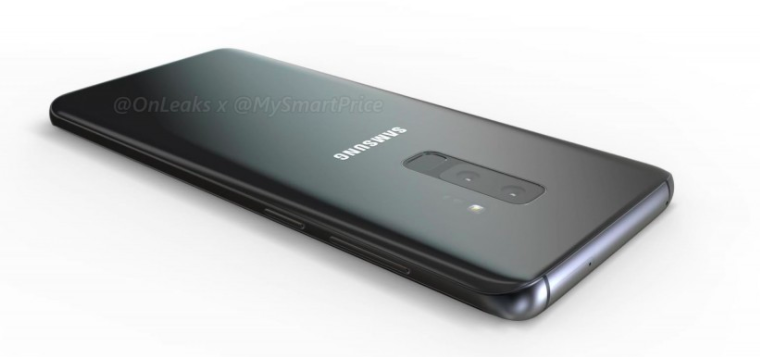
For weeks, it was rumoured that the Galaxy S9+ would sport a dual-camera setup at the back while the smaller sibling, the Galaxy S9 will have a single camera. This new leak of the case for both the phones is very similar to the renders that were revealed a few days ago. The leak confirms that the camera setup for both the devices will be different.
Another welcome change from the Galaxy S8 and S8+ will be the repositioning of the fingerprint sensor. Just like the fingerprint sensor on Galaxy A8 and Galaxy A8+, the fingerprint sensor is now placed under the camera and not next to it like their predecessors.
A recent leak also revealed the specifications of the Samsung Galaxy S9+.
The RAM shown in the spec sheet is 5GB which means that the device in question here has 6GB of RAM as benchmark websites get the specifications wrong a number of occasions. Another interesting aspect here is the operating system. According to leak, the Galaxy S9+ will run Android 8.0 Oreo which is a positive, considering the company announced the Galaxy A8 and A8+ with Android 7.1.1 Nougat even though the devices will be launched in January.
Galaxy S9+ Renders
If Samsung goes the Google Treble route, then the Galaxy phones might get faster updates compared to the umpteen amount of time that Samsung takes to update even its flagship phones. To put things into perspective, Android 8.0 Oreo was officially launched back in August, and the Galaxy Note8 along with the Galaxy S8 and S8+ are still running Android 7 Nougat.
The Samsung Galaxy S9 and S9+ are expected to look very similar to their predecessors with slightly thinner bezels and a repositioned fingerprint sensor. Unlike last year when there was barely anything to differentiate between the Galaxy S8 and its bigger sibling, Samsung will introduce a few changes in the lineup to justify a bigger price tag of the ‘+’ model. The Samsung Galaxy S9 is expected to sport a single camera at the back while the Galaxy S9+ will have a dual-camera setup at the back.
The Samsung Galaxy S9 and Galaxy S9+ are expected to be launched at MWC in late-February 2018.
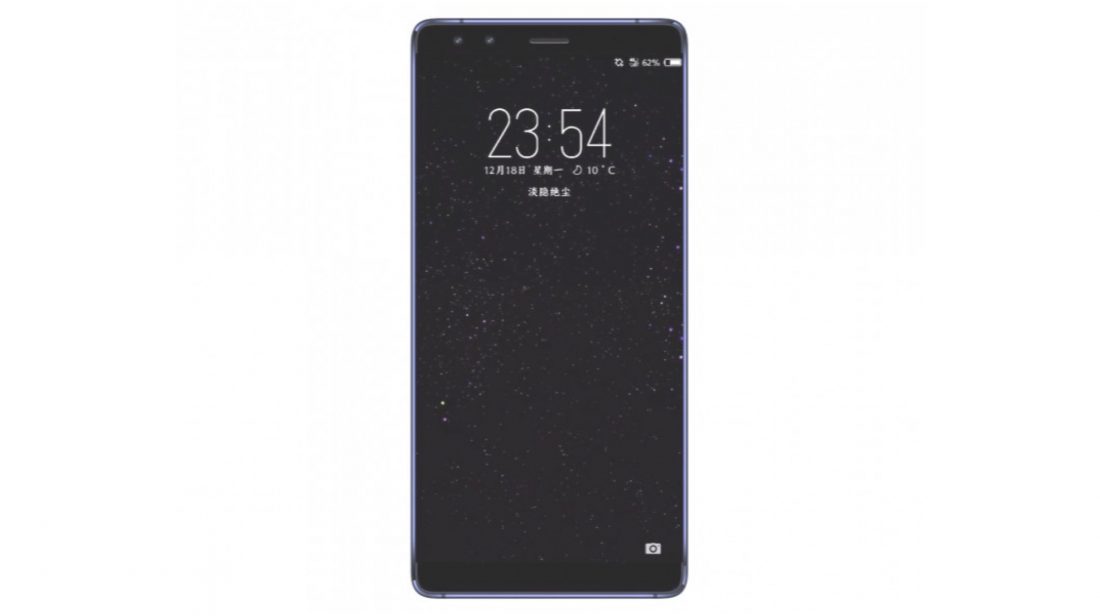
Ever since its return to the fore, HMD Global-owned Nokia has had a flourishing restart in the smartphone industry with a slew of launches in 2017. The most noticeable one in India was the launch of the Nokia 8 back in August with its dual-camera setup and vibrant colour variants. However, the design of the Nokia 8 did not represent the trend of 2017, thin bezels and a tall display. It appears that Nokia will rectify that with its early-2018 launch of the Nokia 9.
The image was leaked on the Chinese social networking website, Weibo and represents the design shift that Nokia will make in order to have a more modern-looking smartphone. While there are phones with a better screen-to-body ratio, the trimmed bezels will be a welcome change for all the Nokia loyalists waiting to upgrade to the Nokia 9.
The other noticeable aspect of the phone here is the front-facing dual-camera setup. We have already seen the Galaxy A8 and A8+ launching early next year which sport two cameras on the front and the Nokia 9 might be the next phone in line.
According to a recent FCC filing, the Nokia 9 will have a 5.5-inch OLED display.
Under the hood, the Nokia 9 will have the Snapdragon 835 chipset and 128GB of UFS 2.1 storage.
Powering the device will be a 3250 mAh battery with 18W fast charging. The device will run Android 8.0 Oreo out of the box with very little customisations.
The listing reveals a 12 MP + 13 MP dual-camera setup at the back and a 5MP front-facing camera which could be the resolution of one of the front-facing cameras.
It’s impossible to tell from the picture if the Nokia 9 will have a glass back or metal. The Nokia 9 is expected to be launched on the 19th of January, although the company has not announced or hinted at any event as of now.
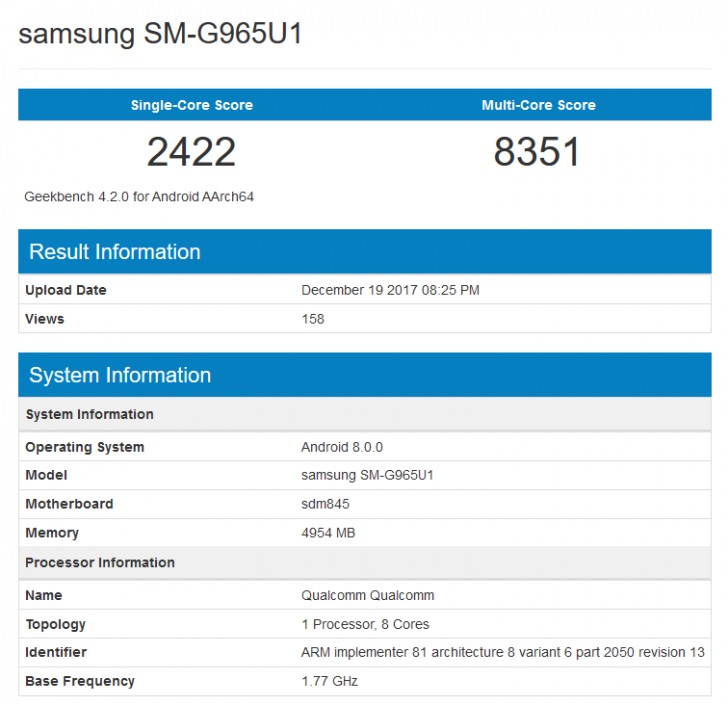
The Samsung Galaxy S9 and Galaxy S9+ are expected to be launched at MWC 2018 or at a special event in March. While there have been plenty of rumours of about the fingerprint sensor placement or what the camera setup will be like on both the devices, it is certain that the Galaxy S9 and S9+ will have the Qualcomm Snapdragon 845 chipset. A new leak has revealed that benchmark scores of the Samsung Galaxy S9+ and they look impressive.
The model number in the Benchmark results is SM-G965U1, which corresponds to the larger S9 model just as the Galaxy S8+ and Galaxy S7 edge both had model numbers that ended in “5”. The single-core score gets a commendable 27% bump over the Snapdragon 835’ while the multicore score gets is 31% higher than that of the Snapdragon 835. While the numbers are impressive when compared to Snapdragon 835, the A11 bionic chip is way ahead of the competition.
As is visible, the device in question here has the Snapdragon 845 chipset and similar to what happened in early-2017, Samsung will have exclusive access to the early batch of the flagship chipset thanks to its agreement with Qualcomm. This means that the LG G7, like its predecessor, will be powered by a year old chip, the Snapdragon 835.
The RAM shown in the spec sheet is 5GB which means that the device in question here has 6GB of RAM as benchmark websites get the specifications wrong a number of occasions. Another interesting aspect here is the operating system. According to leak, the Galaxy S9+ will run Android 8.0 Oreo which is a positive, considering the company announced the Galaxy A8 and A8+ with Android 7.1.1 Nougat even though the devices will be launched in January.
Galaxy S9+ Renders
If Samsung goes the Google Treble route, then the Galaxy phones might get faster updates compared to the umpteen amount of time that Samsung takes to update even its flagship phones. To put things into perspective, Android 8.0 Oreo was officially launched back in August, and the Galaxy Note8 along with the Galaxy S8 and S8+ are still running Android 7 Nougat.
The Samsung Galaxy S9 and S9+ are expected to look very similar to their predecessors with slightly thinner bezels and a repositioned fingerprint sensor. Unlike last year when there was barely anything to differentiate between the Galaxy S8 and its bigger sibling, Samsung will introduce a few changes in the lineup to justify a bigger price tag of the ‘+’ model. The Samsung Galaxy S9 is expected to sport a single camera at the back while the Galaxy S9+ will have a dual-camera setup at the back.
It was reported that Amazon will be launching a new smartphone under the 10.or pronounced as ‘Tenor’ brand in January. The e-commerce company has now listed the phone on its website and is taking registrations for the phone, Tenor D which will go on sale on 5th of January 2018. A few key specifications of the phone have been listed while the price of the phone is listed as “Rs. X999.” There will be two variants of the phone and according to the cryptic price listing, both the variants will be priced under Rs. 10000.
The 10.or D will have a 5.2-inch display with a screen resolution of 1280 x 720 px.
Under the hood, the device will have the Qualcomm Snapdragon 425 chipset, a quad-core processor, the Adreno 308 GPU to handle the graphics, and two RAM/storage variants. One of the variants will have 2GB of RAM and 16GB of storage while the other one will have 3GB of RAM and 32GB of storage, the storage will be expandable via microSD card. The fingerprint sensor is placed at the back of the phone.
Powering the device will be a 3500 mAh battery which in theory, should be sufficient enough to handle the 5.2-inch HD display. The listing page claims to deliver up to 70 hours of MP3 playback time, up to 25 hours of talk time and up to 10 hours on the internet.
While there will be a single primary camera, no information has been revealed as to what the specifications of the camera sensors are. More details will be revealed at the launch event which will happen on the 20th of December.
The specifications of the phone place it in the category of the recently launched Xiaomi Redmi 5A and the pricing of the phone will be crucial as Xiaomi has a smartphone offering in all major price categories up to Rs. 15000.
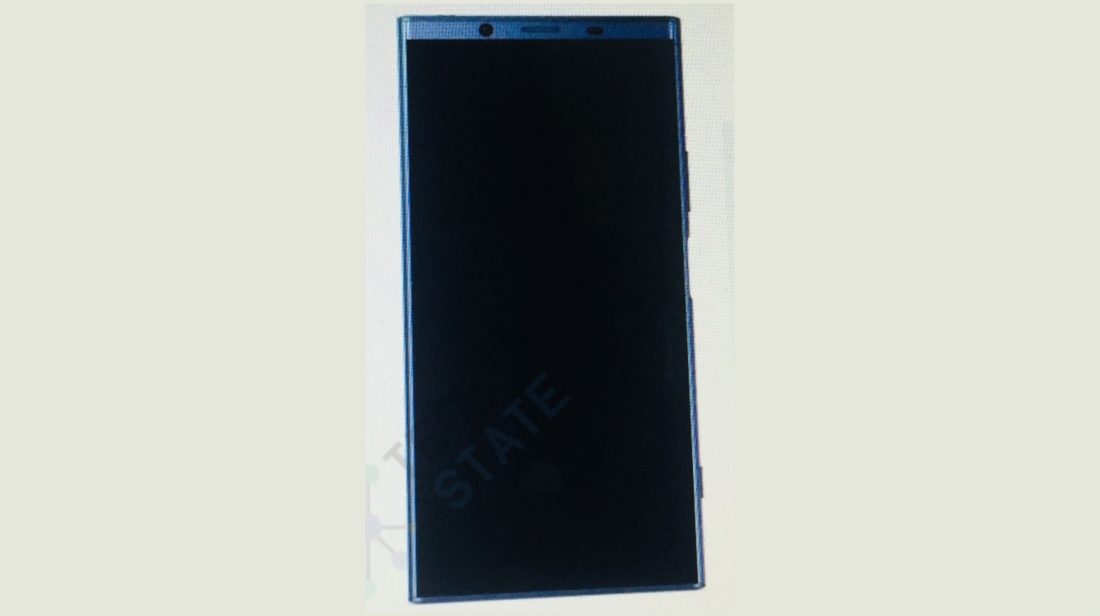
Sony has stuck to its trusted rectangular design for smartphones over the years even when the tall display and thin bezels became the norm in 2017. However, there have been several reports and leaks that have hinted at a major design shift in the upcoming Sony Xperia device. Recently, specifications of an upcoming Xperia device codenamed H8541 were leaked which revealed a tall display with 4K HDR resolution.
The image reveals a design similar to the Xiaomi Mi Mix 2 with three sides of the device having minimal bezels and the top housing all the sensors and the secondary camera. Although the Xiaomi Mi Mix 2 has a thicker chin, the Xperia phone has a thicker forehead. The phone appears to have the power button on the side, most likely with a fingerprint scanner embedded. There is also a volume rocker and dedicated camera button on the right side.
Leaked Image Of The Alleged Sony Xperia Phone
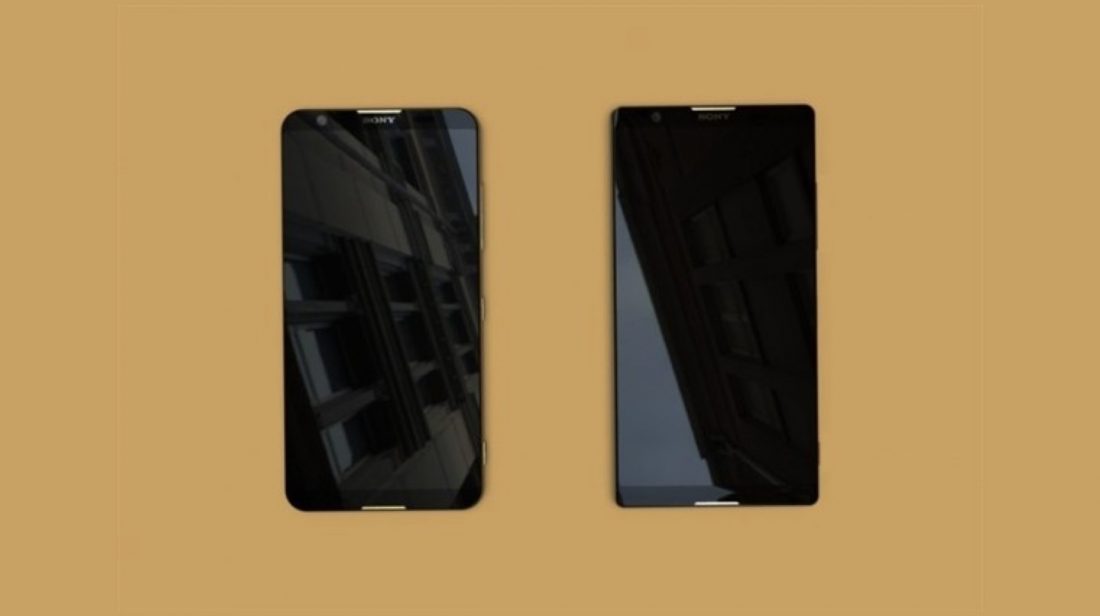
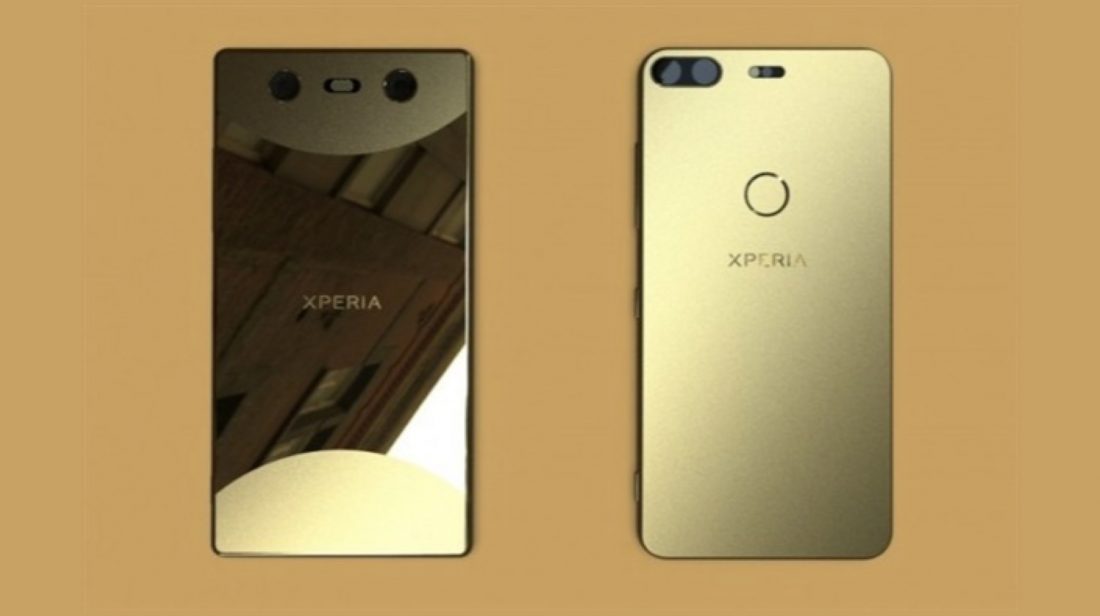
Just like any other leaked image, it is fair to assume that this could easily be a doctored image and the real device could have a completely different design. But, until the time Sony announces the device itself, it is a good design cue for the company. Recently, images of two Sony Xperia phones were leaked along with a few specifications. Just like the image, these images also reveal the design shift that Sony will make in 2018 for all its flagship phones in 2018.
Leaked Image Of The Alleged Sony Xperia Phone
The next Xperia device could be unveiled at the upcoming CES or MWC event where a lot of other smartphones are also expected to be announced, most notably the Samsung Galaxy S9 and S9+.
Flipkart and Amazon are the two big players in the e-commerce market in India. Both the companies are always trying to one-up the other, either with new sales or advertisements. Flipkart recently launched the Billion Capture+ smartphone, an Android phone with a dual-camera setup priced at Rs. 10999. But, a couple of months before Flipkart’s move, Amazon launched two budget smartphones called Tenor E and Tenor G. New reports claim that Amazon will be launching its own smartphone in January next year under the brand name Tenor.
Manish Tiwary, VP at Amazon India told ET:
We leverage the customer data and feedback to understand the gaps in the selection, pricing and reach out to our vendors or OEMs to manufacture relevant products.
While Flipkart labels its Billion brand as ‘Made for India, in India’, Amazon labels its brand as ‘Crafted By Amazon’. Both the companies have launched products and product lines on their private labels. Amazon has a diverse portfolio under the ‘Amazon Basics’ moniker while Flipkart has Smart Buy, a brand for electronics and electronic accessories and MarQ for large appliances.
The budget smartphone industry in India is seeing an exponential rise right now and most of it is dominating by Chinese brands such Xiaomi and Honor. Experts believe that the private label market in India for smartphones is fairly nascent.
The overall mobiles and tablet market would be at $8.5-9 billion annualised run rate in terms of gross merchandise volume. The smartphones private label would be targeting the local, low-brand and mid-brand strength of smartphones which make up almost 20% of the market, thereby making it a $2-billion opportunity for these private labels.
While there are plenty of budget smartphones, a good phone at a competitive price will always receive the attention and persuade buyers to try out a new brand, that is how Xiaomi gained popularity in India. Will you buy an Azom-made phone if the specs are spectacular?
Samsung is planning to launch the Galaxy S9 and Galaxy S9+at MWC in late-February. While smartphone makers try hard to keep their upcoming phones under wraps, it’s become harder to do that with every person now having a camera phone with them. Recently, the renders of the Galaxy S9 and Galaxy S9+ were released which show very little design change from 2017’s Galaxy S8 and Galaxy S8+.
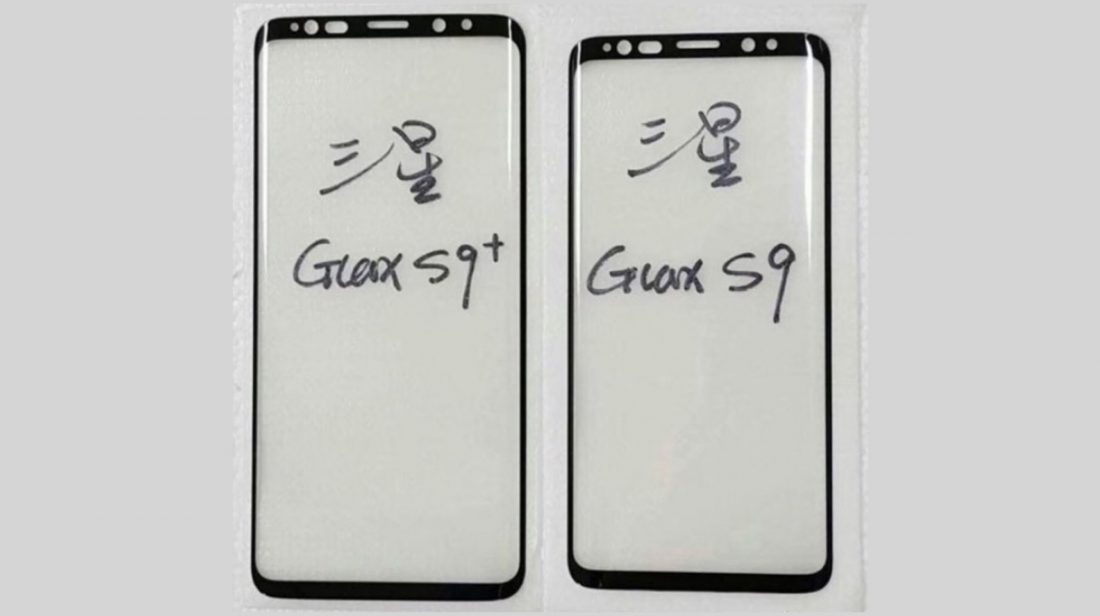
Now, two new leaked images reveal the front and back of the Galaxy S9 and the S9+. The images of the front glass reveal the size of the bezels and the camera and sensor cutouts. While people expected a nearly bezel-less design, these images reveal that the bezels will be ever so slightly shrunken in the 2018 iteration of the Galaxy S lineup.
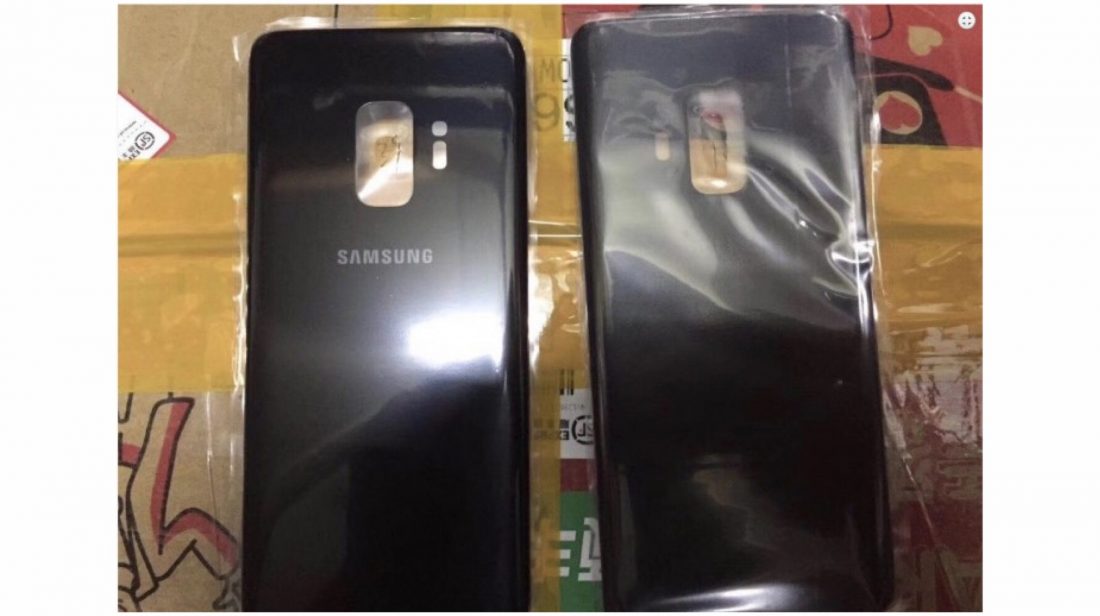
The other image is of the back panel of the Galaxy S9. The image falls in line with previous reports that the Galaxy S9 will continue to sport a single camera setup at the back and have a repositioned fingerprint sensor which will now be placed under the camera lens. The Galaxy S9+ is expected to have a dual-camera setup which will justify the steeper price tag of the bigger sibling.
While the Galaxy S9 and S9+ are expected to be launched at MWC 2018, it will be interesting to see if India will be one of the first few countries to see the launch of the new flagship phones considering the Galaxy S8 and S8+’s popularity in the country. Both the devices are expected to be launched at the same price as the Galaxy S8 and S8+ were launched back in early-2017.
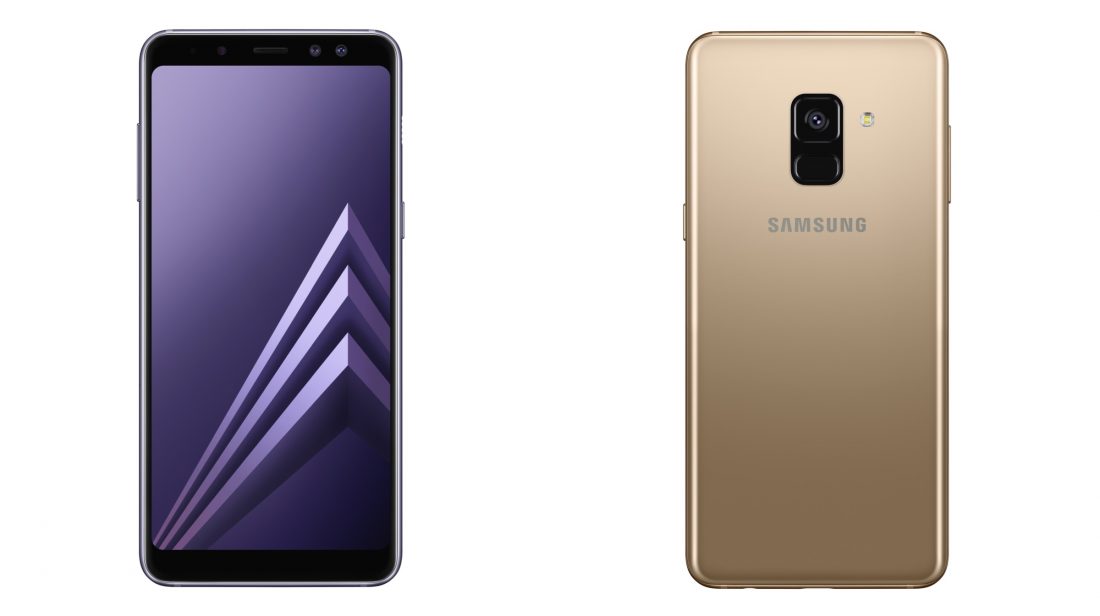
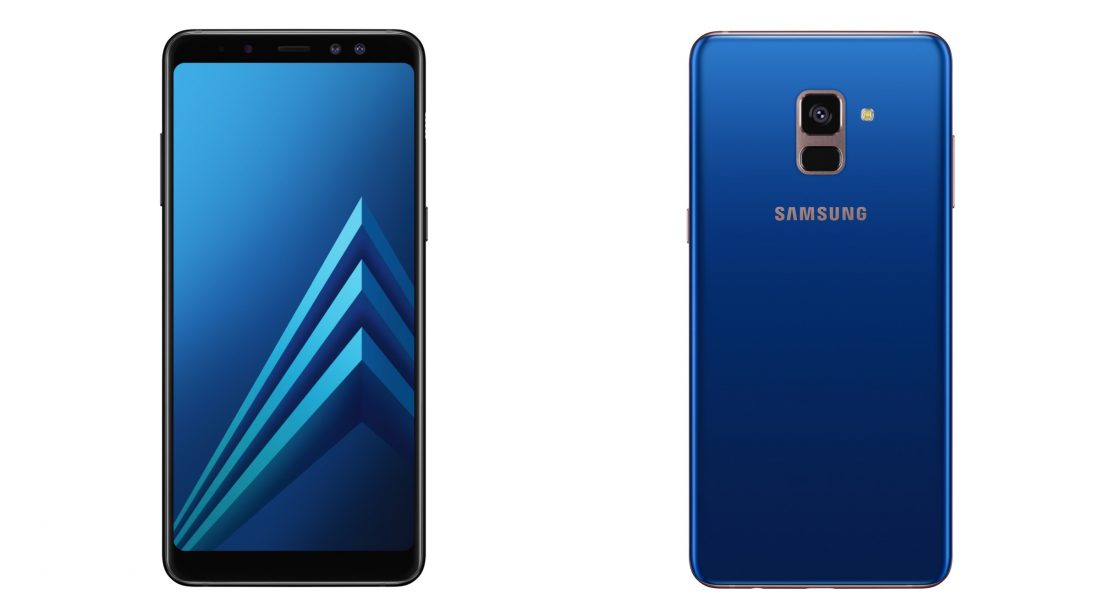
After weeks of speculations and leaks, Samsung has announced the Galaxy A8 and Galaxy A8+ at an event in South Korea. What the nomenclature doesn’t tell is that these two phones are the follow up to the Galaxy A5 (2107) and Galaxy A7 (2017). There is no word on the pricing and their availability in countries like India. However, more in-depth information about the two phones will be revealed at CES 2018.
The Galaxy A8 and A8+ are the first budget-oriented Samsung phones to feature the infinity display. The Galaxy A8 has a 5.6-inch display while the bigger sibling, the Galaxy A8+ has a 6-inch display. Both the phones have a Super AMOLED display panel with a 2220 x 1080 px resolution which translates to an 18.5:9 aspect ratio.
Galaxy A8
Under the hood, both the devices have an octa-core (2.2GHz Dual + 1.6GHz Hexa) processor while the chipset is still unspecified, it could be the Exynos 7885 SoC as found in the leaked video. The Galaxy A8 has 4GB of RAM with two storage options of either 32GB or 64GB while the Galaxy A8+ has two variants, one with 4GB RAM and 32GB storage and the other with 6GB RAM and 64GB storage. Just like every other smartphone from Samsung, the onboard storage can be expanded up to 256GB via microSD card. Both the smartphones are IP68 rated for water and dust resistance and support Samsung Pay for contactless mobile payment.
Powering the Galaxy A8 is a 3000 mAh battery while the Galaxy A8+ has a 3500 mAh battery. Both the devices are charged via USB Type-C port.
One thing that might come as a surprise, especially for phones launching in 2018 is the OS. Both the phones will run Android 7.1.1 Nougat out of the box with Samsung’s own custom skin on top.
Galaxy A8+
The Galaxy A8 and Galaxy A8+ are also the first of Samsung phones to have a dual-camera setup on the front. Both the phones have a 16MP + 8MP camera setup with an f/1.9 aperture. The Live Focus feature lets users chose whether the background should be in focus or blurred to a soft bokeh. The phone will switch between the two front cameras to get the effect the user needs. To the back of the phone is a 16MP camera with an f/1.7 aperture and digital stabilisation.