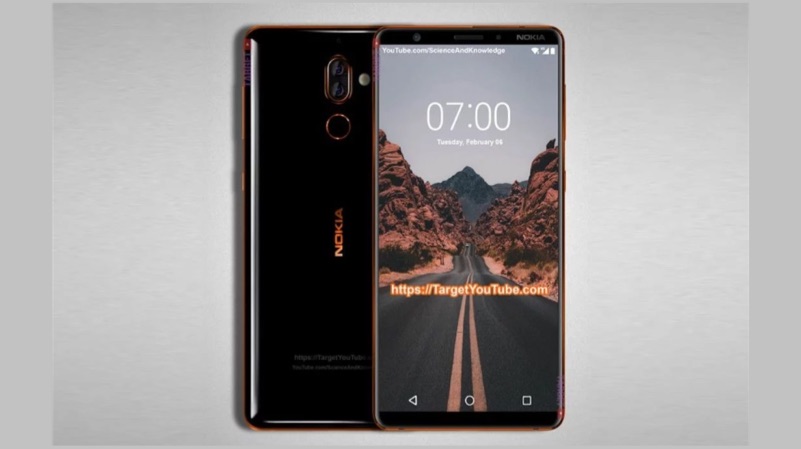
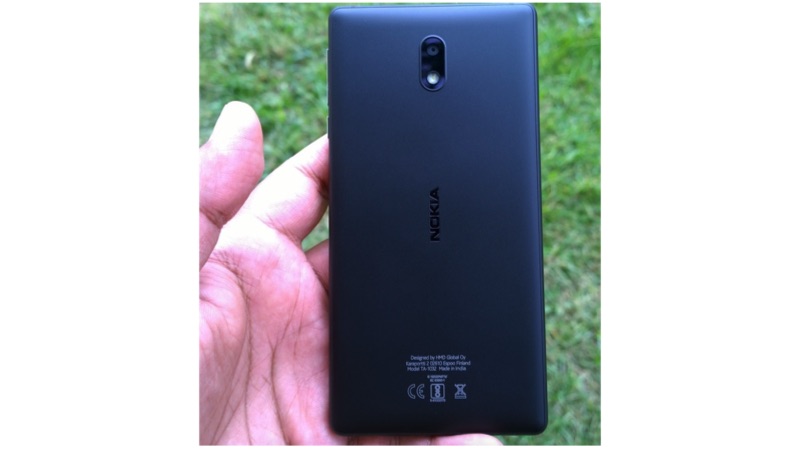
A new Nokia smartphone from HMD Global is all set to debut on MWC 2018. This time its Nokia 4, which is likely to replace the Nokia 3. A new report claims that the Nokia 4 will have a badge on the back with a model number TA-1032.
HMD Global didn’t launch either Nokia 3 or the Nokia 5 in China. Which means, there is a great chance that the company might not launch Nokia 4 in China as well. It also comes with a tag Made in India, which means that the Nokia 4 might have a very competitive price tag in India.
The Nokia 3 was one of the affordable Android smartphones from Nokia, based on a MediaTek processor. Like a lot of affordable phones from Nokia, the Nokia 3 was also overpriced. Hence, it could not really have an impact on the Indian market. With a newer processor, the company might be planning to get back the attention of the users. However, the build quality, from the image, still leaves a lot to be desired.
Specifications:
In terms of specifications, the only known information about the Nokia 4 is the that, the smartphone runs on Qualcomm Snapdragon 450 Octa-core SoC. Considering the specifications of Nokia 3, the device is expected to feature 5.2-inch 720p IPS LCD screen with Corning Gorilla Glass Protection. The Nokia 4 will feature at least 2 GB RAM and 16 GB storage like the Nokia 3 with an expandable SD card slot.
There are no details regarding the camera or the battery. In terms of operating system, the smartphone will be based on Android Oreo 8.0 with the stock user experience.
Conclusion:
The Nokia 4 will be the newest addition to that list of smartphones that Nokia might launch at MWC 2018. It looks like Nokia will launch at least 4 smartphones at MWC. The Nokia 10 with a rotating 5-camera setup, the Nokia 7 Plus with dual Zeiss camera and a most affordable Nokia 1 with entry-level specs.
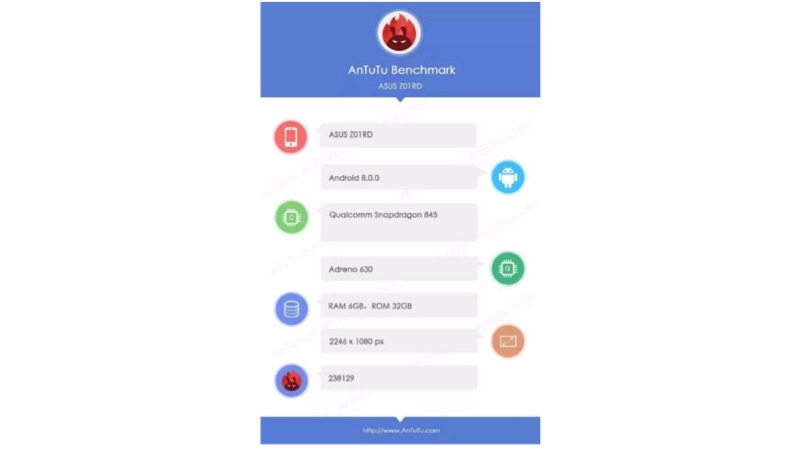
As per the recent leaks and benchmarks listing, Asus might launch it’s flagship ZenFone 5 at MWC 2018. The Asus ZenFone 5 was spotted on AnTuTu with a brief insight into specifications. The one with the top of the line specifications is expected to have the model number Z01RD. We might see multiple variants of the ZenFone 5 with this one being the most powerful of the lot.
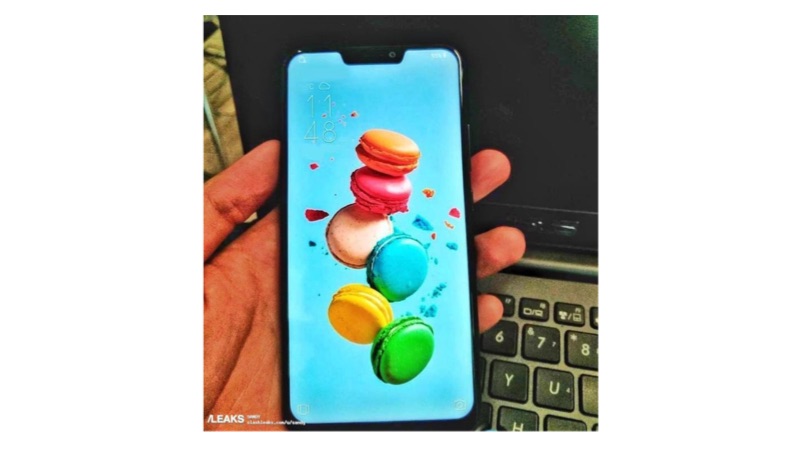
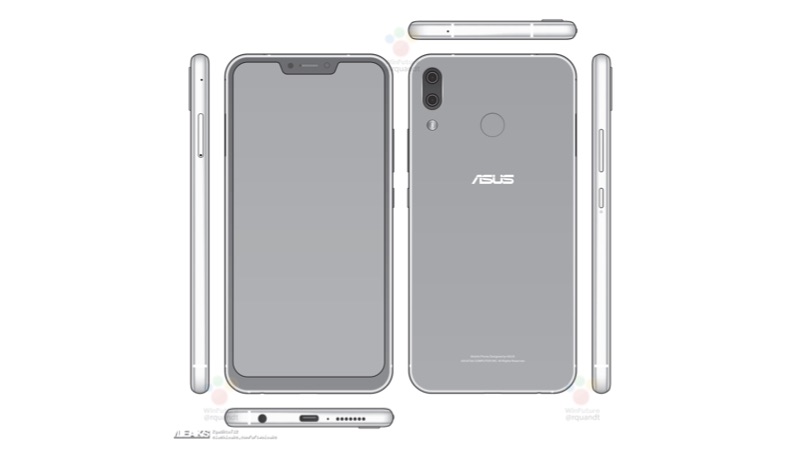
Another leak about the ZenFone 5 reveals an interesting detail about its design. The leaked image shows off an iPhone X-like notch on top of the display, similar to the likes of Huawei P11. However, unlike the iPhone X, the ZenFone 5 might just house a front-facing camera and an earpiece inside the notch. The notch on the iPhone X, on the other hand, serves a much more important purpose.
Early ZenFone 5 Sketches
The notch on the iPhone X was met with scepticism at the time of the launch. However, the users and reviewers have appreciated the notch since its launch. Leaks also suggest that Android P is expected to support the notch natively, which suggests, the upcoming Google Pixel 3 and Pixis3 XL could also come with a notch. However, it will be interesting to see what the implementation of the notch will be like.
ZenFone 5 AnTuTu listing
Specifications:
The AnTuTu listing reveals that the smartphone might be powered by the Snapdragon 845 SoC with 6 GB RAM. The internal storage is listed as 32 GB, which sounds quite weird for a modern day flagship smartphone. Like every other smartphone maker, Asus has planned to go with 18:9 aspect ratio display with 2240 x 1080p resolution.
The ZenFone 5 runs on Android Oreo 8.0 out of the box with custom Zen UI. The ZenFone 5 scores 238129 points, which is marginally less than the 265267 points scored by Galaxy S9. Does it point towards the fact that, ZenFone 5 is using a slightly underpowered processor that the Galaxy S9?
The ZenFone 5 is expected to feature a dual camera setup at the back, possibly with a regular and a telephoto lens. The front notch is expected to house a front-facing camera with hardware for facial recognition like the one on the Apple iPhone X. However, the implementation of the facial recognition technology might differ from Face ID. The smartphone is expected to be available in Midnight Black, Moonlight White, and Rouge Red colour, with a full metal unibody design.
Conclusion:
MWC is a week away and we are already seeing smartphones which are expected to go official at the event. It looks like we will be seeing a lot of Android devices with a notch. With these set of specifications, we are also expecting a price tag of at least US$ 600 for the entry-level model.
With MWC 2018 just a few days away, the anticipation around potential launches is increasing. One of the most anticipated devices after the Galaxy S9 is the Mi Mix 2S. Xiaomi is expected to launch its 2018 flagship device at MWC 2018 which will be one of the first few devices to run on Snapdragon 845. Leaks also suggest that it will have a nearly bezel-less design.
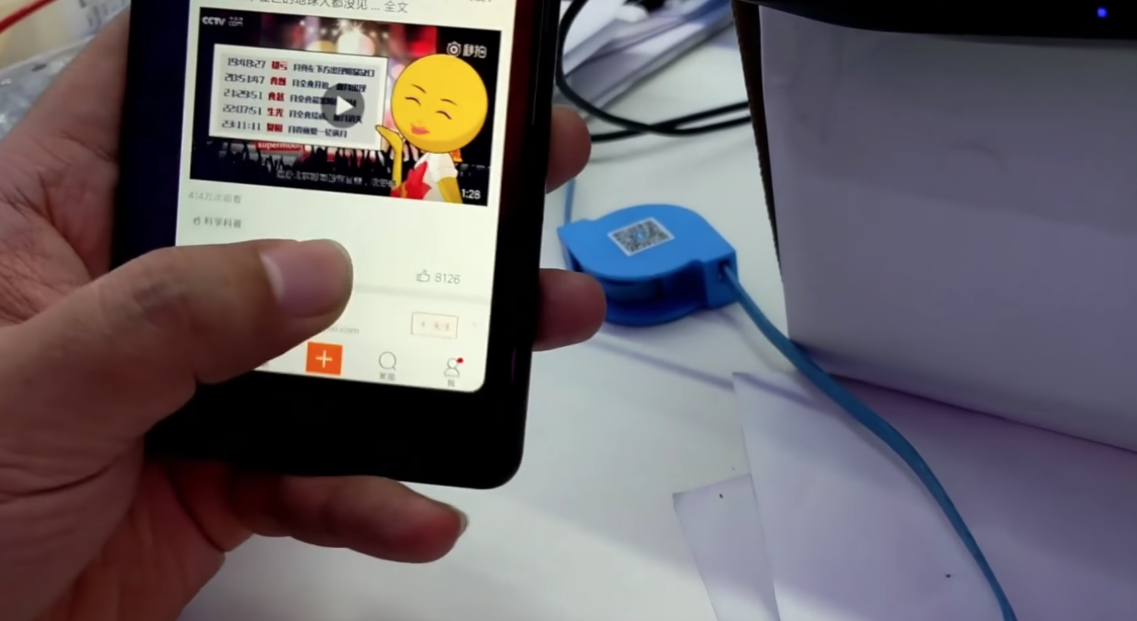
A new video has surfaced only which apparently shows off the bottom part of the Mi Mix 2S. In the video, someone is seen handling the Mi Mix 2S with support for gestures. Now, this doesn’t come as a surprise as Xiaomi recently introduced gestures in a Beta build of MIUI 9. Apparently, the Mi Mix 2S will come with gesture support out of the box.
The video, unfortunately, doesn’t reveal the top half of the device. Hence, it is not possible to confirm whether the Mi Mix 2S will indeed come with a notch on top. However, this also means that we can’t confirm whether the device in question is the Mi Mix 2S. The bottom bezels of the phone are unlike any other Xiaomi phone and definitely resemble the renders of the Mi Mix 2S.
However, this could well be the Mi Mix 2 upside down. The company has already introduced gesture support for the device and once rotated, the smartphone’s UI also rotates. So, we would suggest that you take this leak with a pinch of scepticism.
Mi Mix 2S Expectations
The back of the Mi Mix 2S is expected to be the same as the Mi Mix 2. It will be made of ceramic which means it’ll be a fingerprint magnet. However, that is a price you have to pay for a device that looks as premium as the Mi Mix 2S. The significant change will be in the camera department. This time around, the Mi Mix 2S will have a dual-camera setup, which could be similar to the one found on the Mi A1, albeit of better quality.
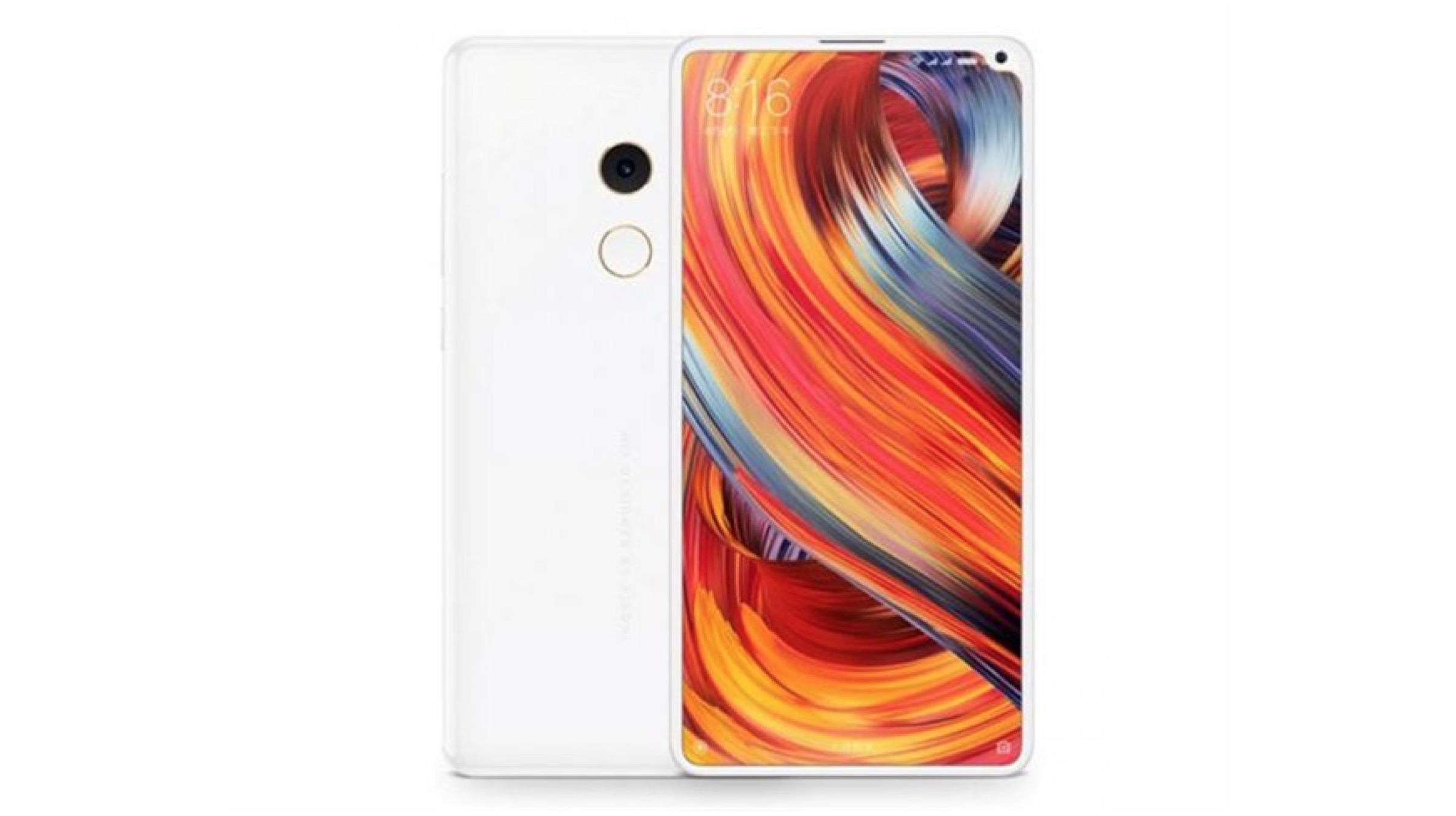
On the front is where Xiaomi will look to one-up the much-famed Samsung Galaxy S9 and S9+. The leaked image confirms that the smartphone will have a different take on the notch. The bezels all around the display will be uniform but, the top right corner will protrude a bit and that will house the front-facing camera.
It will be powered by the Qualcomm Snapdragon 845 chipset coupled with 8GB of RAM and 256GB onboard storage.
Mi Mix 2s Renders
Conclusion
The Xiaomi Mi Mix 2s will be launching a day or two after the Galaxy S9 and S9+. The alleged design of the phone, along with these new gestures will surely grab a few headlines. After the iPhone X, Android smartphone makers like OnePlus and Xiaomi have dug deep into the possibilities surrounding gestures for navigation. While the shift for iPhone users to gestures was more organic, it could be a bit tough for Android users since the OS has used only buttons so far. iOS, on the other hand, had gestures inside the UI before the iPhone X came along.
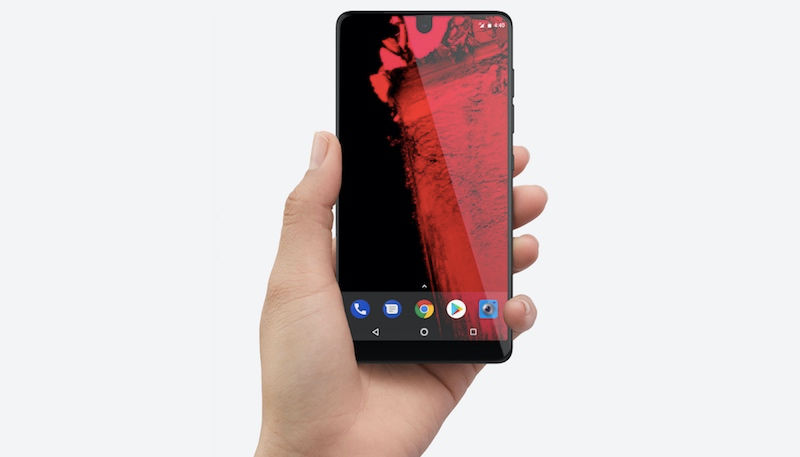
Essential Ph-1, the first Android smartphone with a notch is coming to India. A report claims that the smartphone will be available exclusively via Amazon for less than Rs. 30,000. At this price tag, the Essential Ph-1 will be a great offering for Indian consumers.
The smartphone was officially launched in the US for US$699, and the price has been brought down to US$450 due to unimpressive sales numbers. The phone does offer one of a kind design language, with a sturdy build quality. Though it has flagship specifications, the camera performance was highly criticised, which explains the global shipping number of 88,000 units.
Specifications:
On the front, the Essential Ph-1 packs in a 5.71-inch IPS LCD QHD+ touch panel with 19:10 aspect ratio, protected by Corning Gorilla Glass 5. Under the hood, the smartphone is powered by Qualcomm Snapdragon 835 Octa-core processor, coupled with 4 GB RAM and 128 GB storage.
Like most of the modern flagship smartphones, the phone offers dual camera setup (13 MP + 13 MP) RGB + monochrome setup. In this case, the monochrome sensor helps to capture the depth details to give bokeh effect. The front-notch on the display houses an 8 MP selfie camera with 4K video recording capability.
The smartphone packs in a 3040 mAh sealed battery with Quickcharge 4.0+ capability. The smartphone runs on stock Android 7.1 Nougat and expected to receive Oreo update soon via OTA.
Conclusion:
The affordable flagship segment in India is getting more competitive with the recent offerings like Moto Z2 Force and Honor View10. The addition of the Essential Ph-1 makes it more exciting for the consumers. But, with devices like the Mi Mix 2S and OnePlus 6 expected to be launched soon, is it too little too late for Essential Ph-1?
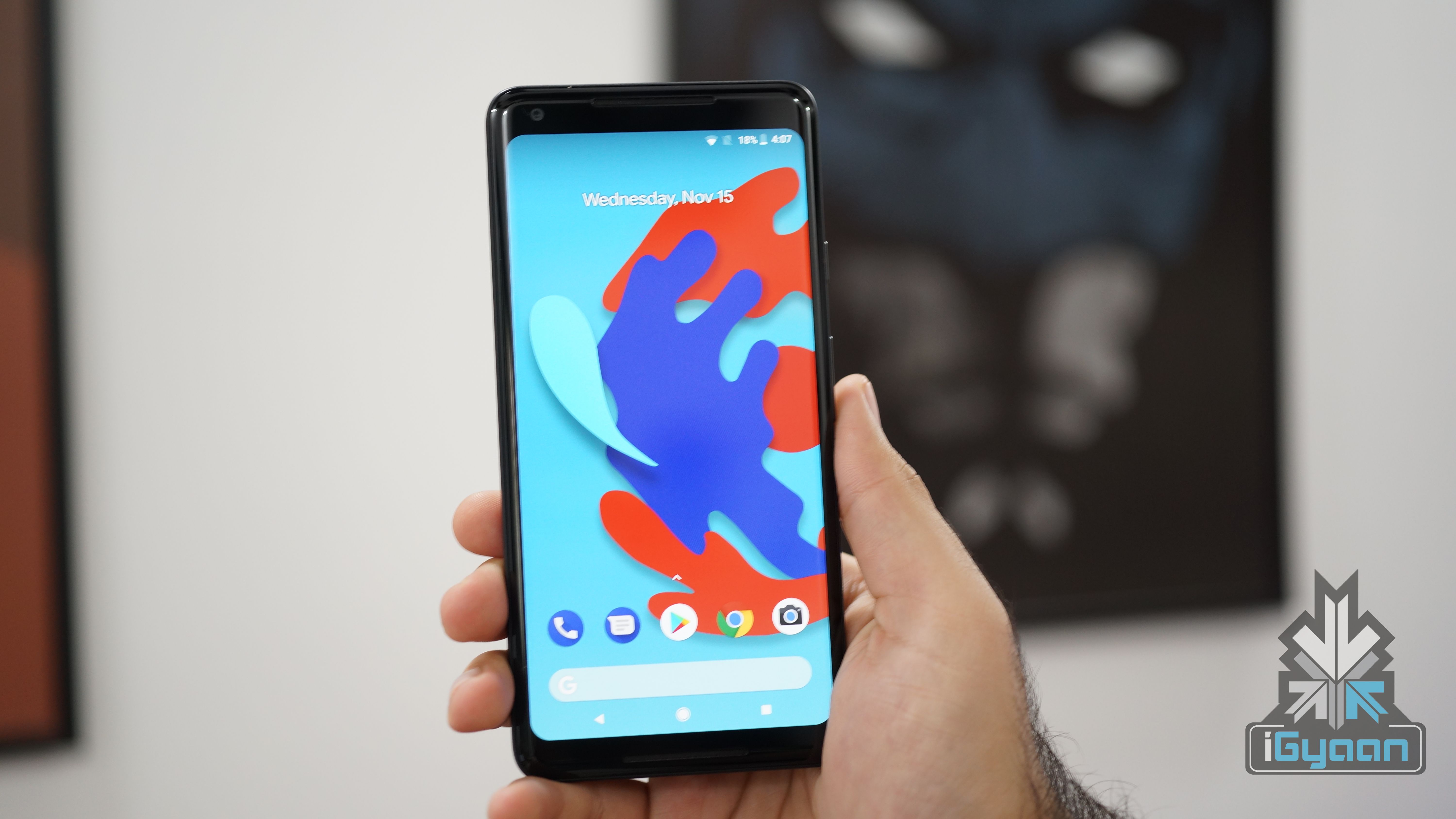
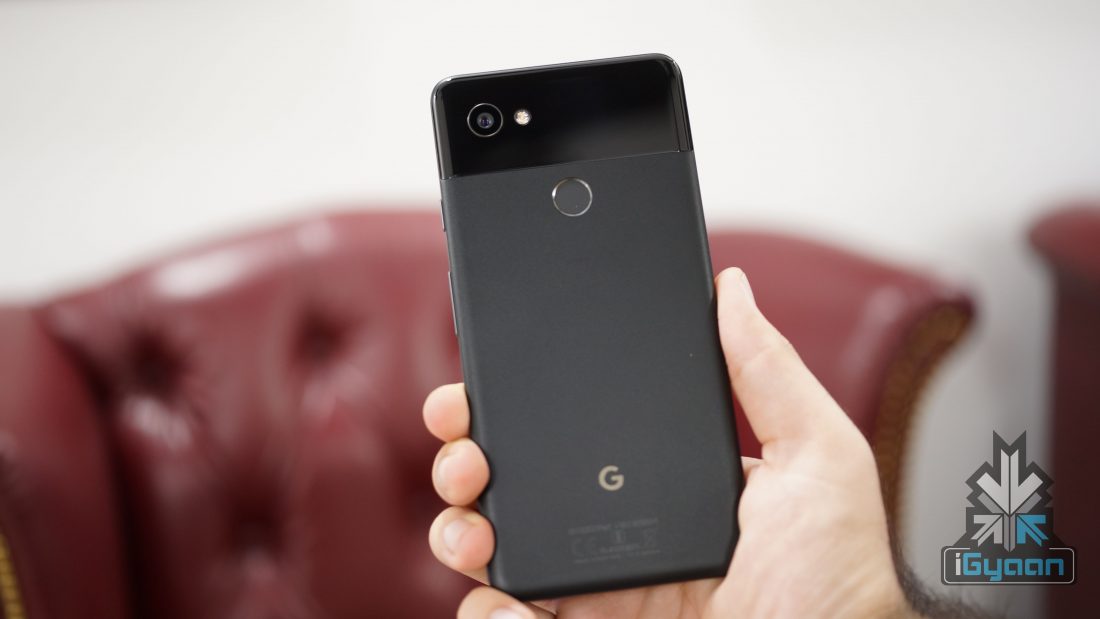
Google Pixel 2 devices have started receiving the February security patch. These updates are pushed to patch any vulnerability or a bug. However, sometimes these updates themselves start to create a new bug. Users of Google Pixel 2 and Google Pixel 2 XL are have started reporting that their smartphones have started heating up.
According to users, after the February security update, the smartphone tends to heat up a lot. Not only that, even the battery life of the smartphones has taken a hit.
I recently updated my Pixel 2 to the latest security patch. I’ve checked it’s not a recently downloaded app, I’ve uninstalled all the apps I downloaded before it started getting hot just to check. It gets fairly warm almost instantly after starting to use it, within about a minute or so of anything really. Anyone got any advice? Battery life seems unaffected.
Another user said:
Battery is terrible since the latest update. Phone is getting pretty warm just using reddit anymore.
Google Pixel 2 and Pixel 2 XL are the smartphones which launched with great potential. However, these devices have been in the limelight for all the reasons. Here are some of the issues reported by Google Pixel 2 or Pixel 2 XL users.
The first known issue on the Google Pixel 2 XL was the display issue. Users complained that the display on the smartphone bit dull compared to other smartphones. The company then patched the issue with a software update. Still, a few users have a complain that the display shows cooler colour with a blue tint on a slight shift.
Soon after that, users of Pixel 2 XL started complaining about voicemail issue, which causes users low volume on outgoing voicemail via Google Allo application. Which was later on patched with a software update. Users also raised a concern about buzzing or rattling issue on the stereo speakers, which was later on patched with a software update.
Conclusion:
However, the issue doesn’t seem to be universal, as a few users have commented that they haven’t experienced anything unusual and their devices are performing normally. Google is yet to comment on this issue, with whats wrong with the latest security update or is this caused by some third party application.
BlackBerry is all set to launch three new smartphones in the coming days. According to a recent leak, these phones come with code name Athena, Luna, and Uni. After years of dominating the smartphone market along with Nokia, BlackBerry has gone off the rails. WIth another set of Android devices, the company would want to establish a strong foothold.
In the last couple of years, the company has launched smartphones like the BlackBerry Priv, BlackBerry KeyOne, and BlackBerry Passport. Now, the company is all set to refresh this lineup with these newer offerings. These devices are expected to be officially launched at the upcoming MWC 2018 in Barcelona.
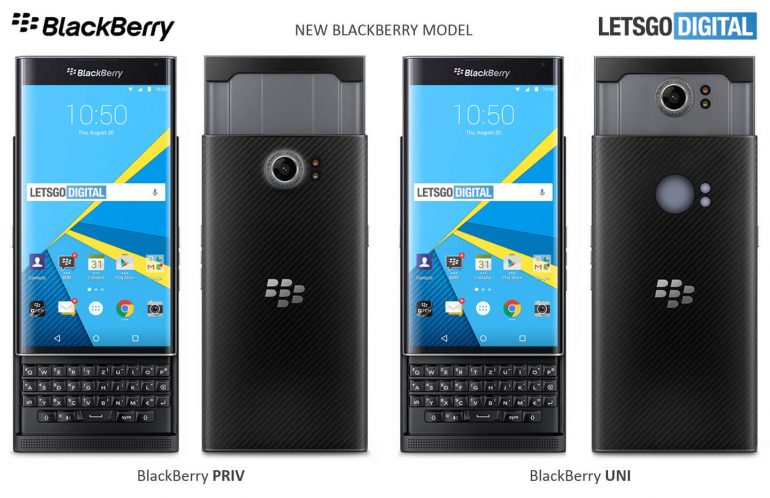
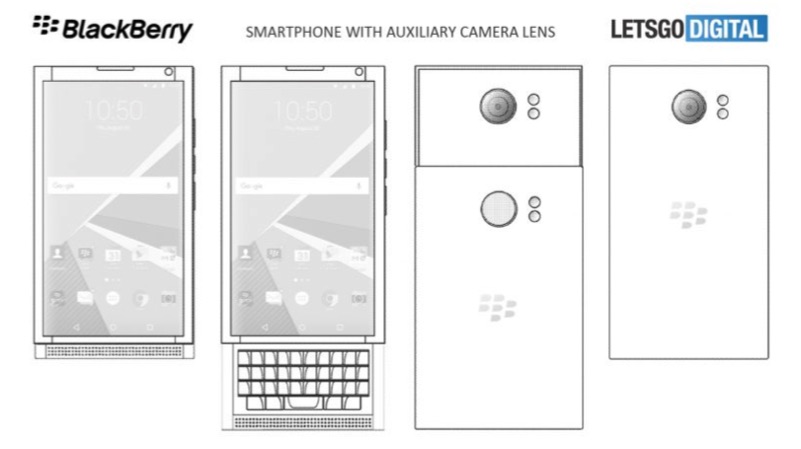
WIPO has published a new patent from BlackBerry Limited for a smartphone with a sliding mechanism. In fact, the sketch resembles the BlackBerry Priv, which was launched in 2015. Back in the October 2017, a report claimed that the company is working on a new smartphone, is this one in the question?
The only difference between these models is the placement of the camera. The camera will be hidden until the slide is open. The back-case offers a camera lens, which might offer features like a wide-angle lens, fish-eye vision, a zoom lens or a macro lens.
Registered Patent for upcoming BlackBerry smartphone
Specifications of BlackBerry Uni, Luna, and, Athen:
As of now, we just have the specifications of the BlackBerry Uni. It is powered by Qualcomm Snapdragon 660 Octa-core processor with 6 GB or 8 GB RAM and 64 GB storage. The screen resolution of Uni (1620 x 1080) hints that the phone might resemble the BlackBerry KeyOne. This confuses a bit, as it has a mechanism like Priv, but a screen resolution of KeyOne? Considering that these devices will be launched in 2018, BlackBerry might go for a bezel-less design, which might be the reason for this different screen resolution.
Presently, the specifications of the other two models are still unclear. As the MWC approaches, we will have a clear idea about all three devices.
Conclusion:
At least on paper, these smartphones look promising. BlackBerry should make sure that these devices run on latest Android OS with a competitive price tag at the time of launch.
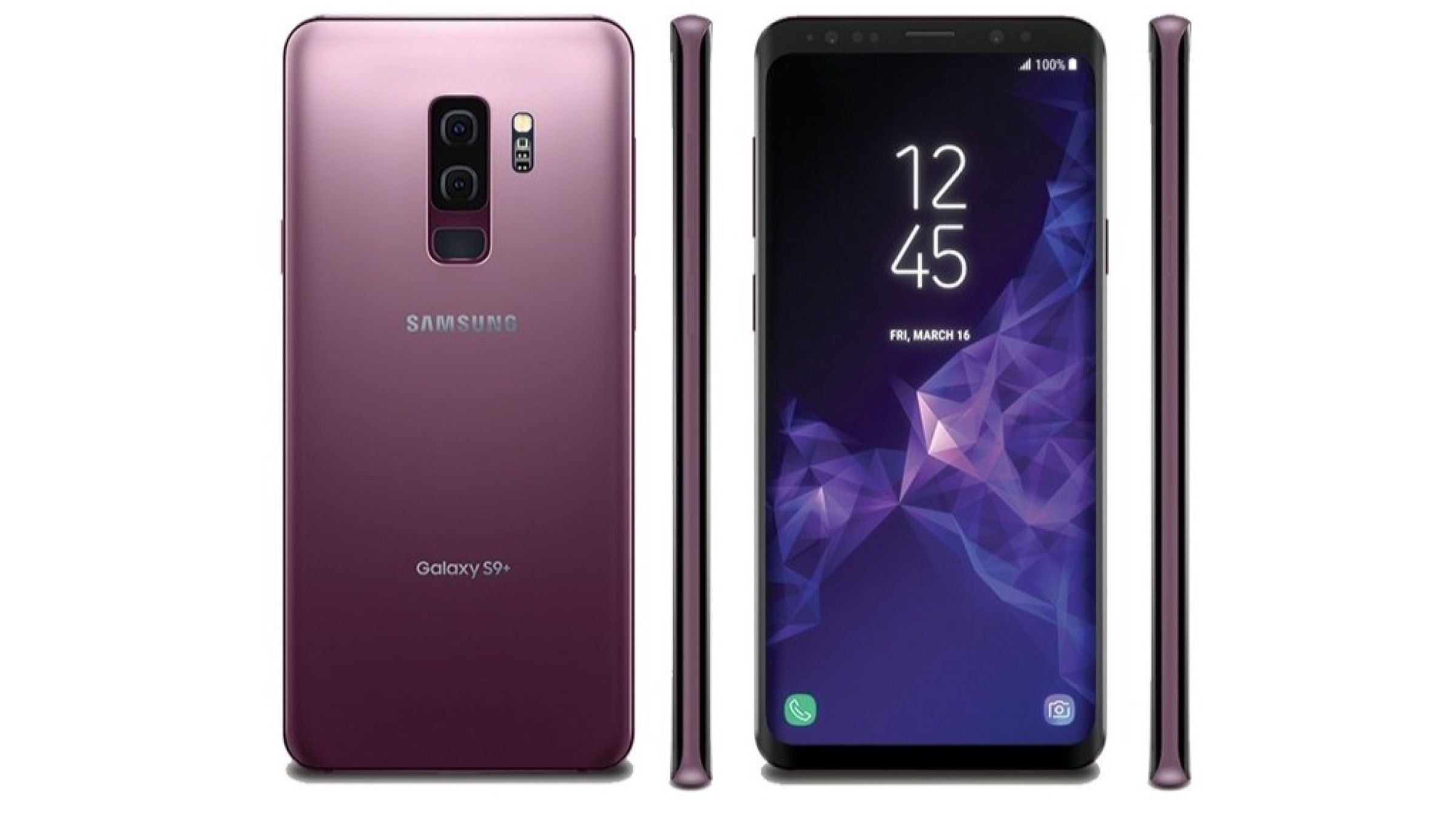
The launch of Samsung Galaxy S9 and Galaxy S9+ is just a few days away. In the weeks of leading up to the official launch, we have had enough leaks to reveal almost everything about the device. However, the leaks don’t really stop until a phone is officially launched. Similarly, there has been another revelation in the story of the Galaxy S9 and Galaxy S9+.
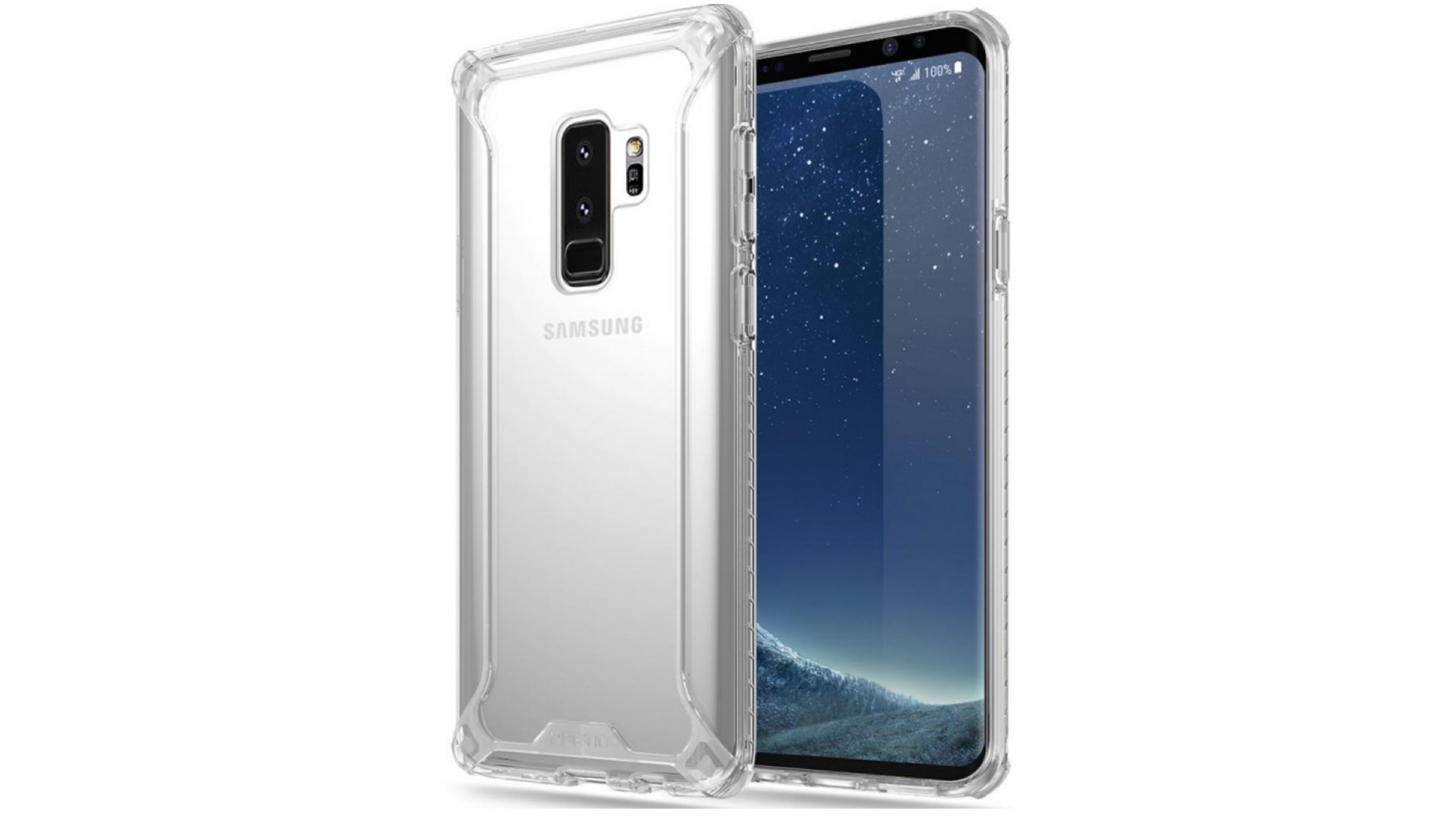
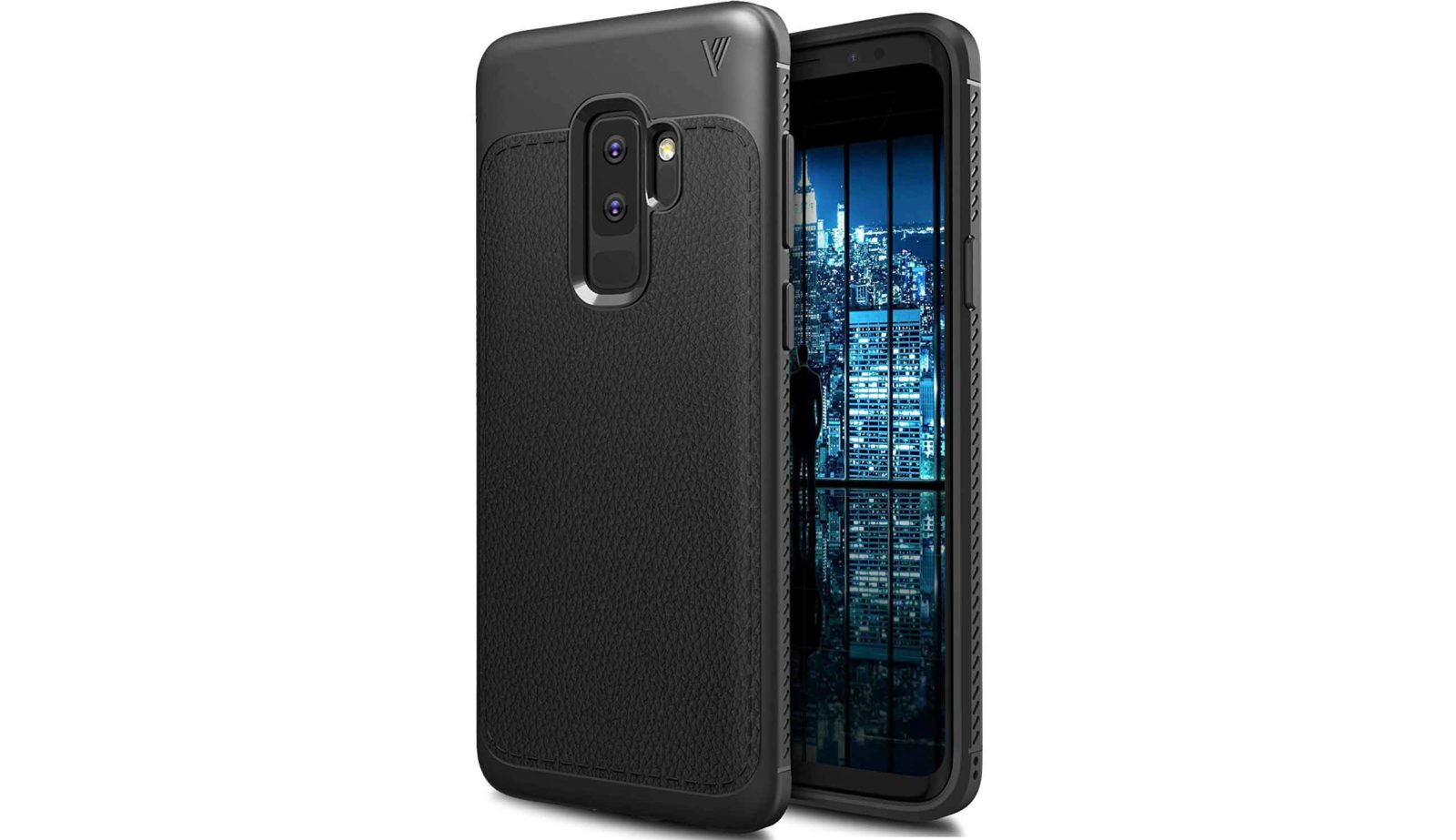
Galaxy S9+ Case Renders
An anonymous Reddit user claimed that he/she used the Galaxy S9+ for about 20 minutes. They hosted an AMA and answered a lot of questions pertaining to the Galaxy S9+ in particular. While there have been enough renders to reveal what the devices might look like, a few key details were still missing. Ever since the AMA was hosted, a few of the comments have been deleted. However, enough information was revealed to shed more light on what to expect from the devices.
The user has revealed that the Galaxy S9+ looks and feels very similar to the Galaxy S8+. The user said that “I was really so [surprised] at the fact that it looked like I was holding an s8. It’s really that similar.” The fingerprint sensor has been moved to a more central position, similar to the Galaxy A8+. The user claimed that the Galaxy S9 has stereo speakers, one in the earpiece and a second at the bottom of the phone. This is similar to what is found in recent Apple iPhones.
Intelligent Scan
One of the most talked-about features of the iPhone X is its Animojis. There were reports that claimed the Galaxy S9 and S9+ will come with its own rendition of talking emojis. According to the user, it is not an exact copy of Animoji. In fact, it offers a different user experience that is better in some ways, but worse in others.
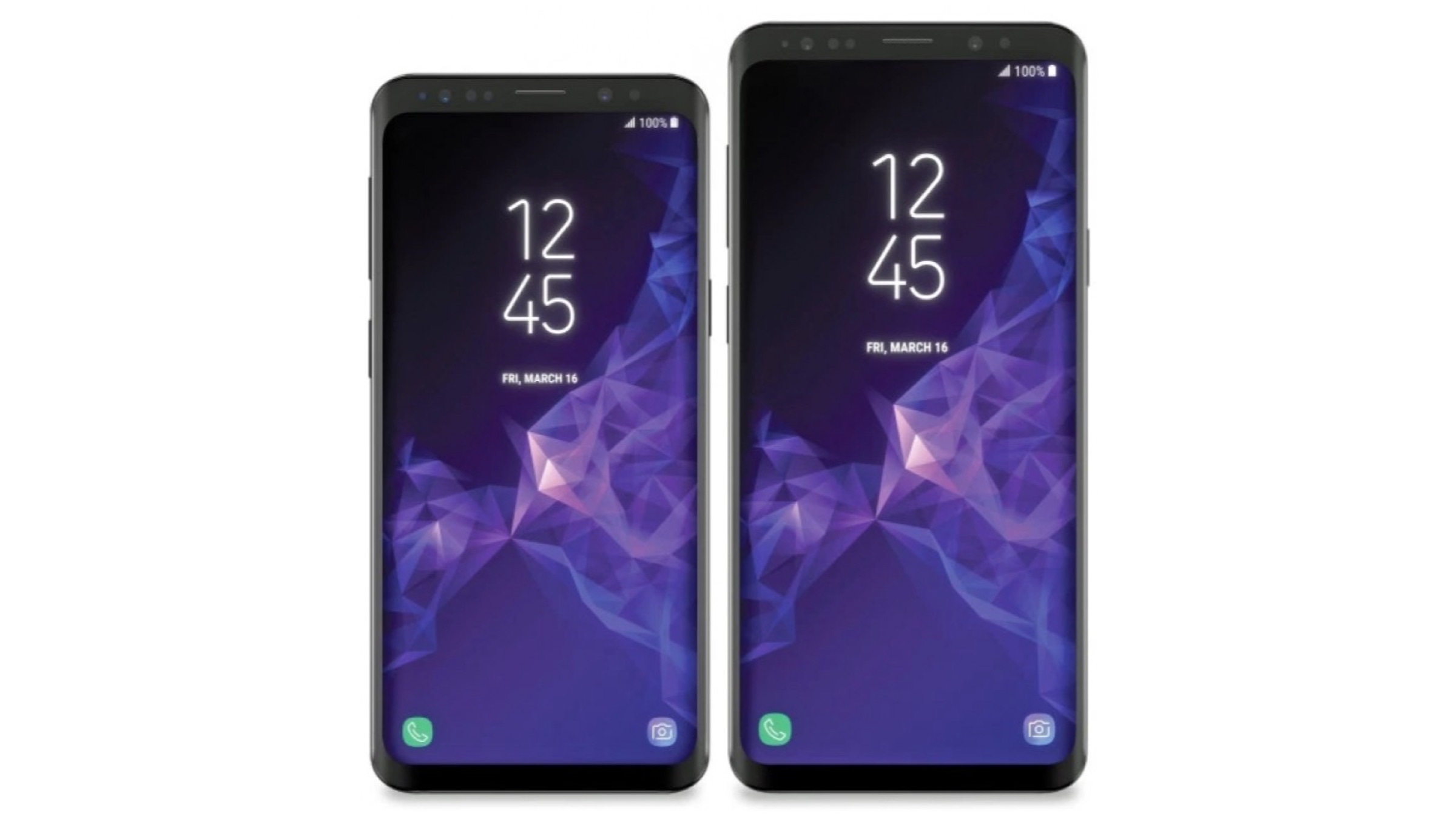
Samsung Galaxy S9 and Galaxy S9+ Overview
The smaller sibling will have a 5.8 inch Super AMOLED display while the Galaxy S9+ will have a 6.2 inch display. Both the devices will have a 2960 x 1440 px resolution.
Press Renders
Similar to its predecessor, the Galaxy S9 will have a single 12MP SuperSpeed Dual Pixel camera. This time around, however, the camera will have an f/1.5 aperture and record super slow motion videos at 480fps. The Samsung Galaxy S9+ will become the second phone from Samsung to feature a dual-camera setup on the back after the Galaxy Note8. The Galaxy S9+ will have a 12MP camera with an f/1.4 aperture along with another 12MP camera with an f/2.5 aperture
Owing to the launch of the Samsung flagship phones, a lot of companies have restrained from making significant announcements. The Galaxy S9 is expected to be priced at Rs. 69,000 in India.
LG is working on a new flagship smartphone with the code name Judy. Smartphone tipster named Evan Blass has shed some light on the upcoming flagship offering from Korean smartphone maker.
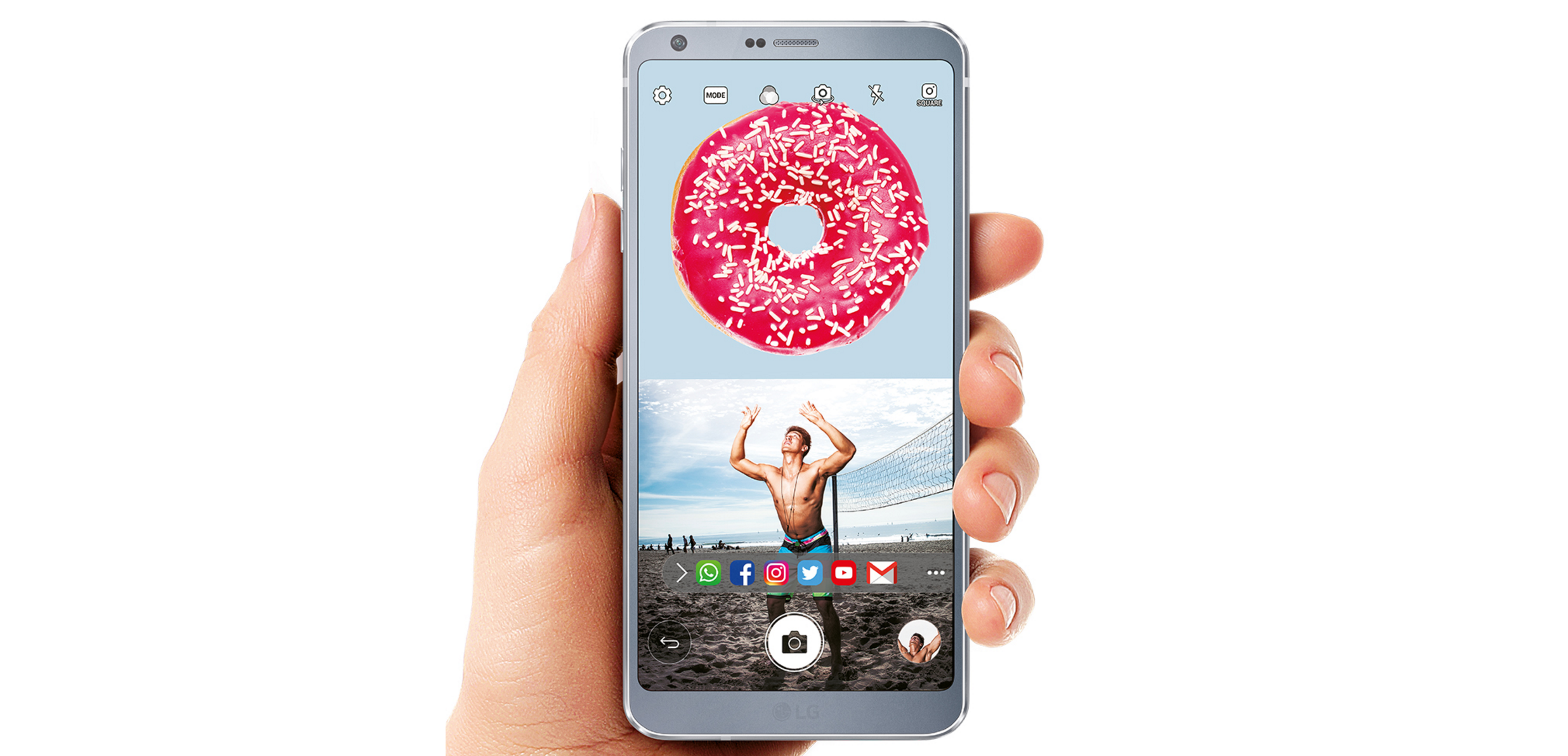
Though this is a successor of LG G6, it will have a new name and will not be called as LG G7. The G6 was one of the first flagship smartphones that featured 18:9 aspect ratio with a nearly bezel-less design. The outdated processor ( Snapdragon 821) on G6 didn’t leave enough room for the device to make an impact.
LG G6
This time around, the smartphone maker is taking its time to launch a product with the latest set of hardware. to compete against upcoming Samsung Galaxy S9.
Speculated specifications of LG Judy:
The Judy is expected to have a 6.1-inch display with a new MLCD+ technology, which offers better brightness compared to a typical IPS LCD panel. The smartphone will be powered by Qualcomm Snapdragon 845 Octa-core SoC, paired with 4 GB RAM and 64 GB onboard flash storage.
The MLCD+ is a new display technology, which offers high-level of brightness of up to 800 nits. It does this with less power consumption, up to 30% less than typical LCD panel.
Like with the LG V30, the smartphone will feature dual-camera setup on the back. In typical LG fashion, it will be a combination of a regular lens and a wide-angle lens with an f/1.6 aperture. Like every other LG flagship smartphone, this one will also feature IP68 certification against water and dust resistance. For the first time, the LG smartphone will have a stereo speaker setup, dubbed as “boombox”.
Conclusion:
Launching a smartphone later in the year makes sense for LG. It also falls in line with the company’s decision to not follow a set launch cycle. The presence of the latest chipset will also help its case. Let’s hope that LG gets the pricing right for this one.
Atari is venturing into a new business of cryptocurrencies with Atari Token. The company has partnered with a brand Infinity Network, which is the creator of blockchain based Atari Token. The company is also planning to create a new digital entertainment platform using the same. It looks like the crypto has already started to pay off, as the latest Bloomberg report suggests that, the stock of the company has already spiked up to 60%.
Atari is mainly known for arcade games and video games, but the name has been also associated with movies and music as well.
Infinity Network has signed up for a long-term contract to use the name Atari. In exchange for this, the French company gets a minority stake in this new entity.
The company is creating a new digital platform, which will help the customers to make transactions using Atari Token. The company will continue its partnership with Pairplay to create a “Pong Coin” based on Atari Token exclusively for “crypto casinos”.
What is Cryptocurrency or Atari Token?
Every US dollar or an Indian rupee printed has to be directly proportional to the gold that country has, the value fluctuates with the actual gold value. However, the cryptocurrency is a digital asset, which works independently. Cryptocurrency value depends on people, if people think it has a value, then the price goes higher or vice versa. Hence there are no entities that actually controls these currencies.
The creator of the cryptocurrency can limit the number of tokens or coins. It all depends on the demand. The recent rise and fall of the Bitcoin explain this phenomenon in the simplest way. If more people buy, the prices go up or vice versa.
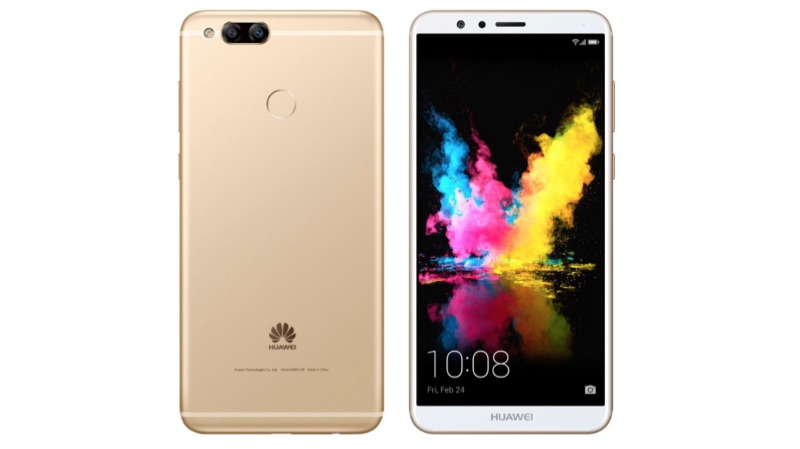
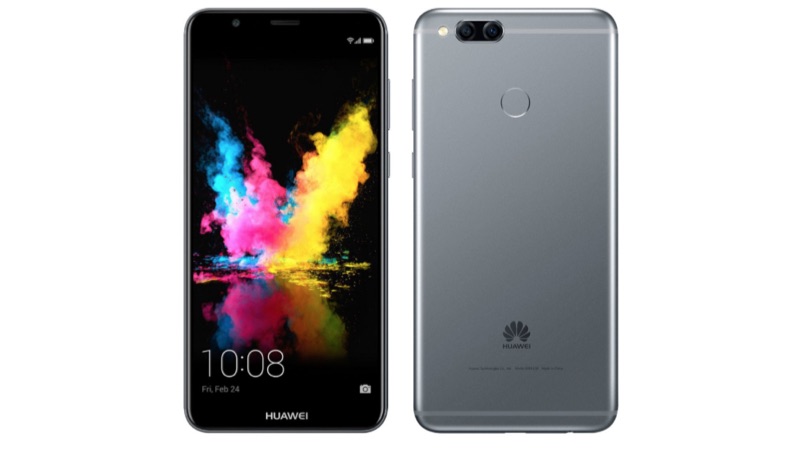
Update: It has been confirmed that the smartphone in question is indeed a rebranded version of the Honor 7x, which is officially called as Huawei Mate SE. The smartphone will retail in the US for US$ 249.99 and will be available in Grey and Gold Colour.
Huawei Mate SE (BND-L34) for the US. A rebranded Honor 7X with identical specs. 249.99 USD. Grey and Gold.
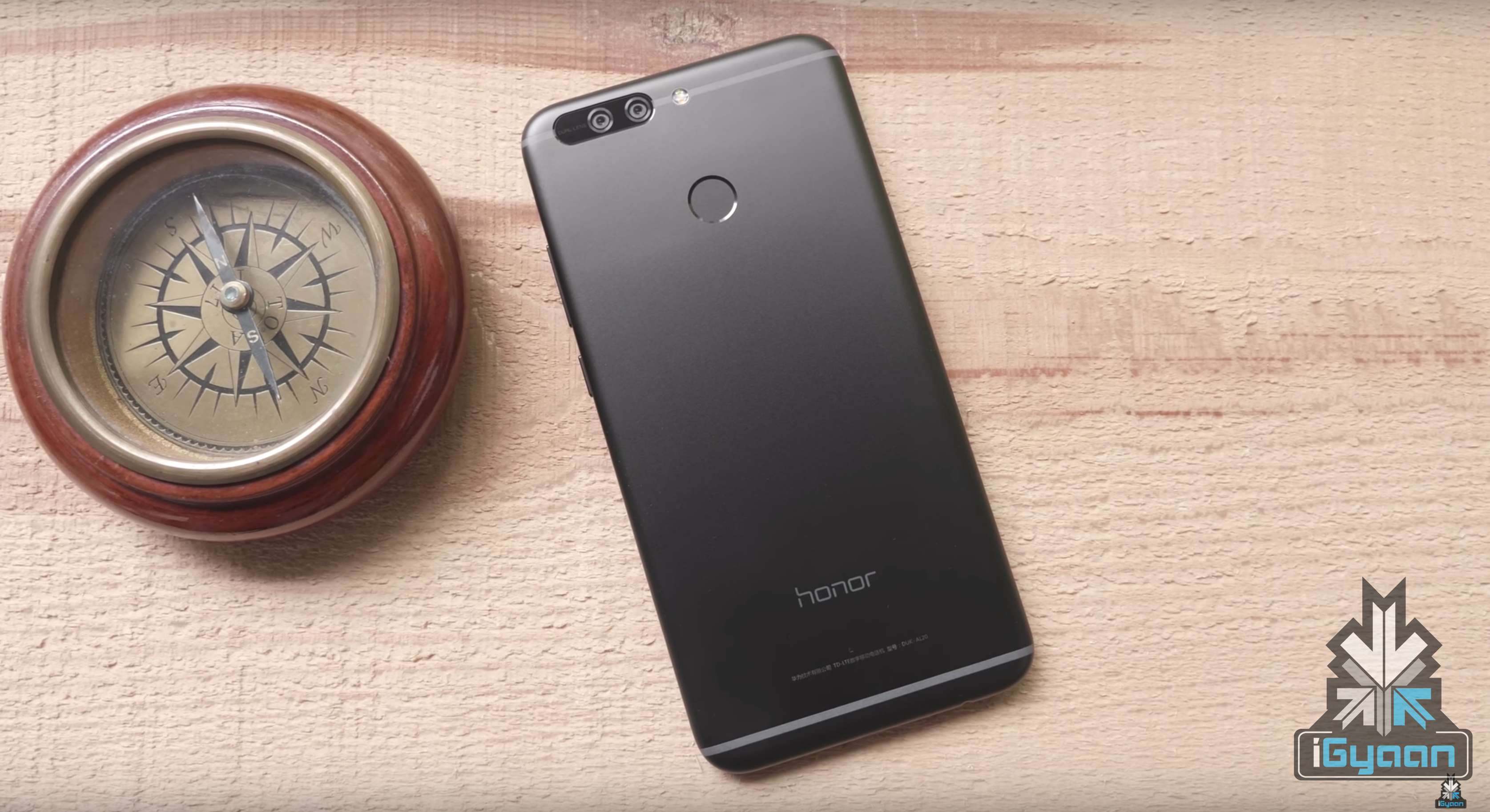
It has been confirmed that Huawei will be attending MWC 2018. It is rumoured to announce the Huawei P11/P20 Lite at the event. The marquee launch of the P11/P20 and P11/20 Plus will happen on March 27th. However, it looks like the P20 Lite isn’t the only phone it will launch at MWC 2018. A new leak has revealed that the company might launch the Honor 8 Pro with Huawei branding.
Evan Blass, a popular tipster posted images of the Huawei 8 Pro on Twitter. The device looks exactly like the Honor 8 Pro with thin bezels on the side. The top and bottom bezels are thinner which means that it will have an 18:9 aspect ratio. The Honor 8 Pro, at the time of its launch, had relatively thinner bezels than its competitors with a 16:9 aspect ratio. The images reveal that the LED flash will have a different position this time around.
If Huawei does launch the Honor 8 Pro has a Huawei device, it will have to have a competitive price. The Honor 8 Pro is more than a year old and if priced under Rs. 20,000 it could be a great device.
Honor 8 Pro Specifications
The device has 5.7 inch 2560 x 1440 px display which is ideal for media consumption via VR.
[amazon_link asins=’B01N4FMUFH’ template=’ProductAd’ store=’igyaan-21′ marketplace=’IN’ link_id=’e9005d1d-07ff-11e8-8dc5-8f27400e8a2c’]The Honor 8 Pro runs on the Kirin 960 chipset which is an octa-core chip – four high-performance Cortex A73 cores clocked at 2.4GHz and four low-power Cortex A53 cores clocked at 1.8Ghz. The Honor 8 Pro has 128 GB of storage along with 6GB of RAM.
The phone also has a large 4000 mAh battery and fast charge capabilities, with long battery modes built into Honor’s user interface.
The camera setup consists of two cameras, 12+12 MP shooters, where one is a monochrome camera while the other is RGB. The smartphone can combine the aperture to deliver an extremely wide f/0.95. The Phone also shoots 4K video at 30fps. The front camera is an 8 MP shooter with an f/2.0 aperture and capable of 1920 x 1080p video.
Conclusion
If true, it appears to be a baffling move by Huawei. However, there are chances that Huawei will launch an upgraded version of the Honor 8 Pro. The company has been very competitive when it comes to pricing. Similar strategy is expected with the Huawei 8 Pro.
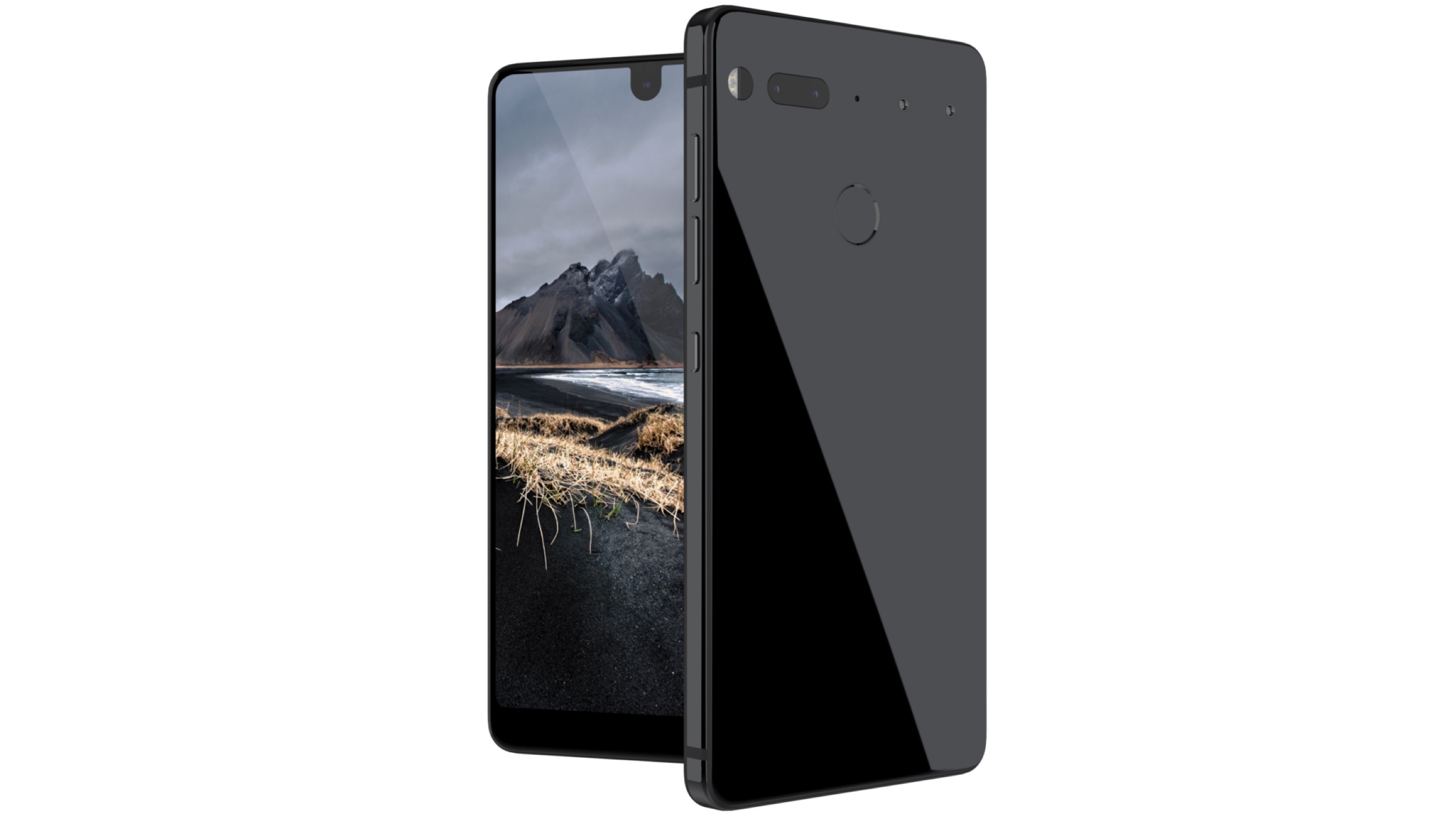
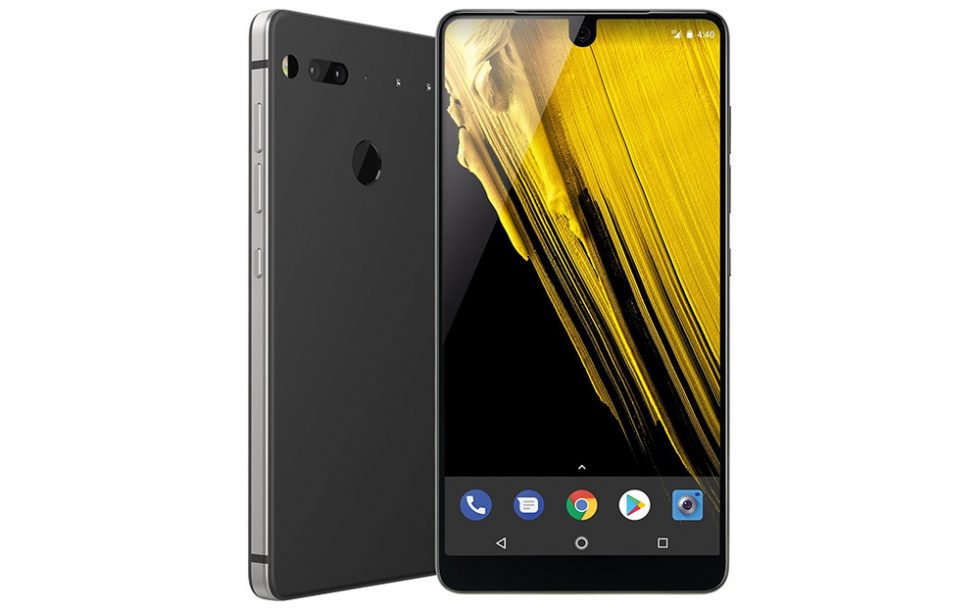
The Essential Phone had a lot of hype to live up to. It was, after all, created by Andy Rubin, popularly known as the “father of Android.” However, the smartphone was met with heavy criticism for its camera performance, especially at that price point. Over the months, the company reduced the price of the device from US$ 699 to now US$449. It recently launched three new colour variants of the device as well. Now, Essential has announced an Amazon-exclusive Halo Gray colour variant of the device.
Essentail Ph-1
The Halo Gray version of the Essential PH-1 now gets support for Alexa (Amazon’s AI). The pre-orders have already begun for the limited edition variant and the phone will go on sale from the 21st of February. Essentail hopes that these new colour variants will help competing with the likes of the OnePlus 5T and Xiaomi Mi Mix 2.
Design:
The Essential PH-1 looks like no other phone on the market. In fact, this is the first smartphone to embrace the notch, which houses the selfie camera. The material of choice for the smartphone is also quite unique. This is the first smartphone to use premium and sturdy materials like Titanium and ceramic. The smartphone does support additional modules like 360-camera. docking station etc.
In case three new Essential Phone colors weren't enough, today we're unveiling Halo Gray, the first Essential Phone to come with Alexa built-in. Halo Gray is available for pre-order exclusively from Amazon starting today. https://t.co/hkwkBKGyprpic.twitter.com/lDad2xngBq
The smartphone uses a one of a kind IPS LCD QHD panel with a notch on the top. Under the hood, the smartphone runs on Qualcomm Snapdragon 835 Octa-core SoC, paired with 4 GB RAM and 128 GB storage. The smartphone runs on latest and stock Android UI with promised timely software updates up to 2 years.
The dual main camera setup on the smartphone houses dual 13 MP cameras (RGB + Monochrome) with support for 4K video recording and portrait mode. There is an 8 MP selfie camera with similar video recording capabilities.
Conclusion:
At the price of US$ 449, the Essential PH-1 is a very impressive device. However, it is not available in India and the company hasn’t revealed any plans on changing that either.
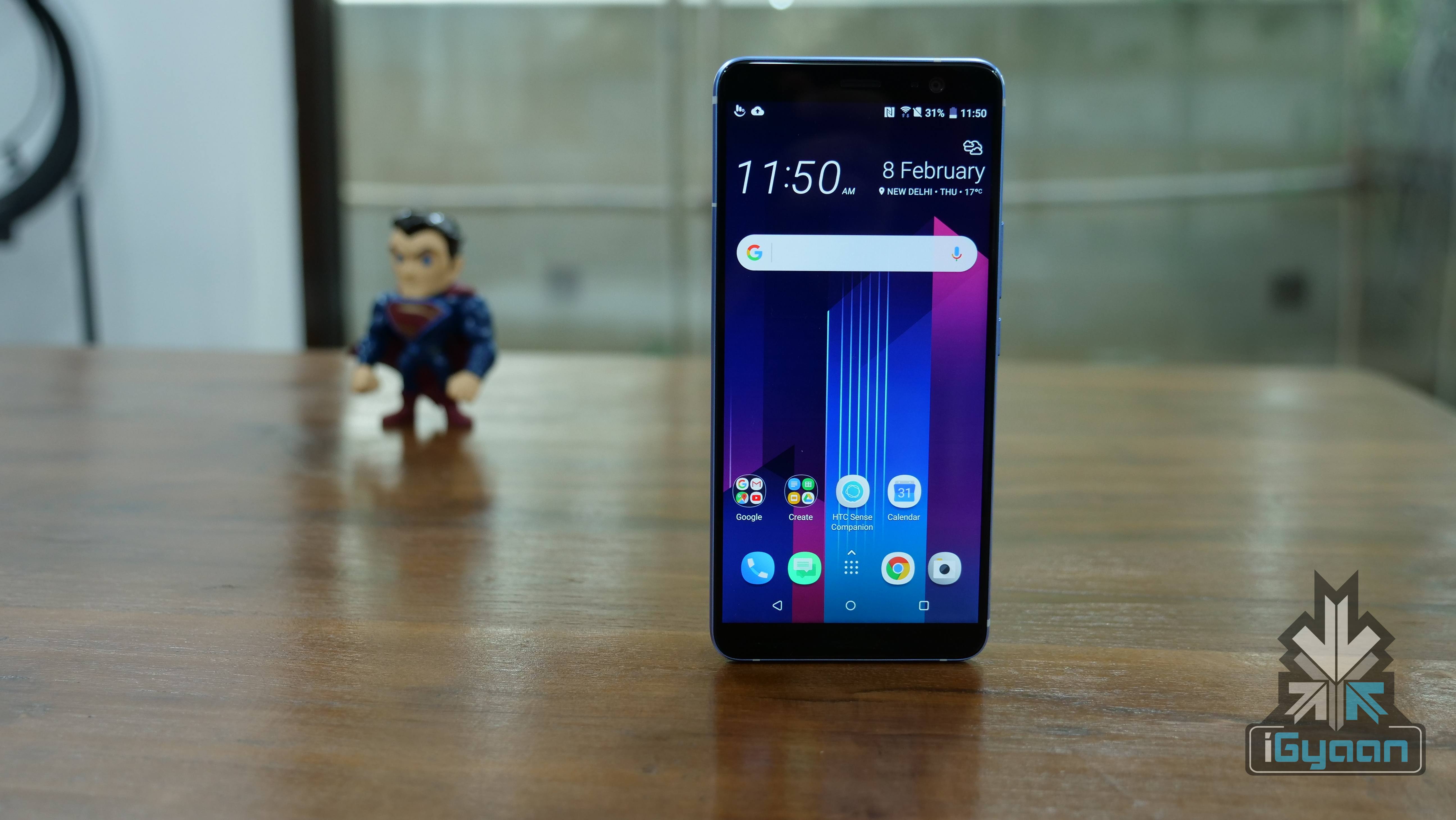
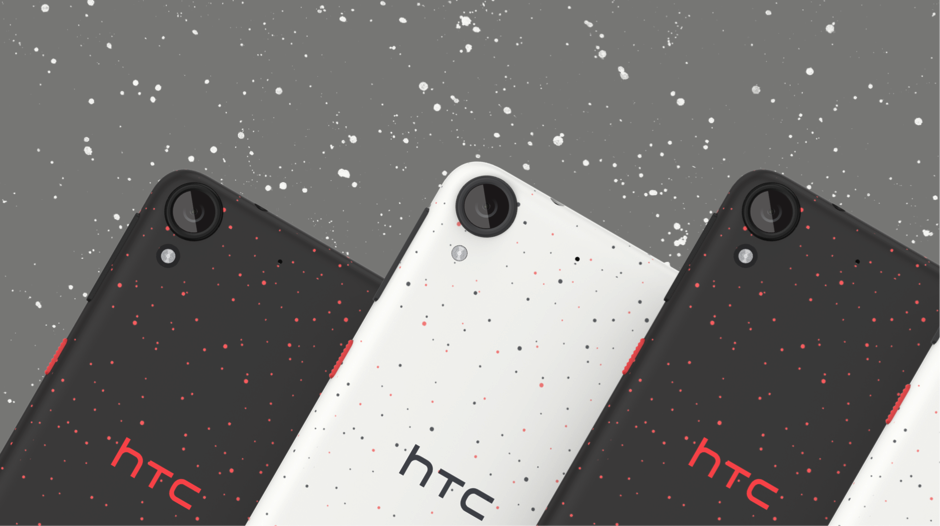
Smartphones in 2018 are expected to have the standard 18:9 aspect ratio. Not just premium phones, but, even budget and entry-level devices are expected to follow the industry norm. HTC, which recently launched the HTC U11+ in India, might be launching an entry-level phone with an 18:9 aspect ratio. The company is rumoured to launch the HTC Desire 12 with a tall display at MWC 2018.
HTC Desire 825
Evan Blass, a popular tipster on Twitter revealed that the company is working on an entry-level device. He later revealed that this smartphone will be called the HTC 12 Desire. The company is also expected to launch the HTC U12 at MWC 2018.
Specifications:
The HTC Desire 12 will have a 5.5-inch display with an 18:9 aspect ratio. We have seen the majority of bezel-less smartphones have a display close to 6 inches, so, this information might not be accurate.
The smartphone is expected to have a MediaTek processor, paired with 2GB RAM and 16GB onboard flash storage. If these specifications turn out to be true, the HTC U12 Desire could be one of the cheapest smartphones with an 18:9 aspect ratio. The device will be powered by a 2730 mAh battery.
The smartphone is expected to have a 13 MP primary camera and a 5 MP front-facing camera. However, there is no further information on other specifications about the cameras.
Conclusion:
While the specifications do come across as entry-level, pricing could make a difference for the HTC U12 Desire. The 18:9 aspect ratio could differentiate it from other entry-level devices. Also, there are chances that this could be an Android Go device considering the specifications. However,
HTC hasn’t learned anything from the past. People no more look for a brand name, instead, they dig down deep for the specifications. The only upside about the HTC Desire 12 is the 18:9 display. The processor, RAM, and ROM don’t say much about the device. However, nothing has been confirmed by the company yet. This means that the leaks could amount to nothing, come MWC 2018.
Launched in September 2017, the iPhone X was a big design shift for Apple. One of the most eye-catching features of the iPhone X is its display notch. Unlike a lot of phones that might launch with a notch this year, the iPhone X’s notch has a purpose. It houses the front camera, earpiece and all the hardware required for Face ID.
At the time of its launch, the iPhone X received mixed reviews for its notch. However, people soon realised that the notch blends into the UI pretty soon. For the majority of people, the notch doesn’t stick out like a sore thumb. For the minority of people that are annoyed with it, Apple might have good news for you.
The next generation iPhone X will have a smaller notch. This was claimed in a research note issued by analysts Andrew Gardiner, Hiral Patel, Joseph Wolf, and Blayne Curtis at investment bank Barclays. While they believe that the 2018 iPhones will only have a slightly improved Face ID, this could result in a smaller notch. Along with that, the note also claims that Face ID will be introduced in the upcoming iPad Pro:
We remain confident that Apple is set to deploy its TrueDepth 3D sensor across the iPhone range in 2018 and to also add it to the pending iPad Pro refresh as well.
Given the complexity and multiple years spent developing the current generation of module, combined with supplier comments over the past month regarding multi-year customer commitments, we do not envisage a major change to the architectural make-up in 2018 […]
We do expect the sensor to evolve slightly, potentially reducing in size (i.e., smaller notch) and improving in specificity […] helping to further drive very strong growth [for some Apple suppliers] in 2H18 as the second generation of sensor ships in this year’s new iPhones.
2018 iPhone Lineup: What To Expect
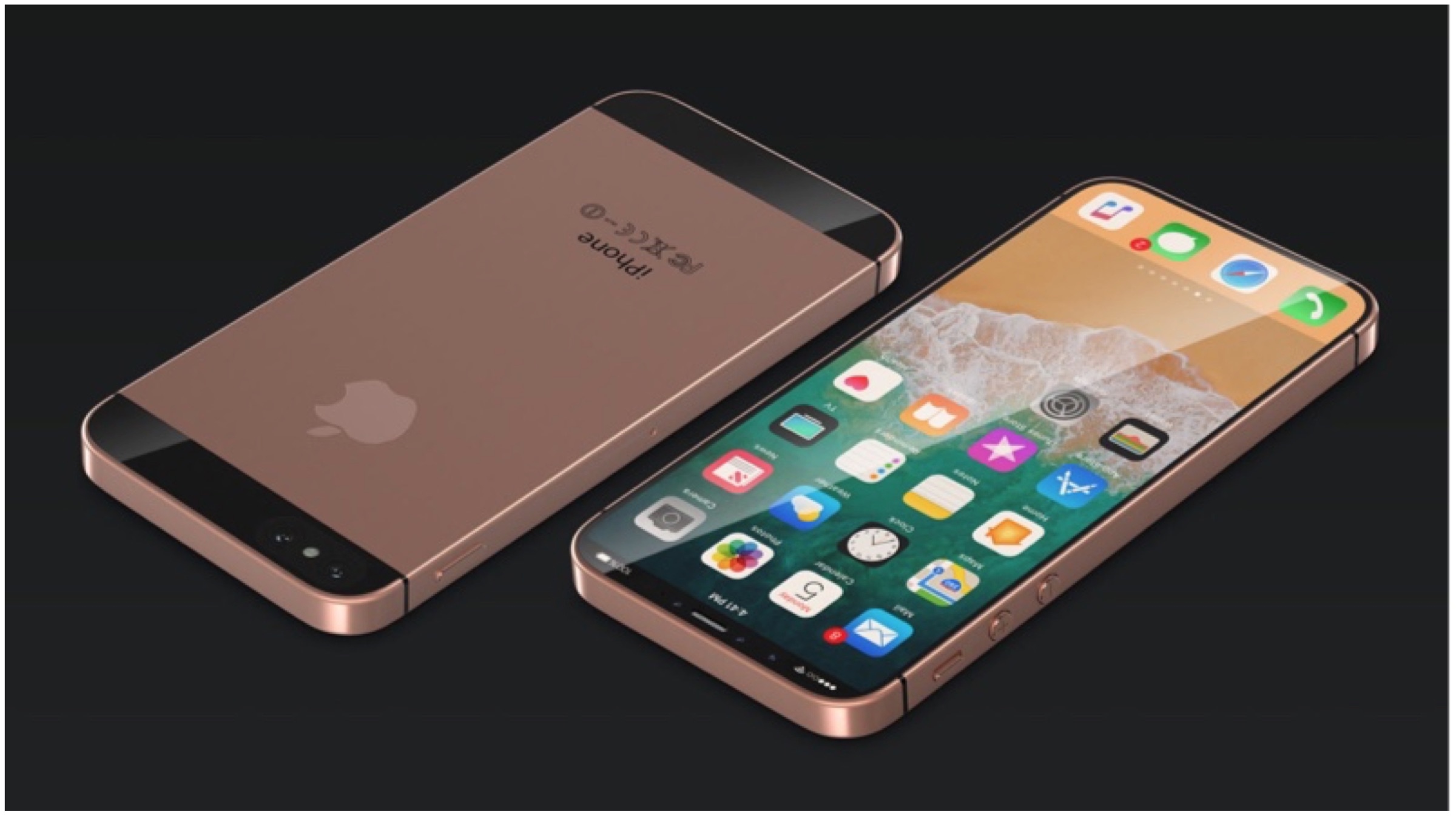
2018 will see three new iPhones being launched at the Apple annual launch event. One of them will be the 2018 iPhone X, iPhone X Plus and an iPhone X SE. Interestingly, the naming of the upcoming smartphones suggests that the successor to the iPhone SE will indeed be a large iPhone that has design elements similar to the iPhone X.
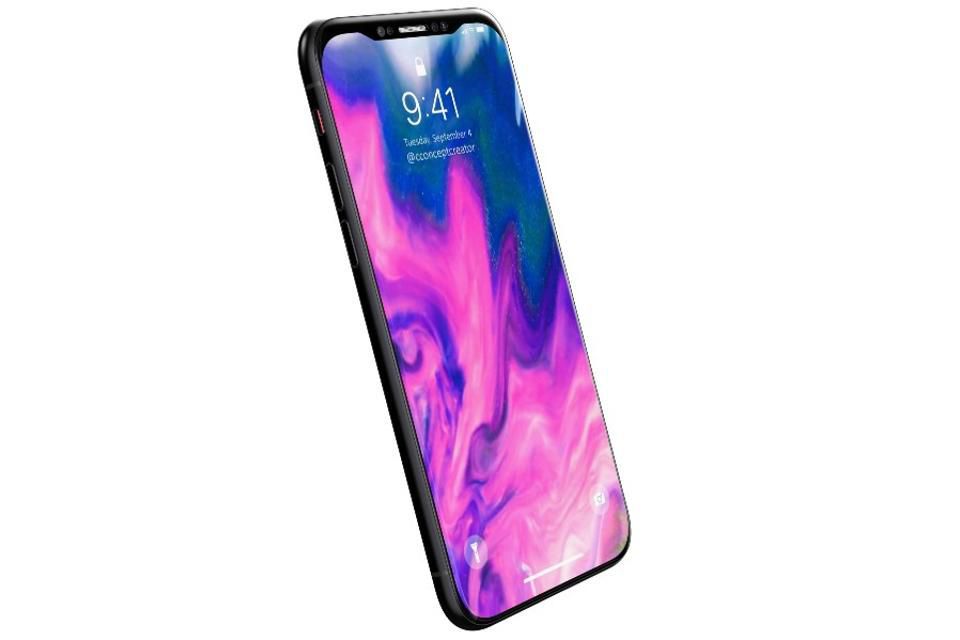
iPhone X Plus Concept
Kuo claims the 2018 iPhone X will again start at US$ 1000, the iPhone X Plus will be priced higher (likely US$ 1200-US$ 1350) while the iPhone X SE will be priced at around US$ 700-US$ 800.
The iPhone X 2018 (tentative name) will have the same 5.8 inch OLED display found on the current iPhone X. It will have a 2,700 to 2,800mAh battery, supplied primarily by Unimicron. The 2018 iPhone X will also be powered by a new chipset and is expected to feature advanced Face ID.
The iPhone X Plus will have a 6.5-inch OLED display in a body that might not be much bigger than the iPhone 8 Plus’. It is expected to have a 3,400 to 3,500 mAh battery supplied Unimicron.
iPhone X SE?
The cheapest iPhone of the lot will be the iPhone X SE. It will be the successor to the iPhone SE and feature considerable upgrades over the predecessor. Although, these updates might end up costing the essence of the ‘SE’ series. The iPhone X SE will have a 6.1 inch LCD display with a design similar to the iPhone X. This means that Face ID will be introduced in this smartphone as well.
The iPhone X SE will be powered by the latest chipset, just like the iPhone SE was. However, unlike the 2018 iPhone X and iPhone X Plus, it won’t feature wireless charging. It will also miss out on 3D Touch.
As for investor reaction to the 2018 iPhone lineup, Kuo says that there is an air of “conservative sentiments due to concerns about a lack of major spec upgrades.” However, Kuo predicts the market will appreciate the 6.1 inch iPhone X SE, which he says will account for around 50% of the new iPhones sold in the second half of 2018.
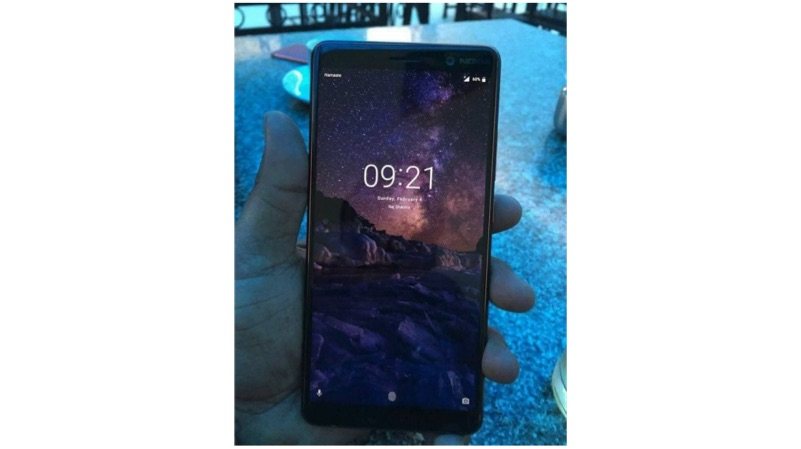
The Nokia 7 Plus could be the first Nokia-branded Android One smartphone. It is expected to be launched at MWC 2018 along with the Nokia 1. After a plethora of leaks and speculations about the Nokia 7 Plus, now we have a live image of the first Nokia smartphone with 18:9 aspect ratio display.
The Nokia 7 Plus will be a spiritual successor of the highly popular Nokia 7 (at least in China). The Nokia 7 was launched with a 16:9 aspect ratio display, powered by Snapdragon 630 Octa-core processor. Nokia 7 Plus, however, is expected to have an 18:9 aspect ratio with an almost bezel-less design. The single Zeiss lens on the Nokia 7 has been doubled on Nokia 7 Plus.
It looks like the company is testing the phone internally in India. The leaked image has a name “Raj Sharma” and the word “Namaste”, which means welcome. Therefore, it might hint at a possible launch in India sooner than expected. As we move closer to MWC 2018, more details about the upcoming Nokia device are being leaked.
Rumoured Specifications:
Nokia 7 Plus will be the first Nokia smartphone to offer an 18:9 aspect ratio display. The IPS LCD display will supposedly have a 2160 x 1080 px resolution. The fingerprint sensor along with the dual Zeiss branded cameras are located on the back, with a hint of an orange accent around the camera ring. According to the renders, it could sport an all-glass design, similar to the Moto X4 and Nokia 7.
It is worth noting that the Nokia 7 Plus will run on the Qualcomm Snapdragon 660 SoC, coupled with 6GB RAM and 64GB storage. The “Android One” branding on the back of the phone guarantees that the device will launch with Android 8 Oreo out of the box. Hence, you can expect regular software updates for the next two years.
Nokia 7 Plus Renders
Renders suggest that the company has decided to retain 3.5 mm headphone jack and a USB type C port charging and data syncing. At least on paper, the Nokia 7 Plus looks like a well-balanced smartphone, with a smart set of specifications.
Apart from the Nokia 8, HMD Global missed the mark by pricing its budget devices higher than expected. The likes of Nokia 6 lost out to Honor 7X, Mi A1 and others. The Nokia 7 Plus, to make a mark in the Indian market, has to be priced close to the Moto X4. At a price close to Rs. 20,000 the device will be the only device with an 18:9 aspect ratio and Snapdragon 660 chipset.
However, nothing can be said about the pricing of the smartphone yet. While the Nokia 7 Plus specifications are impressive, these are leaks at the end of the day.
More smartphones in 2018 are expected to drop the headphone jack. It is a sad reality we have to live in. However, it is also true that more and more budget Bluetooth headphones are becoming better by the day. So, if you have a smartphone without a headphone jack, or just want to try out a pair of great sounding Bluetooth headphones, read on. We take a look at the top five Bluetooth headphones (in-ear and over-ear) that cost less than Rs. 2000!
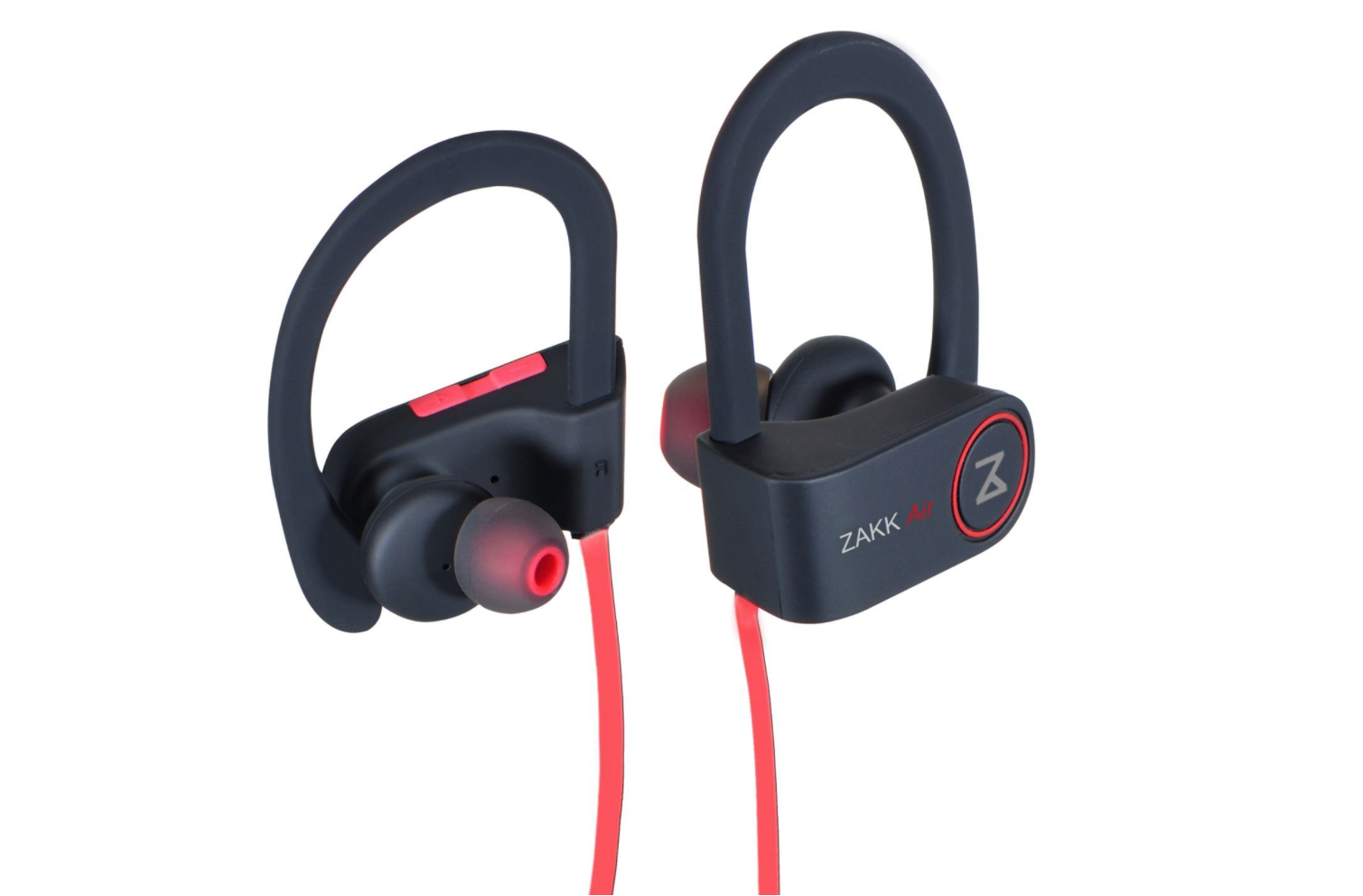
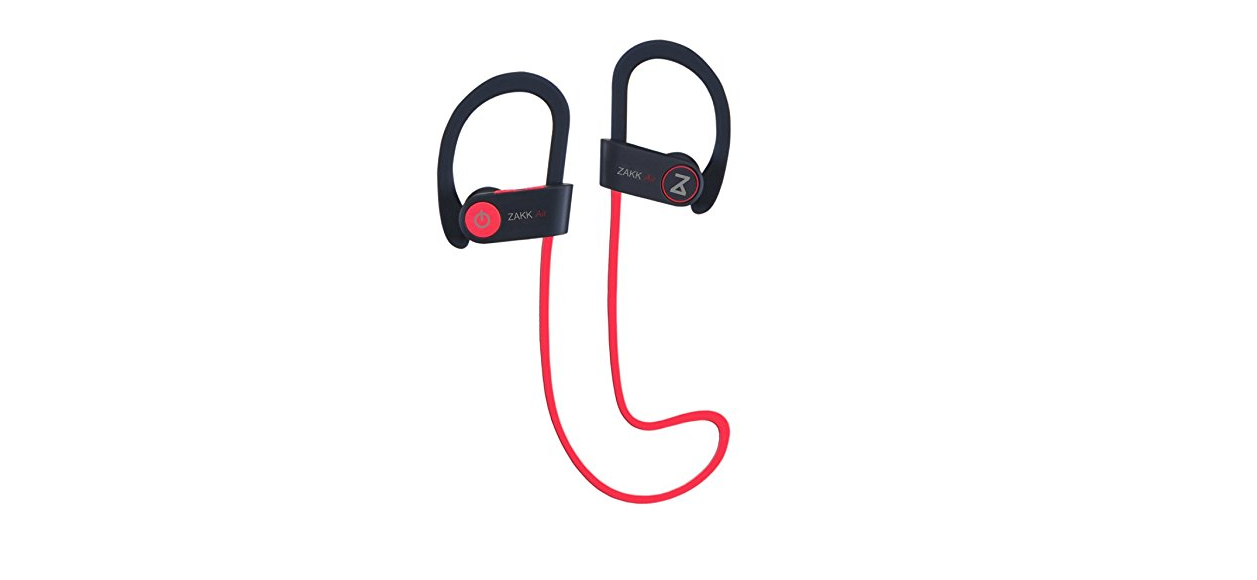
Zakk Air
If you work out, or like the occasional jog, the Zakk Air are ideal for you. These in-ear type Bluetooth earbuds cost Rs. 1899 and are available on Amazon right now. The earbuds have a playback time of up to 5 hours and are also sweat resistance. So you don’t have to worry about spoiling them when you’re at the gym.
Coupon Code: Igyaan10
Start Date- 16/03/2018 7:00 AM
End Date- 16/04/2018 9:00 PM
Boat Rockerz 510
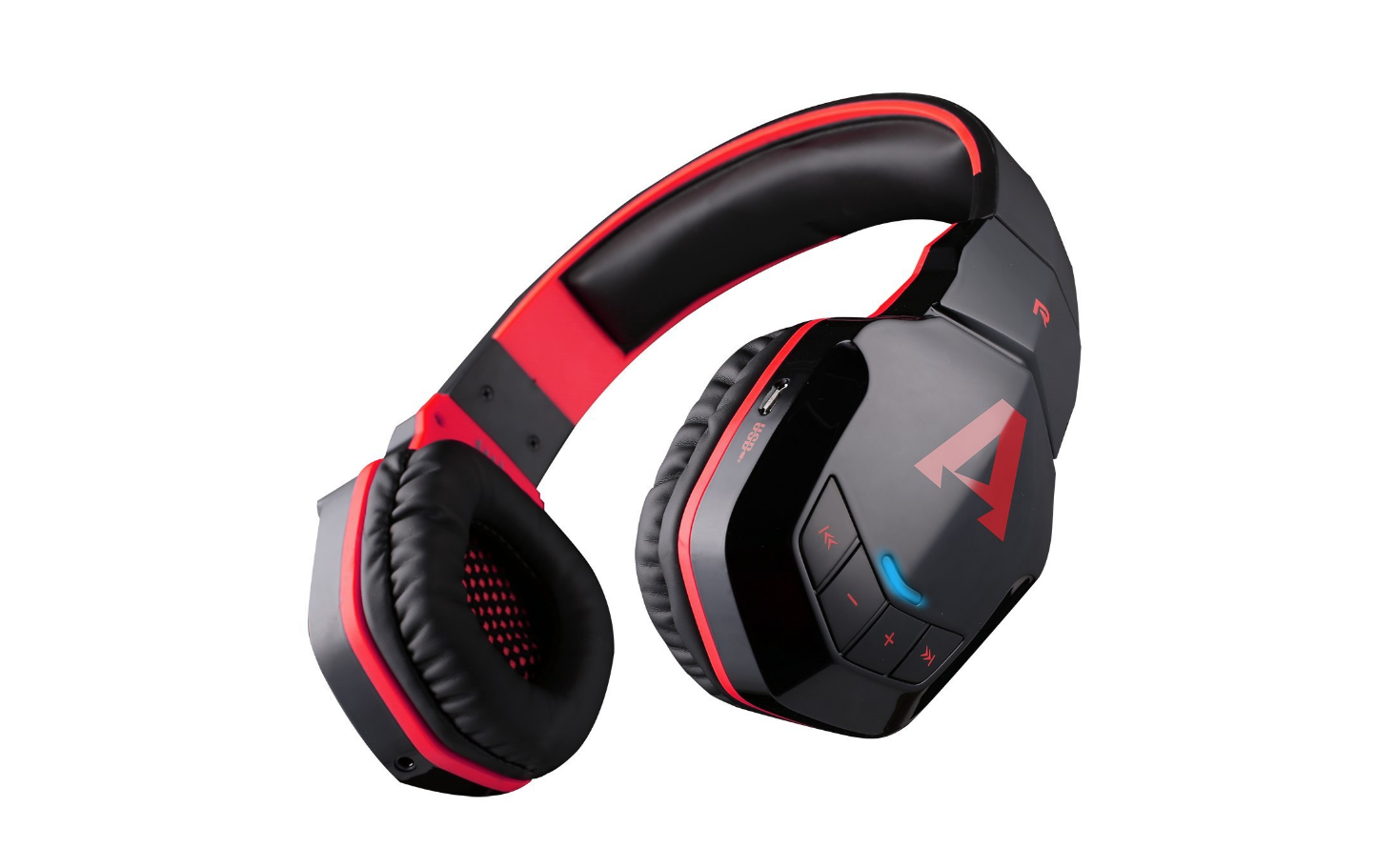
These are for people who prefer over the ear headphones. Boat headphones are bass heavy and these headphones are no different. The Rockerz 510 has a comfortable fit, and ideal for long listening hours. It has an inline microphone as well as a host of buttons to control your music and headphones without reaching out for your phone. Also, it comes with a 3.5mm cable for times when your headphones run out of battery.
Moto Pulse Wireless Headphones
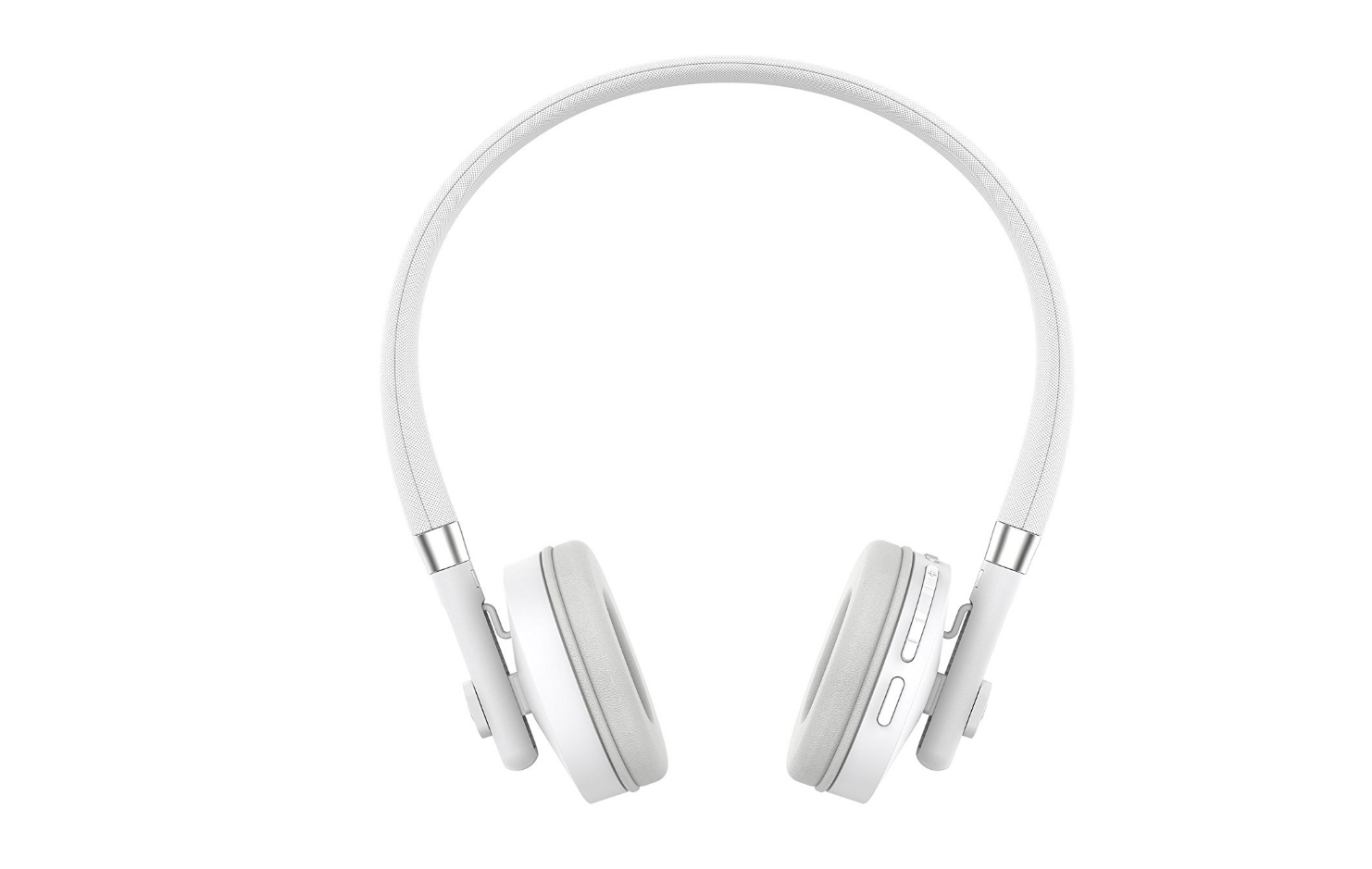
Probably the most minimalistic headphones on the list, the Moto Pulse headphones sound great. They are on ear type headphones instead of over the ear. This means that the sound bleeds out a bit. However, at a price of Rs. 1500 and the assurance of Moto brand, the Moto Pulse make a great pair of headphones. One downside is the lack of support for wired playback. This means that if you run out of battery, there is no way to use the headphones.
Zakk Flex
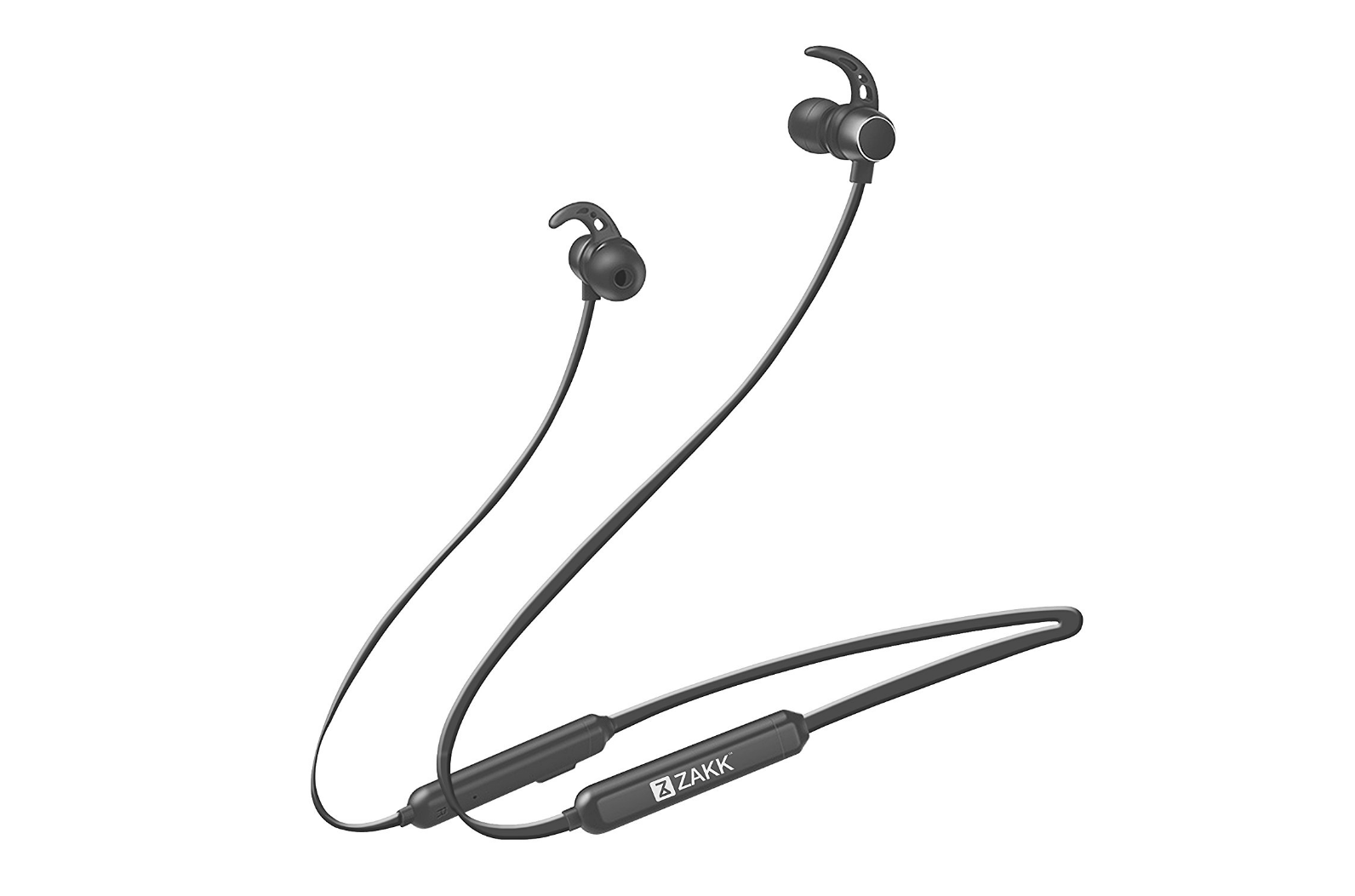
The Zakk Flex are in-ear type earphones with a neckband reminiscent of the Sony h.ear in earbuds. The neckband is flexible resulting in a very comfortable fit. A good thing is that the flexible neckband doesn’t add a lot of weight to the earphones. They sound great and are priced at Rs. 1799. Just like the Zakk Air, these earbuds are also sweat resistant. The neckband comes into play when we talk about the battery life. The Zakk Flex has a playback time of up to 8 hours which is extremely convenient.
Portronics Harmonics 204
The Portronics Harmonics 204 have a build and style similar to the Zakk Flex. There is a neckband that holds the earbuds together and is also very flexible. A nifty feature it has is the magnetic latch to prevent accidental falls. Similar to the Zakk Air, the Harmonics 204 have a playback time of up to 5 hours.