Category: Tech

Latest Technology News, Alternative, Bio-Tech, Medical, R&D and Innovations

  • Xiaomi Mi A1 Android 8 Oreo Update Suspended Again

    Xiaomi Mi A1 Android 8 Oreo Update Suspended Again

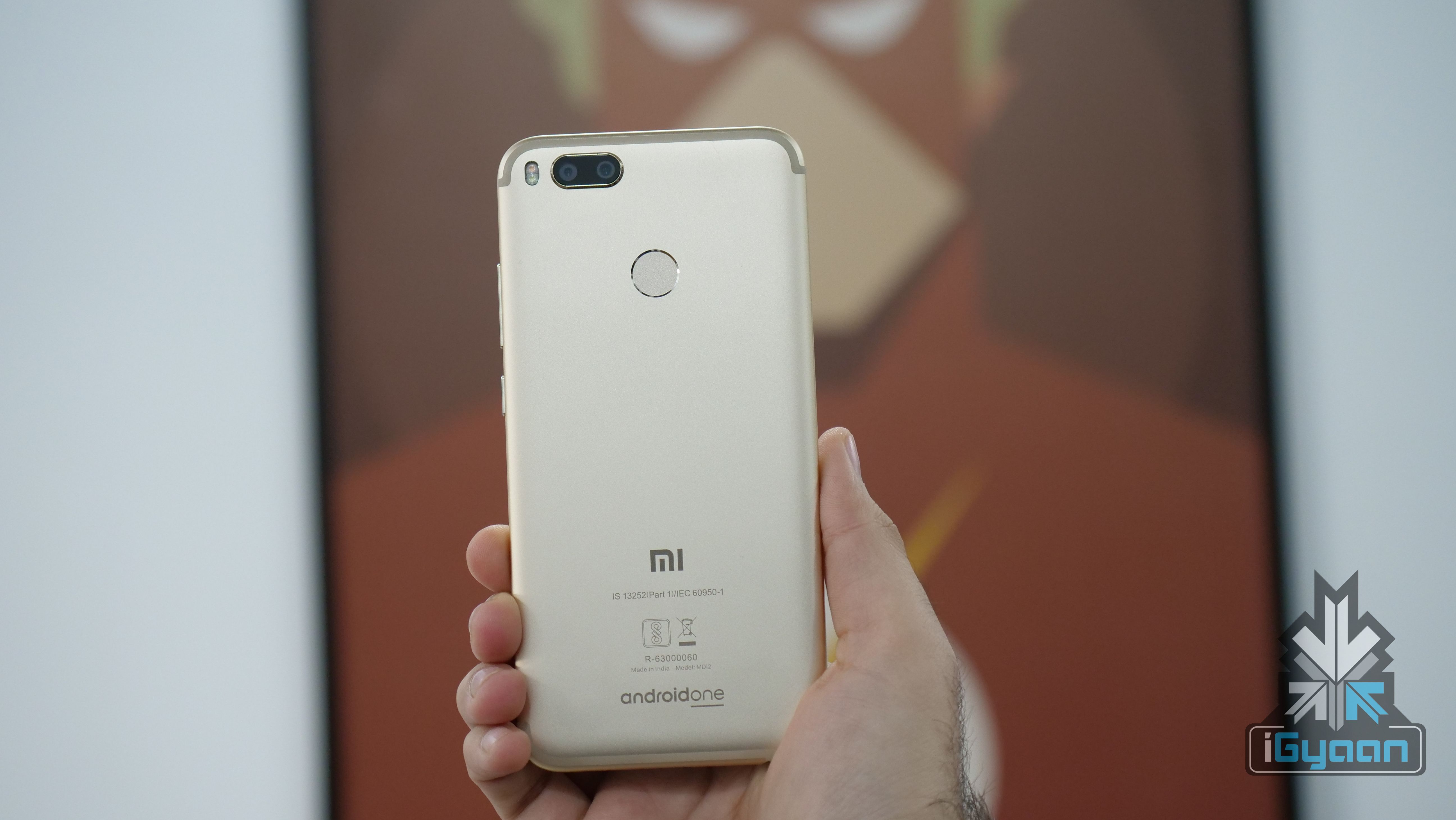
    Xiaomi Mi A1 was the first ever smartphone from Xiaomi to run stock Android OS. The Mi A1 was promised to have much better update experience thanks to Android One support. That, however, has not been the case so far.
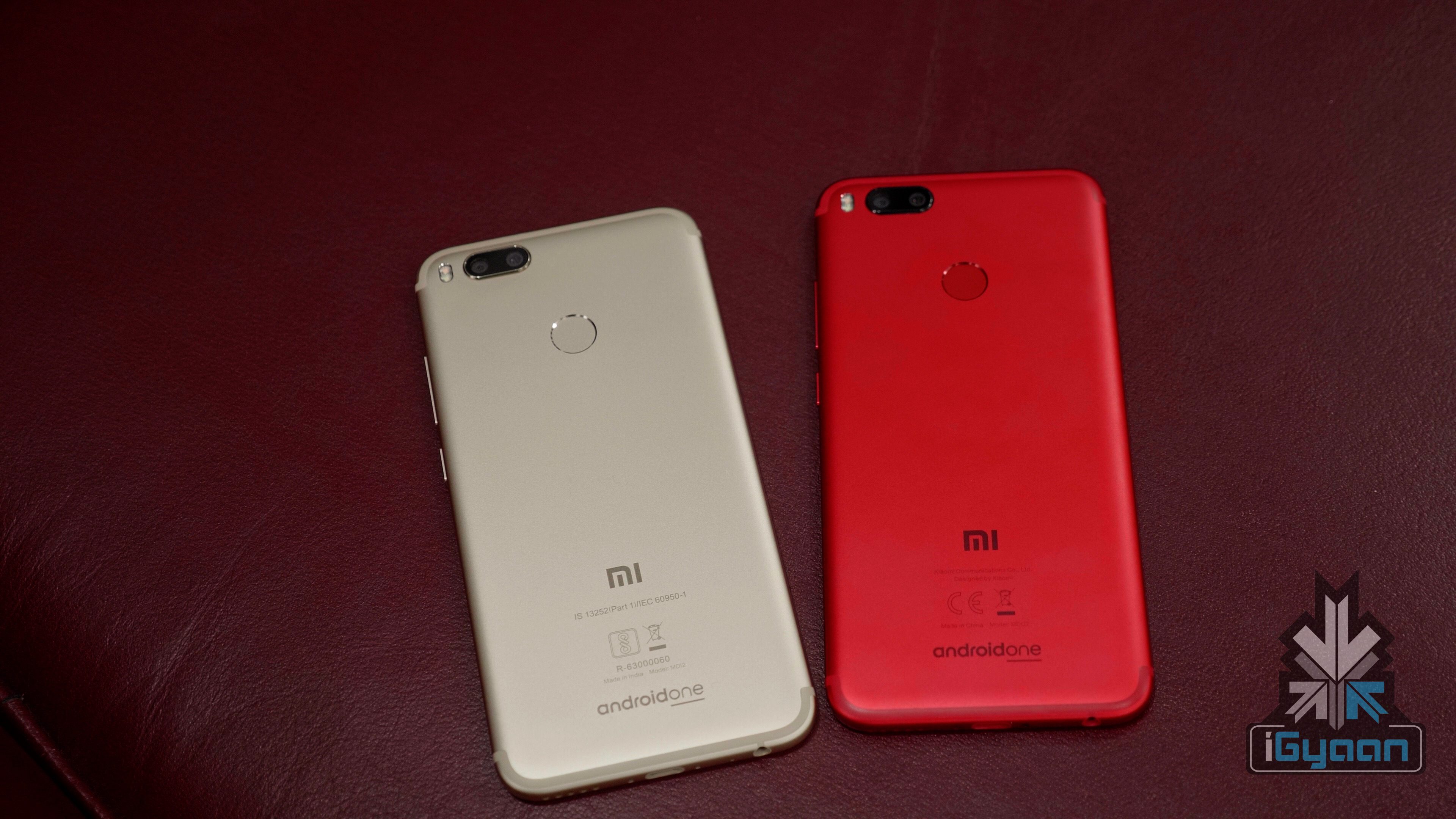
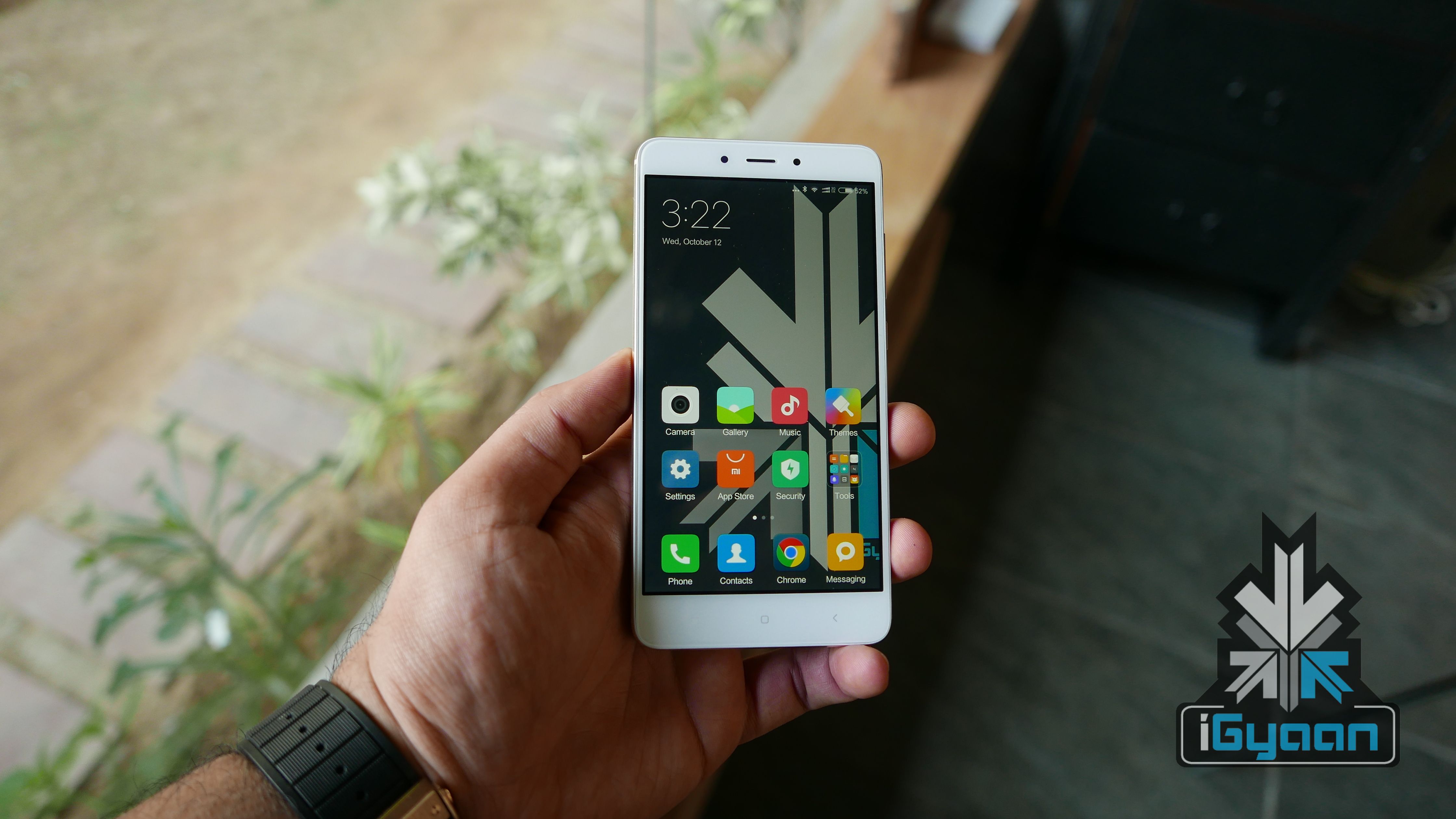
    Xiaomi Mi A1

    After releasing the Android 8.0 Oreo on December 31st, the company had to suspend the rollout. On 16th January, the company resumed the rollout. It seemingly fixed all the bugs that were reported by users who updated their phones in the first wave of the rollout. Now, the company has been forced into suspending the update rollout once again.

    New bugs have been unearthed in the latest build. Xiaomi would like to fix these as soon as possible. One of the USPs of the Mi A1 was the smartphone’s software experience for people who did not fancy MIUI and all its bells and whistles.

    Xiaomi isn’t the first company to suspend the Android 8 Oreo update. OnePlus had to recently halt the Android 8 Oreo update for the OnePlus 5 devices due to performance issues reported by users. However, the issues were fixed soon and the official rollout resumed a few days ago.
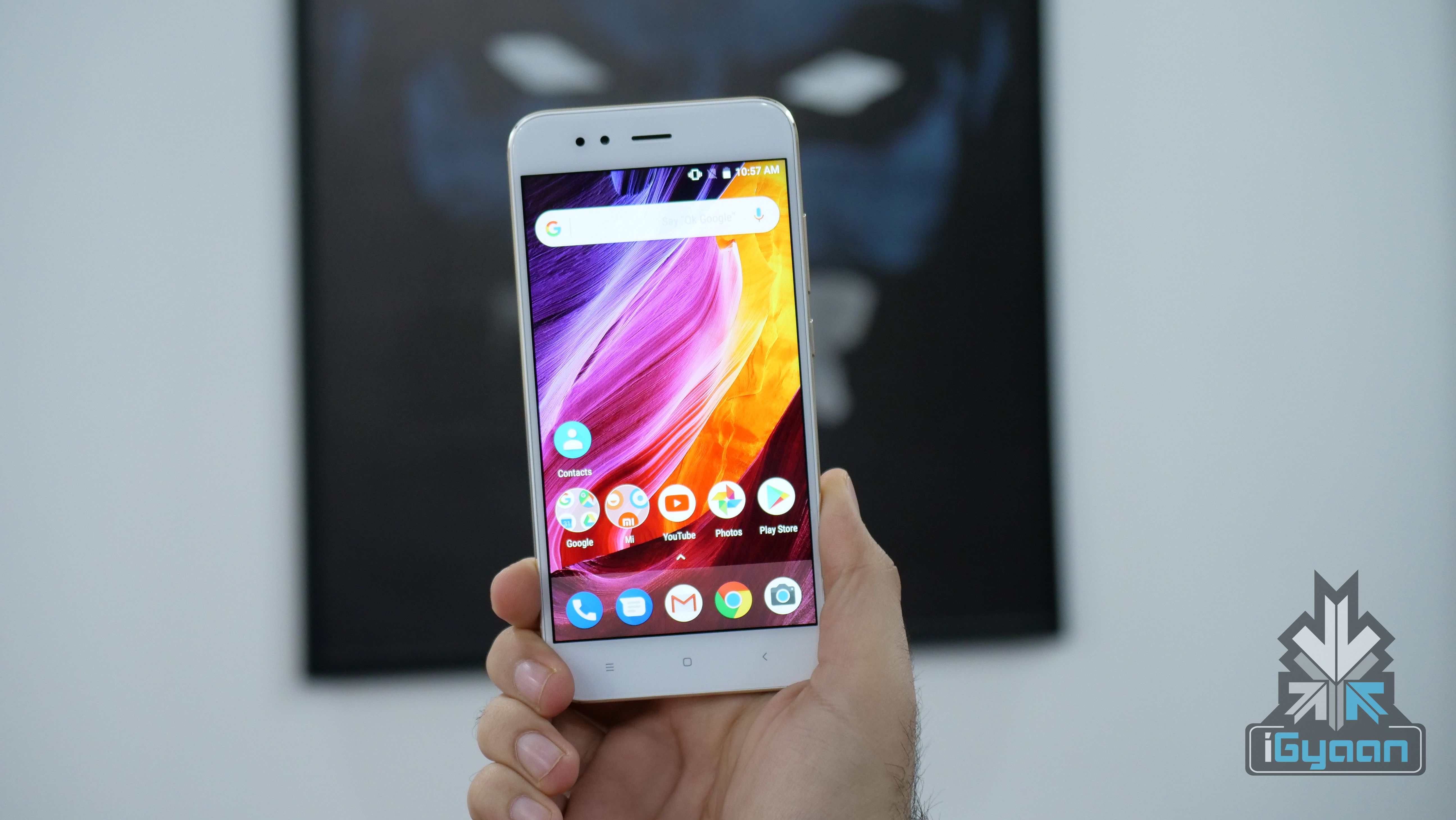
    Xiaomi Mi A1/5X
    Xiaomi Mi A1 Overview

    The Mi A1 has a 5.5 inch LTPS display with a 1920 x 1080 px resolution.

    The smartphone has the Qualcomm Snapdragon 625 chipset, 8x ARM Cortex A53 2.0GHz 64-bit processor, 4GB RAM and 64GB of onboard storage which is expandable via microSD card.

    The Xiaomi Mi A1 has a 12MP equipped with a wide-angle lens with an f/2.2 aperture while the other one is a 12MP telephoto lens with an f/2.6 aperture. For landscape shots, Xiaomi has introduced a wide angle lens while on the front is a 5MP camera.
    Watch our full review of the Xiaomi Mi A1:

  • Moto X4 Running Android 8 Oreo And 6GB RAM To Be Launched In India On February 1st

    Moto X4 Running Android 8 Oreo And 6GB RAM To Be Launched In India On February 1st

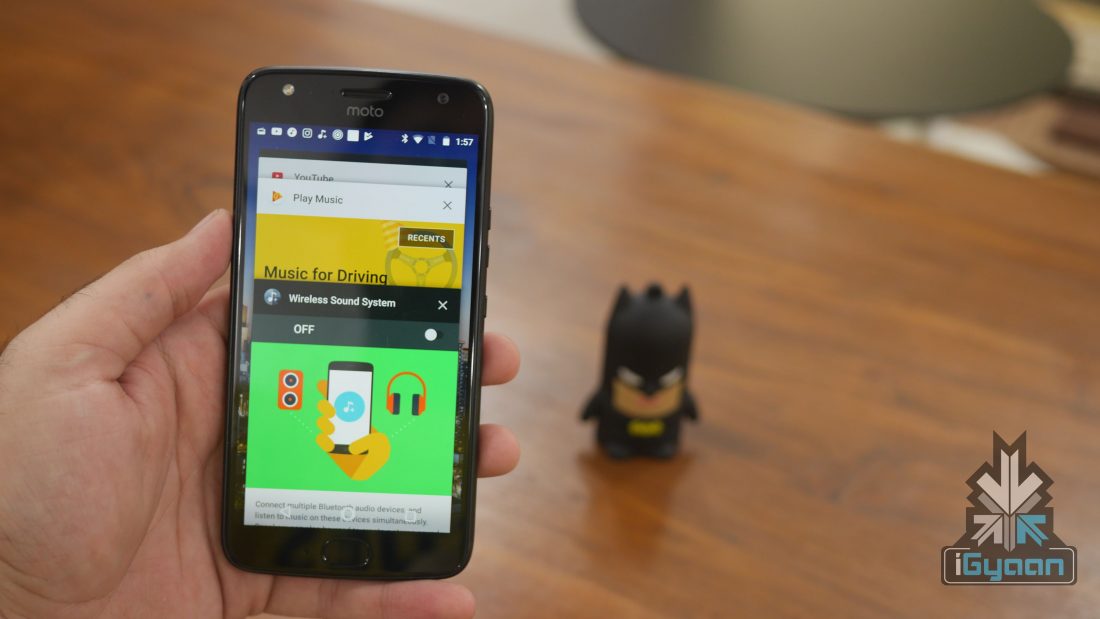
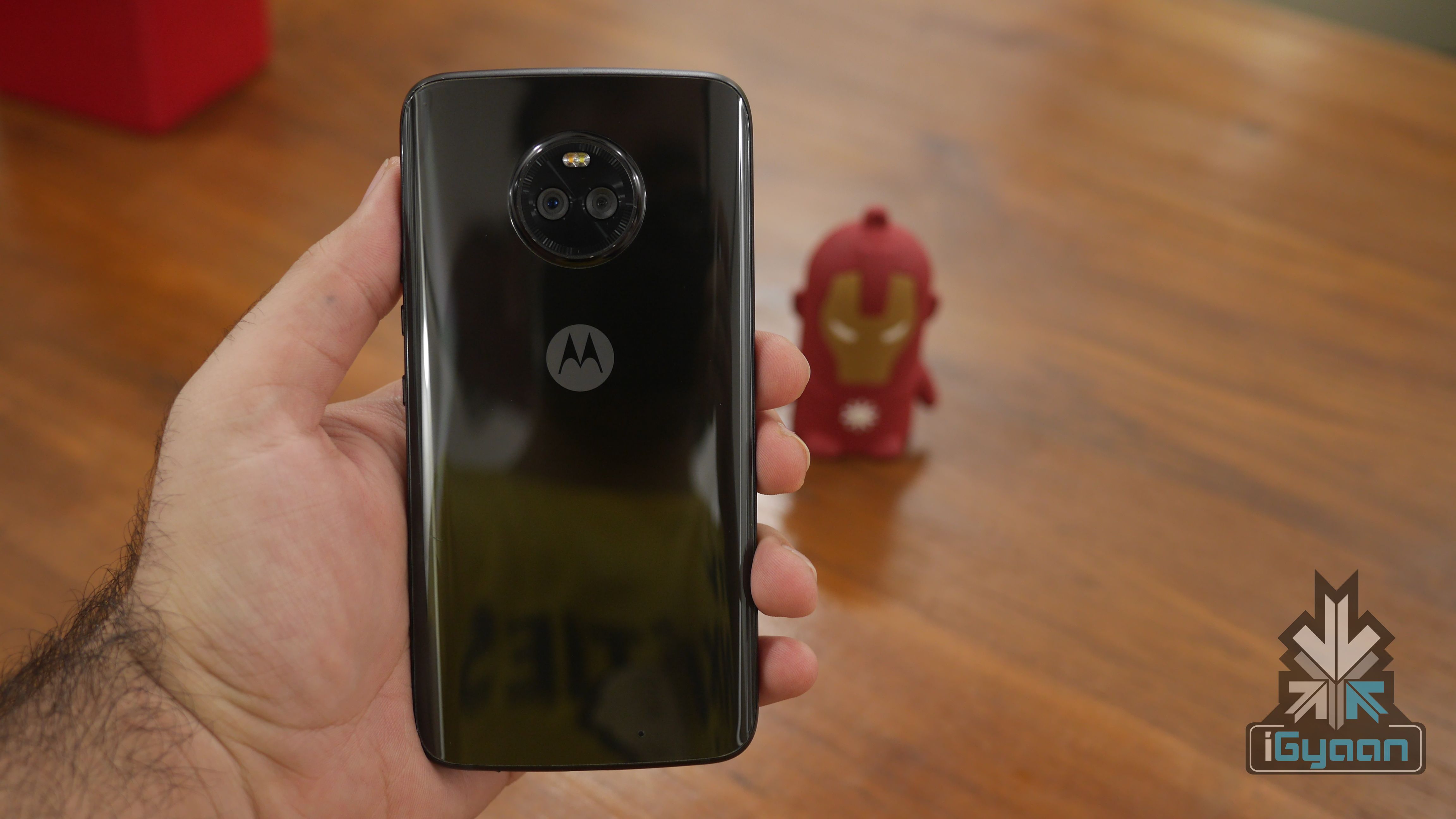
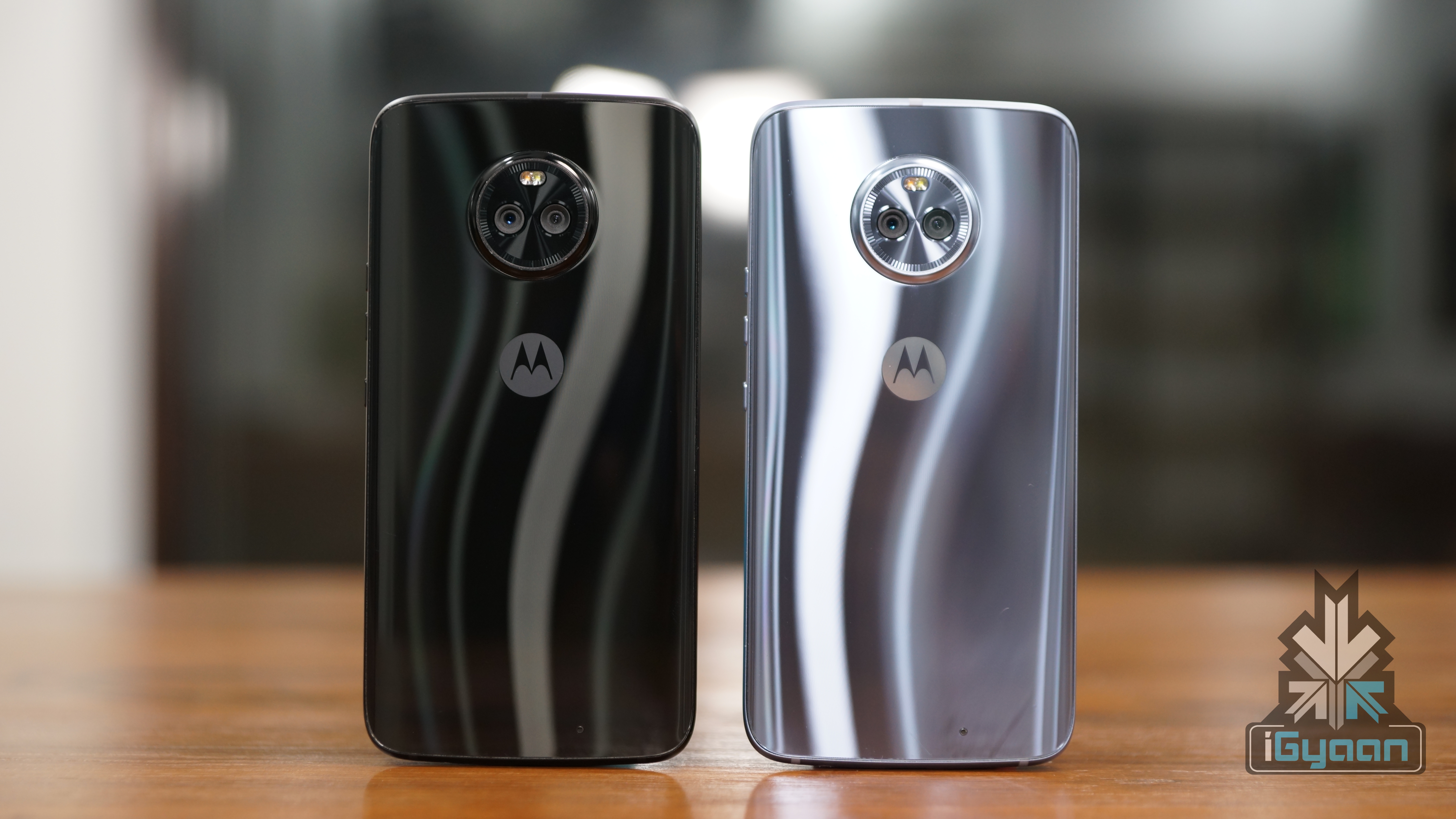
    Lenovo-owned Motorola will launch a refreshed version of the Moto X4 on the 1st of February. The Moto X4 was launched in November in India at a starting price of Rs. 20999 for the 32GB storage variant. The 64GB storage variant is priced at Rs 22999 and it is one of the few phones in this price bracket to offer a dual-camera setup and IP68 rating.

    Moto X4

    On the 1st of February, Motorola will launch a new variant of the Moto X4 with 6GB RAM. Apart from the bumped up storage, the new version will also run Android 8.0 Oreo out of the box. The specifications apart from this will remain the same. There is no word on its price yet.

    Specifications

    The Moto X4 has a 5.2 inch 1920 x 1080 px LTPS IPS LCD display with Corning Gorilla Glass 3 on top for protection.

    The Moto X4 has the Qualcomm Snapdragon 630, 2.2 GHz octa-core processor and Adreno 508 GPU, along with 3GB or 4GB of RAM and 32GB or 64GB of onboard storage which can be expanded up to 2TB via microSD card. The phone has an IP68 rating for water and dust resistance. The fingerprint sensor is housed inside the home button which also doubles up as a single navigation button.

    The Moto X4 is powered by a 3000 mAh battery with TurboCharge capabilities.

    Moto X4

    The device has a dual-camera setup at the back. The main camera is a 12MP sensor with an f/2.0 aperture, and the 8MP secondary camera with an f/2.2 aperture is equipped with a wide-angle lens. The dual-cameras allow users to have depth effect shots, bokeh effect shots, ultra-wide angle shots, and selective focus shots. On the front of the device is a 16MP camera with an f/2.0 aperture and an LED flash. The cameras record 4K videos at 30 FPS.

    The Moto X4 has impressive specifications for its price and with 6GB RAM, it gives consumers a new version to look out for.

    Watch Our Full Review Of Moto X4:

  • This Video Shows That Humans Still Don’t Understand How Smartphone Batteries Work!

    This Video Shows That Humans Still Don’t Understand How Smartphone Batteries Work!

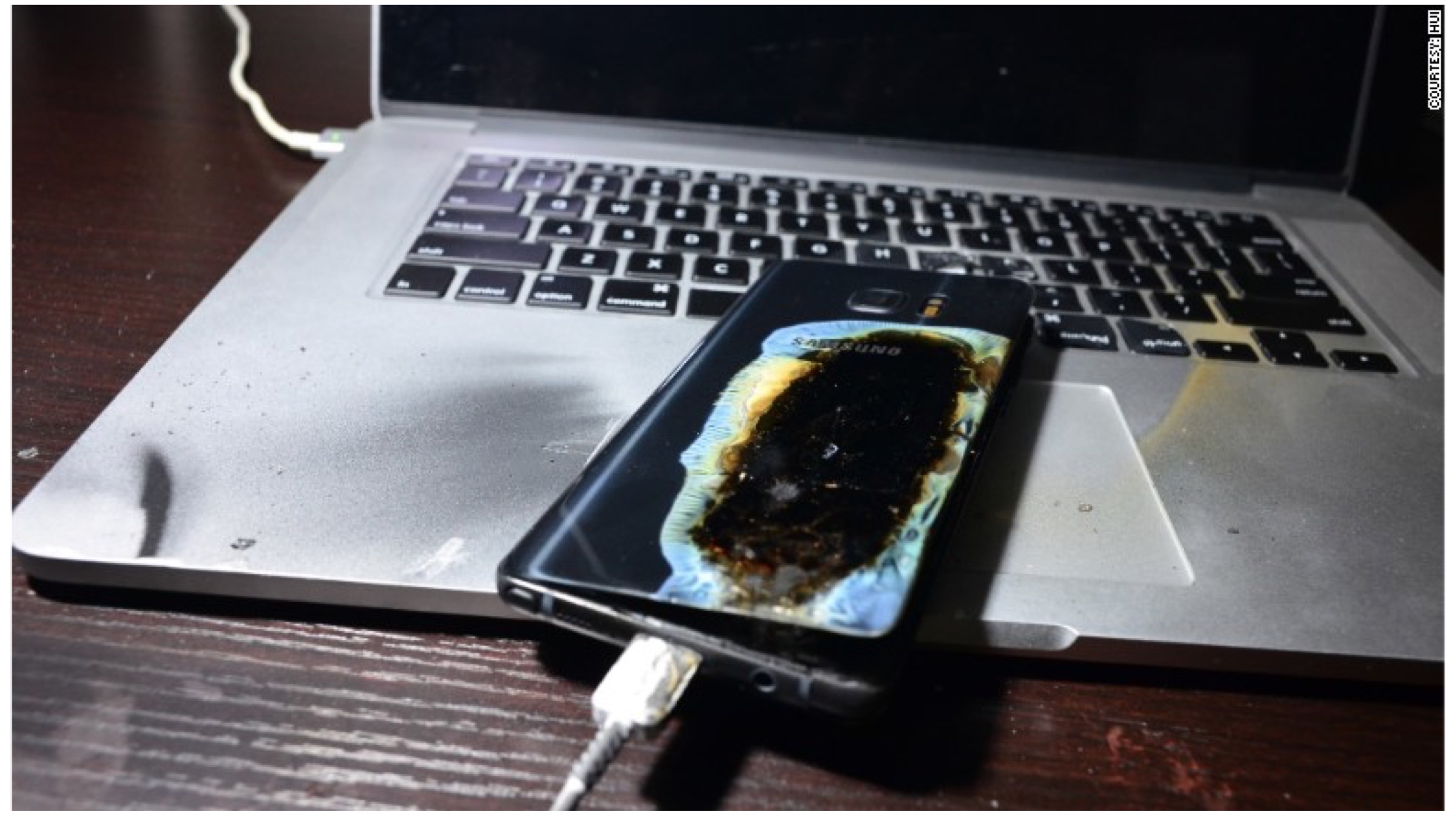
    Tech can be confusing at times. Moreover, people can let their preconceived notions about technology get the better of their decision-making skills. This isn’t a secret that a smartphone battery can explode. Samsung and Galaxy Note7 users, unfortunately, learned that the hard way. It appears that people still don’t understand how smartphone batteries work.

    Image: CNNMoney
    What’s The Story?

    A video coming out of a Chinese gadget store reveals the incident of a man biting into a smartphone battery. Before getting the new battery installed, he decided to check the authenticity of it by biting into it. We still don’t know what he was expecting from that bite. Despite the incident occurring very close to his and another person’s face, nobody was said to have been harmed in the incident.

    While it is true that fake lithium-ion batteries can explode or overheat, this method was counter-productive. It is a known fact that lithium-ion batteries can explode if punctured. Lithium-ion batteries are made up of layers, with positive and negative electrodes are wrapped around each other. These positive and negative electrodes are insulated from each other.

    This is done because explosions can occur if the positive and negative leads on a battery touch each other. So, the biting would not have made a difference as he won’t know whether the battery exploded because it’s fake or because he damaged it with his teeth.

    Biting into a battery can essentially trigger an explosion because lithium-ion batteries are prone to explosions if punctured.

  • Samsung Galaxy S9+ Design Leaked In Case Renders

    Samsung Galaxy S9+ Design Leaked In Case Renders

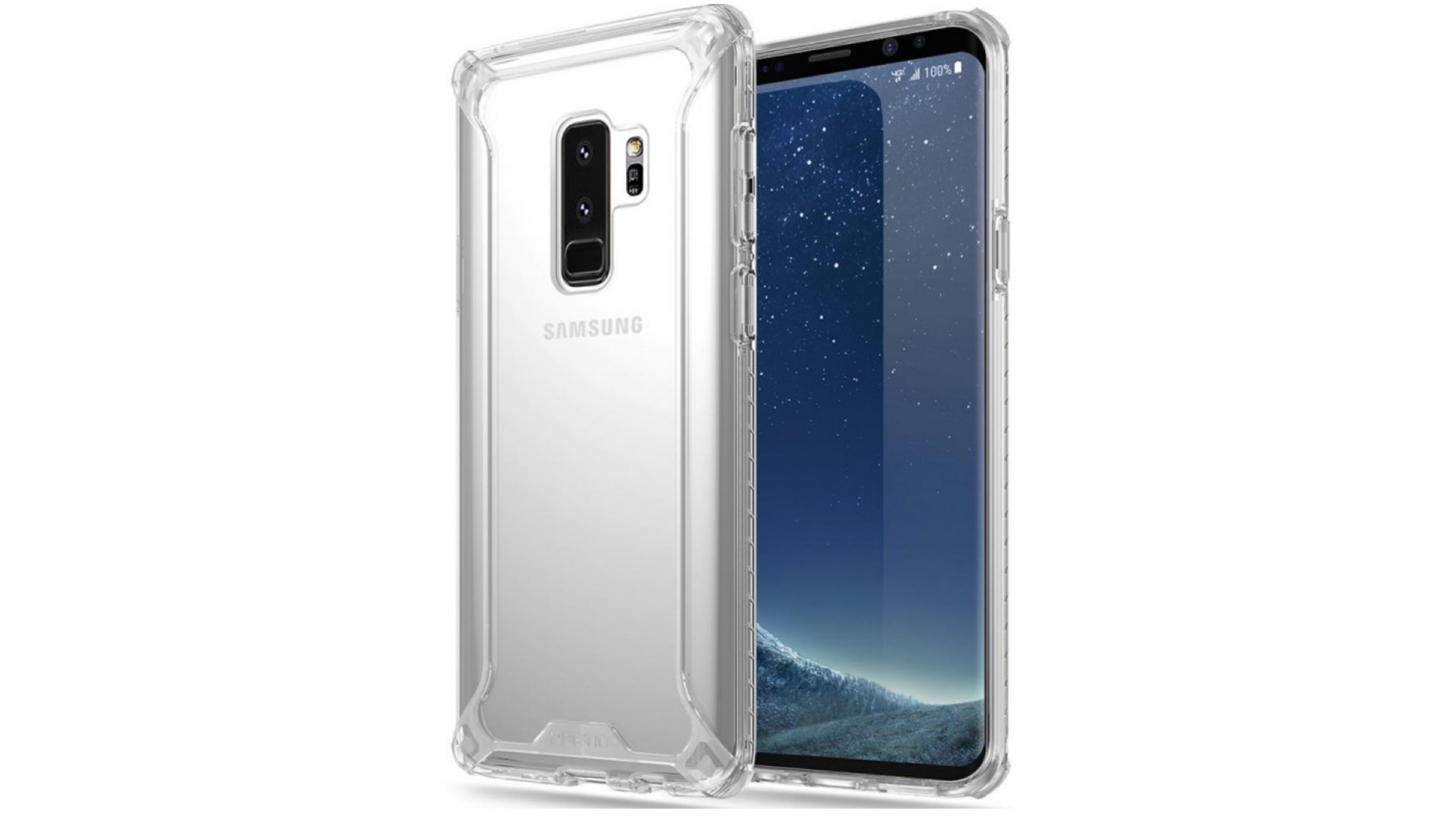
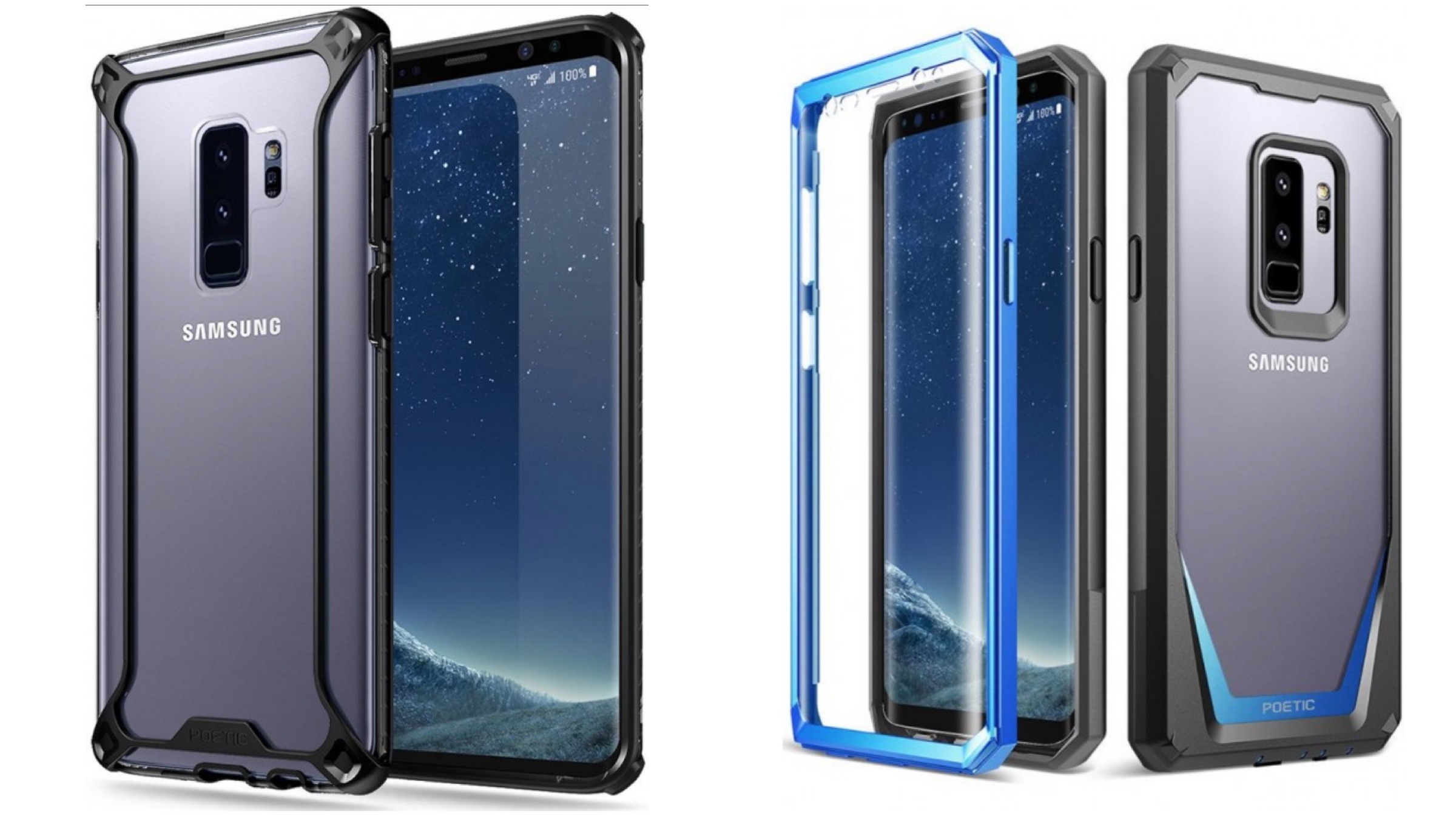
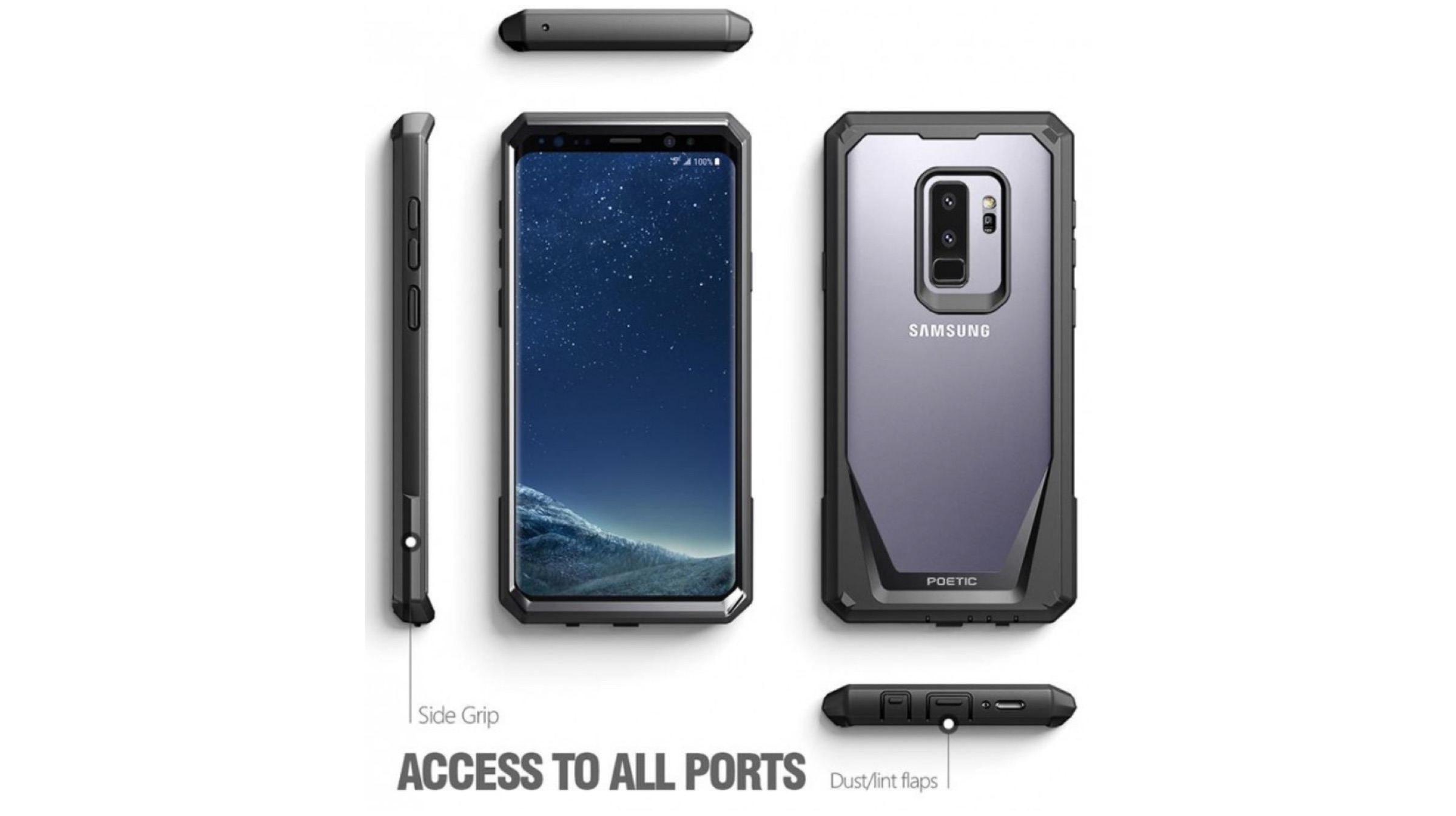
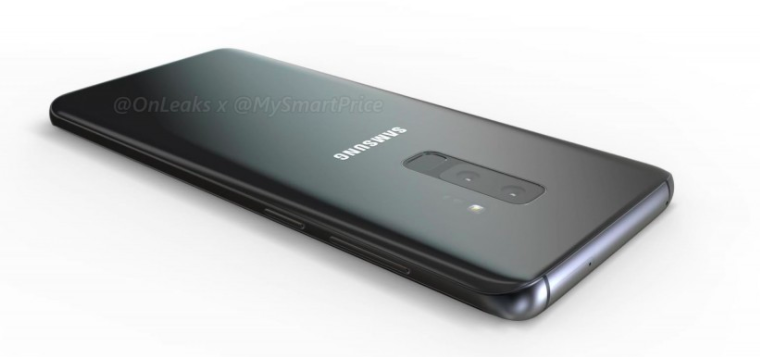
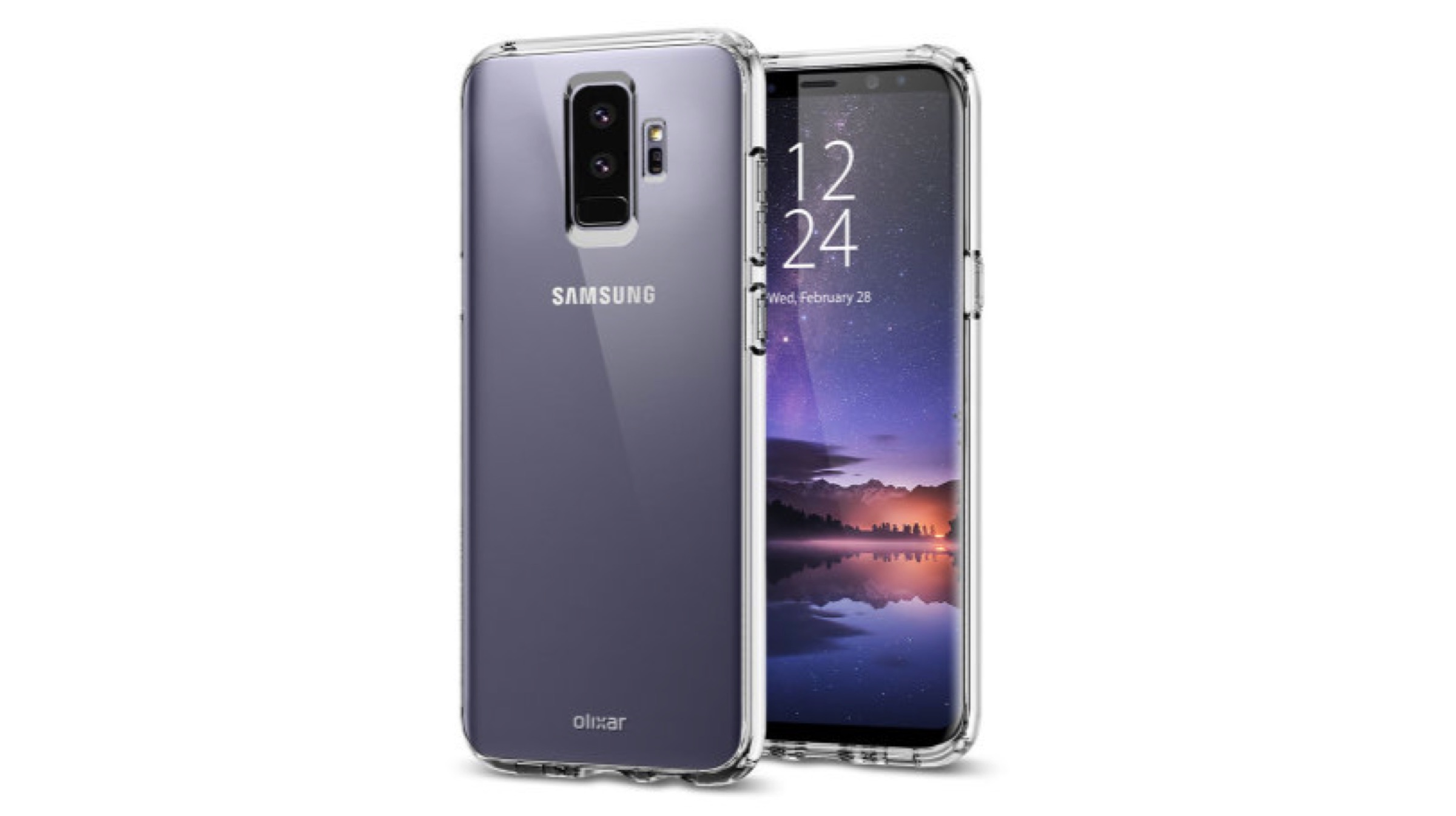
    Samsung Galaxy S9+ and its smaller sibling, the Galaxy S9 will be launched on the 25th of February. The company sent out press invites, hinting at a major upgrade in the camera department of both the devices. There have been plenty of leaks revealing the design of the two phones. The latest render of Galaxy S9+ gives us a closer look at what the new flagship might look like.

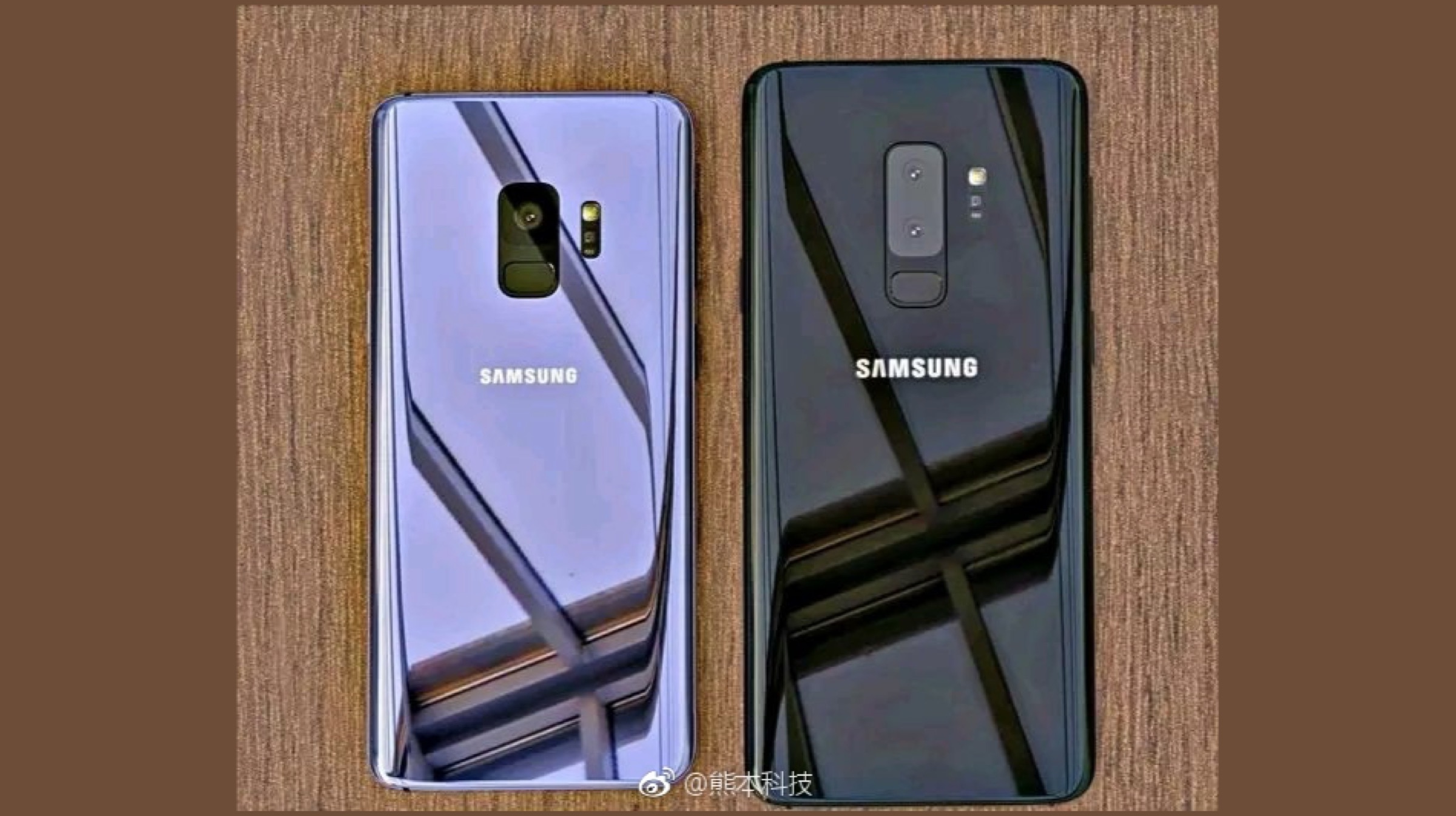
    Samsung Galaxy S9+

    Rumour Roundup

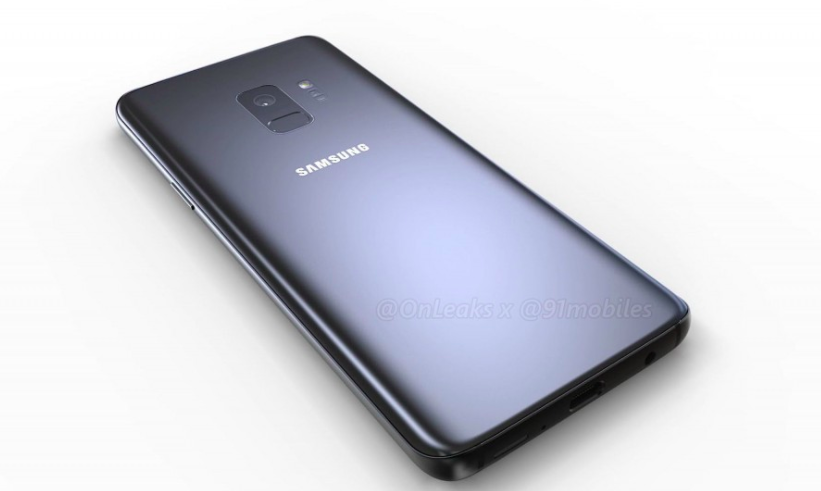
    As expected, the renders reveal a dual-camera setup for the Samsung Galaxy S9+. Samsung has taken this decision to make sure there is a definitive difference between the two models. As expected, there is a 3.5mm headphone jack on the bottom of the phone along with a single speaker and a USB C port.

    The Galaxy S9 and Galaxy S9+ will have glass on the back since it will support wireless charging. Even though wireless charging has recently received a lot of attention, Samsung has been implementing wireless charging in its flagship phones for some time now, dating back to Galaxy S6. The fingerprint sensor, placed below the dual-camera setup is in a much better position.

    Samsung Galaxy S9+

    Another video of a Galaxy S9 dummy has been leaked which reveals a design similar to the Galaxy S9+. The dummy in the video looks much thicker than what the actual device will be. However, similar design elements from two different leaks is an encouraging sign. The video shows a person revealing the Galaxy S9 from all angles. The Galaxy S9 will have a single camera on the back and a smaller screen size.

    The Galaxy S9 will have a 5.8 inch Super AMOLED display while the Galaxy S9+ will have a 6.2 inch display. Both the devices will have a 2960 x 1440 px resolution.

    Galaxy S9

    Similar to its predecessor, the Galaxy S9 will have a single 12MP SuperSpeed Dual Pixel camera. This time around, however, the camera will have an f/1.5 aperture and record super slow motion videos, probably at 960fps. The Samsung Galaxy S9+ will become the second phone from Samsung to feature a dual-camera setup on the back after the Galaxy Note8. Similar to the Samsung Galaxy Note8, the Galaxy S9+ will have a wide-angle and a telephoto lens setup.

    The Samsung Galaxy S9 and Galaxy S9+ are expected to be the most sought after flagship phones at least in the early part of 2018.

  • Vivo X20 Plus UD With In-Display Fingerprint Sensor Launched

    Vivo X20 Plus UD With In-Display Fingerprint Sensor Launched

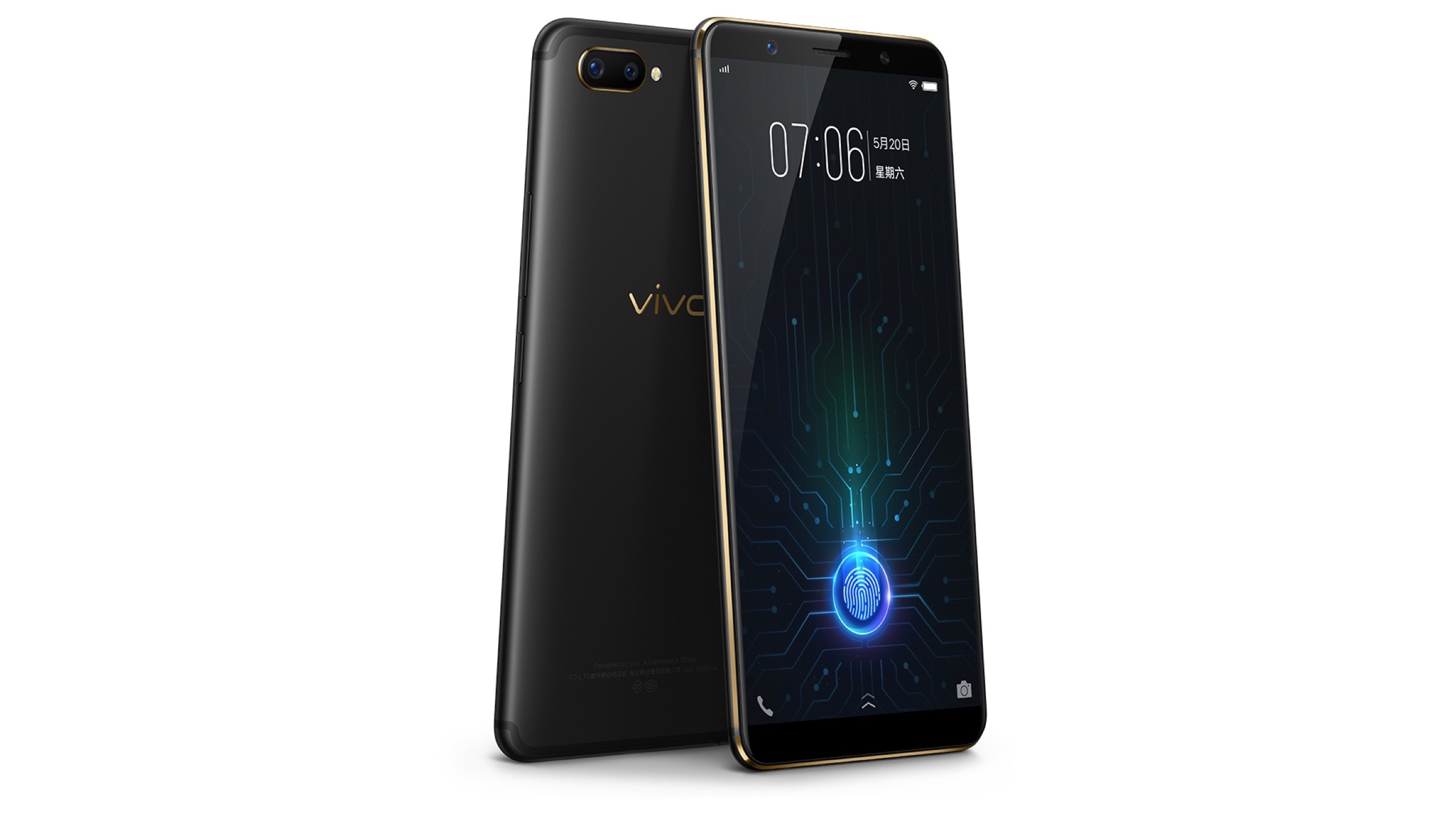
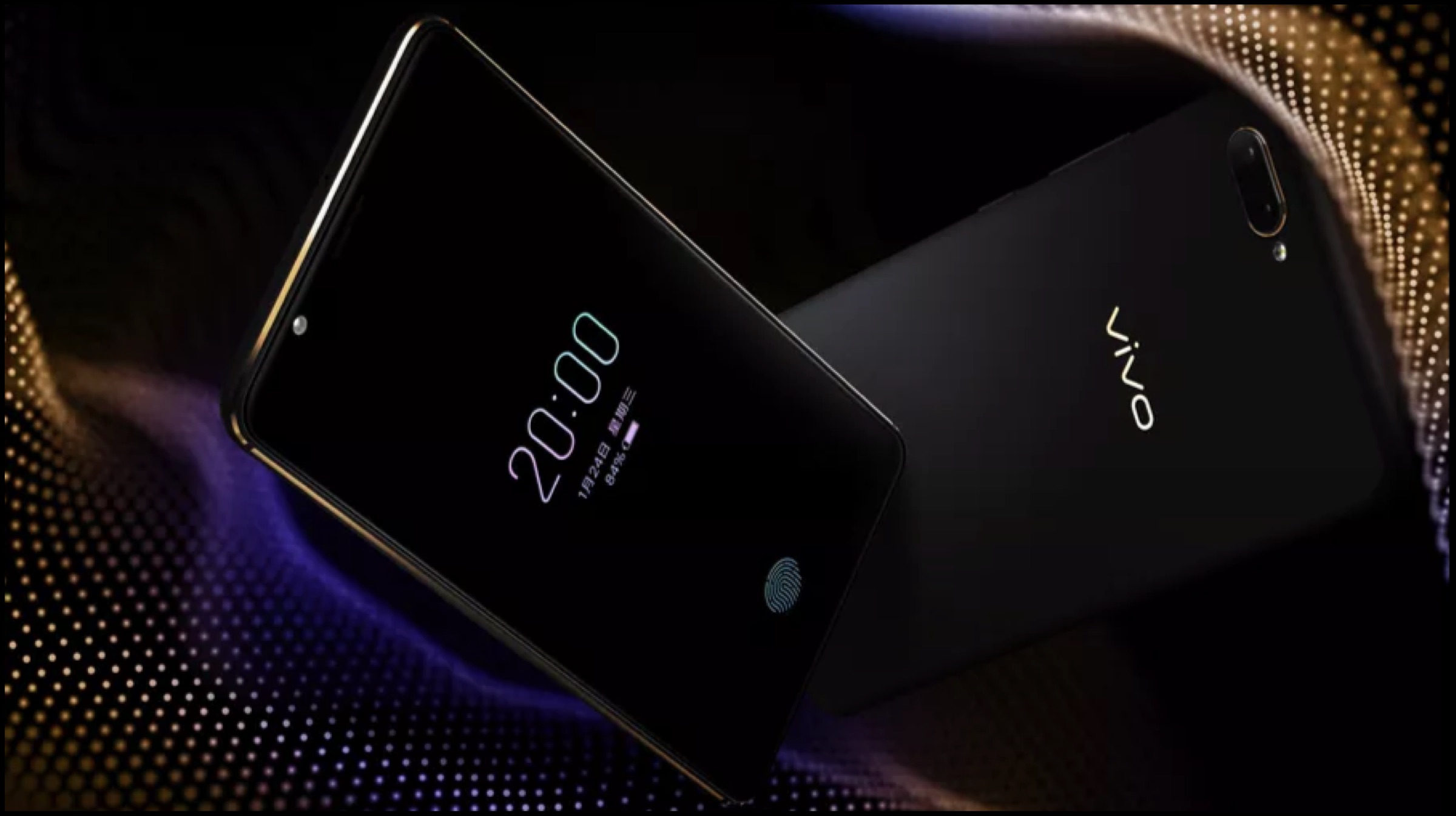
    The launch of the Vivo X20 Plus UD was highly anticipated. Vivo, one of the top five smartphone manufacturers in the world became the first company to unveil a phone with an in-display fingerprint sensor. The Vivo X20 Plus UD is not a prototype or a concept, it is a consumer-ready device with a fingerprint sensor placed inside the display.

    Now, the company has made officially launched the device in China. UD, presumably, stands for “under display”. It will go on sale in China starting February 1st at a price of CNY 3598 (Rs. 36100 approx.).

    Vivo X20 Plus UD

    Specifications

    The Vivo X20 Plus UD is basically the Vivo X20 Plus, with an in-display fingerprint sensor instead. It has a 6.43 inch Super AMOLED display with a 2160 x 1080 px resolution which translates to an 18:9 aspect ratio.

    The Qualcomm Snapdragon 660 chipset powers the device. The Vivo X20 Plus UD has 4GB of RAM and 128GB of onboard storage which is further expandable up to 256GB via a microSD card.

    The smartphone is powered by a 3900 mAh battery. The Vivo X20 Plus UD runs Android 7 Nougat out of the box. Since Android 8 Oreo was launched in August of 2017, this news is a bit disappointing.

    To the back, it has a dual-camera setup consisting of a 24MP sensor with an f/1.8 aperture and OIS along with a 5MP sensor. To the front of the phone is a 12MP sensor with a soft LED flash and an f/2.0 aperture.

    Vivo X20 Plus UD

    What Is Clear ID?

    Clear ID lets users OEMs embed a fingerprint sensor under the display. Synaptics claims that it has a failure rate of 1 in 50,000 which, for a first gen product, is admirable. Early reviews of the device are in and mostly paint a positive picture. People have praised the accuracy of the sensor after initial usage. While it is slower than the OnePlus 5T, it is hard to complain when the process feels so futuristic.

    The fingerprint sensor sits between the mainboard and the OLED panel where it illuminates the finger and then processes the beams of light. Hence, this technology will not work on LCD panel, at least for now.

    Vivo has already listed the device on its official website in China. However, there is no word on its global availability yet. Considering the precedence that this phone has set, Vivo would want to launch the smartphone in other markets as well, since there will be a lot of suitors for a new technology like Clear ID.

  • Leaked: Xiaomi Redmi Note 5 Specifications And Price

    Leaked: Xiaomi Redmi Note 5 Specifications And Price

    The Xiaomi Redmi Note 4 continues to be a best-seller in the India market. Its successor, the Redmi Note 5 has been subject to a lot of speculation since the launch of the Redmi 5 Plus. While many believed that the Redmi 5 Plus will be launched in India as the Redmi Note 5, new leaks tell a different story.

    Redmi Note 5

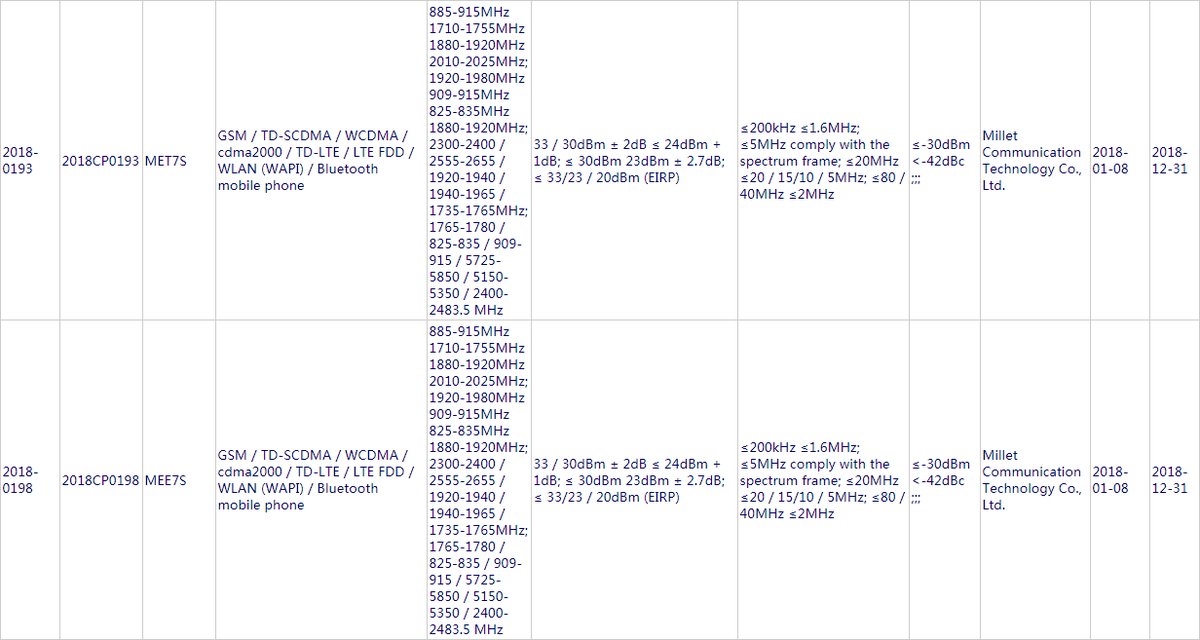
    It is being reported that the Chinese smartphone maker wants to launch the Redmi Note 5 before the Mi 7. This means that the phone could see an early or mid-February launch. Recently, the Xiaomi MEE7S and MET7S devices received 3C approval in China. It is now being reported that these are indeed two variants of the Redmi Note 5 and will soon be made official. The Redmi Note 5 is rumoured to be priced at 1499 Yuan (Rs. 15000 approx.) and 1799 Yuan (Rs. 18000 approx.).

    What Do We Know About The Xiaomi Redmi Note 5 So Far?

    As a 2018 smartphone, the Redmi Note 5 is expected to look different from its predecessor. The smartphone is expected to have a 5.99 inch display with a 2160 x 1080 px resolution which translates into an 18:9 aspect ratio.

    Under the hood, the phablet will have two variants. One will run on the Snapdragon 630 chipset, have 3GB RAM and 32GB of onboard storage. The other one will be powered by the Snapdragon 636 chipset, have 4GB of RAM and 64GB of storage. Both the variants are expected to support storage expansion via microSD card.

    Redmi Note 4
    Xiaomi Redmi Note 4 Launched in Early-2017

    The Xiaomi Redmi Note 5 will run MIUI 9 out of the box. There is still no word on whether it’ll run Android 8 Oreo or Android 7 Nougat.

    The Redmi Note 5 could also be the first Redmi phone to feature a dual-camera setup. It is expected to have a 16MP primary sensor that will be accompanied by a 5MP sensor. To the front will be an 8MP camera.
    Xiaomi knows that once launched, the Redmi Note 5 will be met with a lot of demand. Hence, there are reports claiming that it is stocking as many units of the Redmi Note 5 as possible. The rumoured price could be a bit off, especially for the Indian market. Xiaomi would want to launch the Redmi Note 5 at a price of about Rs.11000-12000, similar to what it did with the Redmi Note 4.

  • Xiaomi Mi 6X Leaked In Live Images

    Xiaomi Mi 6X Leaked In Live Images

    Xiaomi has announced that it will be present at the upcoming Mobile World Congress event. It is likely that the Xiaomi Mi 7 will be announced at the event. But, with leaks of the Mi 6X coming thick and fast, could we see an early announcement at MWC? However, expecting an early announcement of the phone might be a leap. Xiaomi usually launches its mid-range phones in China first. However, the Mi 6X leaks look promising so far.

    Xiaomi Mi 6X

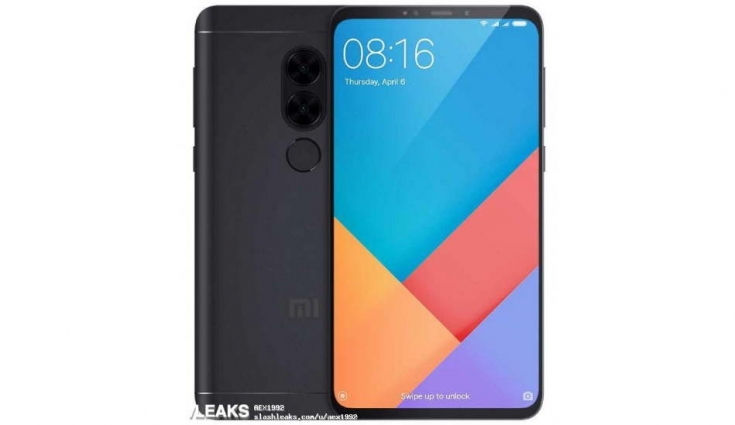
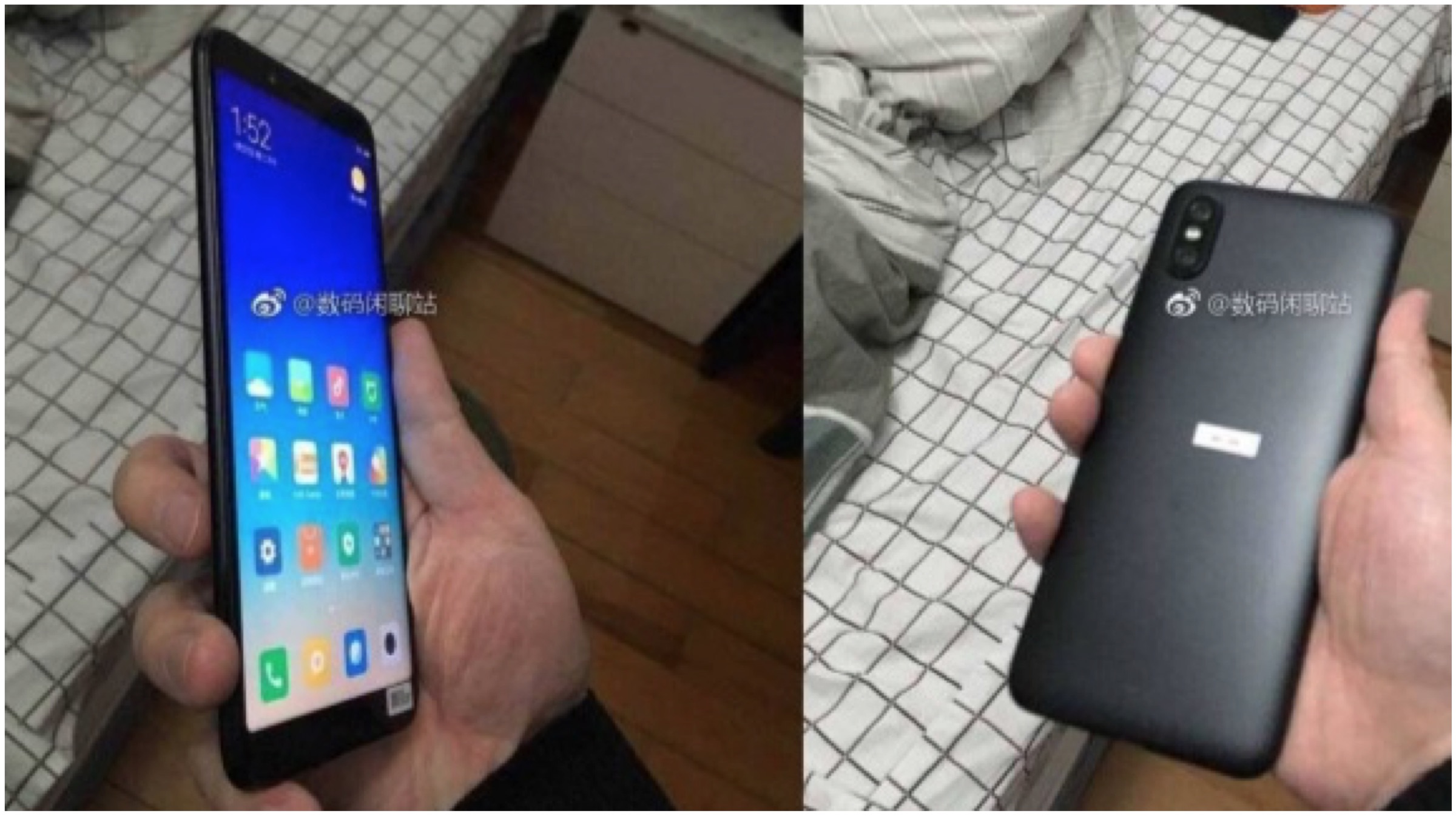
    After a couple of renders and sketches, two images of the Xiaomi Mi 6X reveal the device out in the wild. In line with previous leaks, the images reveal an 18:9 aspect ratio of the phone with thin bezels. The front of the phone looks very similar to the Redmi 5 Plus wherein it has a tall display but, the bezels are not the thinnest by any means.

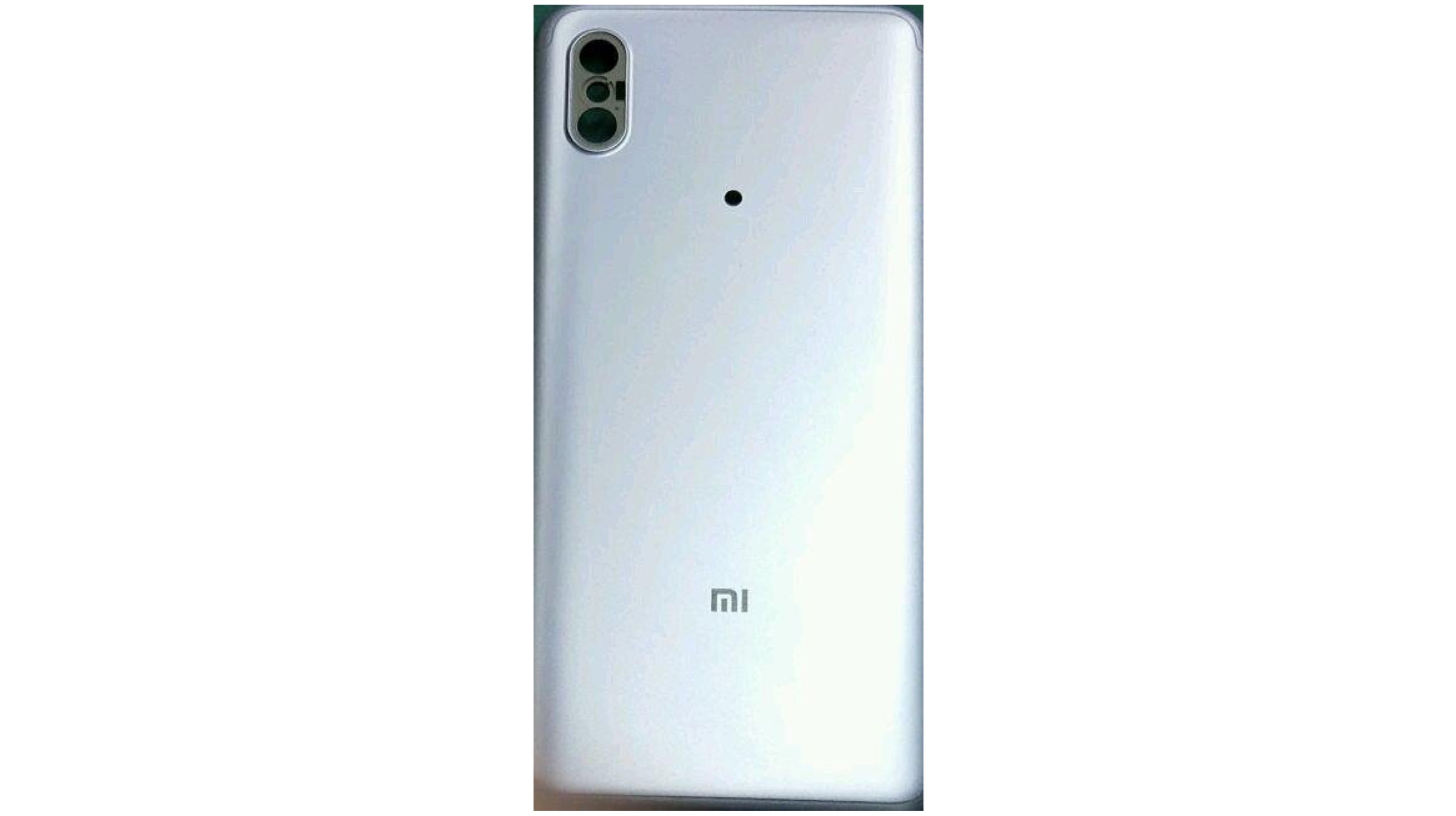
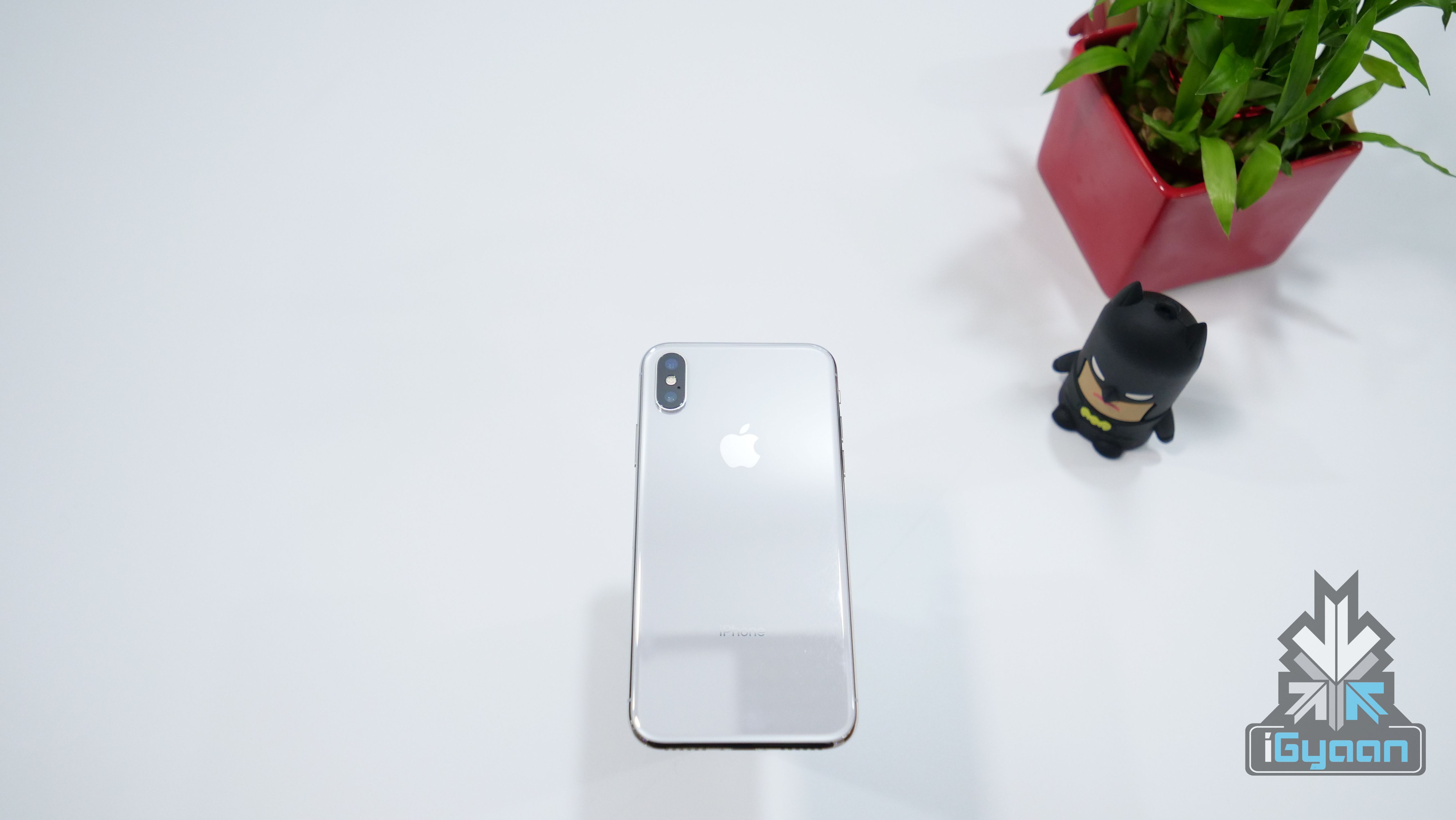
    The interesting bit, however, is on the back of this smartphone. With a move that will surely help Xiaomi grab the headlines, the Mi 6X has a vertically placed dual-camera setup. The catch here is that the camera placement is uncannily similar to the iPhone X. It is noteworthy the LED flash is placed in between the two camera sensors as well. The fingerprint sensor, as suspected is placed on the back as well, which means no in-display fingerprint sensor right now.

    Xiaomi Mi 6X

    What Do We Know About The Xiaomi Mi 6X So Far?

    A few days ago, two leaks of the Xiaomi Mi 6X revealed that the device will continue the trend of having dual cameras and a tall display. The new images seemingly confirm that and it appears that the Mi 6X will have an 18:9 5.99 inch display. The company could use an IPS LCD panel, similar to its predecessor and a lot of other Xiaomi mid-range devices.

    The Xiaomi Mi6X will be powered by the recently leaked Surge S2 chipset. The Surge S2 will have an octa-core CPU with four Cortex-A73 cores running at 2.2 GHz and four Cortex-A53 at 1.8 GHz. Accompanying the chipset will be the Mali-G71 MP8 GPU which is a great improvement over the Mali-T860 from the Surge S1. A report claims that Xiaomi is looking to par the Surge S2 with the Kirin 960 by Huawei.

    Xiaomi Mi 6X
    Previous Leaks

    There has been no information leaked regarding the battery capacity or the camera setup as of now. However, with the launch of the smartphone still a few months away, we could see a lot of other information about the device being leaked as well.

  • Samsung Galaxy S9, Galaxy S9+ To Launch On 25th February

    Samsung Galaxy S9, Galaxy S9+ To Launch On 25th February

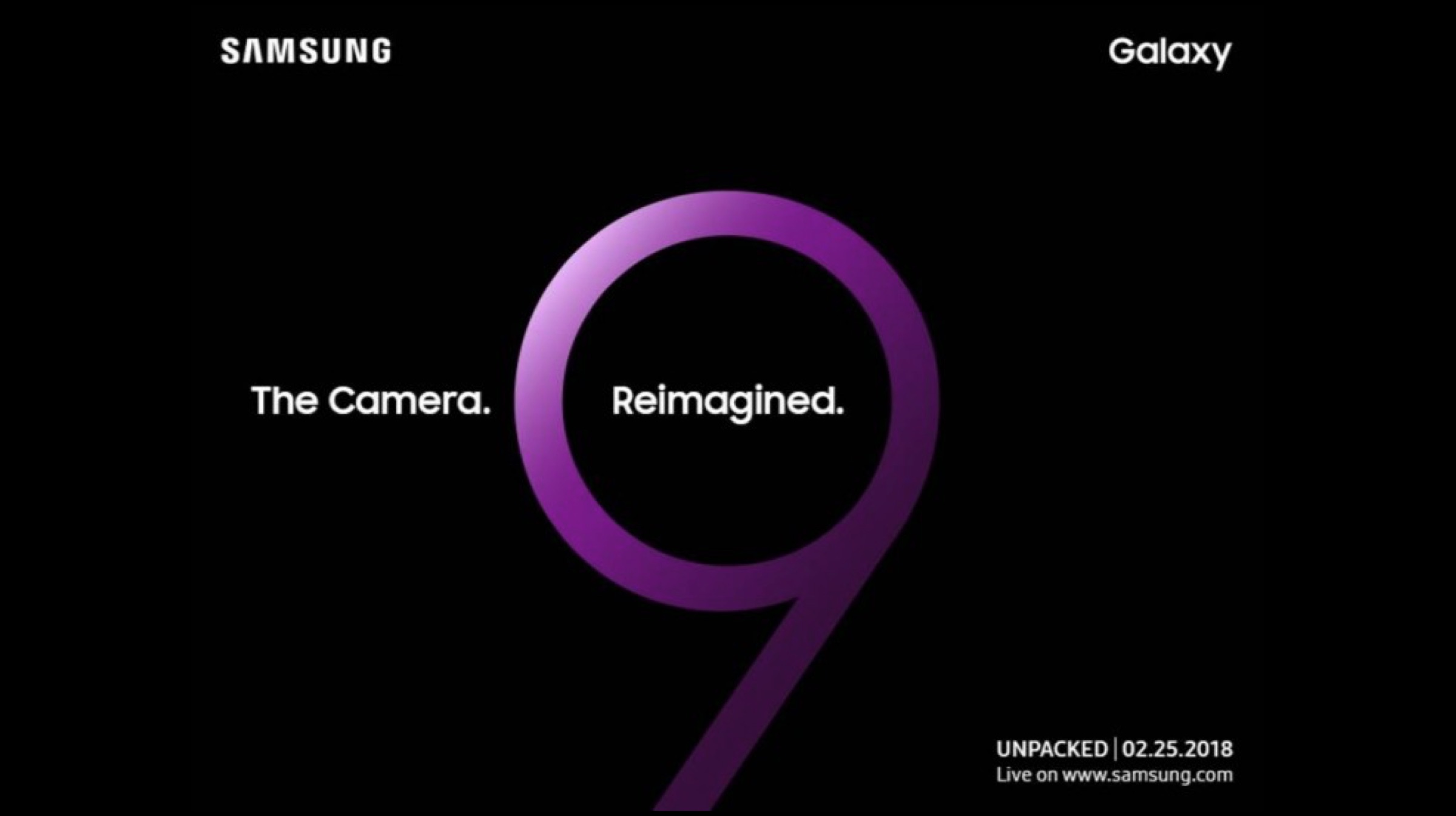
    Samsung will officially announce the eagerly awaited Samsung Galaxy S9 and Galaxy S9+ on the 25th of February. The company has sent out press invites for the launch event which hints at a very important aspect. The invite simply has a large “9” on it along with the words “The Camera. Reimagined.” This is a huge hint that, as per some leaks, the Galaxy S9 devices will receive a huge camera upgrade.

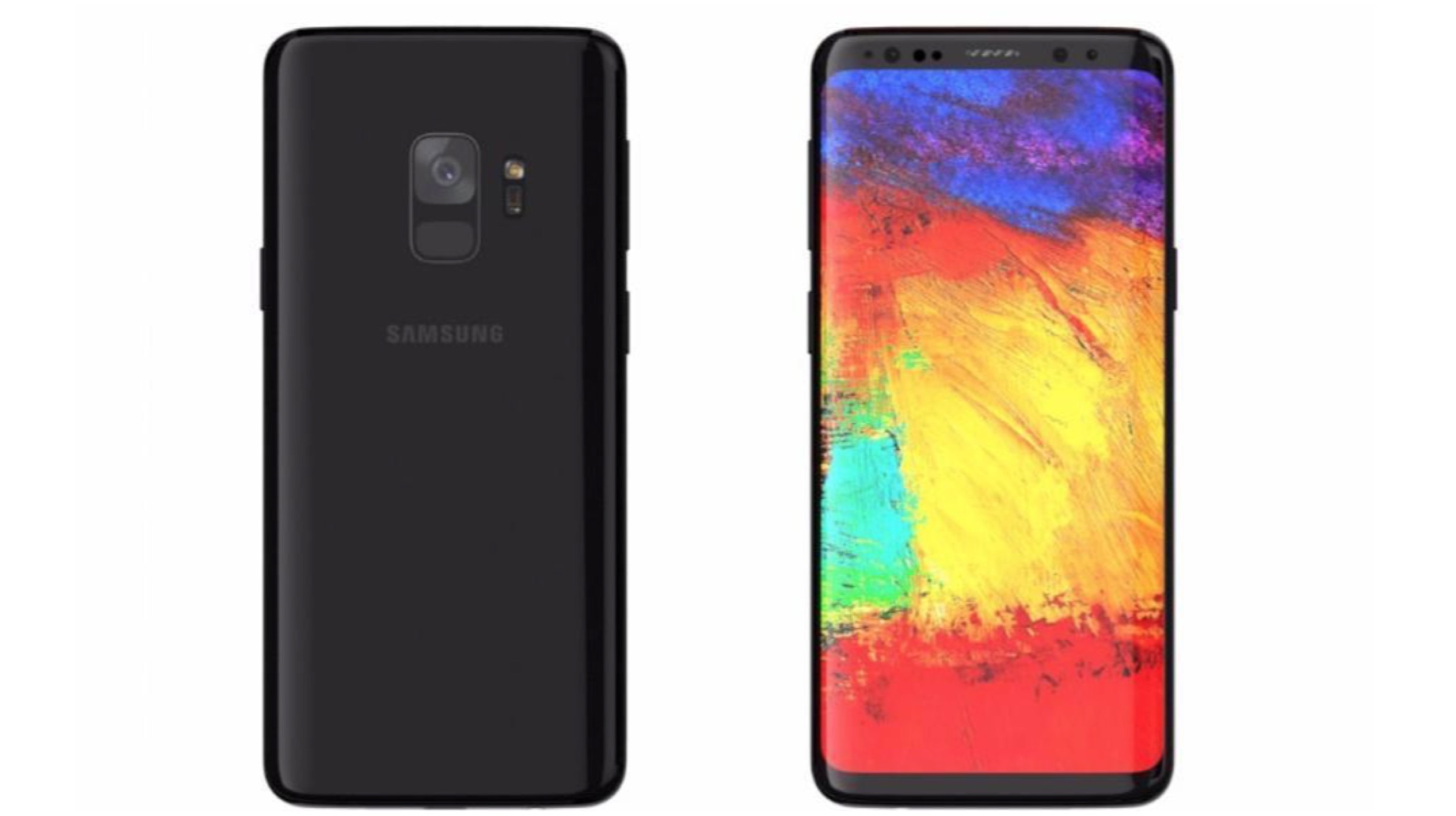
    Samsung Galaxy S9
    Galaxy S9 Renders

    The Galaxy S8 and S8+ were launched with a slight improvement in the camera department over the Galaxy S7. However, the Samsung Galaxy S9 and Galaxy S9+ will come with much better cameras this time around. According to a previous leak, the Galaxy S9 will have a 12MP camera with an f/1.5 aperture. It is worth noting that the Galaxy S9 will have a variable aperture this time around. With a variable aperture of f/1.5/ to f/2.4, the camera on the Galaxy S9 will be able to adjust aperture similar to a DSLR camera.
    The Samsung Galaxy S9+ is poised to become Samsung’s second phone with a dual-camera setup. While the specifics are unknown as of now, it could have a setup similar to the Samsung Galaxy Note8. Leaks have also suggested that we might see higher frame rates in slo-mo videos on the Galaxy S9 for example, 1080P @ 480fps.

    Samsung Galaxy S9, S9+: What Do We Know So Far?

    The Galaxy S9 will have a 5.8 inch Super AMOLED display while the Galaxy S9+ will have a 6.2 inch display. Both the devices will have a 2960 x 1440 px resolution.

    Samsung Galaxy S9
    Galaxy S9 Concept

    Samsung Galaxy S9 and S9+ will have the Qualcomm Snapdragon 845 chipset (US and Korea), 4GB of RAM and 64GB of onboard storage. Like every Samsung smartphone, the onboard storage will be expandable via a microSD card. This time around, the fingerprint sensor will be placed below the camera. It will have an IP68 rating for water and dust resistance and stereo speakers tuned by AKG.
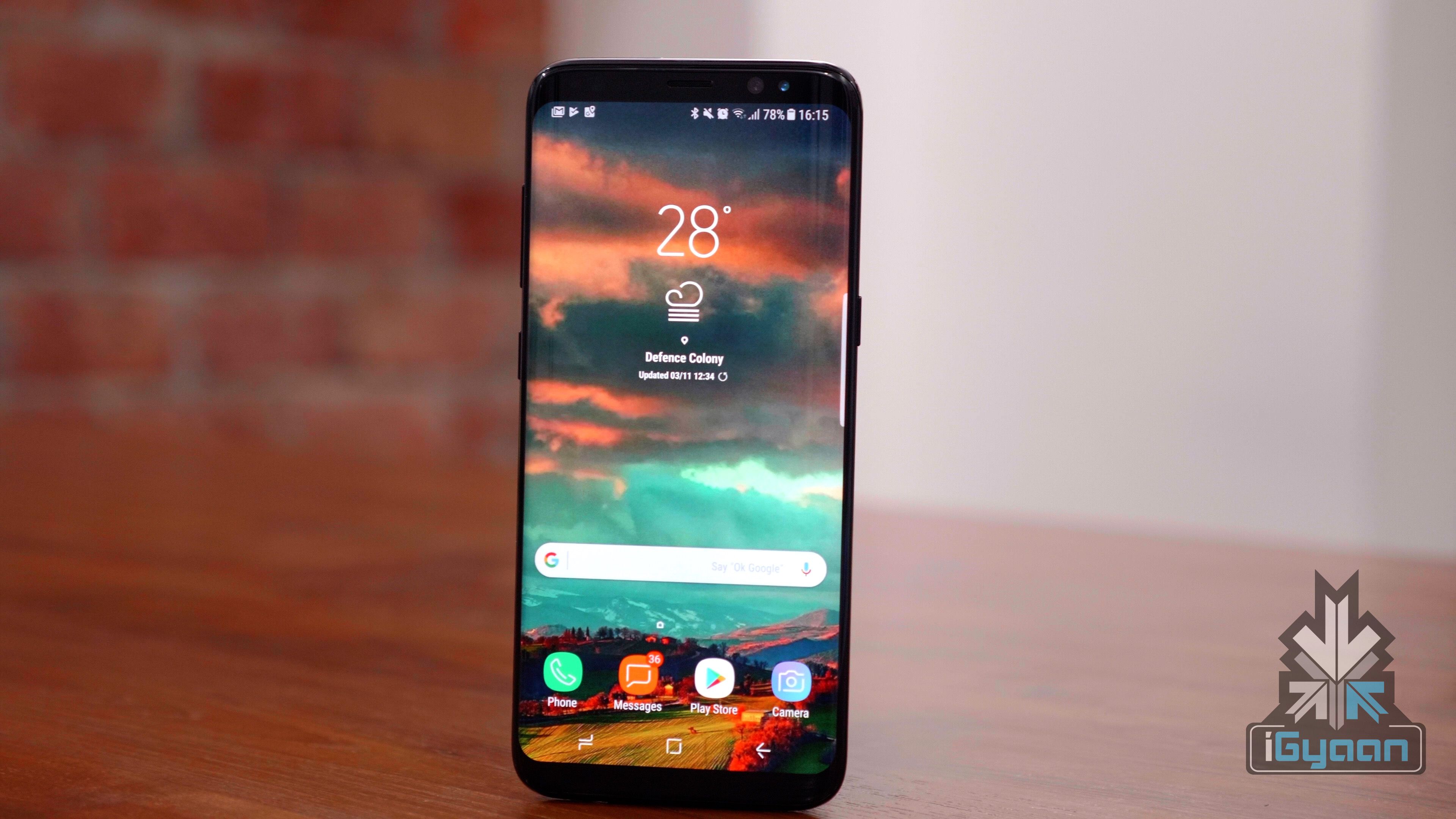
    As was the case last year, the Samsung Galaxy S9 and Galaxy S9+ will run on the Exynos 9810 chipset in all markets except the US and South Korea. The Galaxy S9 is powered by a 3000 mAh battery, similar to the Galaxy S8. Apparently, the fast charging technology won’t see an upgrade either as discovered in a new leak. This kind of 15W Adaptive Fast Charge has been present in Samsung flagship phones since the days of the Galaxy S6, so this doesn’t come as a surprise.

    Samsung Galaxy S9

    Similar to its predecessor, the Galaxy S9 will have a single 12MP SuperSpeed Dual Pixel camera. This time around, however, the camera will have an f/1.5 aperture and record super slow motion videos, probably at 960fps. The Samsung Galaxy S9+ will become the second phone from Samsung to feature a dual-camera setup on the back after the Galaxy Note8. Similar to the Samsung Galaxy Note8, the Galaxy S9+ will have a wide-angle and a telephoto lens setup.
    There has been no word on the pricing of the smartphones yet. Samsung is, however, expected to launch the devices at a price similar to that of the Galaxy S8 and S8+.

  • Vodafone And Flipkart Offering 4G Smartphones At A Starting Price Of Rs. 999

    Vodafone And Flipkart Offering 4G Smartphones At A Starting Price Of Rs. 999

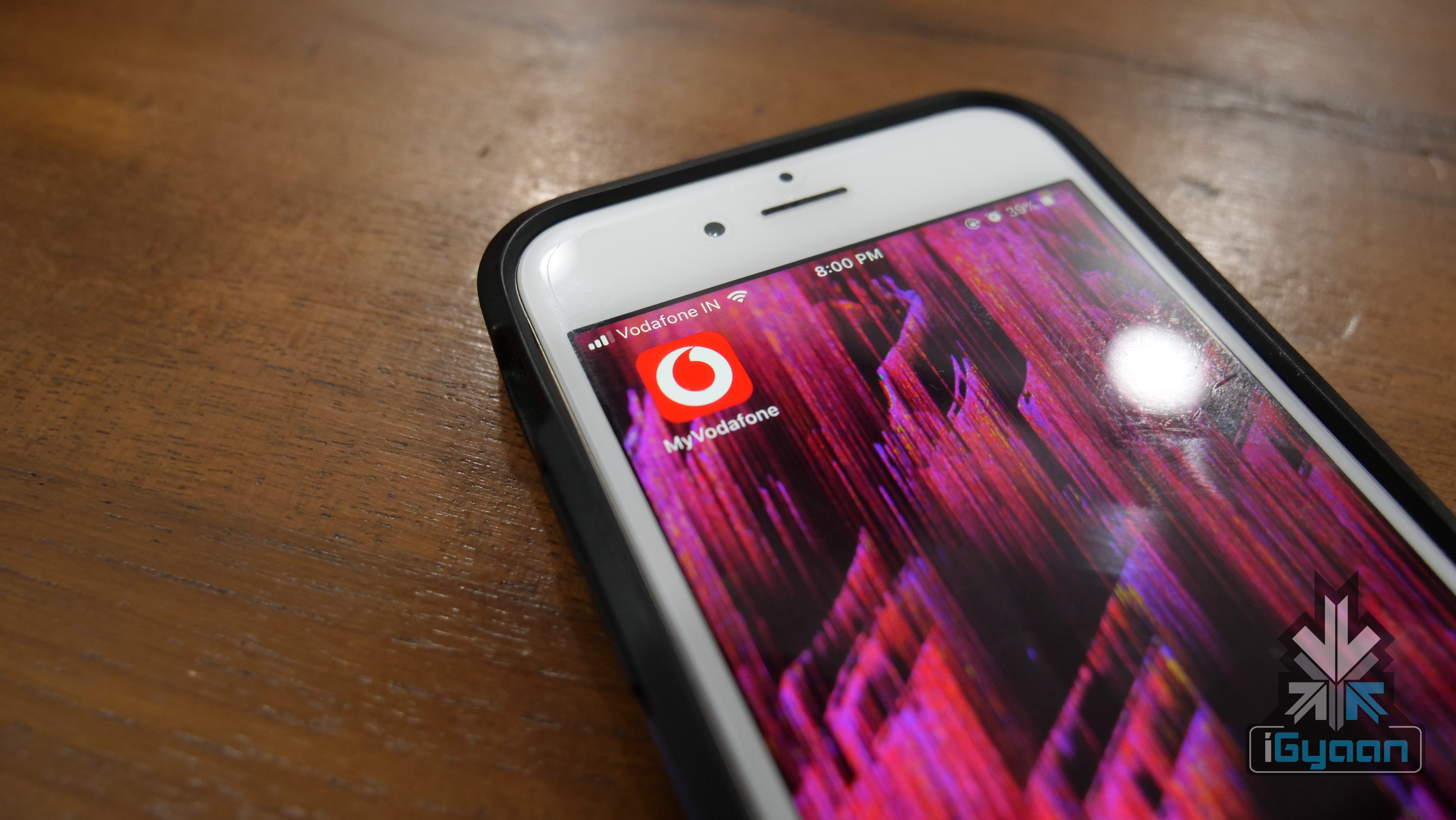
    The internet is a boon, and it needs to be more accessible. Ever since the advent of Reliance Jio, internet consumers in India have been rapidly increasing. After Airtel jumped the entry-level 4G smartphone bandwagon, Vodafone is next in line. The company had earlier launched the Itel A20 Android smartphone at an ‘effective price’ of just Rs. 1,590. Now, it is offering substantial cashback on a select range of Android smartphones sold via Flipkart as part of a #MyFirst4GSmartphone scheme.

    Vodafone

    These entry-level smartphones will be available from just Rs 999 without exchange after all the applicable cashback and discount offers are applied. A comprehensive list of all the eligible smartphones has not been released. However, there is a report that claims that the list includes the iVoomi Me4, iVoomi i1, iVoomi i1S, Yu Yunique 2 and Yu Yunique 2 Plus, among others. As the campaign picks up the pace, more smartphones will be added.

    So, How Do You Get A Smartphone For Rs. 999?

    Rs. 999 is not the upfront amount you will have to pay for a smartphone. According to the terms of the deal, all new and existing Vodafone subscribers who purchase one of the select smartphones from Flipkart will need to recharge their prepaid accounts with a minimum of Rs. 150 per month for 36 months to be eligible for the cashback offers.

    Users who follow these instructions will receive a cashback worth Rs 900 after the first 18 months and another Rs 1,100 will be credited at the end of the 36-month period. This means that at the end of the three-year period, users will get cashback worth Rs. 2000.

    It is worth noting that the cashback will be credited to the subscribers’ M-Pesa wallets. However, users won’t be tied down to using the cashback money on just Vodafone recharges.

    Are you excited about this offer from Vodafone and Flipkart? Let us know in the comments below!

  • Samsung Galaxy S9 Leaked In A Test Video

    Samsung Galaxy S9 Leaked In A Test Video

    Samsung is gearing up to launch the Samsung Galaxy S9 and Galaxy S9+ at MWC 2018. The 2018 flagship smartphones will succeed the highly popular Galaxy S8 and S8+ which were announced at a separate event in March of 2017.

    It is hard to keep a phone in the hiding in today’s day and age as leaks become more accurate. There have been plenty of leaks and rumours about the Galaxy S9 and its bigger sibling. However, this new leaked video of the Galaxy S9 could be our best look at the device yet.

    Samsung Galaxy S9

    Initially posted on Weibo, it apparently is a pressure sensitivity test video of the Samsung Galaxy S9. If genuine, this video confirms one of the most prominent rumours about the upcoming flagship phones. In the video, the bottom bezel of the Galaxy S9 is very clearly visible. The size of the bezel appears to be identical to that of the Galaxy S8. While the video shows a person randomly typing on the phone, it doesn’t reveal any other design aspects.

    Samsung Galaxy S9, S9+: What Do We Know So Far?

    The Galaxy S9 will have a 5.8 inch Super AMOLED display while the Galaxy S9+ will have a 6.2 inch display. Both the devices will have a 2960 x 1440 px resolution.

    Samsung Galaxy S9 and S9+ will have the Qualcomm Snapdragon 845 chipset (US and Korea), 4GB of RAM and 64GB of onboard storage. Like every Samsung smartphone, the onboard storage will be expandable via a microSD card. This time around, the fingerprint sensor will be placed below the camera. It will have an IP68 rating for water and dust resistance and stereo speakers tuned by AKG.
    Samsung Galaxy S9
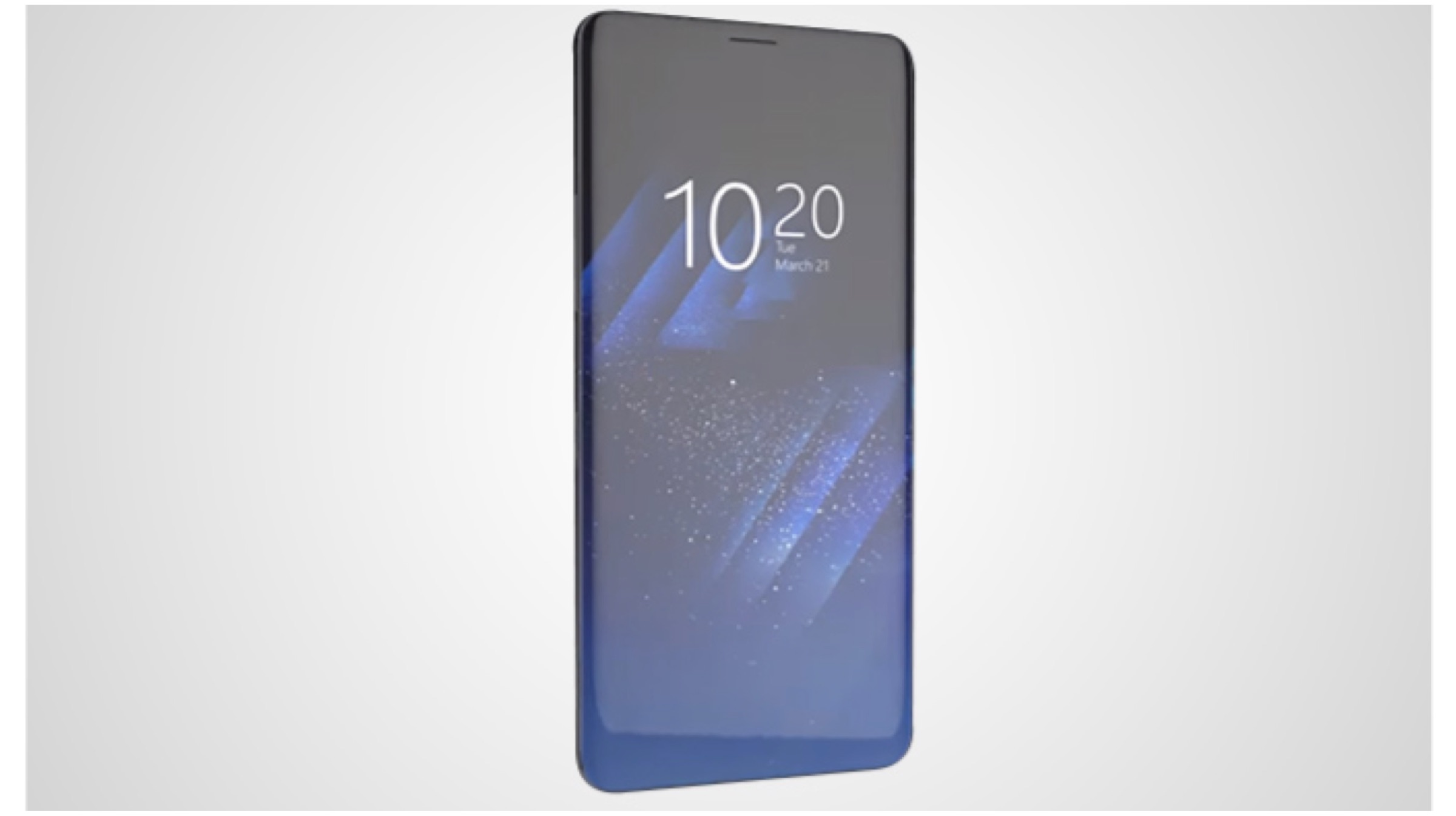
    Galaxy S9, S9+ Expected Design

    As was the case last year, the Samsung Galaxy S9 and Galaxy S9+ will run on the Exynos 9810 chipset in all markets except the US and South Korea. The Galaxy S9 is powered by a 3000 mAh battery, similar to the Galaxy S8. Apparently, the fast charging technology won’t see an upgrade either as discovered in a new leak. This kind of 15W Adaptive Fast Charge has been present in Samsung flagship phones since the days of the Galaxy S6, so this doesn’t come as a surprise.

    Similar to its predecessor, the Galaxy S9 will have a single 12MP SuperSpeed Dual Pixel camera. This time around, however, the camera will have an f/1.5 aperture and record super slow motion videos, probably at 960fps. The Samsung Galaxy S9+ will become the second phone from Samsung to feature a dual-camera setup on the back after the Galaxy Note8. Similar to the Samsung Galaxy Note8, the Galaxy S9+ will have a wide-angle and a telephoto lens setup.
    There has been no word on the pricing of the smartphones yet. Samsung is, however, expected to launch the devices at a price similar to that of the Galaxy S8 and S8+.

  • RED Hydrogen One To Run On The Qualcomm Snapdragon 835X

    RED Hydrogen One To Run On The Qualcomm Snapdragon 835X

    RED is the industry standard when it comes to video making gear. Mid 2017, the company announced that it will enter the world of smartphones with the RED Hydrogen One. More details for the smartphone have appeared now on Red User forums.

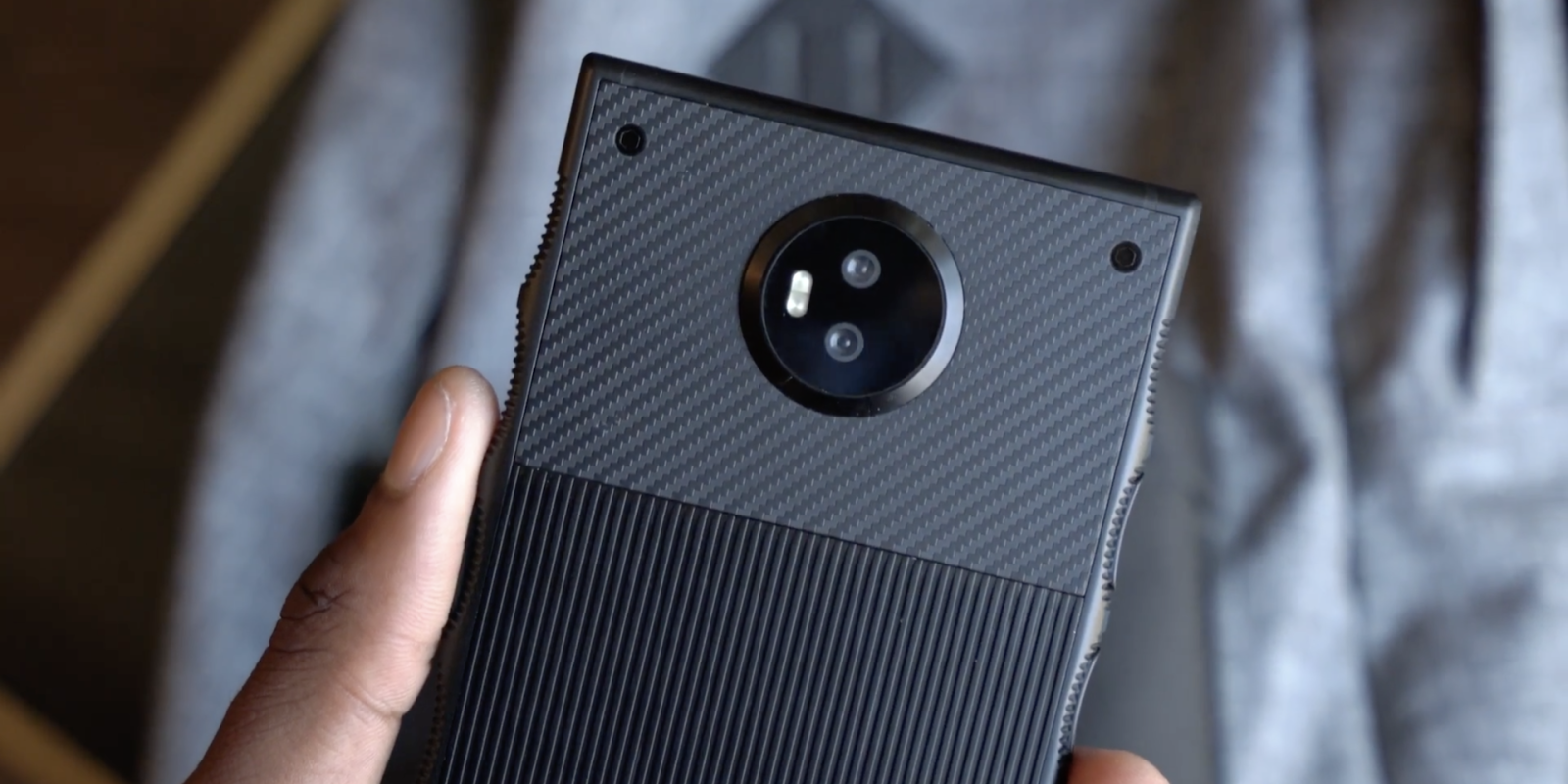
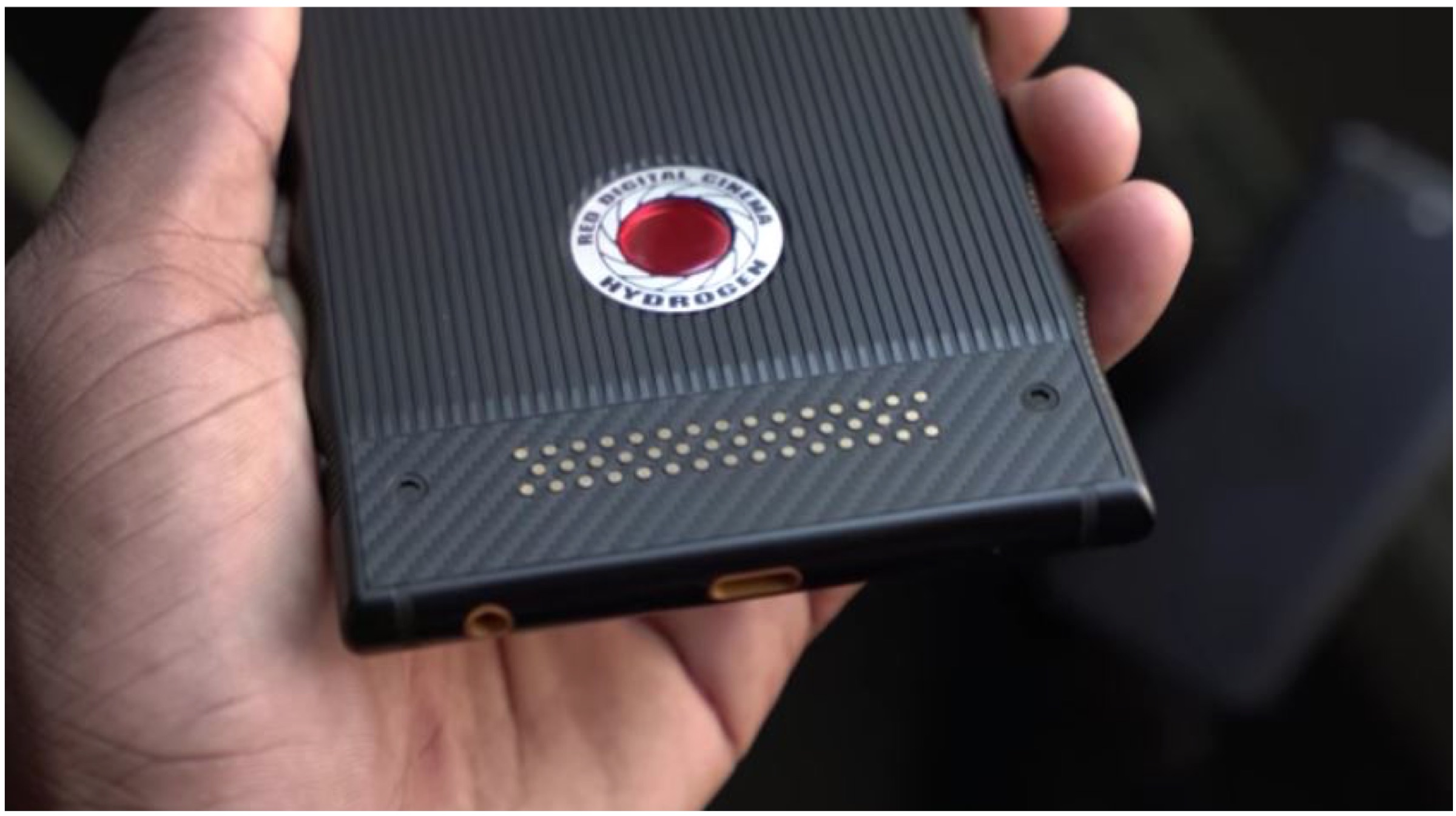
    The Hydrogen One from Red will be the first smartphone ever to have a holographic display. Priced at US$ 1195 for the Aluminium variant and US$ 1595 for the Titanium version of the Red Hydrogen One, The aluminium variant has a price which is similar to the 256GB variant of the iPhone X. The Hydrogen One titanium variant will become one of the most expensive smartphones in the market.

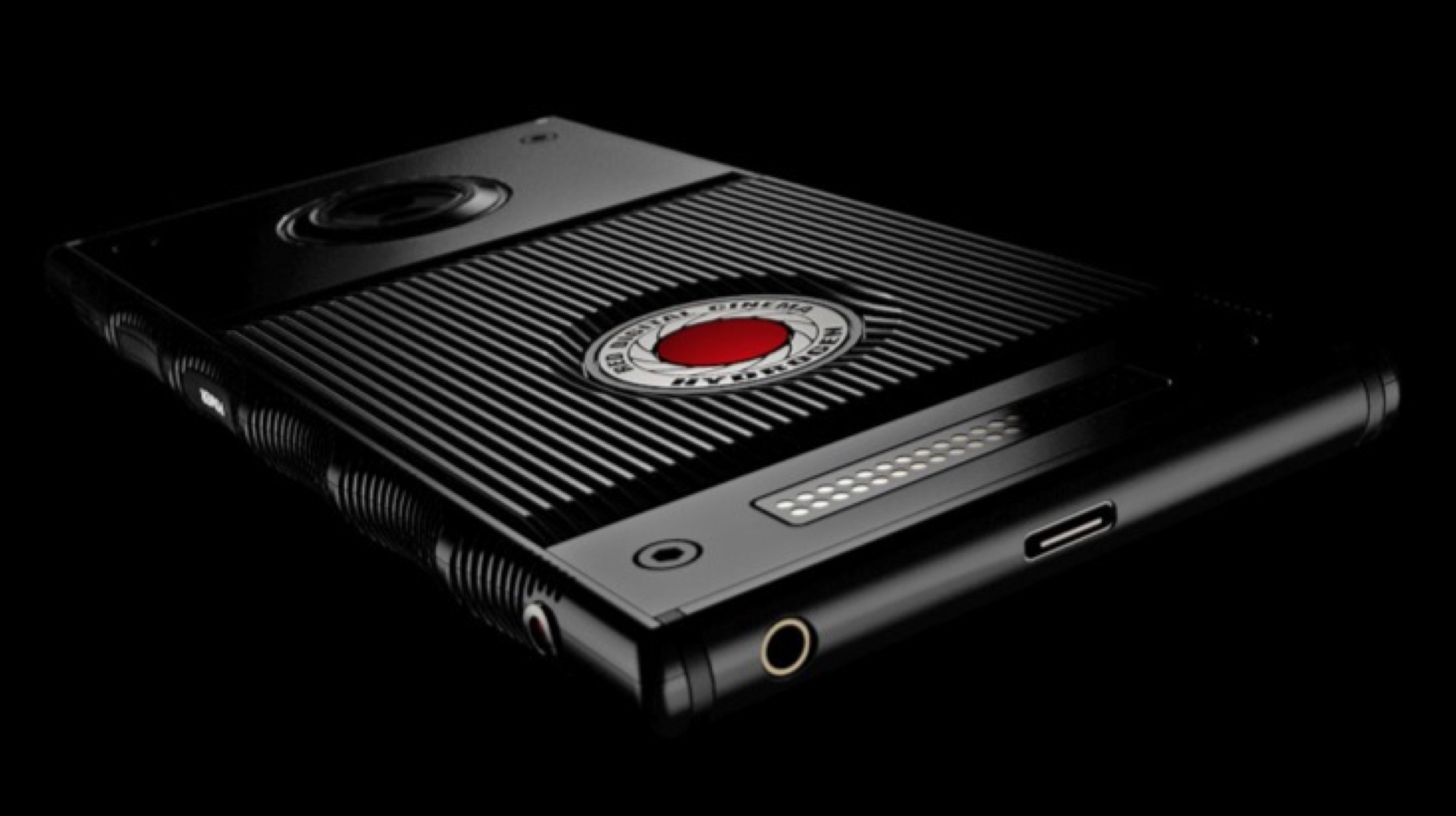
    RED Hydrogen One
    Image Via MKBHD

    Jim Jannard, RED’s CEO and founder, gave a timely update in a post on the company’s forum. Though very unclear, the post does shed a bit more light on what to expect from the Hydrogen One. Announcing that RED has managed to get mobile carriers in the US on board for the phone’s launch. Jim was still not open about the shipping date, but, said that RED will release preordered phones before carrier phones.

    Specifications for the Red Hydrogen One Confirmed

    There were a few details on the phone that were doing the rounds, and Jim Jannard has confirmed a few. Jim writes that the Hydrogen One is powered by the Snapdragon 835X chipset, which is interesting because such a chipset doesn’t exist. Jannard wanted to write Snapdragon 835, it seems. It will also have a dual SIM slot and include a massive 4500mAh battery. Could Qualcomm be developing a special chipset for the Red Hydrogen One?

    The RED Hydrogen One will also be a modular phone meaning you can attach add-ons for extra functionality. Jannard teased a pair of modular accessories that will attach to the Hydrogen One, including a battery pack and a “cinema grade camera module.” He has also claimed that additional modules for improved 3D and 4V filming are in the pipeline. RED is also working on a “Hydrogen Network” that will collect 4V video from “major studios and other content providers.”

    RED Hydrogen One
    Image Via MKBHD

    RED had already announced that the Hydrogen One will have a 5.7-inch display with a 2560 x 1440 px resolution. It will charge via a USB-C port, support microSD card expansion, a headphone jack, and have dual front and rear cameras. The phone’s highlight will be its cameras and display. The screen will display “holographic 4-view content,” which are basically 3D images that change with your perspective without requiring any other special hardware or eye glasses. The Red Hydrogen One’s cameras will be able to record video in 2D, traditional 3D, or RED’s new “4V” format, which will presumably only work on the Hydrogen One in the beginning.

    A CEO of a company is as reliable a source as you’ll ever get. These little nuggets of information only increase the anticipation of the Hydrogen One, which is expected to be Q2 2018.

  • LG And Huawei To Skip MWC 2018 Launch Because Of Samsung

    LG And Huawei To Skip MWC 2018 Launch Because Of Samsung

    Mobile World Congress is scheduled to take place from the 26th of February to 1st March 2018. Apart from concepts and futuristic phones, a lot of consumer-ready devices are expected to be announced as well. Without a doubt, the most anticipated launch is that of the Samsung Galaxy S9 and Galaxy S9+. Samsung is the biggest smartphone manufacturer in the world and the Samsung Galaxy S9, S9+ are its marquee phones for 2018 (until the Galaxy Note9 is launched) hence, are expected to grab most of the headlines. Other smartphone makers like Sony and Xiaomi are also expected to announce their new flagship devices as well.

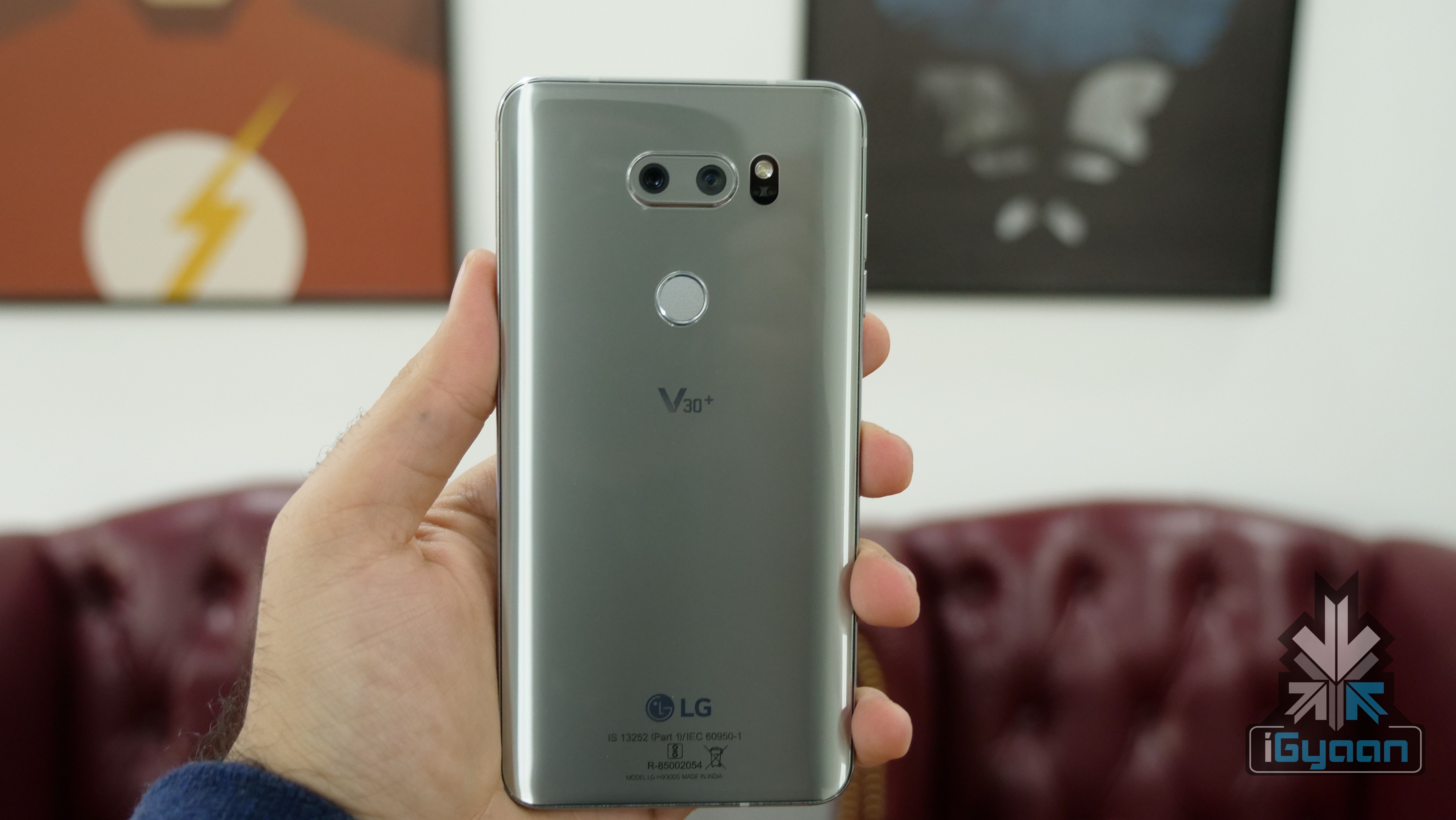
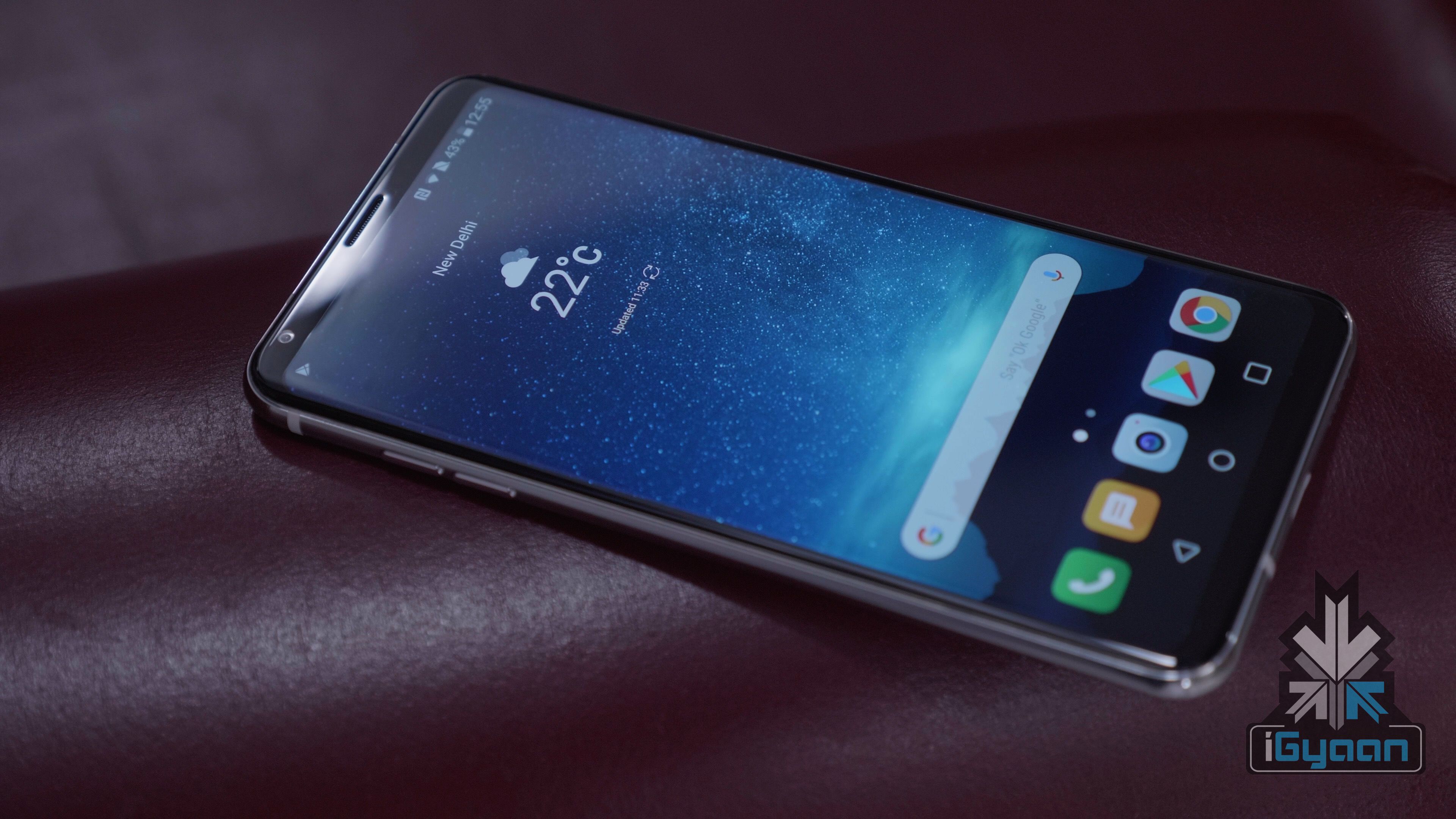
    While some companies would bite the bullet and launch their smartphones around the same time the Galaxy S9 and S9+ will launch, LG and Huawei appear to have other plans. According to a report, Huawei P20 (tentatively named) and LG V30+ Alpha will not be announced at MWC as the companies feel the launch of Samsung’s flagship devices will grab the spotlight.

    GalaxyS9
    Galaxy S9, S9+ Expected Design

    LG not announcing a flagship smartphone at MWC is not surprising since it is reported that the LG G7 will be completely reworked. Even though LG re Even though the company announced strong financials for Q4 2017, the mobile division has continued to lose money. This prompted the CEO to announce that the company will no longer follow the yearly smartphone release cycle. It was reported that the LG V30+ Alpha, an extension of the LG V30 will be launched at MWC 2018.

    An LG spokesperson confirmed that the company has a few announcements planned for MWC, but, if there will be no flagship phone announcement planned, it would be interesting to see what LG has in store for us. It could be a foldable smartphone concept for all we know.

    As for Huawei, there was a leak of the company’s roadmap which pegged the Huawei P20 for a Q2 2018 release hence, an MWC announcement of the device was a fair assumption. But, the Chinese smartphone maker has remained tight-lipped on its plan for the next P-series smartphone. Just like it did for the Mate 10 Pro, Huawei could host a launch event right after MWC to unveil the new smartphone but, this is all speculation as of now.

    LGV30plus
    LG V30+

    However, neither of the companies have confirmed anything pertaining to this report which means that anything is possible come February 26th.

  • Samsung Galaxy S9, Galaxy S9+ Will Have One Thing In Common With Galaxy S8 and S8+

    Samsung Galaxy S9, Galaxy S9+ Will Have One Thing In Common With Galaxy S8 and S8+

    Smartphone makers have prioritised to make their devices as thin as possible. When this happens, most of the times, battery capacities take a hit. While getting a day’s usage out of a smartphone has become the norm and most of the times, it is the mid-rangers that are launched with massive battery capacities that last for two or two-and-a-half days. However, the advent of fast charging technology has without a doubt, made life easier for people who have phones with smaller battery capacities.

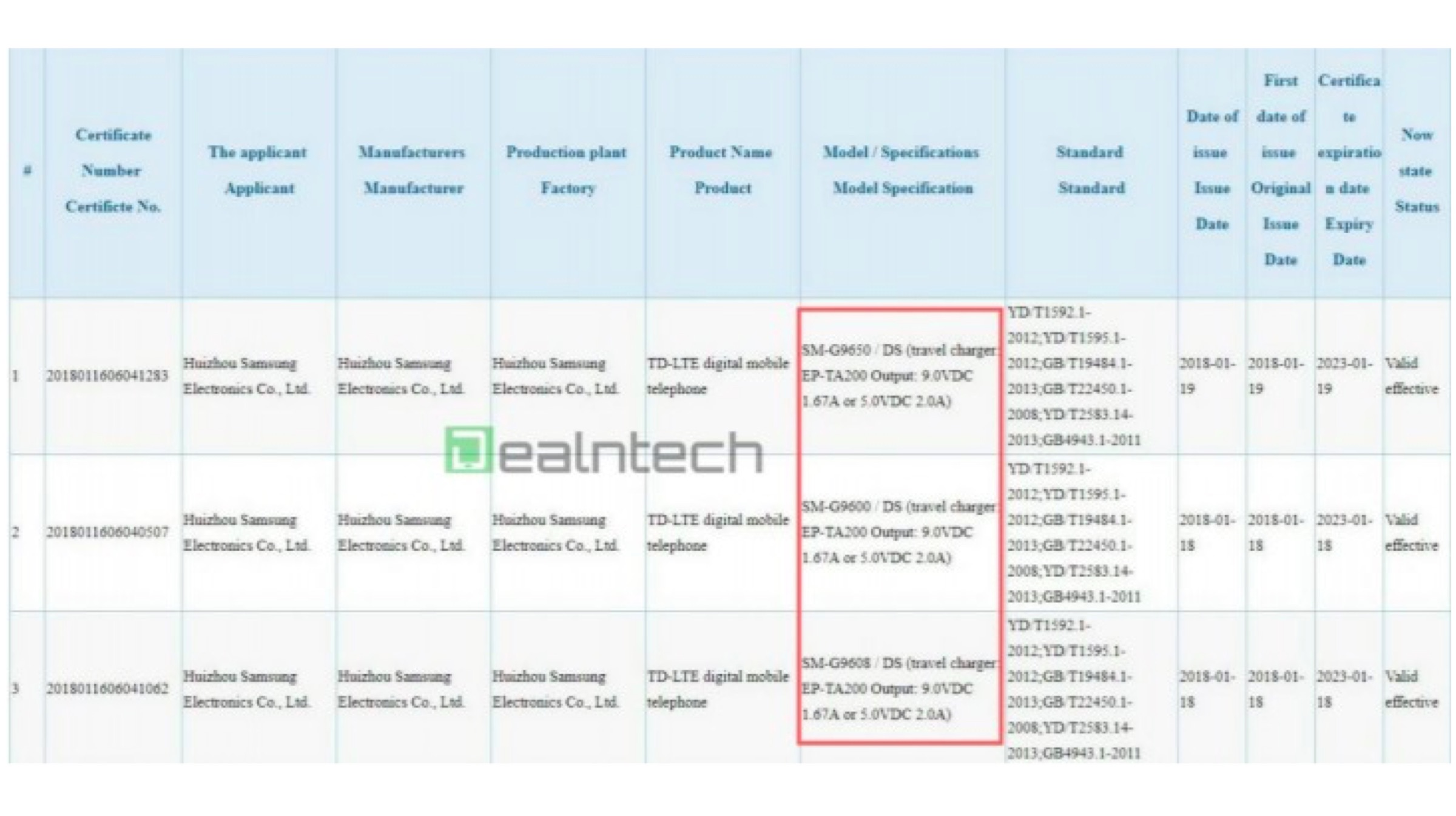
    The Samsung Galaxy S9 and Galaxy S9+ are scheduled to be launched at MWC 2018 in late-February and feature fast charging technology. It was revealed that the two phones will not have an increased battery capacity in comparison to their predecessors and now, China’s 3C has detailed the fast charging support for the two flagship devices.

    As predicted, it will be the same as on the current Galaxy S devices, this means up to 15W of power (9V @ 1.67A). The SM-G960x models are the Galaxy S9 and the SM-G965x is the Galaxy S9+. The “x” here represents the country, for example, 8 is Taiwan and 0 is China. This kind of 15W Adaptive Fast Charge has been present in Samsung flagship phones since the days of the Galaxy S6, so this doesn’t come as a surprise.
    Galaxy S9 Render

    There have been plenty of leaks surrounding the Samsung Galaxy S9 and S9+ and as we move closer to the launch date, more details are getting unravelled. It is to be seen, at this rate, whether Samsung will have any surprise announcements to make when it takes to the stage to announce its new flagship smartphones. The company’s own official website recently leaked a few key camera features that might make their way into the new flagship devices.

    [amazon_link asins=’B06Y3GYZKW’ template=’ProductAd’ store=’igyaan-21′ marketplace=’IN’ link_id=’6586d65c-00c6-11e8-a7a4-65460573ba5f’]

    A recently leaked image of the retail box of the Samsung Galaxy S9 revealed key features of the upcoming smartphone leaving very little to the consumer’s imagination. There have been plenty of renders and leaks that have also revealed the design of the two phones and now, it seems like there is very little we don’t know about the Galaxy S9 and S9+. With still over a month to go for the launch, this might change very soon, too.

  • Leaked 2018 Apple iPhone Will Have An 18:9 6.1 Inch LCD Display

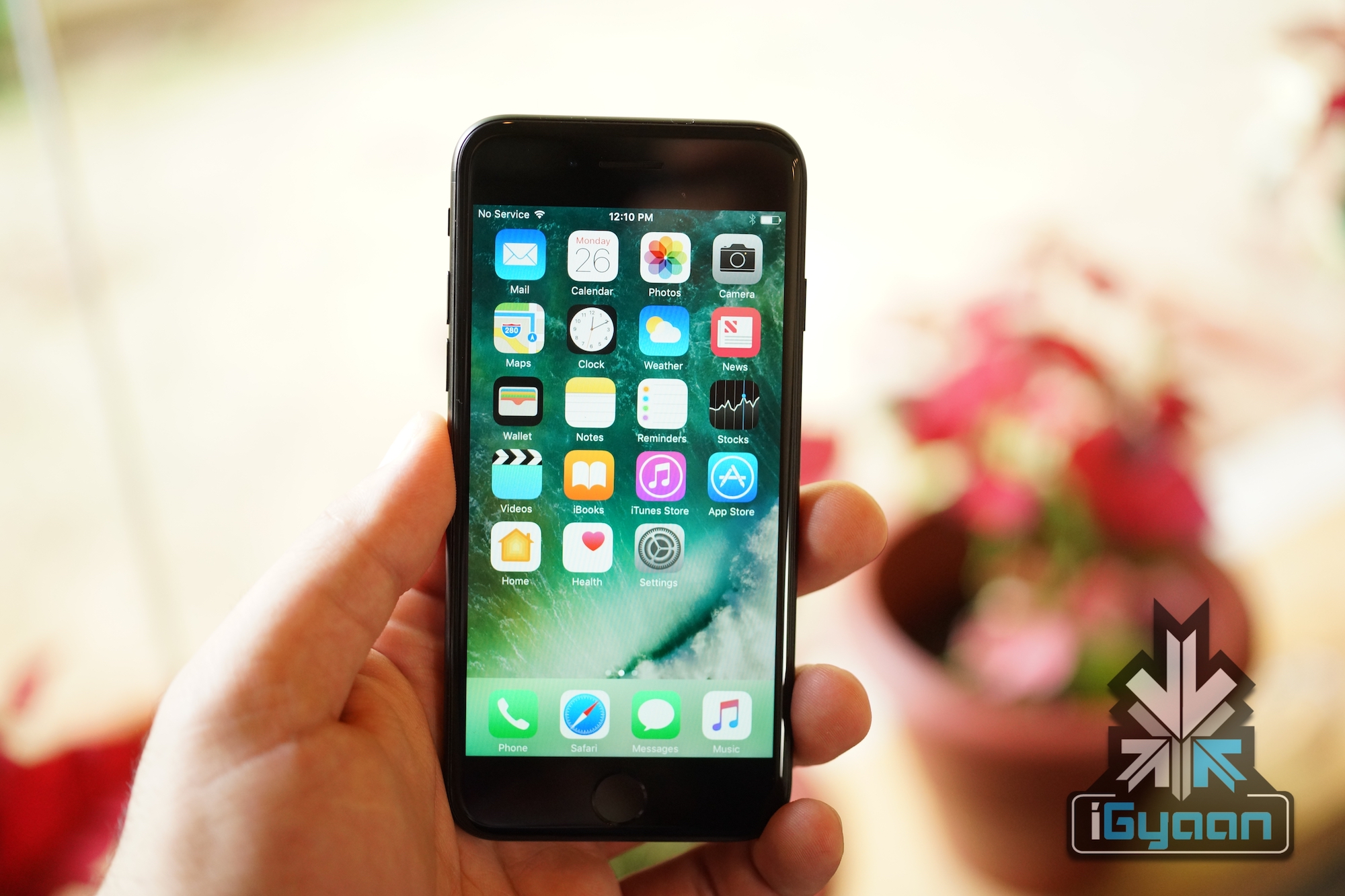
    2017 saw the launch of three iPhones at the annual launch event in September. Apple introduced the iPhone 8 and iPhone 8 Plus that were, more or less, incremental upgrades over their predecessors. The iPhone X was launched alongside and was deemed as the true successor to the original iPhone that was launched in 2007. The iPhone X represented the future of iPhones in terms of design and a few key hardware features.

    Immediately after the launch of the iPhone X, it was reported that Apple would launch three iPhones in 2018 with a design similar to the iPhone X. One of these three iPhones was reported to be the “affordable” iPhone with an LCD display as the other two would have an OLED panel. This iPhone with the LCD display is expected to be launched at around US $700, which means it would replace the iPhone 8 from 2017 in the price category.

    [amazon_link asins=’B072LPF91D’ template=’ProductAd’ store=’igyaan-21′ marketplace=’IN’ link_id=’9a84f487-00c2-11e8-a7be-332f42e7613b’]

    While these were predictions from researchers so far, a new rumour claims to know more than just the screen size of this upcoming iPhone. It claims that the screen panel to be used on the iPhone is JDI’s Full Active panel which was launched in June 2017. This comes with 18:9 aspect ratio, thin bezels and a 2160 x 1080 px resolution. Nowadays, this configuration has become a pre-requisite for mid-range devices as well.

    This means that this iPhone will be less wide than the other two iPhones. The iPhone X has a 19.5:9 aspect ratio while JDI’s Full Active display has an 18:9 aspect ratio. Apple will most probably retain the iPhone X’s configuration for the other two iPhones that will launch in 2018.

    According to Ming-Chi Kuo, using LCD panels instead of OLED is a design compromise that will allow the company to sell the iPhone at a price similar to the iPhone 8. Also, this iPhone will swap stainless steel frame with an aluminium frame, there will be no 3D Touch, and just like the iPhone 8, it will have a single camera on the back.

    https://youtu.be/OVyzD0pU7l4

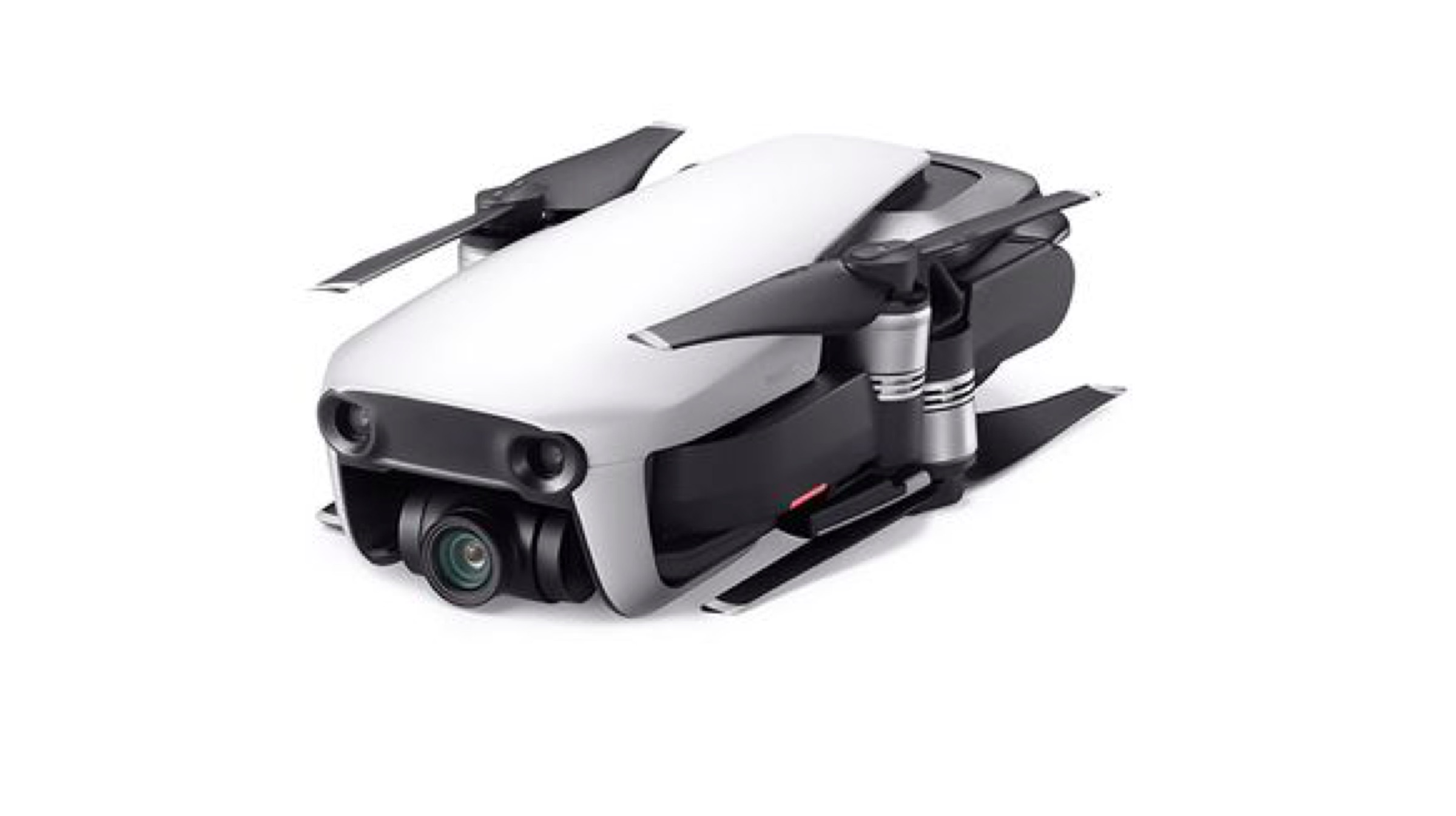
  • The New DJI Mavic Air Is Foldable And Costs US $799

    The New DJI Mavic Air Is Foldable And Costs US $799

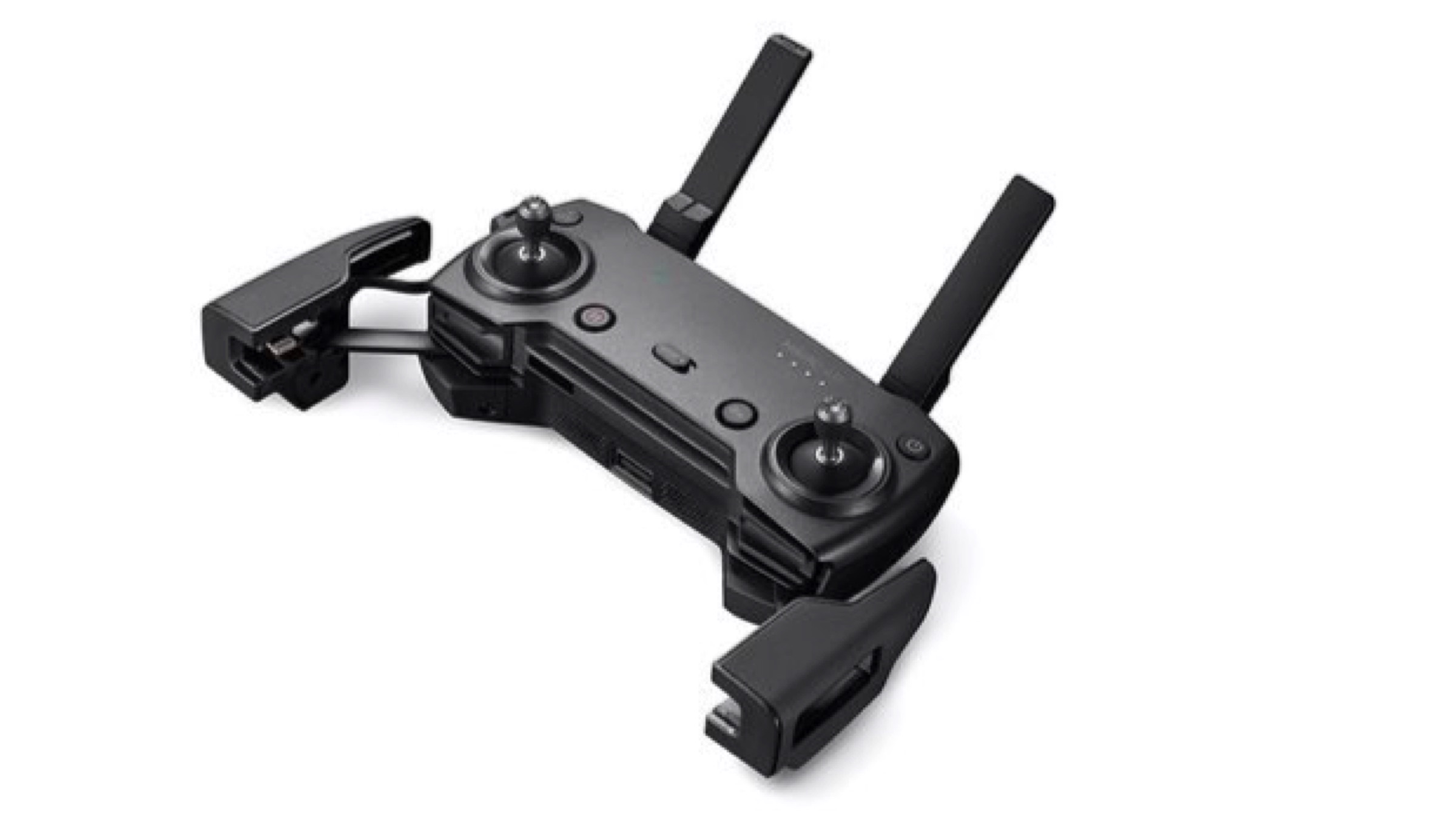
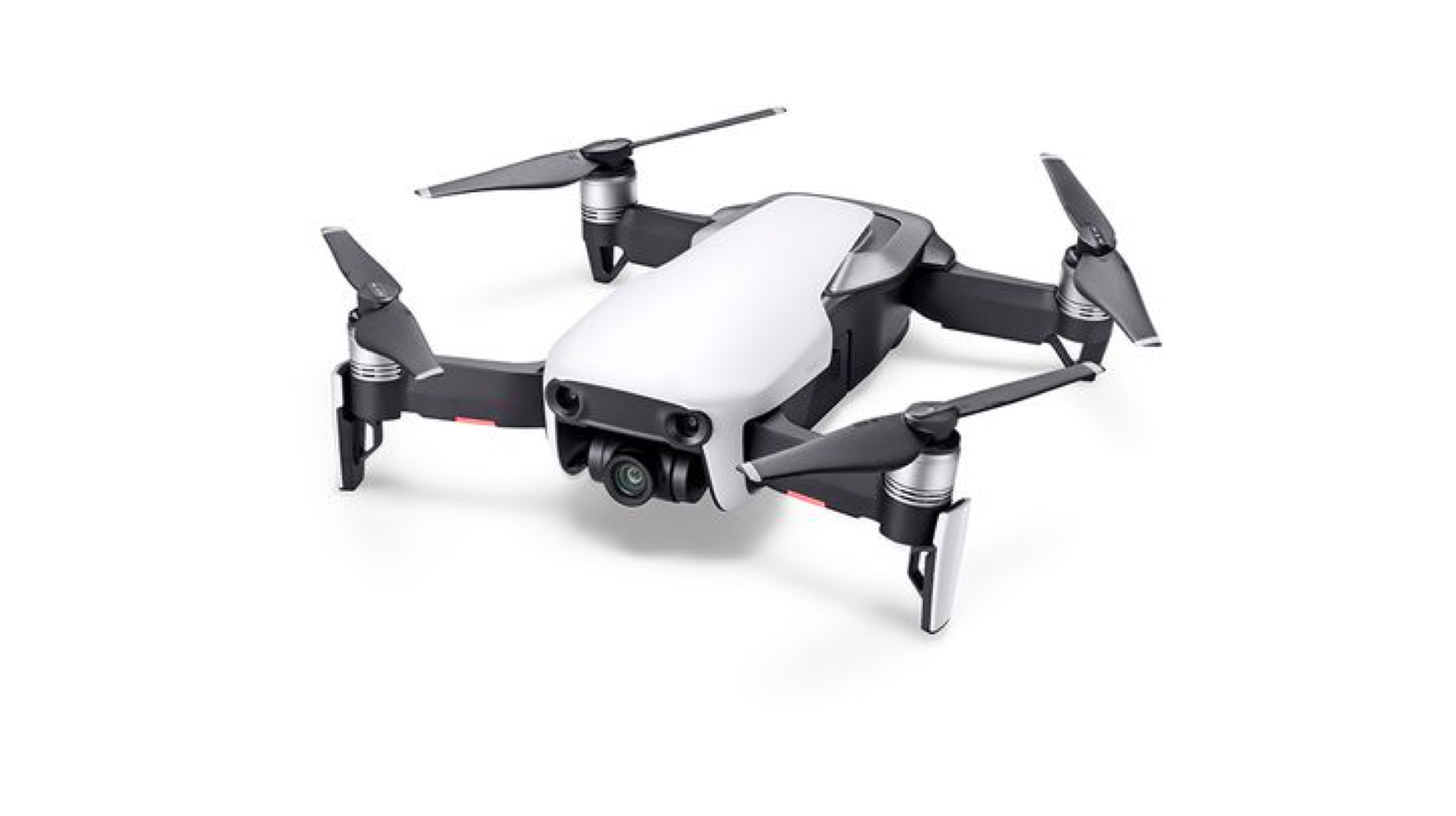
    DJI has launched yet another product in the every increasing drone market. The new DJI Mavic Air is a foldable drone and costs US $799 (Rs 51.000 approx.) At this price, the Mavic Air sits right between the company’s cheapest offering, the Mavic Spark (US $499) and the priciest offering, the Mavic Pro (US $999).  There’s also a US $999 combo pack that includes two additional batteries and propellers, a charging hub and a travel bag. The new DJI Mavic Air is up for pre-order starting today from DJI’s site and is set to start shipping from January 28.

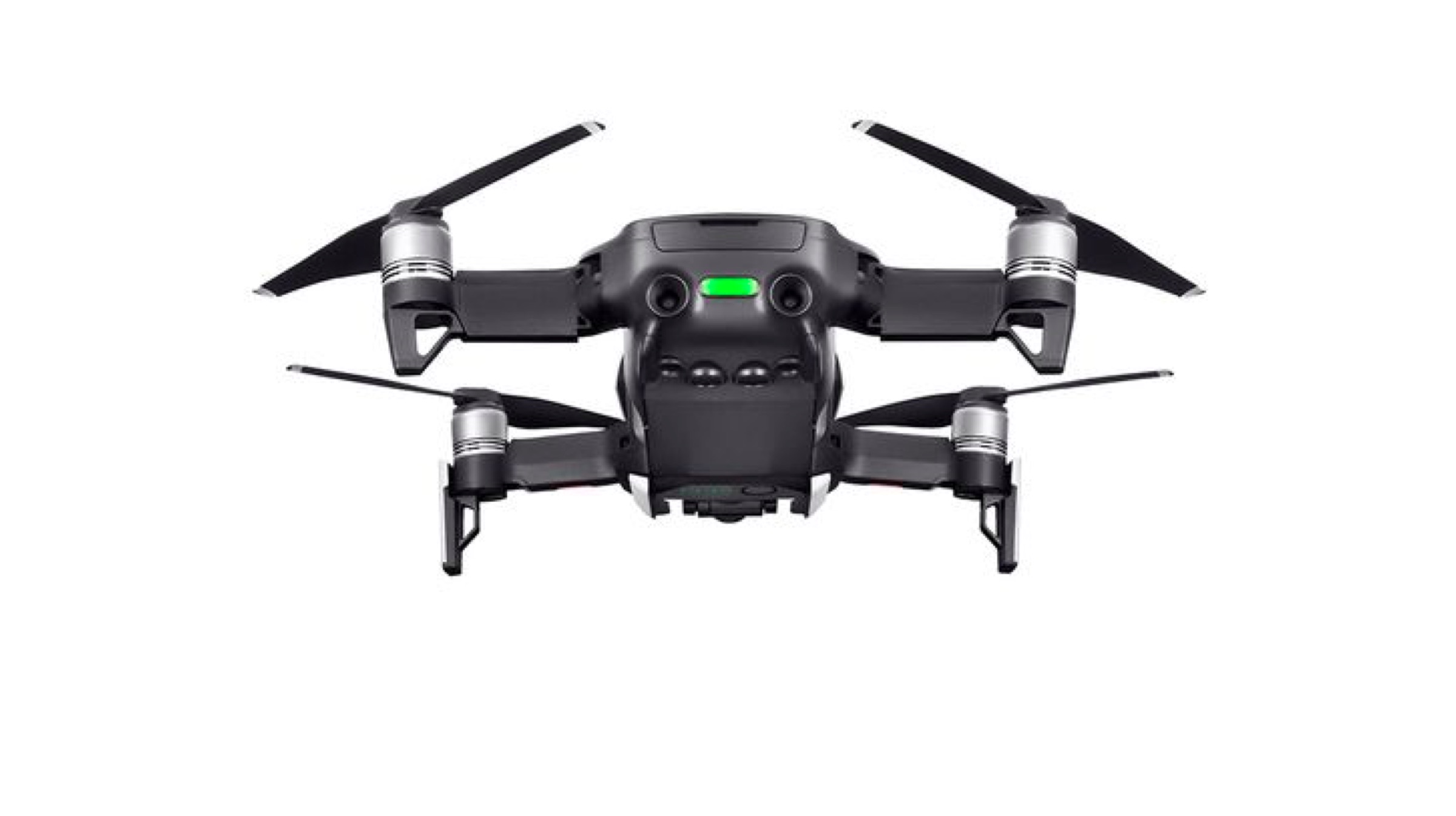
    The DJI Mavic Air folds up to fit in a pocket and to show off the feature, company’s director of North America actually stuffed two of the “smartphone-size” drones into his vest pocket at the launch event. It’s roughly half the size of the Pro and weighs around 41% of its predecessor.

    The Mavic Air has a 1/2.3-inch wide-angle lens with an f/2.8 aperture that shoots 3840 x 2160 px videos at 24 or 30 frames per second or 12MP photos. It has a top speed of 42.5 miles per hour, can withstand winds of up to 22 miles per hour, and has a 2.5 mile range thanks to a new antenna design.

    DJI claims that the new ventilation system in the DJI Mavic Air will help tackle overheating in a better way. It also has a 3-axis gimbal casing for the camera and thanks to a new even-camera obstacle avoidance system, it should be relatively easier and safer to fly. A new remote control with an integrated screen also comes bundled with the DJI Mavic Air.

    There are new shooting modes, better gesture controls, and the company claims it’s improved its image processing in order to maximise the result out of its relatively small sensor. The flying time of 21 minutes of the DJI Mavic Air, just like the price, sits right between the flying time of the DJI Mavic Spark (16 minutes) and DJI Mavic Pro (27 minutes).

    The DJI Mavic Air will be available in Onyx Black, Arctic White, and Flame Red, either as the drone itself or with a “Fly More” accessory pack.

iGyaan Network
Privacy Overview

This website uses cookies so that we can provide you with the best user experience possible. Cookie information is stored in your browser and performs functions such as recognising you when you return to our website and helping our team to understand which sections of the website you find most interesting and useful.