Category: Tech

Latest Technology News, Alternative, Bio-Tech, Medical, R&D and Innovations

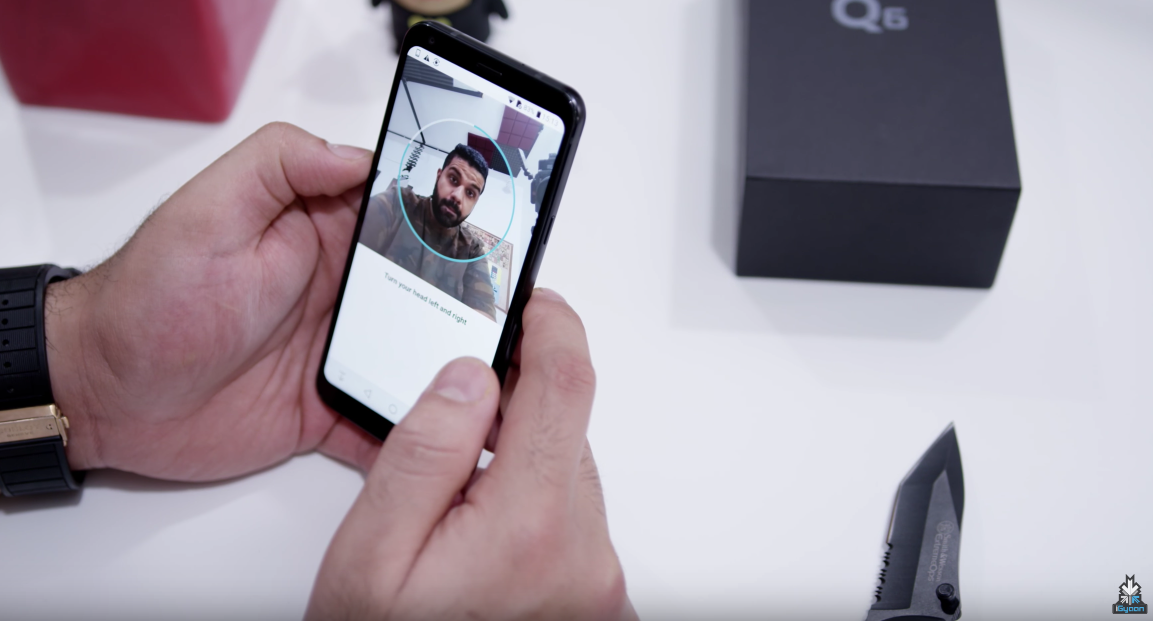
  • Face ID Rivals On Android “Stink”, Says Phil Schiller

    Face ID Rivals On Android “Stink”, Says Phil Schiller

    Apple launched the iPhone X back in September with a number of changes in hardware and design from the previous generations. The most notable and talked-about change is the removal of the iconic home button and introduction of Face ID. While facial recognition and iris scanning has been prevalent in Android phones for years, Face ID brought mainstream attention to the facial recognition technology.

    Ever since the iPhone X was launched, Huawei has come out and announced its take on Face ID and claimed that it’s much faster and more accurate than Apple’s Face ID technology. There have been rumours that Samsung is working hard on its iris scanning technology which will enable it to work even when it is too dark.

    In an interview with Dutch outlet Bright, Apple’s Marketing Guru Phil Schiller has strong opinions about the Android rivals to Face ID. “They all stink,” he said.

    They don’t work in all the ways we need Face ID to work. We’re very aware that through the years the simple thing, this Home button, that started as the way you click to get to the Home screen, grew into doing so many things for us. We added Touch ID, it took you to the multitasking screen, paged Siri, activated Apple Pay. All through this one mechanical button.

    So for Face ID we needed the best way we know of to enable us to easily unlock our device with our face, in a protected way with the Secure Enclave, and support all these other things. We had to solve all of that. Other things that people have tried with face haven’t been anything like that. Face ID is a very unique implementation.

    Face ID has been compared to OnePlus’s facial recognition technology on the OnePlus 5T even though OnePlus has conceded that its facial recognition is more for convenience than security.

    Face ID has also come across a few stumbling blocks. Recently, it was cracked by an elaborate experiment with some expensive gadgets and a lot of time. With the bezels getting thinner and Apple investing so much in Face ID, it appears that Touch ID will slowly be phased out of remaining Apple devices, especially as FaceID becomes more convenient and more reliable.
  • This App Lets You Use iMessage On Android

    This App Lets You Use iMessage On Android

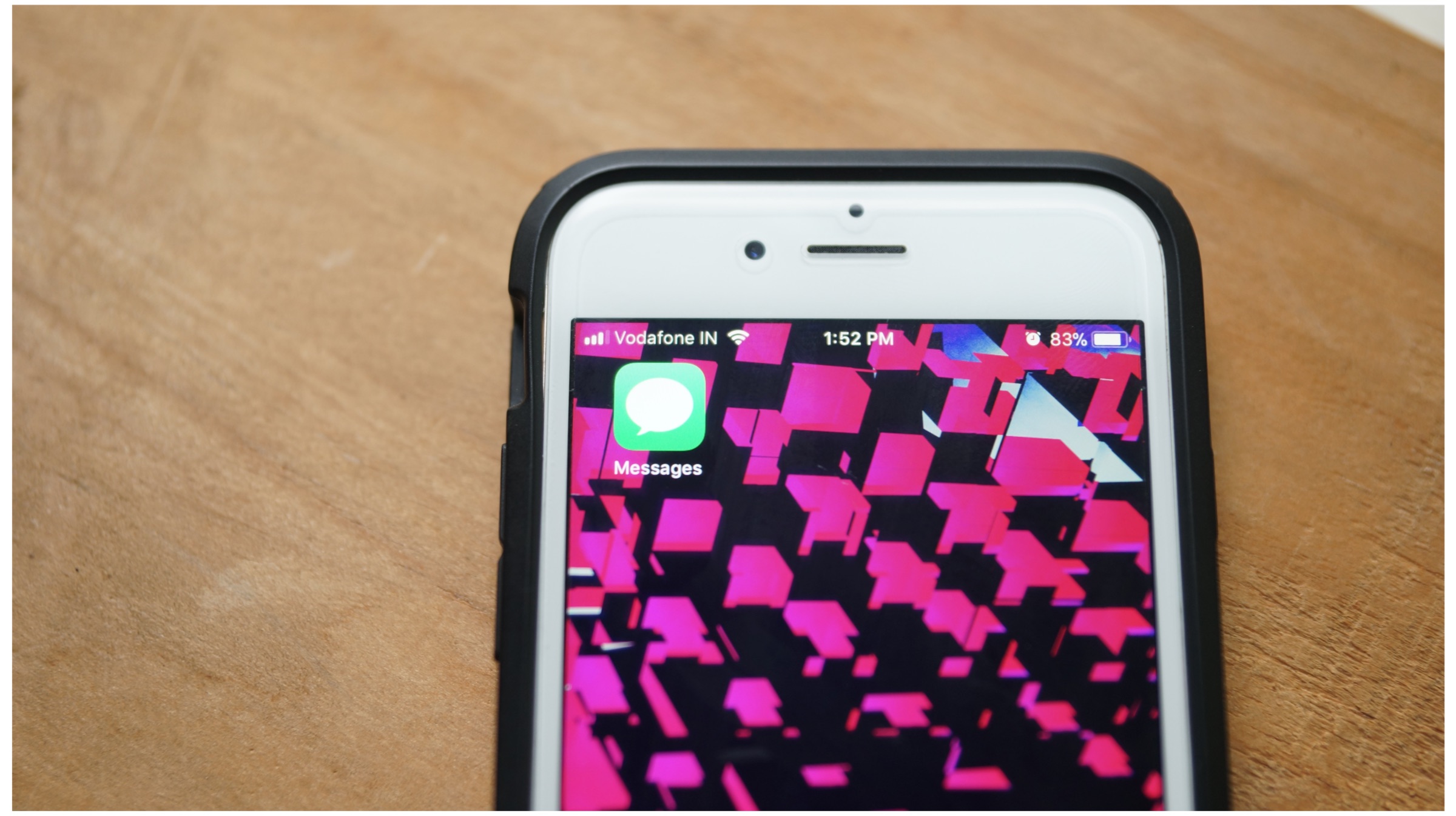
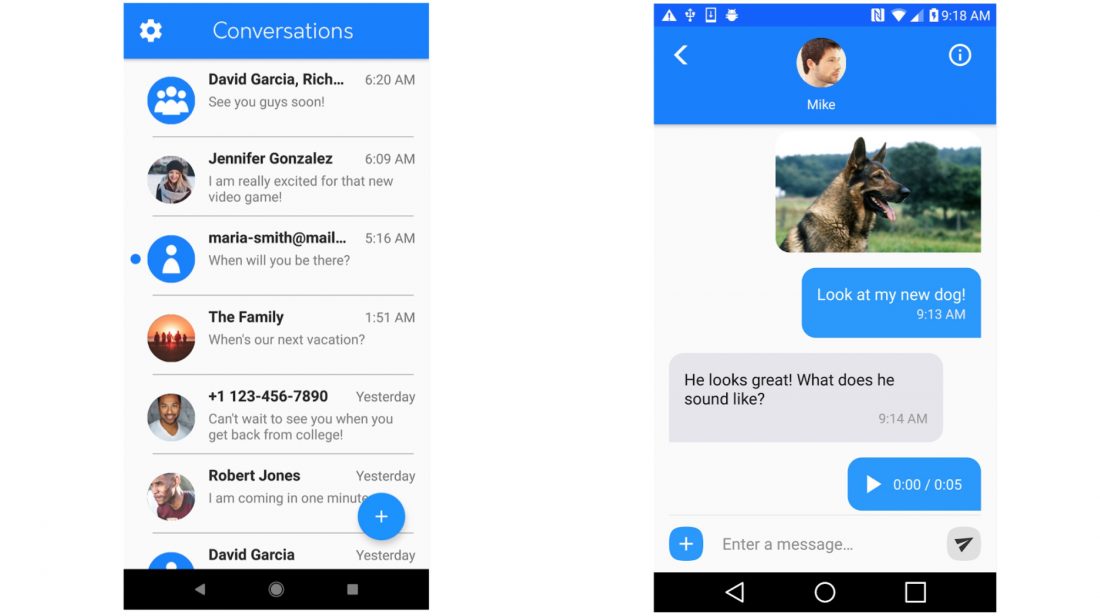
    There are plenty of instant messaging apps for both Android and iOS platforms like WhatsApp. However, iMessage is an instant messaging app which is for iOS devices only. A new app called weMessage however, lets Android users get the experience of iMessage as well.

    In-app screenshots

    weMessage is an app and server combination that was created by 16-year-old developer Roman Scott. He posted about the new messaging solution on Reddit, and it received a lot of attention:

    My name is Roman, and I am a 16 year-old app developer. I have recently published my first app to the Play Store, called weMessage. weMessage is an app that allows you to use iMessage on your Android phones or tablets.

    I created weMessage due to the inability of people on Android to use iMessage’s ecosystem. Although it is allows you to use iMessage on your Android device, I cannot close the gap between Android and Apple completely because weMessage is reliant on an Apple computer, which I will explain below.

    weMessage is composed of two pieces of software: the Android app itself and a messaging server that I called the weServer. In order to use weMessage, you need to install the weServer on a Mac computer. The weServer acts as a “bridge” between the Mac computer and your Android device.

    It is worth noting that cross-platform iMessaging solutions have been published on the internet before. The reality is that developers who have done this in the past have seen their solutions blocked by software updates from Apple. Until Apple takes the app down, you can download weMessage here. You can also log on to the weMessage website to learn more about the app and how to download and install the solution.

  • This Could Be The Xiaomi Mi Mix 3

    This Could Be The Xiaomi Mi Mix 3

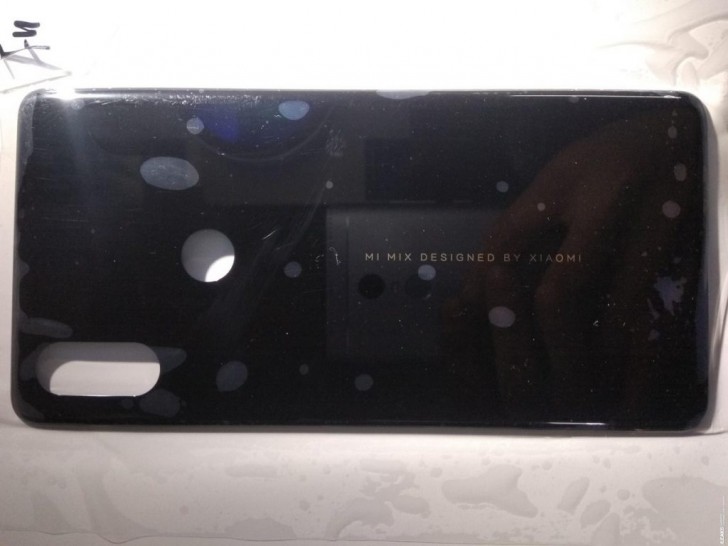
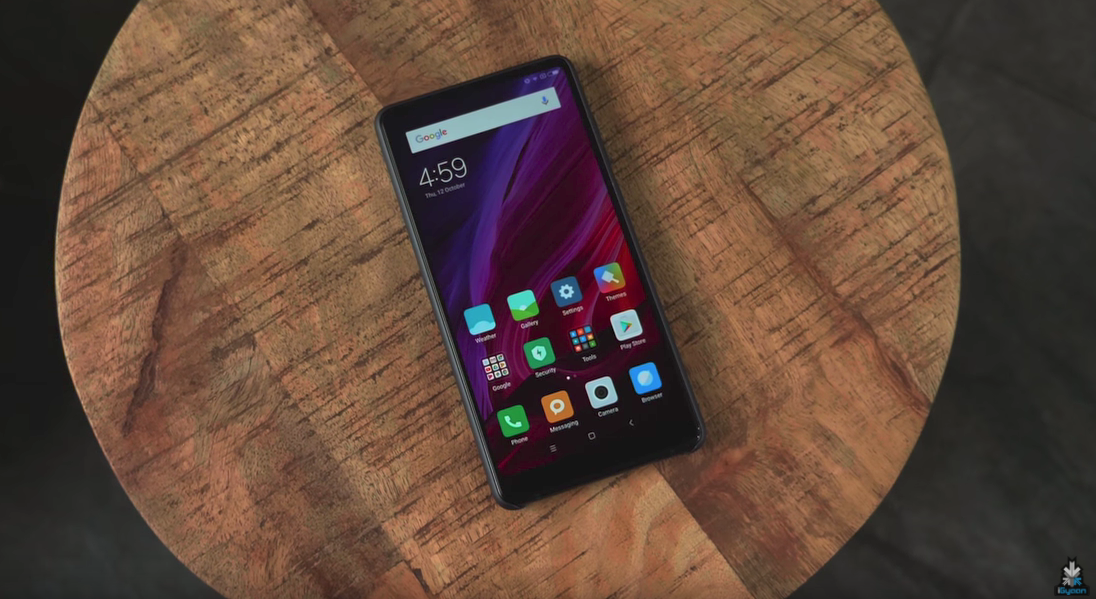
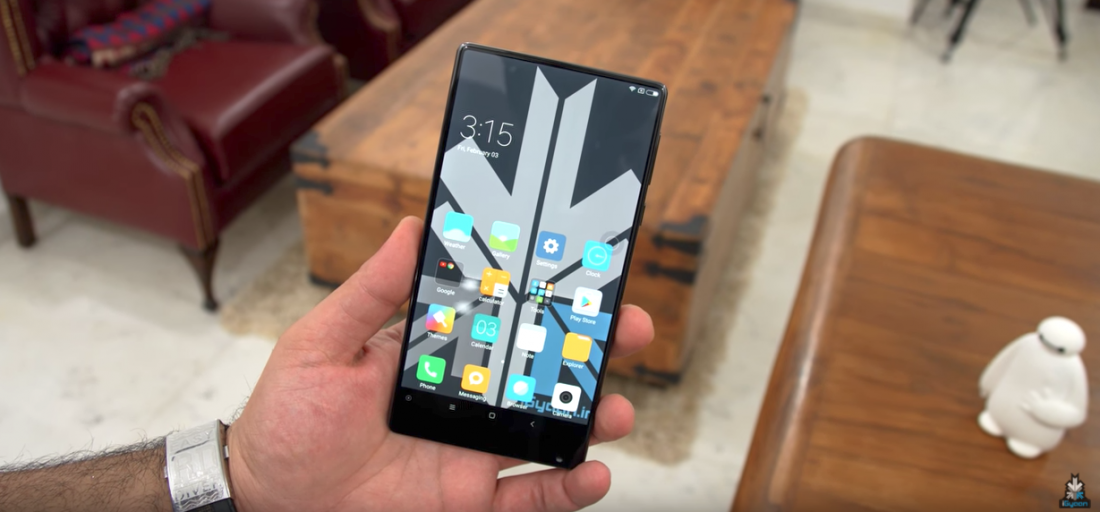
    In 2016, Xiaomi grabbed a lot of eyeballs with its then-futuristic tri bezel-less design of the Mi Mix. in 2017, it followed that up with a more polished and flagship phone worthy Mi Mix 2 and it appears that the Mi Mix 3 which will launch in 2018 might have a different design altogether. A new leak has revealed that unlike the previous two iterations, the new Mi Mix 3 will have rounded corners and a dual-camera setup.

    In the image above, the most noticeable aspect of the back panel is the vertically placed dual-camera setup. Unsurprisingly, it looks uncannily similar to the iPhone X. The fingerprint sensor cutout appears to be at its normal spot and the ‘Mix Design’ text also reinstates that this could indeed be the upcoming Xiaomi Mi Mix 3.

    Mi Mix 2

    This is not the first time that Xiaomi will opt for vertically placed dual cameras as it was previously found on the Mi 5s Plus as well. However, the design implementation on the Mi 5s Plus was completely different from what we see in this leaked image.

    Mi Mix

    It is still early days for the Mi Mix 3 rumours and this image might as well be a prototype of the Mi Mix 3.

  • Apple Acquires Music Recognition App Shazam

    Apple Acquires Music Recognition App Shazam

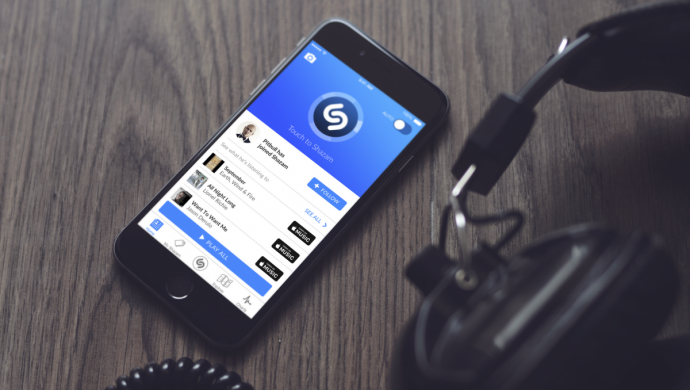
    Last week, it was reported that Apple was on the verge of acquiring of Shazam. On the 11th of December, Apple confirmed the acquisition of the popular music recognition app, Shazam. While neither of the concerned companies disclosed the value of the deal, a report by TechCrunch claims that the deal is worth US $400 million and that Snap and Spotify were potential buyers as well.

    Acknowledging the acquisition, Apple said in a statement:

    We are thrilled that Shazam and its talented team will be joining Apple. Since the launch of the App Store, Shazam has consistently ranked as one of the most popular apps for iOS. We have exciting plans in store, and we look forward to combining with Shazam upon approval of today’s agreement.

    Shazam, one of the most popular music recognition app was launched back in 1999. Since then, the company has claimed that the Shazam app has been downloaded over 1 billion times and its users have used the app to recognise songs over 30 billion times. Shazam released a statement as well, seemingly confirming that the standalone Shazam app will continue functioning:

    Shazam is one of the highest-rated apps in the world and loved by hundreds of millions of users and we can’t imagine a better home for Shazam to enable us to continue innovating and delivering magic for our users.

    Shazam was one of the first few services that took advantage of AI and offered it to a broader audience. As Apple prepares to invest big in AI and make its AI assistant, Siri smarter than the competition, this acquisition might go a long way in doing so.

    Google Assistant, of all the AI assistant, might be the smartest in terms of music as of now, but, with Shazam onboard Siri can definitely compete and even come out on top in the battle of AI assistants. Even some analysts believe that Shazam could add significant value not only with its own service but also by making Siri smarter about music.

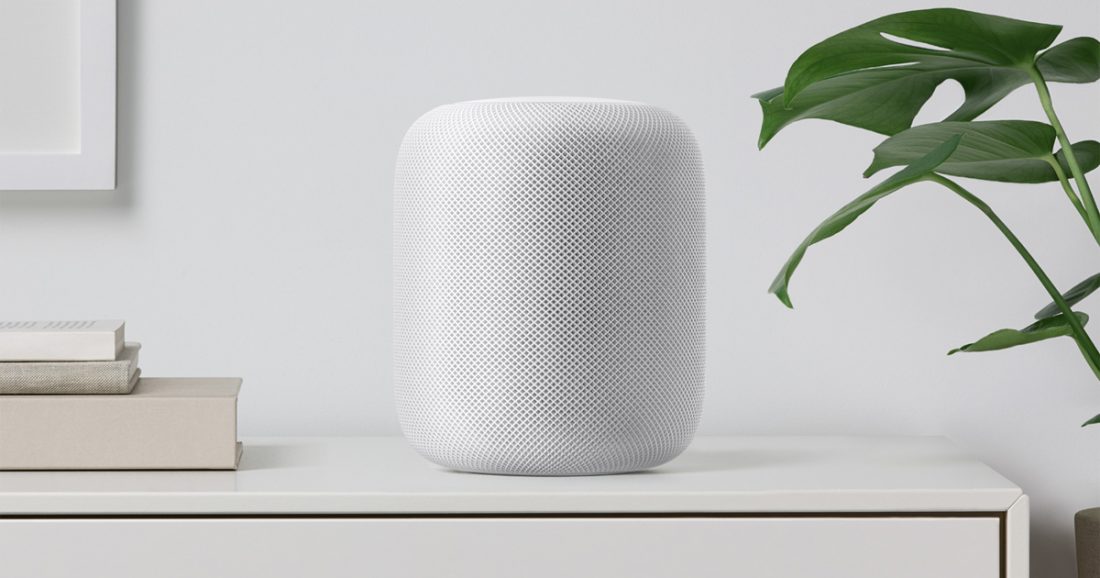
    Music is an important part of Apple’s business, particularly as the company prepares to launch its HomePod smart speaker. Slated for a late-2017 launch, the smart speaker will now be launched in early 2018. Apple Music, Apple’s subscription-based music streaming service has roughly 30 million subscribers which is not even a half of what its direct rival Spotify has. Spotify has 60 million paying users as of July and 80 million more on its free service.

    Apple HomePod

    Analysts are saying that this acquisition is similar to one that Spotify made in 2014 when it purchased a music intelligence firm called The Echo Nest. The Echo Nest creates technology that generates music recommendations which is one of the most important features of Spotify.

    Apple’s entry into AI and now the acquisition of Shazam means that Apple is willing to take on Spotify for the number one spot. As of now, the Shazam app redirects users to either Apple Music or Spotify to listen to the recognised song but, that might change in a bit and that might lead to a potential user acquisition.

  • Harman Kardon Launches Allure Speaker In India, With Alexa Voice Control

    Harman Kardon Launches Allure Speaker In India, With Alexa Voice Control

    Harman International has announced the launch of its new smart speaker, the Harman Kardon Allure in India at a price of Rs. 22,490. The smart speaker will be available exclusively via to Amazon Prime members as of nowThe Alexa powered, Harman Kardon Allure can be controlled via voice commands, much like several other speakers in the market. i.e. Google Home, Amazon Echo etc.

    The smart speaker lets you order pizza, play music, read the news, control your smart home appliances, make purchases from Amazon, and much more. Harman Kardon Allure features far-field voice technology which allows the speaker to hear commands even from a far distance. The speaker’s 360-degree ambient lighting that glows in tune with the music is a nifty little feature as well.

    The Harman Kardon Allure was first launched at IFA 2017 in August at a price of US $249.95 (Rs. 16,000 approx.) and the Indian variant has all the same features as the global variant of the smart speaker.

    Amazon Alexa was officially launched in India in October. The service brings a lot of India-specific skills from sectors like Travel, Food, Sports & Entertainment updates, News and Education, and Home Services and much more.

    Key Features of Harman Kardon Allure
    Amazon Alexa Voice Control
    Dual-band WiFi
    Far-field Voice Recognition
    Built-in four microphones with advanced noise cancellation
    360-degree sound
    Ambient lighting
    Bluetooth 4.2

  • Samsung Galaxy S9 Iris Scanner Will Work In The Dark

    Samsung Galaxy S9 Iris Scanner Will Work In The Dark

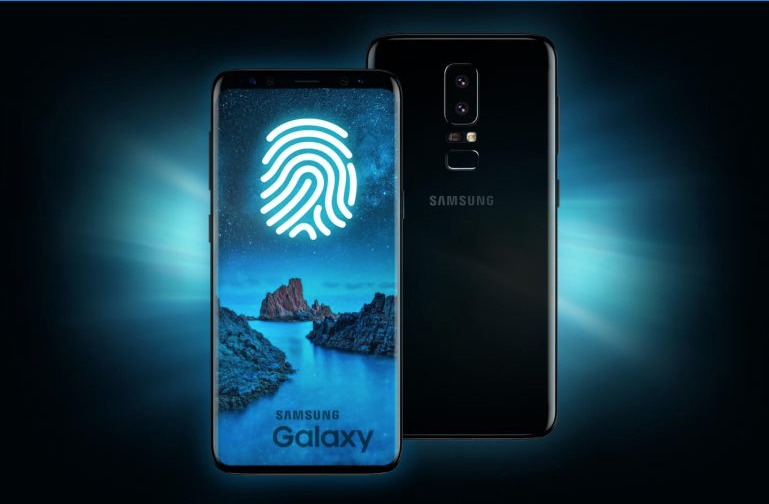
    The Samsung Galaxy S9 is expected to be a revision to the Popular Samsung Galaxy S8 which was launched in early 2017. We have seen several leaks so far, including one which mentions a record-breaking screen-to-body ratio. Samsung Galaxy S9 may be an incremental upgrade as far as design is concerned but, there might be a few monumental upgrades as far as hardware and software are concerned. A new report claims that Samsung will upgrade the iris scanner on Galaxy S9 to 3MP from the 2Mp scanner found on the Galaxy S8 and Galaxy Note8.

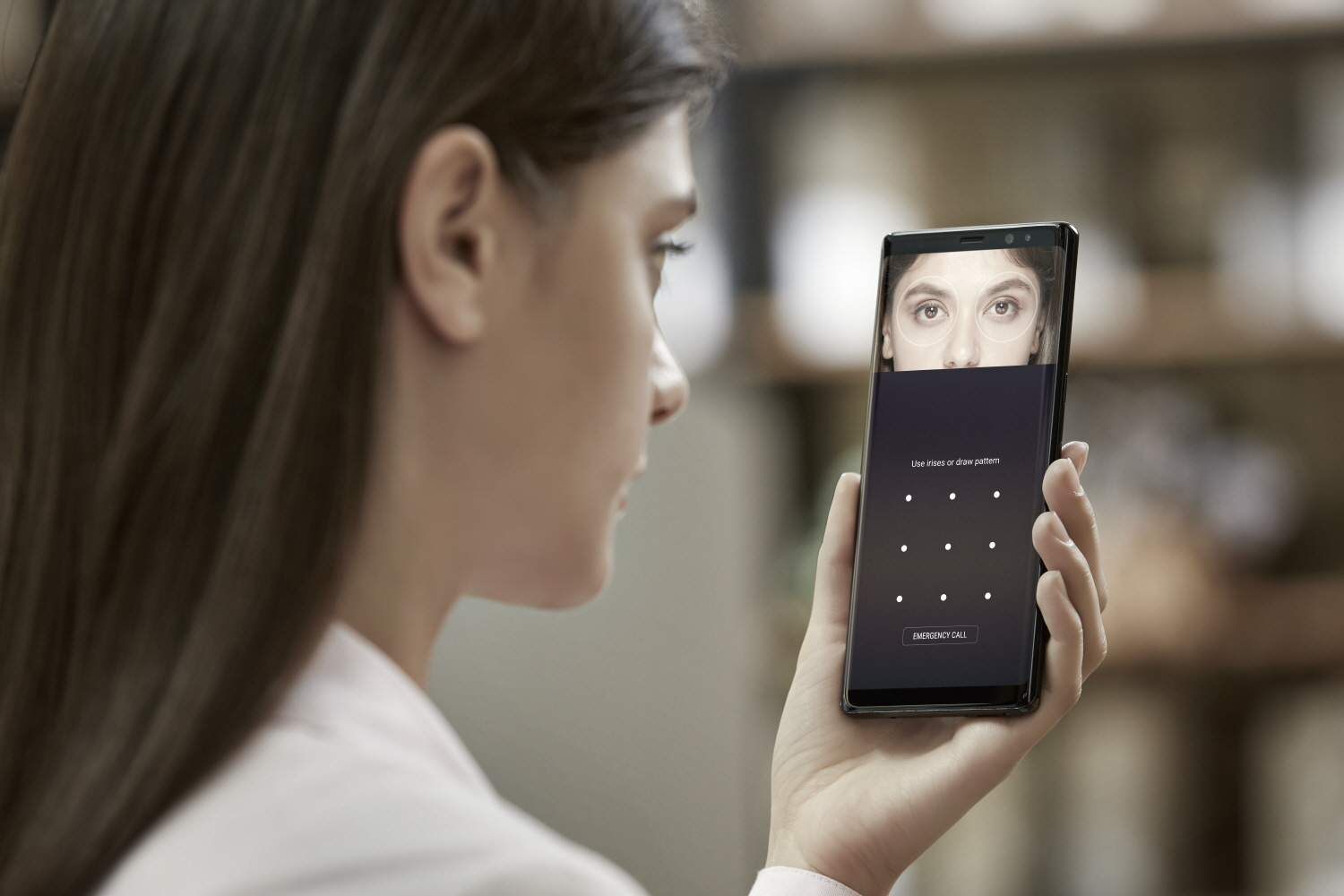
    An industry source familiar with the matter told the publication that the iris scanner in the Galaxy S9 will have an improved camera lens and functions to help it better recognise users’ eyes. This move, as much as it is an upgrade, can be attributed to the rise in popularity of Apple’s Face ID and Huawei’s unveiling of its own facial recognition technology.

    The source said:

    The iris lens will be improved to 3-megapixels from 2-megapixels of Galaxy S8 and Galaxy Note 8 to capture clearer images. The scanner will better recognize users’ irises even when they wear eyeglasses, move their eyeballs or are in a too dark or too light environment.

    Samsung is expected to introduce the iris scanning feature in its upcoming mid-range phones as well, such as the Galaxy A8+. A leak revealed that the Galaxy S8+ will have an infinity display, which was exclusive to Samsung’s flagship phones so far. Introduction of iris scanner in the Galaxy A series might not be far-fetched.

    Samsung Galaxy S8+

    “Iris scanner is the safest biometric authentication (among iris, fingerprint and face recognition) and we will continue to improve the system for upcoming smartphones for safer banking transactions,” a Samsung spokesperson told the publication, without making any reference to the Galaxy S9.

    The Samsung Galaxy S9 and Galaxy S9+ are expected to be launched at either MWC in February or at a separate event in March (similar to the Galaxy S8 and S8+).

  • Samsung Galaxy A8+ Specs Leaked

    Samsung Galaxy A8+ Specs Leaked

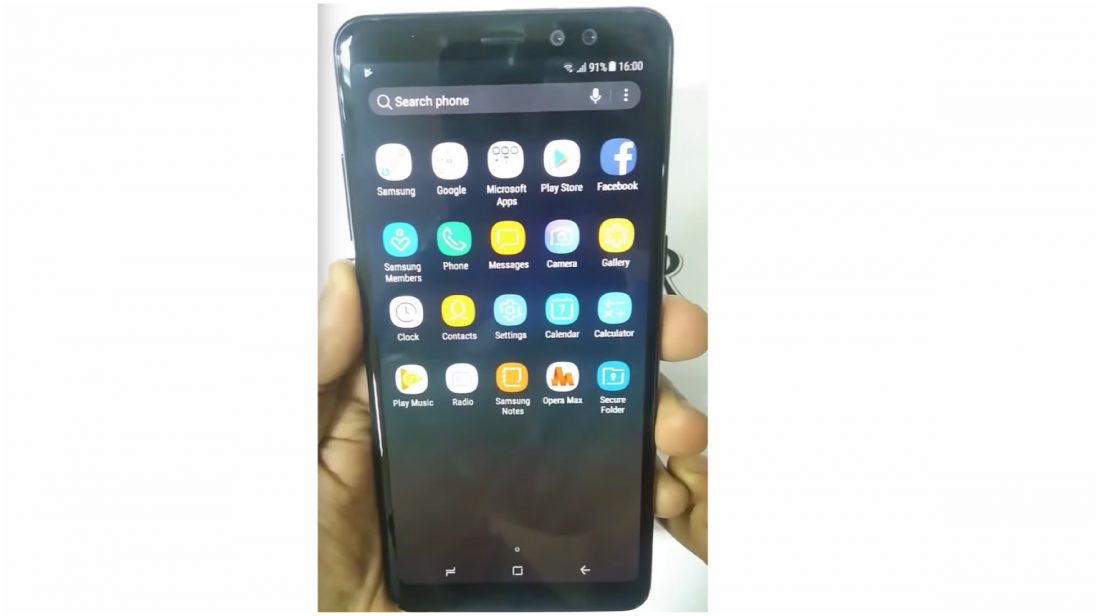
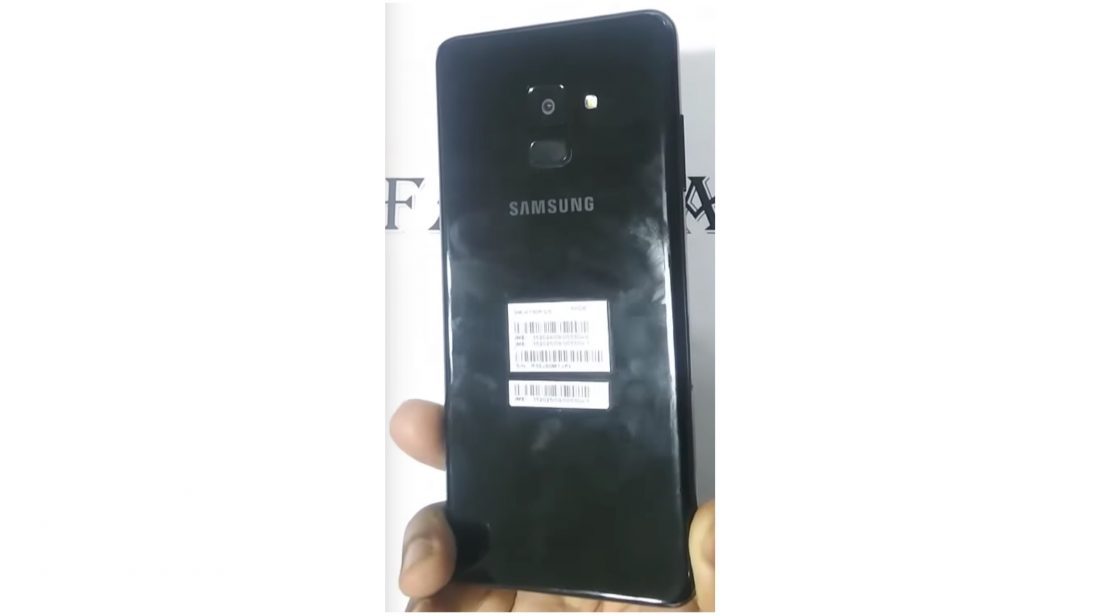
    Samsung introduced the first infinity display in 2017 with the Samsung Galaxy S8 and S8+ and also used it with the Galaxy Note8. In 2018, it is expected that the infinity display feature will trickle down to Samsung’s mid-range smartphones as well, and the upcoming Samsung Galaxy A8+ appears to be one of them. A new video reveals what the Galaxy A8+ will look like and the user in the video also goes through the specifications of the phone.

    In the video, the user goes through the camera app and clicks a sample photo. There is a dual-camera setup at the front of the phone, which is a first for a Samsung device. At the front is a 16MP+8MP camera setup, the 8MP camera will allow for live focus portrait shots similar to the Galaxy Note8.

    According to the video, the Galaxy A8+ will have a 6-inch 2220 x 1080 px display. We can expect it to be a Super AMOLED display similar to the previous generation Galaxy A phones.

    Under the hood, the device will have the Exynos 7885 SoC, an octa-core processor with two 2.2GHz high-performance cores and six 1.6GHz low power cores, 6GB of RAM and 64GB of onboard storage which will be expandable via microSD card, presumably up top 256GB. The Galaxy A8+ will also have an IP68 rating for water and dust resistance.

    Powering the device will be a 3500 mAh battery which will charge via USB Type C which suggests that it will support fast charging.

    Another major change in the design will be the fingerprint sensor placement. Unlike the Samsung Galaxy S8 and Galaxy Note8, the fingerprint sensor on Galaxy A8+ is placed below the rear-mounted camera and it might hint at a major design change for the upcoming flagship ‘S’ and ‘Note’ lineup as well.

    The back of the phone also houses a 16MP camera. Detailed specifications of the camera were not listed in the video.

    The Samsung Galaxy A8+ is expected to be launched in January 2018 with the prices ranging from US $300 – US $350 (Rs. 21000 – Rs. 26000 in India)

    You can watch the entire video here.

  • Xiaomi Mi A1 Receives Permanent Price Cut

    Xiaomi Mi A1 Receives Permanent Price Cut

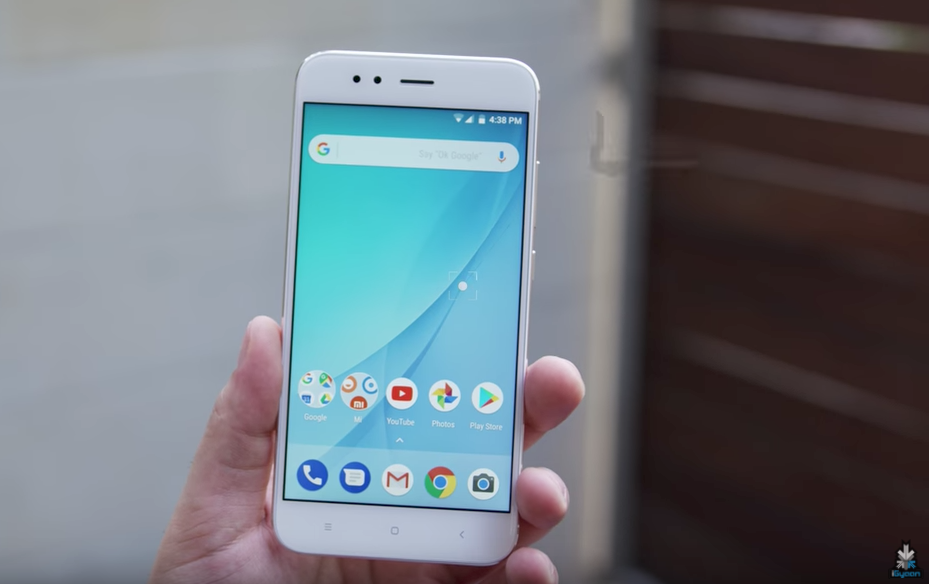
    Xiaomi launched the Mi A1 back in August at a price of Rs. 14999. Now, one of the best budget camera phones, the Mi A1 has received a permanent price cut of Rs. 1000 and will now retail for Rs. 13999.

    The Xiaomi Mi A1 offers something different than the rest of the Xiaomi phones available in India or the global market. It has stock Android OS thanks to the Android One program which means that the Mi A1 will receive Android 8.0 Oreo and Android P updates faster than other OEM phones in the same price bracket. This gives the Mi A1 a slight advantage over its closest competitor, the Moto G5s Plus which also has similar specifications and price. The price cut may also be attributed to the competition from other smartphones such as the Honor 7X which also offers a dual-camera setup and is priced at Rs 12999.

    Even though there has been no announcement for Android 8.0 Oreo update for the Xiaomi Mi A1, it is expected to be rolled out by the end of January 2018.

    The smartphone has a 5.5 inch 1920 x 1080 px LTPS display with Corning Gorilla Glass on top for protection along with an aluminium unibody build.

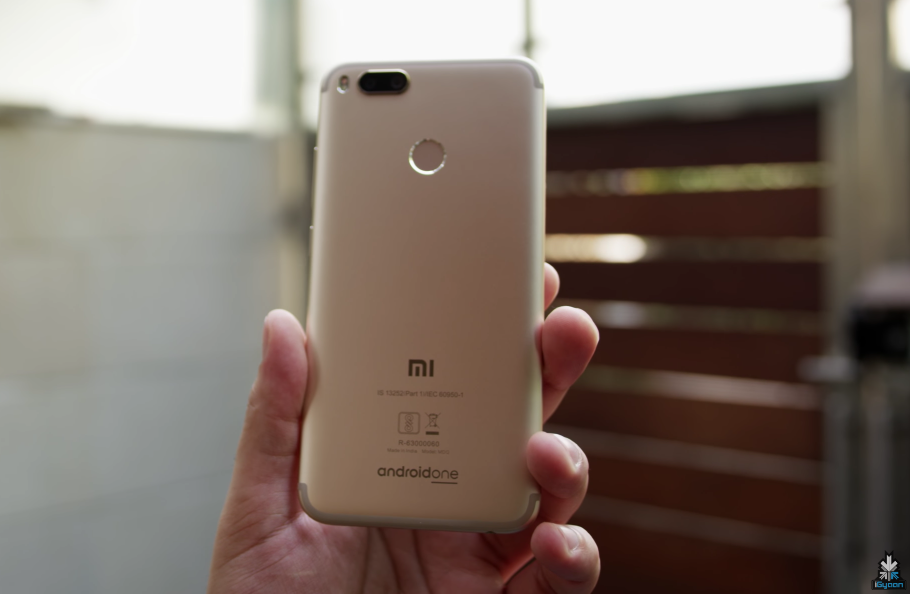
    The Xiaomi Mi A1 has the Qualcomm Snapdragon 625 chipset, 8x ARM Cortex A53 2.0GHz 64-bit processor, 4GB RAM and 64GB of onboard storage which is expandable via microSD card. Handling the graphics under the hood is the Adreno 505 GPU. The pyrolytic graphite sheet will help in heat management as well, Xiaomi claims. The Xiaomi Mi A1 has an IR blaster to control appliances in your home or office. The fingerprint sensor sits at the back of the device below the camera. Xiaomi has also included a dedicated headphone amplifier for better music listening experience.

    Powering the device is a 3080 mAh battery and 2A charging through the Type C port.

    Even though the phone has stock Android 7.1.2 Nougat, Xiaomi has retained a few apps, such as the Mi camera app since the Google Camera app doesn’t support dual-camera functions right now.

    The smartphone features dual sensors at the back, a 12MP telephoto lens with an f/2.2 aperture (26mm) and 12MP wide-angle lens with an f/2.6 aperture (50mm) setup with 1.25-micron pixel size. The telephoto lens allows the user to take bokeh effect shots with blurred background and a 2X optical lossless zoom. For landscape shots, Xiaomi has introduced a wide angle lens while on the front is a 5MP camera.

    At a price of Rs. 13999, there is a lot going on for the Xiaomi Mi A1 and with the holidays coming up, this might be the ideal smartphone for you to upgrade to.

    Watch our full review to know more-

  • Samsung Galaxy S9 To Launch With The Same Display As The S8 In A Smaller Size Shell

    Samsung Galaxy S9 To Launch With The Same Display As The S8 In A Smaller Size Shell

    The Samsung Galaxy S8 is the most successful smartphone of 2017. Rumours and leaks pertaining to the upcoming Samsung Galaxy S9 and its bigger sibling, the Galaxy S9+ have just started to pick up their pace. A new report from a Dutch outlet has revealed that the Samsung Galaxy S9 phones will have the same screen size as its predecessors but, in a smaller body.

    This report corroborates a previous leak that suggested that the upcoming Galaxy S9 devices will have a whopping 90% screen-to-body ratio. However, there have been rumours that the devices will sport a 21:9 aspect ratio display which, this new report quashes. It claims that the S9 and S9+ will have the same 18.5:9 aspect ratio with a smaller footprint.

    This claim seems legitimate as the two new devices are expected to be an incremental upgrade over its predecessors rather than drastic new phones with a host of new things to offer. The Samsung Galaxy S9 and Galaxy S9+ are expected to have a 5.8-inch and 6.2-inch Super AMOLED displays, respectively.

    It has been reported earlier that the upcoming flagship phones from Samsung might be unveiled at CES 2018. However, Samsung came out and said that it is ‘unlikely‘ to happen, which means that the S9 and S9+ may be unveiled either at MWC in February or at a separate event in March, just like the Samsung Galaxy S8 and S8+.


  • Another Hint That Google Is Working On A Touch Enabled Google Home

    Another Hint That Google Is Working On A Touch Enabled Google Home

    A new job listing by Google spotted online suggests that the company is indeed working on a touchscreen Google Home. The job listing reads:

    In this role, you’ll work on the next generation of Google Hardware to enable the best multi-touch user experience.

    Google might be working on a multi-touch Google Home as a rival to Amazon’s Echo Show.  Multi-touch gestures could also find their way to speakers like the next revision of the Home and Home Max.

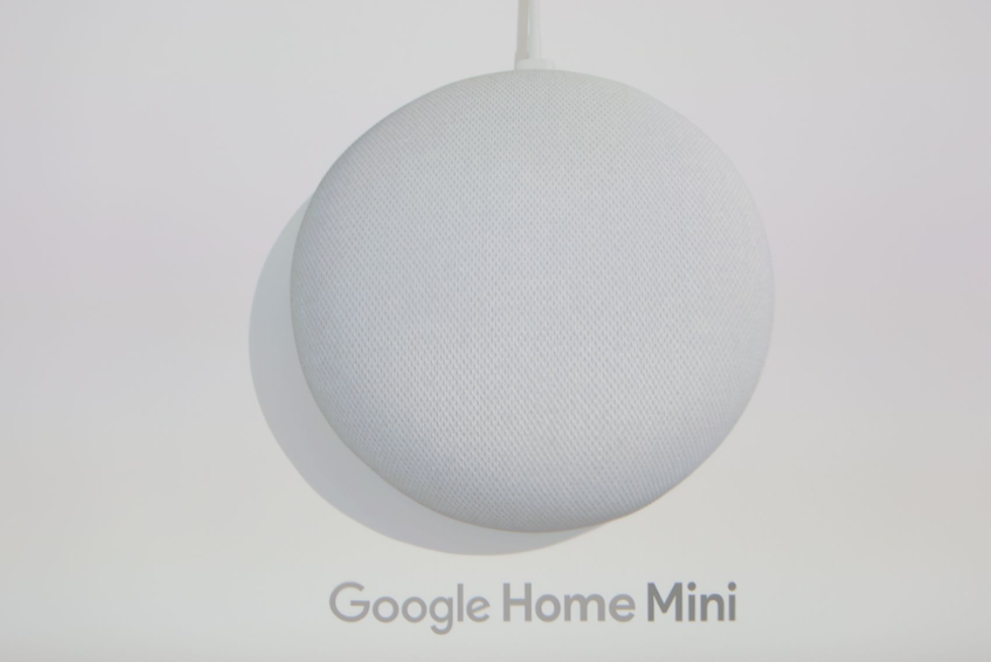
    Google has not had the best of times with its hardware this year. Back in October, its Google Home Mini speaker forced the company to permanently disable the touch sensor at the top of that device. That happened because of some bug, the Home Mini was recording everything around it even when no command was given. And while the decision to protect the customer privacy was the right one and to Google’s credit, it worked on the fix right away but, doing so crippled some of the Google Home Mini’s capabilities and appeal.

    Even Google’s Pixel phones have received a lot of flak for its under-performing hardware. It will be interesting to see Google’s approach to its products from now on and the integration of AI and machine learning in it upcoming smart devices.

  • New Samsung Patent Reveals A Different Foldable Phone Design

    New Samsung Patent Reveals A Different Foldable Phone Design

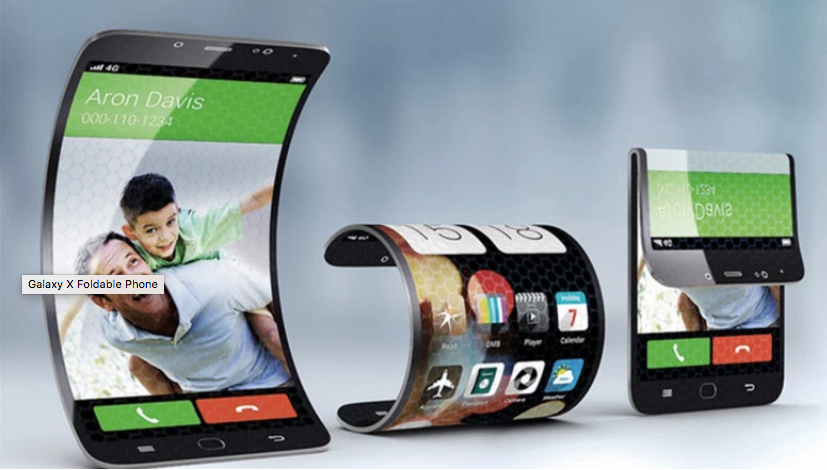
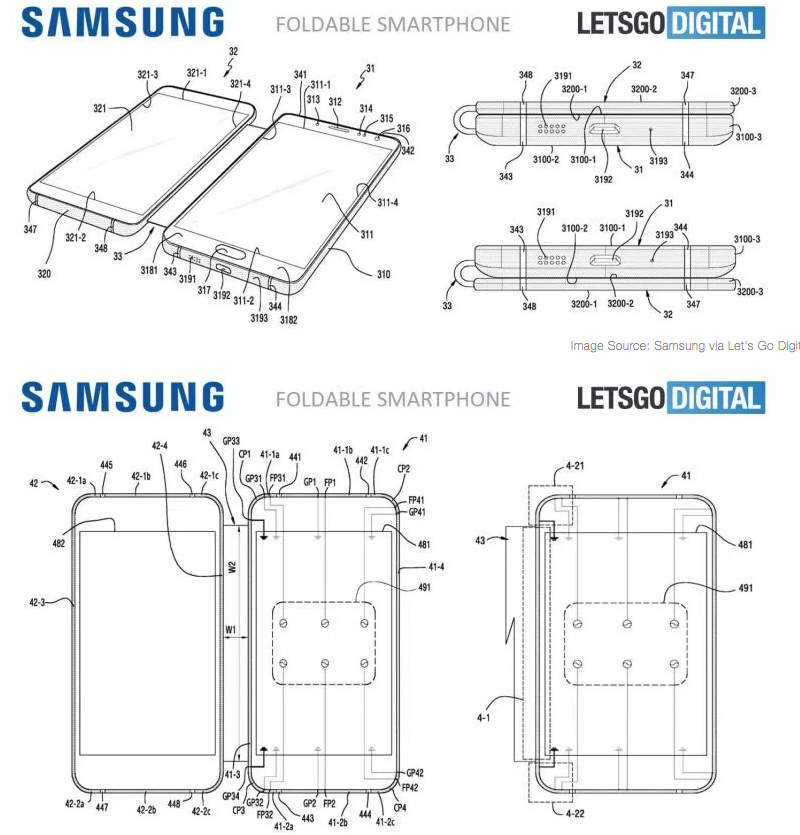
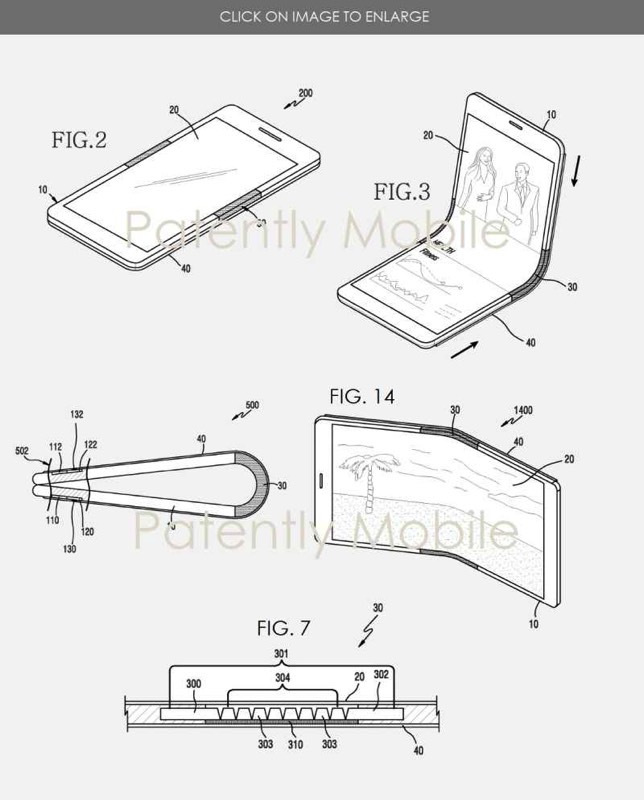
    As the smartphone industry moves toward a bezel-less era of phones, the fears of a stalemate in terms of design are slowly creeping up. Samsung, however, will soon launch a phone which might be the next big thing in the smartphone industry. The foldable Samsung Galaxy X is expected to be launched early in 2018. While there have been concepts and patent leaks which reveal a futuristic design for the Galaxy X, this new patent of a foldable phone from Samsung might not be an ideal design.

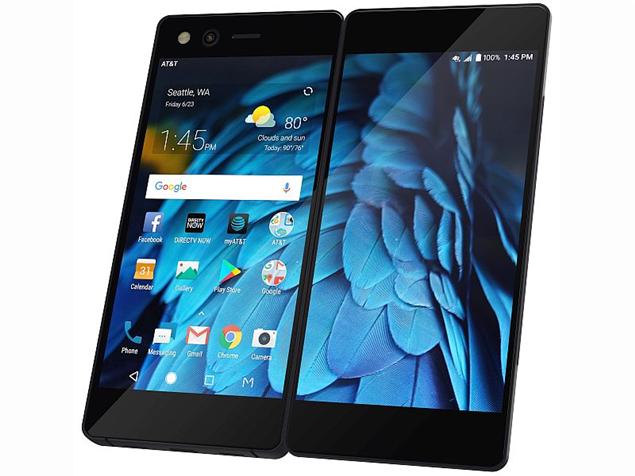
    According to the patent, when in an open position, the device looks like someone placed two similarly sized phones next to each other. The frame joining the two displays is made of metal, so it’s not part of the screen. The design is nowhere near the futuristic design that we expect from the Samsung Galaxy X and somewhat resembles the recently launched ZTE Axon M.

    ZTE Axon M

    While this patent is new, there have been previous leaks that reveal a more impressive design of the Samsung Galaxy X.

    A report from the South Korea Herald suggested that the production of the Galaxy X would be on 100,000 orders, making it an extremely limited edition device. If this happens, the Galaxy X would be the most difficult Galaxy phone to get your hands on.

    The foldable smartphone is being touted as the “next big innovation” in the smartphone industry, which has been stagnant for a while in terms of exciting innovations.

    Samsung is most likely to start small, with a smartphone that folds halfway like a wallet. Another design, in line with Samsung’s prototype unveiling, could see the phone unfold into a full-size tablet.

    Samsung is expected to launch the Samsung Galaxy X either with the Galaxy S9 phones or before them at CES 2018 in January.

  • Apple To Acquire Music Recognition Service Shazam

    Apple To Acquire Music Recognition Service Shazam

    A new report claims that Apple is nearing a deal to buy the song identification app, Shazam, which could be on announced on the 13th of December.

    One source describes the deal as in the nine figures; another puts it at around £300 million ($401 million). We are still asking around. Notably, though, the numbers we’ve heard are lower than the $1.02 billion (according to PitchBook) post-money valuation the company had in its last funding round, in 2015.

    Shazam was founded in 1999 and has long been one of the most popular song identification apps on all platforms. Shazam announced last year that it had reached one billion downloads on smartphones. But, only recently did it start seeing profitability by incorporating advertisements and tying up with music streaming apps such as Spotify and Apple Music. It essentially directs the traffic from its app to these music streaming services by providing streaming links to a recently identified song.

    It will be interesting to see how Apple implements Shazam into Apple Music and how it’ll affect the Spotify integration within the core Shazam app since Spotify is Apple’s biggest music streaming rival right now.

    Apple said in September that its music streaming service had more than 30 million subscribers, a rapid rise but still trailing industry leader Spotify which said it had 60 million paying users as of July and 80 million more on its free service.


  • New Leak Reveals The Fingerprint Sensor On Galaxy S9 Will Have A Better Placement

    New Leak Reveals The Fingerprint Sensor On Galaxy S9 Will Have A Better Placement

    While Samsung has had a financially successful year thanks to its hugely popular Galaxy S8, S8+ and Note8, the company has had to deal with a very consistent criticism. All the three flagship phones launched by Samsung in 2017 had an awkwardly placed fingerprint sensor which baffled critics and consumers alike. However, a new leak reveals that Samsung will change the position of the fingerprint sensor on the Samsung Galaxy S9, at least.

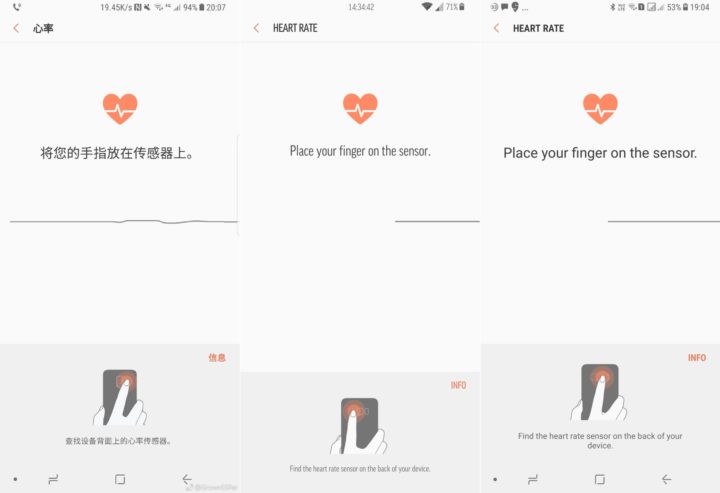
    The image was leaked on the Chinese social media website, Weibo. It is a screenshot of the demonstration of the heart rate sensor in S Health app. The screenshot also reveals a single camera setup on the supposed Galaxy S9. While a few publications believe it could be the Galaxy S9 Mini, previous reports have suggested that Galaxy S9 will have a single lens camera while the Galaxy S9+ will have a dual-camera setup at the back.

    From L to R – S Health app on Galaxy S9, Galaxy S8 and Galaxy Note8 

    The positive sign here is that Samsung has listened to the multiple consumer complaints and tried to rectify it. While the authenticity of the leak can be questioned, with the launch of the Galaxy S9 just over two months away, it might as well be the Galaxy S9 which means the company will have one less criticism to face, if it nails the placement of the fingerprint sensor.

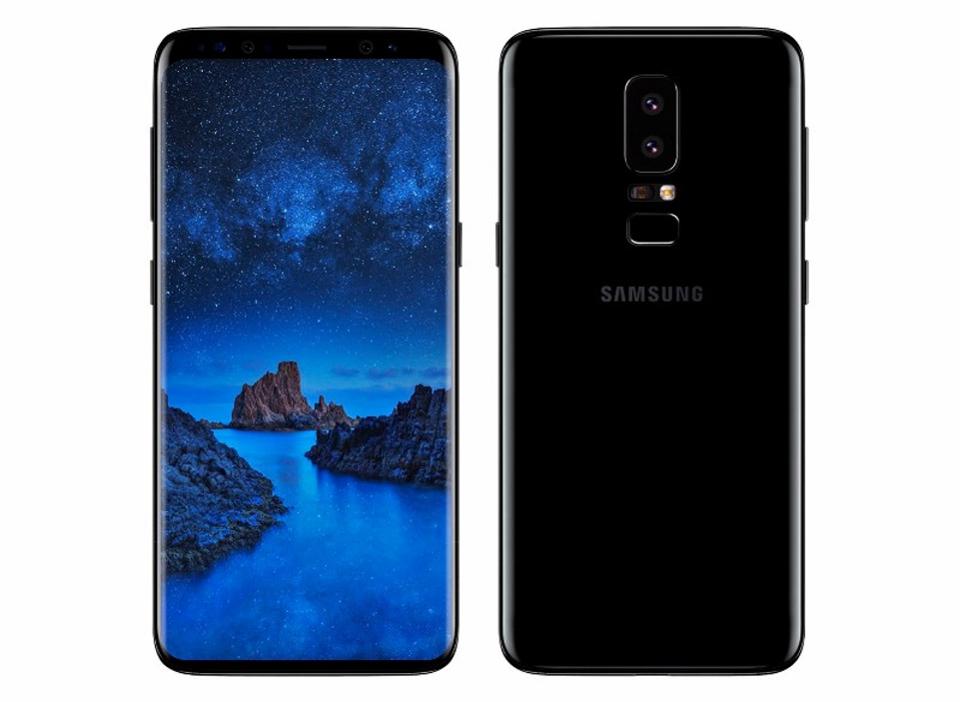
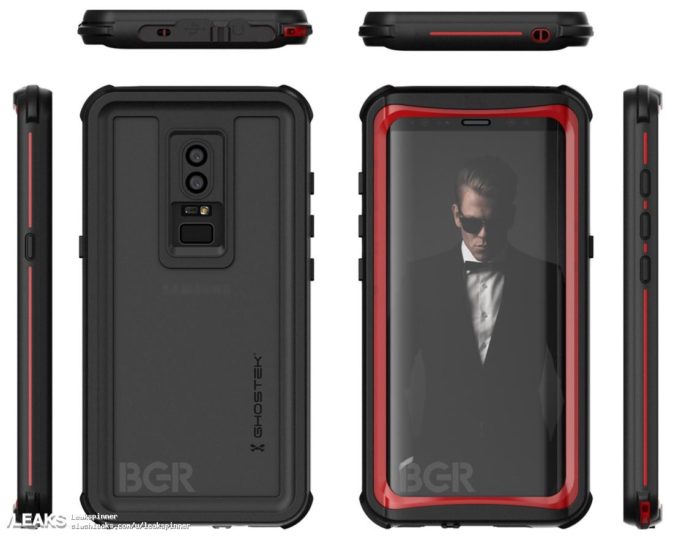
    This leak also corroborates with a previous report that suggested that the fingerprint sensor will be moved below the camera. Although that leak showed a dual-camera setup, it is sensible to believe that Samsung will change the position of the fingerprint sensor on both its new devices.

    The Samsung Galaxy S9 will be a revision to the popular Galaxy S8, with the new Snapdragon 845 chipset (in the US and South Korea) or the Exynos 9810 (rest of the world). While the screen size is expected to be the same on the Galaxy S9 and its bigger sibling, the Galaxy S9+, the bezels will be smaller which means the footprint of the phone will decrease while maintaining the same screen real estate.

    A report claims that the Galaxy S9 and Galaxy S9+ will have a record-breaking 90% screen-to-body ratio!

  • LG G7 To Have An Enhanced Iris Scanner

    LG G7 To Have An Enhanced Iris Scanner

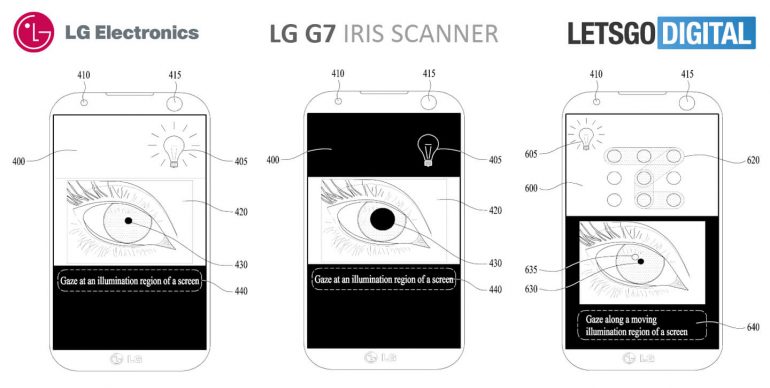
    The LG G7 is the next flagship smartphone that the company will launch early next year. A LG patent has been discovered which reveals that LG is preparing an advanced iris scanner that might arrive in time for the launch of the LG G7. The iris scanner is supposed to be secure enough to not just unlock the device but, also protect sensitive information such as bank account details to rival Apple’s Face ID.

    The iris scanner checks the biometric characteristics of the eye and sets up with a light screen and a dark screen, since the iris changes in size, depending on how much light gets to it. Then the sensor will check what are you looking at and if you are the owner of the phone, the sensitive app will be available for opening.

    Iris Scanners normally work with infrared light but, LG has developed a camera which can switch from infrared to a regular one. This means that there will be fewer sensors which will lead to a smaller bezel on top which means no more notch.

    There isn’t much know about the LG G7 except the fact that it will launch close to the Samsung Galaxy S9 which means that similar to 2017, it will be powered by a year old chip while the Galaxy S9 will have the new and improved Snapdragon 845 unless circumstances change in 2018.


  • Tesla Is Working On Its Custom AI Chips Says Elon Musk

    Tesla Is Working On Its Custom AI Chips Says Elon Musk

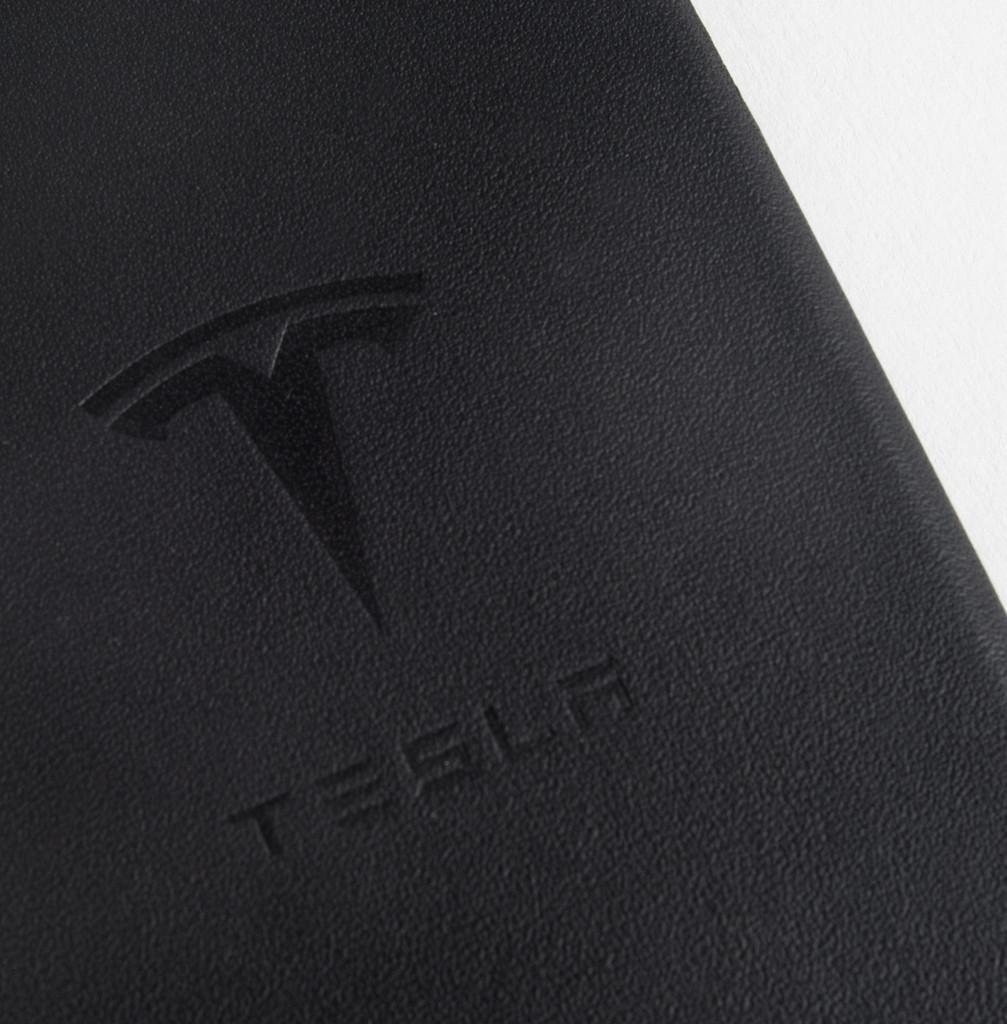
    AI is the next big thing in the tech world, and big companies like Apple and Google have embraced that. According to multiple reports, Tesla CEO Elon Musk was talking up the company’s custom AI chips at machine learning conference NIPS, telling attendees that Tesla is “developing specialized AI hardware that we think will be the best in the world.”

    According to The Register, Musk said, “I wanted to make it clear that Tesla is serious about AI, both on the software and hardware fronts. We are developing custom AI hardware chips”.

    This report corroborates another report from back in September which claimed that about 50 people in Tesla are working on a custom AI chip. These include respected industry veteran Jim Keller, who previously worked at AMD and Apple, and joined Tesla in January 2016 as vice president of Autopilot Hardware Engineering.

    Currently, the company uses Nvidia’s graphics cards to power its self-driving functionality but, with its own AI chip, it will be able to produce the main chip for its self-driving cars in-house. It would also mean improved performance since the company would be able to customise the chip according to its own usage.

    AI chips might Tesla to achieve its goal of full autonomy faster than one would have expected. At the same conference, Musk conceded his ambitious timeline of two years to get to Level 5 self-driving, that is the level at which humans can go to sleep in the back seat.

    These tweets from AI researcher Stephen Merity claim that Elon Musk predicts that AI might become exponentially smarter than humans in just five to ten years.

iGyaan Network
Privacy Overview

This website uses cookies so that we can provide you with the best user experience possible. Cookie information is stored in your browser and performs functions such as recognising you when you return to our website and helping our team to understand which sections of the website you find most interesting and useful.