Category: Tech

Latest Technology News, Alternative, Bio-Tech, Medical, R&D and Innovations

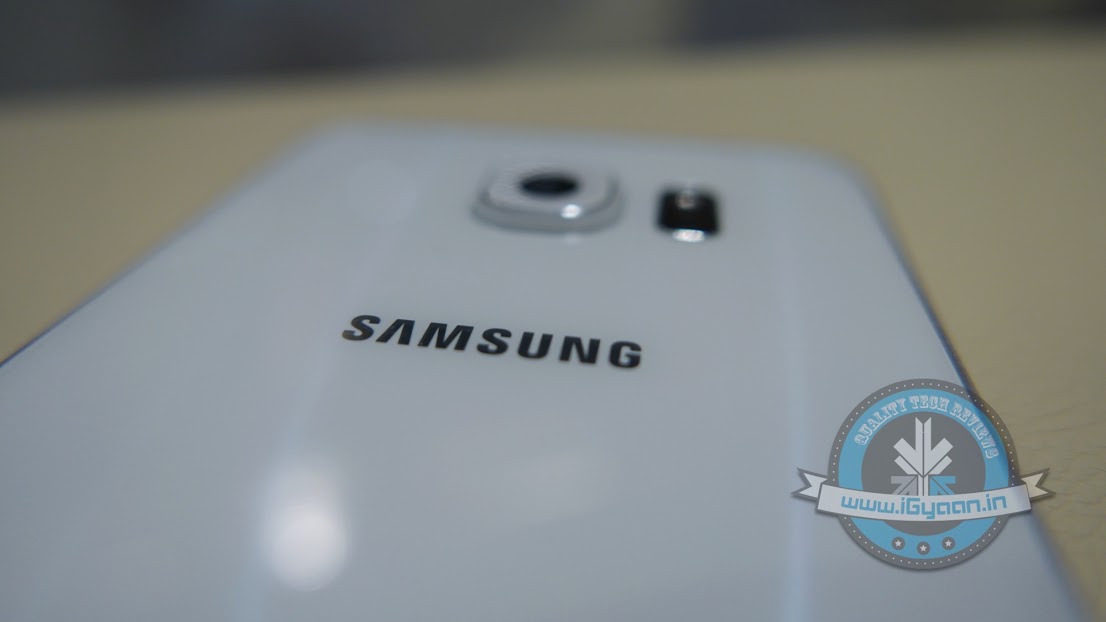
  • Exclusive: Samsung Galaxy Note 5 32GB to Cost Rs. 64,999 at Launch in India

    Exclusive: Samsung Galaxy Note 5 32GB to Cost Rs. 64,999 at Launch in India

    Samsung’s upcoming phablet flagship, Galaxy Note 5, is the current hot topic. The device is expected to be a cut above the last version, overcoming the lags and tapping on constructive points of the Note series. Amid rumours and reports, we brought to you the arrival date of the Note 5, i.e. September 4, and now we have learnt that the 32GB Galaxy Note 5 variant will launch at Rs. 64,999 in India.

    A source close to iGyaan disclosed the pricing of the new device saying it will cost Rs. 64,999 for 32GB inbuilt storage. It is anticipated to come in higher variants as well – such as 64GB and 128GB – which Samsung seems to have made a norm for high-end devices with the recent Galaxy S6 release. This means Rs. 64,999 is the minimum amount one has to shell out for owning a Note 5 (at launch). The higher versions can go Rs. 10,000 max. in addition to the base price. Samsung will also bring out an ‘Edge’ variant, which will cost Rs. 9,000 above the regular edged one.

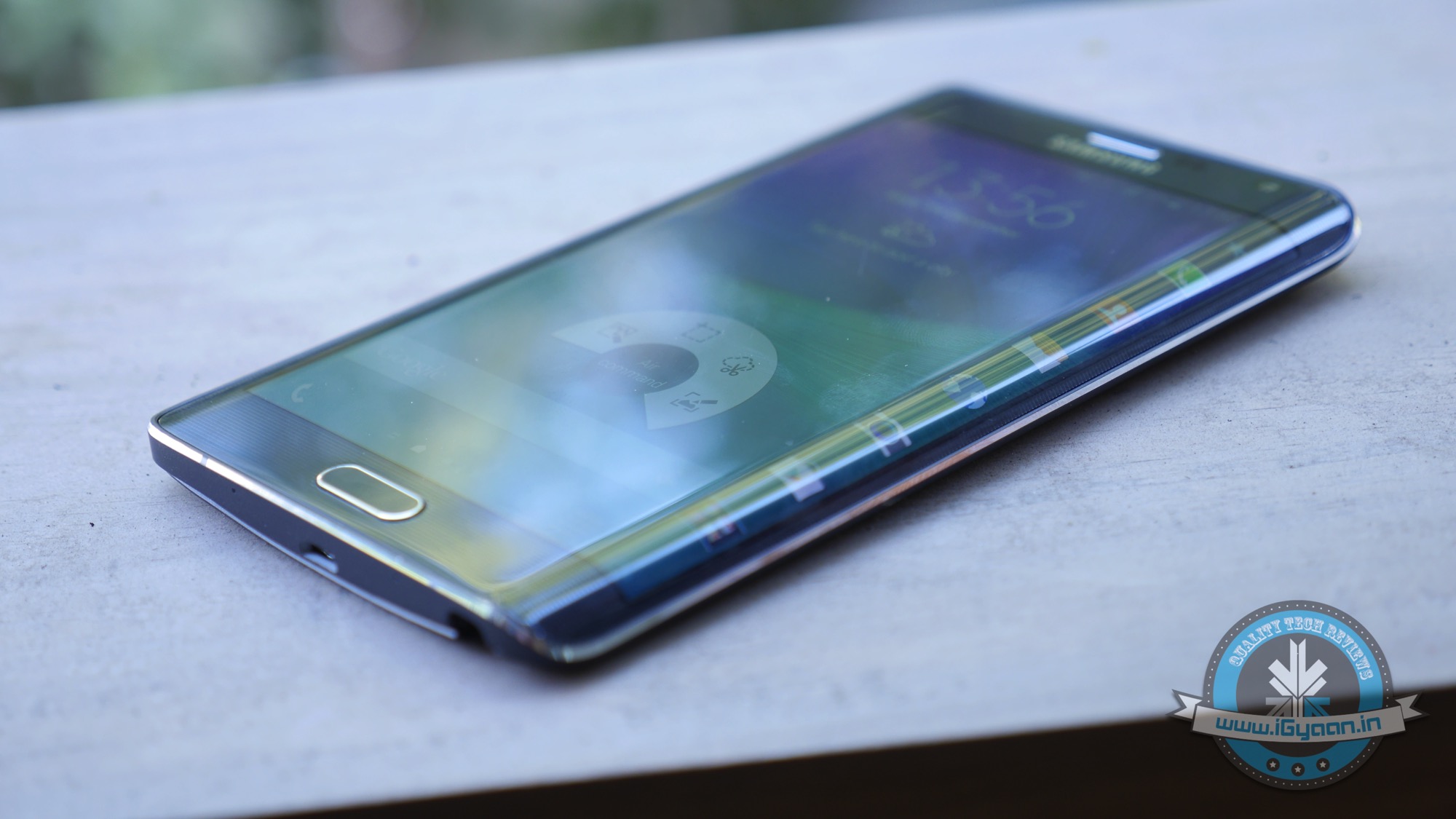
    Samsung Galaxy Note Edge 6

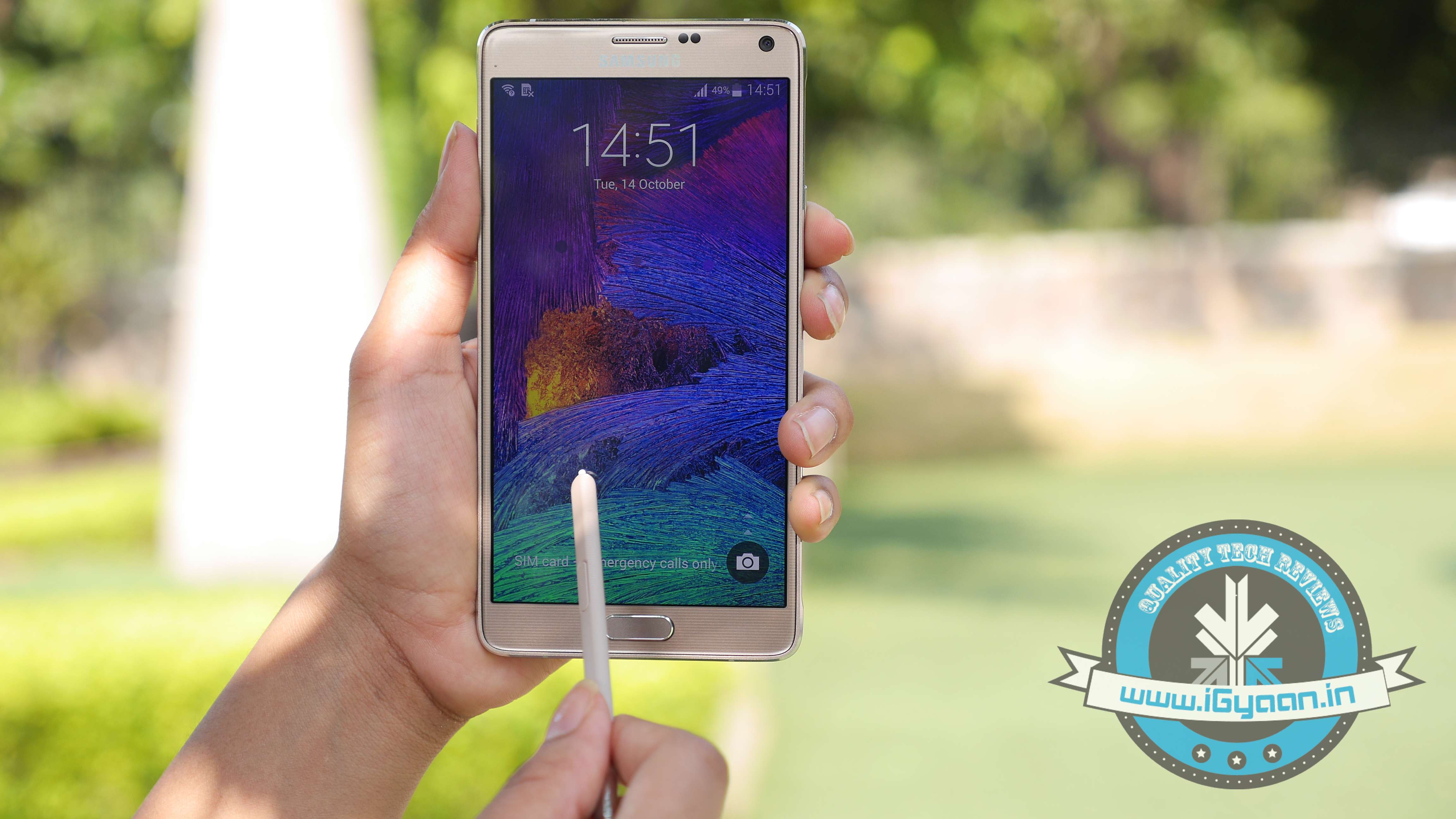
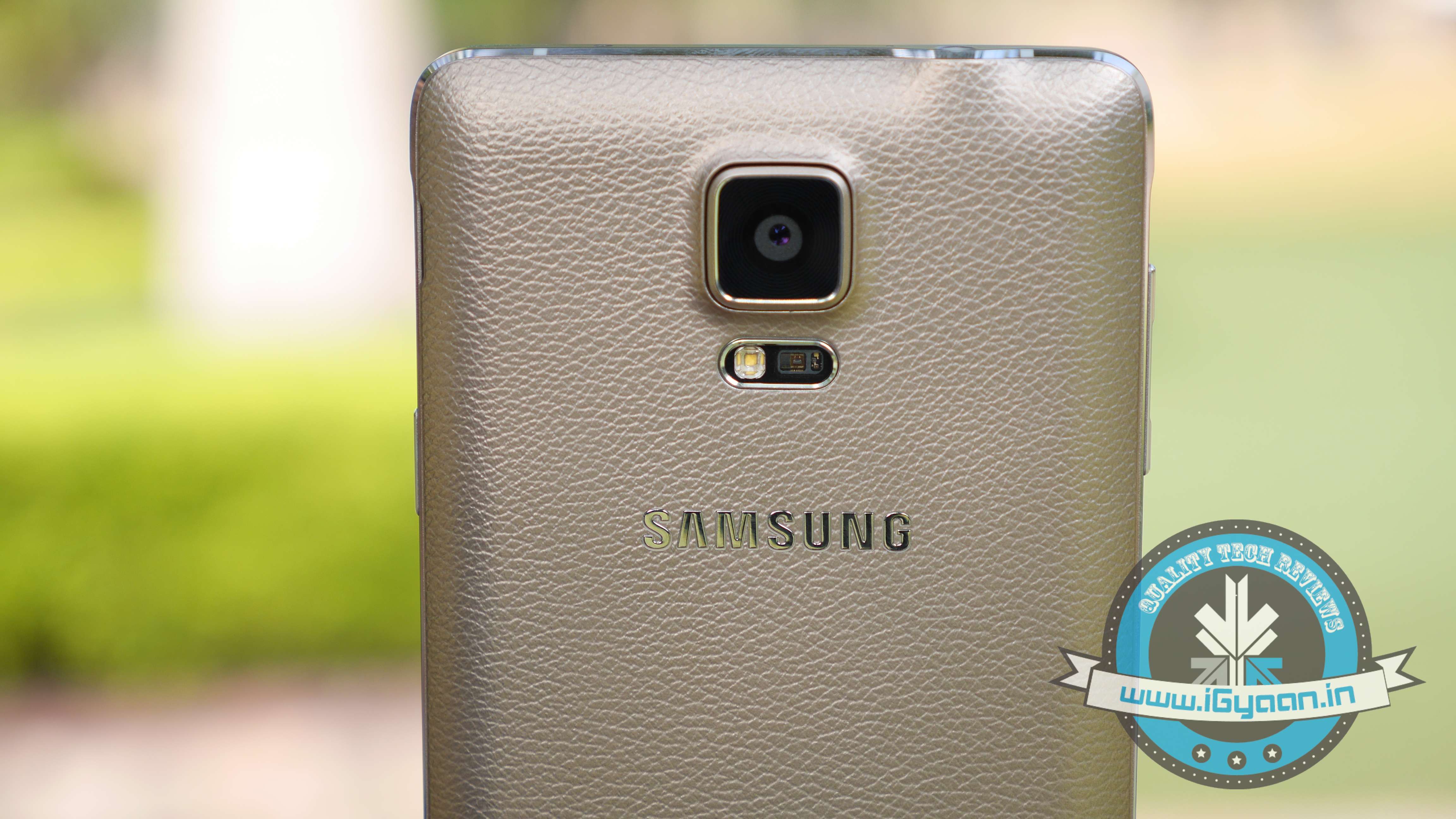
    Although there are still two months for the Note 5 to launch, we already know quite a bit about what’s coming ahead. We hear that the Note 5 will be featuring a 5.9-inch Super AMOLED display. The Edge variant will feature curves on both the sides of the display. An improved version of Samsung’s Exynos 7422 is speculated to administer the computing operations.

    A latest report also suggests that the Note 4 successor might sport a USB Type-C, which we recently saw incorporated on the Apple MacBook. The Note 5 might even be powered by a mammoth battery of 4,100mAh, which is necessary for a phablet with these specifications. The features might sound exciting, however there is a good reason we recommend you shouldn’t pick up the device at launch.

    Keep checking this space for more updates.

  • Panasonic’s Smartphone-Camera Hybrid Hits the US Market, Priced at $1000

    Panasonic’s Smartphone-Camera Hybrid Hits the US Market, Priced at $1000

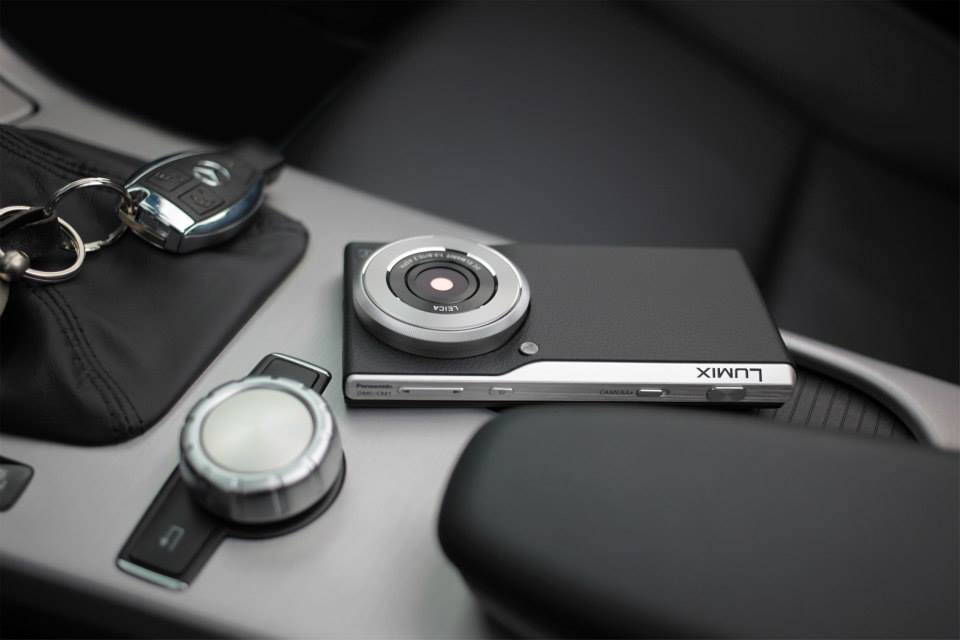
    Panasonic hasn’t refreshed its premium smartphone range from quite a while, but the Japanese firm is now retrieving the lost position, catching up with high-end offerings by other brands. The consumer electronics giant gained some spotlight with the launch of Lumix DCM-CM1 in the US, introduced last year in September. The CM1 is a smartphone/mirrorless camera encompassing some of the best features of camera and smartphone. The device is priced at a whopping $1,000 (approximately Rs. 64,300), more than the high-end phones such as the Samsung Galaxy S6 128GB and iPhone 6.

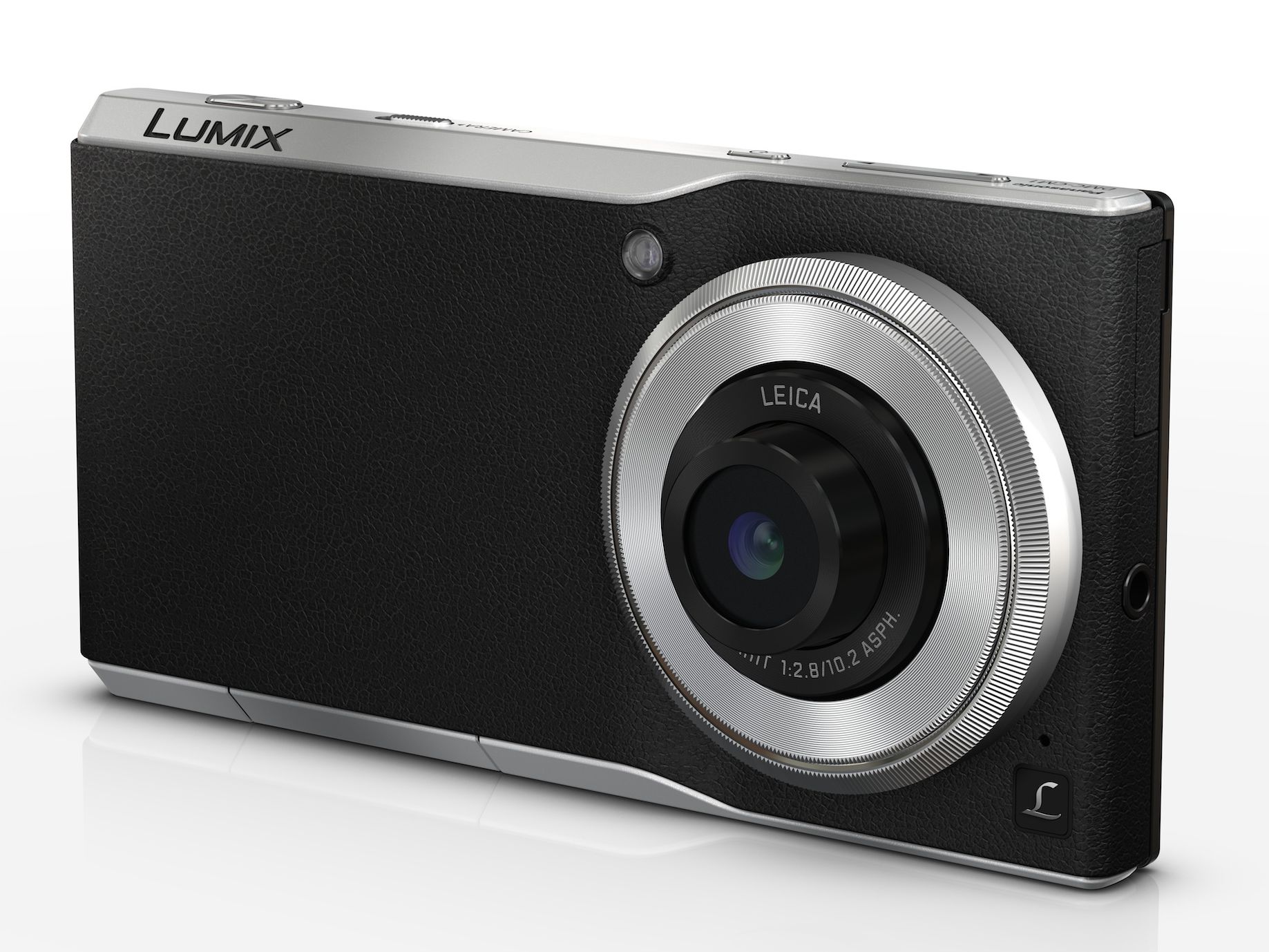
    panasonic Lumix DMC-CM1

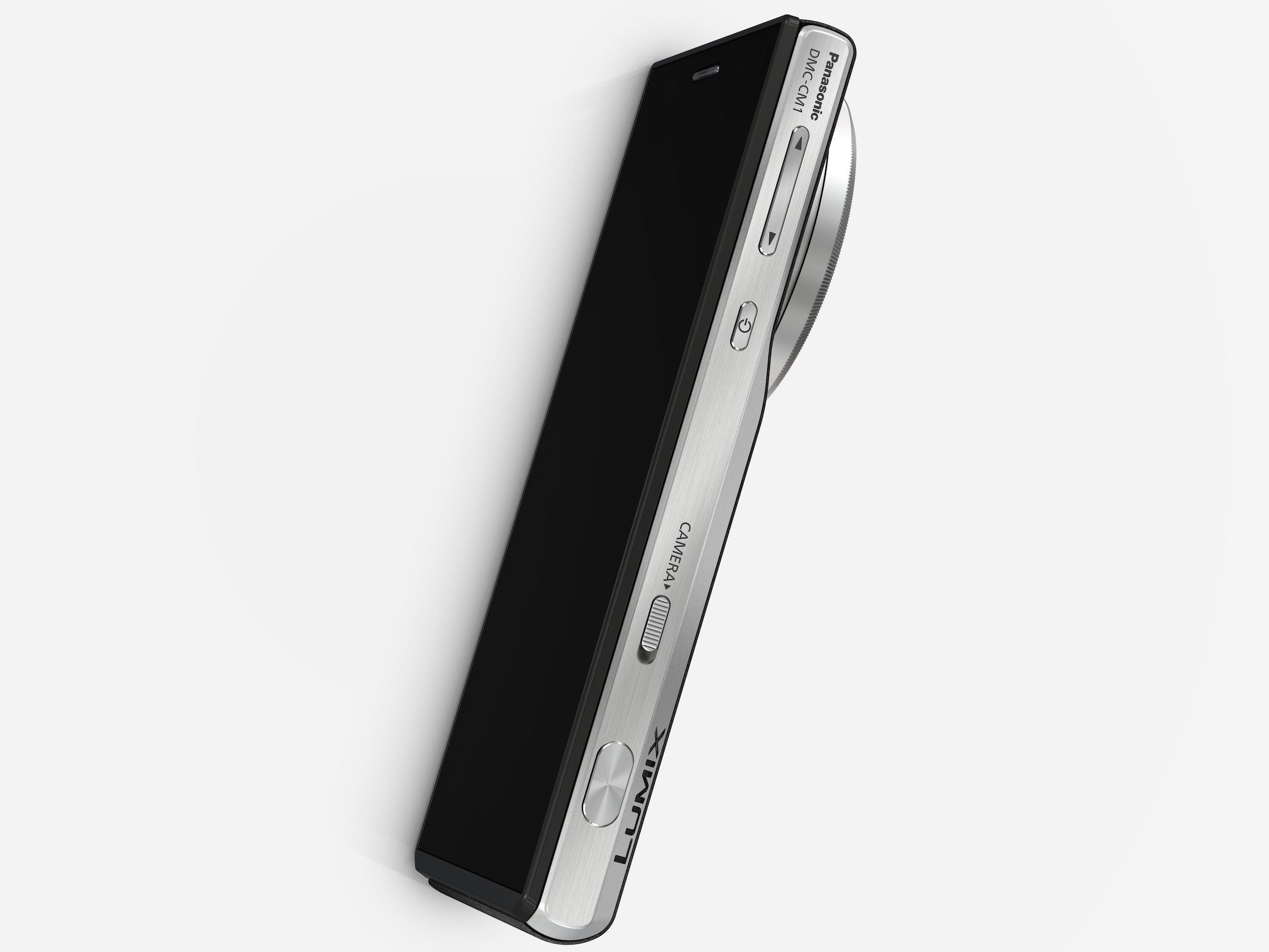
    Considering the build and overall look of the crossbreed, the Lumix DMC-CM1 is considerably thick at 21.1 mm with a flat touch capacitive screen on the front and a 20 MP, a 1-inch sensor embedded on its back. It is said to be the largest sensor to sit on a smartphone with 28mm f/2.8 Leica lens. The lens makes sure you get the best images out of a 20MP camera. The upper side of the device has buttons to activate both camera and the phone. In addition to that, the gizmo supports features of a DSLR, like manual controls for focus, aperture, shutter speed, ISO and white balance.

    panasonic Lumix DMC-CM1 1

    Coming onto its front, the Lumix DMC-CM1 features a 4.7-inch full HD LCD display with 1080p resolution. Powering the handset is a 2.3GHz quad-core Qualcomm Snapdragon 801 processor with 2GB RAM. Don’t bother about the 16GB internal storage capacity as it can be expanded up to 128GB. It runs on Android 4.4 KitKat, but can be upgraded to Lollipop. Unfortunately, there is no camera on the front. With a battery of 2600mAh, the phone offers connectivity options like LTE Cat 4 and NFC.

    The company hasn’t given any details of it arriving in other countries, but we are expecting its global rollout soon.

  • No Moto Maker for India, But You Could Win a Moto X Instead

    No Moto Maker for India, But You Could Win a Moto X Instead

    A few days back, Motorola posted teaser tweets which several Indian media networks decided were hinting at Moto Maker’s arrival in India.

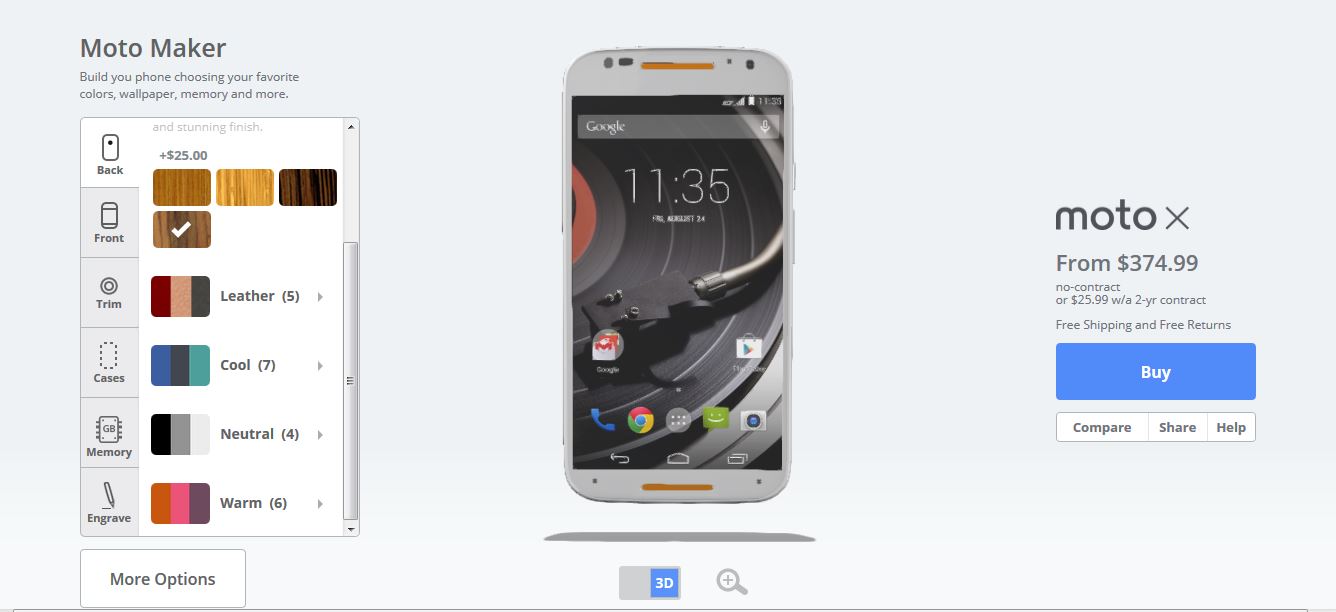
    For those of you who don’t know, Moto Maker is a customization programme, that gives you the option to choose from a variety of back panels and device colours to give it your own personal touch. You can also engrave your initials or a message on the back side of your phone or a customized splash screen.

    motomaker

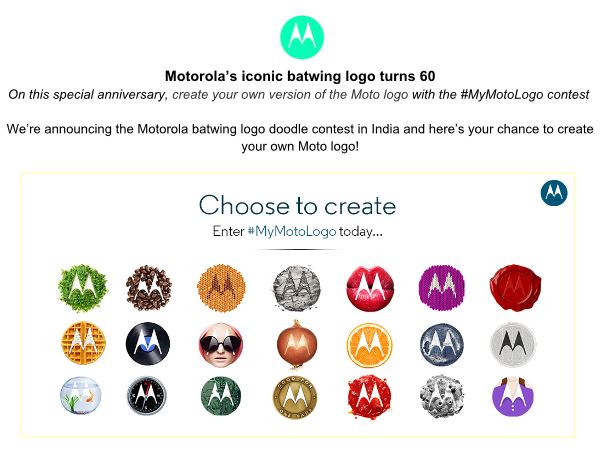
    Instead, Motorola has launched a contest to celebrate the company’s batwing logo turning 60. Motorola has come up with a new promotional campaign, tagged as #MyMotoLogo. The contest is easy to understand. Six people who come up with the most creative Moto Logo will be declared winners and will be entitled to take home a Moto X with them, with their customized logo inscribed on it.

    motocontest

    To participate in the #MyMotoLogo contest, contestants can recreate Moto batwing logo in the form of a doodle, installation, arrangement, rangoli, graffiti, illustration or graphic design and upload the logo. The entries can be submitted entries via any of the three social networking platforms -Twitter, Facebook and Instagram with #MyMotoLogo tag to Motorola India. (Users can also send the logo to the official dedicated website.) The contest will end on 25th June.  You can click here for more information.

    We don’t know if Motorola’s customisation program will be available in India anytime soon. Till then, we suggest you get your creative juices flowing for the #MyMotoLogo contest!

  • Samsung Galaxy Note 5 Expected to Launch on 4th September

    Samsung Galaxy Note 5 Expected to Launch on 4th September

    In the past several days, the Samsung Galaxy Note 5 has managed to gather a lot of attention. We’ve heard several rumours about Samsung’s upcoming flagship’s features, as well as its launch date. Some reports even suggested that we might see the Note 5 as early as July. We finally have a clarity on its launch date.

    If the pattern is to be monitored, Samsung has always used the IFA trade show, held in Berlin, as a platform to launch the Galaxy Note series. The first Galaxy Note was released at IFA Berlin 2011, and the Galaxy Note 2 was released in 2012 at the IFA Berlin. Similarly, all the rest of the devices in this range have all been released at their corresponding IFA events. Hence, it’s a logical conclusion to make that Samsung Galaxy Note 5 is getting prepped for the same event, which begins on 4th September this year.

    Samsung Galaxy Note Edge 8

    Although the event is two months away, we already have a hazy picture of what’s ahead. As far as the spec rumours go, it is said that the Note 5 will be featuring a 5.9-inch Super AMOLED display with curves on both the edges. An improved version of Samsung’s Exynos 7422 is speculated to administer the computing operations. A latest report also suggests that the Note 4 successor might sport a USB Type-C port. It is said to have a mammoth battery of 4100mAh, which is necessary for a phablet with these specifications. The features might sound exciting, however there is a good reason we recommend you don’t wait to pick up the device at launch.

    With its improved features and better specs, the Galaxy Note 5 will definitely be an upgrade from its predecessor. But, we will have to wait and watch how the new high-end phablet appeals to the masses.

  • Samsung Mid-Rangers Galaxy J5 and J7 Arrive in India Next Week

    Samsung Mid-Rangers Galaxy J5 and J7 Arrive in India Next Week

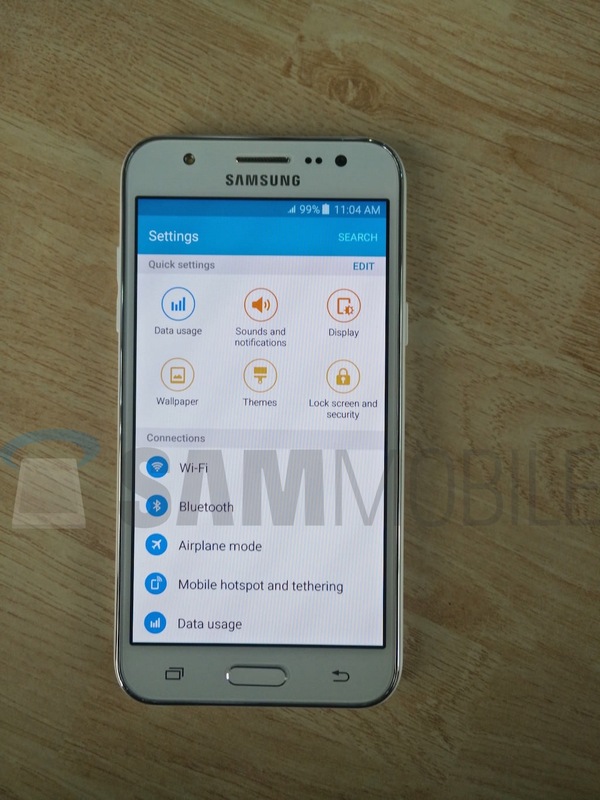
    In the past few days we’ve heard several rumours about the unannounced Samsung mid-range smartphones. The two handsets in the Galaxy line-up – Galaxy J5 and Galaxy J7 – have leaked almost entirely, and just an official launch is awaited, which will confirm their price and arrival date. According to insider sources, we won’t have to wait for long.

    We’ve now heard that both the Galaxy J5 and J7 will release next week in India. However the date is not specified, the phones are expected to make a debut between June 22 and June 28.

    Samsung-Galaxy-J5

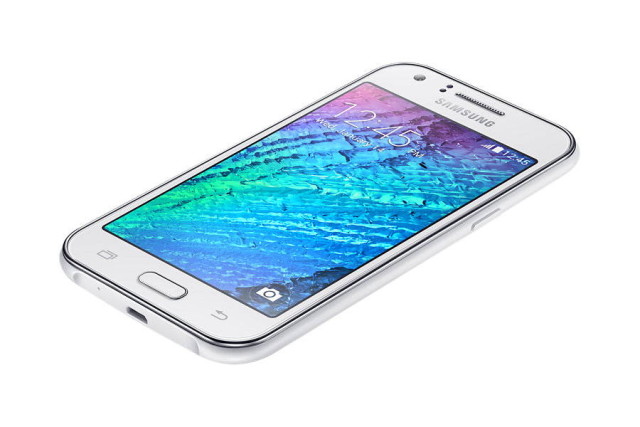
    The Galaxy J5 seems to be a regular J1-like device with the Android operating system powering it. From the design aspect, Samsung hasn’t made any alterations and we might see the traditional curved edges from all four sides, just like on the Galaxy S1, S2 and Galaxy Duos. The images leaked online give a sense of Samsung Galaxy J5 being thick, just like the Duos series. Considering the performance factor, the Galaxy J5 is said to house a 1.2GHz quad-core Snapdragon 410 under the 5-inch screen. Rumours speak of it embedding 1.5GB RAM and 8GB internal storage space, with a microSD card slot.

    The front features a 5MP camera for selfie enthusiasts, with primary 13MP snapper at the back. The phone will be accompanied by a 2600mAh battery, which can last for a day.

    samsung-j7

    The Galaxy J7, on the other hand, is a bigger sibling of the Galaxy J5 with a 5.5-inch screen at 720x1280p resolution. Under the hood is a 1.7GHz octa-core Marvel PXA1936 processor with 1.5GB RAM and 16GB in-built storage space, with expandability option via a microSD card slot. The phone holds similar specifications to the Samsung Galaxy J5 in terms of camera, but differs slightly in battery capacity – which is 3,000mAh.

    More details on pricing will be disclosed at the launch. Keep checking back for updates.

  • Sony Goes Back to Basics With its Retro Gamepads

    Sony Goes Back to Basics With its Retro Gamepads

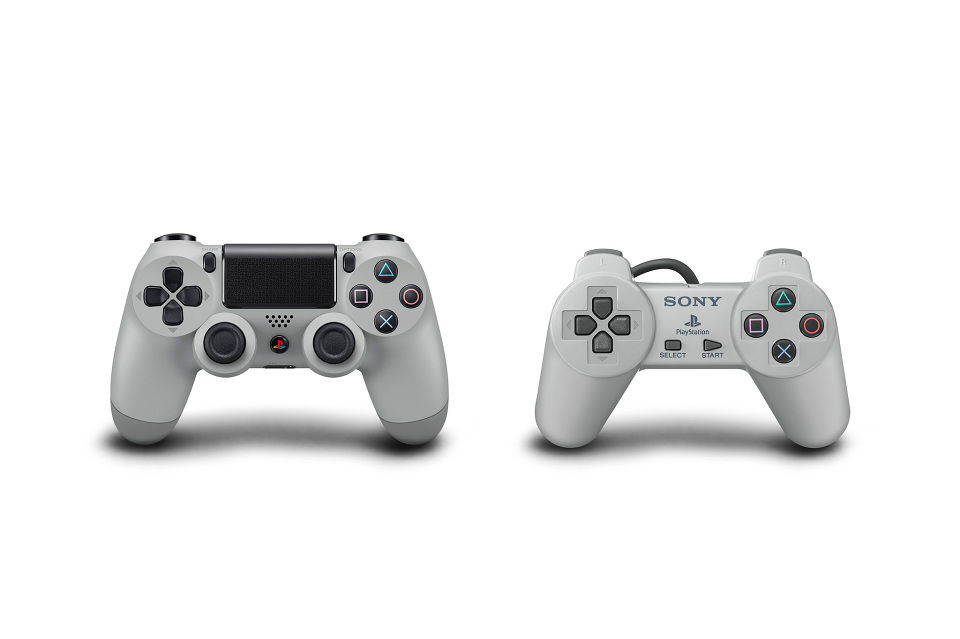
    At the ongoing E3 event in Los Angeles, along with announcing the release of Street Fighter 5 beta, Sony announced that the 20th anniversary Gold Wireless Headset and DualShock 4 Controller would be coming out in September this year.

    Much to the delight of Sony’s early PlayStation gamers, these devices will come in the company’s classic two-tone grey colours.

    Thanks to the colour choices made by Sony, these gamepads are reminiscent of their old hardware. They may look retro, however both the devices come with top-notch features.

    The controller and the headset are priced at $64.99 (Rs. 4,100) and $99.99 (Rs. 6,400 approx) respectively. Also, the controller is limited to 12,000 units that will be going on sale for in European and Asian countries soon. For now, there is no word about the number of units or the availability of the headset.

    Stay tuned, more E3 coverage coming up.

  • E3 2015 : Watch the New Trailer of Beatbuddy Here

    E3 2015 : Watch the New Trailer of Beatbuddy Here

    Today, the annual video game conference, the E3 (Electronic Entertainment Expo) kicked off at Los Angeles where viewers were allowed to have a sneak peek of upcoming A-Class video games. Among the many trailers shown today was Beatbuddy. Game developer, THREAKS, announced that Beatbuddy: Tale of the Guardians will be coming to three consoles in the coming months: WiiU, Xbox One and the new NVIDIA Shield Android console, which released in the US a couple of weeks ago.

    beatbuddy_Mine_1

    The game will take place across six diverse worlds where you control the little blob as he navigates through the colorful madness. It is like a rhythmic puzzle. The game was initially launched on Steam and iOS for Windows, Mac, iPad and iPhone and sold more than 700,000 copies worldwide. Beatbuddy combines puzzle solving and defeating the enemy by exploring different areas. The game won the Best Youth Game Awards in 2014.

    beatbuddy

    The soundtrack of the game is composed by some of the big names in the music industry such as Austin Wintory, Parov Stelar, Sabre Pulse and the La Rochelle Band. The game is available only on SHEILD devices through the Google Playstore for $5.99 (Rs 361.61). But we will have to wait for the Android console to hit the Indian markets.

    You can check out the trailer below. It strongly reminds us of Rayman; what do you guys think?

    https://www.youtube.com/watch?v=5f8BJfxgWQs&feature=youtu.be

  • Wireless Charging: Everything You Need to Know

    Wireless Charging: Everything You Need to Know

    This year, at the Mobile World Congress held in Barcelona, we saw that Wirless Charging was one of the most talked about subjects. Many big companies such as Samsung, Microsoft and Motorola have been investing heavily in this technology.

    So, what is Wireless Charging? As the name suggests, it is the method of charging a device sans a physical wire. This concept is not new. Nikolas Tesla, whose work in the field of electricity and electromagnetism has defined our modern lifestyle, spectacularly demonstrated the possibility of wireless power transfer in 1891, as visualized by the principle of electromagnetism by Michael Faraday 60 years before. The experiment was quite successful, but long distance wireless charging is still not a practical idea. However, Tesla’s research on short distance wireless power transfer became a reality.

    nikola-tesla-magnifying-transmitter

    It took nearly a century for the technology to find its way in the mainstream industry, but now, this technology has finally emerged into the consumer electronics market.

    In 2008, the newly formed Wireless Power Consortium began outlining plans to design the world without wires, of devices that could juice up upon being dropped on charging pads. But, the journey ahead to seek and work out such technology was difficult. Hence, the work began on achieving this.

    How does it work?

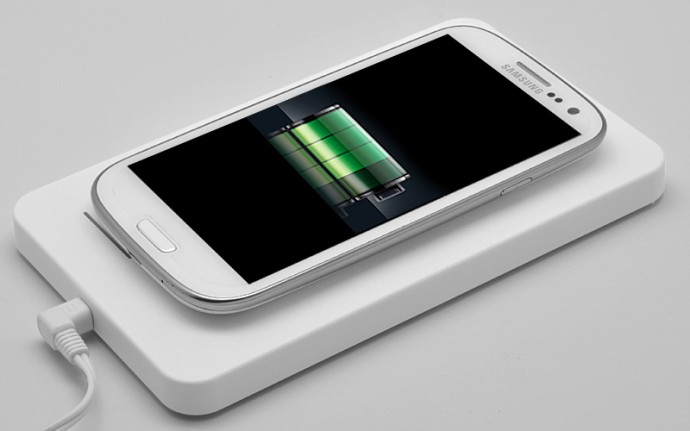
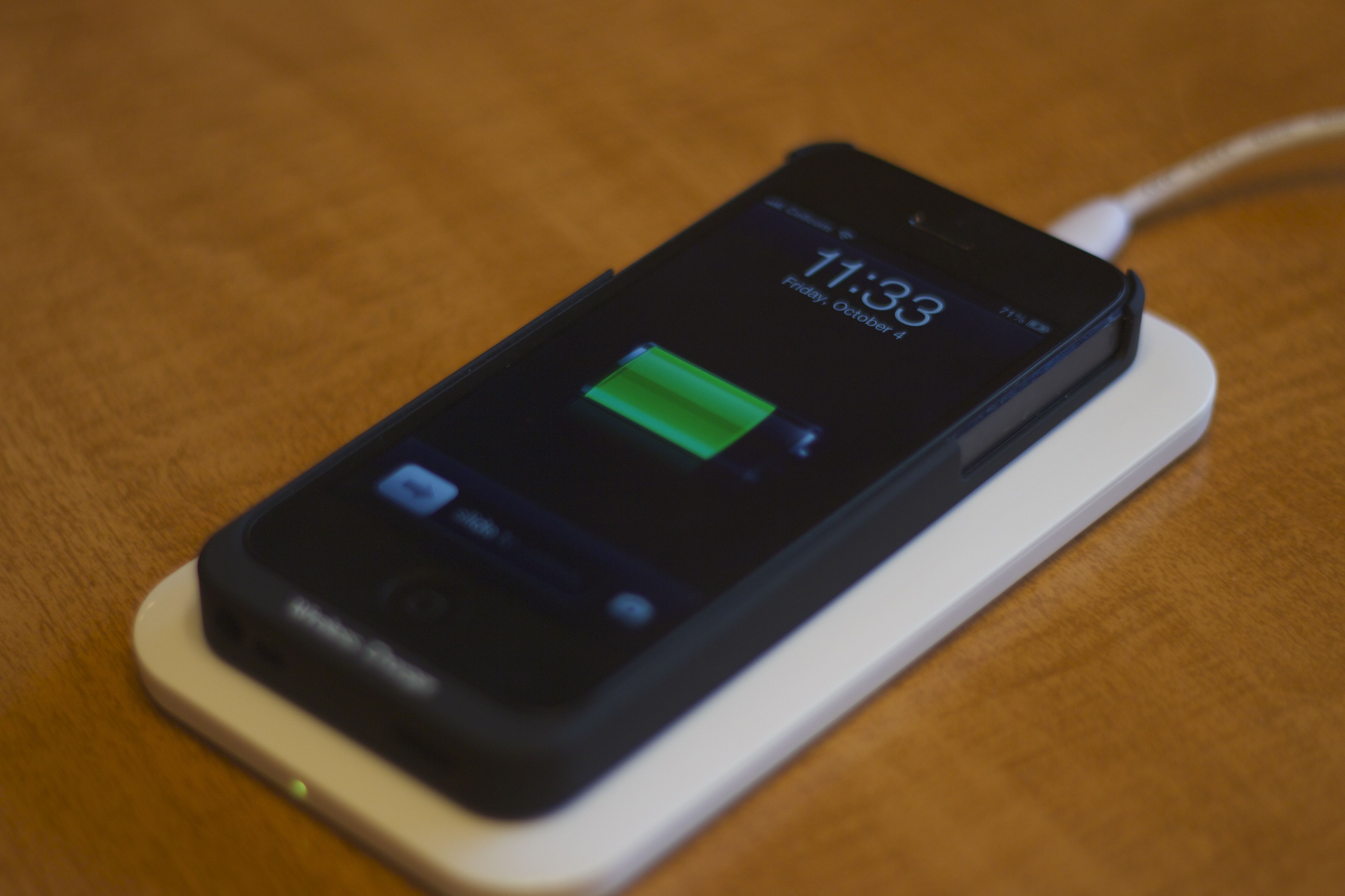
    Wireless charging, also known as ‘Inductive Charging’ is based on the principle of magnetic resonance or Inductive Power Transfer- the process where electricity is transferred between two objects through coils. This process uses an induction coil to create an alternating electromagnetic field from within a charging base station. The second induction coil inside the portable device (namely, smartphones) receives the power from the electromagnetic field and converts it into electricity to charge the battery. The two induction coils are in close range to form an electrical transformer.

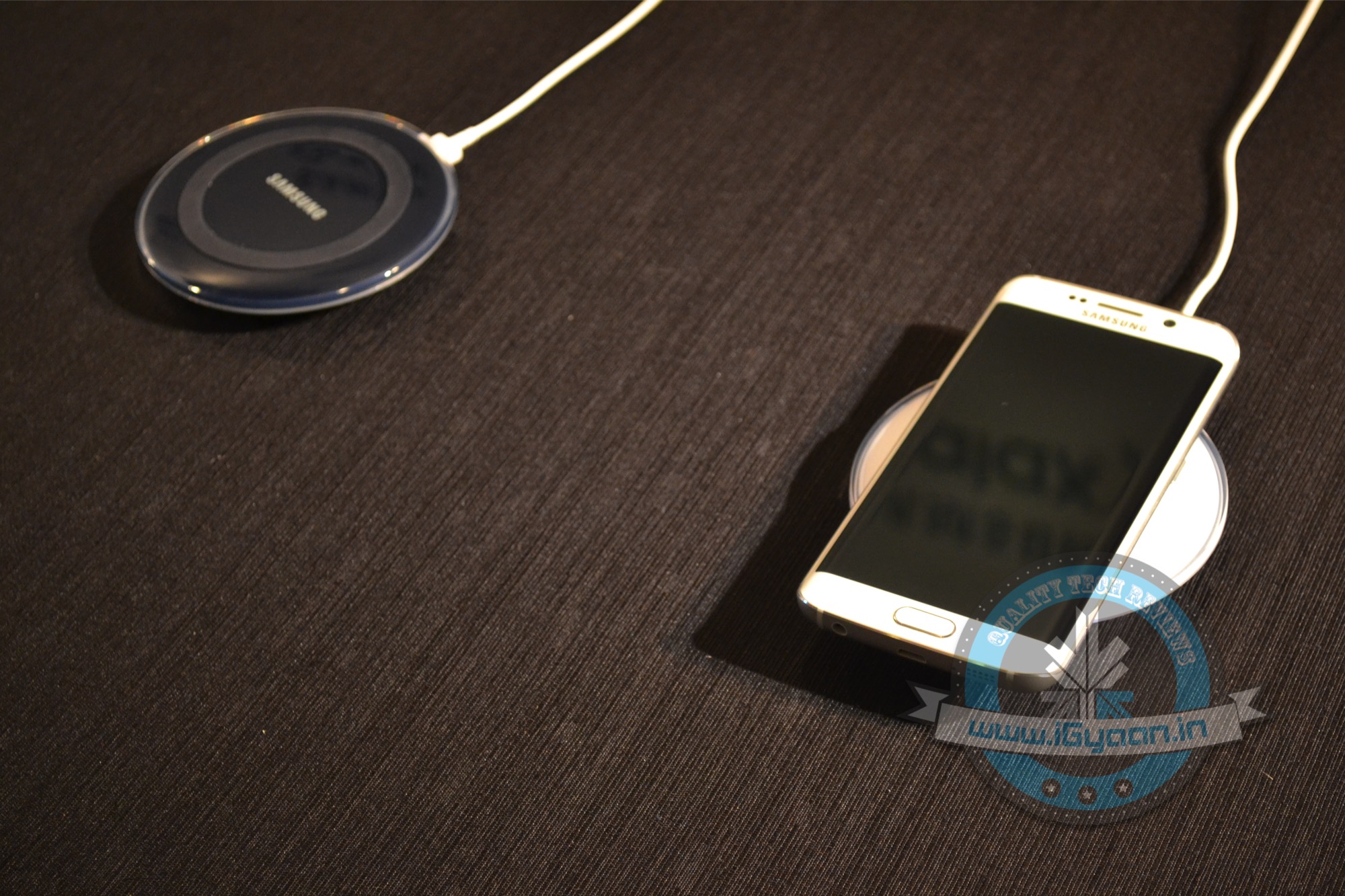
    This interface was developed by the Wireless Power Consortium for inductive electrical power transfer over 4cm. You just have to place the device on to the power transmission pad, and it charges using resonant inductive coupling. Just plug in the charging dock and place your device on the charging pad. Then, watch your device juice up. It’s that simple. For now, Qi, pronounced as ‘Chee’ is leading in the wireless charging technology.
    Asus, HTC, LG, Motorola, Samsung and Huawei are among the few mobile device manufacturers that are working towards the required standard of Qi.

    img_7553

    To this end, the industry has set up three groups that are working to standardise wireless charging technologies: the Wireless Power Consortium (WPC) and its Qi standard, the Power Matters Alliance (PMA) and the Alliance for Wireless Power (A4WP).

    Advantages

    • No requirement of a power cord: The first and foremost reason wireless charging is being worked upon is to eliminate the use of wires and cables. Elimination of cables also means less e-wastage.
    • Portability: It is small. Hence, you can carry it anywhere along with you. It can be used in your car, house or garden.
    • Ease of access: Wireless charging points are slowly being accepted in different outlets and food joints. For example, a type of wireless charger is being used in some McDonald’s outlets in UK. This device allows multiple devices to charge at the same time.
    • Environmentally friendly: The growing use of wireless charging technologies reduces CO2 emissions by hundreds of tons each year by eliminating disposable batteries and cords. Your use of a wireless charging device will be contributing to a more sustainable environment by helping to reduce world waste.
    • Safety: Wireless charging eliminates sparks and debris related to wired contacts.

    For now, there are two very important factors that may play foul against wireless power charging:

    • A risk of radio interference: Emissions from the wireless charger may cause radios and other devices using energy in the same frequency range to malfunction. This is due to the radiation and the signals which cut each other if they are in the same frequency.
    • Energy consumption: Wireless chargers will always waste more power than their wired versions, and the more flexible adaptive resonance devices will be most at risk of that.

    Samsung Galaxy S6 Edge Wireless charging

    Standardisation would allow the ecosystem for wireless charging to develop and evolve fast. But, it is hard to say about the future of this technology. This technology has just started out and is still in its developing process. But, if it works out successfully on a large scale, people would be able to charge all of their devices wirelessly in restaurants, airports, public spaces, cars and living spaces, freeing them from the burden of carrying their power cords.

  • Weekly Tech Roundup : iOS 9’s Arrival, Samsung Galaxy Note 5 Rumours and More

    Weekly Tech Roundup : iOS 9’s Arrival, Samsung Galaxy Note 5 Rumours and More

    The past week has been huge in terms of unparalleled innovations. We came across some major announcements from Apple in its annual at the Worldwide Developers Conference (WWDC) and heard from Twitter, BlackBerry, Xiaomi and Canon about their new products and services.

    Here are the top 10 highlights of the week:

    1. iOS 9 is All About Multi-Tasking

    ios 9 news 4

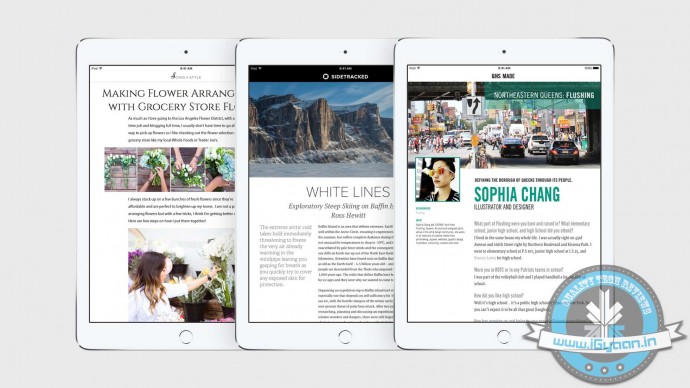
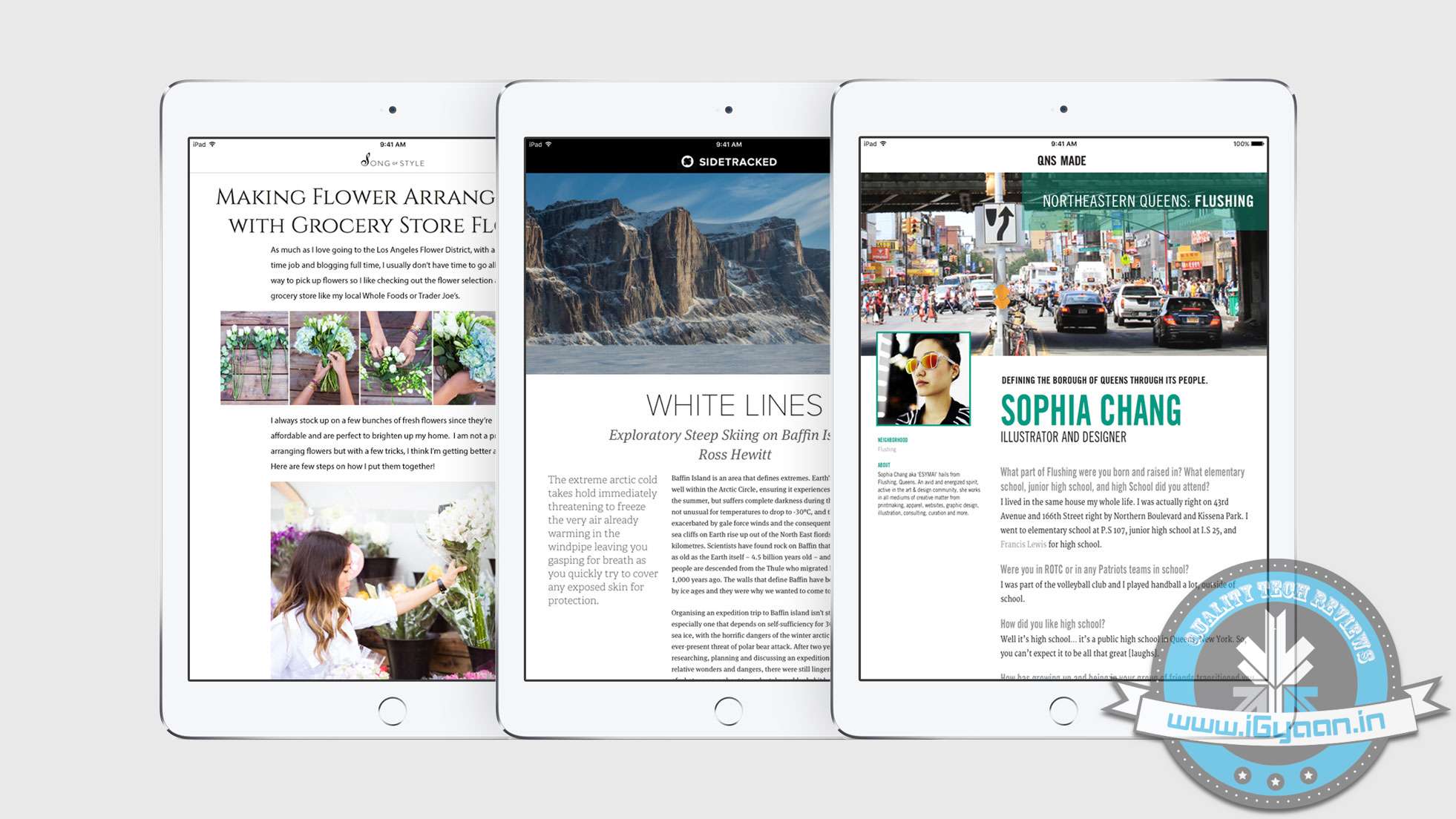
    Apple finally cleared its plan on how to take iOS forward. iOS 9 is the latest operating system that offers multi-tasking on iPad. Multitasking has been broken down into three basic features – Slide Over, Picture in Picture, and Split View. ‘Slide Over’ allows you to open another app, without leaving the app you’re working on. All you have to do is, swipe the screen from the right to bring in another app. The ‘Split View’ Mode can open and proactive two apps on the same screen, at the same time. As expected, using the Split Screen, you can drag and drop between the two working apps. Lastly, the ‘Picture in Picture’ feature allows you to watch a video, while you work on another app on your iPad.

    1. Apple Music Debuts in WWDC 2015

    Apple Music 0

    At the WWDC 2015, Apple officially announced its new music streaming service ‘Apple Music’. Putting together the principles of a secure and healthy ecosystem, Apple Music offers millions of tracks that can be saved offline. This library will give recommendations and the playlists would be curated by popular musicians such as Drake, Will I Am and Pharrell. Through ‘Connect’ introduced by Apple, artists can share pictures, music and messages with their fans.

    Along with that, it also introduced the new 24/7 global music radio station – Beats 1. With the radio feature, more than 100 countries worldwide will be listening to programming and stations created by some of the world’s most popular musicians. It will have genres such as Indie rock, Hip-Hop Classical, etc.

    Apple Music will be available on 30th June onwards. For the initial three months, the service is available for free. After which, there will be a charge of $9.99/month. There is also a family plan providing the service for up to six family members, for $14.99/month.

    1. Canon DSLR Cameras Launched in India

    canon 5ds

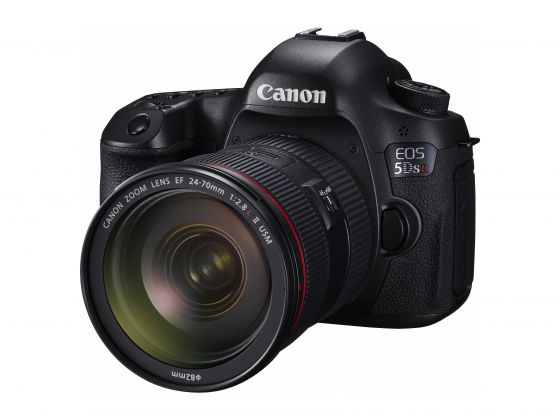
    Canon brought an array of two high-resolution full-frame DSLR cameras in India – the 5DSR and 5DS DSLR, and a compact camcorder XC10 4K that is convenient for 4K/Full HD video shooting and captures images at 12MP resolution. The class-apart 5DSR and 5DS DSLR feature 50.6-megapixel 35mm full-frame CMOS sensor that set them high in Canon’s range of high-res cameras. The processor powering the devices is the latest dual DIGIC 5 that offers users a continuous shooting speed of 5fps at 50.6MP maximum. The Fine Detail Mode on Canon’s latest camera line-up allows users to capture the finest image. The mode configures the sharpness, therefore giving a detailed image which can be cropped extensively. The Canon 5DS at Rs. 2,52,995, while the 5DSR will cost you Rs. 2,65,995.

    The camcorder features a Canon 10x Wide-Angle Zoom lens with 2x Digital Teleconverter and Optical Image Stabilization (OIS) that offers a zoom ratio of 27.3-273mm for movies and 24.1-241mm for photos. The densely packed powerhouse will come for Rs. 1,70,000.

    1. Upcoming Apple Products to be Manufactured in India
    iPhone 6 Plus 2

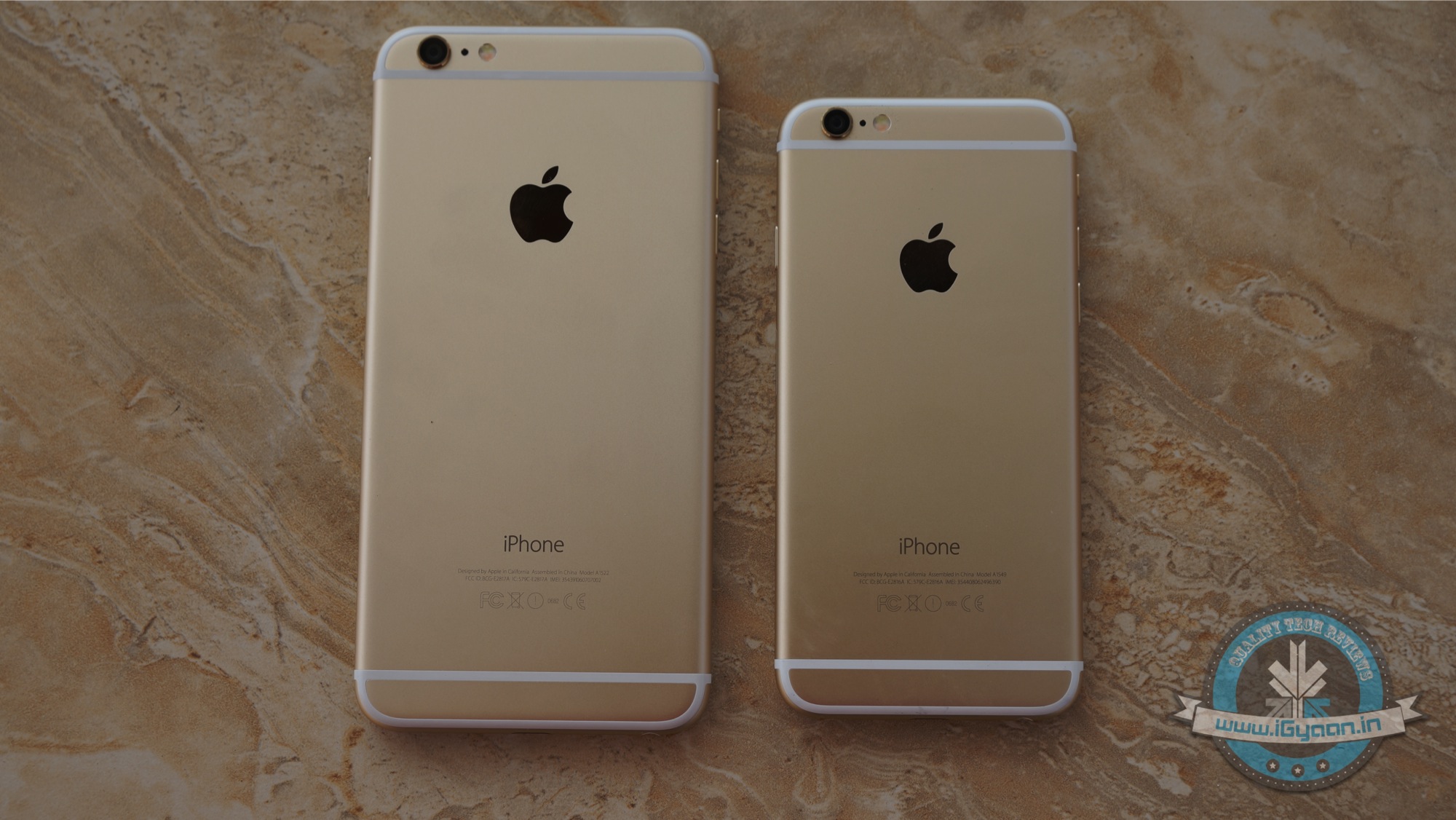
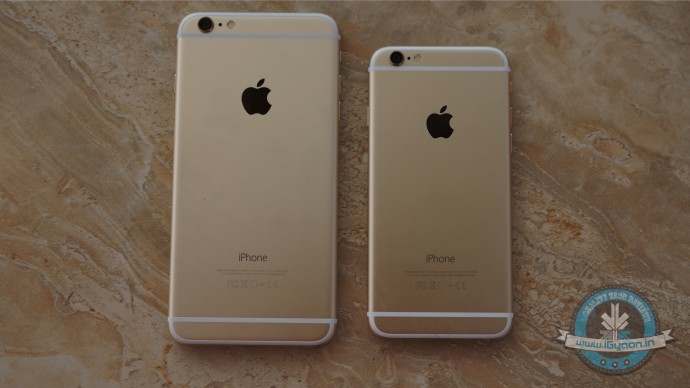
    Foxconn, the major contract manufacturer of Apple, is planning to set up an Apple assembly plant in India. Industries Minister of Maharashtra, Subhash Desai remarked that Foxconn will come to scout for a location in India, as reported by Reuters. The world’s biggest Taiwanese electronics producer is said to build up 10-12 facilities in India by 2020, which includes data centres and factories.

    1. Twitter Breaks Free from 140 Characters Restriction

    US-IT-INTERNET-ADVERTISE-TWITTER-EMARKETER-FILES

    Twitter had added direct messaging service (DMS) but it was always restricted to just 140-characters. Now, frequent Twitter users will be happy to know that the social network is finally putting an end to the restriction, and making it 10,000 characters as opposed to just 140. Thus DMS will function like any other regular instant messaging service, effective this July. However, while the DMS will no longer have a restriction, public tweets will continue to be within the 140 character limit.

    1. Android OS to Settle on BlackBerry Devices
    blackberry classic

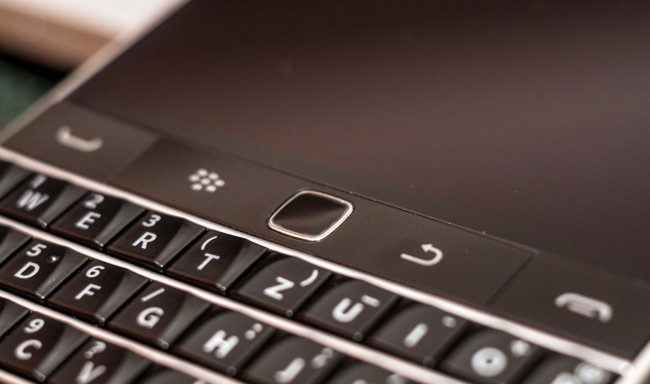
    BlackBerry has allegedly come up with a solution to get back on track. We might see them collaborating with Android in a bid to increase revenues and turn a new folio. The company has said that it is ready to have a test run with Android. Its upcoming device, the BES12 will be able to secure not just BlackBerry devices, but also others that run on Android, iOS and Windows operating systems. BlackBerry will have to vouch for not just their platform but also for Android. While the Android partnership will help, BlackBerry needs to ensure it stays with the times and gives customers a product which is worth their money.

    1. Galaxy Note 5 to Feature USB-C and Mammoth 4100mAh Battery
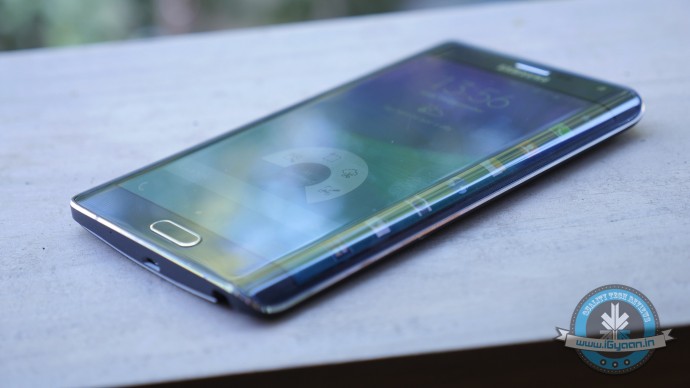
    Samsung Galaxy Note Edge 8

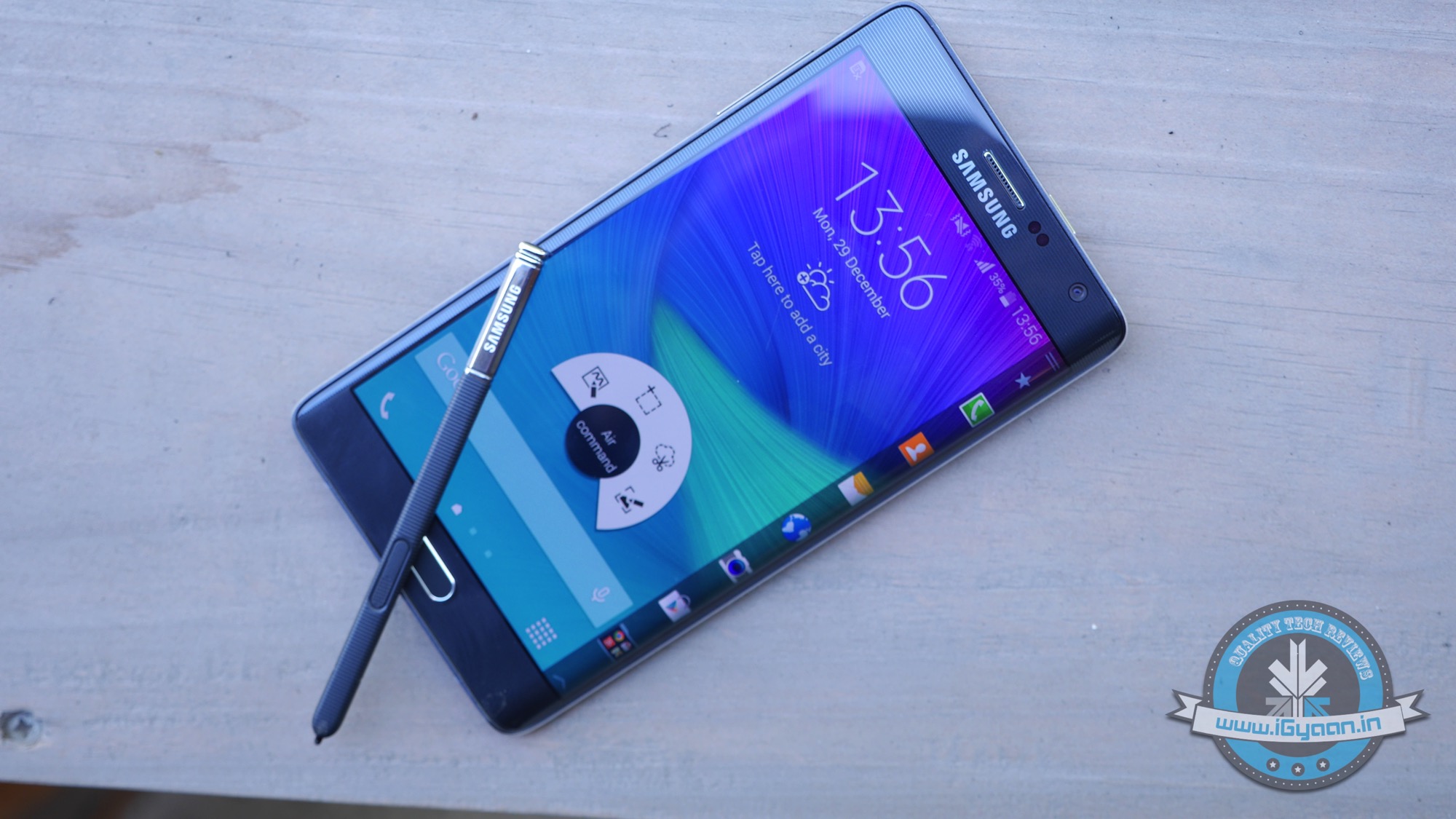
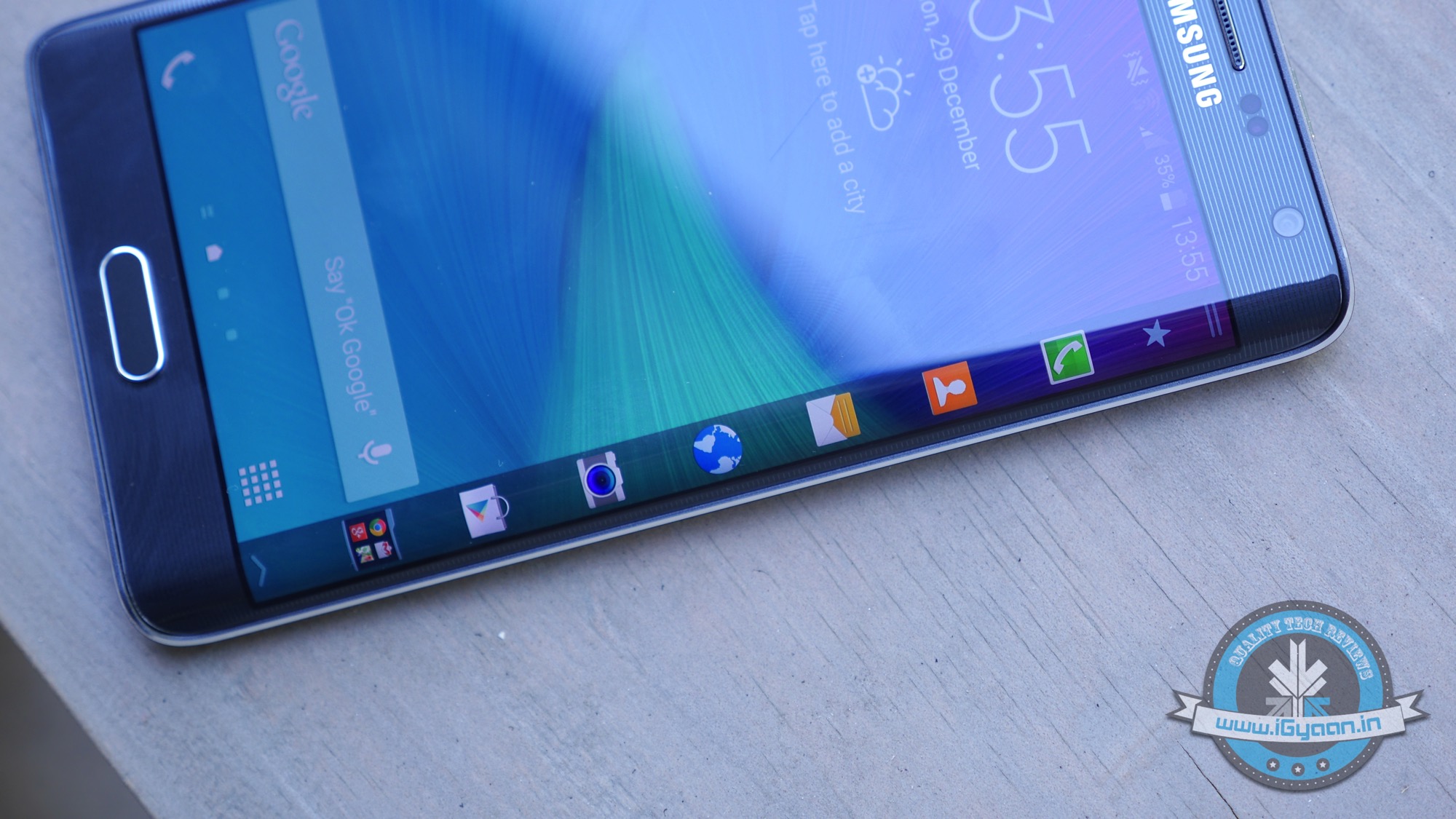
    Samsung’s phablet flagship, Galaxy Note 5, is the hot topic every tech admirer is eagerly waiting for. There have been rumours of the Note 5 featuring a 5.9-inch Super AMOLED display with curves on both the edges. An upgraded version of Samsung’s Exynos 7422 is speculated to govern the computing operations. Now a latest report suggests of the Note 4 successor sporting a USB 3.1 Type-C port. The USB-C is undoubtedly the future of connectivity as the universal port transfers data at unbelievable speed together with offering added benefits. Its battery is said to be mammoth at 4100mAh, which is necessary for a phablet with these specifications. The device will launch later this year.

    1. Oculus Touch is a Handheld Controller for the VR Rift
    oculus_touch

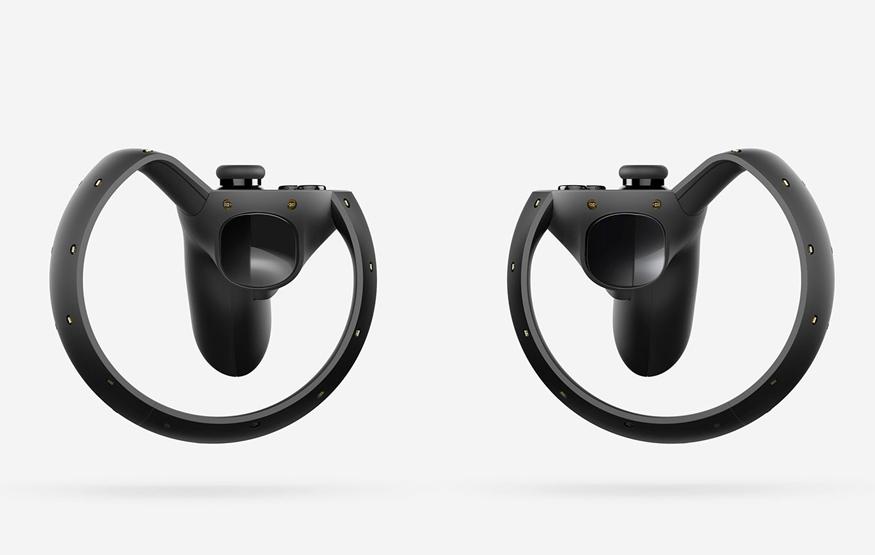
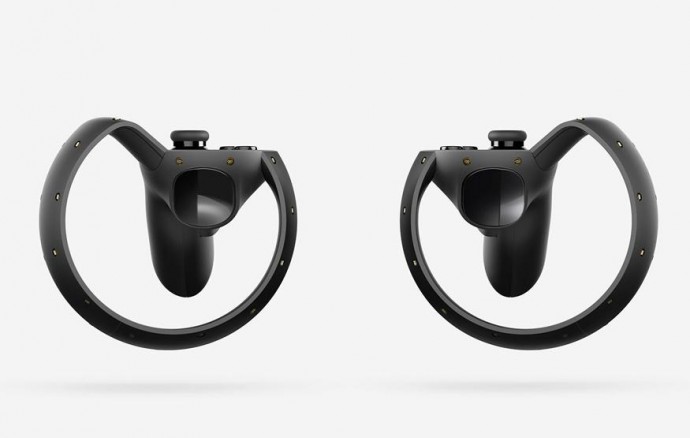
    After launching Oculus Rift, Facebook-owned Oculus has unveiled a prototype controller for its VR headset, the Oculus Touch. It is a handheld controller to interact with your VR environment. It is all what the Rift was lagging. The Touch makes you feel your presence in the virtual world by showing your hands in the designed space, where you can pick a weapon, make hand gestures like you do in the real world.

    The controller is much like your traditional gaming remote with thumb grip, main trigger, secondary trigger and a set of buttons. As it is still in the developmental stage, the time of the launch is the same and is expected to be Q1 2016.

    1. Mi 4 64GB Variant Gets a Price Cut

    mi4.2

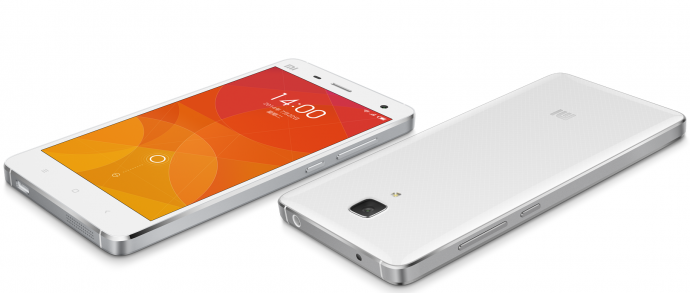
    Xiaomi has dropped the price of its Mi 4 in India. Xiaomi Mi 4 will now be available for Rs. 4,000 lesser. The price will now be Rs. 19,999 instead of Rs. 23,999, which is a substantial drop. The smartphone, known for its exemplary features, boasts a sleek look. The specifications includes Qualcomm Snapdragon 801 2.5 GHz, a 3GB RAM and 64GB Flash. The phone also possesses a 5? IPS full HD display at 441 PPI. It has a battery life of 3080 mAh and includes quick charge 2.0 support. The phone lastly, boasts of a 13 MP rear camera and an 8 MP front camera (both with f/1.8 aperture).

    1. Amazon Opens Its Biggest Warehouse in Telangana, India

    Amazon Kindle. Photo: Josh Valcarcel/WIRED

    E-commerce giant Amazon has opened its biggest warehouse at Kothur in Telangana. It is one of the biggest fulfilment centres set up in India covering one million square feet of space with a storage capacity of over 2.5 million cubic metres. The new facility will help small and medium businesses (SMBs) to gain access to and service customers across the country.
  • Jott Messenger : How to Text Your Friends Without Using Wi-fi or Data

    Jott Messenger : How to Text Your Friends Without Using Wi-fi or Data

    Most of us got our first phones when we were 16 or maybe 14 (if you were lucky). A recent study proved that 88% of teenagers these days actually get their phones between ages 13 to 17. Naturally, no teen is spotted without his or her mobile phone today as they are active on social networking sites and are constantly texting their peers, whether in school or outside.

    In India, most schools don’t permit phones within school campus but in the US, it’s okay to carry your device and be logged in all day. However, what happens when you can’t text due to limited balance or an improper data plan? You get Jott!

    jott

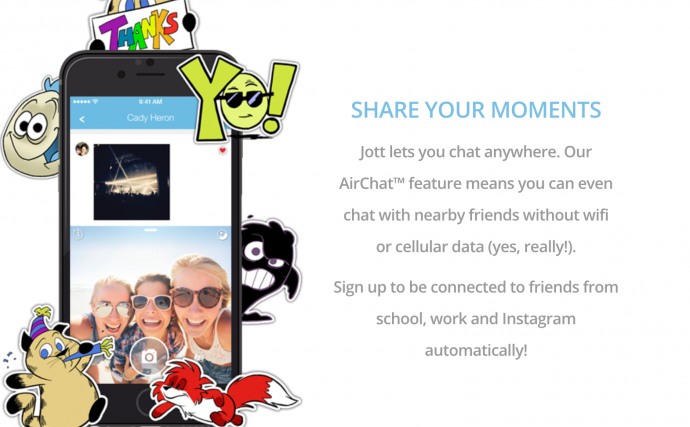
    Jott is the perfect app for Junior high schoolers and high schoolers as it functions without the internet or a data plan. Sounds ideal? Yes, this app lets you chat with anyone within a closed network and within a 100 foot radius of the school campus. This means you can stay connected all day, whether its social or just exchanging notes.

    Jared Allgood, creator of Jott has managed to push the app in the top 75 apps being used by iOS and this is no easy feat. Jott already has a huge user base of half a million users, as of March and is growing from strength to strength with 15,000-20,000 users joining the app, everyday. So how does this app work?

    jott 3

    It works using the help of a mesh network “that operates on Bluetooth low energy or using a router that can reach within 100 feet of each user,” according to Techcrunch. This is different from sending a normal text messages that uses the help of cell towers to convey your text. Thus, anyone within close proximity, that is, a 100 feet can be easily accessed and spoken to.

    Make Friends Within Your School or Any Closed Network

    jott 2

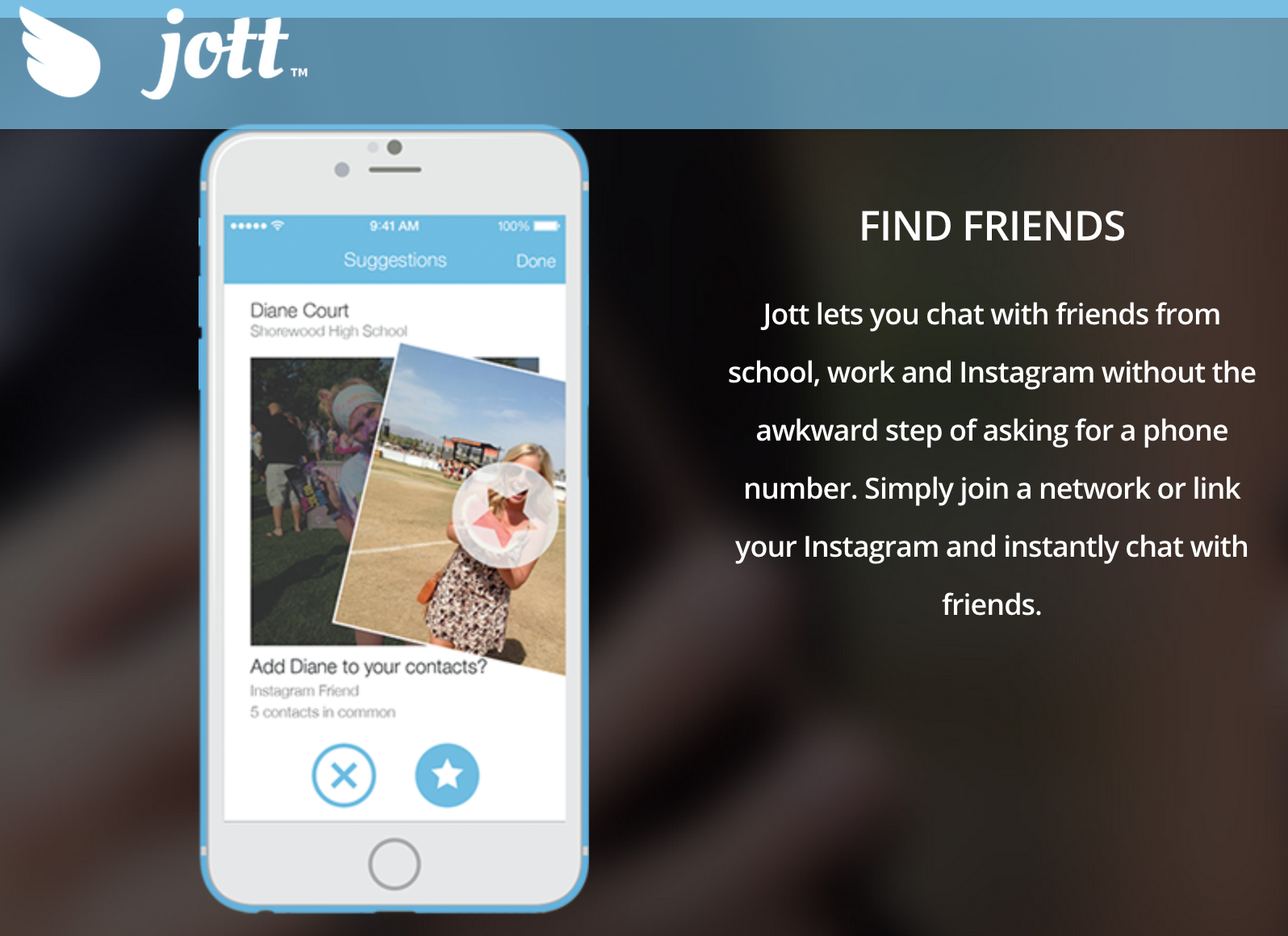
    Jott only allows you to be a part of the network, if you share your real phone number. This actually benefits students because a lot of teens find it tough to talk face to face, so they can find out their class mate’s details via the school network and then approach them. Also, even if you don’t want to use it to get a pretty girl’s number or ask someone out, you can use it for studious purposes. You can actually get that one nerdy classmates number who will send you the whole years class notes and thus save you from failing your finals. It does sound very cool, indeed.

    No Security?

    jott 1

    The internet is rampant with cyber bullying and teenagers being at the impressionable age they are, can often be harassed through these types of apps. That’s why Jott stands out. It has a strong security and privacy settings where in, those who are a part of school networks (that are closed) must create an account with their actual name and age and verify that they actually go to the school, they’re claiming to be a part of. If you do give a fake ID, other students will call your bluff because they will know for sure and you will be immediately removed from the network.

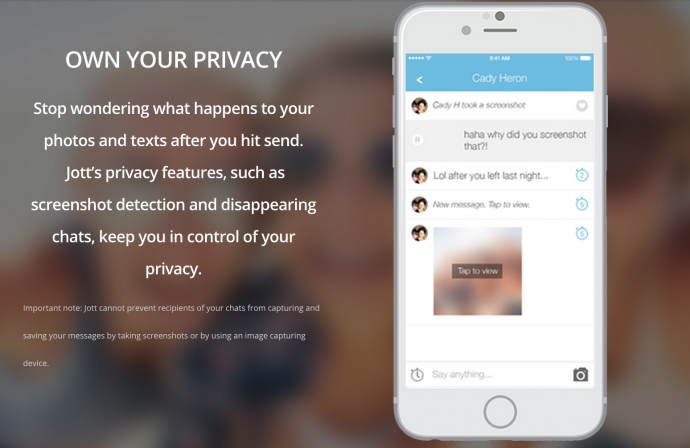
    If this wasn’t enough, Jott also has disappearing messages and screenshot detection just like Snapchat. Therefore, there is no room for disaster and anyone using it is efficiently safeguarded.

    Jott had been tested and tried by Allgood, first in a set of schools until it started majorly trending and reached the phenomenal following it has today. According to Niche data, about 87% of teens text daily, compared to 61% of those who say they use Facebook. Therefore, Allgood has actually used this data to his advantage and created an app that will further simplify and revolutionise texting. We suggest you try it out today as it is available on all iOS and Android devices and can be used on your iPods and iPads as well.

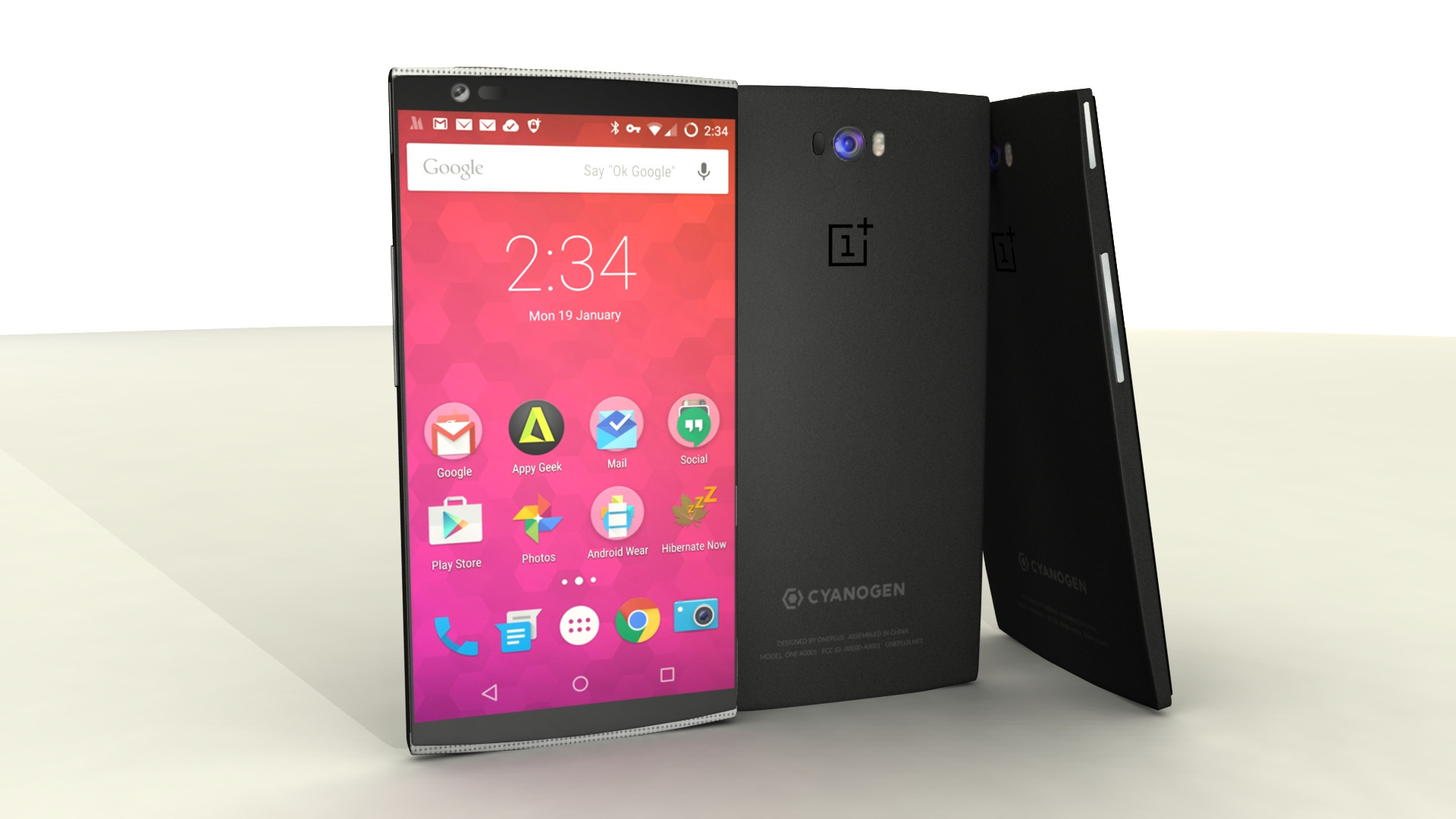
  • OnePlus Two Pricing Leaked Months Before its Debut

    OnePlus Two Pricing Leaked Months Before its Debut

    Last month, it was speculated that the OnePlus Two, the successor of the highly victorious OnePlus One, would be arriving on 17th April, this year. But, OnePlus ruled out all the rumors of the temporarily titled OnePlus Two and stated that the much-awaited device will make a debut in the third quarter of this year.

    According to MyDrivers.com, the company will be launching an event next month, which could possibly be the launch of the next flagship device. The source also claimed that the device would be priced at approximately 1,999 Yuan (Rs 20,644). This might be true, as its predecessor was priced at Rs. 21,999. In any case, the price of the OnePlus Two is just an approximate figure.

    Not much is known about the spec details of the expected OnePlus handset, but we got some notable information that points out to its processing capacity. As per the detail leaked by the company CEO Liu Zuohu, OnePlus Two will run on Snapdragon 810 chipset along with 4GB RAM. A 5.5-inch 2K display will improve the viewing experience of the user.

    oneplus two

    It is highly possible that the OnePlus Two will run on Cyanogen OS, as the differences between Cyanogen and the Chinese smartphone firm have been settled, and the cases have been withdrawn by mutual approval. The addition of Cyanogen on the next OnePlus device might help drive the sales of the handset.

    There is still time for the next OnePlus device to come out. In the mean time, you can watch our review on the OnePlus One:

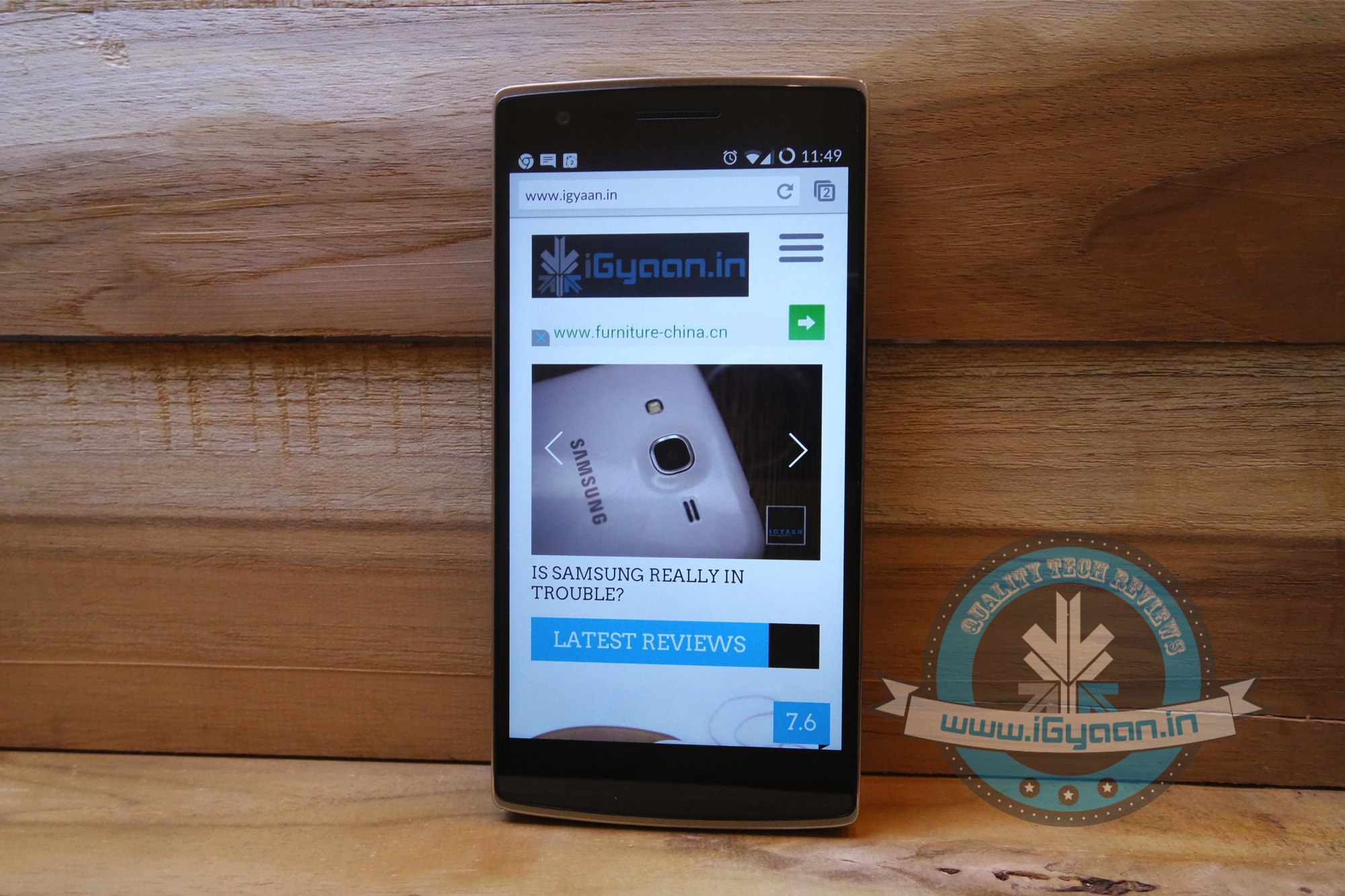
  • OnePlus Extends the Warranty Period for Indian One Users

    OnePlus Extends the Warranty Period for Indian One Users

    Indian OnePlus fans have been rewarded with a gift from the Chinese electronics start-up. After being roasted for delayed services in providing after-sales assistance on local forums and social media, the company has decided to give its India-based users an added advantage. Today, OnePlus announced to extend the warranty of the One by three months, that are registered to be faulty or having certain issues.

    All those devices facing service related issues till date that have faced delays or have been pending for longer than 15 working days in OnePlus’ support centres will be liable for the extended warranty. The warranty period of such devices will automatically extend to three additional months in India. It’s a pretty fair decision as the inconvenience has been on the company’s part. To make things sweeter, the service guarantee is applied to all the future smartphones to come out of OnePlus’ stable.

    OnePlus One iGyaan 1

    There is something for every OnePlus One user. All the patrons who got hold of OnePlus One before its Indian release will also be eligible for this service. That covers all the Indian One holders.

    The company has cleared in its blog post published today, that the extended warranty service would be applicable to handsets with genuine fault. The blog post reads, “Do note that in case of a disagreement on those applicable to receiving this service, a final call will be taken by OnePlus.”

    Besides that, customers can call on the new toll-free customer support number 000 8008 522 008, and give feedback on their services.

    With this announcement, OnePlus has not only sustained the existing fan base, but also persuaded a fraction of those who have been speaking foul about the Chinese companies of poor after sales service. Turning the slamming voices to lauds and applauds, OnePlus has captivated even a larger audience to its OnePlus devices, making a huge market for the upcoming OnePlus Two.

  • Make Your Own Google Cardboard with These Simple Steps

    Make Your Own Google Cardboard with These Simple Steps

    At a time when Virtual Reality has taken centre stage in the tech industry, there is a lot to be done to make this revolutionary innovation reach to every corner of the world. The advanced technology that can recreate sensory experiences, designs an environment and sends users to the virtual world making them feel as if they are physically present there.

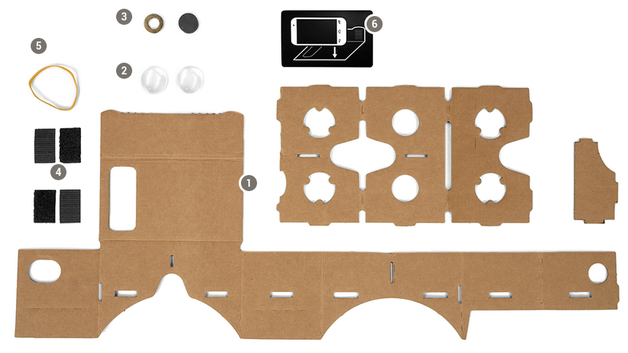
    Many smartphone companies are pushing the unexplored division, by offering Virtual Reality (VR) headsets at special prices along with the smartphone. Some of these handsets include Samsung Galaxy Note, Galaxy S6 and Galaxy S6 Edge. More choices in VR headsets include Galaxy Gear VR, HTC Vive, Oculus Rift, Microsoft HoloLens and few more, but their market is limited to developed nations. This is where Google Cardboard comes into action. The low-cost, hand-made Google Cardboard requires only a bunch of things for its construction, and your smartphone is then ready to mount on the fold-out cardboard.

    Follow the below-given steps and make one now:

    google cardboard 3

    List of Things Required

    First of all, collect all the articles necessary for its preparation. You will need:

    • Cardboard: You will need a corrugated cardboard that is 9-inches by 22-inches. A pizza box, shoe box or any thin, rigid sheet would do.
    • Lens: The second thing is the lens. The lenses to affix the cardboard need to be 25mm in diameter with 40mm focal length. In case you don’t find lenses of these measures, 50mm focal length will do, but then you have to increase the length of your cardboard. You can also go for a plano-convex lens or biconvex lens, Google recommends the latter. So, first find out the lens available and accordingly start the project. [tw-button size=”medium” background=”#07ABE2″ color=”” target=”_blank” link=”http://www.amazon.in/Alian-Biconvex-Lens-Google-Cardboard/dp/B00UYG3G5G/ref=sr_1_10?ie=UTF8&qid=1434185814&sr=8-10&keywords=google+cardboard&tag=igyaan-21″]Buy Now[/tw-button]
    • Magnet: Two small ring-shaped magnets.
    • Velcro strips: Two velcro strips with adhesive on the plane surface. [tw-button size=”medium” background=”#07ABE2″ color=”” target=”_self” link=”http://www.ebay.in/itm/10-METRE-Sew-on-type-Polyster-Velcro-Hook-Loop-Tape-1000-CM-BLACK-COLOR-/111678681852?pt=LH_DefaultDomain_203&hash=item1a009172fc”]Buy Now[/tw-button]
    • Other things are a rubber band, glue, a pair of scissors, and a cutter.

    Google Cardboard 2

    Steps to Make Google Cardboard

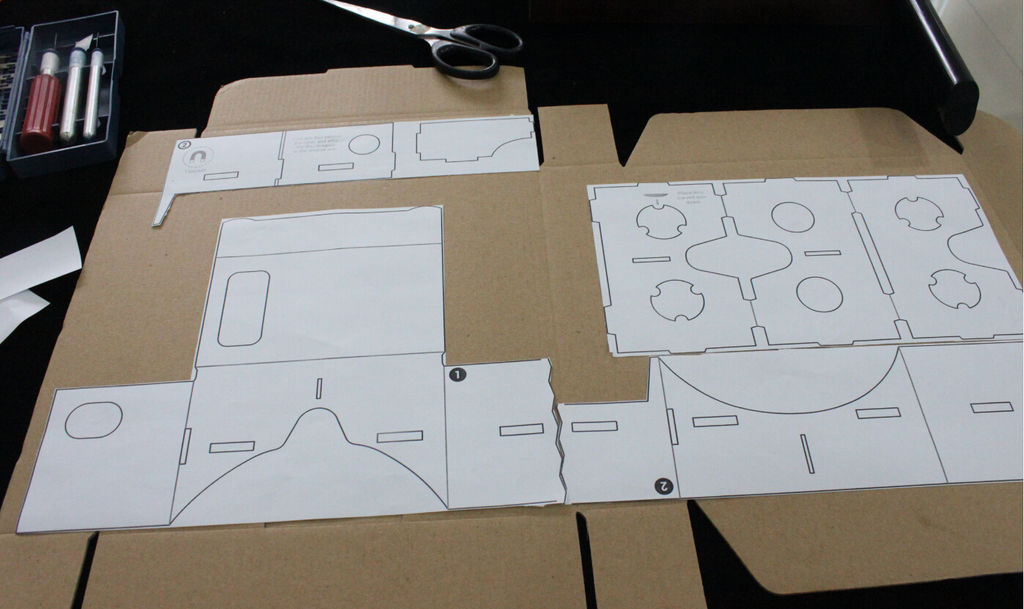
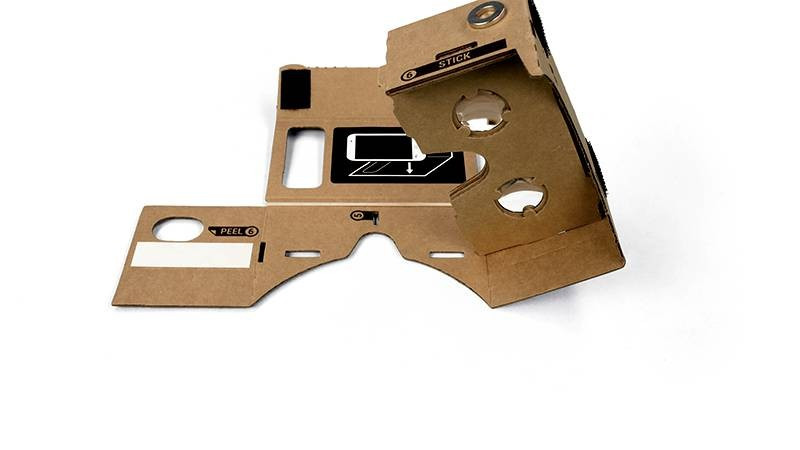
    1. Print out the cardboard template by clicking on “Download the Kit” on the provided link. Apply some glue on the back of the template and paste it onto the cardboard with light numbers on top of the darker ones.

    google cardboard 4

    2. Now start cutting along the edges and fold the area marked by the red line.

    google cardboard 63. Once you are through with cutting the cardboard, place the lens in the curved area and magnet at the other side of the cardboard mentioned on the template. Glue the area that’s done and affix the Velcro strips where you’ll be slipping your phone.

    google cardboard 5

    4. If you have followed the steps mentioned above, your cardboard is almost ready.

    google-cardboard-virtual-reality

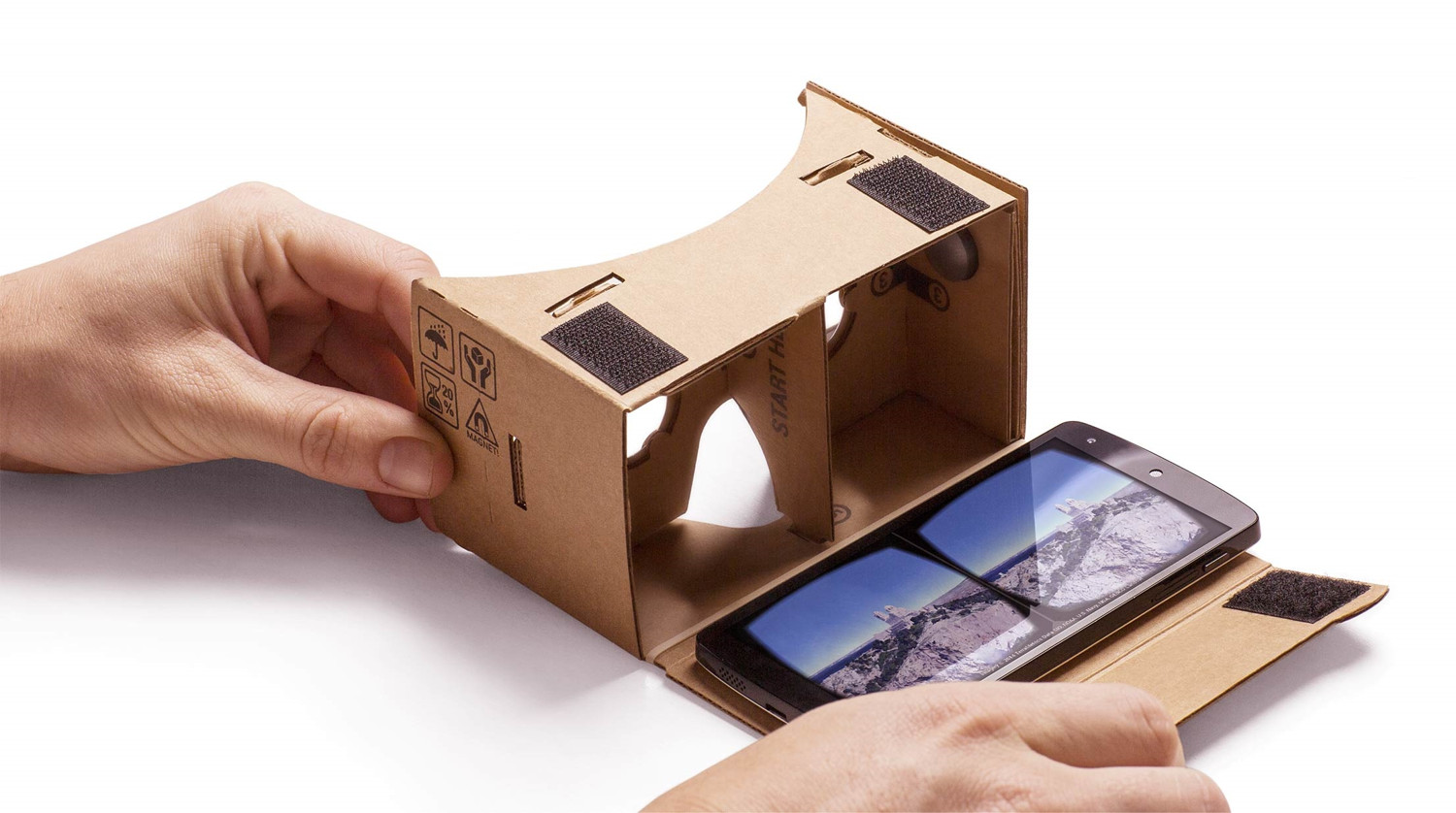
    5. Put your smartphone in the cardboard and tie a rubber band so that your phone doesn’t slip through.

    google cardboard 1

    6. One more thing left is the installation of Cardboard app from Google Play Store that provides you content to see through the hand-made Google Cardboard. Launch the app and click the desired category by sliding down the magnet, placed on the side. You can get back to the main menu just by holding your VR headset upright.

    In case everything fails, you could order one online:

  • Here’s Why Twitter is Breaking Free From the 140-Character Restriction

    Here’s Why Twitter is Breaking Free From the 140-Character Restriction

    Twitter had added direct messaging service (DMS) but it was always restricted to just 140-characters. Now, frequent Twitter users will be happy to know that the social network is finally putting an end to the restriction, and making it 10,000 characters as opposed to just 140. Thus DMS will function like any other regular instant messaging service, effective this July.

    In a rather smart move, they announced:

    We’ve done a lot to improve Direct Messages over the past year and have much more exciting work on the horizon. One change coming in July that we want to make you aware of now (and first!) is the removal of the 140 character limit in Direct Messages.

    It is a welcoming change as having a limit over DMS was more of a nuisance than a boon. However, while the DMS will no longer have a restriction, public tweets will continue to be within the 140 character limit.

    twitter-profile-1024x681

    This comes as a great relief to the social networking giant because it might finally give them a chance to compete with other instant messaging services like WhatsApp and Facebook and even add to their user base.

    In a short span of time, Facebook’s standalone app, Messenger has grown immensely. Recently Facebook announced that the Messenger service already has a staggering 700 Million monthly active user base. It added a 100 Million users in the past three months. While Facebook’s new app’s numbers are growing at an unfathomable rate, Twitter is currently stuck at a mere 302 Million Active users. Back in April, even WhatsApp had announced that it had crossed the 800 Million monthly active user mark.

    This change might give Twitter a fair chance to compete. Also, according to Forbes, people spend 86% of their Twitter time via smart phones, this will therefore, be further enhanced as people will now be able to have long chats on the social handle, without even needing to ‘follow’ one another. Naturally, this will increase Twitter’s fortunes as well.

    Along with this, Twitter is planning a few other updates and changes that will further improve the performance of the site. We hope to hear more good news soon. Watch this space for more.

  • Watch Celebrities Have a Go at Batman: Arkham Knight

    Watch Celebrities Have a Go at Batman: Arkham Knight

    A few posts back, we mentioned that Batman: Arkham Knight is one of the most awaited games of 2015. The game first released trailers back in the last months on 2014, which included the much talked-about Batmobile. The last scene of the previous instalment, Batman: Arkham City showed Batman fending off the Scarecrow, who has united Batman’s deadliest foes, namely Poison Ivy, The Penguin, the Riddler, Harley Quinn and Firefly, to kill the Bat. Yes, it almost sounds like Batman Vs The Suicide Squad.

    batman-arkham-knight-gotham-is-mine-trailer
    Scarerow may be the main antigonist in the gameplay.

    Rocksteady Studios decided to rebrand the ‘first look’ of the game by roping in celebrities and showed their first reactions of the game in their YouTube video. The celebrities are Neil Patrick Harris, Wiz Khalifa, Blake Anderson, Minka Kelly, Kumail Nanjiani, Breckin Meyer, Joe Manganiello, iJustine, Troy Baker and Kevin Conroy. You can watch their reaction below.

    As much as we could see in the video, the game features a distinct visual appearance and a full range of high-tech onboard gadgetry. Perhaps, the highlight of the game would be, of course, the Batmobile, the most iconic vehicle in comic history. The Batmobile is designed to be fully drivable throughout the game and is capable of transforming into different modes, from high-speed pursuit mode to military grade battle mode. This vehicle sits at the core of the game and allows players to tear down the streets at unmatched speeds while in pursuit of Gotham’s most formidable villains. This iconic vehicle also expands Batman’s abilities, from navigation and forensics to combat and puzzle solving.
    batmobile batman

    The game is slated to be released on 23rd June 2015. For now, the game would be available only on PlayStation 4 on pre-order. We can’t wait to get our hands on this, can you?

iGyaan Network
Privacy Overview

This website uses cookies so that we can provide you with the best user experience possible. Cookie information is stored in your browser and performs functions such as recognising you when you return to our website and helping our team to understand which sections of the website you find most interesting and useful.