OnePlus is gearing up for the launch of its latest smartphones which will succeed the OnePlus 6T from 2018. The upcoming devices include the OnePlus 7 and its beefed up elder sibling the OnePlus 7 Pro. Previously, the renders of both the handsets were leaked which revealed their design. Now, the specifications of the high end OnePlus 7 Pro have leaked ahead of its official announcement which is set for the 14th of May.
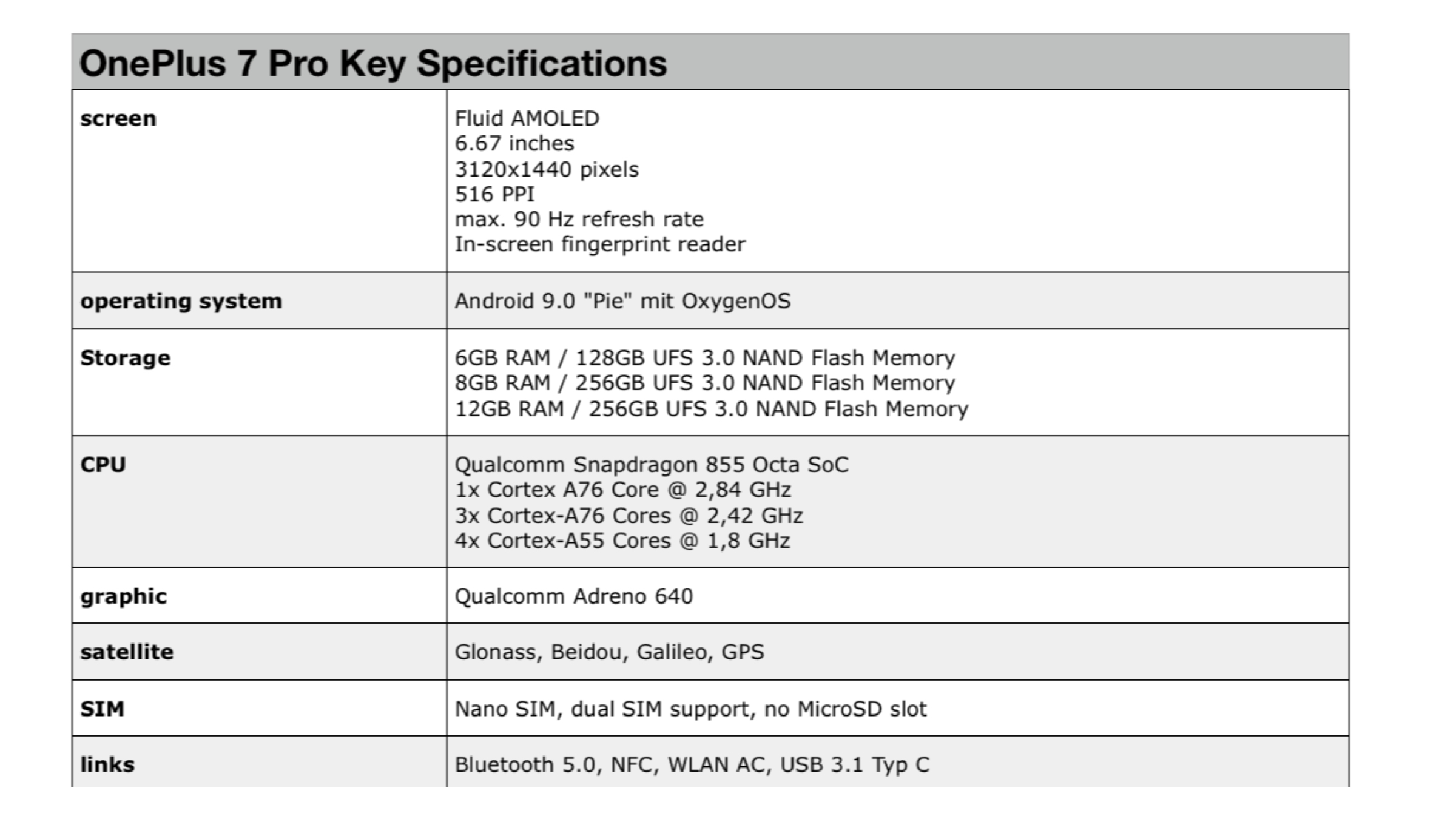
According to the leak, the highly anticipated OnePlus 7 Pro sports a 6.67 inch Fluid AMOLED display. The panel has a resolution of 3120 x 1440 px and a pixel density of 516 ppi. Noteworthy, the OnePlus 7 Pro has a 90 Hz refresh rate display which provides for enhanced viewing experience. The smartphone runs on OxygenOS which is based on the latest Android 9 Pie. As previously confirmed, the flagship smartphone packs UFS 3.0 storage and will be available in three storage variants which include 6 GB + 128 GB, 8 GB + 256 GB and 12 GB + 256 GB.
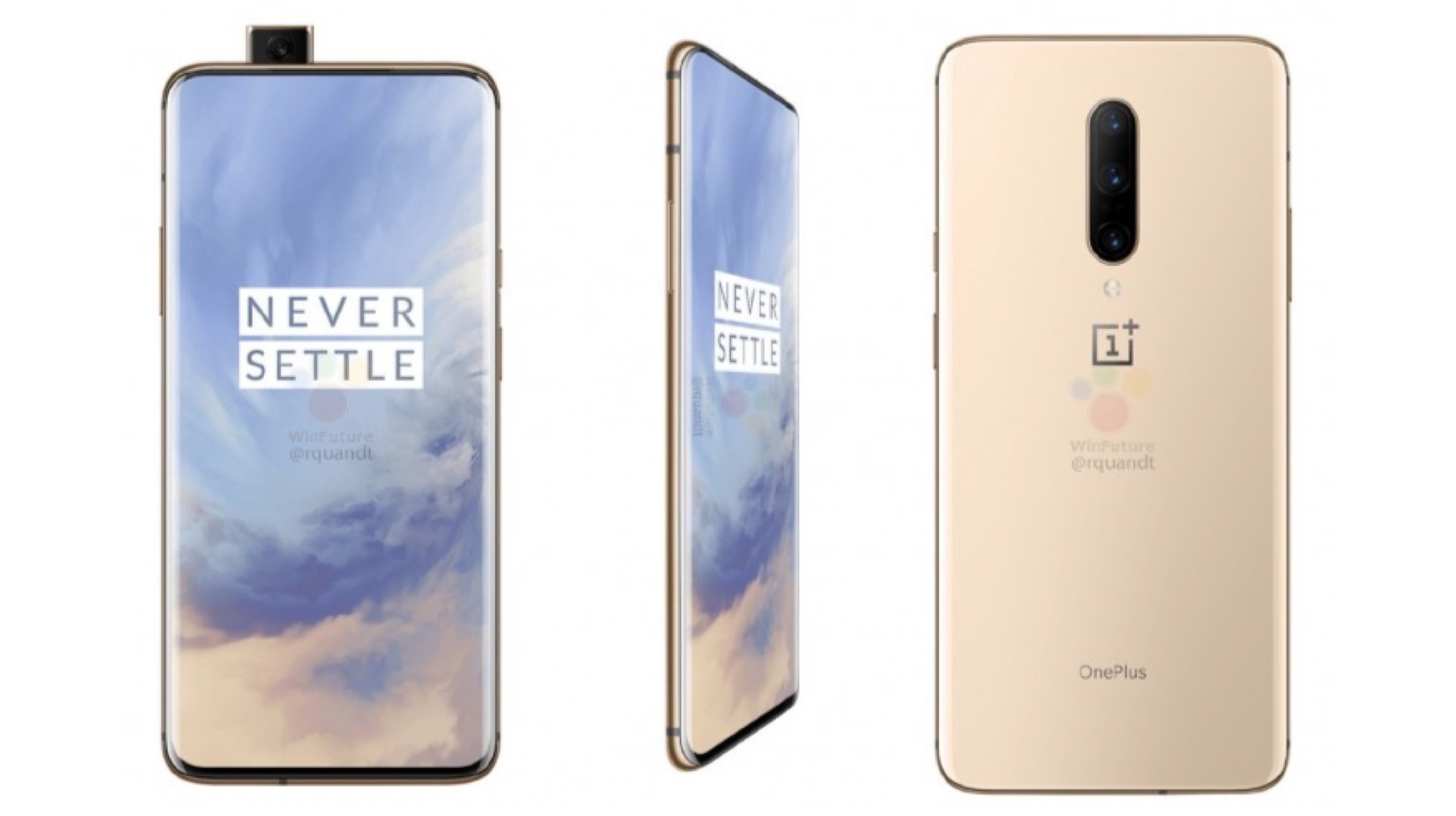
OnePlus 7 Pro Almond Colour
Under the hood, the OnePlus 7 Pro will be kitted with the Snapdragon 855 SoC which is manufactured using 7 nm fabrication process. The same chipset is also present on devices like the Xiaomi Black Shark 2 and the Lenovo Z6 Pro GT. The chipset consists of the Adreno 640 GPU and eight CPU cores. Out of the eight cores, one Cortex A76 core is clocked at 2.84 GHz, three Cortex A76 cores are clocked at 2.42 GHz, while the remaining Cortex A55 cores are clocked at 1.8 GHz. In terms of connectivity, the OnePlus 7 Pro has Bluetooth 5.0, 802.11 Wi-Fi, USB 3.1 Type C Port and NFC.
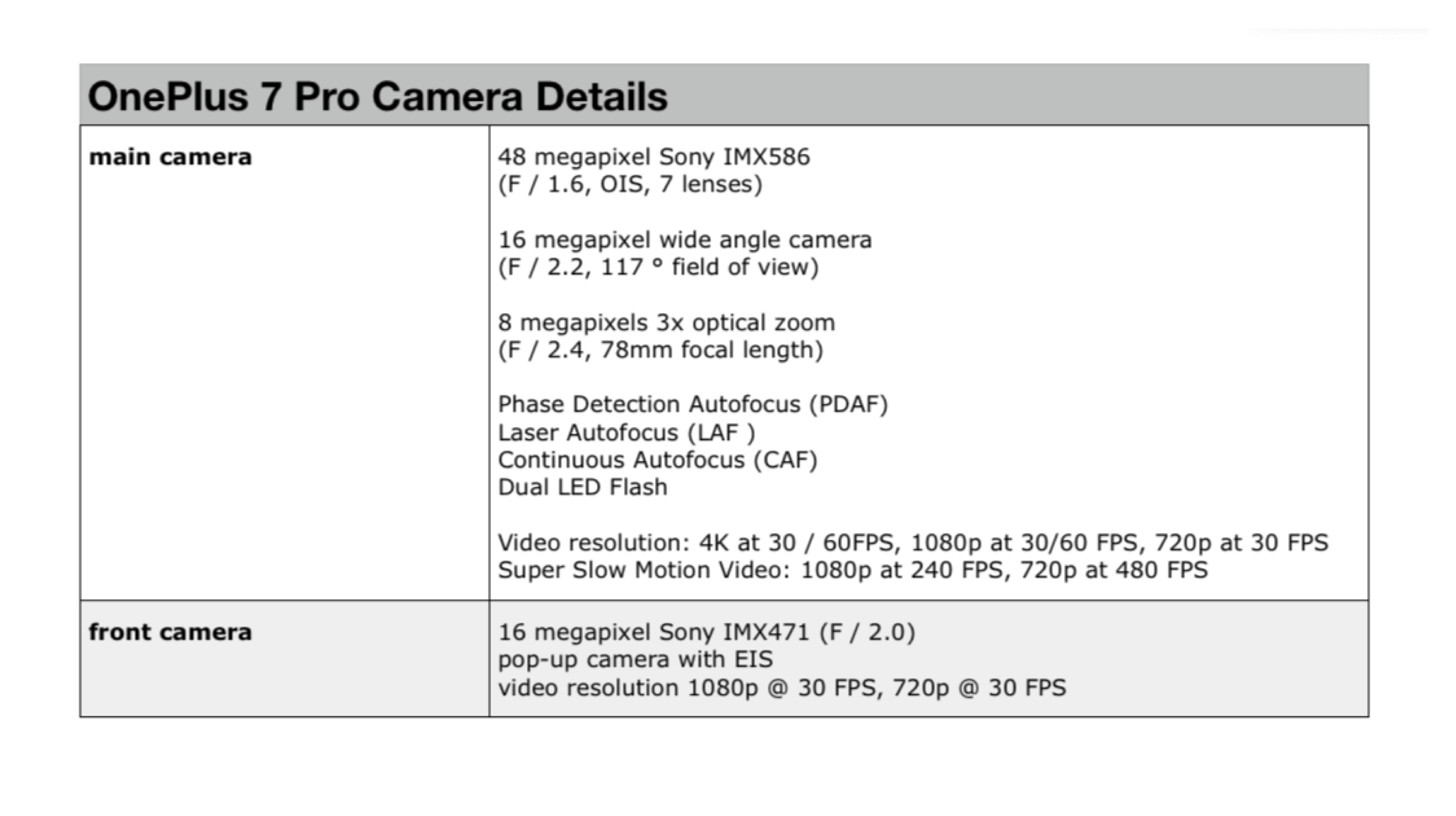
Talking about the cameras, the OnePlus 7 Pro has an f/2.0 aperture equipped 16 MP Sony IMX471 front facing camera which is housed in pop up style mechanism. The device has a triple camera setup which consists of an f/1.6 aperture equipped 48 MP sensor, f/2.2 aperture equipped 16 MP sensor and an f/2.4 aperture equipped 8 MP sensor that has 3x optical zoom capabilities. The OnePlus 7 Pro can also capture 4k videos at 30/60 FPS, Slow motion 1080 p video at 240 FPS from the rear cameras setup while the selfie camera can record 1080p videos at 30 fps.
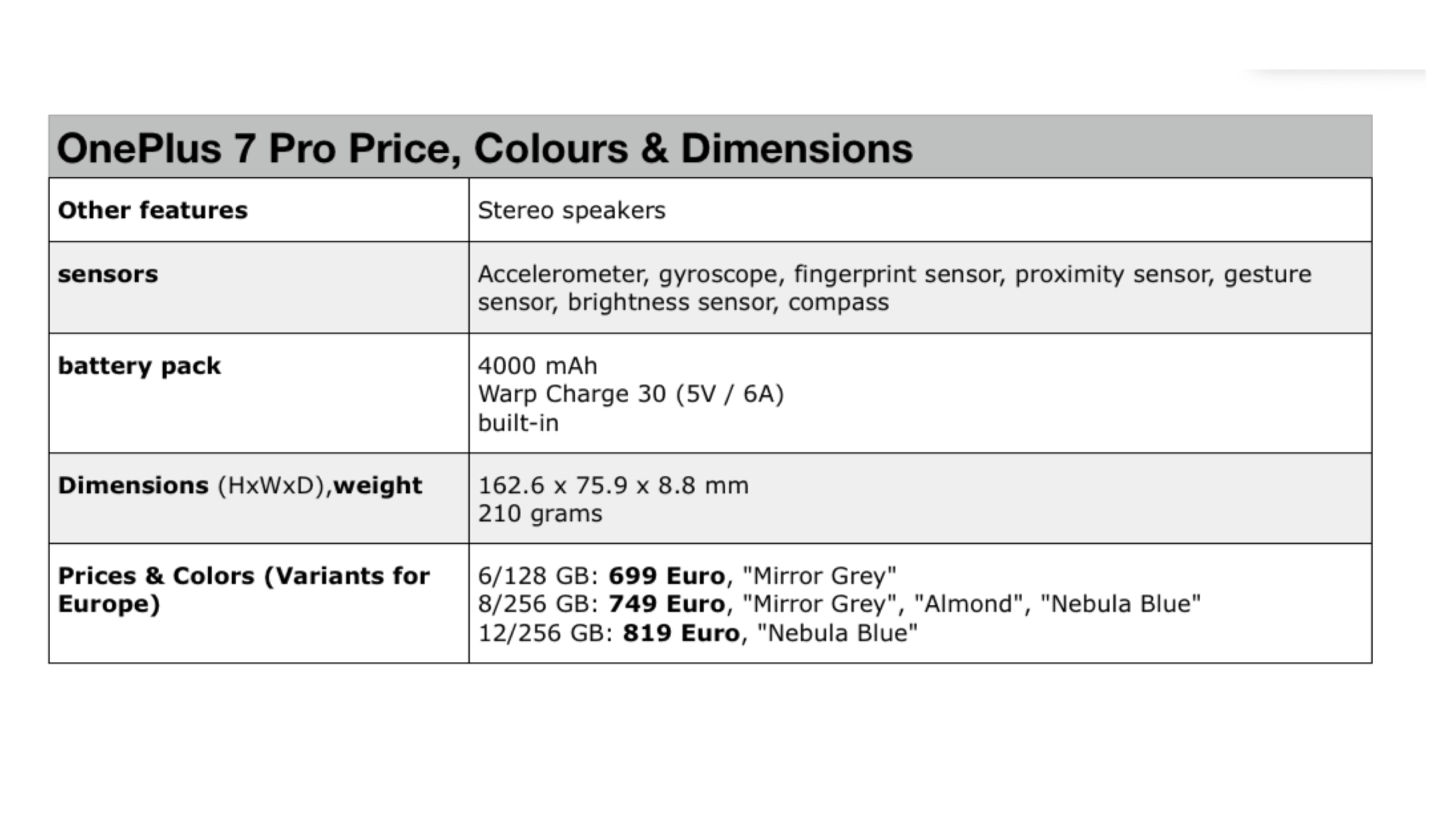
Unlike any other OnePlus device in the past, the upcoming OnePlus 7 Pro has stereo speakers which will provide for an enriched media consumption experience. The handset will be powered by a 4,000 mAh battery that supports 30W warp charge. The said fast charging technology was first introduced with the OnePlus 6T McLaren Edition which was launched last year. The smartphone measures 162.6 x 75.9 x 8.8 mm and weighs in at 210 grams. As previously mentioned, the OnePlus 7 Pro will be available in three storage variants. With the new device, the company will also introduce new colour options. The European pricing for different variants of the device are as follows:
Taiwanese electronics giant Asus will launch its latest flagship smartphone, the Zenfone 6 on the 16th of May at an event in Valencia, Spain. While previous leaks revealed the specifications of the device, its design had been shrouded in a cloud of mystery, until now. A known gadget leaker has shared the case renders of the upcoming Zenfone 6 smartphone which unveils the handset in its full glory.
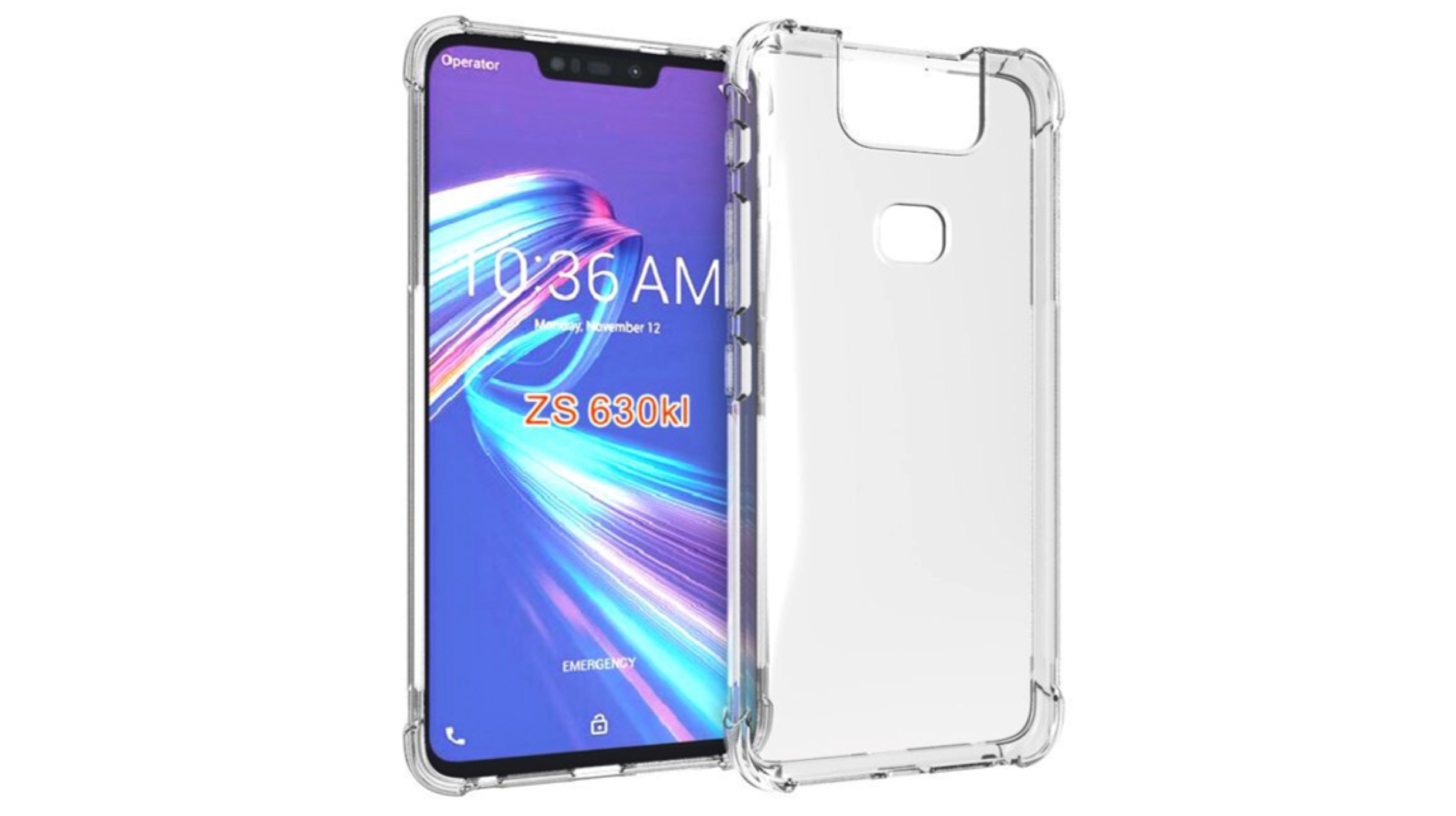
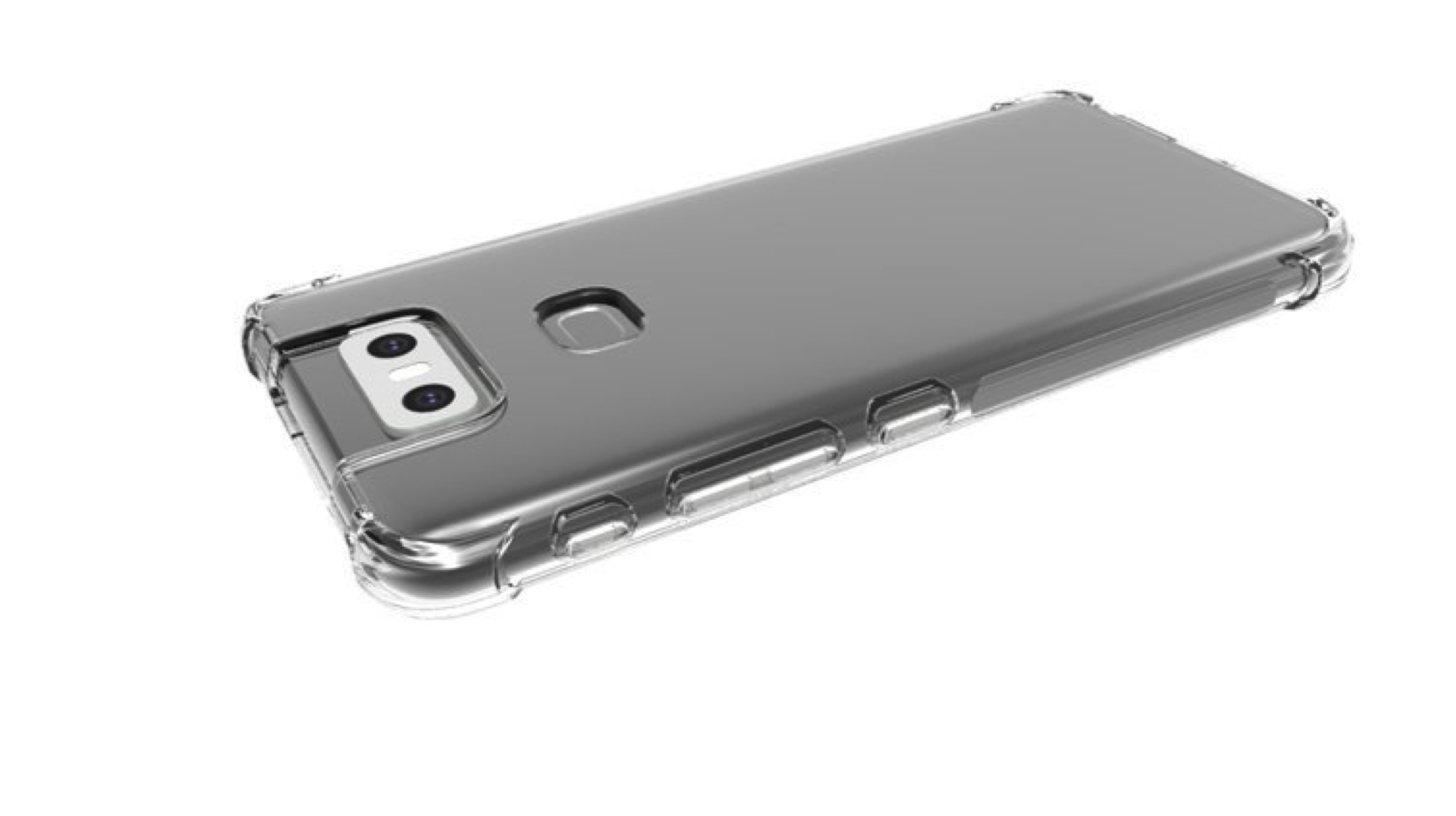
Asus Zenfone 6 Design
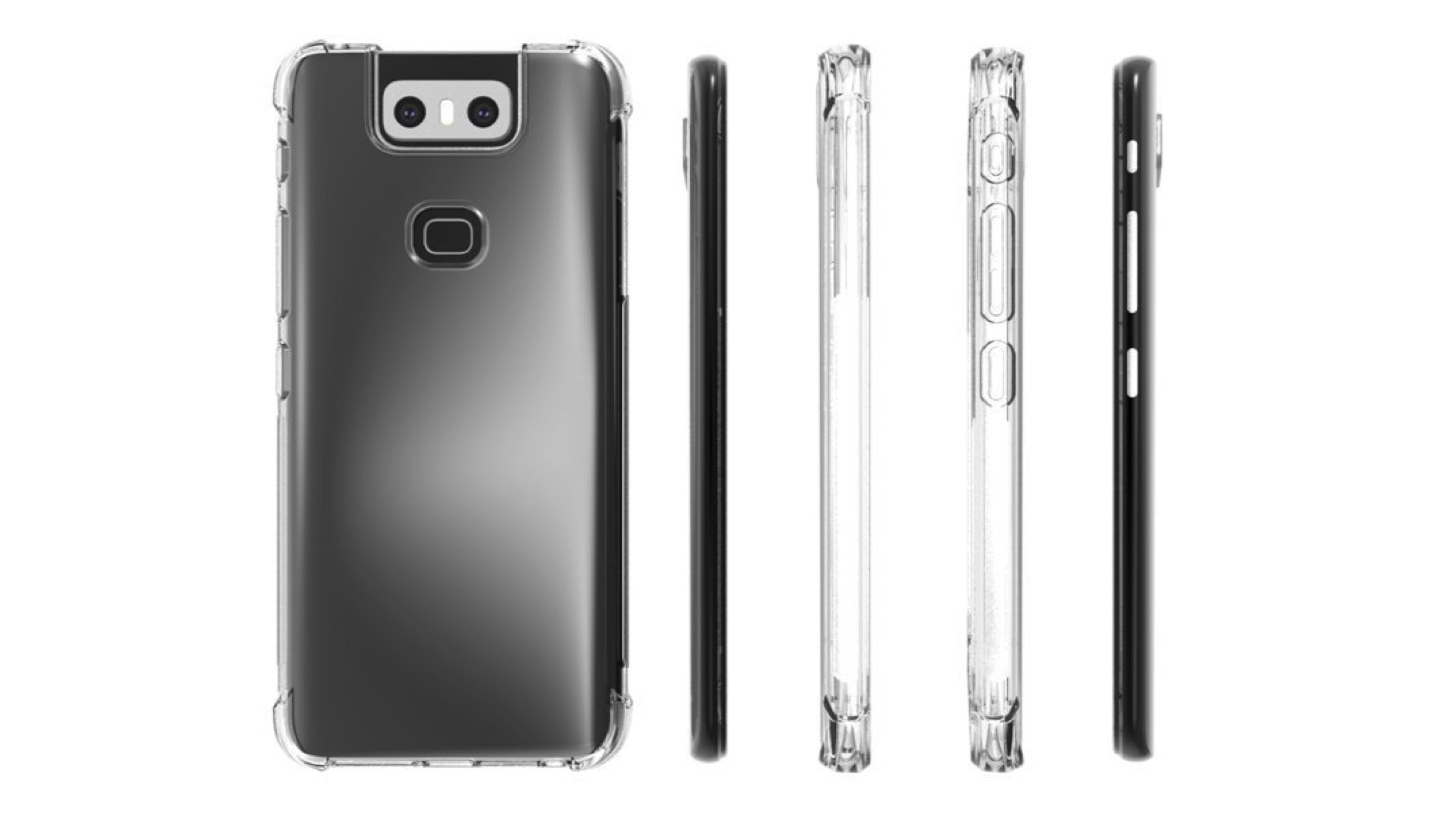
The upcoming Zenfone 6 smartphone from Asus will be the company’s flagship offering; and will succeed the Zenfone 5Z launched last year. Leaked case renders of the device showcase what it could look like once it is official. The images exhibit a design reminiscent of its predecessor, complete with an all-glass build on the front and the back. The front of the handset is dominated by a large display with minimal bezels on the side and a wide notch up top. There is a minimal chin at the bottom of the display which may house the display components inside it.
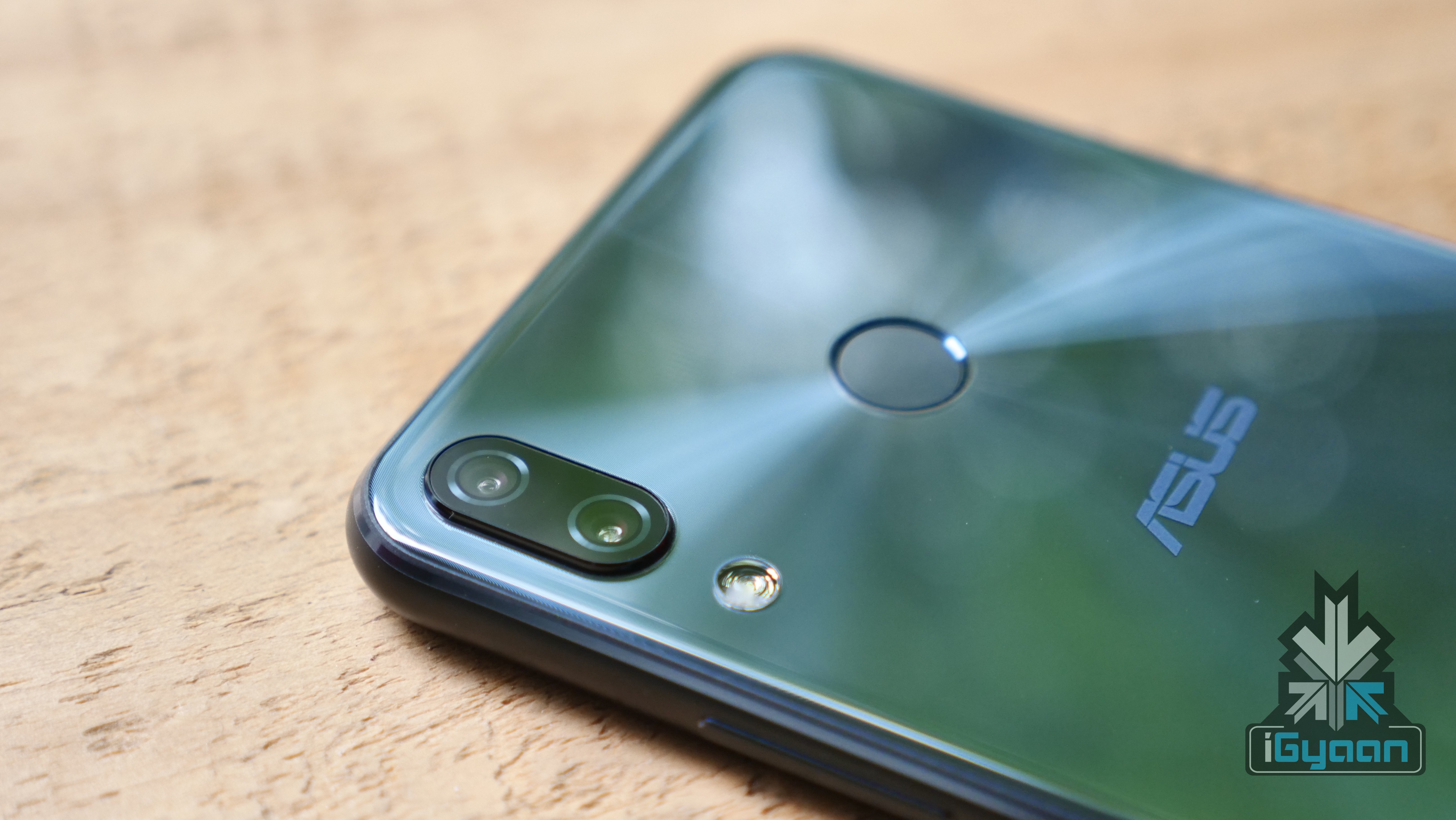
The images further reveal the back of the Zenfone 6 will have a horizontally placed dual camera setup with an LED flash between the two lenses. A rectangular shaped fingerprint scanner is also visible on the rear of the device which will be used to rapidly unlock the smartphone. The right of the handset has the volume rockers and the power button, but at the top, the Zenfone 6 will also have a third button. Unfortunately, it is not known what function will be assigned to the additional key, although it may be used as a mute switch; which will help in switching the smartphone to silent, ringer and vibrate mode. A similar switch has been available in devices from Apple and OnePlus for a while. The leaker also claims while the basics layout will be the same, the Zenfone 6 may end up looking different than the one present in the renders.
Specifications
Even though the teaser does not reveal any specifications of the Asus ZenFone 6, the information can be derived from past leaks. The previously uncovered Geekbench listing of the smartphone states that it will feature the Snapdragon 855 which is manufactured using the 7nm fabrication process. The chipset is comprised of an Octa-core CPU and the Adreno 640 GPU. The listing also revealed that the device packs 6 GB of RAM, however, Asus is likely to launch the handset with higher RAM capacities as well. It is expected to run on the latest Android 9 Pie which may be skinned with Asus’s custom ZenUI on top. As previously mentioned, the company will launch the Zenfone 6 on the 16th of May when all the details about the smartphone can be confirmed.
Apple is likely to launch three iPhone models in the month of September this year. The upcoming devices will succeed the iPhone XS, the iPhone XS Max, and iPhone XR from 2018. While the details of the flagship grade iPhone XI and iPhone XI Max were previously leaked online. There was limited information about the affordable iPhone which will replace the iPhone XR. Now, renders of the 2019 iPhone XR (not the official name) have been shared by renowned leakster OnLeaks.
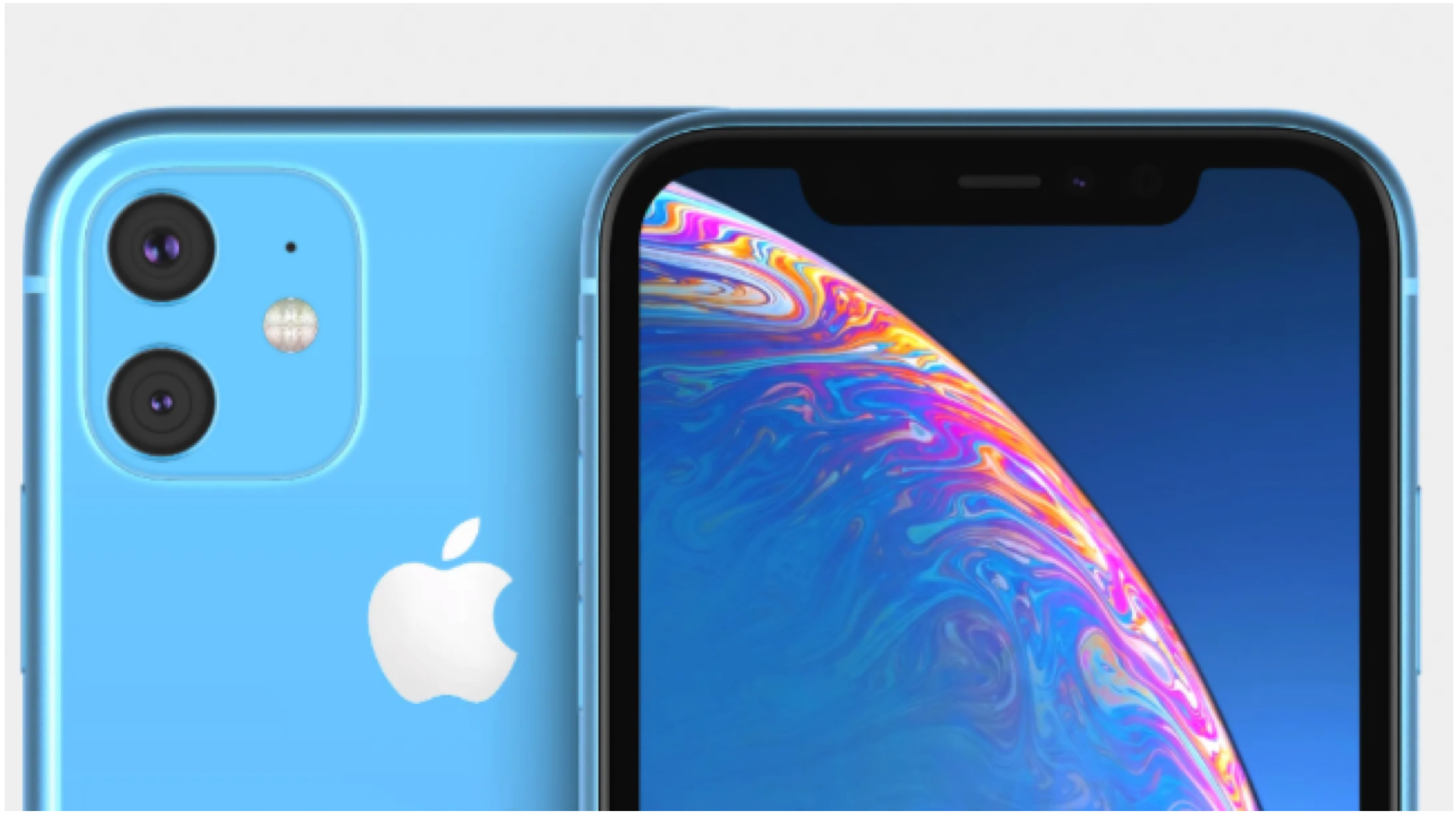
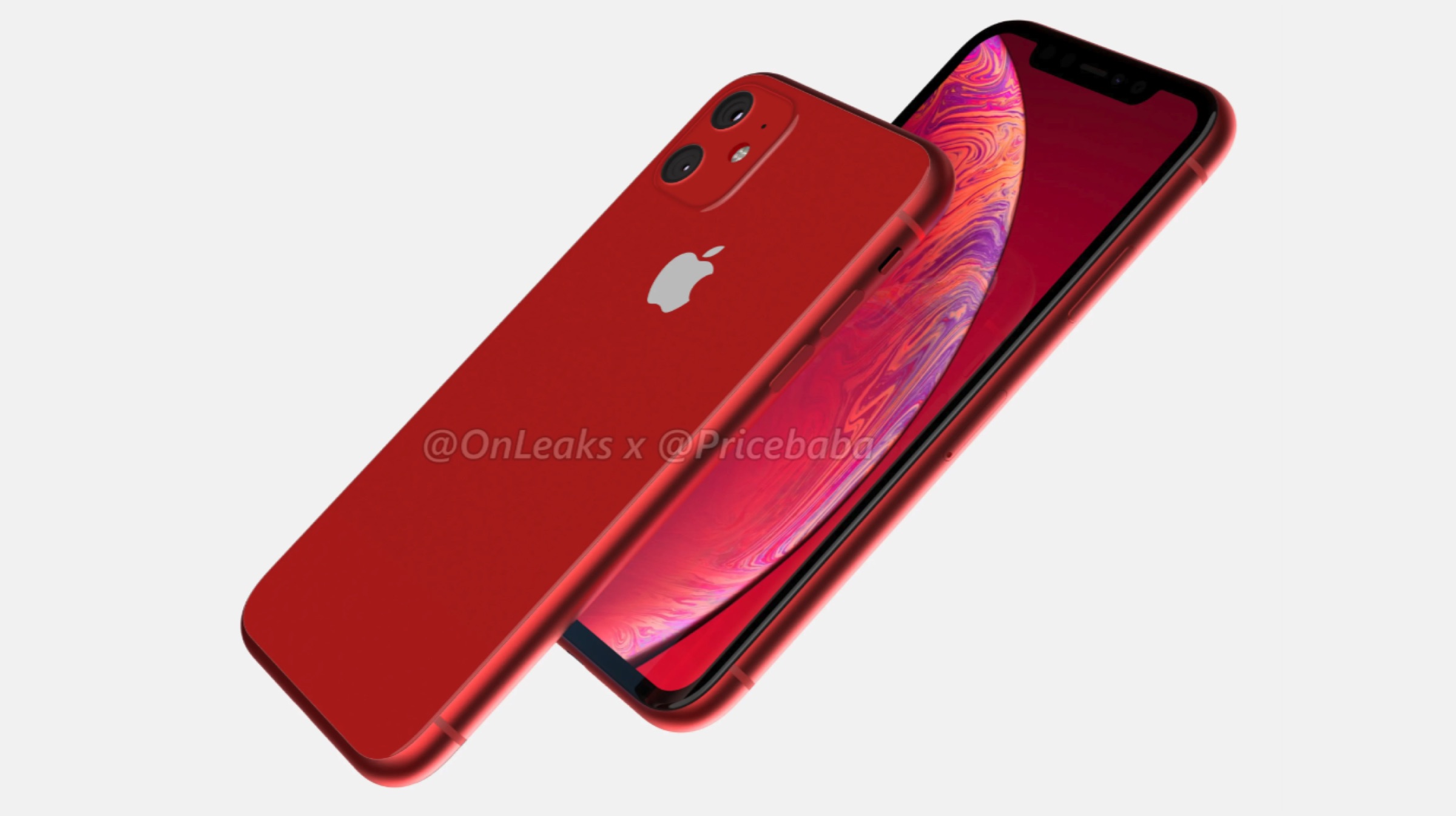
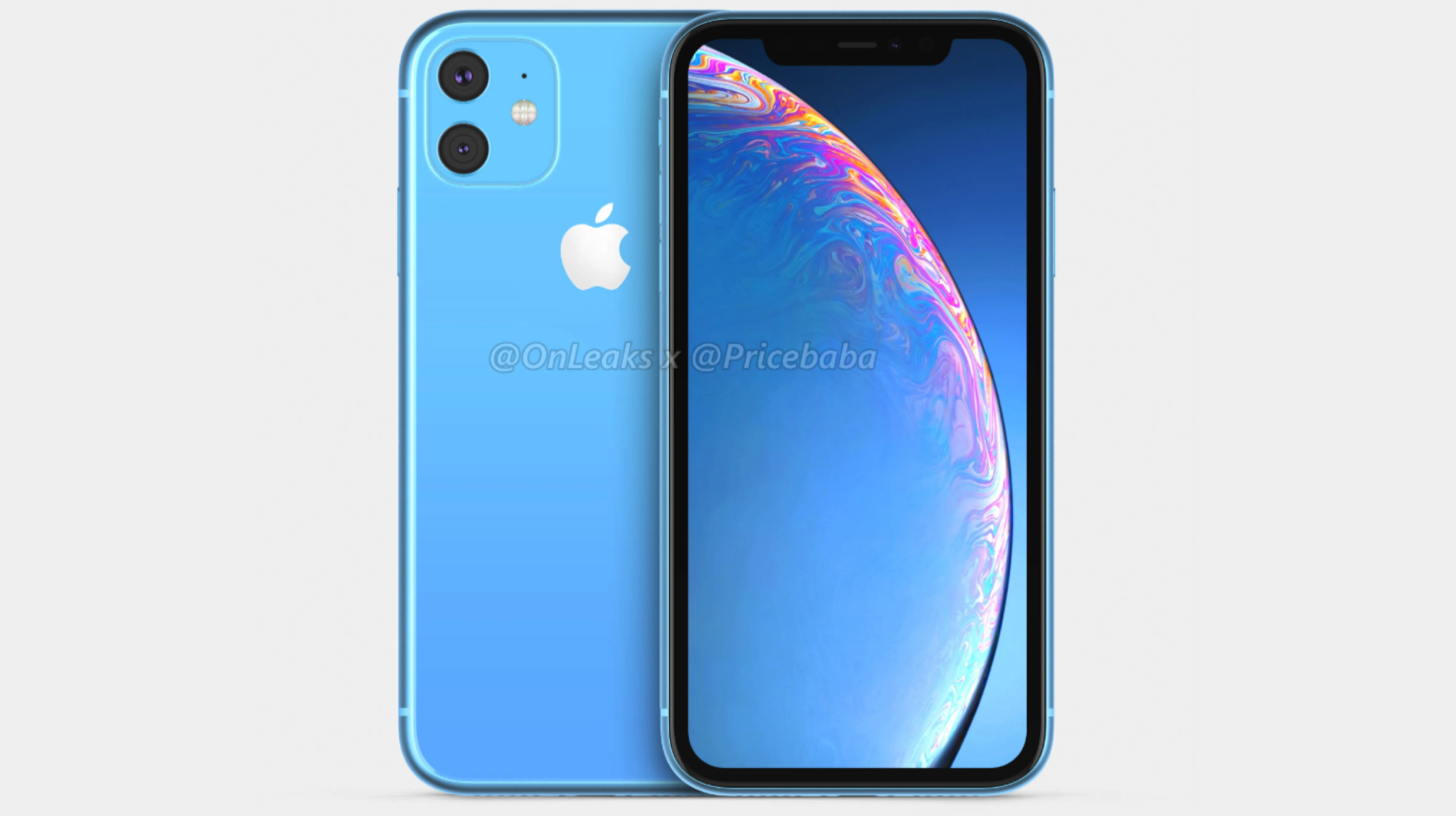
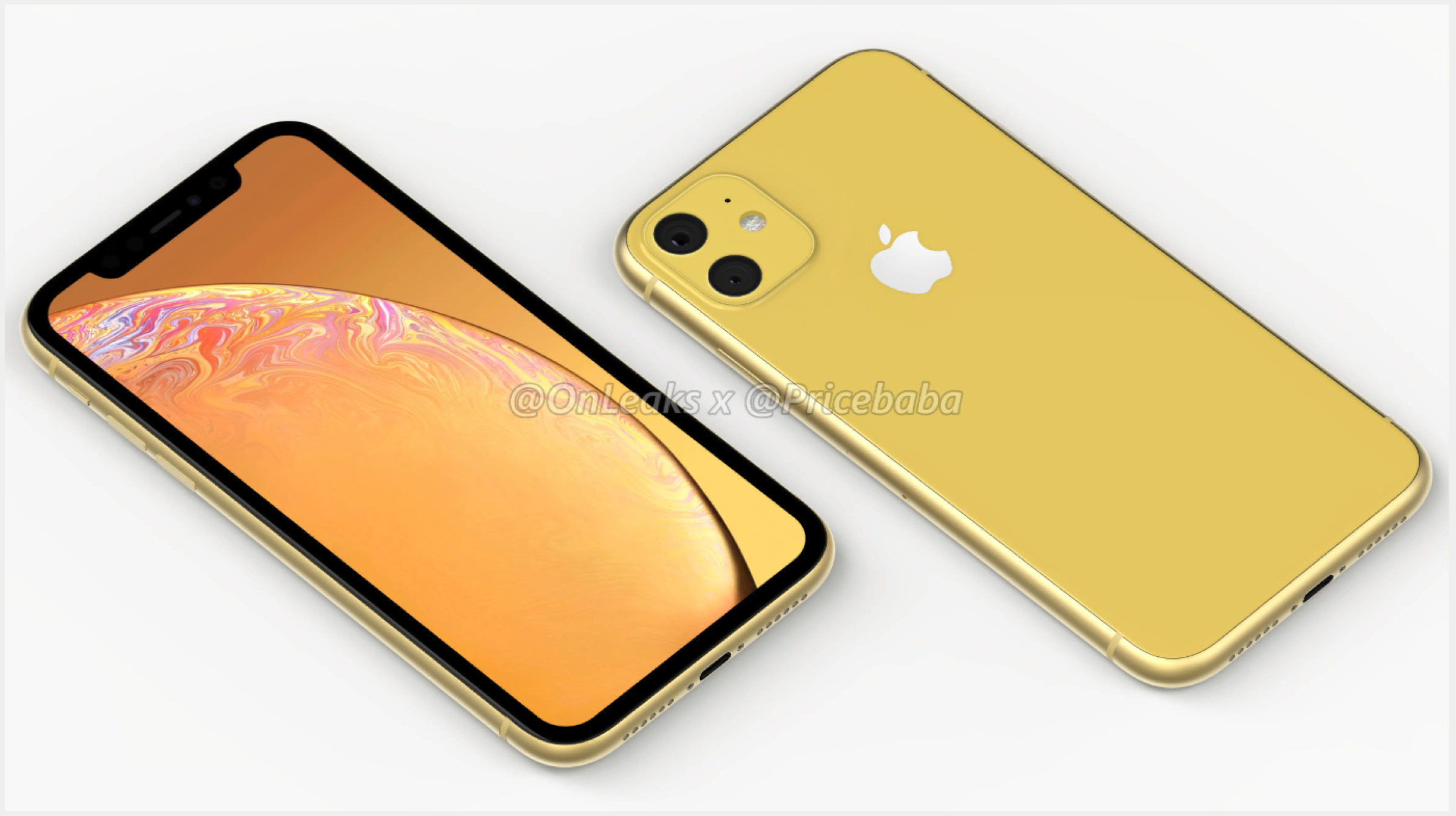
2019 iPhone XR Design
The renders of the 2019 iPhone XR shared by the source are sufficiently detailed to exhibit what the upcoming smartphone will look like from all angles. Like the original handset, the upcoming device has a large screen display that has minimal bezel on all sides. Like its predecessor, the updated device has a wide notch above the display that houses the earpiece and front facing selfie camera.
The rear layout of the 2019 iPhone XR is also identical to the original device. Distinctively, the updated smartphone will have a dual rear camera setup instead of a single camera on the 2018 variant. Similar to the iPhone XI & iPhone XI Max renders, the affordable 2019 iPhone has a square camera module which slightly protrudes from the back panel. Furthermore, like the flagship devices, the glass on top of the rear camera module is likely to be transparent. The placement of ports, grilles and switches also remain unchanged from the 2018 iPhone XR.
2019 iPhone XR Features
Reportedly, the 2019 iPhone XR will be sport a 6.1 inch Liquid Retina display which is the same as the original device. Like its elder siblings, the device will feature a 7 nm based chipset which according to the chronological order will be named A13 Bionic. Noteworthy, the smartphone is expected to have an improved selfie camera that has a resolution of 12 MP. Notably, the company is reported to ship the 2019 iPhone models with an 18 W fast charger. Like the original iPhone XR, the upcoming device will be available in a variety of vibrant colours.
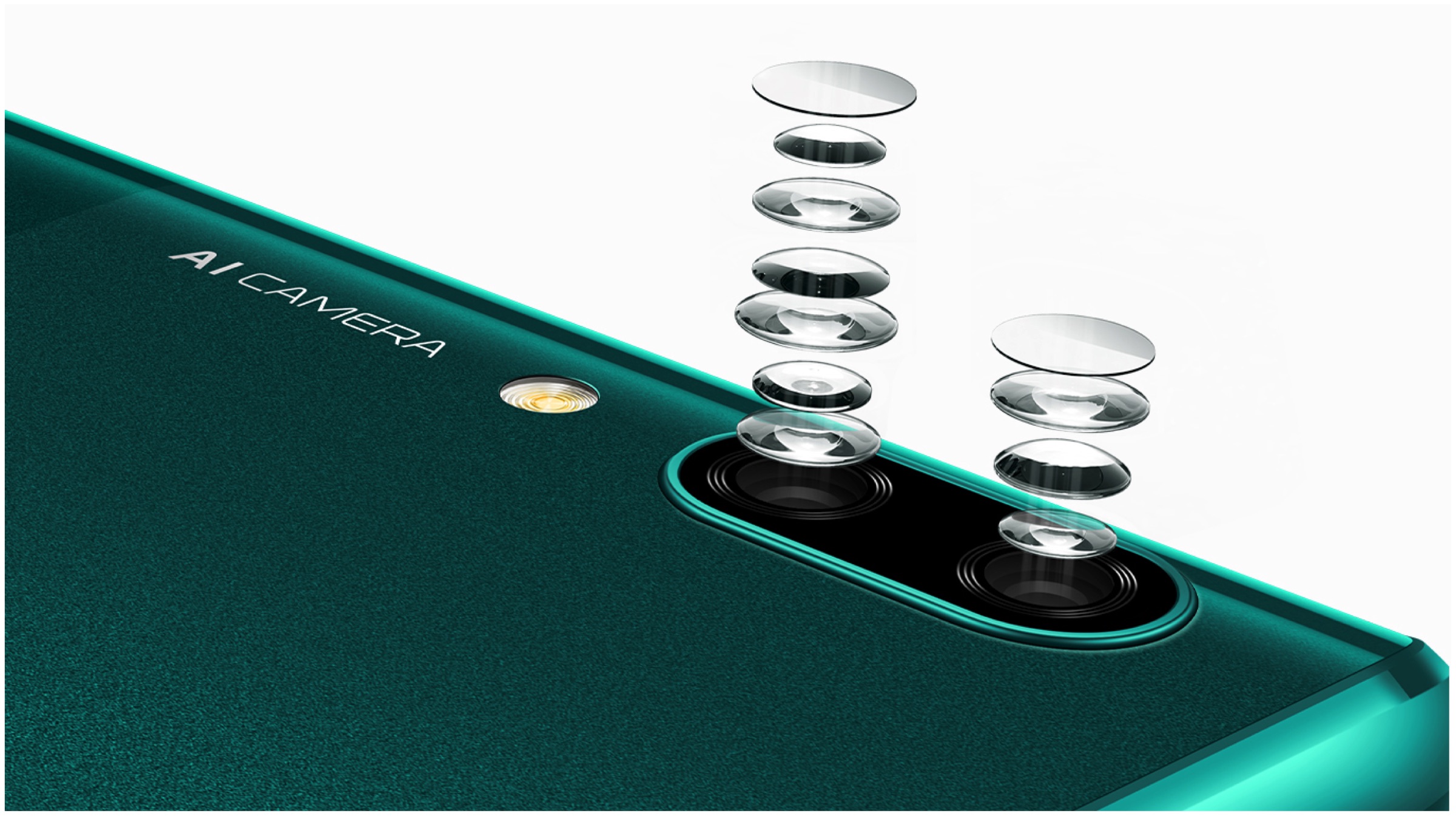
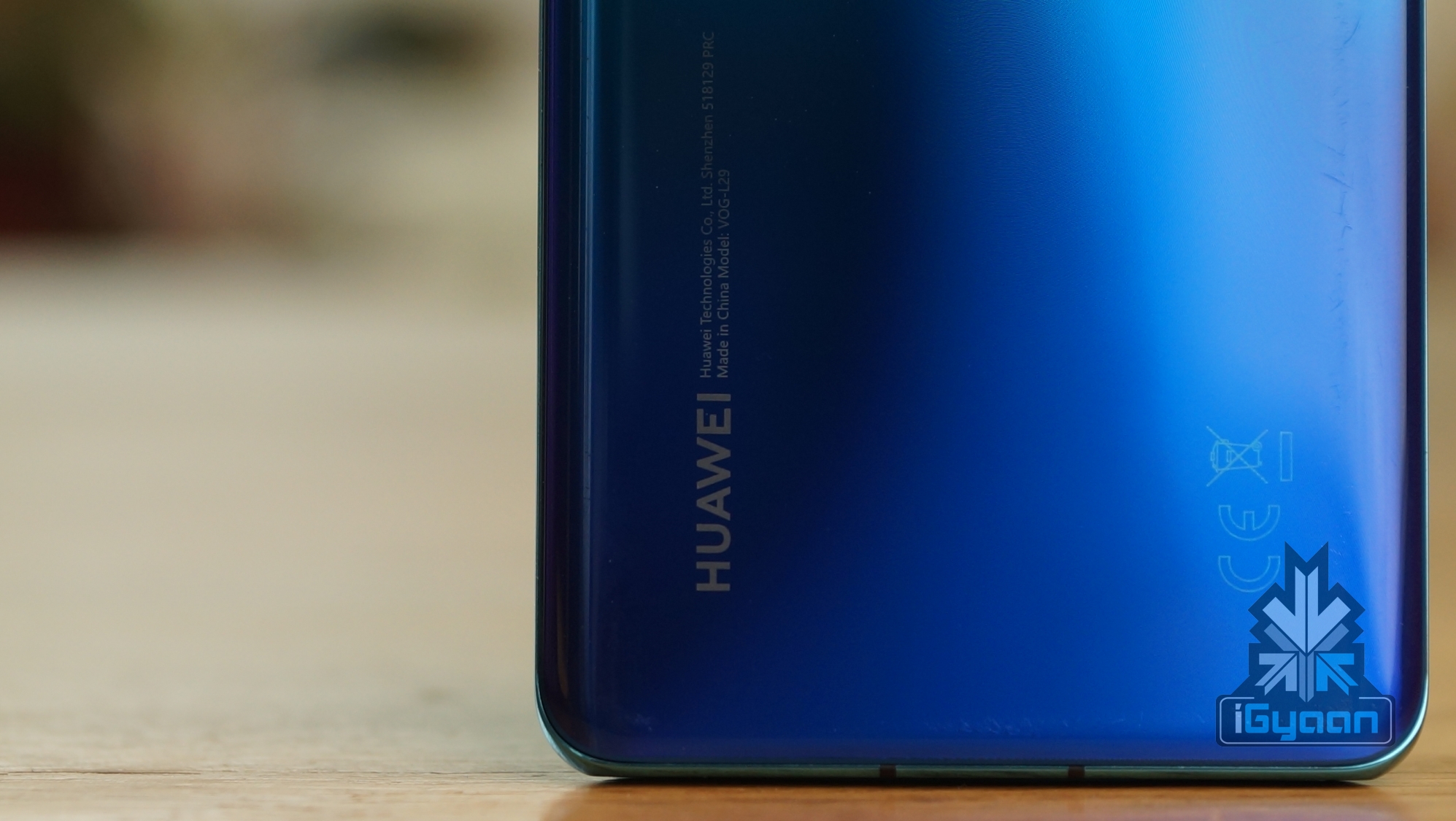
Huawei has listed its latest smartphone, the P Smart Z on its official Spanish website. The device boasts of being the first from the company to sport an elevating mechanism to house the front-facing camera, implementation of whose was first seen with the Vivo Apexsmartphone last year.
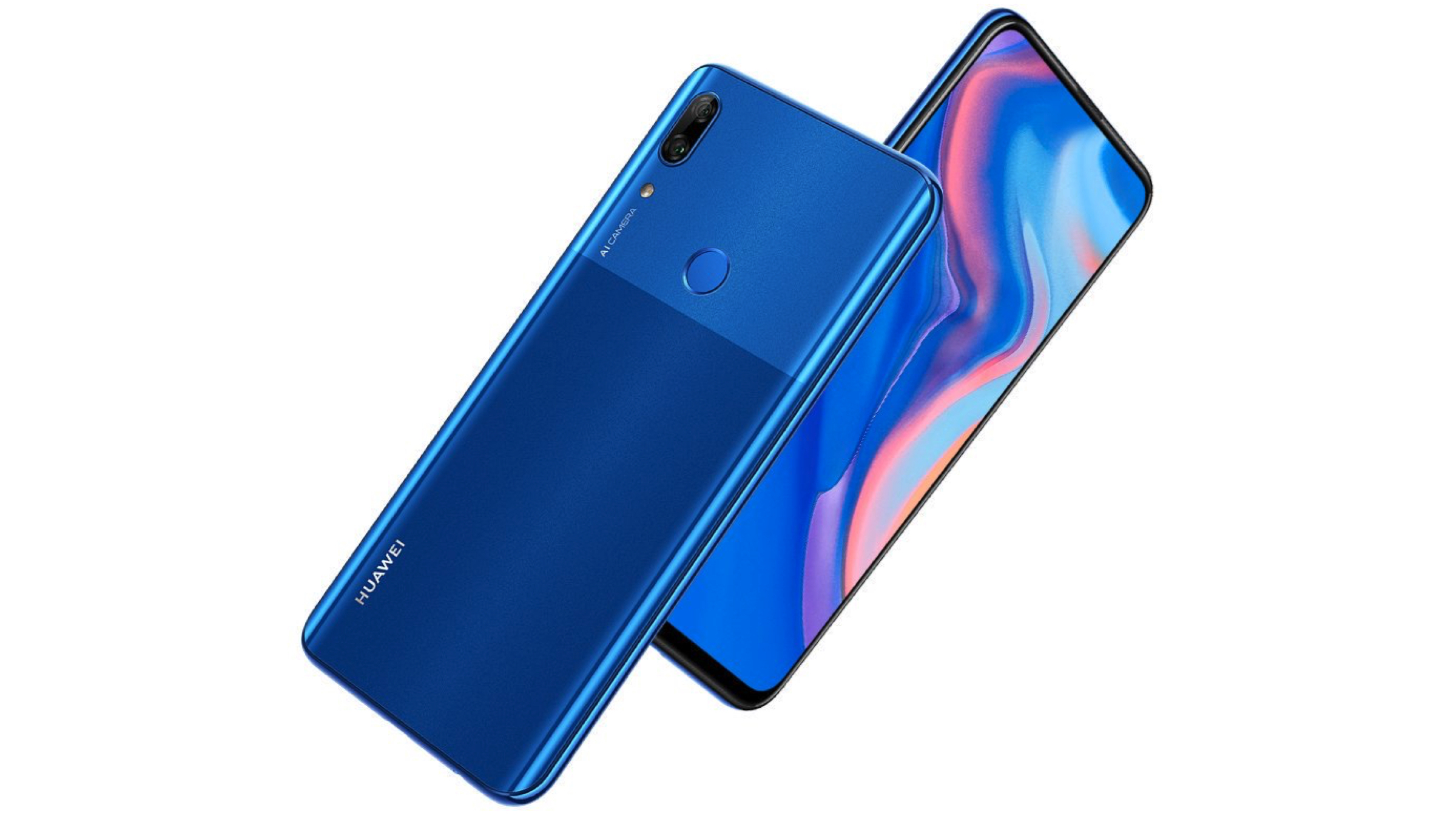
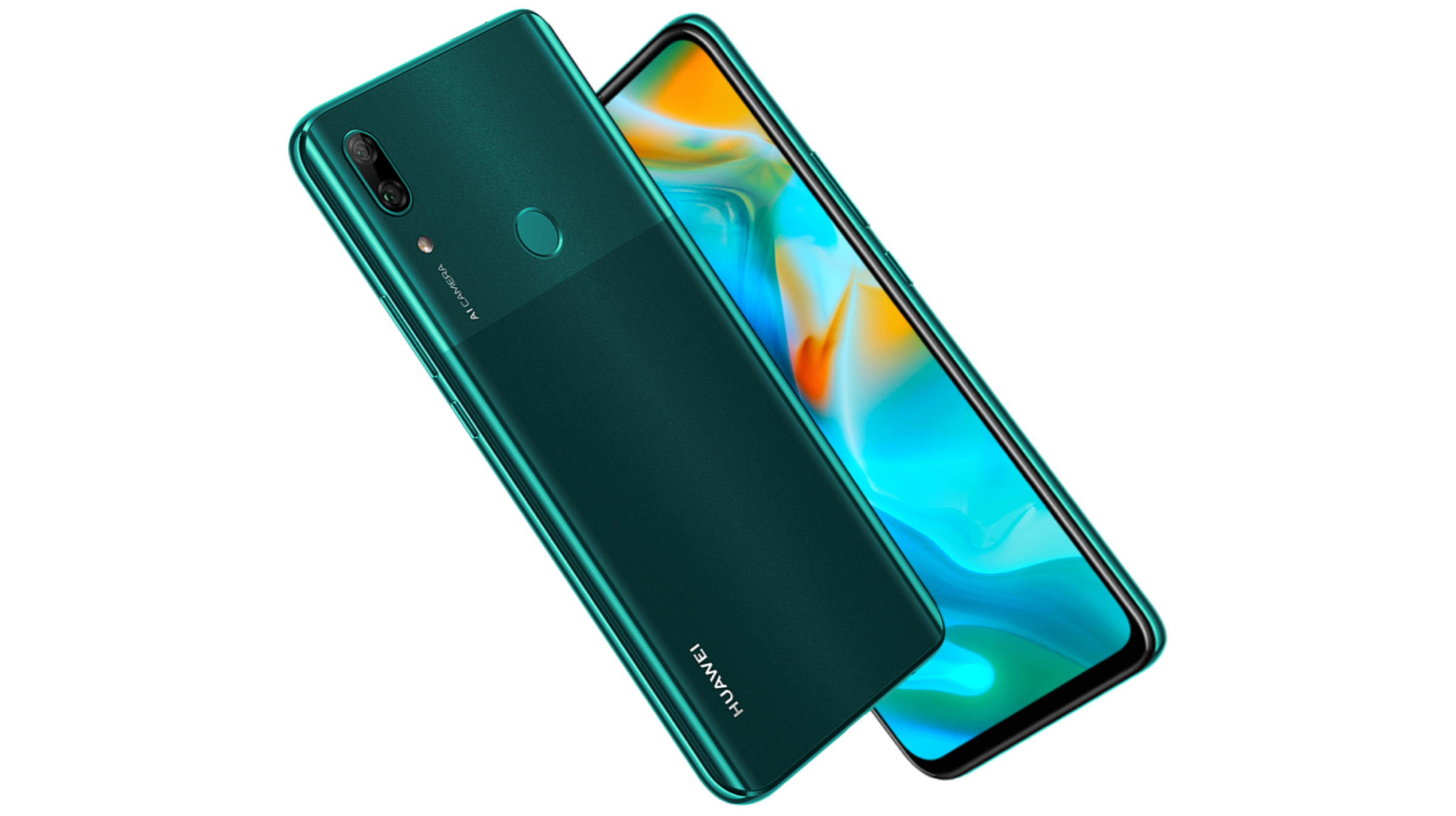
Huawei P Smart Z
The P Smart Z features an all-glass design on the front and rear with two-tone colour design on the back. It has a large 6.59-inch display with a resolution of 2340 x 1080 px and a pixel density of 391 ppi. To maximise the screen real estate of the smartphone, a pop-up camera mechanism is implemented on top of the device. The technology is also seen in smartphones like the Vivo V15 Pro and the rumoured OnePlus 7 Pro. For biometric security and rapidly unlocking the handset, it has a rear mounted fingerprint sensor with support for face unlock technology.
Under the hood, the Huawei P Smart Z is kitted with the 14nm HiSilicon Kirin 710 chipset, which consists of an octa-core CPU and the Mali-G51 MP4 GPU. In terms of optics, the smartphone has a dual rear camera module, which consists of an f/1.8 aperture equipped 16MP primary sensor and an f/2.4 aperture equipped 2MP depth sensor. For selfies, the pop-up mechanism houses the f/2.0 aperture equipped 16MP selfie camera. For memory and storage, the device features 4GB of RAM and 64GB of Internal Storage.
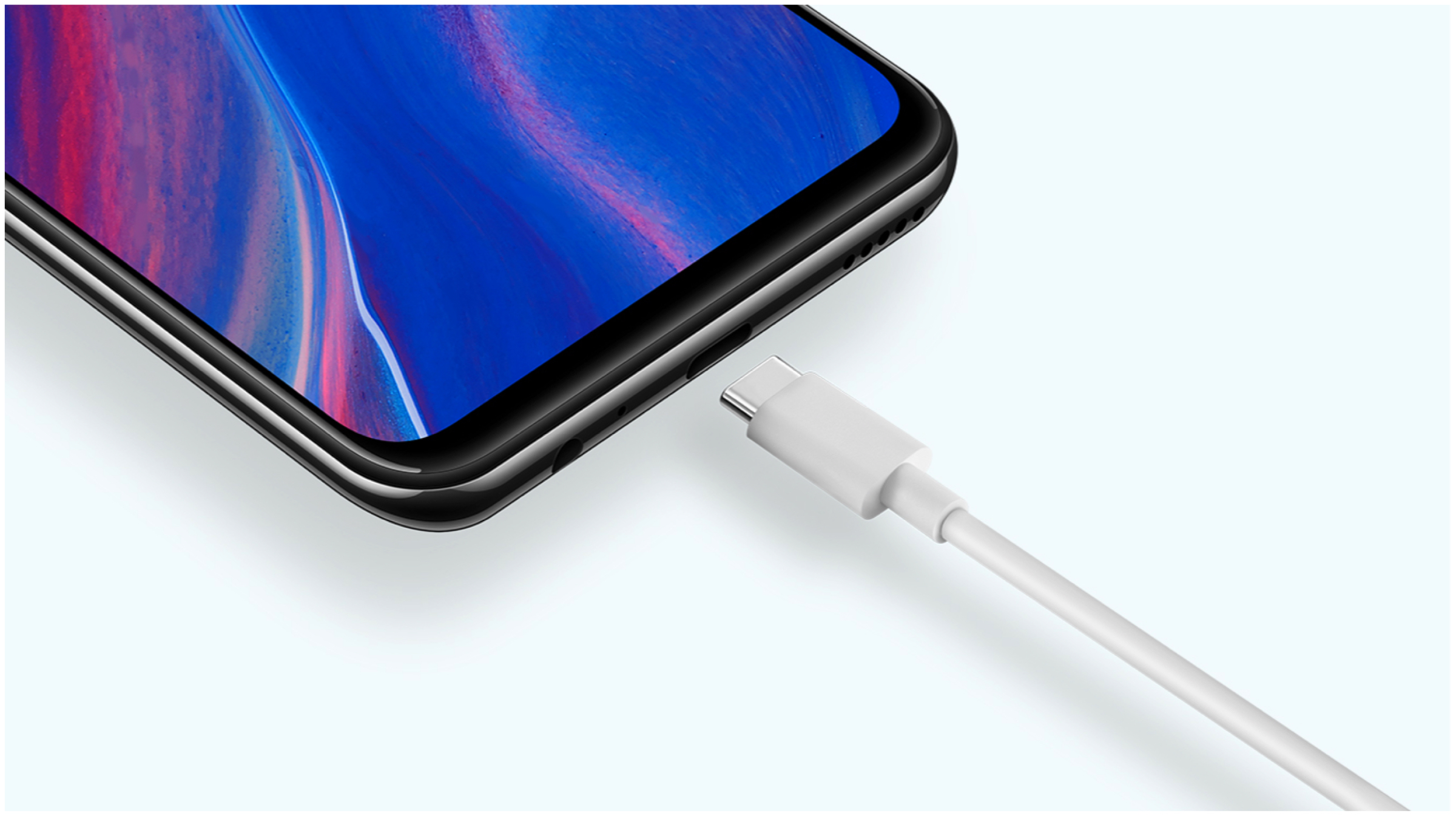
The Huawei P Smart Z is powered by a 4000 mAh battery which can be replenished by the bottom mounted USB Type-C port on the device. It runs on the latest Android 9 Pie, which is topped off with the company’s custom skin EMUI 9. The smartphone will be available in three colours, namely Sapphire Blue, Midnight Black, Emerald Green.
While the Huawei P Smart Z has been listed on the company’s official Spanish website, details about the pricing and availability are not known yet. But, previous leaks reveals it will be priced at EUR 279 (Rs. 21,600). As it has officially been listed by Huawei, it is expected to be made available for purchase in the following weeks.
Chinese manufacturer Huawei has been making a lot of progress over the past years. The company is the second largest smartphone maker in the world after Samsung. Huawei’s latest flagship, the P30 Pro received positive reviews for its innovative camera system, which provides 5x Optical Zoom capabilities. Furthermore, the company is planning to release the Y9 Prime 2019 smartphone in the not-so-distant future. Huawei has patented a new smartphone which has a unique selfie camera design.
About The Patent
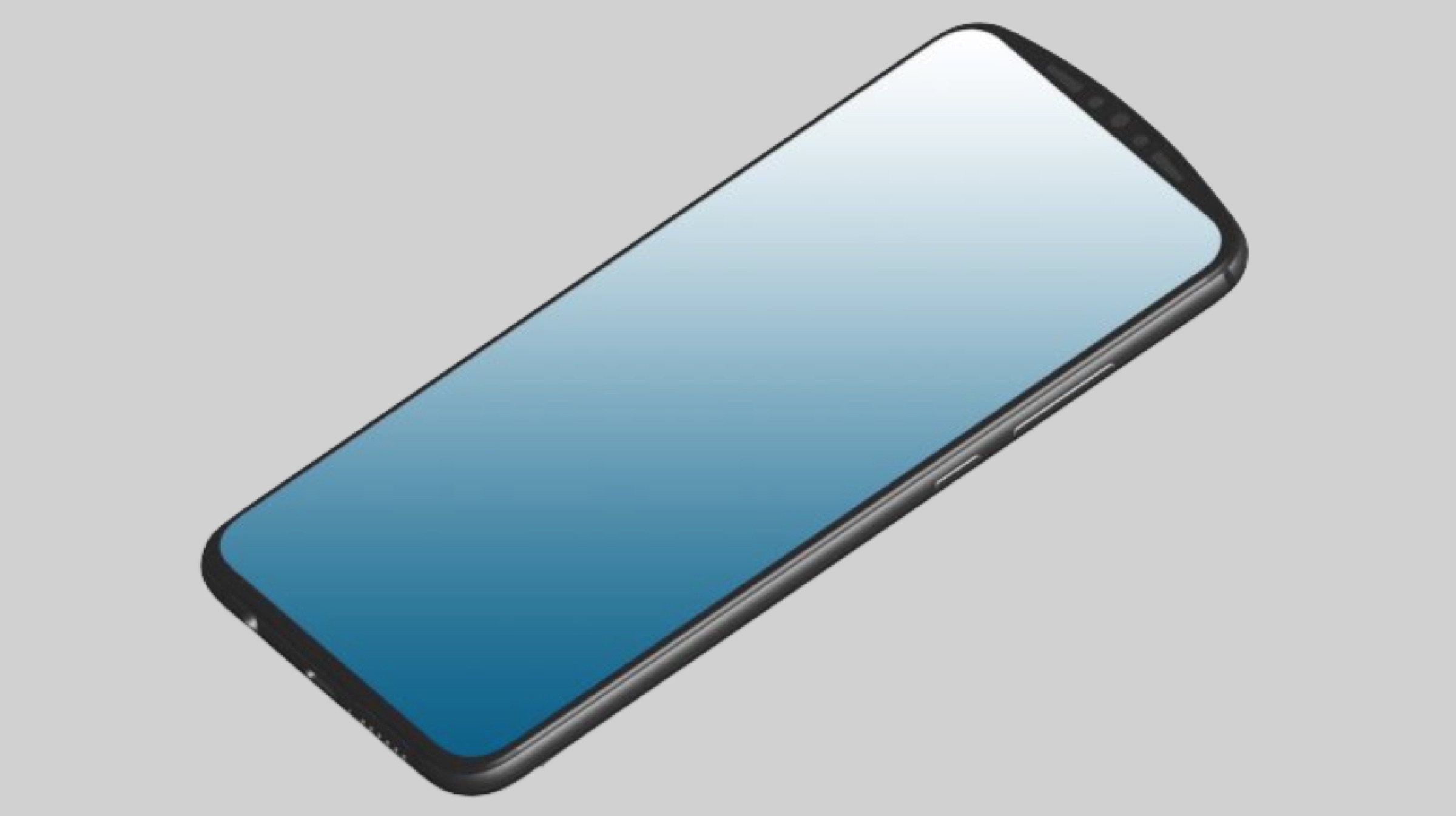
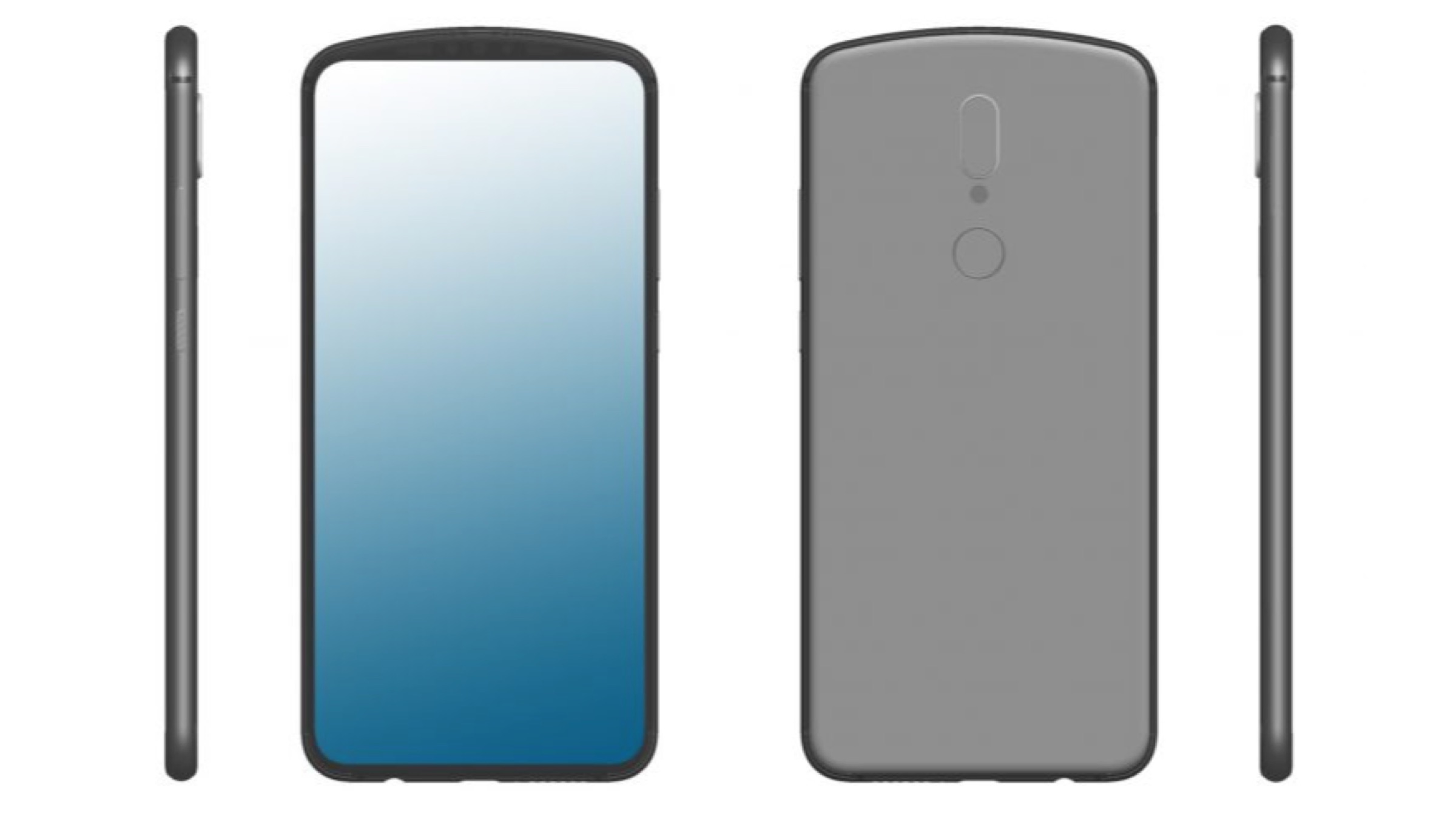
The patent reveals a device which does not feature a notch, yet has a full screen design. The aforementioned patent was first filed with the WIPO (World Intellectual Property Office) in the month of March 2018 and was published on the 7th of May 2019. Interestingly, the depicted smartphone does not have a notch or a pop-up style camera. Instead, the patented handset is slightly rounded on the top, which is the real catch here.
The rounded top ensures that there is just enough space at the top to accommodate the front camera sensor and the earpiece. The patent addresses a major drawback in smartphones with pop-up cameras, stating that such devices cannot be deemed waterproof. However, with this new design, Huawei claims that its smartphone can be waterproof and fullscreen at the same time.
The rear panel of the Huawei device from the patent has a traditional layout. It sports a dual camera setup and an LED flash with a fingerprint scanner placed just below them. Bottom renders of the device suggest that it will also feature a 3.5mm headphone jack. Clearly, the dual cameras on the handset indicate that it is intended to be a budget smartphone. Since Huawei hasn’t hinted about such a device in the immediate past, chances are that it may be released in the early 2020s or late 2019. However, as of now, all this information should be taken with a grain of salt.
After the phenomenal success of the Redmi Note 7 and the Note 7 Pro in the country. Xiaomi is gearing for the launch of another feature-rich device whose posters have been shared on the Mi community website. The said poster questions ‘Guess What’s Coming’ which is accompanied by a diagram. Closely inspecting the image suggests that the company might actually launch two smartphones instead of one.
Apparently, the diagram from the poster is hinting the features of the upcoming handsets. Allegedly, the inner ring in the aforementioned diagram denotes the single selfie camera on upcoming devices. While the second ring denotes a double camera and a triple camera setup which the smartphones will feature. It is assumed that the upcoming smartphone duo includes the Mi A3 and the Mi A3 Lite. To further strengthen the claim, the company is long anticipated to unveil the successors of the Mi A2 and the Mi A2 Lite (aka Redmi 6 Pro) from last year.
Even though precise details about both the Mi A3 and the Mi A3 Lite are unavailable, key features can be drawn from their predecessor. Being members of Xiaomi’s A series, the Mi A3 and the Mi A3 Lite are destined to run a stock version of Android along with Android one certification. Late last month, Xioami India head, Manu Kumar Jain shared a Tweet which notified that the company will soon launch a smartphone with the Snapdragon 730 SoC. And the Mi A3 might be kitted with the said chipset.
Furthermore, smartphones in the Mi A lineup are recognised for their camera performance and the upcoming handsets are expected to follow suit. All in all, to get more details about the smartphones we will have to wait patiently until we hear next from the company.
On the 7th of May 2019, Google held the I/O developers conference in Mountain View, California. As expected, it unveiled the long-anticipated Pixel 3a smartphone duo. The other notable product launched at the event was the Nest Hub Max which is the companies second-generation smart display. Other than the aforementioned hardware and software announcement, the company showcased new features for Google Assistant which are nothing short of groundbreaking.
Offline Centric Update
With the latest update, Google has primarily focussed on providing the existing features of the Assistant application without the need for an active internet connection. The company states that the new update completely changes how the data processing on the assistant is achieved. Previously, the inputs provided to the assistant was computed on the company’s data centres. But, following the update, all the data will be processed locally on the device itself. Noteworthy, Google has managed to shrink 100 GB of speech recognition and language understanding data to a bite-size 0.5 GB. Therefore, it can be locally stored on a smartphone or tablet, resulting in a reduction of latency to a greater extent.
The company claims that the updated Assistant can process requests up to 10 times faster. Furthermore, users can even multitask across different applications with the help of the voice assistant. The requirement for saying ‘Hey Google’ prefix before every command has also been eliminated. Consequently, users can have a human-like conversation with a virtual assistant. However, the next generation Assistant which rolls out later this year will only be limited to Pixel phones for an uncertain period.
Duplex Makes Its Way To The Web
Last year Google introduced Duplex technology, which is intended towards simplifying tasks that are usually performed manually. Originally, it could make phone calls on behalf of the user which in itself is a praiseworthy feature. After the update, it will also be able to handle certain processes which are a common affair like buying movie tickets online or booking a taxi. Duplex is able to achieve the said tasks by auto-filling the details of the users which greatly reduce the effort and time that it normally requires. The updated abilities will make their way to the app later this year in the US and UK for Android devices.
Assistant Becomes More Up Close
As the title suggests, Google assistant, after the update will be able to provide answers or execute tasks based on the personal references of an individual. For example, if the assistant has been informed about a particular contact, the assistant can answer questions about events like birthday or other relevant events based on the provided information. Another reference could be asking whether details of a friend’s place. Given, the assistant is aware of their location.
Furthermore, the assistant can also recommend suggestions based on past choices and decisions. The newly launched ‘Nest Smart Hub’ with the help of updated assistant will provide personalized suggestions starting with recipes, events and podcasts. For example, If a user asks for dinner recommendations, the assistant would answer based on past choices. Therefore, would suggest food dishes from a particular cuisine if the user had previously ordered a particular dish.
Driving Mode Built Into The Assistant
Even though driving mode has been available on Android devices for quite some time, its adaption has been rather limited. With the updated Google assistant, the company intends to change that. The driving mode built into the assistant can be easily toggled with the help of voice command “Hey Google, let’s drive”. The mode when turned on displays the on-screen content in a particular manner which custom tailored to the user.
Impressively, if a contact calls while driving, the assistant will speak aloud their details based on which the user can accept or decline the incoming call with a voice command. In addition, other tasks like messaging or asking for navigation can all be achieved with voice command, hands-free.
Furthermore, the updated Google assistant can turn on the air conditioner in the user’s car before they reach, implied the vehicle supports the functionality. Last but not least, an ongoing alarm can be turned off via the ‘stop’ voice command.
Lenovo owned technology company, Motorola is gearing up for the launch of the One Vision smartphone. Previous leaks and rumours have already divulged a major chunk of information regarding the device. The device is a part of the Android One program, which means that it is guaranteed to receive software updates for at least two years. Fresh leaks regarding the Moto One Vision suggest that it will be launched in two colours, and will sport a punch hole selfie camera.
Motorola One Vision: Specifications & Features
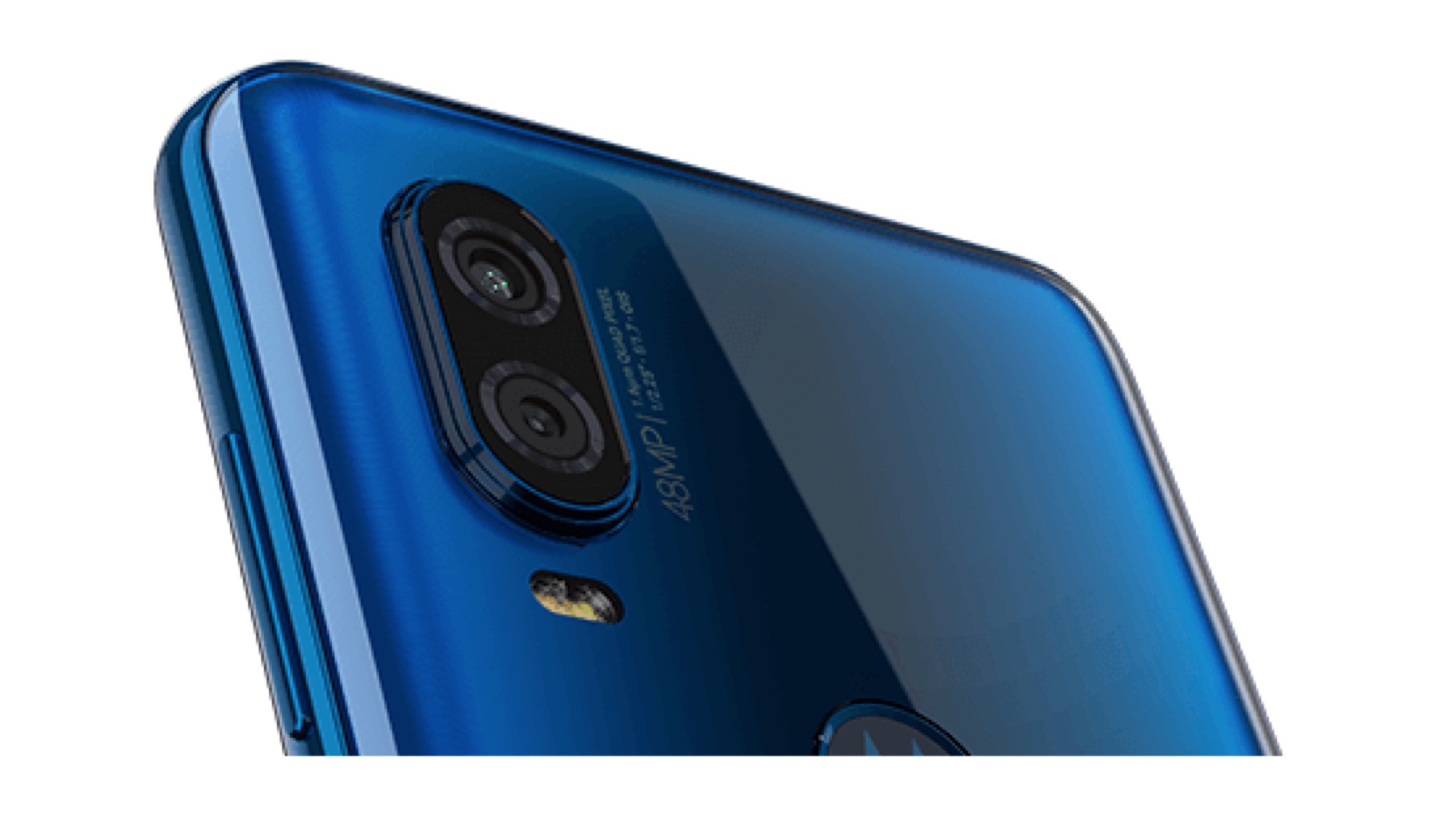
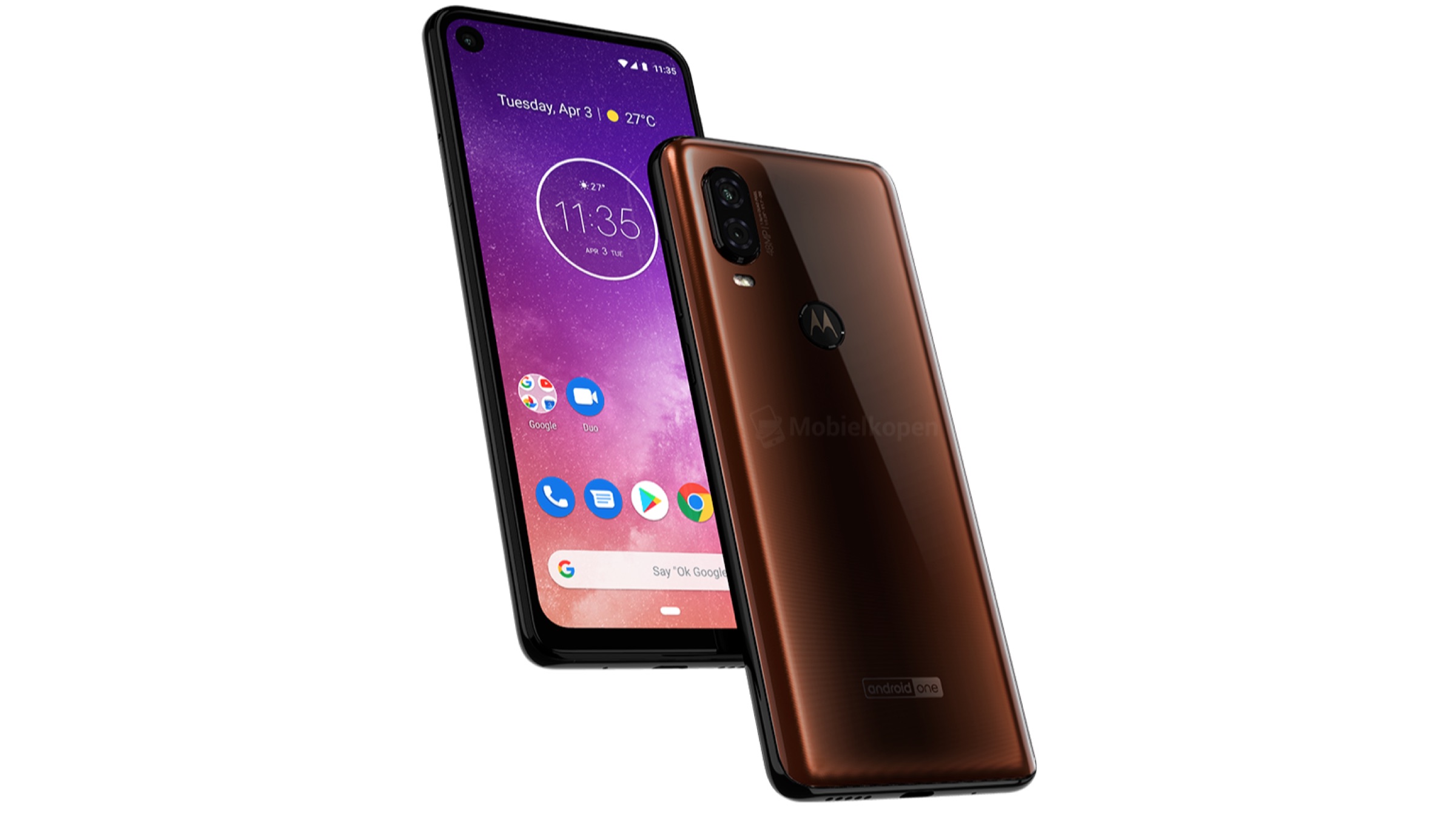
As per reports, the Moto One Vision will feature a 6.2 inch FHD+ display with 21:9 aspect ratio. The smartphone has a glass sandwich design, and the glossy back panel of the device features a fingerprint scanner for biometric security, which is housed in the Motorola Logo. The design is different from Motorola’s conventional method, since this will be the first Motorola handset to feature a punch hole cutout.
Unlike other Motorola smartphones, the Moto One Vision will run on the 11nm Exynos 9610 SoC, which is manufactured by Samsung. The chipset comprises of an octa-core Cortex CPU (up to 2.3 GHz clock speed) and the Mali G72-MP3 GPU. It will be available in two storage variants: a 3GB RAM version and a 4GB one, which will be paired with either 32, 64 or 128GB of internal storage.
In terms of optics, the Moto One Vision has a f/1.7 aperture equipped 48MP primary sensor, which will feature quad pixel technology and OIS (Optical Image Stabilization), and a secondary 5MP depth sensor. For selfies, a 12MP camera will be housed in the aforementioned punch hole cutout. As per reports, the Moto One Vision will pack a 3500 mAh battery with 18W fast charging support. The bottom of the smartphone will accommodate the speaker grille and the USB Type-C port. The renders of the smartphone, however, do not exhibit the presence of the 3.5mm headphone jack on the device.
The Motorola One Vision is expected to be unveiled on May 15 in Sao Paulo, Brazil. Noteworthy, the same device is speculated to be marketed as the Motorola P40 in China. It will be available in two colours as per reports, which are expected to be Gradient Blue and Gradient Brown.
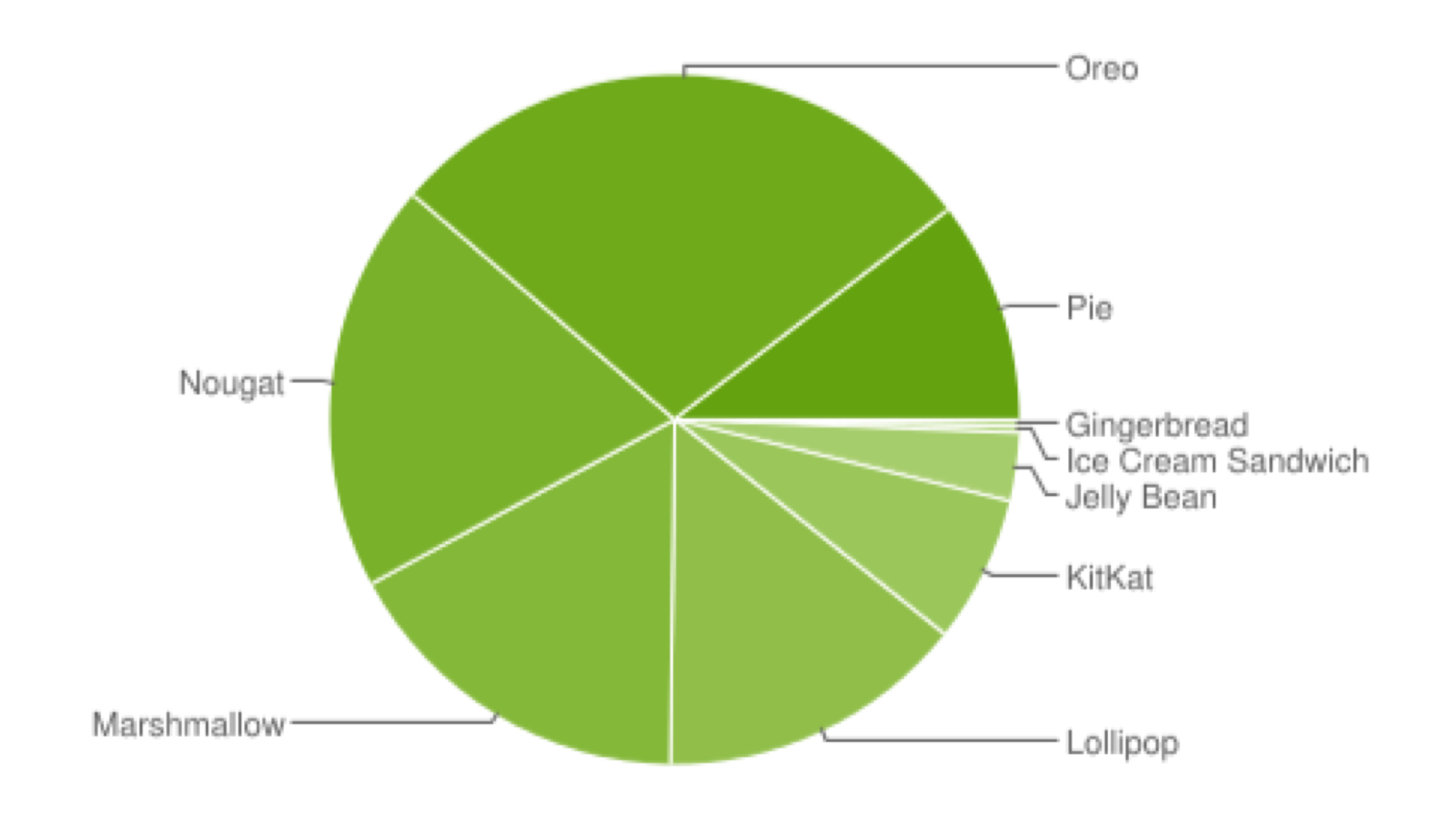
Google released the Android operating system for mobile devices back in the year 2008. The latest version of the OS is Android 9 Pie, which is its ninth major release. Before the launch of its successor, dubbed Android 10 Q in the following months, Google has released the Android Distribution list on the software’s official website. The list showcases the statistic of how many devices are running a particular version, and if a new version has been successful or not. The company refreshes the list every six months and this time it revealed Android version 8, named Oreo, is most popular worldwide.
The Result
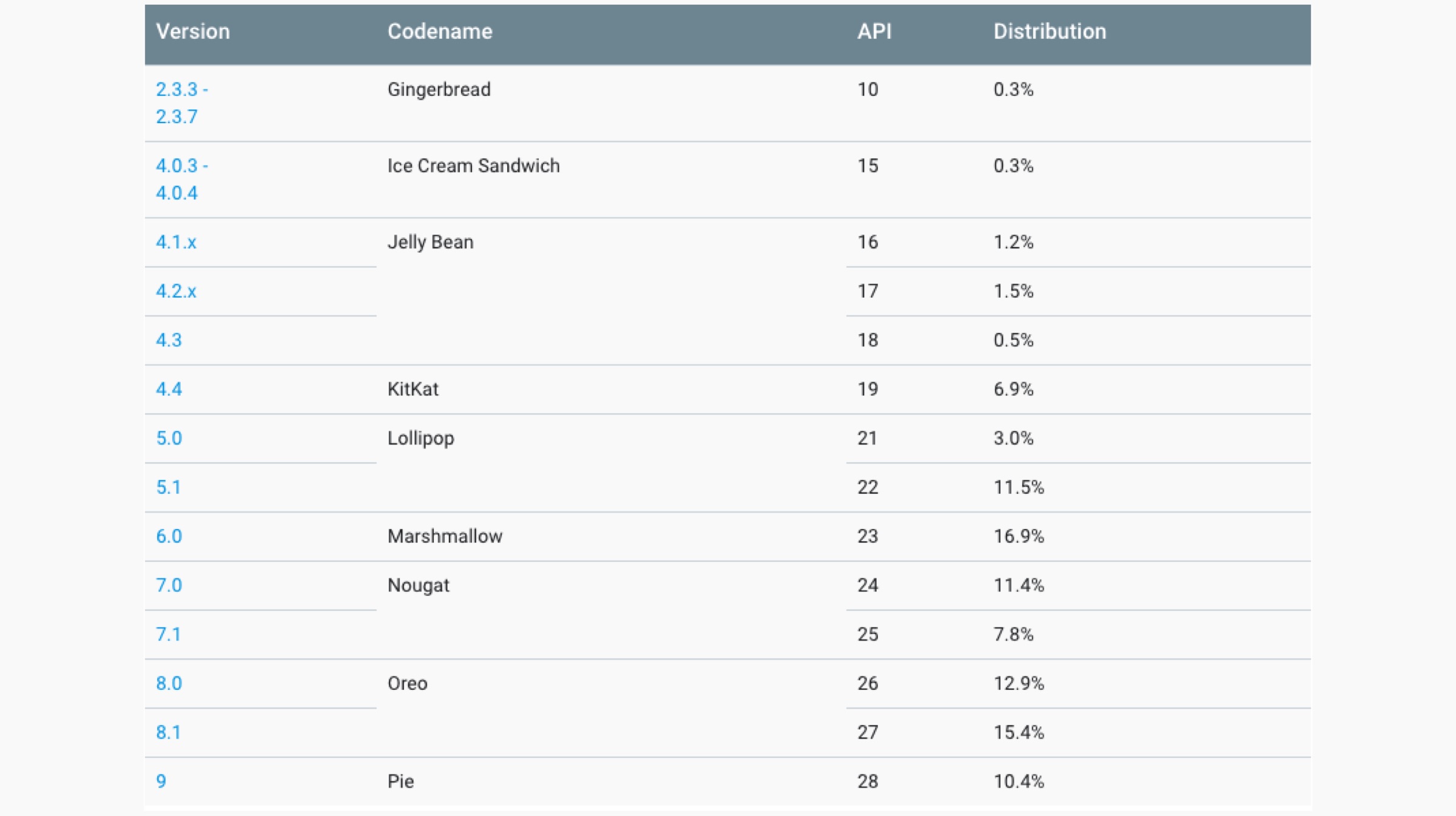
As mentioned above, Google refreshes the Android Distribution list every six months; with it being updated previously in the month of November last year. The company claims it collected the data over a 7 day period ending May 7, 2019. It also notes the versions with less than 0.1 percent usage were not included in the list. The list reveals the Android versions 8.0 and 8.1, both referred to as the name Oreo, with a combined percentage of 28.3 %, are the most used OS by the company worldwide. It was originally released back in the year 2017. Noteworthy, in the last list that was released by Google, the version 7.0/7.1, named Nougat was the most used at the time.
The Android Distribution list is followed by version 7 Nougat, released in the year 2016 in the second place with a combined share of 18.4 %. In the third place is the Android 6 Marshmallow released in the year 2015 with a cut of 16.9 %. After version 5 Lollipop with a share of 14.5% in the fifth place, the latest Android 9 Pie makes an appearance with a percentage of 10.4%. The latest statistics from Google showcase the Android Fragmentation problem that has plagued the platform since the beginning. The terms refer to the disparity in the software’s versions running on devices currently in use. The company is expected to release the latest version of the mobile operating system later this year.
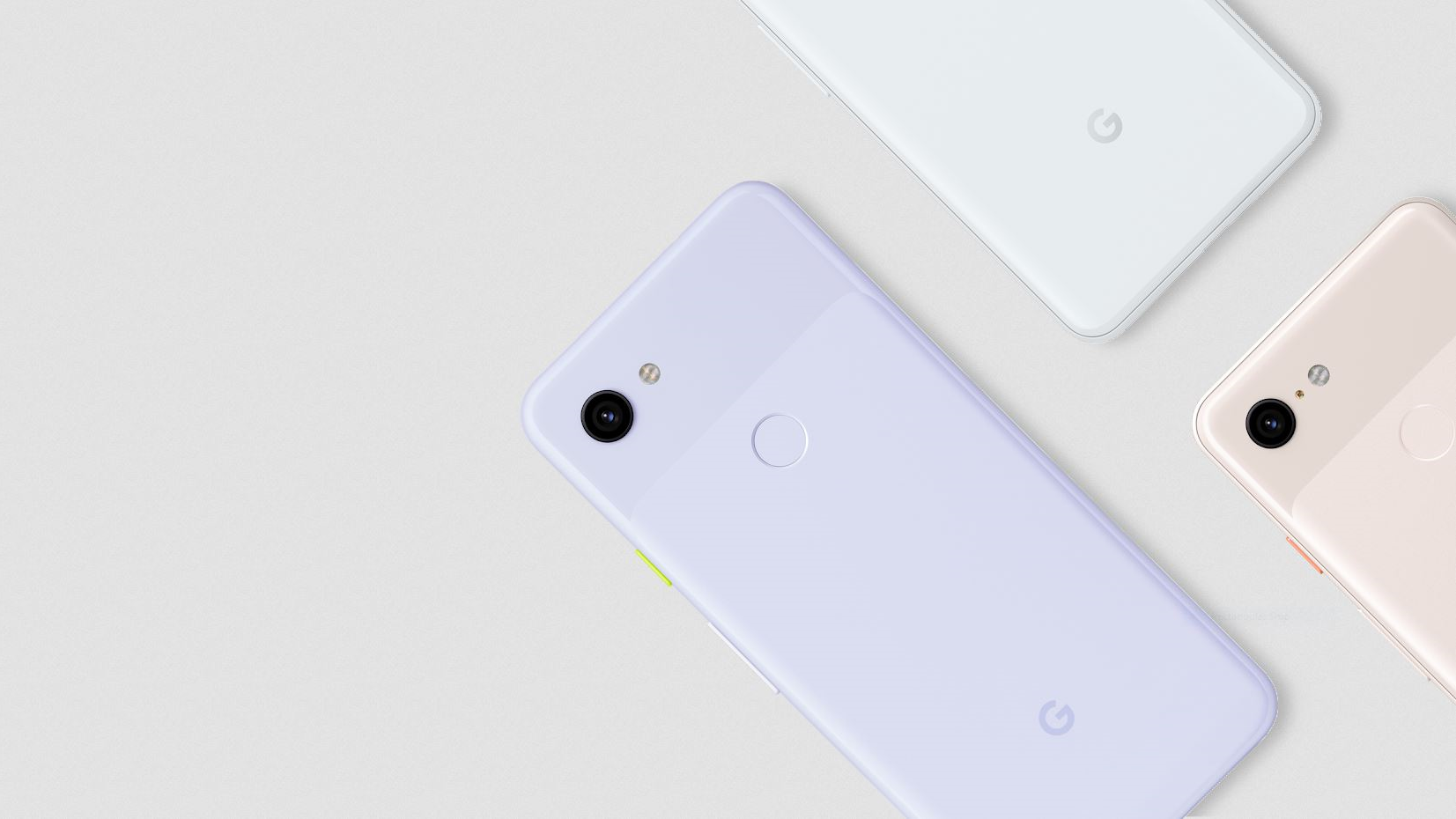
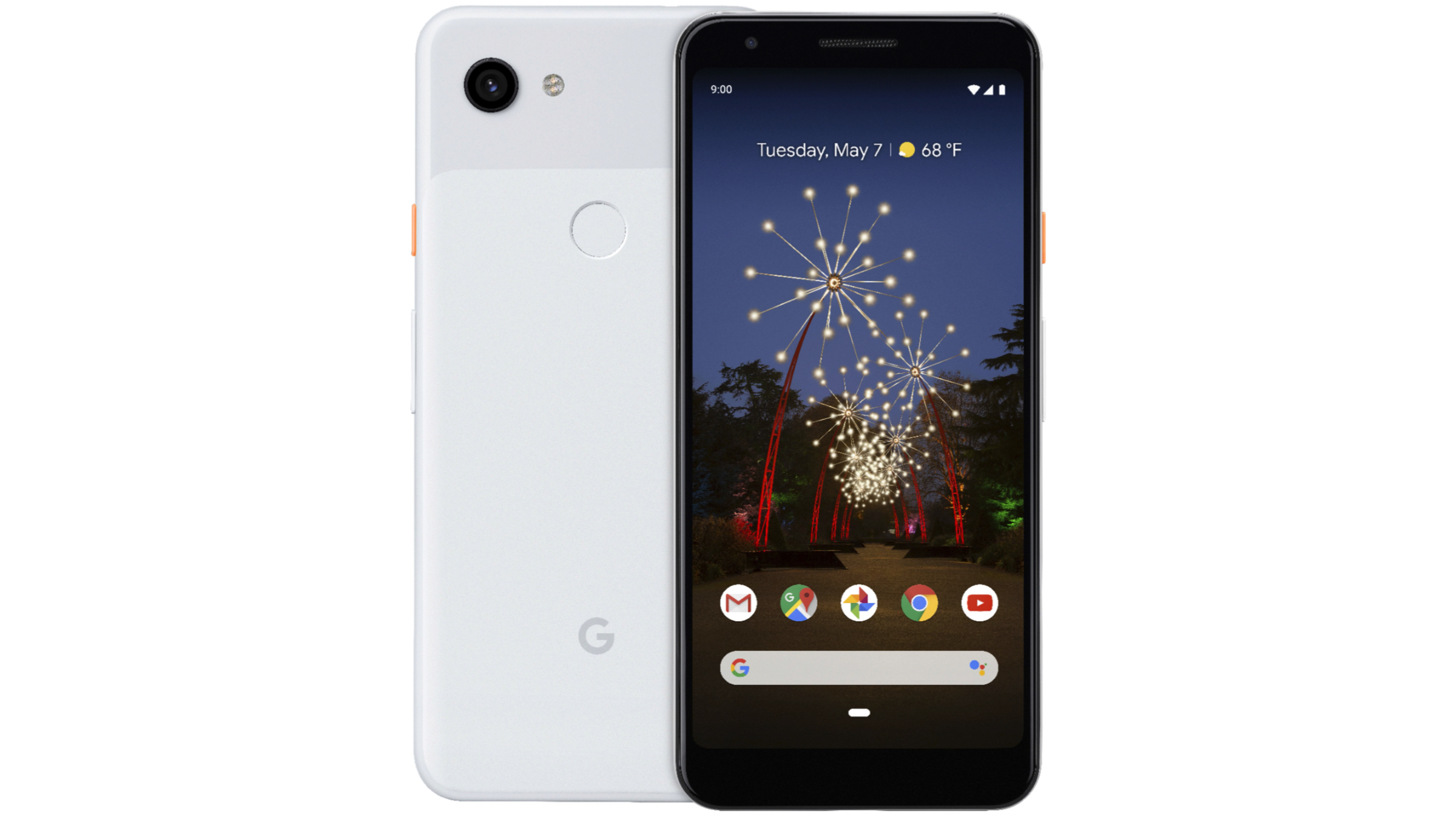
After much leaks and speculations, American technology giant Google has launched the Pixel 3a and Pixel 3a XL smartphones. Both devices are the watered down variants of the Pixel 3 and Pixel 3XL flagship smartphones respectively which were launched last year. The handsets feature a modern design with competitive specifications at a lucrative price.
Specifications:
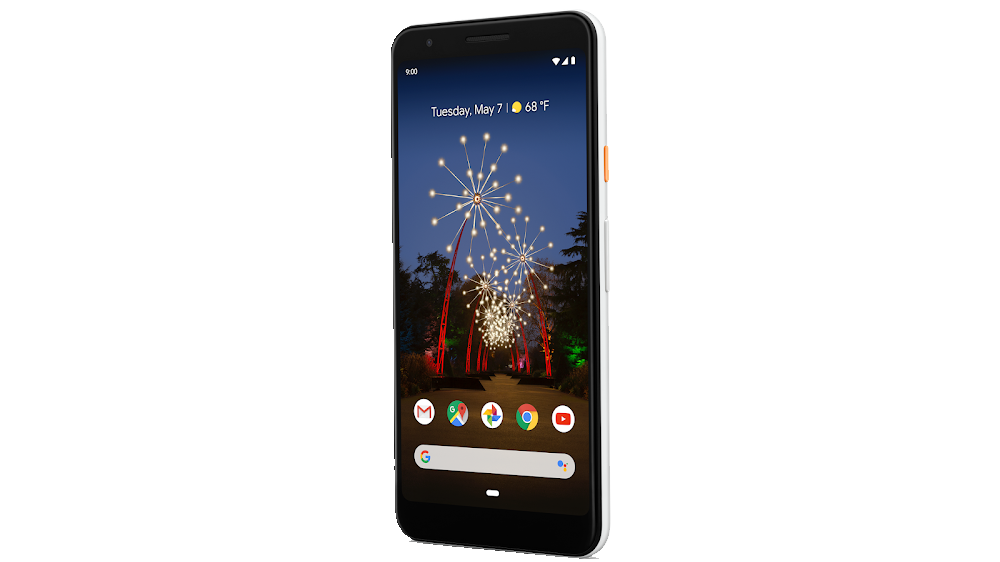
The Pixel 3a and 3a XL are the first mid range smartphones from Google. In terms of design, both smartphones are reminiscent of their elder siblings but instead feature a polycarbonate construction instead of metal and glass found in the more premium Pixel 3/3XL. While the Pixel 3a has a 5.6 inch OLED display with a resolution of 2220 x 1080 px, the larger variant has a bigger 6.0 inch OLED display with a 2160 x 1080 px resolution. The smartphones have a considerable bezel on the top and bottom of the display. For biometric security and swiftly unlocking the smartphones, there is a rear mounted fingerprint scanner on both handsets.
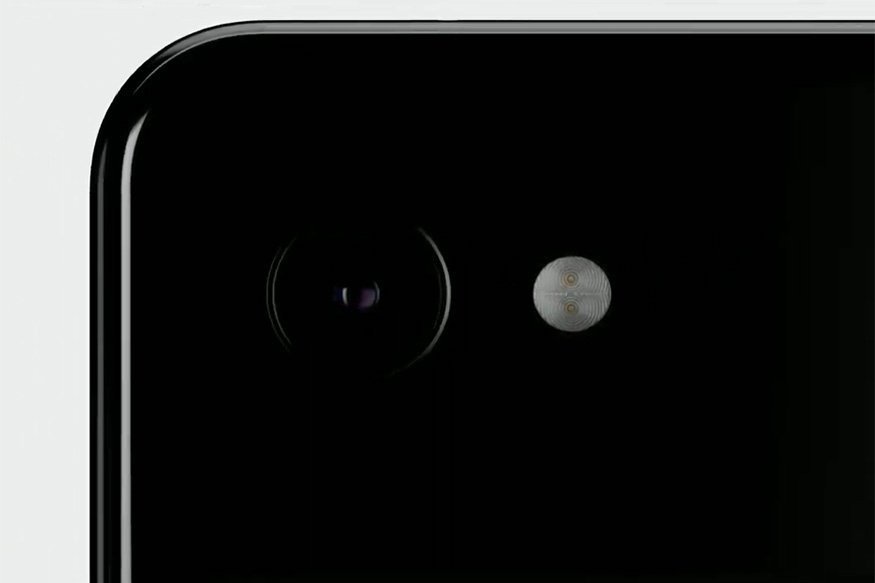
Under the hood, the Google Pixel 3a series is kitted with the 10nm Snapdragon 670 SoC which is comprised of an Octa-core CPU and the Adreno 615 GPU. In terms of optics, the devices feature a single rear camera which is an f/1.8 aperture equipped 12 MP sensor and is the same one found in their elder siblings. For selfies, an f/2.0 aperture equipped 8 MP front camera is present on top of the display. Like the Pixel 3/3XL, both the smartphones have innovative software features on the camera including Night Sight, Super Res Zoom and Optical Image Stablisation (OIS). For memory and storage, both devices will be available with 4GB RAM and 64GB internal storage.
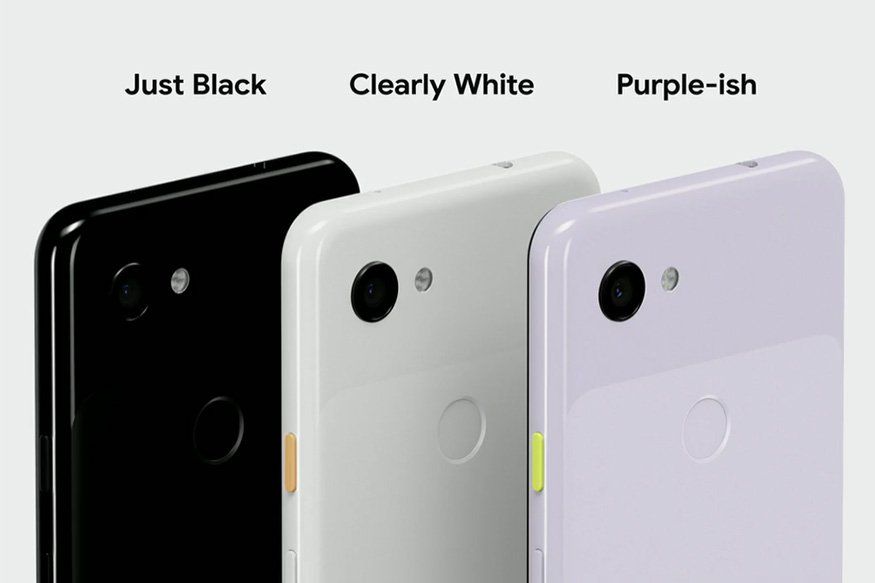
In terms of battery capacity, the Google Pixel 3a is powered by a 3000 mAh cell while the larger variant is fueled by a 3700 mAh battery. Both devices support 18W fast wired charging with the bottom mounted USB Type-C port. Surprisingly, the handsets mark the comeback of the 3.5mm headphone jack, which was removed starting the Pixel 2 lineup back in the year 2017. The handsets will be available in three colours, Just Black, Clearly White and Purple-ish.
The Google Pixel 3a series has been launched in a total of fifteen countries globally where it will be available starting May 8th (IST). The smartphone will be available in India starting the 15th of May exclusively on Flipkart. The price of the Pixel 3a is US$ 399 (Rs. 27,700) while the Pixel 3a XL will cost US$ 479 (Rs. 33,300).
HMD Global has launched the Nokia 4.2, its latest budget smartphone in the Indian market on the 7th of May. At a price of Rs. 10,990, it goes head to head against the proven champion of the segment, the Redmi Note 7. With a legendary name behind it and a clean build of Android, is it the budget smartphone to buy in 2019?
We find out in our Nokia 4.2 Review
What’s In The Box?
Nokia 4.2
Power Adapter
MicroUSB Cable
Earphones
SIM Card Ejector
Quick Start Guide
Warranty Card
Build Quality & Design
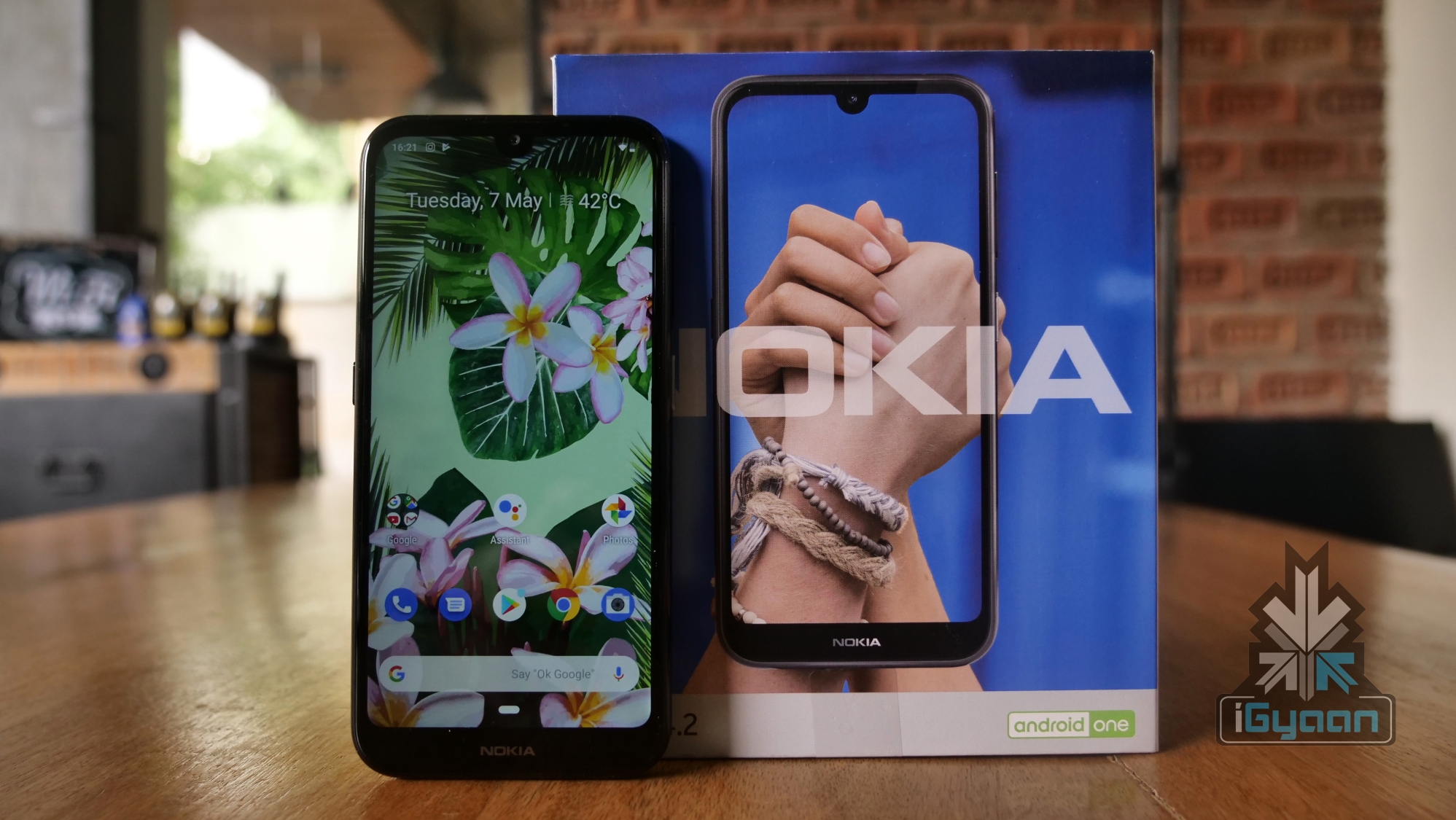
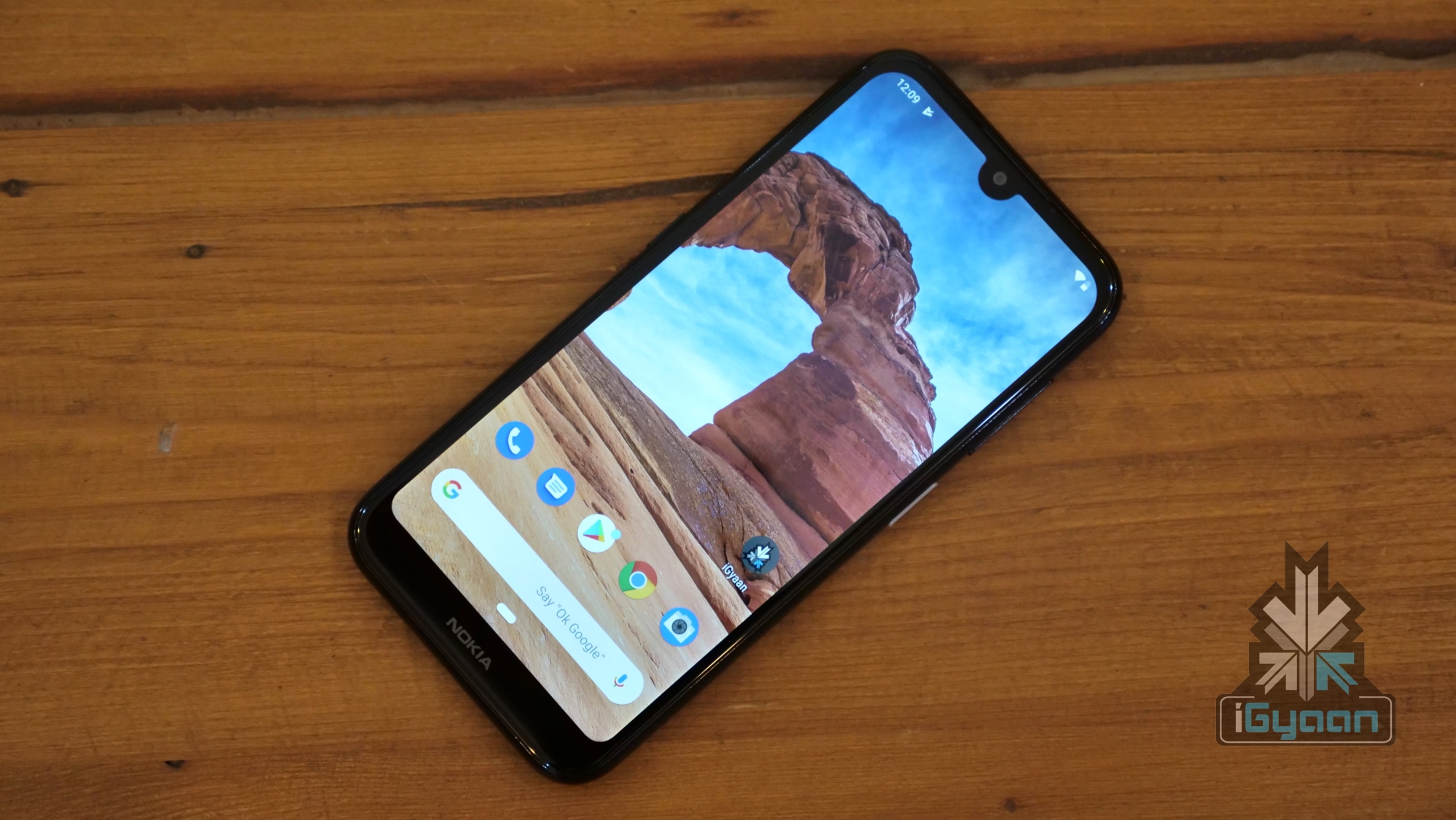
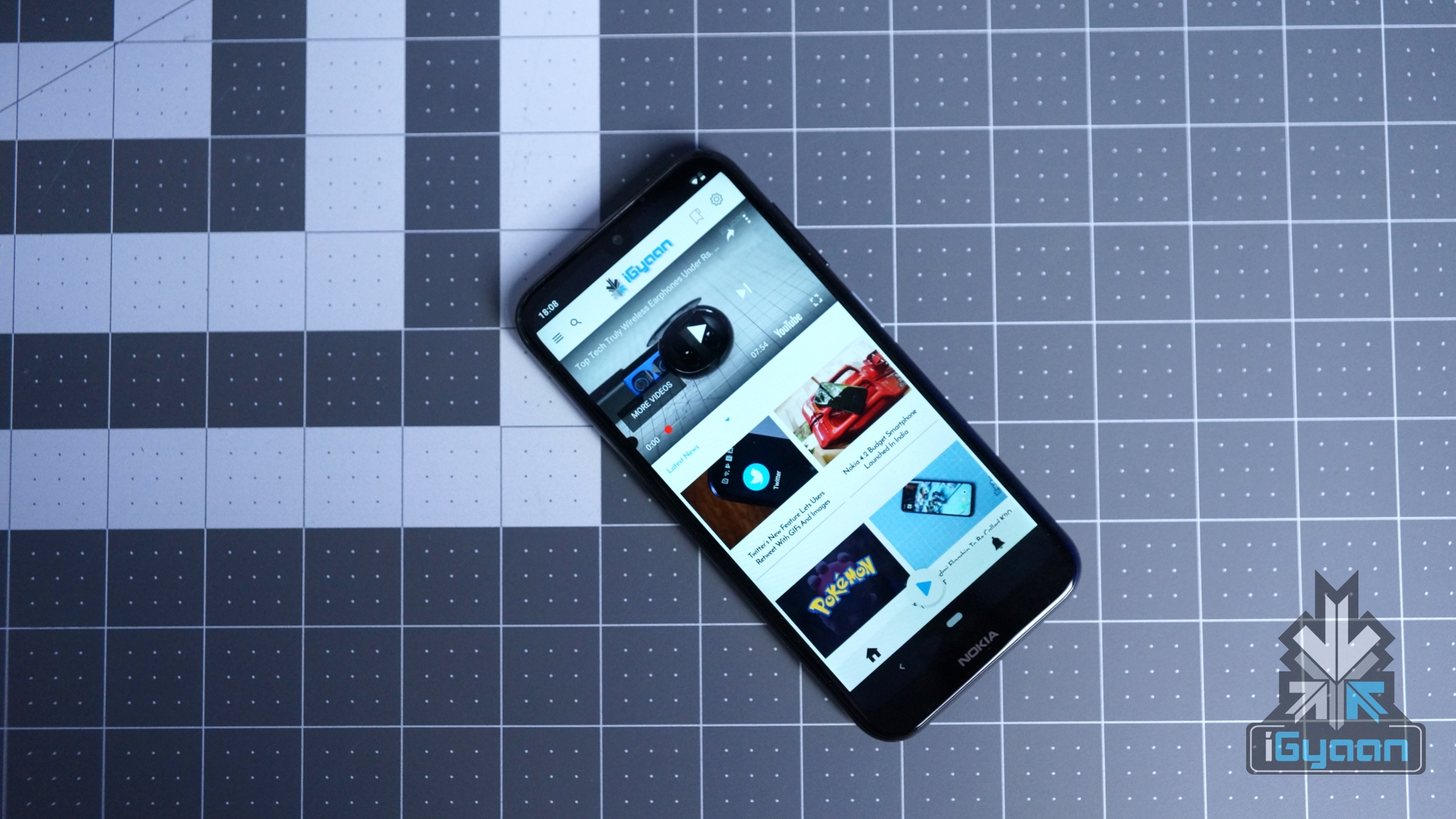
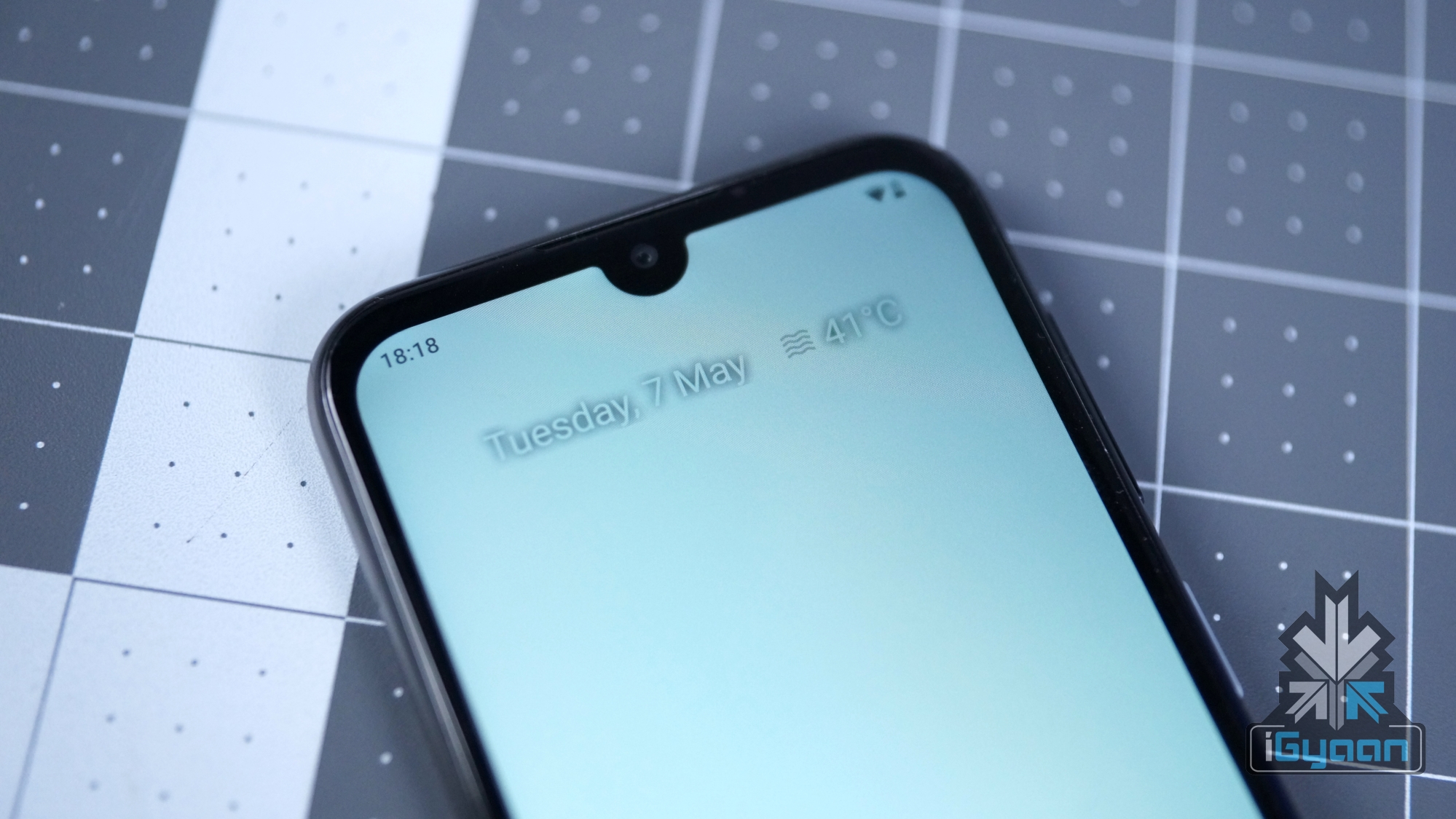
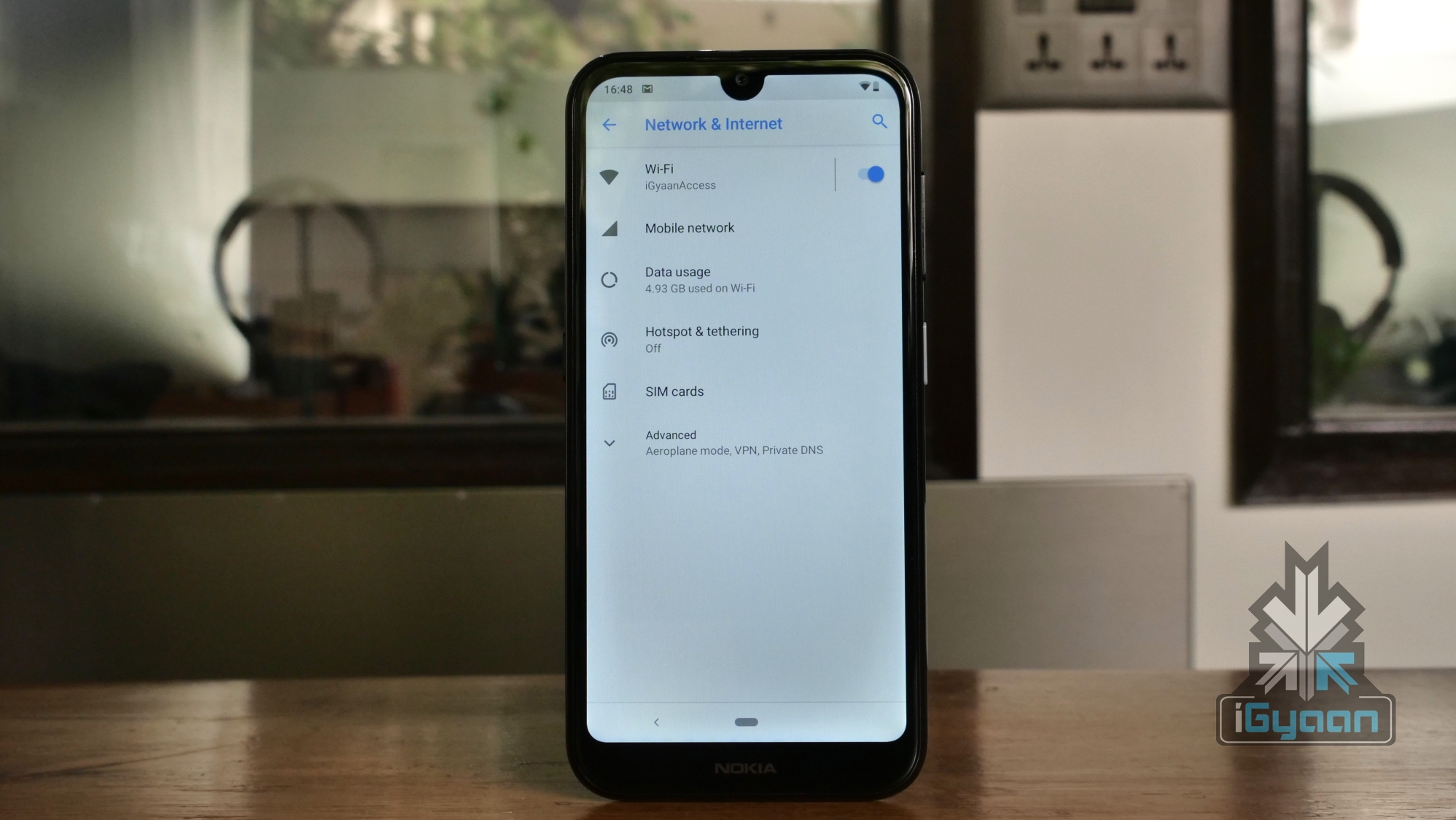
As far as the build quality and design is concerned, Nokia has not strayed far in taking inspiration for the Nokia 4.2. It features glass on both sides with a polycarbonate frame for reinforcement. The design makes it look a lot like the Nokia 6.1 Plus which was launched last year. The front of the smartphone is dominated by a 5.7-inch display with a waterdrop notch on top of it.
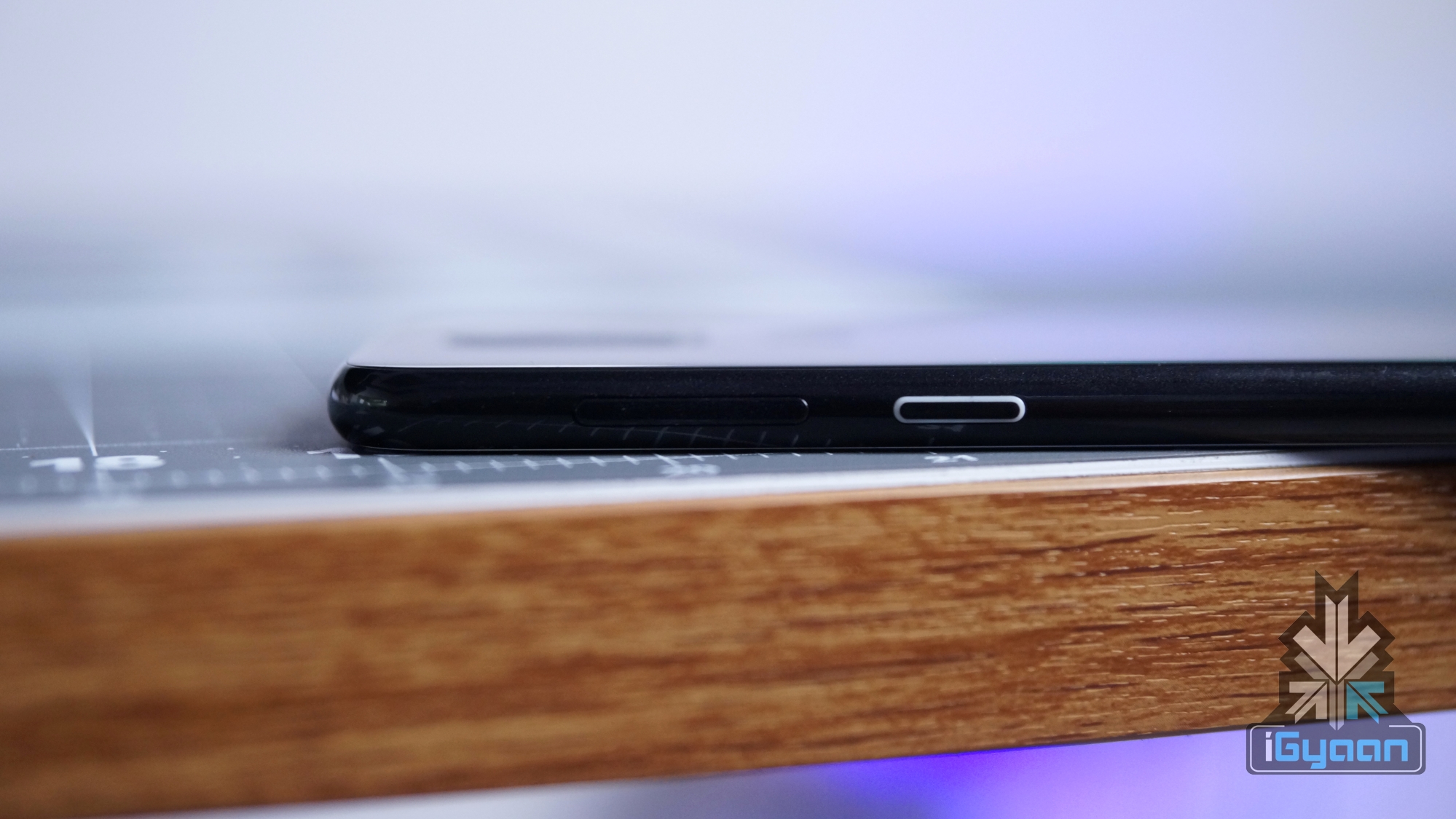
The right side of the Nokia 4.2 houses the volume rockers and the power button. Interestingly, the power button also features the notification LED, which as the name suggests lights up whenever the device receives a new notification. Unconventionally, the left side of the smartphone has a dedicated Google Assistant button which can be used to summon the voice assistant. This side houses the Hybrid SIM card tray which can either accept two nano SIM cards or one SIM card and a memory card up to 400 GB. While the top of the handset accommodates the secondary noise cancellation microphone and the 3.5mm headphone jack, the bottom has the microphone, micro USB port and the speaker grille lined up together.
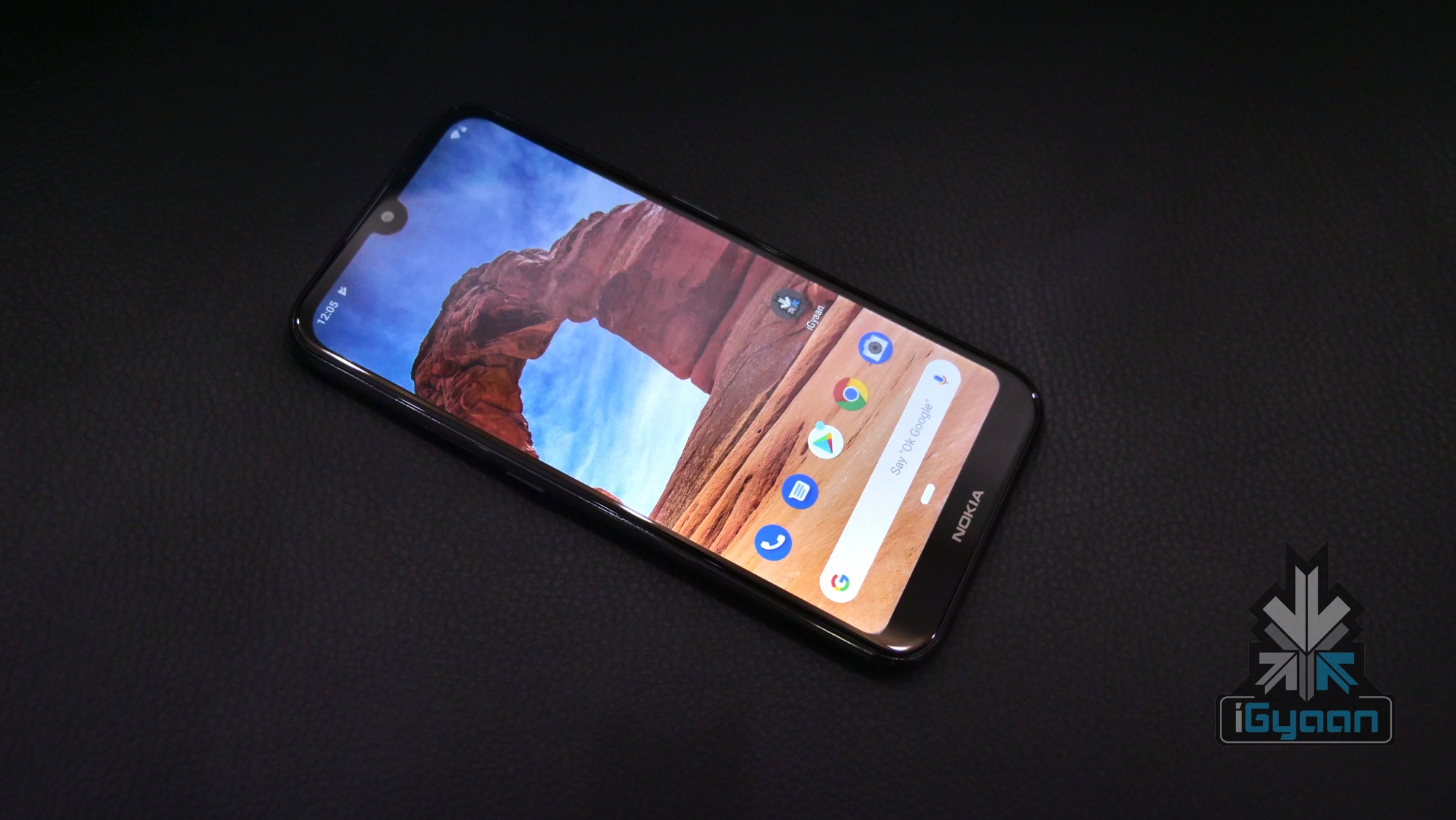
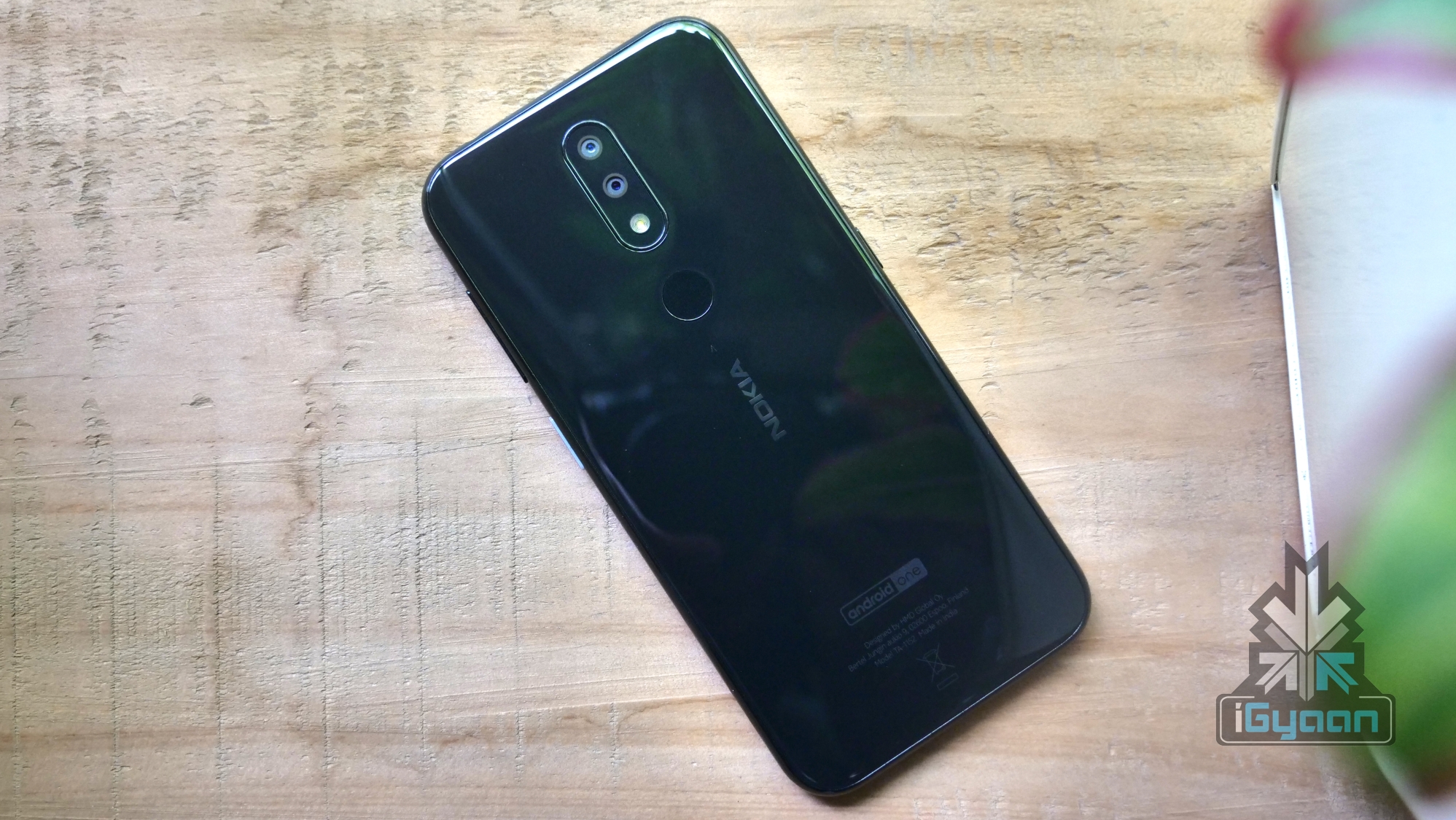
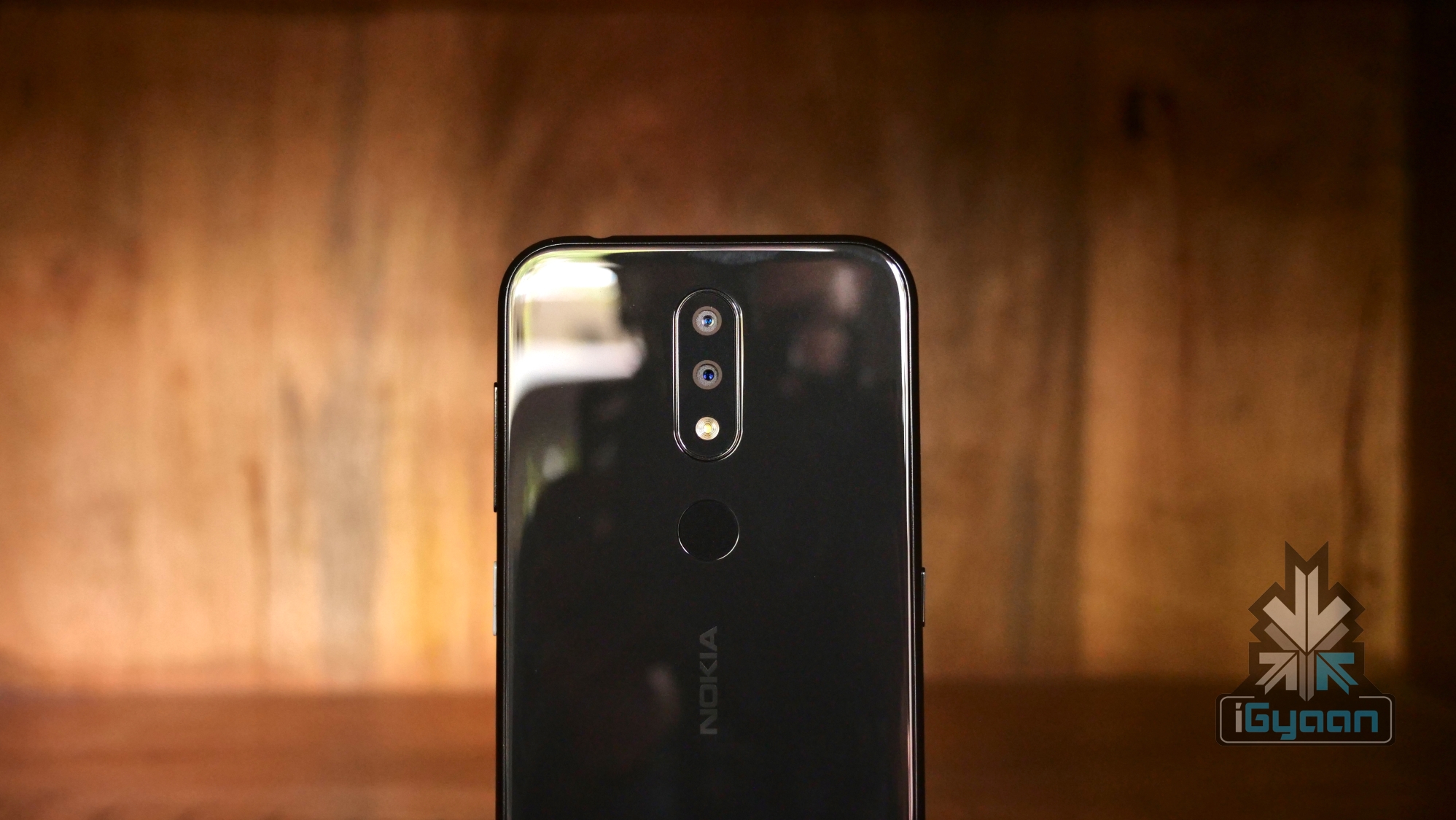
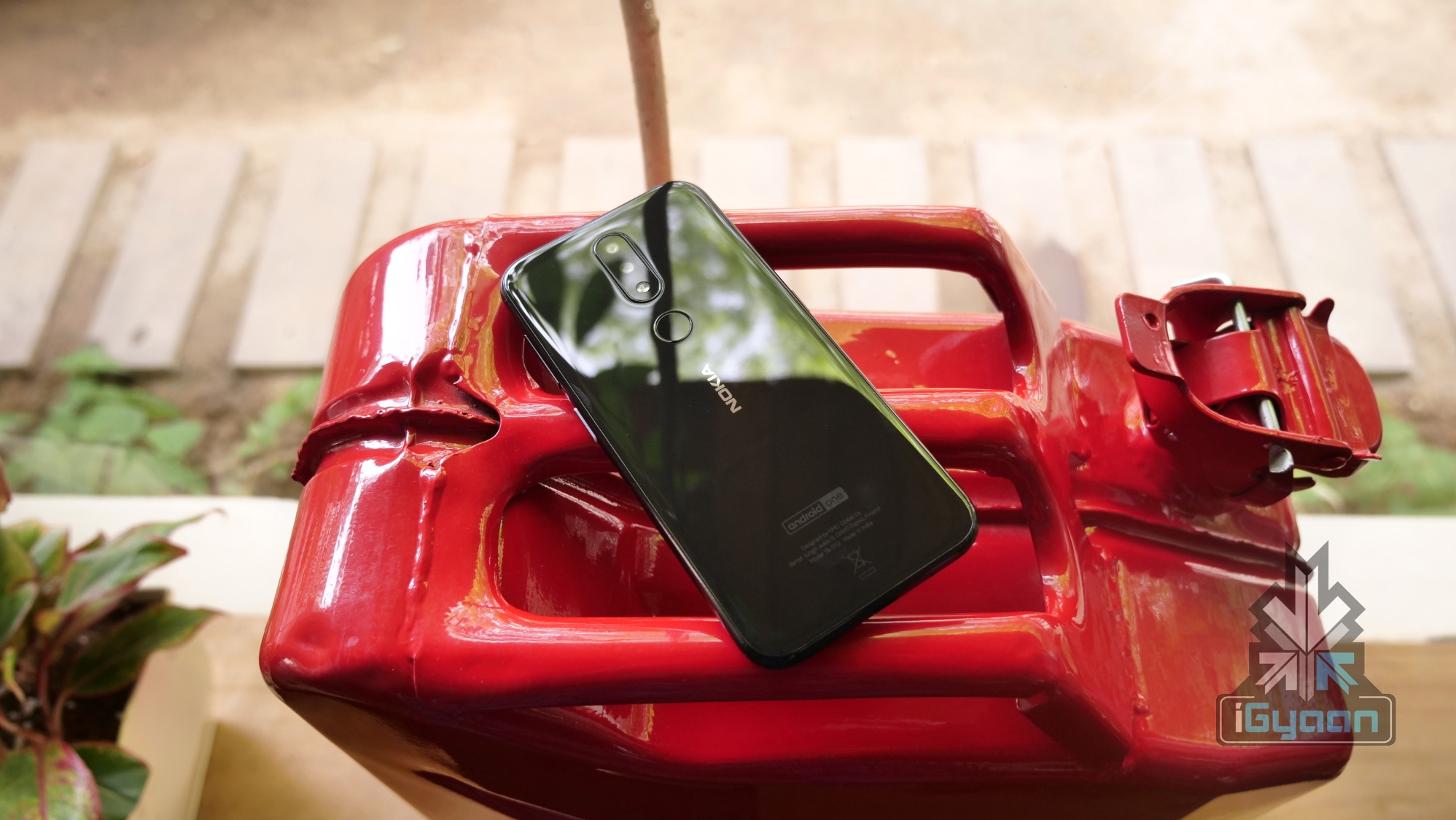
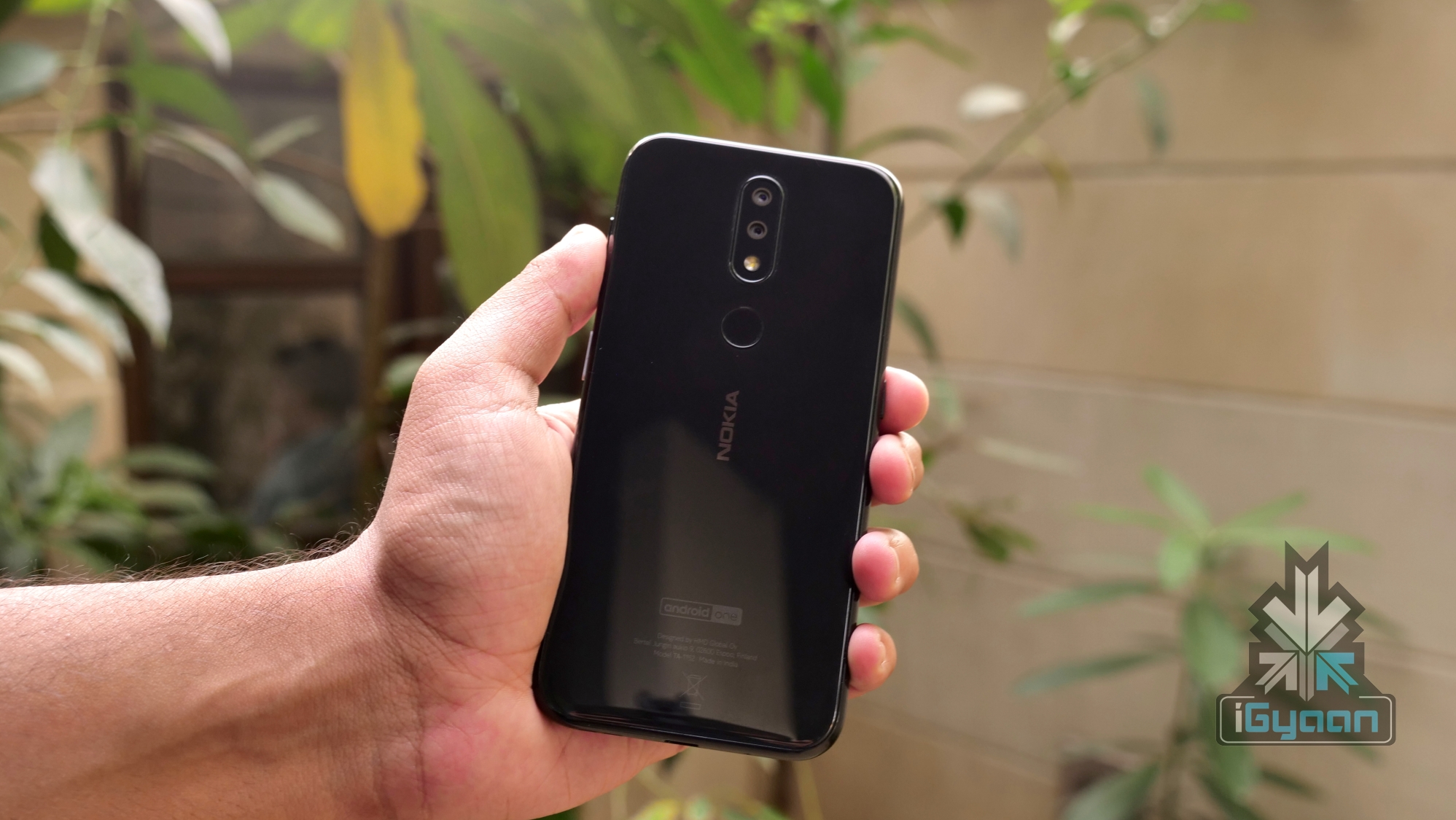
We reviewed the Black coloured variant of the Nokia 4.2 which looks subtle and premium. The back of the smartphone houses the vertical dual camera setup with the flash. The fingerprint scanner and the Nokia logo is also present on the rear of the device. Overall, the Nokia 4.2 features a solid build quality known to the company’s devices and the smartphone feels robust in the hand. The small and compact form factor of the smartphone ensures it is easy to use with one hand. However, we recommend using a case as it can easily slip out of your palm owing to the glass back. Also, the case will prevent the fingerprints which the device easily attracts.
Display
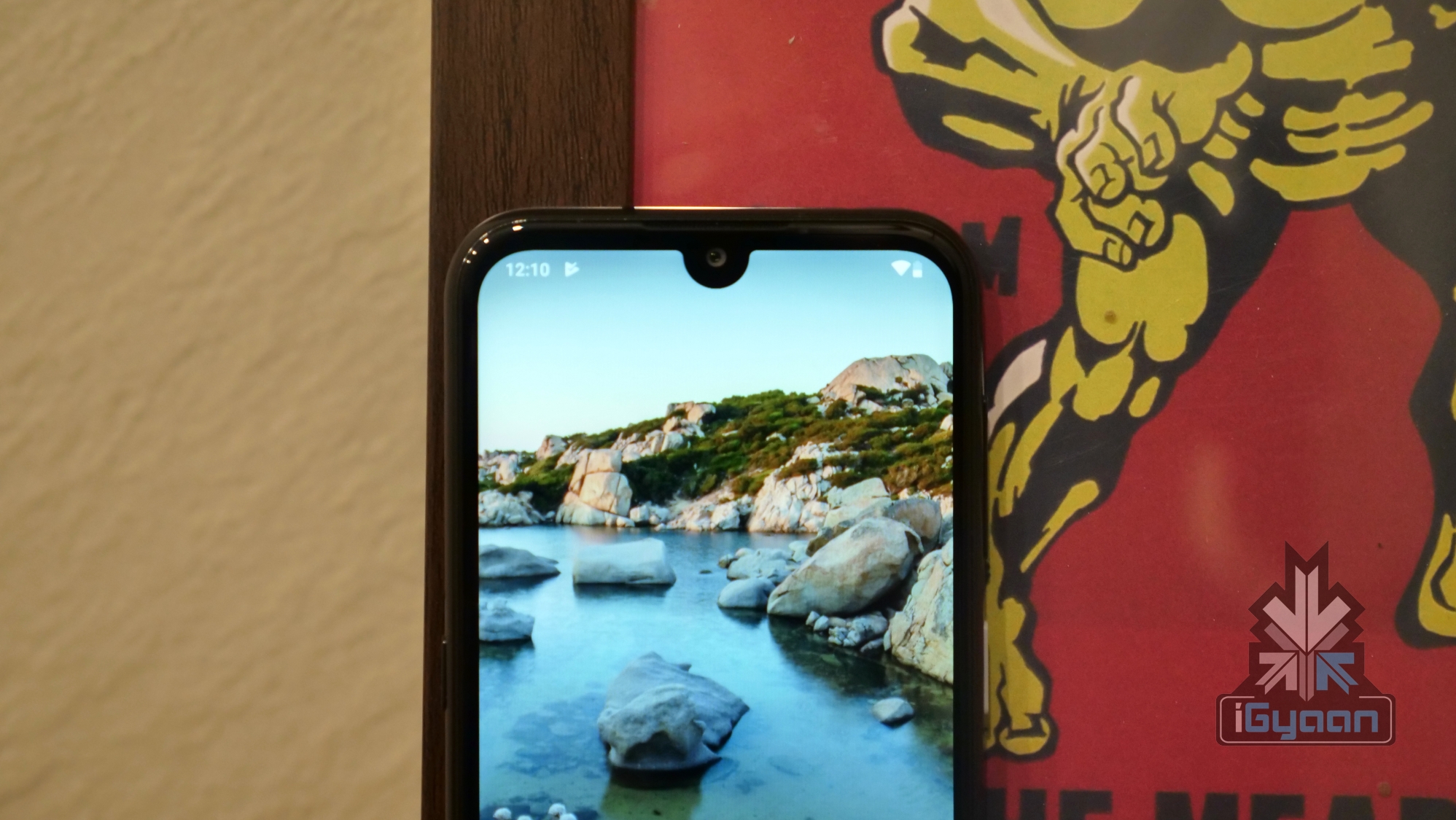
The Nokia 4.2 has a 5.7-inch display with a resolution of 1520 x 720 px. The sides of the device have thin bezels while there is a significant chin at the bottom. To maximise the screen real estate, the company has implemented a waterdrop style notch on the smartphone, which is becoming increasingly common in the segment.
In terms of quality, the TFT display of the Nokia 4.2 offers good colour reproduction and average contrast levels. Being a TFT display, you will not get deep blacks or saturation like seen in the Galaxy A20 which incorporates an AMOLED panel. However, the display should be fine for daily use and media consumption, even though we would have preferred a panel with higher brightness levels that facilitate outdoor usage. Given the smartphone competes with the likes of the Redmi Note 7 which has a FullHD display, the display is not the strong suit of the Nokia 4.2.
Hardware & Performance
The Nokia 4.2 features the Snapdragon 439 SoC coupled with 3GB of RAM and 32GB of Internal Storage. In terms of day to day usage, the smartphone performed well and we faced zero lags while switching between applications with several apps running in the background. The humble amount of RAM is enough for keeping light applications in memory.
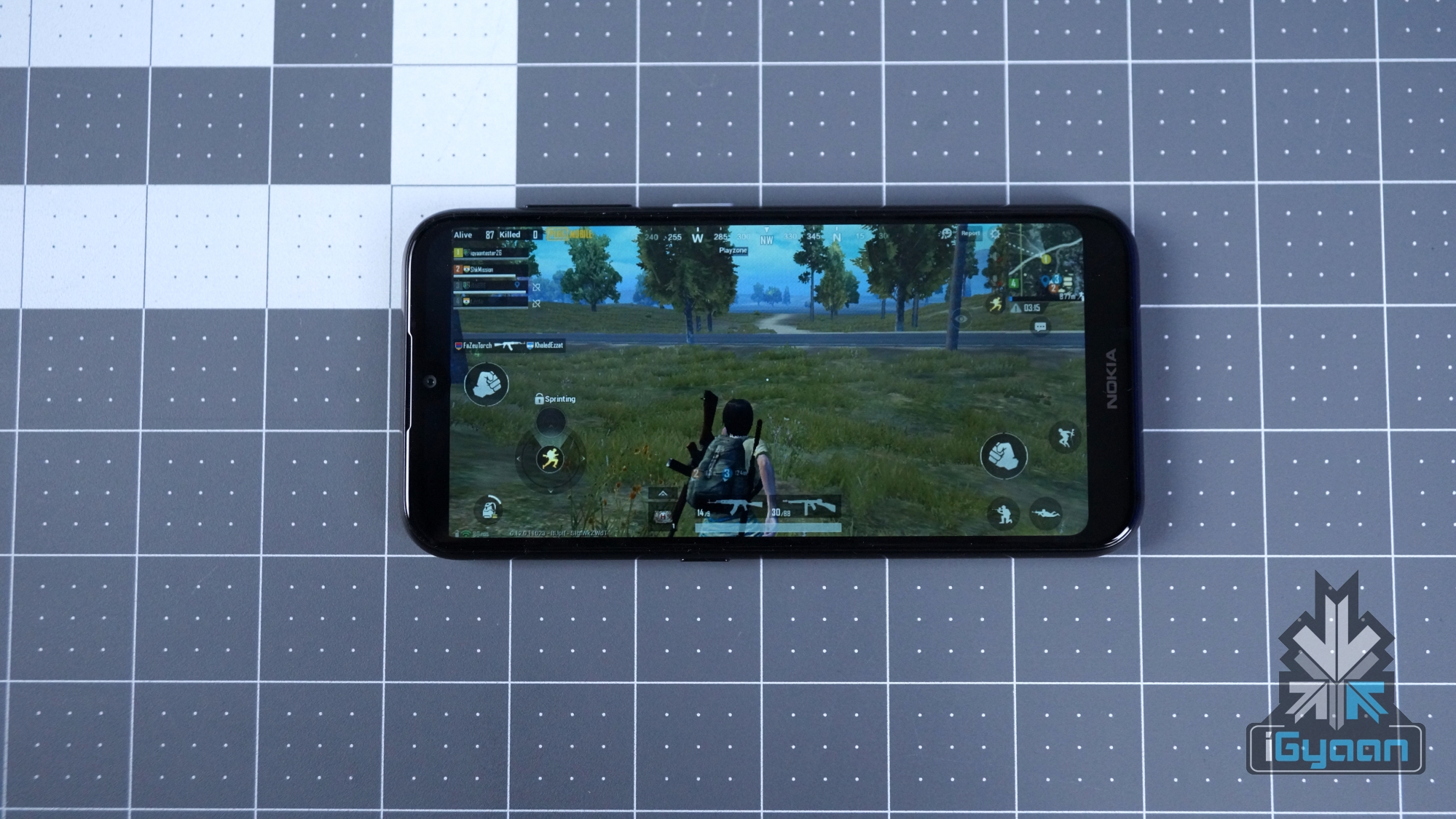
While the general performance was fine, gaming on the Nokia 4.2 is another territory altogether. While playing PUBG Mobile, the game chose low settings by default and medium frame rates when opened for the first time. The gameplay was average, with minor frame drops and stutters. The next game we tried was Asphalt 9 Legends racing game, which selected the lowest graphics setting by default. Its gameplay was smooth, with playable frame rates and zero stutters. Overall, the performance on the Nokia 4.2 is below average, but gaming on the smartphone is an underwhelming experience.
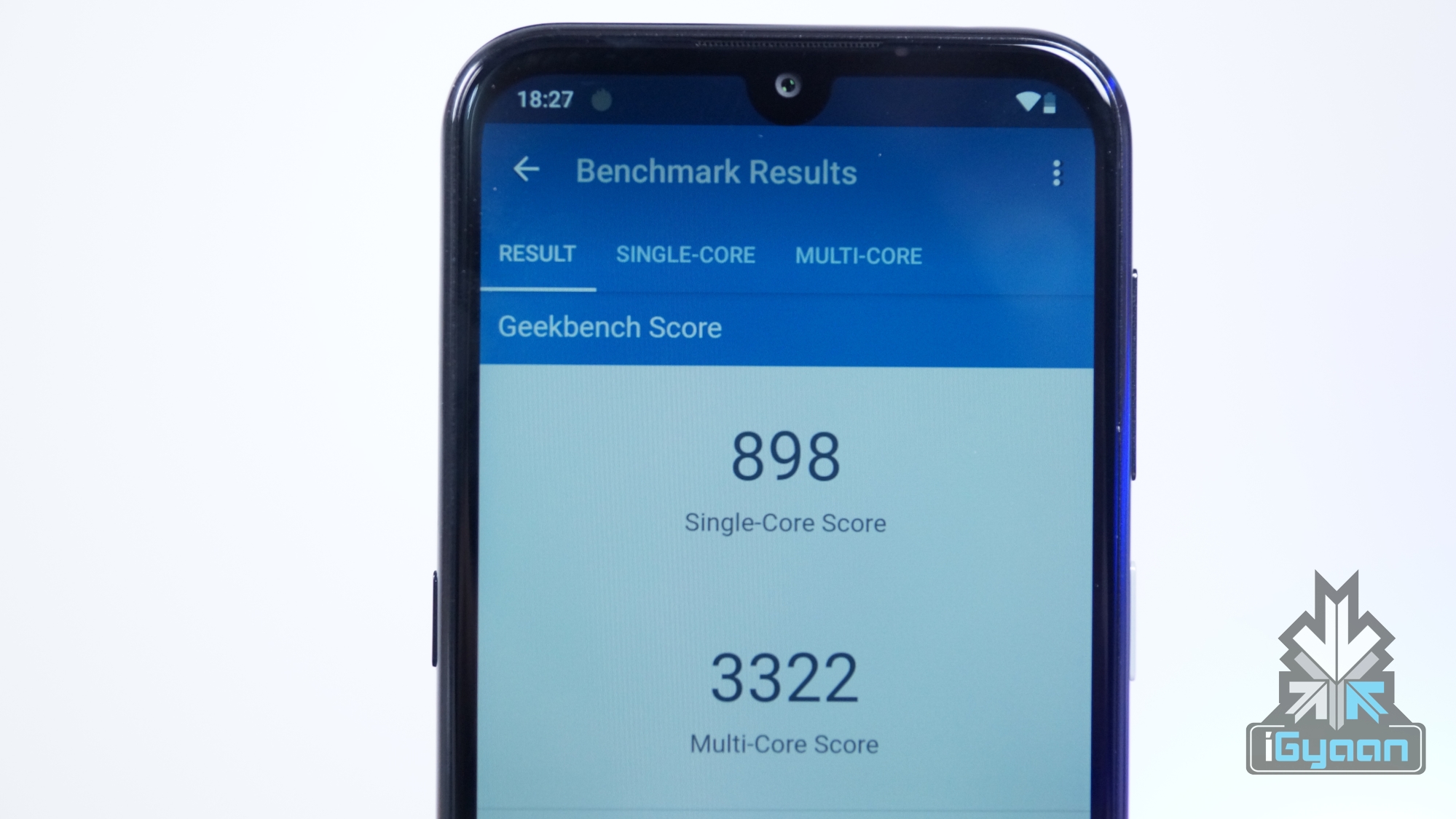
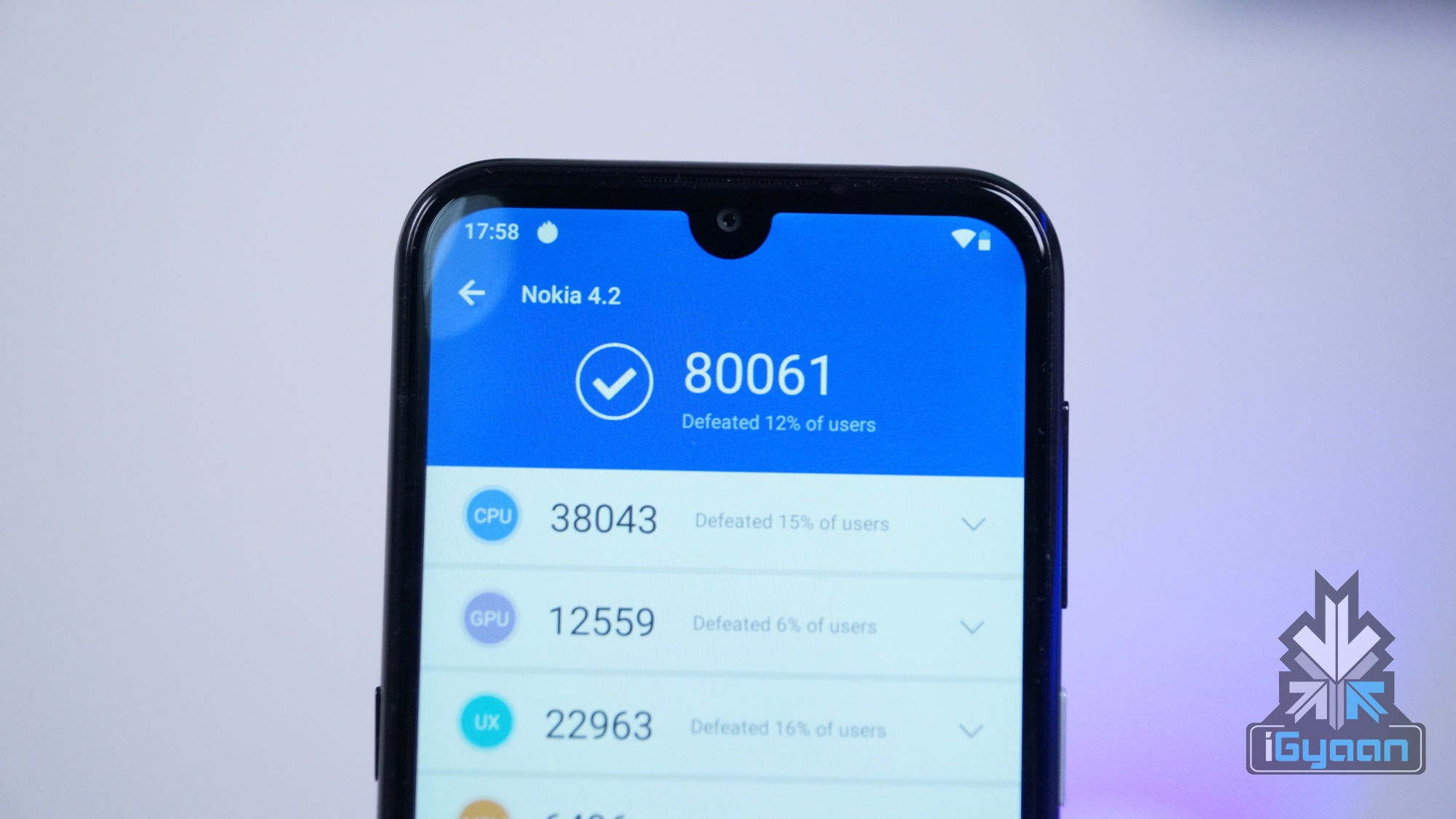
Using benchmarking applications like Antutu and Geekbench on the Nokia 4.2 does not tell a different story either. While testing the Antutu benchmark, we got a score of 80,061 which is significantly lower than the competition including the Galaxy A20 or the Redmi Note 7. In Geekbench, the device registered a single core score of 898 points and a multi-core score of 3322 points. As is evident from the numbers, the handset should be fine for day to day usage but is not made for performance enthusiasts.
Software, UI & Multimedia
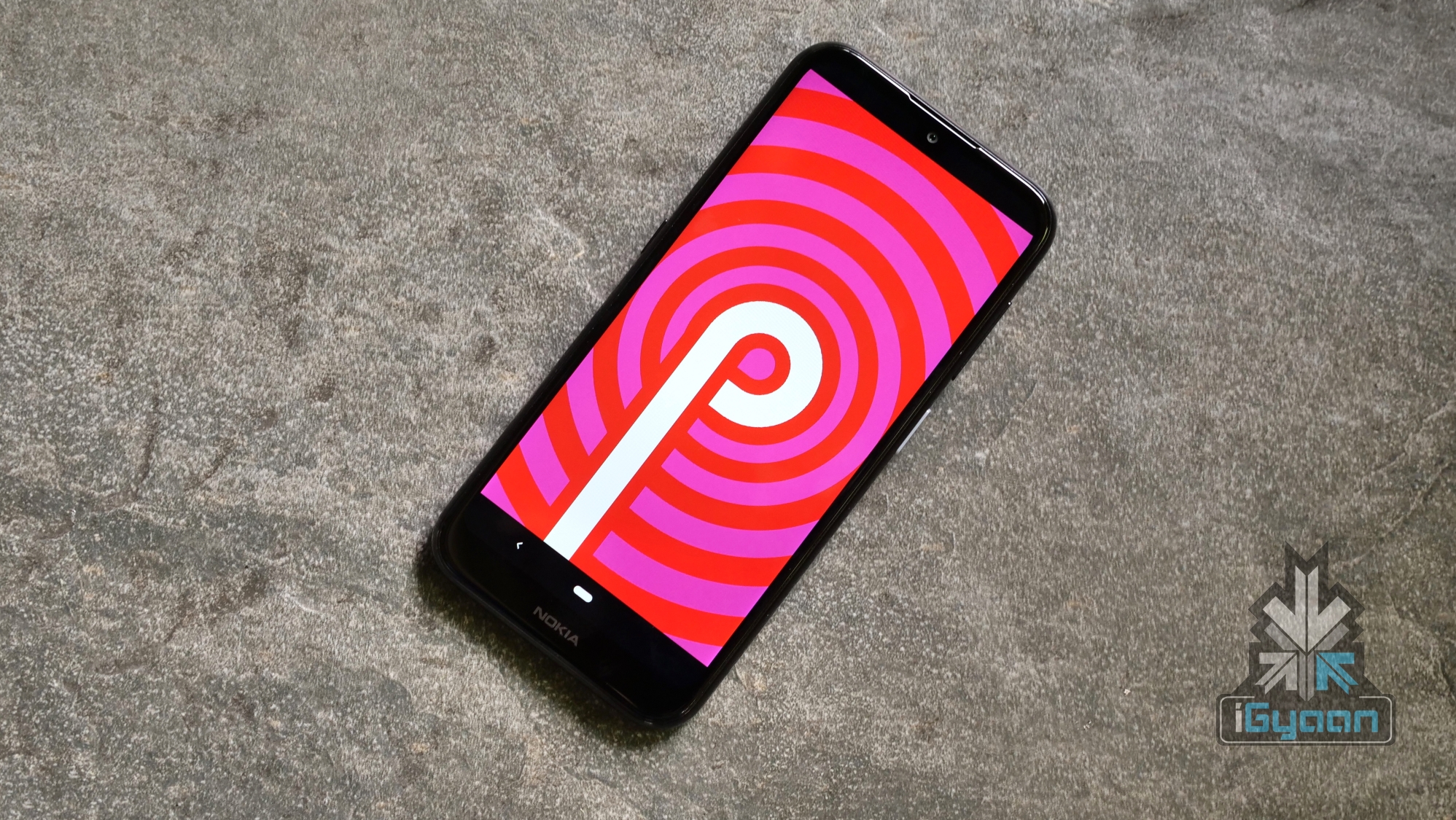
The Nokia 4.2 runs a stock build of Android 9 Pie with Android One Certification. This essentially implies the smartphone will get guaranteed updates to major Android versions for at least two years and security updates for three years. As this is a stock build of the OS, there is no bloatware or customisation from Nokia, which is appreciated.
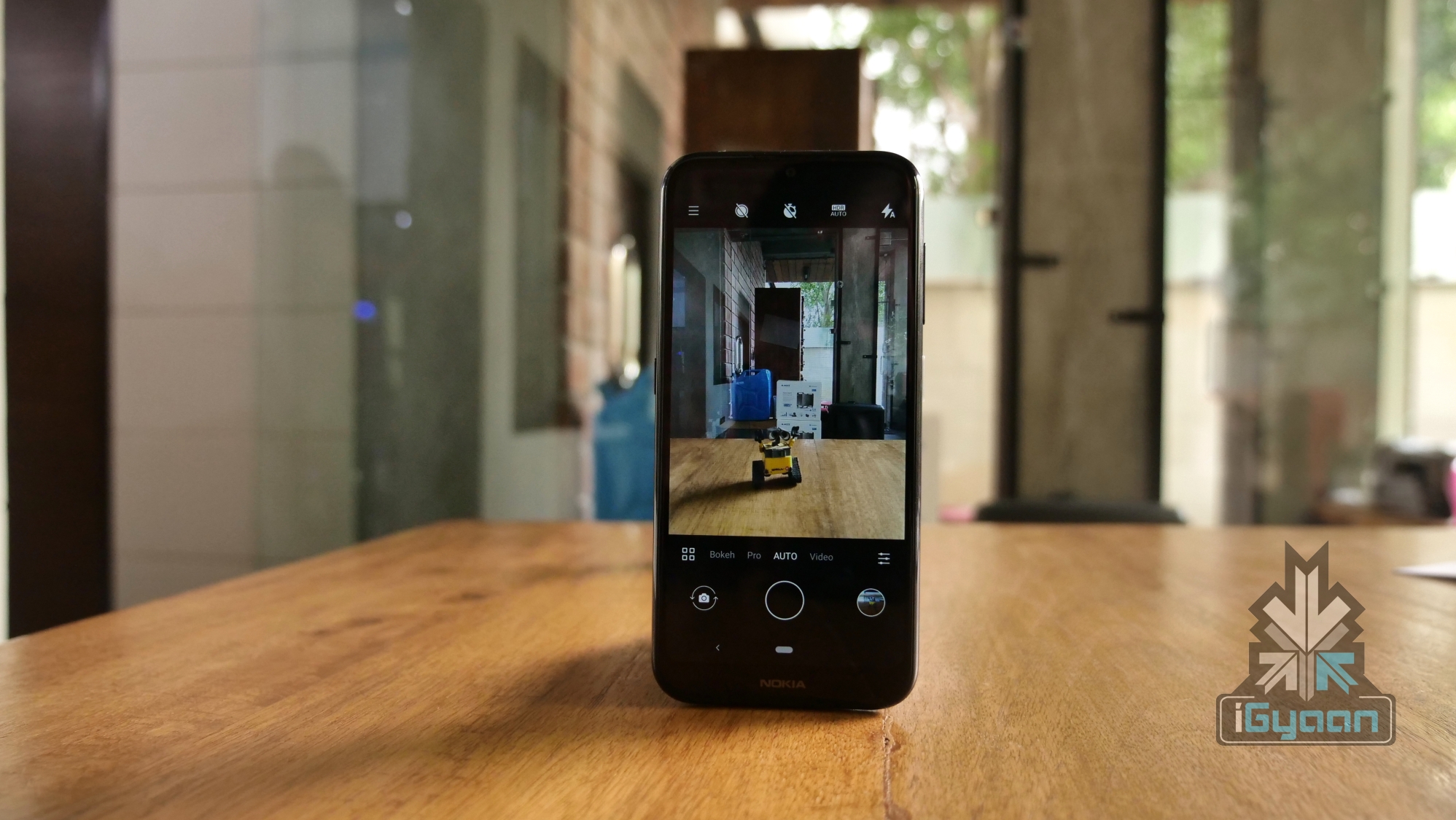
The Nokia 4.2 supports the basic Android navigation gestures which are bundled with Android 9 Pie. These let users go back with the dedicated back button on the left, a single tap on the centre pill takes you home and a swipe up on it brings out the multitasking menu. Dragging the pill to the right lets users scroll across various applications open in the background.
In terms of sound quality, the Nokia 4.2 has a single bottom firing speaker which has decent sound output. One downside of the setup is how easy it is to block the speaker grille while holding the device in landscape mode. Audio output via the Bluetooth is above average which provides for a good listening experience.
Camera
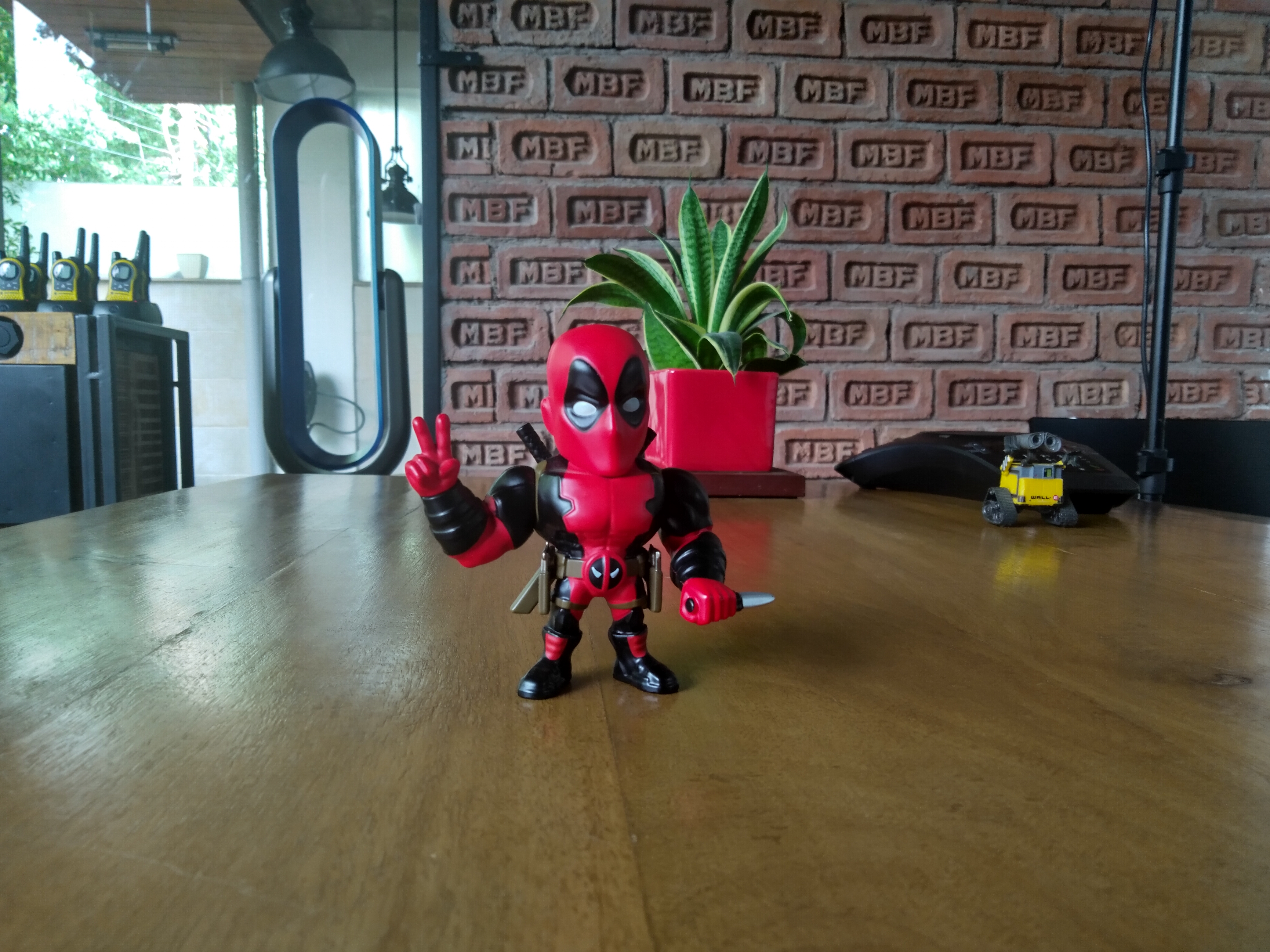
While the Nokia 4.2 ships without any customisations out of the box, the company has bundled its homegrown camera app. The application is similar to ones found in other Nokia devices. All the major controls are laid out thoughtfully which provide for easy with one hand. There is also a Pro mode, which can be accessed by swiping up on the shutter button. This mode lets users select image properties like shutter speed and ISO manually.
Rear Camera Daylight Sample
Rear Camera Indoor Sample
Rear Camera Indoor Sample
Rear Camera Low Light Sample
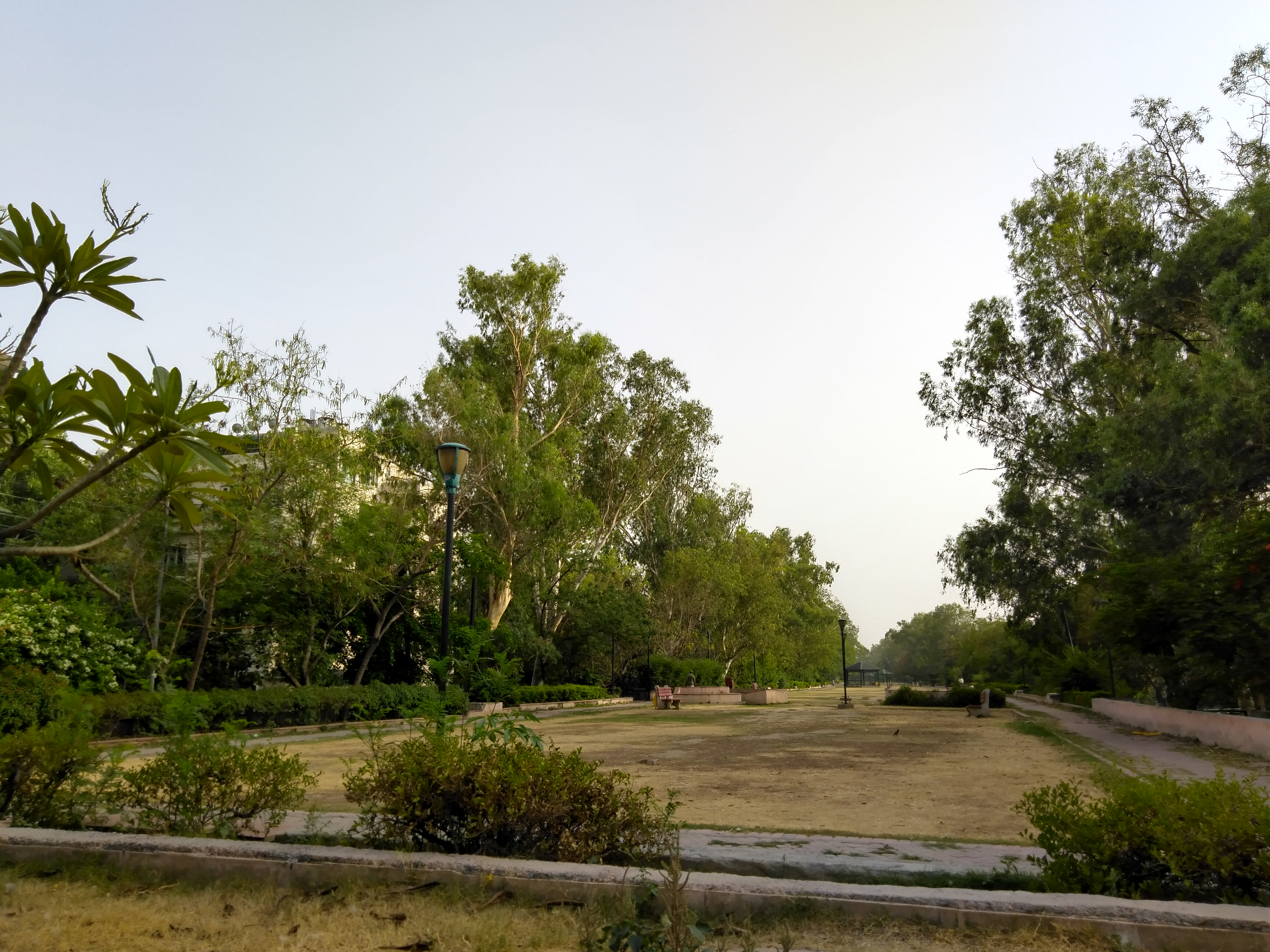
The Nokia 4.2 has a dual rear camera setup consisting of an f/2.2 aperture equipped 13MP sensor paired with an f/2.2 aperture equipped 2MP depth sensor. Images captured in daylight from the smartphone are above average, with decent contrast and natural colours. One gripe we have about the camera is that it can be a little slow to process the images. Images captured in low light are below average, with softer colours and a visible loss of detail.
Rear Camera Bokeh
Rear Camera Bokeh
Rear Camera Bokeh
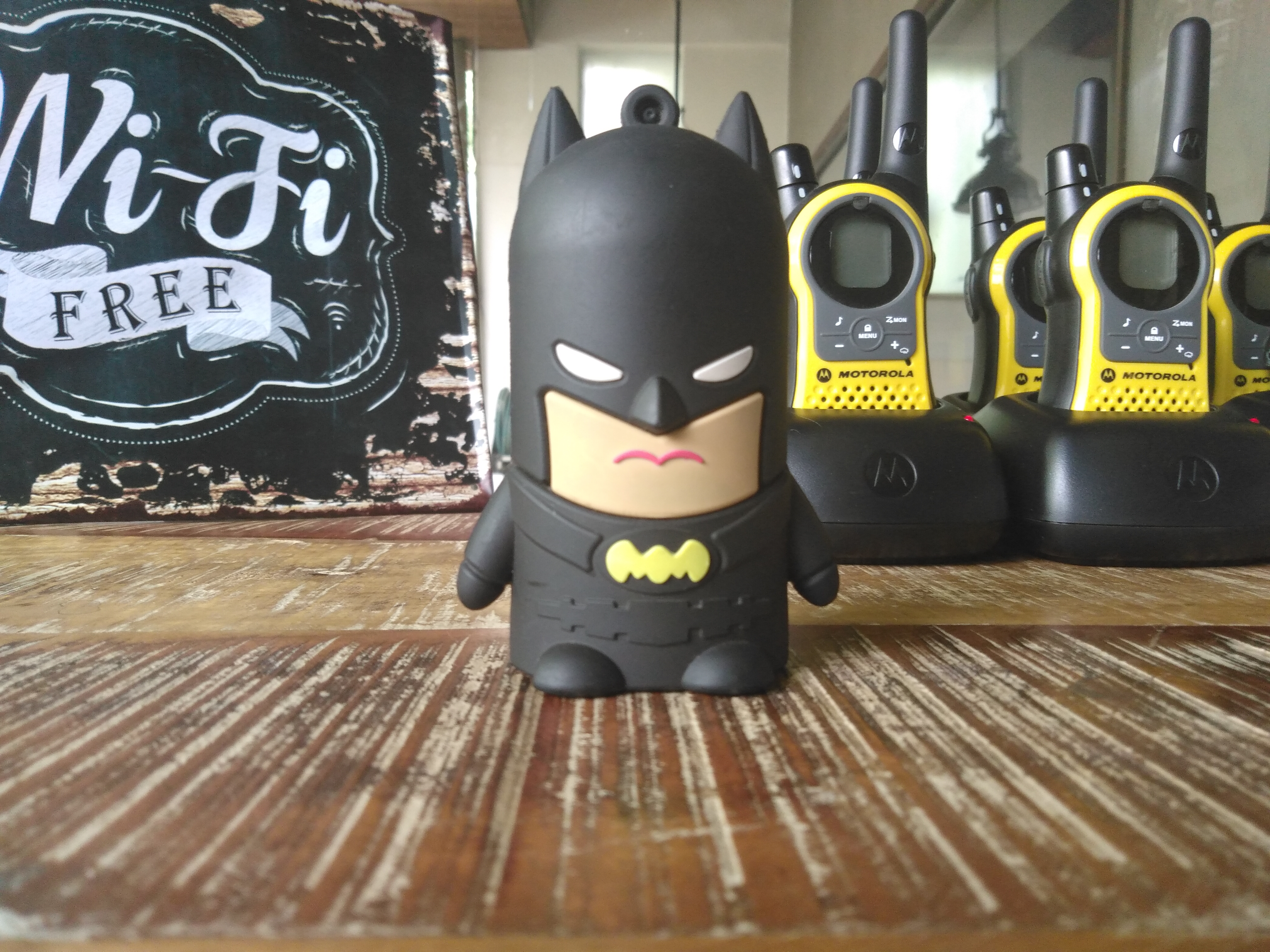
Like most modern smartphones, there is a Bokeh mode which is dicey on the Nokia 4.2. While the subject separation is good and the device does a decent job of recognising depth, the colours in the result look very artificial. This effect is most prevalent in the day and with good lighting.
Front Camera Sample
Front Camera Sample
Front Camera Bokeh
Front Camera Bokeh
For selfies, the Nokia 4.2 has an f/2.0 aperture equipped 8MP sensor housed in the notch on top of the display. Images from the front camera are generally great, with accurate colours and good detail. There is a live bokeh mode which also works well. The results are far from what the best can churn out but are worthy enough to be shared on social media.
Battery and Connectivity
The Nokia 4.2 is powered by a 3000mAh battery which can be charged using the bottom mounted micro USB port. Frankly, we would’ve prefered a USB Type C port and faster charging than the provided 5 W charger can offer. The battery life of the device is also average, with us getting a screen on time of about four to five hours on medium usage. The low-resolution screen, combined with stock Android provides the smartphone with acceptable battery life.
In terms of connectivity, the Nokia 4.2 has WiFi 802.11 b/g/n, Bluetooth 4.2 and also supports 4G VoLTE. The smartphone faced no problems in latching on to Wi-Fi networks and performed as expected. Call quality on the device was excellent, with the earpiece producing loud, crisp audio. The handset was able to perform equivalent to its rivals when it is about network and connectivity. Notably, the SAR value of the Nokia 4.2 is 0.79 W/Kg which is well in the safe limit set according to the Indian standards.
Other Features
The Nokia 4.2 has a rear-mounted fingerprint scanner and supports the ever popular face unlock technology. In our usage, we found the fingerprint scanner to be a little slow in unlocking the smartphone. As the biometric sensor is placed on the rear, it is inaccessible when placed on a flat surface. For those occasions, the face unlock is a handy feature. Interestingly, there are two ways to set up facial recognition on the Nokia 4.2. The first one takes a while to unlock the smartphone but is a lot safer. The second option, which can be turned on in settings, unlocks the handset much faster but the security aspect of it takes a backseat.
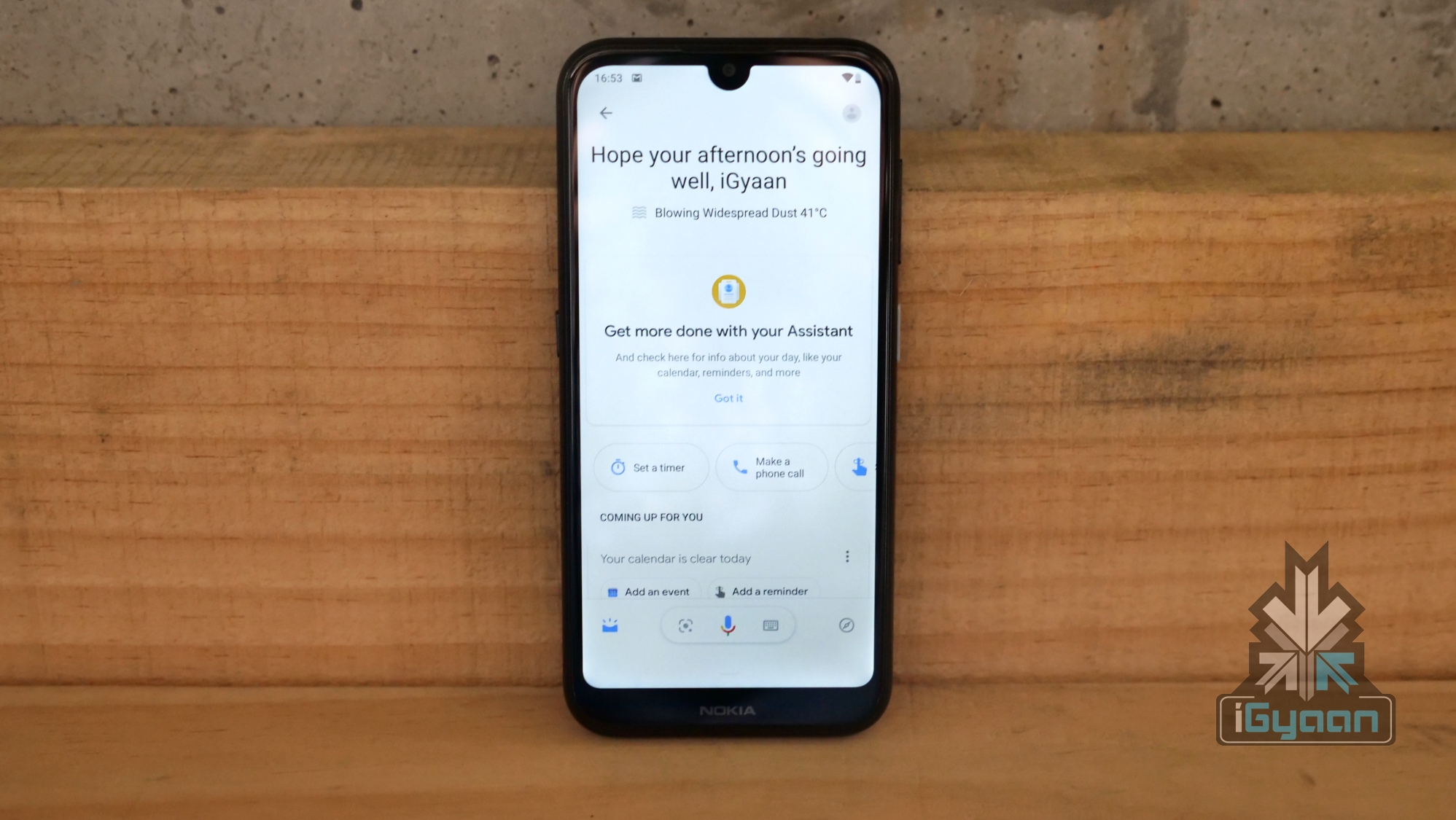
The dedicated Google Assistant button is one of the key highlights of the Nokia 4.2. Like mentioned above, the button can be pressed to summon the digital voice assistant. With the smartphone, three individual functions have been mapped to the button. Pressing it once will bring up the Google Assistant which can be used to input commands. Clicking the button twice brings up the Assistant dashboard to glance through updates, while a long press on the button turns on the microphone until the key is pressed. This function works like a walkie talkie and is a good addition for quick or longer commands.
Verdict
The Nokia 4.2 is a smartphone in a completely new lineup for the company. While it offers a solid build, premium design, stock Android with Android One and the Google Assistant button, its performance and cameras leave a lot to be desired. In a segment where versatile cameras like in the Galaxy A20 and great performance like seen in the Redmi Note 7 is a thing; the Nokia 4.2 doesn’t have a lot of features to justify its asking price.
Nevertheless, if you want a smartphone from a brand offering a good after-sales service and software experience, the Nokia 4.2 might just work out for you. However, the Redmi Note 7 has proven itself as a complete package and is an excellent value for money device. We found the Nokia 4.2 to be an underwhelming offering from the company; and recommend you also check out smartphones like Samsung’s Galaxy M20, the Galaxy A20, the Redmi Note 7 or the company’s own Nokia 5.1 Plus if you’re looking for a great budget device.
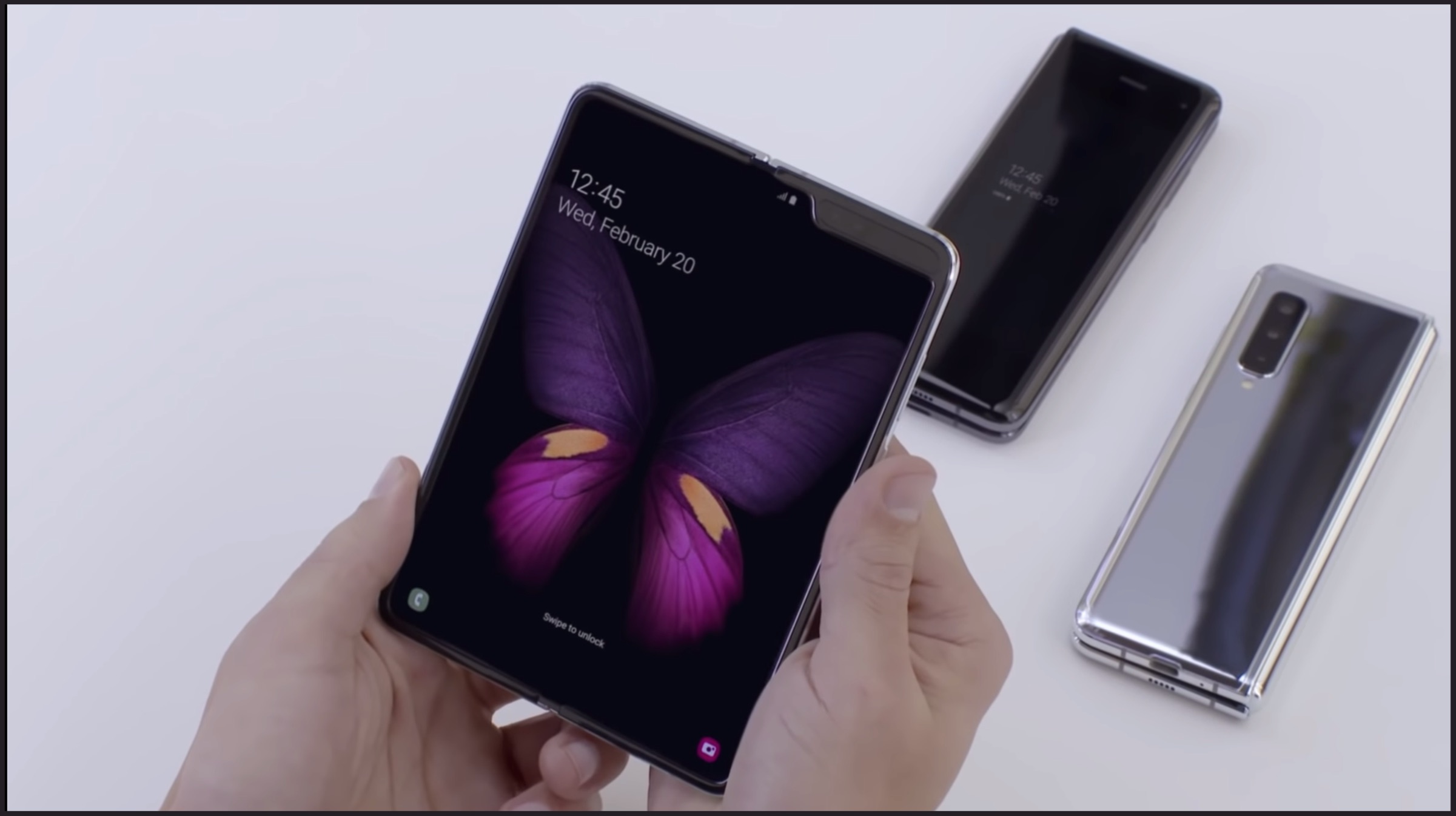
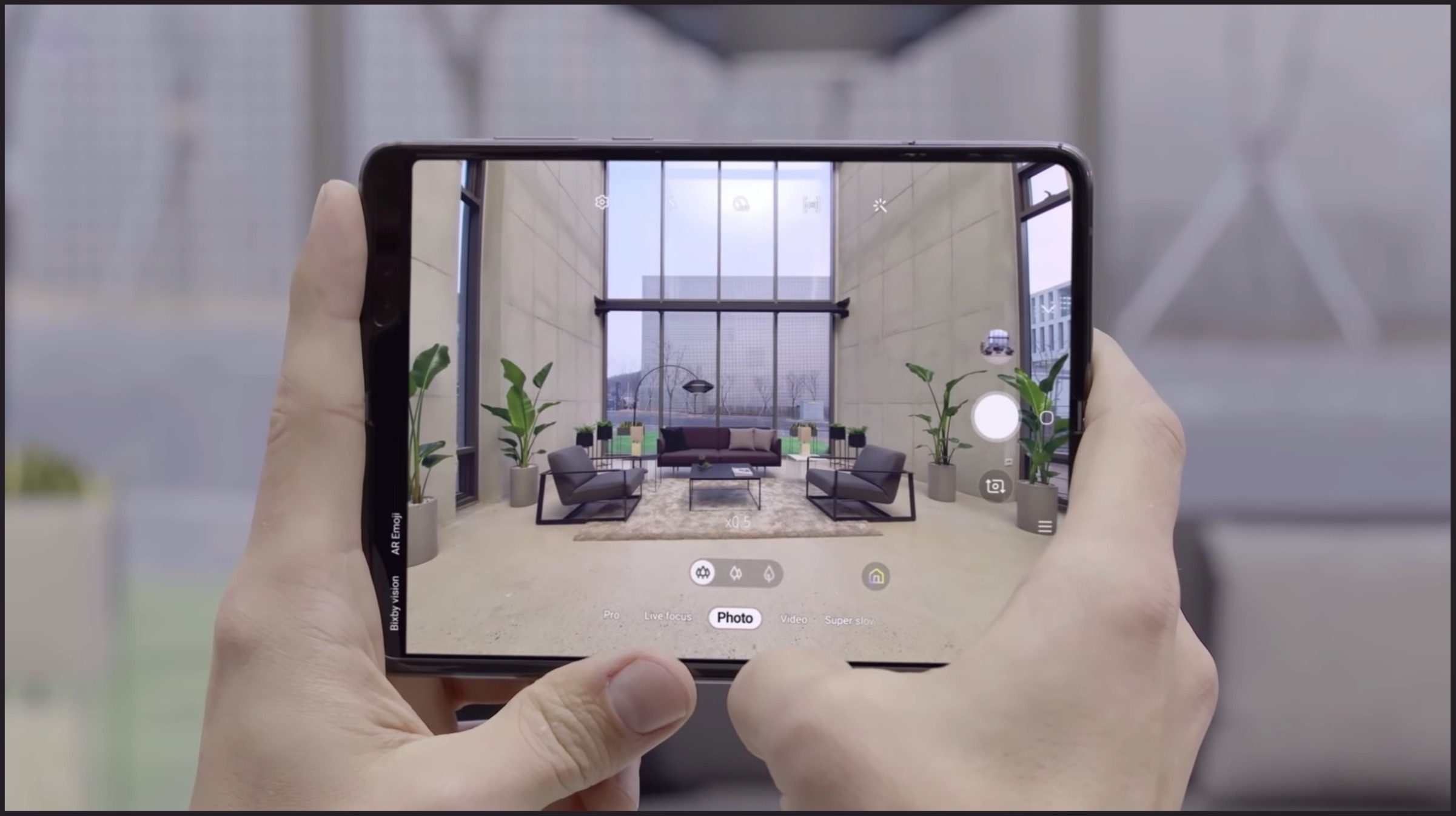
Samsung unveiled the company’s first foldable smartphone, the Galaxy Fold at the Galaxy Unpacked event on February 20, 2019. The device features two screens and is the first phone in the world to manage such a feat. The global rollout of the Galaxy Fold was scheduled on April 26 2019, but shortly before the same, some reviewers started experiencing issues with the hinge of the smartphone, which became a cause of worry for those who had pre-ordered the device. While users are were still eager for the news of any further developments from the company, Samsung has sent out emails to select customers who pre-ordered the Galaxy Fold.
The aforementioned emails affirm that a new Galaxy Fold release date cannot be provided by the company immediately. Instead, the customers who pre-ordered a unit of the smartphone will get their complete payments refunded. As per reports, the South Korean technology giant states that it’s experiencing success in the process of enhancing the design of the foldable smartphone. Samsung further added that it wants the updated Galaxy Fold to meet the high standards that customers expect from it.
Noteworthy, Samsung says that it will have more specific shipping information to share in upcoming days, which is quite vague. Nonetheless, the company says that it is making solid progress with the Galaxy Fold’s schematics, which may be worth it for the customers who are eagerly waiting for the new date of availability. As per reports, the company will update their customers regarding the developments by May 31 2019. The customers who are interested to retain their spot even after the date mentioned above can notify Samsung regarding their decision to do so. Moreover, the customers can cancel their pre-orders anytime, but note that they won’t be able to get back on the list once they withdraw from the same.
Micro-blogging website Twitter is known for introducing features that caters to the need of their users. The latest update from the company brings the ability to Retweet posts with a twist. Over 326 million Twitter users can now add images, GIFs and videos to their retweets. This feature has already been rolled out to both Android and iOS users, and is available on the mobile website as well.
As per Twitter support, users can express themselves better with the help of GIFs and images, which would enhance their reactions to a specific tweet. To do the same, users need to click on the “retweet with comment” option and then choose the respective image or GIF to go along with the tweet. Even though this is a small addition to the micro-blogging app, Twitter stated that the service was quite cumbersome to incorporate in the mobile application, since a lot of GIFs and images can make the Twitter timeline look cluttered.
Twitter spokesperson reported that the layout of the new retweet design resembles that of a stack. For the ease of users, the original tweet will be included in a smaller rectangular box alongside the user’s avatar, and all of it will be topped off by the GIF/image. Some creators are already making use of the new retweet functionality, which may not look the same on desktop websites, but will work just fine on the mobile application for both Android and iOS platforms.
Nokia, at an event in New Delhi on the 7th of May, has launched the Nokia 4.2. It is the latest smartphone in the company’s budget lineup and was first announced at the Mobile World Congress (MWC) 2019 in Barcelona Spain back in the month of February. The Nokia 4.2 features a modern design, with competitive specifications at a lucrative price.
Nokia 4.2
Nokia 4.2 is a budget offering by Nokia which features in a completely new lineup. The smartphone features an all-glass design on the front and back with a polycarbonate frame for reinforcement. It has a 5.71 inch TFT LCD display with a resolution of 1520 x 720 px. The display has a pixel density of 270ppi and features a waterdrop notch on top to maximise the screen real estate. For biometric security and rapidly unlocking the handset, there is a rear-mounted fingerprint scanner with support for face unlock technology.
Under the hood, the Nokia 4.2 runs on a Snapdragon 439 SoC which is manufactured using the 12nm fabrication process. It has an Octa-core CPU and Adreno 505 GPU. In terms of optics, the handset has a dual rear camera setup. This consists of an f/2.2 aperture equipped 13MP f/2.2 sensor paired with an f/2.2 aperture equipped 2MP f/2.2 depth sensor. For selfies, the device has an f/2.0 aperture equipped 8MP sensor housed in the notch on top of the display. For memory and storage, it features 3GB of RAM and 32GB of onboard storage.
Nokia 4.2 is powered by a 3000mAh battery which can be charged using the MicroUSB port on the bottom of the smartphone. The highlight of the device is the dedicated Google Assistant button which is present on the left side of the device. It can be used to summon Google Assistant, Android’s digital voice assistant. The handset runs on Android 9 Pie and is also Android One certified; which suggests that it will receive Android updates for two years and monthly security updates for three years.
The Nokia 4.2 has been priced at Rs. 10,990 in India and will be available exclusively starting today from Nokia’s official website for a 7-day period. The smartphone will also be available at select retail outlets including Croma and Reliance starting 14th May across the country. The initial buyers of the Nokia 4.2 will get a one-time screen replacement for six months and a discount of Rs. 500 till the 10th of June.
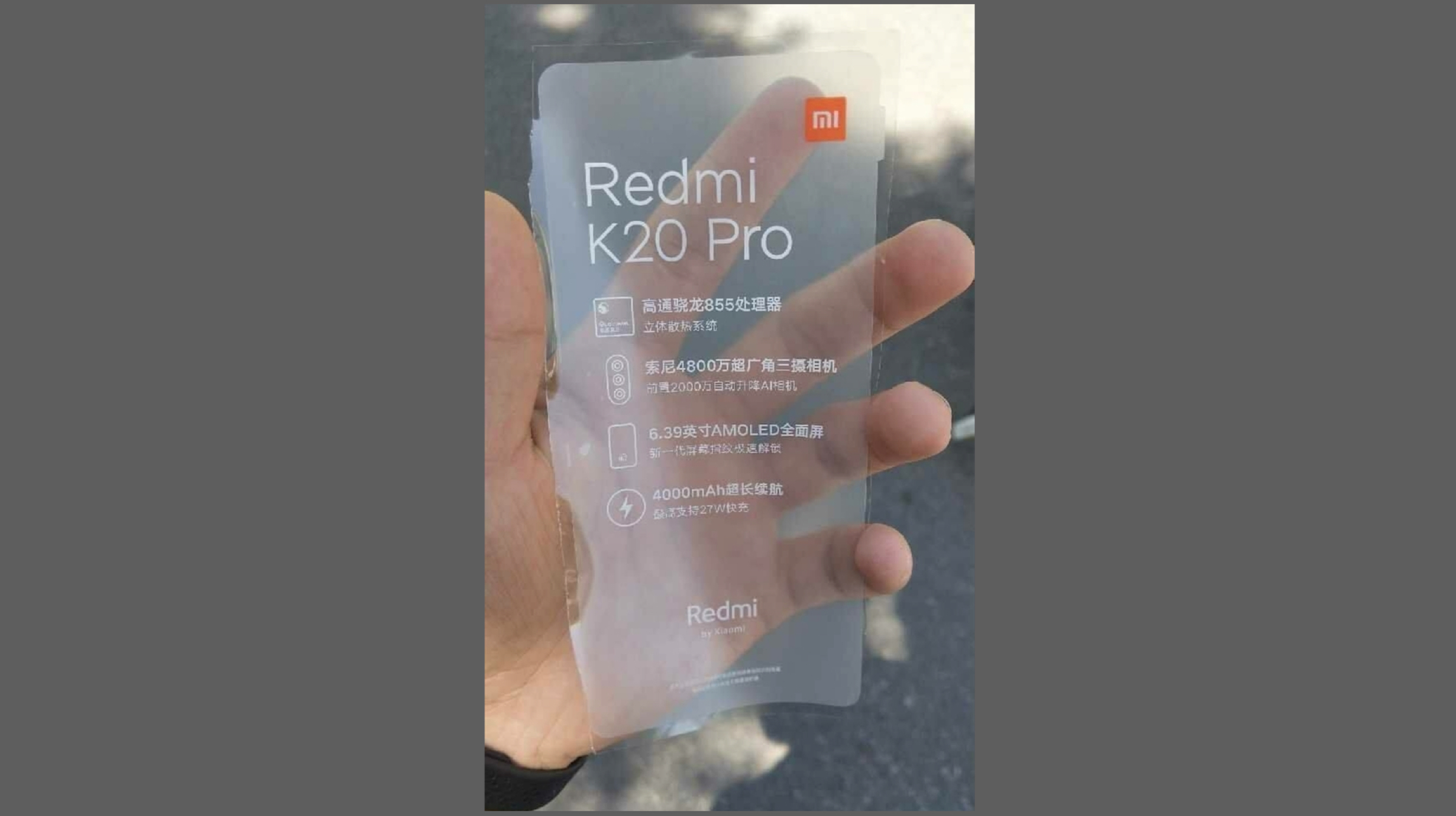
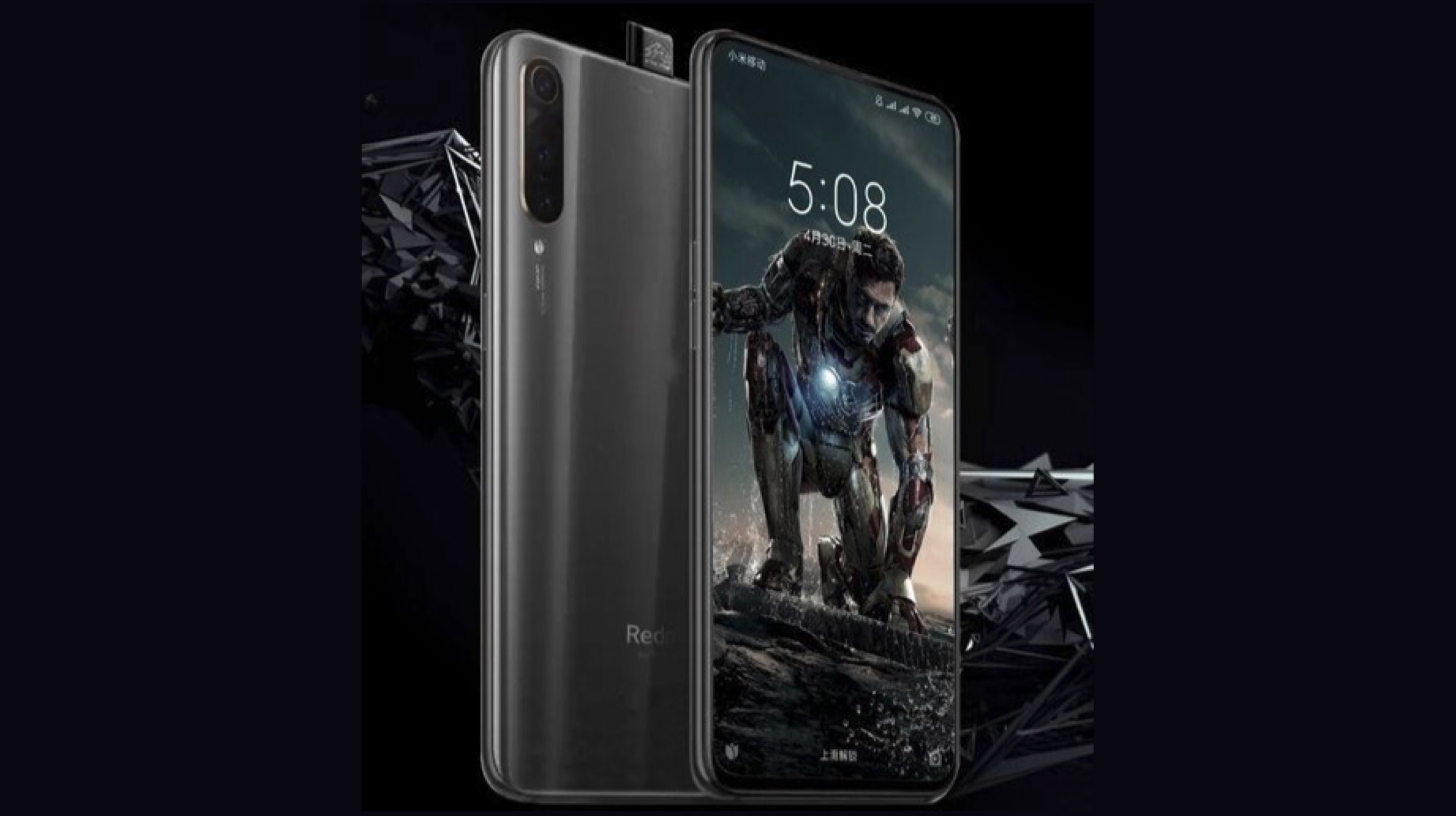
Xiaomi’s sub-brand Redmi has been long awaited to launch a high-end smartphone that will pack flagship grade features. Past leaks claimed the handset would be called Redmi X. But, a fresh leak suggests that the previous leaks were offbeat and it might actually be called the “Redmi K20 Pro”. The protective sticker for the display of the device has been exposed which exhibits its key specifications that correspond to a flagship smartphone.
Redmi K20 Pro Features
The legitimacy of the leak cannot be verified, as the image was not shared by a renowned leakster. However, the quality of the leaked document states that it is indeed authentic. Subsequently, the Redmi K20 Pro runs on the Snapdragon 855 SoC which is also present devices like the Lenovo Z6 Pro, Xiaomi Black Shark 2 and Galaxy S10 (US variant). For photography, it sports a triple camera module which is comprised of a 48 MP sensor, a 20 MP sensor. While the details of the third sensor are unknown, it is likely to be a depth sensor or a TOF (Time Of Flight) sensor similar to one found on the Honor V20.
Leaked Redmi X
Talking about the display, the Redmi K20 Pro sports a 6.39 inch AMOLED display which is destined to have Full HD+ resolution. The leaked document reveals that the device is powered by a large 4,000 mAh battery. Noteworthy, it also supports 27 W fast charging which can speedily charge the device from zero to full. Other details including the price, resolution of front-facing selfie camera and storage variants will be publicised once it officially launches.
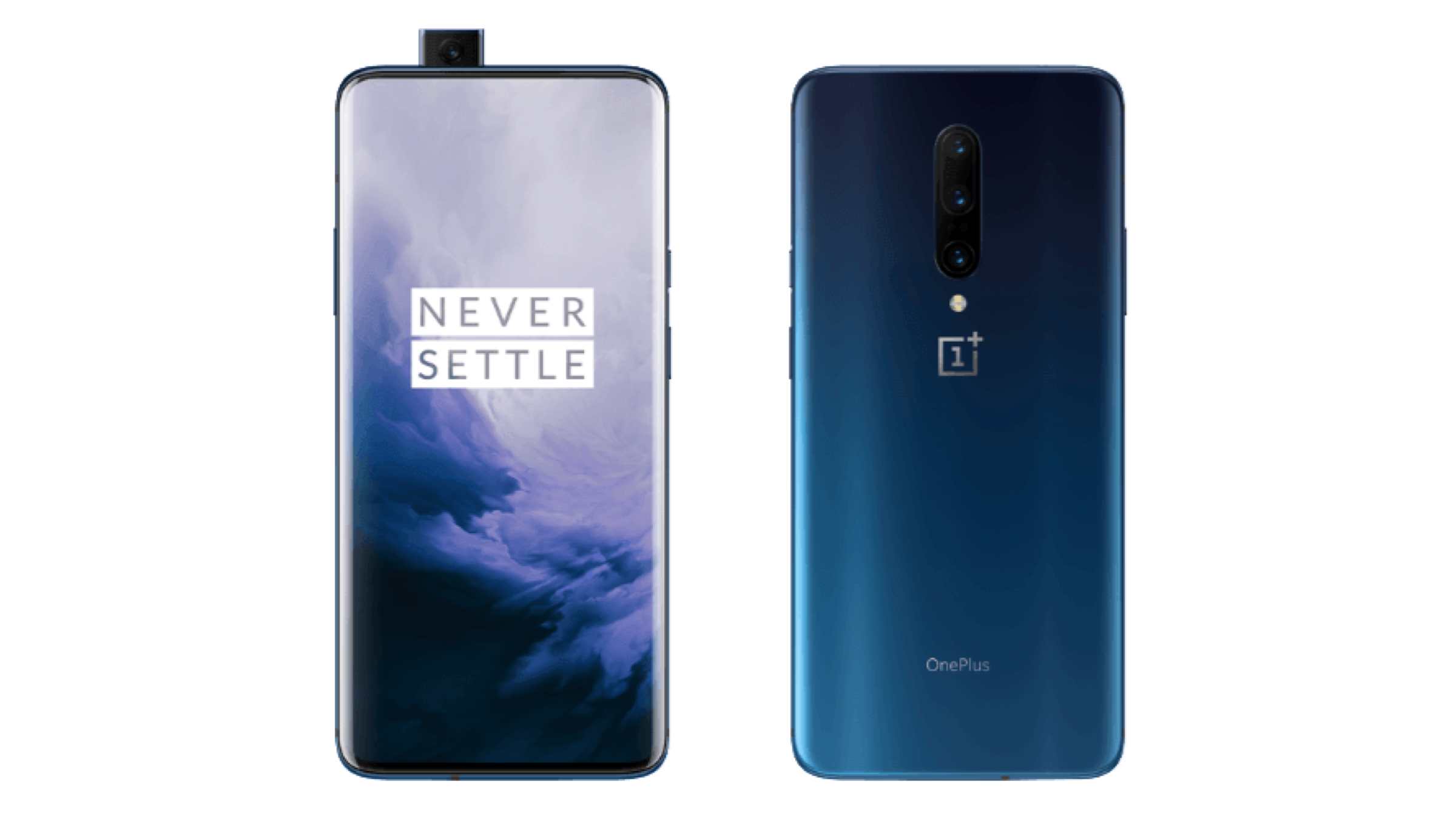
 Unlike any other OnePlus device in the past, the upcoming OnePlus 7 Pro has stereo speakers which will provide for an enriched media consumption experience. The handset will be powered by a 4,000 mAh battery that supports 30W warp charge. The said fast charging technology was first introduced with the OnePlus 6T McLaren Edition which was launched last year. The smartphone measures 162.6 x 75.9 x 8.8 mm and weighs in at 210 grams. As previously mentioned, the OnePlus 7 Pro will be available in three storage variants. With the new device, the company will also introduce new colour options. The European pricing for different variants of the device are as follows: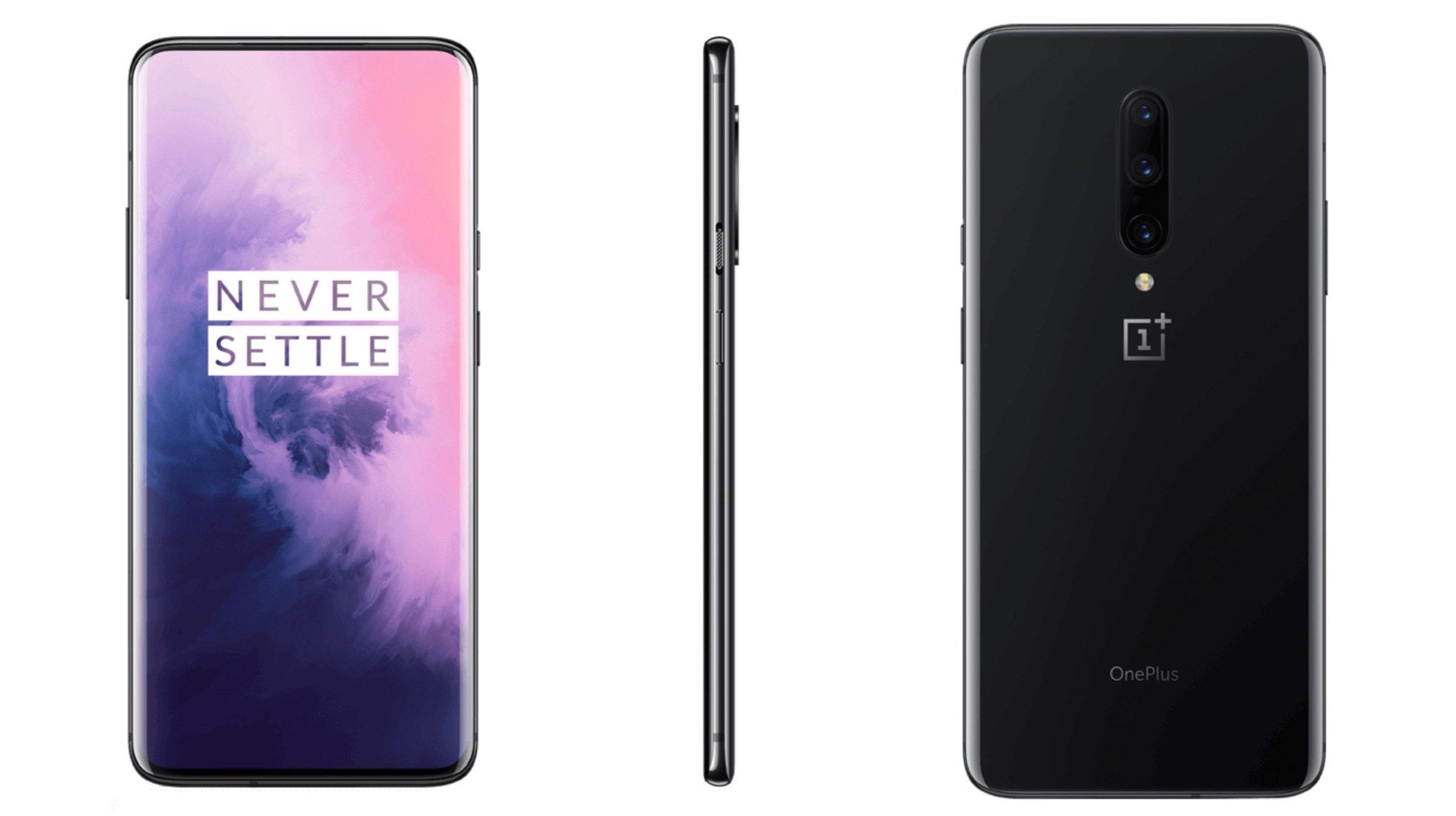
 The patent reveals a device which does not feature a notch, yet has a full screen design. The aforementioned patent was first filed with the WIPO (World Intellectual Property Office) in the month of March 2018 and was published on the 7th of May 2019. Interestingly, the depicted smartphone does not have a notch or a pop-up style camera. Instead, the patented handset is slightly rounded on the top, which is the real catch here.
  Also Read:


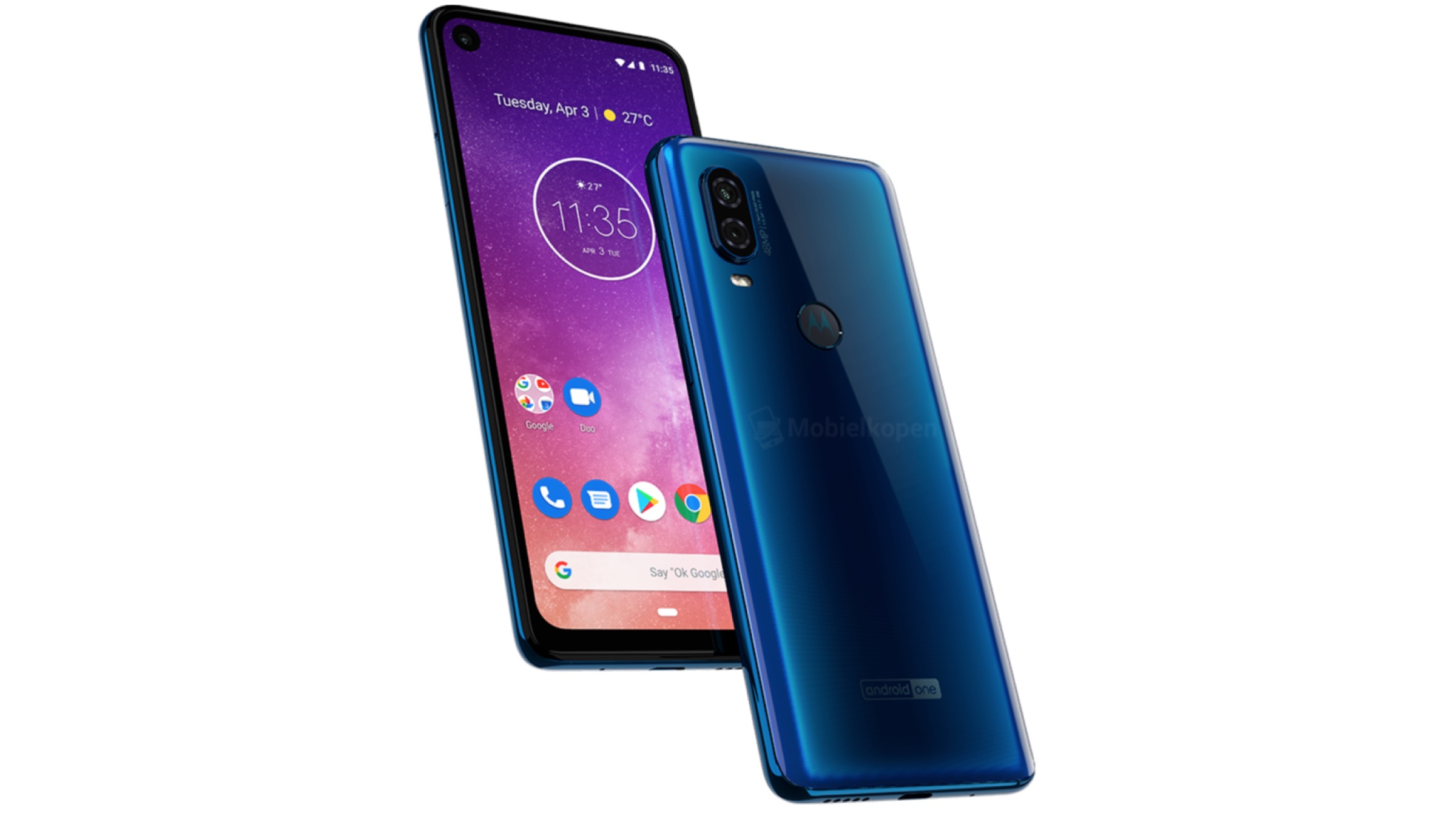 As per reports, the Moto One Vision will feature a 6.2 inch FHD+ display with 21:9 aspect ratio. The smartphone has a glass sandwich design, and the glossy back panel of the device features a fingerprint scanner for biometric security, which is housed in the Motorola Logo. The design is different from Motorola’s conventional method, since this will be the first Motorola handset to feature a punch hole cutout.
  In terms of optics, the Moto One Vision has a f/1.7 aperture equipped 48MP primary sensor, which will feature quad pixel technology and OIS (Optical Image Stabilization), and a secondary 5MP depth sensor. For selfies, a 12MP camera will be housed in the aforementioned punch hole cutout. As per reports, the Moto One Vision will pack a 3500 mAh battery with 18W fast charging support. The bottom of the smartphone will accommodate the speaker grille and the USB Type-C port. The renders of the smartphone, however, do not exhibit the presence of the 3.5mm headphone jack on the device.
  Also Read:









 The aforementioned emails affirm that a new Galaxy Fold release date cannot be provided by the company immediately. Instead, the customers who pre-ordered a unit of the smartphone will get their complete payments refunded. As per reports, the South Korean technology giant states that it’s experiencing success in the process of enhancing the design of the foldable smartphone. Samsung further added that it wants the updated Galaxy Fold to meet the high standards that customers expect from it.
  Also Read:
 As per Twitter support, users can express themselves better with the help of GIFs and images, which would enhance their reactions to a specific tweet. To do the same, users need to click on the “retweet with comment” option and then choose the respective image or GIF to go along with the tweet. Even though this is a small addition to the micro-blogging app, Twitter stated that the service was quite cumbersome to incorporate in the mobile application, since a lot of GIFs and images can make the Twitter timeline look cluttered.