Blog

  • The Xiaomi Redmi Note 5 Could Launch In India At Around Rs. 7000

    The Xiaomi Redmi Note 5 Could Launch In India At Around Rs. 7000

    Ever since Xiaomi launched the Redmi 5 and Redmi 5 Plus, there have been reports claiming that the Redmi 5 Plus will be launched in India as the Redmi Note 5. These rumours came about through a revelation on the MIUI forums in China and from the same source, it has been seemingly confirmed that the Redmi Note 5 will indeed be launched and it might be the most inexpensive Redmi Note yet.

    A report claims that the Redmi Note 5 was mentioned among the list of prizes for a contest that the company is hosting on its China MIUI forum. In the forum post, the smartphone has been priced 699 Yuan which roughly translates to about Rs. 6800. However, this could very well be a typo as the company might have intended to write ‘Redmi Note 5A’ which is priced at 699 Yuan in China.

    Even if the device is priced a bit higher, Redmi Note 5 enthusiasts will be happy to know that the device in works and is expected to be launched in the coming months in China. Subsequently, India is expected to be one of the first global markets to receive the Redmi Note 5 thanks to the popularity of the Redmi Note 4.

    Recently, a new render of the Redmi Note 5 was leaked which looks a bit ambitious. However, there is no denying that the Redmi Note 5 with this design might become a fan favourite as soon as it launches.
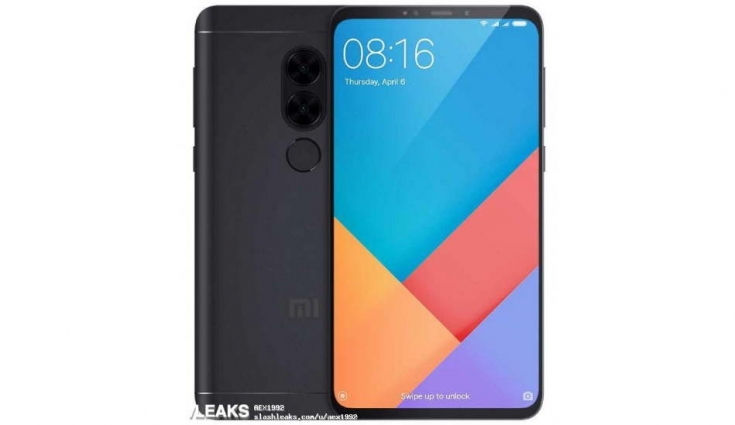
    The bezels around the display are thinner than the ones found on the Redmi 5 Plus and at its price point, could have the best screen-to-body ratio. The smartphone is expected to be launched at a price similar to the Redmi Note 4 which continues to be a popular Xiaomi phone in markets like India.
  • Samsung Launches Galaxy A8+ In India At A Price Of Rs. 32990

    Samsung Launches Galaxy A8+ In India At A Price Of Rs. 32990

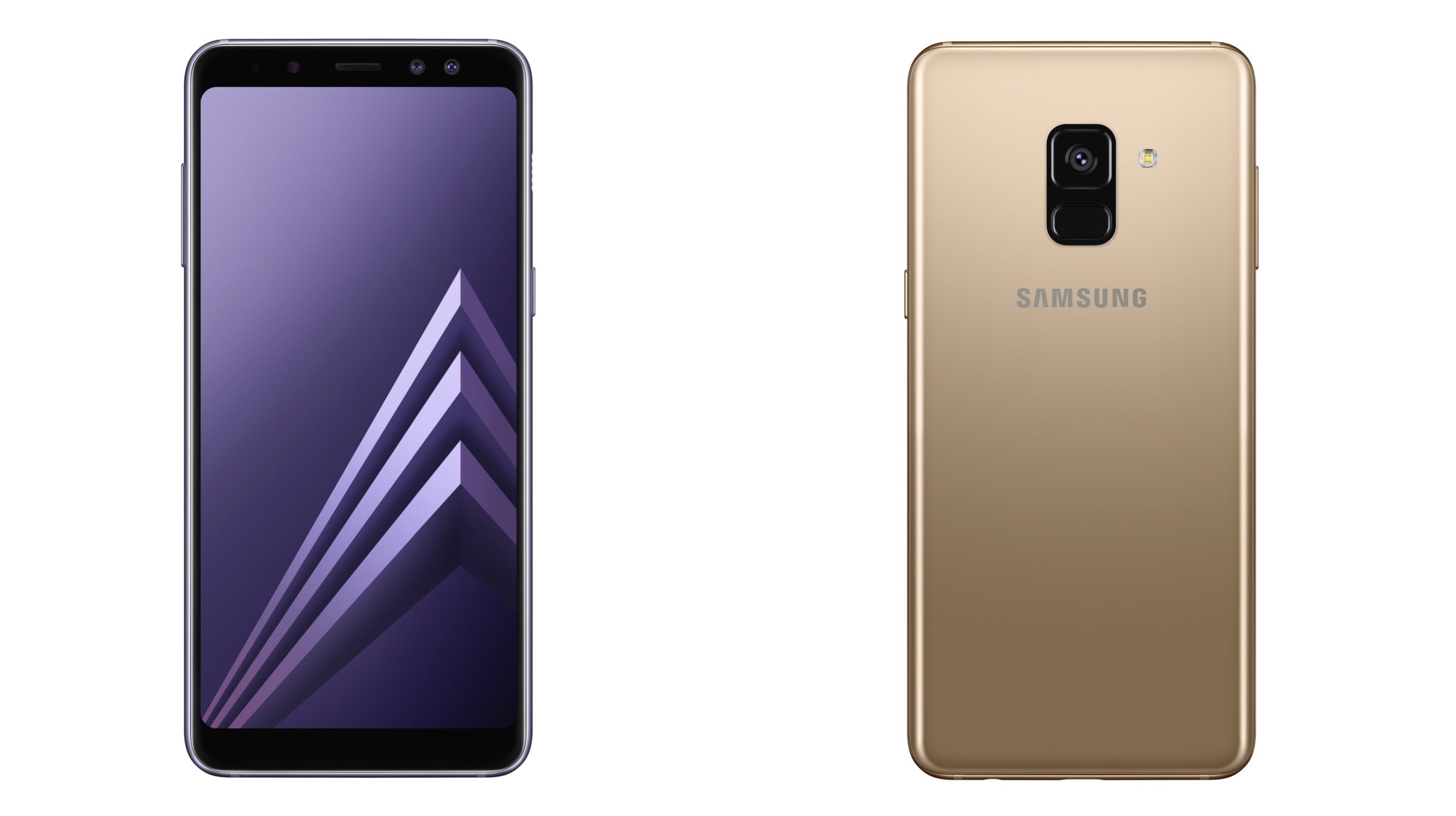
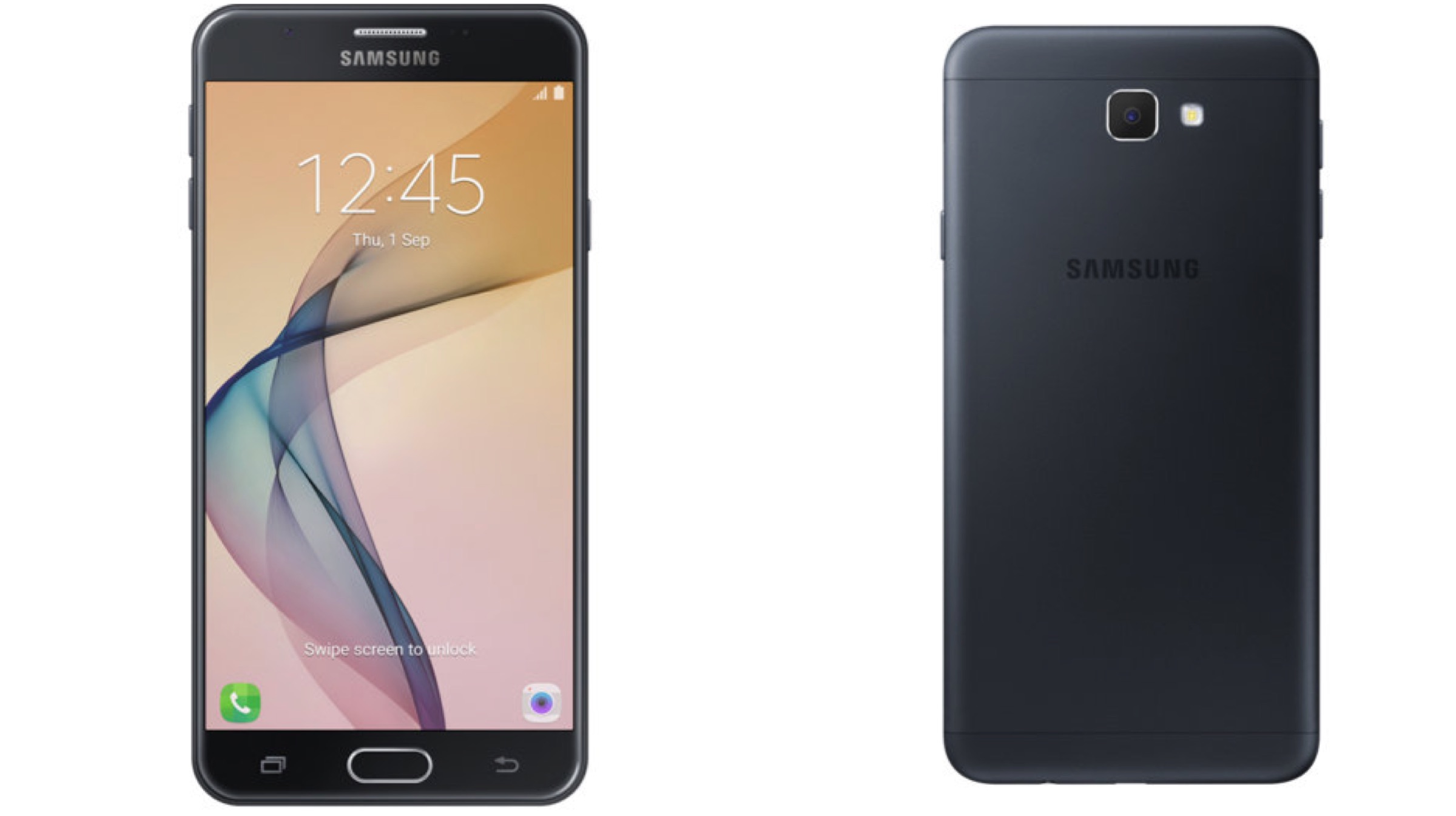
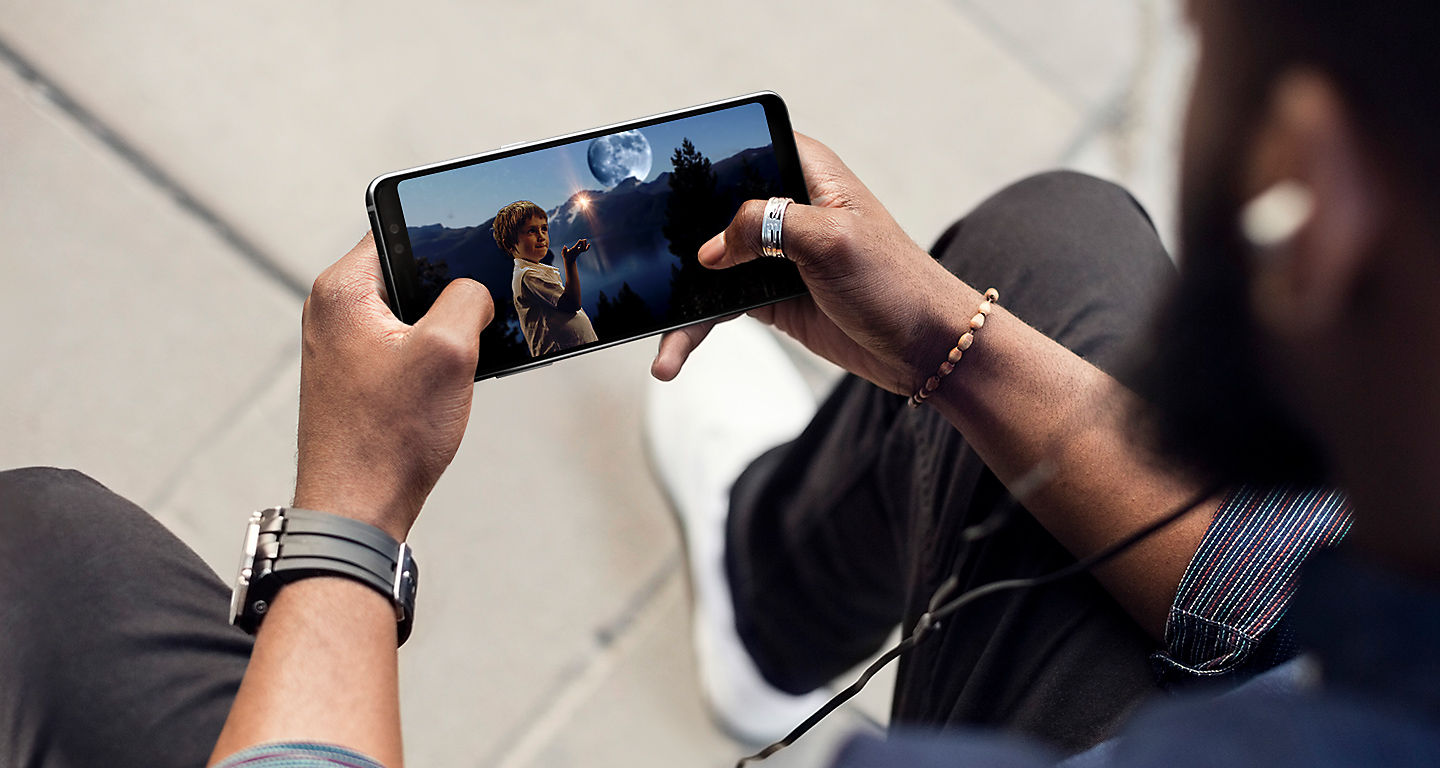
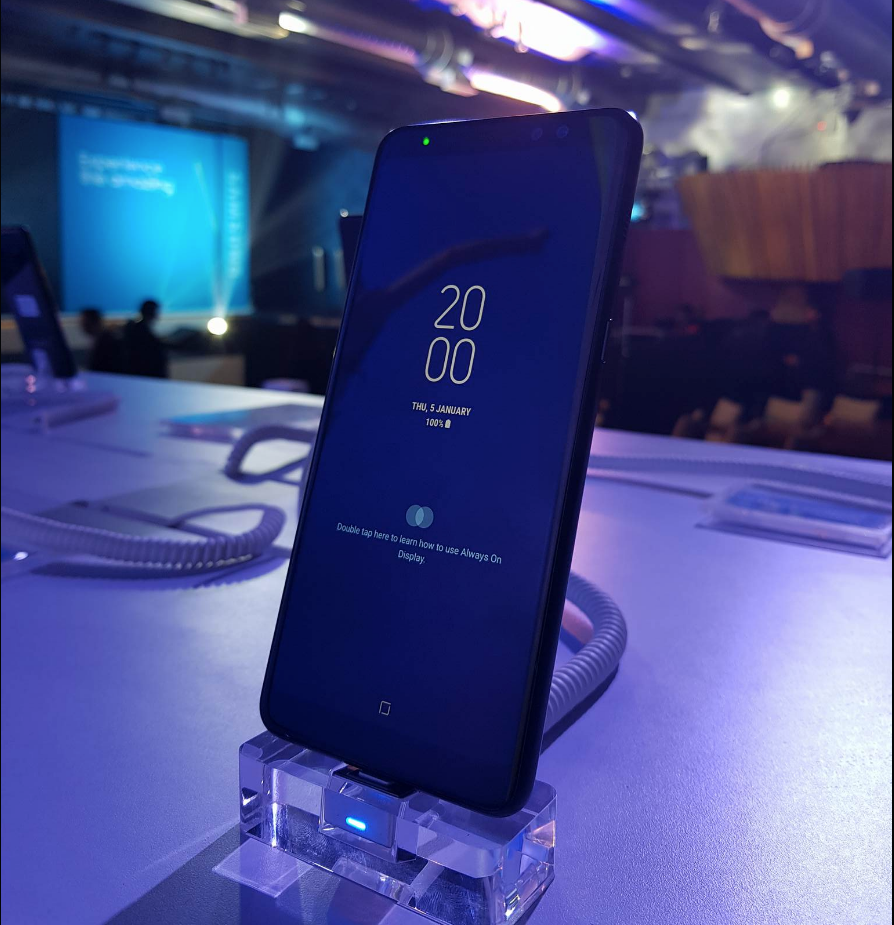
    Samsung has officially launched the Galaxy A8+ in India at a price of Rs. 32990. The device is an Amazon-exclusive and will go on sale in India from the 20th of January. At this price point, the Samsung Galaxy A8+ will compete with the likes of Honor View10 and the OnePlus 5T.

    The Samsung Galaxy A8+ has a 6-inch Super AMOLED display with a 2220 x 1080 px resolution which translates to an 18.5:9 aspect ratio.

    Under the hood, it has an Exynos 7885 chipset, an octa-core (2.2GHz Dual + 1.6GHz Hexa) processor and Mali-G71 GPU. The Galaxy A8+ has been launched in only one variant in India, which has 6GB of RAM and 64GB of onboard storage. Just like every other smartphone from Samsung, the onboard storage can be expanded up to 256GB via microSD card. The smartphone is IP68 rated for water and dust resistance and supports Samsung Pay for contactless mobile payment.

    Powering the Galaxy A8+ is a 3500 mAh battery which is charged via USB Type-C port.

    One thing that might come as a surprise, especially for phones launching in 2018 is the OS. The Galaxy A8+ will run Android 7.1.1 Nougat out of the box with Samsung’s own custom skin on top.

    The Galaxy A8+ is also the first of Samsung phone to have a dual-camera setup on the front. The Galaxy A8+ has a 16MP + 8MP camera setup with an f/1.9 aperture on the front. The Live Focus feature lets users chose whether the background should be in focus or blurred to a soft bokeh. The phone will switch between the two front cameras to get the effect the user needs. To the back of the phone is a 16MP camera with an f/1.7 aperture and digital stabilisation.

    The Samsung Galaxy A8+ has a new design when compared to previous Galaxy A smartphones with a new Infinity Display. With the smartphone entering the “affordable flagship segment,” it has the advantage of an IP68 rating for water and dust resistance over its closest competitors, OnePlus 5T and Honor View10. With a chipset that isn’t a flagship, it will be interesting to see how many consumers are drawn towards the Infinity Display and its ruggedness.

    You can register for the Samsung Galaxy A8+ by clicking here.

  • This Could Be The First Smartphone To Run Android Go

    This Could Be The First Smartphone To Run Android Go

    HMD Global recently launched the Nokia 2 in India at a price of Rs. 6999 in India. At the same time, Xiaomi launched the Redmi 5A with better specifications and similar price. HMD Global subsequently announced that the Nokia 2 will support Android Go Edition based on Android 8.1 Oreo and now it appears that the company might be launching its first-ever Android phone that will run Android Go version of Android OS.

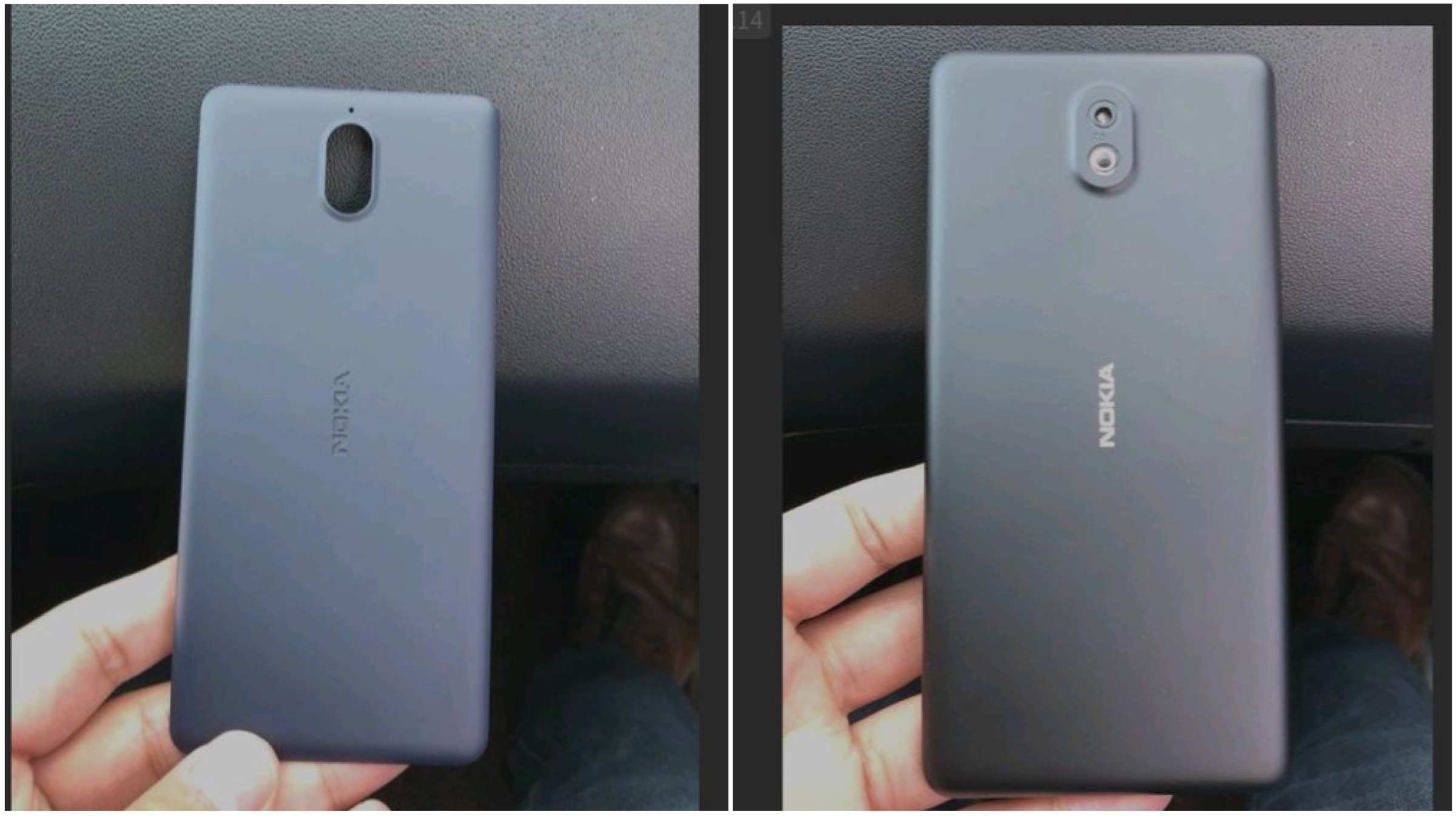
    Leaked images of what might be the Nokia 1 have surfaced on Baidu, a Chinese website. Interestingly, two different designs are revealed of the same phone which means that HMD Global might still be exploring options. But, with a launch expected at MWC, one of these could well be the final design of the smartphone.

    All of these are speculations so far, but, there have been multiple reports claiming that HMD Global is working on an Android Go-powered smartphone since it is one of the first smartphone makers to adopt the new software system developed by Google.

    Google recently announced Android 8.1 Oreo-based Android Go edition. The idea behind Android Go is to create a version of Android software which is designed to run better on phones with either 512MB or 1GB of RAM.

    Google has claimed that Android Go’s Oreo edition will be a variant of Android Oreo that a manufacturer can just set by ticking off a configuration flag. What this basically does is that it sets up the phone to use the “Go” versions of a handful of Google apps such as the main Google app, Google Assistant, Google Maps, Gmail, and others.

    HMD Global Chief Product Officer Juho Sarvikas recently took to Twitter to announce that the Nokia 2 will directly receive Android 8.1 Oreo update thanks to its Android Go integration.

    India could be one of the first few countries where the Nokia 1 will be launched, thanks to its crowded entry-level smartphone market and a huge feature phone user-base which will be able to move to a good smartphone without shelling out a lot of money.

  • Motorola Wants To Keep Your Health In Check With The New Moto Mod

    Motorola Wants To Keep Your Health In Check With The New Moto Mod

    Th trend is of wearable technology like fitness bands and smartwatches have steadily increased over the years. There are plenty of inexpensive options that do the basic things like counting steps, control music, take/end calls pretty well. With the Apple Watch Series 3, Apple wants users to experience the standalone features of a wearable which in general, are rendered useless if you forget your smartphone at somewhere else.

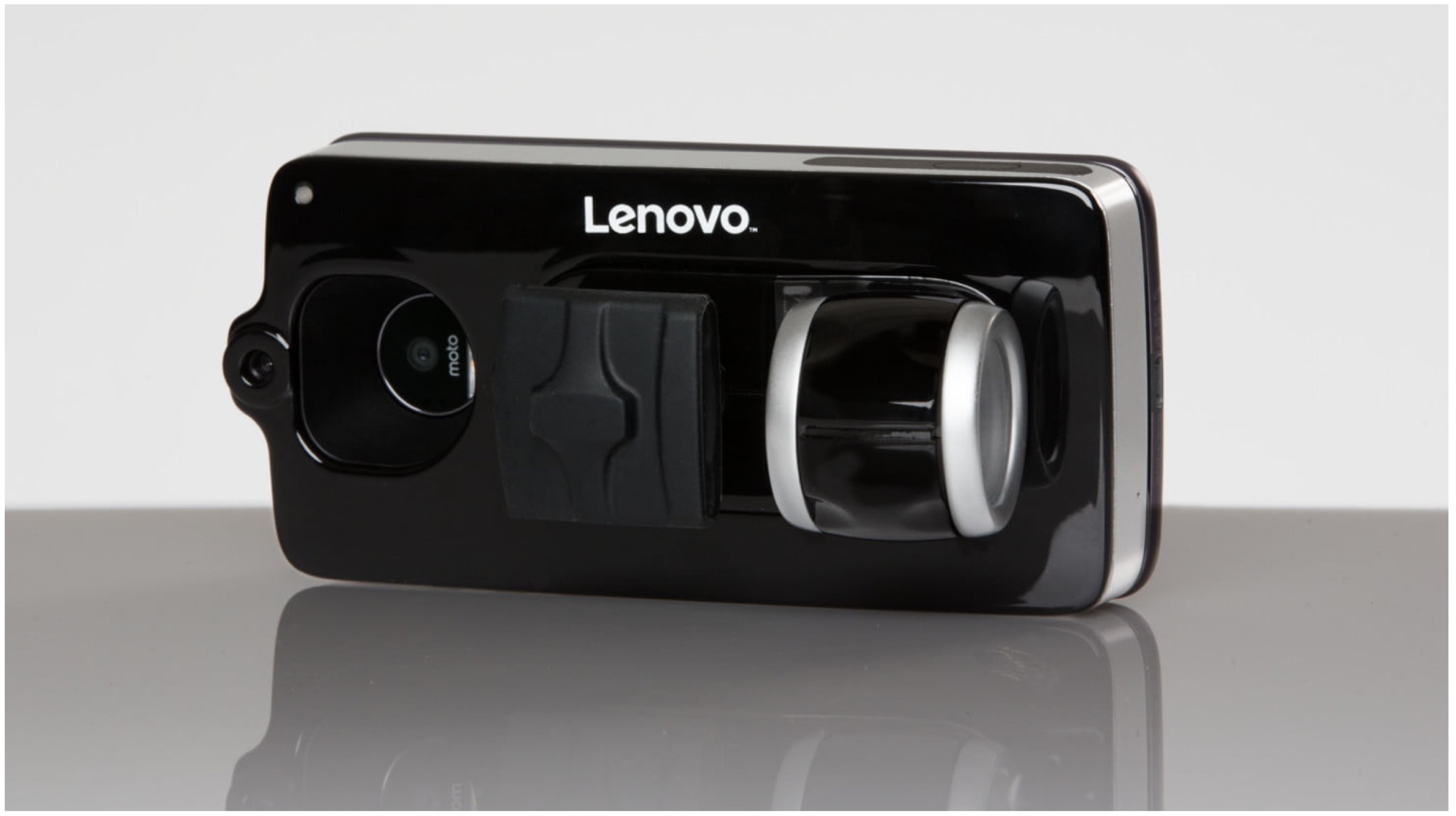
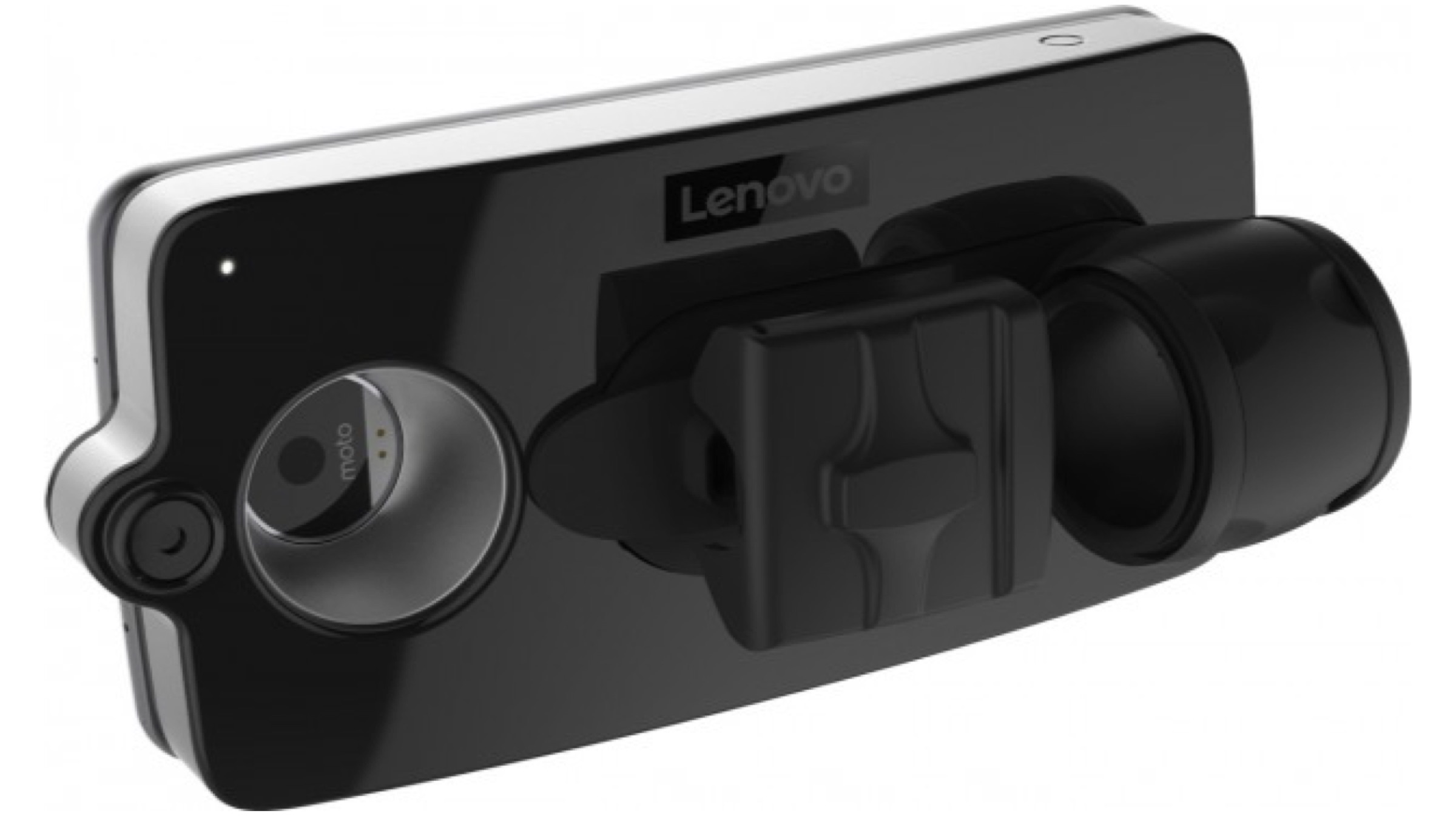
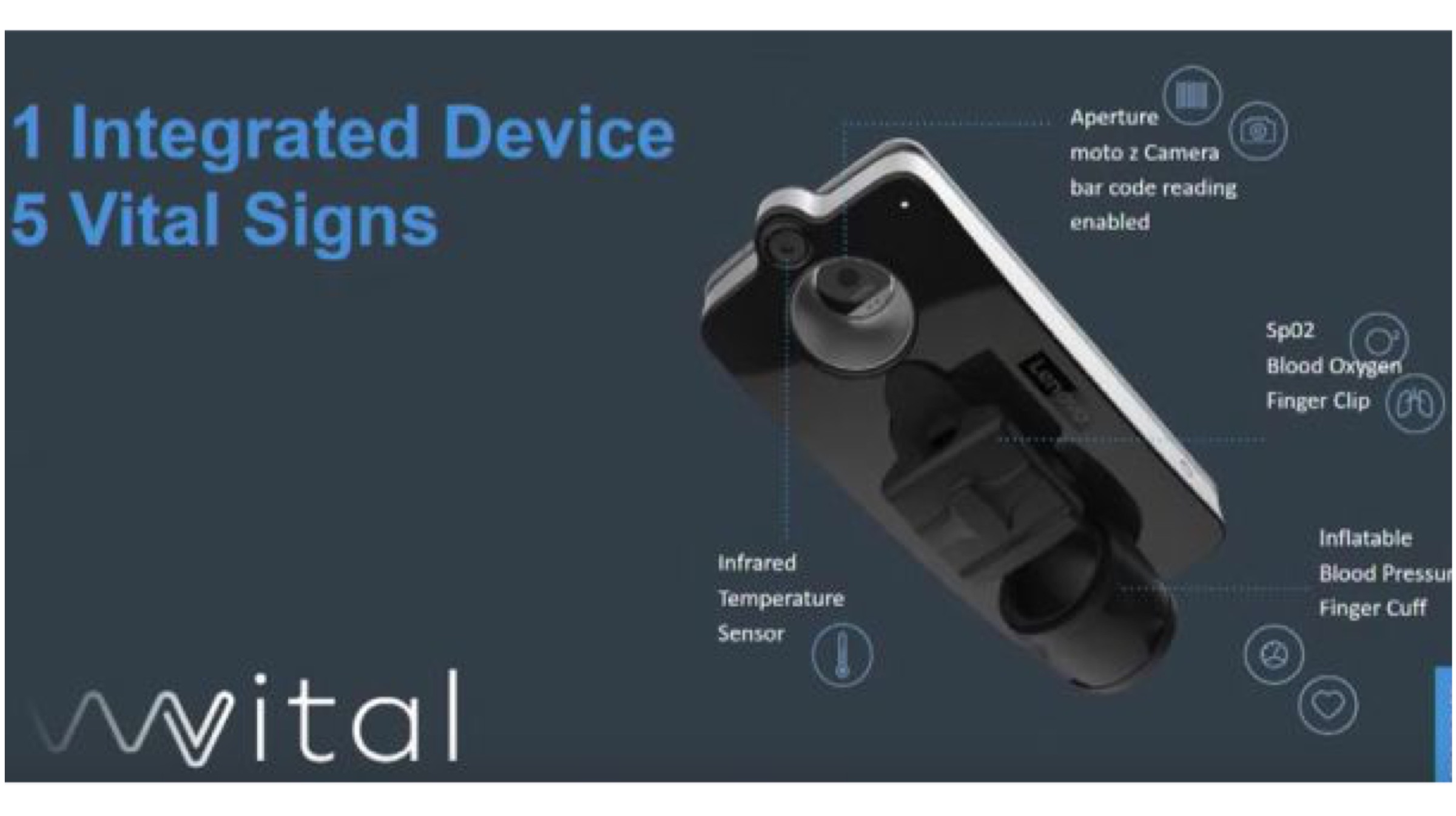
    Motorola however, wants your Moto device to do all the tracking of your health. During Lenovo’s event at CES 2018, the company announced the Lenovo Vital Moto Mod, a snap-on module extension for the Moto Z smartphone lineup. Vital is the “first connected, integrated, multi-vital sign monitoring platform you can operate through a single instrument”, according to Jim Thiede, Motorola’s Head of Product Marketing.

    The Mod has an infrared temperature sensor, a finger clip for measuring oxygen, and an inflatable finger cuff. These three features combine to test your heart rate, respiratory rate, pulse oxygen (SpO2), body temp, and both systolic and diastolic blood pressure. Thiede claims no other mobile platform can deliver accurate blood pressure readings.

    After each checkup, users can compare their current readings to past measurements and keep a check on their progress. Just like any other Mot Mod, it snaps on to the back of a Moto Z smartphone and the phone immediately prompts the indication of a Mod being connected.

    At a price of US $395 (Rs. 25,000 approx.), the Mod surely comes at a hefty price. During the presentation, Thiede stressed how expensive and time-consuming it can be to track all of these different health statistics with five different biomonitors. So, the company is depending on consumers to look at the bigger picture and go for a “one-time investment” in an expensive Mod over regularly getting health checks done at a clinic. The device will go on sale in April in the western markets, there is no word on its availability in India as of now.

  • Honor Drops Another Hint At The Launch Of The Honor 9 Lite In India

    Honor Drops Another Hint At The Launch Of The Honor 9 Lite In India

    Huawei sub-brand Honor has recently launched two popular smartphones in the Indian market, the budget-oriented Honor 7X and the affordable flagship, Honor View10. The company is now gearing up to launch another budget smartphone with four cameras, similar to the Honor 9i which was launched a few months ago in India. Honor has dropped another hint that the device in question here could very well be the Honor 9 Lite.
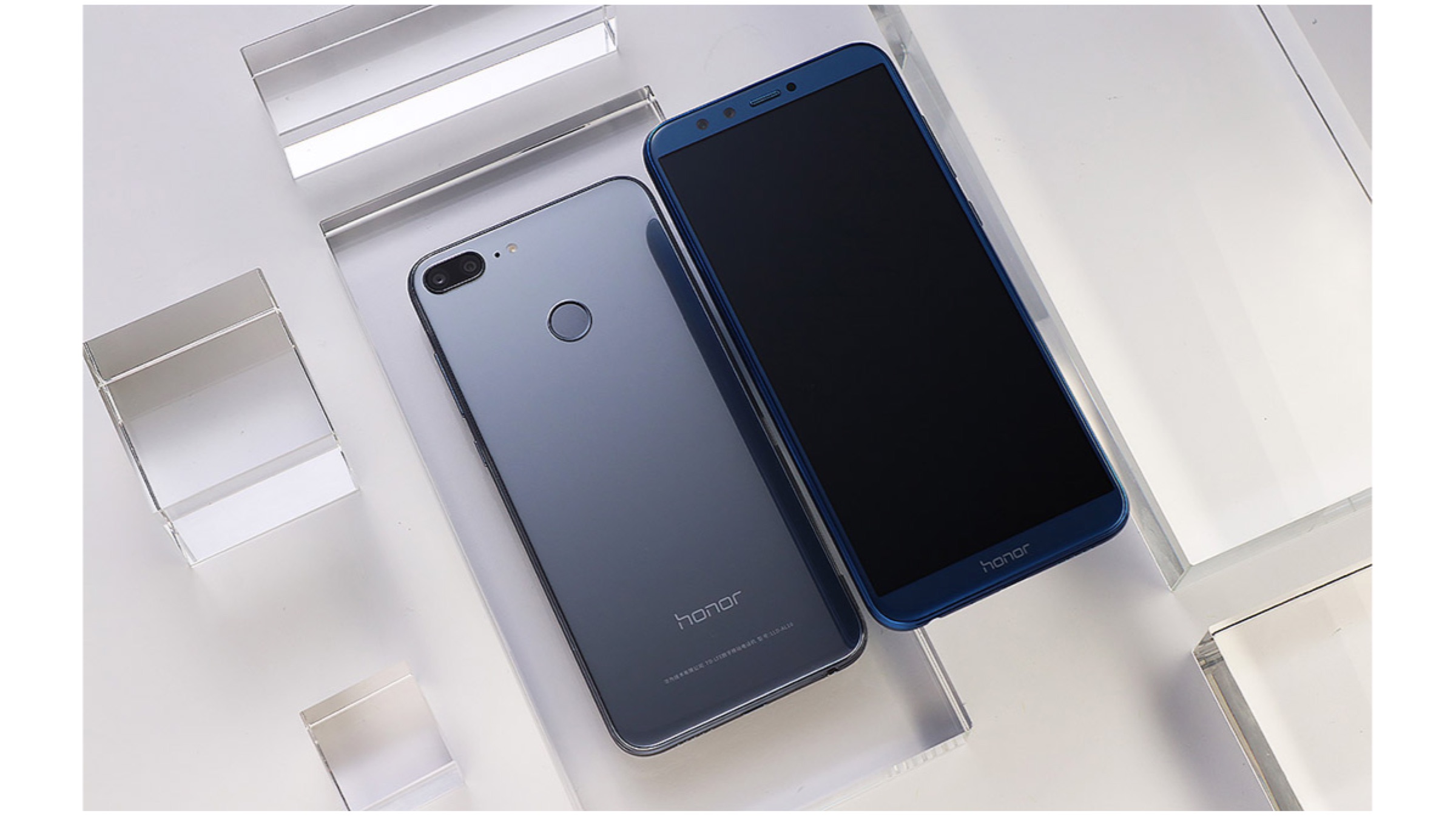
    The Honor 9 Lite was launched in China in late-December and has a camera setup similar to the Honor 9i, which retails for Rs. 17999 in India. The company, in a press release, has conceded that the upcoming device will have a glass unibody, exactly like the Honor 9 Lite:
    Ensuring its consumers to stay connected while in style, the new smartphone will be equipped with a sleek looking glass unibody with mirror effect rear glass, similar to what has been seen in premium smartphones like Honor 8 and Honor 9, and other smartphones like Apple iPhone X.

    Teaser image shared by the company

    The Honor 9 Lite shares a lot of similarities with the other two Honor devices in the sub-20K price categories, the Honor 7X and Honor 9i. The Honor 9 Lite has the same Kirin 659 chipset as the other two phones, a quad-camera setup like the Honor 9i and thin bezel-less design. THe differentiating factor here will be the build quality and most importantly, the price.

    It has a 5.65-inch IPS LCD display with a 2160 x 1080 px resolution which translates into an 18:9 aspect ratio.

    [amazon_link asins=’B0784BZ5VY’ template=’ProductAd’ store=’igyaan-21′ marketplace=’IN’ link_id=’87ab6e31-f5c9-11e7-8441-9d6bd629d861′]

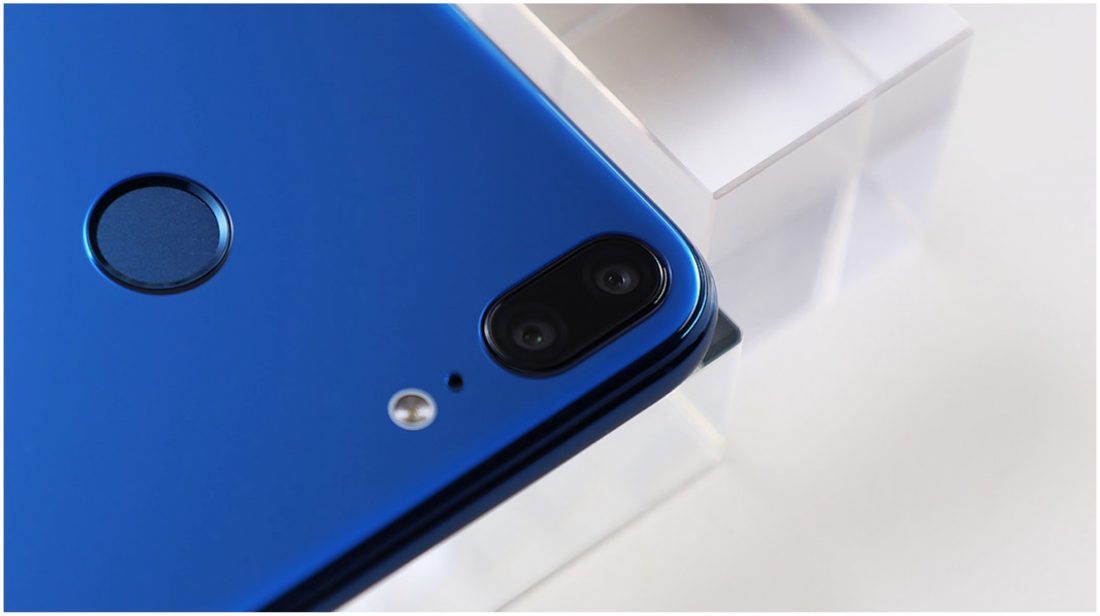
    Under the hood, the Honor 9 Lite has the HiSilicon Kirin 659 chipset, an octa-core processor, the Mali-T830 MP2 GPU, 3GB or 4GB of RAM and storage options of 32GB and 64GB. It is worth noting that the onboard storage will be expandable up to 256GB via a microSD card. The fingerprint sensor is placed at the back and the bottom bezel on the front houses the Honor branding.

    Powering the device is a 3000 mAh battery which also supports the Super Charge technology.

    The Honor 9 Lite has four cameras. To the front and back, it has a 13MP + 2MP setup and both the setups record 1080P videos at 30fps.

    The company has not hinted any date for the launch as of now and the price for the Indian market as well, is being kept under the wraps.

  • Renders Of Huawei P20 With Triple-Camera Setup Leaked

    Renders Of Huawei P20 With Triple-Camera Setup Leaked

    Huawei is riding high on the success of its Mate 10 Pro lineup along with the increasing popularity of sub-brand Honor’s Honor 7X and View10. While the company has reiterated that it believes AI and machine learning is the future of smartphones, the upcoming Huawei flagship is poised to be the first of its kind smartphone in the camera department as well.

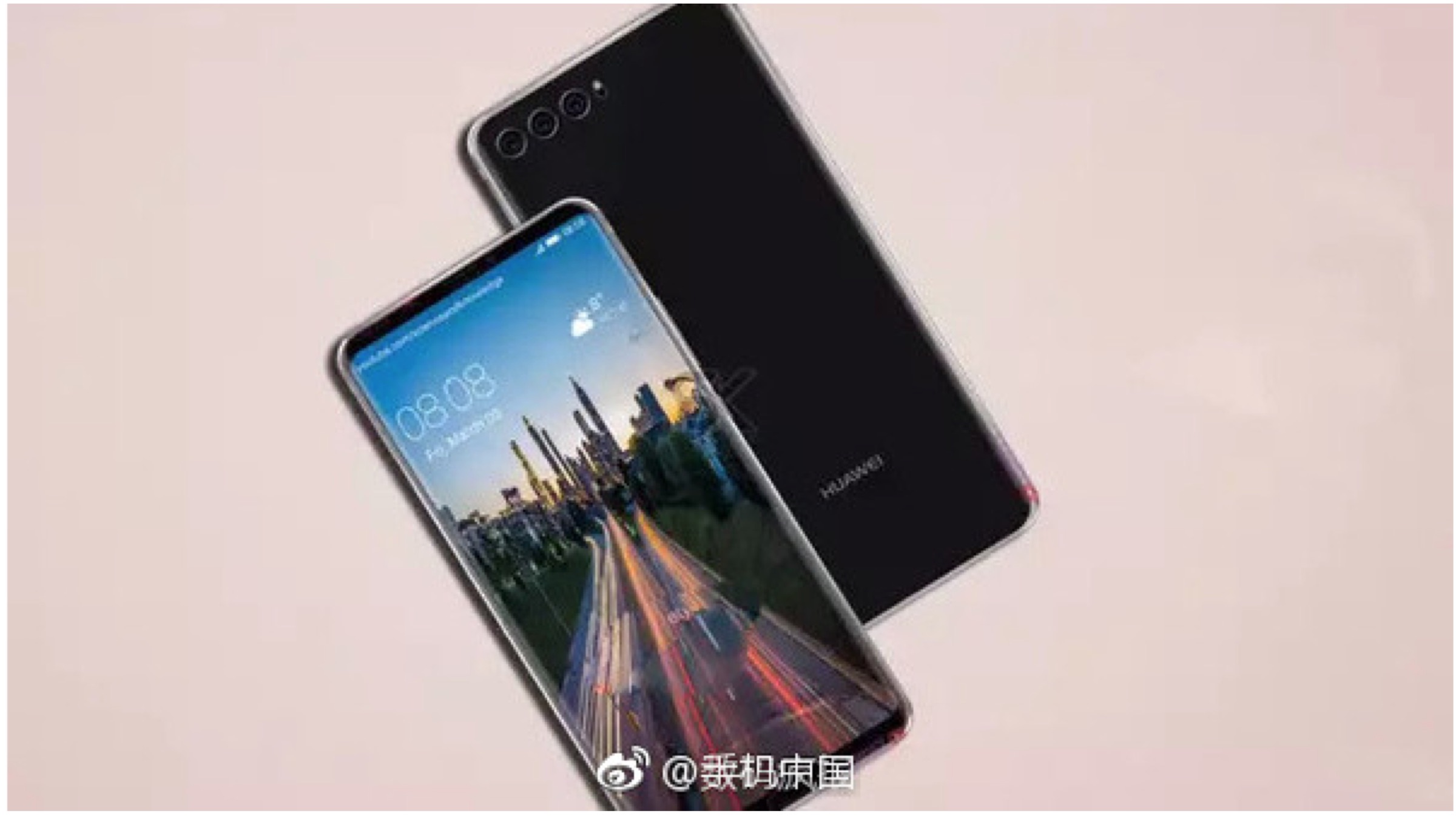
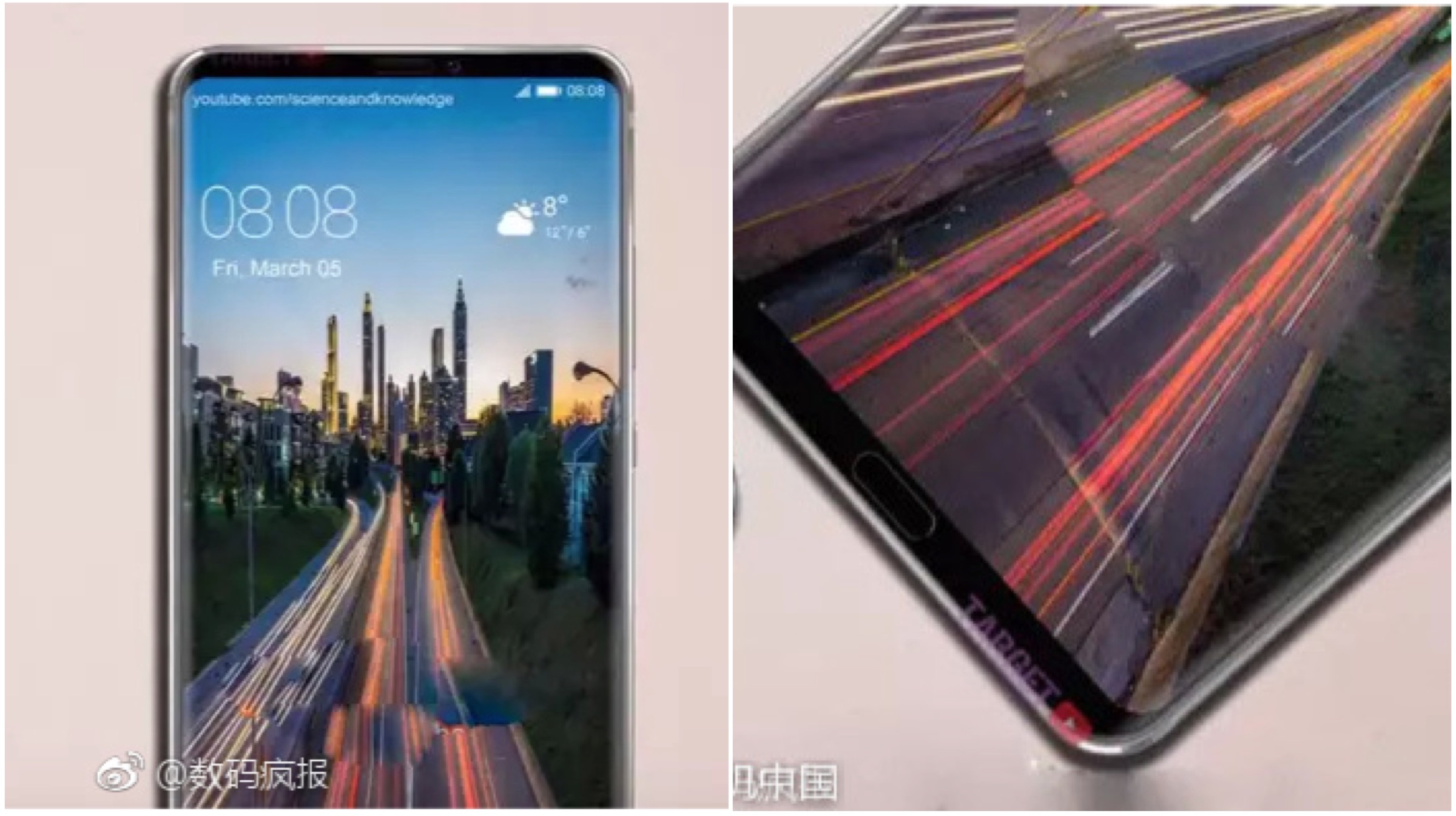
    New renders of the Huawei P20 reveal a triple-camera setup at the back which will be unprecedented for a smartphone if the renders turn out to be true. Along with the astonishing triple-camera setup on the back, the renders reveal extremely thin bezels and a front-facing fingerprint sensor. Honor did that with the Honor View10 as well, fitting a front-facing fingerprint sensor on bezels almost as thin (or thick) as the OnePlus 5T.

    There are almost negligible bezels on either side of the display with extremely thin forehead and chin. The smartphone will have a glass build and hopefully this time around, the company will introduce wireless charging as well.

    Recently, a few leaked advertisement designs revealed that an upcoming Huawei device, presumed to be the P11 at that time, will launch with a triple-camera setup on the back. According to the advertisement, the smartphone will have a triple lens rear-facing 40MP camera, 5X hybrid zooming (which uses a digital and optical zoom for better capturing far away objects) and a 24MP front-facing camera. The camera will also be co-engineered by Leica, the same company that co-engineered the cameras for the Huawei P10 and Huawei Mate 10.

    Considering the HiSilicon Kirin 970 is the best chipset by Huawei available right now, the Huawei P20 will, in all likelihood, will be powered by this chip. The Chinese smartphone maker talked up the AI capabilities of the Kirin 970 chipset and its own facial recognition technology while launching the Mate 10 Pro. While we have seen glimpses of the technology in the Honor View10, the Huawei P20 might be the first device to feature the facial recognition technology in all its glory.

    If the company does go ahead with this alleged design, the addition of facial recognition will add more than just convenience. It will add an extra layer of security since the company has claimed that its technology is secure enough for data storage and bank transactions as well, similar to the iPhone X and its Face ID.

    While all of this might seem far-fetched, Huawei might surprise us all and give us a glimpse of this smartphone at the ongoing CES 2018 in Las Vegas. Stay tuned for further updates.

  • Vivo Shows Off The In-Display Fingerprint Sensor Technology A Day Before Launching The Smartphone

    Vivo Shows Off The In-Display Fingerprint Sensor Technology A Day Before Launching The Smartphone

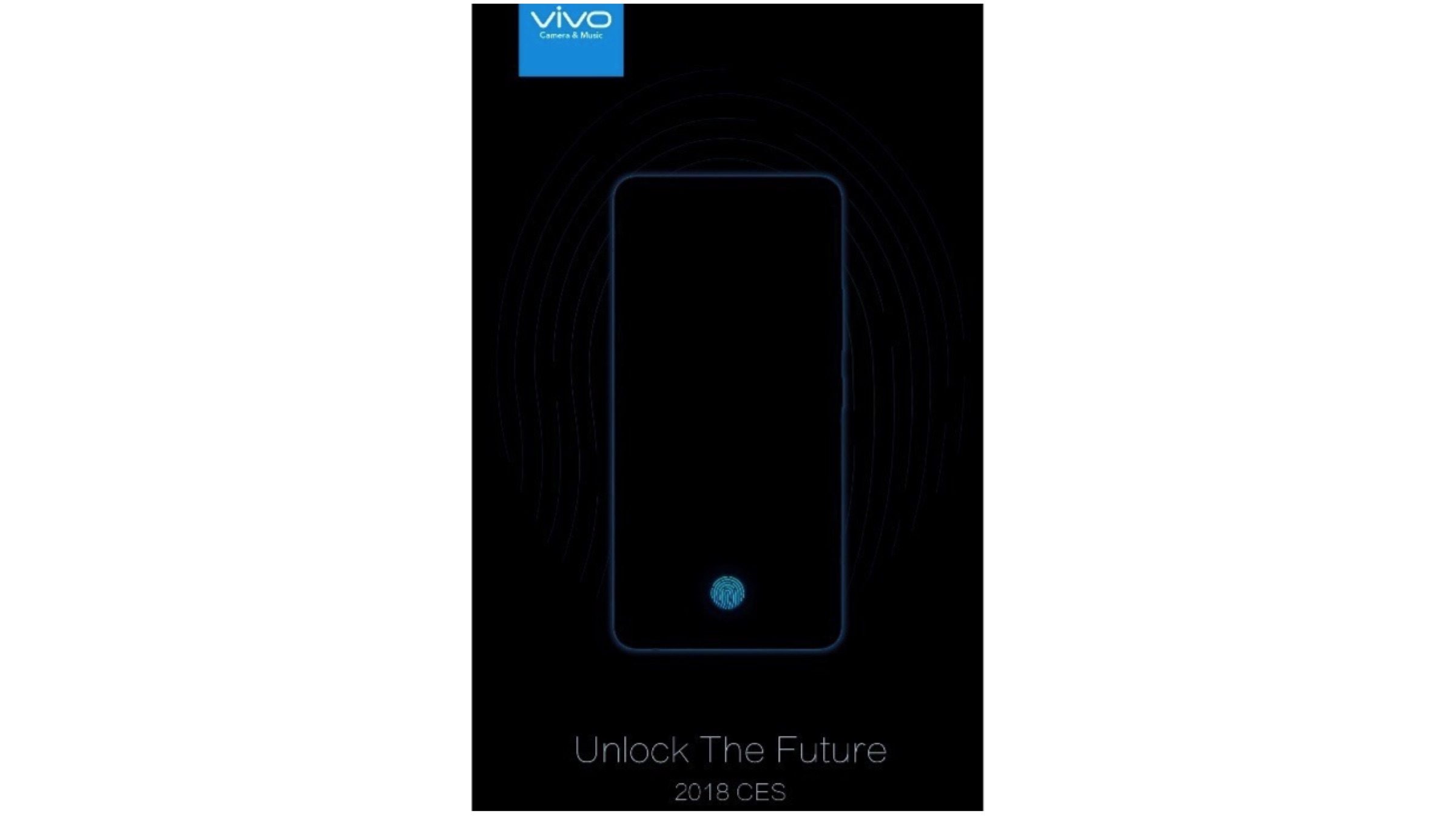
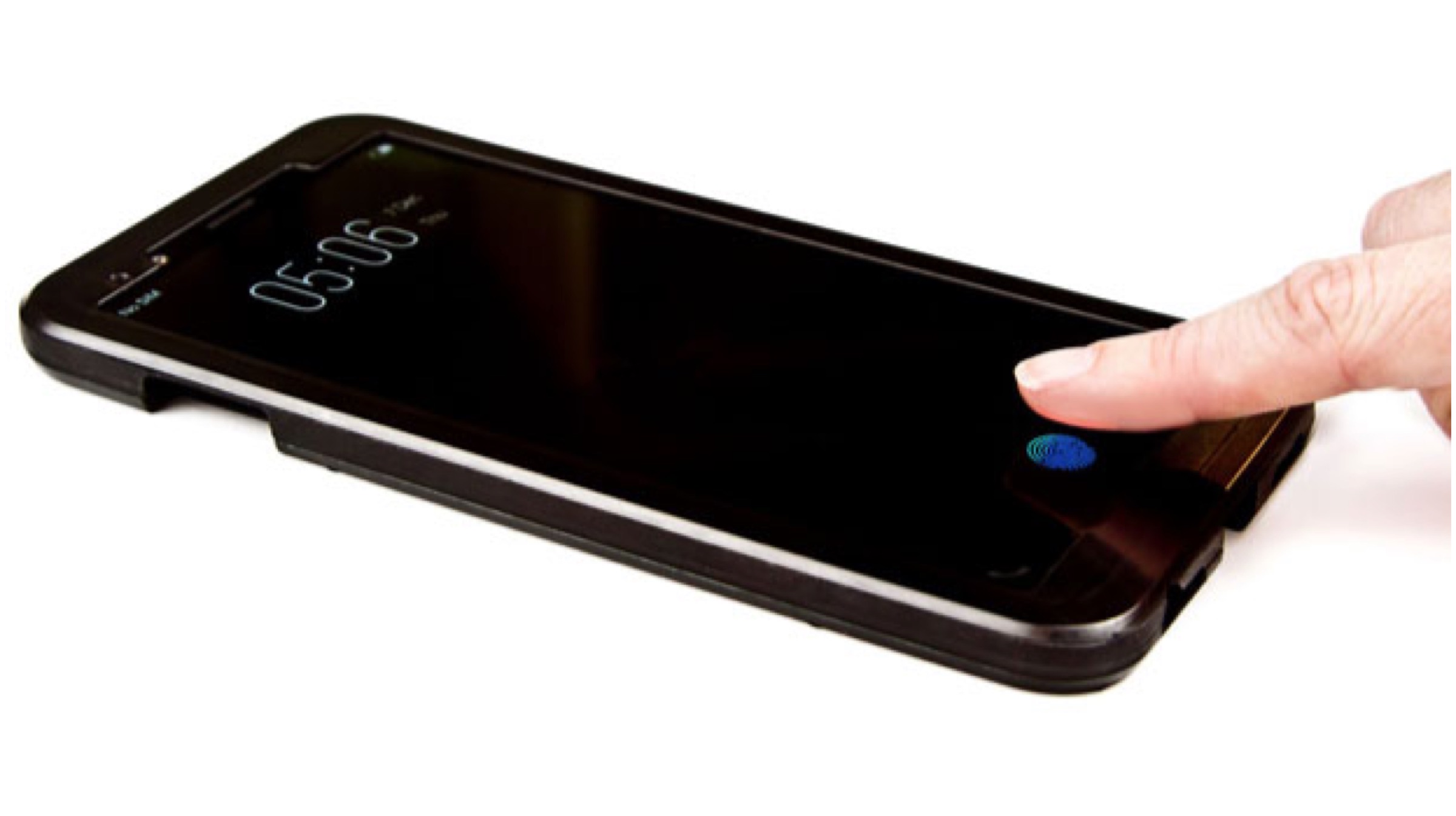
    Vivo teased the official unveiling of the first-ever smartphone with an in-display fingerprint sensor on the 10th of January at CES 2018. Now, a day before the smartphone’s launch, Vivo has showcased the technology that will be responsible for putting a fingerprint sensory inside the display.


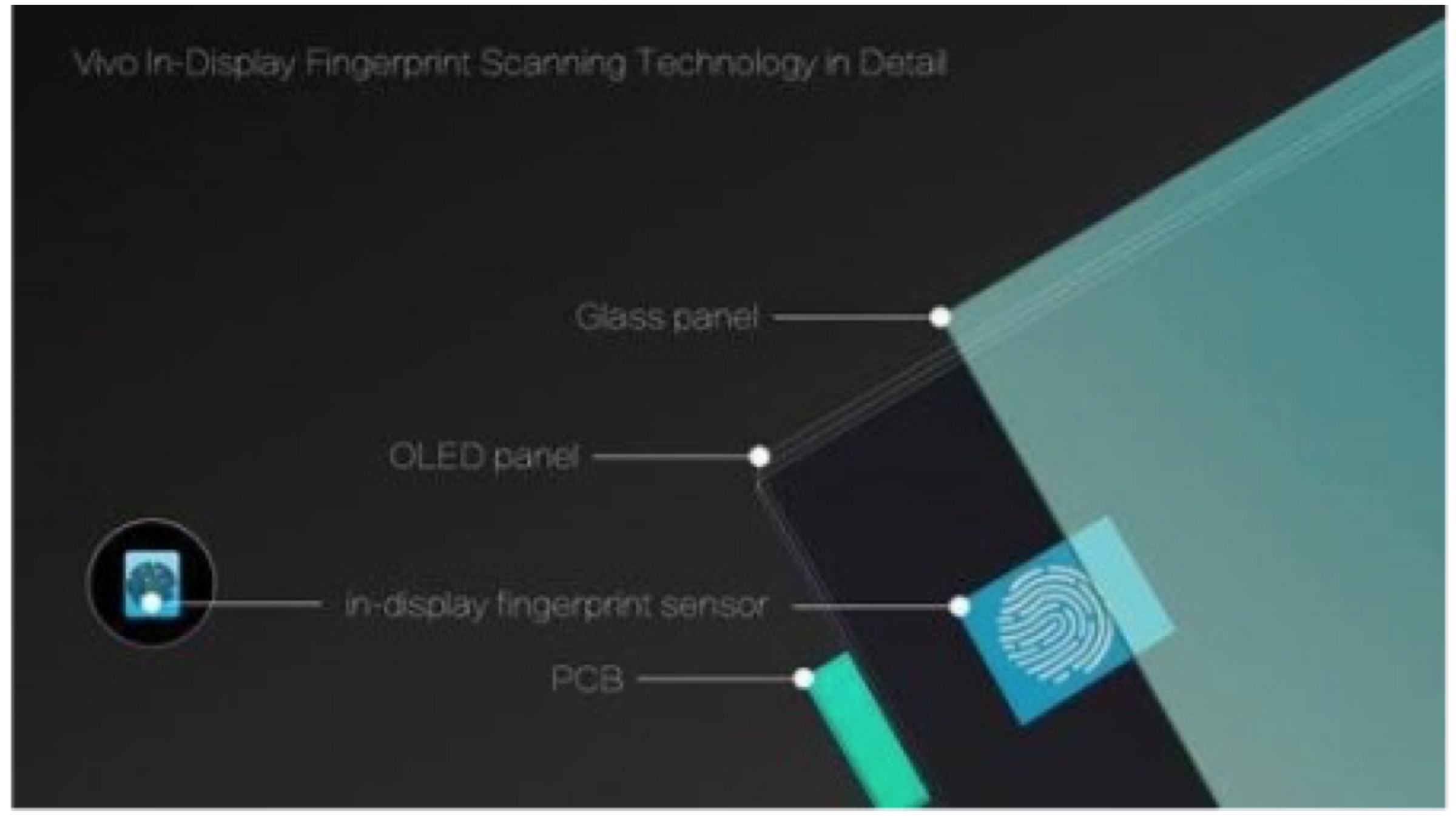
    The in-display fingerprint sensor will sit between the mainboard and the OLED panel where it will illuminate the finger and then process the beams of light. Alex Feng, Senior VP at Vivo, said in a press release that this technology is the solution to the industry’s challenge of providing a more convenient authentication experience. The smartphone is ready for mass production and should be announced in “early 2018”.

    Early reports of the Vivo smartphone with an in-display fingerprint sensor have been positive. Analyst Patrick Moorhead detailed his experience with a pre-production Vivo phone equipped with the in-display fingerprint sensor technology. Synaptics, the manufacturer of the fingerprint sensor had also claimed that this technology is three times more accurate and faster than Apple’s Face ID. This claim, however, will be thoroughly tested once the device is made available to consumers.

    Apart from Vivo, Doogee, another Chinese smartphone maker is also working on a smartphone with an in-display fingerprint sensor. The name of the device will be Doogee V and according to the leaks, the smartphone’s design is heavily inspired by that of the iPhone X and Galaxy S9+ Leaks.

    The launch of the Vivo smartphone will usher in a new technology trend which will allow OEMs to provide a front-facing fingerprint sensor all the while decreasing the bezels around the display as well. However, a lot will depend on the responsiveness and reliability of the device from Vivo as this will set precedence for upcoming devices from other OEMs and how the consumers will respond to this technology as well.

  • Honor 7X Will Get Face Unlock Feature Soon

    Honor 7X Will Get Face Unlock Feature Soon

    Smartphones of 2018 are expected to have better facial recognition technology along with a fingerprint sensor. Even though facial recognition has been a part of Android phones for a long time now, it has received mainstream attention ever since the iPhone X launched with Face ID. Smartphones like the OnePlus 5T was launched with features like Face Unlock, which the company claims is more for convenience rather than security.

    [amazon_link asins=’B0784BZ5VY’ template=’ProductAd’ store=’igyaan-21′ marketplace=’IN’ link_id=’0312a78d-f537-11e7-8e5a-1326cb62e71a’]

    Honor boasted about its facial recognition software during its London launch event back in December. The company has now announced that the Honor 7X, the budget-oriented bezel-less smartphone will soon receive a software update which enables Face Unlock. In India, the Honor 7X is priced at Rs. 12999 and apart from the LG Q6, the Honor 7X will have a proper Face Unlock feature that the OEM will enable.

    Apart from the Face Unlock feature, there have been reports that Honor will launch the Honor 7X red colour variant in India, close to Valentines Day.

    The Honor 7X has a 5.9 inch LTPS IPS LCD display with a 2160 x 1080 px display which translates into an 18:9 aspect ratio.

    [amazon_link asins=’B077PWJQ57′ template=’ProductAd’ store=’igyaan-21′ marketplace=’IN’ link_id=’218901c1-f538-11e7-98c2-1de9cff44aab’]

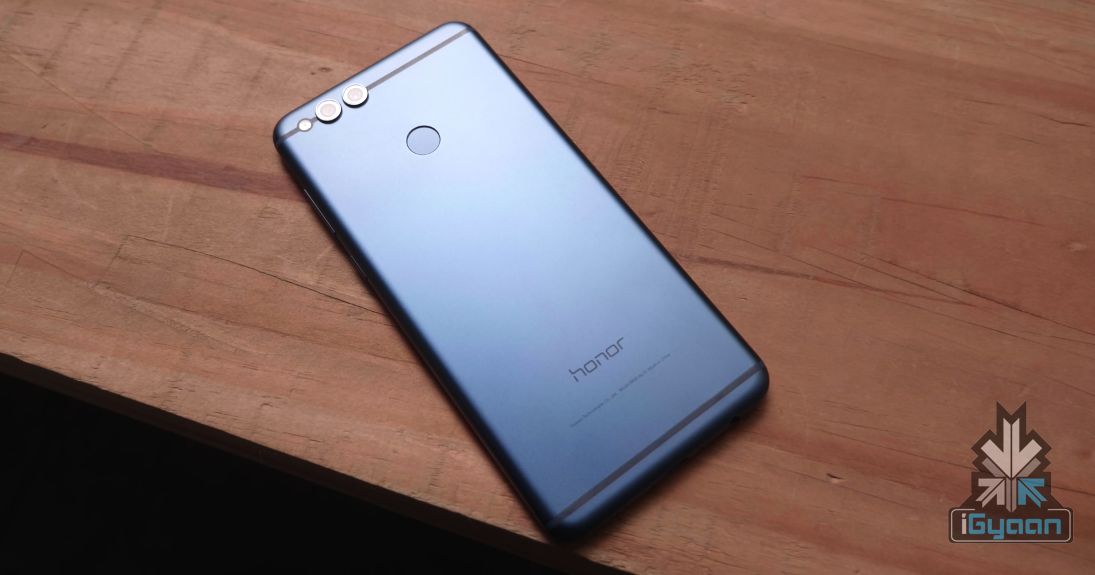
    Under the hood, the Honor 7X has the HiSilicon Kirin 659 chipset, Mali-T830 MP2, 4GB of RAM and two storage options of 32GB, and 64GB. The onboard storage is expandable up to 256GB via microSD card. The device is powered by a 3340 mAh battery which charges via a micro USB slot. Since the device has thin bezels, the fingerprint sensor is placed at the back of the below the dual-camera setup.

    The Honor 7X runs Android 7.0 Nougat with EMUI 6.0 on top which gives a user more options for customising their phones.

    The smartphone has a dual camera setup at the back. One of the cameras is equipped with a 16MP sensor while the other one is a 2MP depth sensor. The camera setup at the back has PDAF and records 1080P videos at 30fps. On the front is an 8MP camera which also records 1080P videos.

  • Xiaomi And Oculus Team Up To Launch New VR Headsets

    Xiaomi And Oculus Team Up To Launch New VR Headsets

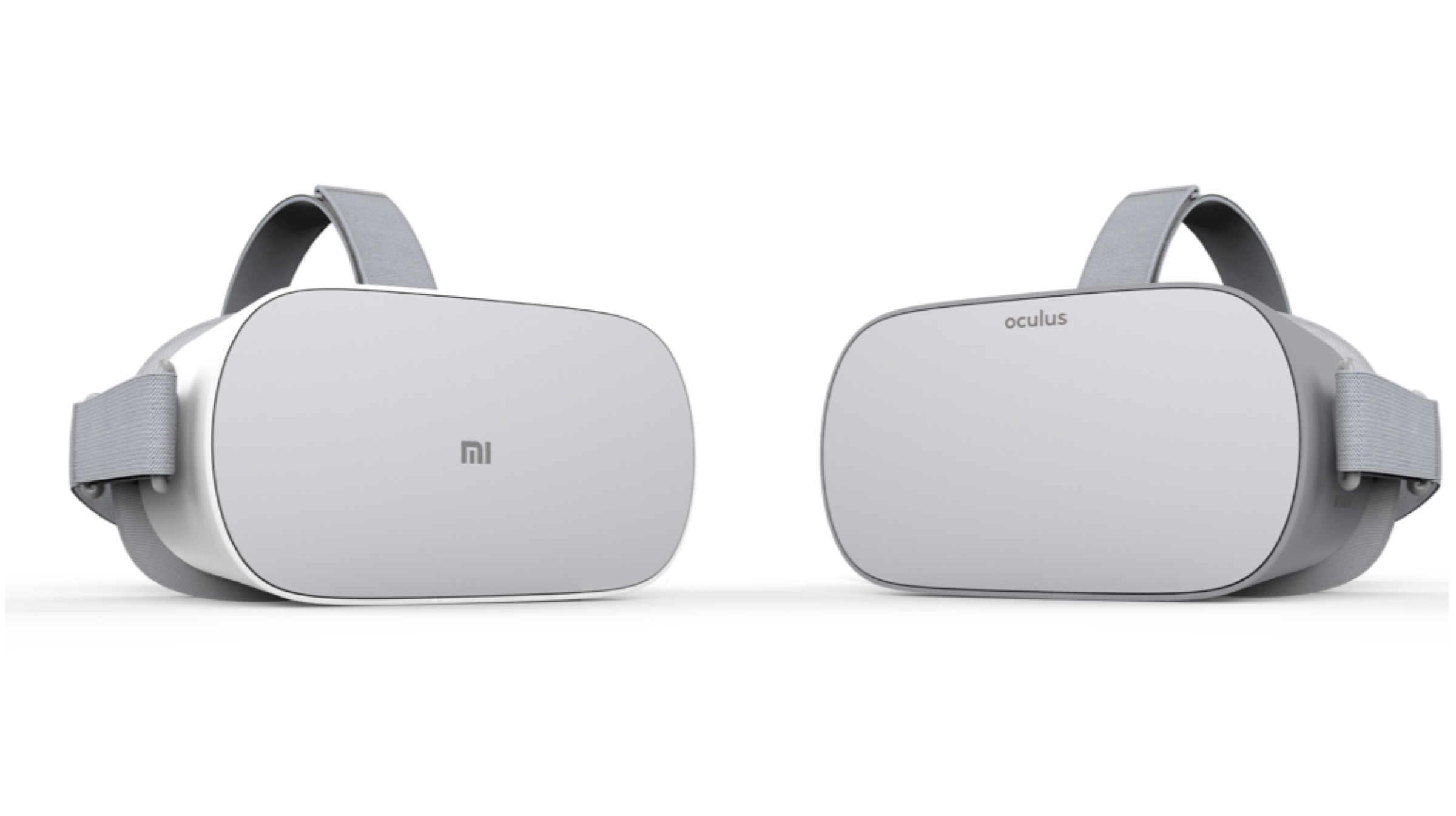
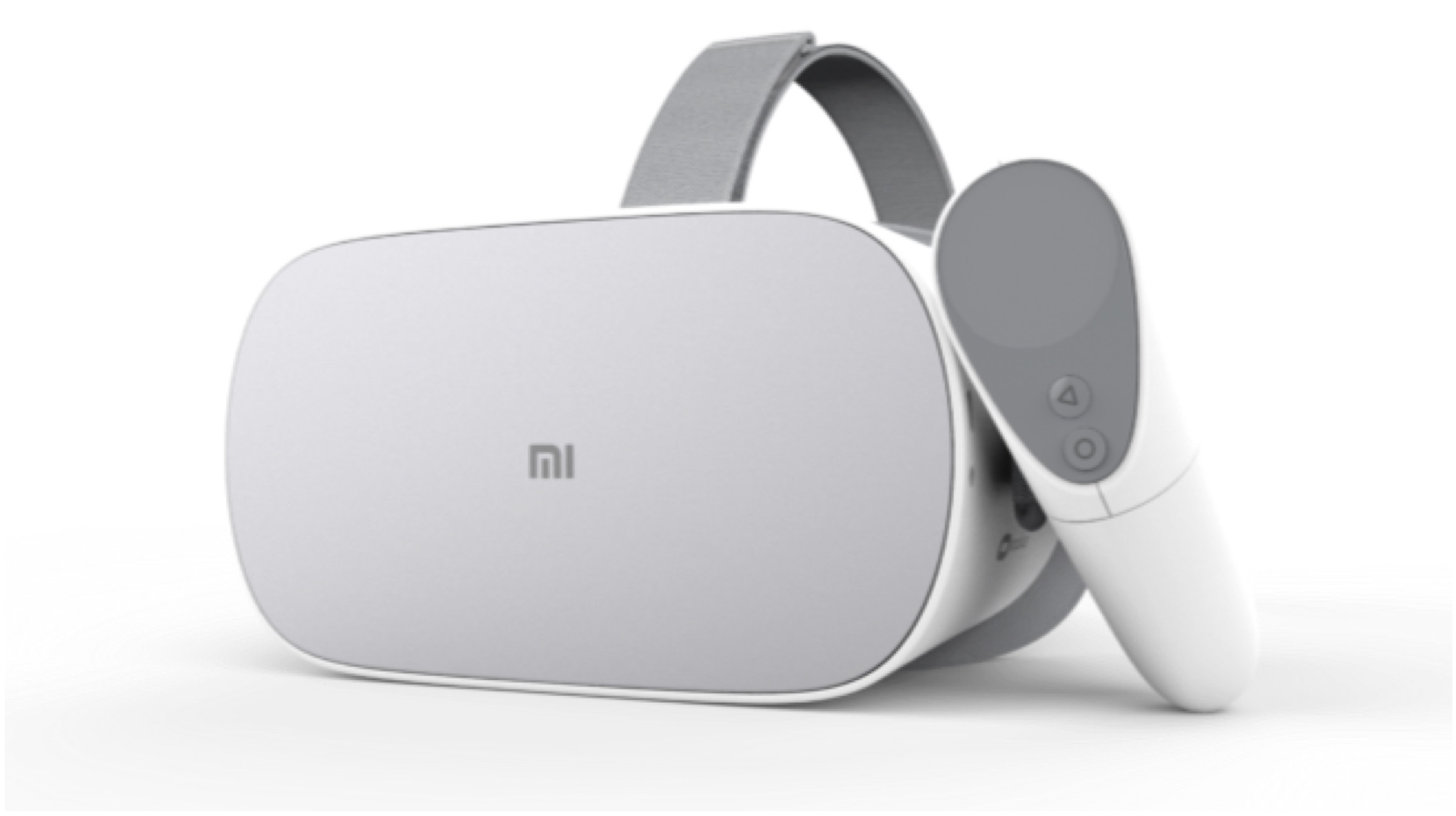
    Xiaomi and Oculus have launched two new standalone VR headsets at CES 2018 taking place in Las Vegas, USA. A lot of brands take to stage during CES and unveil new and exciting products. Xiaomi, along with Oculus has decided to unveil the Oculus and Xiaomi Mi VR Standalone. The Oculus Go will be manufactured by Xiaomi and sold in the western market where Xiaomi is trying to set a foothold in. While the Xiaomi VR Standalone is a rebranded Oculus Go meant for the Chinese market. This makes sense since Xiaomi has much stronger brand value in China than Oculus does.

    The Oculus GO was announced back in October 2017 at the Oculus Connect 4 developer conference. The Oculus GO is priced at US $199 and powered by the Snapdragon 821 chipset and sports an LCD display with a resolution of 2,560 x 1,440 pixels. It also features integrated speakers and has a 3.5 mm headphone jack on board. As it’s a standalone headset, it will also work without a PC or a smartphone.

    Immersive visual experience provided by standalone VR headsets seem to be the future of VR and AR. As more apps become VR and AR friendly, the VR content is expected to increase. Headsets like the Oculus Go provide a relatively inexpensive as at a price of US $199, a user doesn’t need a high-end smartphone to experience VR. To put things into perspective, the Samsung VR headset is priced at US $139 and is rendered useless without a high-end Samsung Galaxy device like Galaxy S8 or Note8.

    There are no details about the VR headsets launching in the Asian markets like India as of yet. But, Xiomi is known to launch a few of its China-exclusive products in India and the Xiaomi Mi VR Standalone might be launched in India.

  • 7.3-Inch Foldable Smartphone From Samsung Coming In December 2018

    7.3-Inch Foldable Smartphone From Samsung Coming In December 2018

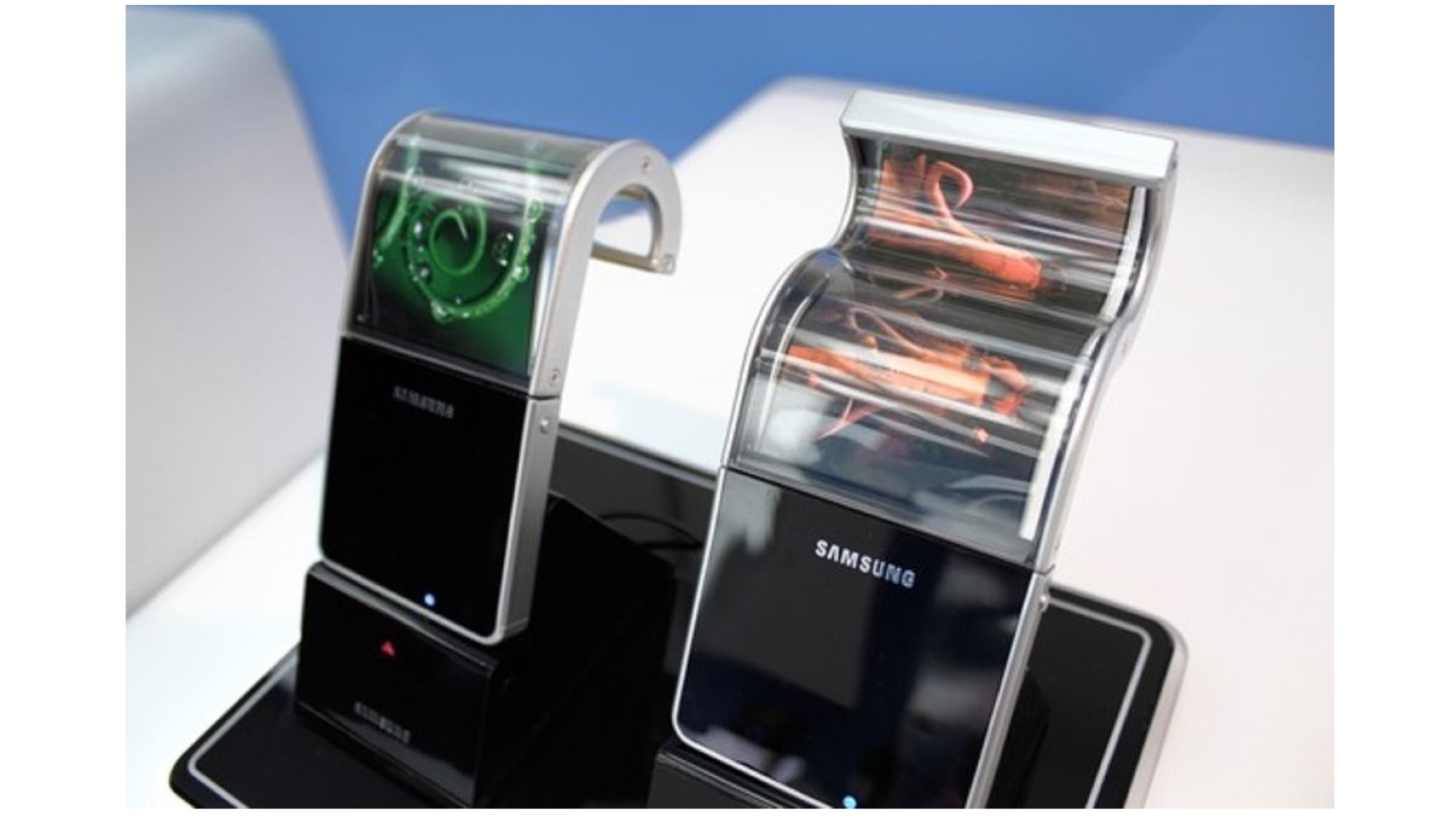
    For months now, there have been rumours that Samsung will be launching a foldable smartphone in 2018. Till now, a lot of the information was gathered through Samsung patents but, a new report has claimed that Samsung will launch a 7.3-inch foldable smartphone in December of 2018.

    The report was published earlier today, which provided a few interesting details about the upcoming foldable smartphone. According to the report, the phone would feature a 7.3-inch, flexible OLED display (built by Samsung Display) which would fold open like a book. The report further speculates that Samsung may even be showing off display prototypes for industry partners behind closed doors at CES in Las Vegas, USA.

    Currently, Samsung’s engineers are tasked with ensuring that the display leaves no trace of having been folded once it is opened into a flat position. The price of the devices is expected to be “ultra-premium.” Samsung is not a stranger to exorbitantly priced smartphones as its ‘W’ flip smartphones are priced higher than usual smartphones in South Korea.

    December sounds a bit too far since there are rumours of other OEMs like LG and Lenovo are also working on smartphones with a flexible display. However, it is fair to assume that a foldable phone from Samsung will definitely grab the headlines, regardless of the time its launched at.

    Samsung has been known to experiment with smartphone displays in the past and has become a pioneer in curved displays with its Galaxy S7 Edge, S8 and the Galaxy Note series.

    A report from the South Korea Herald suggested that the production of the Galaxy X would be on 100,000 orders, making it an extremely limited edition device. If this happens, the Galaxy X would be the most difficult Galaxy phone to get your hands on. Irrespective of the timeline of the foldable smartphone, it is expected to stir up the smartphone industry while more OEMs follow suit and launch their own iterations of a foldable Android phone.

  • Samsung Galaxy On7 Prime Could Be Priced At Around Rs. 15000 In India

    Samsung Galaxy On7 Prime Could Be Priced At Around Rs. 15000 In India

    Samsung Galaxy On7 Prime will soon launch in India. Amazon India has made a dedicated product page live on its website, listing various details about the device without revealing the price or release date. However, a previous report had claimed that the device could be priced at around Rs. 15000 in India which would be highly competitive.

    According to the Amazon listing, Samsung Galaxy On7 Prime has a 5.5-inch display with a 1920 x 1080 px resolution.

    [amazon_link asins=’B01DDP7D6W’ template=’ProductAd’ store=’igyaan-21′ marketplace=’IN’ link_id=’cd5f98bb-f512-11e7-b7e4-6b8787bb193d’]

    Under the hood, the Galaxy On7 Prime will have the Exynos 7870 chipset, a 1.6GHz processor, and Mali-T830 MP1 GPU. The smartphone will be available in two variants, one with 3GB RAM and 32GB of onboard storage and the other with 4GB RAM and 64GB of onboard storage which will be expandable up to 256GB via a microSD card. There is no confirmation on whether the smartphone will have a dedicated microSD card slot or not.

    According to Samsung UAE website, the Galaxy On7 Prime will be powered by a 3300 mAh battery. The physical home button on the front will, in most likelihood, house the fingerprint sensor as well.

    The Galaxy On7 Prime will have a 13MP with an f/1.9 aperture on the front and back along with rear-facing LED flash.

    Interested users can register for the device by clicking here.

  • Less Than 1% Of Android Devices Run Android 8 Oreo

    Less Than 1% Of Android Devices Run Android 8 Oreo

    There is no denying the fact that the Android smartphone space is extremely fragmented. That leads to more and more smartphones getting left behind in the software game. Even today, in 2018, Samsung recently launched a budget tablet running Android 5.1 Lollipop which was launched back in 2015. Such decisions should not be acceptable for consumers regardless of the price point of the smartphone/tablet in question.

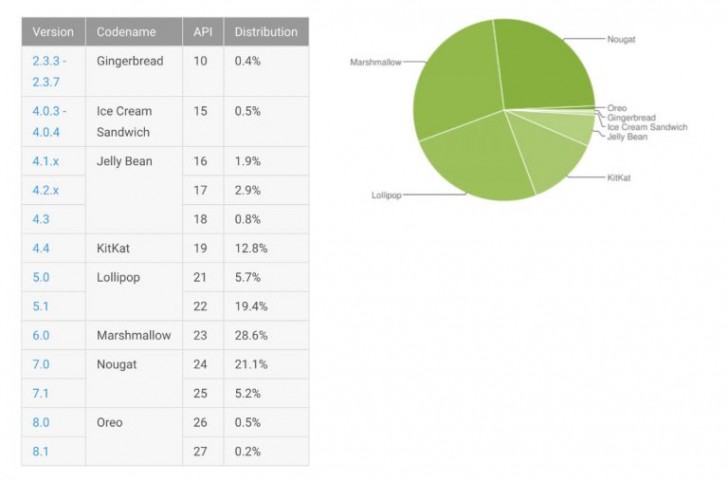
    A new report by Google further solidifies the argument that Android smartphones rarely get updated to new software in their entire lifecycle. Even in 2018, Android versions Lollipop, Marshmallow and Nougat dominate the market share. Android 8 Oreo running smartphones stand at a measly 0.7% which is less than Android 4.1 Jellybean. To put things into perspective, Android 4.1 Jellybean was released 5 years ago and its latest iteration, 4.3.1 was released four years ago in October of 2013.

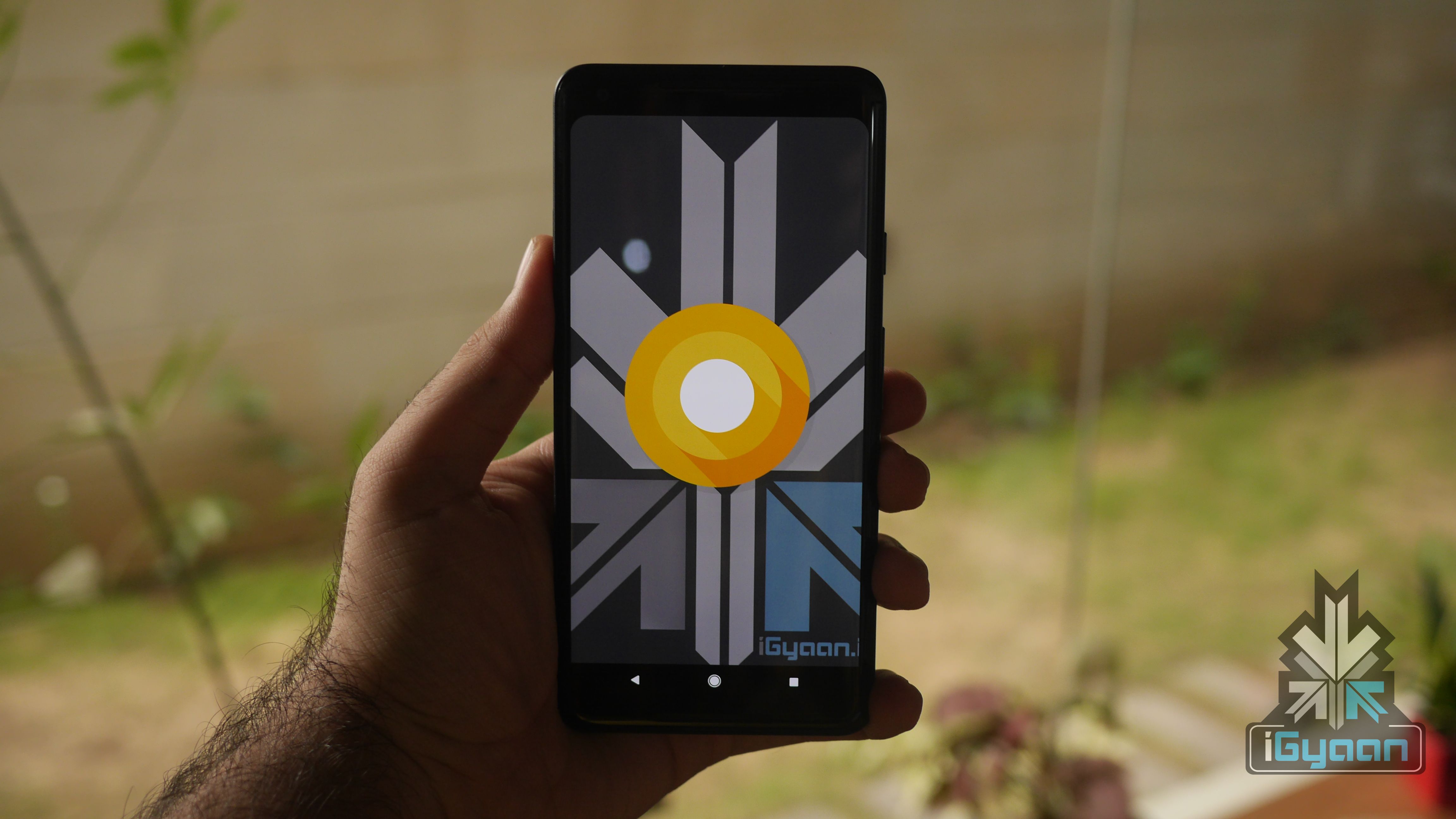
    Android 8 Oreo On Pixel 2 XL

    If you own a new 2017 smartphone that isn’t a Pixel or an Android One device, your smartphone would probably be running either Android 7 Nougat or Android 6 Marshmallow. Even though companies like OnePlus, Motorola have released Android 8 Oreo update for a few of its smartphones, the rollout happens in phases and hasn’t reached every device in the market.

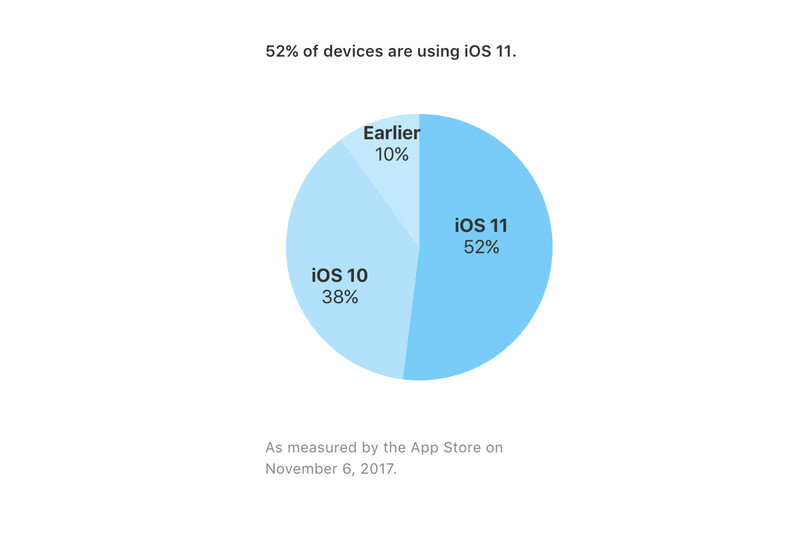
    In comparison iOS 11, despite its constant bugs and what seems like an unfinished software, has caught on really well in the market. iOS 11 is running in more than 52% of the iOS devices in the market right now. iOS 10 launched in 2016 is present in about 38% devices. iOS 11 might have the slowest adoption rate of all iOS versions so far, but, it is far more present in the market than its Android counterpart.

    Many reasons can be attributed to such a dismal adoption rate for Android versions but, despite the reasons, Android appears to be losing this particular battle against iOS.

    [poll id=49]

  • Lenovo Unveils New Smart Display Powered By Google Assistant

    Lenovo Unveils New Smart Display Powered By Google Assistant

    It is hard to gauge which trend will catch on in a certain industry. Over the years, we’ve seen smartphones move in a similar direction for a period of time until a new aspect catches people’s attention. After the iPhone 7 and 7 Plus dropped the headphone jack, we saw more smartphone makers following suite so much so that Samsung, LG and OnePlus appear to be the only flag bearers of the beloved 3.5mm headphone jack. 2018 is expected to be the year of AI and machine learning, and not just in smartphones.

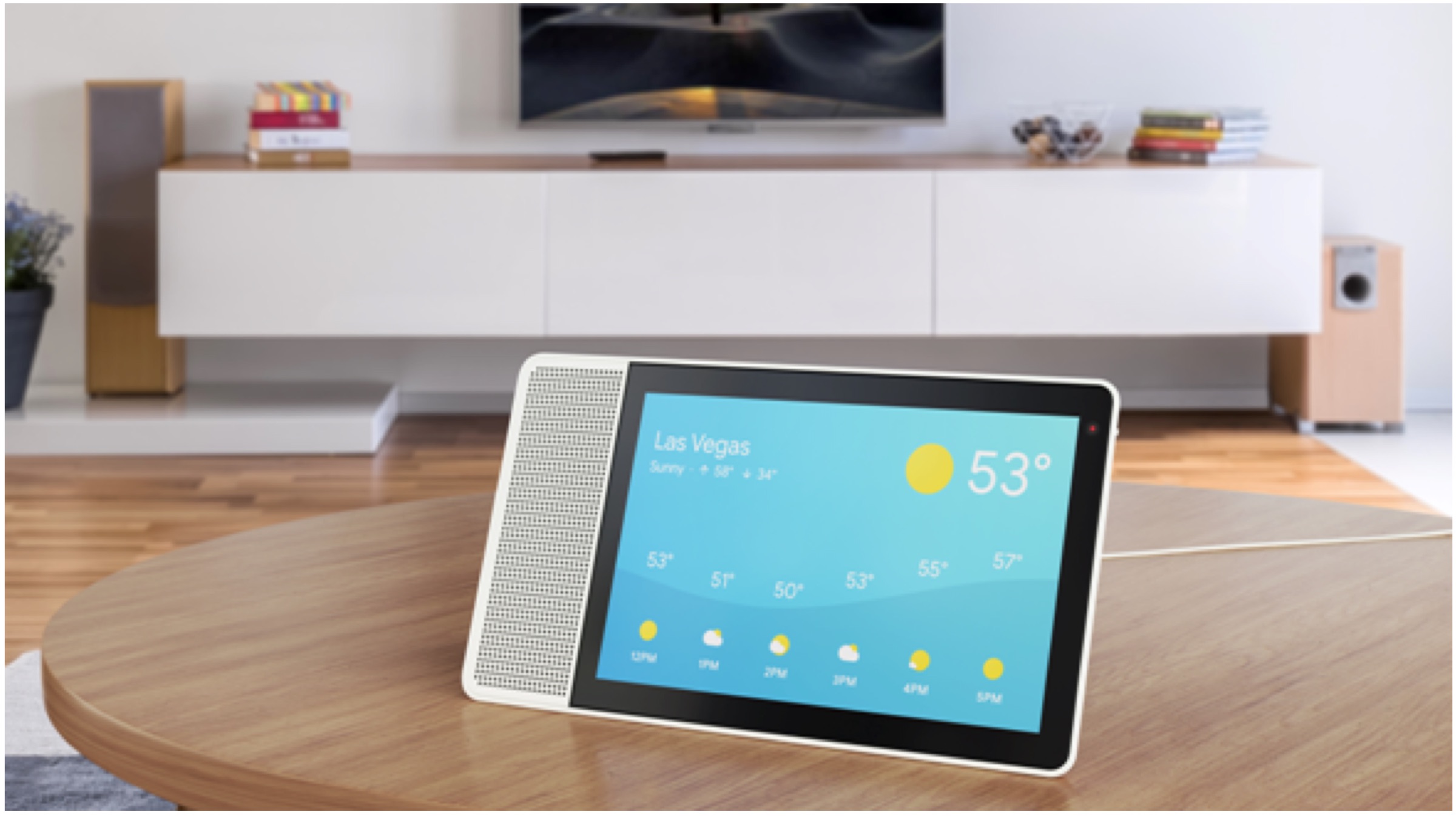
    Amazon and Google have been dominating the smart home, especially smart speakers industry for a while now. Thanks to the affordable Google Home Mini and Amazon Acho Dot, it has become easier to enter the smart home ecosystem. Lenovo and Google unveiled a new smart home product, a smart display with built-in Google Assistant. Similar to the Amazon Echo Show, this new smart display from Lenovo does everything a smart speaker can do, with a display.

    Also, unlike the Echo Show, it can playback YouTube videos. This smart display doesn’t run on Android or ChromeOS instead, it is running Android Things, a variant of Android that’s custom-designed for IoT. Apart from Lenovo, JBL, LG, and Sony will also be making smart displays with built-in Google Assistant running the same software.

    JBL Link View With Google Assitant

    Google showcased a small video revealing the capabilities of these smart displays. Google Assistant on smart displays can do a lot of tasks that the Echo Show does as well, like show you photos and calendar, give directions, recipes, and do video conferencing. This will all be handy if you are a Google Services user and part of the whole Google/Android ecosystem.

    While third-party app support is on the way, the Lenovo smart displays won’t be available right away. The 10-inch Lenovo Smart Display starts at US $249.99 and the 8-inch model starts at US $199.99, and both are expected to be available early this summer.

  • First Ever Smartphone With An In-Display Fingerprint Sensor To Be Unveiled On 10th January

    First Ever Smartphone With An In-Display Fingerprint Sensor To Be Unveiled On 10th January

    A few weeks ago, Synaptics released a statement in which it conceded that the company has started mass production of an in-display fingerprint sensor in association with “one of the top five smartphone makers” in the world. At the time, everyone speculated that the announcement fit the timeline of the launch of the Samsung Galaxy S9 and Galaxy S9+. However, to a lot of industry expert’s surprise, that OEM turned out to be Vivo.

    CES 2018 kicked off on the 8th of January in Las Vegas and the tech show has been known to showcase some of the most innovative products of the tech world. It appears that the first-ever smartphone with an in-display fingerprint sensor will also be unveiled during CES 2018. Vivo has released a teaser hinting at the revealing of its device on the 10th of January at CES. This means that unlike last year, Vivo will showcase a finished product rather than a prototype.

    Early reports of the Vivo smartphone with an in-display fingerprint sensor have been positive. Analyst Patrick Moorhead detailed his experience with a pre-production Vivo phone equipped with the in-display fingerprint sensor technology. Moorhead describes the sensor as “fast and simple,” and Synaptics has claimed that it is twice as fast as 3D facial recognition like Apple’s Face ID.

    The debate of Face ID vs Fingerprint sensor might become as huge as iOS vs Android in the coming months especially if more smartphones with a similar fingerprint sensor technology are launched before Apple releases its next iteration of iPhones later in 2018. Apple has confirmed that Face ID is the future for iOS and possibly macOS devices and it won’t be going back to fingerprint sensors.

    A couple of weeks ago, Synaptics also announced that it will be unveiling a smartphone with an in-display fingerprint sensor. Now, whether this is a different device with some other OEM or the same Vivo smartphone will be revealed on the 10th of January.

  • Honor 9 Lite With Four Cameras To Soon Be Launched In India

    Honor 9 Lite With Four Cameras To Soon Be Launched In India

    Huawei sub-brand Honor is set to launch a new smartphone in India with a dual-camera setup on the front of the device. The Devices expected to be launched is the Honor 9 Lite which was recently launched in China. There is no confirmation about the smartphone or its price in India but, Honor has already launched the Honor 9i with four cameras and the Honor 9 Lite could be the new entrant.

    In China, it is priced at CNY 1199 (Rs. 11600 approx.) for the 3GB/32GB variant, CNY 1499 (Rs. 14500 approx.) for the 4GB/32GB variant and CNY 1799 (Rs. 17400 approx.) for the 4GB/64GB variant.

    The Honor 9 Lite follows the same design language as the Honor 7X and the Honor View10. It has a 5.65-inch IPS LCD display with a 2160 x 1080 px resolution which translates into an 18:9 aspect ratio.

    Under the hood, similar to the Honor 7X, the Honor 9 Lite has the HiSilicon Kirin 659 chipset, an octa-core processor, the Mali-T830 MP2 GPU, 3GB or 4GB of RAM and storage options of 32GB and 64GB. It is worth noting that the onboard storage will be expandable up to 256GB via a microSD card. The fingerprint sensor is placed at the back and the bottom bezel on the front houses the Honor branding.

    Powering the device is a 3000 mAh battery which also supports the Super Charge technology.

    The Honor 9 Lite has four cameras. To the front and back, it has a 13MP + 2MP setup and both the setups record 1080P videos at 30fps.

    The Honor 9 Lite shares a lot of similarities with the Honor 7X and the price of the smartphone will be key to the success of the new device from Honor.

iGyaan Network
Privacy Overview

This website uses cookies so that we can provide you with the best user experience possible. Cookie information is stored in your browser and performs functions such as recognising you when you return to our website and helping our team to understand which sections of the website you find most interesting and useful.