Blog

  • Dell Refreshes The XPS 13 With Intel’s Latest 10th Gen CPU Processors

    Dell Refreshes The XPS 13 With Intel’s Latest 10th Gen CPU Processors

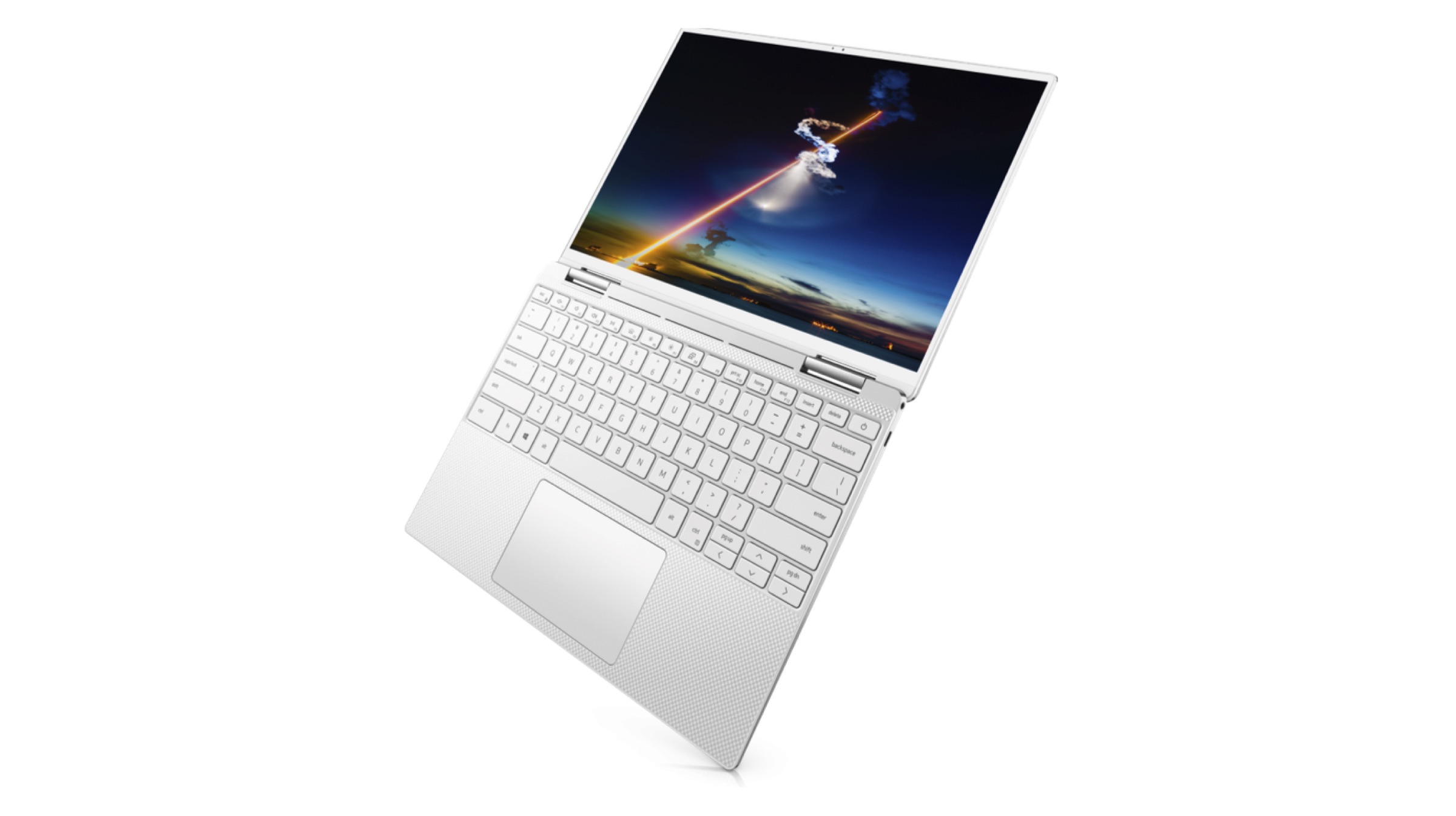
    Computex 2019 has seen its fair share of updates and overhauls in the specifications and design of laptops. However, none so far have crossed the generation in the processor unit. The Dell XPS 13 2-in-1 laptop previously received a minor update regarding the placement of the webcam back in CES in the month of January. The long-awaited Intel 10th Gen Ice Lake processor also makes a debut with the XPS 13.
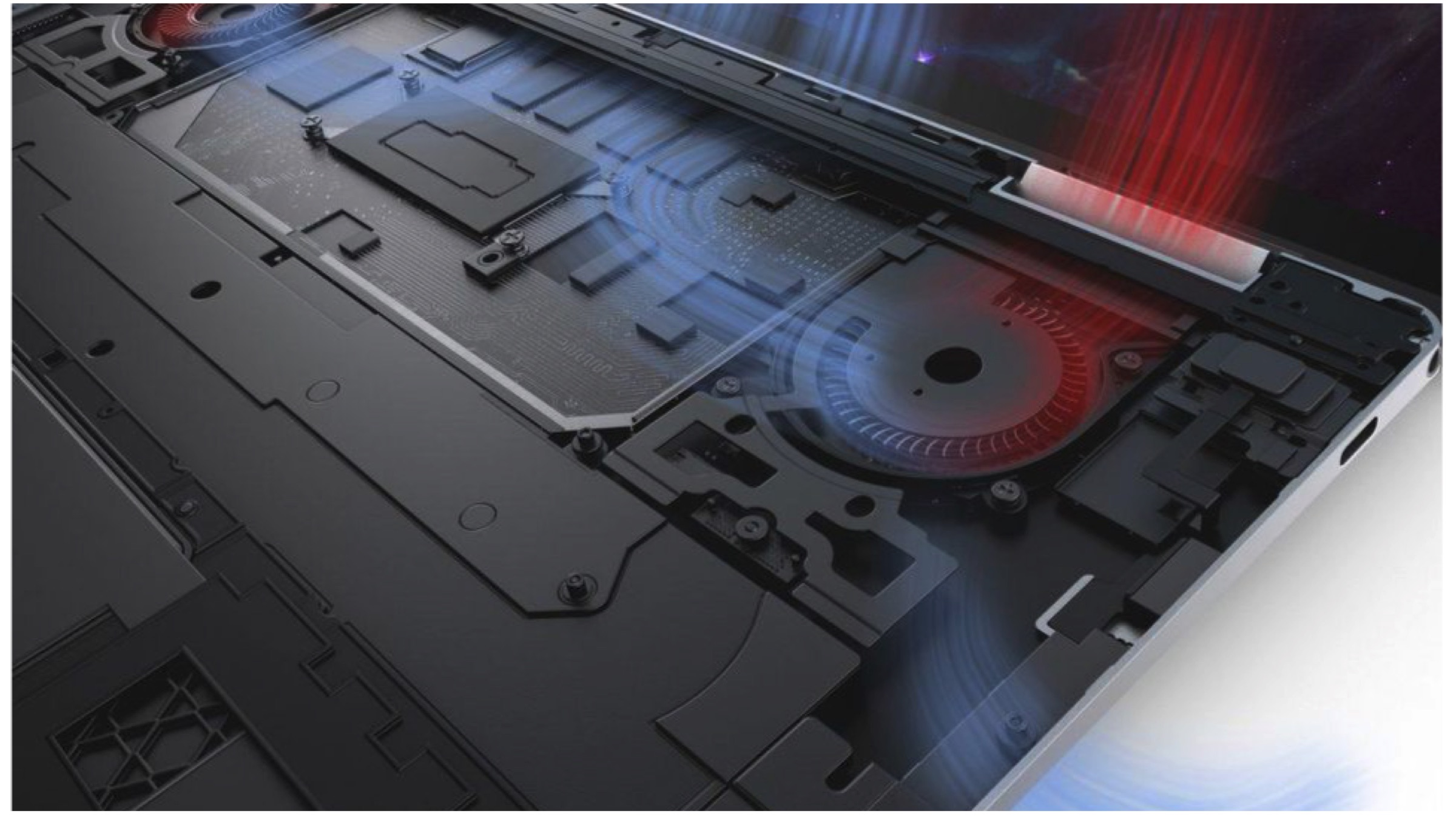
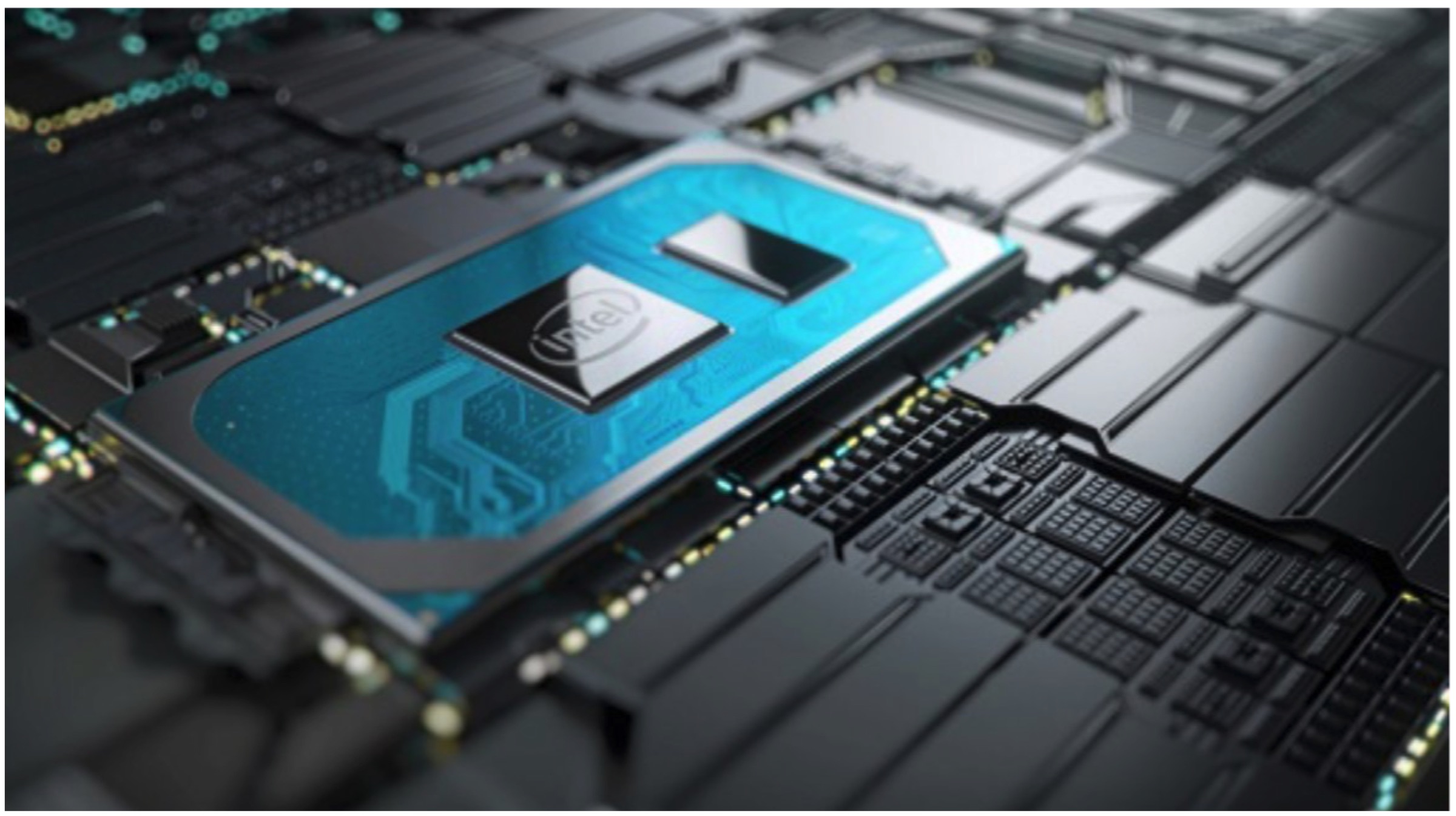
    Along with a new display and keyboard, the key change made is the upgrade to Intel’s latest generation of CPUs. Intel’s new 10nm Ice Lake chips in the Dell XPS 13 are based on the U-Series lineup of the 10th generation. The company had to add fans to the XPS 13 to utilize the more powerful processor over the Y-Series lineup which was made specifically for fanless laptops and is a worthwhile trade for better performance. Dell, for assurance, is going as far as to claim two and a half times more processing strength than the last iteration of the notebook with the addition of the latest chipset.

    Dell has also bumped up the screen size to 13.4 inches, changing the aspect ratio of the display to 16:10. This made the screen slightly taller than its previous versions. The latest version has a bigger keyboard and touchpad, which is a significant improvement over its predecessor. In a similar fashion to its variants from the past, the display options on the notebook are still FHD+ or 4K.
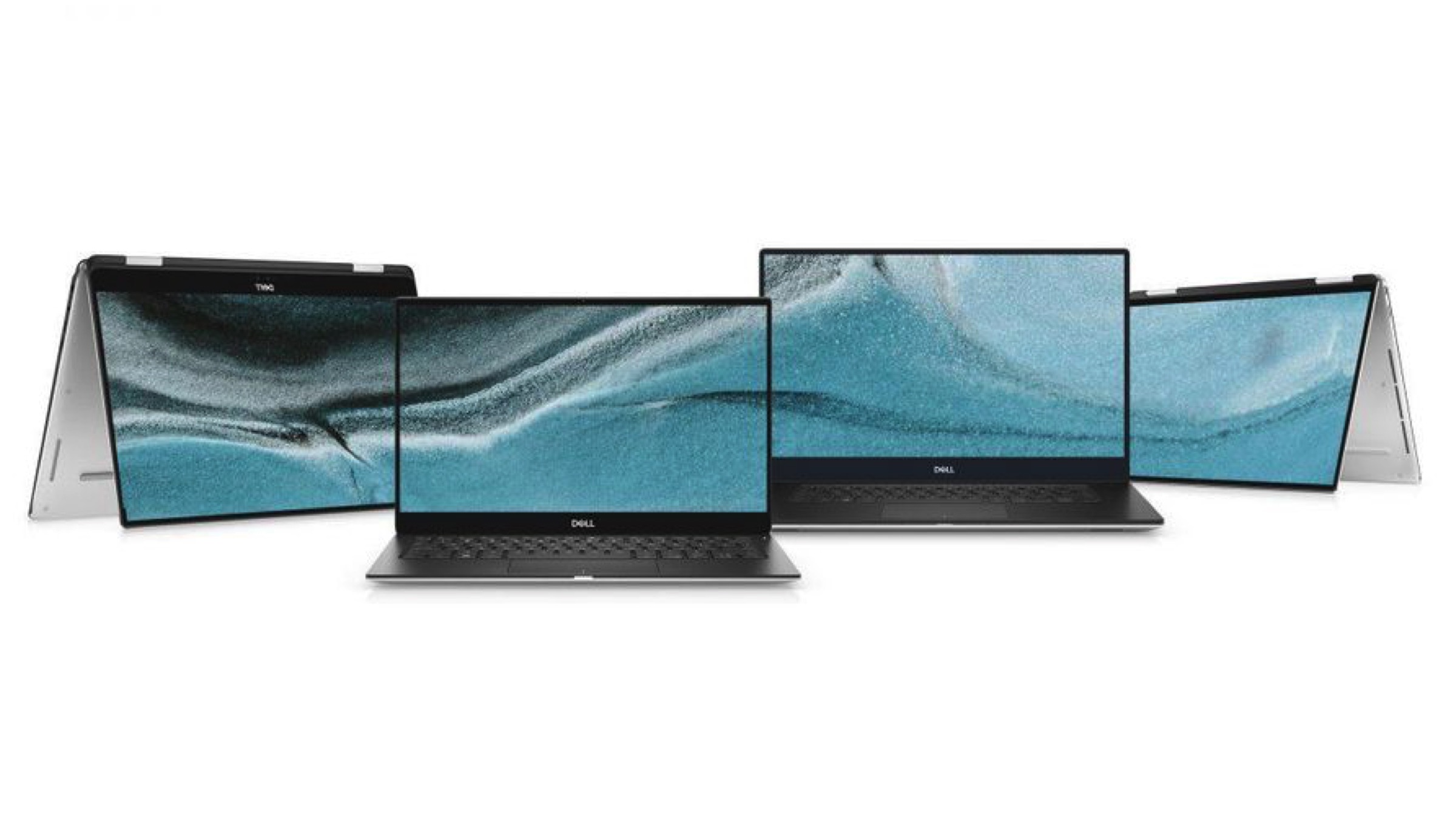
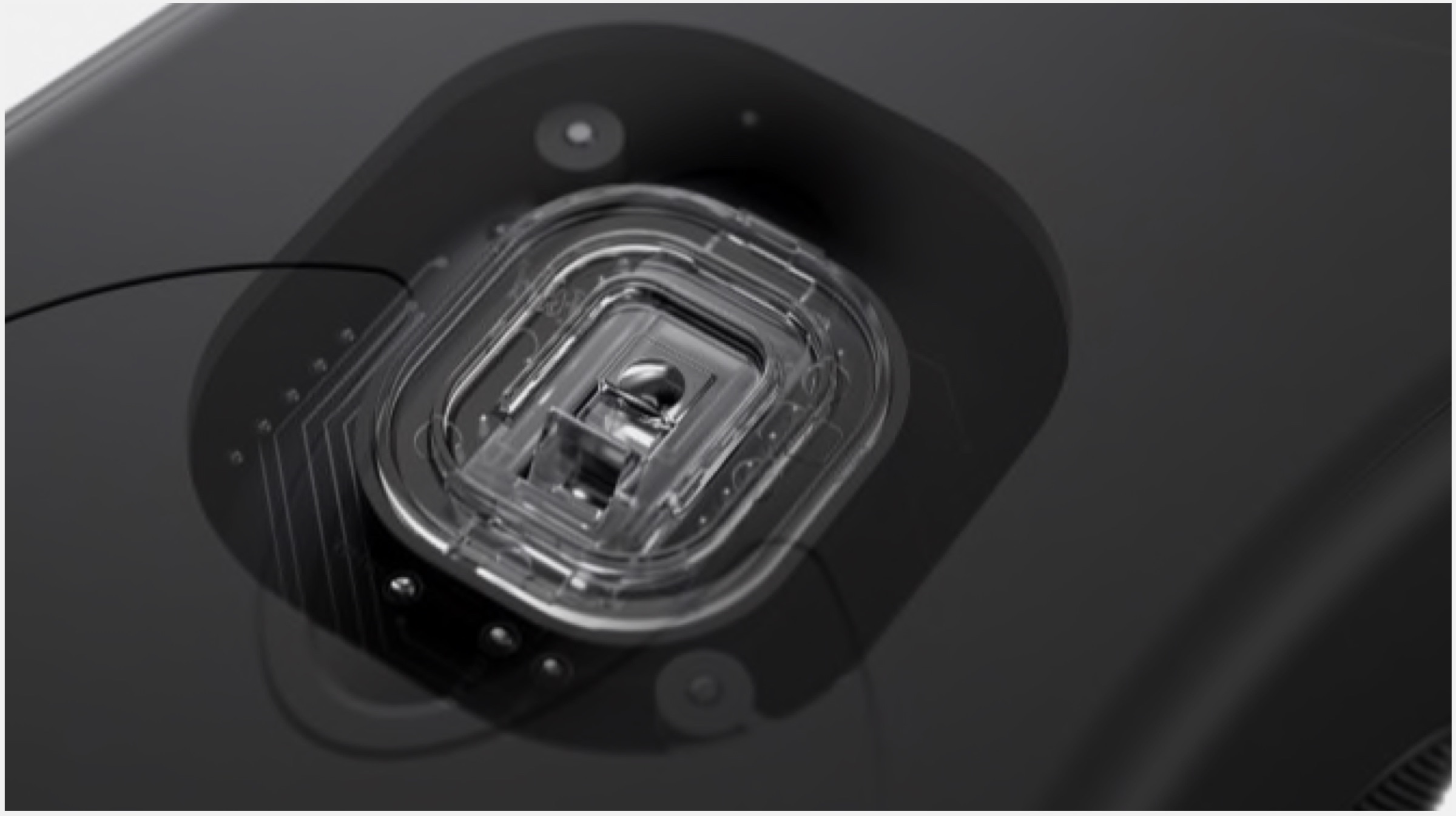
    The Maglev (Magnetic Levitation) keys make an appearance in the XPS 13 2-in-1 laptop, borrowed from the XPS 15 from 2018. However, it is not the exact same keyboard and slight touches are evident due to the presence of more metal than the XPS 15. For biometric security, a fingerprint sensor is placed comfortably alongside the keyboard.

    Also ReadIntel’s Project Athena Pushes Higher Industry Standards For Ultrabooks

    Additional variants of the XPS 13 are available with the latest iterations as well. Dell now gives the option of the 9th Generation Intel Core processors (i5, i7, and i9) along with the new GTX 1650 from NVIDIA and RAM upto 64GB. A new 4K OLED display is optional too. Dell has yet to announce the release of XPS 13 and XPS 15 in the global market, but the pricing of the regular XPS 15 sits at $999.99 (~ Rs. 70,000), and $1899.99 (Rs. 1,32,000) for the OLED variant.


  • Microsoft Classic IntelliMouse Receives A Makeover

    Microsoft Classic IntelliMouse Receives A Makeover

    American technology giant, Microsoft was reportedly the first company to introduce a scroll wheel in computer mice. The company also launched the revolutionary IntelliMouse back in the year 1996, with its highlighting feature being the aforementioned one-of-a-kind scroll wheel. Even though the original IntelliMouse is a bit outdated for modern usage, the mouse is an iconic mark in the history of peripherals. However, it seems that the organization plans to bring the mouse back to life since it launched the upgraded version of the same in the form of a gaming mouse

    Microsoft IntelliMouse Pro

    First announced in China in late 2018, the revamped IntelliMouse features a similar design to the original IntelliMouse, with dashes of design and hardware upgrades that classify it as a gaming mouse. The sensor included in the 2017 variant of the Intellimouse has been upgraded to track up to 10,160 mm per second. It also supports up to 16,000 DPI and a 12,000 fps refresh rate for smoother response times. The company claims that the redesigned Pro IntelliMouse has an improved key actuation (the button travel distance before the click is registered), which will enable users to use the mouse with reduced pressure application. 

    Also Read: Apple WWDC 2019, Launches, What To Expect

    In terms of design, the mouse has been kitted with an RGB taillight that can be customized by the user. Alongside a braided cable for durability, a textured finish has been introduced to the IntelliMouse, which previously had a glossy finish. Using Microsoft’s mouse and keyboard software, the additional side buttons can be customized as per requirements. The mouse weighs 140 grams and is USB 2.0 full speed compatible. It is priced at US$ 59.99 (Rs. 4,200), whereas the older 2017 classic IntelliMouse is priced at US$ 39.99 (Rs. 2,800). 

  • Apple iPod Touch For 2019 Launched With Apple A10 SoC

    Apple iPod Touch For 2019 Launched With Apple A10 SoC

    Apple introduced the first generation iPod touch in the year 2007. The device revolutionized how people consumed music on the go with a portable music player that supported touch input. The company has announced the newest member of the lineup on the 28th of May with the launch of the seventh generation iPod touch. It is the successor to the sixth generation iPod touch introduced in the year 2015. The latest device boasts of improved performance and a better software support.

    iPod Touch

    Apple iPod Touch

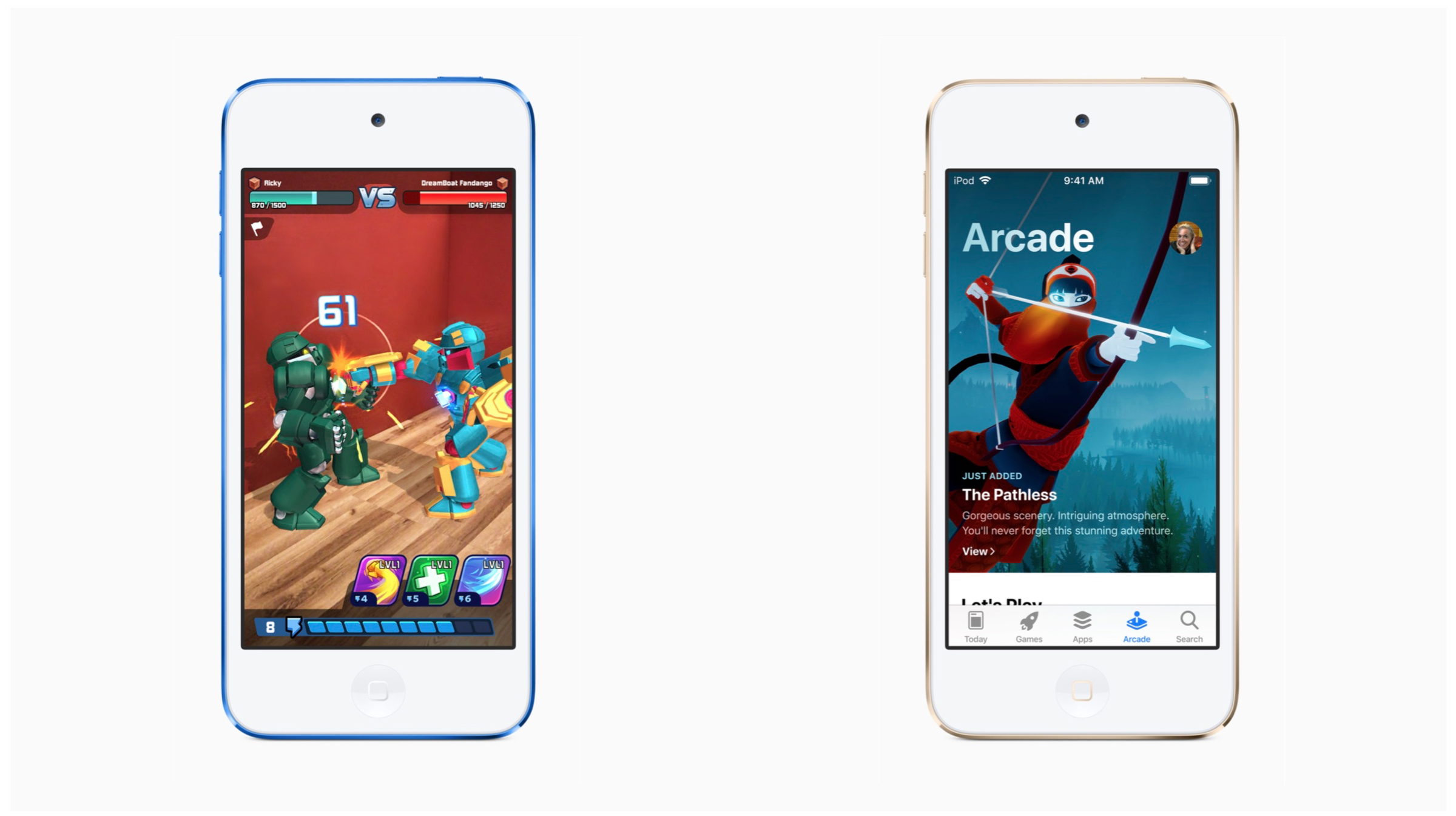
    The design on the seventh generation iPod touch is reminiscent of its predecessor, with a 4-inch display surrounded by considerably thick bezels and a home button on the bottom. Like the previous generation, the new device also has a single rear and front-facing camera. The biggest change in the latest iPod is that it is kitted with the the A10 SoC. This processor was last seen in the iPhone 7 and iPhone 7 Plus which were launched in the year 2016.

    Apple iPod Touch

    While the A10 chipset is not the most powerful one available from Apple, it will still able to run newest games on Apple Arcade, the company’s game subscription service, and support group Facetime video calls. The iPod Touch is also capable of running AR intensive applications for shared AR, persistent AR, which is tied to a specific location, and image detection. The portable music player will be available in six colour variants, namely; space grey, white, gold, blue, pink and (PRODUCT)RED.

    Pricing & Availability

    Apple iPod Touch

    Also read: Nvidia’s Studio Laptop Lineup Aims to Compete With 15-Inch MacBook Pro

    The latest generation of iPod Touch has been priced at Rs 18,900 for the 32GB storage version. The variant with 128GB internal storage has been priced at Rs. 28,900 while the top end 256GB storage model of the device will cost Rs 38,900. It will be available from Apple Authorised Resellers and select retail stores.

  • Nvidia’s Studio Laptop Lineup Aims to Compete With 15-Inch MacBook Pro

    Nvidia’s Studio Laptop Lineup Aims to Compete With 15-Inch MacBook Pro

    Computex 2019, one of the world’s biggest Tech Convention is currently ongoing in Taipei, Taiwan. Asus, Dell and MSI amongst other companies have announced praiseworthy products at the event (1, 2, 3). American technology company and chip designer Nvidia has also unveiled a new laptop lineup which carries the ‘Studio’ moniker. 

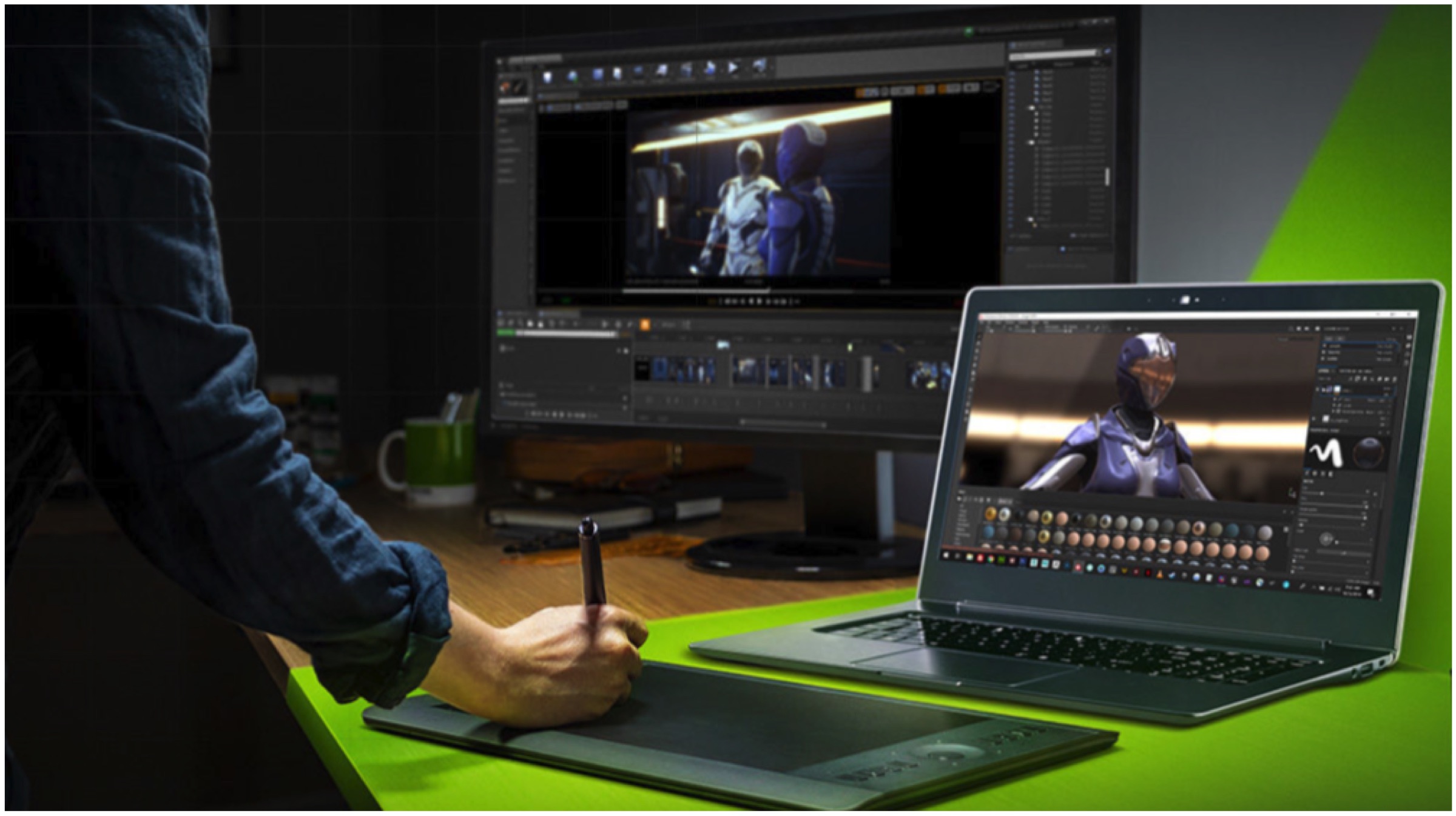
    Clearly, the new laptops are intended to compete against Apple’s freshly upgraded MacBook Pro 15. However, in addition to powerful processors, the Nvidia Studio laptops target creative professionals who require more GPU power whilst on the go. Therefore the laptops will be kitted with RTX GPUs sold by the company. Noteworthy, Nvidia would not retail in-house developed laptops under the lineup. Instead, the company has set up a minimum specification requirement for OEMs that want their offerings to be part of the RTX Studio lineup.

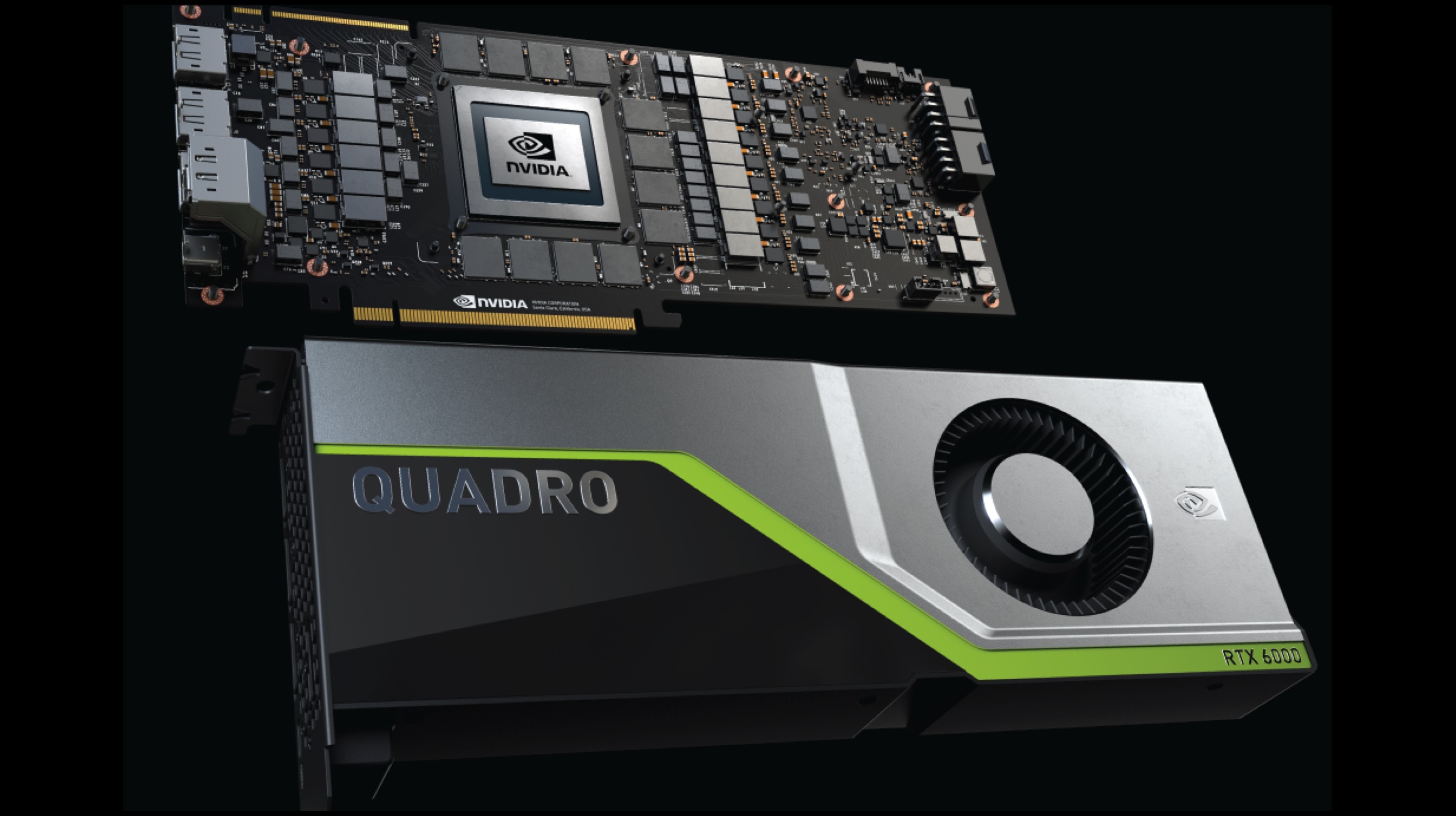
    Following are the requirements set by Nvidia. In terms of GPU, the laptops under the lineup need to be fitted with either Quadro RTX 5000, 4000, 3000 GPUs or GeForce RTX 2080, 2070, 2060 GPUs. The laptops also need to have a display with at least 1080p resolution with a preference for 4K. It needs to have at least 512 GB of SSD storage and 16 GB of RAM which will provide it with a smooth and lag free experience. Furthermore, the laptops under the RTX Studio lineup need to implement Max-Q Design technology which is specifically developed for building lightweight and thin laptops.

    Also Read: Google Pixel 3 And 3 XL Receive A Massive Price Cut Of Rs 28,000 In India

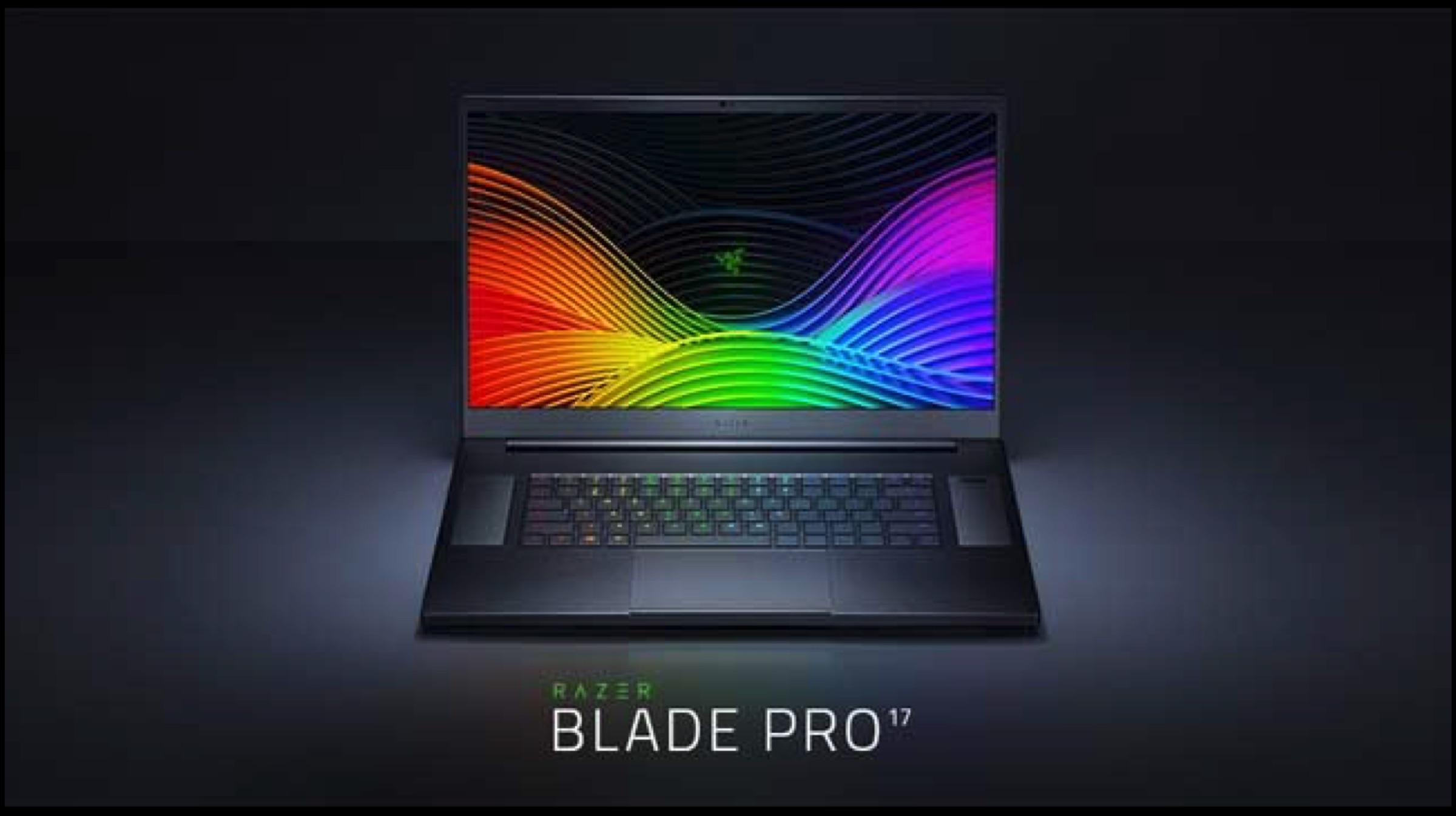
    At the time of initial launch, the RTX Studio lineup from Nvidia will consist of 17 laptops from seven OEMs, including Dell, Gigabyte, HP, Acer, ASUS, MSI, and Razer. Nvidia also reported that laptops under the lineup will commence retailing in the month of June. In terms of price, the laptops will be starting at US $ 1599 (around Rs 1,11,000). 

    Following is the statement issued by Nvidia for the upcoming RTX Studio lineup

    NVIDIA Studio pairs RTX GPUs, which enable real-time ray tracing, AI processing and high-resolution video editing, with studio-grade software to surpass the growing demands of today’s creators,” said Jason Paul, general manager of GeForce software and technology at NVIDIA. “The new RTX Studio laptops are the perfect tool for creatives who need desktop-class performance while on the go.”

  • Samsung Galaxy M40 With Infinity O Display To Launch On 11th June

    Samsung Galaxy M40 With Infinity O Display To Launch On 11th June

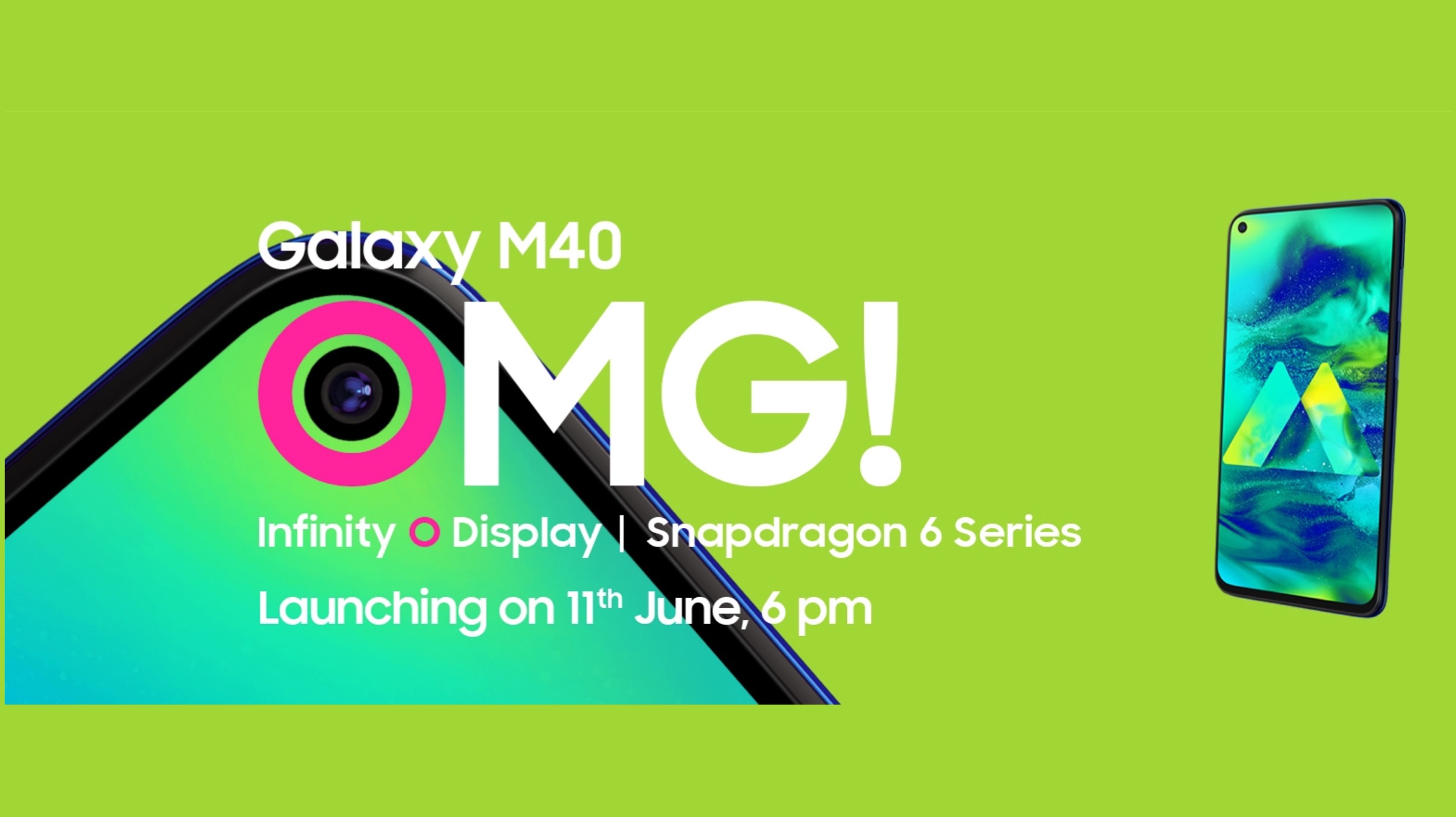
    Samsung introduced the online-only Galaxy M series of smartphones back in the month of January. The devices introduced in the beginning were the Galaxy M10 and Galaxy M20 which were soon joined by the Galaxy M30 in the month of February. It was later reported the company will expand the lineup by launching the Galaxy M40. Key details about the device have been leaked in the past few weeks. Now, Samsung has officially announced the smartphone will be unveiled on the 11th of June at 6 PM in India. The teaser for the device is already live on the company’s website.

    Galaxy M40

    Samsung Galaxy M40 Teaser

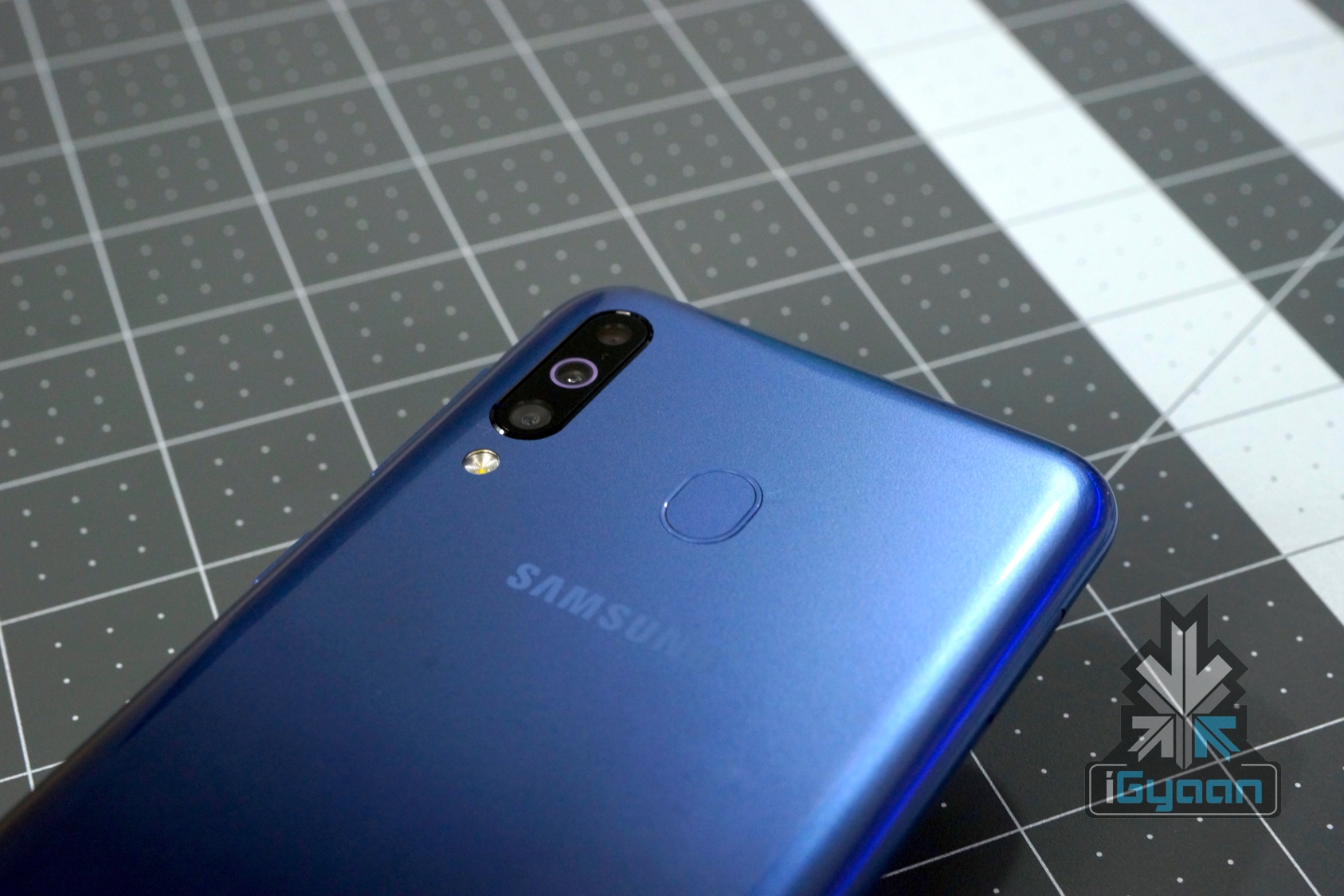
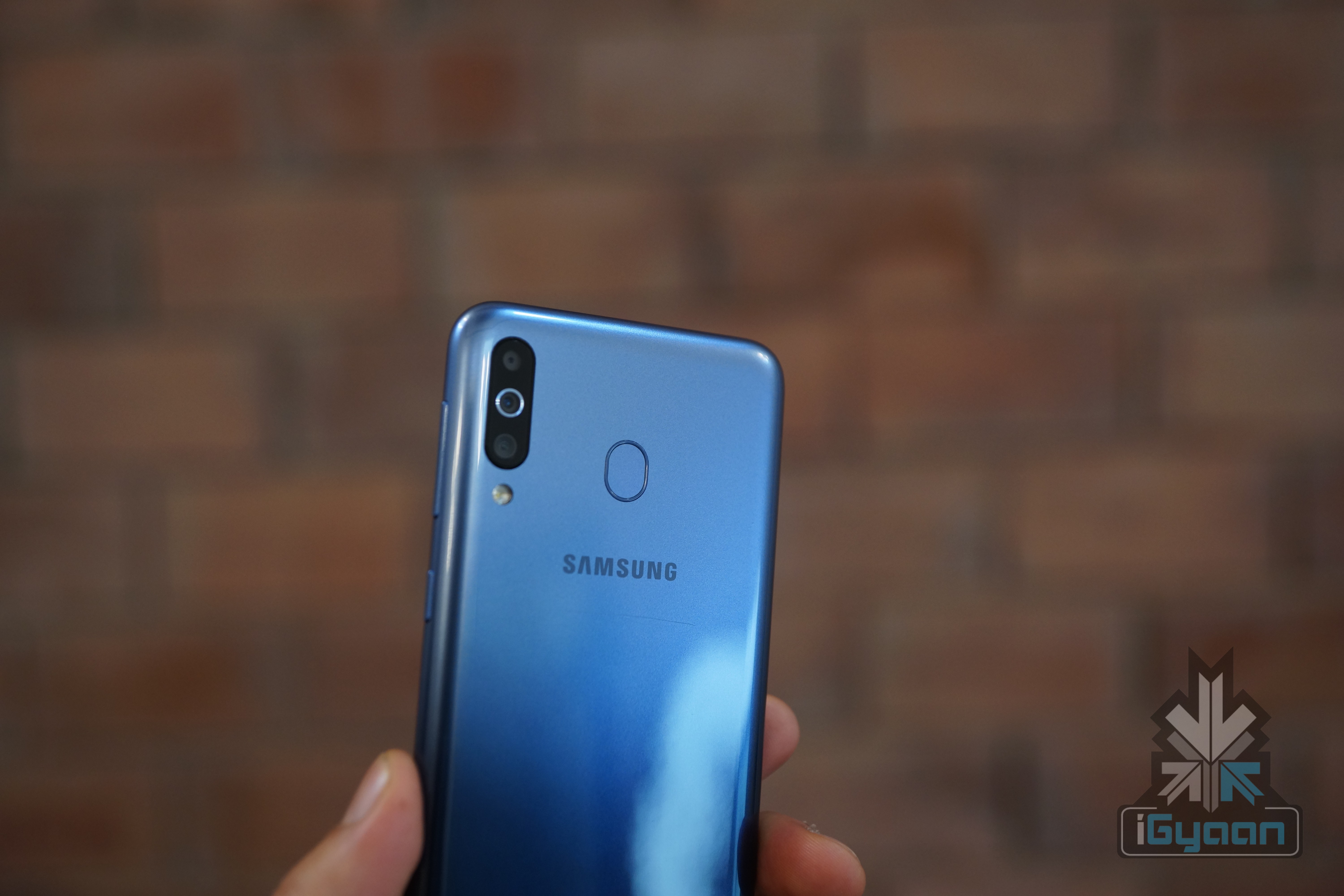
    The Galaxy M40 will be a mid-range offering from the company and will take over from the Galaxy M30; as the most premium smartphone in the Galaxy M lineup. The teaser of the device reveals it will have an Infinity O display on the left to increase the screen real estate. This implementation was last seen in the company’s Galaxy A60 launched last month. More details in the teaser reveal the upcoming handset will run on a Snapdragon 6 series SoC. While what chipset the Galaxy M40 will sport is anyone’s guess, past leaks have hinted towards the 11nm Snapdragon 675 SoC. The chipset is comprised of an Octa-core CPU, the Adreno 612 GPU and is also present in the Galaxy A70 and Redmi Note 7. For biometric security and rapidly unlocking the handset, the teaser also reveals the smartphone will have a rear-mounted fingerprint sensor. In terms of optics, the device will have a triple rear camera setup, details of which are unknown at the moment.

    Samsung Galaxy M30
    Samsung Galaxy M30

    Also read: Google Pixel 3 And 3 XL Receive A Massive Price Cut Of Rs 28,000 In India

    Past leaks have revealed the Galaxy M40 will have a 6.3-inch LCD display with a FullHD+ resolution. It is also expected to be the first device in the Galaxy M series to run on the OneUI; based on top of current Android 9 Pie out of the box. For memory and storage, the upcoming smartphone is likely to feature up to 6GB of RAM and 128 GB of internal storage. It is also expected to be powered by a massive 5000mAh battery with support for some kind of fast charging. Unfortunately, details about the pricing of the device still remain shrouded in mystery; although it is expected to be priced under Rs. 25,000 in India.

  • Apple WWDC 2019, Launches, What To Expect

    Apple WWDC 2019, Launches, What To Expect

    WWDC or World Wide Developer’s Conference occupies an important spot in Apple’s yearly insight on technology. The company has already sent out invites for the event where it plans to demonstrate future plans for Apple products. The primary focus of the conference is to organize summer training and networking events for budding software developers, but the company’s spokesperson will first take the stage to announce various software and hardware upgrades that Apple plans to introduce in the future. Additionally, a handful of product announcements are also expected to make their way to the WWDC. 

    WWDCApple’s WWDC 2019 invitation is creative as usual, and it packs some really intuitive clues for those who have an eye for it. Hints are scattered around and some of them clearly depict what the American technology company is up to for at this year’s WWDC. Let’s have a look at some of the clues and what they mean.
    Possible Announcements At The WWDC 19

    The centre of the invitation depicts a unicorn, which hints towards one of the earliest Animated emojis that the company showcased alongside the launch of iPhone X and X Plus. Similarly, the robot, which is the cover image of the invite was also a part of Apple’s “Animojis”. This may be an obvious hint towards a new series of animated emojis that may be announced at the WWDC. 
    The Swift logo is clearly visible in the top right corner of the WWDC invitation. Swift is Apple’s coding language, and the involvement of the “Swift” in the invite is a clear reminder that an update to the language may be on its way. Right next to the Apple logo at the top, the App Store Logo is visible, indicating a possible design/functionality upgrade to the same.

    macOS users will easily recognize the rocket on the far left, which stands for the Launchpad application on the operating system. A revamp for the feature may be announced at the event. The top right, however, houses the “fingers crossed” emoji. Not very likely, but there are chances that an update related to iOS emojis may be unveiled as well at the WWDC. Right below the crossed fingers, the icon for Apple’s ARKit can be spotted. ARKit is Apple’s development kit for those who design applications based on AR (Augmented Reality). The inclusion of the ARKit icon means that a step-up to a newer version of the application is in the works. 
    WWDC

    Other icons include the Share button/logo at the bottom left of the invite, which hints at the ability to port applications between devices running iOS and macOS. Since Apple previously announced that it will make it easier for users and developers to share applications, the aforementioned feature may become a reality soon enough at the WWDC 2019

    Also Read: Oppo Reno Launched In India, Features 10x Lossless Zoom And Shark Fin Style Pop Up Camera

    Amidst other clues, the ones that stand out are the “Utility” and the “Social” icons. Lastly, Apple is expected to unveil the beta releases of the four operating systems the company is rumoured to be working on. This may include upgraded OS for AppleTVs, Apple Watch, mac and iPhones. Noteworthy, Apple might not release the official public update for the upcoming operating systems until the fall. The WWDC 2019 will be held in San Jose, California from June 3 to June 7. 

  • Intel’s Project Athena Pushes  Higher Industry Standards For Ultrabooks

    Intel’s Project Athena Pushes Higher Industry Standards For Ultrabooks

    Intel was the first to coin the term ‘Ultrabook’ for high-end subnotebook computers. Spending millions of dollars into a marketing strategy aimed for the industry’s latest most powerful laptops that were less bulky without compromising on battery life overall. Project Athena as announced by Intel seeks to revisit this old definition and make true on certain promises left undelivered.

    The Ultrabook laptops had unintentionally brought with them an industry standard demanding lightweight, thinner dimensions, effective performance and battery life. The Industry had, on the contrary, thrived with these new set of restrictive parameters that gave birth to a new breed of ultra-thin laptops capable of rivalling some of their desktop counterparts.

    Gone were the days of plastics. These new machines now sported a more premium metallic form factor and were installed with new hardware that made the lag that had always accompanied laptops a less frequent occurrence. Powerful laptops like HP Spectre x360 and XPS 13 by Dell pulled ahead in the competition.

    Intel has dedicated itself to challenge the norm again by taking laptops even further with Project Athena. However, unlike last time, Intel did not showcase a tag or name like ‘Ultrabook’ to market to the world. Project Athena’s focus is not on an inexpensive marketing gimmick but to hunt for the big industry-wide lies that have pervaded the market since its inception. Battery life sits at the forefront of such a lie. 

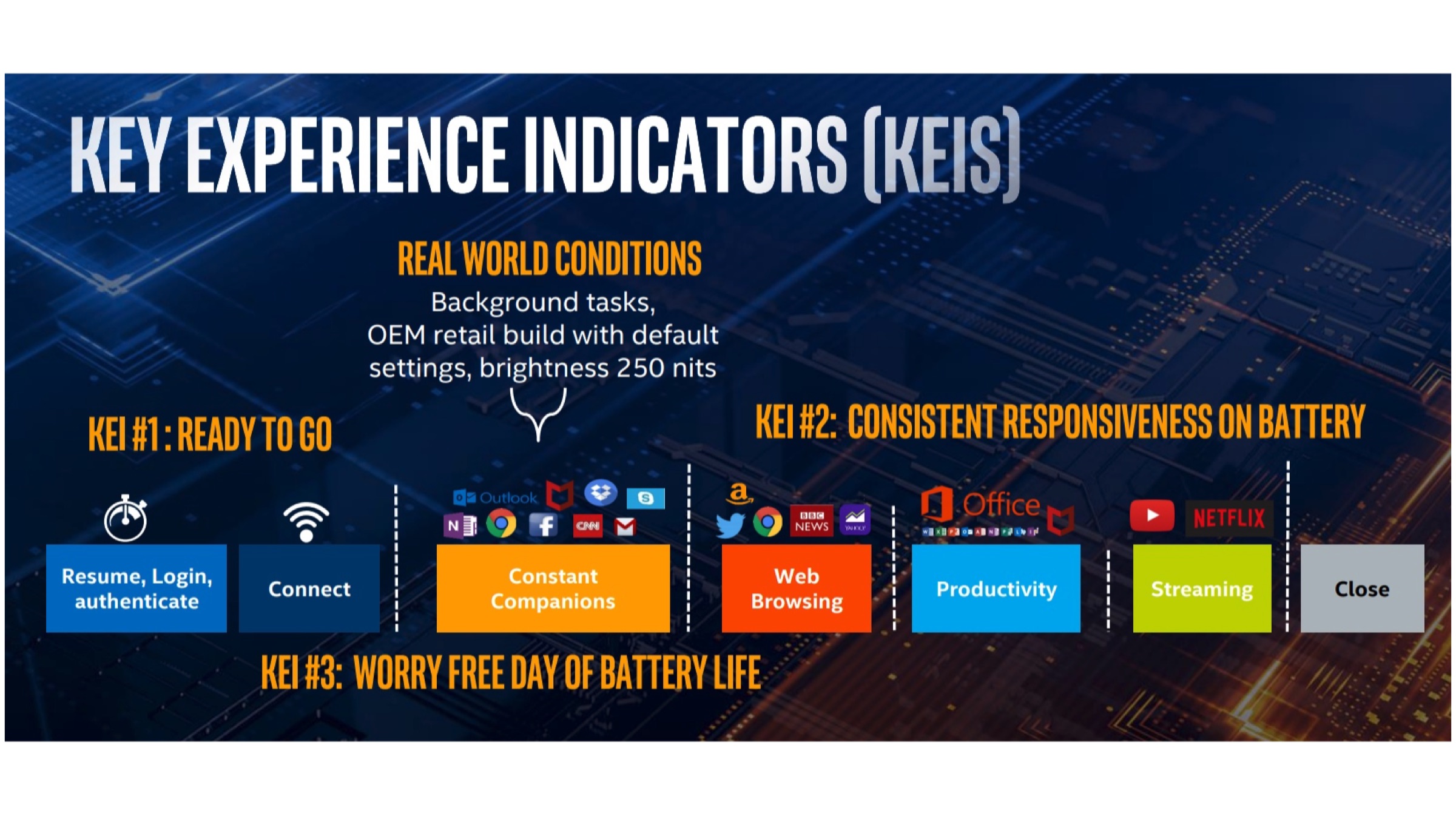
    Project Athena sets the minimal benchmark for laptops to deliver 9 hours of real-world battery life while browsing over the internet on Wi-Fi, at a brightness of 250 nits. Laptops have woefully failed to deliver on the longer battery life that had been promised before and thinner laptops have a stronger tendency to skimp out on the said feature. Manufacturers that advertise their products with 24 hours of battery life, with video playback that barely puts any strain on the CPU while Wi-FI is turned off and brightness at its lowest, do not portray an accurate real-life scenario of daily use.

    Battery life is just the start. Project Athena will require a laptop to also boot from sleep within a second and be ready for web browsing in 2 seconds flat while having the same performance output regardless of whether the laptop is plugged in or running on battery. Intel set the basic hardware requirements with touchscreen displays, accurate trackpads, ample amount of RAM (8GB) and an NVMe SSD (256GB) equipped within the laptop.

    Intel, taking it upon itself to enforce the standards set by them to actually satisfy the consumers’ needs. The company promises to discourage practices that have manufacturers cheap out on essential parts of a system. ‘Cheating’ as Intel put it will not be tolerated and the ‘Ultrabook’ brand will have its standards set high. Project Athena is not an advertisement or marketing scheme that the users shall ever encounter, dedicating themselves not to be in the face of every consumer but guaranteeing a good experience that they will feel. 

    There is just one glaringly obvious problem. OEMs and manufacturers have no real incentive or reason to actually adhere to these standards that may lead to the rise of the industry standards. Unlike what Project Athena is made to be, an industry standard for every laptop device to follow, the aforementioned OEMs will simply submit those laptops which are bound to pass the tests. The same laptops which are top of the line and cost just high.

    Also ReadAlienware m15 And m17 Series Gaming Laptops Launched At Computex 2019

    Project Athena is at its infant stage and Intel may in the future decide to incorporate some marketing strategy and brand name for the campaign to follow it. This comes along with Intel’s announcement of its 10th Gen Intel Core Processors that will power the latest generation of Ultrabooks. 


  • Early OnePlus 7 Pro Users Complain About A High Pitched Noise On Voice Calls

    Early OnePlus 7 Pro Users Complain About A High Pitched Noise On Voice Calls

    OnePlus launched its latest flagship smartphone, the OnePlus 7 Pro on the 14th of May. The device was announced alongside the regular OnePlus 7 and features top tier specifications at a comparatively lower price than similarly specced handsets. A few days ago, early buyers of the device complained about phantom touch issues while using certain applications. Now, reports of another problem, this time pertaining to a high pitched noise from the earpiece of the OnePlus 7 Pro have surfaced online.

    OnePlus 7 Pro Earpiece Issue

    OnePlus 7 Pro

    As mentioned above, early buyers of the OnePlus 7 Pro have been reported to face issues while using the voice call function of the handset. Some users claim they hear a high pitched noise emanating from the earpiece of the device. Since the discovery, more users have started complaining about a similar problem on the official OnePlus forum. While this issue is most prevalent when on a voice call, in some cases the sound can still be heard even when the smartphone is on standby. Unfortunately, it is not known if the problem is with the global variant of the handset or just for a particular demographic. 

    OnePlus 7 Pro

    Also read: Oppo Reno Launched In India, Features 10x Lossless Zoom And Shark Fin Style Pop Up Camera

    The problem with the earpiece of the OnePlus 7 Pro may be a software issue; as a user on the forum has claimed that they faced a similar issue with the OnePlus 3T which was launched in the year 2016. This problem apparently dissolved after a software update seeded by the company. It is thus believed OnePlus, as soon as it acknowledges the issue, will push an Over The Air (OTA) update to fix it. A temporary fix of the noise from the earpiece is claimed to be turning off the Wi-Fi of the smartphone. It can be done either through the notification toggle or by going into Settings, navigating to the Network and Internet option and disabling Wi-Fi.

  • Google Pixel 3 And 3 XL Receive A Massive Price Cut Of Rs 28,000 In India

    Google Pixel 3 And 3 XL Receive A Massive Price Cut Of Rs 28,000 In India

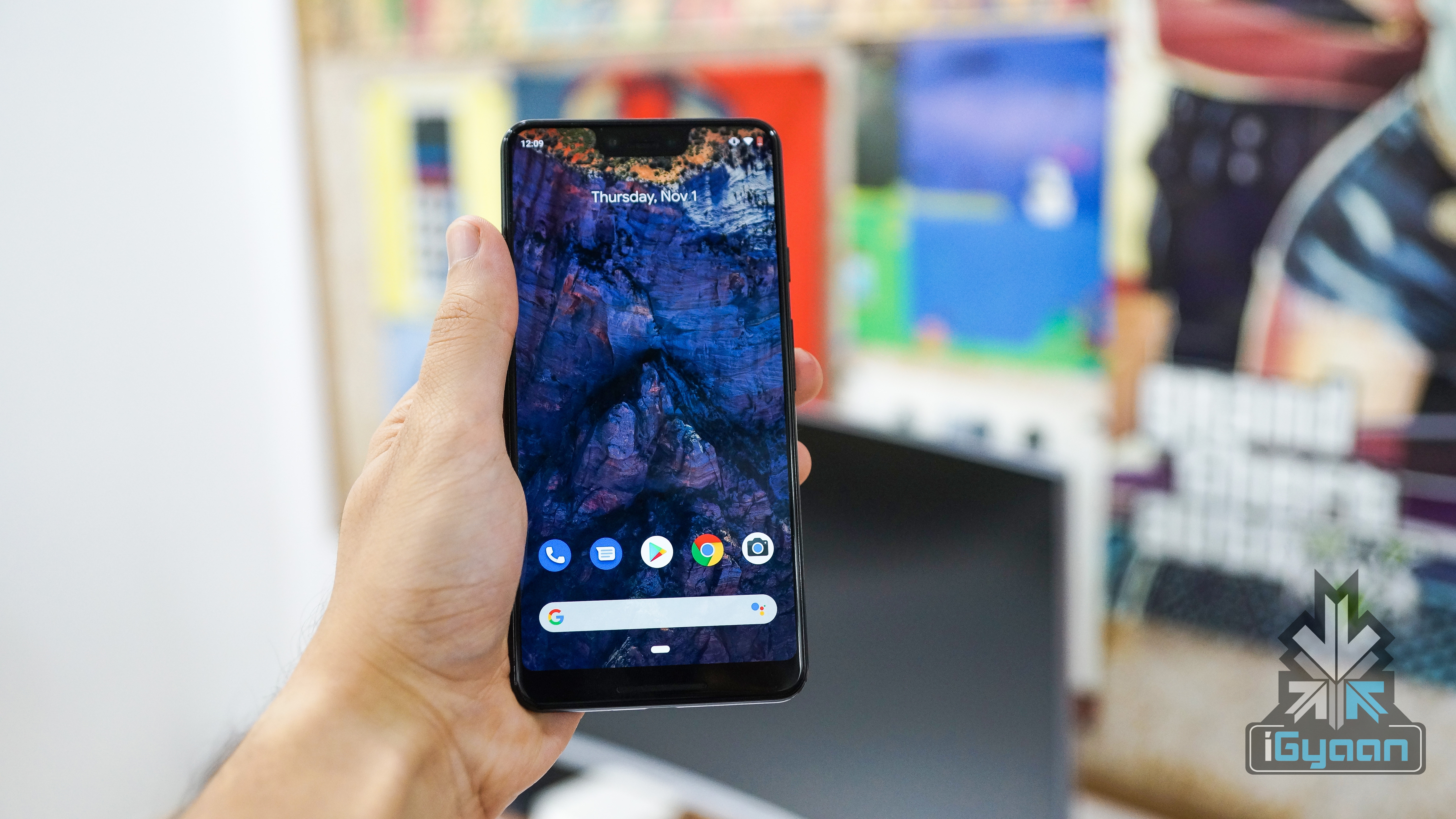
    As time passes by, smartphone companies tend to provide discounts on their ageing devices. Similar is the case with the Google Pixel 3 and the Google Pixel 3 XL which were launched in the Q4 of 2018. However, instead of a minor discount, the Pixel smartphone duo has received a whopping price cut of upto Rs 28,000 in India. Both the Google Pixel 3 smartphones are now available on Flipkart at revised prices which are as follows:

    • Pixel 3 (4 GB + 64 GB)- Rs 52,499 
    • Pixel 3 (4 GB + 128 GB)- 58,999
    • Pixel 3 XL (4 GB + 64 GB)- Rs 54,999
    • Pixel 3 XL (4 GB + 128 GB)- Rs 65,999

    Though it is not yet clear, whether the price cut is temporary or permanent, it is hard to argue otherwise. Nonetheless, if you have ever thought of buying a Pixel 3 smartphone that is known for its camera prowess, now might be the right time.

    Click here to buy the Pixel 3 on Flipkart

    Click here to buy the Pixel 3 XL on Flipkart

    To recall the specifications of the two smartphones are as follows:

    Google Pixel 3 and Pixel 3 XL Specifications
    Pixel 3 XL

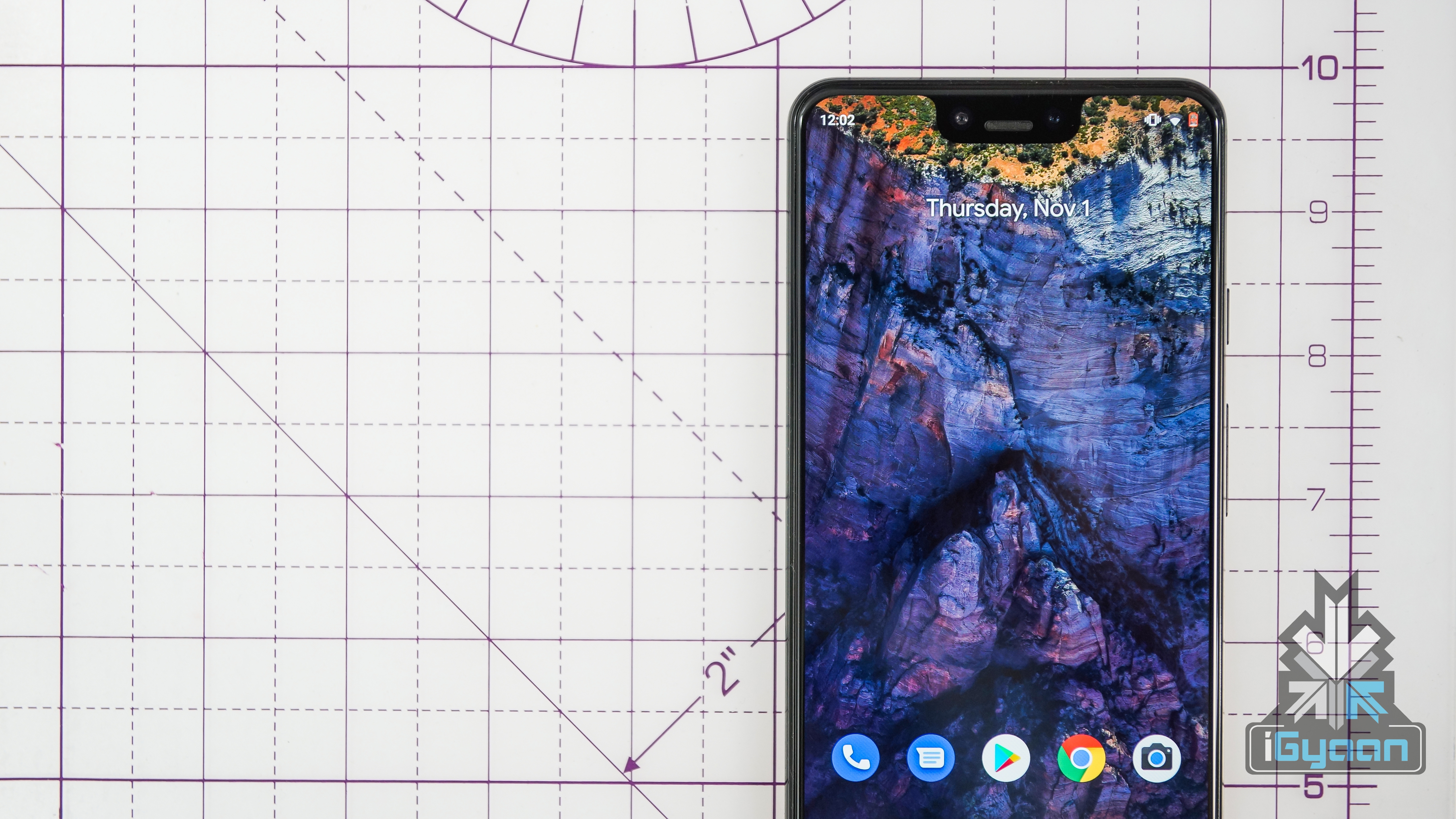
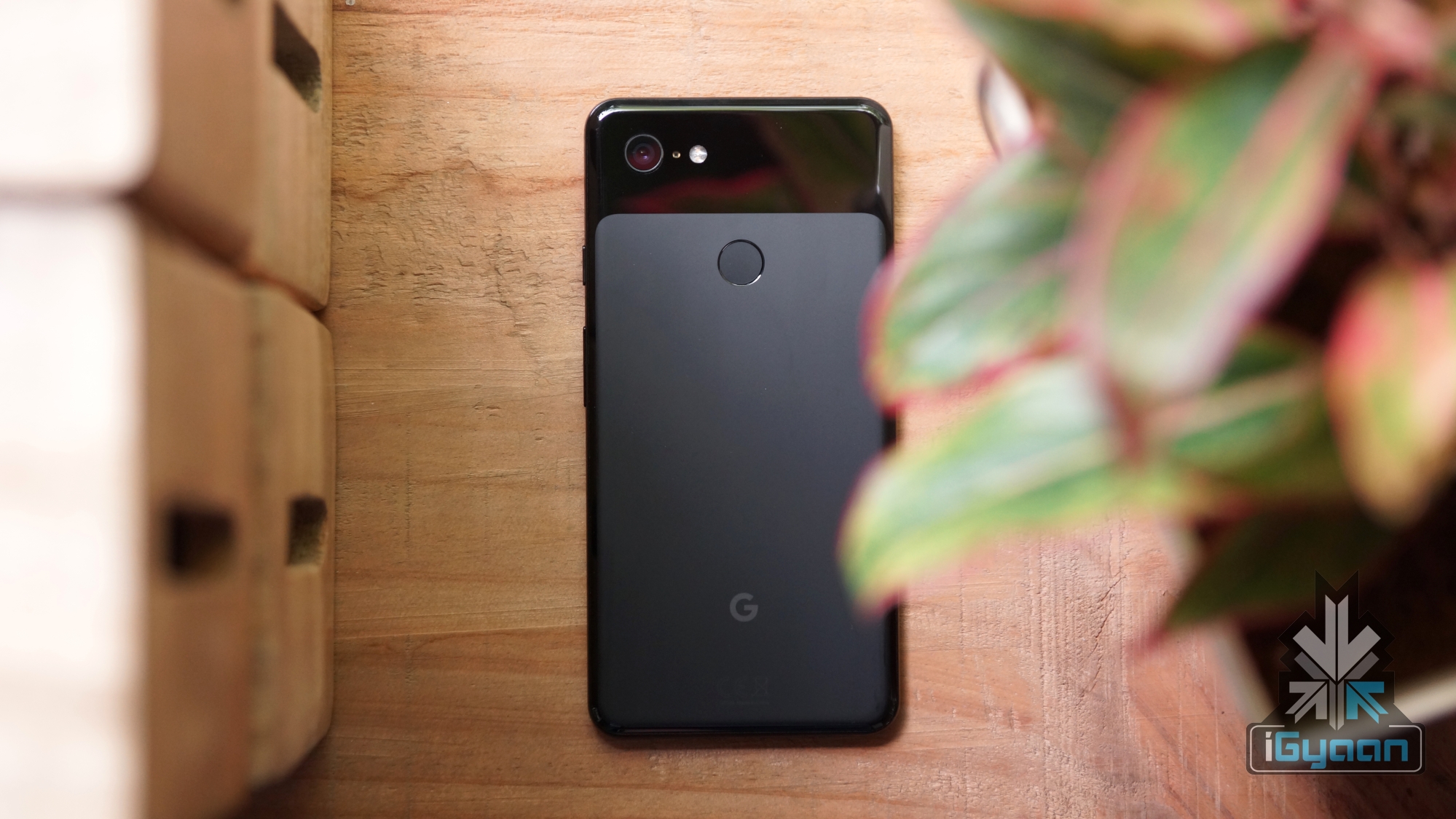
    The Google Pixel 3 features a 5.5 inch display while the Pixel 3 XL features a 6 inch display with a wide notch up top. Both the smartphones are kitted with the Snapdragon 845 SoC which consists of an Octa Core CPU and Adreno 630 GPU. For biometric security, the two devices feature a rear mounted fingerprint sensor along with support for the traditional pattern lock.

    Also Read: Oppo Reno With Shark Fin Selfie Camera Launched In India

    Talking about optics, The Google Pixel 3 and the Google Pixel 3 XL have heterogeneous sensors. The smartphones feature a 12.2 MP rear facing camera and dual 8 MP + 8 MP front facing cameras. Connectivity options on the two devices include 4G VoLTE, Wi-Fi 802.11 ac 2.4G + 5G, Bluetooth 5 .0, NFC, GPS and bottom mounted USB Type-C port. The smaller handset is powered by a 2915 mAh battery while the elder Pixel 3XL is powered by a 3430 mAh battery. 

    Click here to buy the Pixel 3 on Flipkart

    Click here to buy the Pixel 3 XL on Flipkart

  • Oppo Reno With Shark Fin Selfie Camera Launched In India

    Oppo Reno With Shark Fin Selfie Camera Launched In India

    Chinese smartphone maker, Oppo has finally launched its highly anticipated smartphone duo, the Oppo Reno in India. The smartphones were originally launched in China in the month of April 2019. The more affordable and less feature rich variant carries the ‘standard’ tag whereas the high-end variant of the device carries the ’10x Zoom’ suffix. The highlight of the smartphone is the shark fin style pop up camera, which is one of a kind. Except for the price, the main differences between the two newly launched smartphones are battery capacity, screen size, processor and number of rear camera sensors. 

    Oppo Reno Lineup: Features And Specifications 

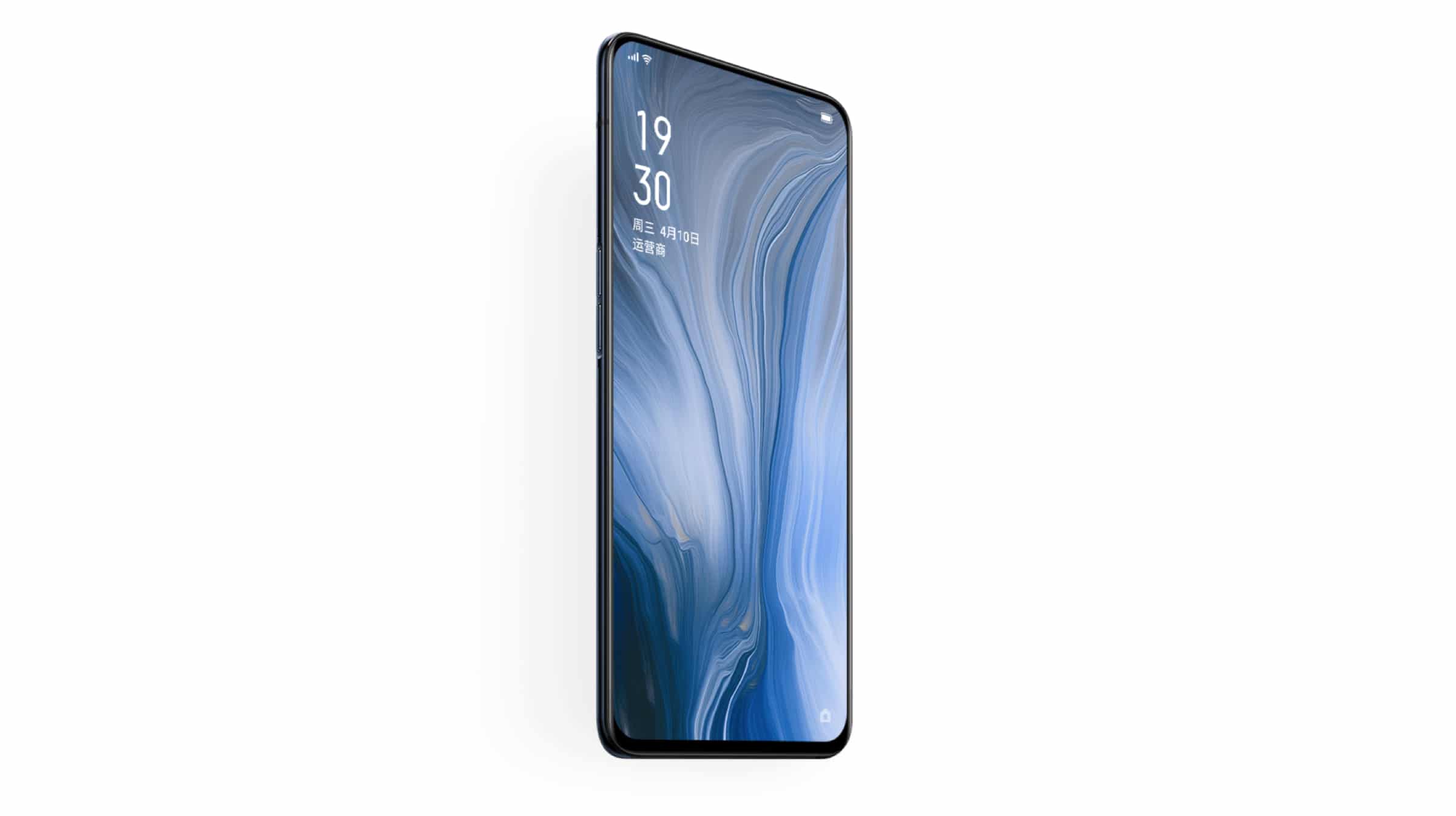
     Oppo Reno Front  

    The Oppo Reno smartphone lineup, including the standard variant and the 10x zoom variant, has an attractive design. The large screen display of the smartphones is surrounded by narrow bezels on all four sides. The standard variant has a 6.4 inch AMOLED display while the elder sibling has a large 6.6 inch AMOLED display. Both smartphones have an impressive screen to body ratio of 93.1% which is attainable due to the aforementioned shark fin styled selfie camera.

    The shark fin style extension houses a 16 MP camera sensor. The company claims that the selfie camera has a life cycle of more than 3,00,000 pop up which can be used as an indicator for its durability. The ‘standard’ variant of the newly launched smartphone has 2 rear facing cameras while the ’10x zoom variant’ has an additional 13 MP periscopic camera which offers 10x lossless zoom capability. Except for the periscopic camera, both variants have a 48 MP Sony IMX586 sensor and an 8 MP ultra-wide sensor.

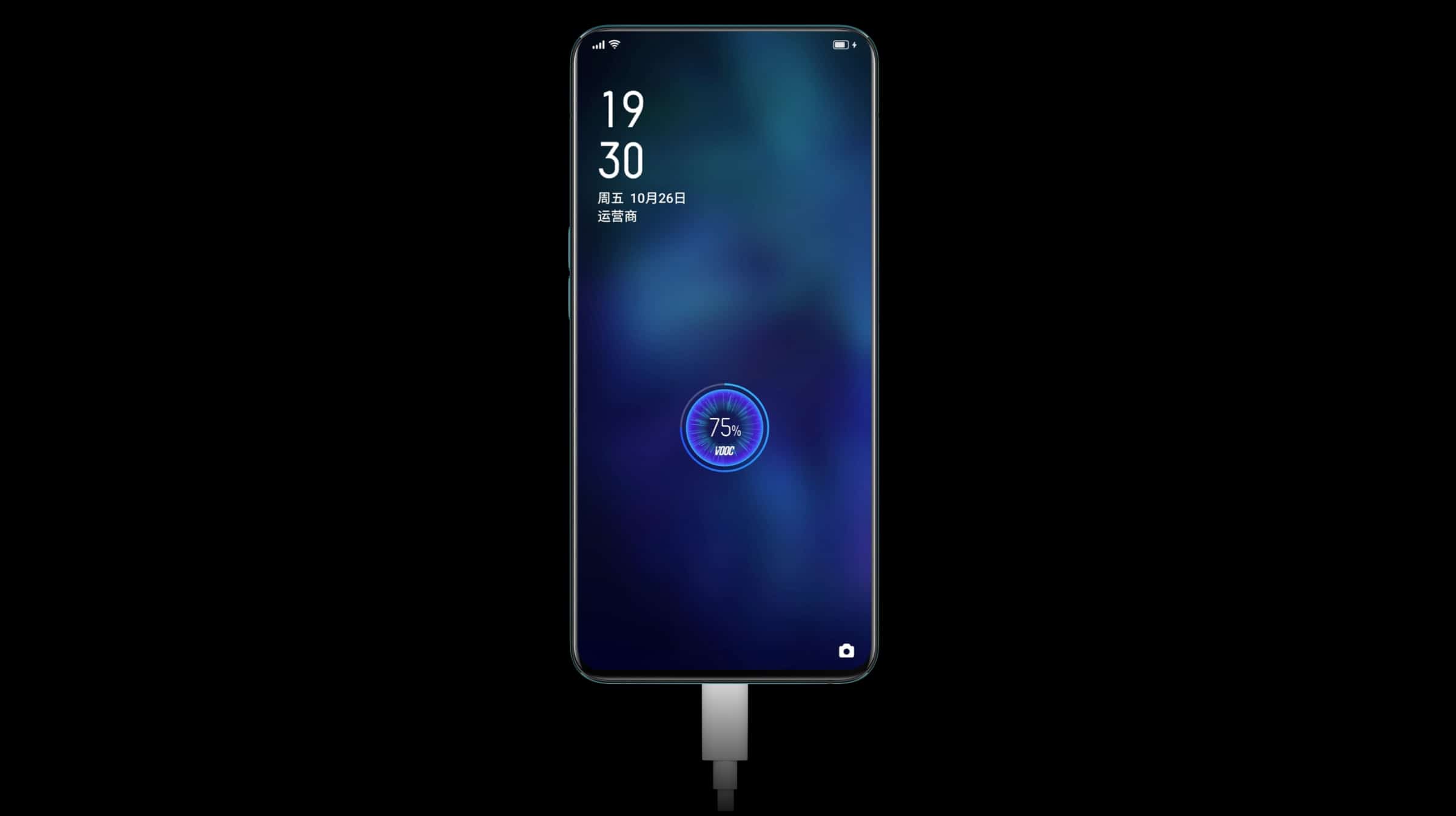
    Oppo Reno backThe Oppo Reno ’10x zoom’ variant is kitted with the Snapdragon 855 SoC while the ‘standard’ variant is kitted with Snapdragon 710 SoC. Chipsets on both the smartphone variants have octa-core CPUs which can perform intensive tasks smoothly. The more affordable variant is powered by a 3765 mAh battery while the premium variant is powered by a 4065 mAh battery. Notably, both the variants support Oppo’s proprietary VOOC 3.0 charging technology. VOOC 3.0 allows the device to be charged with a maximum power of 20W which is equivalent to OnePlus’s Dash charge technology. 

    Both variants of the Oppo Reno run on ColosOS 6.0 based on top of Android 9 Pie. Connectivity options on both smartphones include Bluetooth v5.0, 802.11 ac Wi-Fi, 4G VoLTE, NFC and a bottom mounted USB Type-C port. Both the ‘standard’ and ’10x zoom’ variants of the Oppo Reno also have an in-display fingerprint sensor, which is becoming the norm for mid range to premium-range smartphones these days.
    Oppo Reno Lineup: Price And Availability 

    Also Read: Unreleased Moto Z4 Accidentally Sold On Amazon, Buyer Posts Video On YouTube

    Both the models of the Oppo Reno are available in two colour options which includes Jet Black and Ocean Green. The pricing of different storage variants is listed below: 

    Oppo Reno Standard Variant Oppo Reno 10x Zoom Variant
    8 GB + 256 GB : Rs 32,990 6 GB + 128 GB : Rs. 39,990
    8 GB + 256 GB : Rs  49,990

    Click here to purchase the Oppo Reno 10x Zoom (8GB+256GB)

  • Alienware m15 And m17 Series Gaming Laptops Launched At Computex 2019

    Alienware m15 And m17 Series Gaming Laptops Launched At Computex 2019

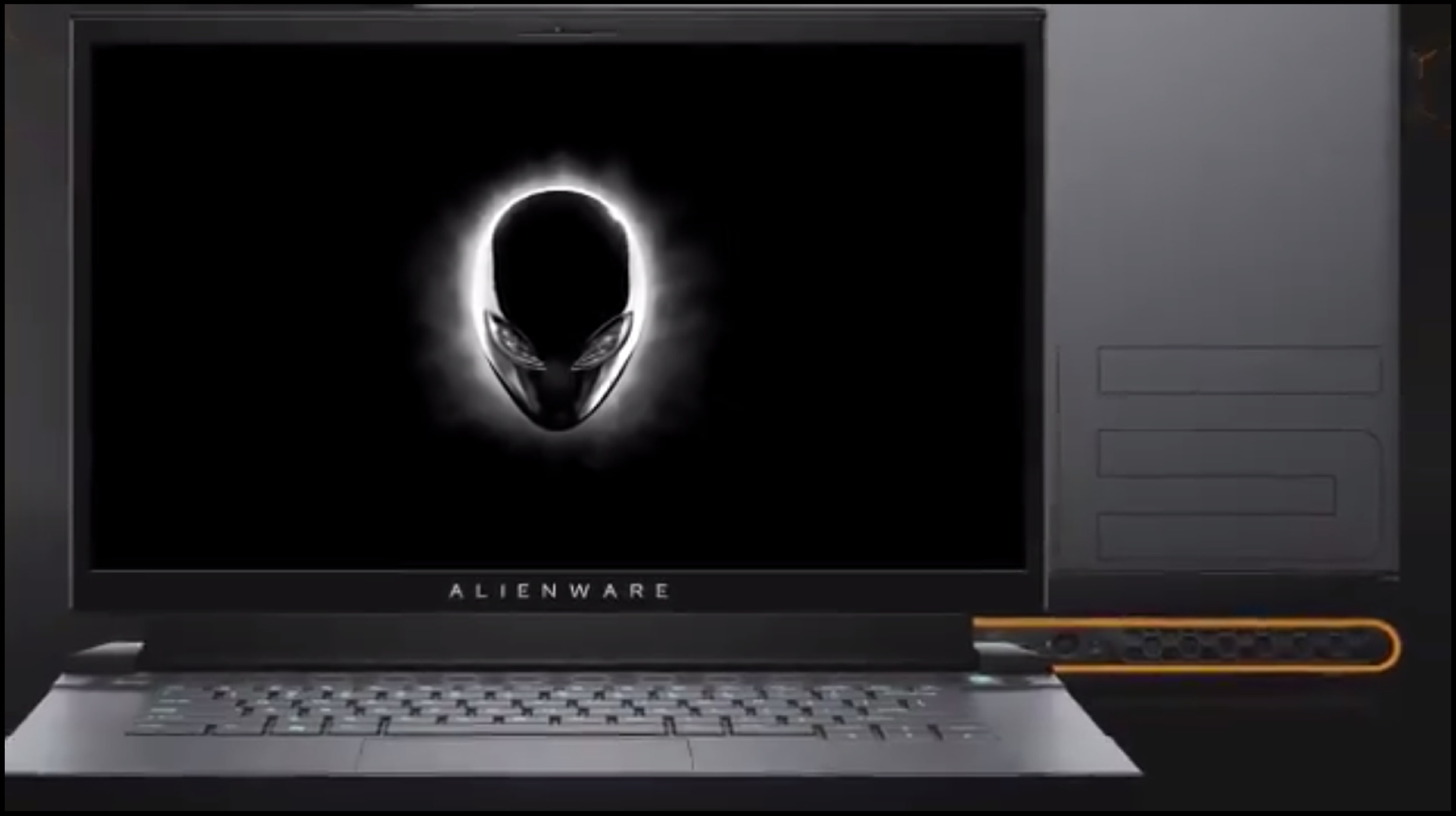
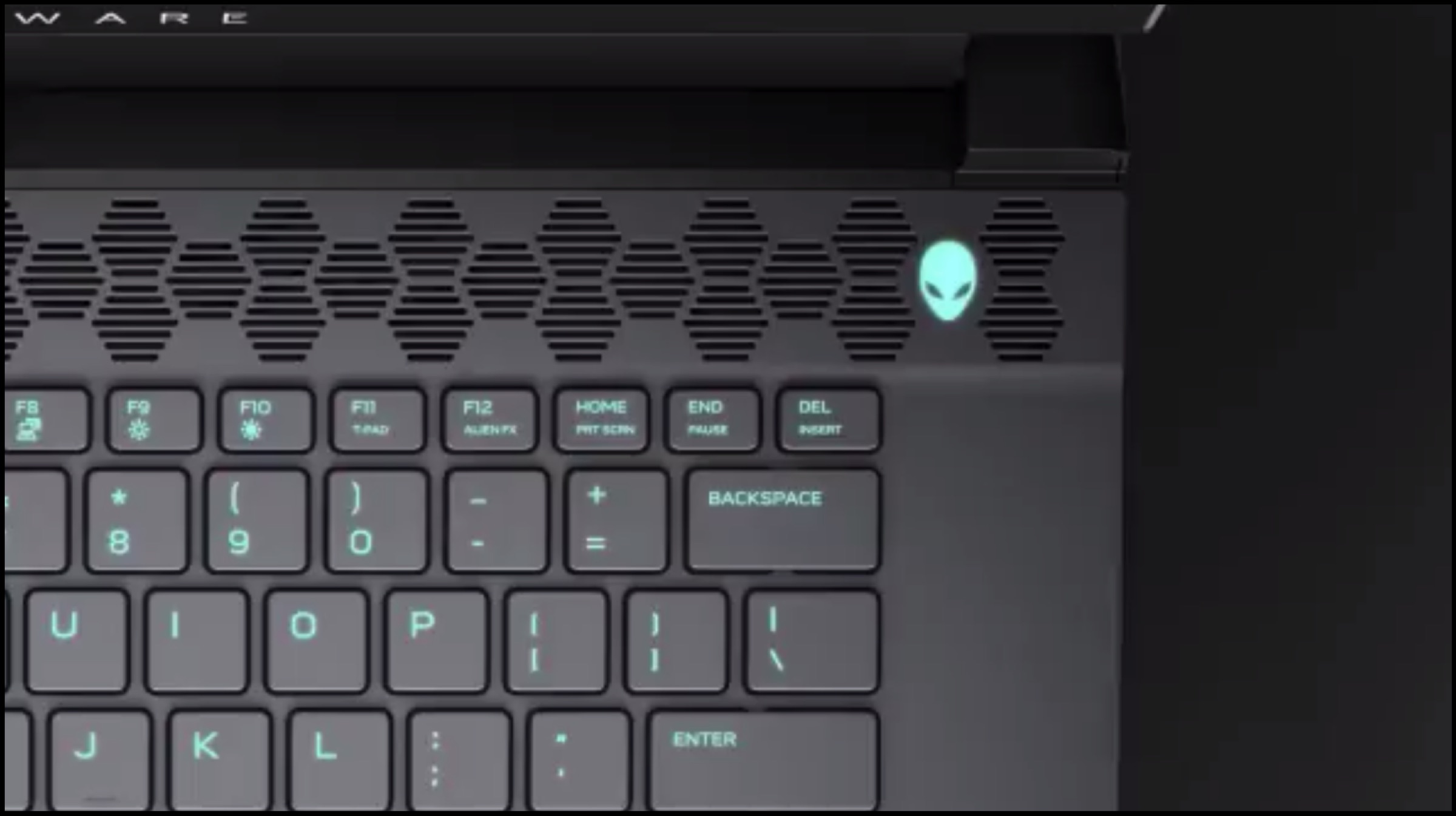
    Alienware, the premium gaming brand by Dell had earlier this year announced the Area-51m model laptop. The gaming laptop brought modular functionality along with it, something that was unheard of at the time for laptops in general. In Computex 2019, Alienware announced the same design incorporated in their new iterations of the m15 and m17 gaming laptops.

    Alienware

    The m15 and m17 series laptop adopt a lot of the designs from the company’s flagship (Area-51m), essentially making the laptops identical to each other to a certain degree. These laptops are reportedly slimmer however and do not support Area-51m’s modular capabilities. 

    The m15 had received a major overhaul last year while the m17 was refreshed at CES, this is the second time the series went under a major physical overhaul. Changes are not strictly aesthetical in nature with the Alienware gaming laptops receiving a new keyboard with deeper key travel, and a new glass finish trackpad alongside the latest 9th-Gen Intel CPU processors and NVIDIA’s latest GTX and RTX graphics card.

    Alienware

    Apart from the screen size of 15 and 17 inch respectively, not much differs between the two Alienware laptops. Display options although vary between the two devices. The 15-inch model offers more options with 60Hz, 144Hz, or even 240Hz refresh rate on the 1080p display panel or 4K at just 60Hz, the last two options that are equipped with Tobii eye-tracking. The 17-inch model only offers 60hz or 144hz on its 1080p panel where only the 144Hz variant has the eye tracker.

    Also Read: Xiaomi Launches RedmiBook 14 Laptop With Intel i7 Processor

    The modular function that allows users to replace parts for a laptop, achieved by the Alienware Area-51m, is a feature that will be sorely missed. The m15 and m17 models are set to be launched on June 11th with prices starting at $1,499

  • Xiaomi Launches RedmiBook 14 Laptop With Intel i7 Processor

    Xiaomi Launches RedmiBook 14 Laptop With Intel i7 Processor

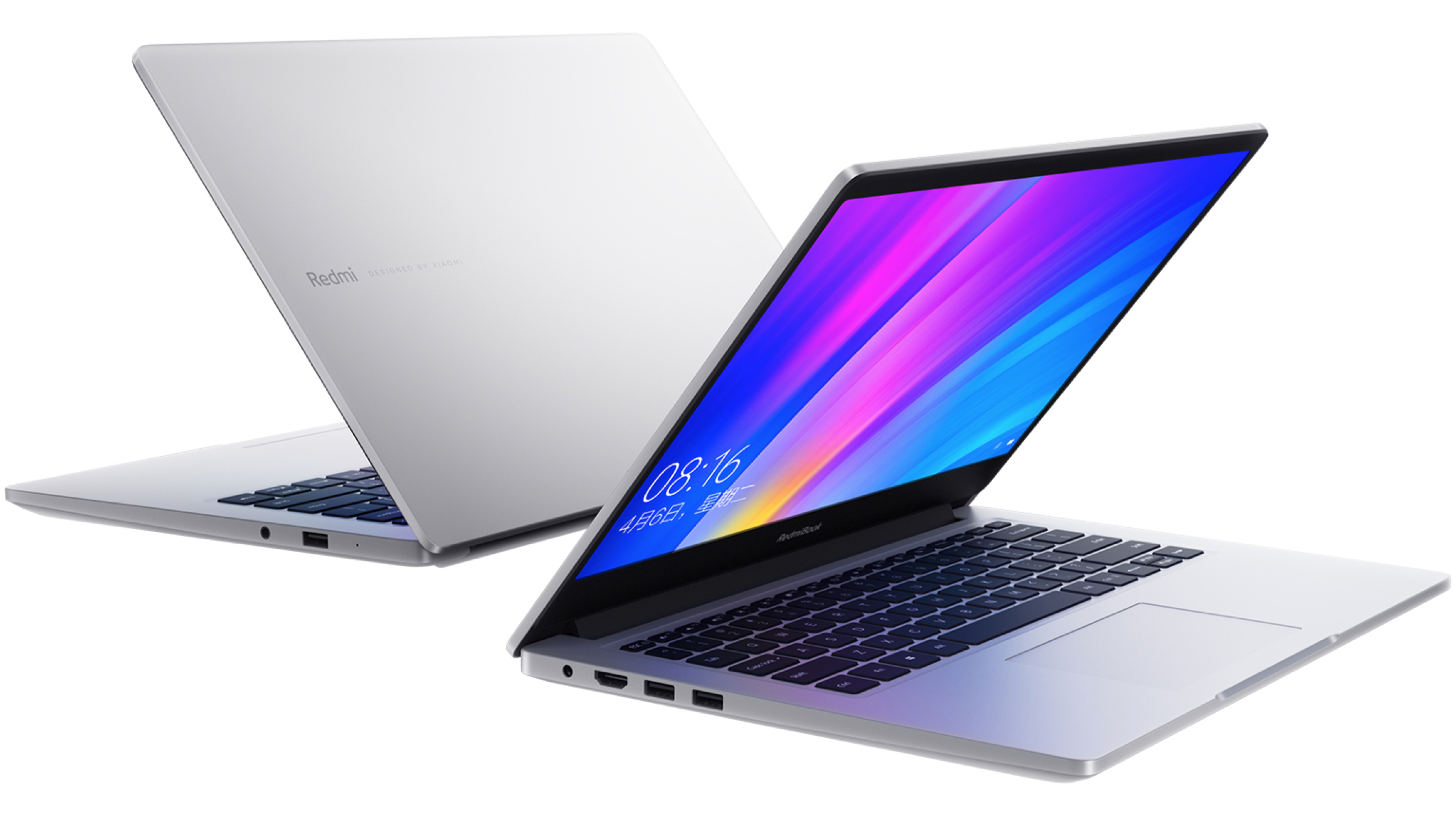
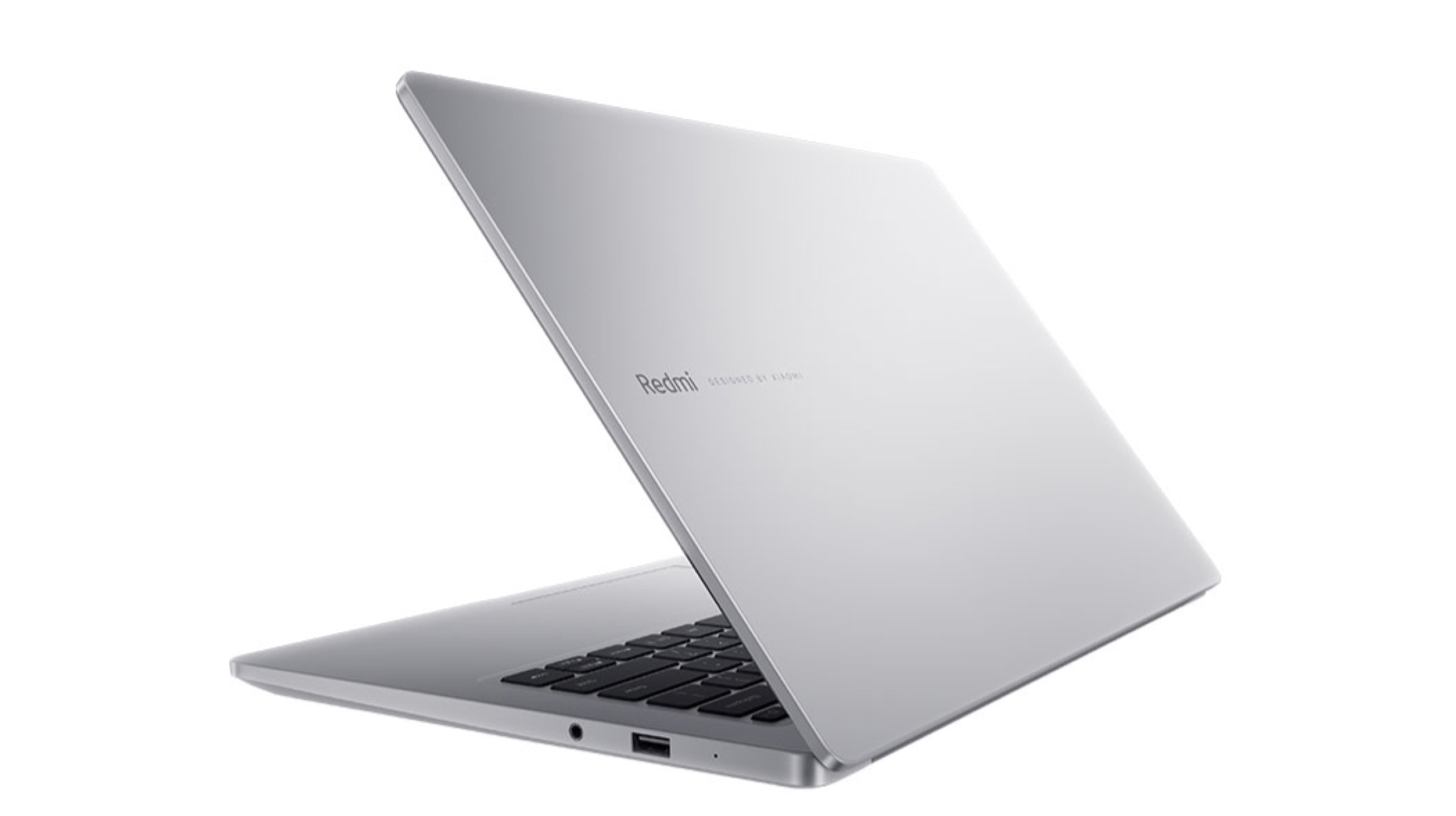
    At an event held in China on May 28, Xiaomi’s subsidiary Redmi launched the RedmiBook 14 laptop alongside the K20 and K20 Pro smartphones. It is the company’s first laptop as an individual subsidiary, and it includes a good set of specifications and carries an aggressive price tag. Going by the looks of the device, it is clear that some inspiration has been derived from Apple’s MacBook lineup. 

    RedmiBook 14 Specifications And Features

    RedmiBook 14

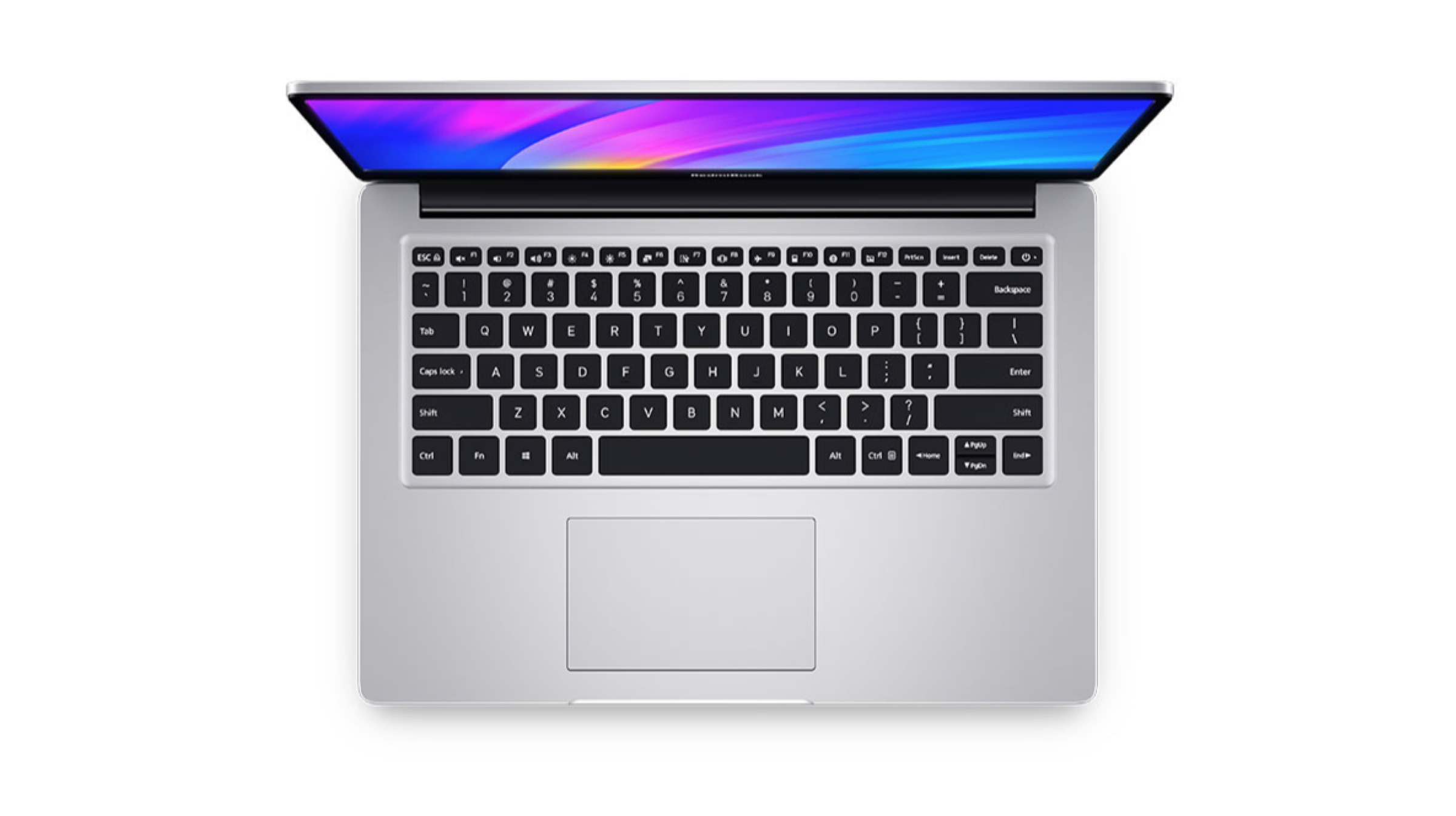
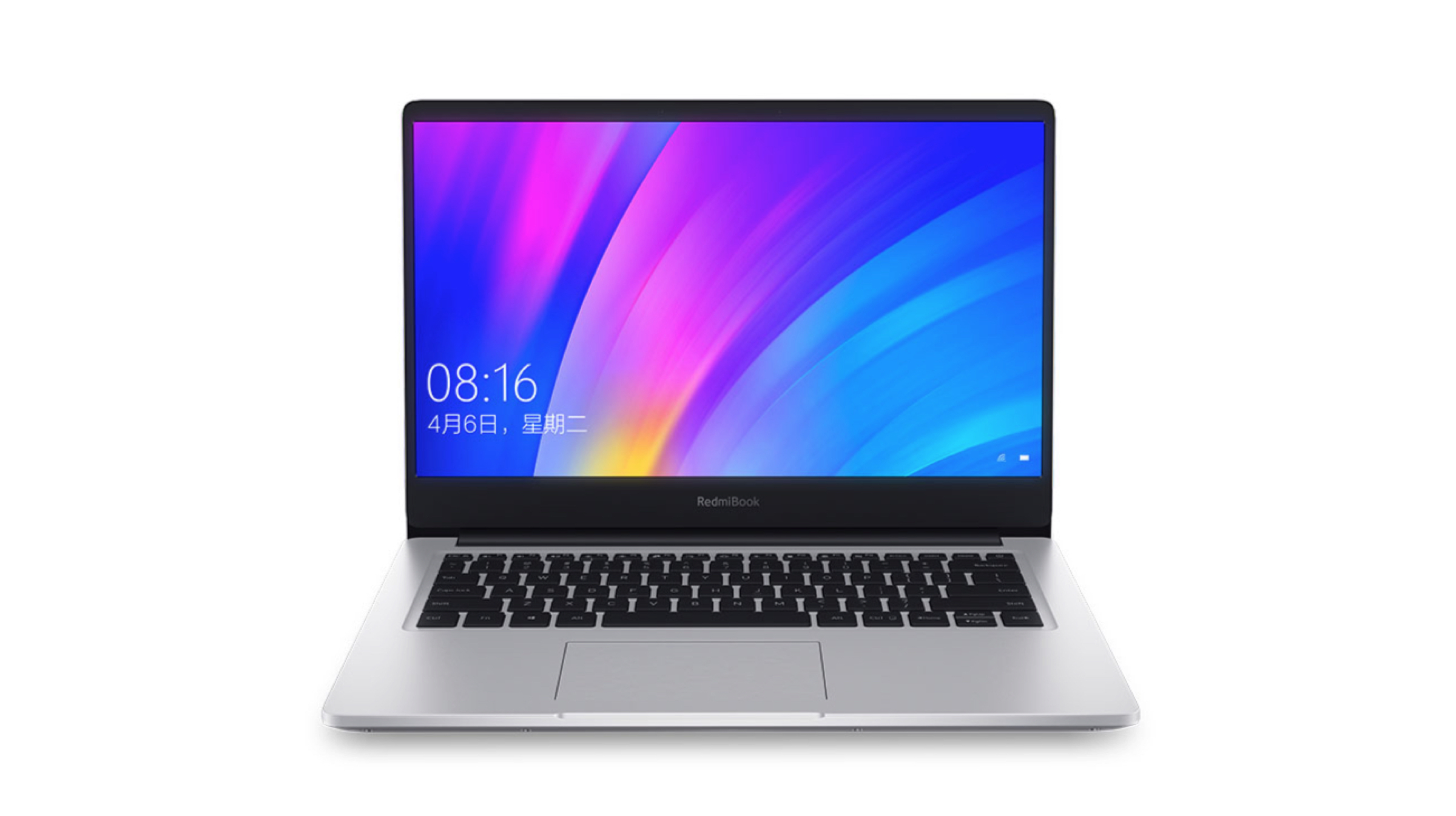
    The RedmiBook 14 has a metallic finish which gives it an elegant look. The laptop is branded with the Redmi Logo and features a 14 inch display. The laptop has an 81.2% screen-to-body ratio. It has a similar keyboard design to Apple’s MacBooks i.e island style keys. The left side of the laptop accommodates two USB 3.0 ports, an HDMI port and the power input socket, whereas the right side houses one USB 2.0 port and a 3.5mm headphone jack.

    Under the hood, the top variant of the RedmiBook 14 features the 8th generation Intel Core i7 processor. On the other hand, the specced-down variant of the same incorporates the 8th generation Intel Core i5 processor. The CPU is paired with the NVIDIA GeForce MX250 graphics chip, which has a TDP (Thermal Design Power) of 25W. In terms of memory, the RedmiBook 14 is kitted with 8GB of RAM across all variants. Storage options vary from 256GB of SSD to 512GB. 


    The laptop weighs at 1.5kg, which is quite light and is 17.95mm thick. As exhibited by the company, the RedmiBook 14 has air vents at the bottom and they cover an area of 2530mm2, allowing for improved airflow. The laptop features a Modern Standby mode, which reduces battery consumption on standby. It boasts of DTS audio technology which claims to provide bass-rich sound. In terms of battery, the laptop can last for 10 hours on a single charge. 
    RedmiBook 14 Availability And Price

    RedmiBook 14

    Also Read: Xiaomi Launches The Flagship Grade K20 and K20 Pro, Pricing Of The Redmi 7A Also Announced

    The RedmiBook 14 will be available for purchase June 1 onwards. The pricing of the different variants is listed below:

    • 8GB+512GB (Core i7): CNY 4,999 (~INR 50,400)
    • 8GB+512GB (Core i5): CNY 4,299 (~INR 43,300)
    • 8GB+256GB (Core i5): CNY 3,999 (~INR 40,300)
  • Redmi K20 & K20 Pro Launched

    Redmi K20 & K20 Pro Launched

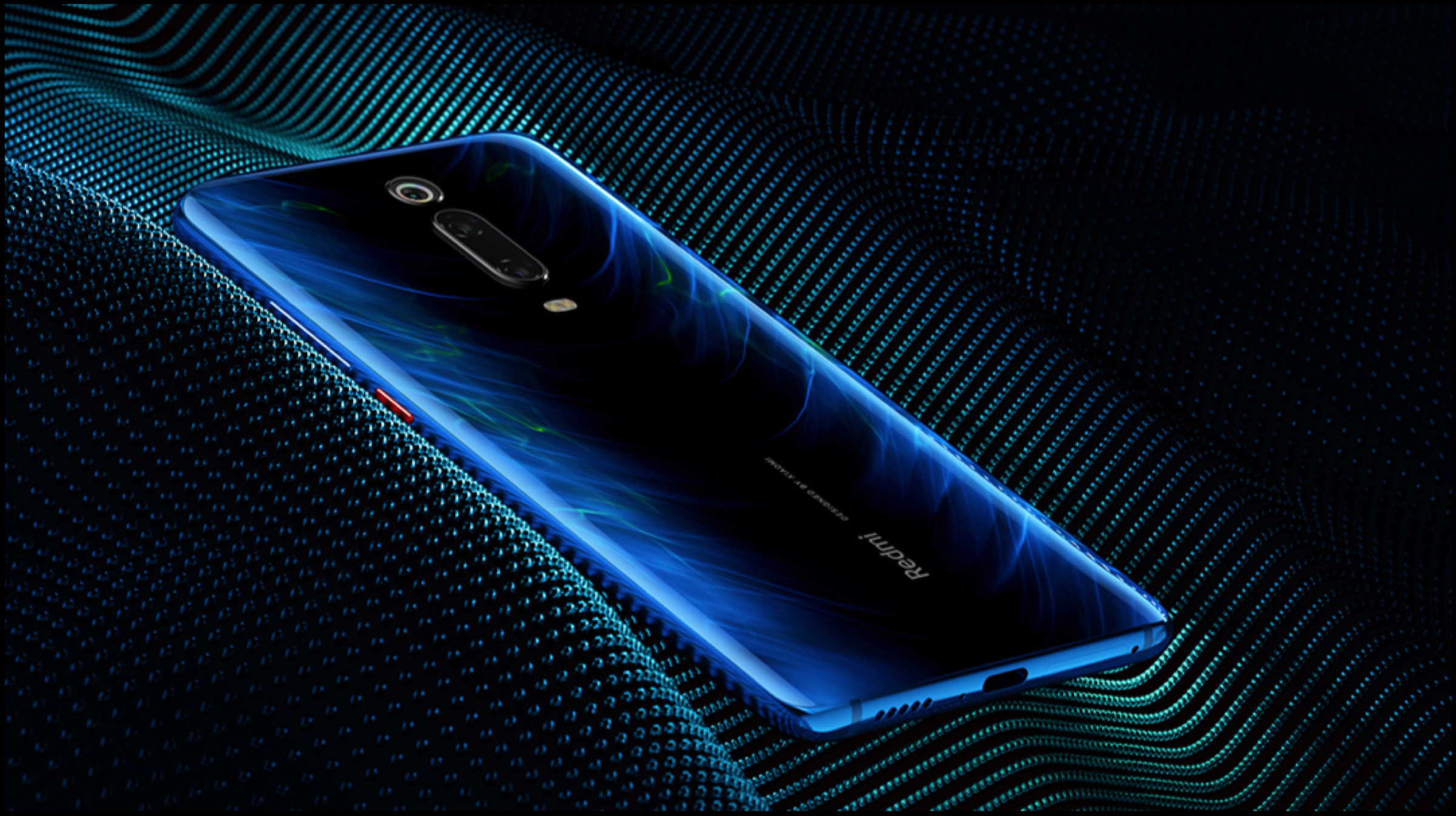
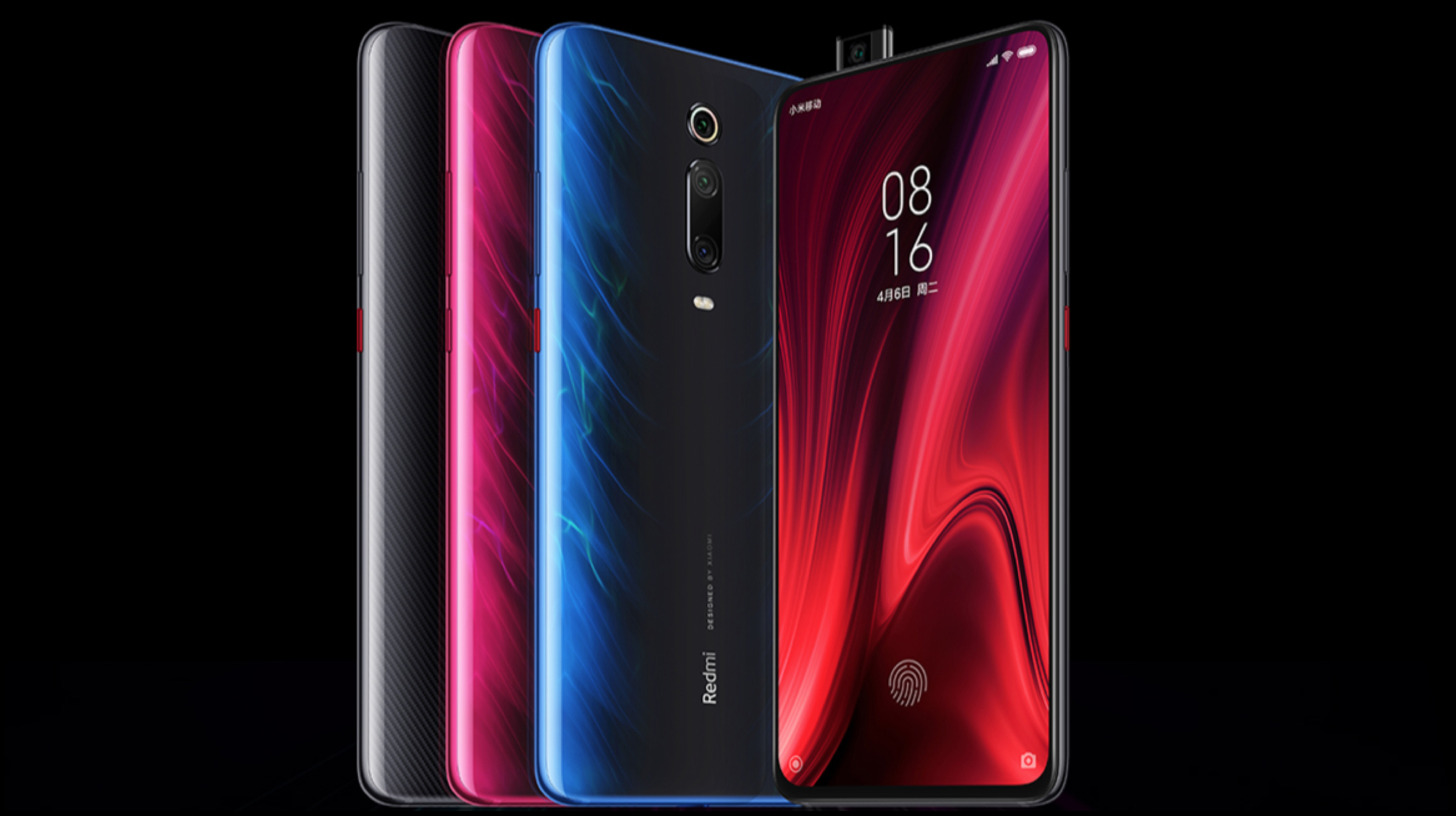
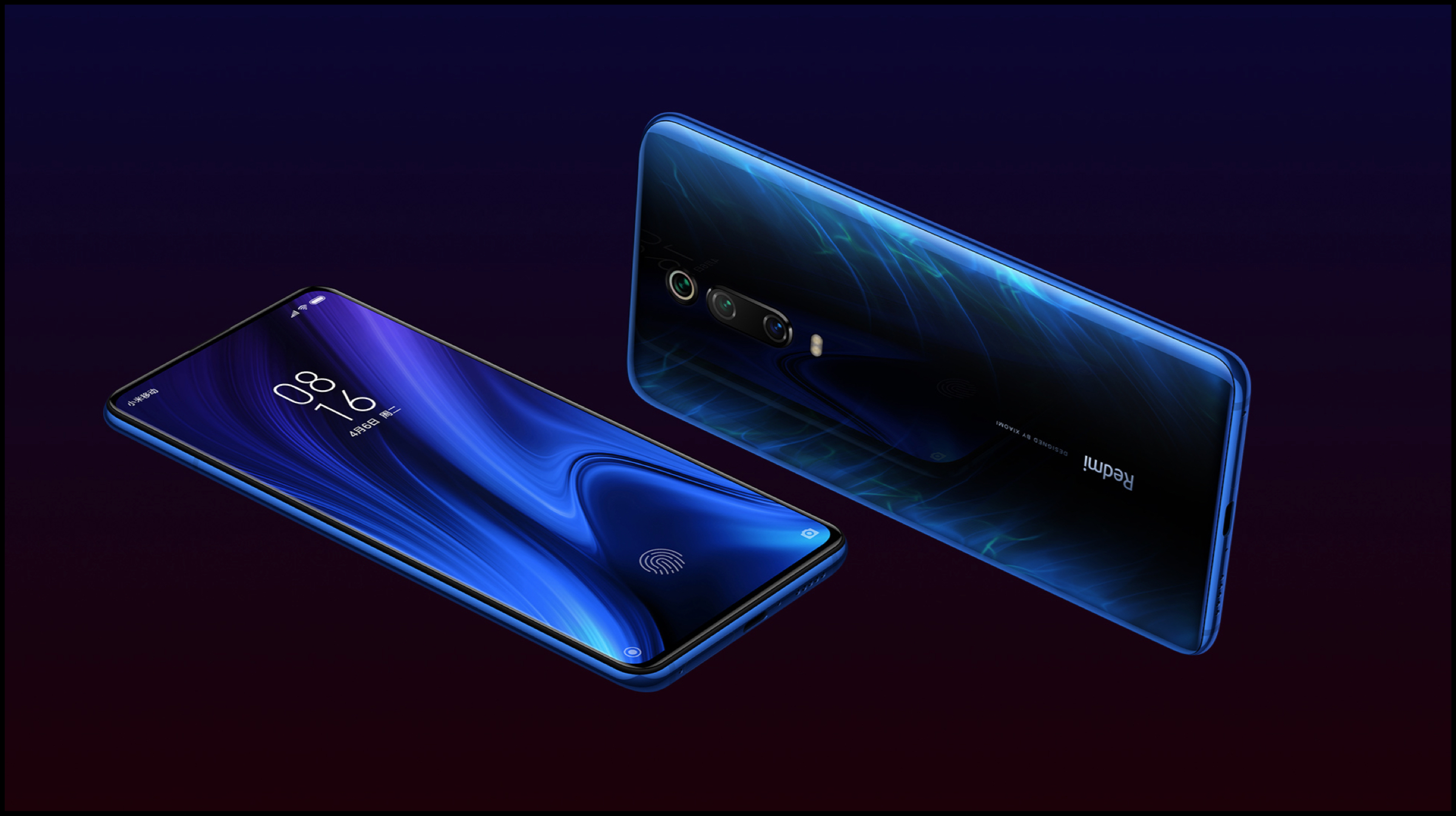
    After much hype and speculations, Xiaomi’s subsidiary Redmi has launched its latest smartphones, the Redmi K20 and the Redmi K20 Pro. While the former is a mid-range offering, the latter is a flagship-grade device from the company, featuring top tier specifications at a competitive price. The handsets have been launched in China alongside the company’s first laptop called RedmiBook 14. Furthermore, the pricing of the Redmi 7A budget smartphone which was announced a few days ago has also been revealed at the event.

    Specifications

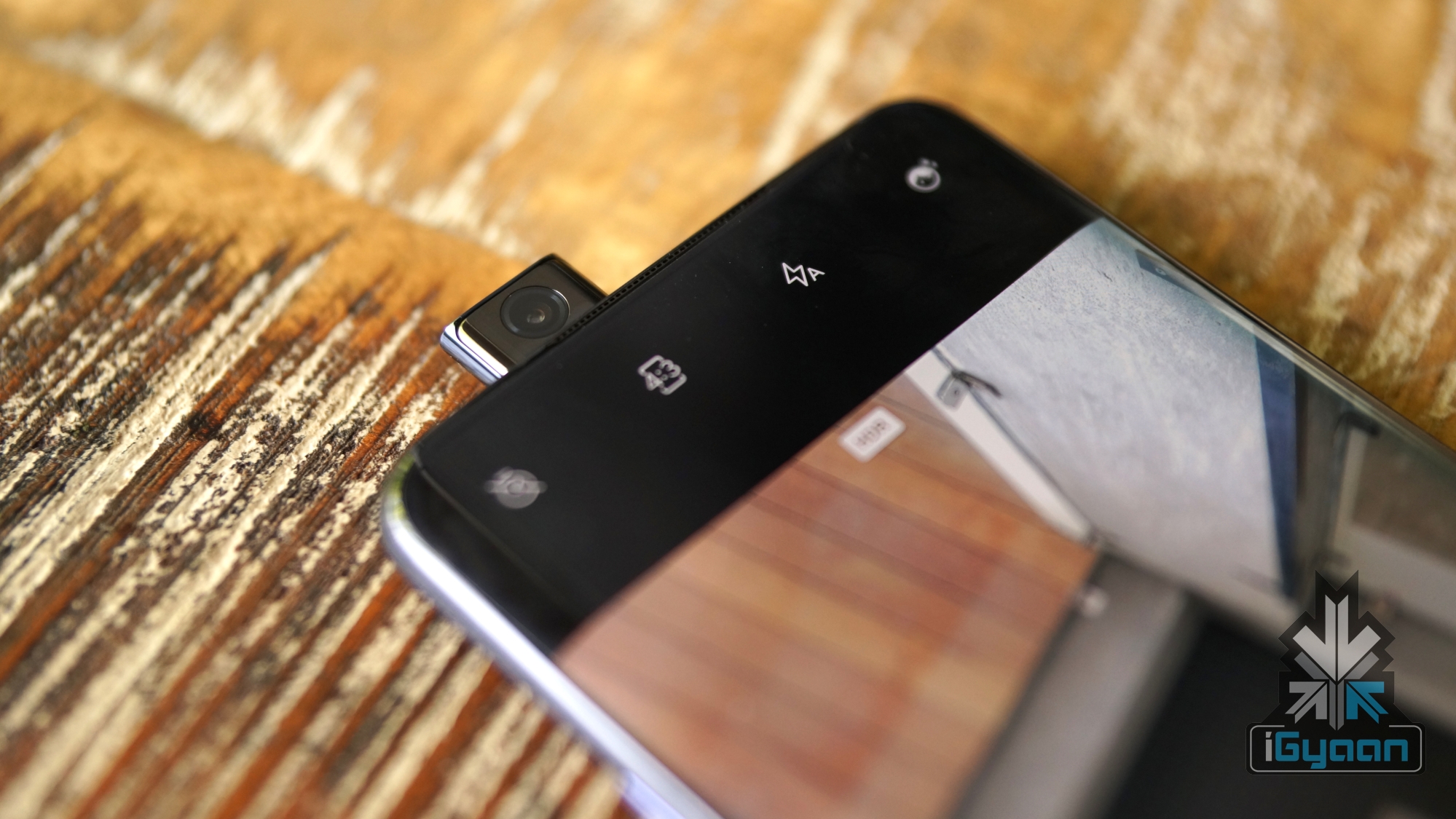
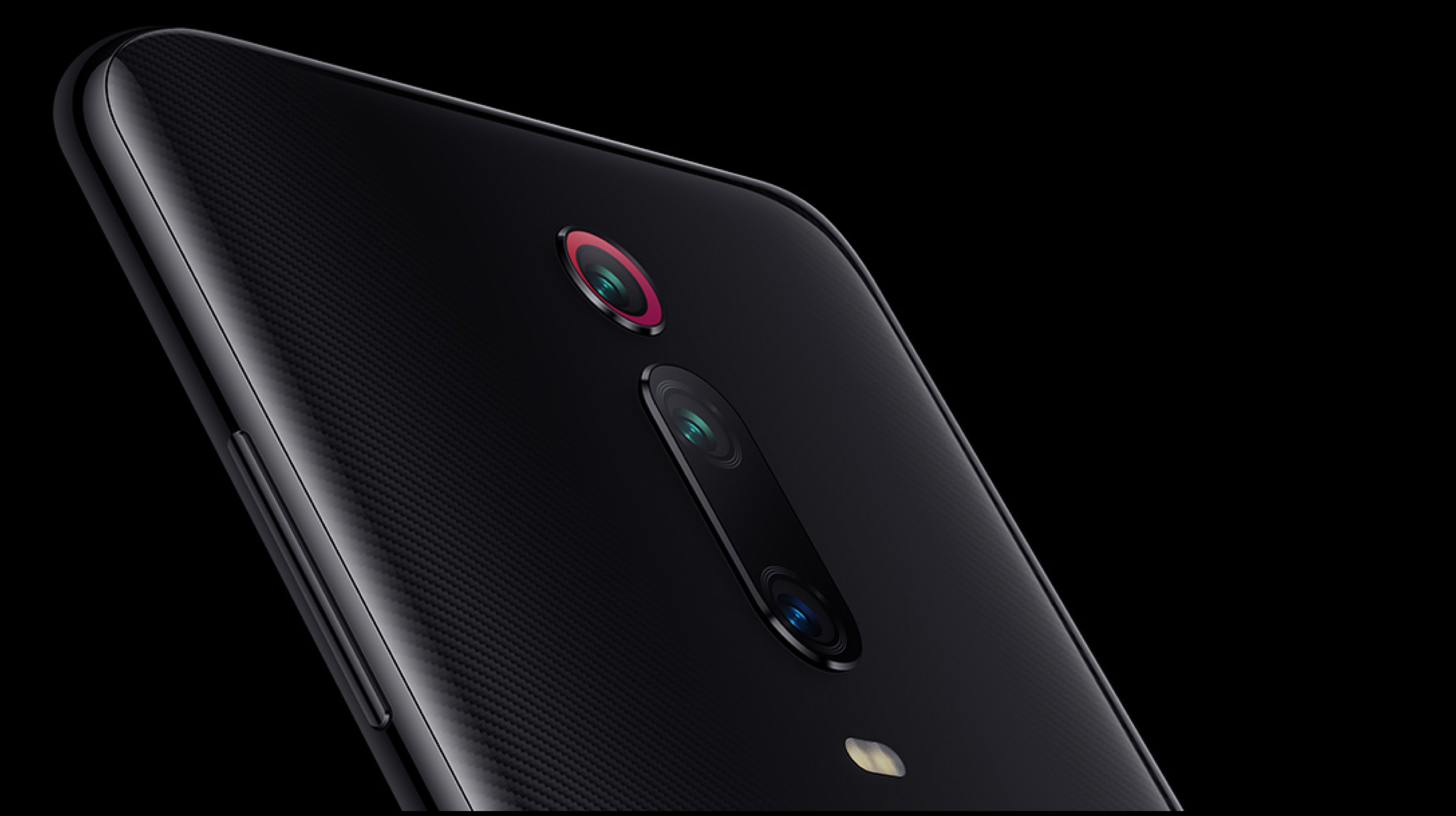
    As mentioned above, the Redmi K20 and the K20 Pro are the latest smartphones from the company. The devices have a glass design on the front and back with a metal chassis for reinforcement. They have an attractive gradient coloured design on the back. The handsets have a 6.39 inch AMOLED display with a resolution of 2340 x 1080 px. To maximise the screen real estate, they both have a pop-up mechanism on top to house the front-facing camera. For biometric security and unlocking the smartphones, the Redmi K20 series has an in display fingerprint scanner along with support for face unlock technology.

    Under the hood, the Redmi K20 is kitted with the 8nm Snapdragon 730 SoC. The chipset is comprised of an Octa-core CPU and the Adreno 618 GPU. The more premium Redmi K20 Pro runs on the flagship grade 7nm Snapdragon 855 SoC which has an Octa-core CPU and the Adreno 640 GPU. In terms of optics, both smartphones have a triple rear camera setup consisting of an f/1.75 aperture equipped 48MP sensor, an f/2.4 aperture equipped 13MP ultra wide angle sensor; and a tertiary f/2.4 aperture equipped 8MP telephoto sensor. For selfies, an f/2.0 aperture equipped 32MP sensor is housed in the pop-up mechanism on top of the handsets.
    Both the Redmi K20 and the K20 Pro are powered by a 4,000 mAh battery. However, the former supports 18 W fast charging while the latter supports 27 W fast charging. Both devices run on  MIUI 10 which is based on top of the latest Android 9 Pie. The smartphone will be available in three colour variants namely, Blue, Red and Black.

    Pricing & Availability

    Also Read: Unreleased Moto Z4 Accidentally Sold On Amazon, Buyer Posts Video On YouTube

    The pricing of the Redmi K20 and K20 Pro corresponding to the different storage variants is listed below.

    Storage Redmi K20 Price Redmi K20 Pro Price
    6GB RAM + 64GB ROM CNY 1999 (INR 20,200) CNY 2499 (INR 25,200)
    6GB RAM + 128GB ROM CNY 2099 (INR 21,200) CNY 2599 (INR 26,200)
    8GB RAM + 128GB ROM   CNY 2799 (INR 28,200)
    8GB RAM + 256GB ROM   CNY 2999 (INR 30,300)

    The price of the two variants of the previously announced Redmi 7A is as follows:

    • 2 GB + 16 GB: CNY 549 (INR Rs 5,500)
    • 2 GB + 32 GB: CNY 599 (INR Rs 6,000)
  • Hyper X Announces The Cloud Alpha S Gaming Headsets And Alloy Origins Keyboard With New Keyswitches

    Hyper X Announces The Cloud Alpha S Gaming Headsets And Alloy Origins Keyboard With New Keyswitches

    HyperX, the company that manufactures gaming accessories alongside computer components, has unveiled new products in Computex 2019 today. Introducing a gaming keyboard that was built on the company’s new keyswitch designs along with a fresh addition to their Cloud Alpha gaming headsets series.

     Cloud Alpha S

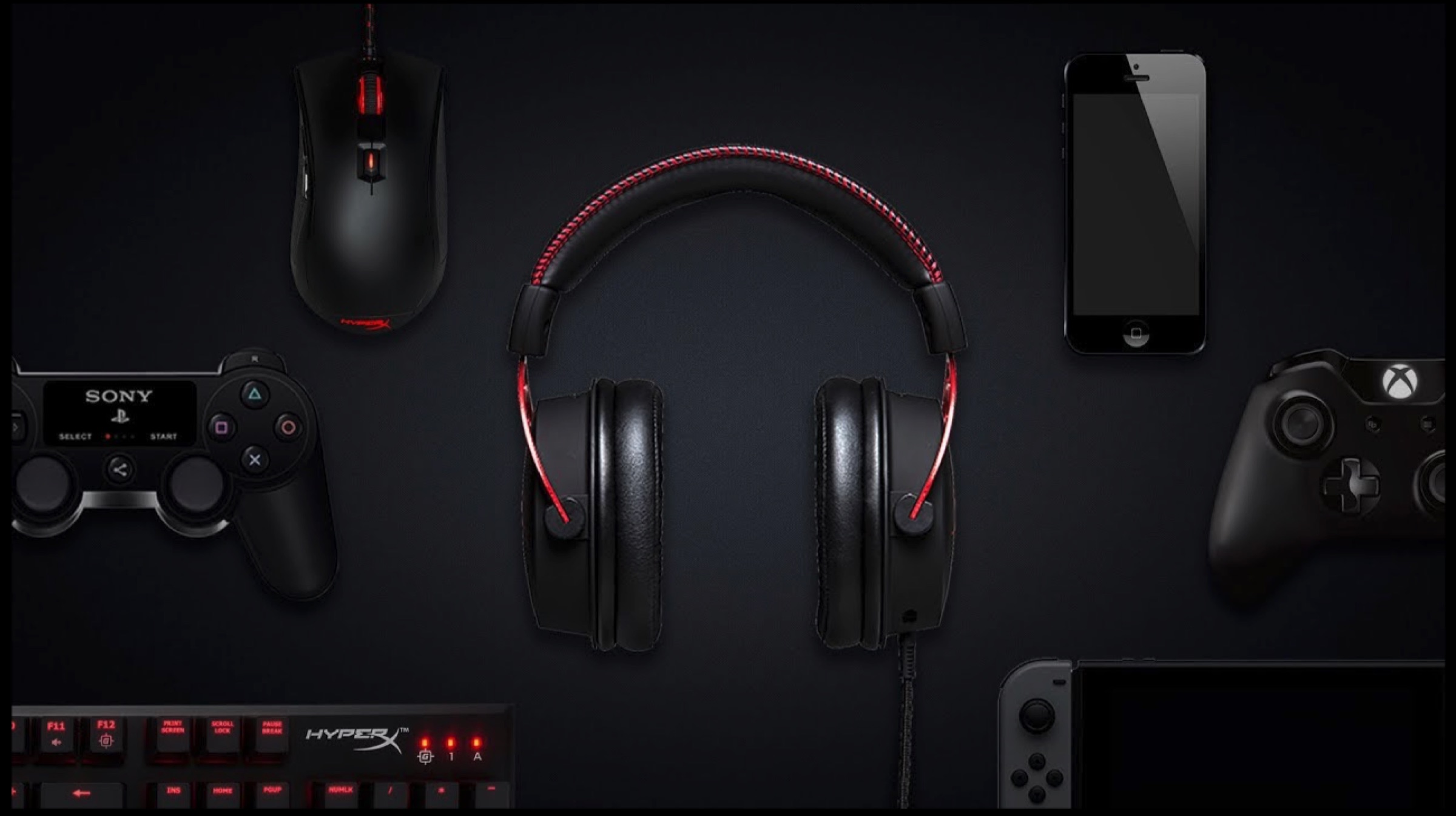
    HyperX announced a successor to its Cloud Alpha gaming headsets that is extremely popular in the gaming community. The new iteration is dubbed Cloud Alpha S, that has 7.1 surround sound that goes through a wired audio control box with volume controls for chat and video game audio.

    Aesthetically, the headphones sport the same design philosophy alongside audio hardware that was present in the predecessor as well, i.e the dual chamber drivers. HyperX however, claims that the new headset is better tuned in comparison for an improved audio experience overall. The gaming headsets also feature a new bass slider function on the back that lets the user adjust the audio according to their preferences as they please. HyperX Cloud Alpha S goes on sale this September for $129.99 (approx. Rs.9050)

    Alloy Origins

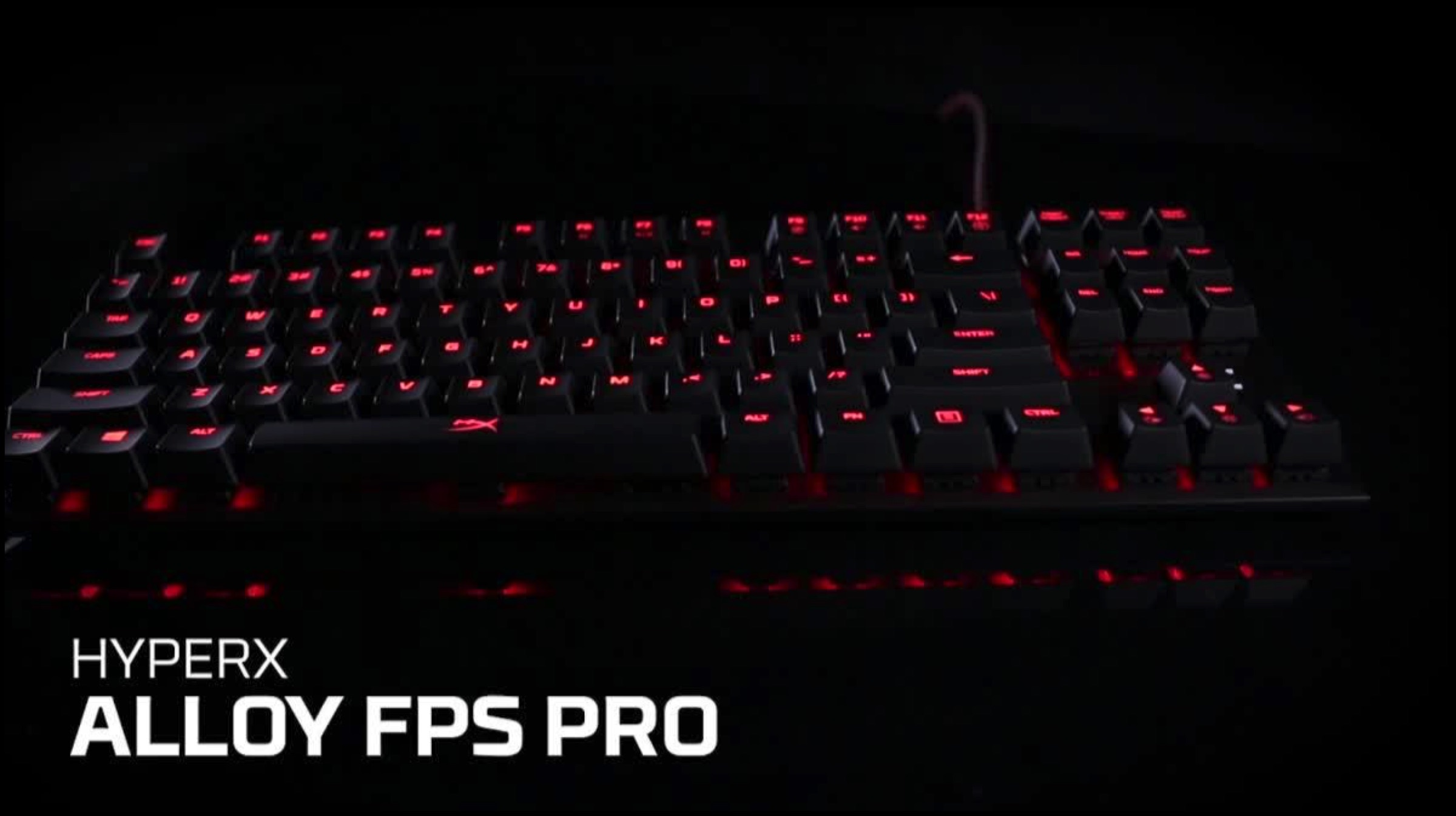
    HyperX’s announced the Alloy Origins gaming keyboard that will feature the company’s new keyswitches. The company has been manufacturing keyboards for game enthusiasts for 17 years now (founded in 2002). Most other manufacturers just like HyperX use either the Cherry MX or Kailh keyswitches depending on the price of the product. As of today, the company will start employing its own keyswitch designs in certain designs and models of its gaming keyboard line up.

    The gaming keyboards made by HyperX generally utilized the reds, the popular choice among gamers alike for its great responsiveness. However, the company has made changes to the established red design by reducing the travel distance of each individual key down by 0.2mm lower than a standard Cherry MX red switch. Now at 3.8mm and 1.8mm respectively.

    Also ReadAsus Launches A Couple Of Laptops And Gaming Accessories At Computex 2019

    The aluminium framed keyboard, the Alloy Origins will be released in the third quarter of this year for $109.99 ( approx. Rs.7655), priced similarly to the company’s Alloy FPS RGB model keyboard that features the Kailh switches.


  • Asus Launches A Couple Of Laptops And Gaming Accessories At Computex 2019

    Asus Launches A Couple Of Laptops And Gaming Accessories At Computex 2019

    Computex 2019 is at its full swing and Taiwanese electronics manufacturer, Asus has unveiled a wide variety of products at the event which includes laptops and gaming accessories. One notable device that Asus has unveiled is the Asus ZenBook Pro Duo laptop which features dual displays. Other products launched by the company are as follows:

    ROG Strix XG17 Portable Gaming Monitor

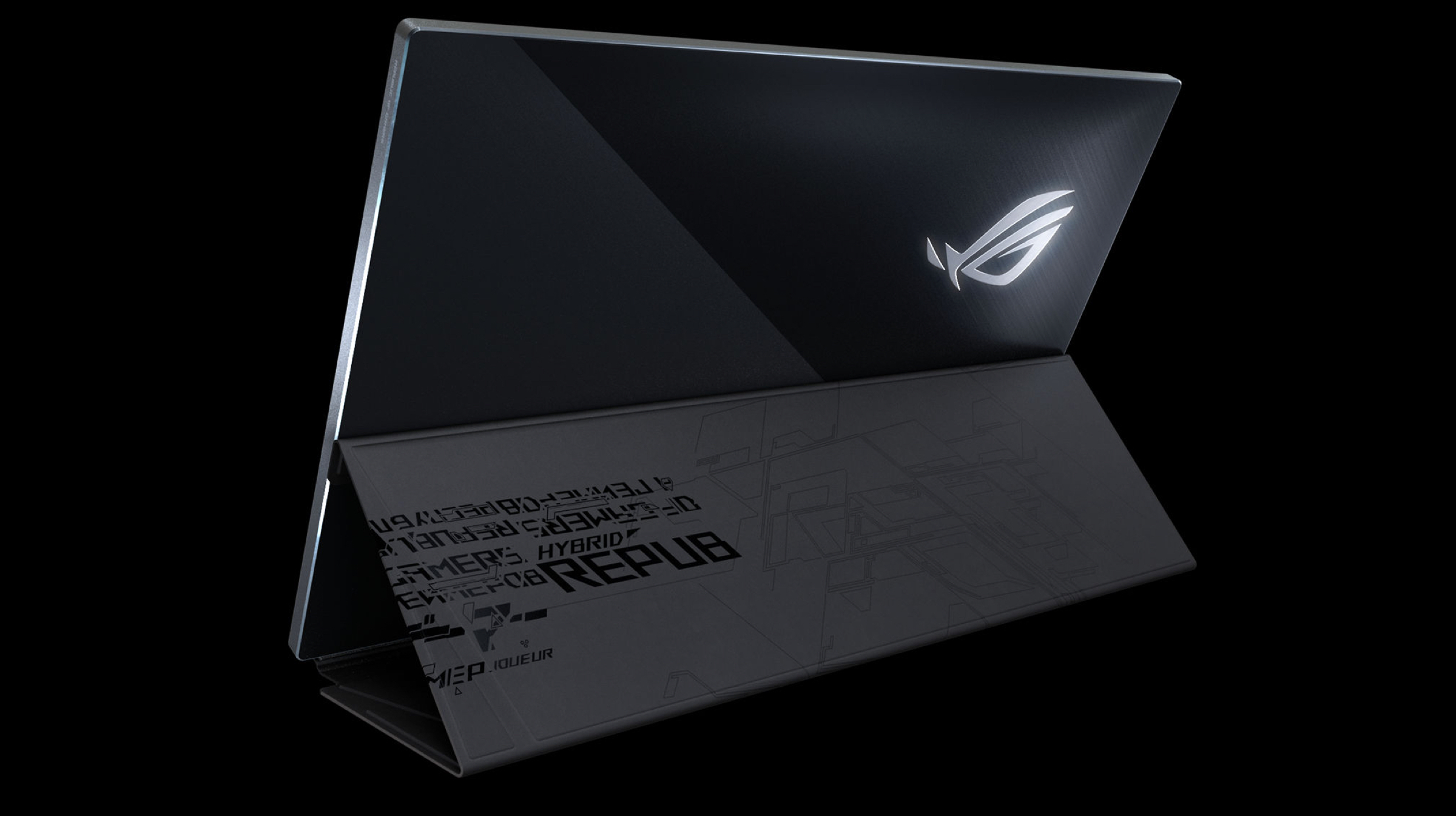
    As the name suggests, the ROG Strix XG17 is a portable gaming monitor with an inbuilt battery. The device features a 17.3 inch display with Full HD resolution. Noteworthy the display panel has a refresh rate of 240 Hz which provides for an ultra smooth gaming experience. The Asus ROG Strix XG17 supports Adaptive sync technology which eliminates choppy frame rates and screen tearing.  It supports video input via the built in Micro HDMI port and the USB Type C port. The display can be used for playing games from mobiles, computers and consoles like Nintendo Switch. The aforementioned inbuilt battery is claimed to provide a battery backup of three hours. To keep the display of the Asus ROG Strix XG17 secure against scratches, it features a flip style cover which also doubles up as a stand.

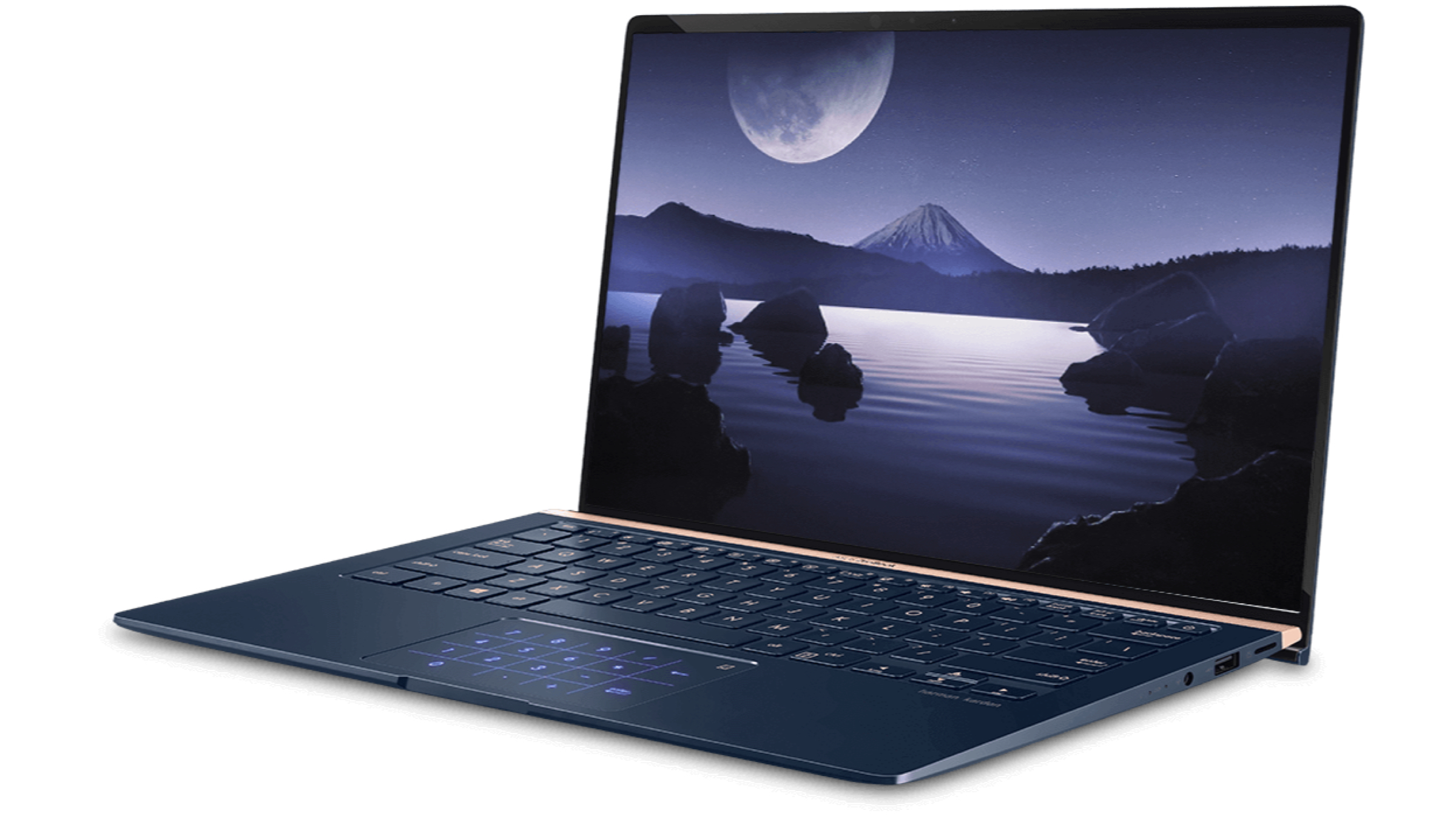
    Asus ZenBook 13/14/15

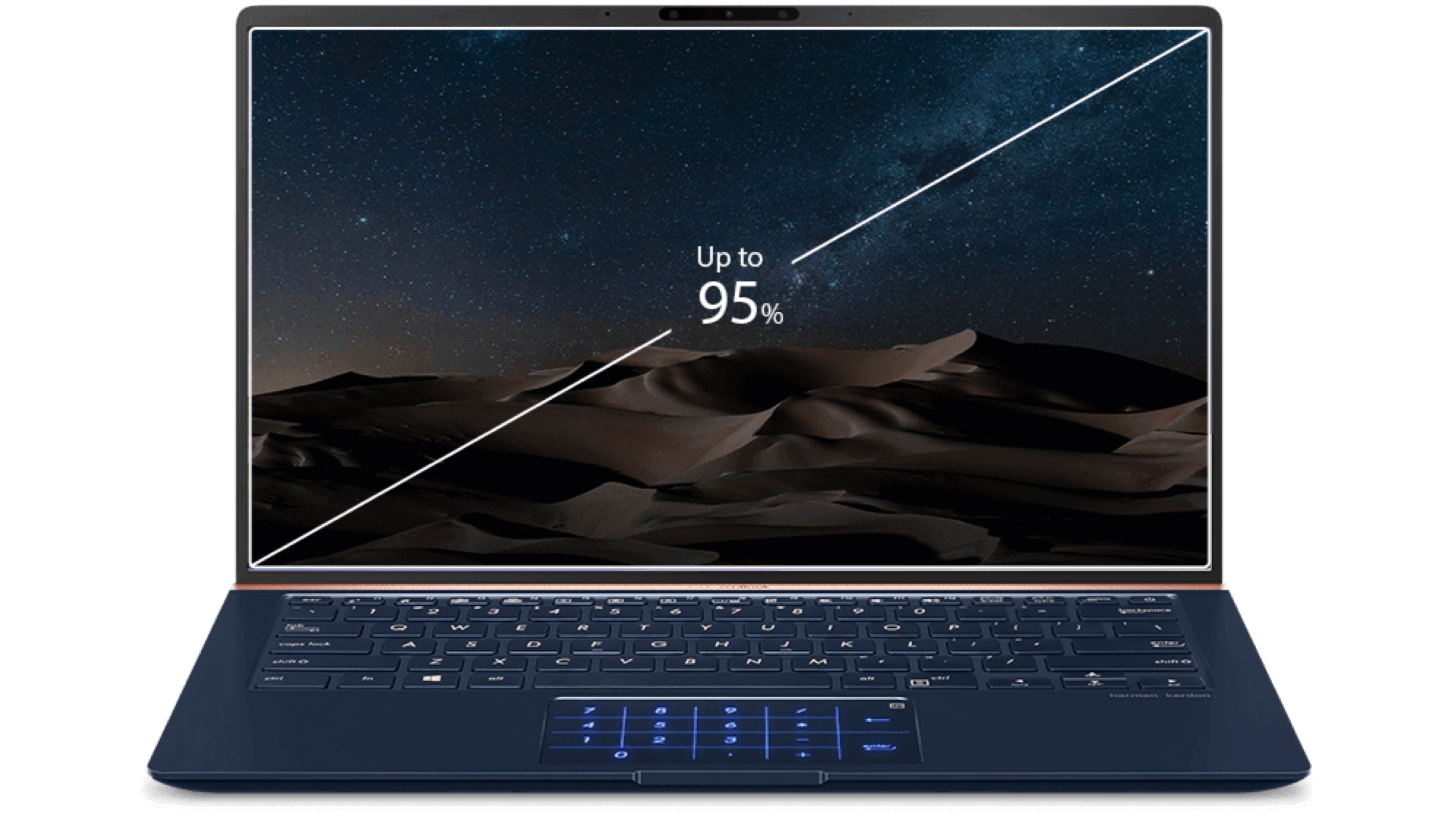
    Asus has updated the ZenBook lineup of laptops for the year 2019 with latest innards while retaining the established name. The screen size of the three laptop models corroborates with the suffix in their name. The device is available in three different screen size options which include 13 inch, 14 inch and 15 inch. One key highlighting features of the ZenBook trio is the trackpad which doubles up as a secondary 5.65 inch display. The said display which is similar to one present on modern smartphones can be enabled or disabled by pressing the F6 key. The notable features this display can be used for include playing music, watching videos or play games like candy crush.

    Talking about the specifications, the Asus ZenBook trio can be configured with Intel Core i7 CPUs along with Nvidia GTX 1650 Max Q GPU. In terms of memory and storage, the laptops support upto 1 TB of SSD storage and 8 GB of RAM. Input/Output ports on the three laptops are as follows:


    • 1 x USB 3.1 Gen 2 Type-C (up to 10Gbps)
    • 1 x USB 3.1 Gen 2 Type-A (up to 10Gbps)
    • 1 x USB 2.0
    • 1 x Standard HDMI
    • 1 x MicroSD card reader
    • 1 x Audio combo jack
    • 1 x DC-in
    Asus ROG Theta Gaming Headsets

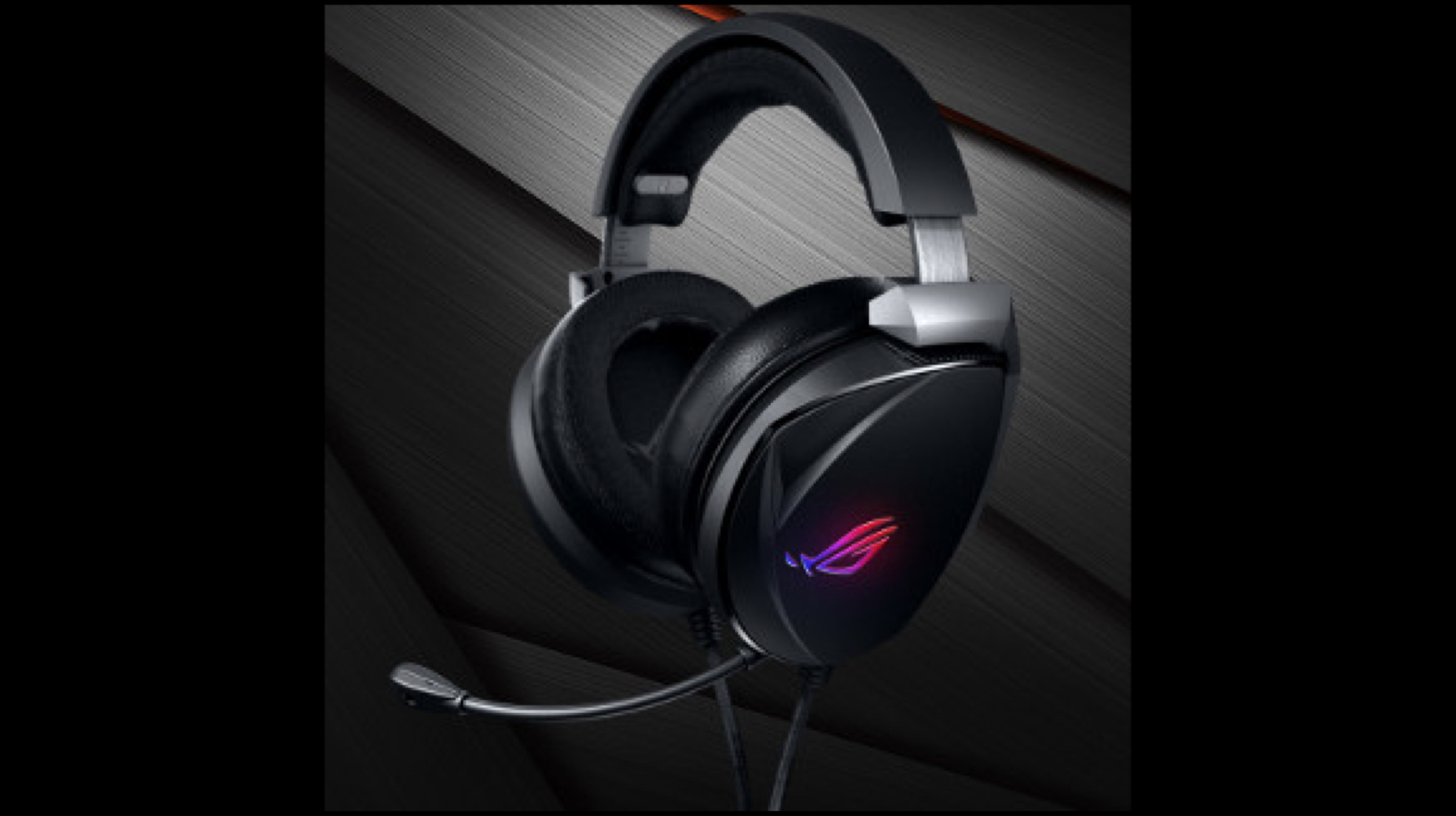
    The company has unveiled two new pairs of flagship gaming headphones under the Theta sub brand which include the ROG Theta and ROG Theta Electret. The former has 8 Essence drivers with the largest being 30 mm in size. The headphone produces 7.1 surround sound output and supports AI powered noise cancelling microphones. On the other hand, the ROG Theta Electret is a pair of Analogue headphones with an impedance of 32 ohms and silver plated copper cables. 

    Asus VivoBooks

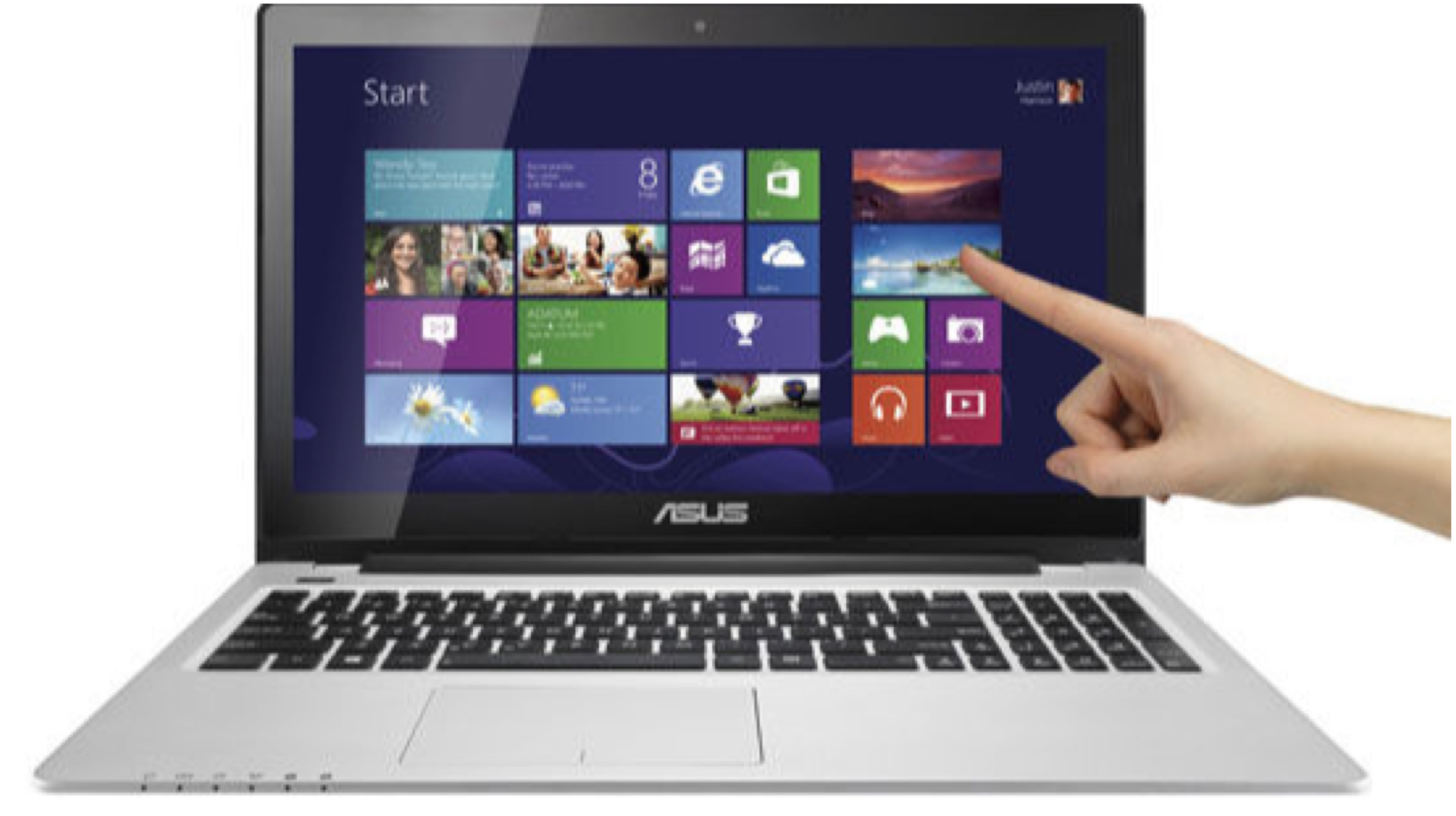
    In addition to the ZenBook Pro Duo laptops and ZenBook laptops, Asus also unveiled updated VivoBooks. Like the ZenBooks, the new VivoBooks also have a ScreenPad 2.0 secondary display. Notably, the VivoBooks are economical than the ZenBooks, however, they still pack worthy features. They can be kitted with upto Intel Core i7 processors and Nvidia MX 250 GPU. The laptops feature Harman Kardon speakers that are claimed to have impressive sound output. They also have an ErgoLift hinge which raises the laptop from the surface for better airflow resulting in cooler temperatures while running heavy tasks.

    Also Read: OnePlus 7 Pro Nebula Blue Edition To Go On Sale For The First Time In India

    Pricing and availability of the newly launched products are yet to be announced which will be made available in the near future. 


iGyaan Network
Privacy Overview

This website uses cookies so that we can provide you with the best user experience possible. Cookie information is stored in your browser and performs functions such as recognising you when you return to our website and helping our team to understand which sections of the website you find most interesting and useful.