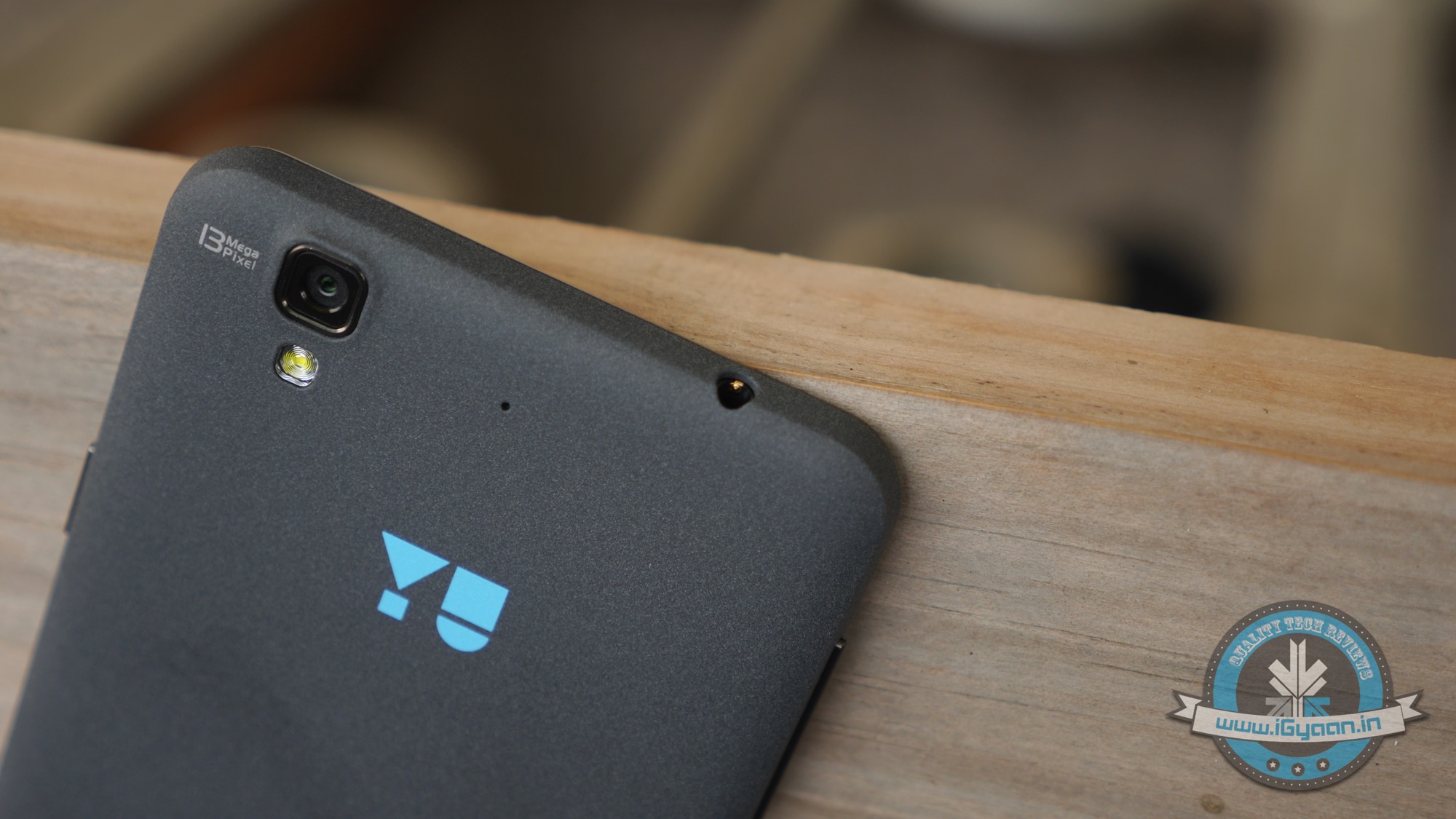
Micromax subsidiary YU held the eighth flash sale today on Amazon India. Even after months of its launch, it has received an amazing response from the users. The flash sale kicked off today at 2 pm and the flagship killer went out of stock in mere 7 seconds.
Amazon India took to Twitter to confirm the same –
The YU Yureka is an easy favourite since it offers superior specifications at a budget price of Rs. 8,999. The 5.5-inch device runs on Android-based Cyanogen OS 11 and features Cat. 4 4G LTE connectivity. With 64-bit 1.5GHz octa-core Snapdragon 615 SoC, 2GB RAM, and 2500mAh battery, YU Yureka offers a massive rear camera of 13MP.
Meanwhile, the Indian electronics brand has announced the successor of its first smartphone. Codenamed “Project Caesar“, the phone will come with the Android Lollipop version of Cyanogen OS.
Android is the undoubted top dog of the smartphone operating system. Its closest adversary, the iOS lags behind in terms of market numbers. There is no third party challenger to its dominance either; major operating systems like Windows, Blackberry, Firefox, etc. are still struggling to create a space for themselves. In this situation, some companies are looking at Ubuntu as an alternative to the behemoth called Android.
Ubuntu is one of the most popular Linux-based operating systems in the world. It is a light operating system that is developed by UK-based Canonical Ltd. and is offered free of cost. Canonical had previously announced the smartphone version of Ubuntu back in 2013 and tried unsuccessfully to fund it through crowdfunding. The company later partnered with mobile makers BQ and Meizu and the operating system is now finally seeing the light of day.
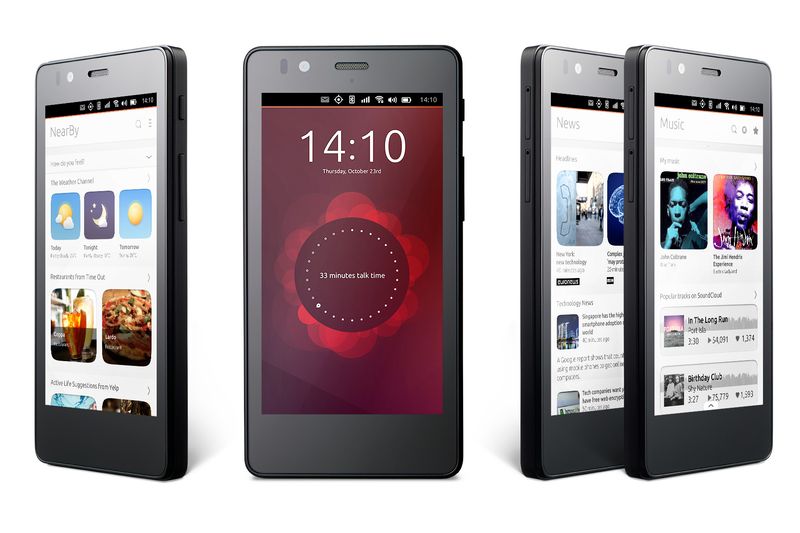
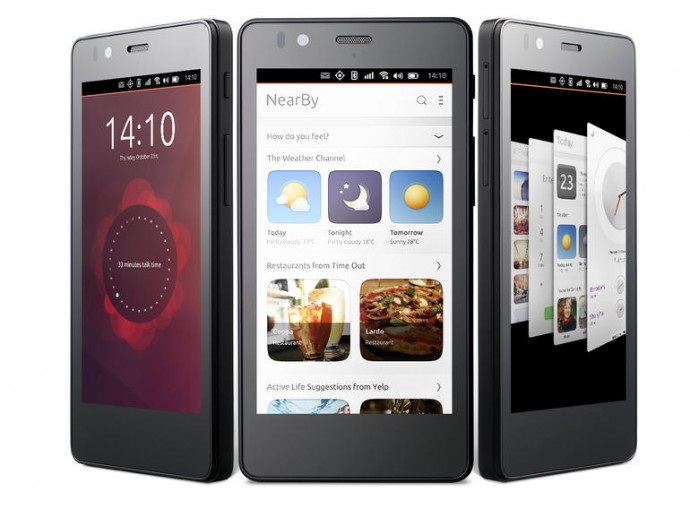
BQ’s Aquaris e4.5 Ubuntu Edition
At the MWC 2015, BQ and Meizu showcased their Ubuntu based devices. BQ had already unveiled its Ubuntu device earlier, and it is called the Aquaris E4.5 Ubuntu Edition. It comes with a 4.5-inch qHD display along with a 8MP camera and is powered by a 1.3 GHz quad-core MediaTek processor. This will be an affordable device and will be priced at $195 (Approx. Rs. 12,000).
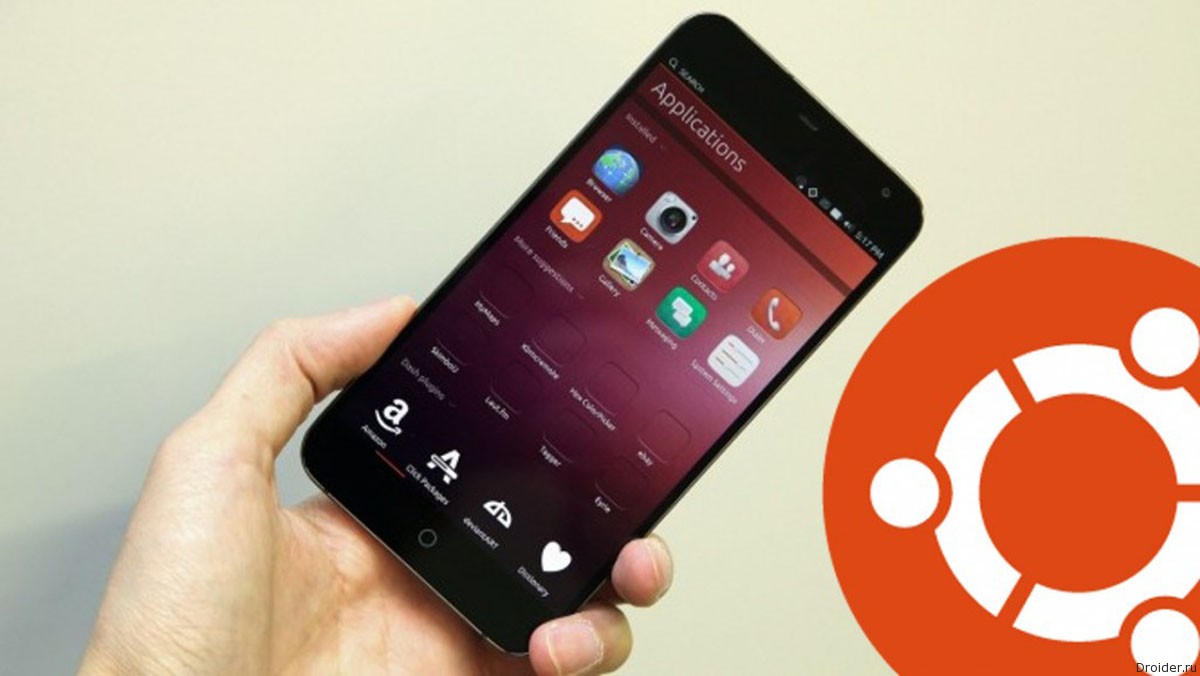
Meizu’s phone, on the other hand, is based on its MX4 handset. It flaunts a 5.36-inch 1920 x 1152 display with a 20-megapixel camera and is powered by an eight-core MediaTek 6595 processor. This phone will have a better appeal in the market in comparison to the offering by BQ.
Meizu’s MX4 Ubuntu has better features and design amongst the two devices.
The Ubuntu OS is fairly new and would lack the apps that would attract the consumers. To make it easy for developers to easily create apps for the ecosystem, the OS offers categorized home screens called ‘Scopes.’ This scopes can be used to plug in content from apps like Instagram, Grooveshark, Soundcloud, etc. The company says that by using these specific Scopes, developers wouldn’t have to go through the lengthy process of coding apps to optimize them for Ubuntu.
Canonical also has long term plan for the ecosystem, and it intends to bring seamless interconnectivity between the various Ubuntu devices. But it is still unsure as to how this operating system would challenge the dominance of Android and attract consumers to a new user experience. We’ll only know for sure about he prospects of the Ubuntu OS when the devices finally come to the market.
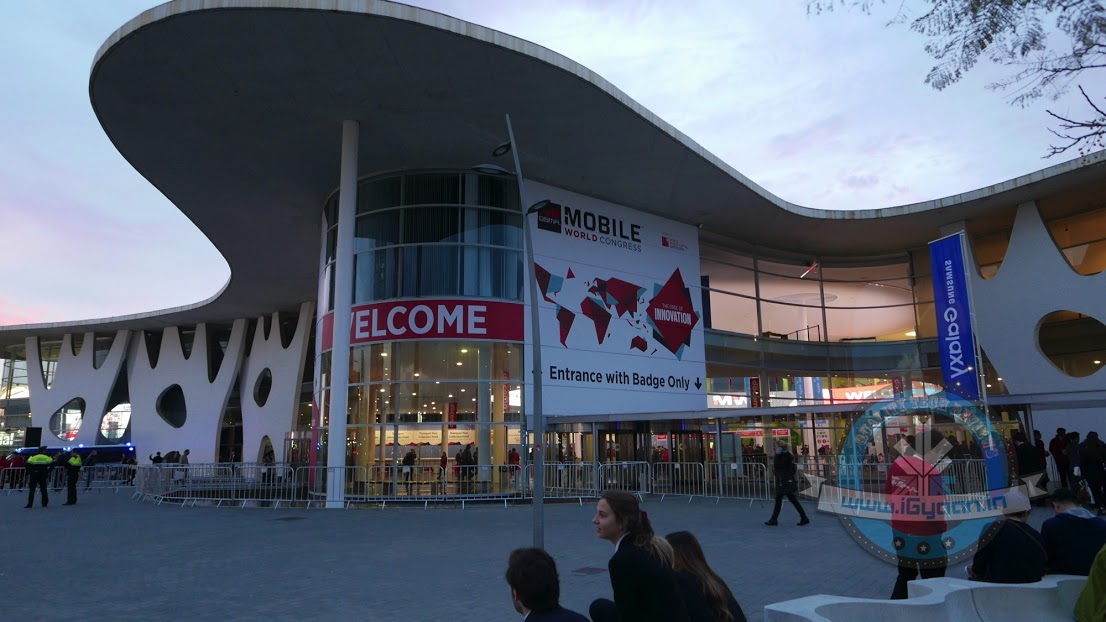
This year’s MWC in Barcelona was no different, we saw a slew of innovative devices – from curved to waterproof smartphones to super-thin tablets and trendy smartwatches. With the Mobile World Congress in Barcelona coming to a close, we have handpicked some of the best moments from this year’s edition.
Here’s our pick of some the best products showcased at this year’s MWC.
Samsung Galaxy S6 and S6 Edge
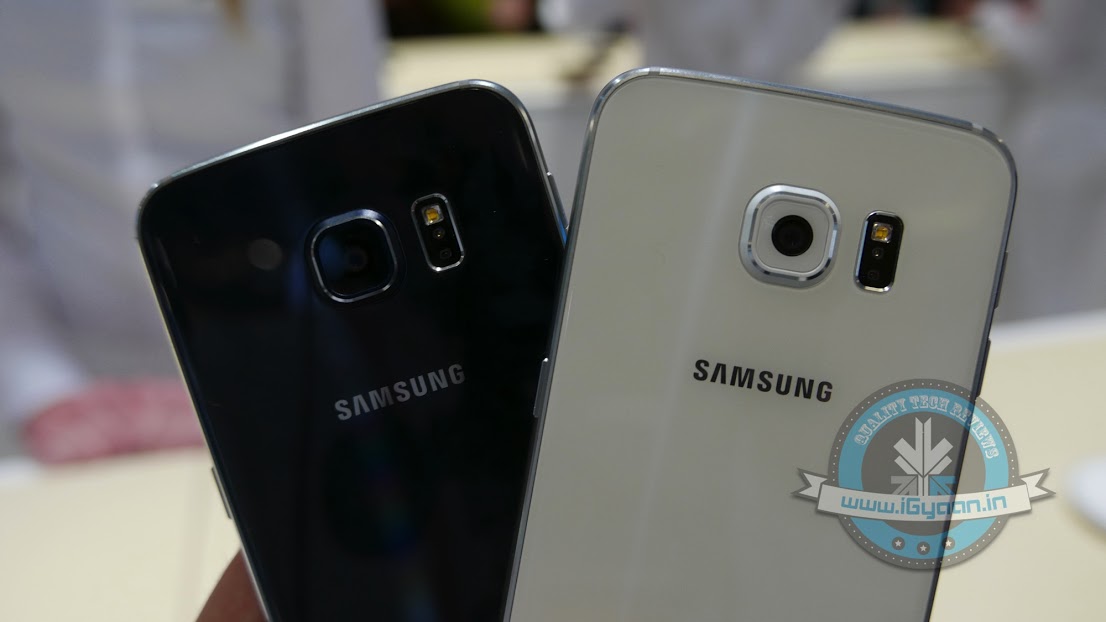
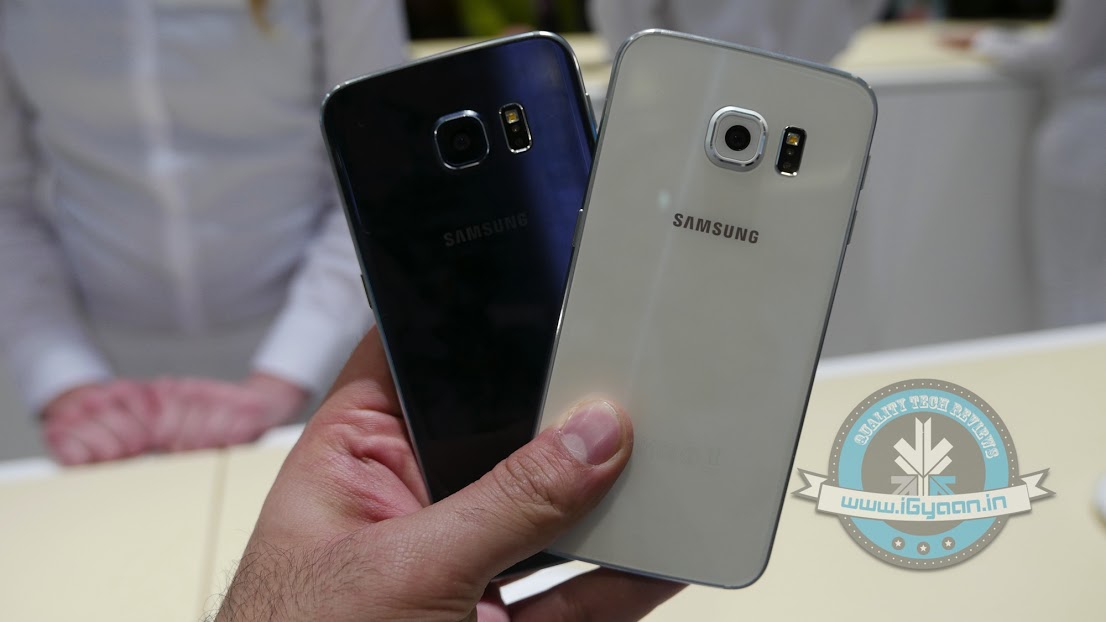
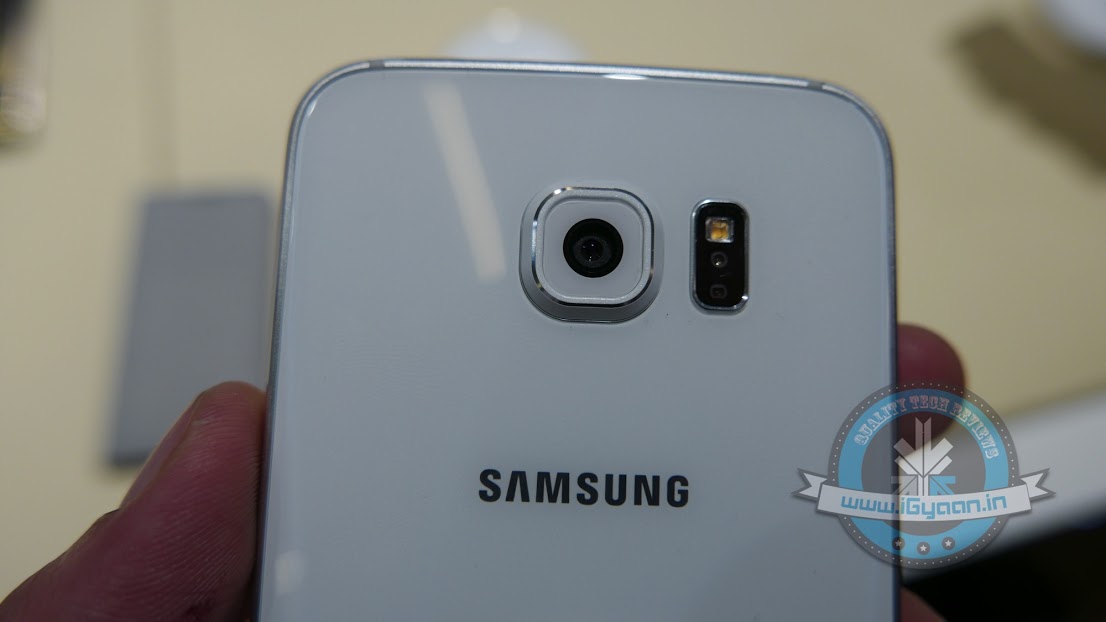
As expected, Samsung announced two versions of the flagship – one with the standard screen while the other one is a curved display. Samsung has certainly improved upon certain aspects of its current flagship. Despite having a non removable battery, the design is certainly a notch up compared to its boring bland predecessor. And how can we miss out on the S6’s curved sibling, the S6 Edge is one weird looking thing you might actually want. Do check out our exclusive hands on with the S6 and S6 Edge here.
HTC One M9
The latest flagship from the Taiwanese manufacturer gets an all new classy outer shell. A slightly beefier 64 Bit Qualcomm Snapdragon 810 runs this handset along with 3 GB of RAM and 32 GB of storage. Some would argue HTC has brought the same design aesthetics with its latest flagship, we quite like the device. Everything runs on a highly optimized 2800 mAh battery, bundled with Android Lollipop 5.0.2 out of the box and HTC’s new Sense 7 promises a major improvement in the battery life, and out of experience there is a big difference. The quick charge also improves the charge times and you will be on the go in just a few.
Check out our exclusive hands on with HTC’s latest flagship here.
Sony Xperia Z4 and M4 Aqua
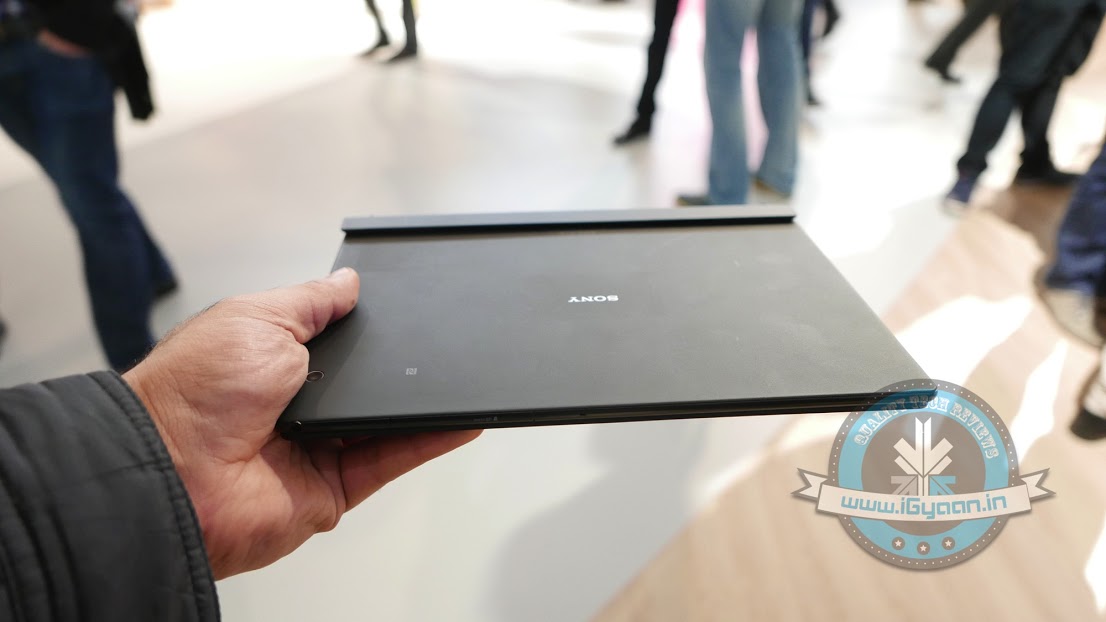
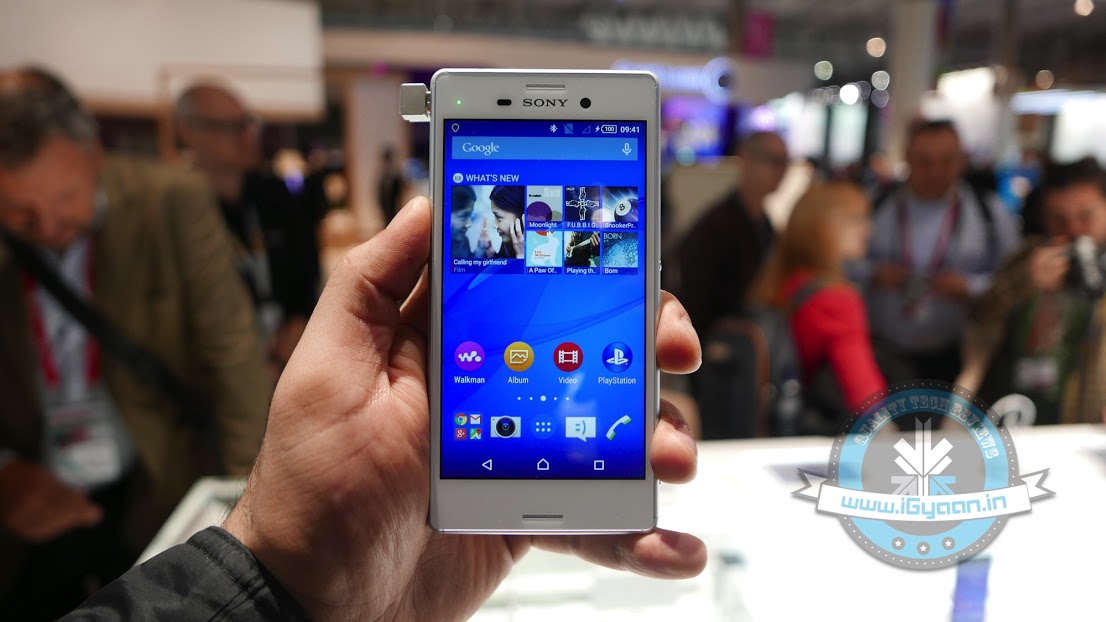
Sony pretty much surprised all of us by not launching a successor to the Xperia Z3. Though they did announce a super sleek Xperia Z4 tablet along with a IP68 certified Xperia M4 Aqua smartphone.
The Xperia Z4 tablet is about as slim a tablet can get, with thickness at a mere 6.1 mm and weighing a meager 393g. The device will work with PlayStation 4 Remote Play, allowing users to stream the games straight on the console. The tablet will launch in two variants – LTE and Wi-Fi-only.
Meanwhile, the M4 Aqua, as the name signifies is a IP68 certified water proof device, which prevents it from any damage until 1.5m underwater for up to 30 minutes. It’s got everything you would ask of a mid range smartphone. We were left quite impressed with device during our initial hands-on.
HTC Vive
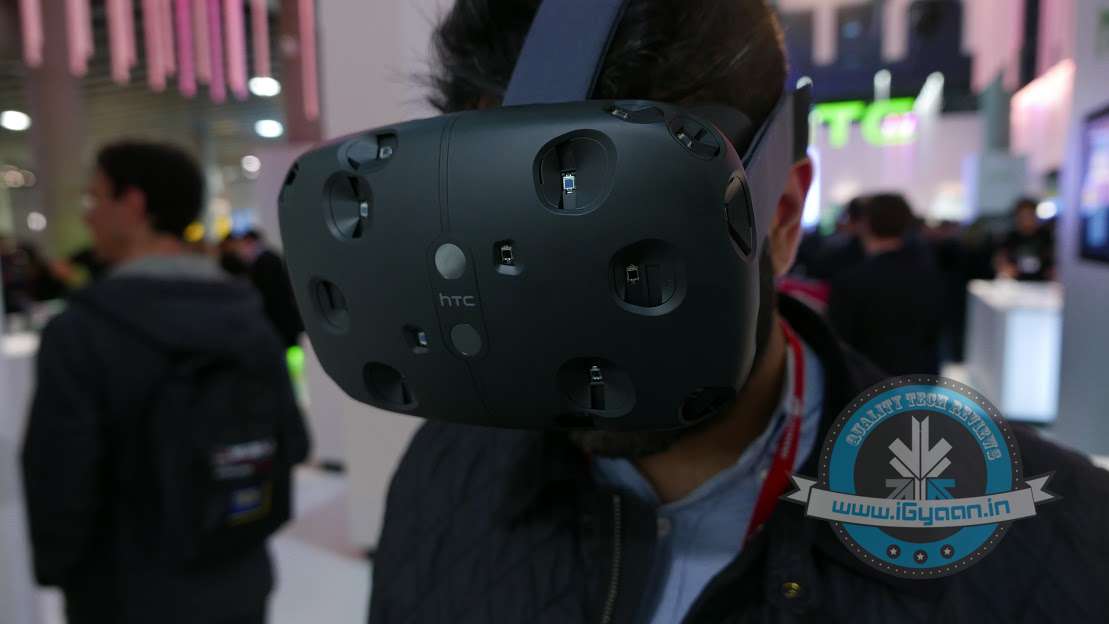
It seems we finally have a headset that really matters. HTC and gaming giant Valve tag team to bring out their own Occulus competitor – the HTC Vive. Everyone’s going bonkers over its dual 1200x1080p resolution display experience, which according to iGyaan’s Editor-in-Chief isn’t easy to describe.
HTC has collaborated with many game developers such as Vertigo Games, Wemo Labs, Google, Owlchemy and others to generate content for the HTC Vive. The headset is slated for a launch this year, it seems the VR war gets more intense by the day.
Do check out our exclusive heads on with the HTC Vive.
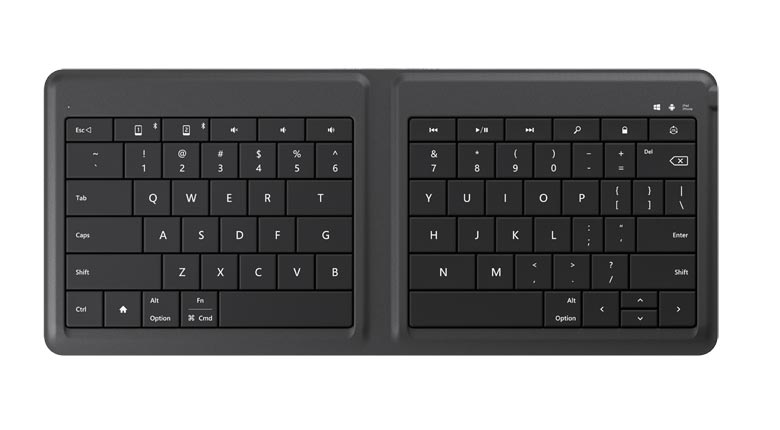
Microsoft’s Folding Keyboard
Microsoft has been coming up with some great accessories recently, and the Redmond giant yet again showcased a nifty little folding keyboard for iOS and Android. A great alternative for those constantly on the move, it certainly redefines the whole concept of a portable keyboard.
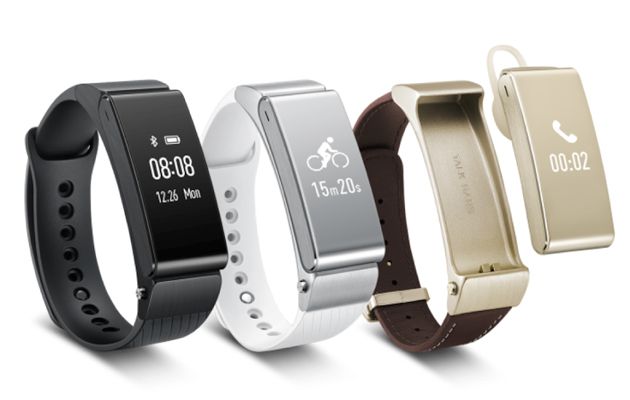
Huawei Talkband B2
Huawei announced its Talkband B2, an enigma of sorts as it acts as a fitness band, an earpiece, all merged into one. It can make calls when paired with an Android device or an iPhone, act as a fitness tracker, but what is really amazing is the fact that it can transform into an earpiece.
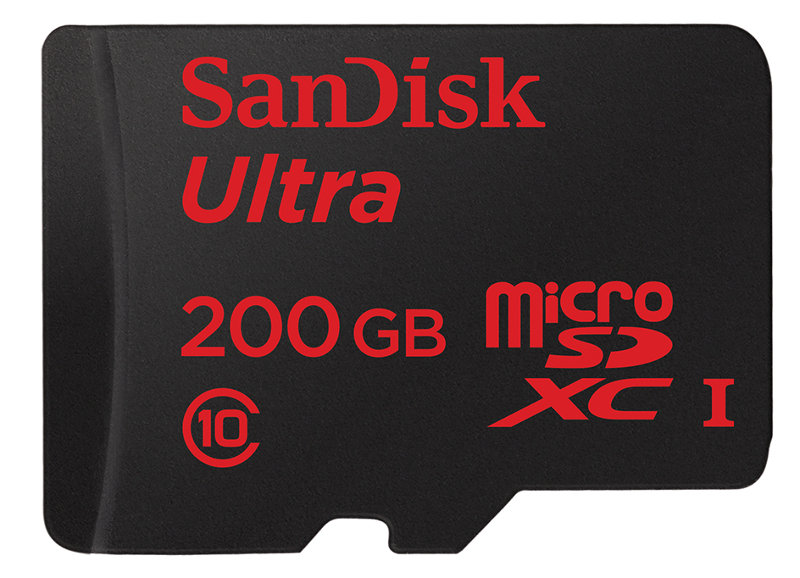
Sandisk’s 200GB Memory Card
Sandisk announced a massive 200GB microSD Card at MWC 2015, claimed to be the largest commercially available microSD card. The card will sell for about $400 when it arrives in Q2 of this year, and your phone should be compatible with SDXC standard to make the card work. It is claimed to have transfer speeds of about 90MB per second, or approx. 1,200 photos per minute.
In a bid to stay informed about the callers’ identity, an intelligence agency has asked the Department of Telecommunications (DoT) to block the use of WePhone app. The tool allows you to conceal the identity of the caller.
Mr. Ravi Shankar Prasad, Minister of Communications and IT, enlightened members of Lok Sabha about the issue –
A reference from an intelligence agency was received by the Department of Telecommunications to block the ‘WePhone App’ which facilitates its subscriber to spoof the Calling Line Identification (CLI) through Voice over Internet Protocol (VoIP) platform.
The WePhone app works on the simple mechanism of transferring the call to the server abroad, which marks for the original location of the caller. This makes it really difficult for the intelligence agency to track the location of the call.
DoT formed a technical committee who found out that a number of computer or mobile applications can be skipped from the getting identified. Mr. Prasad talked about the committee report saying, “Based on the recommendations of the committee, the matter was taken up with the Group Coordinator, Department of Electronics & Information Technology, who issues the direction for blocking such identified websites.”
The statement depicts the intentions of the intelligence agency in clear light, but it is yet not confirmed if the government has carried out the request.
Apple’s bigger and better iPhone 6 and the Plus versions were a game changer. They successfully reminded the world why the company is the top smartphone maker in the world. They are a major reason for the enhanced demand of iPhones in the past year. The Cupertino-based beast is not lost among the admiration, and is working towards bringing out an even better iPhone 6 successor.
The next iPhone, expected to be called the iPhone 6s, is in works. The information came through a reliable source of Apple Insider who said that the next iPhone will ship with an upgraded 2GB RAM and an Apple SIM. The inclusion of 2GB is long overdue, and with the latest Apple flagships packing so many unique features, this bump up was much required. All iPhones released after iPhone 5 pack 1 GB of RAM.
The concept of Apple SIM debuted last year when it was fitted onto the iPad Air 2. The source says that Apple may pre-install the SIM on the next iPhones so that users can choose from a variety of short-term plans from select carriers in their countries for the devices.
Apple Insider has also stated the possibility of Force Touch on next iPhones. The feature was introduced with Apple Watch, which makes the device a bit brainy. Force Touch uses tiny electrodes around the flexible Retina display to distinguish between a light tap and a deep press, and trigger instant access to a range of contextually specific controls. This feature adds the possibility of embedding more gestures on to the device.
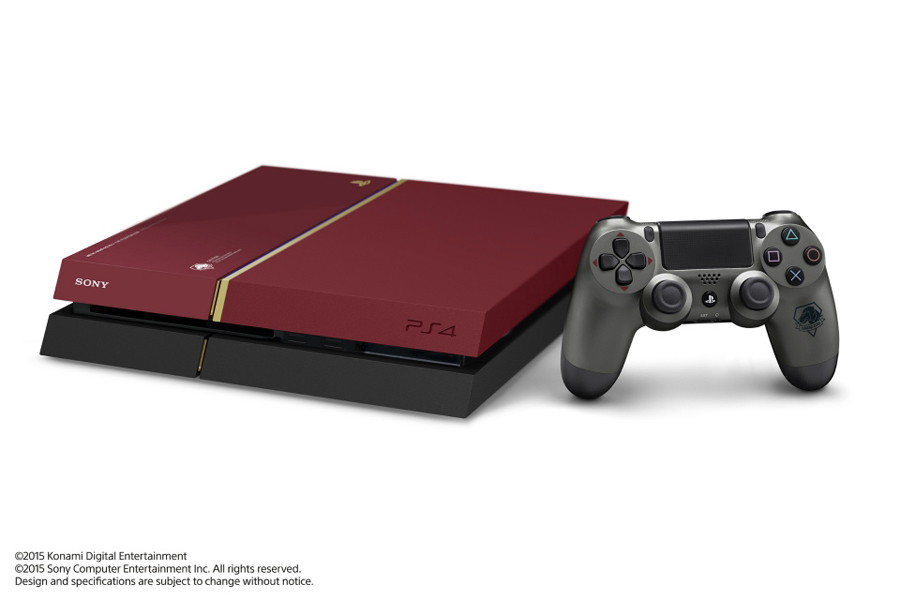
Sony has announced a limited edition PlayStation 4 inspired by the wildly popular stealth action title Metal Gear Solid 5: The Phantom Pain. The limited edition version has been announced in Japan for now, though we’re not sure whether it’ll be announced globally.
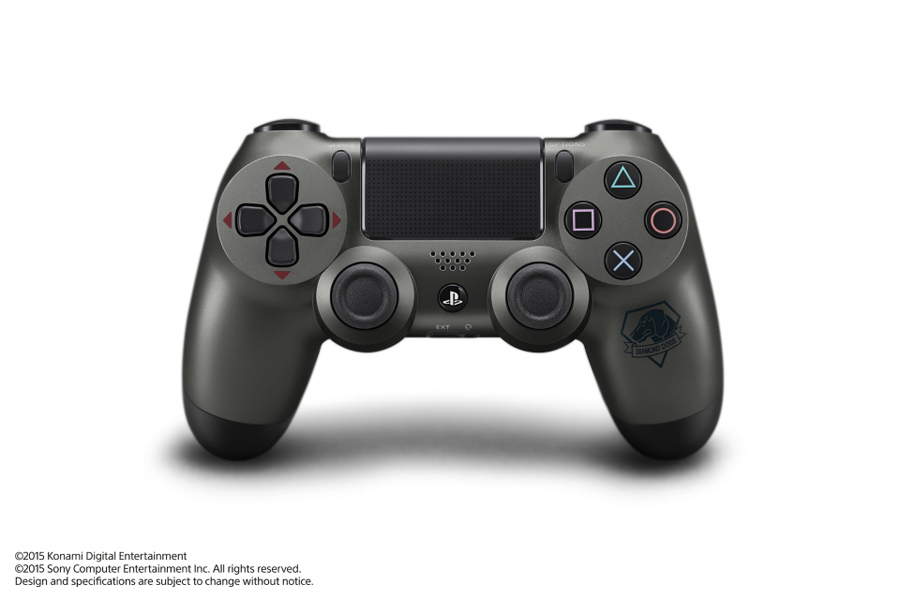
The limited edition console is one hell of a looker, made in collaboration with Konami’s Hideo Kojima. The console gets the same colour as Snake’s Bionic arm, while the DualShock 4 is inspired by the assassin’s gun with his logo emblazoned. We won’t mind getting our hands dirty on this badboy!
Meanwhile’ Konami has also officially announced the release date for Metal Gear Solid V: The Phantom Pain. The title will launch on all major consoles except Wii U on September 1, while the game will be released for the PC on Steam on September 15. Hideo Kojima also mentioned that MGS5 will be the final chapter of this epic franchise.
Sony also announced its retro themed limited edition console back in December marking their 20th anniversary.
Avengers: Age of Ultron is the most anticipated cinematic adventure of 2015. The movie will get together all the big boys and the badass lady of the Marvel Cinematic Universe(MCU) for the second time. The wait will come to an end on May 1 when the film finally comes to the big screen, but Marvel is leaving no stone unturned to keep the hype going. The Hollywood mega brand has brought out the third trailer for the new movie, and it has everything that will get you excited to pre-book the tickets for the first day of release.
The Avengers are facing their most formidable enemy yet, and they seem overpowered by Tony Stark’s own creation, the Ultron. We get to know more about the epic villain who is voiced by James Spader. The surprise element of the trailer, of course, is the first look of the Vision, who’ll be played by Paul Bettany, who till now was the voice of Jarvis in the MCU movies. In the movie, Vision will be created by Tony Stark to take on Ultron, so that will be a battle worth watching.
The trailer also packs in some hilarious moments that we have come to anticipate from Marvel’s awesome projects, both on the big screen and television. With director Joss Whedon at the helms, you can be sure that your inner nine-year-old will be unleashed for a couple of weeks after watching this movie. Time to set up the reminder to book the tickets for the first show.
LG was one of the major company that didn’t bring out any major flagship device at the MWC. LG said that they needed to do work on their new device and hence decided to postpone the launch of this year’s flagship. Instead, the company brought four mid-range devices at the conference. The Korean company though had some big news in its kitty; it announced that it would be bringing a new flagship that will be a step above the G-series.
LG Electronics Mobile chief Cho Juno said that the company is working on a new device that will have higher specs than the G4. This device will be brought to the market in the second half of the year. This means that the LG G4 would be losing its status as the LG flagship. There aren’t any more details about this new device as of yet.
Cho Juno did talk about the upcoming LG G4 and gave away some details about the new device. The new G4 is expected to be radically different from the previous generation G-series devices, both inside and outside. It might feature a new metal body along with an overhaul of the software too. They will be unveiling the new LG UX 4.0 before the announcement of the G4. The phone might be announced in the coming few months.
Mr. Juno also said that the company is working on high-performance processors to break free from the Qualcomm ecosystem. There is an indication that the chipset might also appear in the LG G4, but that doesn’t seem like a possibility as of now. The company plans to bring the new chipsets to all the new handset offerings. Samsung has already powered its new flagship, the Galaxy S6 with its homegrown Exynos processor. It seems the companies are doing everything in their power to establish a unique space for themselves in the brutal terrain of the smartphone market.
Facebook’s non-profit initiative to connect the world, Internet.org, is successfully running in six countries. The company’s CEO Mark Zuckerberg is quite happy with providing limited free internet to remote areas and is planning to expand the service to 100 more countries by the end of this year.
Chris Daniels, VP of Internet.org at Facebook said in a statement –
The ambitious goal this year is to roll it out to 100 [countries]. We don’t want to focus so much on the number, but we want this to spread to additional countries, operator groups and… see more people coming online, buying data and voice and SMS bundles. The number is indicative of our ambitious goal.
Internet.org is a Facebook-led free internet program that works with data suppliers to provide free internet to people who can’t get online. It allows users to access basic sites like Wikipedia, job and health sites, and Facebook, of course. The service was launched back in 2013 and now it connects 7 million people of six nations across the globe – Zambia, Ghana, Kenya, Tanzania, Colombia and India.
Zuckerberg thought ahead and his idea really worked. Countries provided with free internet have seen a sudden jump of 40% in the internet data demand. People are willing to get associated with the world around seeing the power of internet via little demo, that is Internet.org.
Facebook’s step will draw more nations closer to each other and is a way to transform the developing nations into developed ones. Meanwhile, Facebook has teamed up with Google for Project Loon in establishing high-altitude balloons, a satellite-based network, to connect to connect people in rural and remote areas.
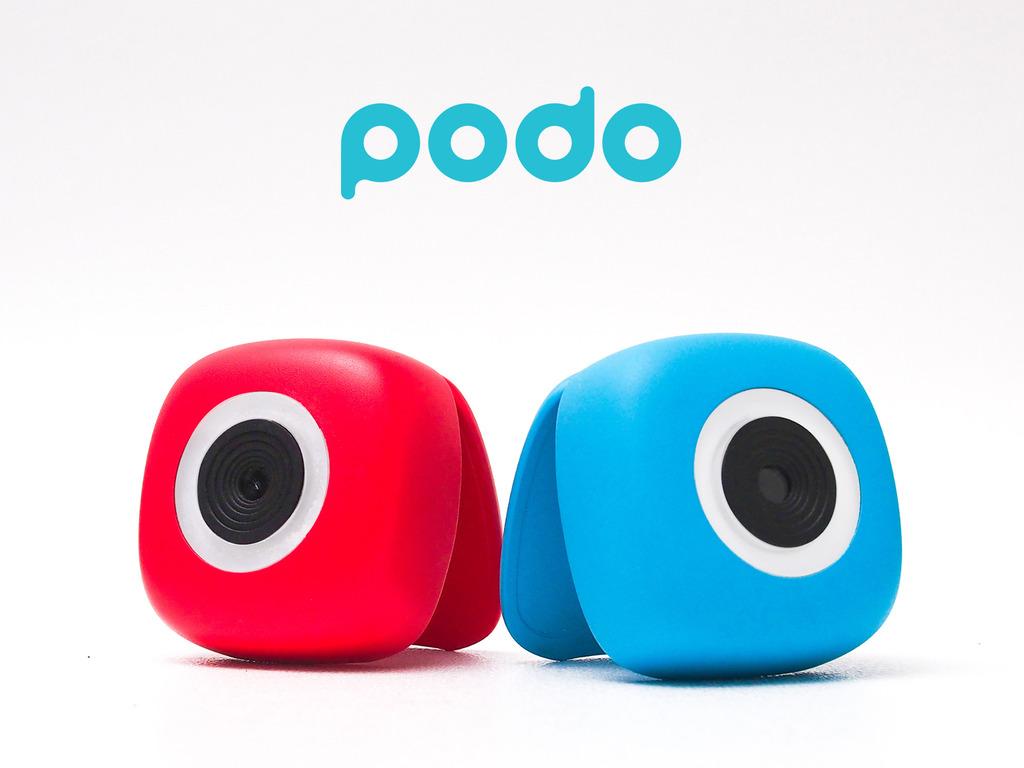
The Selfie culture refuses to die down. Every major pop culture personality has posted a selfie of their moment in time, even the Pope found himself in selfie. There has been a barrage of accessories in the market such as cameras, selfie sticks, drones and other products whose sole purpose is to give you that perfect self-portrait. A new Kickstarter project called Podo is a tiny camera that you can stick anywhere and use it to click selfies.
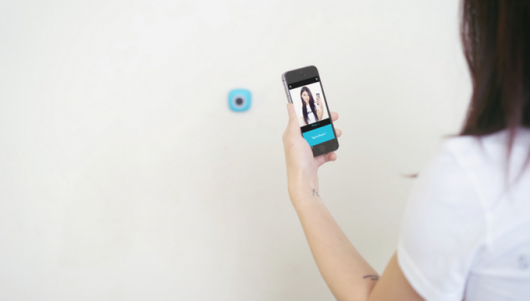
Podo is a tiny square camera that is easy to carry around and is ready to get clicking at a moment’s notice. It can take 8-megapixel photos and video at 720p/30 fps. It has 4 GB of internal storage and has a 600 mAh battery that the company says will be good enough for shooting two hours of video. The device can be controlled with an Android or iOS smartphone through Bluetooth and the companion app. It also has a ring flash with 8 LED’s which lights the scenes better than the conventional flash.
The camera offers multiple shooting options. You can set it to click single snaps, double exposure and burst sequences. You can also use the video mode that records 15-second clips for your Instagram feed. Podo also lets you shoot timelapse in Auto Mode and exports it in the form of video or animated GIF.
The USP of the device, of course, is that it can be stuck on any solid surface, as claimed by the developers. The stickable back is attached to a hinge that lets you adjust the tilt of the camera which will be convenient for the users to frame their images.
On Kickstarter, Podo has managed to generate a lot of buzz. As of now, It has gathered $93,708 against its goal of $50,000 with 47 more days to go. Early backers will get to own the device for $79 which is fairly pocket-friendly. So if you are a selfie maniac, this device looks like a must have for you.
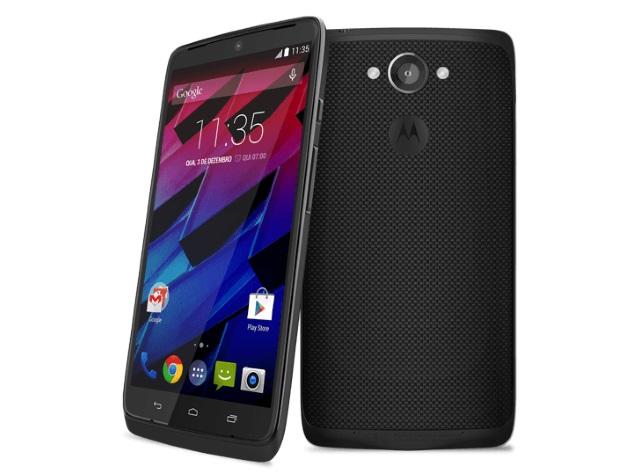
Motorola released Moto Maxx, a phone with 3,900mAh battery, in November last year and now the phone is arriving in India with a new name ‘Moto Turbo’. The India Head of the company Amit Boni confirmed the same in an interview with Times of India. Boni stated:
We will be launching the Moto Turbo for our consumers, which has the latest Qualcomm processor, high-resolution 21MP camera and long-lasting battery life with a 3900mAh battery, and is built on pure Android for the fastest, most flexible and easiest user experience. The price will be worth it.
The US-based firm claims that Moto Turbo aka Moto Maxx sustains up to 48 hours of mixed usage. Also, there is company’s Turbo Charger support with the phone that powers the device for eight hours of usage in just 15 minutes. Other specifications include a 5.2-inch QHD (2560×1440 pixels) display, 2.7GHz Snapdragon 805 quad-core processor, 3GB RAM, and onboard 64GB memory space.
Seeing the top-notch specs, it can be estimated that the device will fall in the high-end segment. Meanwhile, Motorola is rolling out Moto E (Gen 2) in India on 10th March.
Samsung finally launched its long awaited and much hyped Galaxy S6 in two variants. The Korean electronics giant has faced a lot of criticism in the past for their lackluster devices and boring user interface. So when the time came to answer the criticism, Samsung went back to the drawing board and introduced two new designs for its flagship.
Let’s look at the upgrades in these new Samsung flagship and how it can take on its competition.
The Edge Samsung Needed
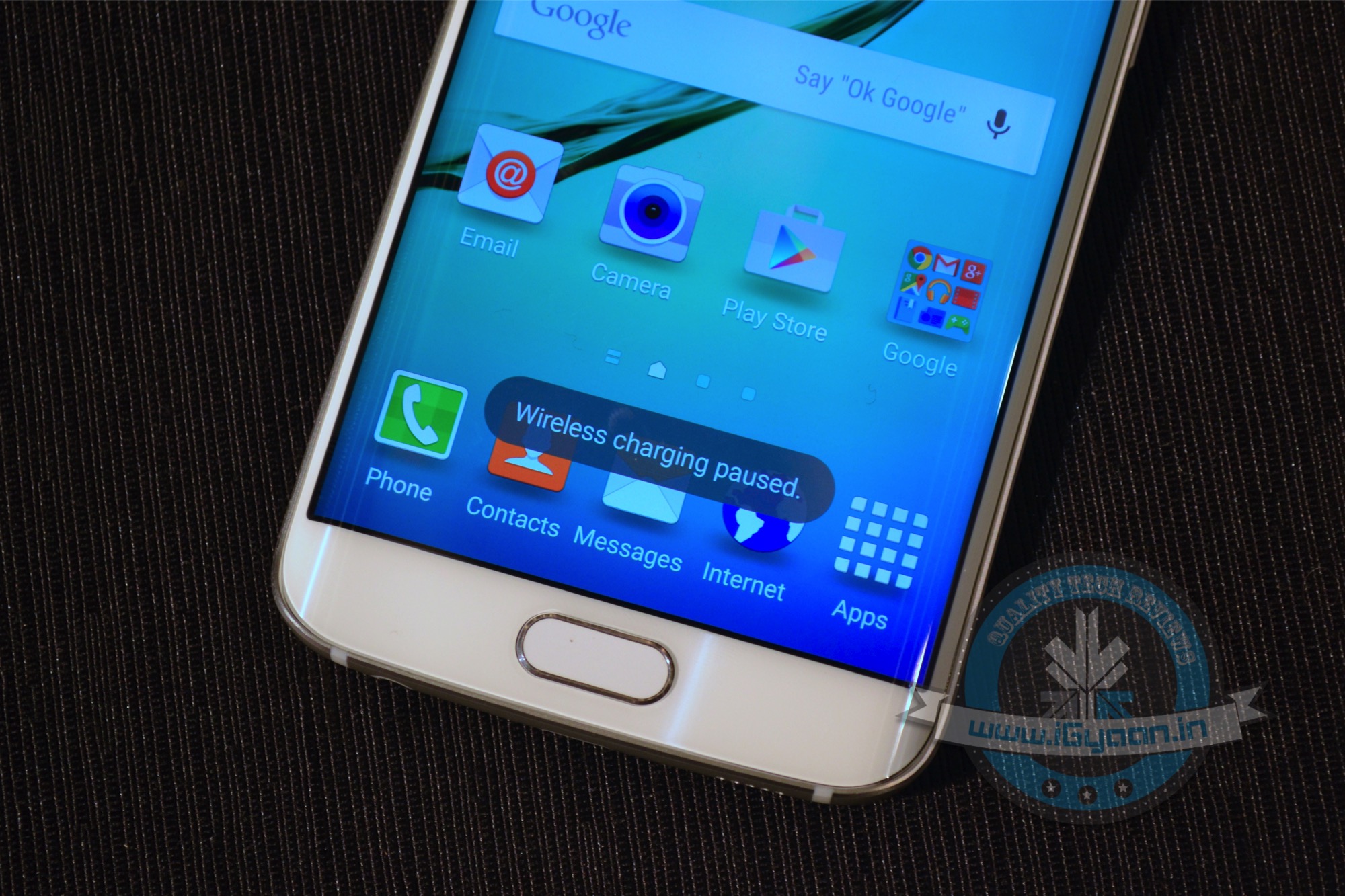
Samsung has been getting heat for its design for a while, but this new metallic look is surely a winner. The S6 Edge especially flaunts a design that looks sleek yet refreshingly new. The price of the device will definitely sting the potential buyers, but it will also give the satisfaction of owning a one of a kind device. The Edge display also offers new features like color coding some contacts so you can know who is calling based on the color displayed by the edge light. The devices are also strengthened with Gorilla Glass 4 on both sides. Smudges may be an issue on this back case, but it sure gives a premium vibe, unlike any other device from Samsung’s stable.
First Samsung Flagship With a Non-Removable Battery
Samsung has for long stuck with the removable battery as it claimed it offered more convenience to the user, but this time around the company has taken away that access. At the launch, the presenter said that they have reached a point where they are confident about the battery performance and hence have introduced a uni-body design. Samsung has also added a fast charging feature that will give the handset 4 hours of juice with just 10 minutes of charging.
Wireless Charging, The way it should be
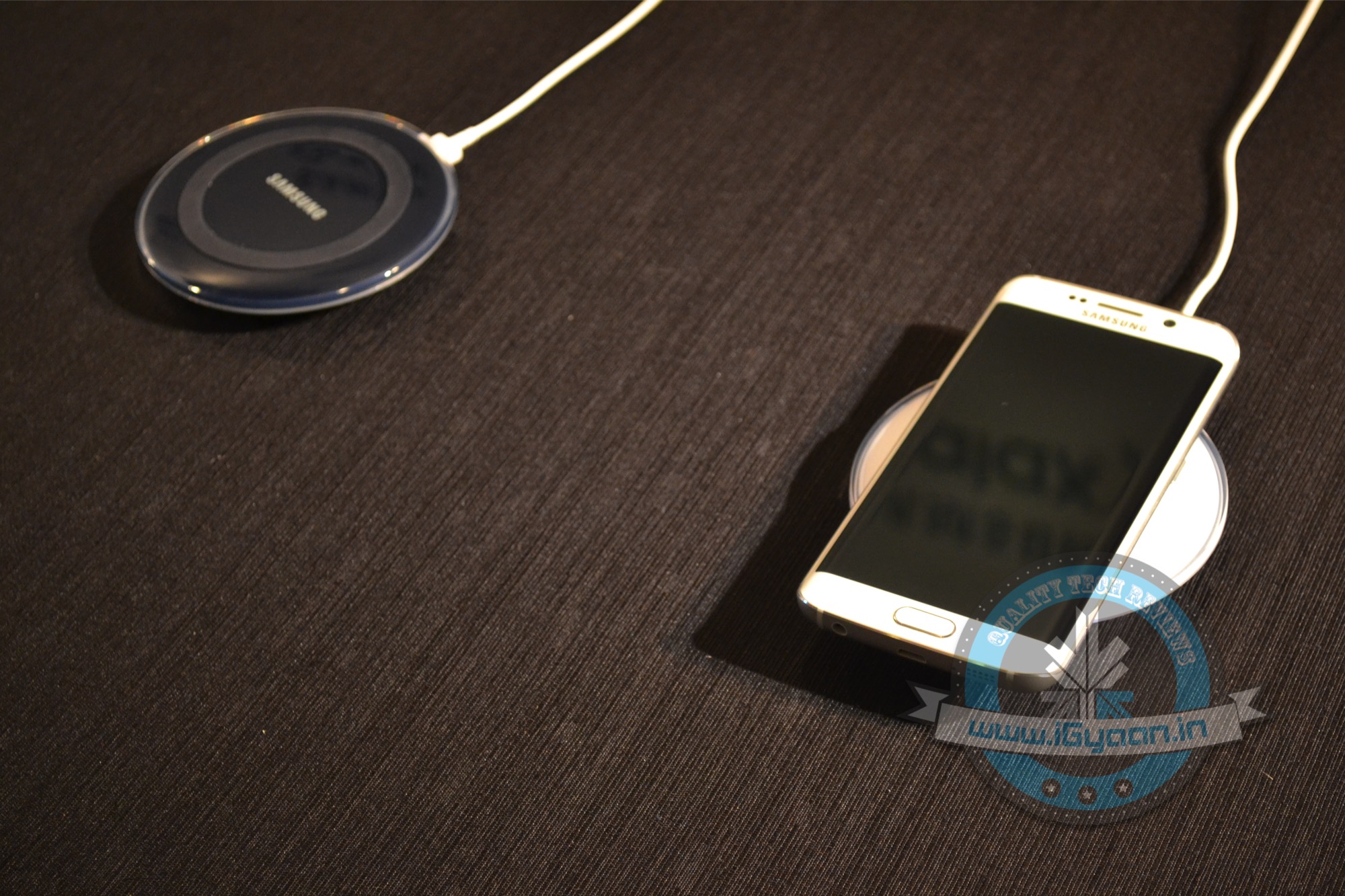
Its 2015 and we are still haggling with the cables the way we did when the first desktop computers came out. Wireless charging technology has been around for a while but due to certain technical issues, it hasn’t reached devices on the mass scale. The new S6 works with WPC platforms such as Qi charging as well as PMA systems that will let you charge your handset on most wireless charging pads.
Samsung Pay, the mobile payment platform for Now
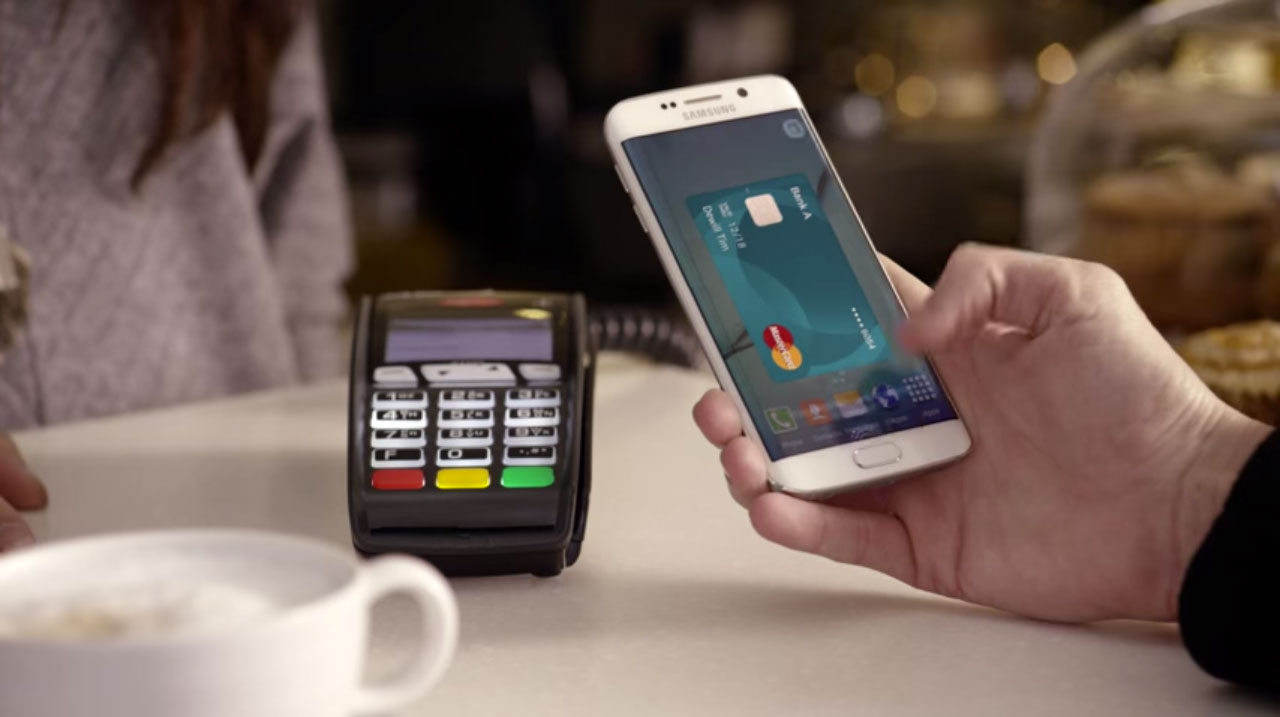
Apple introduced its mobile payment system last year but will take a while to reach the consumers as it depends on NFC. Samsung went way ahead in the mobile payment game with its offering called the ‘Samsung Pay.’ You now won’t have to wait for retail stores to get NFC payment systems as you can use your S6 to pay through conventional card readers. Just store the credit card information and tap the device on the card readers, and you are done paying. Samsung claims that the details of your transactions will only be visible to you, and no store, not even Samsung can track your card usage.
A Flagship worthy camera
Samsung has put some efforts into the camera of the Galaxy S6, both in terms of hardware as well as the software. The main camera is a 16 MP shooter with OIS that means clear images with no shakes, whereas the front camera is a 5 MP selfie shooter. It has offered a 1.9 mm lens on both sides of the device that attracts more light and hence gives clear, sharp images. The company understands the importance of the camera in the times of social media and hence has introduced instant access to it. By just hitting the home button twice, you will get instant access to the easy to use camera interface. Samsung claims that this gesture control lets you access the camera in just 0.7 seconds so that you won’t have a missed moment with the new Galaxy S6.
To Conclude
Overall this launch from Samsung does address most of the criticism levied on it earlier. The new design language is impressive, and we hope that the company trickles it down in its product portfolio to the lower priced devices. You can also say that Samsung has got the edge display right this time around, as experts had previously expressed concerns about the effectiveness of dual sided curved display. Now we have to wait till it reaches the market to know how it fares with the customers.
Stay tuned for the in-depth reviews of Samsung’s new big boys and more on technology, only on iGyaan.
Watch our hands on with Samsung Galaxy S6 and S6 Edge here:
Thanks to a newly discovered security flaw, millions of users surfing through mobile browsers of two top companies are now vulnerable to hackers. Codenamed as FREAK (Factoring RSA Export Keys) attack, the flaw allows hackers to intercept the electronic communication of Apple’s Safari and Andriod browsers from Google.
As of now, researchers haven’t found any evidence of the flaw being exploited by any hacker, but the companies don’t wish to take a chance. The internet search giant, as well as Apple, are working in a direction to fix it.
According to the researchers, the problem has its roots in a decade-old U.S. government policy that prevents consumers from having access to secure encryption.
[quote text_size=”small” author=”Edward Felten” author_title=”Professor of Computer Science and Public Affairs at Princeton”]
This was a policy decision made 20 years ago and it’s now coming back to bite us.
[/quote]
The flaw is caused by poor implementation of the encrypted link between browsers and the websites visited by users. Researchers also found out that they could attack from websites that are considered secure, and make them use weaker encryption for easy hacking. These websites can range from official US government sites like Whitehouse.gov, NSA.gov and FBI.gov to banks.
Meanwhile, Apple has clarified that it will provide a software update to address the vulnerability by next week, while the former on will share the same through device makers and wireless carriers.
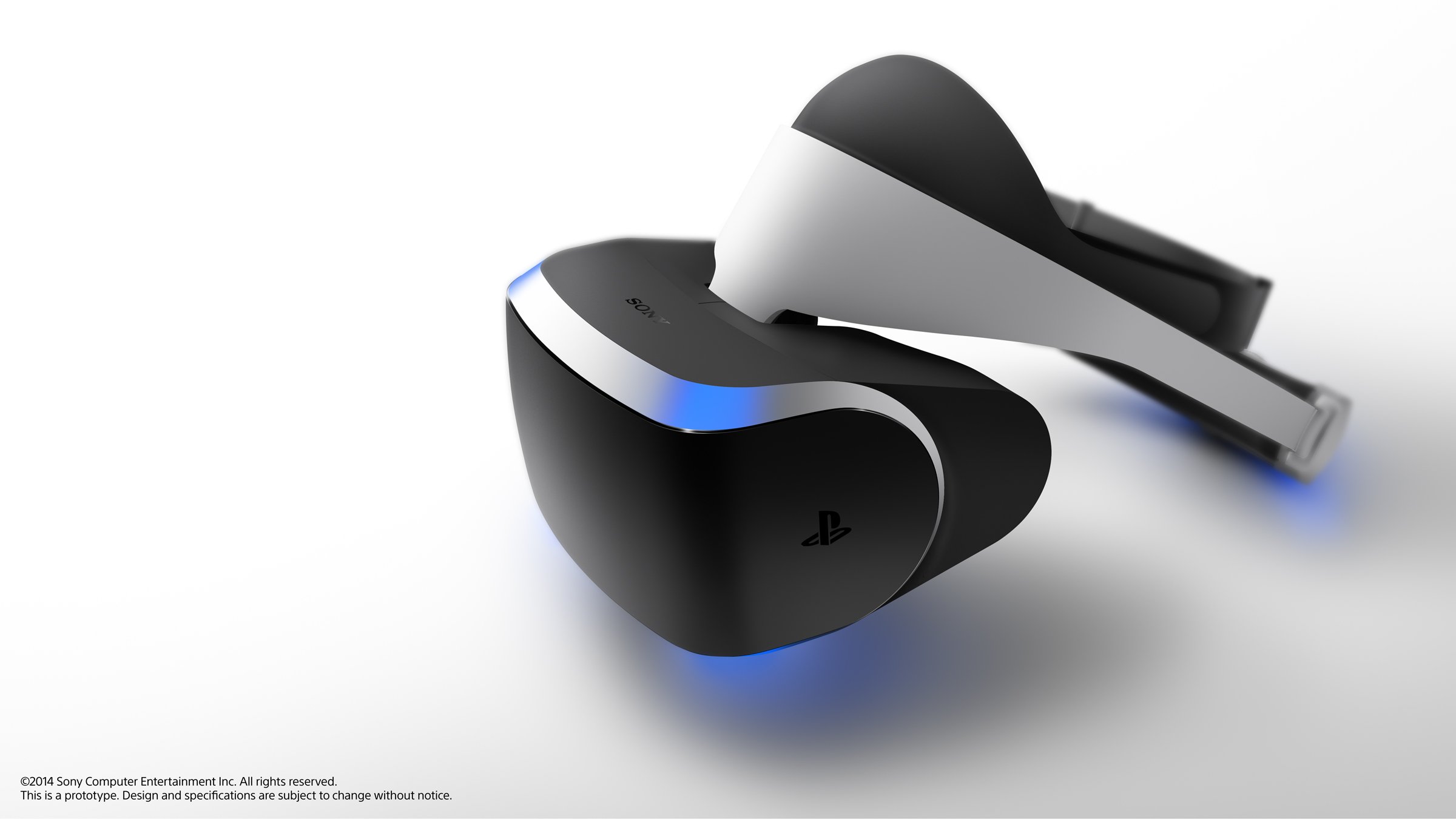
Sony today announced a spruced up version of its virtual reality headset, codenamed Project Morpheus, and Sony is already bragging about how better it is compared to the one they showed off last year. The new VR headset was showcased at a GDC presentation in San Francisco and Sony says it’ll start shipping in the first half of 2016.
New features include an OLED display with a Full HD resolution, while Sony says it’ll be able to offer framerates at 60fps and 120 fps. The screen has a 5.7 inch display, while a total of nine LEDs support 360 degree tracking. Sony also claims it has super low latency – 50 percent improved response than its predecessor.
[quote text_size=”small” author=”Shuhei Yoshida” author_title=”President of Worldwide Studios for Sony Computer Entertainment.”]
A new dimension of gaming is, at long last, here – and PlayStation is again at the forefront with Project Morpheus.
[/quote]
Meanwhile, Sony also stressed on its user friendly design, featuring a single band design and quick release button. The headband supports the weight of the unit on the top of your head, hence there is no pressure on your face. Other components have also been adjusted and configured to make the headset lighter, so players do not find the headset cumbersome or uncomfortable to use.
Sony says more details on the new Project Morpheus will be revealed at E3 and Beyond, along with more VR games.
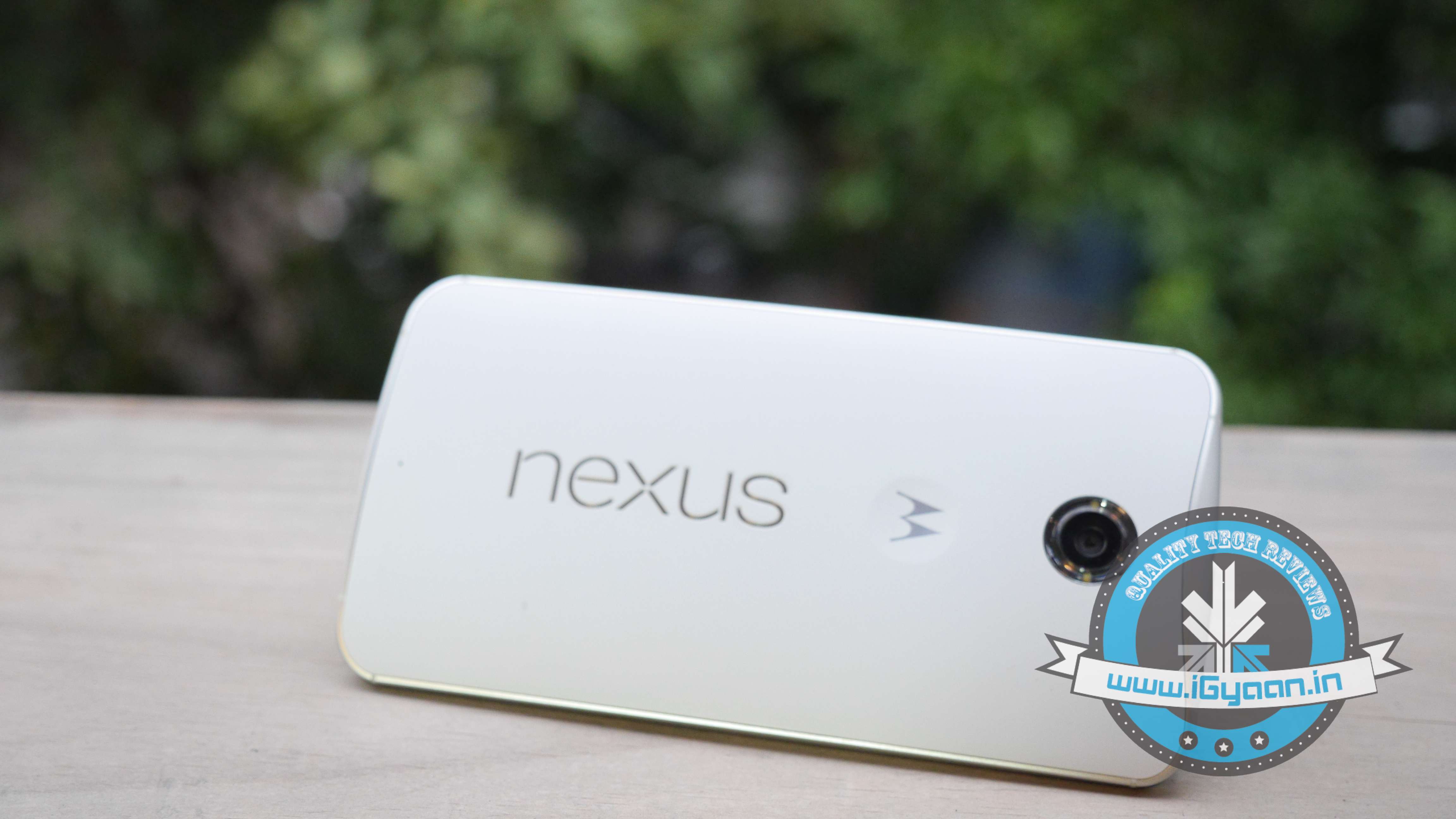
Google Nexus 6 from Motorola is one of the best Android devices in the market. The phone’s spec sheet consists of the top notch specs of its time of launch. This year around, it seems like Google has bigger plans for its Nexus and might involve its past partner, LG and join hands with Huawei for its new generation products.
The story is still a rumor so its authenticity cannot be established. A Weibo user who claims to have information on the next Nexus brought the story to light. According to him, LG would be bringing out a refreshed version of the Nexus 6 whereas Huawei might bring a Nexus 5-like product into the market.
Nexus 6 was designed by Motorola and looked like a bigger sibling of the 2nd generation Moto X. The handset is a monstrosity with its 5.9 inch Quad HD display. It also features a ring flash for the main camera and a top of the charts spec listing.
No other details have been furnished as of now. Google might be trying to populate its Nexus product line-up and hence is on a lookout for new partners. Nexus 6 was appreciated, but its size was just too massive for the phablet. With its partnership with LG, Google might try to bring down the size of the device to a more comfortable size like the LG G3, which has a 5.5 inch Quad HD display. We’ll get to know more in the coming months, as the launch of the new generation Nexus draws near.
Till then, watch our hands on with the Google Nexus 6: