Blog

  • The World’s Tiniest Keyboard Only Has Eight Keys

    The World’s Tiniest Keyboard Only Has Eight Keys

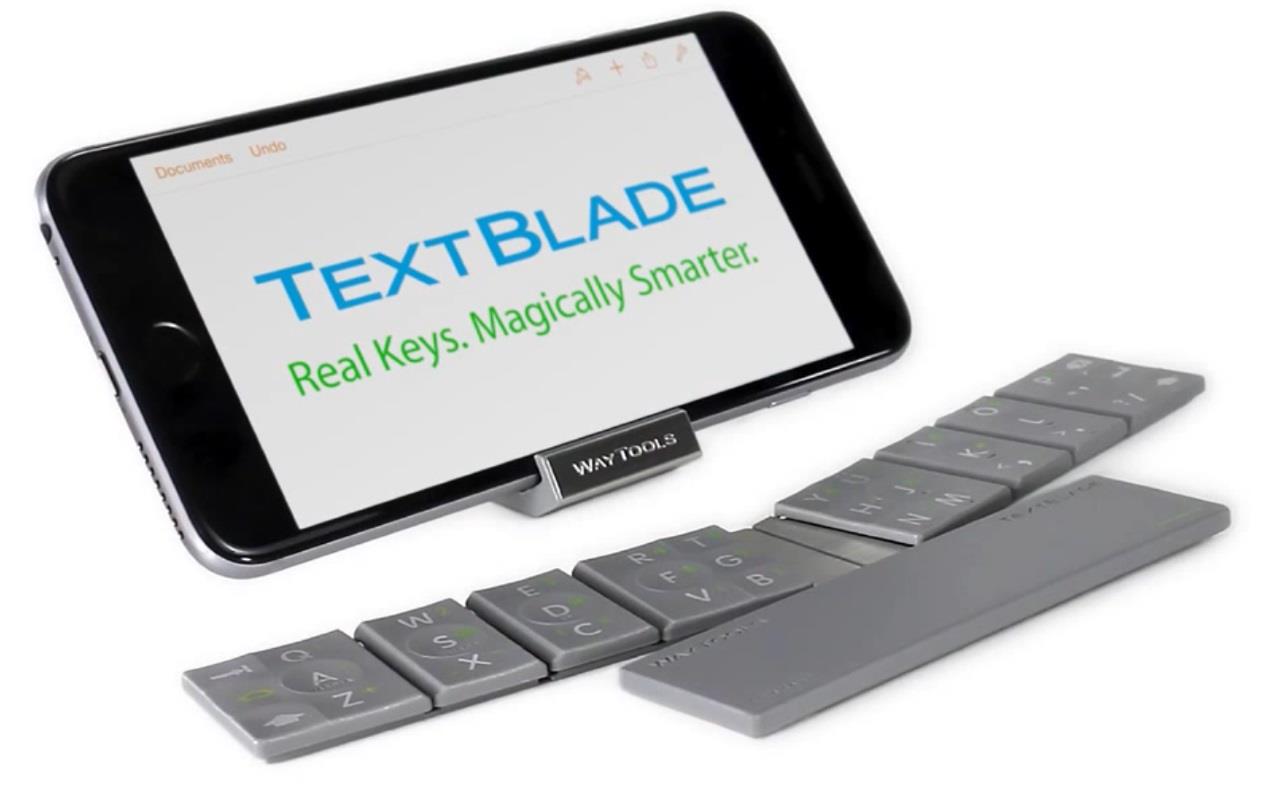
    Slowly and steadily, with the evolution in technology, gadgets are becoming more compact by the day. WayTools has developed a keyboard called TextBlade, which is made keeping in mind the travelling group. The TextBlade works exactly like a normal keyboard but is ultra-portable and has only eight keys.
    TextBlade

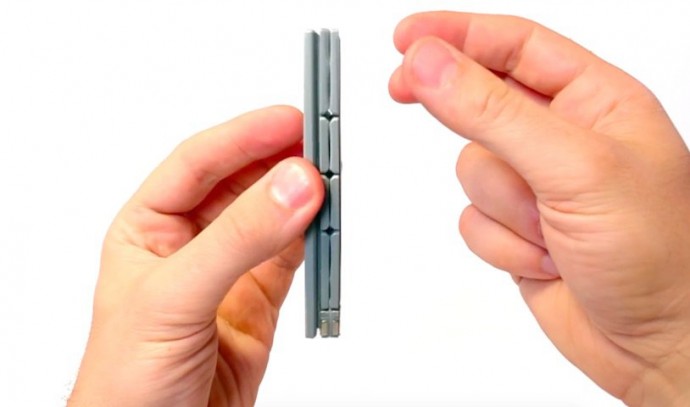
    The TextBlade is one-third the size of an iPhone and is super slim. It weighs only 1.5 ounces and can be carried like a pen drive in your pocket. The rectangle-shaped keyboard opens up to form three magnetic stripes. These magnetic stripes attach automatically to create a stripped-down keyboard, once drawn closer. The device is compatible with both iOS and Android devices and gets connected through Bluetooth. The company has patented its technology and calls it ‘MultiTouch Key technology.’
    textblade2

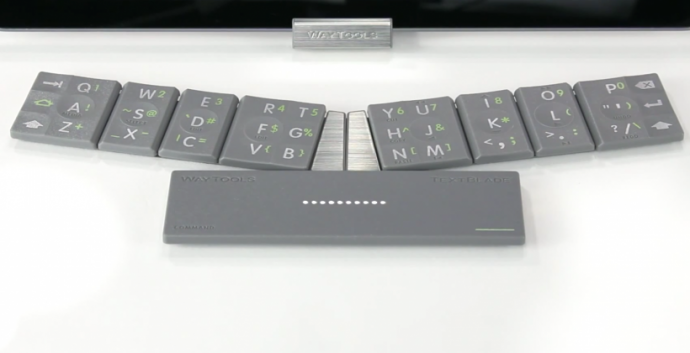
    The eight keys embrace all the alphabets, numbers and other special characters of a regular keyboard, in a way that most of keys hold more than one identity. All the keys are given appropriate space and the format is kept the same to eliminate the inconvenience. The device houses a rechargeable battery that can last for a month on a full charge. The gadget is priced at $99, which is a little below Rs. 6,000.

    The company says that the keyboard provides spacing as of the desktop keyboard and is aimed at giving a seamless transition to touch users from full-size keyboards to a travel keyboard.

    Meanwhile, you can watch the video below to get a better idea of how it works.
  • BlackBerry Classic With BB10 OS Comes to India, Priced at Rs. 31,990
    BlackBerry Classic With BB10 OS Comes to India, Priced at Rs. 31,990

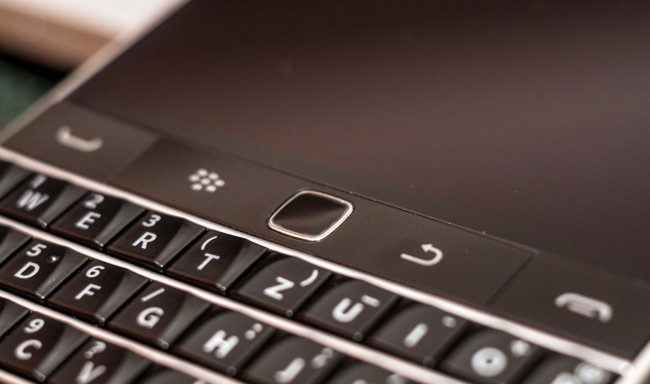
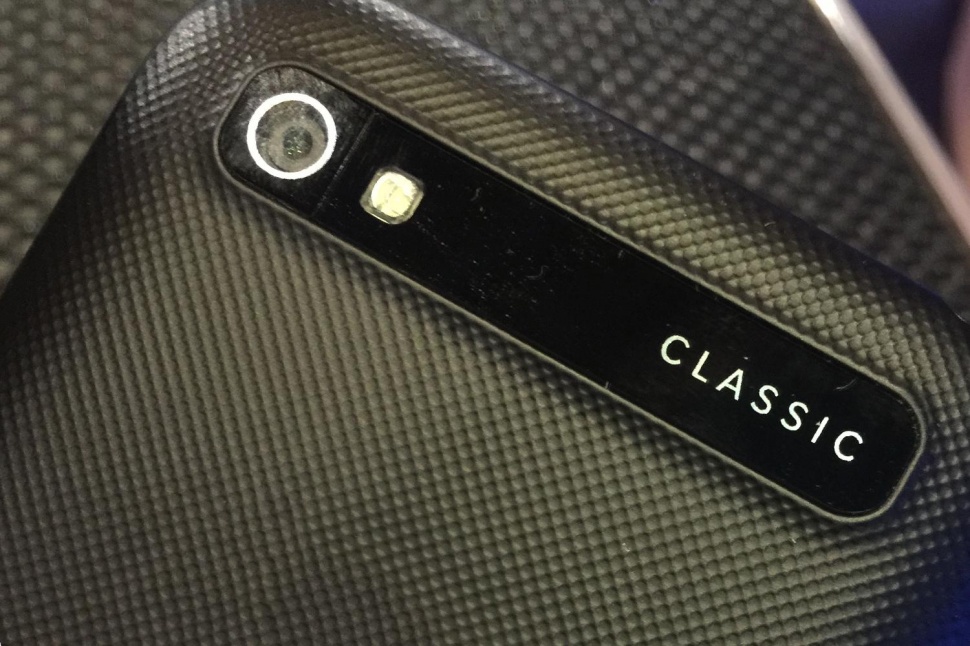
    BlackBerry has launched the Classic in India. The device is available for purchase at BlackBerry stores and Snapdeal exclusively. It comes with a hefty price tag of Rs. 31,990.

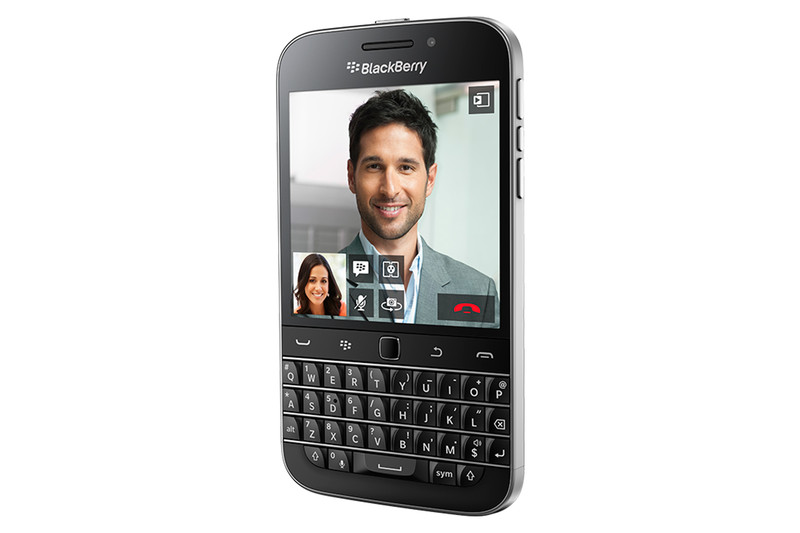
    BlackBerry Classic boasts its aesthetic QWERTY keypad which will make it a definite choice of the BlackBerry followers. The brand has restored its style and decided against using a touch screen.

    blackberry classic

    Coming to its specs, the phone has a capacitive touchscreen display of 3.5-inch, which is secured by Corning Gorilla Glass 3 protection. The handset is powered by a 1.5GHz Snapdragon S4 dual-core processor paired with 2 GB of RAM. It features 16 GB of internal storage capacity that can be expanded up to 128 GB via MicroSD card.

    blackberry-classic

    Taking the camera into consideration, the Classic sports an 8MP shooter with the added features like autofocus and LED flash, along with a 2MP snapper at the front to take selfies. The device runs on company’s own BB OS 10.3.1 and houses a non-removable 2,512mAh battery.

    The e-commerce website has released a buyback offer to lure customers. As per the deal, the existing BlackBerry Bold holders will get a rebate of up to Rs. 4,500 on the purchase of the Classic. The device comes with some in-built features like Blackberry Hub, BBM Meetings and BlackBerry Blend.

  • BlackBerry and Samsung Dismiss Reports of a Possible Merger

    BlackBerry and Samsung Dismiss Reports of a Possible Merger

    Earlier today, Reuters broke an exclusive news saying that Samsung is planning to buy BlackBerry. According to the international news agency, the South Korean electronics producer offered BlackBerry as much as $7.5 billion in view of its valuable patents.

    As per the inside source of the agency, Samsung proposed to buy individual shares of the Canadian equipment manufacturer at a price of $13.35 to $15.49 per share, which is 22 percent higher than the current trading price of BlackBerry. Samsung is not the first company who has showed interest in acquiring BlackBerry. Back in 2014, Lenovo and few other firms were in rumours of the same buyout.

    Meanwhile, both Samsung and BlackBerry have declined the ongoing acquisition reports. A spokesperson from Samsung simply commented:

    Media reports of the acquisition are groundless.

    BlackBerry also replied in the same tune and said that it had not engaged in any such discussions with Samsung with respect to purchase offer.

    blackberry 9720

    The news is no surprise and there are chances of these cries to be true as both are companies have reasons to sign this deal. BlackBerry is going through a rough patch and needs financial backing, whereas if Samsung cracks this deal, it might help it rebrand its image.

    There are major reasons for these rumours to be true. First, if Samsung takes over BlackBerry, they would acquire the world’s best smartphone security systems. Secondly, we know that Samsung has shut dow its IM service ChatOn as it failed drastically to connect Samsung users.Meanwhile, BBM has 85 million monthly active users and Samsung could integrate the IM service to its devices to get hold of this large user base.

    The third and the most vital cause of this could be the robust patent portfolio of BlackBerry. If Samsung succeeds in purchasing the Canadian star, it will get a hold of its networking, security and other important patents. Well, as of now, these are just rumours and nothing can be said until and unless these electronics giants stamp on these reports.

  • Here’s Everything Xiaomi Launched Today (Other Than the Mi Note)

    Here’s Everything Xiaomi Launched Today (Other Than the Mi Note)

    Chinese smartphone powerhouse, Xiaomi has kicked off the year with the launch of its new flagship, the Xiaomi Mi Note. Going much further than its predecessors, this device directly takes an aim at the big name flagships and as usual comes with an extremely competitive price tag, although still higher than the usual Xiaomi pricing. The device packs some exceptional specs and the Pro version goes on to challenge the smartphones on the top of the food chain.

    At the stage, Xiaomi founder and CEO, Lei Jun stated “We want to be the biggest phone company in the world,” and they delivered their products accordingly. It has expanded its portfolio to challenge the dominance of big brands with this launch event. So let’s take a look at all the other products that Xiaomi has unleashed today from its stage that got overshadowed by the awesomeness of the new Mi Note and Mi Note Pro.

    Mi Smart Home App

    MI Smart home

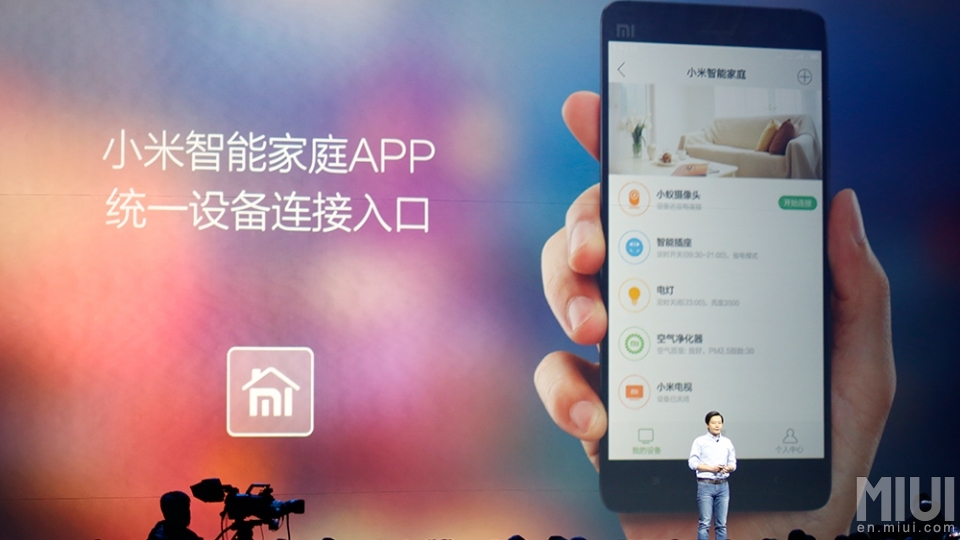
    Xiaomi began with explaining its plans to enter into the smart home market where the smartphone will be command center. The company offers a Smart Home App which connects all the appliance with one app.

    Xiaomi has invested RMB 1.26 Billion($203 Million) in home appliances company Midea last December, to take its smart home objective forward.

    Mi Headphones

    Mi Headphones

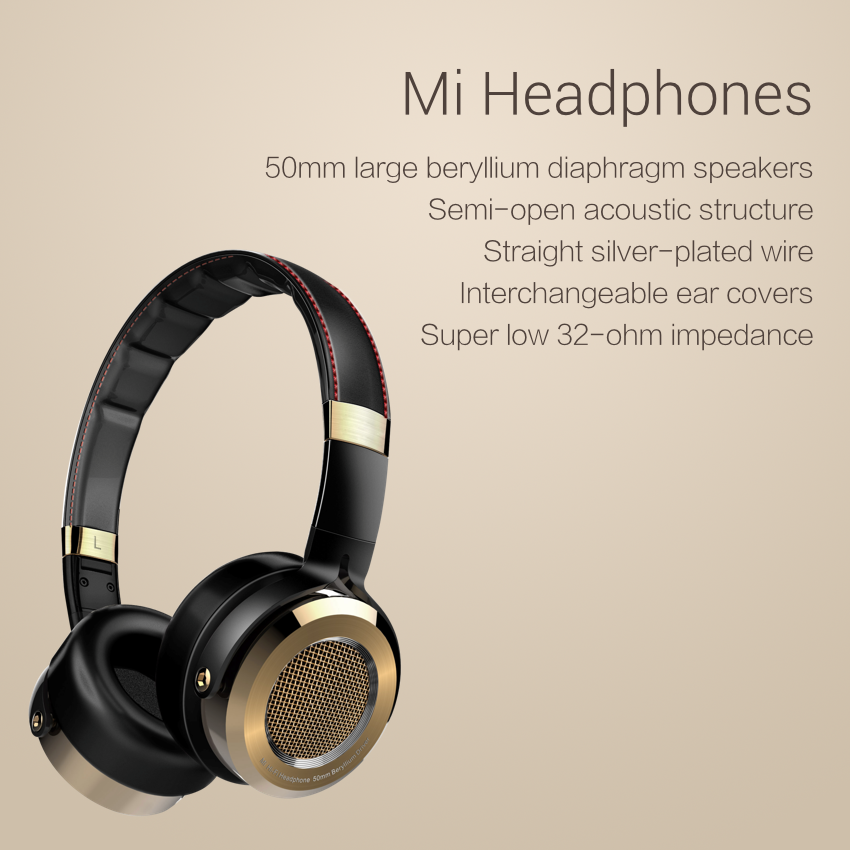
    Apple bought Beats and Xiaomi, as always following footsteps, launched its own headphones. They have dual 50 mm drivers and exchangeable ear cups.

    In true Xiaomi fashion, these headphones are priced at 500 Yuan or about Rs. 5000. The Mi Headphones look attractive but we can only be sure about their quality when we put them to test.

    Mi Box Mini

    Mi Box Mini

    The next launch was the Mi Box Mini which is a tinsy tiny set top box from Xiaomi. This device is powered by a quad-core 1.3GHz processor along with 1GB RAM. It has 4GB internal flash memory and supports 1080p resolution along with Dolby and DTS audio and dual band Wi-Fi and Bluetooth.

    So overall Xiaomi did what it is known for and it sure was a good show. Now that the products are out, get ready for a long line of speculations about their date of arrival on the Indian shores. Xiaomi does consider India an important market, but it may consider releasing these devices in India only after it gets out of the legal hassles it is facing in the country.

  • Xiaomi Directly Targets OnePlus One With the Launch of 5.7-inch Mi Note

    Xiaomi Directly Targets OnePlus One With the Launch of 5.7-inch Mi Note

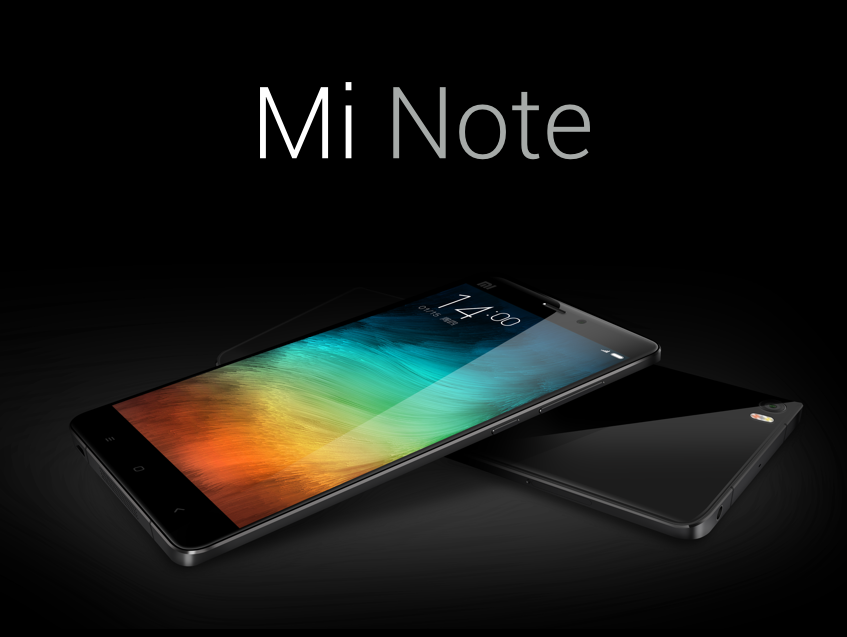
    World’s third largest smartphone maker, Xiaomi took a great leap in order to challenge the likes of Apple, Samsung and OnePlus with the new 5.7-inch phablet called the Mi Note.

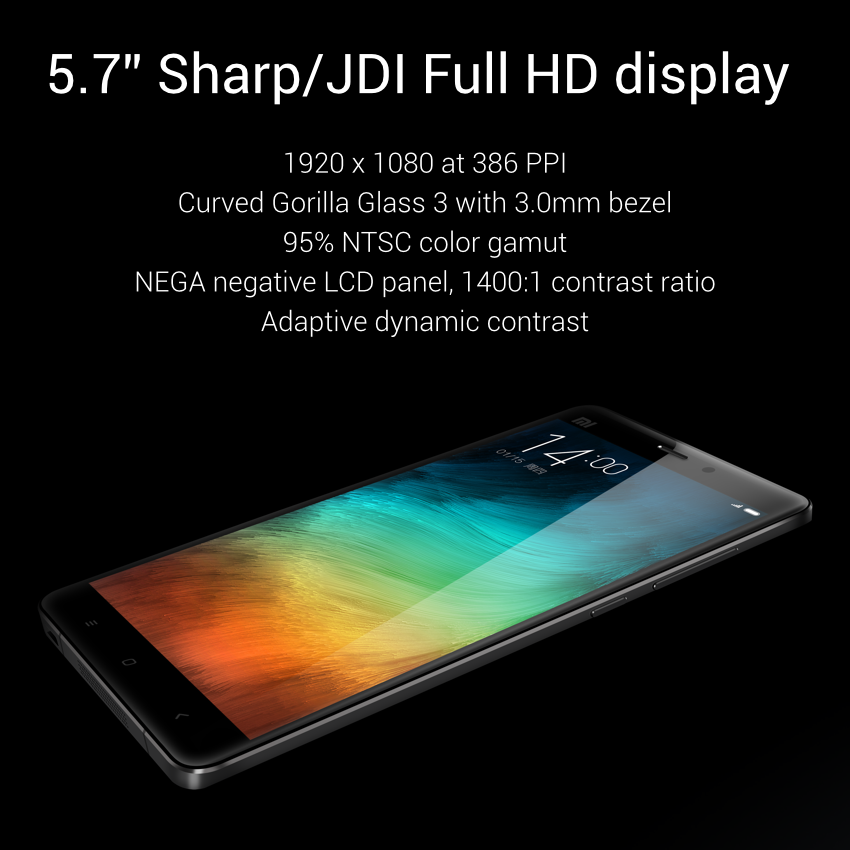
    Many expected the Chinese manufacturer to launch the second generation Redmi Note or the Mi5, but instead the company decided to take a step ahead and launched the Xiaomi Mi Note. The new device flaunts a 5.7-inch 1080p display and seems to be Xiaomi’s contender against the OnePlus One (with a price to match.)

    The device is powered by a Snapdragon 801 processor and comes with 3 GB RAM. The phablet will be available in 16 and 32 GB variants. The company has also launched a Pro version of the Mi Note which is powered by 64 bit Snapdragon 810, comes with 4GB of RAM and has a 64GB version only. The pro version flaunts an enticing 2560×1440 at 515ppi screen (2k display.)

    Both are powered by a 3000mAh battery. The devices also sport a 13MP main camera with Optical Image Stabilization (OIS) and a 4 MP front facing selfie camera. They run on MIUI 6, which is based on Android 4.4 KitKat. The Mi Note and Pro are 7 mm thin and weigh 161 gm.

    mi note 2

    Mi Note is protected on both sides with 2.5D + 3D curved Gorilla Glass 3. According to the company, it’s highly resistant to scratches and shattering.

    Xiaomi has become the world’s fastest growing smartphone manufacturer swelling its shipment three times last year. The new Mi Note will compete head to head with OnePlus’ One which was launched last year.

    There is no doubt the company has a strong hold on the tech market, however, Xiaomi is still struggling with the idea of breaking into the western market. With the launch of Mi Note, we can expect the Chinese smartphone giant to break free from the Asian market and focus on a more global scale.

    The Xiaomi Mi Note will retail for 2,299RMB, which is about $371 or Rs. 22,893, while the Mi Note Pro is priced for 3,299RMB, which is about $532 dollars or Rs. 32,800.

    Correction (19/01/15) : Front facing camera 4MP with 2-micron pixels. Thickness 7mm

  • Facebook Jumps into Business Social Networking With ‘Facebook at Work’

    Facebook Jumps into Business Social Networking With ‘Facebook at Work’

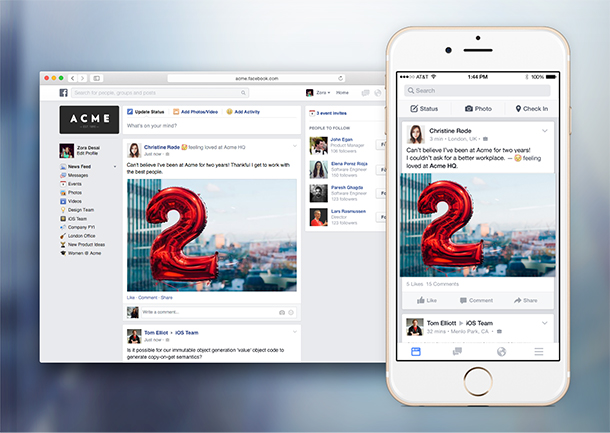
    Facebook’s previously rumored enterprise-focused social app, Facebook at Work, has been released for public. The company is launching new iOS and Android apps called “Facebook At Work,” along with a web version accessible via its main website.

    The app lets companies create their own social networks amongst their employees that are built to look and act like Facebook itself. The main purpose of the app and web tool is to eliminate the presence of E-mails as the primary communication medium and provide a collaboration tool that lets colleagues communicate with a more familiar interface. However, there are handful of differences between the two social apps.

    facebook work

    There are zero advertisements and the company doesn’t track users or hold their data. Facebook says a key feature of the app is Groups, which the company believes could replace email lists that appear never-ending and seem to grow larger with time. Employers can create separate log-ins for employees to use with their Work accounts, or users can link these up with their other profiles to access everything in one place.

    Facebook is jumping into this existing market with all of its social media knowledge and attempting to make a smooth transition to a business product. The workplace app puts Facebook head-to-head with the likes of Microsoft’s Yammer, Slack, LinkedIn, Convo, Socialcast, and a huge number of others who are trying to tackle this space.

    ‘Facebook at Work’ is currently free, while most of the other apps offer tiers of pricing. By making this free, Facebook could potentially drive a lot more users to its wider network. Facebook At Work is now available for download on iOS, and we’ll update with link to the Android version once it’s live, though both are usable via a limited access at present.

  • Asus Brings the Super Sleek EeeBook to India for Rs. 20,000

    Asus Brings the Super Sleek EeeBook to India for Rs. 20,000

    Asus has won a lot of hearts in India over the last year with its ZenFone line of smartphones. The Taiwanese electronics company has a healthy portfolio of devices in India which includes, notebook, tablets, desktops and a lot more. The company is now going to bring the affordable and stylish EeeBook to India for a price of Rs. 20,000.

    Asus EeeBook will take a direct aim at Google’s Chromebook-based devices. The EeeBook is a lightweight notebook which is powered by a 1.33 GHz Quad-core Intel Atom processor along with 2 GB RAM. It comes with a-11.6 inch display with a screen resolution of 1366×768.

    806X806_2

    Just like the Chromebooks, the EeeBook is a cloud based device. In the UK, the device comes with a one-year subscription to Office365 and 1TB of OneDrive storage, which is worth £60. There is also a free two-year subscription to Asus’s WebStorage service with 500GB of space. So in terms of space, the cloud will come to your rescue. The 32 GB internal storage gets used up really fast so you’d have to keep an external storage device on you.

    The Asus EeeBook gives more functionality than the average Chromebook, as it runs on the Windows operating system so you can use all your favorite softwares on the device. This bit makes it more practical and a better purchase for a country like India where internet connectivity is limited. The pricing of the EeeBook is also lower than the Chromebooks in the market which gives it an extra edge.

  • Hands On with the New Tizen-Based Samsung Z1

    Hands On with the New Tizen-Based Samsung Z1

    Android has taken over the market share and is widely available across multiple brands. Companies like Samsung, LG, Motorola and a lot of other companies have greatly benefitted from the Google’s open source operating system. But several electronic giants are attempting to come out of Android’s shadow and set up their own operating systems.

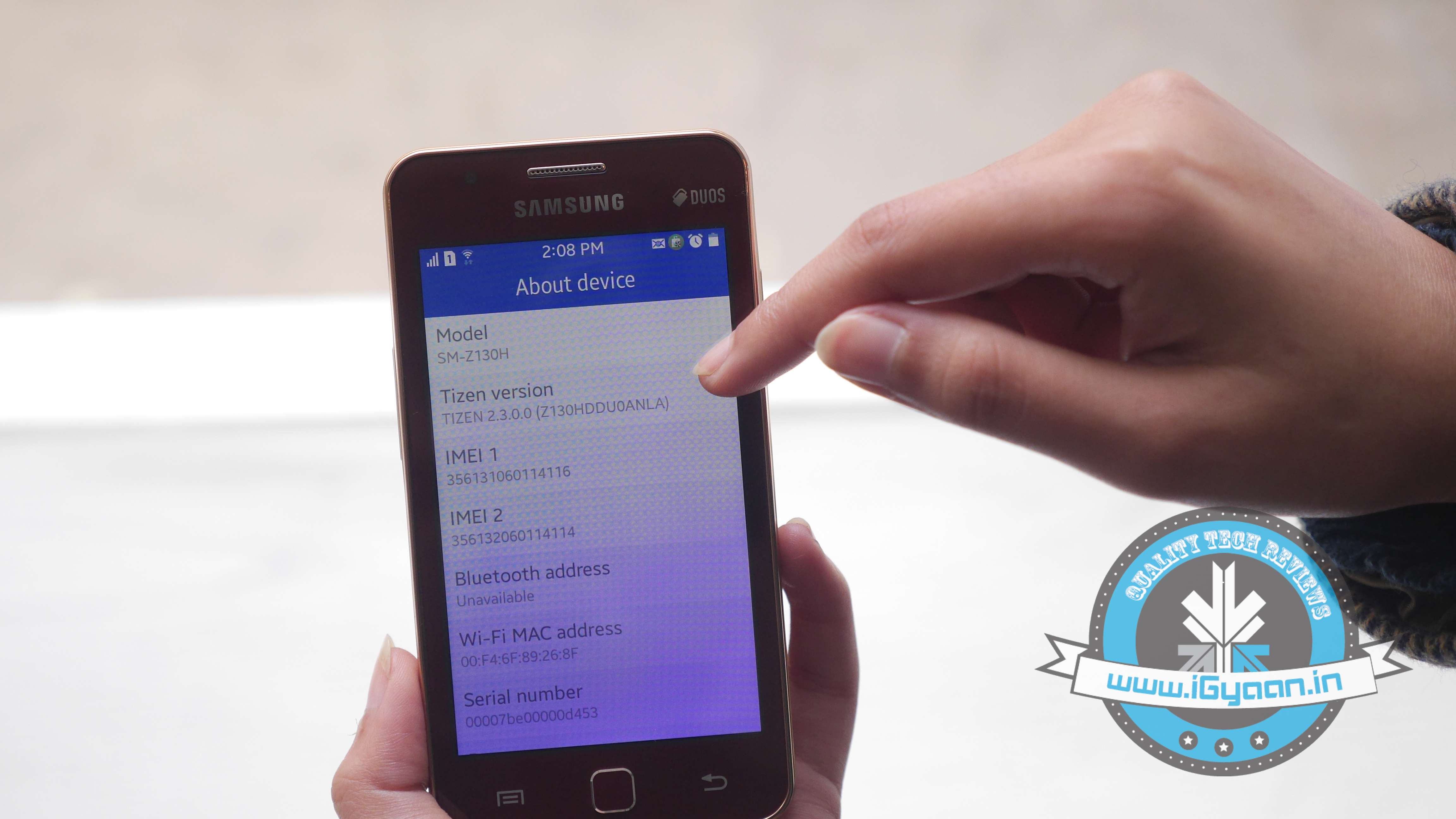
    Samsung is attempting to break free from Android’s dominance with its homegrown Tizen OS. Samsung had already inducted Tizen in its Gear family of smartwatches and now they have launched the first phone based on the OS.

    We got our hands briefly on the new Samsung Z1 which is the first phone based on the new operating system.

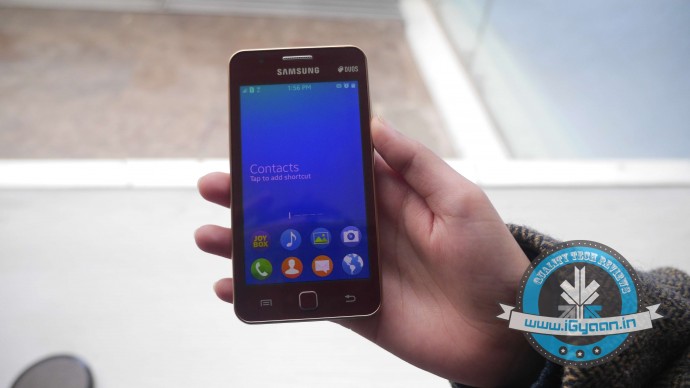
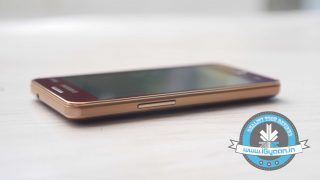
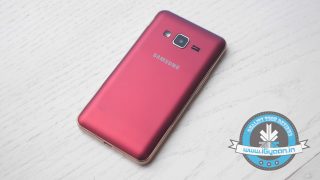
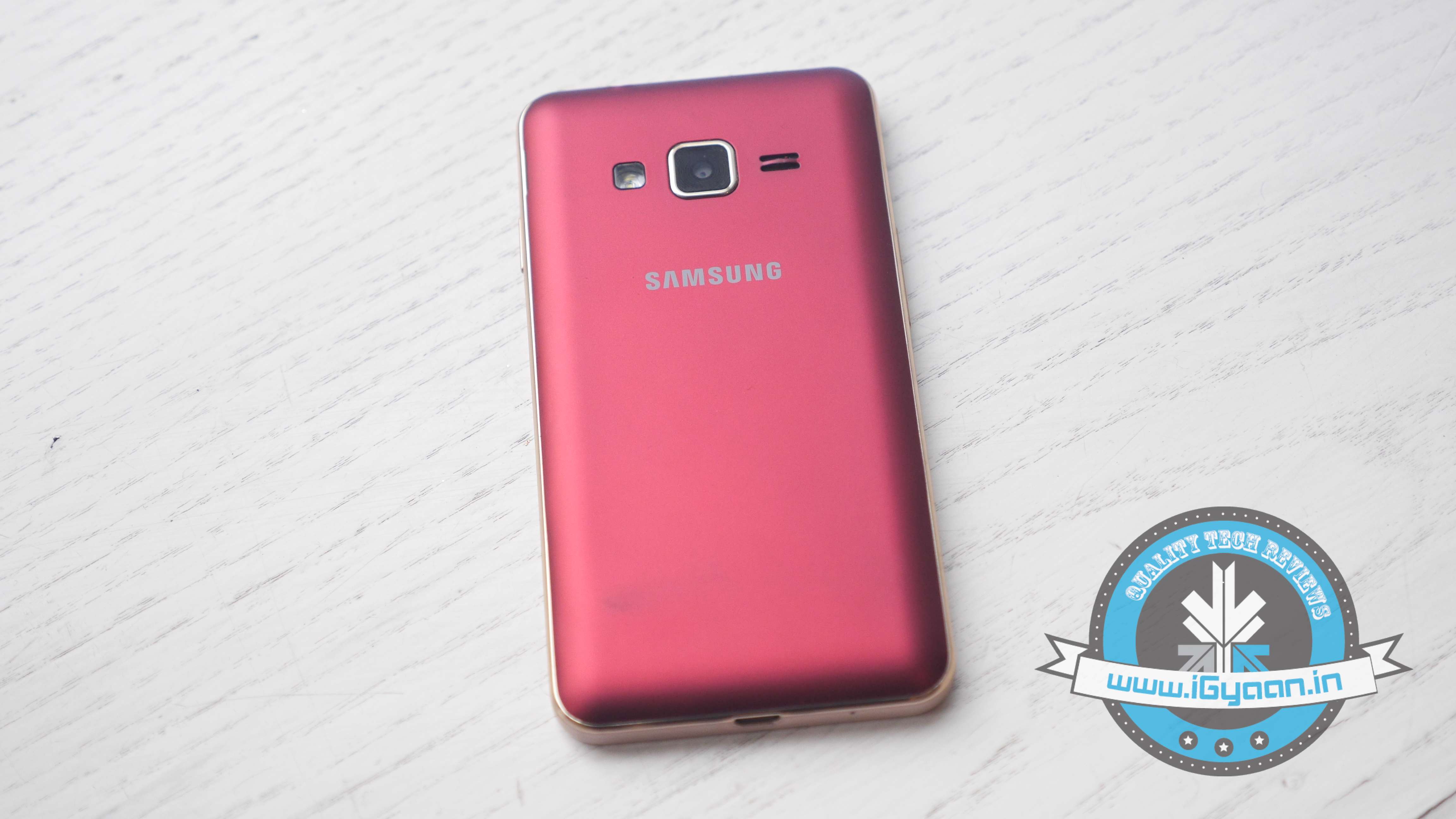
    The Samsung Z1 totally looks like something that came out of Samsung’s stable. It has recognizable features including the physical button at the center. The phone has a metal-like casing that along with the polished back panel gives it a premium feel.

    The Z1 is being marketed as a multimedia device and offers multitude of content through its tie-up with hungama.com and live tv options like BoxTv. But it comes with a 4-inch WVGA display that doesn’t feel adequate for a complete multimedia delight. The bit that is appreciated is the expandable storage option which is up to 64 GB; an amount great for multimedia hoarders.

    Tizen OS looks and feels like the TouchWiz UI
    Tizen OS looks and feels like the TouchWiz UI

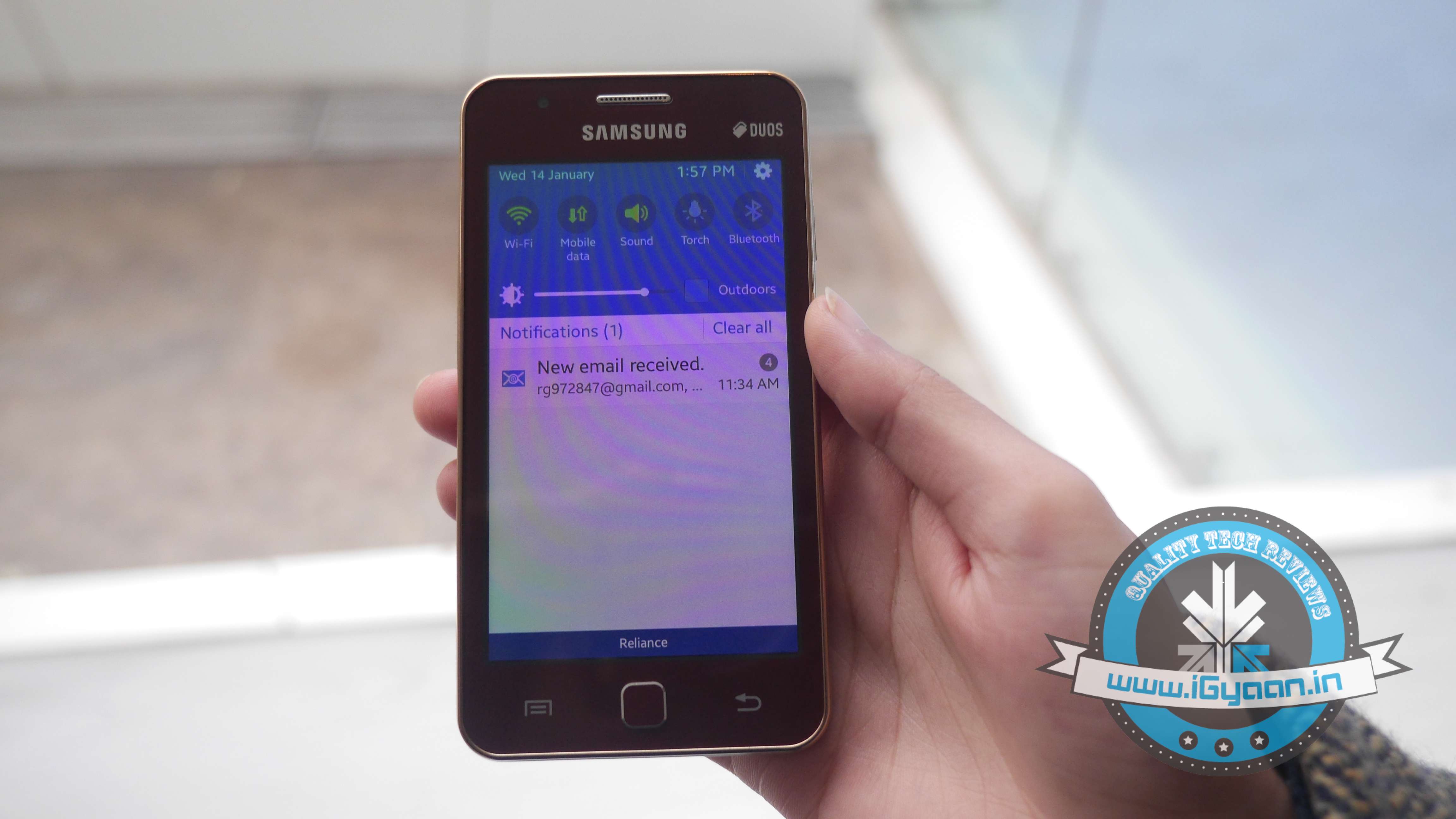
    Tizen OS looks and feels like the TouchWiz UI on Samsung’s Android devices. The only thing missing is the app drawer. The drop down menu too looks exactly the same as TouchWiz UI with similar setting options. It will be familiar interface for anyone switching from an Android device or upgrading from a feature phone into a smartphone.

    Samsung claims most of the major apps are available on Tizen OS
    Samsung claims most of the major apps are available on Tizen OS

    The company has attempted to bring features from its higher end devices on Z1 like the ultra power saving mode, which up until now has been available on premium handsets like the Galaxy S5 and Note 4. It also offers 500 MB of free data plan with Reliance and Aircel for six months.

    Samsung Tizen Z1 2

    Overall, in the brief amount of time we spent with the device, we were excited to see Samsung trying to bring something new to its consumers. The device still falls short of competing with products like the Redmi 1S and the Moto E but is still a good effort. The company said that they will be refreshing their line-up of devices over the future and we would like to see where the new path leads Samsung.

  • Samsung Reportedly Working on Cheaper Galaxy Tab and Galaxy Note Alternatives

    Samsung Reportedly Working on Cheaper Galaxy Tab and Galaxy Note Alternatives

    Even with all the competition, Samsung still holds the top position as the world’s largest smartphone manufacturer, but the passing year didn’t go so well for the company. Samsung is quite aware of the ground reality and it seems like the maker is working on restoring its lost authority in the smartphone market. According to an exclusive by SamMobile, Samsung is working on a line of four tablets, that might be the successors of Galaxy Tab 4 7.0 and the Galaxy Tab 4 10.1.

    According to the report, the company might release four or more tablets. These offerings will be a part of the Galaxy Tab and Galaxy Note line-up. The Galaxy Tab AS (SM-T350/351) will be small and a successor of Galaxy Tab 4 7.0, while the larger Galaxy Tab AL (SM-T550/T551) will be a sibling of Galaxy Tab 4 10.1.

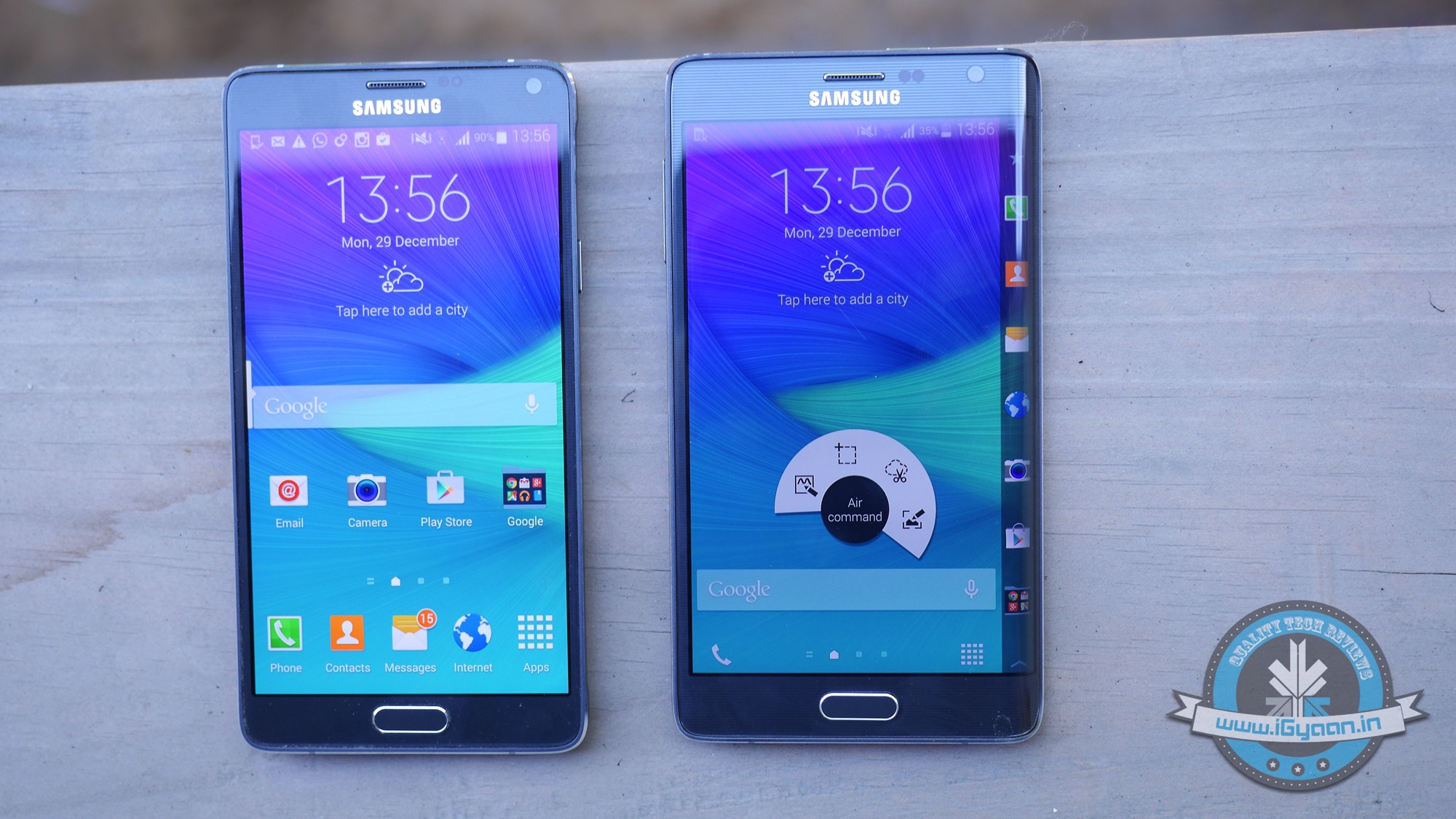
    Samsung Galaxy Note Edge 9

    The other two speculated tablets, SM-P350/351 (Wi-Fi/Cellular) and SM-P550/551 (Wi-Fi/Cellular), may be the successors of Galaxy Note and Galaxy Note Pro series. The SM-P350/351 will flaunt a display of 7-inch or 8-inch and, on the other hand, the SM-P550/551 might sport a screen of 10 or 12 inches. The tablets will have the latest version of Google’s OS, Android 5.0 Lollipop, onboard.

    The source states that the tablets are in its early stages and consumers can expect to get their hands on them by the second or fourth quarter of this year. No other details have been provided regarding their hardware, software or any other specifications. For now, we believe that Samsung will leave no stone unturned in appealing its mass audience and will bring out the devices in metallic finish, just as the Galaxy Note 4. With sales figures showing a negative graph, the company is expected to pack the devices with something really extravagant.

  • Google Translator Gets Smarter With Real-Time Language Detection

    Google Translator Gets Smarter With Real-Time Language Detection

    Google has majorly updated its Google Translate mobile app. The update brings promises to expedite the translation process while on the move.

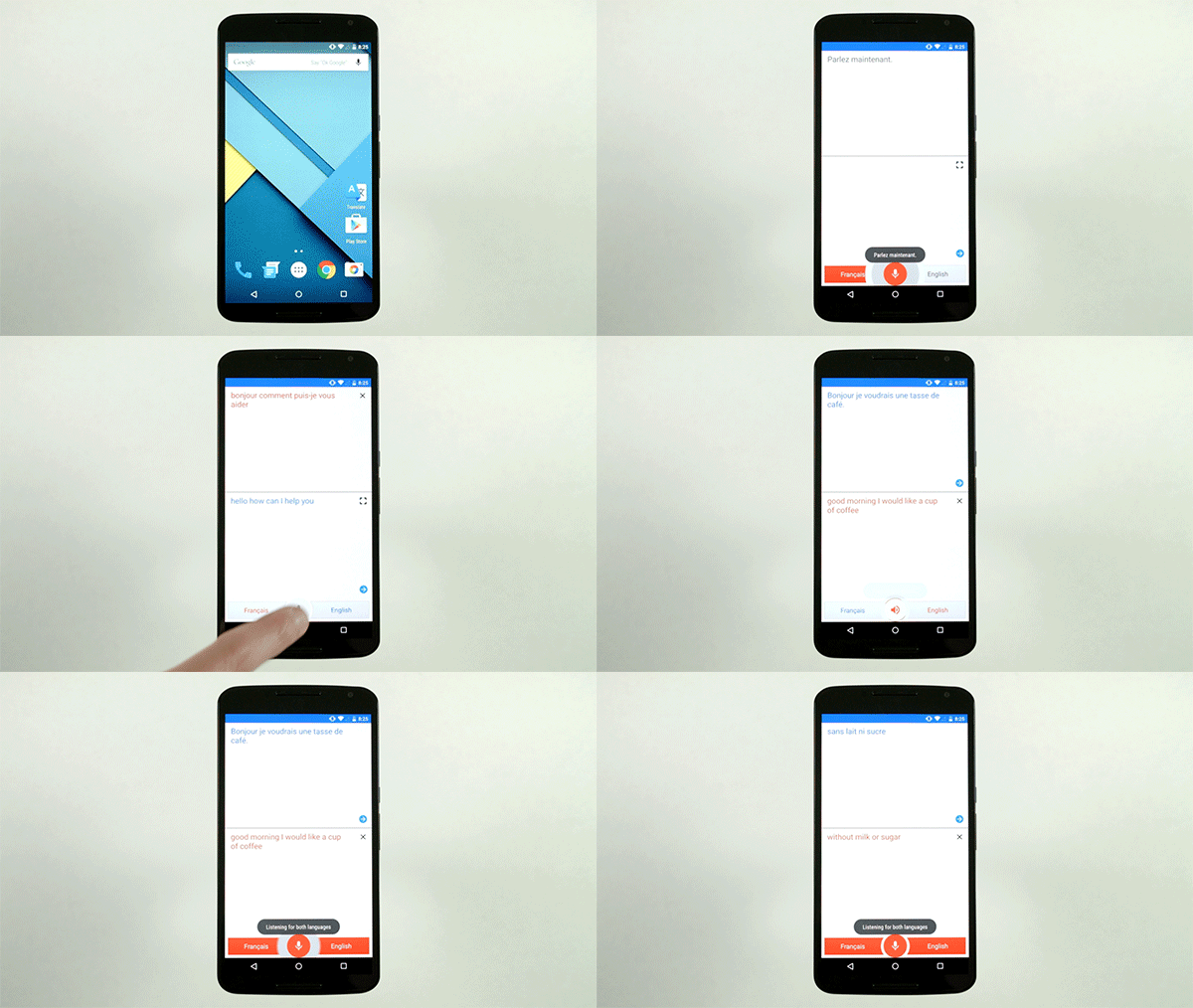
    As rumored, the new version includes automatic language detection in conversation mode, so having a conversation between two people who don’t speak the same language is actually possible. Once you’ve selected the two languages being spoken, Google Translate can now tell which one is being spoken at any moment. With no need to manually toggle them, conversations can be more natural.

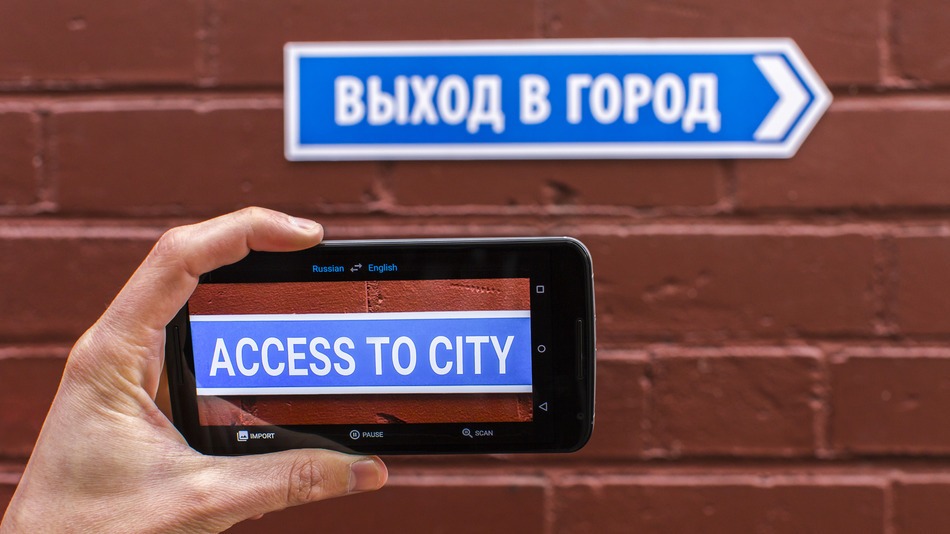
    Another big update is the integration of the World Lens tool in the app. Google acquired the Word Lens technology last year when it bought Quest Visual, a start-up founded by former video game developer Otavio Good. Word Lens uses video mode in smartphone cameras to scan scenes, identify writing and then display it as if it were written in English.

    Conversation Mode GIF

    While the Google Translate app already lets you convert words into 36 languages using your phone’s camera, this process will become more or less instant. So you can basically hover your device in front of menus, road signs, and more, and see the translated text overlaid on the screen immediately without any internet connection.

    The updated apps aren’t live yet, but the refresh will be rolling out starting today, according to Google’s blog post.

    Thanks to technological advancements, the barrier of language is rapidly disappearing with such tools. It may not solve all problems, but at least travel and tourism will get easier for many.

  • Mozilla Brings Out Firefox v35 with a Cool New Conversation Tool

    Mozilla Brings Out Firefox v35 with a Cool New Conversation Tool

    Mozilla has launched the new version of its internet browser called Firefox Version 35 Final which will be followed by  Firefox for Android 35.0 in the coming days. The latest version comes with various new features including new room-based conversion tool for Firefox Hello, improved geolocation tools and an integrated download manager for Android.

    The new room-based chat model allows users to organise different conversations and contacts in groups, making it easy to keep track of old chats and start new ones with your contacts. The new version has also simplified the chat process by removing certain steps.

    Firefox-Hello

    Now, when you start a conversation, a window opens showing a self-view until the person you have invited clicks on the link and joins you. When they do, you’ll be notified with an audio alert and the Hello icon will turn blue. According to Mozilla, Firefox Hello is the world’s  first global communications system built directly into a browser.

    Second important iteration in the Firefox v35 is the Firefox Marketplace for the desktop, however, it is currently in Beta.  The marketplace is already available on Firefox OS and Firefox for Android, now the company is testing apps on Windows, Mac, and Linux with the help of selected users.

    https://www.youtube.com/watch?v=TEPq4xFGzG0

    Next up is the soon-to-release Android-build version with the promise of improved opt-in geolocation service with the help of your Wi-Fi and cellular signal. Along with this, Bing Search will provide secure search via HTTP and will be integrated with the Android download manager as well.

    All of the aforementioned features will be available in Firefox toolbar and in the Customize mode. The v35 is already available for Windows, Mac and Linux as free, open-source download fon Firefox.com while the Firefox Version 35 for Android will be available shortly.

  • Ericsson Starts a New Patent War, This Time With Apple

    Ericsson Starts a New Patent War, This Time With Apple

    Apple and Ericsson are suing each other in the US court after failing to reach an agreement regarding the pricing of wireless-tech patents used by various smartphone manufacturers.

    According to Apple, Ericsson is seeking excessive royalties for its LTE patents, even though, they are not essential to the industry cellular standards anymore. The iPhone maker has asked the Federal Court of California to rule that Ericsson’s patents are not essential for long term evolution.

    Apple’s spokesperson said that the royalties should be based on the value of the processor chip that includes the technology, and not by hierarchy. However, if the court decides to deem the patents essential and charge Apple for its infringement, Apple wants the court to assign a reasonable royalty rate.

    Both the companies currently have a license agreement that covers many of Ericsson’s allegedly standard-essential patents. The agreement was signed in 2008, soon after Apple launched the iPhone.

    Ericsson has a long history of patent war, in 2012, it sued Samsung Electronics Co. for infringement, saying the South Korean phone maker failed to extend a licensing deal after years of negotiations. The two sides reached a settlement a year ago with a new licensing deal over wireless technology in smartphones, TVs, tablets and Blu-ray disk players.

    You might recall, one of the recent patent wars Ericsson was involved in, was the Xiaomi patent infringement in India which led to the Chinese company’s temporary ban in the country. Ericsson sued Xiaomi saying the Chinese phone maker hadn’t licensed its inventions. Ericsson spokesman says that the company holds several essential patents for 2G, 3G and 4G wireless technology, which means any seller of products compliant with those standards must secure licenses.

  • New Screenshots Reveal How an iPhone App will Control the Apple Watch

    New Screenshots Reveal How an iPhone App will Control the Apple Watch

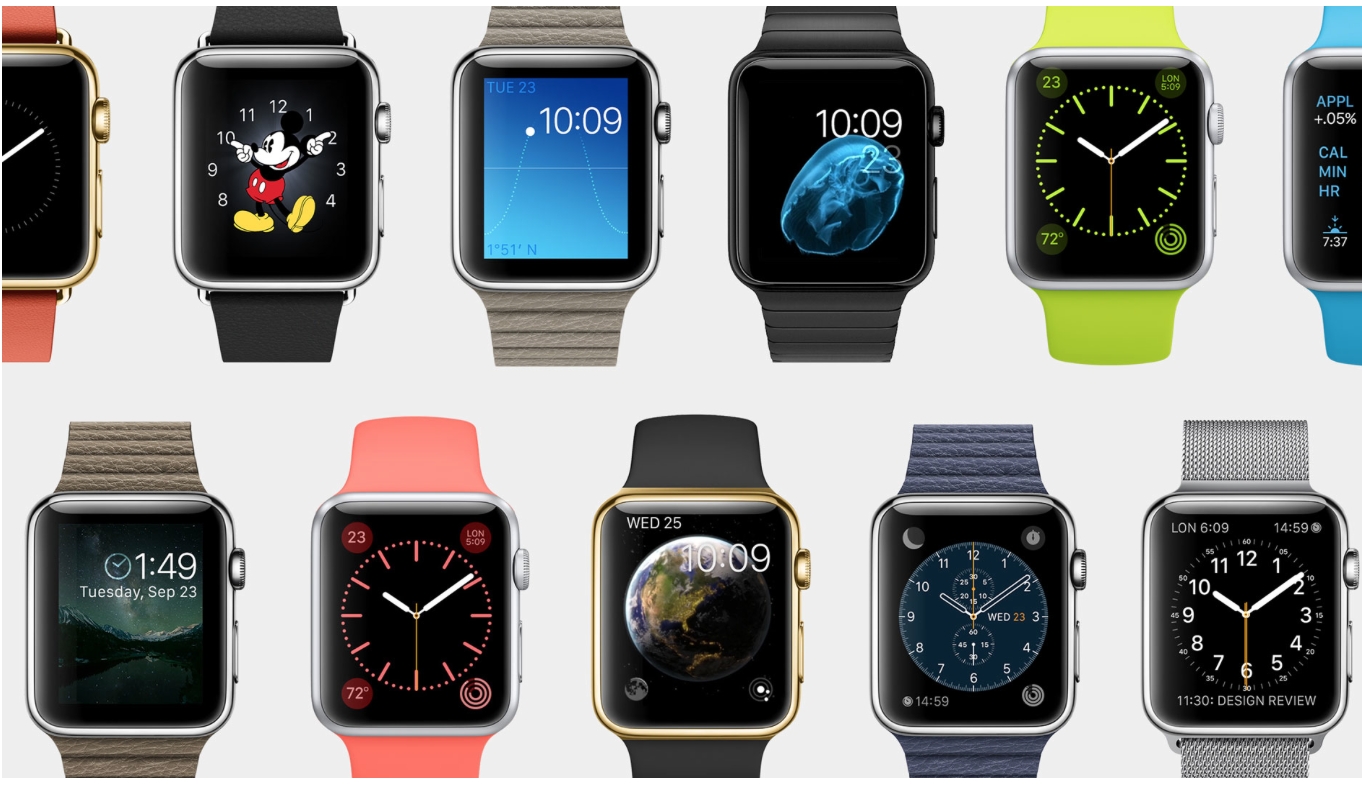
    Everyone is waiting to get their hands on Apple’s new smart watch. Although it is one of the late entrants in the smartwatch segment, it is one of the most awaited devices around. Months ago, at the mega-event held in Cupertino, the company claimed that the Apple Watch will be highly customizable. However, the details about how that would be achieved were few, until now.

    Yesterday, it was reported that the latest iOS 8.2 beta will come with an Apple Watch application for the iPhone through which the smartwatch can be customized. The app, which is referred to as the ‘Companion app’ , manages settings for Apple Watch applications, as well as settings for iPhone-Apple Watch interactivity.

    Apple watch Features Design 18

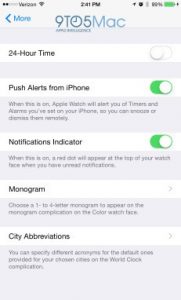
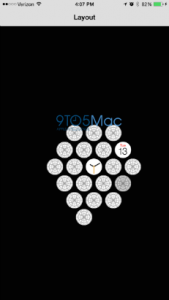
    The publication also revealed some screenshots of the ‘Companion app’ which gives us little insight of the new functions expected. According to screenshots, users will be able to manage and organize applications on the Apple Watch Home Screen via a virtual view on the iPhone Companion application.

    Most of the functionality of the Apple Watch will be decided via the companion app, including alert and notification preferences, as well as some of the visuals you see on the wearable. The layout for the cluster of application icons on the Apple Watch’s home screen can be managed from the companion app, using a virtual preview.

    According to the images, Apple Watch will rely heavily on voice commands for texting, browsing and other  functions.

    There’s also the option to have the Apple Watch unlock any time a user unlocks his or her iPhone, so long as the watch is attached to their body.

    Apple Watch was announced back in September 2014 along with Apple iPhone 6, iPhone 6 Plus and Apple Pay. The company has said that it will ship in “early 2015,” however, it is widely expected that the Watch might ship in by March.

    Want to know more about the Apple Watch? Click here.

  • Samsung Launches its First Tizen-Based Smartphone in India

    Samsung Launches its First Tizen-Based Smartphone in India

    Samsung has finally launched its much awaited Tizen-based Z1 smartphone in an event held in New Delhi.  As expected, the new Tizen OS powered smartphone is a budget smartphone. It sports a 4-inch WVGA (480x800p) PLS display and is powered by a 1.2GHz A7 dual-core processor and comes with 768MB RAM. The Z1 has 4GB of internal storage expandable up to 64GB via a microSD card.

    On the imaging side, Z1 flaunts a 3.1MP rear camera with LED flash and a VGA front camera. It is powered by a 1500mAh battery. It will support 3G, Bluetooth 4.1, Wi-Fi and A-GPS connectivity option. Additional features include accelerometer, ultra power saving mode, private mode and ability to access browser pages offline.

    Samsung, ultimately, aims to make Tizen the ‘OS of Everything’, making it the direct  rival to Google’s Android and Apple’s iOS mobile platforms. At CES 2015, announced that all the 2015 TVs will be powered by Tizen OS.

    However, the delays and the consumer skepticism for anything other than Android and iOS have meant that the devices running on Tizen haven’t been able to emerge from its initial stage.

    With the launch of Tizen-OS powered Z1, the company has shifted its strategy, setting aside its high-end ambitions and aiming at emerging markets like India with cheap devices powered by the OS. Samsung Z1 is priced at Rs. 5,700 and will go on sale today, on both online and offline stores.

    Specs

    Samsung Z1

    Processor 1.2GHz A7 dual-core
    RAM 768MB RAM
    Display 4-inch WVGA (480x800p) PLS
    Operating System Tizen 2.3
    Camera 3.1MP rear camera with LED flash and a VGA front camera
    Battery 1500mAh
    Storage 4GB, expandable up to 64GB
    Price Rs. 5,700
  • Adobe, Intel, Google, and Apple Reach Settlement in Employee Poaching Lawsuit

    Adobe, Intel, Google, and Apple Reach Settlement in Employee Poaching Lawsuit

    Silicon Valley’s biggest names got together to a reach a settlement in an employee poaching lawsuit. The case was filed against Apple, Google, Intel and Adobe in 2011 by tech sector workers. It stated that these tech giants limited job mobility for workers and thus limited salary growth too. Now these companies have come together for an agreement to settle the case.

    Last year, U.S. District Judge Lucy Koh in San Jose, California, rejected the settlement amount of $324.5 million, calling it too low. The settlement was rejected after one of the complainant objected to the amount. That complainant has agreed to the new undisclosed settlement amount which was offered by the tech giants. Judge Lucy Koh has said that to match the earlier settlement, the amount must be at least $380 million to address the loss of potential wages to the employees.

    The case is mostly based on the emails between Apple Co-founder Steve Jobs and ex-Google CEO Eric Schmidt along with heads of other rival companies. The emails detailed their plans to resist from poaching each others’ top engineers. This would lead to limited opportunity for the engineers to grow in the market.

    The complainants (plaintiffs) will be filing a detailed explanation of the new deal “imminently”. The Judge will then have the option of accepting or rejecting the settlement. Guess the lesson from this case is to be good at your job, but not that good that your employer will try to keep you in forever.

iGyaan Network
Privacy Overview

This website uses cookies so that we can provide you with the best user experience possible. Cookie information is stored in your browser and performs functions such as recognising you when you return to our website and helping our team to understand which sections of the website you find most interesting and useful.