American Technology company, Apple has added yet another set of updates to its lineup of the MacBook Pro. The new upgrades are aimed towards a significant boost in performance that MacBooks already offer. The company has revamped the MacBook Pro with the 8th- and 9th-generation Intel Core processors and introduced Octa-core processors for the first time. Additionally, a host of other features have also been added.
Apple MacBook Pro: Features And Specifications
The company claims that the new MacBooks deliver 40 percent more performance than the last generation hexa-core MacBooks and almost twice the performance of quad-core CPU equipped MacBooks. The 6-core and 8-core Intel Processors present in the 15-inch MacBook Pro can provide speeds of up to 5.0 GHz. On the other hand, the smaller 13-inch version with a quad-core CPU supports Turbo Boost upto 4.7 GHz. Content creators, researchers and music producers can experience huge productivity boost accrediting to the aforementioned CPU upgrades, the company says.
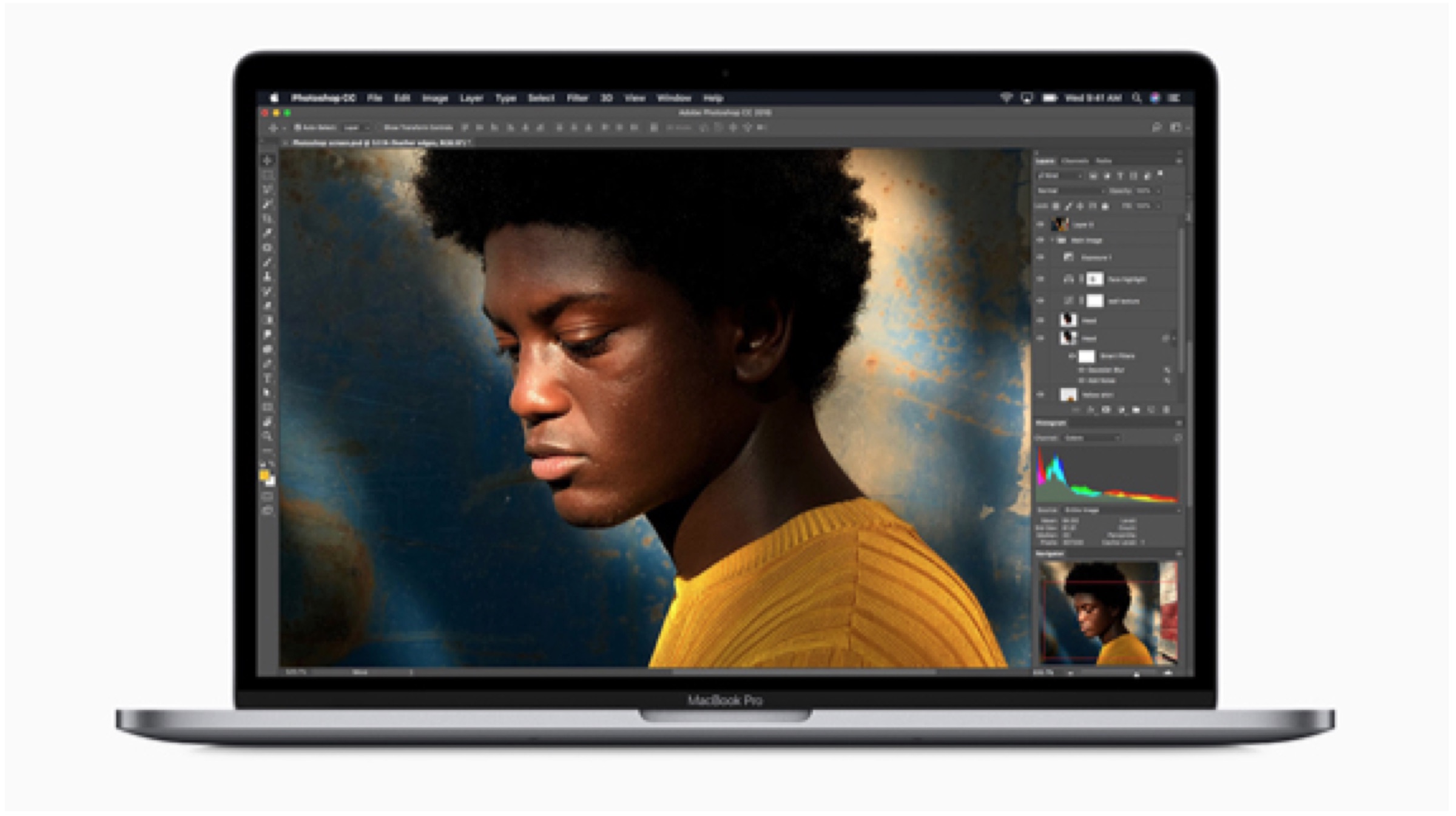
In terms of display, the new Apple notebooks have an upgraded Retina display with 500 nits of brightness. They also have support for the P3 wide colour gamut and True Tone technology. Regarding audio, the MacBook Pro has stereo speakers with wide-stereo sound. Other features include Touch ID, the TouchBar and a large Force Touch Trackpad.
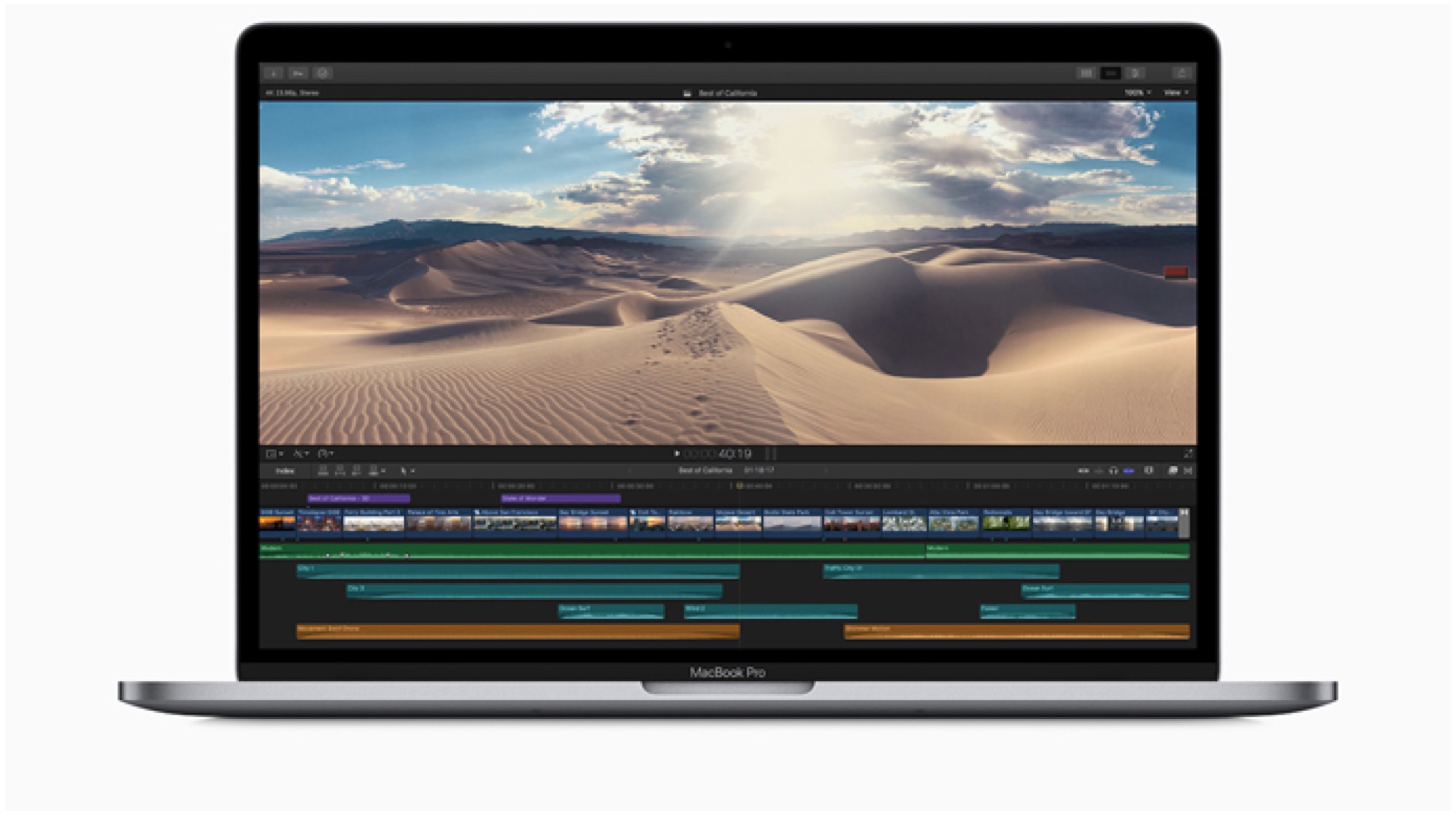
The MacBook Pro packs the Apple T2 security chip and a total number of 3 Thunderbolt 3 ports that can be used for fast data transfer, plugging in 4 external GPUs and connecting two 5K resolution displays. The T2 security chip is an encrypted safehouse that stores sensitive user data like TouchID information. In terms of the operating system, the updated MacBooks run on the latest version of macOS Mojave, which now features Dark Mode and a variety of upgrades to optimize usage.
The new MacBook Pro 13-inch and 15-inch variants with the touchbar start at a price of INR 159,900 and INR 199,900 respectively. They will be purchasable via Apple Authorised Resellers across the country.
In an event held in London, Huawei’s sub brand, Honor has launched its latest smartphones, the Honor 20 and the Honor 20 Pro. The newly launched devices are flagship grade handsets that have a focus on photography. Both smartphones have a similar design and have a lot of heterogeneous specifications including the chipset, front camera, display and connectivity options.
Honor 20 and Honor 20 Pro Design
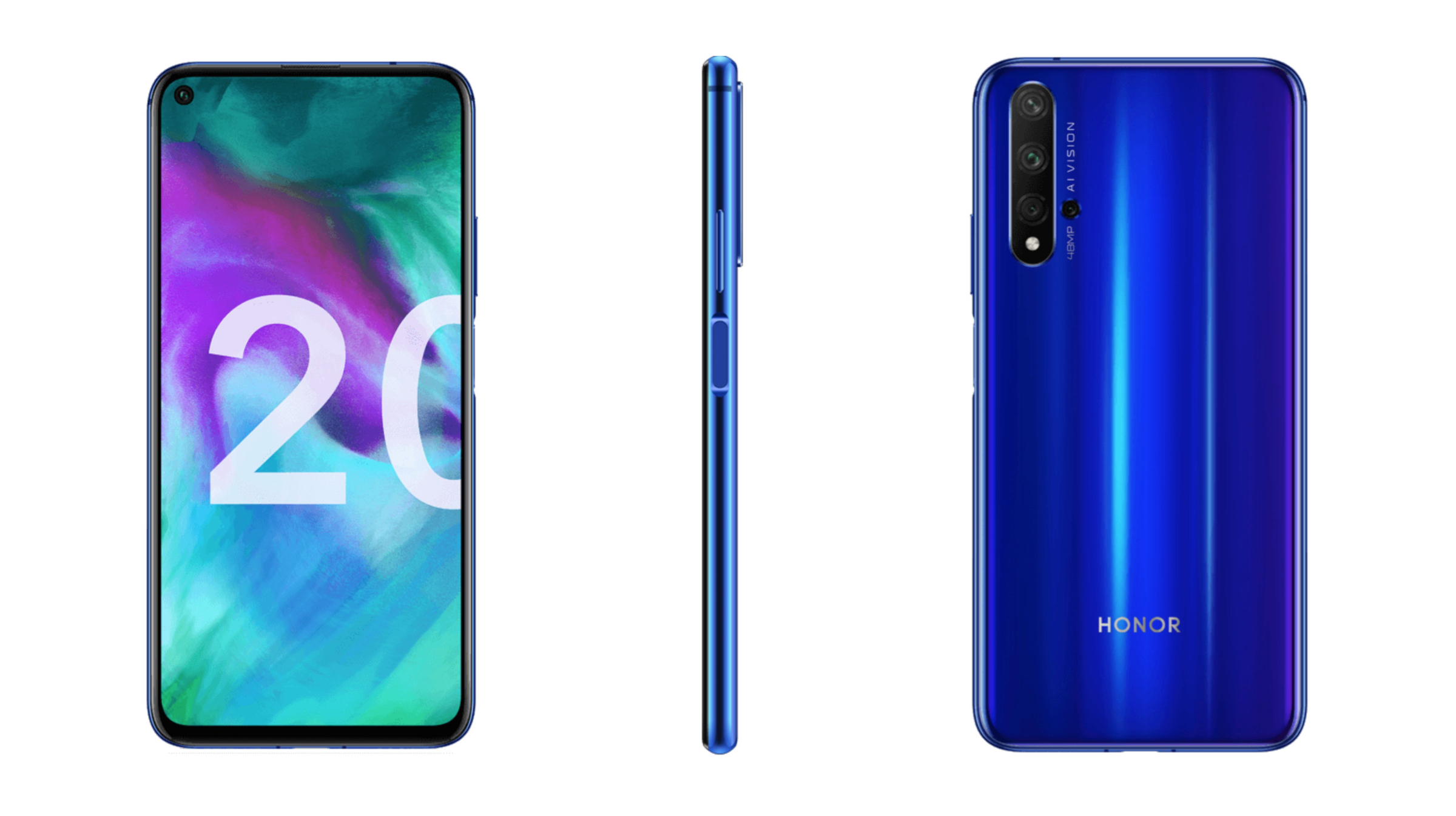
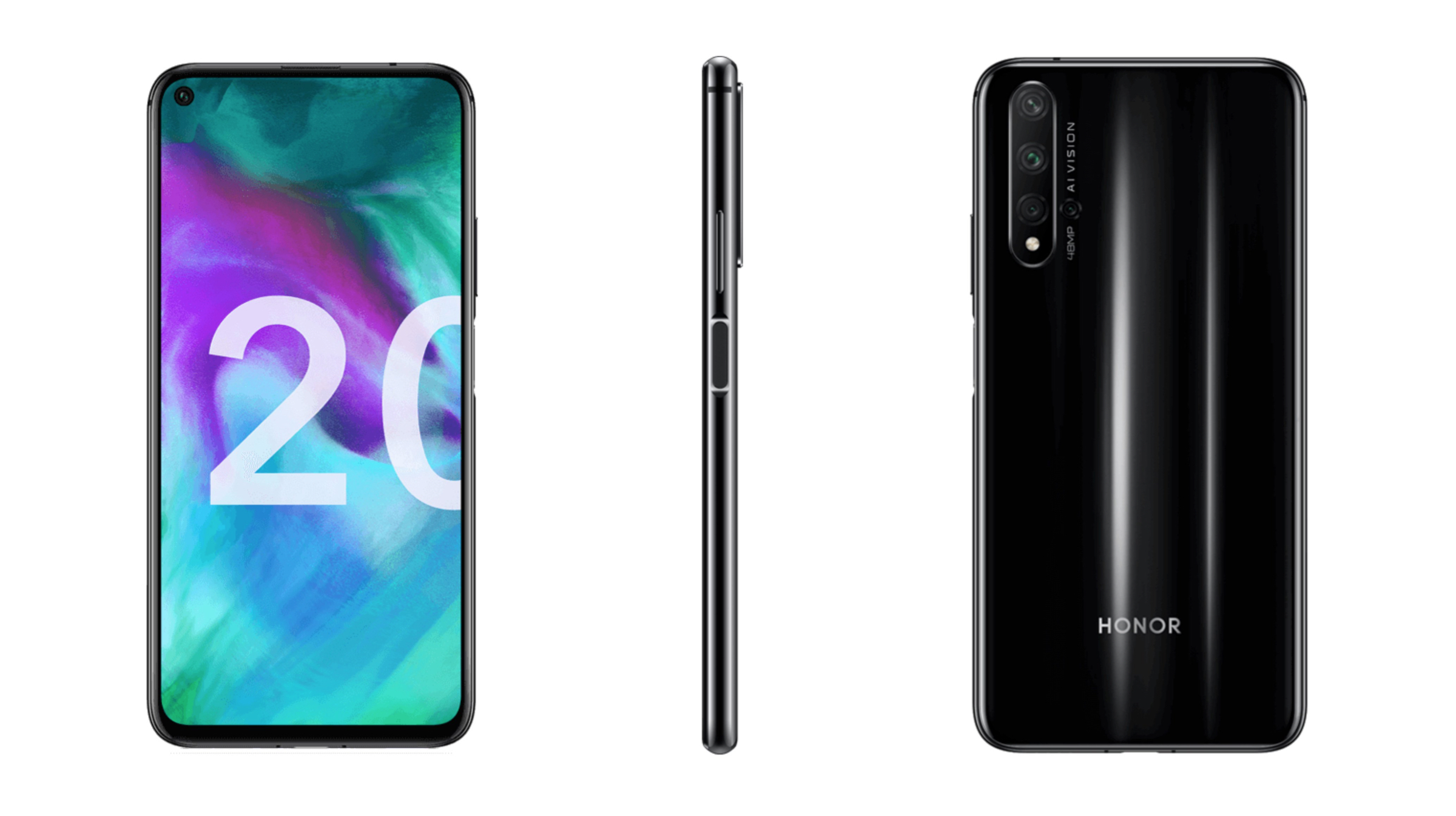
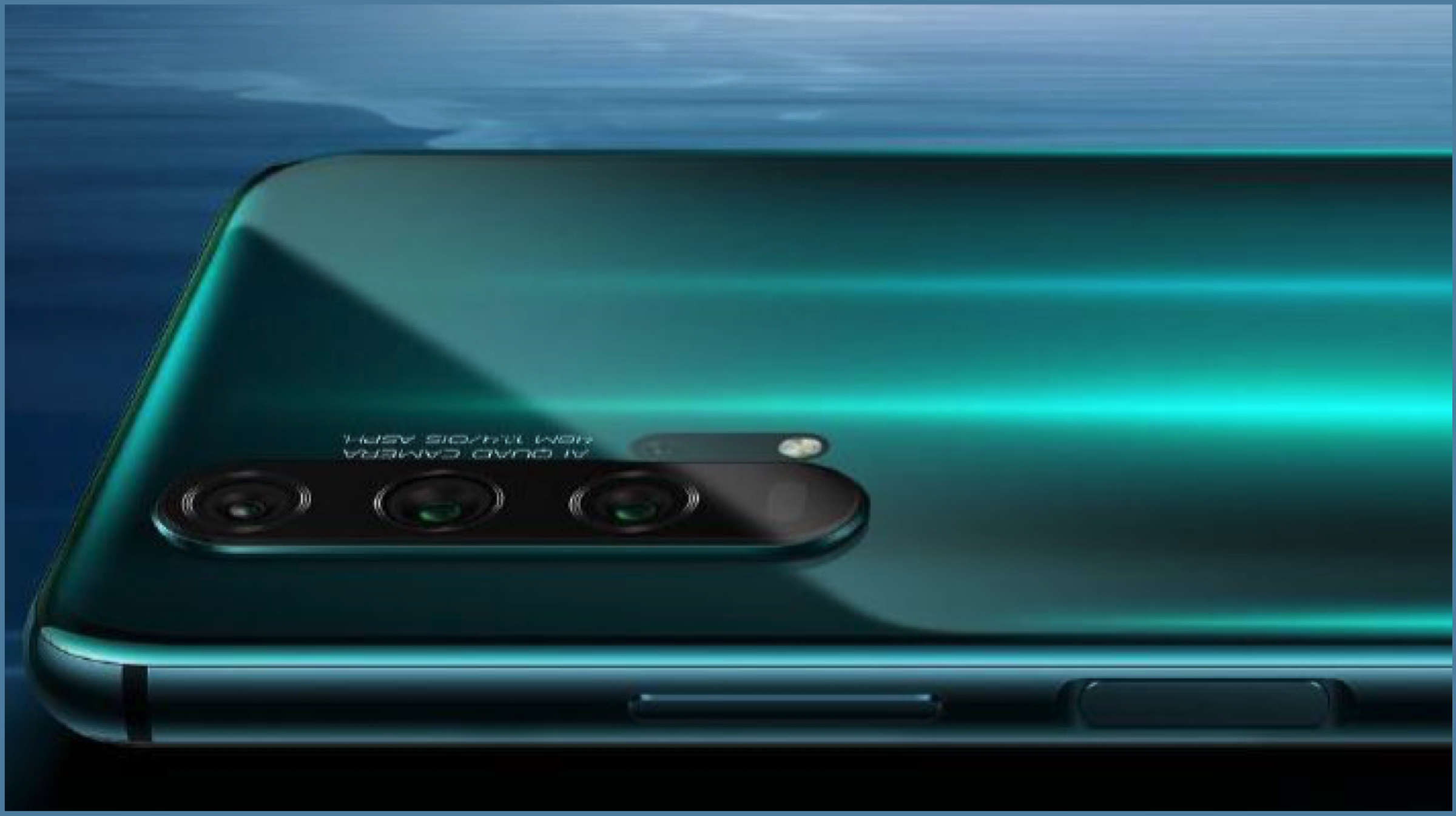
Both the Honor 20 and the Honor 20 Pro have an elegant design owing to the large screen display on the front. The display on both smartphones has a punch hole which houses the front facing selfie camera. The rear of the smartphones is made out of glass which harbours the company branding and the quad rear camera setup which is aligned in a vertical arrangement.
The right side of both devices is occupied by the volume rocker and the power button which also doubles up as the fingerprint scanner. The bottom of the devices houses the USB Type C port which is flanked by the loudspeaker and the charging grille on either side.
Honor 20 and Honor 20 Pro Specifications
Both the Honor 20 and the Honor 20 Pro feature a 6.26 inch LCD display. The smartphone duo has a 32 MP resolution front facing camera which is housed in the punch hole in the display. Under the hood, they pack the Kirin 980 SoC which is also present on the previously launched Honor View 20 and the Huawei P30. The chipset consists of an Octa Core CPU and the Mali G76 GPU.
In terms of battery, the Honor 20 is powered by a 3750 mAh battery whereas the Honor 20 Pro is powered by a 4,000 mAh. Both devices also support 22.5 W fast charging. Connectivity options on the two smartphones include 802.11 a/b/g/n Wi-Fi, Bluetooth 5.0, GPS, Dual 4G VoLTE and the bottom mounted USB Type C port. Both handsets also have a whole host of sensors which include an accelerometer, proximity sensor, gyroscope and a compass.
The key highlight the Honor 20 and the Honor 20 Pro is the rear facing quad camera setup. Both smartphones have a 48 MP Sony IMX586 sensor, 16 MP wide angle sensor and 2 MP macro sensor. The fourth sensor on the Honor 20 is a 2 MP depth sensor whereas the Honor 20 Pro has an 8MP telephoto lens. The devices can also capture 2160p videos @ 60 fps from the rear camera setup.
Honor 20 and Honor 20 Price, Colours and Storage Variants
The Honor 20 Pro is available in two colour options which include Phantom Blue and Phantom Black. On the other hand, Honor 20 is available in three colour options which include Blue, Black and White. The devices are offered in a single storage variant for which the price is as follows:
Another month, another Top Tech. It is the month of May and this time we will check out the best gadgets and accessories you can buy under the budget of Rs. 1,000. These range from travel accessories to nifty gadgets that can be used in daily life. Check out the video and the detailed list of products for this month below.
Video:
List:
Leaf Bass Headphones
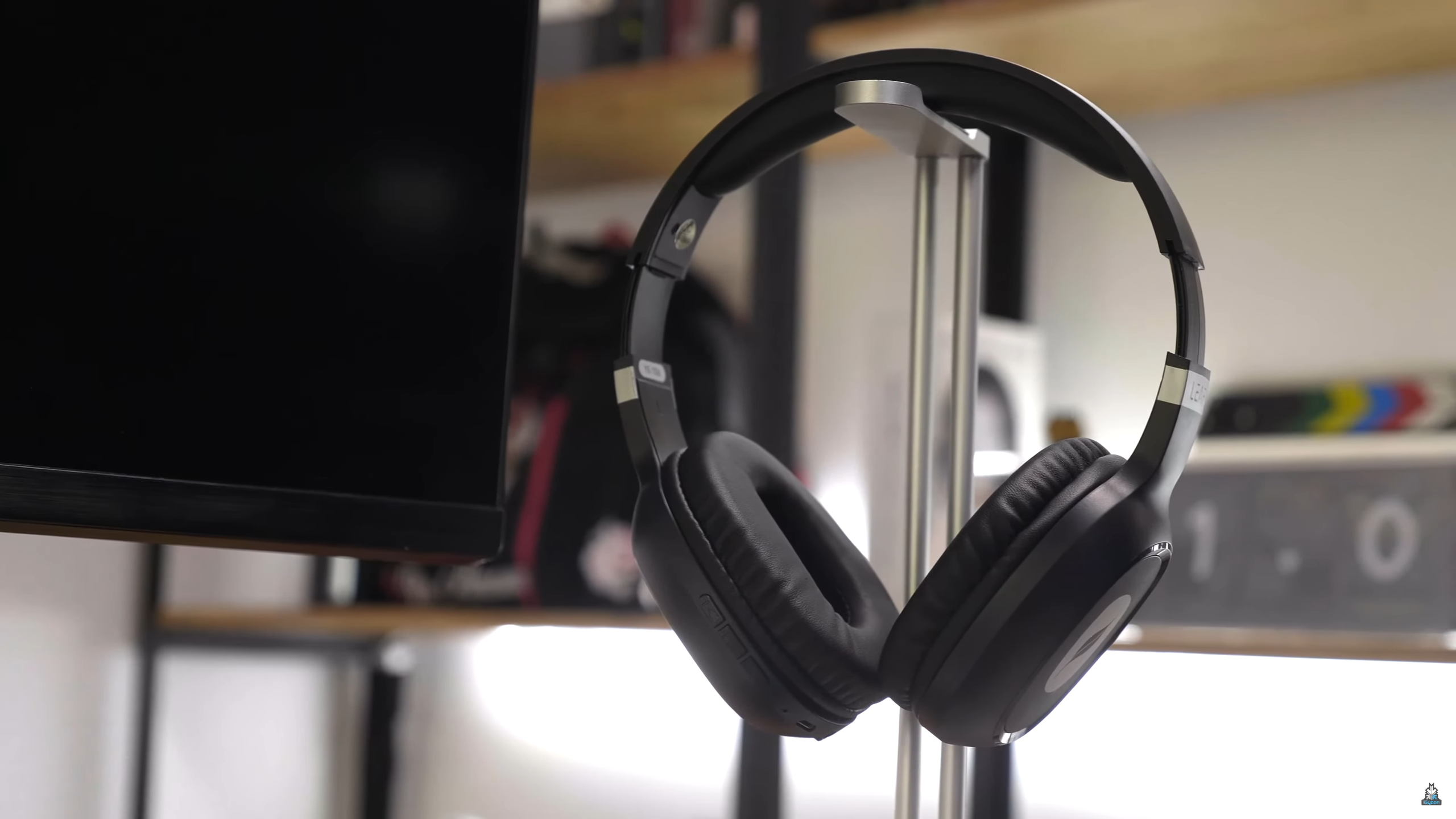
Leaf is slowly becoming a well-known brand in the budget audio segment. The Bass Headphones is a great buy for anyone looking for a good option under Rs. 1,000. It features a lightweight and comfortable design which makes it easy to be worn for longer periods. The controls for music and calls are placed on the earcup and the advertised battery life is around 10 hours. In terms of audio quality, the headset gets surprisingly loud and has a good amount of bass, hence the name. The Leaf Bass Headphones are truly one of the best Top Tech items under Rs. 1,000.
Flame LED Speaker
The Flame LED Speakers is one of the best looking speakers you can buy for the price. Just look at those lights! There are multiple controls on the top of the device which lets the users control the music playback and adjust the light on the speakers. It also has a handle which lets users carry it with ease as the product is itself lightweight. In terms of sound quality, the Flame LED speaker gets really loud, with decent bass and mids. The lows are where it gets muddy, but the output and looks are enough to make it in the Top Tech items under Rs. 1,000.
Mini Tripod
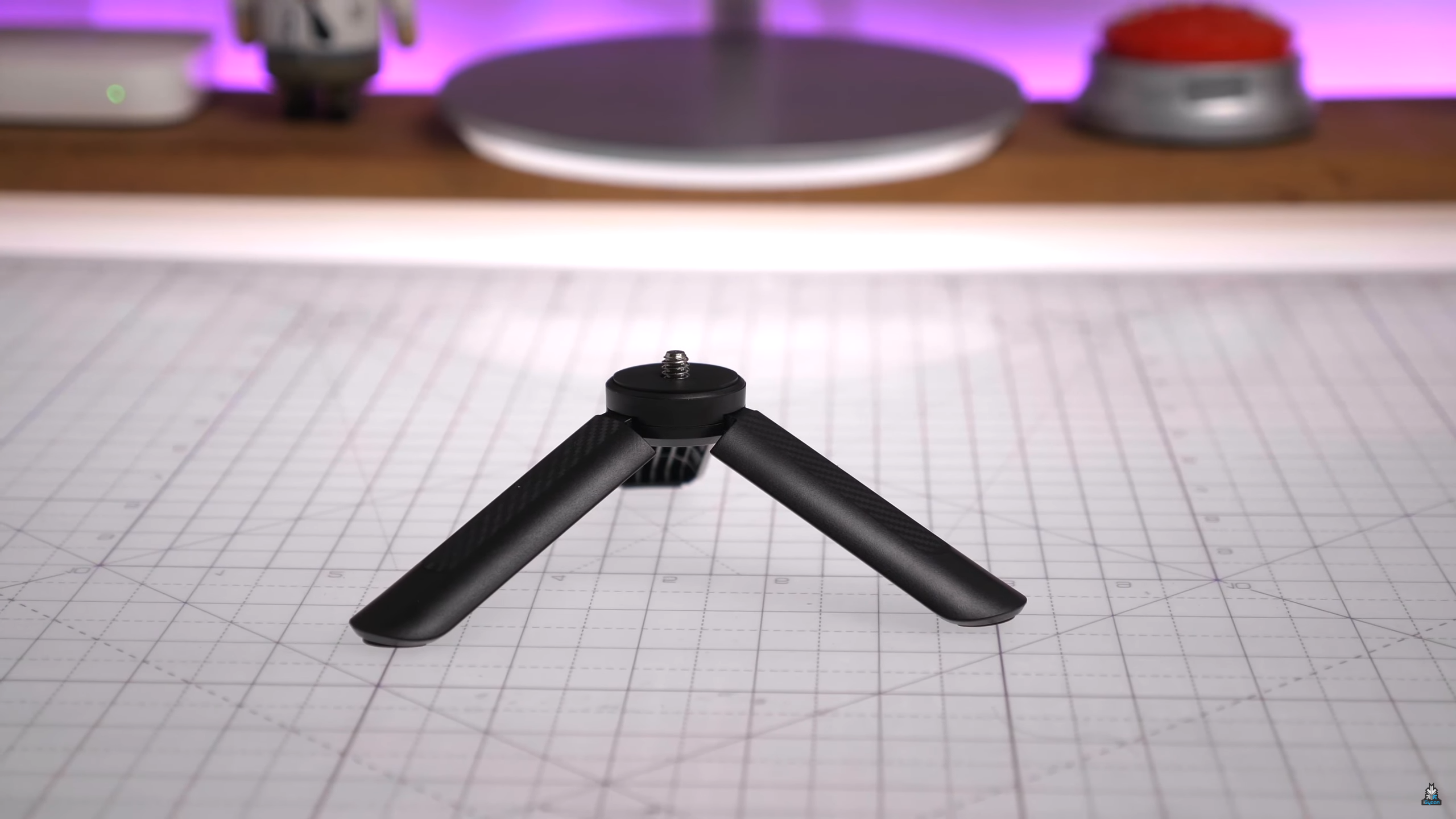
Photographers assemble! The Mini tripod is one of the best gadgets under Rs. 1,000 if you’re into mobile photography. There are quite a few varieties of tripod available from the seller, which can be enough for every kind of photographer. The product is foldable and sturdy and can handle the weight of a typical smartphone with ease. It is a good product if you want to click hands-free selfies and some convenience added to your photography experience.
Cooling Gamepad
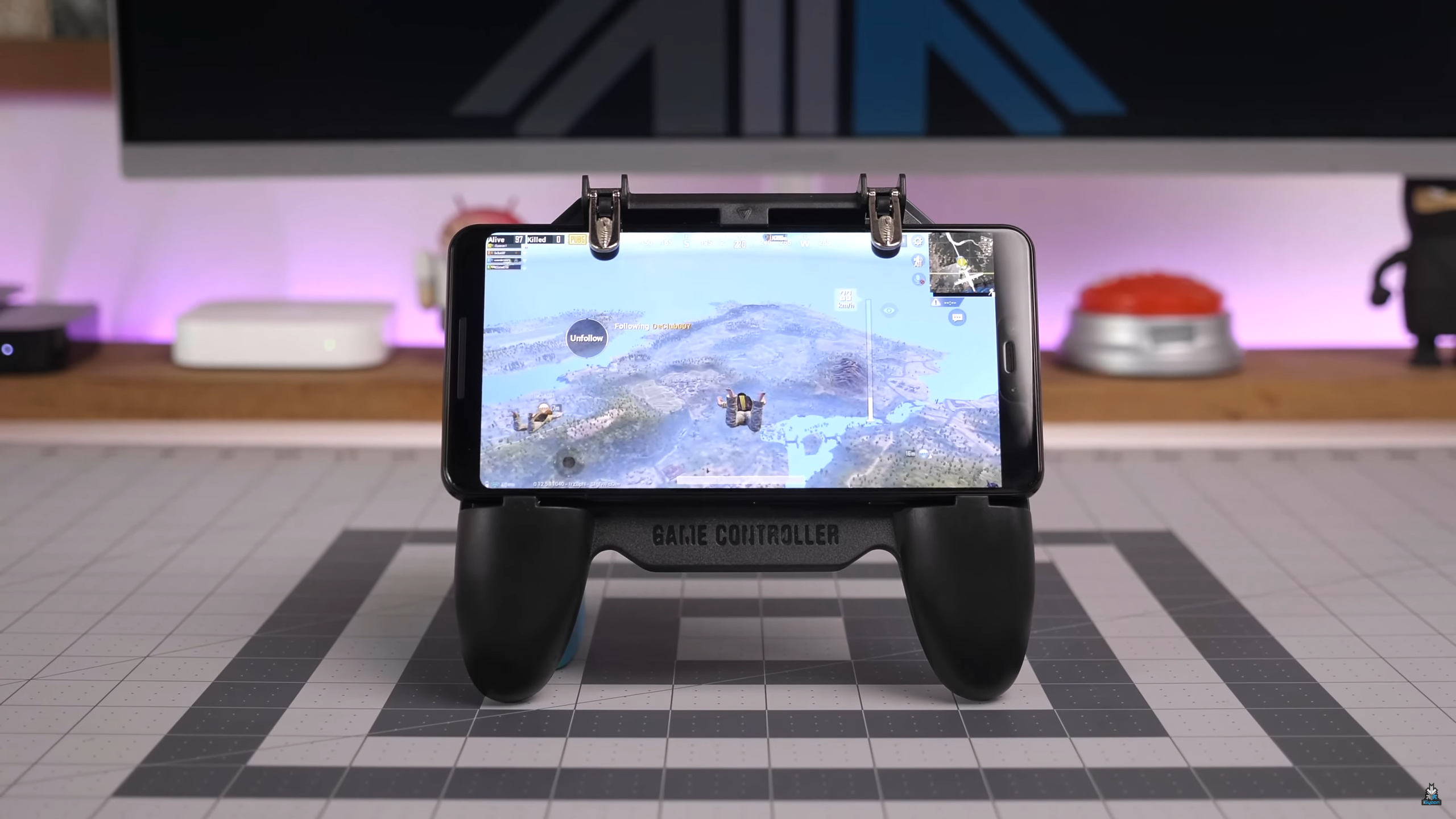
For all you PUBG Mobile gamers out there, the Cooling Gamepad was made for you. The device features an internal battery for charging your smartphone on the go. And for those long gaming sessions, it has an inbuilt fan for keeping the handset cool in case of overheating. The gamepad has a good grip and two shoulder buttons that can be used to trigger on-screen controls with ease. It makes playing PUBG Mobile a console-like experience and elevates your feeling of victory when you win a Chicken Dinner. It a good Top Tech product under the Rs. 1,000 budget.
Gadget Bag
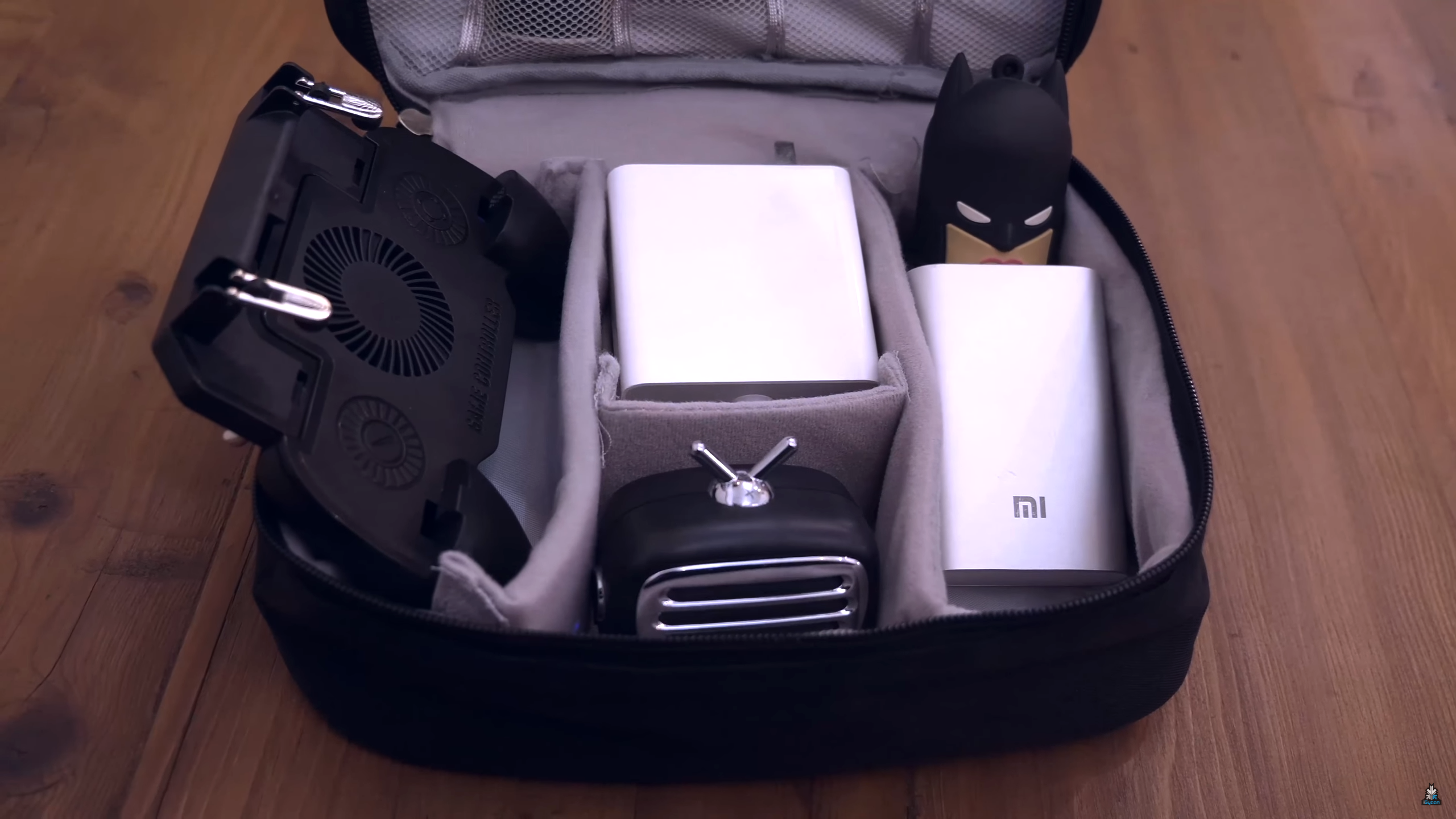
The Gadget Bag by House of Quirk is a great product to keep all your important tech products organised. It features a plethora of pockets that can store various items of different sizes inside. The bag is also shockproof and waterproof, so you can use it without worrying. It is a great Top Tech item for gifting as well.
Magnet Holder
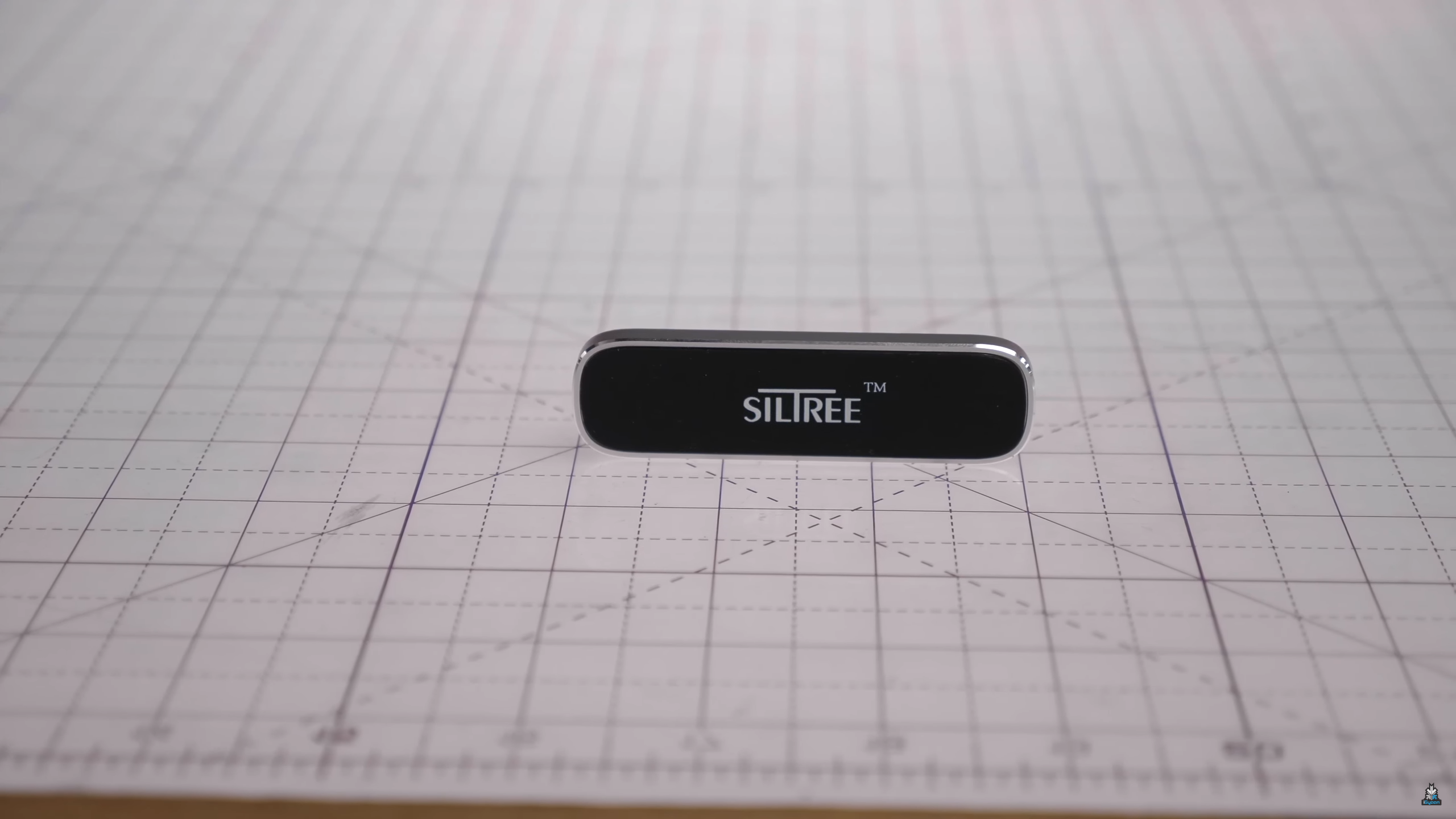
In life, a little organisation is always important. That’s where the Siltree magnet holder arrives into play. It features eight strong magnets which can be used to hold electronic devices like smartphones and tablets on a flat surface. Furthermore, it is also a great accessory for use inside a car, as a smartphone can easily be placed on top of it without the worry of it falling.
USB Fan
It is officially summer and the USB Fan is a perfect fit for the season. It features a portable and stylish design which blends into the environment perfectly. Furthermore, it has touch controls on the stand which can be used to turn the fan on or off or adjusting its speed. While the cooling is not perfect due to its small and compact form factor, but it is commendable and should be enough for occasional use.
Mi Laptop Backpack
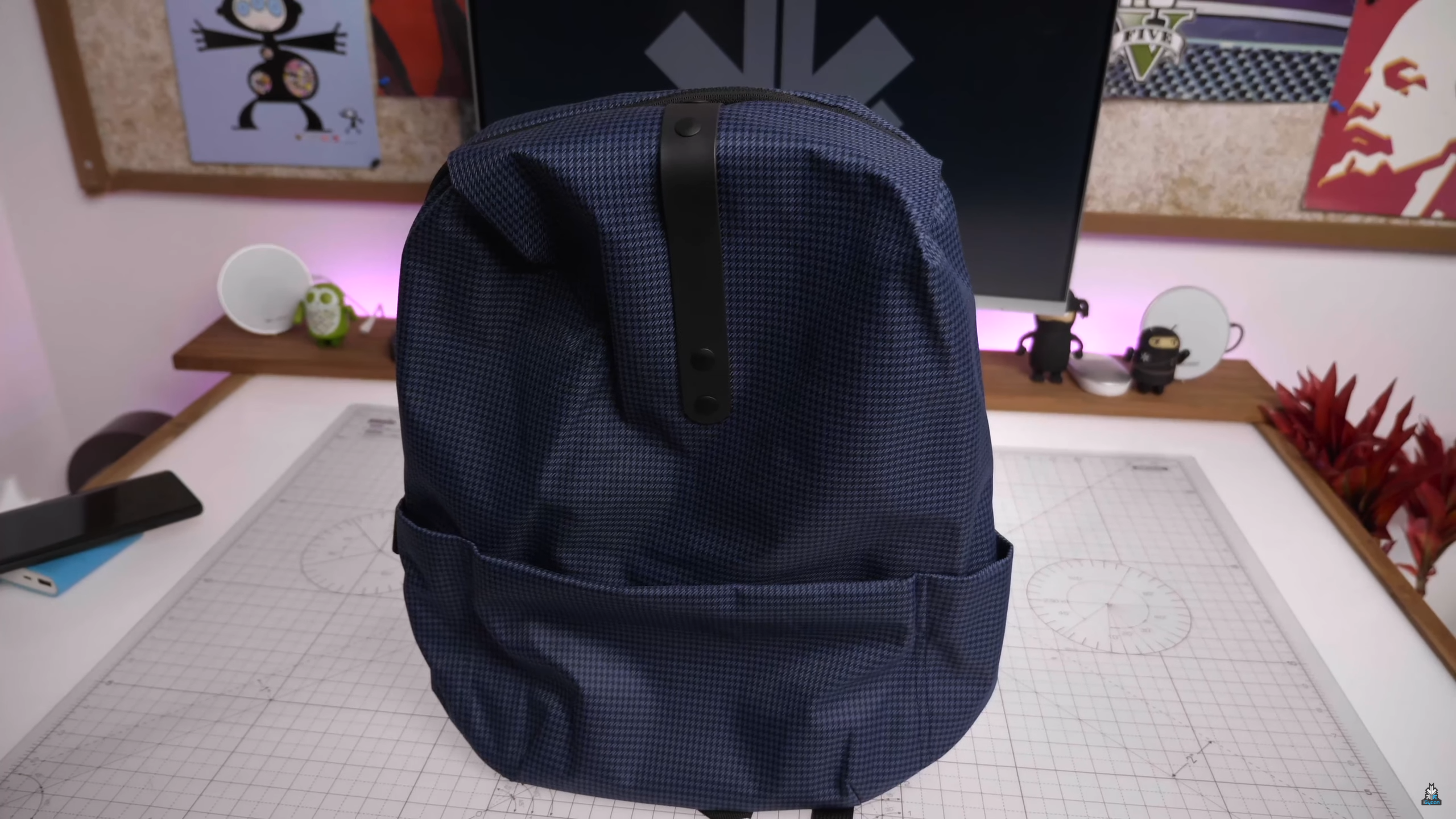
The Xiaomi Mi Backpack, like other products from the company, is an affordable alternative in backpacks. It has a stylish design with a major pocket that can house laptops and notebooks with ease. The bag is also water resistant so it can survive a life in the real world. It is a great top tech product under the budget of Rs. 1,000.
I9 Truly Wireless Earphones
Want AirPods but are on a budget? The I9 Truly Wireless Earphones are here for you. It features a design reminiscent of the Apple AirPods which makes them look way more premium than they have any right to be. The case of the headsets is also similar to Apple’s offering, with a similar deisgn and size. It can be charged via a USB Type C port and the earphones themselves sound good for the price. They have a punchy bass and medium treble.
Claw A2 Retro Speaker
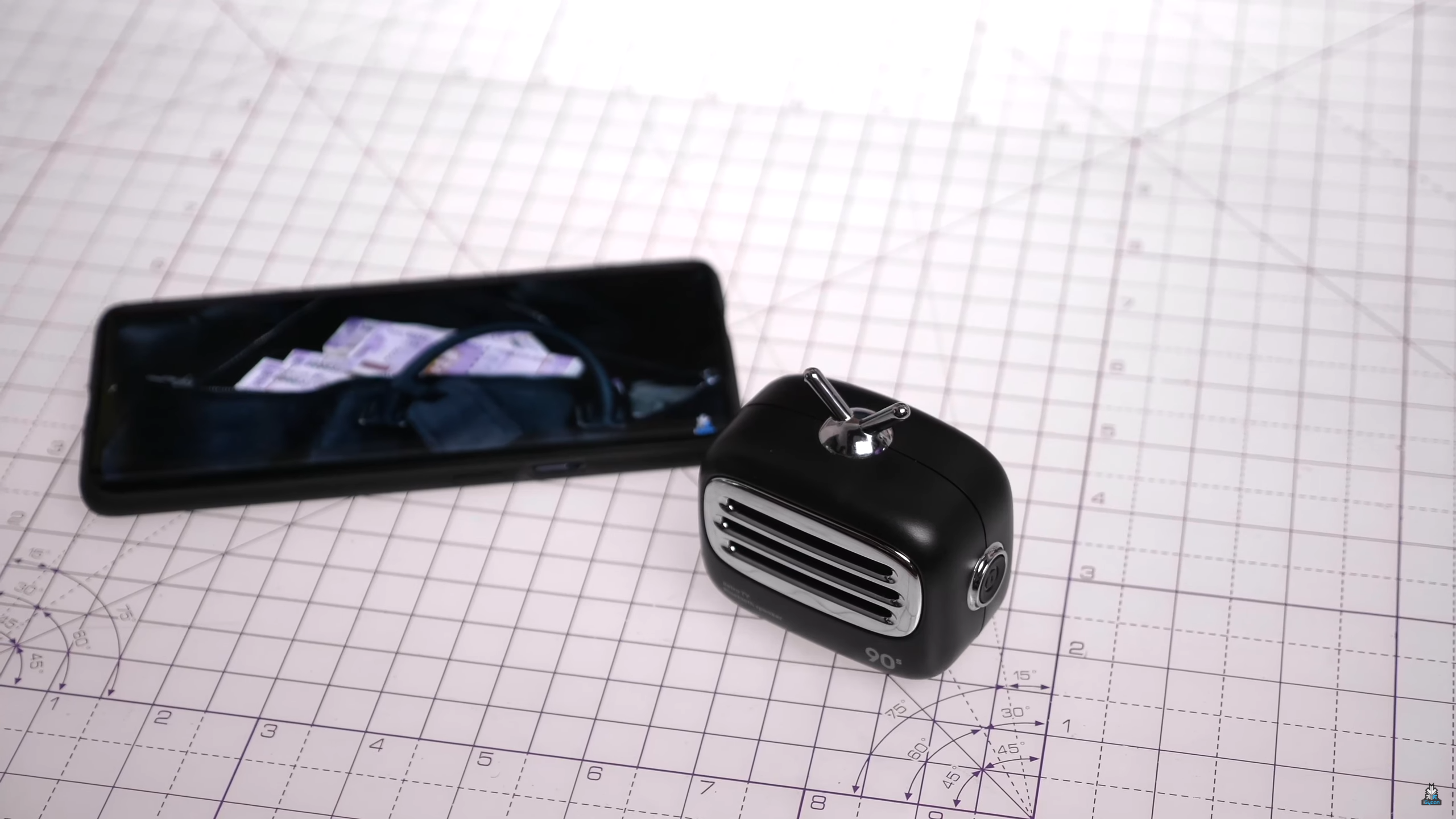
The cute little Claw A2 Retro Speaker is one of the best looking products in the price range. Besides providing a strong nostalgia of classic radio, the speakers feature a very compact and good looking design. It has all the control on the outside and has a 1000 mAh battery inside for a long listening time. In terms of sound quality, it sounds great for the price. The speakers have a loud and clear output, with a balanced sound altogether.
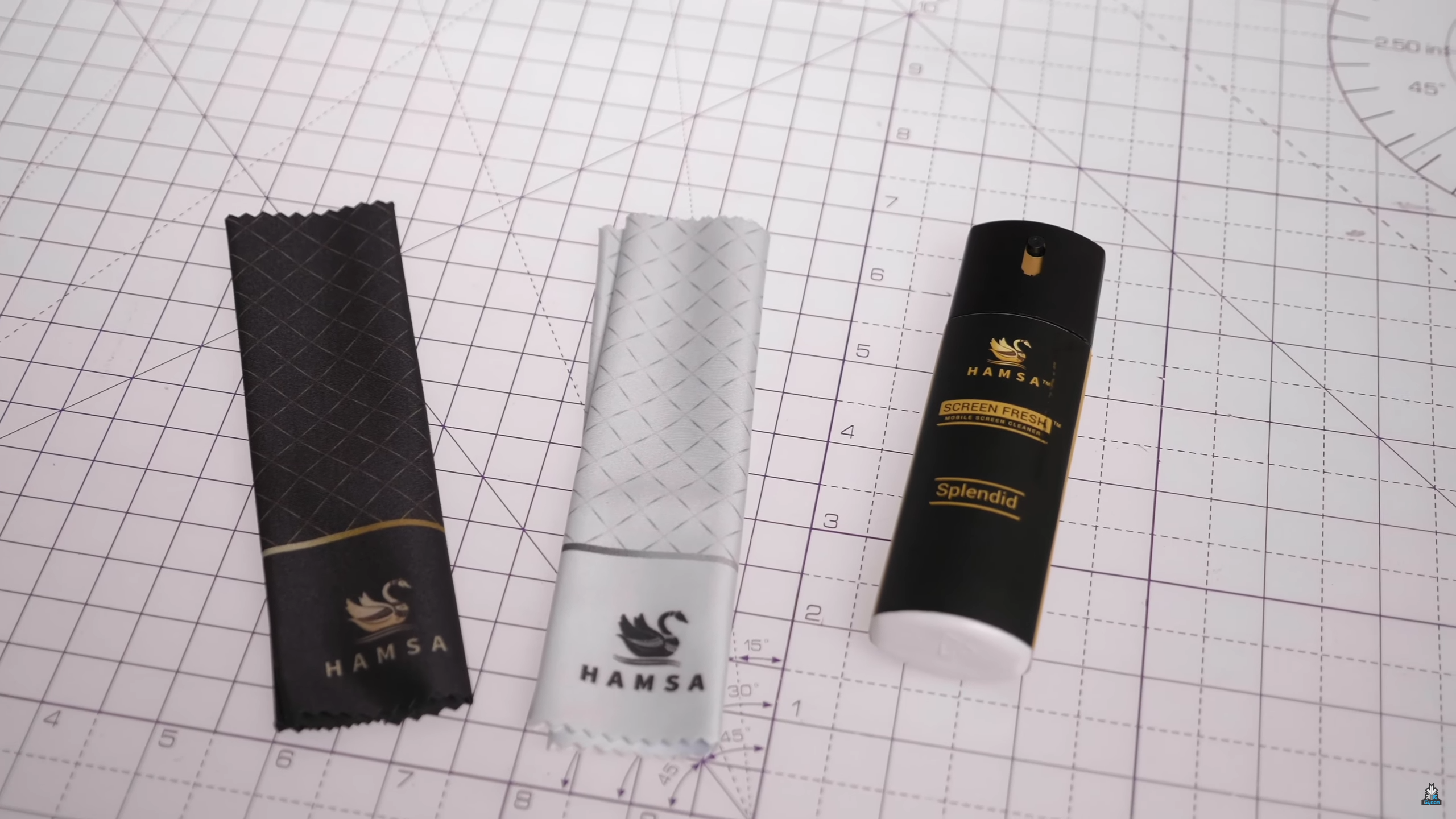
In this day and age, an always clean smartphone, tablet or a laptop seems like a distant dream. The Hamsa Screen Cleaner makes that dream a little simpler to achieve. It ships with two microfiber cloth in the box and has a perfumed antibacterial inside the screen cleaning liquid. This helps it clean the device’s screen more effectively and also leaves it smelling good in the process.
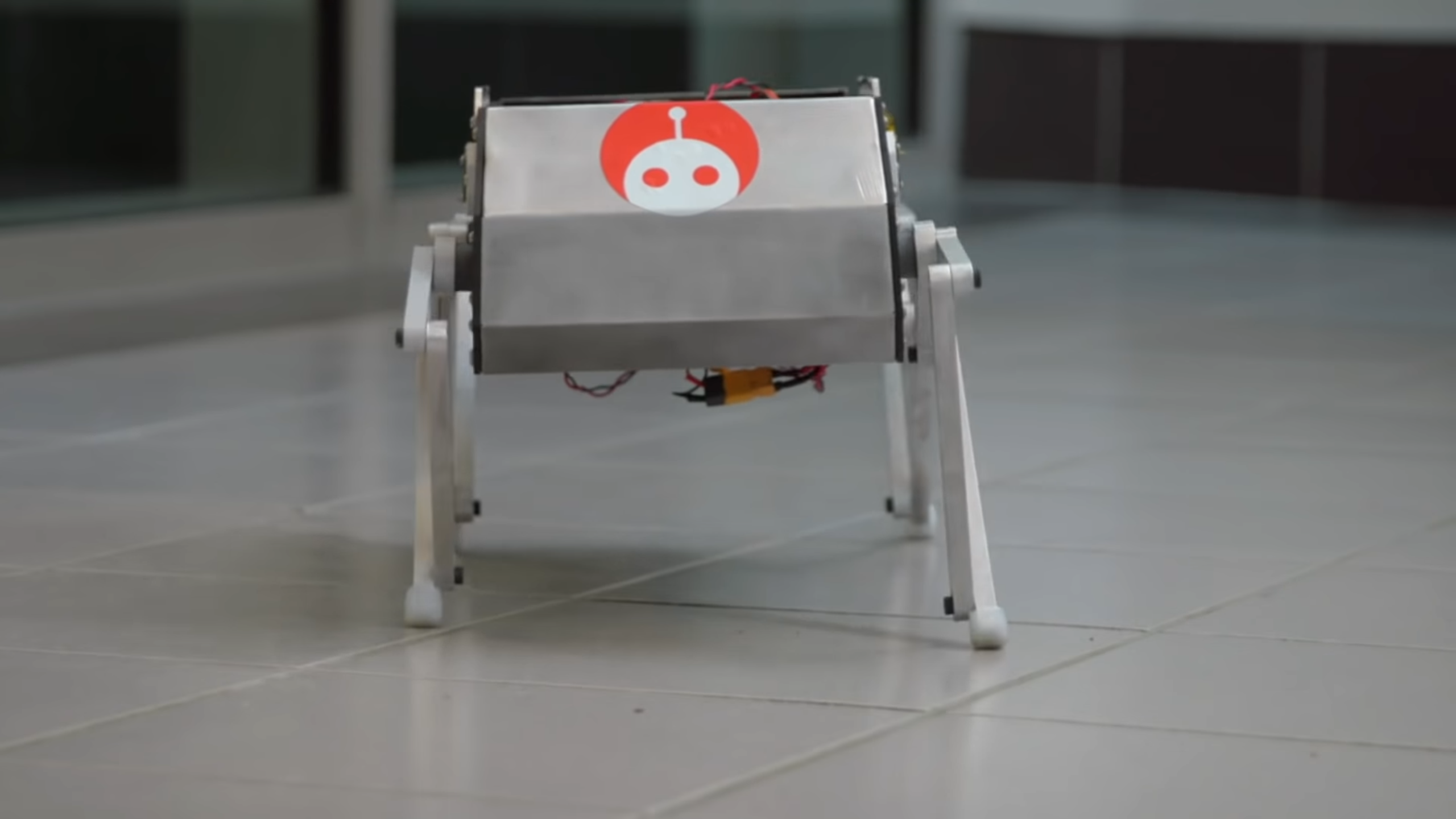
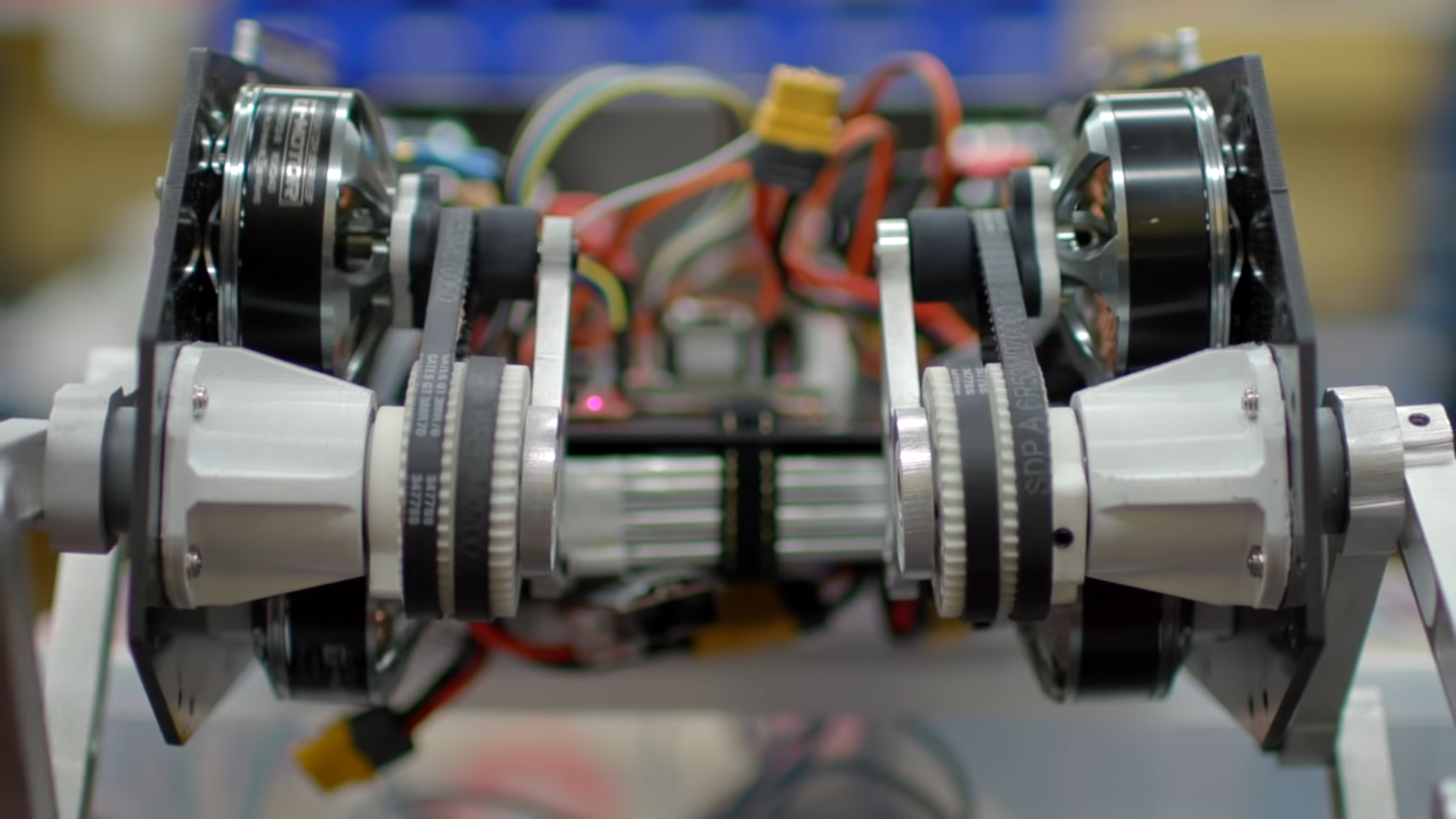
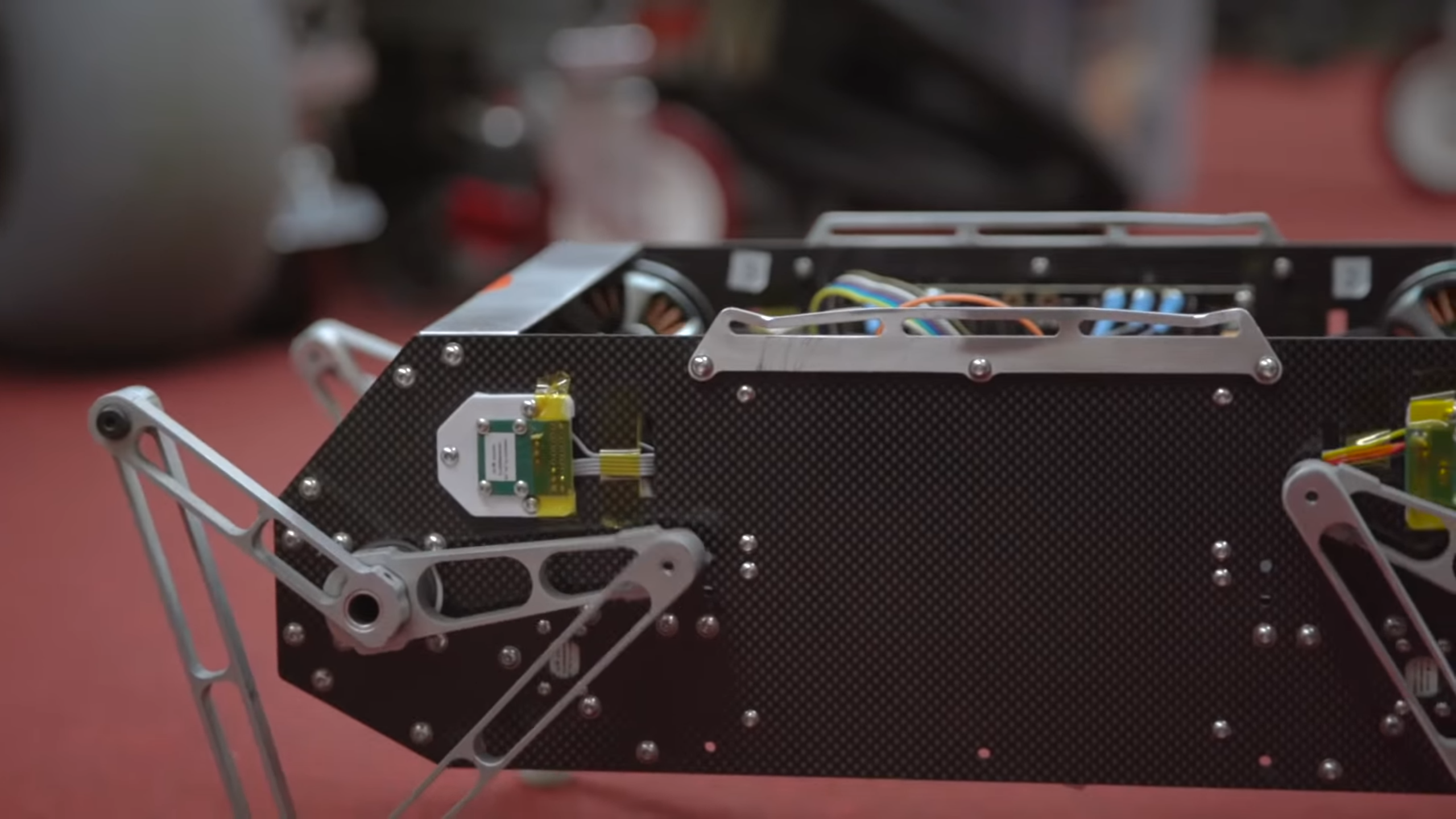
The advancements in Robotics have made the field more accessible to enthusiasts. As per fresh news, students at Stanford University have designed a four-legged robotic dog that can perform acrobatic tricks and overcome challenging terrains. But the most interesting part is the fact that the robot can easily be reproduced with readily available parts. The dog has been named the “Stanford Doggo” and has been made freely available online, albeit in a different way.
Cost Of Developing The Robotic Doggo
As per the Stanford Student Robotics Club’s Extreme Mobility Team, the cost of developing conventional robots can range anywhere between tens to hundreds of thousands of dollars. On the other hand, the Stanford Doggo can be manufactured under US$ 3000, and this includes manufacturing and shipping costs. Almost all the components required for manufacturing the Doggo can be purchased online. The students expect that this will enable researchers and robotics enthusiasts to develop innovative projects the way they want.
The Stanford Doggo is similar to a regular-sized Beagle in terms of size, and it can walk, trot and dance with ease. More complex actions include jumping, hopping and performing backflips. Since the students built up the robotic dog from scratch, a lot of time had to be devoted in order to test each part of the Doggo. Moreover, the students did not rely on any form of simulations during the development of the robot, making it even more difficult to predict results.
The Doggo has motors that can sense external forces and then calculate how much force should be exerted by each leg. As per reports, the motors recompute input data at over 8000 times a second. The motors work together in the form of virtual springs, which allows the Doggo to jump up to 3.5 feet above the ground. The team of students will present the Stanford Doggo at the International Conference on Robotics and Automation on May 21 in Montreal, Canada.
The Redmi Note 7S is the latest smartphone from the Xiaomi subsidiary. It is the most affordable device in the market currently to feature a 48MP primary camera. It has a glass design on the front and back with an attractive gradient back panel. The handset runs on the mid-range Snapdragon 660 SoC which is comprised of an Octa-core CPU and the Adreno 512 GPU.
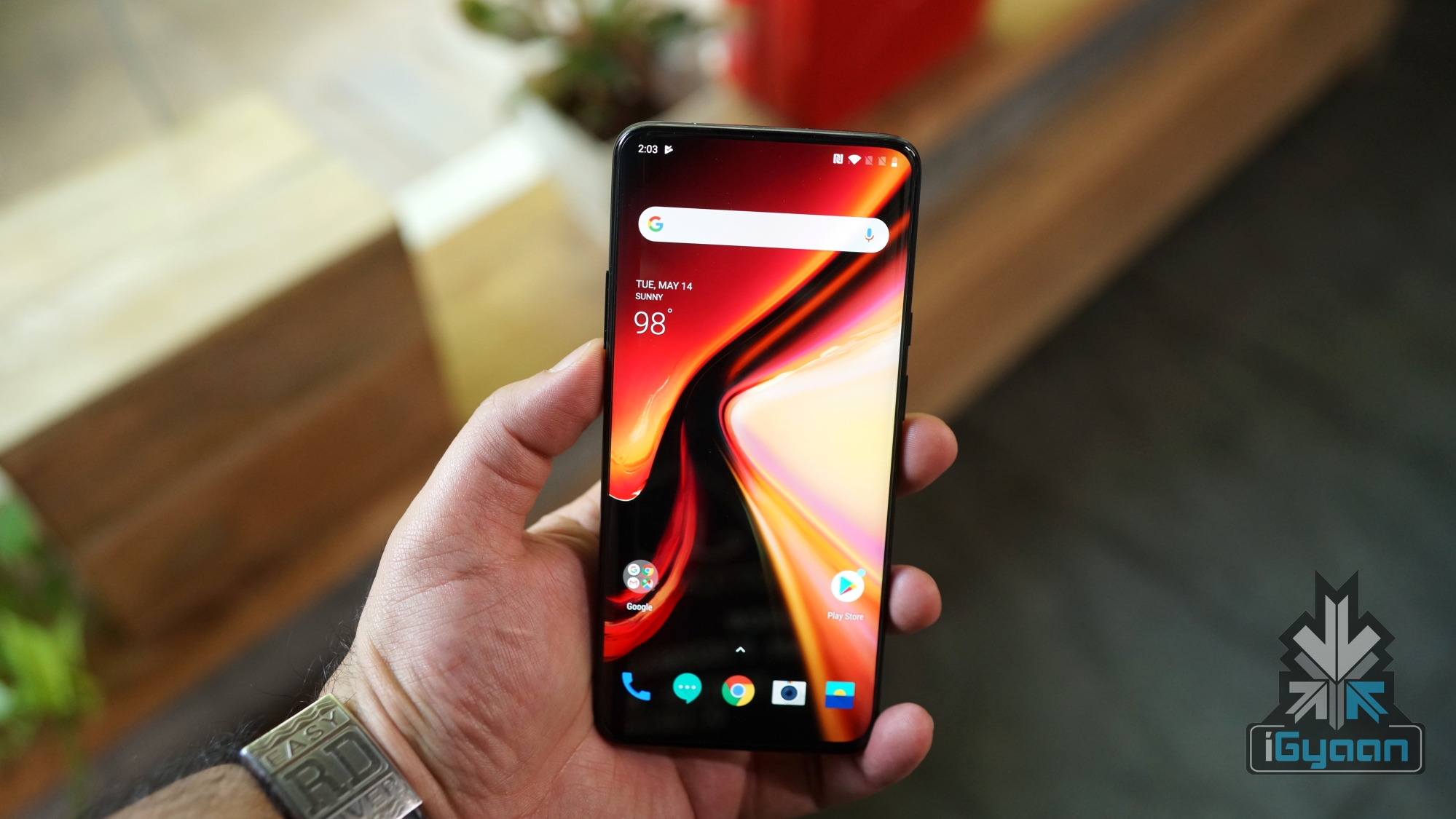
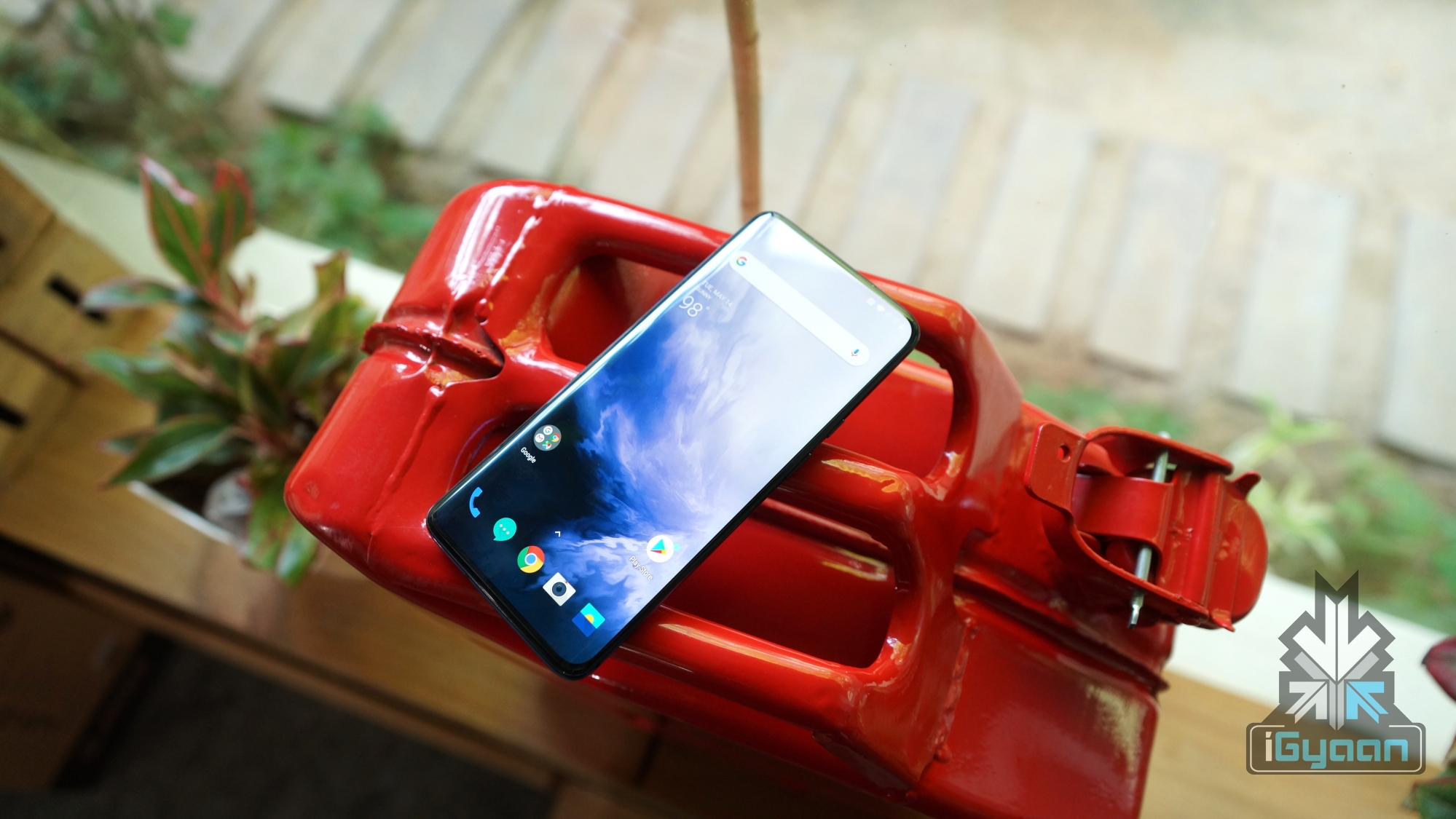
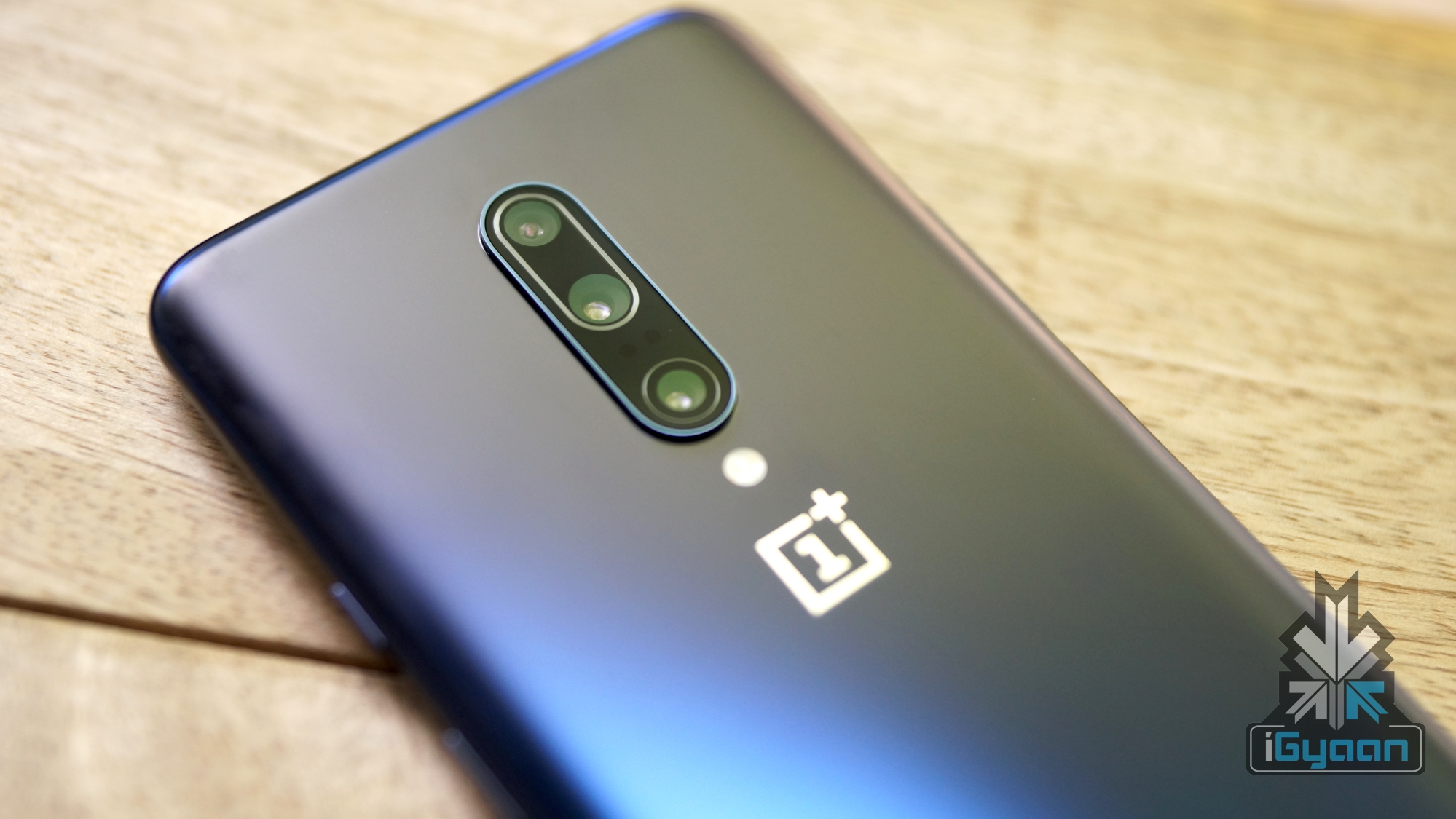
Earlier this month, Google held its annual developer conference, Google I/O in Mountain View, California where it showcased the upcoming Android Q. The future Android update will introduce several new features while simultaneously enhancing the existing ones. The consumer-ready update of the latest Android version is expected to roll out in the month of August. However, interested device owners can experience the Beta version of Android Q which takes a bit of tinkering to install.
During the conference, Google published a list of OEMs whose devices are eligible for the Beta software update. As promised, Chinese smartphone maker, OnePlus has dropped the said Android Q beta for its latest flagship smartphone duo which includes the OnePlus 7 and OnePlus 7 Pro. Consequently, interested OnePlus 7 and 7 Pro owners can install the latest software on their devices and experience what the future version of Android has on offer. Though, it must be noted that Beta software has certain issues which will be fixed gradually with upcoming updates. The list of known issues is listed below:
Ambient Display is not working
System stability issues
Cannot send SMS when VoLTE is on
Navigation gesture is not working
Recovery mode doesn’t work
Some apps may not function as expected when running on this Developer preview release
An issue with MTP that doesn’t allow you to copy rollback file from PC to Phone
After going through the list of known issues, if you still want to install Android Q beta on your OnePlus 7 or OnePlus 7 Pro, the following guide will help you
How To Install Android Q Beta On OnePlus 7 and OnePlus 7 Pro?
Note:
The update will delete the existing data on your smartphone, therefore backup important data before installing the update.
Make sure your device is 30% charged and has at least 3 GB of available storage space.
Steps:
Download the latest ROM upgrade zip package. (OnePlus 7, OnePlus 7 Pro)
Copy the ROM upgrade package to the phone storage.
Navigate to Settings > System > System Updates > Click top right icon > Local upgrade > Click on the corresponding installation package > upgrade
After the upgrade is complete, click Restart.
The phone will boot into recovery mode to format user data, it will reboot again after formatting.
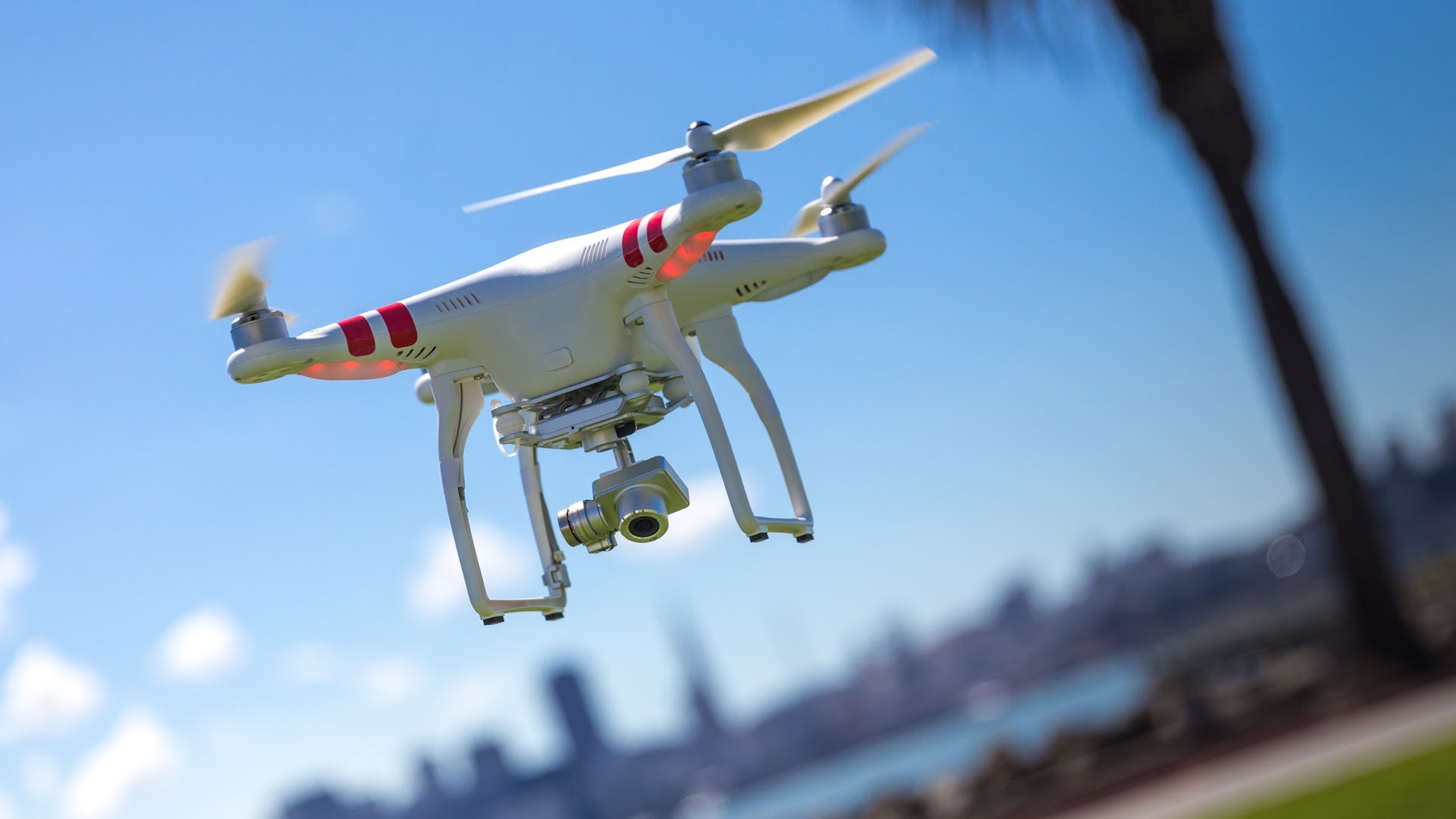
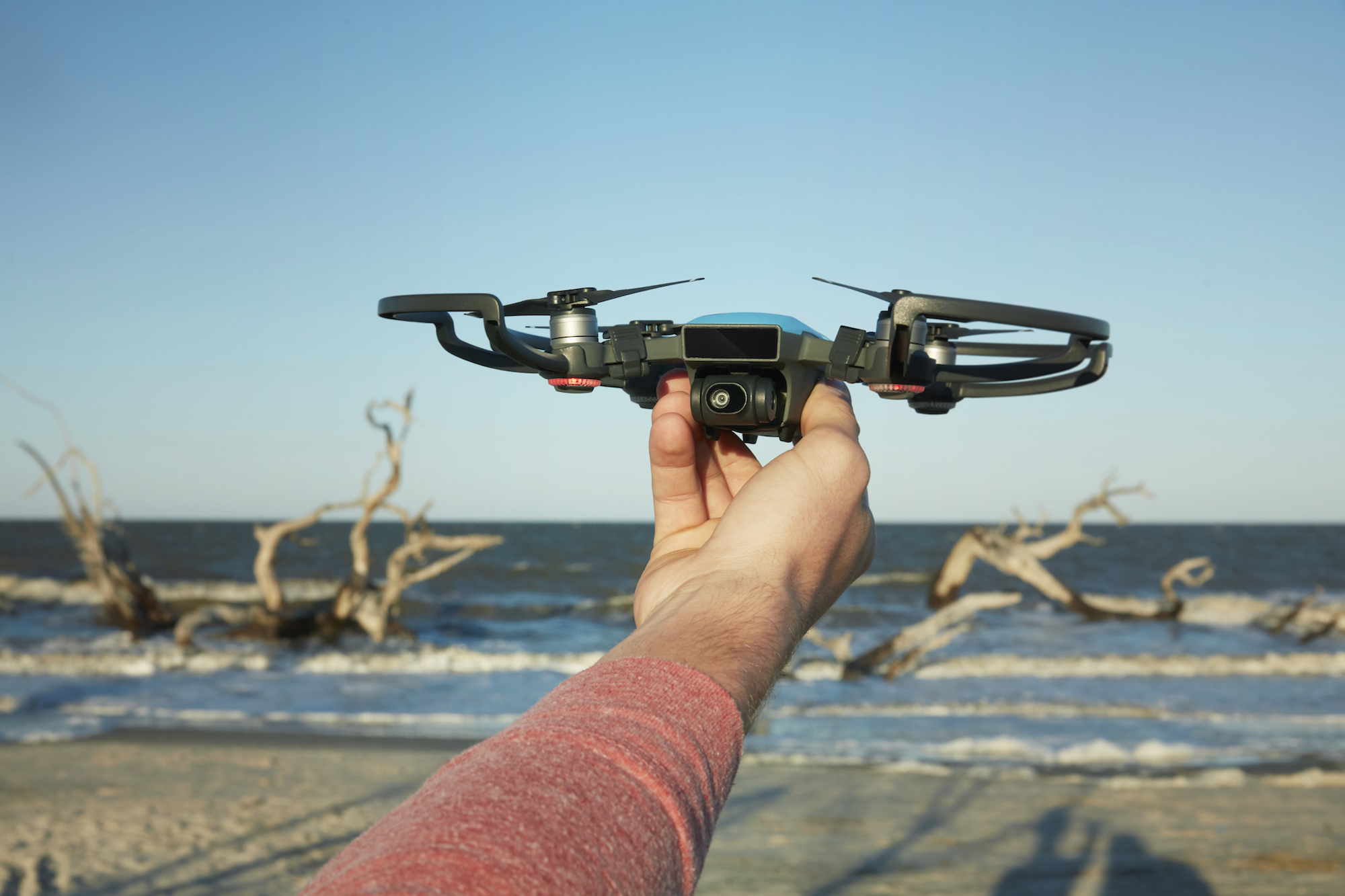
The Department Of Homeland Security (DHS) of the United States has issued an alert against the Unmanned Aerial Vehicles (UAV) or drones manufactured in China. In a report provided to a renowned media house, the department claims the drone sends flight data to the manufacturers. And given the latest stance by the country over spyware, it is expected that DJI, a major Chinese drone maker who sells about eighty percent of the total drones in the US and Canada; may be banned from the country as well.
This news arrives after the latest trade ban imposed by the country on Chinese telecommunications giant Huawei. While the ban has been suspended for 90 days, the increasing trade war between the US and China is expected to further rise because of the fresh statement.
About The Alert
As mentioned above, the Department of Homeland Security has alerted the users of drones manufactured in China that their flight data is being sent back to the manufacturers. This data can be accessed by the Chinese government which it can further use for spying purposes. According to the Department, the drones pose a potential risk to an organisation’s information. This is because the products contain components that can be used to compromise the user’s data and share their information on a server accessed by the Chinese government. And while a brand or a product is not mentioned specifically mentioned in the report, popular drone maker DJI seems to be that can be affected if the US decides to ban China made drones in the country.
DJI is a Chinese manufacturer headquartered in Shenzhen and is really popular globally for its drones. As is previously mentioned, they have over 80 percent of the market in the US and Canada. So in a case where the country decides to ban their products, the revenue of the company can take a hit substantially. It has clarified to its customers in a statement which notes that its products provide full and complete control over the security of their data. The users can decide how their data is stored, collected and transmitted.
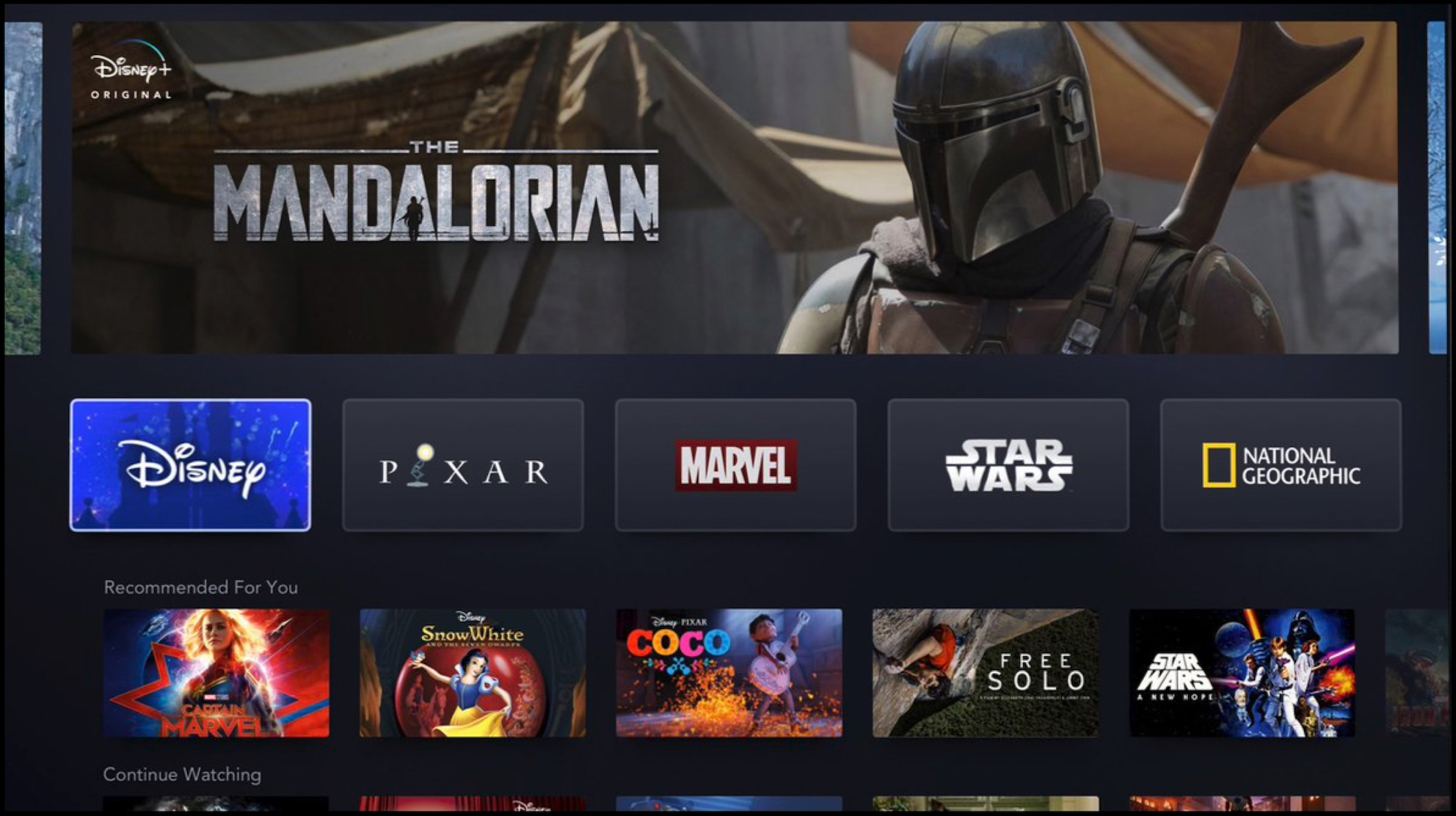
In the wake of the highly-successful Avengers: Endgame, the highly anticipated Falcon And The Winter Soldier live-action Marvel series has reportedly found a director and will be expectedly released in the month of August 2020 on Disney+. Daniel Brühl and Emily VanCamp, who played Helmut Zemo and Sharon Carter in Capitan America: Civil War will also be added to the cast of Falcon and The Winter Soldier. They will join Sebastian Stan and Anthony Mackie, both of whom will lead the show and will play The Winter Soldier and The Falcon themselves.
The series will be directed by Kari Skogland and will be produced by Marvel Studios’ Kevin Feige. The series is expected to pick up from where Captain American gives his shield to the Falcon at the end of Avengers: Endgame. Previously, Disney had released a statement that The Falcon and The Winter Soldier will release in the first year of Disney+, Disney’s upcoming streaming service. The director of the series has previously worked on movies like Fifty Dead Man Walking, which starred Ben Kingsley and Jim Sturgess and won the Canadian screen award for the Best Screenplay.
The Release Date For Falcon and the Winter Soldier Disney+ Marvel Series RevealedDaniel Brühl appeared as a villain in Marvel’s Captain America: Civil War in 2016 as Helmut Zemo. On the other hand, Emily VanCamp first played the role of a S.H.I.E.L.D. agent Sharon Carter in Captain America: The Winter Soldier and then proceeded to play the role of a CIA agent in Civil War after her former allies were shut down.
Other than The Falcon and The Winter Soldier, Disney is also expected to announce WandaVision, a series featuring Elizabeth Olsen as the Scarlet Witch and Paul Bettany as the Vision and Loki, a series featuring Tom Hiddleston as the Norse God of mischief, Loki himself. Additionally, a fourth “Hawkeye” series is also in the works, and it will star Jeremy Runner as Hawkeye himself. In light of post-Endgame Marvel Cinematic Universe, Disney is expected to try out a unique approach with Disney+.
After launching the Nokia 4.2 earlier this month in India, HMD Global has launched its younger sibling the Nokia 3.2 in the country. The smartphone was originally unveiled at MWC 2019 which was held in Barcelona, Spain in the month of February. Staple to Nokia phones, it has a robust build quality and is targeted towards the budget segment.
Nokia 3.2 Looks and Features
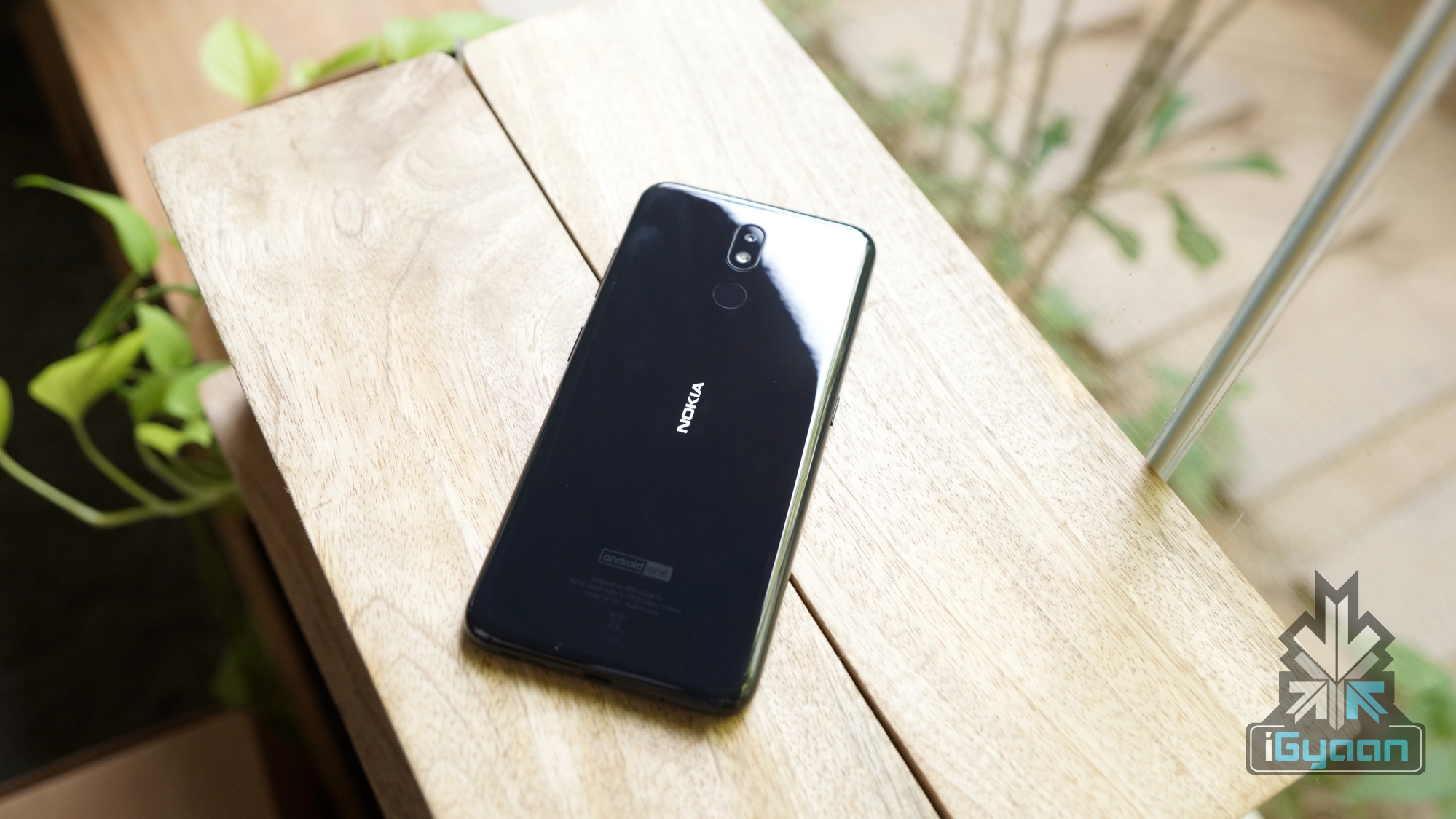
The Nokia 3.2 has a contemporary design with a high screen to body ratio display on the front that features a waterdrop notch up top. The rear glass panel of the smartphone accommodates the company branding, the Android One certification, the fingerprint sensor and the single camera setup. The Android One certification assures the smartphone will receive the latest Android OS updates for at least two years.
On the front of the Nokia 3.2 sits a 6.26 inch display which is surrounded with thin bezels on all sides. The display panel has an HD resolution of 1520 x 720 px and a pixel density of 269 ppi. The handset is kitted with the Snapdragon 429 SoC which is comprised of an Quad Core CPU and the Adreno 504 GPU. One highlighting feature of the device is it’s dedicated Google assistant button which is mounted on the left side. Like the Nokia 4.2, the power button on the new device also doubles up as the notification LED.
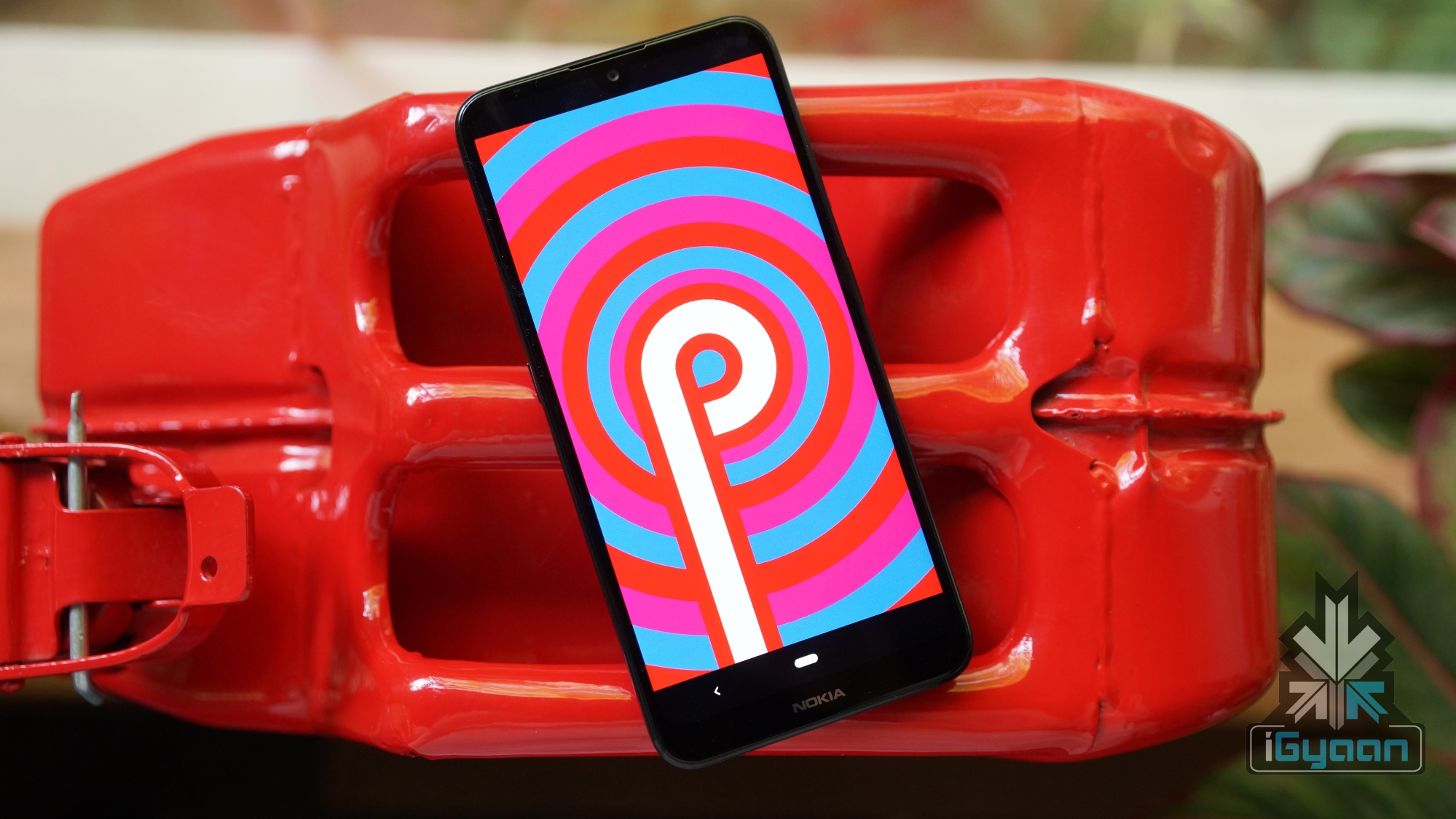
The Nokia 3.2 runs on the latest Android 9 Pie stock OS. It is powered by a large 4,000 mAh battery which supports 10 watt fast charging. In terms of connectivity, the device offers 802.11 Wi-Fi a/b/g/n, 4G VoLTE, Bluetooth 4.2, 3.5 mm audio jack and the bottom mounted Micro USB 2.0 port. Talking about the optics, the Nokia 4.2 has a 13 MP rear facing camera and 5 MP selfie camera.
The Nokia 3.2 is offered in two colour options which include Black and Steel. The device will be available for purchase via both online and offline platforms starting from the 23rd of May. It is offered in two storage variants for which the price is as follows:
2 GB + 16 GB- Rs 8,990
3 GB + 32 GB- Rs 10,790
In addition to the inbuilt storage, it also supports memory expansion upto 400 GB via a microSD card.
Xiaomi’s offshoot Redmi is bracing up for the launch of its upcoming flagship grade smartphone which will be called the Redmi K20 aka Killer 20. With the ‘Killer’ suffix, Redmi is boasting of a smartphone that offers high-end features at an aggressive price point. For a short while, the company has been sharing teasers revealing the features of the upcoming handset.
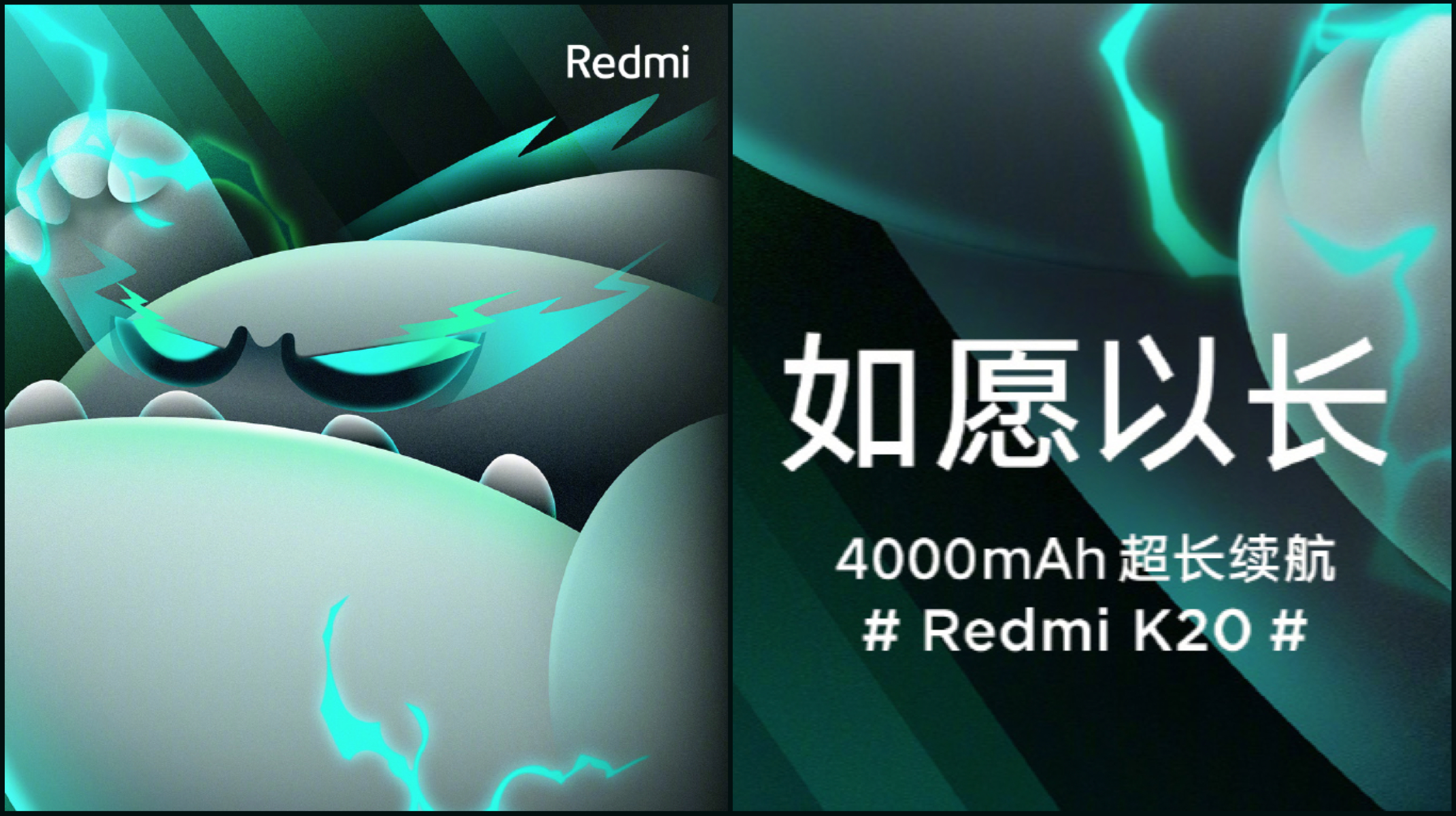
A freshly shared teaser confirms that the Redmi K20 will be powered by a large 4,000 mAh battery. Reports from the past have also claimed that the smartphone will support 27 W fast charging which is yet to be confirmed. Except for the current teaser, the company had previously shared several teasers which exhibit crucial information about the device like chipset, benchmarks score and camera resolution.
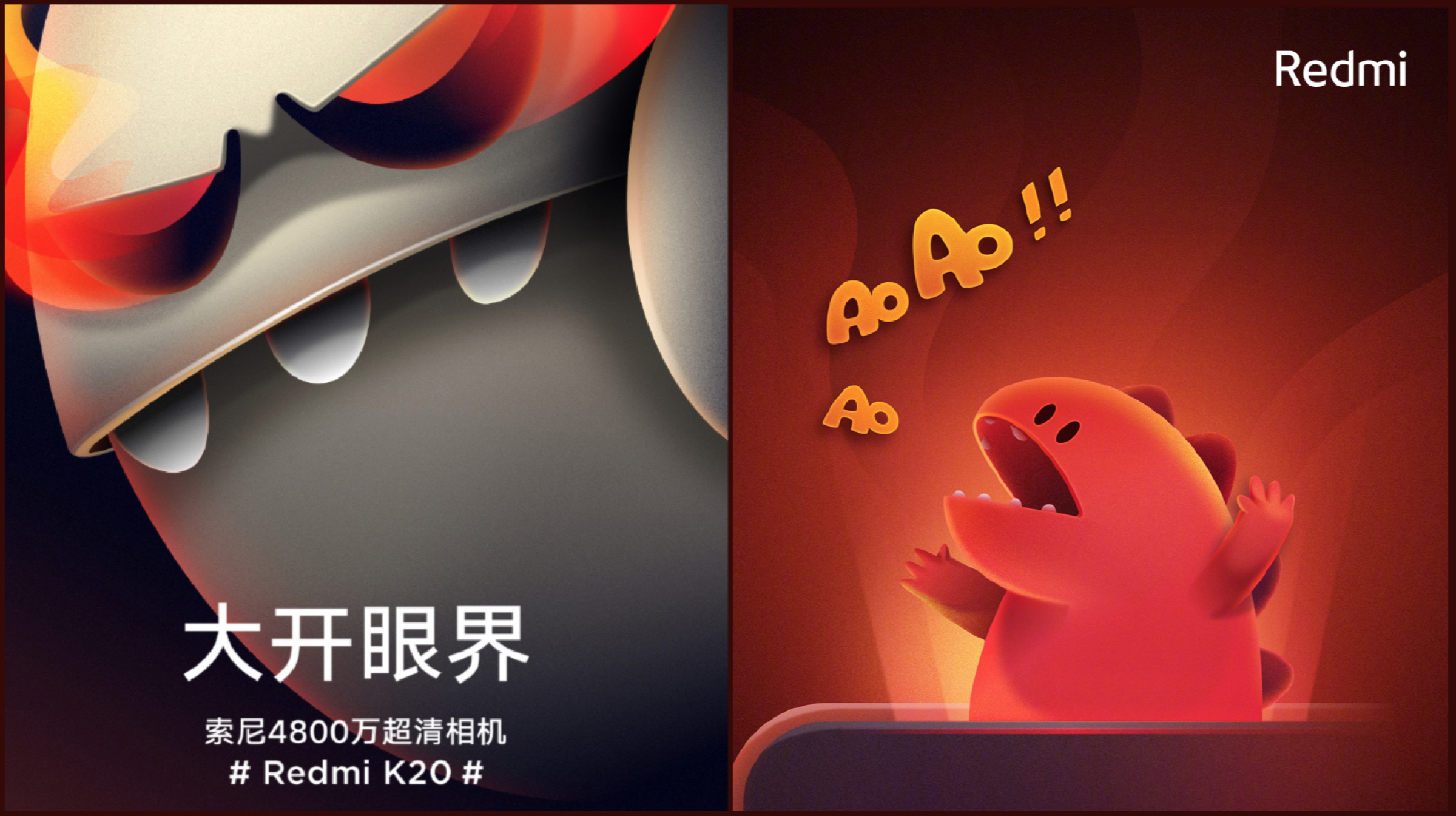
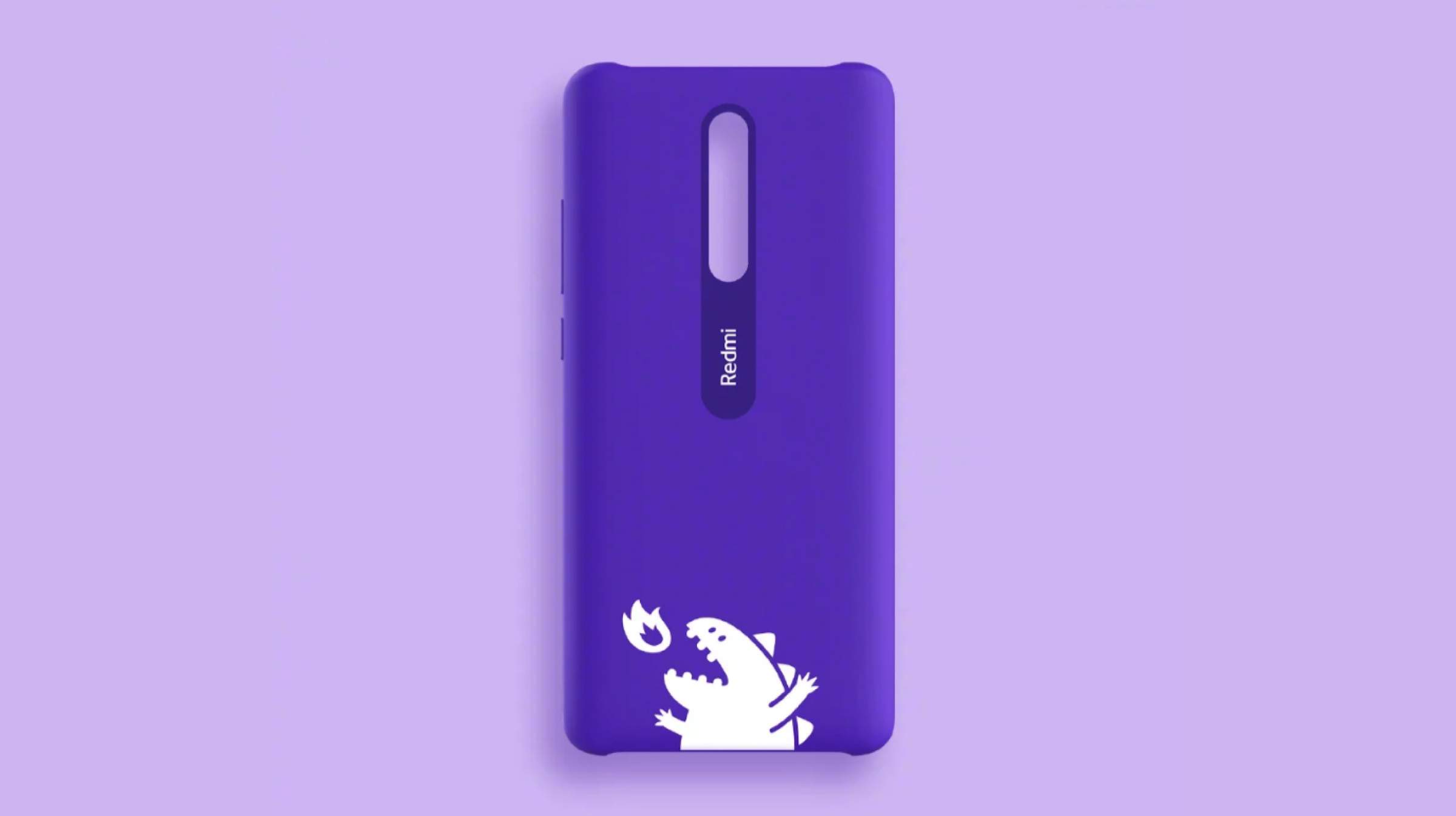
The Redmi K20 will feature the Snapdragon 855 SoC which is the top of the line chipset offered by Qualcomm. It is comprised of an Octa Core CPU and the Adreno 640 GPU. The said chipset is also featured on numerous flagship smartphones including the OnePlus 7 Pro and the Lenovo Z6 Pro GT. Noteworthy, the device registers an impressive Antutu score of 4,50,000+ which is about 20% higher than its competitors. The official case renders indicate the upcoming device will have a triple rear camera setup which is again to be confirmed. Though it is assured that the main sensor in the setup will have a resolution of 48 MP.
All in all, the Redmi K20 seems to be an impressive handset. Albeit we will have to wait for the official launch which is set to the 28th of May, 2019. Its official price is yet to be announced but the smartphone is expected to carry a price tag of sub US $ 500 (Rs 36000 approx).
Are you excited about the upcoming Killer 20 from Redmi? Let us know in the comments below.
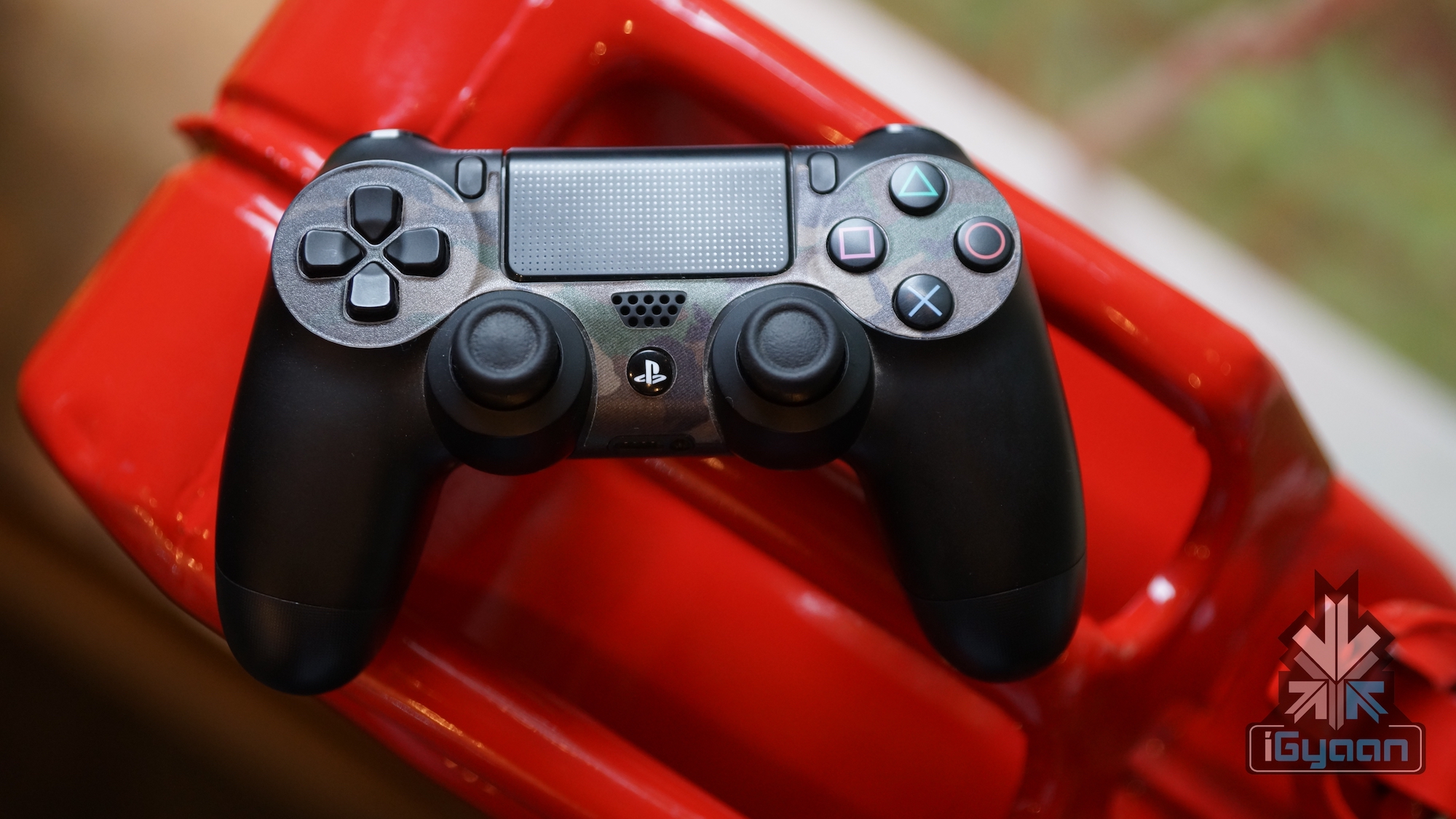
Japanese technology giant Sony revealed a few key details about its next generation of gaming console a few weeks ago. This device assumed to be called the PlayStation 5, will be the successor to the PlayStation 4 launched in the year 2014. Now, a video has been posted on microblogging website Twitter of a corporate strategy presentation by Sony. This video shows off the loading speeds of the PlayStation 5 and compares them to the last generation to showcase the upgrade in the load times and rendering.
PlayStation 5 Loading Speeds
Sony's official video comparing performance of PS4 Pro vs next-gen PlayStation pic.twitter.com/2eUROxKFLq
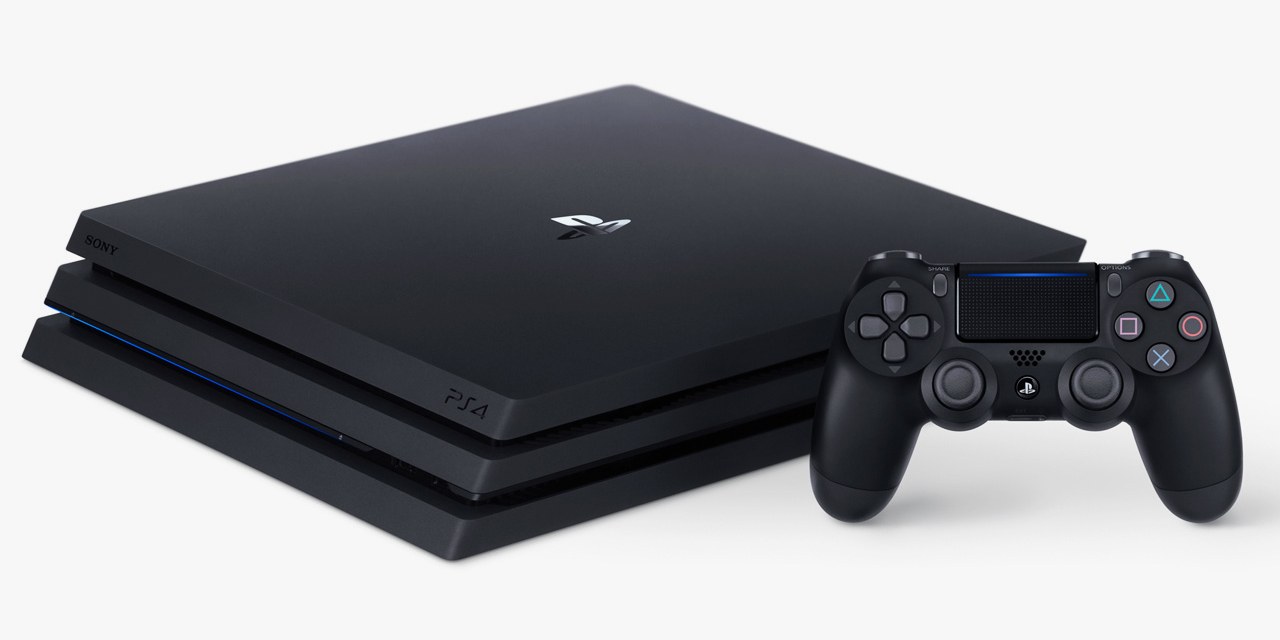
The video shared on Twitter compares the load times of Sony’s latest console, the PlayStation 4 Pro; and the upcoming PlayStation 5. In the video, the former registers a load time for a scene to be around 8 seconds. When the video from the latter is shown, it is noted the gaming console achieves a staggering load time of around 0.8 seconds. This is around 10 times faster than the company’s last console and is thus expected to be a major upgrade. The video further shows a scene being rendered on both the consoles. The PlayStation 4 is shown suffering in rendering complex scenes while the PlayStation 5 on the other hand; churns through the scene with ease and outputs a faster time than the former.
Sony PS5: Expected Features
PlayStation 4 Pro
Sony previously revealed information regarding some features of the upcoming console. For instance, the PlayStation 5 is expected to sport 3D audio technology, which will enable gamers to have immersive gaming experience. Another speculated feature of the PS5 is the incorporation of a Solid State Drive or an SSD. This will lead to visibly faster game load times and seamless switching between various applications within the console’s interface.
The Sony PlayStation 5 is expected to be the first console to sport 8K resolution gaming. Of course, to take full advantage of the same, gamers will need to plug in their console to an 8K supported panel, but Sony making a move for future-proof gaming will surely be appreciated. Last but not least, some new PS5 games may support Ray Tracing. Ray Tracing simulates the interaction of real-world light with real-time objects in the game, which leads to lifelike graphics rendering. Battlefield 5 was the first game to support Ray Tracing on NIVIDA RTX powered PCs, and we can expect developers to release more titles in accordance with Ray Tracing technology if consoles start supporting it too.
The PlayStation 5 is not expected to release anytime soon though, in fact, reports state that the PS5 may not see the light of day before the year 2021. However, other sources state that the PS5 might make its way into the market by the end of the year 2020. Either way, Sony is known for releasing their consoles according to a 7-year-product-cycle so something along the aforementioned lines can be expected for sure. It is expected to be priced somewhere around US$ 550 (~INR 39,000) considering that the price of the PlayStation 4 Pro was US$ 400 (~INR 31,000). Furthermore, companies like Nintendo and Microsoft may release their gaming consoles around the same time, which may provide some solid competition to Sony’s console.
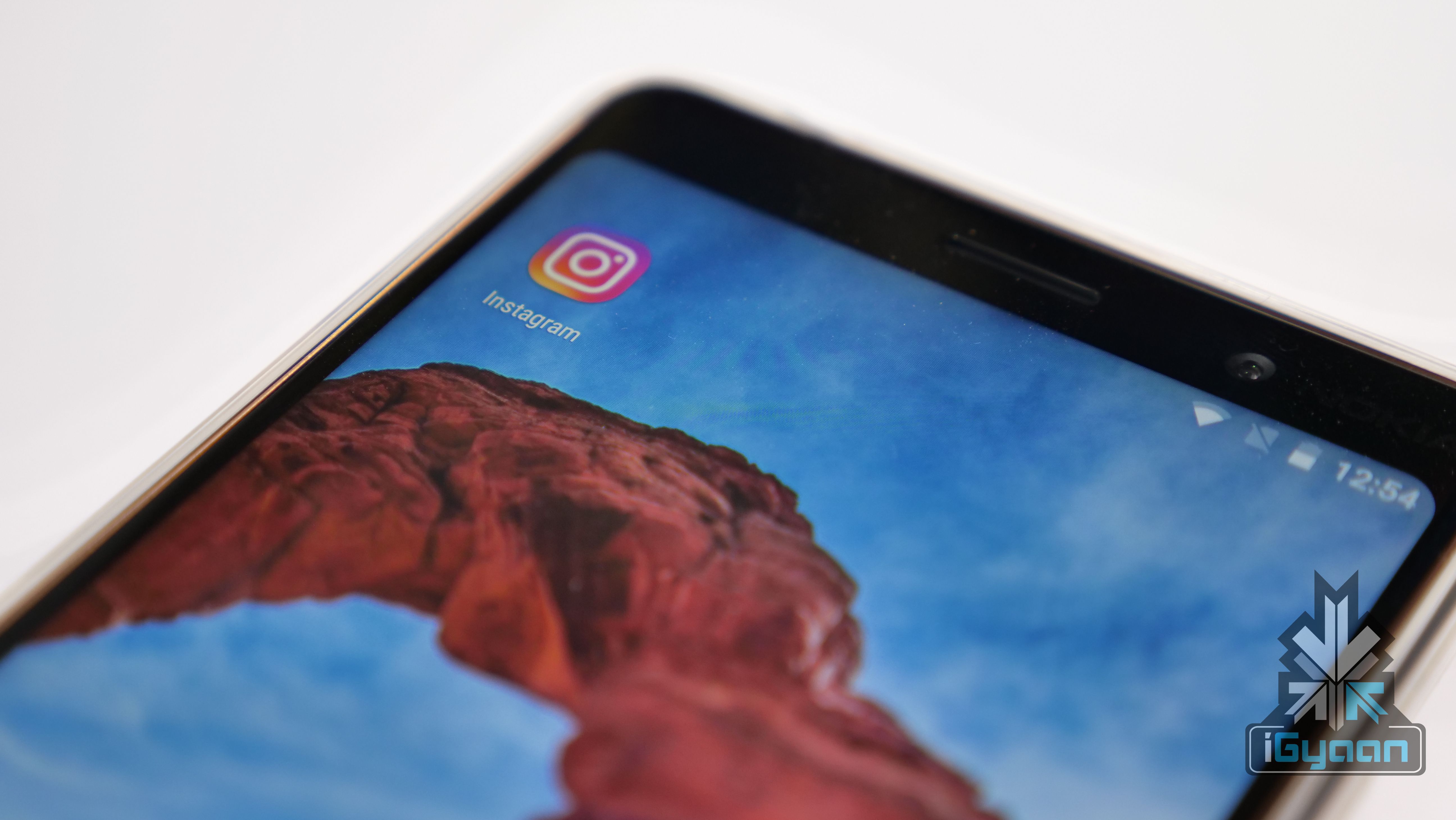
In latest reports, a huge database which contained contact information and other sensitive data of millions of Instagram accounts has been discovered online. Hosted online by AWS (Amazon Web Services), the database had no sort of security detail to encrypt the data. Previously, any user could simply access the database and peek into over 49 million records present inside. It was later traced back to a Mumbai-based social media marketing organization called Chtrbox.
The marketing firm pays Instagram and other social media influencers to post sponsored (ad-revenue generating) content on their feeds. The data stored in the database included the total number of followers per account, engagement, reach, likes, shares and other sensitive information such as private contact information. Using this information, the firm calculated the net worth of the account and then determined how much it can pay an Instagram celebrity to post an advertisement.
Sources state that the database contained info about high-profile influencers, including popular food bloggers and celebrities. When sources contacted some influencers present in the list, some of them responded saying that it was indeed the same contact number and email address that they used while signing up for the Instagram account. Also, they did not have any involvement with Chtrbox either, which confirmed that the aforementioned information was being used without the consent of the user.
As soon as sources reached out to Chatrbox, the marketing firm immediately took down the database from online servers and refused to respond to any forms of questions and queries whatsoever. The American social media company and the owner of Instagram, Facebook stated that it was investigating the matter of the security breach, and will reach out to the marketing organization to comprehend the source of the data and the public availability of the same.
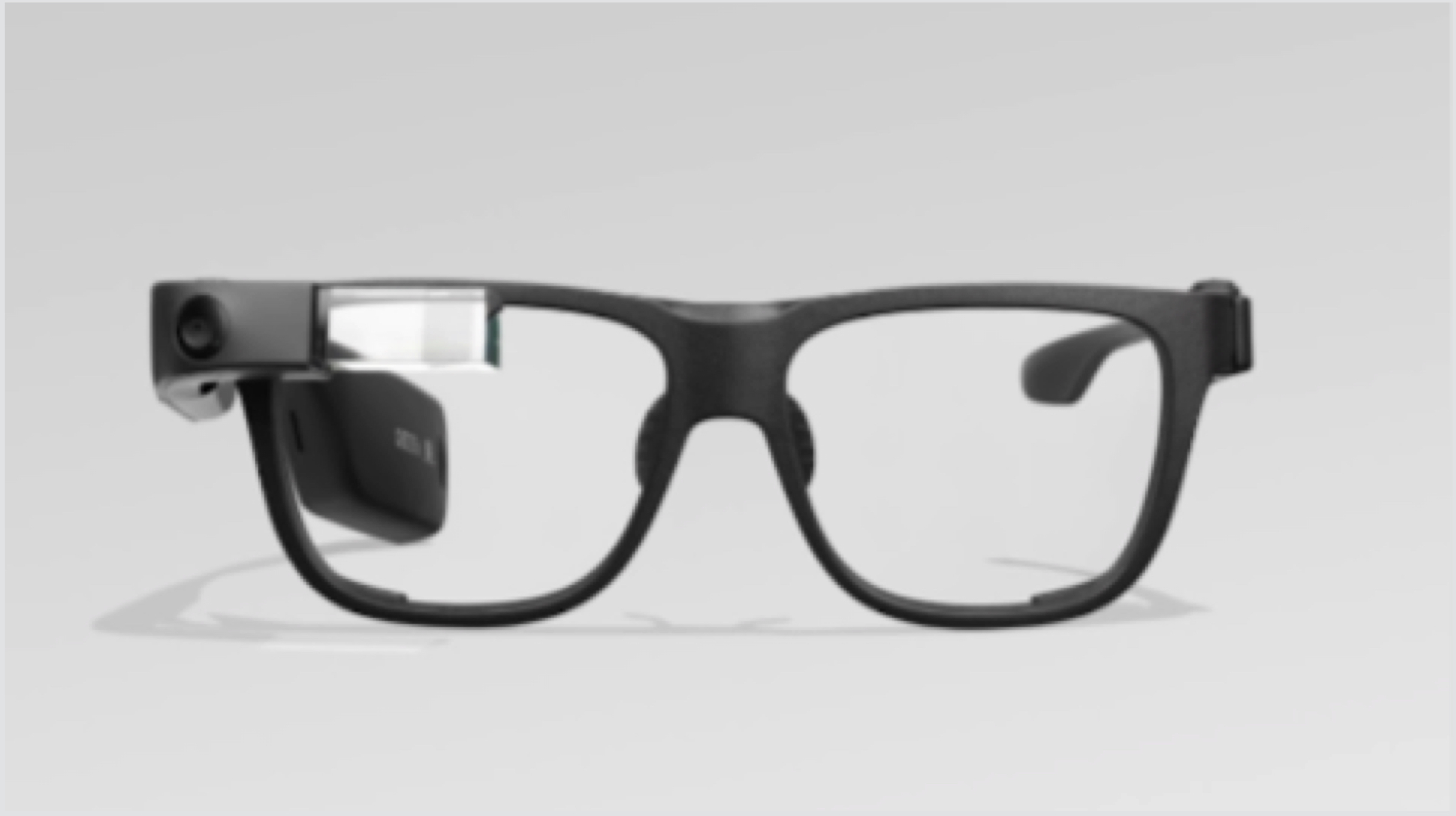
American technology giant Google has announced the Glass Enterprise Edition 2 in a blog post. The smart wearable was announced on the 20th of May and is the successor to the original Glass Enterprise Edition launched in the year 2017. The product focusses towards workers in certain industries that assemble intricate products and boasts of improving efficiency and precision in areas where it is required the most. It is touted as a considerable upgrade over its predecessor with improvements in performance, camera and usability.
Google Glass 2 Enterprise Edition
The Glass Enterprise Edition 2 doesn’t stray away from its predecessor’s design. It features a spectacle-like frame, hence the name and a heads up display with a camera on the front. The wearable runs on the Qualcomm Snapdragon XR1 platform. It is claimed to feature a significantly powerful CPU over the original Glass. The chipset also has a new Artificial Intelligence (AI) engine, which enables power savings, better performance and support for advanced machine learning. The Glass Enterprise Edition 2 also boasts of improved camera performance and quality, which will reportedly help in shooting first-person video streaming. A USB Type-C port is present on the frame for charging, which also supports fast top-ups.
When the first Google Glass was released, it was marketed as a commercial Augmented Reality (AR) headset. But due to complaints regarding the privacy of the users, it was later reinvented for surgeons, factory workers and people working in enterprises. The company has claimed in its blog post that many enterprises have had a profitable outcome since they started using the Glass Enterprise Edition. And the second generation will only see the number going upwards. The Glass Enterprise Edition 2 has been launched at a price of US$ 999 (Rs. 69,700) and will not be available commercially.
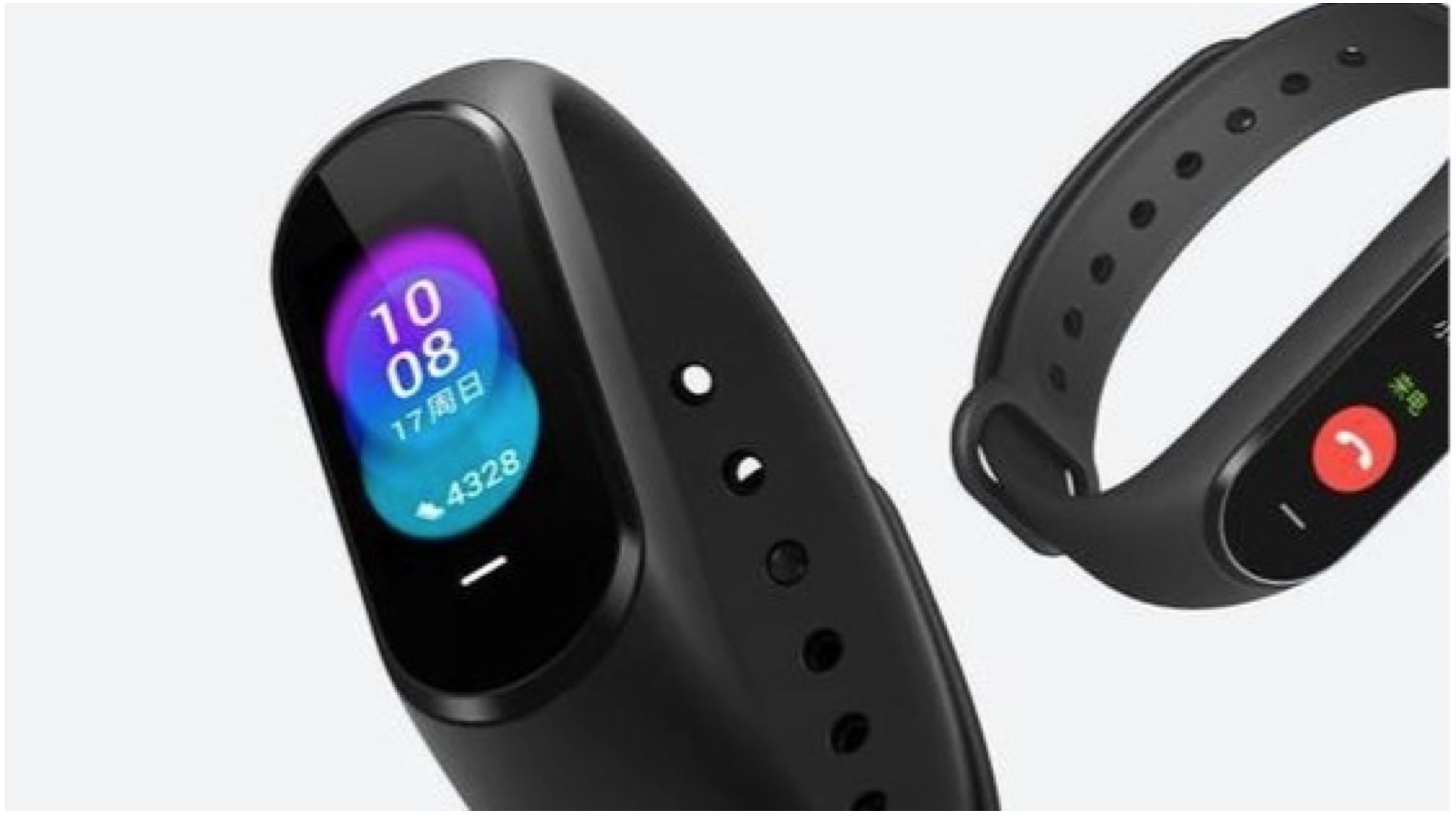
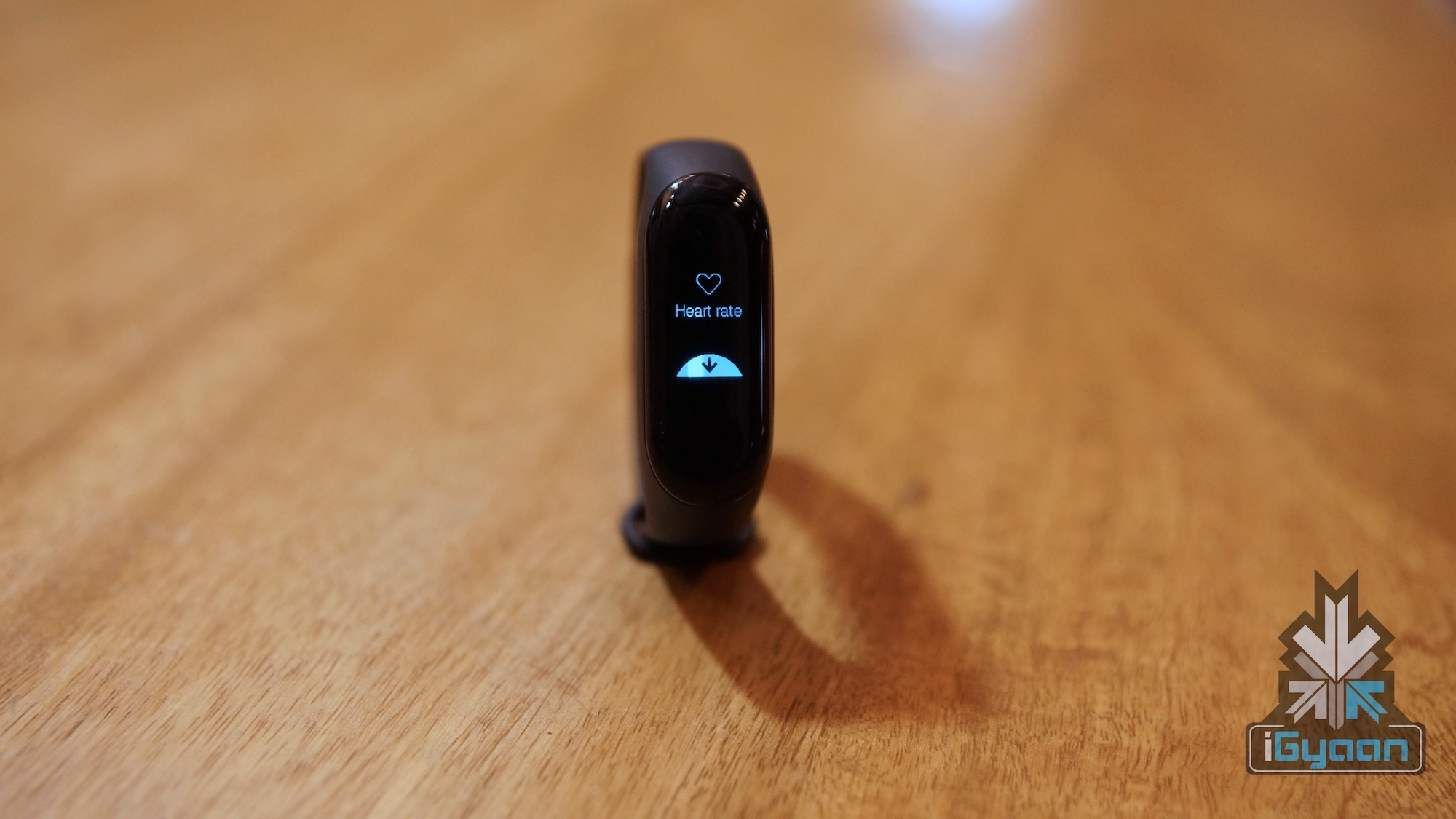
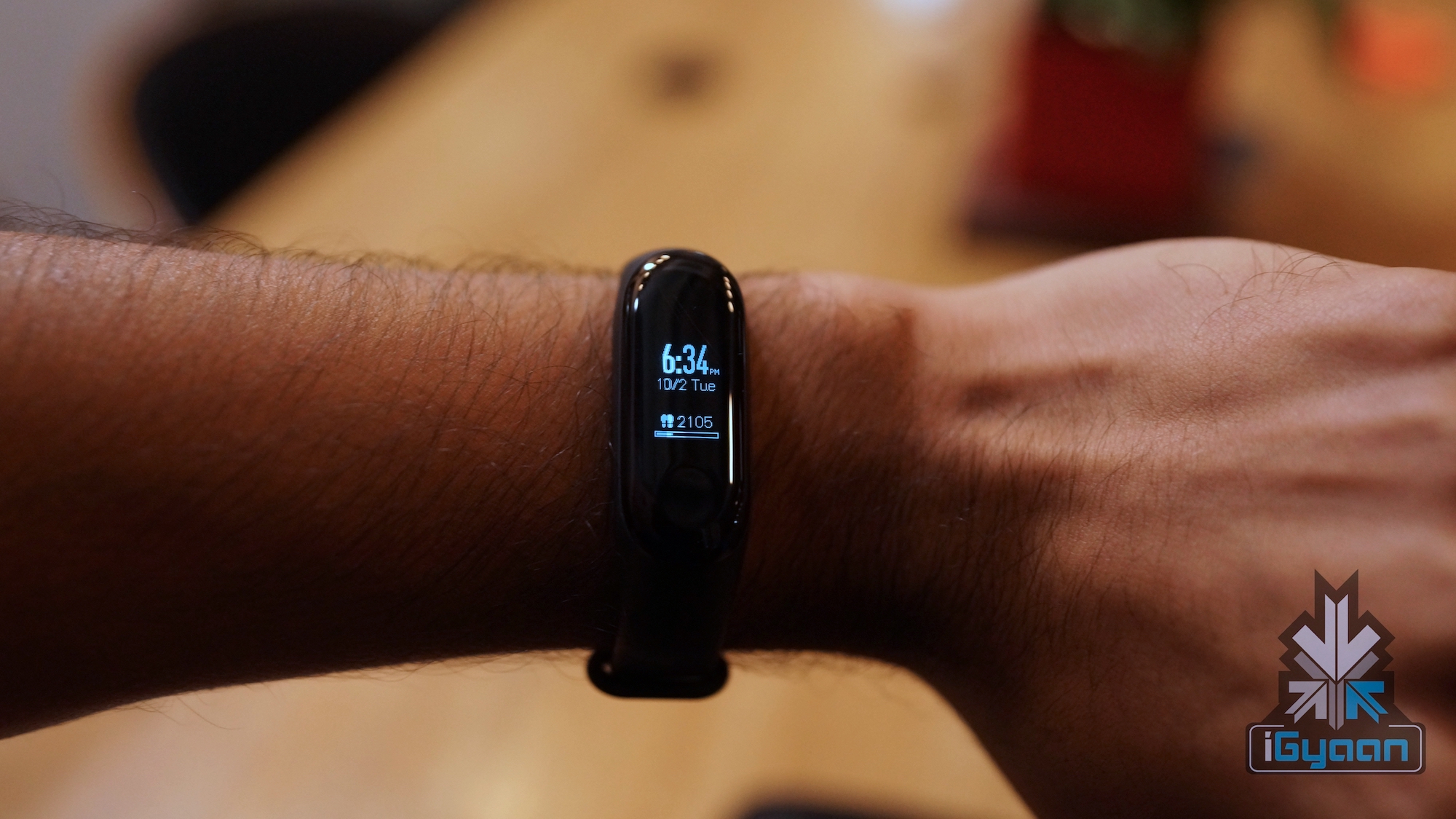
After the sensational success of the Mi Band 3, Xiaomi has been anticipated to launch the updated Mi Band 4. IDC, a leading market research agency stated that the Mi Band 3 is currently the world’s second most selling smart wearable after the high end Apple watch. The research agency also revealed that Xiaomi sold more than 10 million units of the current generation device within 6 months of its launch. Fresh reports suggest that the upcoming device will be significantly different in terms of features in comparison to the current device.
Mi Band 4 Key Updates
Mi Band 3 (For Representation Purpose)
According to the source, the upcoming Mi Band 4 will have a colour display which is a praiseworthy upgrade over the OLED display present on the Mi Band 3. As a colour display consumes more power than a conventional OLED display, the future smart wearable will have a 135 mAh battery which is a considable bump from 110 mAh on the current device. Noteworthy, disparate to previous Mi Band versions, the Mi Band 4 will have an inbuilt charging port. The previous generation devices have proprietory charging connectors which have not been well received by numerous consumers.
In terms of connectivity, the Mi Band 4 will be offered in two variants. The affordable variant will only have support for Bluetooth 5 while the top end variant will also support NFC. Reports also suggest that the upcoming smart wearable from Xiaomi will have a heart rate sensor which will allow it to target customers who clearly need to choose the Apple Watch for the said feature.
With a considerable bump in features, the Mi Band 4 is also bound to get pricier. The NFC + Bluetooth variant will reportedly cost CNY 499 (Rs 5,000 approx) while the Bluetooth only variant will cost somewhere between CNY 200 and 300. Xiaomi is yet to announce the launch date of the smart wearable. However, going by the previous launch cycle, it will launch soon.
Honor, the sub-brand of Chinese manufacturer Huawei is gearing up for the launch of its upcoming smartphone lineup. Previously, it was reported that the devices will be unveiled at an event in London on May 21 2019 (i.e. today). The Honor 20 and Honor 20 Pro will be flagship-segment smartphones with quad camera setups. The camera performance of the devices is anticipated to be top-of-the-line since Huawei’s latest flagship, the P30 Pro received positive reviews regarding the same. As per latest leaks, the Honor 20 Pro will be launched in a white coloured variant alongside other models.
Honor 20 Pro: Specifications And Features
Leaks suggest that the design language of the smartphone is expected to be similar to its predecessor. It will have a glass sandwich design which will be reinforced on top of a metal chassis. Previous reports state that the Honor 20 Pro will have a 6.26 inch LCD display with a Full HD+ resolution. To maximize the screen to body ratio, the device will feature a punch-hole display. In terms of biometrics and security, the handset will have a side mounted fingerprint scanner with additional support for face unlock technology.
Under the hood, the Honor 20 Pro will run on the 7nm Kirin 980 SoC. The chipset has an octa-core CPU and Mali G76 GPU. Talking about optics, the smartphone will boast of a rear quad-camera setup with a 48MP primary sensor, a 16MP ultra-wide sensor and two 2MP sensors. For selfies, it will have a 32MP (f/2.0) camera accommodated in the punch-hole up front. It will be powered by a 3750 mAh battery with 22.5W fast charging support The Honor 20 Pro is expected to launch in the following variants:
As mentioned before, the device will be unveiled at an event in London on May 21, 2019. The launch event is expected to begin at 6:30 PM IST. Noteworthy, the more affordable model in the lineup, the Honor 20i has already been launched in China, so the device might be launched alongside the Honor 20 and Honor 20 Pro in India as well. The handsets will be available in three colour options as of now, which are Phantom Black, Phantom Blue and the freshly leaked White colour variant. Note that the white colour option is expected to be available in select regions only. The Honor 20 Pro is expected to be priced below the 40,000 INR price point in India.

 The company claims that the new MacBooks deliver 40 percent more performance than the last generation hexa-core MacBooks and almost twice the performance of quad-core CPU equipped MacBooks. The 6-core and 8-core Intel Processors present in the 15-inch MacBook Pro can provide speeds of up to 5.0 GHz. On the other hand, the smaller 13-inch version with a quad-core CPU supports Turbo Boost upto 4.7 GHz. Content creators, researchers and music producers can experience huge productivity boost accrediting to the aforementioned CPU upgrades, the company says.
  In terms of display, the new Apple notebooks have an upgraded Retina display with 500 nits of brightness. They also have support for the P3 wide colour gamut and True Tone technology. Regarding audio, the MacBook Pro has stereo speakers with wide-stereo sound. Other features include Touch ID, the TouchBar and a large Force Touch Trackpad.
  The MacBook Pro packs the Apple T2 security chip and a total number of 3 Thunderbolt 3 ports that can be used for fast data transfer, plugging in 4 external GPUs and connecting two 5K resolution displays. The T2 security chip is an encrypted safehouse that stores sensitive user data like TouchID information. In terms of the operating system, the updated MacBooks run on the latest version of macOS Mojave, which now features Dark Mode and a variety of upgrades to optimize usage.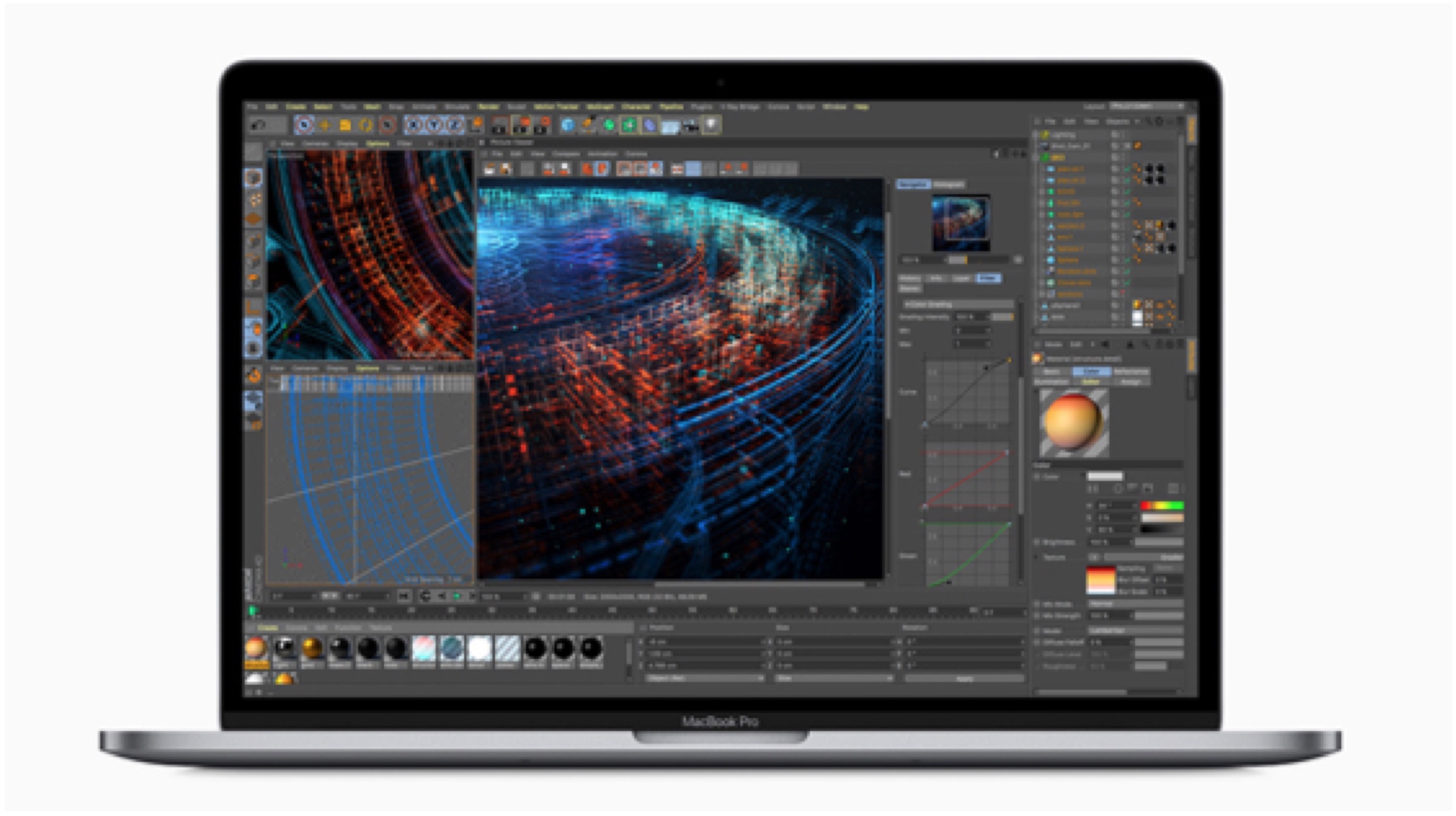








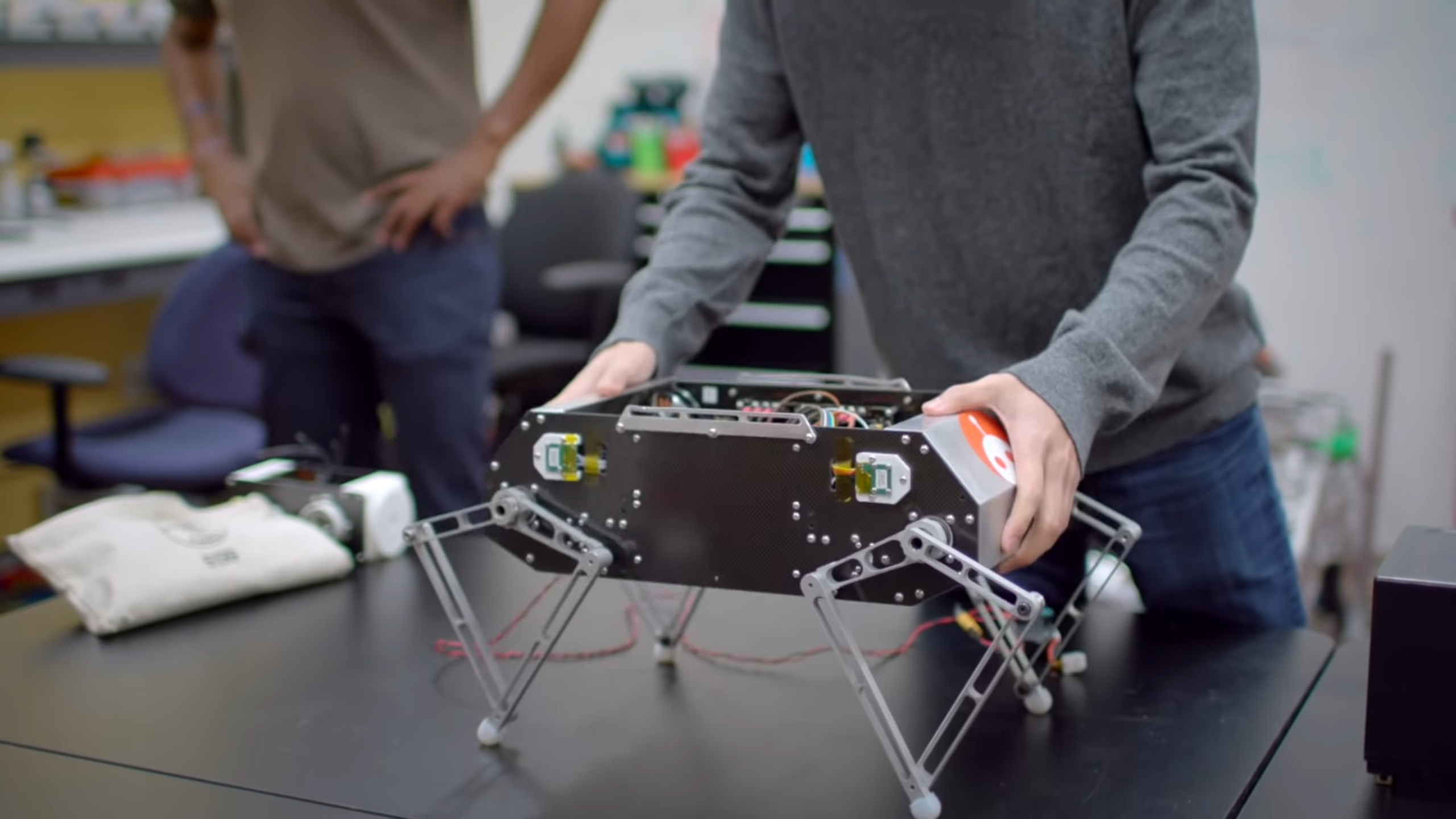
 As per the Stanford Student Robotics Club’s Extreme Mobility Team, the cost of developing conventional robots can range anywhere between tens to hundreds of thousands of dollars. On the other hand, the Stanford Doggo can be manufactured under US$ 3000, and this includes manufacturing and shipping costs. Almost all the components required for manufacturing the Doggo can be purchased online. The students expect that this will enable researchers and robotics enthusiasts to develop innovative projects the way they want.
 The Stanford Doggo is similar to a regular-sized Beagle in terms of size, and it can walk, trot and dance with ease. More complex actions include jumping, hopping and performing backflips. Since the students built up the robotic dog from scratch, a lot of time had to be devoted in order to test each part of the Doggo. Moreover, the students did not rely on any form of simulations during the development of the robot, making it even more difficult to predict results.
  Also Read: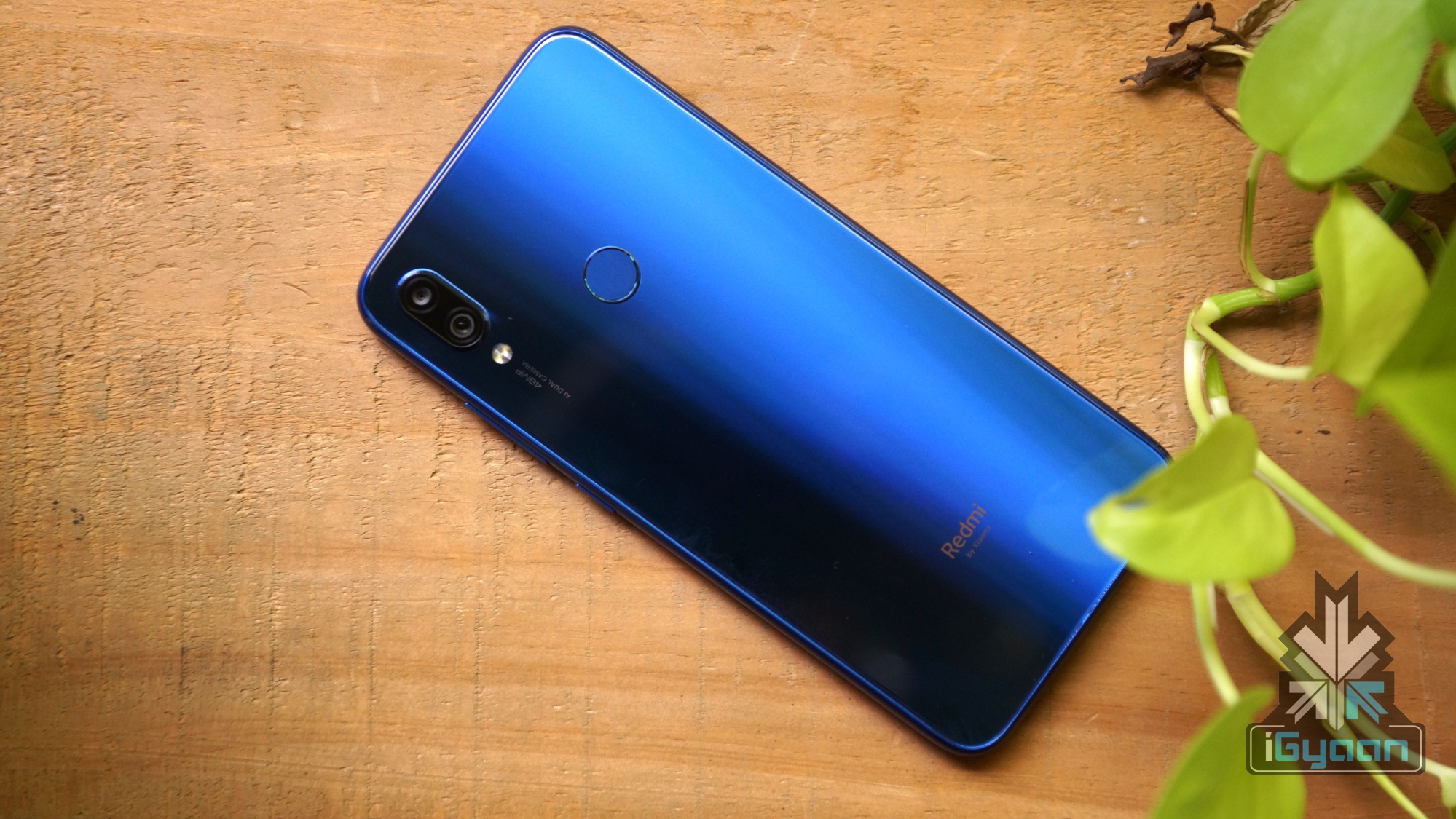


 The series will be directed by Kari Skogland and will be produced by Marvel Studios’ Kevin Feige. The series is expected to pick up from where Captain American gives his shield to the Falcon at the end of Avengers: Endgame. Previously, Disney had released a statement that The Falcon and The Winter Soldier will release in the first year of Disney+, Disney’s upcoming streaming service. The director of the series has previously worked on movies like Fifty Dead Man Walking, which starred Ben Kingsley and Jim Sturgess and won the Canadian screen award for the Best Screenplay.
  Also Read: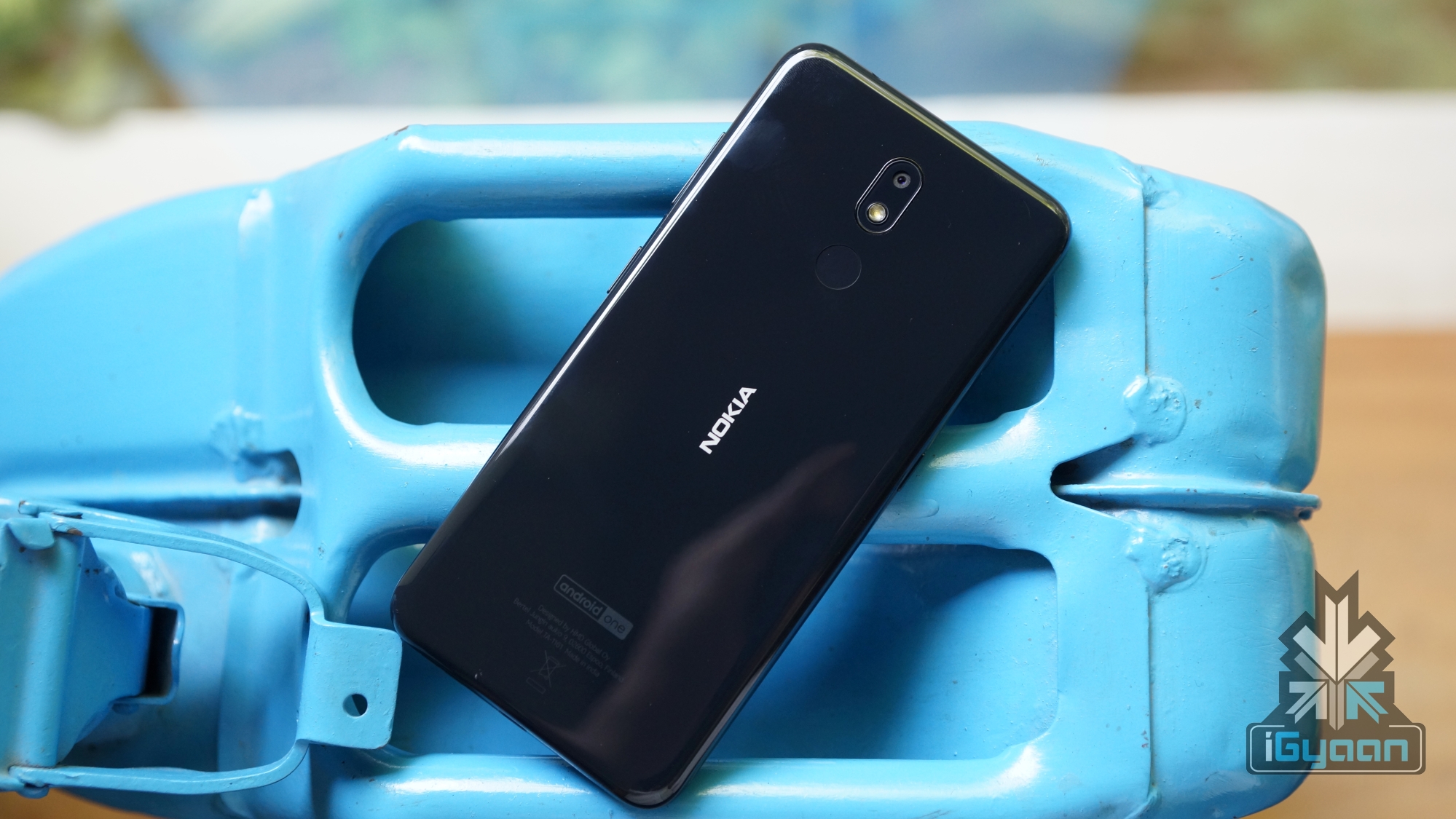


 The marketing firm pays Instagram and other social media influencers to post sponsored (ad-revenue generating) content on their feeds. The data stored in the database included the total number of followers per account, engagement, reach, likes, shares and other sensitive information such as private contact information. Using this information, the firm calculated the net worth of the account and then determined how much it can pay an Instagram celebrity to post an advertisement.
  Sources state that the database contained info about high-profile influencers, including popular food bloggers and celebrities. When sources contacted some influencers present in the list, some of them responded saying that it was indeed the same contact number and email address that they used while signing up for the Instagram account. Also, they did not have any involvement with Chtrbox either, which confirmed that the aforementioned information was being used without the consent of the user.
  Also Read:

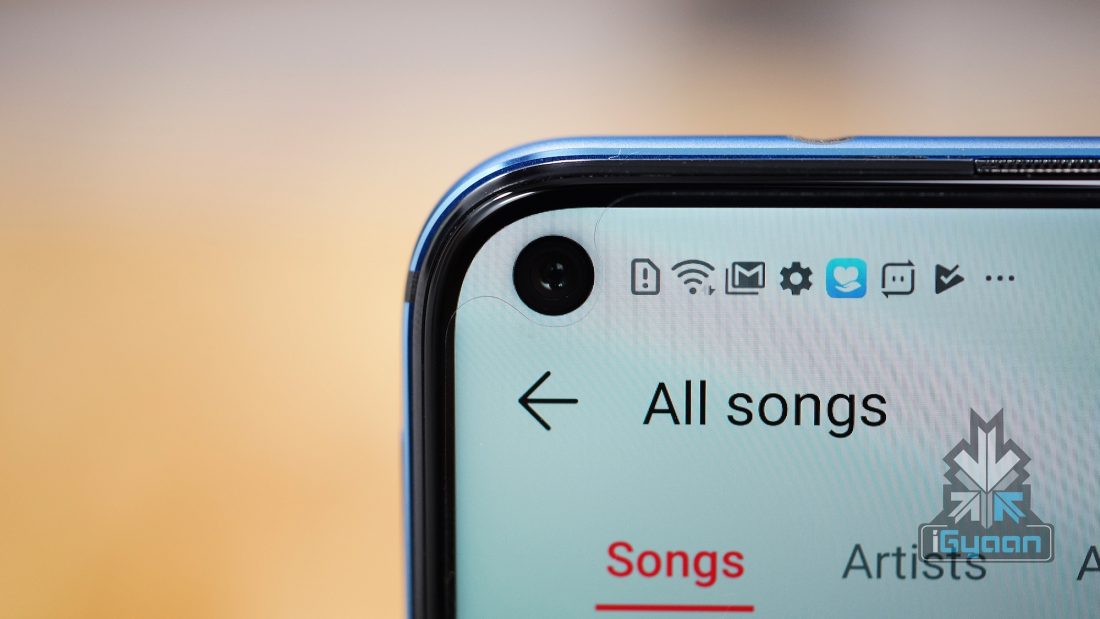
 Leaks suggest that the design language of the smartphone is expected to be similar to its predecessor. It will have a glass sandwich design which will be reinforced on top of a metal chassis. Previous reports state that the Honor 20 Pro will have a 6.26 inch LCD display with a Full HD+ resolution. To maximize the screen to body ratio, the device will feature a punch-hole display. In terms of biometrics and security, the handset will have a side mounted fingerprint scanner with additional support for face unlock technology.
 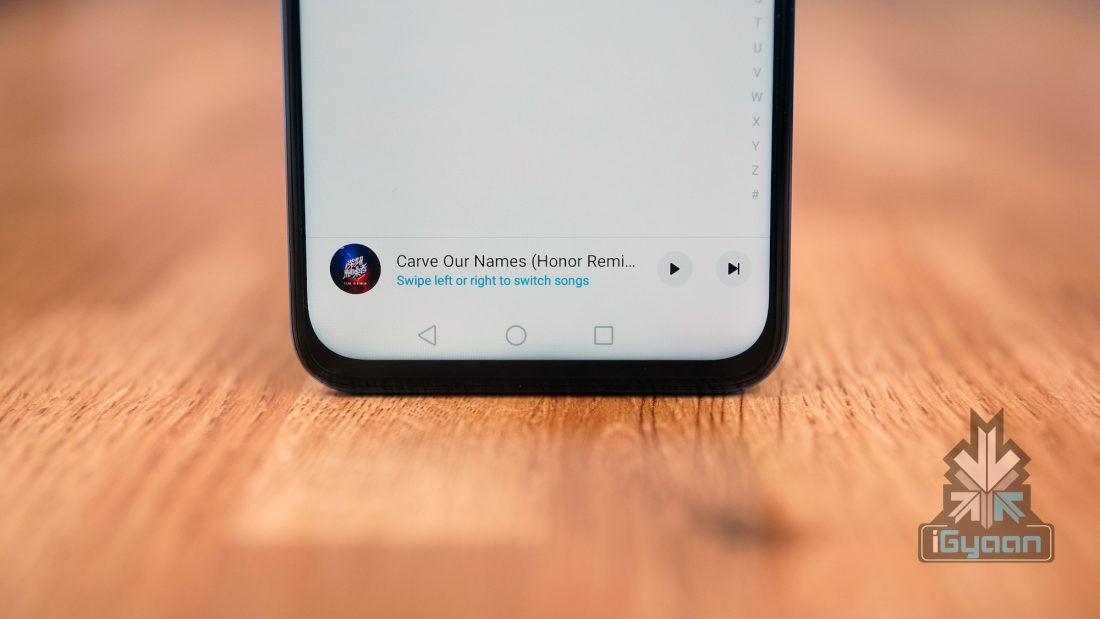 Under the hood, the Honor 20 Pro will run on the 7nm Kirin 980 SoC. The chipset has an octa-core CPU and Mali G76 GPU. Talking about optics, the smartphone will boast of a rear quad-camera setup with a 48MP primary sensor, a 16MP ultra-wide sensor and two 2MP sensors. For selfies, it will have a 32MP (f/2.0) camera accommodated in the punch-hole up front. It will be powered by a 3750 mAh battery with 22.5W fast charging support The Honor 20 Pro is expected to launch in the following variants: