Since writing the story, Huawei has issued a statement to clarify its stance on US ban which is as follows:
Huawei has made substantial contributions to the development and growth of Android around the world. As one of Android’s key global partners, we have worked closely with their open-source platform to develop an ecosystem that has benefitted both users and the industry.
Huawei will continue to provide security updates and after-sales services to all existing Huawei and Honor smartphone and tablet products, covering those that have been sold and that are still in stock globally. We will continue to build a safe and sustainable software ecosystem, in order to provide the best experience for all users globally.
Original
The US government for a long time has accused Chinese tech titan, Huawei for stealing user data and sending it over to the Chinese government for malpractices. Even though the allegations are yet to be proved, the Trump government took a drastic step which has negatively affected the fate of the company. On the 19th of May, 2019, the US government revoked all American companies to have any sort of trade relations with Huawei.
The former is currently the world’s second largest smartphone manufacturer and they all run Android OS which is developed and facilitated by Google, an American conglomerate. Due to the ban implied by the US government, Google had to break all ties with Huawei resulting in the withdrawal of support for services like the Play Store, Youtube, Maps and many more. Albeit Android is an open source operating system that any OEM can install on devices they offer. In order to ship the device with the aforementioned applications and services from Google, the OEM needs to get its devices licensed.
Following the convulsive change, the US Commerce Department has delayed some of the consequences of the said order for Huawei by 90 days. This period has been granted to the Chinese company so that it can purchase American made networking devices including servers which can be used for providing software updates to existing Huawei smartphones. Also, during the 90 day period, the company can get its existing smartphones Android Q certified which will provide some comfort to Huawei smartphone owners in the country.
Noteworthy, Huawei still cannot launch any new smartphones that are not already certified by Google. The about to launch Honor 20, Honor 20 Pro and the Mate X that have already received the certifications are safe and can be launched without any hindrance. Conclusively, only time will tell what the future beholds for Huawei.
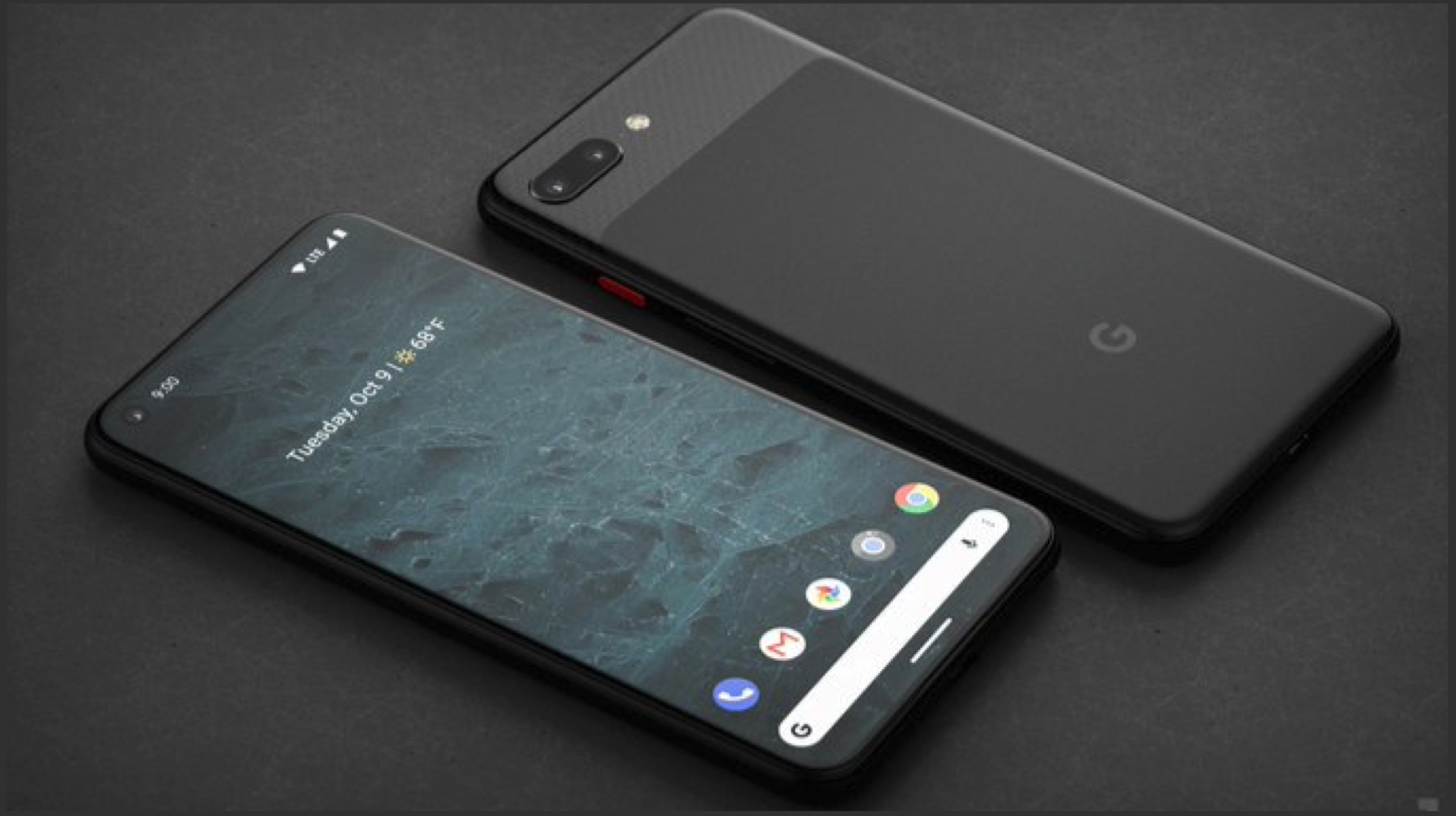
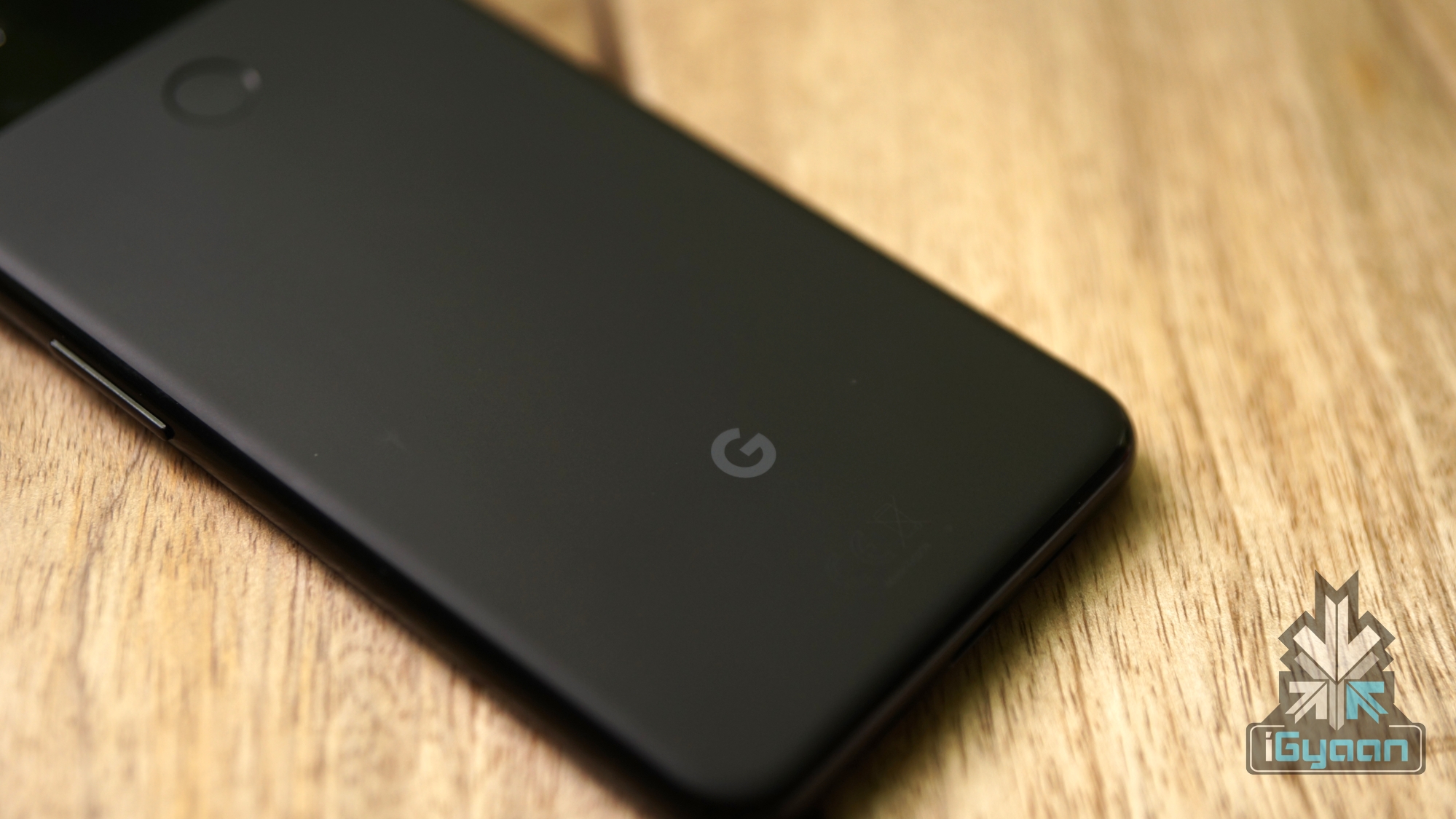
Google launched the original Pixel and Pixel XL smartphones back in the year 2016. They were the first mobile devices to feature the made by Google branding and were highly appreciated for their software and cameras. Since then, two more generations of the handsets have been announced called the Pixel 2 and Pixel 3 series respectively. It is expected that the company will launch the newest Pixel smartphones, presumably called the Pixel 4 and Pixel 4 XL in the month of October later this year. While the announcement is still a few months away, fresh renders of the devices based on previous leaks have already been posted by a concept maker on Twitter. These renders provide an idea of what the handsets may look like at the time of launch.
Pixel 4 Renders
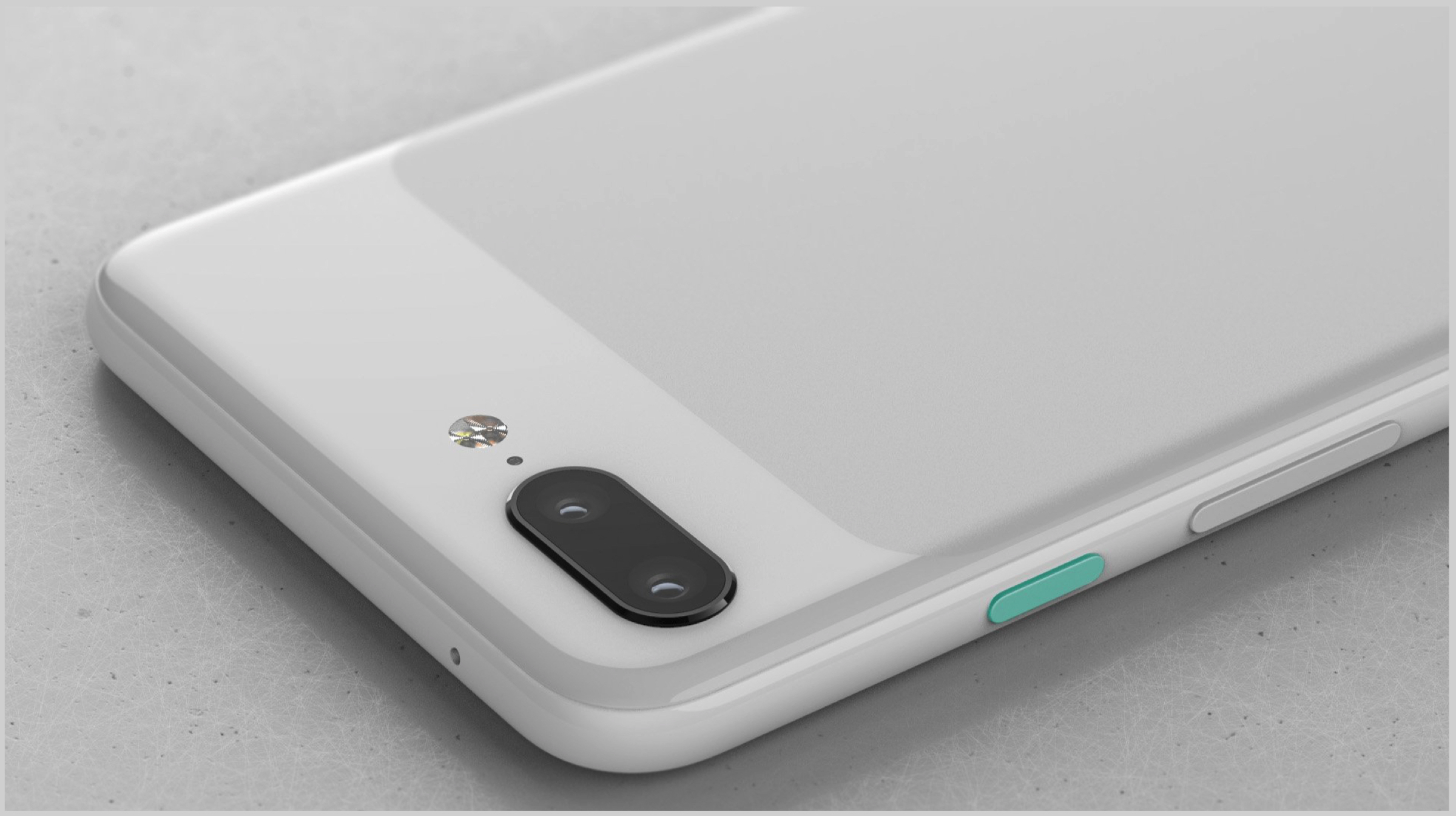
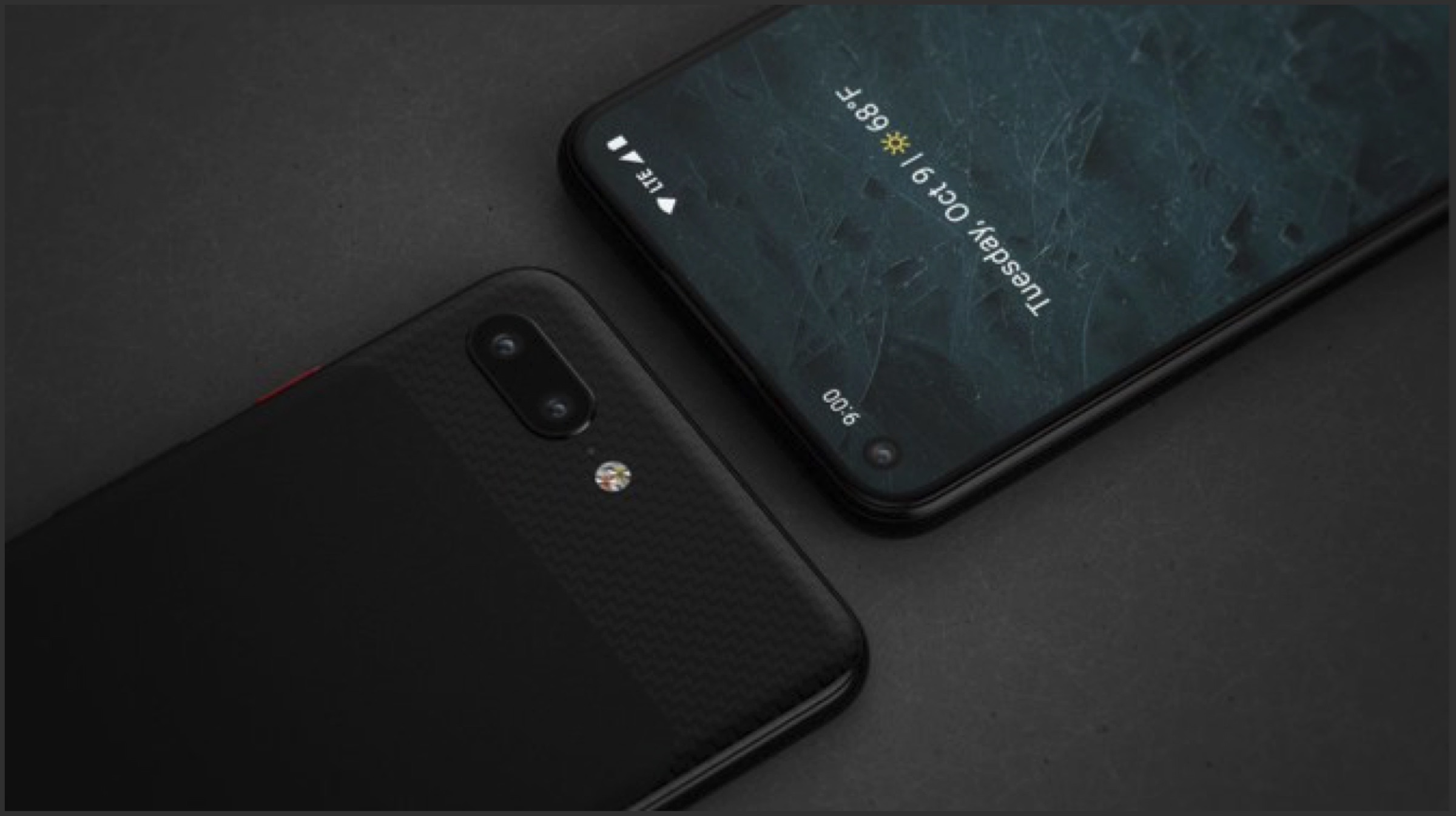
It is expected that just like every year since 2016, Google will release two devices in the Pixel lineup. As mentioned above, they are assumed to be the Pixel 4 and Pixel 4 XL. The renders reveal the upcoming handsets will have a drastically different design than its predecessors. The smartphones are reported to be constructed out of metal and glass like the Pixel 3 series with the same dual tone finish at the back. On the front, however, a large display dominates the exterior with a hole punch style cutout on the top left corner of the display. The right side of the smartphone houses the coloured power button and the volume rockers while the left side remains empty.
The top of the Pixel 4 features just the secondary noise cancellation microphone; while the bottom will have the USB Type-C port and the speakers. Like the Pixel 2 and 3 series, the smartphones are expected to retain a stereo speaker setup and will not feature the 3.5mm headphone jack. The rear is where the Google Pixel 4 might differ from its predecessors the most. There is no physical fingerprint scanner in sight, which insinuates it will be present inside the display; and might be an ultrasonic sensor similar to the Galaxy S10 lineup. All the devices in the Pixel series have had a single rear camera, but the upcoming handsets are expected to feature two cameras on the back. These are reported to be a primary camera combined with an ultra-wide angle lens.
The Pixel 4 series seems to be a major design upgrade over its predecessor; and will compete against the upcoming Galaxy Note, newest iPhones at the time of launch. While the renders of the upcoming Google smartphone seem plausible, it is recommended you take them with a pinch of salt, as there is still time in the official announcement.
Brain Aneurysms are caused when there is a bulge in a blood vessel caused by a weakness in its wall. When blood flows through the weakened vessel, the pressure causes the area to bulge outwards and cause problems in the surrounding regions. They commonly occur in the abdominal aorta and the brain. Aneurysms can affect any number of people, ranging from 1 in 100 to 1 in 20. Since its treatment is difficult, surgery is usually avoided, but in select cases, it becomes a necessity. In a notable research study, a class of cancer-treatment drugs can be used to treat patients with brain aneurysms.
Scientists from the University of Sussex worked in a collaboration with researchers from the University of Washington School of Medicine in Seattle, USA. The treatment involves the usage of ‘Receptor tyrosine kinase inhibitors’; which is a class of drug currently being used to treat cancer. A number of complex DNA sequencing techniques were implemented, and a new genetic basis of a brain aneurysm form was identified. Manuel Ferreira states that the mutations in the aforementioned gene were completely different from the ones that were previously detected in brain aneurysms.
Further reports state that multiple disease-associated mutations in PDGFRB (Platelet Derived Growth Factor Receptor Beta) was the major reason for a major abnormality in the protein that was encoded in the receptor. PDGFRB is a Protein Coding gene. Because of the abnormality, the activity of the protein is always set to “hyper-active”, which means that the gene associated with the protein is always “turned on”. As per the lead professor in the study, this discovery depicts how lab-derived observations can be upscaled to a clinical level, which can then be used to make revolutionary discoveries pertaining to healthcare and treatments.
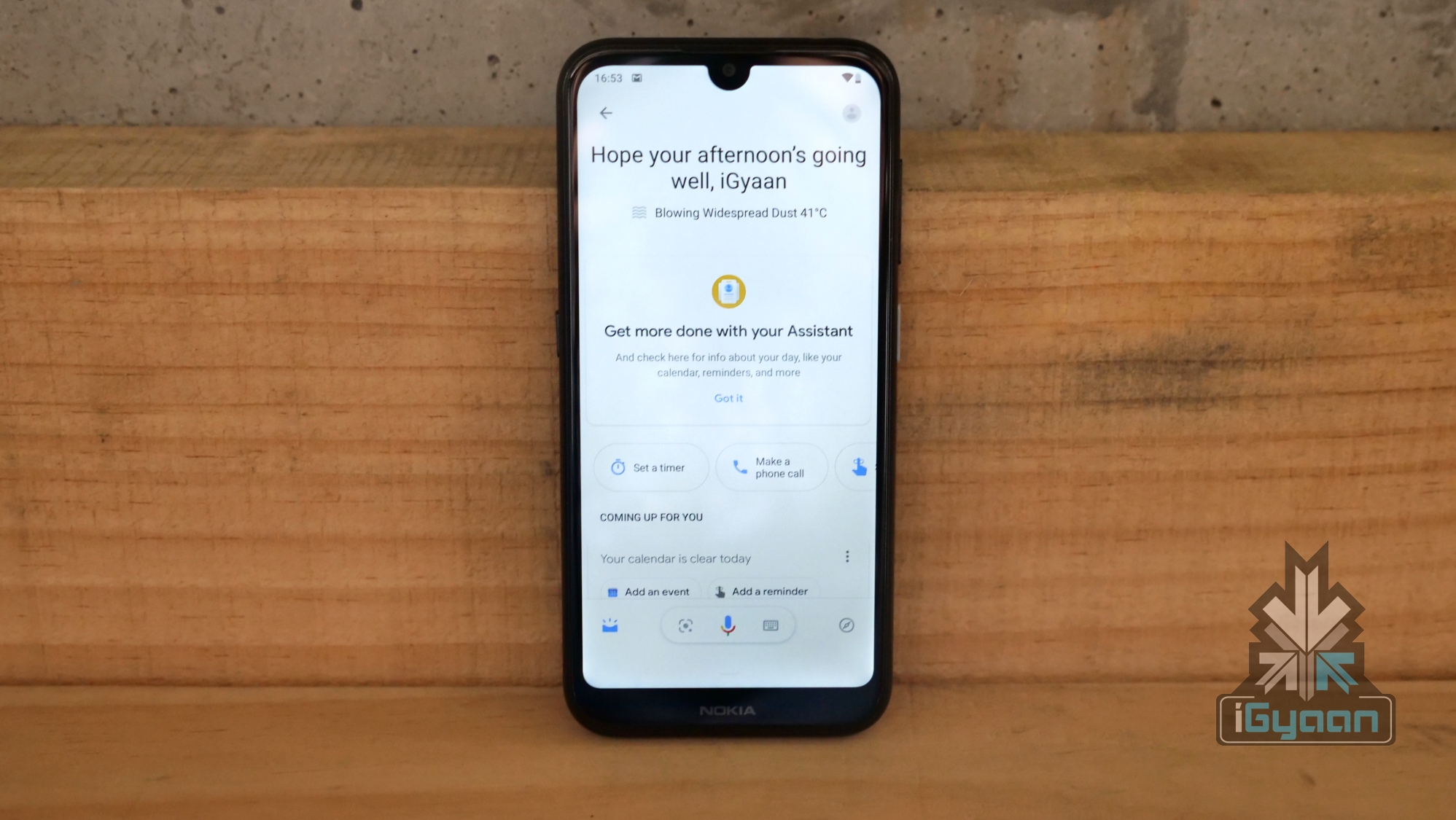
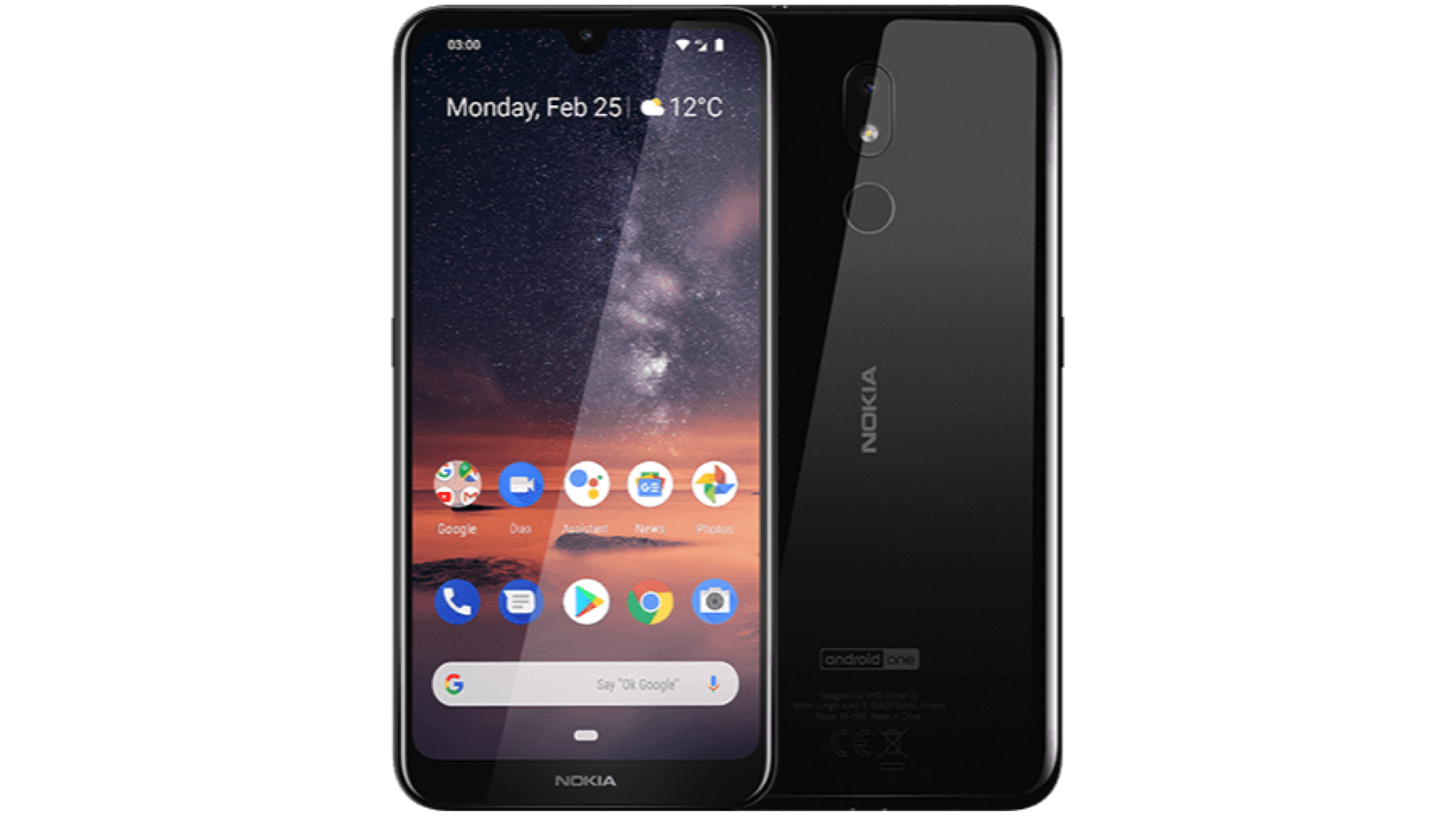
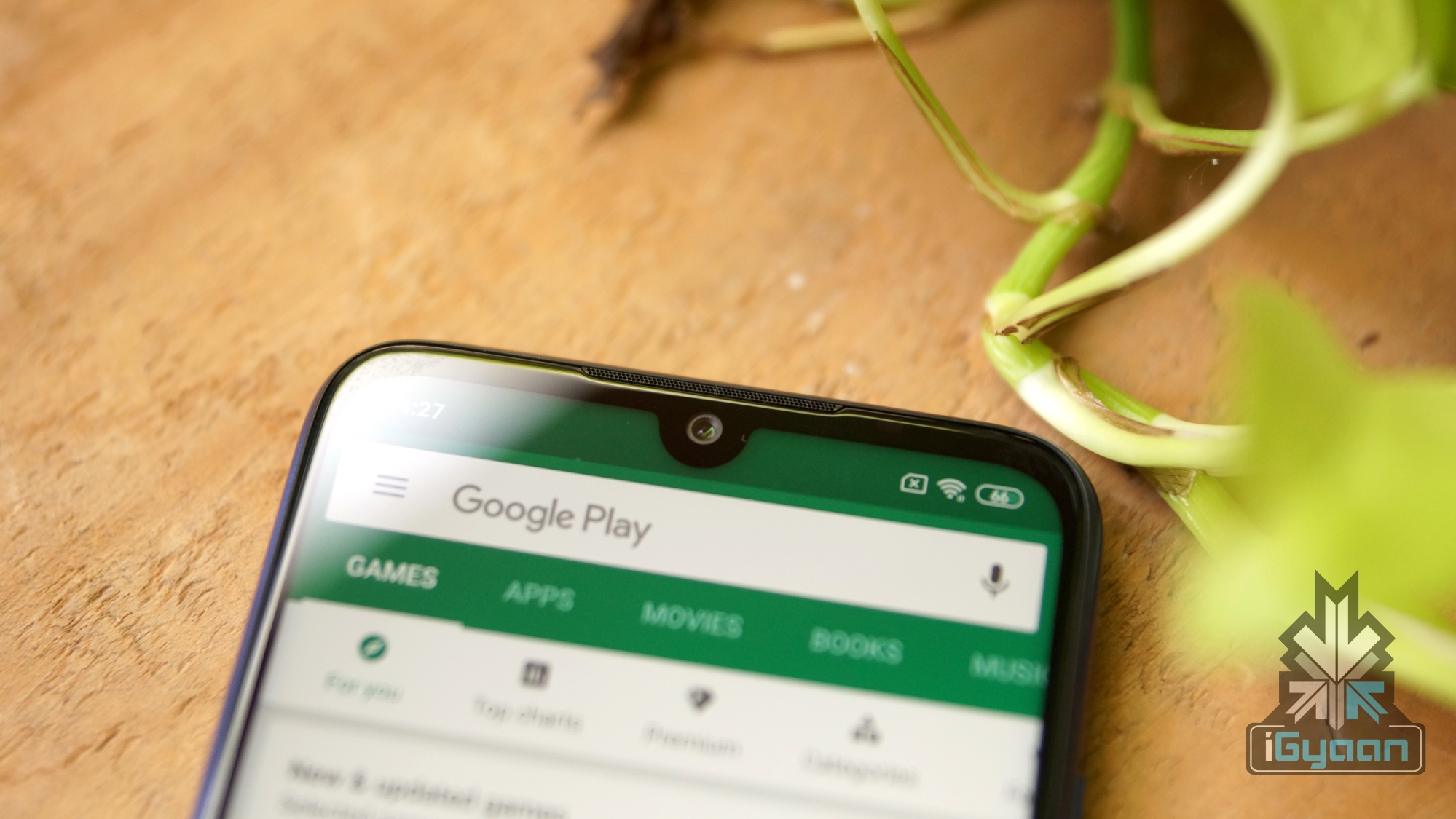
Earlier this month Nokia launched its latest smartphone, the Nokia 4.2 in India which is a budget focussed offering. Fresh video teaser shared on the Nokia India’s Twitter account indicates that the company will soon launch another budget-oriented handset, the Nokia 3.2. The teaser boasts of a smartphone with long battery backup which is accompanied by the #ViewMoreDoMore caption. Even though the teaser does not overtly talk about the aforementioned smartphone, the said caption corroborates with the Nokia 3.2 which was unveiled at MWC 2019.
The Nokia 3.2 has a modern design with a high screen to body ratio display on the front which features a waterdrop notch up top. Staple to latest Nokia handsets, it has a rear glass panel that harbours the company branding, fingerprint sensor, camera setup and Android One certification. The certification assures the device will receive the latest Android updates for two year and monthly security updates for 3 years.
Nokia 4.2 (for representation purpose)
The Nokia 3.2 sports a 6.26 inch display on the front which is surrounded with thin bezels on all sides. The display panel has a resolution of 1520 x 720 px and a pixel density of 269 ppi. Under the hood, the device features the Snapdragon 429 SoC which consists of an Octa Core CPU and Adreno 504 GPU. The international variant was unveiled in two storage variants which include 2 GB + 16 GB and 3 GB + 32 GB. But we will have to wait for the official announcement to establish what storage variants will be offered in India. In addition to the inbuilt storage, it also supports memory expansion upto 400 GB via a microSD card.
The Nokia 3.2 is powered by a 4,000 mAh battery and supports 10 W fast charging. It runs on the latest Android 9 Pie stock OS which provides for a bloatware free experience. Connectivity options on the device include Bluetooth 4.2, Wi-Fi 802.11 a/b/g/n, 4G VoLTE, 3.5 mm audio jack and bottom mounted Micro USB 2.0 port. The rear camera of the Nokia 3.2 has a 13 MP sensor while the front selfie camera has a resolution of 5 MP.
The India specific price of Nokia 3.2 will be revealed at the time of official launch but it is expected to be similarly priced the US variant which costs US 139 (approx Rs 9600). The exact launch of the smartphone is yet to be announced, however, the teaser suggests it will soon launch in the country.
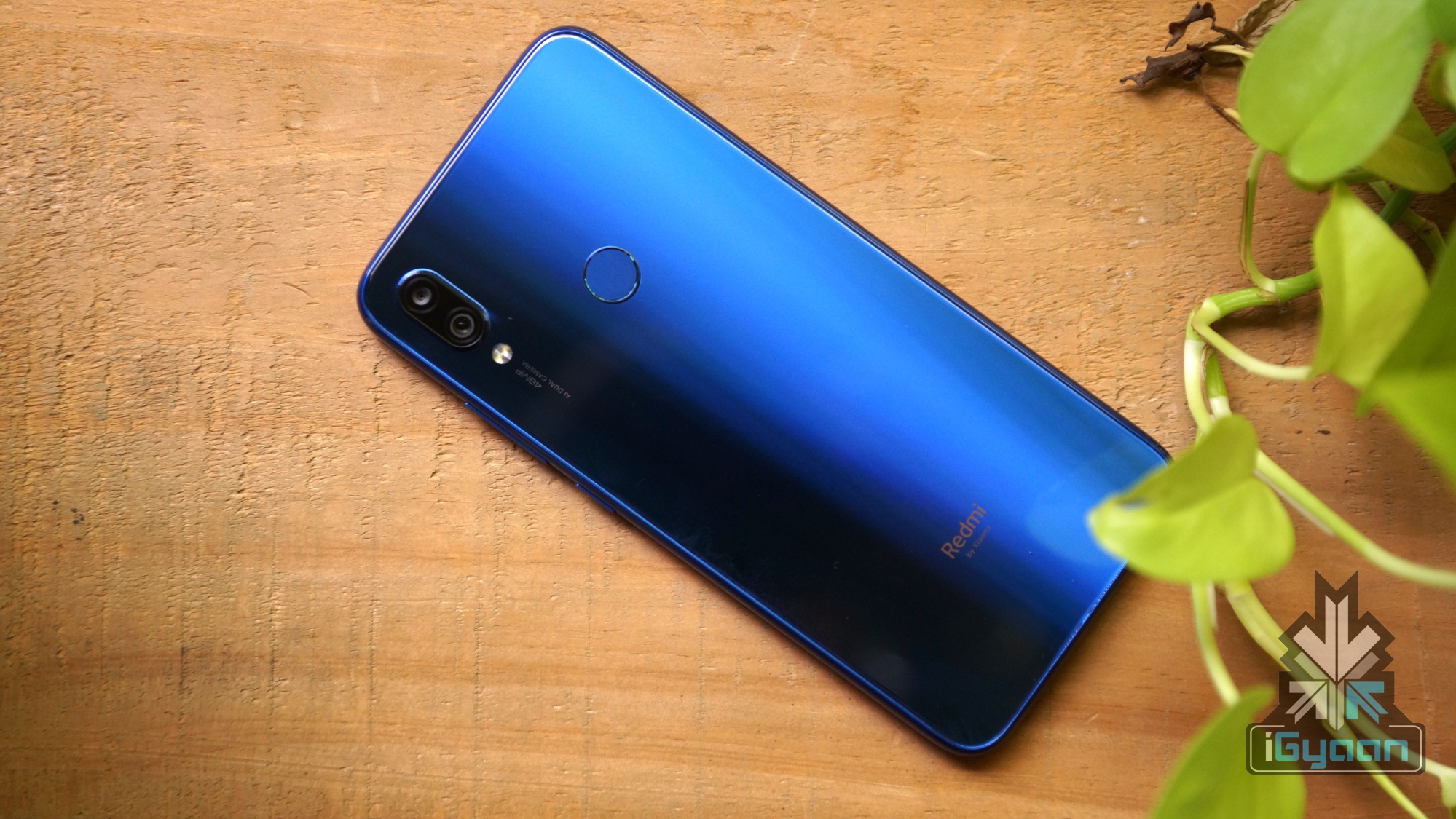
On the 28th of February 2019, Xiaomi launched two smartphones in India which include the Redmi Note 7and the Redmi Note 7 Pro. The former was originally launched in China in the month of January and it has a notable difference in comparison to the Indian variant. The Indian variant has 12 MP + 2 MP rear camera sensors while its Chinese counterpart has 48 MP + 5 MP resolution sensors. This move faced a lot of criticism from the Indian customers who were left dissatisfied.
In order to make up for the backlash, the company has launched the Redmi Note 7s in India that has the said 48 MP + 5 MP sensors as its Chinese variant. The price of the two variants makes it sit between the Note 7 and the beefed-up Note 7 Pro. This has lead to a perplexing situation for the consumer who wants to get a Redmi device in the 10K to 15K price bracket.
Factually, the three devices have a handful of differences in terms of specifications which further contributes to the confusion. The key differences between the trio include dissimilar storage options, camera sensors, chipset and price. Let’s start with the dissimilarities which will be followed with the heterogeneous features.
Camera & Chipset
Model
Main Rear Camera
Chipset
Redmi Note 7
12 MP, f/2.2;
2 MP
Snapdragon 660
Octa Core
Adreno 512
Redmi Note 7s
48 MP, f/1.8
Samsung ISOCELL GM1;
5 MP
Snapdragon 660
Octa Core
Adreno 512
Redmi Note 7 Pro
48 MP, f/1.8
Sony IMX586;
5 MP
Snapdragon 675
Octa Core
Adreno 612
All three smartphones have a dual rear camera setup but they have entirely different specifications. The Redmi Note 7 features an f/2.2 aperture equipped 12 MP sensor and a 2 MP depth sensor. The Redmi Note 7s features the f/1.8 aperture equipped Samsung ISOCELL GM1 48 MP sensor and a 5 MP secondary. While the Redmi Note 7 Pro features the f/1.8 aperture equipped Sony IMX86 sensors which is also present on the flagship grade devices like the Honor View 20. The secondary sensor on the former has 5 MP resolution which is the same as the Redmi Note 7s. In terms of chipset, the Redmi Note 7 and the Redmi Note 7s feature the Snapdragon 660 SoC while the Redmi Note7 Pro features the 675 SoC which is significantly more powerful than the former.
All three smartphones are available in two storage options for which the prices are listed below:
Model
Variant 1
Variant 2
Redmi Note 7
3 GB + 32 GB= Rs 9,999
4 GB + 64 GB= Rs 11,999
Redmi Note 7s
3 GB + 32 GB= Rs 10,999
4 GB + 64 GB= Rs 12,999
Redmi Note 7 Pro
4 GB + 64 GB= Rs 13,999
6 GB + 128 GB= Rs 16,999
Screen, Battery, Front Camera & Connectivity
Specification
Redmi Note 7,Redmi Note 7s and Redmi Note 7 Pro
Screen
6.3 Inch, IPS LCD
2340 x 1080 px, 409 ppi
Corning Gorilla Glass 5
Battery
400 mAh
QuickCharge 4.0, 18 W Charging
Front Camera
13 MP
Connectivity
Dual 4G VoLTE
802.11 a/b/g/n/a/c Wi-Fi
Bluetooth 5.0
Ports
3.5 MM Audio Jack
USB Type C Reversible Connector
Other Features
Rear Mounted Fingerprint Sensor
P2i Nano Coating
The Redmi Note 7, the Redmi Note 7s and the Redmi Note 7 Pro feature a 6.3 inch LCD display that has a resolution of 2340 x 1080 px and a pixel density of 409 ppi. The three smartphones are powered by a 4,000 mAh battery which support 18 W fast charging. The smartphones run on the latest Android 9 which is skinned with Xiaomi’s MIUI 10. Connectivity options on the devices include 802.11 a/b/g/n/ac, Bluetooth 5.0, Dual 4G VoLTE, 3.5 mm audio jack and the bottom mounted USB Type C port. The front camera on the trio is also identical which has a resolution of 13 MP.
If the user has a defined budget and cannot expend more than Rs 12000, both the Redmi Note 7 and Redmi Note 7s are worthy options. If the user wants more storage space they can opt for the 4 GB + 64 GB Note 7, while if the focus is on photography, we would suggest the Note 7s. By spending just Rs 1,000 more for Redmi Note 7 Pro the buyer ends up with a better camera and chipset.
World’s most selling smartphone OEM Samsung launched its latest flagships, the Galaxy S10 series back in the month of February. The company is known for refreshing its flagship lineup twice a year, once in the first quarter of the year with the Galaxy S series; and the Note series in the second half. While details about the Note 10 have just started to trickle (1,2,3), a renowned and trustworthy leaker of Samsung products has shared the codename of the purported Samsung Galaxy S11 which is expected to release next year. The handset is allegedly called “Picasso”.
Like mentioned above, the upcoming Galaxy S11 flagship smartphone from Samsung is claimed to be codenamed “Picasso”. If not known, Pablo Picasso was a famous Spanish artist in the 20th century who is known for many sculptures and paintings like Guernica made in the year 1937. While the leak doesn’t mention anything other than the code by which the device is referred to as inside the company’s Research & Development team; it is speculated the name is related to the handset’s design. Samsung already made a big leap in the deisgn department with the Galaxy S10 series. The company implemented the hole punch display and is credited with bringing it to the mainstream market. The upcoming Galaxy S11 may also be a revolutionary step in terms of design.
The codename “Picasso” of the Samsung Galaxy S11 seems plausible; because previous leaks of the Galaxy Note 10 revealed it has the codename “Da Vinci”. This is an ode to Leonardo Da Vinci who was an Italian artist best known for his painting “Mona Lisa”. So, the sudden interest of the company in history’s best artists does give a hint that the next Galaxy flagships will be (literally) a work of art.
Most users know how frustrating remembering multiple passwords can be. An increasing number of services these days require users to sign up with their phone numbers and email addresses. Two-factor authentication is a another security feature which is gaining popularity these days. In two-factor authentication, users first need to login with their credentials and then enter the OTP received on their device to securely access their accounts. The latest data released by Google depicts how effective can some of the aforementioned security techniques be.
The year long study on security attacks was presented by the company at a gathering of experts and policy-makers, called the Web conference. Google’s research stated that adding a recovery phone number can block up to 100% of all automated bots, 99% of all bulk phishing attacks and 66% of targeted security attacks. This study was carried out with researchers from New York University and the University of California, San Diego primarily to highlight how basic “account hygiene” can keep accounts safe.
The American technology giant also highlighted the difference between SMS-based login and on-device prompt-based login techniques. As per Google, an SMS verification code sent to the recovery phone number blocked 100% of all automated bots, 96% of bulk phishing attacks and 76% of targeted attacks. On the other hand, on-device prompts helped in averting 100% of all automated bots, 99% of bulk phishing attacks and 90% of targeted attacks. As deduced, using on-device prompts for logging into accounts is almost 14% more secure than using OTPs for login.
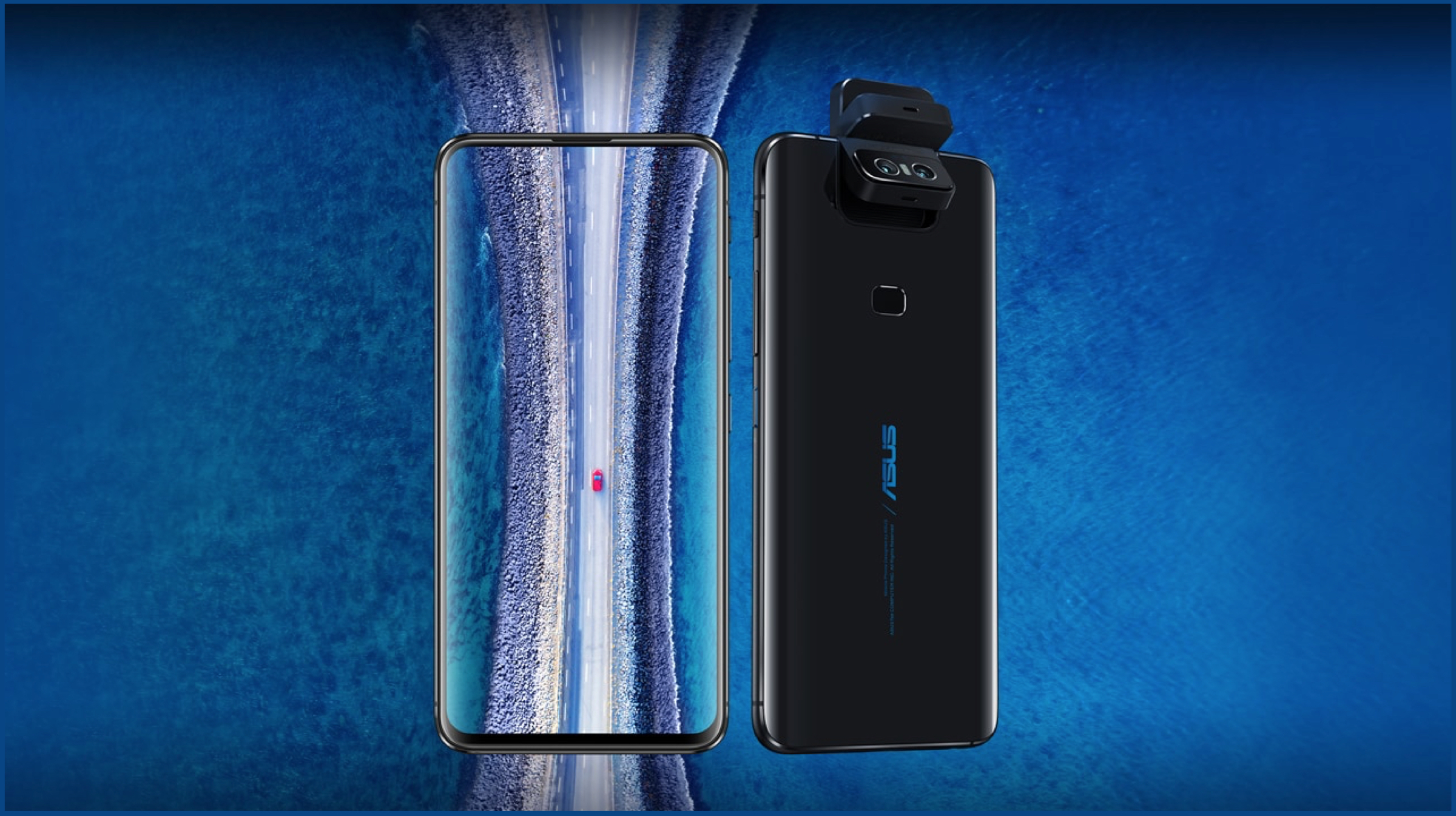
Asus launched its latest flagship smartphone, the ZenFone 6 at an event in Valencia, Spain on the 16th of May. The device boasts of a modern design with unique camera setup. Unfortunately, the company did not announce when the handset will be announced for the Indian market at the time of its announcement. Now, Flipkart, an Indian e-commerce website has listed the ZenFone 6 which insinuates its launch in India is imminent.
Asus ZenFone 6
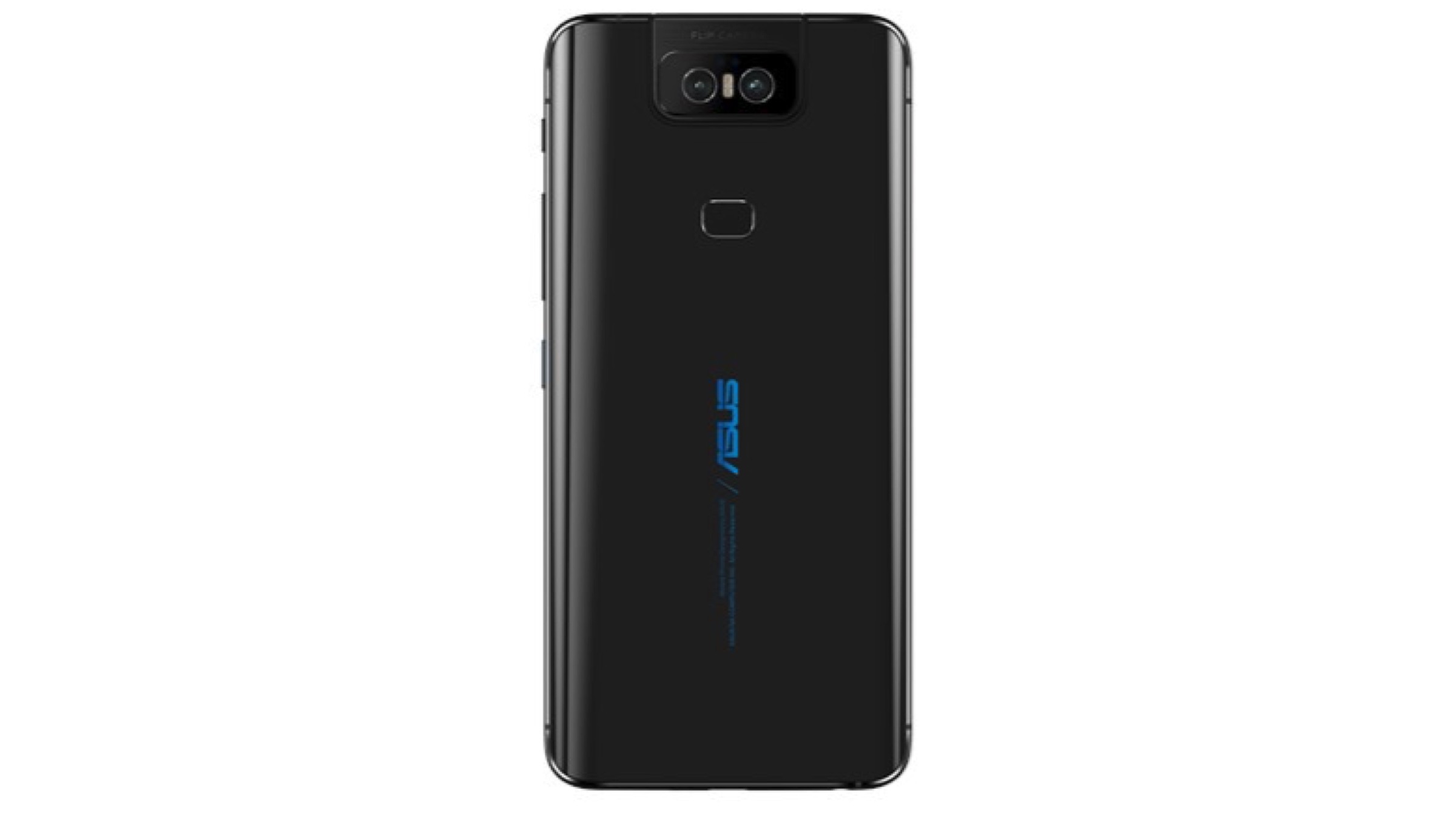
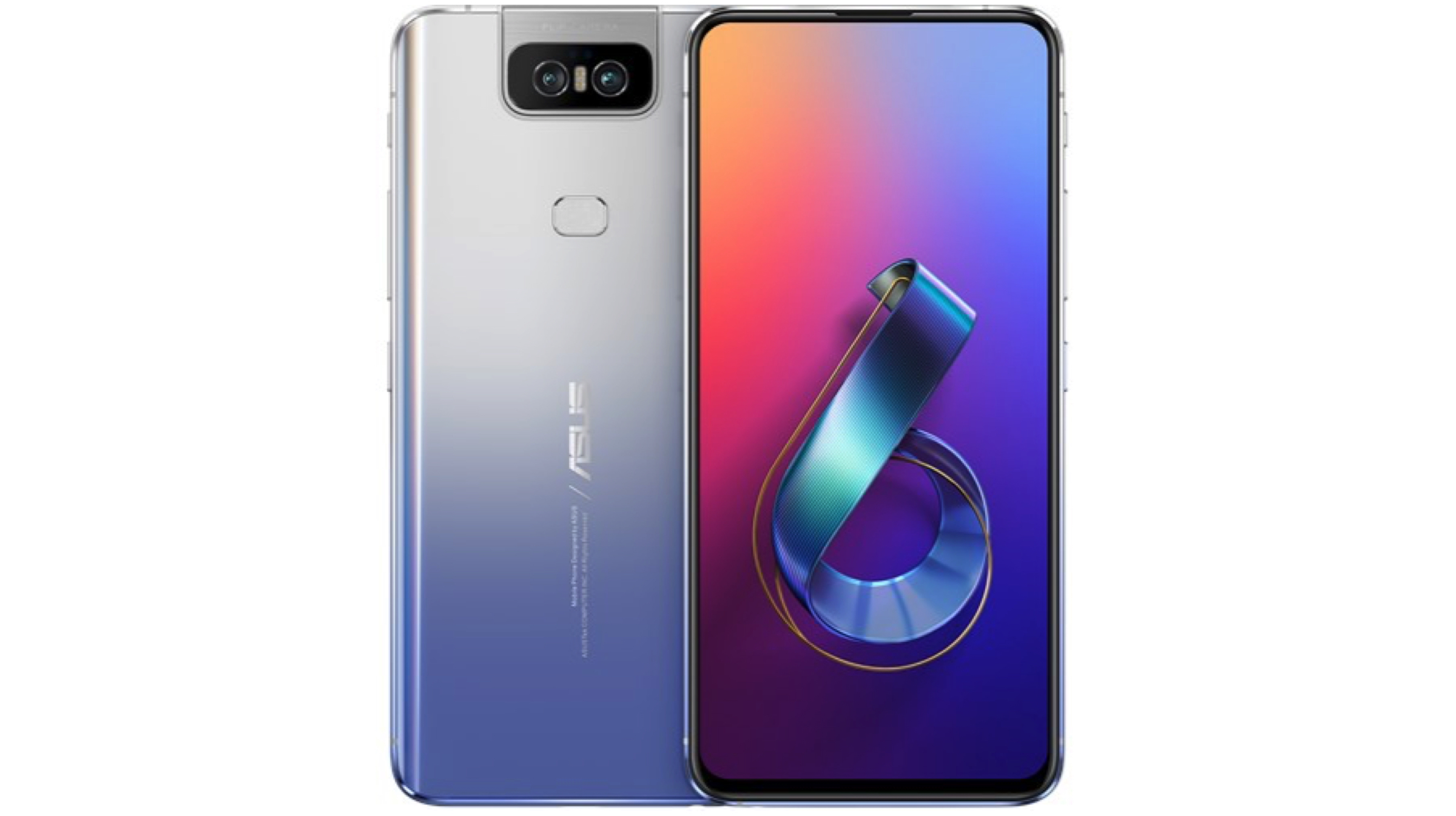
The Asus ZenFone 6 is the latest flagship offering by the company as mentioned above and will succeed the ZenFone 5Z. It measures 159.1 x 75.44 x 8.4mm and weighs 190g. The smartphone has a glass design on the front and back with a metal chassis for reinforcement. It has a 6.4 inch LCD display with a resolution of 2340 x 1080 px. The screen to body ratio of the device stands in at an impressive 92 percent which is achieved by implementing a flip up camera mechanism. Like the Samsung Galaxy A80, the ZenFone 6 has a rotating camera setup which can be used to take pictures from the rear as well as the front. For biometric security and rapidly unlocking the handset, it has a rear mounted fingerprint scanner and supports face unlock technology.
Under the hood, the ZenFone 6 is kitted with the 7nm Snapdragon 855 SoC which is comprised of an Octa-core CPU and the Adreno 640 GPU. In terms of optics, the smartphone has a dual camera setup which consists of an f/1.8 aperture equipped 48MP primary sensor and a secondary f/2.4 aperture equipped 13MP Ultra wide angle sensor. As mentioned before, the device uses a flip camera mechanism to click pictures at different angles. For memory and storage, the handset may be launched in the following variants.
6GB RAM and 64GB ROM
8GB RAM and 128GB ROM
8GB RAM and 256GB ROM
The Asus ZenFone 6 is powered by a massive 5000 mAh battery which supports 18W fast charging. It has a unique Google Assistant button on the top right which can also be configured to open any application based on the user’s choice. In terms of connectivity, the handset supports Wi-Fi 802.11a/b/g/n/ac, Bluetooth 5.0 and NFC, 3.5 mm jack and bottom mounted USB Type C port. It is available in two colours, namely Twilight Silver and Midnight Black.
The Asus ZenFone 6 is expected to be launched in the following weeks in the Indian market. It will be exclusively available online on Flipkart and offline in select retail stores across the country. While the company has not revealed its Indian pricing yet, it is expected to cost starting at Rs. 40,000 for the variant with 6GB of RAM and 64GB of internal storage. The variant with 8GB RAM and 128GB of onboard memory may cost Rs. 44,000; while buyers may have to shell Rs. 47,000 for the version with 8GB RAM and 256GB Internal storage.
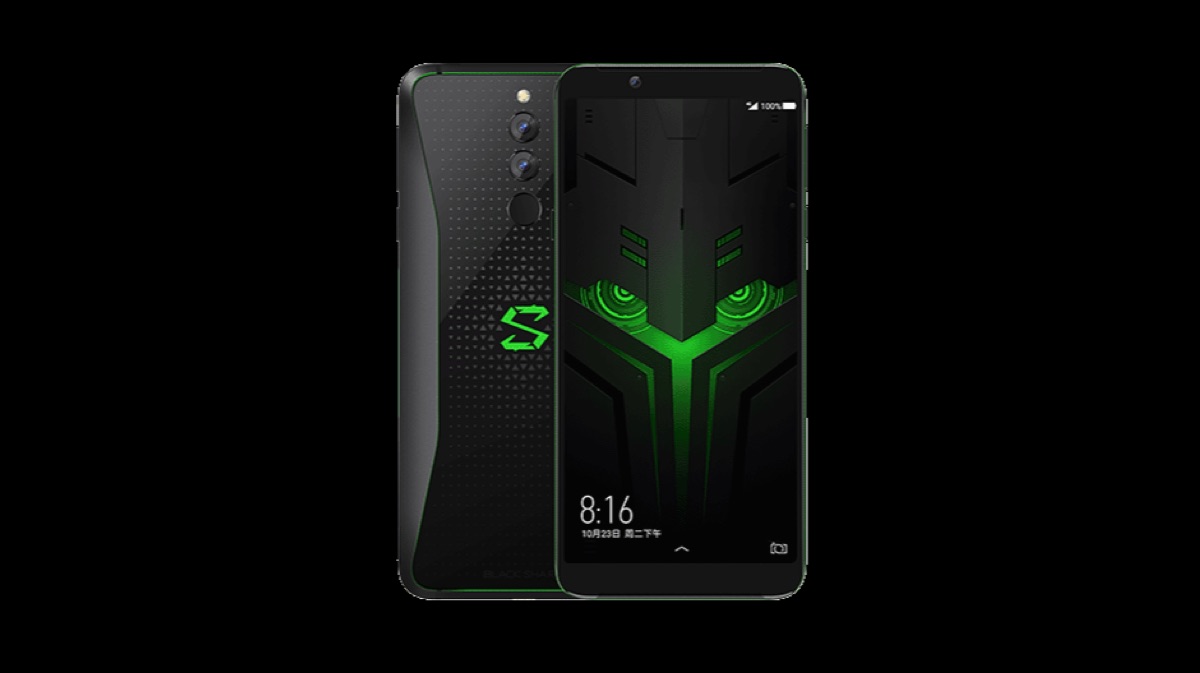
The highly anticipated Xiaomi Black Shark 2 gaming smartphone is heading towards its India launch, and it brings a host of features to the table. As per previous reports, the device passed its BIS Certification in India on May 7, 2019, indicating that the smartphone may be released in the same month. Latest reports state that the Black Shark 2 is scheduled for an India launch on May 27. Media invites for the same have confirmed the aforementioned launch date.
Xiaomi Black Shark 2: Specifications, Design & Features
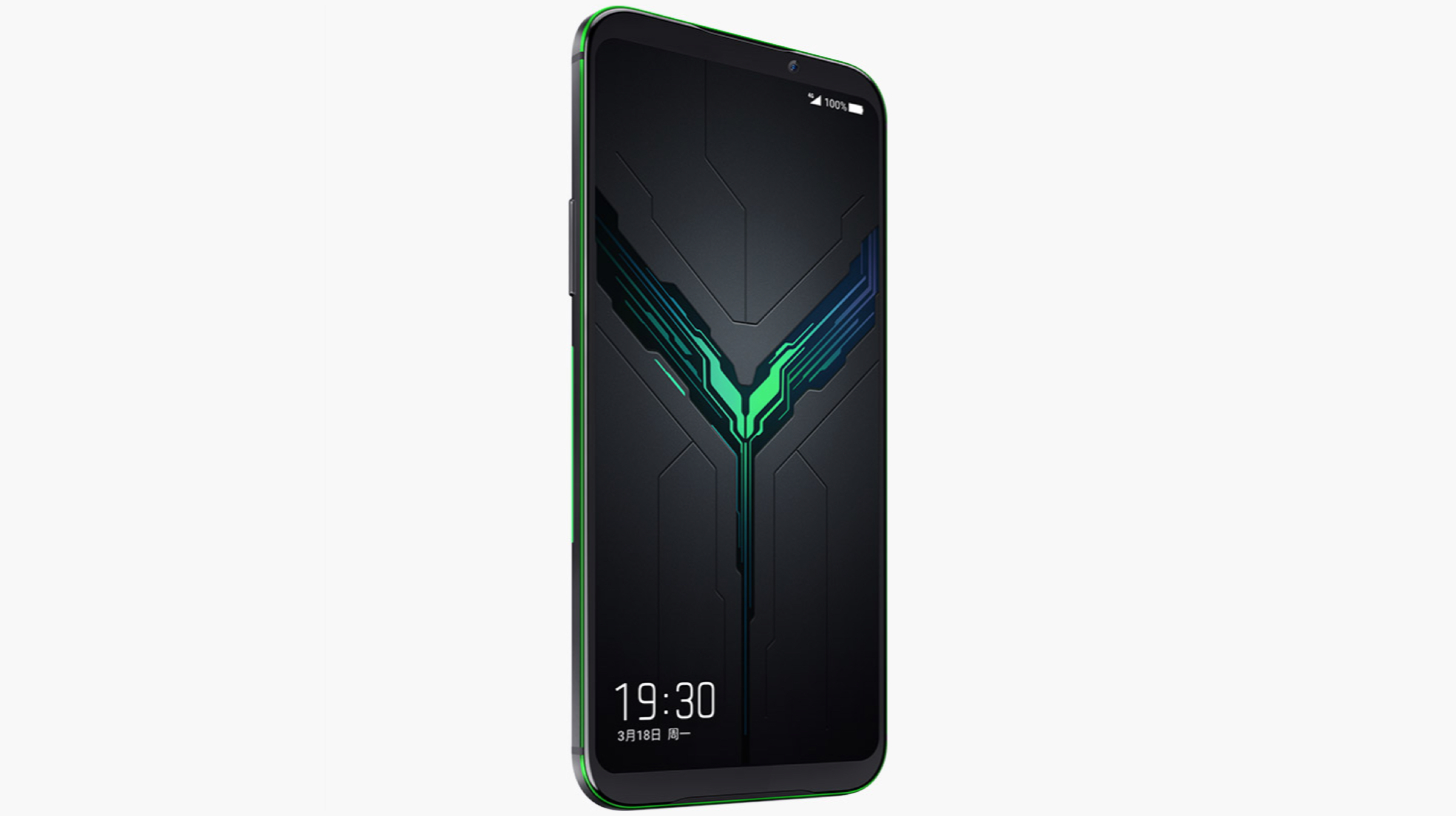
The Black Shark 2 picks up a fair share of design aspects from its predecessor. The smartphone measures 163.61 x 75.01 x 8.77 mm and weighs in at 205 grams. It features a 6.39 inch AMOLED display which is surrounded by thin bezels on all sides. The smartphone’s display has a resolution of 2340 x 1080 px and a pixel density of 403 ppi. The display panel can reach brightness levels of upto 430 nits and has an aspect ratio of 19.5:9. The AMOLED display is pressure sensitive, which can offer a variety of implications while playing games on the device. Biometric security options include an in-display fingerprint sensor.
The right side of the smartphone houses the power button and a “shark slider” which when toggled turns on gaming mode for game-focused performance. The left side of the handset houses the volume rockers. The bottom of the device accommodates the USB Type-C port. Since it is a gaming device, it has a vapour cooling chamber to regulate high temperatures while intensive gaming sessions.
Under the hood, the Black Shark 2 runs on the Snapdragon 855 SoC which consists of an Octa-Core CPU and the Adreno 640 GPU. The smartphone is powered by a 4,000 mAh battery which supports fast charging upto 27 W. Connectivity options on the device include 802.11 ac Wi-Fi, Bluetooth 5.0, Dual 4G VoLTE and GPS.
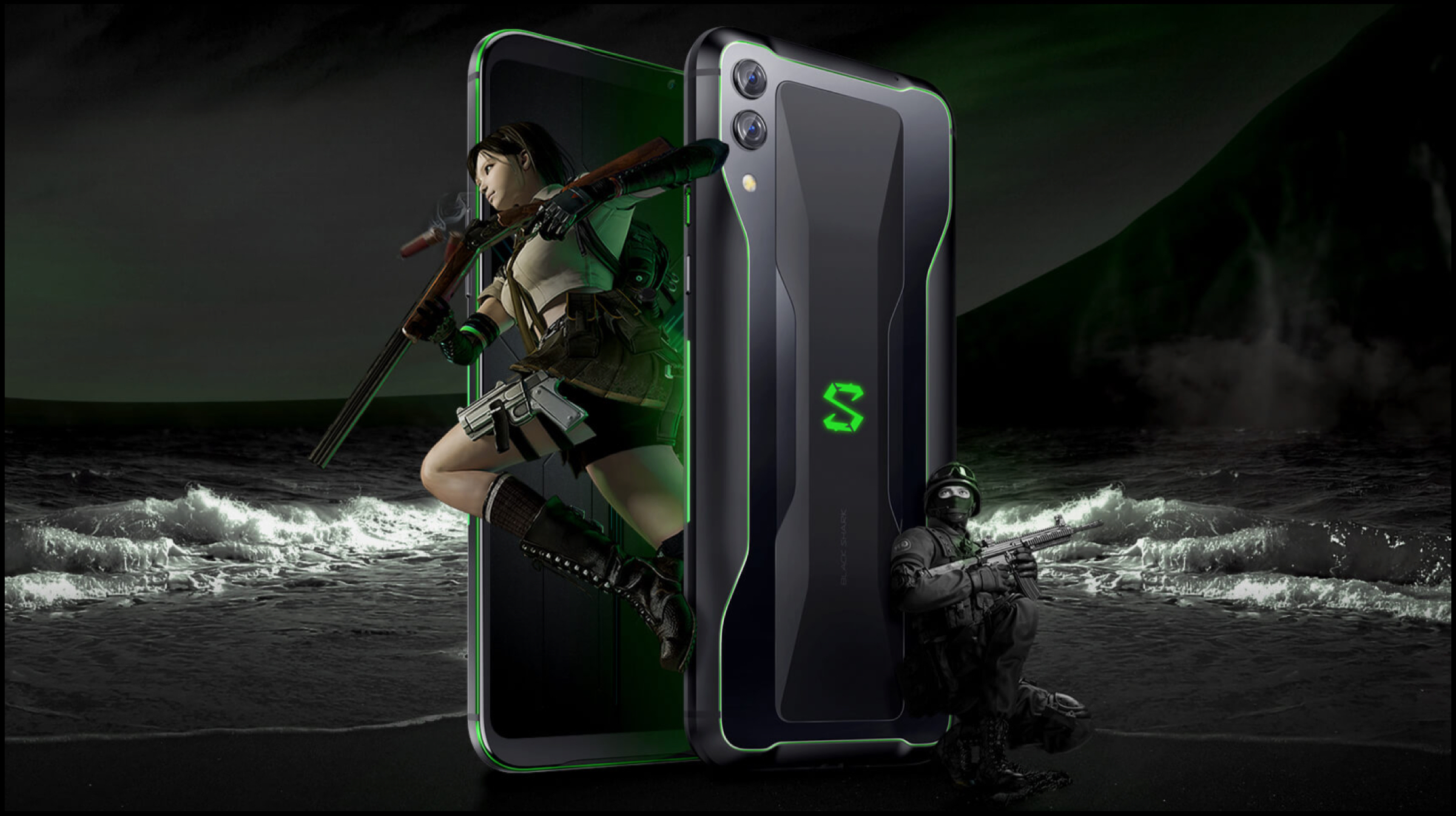
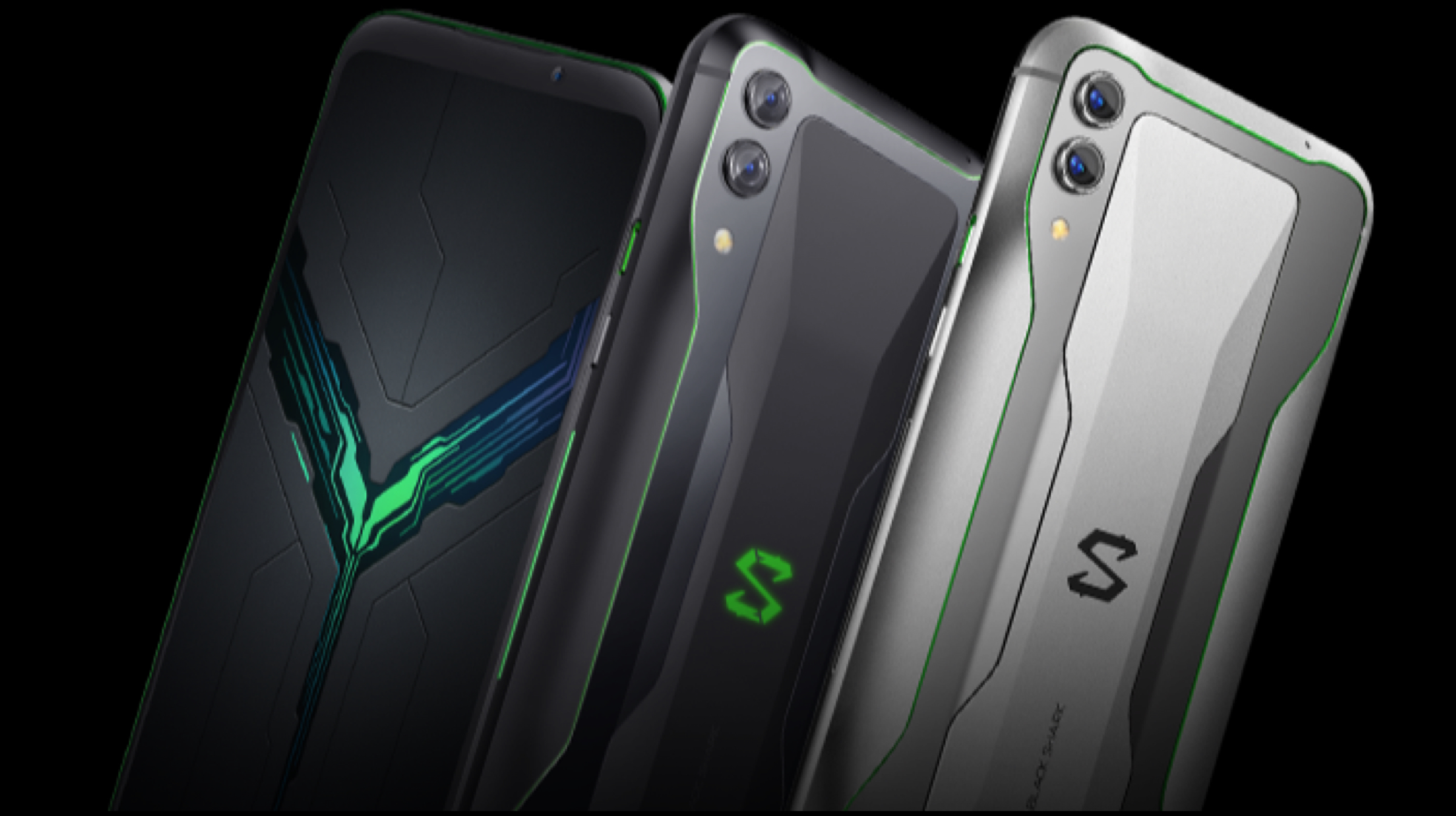
The rear of the Black Shark 2 has a unique design with green coloured decals that run along the sides. The rear panel also houses the brand logo and a dual camera setup, which consists of a 48 MP sensor, 12 MP sensor and an LED Flash. The camera can capture 2160p videos at 30 fps. For selfies, it has a 20 MP front-facing camera which is placed in the bezel above the display. The front camera can also capture 1080p videos at 30 fps.
Xiaomi Black Shark 2: Price, Colours And Storage Options
The Black Shark 2 is available in two colour variants which includes Frozen Silver and Shadow Black. The price for different variants of the smartphone are listed below:
6 GB + 128 GB – ¥3199 (~Rs 32,600)
8 GB + 128 GB – ¥3499 (~Rs 35,700)
12 GB + 256 GB – ¥4199 (~Rs 42,800)
Note that the prices for the smartphone might differ at the time of launch, since the prices mentioned above were roughly translated from its Chinese counterpart’s prices.
Earlier this year Xiaomi turned the Redmi lineup of smartphones into an independent brand. The first device that the newly separated company launched was the Redmi Note 7 which received rave reviews. The smartphone was later launched in India but with a notable change. Both the Indian and Chinese variants of the Redmi Note 7 have a dual rear camera setup but with essentially different sensors. The rear camera setup of India specific Redmi Note 7 has 12 MP + 2 MP sensors while the China specific variant has 48 MP + 5 MP sensors.
This disparity in the choice of sensors faced a major backlash from the Indian community and has been a thorn in the side of Redmi Note 7. To cheer up the consumers, the company has launched the updated Redmi Note 7s in the country which has identical camera sensors as its Chinese counterpart. Other than updated camera sensors, the rest of the specifications are the same as the original device.
Redmi Note 7s Design And Specifications
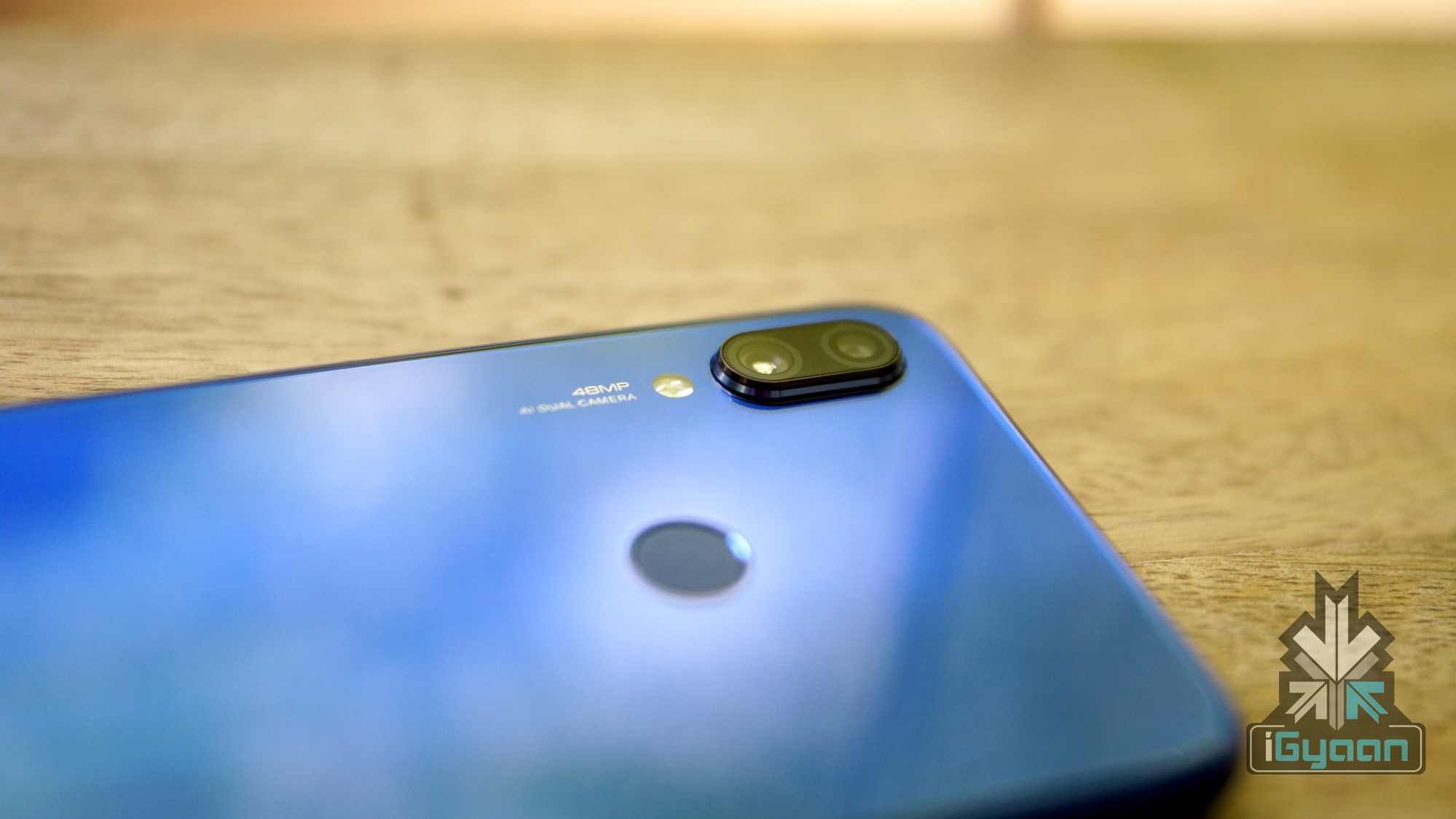
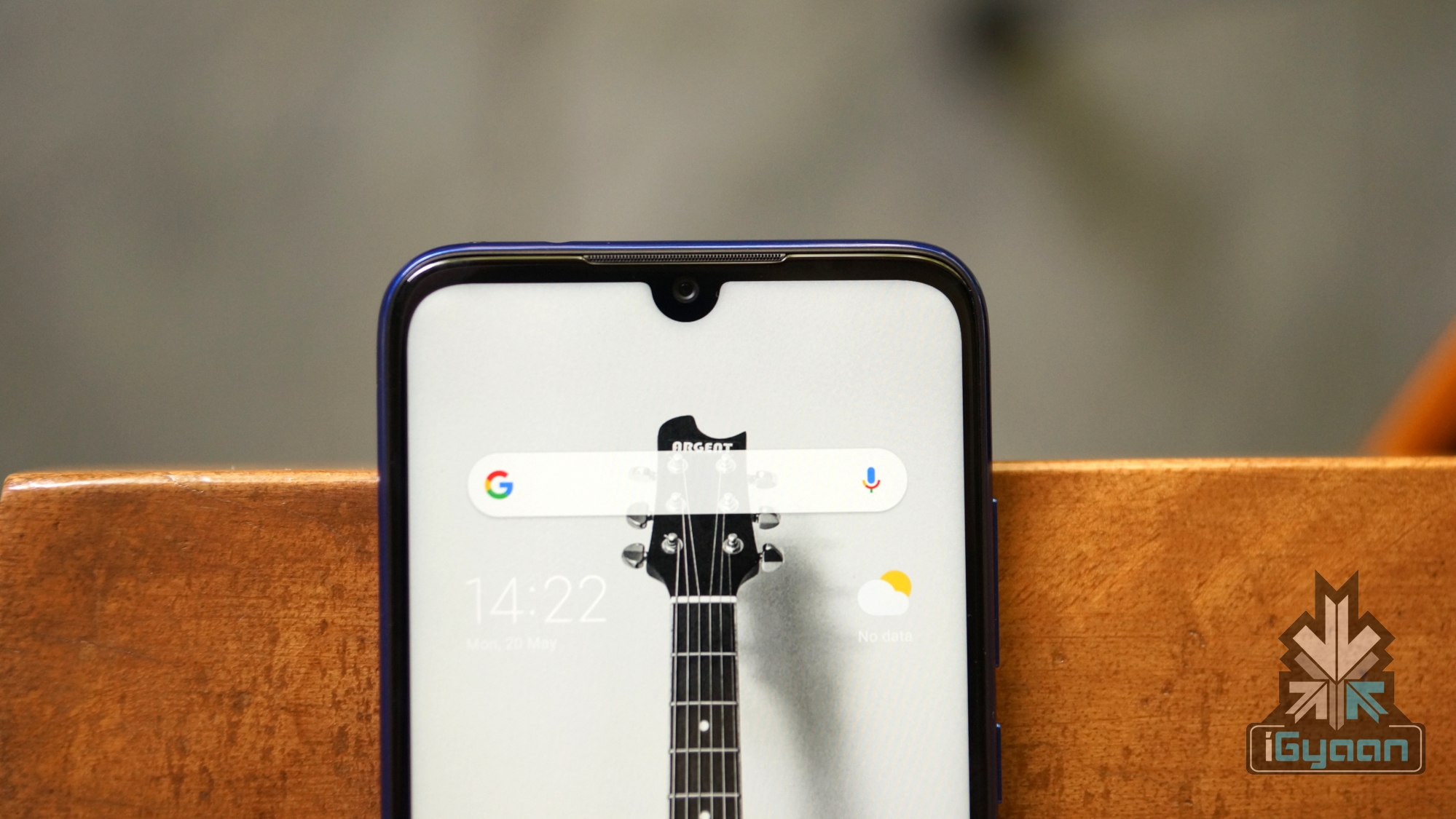
The front of the Redmi Note 7s accommodates a 6.3 inch LCD display with a small dot notch up top. The display panel has a 19.5:9 aspect ratio with a resolution 2340 x 1080 px and a pixel density of 409 ppi. To safeguard it against scratches, it also has Corning Gorilla Glass 5 on both the front and back. The top, left and right side bezels around the display are negligible while the bottom bezel is comparatively thicker.
The right side of the Redmi Note 7s houses the power button and volume rockers while the left side houses the Dual-Sim slot. The USB Type-C port for charging and data transfer is present on the bottom of the device which is flanked by the loudspeaker and the microphone grille. The top side of the device accommodates the 3.5 mm audio jack and an IR Blaster.
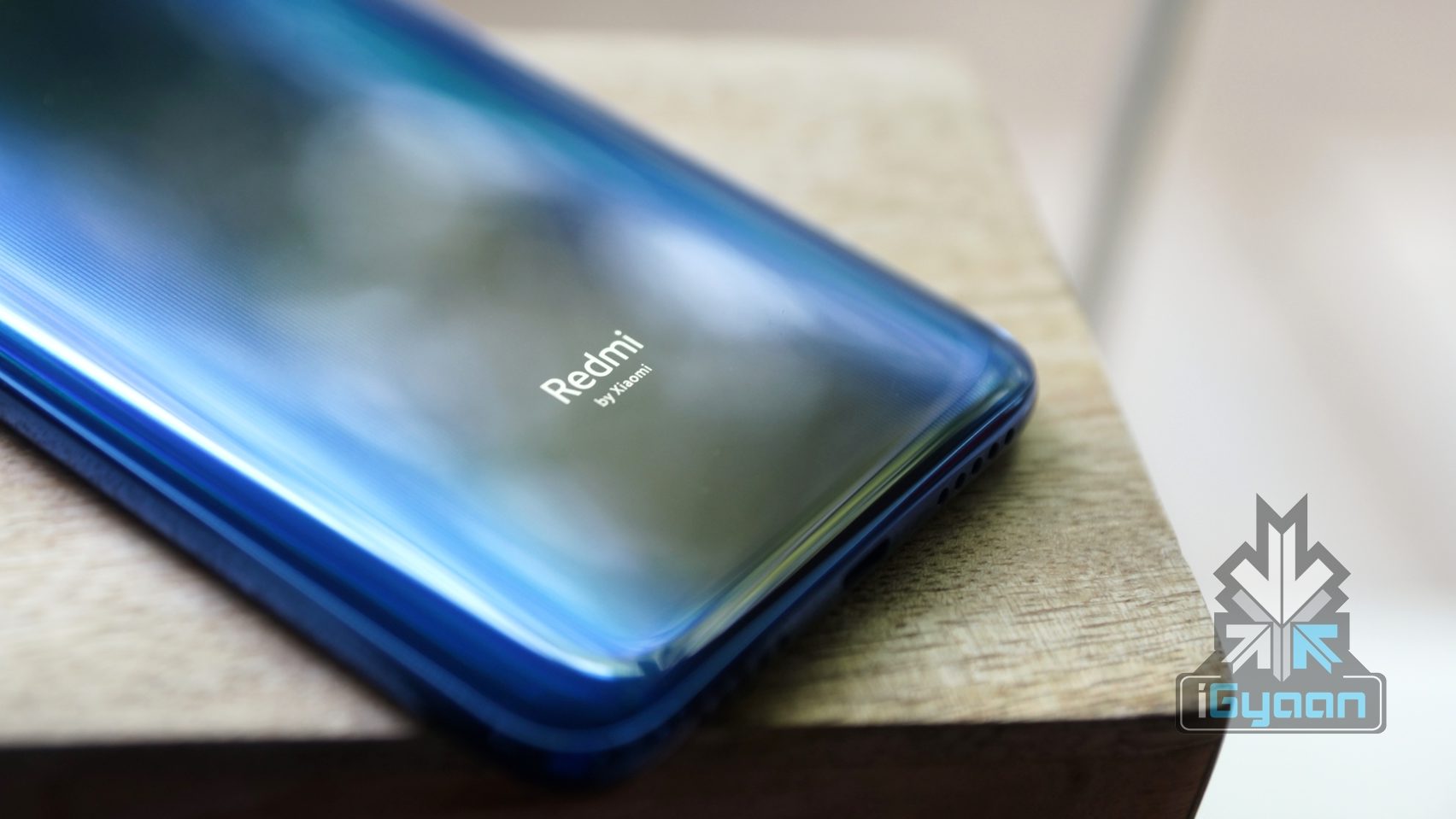
The rear panel of Redmi Note 7s harbours the Redmi branding, the fingerprint sensor and the dual camera setup. The smartphone is available in three colour options which are as follows:
Sapphire Blue
Ruby Red
Onyx Black
The dual rear camera setup of the smartphone is comprised of a 48 MP Samsung ISOCELL GM1 sensor and a 5 MP secondary depth sensor. The front facing selfie camera of the device uses a 13 MP sensor which is housed in the waterdrop notch above the device. Appreciably, it also has the P2i hydrophobic nano coating which will allow the device to sustain accidental liquid spillages.
The Redmi Note 7s packs the Snapdragon 660 SoC which consists of Adreno 512 GPU and an Octa-Core CPU. Out of the eight CPU cores, four Kryo 260 cores are clocked at 1.8 GHz for better battery efficiency and four Kryo 260 cores are clocked at 2.2 GHz for maximum performance. It is powered by a large 4,000 mAh battery which supports Qualcomm Quick Charge 4.0. The Quick Charge 4.0 support allows the handset to be charged with 18 watts of maximum power. Connectivity options on the device include 802.11 ac Wi-Fi, 4G VoLTE, Bluetooth 5.0, GPS, and FM Radio. It also has a whole host of sensors which include an accelerometer, gyroscope, proximity sensor, and a compass.
The Redmi Note 7s will be available for purchase from the 22rd of May on Flipkart.com, Mi.com and Mi offline stores. It is available in two storage variants for which the price is as follows:
Since the popularity of gaming setups shot up over the past few years, we at iGyaan had an idea of putting together one of the most powerful gaming PCs ever assembled in the country. We researched the best components available in the market and top-of-the-line peripherals to go along with them. When we were done with the components, we decided to start working on building the Beast Gaming PC itself.
The Build has been divided into two sections: The components and the assembly. Check out the video for the PC parts below:
Given below is a detailed list of components that we used in our PC build.
Cabinet: Thermaltake Tower 900
The Thermaltake Tower 900 was a great choice for the build as it has a vertically mounted design, which can easily accommodate two cooling pumps. It is adorned on three sides with Tempered glass, so we can clearly showcase all the components on the build from multiple angles. Plus, the tower has a lot of expansion space, so if we decide to add more components in the future, it won’t be a hassle at all. It has an adequate amount of airflow and cable routing space for management. On top of everything, the white colour looks absolutely gorgeous and goes well with our black and white build theme.
We chose the Intel core i9 9980XE for our build simply because of the sheer magnitude of specifications it offers. The CPU has a total of 18 cores and 36 threads. Out-of-the-box, it operates at a base frequency of 3.0 GHz, but it can be overclocked to 4.50 GHz using Intel Turbo Boost Max Technology 3.0. The processor is compatible with a maximum memory size of 128 GB, which is what we intended to work with.
However, the main reason why we went for the 9980XE was the availability of 44 PCI Express lanes. Even though 44 lanes are still not sufficient for our build (since 32 lanes will be occupied by the dual GPU setup itself), the processor fit our build portfolio quite well. Because we didn’t intend to build the machine solely for gaming, the 9980XE will serve our 8K editing and rendering needs in the future as well.
The X299 was perfect for our build considering the fact that we will eventually convert this build into a Hackintosh setup. The Motherboard features a total of 5 PCIe slots which would accommodate our two Graphics Cards and our RAID arrays. Moreover, it also has 3 M.2 slots to house the extra memory chips that are not being included in our RAID setup. The heat shields were also a nice addition. The motherboard is solidly built and the white accents on the board complement our setup to the maximum. Also, the X299 supports RGB Fusion 2.0 which will help us to seamlessly synchronize our RGB strips and fans using the application.
As we mentioned before, we had support for 128 gigs of RAM in our setup, so that’s what we did. We went for the Vengeance Pro 32GB modules, which had 2 sticks of 16GB RAM each. The memory modules are themselves quite aesthetically pleasing, with a white casing and RGB support. They have DDR4 memory and a clock speed of 3200 MHz per stick. The RGB lighting of the modules can be regulated with the help of Corsair’s iCUE application.
Since we were planning to put together a RAID array setup for our build, we got 10 sticks of the 1TB Samsung 970 EVO SSDs. RAID storage uses multiple disks in order to provide fault tolerance and improves the overall performance of the system. Eight of our 10 sticks were included in our two ASUS Hyper M.2 x16 cards (four SSDs per card) whereas the rest of the two 970 EVOs were used independently in the setup.
The ASUS Hyper M.2 x16 cards support 4 NVMe M.2 (2242/2260/2280/22110) SSDs each. They are specially designed for Intel VROC and AMD Ryzen Threadripper NVMe RAID setups. Moreover, it has an additional cooling fan inside the bay to ensure that the storage sticks don’t overheat.
Owing to the sheer number and wattage of components being used in our build, we went for the Corsair AX1600i, which is titanium plus rated modular power supply unit. Its transistors are made out of Gallium Nitride instead of silicon, which ensures a lower resistance and faster switching. The fan speed of the PSU can be regulated with the help of the Corsair Link desktop application (users will have to connect the PSU to the system via a USB cable). Plus, the AX1600i claims to be one of the most silent PSUs in the market as of now. For the sake of our Black and White PC build, we decided to go for custom white Corsair cable sleeves.
Graphics Card(s): Zotac NVIDIA RTX 2080 Ti AMP edition (x2)
Bridge: EVGA RTX NV Link
In order to make our beast build resilient for times to come, we decided to go for two of the absolute flagship GFX cards from NVIDIA, the 2080 Ti. Each video card has 11 GB of GDDR6 memory and 14Gbps memory speed. Since we render 8K Red Camera footage for our videos, a dual 2080 Ti setup will provide the VRAM memory required to render the aforementioned videos in real time. Moreover, playing the most demanding games on the planet would be a breeze with the dual card setup. Both the 2080 Ti cards are linked with the EVGA NV Link bridge.
Cooling: Thermaltake Pacific M360 Plus Cooling Kit
Cooling: Antec C400 Glacial CPU Cooler
We wouldn’t want our beast build to overheat at any point in time, so we chose to hard-tube the entire system. The kit we used was the Thermaltake Pacific M360 Plus Cooling Kit. It includes a water block, the D5 pump, 3x120mm fans, 360mm radiator, clear coolant and 8 C-Pro compression fittings along with 2 adapter fittings and 4 PETG hard tubes. We are also using the Thermaltake Pacific 12mm bending kit for hard tubing. However, we came upon a decision to not install the hard tubing until all the components are completely installed, so to suffice until then, we chose the Antec C400 Glacial CPU cooler. It has a PWM silent fan and pure copper heat pipes.
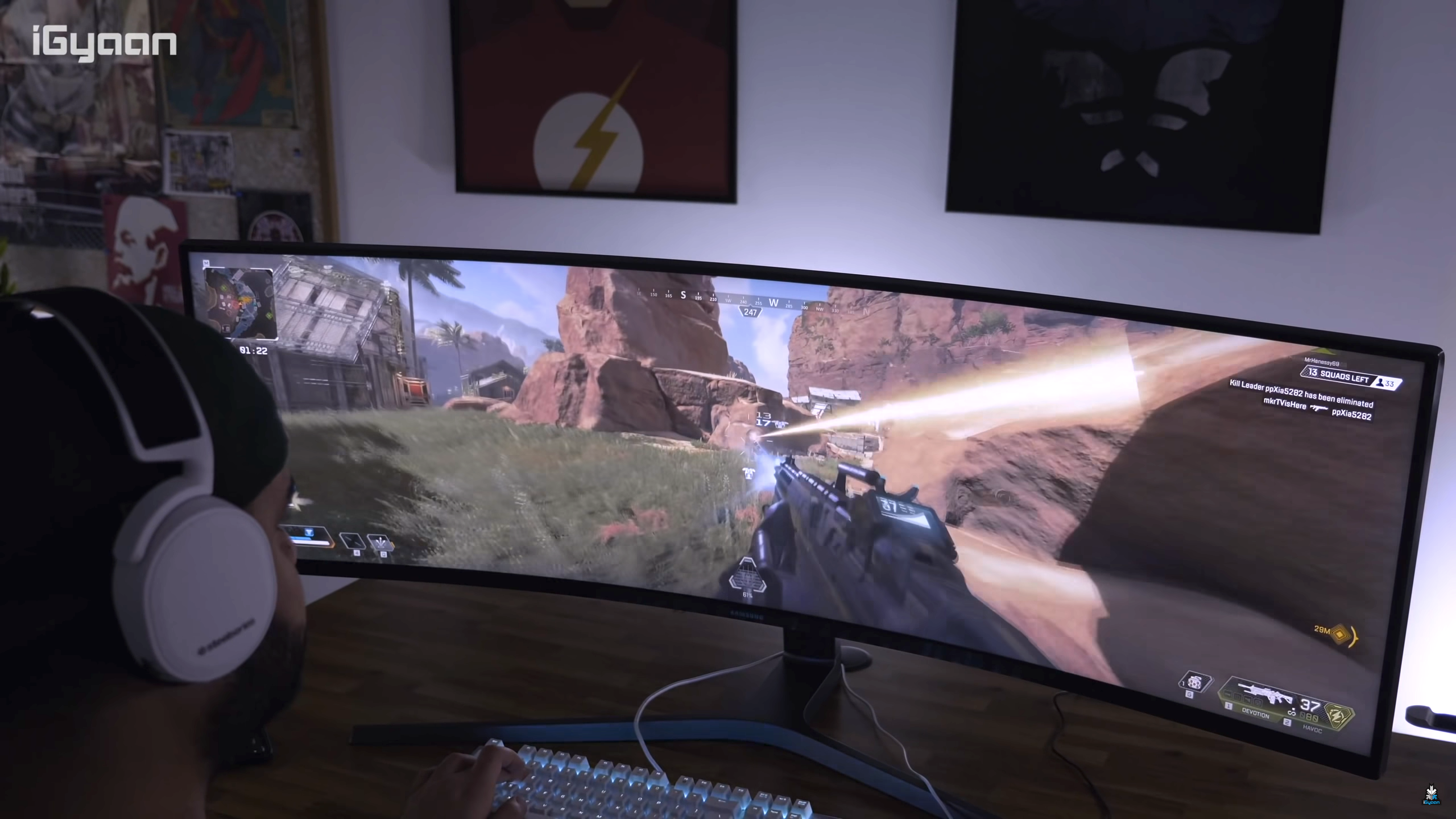
As mentioned previously, the build will be used to edit and render high-resolution videos as well as to play graphics intensive games. To fulfil both the purposes, we chose the Samsung 48.9 inch Ultra-wide curved monitor which has a response time of 1ms and a refresh rate of 144 Hz. With a resolution of 3840 x 1080 px, the display features AMD’s FreeSync technology.
In terms of peripherals, the Razer Black Widow X really stood out as a build-compliant keyboard. Firstly, it is white so it complements the setup really nicely, and secondly, it features Razer’s top-of-the-line tactile Green mechanical switches. The keyboard has programmable keys and N-Key rollover to prevent any ghosting instances. Plus, it boasts of really solid build quality.
We chose the White Razer Lancehead as it has an ambidextrous design, along with rubber grips on either side. It has a 5G optical 16,000 dpi sensor and is claimed to be optimized for 50 million clicks. Users can customize various sensitivity profiles in the Razer Synapse application. Using Razer Chroma, a multitude of colour schemes can be synchronized between both the mouse and the Keyboard.
The Steelseries Arctis 7 is one of the most comfortable and good-sounding pair of headphones in the market. The two sweetest perks were the facts that they are wireless as well as white in colour. They connect via a 2.4GHz receiver so that latency loss is eliminated. The headphones are quite comfortable and have a battery life of almost 24 hours (as claimed by Steelseries after the latest firmware update).
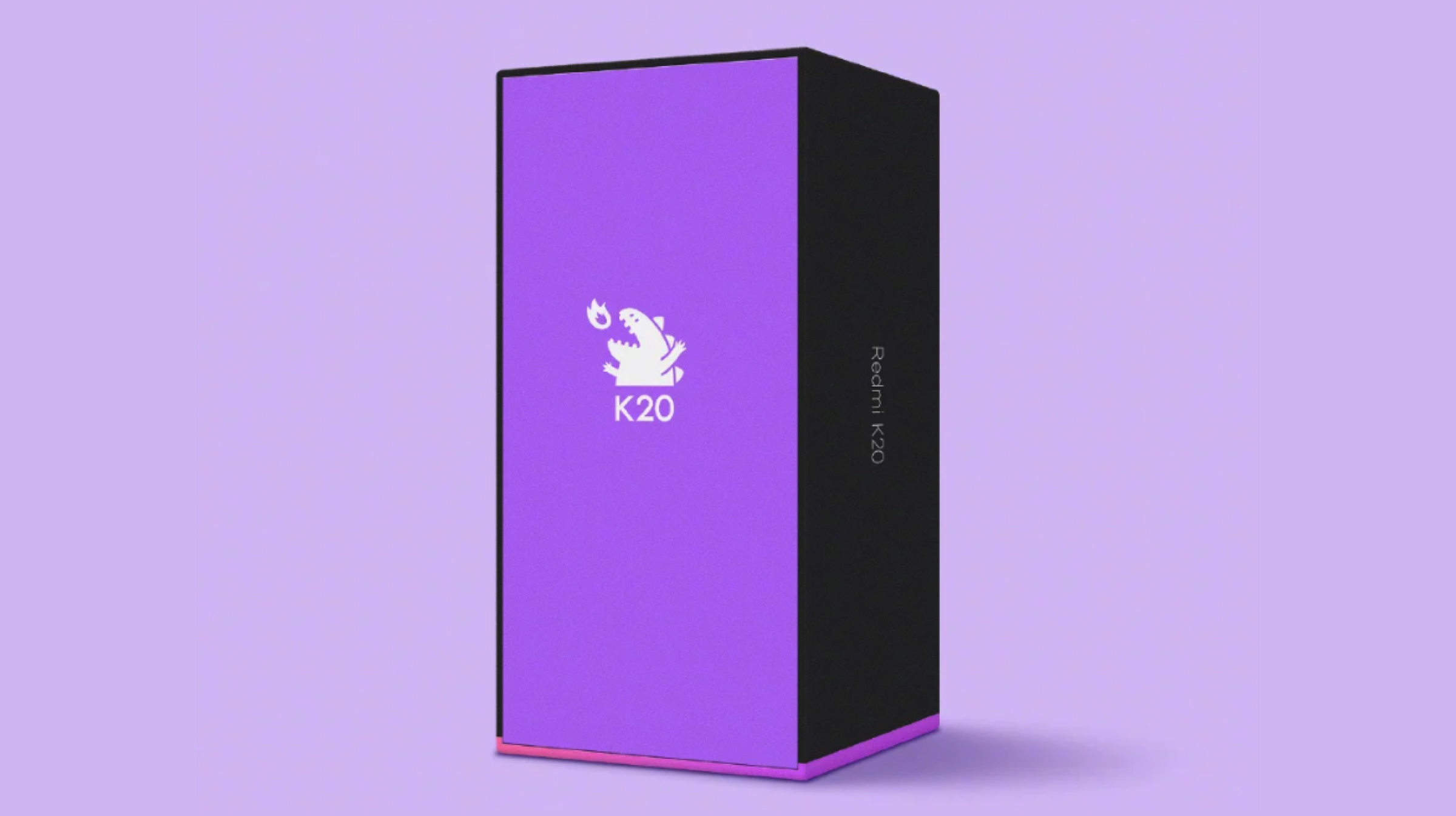
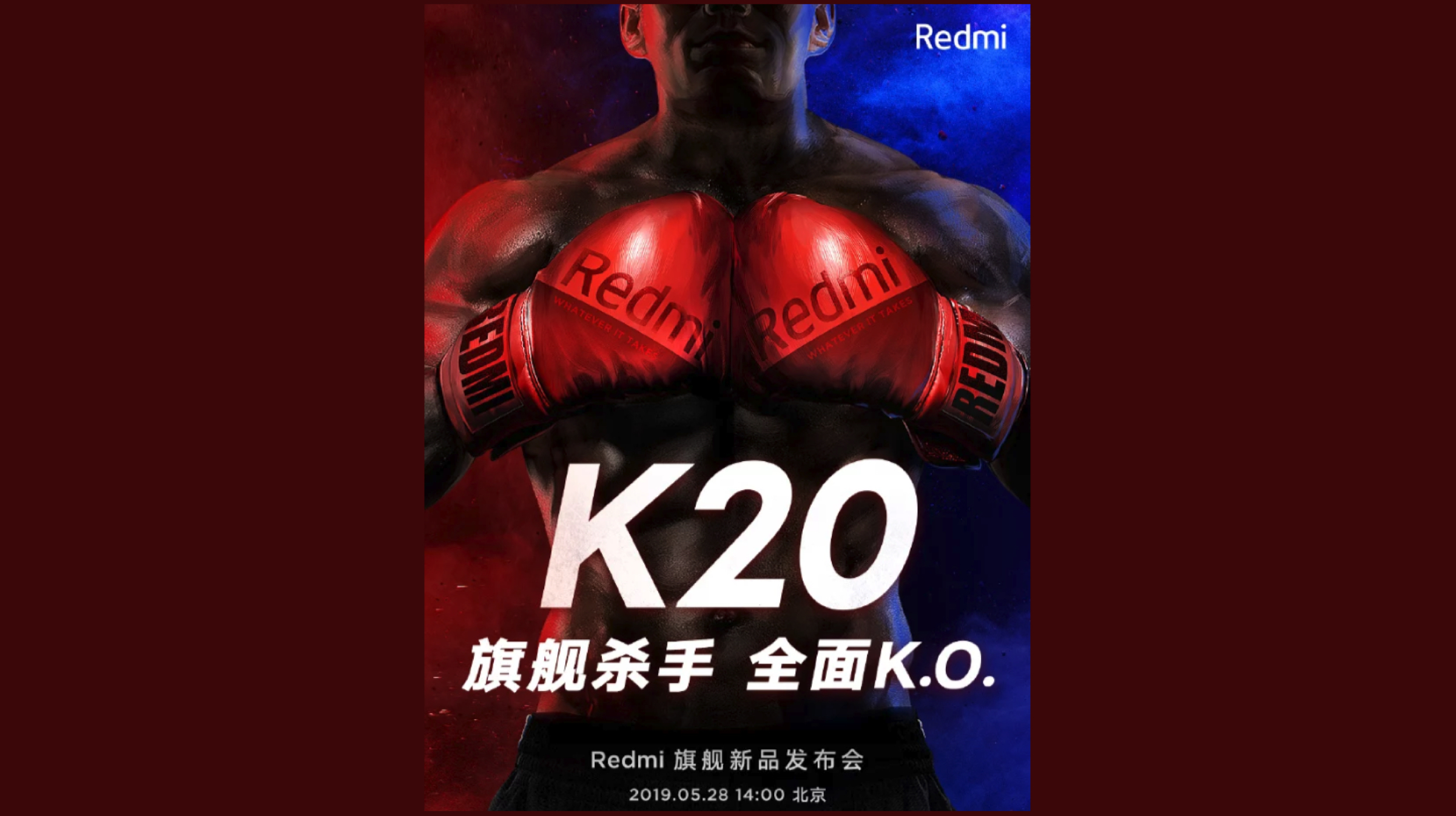
Redmi separated from its parent company Xiaomi back in the month of January to exist as an independent brand. It has since then launched several smartphones including the Redmi Note 7, Redmi Note 7 Pro, Redmi 7 etc. The company previously revealed that it will launch a flagship-grade smartphone which will be called the Redmi K20 soon. Now, it has announced the highly anticipated handset will be launched in China on the 28th of May.
Redmi K20
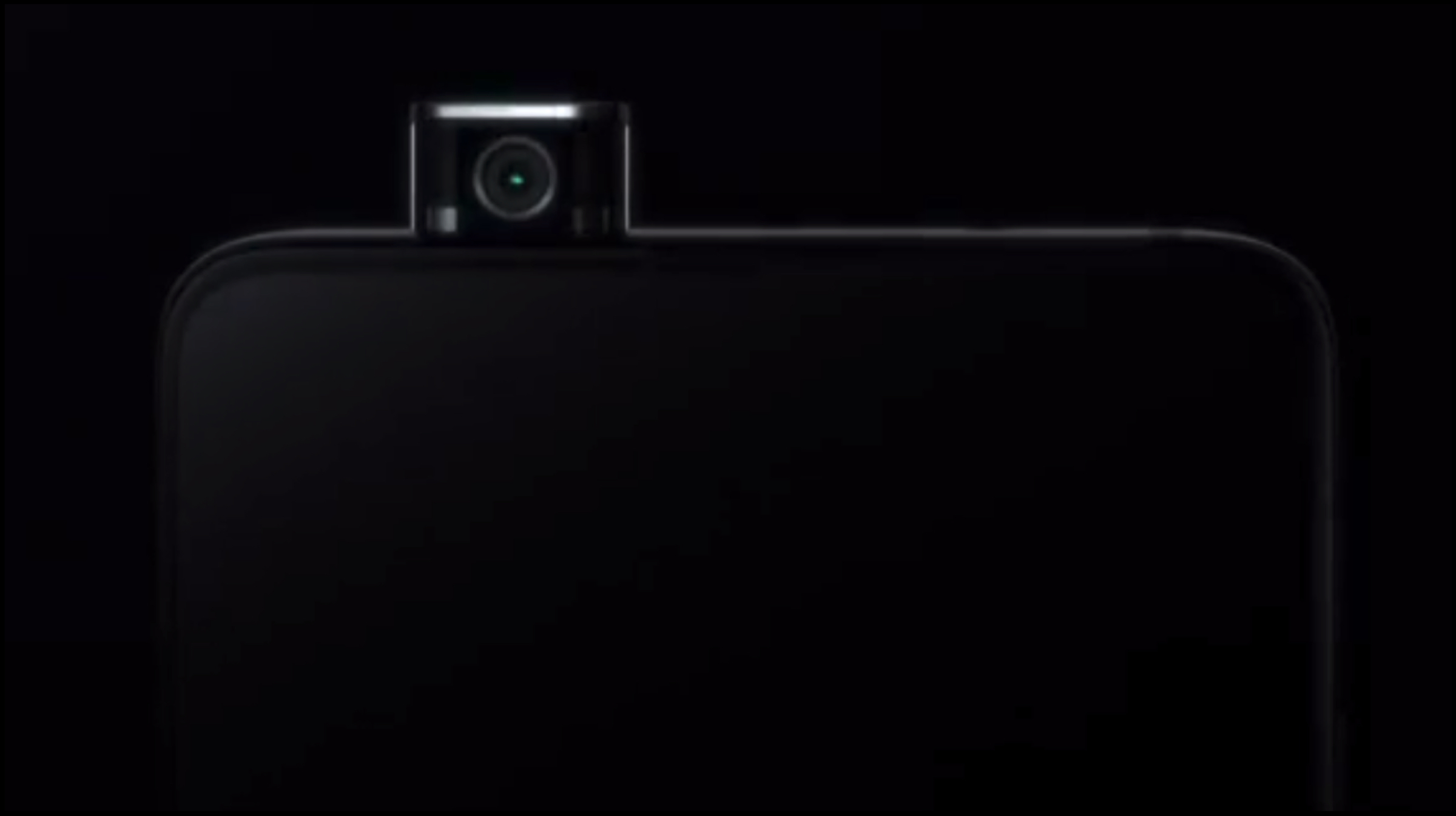
As mentioned above, the Redmi K20 will be the first flagship smartphone from the company. It is expected to have a glass design on the front and back with a metal chassis for reinforcement. Previous leaks reveal the device will have a 6.39 inch Super AMOLED display with a resolution of 2340 x 1080 px. To maximise the screen real estate of the smartphone, a pop-up mechanism housing the front-facing camera is expected. For biometric security, the handset will have an optical in display fingerprint scanner and will support face unlock technology.
As it will be a flagship smartphone, the Redmi K20 is expected to be kitted with the 7nm Snapdragon 855 SoC. It is comprised of an Octa-core CPU and the Adreno 640 GPU. In terms of optics, it is expected to sport a triple rear camera system. This has been leaked to be a triple camera arrangement comprised of an f/1.8 aperture equipped 48MP primary sensor; combined with an f/2.4 aperture equipped 13MP ultra wide sensor; a tertiary f/2.4 aperture equipped 8MP telephoto sensor. For selfies, an f/2.0 aperture equipped 20MP front-facing camera may be housed in the pop-up mechanism on top of the handset. For memory and storage, the device is expected to be available in a plethora of options, which are listed below.
6GB+64GB
6GB+128GB
8GB+128GB
8GB+256GB
Past leak reveals the Redmi K20 will be powered by a 4000 mAh battery with support for 27W fast wired charging. The company has confirmed the smartphone will have a 3.5mm headphone jack and support for NFC. In terms of colour options, the device will be available in three colour options namely, Carbon Fiber Black, Glacier Blue and Flame Red.
The Redmi K20 flagship smartphone will be made official at an event in China on the 28th of May. It is expected to be announced soon after for the Indian market as well with an expected price tag under Rs. 30,000.
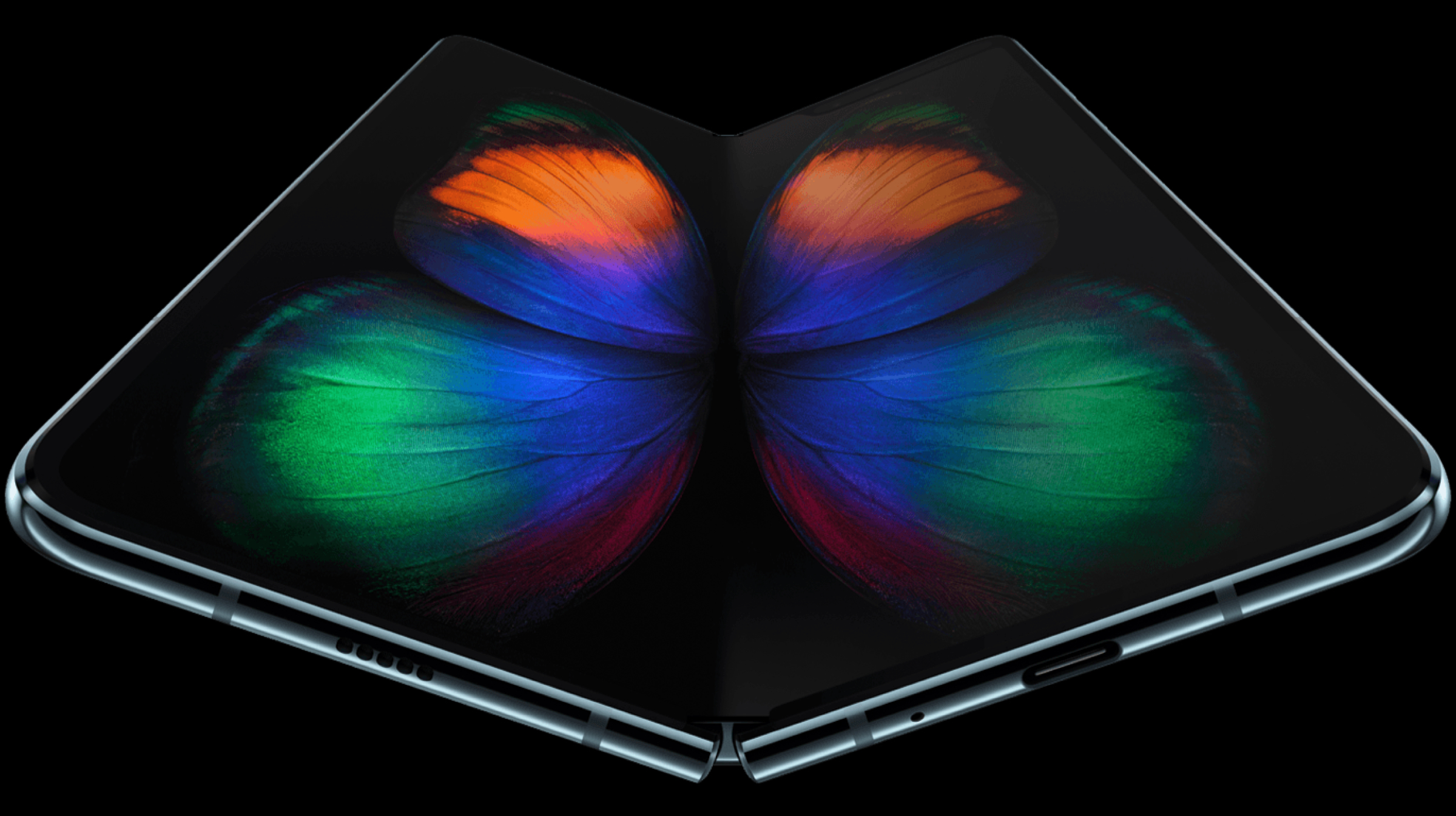
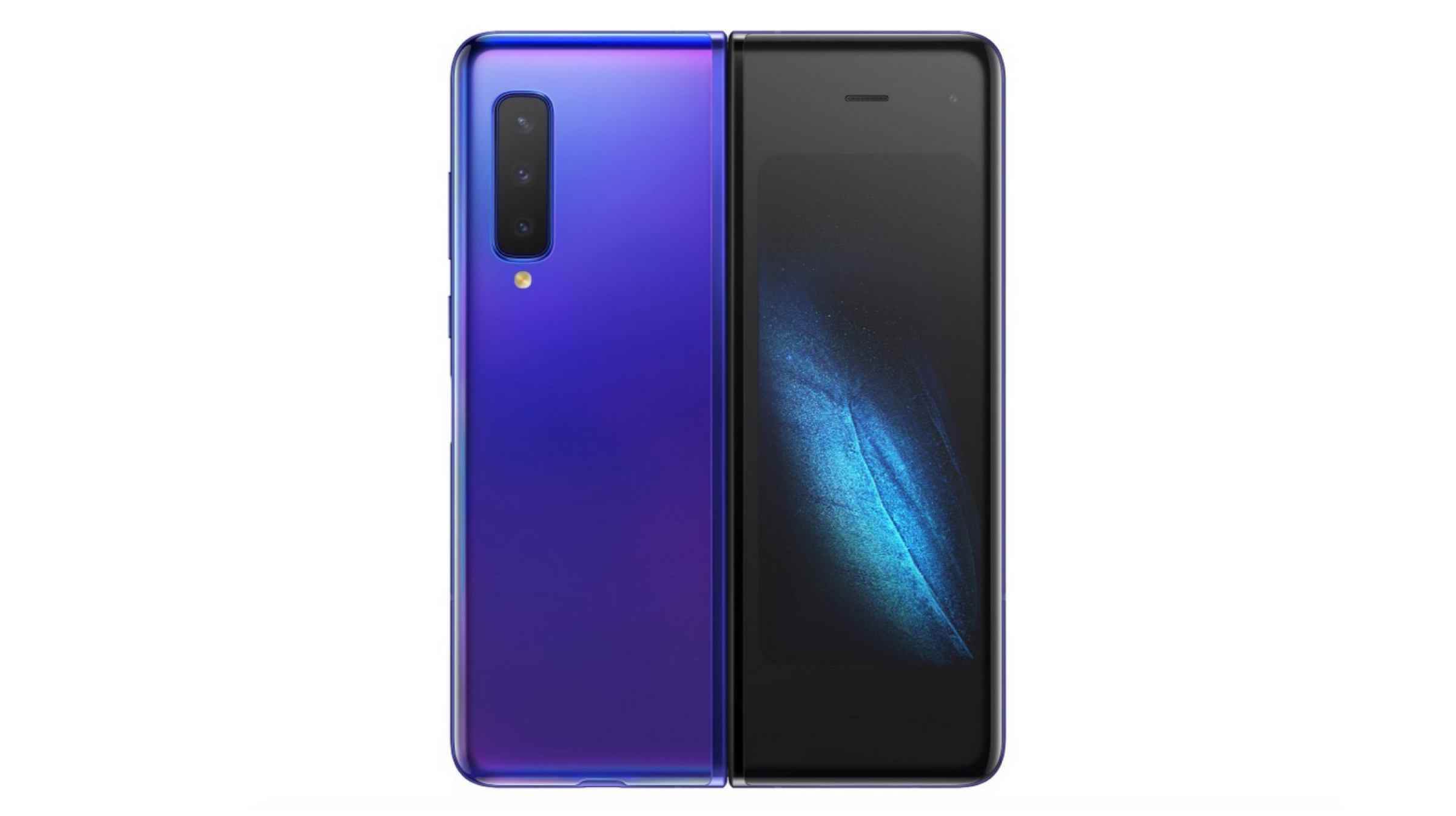
The revolutionary Galaxy Fold was first unveiled at the Galaxy Unpacked Event in February 2019, and being the first one of its kind in the market, it had a lot riding on its shoulders. After an issue with the smartphone’s display came to light, the company recalled multiple review units and postponed the initial launch date for the same (26 April, 2019). However, as per latest reports, Samsung has overcome the hurdles that it previously faced and will re-launch the device next month.
Reports state that the South Korean company will test out the updated Galaxy Fold models with three US mobile carriers in the month of June. Furthermore, launch date in the same month will be confirmed by Samsung itself in the upcoming days. This will be a relieving piece of news for those who had pre-booked the smartphone and wanted to get their hands on the Galaxy Fold earlier than other consumers.
Issues In The Galaxy Fold
The first reports of the underlying issues with the Galaxy Fold’s display surfaced around 17 April 2019. Thereafter, many noted reviewers had stepped forward and reported that the inner display of the foldable device has stopped working. The major cause for the issue was later found out to the removal of the outer screen protector over the inside display. The South Korean company had bundled instructions along with the device indicating that the removal of the screen protector can lead to malfunction in the display. However, some devices still faced the same issue even without the removal of the screen protector.
Reportedly, some reviewers also pointed out the handset’s susceptibility to dust and debris owing to the gap in the hinge at the bottom of the smartphone. To fix the aforementioned issues, Samsung is speculated to introduce a protective plastic coating under the device’s frame, making it really difficult for a regular user to peel it off and cause screen issues. Also, the hinge gap will be reduced in order to make it less vulnerable to foreign material. Hopefully, the company’s attempt at fixing the problems will be fruitful. Noteworthy, even after the re-launch of the Galaxy Fold, it will still be the first foldable smartphone in the market, holding it’s edge over other brands.
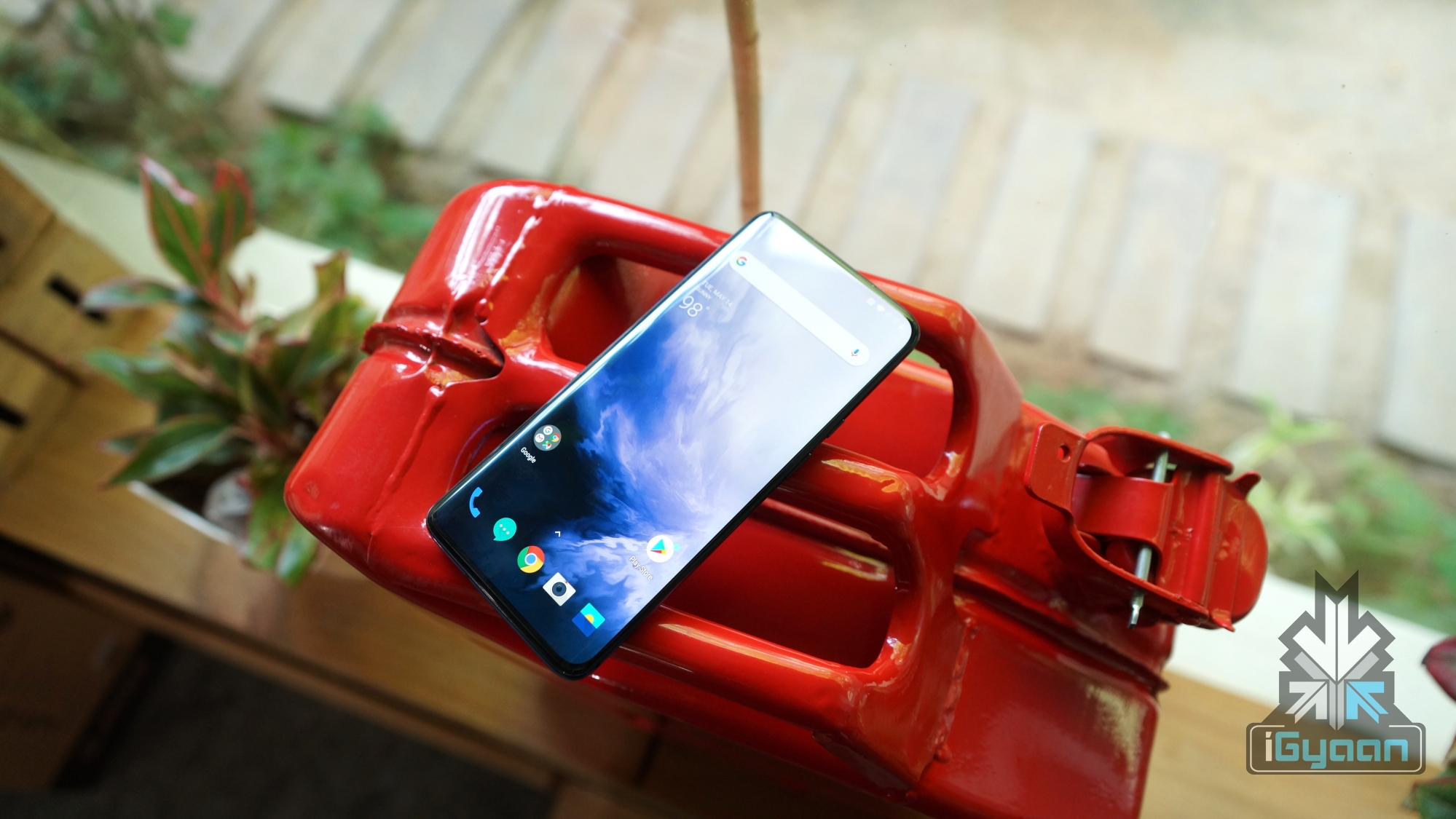
On the 14th of May, OnePlus launched its latest smartphones which include the OnePlus 7 Pro and the OnePlus 7. Both devices are loaded with high-end specifications, prominently the former pack’s certain features that help it pull it ahead of the pack. If you are looking for a flagship-grade device and for some reason do not want to buy the OnePlus 7 Pro. Here are some of the alternatives that could be your choice.
Also, for reference following are the specifications of the OnePlus 7 Pro
Screen Size- 6.67 inch Fluid AMOLED, 3120 x 1440 px, 516 ppi, 90 Hz Refresh Rate
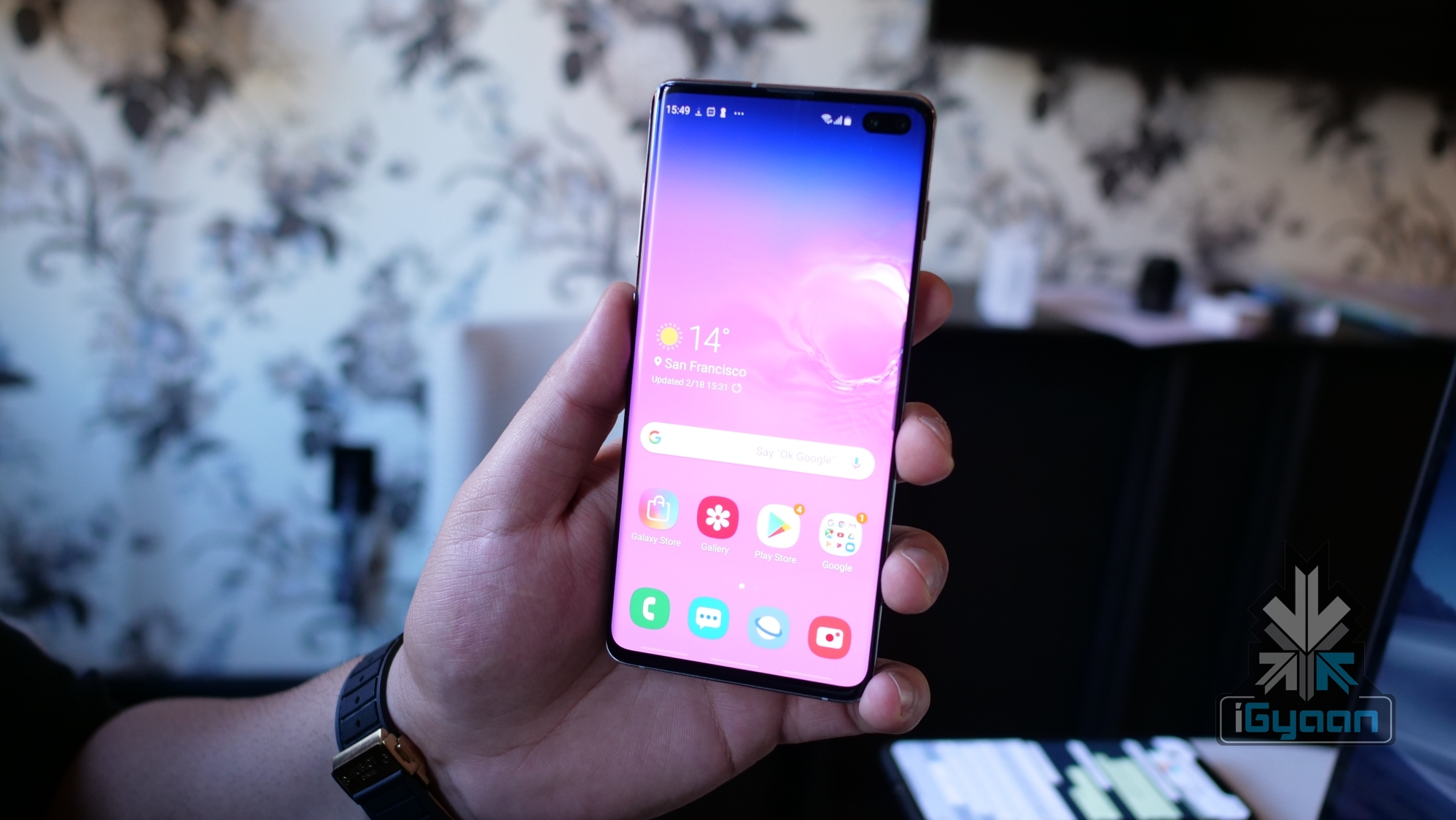
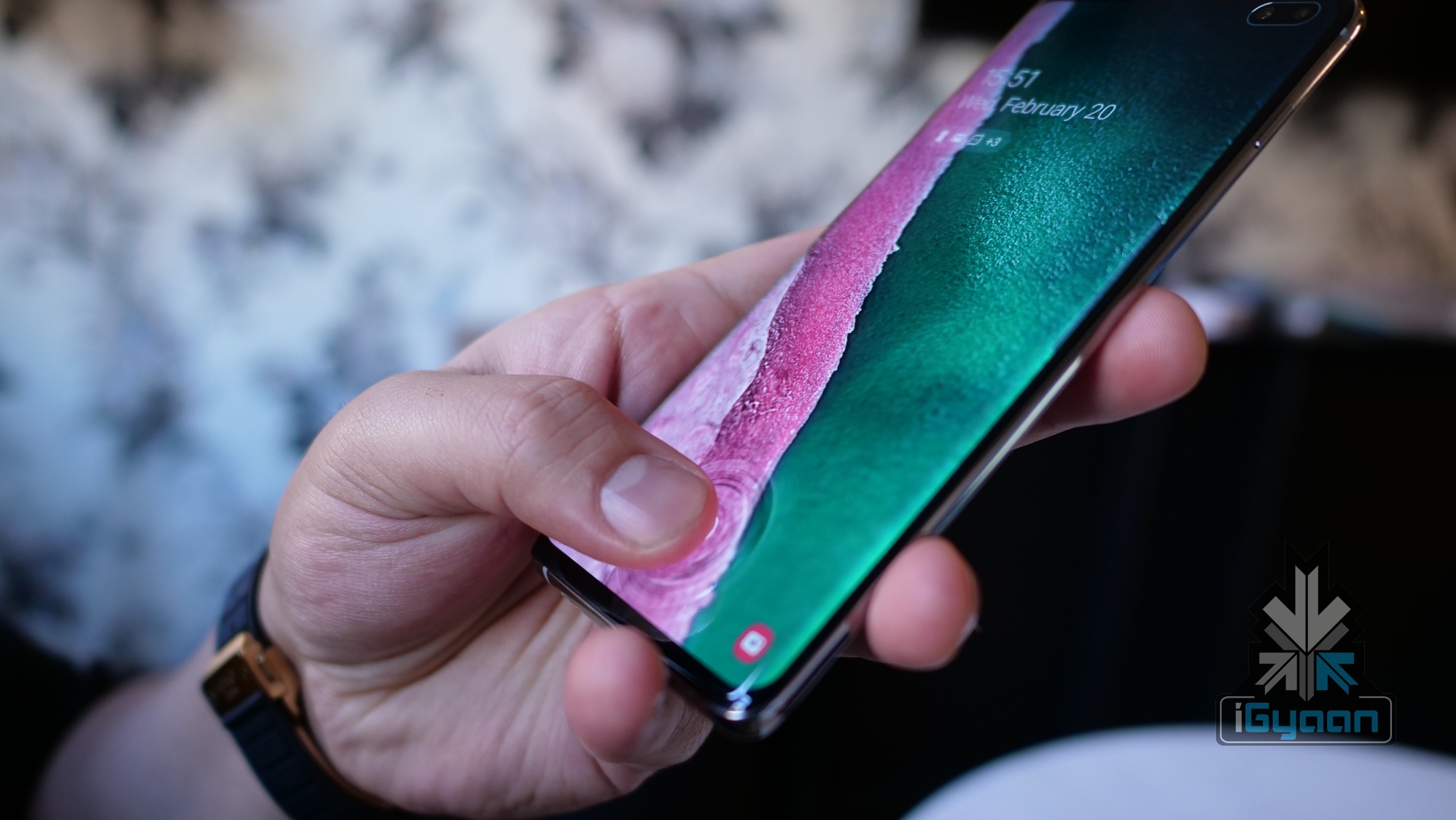
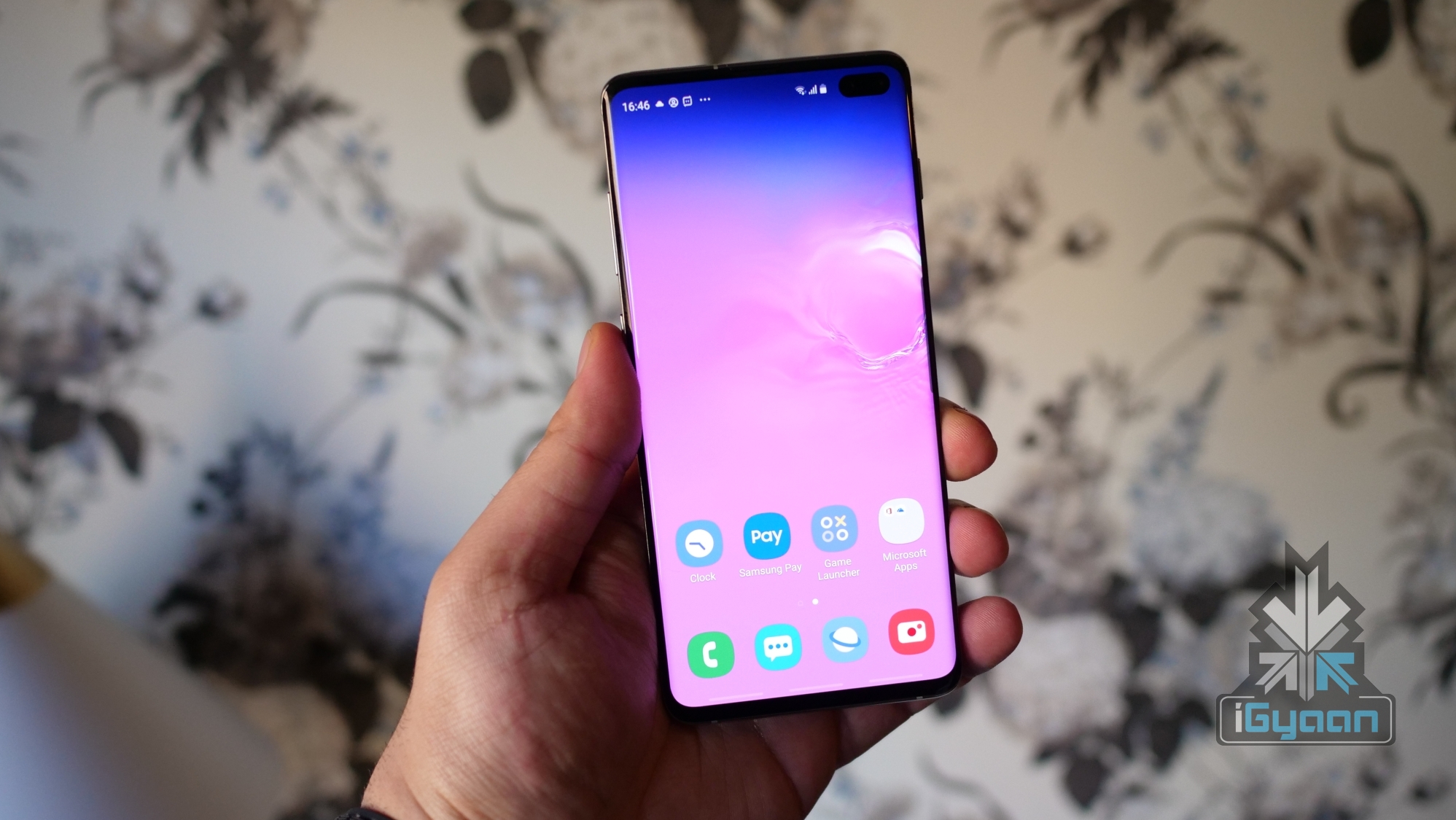
The Samsung Galaxy S10 Plus is apparently one of the most the obvious alternatives to the OnePlus 7 Pro. It offers sensational performance with a dignified design and is made from premium materials. It sports a 6.4 inch Dynamic AMOLED display with a punch hole that houses dual selfie cameras. There are certain features that steer the Galaxy S10 Plus ahead of its competitor. The said features include upto 512 GB storage option (1 TB: In USA), memory expandability via microSD card, a 3.5 mm audio jack, slightly larger battery with 4100 mAh capacity, IP68 certification, support for wireless charging along with reverse wireless charging.
Screen Size- 6.4 inch Dynamic AMOLED, 3040 x 1440 px, 522 ppi
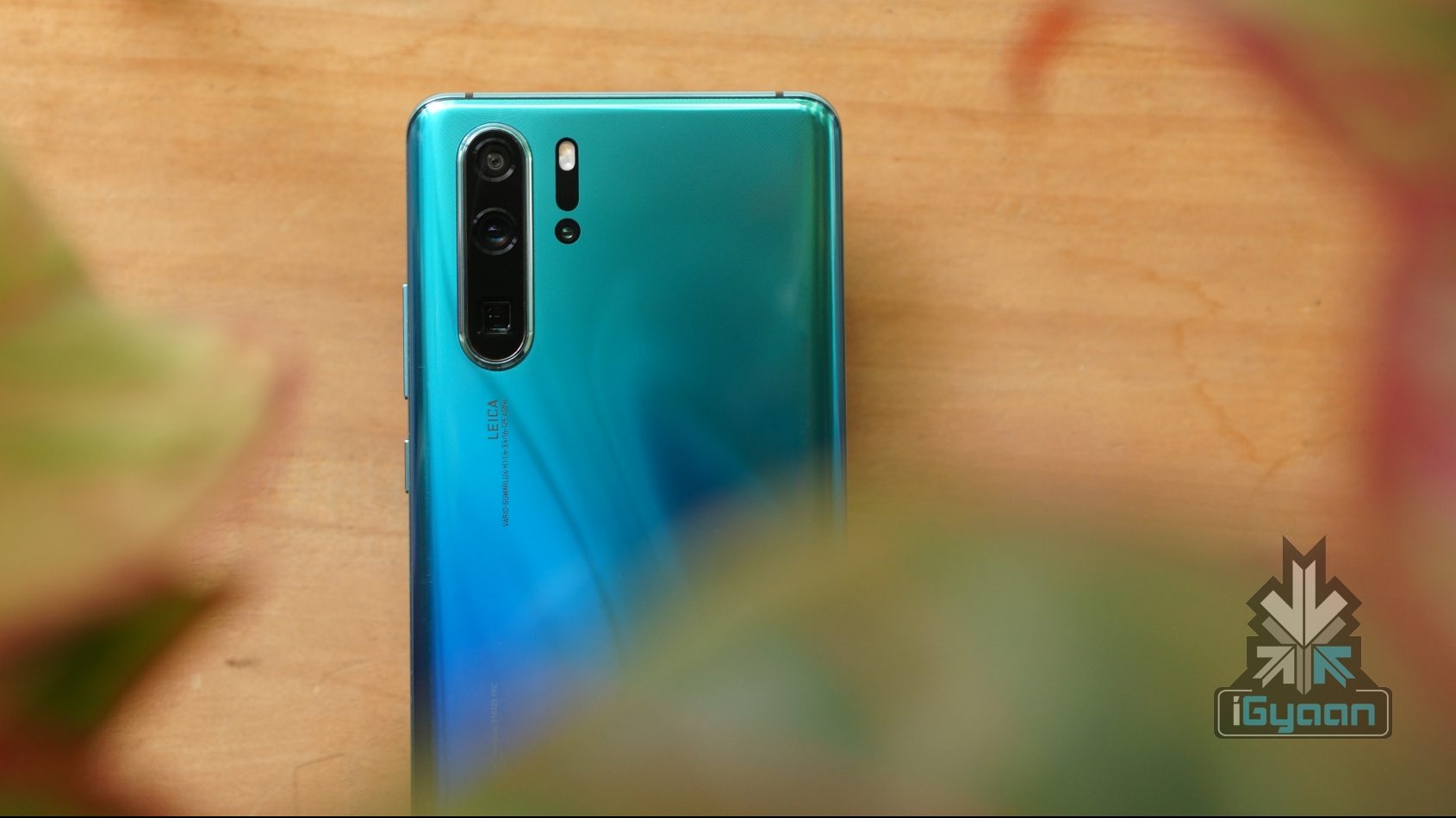
Huawei’s latest flagship, the P30 Pro is also a worthy contender to the newly launched OnePlus 7 Pro. The key highlighting feature of the P30 Pro is the quad rear camera setup which supports upto 50x zoom. Notably, the camera setup includes a ToF (Time Of Flight) sensor which the OnePlus 7 Pro misses out on. The sensor allows the device to capture depth information which allows in clicking pictures and videos with better bokeh effect. Also, the P30 Pro has a larger 4200 mAh battery which is 200 mAh battery larger than the 4000 mAh cell on the OnePlus 7 Pro. However, the distinguishing feature of the P30 Pro is support for 40 W charging which can charge the device to 70% in 30 minutes.
Screen Size- 6.47 inch OLED, 2340 x 1080 px, 398 ppi
Rear Camera- 40 MP (f/1.6) + 20 MP (f/2.2) + Periscope 8 MP + TOF 3D Camera
Xiaomi will launch it latest flagship, the Redmi K20 aka the Killer 20 on the 20th of May. The device is confirmed to feature Snapdragon 855 SoC like the OnePlus 7 Pro. Earlier this week, the Xiaomi shared the Antutu result of the upcoming smartphone which registers an impressive score of more than 4,50,000. In comparison, the OnePlus 7 Pro registered an Antutu score in the range of 3,60,00 and 3,70,000. Certainly, the difference between the benchmark result among the two devices is significant. However, we will have to wait until the official announcement of the K20 to verify the results. Notably, the K20 is destined to cost less than its competitor which will give it another advantage in a price sensitive market like India. Following are the specifications of the Redmi K20 as per leaks
Screen Size- 6.39 inch OLED, 2340 x 1080 px, 403 ppi
Rear Camera- 48 MP + 13 MP + 12 MP + 8 MP
Front Camera- 20 MP
Battery- 4,000 mAh, 27 W Fast Charging
Chipset- Snapdragon 855
Storage: 16 GB +256 GB
Price: TBA
ZenFone 6
The ZenFone 6 was released on the 16th of May and with the latest flagship, Asus has certainly managed to turn a lot of heads. Under the hood, it features the Snapdragon SoC and undercuts the OnePlus 7 Pro in terms of price with a considerable margin. Also, it has a smaller form factor which makes it more portable than the OnePlus 7 Pro that has a notable footprint. The feature that makes the ZenFone 6 stand out is its unique flip-up dual rear camera that also doubles as the selfie camera. Besides, the camera setup can actively track an object as the camera flip can independently manoeuvre accrediting to its mechanised hinge. Stable to most modern Asus smartphones, the ZenFone 6 is powered by a mammoth 5,000 mAh battery which paired with modest specifications will churn out a longer battery backup. Reportedly, the smartphone will soon launch in India and it will be exclusively available on Flipkart.com.
Screen Size- 6.4 inch LCD, 2340 x 1080 px, 403 ppi
Also reported to soon launch in India, the Black Shark 2 is a true alternative to the OnePlus 7 Pro if you are a gaming enthusiast. Primarily built to be a gaming smartphone, the Black Shark 2 offers certain benefits over the OnePlus 7 Pro. The Black Shark 2 supports dedicated gaming accessories which include gamepads with physical buttons. The said accessories offer a level of control which is hard to achieve via the on-screen controls. To provide the users with an advantage over the competitors, the display panel has a polling rate of 240 Hz which can register touch input at a rate.
Screen Size- 6.3 inch AMOLED, 2340 x 1080 px, 403 ppi
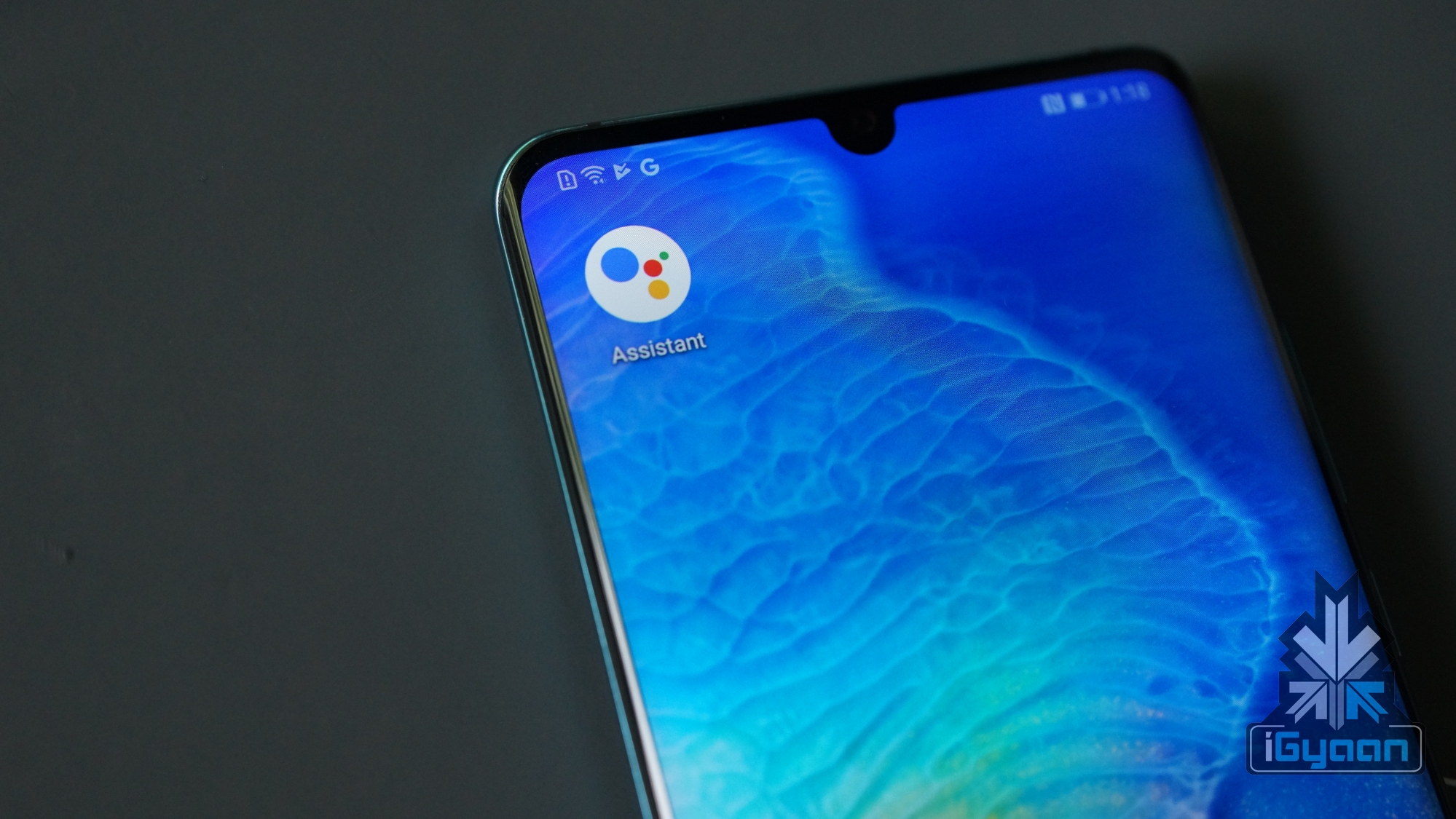
Chinese telecommunications giant Huawei has time and again faced backlash for its ties with the Chinese government. It has been accused of stealing its user’s data and sending it back to the home country for spying purposes. In what could be a major blowback to the company’s imperative business, American technology giant Google has suspended the majority of its business with the company. This insinuates that going forward, Huawei and it’s subsidiary Honor’s devices will not receive Android security updates. They will also lose access to the search engine giant’s popular services such as Maps and YouTube.
What Does This Mean?
For Huawei users' questions regarding our steps to comply w/ the recent US government actions: We assure you while we are complying with all US gov't requirements, services like Google Play & security from Google Play Protect will keep functioning on your existing Huawei device.
The aforementioned suspension of business will take place between Huawei and Alphabet, the parent company of Google. With this in effect, the existing and future smartphones from the former will stop receiving monthly security updates from Google. These are important for keeping the device up to date and safe from newly discovered malware. Furthermore, as mentioned above, the handsets from the Chinese OEM will also lose access to services like the Google Play, YouTube and Google Maps. Notably, the suspension does not affect the existence of Android on Huawei smartphones. This is because the suspension is not applicable on open source software and as is implied, Android is an open source software. But, the Chinese company will only be able to use the public version of the operating system and not the one made available by Google.
The suspension of business by Alphabet on Huawei takes place after the United States government added the latter to its trade blacklist. It was added to the aforementioned list on Thursday and it means no American firm can engage in business with the Chinese company until explicitly given permission by the US government. In a post on microblogging website Twitter, the official account of Android has assured existing Huawei users that the suspension does not affect existing devices from the company. Present users of all Huawei and Honor handsets will keep featuring the Play Store and receive app updates via the software.
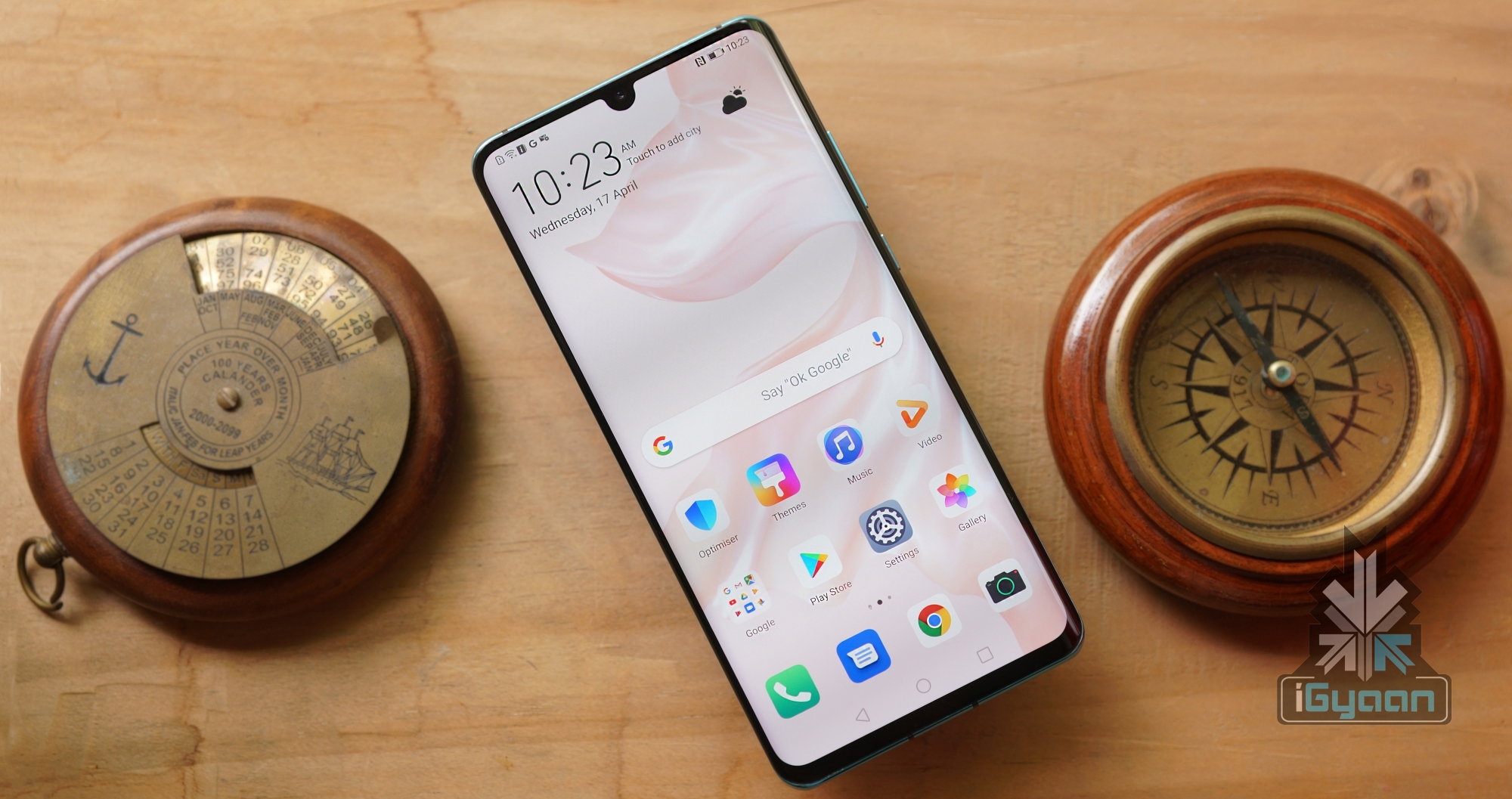
 The former is currently the world’s second largest smartphone manufacturer and they all run Android OS which is developed and facilitated by Google, an American conglomerate. Due to the ban implied by the US government, Google had to break all ties with Huawei resulting in the withdrawal of support for services like the Play Store, Youtube, Maps and many more. Albeit Android is an open source operating system that any OEM can install on devices they offer. In order to ship the device with the aforementioned applications and services from Google, the OEM needs to get its devices licensed.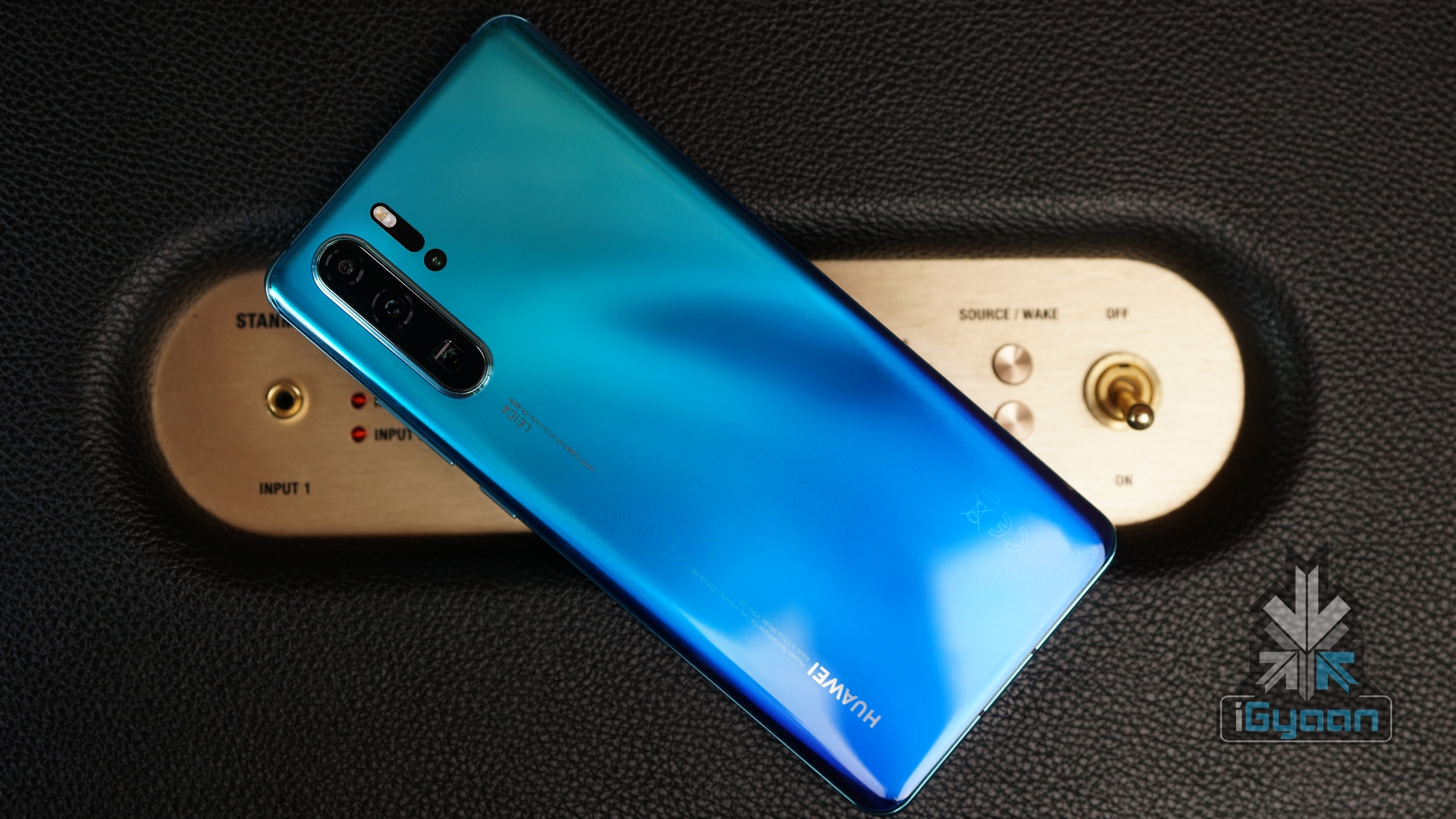


 Scientists from the University of Sussex worked in a collaboration with researchers from the University of Washington School of Medicine in Seattle, USA. The treatment involves the usage of ‘Receptor tyrosine kinase inhibitors’; which is a class of drug currently being used to treat cancer. A number of complex DNA sequencing techniques were implemented, and a new genetic basis of a brain aneurysm form was identified. Manuel Ferreira states that the mutations in the aforementioned gene were completely different from the ones that were previously detected in brain aneurysms.
 Also Read: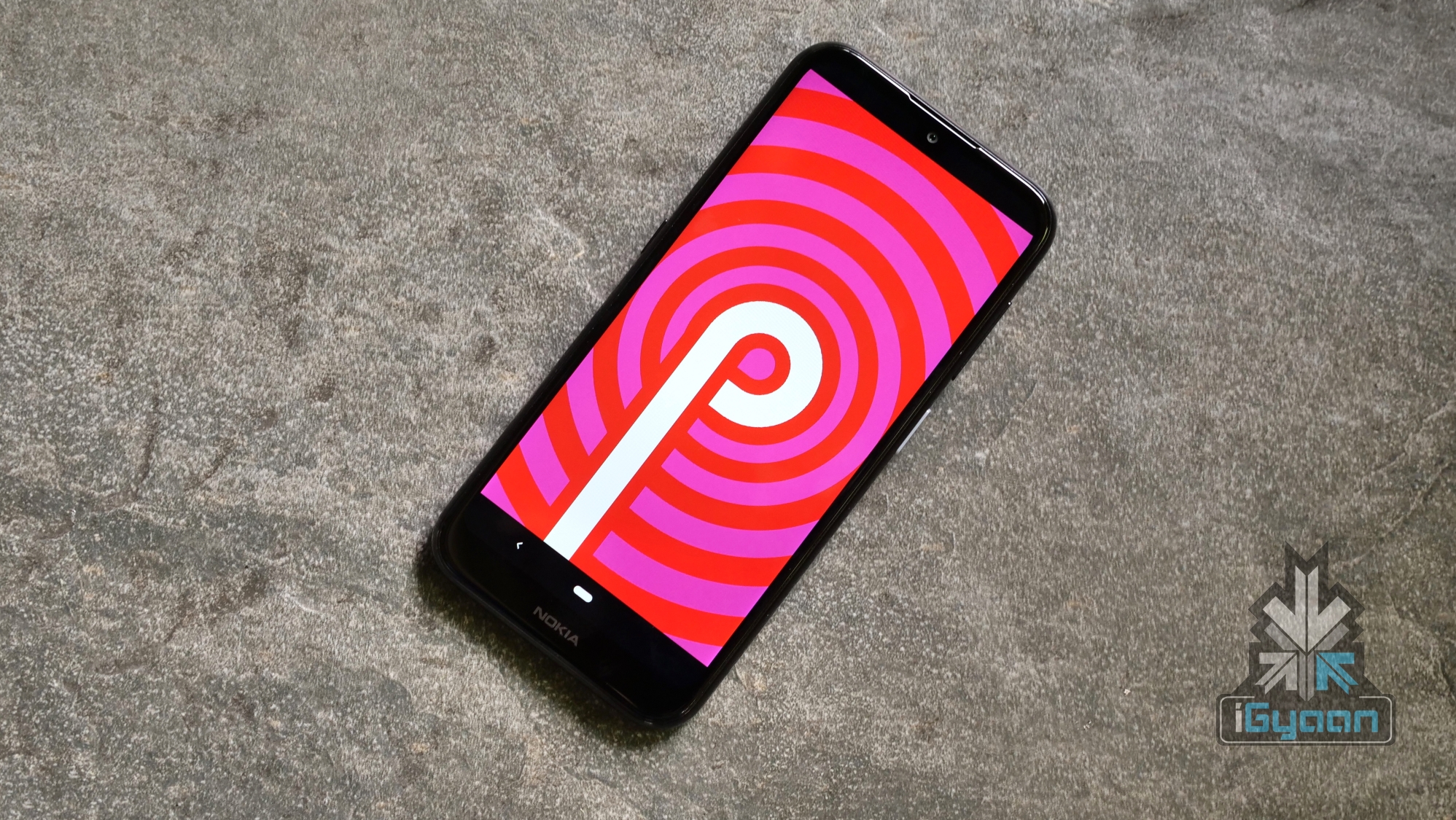

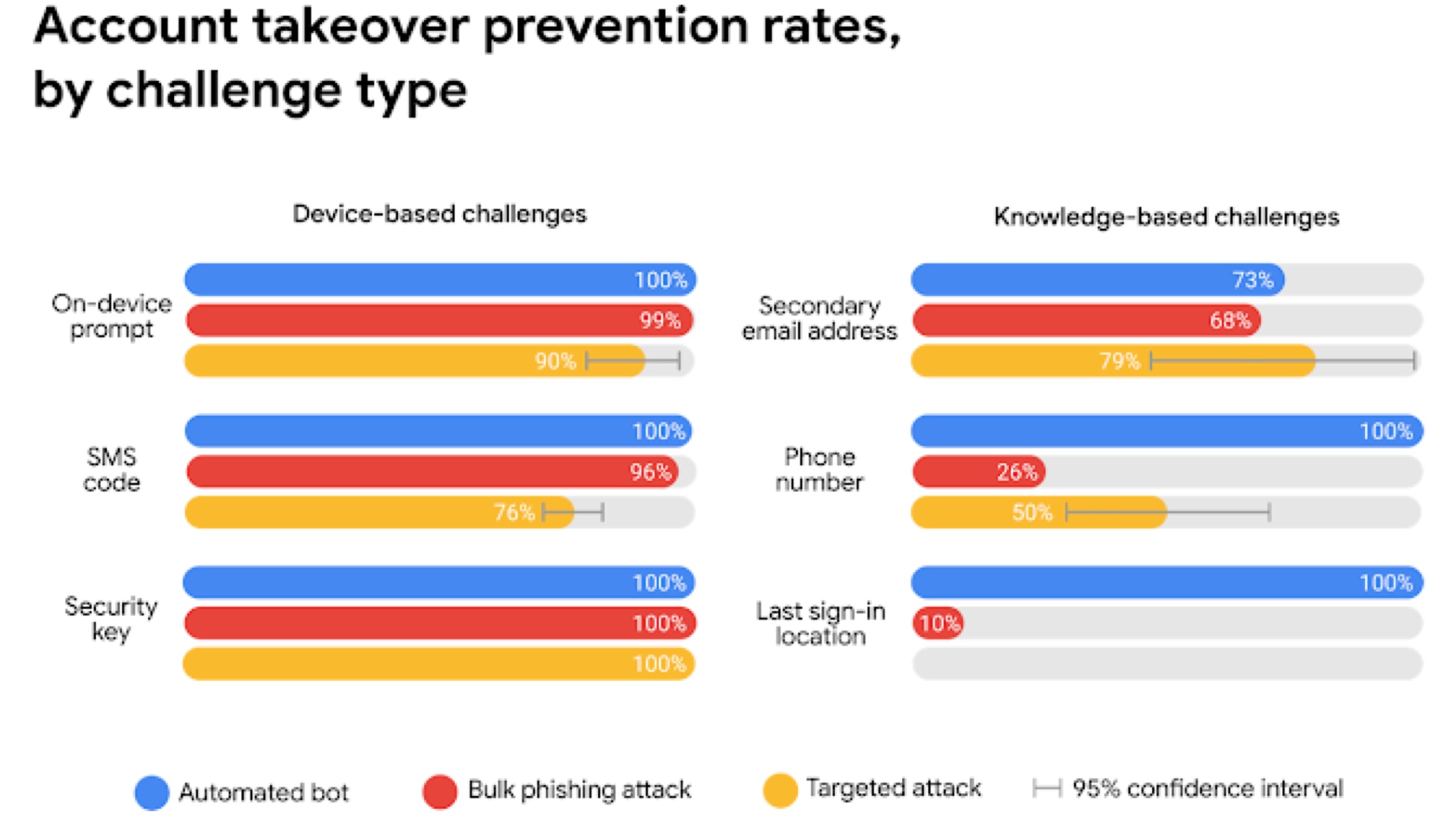 The year long study on security attacks was presented by the company at a gathering of experts and policy-makers, called the Web conference. Google’s research stated that adding a recovery phone number can block up to 100% of all automated bots, 99% of all bulk phishing attacks and 66% of targeted security attacks. This study was carried out with researchers from New York University and the University of California, San Diego primarily to highlight how basic “account hygiene” can keep accounts safe.
 Also Read: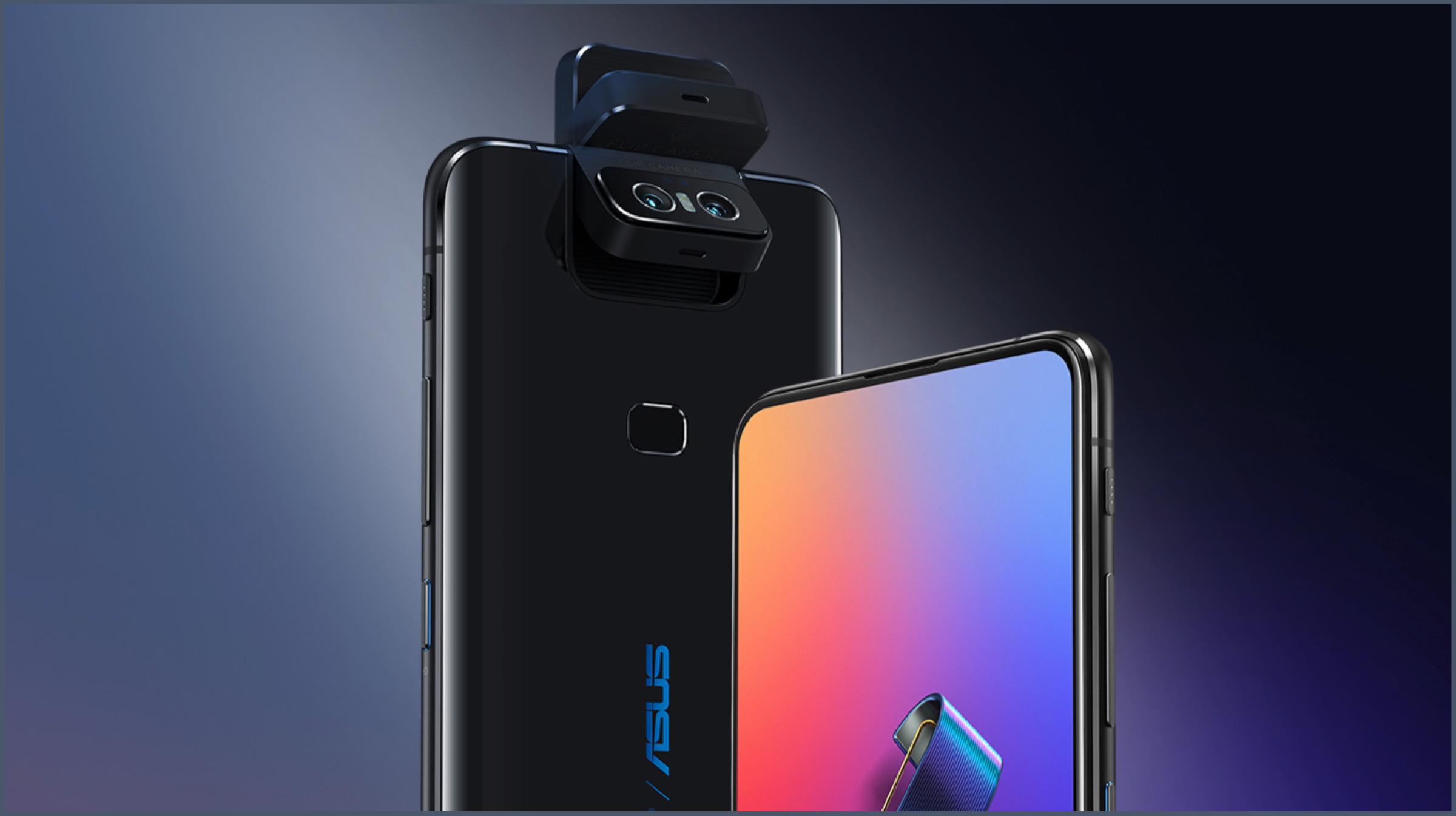
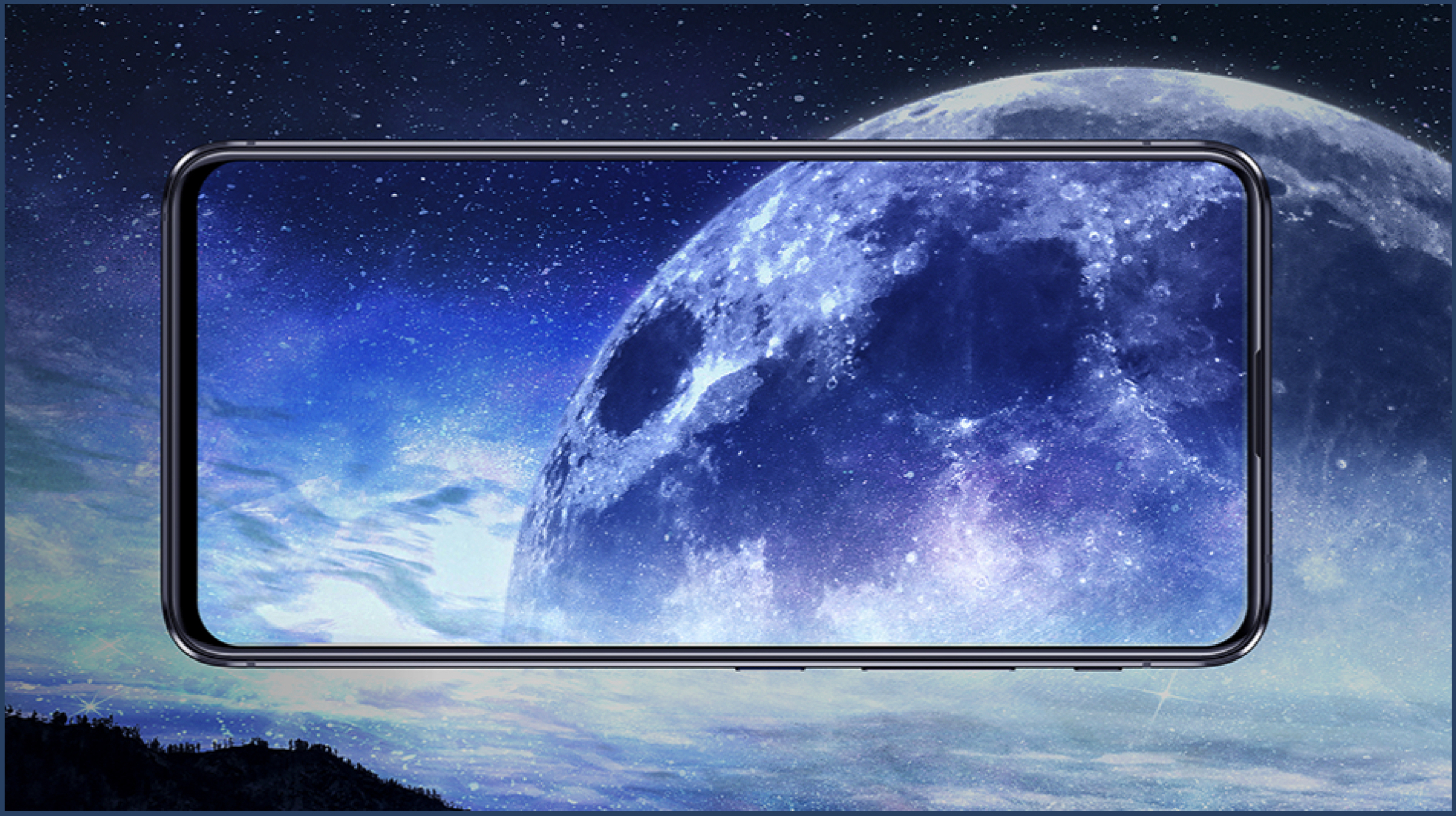
 The Black Shark 2 picks up a fair share of design aspects from its predecessor. The smartphone measures 163.61 x 75.01 x 8.77 mm and weighs in at 205 grams. It features a 6.39 inch AMOLED display which is surrounded by thin bezels on all sides. The smartphone’s display has a resolution of 2340 x 1080 px and a pixel density of 403 ppi. The display panel can reach brightness levels of upto 430 nits and has an aspect ratio of 19.5:9. The AMOLED display is pressure sensitive, which can offer a variety of implications while playing games on the device. Biometric security options include an in-display fingerprint sensor.
 The right side of the smartphone houses the power button and a “shark slider” which when toggled turns on gaming mode for game-focused performance. The left side of the handset houses the volume rockers. The bottom of the device accommodates the USB Type-C port. Since it is a gaming device, it has a vapour cooling chamber to regulate high temperatures while intensive gaming sessions.
 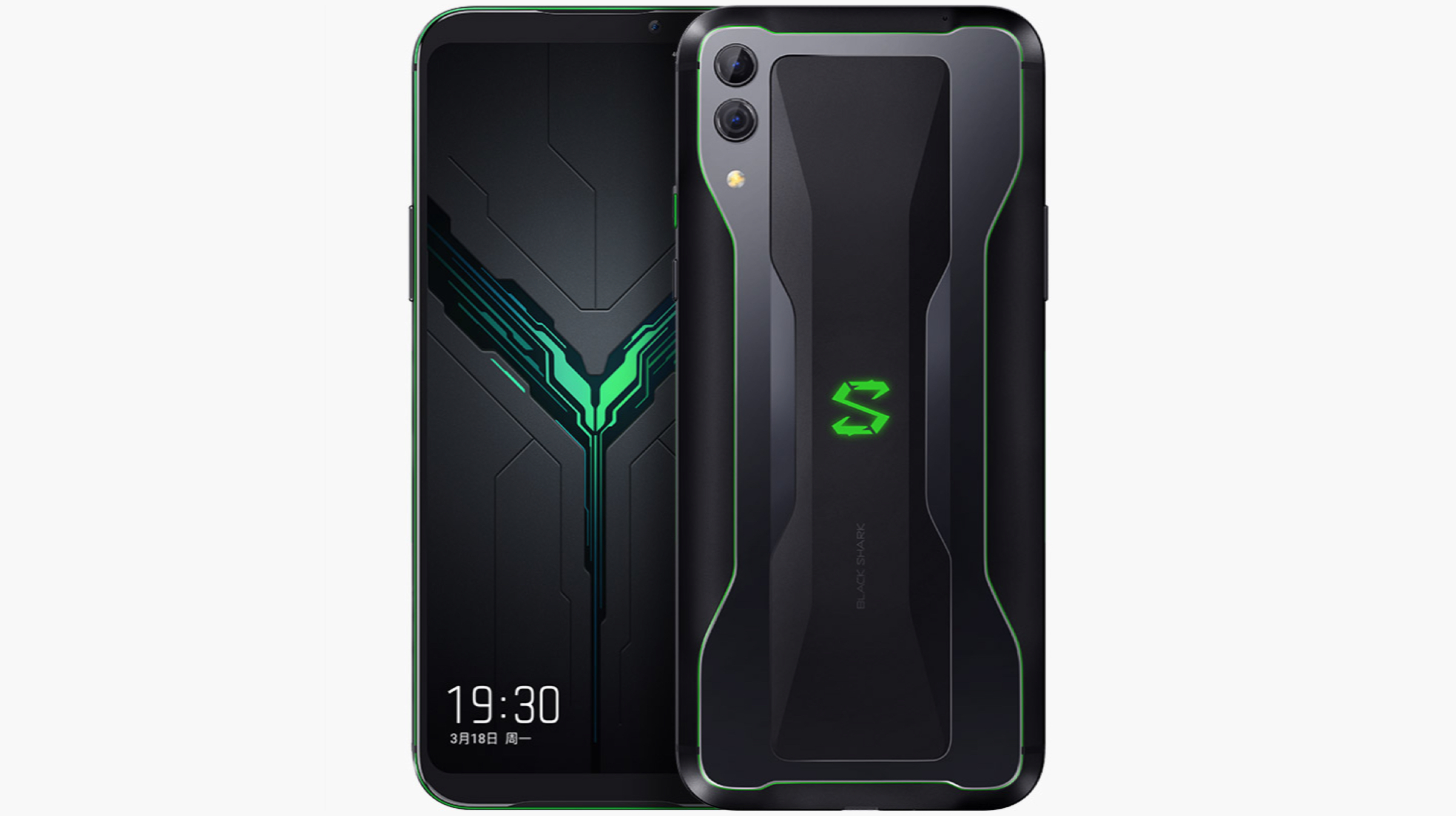 Under the hood, the Black Shark 2 runs on the Snapdragon 855 SoC which consists of an Octa-Core CPU and the Adreno 640 GPU. The smartphone is powered by a 4,000 mAh battery which supports fast charging upto 27 W. Connectivity options on the device include 802.11 ac Wi-Fi, Bluetooth 5.0, Dual 4G VoLTE and GPS.
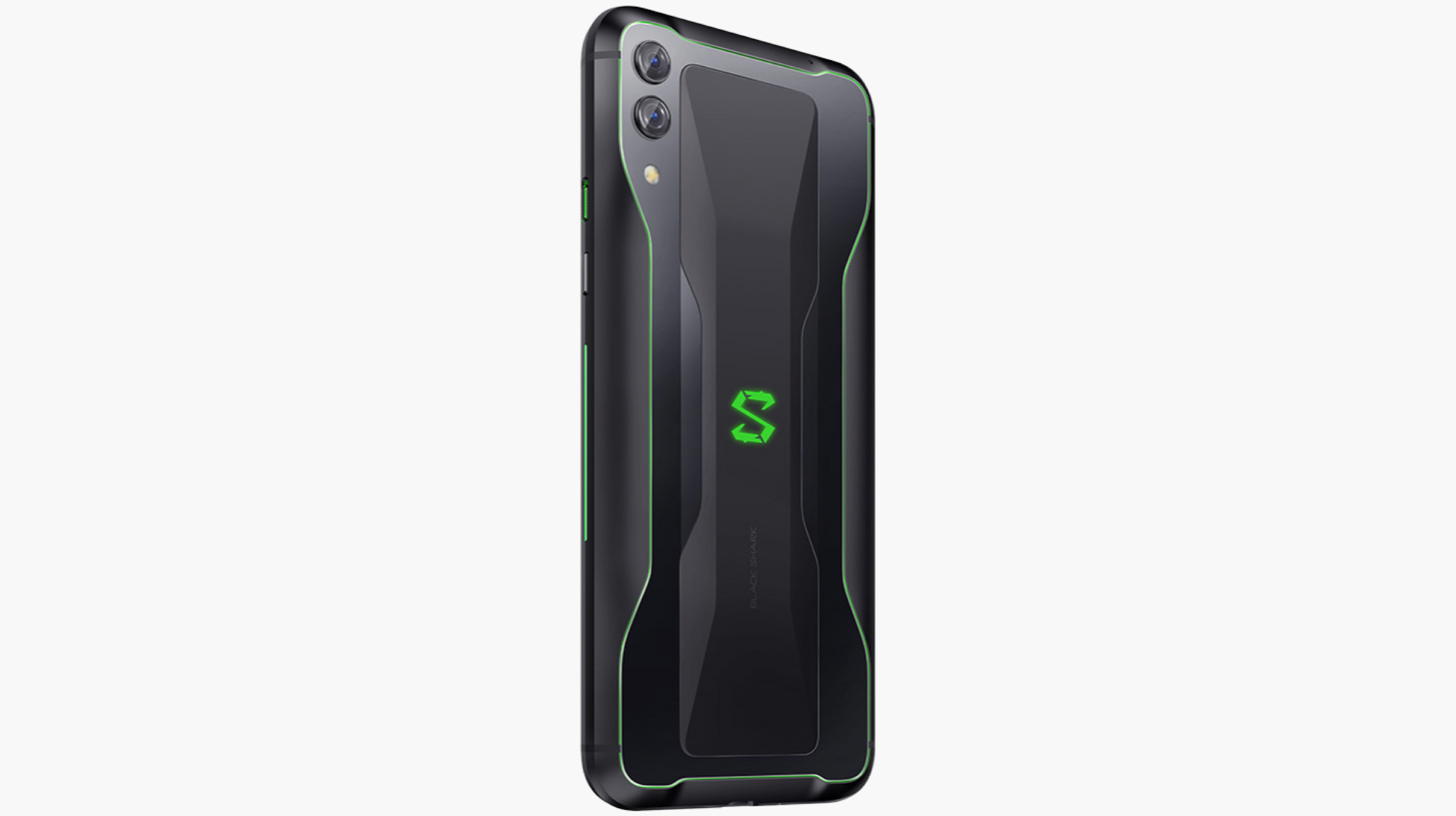 The rear of the Black Shark 2 has a unique design with green coloured decals that run along the sides. The rear panel also houses the brand logo and a dual camera setup, which consists of a 48 MP sensor, 12 MP sensor and an LED Flash. The camera can capture 2160p videos at 30 fps. For selfies, it has a 20 MP front-facing camera which is placed in the bezel above the display. The front camera can also capture 1080p videos at 30 fps.
 Also Read:
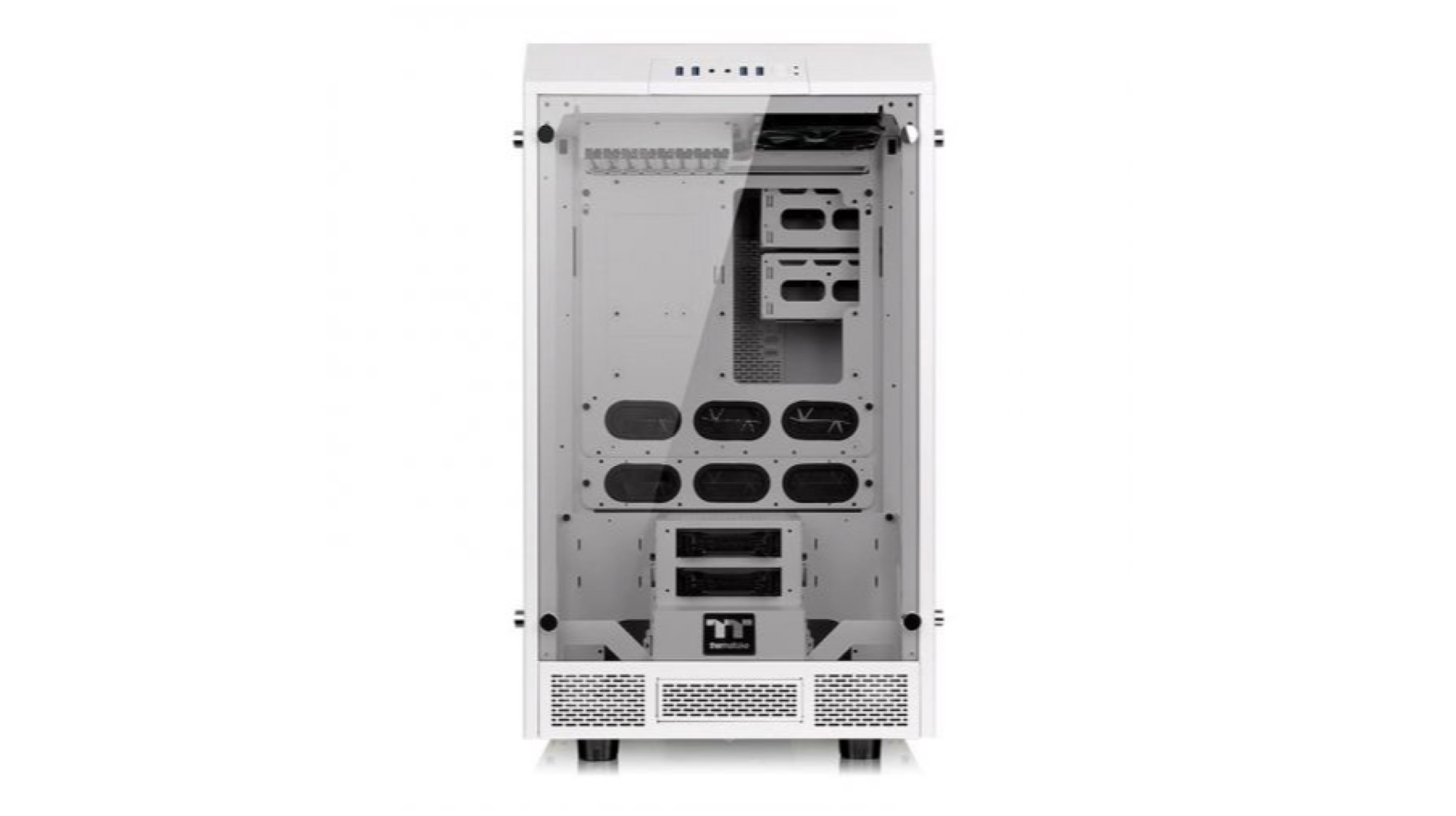 The Thermaltake Tower 900 was a great choice for the build as it has a vertically mounted design, which can easily accommodate two cooling pumps. It is adorned on three sides with Tempered glass, so we can clearly showcase all the components on the build from multiple angles. Plus, the tower has a lot of expansion space, so if we decide to add more components in the future, it won’t be a hassle at all. It has an adequate amount of airflow and cable routing space for management. On top of everything, the white colour looks absolutely gorgeous and goes well with our black and white build theme.
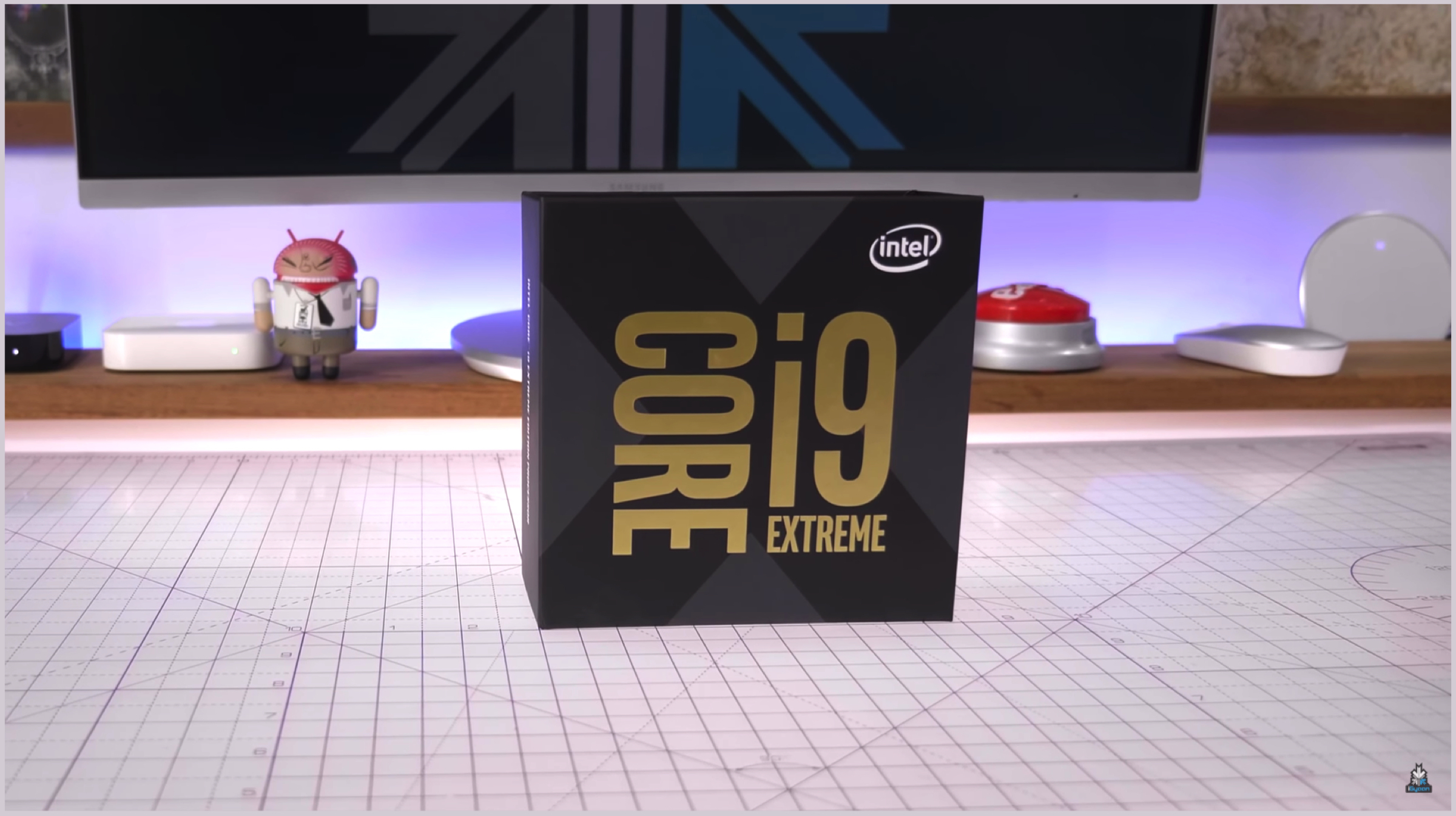 We chose the Intel core i9 9980XE for our build simply because of the sheer magnitude of specifications it offers. The CPU has a total of 18 cores and 36 threads. Out-of-the-box, it operates at a base frequency of 3.0 GHz, but it can be overclocked to 4.50 GHz using Intel Turbo Boost Max Technology 3.0. The processor is compatible with a maximum memory size of 128 GB, which is what we intended to work with.
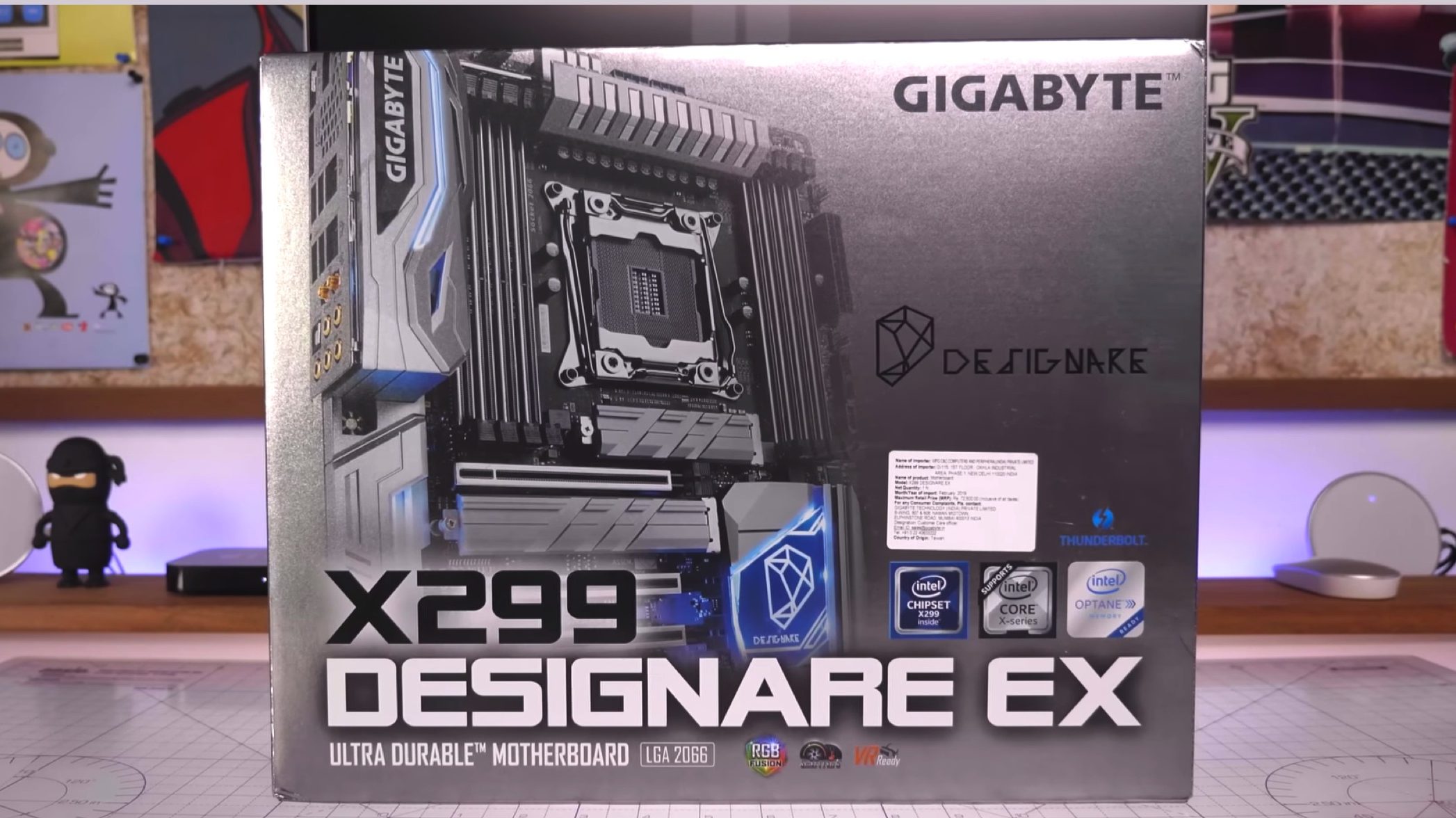 The X299 was perfect for our build considering the fact that we will eventually convert this build into a Hackintosh setup. The Motherboard features a total of 5 PCIe slots which would accommodate our two Graphics Cards and our RAID arrays. Moreover, it also has 3 M.2 slots to house the extra memory chips that are not being included in our RAID setup. The heat shields were also a nice addition. The motherboard is solidly built and the white accents on the board complement our setup to the maximum. Also, the X299 supports RGB Fusion 2.0 which will help us to seamlessly synchronize our RGB strips and fans using the application.
 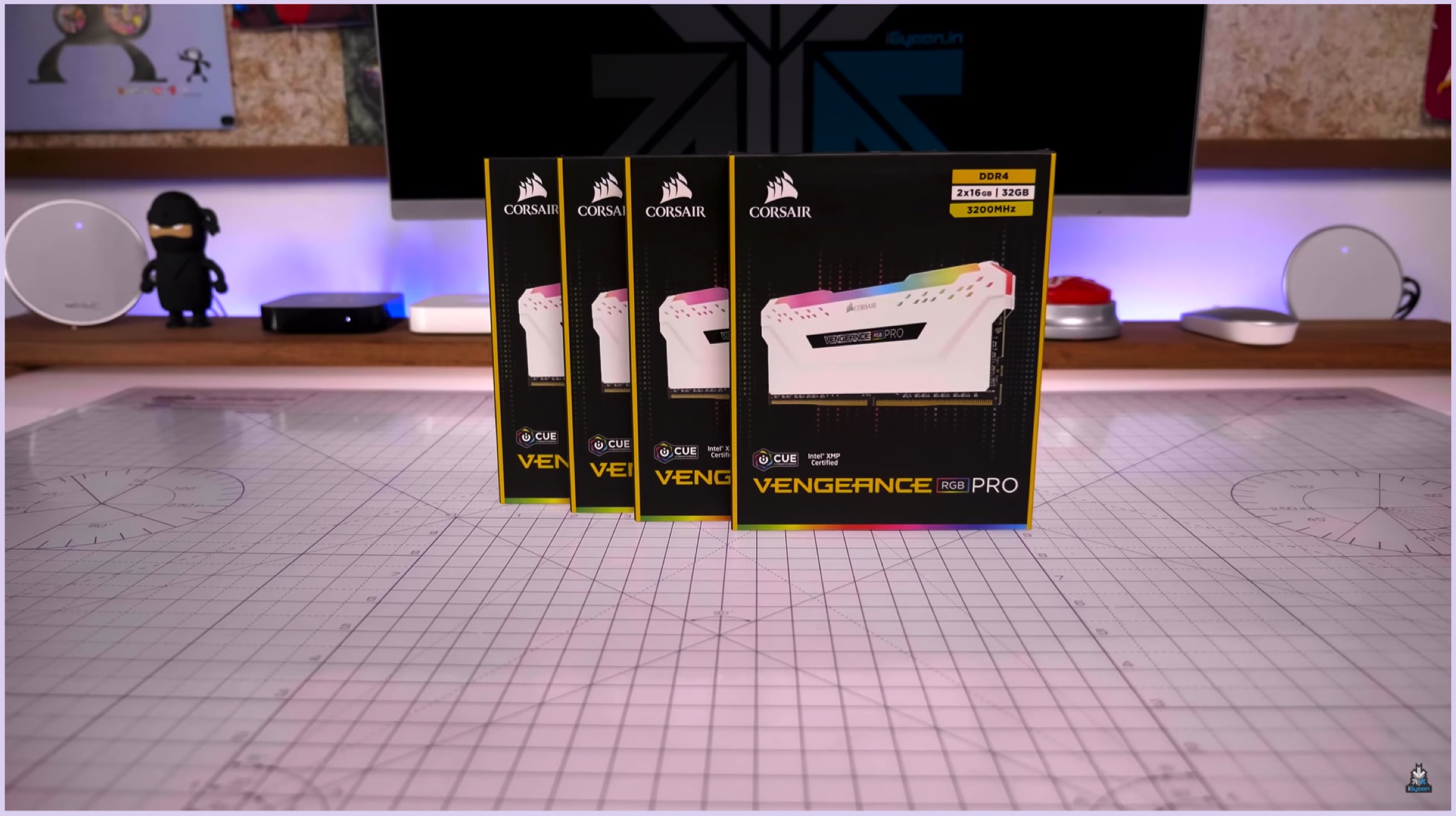 As we mentioned before, we had support for 128 gigs of RAM in our setup, so that’s what we did. We went for the Vengeance Pro 32GB modules, which had 2 sticks of 16GB RAM each. The memory modules are themselves quite aesthetically pleasing, with a white casing and RGB support. They have DDR4 memory and a clock speed of 3200 MHz per stick. The RGB lighting of the modules can be regulated with the help of Corsair’s iCUE application.
 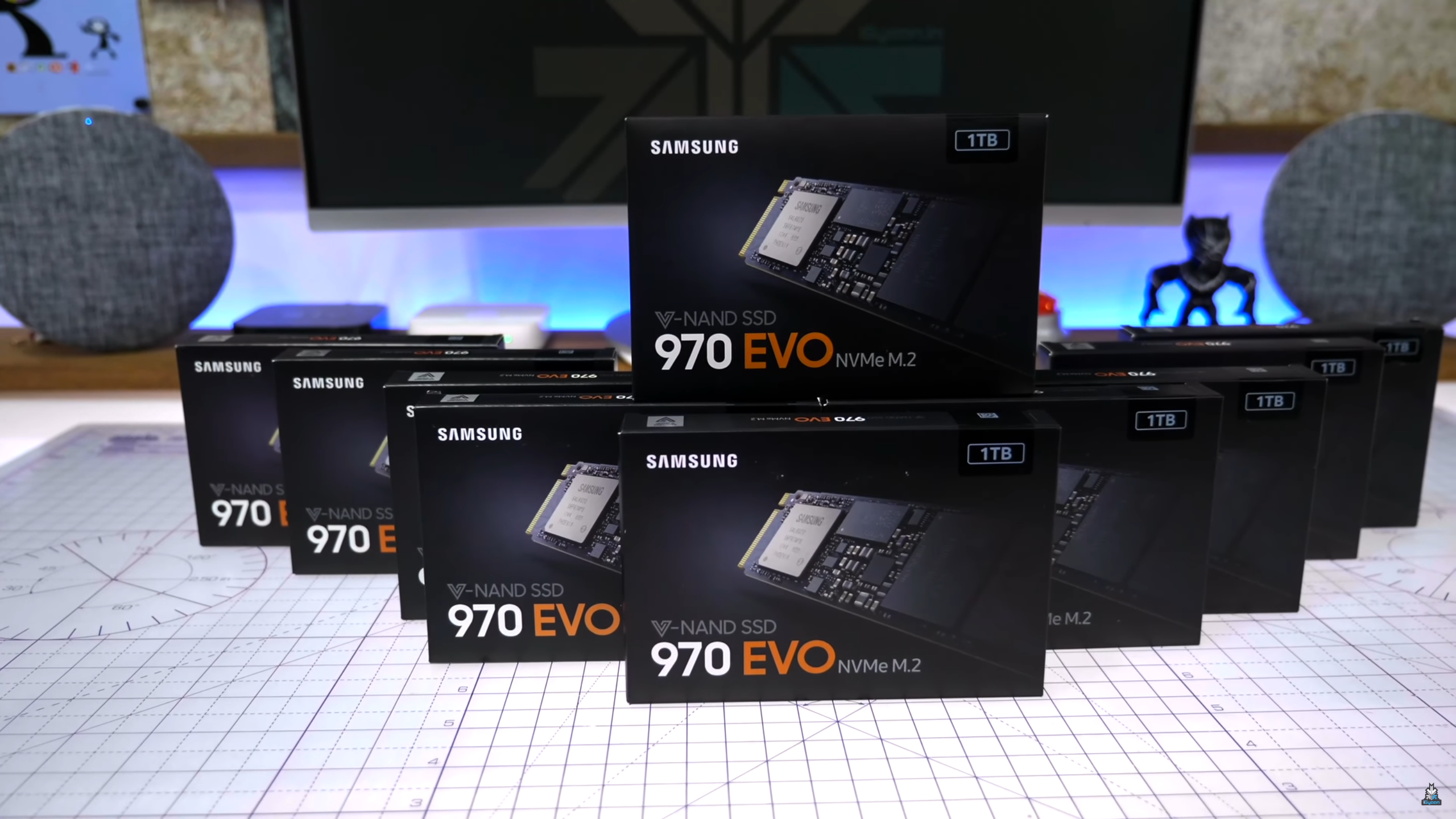 Since we were planning to put together a RAID array setup for our build, we got 10 sticks of the 1TB Samsung 970 EVO SSDs. RAID storage uses multiple disks in order to provide fault tolerance and improves the overall performance of the system. Eight of our 10 sticks were included in our two ASUS Hyper M.2 x16 cards (four SSDs per card) whereas the rest of the two 970 EVOs were used independently in the setup.
 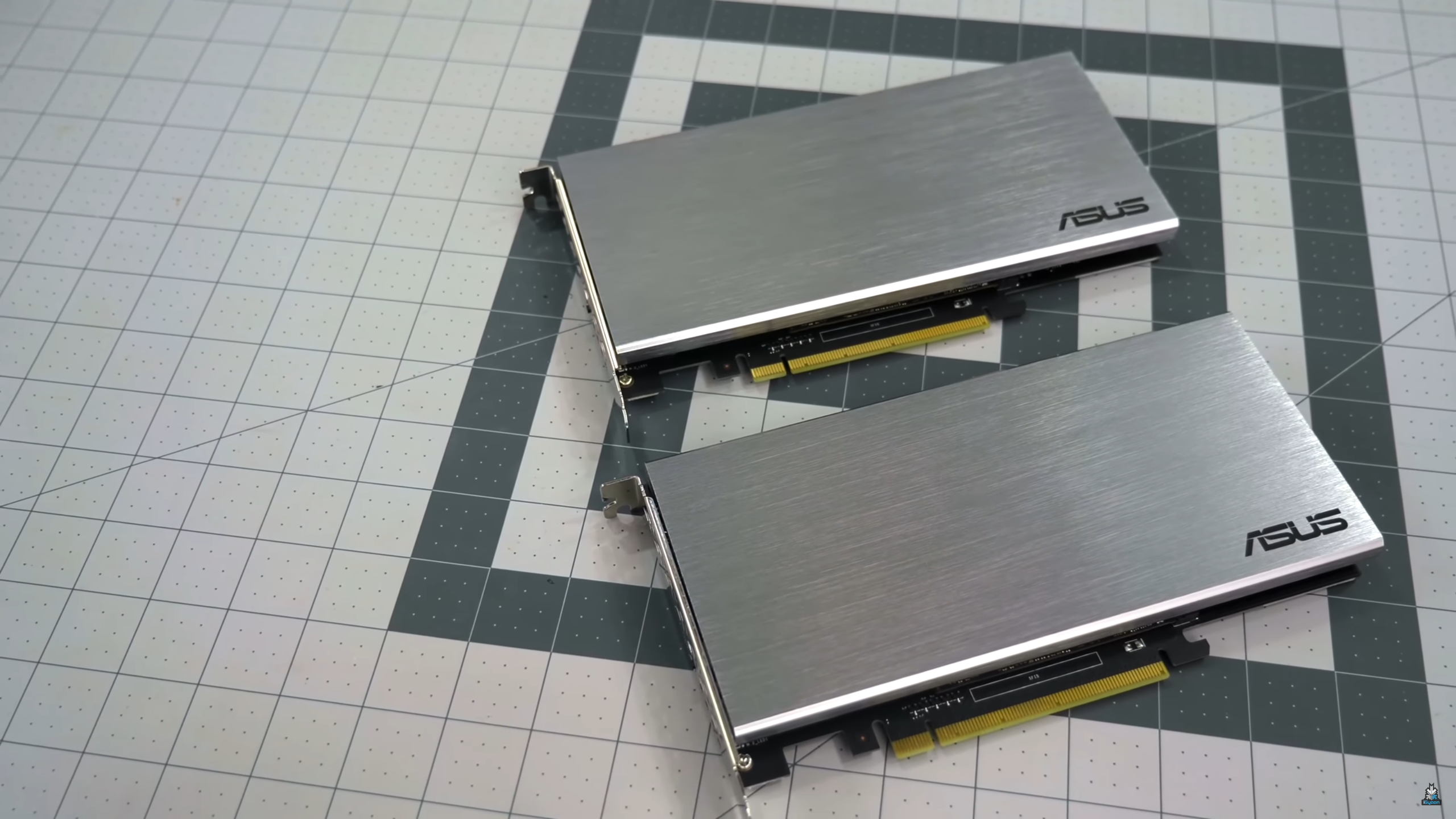 The ASUS Hyper M.2 x16 cards support 4 NVMe M.2 (2242/2260/2280/22110) SSDs each. They are specially designed for Intel VROC and AMD Ryzen Threadripper NVMe RAID setups. Moreover, it has an additional cooling fan inside the bay to ensure that the storage sticks don’t overheat.
 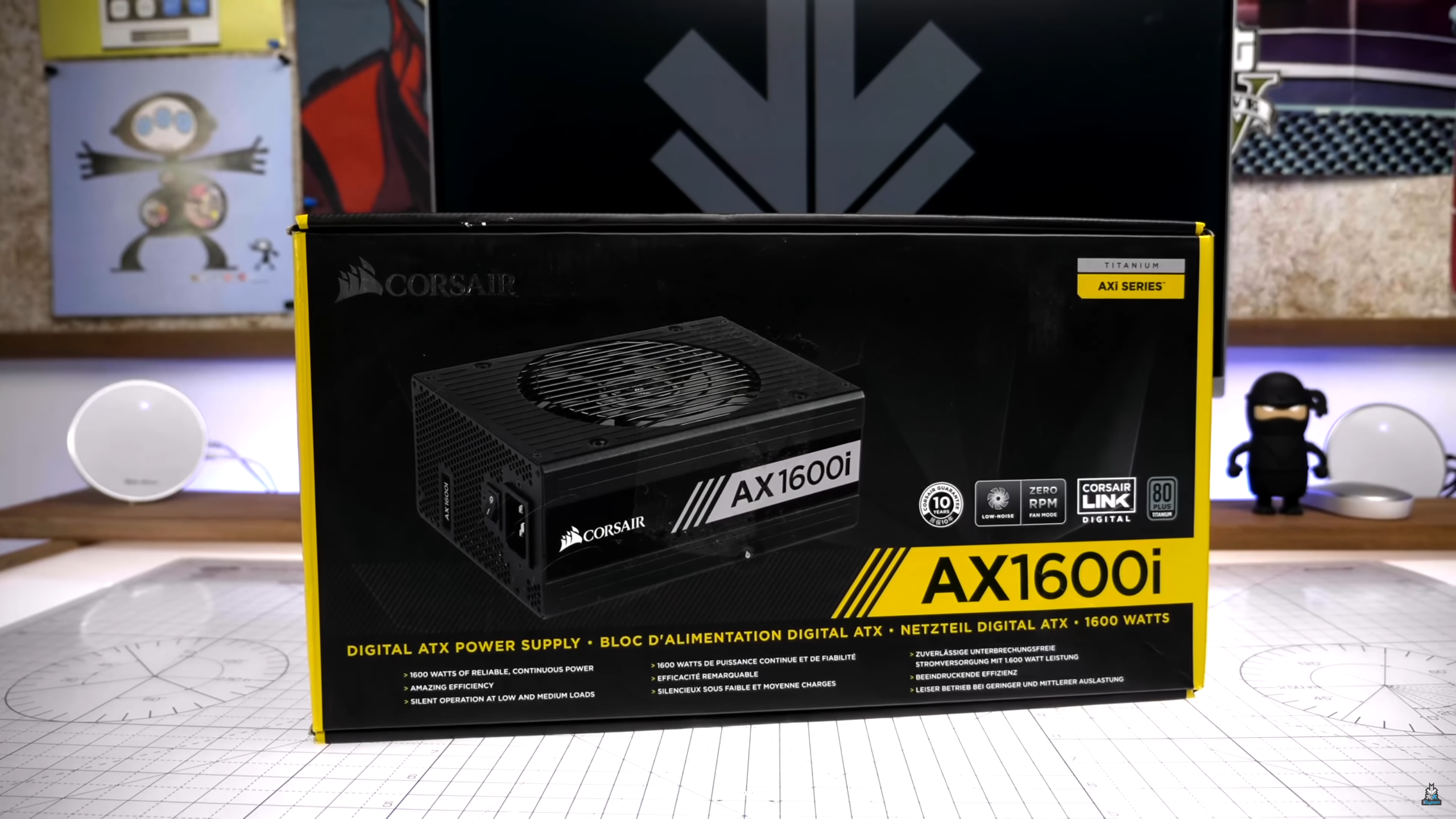 Owing to the sheer number and wattage of components being used in our build, we went for the Corsair AX1600i, which is titanium plus rated modular power supply unit. Its transistors are made out of Gallium Nitride instead of silicon, which ensures a lower resistance and faster switching. The fan speed of the PSU can be regulated with the help of the Corsair Link desktop application (users will have to connect the PSU to the system via a USB cable). Plus, the AX1600i claims to be one of the most silent PSUs in the market as of now. For the sake of our Black and White PC build, we decided to go for custom white Corsair cable sleeves.
  In order to make our beast build resilient for times to come, we decided to go for two of the absolute flagship GFX cards from NVIDIA, the 2080 Ti. Each video card has 11 GB of GDDR6 memory and 14Gbps memory speed. Since we render 8K Red Camera footage for our videos, a dual 2080 Ti setup will provide the VRAM memory required to render the aforementioned videos in real time. Moreover, playing the most demanding games on the planet would be a breeze with the dual card setup. Both the 2080 Ti cards are linked with the EVGA NV Link bridge.
 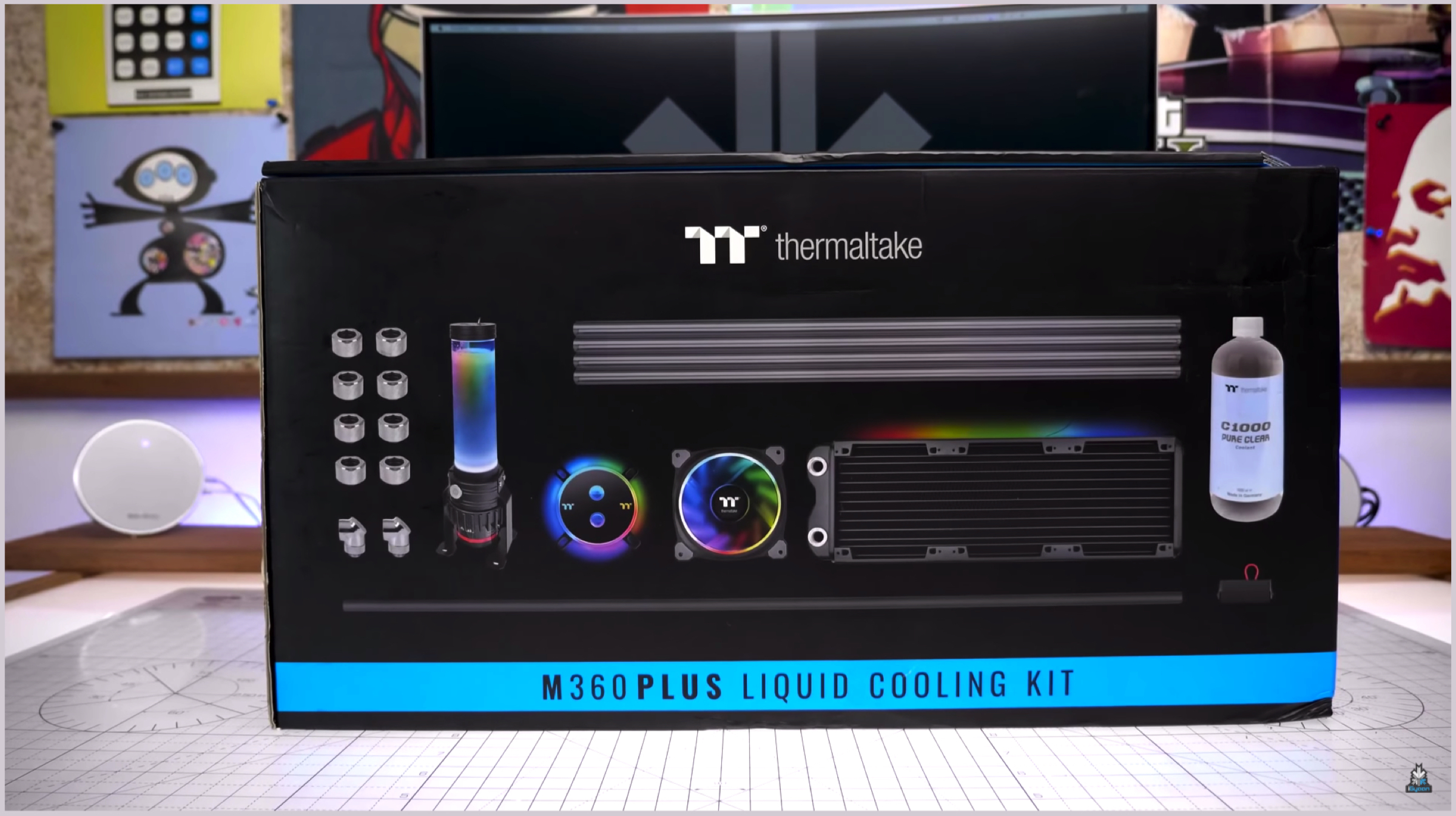 We wouldn’t want our beast build to overheat at any point in time, so we chose to hard-tube the entire system. The kit we used was the Thermaltake Pacific M360 Plus Cooling Kit. It includes a water block, the D5 pump, 3x120mm fans, 360mm radiator, clear coolant and 8 C-Pro compression fittings along with 2 adapter fittings and 4 PETG hard tubes. We are also using the Thermaltake Pacific 12mm bending kit for hard tubing. However, we came upon a decision to not install the hard tubing until all the components are completely installed, so to suffice until then, we chose the Antec C400 Glacial CPU cooler. It has a PWM silent fan and pure copper heat pipes.
 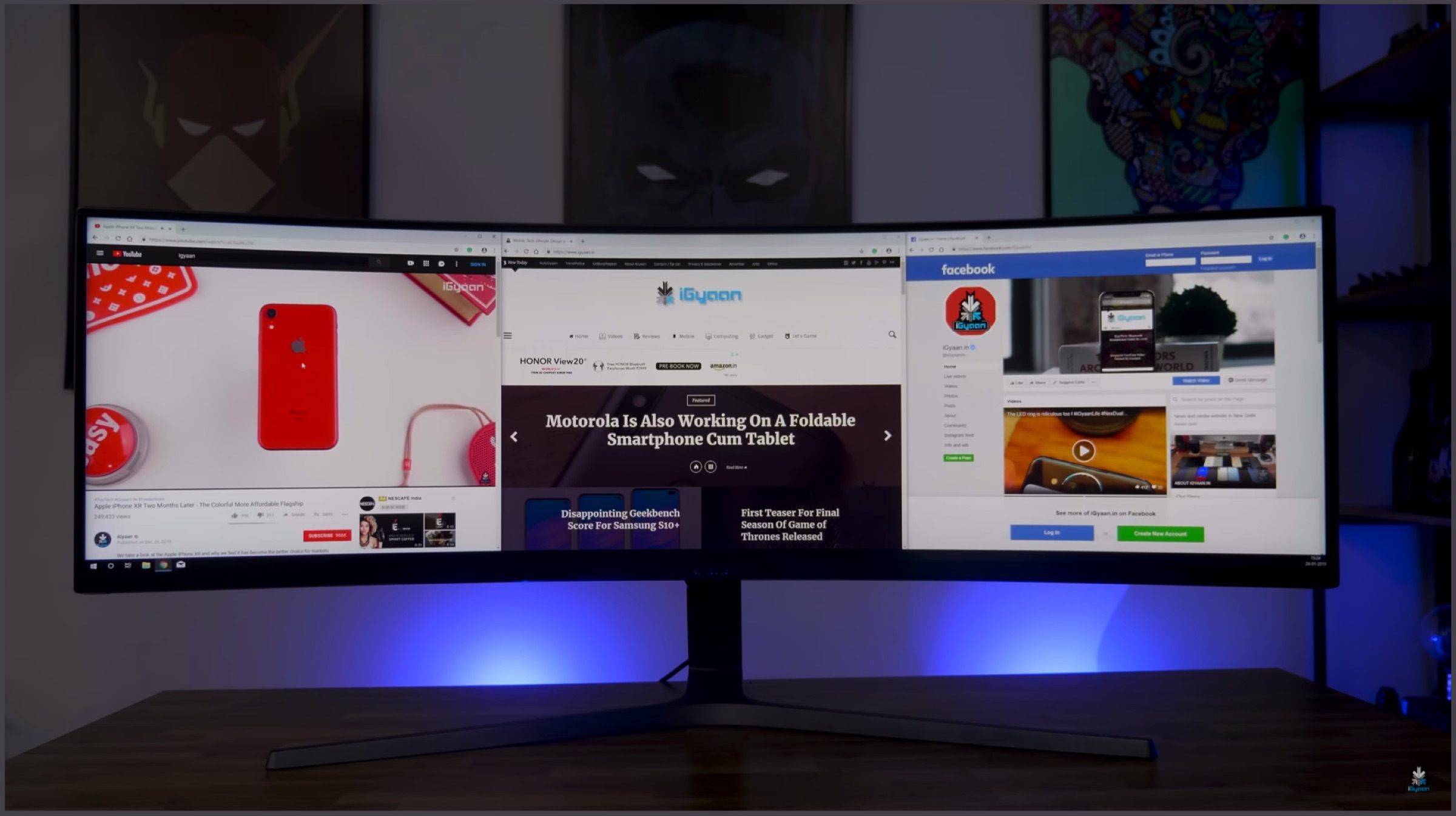 As mentioned previously, the build will be used to edit and render high-resolution videos as well as to play graphics intensive games. To fulfil both the purposes, we chose the Samsung 48.9 inch Ultra-wide curved monitor which has a response time of 1ms and a refresh rate of 144 Hz. With a resolution of 3840 x 1080 px, the display features AMD’s FreeSync technology.
 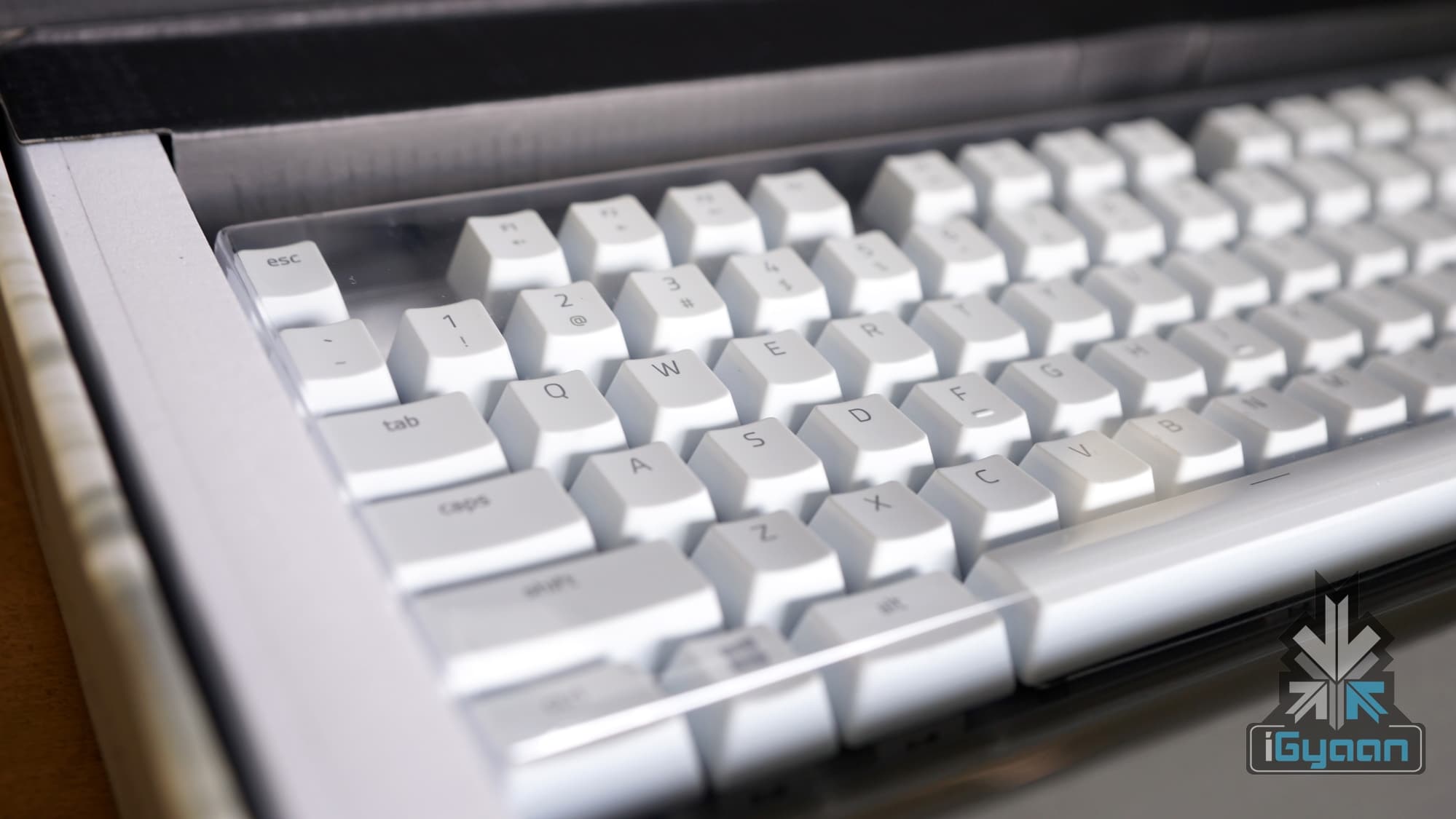 In terms of peripherals, the Razer Black Widow X really stood out as a build-compliant keyboard. Firstly, it is white so it complements the setup really nicely, and secondly, it features Razer’s top-of-the-line tactile Green mechanical switches. The keyboard has programmable keys and N-Key rollover to prevent any ghosting instances. Plus, it boasts of really solid build quality.
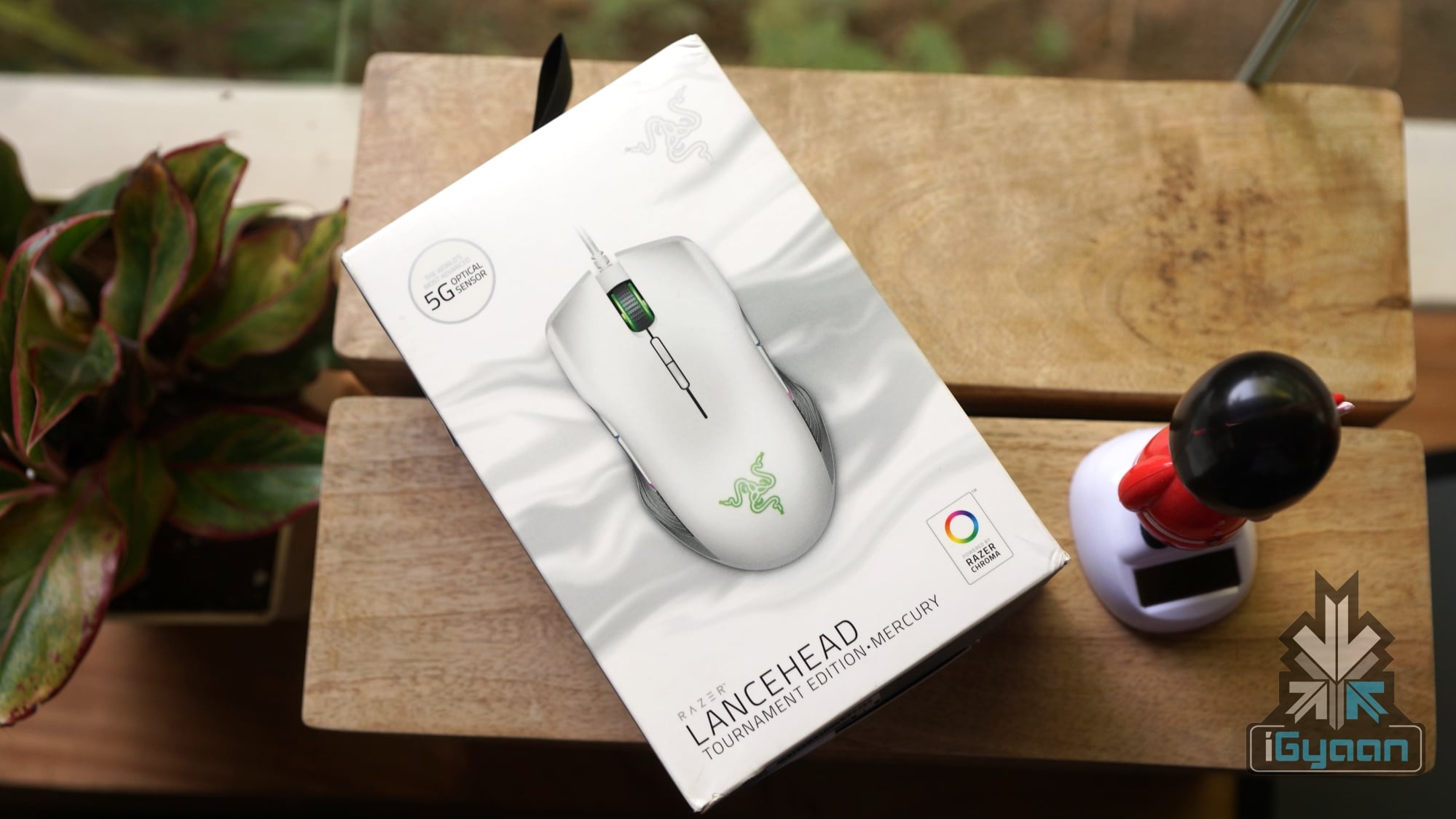 We chose the White Razer Lancehead as it has an ambidextrous design, along with rubber grips on either side. It has a 5G optical 16,000 dpi sensor and is claimed to be optimized for 50 million clicks. Users can customize various sensitivity profiles in the Razer Synapse application. Using Razer Chroma, a multitude of colour schemes can be synchronized between both the mouse and the Keyboard.
 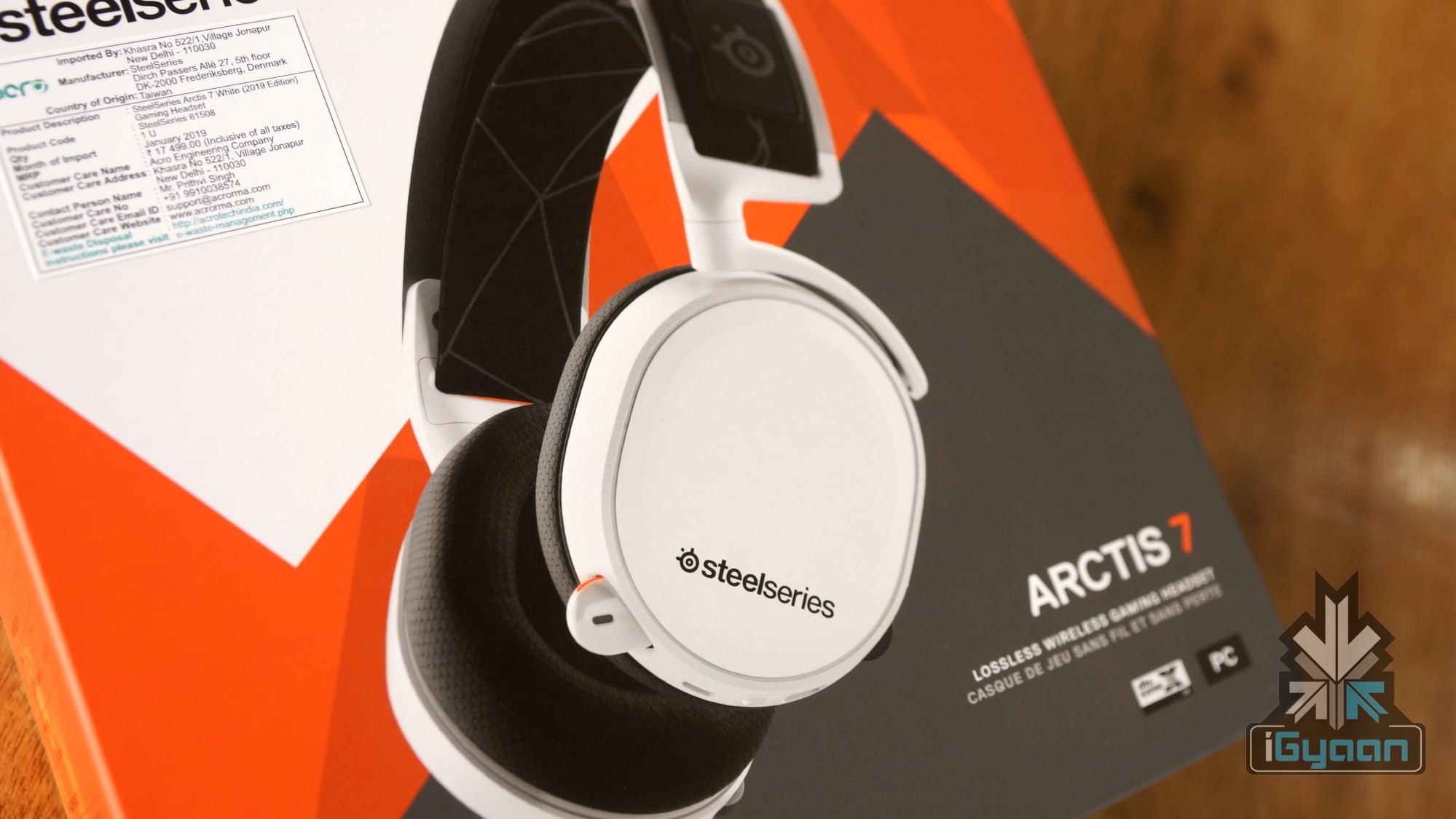 The Steelseries Arctis 7 is one of the most comfortable and good-sounding pair of headphones in the market. The two sweetest perks were the facts that they are wireless as well as white in colour. They connect via a 2.4GHz receiver so that latency loss is eliminated. The headphones are quite comfortable and have a battery life of almost 24 hours (as claimed by Steelseries after the latest firmware update).

 Reports state that the South Korean company will test out the updated Galaxy Fold models with three US mobile carriers in the month of June. Furthermore, launch date in the same month will be confirmed by Samsung itself in the upcoming days. This will be a relieving piece of news for those who had pre-booked the smartphone and wanted to get their hands on the Galaxy Fold earlier than other consumers.
 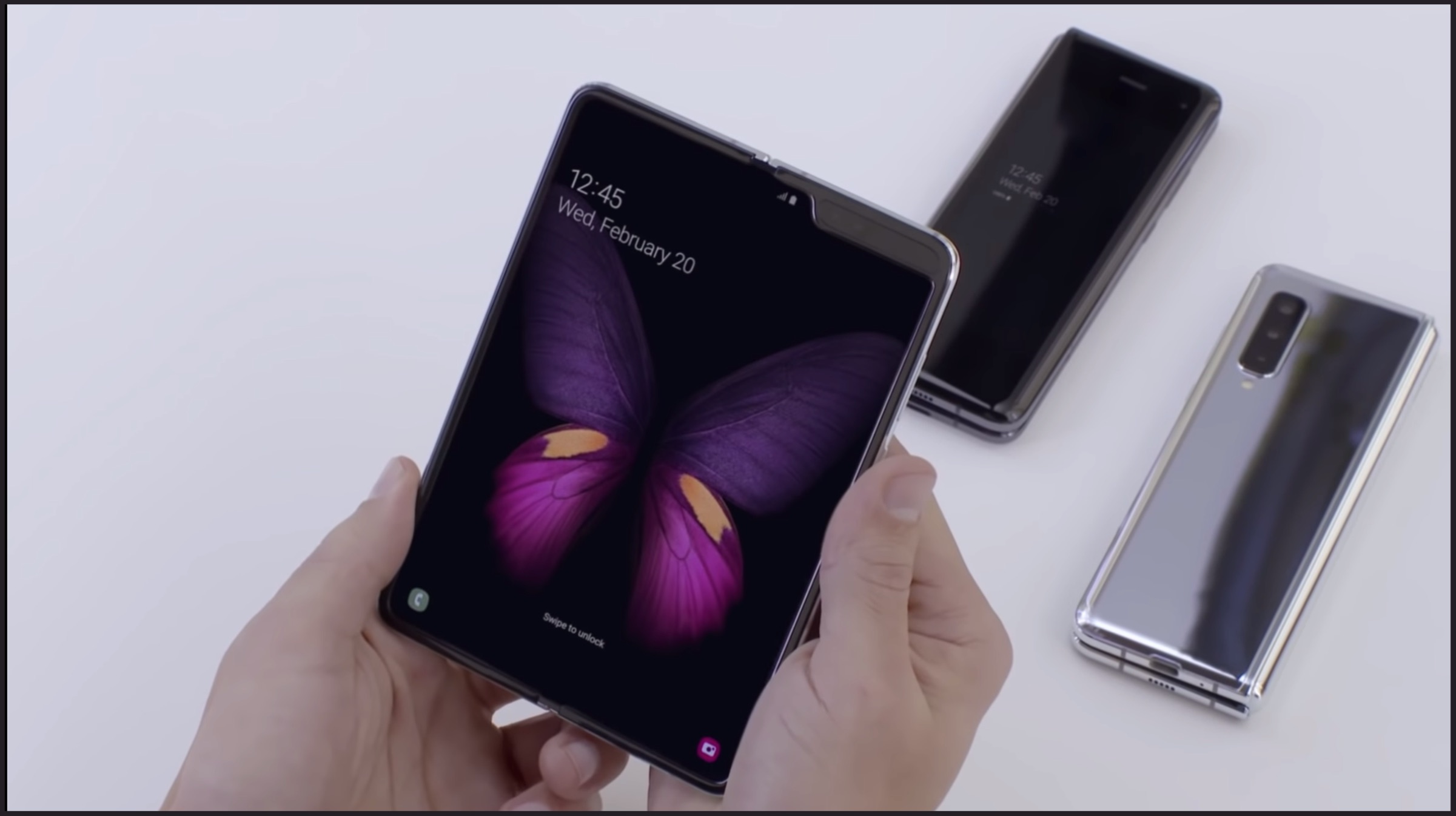 The first reports of the underlying issues with the Galaxy Fold’s display surfaced around 17 April 2019. Thereafter, many noted reviewers had stepped forward and reported that the inner display of the foldable device has stopped working. The major cause for the issue was later found out to the removal of the outer screen protector over the inside display. The South Korean company had bundled instructions along with the device indicating that the removal of the screen protector can lead to malfunction in the display. However, some devices still faced the same issue even without the removal of the screen protector.