Avengers: Endgame is just around the corner, and the hugely popular Battle Royale game, Fortnite is celebrating the spirit of the new movie. The game has previously introduced events such as Marshmello concerts to keep the player base hooked to the game. The most recent update to the game includes a special Avengers: Endgame mode, where half the players will take up the roles of Thanos’s army, the Chitauri, or Thanos himself. The other half however, will get to play the roles of the Avengers themselves.
Avengers: Endgame Mode Details
In the new game mode, players can respawn upon being eliminated until one side wins by completing the objective. The heroes’ mission is to stop Thanos and his army from collecting all infinity stones spread throughout the map. The heroes start the game with a treasure map that has directions to a Mythic Avengers item somewhere in the map. Apart from the mythic items, the rest of the Avengers items can be collected via multiple chests scattered across the terrain.
The enemy team consists of Thanos and his minions, called the Chitauri. The Chitauri invaders start with a laser rifle, a grenade to destroy structures and a jetpack which can propel players into the air for a short amount of time. Once the first Chitauri invader gets his/her hands on an Infinity stone, he/she will be transformed into the purple Titan, Thanos himself. The abilities of Thanos includes a powerful punch attack, a strong laser attack and leaping high into the air and smashing everything when he lands back on the ground. With the acquisition of each infinity stone, Thanos will become more powerful and will gain a multitude of abilities. If Thanos dies in combat, a random Chitauri invader will take his place as the next Thanos. The game ends when Thanos and his army find all the stones to kill the Avengers or if the Avengers and other heroes eliminate Thanos and his army.
With over 250 million registered players, Fortnite has broken a lot of records since it was released. With a peak player count of almost 10.8 million players, the game remains, by large, one of the most popular battle royale games of all time. Moreover, the company also released a patch for Fortnite on Android, which enables MSAA anti-aliasing to now function normally on the Huawei Mate 20, P30 Pro and the Mate 20X. Furthermore, the reactive animation effects on the Marshmello outfit were fixed as well.
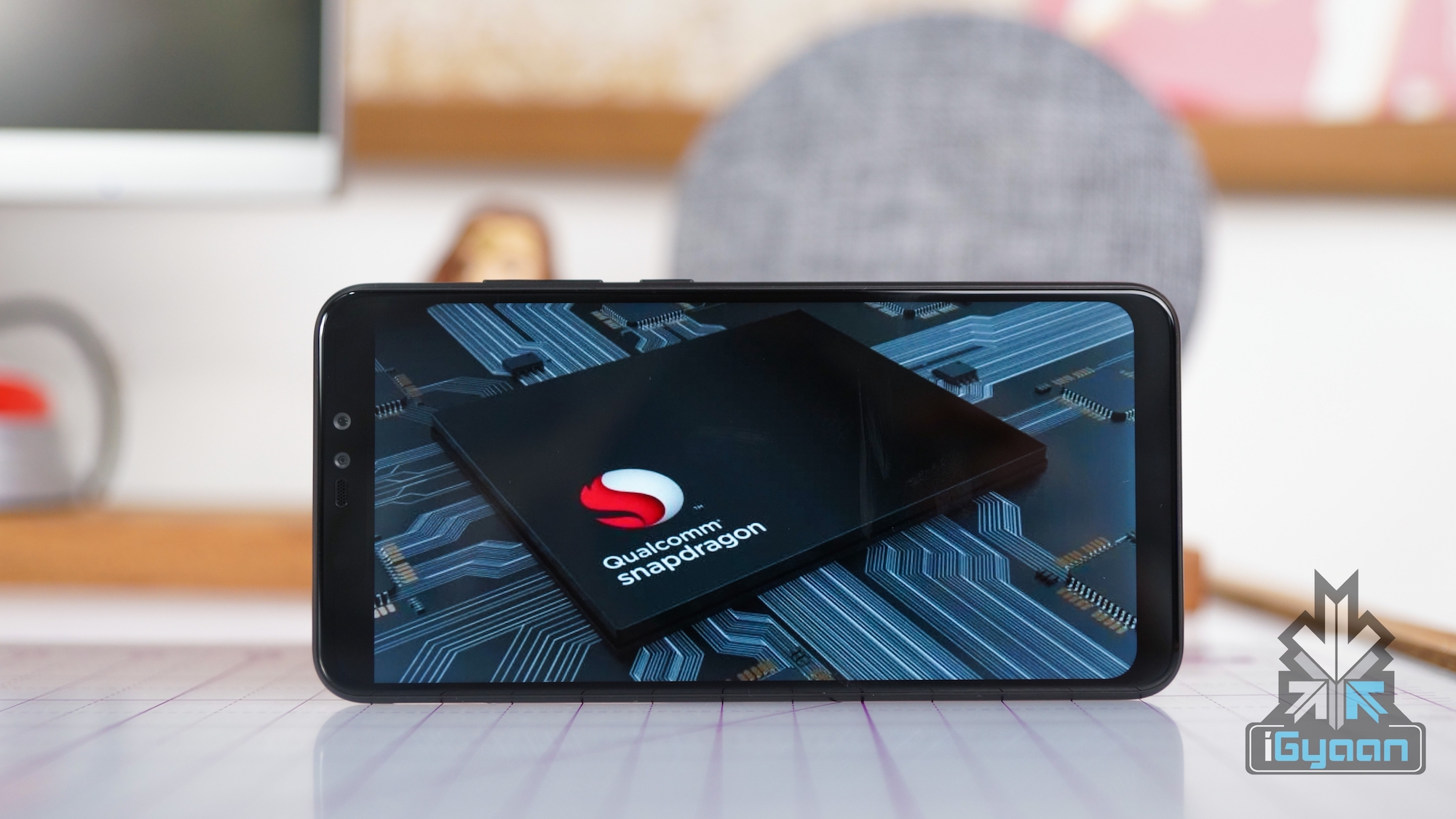
Lenovo has added another smartphone to its gaming device lineup, the Z6 Pro. The smartphone was launched on April 23, 2019, and features a glass sandwich design with a gradient rear panel. The device boasts of a 6.39 inch AMOLED display with a resolution of 2340 x 1080 px. It runs on the best-in-class 7nm Snapdragon 855 SoC, comprising of an octa-core CPU and the Adreno 640 GPU. The Z6 Pro features a quad-rear camera module and a single 32MP selfie camera sensor. it is available in 4 different variants.
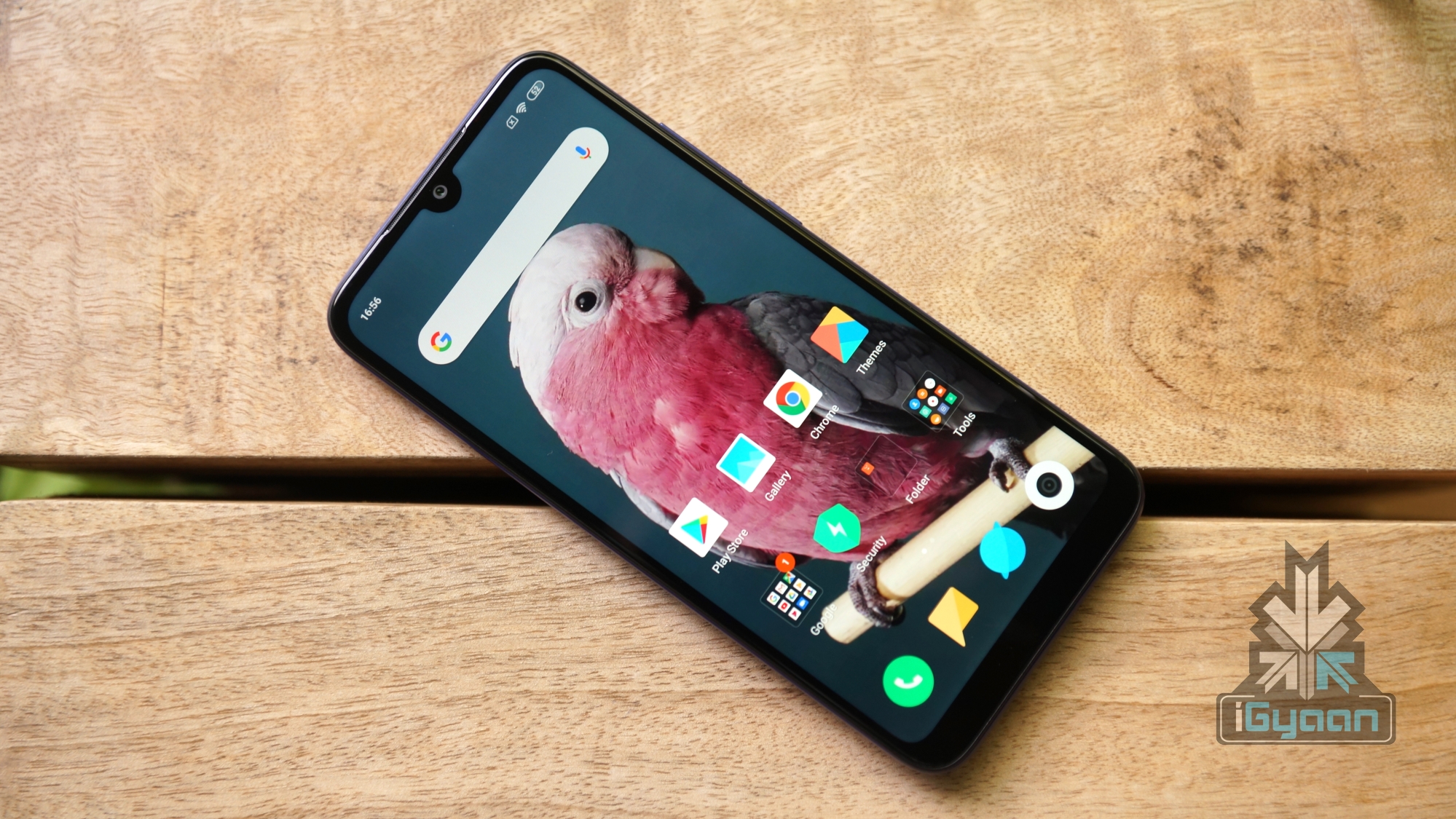
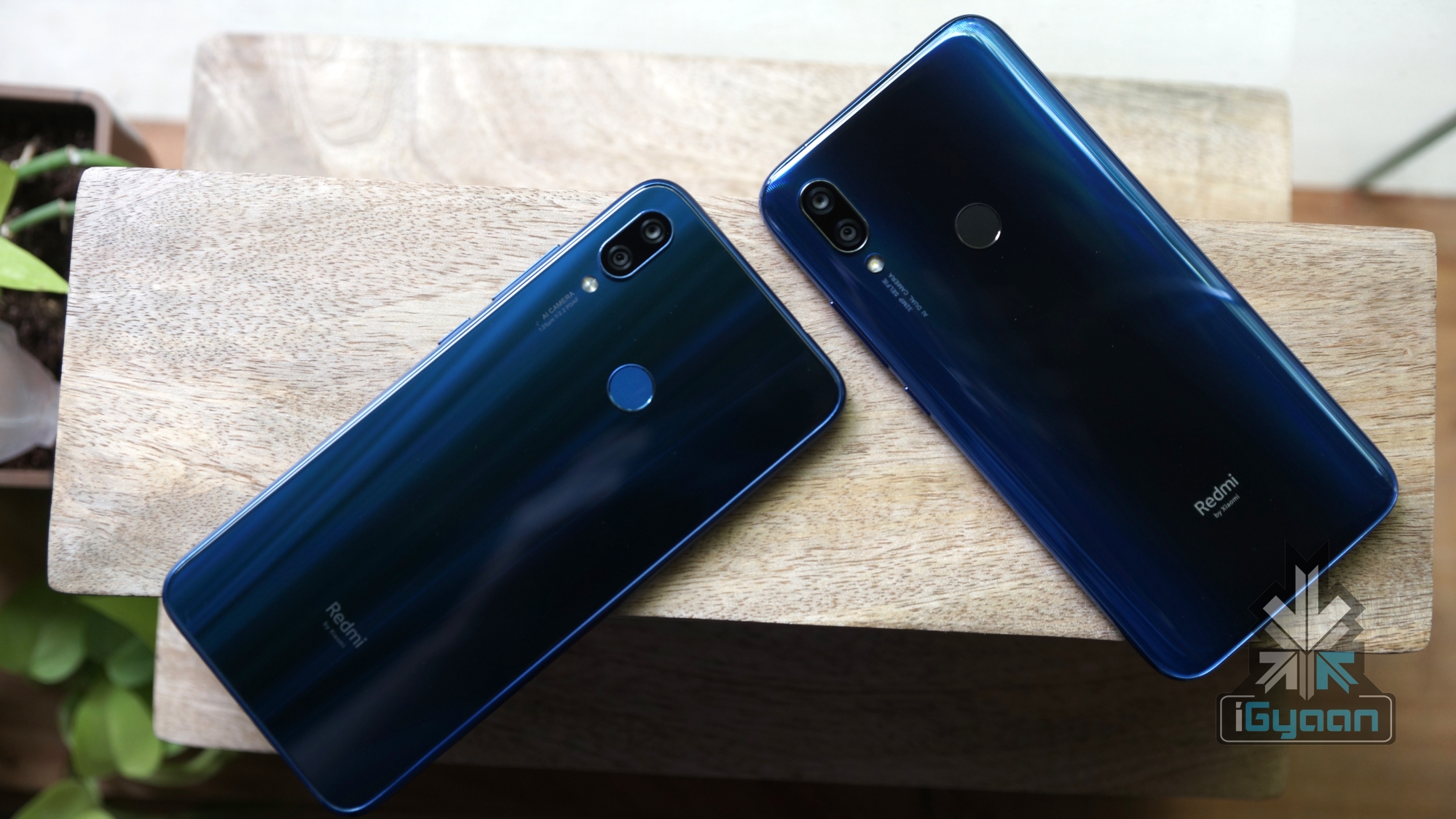
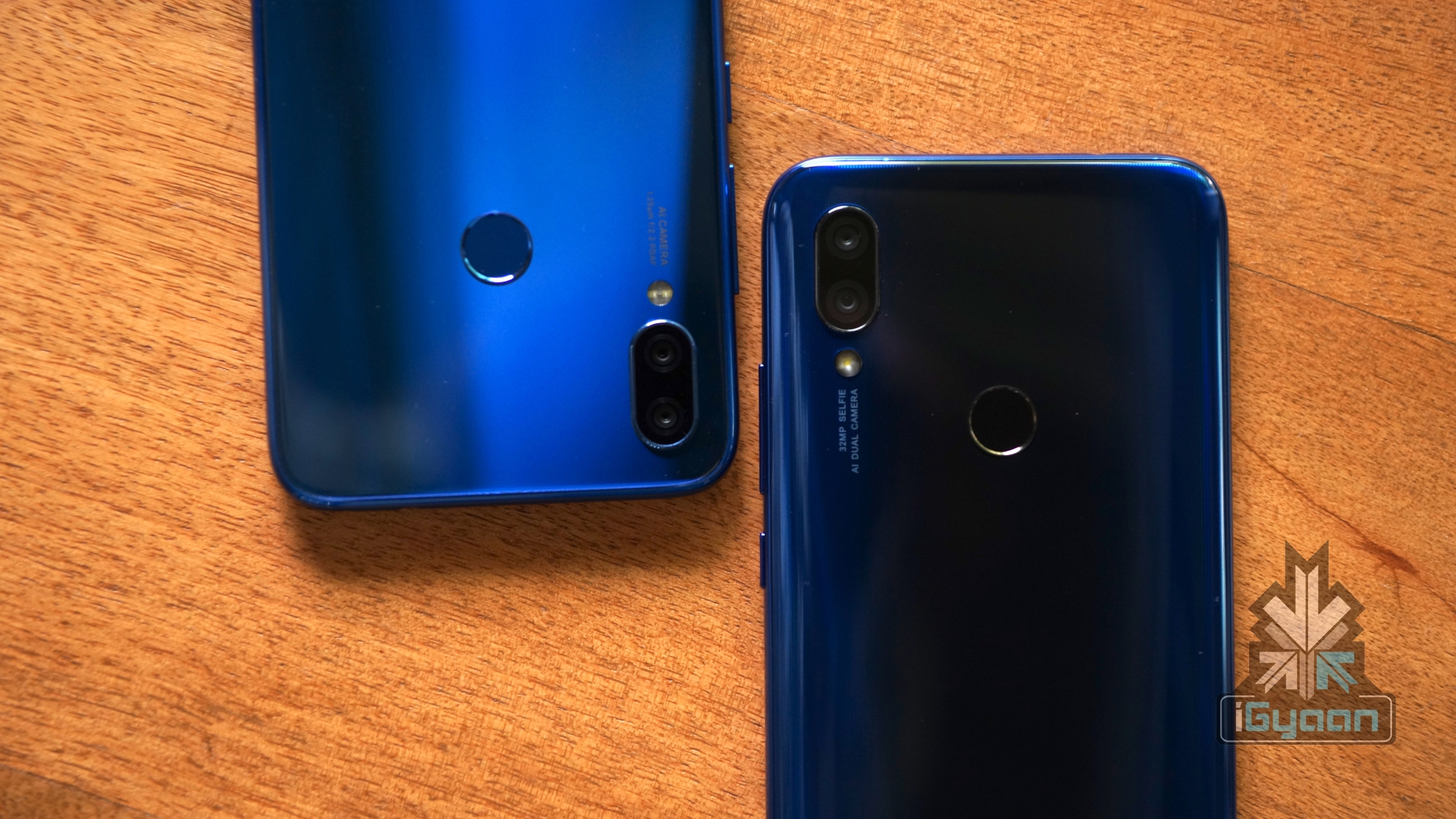
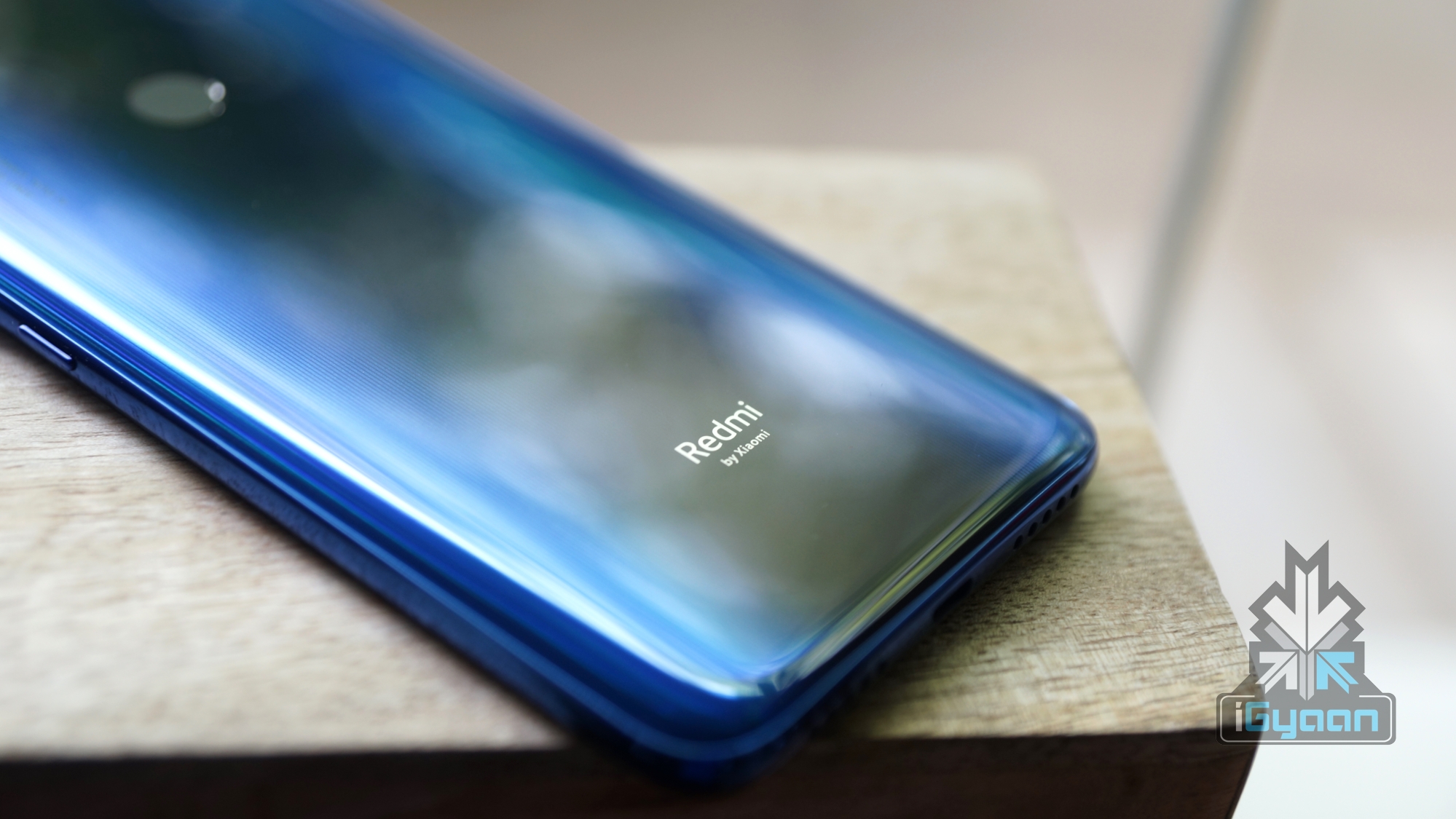
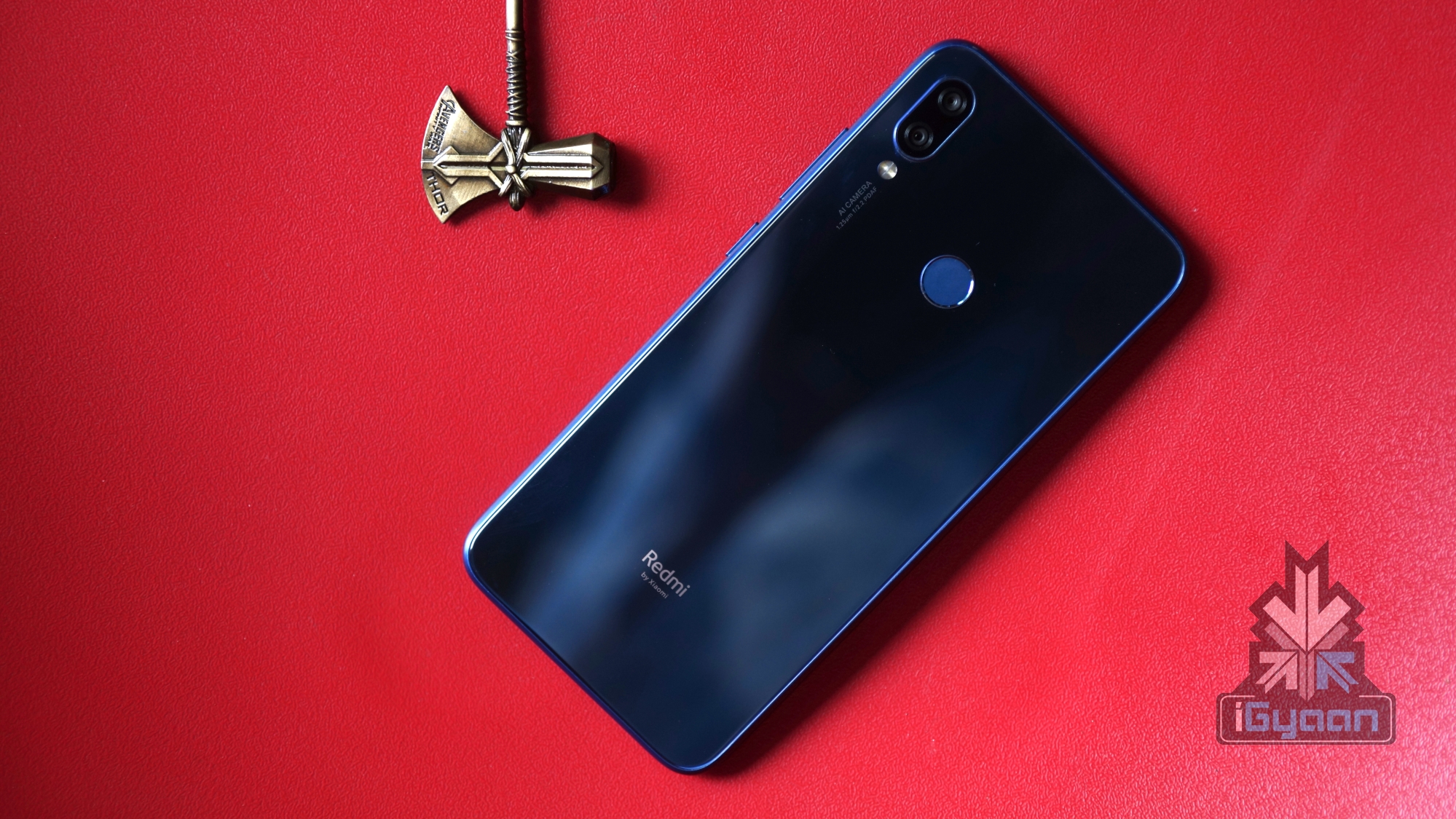
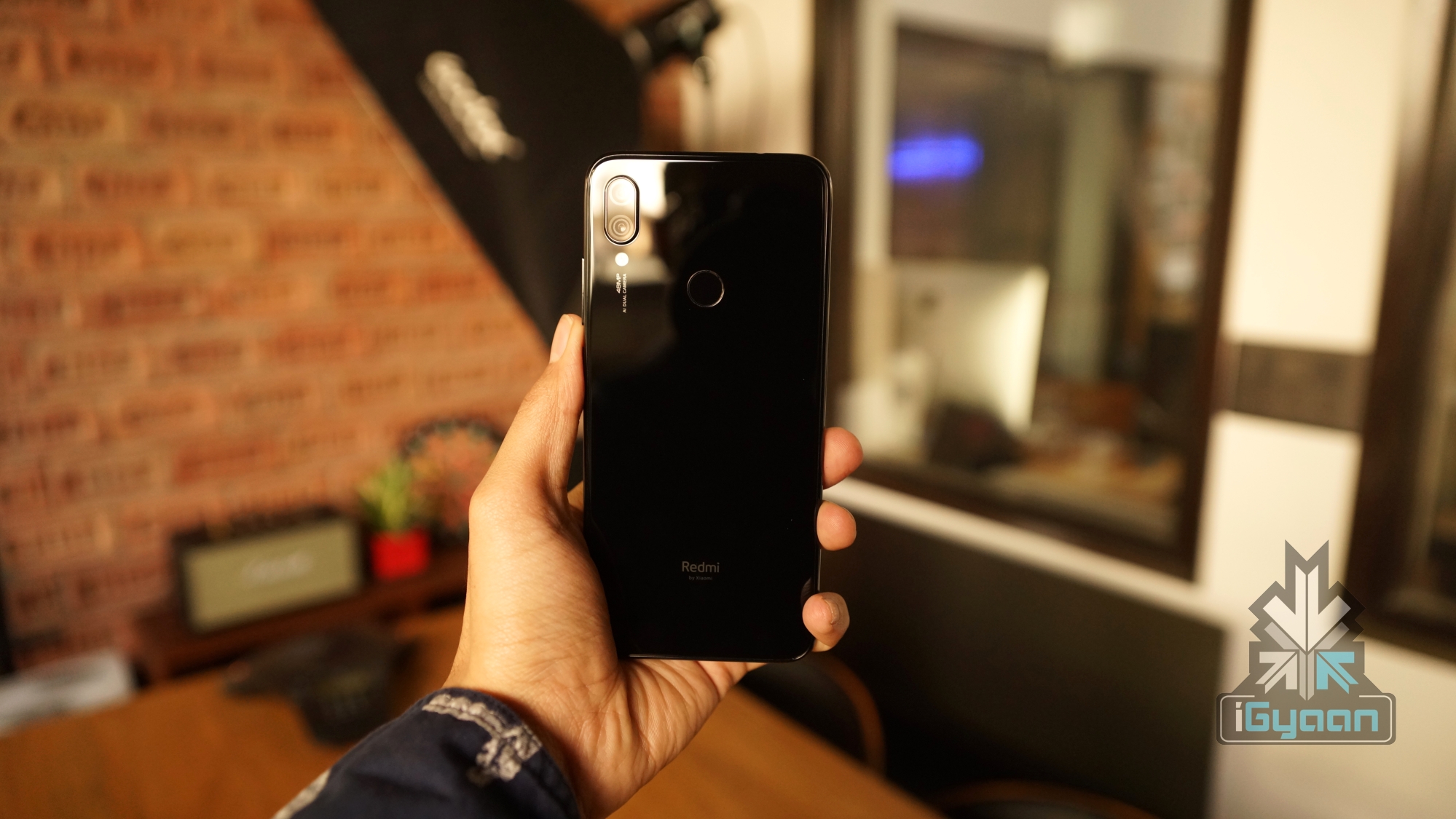
Redmi Y3 is the latest smartphone from Xiaomi which was launched on the 24th of April 2019. It is the successor to the last year’s Redmi Y2 and is packed with worthy improvements in terms of both performance and optics. The smartphone features a noteworthy 32 MP selfie camera. The Redmi Y3 also has an all-new design for the Y series with a waterdrop notch on the front and a gradient finish on the back.
Chinese smartphone company Huawei is currently riding high on the success of the P30 Pro, which has one of the best optical systems in a smartphone till date. The company is known for innovating new technologies in their devices time and again. As per sources, Huawei is working on two new smartphones, which are the P Smart Z and P Smart X. Moreover, the P Smart Z will be the first smartphone from Huawei to feature a pop-up camera mechanism for the front camera.
Huawei P Smart Z: Features, Specifications & Availability
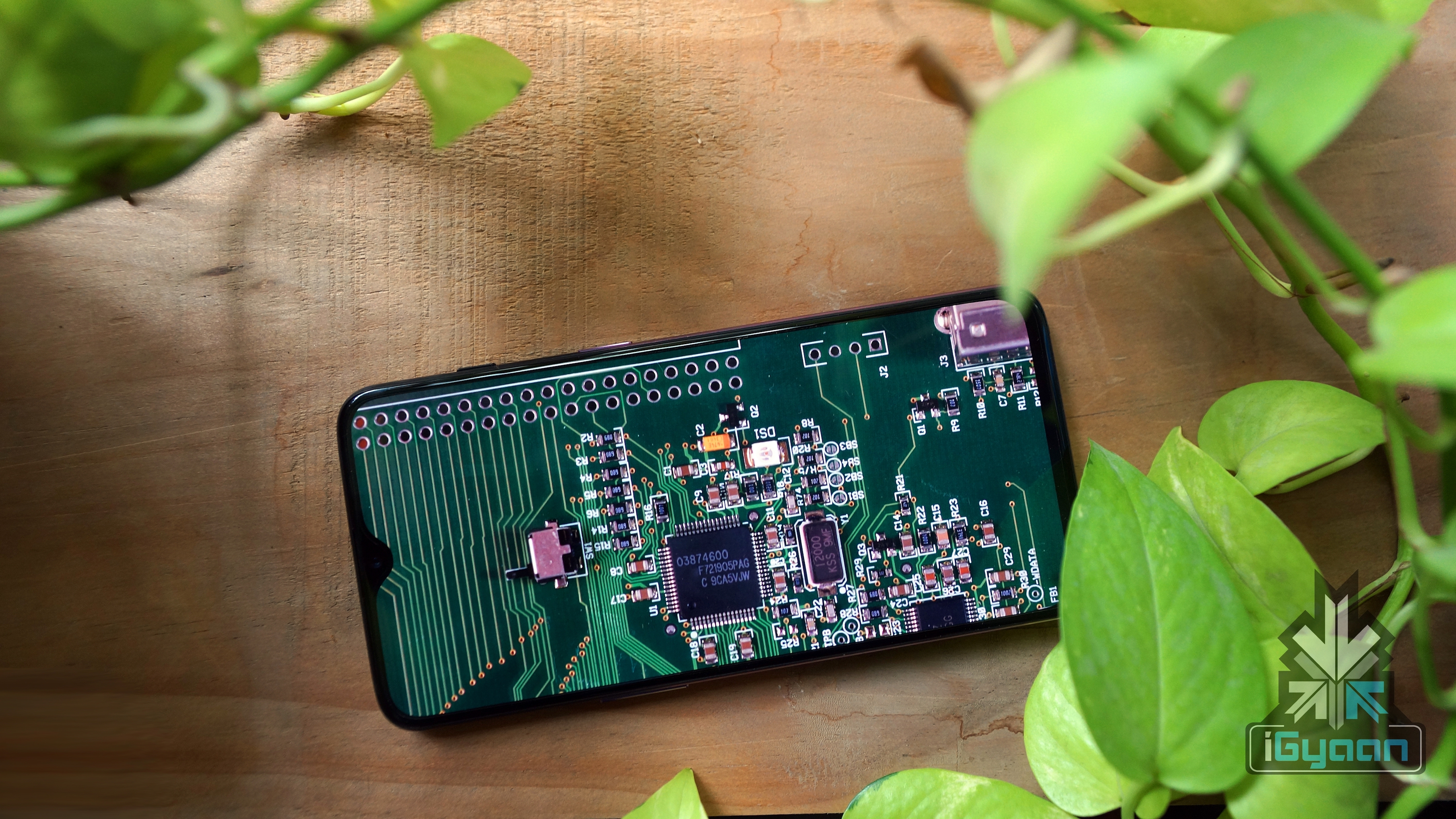
Reports state that the Chinese company first filed a trademark for the aforementioned devices in the month of March 2019. The P Smart Z features a large 6.59 inch display with a FullHD+ resolution, which it attains due to the pop-up camera. Just like Chinese competitors Oppo and Vivo, Huawei seems to be following the trend of a notch-less smartphone. Reports further mention that its display panel has a resolution of 2340 x 1080 px and a pixel density of 391 ppi.
Under the hood, the Huawei P Smart Z runs on the 14nm HiSilicon Kirin 710 chipset, which comprises of an octa-core CPU and the Mali-G51 MP4 GPU. It is bundled with 4GB of RAM and 64GB of internal storage, with microSD card support up to 512GB. The P Smart Z packs a huge 4,000 mAh battery. As deduced from the renders of the device, it has a rear-mounted fingerprint scanner. Furthermore, Huawei has retained the 3.5mm headphone jack in the P Smart Z.
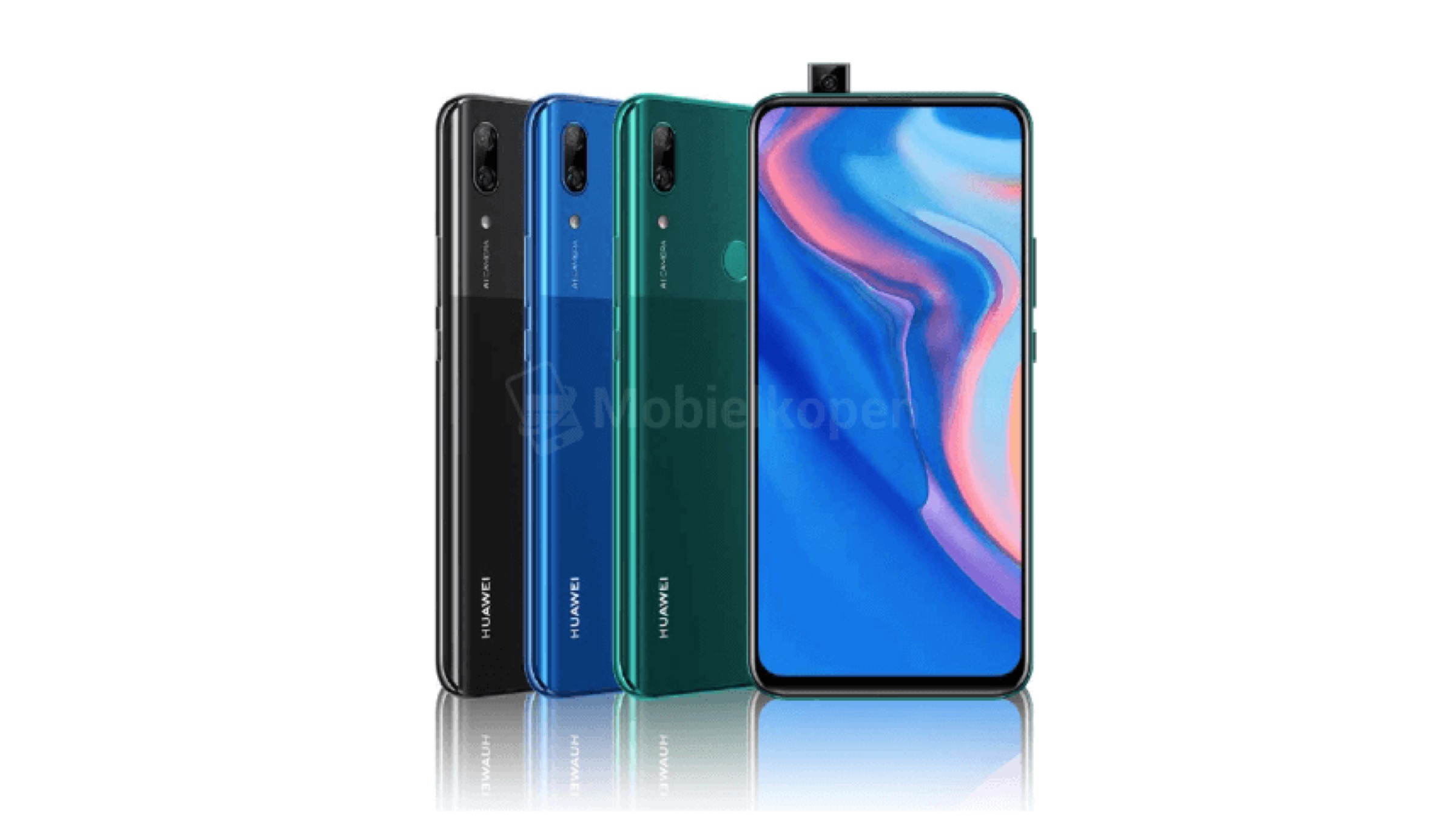
In terms of optics, the smartphone features a dual camera system, which consists of an f/1.8 aperture equipped 16MP primary camera and an f/2.4 aperture equipped 2 MP sensor. The pop-up mechanism houses the 16MP (f/2.0) selfie camera. The phone measures at 163.5 x 77.3 x 8.9 mm and weighs at 197 grams. It runs on Android 9.0 Pie out-of-the-box, which will supposedly be topped off with EMUI (Huawei’s custom skin). As of now, no official pricing and availability details are available, but sources suggest that the smartphone will be priced somewhere around €210 (roughly INR 16,400) at the time of launch. It will be available in three colour options: Black, Green and Blue.
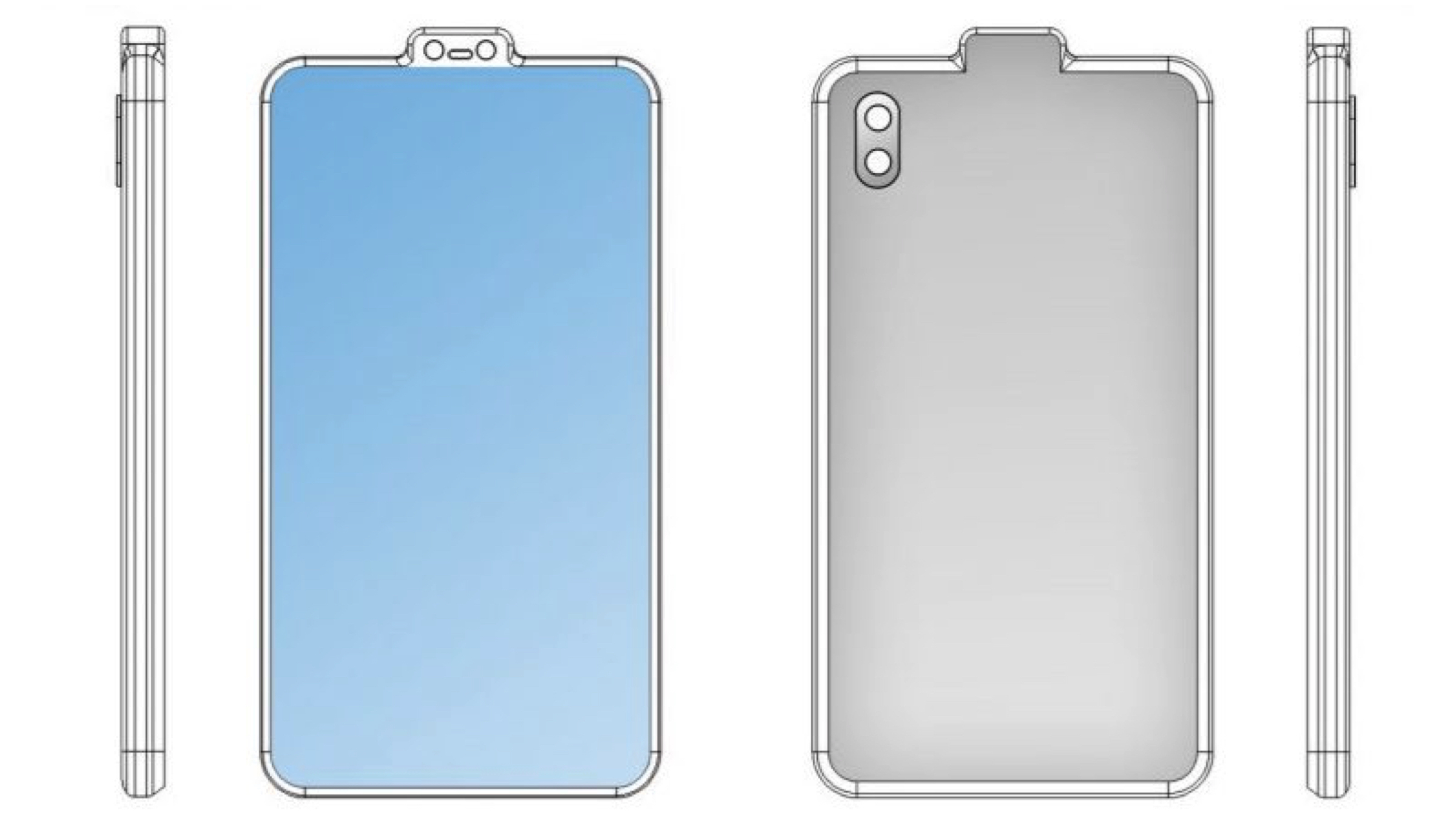
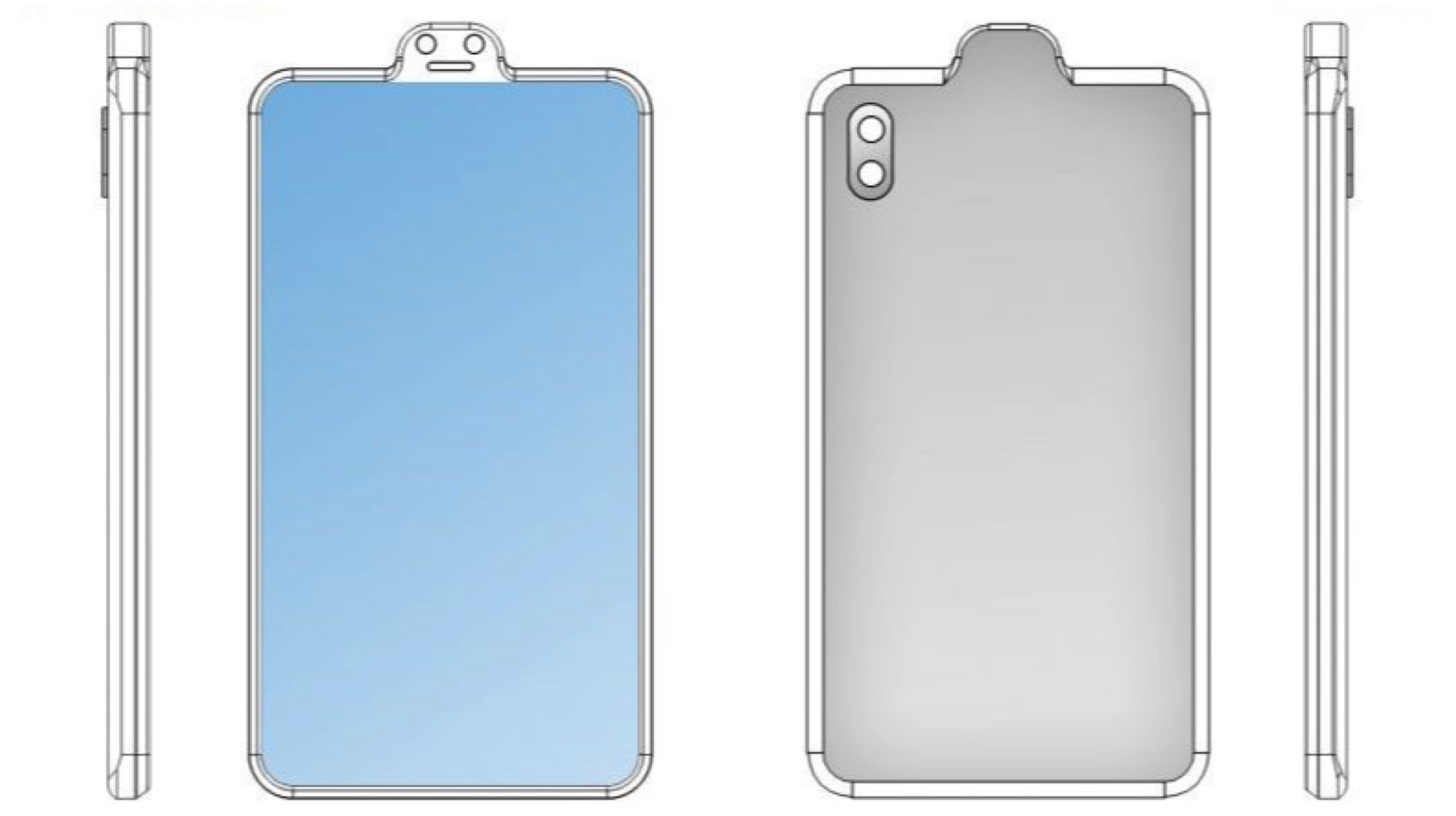
Since the year 2017, smartphone OEMs have tried multiple ways to maximise the screen real estate in their devices. Some innovative outcomes of the project included display notches of various sizes, hole punch displays and manual/mechanical sliders. Xiaomi, a renowned manufacturer has recently filed a patent which shows another unique way of increasing the screen to body ratio. The patent shows a smartphone with a reverse notch which protrudes from the top of the display.
Xiaomi Smartphone With Reverse Notch
The patent was applied by Xiaomi in mid-2018 and was published on the 23rd of April. It shows three different models, which slightly differ from each other in terms of design. Common aspects of all three smartphones include an edge to edge display, a dual selfie camera setup and an earpiece on top of the display. They also have a vertical dual rear camera setup on the back. The notch on top of the display is a unique deisgn choice and has never been implemented on a smartphone before. No physical fingerprint sensor is visible in the design of the device, which suggests the company will opt for an in-display scanner on the handset if it launches.
There may be many benefits of a reverse notch design on a smartphone over the conventional way of getting more screen real estate. With the cameras and sensors placed above the display, the chances of them cutting into the screen while consuming media are zero. Furthermore, no moving parts suggest the handset with the design can be made water resistant. However, the structural integrity and the ergonomic factor of the design remains to be seen when it is finally announced. Unfortunately, no details about the launch date of a Xiaomi smartphone with a reverse notch is known as of now.
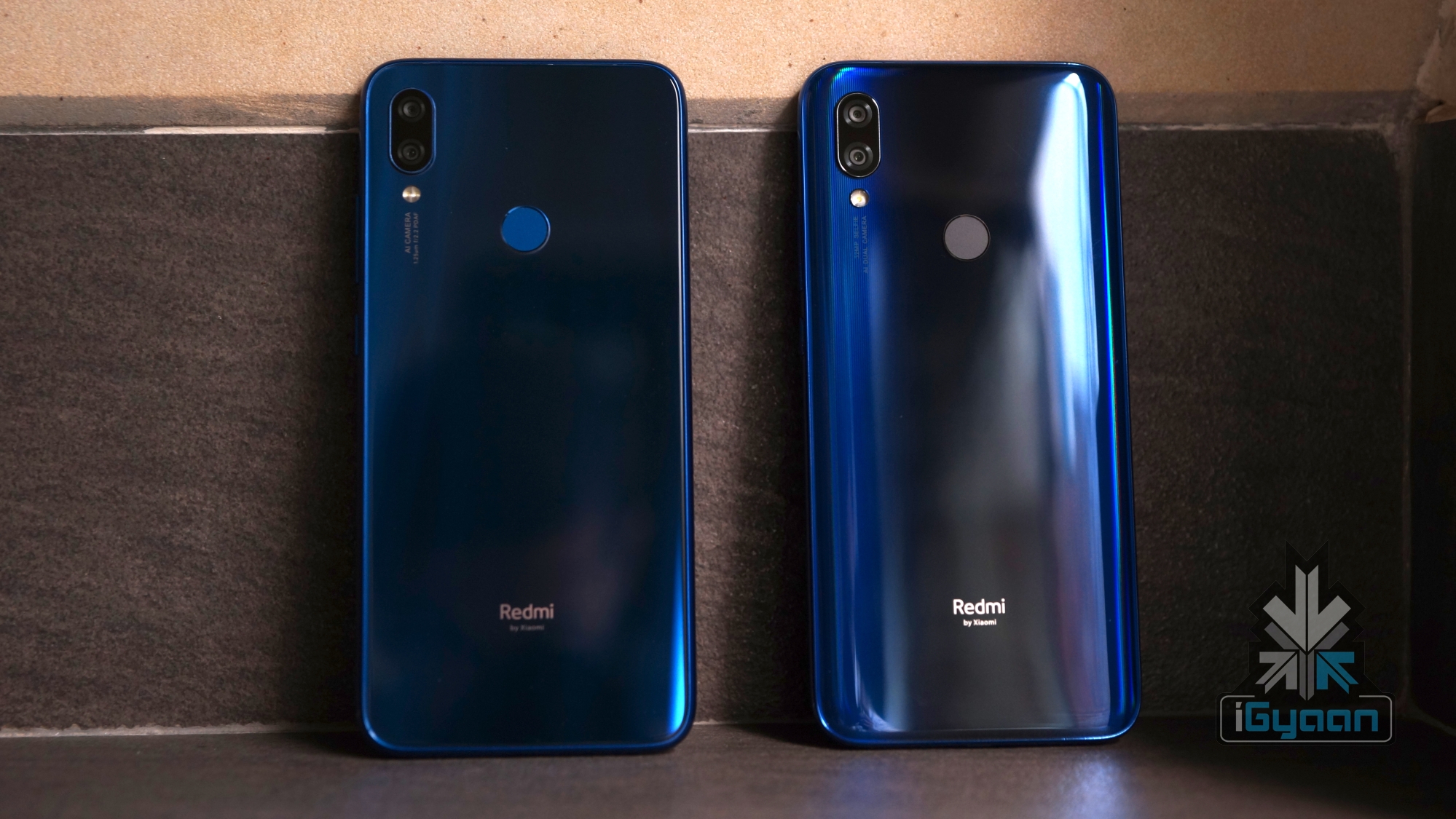
Earlier this year, Redmi separated itself from Xiaomi to turn into an independent brand. The first smartphone that the company launched was the Redmi Note 7 which has become the talk of the town due to its value for money. A short while ago the company launched another budget smartphone, the Redmi Y3 which is mainly targeted towards photography enthusiasts. Surprisingly, the price of both variants of the Redmi Note 7 and the Redmi Y3 are same which leads to the confusion of selecting the best out of the two. In this article, we discuss all aspects of the aforementioned smartphones which will help in deciding the best option based on the needs of every user.
Build and Design
Both the Redmi Note 7 and the Redmi Y3 have a homogenous design with alike positioning of buttons, ports, camera sensors and the fingerprint sensor. Both smartphones sport a high screen-to-body ratio display that features a small dot notch up top. Noteworthy, the rear panel of the Note 7 Pro is made out of Corning Gorilla Glass 5. On the other hand, the Redmi Y3 has a plastic back panel which is comparatively prone to scratches and scuff marks. The two devices also weigh similar to each other, with the former weighing in at 186 gram and the latter at 180 gram.
The Redmi Note 7 features a 6.3 inch LCD display while the Redmi Y3 features a 6.26 inch LCD panel. Even though the size of the display on both smartphones is similar, the former has a full HD resolution panel while the latter gets an HD panel. The display panel of the Redmi Note 7 has a pixel density of 409 ppi. On the other hand, the display panel on the Redmi Y3 has a pixel density of 269 ppi. Additionally, both smartphones also have Corning Gorilla Glass 5 protection which safeguards them against scratches and accidental drops.
Camera and Video
The Redmi Note 7 and the Redmi Y3 both have a dual rear camera setup and a single front camera which is housed in the dot notch above the display. The rear camera setup on both devices is identical which is comprised of an f/2.2 aperture equipped 12 MP sensor and a 2 MP depth sensor. Undoubtedly, the front-facing camera on the Redmi Y3 is its key highlighting feature and one aspect in which it completely blows out its competition. It has a 32 MP selfie camera which has an 80 degree wide viewing angle. Noteworthy, the same sensor is present on the Vivo V15 Pro which costs upwards of Rs 25,000. On the other hand the Redmi Note 7 has 13 MP selfie camera with 1.25 ? pixel. The two smartphones can also capture 1080p video from both the front and rear camera.
Chipset and Battery
Assuredly, this is one area where the Redmi Y3 does not stand a chance against the Redmi Note 7. The former features the Snapdragon 632 SoC while the latter features the Snapdragon 660 SoC. Even though, chipsets on the device consist of an Octa-Core CPU. The Redmi Note 7 has significantly better real-world performance and a much better GPU which is the Adreno 512. The Redmi Note 7 and the Redmi Y3 are both powered by a large 4,000 mAh battery. The former, however, supports 18 W charging while the latter only supports 10 W charge.
In terms of connectivity, both the Redmi Note 7 and the Redmi Y3 support dual 4G VoLTE, 802.11 ac Wi-Fi, GPS, 3.5 mm jack, and Bluetooth. Notably the former supports Bluetooth 5.0 while the latter supports Bluetooth 4.2. For charging and data transfer, the Redmi Note 7 has a bottom mounted USB Type C port while the Redmi Y3 has a micro USB port. One key feature that the latter has and the former does not is the P2i nano coating. The coating allows the Redmi Y3 to easily survive accidental liquid spillage or sudden drizzles.
All in all, the Redmi Note 7 is a better smartphone out of the two as it offers considerably better value than the Redmi Y3. Though, for all the people who like clicking a lot of selfies, the latter is a better option.
With one of the highest death rates worldwide, Cancer leads the pack as one of the most dreadful groups of diseases known to mankind. Cancer is referred to as an unwanted growth of cells in a certain organ or a part of the body. The tumours involved are generally of three types. Benign tumours are not cancerous and cannot spread to different parts of the body. Premalignant tumours are not yet cancerous but may develop cancerous traits later on. On the other hand, Malignant tumours can spread to other organs and parts of the body, making them very fatal to the human body. In recent news from the University of Lincoln, scientists have reproduced a synthetic copy of the Anti-tumour antibiotic in order to combat Drug-resistant bacteria and cancer.
About The Antibiotic – Kedarcidin
The antibiotic, or rather, the “super-substance” is called Kedarcidin. It was first discovered almost 30 years ago by a pharmaceutical company in India. Extracted from a soil sample, Kedarcidin’s natural form was unusable as a potential drug to fight cancer. In fact, most antibiotics developed in the last 70 years have been derived out of soil, but in order to use them as a drug for treatments, the antibiotics have to be reproduced via the process of chemical synthesis in the laboratory. Kedarcidin, however, is different from conventional antibiotics.
Mechanism And Structure Of Kedarcidin
For starters, Kedarcidin is capable of harming tumour cells instead of just killing the bacteria involved (like many other antibiotics). This makes it a very potential candidate as a primary drug in effective cancer treatments. The biological structure of Kedarcidin enables it to harm the DNA structure of the target tumour to a level of complexity that the tumour cannot spread at all. Because of the complex structure of Kedarcidin, scientists were unable to replicate it’s “potential drug” form, until now.
The primary scientists involved in the replication of the aforementioned drug are Dr. Martin Lear (University of Lincoln, UK) and Professor Masahiro Hirama (Tohoku University, Japan). As per the scientists, the molecular structure of the antibiotic drug resembles an egg of sorts. Moreover, Kedarcidin has a reactive core which is sheathed by a layer of protein. As per reports, almost 10 years were spent in the deduction of the molecular integrity of the antibiotic.
It is estimated that the number of cancer cases per year worldwide will rise to 23.6 million by the year 2030. Considering the latest advancements in the “cancer-fighting” drug, the numbers may experience a steep drop, and for the better. Aggressively tackling the tumours with Kedarcidin may help scientists learn a lot more about the techniques which the antibiotic uses to counter cancerous cells in leukaemia and melanoma, for instance.
OnePlus has confirmed it will launch the next generation of its flagship smartphones next month. Two devices, alleged to be called the OnePlus 7 and the OnePlus 7 Pro will be launched globally on the 14th of May. While the specifications of the smartphones have already been leaked online, their pricing remained unknown. In a fresh tweet by a known tipster, the European prices of the beefed-up variant of the two, the OnePlus 7 Pro have been leaked.
OnePlus 7 Pro: Pricing
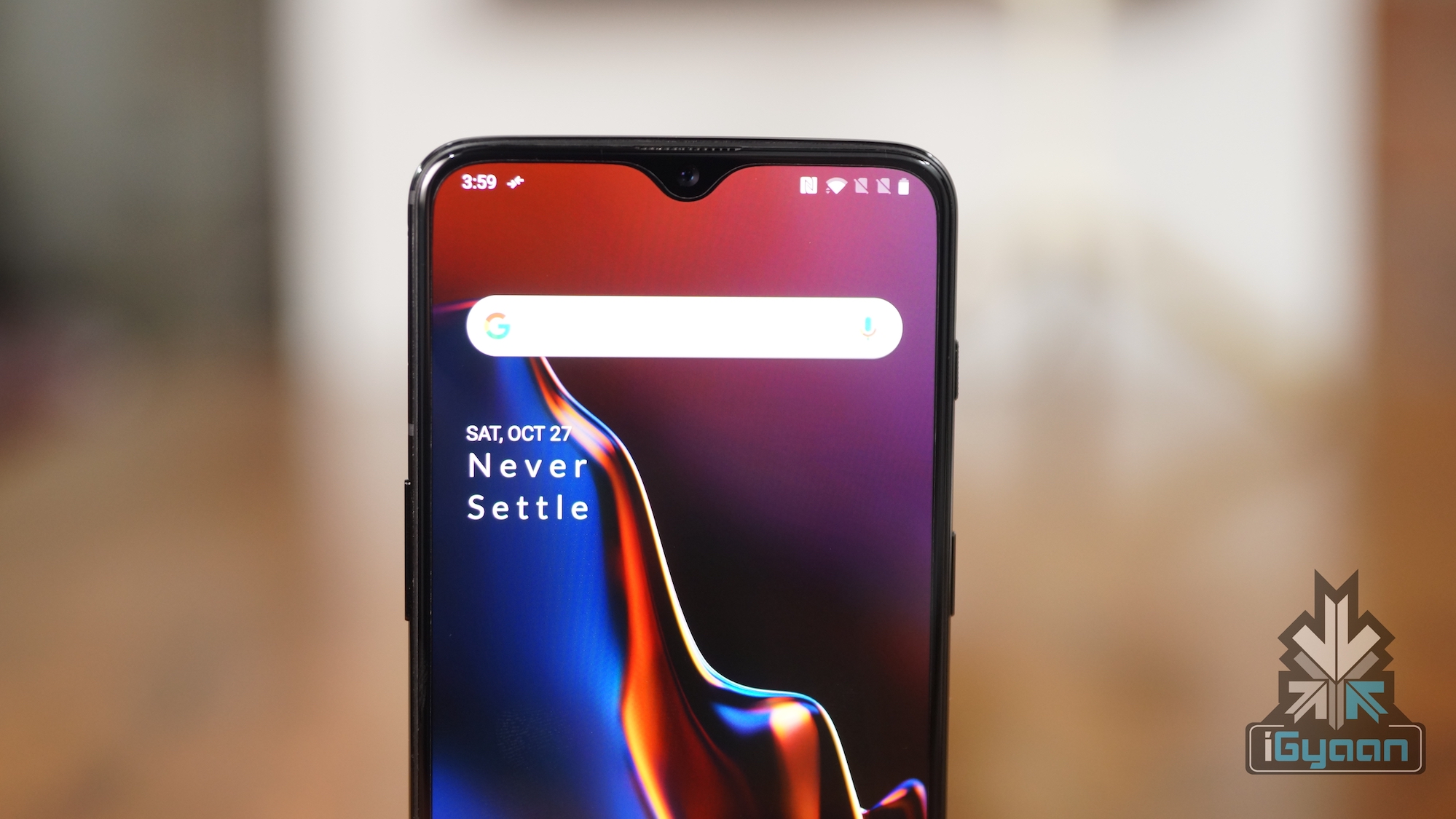
OnePlus 6T
The OnePlus 7 Pro is expected to go on sale soon after the aforementioned launch date. According to the leaked pricing, the smartphone will cost the following in the European market.
6+128GB: Unknown at the moment
8+256GB: € 749/759 (~Rs. 58,400)
12+256GB: € 819/829 (~Rs. 64,000)
OnePlus 7 Pro: Specifications
As mentioned above, the OnePlus 7 Pro will be the specced up variant of the regular OnePlus 7. It will have a similar all glass design on the front and rear, complete with a metal chassis to provide reinforcement. According to the source, the smartphone will have a massive 6.7-inch Optic AMOLED display with a resolution 3120 x 1440 px and a refresh rate of 90Hz. Unlike the regular variant, the Pro variant will use an elevating pop-up camera mechanism like the Vivo V15 Pro. For biometrics and securely unlocking the device, it will have an in display fingerprint scanner and will support face unlock technology.
The leak claims, like the regular variant, the OnePlus 7 Pro will also run on the 7nm Snapdragon 855 SoC. The chipset consists of an Octa-core CPU and the Adreno 640 GPU. In terms of optics, the smartphone will have a triple rear camera setup, comprised of an f/1.7 aperture equipped 48 MP sensor; an f/2.2 aperture equipped 16 MP ultra wide sensor and an f/ 2.4 aperture equipped 8 MP sensor. For selfies, it will have an f/2.0 aperture equipped 16 MP camera hidden in the aforementioned pop-up mechanism. Reportedly, the device will have Ultra Fast Storage (UFS) 3.0 standard and will be available in the following memory variants.
The leak also states the OnePlus 7 Pro will be powered by a 4000 mAh battery with support for 30W Warp charging. The smartphone will also be available in a 5G variant which will support the next generation of mobile connectivity standard. It will be available in three colour variants, namely Mirror Grey, Almond, Nebula Blue.
The Madurai Bench of the Madras High Court announced its decision on Wednesday (April 24, 2019). The Bench removed its interim order on the condition that the upload of any form of obscene content to the application will result in the revival of any court proceedings associated with the same. On the other hand, TikTok users are ecstatic, and so is the company. In a statement by ByteDance, which is the parent company of TikTok, this decision is greatly appreciated by the thriving community in India, as it will give a chance to the users to showcase their creativity via the application.
Previously, Tamil Nadu’s IT Minister M. Manikandan had suggested that the state should submit a petition to the Central Government in order to incorporate a strict ban on the application in India. Consequently, the HC had appointed Arvind Datar as the independent counsel to the court. As per recent reports, the Chinese company had appealed for interim relief by April 24, which led to the lift of the ban from TikTok in India.
In further developments, TikTok said that it will continuously keep improving its security detail in order to regulate any forms of obscene and vulgar content on the application, while catering to the users’ needs at the same time. India’s resilience against such applications is increasing day-by-day, and only time will tell if banning such applications will lead to an improvement in the social culture or not.
Redmi separated from its parent company Xiaomi back in the month of January. While the brand has launched smartphones in the budget and the mid-range segment, it has been long rumoured to announce a flagship device. The details of the handset have been leaked online time and again. Now, a user on Weibo has listed the specifications of the upcoming flagship smartphone from Redmi, reported to be called the Redmi Pro 2.
Redmi 855 Flagship
Redmi Note 7 Pro
The upcoming Redmi 855 smartphone will be the company’s first flagship device since its inception earlier this year. According to previous leaks, it will have an all-glass design on the front and back, like the Redmi Note 7 Pro. The handset will have a 6.39-inch display with a resolution of 2340 x 1080 px. Unfortunately, the details about the display design of the smartphone are not known yet. So it remains to be seen if the upcoming device from Redmi uses a hole punch, a waterdrop notch or an elevating mechanism to maximise the screen real estate.
The leak further reveals the flagship smartphone from Redmi will run on the Snapdragon 855 SoC which is manufactured using the 7nm fabrication process. The chipset consists of an Octa-core CPU and the Adreno 640 GPU. In terms of optics, the device will sport a triple rear camera setup, comprised of an f/1.8 aperture equipped 48 MP Sony IMX 586 sensor; a secondary f/2.4 aperture equipped 13 MP ultra-wide sensor, and a tertiary f/2.4 aperture equipped 8 MP telephoto sensor. For selfies, the handset will have an f/2.0 aperture equipped 32 MP front-facing camera. In terms of memory and storage, the Redmi flagship may feature up to 8GB of RAM and 128GB of internal storage.
The upcoming flagship smartphone from Redmi is expected to launch in the following weeks. As the company is known for pricing its products aggressively, the handset may be priced under the Rs. 30,000 mark in India.
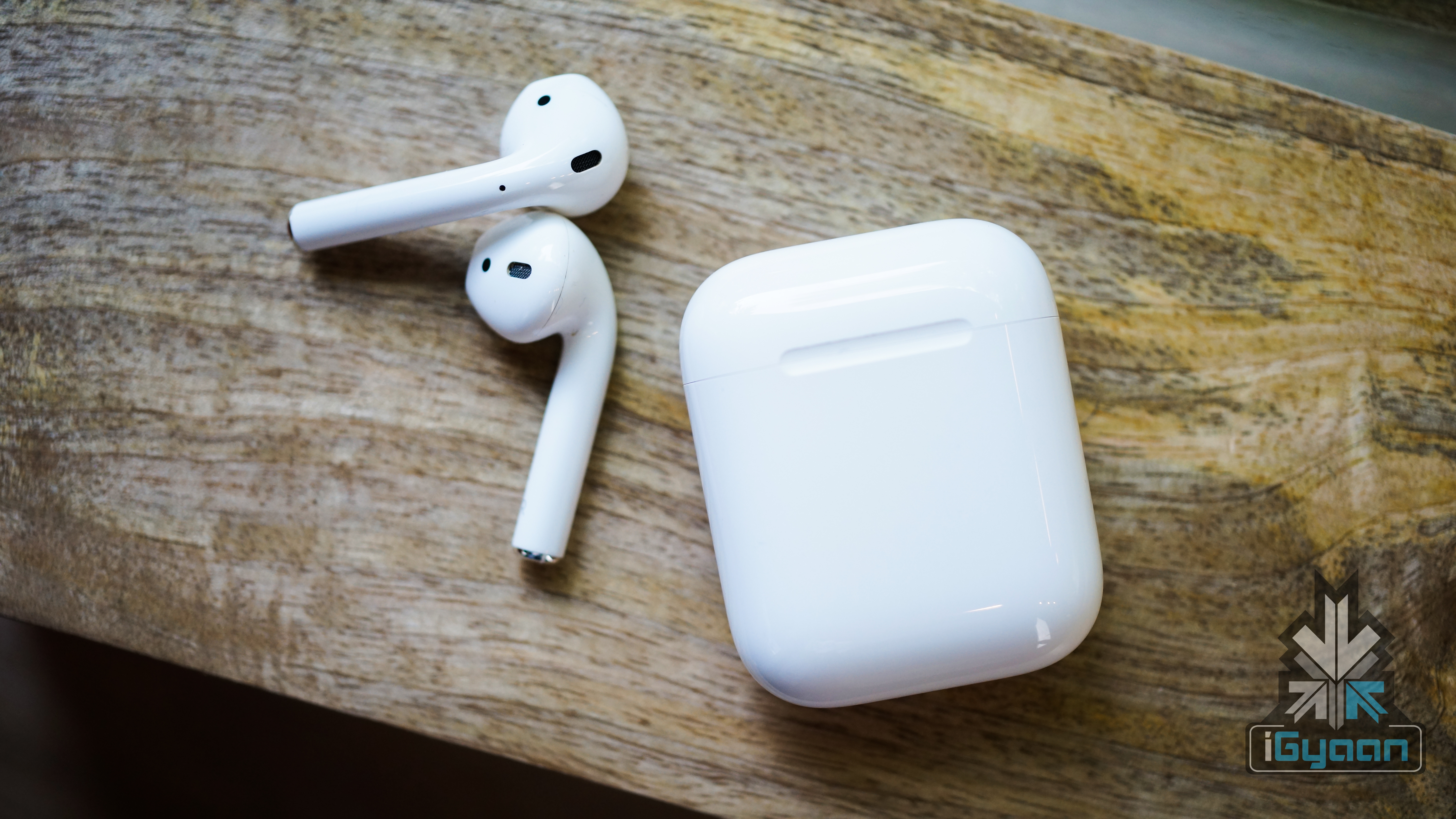
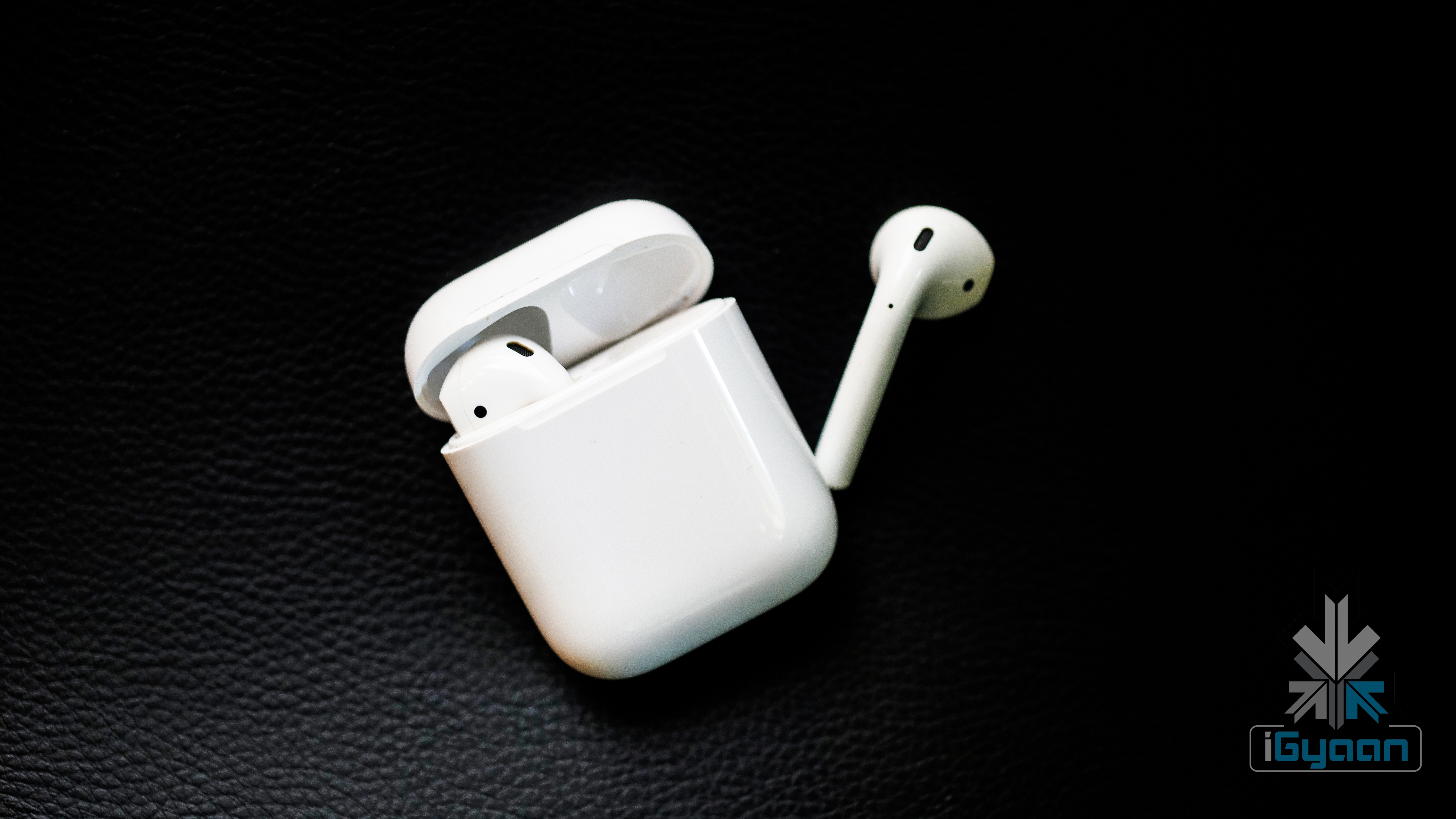
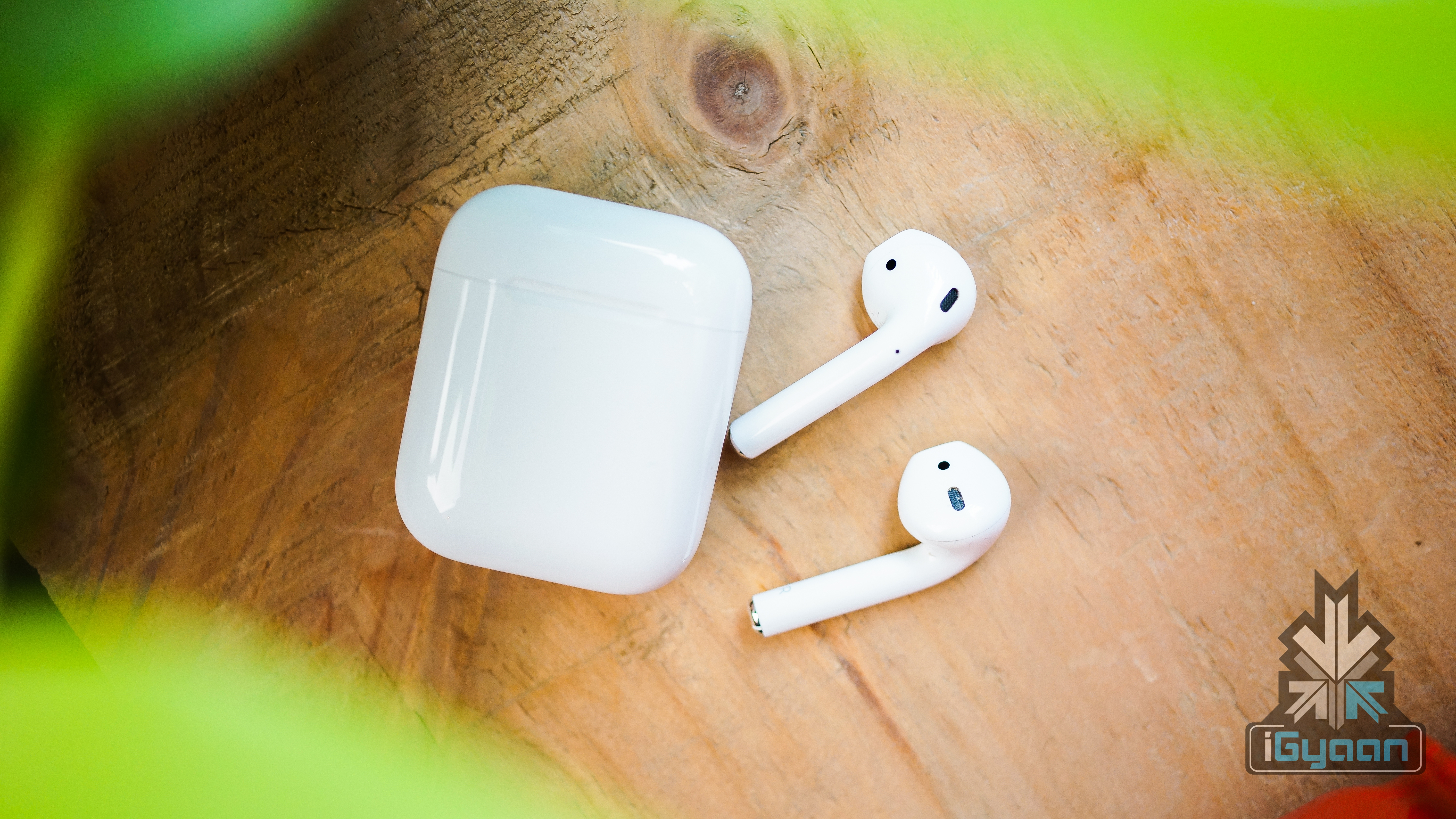
Since the AirPods were launched in the latter half of the year 2016, they have been widely regarded as one of the best performing wireless earphones in the market. Although facing some serious competition from the Galaxy Buds and the Jabra Elite True Wireless Earbuds, the AirPods have stood their ground. Beats Audio, a subsidiary of Apple recently released the PowerBeats Pro Truly wireless earphones to compete with the AirPods. In the month of March 2019, Apple also unveiled the upgraded version of the AirPods (with the H1 chip) alongside a wireless charging case. As per reports, Apple will bring two more models of the same into the market by the end of the year 2019.
Apple AirPods
Sources reveal that one of the two aforementioned models will have an entirely revamped design and form-factor, and will be placed at a higher price point than the current AirPods. On the other hand, the second variant will be a lot more similar to already existing AirPods in terms of design and price. Moreover, reports state that the company will soon transition to the SiP (Systematic Investment Plan) design in order to boost assembly yields and cut costs in production.
Expected Features Of New AirPods
The new alleged AirPods are expected to feature noise cancellation. Earlier this month, Momentum True Wireless Earbuds from Sennheiser were launched in India, which featured active noise cancellation. However, they are one of the most expensive True Wireless Earbuds in the market, and reports state that Apple’s new AirPods will be priced a bit lower than the same. The American technology company is planning to work on the mechanical design of the earphones so as to achieve noise cancellation with the forward feedback microphone. Furthermore, Apple is also speculated to incorporate a power-preserving feature, since the addition of a feature like active noise cancellation will consequently lead to higher power consumption.
The AirPods 2 were unveiled in March and are priced at INR 14,900, whereas the same earphones bundled with the Wireless Charging Case are priced at INR 18,900. At the time of launch, the upcoming AirPods are expected to be priced somewhere around INR 20,000.
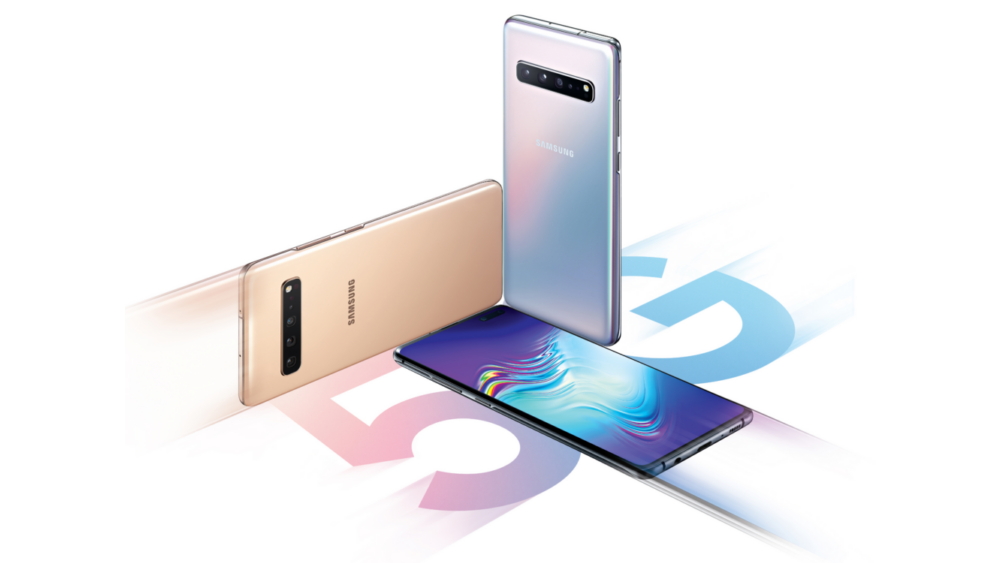
Samsung, the world’s largest smartphone OEM, released the Galaxy S10 5G at the Galaxy Unpacked event back in February. The device was announced alongside the rest of the Galaxy S10 lineup and the Galaxy Fold. It holds the distinction of being the company’s first smartphone to support 5G, the next generation of mobile networks. It seems like the company is ready for its second smartphone supporting 5G, as a senior executive at Verizon, one of the biggest telecommunications company in the US; has announced the next Galaxy Note, presumably called the Galaxy Note 10 will have support for 5G networks.
What Is 5G?
Galaxy S10 5G
The 5th Generation or 5G for short is the next step in the growth of mobile networks. It is the successor of 4G LTE, whose standards were first introduced back in the year 2008. The next generation of mobile connectivity promises many advantages over its predecessors, including faster uplink/downlink speeds and little to no latency. One more benefit of 5G is the increased number of supported devices at a time, due to increased bandwidth.
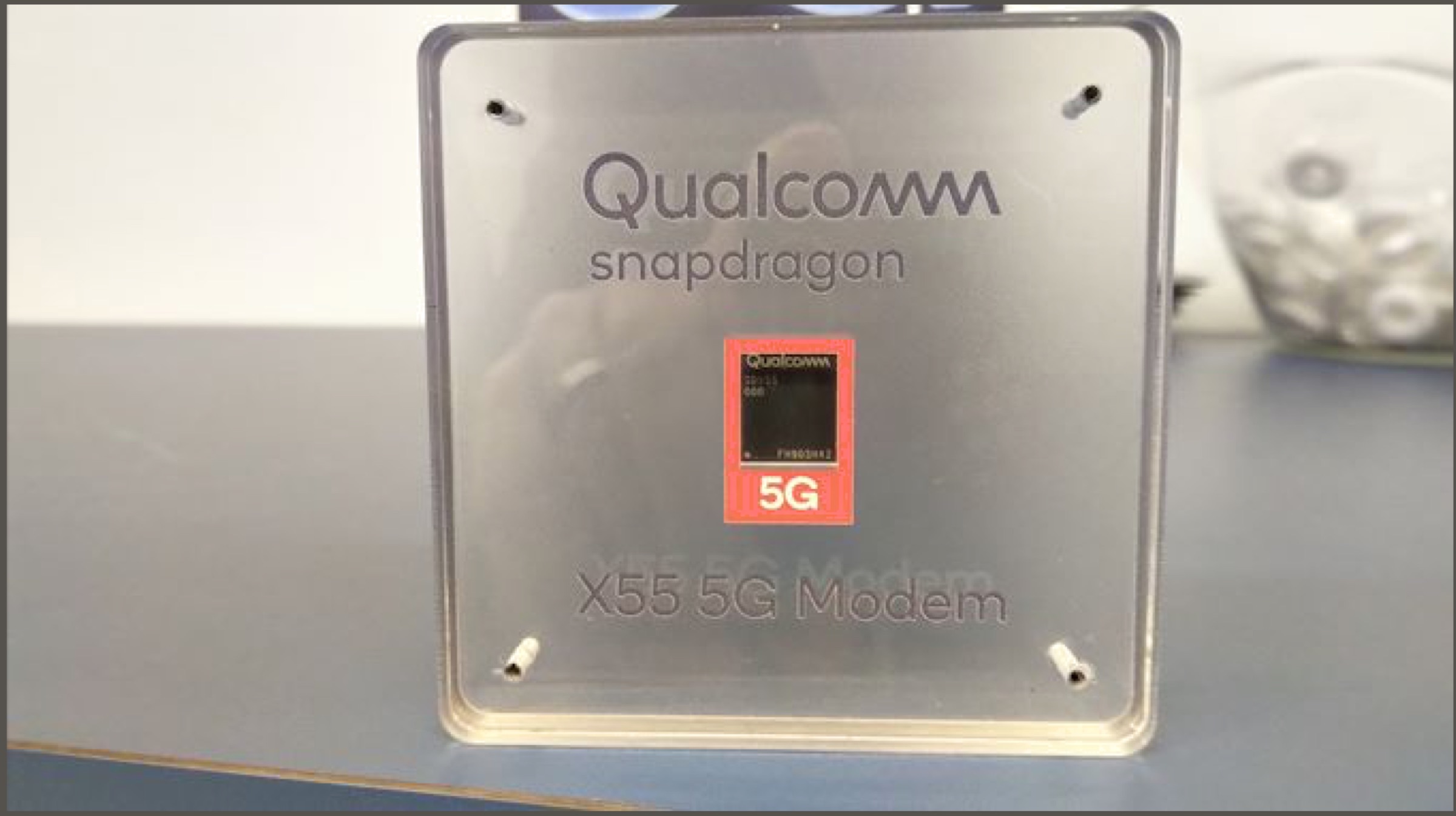
Qualcomm X55 5G Modem
Currently, not many smartphones have promised support for 5G, possibly due to the gradual and slow rollout of the technology around the world. Only a handful of devices, like the aforementioned Galaxy S10 5G, LG V50 ThinQ and the Huawei Mate X among others support 5G networks. To make room for the modem supporting this mobile connectivity standard, manufacturers have had to remove essential components such as the 3.5mm headphone jack and the microSD card slot from some of the above-mentioned handsets. Noteworthy, 5G networks are notorious for generating more heat than traditional 4G LTE networks. This leads to the installation of various space taking cooling systems inside the smartphones to maintain efficiency and speeds.
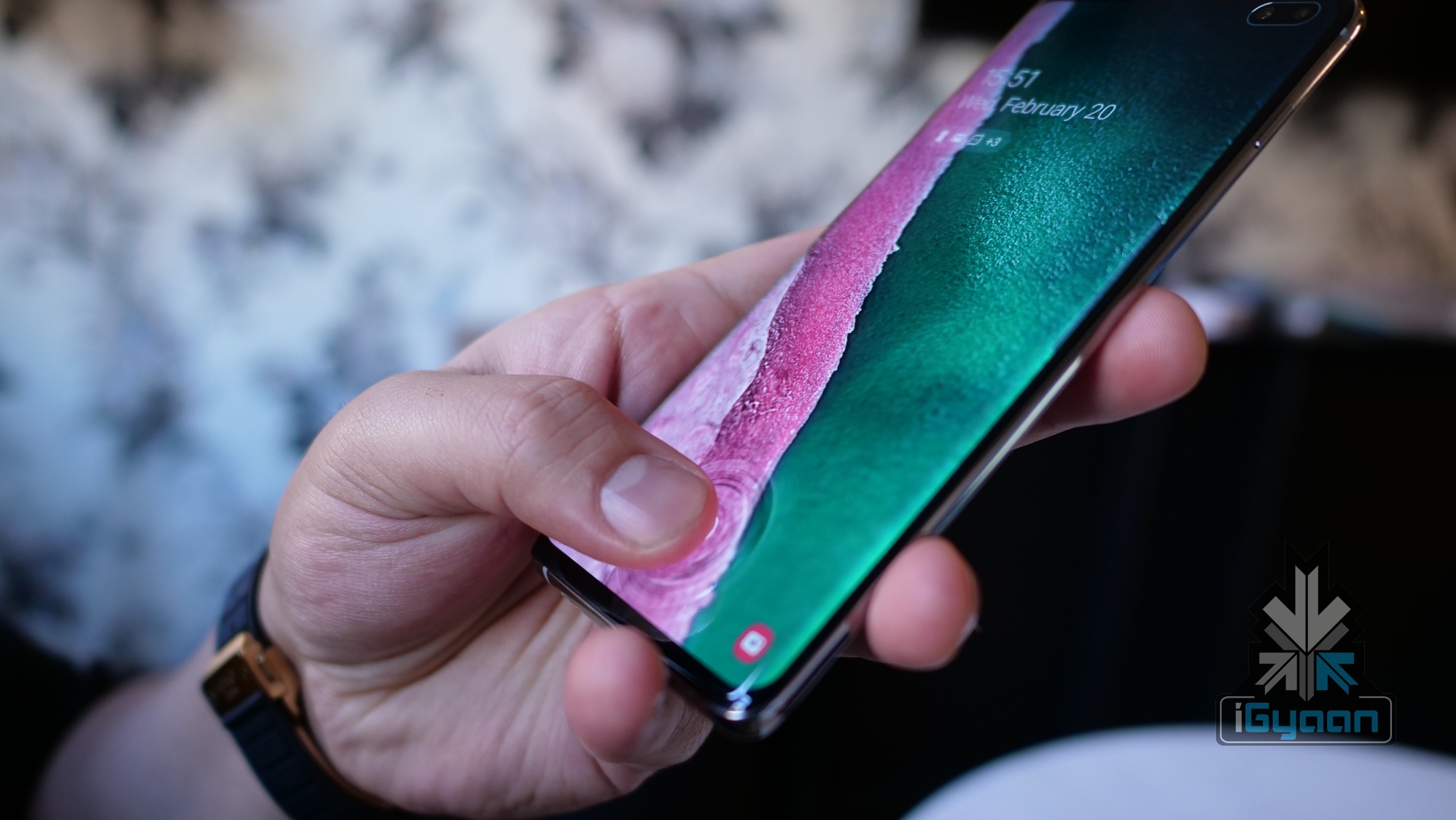
While the senior Verizon executive has announced the support for 5G networks in the Galaxy Note 10, it is rumoured more than one variant of the smartphone will be launched later this year. While only one of them may support 5G connectivity, key details of all the variants will remain the same. A bigger display than the Galaxy S10+ which is reported to be a 6.6 inch Dynamic AMOLED one will be featured in the next generation of Galaxy Note. Like the former, it may also have an ultrasonic fingerprint scanner inside the display; and run on either the 7nm Snapdragon 855 SoC or the Exynos 9820 depending on the region it is sold in. Unfortunately, more details about the handset are unknown at the moment. Going by the Samsung’s previous launch records, the company may announce the Galaxy Note 10 late August or early September this year.
Medical health has been undergoing a lot of advancements over recent times, with the technology spanning to newer areas every day. Researchers and Scientists are using DNA modification techniques to cure acute skin diseases, whereas a technique called immunotherapy is being implemented to treat leukaemia (blood cancer) and forms of lymphomas. As per recent news, Israeli Researchers fabricated the world’s first three dimensional, or 3D-Printed Heart.
Using a patient’s own cells, the researchers from Tel Aviv University created the heart on a high resolution 3D printer. The university has announced their success story while showcasing the printed heart. The printing experiment was deduced as one of the most major medical breakthroughs to date. The research findings were published in the Journal of Advanced Science. The team involved in the experiment was led by university professor Tal Dvir.
Structure Of The 3D Printed Heart
As per Tal Dvir, this was actually the first time that human cells were incorporated with 3D printing technology to formulate a complete replica of a heart. The 3D printed heart is design to perform in the real world, so it comprises of blood vessels which help the heart to pump blood. Previously, only non-vessel tissues could be printed using the combination of medical methods and technology, but a new technique adopted by the researchers made it possible to design a life-like 3D-printed heart. Fatty tissue from patients was used as the “fuel” or “ink” of the 3D printer.
Furthermore, the lead researcher added that the heart was the size of a rabbit’s heart, and therefore cannot be transplanted into a full-sized human body. However, a full-human-sized heart can be developed quite soon because the technology used to create differently-sized 3D-printed hearts is essentially similar. using the patient’s own cells will ensure that the body’s immune system will not reject a transplanted organ.
3D printing was previously tested with weapons, cars and even huge parts of commercial-level machines. Using the same technology for the advancement of medical health is a much better implication of the aforementioned technology. This will help to cure heart diseases worldwide, with heart transplants becoming fairy accessible and cheaper. Looking at the progress as of now, more research and development will ensure that more body organs can be 3D printed using the same method. The researchers say that within the next ten years, organ printers will be fairly accessible all across the world’s hospitals. The implications of this will allow to replace essentially any body organ, joint or valve. This could help terminally ill patients survive longer or even better still, be fully cured. The future where the human machine is repaired by spare parts may be nearer than we imagined.
Apple removed the 3.5mm headphone jack from the iPhone 7 and 7 Plusmodels in the year 2017. Since then, many more smartphone OEMs like Huawei, HTC and Sony have expelled the ill-fated headphone jack from their devices. But, the option of listening to music from wired headphones still remains very popular today. Buying the perfect pair can be a daunting task because of the sheer number of options available today. To make the choice easier, we have combined the five best headphones available in the market today for under Rs 1,000.
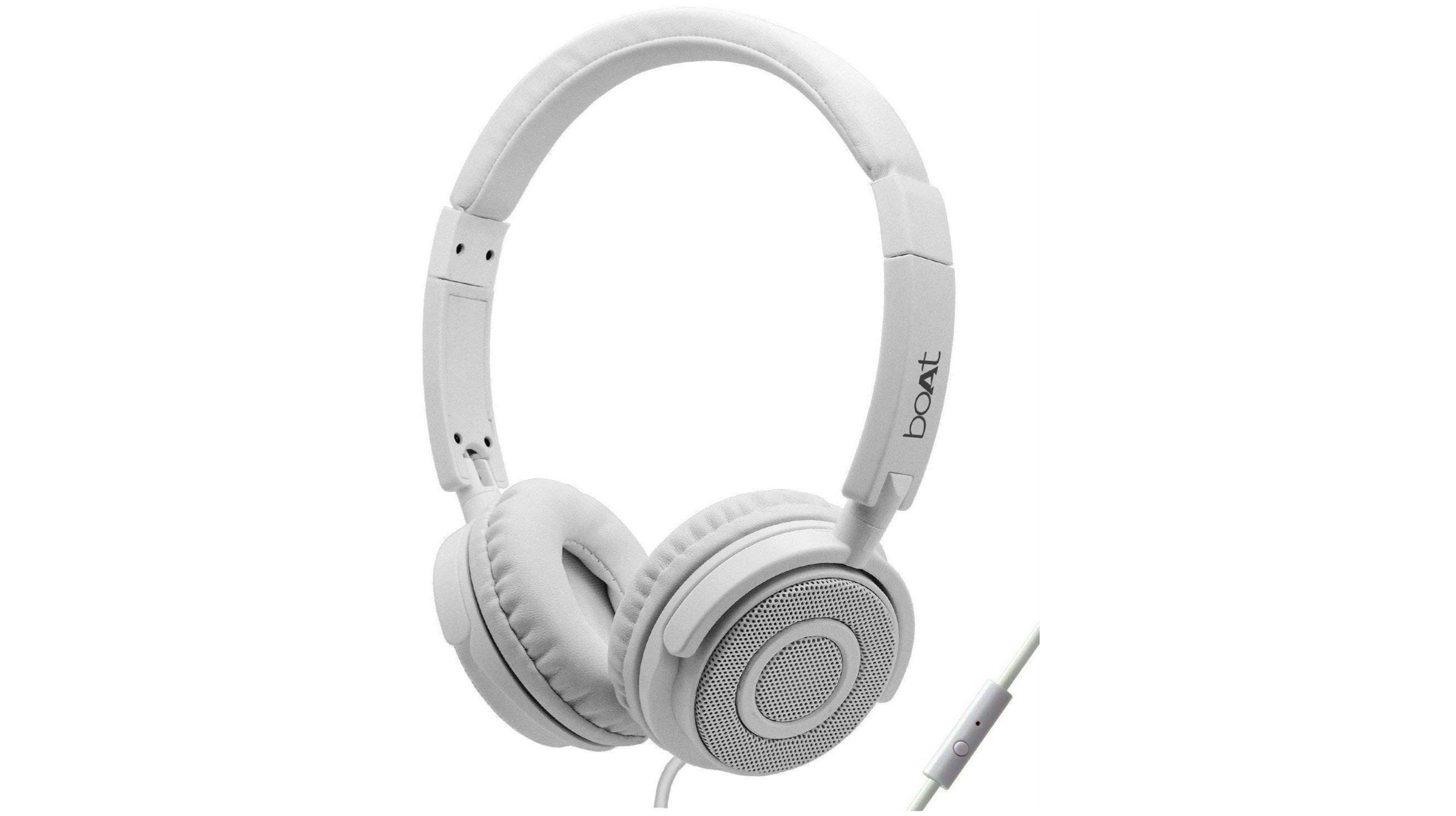
Boat Rockers 900
Boat is a well-known brand when it is about audio products and the Rockers 900 are no different. Featuring a lightweight and compact design, the headphones are very comfortable to wear and easy to carry which make them an ideal choice for frequent travellers. The in-line microphone and controls are intuitive and provide easy command over the music and calls over the headset. In terms of sound quality, the headphones have a punchy bass, which is common for the company’s products and have decent mids and lows.
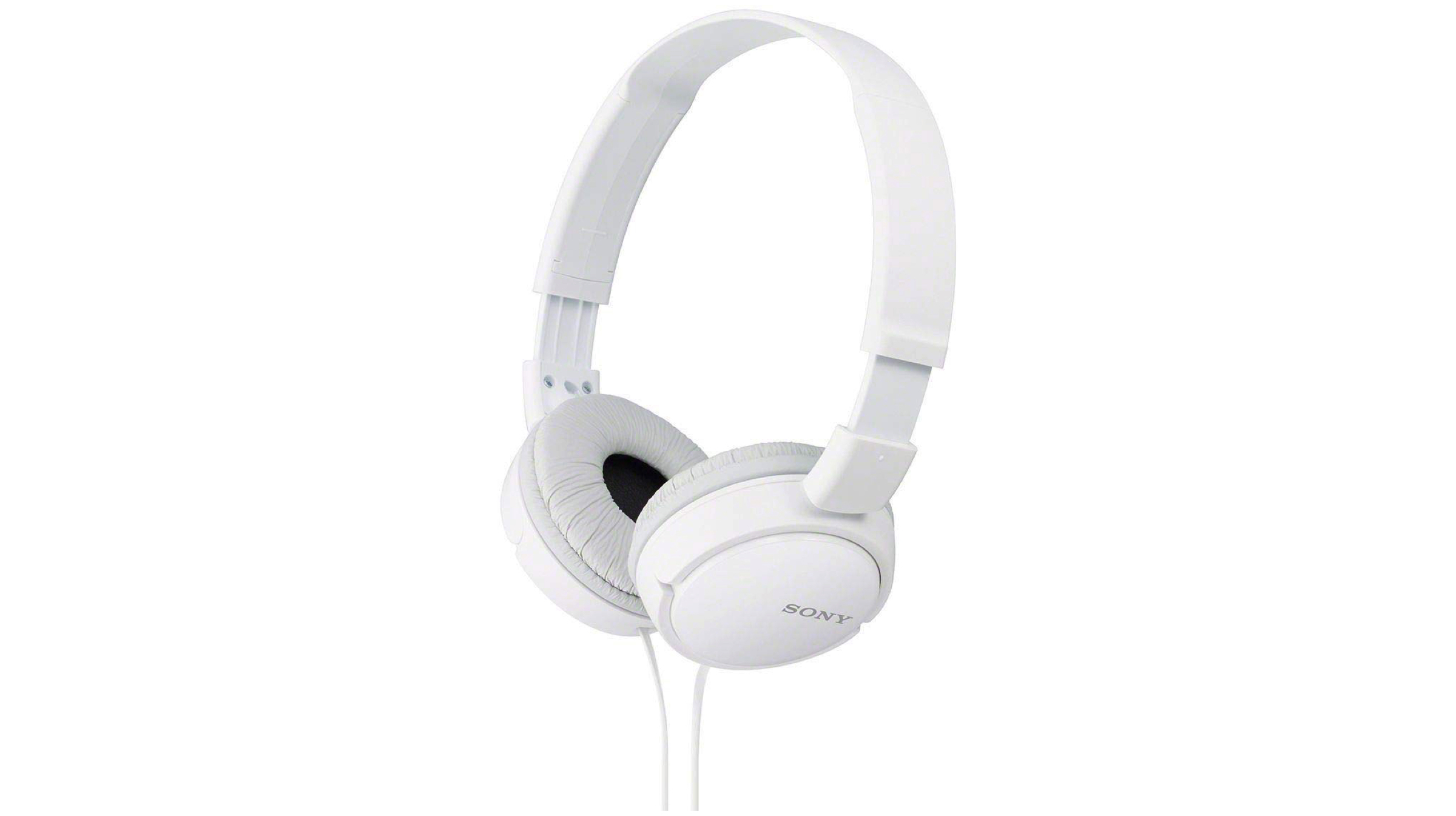
Sony MDR-ZX110A Wired Headphones
Sony products are generally known for their great audio performance and the MDR-ZX110A continue the legacy. The ridiculous name aside, the fit and finish of the headphones are comfortable and snug. A major downside of them is the lack of any microphone or any inline control of any sort. The sound output of the headphones is typical Sony, with balanced audio with a focus on trebles and the lack of any overpowering bass. Their association with a renowned brand, along with a good audio output make them one of the best choices under Rs. 1,000.
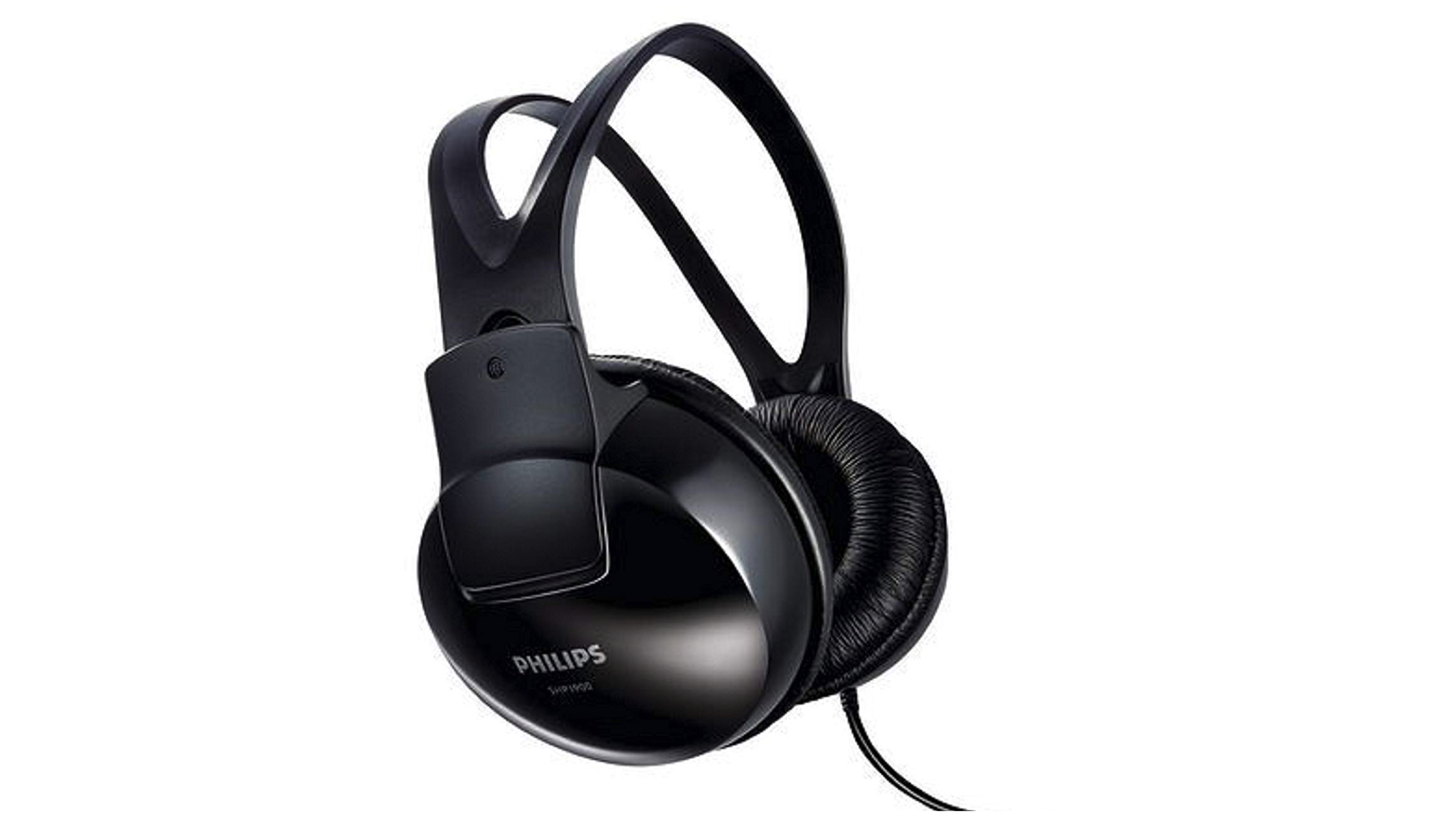
Phillips SHP1900/10
The Phillips wired headphones are a big set of headsets. They feature unusually large earcups, which make sure they provide good noise isolation. The headsets also have a comfortable fit, which makes them easy to wear for a longer period of time. The sound quality of the headphones is great for the price, with a punchy treble and lows. All the above points make them one of the best choices for people looking to buy a headset under Rs. 1,000.
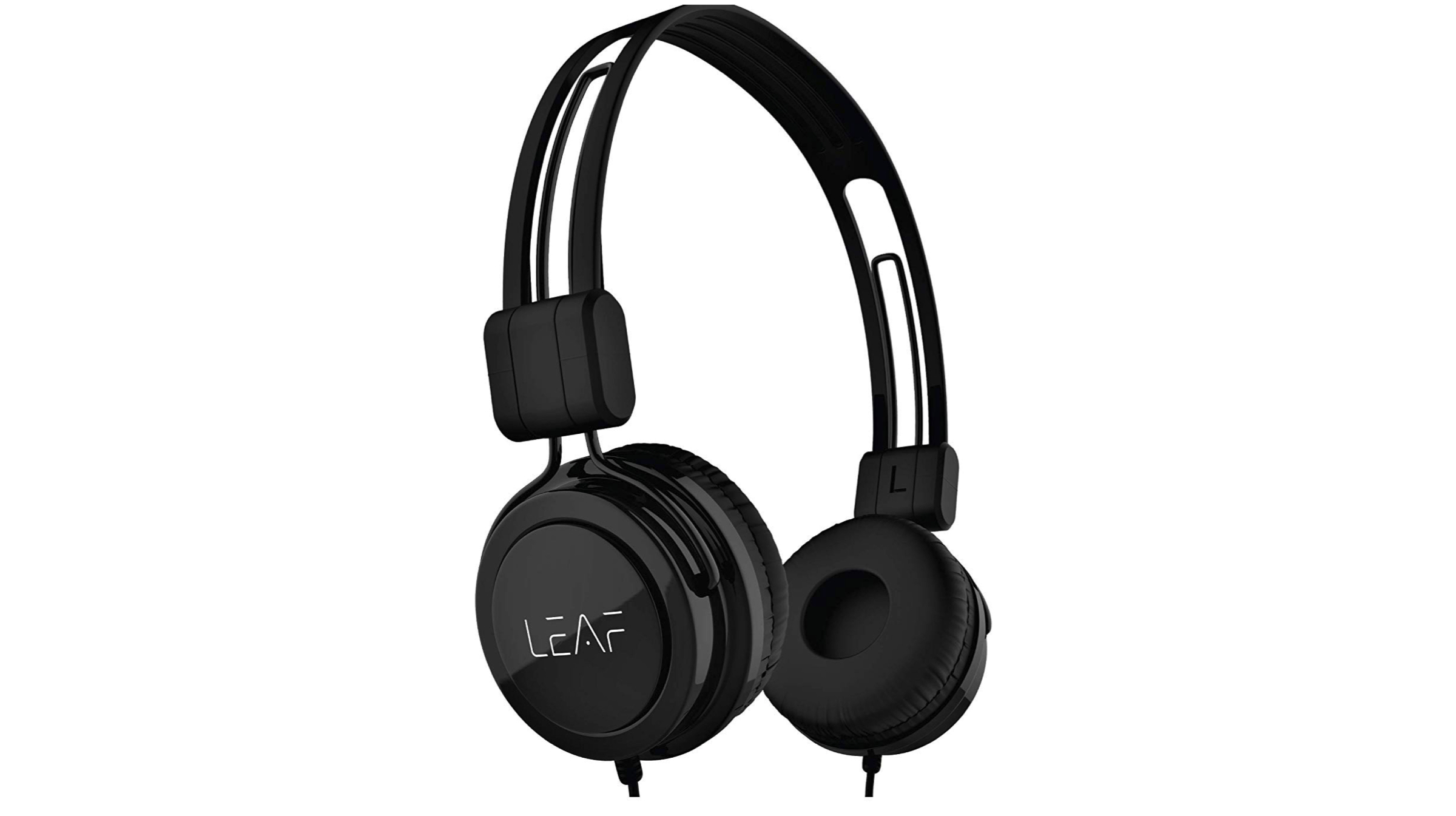
Leaf Rock Wired Headphones
Leaf has quickly become a brand to watch out for in quality audio products. The Leaf Rock wired headphones are arguably one of the best looking ones in the price range. Along with the looks, they have a comfortable fit which lets them be worn for a longer period of time. The sound quality is great for the price, with great bass, quality treble and lows.
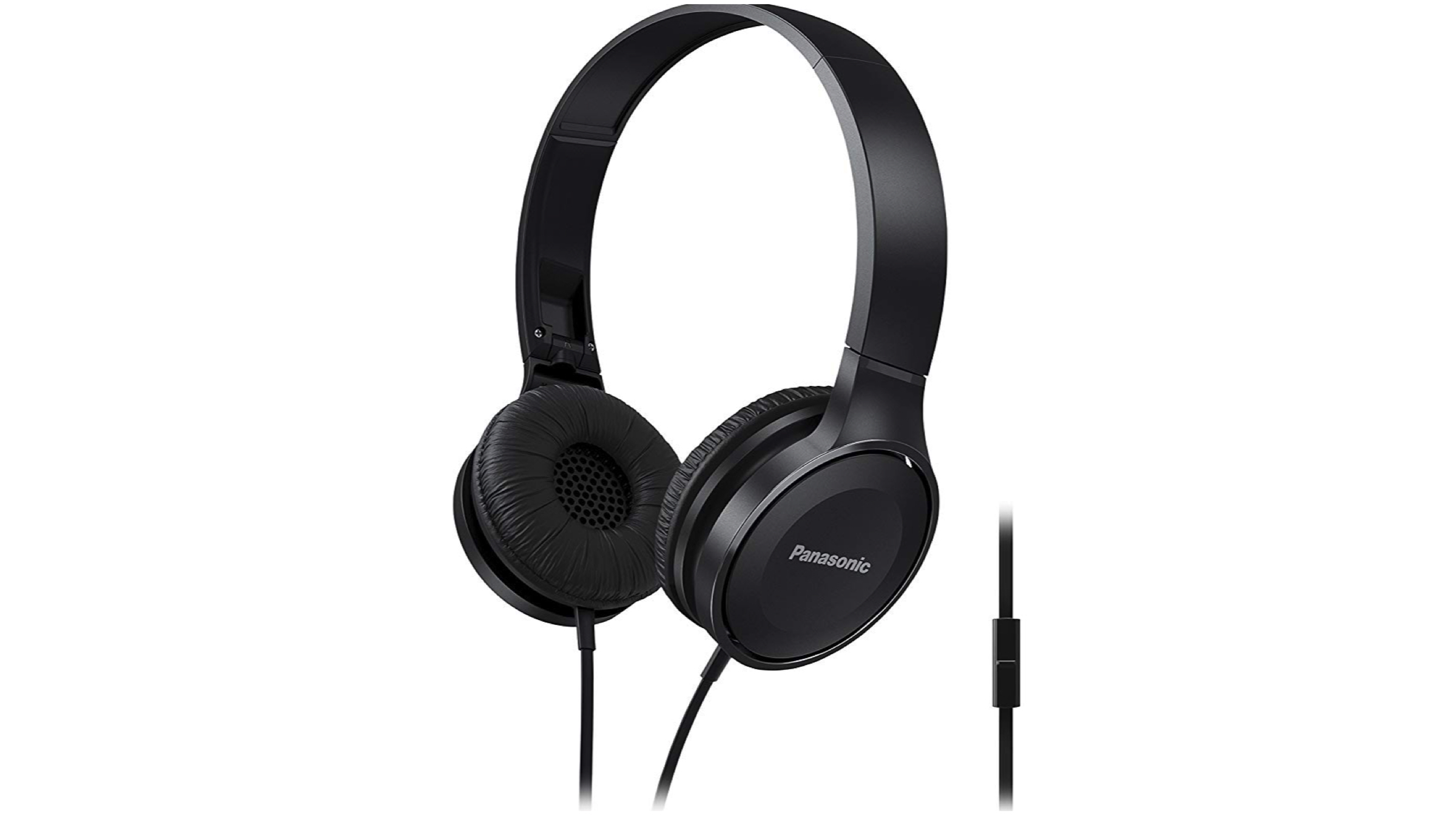
Panasonic RP-HF100M-K
Available in four eye-popping colours, the wired headphones by Panasonic are also a great looking pair of headsets. They feature a comfortable fit, which can be folded for easy portability. The sound quality of the headphones is good for the price, with great clarity, good midrange and trebles. Although the bass is not as punchy as some people would like, the more balanced approach should be fine for most users. The plethora of features offered by the headphones makes it one of the best deals under Rs. 1,000.
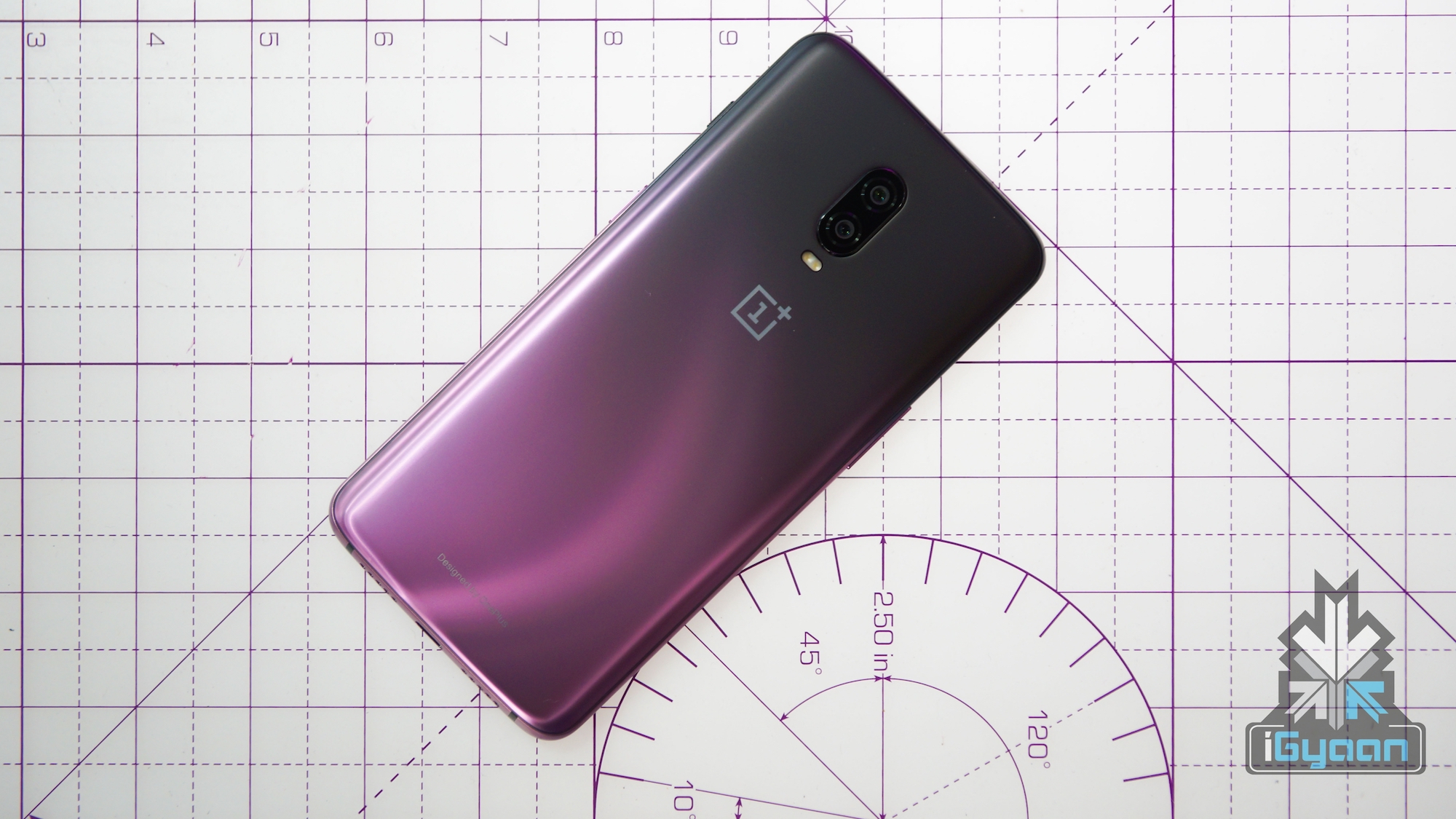
The hype surrounding the launch of the OnePlus 7 series is at an all-time high, with the company gearing up to launch the highly-awaited smartphones on May 14, 2019. Riding high on the success of the OnePlus 6 and OnePlus 6T, the Chinese technology organization is expected to unveil 3 different variants, which may include the OnePlus 7, OnePlus 7 Pro and a 5G version of the OnePlus 7 Pro.
OnePlus 7
OnePlus6T McLaren Edition
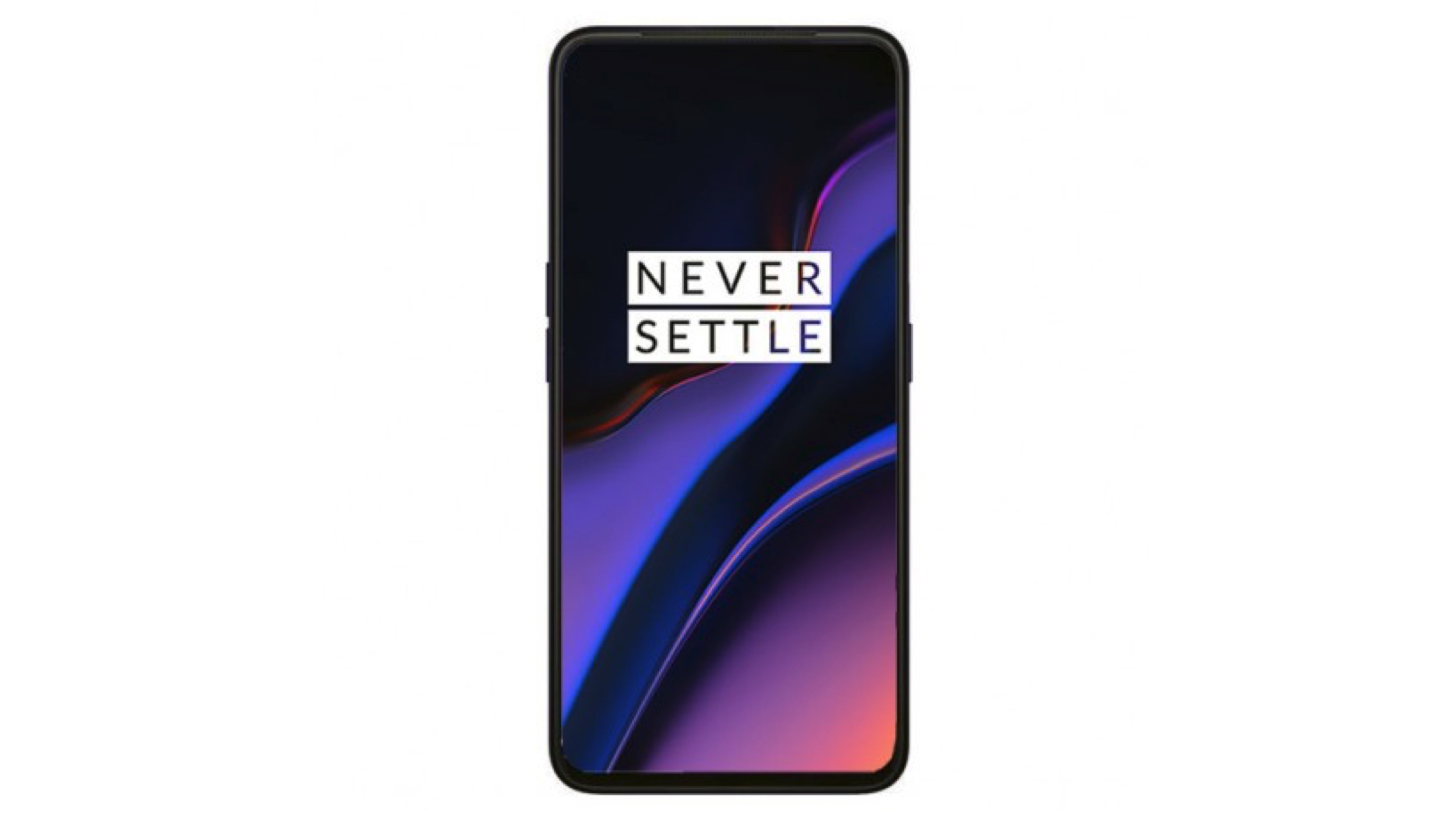
Since the company has not made an official announcement regarding the specifications of the OnePlus 7, most of the information has been derived from leaks. Previous claims reveal it will have a similar design to the OnePlus 6T. As per tipsters, it will feature a 6.4-inch Optic AMOLED display with a 2340 x 1080 px resolution. Like its predecessor, the upcoming smartphone will sport a waterdrop notch and is expected to be equipped with an in display fingerprint scanner for biometric security.
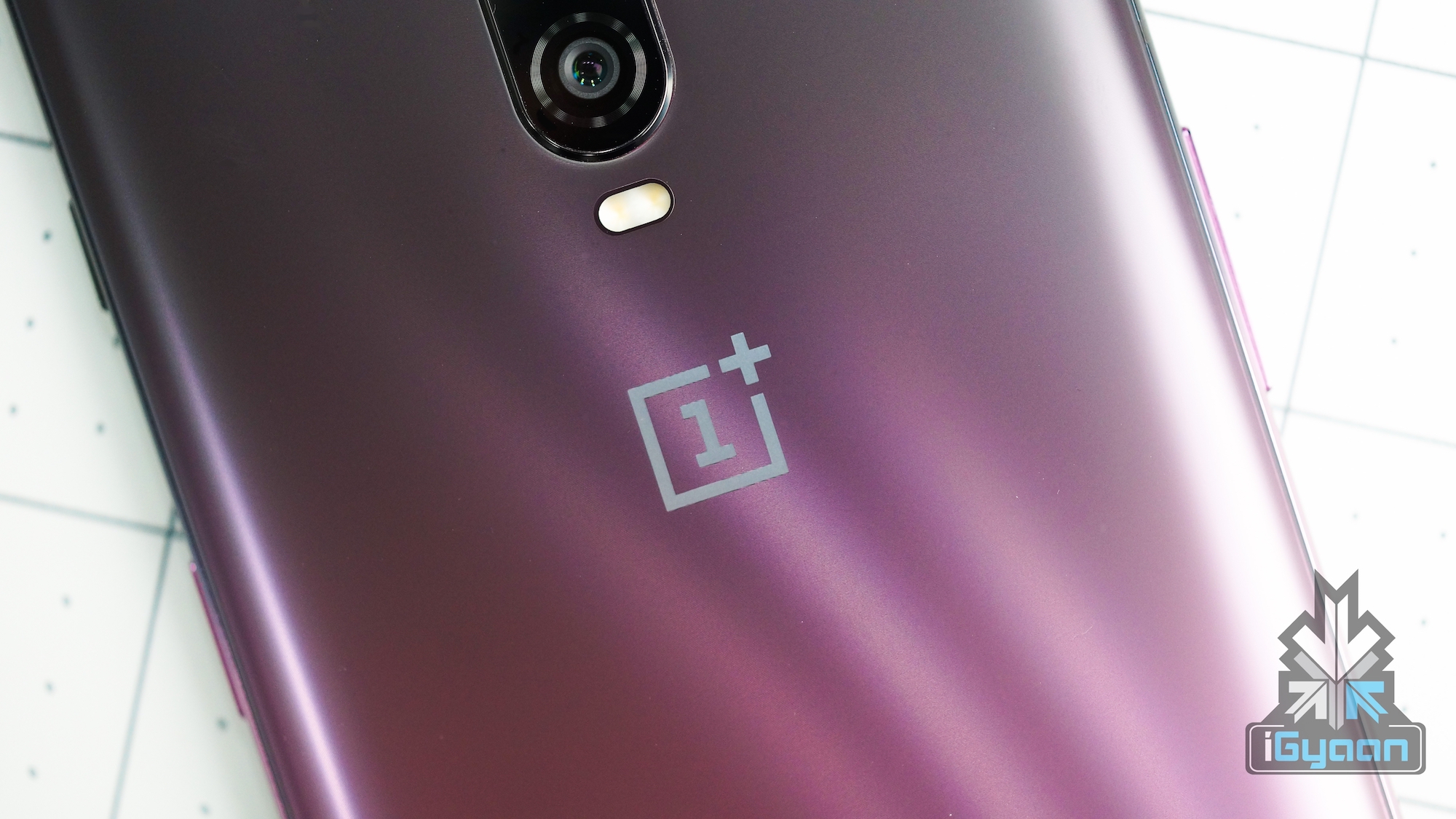
OnePlus 6T
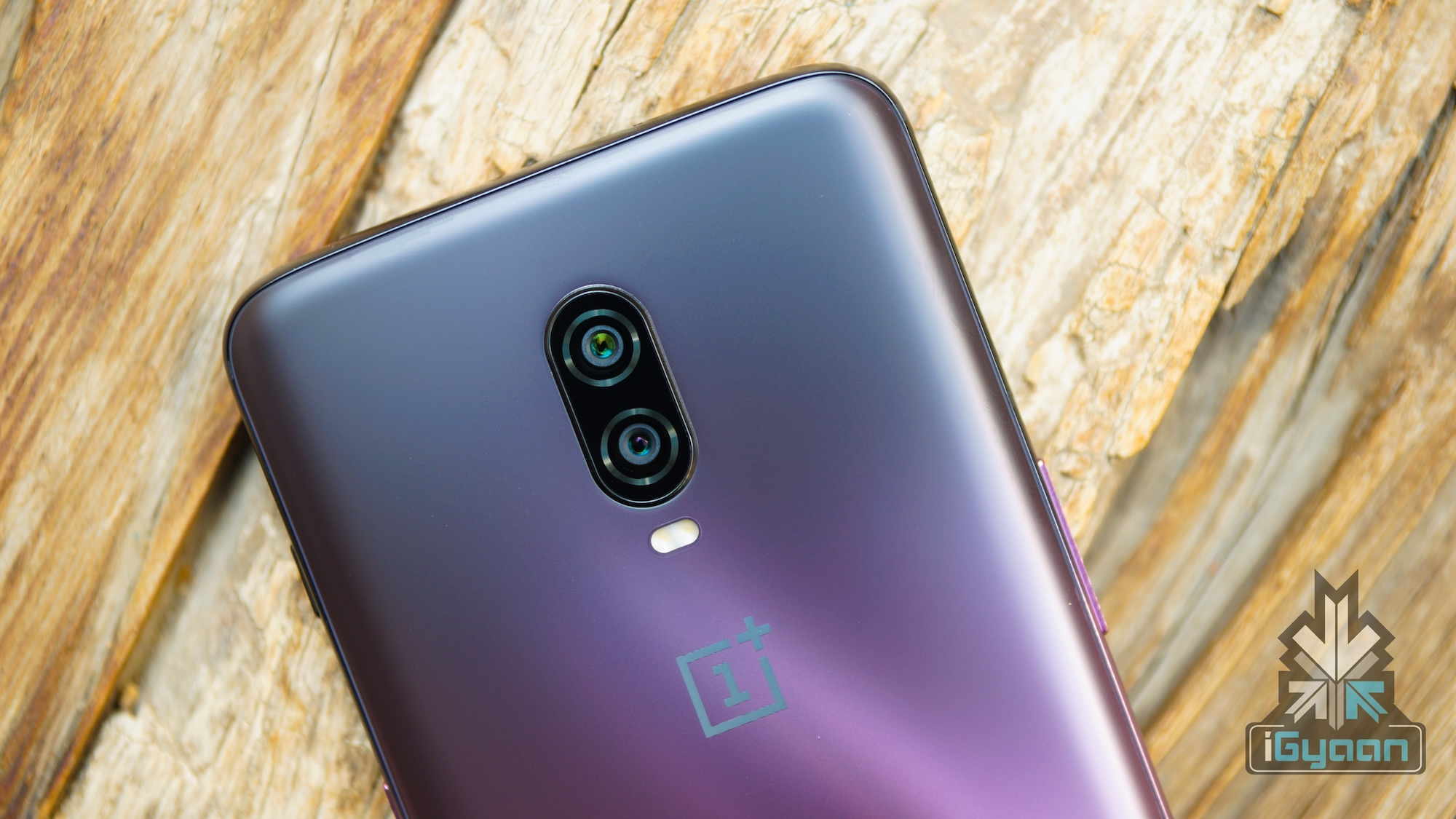
Further leaks suggest the presence of a dual rear camera comprised of an f/1.7 aperture equipped 48 MP sensor and a 5 MP depth sensor. For selfies, the handset may feature a 16 MP front-facing camera housed in the aforementioned notch on top of the display. Under the hood, the OnePlus 7 will run on the 7nm Snapdragon 855 SoC which consists of an Octa-core CPU and the Adreno 640 GPU. In terms of memory and storage, the upcoming smartphone will be available in the following storage variants.
6GB RAM + 128GB ROM
8GB RAM + 256GB ROM
OnePlus 6T
The smartphone is expected to pack a 3700 mAh battery with support for 20W fast charging. Exactly like its predecessor, it will probably not have a headphone jack. As mentioned before, the company is also planning to release a “Pro” version of the OnePlus 7, which is covered below.
OnePlus 7 Pro And OnePlus 7 Pro 5G
OnePlus 7 Pro Render
The OnePlus 7 Pro is speculated to be the specced up variant of the regular variant. Featuring a glass-sandwich design, the smartphone will sport a metal chassis. Sources say that the device will have a large 6.7-inch Optic AMOLED display with a resolution of 3120 x 1440 px. The company is expected to feature a 90Hz refresh rate in the smartphone panel. The highlighting feature of the Pro variant will be the pop-up camera mechanism similar to the one seen in the Vivo V15 Pro. It will also have an in display fingerprint scanner and will support face unlock technology for security detail.
OnePlus 7 Pro Case Render
The OnePlus 7 Pro will also run on the same 7nm Snapdragon 855 SoC, which is one of the most powerful SoCs in the market. In terms of optics, the smartphone will have a triple rear camera setup as opposed to the dual camera setup on the base variant. It will comprise of an f/1.7 aperture equipped 48 MP sensor, an f/2.2 aperture equipped 16 MP ultra wide sensor and a thrid f/ 2.4 aperture equipped 8 MP sensor. Furthermore, it will have an f/2.0 aperture equipped 16 MP pop-up camera. The OnePlus 7 Pro will be available in the following memory variants.
Sources also suggest that the smartphone will pack a 4000 mAh battery with 30W Warp charging support. The smartphone will also be available in a 5G variant. It is expected to be available in three colour variants, namely Blue, Grey and Brown.

 In the new game mode, players can respawn upon being eliminated until one side wins by completing the objective. The heroes’ mission is to stop Thanos and his army from collecting all infinity stones spread throughout the map. The heroes start the game with a treasure map that has directions to a Mythic Avengers item somewhere in the map. Apart from the mythic items, the rest of the Avengers items can be collected via multiple chests scattered across the terrain.
  The enemy team consists of Thanos and his minions, called the Chitauri. The Chitauri invaders start with a laser rifle, a grenade to destroy structures and a jetpack which can propel players into the air for a short amount of time. Once the first Chitauri invader gets his/her hands on an Infinity stone, he/she will be transformed into the purple Titan, Thanos himself. The abilities of Thanos includes a powerful punch attack, a strong laser attack and leaping high into the air and smashing everything when he lands back on the ground. With the acquisition of each infinity stone, Thanos will become more powerful and will gain a multitude of abilities. If Thanos dies in combat, a random Chitauri invader will take his place as the next Thanos. The game ends when Thanos and his army find all the stones to kill the Avengers or if the Avengers and other heroes eliminate Thanos and his army.
  Also Read: Scientists Replicate Highly Effective Anti Tumour Antibiotic To Fight Cancer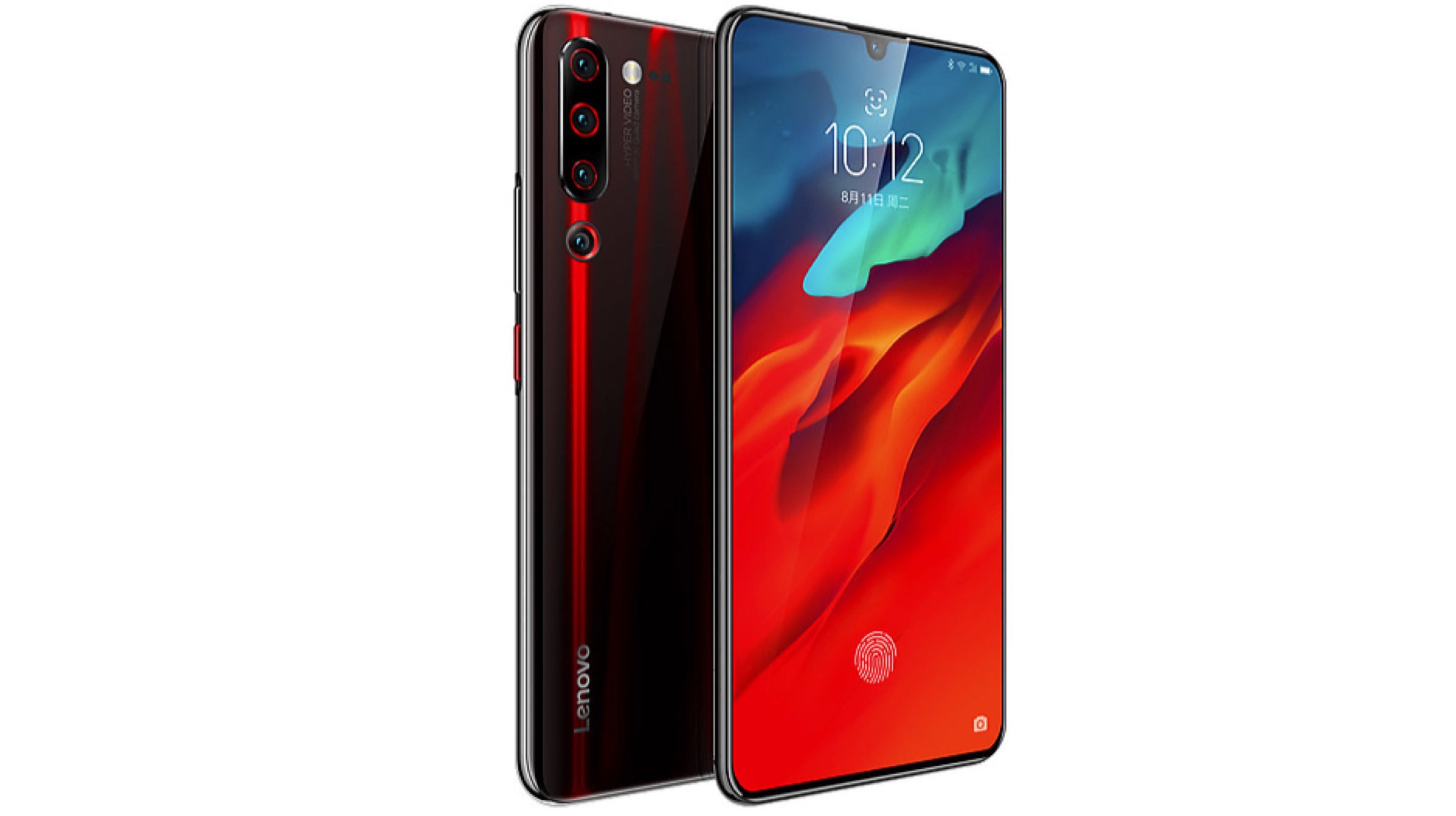
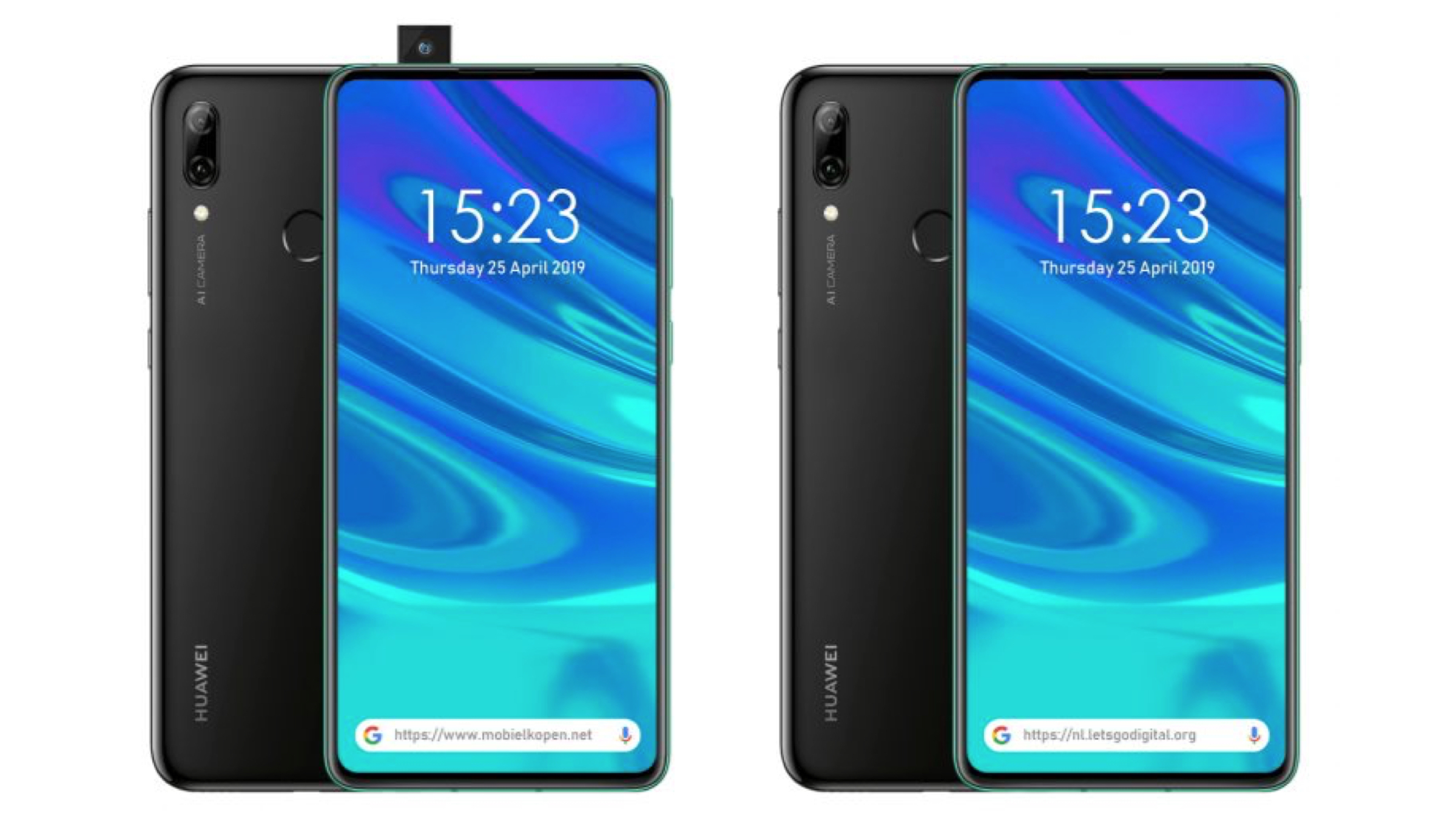 Reports state that the Chinese company first filed a trademark for the aforementioned devices in the month of March 2019. The P Smart Z features a large 6.59 inch display with a FullHD+ resolution, which it attains due to the pop-up camera. Just like Chinese competitors Oppo and Vivo, Huawei seems to be following the trend of a notch-less smartphone. Reports further mention that its display panel has a resolution of 2340 x 1080 px and a pixel density of 391 ppi.
 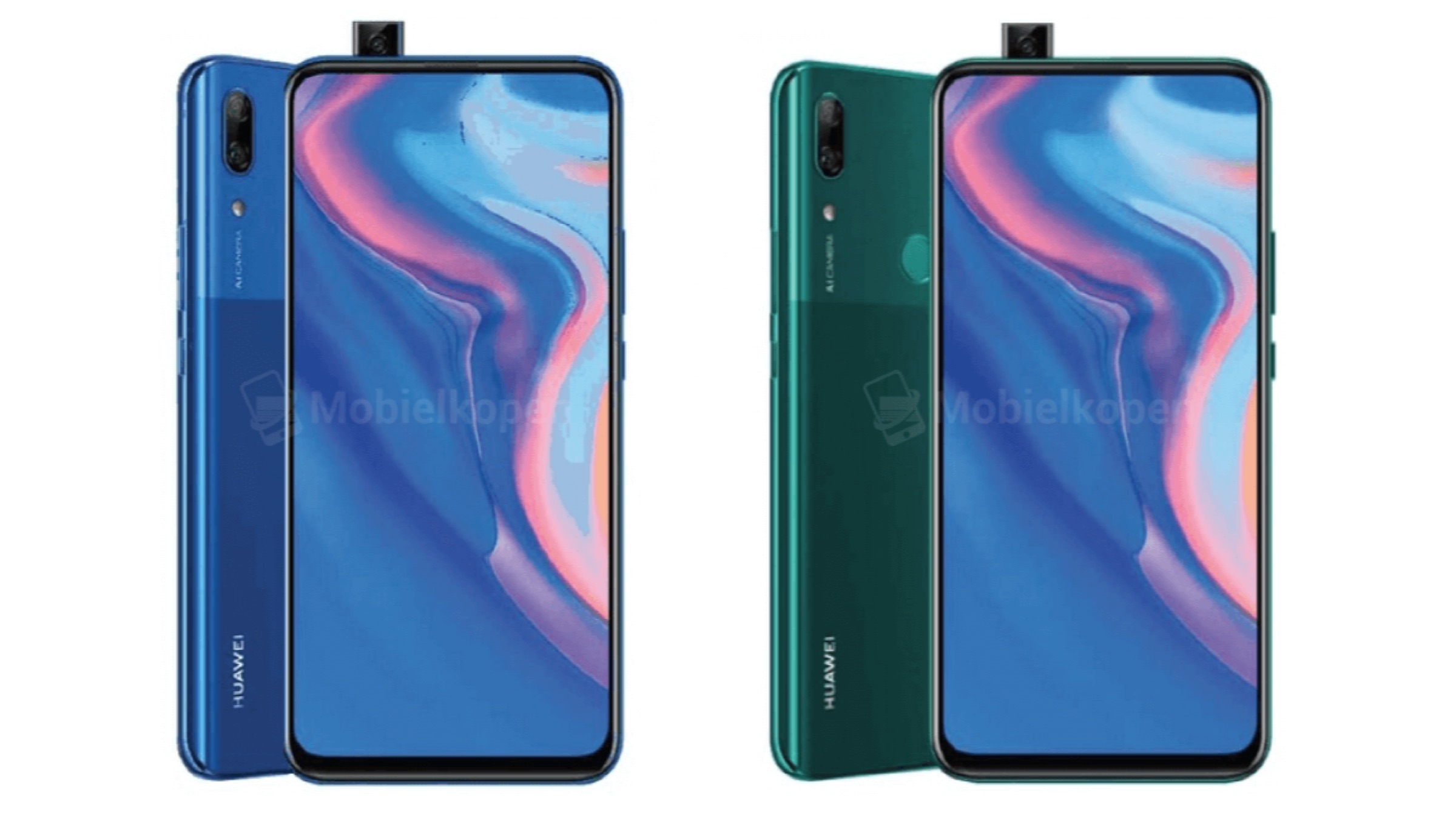 Under the hood, the Huawei P Smart Z runs on the 14nm HiSilicon Kirin 710 chipset, which comprises of an octa-core CPU and the
  Also Read: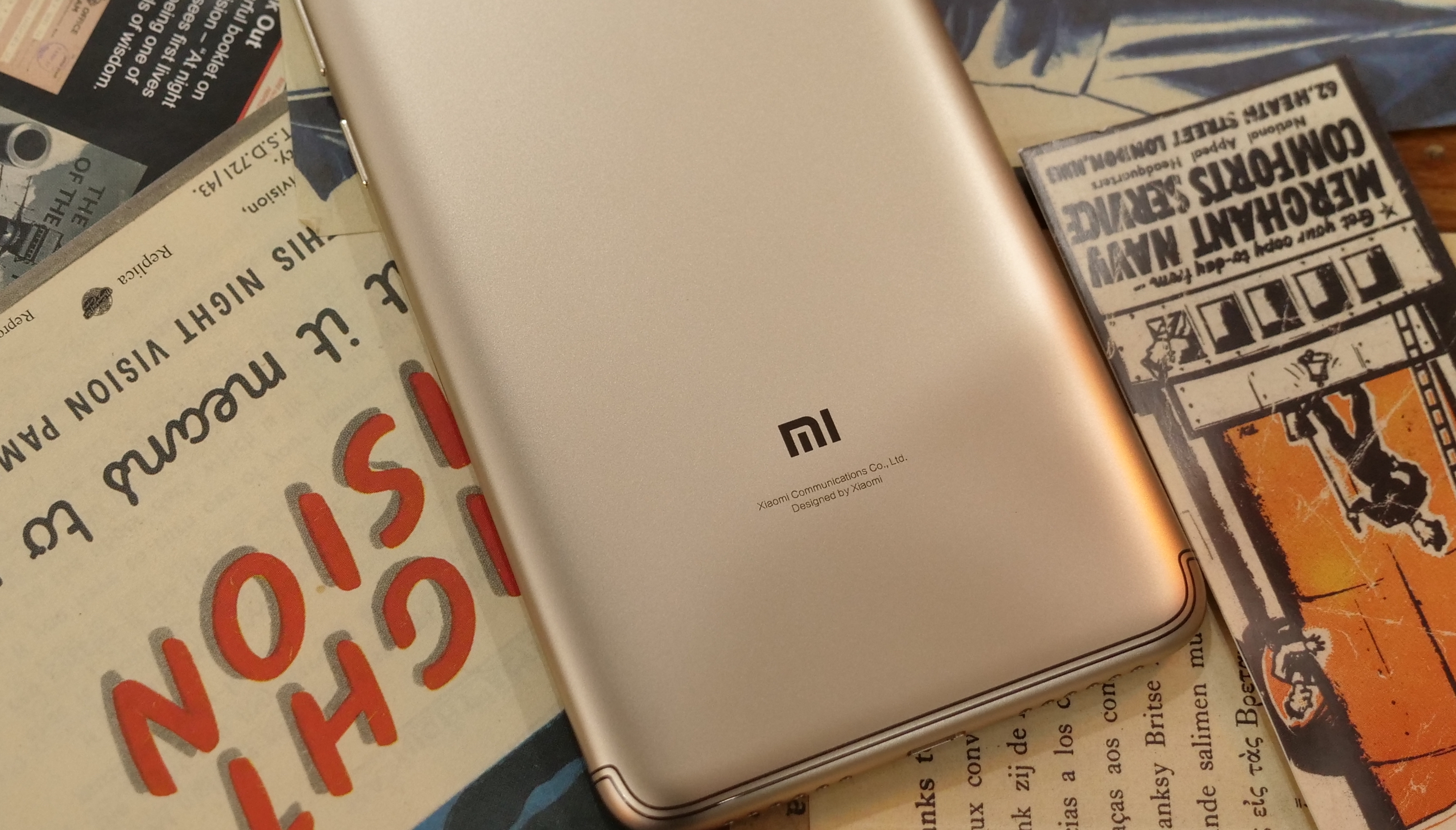


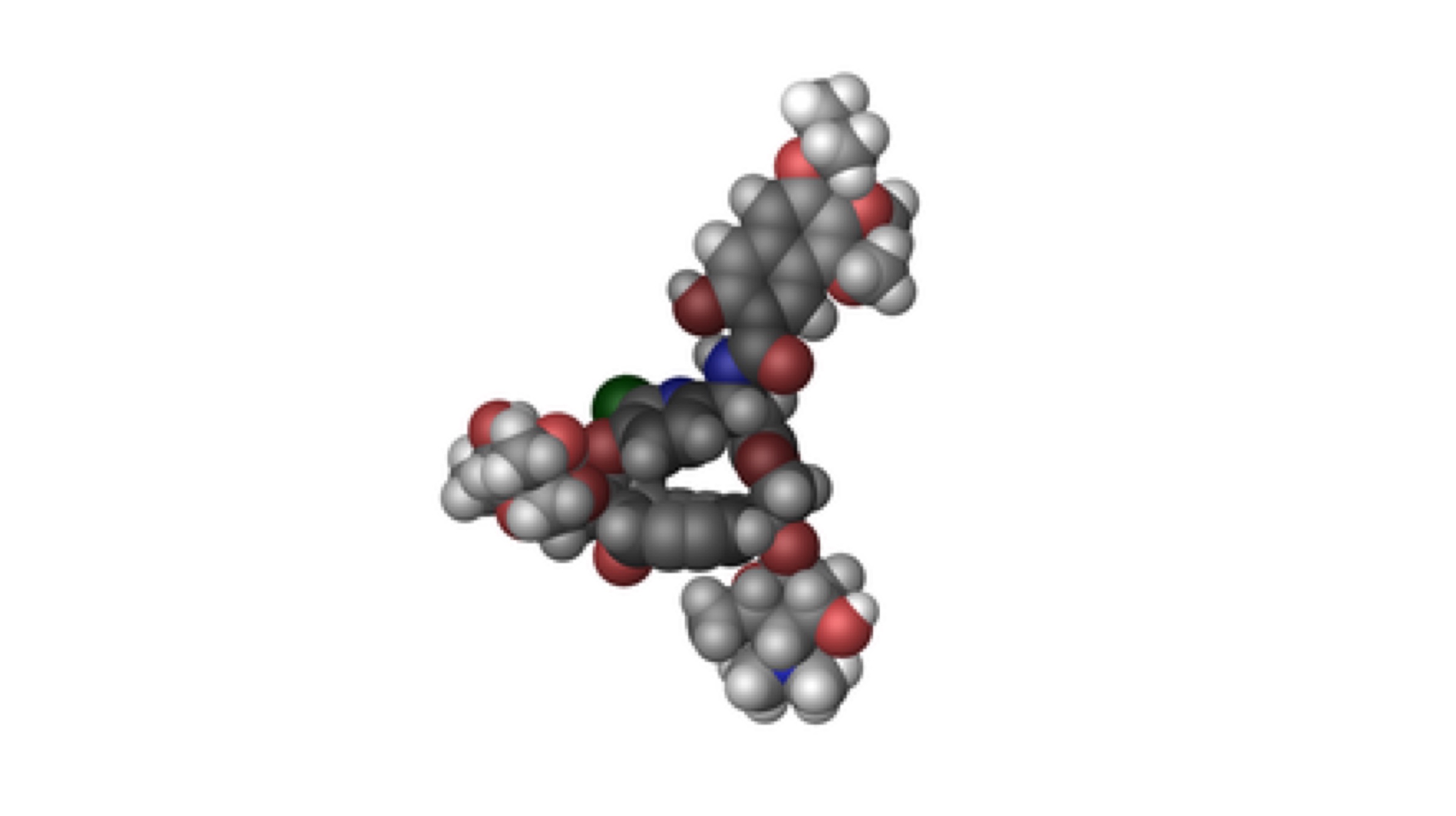 The antibiotic, or rather, the “super-substance” is called Kedarcidin. It was first discovered almost 30 years ago by a pharmaceutical company in India. Extracted from a soil sample, Kedarcidin’s natural form was unusable as a potential drug to fight cancer. In fact, most antibiotics developed in the last 70 years have been derived out of soil, but in order to use them as a drug for treatments, the antibiotics have to be reproduced via the process of chemical synthesis in the laboratory. Kedarcidin, however, is different from conventional antibiotics.
  For starters, Kedarcidin is capable of harming tumour cells instead of just killing the bacteria involved (like many other antibiotics). This makes it a very potential candidate as a primary drug in effective cancer treatments. The biological structure of Kedarcidin enables it to harm the DNA structure of the target tumour to a level of complexity that the tumour cannot spread at all. Because of the complex structure of Kedarcidin, scientists were unable to replicate it’s “potential drug” form, until now.
  Also Read: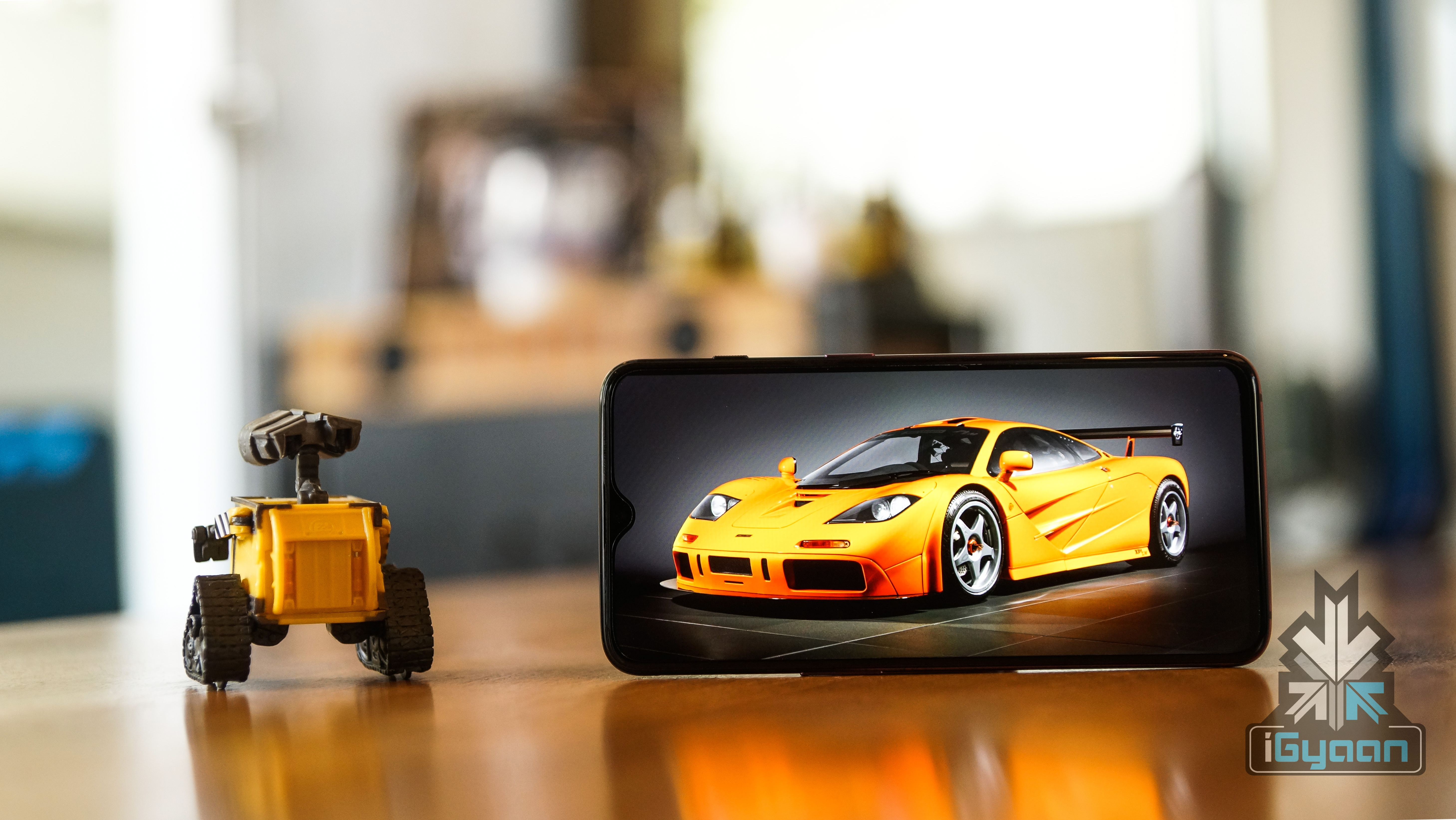

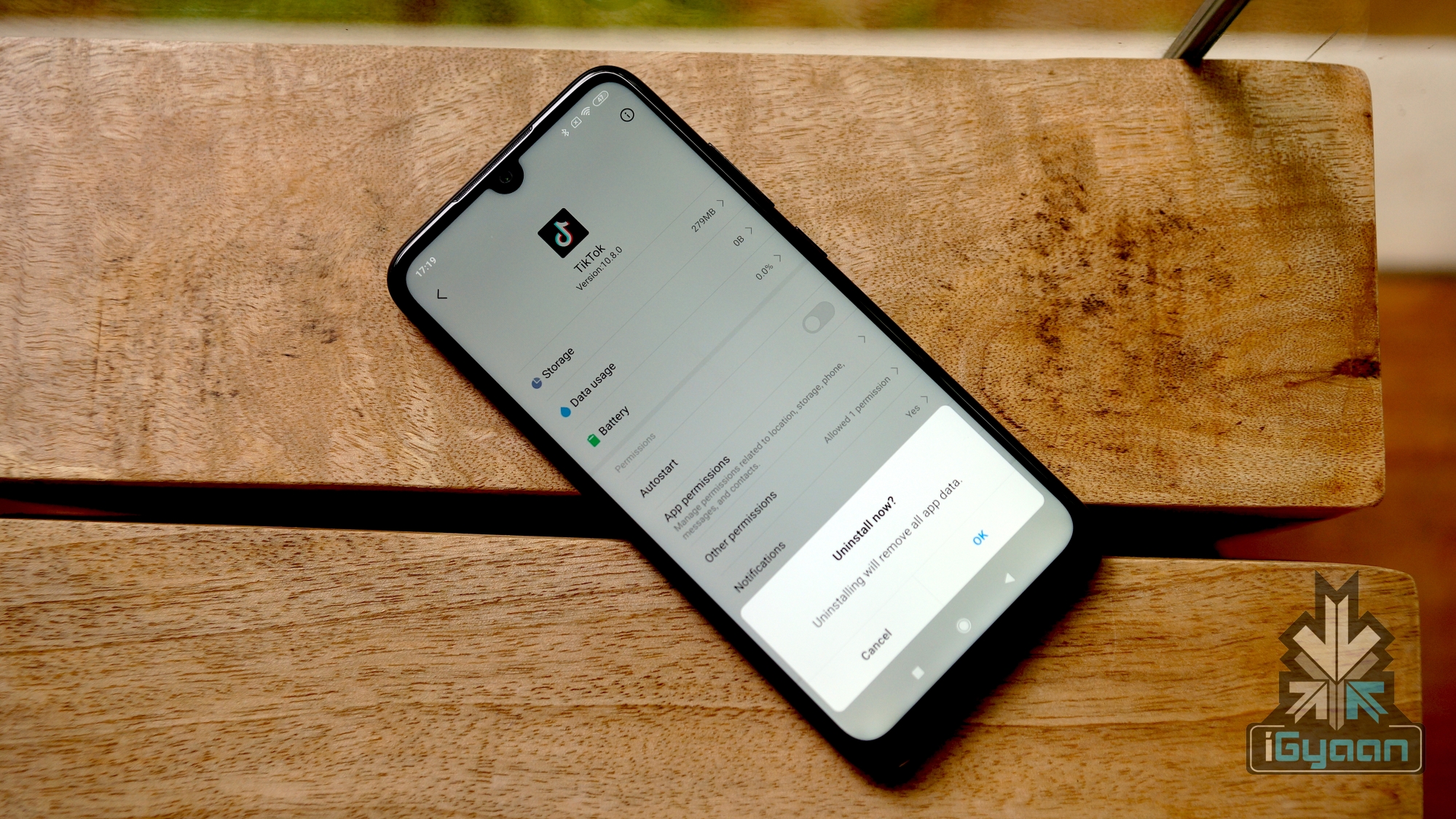
 The Madurai Bench of the Madras High Court announced its decision on Wednesday (April 24, 2019). The Bench removed its interim order on the condition that the upload of any form of obscene content to the application will result in the revival of any court proceedings associated with the same. On the other hand, TikTok users are ecstatic, and so is the company. In a statement by ByteDance, which is the parent company of TikTok, this decision is greatly appreciated by the thriving community in India, as it will give a chance to the users to showcase their creativity via the application.
 Previously, Tamil Nadu’s IT Minister M. Manikandan had suggested that the state should submit a petition to the Central Government in order to incorporate a strict ban on the application in India. Consequently, the HC had appointed Arvind Datar as the independent counsel to the court. As per recent reports, the Chinese company had appealed for interim relief by April 24, which led to the lift of the ban from TikTok in India.
 Also Read: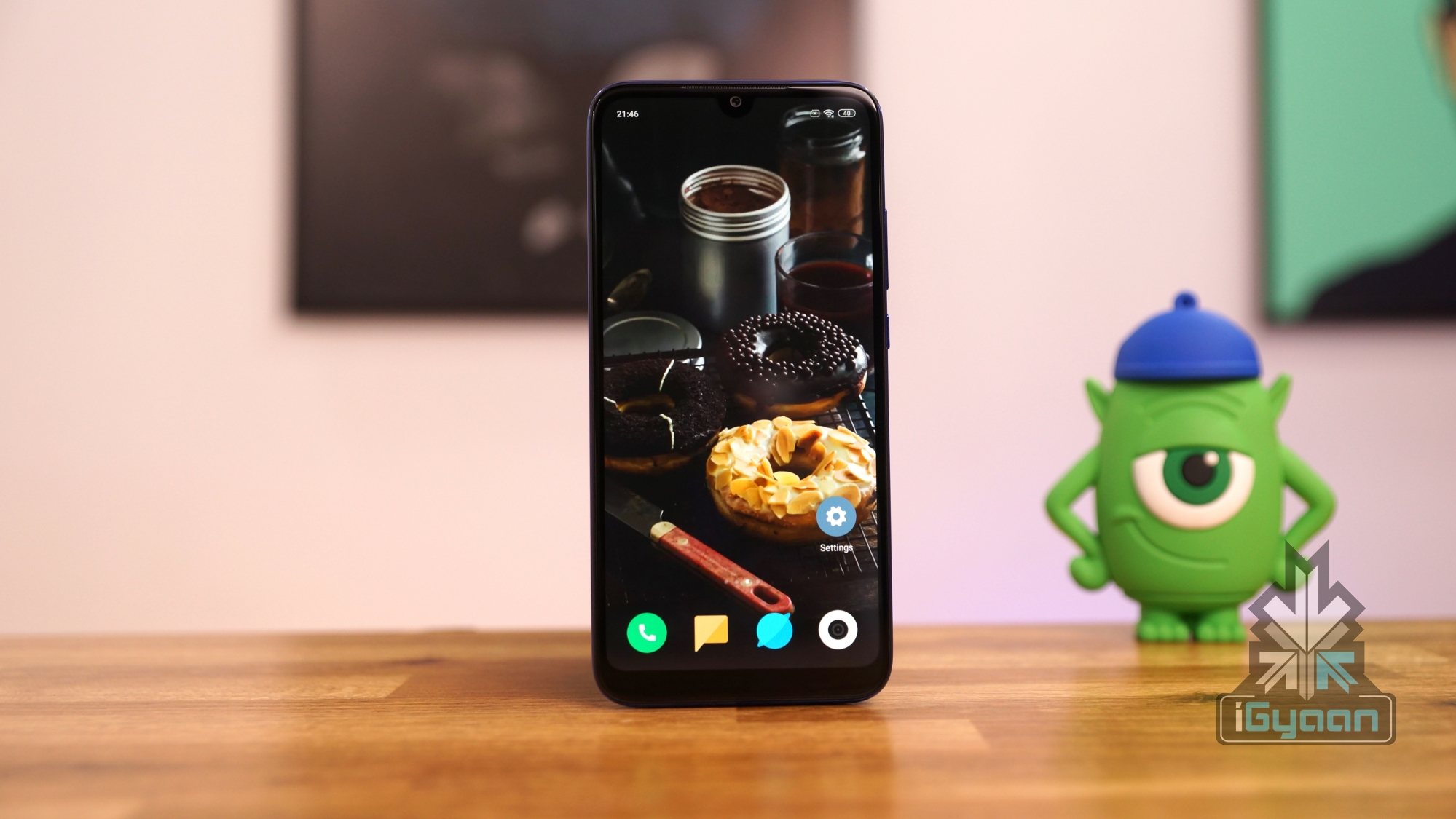
 The new alleged AirPods are expected to feature noise cancellation. Earlier this month,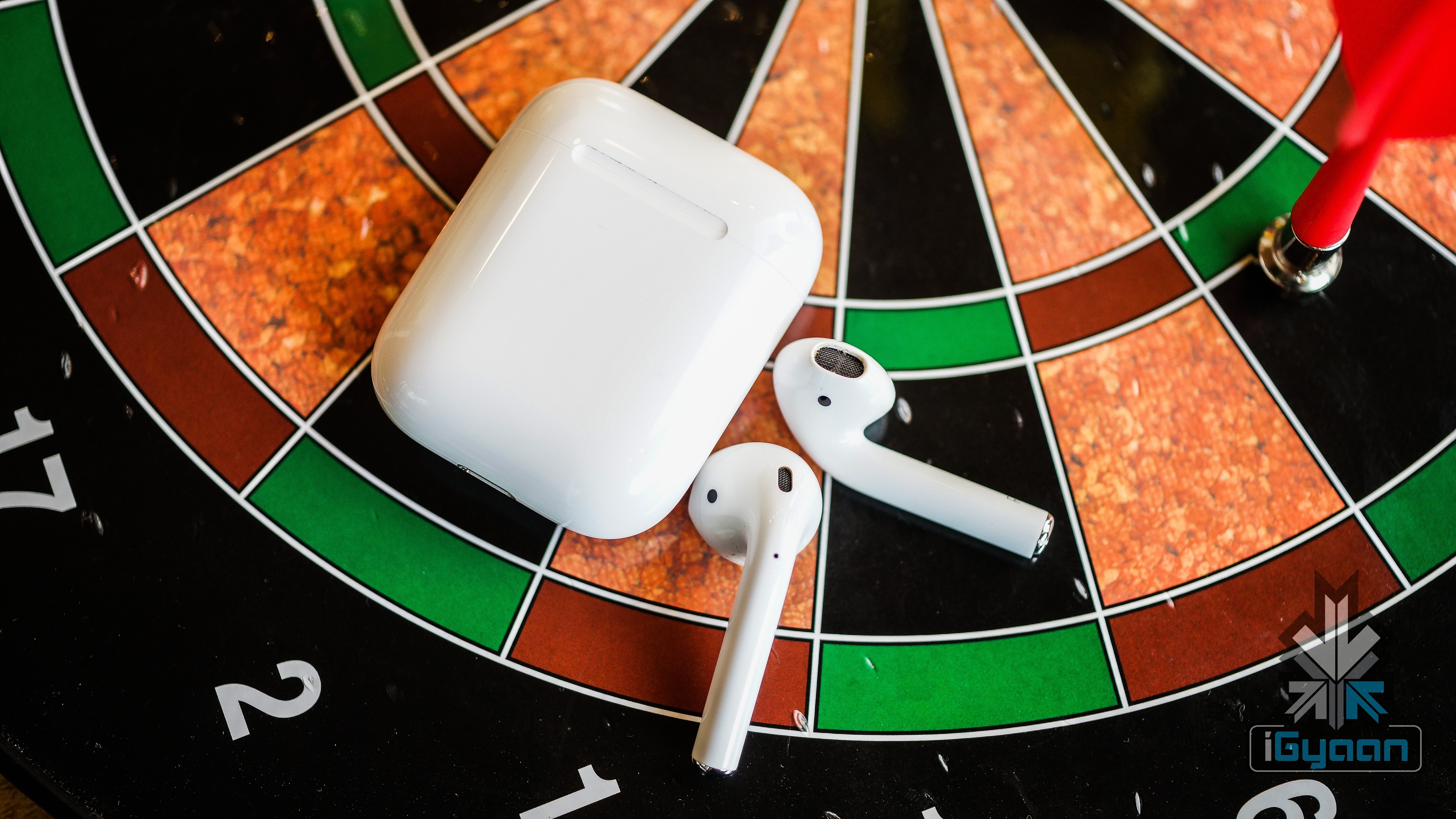

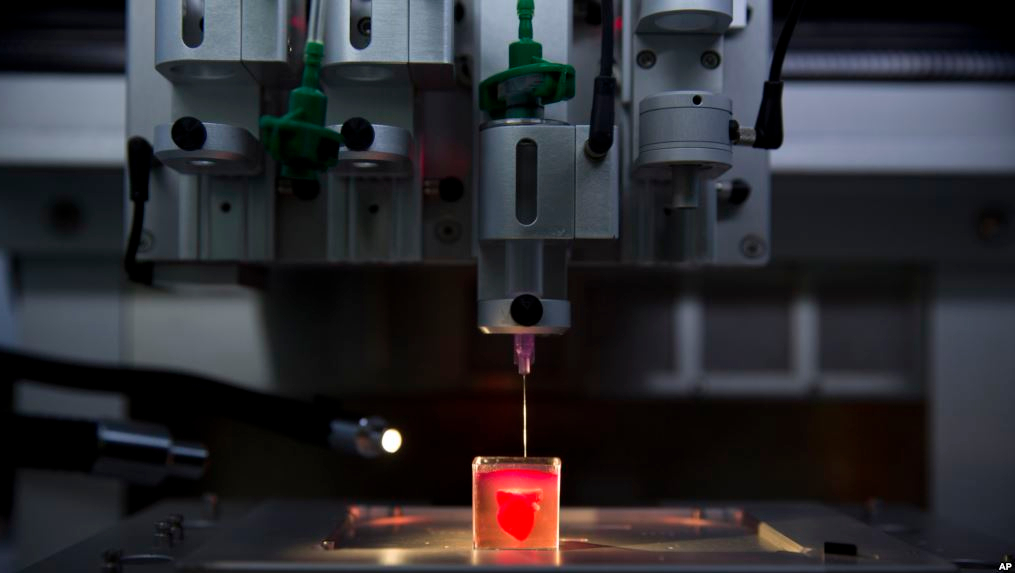 Using a patient’s own cells, the researchers from Tel Aviv University created the heart on a high resolution 3D printer. The university has announced their success story while showcasing the printed heart. The printing experiment was deduced as one of the most major medical breakthroughs to date. The research findings were published in the Journal of Advanced Science. The team involved in the experiment was led by university professor Tal Dvir.
 As per Tal Dvir, this was actually the first time that human cells were incorporated with 3D printing technology to formulate a complete replica of a heart. The 3D printed heart is design to perform in the real world, so it comprises of blood vessels which help the heart to pump blood. Previously, only non-vessel tissues could be printed using the combination of medical methods and technology, but a new technique adopted by the researchers made it possible to design a life-like 3D-printed heart. Fatty tissue from patients was used as the “fuel” or “ink” of the 3D printer.