Blog

  • Meizu Note 9 Launched With 48MP Rear Camera

    Meizu Note 9 Launched With 48MP Rear Camera

    Meizu announced the successor of the Note 8 in China, which is the Note 9. The company’s mid range smartphone has a modern design and aims towards targeting the sub 20k segment of the smartphone arena.

    Specifications

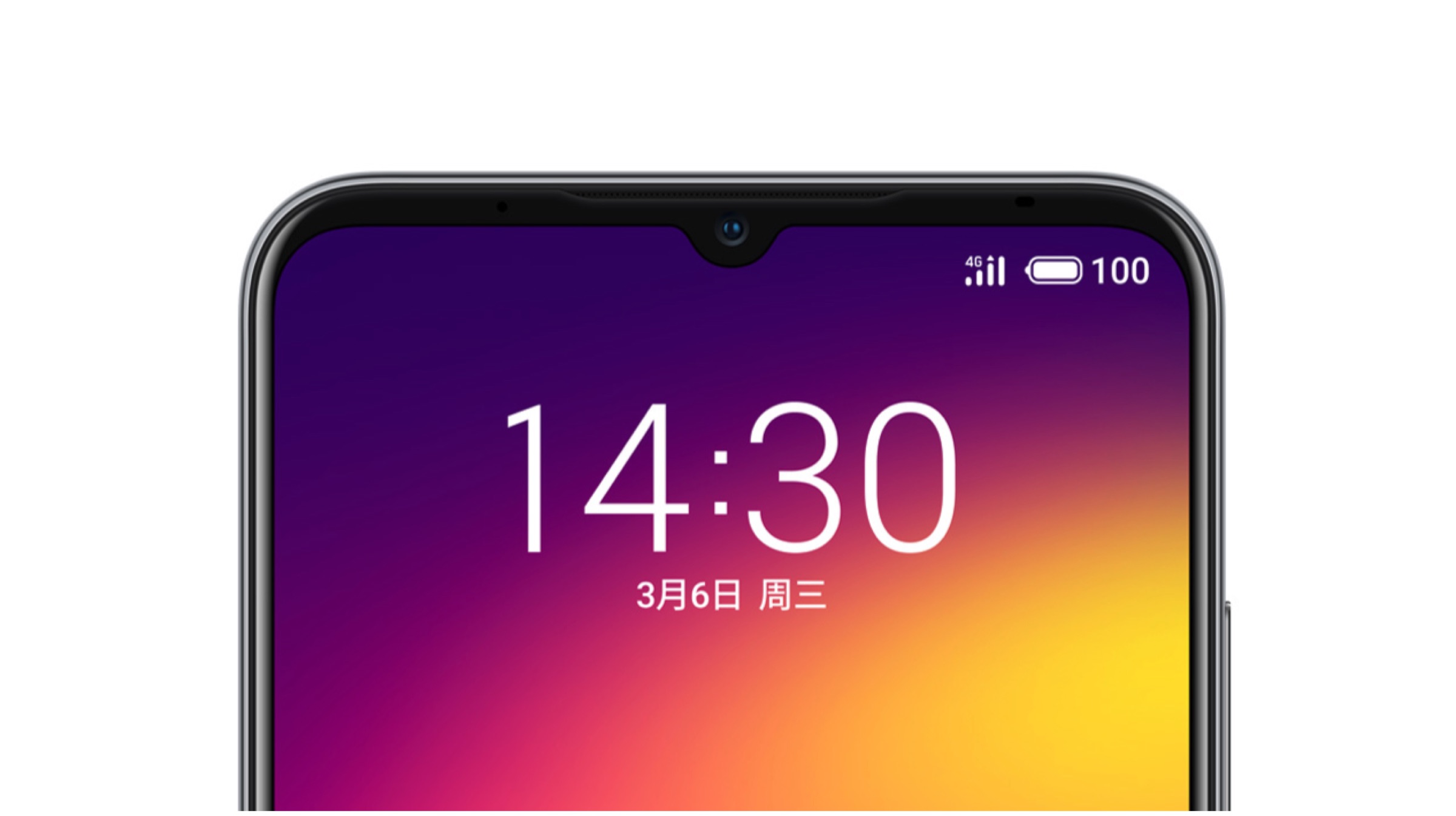
    The Meizu Note 9 sports a 6.2 inch FHD+ display with a waterdrop notch. It has an 89.2% screen to body ratio, owing to the 3 mm top, 3.1mm side and 5.35mm bottom bezels. The smartphone runs on the Snapdragon 675 SoC, which comprises of a Kryo 460 octa-core CPU and the Adreno 612 GPU. The handset is available in 4GB RAM and 6GB RAM, with 64GB and 128GB of internal storage.

    The Meizu Note 9 features a dual camera setup on the back, which consists of a 48 MP (f/1.7) primary camera with the Samsung GM1 sensor and a secondary 5 MP depth sensor. The smartphone also has a front 20MP camera with face recognition 3.0.

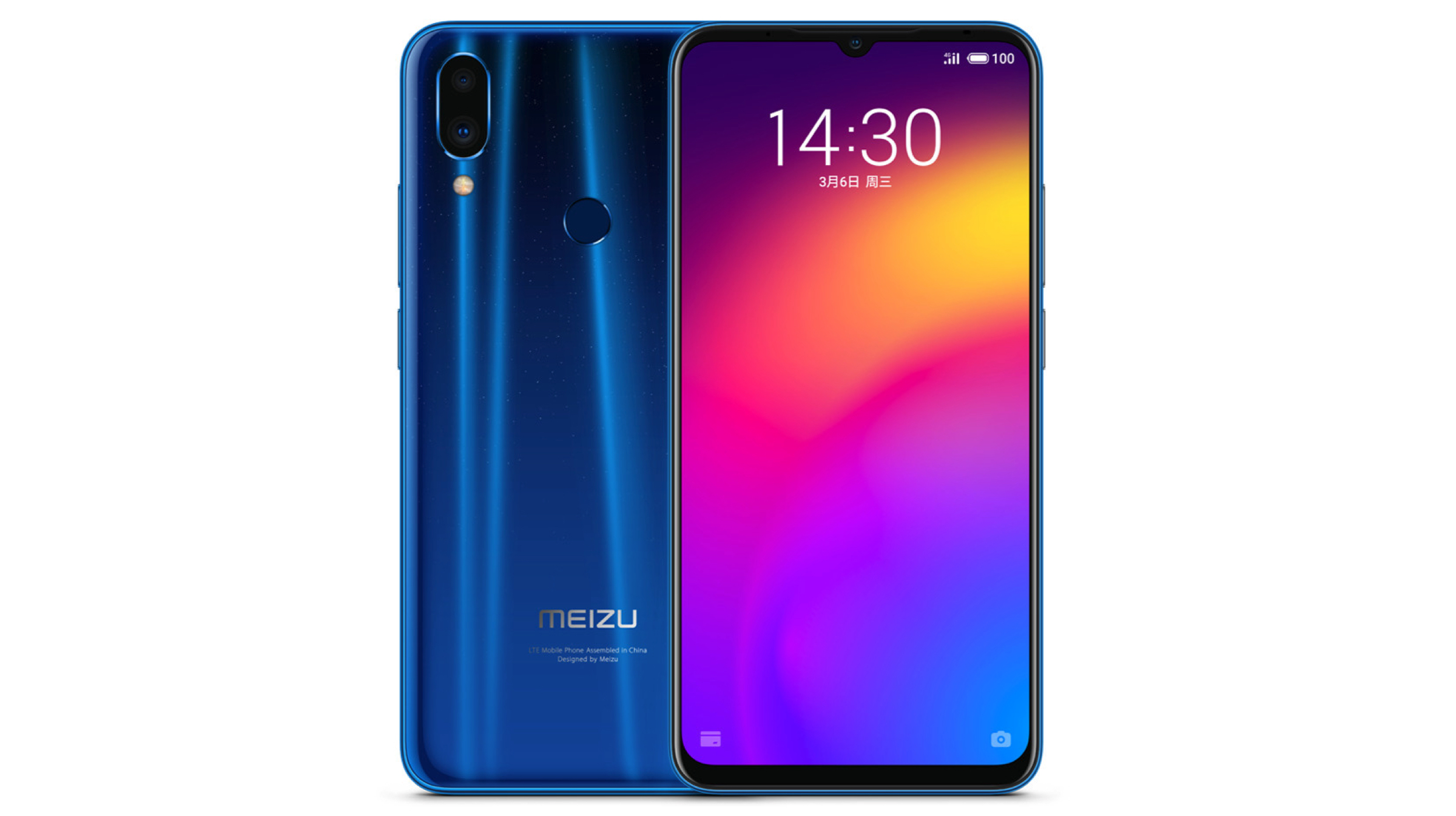
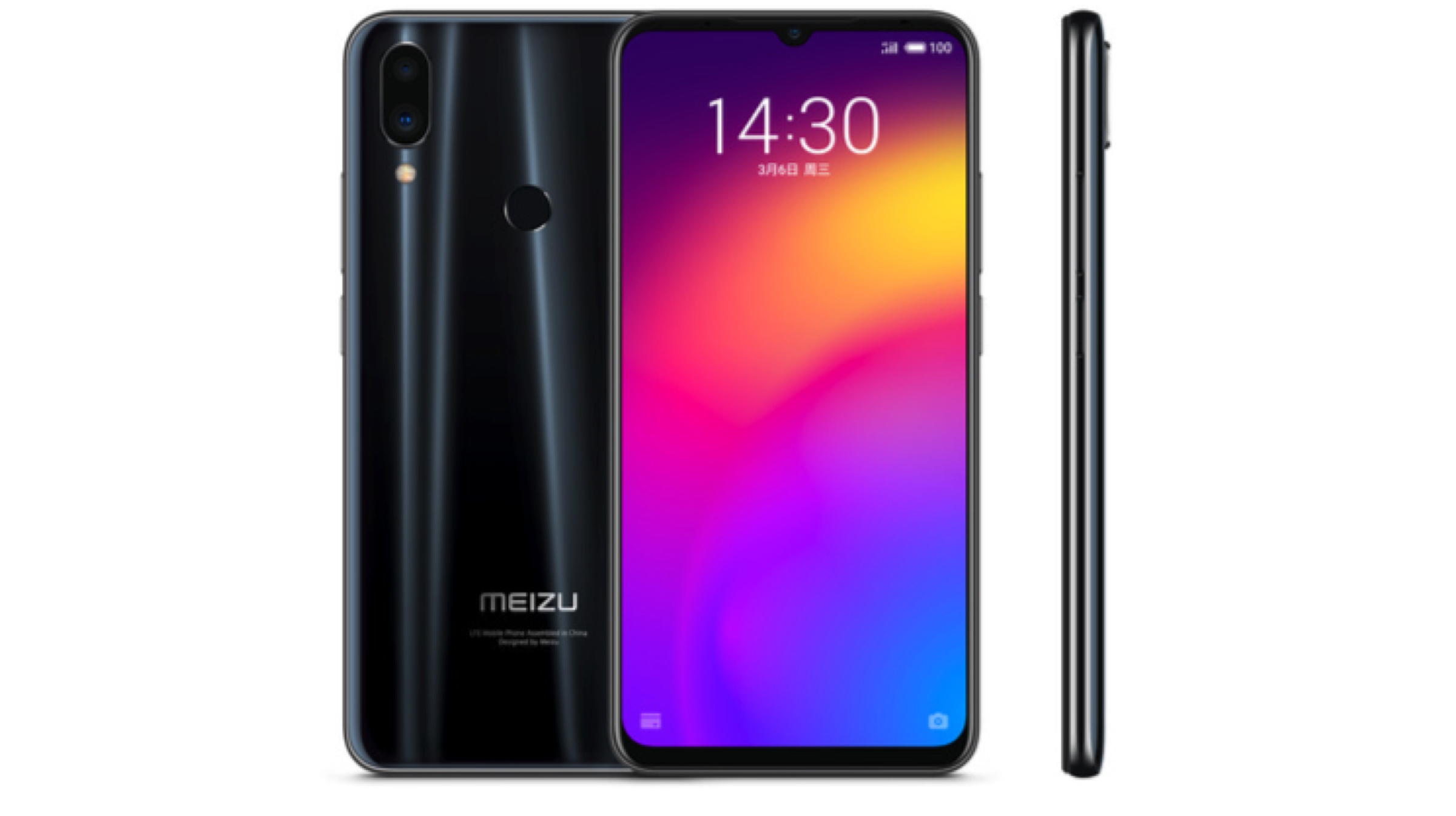
    The Meizu Note 9 has a pleasing G3 curved design, and the back cover has a glass texture which the company claims to be a ‘high-gloss porcelain’ design. The Meizu Note 9 sports a rear mounted fingerprint sensor, and the company claims that it is capable of unlocking the phone in just 0.2 seconds. It is equipped with Hyper Gaming Optimization and Game Mode 3.0, which will help in regulating smartphone temperature by prioritizing the running game.

    Features And Availability

    The Meizu Note 9 is powered by a 4000 mAh battery with 18 W fast charging support. It features a 3.5 mm headphone jack which is placed at the bottom of the handset, right next to the speaker grille and the USB Type-C port. In terms of OS, the Note 9 will run the Flyme 7.2 UI which is based on Android Pie.

    Also Read: Meizu’s New Smartphone Will Have A 48 MP Sony Sensor & Snapdragon 855

    The device is launched in China for 1398 Yuan (around Rs. 14,700) for the 4GB+64GB version and 1598 Yuan (around Rs. 16,800) for the 6GB+128GB variant. The smartphone will be available in three colour options, Black, White and Sparkling Blue. It will go live on sale in China starting March 11. As of now, the smartphone’s availability in India is not confirmed. 


  • Hyperloop: All You Need To Know About The Fastest Mode Of Public Transport

    Hyperloop: All You Need To Know About The Fastest Mode Of Public Transport

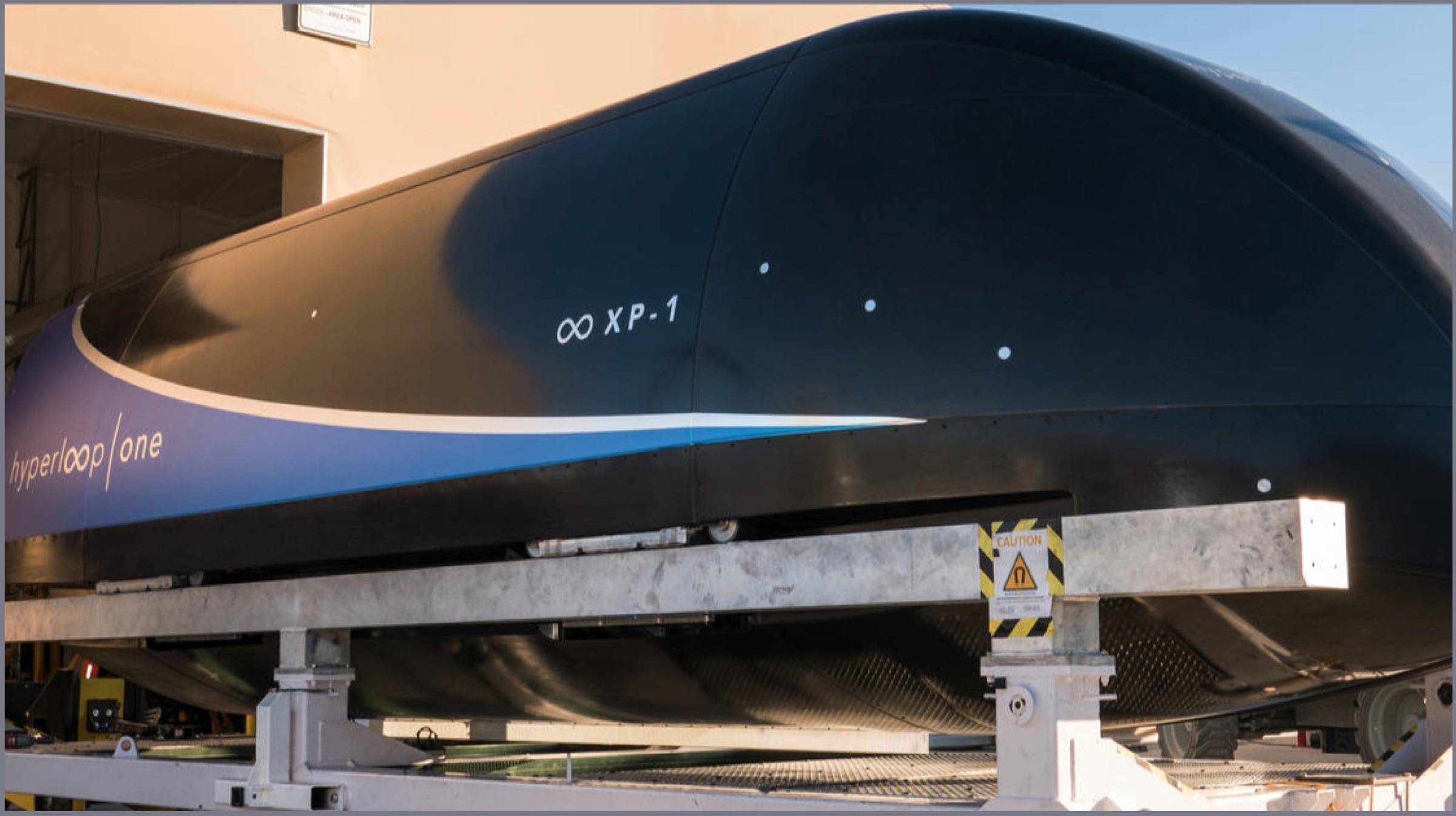
    Before you wonder what the Hyperloop is, ask yourself this. How would it feel like to travel a distance of 150 kilometres in less than 15 minutes? Or covering a distance of 600 km in less than an hour? This sounds like something out of a science fiction movie, but in fact, it is a joint venture by the Space research and aerospace organization, SpaceX and electric automobile manufacturer, Tesla. The functional part is that it is a proposed mode of public transportation which can help people and cargo transit in small pods through vacuum tubes. The fun part is that the speeds inside the tube could exceed 600 miles per hour. Let that sink in.

    About The Hyperloop One

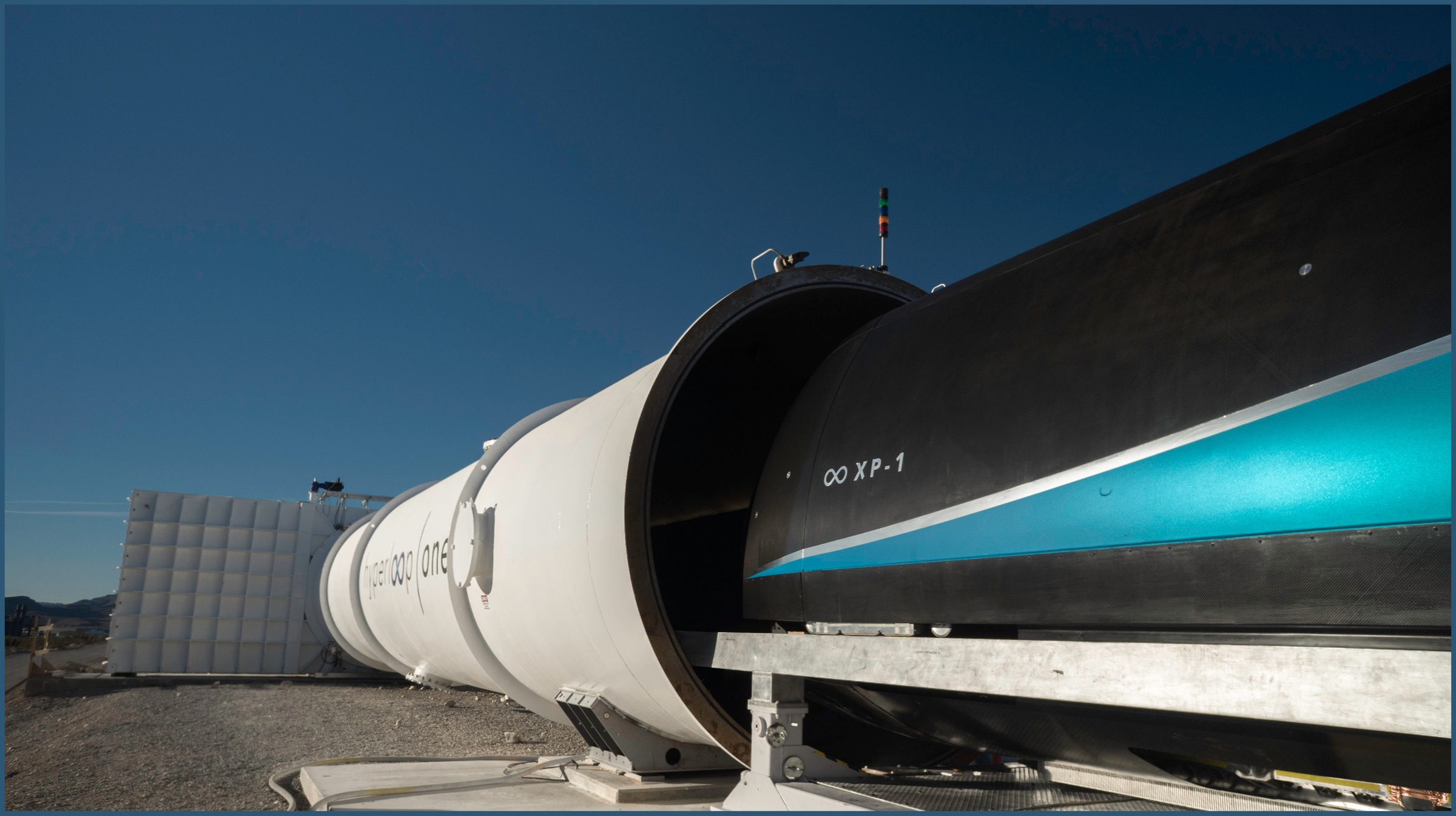
    The concept of the Hyperloop was promoted by Elon Musk, CEO of Tesla, SpaceX and Neuralink. Basically, the Hyperloop works by impelling the wheel-less pods through a tube which is maintained at near-vacuum or extremely low pressure. It ensures minimal air resistance and friction, implying that the power needed to propel such a pod is reduced massively. Magnetic Levitation or MAGLEV is the technology that ensures ‘zero contact’ between the pod and the tracks. As stated by the company, the pod glides at airline-like speeds for long distances, thanks to very low aerodynamic drag. The Hyperloop is currently being funded by organizations like DP World, Caspian VC and the Virgin Group. Till date, the project has raised almost US$295 million.

    Safety Concerns Regarding Travel

    Quite a fair amount of concerns surround the technology. For instance, questions arose regarding the construction of the tubes and the safety issues that accompany them. As per the company, Hyperloop is completely weatherproof, with tubes that can withstand almost 100 Pa of pressure without getting punctured. The tubes are made out of thick strong steel, and can safely stand strong against any forms of weather disturbances. In the rare case that there is any leak in the tube, a power boost would get the pod to the next station. Environmental concerns are not going to be a problem, the company states. It reports that carbon emissions are almost zero and the only sound you’ll hear from the pod travelling through the tube is a silent ‘whoosh’, something that you might hear when something fast passes by your ear.

    Hyperloop’s Plans In India

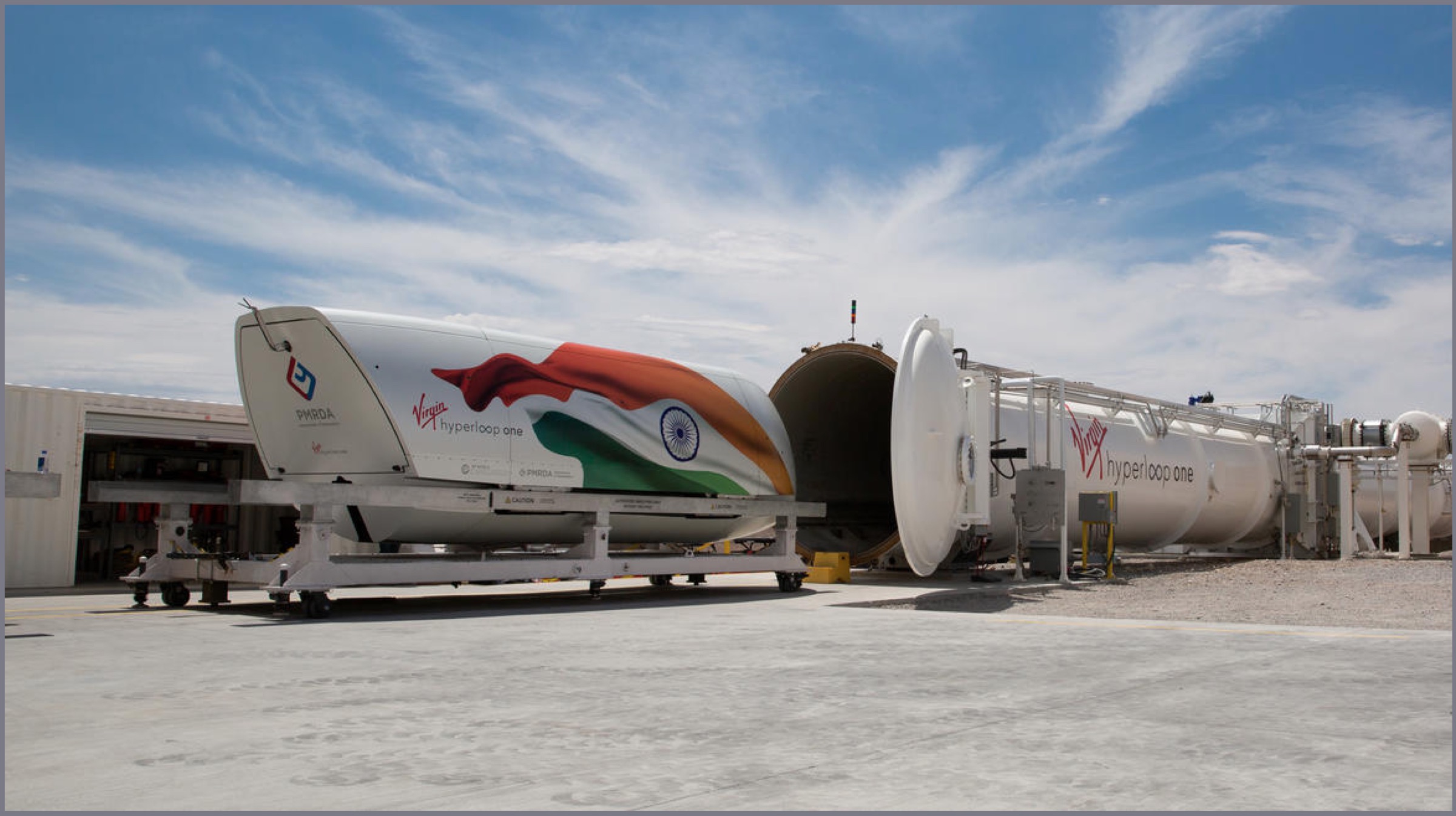
    The Hyperloop ‘one’ completed its first test ride successfully in July 2017. Currently, the company is initiating developmental stage oriented projects in India and Ohio. In July 2018, the Indian state of Maharashtra expressed their intent to construct a hyperloop route between Mumbai and Pune, which would enable a pod to cover the distance in under 25 minutes. Phase 1 of the demonstration is already underway, with the company already constructing experimental tubes and planning to complete a 7-mile (11.2 km) long tube soon.

    According to the company, India has a multitude of factors that make it ideally suited to a Hyperloop system. It has a low cost manufacturing base, strong political support, excellent engineering talent and above all, infrastructure demands. The Hyperloop will be even more functional than metros and subways, as people will be able to travel between cities in the time that it takes to travel within a city.

    The company believes that it will achieve extensive Hyperloop connectivity in different cities across the world by mid-2020s. India based DGWHyperloop suggests a Hyperloop corridor between Mumbai and Delhi, that would include the cities of Indore, Kota and Jaipur. A lot of certifications are still pending for this futuristic mode of transport, the company claims. Apart from transporting people, it can also make transporting goods faster than it ever was. Logistics will benefit a lot from the Hyperloop network. The company assures that once Hyperloop is on the roll, the tickets will be affordable as far as the pricing is concerned.

    Also Read: Tesla Will Unveil The Model Y SUV On March 14

    India is on the track to be host to one of the earliest Hyperloop networks in the world, with the first test ride to be implemented in an upcoming couple of years. Are you excited about it? Share your views with us in the comments below.

  • Samsung Launches The Galaxy S10 Lineup In India

    Samsung Launches The Galaxy S10 Lineup In India

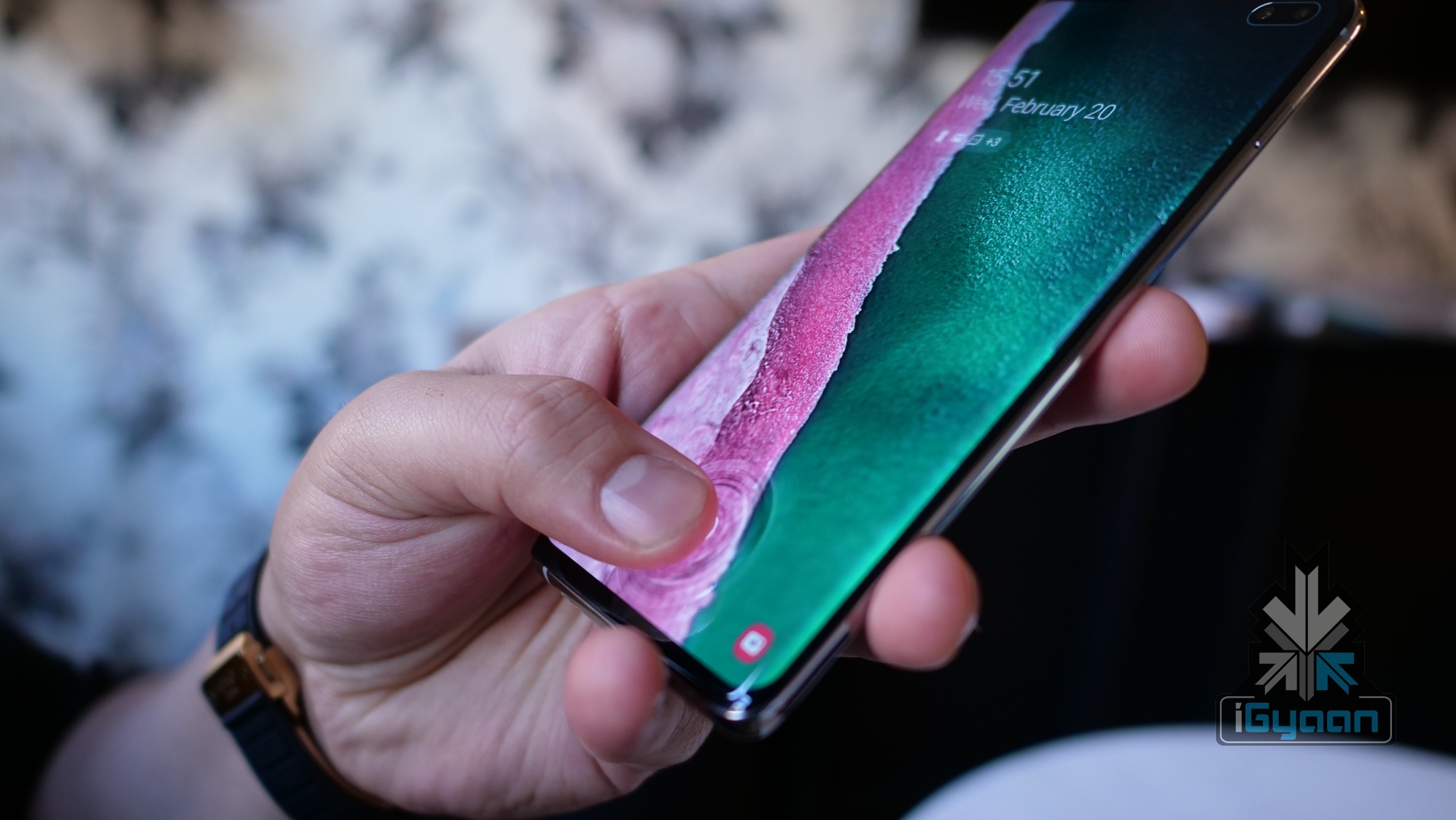
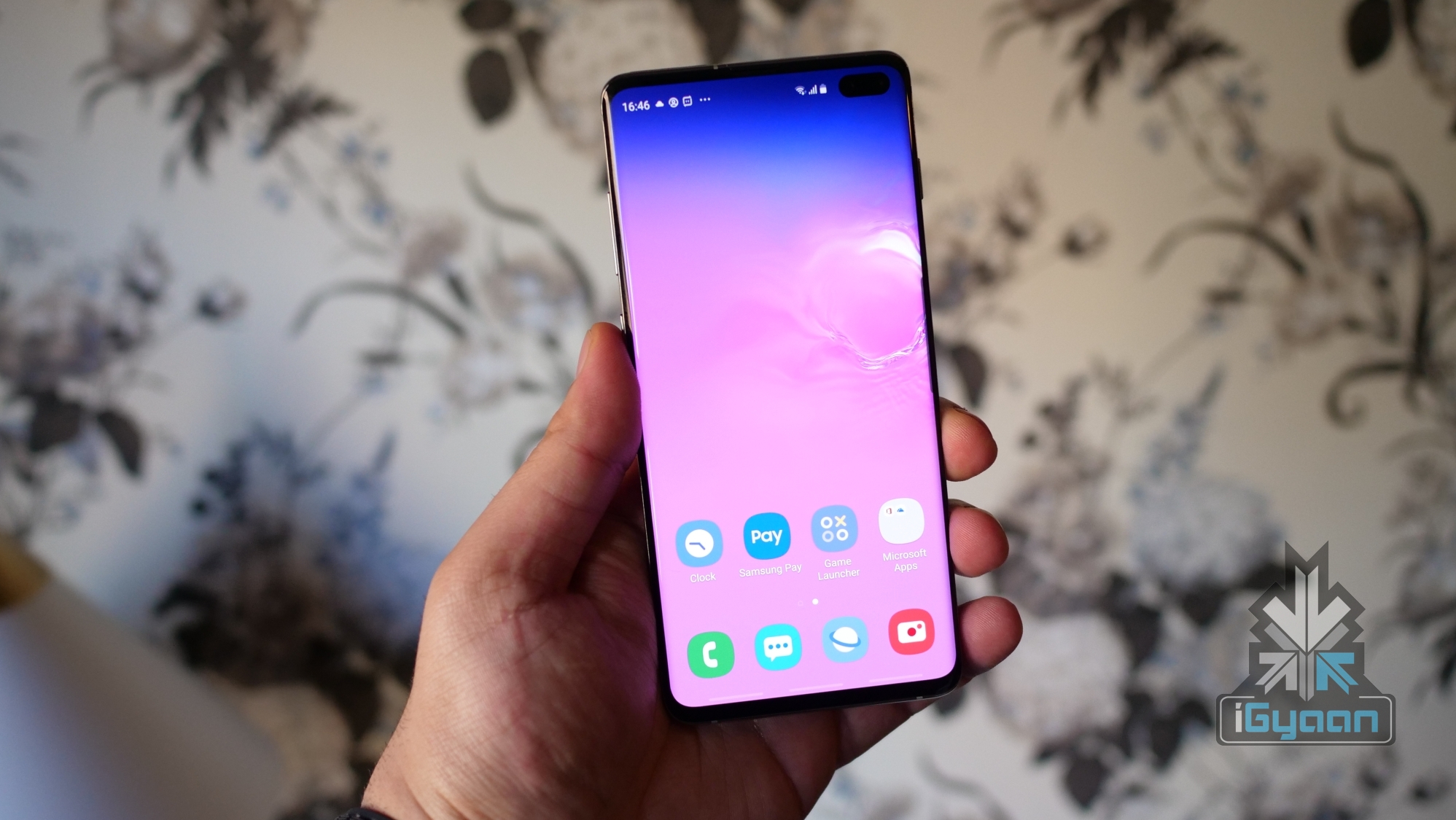
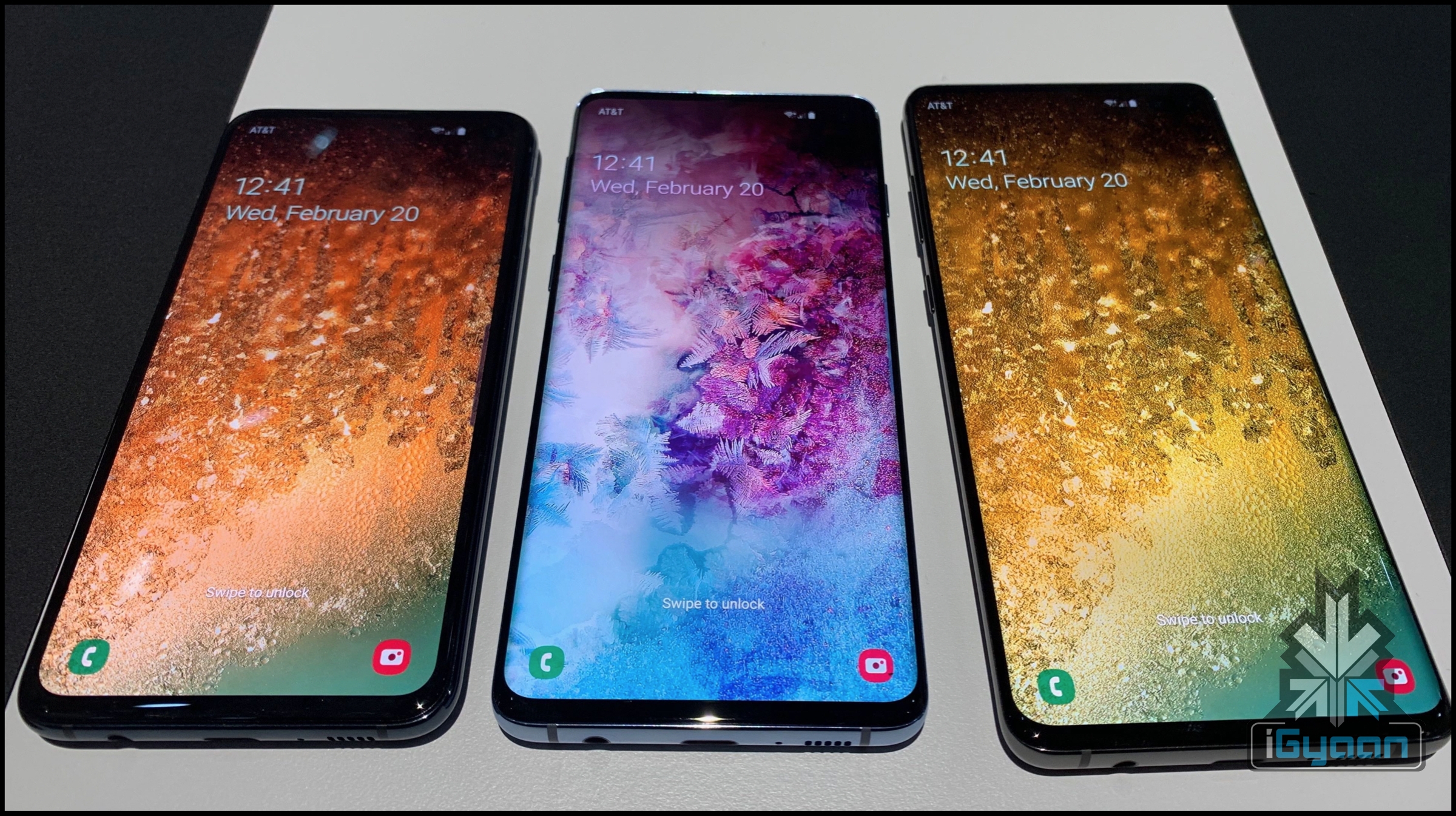
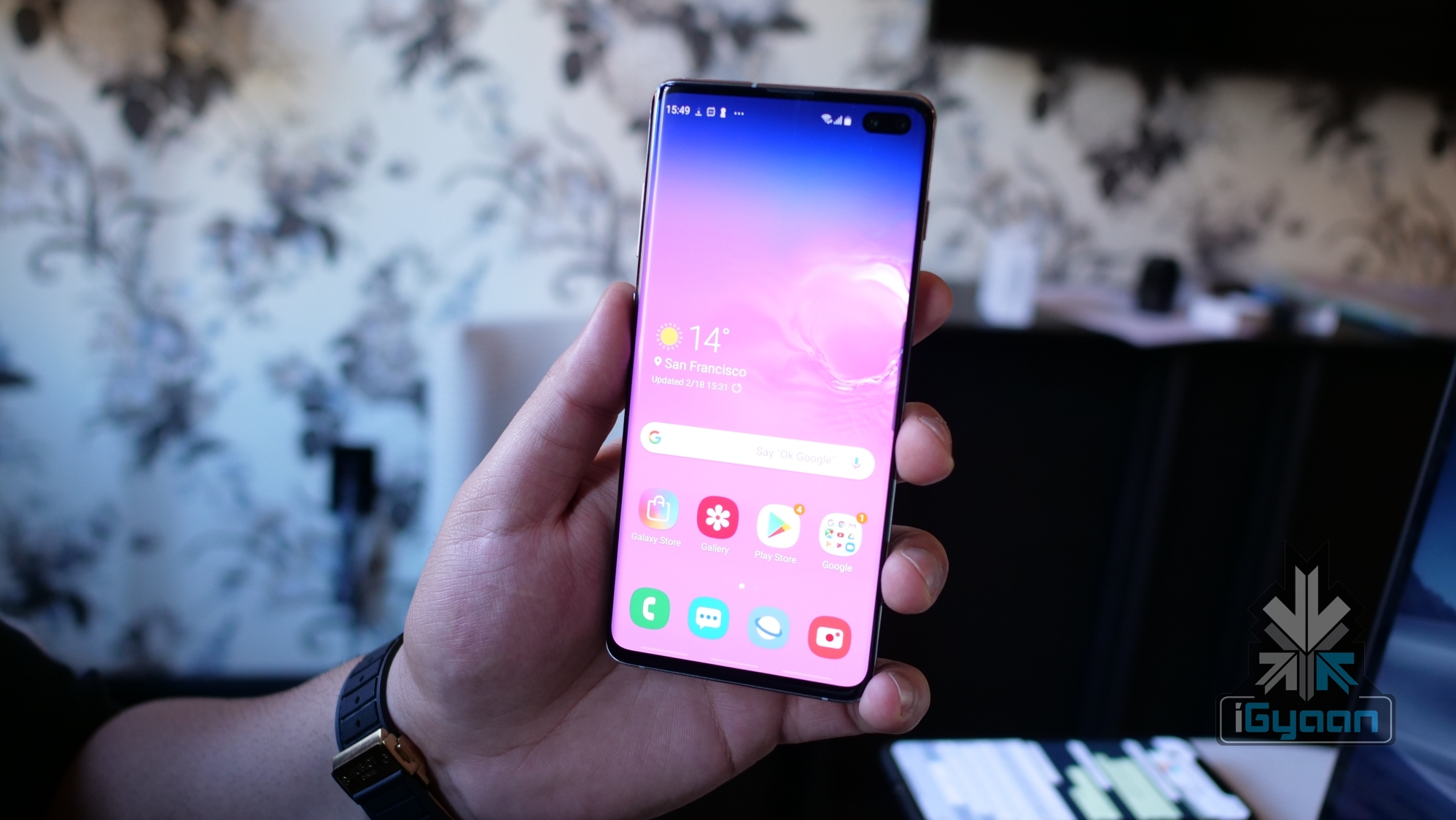
    Samsung has launched its lineup of 2019 flagship smartphones in India today, March 6. The devices launched today are the Galaxy S10e, Galaxy S10 and the Galaxy S10+. All the smartphones feature a modern design and have the company’s new Infinity-O display to house the front camera. 

    Galaxy S10: Price & Availability

    All the three models in the Galaxy S10 lineup will be available starting March 8 from the major online and offline retailers. For people who pre-booked the smartphones, will start getting deliveries from today, March 6. The price of all the three variants have been listed below.

    Model Galaxy S10e Galaxy S10 Galaxy S10+
    Price Rs 55,900 (6GB + 128GB) Rs 66,900 (8GB + 128GB) Rs 73,900 (8GB + 128GB)
        Rs 84,900 (8GB + 512GB) Rs 91,900 (8GB + 512GB)
          Rs 1,17,900 (12GB + 1TB)
    Galaxy S10 Series 

    All three newly launched smartphones are similar in most ways while differing in certain aspects like screen size, battery capacity, cameras and obviously, pricing. All smartphones feature a glass sandwich design and have the new Infinity-O displays. The devices feature Samsung’s new Dynamic AMOLED displays with support for HDR10+ content. All the smartphones run on the Exynos 9820 SoC in India, which is manufactured using 8nm fabrication process. It contains an Octa-core CPU and Mali-G76 MP12 GPU.

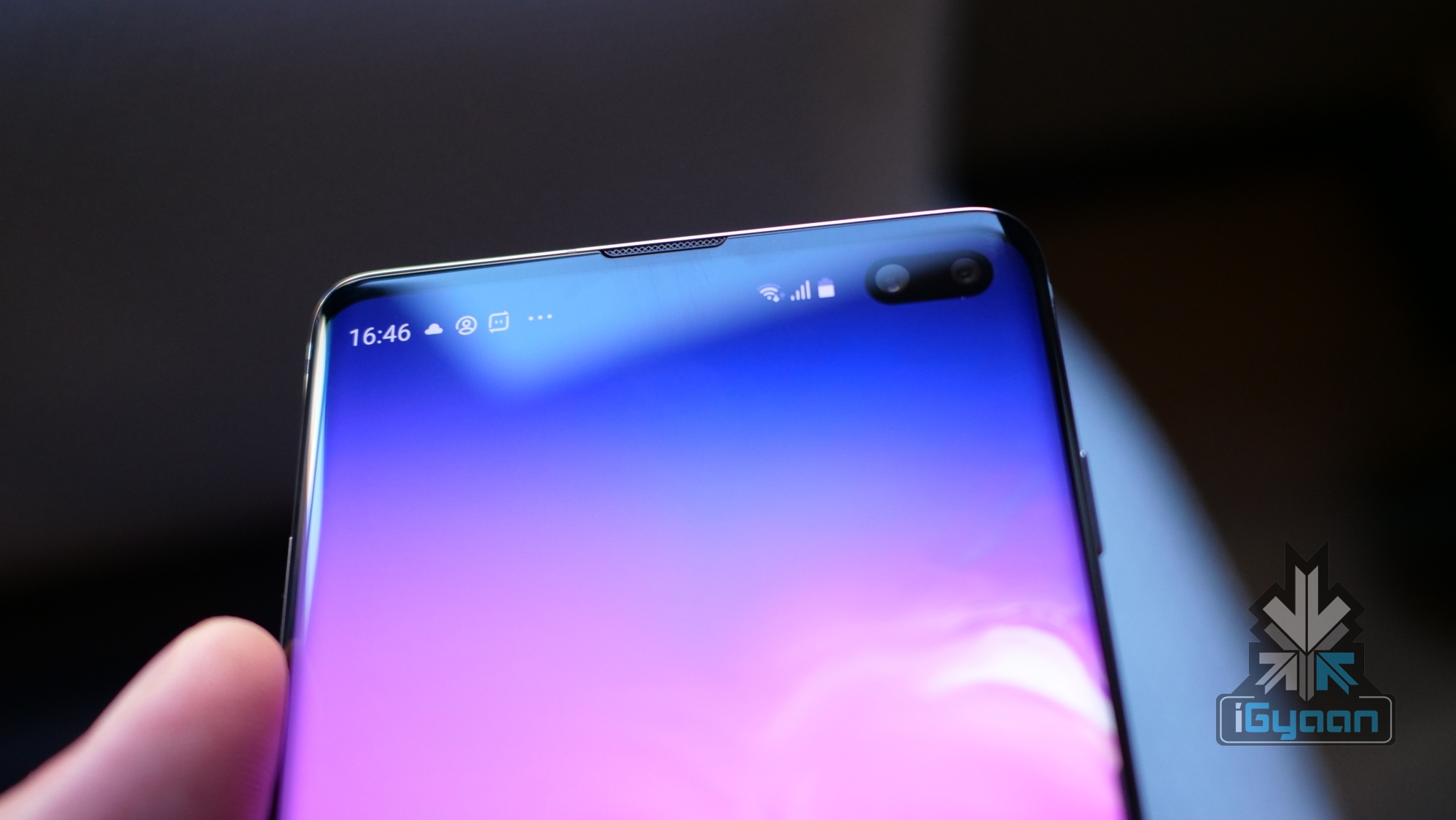
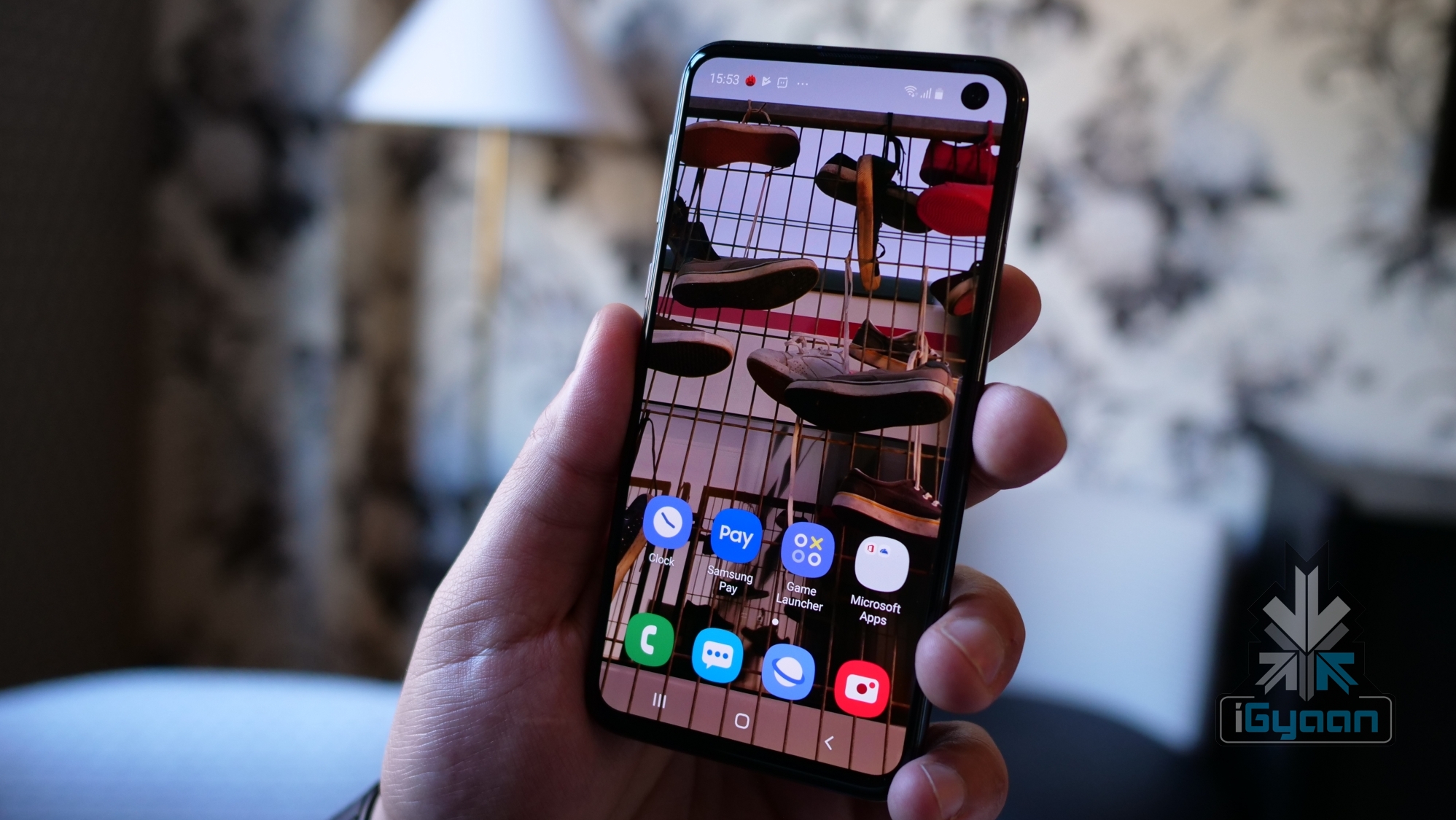
    Notably, the Galaxy S10 lineup differs in a few features, like the Galaxy S10e featuring a side-mounted fingerprint scanner and dual rear cameras; while its two elder siblings have an ultrasonic in-display fingerprint scanner and triple rear cameras. The screen size also varies on all devices, with the Galaxy S10e sporting a 5.8-inch display; while the Galaxy S10 and Galaxy S10+ have 6.1-inch and 6.4-inch display respectively. The front cameras of the Galaxy S10e and the Galaxy S10 is limited to just one sensor, while the elder sibling has two front-facing cameras.

    The Galaxy S10e is powered by a 3100mAh battery; while its elder siblings have a 3400mAh and a 4100mAh cell respectively. All the three smartphones have IP68 certification for water and dust resistance, support Wi-Fi 6, NFC, fast wireless charging and also support reverse wireless charging.

    Videos

  • India Has The Most Affordable Mobile Data In The World, According To A Study

    India Has The Most Affordable Mobile Data In The World, According To A Study

    A study conducted by a UK based broadband comparison website reveals that India has the most affordable mobile data rates in the world. The cost of 1GB data in the country is Rs 1.41 at its lowest and Rs 98.76 at its peak. The average cost of 1GB data in the country was calculated to be around Rs 18.34. The news arrives a few years after the arrival of Reliance Jio, the telecom operator that is credited for bringing down mobile data costs in the country.

    Mobile Data Rates Across The World

    Data from 6,313 mobile plans in 230 countries were gathered and analysed by Cable.co.uk between 23 October and 28 November 2018. The goal of the research was to find average rates of 1GB of mobile data in different countries. While India held the number one spot, it was followed by Kyrgyzstan and Kazakhstan for the number two and three rankings respectively. Interestingly, Asian nations make up half of the top 20 cheapest countries for mobile data, with India top and Sri Lanka, Mongolia and Myanmar also in the top ten. The global average was found to be $8.53 (around Rs 601).

    The most expensive mobile data was found to be in Zimbabwe, with an average price for 1GB of data $75 (Rs 5,292). The average data plans for a few countries are highlighted below:

    • USA – Rank: 182; Average Price $12.37 (around Rs 872.91)
    • UK – Rank: 136; Average Price $6.66 (around Rs 469.97)
    • South Korea – Rank: 201; Average Price $15.12 (around Rs 1,067)
    • Japan – Rank: 154; Average Price $8.34 (around Rs 588)
    • China – Rank: 165; Average Price $9.89 (around Rs 697.90)
    How To Make Mobile Data Affordable?

    Also read: Redmi Note 7 To Go On Sale For The First Time In India

    A senior executive at Cable explained how the countries make mobile data this affordable. He says “Many of the cheapest countries in which to buy mobile data fall roughly into one of two categories. Some have excellent mobile and fixed broadband infrastructure and so providers are able to offer large amounts of data, which brings down the price per gigabyte.” He also claimed that other countries with lesser advanced broadband networks were heavily reliant on the usage of internet through their mobile phones. This would make the rates of the said data low, in order to make them affordable.

  • HTC Will Soon Make A Comeback In India

    HTC Will Soon Make A Comeback In India

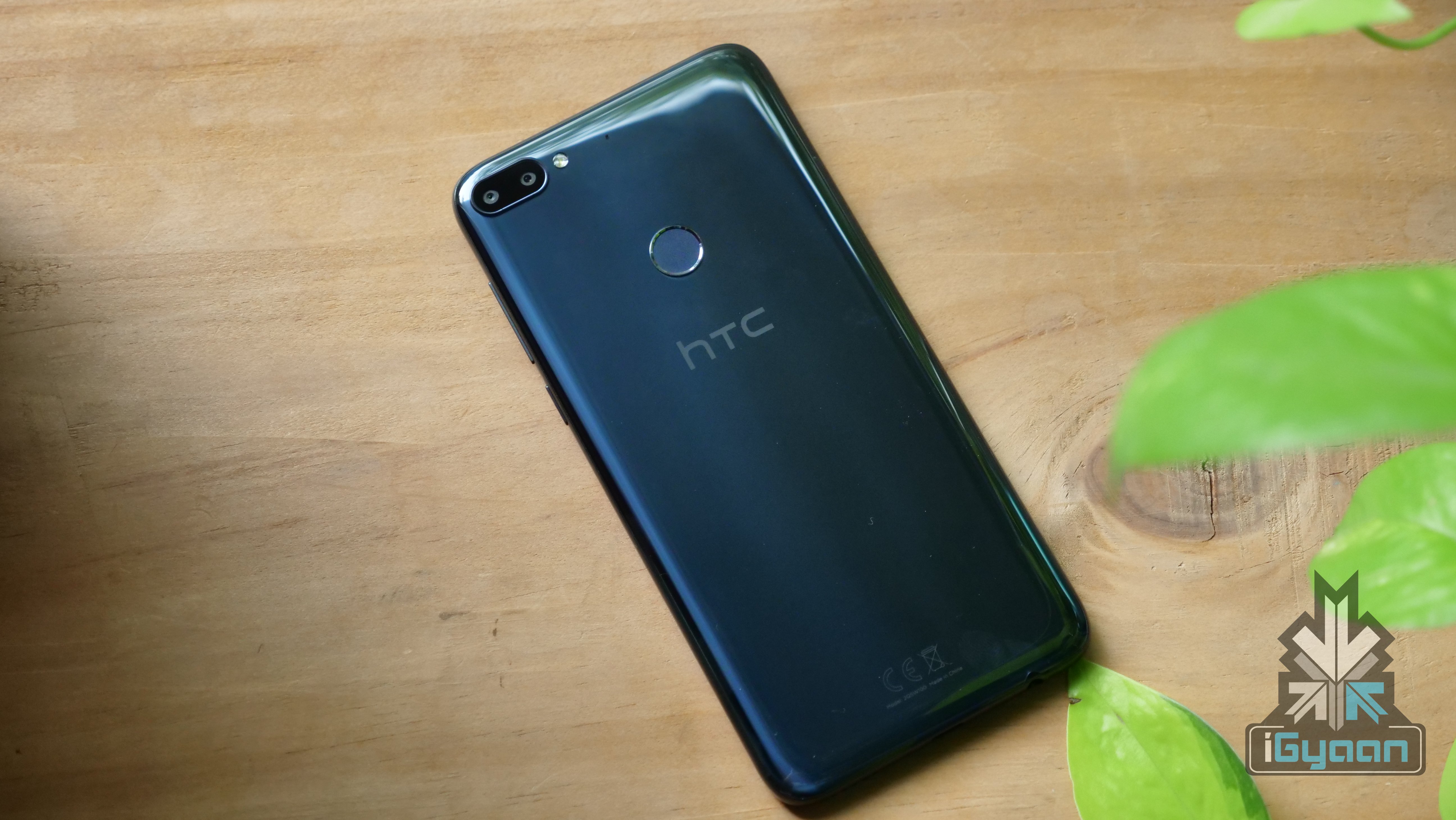
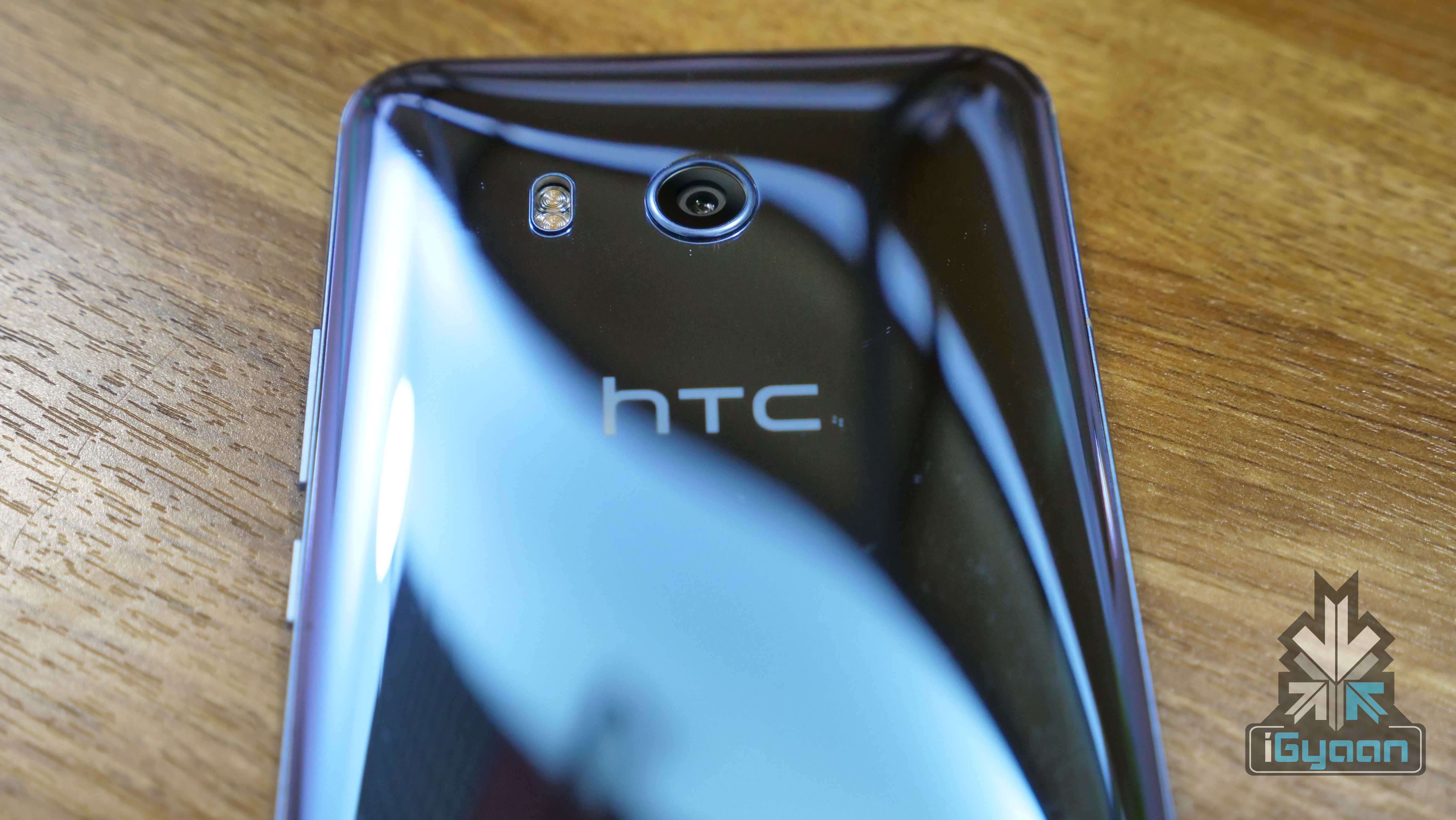
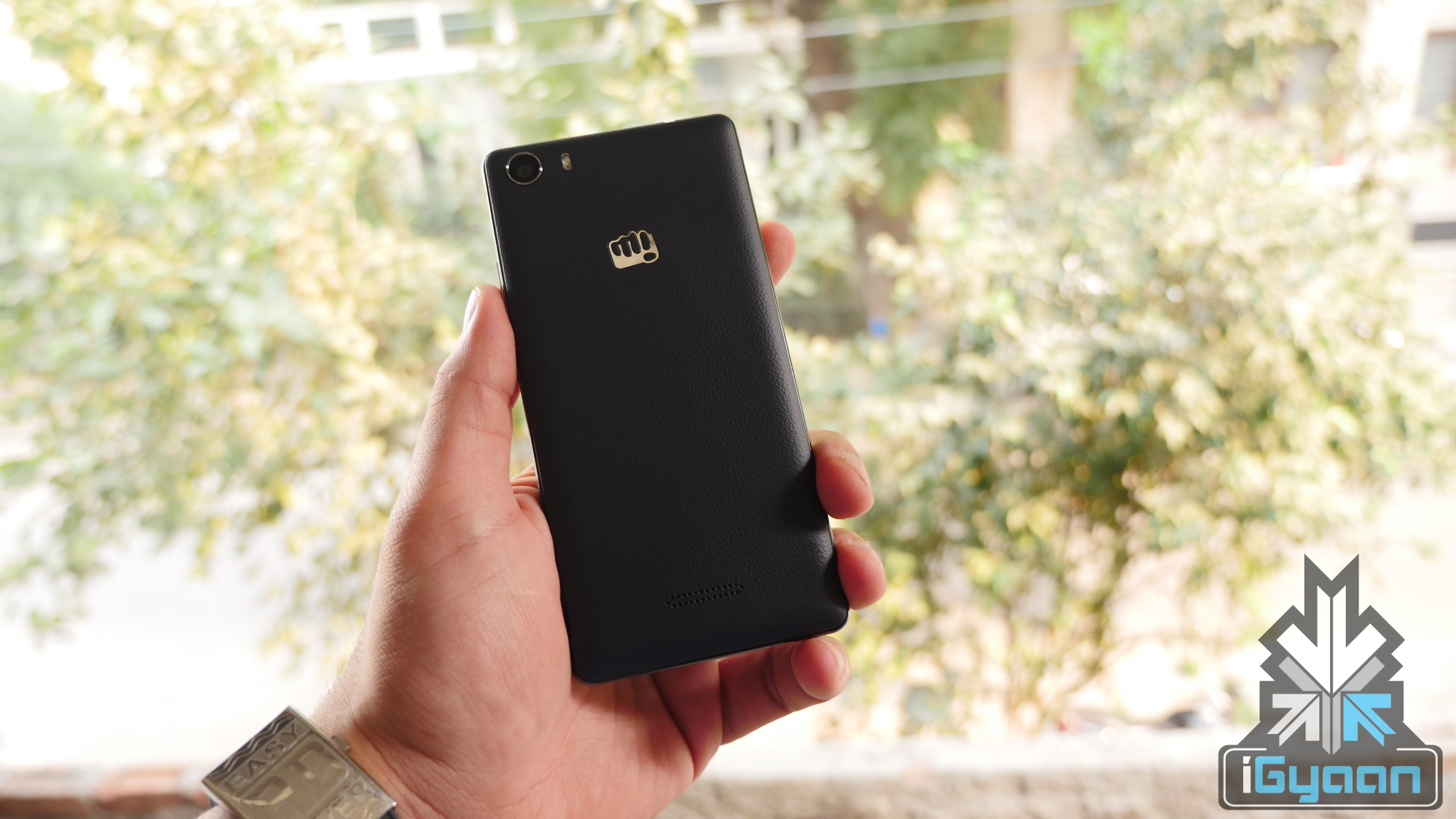
    Taiwanese smartphone maker, HTC has seen better days in the past accrediting to its software and hardware innovations. Noteworthy, it was the worlds first company to launch a dual camera smartphone, the EVO 3D. However, in an economy like India which is majorly driven by the specification to price ratio, HTC failed to persist and ceased its operations in the country last year. Reportedly the company is planning to make a comeback in India but in a completely different convention. The company is in talks with three Indian OEMs, Micromax, Lava and Karbonn which will license its brand name and will pay a royalty in return. 

    Why Would Indian Companies Want To License HTC’s Brand Name?

    In the last couple of years, the market share of Indian smartphone companies has fallen drastically. According to reports, Indian companies had a 40% market share in the year 2015 which had fallen to single-digit last year. Clearly, this is due to fierce competition from Chinese companies like Xiaomi and Oppo. The aforementioned Indian brands are currently focusing on feature phones and entry-level smartphones in order to thrive this deluge.

    Products offered by HTC in the past were mostly targetted towards the premium and mid-range segment. Assuredly the company had the brand value which pulled the customers to its offerings. Hence, Indian brands with the help of HTC’s brand name can tap into these segments which they are currently incapable of. 

    What To Expect In Terms Of Products?

    Also Read: Redmi Note 7 To Go On Sale For The First Time In India

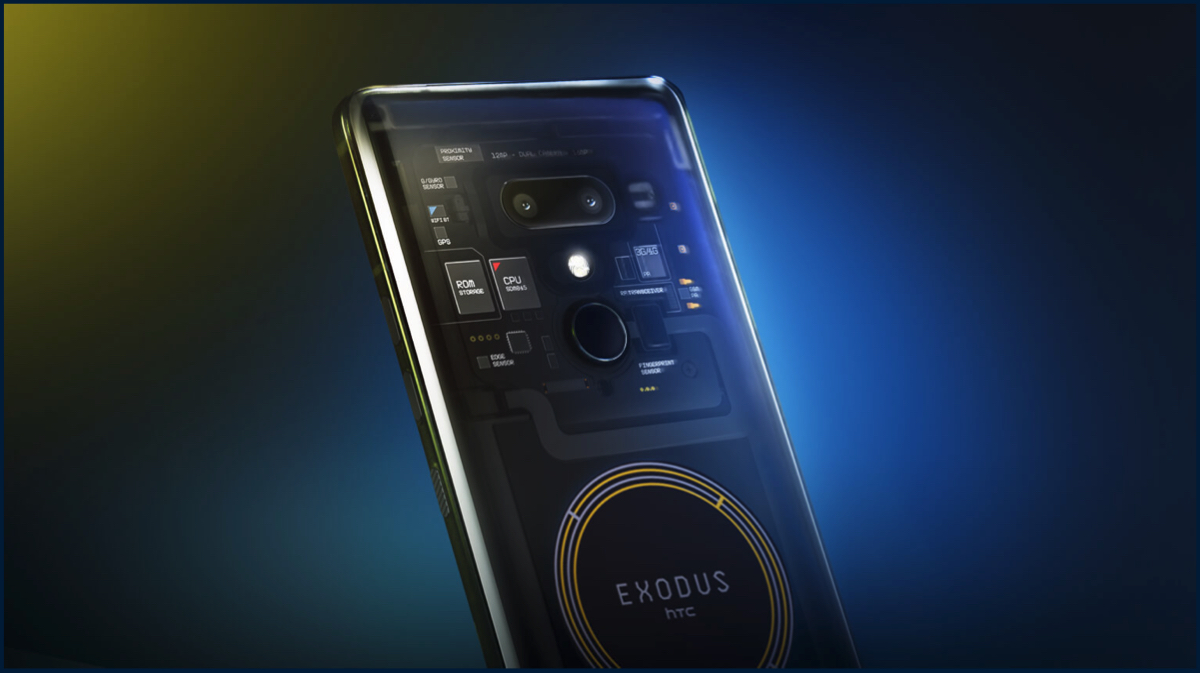
    It is unannounced what products will be sold under HTC’s brand name in India. Nevertheless, the portfolio will certainly include smartphones and it can also incorporate tablets and smart home products. One smartphone that the company can launch in the country is the HTC Exodus which is the world’s first blockchain smartphone. Another product that the company can launch is the 5G hub which as the name suggests is 5G compatible device. It is an attractive looking smart home gadget that has a built-in screen and runs on Android OS. Information about other products is expected to follow soon which we will keep you posted on. 


  • Redmi Note 7 To Go On Sale For The First Time In India

    Redmi Note 7 To Go On Sale For The First Time In India

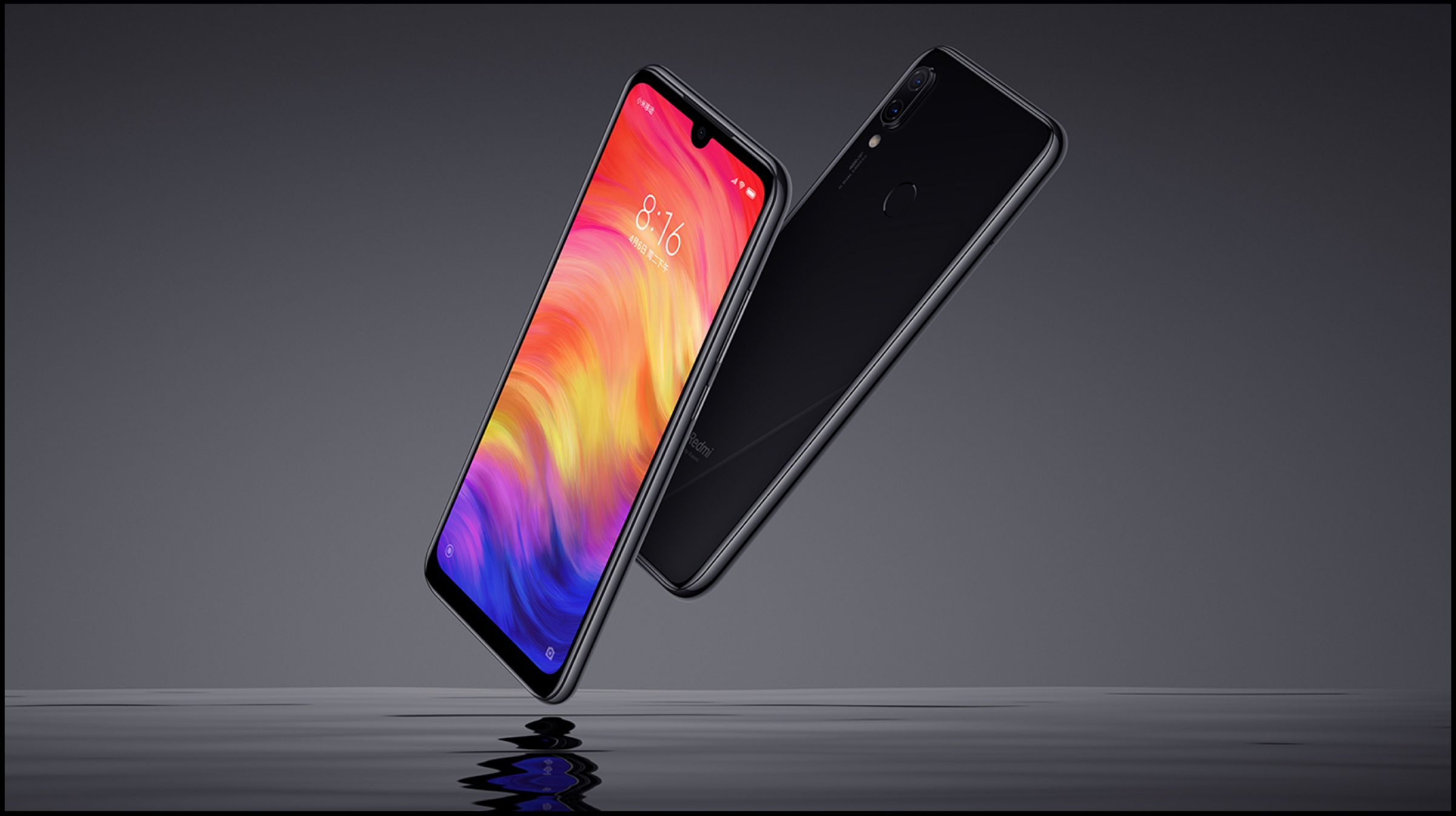
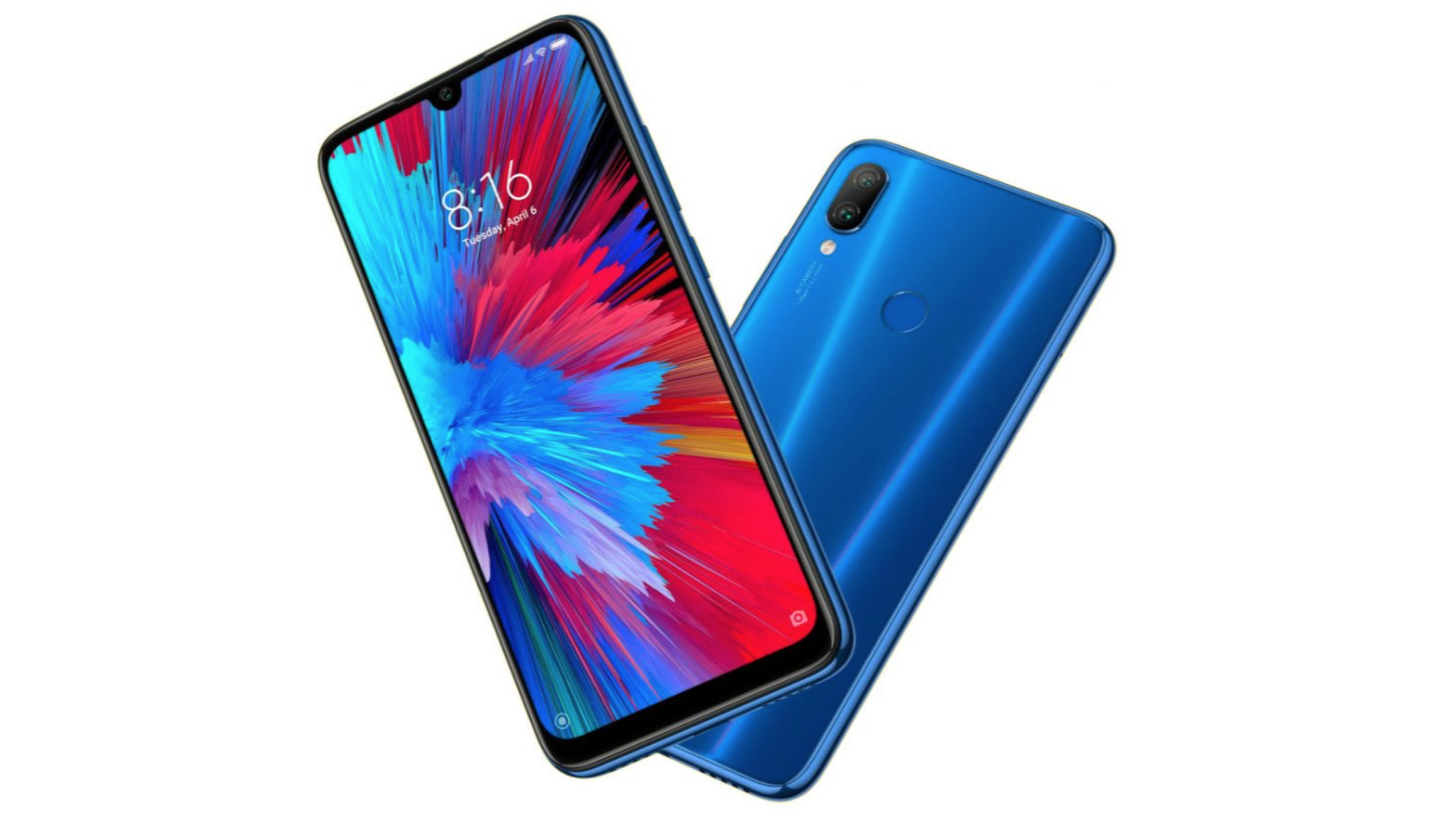
    The Redmi Note 7 is all set to go on sale in India for the first time today. The smartphone was launched alongside the Redmi Note 7 Pro on February 28. It is the first phone that Redmi has launched in India after separating from its parent company Xiaomi. The device features a modern design and ambitious specifications with a lucrative price tag.

    Redmi Note 7: Where To Buy?

    The Redmi Note 7 will be available at a price of Rs 9,999 for the version with 3GB RAM and 32GB of onboard storage. The variant with 4GB RAM and 64GB of internal storage has been priced at Rs 11,999. The smartphone will be available to order via flash sales on Flipkart and Mi.com from 12 noon on March 6. It will also be available offline from Mi Home outlets starting today. Reputably, the device also supports memory expansion upto 256 GB via a microSD card. 

    Click here to buy the Redmi Note 7 on Flipkart

    Redmi Note 7: Specifications & Features

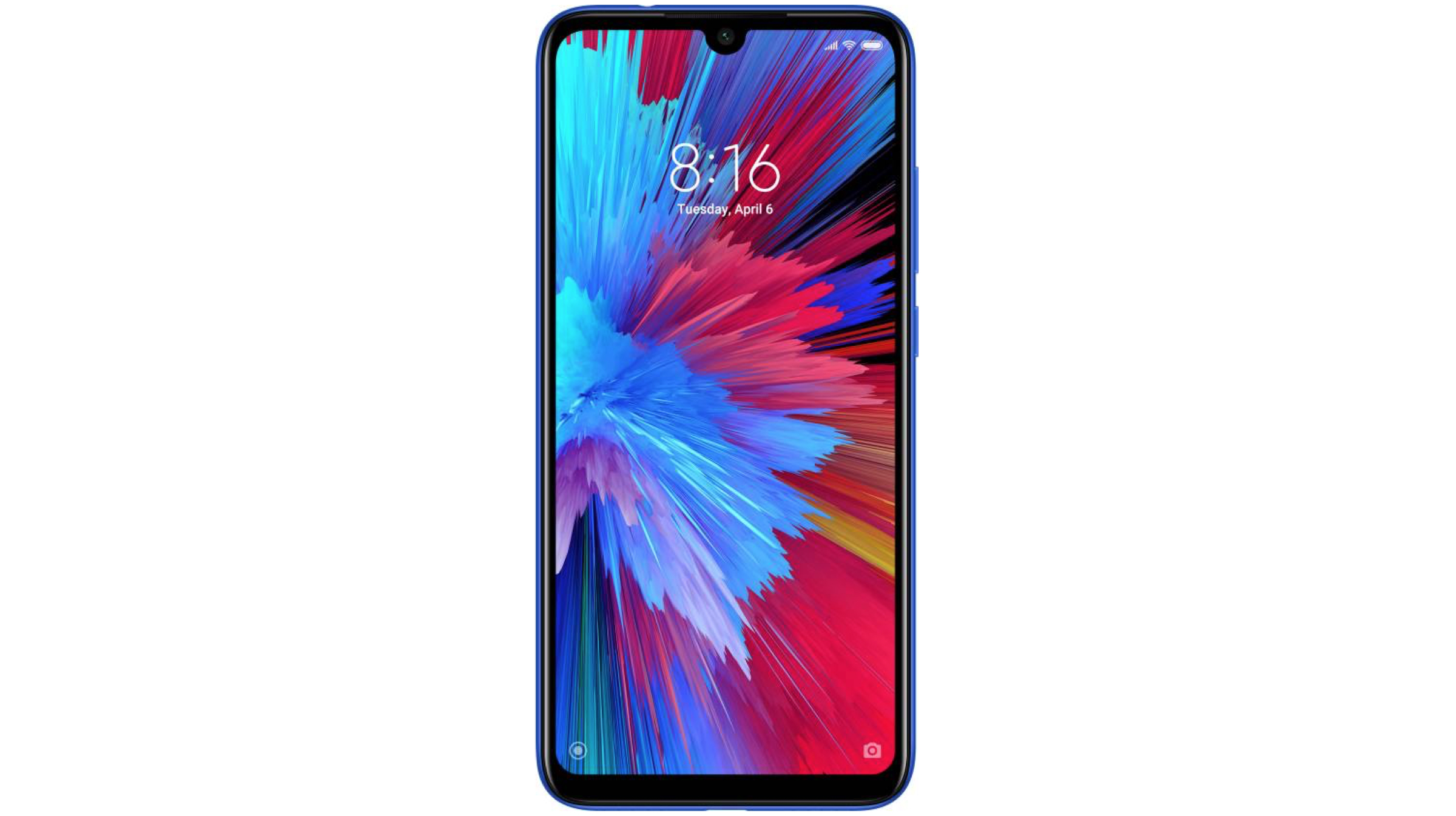
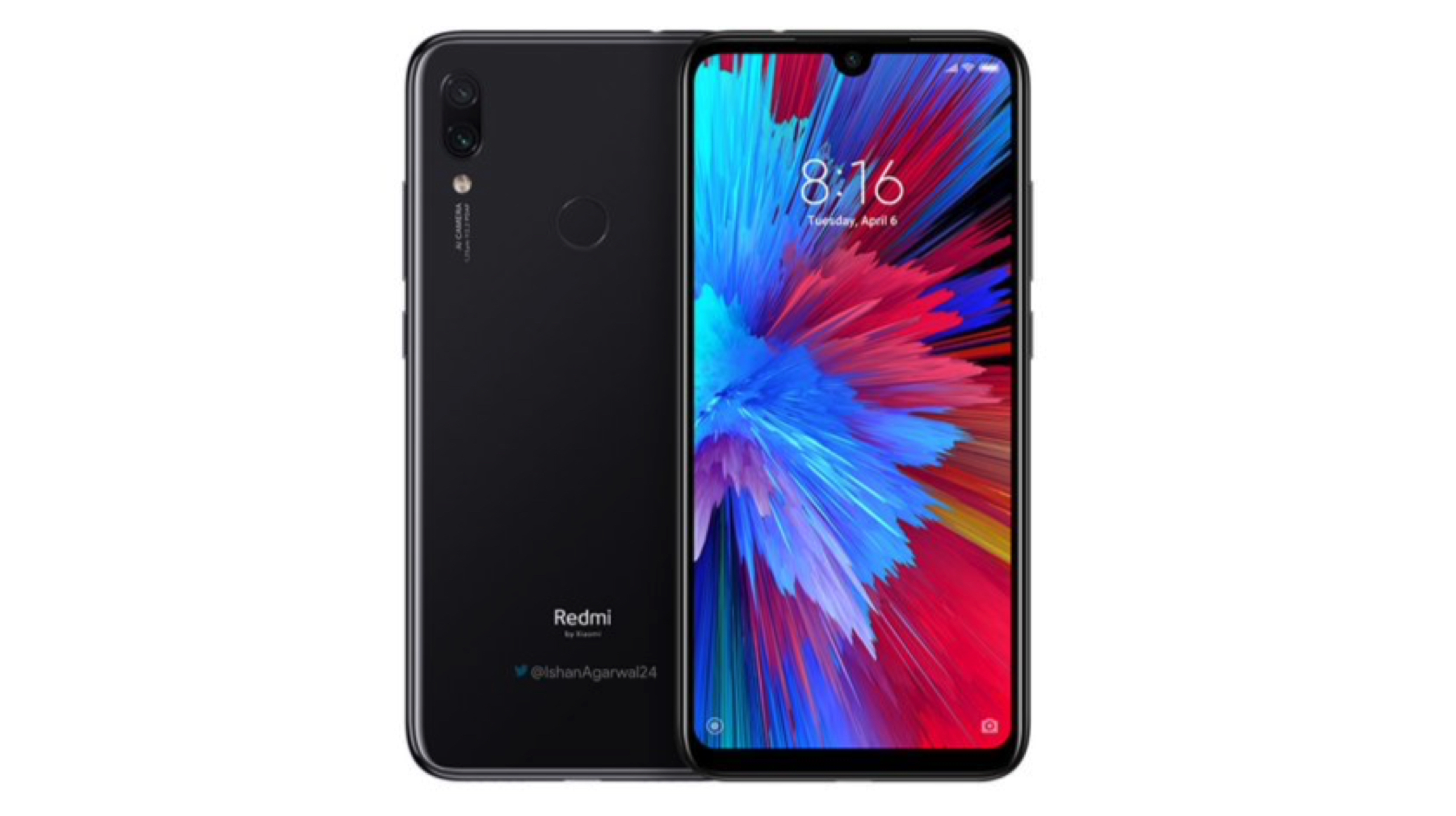
    To recall, the Redmi Note 7 is a budget offering from the company and features a modern design with Gorilla Glass 5 on the front and the rear. The smartphone has a 6.3 inch LCD display with a small waterdrop notch up top. The display panel has a 19.5:9 aspect ratio with a resolution 2340 x 1080 px and pixel density of 409 ppi. There is a fingerprint scanner on the back of the device and it also supports face unlock technology.

    Under the hood, the Redmi Note 7 runs on the Snapdragon 660 SoC which consists of Adreno 512 GPU and an Octa-Core CPU. Out of the eight CPU cores, four Kryo 260 cores are clocked at 1.8 GHz for better battery efficiency and four Kryo 260 cores are clocked at 2.2 GHz for maximum performance. For optics, the smartphone has a dual rear camera setup consisting of a 12MP main sensor with an aperture of f/2.2 and a secondary 2MP depth sensor. The front camera on the device has a 13MP sensor which is housed in the notch on top of the display.


    Also Read: Best Portable Power Banks You Can Buy Right Now

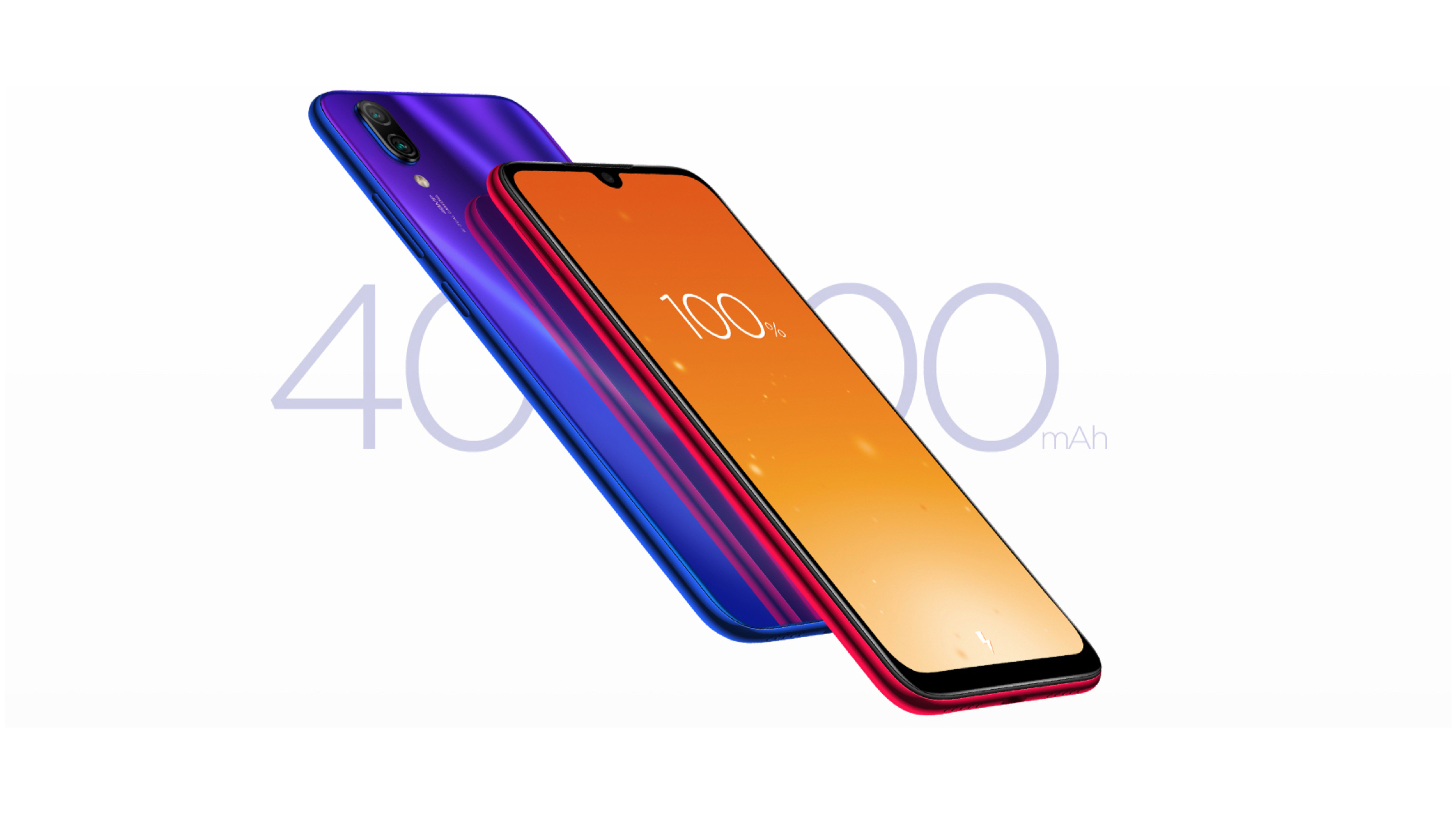
    The Redmi Note 7 is powered by a 4000mAh battery with support for Qualcomm Quick Charge 4. It allows the device to charge with a maximum input of 18W via the bottom mounted USB Type-C port. Connectivity options on the device include 802.11 ac Wi-Fi, 4G VoLTE, Bluetooth 5.0, GPS, and FM Radio. It also has a whole host of sensors which include an accelerometer, gyroscope, proximity sensor, and a compass.

    Click here to buy the 3GB + 32 GB Variant Of Redmi Note 7 

    Click here to buy the 4 GB + 64 GB Variant Of Redmi Note 7 

  • Realme 3

    Realme 3

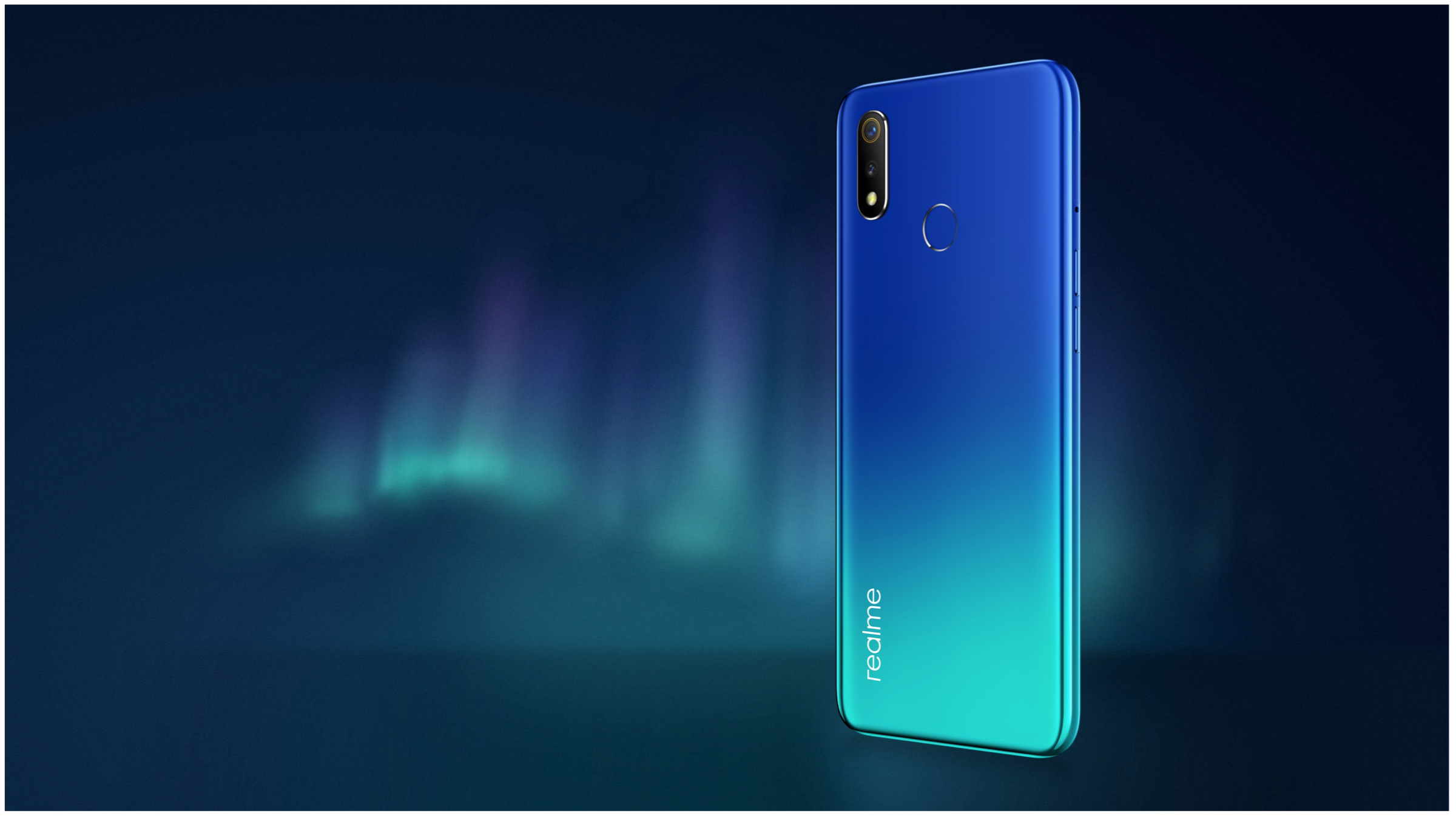
    Realme 3 is the latest smartphone from Oppo’s subsidiary Realme. The device features a modern aurora gradient design on the back and a waterdrop notch on the front. It is the successor to the Realme 2, which was launched last year. The smartphone has a dual rear camera setup and runs on the latest ColorOS 6.0 on top of Android 9 Pie.

    Click Here to buy the Realme 3

    [loop included_tags=”55724,41062″ loading=”paged” layout=”f” postsperpage=”4″]

  • Samsung Galaxy A10

    Samsung Galaxy A10

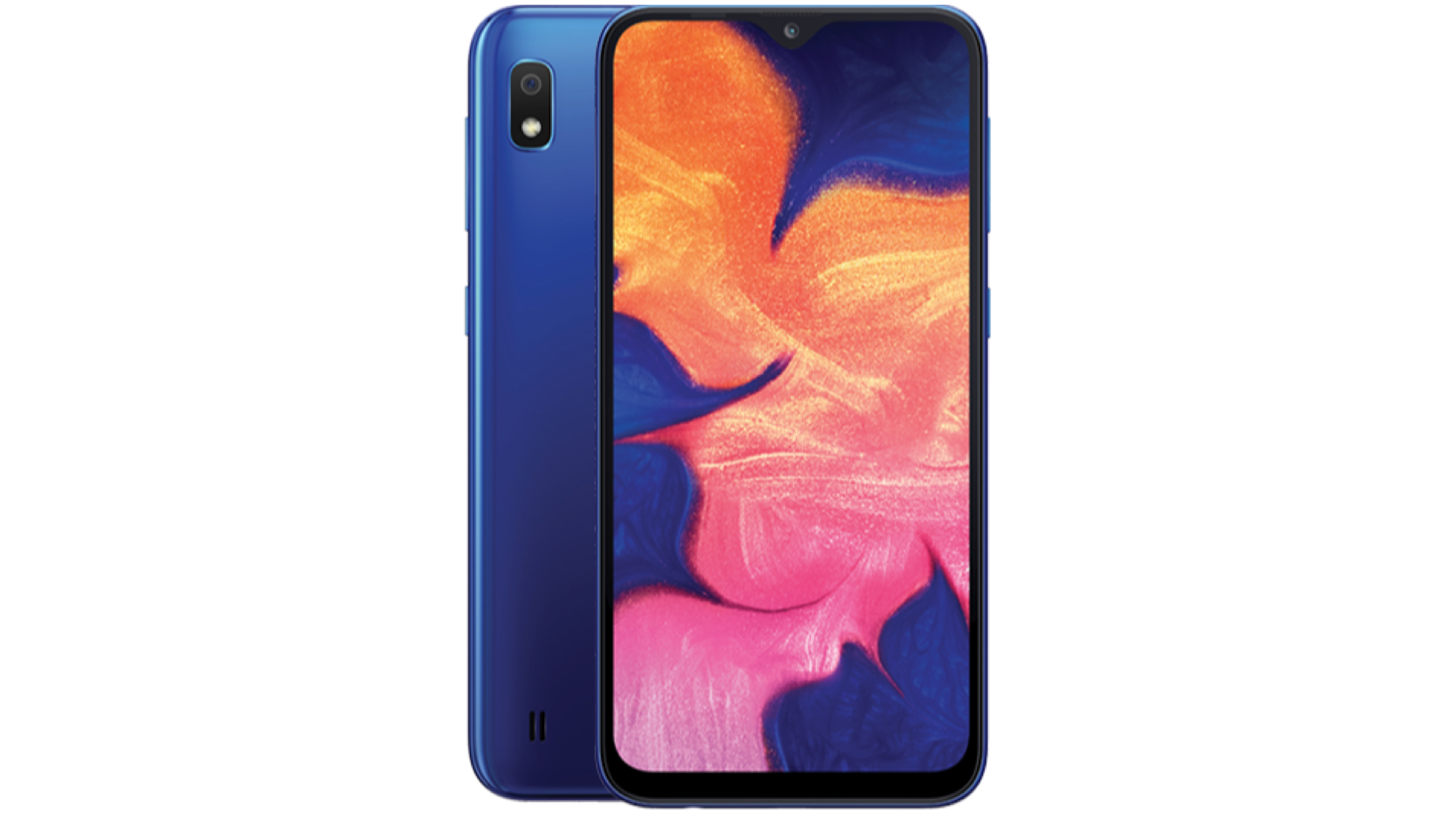
    The Galaxy A10 is the most affordable smartphone in the Galaxy A series lineup launched by Samsung. It features a 6.2 inch HD+ Infinity-V display. Sporting a glossy back panel, the device has a 13 MP (f/1.9) rear camera with an LED flash, along with a 5 MP (f/2.0) front camera. The smartphone runs on Android 9 (Pie) out of the box, with Samsung One UI on top. The device is kitted with 2GB of RAM and 32 GB internal memory. It is powered by a 3,400 mAh battery. The Samsung Galaxy A10 is priced at Rs. 8,490, and is available in three colour options, Black, Blue and Red.

    [loop included_tags=”58040,28176″ loading=”paged” layout=”f” postsperpage=”4″]

  • Best Portable Power Banks You Can Buy Right Now

    Best Portable Power Banks You Can Buy Right Now

    In the quest for a thin and light smartphone, the battery capacity of the device takes a hit. While most handsets have a battery life of up to a day, more power is always useful in the case of emergencies. Buying the right power bank for yourself can be both confusing and exhausting owing to the plethora of choices available in the market. To make this choice easier, we have compiled a list of portable power banks according to every need.

    The ‘Lite’ Power Bank:


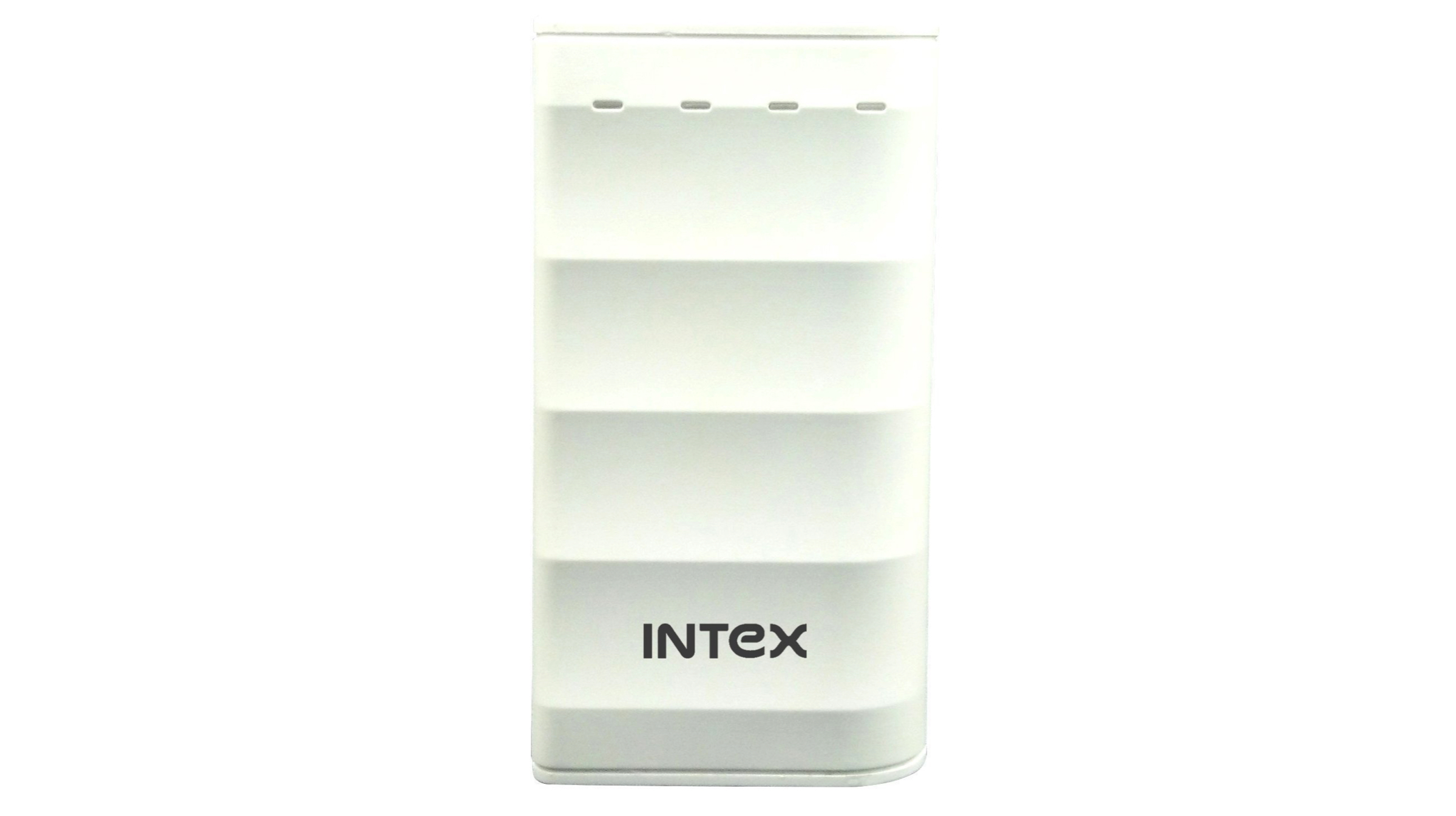
    Intex PB-4K: The Intex PB-4K boasts of light, sleek and portable design with a rated capacity of 4,000mAh. With a torch on board, the device offers more functionalities than one and is good to charge a standard smartphone once.


    The Best Seller:

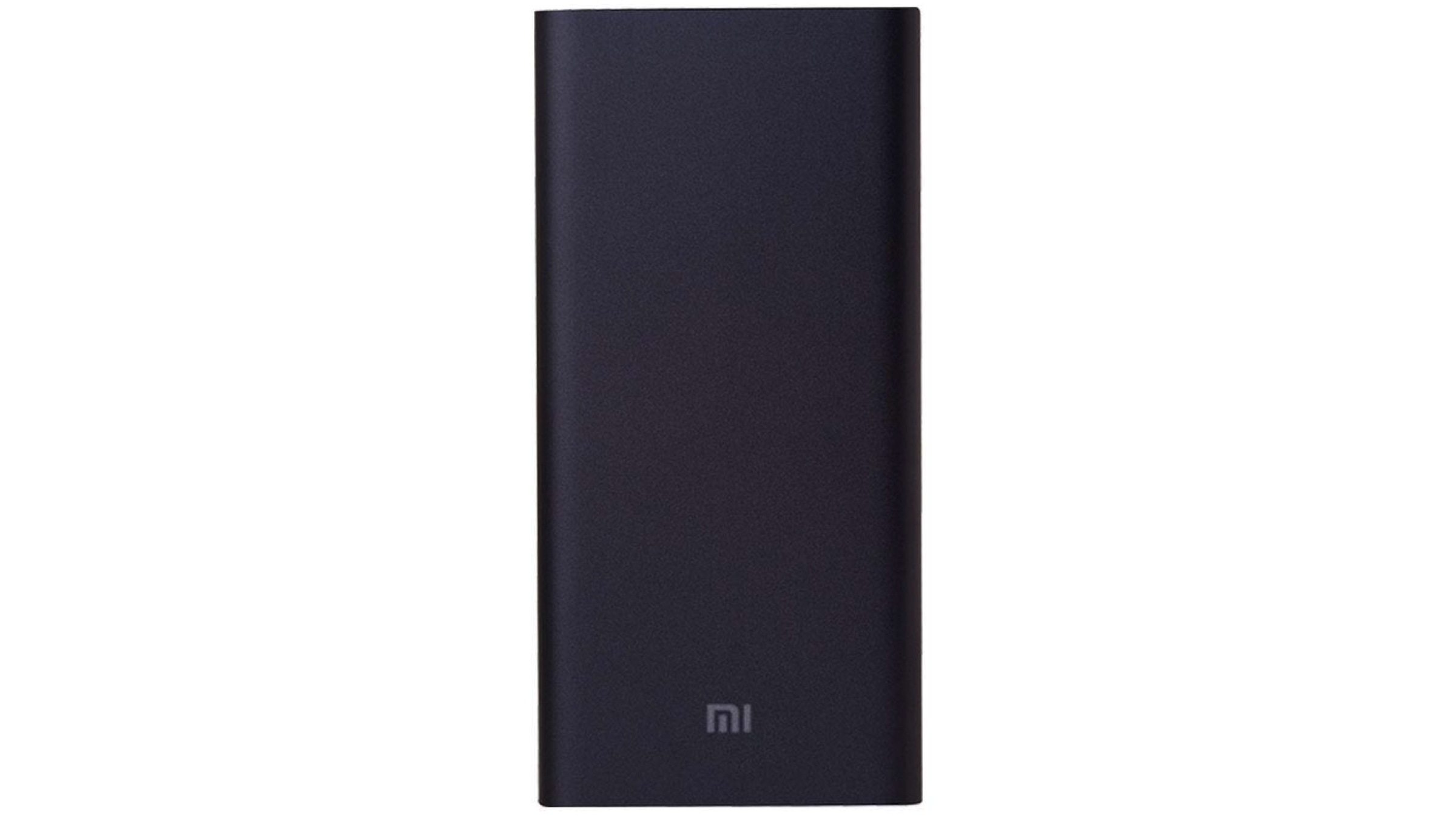
    Mi Power Bank 2i 10,000 mAh: The best selling of the bunch for a reason, the Mi Power Bank 2i has two USB ports and is capable of charging a standard smartphone a little more than twice. The power bank has an aluminium casing and a sleek body for easy portability.

    The Affordable Powerhouse:


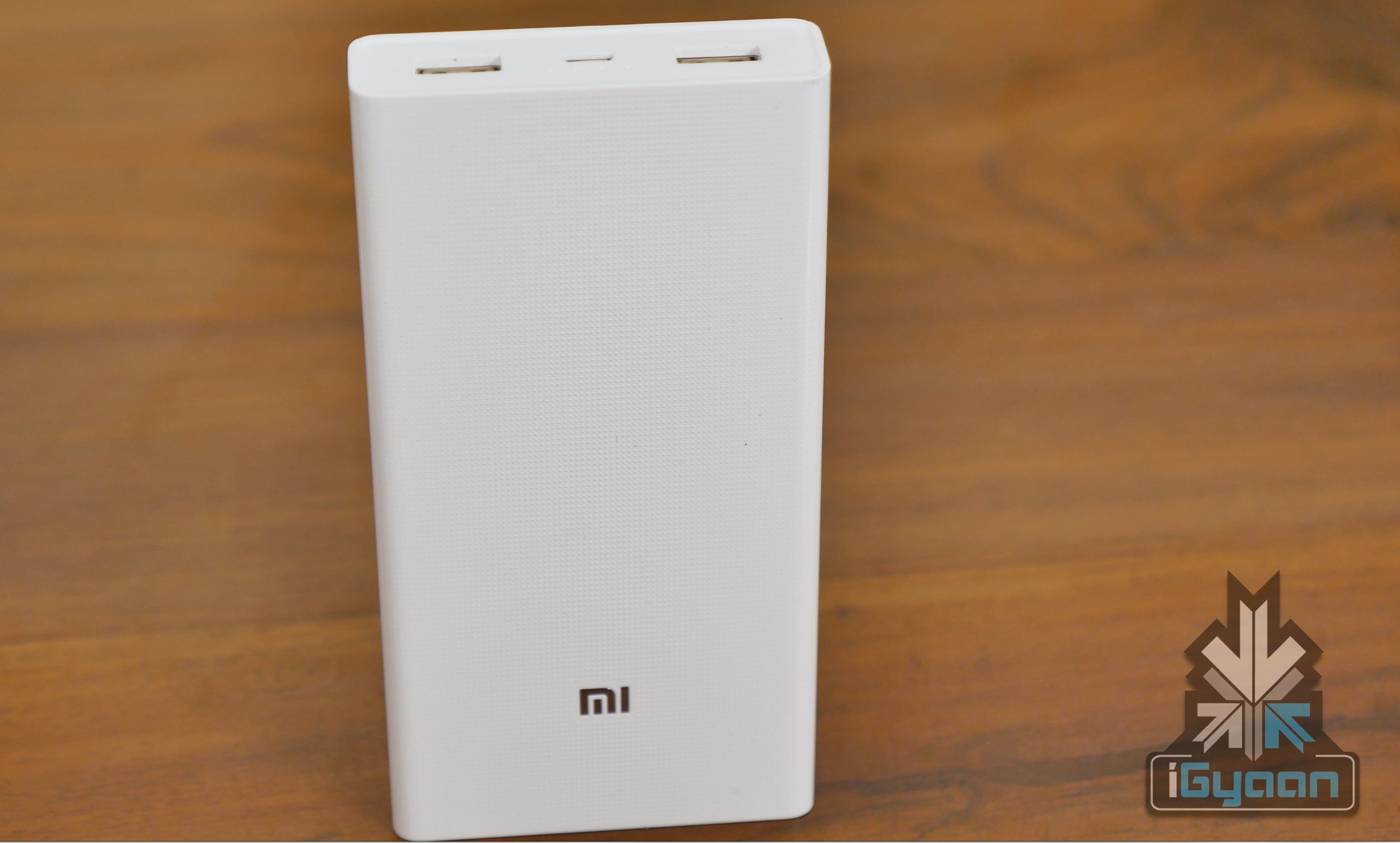
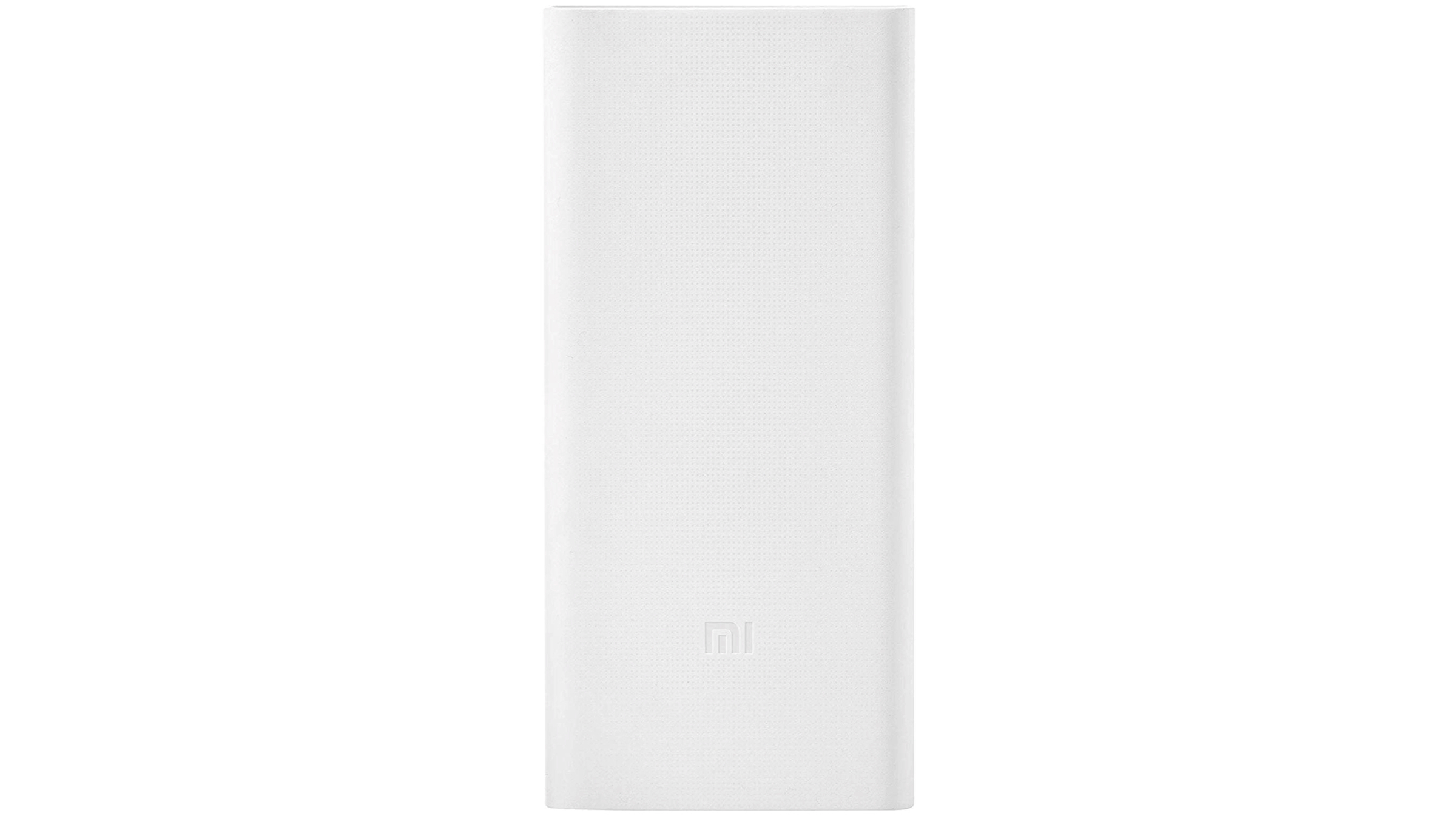
    Mi Power Bank 2i 20,000 mAh: The device has a rated capacity of 20,000 mAh and an affordable price, making it one of the most desired ones. Like its sibling, it also has an aluminium casing and a dual USB port. Despite having a large capacity, the size of the power bank is pocketable, making it easily portable.

    The Looker:

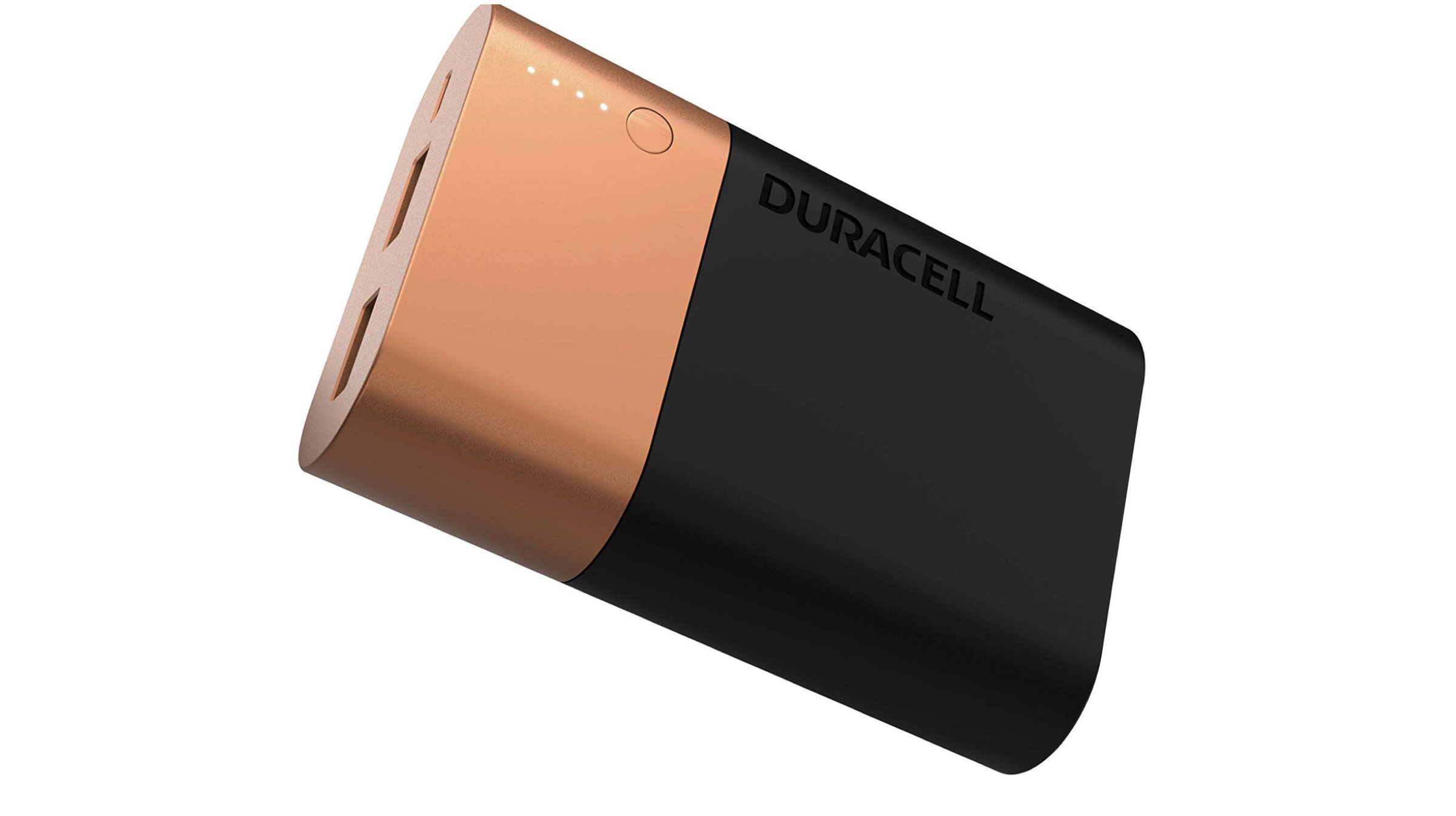
    Duracell PB10050: The Duracell Power Bank is one of the best-looking power banks available, deriving its looks from the brands’ well-known alkaline batteries. There are dual USB ports and support for fast charging on the device. It offers solid build quality and respectable 10,050 mAh battery which can charge standard smartphones twice.

    The Affordable Laptop Powerbank

    Also read: Penta Camera On The Nokia 9 PureView, What’s All The Hype About?

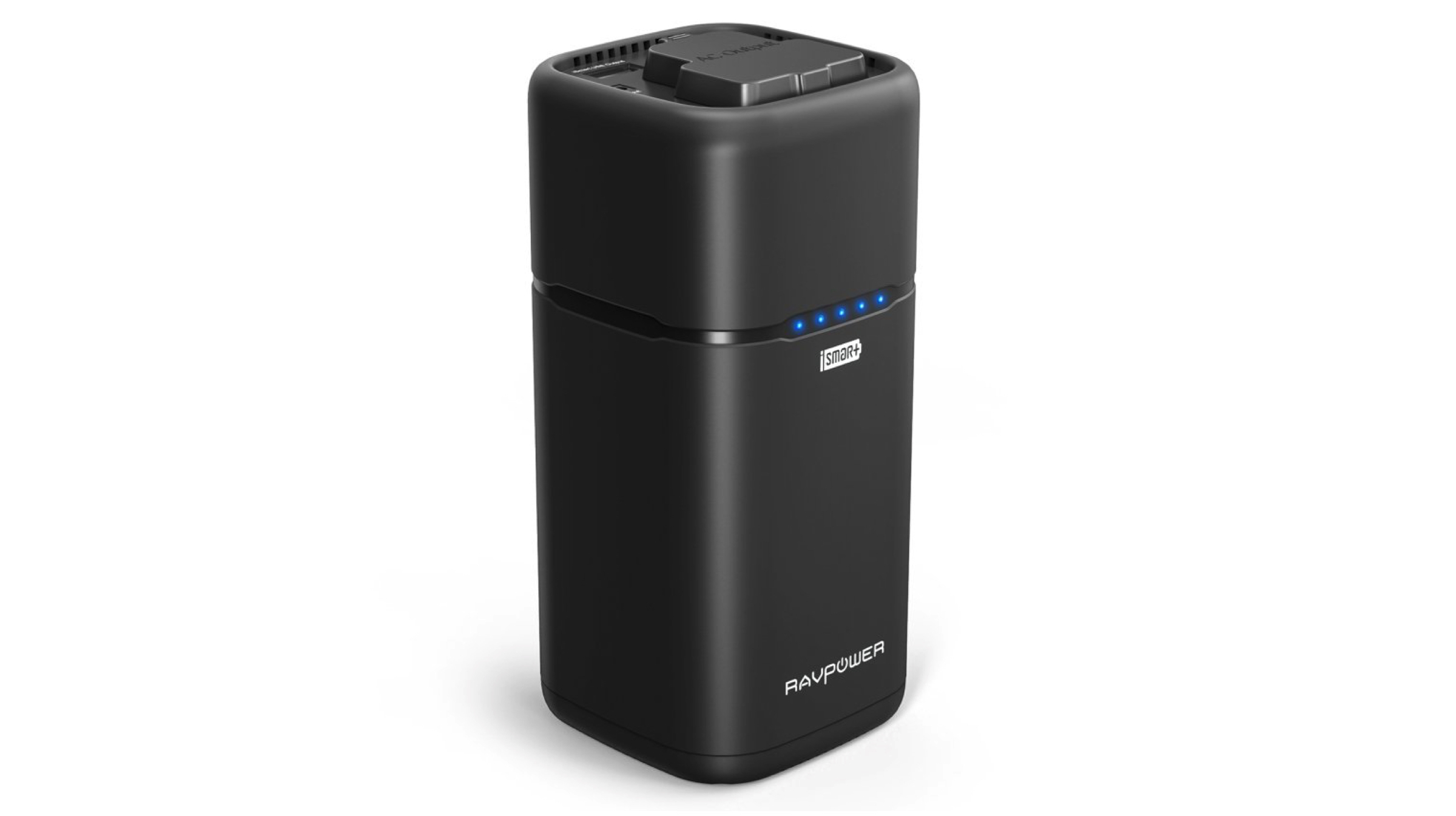
    RAVpower Portable 20,100 mAh: The RAVPower power bank is a powerhouse in more ways than one. Besides being quite portable and having a rated battery capacity of 20,100mAh, the device has an AC output port which makes it possible to charge laptops and devices which require an AC input. There are a USB Type-C port and a standard USB port. The AC port supports a maximum output of up to 65W.


  • The Road To Bluetooth 5.0: Key Differences Between All The Bluetooth Versions

    The Road To Bluetooth 5.0: Key Differences Between All The Bluetooth Versions

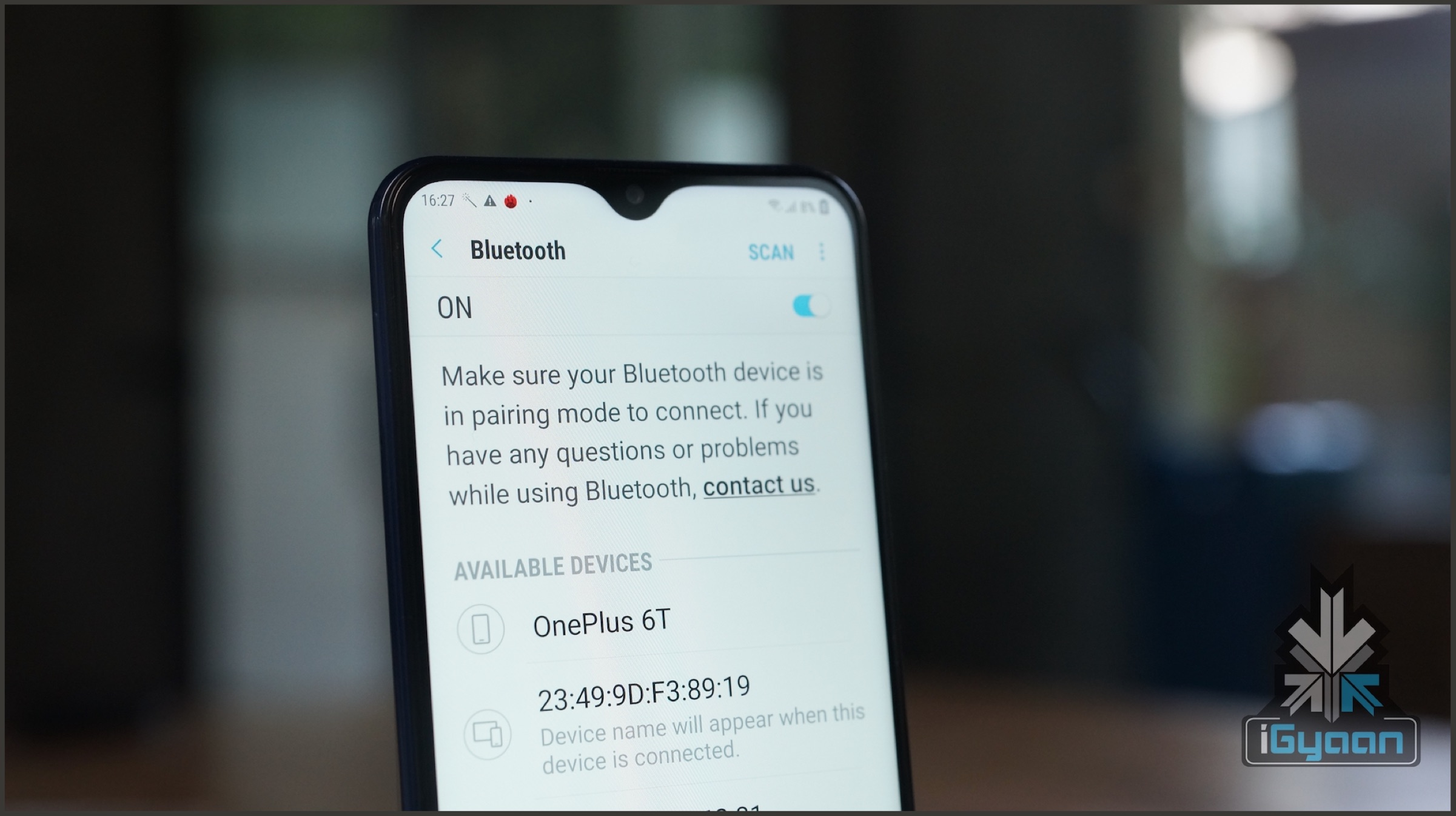
    The term Bluetooth was officially coined in the year 1998. It is a global wireless communication standard that is used for connectivity and exchange of data over a limited distance. Over a time period of almost 20 years, this technology is not an option anymore. It’s a necessity for all mobile computing devices, such as smartphones, Laptops and Tablets. Bluetooth 1.0 specification was released in 1999, and in the very next year, the first v1.0 enabled mobile handset and headset was launched in the market.

    After a long series of product integrations and new versions being rolled out almost every year, Bluetooth v5.0 was announced in 2016. By the next year, Apple, Samsung and other major smartphone brands had included  v5.0 support in their devices. Currently, the company extends its support to almost 35,000 brands, all of which are members of the SIG (Special Interest Group). Most users associate the chronological Bluetooth versions with the increase in transfer speed, which is not entirely true. A lot has changed over the years, and it’s not just the data transfer speeds, it’s basically everything that the technology is built around.

    The various factors that are involved in distinguishing between different Bluetooth versions are the range, data transfer speed and power consumption. See how the different iterations of the technology line up against each other.

    Bluetooth 1.0 & 2.0
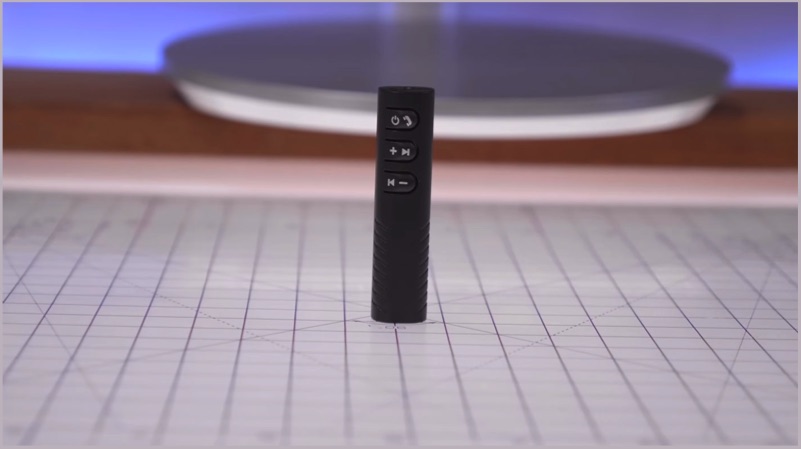
    Top Tech and Gadgets

    The first iteration of Bluetooth paved the way for wireless headsets, controllers and speakers that we still use today. Bluetooth 1.0 supported data speeds that capped off at just 1 Mbps. This is because Bluetooth 1.0 used a modulation scheme called Gaussian Frequency Shift Keying, or GFSK, which enabled the carrier to switch between two different frequencies (represented by 0 and 1). The two devices had to be placed within 10 meters of each other in order to facilitate communication between them.


    The shortcomings of GFSK were attempted to be eliminated in the v2.0, which used two newer schemes, p/4-DQPSK and 8DPSK. Where Bluetooth 1.0 used frequency modulations to transfer data,  v2.0 made use of changes in waveform phases to carry data. This led to a minimal yet significant upgrade in information transfer speeds, with devices communicating at speeds of up to 3 Mbps. 

    Bluetooth 3.0
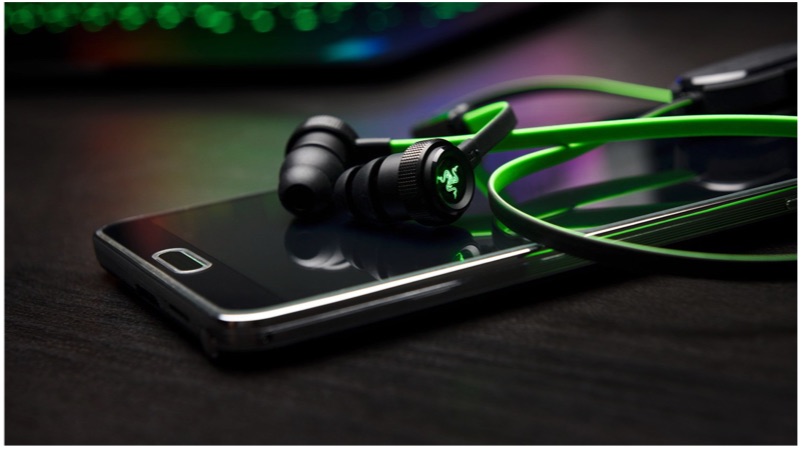
    Razer Hammerhead Bluetooth Earphones

    Bluetooth 3.0 was the first iteration to be recognized as a “high-speed” data transfer norm. While offering a much higher transfer rate of almost 24 Mbps, it also reduced the power consumption of devices using the technology. The high data transfer speed was achieved by the addition of 802.11, which is a standard created by IEEE (Institute of Electrical and Electronics Engineers) for wireless connectivity. Bluetooth v3.0 revolutionized short-range wireless communication and lay the foundation stone upon which v4.0 was designed a few years later.

    Bluetooth 4.0, 4.1 and 4.2
    Bluetooth v4.0 boasted of a higher range of usage and better power management. It also introduced the Low energy protocol, which was highly appreciated by people who used Bluetooth headphones for longer period of times. Bluetooth 4.1 took this a step further. It introduced a power plan for Bluetooth devices that automatically adjusted the power consumption of the device depending on range and usage. Sure, 4G LTE and other communication technology interfered with its frequency bands, but updates have been introduced since then to get rid of that problem.

    v4.2 brought some privacy updates to the table, which specified that tracking services cannot do what they are intended to do unless the user’s permission is granted. Also, it increased transfer speeds by almost 2.6 times, which was a huge step up from Bluetooth 4.1.

    Bluetooth 5.0
    Bluetooth 5.0 is the latest iteration in the series as of now. First announced in 2016, v5.0 was specifically designed to render a lossless and secure communication channel between devices. With twice the connection speed of Bluetooth 4.0 and 4 times the range, it is very responsive as compared to the previous versions. Also, a larger amount of data can be transferred using an increased message broadcast message size.
    Also Read: What Is Wi-Fi 6; Understanding Different Wi-Fi Standards
    A summarized table of all the versions and their key details is given below

    Bluetooth Version

    Transfer Rate Range (without obstacles)
    v1.0 1 Mbps 10m (33ft)
    v2.0, 2.1 3 Mbps 30m (100ft)
    v3.0 24 Mbps 30m (100ft)
    v4.0, 4.1, 4.2 24 Mbps 60m (200ft)
    v5.0 48 Mbps 200m (800ft)


  • Penta Camera On The Nokia 9 PureView, What’s All The Hype About?

    Penta Camera On The Nokia 9 PureView, What’s All The Hype About?

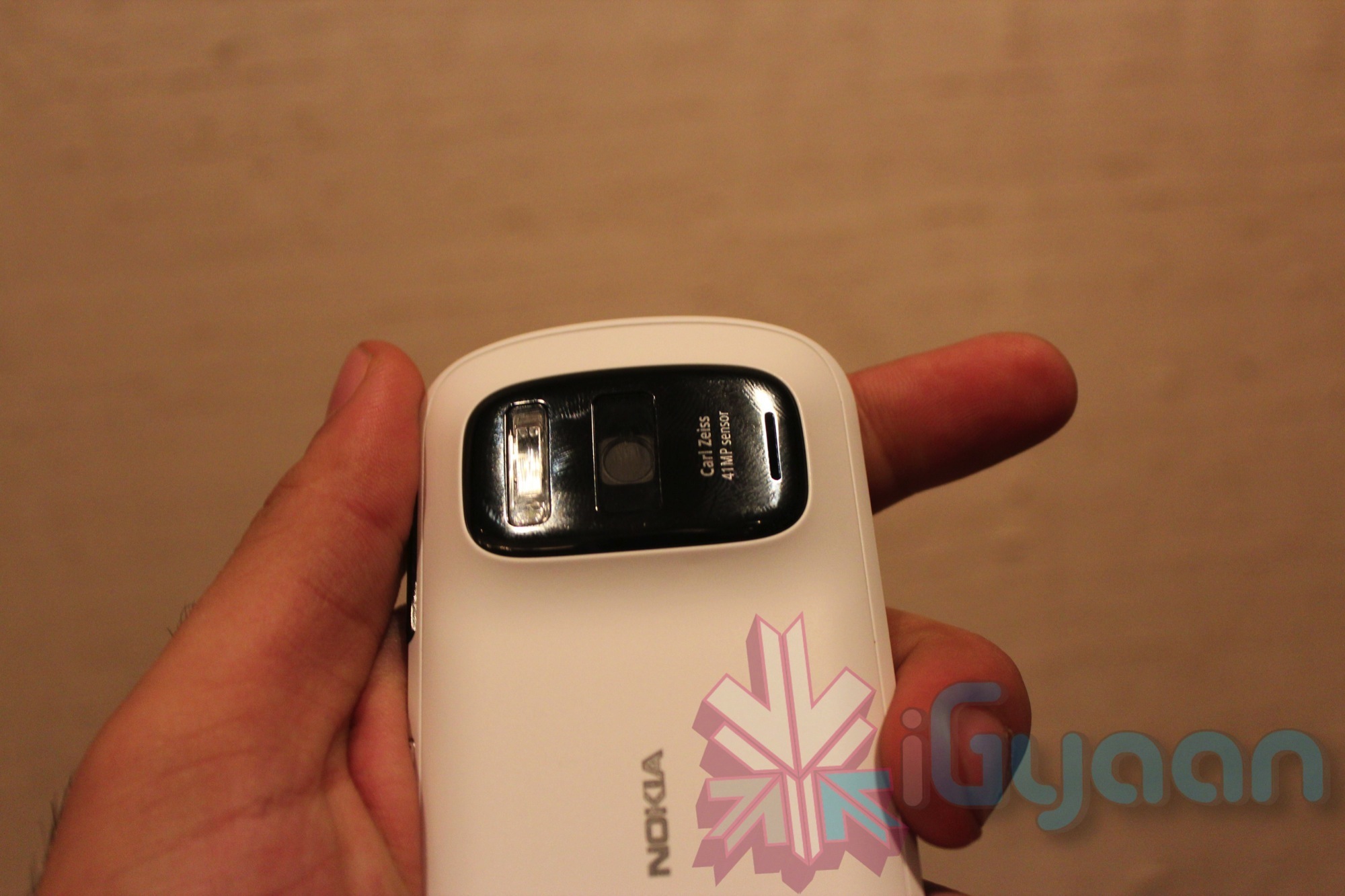
    Cameras on smartphones have evolved so much so that the need for bulky camera equipment including DSLRs and digital cameras have reduced greatly. Apple’s iPhone has been one smartphone that is renowned for its camera quality ever since its launch. Nokia, another leader in smartphone technology has also manufactured devices in the past that had remarkable camera capabilities. One such device is the Nokia 808 PureView from the year 2012 that featured a 41 MP rear camera sensor. Meanwhile, Taiwanese smartphone maker HTC launched the world’s first dual camera smartphone, the EVO 3D. This device kicked off the whole trend of multiple camera sensors on a smartphone. Having multiple cameras on a smartphone can surely provide its camera capabilities with a boost. However, Google with its Pixel lineup of smartphones have time and again proved that it is not necessary to have more than one camera sensors to capture excellent images.

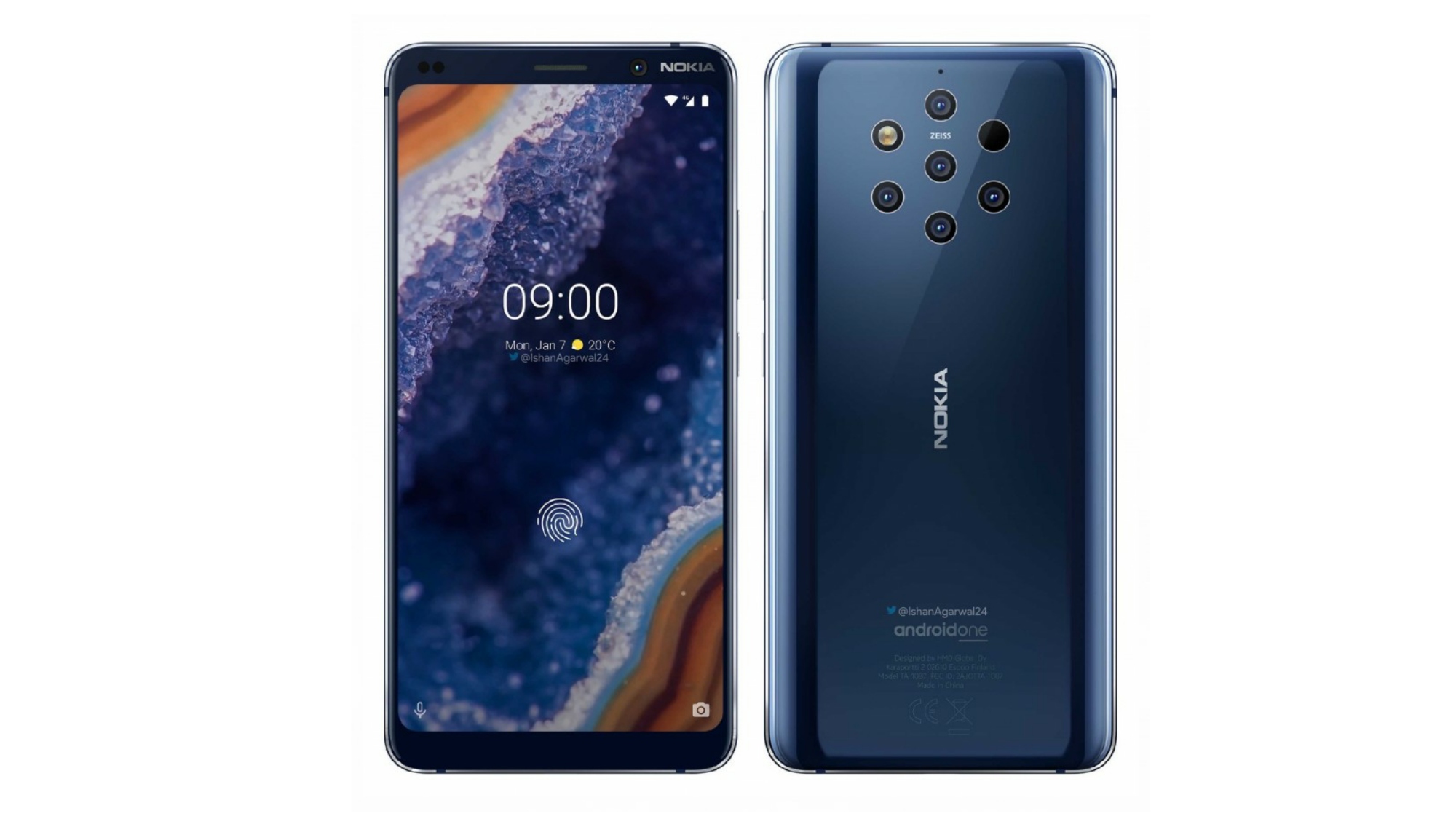
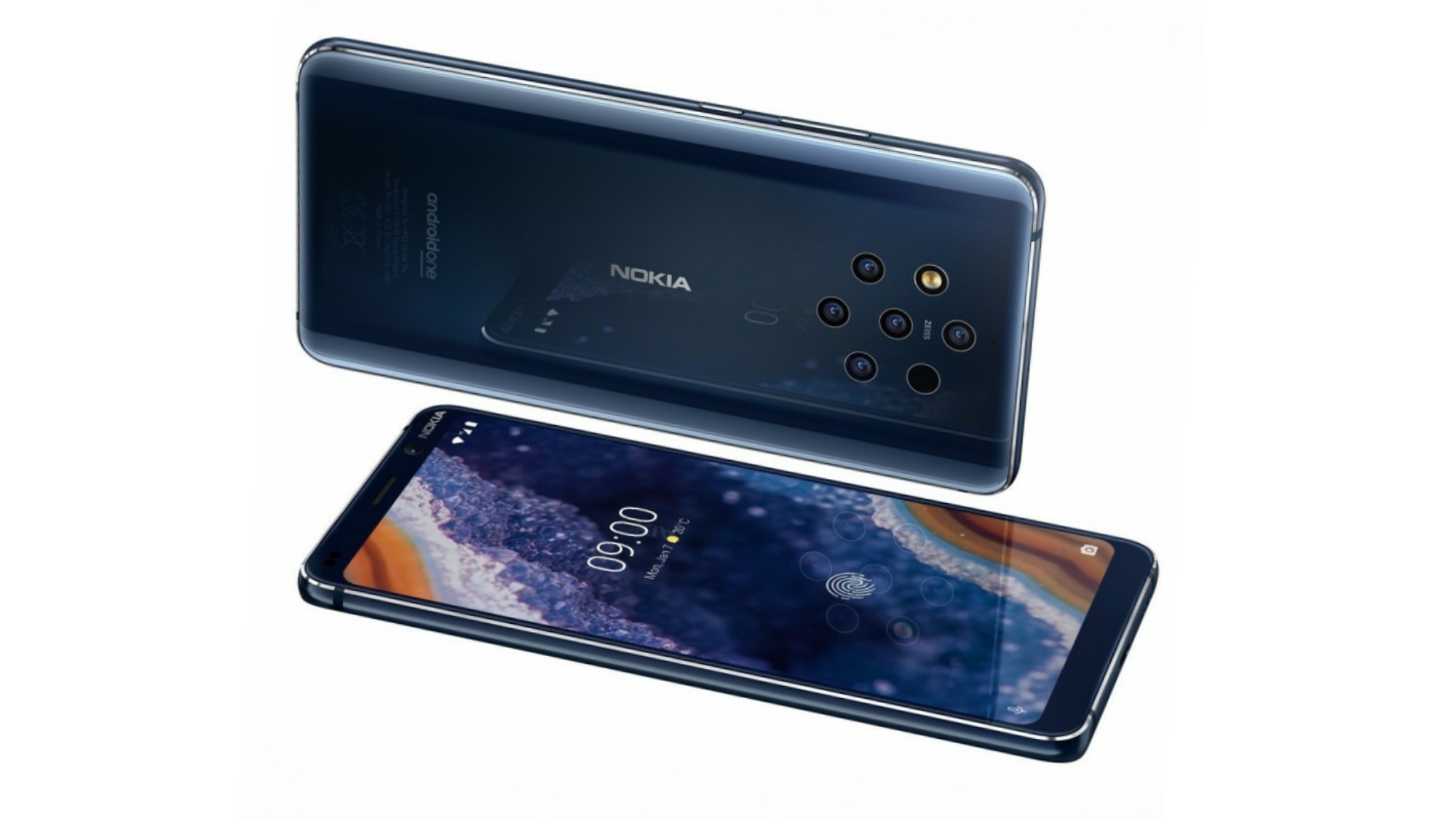
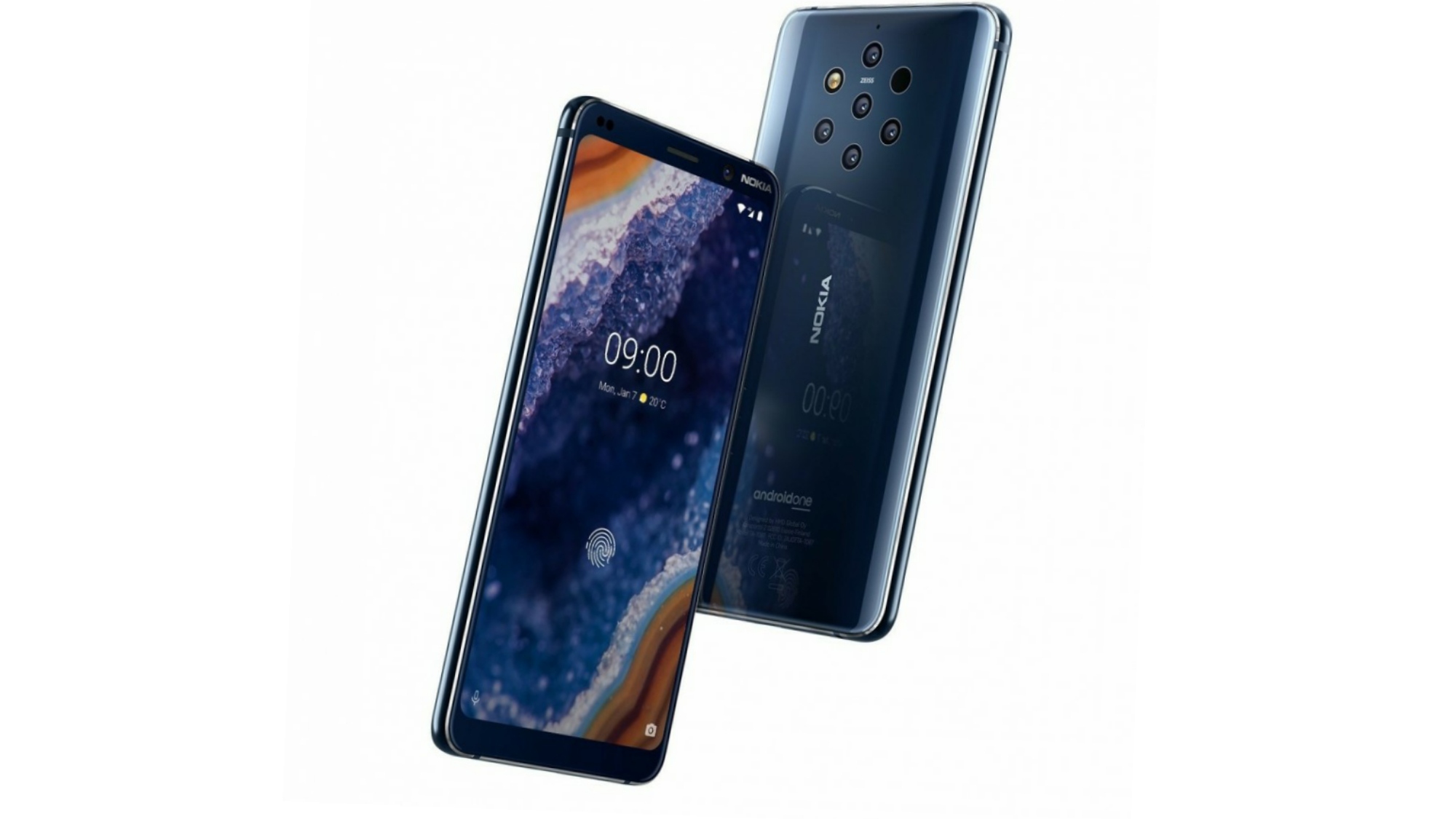
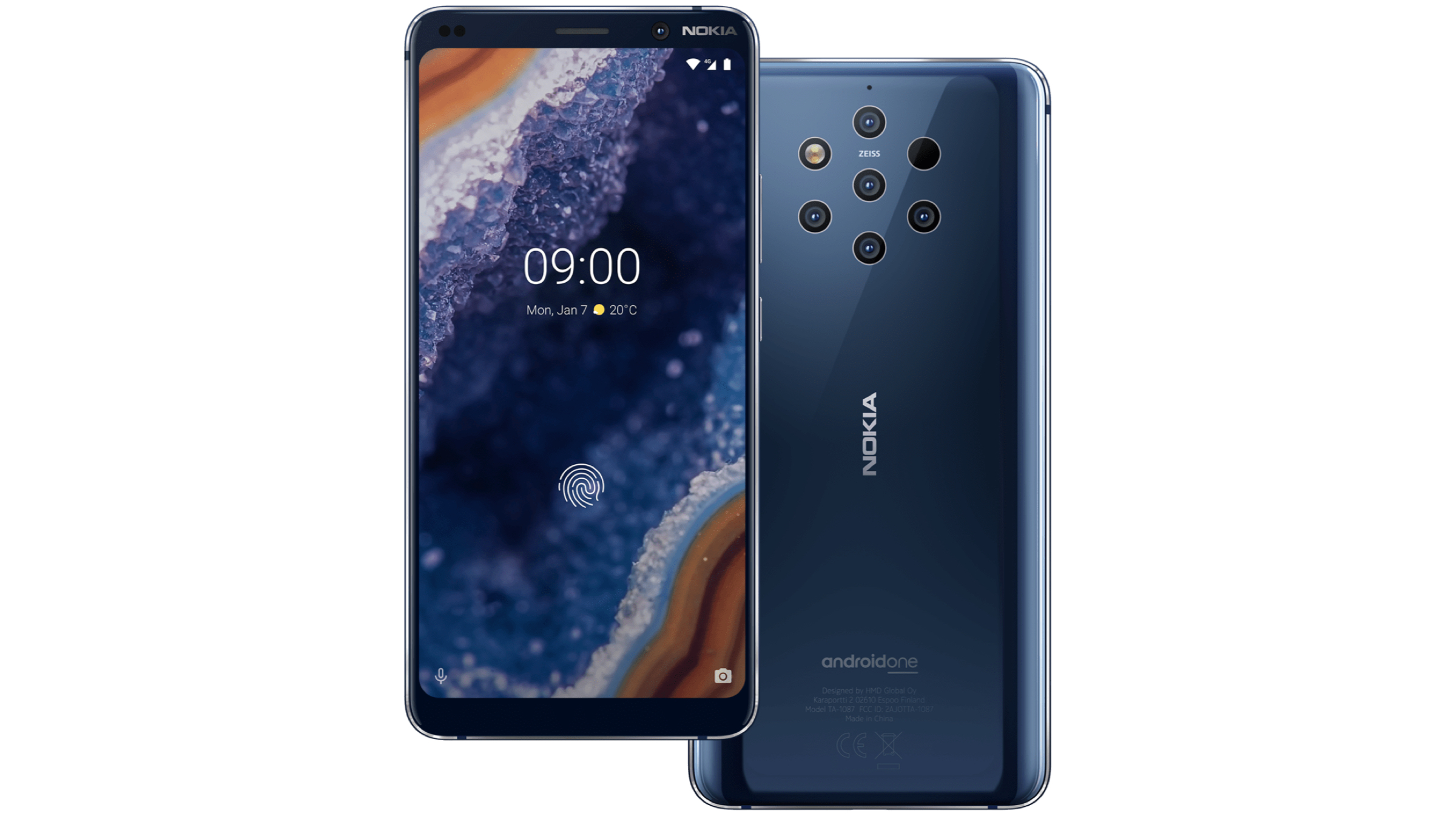
    Nokia, now owned by HMD global has unveiled its latest flagship smartphone, the Nokia 9 PureView. The smartphone was launched during the MWC 2019 which was held in Barcelona late last month. The newly launched smartphone is packed with high-end specifications, though its key highlighting feature is certainly the rear mounted Penta camera setup. Long before the launch of the Nokia 9 PureView, there have been boatloads of enigmas surrounding the camera setup it packs. In this article, we will spread some light on the strange-sounding man-made technological marvel to demystify all its element and aspects. 

    Composition Of The Penta Camera Setup

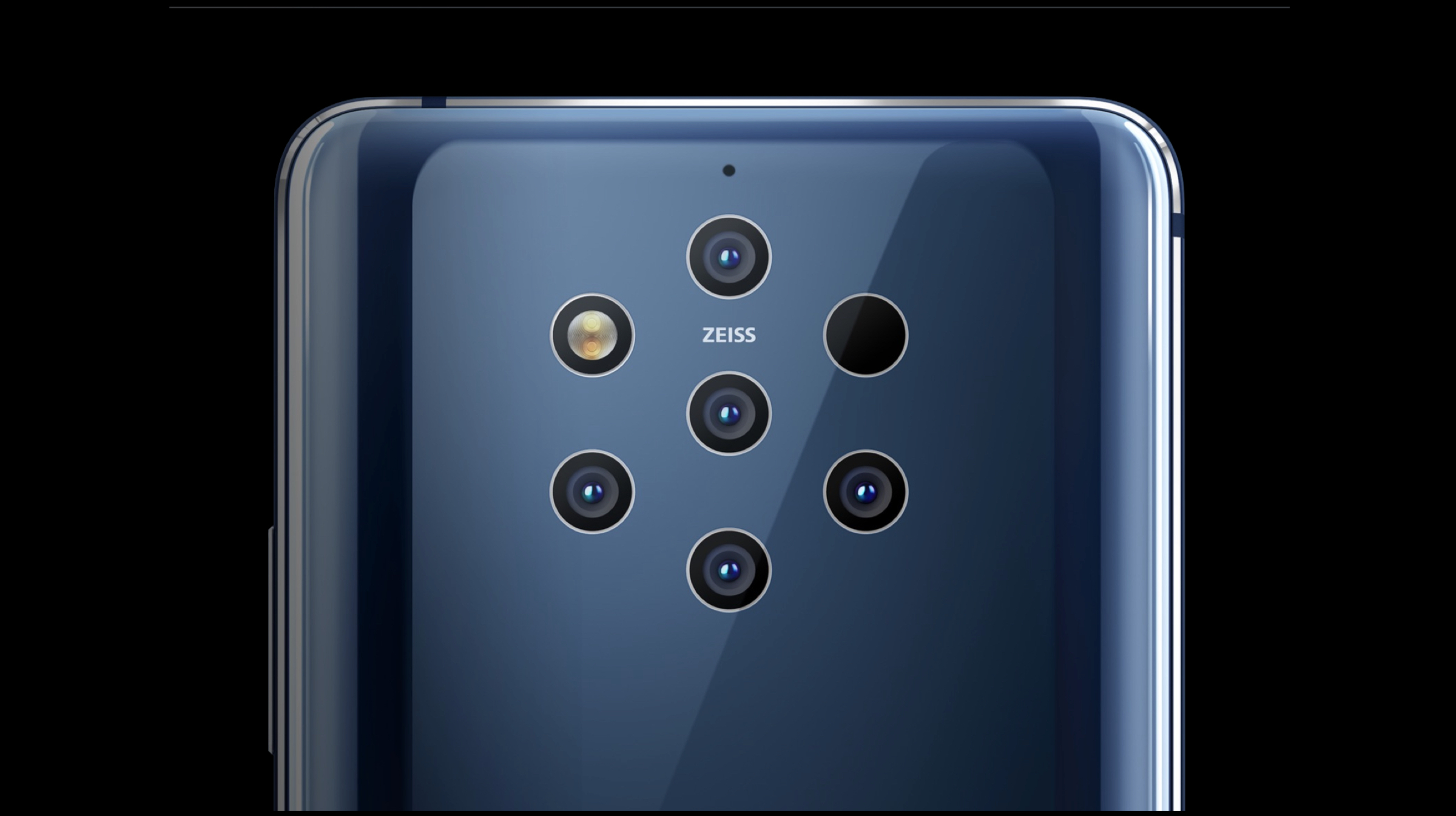
    The Penta camera setup of the Nokia 9 PureView is located on the 2.5d curved rear glass panel. Its alignment mirrors that of a hexagonally shaped constellation. Out of the five sensors, two are RGB sensors that capture the image and video data in colour format. While the remaining three are Monochrome sensors which capture Black and White image and video data. Each of the camera sensors has a resolution of 12 Mega Pixel and use a 28 mm lens. The camera sensors have a pixel size of 1.25µm (ultra micron) which allows in capturing 1.25x the amount of light resulting in better lit pictures.

    Uniquely, the Nokia 9 PureView also has a ToF (Time-of-Flight) imaging sensor which enables it in capturing the depth of field (DOF) in an image. As the name suggests, DOF is the distance between the farthest and nearest object in the frame. This additional information captured by the sensor is infused with the pictures captured with the five sensors resulting in an image that looks multi-dimensional. This image focuses mainly on the subject while de-emphasizing the other background elements. Supplementary, the focus of images captured on the Nokia 9 PureView can be readjusted after clicking the picture if need be.  

    Distinctive Camera Features

    The Nokia 9 PureView, unlike most other smartphones, can also capture images in RAW and DNG format. This feature could be the sole reason to distinguish the newly launched device from its competition. RAW images, also referred to as ‘digital negatives’ are essentially unprocessed data that the sensor captures. RAW files preserve the most amount of information about an image and generally contain more colours and dynamic range than other formats. The prominent advantages of capturing images in the RAW file format are as follows:

    • RAW files contain full JPEG previews that were processed by the camera sensor dependent on the chosen settings. 
    • In addition to basic exposure information, RAW files also store other camera-specific data such as picture controls and focus point.

    DNG images are similar to RAW files except for the fact it is proprietary format developed by Adobe. Therefore, the software developed by Adobe including Lightroom can be used to manipulate DNG images. Additionally, DNG images can be previewed on most devices without the need for special software, unlike RAW format images. Noteworthy, the Nokia 9 can also edit both DNG and RAW format images. 

    Software and AI Algorithms

    The Nokia 9 PureView with the combination of five cameras collects up to times more light in comparison to a single smartphone camera colour sensor. The smartphone captures images concurrently from all five sensors which with the help of software and AI algorithms are processed to produce the best output. Notably, the fusion process takes upto 30 seconds and occasionally, even longer. Nokia has partnered with a company called Light that in the year 2019 launched the L16 camera with 16 lenses. Nokia claims that the hardware and software of the Nokia 9 PureView work in perfect harmony to produce the greatest output achievable. 

    Nokia 9 PureView Specifications

    Also Read: What Is Wi-Fi 6; Understanding Different Wi-Fi Standards
    • Display: 5.99-inch P-OLED, 2880 × 1440 pixels, 538 ppi
    • Operating System: Android 9.0 Pie
    • Processor: Qualcomm Snapdragon 845
    • RAM: 6 GB LPDDR4x
    • Storage: 128 GB
    • Rear Cameras: 5 x 12 MP (2 RGB Sensors, 3 Monochrome Sensors)
    • Selfie Camera: 20 MP
    • Security: In-display fingerprint scanner
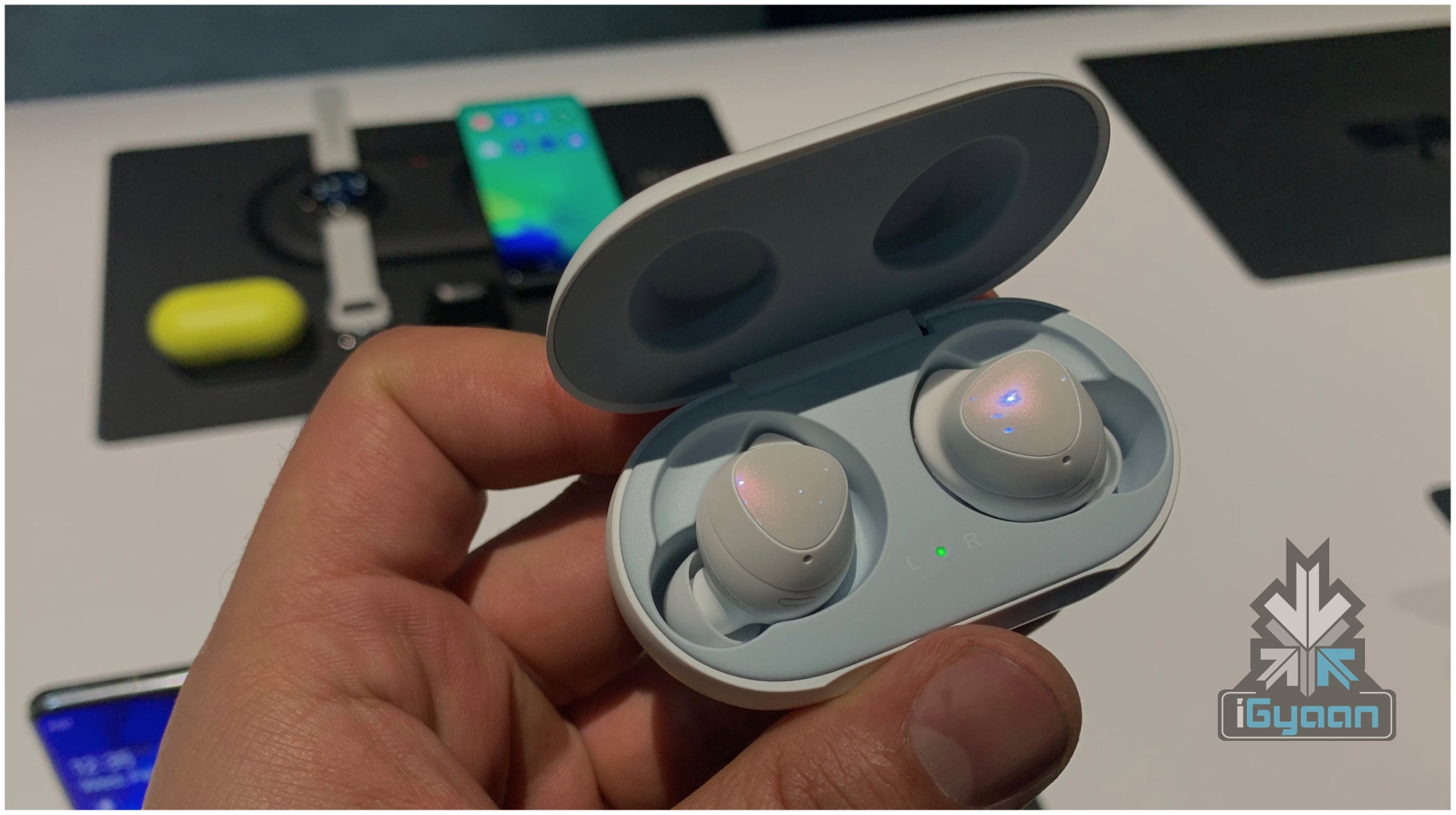
    • Connectivity: 4G VoLTE, Wi-Fi 802.11 ac, Bluetooth 5.0, GPS, USB Type-C
    • Battery: 3,320mAh, Qi Wireless Charging
    • Dimensions: 155 x 75 x 8 mm
    • Weight: 172 g
  • What Is Wi-Fi 6; Understanding Different Wi-Fi Standards

    What Is Wi-Fi 6; Understanding Different Wi-Fi Standards

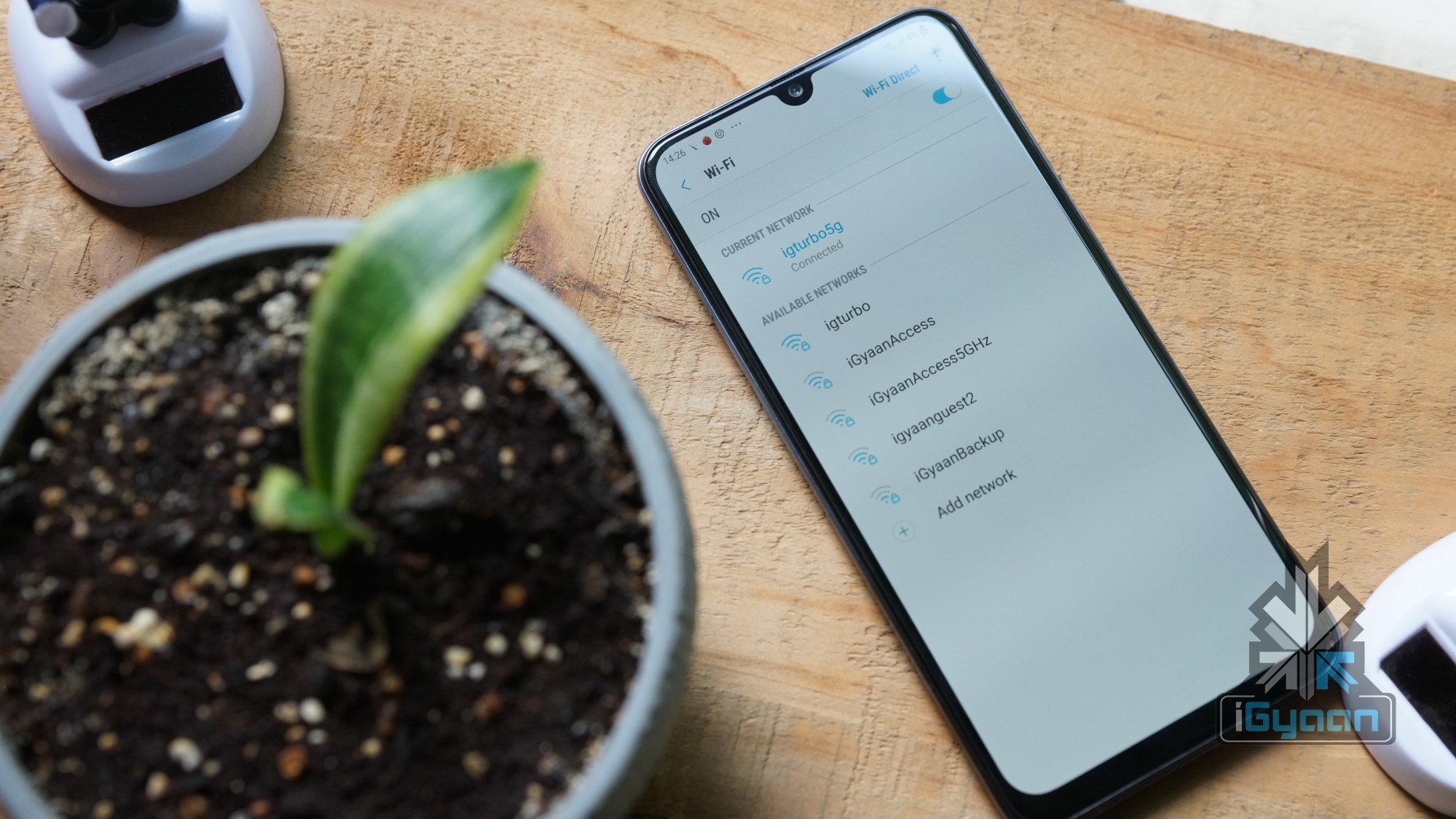
    In today’s day and age of connectivity, one of the most common ways people connect to the internet is through Wi-Fi. The latest generation of this technology, Wi-Fi 6 has been freshly introduced. But what does Wi-Fi, a technology most people use to connect to the internet mean, and what changes does the new generation of Wi-Fi bring? Here is a brief history of Wi-Fi standards across generations and what improvements Wi-Fi 6 has to offer.

    Wi-Fi Standards: A History

    To understand what the different standards of Wi-Fi, first an understanding of what Wi-FI means is required. It is a popular wireless networking technology that uses radio waves to provide a high-speed network connection. The Wi-Fi Alliance is an organization which owns the trademark for the name and defines it as “wireless local area network products that are based on the Institute of Electrical & Electronics Engineers’ (IEEE) 802.11 standards. The number is a common sight in different generations of Wi-Fi, the original standard for which was released in 1997. Here is what changed in the different generations of Wi-Fi:

    Wi-Fi Generation:

    Wi-Fi 1 (802.11a)

    Wi-Fi 2 (802.11b)

    Wi-Fi 3 (802.11g)

    Wi-Fi 4 (802.11n)

    Wi-Fi 5 (802.11ac) Wi-Fi 6 (802.11ax)
    Released: 1999 1999 2003 2009 2014 2019
    Maximum Speed: 54 Mbit/s 11 Mbit/s 54 Mbit/s 150 Mbit/s 800 Mbit/s 1,300Mbit/s
    Frequency: 5.8 GHz 2.4 GHz 2.4 GHz 2.4 & 5 GHz 5 GHz 2.4 & 5 GHz
    Wi-Fi 6: What’s New?


    Like any new technology, the next generation of Wi-Fi standard offers significant improvements over its predecessor. Some of them are mentioned below:

    • Faster Speeds

    As is the case with every generation, the new Wi-Fi 6 is all set to provide faster speeds on compatible devices. On a router connected to a single device, the maximum speed is up to 1,300Mbit/s.

    • Better Battery Life

    With a new feature called Target Wake Time (TWT), the new generation can make use of the access point to tell a device like a smartphone to put the Wi-Fi radio to sleep and to activate it whenever required. This would help conserve battery life in the long run.

    • Performance In Congested Areas

    The new standard has been designed to work better in congested areas, like an airport or a station. This is due to a technology called “spatial frequency re-use.”

    Also read: Intel And Qualcomm Will Offer 5G Modems For Computers

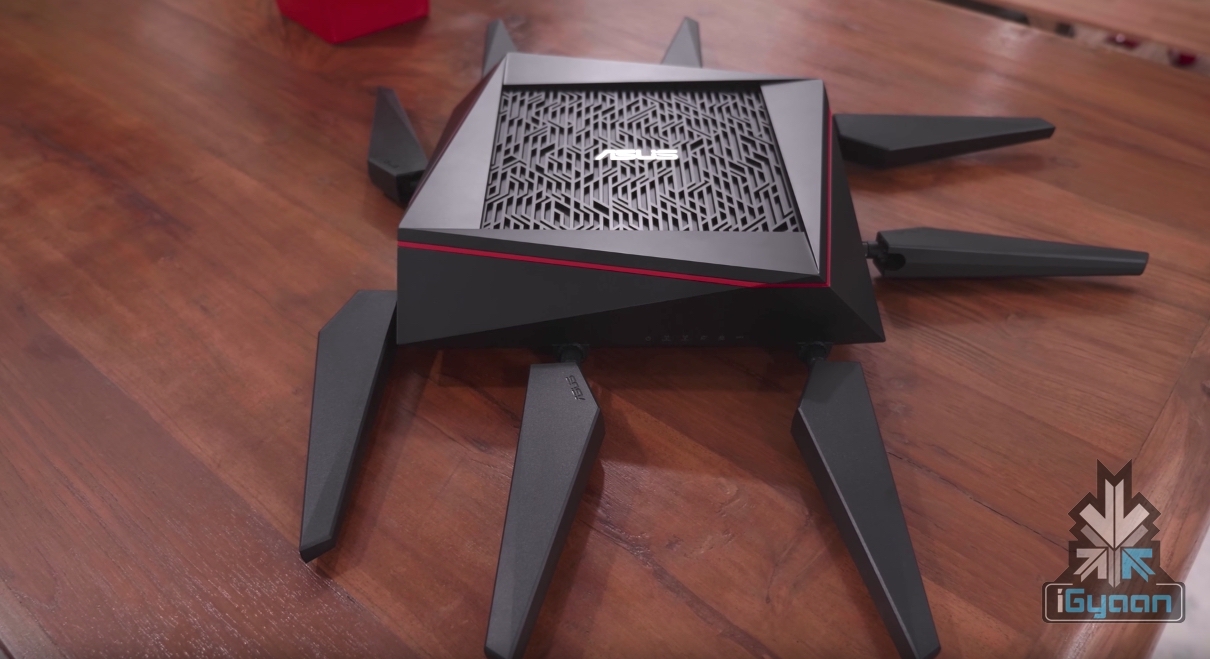
    However, to use the newest Wi-Fi 6, the user will need to have a router and a device supporting the technology. Considering the technology is fairly new, it will be a while before the industry adopts it as the standard for wireless connectivity.

  • Intel And Qualcomm Will Offer 5G Modems For Computers

    Intel And Qualcomm Will Offer 5G Modems For Computers

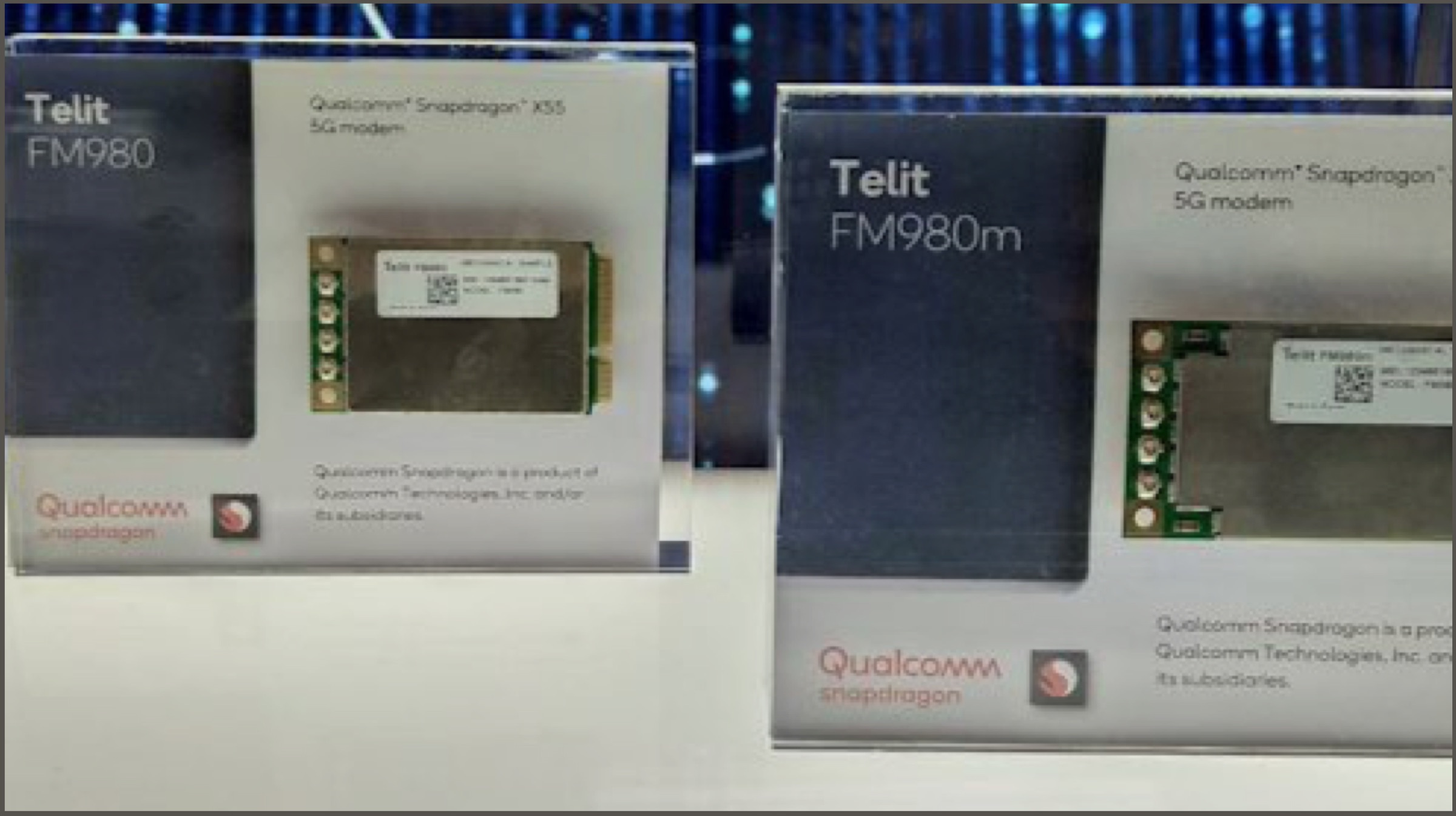
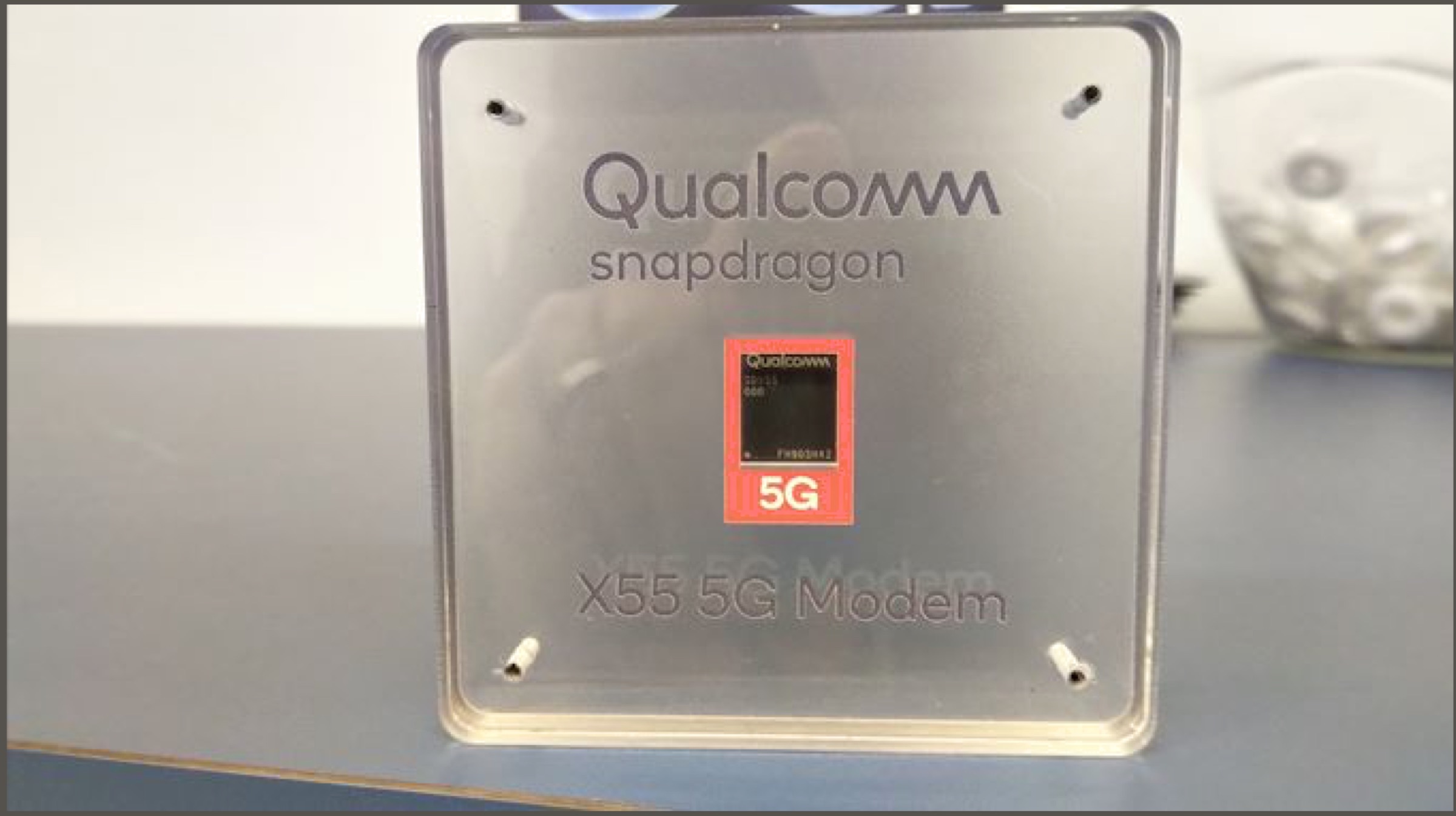
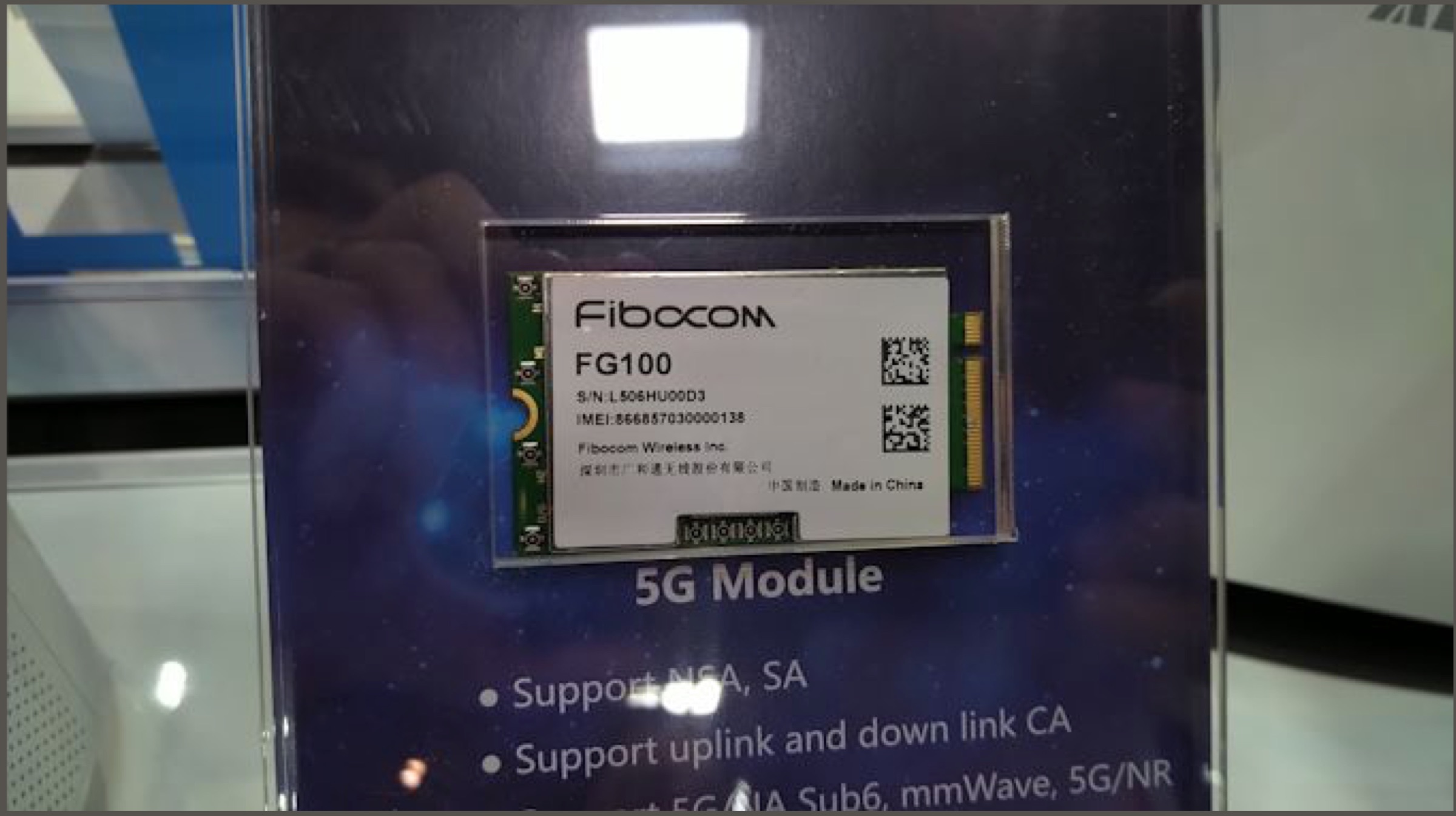
    Consumers believe that 5G technology will initially be limited to just smartphones, which may not be the case. A lot of companies speculate that 5G support will be available almost immediately on desktops and laptops with M.2 sockets. At MWC 2019, companies like Intel and Qualcomm were found showing off their 5G modems that will render high speed internet connectivity to traditional computing devices including laptops and desktops.

    Noteworthy, the 5G modules are not intended to be Plug and Play devices, instead, they are dependant on the external 5G antennae for network reception. This means that without a 5G supported machine, the modules are of absolutely no use. The modules will be used by Laptop and desktop manufacturers, which include companies like HP, Lenovo and Dell. All these brands have implemented LTE versions of similar connectivity modules in the past, so it is likely that the aforementioned companies will be the first to unveil laptops and desktops with 5G modules.

    Qualcomm and Intel Modems: Bands And Availability

    During MWC 2019, Qualcomm announced the X55 modem for 5G support across devices. The module is expected to be compatible with both mmWave 5G and Sub-6GHz 5G bands. mmWave 5G technology makes use of ultra high frequency radio signals, which are used to transfer data across devices. This is done within the 24 to the 90Ghz range, so a lot of bandwidth is wasted where it could be used to boost 5G speeds. Instead, the Sub-6GHz band operates between 1 and 6 GHz, which encompasses mostly all the data. It is less operational than mmWave in the long run, but it is certainly more functional.

    Also Read: Is Artificial Intelligence Digging Its Roots Deeper Into Our Reality?

    The Intel 5G modules will be manufactured by Fibocom and will use the XMM8160 modem. Just like Qualcomm’s module, it will support both 5G bands. Reportedly both the Qualcomm and Intel modules are 30 wide. Therefore, they cannot be used with standard M.2 ports. Consequently, companies need to incorporate compatible sockets on their machines to accommodate previously mentioned modules. The 5G modules will be first seen in laptops and desktops in the year 2020. 

  • Galaxy S10 Has The Best Smartphone Display Claims DisplayMate

    Galaxy S10 Has The Best Smartphone Display Claims DisplayMate

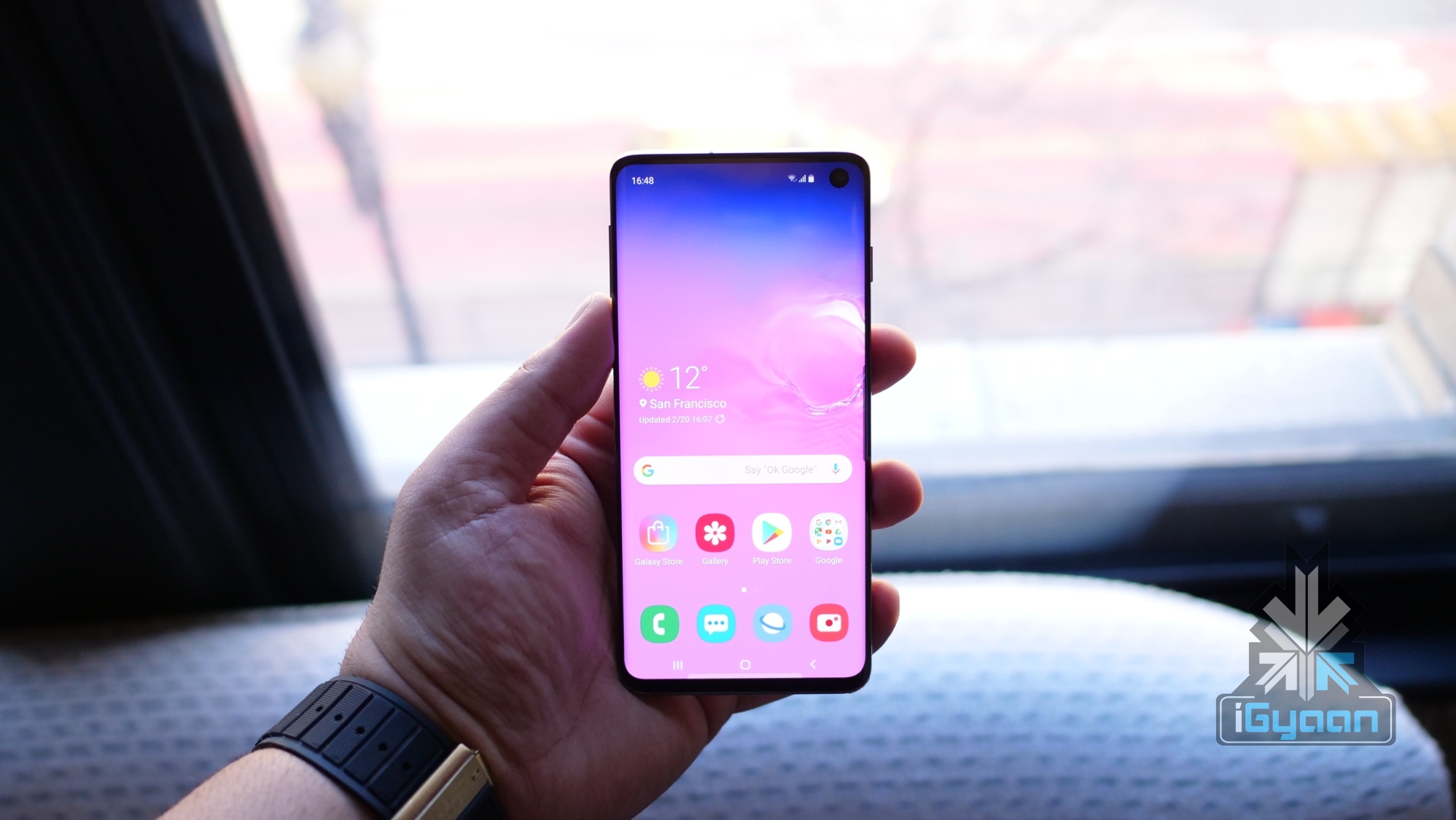
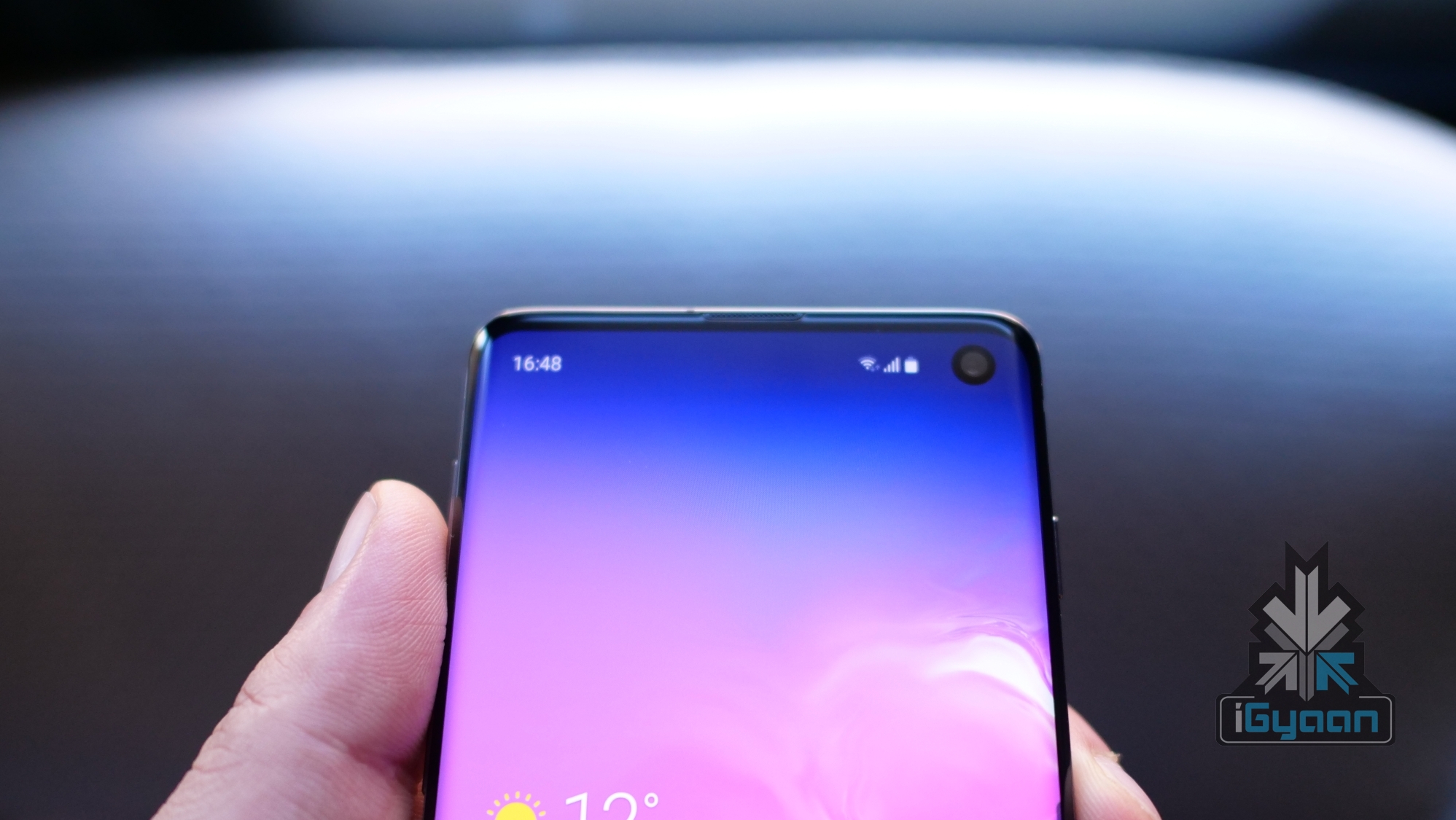
    Samsung launched the Galaxy S10 series of smartphones at the Galaxy Unpacked event on February 20. The devices that were launched in the lineup include the Galaxy S10e, Galaxy S10, Galaxy S10+ and the Galaxy S10 5G. All the devices were marked by a striking similarity, their displays. While the display sizes are different, all the smartphones have a Dynamic AMOLED display with support for HDR10+ content. DisplayMate, a noted display calibration and testing company has ranked the Samsung Galaxy S10 excellent for its display.

    Who Is DisplayMate?

    DisplayMate is a well-known display benchmarking company that tests, evaluates and compares all types of displays, like monitors, projectors, mobile displays etc. It also offers professional display calibration software for consumers. The company has been in the limelight for the last few years when it started testing and ranking mobile displays. It is often considered as an industry standard in display testing.

    Samsung Galaxy S10 Display

    In the Galaxy S10, Samsung has used an Infinity-O, 6.1-inch Dynamic AMOLED display with a resolution of 3040 x 1440 px. It has an aspect ratio of 19:9 and a pixel density of 550 ppi. The display on the Samsung Galaxy S10 is considered better than the one on its elder siblings, the Galaxy S10+ and the Galaxy S10 5G; due to its higher pixel density. One highlighting feature of the display is its illumination levels which can reach 1200 nits of brightness. 

    Also read: Samsung Galaxy A60 With 32MP Front Camera, 4500mAh Battery Leaked

    DisplayMate in their testing rated the display on the device as Excellent and gave it an A+ rating. This is in part due to its colour accuracy which the company claims is ‘indistinguishable from perfect’. According to DisplayMate, the display also has a very high image contrast accuracy and minimal colour and white shifting. Notably, Samsung has been time and again appreciated for making praiseworthy displays for smartphones and is a big name in the monitor and the TV business. The company also supplies AMOLED displays for major smartphone OEMs including Xiaomi and OnePlus.

  • Huawei Teases Nova 4e With 32MP Selfie Camera

    Huawei Teases Nova 4e With 32MP Selfie Camera

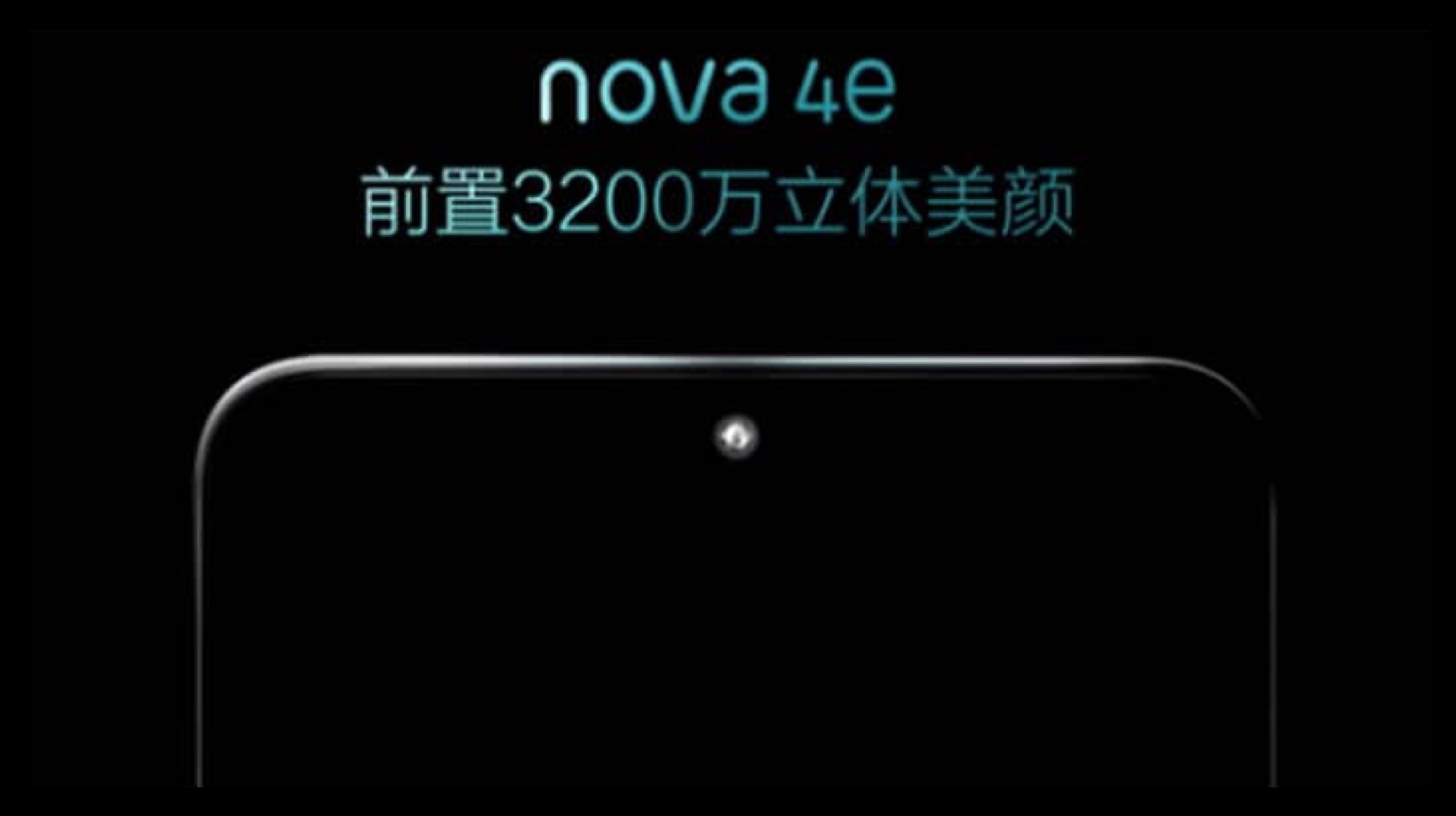
    After the success of its previous releases, Huawei is all set to launch a new variant of the Nova 4 smartphone in China. Named the Nova 4e, the smartphone will feature a water drop notch instead of the punch hole present on the Nova 4. This indicates that the device is a more affordable variant of the Huawei Nova 4, with slightly lower specifications and limited features.

    Expected Specifications

    The Chinese smartphone manufacturer posted a video clip which clearly states that the upcoming Nova 4e will have a 32MP selfie shooter. The specifications of the device are not clear yet, but the device is expected to have a similar sized screen to the Huawei Nova 4, which has a 6.4 inch LCD display with a resolution of 2310 x 1080 px and a pixel density of 398 ppi. The Nova 4e may run on the company’s own 10 nm Kirin 970 chipset, which is also found in the Huawei P20 Pro. The SoC comprises of an Octa-core Cortex CPU and the Mali-G72 MP12 GPU. 

    Huawei Nova 4

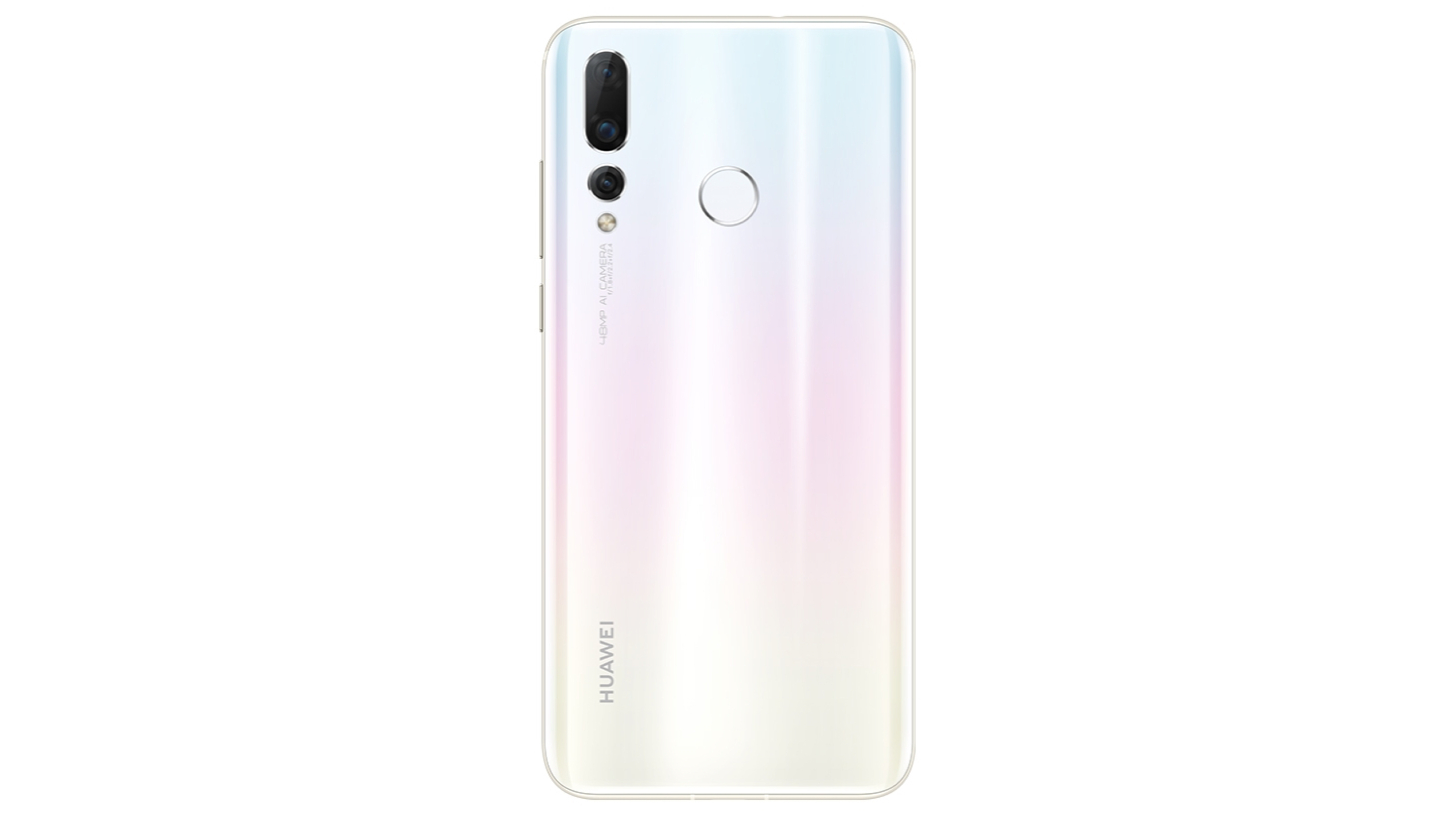
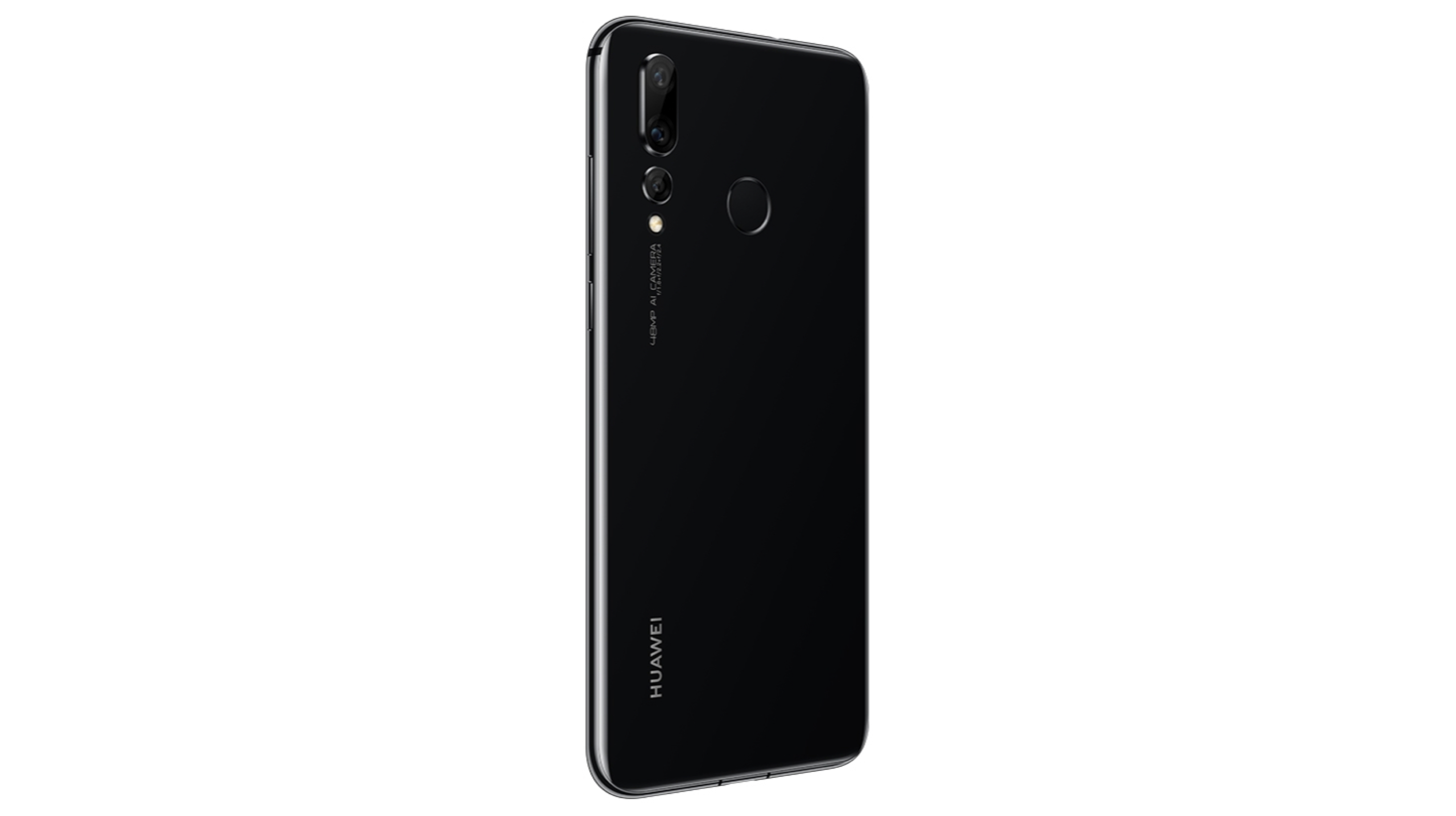
    The Huawei Nova 4e is expected to feature a triple rear camera setup similar to the one found in the Nova 4, which consists of a 20 MP (f/1.8) primary sensor combined with a 16 MP (f/2.2) wide angle sensor and a 2 MP (f/2.4) depth sensor. The camera will support standard features like LED flash, HDR and panorama mode, and will supposedly be able to capture 4K videos at 30 fps. As mentioned before, the device will sport a 32 MP front camera for clicking selfies. In regard to memory, the device may launch with 8 GB of RAM and 128 GB of internal storage. Just like the Nova 4, the Huawei Nova 4e may have a rear mounted fingerprint sensor and a USB Type-C port.

    Features And Availability
    Huawei Nova 4

    Also Read: Realme 3 With 3D Gradient Unibody Launched
    The Huawei Nova 4e is expected to be powered by a 3,750 mAh battery with fast charging support, like its elder sibling, the Nova 4. It is likely to run on Android 9.0 based EMUI out of the box. As of now, there is no official news of the Nova 4e launching in India as even the Nova 4 hasn’t made its way to the Indian markets yet. An official statement from the company is much awaited for the same.

iGyaan Network
Privacy Overview

This website uses cookies so that we can provide you with the best user experience possible. Cookie information is stored in your browser and performs functions such as recognising you when you return to our website and helping our team to understand which sections of the website you find most interesting and useful.