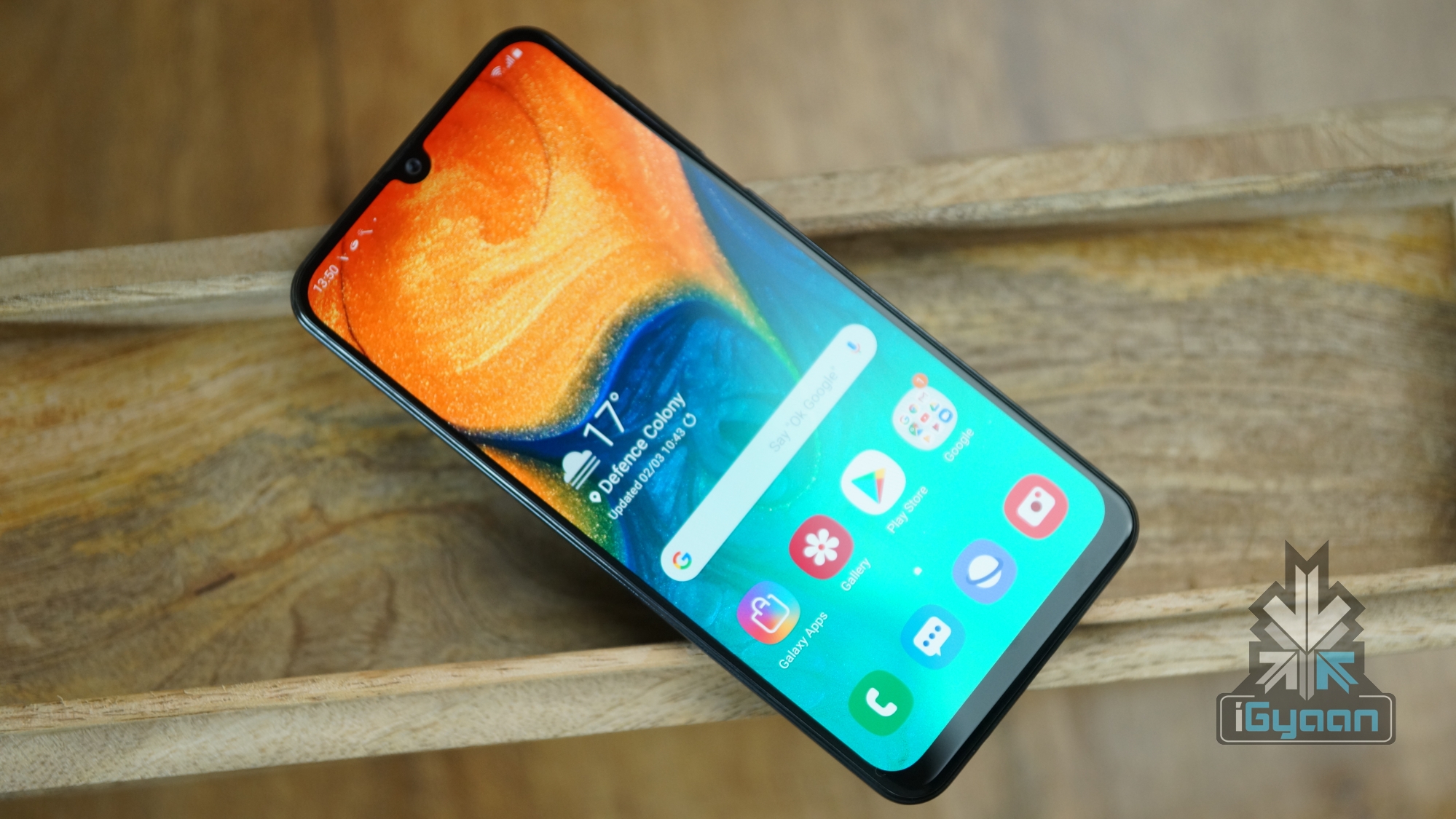
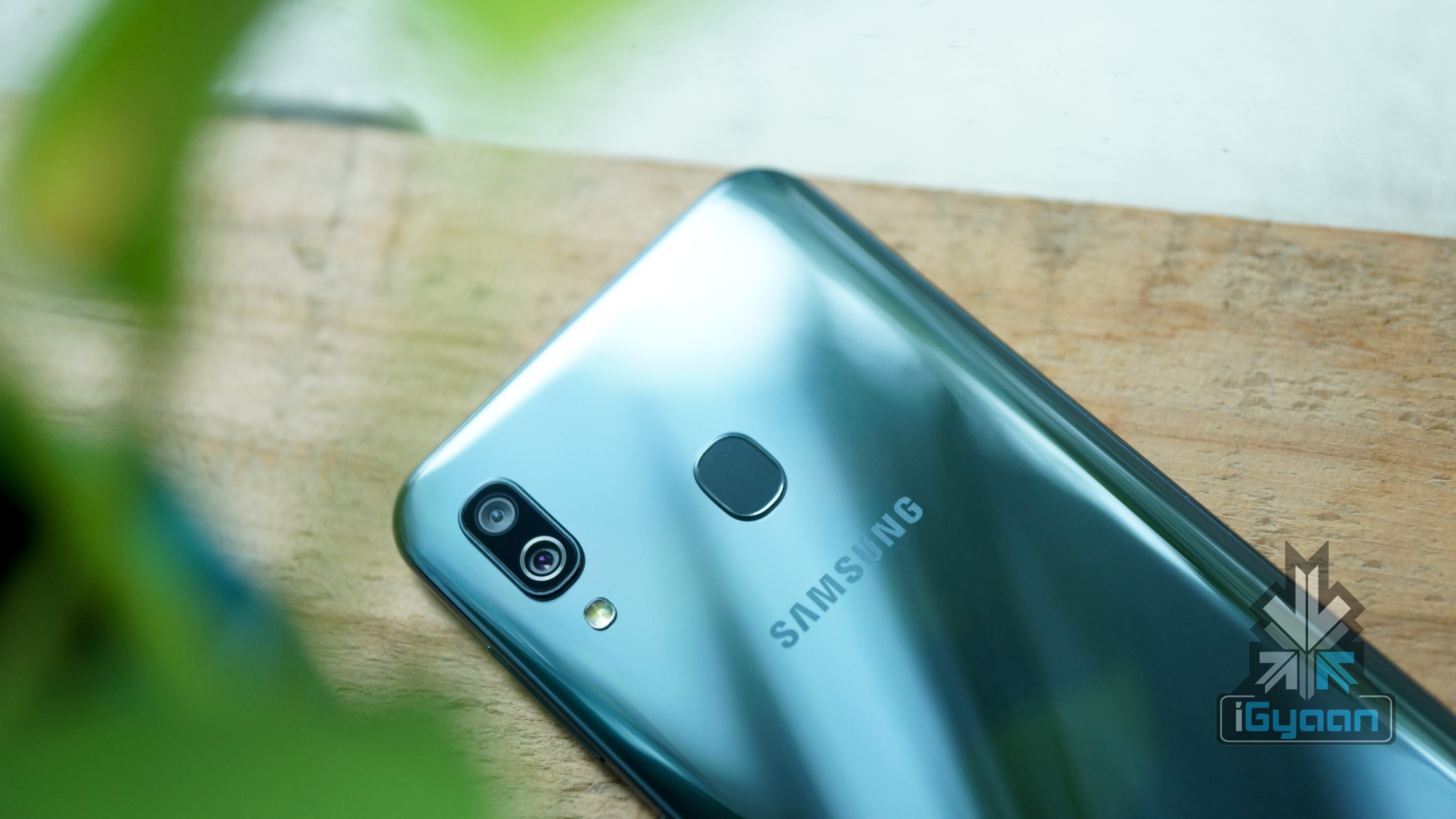
Samsung announced the newest devices of the Galaxy A series, the Galaxy A10, Galaxy A30 and the Galaxy A50 at an event on February 28. Fresh reports and leaks surfaced which claimed the existence of a new variant in the lineup. This device was purported to be the Galaxy A40 because of an official support page which went live on Samsung’s German website a few days ago. Unfortunately, many details about the device were unknown at the time including the price. Latest reports claim that the launch of the smartphone is imminent in Europe.
Samsung Galaxy A40
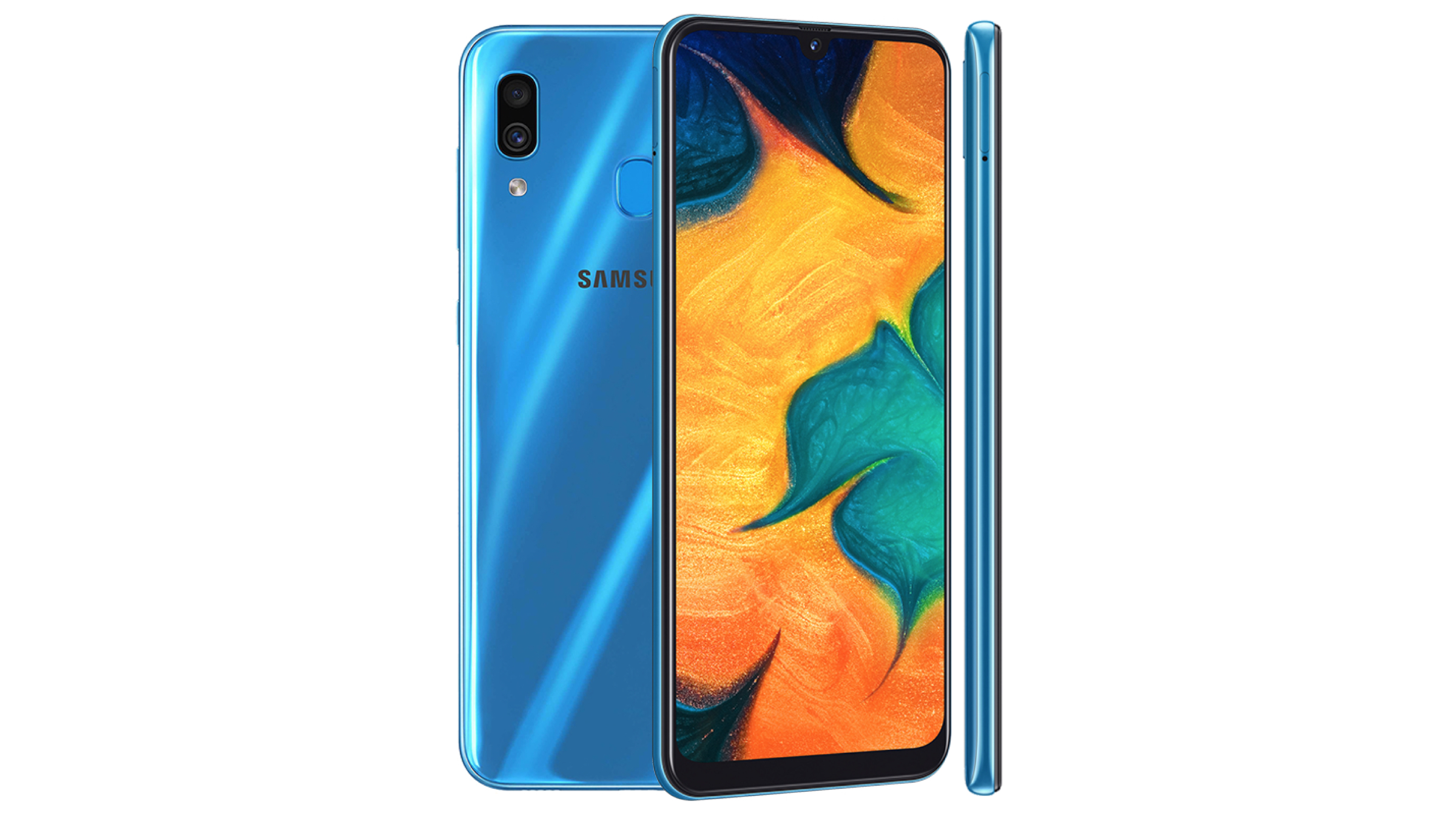
Samsung Galaxy A30
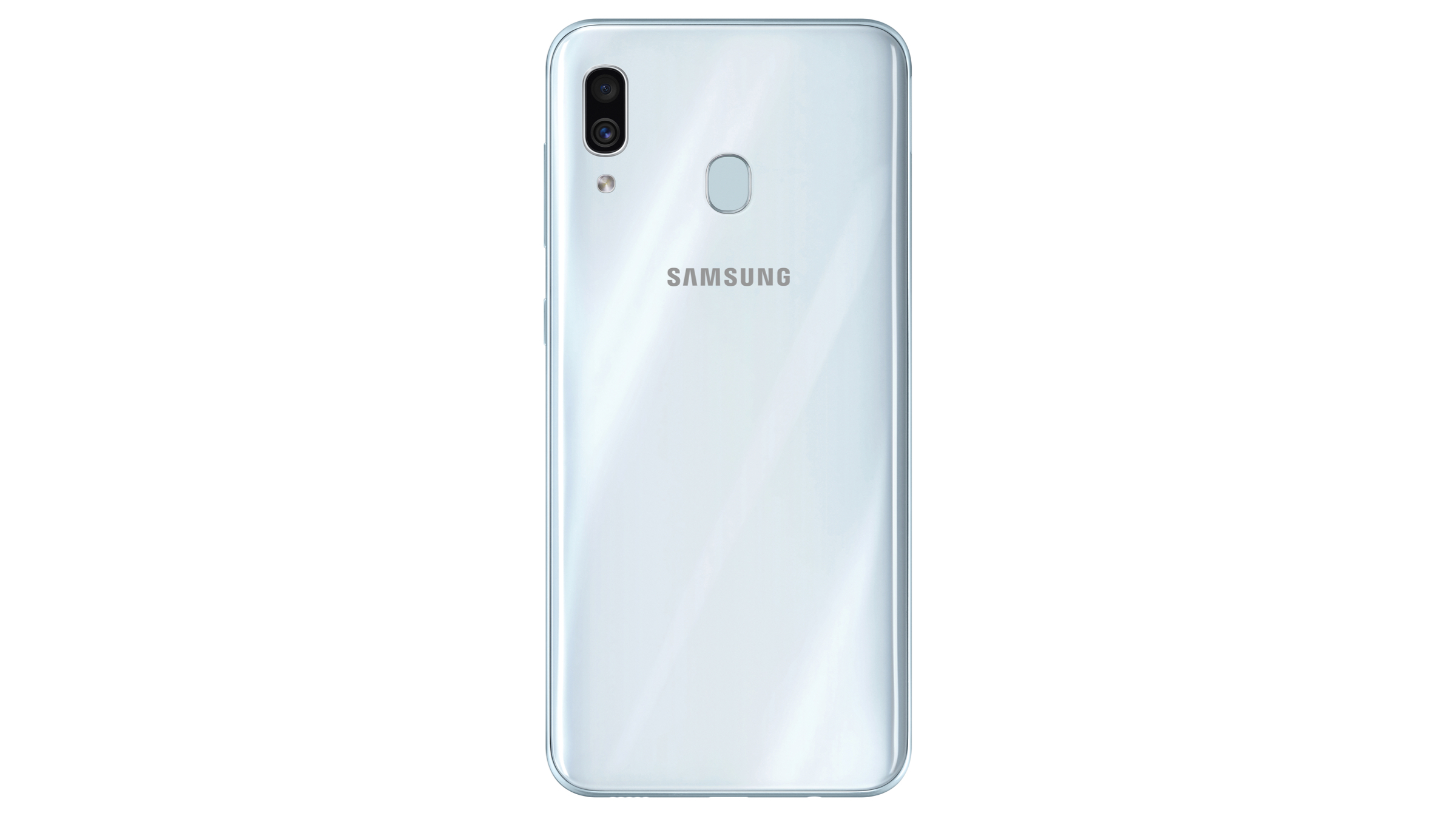
As the name suggests, the Samsung Galaxy A40 will be a mid-range smartphone from the company which will sit between the Galaxy A30 and the Galaxy A50. It is expected that these devices being a member of the same lineup, will share most of their design traits. Like the Galaxy A30, the Galaxy A40 is expected to feature a glossy polycarbonate back which will be called a ‘Glasstic’ design. The display of the device is expected to be an Infinity-U, 6.4 inches Super AMOLED panel with a resolution of 2340 x 1080 px. Noteworthy, this will be the same display as the ones found in its siblings.
Samsung Galaxy A30
Under the hood, the Galaxy A40 is expected to run on the Exynos 7904 which is manufactured using 14nm fabrication process. The chipset has an Octa-core CPU and a Mali G71 GPU. For memory and storage, the smartphone will feature 4GB of RAM and 64GB of Internal Storage. The smartphone is expected to sport better optics on the rear than the Galaxy M30. The front camera is expected to be a 16MP f/2.0 sensor housed in the notch on top of the display.
Like the Galaxy A30 and Galaxy A50, the Galaxy A40 is also expected to be powered by a 4000mAh battery with 15W fast charging, support Bluetooth 5.0, and run on the latest OneUI on top of Android 9 Pie. The smartphone will reportedly cost €249 in Europe and may arrive in India in the coming weeks at an expected price of Rs 17,999.
Samsung has had a rough couple of years. Post the recall of the Galaxy Note 7, Samsung laid low and didn’t advertise their devices much. A strategy which may have been well thought of. However, it had drastic implications on the brand’s sales. Samsung continued to sell its flagship phones like the Galaxy S8 and S8 Plus and even the Galaxy Note 8 was well received. What took a hit was the sale of budget devices, which is where the Galaxy M30 fits in.
The fragmentation within Samsung’s own lineup of products also didn’t help the company push numbers. Between the Galaxy J series, the On series and many others they experimented with, Samsung was losing ground fast to their Chinese counterparts.
The Galaxy M series is Samsung trying to understand the market. A complex economy driven by specs and not durability or after sale service. A market that is more prone to price cuts and discounts than any other. And a consumer who frequently changes his/her phone simply because a new model is available.
Has Samsung finally cracked the market with the M series and namely the Galaxy M30? Let’s find out in this Review.
Build Quality and Design
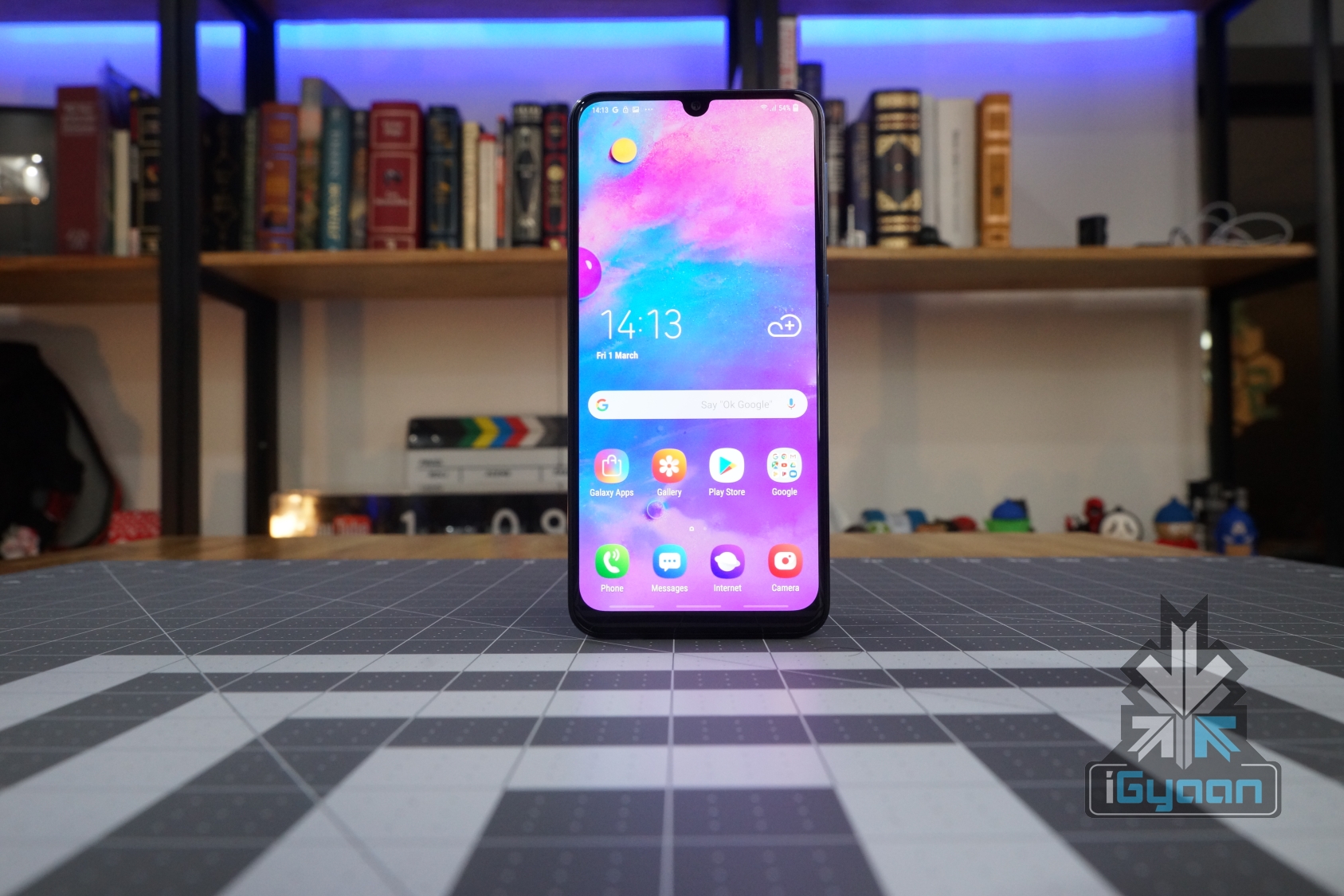
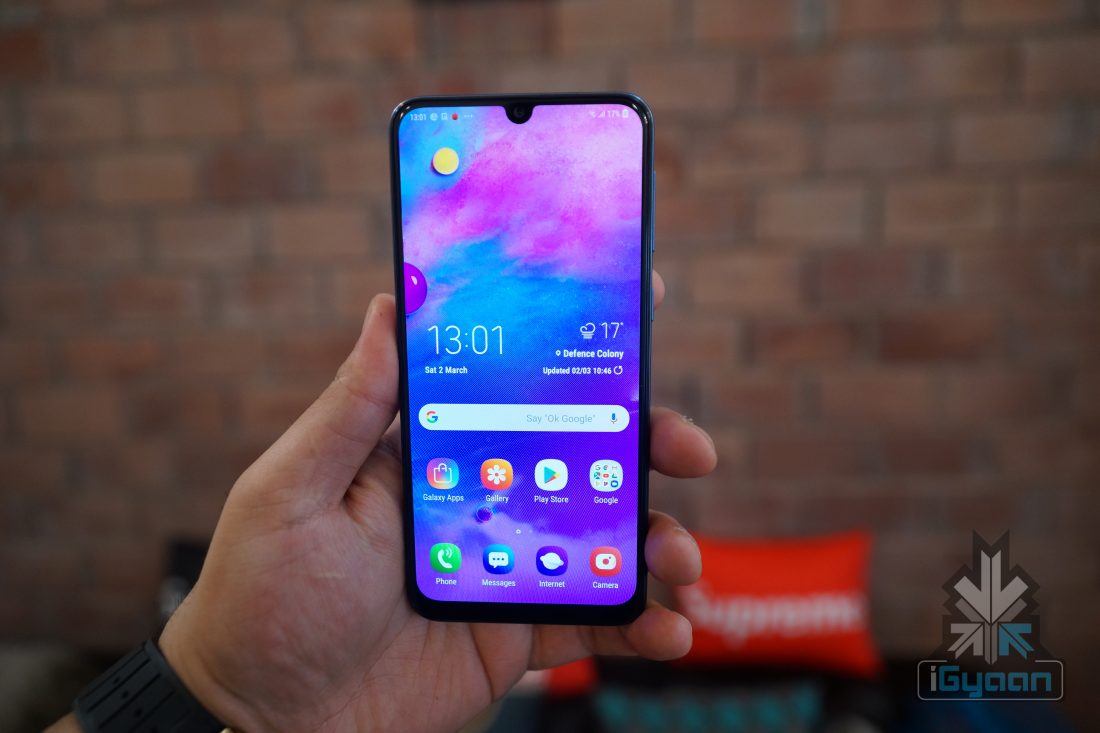
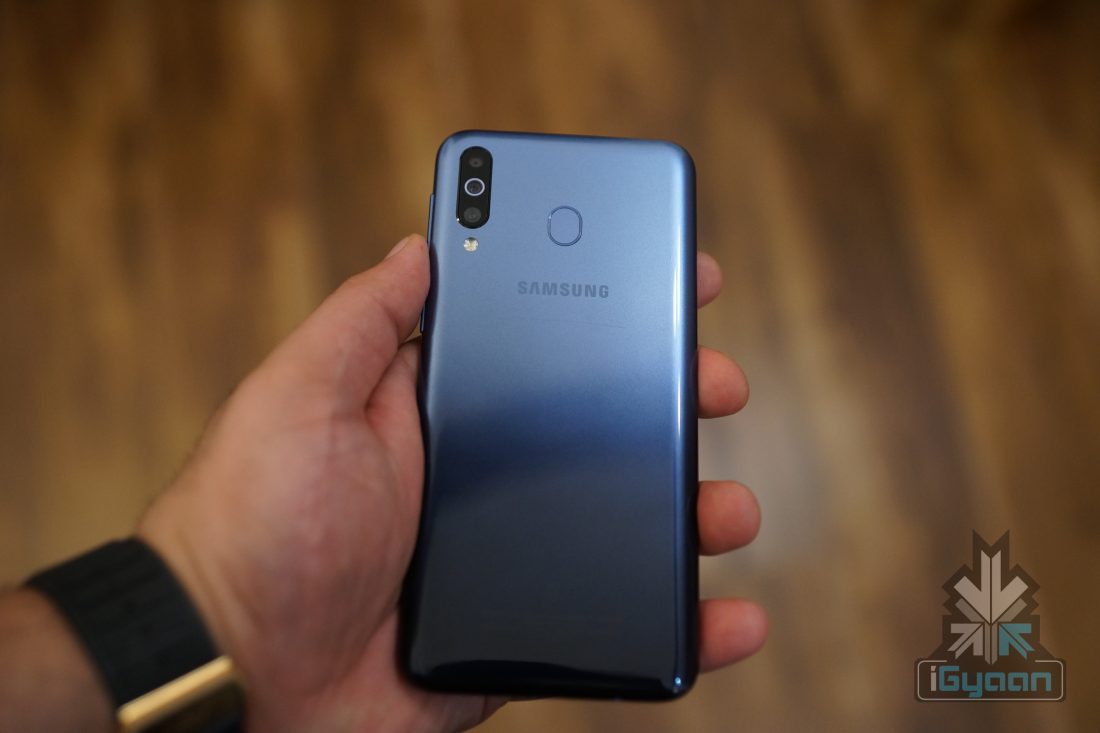
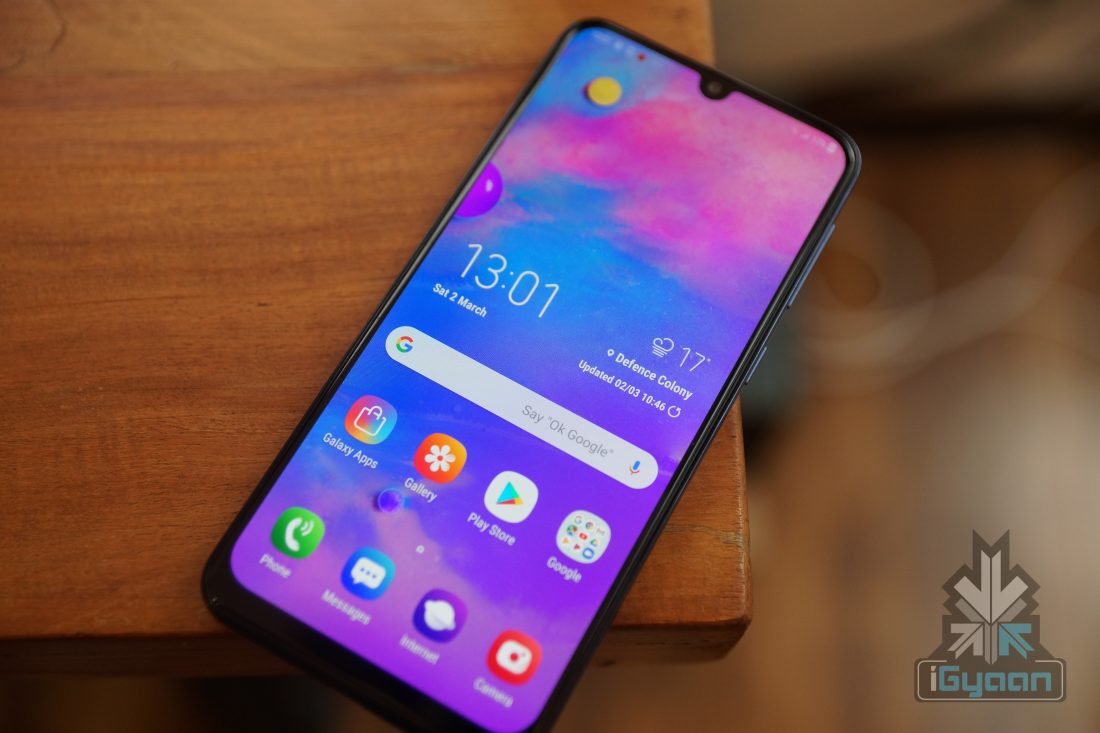
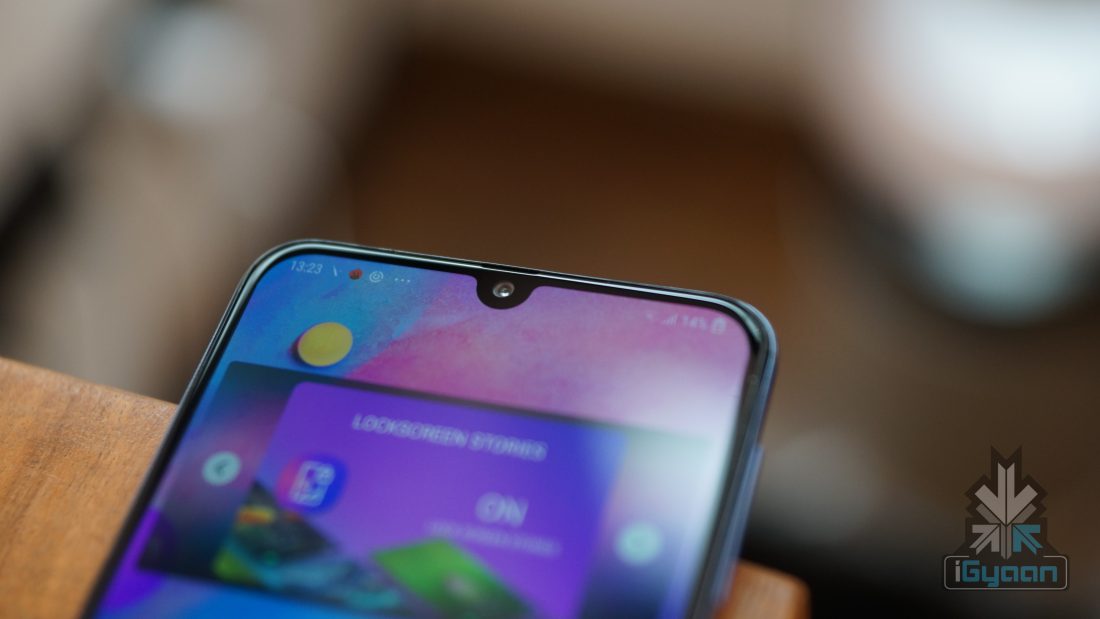
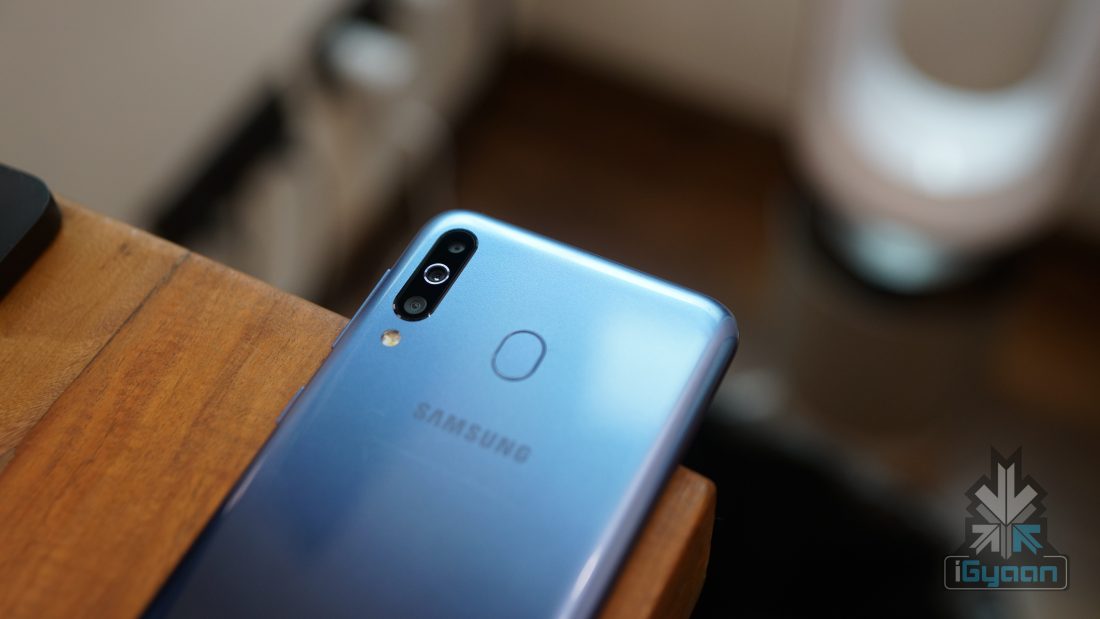
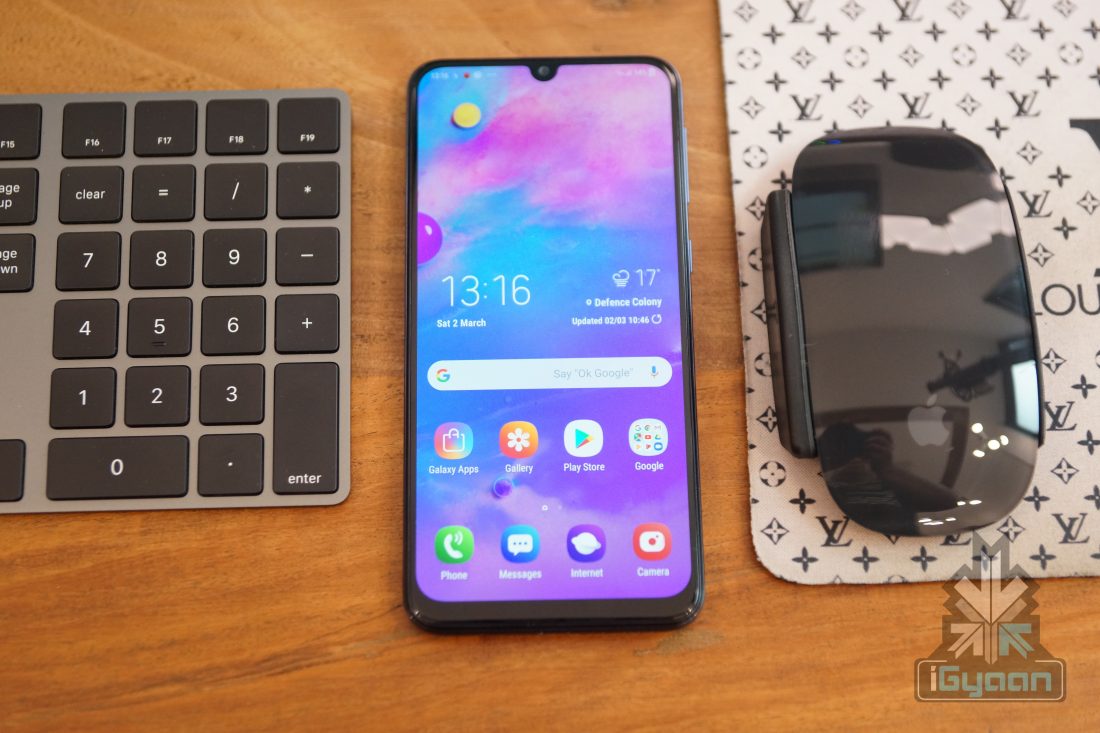
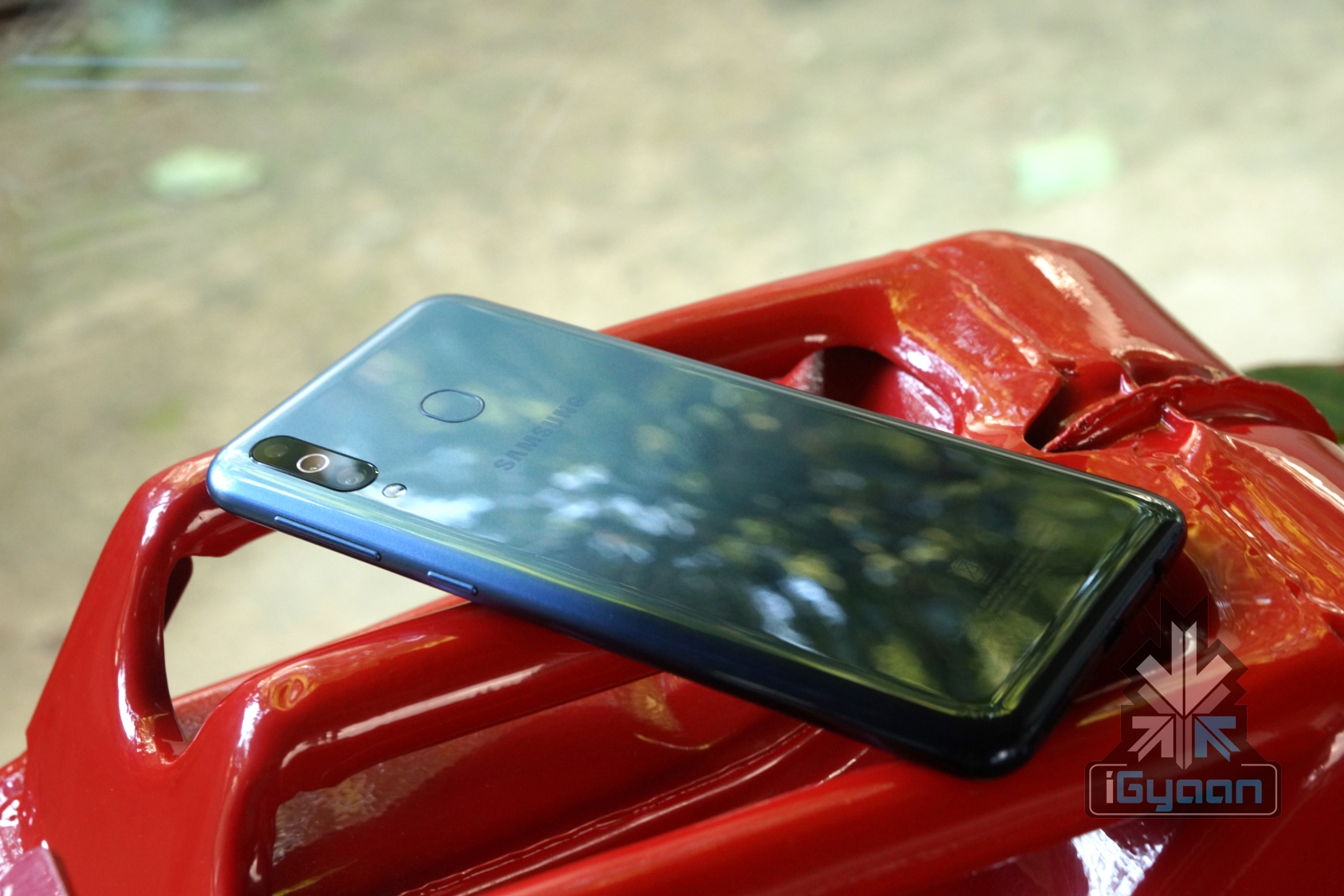
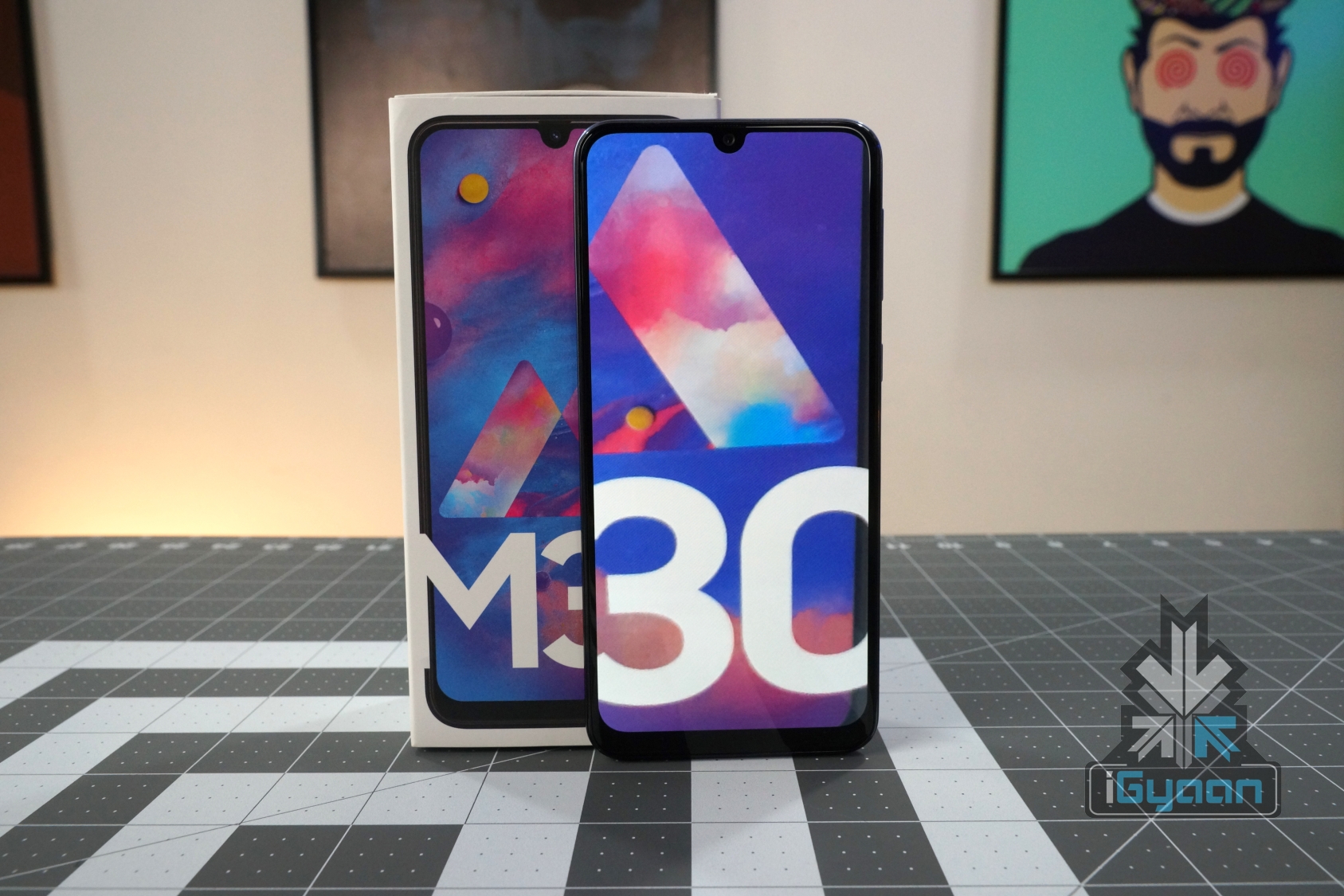
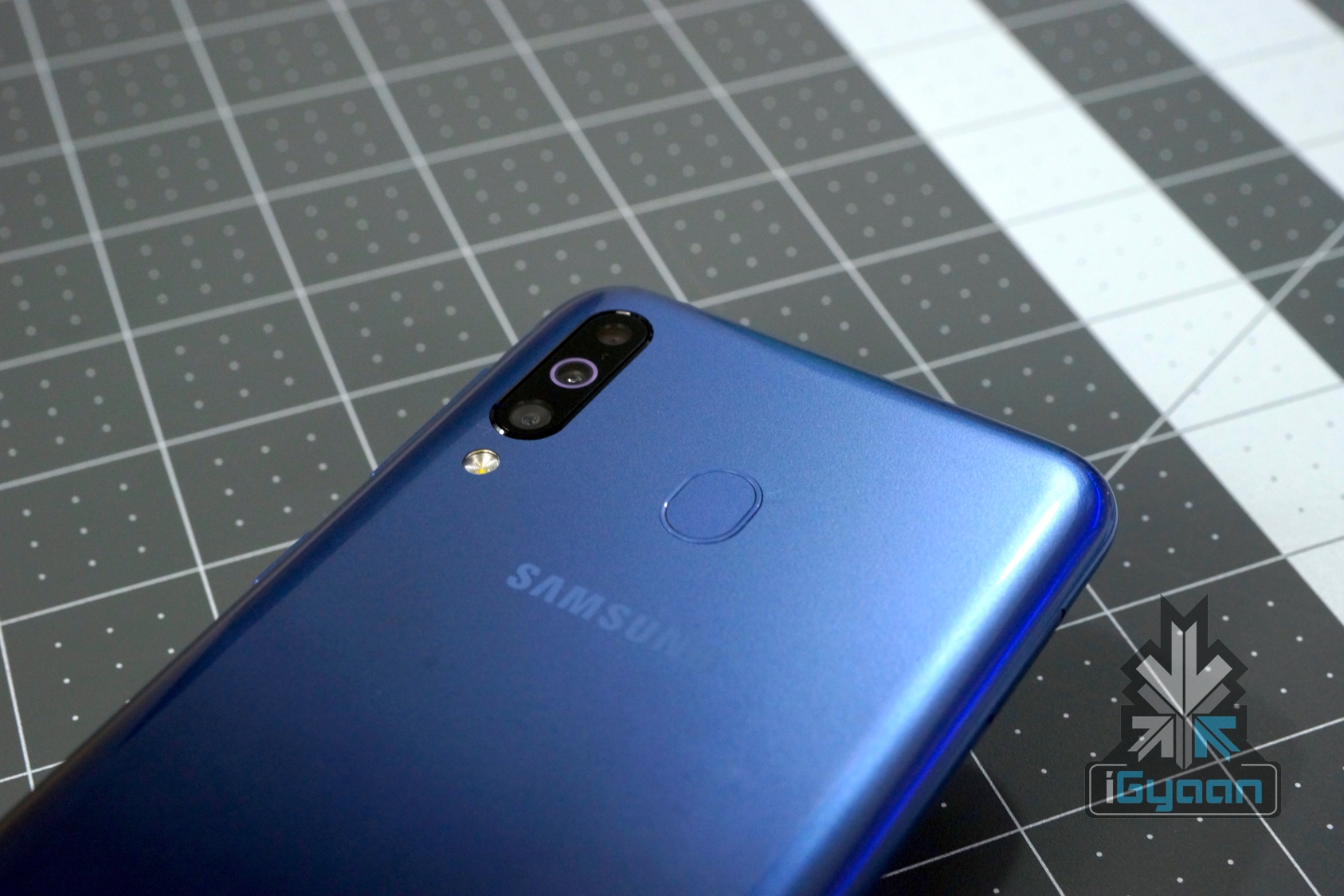
It is not difficult to see that Samsung has taken many of its design cues for the Galaxy M30 from the existing smartphone market in 2018. The tear drop notch display, the gradient back and a bezel less front. The cameras at the back also sit flush with the phone and so does the fingerprint sensor, which is usually depressed on some devices. the phone feels premium and has a robust frame. The device does not bend, wiggle or rattle from anywhere.
The build is plastic which means it scratches easily and the back despite its nice metal finish may start to lose lustre soon. There is also no ingress protection, whether water or dust, although expecting that in this price bracket may be too much in early 2019. We expect that to start happening towards the end of the year.
The phone is 8.5mm thin despite the large battery and thick plastic build. It fits quite comfortably in the hand and does not feel heavy.
Display
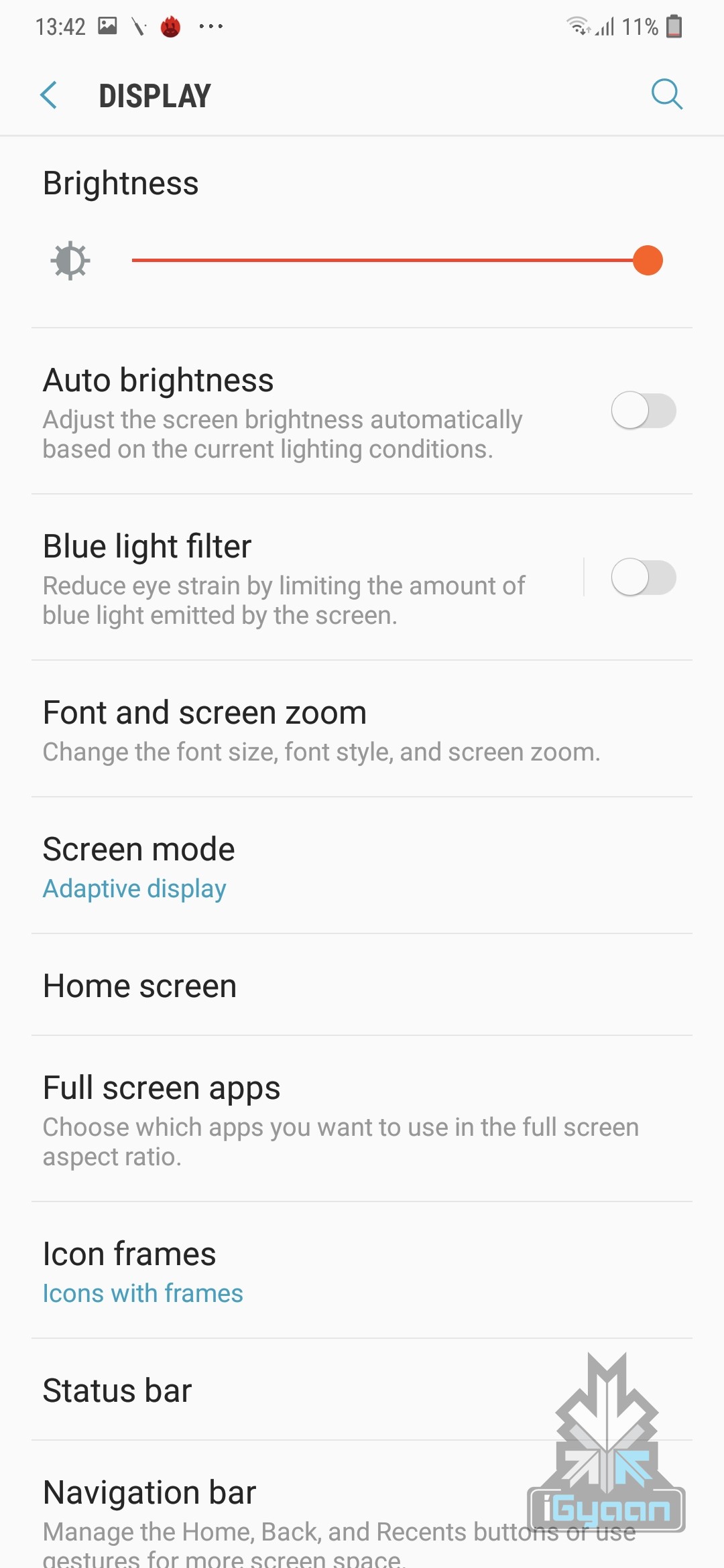
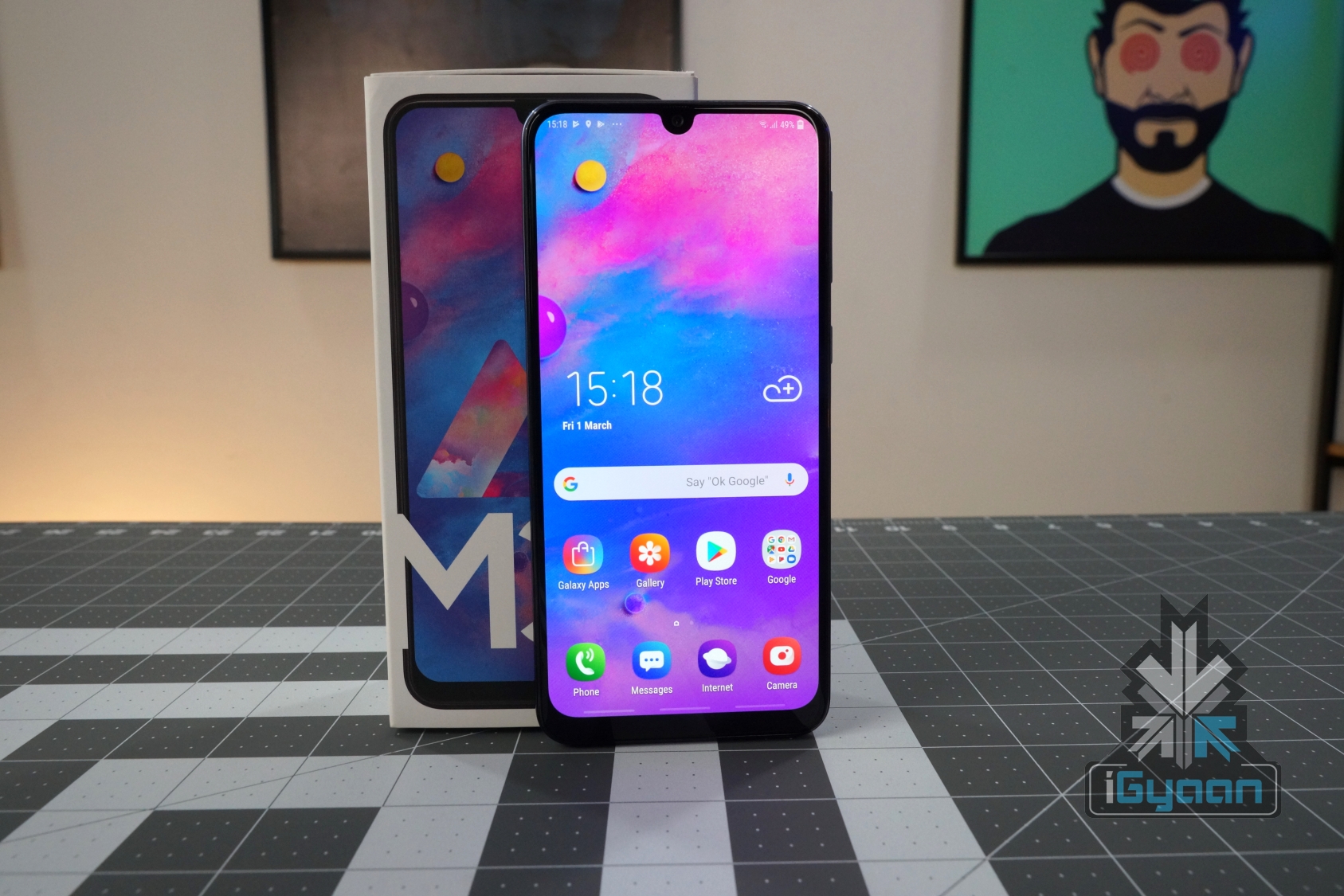
Samsung really has cracked the market here. The Samsung Galaxy M30 features a Super AMOLED display with a 2280 x 1080 px resolution and a 394 ppi density. The display is not only punchy and colourful, it is bright and easy to view indoors and out. The viewing angles are excellent and Samsung has managed to accurately set the colour profile. Although for those with specific requirements the display colour can be optimised.
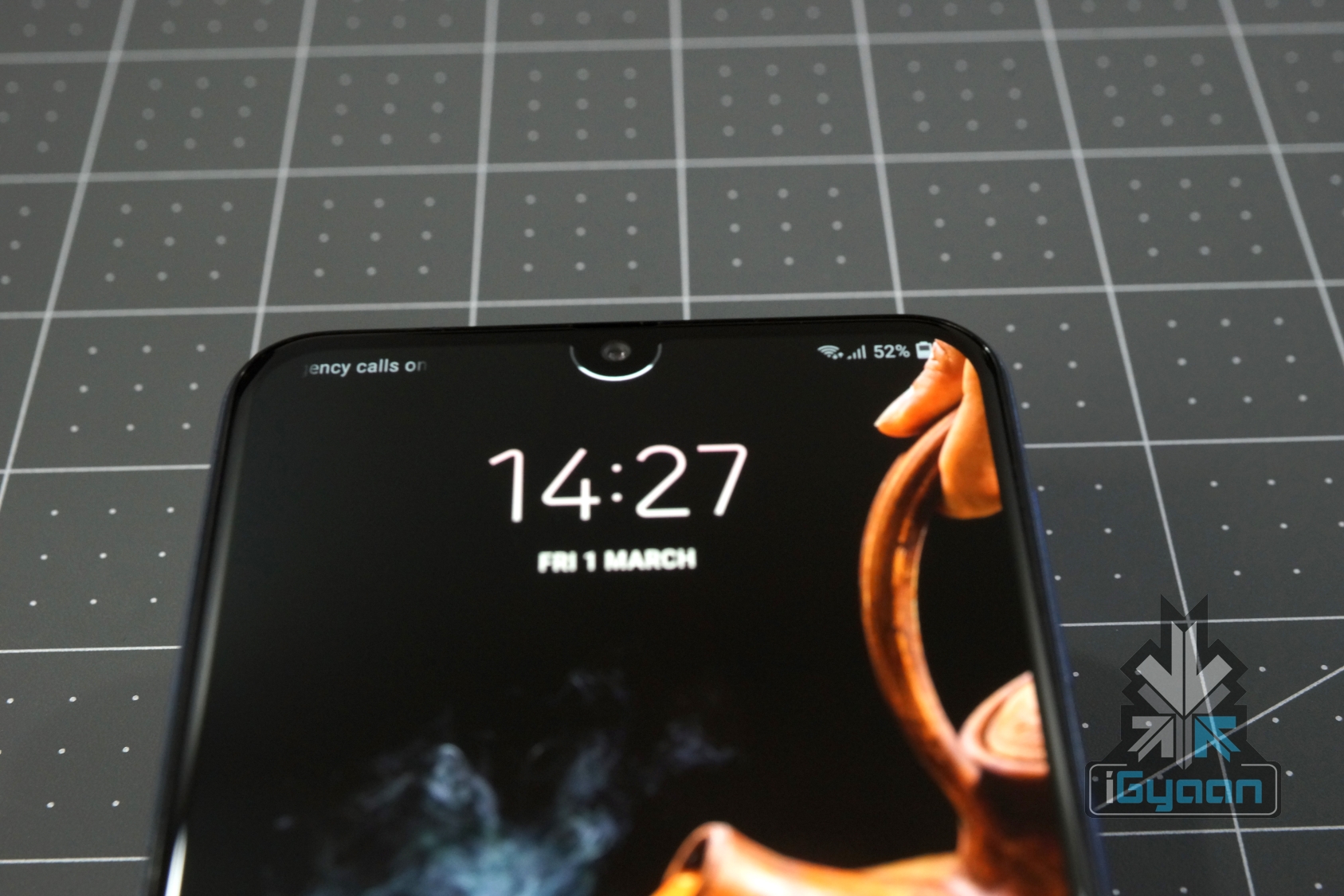
It also has the always on feature which as the name suggests keeps the screen on at all times to display clock even when the device is locked. Noteworthy, this feature only draws less power from the battery. Therefore, the users can keep this feature turned on without stressing that it would affect the battery performance.
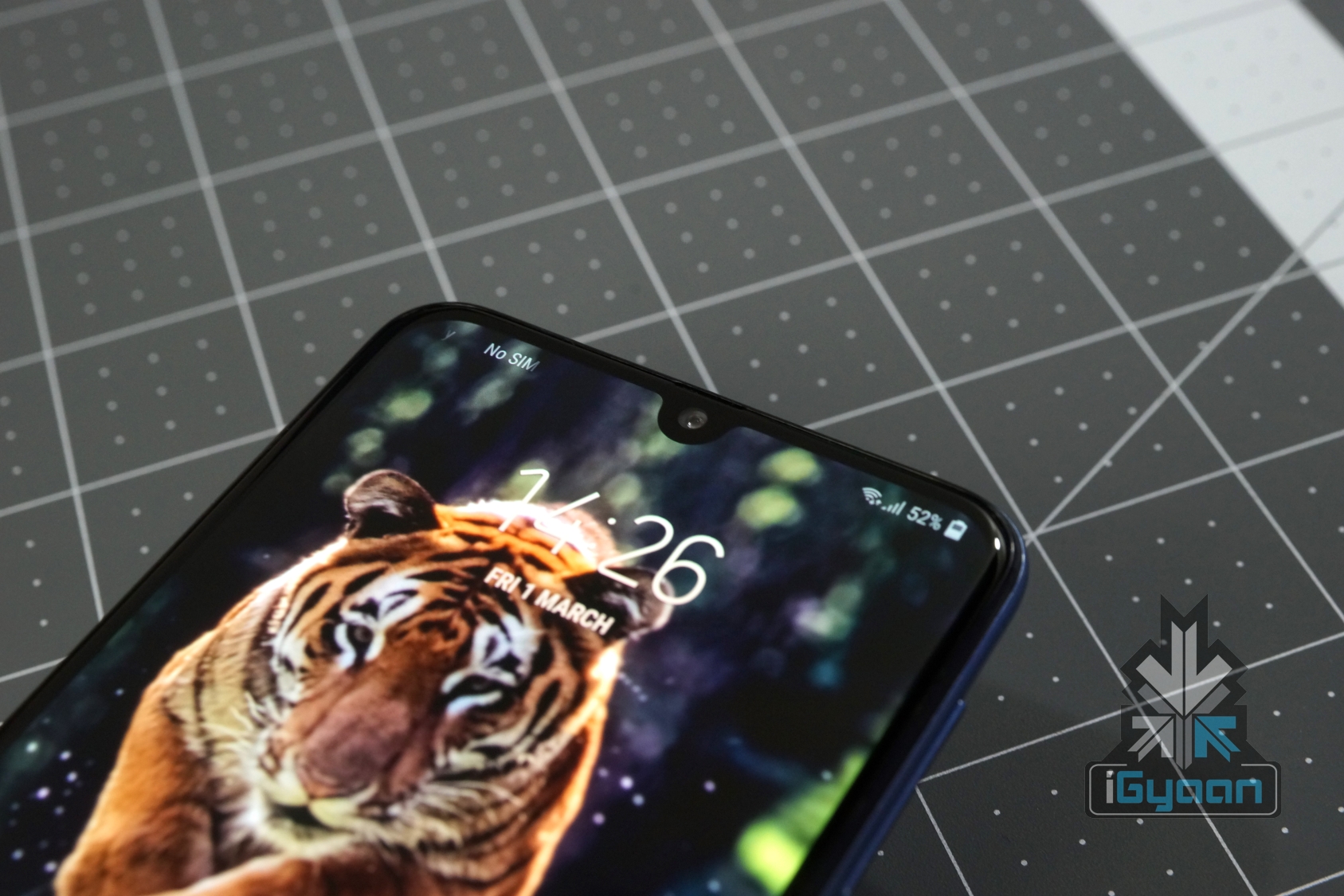
The display covers over 90% of the front of the phone although a considerable chin dawns the bottom of the front. The camera cutout is minimal and if you enable Face Unlock, a small light runs across the camera notch while you try to unlock the phone, looks fancy.
Cameras
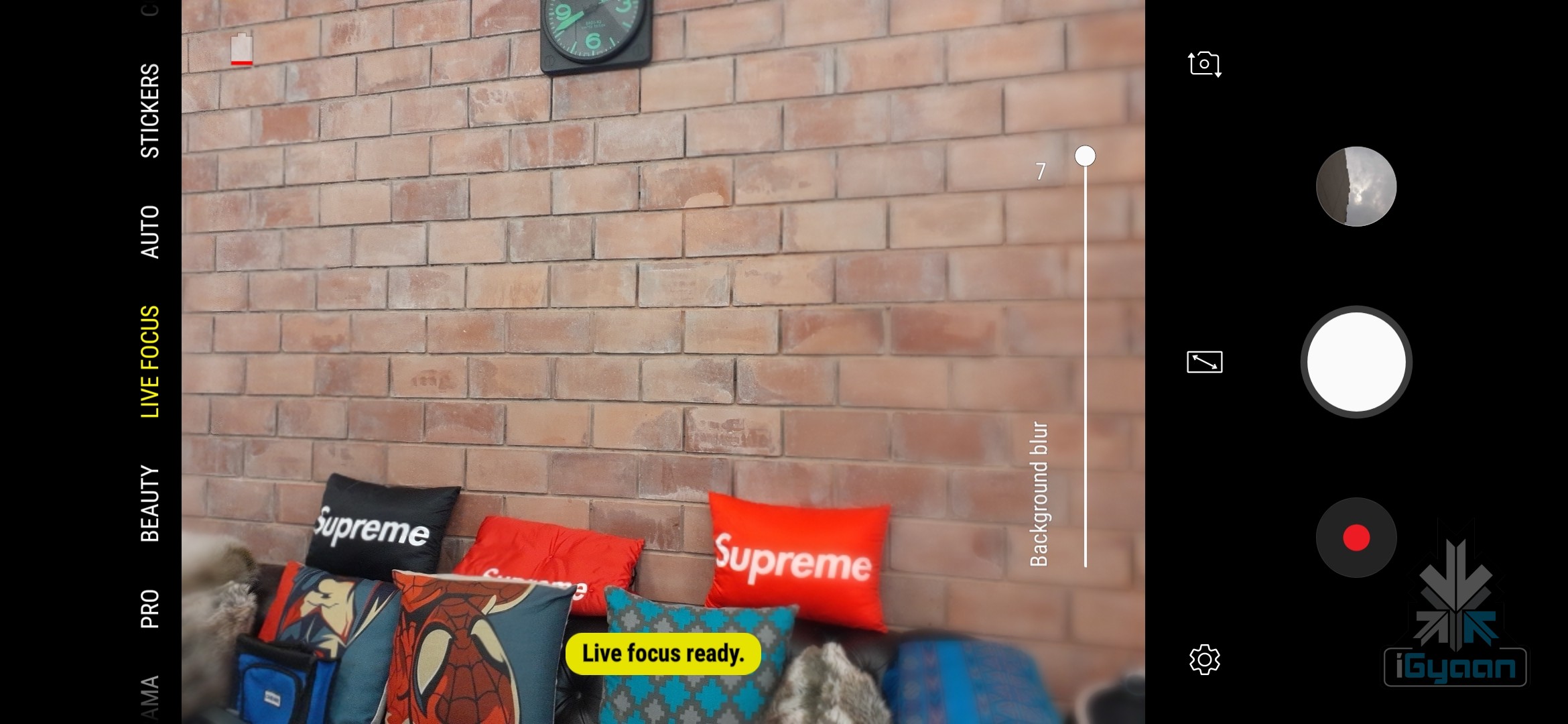
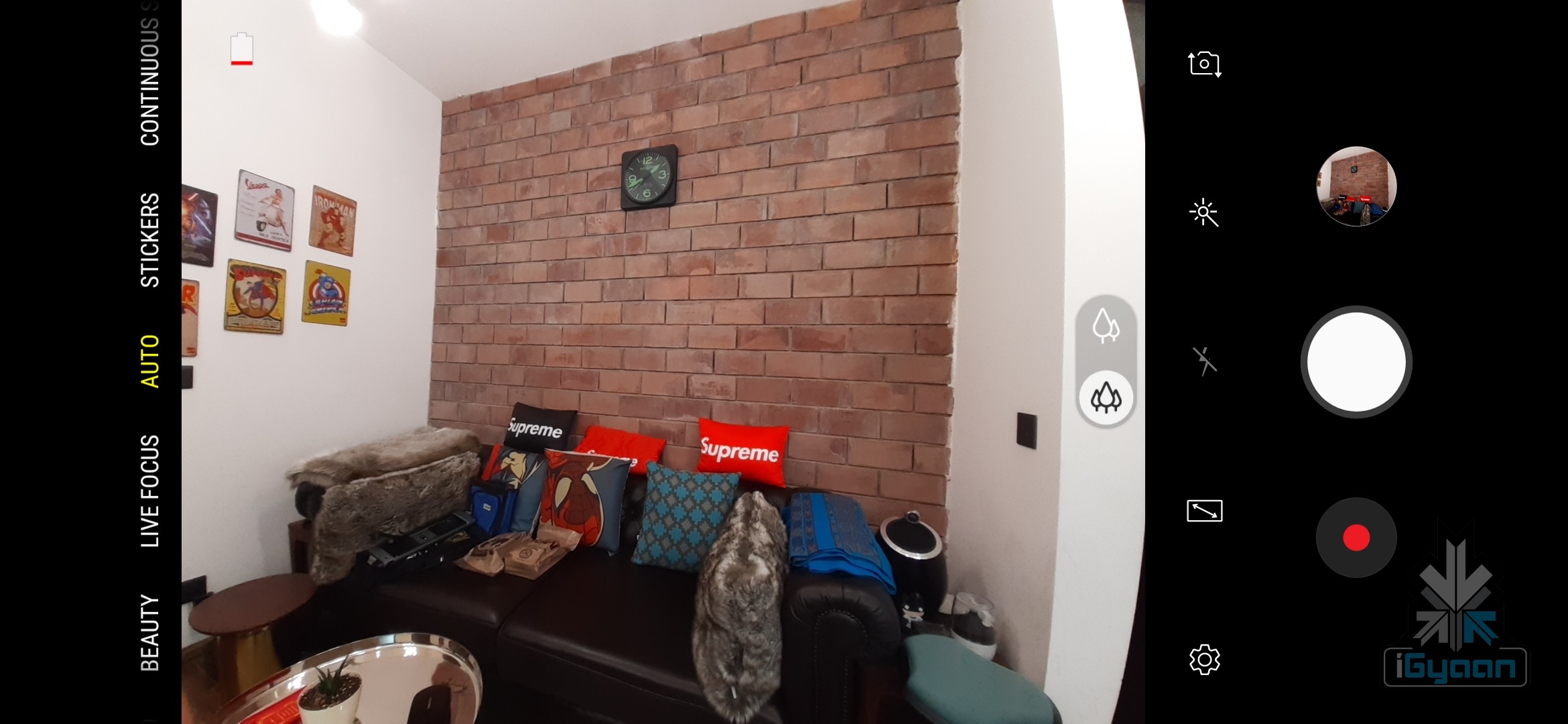
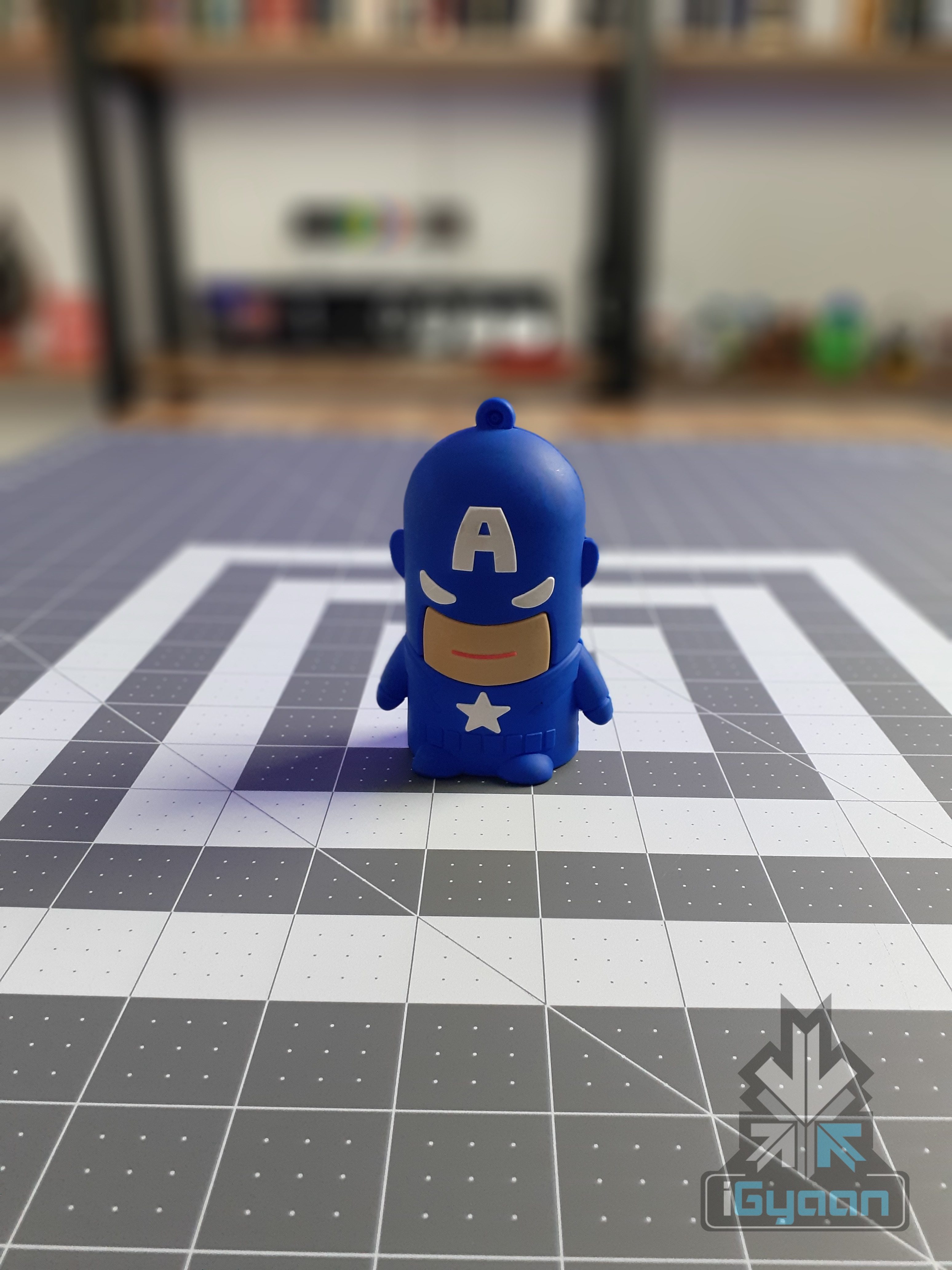
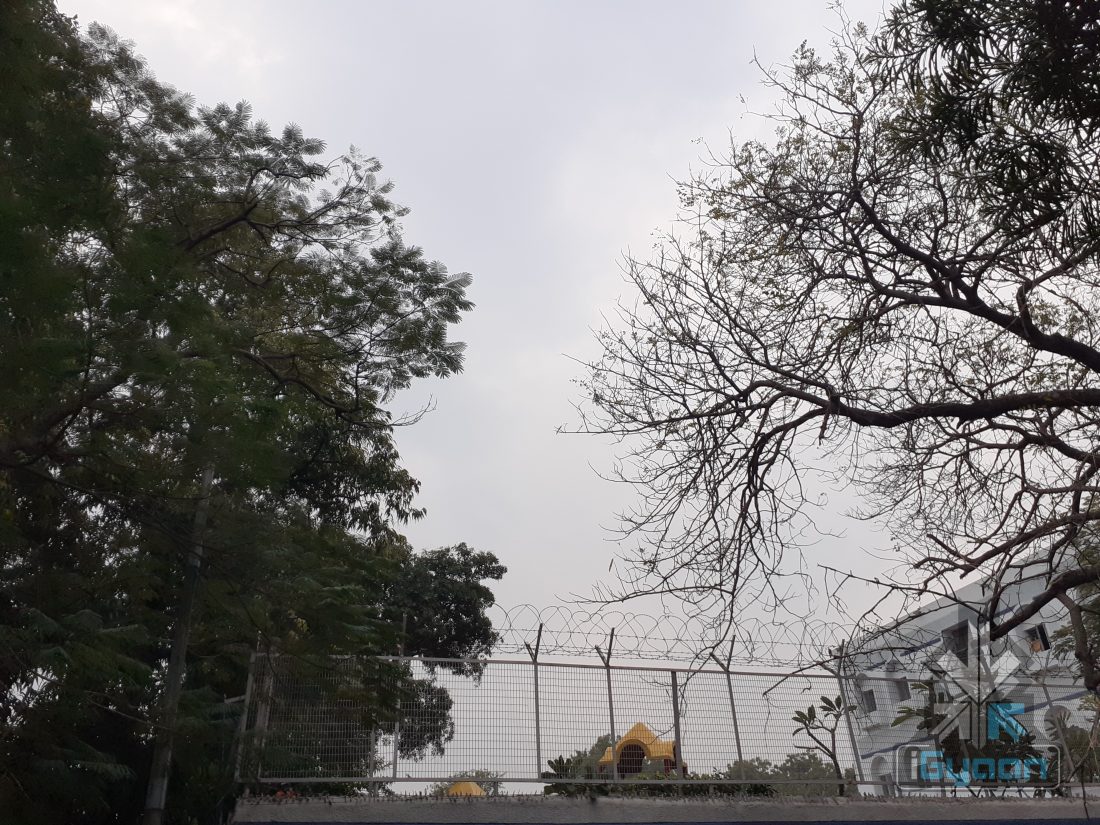
The Samsung Galaxy M30 features three cameras at the back; a 13 MP primary camera and two 5 MP sensors, one which measures depth. While the other is an UltraWide sensor. While the ultra wide sensor is great for the occasional landscape shot or group photo. The primary camera is great for everyday usage. You get accurate color and good low light performance ( which you do not with the ultra wide sensor), and some of the Live Focus features will be used throughly by owners of the phone.
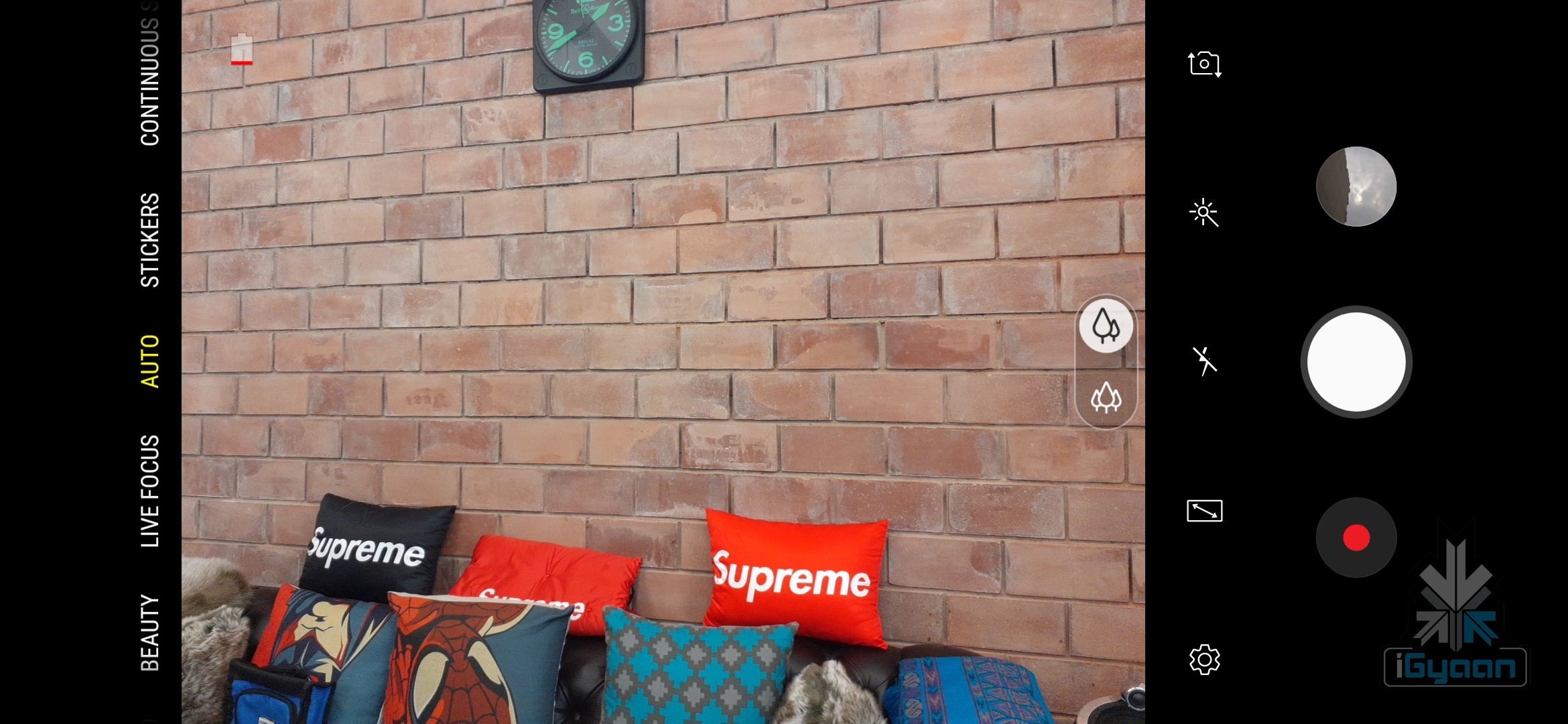
The phone camera UI is familiar and easy to use, and the camera produces good results consistently. Images are sharp, in focus have good color and contrast. The HDR works great and there are some manual controls for ISO and shutter.
The video is restricted to 1080p, but again the video result is good and colour is accurate. You can also stretch the video to the display format of 2280x1080px for widescreen video.
Rear Live Focus
Rear Auto
The front camera also produces good results with quick and accurate focus and sharp images. A 16 MP f/2 shooter at the front means you can get good results in low light. Software based live focus is available on the front camera as well.
Hardware and Performance
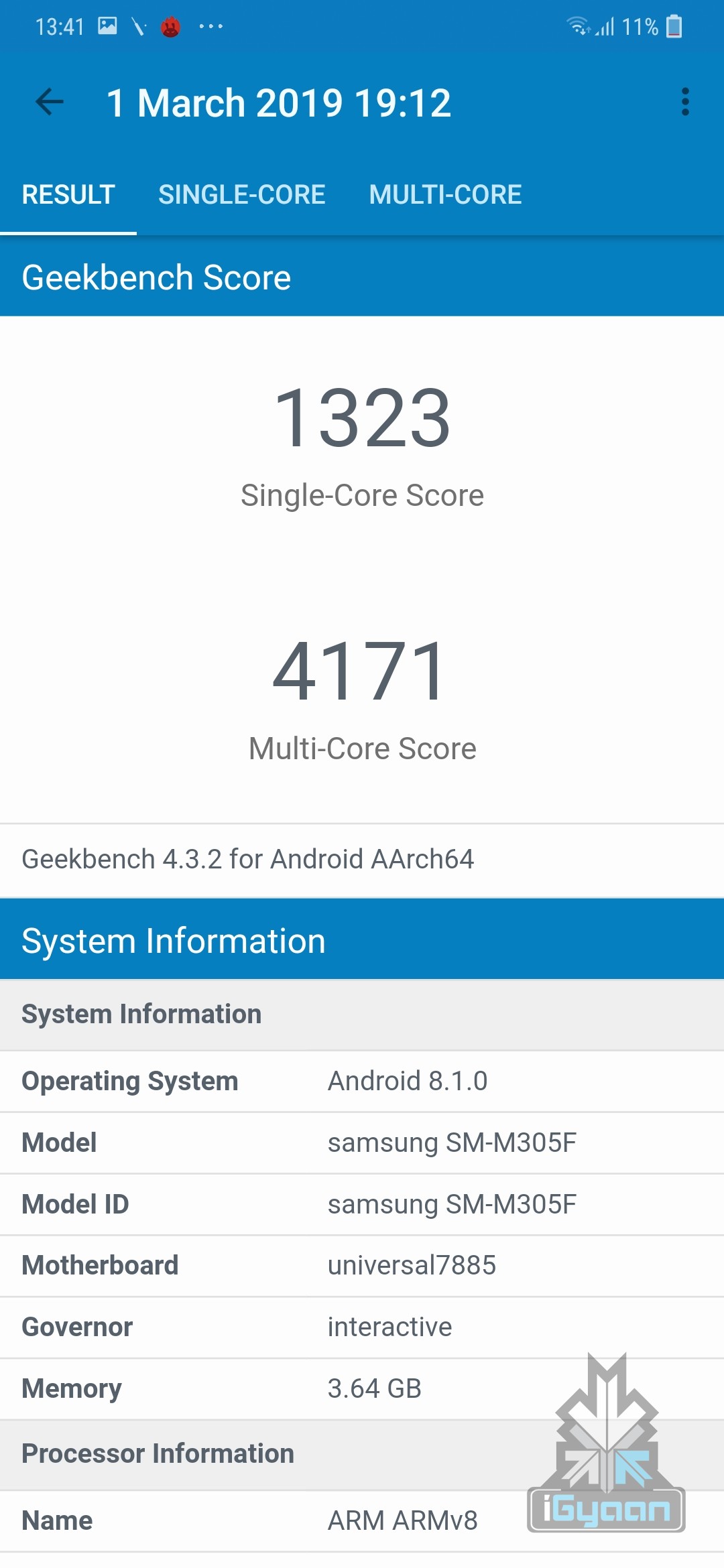
The Galaxy M30 runs on the Exynos 7904 it is a 14 nm chip with an Octa core CPU and a Mali-G71 MP2 GPU. The way the cores are laid out allow for better battery management, with two 1.8 GHz performance cores and 6 1.6 GHz daily cores. And while it is easy to fault Samsung for not using Snapdragon chips, Exynos chipsets work well and have consistently delivered long lasting performance on Samsung devices, also because much like Apple, Samsung optimises the hardware well with the software.
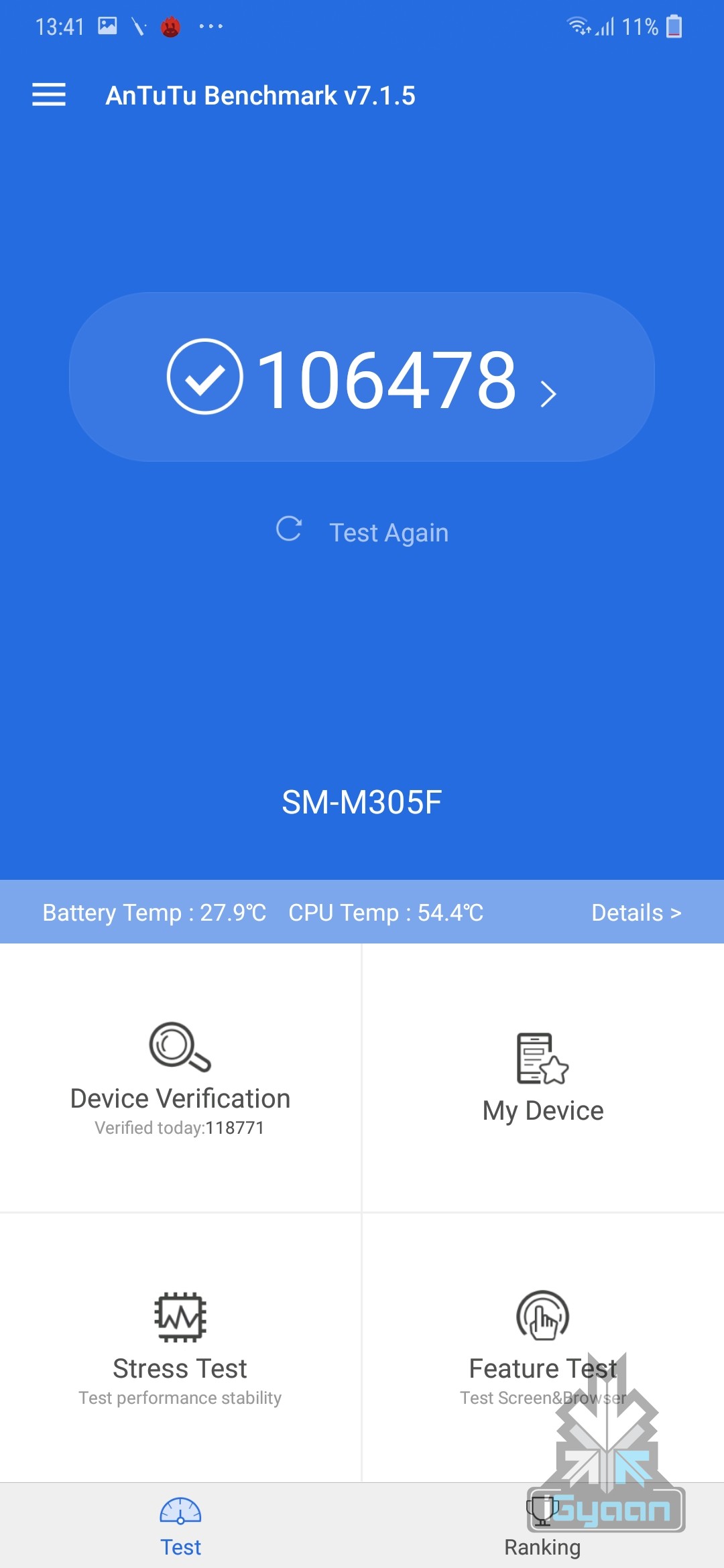
That being said, some of the performance scores leave a lot to be desired from the Galaxy M30 especially in comparison to the Snapdragon devices.
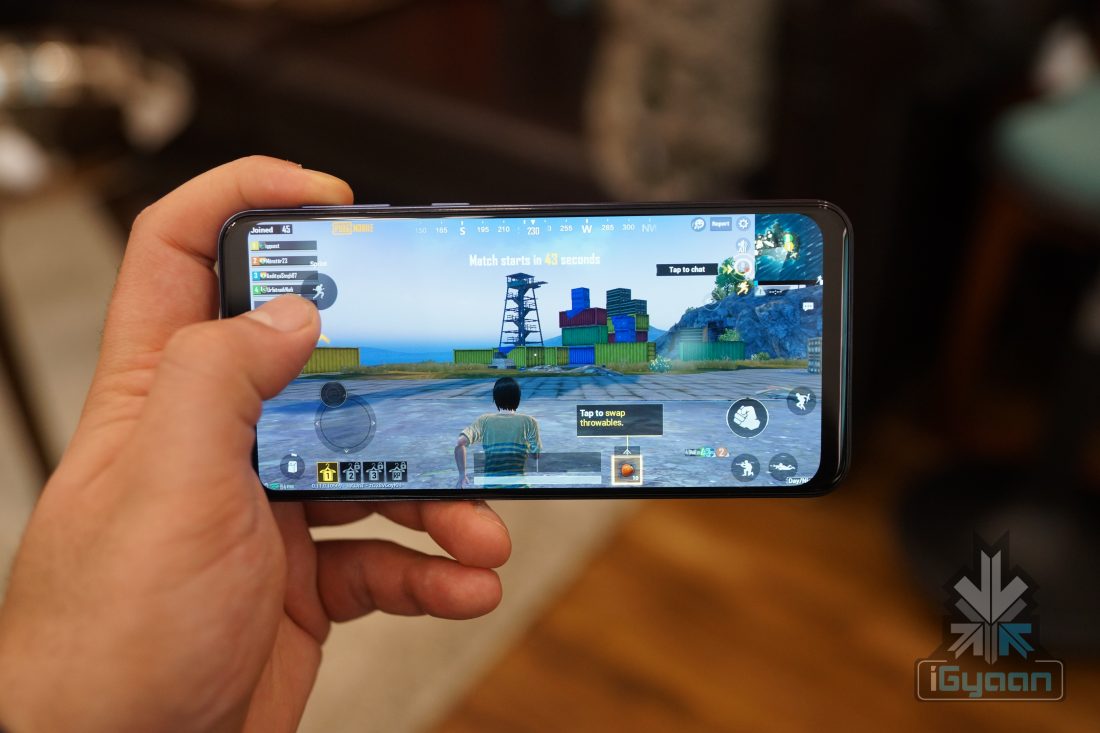
The phone does manage to run most games well and even PUBG works on high graphics even though medium is recommended, with good performance from the device. The phone also has a game booster which allows users to disable notifications and calls while allowing focus and allocating hardware resources to the game. Thereby improving the overall gaming experience ever so slightly.
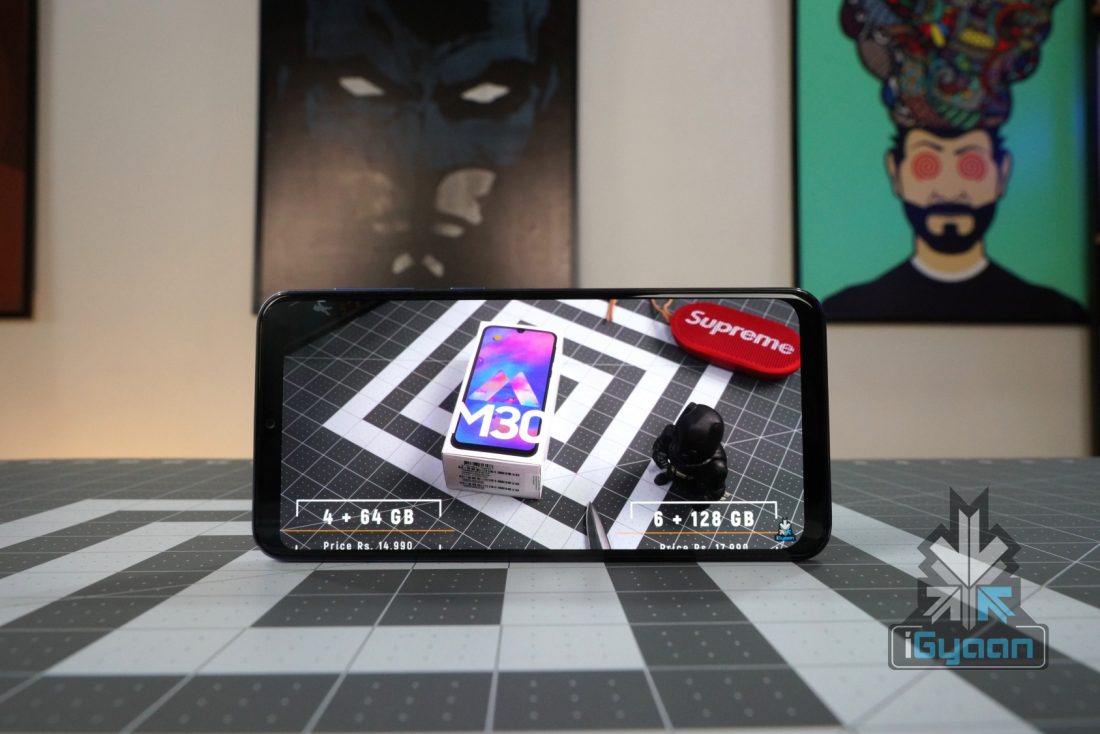
The Galaxy M30 is also available in both 4 GB and 6 GB variants, and if you are serial gamer and have the extra money the 6GB version will allow for more simultaneous apps and a smoother overall gaming experience.
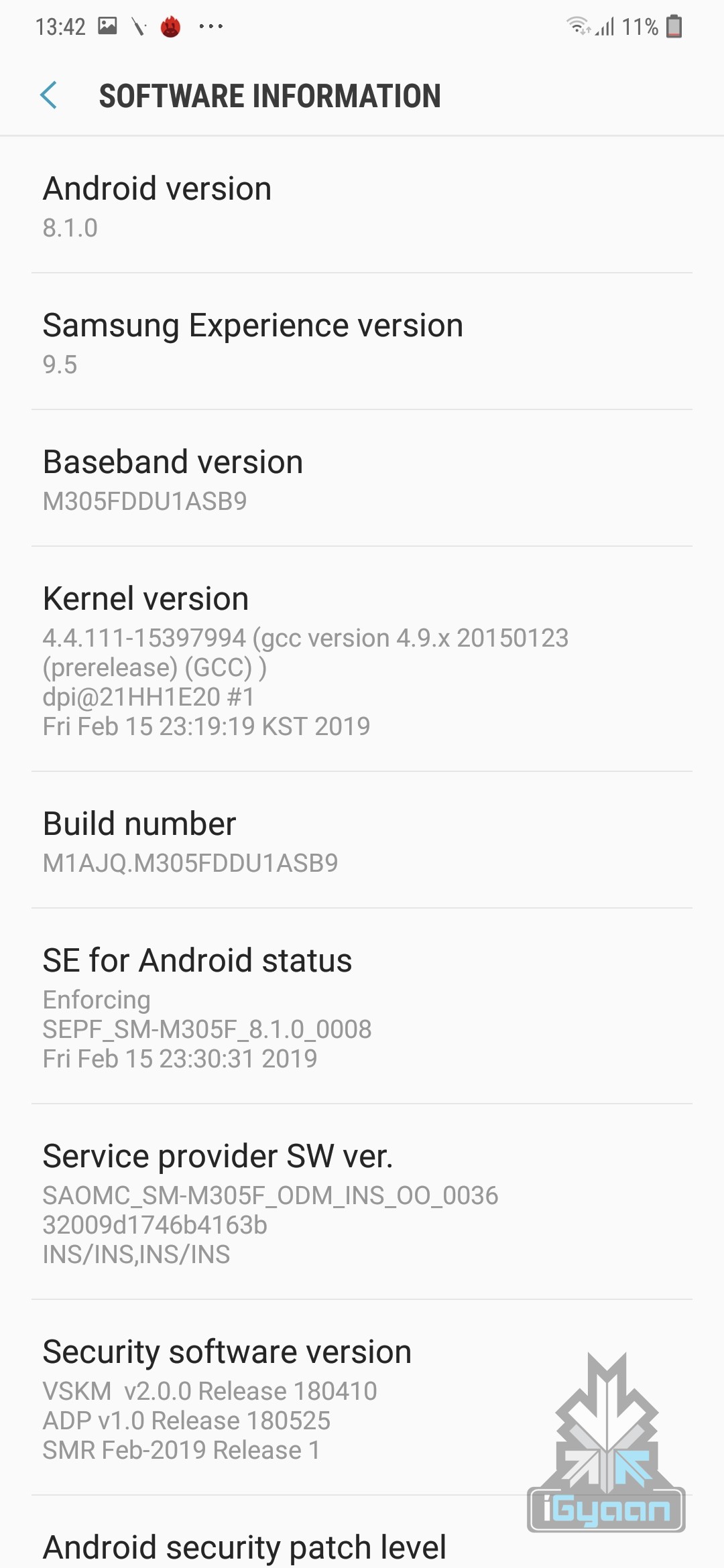
Daily usage from the phone is impressive, and while multitasking is good the phone does seem to lack a certain fluidity, which could be more and Android Oreo thing. Since the phone ships with the older version of Android out of the box.
Software, UI and Multimedia
Another thing that has kept Samsung users unhappy has been their slow Android updates and less refined UI. While Samsung has had consistently one of the best UI skins for Android, it has been fragmented and difficult to operate through. The new One UI solves that with smoother animations and a minimalistic design. But, the Galaxy M30 does not have that yet. Samsung plans to update the whole M series to Android 9 and with that the One UI, when and how is presently unknown.
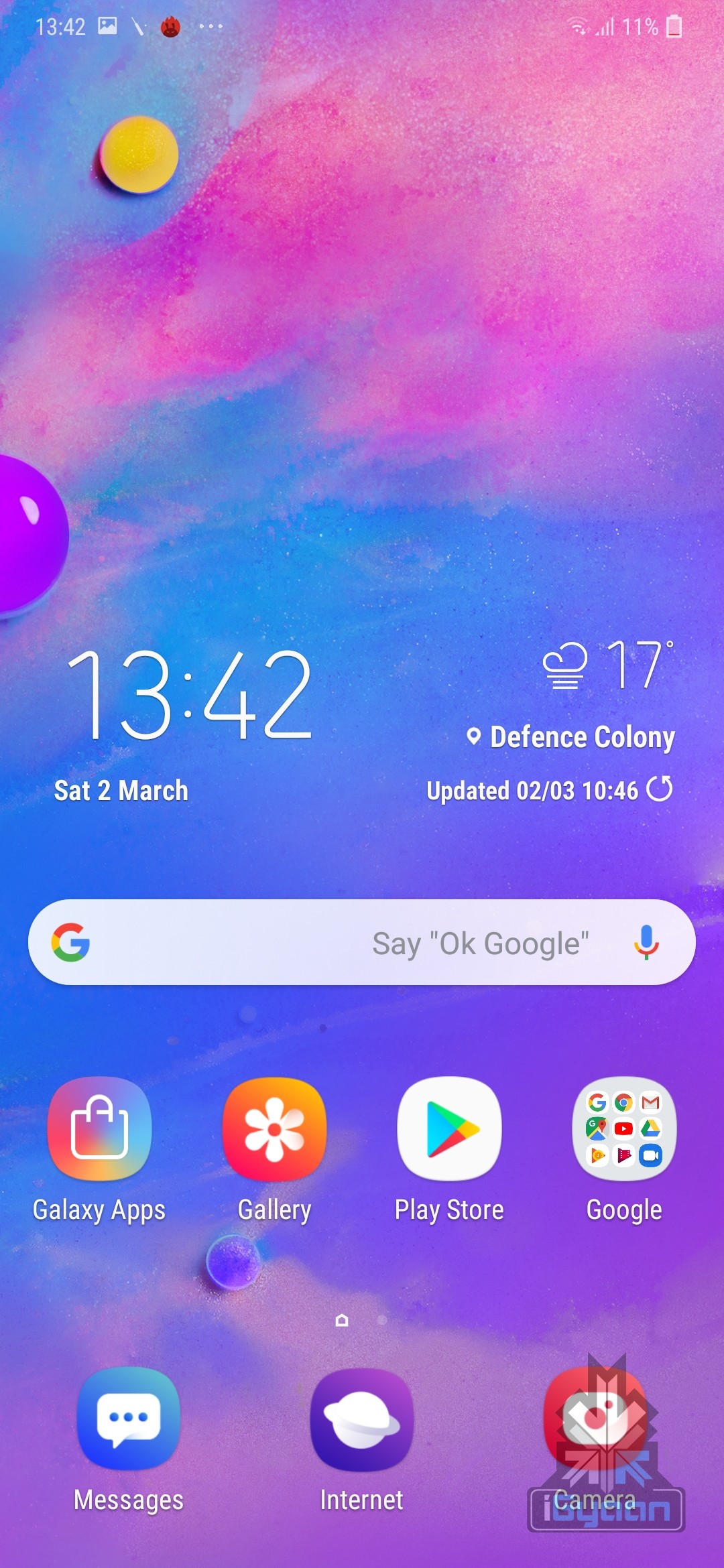
The UI is pretty refined on the Galaxy M30 and Samsung has included navigation gestures, with the ability to disable those annoying bottom tabs. The gestures work great but certain things are missing from the phone. There is no Samsung Pay or even Pay mini yet. The Always on display is missing despite a Super AMOLED screen and the dark mode seen on the newer A series phones is also missed on the M30.
However, all these are simple software related issues and can easily be resolved with a software update.
The phone does support HD streaming and has the Wildvine L1 certification. The display and speakers are great for consuming content and the phone also has Dolby Atmos for enhanced audio via headphones.
Phone, Battery and Security
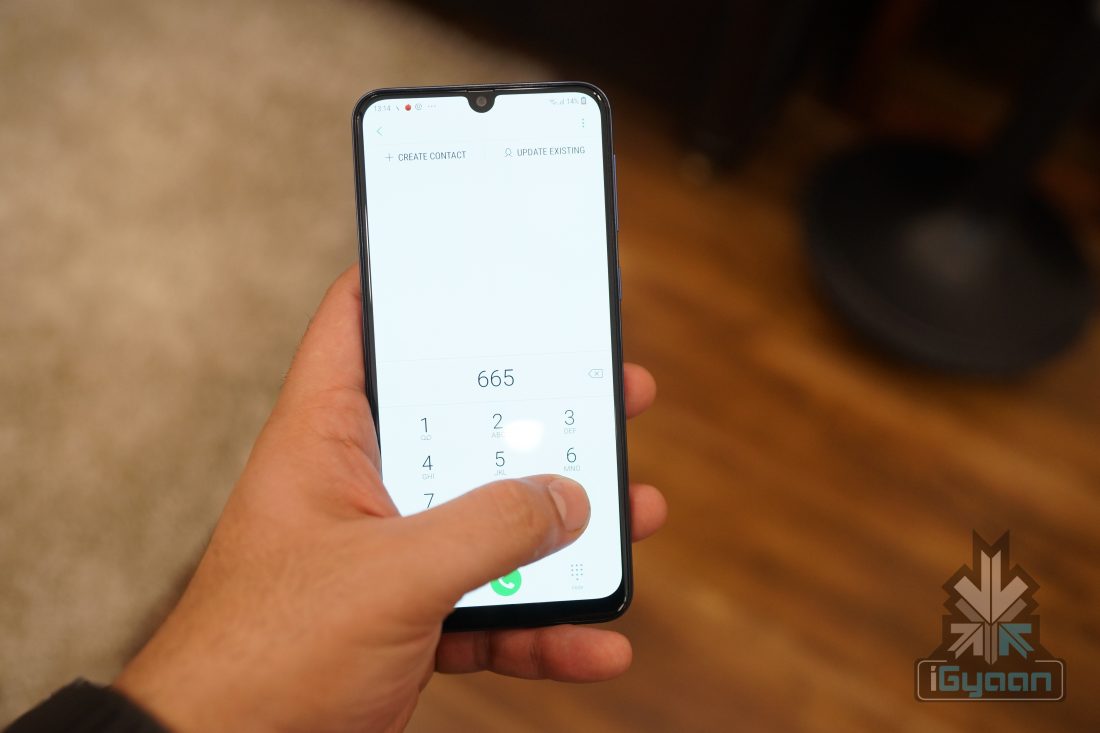
The Samsung Galaxy M30 takes two SIM cards in dedicated slots along with a third slot for microSD expansion ( 512 GB worth). Both SIMs support VOLTe and also LTE data connectivity. Call quality and network strength is good and audio both from the speaker and microphone is impressive. The phone also has good noise cancellation for the microphone and manages to cancel out most of the background noise during calls.
With a massive 5000 mAh battery the Galaxy M30 offers multiple day battery life. With a conservative approach you can see your phone run into day three. With heavy usage we found the phone to have upwards of 20% battery at the end of the day, this is with several hours of gaming and video consumption.
Talk Time : 8 Hours
Music Playback : 36+ hours
Video : 10+ Hours
Gaming Online : 4 Hours
( Battery life tests are done in controlled conditions, and may vary from scenario to scenario)
The fingerprint sensor is fast on the Galaxy M30, and easy to setup. Samsung offers the ability to lock down certain folders and apps, along with certain other features. The phone also offers a less secure face unlock which helps quickly unlock the phone using the camera.
Other Mentions
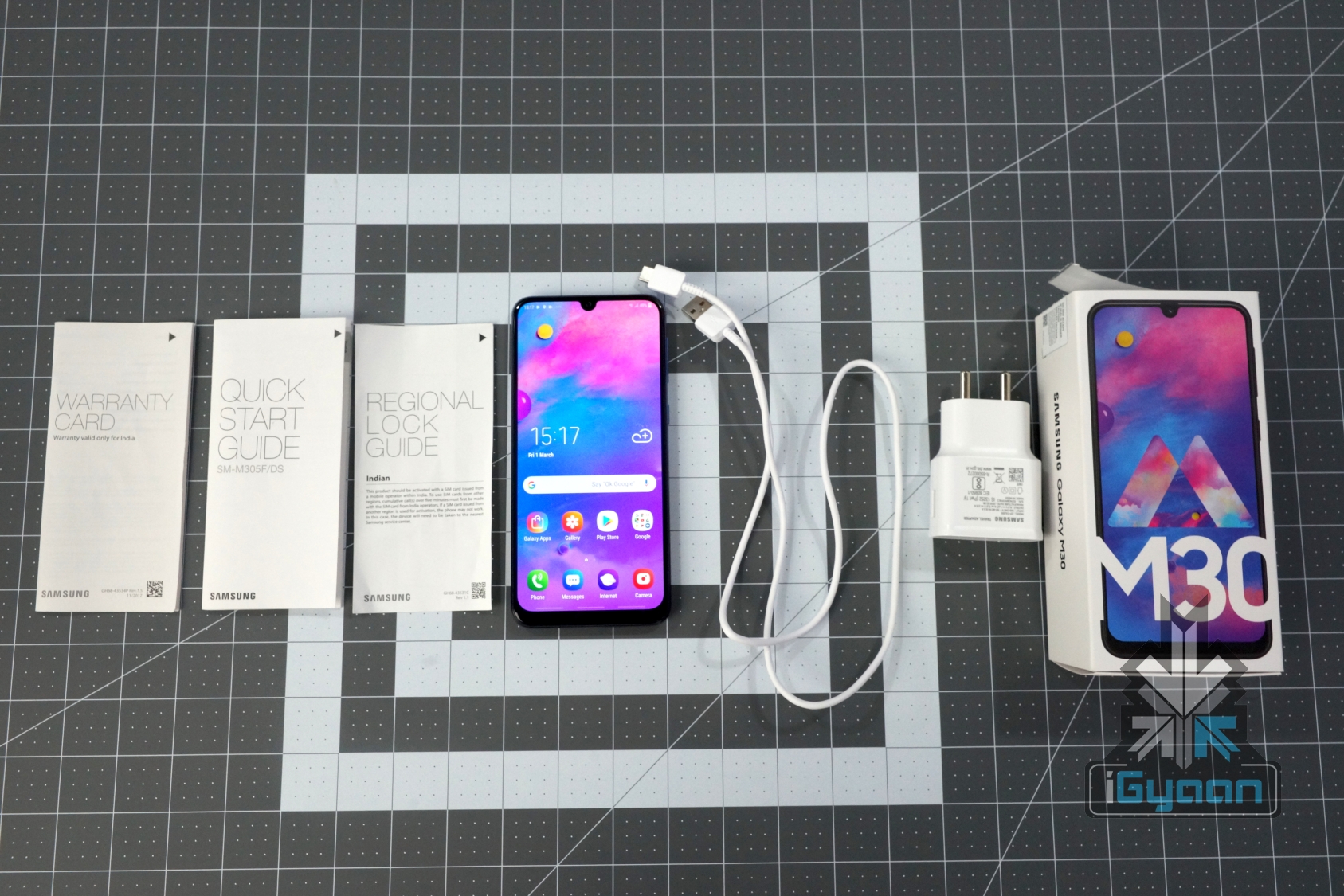
The Samsung Galaxy M30 also offers a 15 Watt charger inside the box. The phone has a USB C port which makes it somewhat future ready.
The Samsung Galaxy M30 also has a very low SAR value of 0.409W/KG Head.
Conclusion
The Samsung Galaxy M30 is a fantastic flagship to the Galaxy M series. It is priced well and offers some really good features including a Super AMOLED display and a 5000 mAh battery. And while the Redmi Note 7 Pro’s recent launch in India will make it difficult for users to decide, ( A comparison of the two will be out shortly), Samsung also made decisions difficult with the launch of the Galaxy A30. Samsung does offer best in class service and support which will help a buyers end decision if they plan to use the phone for a long time. Plus the added Samsung brand name may help aid the decision. Either way the Samsung Galaxy M30 is a compelling device, and if you are considering buying it, the decision of buying it will be a good one.
Whatsapp has been focused on releasing new updates to improve the user experience. The Facebook-owned application was reportedly testing out the ‘group invitation’ feature on the Testflight server last month. The ‘group invitation’ feature lets the user filter out the contacts who can add them to a group chat, enabling them to stay in control of their privacy. This feature was first spotted in Whatsapp Beta update 2.19.55.
Advanced Search
Reports state that Whatsapp is aiming towards further improving the chat search feature. The company calls the feature ‘Advanced Search’, and Whatsapp aims to implement it in the upcoming updates. Instead of just searching for text messages and chats, the new feature allows the user to search through multiple types of messages. It is basically an evolution of the basic Search feature, with added integration. Users can search between Photos, GIFs, Videos, Documents, Links and Audio files that they have exchanged with a contact in their device. For instance, if the user taps on a video, the app will show all the messages that contain that video. In addition to this, the feature also displays the user’s Search History which can be deleted as easily. Furthermore, the search results are shown with a neat preview, so each result doesn’t have to be opened in order to check its specifics.
Dark Mode And Other Features
The messaging app is also expected to introduce the much awaited ‘dark mode’. This mode has already been spotted in the beta version of the application, and will probably be available in the next official update. Whatsapp has been on a roll so far, releasing functional features like Touch ID and Face ID to unlock the app, replying privately to group chats and using 3D touch to check Whatsapp statuses on the iOS applications. The company is also expected to bring features like auto-playing consecutive voice messages and viewing videos directly from the notification tray.
Although sources say that slots for the iOS Beta program are full, users can still check the availability for new Whatsapp beta slots by signing up for the same. The American company may officially roll out the updates soon for both iOS and Android, as the testing of the features is in full swing right now.
Chinese electronics giant, Huawei is set to launch its next camera-centric flagship smartphone lineup which will carry the P30 branding. The upcoming range will succeed the P20lineup which was released last year. Like the range from yesteryear, the P30 lineup will have three smartphones which include the P30 Pro, P30 and P30 Lite. Renders and features of both the P30 and P30 Pro were previously leaked online. The most affordable device out of the trio, the P30 Lite has been spotted on Chinese regulatory website, TENAA which reveals its design and features.
Huawei P30 Lite
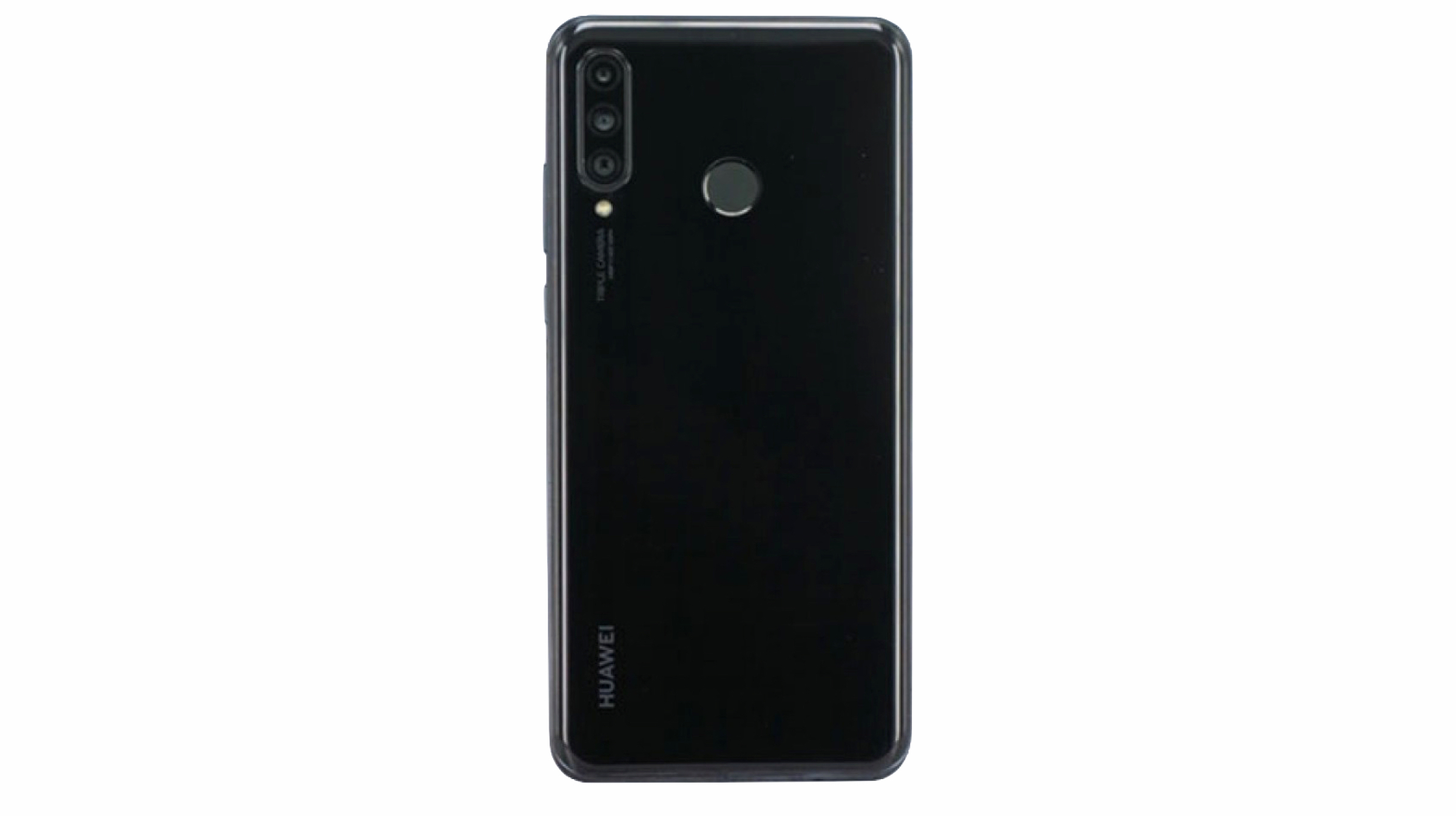
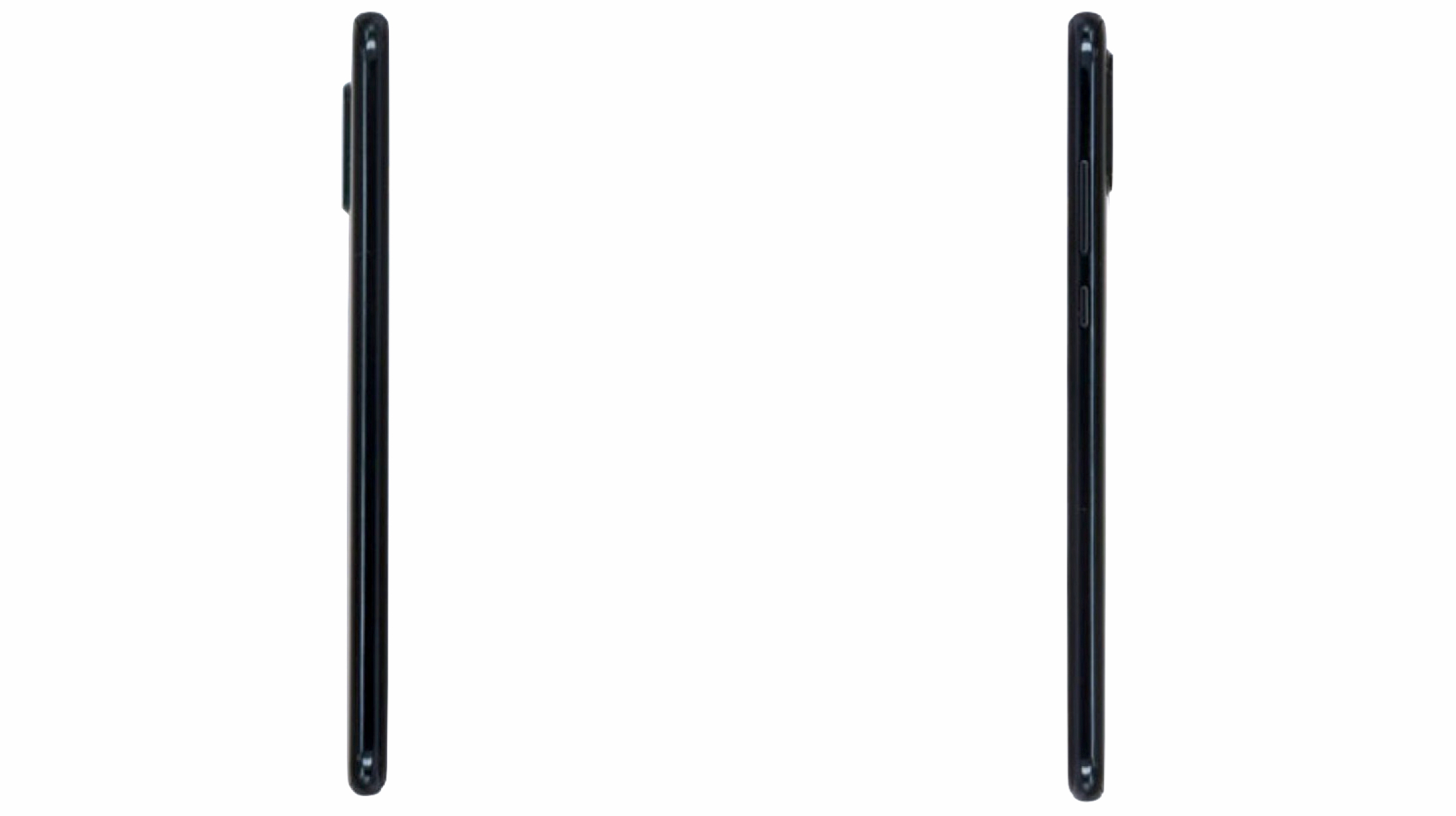
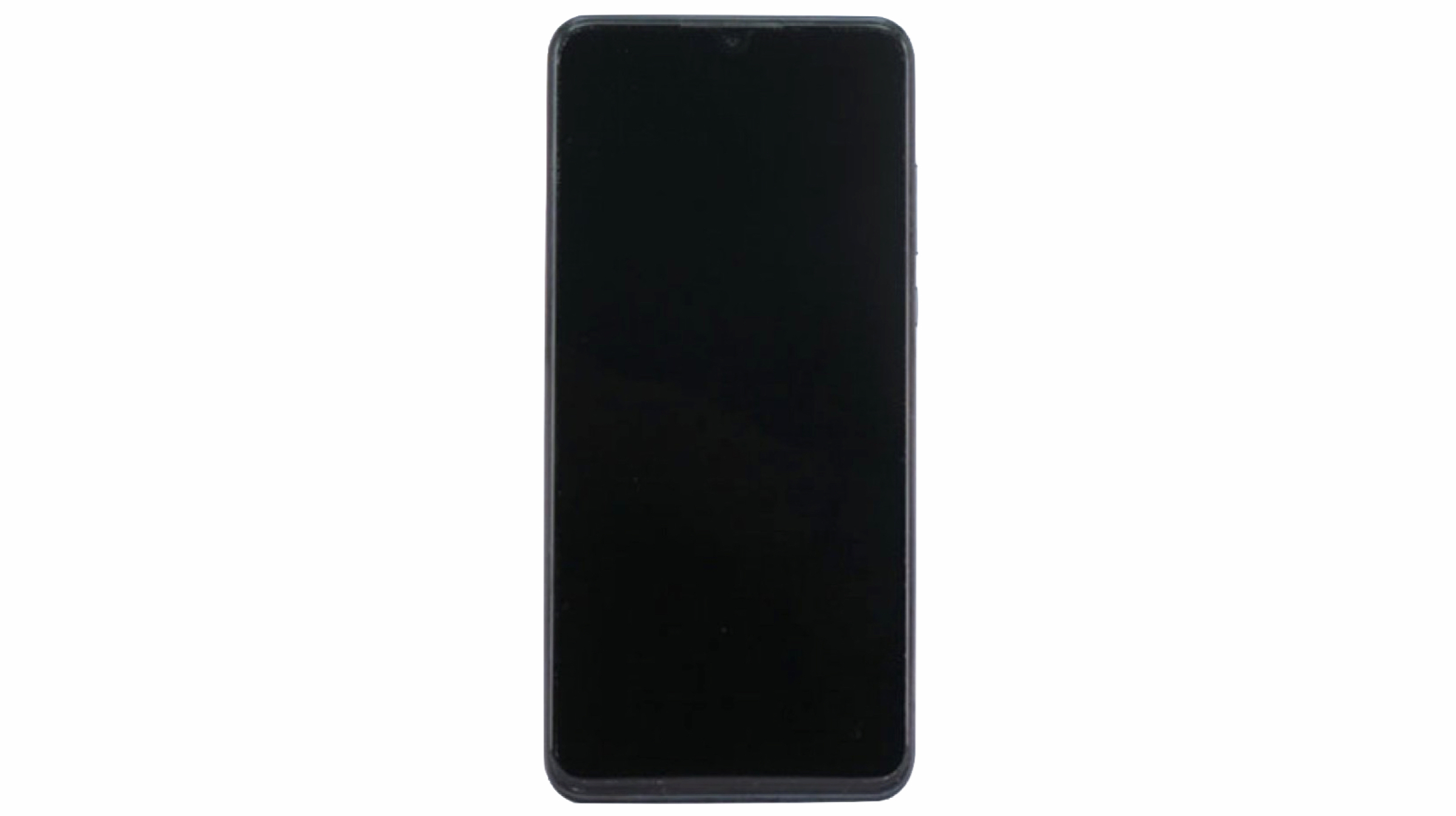
The Huawei P30 Lite has a contemporary design with glass on both front and rear. According to the TENAA listing, the smartphone measures 152.9×72.7×7.4 mm and accommodates a 6.15 inch display on the front. Above the display sits the earpiece grille and a waterdrop style notch that houses the front facing selfie camera.
Like most modern-day smartphones, the left side of the Huawei P30 Lite is occupied by the volume rockers and power button. The rear of the device has a neat design with a vertically aligned triple camera setup placed on the top left and an indented fingerprint sensor in the middle. The TENAA listing reveals that the handset is powered by a 3240 mAh battery which is likely to support fast charging. Other specifications including camera resolution and storage options will be unveiled once the company officially announces the device.
The exact price of the Huawei P30 Lite is yet unknown but it is expected to be priced around £320 (around Rs 30,000) like its predecessor, the P20 Lite. The P30 Lite along with the elder P30 and P30 Pro is set to launch at an event in Paris which is scheduled for the 26th of March.
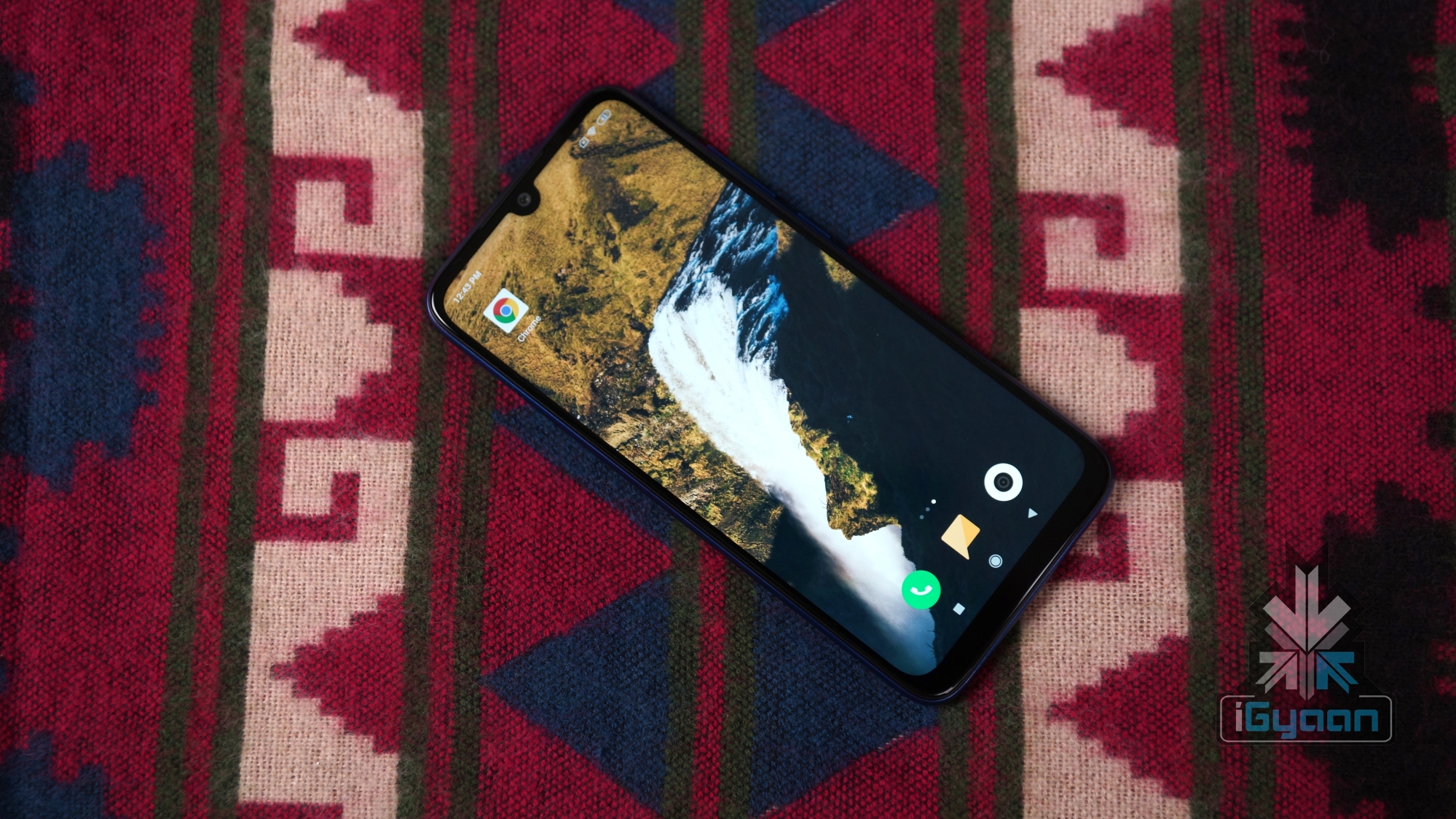
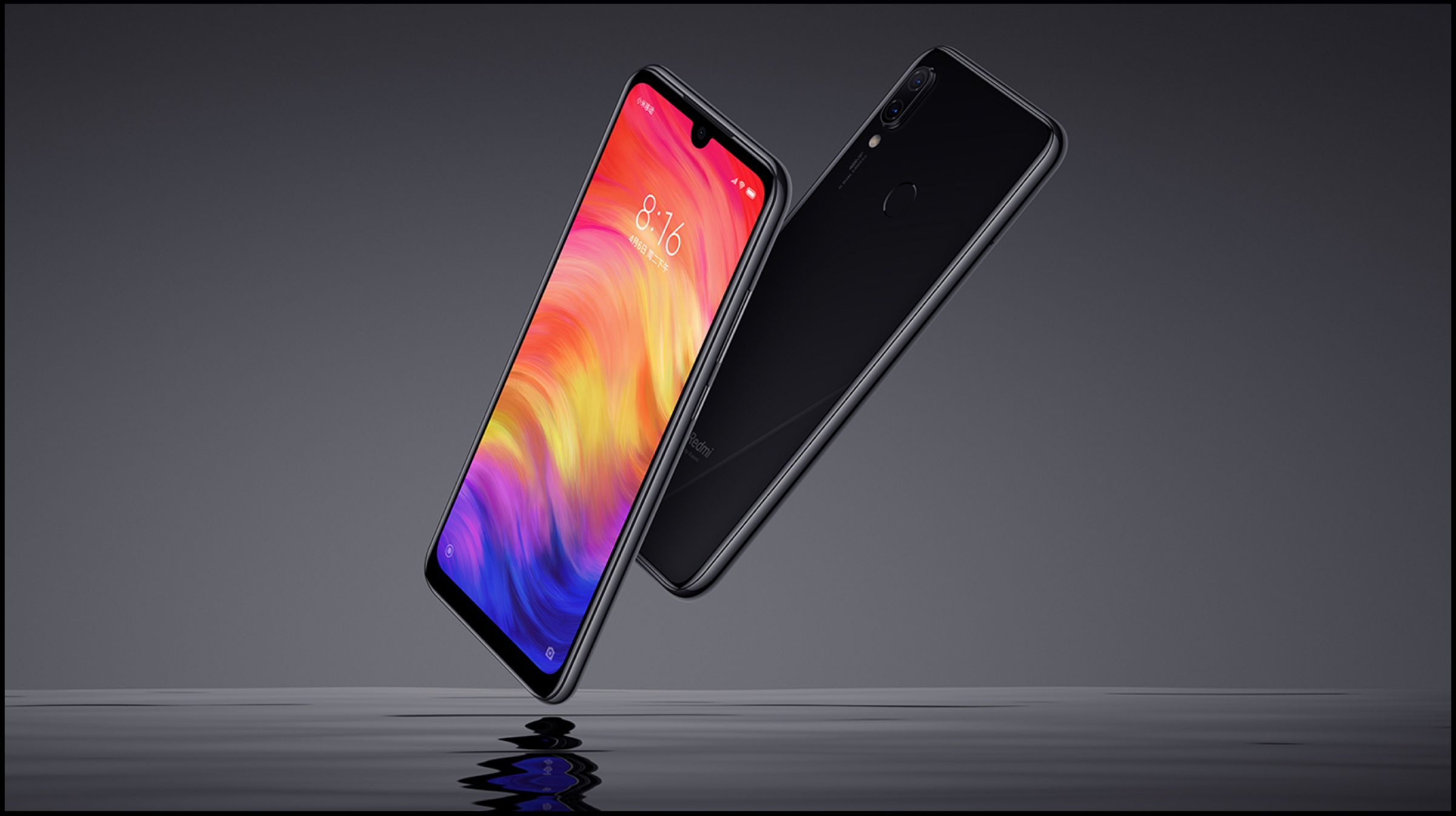
Redmi Note 7 is the latest device in the company’s portfolio. The smartphone is the successor of the Redmi Note 5 which was launched early last year. The smartphone boasts of improved performance, design and optics over its predecessor. The device has a modern design with a waterdrop notch and a glass sandwich design.
Rumours have been around for a long time regarding the Realme 2’s successor, the Realme 3. As per the company’s latest tweet, the rumours will be converted to reality as the Shenzhen-based smartphone manufacturer is planning to release two new smartphones in India on March 4. The devices in context are the much-awaited Realme 3 and the Realme 3 Pro. The smartphones will target the low to mid-budget segment of the market and will go up against the recently launched Redmi Note 7 & Redmi Note 7 Pro.
The First Teaser Video
The teaser video was released by Realme’s official Twitter account on February 27, which hinted at the launch of the upcoming smartphone. Furthermore, the number ‘3’ can be clearly seen in the video in the form of a lightning bolt. Take a look below
One of the key aspects of the teaser video is the highlighted ‘Pro‘ text in the phrase ‘Be Proactive’, which indicates that the company will also launch the Realme 3 Pro at the event. Both the devices are successors to the Realme 2 and the Realme 2 Pro respectively, which were released last year in India and were warmly welcomed by the Indian consumers. Realme CEO took a jab at the recently released Xiaomi Redmi Note 7 and 7 Pro in another tweet.
3 Days To Go ? An experience beyond the stars awaits you. Watch it live on our official handles at 12:30 noon, 4th March from Nehru Planetarium, New Delhi. #realme3#PowerYourStylepic.twitter.com/7tlAaY8gv1
Keeping the game going, Realme posted a second teaser video on February 1, reminding its fans regarding the launch date of the devices. Moreover, the second teaser video shows off the dual rear camera setup of the device and the number ‘3’ being formed out of water, hinting at the fact that the Realme 3 and/or Realme 3 Pro might be water resistant.
Expected Specifications
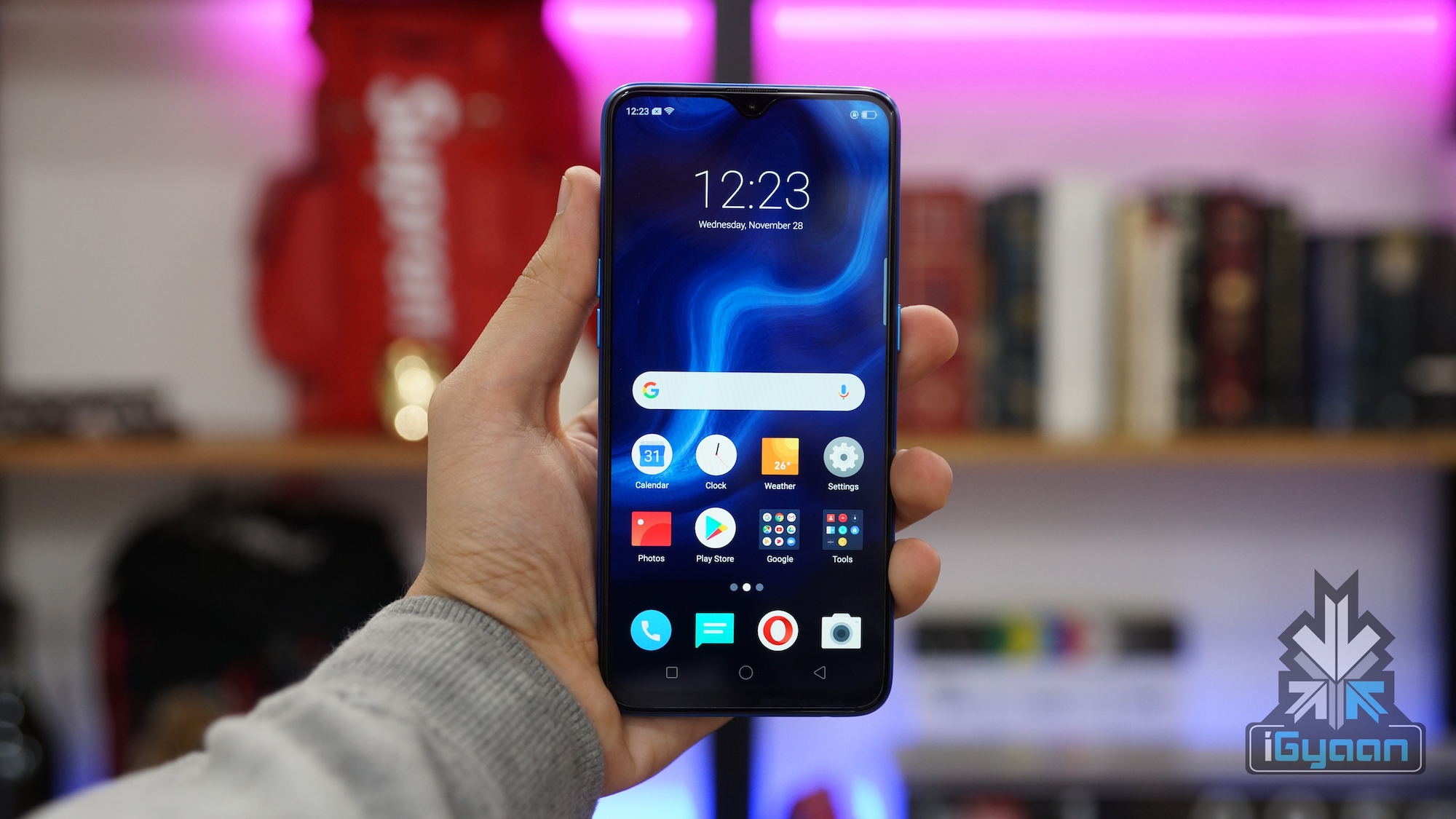
Regarding the features, the Realme 3 Pro will sport a waterdrop notch display. The smartphones will be kitted with the MediaTek Helio P70 chipset. Leaks suggest that it will sport a rear mounted fingerprint sensor on top of a diamond-cut back panel design. The new Realme smartphones may run ColorOS 6, which is a custom skin based on the latest Android 9 Pie.
As far as pricing is concerned, the Realme 3 and Realme 3 Pro are expected to be priced in the sub-20k segment. The correct price and specifications of both the smartphones will be publicised when the company officially launches them. The devices are set to launch on the 4th of March in an event which will be held in New Delhi, India.
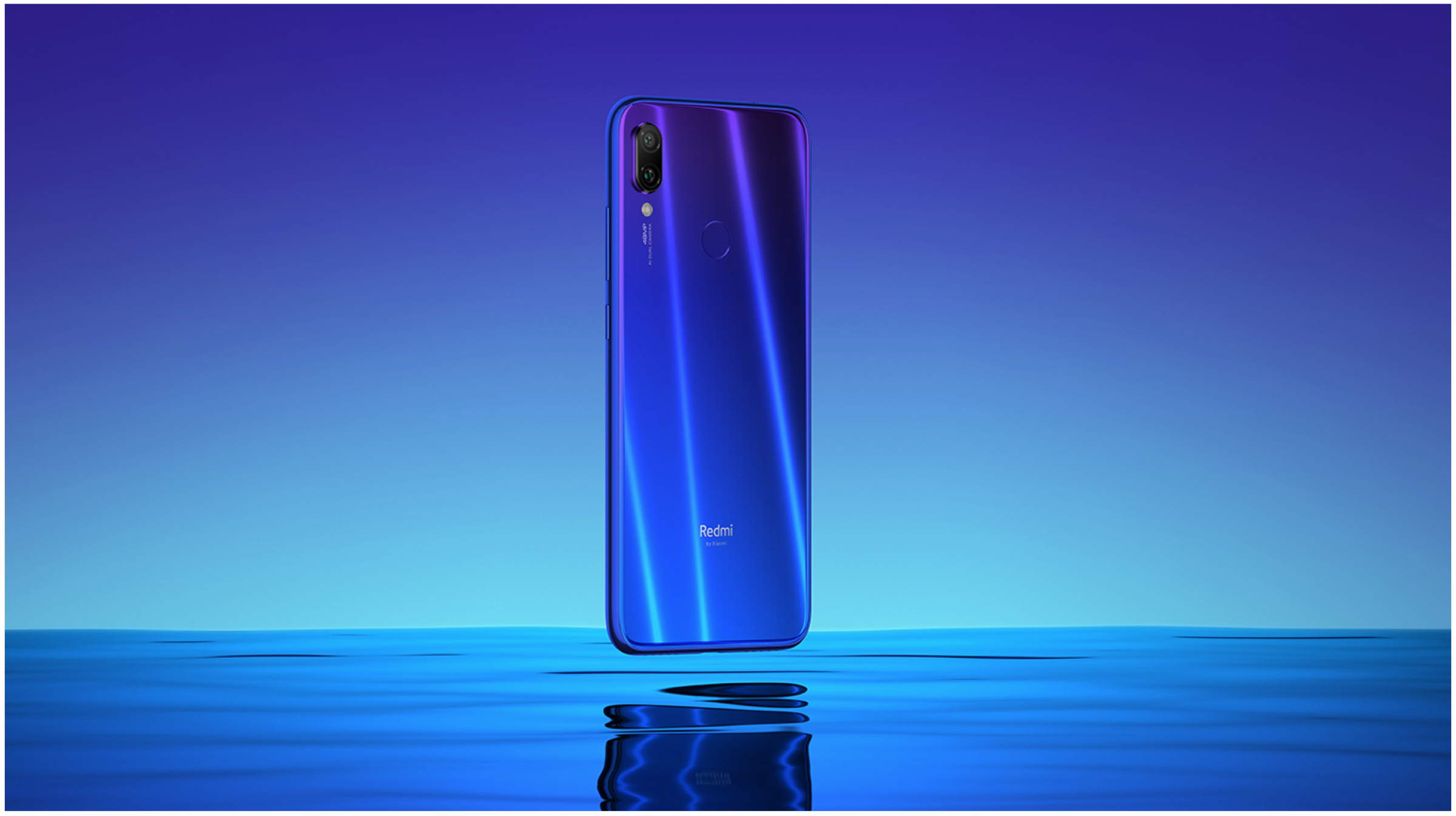
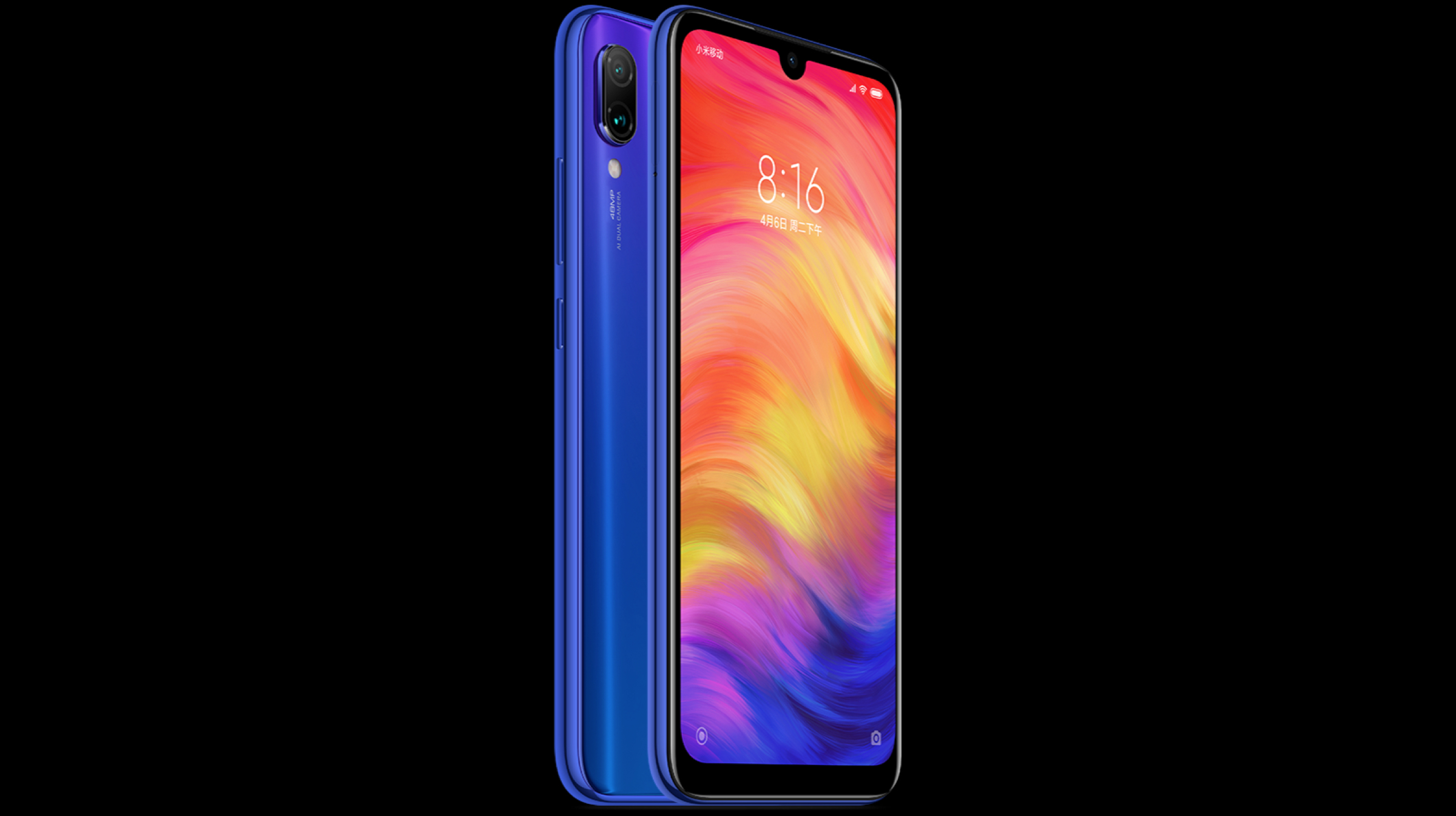
Redmi Note 7 Pro is the latest entrant in the company’s ever-popular Redmi Note series. It is the successor to last year’s Redmi Note 6 Pro and brings about many improvements in terms of performance and optics. The smartphone features a whopping 48MP rear camera sensor. The Redmi Note 7 Pro also has an all-new design for the series with a waterdrop notch and a gradient glass back.
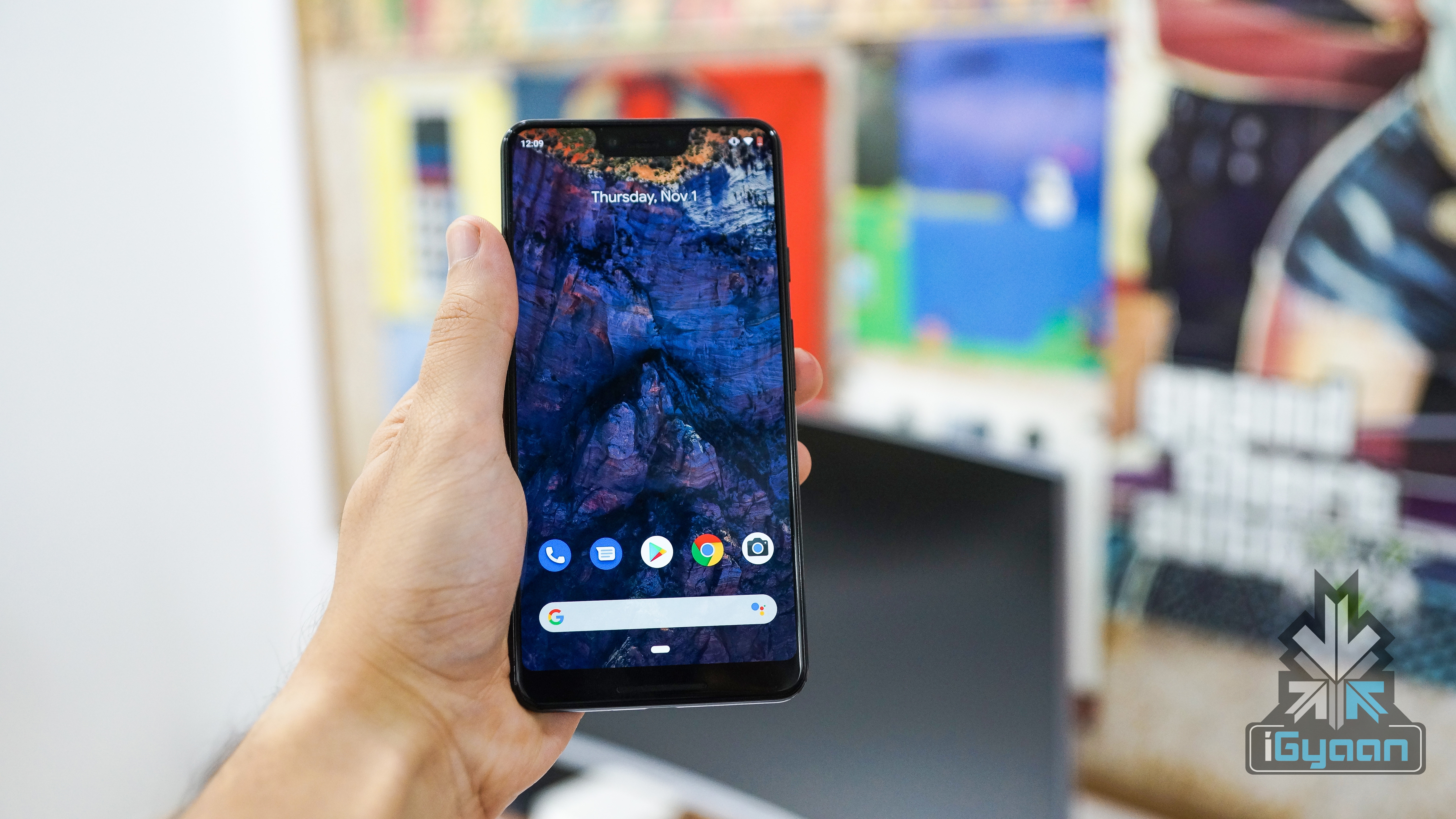
Previously, Android devices could be unlocked with a matching ‘Hey Google’ voice sample from the user. Google removed this feature when it launched the Pixel 3 and the Pixel 3 XL with the updated Google Assistant so that users could not use their voice as a password to unlock the device. At the CES 2019, the American Multinational company announced that this new behaviour will roll out to all Android devices, and the update seems to already be on its way.
About The Update
Instead of the traditional voice unlock, Voice match recognition will now provide a whole new Assistant interface on the lock screen, which will display personal results tailored to the user. Upon saying the ‘Hey Google’ or ‘Ok Google’ phrase, the Assistant will show/read out emails, dictate the tasks for the day, display reminders and shopping lists. The user will have to enter his/her PIN, password or use the fingerprint scanner in order to unlock the smartphone and access the rest of the options.
Security Flaws
In the past, the user could directly go to the unlocked home screen by saying a command like “Ok Google, what’s the weather?”. This was a security flaw as anyone with the user’s voice sample could unlock the device. Google itself warned users against using Voice Match, which was less secure than other authentication options.
Update Release
As per sources, the new updated Voice match will be a standard feature across all Google devices, including smart speakers and smart displays. The update has already been spotted in Google app 9.27 on the Moto Z and Pixel 3 XL. The company is also rolling out a server-side update for the same. To check if the feature has been updated or not, the user can check in Google Assistant Settings>Assistant tab > Assistant devices list >Lock Screen Personal results. The last option ‘Personal results’ is the replacement of the ‘Unlock with Voice Match’ option.
Even devices with Google app version 9.31 have yet to get rid of the Voice unlock feature. Users may see the new Google Assistant update on their devices in the forthcoming weeks.
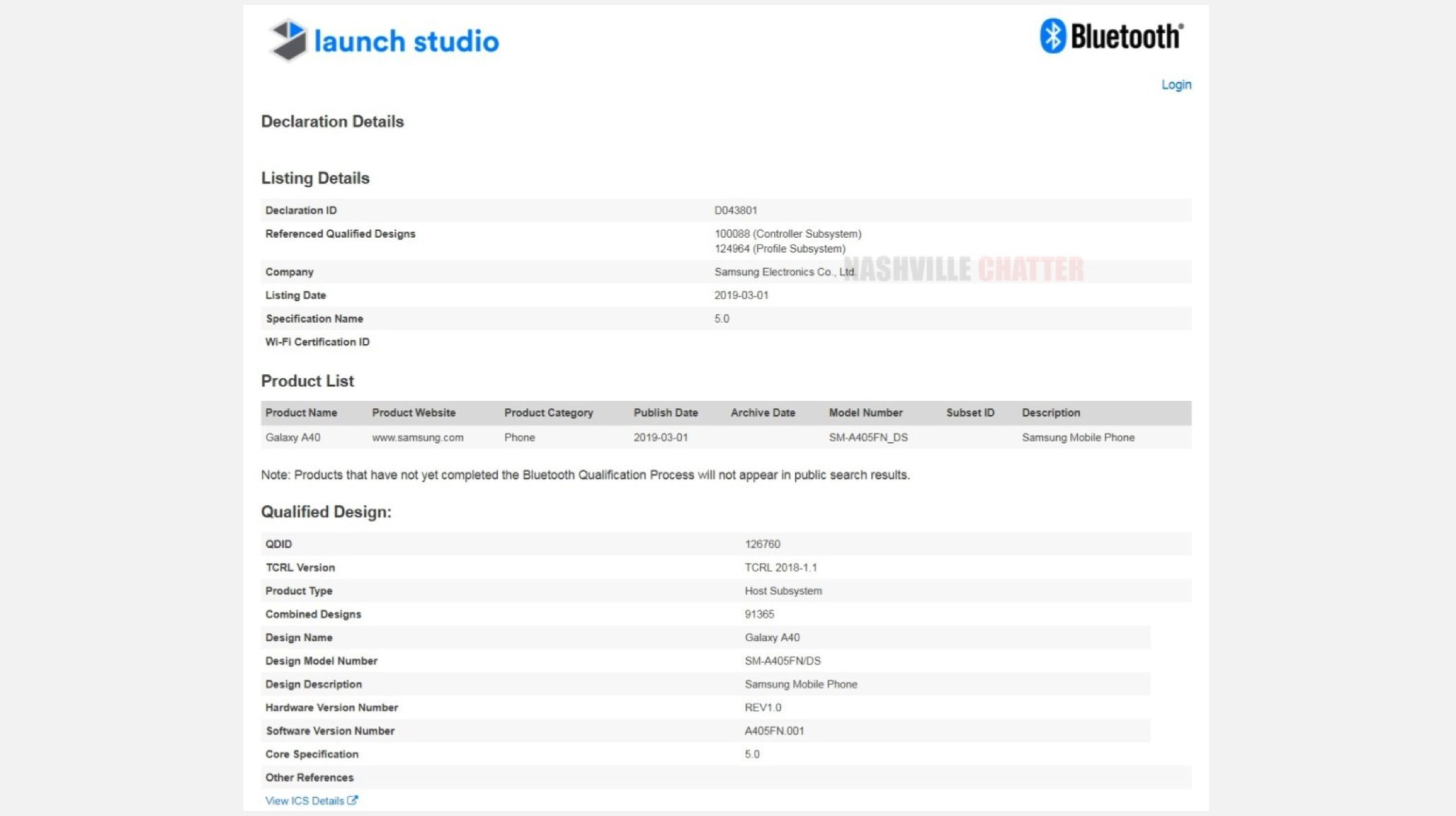
Samsung launched the latest entrants in the Galaxy A series on February 28; when it launched the Galaxy A10, Galaxy A30 and Galaxy A50 in India. Fresh leaks suggest that a new device possibly called the Galaxy A40 may also be launching soon. The support page for a Samsung device with the model number SM-A405FN/DS is live on the company’s German website. Going by Samsung’s naming scheme for previously launched smartphones, the aforementioned device is most likely the Galaxy A40. Also, the webpage suggests that the launch of the handset is imminent in Europe.
Samsung Galaxy A40
Samsung Galaxy A40 will be an affordable offering from the company which will sit between the newly announced Galaxy A30 and Galaxy A50. Reports suggest that the smartphone will have a similar design to its siblings, complete with a polycarbonate body and a ‘glasstic’ back. The display will sport an Infinity-U, 6.2 inch Super AMOLED panel with a resolution of 2340 x 1080 px. Like the Galaxy A30, it will have a rear-mounted fingerprint scanner and will support face unlock technology.
Under the hood, the Galaxy A40 is expected to run on the Exynos 7885 SoC which is manufactured using 14nm fabrication process. The chipset has an Octa-core CPU and a Mali G71 GPU. In terms of optics, the smartphone will feature a dual rear camera setup consisting of a 16MP f/1.7 sensor and an 8MP f/2.2 ultra-wide angle sensor. For selfies, the Galaxy A40 will have a 16MP f/2.0 sensor housed in the notch on top of the display. In terms of memory and storage, the device will be available with 4GB of RAM and 64GB of onboard storage. Recent reports also confirm that the Samsung Galaxy A40 will have Bluetooth 5.0 support for connectivity.
The Galaxy A40 is expected to be powered by a 4000mAh battery, just like its siblings. There will be support for 15W fast charging via the bottom mounted USB Type-C port. Out of the box, the smartphone will feature Samsung’s OneUI on top of the latest Android 9 Pie. Unfortunately, there is no report on the pricing of the device but estimates suggest that the device could launch at a price of Rs 17,999.
Samsung launched the Galaxy M30 on 27th of February in India which was soon followed by the Redmi’s Note 7 Pro. Both newly smartphones are packed with features and carry a lucrative price tag. In this article, we will put both smartphones against each other and discuss their features in detail.
Display:
The Samsung Galaxy M30 sports a 6.4 inch Super AMOLED display while the Redmi Note 7 Pro sports a 6.3 inch LCD display which is safeguarded with Corning Gorilla Glass 5. The Galaxy M30’s display has a pixel density of 394 ppi whereas the Note 7 Pro’s display has a higher pixel density of 409 ppi. Nevertheless, the variation between the ppi is virtually unnoticeable due to the meagre difference. However, Note 7 Pro’s LCD display is no match for M30’s Super AMOLED panel which has better colour reproduction.
Chipset:
The Samsung Galaxy M30 is kitted with the Exynos 7904 SoC which is designed and manufactured by Samsung. On the other hand, the Redmi Note 7 Pro packs the Snapdragon 675 SoC. The chipsets on both smartphones are comprised of an Octa-Core CPU however their innards are entirely different. The Exynos 7904 has two Kryo 260 Gold cores and six Kryo 260 Silver cores while the Snapdragon 675 has four Kryo 460 cores and four Kryo 460 Silver cores. Even though performance on the Galaxy M30 is honourable, the Exynos 7904 is secondary to Redmi Note 7 Pro’s Snapdragon 675. Furthermore, the Snapdragon 675 is manufactured using 11 nm fabrication technology and the Exynos 7904 is manufactured using 14 nm fabrication technology.
Camera:
Front facing selfie camera on both the Galaxy M30 and Redmi Note 7 Pro are housed in the notch above the display. The former has a 16 MP selfie camera while the latter has a 13 MP sensor. On paper, the Galaxy M30 is ahead of the Note 7 Pro in this department. Talking about the rear cameras, the M30 has triple sensors while the Note 7 Pro only has two. The Galaxy M30’s rear camera setup consists of 13 MP PDAF sensor, 5 MP ultrawide sensor and a 5 MP depth sensor. In contrast, Redmi Note 7 Pro’s rear camera setup consists of a 48 MP sensor and a 5 MP depth sensor. Though, the latter loses out in number it makes up for lost ground in terms of composition. The 48 MP rear camera on the Note 7 Pro is the Sony IMX586 sensor which is seen on high end devices like the Honor View 20. However, it is noteworthy that by default the Note 7 Pro’s camera captures 12 MP resolution photos to conserve storage. Additionally, social media platforms including Snapchat and Facebook compress images to a great extent. Therefore, final results from both smartphones will be comparable if not equivalent. Though full resolution images captured on Note 7 Pro will undoubtedly outperform images captured on Galaxy M30 when viewed on a large screen high definition display.
Battery and Charging Speed:
The Samsung Galaxy M30 is powered by a massive 5,000 mAh battery while the Note 7 Pro is powered by a 4,000 mAh powerhouse. Even though the Galaxy M30 packs a larger battery, the 11 nm based Snapdragon 675 chipset on the Note 7 Pro consumes less power and strives to make up for a smaller battery. Furthermore, the Note 7 Pro supports 18 W fast charging while the M30 supports 15 W fast charge. Pleasantly, Samsung ships its device with a 15 watt fast charger whereas the Redmi Note 7 Pro is shipped with a 10 watt traditional charger.
Storage Options, Expandability and Price:
Both the Samsung Galaxy M30 and Redmi Note 7 Pro are available in two storage variants which include 4 GB RAM plus 64 GB ROM and 6 GB RAM plus 128 GB ROM. Both devices also support memory expansion via a microSD card. Distinctively, the Galaxy M30 supports microSD cards of upto 512 GB while the Redmi Note 7 Pro only supports card of upto 256 GB. Furthermore, the Galaxy M30 has a dedicated slot for the microSD card whereas the Note 7 Pro uses SIM slot 2 for memory expansion. The price for different variants of the handsets are as follows:
Samsung Galaxy M30 (4 GB + 64 GB) – Rs. 14,990
Samsung Galaxy M30 (6 GB + 128 GB) – Rs. 17,990
Redmi Note 7 Pro (4 GB + 64 GB) – Rs 13,999
Redmi Note 7 Pro (6 GB + 128 GB) – Rs 16,999
Design and Software:
Both Samsung Galaxy M30 and Note 7 Pro have a plastic chassis with a waterdrop notch display. Though the bezels around the display are slightly thinner on the M30. The rear panel of the Galaxy M30 is made out of plastic while the Note 7 Pro has a Corning Gorilla Glass 5 back panel. Placement of ports and connectors on both devices is alike. The right side of both smartphones is occupied by volume rockers and power button while the bottom side of both handsets accommodates the USB Type-C port, 3.5 mm jack and loudspeaker grille. Both devices also have a rear mounted fingerprint sensor and also support facial recognition. In terms of software, the Galaxy M30 runs on the older Android 8.1 Oreo OS which is skinned with Samsung’s custom UI. Inversely, the Note 7 Pro runs on the latest Android 9.0 Pie which as well is skinned with the company’s custom MIUI.
Both the Galaxy M30 and Redmi Note 7 Pro have their own strong suits with a similar price point. Therefore, declaring a clear winner in this competition is tough. The choice of right handset is dependent upon the needs and wants of each buyer.
Samsung has launched the third smartphones in its online exclusive, Galaxy M series. The new handset carries the Galaxy M30 moniker and it is placed above the previously launched Galaxy M10 and M20. Like other Galaxy M smartphones, the newly launched device is packed with features and is priced aggressively.
The Samsung Galaxy M30 has a modern design with a 6.4 inch Infinity-U display on the front and gradient coloured plastic panel on the rear. The display of the smartphone has a Super AMOLED panel that has a resolution of 2280 x 1080 px and a pixel density of 394 ppi. The right side of the device is occupied by the power button and volume rockers while the left side is occupied by the SIM card + dedicated microSD card tray. The bottom of the smartphone accommodates the 3.5 mm audio jack, loudspeaker grille, microphone pinhole and USB Type-C port.
Chipset
The Galaxy M30 is kitted with the Exynos 7904 SoC which is designed and manufactured by Samsung. The chipset is manufactured using 14 nm manufacturing process and it is comprised of an Octa-Core CPU and Mali G71 MP2 GPU. Out of the eight CPU cores, two Kryo 260 Gold cores are clocked at 1.8 GHz while the remaining six Kryo 260 Silver cores are clocked at 1.6 GHz.
Memory & Storage
The Samsung Galaxy M30 is available in two storage variants which include 4 GB RAM + 64 GB ROM and 6 GB RAM + 128 GB ROM. Noteworthy, the smartphone is packed with LPDDR4x memory which is the fastest RAM technology currently available for mobile devices. The smartphone also supports memory expansion upto 512 GB via the dedicated memory card slot.
The Samsung Galaxy M30 is powered by an enormous 5,000 mAh lithium battery which supports 15 W fast charging via the bottom mounted USB Type-C port. Thoughtfully, Samsung ships the device with a 15 W fast charging capable power adapter. The device runs on Android 8.1 Oreo out-of-the-box which skinned with Samsung’s UI. The device is also expected to receive the latest Android 9.0 Pie update in the near future.
Camera
The Samsung Galaxy M30 has an f/2.0 aperture equipped 16 MP selfie camera which housed in the notch above the Infinity-U display. The triple rear camera setup of the smartphone is comprised of f/1.9 aperture equipped 13 MP PDAF sensor, f/2.2 aperture equipped 5 MP depth sensor, 5 MP ultrawide sensor and an LED flash. The handset can also capture 2160p videos at 30 fps from the triple rear cameras and 1080p videos at 30 fps from the front mounted selfie camera.
Connectivity & Other Features
In terms of connectivity, the Samsung Galaxy M30 supports dual 4G VoLTE, Bluetooth 5.0, 802.11 Wi-Fi, GPS, and bottom mounted 3.5 mm audio jack and USB Type-C Port. The rear of the smartphone features a fingerprint sensor which allows it to be unlocked securely and swiftly. Besides the fingerprint sensor and on-screen pattern lock, it also supports facial unlocking technology.
The Samsung Galaxy M30 is available in two colour options which include Gradation Black and Gradation Blue. It is currently available for pre-order on Amazon.in and its deliveries will commence from 7th of March. The price of different variants of the Samsung Galaxy M30 are as follows:
Spotify, the world’s most popular music streaming service was launched in India on February 26. Just before its launch date, the Bombay High Court directed the Swedish music streaming company to deposit a sum of Rs. 6.5 crore, after an infringement suit was filed by Warner/Chappell. breach
About The Suit
Along with the suit, Warner/Chappell Music also filed a motion seeking an interim injunction to prevent Spotify from including its songs in the application without a valid license. Spotify claimed that it could offer the songs in the app in conformance with its request for receiving a statutory license under Section 31 D of the Indian Copyright Act.
Two rights fall under section 31 D, the right to communicate works to the public, and the right to reproduce the said works. It was argued by Warner/Chappell’s counsel that Section 31 D would only be applicable to broadcasting organizations, which means that Spotify will only be allowed to communicate the works, not reproduce them. So far, the application by Spotify hasn’t met its approval, so no statutory license has been granted to the company.
Conclusion
Shortly after filing the Section 31 D application, Spotify had decided to give up a sum of 528,000 Euro to one of Warner/Chappell’s partners. There is no explanation of how Spotify arrived at this conclusion, but Warner Chappell refused this sum of money. The American Music publishing company then prompted Justice SJ Kathawalla to ask the Swedish music streaming service to deposit a lump sum of Rs. 6.5 crore with the Court. At the same time, the High Court also directed Warner/Chappell to return the 528,000 Euro back to Spotify.
As of now, Spotify has been directed to keep a record of the inclusion of Warner/Chappell’s music and all forms of revenues. This is the exact reason why the Swedish music streaming service was allowed to launch in India. The hearing for further decisions will take place on March 25.
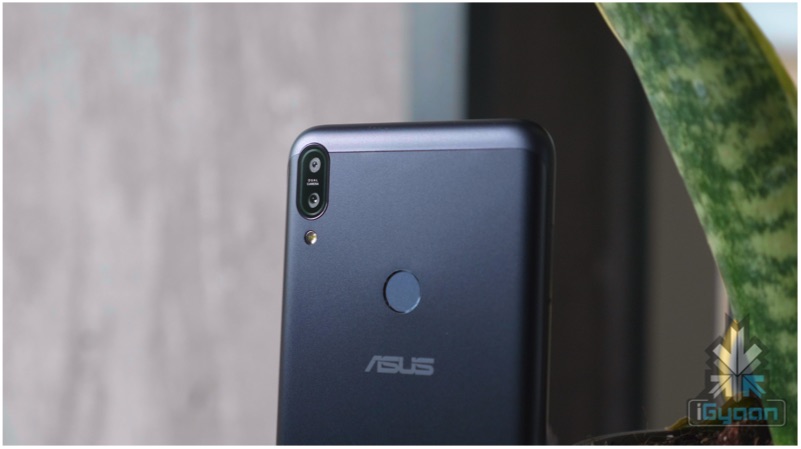
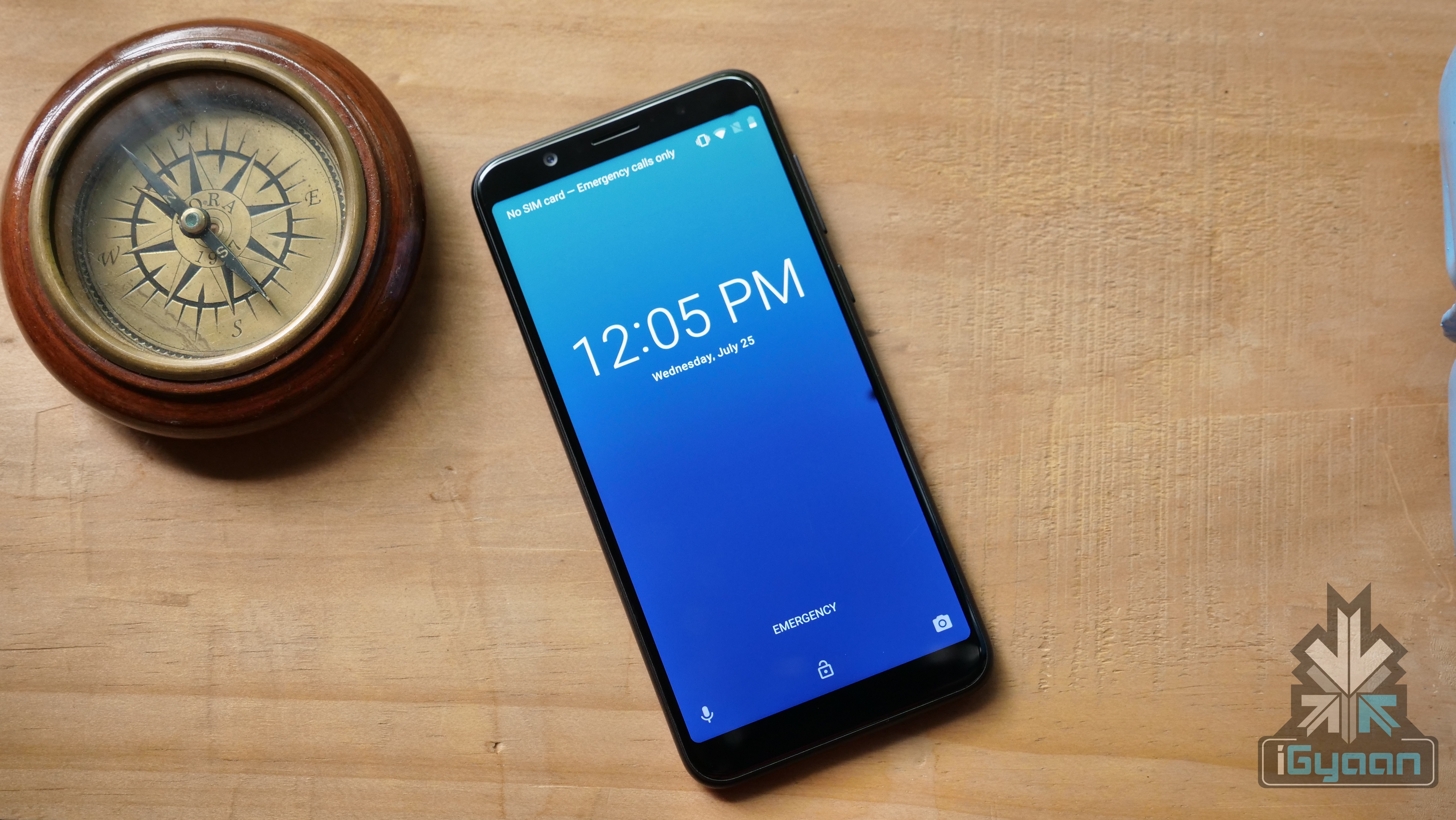
Asus launched the Zenfone Max Pro M1 back in the month of April last year. The smartphone quickly became one of the best selling models of the company owing to its affordable price and the features it offered. Asus has made an announcement on Twitter that it has started rolling out Android 9 Pie to the device, but there is a catch. The update is only available as a part of a beta program; users will need to register for the update on their device to get the latest software.
Android 9 Pie: What’s New?
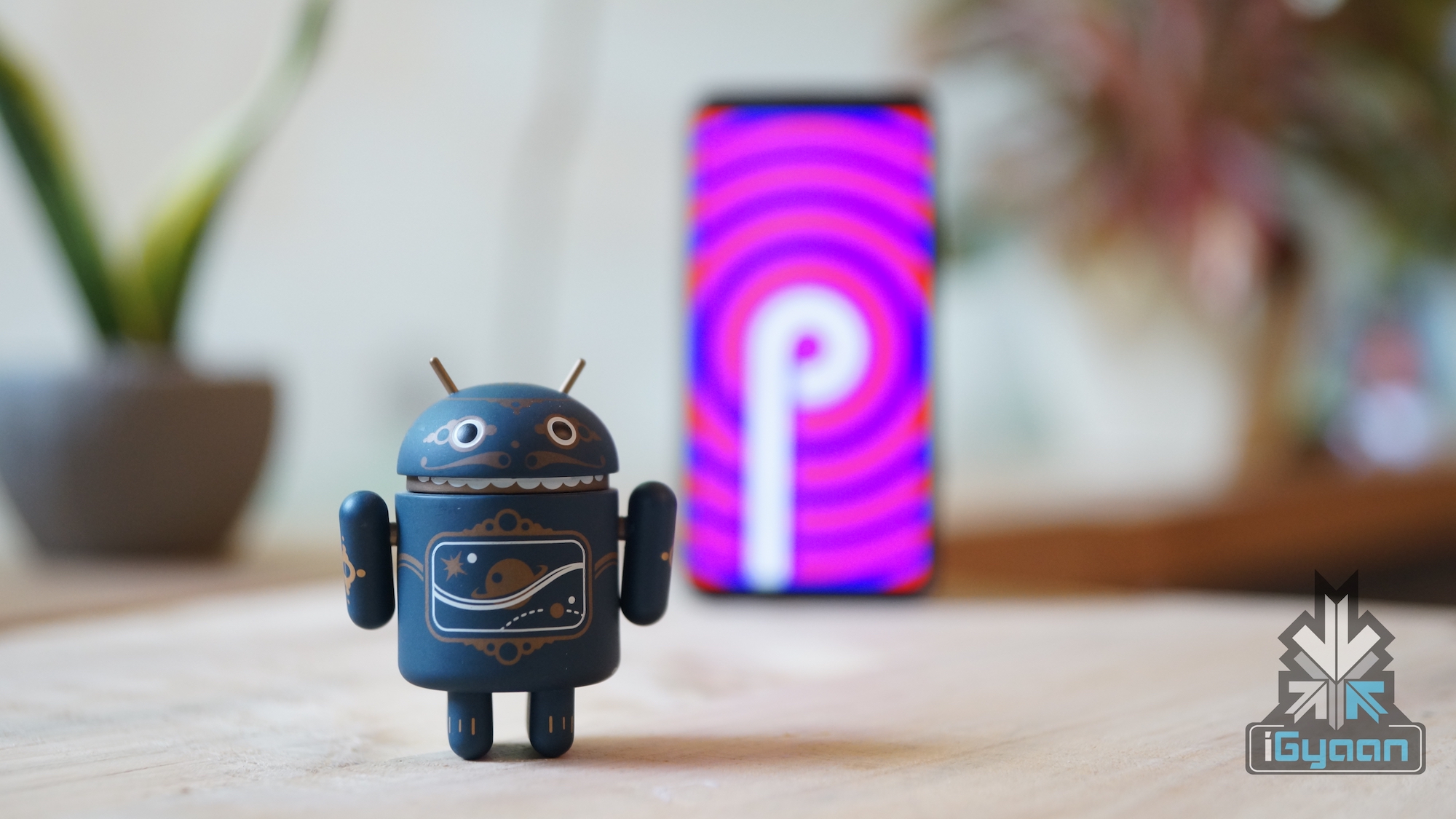
The current generation of AndroidOS, Android 9 Pie was introduced in August last year and brings about significant changes from its predecessor, Android 8 Oreo. The most notable change is the introduction of navigation gestures, which can be enabled manually in the settings. These gestures offer a completely new way to navigate around the user interface. Also introduced is the new settings menu, which is completely overhauled since Android Oreo. The quick settings menu has also been updated, with the option of selecting a dark or a light mode active at all times.
With Android 9 Pie, there is better notch compatibility and the volume slider has been moved to the right side. The software also introduced an all-new Digital Wellbeing setting; which can be used to monitor the device usage and cut down on the repeated use of certain apps. The update also introduces new, smoother animations to the devices.
The user can register for the Android Pie Beta program by visiting the link here. Notably, Asus also started the beta program for the Zenfone Max Pro M2 earlier last month. The company had previously promised that both of these devices will be updated to a stable build of Android 9 Pie by the month of February which they have failed to deliver. Unfortunately, Asus has not revealed any information on when the stable build of the update will be released for the Zenfone Max Pro M1.
Speculations around Twitter’s updates previously indicated that the social media service is developing features to improve user experience. Twitter has now confirmed that it is working on a new ‘Hide Tweets’ feature, which will help users to hide replies on their respective tweets. This will provide users with more control of their conversations, Twitter says.
About The Feature
Twitter is testing replies moderation. It lets you to hide replies under your tweets, while providing an option to show the hidden replies pic.twitter.com/dE19w4TLtp
The option was first spotted in Twitter’s code and can be accessed from the list of moderation options by clicking on the ‘Share’ button, from what has been spotted so far. As per reports, the Share button has been given an overhaul as well. The ‘Hide Tweet’ button will act as a better alternative to muting or blocking the user.
Similarly, an option to ‘View Hidden Tweets’ was also spotted, which indicates that the feature will work in a similar manner to Facebook’s ‘View Edit History’ option. The ‘View Hidden Tweets’ button will allow users to ‘unhide’ the tweets that were hidden in the first place by the Original Poster. This feature will ensure that the chain of information is not entirely broken by the introduction of such a feature.
The Cons
Concerns arose on Twitter regarding the fact that this option will lead to users hiding obnoxious tweets. For instance, a user might get a different idea while reading a tweet if some of the replies are missing/hidden. People also said that controversial politicians can just hide tweets that they find outrageous or unacceptable. Unless a user actually clicks on the ‘View Hidden Tweets’ button, he/she might miss out on critical parts of the conversation.
The Pros
The positive aspects of integrating such an update are intended towards putting the user in control of his tweets. In a ‘toxic social media era’ where hate provoking comments can be found on almost every post, moderating the replies could impact user growth for the better purpose. It could also encourage people to debate or argue in a more ‘docile’ manner knowing that their tweets can be hidden any time.
1/8 Thanks to Jane and @MattNavarra for starting the conversation about the this feature we are developing! We wanted to provide a little more context on it. https://t.co/Ws2rJfa8sl
Twitter Senior PM said that the ‘Tweet transparency’ feature will lead to a healthier Twitter community, where users can actually call out situations where hiding tweets become necessary. Twitter plans to test out this feature publicly in the coming months. The feature may roll out with some pending updates such as a ‘clarifying feature’, which allows users to explain the context of their old tweets.
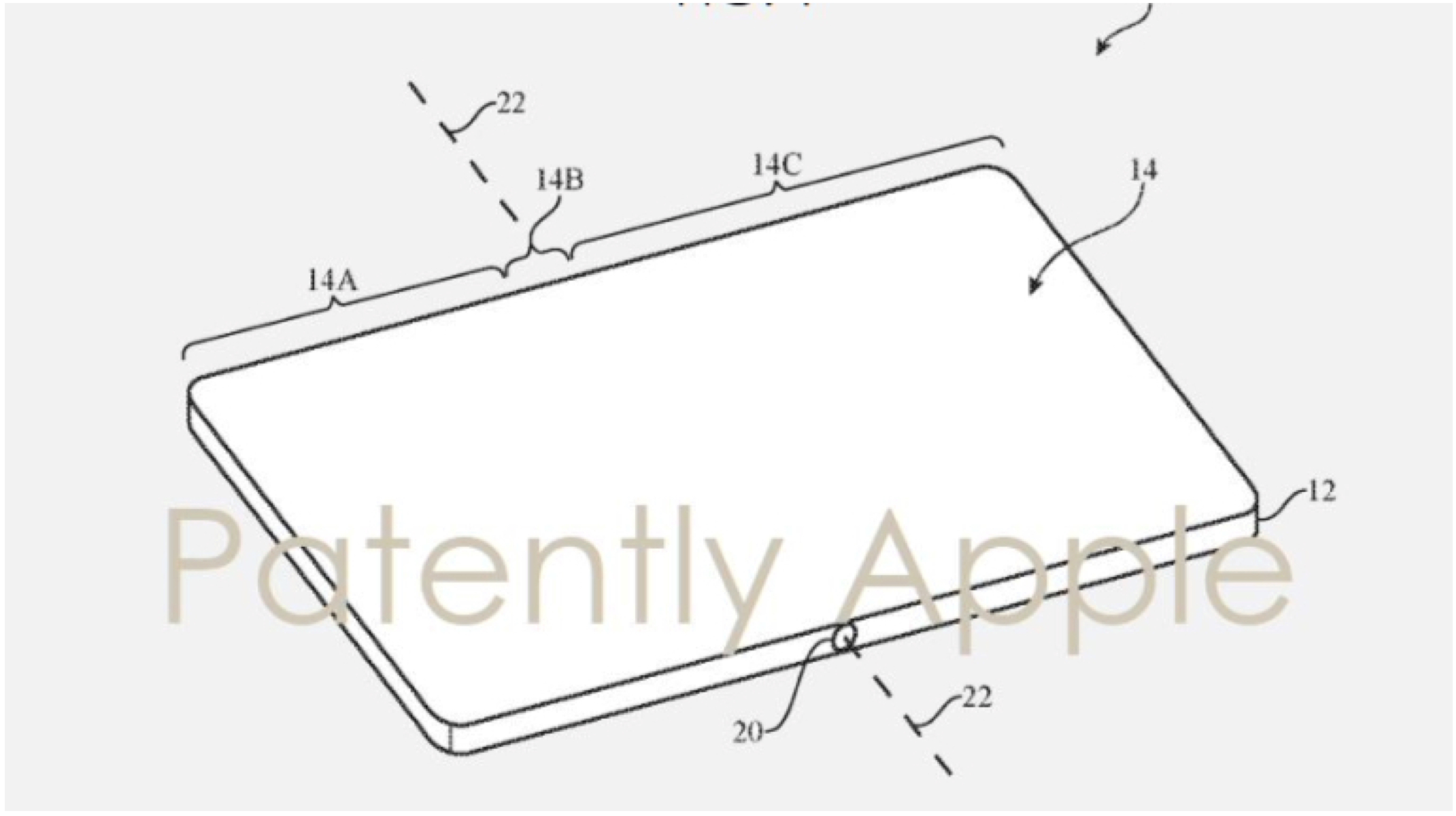
Last month saw a bunch of smartphone manufacturers showcasing their take on a foldable smartphone. Samsung announced the Galaxy Fold and Huawei showed off its Mate X. There is another major OEM which is reportedly working on a foldable device. Fresh patents filed by Apple reveal what the company has planned as a folding mechanism on its long rumoured foldable smartphone. The company may be planning to put magnets under both sides of the display to make the device fold completely flat.
Apple Foldable Smartphone
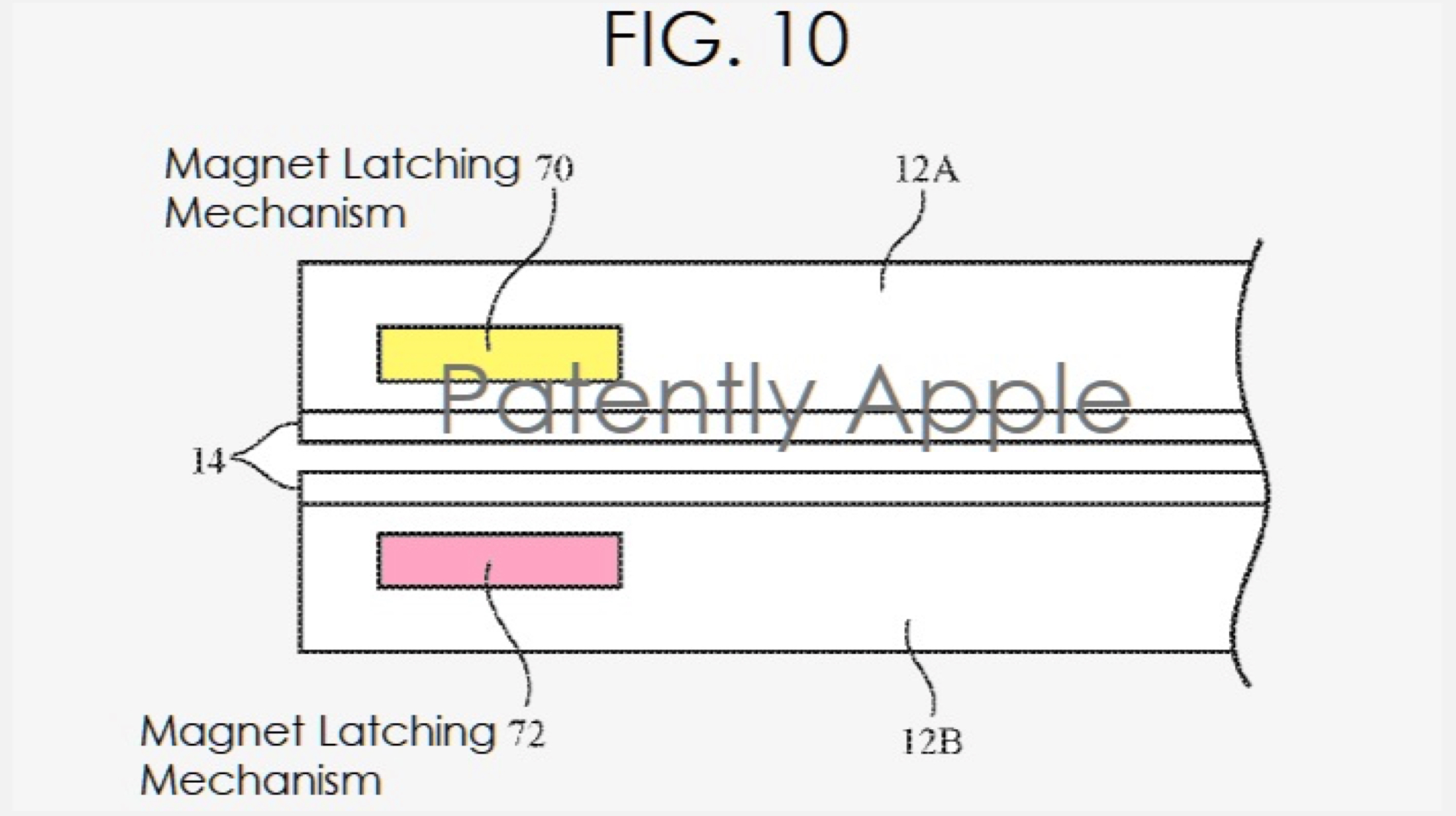
The patent filed by Apple suggests different folding designs that the company may be planning on using. The image in the patent exhibits the use of magnets under the display. These magnets may be used to make the foldable smartphone fold completely flat, which is a problem other OEMs seem to struggle to figure out. The magnets that may be used are expected to be electromagnetic in nature and spring into action when the device is folded, to keep both sides of the display latched together. As soon as the device is unfolded, the electromagnets will lose their charge, making it effortless to open the device.
According to reports, Apple is trying to develop a specialized display coating and new foldable sensors to make the folding mechanism work. Intriguingly, the patent suggests that the display panel makes use of some sort of heating technology to improve the operability of the panel. The heating method that is suggested is required every time the display is folded or unfolded, as a cold display is more susceptible to breaking or cracking when folded and unfolded repeatedly. The images also show a unique, circular hinge which consolidates both sides of the display. Unfortunately, other details about the Apple foldable device isn’t known yet.
This technology employed by Apple is expected to be groundbreaking as the company is known to wait out on current trends until they are perfected. The foldable device from Apple may be a smartphone or a computing device, like an iPad which will turn into a compact device when folded. As per the reports, the company may release the device next year.
You can check out the patents filed by Apple here.



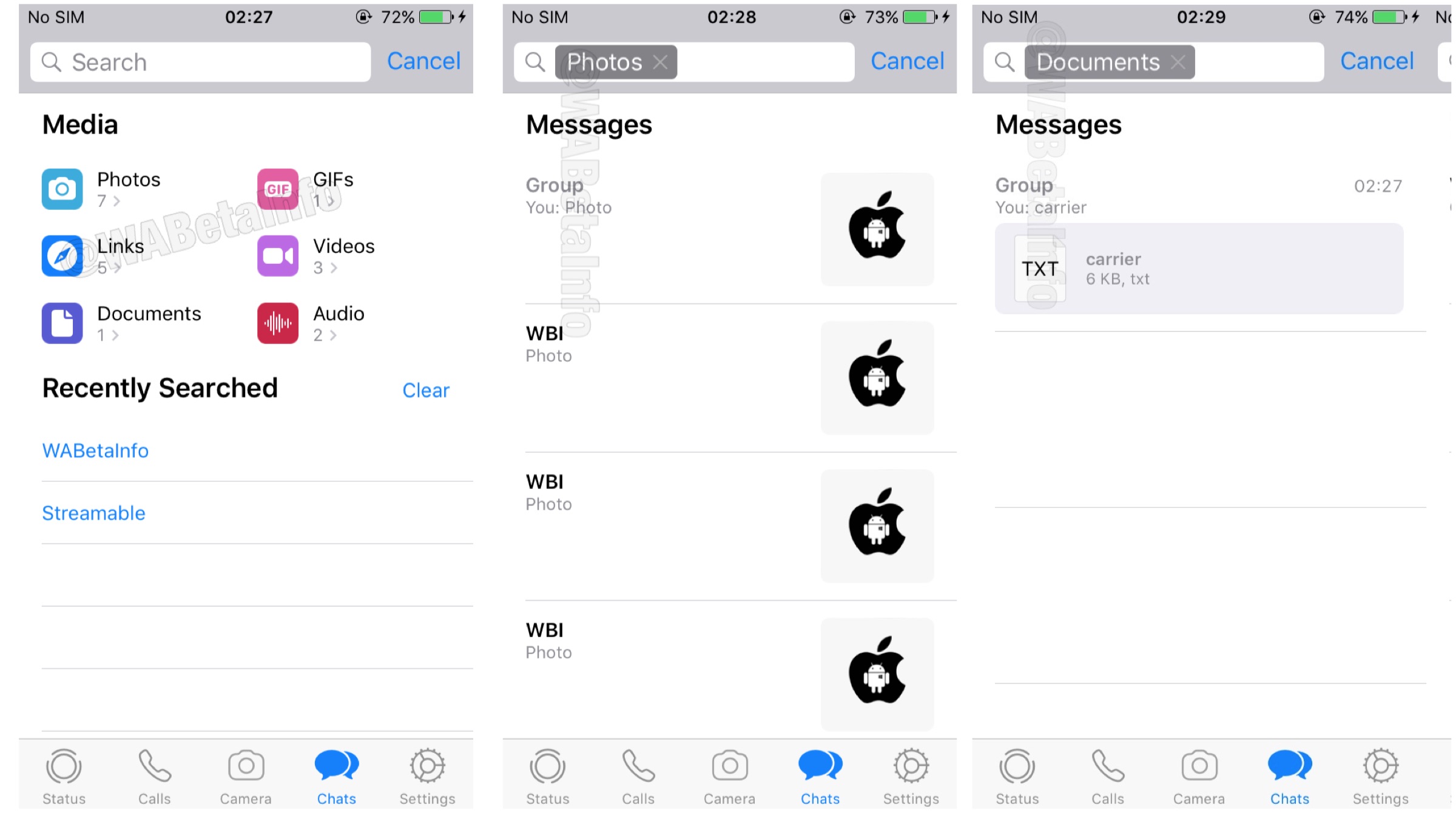 Reports state that Whatsapp is aiming towards further improving the chat search feature. The company calls the feature ‘Advanced Search’, and Whatsapp aims to implement it in the upcoming updates. Instead of just searching for text messages and chats, the new feature allows the user to search through multiple types of messages. It is basically an evolution of the basic Search feature, with added integration. Users can search between Photos, GIFs, Videos, Documents, Links and Audio files that they have exchanged with a contact in their device. For instance, if the user taps on a video, the app will show all the messages that contain that video. In addition to this, the feature also displays the user’s Search History which can be deleted as easily. Furthermore, the search results are shown with a neat preview, so each result doesn’t have to be opened in order to check its specifics.
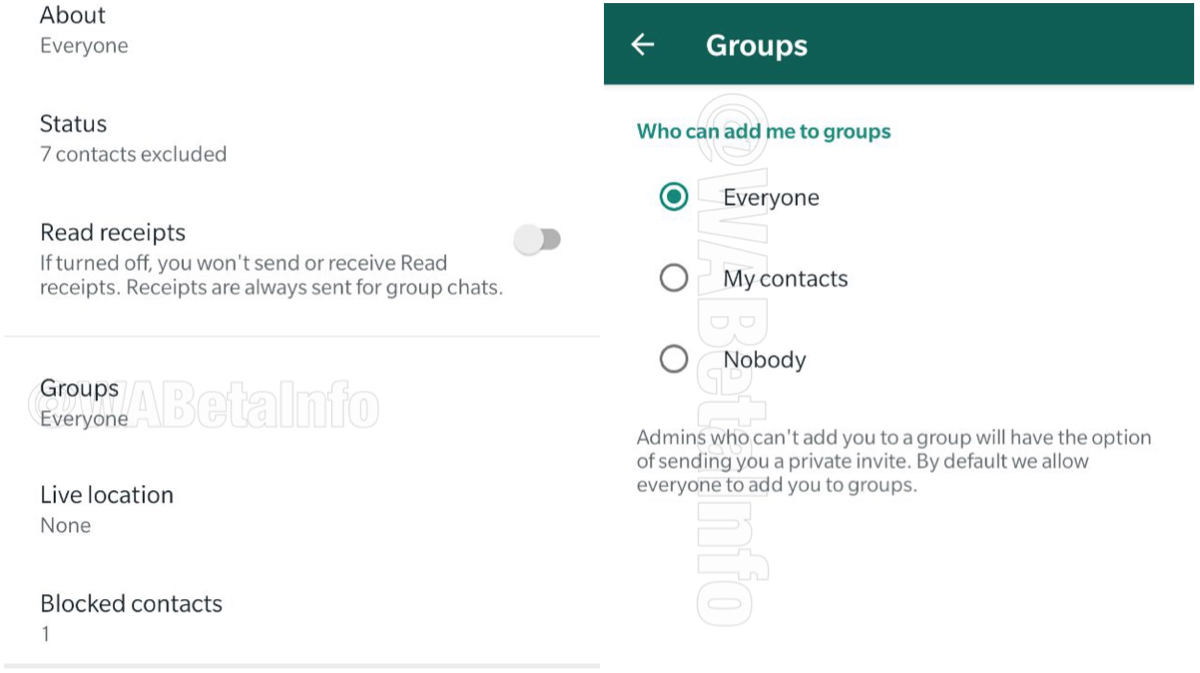 The messaging app is also expected to introduce the much awaited ‘dark mode’. This mode has already been spotted in the beta version of the application, and will probably be available in the next official update. Whatsapp has been on a roll so far, releasing functional features like Touch ID and Face ID to unlock the app, replying privately to group chats and using 3D touch to check Whatsapp statuses on the iOS applications. The company is also expected to bring features like auto-playing consecutive voice messages and viewing videos directly from the notification tray.
 Also Read:
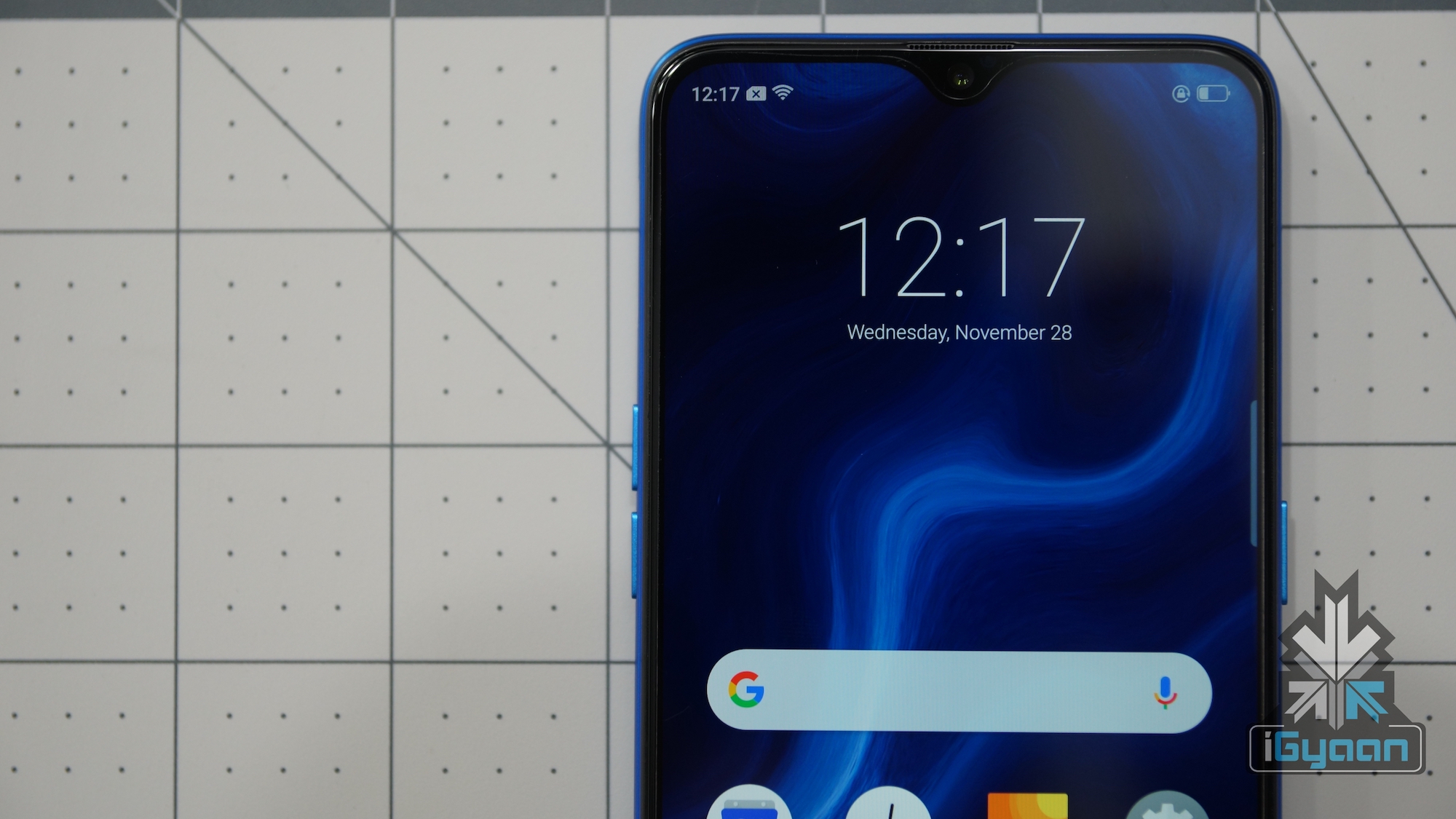 Regarding the features, the Realme 3 Pro will sport a waterdrop notch display. The smartphones will be kitted with the MediaTek Helio P70 chipset. Leaks suggest that it will sport a rear mounted fingerprint sensor on top of a diamond-cut back panel design. The new Realme smartphones may run ColorOS 6, which is a custom skin based on the latest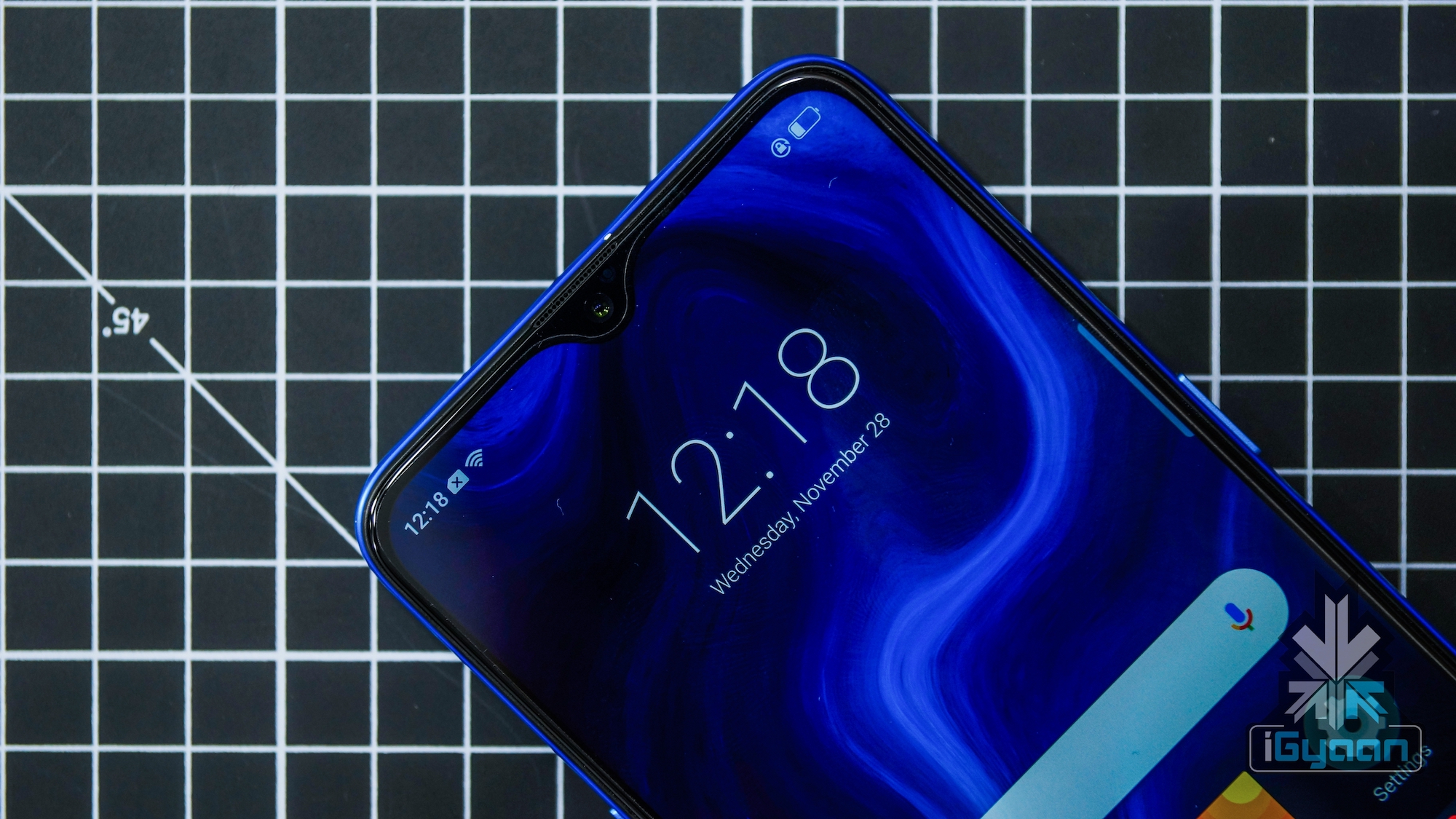
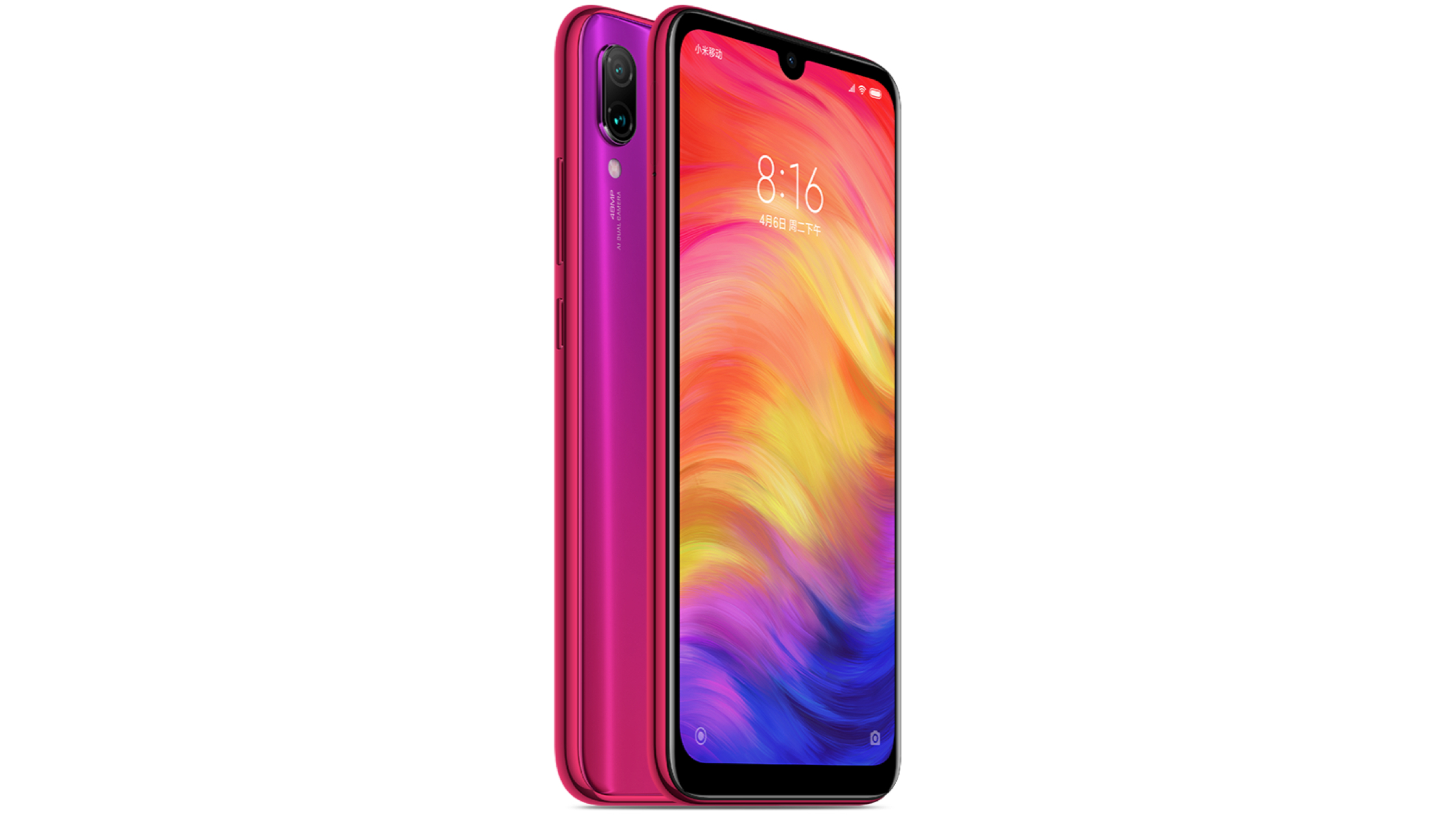

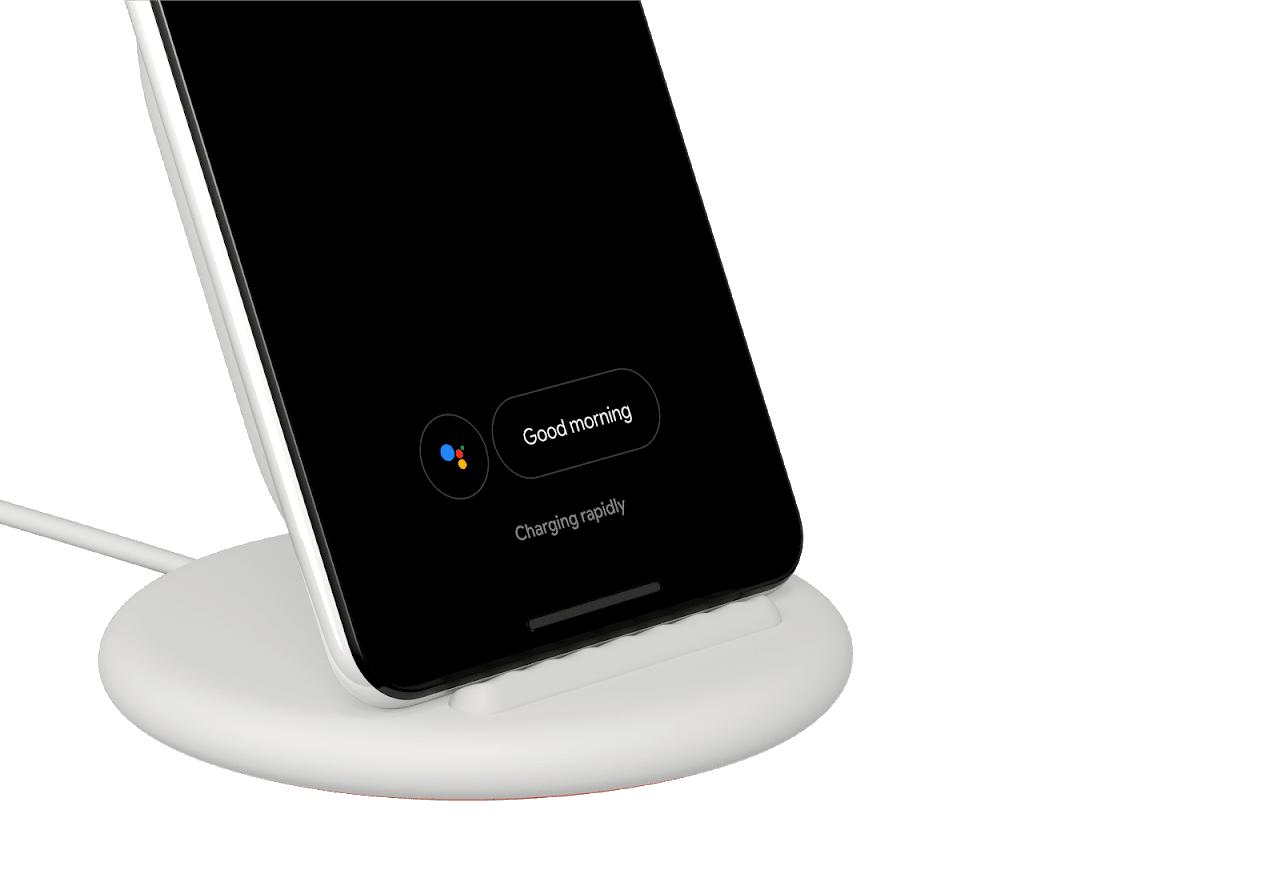 Instead of the traditional voice unlock, Voice match recognition will now provide a whole new Assistant interface on the lock screen, which will display personal results tailored to the user. Upon saying the ‘Hey Google’ or ‘Ok Google’ phrase, the Assistant will show/read out emails, dictate the tasks for the day, display reminders and shopping lists. The user will have to enter his/her PIN, password or use the fingerprint scanner in order to unlock the smartphone and access the rest of the options.
 In the past, the user could directly go to the unlocked home screen by saying a command like “Ok Google, what’s the weather?”. This was a security flaw as anyone with the user’s voice sample could unlock the device. Google itself warned users against using Voice Match, which was less secure than other authentication options.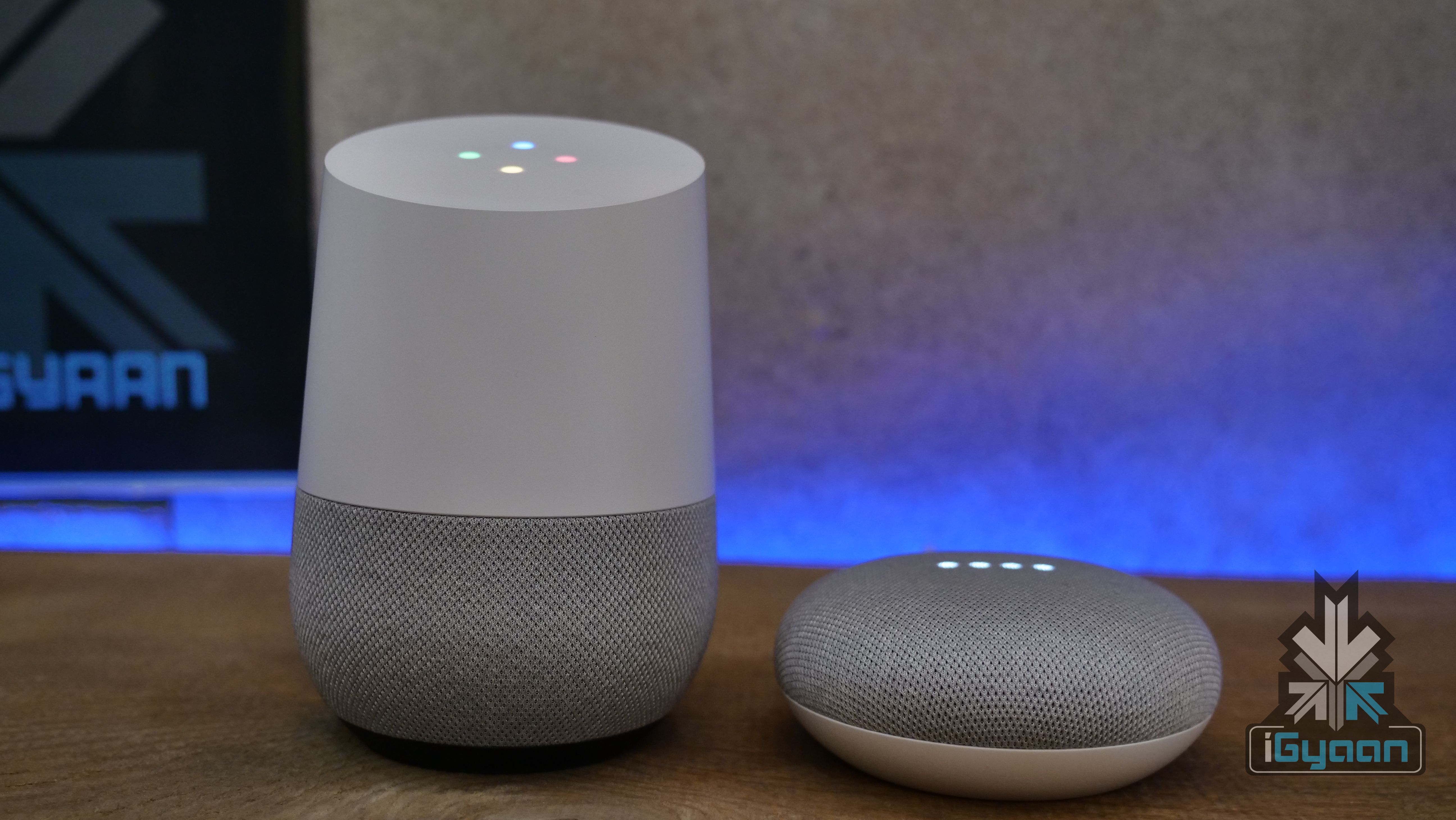


 Along with the suit, Warner/Chappell Music also filed a motion seeking an interim injunction to prevent Spotify from including its songs in the application without a valid license. Spotify claimed that it could offer the songs in the app in conformance with its request for receiving a statutory license under Section 31 D of the Indian Copyright Act.
 Shortly after filing the Section 31 D application, Spotify had decided to give up a sum of 528,000 Euro to one of Warner/Chappell’s partners. There is no explanation of how Spotify arrived at this conclusion, but Warner Chappell refused this sum of money. The American Music publishing company then prompted Justice SJ Kathawalla to ask the Swedish music streaming service to deposit a lump sum of Rs. 6.5 crore with the Court. At the same time, the High Court also directed Warner/Chappell to return the 528,000 Euro back to Spotify.
 Also Read: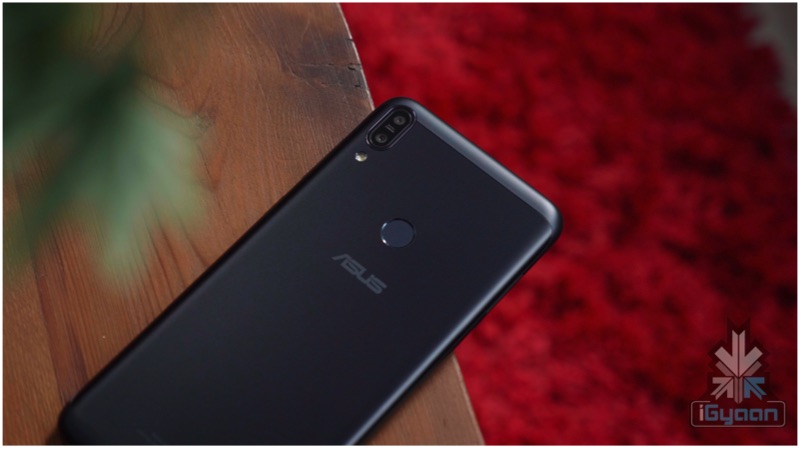
 Concerns arose on Twitter regarding the fact that this option will lead to users hiding obnoxious tweets. For instance, a user might get a different idea while reading a tweet if some of the replies are missing/hidden. People also said that controversial politicians can just hide tweets that they find outrageous or unacceptable. Unless a user actually clicks on the ‘View Hidden Tweets’ button, he/she might miss out on critical parts of the conversation.
 The positive aspects of integrating such an update are intended towards putting the user in control of his tweets. In a ‘toxic social media era’ where hate provoking comments can be found on almost every post, moderating the replies could impact user growth for the better purpose. It could also encourage people to debate or argue in a more ‘docile’ manner knowing that their tweets can be hidden any time.