Blog

  • Is The Future Of Wearables With Or Without Smartphones?

    Is The Future Of Wearables With Or Without Smartphones?

    According to a report by Statista, the number of mobile phone users in the world is going to reach 5 billion by the end of 2019. Relatively, there are almost 8 billion people on the planet. This means that almost 63 percent of the total world population owns a mobile phone of sorts. And that number is rising since all companies are hell-bent towards designing a smartphone which meets all the norms of a perfect smartphone – one device that can do it all. 
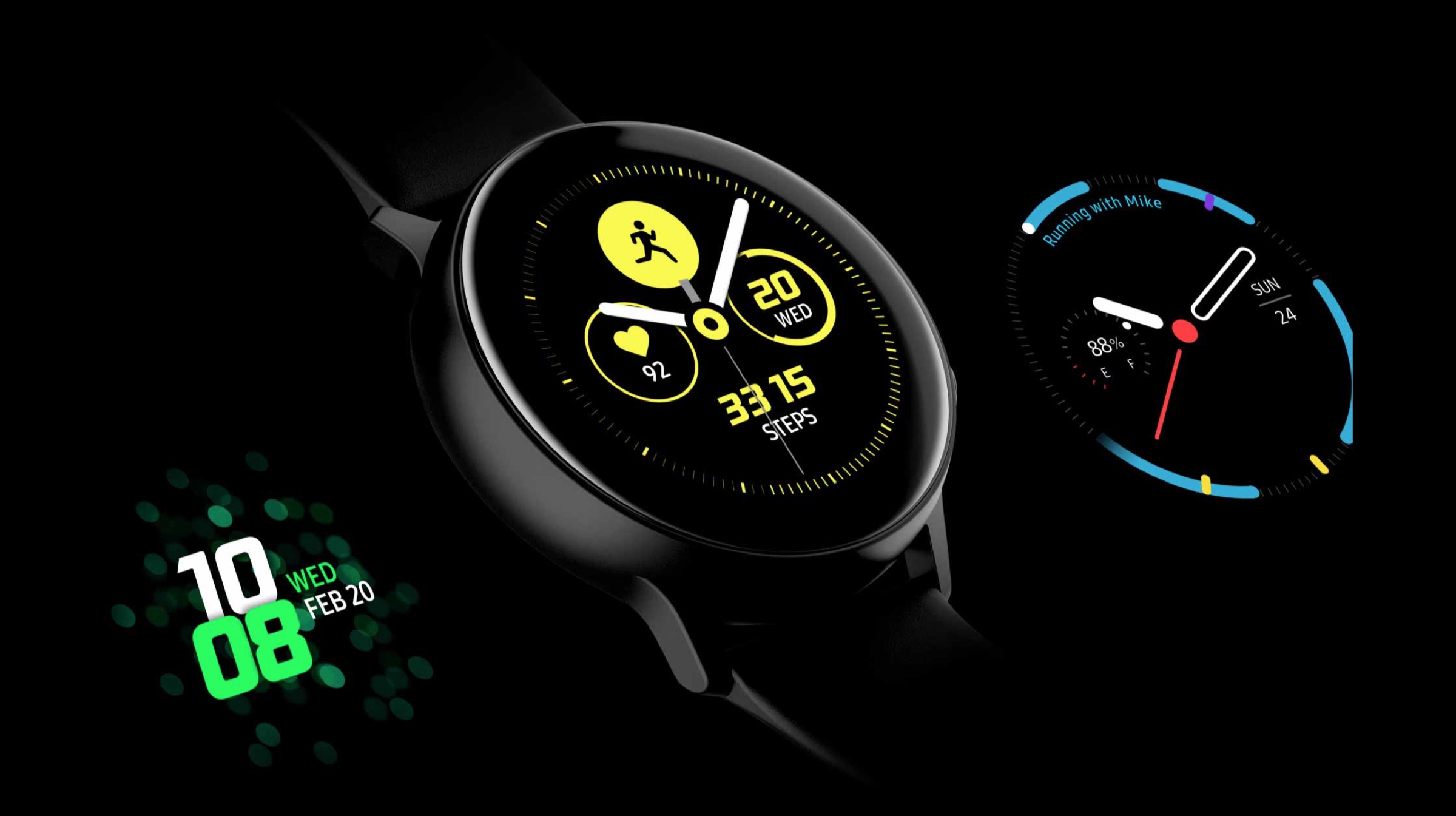
    However, it is possible that the smartphone count may plummet sharply. Not because people will stop using smartphones. Because alternatives to smartphones are taking over the world. Wearables. This upcoming generation of technology could dethrone smartphones, once and for all. Wearables are defined as an electronic gadget that can be worn/clipped on the body. It’s a vast category, but the most common ones are

    • Smartwatches
    • Fitness Bands And Health Monitors
    • Earbuds And Headsets
    • Clip-On Cameras
    Why Are Wearables Catching Up?
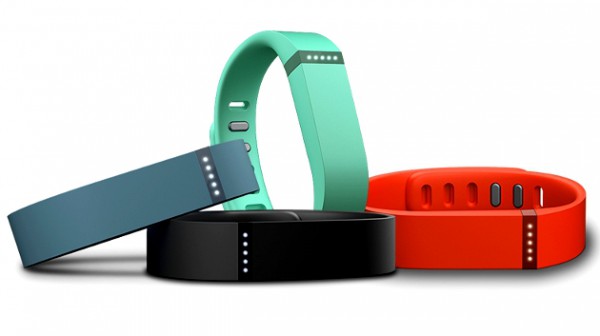
    As per a survey, over 51 percent of the youth uses some form of a fitness tracker to monitor daily health and activities. Smartwatch sales are booming day by day, clearly showcasing the fact that people are looking towards making their lives easier and faster-paced to catch up with the rest of the world. Hence, in a world where winning matters to a significantly larger chunk of the population, smartphones are slowing them down while speeding things up at the same time.
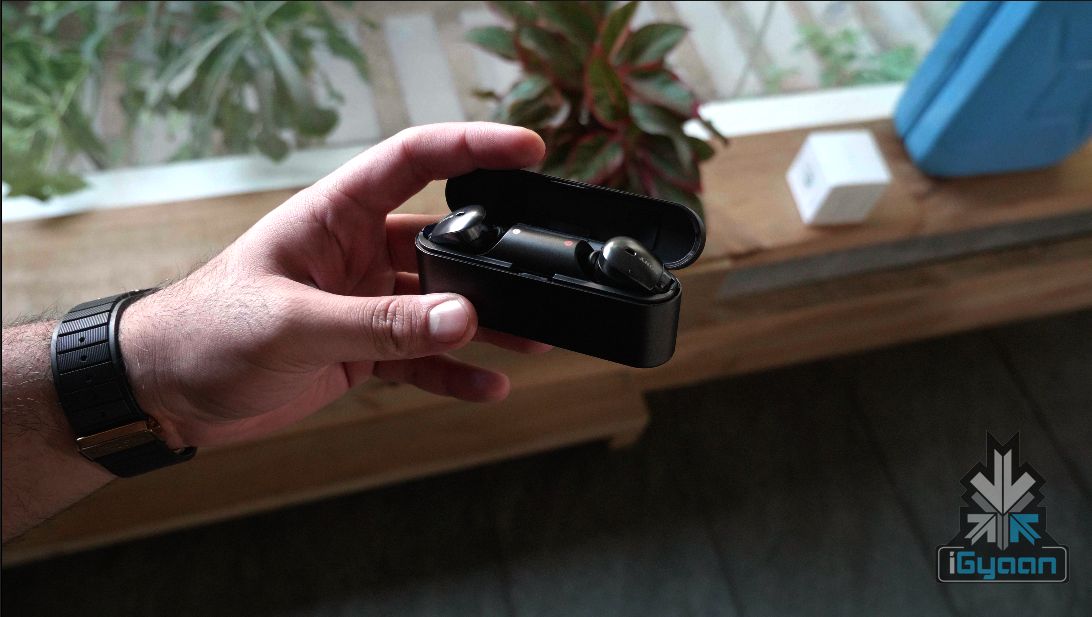
    What makes a smartphone so special? Is it the CPU of the device? Or is it the fact that you can make calls via your smartphone? You can listen to music whenever you want, view pictures, get directions to a place you’re going to, or simply tell your smartphone voice assistant to book a taxi while you read an e-book.

    The Future Of Wearables
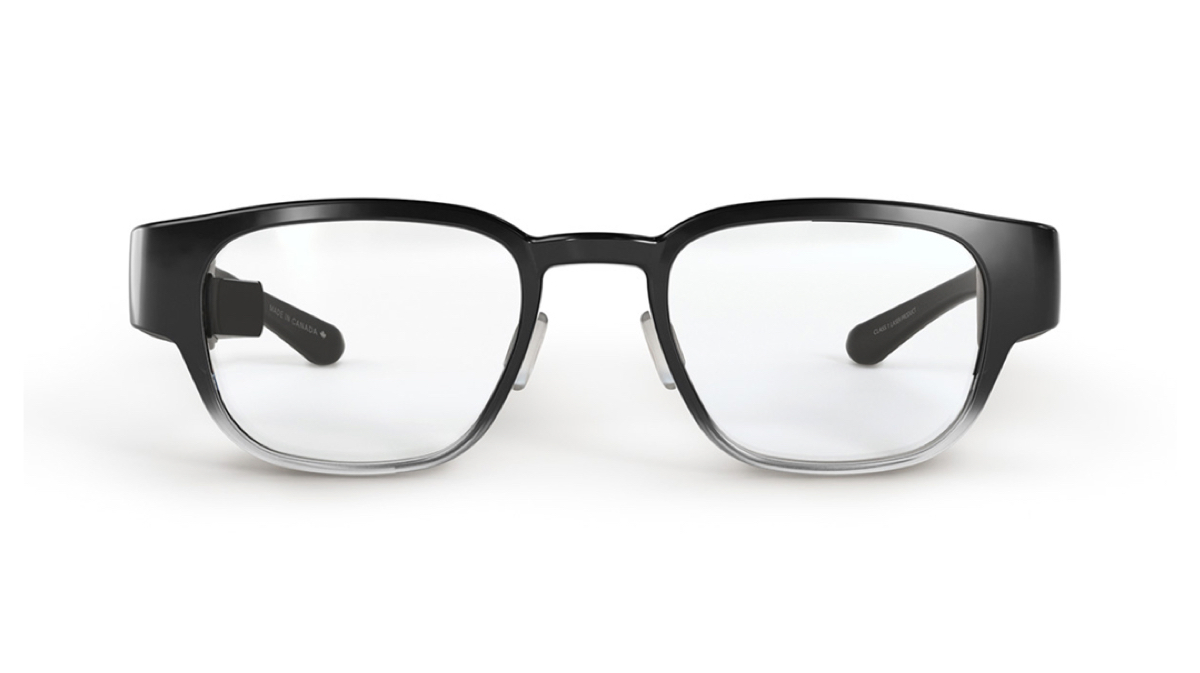
    In the not-so-distant future, a combination of swanky sunglasses/spectacles and a pair of earbuds will be able to do all of the aforementioned tasks, and so much more. A lot of companies are working on smart earbuds that will contain CPUs as powerful as smartphone processors and more efficient than them too. For instance, Here One earbuds from Doppler Labs have a feature that allows you to filter out what you hear. You’re probably thinking, “Hey, I heard about this feature some time back, didn’t I?” Well, these earbuds allow you to filter out selective sounds from your environment, like the crying of a baby, a person playing the piano or just some old fashioned crowd chatter. It wouldn’t be wrong to say that these earbuds are more powerful than some of the early computers. Sadly, the company stopped producing the earbuds because of the lack of funding.
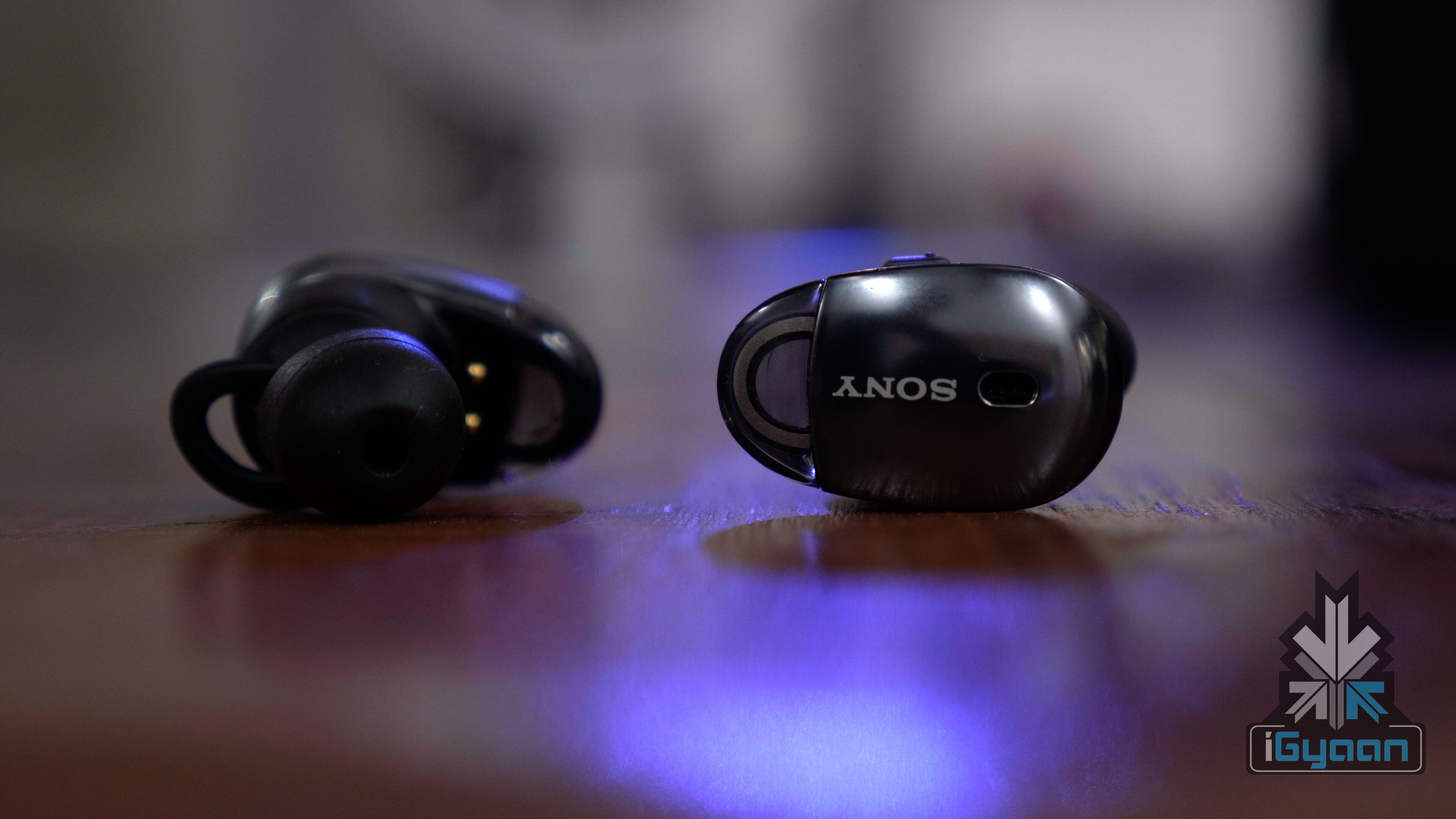
    Just like adaptive filtering, a lot of other technologies are being implemented in wearables which can make a huge difference in the way we live our life. Motion sensing earbuds turn on when a user inserts them in his/her ears. Smartwatches detect almost every activity of the wearer, analyze them with the help of the chipset present on the device and provide analytics regarding the same. Wearable cameras click an image every time a catchphrase is detected or when a special gesture is recorded.

    Wearables VS Smartphones
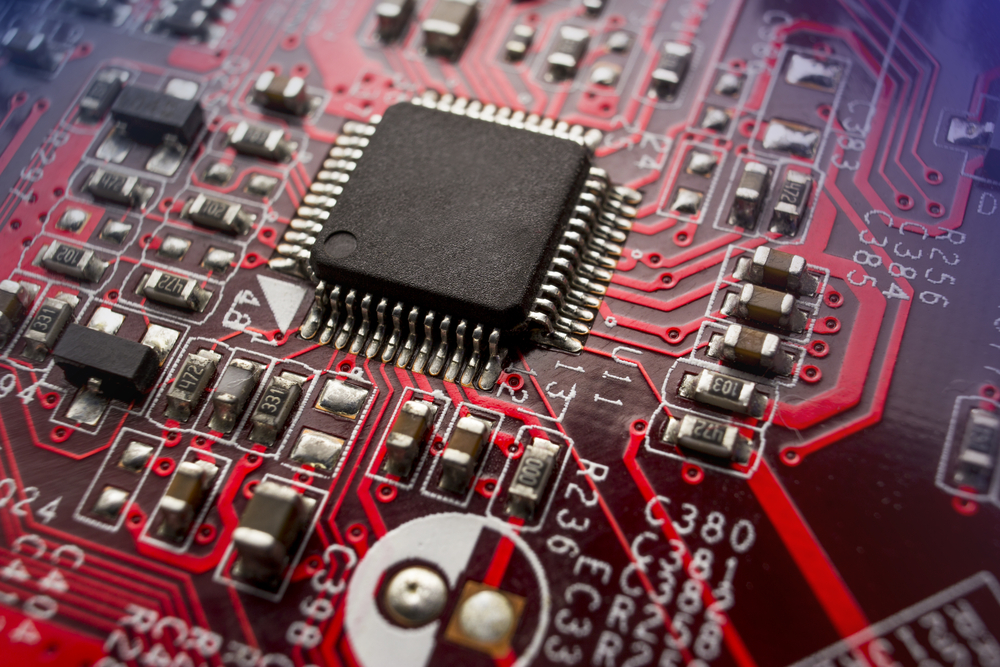
    With technology reaching a point where all the components of a device can be placed on a chipset which measures smaller than a fingernail, possibilities are endless. Projects like Google Glass weren’t so successful when they started out, solely because society isn’t ready to accept a piece of tech that you can wear on your face. And that’s exactly the difference between wearables and smartphones. A smartphone can never be a part of you, it is just something that’s an “add-on”. Instead, wearables can be a part of you. They replace conventional accessories that a human is already accustomed to. Smart glasses will soon replace “traditional glasses”, smart earbuds will wipe the floor with basic earphones and smart watches will eventually take their place on your wrist instead of your wrist watches. Brands like Fossil have already launched a wide range of smartwatches in order to keep up with the ongoing trends.

    Also Read: Understanding Different Realities; What is AR, VR And MR

    Once companies figure out how to enable the inclusion of network adapters, graphic modules, camera modules and basically “every smartphone feature” in wearables, the trend will see a shift of technology, which will veer away from smartphones. Subdermal implants and biometric clothing are just some other technological innovations that are making their way into the arena. We can expect to see something way out of the ordinary, or something so ordinary that it will blow our minds away.  
  • Facebook Announces Its Vision For Privacy Focussed Social Networking

    Facebook Announces Its Vision For Privacy Focussed Social Networking

    Facebook CEO Mark Zuckerberg announced in a post from his account about the company’s next move to create a more privacy focussed social network. In his over 3,000 words long article about privacy and building trust of the users, he claimed that his company will be more open to product developments. There were six principles that were shared in the post, aiming to serve as a guideline for future development for the company. These principles are expected to take place in the next few years.

    Facebook & Privacy

    While Facebook has been criticised about its privacy policies and has seen its fair share of controversies regarding the matter, the company in the post aims to take a firm stand on the matter in the future. The six principles for the company highlighted in the Facebook posts are as follows:

    • Private interactions
    • Encryption
    • Reducing Permanence
    • Safety
    • Interoperability
    • Secure data storage

    Facebook claims that they are planning to rebuild more of its services around the above ideas. Understanding privacy concerns, the company also reaffirmed that it start the development and changes openly and collaboratively. Zuckerberg said that the public sharing on the platform will decline in the next few years because people will shift towards private messaging via Messenger or WhatsApp, which will be the main way they will communicate on the Facebook network.

    Facebook is also expected to implement end-to-end encryption to all of its communication networks. The post also claimed that will limit the time it will store the user’s messaging metadata. The company got into trouble a few weeks ago for storing and recording data. It will also add a feature to its every service that will allow them to send a message, a report of this feature was also hinted a few weeks ago. The reports said that it planning on adding cross-texting between Facebook Messenger and WhatsApp.

    Also read: Fitbit Launches Versa Lite, Inspire & Ace 2 Fitness Bands

    The steps that Facebook seems to be emphasizing upon seem like a step in the right direction for the company, Considering that its reputation hasn’t been great in terms of privacy and collecting user data.

  • What Is Android Fragmentation, And Will Google Be Ever Able To Fix It?

    What Is Android Fragmentation, And Will Google Be Ever Able To Fix It?

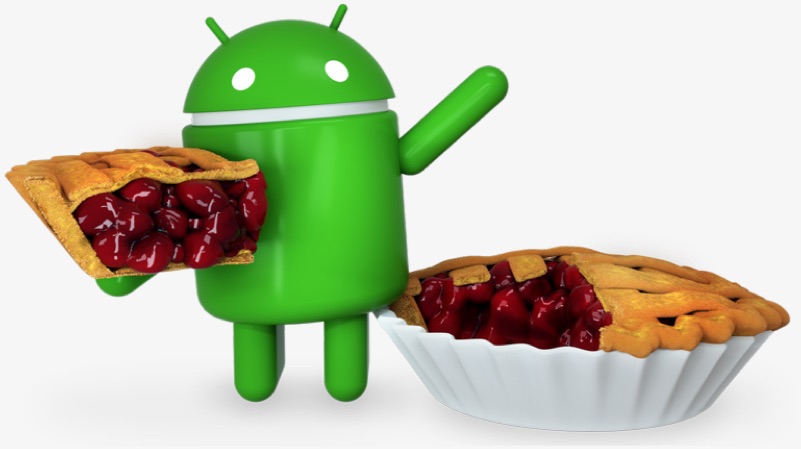
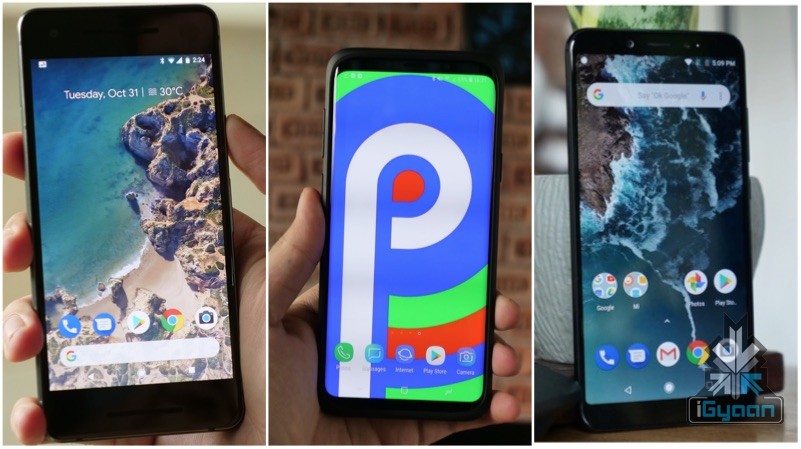
    Google released the latest generation of its Operating System, Android 9 Pie back in August last year for Pixel smartphones. The update marked the ninth major release of the software by the company. But, despite the latest generation of Android out almost seven months ago, many of the modern devices are still stuck at one or more generations older software. What’s even more surprising is that some OEMs are launching new smartphones with old software on purpose.

    This disparity in Android devices makes the mind think about what problems could there be that restrict some manufacturers into providing older versions of the software. The alarming number of different available Android versions in the market is called Android Fragmentation. This inequality of software versions has plagued the Android Platform since its inception. But is there a way for Google to fix it?

    The Current State Of Android Fragmentation

    Google releases a report every year in October highlighting the distribution of different software versions. The data, though a few months old, gives an insight on how things are currently on Android’s side. This is what Google found in their testing:

    Version Name Release Year

    Distribution

    (in %)

    2.3.3 

    2.3.7

    Gingerbread 2010 0.2%

    4.0.3 

    4.0.4

    Ice Cream Sandwich 2011 0.3%

    4.1

    4.2

    4.3

    Jellybean 2012 3.0%
    4.4 KitKat 2013 7.6%

    5.0

    5.1

    Lollipop 2014 17.9%
    6.0 Marshmallow 2015 21.3%

    7.0

    7.1

    Nougat 2016 28.2%

    8.0

    8.1

    Oreo 2017 21.5%


    By looking at the above table, there is no mention of the latest Android 9 Pie, because, at the time of this report in October last year, it was still below 0.1%. The numbers are expected to be significantly higher since then. Despite being released for more than two months, the software still couldn’t make it to the list. The most used version was Android 7 Nougat, which had more than 28% of users. This shows how manufacturers refrain from providing any updates to the devices.

    Besides not providing new features with the lack of Android updates, they also pose a grave security threat. Every month, Google releases security patches for Android, but not every smartphone gets it. But it’s not the company’s fault, because updating a smartphone with the latest firmware is the OEM’s responsibility.

    The Reason For Fragmentation On Android 

    Android Pie Android 9 Google

    The reason that the manufacturers continue to provide older software with newer devices or refuse to update them faster than normal; is that most of them have to optimise Android according to the company’s custom skins. These can range from a lightly customised one, like Oneplus’ OxygenOS or a heavily customised take on Android, like Xiaomi’s MIUI. So the OEMs take their own sweet time to adopt the latest version and release it.

    When Google provides the manufacturers with the latest Android Platform Development Kit (PDK), they have to start developments on the software. The process includes testing out the new version with the device’s hardware. Then the version is added with manufacturer specific software features, like the aforementioned skin and is tested and certified for bugs. For some manufacturers like HMD Global, Essential and OnePlus, the process has been proven to take only a few days or weeks. 

    How Can Google Prevent It Further?

    The only way that Google can prevent Android Fragmentation from happening in future releases is by being strict with OEMs. And it’s not like the company hasn’t tried. Despite warning the manufacturers when they slacked in providing software updates, the results weren’t much different. Google then released Project Treble in 2017 with Android Oreo. This modified how the updates are delivered by bypassing the chip manufacturers’ modifications to it. It was an ambitious step and worked in theory, but unfortunately, the situation didn’t change much.

    Android Go Stock Android Android One

    Also read: Tesla Unveils Faster Third Generation Supercharger

    Google tried to fix Android Fragmentation further by signing up more OEMs to the Android Pie Beta Program. This provided them with more time to develop the software according to their own customisations and was a step in the right direction. But, if the company has to fix the problem further, it has to get more manufacturers on board and if possible, then all of them. But this sends out hope that the company is serious about the issue and it may take some more time to fix. If manufacturers are serious about the disparity in updates, the days of Android Fragmentation may be over sooner than later.


  • Fitbit Launches Versa Lite, Inspire & Ace 2 Fitness Bands

    Fitbit Launches Versa Lite, Inspire & Ace 2 Fitness Bands

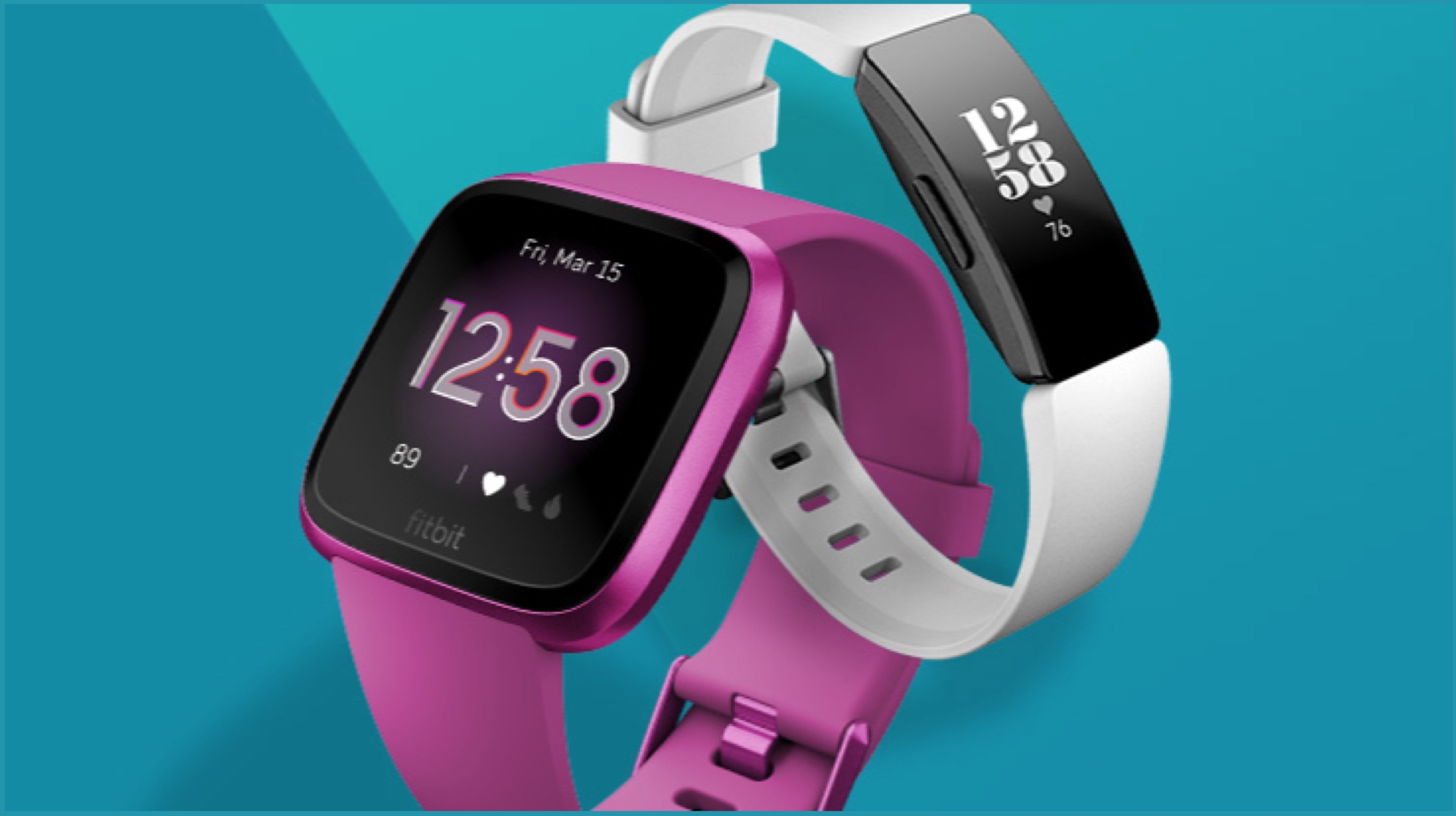
    Fitbit Versa was first launched in March 2018, and till date, it has been the most popular fitness band from the company so far. Fitbit unveiled a whole new range of wearables on March 6, 2019. It includes the Fitbit Versa Lite, Inspire & Inspire HR, and Ace 2 bands. Where the Versa Lite and Inspire bands are designed for adults, the Ace 2 fitness bands are targeted towards children.

    Fitbit Versa Lite

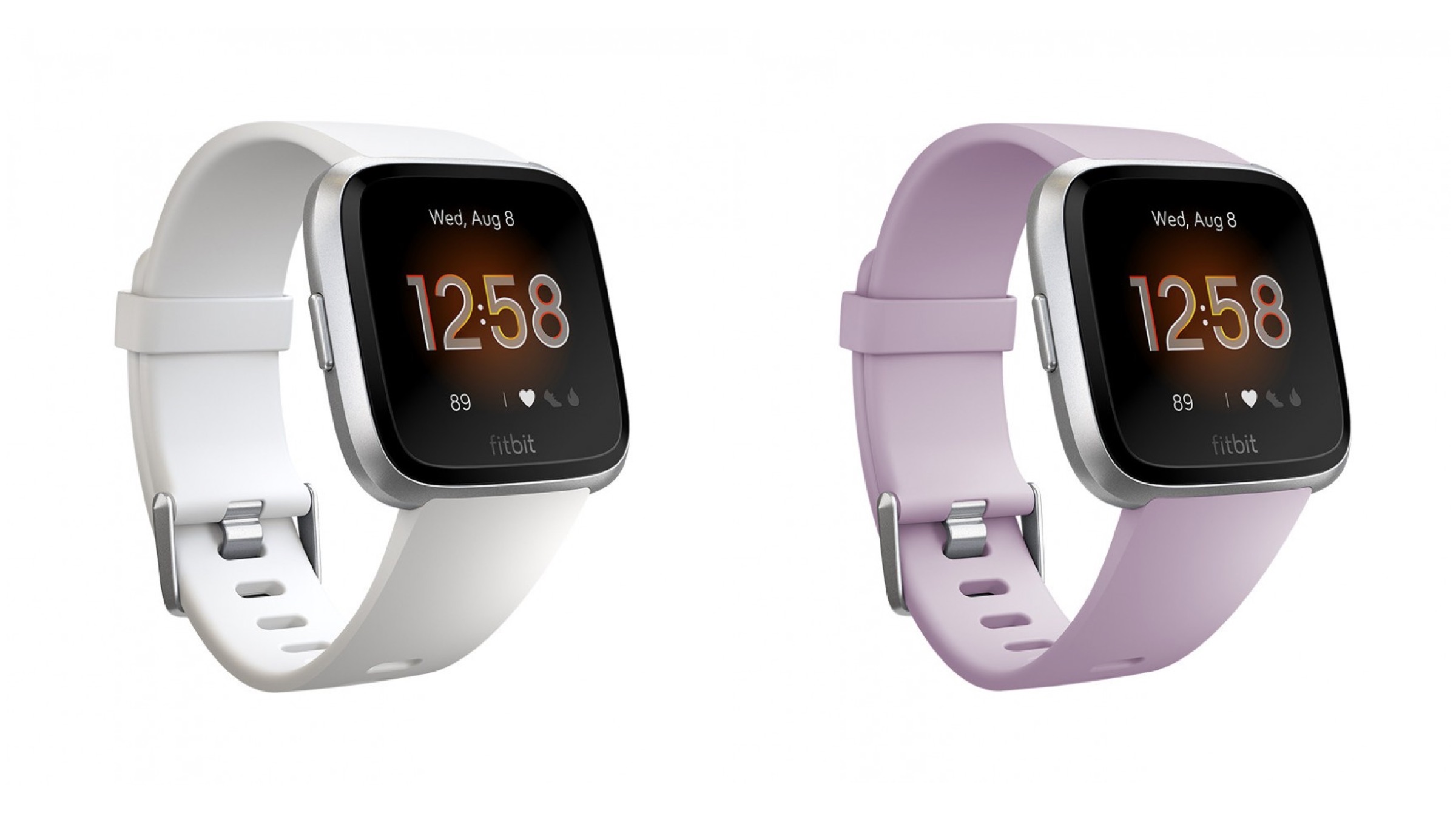
    Like the original Versa, the Fitbit Versa Lite has a battery life of 4 days, an SPO2 sensor (for measuring oxygen saturation levels) and a heart rate monitor. The Versa Lite is waterproof, which means that users can take it for a swim, but it lacks the automatic lap counting feature of the original Fitbit Versa. Also, the smart band is unable to count the number of stairs because of the lack of a barometer. Furthermore, if users are planning to store music on this device, they cannot do so because of no built-in storage in the Versa Lite.
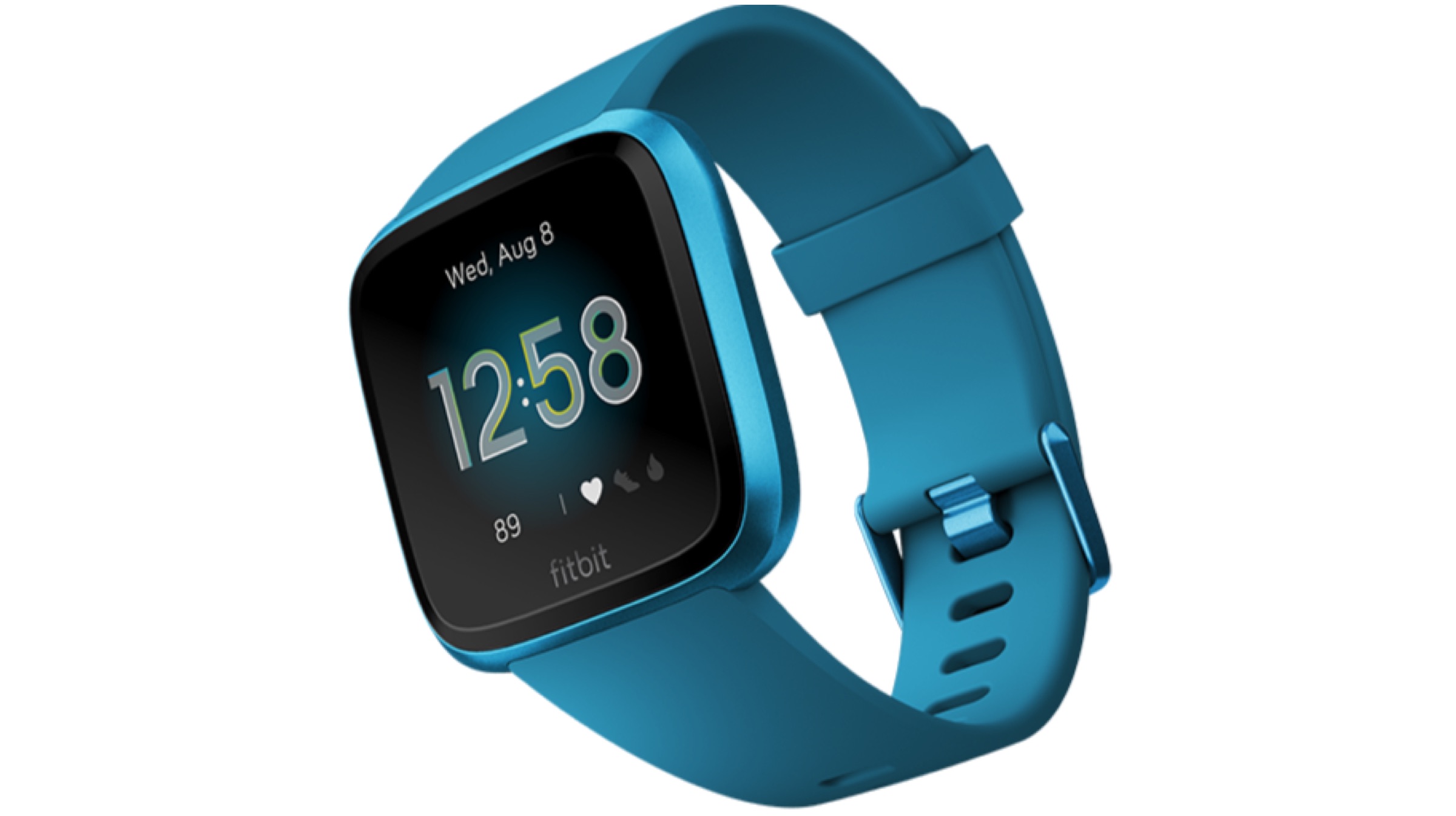
    The original Fitbit Versa was priced at US$200 (~Rs. 14,000), whereas the Fitbit Versa Lite is priced at $159.95 in the US and Rs. 15,999 in India. It is available in White, Lilac, Mulberry, and Marina Blue colour options.
    Fitbit Inspire And Inspire HR

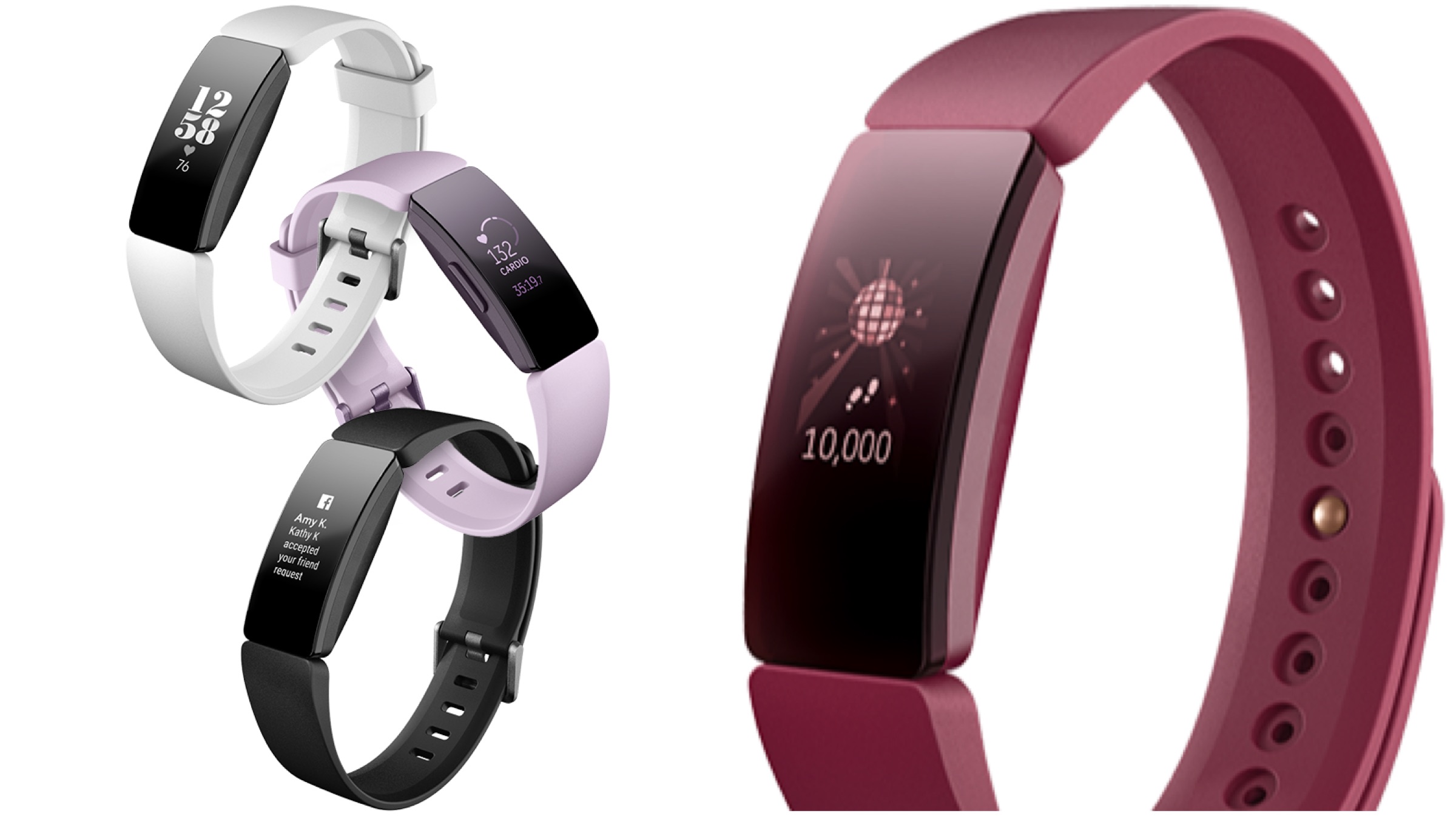
    Fitbit also launched its new Inspire smart bands, which can last up to five days after a 2-hour charge. They support sleep tracking and relax guided breathing techniques. Furthermore, the bands track the period during which the user is actively moving and then provides information regarding the same. The bands are water resistant up to 50m, with built in timer and stopwatch to measure your laps (and much more). The Inspire band also features a grayscale OLED display for displaying notifications and calendar information. It is priced at $69.95 in the US and Rs. 6,999 in India.
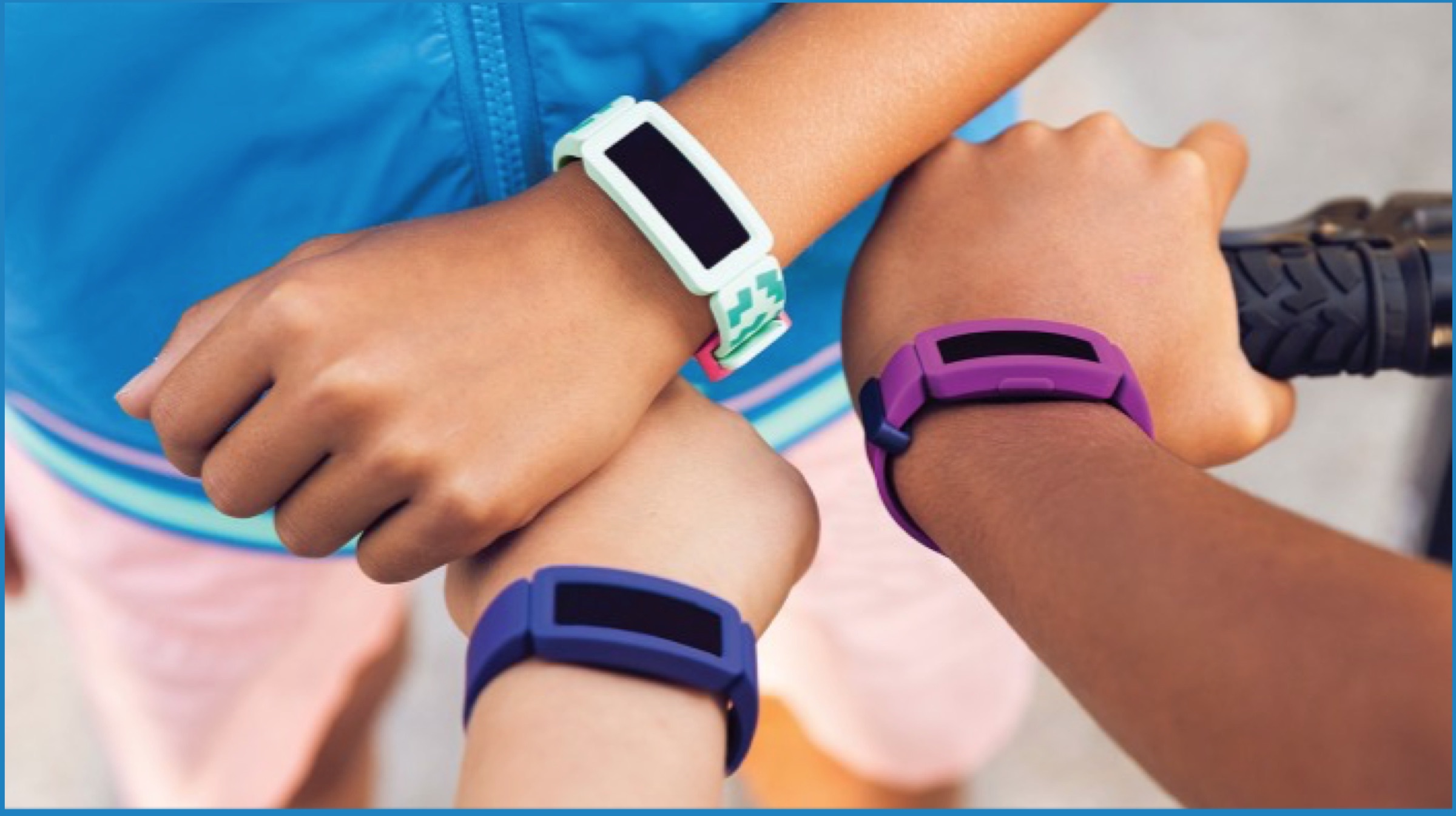
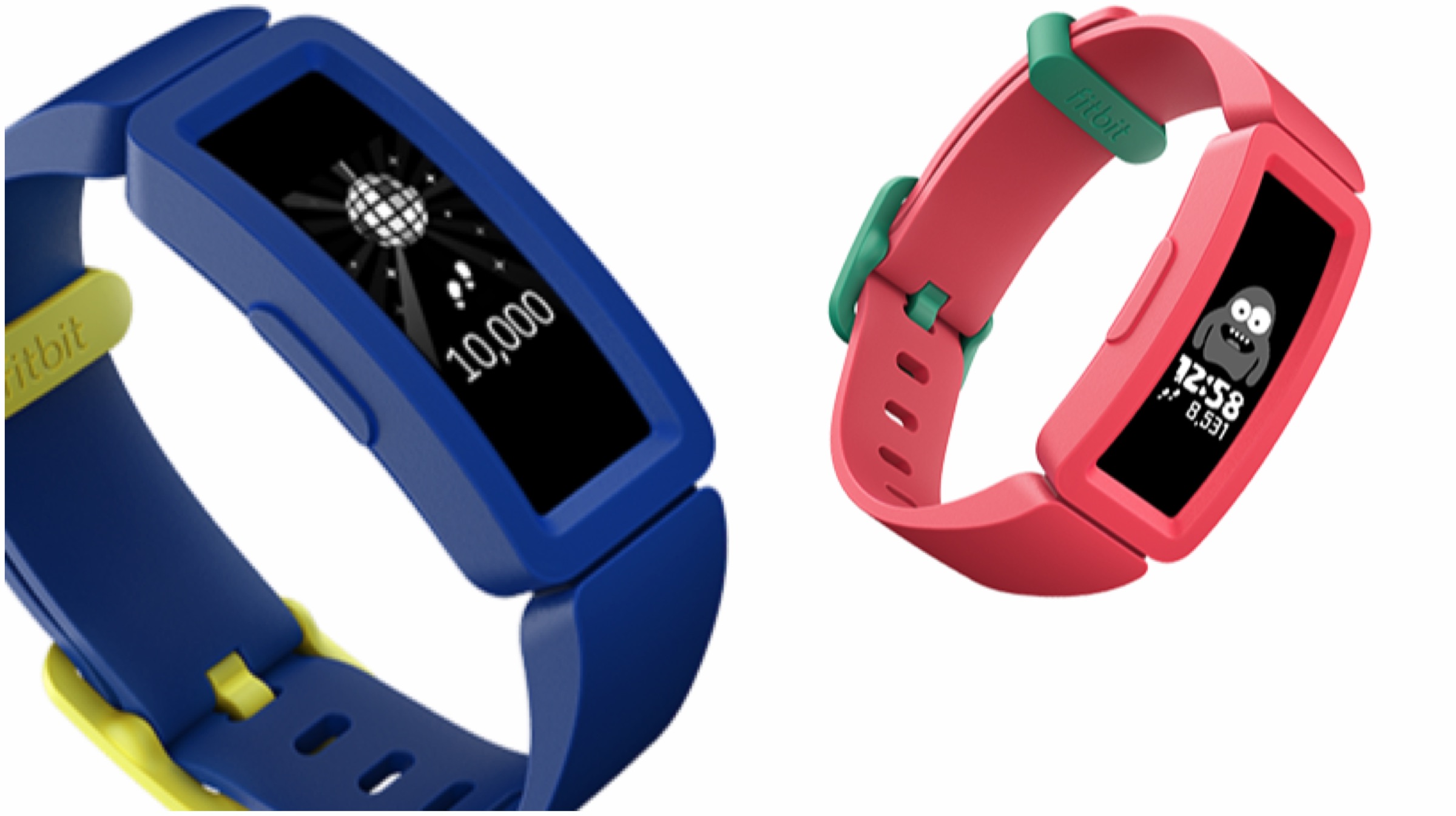
    The Inspire HR is similar to the Inspire Band in all aspects except the fact that it sports a Heart rate monitor (hence the HR). Real time heartbeat monitoring keeps track of your heart rate at 5 second intervals. However, upon starting an exercise, the monitor will measure the user’s heart rate every second. The Inspire HR fitness band is priced at $99.95 in the US and Rs. 8,999 in India.

    Fitbit Ace 2

    As mentioned previously, the Ace 2 is the only fitness band in the series that is children focused. The watch faces are animated and colourful in order to make it appealing to children. The company says that the main motive behind these fitness bands is developing healthy habits for children. The Ace 2 fitness bands also include virtual badges that can be won by completing daily achievements when certain goals are met. The bands are made out of silicone and have a durable bumper design. They are water resistant up to 50 meters. The battery can last for about 5 days on a single charge. The Ace 2 bands are available in the following colour options:

    • Grape
    • Night sky
    • Neon yellow
    • Watermelon and teal

    Also Read: Google Launches Bolo App To Improve Children Literacy In India

    The Fitbit Ace 2 bands are purchasable for $69.95 in the US and Rs. 6,999 in India. Additional printed bands for the same can be purchased for US$ 29.95.


  • Top Smartphones Under Rs 15000 In India, March 2019

    Top Smartphones Under Rs 15000 In India, March 2019

    Over the past few years, the competition in the smartphone market has gotten so tough that it has become overwhelming for customers to choose the best option depending on their need and usage. In this article, we will take a look at top smartphones under Rs 15000 which excel in their own way. 

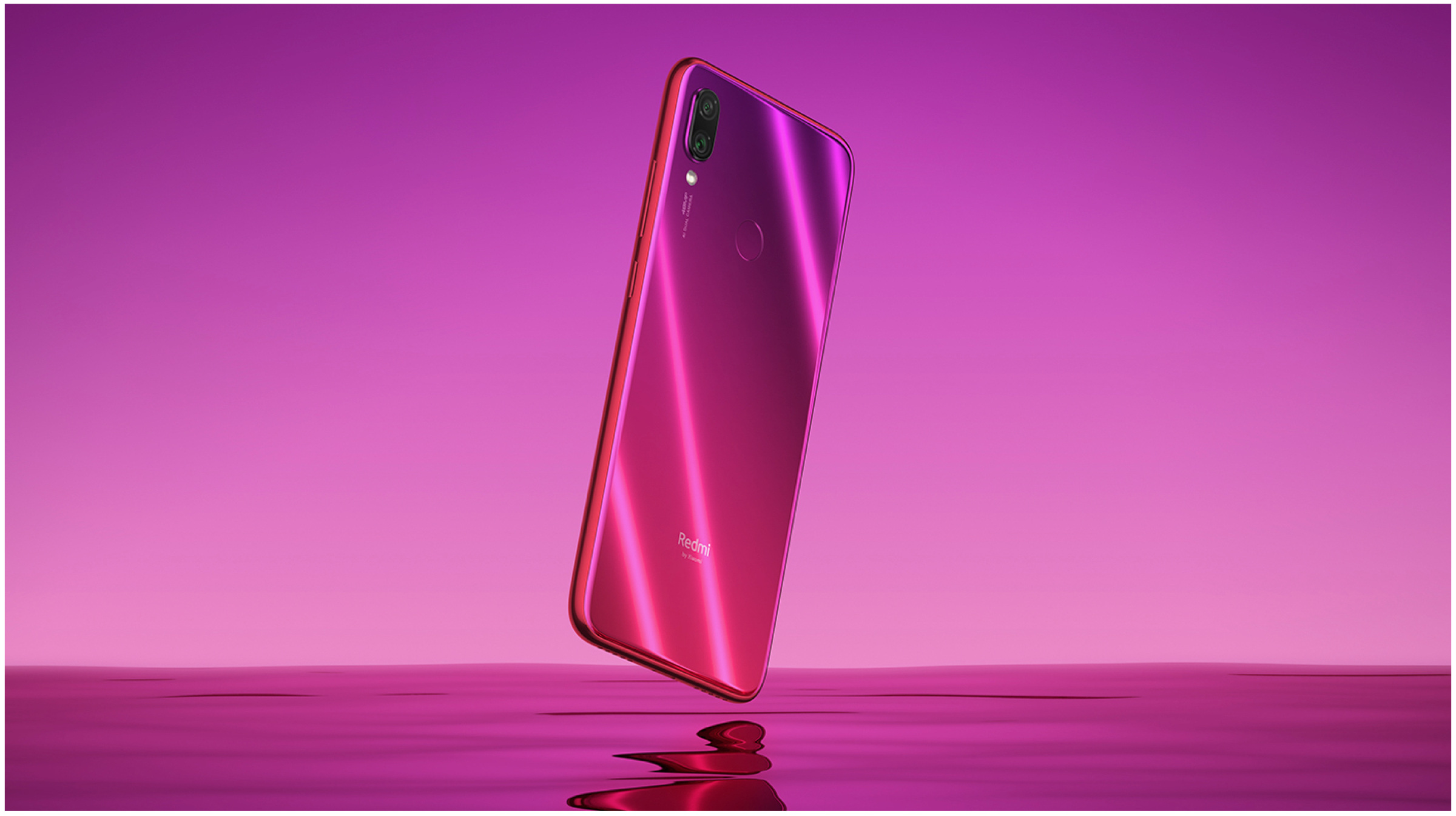
    The Powerful Slayer – Redmi Note 7 Pro

    The newly launched Redmi Note 7 Pro is a stellar smartphone accrediting to its powerful chipset and praiseworthy camera. It is kitted with the Snapdragon 675 chipset which is unheard of in this price segment. The second highlight of the device is its 48 MP rear facing Sony IMX586 sensor which is usually seen on high end devices like the Honor View 20. All in all, it is one of the best smartphones that are currently available at this price point.

    Specifications Summary:
    • Price: Rs 13,999
    • Display: 6.3 inch IPS LCD, 409 ppi
    • Rear Camera: 48 MP + 5 MP, Front Camera: 13 MP
    • SoC: Snapdragon 675, Octa-Core CPU, Adreno 612 GPU
    • Battery: 4,000 mAh, 18W Fast Charge Support (Charger sold separately)
    • Storage: 4 GB +  64 GB, Expandable upto 256 GB, uses SIM 2 slot   

    Click Here To Pre-book The Redmi Note 7 Pro

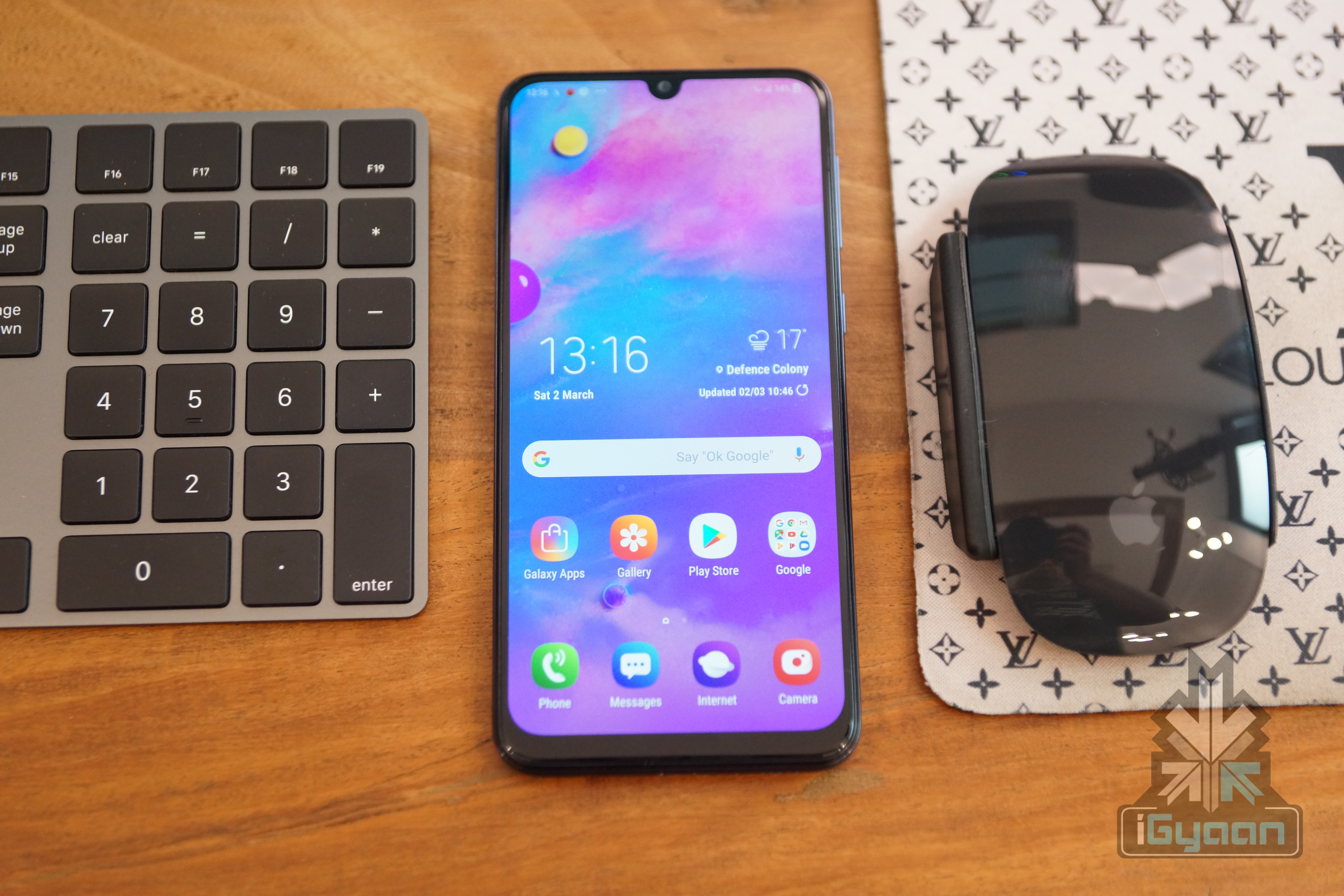
    The One With The Best Display and Battery – Galaxy M30

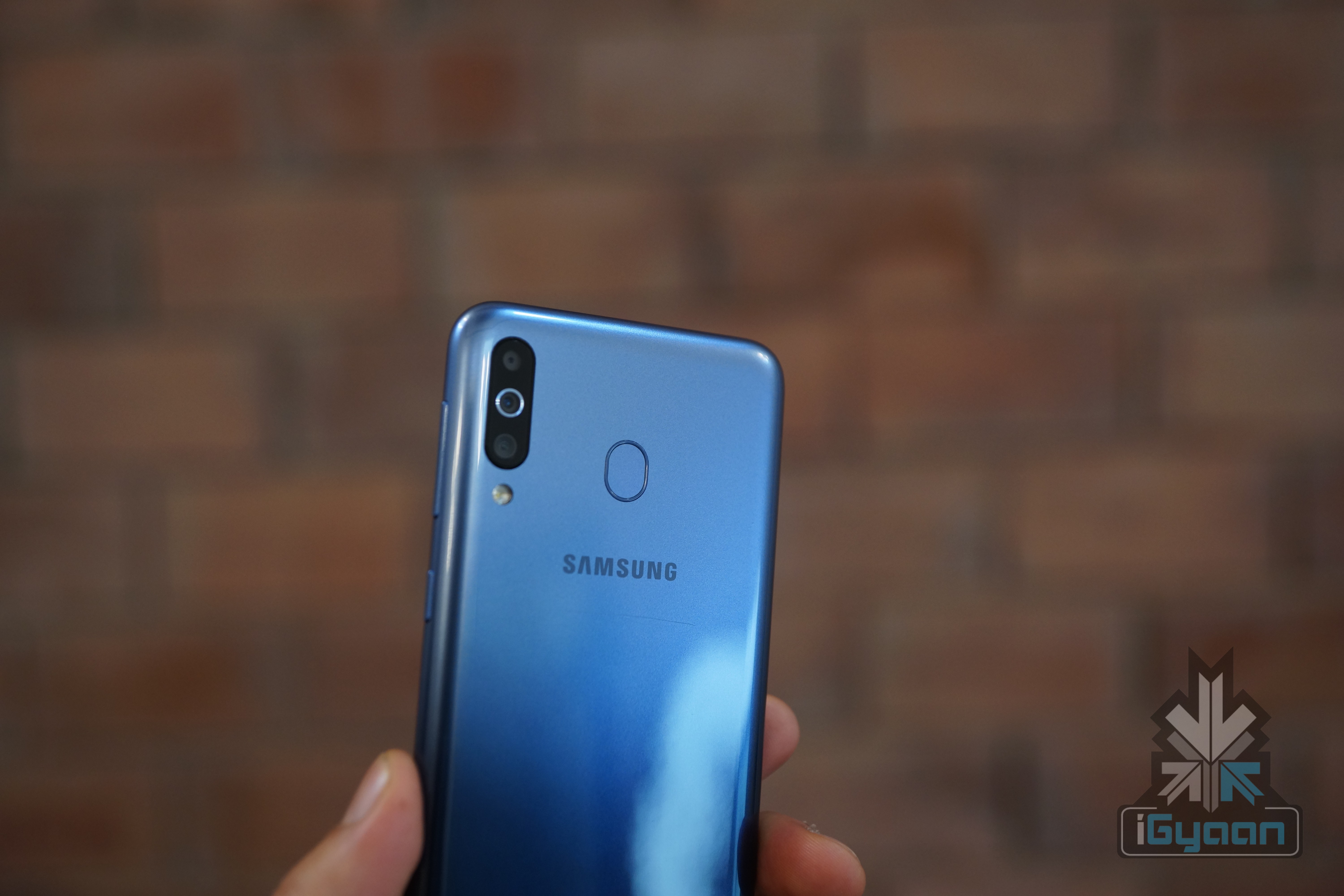
    Like the Redmi Note 7 Pro, the Galaxy M30 has been newly launched. It sports a 6.4 inch Super AMOLED display which has never been seen on a device in this segment. Furthermore, it is powered by a massive 5000 mAh battery which supports 15 w fast charging. Pleasingly, Samsung ships the smartphone with a fast charger. Noteworthy, the Galaxy M30 features a triple rear camera which consists of a 13 MP PDAF sensor, 5 MP depth sensor and a 5 MP sensor with 12 mm lens that can capture ultrawide pictures and videos. Another feature that the M30 offers is expandable memory upto 512 GB via a dedicated microSD slot.

    Specifications Summary:
    • Price: Rs 14,990
    • Display: 6.4 inch Super AMOLE, 394 ppi
    • Rear Camera: 13 MP + 5 MP + 5 MP (ultrawide), Front Camera: 16 MP
    • SoC: Exynos 7904, Octa-Core CPU, Mali G71 MP2 GPU
    • Battery: 5,000 mAh, 15W Fast Charge Support (included in box)
    • Storage: 4 GB +  64 GB, Expandable upto 512 GB, dedicated slot


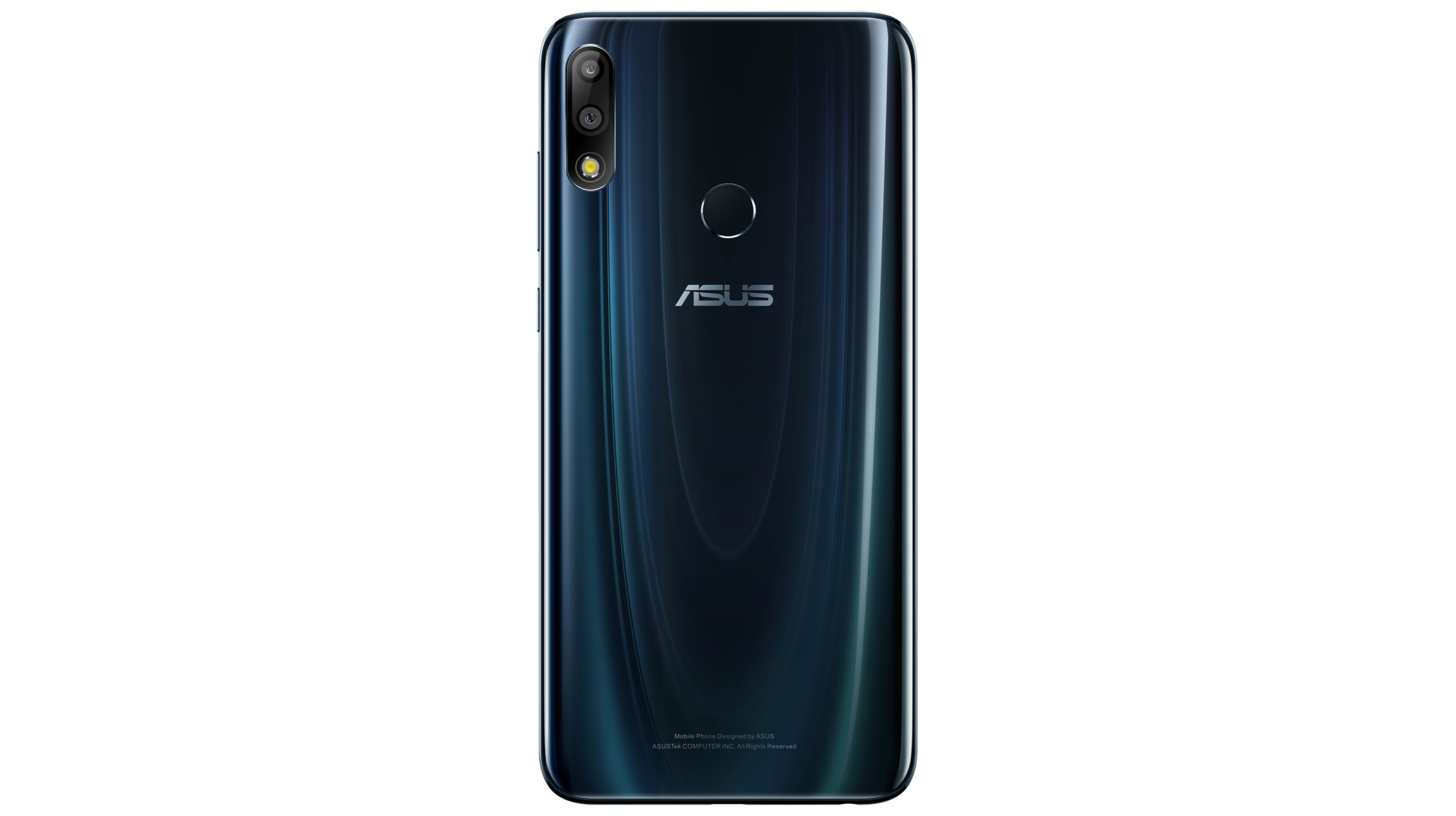
    Memory Monster – ZenFone Max Pro M2

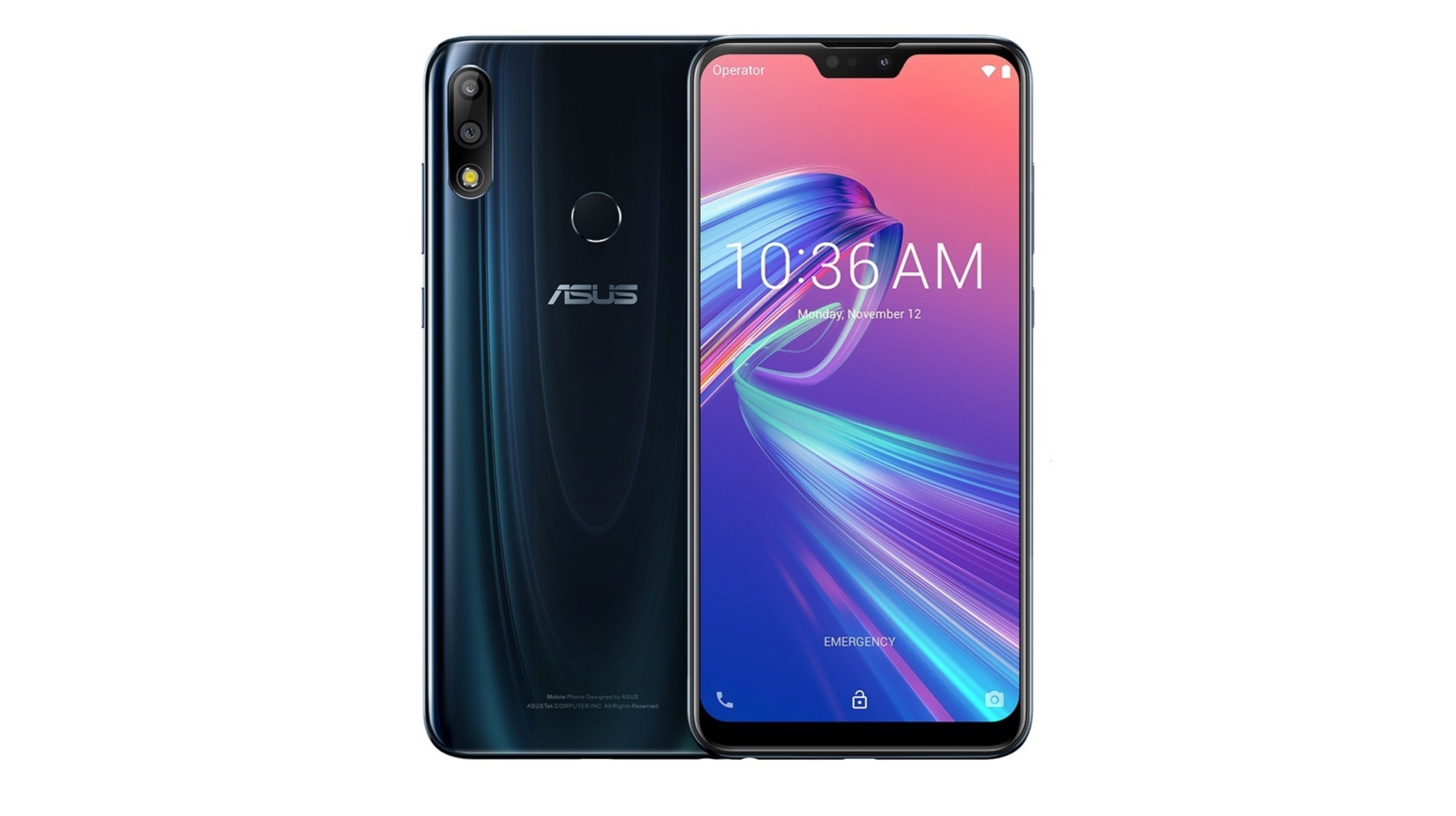
    The ZenFone Max Pro M2 is the successor to the ZenFone Max Pro M1 which was warmly received by the Indian consumers. The device has a premium build with Corning Gorilla 6 protection on the front. It runs on stock Android OS which is fast and stutter-free. Like the Galaxy M30, it packs a massive 5,000 mAh lithium battery. It is the only device in our list whose 6 GB RAM variant is priced under 15k making it a good choice for performance enthusiasts and gamers. 

    Specifications Summary:
    • Price: Rs 13,999
    • Display: 6.26 inch IPS LCD, 403 ppi
    • Rear Camera: 12 MP + 5 MP, Front Camera: 13 MP
    • SoC: Snapdragon 660, Octa-Core CPU, Adreno 512 GPU
    • Battery: 5,000 mAh, 10 W Charging  
    • Storage: 6 GB +  64 GB, Expandable upto 512 GB via dedicated slot 

    Click Here To Buy Asus ZenFone Max Pro M2

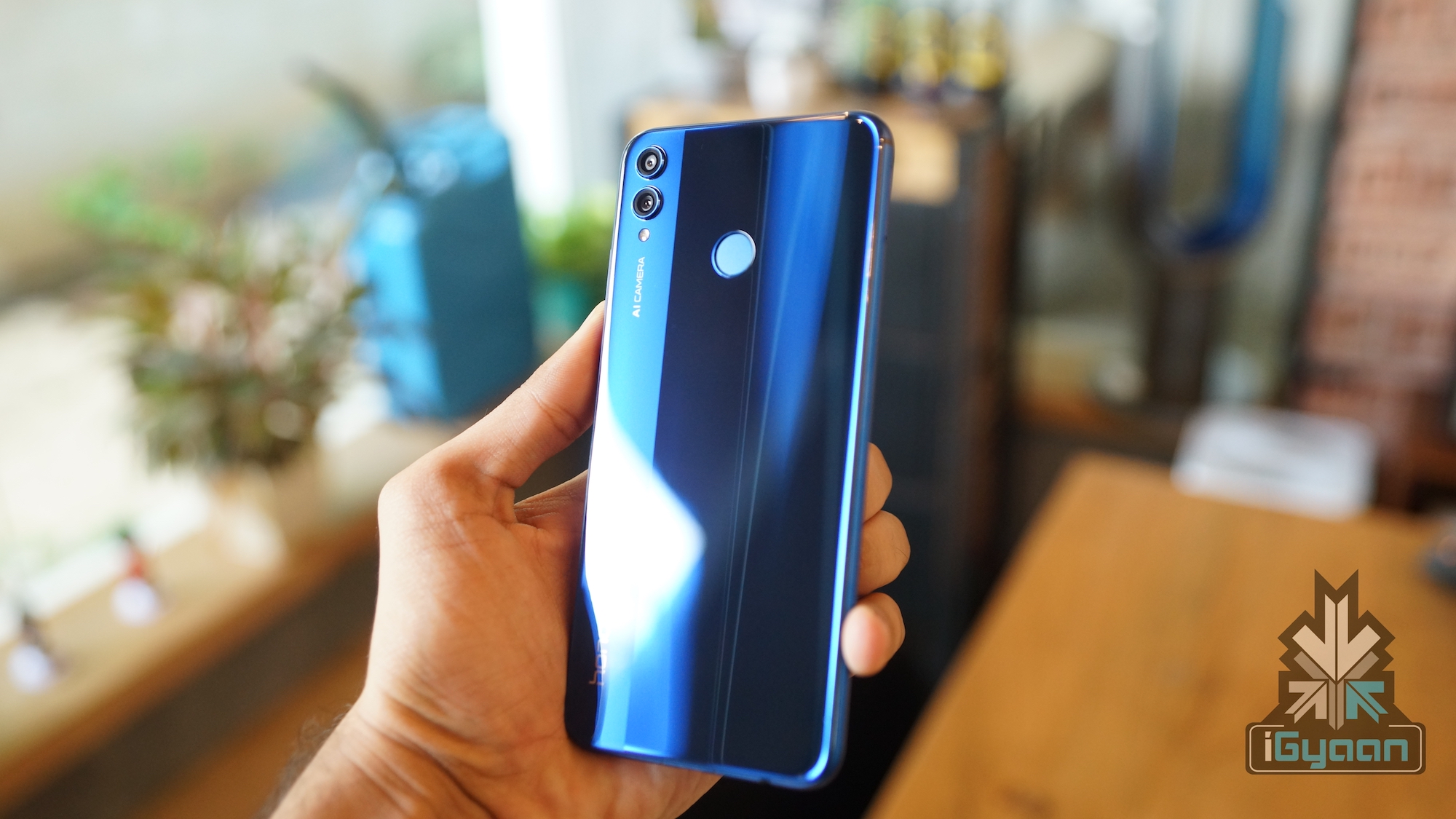
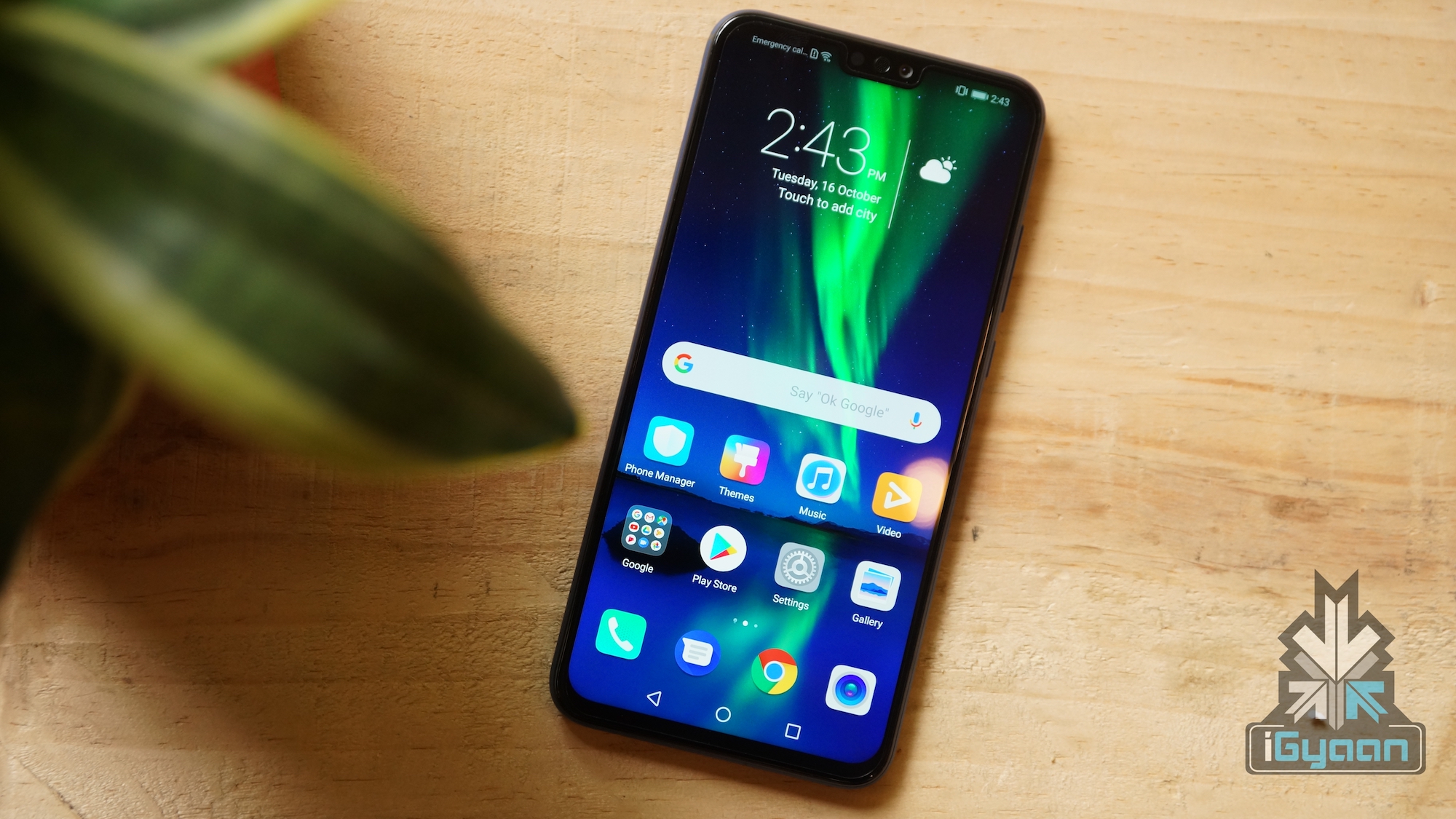
    The Looker – Honor 8x

    The Honor 8x is a well balanced smartphone that is generally overlooked by consumers. It has a top-notch build with an aluminium frame and glass on both the front and back. It packs a large 6.5 inch display with Full HD+ resolution which is protected with Corning Gorilla Glass 3. It features the Kirin 710 SoC which is manufactured using 12 nm fabrication process.

    Specifications Summary:
    • Price: Rs 14,499
    • Display: 6.5 inch IPS LCD, 397 ppi
    • Rear Camera: 20 MP + 2 MP, Front Camera: 16 MP
    • SoC: Kirin 710, Octa-Core CPU, Mali G51 MP4 GPU
    • Battery: 3,750 mAh, 10 W Charging  
    • Storage: 4 GB +  64 GB, Expandable upto 400 GB via dedicated slot


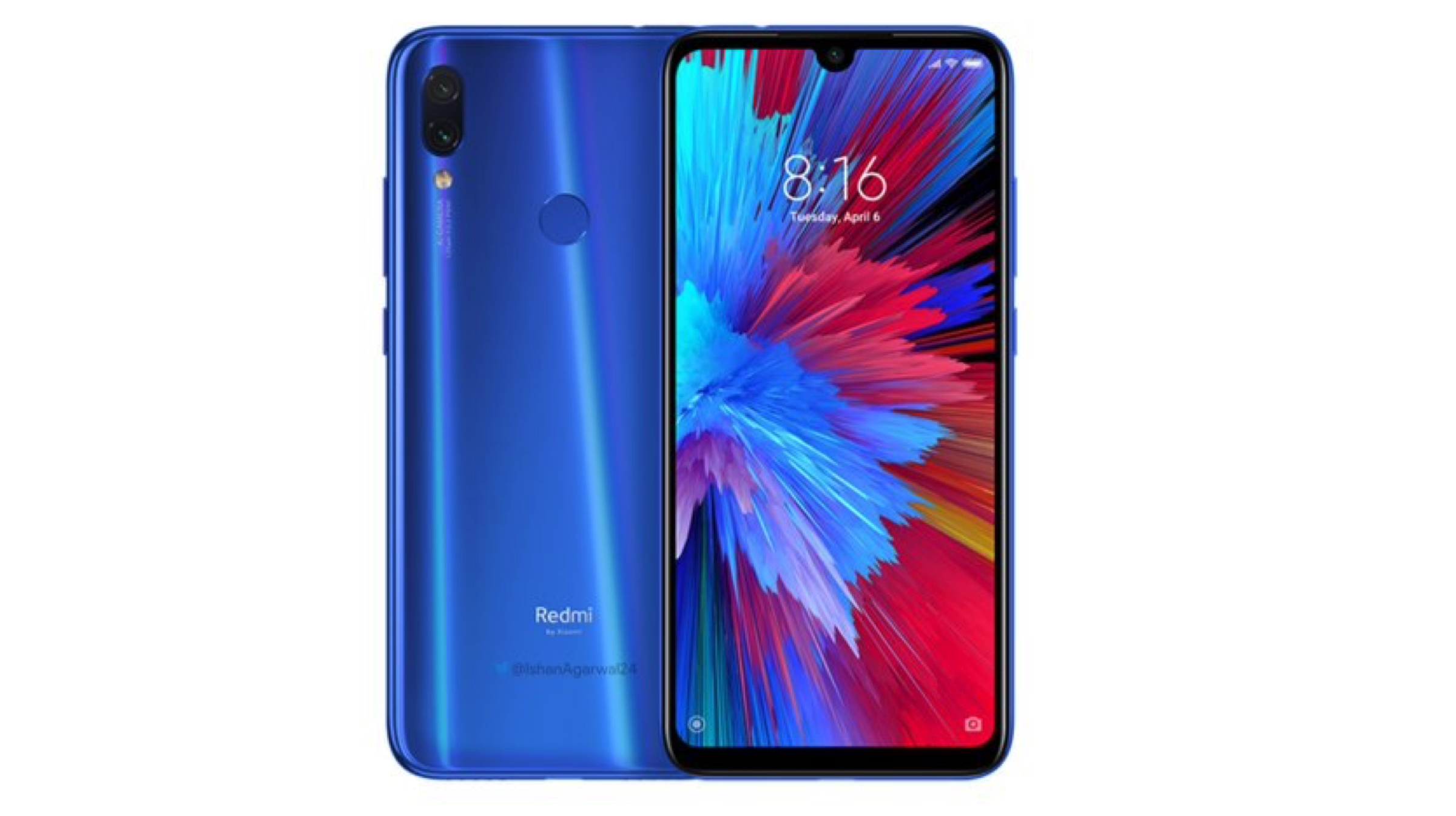
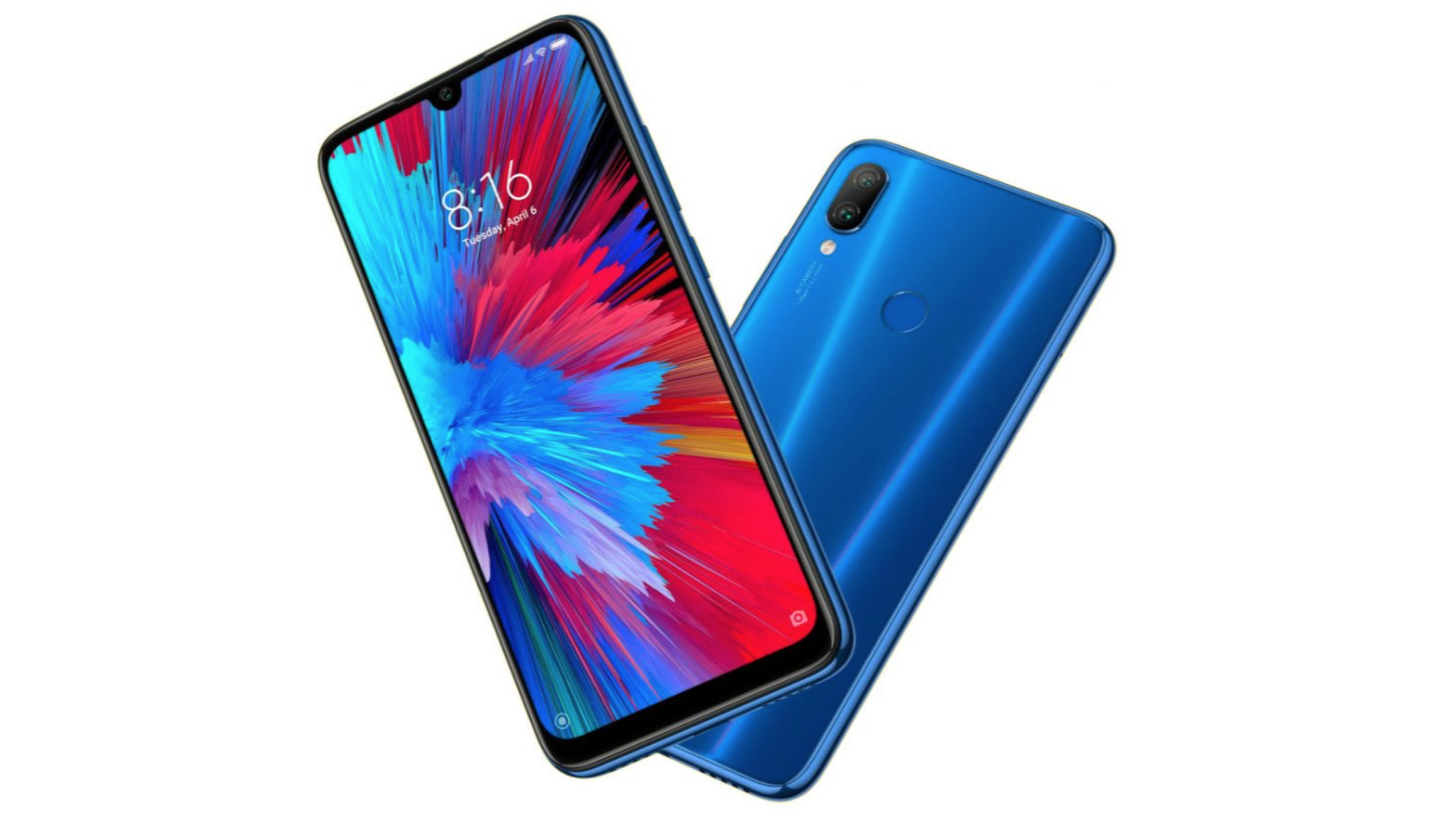
    Affordable Beast – Redmi Note 7

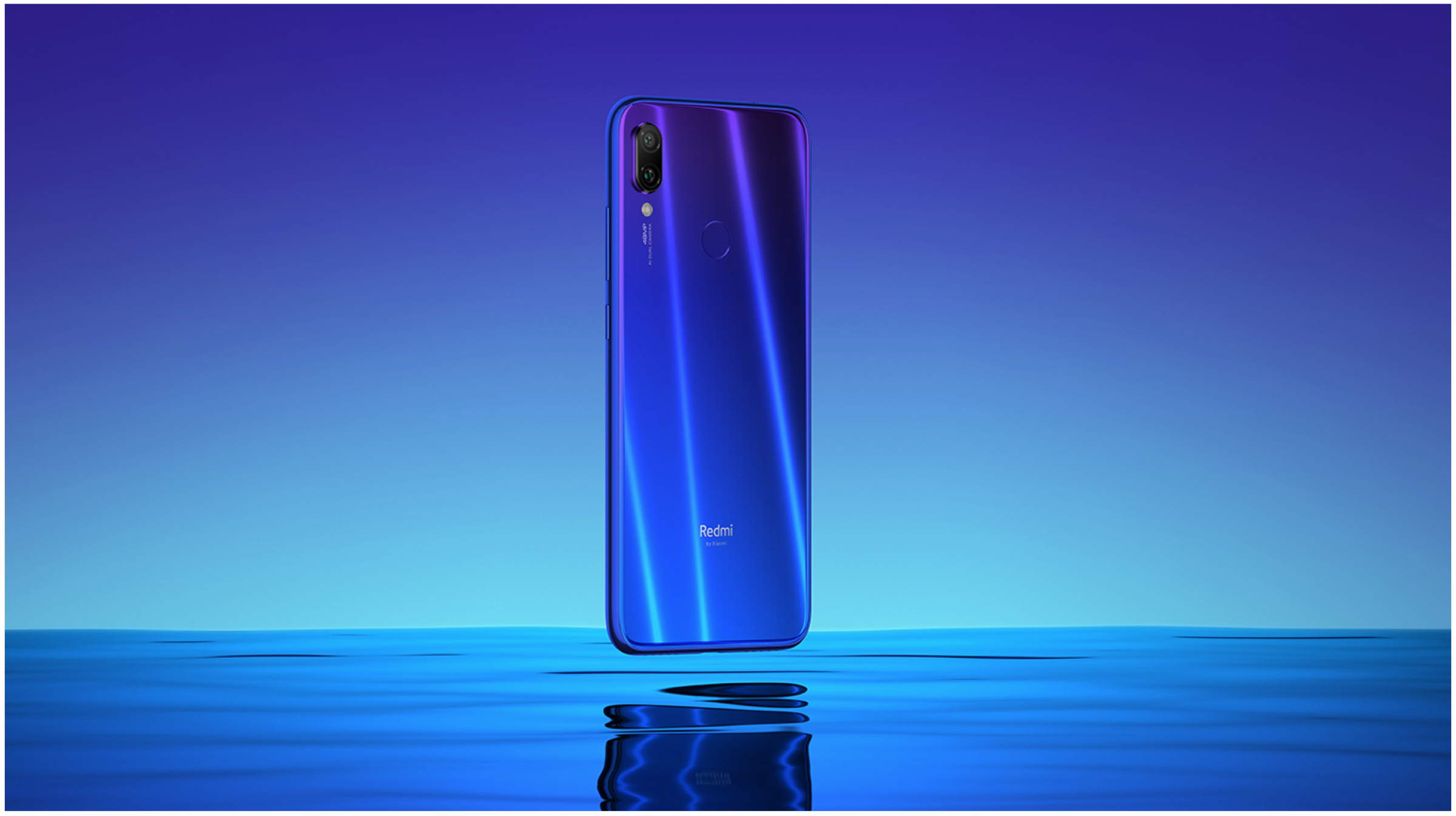
    The Redmi Note 7 is the less feature rich and more affordable variant of the Note 7 Pro. It has a 6.3 inch dewdrop notch display with Corning Gorilla Glass 5 protection on the front. Under the hood, it packs the Snapdragon 660 SoC which consists of an Octa-Core CPU and Adreno 512 GPU. It packs a large 4,000 mAh battery which supports QuickCharge 4.0. For photography, it has dual rear cameras and a single selfie camera.

    Specifications Summary:
    • Price: Rs 11,999
    • Display: 6.3 inch IPS LCD, 409 ppi
    • Rear Camera: 12 MP + 2 MP, Front Camera: 13 MP
    • SoC: Snapdragon 660, Octa-Core CPU, Adreno 512 GPU
    • Battery: 4,000 mAh, 18W Fast Charge Support (Charger sold seprately)
    • Storage: 4 GB +  64 GB, Expandable upto 256 GB, uses SIM 2 slot   

    Click Here To Pre-book The Redmi Note 7

  • Tesla Unveils Faster Third Generation Supercharger

    Tesla Unveils Faster Third Generation Supercharger

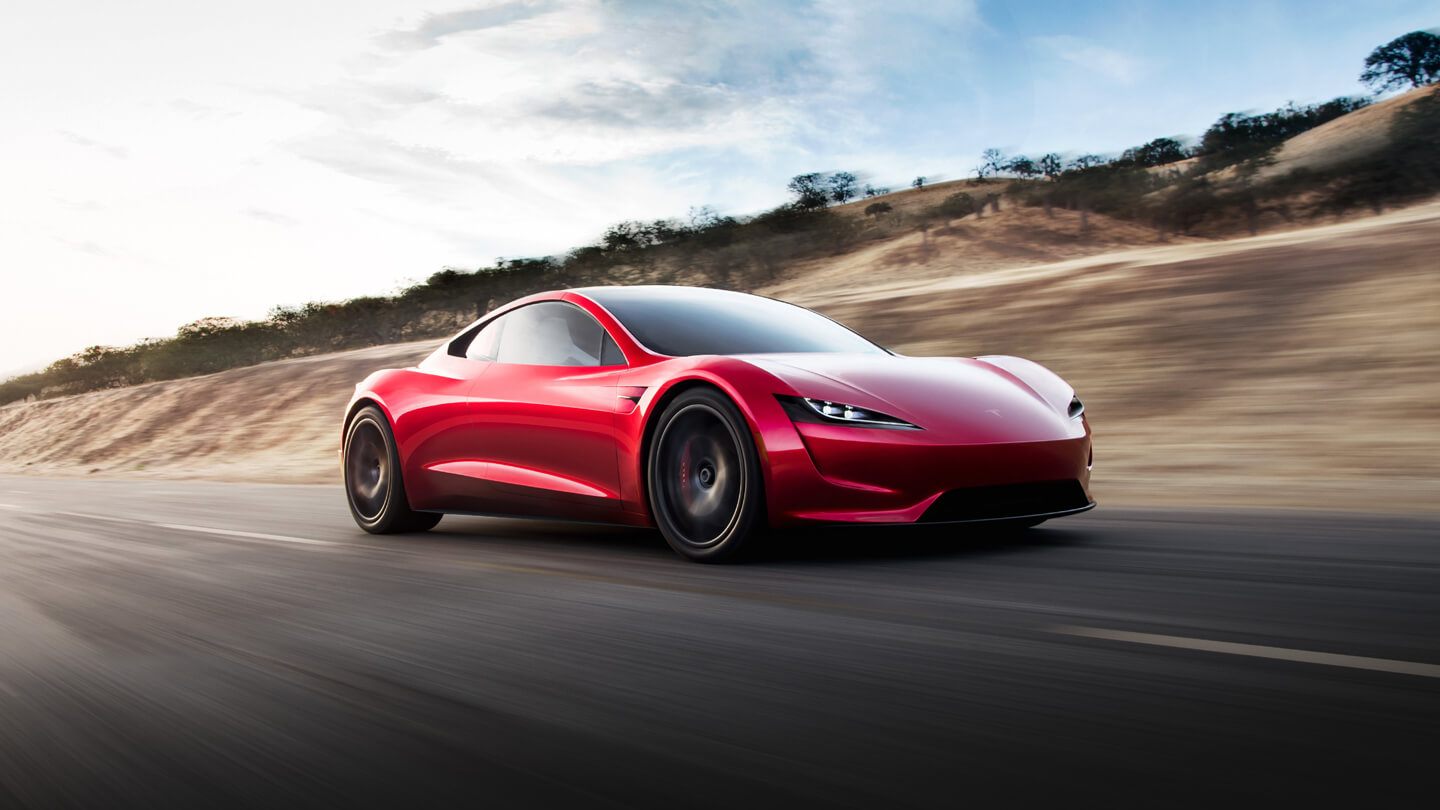
    At a customer event at Tesla’s California headquarters on March 6, the company launched its third generation Supercharger which is its fastest yet. It will be capable of charging the Model 3 at the rate of a whopping 250kW, adding another extra 75 miles of range in just about 5 minutes. The ‘V3’ Supercharger is a significant improvement over the company’s V2 Superchargers

    Supercharger Availability

    The company stated that the installation of the first batch of V3 Superchargers will roll out in the second quarter of 2019. The consumers in the European and Asian-Pacific regions, however, will have to wait until the fourth quarter of the year to gain access to the V3 Superchargers. As of now, the first Supercharger V3 station is only accessible to members of Tesla’s early access program.
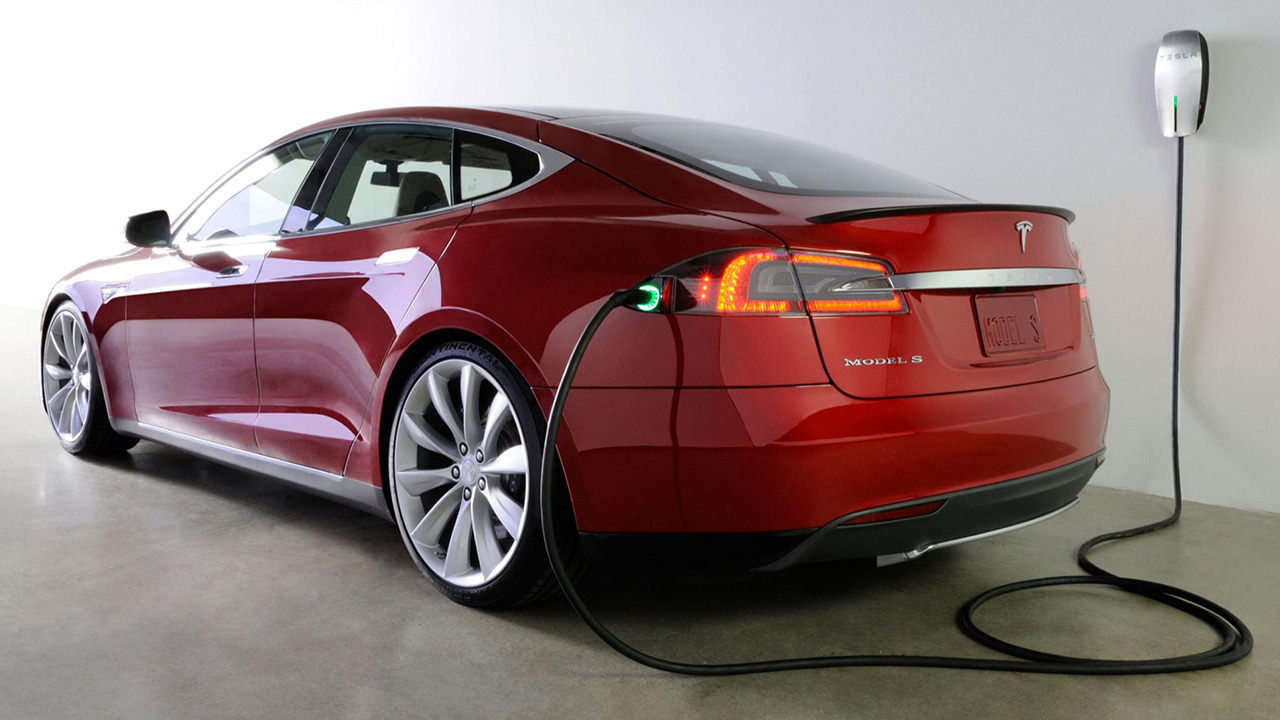
    Features And Updates

    As mentioned before, the Tesla V2 Superchargers were rated to a maximum output of 150 kW. However, Tesla users found that they were actually capped at 120 kW. The company later confirmed that the V2 Superchargers will be updated to 145 kW peak charge rate soon. Also, the company is rolling out a new feature called “On-Route Battery Warmup”, which will ensure that the car’s battery will automatically start heating up to the optimal temperature as the car is en route to a Supercharger. Doing so will reduce average battery charging times by 25 percent. 
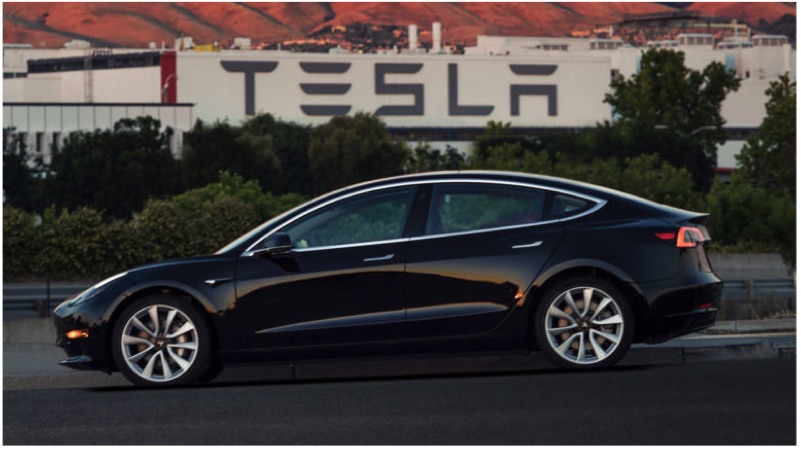
    Tesla Model 3 automobiles will be able to reap the full benefits of the V3 Supercharger. Owing to a better battery optimization, the Model 3 will be able to charge quicker than the Model S and Model X, which will stay capped at 120 kW for now. Although Tesla plans to upgrade the charging speeds in the aforementioned models, the company hasn’t provided complete details regarding the update.

    Tesla SmartphoneAlso Read: Tesla Will Unveil The Model Y SUV On March 14

    In addition, Tesla has also fixed a major issue with currently operating Supercharger stations, which is power splitting. Power splitting refers to “slower charging speeds” when multiple charging stations are being used at the same time. The V3 Superchargers aim to eradicate this problem by using built-in liquid coolant systems, ensuring that the Superchargers won’t catch fire spontaneously because of overheating.


  • Huawei Sues The US Government Over The Ban On Its Devices

    Huawei Sues The US Government Over The Ban On Its Devices

    Huawei has announced on March 7 that it is suing the government of the United States of America (USA) owing to the ban of its products the country put in place. The company has claimed that it has filed a lawsuit in the US district court in Plano, Texas. A senior executive of the company claims that the company was left with no choice other than to take legal actions against the government. It also called the ban on its devices ‘unlawful’ in a bid to justify its actions.

    Huawei’s Lawsuit On The US Government

    Huawei

    In a press conference on Thursday, March 7, Chinese telecommunications giant Huawei announced its decision to file the aforementioned lawsuit. It claimed the ban on its devices in the country is ultimately harming US consumers. It said it is looking forward to the court’s verdict and trusts that it will eventually benefit both Huawei and the people of America. The lawsuit arrives after several accusations of the company spying for, and having ties with the Chinese government.

    The ban on the company’s products was taken into effect in August 2018. It was earlier set to enter the US market with its smartphone Mate 10 and Mate 10 Pro in 2017. Not only the company’s deal with telecom carrier fell flat, but the President of the country, Donald Trump also signed a provision of the National Defence Authorisation Act; which prevented government agencies using third-party contractors to use Huawei products. 

    Also read: Google Launches Bolo App To Improve Children Literacy In India

    Huawei alleges that by singling out the company for punishment without a fair trial, the US government has violated the terms of its own constitution. The company also fired back at reports claiming it installs backdoors in its devices to spy on the users. Notably, Huawei is the world’s largest supplier of telecoms equipment, the second largest smartphone maker and is currently one of the global leaders in the development of wireless 5G networks. 

  • Google Launches Bolo App To Improve Children Literacy In India

    Google Launches Bolo App To Improve Children Literacy In India

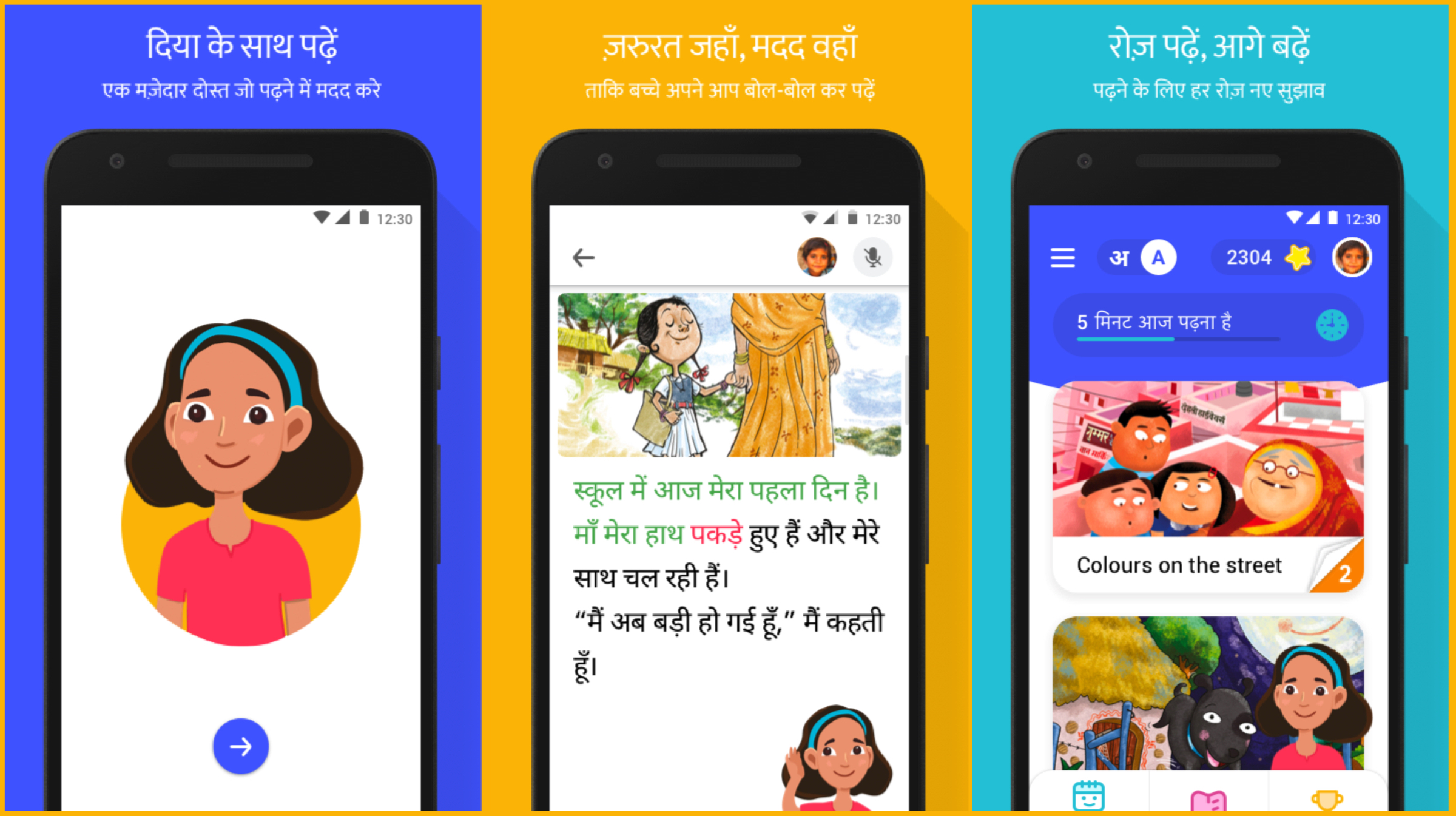
    In a bid to create more apps designed for the Indian market, Google has introduced a new app called ‘Bolo’. The app is aimed at improving children’s literacy in the country. It is available to download on the Google Play Store starting March 6. ‘Bolo’ is a Hindi term which means ‘to speak’ in English. The app is still in development, so there may be a few bugs to fix and changes to introduce before the company rolls out a stable version of it.

    Google Bolo App

    Google Bolo uses a Hindi UI and a personal assistant called Diya, which is also configured to speak in Hindi. The app is aimed towards children in primary grade, to improve their English and Hindi reading skills. This is achieved by encouraging the reader to speak aloud using the device’s microphone, and giving them instant feedback. It is completely free to use and works offline, so no internet connection is required. The stories that are available to read and practice are either in Hindi or in English, and it is expected that Google may add more languages to the platform soon.

    To make the stories engaging and interesting, Google Bolo features the aforementioned personal assistant called ‘Diya’ which uses the same speech technology as the Google Assistant. The assistant can also be used in case help is needed in the app. There are some word games as well, to make it more engaging and versatile. 

    Also read: ZTE Is Working On A Foldable Phone With A Clamshell Design

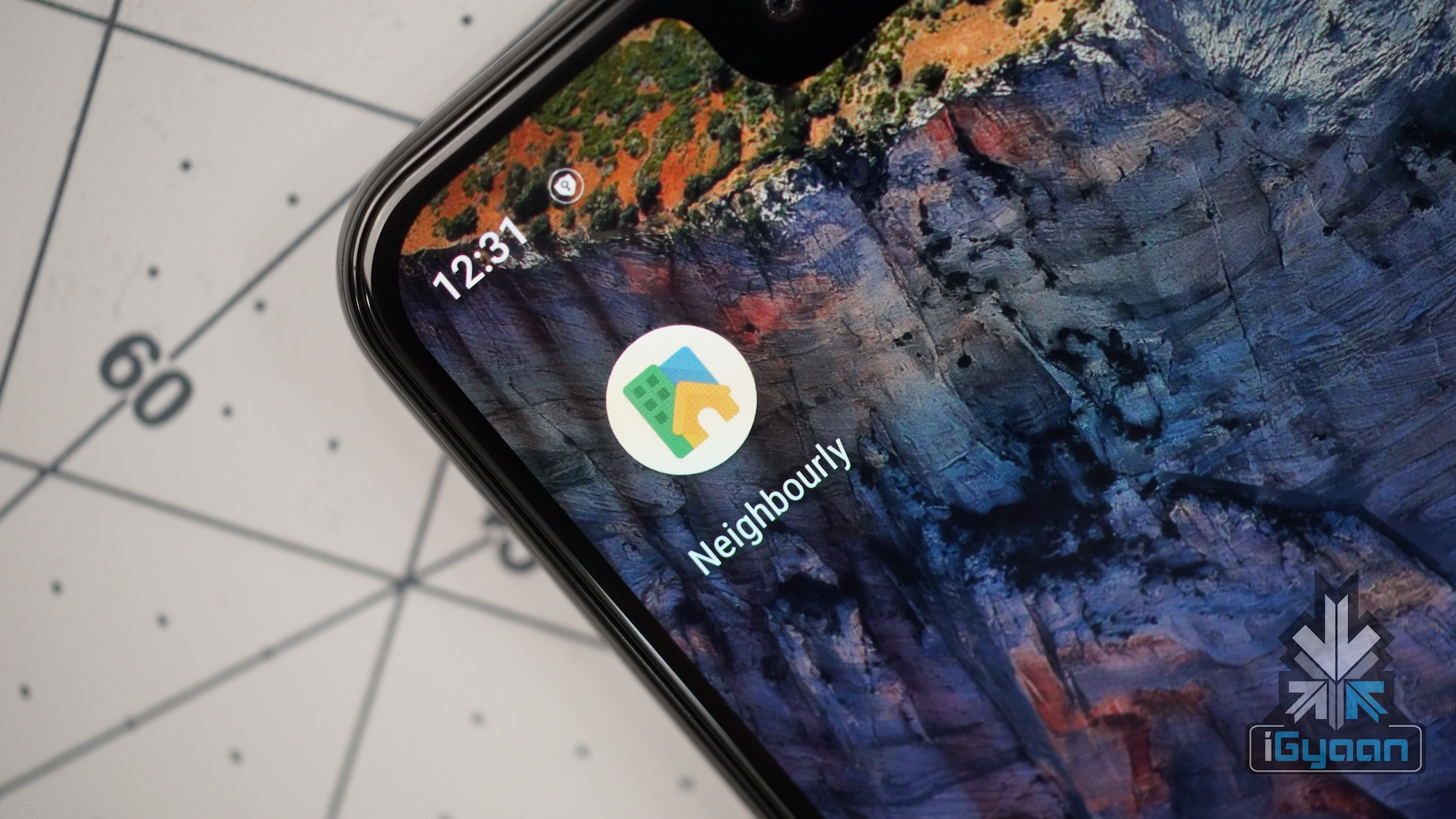
    This is not the first time Google has developed an India exclusive application. The last few years have seen the company release a bunch of apps designed for the country. Google Pay, which was formerly called Tez, was released back in August 2017. It is a Unified Payments Interface (UPI) app which has since gained immense popularity. Some other apps, like Google Neighbourly, can be used to ask questions about a particular neighbourhood. The Google Indic Keyboard also has been popular among the Indian audience, owing to its support for multiple local languages. The Go editions of popular apps like Youtube, Google Maps, have also been designed for countries like India.

    Click here to download Google Bolo from Play Store

  • Chinese Display Manufacturer Visionox Patents Foldable Device

    Chinese Display Manufacturer Visionox Patents Foldable Device

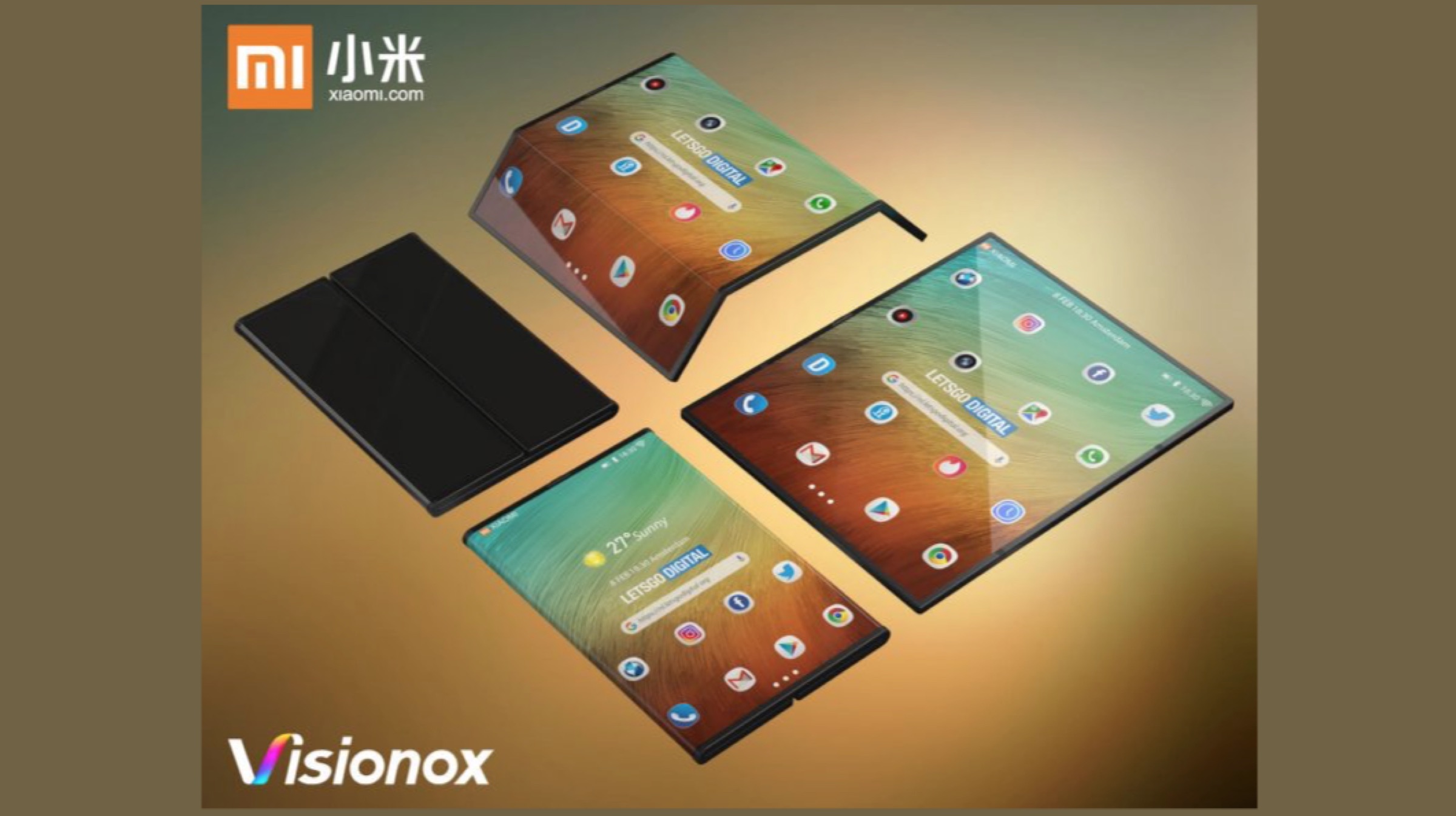
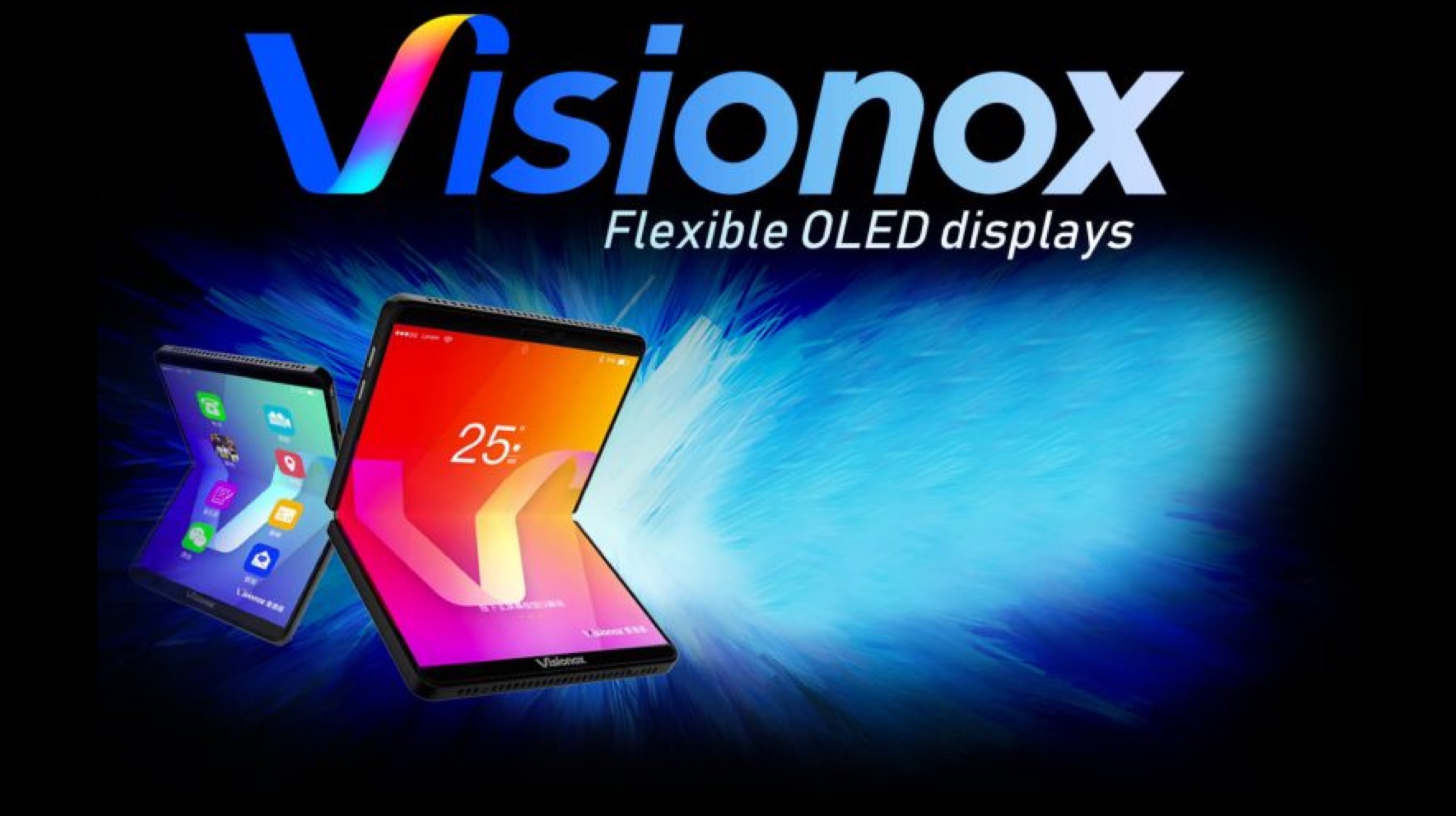
    2019 is looking to be a huge year for foldable smartphones, with companies like Samsung and Huawei already standing strong in the arena. Brands like Motorola, LG and Apple also have their foldable smartphones in development, as per reports. Xiaomi also reported that it is working on a foldable device in collaboration with another Chinese company. The company’s information wasn’t disclosed by Xiaomi, but recently, the name of the organization was discovered by sources, and it is Visionox Technology. 

    About Visionox

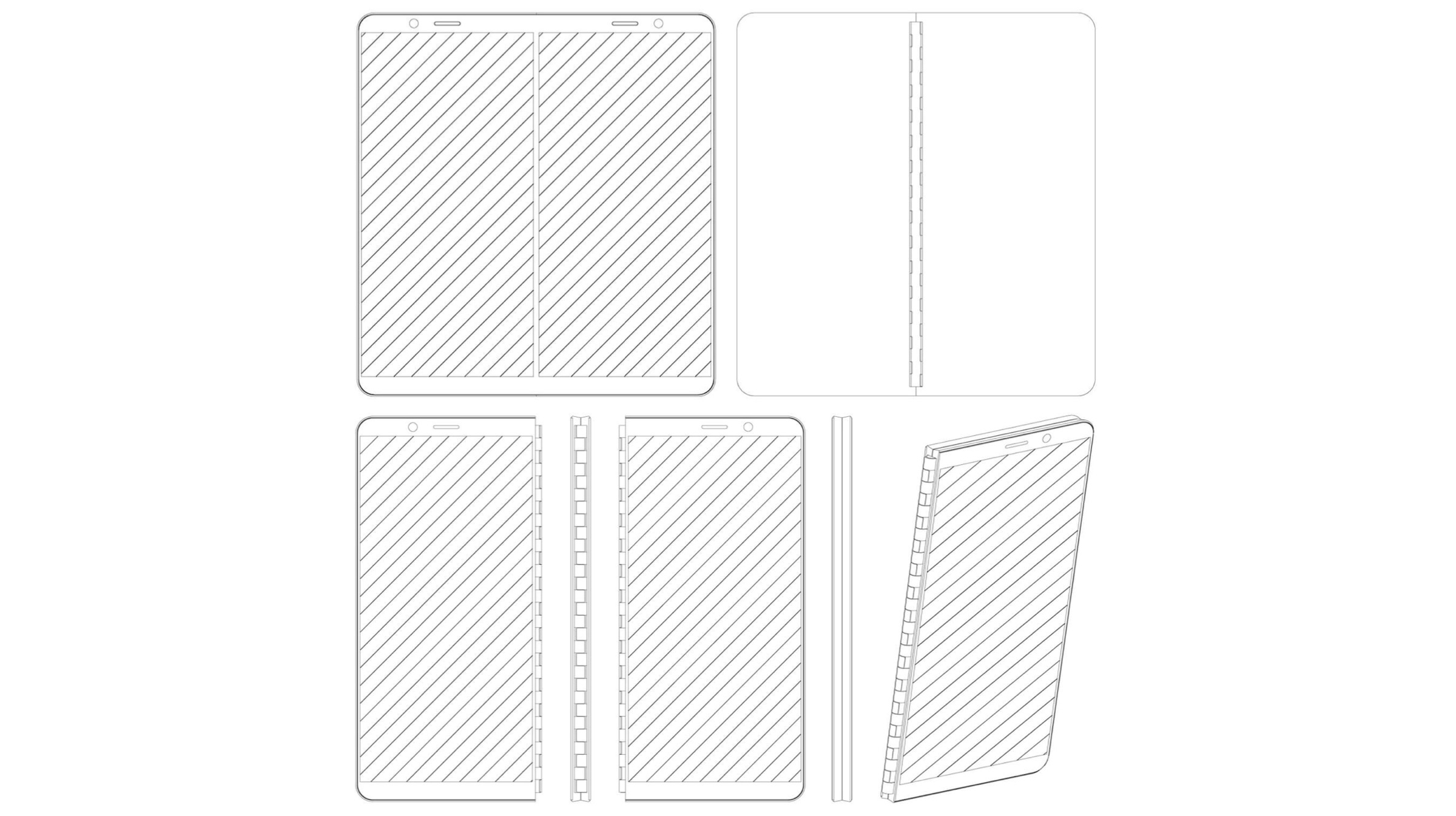
    The company has been manufacturing OLED screens for various brands across China, and it is reportedly developing a flexible AMOLED display for Xiaomi’s next foldable smartphone. A subsidiary of Visionox, Yungu (Gu’an) Technology filed a patent for design with the World Intellectual Property Office (WIPO), which was published in the Global Design Database on March 1, 2019.
    About The Patent

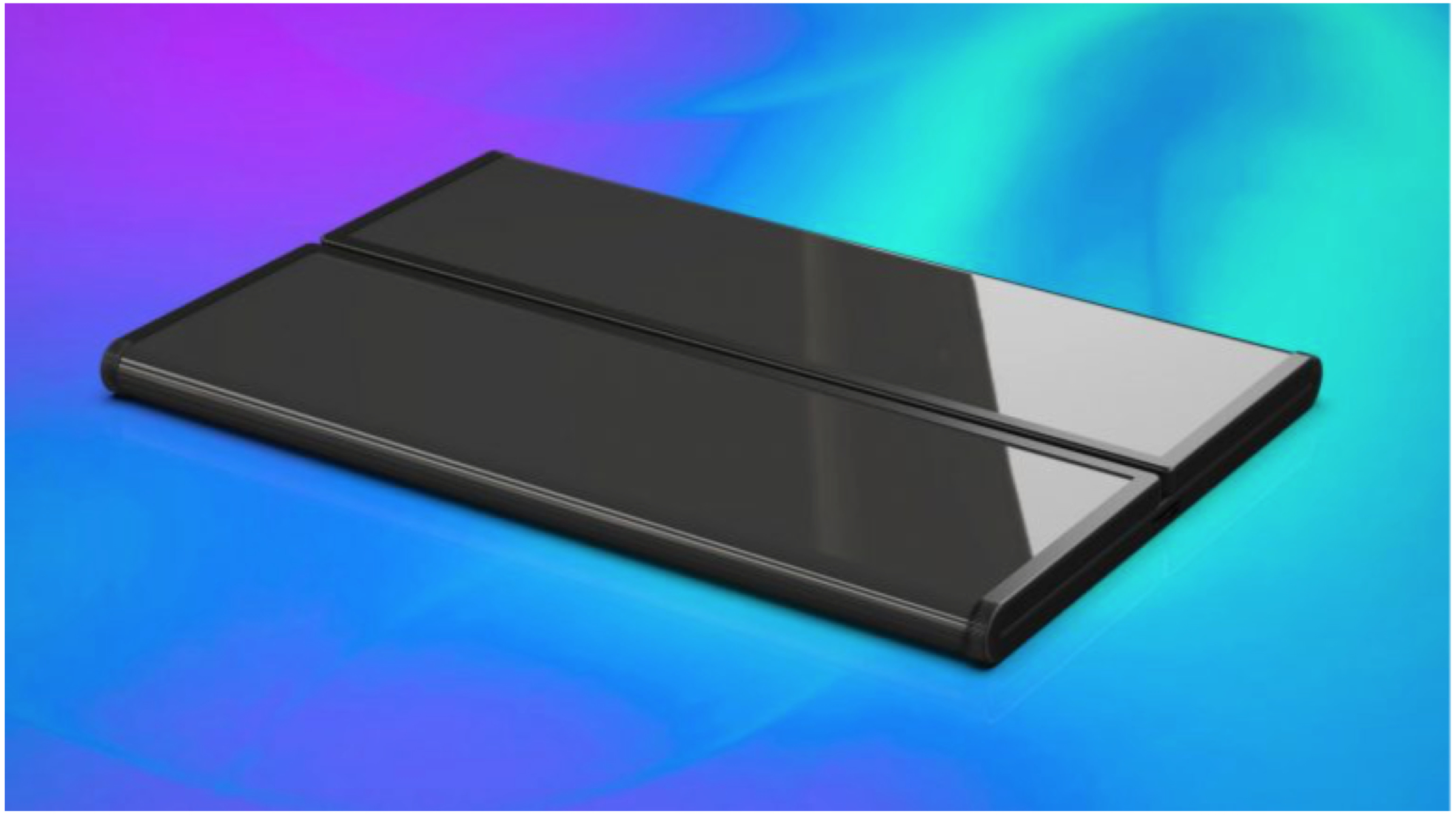
    The patent shows a foldable smartphone with the display on the outside of the device. However, the display does not seem to be flexible, since two different screens are clearly visible with a gap in between for the hinge. The design of the phone is similar to the ZTE Axon M. The main difference between both the smartphone designs is the presence of rounded corners on the ZTE device, which seems to be non-existent on Visionox’s display. Furthermore, Visionox’s screen is completely straight in the middle section, which gives it some resemblance to a tablet of sorts. Top and bottom bezels are prominent in the device, and a camera appears to be present on both the right and left side in the top bezel, right next to the earpiece.
    Also Read: Samsung Is Readying Two More Foldable Phones

    Visionox may or may not collaborate with Xiaomi on this device, considering that the patent for the foldable smartphone has been published for Visionox, not Xiaomi. Since ZTE is also one of Visionox’s partners, the ‘foldable display’ design may be witnessed on a ZTE offering. Regarding the availability of the device, no details are present as of now.

    The patent for the foldable device can be viewed here


  • ZTE Is Working On A Foldable Phone With A Clamshell Design

    ZTE Is Working On A Foldable Phone With A Clamshell Design

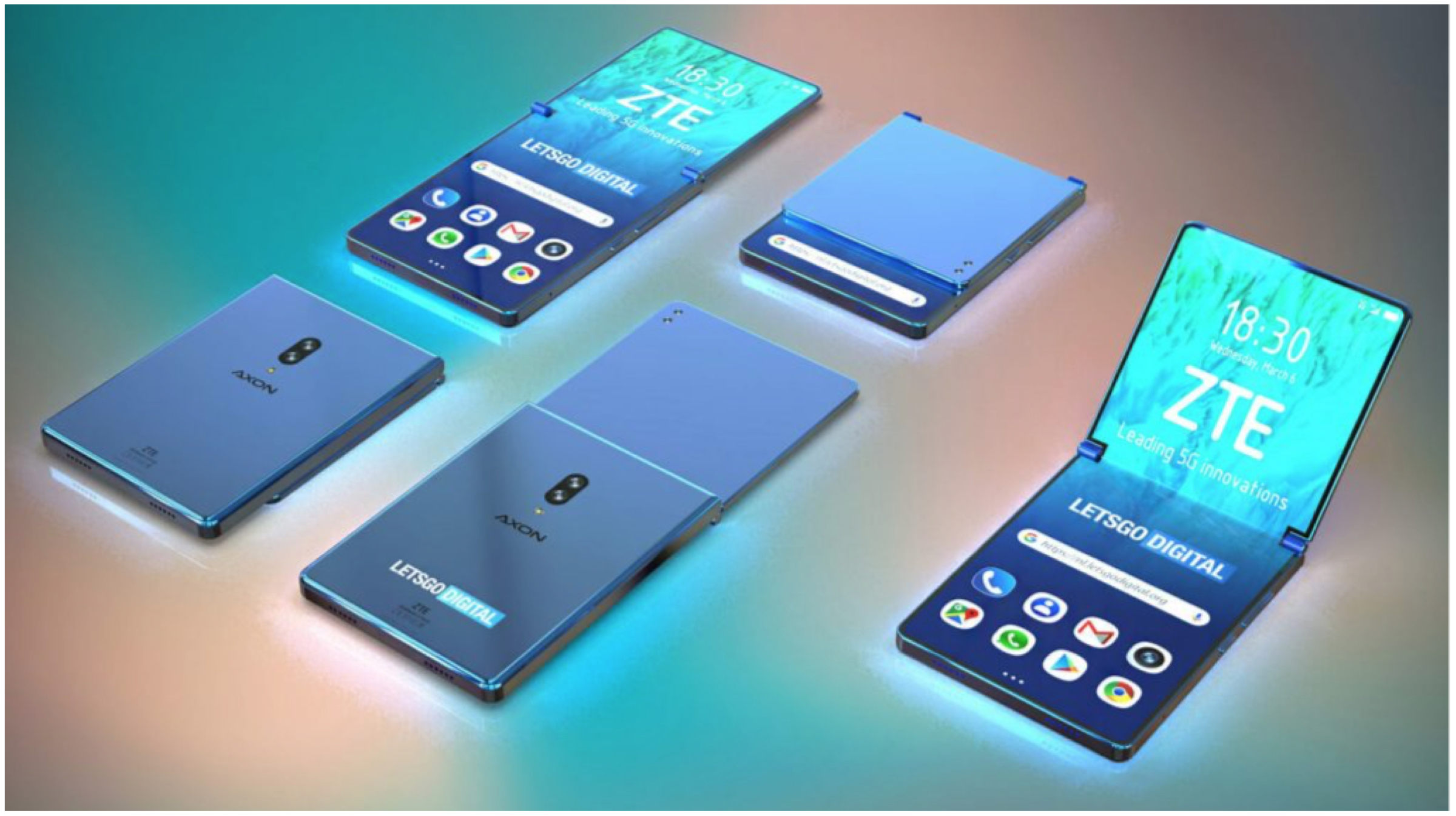
    ZTE is a Shenzhen based company that manufactures smartphones and telecommunication equipment. In the year 2017, the company launched an innovative smartphone, the Axon M that had dual displays which folded into a compact form factor. Although it cannot be truly termed as a foldable smartphone due to two separate displays, it definitely had a contribution in laying the foundation of modern foldable smartphones. Some of the modern-day foldable smartphones include the Samsung Galaxy Fold and Huawei Mate X. A freshly granted patent to ZTE indicates that the company is developing a distinctive smartphone with a foldable display.

    ZTE Foldable Smartphone Design

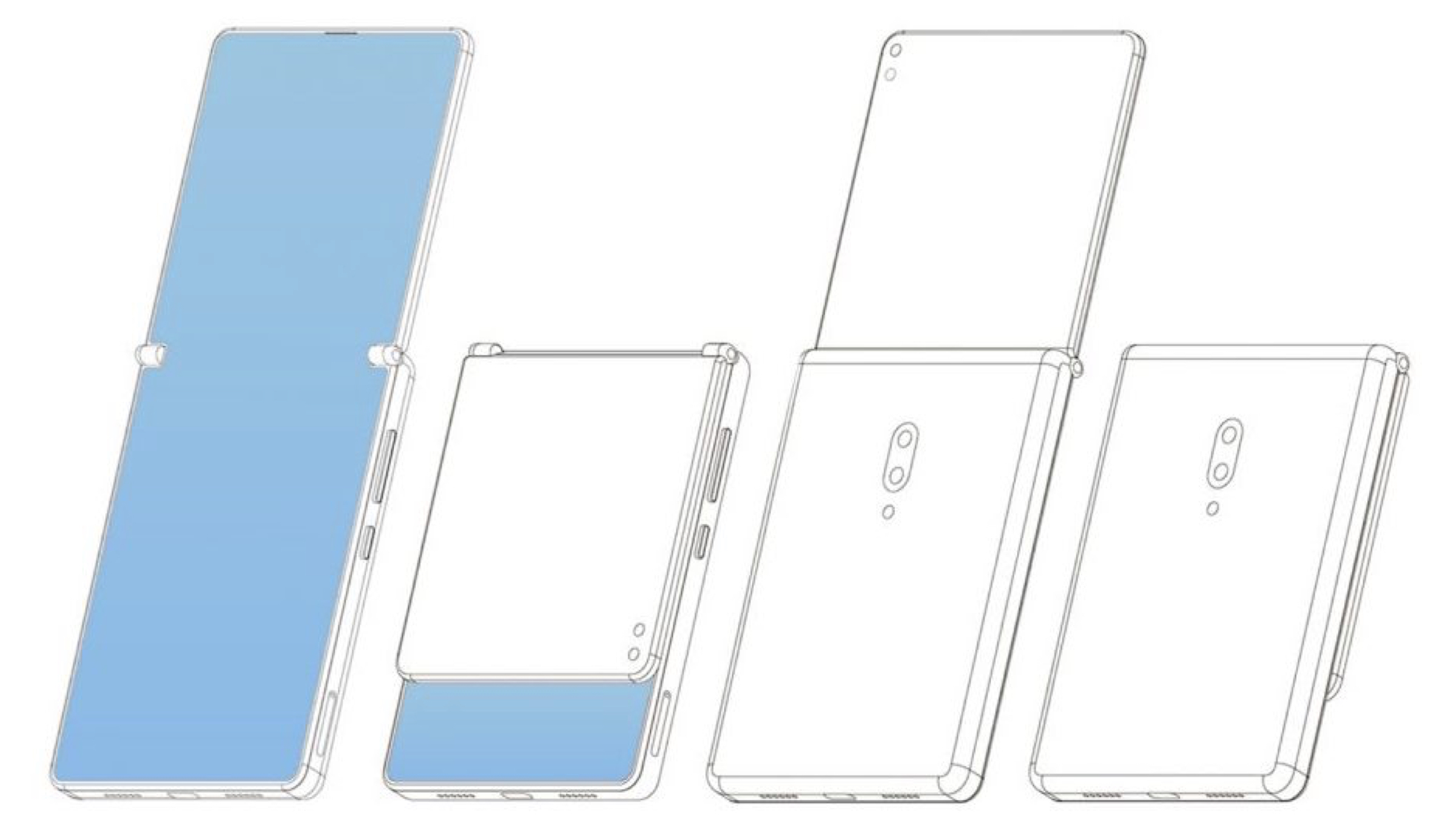
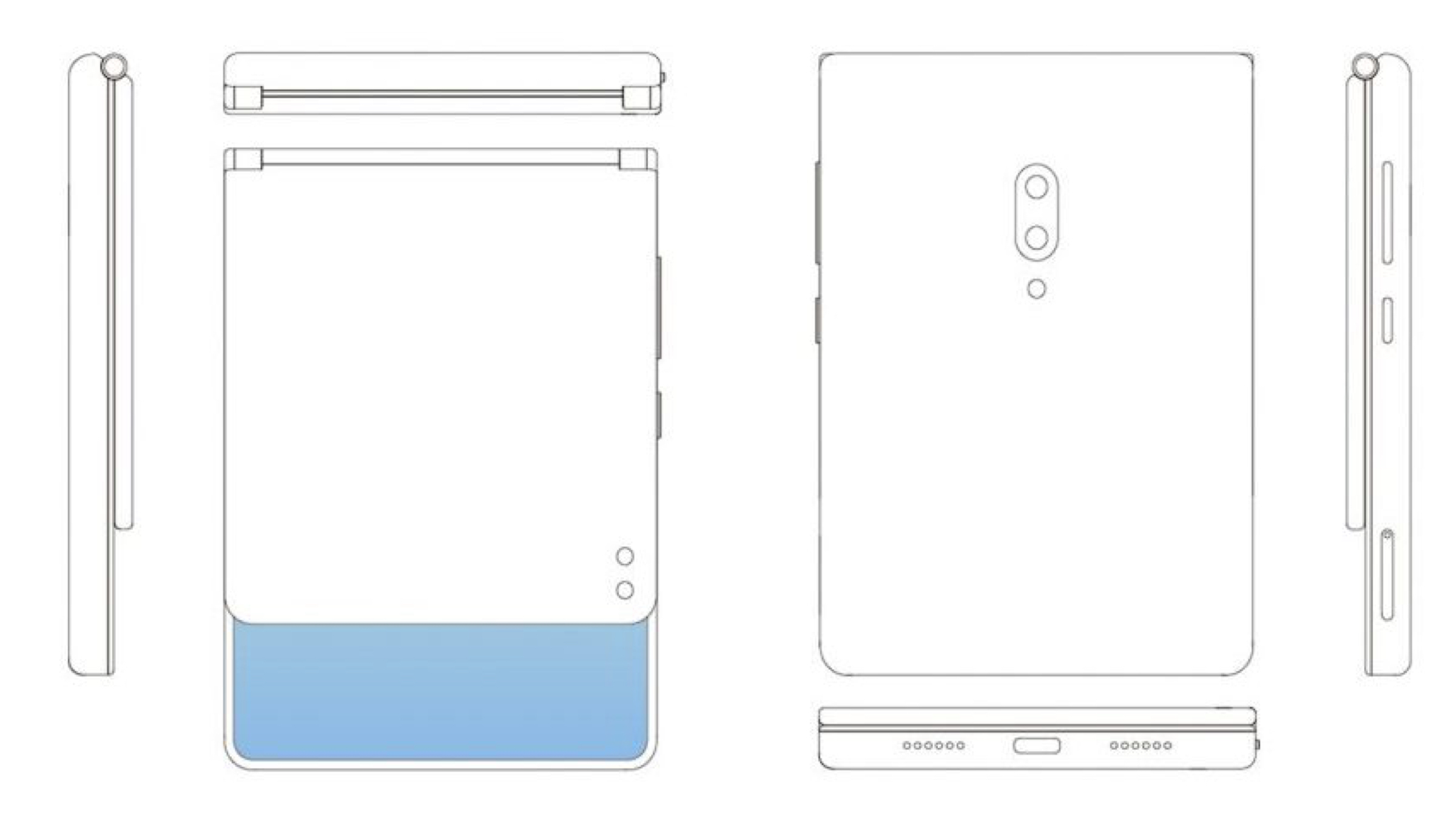
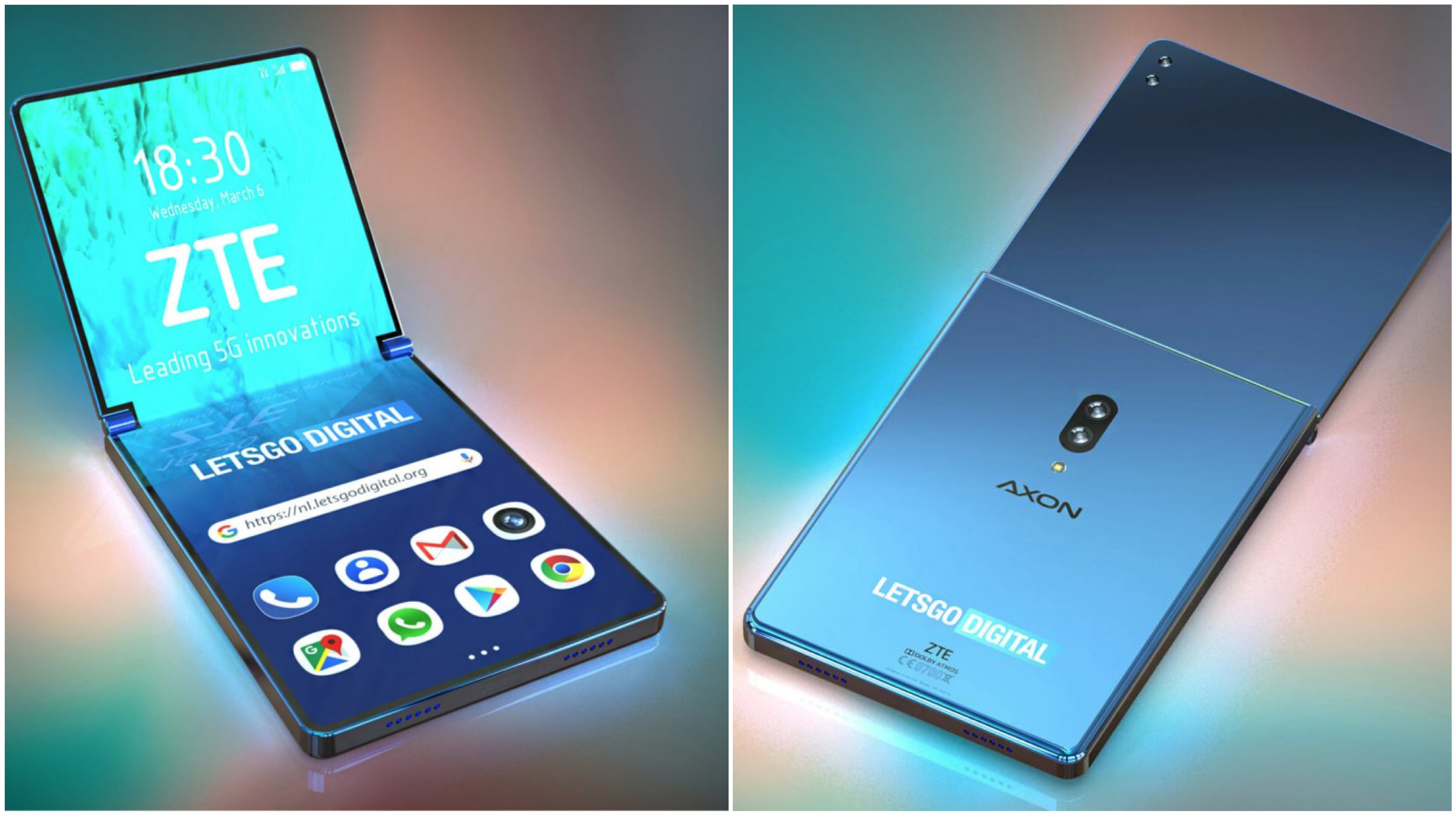
    ZTE filed a patent for a clamshell-style foldable smartphone with WIPO (World Intellectual Property Office) in the month of April last year which it was granted on 5th March 2019. The patent exhibits that the foldable smartphone being developed by ZTE is completely different from Samsung and Huawei’s offerings. In fact, it has a similar form factor to the unreleased foldable Moto RAZR.

    As previously mentioned, the foldable ZTE phone has a clamshell style design which folds vertically. Distinguishingly, the display has an asymmetric fold with the top part being slightly shorter than the bottom. When the device is in its folded state, a small portion of the larger screen remains visible which might be used to display important notifications like phone call alerts. 

    The rear of the foldable ZTE smartphone is as unconventional as its front. The bottom half of the rear accommodates dual cameras along with an LED flash. Inversely, the top half is free from any components except for two unexplained circular cutouts. The right side of the device is occupied by volume rockers and power button while the bottom is occupied by a connector port which is flanked by grilles on either side. 

    Also Read: Nvidia Announces New GPU Driver, Game Bundle & G-Sync Compatible Monitors

    The foldable ZTE smartphone surely seems promising, however, it is hard to predict the launch date of such a device. Though we expect more information to be available when the company openly talks about it.  

  • Nvidia Announces New GPU Driver, Game Bundle & G-Sync Compatible Monitors

    Nvidia Announces New GPU Driver, Game Bundle & G-Sync Compatible Monitors

    Nvidia has given its users even more reasons to purchase its RTX series Graphic cards. The American technology company launched its RTX series of graphics cards in the second half of 2018, and they have been favourites amongst gamers and video editors owing to the new Ray tracing support. Now, the company is giving gamers the chance to take home a three-game bundle with the RTX graphic cards. Apart from this, Nvidia had a couple of other surprises for their gaming audience.

    Game Ready Driver

    Nvidia released the new 419.35 game ready driver package that extended optimization for games like Apex Legends, The Division 2 and Devil May Cry 5. Since the launch of Apex Legends, a lot of players are facing random game crashes, followed by an error message. Forums were being spammed by gamers for solutions but no successful fixes were posted by the company. With the release of the new driver, players should be able to get rid of this issue. The driver update also includes some bug fixes and tweaks for high data consumption issues.
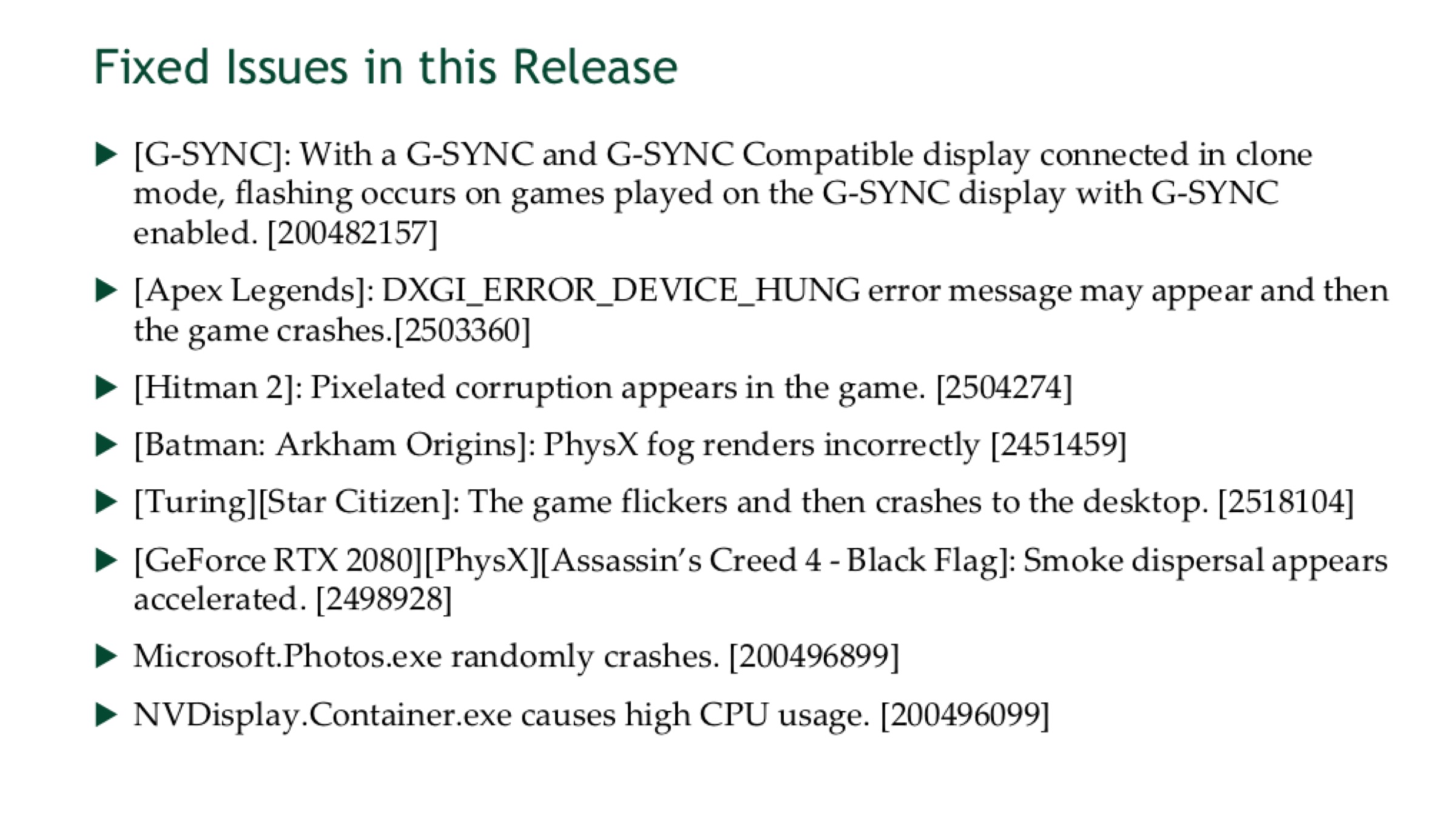
    The patch notes are available below. Additionally, you can download the updated display driver here

    G-Sync Compatible Monitors

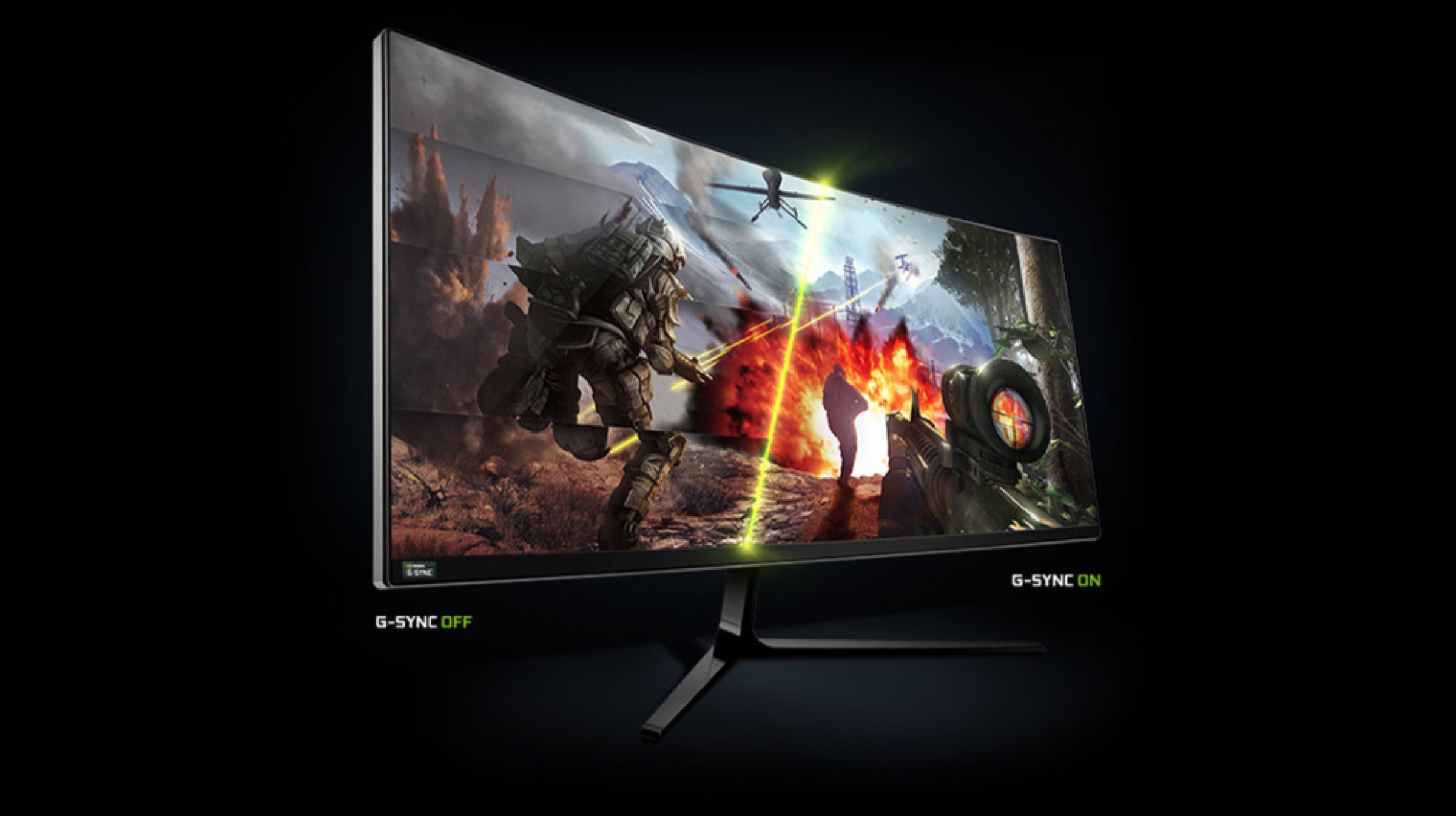
    The list of G Sync compatible monitors is growing day by day, and now the latest driver package has introduced support for three new monitors with G Sync. The latest additions include:

    • Acer ED237 A
    • Acer XF250Q
    • BenQ XL2540-B/Zowie XL LCD

    Nvidia is continuously testing new displays to see if they’re compatible with G Sync or not. Nvidia CEO says that the company will optimize the software that’s necessary to make the monitors G Sync compatible. If a user has a G Sync monitor, he/she can manually turn on G Sync support in the Nvidia Control Panel to check if driver support has been introduced for that specific model or not. However, Nvidia has warned the users not to experiment with the G Sync Nvidia control panel if their monitors are not certified by the same.

    Triple Threat Gaming Bundle

    To keep gamers on their heels, Nvidia has announced that it will give away a game bundle containing three A-list titles with the purchase of each RTX series graphics card, laptop or gaming desktop. The company has included digital codes for Battlefield 5, Anthem and Metro Exodus which the users can redeem on the respective accounts.

    Also Read: The Road To Bluetooth 5.0: Key Differences Between All The Bluetooth Versions

    If a user purchases the RTX 2080 Ti or the RTX 2080, all three games will be included in the bundle. However, the user will get only one of the aforementioned games if he/she purchases the RTX 2070 or the RTX 2060. More details regarding the offer are available here
  • Understanding Different Realities; What is AR, VR And MR

    Understanding Different Realities; What is AR, VR And MR

    Technology has often changed the way humans have perceived the world and is expected to further challenge it in the future. The introduction of Augmented and Virtual Realities have revolutionalised different business sectors completely and have allowed for a better interaction with technology to create more immersive, engaging content. But, what do AR and VR mean? And what is the new technology that has debuted with the Microsoft Hololens, MR? Here is what these terms mean individually.

    Augmented Reality (AR)

    Augmented Reality is defined as “an enhanced version of reality created by the use of technology to add digital information on an image of something.” It usually interacts with the help of a camera which is used to capture details from the real world. The device from which the AR functions are used makes it possible to further enhance the experience by adding different layers to reality. Pokemon Go, a game from 2016 is a great example of AR technology being used. Apps like Instagram and Snapchat also use this technology to provide live face stickers. 

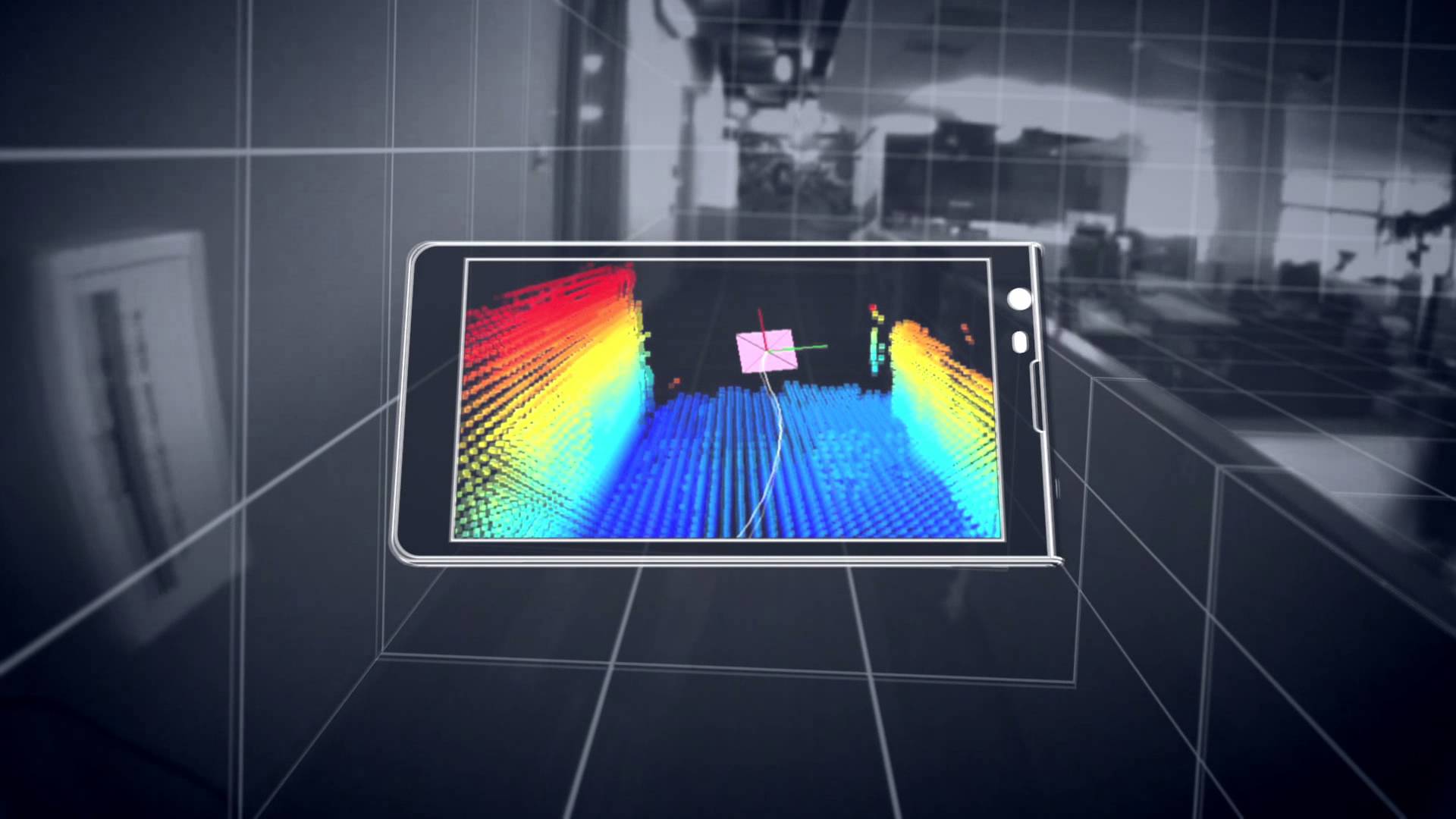
    Google tried pushing Augmented Reality with its Project Tango in 2014, which tried putting a dedicated camera with a spatial sense to capture depth. The Project was later shut down in 2017 because the company launched ARCore in 2018. The system used the already present hardware in a smartphone to use AR, which it debuted with the Pixel 2 and Pixel 2XL’s Playground feature. The AR technology is expected not to only make gaming better, but also have its use in departments like architecture and fashion.

    Virtual Reality (VR)

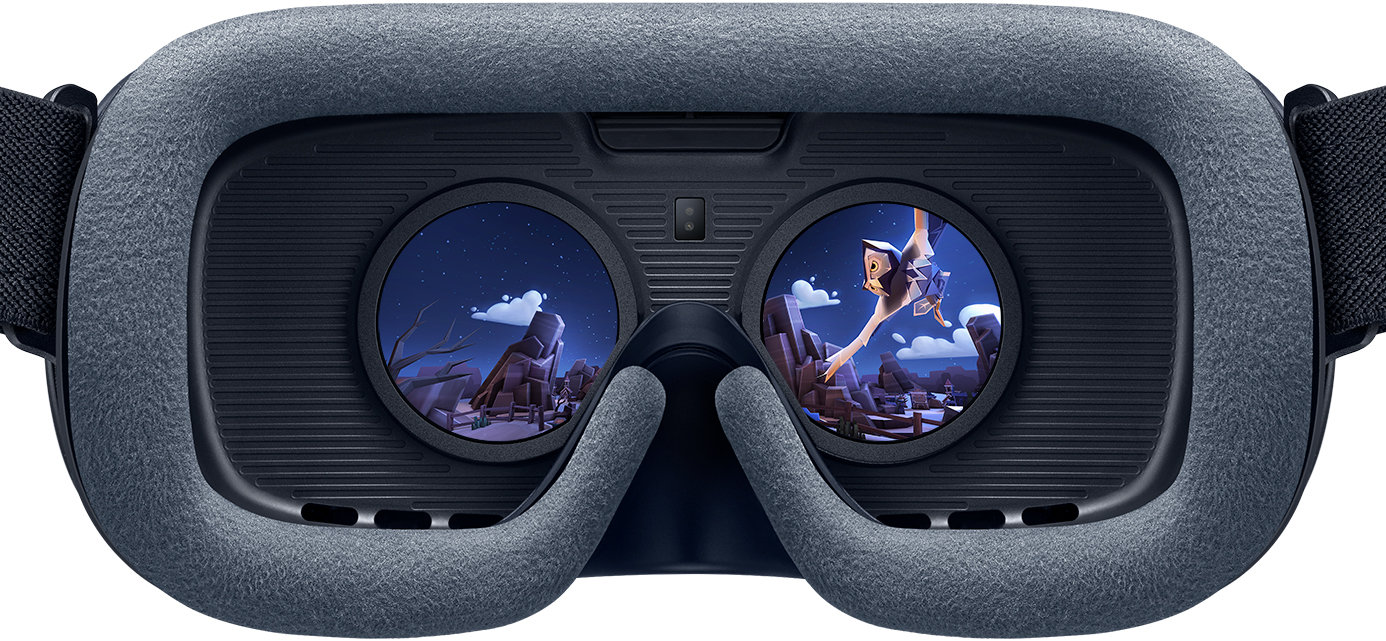
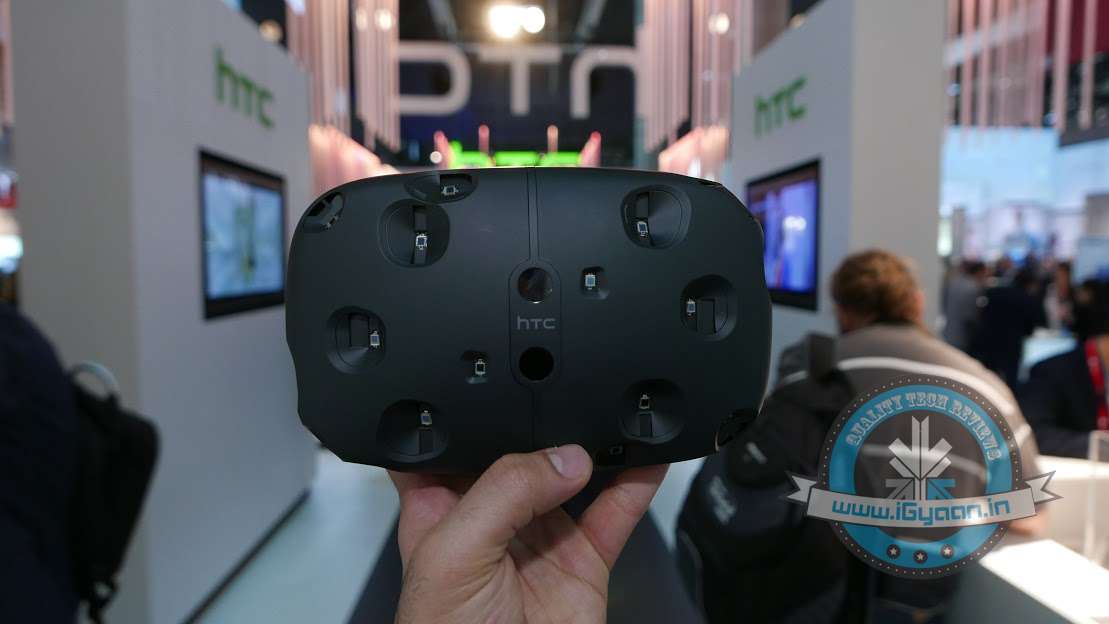
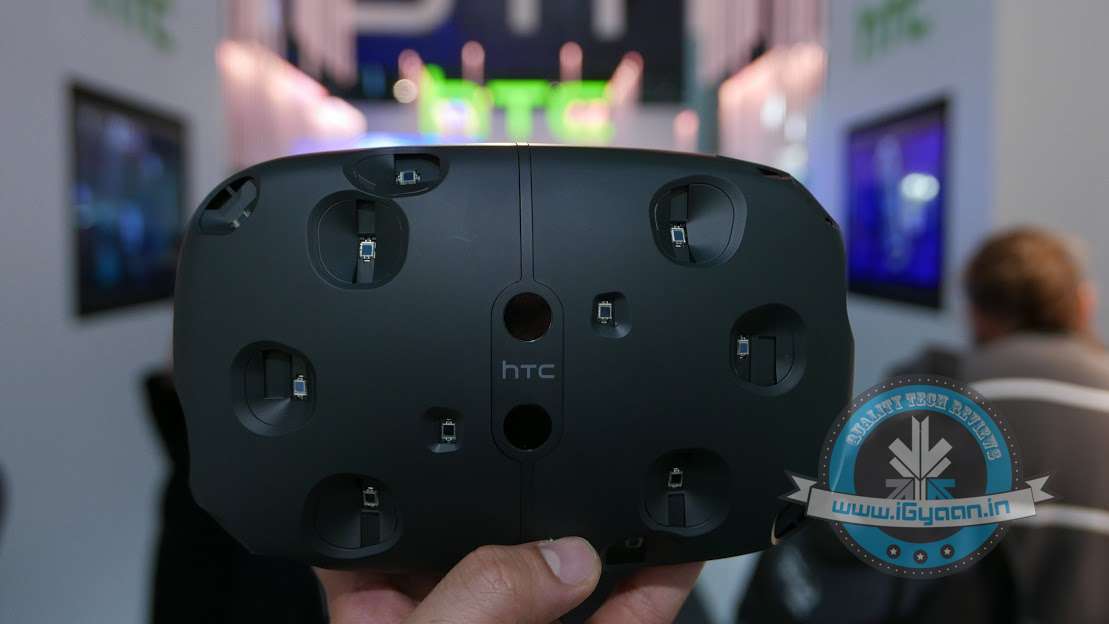
    Virtual Reality or VR is almost the opposite of AR. Instead of using any part of the real world or interacting with it, the technology uses a completely virtual world. This is generally achieved by a headset wrapped around the head with tiny displays in front of each eye. An alternate way is to use a smartphone inside the headset to create a virtual world. The famous VR headsets currently in the market are HTC Vive, Oculus Rift, Google Daydream View.

    The various applications of Virtual Reality are also considered to be groundbreaking. Despite the obvious use in gaming, the technology may be used in the training of various professionals like doctors, pilots and in the hospitality sector. Unfortunately, the native VR functionality is considered expensive and thus may not be suited for everyone. 

    Mixed Reality (MR)

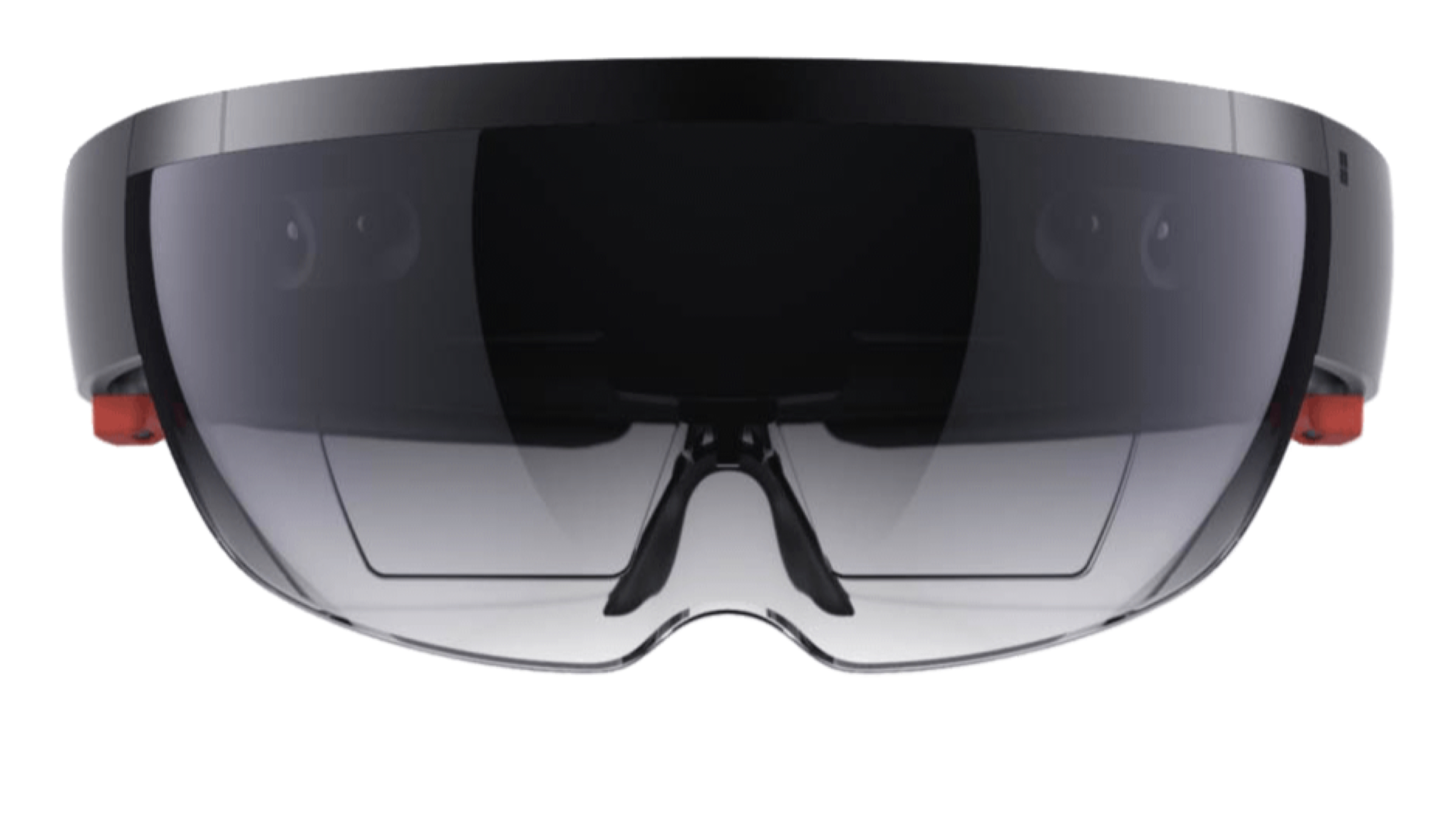
    The Mixed Reality or MR platform was popularised by Microsoft with its Hololens and makes use of the best parts about AR and VR and combines them together. This means that the technology will make use of a camera attached to the headset worn by the user. With the camera used for augmented reality, the Virtual effect rendered will create some form of isolation from the real world. Mixed Reality is expected to take off exponentially in a few years.

    Also read: Meizu Note 9 Launched With 48MP Rear Camera

    The real world case of Mixed Reality is expected to be more elaborate than both AR and VR. It is expected to be useful for industry workers and medical professionals. But, the technology is also deemed expensive in its current state and not available to everyone.


  • Huawei P30 Pro Will Feature a Periscope-Style Camera With Optical Zoom

    Huawei P30 Pro Will Feature a Periscope-Style Camera With Optical Zoom

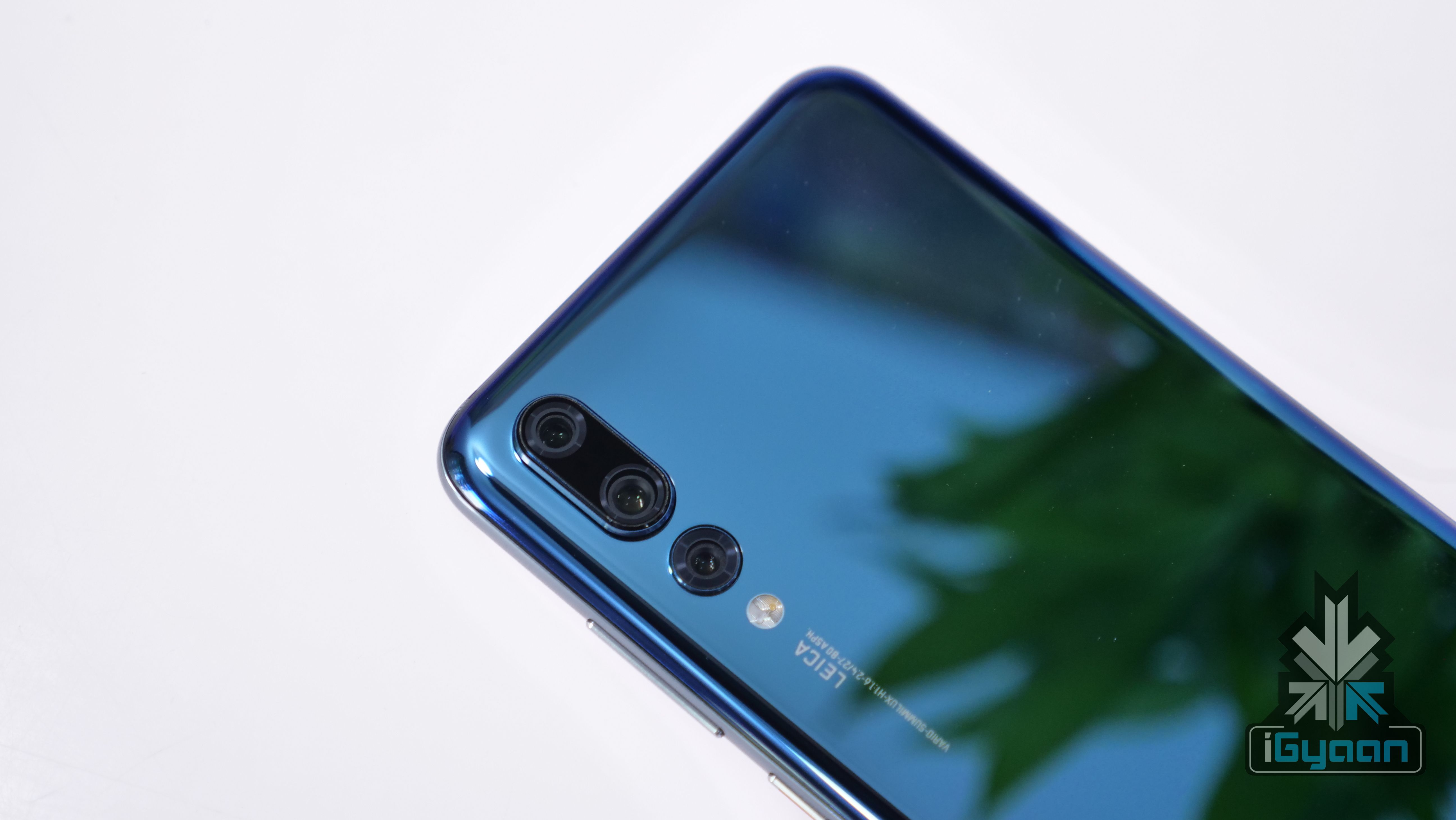
    Huawei is all set to launch the P30 and P30 Pro in Paris on March 26, 2019. The company teased the smartphone by showing off its lossless zoom technology in its teaser video on Twitter. The smartphone will succeed the P20 Pro as the next flagship of the company. From what has been revealed about them, the devices seem to focus on photography, an aspect the series has been known to concentrate upon. The P30 Pro will have a Periscope camera to provide it with remarkable zooming capabilities.

    Huawei P30 Pro 

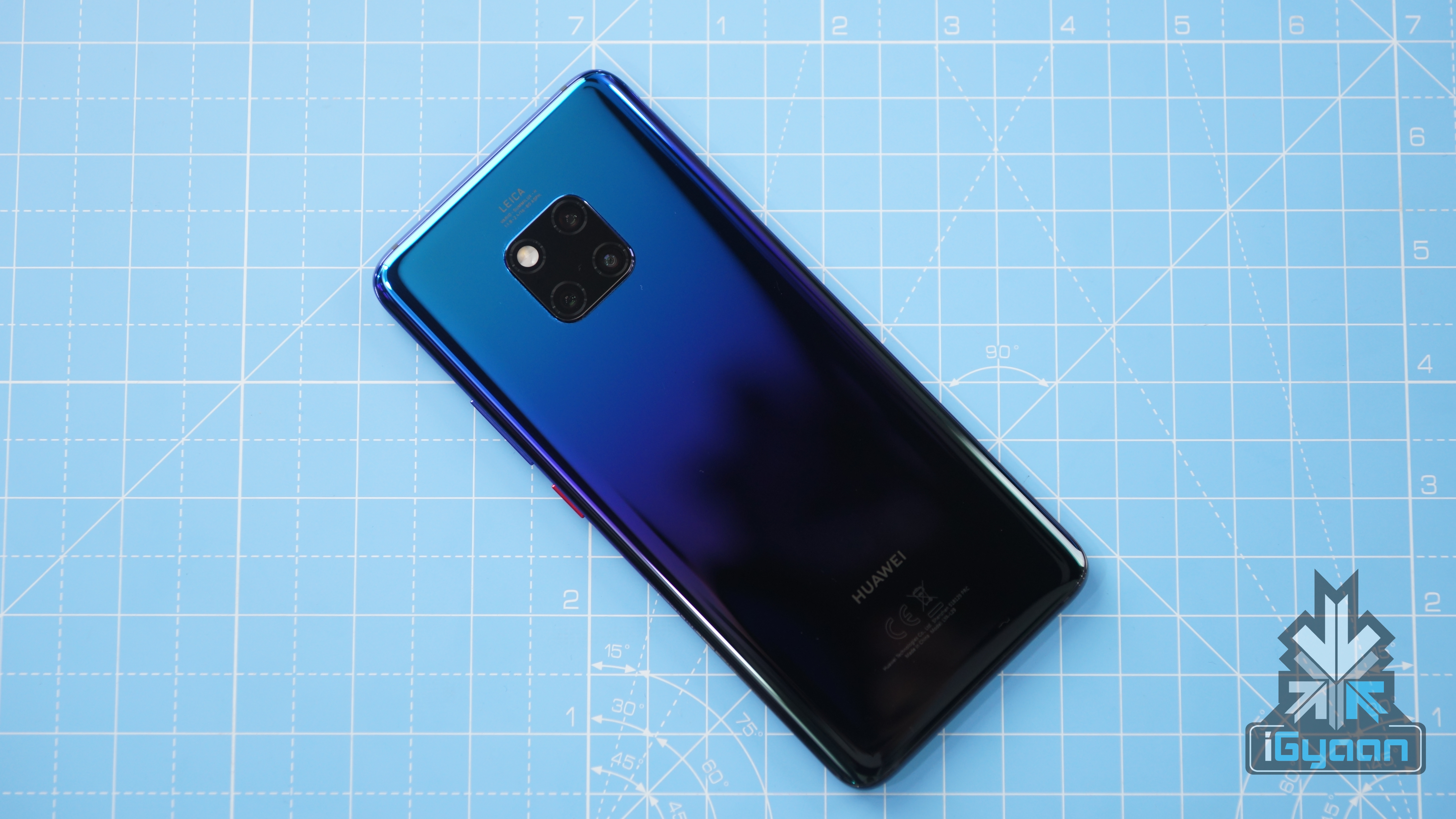
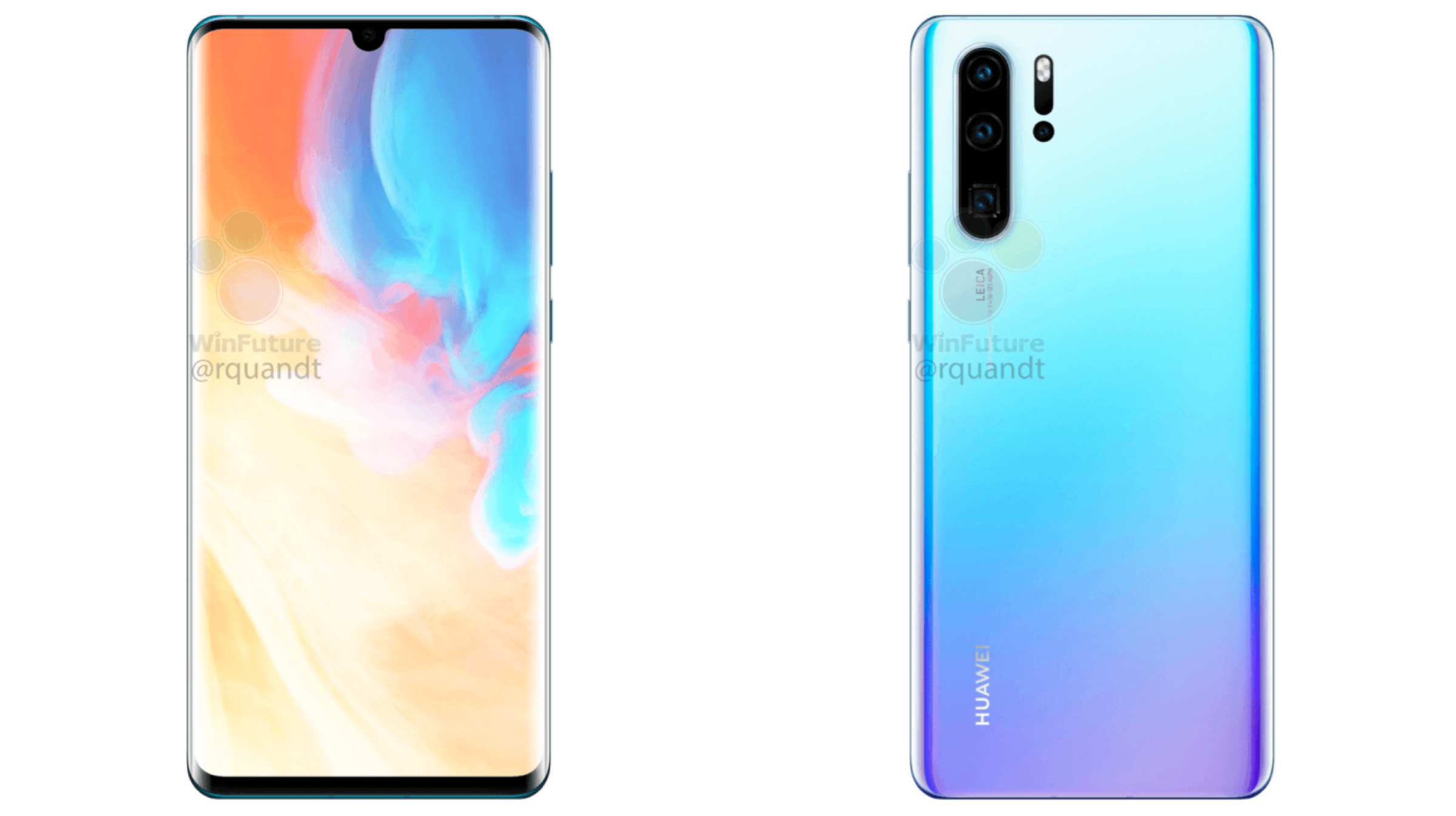
    The Huawei P30 Pro is expected to feature top-tier specifications matching its flagship tag. The leak reveals it will have a similar design to its successor, complete with glass on the front and the back. What will be different though, is the size of the notch on the device. The P30 Pro will sport a waterdrop notch surrounded by minimal bezels on all sides of the display. While most of the specifications aren’t known yet, the smartphone is expected to pack the latest HiSillicon Kirin 980 SoC which is also present on the Mate 20 Pro. The chipset is based on 7 nm architecture and comprises of an Octa-Core CPU and Mali G76 GPU. In terms of memory and storage, the device will be available in the following variants: 

    • 8GB RAM and 128GB ROM
    • 8GB RAM and 256GB ROM
    • 8GB RAM and 512GB ROM
    Huawei P30 Pro Periscope Camera

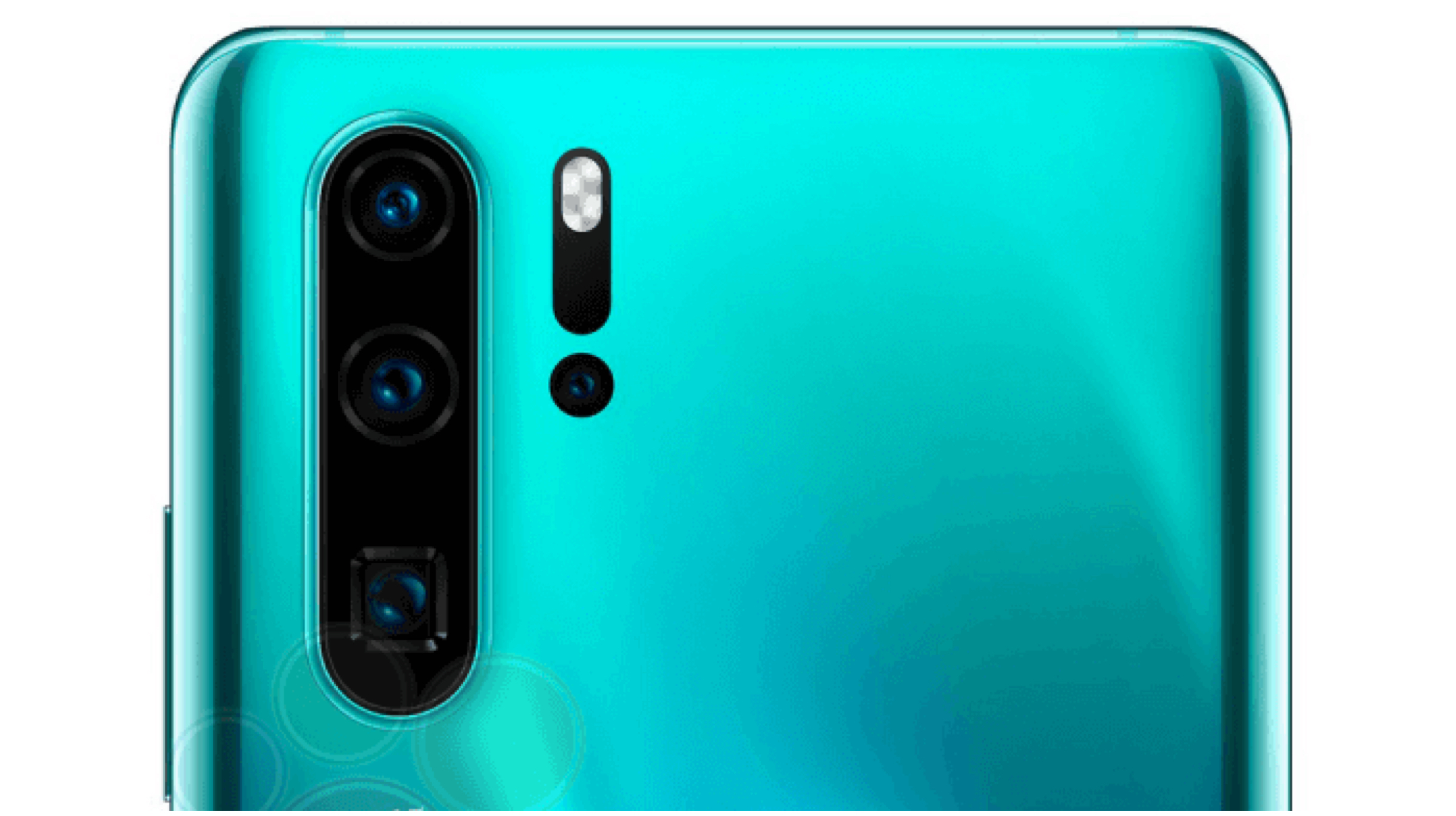
    The highlight of the Huawei P30 Pro will be its quad rear cameras. Besides a 40MP main sensor and a 20MP ultra wide-angle sensor and the periscope camera which is expected to sport a whopping 10x optical zoom. This is likely to be achieved with the help of an innovative camera sensor which is similar to the one shown by Oppo at MWC 2019. The company claims the sensor will also offer extreme low light capabilities along with the zoom. The fourth camera is expected to be a Time of Flight (ToF) sensor to capture depth.

    Huawei P30 Pro: Pricing & Availability

    Also read: Samsung Is Readying Two More Foldable Phones

    The Huawei P30 Pro will be launched alongside the P30 and the P30 Lite in an event in Paris on March 26. It will be available for sale in Europe and China soon after the unveiling, with an India launch to follow soon. Unfortunately, the pricing of the device is not confirmed yet. But reports claim the smartphone will be priced similar to the Mate 20 Pro, meaning a price tag of US $1000 (around Rs 70,200) is expected.

  • Samsung Patents A Wireless Television

    Samsung Patents A Wireless Television

    Samsung is a leader in several fronts of technology including smartphones and televisions. Earlier this year the company had launched the world’s first smartphone with an ultrasonic fingerprint sensor in the form of Samsung Galaxy S10 and S10+. Another interesting product that the company is expected to launch is wireless Television. A freshly granted patent demonstrates how the aforementioned Television operates and functions. 

    Patent Revelations

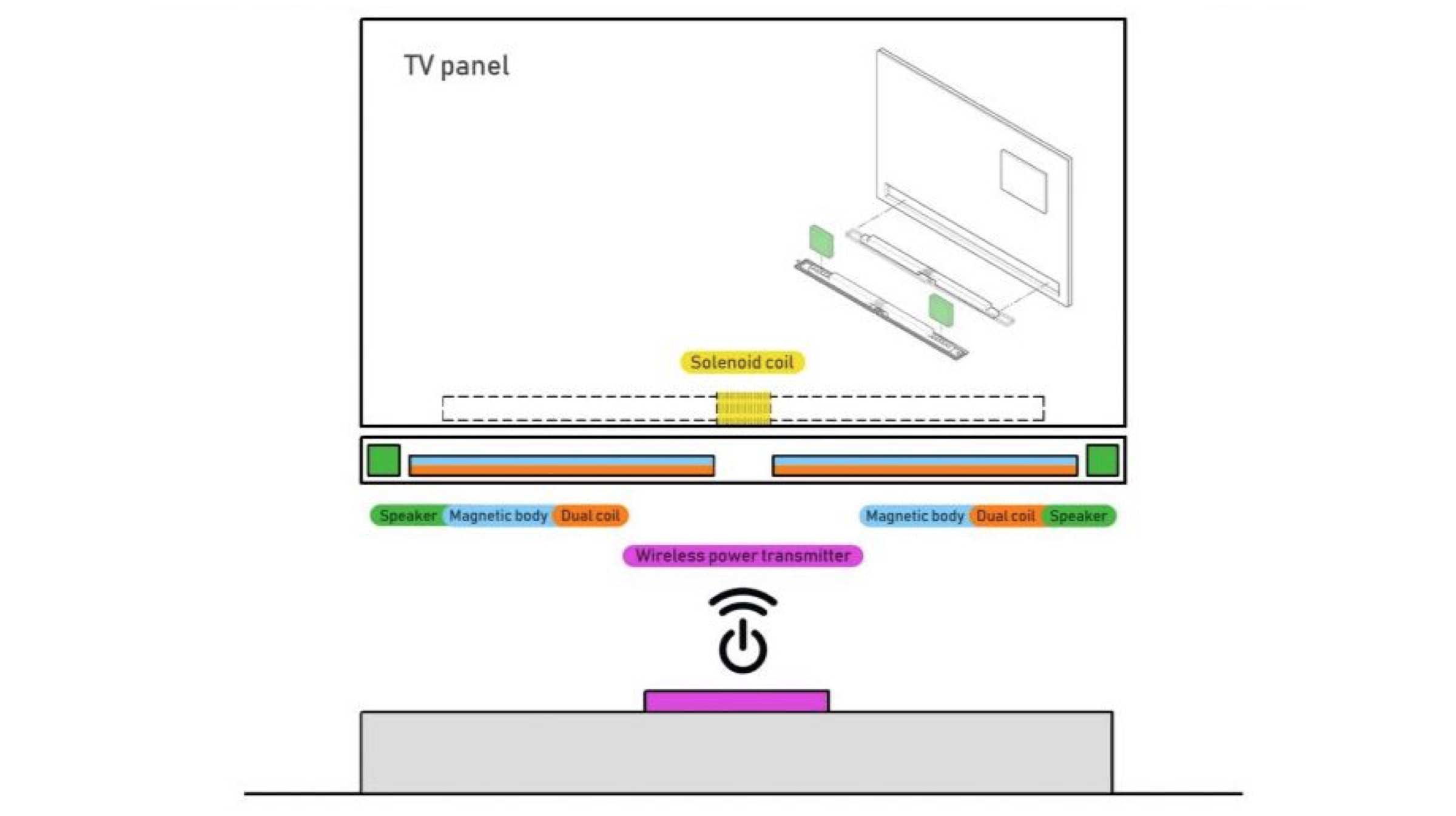
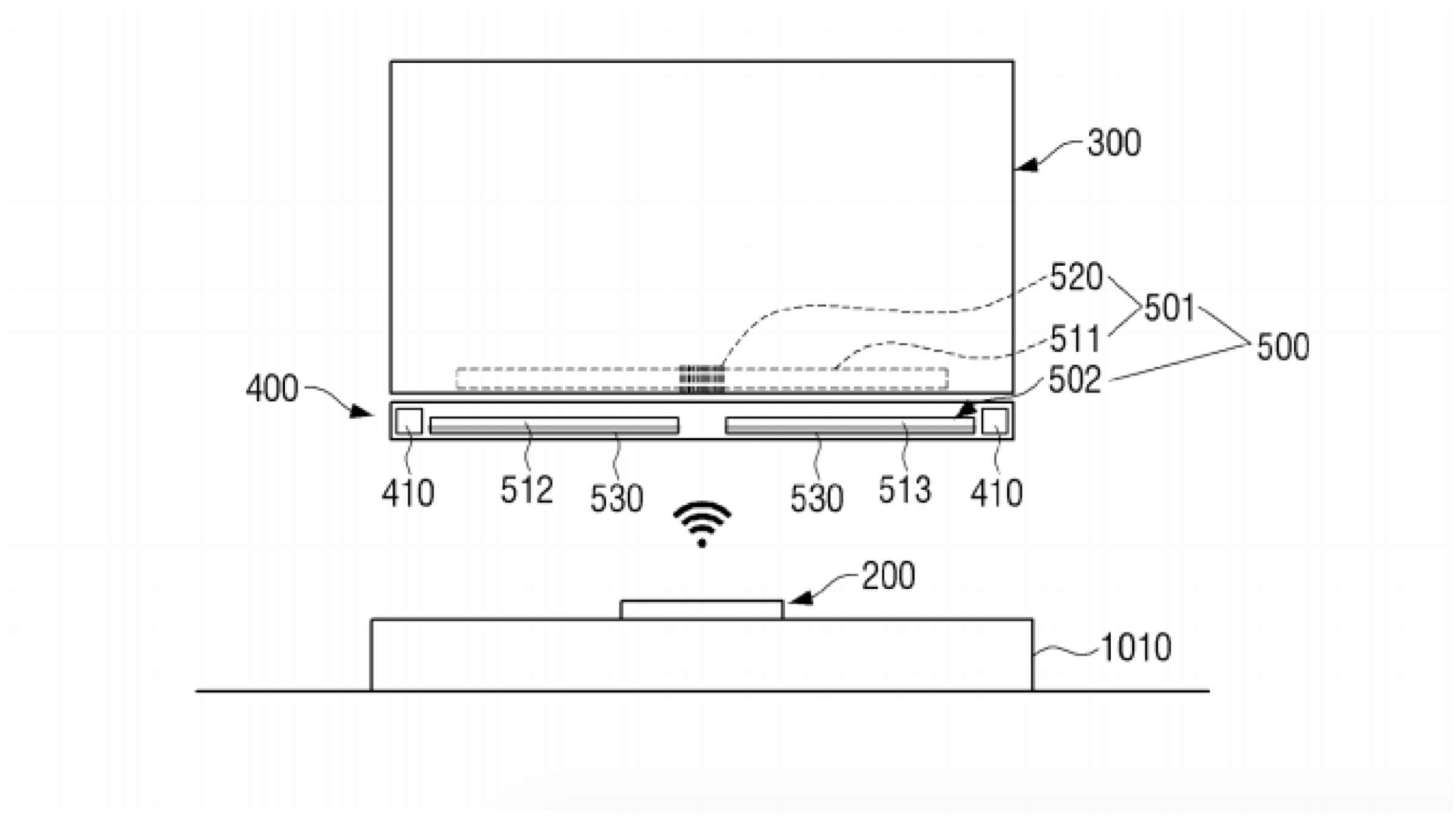
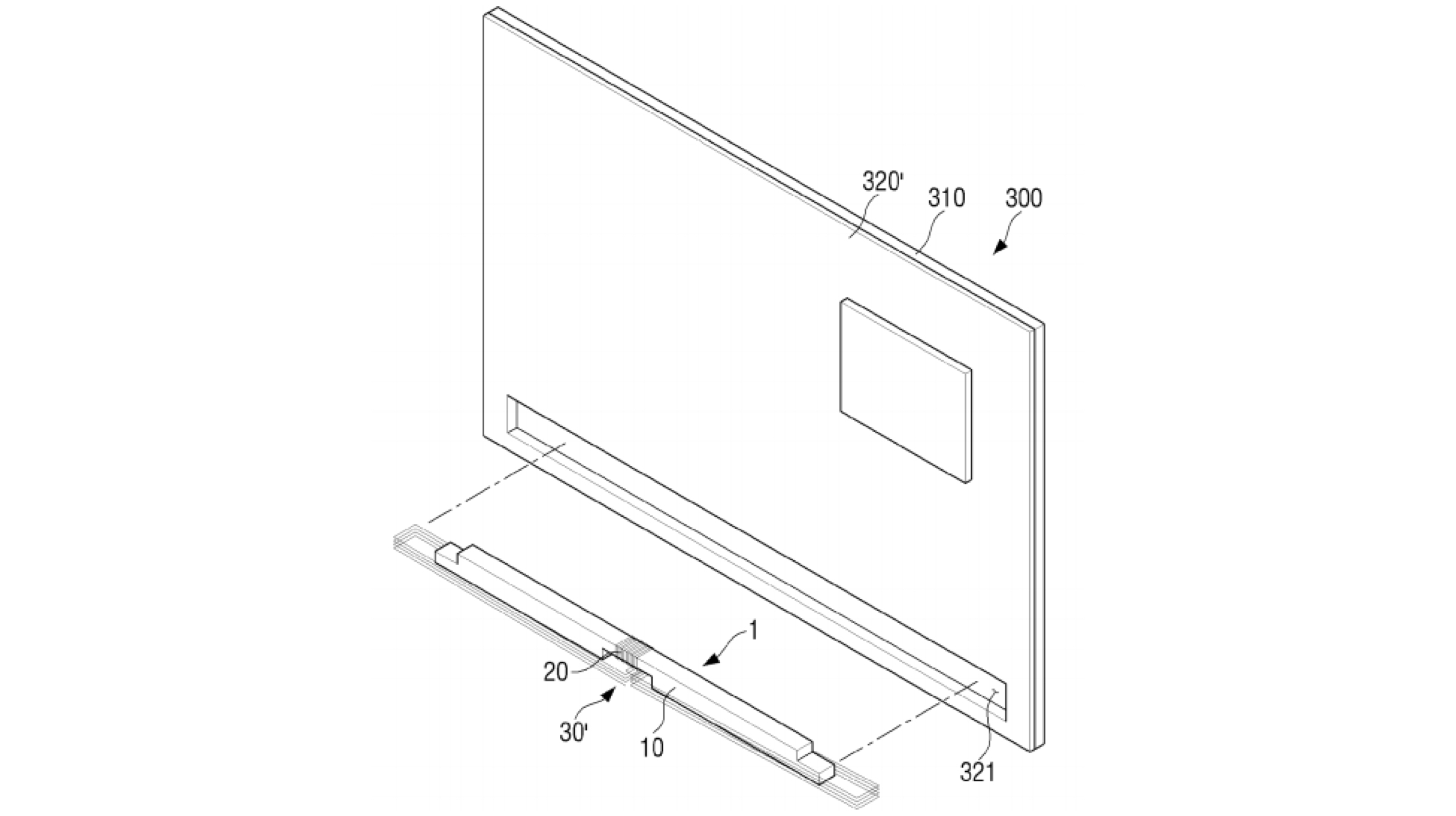
    Samsung filed a patent with WIPO (World Intellectual Property Office) for a wireless power transceiver and display equipment in the month of March last year. The patent was granted to the company on the 28th of February 2019, which details how Samsung envisions to power the TV wirelessly. Traditionally, wireless power transfer can be achieved with the help of using a wide coil. But, it is not feasible to accommodate the apparatus in thin televisions of the modern day.

    The patent granted to Samsung exhibits a slim bar-shaped wireless power transceiver which is mounted horizontally behind the TV unit. A transceiver is a device that can both transmit and receive connections. The power transceiver is provided with dual coils which are wound in opposite directions. The patent also details a power supply unit which is placed below the TV but does not physically touches the display unit. Except for this information, other details like the size of the display, type of the display are currently unavailable. According to reports, the TV with this technology will take a few more months to turn into consumer-ready products. Accordingly, the company can showcase such a TV at the upcoming IFA 2019 event or CES 2020.

    Also Read: Samsung Is Readying Two More Foldable Phones

  • Samsung Is Readying Two More Foldable Phones

    Samsung Is Readying Two More Foldable Phones

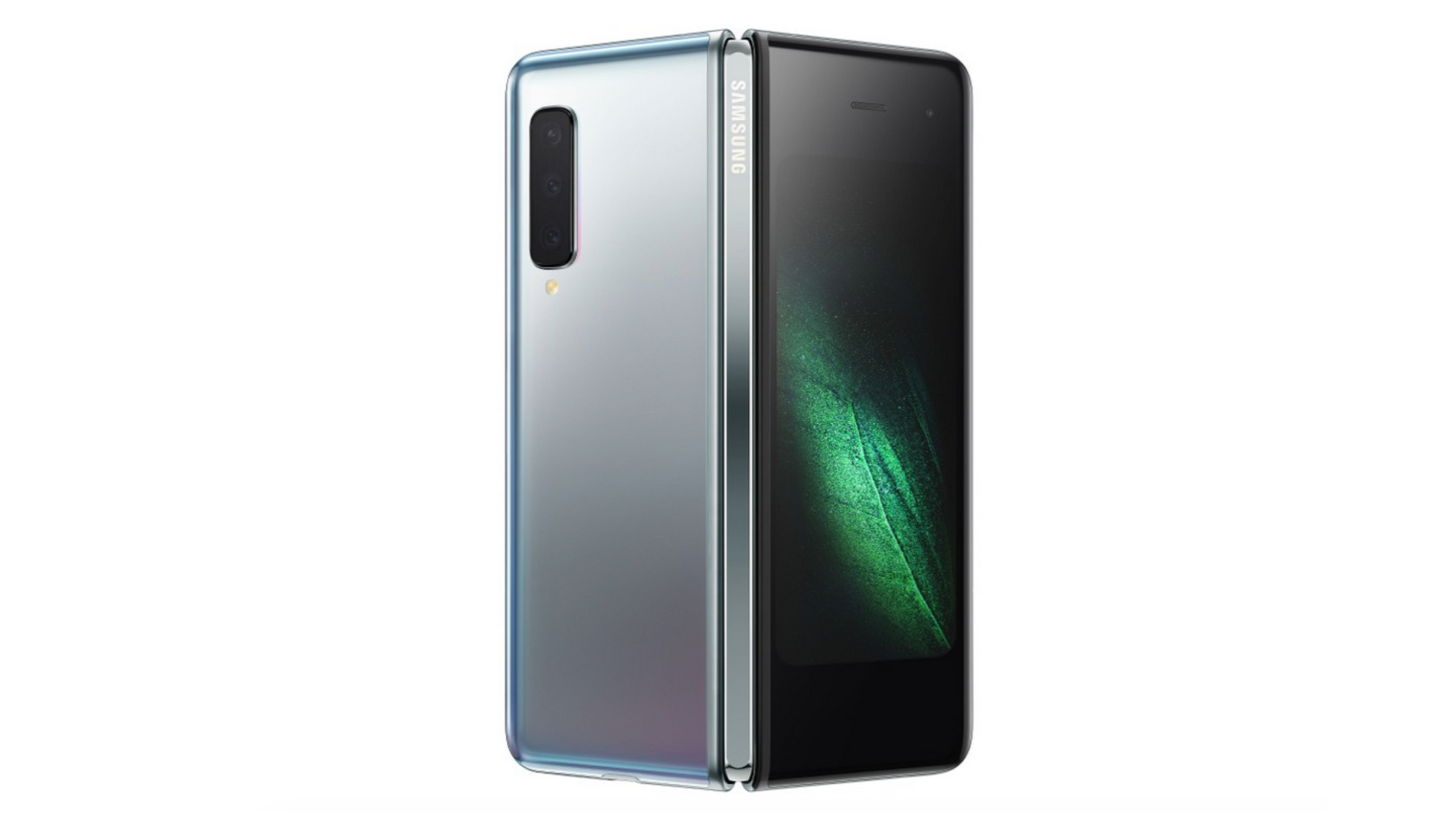
    Korean electronics giant, Samsung launched a revolutionary foldable smartphone called the Galaxy Fold last month. As the name suggests, the newly launched smartphone and tablet hybrid sports a foldable inner display. Except for Samsung, two other companies, Royole and Huawei have also launched foldable smartphones, the FlexPai and Mate X. Although the market for foldable smartphones is considerably new, analysts have high hopes from the device with this new form factor. According to a freshly published Bloomberg report, Samsung is developing at least two more foldable smartphones which have dissimilar designs in comparison to the Galaxy Fold. The two upcoming devices will provide a headstart to Samsung in the market that is expected to explode soon.

    Upcoming Foldable Galaxy Smartphones

    Samsung Galaxy Fold

    The Bloomberg report claims that out of the two upcoming foldable Galaxy devices, one will have a vertically folding display while the second type will have an outer folding display. The vertically folding smartphone is also reported to have a cover display which reminds of the unreleased foldable Moto Razr. On the other hand, the smartphone with an outer folding display is expected to similar to the Mate X. The former will only have one display. Therefore, it will be thinner than the Galaxy Fold.

    Noteworthy, the report points out that Samsung is currently trying several types of foldable smartphones. As of now, nothing has been set in stone. The vertically folding smartphone is reported to go on sale by the year of this year while the outward folding Galaxy smartphone will be released early next year. Samsung had previously claimed that it expects to ship 1 million units of a foldable smartphone in the year 2019. The upcoming smartphone will help reach the company to reach its anticipated target.

    Samsung Galaxy Fold

    In addition to the two unreleased foldable smartphones, Samsung is also working to improve the durability of the Galaxy Fold’s display. The previously launched device develops a crease on its display after it has been unfolded up to 10,000 times. Praiseworthy, Samsung is also considering to offer free screen replacement on the Galaxy Fold after it is launched in the month of April. 

    Price Of Upoming Foldable Galaxy Phones

    Also Read: Hyperloop: All You Need To Know About The Fastest Mode Of Public Transport

    Unfortunately, the price of upcoming foldable phones from Samsung is currently unavailable. Though the devices are reported to cost lesser than the Galaxy Fold which costs US $ 2000. As, the lower price can contribute to their higher sales. 

iGyaan Network
Privacy Overview

This website uses cookies so that we can provide you with the best user experience possible. Cookie information is stored in your browser and performs functions such as recognising you when you return to our website and helping our team to understand which sections of the website you find most interesting and useful.