Tag: 5g

  • Samsung Galaxy A90 5G Gains Wi-Fi Certification, Expected To Launch Soon

    Samsung Galaxy A90 5G Gains Wi-Fi Certification, Expected To Launch Soon

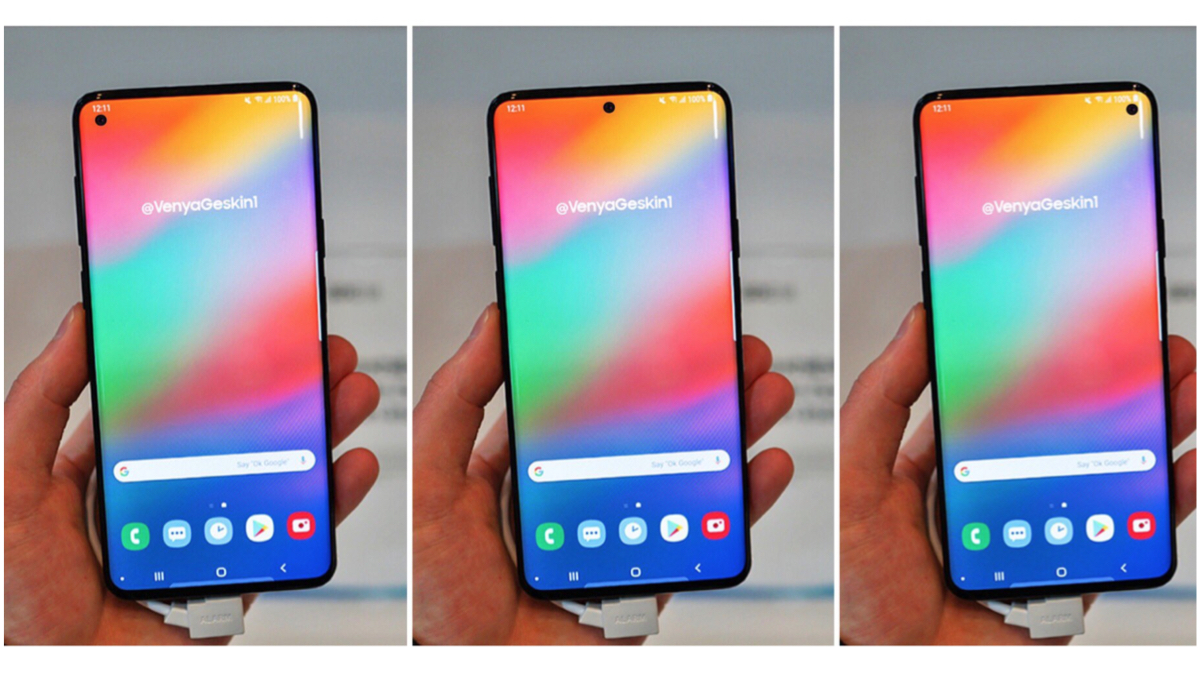
    Reports in the past have claimed the Samsung is working on a 5G smartphone that will carry the SM-A908 model number. As the name suggests, it will be a part of the Galaxy A lineup and it will most likely be referred to as the Galaxy A90. 

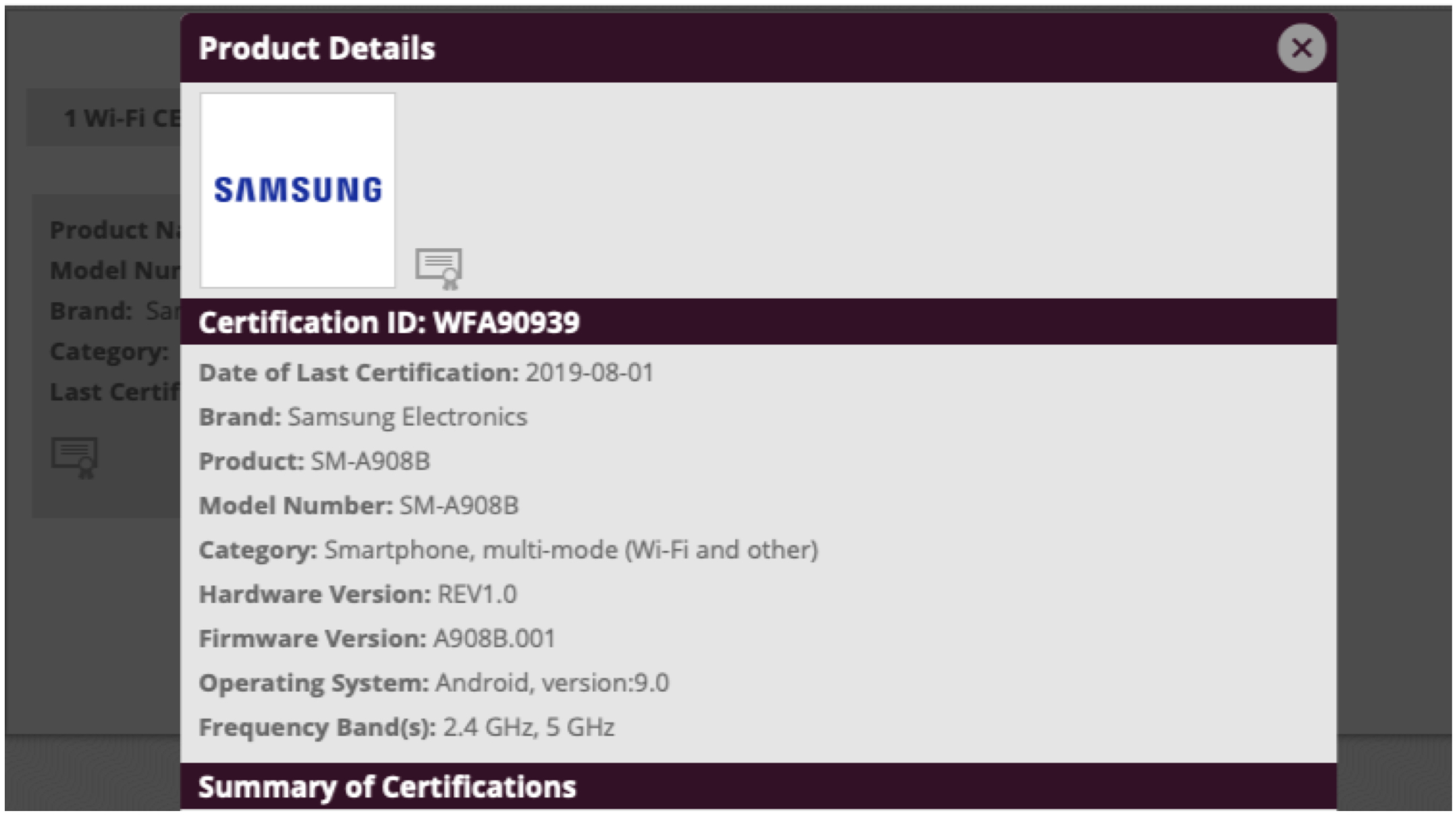
    On the 1st of August, a smartphone with a similar model number was spotted on the Wi-Fi.org website which further strengthens the claims of Galaxy A90’s existence.   Intriguingly, the model found in the listing also has a ‘b’ suffix which suggests that the device will be launched in both a 5G and a 4G variant.Samsung Galaxy A90 Wi-Fi Certification

    The listing also reveals that SM-A908b aka the Galaxy A90 5G runs on the Android 9.0 Pie which is destined to be skinned with Samsung’s OneUI interface. Even though the Wi-Fi.org listing does not reveal any other features of the device, they can be derived from past leaks.

    Correspondingly, the smartphone is reported to be equipped with the Snapdragon 855 SoC which is a flagship-grade chipset. It is manufactured using a 7 nm fabrication process and consists of an Octa-Core CPU along with the Adreno 640 GPU.

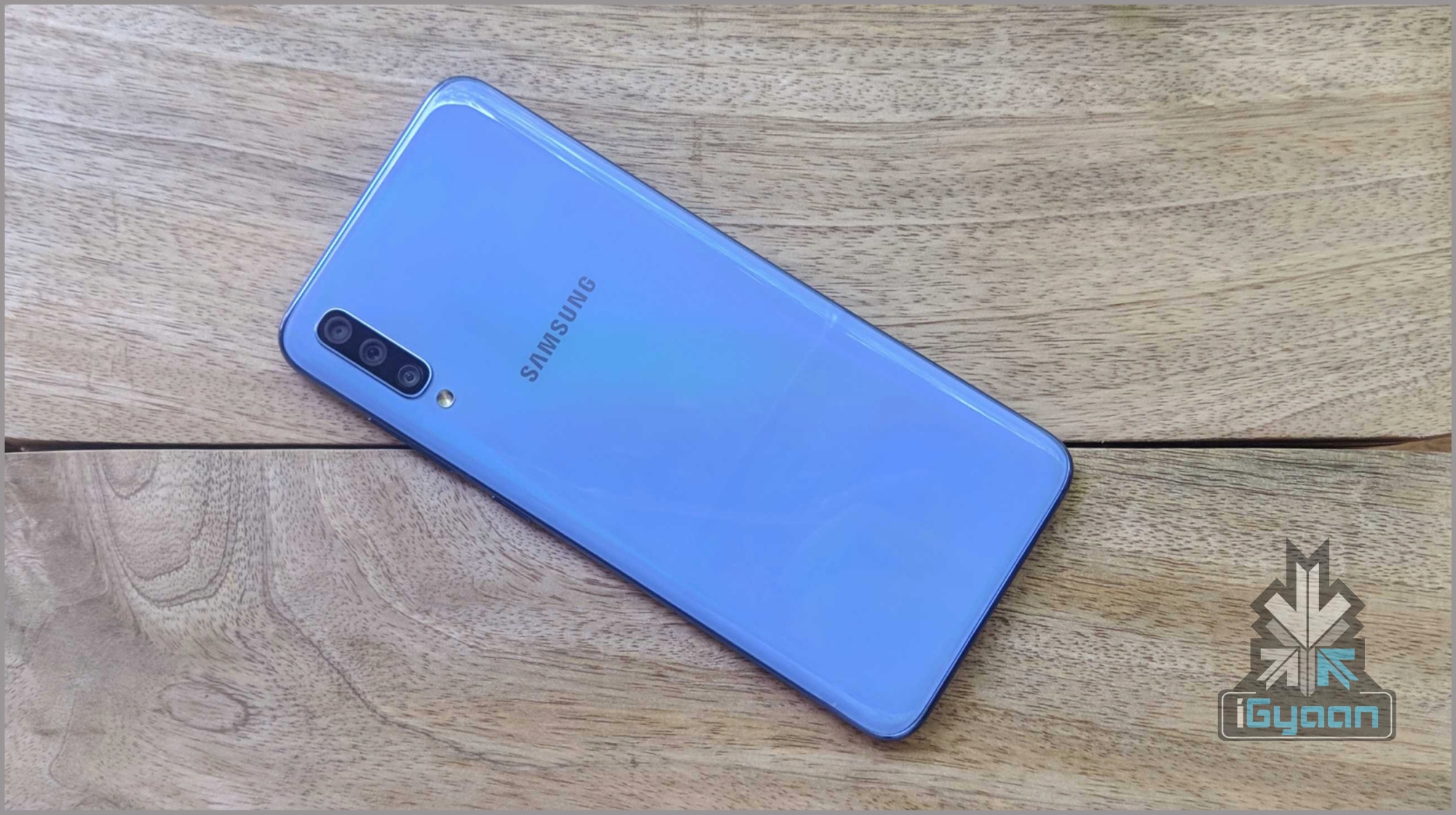
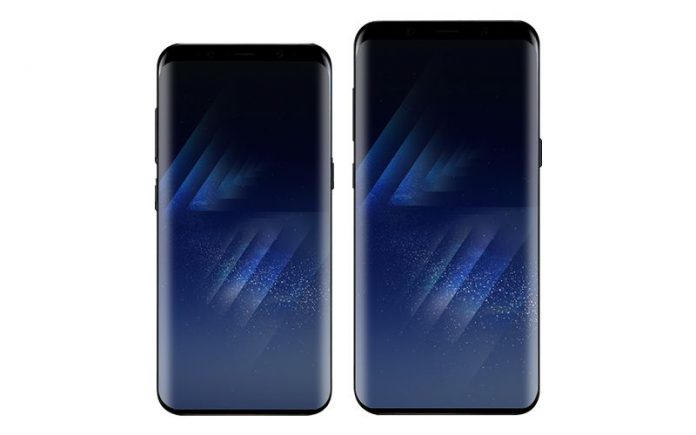
    Samsung Galaxy A70
    Samsung Galaxy A70

    Besides, a Samsung made smartphone battery was previously leaked with model number “EB-BA908ABY” which is believed to power the Galaxy A90. The battery has a capacity of 4,500 mAh and is heterogenous to one found on the 5G variant of the Galaxy S10

    For photography, the Galaxy A90 is reported to feature a 32 MP front camera and a multi rear camera setup out of which the primary sensor will have 48 MP resolution.

    Also Read: Huawei Y9 Prime 2019 Launched In India, Costs Rs 15,990 

    Like the Samsung Galaxy A80 and the Galaxy A70, it is expected to have a 6.7 inch Super AMOLED display. 

    To sum it up, we will have to wait for an official announcement, in order to receive concrete information about the Galaxy A90 with 5G connectivity. 

  • Huawei’s First 5G Smartphone Will Soon Be Commercially Available

    Huawei’s First 5G Smartphone Will Soon Be Commercially Available

    In the month of October 2018, Huawei unveiled four different smartphones in the Mate 20 flagship lineup which include the Mate 20 Pro, 20 Lite, 20 X and the standard variant. As the name suggests, the Mate 20 Pro is top of the line handset while the three other devices were targetted towards mid-range and affordable flagship segment.

    Earlier this year, it was confirmed that Huawei will introduce its first 5G compatible smartphone which has been delayed due to several reasons including the US ban. However, as per multiple reports, Huawei’s first 5G smartphone will the Mate 20 X phablet and it will be available for purchase soon.

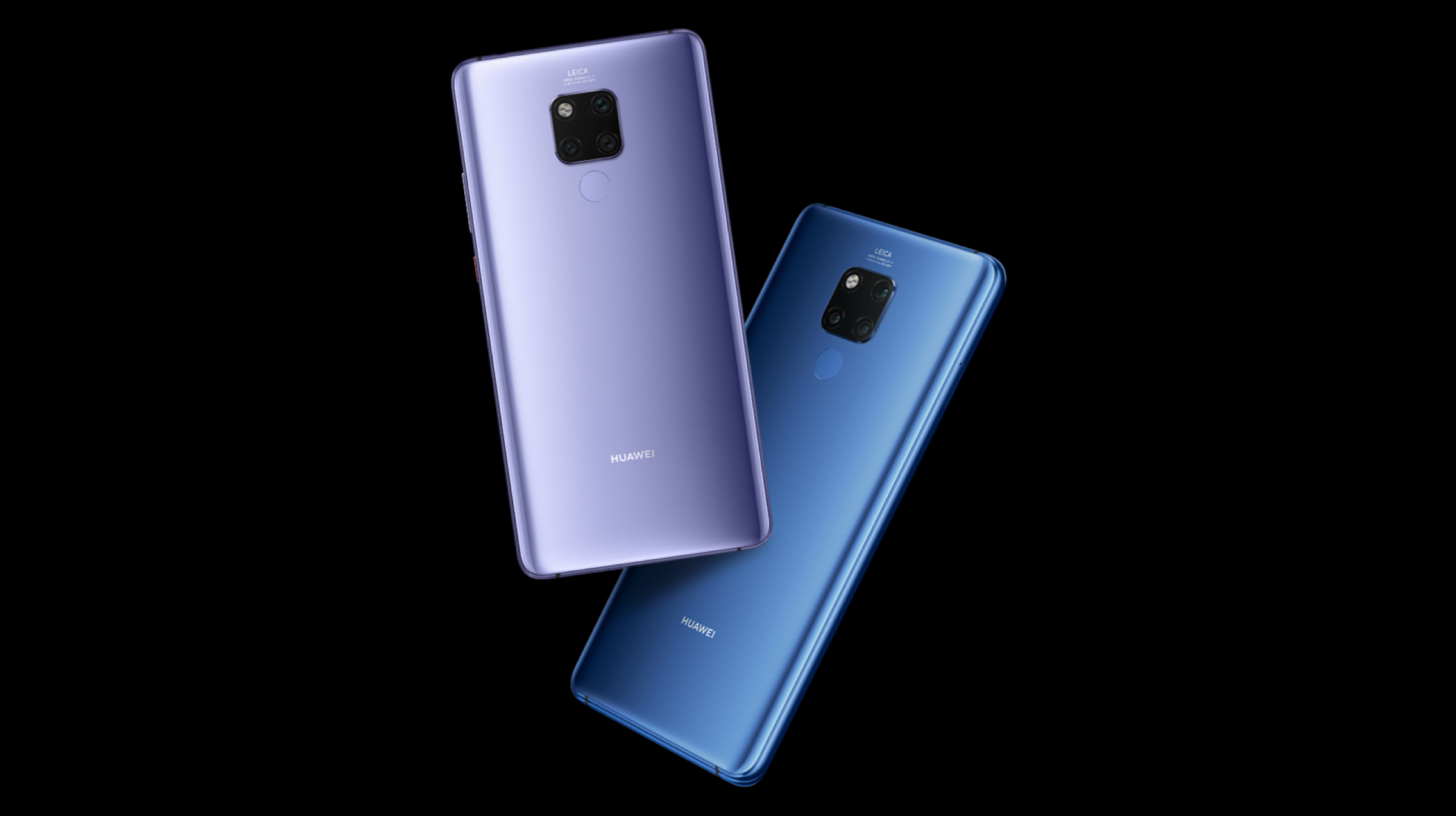
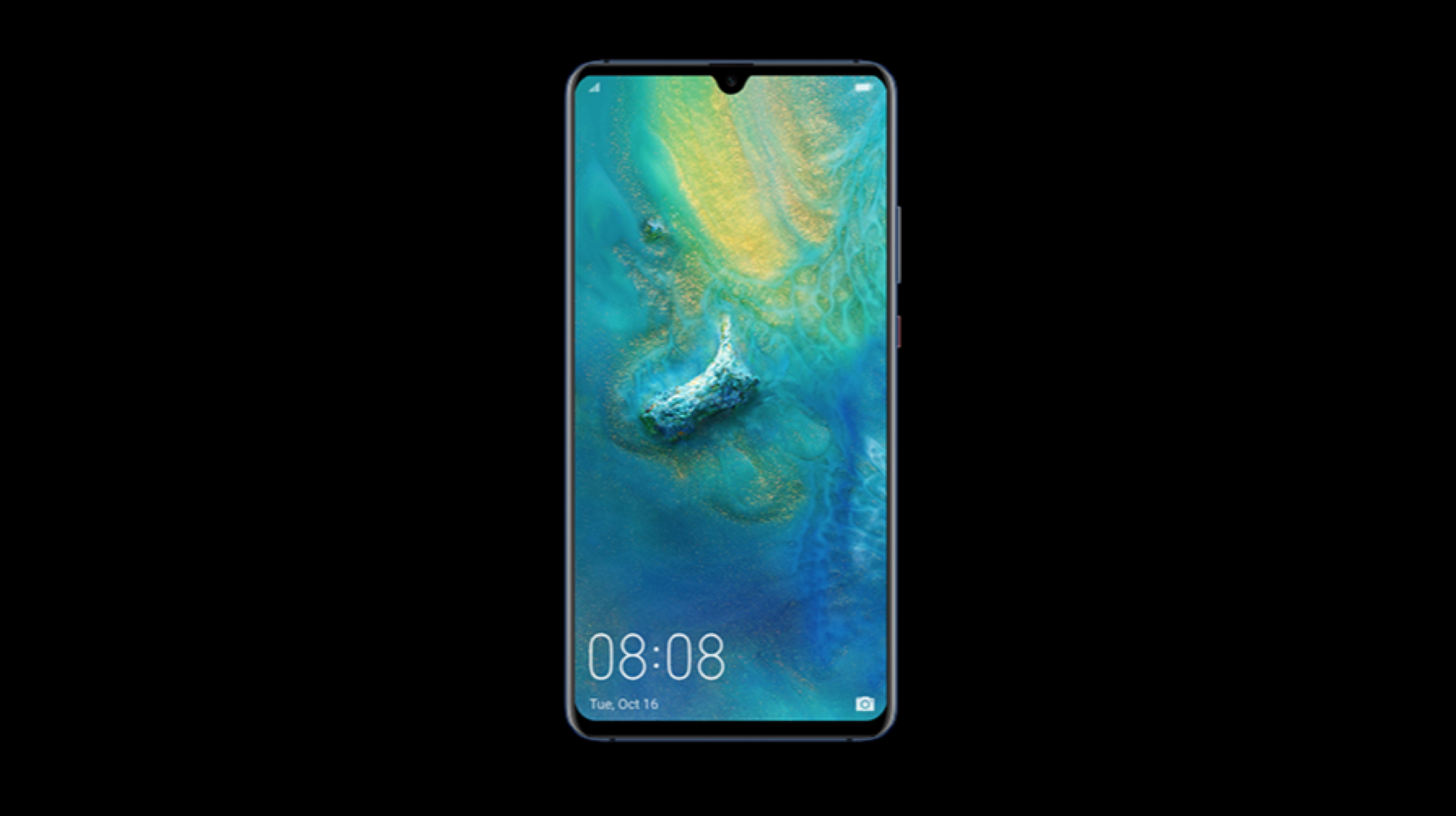
    Huawei Mate 20 X 5G

    According to a Chinese news agency, Global Times, the handset will be commercially available in its home country starting the 26th of July. While another foreign new agency, VentureBeat claims that the Mate 20 X 5G is currently available for pre-order on Amazon Italy and shipping will commence soon.

    In terms of features, the 5G variant will have slightly upgraded features which include Balong 5000 modem, 5000 mAh battery instead of 4200 mAh, 8 GB RAM instead of 6 GB and 256 GB ROM instead of 128 GB. Besides, all other features of the upcoming Mate 20 X 5G are as-is, which are as follows:

    • Display: 7.2 inch OLED
    • Front Camera: 24 MP
    • Rear Camera: 40 MP, 20 MP, 8 MP
    • Chipset: Kirin 980 SoC
    • CPU: Octa-Core
    • GPU: Mali G76
    • Memory Expandability: Upto 256 GB, NM card
    • Operating System: EMUI, Android 9 Pie
    • Security: Rear Mounted Fingerprint Sensor

    Huawei Mate 20 X 5G

    Also Read: Asus ROG Phone 2 Launched, Features 120 Hz AMOLED Display And 6000 mAh Battery

    Although Huawei is not the first company to launch the 5G compatible smartphone (already achieved by Xiaomi and Samsung), it is one of the first which is a praiseworthy feat. Besides, the Balong 5000 5G modem incorporated in the handset is developed in-house unlike the previously launched devices which feature X50 modem which is developed by Qualcomm. 

    In addition to the Mate 20 X 5G, Huawei’s Mate X 5G which is the world’s first 5G foldable phone will also be commercially available soon.

  • Apple To Release A 5G iPad Pro In 2020

    Apple To Release A 5G iPad Pro In 2020

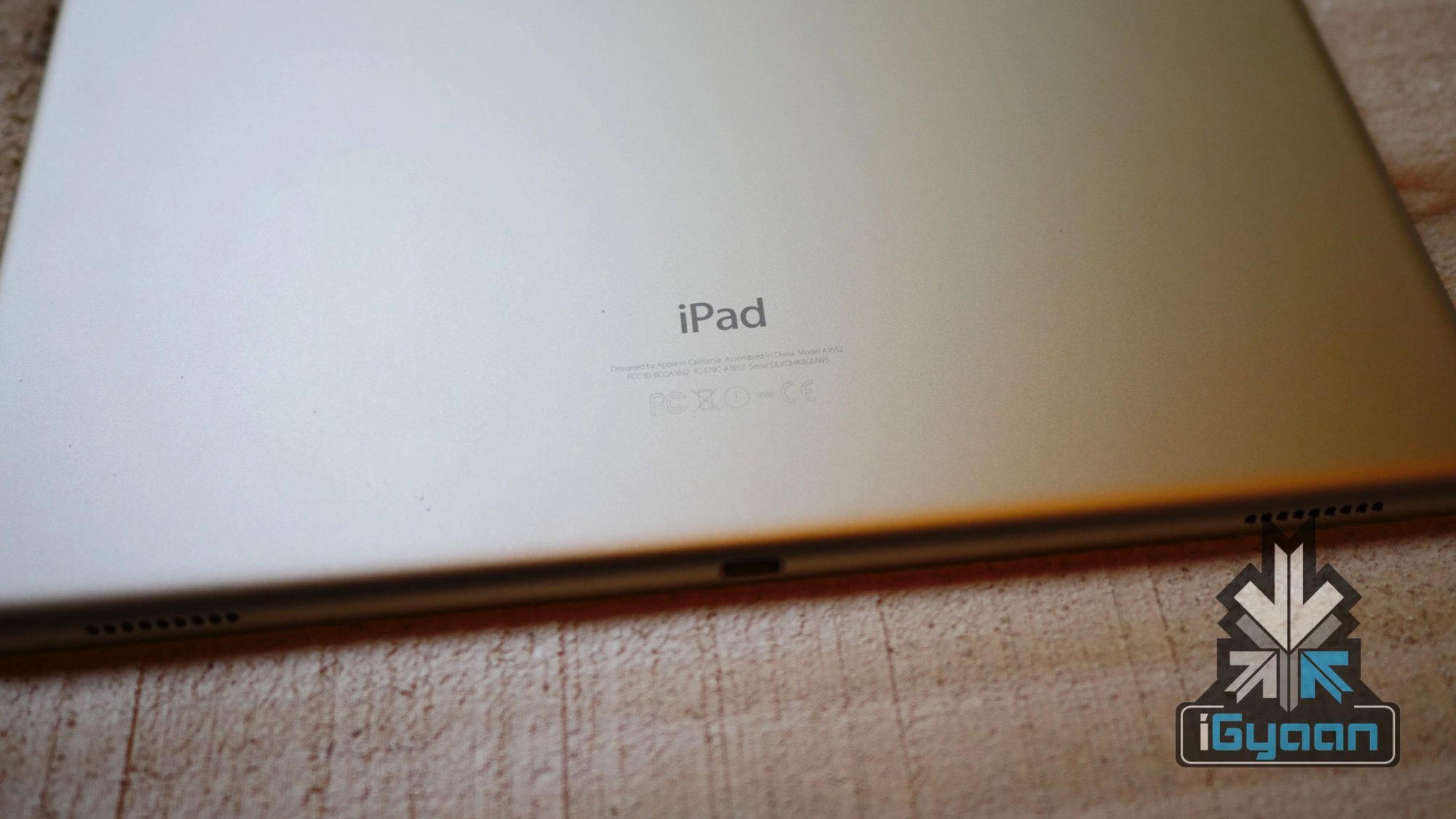
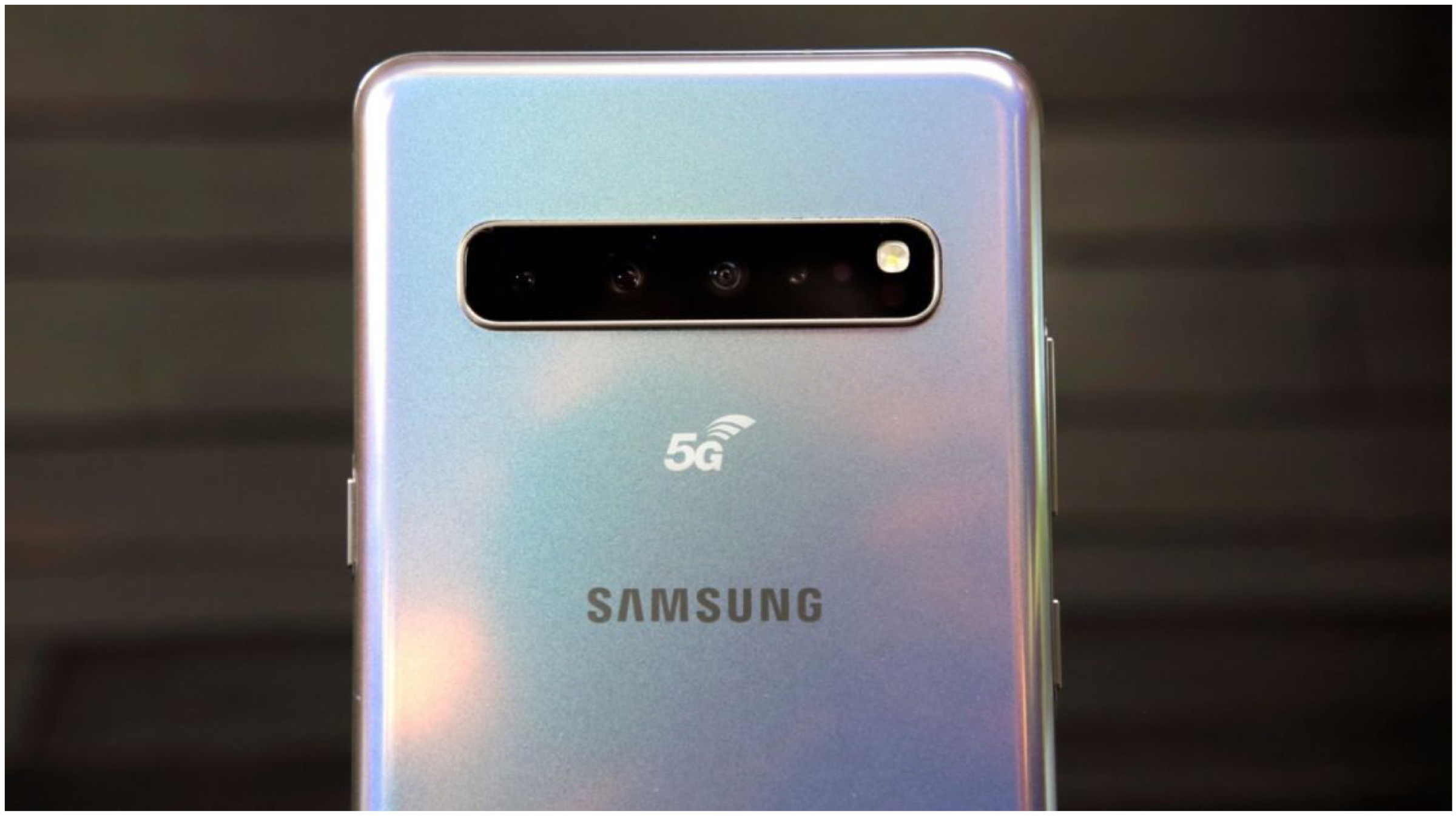
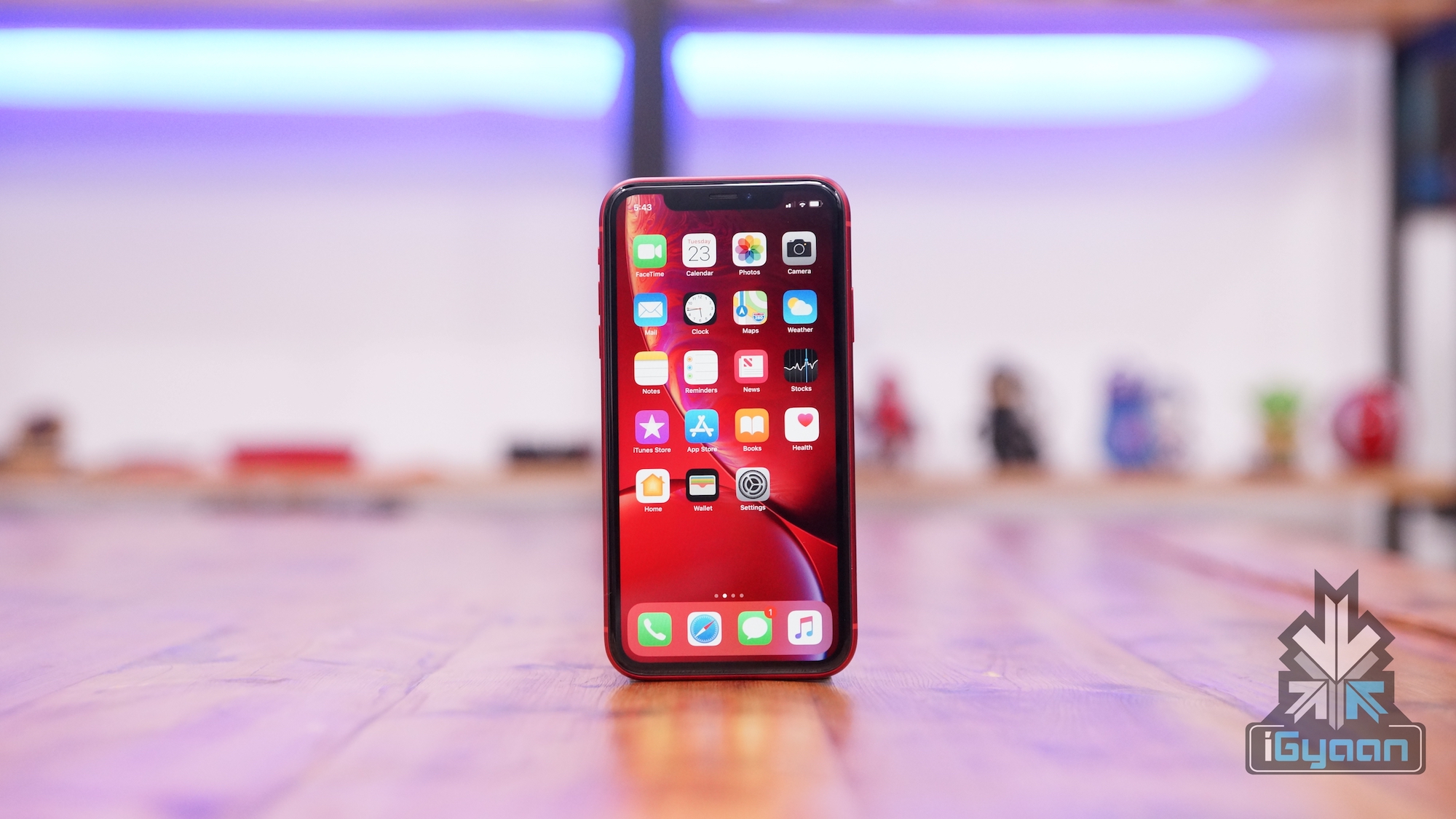
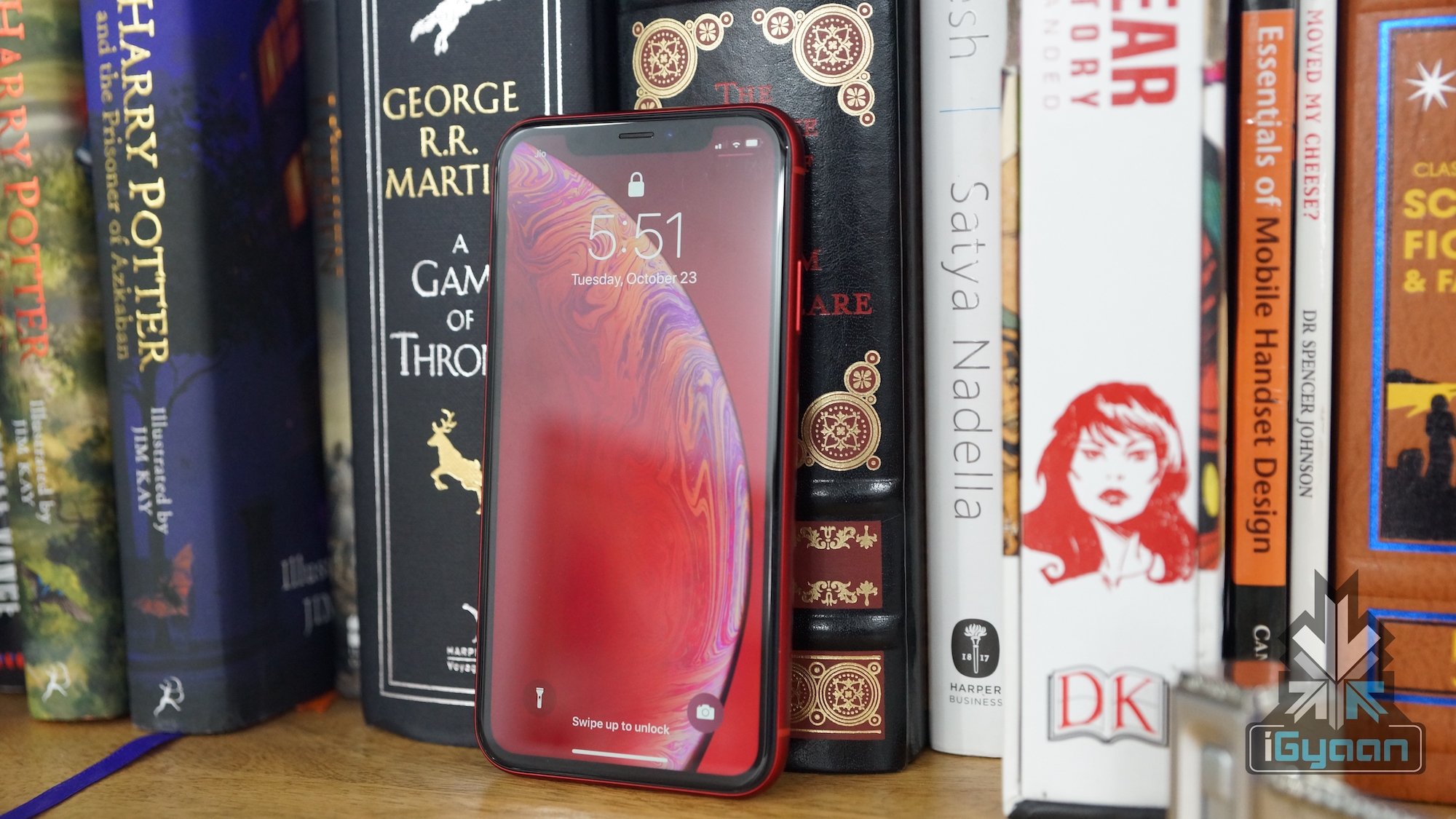
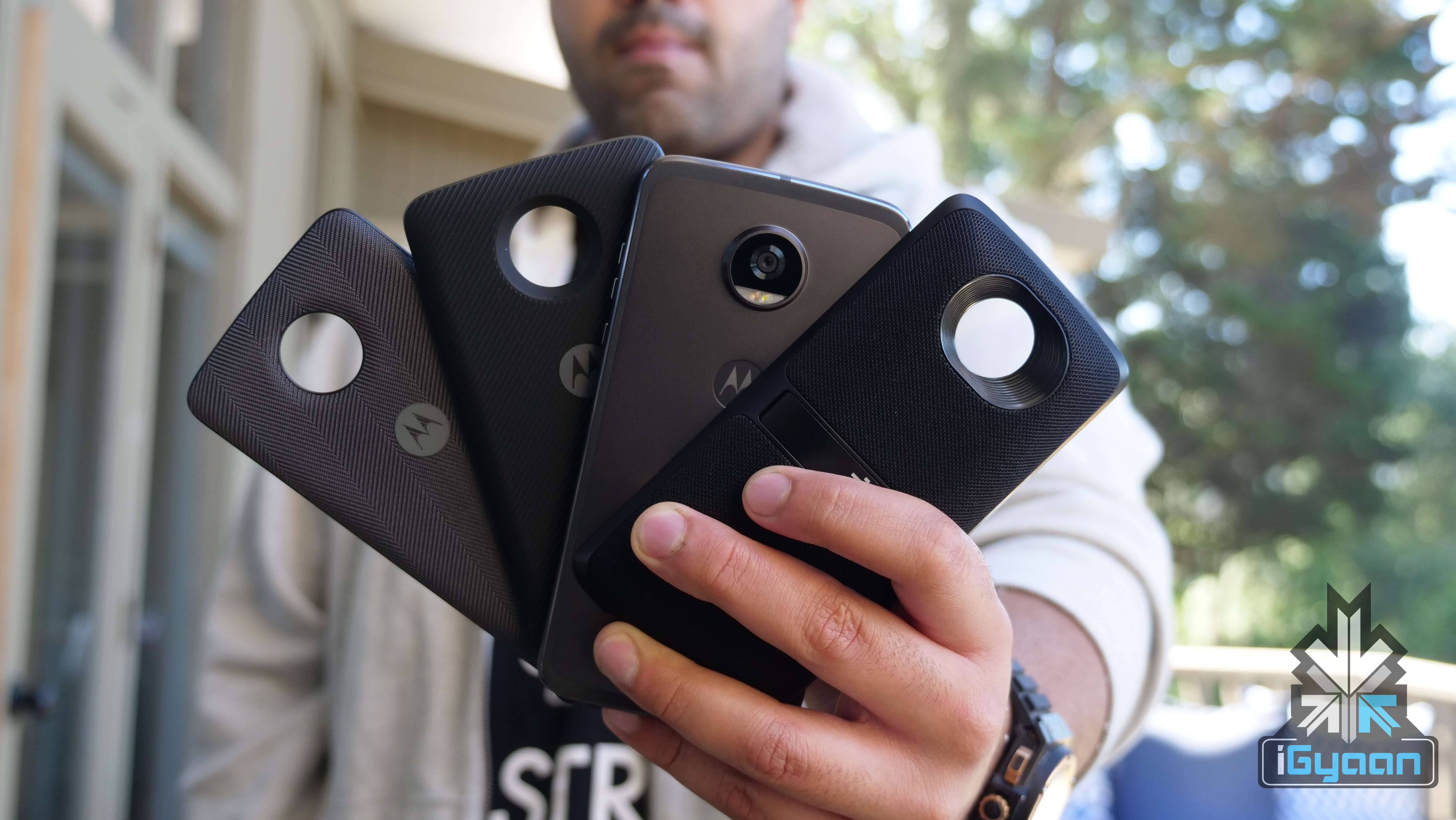
    5G technology is a part of the hottest connectivity buzz right now, with smartphone brands gearing up to release 5G variants of their flagship devices in the immediate future. For instance, Motorola launched a 5G mod for the Z3 smartphone and Samsung released a 5G variant of the S10 which is scheduled to release soon. All things said, Apple is also looking to enter the market with a 5G device, but considering the recent conflict between Apple and Intel, such a device may not be seen anytime soon. However, recent reports suggest that the company may launch a 5G variant of the iPad Pro in not-so-distant future.

    5G Connectivity In iPads

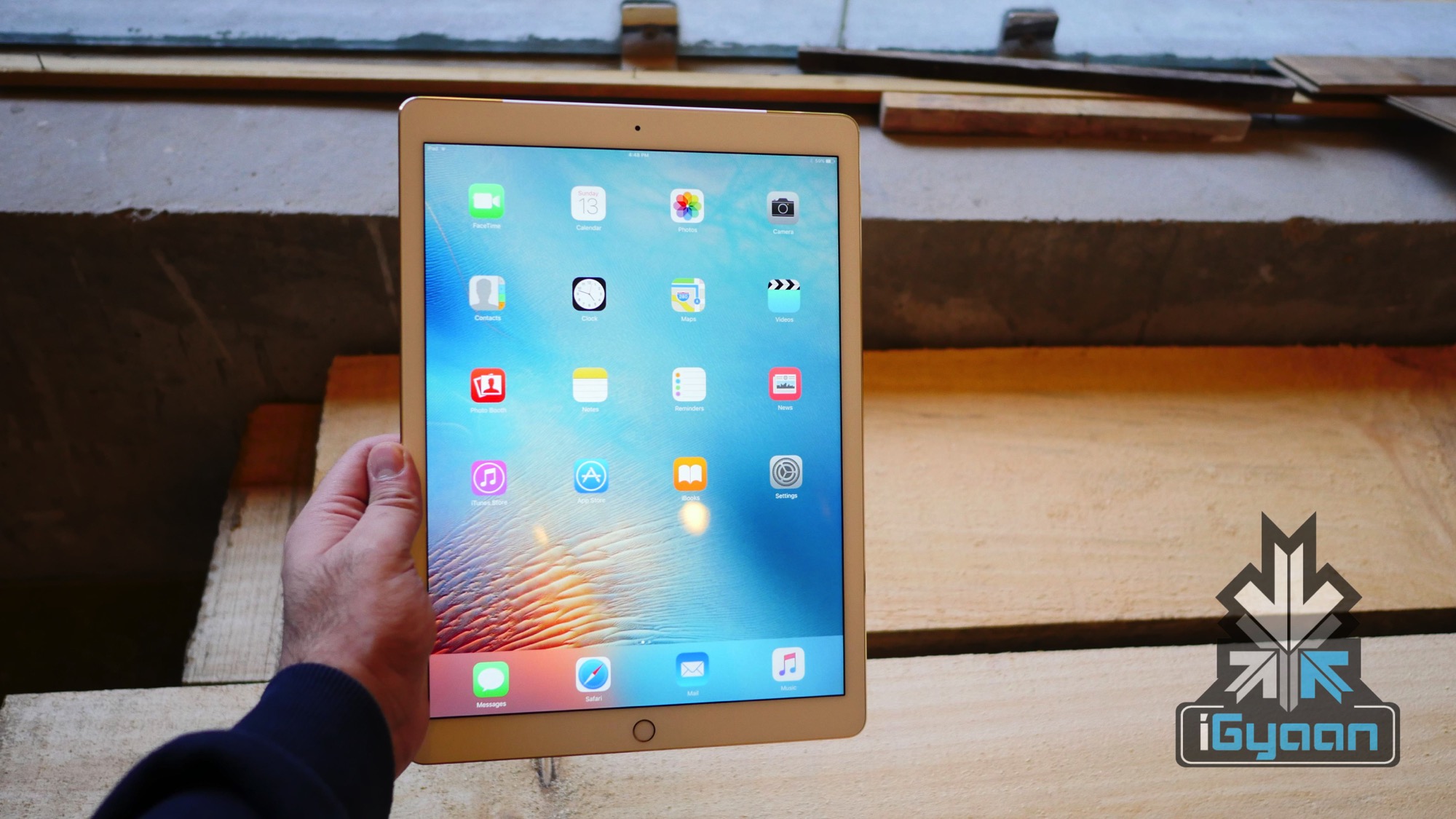
    As per noted analyst Ming-Chi Kuo, Apple will unveil a total of two iPad Pros in 2019, which will include an 11-inch variant and a second variant with a large 12.9-inch screen. This is not exactly surprising, since Apple always releases two iPad Pros every year, but the elephant in the room is the fact that Apple is planning to incorporate 5G modems in the future iPads, which will be released by early 2021 or late 2020. Yes, that’s a long way to go, especially since Apple is facing issues with its 5G chip manufacturers at the moment.

    new iPhoneAlso Read: Xiaomi To Launch A Smartphone With Snapdragon 730 SoC Soon

    The present iPad Pros, including the iPad Pro 12.9 and iPad Pro 11 have complete LTE support, which means that users can insert a 4G SIM card and use 4G internet on the device, implying that Apple can surely be expected to bring 5G support to its future iPads. Apple recently released the iPad Air and iPad Mini, which received rave reviews from users. Apple is speculated to release its first 5G iPhone in the year 2020, which implies that customers will have to wait a long time before they see the same connectivity being implemented on an Apple device. Nonetheless, the American company is also gearing up to release the iPhone XI later this year, and fans are surely looking forward to the same. 

  • Flaws In 4G & 5G Allows Hackers To Track Locations & Intercept Calls

    Flaws In 4G & 5G Allows Hackers To Track Locations & Intercept Calls

    Technical Researchers from Purdue University and the University of Iowa have exposed vulnerabilities in the data infrastructure of 4G and 5G networks, which lets attackers track down the location of any mobile phone on a given network. Furthermore, they can also snoop in on users during a phone call. With the advent of 5G not very far away, an exposed liability of this sort can be serious. 

    About The Attacks

    When 5G was announced, reports said that the new network would be more secure than the previous iteration. Instead, the researchers unveiled three different kinds of attacks which hackers can use to breach a network which is running on 4G or the upcoming 5G technology. They are known as Torpedo attacks, Piercers and IMSI-Cracking attacks.

    Torpedo Attacks

    iOS 11.3The primary form of breaching is called a Torpedo attack. It exploits a vulnerability in the paging protocols that various carriers such as Verizon and Sprint use. The protocol actually notifies the person about an incoming call or text message. As per reports, if multiple phone calls are made and dropped to a single node, it might trigger a paging message without informing the target device. This way, the hacker may derive the user’s location, and he can further hijack the paging channel via the IP address.

    Piercer And IMSI-Cracking Attacks

    The Piercer attack, which is an extension of the Torpedo attack allows the attacker to find out the IMSI (International Mobile Subscriber Identity) on the 4G network. In the third and final form of attack, the hacker can straightaway brute-force an IMSI number in both the networks (4G and 5G), which is exactly where the IMSI numbers are encrypted.

    Also Read: ZTE Launches The Axon 10 Pro 5G At MWC 2019

    As per reports, all major US operators which are trying to bring 5G functionality to their devices are at risk from this exploit. More so, because the equipment to carry out such an attack is very cheap and readily available.

  • 5G Compatible Mi Mix 3 Will Launch Ahead Of MWC

    5G Compatible Mi Mix 3 Will Launch Ahead Of MWC

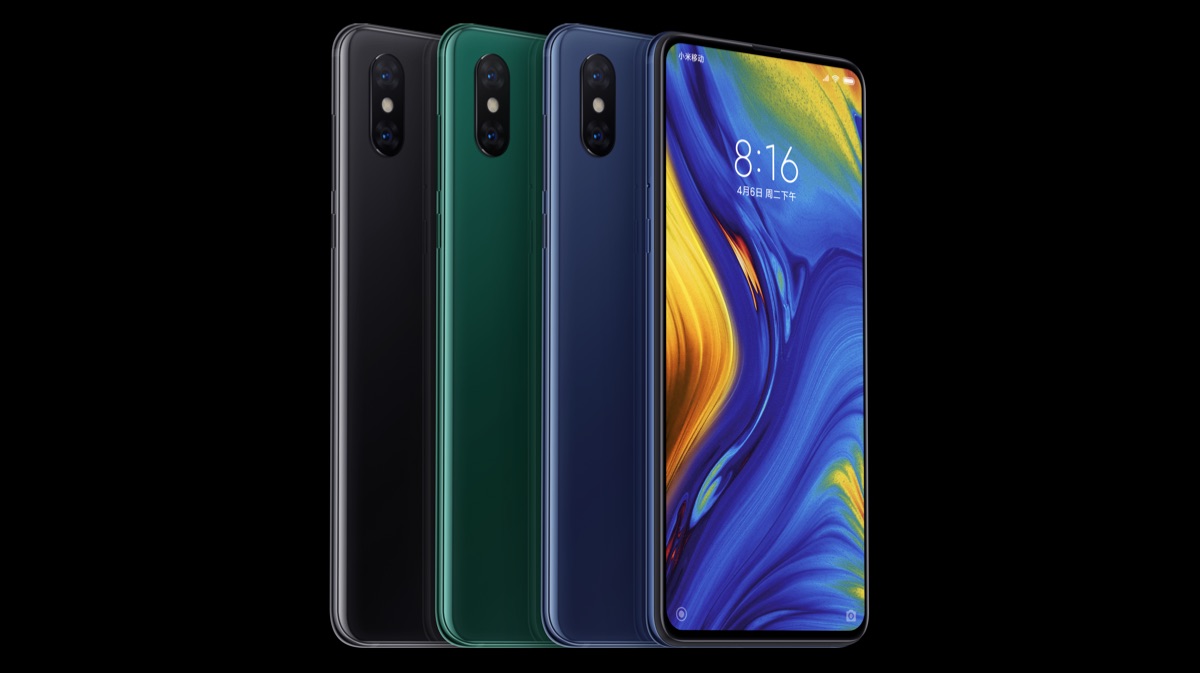
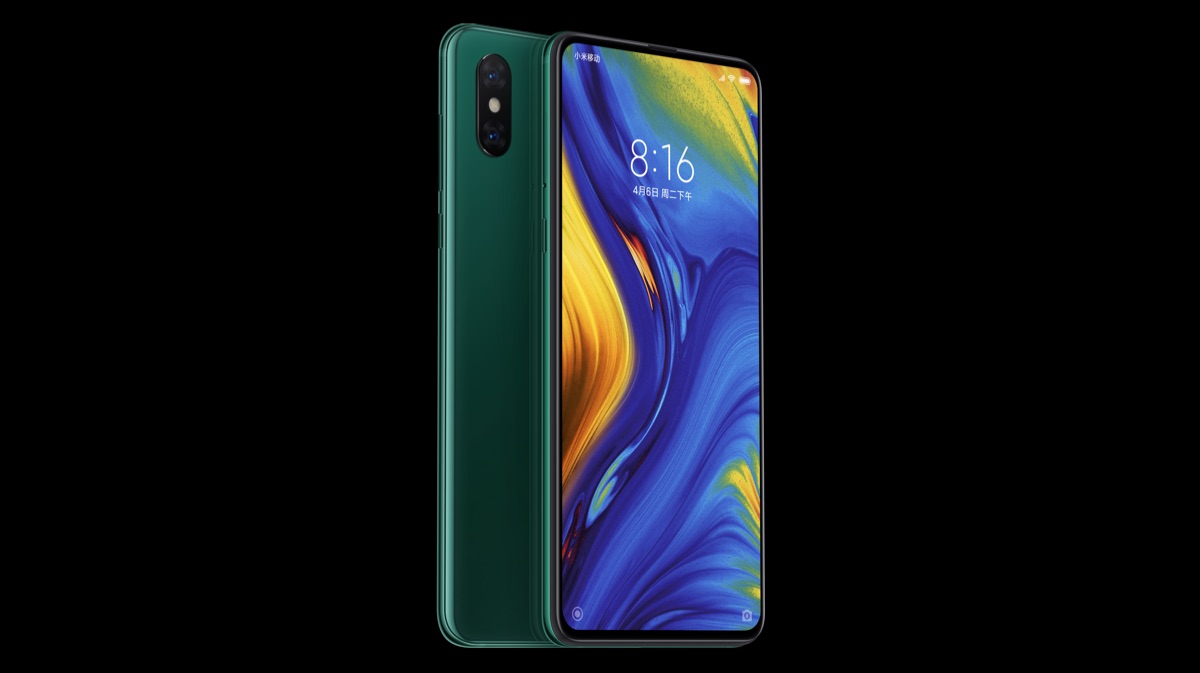
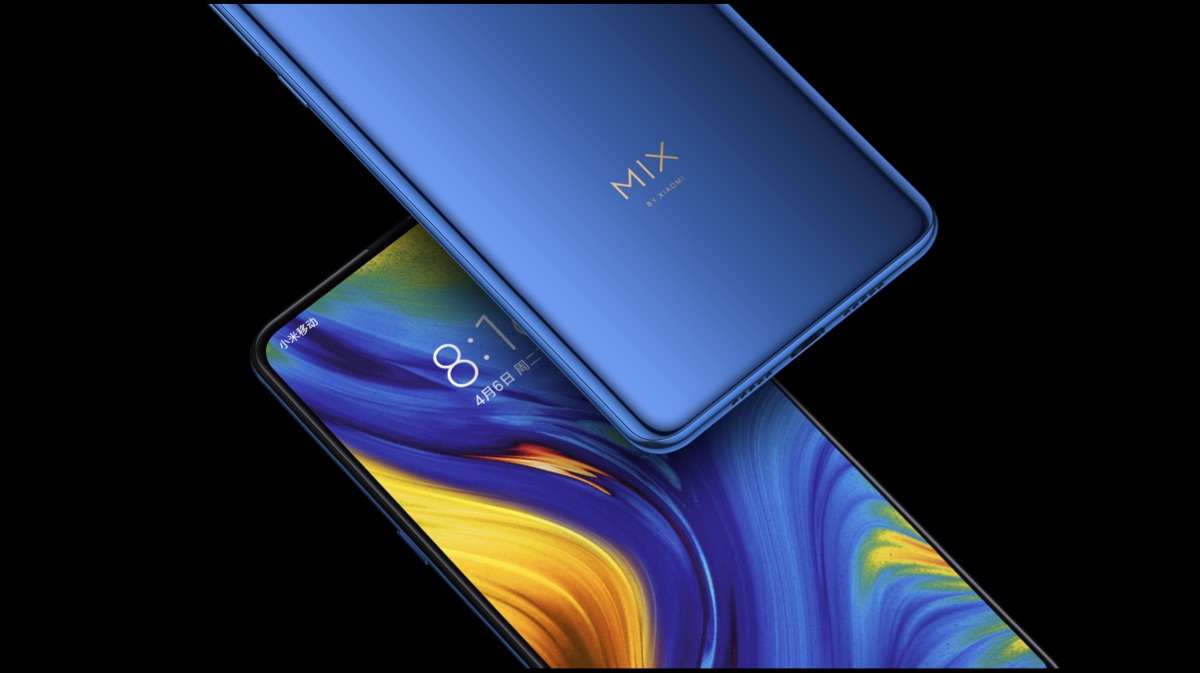
    Xiaomi launched the Mi Mix 3 smartphone back in October 2018. At the time of its launch, the company promised that a 5G compatible variant of the same will be launched in the year 2019. An invitation poster that has now been taken down revealed that Xiaomi will launch the 5G compatible Mi Mix 3 a day before MWC. Except for the Snapdragon 855 SoC that has the 5G modem built-in, the new device will have similar specifications as the regular variant.  

    MWC or Mobile World Congress is one of the most significant tech events in the world, especially for mobile devices. The MWC event will be held in Barcelona, Spain between the dates 25-28 February. Usually, MWC sees the launch of flagship smartphones from several manufacturers but this year could be a bit different. Samsung has also scheduled its Galaxy Unpacked 2019 event for 20 February where the company will launch its Galaxy S10 lineup and the foldable phone.

    Why Launch The 5G Compatible Mi Mix 3 Before MWC ?

    Apparently, Xiaomi wants to grab the maximum attention possible at the time of launching one of the worlds first 5G compatible smartphone. Launching the 5G compatible Mi Mix 3 at an event full of other excellent products can undervalue the significance of the former. Additionally, Xiaomi will likely be able to maintain the sense of appreciation for the smartphone throughout the MWC event. 

    Mi Mix 3 Features & Design

    The Mi Mix 3 has an innovative design with a sliding back that conceals the front-facing cameras. On the front of the smartphone sits a 6.39-inch AMOLED display with a very high screen to body ratio of 93.4%. 

    The Mi Mix 3 has dual neodymium magnets that provide it with the sliding functionality. According to Xiaomi, the sliding mechanism has been tested up to 0.3 million times which provides a reference point about its durability. 

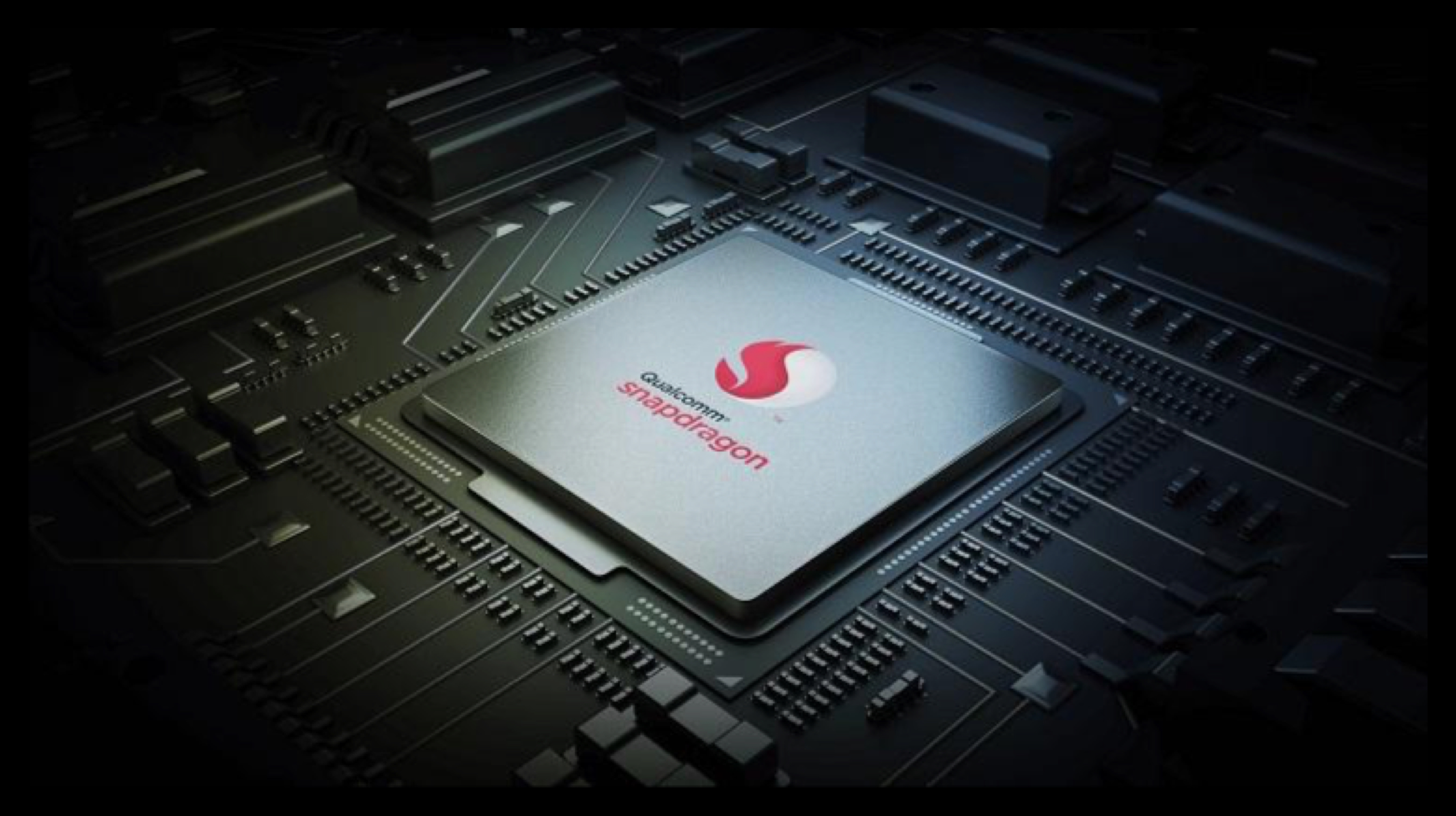
    Under the hood, the 5G variant of the Mi Mix 3 will feature the latest Snapdragon 855 SoC that is fabricated using 7 nm manufacturing technology. The chipset consists of an Octa-Core Kryo 485 CPU and Adreno 640 GPU. 

    For photography, the Mi Mix has dual 12 MP + 12 MP rear cameras and dual 24 MP + 2 MP front cameras. The rear cameras of the Mi Mix 3 can capture 2160p videos and the front camera can capture 1080p videos. 

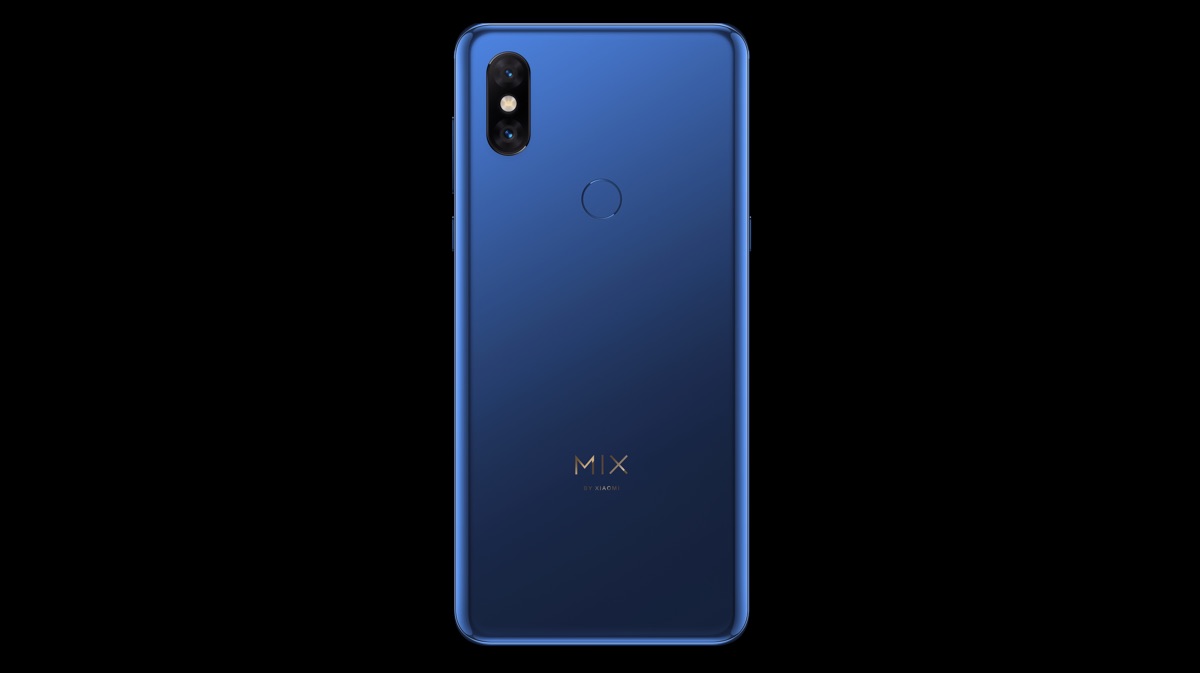
    The rear of the Mi Mix 3 is made of Ceramic which harbours the dual rear camera setup and a fingerprint sensor for securely unlocking it. In terms of memory and storage, the 5G compatible Mi Mix 3 is expected to be available in three storage capacities like the standard variant which are as follow:

    • 6 GB RAM + 128 GB ROM
    • 8 GB RAM + 256 GB ROM
    • 10 GB RAM + 256 GB ROM
    Price And Availability

    Also Read: Samsung Galaxy S10+ With Snapdragon 855 Spotted On Geekbench

    The price of the 5G compatible Mi Mix 3 will be announced at the time of its launch. However, it will surely be more than the standard variant which starts at 3,299 ¥ (around Rs. 34,800/-) and goes all the way up to3,999 ¥ (around Rs. 42,200/-). 

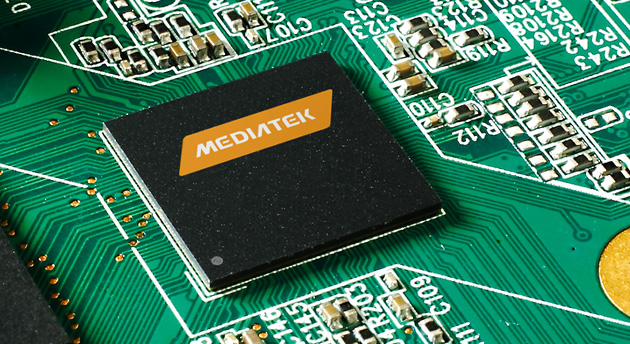
  • Apple Considered 5G Modem Chips From Samsung, MediaTek, and Intel for 2019 iPhones

    Apple Considered 5G Modem Chips From Samsung, MediaTek, and Intel for 2019 iPhones

    Several countries including South-Korea and America are on the brink of launching 5G telecom networks. OnePlus and Xiaomi have already announced they will be one of the first companies to launch 5G smartphones. Samsung is also expected to launch a 5G variant of the Galaxy S10 in Q1 of 2019. Apple is a global smartphone leader and is apparently working on 5G compatible devices. An Apple supply chain executive revealed that the company had considered purchasing 5G LTE modems for iPhones from companies including Samsung, MediaTek and Intel.

    Apple’s Past And Future Modem Suppliers

    Between the years 2011 and 2016, Qualcomm was the sole supplier for iPhone modems to Apple. This supply contract was ended in 2016 with the launch of iPhone 7. With the iPhone 7, Apple split the orders for modem between Qualcomm and Intel and later phased Qualcomm all together. 

    According to the Apple executive, the company wanted to purchase modems from other companies but Qualcomm disinclined them in doing so. After Apple finally swapped Qualcomm modems with their Intel counterparts, both companies have been seen locking horns over several patents. 

    The Apple official said that the company is looking for multiple suppliers for 5G iPhone modems. Apple has considered companies including MediaTek, Samsung and Intel. However, the executive did not reveal whether the company will launch a 5G compatible iPhone in 2019 or not. 

    Also Read: Oppo Will Launch A Smartphone With 10x Optical Zoom On 16 January

    Some rumours in the past suggest that Apple does not plan to launch a 5G compatible in 2019 but the company is highly unpredictable. Taking competition into consideration the company might launch a 5G iPhone this year and surprise everyone. 


  • 5G vs 4G Cost, Speed And Viability In India

    5G vs 4G Cost, Speed And Viability In India

    If a smartphone is the body, the network is it’s heart. And network connectivity is an extremely important part of our day to day lives. From quickly browsing Facebook or other social media websites, to checking facts, the weather, time in a different country to just about anything requires internet connectivity. Thus network providers have put immense importance in bringing faster internet to the consumers. The arrival of 4G was called a revolution back when it came out as the consumers understood how improved it was and what it’s benefits were compared to 3G. Now that talks about 5G have started and with countries like US and UK set to roll out 5G in 2019, let’s discuss what it would mean for a huge and still growing market like India. 

    What Is 5G?

    5G is a faster, more efficient way of using the internet. In 5G, data transmitted over wireless broadband connections could travel at rates as high as 20 Gbps with a latency of and well as offer latency of 1 ms or lower for uses that require real-time feedback. This means, it will have a better surfing speed, in layman’s terms. 

    What Are It’s Benefits Over 4G?

    The speeds of these networks depend on the frequency bands that they use. The 4G network supports frequency band speeds upto 6GHz, whereas the radio bands for 5G will be able to handle anywhere between 30GHz and 300GHz. This is a significant improvement which will make your internet surfing experience much faster. The 5G network is also interference free even if you are standing next to other wireless signals which was an issue with 4G networks since they sent radio signals in different directions. Owing to the way 5G uses wavelengths, it will also reportedly be able to service a lot more people which is reported to be approximately 1,000 devices per meter. This means even in crowded cities, using 5G will be blazing fast. 

    How Does It Affect An Average Customer?

    So how does all of these relate to customers? Should they shift to 5G? If so, then why? All a customer wants from a network are lower costs, better connectivity without hindrances and faster internet. 5G seems to satisfy all these conditions except for the cost which we will discuss later on in the article. So, when 5G rolls out, and you are satisfied with the cost per month for your plan, then go ahead and port to 5G because it is better than 4G in every other way. 

    How Much Will It Cost?

    The cost of 5G internet, like 4G will vary from country to country and will change from carrier to carrier. In India, we can estimate the price to be close to what 4G is because companies like Reliance and Vodafone will want the majority of customers to shift. India being a very price sensitive market, the prices of 5G can be expected to be very competitive. And the Network providers will recover their costs if 5G implementation only if a lot of people use it. 

    When Will It Arrive In India?

    India had caught on the the 4G trend suddenly and abruptly. Usually new networks arrive in the US and UK first. India has always been late in receiving these new technologies. Since changing networks have a lot of variables including steps taken by the government, bidding, setting up the infrastructure and others India adopts to these trends much later. The new network in India is expected to be available in India by 2022, according to TRAI which will be 3 years after many of the first world countries. Telecom minister Manoj Sinha has recently stated that India cannot afford to miss the 5G bus. This is little assurance however, of India adopting 5G before 2022. Given that today 400 million people in India have good quality internet access, the new network will definitely be a great business opportunity for the network providers. 

    Also read: Our First Taste Of 5G Might Not Even Be 5G

    Will Your Device Support 5G?

    Most high end smartphones in 2019 will ship 5G enabled. Qualcomm’s Snapdragon 855 is one of the few chipsets that support 5G at the moment. While there will be other cheaper chipsets in future but your current 4G device in all probability will not support 5G. Even if you bought the most expensive iPhone this year you will need to buy another device next year or whenever 5G arrives. So your Oneplus, Samsung or Huawei flagship that you have at the moment will not be 5G compatible. 

     

    It is yet to be seen when 5G is rolled out in India but early last year Airtel and Huawei successfully conducted India’s first 5G network trial under a test setup at the former’s network experience centre in Manesar, Gurgaon. Being one of the biggest as well as one of the fastest growing telecommunication markets in the world, we sure hope India doesn’t fall behind the 5G bandwagon. 

  • Our First Taste Of 5G Might Not Even Be 5G

    Our First Taste Of 5G Might Not Even Be 5G

    With 2018 coming to a close, 2019 will usher in a new era of mobile technology. 5G is one of the most anticipated technologies. Multiple network operators, smartphone manufacturers and even chipset makers around the world testing and readying their 5G technology. The launch of the next big thing in mobile connectivity is just around the corner. However, according to the latest reports, the first layer of 5G which reaches consumers, might not even be 5G.

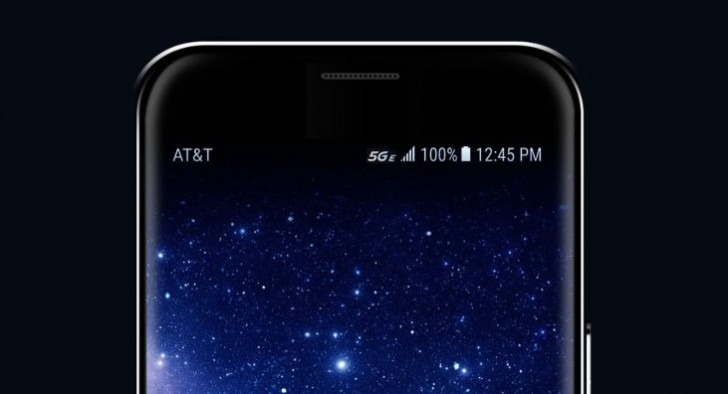
    American telecom giant AT&T has already launched its 5G network in the US. It did so on the 21st of December. And has made the network available to users in select cities in the US. But, there is a twist to this tale. While the company is advertising this as its first 5G network, it is just a faster 4G network, under the guise of a 5G network. How and why are they doing this?

    With the rollout, the company will be upgrading a few LTE enabled handsets with a “5G E” indicator. The 5G E indicator is nothing but a 4G network. This now offers 4 x 4 MIMO and 256 QAM technologies, along with other advanced LTE technologies. So now, a lot of users will see the 5G E icon pop-up on their screens, and AT&T will roll this feature out to many more LTE devices by spring 2019. Additionally, the ‘5G Evolution’ will be available in more than 400 markets in the near future, according to the company.

    Also Read : Facebook Developing Cryptocurrency To be Used In WhatsApp

    The exact reason for this step according to the company is that the 5G E technology will allow for the company to make the gradual shift into 5G technology. In short, this is the stepping stone to the much faster 5G netwrok. However, a lot of experts point out that this 5G Evolution plan might just confuse consumers even more, rather than aiding in the rollout of 5G.

  • AT&T Will Start Its Mobile 5G Network In The US On December 21

    2018 has not yet come to a close and the 5G race is already on! Despite 4G not strengthening its roots in most of the countries, many smartphone manufacturers and telecom companies are jumping on to the next big thing in connectivity. AT&T, one of America’s leading telecom operators, is starting its 5G mobile network this week and this marks the start of a new era.

    The service will start on the 21st of December and the 5G network will be made public in 12 cities across the US. These include a ‘first batch’ of cities which are Atlanta, Charlotte, Raleigh, Dallas, Houston, Indianapolis, Jacksonville, Louisville, Oklahoma City, New Orleans, San Antonio and Waco, Texas. The first batch title indicates that the rollout will spread to more cities soon. Additionally, AT&T has announced that it will have two Samsung 5G phones next as well, with the first one launching in the early parts of 2019. The company also has offers lined up for early adopters of the latest technology. They are offering free hotspot and data for select consumers and users for at least 90 days.

    The 5G Future

    5G connectivity will not just limit itself to phones. It will result in opportunities such as self-driving cars, better gaming and a potential replacement to home broadband. However, it is more important for companies to develop proper infrastructure for the same. The presence of 5G infrastructure and 5G capable phones will propel the technology forward.

    Also ReadNubia Red Magic Gaming Phone Launched In India

    At the same time, the chances of getting 5G in India soon look very slim. Despite the world moving forward, we still struggle to get proper 4G coverage in most cities of India. Being one of the world’s largest smartphone markets, it is high time that India catches up with the pace at which the rest of the world is moving forward.

  • OnePlus 7 Will Be One Of The First Phones To Run On The New Snapdragon 855

    OnePlus 7 Will Be One Of The First Phones To Run On The New Snapdragon 855

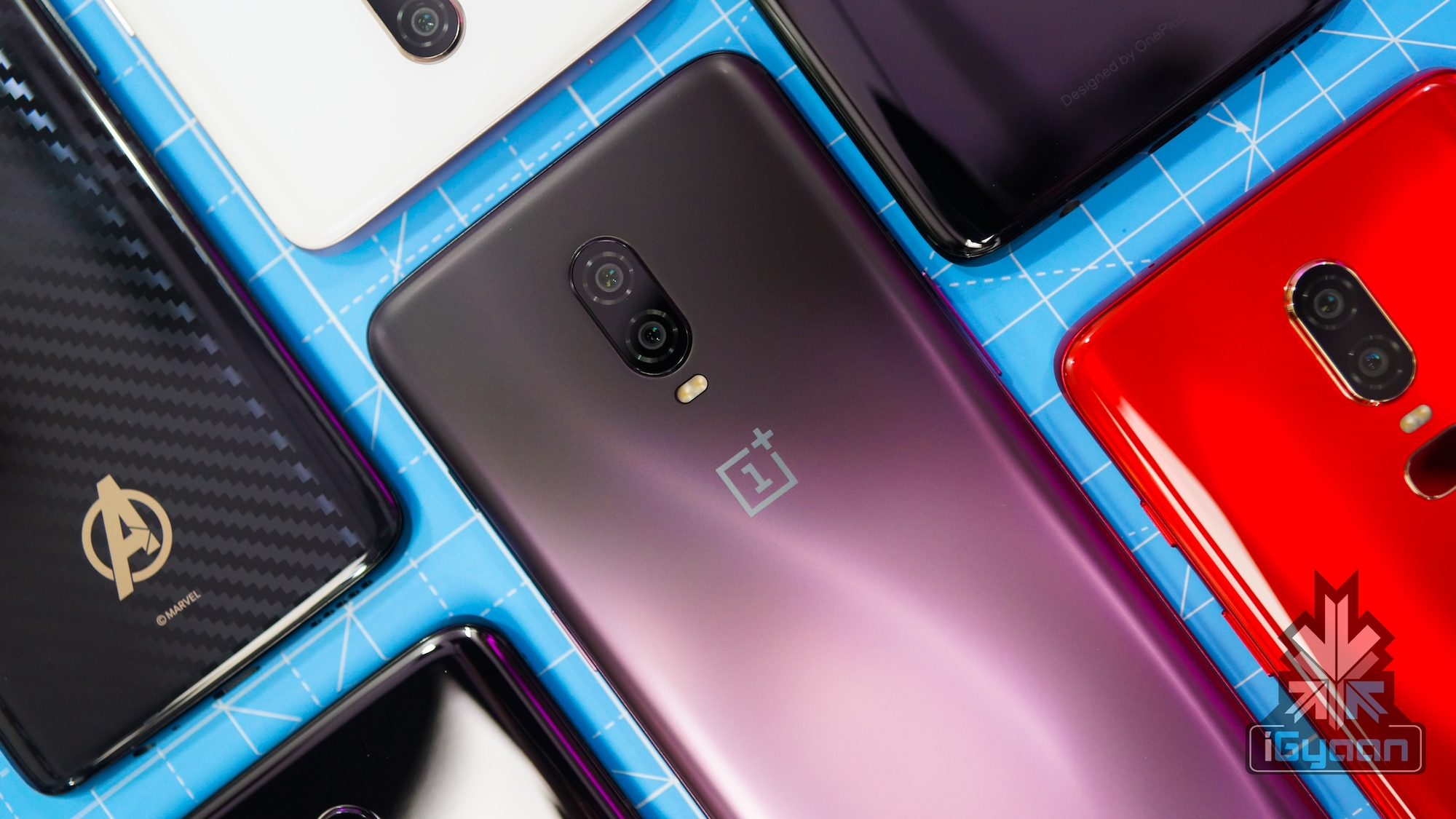
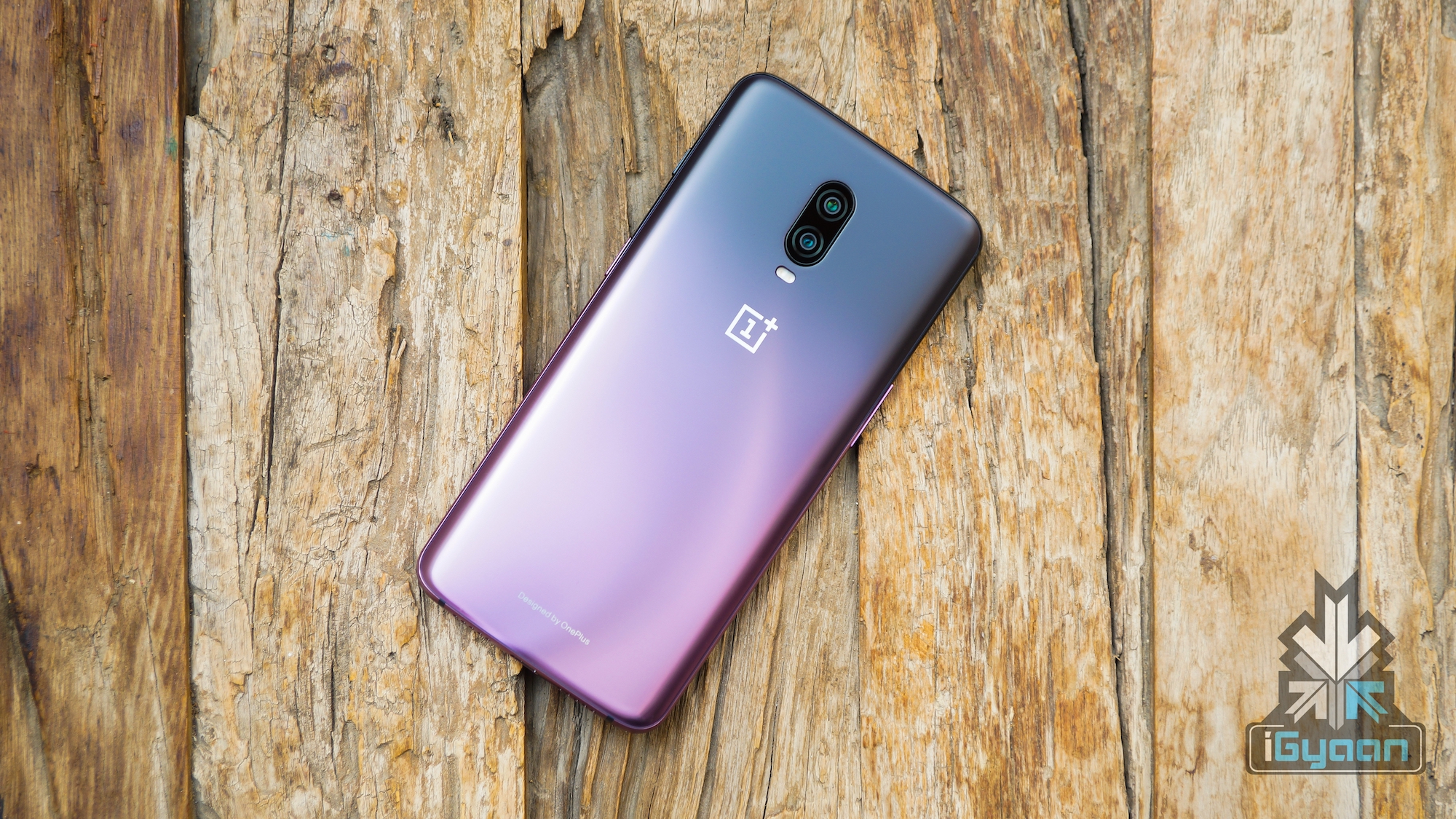
    The Qualcomm Snapdragon Technology Summit 2018 is already underway and a lot of big announcements have been made. On the first day, Qualcomm had announced their new Snapdragon 855 SoC, with 5G connectivity. Now, smartphone manufacturer OnePlus has announced that their next flagship, presumably the OnePlus 7, will be the first smartphone to be running on the Snapdragon 855 SoC. They also announced that they will be the first to bring a 5G smartphone to Europe in partnership with EE.

    The Next Flagship 

    Announcing that they ‘only make flagship smartphones’, they said that the Snapdragon 855 is the ‘best and only choice’ for their upcoming flagship. The company also announced their partnership with UK based carrier EE, to bring the first 5G enabled to Europe. While the announcements are really exciting for OnePlus fans, they also hint at the fact that we will be seeing a 5G OnePlus phone, powered by the 855, pretty soon. This means that the launch of the next OnePlus flagship is not too far away.

    With companies like Samsung, Xiaomi and many others lined up to release phones with the new Snapdragon 855 and those with 5G support, OnePlus will have to hurry up production in order to be the first. Samsung is set to launch their 10th anniversary Galaxy S10 in the early parts of 2019. There are reports that this will be a 5G enabled phone, running on the latest 7nm SoC.

    Snapdragon 855

    The Qualcomm Snapdragon 855 is the latest flagship from the company and is manufactured using the 7 nm process. This makes it faster and more power efficient. It also features support for the X50 modem by Qualcomm, hence giving it 5G abilities. The 855 also features a fourth-generation multi-core AI engine. This will offer upto 3 times the AI performance, compared to the 845. It also features the world’s first Computer Vision Image Signal Processor for better photo and video capabilities. Along with this, it also has the new Snapdragon Elite gaming platform for advanced gaming abilities. Qualcomm also announced their new 3D Sonic Sensor, which is an ultrasonic fingerprint sensor for in-display fingerprint scanners.

    Also ReadApple Patents Design For Interchangeable AirPods With Biometrics And Brand New Design

    It is also noteworthy that OnePlus was the only smartphone manufacturer who was invited to talk during the Snapdragon Summit. This, along with the fact that they will be the first to feature this new chipset, point toward the exclusivity that they enjoy from Qualcomm. What this translates for consumers, will be seen in time.

  • Qualcomm Announces The Snapdragon 855 SoC With 5G Support

    Qualcomm Announces The Snapdragon 855 SoC With 5G Support

    In the Snapdragon Tech Summit 2018 which started yesterday, Qualcomm officially announced its next flagship processor, the Snapdragon 855. The Snapdragon 855 is the successor to the highly popular Snapdragon 845, which is found on almost all the Android flagship devices from 2018. The new 855 is manufactured using the 7nm process, which offers better battery life and improved performance. Along with the chipset, Qualcomm also announced the Snapdragon Elite Gaming platform and the 3D Sonic Sensor.

    The 855

    Contrary to earlier reports, the chipset bears the 855 title and not the 8150 title. Although, previous reports were not inaccurate as the 8150 was the internal name of the mobile platform. The chipset is manufactured  using the 7 nm process which is the new standard for flagship processors now. The Hisilicon Kirin 980 by Huawei and the A12 Bionic by Apple are 7nm chipsets have already entered production and are featured in the Huawei Mate 20 Pro and the new lineup of iPhones respectively.

    The 855 is also 5G ready and is compatible with Qualcomm’s Snapdragon X50 modem, in order to do so. 5G technology is almost here and many countries and companies are actively testing their 5G devices and networks. It is safe to say that 2019 will be the year of 5G devices. However, the rollout will be slow and countries like India might get proper 5G infrastructure only towards the end of 2019.

    Additionally, Qualcomm also said that the Snapdragon 855 features their fourth-generation multi-core AI engine. This offers up to 3 times the AI performance when compared to the Snapdragon 845. The 855 also features the world’s first Computer Vision Image Signal Processor (CV-ISP). This will offer new features in terms of photo and video capture. The 855 also features the Snapdragon elite Gaming platform , which will offer a new set of features to enhance the mobile gaming experience. 

    What’s More

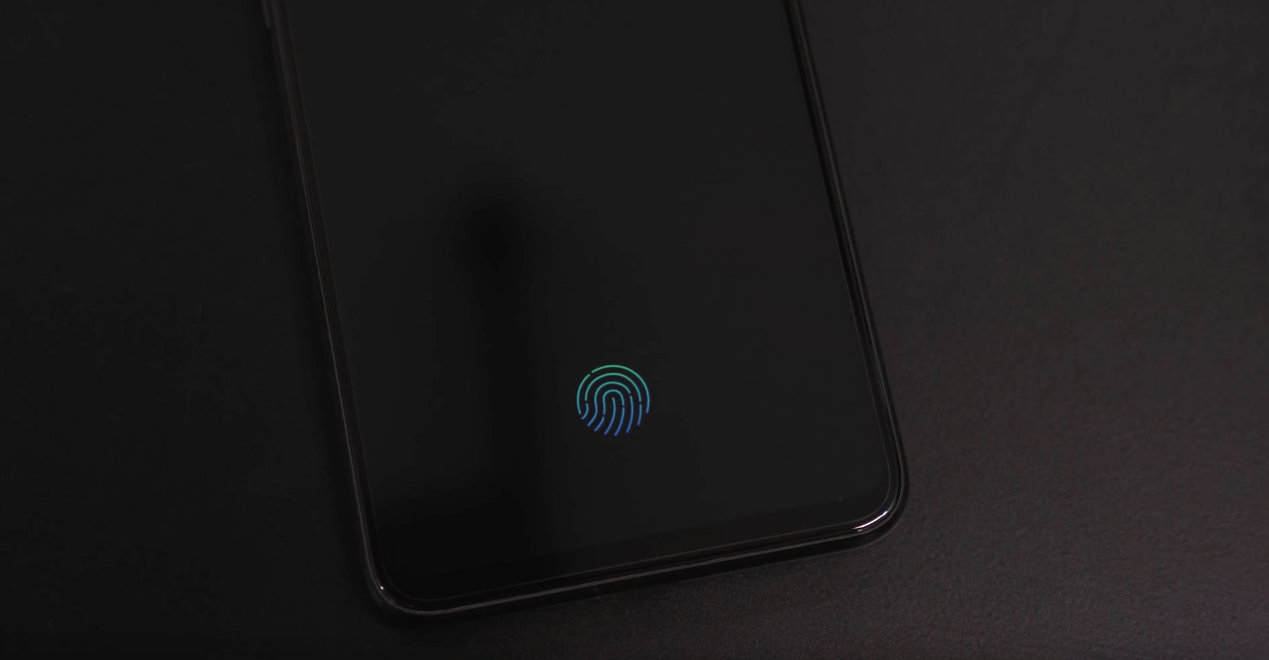
    At the event, the company also announced the Qualcomm 3D Sonic Sensor. This is an ultrasonic in-display fingerprint sensor. Until now, all the smartphones featuring an in-display fingerprint sensor, use an optical sensor. The ultrasonic sensor uses ultrasonic waves to authenticate the fingerprint. Compared to optical sensors, this is much more secure and can even work while in contact with oil, dirt and water.

    Also ReadWorld’s Most Powerful GPU, Nvidia TITAN RTX Announced

    This is not all, Qualcomm will reveal more features of the Snapdragon 855 as the summit progresses. However, we have already gotten a taste of haw the new flagship processor from Qualcomm is about. It offers improved AI, camera and gaming performance and brings improvements to connectivity and security. Performance upgrades are also expected to be announced during the second day of the summit.

  • Alleged Samsung Galaxy S10 5G Prototype Seen In Video

    Alleged Samsung Galaxy S10 5G Prototype Seen In Video

    Samsung’s upcoming flagship, the Galaxy S10 is one of the most awaited smartphones right now. Expected to be launched in the early part of 2019, the Galaxy S10 has already been a subject to numerous leaks. These include reports about four different Galaxy S10 models, including a 5G variant. Now, a video has surfaced, in which the alleged 5G Galaxy S10 has been showcased.

    The video is from what seems to be a 5G testing station in South Korea. The device in focus is being used by an executive from SK Telecom. They are using it to launch their 5G service in South Korea. In the video, a person is making a video call to demonstrate the speeds that can be achieved by the network, while using 5G. The most interesting aspect of the video is however, the smartphone which is being used for this demonstration.

    The 5G S10

    This unknown smartphone is obviously enclosed within a protective case to hide its design. However, there are two distinct factors which point toward the fact that it is a variant of the upcoming Galaxy S10. The first is the horizontal triple camera setup on the back, which is barely visible in the video and the 5G support.

    The protective case of the phone is hiding what is probably the most important aspect of the phone, the display. The display is said to be truly bezel-less, without the use of a notch or a pop-up/sliding camera. Samsung has never implemented a notch on any of its smartphones. And this will be the next big upgrade in terms of design language from the company. The phone is also expected to feature a camera cut-out, like that of the upcoming Galaxy A8s. While there were reports of Samsung developing an in-display front facing camera to avoid using even the cut-out, this does not seem viable as of now. We might see that technology sometime in the future.Samsung Galaxy S10

    What’s More

    A recent tweet by the famous leaker iceuniverse on Twitter has also mentioned that one of the variants of the Galaxy S10 might feature dual front cameras. This would give a really unique placement to the camera cut-out and it will be interesting to see how Samsung pulls this off.

    Also ReadDual-Screen Vivo Nex S2 To Launch On December 11

    The Galaxy S10 is expected to launch in three, if not four variants. These include a Galaxy S10 Lite, Galaxy S10 and a Galaxy S10+ variant. There are also talks of a Galaxy S10 Beyond X variant. This will supposedly have a 6.7 inch display with four rear cameras and dual front cameras.

    Click here to read everything there is to know about the Galaxy S10. 

  • Xiaomi Teases Mi Mix 3 Running On 5G

    Xiaomi Teases Mi Mix 3 Running On 5G

    The Xiaomi Mi Mix 3 was launched last month and is the latest flagship from the company. It is feature loaded and its biggest highlight is the high screen-to-body ratio, owing to its sliding camera panel. The phone also features other attractive features such as 10 GB RAM and an in-display fingerprint sensor. Xiaomi had also announced that they will launch a variant with 5G capabilities. This might be getting closer to reality. As a Mi Mix 3 running on a 5G network is seen in the latest image designed by the company.

    5G Mi Mix 3

    During the launch event Xiaomi had announced that they would launch a 5G variant of the phone in the first quarter of 2019. It looks like Xiaomi is on track to keep that promise. As the phone seems to already be testing on 5G networks. From the image we can see that the Xiaomi Mi Mix 3 is running on Android 9 Pie. On the right side of the notification bar, we can see the 5G flag. This clearly means that it is running on a 5G network. This also indicates that the development of this technology for the Mi Mix 3 is complete and will enter production soon. 

    The Xiaomi Mi Mix 3 has a 6.39 inch AMOLED FHD+ display with a 93.4 % screen-to-body ratio. It runs on the Qualcomm Snapdragon 845 SoC and has up to 10 GB of RAM and upto 256 GB of internal storage. It has a 12 MP + 12 MP rear camera and a 24 MP + 2 MP front facing camera.

    Also ReadXiaomi Launches Mi TV 4S With 75-Inch 4K Display In China

    However, what is interesting to watch out for is whether the infrastructure for 5G phones will be available by the time the phone is released. While companies like Xiaomi and OnePlus are all set to launch their 5G devices next year. Apple is not on the same page. The company has made it clear that they will only launch their first 5G device in 2020. Apple claims that the reason behind this is that 5G technology will not develop to a stage where users will be able to get 5G connectivity everywhere.

    You can read more about the Mi Mix 3 here.


  • Motorola’s Next Flagship Will Have Snapdragon 8150 And 5G Moto Mod Support

    Motorola’s Next Flagship Will Have Snapdragon 8150 And 5G Moto Mod Support

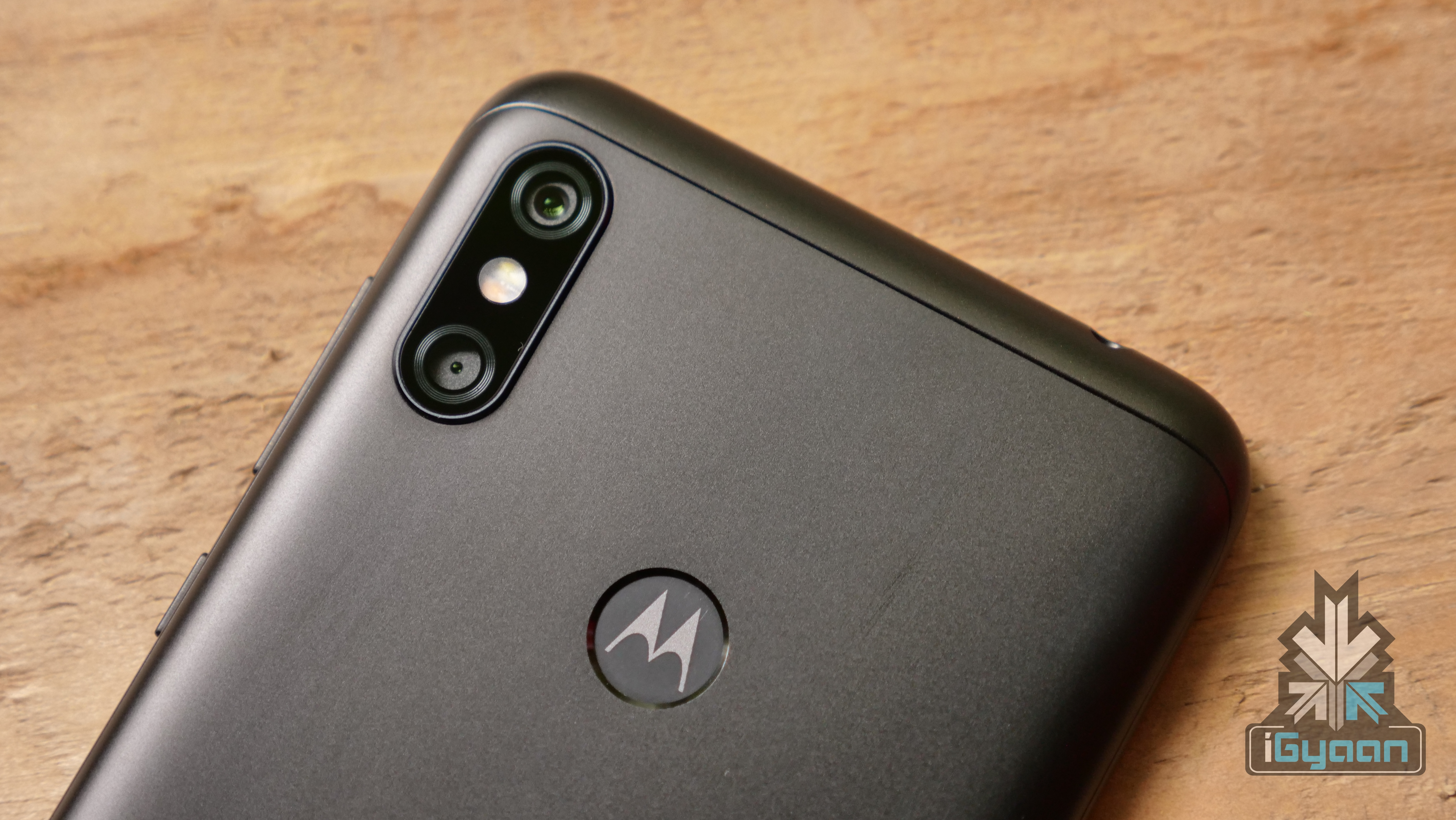
    Motorola hasn’t really had an ideal year in 2018. Lower sales and a diminishing fan base have put the Lenovo owned company in a tight spot and they are trying hard to get out of it. The company is looking to ‘mod-ify’ this with its next phone, quiet literally. According to a website, the company is working on a new flagship smartphone and has codenamed it the Moto Odin.

    The Mighty Odin And Snapdragon 8150

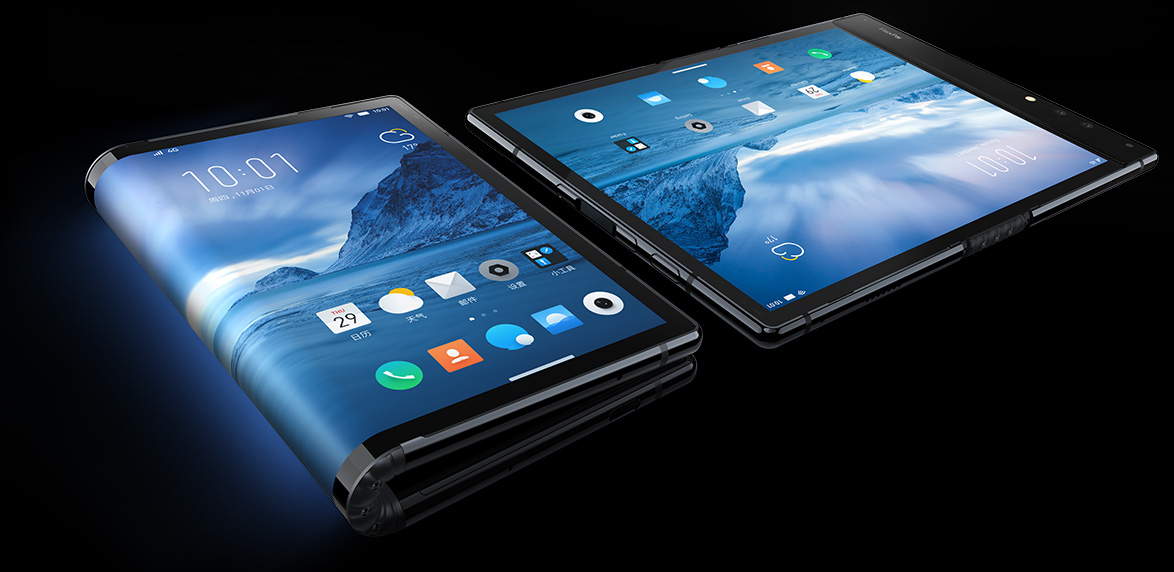
    The Odin smartphone is set to be the next flagship from Motorola, and it is shaping up to be a very exciting one, to say the least. It runs on the Qualcomm Snapdragon 8150 SoC, which is the latest processor from Qualcomm. Even though the chipset has not officially been unveiled by Qualcomm, a foldable phone running on the chipset has already been made public. Additionally, AnTuTu scores of an unknown device running the chipset have placed it above every other Android device till date. The report also tells us that the Odin has a 4 GB RAM and 32 GB storage configuration. But this might get a bump considering that these are just the initial stages of manufacturing.

    The Rouyu FlexPai Running On The Snapdragon 8150

    The Snapdragon 8150 is based on the 7 nm manufacturing process which is used by Apple’s A12 Bionic and Huawei’s Kirin 980. This manufacturing process allows for more transmitters to be fitted in a lesser space, making the chipset more powerful and battery efficient at the same time. Additionally, it is also said to feature a dedicated NPU which will make AI based problem solving faster.

    5G Moto Mod

    The next big thing is the continued Moto Mod support, especially that of a 5G Mod. We still do not know if Motorola will offer support for the previously released Moto Mods. Or whether this will feature an entirely new lineup of Mods. However, it is said to have support for a 5G Mod. The 5G Mod was seen earlier this year when Verizon used the same for its first 5G data transmission. This was done with the Moto Z3, which was a Verizon exclusive. As of now, the Moto Odin is said to be a North-American exclusive. But we might see that change with the introduction of the phone in other markets. 

    Another interesting aspect is talks of an in-display fingerprint sensor. While it is too early to say whether Odin would have this, reports confirm that Motorola is working on this technology for sure. The company won’t use the technology on their mid-range phones. So, it is safe to assume that Odin, being the flagship will carry this feature. Most importantly because it is now a staple feature in most Android flagship these days.

    Also ReadNokia 9 PureView And Nokia 8.1 Cases Get Listed, Might Launch In December

    One thing is for sure, we will get to see the phone only sometime towards the middle of 2019. With the pace at which technology is growing, we’re wondering if these few features will be enough to make the Odin a great flagship by the time it is out. Also considering the fact that Motorola has named the device after the mighty Odin, expectations are quite high.

  • Apple iPhones To Get 5G Connectivity In 2020

    Apple iPhones To Get 5G Connectivity In 2020

    With 5G technology at the brink of reaching consumers soon, it is not surprising that tech giant Apple is gearing up to launch its own 5G handsets. Companies like OnePlus, Xiaomi and Oppo have already partnered with Qualcomm. They have even started testing some of their 5G compatible devices. However, Apple is partnering with Intel to make 5G enabled iPhones available by 2020. Apple will use Intel’s 8161 5G modem, according to reports.

    Apple’s 5G

    Intel plans to use the 10nm process for its 8161 chip, which will increase transistor density and hence provide more speed and efficiency. Intel is also working on a separate chip, the 8060. This will be used for prototyping and testing on the 5G iPhone. However, things have not been all smooth sailing between Apple and Intel.

    The 8060 has some heat dissipation issues which has not yet been solved by Intel. This could be due to the fact that 5G carriers will initially rely on the millimetre-wave spectrum to connect the first few 5G phones. However, this process is extremely demanding on the modems. It causes them to release levels of heat which are higher than the normal. These levels can reach a stage where they can be felt on the exterior of the device as well and also affects battery life. Obviously, Apple is not happy with these results.

    Intel is said to be working on solving this issue. But it seems like this hurdle isn’t big enough for Apple to reopen talks with Qualcomm regarding the supply of chips. Qualcomm’s 5G modem also has its own share of heat dissipation issues. However, the chip maker has said that it has found a way around this and solved the issue. Apple has reportedly held conversations with MediaTek as well, regarding the supply of 5G modems. However, MediaTek usually makes chips for budget and mid-range devices. Therefore, it might not be the perfect fit for Apple’s flagship iPhones. The talks however have taken place and MediaTek is just a distant ‘Plan B’, according to reports.

    Also ReadPrimeOS Equips Any Laptop Or PC With Android

    The Race To 5G

    A number of Android devices with 5G capability will be showcased at the Mobile World Congress, early next year. This might make it seem like Apple is joining the party a bit too late, however, the move makes perfect sense. Although chip manufacturers are making 5G modems this year itself and basic infrastructure for 5G will be set up soon. It does not guarantee great 5G connectivity. Infrastructure will be present, but it will be limited. This would give users great download speeds at very limited places and not any dependable connectivity. Therefore, waiting till 2020 to ensure that the required infrastructure is present, instead of rushing into making sure ‘we did it first’ could be a logical move by Apple.

iGyaan Network
Privacy Overview

This website uses cookies so that we can provide you with the best user experience possible. Cookie information is stored in your browser and performs functions such as recognising you when you return to our website and helping our team to understand which sections of the website you find most interesting and useful.