Tag: Android Q

  • Nokia Announces Android 10 Update Schedule For Existing Smartphones

    Nokia Announces Android 10 Update Schedule For Existing Smartphones

    In the last couple of hours, we have received two major news from Google and Nokia. First, that Google’s Android Q’s official name is Android 10. Second, Nokia has announced its Android 10 schedule for its existing smartphones that are part of the Android One program. The announcements came one after the other and here’s a short breakdown of it.
    Android 10

    Nokia Update Timeline

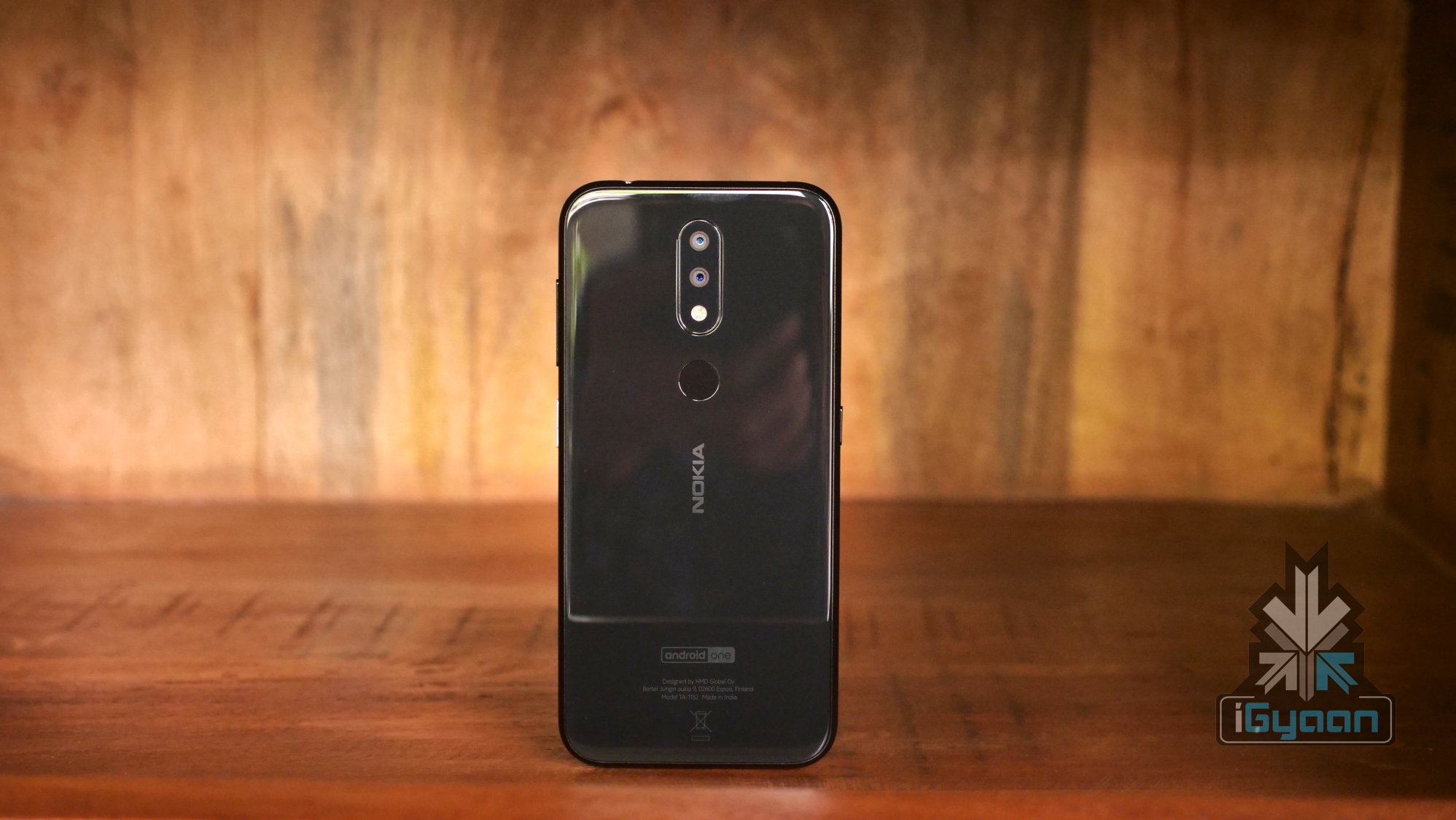
    Nokia had re-entered the global market with its Android One smartphones two years ago. Since then, the company has seen a warm welcome owing to a bloatware-free experience its devices offer. Most of the handsets offered by Nokia are targetted towards mid to budget range which is uncommon for an Android One device to be. For those unaware, it is a program started by Google that ensures the device running the stock Android gets at least two major Android updates and security patches for three years.

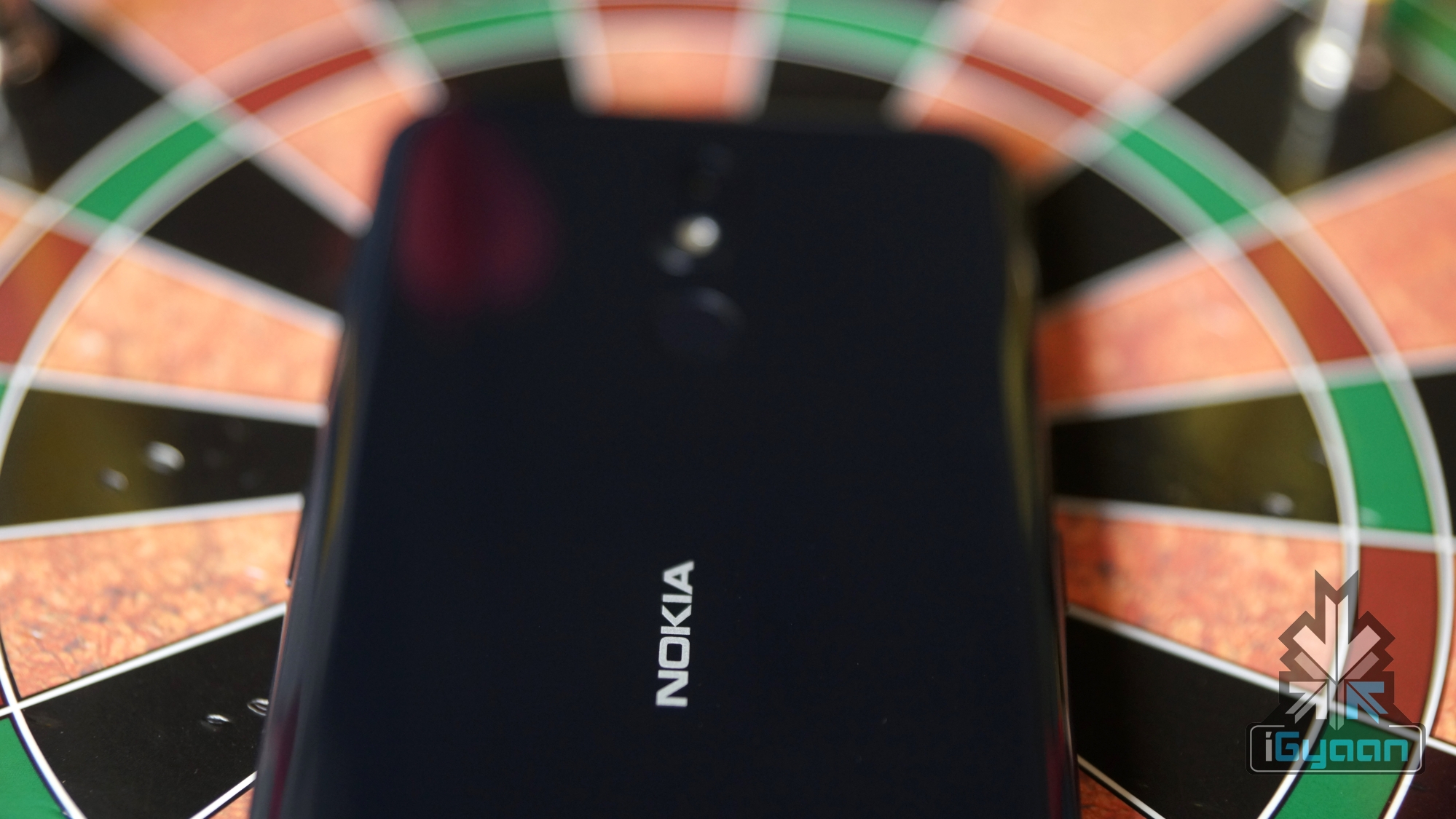
    In other words, Nokia devices are ensured for long term use. The company shared its schedule regarding the roll-out of Android Q on its devices which is as follows:

    2019 Q4:

    • Nokia 7.1
    • Nokia 8.1
    • Nokia 9 PureView

    2020 Q1:

    • Nokia 6.1
    • Nokia 6.1 Plus
    • Nokia 7 Plus
    • Nokia 2.2
    • Nokia 3.1 Plus
    • Nokia 3.2
    • Nokia 4.2
    • Nokia 1 Plus
    • Nokia 5.1 Plus 
    • Nokia 8 Sirocco

    2020 Q2:

    • Nokia 2.1
    • Nokia 3.1
    • Nokia 5.1
    • Nokia 1

    Android 10

    Google Android 10

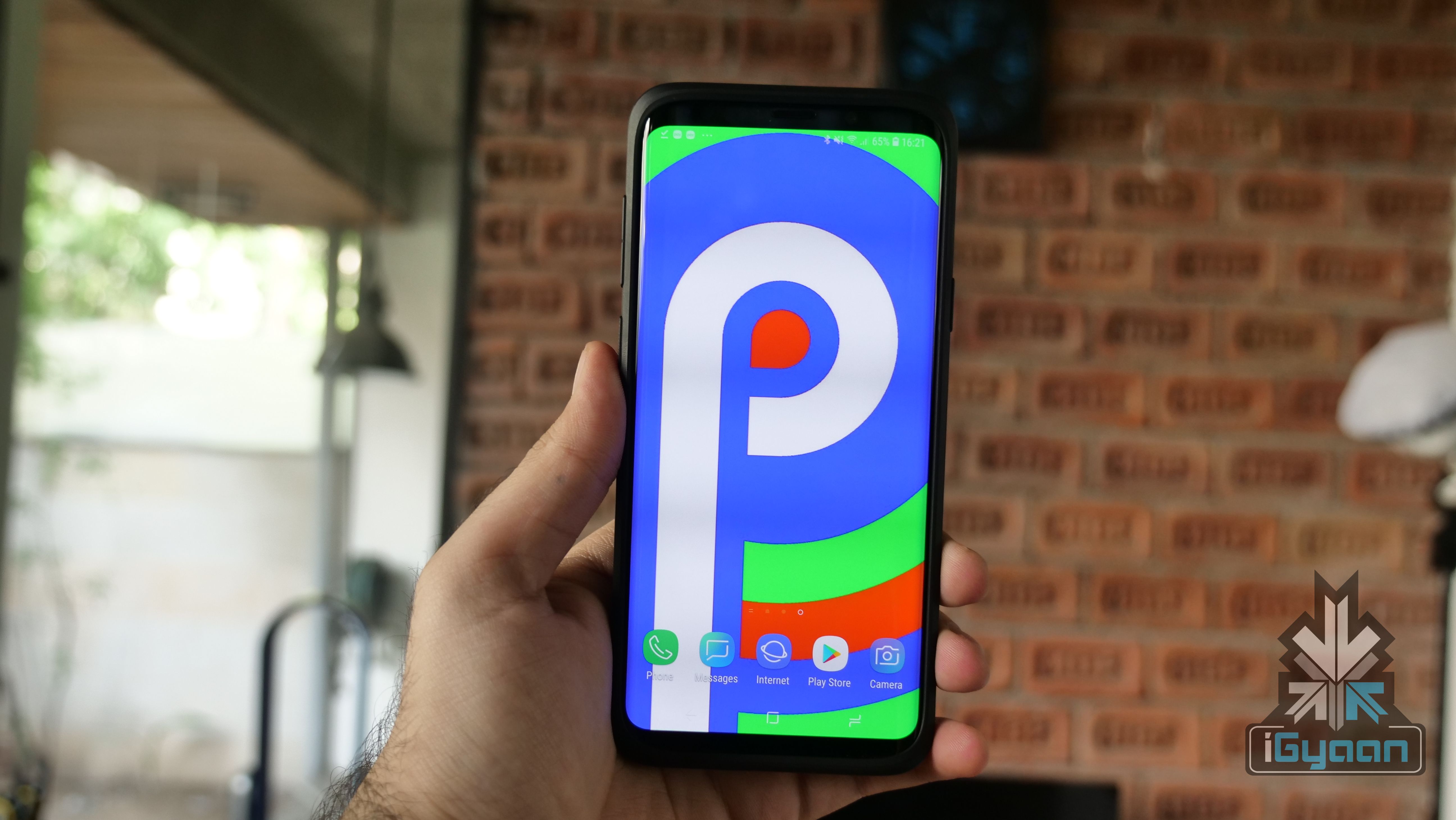
    Google has officially announced that it is parting from its beloved naming philosophy. The sweet-toothed names that were associated with each new generation of the OS are finally being sobered down. It has been confirmed that Android Q will officially be called Android 10. The reason the company said for this major change is to help people understand generations better.

    Also ReadSamsung Announces Galaxy A30s, Features A Triple Rear Camera

    The example given out was that some regions cannot distinguish between L or R in regional languages. So, simply saying Lollipop makes no sense to them. Thus, Google is employing a clean, sober and chronological name scheming. It would also seek to not have certain countries in the world feel left out over dessert names from their region (R for Rasgulla Or L for Laddo ;)). The move by Google is purely unifying and simplifying in nature.


  • Honor Promises Continued Support For Existing Android Smartphones

    Honor Promises Continued Support For Existing Android Smartphones

    Huawei has been going through extremely rough waters for the last couple of weeks. The Chinese company, however, has not taken a step back with its business in any manner. The tech giant has shown no signs of slowing down, with new smartphones such as the Nova 5 series being released. Now, Honor, Huawei’s subsidiary, announced its commitment towards every one of its users with continued Android support and updates.

    The sub-brand was made by Huawei as a dual-brand strategy. The former will aim at mid to low budget smartphones while the latter will compete in the premium markets. Honor provides smartphones that target younger consumers and is known to release tablet and wearable electronic gadgets as well.


    Honor

    Honor India went on Twitter to share a few lines dedicated to its loyal customers in a reassuring move. The tweet has the company promise its continued support for existing as well as upcoming smartphones that have been unveiled in the recent past.  The support will encompass Android and its various security patches and updates. This claim will include every Honor smartphone and tablets that have already been launched. 

    Honor

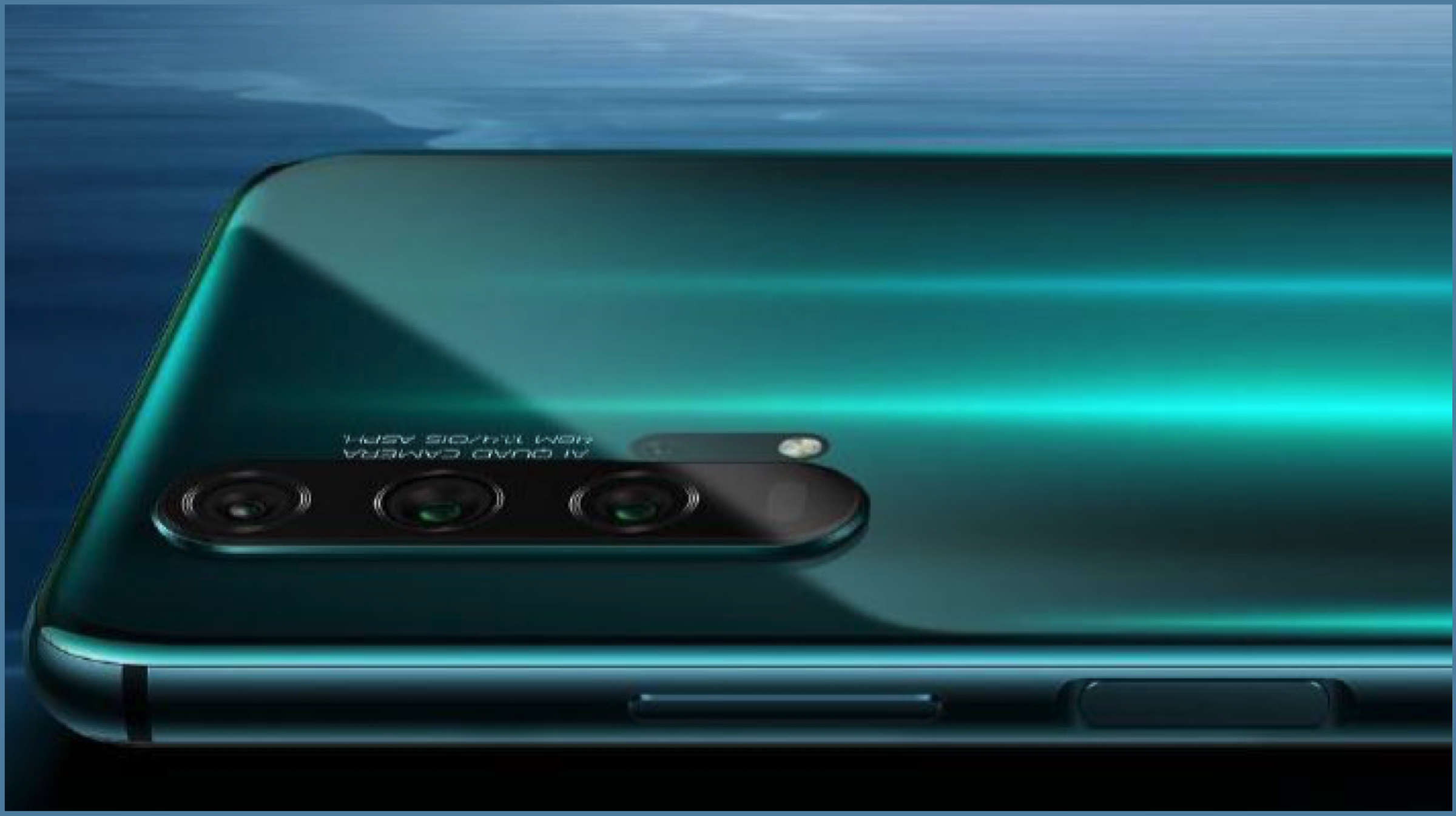
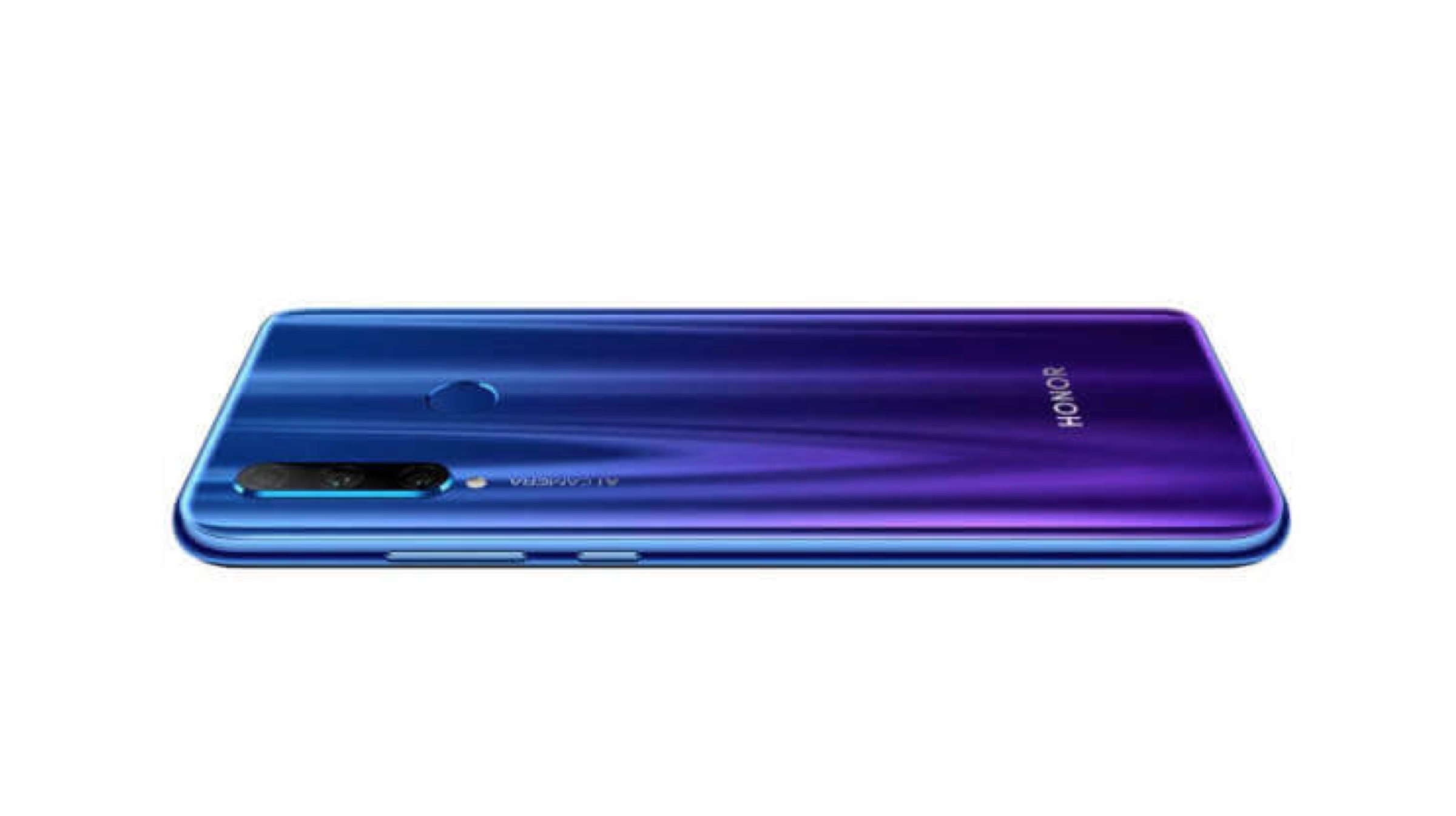
    Honor’s tweet will seek to ease tensions surrounding the uncertainty of support on their handsets. The public message was for all existing and future owners of Honor smartphones. Furthermore, devices in the Honor 20 series, namely the Honor 20, 20 Pro, 20i will receive Android Q in the near future. The company has also planned the Android 10 update for more of its “popular” handsets, although no official list has yet been given. The move from Huawei’s sub-brand should alleviate concerns from its loyal customers and prospective buyers.

    Also ReadNew PUBG Game Announced By The Developer Of Call of Duty, Dead Space

    The China-based company’s words will have its customers breathe a sigh of relief. Honor has been successful in India due to its wide range of smartphones that are available at every price bracket. The devices essentially cater to every possible demographic of users. The arriving weeks will tell how true the promise turns out to be, and how the company fares under increasing tensions.

  • Huawei Mate 20 Pro Added To The Android Q Beta Program Again

    Huawei Mate 20 Pro Added To The Android Q Beta Program Again

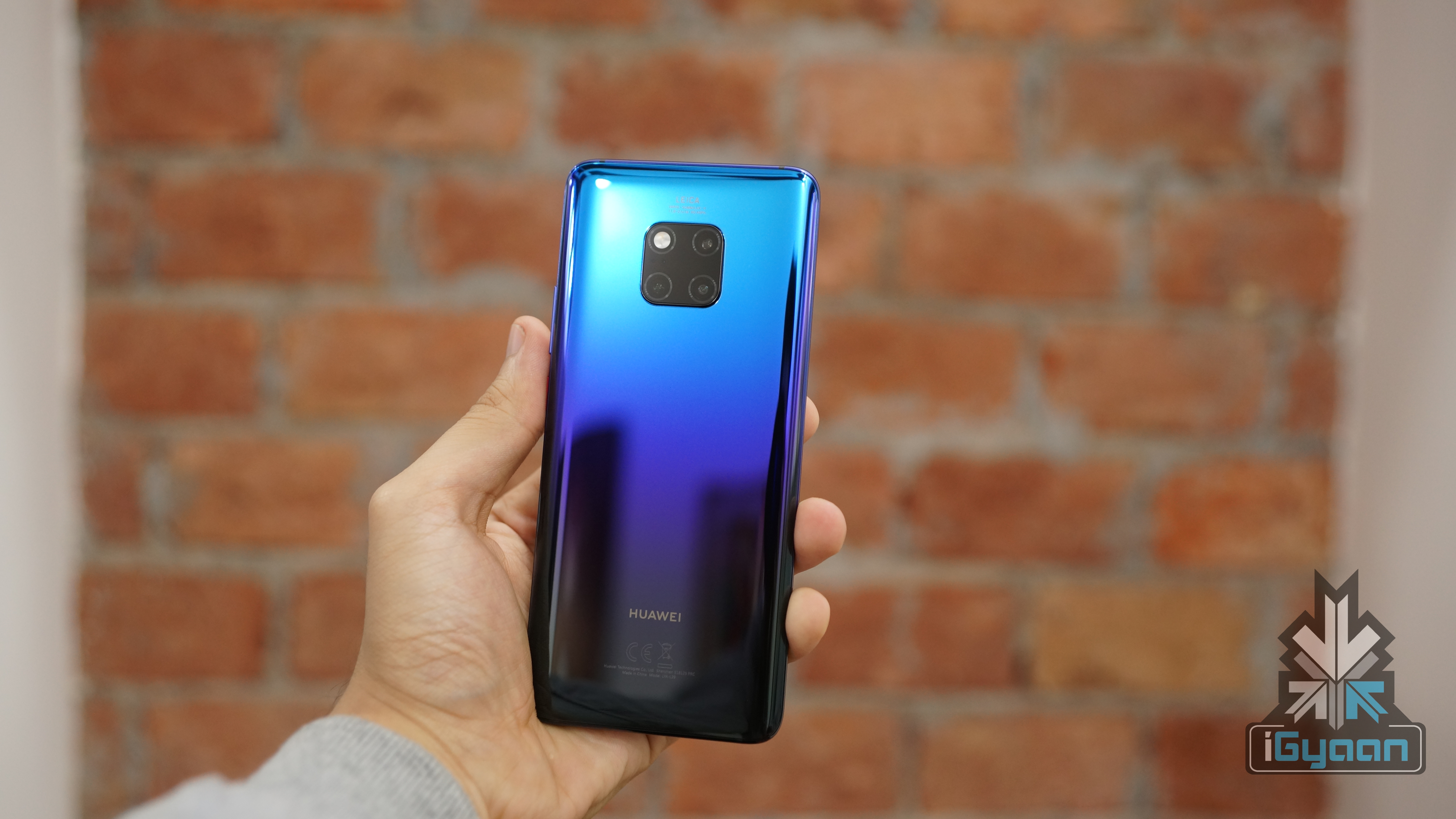
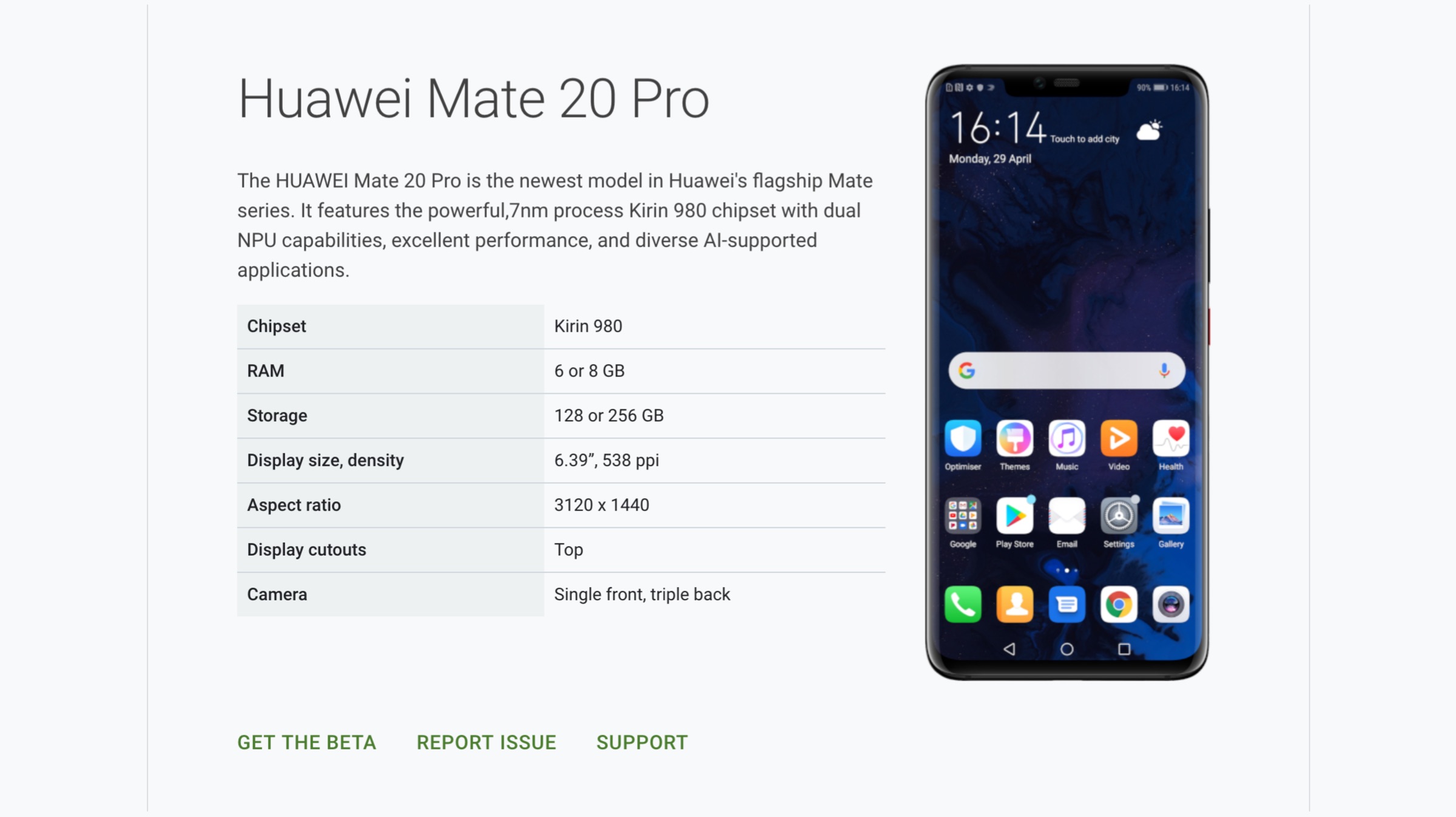
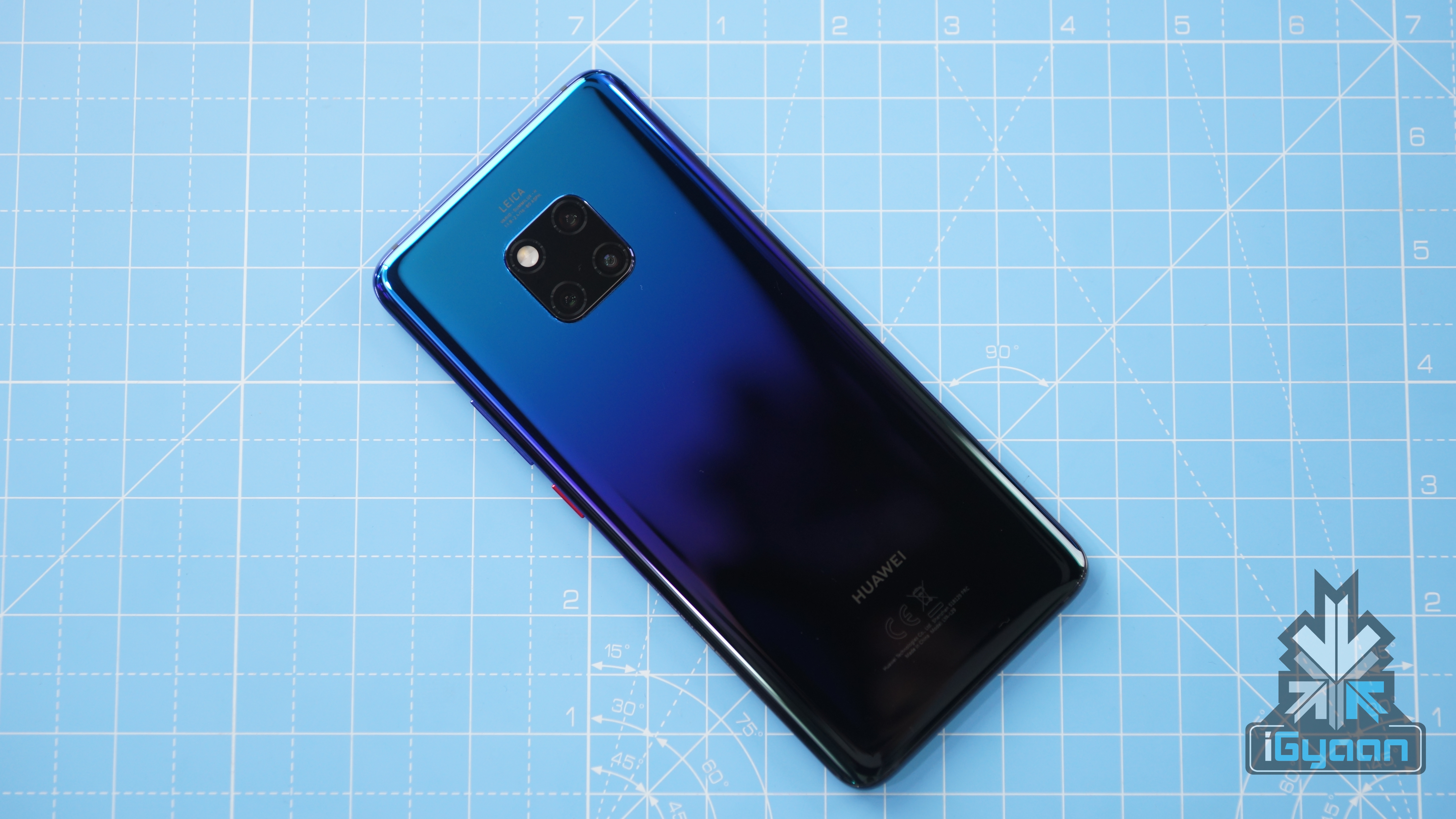
    Huawei was recently barred from doing any business with American companies; after the US government included it in an entity list earlier this month. However, the company was later given a 90-day extension to finish all pending business after which the ban will be in its full effect. Due to this, smartphones from Huawei lost the Android license provided by Google and were also removed from the Android Q Beta Program. Now, Google has added the Huawei flagship device from last year, the Mate 20 Pro back to the list of handsets supporting the upcoming Android Q Beta update.

    Huawei Mate 20 Pro Android Q

    Huawei Mate 20 Pro Android Q Beta

    As mentioned above, the official website of Android has added the Mate 20 Pro smartphone by Huawei back to its Android Q Beta Program. The device was removed from the listing because of the ban placed by the US government; restricting any business between an American company and the Chinese OEM. With this, the handset joins the limited list of devices including the Asus Zenfone 5Z, LG G8, Nokia 8.1 to be a part of the Beta program. While the Mate 20 Pro was also removed from the Android Enterprise recommended devices and Google’s list of Android handsets last week; the listing in both cases have not restored the name of the Huawei flagship yet.

    Huawei mate 20 pro

    Also read: A 16 Year Old Dies After Allegedly Playing PUBG Mobile For Six Hours

    The addition of the Huawei Mate 20 Pro back to the Android Q Beta Program may be due to the 90 day extension period in effect. And since the smartphone has been added to the listing once again, it may insinuate that the handset will receive the stable update of Android Q after all. Unfortunately, it is not known if the company’s latest flagship smartphone, the P30 Pro; launched back in the month of March will receive the Android Q Beta update. However, an official announcement regarding the same is expected soon.

    Watch the Unboxing and First Look of the Huawei Mate 20 Below:

  • OnePlus 7 and OnePlus 7 Pro Get Android Q Beta, How To Install Guide

    OnePlus 7 and OnePlus 7 Pro Get Android Q Beta, How To Install Guide

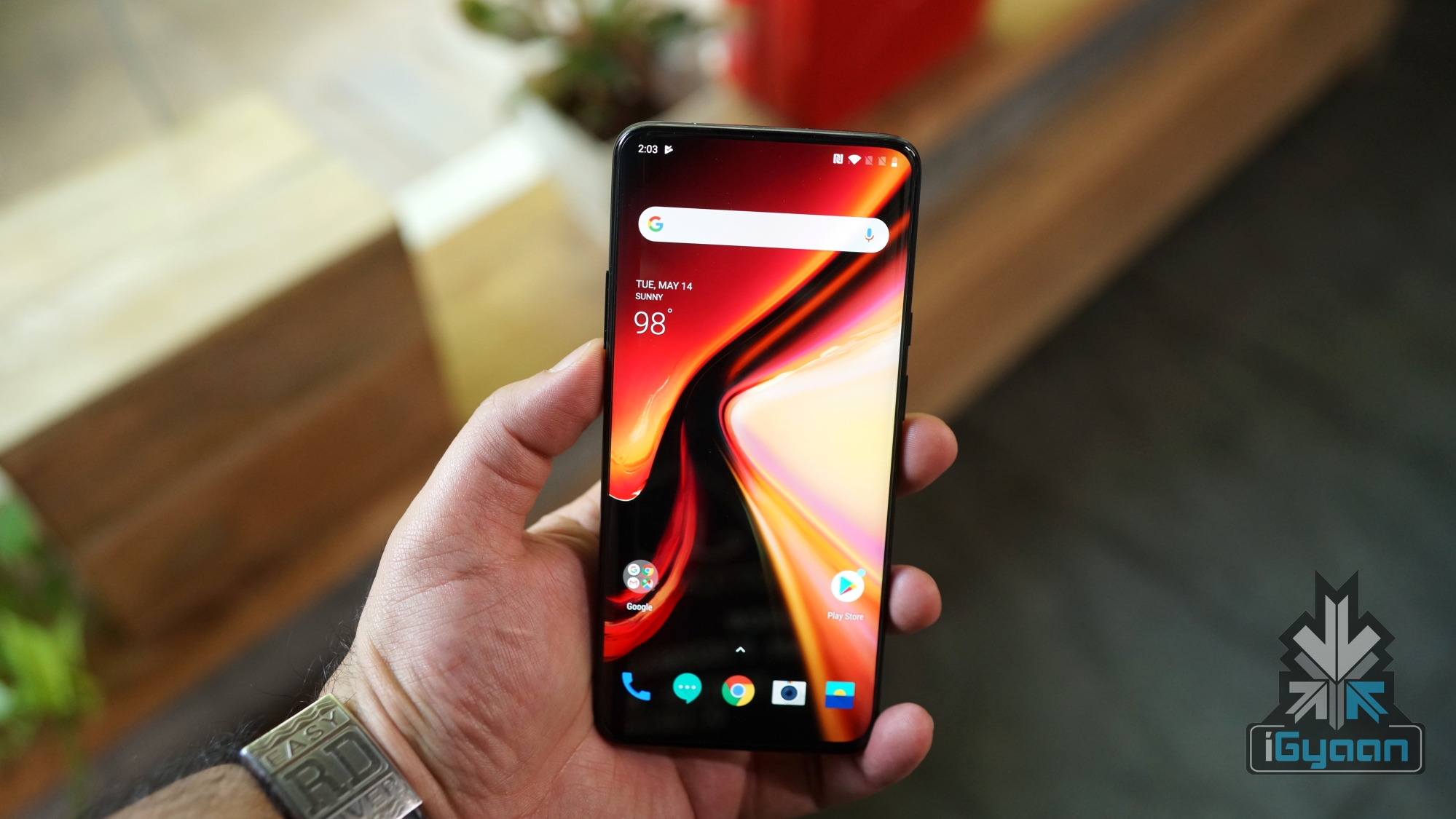
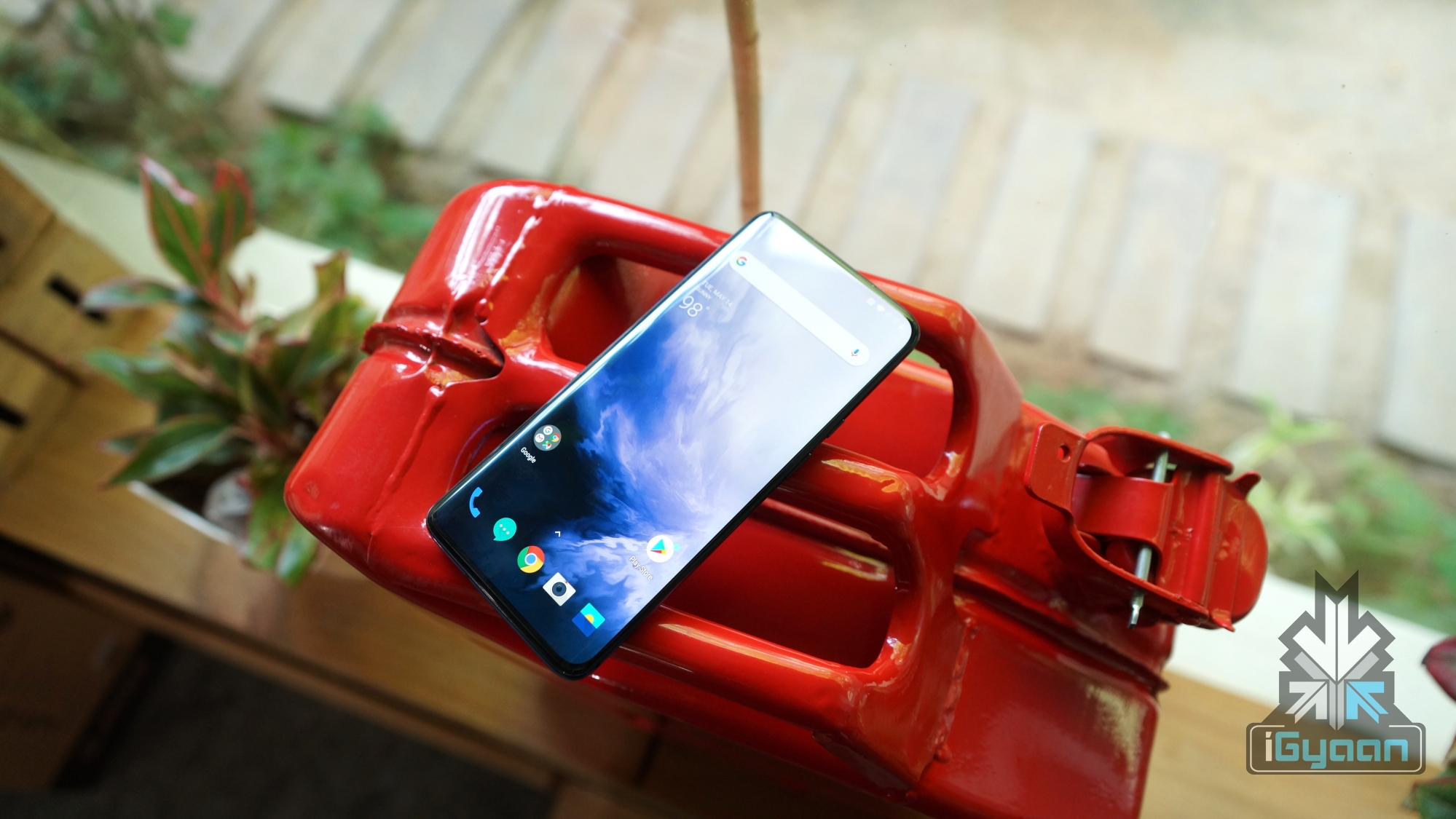
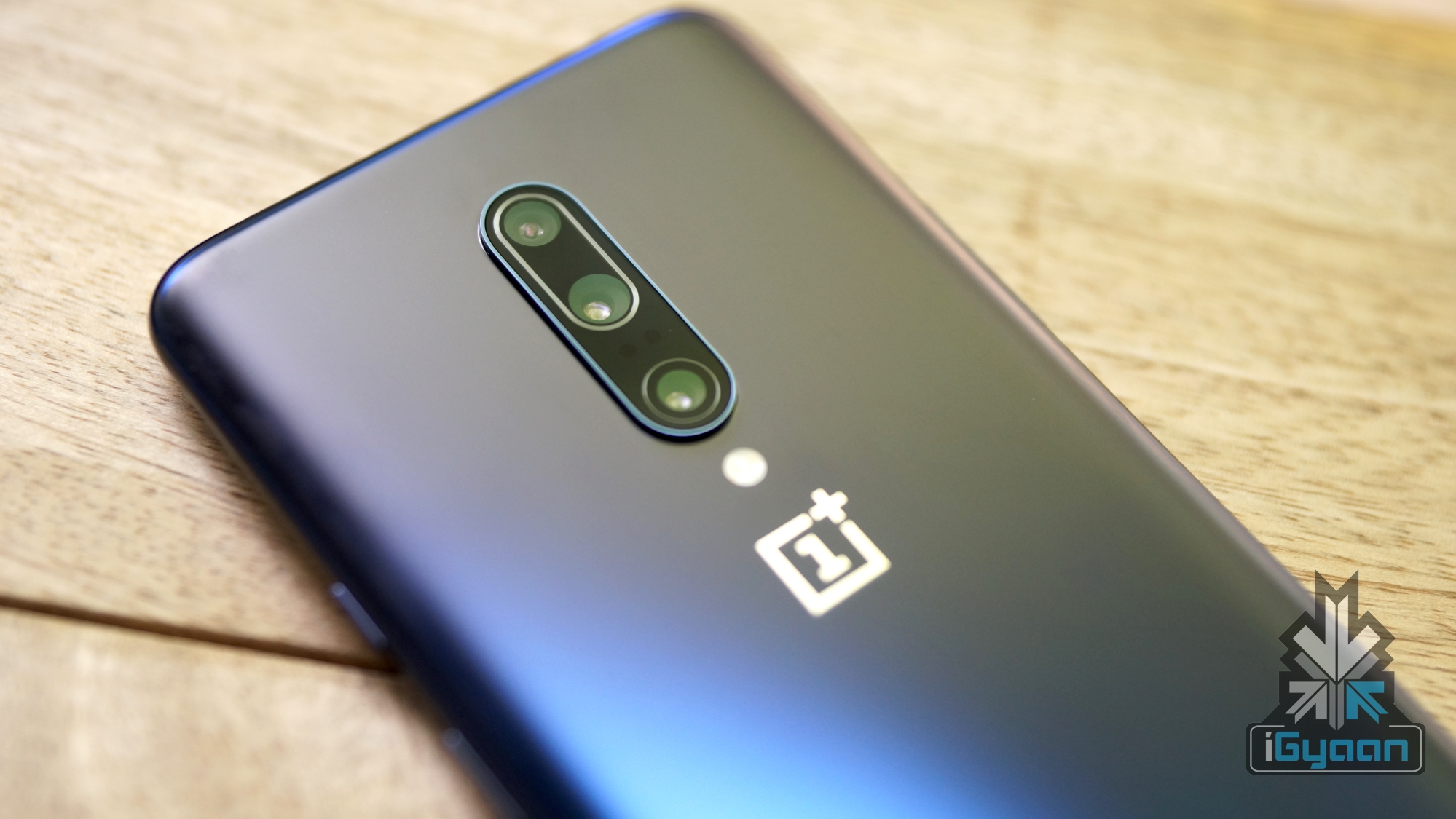
    Earlier this month, Google held its annual developer conference, Google I/O in Mountain View, California where it showcased the upcoming Android Q. The future Android update will introduce several new features while simultaneously enhancing the existing ones. The consumer-ready update of the latest Android version is expected to roll out in the month of August. However, interested device owners can experience the Beta version of Android Q which takes a bit of tinkering to install.OnePlus 7 Pro Front

    During the conference, Google published a list of OEMs whose devices are eligible for the Beta software update. As promised, Chinese smartphone maker, OnePlus has dropped the said Android Q beta for its latest flagship smartphone duo which includes the OnePlus 7 and OnePlus 7 Pro. Consequently, interested OnePlus 7 and 7 Pro owners can install the latest software on their devices and experience what the future version of Android has on offer. Though, it must be noted that Beta software has certain issues which will be fixed gradually with upcoming updates. The list of known issues is listed below:

    • Ambient Display is not working
    • System stability issues
    • Cannot send SMS when VoLTE is on
    • Navigation gesture is not working
    • Recovery mode doesn’t work
    • Some apps may not function as expected when running on this Developer preview release
    • An issue with MTP that doesn’t allow you to copy rollback file from PC to Phone

    After going through the list of known issues, if you still want to install Android Q beta on your OnePlus 7 or OnePlus 7 Pro, the following guide will help you

    How To Install Android Q Beta On OnePlus 7 and OnePlus 7 Pro?OnePlus 7 Pro Rear

    Note:

    • The update will delete the existing data on your smartphone, therefore backup important data before installing the update.
    • Make sure your device is 30% charged and has at least 3 GB of available storage space.

    Steps:

    • Download the latest ROM upgrade zip package. (OnePlus 7, OnePlus 7 Pro)
    • Copy the ROM upgrade package to the phone storage.
    • Navigate to Settings > System > System Updates > Click top right icon > Local upgrade > Click on the corresponding installation package > upgrade
    • After the upgrade is complete, click Restart.
    • The phone will boot into recovery mode to format user data, it will reboot again after formatting.
    • Update successful.?
  • Google Not Forcing New Android Q Navigation Gestures On Manufacturers

    Google Not Forcing New Android Q Navigation Gestures On Manufacturers

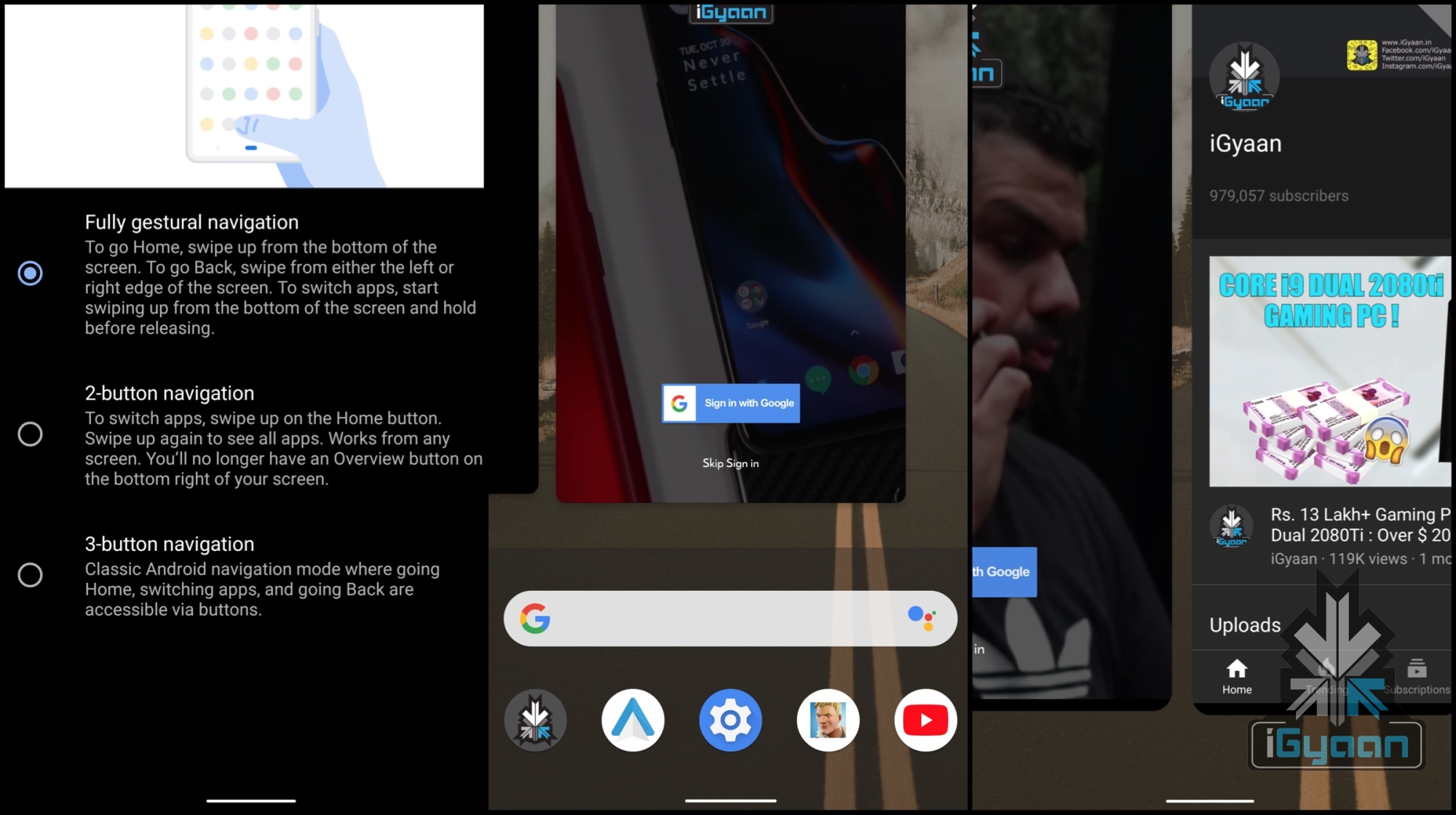
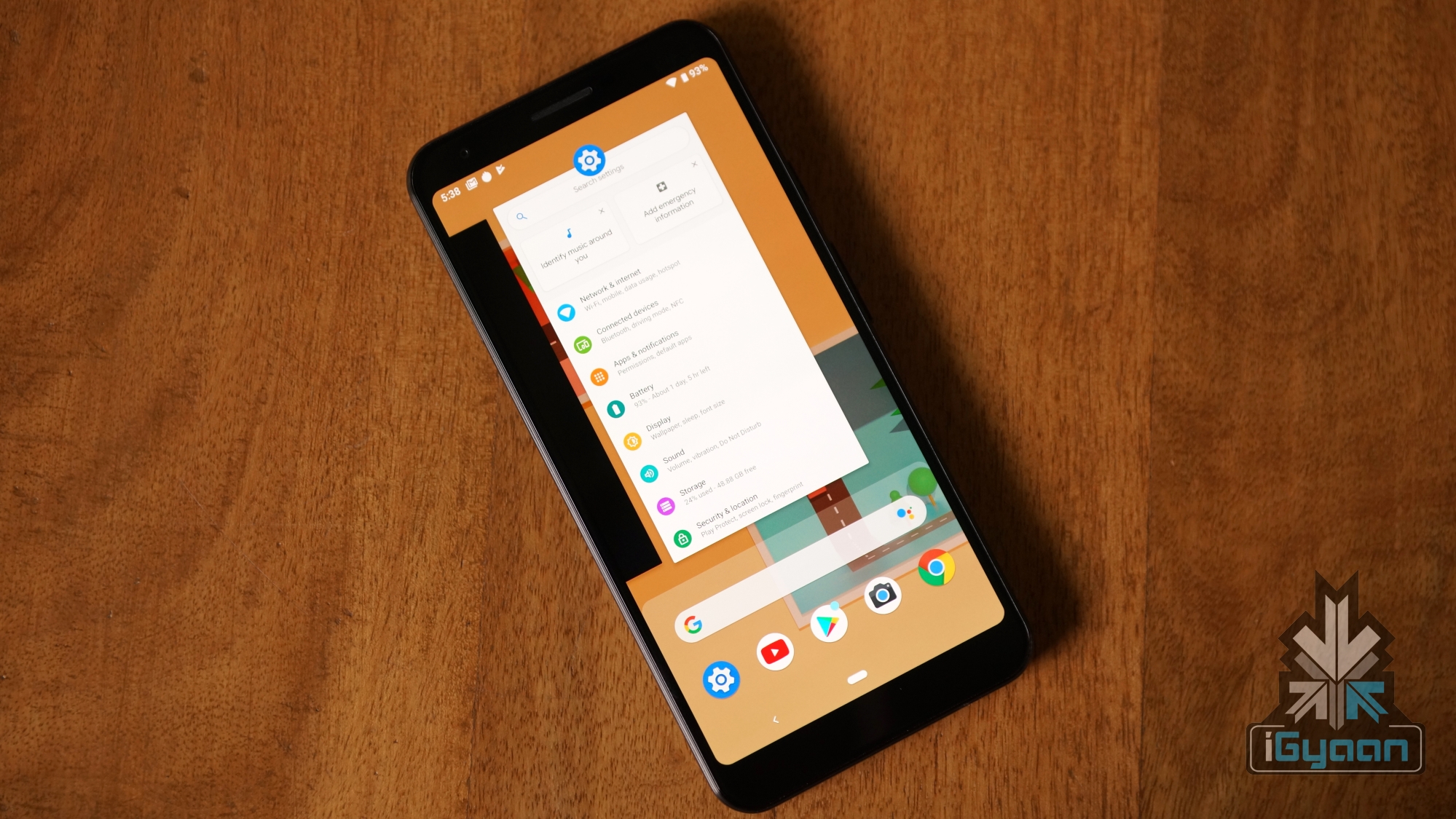
    Amongst a ton of other updates announced at the Google I/O, Google unveiled a variety of features that are bundled with its upcoming iteration of Android. Google’s new “fully gestural navigation” removes the back button from the navigation bar at the bottom of the screen. As per previous reports, Google made it mandatory that the OEMs ship their Android Q enabled devices with the new navigation gestures. However, latest developments state that Google will not force OEMs to adopt the new gesture navigation. 

    The Product Manager for Android clarified the underlying situation by saying that Google is solely encouraging OEMs to use the new navigation gestures. Since Gesture Navigation can be troublesome to incorporate with previously existing gestures, the company does not want this to be a bigger challenge for developers. He further added that Android has always been about choice, hence the company plans to keep it that way. Android Q will still include the original 3-button navigation bar, which was previously removed from Pixel 3 smartphones running Android P. 
    Also Read: Google Reveals The Key Details Of Its Upcoming Fuchsia OS

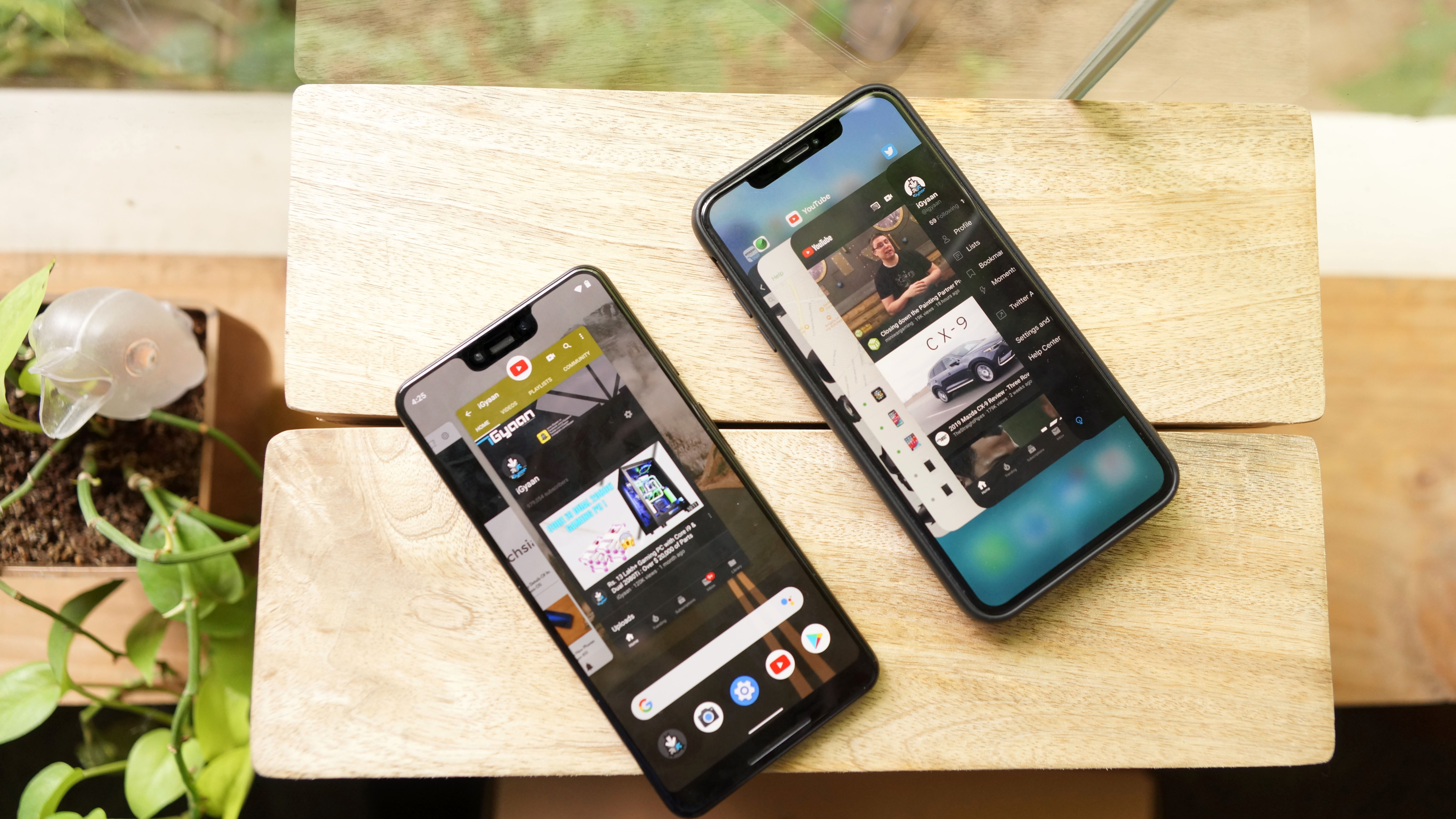
    The new gestures introduced in Android Q resemble the gestural navigation of iPhones. Since the bottom section is now comparatively smaller and no longer includes any button. Users can swipe vertically up from the bottom to go to the home screen and swipe horizontally from the left or right to go back to the previous screen. Swiping diagonally from the bottom left or right corner to the middle of the screen will launch the Google Assistant. Whereas swiping left or right on the gesture bar will enable users to quickly switch between applications. Lastly, recent apps can be viewed by swiping up from the bottom of the screen.  

    Those on Android Q Beta can see these updates on their phones already. 

  • Google Announces New Features That Will Accompany Android Q

    Google Announces New Features That Will Accompany Android Q

    May 7 was the first day of the much-awaited Google I/O event, and Google introduced a variety of new features and devices, such as the Google Pixel 3a series , the Nest Hub Max Smart Display and the Live Caption feature, which is a part of Android Q. Talking about the aforementioned OS, Google plans to release the full version of Android Q by this fall (somewhere between September and November). However, the latest beta version of the 10th iteration of Android is available on multiple Google devices as of now. The American technology company introduced a host of new features that will accompany Android Q.

    Dark Theme

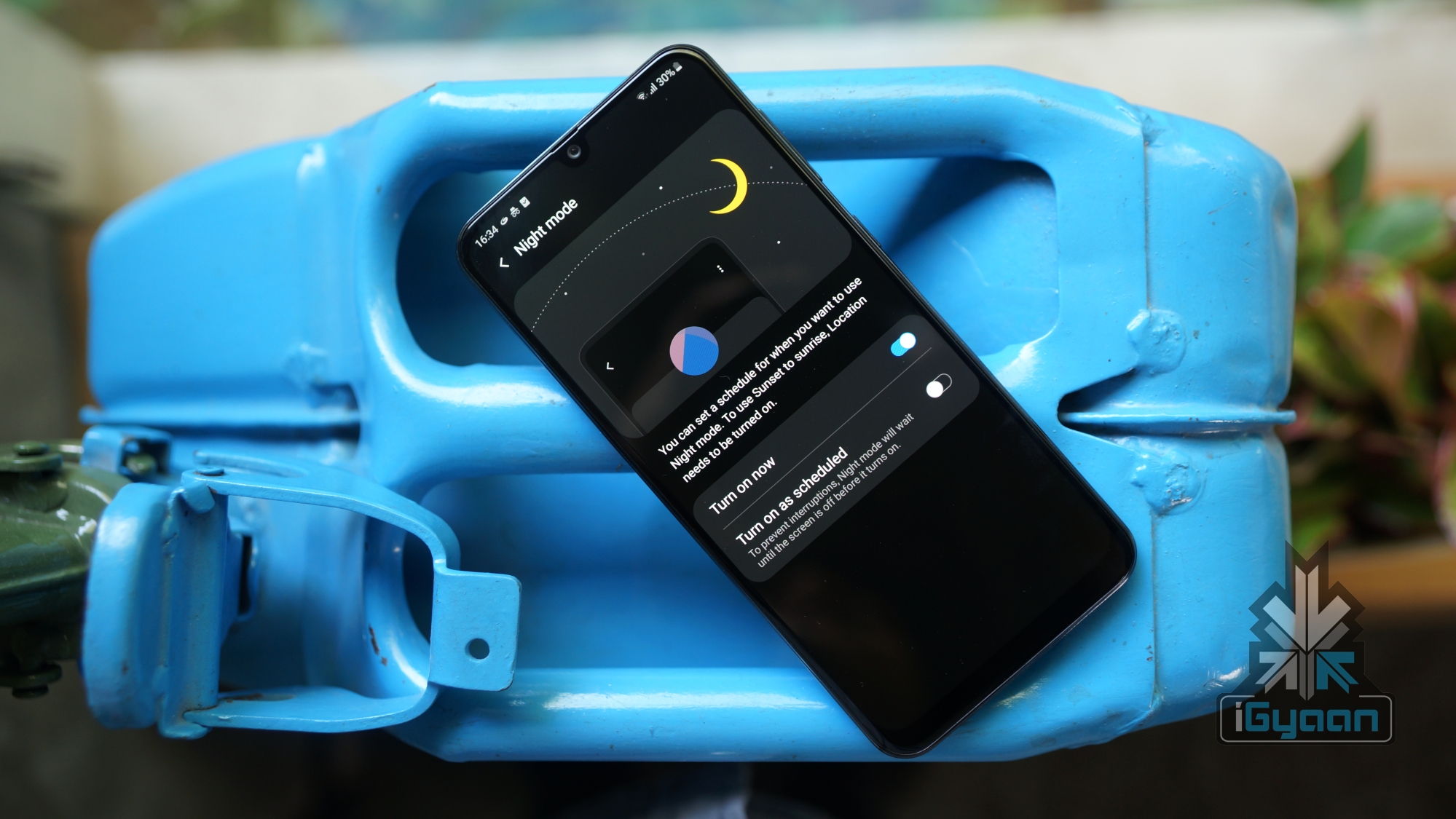
    The dark theme is being adopted by an increasing number of operating systems and applications across various devices. As announced at the event, the dark mode will be activated by simply pulling down the notification bar and choosing the “Dark Theme” option from the Quick Settings menu. The mode can also be activated by turning the battery saver on.
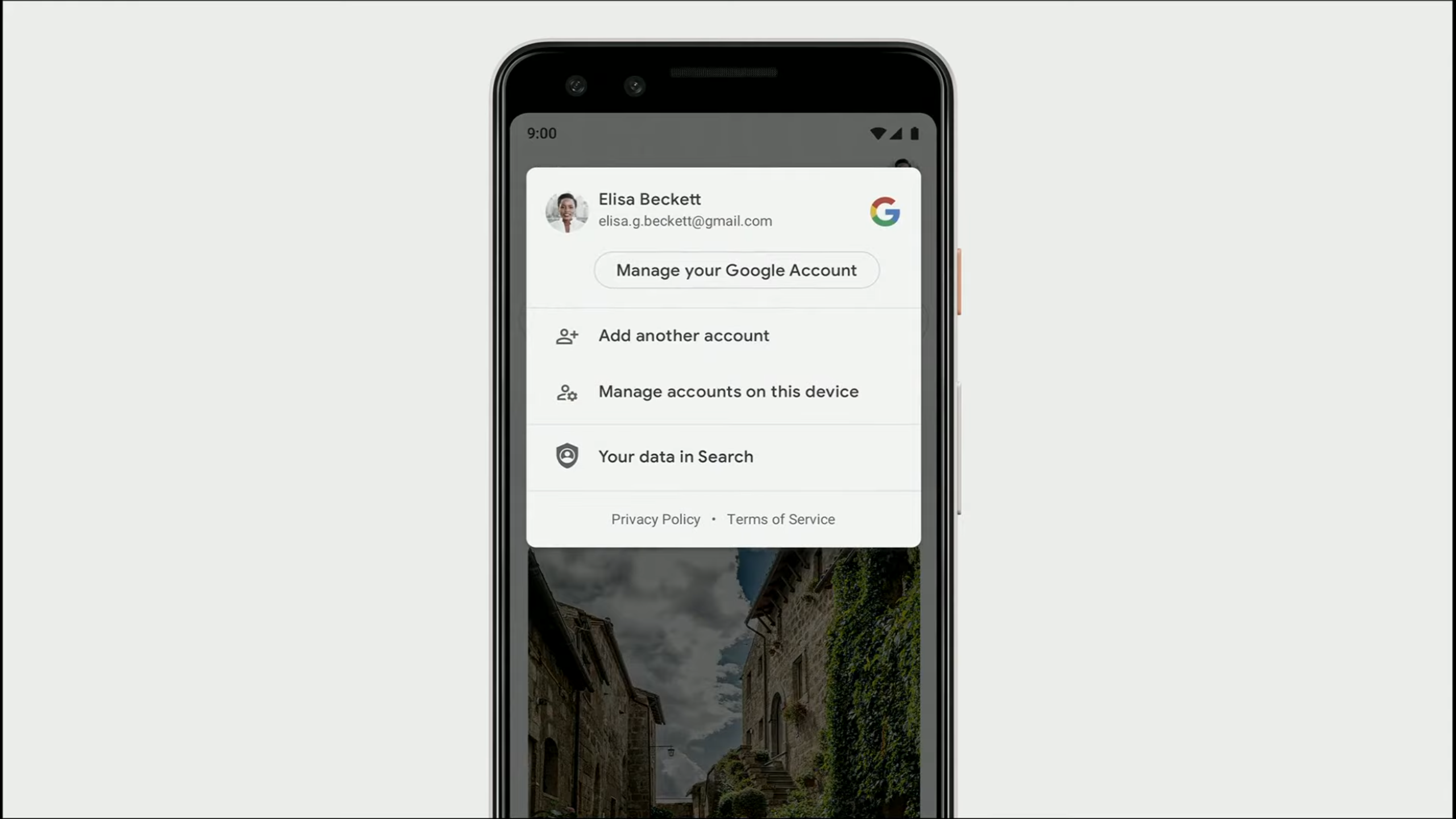
    Google stated that the dark theme will especially help in conserving battery on those devices which feature OLED displays, since only selected pixels on the screen are lit up during the operation of such panels. Further Google adds that all its first party apps will be dark theme compatible. This implies that Google Clock, Google Calendar and Google Photos will be able to take advantage of system-wide dark theme to preserve battery.

    Support For Foldable Devices

    As Google states, multiple OEMs will release foldable smartphones this year, and all of them will run on the latest Android OS. In a demo showcased by the company, the user was seamlessly able to switch from the game running on one screen to the foldable screen by simply unfolding the device. Supporting application continuity over the UI can help app developers work with APIs in a different way, Google says. 

    Gesture Navigation 

    Google is finally shifting away from the navigation bar and adopting a single white bar at the bottom of the screen. Users can swipe up to go to the home screen. To go into multitasking mode, users can swipe up and drag across the screen. If you swipe across the bar quickly, users can directly switch between adjacently running applications. Directly swiping up from the home screen can direct users towards the application drawer. Google further stated that animations across Android Q will be drastically improved in future updates. 

    Security Upgrades

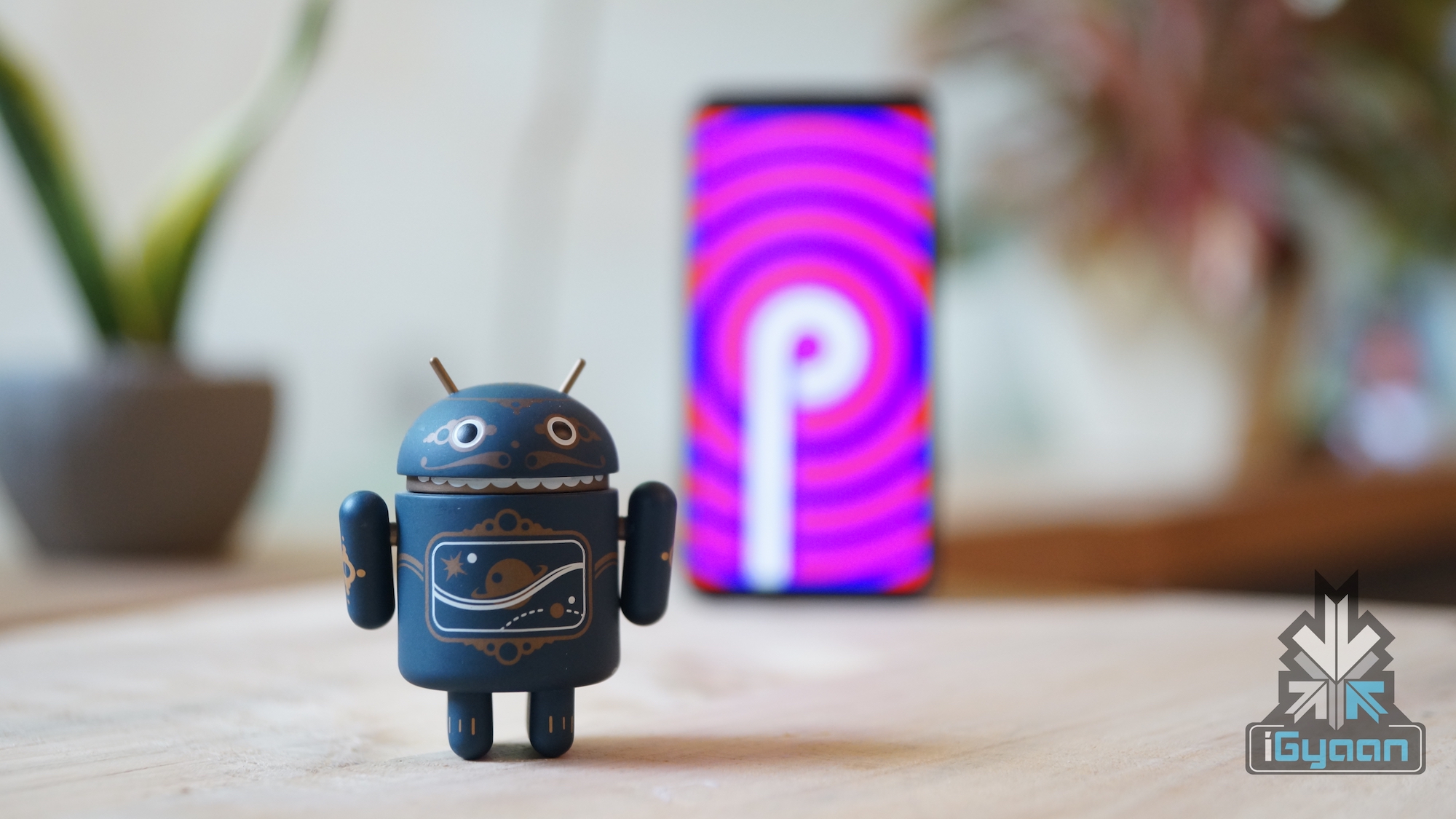
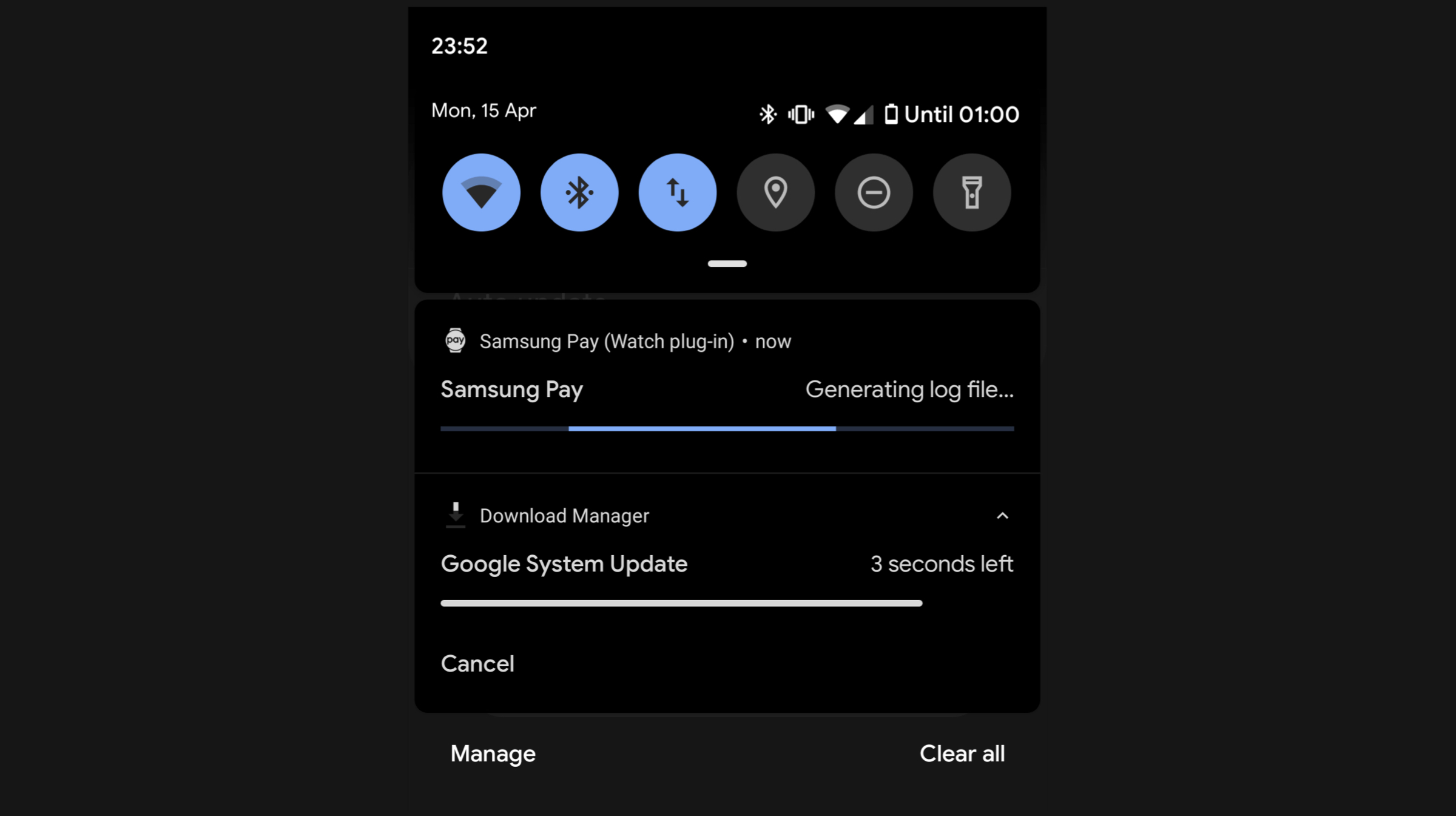
    Google Android Q SecurityGoogle plans to integrate new security features into Android Q. The company will add a new “Privacy Section” under Settings, where users can adjust multiple security settings regarding their smartphones. The company states that users can now choose to share their location data with specific applications as per their requirements. Google will also add a feature to use the Android Q enabled device as a security key for logging into third party applications. The update system overhaul will ensure that users receive all the security patches and updates in the background, which will be installed without having to reboot the smartphone.
    Live Captions

    https://youtu.be/YL-8Xfx6S5o

    Also Read: Samsung Still Cannot Provide A Release Date For The Galaxy Fold

    Live Caption is another interesting feature that was brought to light. When the said feature is enabled, users will be able to see transcribed captions for the respective audio/video on the screen in real time. The feature is not just limited to Google application, instead, multiple media apps like YouTube and Instagram can make use of this feature. Furthermore, the feature also works with live video calling apps like Google Duo and Skype. Noteworthy, an internet connection is not required for Live Captions to function. 

    As mentioned before, Android Q will make its way to supported devices  somewhere between the months of September and November. Note that the beta version 3 of the same is already rolling out to 21 devices from 13 smartphone brands, including the Realme 3 Pro and Nokia 8.1.  

  • Future Android Updates To Be Delivered Via The Google Play Store

    Future Android Updates To Be Delivered Via The Google Play Store

    Google’s Operating System Android is one of the most popular softwares in the world. Its popularity can be justified with the wide variety of devices it is compatible with. However, despite the popularity, one Achilles Heel the OS has faced time and again is the disparity in software updates. While smartphone OEMs like Google, Essential and Nokia have been known for pushing updates constantly, the majority of devices lack the latest version of the software. A post on the social media website Reddit insinuates Google is looking forward to changing that.

    In the post, the user claimed they received an Android software update through the Google Play Store, Android’s application store. This is an unconventional way of dealing with an update, as in the past all the new iterations to the AndroidOS were delivered through the settings menu. The new type of software update was seen in testing on the latest Android Q Beta 2.

    Future Android Updates

    While it is not set in stone, the aforementioned change could revolutionise the way future software updates are delivered. While the user on Reddit claimed it was a relatively small update package; it may be an indication that the new way of pushing changes in software through the Google Play Store would be limited, at least initially to monthly security patches. This suggests heavier files, like the ones packing major changes to the software, could still be delivered via the settings menu, as the conventional method.

    Also read: Free To Play Forza Street Out On PC, Will Also Launch On Android And iOS

    Delivering monthly security patches through the Google Play Store may be a monumental move on Google’s part. Because of this, smartphones which were abandoned and would not receive updates otherwise; would have a chance of receiving an update. This would make the AndroidOS one step closer to a privacy focussed software.

  • Google To Add More Smartphones To The Android Q Beta List In 2019

    Google To Add More Smartphones To The Android Q Beta List In 2019

    Each year Google announces changes and upgrades in its Android Operating System (OS) at its developer’s conference called Google I/O. Last year, it surprised the audience by announcing that the Android 9 Pie Beta will be made available for smartphones other than the company’s own Pixel lineup. This step was taken in order to curb Android Fragmentation, which means an alarming difference in the various available Android versions in the market. Fresh reports claim that the company is planning on adding more smartphone OEMs to this list for the year 2019 with the upcoming Android Q Beta update.

    Android Q Beta

    Google is expected to announce the first Android Q Public Beta at the Google I/O event which will be held in the month of May this year. The update will bring about significant changes in the design and usability of the OS. Previous leaks suggested that with the next version, the company is planning on removing the back navigation button completely in favour of new gestures; which will be used to navigate around the UI. Last year, it added smartphones from different OEMs which were eligible to get the first Android P Public Beta. Those devices included:

    A senior Google executive was noted saying the company will add a host of new smartphone OEMs to the list of devices supporting Android Q Public Beta. Unfortunately, as of now it is not known which devices will be added to the list but speculated names include smartphones from Motorola, Samsung, LG and Huawei. The brands from last year will be retained and their latest devices are also expected to be provided with the update.

    Also read: Qualcomm Demands US$ 31 Million In Damages From Apple

    The Android Q Public Beta update is being provided with the help of Google’s Treble project. It was released with Android 8 Oreo in the year 2017 and separated the chipset maker from the update process. This was aimed at streamlining the software updates, which differed drastically with each brand. This initiative of adding more smartphones to the beta update list by Google aims at fixing the issue of fragmentation in Android. It will be announced at the upcoming Google I/O, which will take place from May 7 to May 9 at the Shoreline Amphitheatre in California, USA.

  • Android To Replace The Back Navigation Button With Gestures In Android Q

    Android To Replace The Back Navigation Button With Gestures In Android Q

    The latest version of Google’s mobile operating system, Android 9 Pie was launched in August last year. The version included many changes in UI and introduced the long-awaited navigation gestures. The navigation gestures saw the removal of the multitasking navigation button from Android OS and instead it relied on just the ‘pill’ style navigation.

    Android One Android Go Stock AndroidThe back navigation button was still present on the OS and made an appearance whenever in an application. This half-baked approach turned out to be polarising with many people ending up liking the change; and many people straight-up hating it. Recent reports suggest Android will let go of the back navigation button completely and instead rely upon gestures in the upcoming Android Q.
    Android Q Gestures

    A device running a leaked version of Android Q revealed that Google may be planning to forego the back navigation button entirely in favour of one pill navigation. This would allow the users to go back with a single left swipe on the home ‘pill style’ button. This is expected to make Android easier to navigate and more intuitive. Notably, Google was inspired by Apple when it introduced gestures with the latest generation of Android. 
    Android Pie Android 9 Google

    Going by the release schedule Google follows while releasing the developer preview of the devices, the first developer preview of Android Q is expected to be out in a few weeks. It is, however not expected to introduce new gestures with the initial release. Google may wait for the second developer preview to reveal them, which will see the light of the day at the Google I/O 2019, a developer conference scheduled for the month of May. The new version of Android is also expected to bring in changes like a native dark mode, smoother transition animations, revamped app permissions and a new desktop mode. Earlier reports also claimed that Android Q may also support FaceID like face authentication.

    Also read: Sony Teases The Launch Of Xperia XZ4 In The New Teaser Video

    The new gestures that are speculated to arrive with the new version of Android, seem like a step in the positive direction for the operating system. The final, stable build of Android Q is expected to be out in August. It will be when Google also uncovers what desert this generation will be called.

  • Google I/O 2019 Dates And Venue Announced

    Google I/O 2019 Dates And Venue Announced

    Every year, Google shows their software prowess and their hardware capability with the Google I/O. Last year, it was the human like AI calling project called Google Duplex that took everyone’s attention. Google also announced the release of Android P beta to phone from different manufacturers other than Google, which was a big step.

    So because of all this, its no surprise people are eager and excited to know what Google has in store for us this year. And it seems like you don’t have to wait much longer. Google CEO Sundar Pichai has finally announced the dates and the venue for Google I/O 2019.


    Talking on Twitter, Pichai shared an image and announced that the annual event will take place from May 7 to May 9 in the Shoreline Amphitheatre. The venue and dates are not surprising though, as Google has always chosen similar dates for the event. The venue too, will be familiar for most regulars as its not the first time Google is hosting the I/O there.

    What to expect from Google I/O 2019?

    Google I/O has mostly been about the developing technologies at Google and this year will be no different. It is expected that Google will enrol more Smartphone brands in the Android Q beta, to take the next step in eliminating Android fragmentation. New exciting features in Android Q are also expected to be announced. Google may also show new developments to their Assistant, with  things like AI coming more into the picture.

     Also Read: Apple Will Now Pay The Winners Of Its “Shot On iPhone” Photo Contest

    One thing that Google is expected to do differently is launch new hardware this time around. Recent leaks showed that Google is working on devices like the mysterious Google Coral and the Pixel 3 Lite. If its any indication, there is strong possibility that these devices will launch at this year’s Google I/O.

    From all of the leaked stuff  about the Pixel 3 lite and the mystery that is the Google Coral and considering Google’s past year’s records, it seems like Google I/O 2019 will be the one to look forward to.

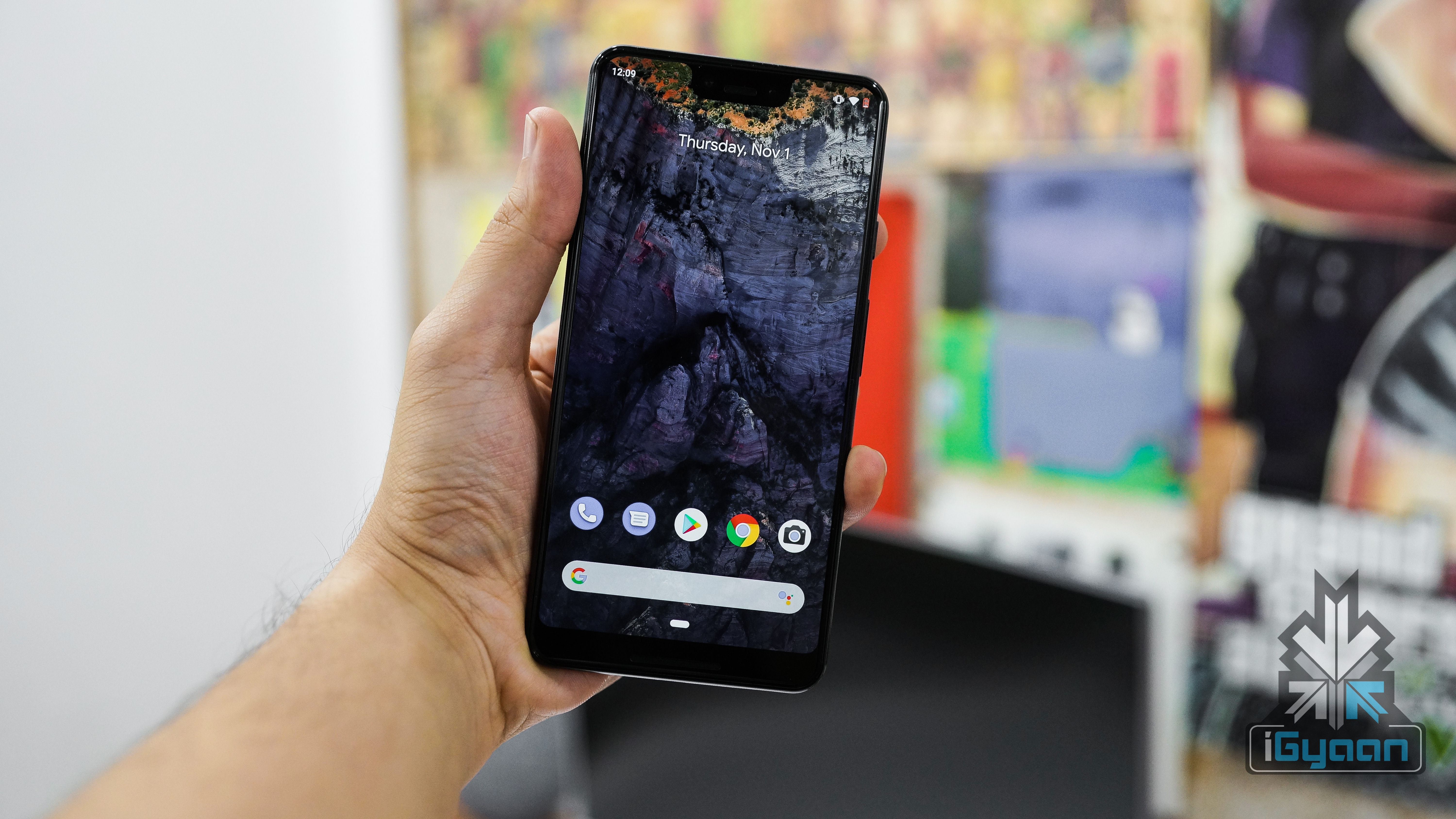
  • Google Pixel 3 XL Running Android Q Spotted On Geekbench

    Google Pixel 3 XL Running Android Q Spotted On Geekbench

    With the smartphone cycle for 2018 almost coming to an end, all that we can look forward to as of now is software updates. Possibly the biggest software update in the mobile industry is that of the Android OS. Each year, users wait for the lates version of their beloved OS to see what changes it brings. And now, a Google Pixel 3 XL running on Android Q has been spotted on Geekbench.

    Android  Pie was announced back in June this year and starting rolling out to devices only around October. Even almost a month after the rollout started, few devices run the latest Android version. In fact, most of the new phones do not run Android 9 Pie out of the box, which is also very surprising. 

    Geekbench Scores

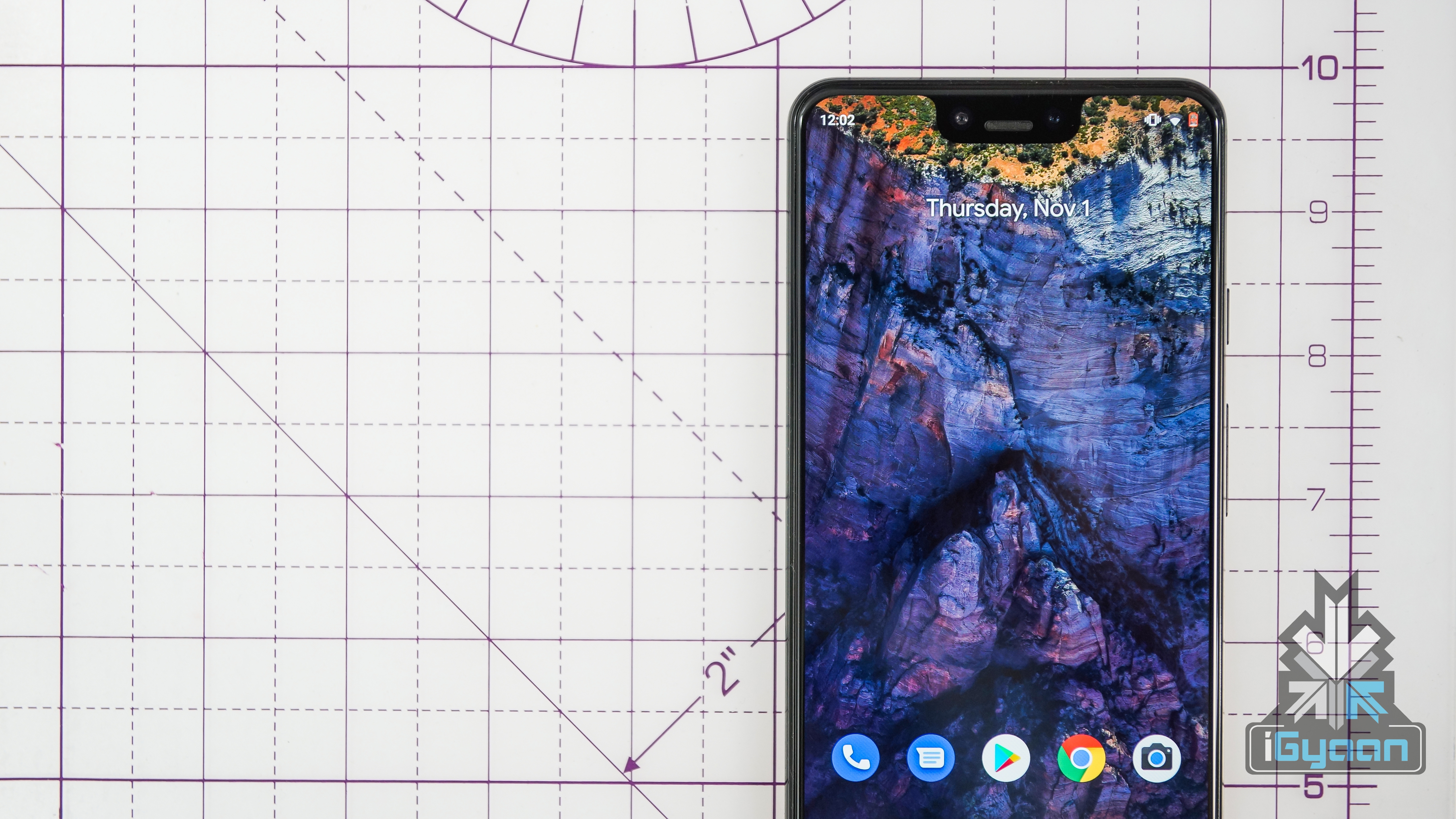
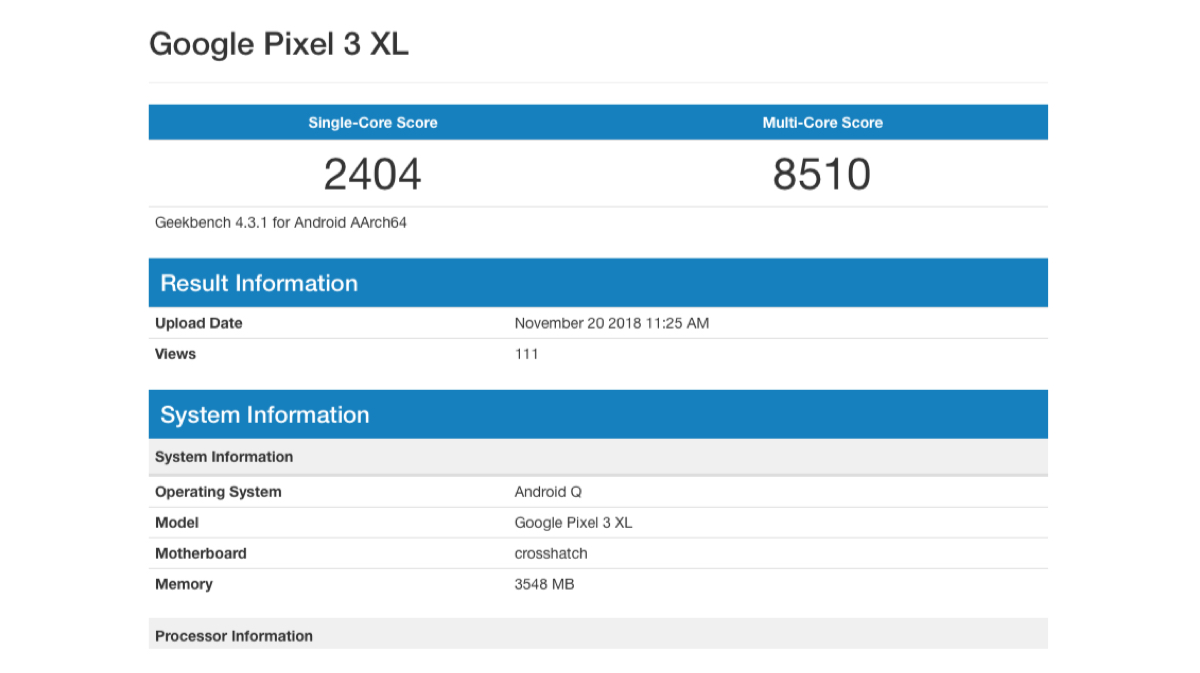
    The Geekbench listing revealed that a Google Pixel 3 XL device is being tested. Running the latest Android Q version with other regular specs. These include the Qualcomm Snapdragon 845 SoC and 4 GB of RAM. The device has a single core score of 2404 and a multi core score of 8510, which is a slight improvement over the scores with the previous OS.

    While nothing more about the OS is known as of now, it is expected that users with devices that were shipped with Android Pie will receive the update first. Reports also say that Google is considering letting users test Android Q before its Android Open Source Project release.

    Also Read: Huawei Mate 20 Pro To Launch In India On November 27

    This means that this version will not have any additional features which are meant for specific devices. Therefore, users will be able to use the OS as it is, and give better feedback. This also falls under the umbrella of project Treble which had promised access to future versions of Android.

iGyaan Network
Privacy Overview

This website uses cookies so that we can provide you with the best user experience possible. Cookie information is stored in your browser and performs functions such as recognising you when you return to our website and helping our team to understand which sections of the website you find most interesting and useful.