Tag: augmented reality

  • Beyond Smartwatches, Samsung Is Developing AR Smart glasses

    Beyond Smartwatches, Samsung Is Developing AR Smart glasses

    Over half a decade ago, Google unveiled the “Project Glass” branded smart glasses which were one of the first devices in the AR (augemented reality) segment. Six years later, world’s number one smartphone manufacturer, Samsung has also gained patent for an AR smartglass which has a visionary approach. 
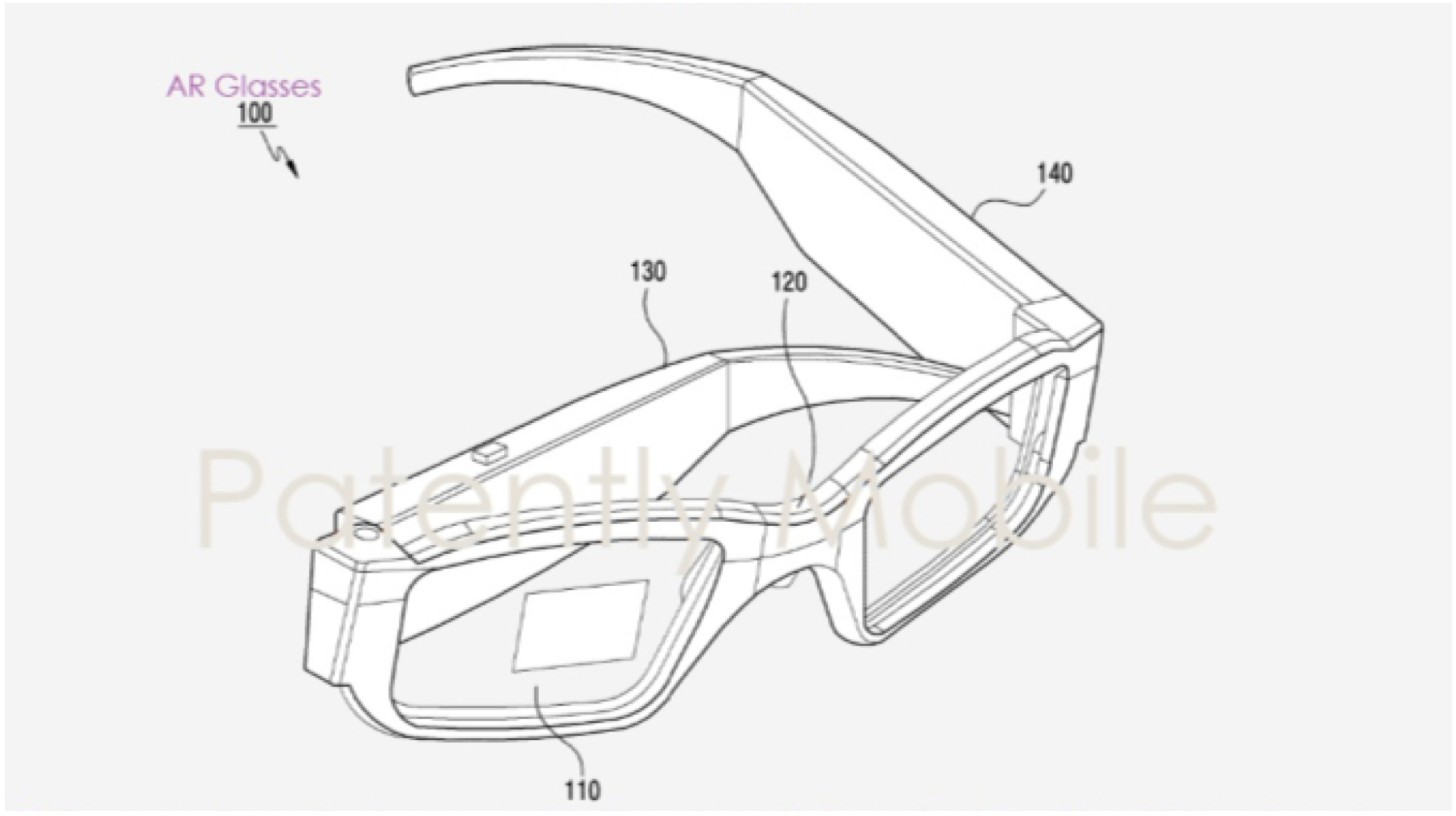
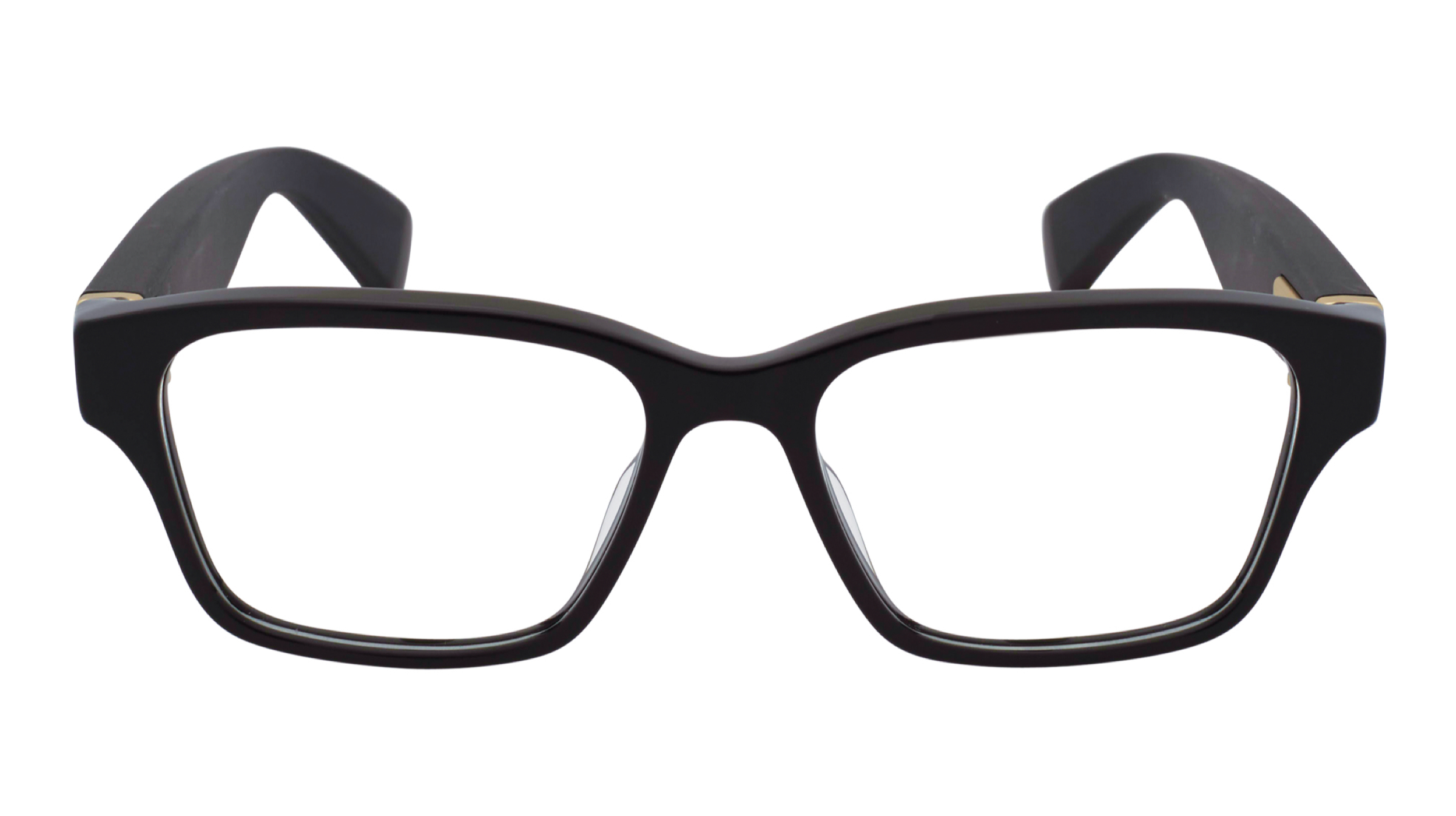
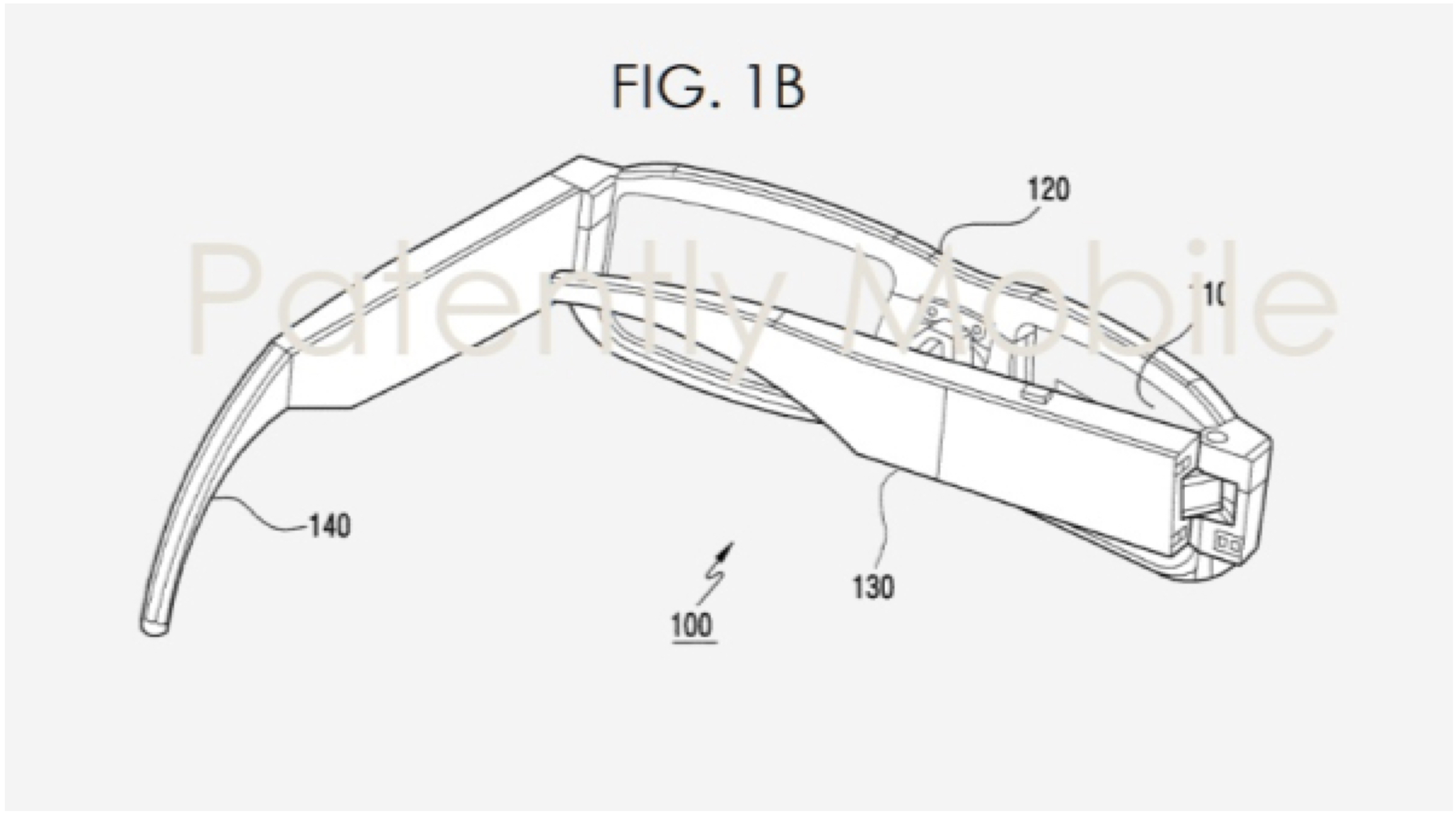
    According to the patent, the design of the Samsung AR glass is similar to a conventional sunglass. But the left and right temples that extend over the ear to help hold device in place are quite chunky. Moreover, the whole smart glass device can fold into half which will allow for easy storage. 

    Clearly, all the essential components like the battery and procesor will be housed in the thick temple. In stead of having a conventionaly screen for displaying information, the Samsung AR features a projcetor which with the help of a prism, projects the infromation on the right side glass. Therefore, the data displayed on the device will remain right infront of the user’s vision, whilst still allowing them to see through and look at objects behind without any obstruction.
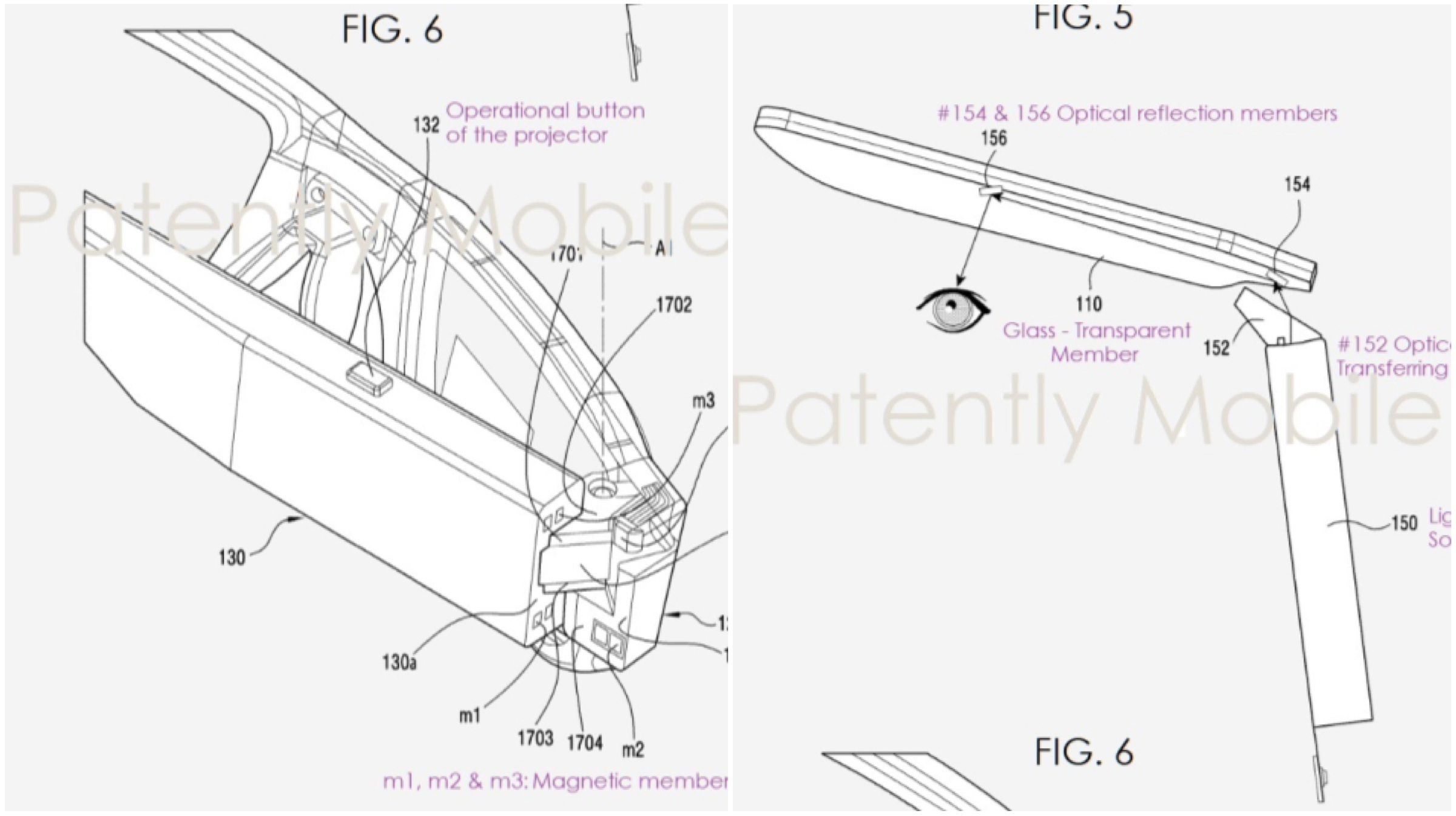
    The display can be toggled with the help of a small square shaped switch which is placed on top of the right ear temple. In addition, the patent suggests that the Samsung AR glasses have a whole host of sensors which are include proximity sensor, an infrared sensor, biometric sensor, temperature sensor, humidity sensor, gyro sensor, an atmospheric pressure sensor, magnetic sensor, an acceleration sensor, and even a grip sensor. 

    The Samsung AR glasses also have a built in camera which would be used of capturing images and videos. Moreover, the same camera sensor will allow the device to provide augmented reality capabilities like quickly scanning a product and showing a listing for it on Amazon.
    Also Read: Xiaomi Mi A3 Android One Smartphone Official Images Leaked

    Conclusively, the Samsung AR smartglass looks like a bold move into the future. Sadly, any concrete information about the launch of the device is currently unavailable, therefore, we will have to wait until Samsung itself provides information about the device.
  • Reports Claim Apple’s AR Glasses Will Launch In 2020

    Reports Claim Apple’s AR Glasses Will Launch In 2020

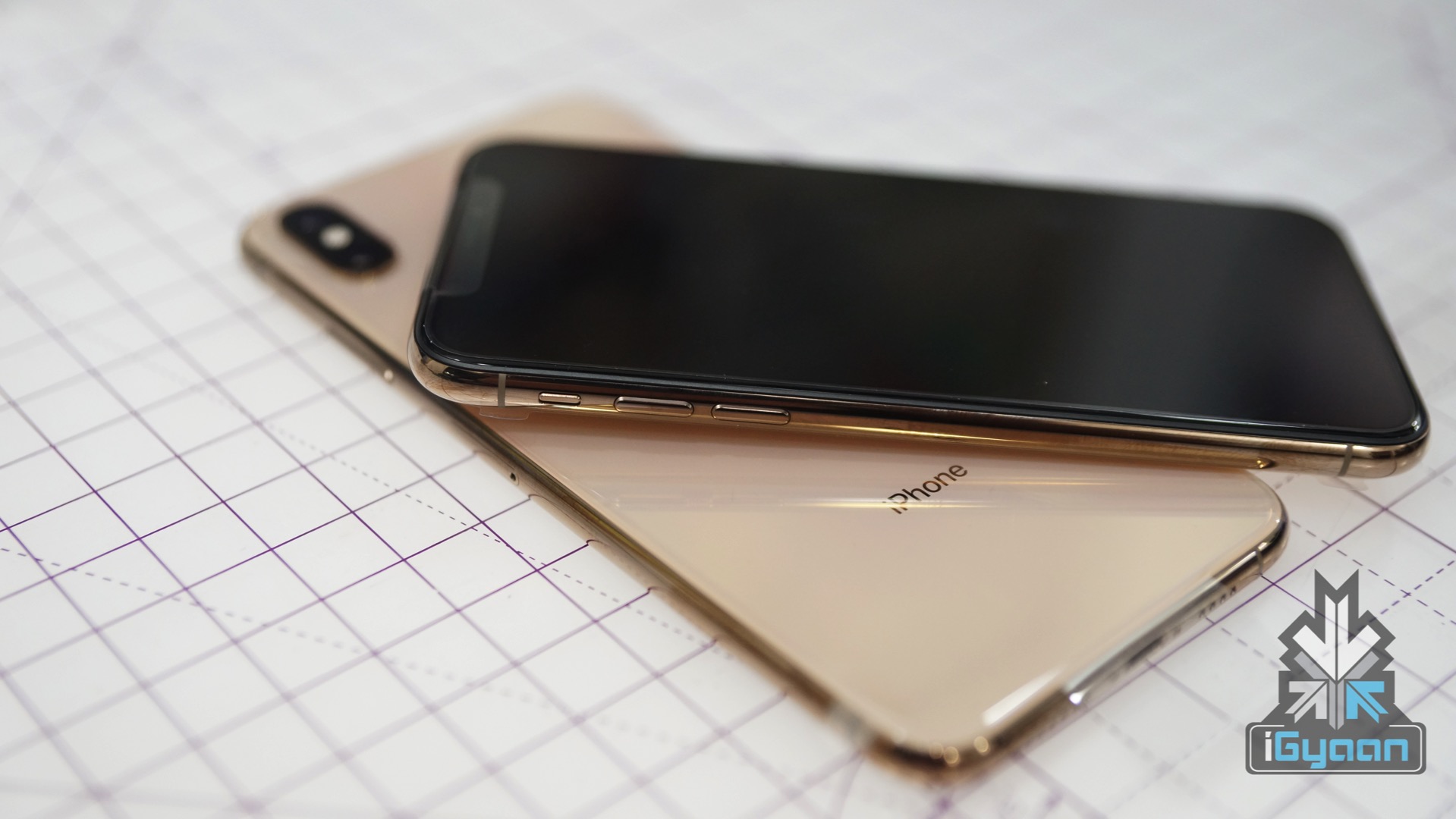
    Apple showed off its ARKit at the company’s annual Worldwide Developer Conference in the year 2017. The new software development tool was able to run Augmented Reality (AR) apps without requiring any specific hardware for it. The company then unveiled the iPhone 8, iPhone 8 Plus and the iPhone X the same year with AR capabilities natively present in the smartphones. Fresh reports claim that Apple will launch AR Glasses in the year 2020. These may be released as an accessory for the iPhone.

    Apple AR Glasses

    Noted Apple analyst, Ming-Chi Kuo claimed that the company is working on a pair AR Glasses which may release in the year 2020 as an optional accessory for the iPhone. The analyst states that the anticipated device will take the role of a display which will wirelessly facilitate computing and networking from the iPhone. Augmented Reality is defined as “an enhanced version of reality created by the use of technology to add digital information on an image of something”. Reportedly the glasses will be lightweight and portable as they would use the computing power of the iPhone to process data. Unfortunately, this suggests that they won’t work independently and will be compatible will products from Apple’s ecosystem.

    Earlier reports about Apple AR headset alleged that the company is developing an all-new Operating System (OS) for it. It is rumoured to be called rOS which stands for reality Operating System. This OS is also expected to be featured in Apple’s Virtual Reality (VR) ventures, which are suspected to be under development. The Apple AR Glasses may go into production in the fourth quarter of this year or by the second quarter of the next year. 

    Also read: Facebook Messenger Bug Can Leak Sensitive User Information

    The idea of AR Glasses by a company as significant as Apple is expected to bolster the development of the technology substantially. Apple is usually marked as a leader in terms of technology trends which are later followed by other OEMs globally. Consequently, companies except Apple will also develop their variants of visionary technology.  

  • Understanding Different Realities; What is AR, VR And MR

    Understanding Different Realities; What is AR, VR And MR

    Technology has often changed the way humans have perceived the world and is expected to further challenge it in the future. The introduction of Augmented and Virtual Realities have revolutionalised different business sectors completely and have allowed for a better interaction with technology to create more immersive, engaging content. But, what do AR and VR mean? And what is the new technology that has debuted with the Microsoft Hololens, MR? Here is what these terms mean individually.

    Augmented Reality (AR)

    Augmented Reality is defined as “an enhanced version of reality created by the use of technology to add digital information on an image of something.” It usually interacts with the help of a camera which is used to capture details from the real world. The device from which the AR functions are used makes it possible to further enhance the experience by adding different layers to reality. Pokemon Go, a game from 2016 is a great example of AR technology being used. Apps like Instagram and Snapchat also use this technology to provide live face stickers. 

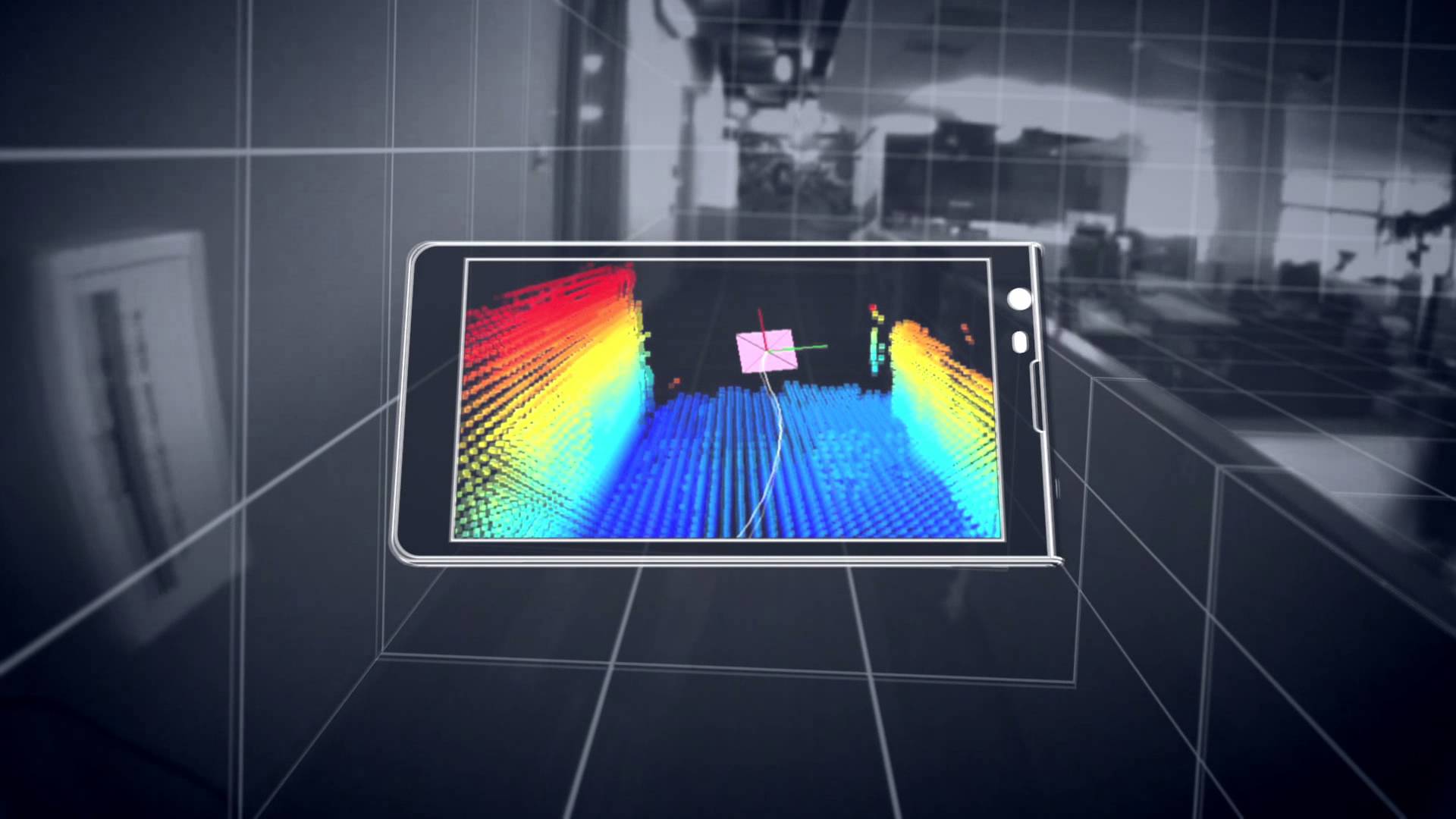
    Google tried pushing Augmented Reality with its Project Tango in 2014, which tried putting a dedicated camera with a spatial sense to capture depth. The Project was later shut down in 2017 because the company launched ARCore in 2018. The system used the already present hardware in a smartphone to use AR, which it debuted with the Pixel 2 and Pixel 2XL’s Playground feature. The AR technology is expected not to only make gaming better, but also have its use in departments like architecture and fashion.

    Virtual Reality (VR)

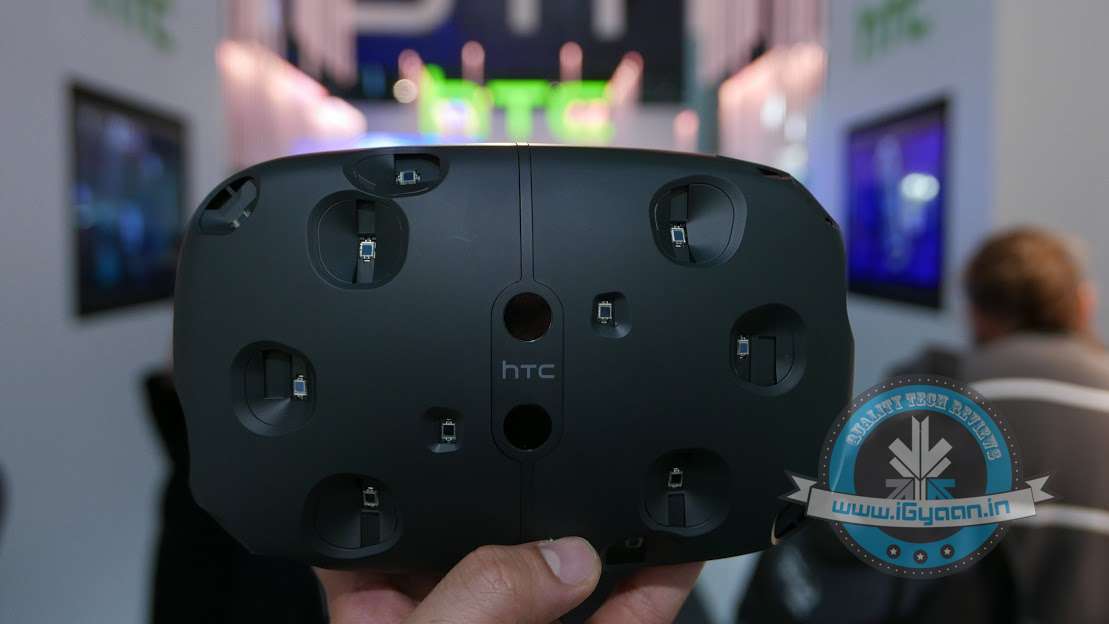
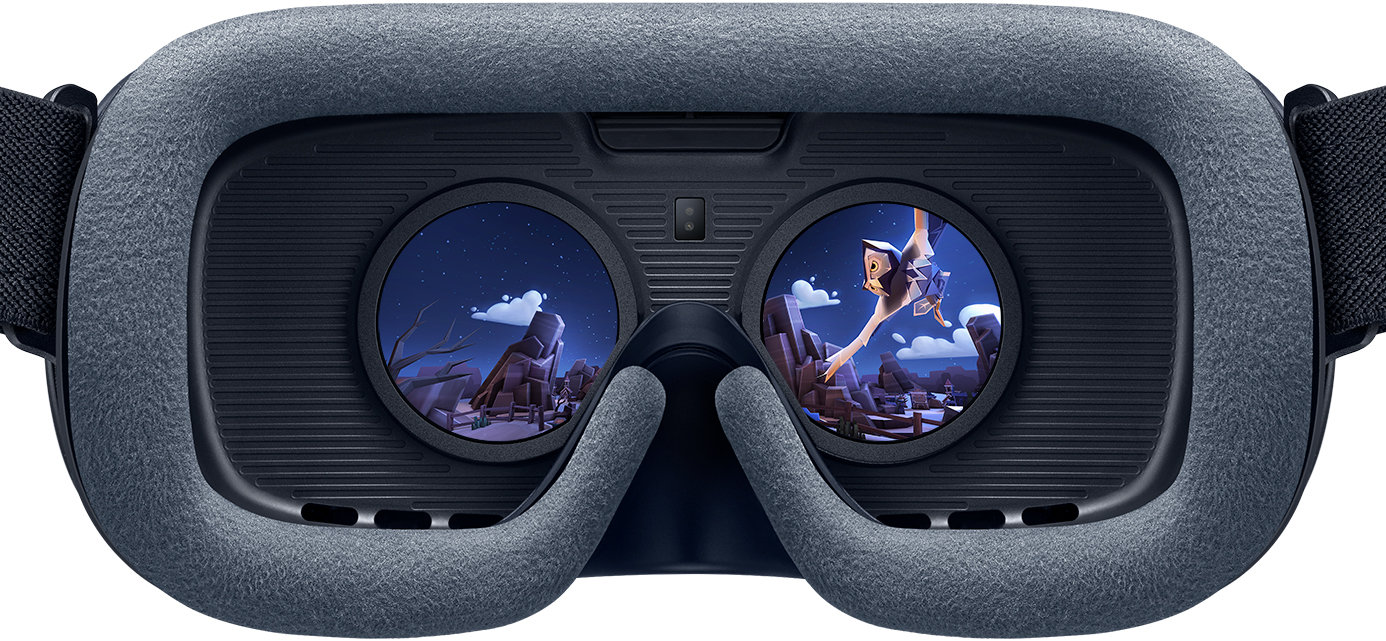
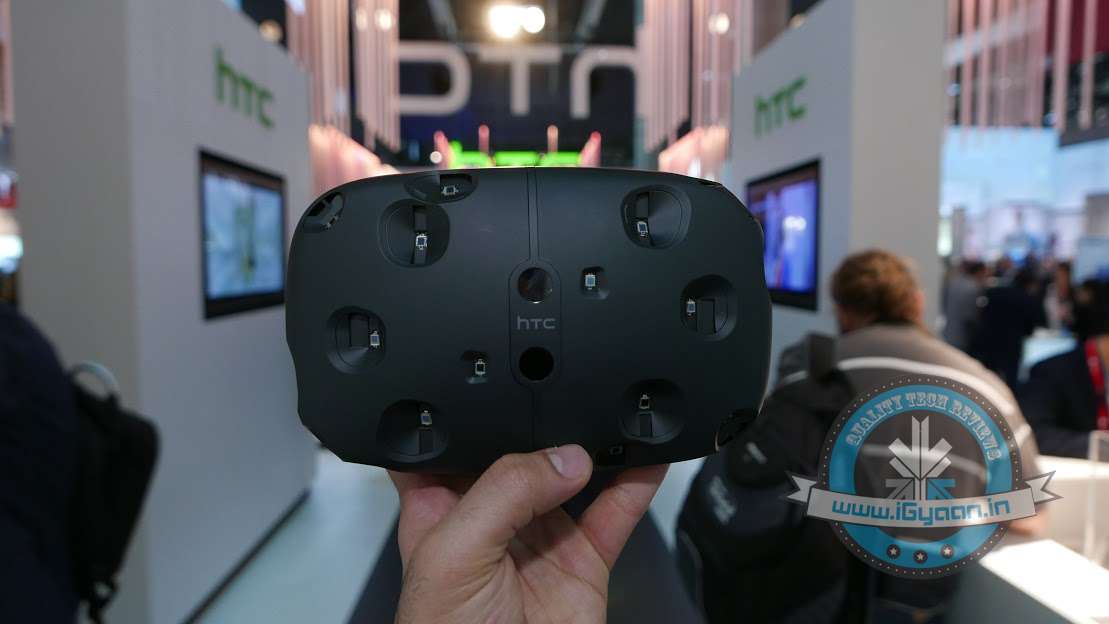
    Virtual Reality or VR is almost the opposite of AR. Instead of using any part of the real world or interacting with it, the technology uses a completely virtual world. This is generally achieved by a headset wrapped around the head with tiny displays in front of each eye. An alternate way is to use a smartphone inside the headset to create a virtual world. The famous VR headsets currently in the market are HTC Vive, Oculus Rift, Google Daydream View.

    The various applications of Virtual Reality are also considered to be groundbreaking. Despite the obvious use in gaming, the technology may be used in the training of various professionals like doctors, pilots and in the hospitality sector. Unfortunately, the native VR functionality is considered expensive and thus may not be suited for everyone. 

    Mixed Reality (MR)

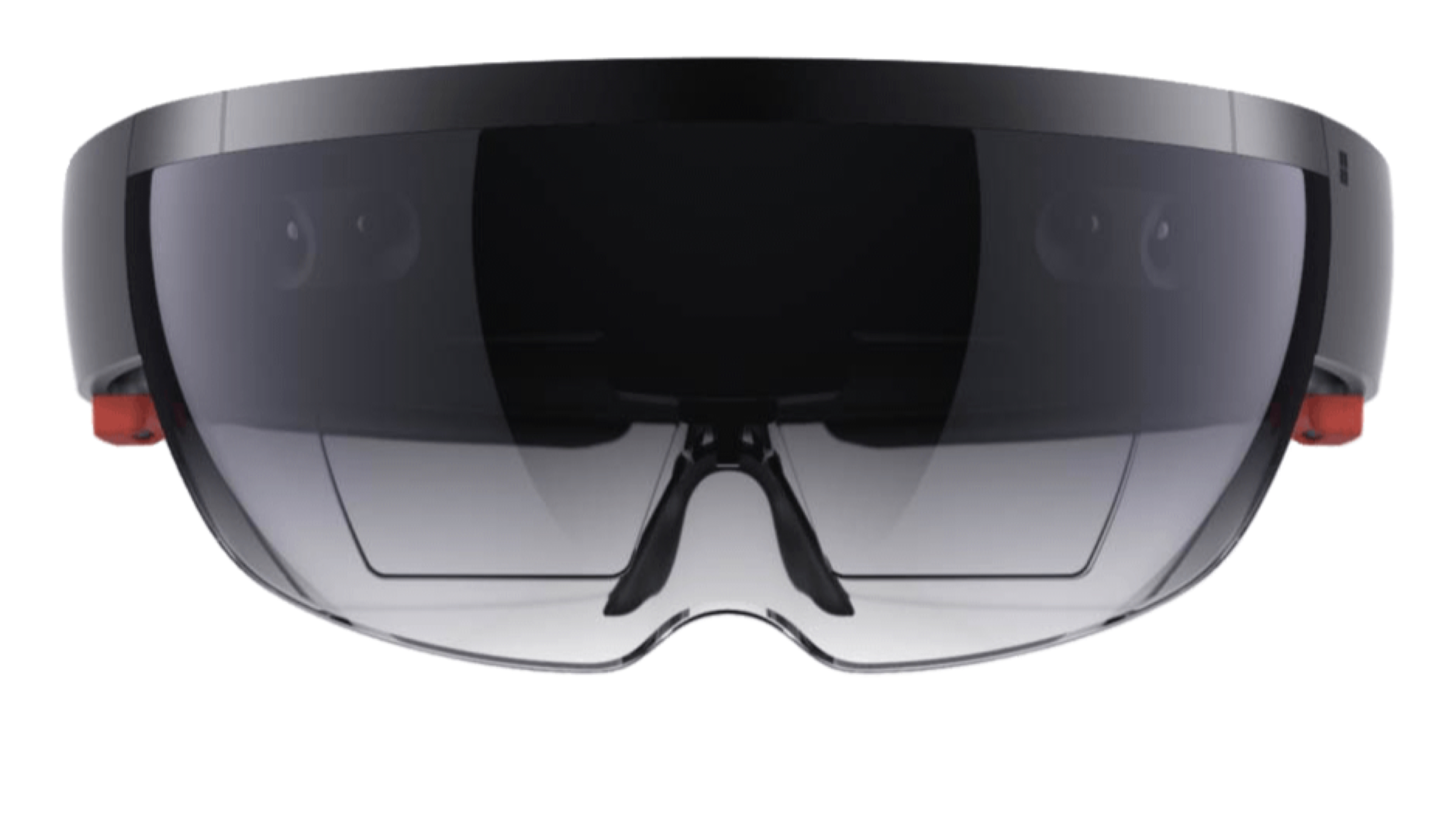
    The Mixed Reality or MR platform was popularised by Microsoft with its Hololens and makes use of the best parts about AR and VR and combines them together. This means that the technology will make use of a camera attached to the headset worn by the user. With the camera used for augmented reality, the Virtual effect rendered will create some form of isolation from the real world. Mixed Reality is expected to take off exponentially in a few years.

    Also read: Meizu Note 9 Launched With 48MP Rear Camera

    The real world case of Mixed Reality is expected to be more elaborate than both AR and VR. It is expected to be useful for industry workers and medical professionals. But, the technology is also deemed expensive in its current state and not available to everyone.


  • Huawei’s Upcoming AR Glasses Will Integrate With Its Smartwatch

    Huawei’s Upcoming AR Glasses Will Integrate With Its Smartwatch

    Richard Yu, Huawei CEO announced last year that they are working on AR glasses that are compatible with a smartphone. Having said that, Huawei also revealed that they will unveil their AR glasses by the end of 2018, or in 2019.

    About The Patent

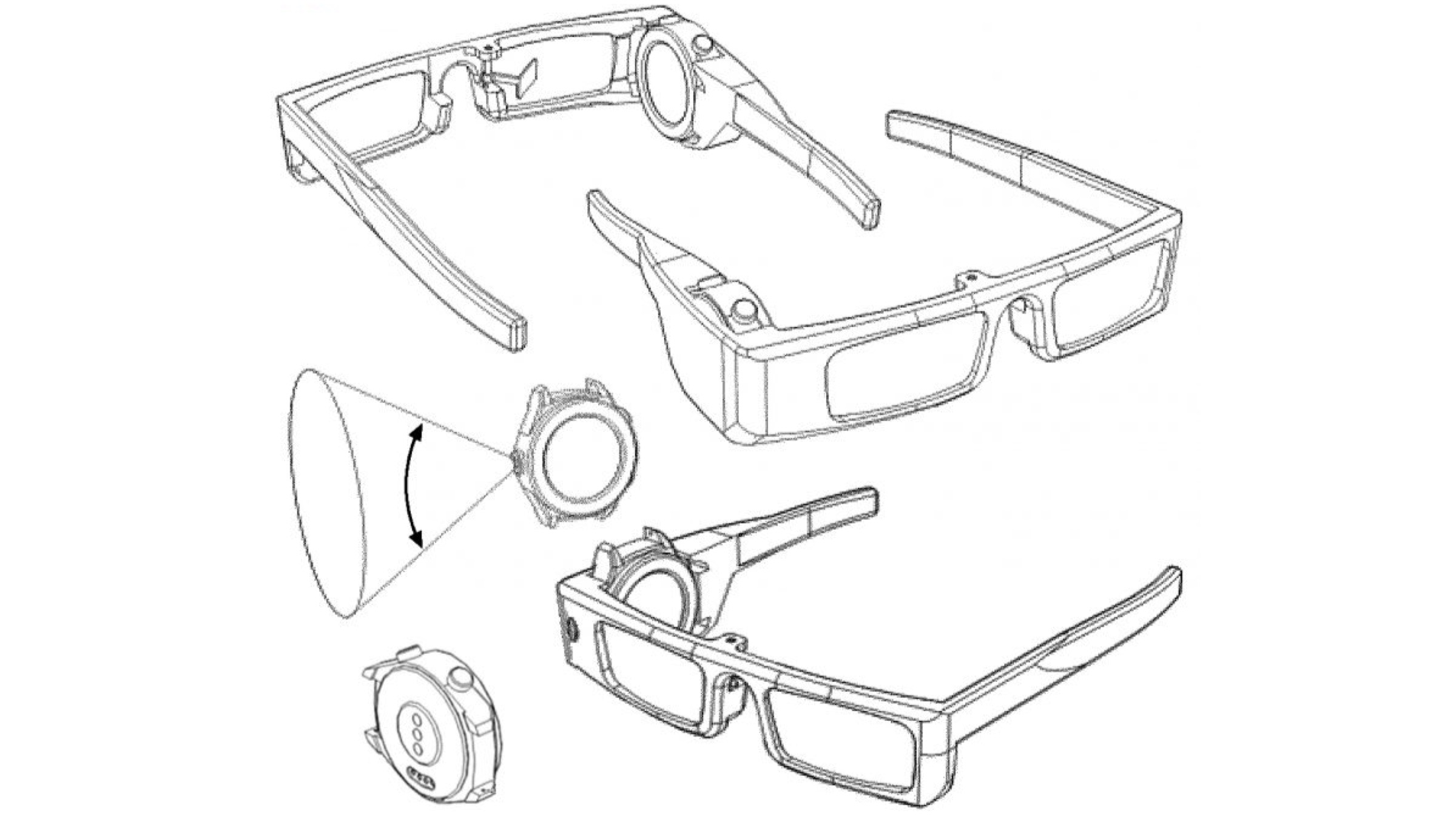
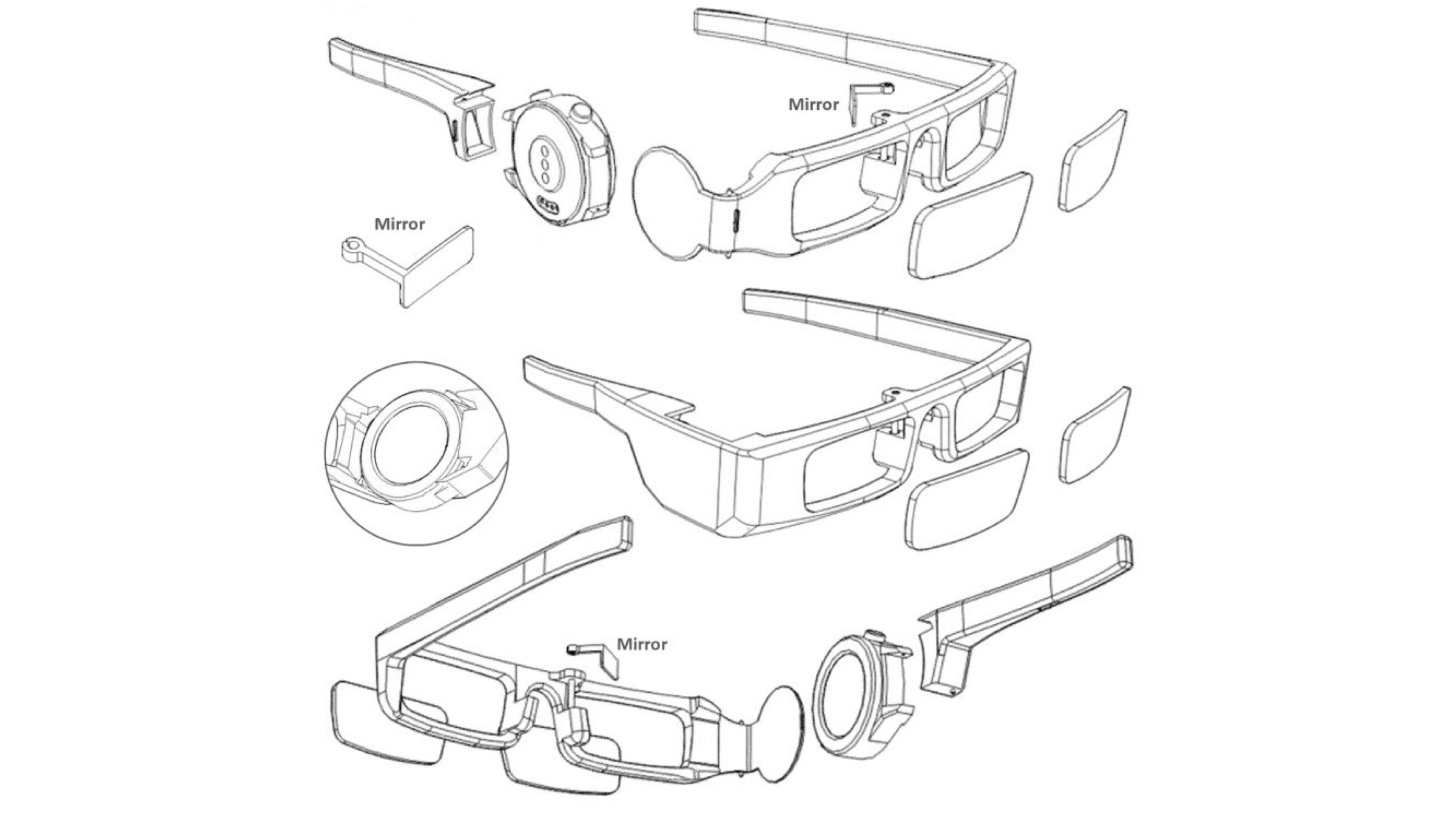
    However, a newly published patent reveals that Huawei is trying to pair the AR glasses with a smartwatch, not a smartphone. The patent indicates that the smartwatch can be attached to the glasses. The patent for “Eyeglass frame” was published by the World Intellectual Property Organization. According to the patent, the device is a lightweight, discrete and a relatively inexpensive AR headset.
    Smartwatch Compatibility

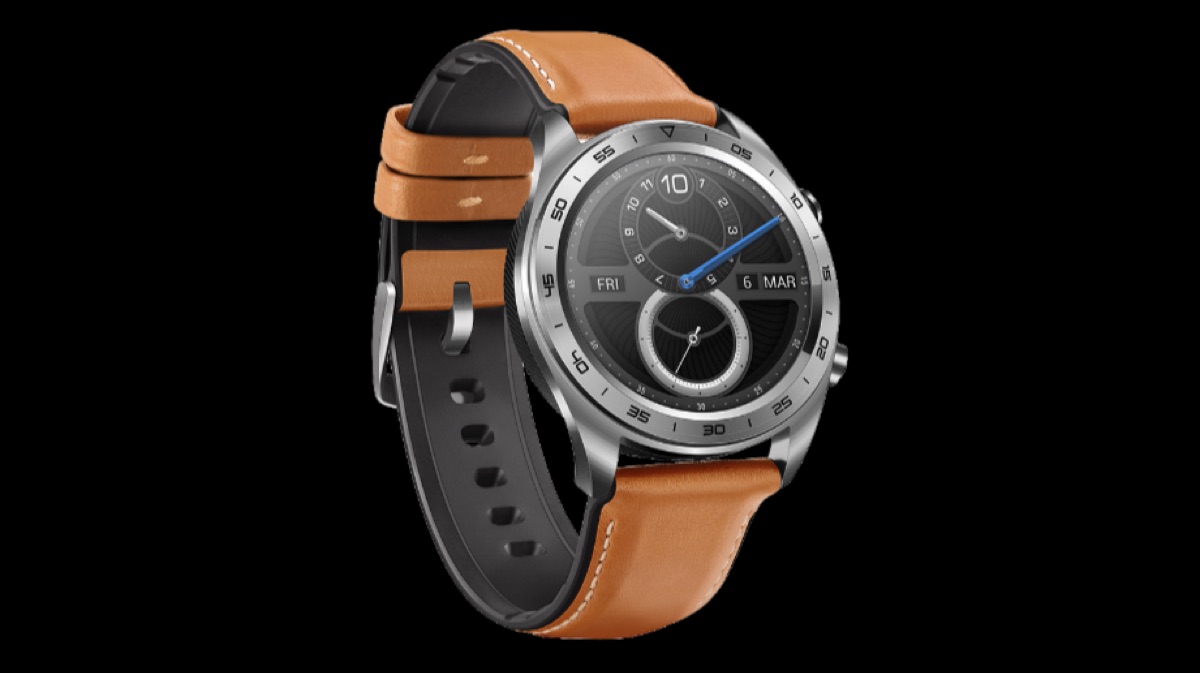
    It is interesting to note that the glasses don’t have any camera, display or communication means installed. For all these functions, you may need to have your smartwatch with you. Furthermore, the glasses have an adapter and a mirror to reflect the display towards the user. The adapter is present close to the smartwatch. The new AR glasses also support audio playback.

    Also Read: The Google Pixel 4 To Have Improved Dual SIM Support

    As per source, the smartwatch can be only attached in a single direction. The display of the smartwatch has to face inwards and the camera has to face outwards. It also has capabilities to record the user’s movements. For the AR glasses, a transparent, as well as a semi-transparent optical element, can be used. Huawei hasn’t released or even hinted at a smartwatch with a camera, so we will have to wait for a smartwatch with a camera first. 


  • Google Maps Will Support Augmented Reality Navigation Soon

    Google Maps Will Support Augmented Reality Navigation Soon

    Google has already given us a view into the future, where augmented reality can be integrated into phone cameras. This happened at the Google I/O 2018, where Google showed off a demo with an advanced navigation system. The new nav system could guide users by showing pop-ups regarding nearby shops and businesses.

    Google Maps: The AR Version

    As per reports, the AR version of the Maps is still in the making. Google previously previewed another version for developers in May 2018. The interesting part of that was that Google showed maps on the lower part of the screen. The rest of the screen helped the user navigate the real-world surroundings. Google also used a blinking arrow system, which was almost alike to the arrow in Google’s previous presentation. 
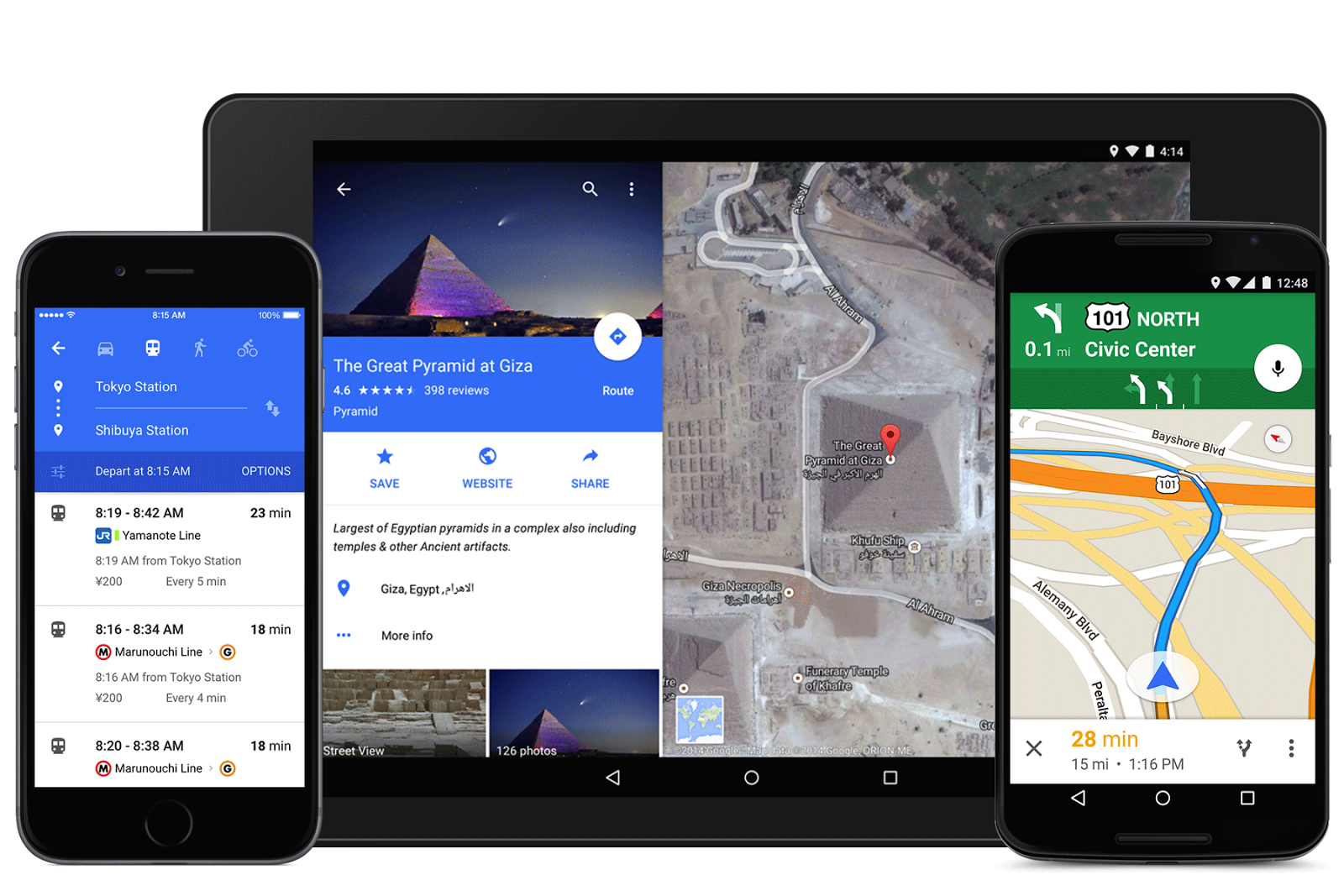
    Map Warnings & Online Guides

    GoogleWall Street Journal’s David Pierce noticed some more intriguing details about this demo feature. After orienting itself to the surroundings, the Google AR version of Maps kept prompting David to put his phone down, so that he doesn’t hit an obstruction. Similarly, WSJ said that the app should be used by more users to test out its features. But the guide for the same wasn’t available anywhere on the app.
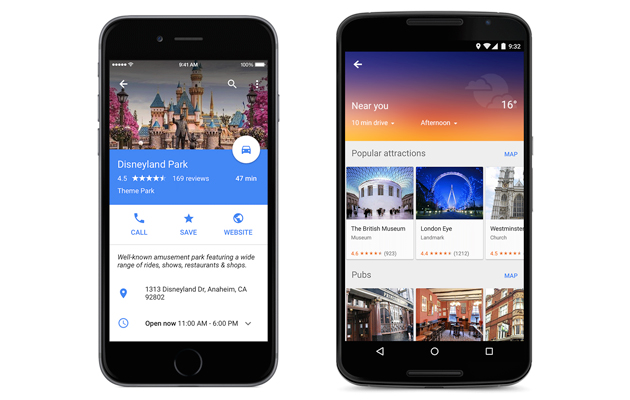

    As far as digital guides go, Google also showed off an idea of a digital guide on the AR Maps app. One version of the app included an “animated guide”, which was called “Pizza Man”. Similarly, it can be possible that Google might have more characters/animals as app guides in the upcoming future. 

    Expectations For The Release

    Also Read: Google Glass 2 Enterprise Edition Leaked, May Launch Soon

    One thing is for sure. The AR feature for Google Maps may take quite some time to release, depending on the number of integrations involved. Hopefully, it will available for testing by users sooner.

  • Apple Secretly Bought Danish Visual Effects Startup

    Apple Secretly Bought Danish Visual Effects Startup

    For super secretive Apple, buying a startup is not something new. According to recent reports by a news website, Apple bought image processing software company Spektral for $30 Million. Apparently, they did not disclose the purchase which was made last year. The company is developing a software that can digitally separate a subject from it’s background.

    Also Read: ‘Apple Glass’ Could Be A Reality Soon As Apple Buys AR Centric Longmont

    Apple had introduced ‘Portrait Lighting’ last year which separates a subject and makes the background dark. There seems to be a correlation between the two but we are not entirely sure what they have planned for the future. The unique technology of Spektral is based on state-of-the-art machine learning and computer vision techniques. It can process images as well as video. The software can cut out people from a video in real time on a smartphone. It also promises to provide high quality detail.

    Spektral had created a technique called cutouts which they used in their software. The company was known by the name of CloudCutout at the time. This software negates the need for green screens and creates a mixed reality for the users. The news website also reports that the co-founder and Chief Technical Officer Toke Jansen now lists Apple as his employer. The company website suggests that the software provides a flexible trade-off between quality and computation time.

    Apple’s interest in augmented reality in the recent years has become extremely interesting. It has been pushing developers to create augmented reality apps for it’s iPhones and iPads with ARKit. Some Apple analysts have also hinted that some kind of augmented reality glasses might also be on its way. It can arrive as soon as 2020. Apple’s smart-glasses have the codename “T288”.

  • ‘Apple Glass’ Could Be A Reality Soon As Apple Buys AR Centric Longmont

    ‘Apple Glass’ Could Be A Reality Soon As Apple Buys AR Centric Longmont

    Apple has confirmed the acquisition of a startup that ‘focuses’ on making lenses for Augmented Reality glasses. Reports of the deal had been around for a while, however a Senior Apple Executive confirmed it on Wednesday. The move strengthens recent rumours about an upcoming ‘Apple Glass’ similar to the Google Glass.

    Apple acquired Longmont and Colorado-based Akonia Holographics. “The technology allows for thin, transparent smart glasses that display vibrant, full- colour, wide field-of-view images.”, according to Akonia. The news entirely hints at the fact that the tech giant is planning to enter the domain of wearable AR devices which enhance daily experiences. The company Akonia, also has more than 200 patents related to holographic systems, according to its website.

    Also Read: HMD Global Acquires PureView Trademark

    Augmented Reality:

    Augmented Reality superimposes images on real-world scenarios, making it more interactive and informative. This was seen in the immensely popular game Pokemon GO which used AR extensively. Similarly, Apple might be planning to use Akonia’s holographic technology to project information on to the lenses of wearable glasses.

    Apple Augmented Reality Glasses


    Apple’s Big Move :

    This isn’t the first time it has acquired a smaller company. Back in 2013, it bought a small Israeli company which specialised in making 3D sensors. The Face ID feature in the iPhone X launched last year, used similar technology and 3D sensors. Apple does pick up smaller firms which showcase promising technology and takes that technology to the testing grounds. Many of the features available in various Apple products could have been at on point of time, the prime focus of a small company.

    However, the purchase of the company doesn’t really confirm the development of a new device. According to a senior executive at Apple, “Apple buys smaller companies from time to time, and we generally don’t discuss our purpose or plans”.  Regardless, most analysts point out the fact that an ‘Apple Glass’ is actually in development and we could see it for ourselves by the year 2020.

  • Apple Working On An AR/VR Headset With 16K Resolution Display

    Apple Working On An AR/VR Headset With 16K Resolution Display

    Last Year at the World Wide Developer’s Conference 2017, Apple talked a lot about the Augmented Reality. The following iPhone X launch had a 15-minute segment of an Apple employee demonstrating the AR capabilities of the new iPhones with the A11 Bionic chipset. It is a known fact that Apple has invested a lot in AR/VR and by 2020, the company could launch a game-changing device. A report has claimed that Apple is working on a standalone AR/VR headset with a whopping 8K display for each eye.

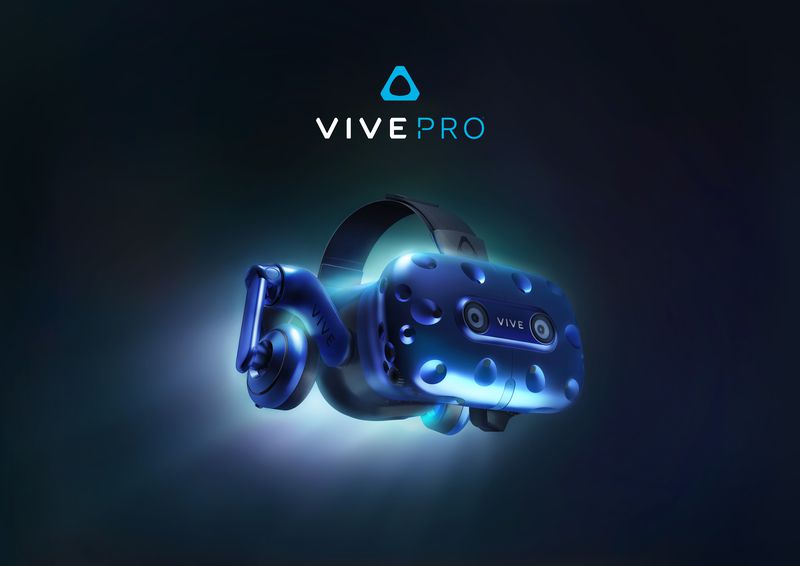
    The report comes from CNET and cites a single source “familiar with the matter.” The report also mentions that internally, the project is being referred as ‘T288’. This headset will apparently come with technology that so far does not exist. It will have two 8K displays, one for each eye, which brings the total to a jaw-dropping 16K resolution. For context, even the best in class VR headsets right now barely reach 4K resolution per eye. The HTC Vive Pro, for example, has a resolution of 1400 x 1600 per eye.

    HTC Vive Pro

    The headset will also have cameras on the outside that will detect its surroundings. The report further claims that the VR headset will connect wirelessly to a dedicated ‘box’ using a high-speed short-range wireless technology called 60GHz WiGig. the source said that the box will be powered by a 5-nanometer proprietary Apple processor that will be ‘more powerful than anything currently available’ in the market.

    Apple VR Patent

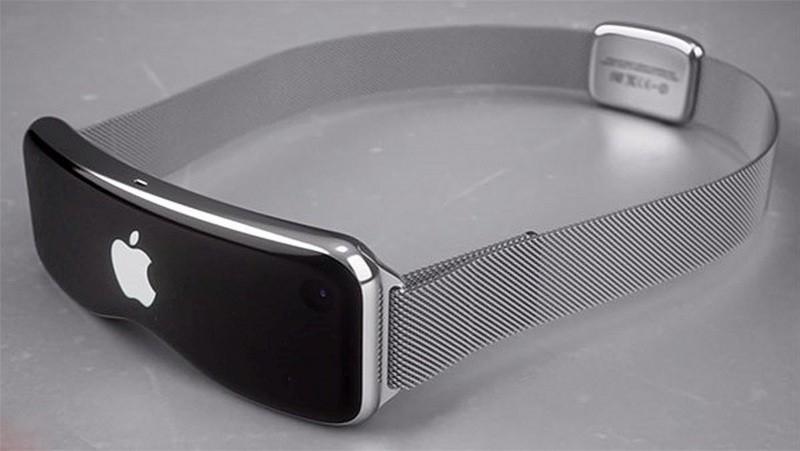
    One of the main issues of the current VR market is that it has too many wires. By the looks of it, Apple could potentially solve that issue with this T288 headset. It is obviously too early to call it but, if the report turns out to be true, expect an eye-watering price for the behemoth of an AR headset.

  • Pokemon Go-Style The Walking Dead Game Is Coming To iOS And Android

    Pokemon Go-Style The Walking Dead Game Is Coming To iOS And Android

    The Walking Dead is a widely popular TV series, created by AMC network, which is currently in its 8th season. If you are a ‘The Walking Dead’ fan and have a thing for AR based games, then, here is a good news. The show makers are getting ready to launch The Walking Dead: Our World game for Android and iOS. Pokemon Go was one of the first few AR-based games that became hugely popular, and continue to be. Companies are Apple and Google have invested a lot of resources to develop and deploy AR based features to smartphones.

    Next Games CEO Teemu Huuhtanen said:

    With Google Maps, we can count on providing the most up-to-date location data, meaning that when new buildings or roads are built, we’ll have them in our game. This enables us to create an immersive experience, tied to the players’ location. Google Maps’ unrivaled amount of location data, covering world-famous landmarks, businesses and buildings, such as the Statue of Liberty, the Eiffel Tower, the London Eye, Burj Khalifa and India Gate, makes exploring your surroundings a breathtaking experience.

    The Walking Dead

    The company has released a new teaser, which explains the gameplay. In fact, the gameplay is almost similar to the Pokemon Go. The Walking Dead uses location-based data and Google Maps to create virtual zombies and other articles in the gameplay. This is one of a kind game, which offers real-time FPS experience. Users have to get out of their comfort zone to spot the Zombies in the real world to kill them.

    The game will be developed by Next games, which has developed the Walking Dead: No man’s land. In fact, the company is also known for the widely popular compass point west. The game offers a completely different user experience compared to the most of the first person shooter games. A demo of the game will be showcased at Game Developers Conference (GDC) expo area (booth 823) from March 21 to March 23, 2018.

    Watch The Teaser

  • Toshiba dynaEdge AR Smart Glasses Officially Announced

    Toshiba dynaEdge AR Smart Glasses Officially Announced

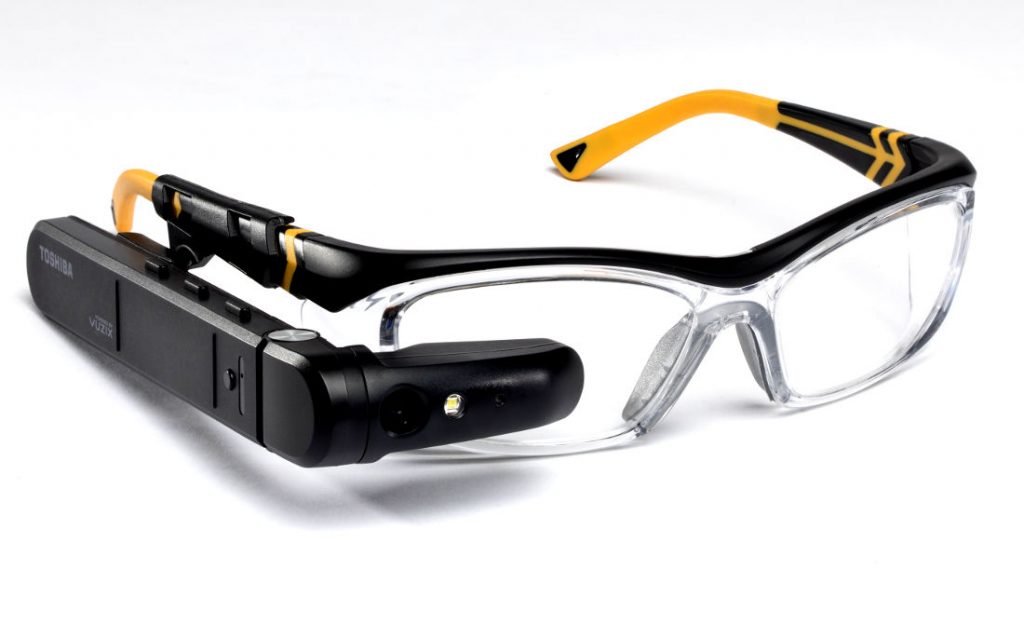
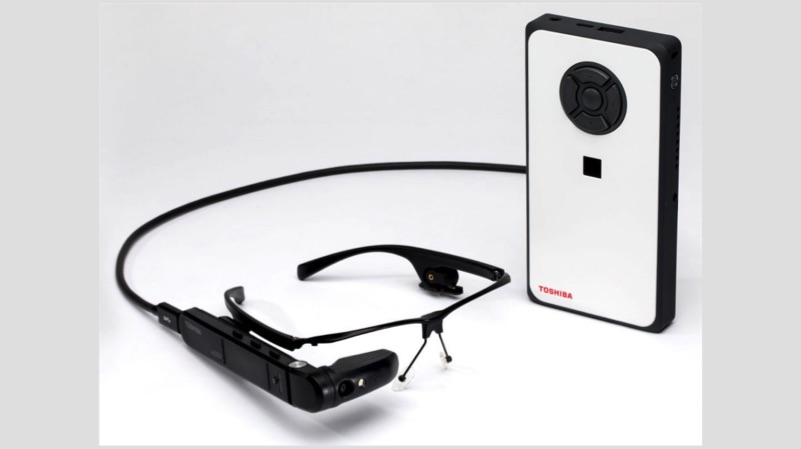
    Toshiba has launched a new industry-centric smart glasses. The Toshiba dynaEdge AR smart glasses are one of a kind AR glasses made for enterprise customers. However, unlike any AR glasses, the dynaEdge comes in two parts. The dynaEdge DE-100 Mobile Mini PC with Windows 10 Pro connects with the dynaEdge AR100 Head Mounted Display (HMD) to complete the setup.

    The Toshiba dynaEdge AR are not standalone AR glasses per se, instead, they just work as a display for the Mobile Mini PC.

    Pricing and availability

    The Toshiba dynaEdge AR Smart Glasses start at US$ 1,899.99(Rs 1,23,432 approx.) and comes with different storage and RAM options. The device will be available in Q2 of 2018.

    Toshiba dynaEdge AR Smart Glasses

    Features of Toshiba dynaEdge AR smart glasses

    The wearable device comes with a bunch of features like document viewing, live video calls, messaging and workflow instruction. In fact, these glasses are ideal for the situations like QA Inspection & Audit, Logistics, and training.

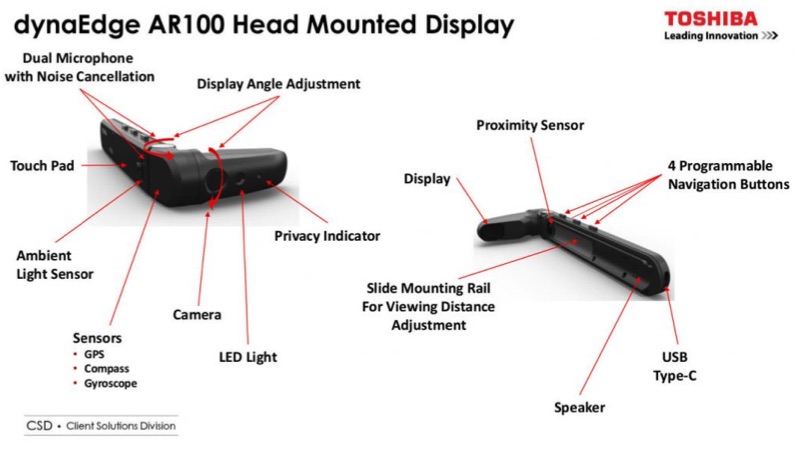
    The head mounts weights at 50 grams and can be used on both left and right eye. Similarly, the mount comes with a built-in display which offers a viewing experience similar to a 4.1 inch screen. Similarly, the device has an integrated touchpad, GPS, three-axis accelerometer and a gyroscope.

    The mount can be attached to a lens-less frame or a safety frame. In fact, it can also be used with a safety helmet as well. The headband offers comfort and flexibility by enterprise standards.

    Toshiba dynaEdge AR Smart Glasses


    Specifications of dynaEdge DE-100 Mobile Mini PC

    The dynaEdge DE-100 Mobile Mini PC is powered by 6th generation Intel Core m chipset. One can choose between 4/8/16GB LPDDR3 RAM and 128GB, 256GB or 512GB SATA M.2 SSD. The device also supports 128GB, 256GB or 512GB SATA M.2 SSD with additional support for micro SD card. Similarly, users can also go for an LTE/3G version.

    The device has a micro SD card slot, USB 3.0, and a USB type C port with a 3.5 mm headphone jack. Overall, the device weights 310 grams and measures 165x85x20mm.

  • Bose Announces The World’s First Audio-Based Bose AR Glasses

    Bose Announces The World’s First Audio-Based Bose AR Glasses

    Virtual and Augmented Reality are expected to be the next big thing in the tech industry. In fact, over the past few years, the technology has grown tenfolds. Using these technologies, companies are coming up with products, which completely change the way we interact with our surroundings.

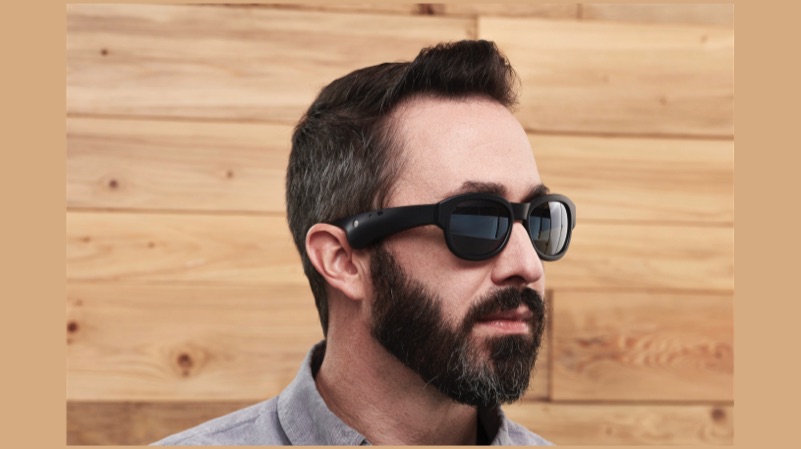
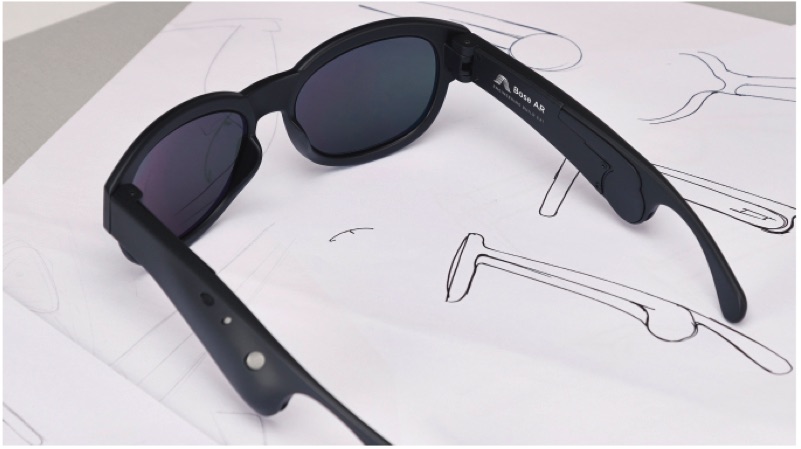
    Bose, a well-known audio technology company, has announced a new platform called Bose AR. The idea is to focus on what you hear, rather than what you see. This is similar to Intel’s smart glasses. However, unlike Intel’s visual-based AR, Bose uses sound as the AR element.

    Bose AR

    What is Bose AR?

    Most of the AR-based platform is built on visual elements. However, the Bose AR is a platform which uses sound as the AR medium. Bose demonstrated this platform on a pair of sunglasses. In fact, the Bose AR technology can be implemented into headphones, eyeglasses and helmets with ease.

    The company tells that, the glasses will be useful for people who travel a lot. The technology can provide proper information on a place like the Eiffel Tower or a crowded market in London. Similarly, in day to day life, the glasses can come up with basic information like weather details, reading signboards or even translating a food menu.

    The Bose AR SDK is now available for the developers. Similarly, the company has fixed a grant of US$ 50 Millions for start-ups.

  • This Is What The Apple AR Glasses Might Look Like

    This Is What The Apple AR Glasses Might Look Like

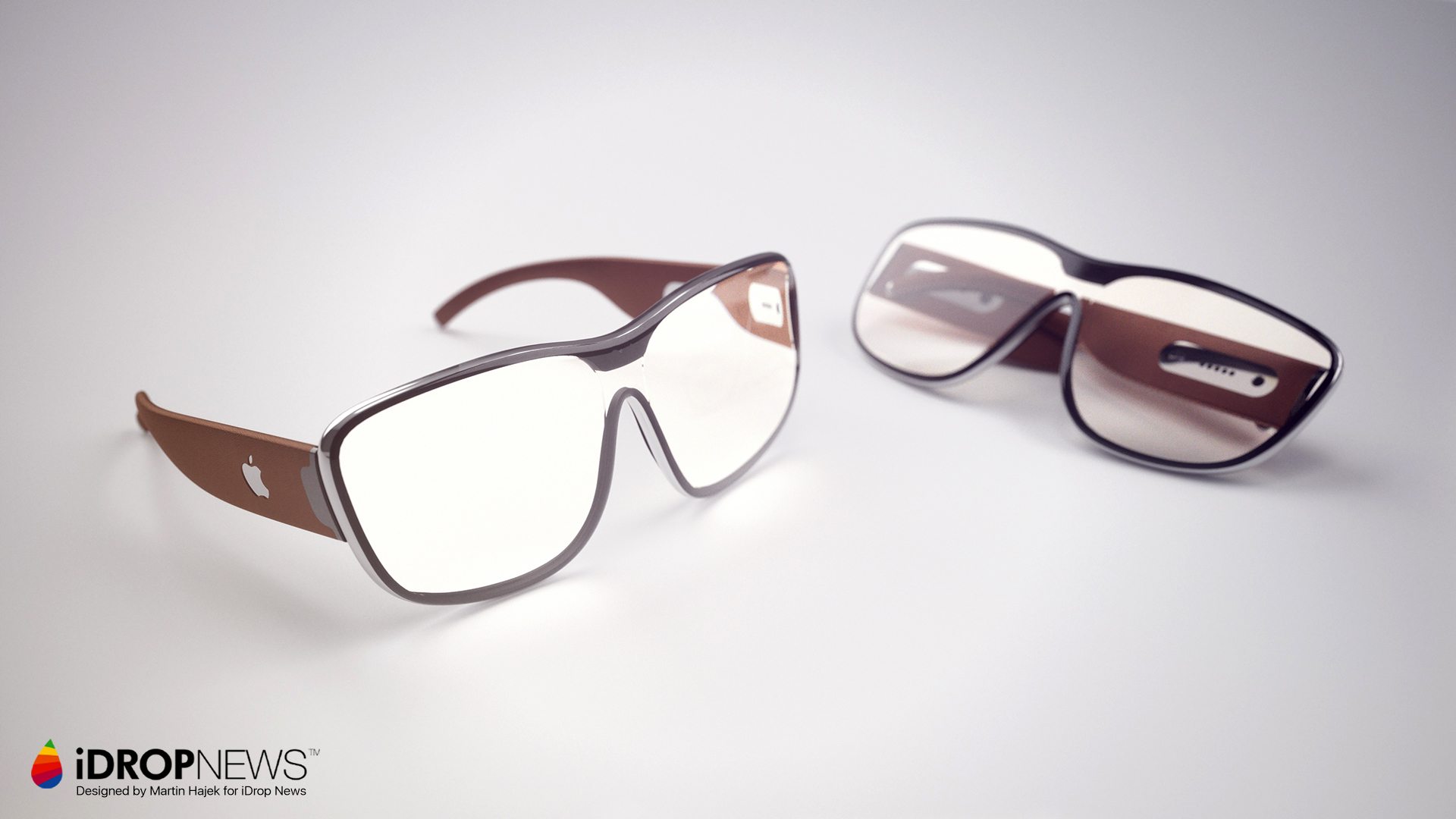
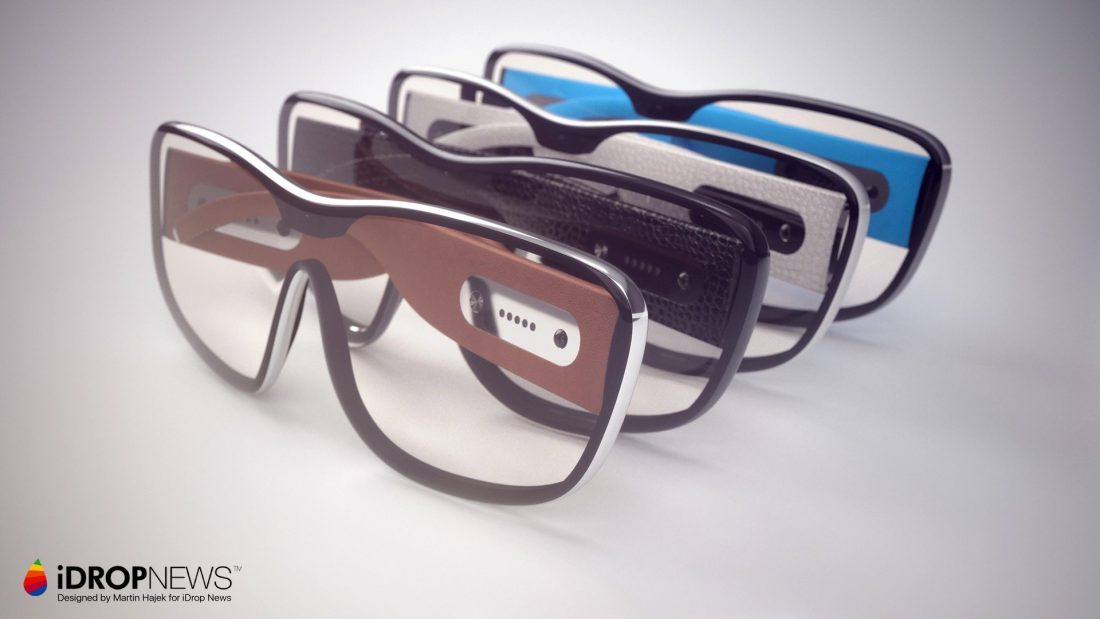
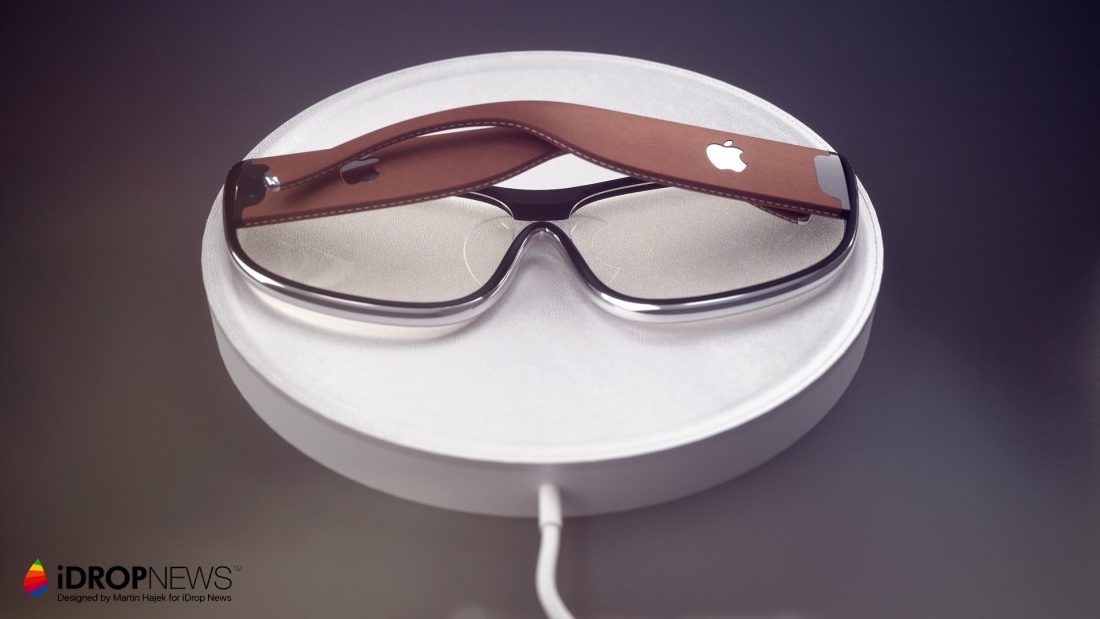
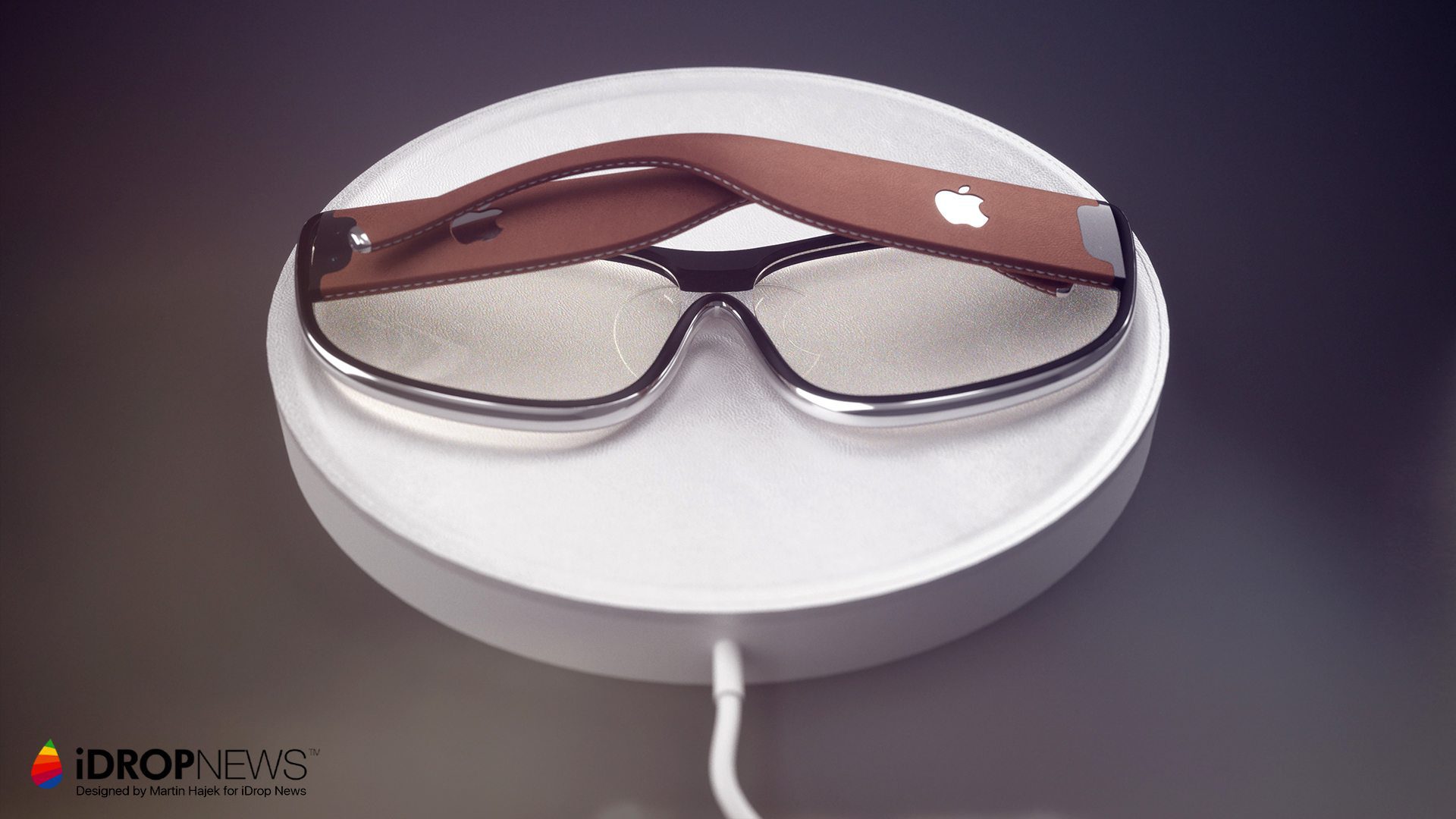
    A Dutch-based designer has come up with a concept render for the Apple AR Glasses. The concept images are very realistic, which showcases the aesthetics and the function of the glass. Unlike the Google Glass, Apple AR Glasses looks like regular sunglasses with Apple logo on both sides of the frame.

    Google was the first company to release a pair smart glasses. However, owing to its unusual appearance and intrusive features, it failed to take off. Intel recently came up with a concept called Vaunt, which uses retinal projection technology to project an image directly on your eyeball. One of the main features of the Vaunt is how simple they look. Unlike the Google Glass, it will be hard to notice these smart glasses in a crowd. Also, they aren’t as intrusive either, since there are no cameras to secretly record footage.

    Intel’s new smart Vaunt Glasses. Image courtesy: Verge

    Even Snapchat came with Spectacles, which comes with a dedicated camera to record videos. The Snapchat Spectacles also have a glowing LED ring, which notifies that the user is recording a video.

    If Apple does launch the Apple AR Glasses, it has to be minimalistic. The glasses cannot have an in your face design, like the Google Glass. The renders reveal that the Apple AR Glasses will look close to regular spectacles. If the design is anywhere near the final product, the Apple AR Glasses could be a success.

    Features of Apple AR Glasses:

    According to Martin, the Apple AR Glasses uses a micro-projected to project the images on the lens. So, the Apple AR Glasses user will be able to see real-world information and the smart information from glass simultaneously.

    These glasses will be based on Augmented reality, rather than the virtual reality. With the help of smart glasses, the user will be able to check phones battery percentage, network reception and notifications with a blink of an eye. Like Apple Watch, the Apple AR Glasseses are expected to support wireless charging using Qi-wireless compatibility.

    The glass frame is expected to feature sensors like camera, GPS, and light sensor. There will be complete Siri integration with all the functionality. The Glasses are also expected to feature dual speakers, which can transfer the sound to the user directly.

    These Glasses will be powered by Apple’s rOS, which will be based on iOS, with a battery efficient chipset. The rOS stands for reality operating system, focused on AR capabilities.

    GBH Insights analyst said:

    While this has been a late entrant from an AR/VR perspective, we believe Apple AR Glasses will be the next step in the wearable category for Apple.

    Conclusion:

    So far, there have only been rumours about this. Some reports claim that the Apple AR Glasses might start shipping as early as 2020.

  • This AR Robot Can Be Controlled With Your Smartphone

    This AR Robot Can Be Controlled With Your Smartphone

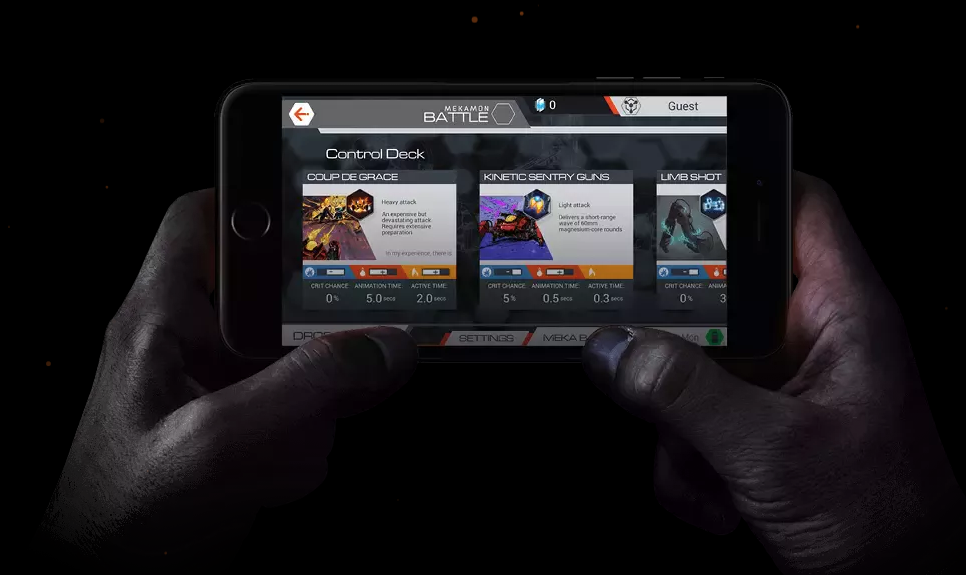
    Augmented Reality is the next big thing in the tech industry. Big tech companies like Apple and Google have already prepared themselves to invest big in AR. This new product, MekaMon is an AR robot which can be controlled with your smartphone. If you miss the times when battling with your friends meant playing Pokemon cards, then this new form of anime battle will definitely interest you. It is priced at GBP 299.95.

    Developed by Reach Robotics, the MekaMon is compatible with both iOS and Android devices, using the phones’ cameras and infrared sensors. The robot is upgradable and customisable with detachable legs, shields, and weapons. It has four IR sensors, so that it can measure distance and location and also accurately track and attack opponents. The robot connects to the smartphone app through Bluetooth, and other robots via infrared signals.

    The robot toy however, only has a battery life of up to one hour on a full charge.

    The MekaMon robot is more than just a toy, and has a story to give context to the game and the battles. MekaMon’s story is set in 2076 and follows Earth after an alien invasion, where humans are fighting back using the battle robots. Silas Adekunle, CEO of Reach Robotics said in a statement:

    We’ve created an entirely new video gaming platform. Players can whip out their smartphone to battle their multi-functional, connected battlebots in the physical and virtual worlds at the same time.

    How you play and control the MekaMon robot is fairly simple. You look through your phone’s screen to guide your robot and objects in the room like tables and chairs can be used to hide from attacks in the game. Reach Robotics has said that more add-ons will be available from the official website in the future.

  • Snapchat To Possibly Make Smart SnapGlasses

    Snapchat To Possibly Make Smart SnapGlasses

    Founders of  Snapchat are known for taking risks and implementing bold ideas. The company has constantly added new features to Snapchat to reinvent and help it grow from just another photo sharing app to now what it has become a fun supplement to our social media lives. The addition of features such as Discover, Stories, and usage of filters have helped itself set apart in the market. But now, the company is looking at things even more groundbreaking.

    Smartglasses


    Reports suggest that the company is looking at making Google-Glass like smart eyewear which it could use to make a renewed push for the social media industry. Details have emerged of a number of hirings relating to augmented reality. The company has recently hired (formerly Qualcomm’s) Vuforia and eye-tracking tech maker Eyefluence amongst a dozen other high-profile hirings of designers and industry experts that point to Snapchat’s possible development of a pair of smart glasses.

    Snapchat had earlier acquired Vergence Labs, which produced a pair of glasses equipped with an embedded camera, was acquired by Snapchat for $15 million in March of 2014. The acquisition accompanied a larger $50 million acquisition of Scan.me, a QR code-scanning/creating technology that would later manifest itself it the company’s Snaptags feature.

    Though it’s all speculation for now, another report has also suggests that Snapchat’s hiring of individuals from the Augmented Reality field might just be less exciting as it only plans to develop an app for the upcoming VR and AR hardware that will soon hit the market.


  • Augmented Reality: How Far Have We Come?

    Augmented Reality: How Far Have We Come?

    Technology today is improving at a rapid pace. A quick look at our workplaces and homes would reveal that many things that we take for granted today were not possible 10 years ago even after the concerted efforts of the best tech minds.

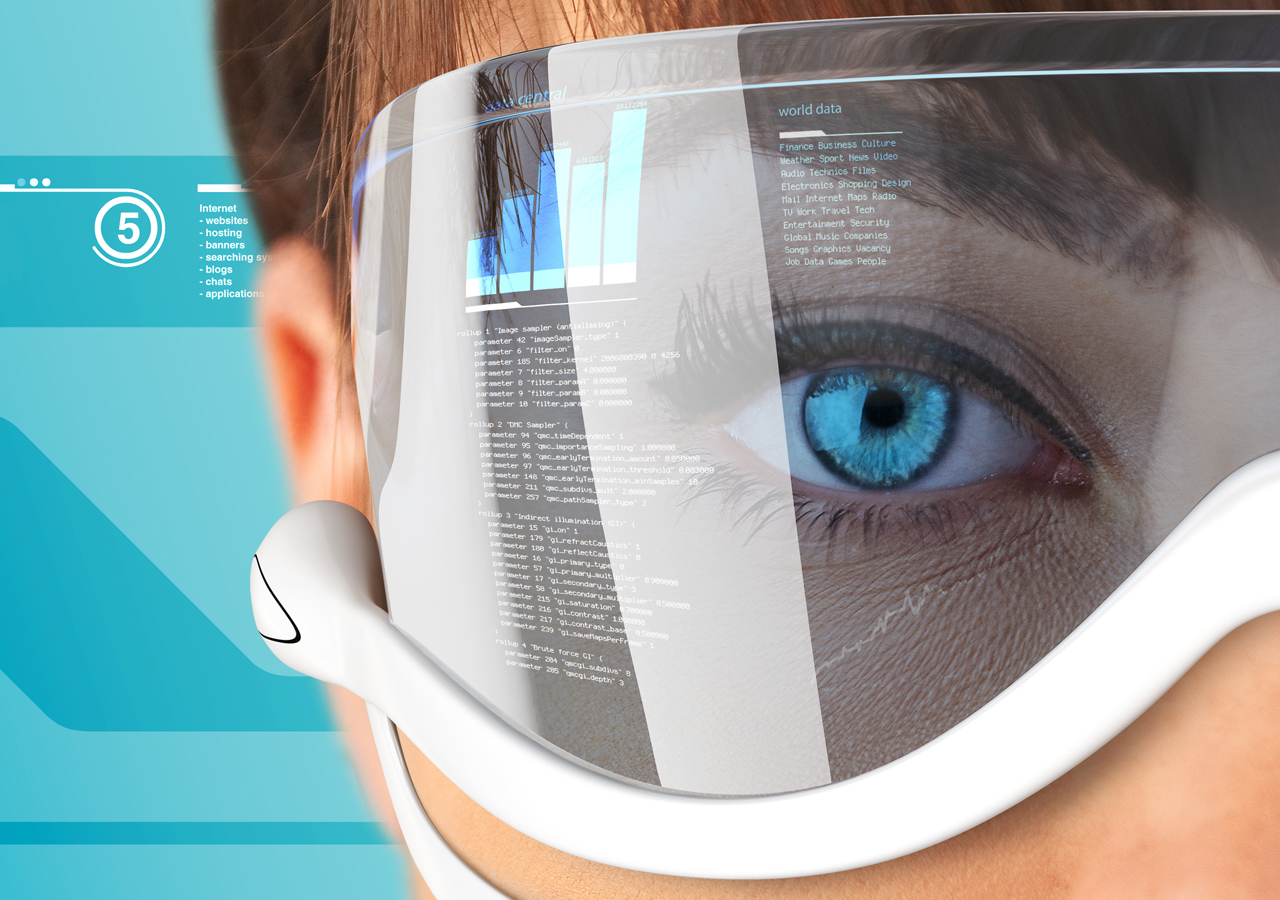
    As digital technology continues to grow deep into every into every aspect of our daily lives, It’s only a matter of time before it starts to replace our plain old visual experiences with something a little more engrossing, and here is where the Augmented Reality(AR) will find its opportunity.

    augmented_reality_1

    The concept of Augmented Reality was coined In 1992 by researcher Tom Caudell .It’s an experience that supplements the real world with a virtual layer of extra information. It is the seamless blending of virtual reality and real life which when executed correctly creates content that blends in with the real world. With Augmented Reality, users are able to interact with virtual contents in the real world, while being able to distinguish between the two at all times.

    Virtual Reality’s lesser loved cousin, Augmented reality, has been around for some time now and has in the past tried to find real world applications in Defence, Healthcare, and Education sectors. But unlike the former the tech industry has yet to come up with a concrete plan to unleash its full potential and increase its reach while keeping costs down, but all that is about to change very soon.

    AR_aero3dpro

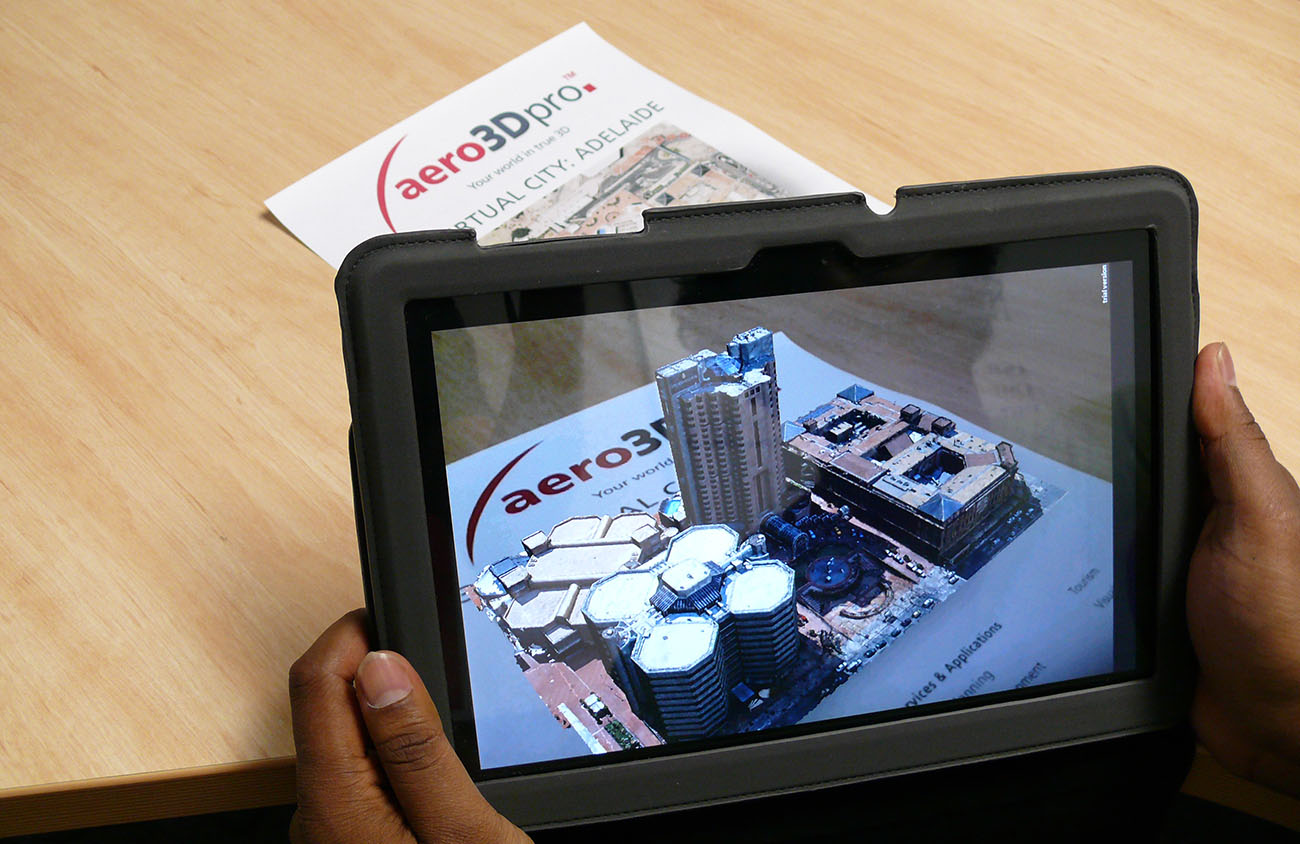
    2016, as many analysts predict, might be the year for Virtual Reality, but AR is making solid strides towards walking hand in hand, if not over taking it. Microsoft HoloLens, Meta 2, Project Tango are but a few ideas that the tech industry has in mind to bring Augmented Reality to the mainstream.

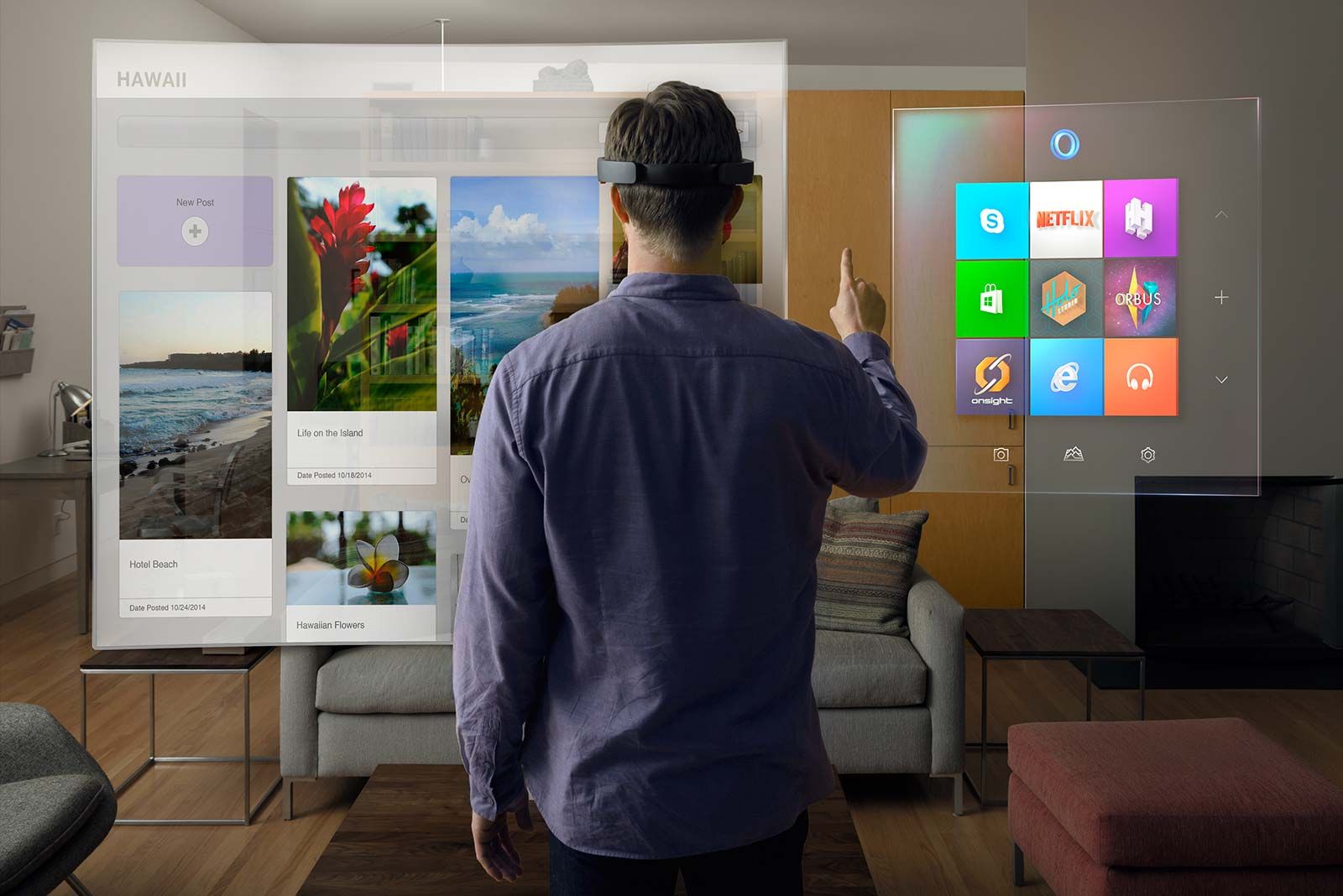
    Microsoft’s take on AR is the hologram-themed augmented reality glass which to quite an extent is the true augmented reality concept that will, ideally, have wearers interact with screens and full-color virtual objects wherever they are. This tech will blur the lines between real and virtual, merging them seamlessly into one to enrich the experience of our daily lives with extra content.

    a67d3d33-e1e5-4cf7-bf3d-dbe1befc8d8c.0 (1)

    Though the HoloLens project is still at a nascent stage, demos reveal users fixing light switches with the help of virtual assistants through the Skype AR app. The HoloLens also allows you to take an augmented-reality trip to Mars, seeing what a rover might see, projected entirely on the floor in front of you.

    Another AR project, Meta, in its second iteration will look to replace monitors from your life.This move if carried out correctly will be both economical and productive. It can also usher in a new era of privacy and security allowing a user secure viewing of content while still being around people. Meta has the capability to produce an infinite number of tabs and screens working at the same time all in front of you like images on a wall with the only bottleneck being your own field of view.

    Most promising of the upcoming lot though is the Magic Leap project. The industry estimates this idea to be so big that they have already managed to secure $1.4 Billion in funding at a Kickstarter level, and is already valued at $4.5 Billion. The Magic Leap head mounted device will use a camera to show you the room or environment you’re already in but seamlessly layering in computer-generated objects which would suddenly see a dragon breaking through the wall, or the user fighting a Pokemon battle in the middle of the room against another friend in the room.

    Several other uses of Augmented reality are also being explored in the form of Google’s Project Tango which can draw 3-D maps of a room the user is in and detail how a piece of custom furniture or a new wall running through it look in it.

    Augmented reality is full of potential, and these are but a few of the applications of this budding technology. Industry big shots believe that AR has more of a potential that VR and could outgrow VR significantly in the coming years. With hardware finally mature enough to support the dream of Augmented Reality many suggest the future might be closer than we think. A future more exciting and fun than you and us could even dream of right now.

iGyaan Network
Privacy Overview

This website uses cookies so that we can provide you with the best user experience possible. Cookie information is stored in your browser and performs functions such as recognising you when you return to our website and helping our team to understand which sections of the website you find most interesting and useful.