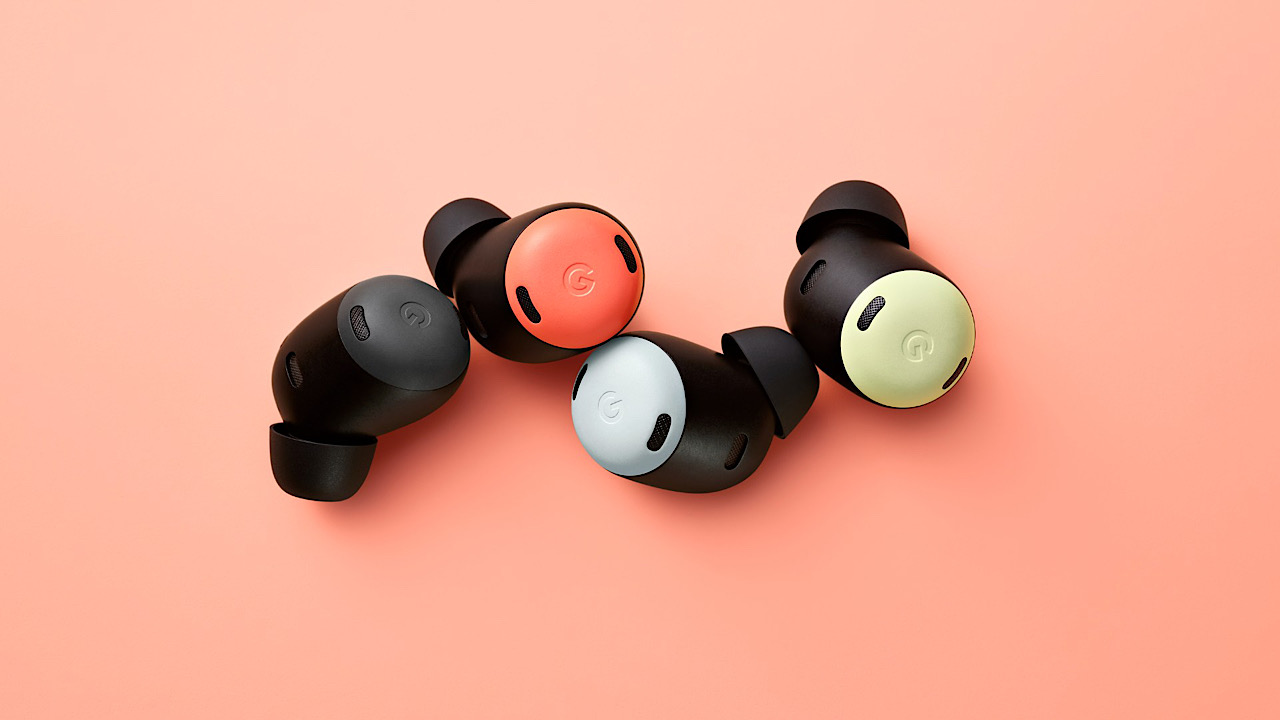
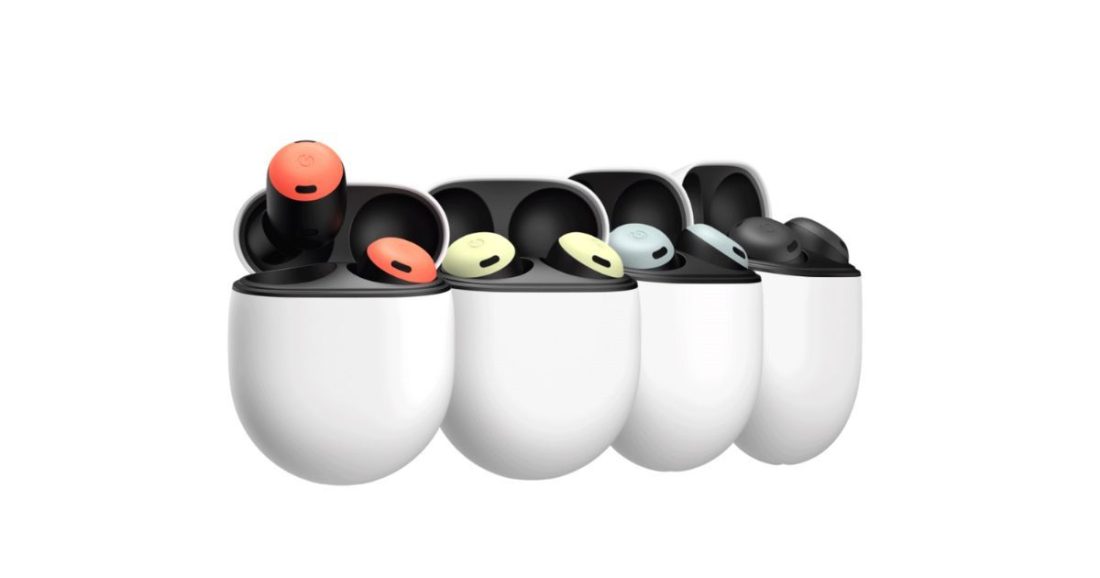
Tech giant Google has officially confirmed that it will be bringing the Pixel Buds Pro to India this month. The TWS earbuds will be up for pre-order starting July 21, with retail sales starting a week later on July 28. Google hadn’t revealed the availability of the Pixel Buds Pro when it was revealed globally back in May. The Buds Pro are Google’s first earbuds to come with Active Noise Cancellation. It will join the Pixel Buds A series that’s already on sale in the country.
The Google Pixel Buds Pro come with custom-designed hardware, algorithms and sensors that allow the earbuds to automatically adjust both the fit and sound output. It allows support for hands-free Google Assistant and offers real-time translation of 40 languages.
Like the original Pixel Buds, the Buds Pro comes with features like Fast Pair and Volume EQ. New features other than ANC include transparency mode, and IPX4 dust and water resistance. Google has also confirmed that the Pixel Buds Pro will get Spatial audio head tracking at a later date via OTA updates.
Pixel Buds Pro price in India (tentative)
Prices for the Pixel Buds Pro in India haven’t been revealed yet. However, with the Buds being priced at $199(INR 15800) internationally, expect them to be priced between INR 15,000 – 20,000 here. The Pixel Buds A series was priced at $99 internationally and was launched in India at a price of INR 9,999.
Google Pixel 6a Release Date
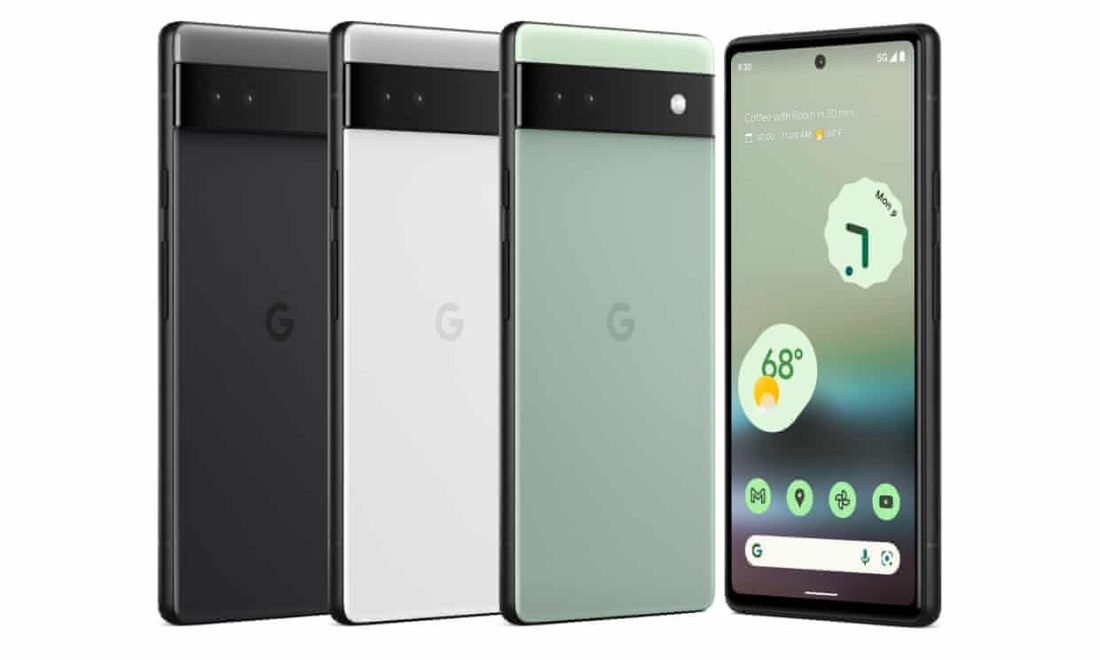
At the same Google I/O, the company also revealed the Pixel 6a. Google stated that the mid-range offering will be more widely available compared to its premium siblings. The Pixel 6a is going to be available for pre-orders globally from July 21 as well. Google already confirmed that the Pixel 6a will be launched in India. This will be the first time since the Pixel 4a, that launched two years back, that Google will launched a Pixel phone in India.
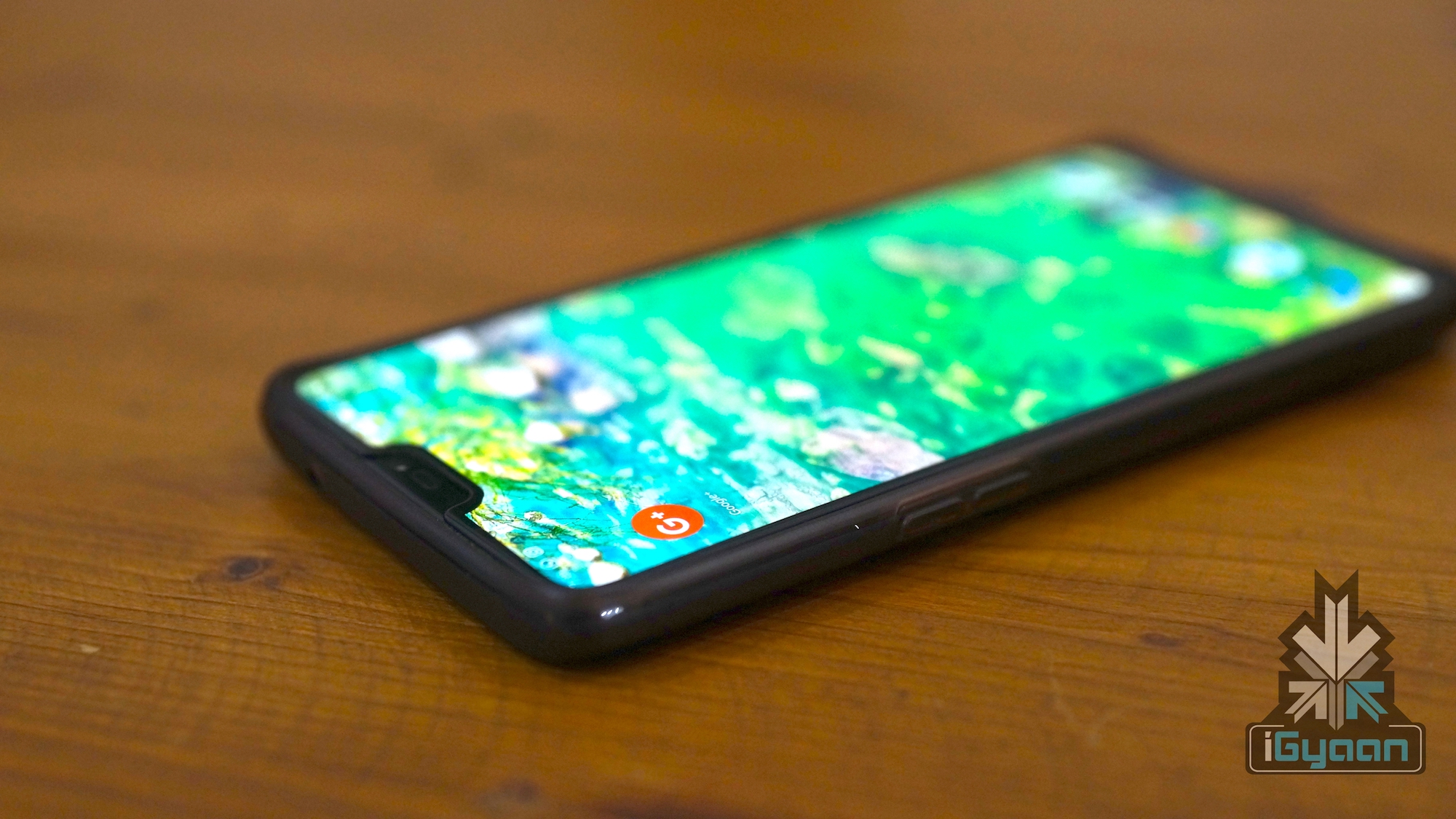
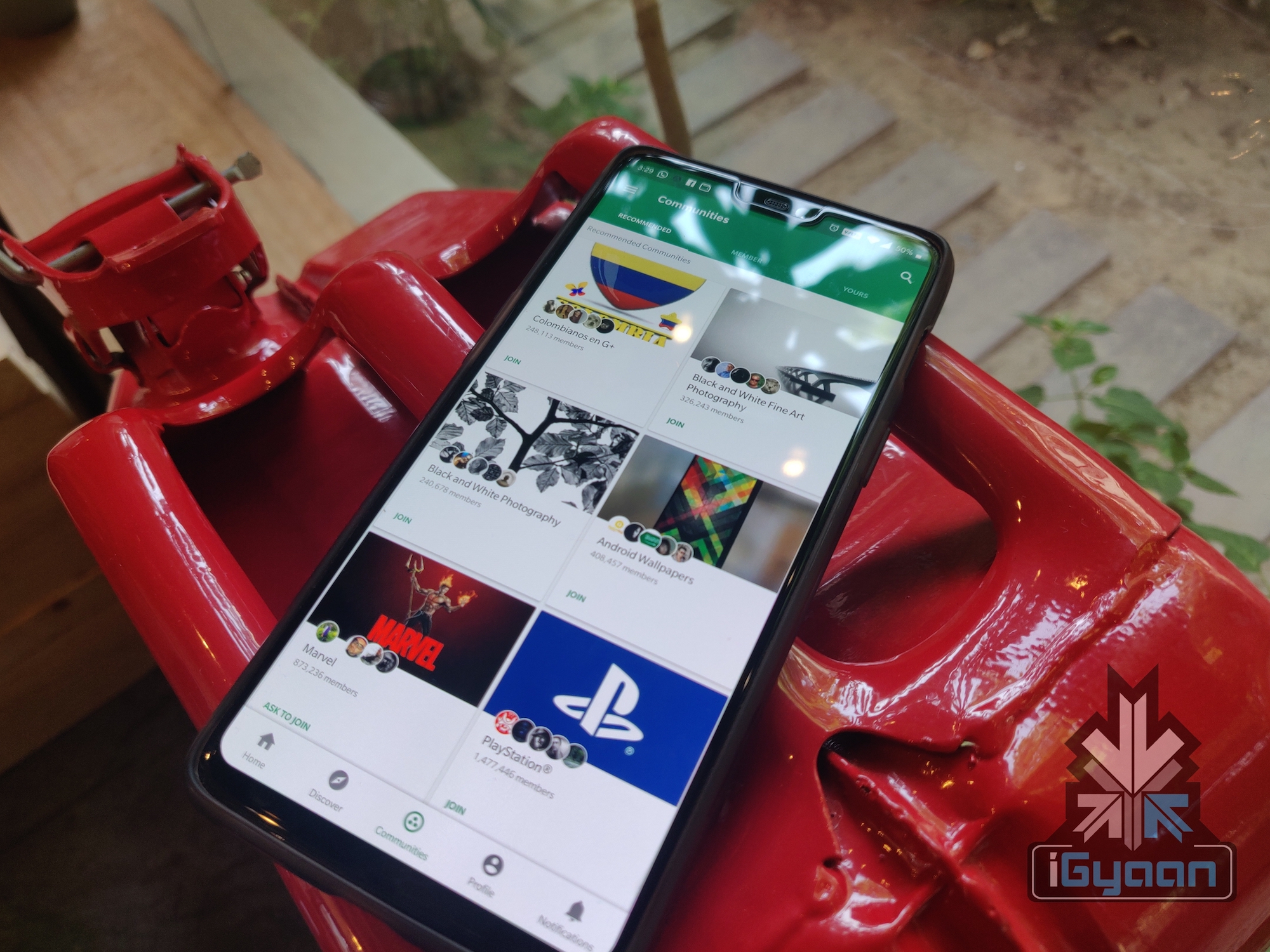
Alphabet, the company that owns Google is shutting down its social networking website. Google+ has reportedly exposed user data of 500,000 customers to external developers. This comes after an announcement of a bug breach that was reportedly in their system for more than two years.
This bug could access Profile fields that were shared with the user. This includes Profile fields that are not public.
The data is limited to static, optional Google+ Profile fields including name, email address, occupation, gender and age. It does not include any other data the user may have posted or connected to the website or any other service, like Google+ posts, messages, Google account data, phone numbers or G Suite content.
They reportedly discovered and immediately patched this bug in March 2018. Google also said that they believe it occurred after launch as a result of the API’s interaction with a subsequent Google+ code change. The company also acknowledged in their blog that one of the reasons for shutting down the Google+ is that it “has not achieved broad consumer or developer adoption.
To provide for a smooth transition for the existing users, they will wind- down over a 10 month period.
[blockquote right=”pull-right”]Google will wind- down over
a 10 month period, closing
its curtains in August 2018[/blockquote]
This means the Google+ site will close curtains next August. According to Google they have no evidence that any developer was aware of this bug. They have also assured that no one has abused the API. In Google’s finding there is no evidence that any Profile data misuse occurred.
The company has offered reassurance that whenever there is a user data breach, they go beyond their legal requirements and apply several criteria focused on their users in determining whether to provide notice. When it comes to Gmail, they are updating its User Data Policy for the consumer version. This will protect the user by limiting apps from accessing user data. There has been a lack of interest and the gradual decline of social media overall in the recent times. It is also noteworthy that just 10 days ago, Facebook reported a data breach of 50 Million users.
It seems that this was a good decision on the company’s part. Let us know what you think in the comments below!
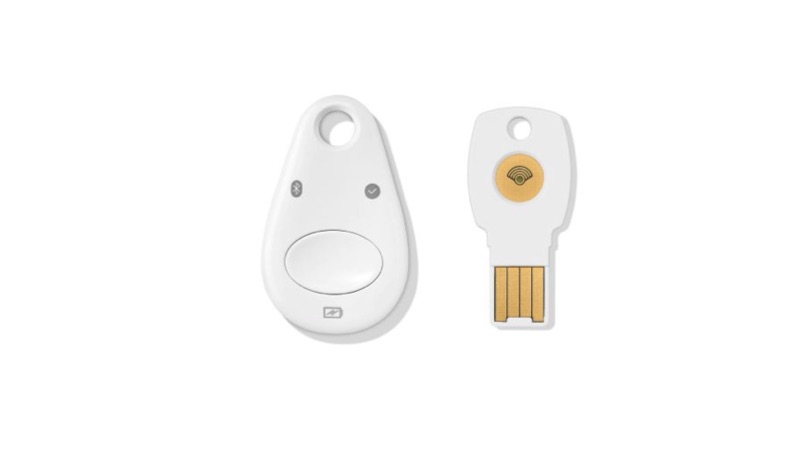
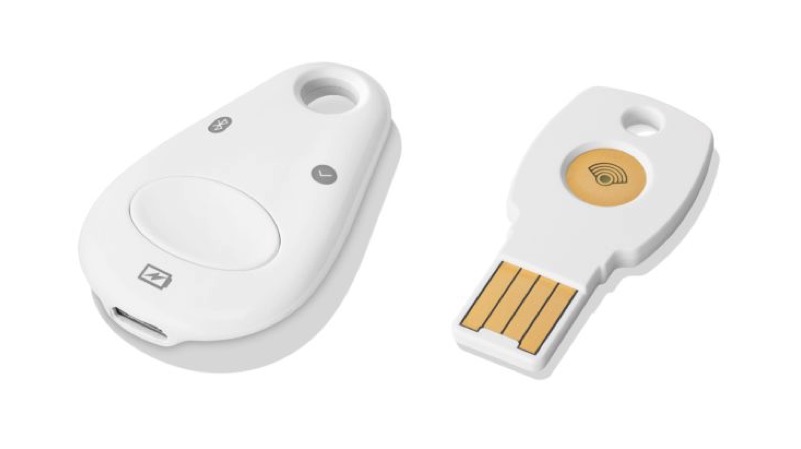
With the increase in internet traffic, the risk of falling victim to malicious threats has also increased. It has become rather unmanageable to keep up with all the security protocols, even simple tasks like changing passwords regularly can be an ordeal. The lack of user safety and the number of increasing threats put your private data at risk. Google claims that it has kept its employee data safe since 2017 without ever facing a leak since. The company has been using a hardware encryption key called the Titan Security Key. Google is now selling this Titan Security Key to anyone who seeks a safer internet experience.
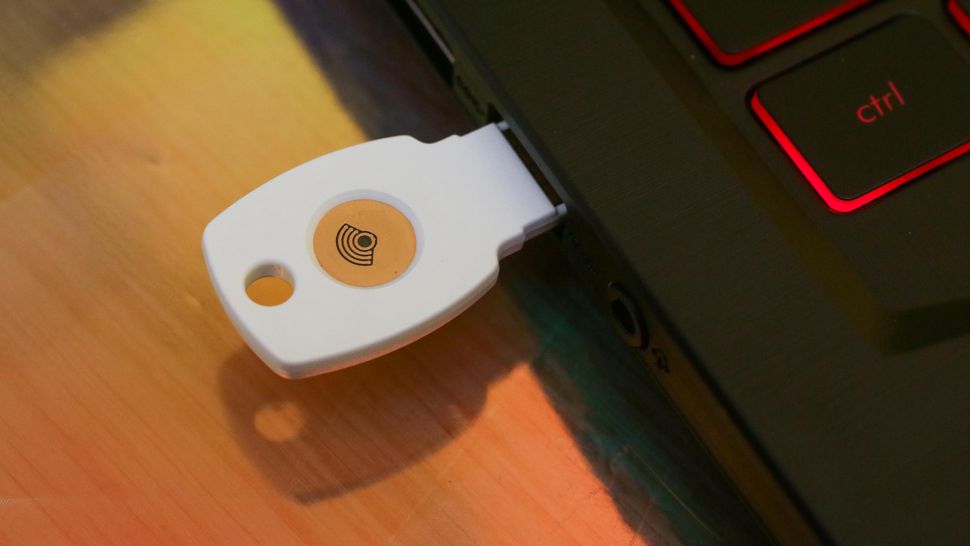
With Google’s two-step verification method, users have to use a special code to authenticate your login session. Instead of using a method of one-time codes via text message, with the Titan Security Key you just have to tap a button on the key. So, it works is just by replacing the hassle of trying to enter codes every time you want to log into a new machine.
Titan Security Keys work with many devices and apps, support FIDO protocol, and are built with a secure element and a firmware written by Google that verifies the integrity of security keys at the hardware level. Security keys are recommended for all users for stronger protection against phishing, enforcing security keys for admins and other high-value users should be the first step.
How To Set Up Titan Security Key?
To set up Google’s Titan Security Key users need to go to their Google Account settings and find the two-step verification section. From there the user gets the ability to add a key or keys. This will allow users to login in to google services and accounts by entering the ID and password and a quick tap on the button on the Titan key.
Pricing And Availability Of Titan Security Key
The Titan Security Key is available in two variants, a USB variant, and a Bluetooth variant. The USB version is available for $20 (Rs. 1,372.81 approx) and the Bluetooth variant costs $25 (Rs. 1,716.01 approx). However, Google is also selling both the devices as a bundle for $50 (Rs. 3,432.03 approx). While the key is available in the US, there is no word if and when the device will be available in India and rest of the world.
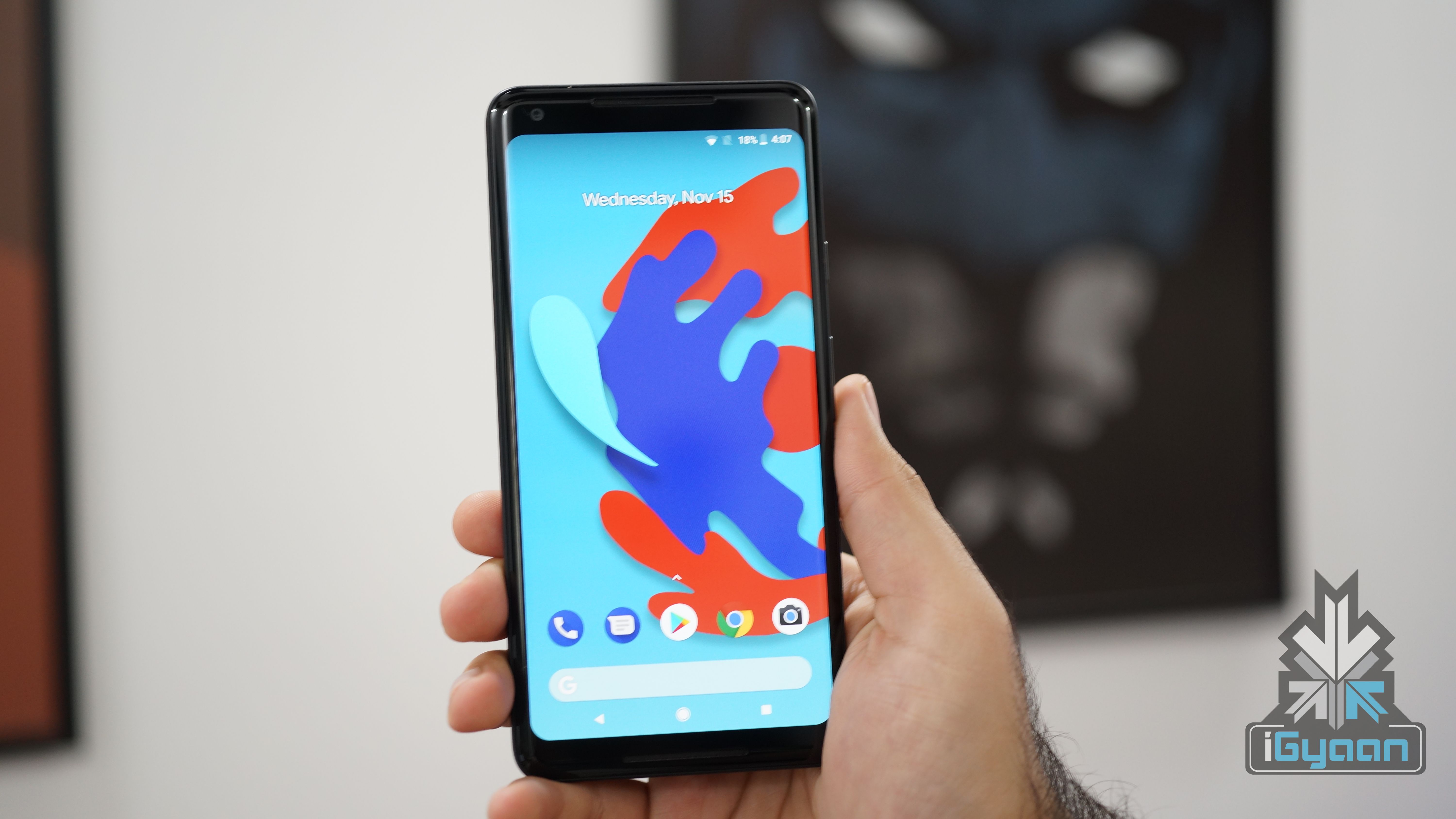
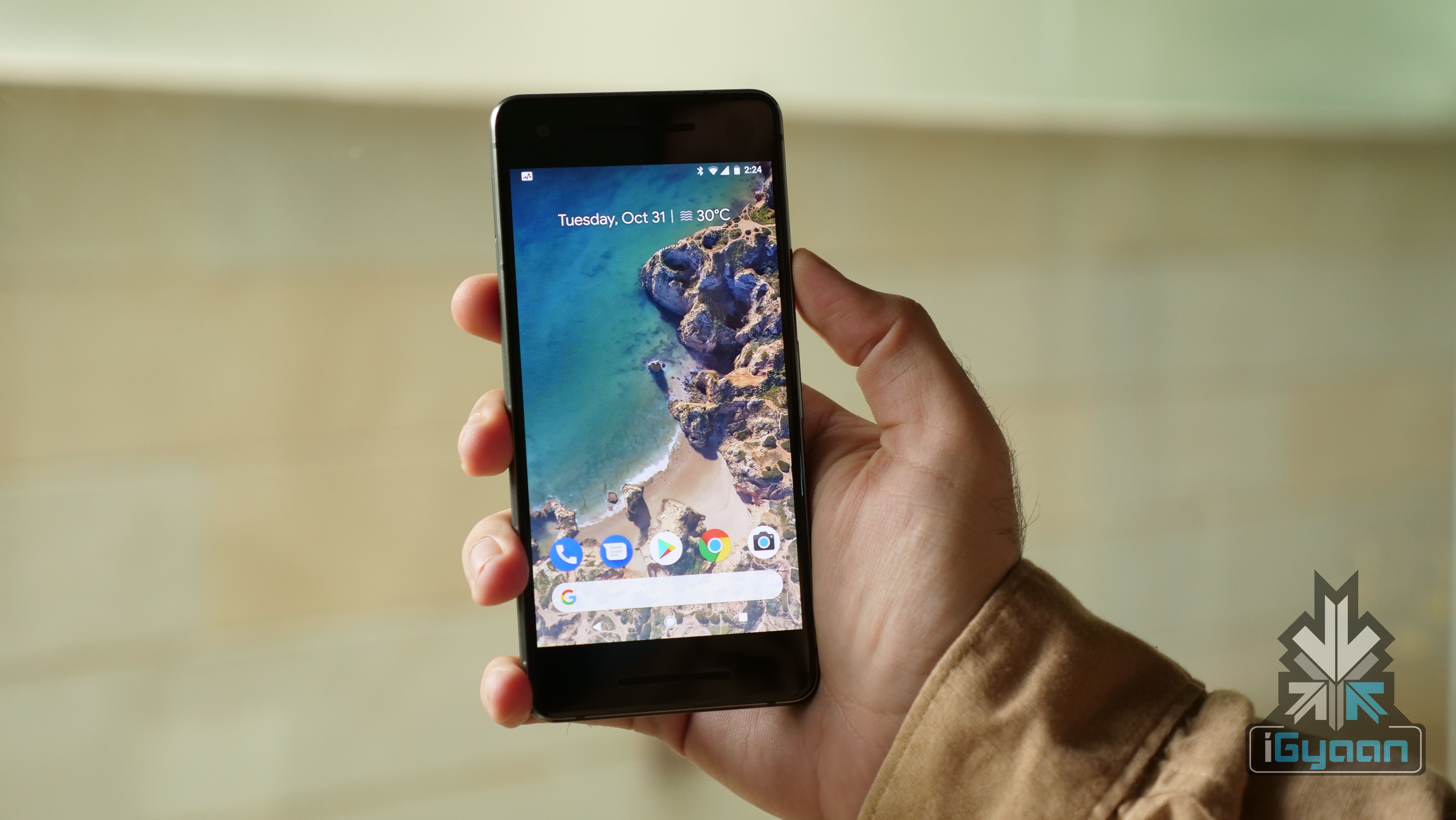
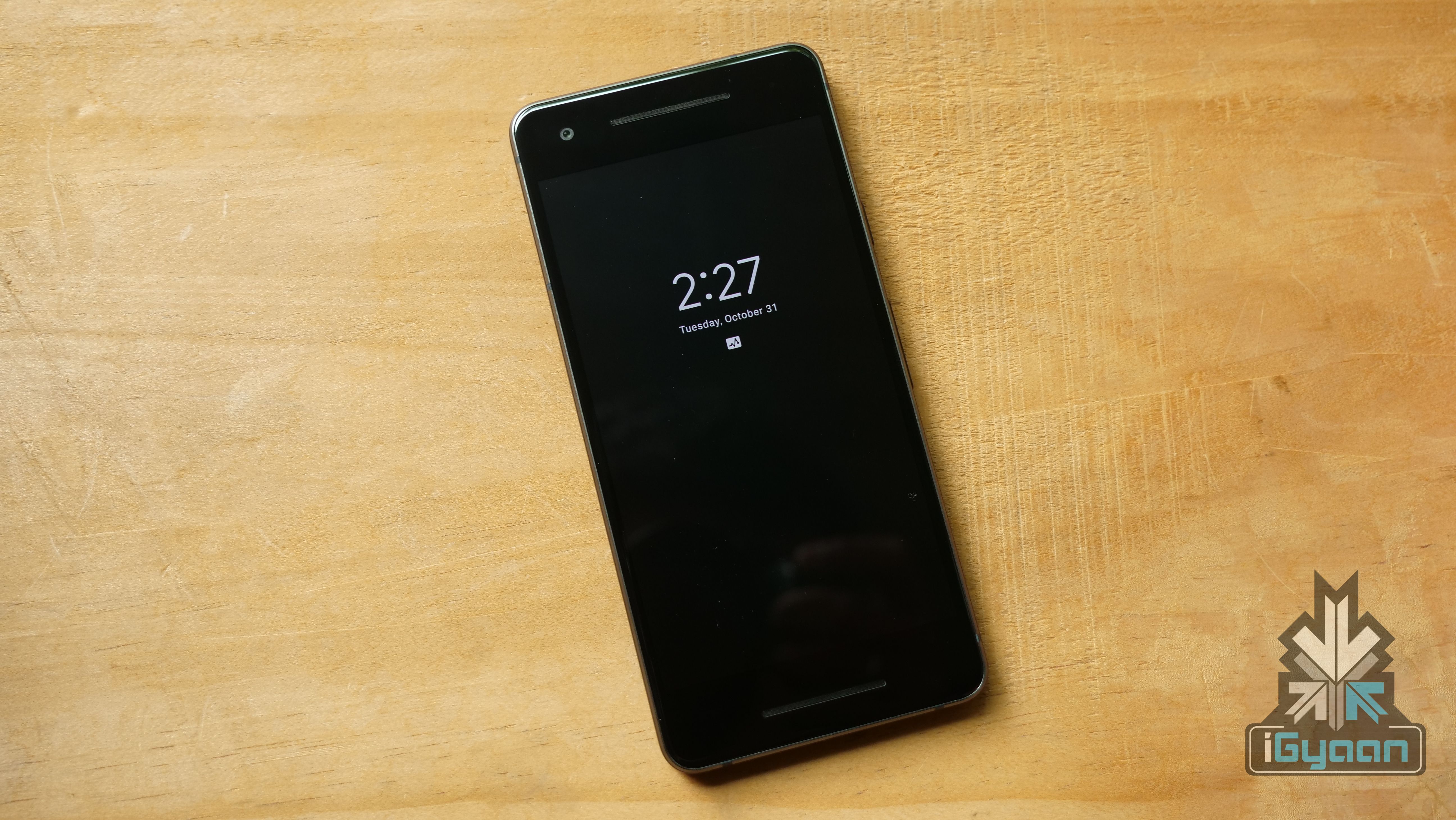
Google Pixel 2 devices have started receiving the February security patch. These updates are pushed to patch any vulnerability or a bug. However, sometimes these updates themselves start to create a new bug. Users of Google Pixel 2 and Google Pixel 2 XL are have started reporting that their smartphones have started heating up.
According to users, after the February security update, the smartphone tends to heat up a lot. Not only that, even the battery life of the smartphones has taken a hit.
I recently updated my Pixel 2 to the latest security patch. I’ve checked it’s not a recently downloaded app, I’ve uninstalled all the apps I downloaded before it started getting hot just to check. It gets fairly warm almost instantly after starting to use it, within about a minute or so of anything really. Anyone got any advice? Battery life seems unaffected.
Another user said:
Battery is terrible since the latest update. Phone is getting pretty warm just using reddit anymore.
Google Pixel 2 and Pixel 2 XL are the smartphones which launched with great potential. However, these devices have been in the limelight for all the reasons. Here are some of the issues reported by Google Pixel 2 or Pixel 2 XL users.
The first known issue on the Google Pixel 2 XL was the display issue. Users complained that the display on the smartphone bit dull compared to other smartphones. The company then patched the issue with a software update. Still, a few users have a complain that the display shows cooler colour with a blue tint on a slight shift.
Soon after that, users of Pixel 2 XL started complaining about voicemail issue, which causes users low volume on outgoing voicemail via Google Allo application. Which was later on patched with a software update. Users also raised a concern about buzzing or rattling issue on the stereo speakers, which was later on patched with a software update.
Conclusion:
However, the issue doesn’t seem to be universal, as a few users have commented that they haven’t experienced anything unusual and their devices are performing normally. Google is yet to comment on this issue, with whats wrong with the latest security update or is this caused by some third party application.
Google Pixel 2, the flagship smartphone from Google is one of the best photogenic smartphones in the market. In fact, It scores perfect 100 points on DxOMark. The Pixel 2 was originally launched for Rs. 61,000, which is now available for just Rs. 41,999. If you are looking for a smartphone with flagship level processing, faster OS updates and best-smartphone camera, then Pixel 2 is the to consider.
How to get Google Pixel 2 for Rs. 41,999?
Due to unimpressive sales number, the phones retail price was brought down to Rs. 49,999. Now, with flat Rs. 8,000 cashback from Citibank, the final price comes down to Rs. 41,999. The cashback is applicable to all the Citibank cardholders.
This offer is applicable only on Flipkart, which is the authorised online reseller for the Google Pixel 2 and Google Pixel 2 XL.
Login to Flipkart, add Pixel 2 to card, check-out and make payment using Citibank card. This deal is applicable for EMI plan as well
One has to make a complete payment of Rs. 49,999. The cash back will be credited back to user’s account in next 90 days.
Specifications:
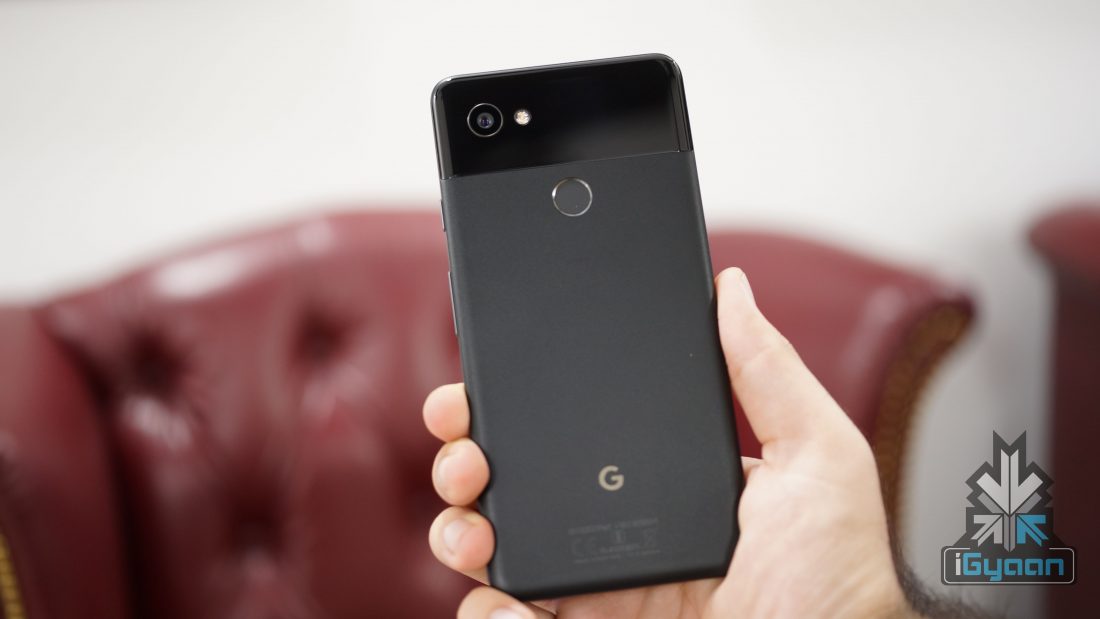
The Google Pixel 2 comes with a 5.0-inch 1080p pOLED display, protected by 2.5D curved tempered glass on the top. It has the Qualcomm Snapdragon 835 chipset, 2.4GHz octa-core processor, Adreno 540, 4GB RAM and 64GB/128GB onboard storage. The two-tone colour of the phone is also reminiscent of the original Pixel from 2016.
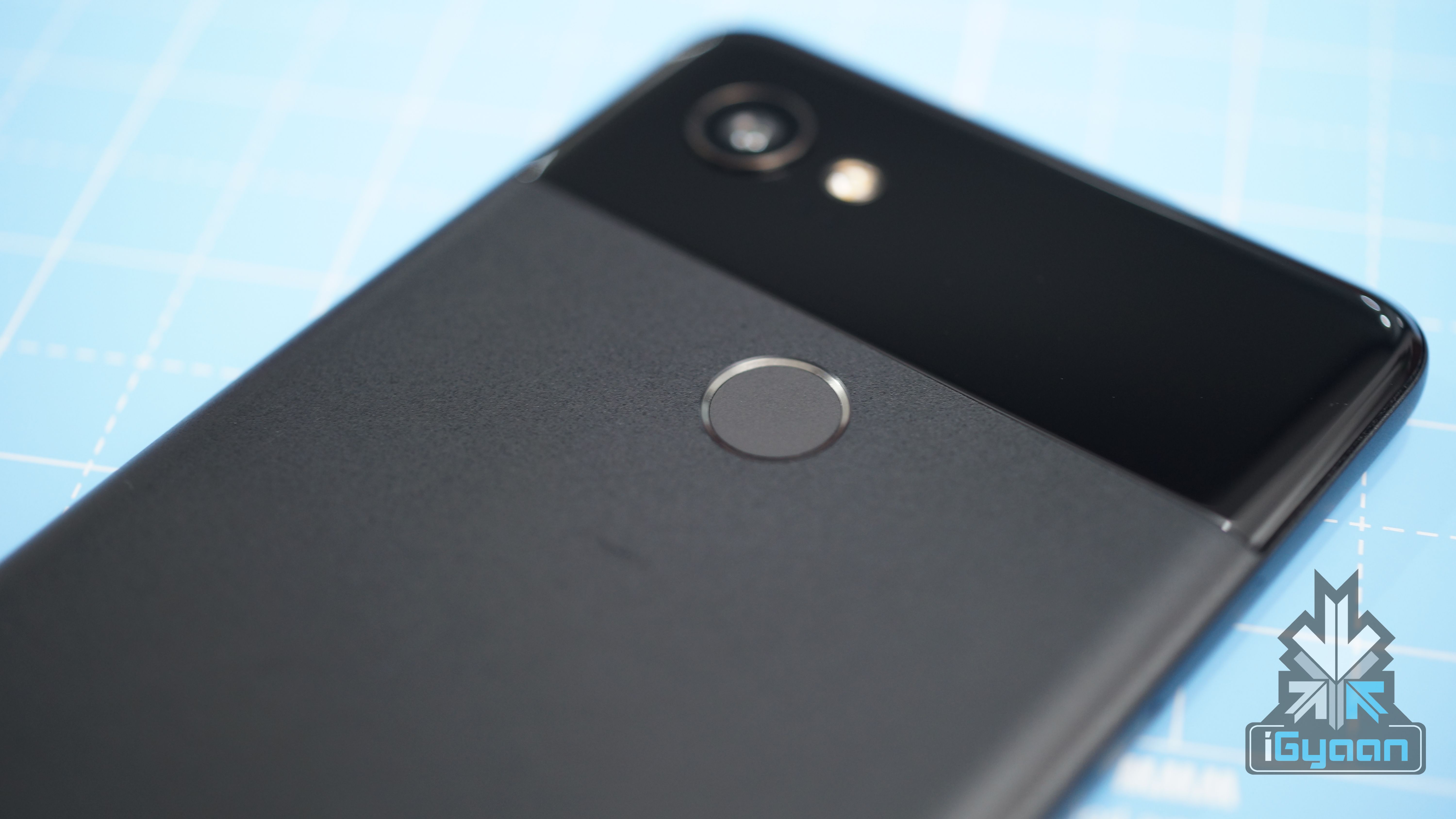
The two-tone colour of the phone is also reminiscent of the original Pixel from 2016, which runs on Android Oreo 8.1. As is with every Google phone, the new Pixel 2 will be first in line to receive Android P update in 2018. The fingerprint sensor sits at the back of the device but, this time around the “glass window” is smaller.
This year, the Pixel 2 and Pixel 2 XL use a technology called “dual-pixel” which divides every pixel into two. Google has decided to go for a single camera setup similar to last year’s Pixel phones. The rear-facing camera is a 12.2 MP sensor with an f/1.8 aperture and 1.4 micron pixel size. On the front is an 8MP camera with an f/2.4 aperture.
Google has introduced new features in the camera department like the addition of AR. You’ll be able to add 3D characters and emoji into photos and videos and see them move around as you’re capturing the scene. That includes things like a sleepy coffee cup, but also some recognisable characters.
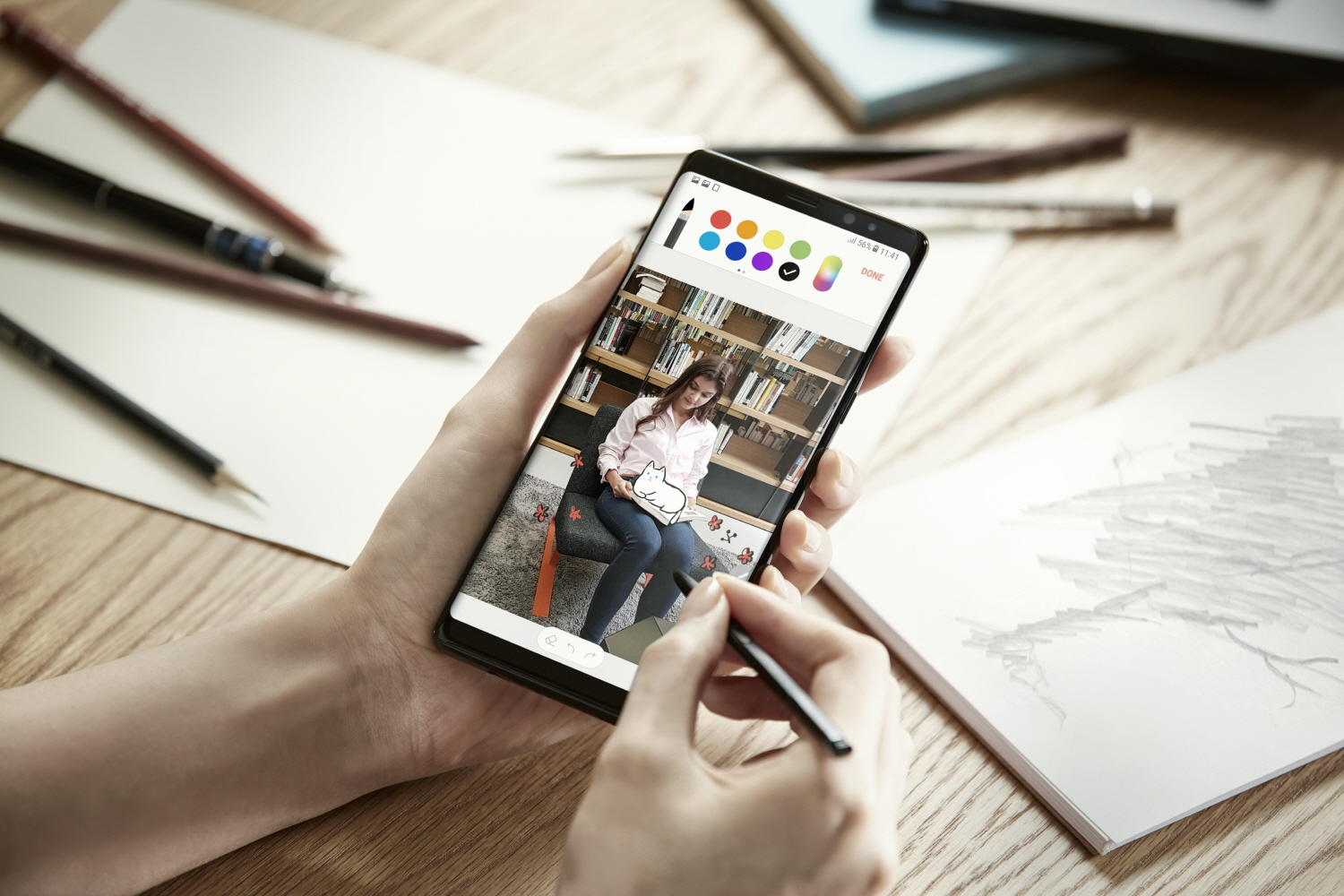
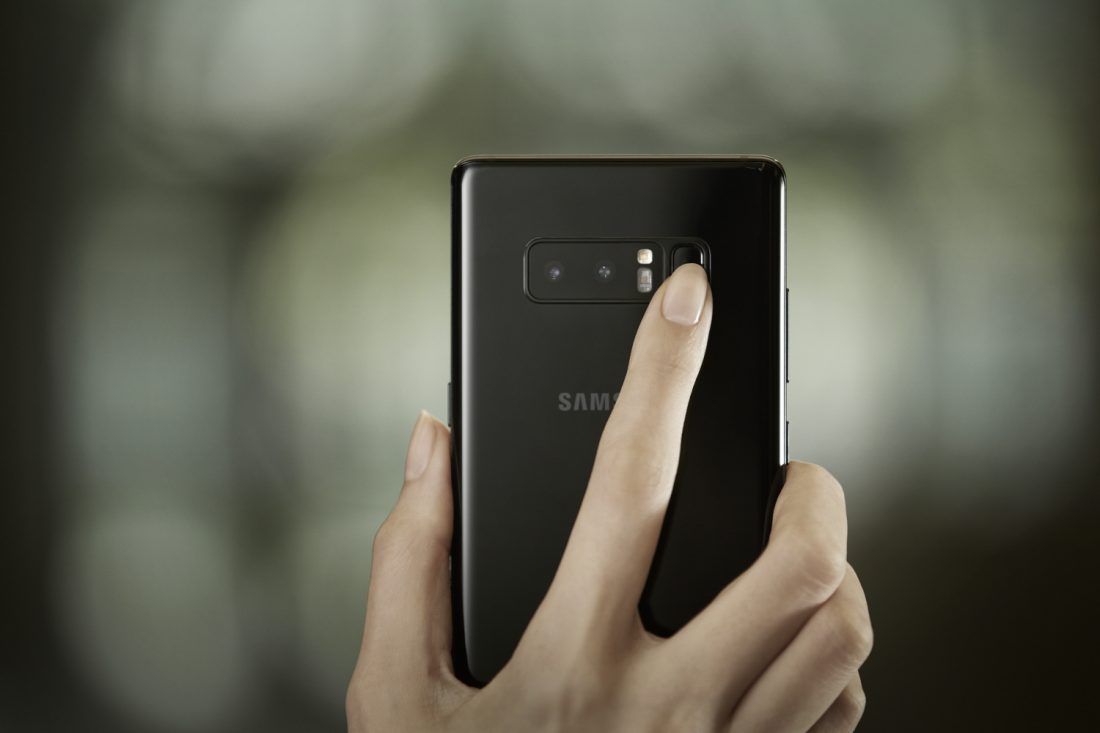
Samsung launched the highly-anticipated Galaxy Note8 in New York on August 23 during its ‘Unpacked 2017’ event. Priced at Rs 74,999 the Galaxy Note8 is the first Samsung to feature a dual-camera setup. Both the cameras are 12 MP and both have OIS, one has a wide lens while the other a telephoto lens. The Galaxy Note8 also has an IRIS scanner on the front, sadly the fingerprint sensor still sits on the back of the phone next to the cameras.
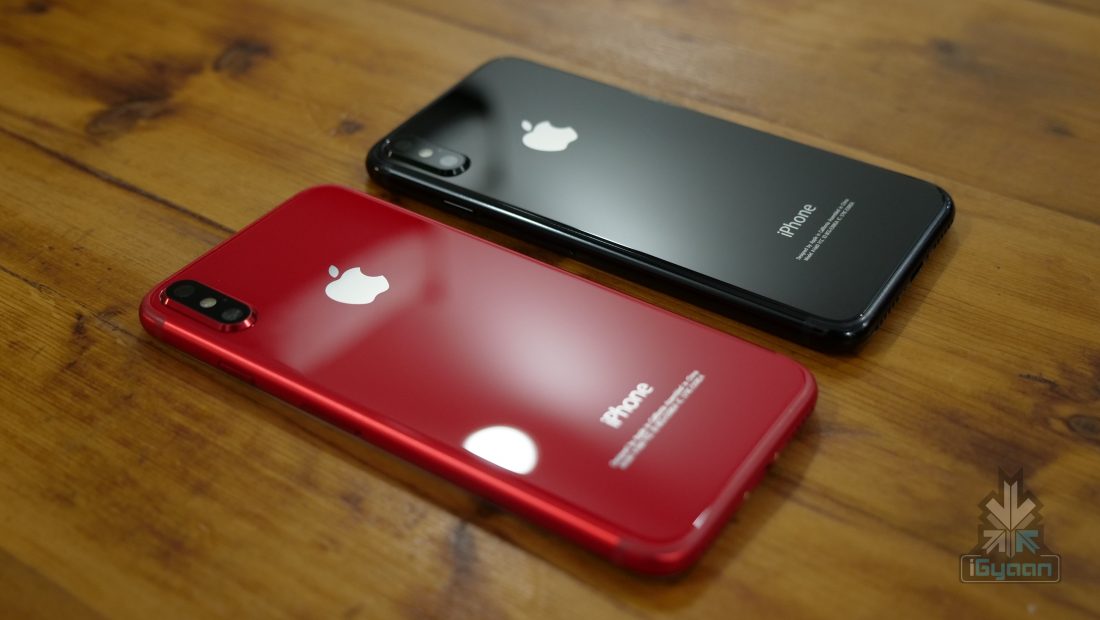
Apple looks all set to launch the new iPhone on September 12. Apple has been hosting its iPhone launch events in September since 2012. September 12 also falls on a Tuesday, which is in line with the previous iPhone announcement events. It is rumoured that the main iPhone 8 will be available in extremely limited numbers at launch. Along with the new iPhone 8, the launch of the iPhone 7S, 7S Plus, Apple TV with 4K video output, LTE enabled Apple Watch is also expected.
The follow-up to last year’s lineup of Pixel devices, the pixel 2 and Pixel XL 2 could be launched on October 5th according to a tipster. This tip comes after specifications of the Pixel 2 were leaked through an FCC filing document. In his tweet, Evan Blass claims that both the devices will have the Qualcomm Snapdragon 836 chipset, instead of the much-anticipated Qualcomm Snapdragon 835 chipset.
Google officially launched the next generation of its Android OS, 8.0 Oreo during the first Solar Eclipse in the USA since 1917 on August 21. The Google Pixel 2 and Pixel XL 2 are tipped to be the first sdevices to run Android 8.0 Oreo while many other smartphones will soon follow suit.
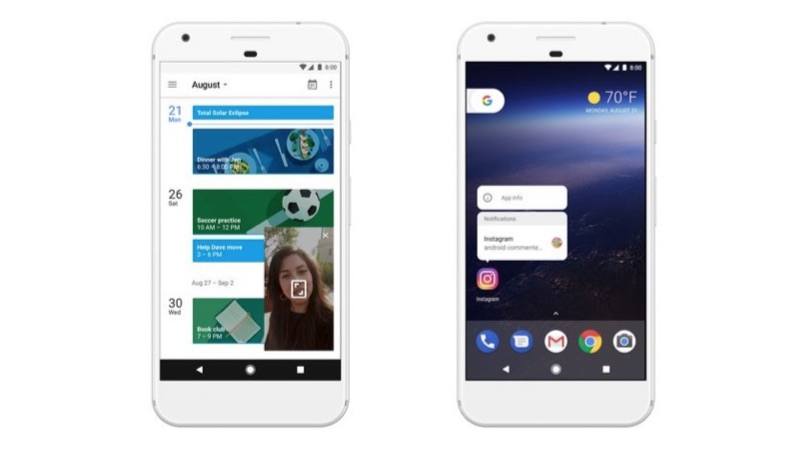
Features such as the new picture-in-picture mode, auto fill framework, notification dots and much more will be available when the Android 8.0 Oreo starts rolling out to devices later this year.
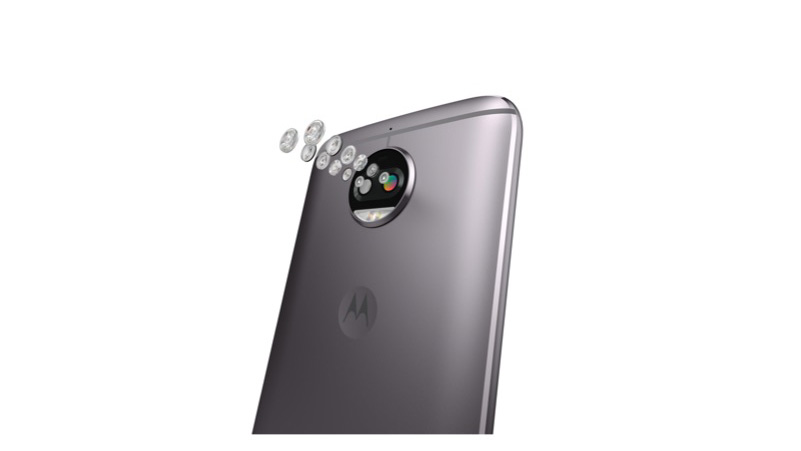
Lenovo-owned Motorola is set to launch the Moto G5S Plus in India on 29th August. The smartphone will be an Amazon exclusive in the beginning and will be available at offline retailers later.The Moto G5S Plus’ widely speculated feature, the rear mounted 13MP dual-camera with an f/2.0 aperture and dual tone LED flash, comes with video stabilization and 4K video recording at 30 FPS.
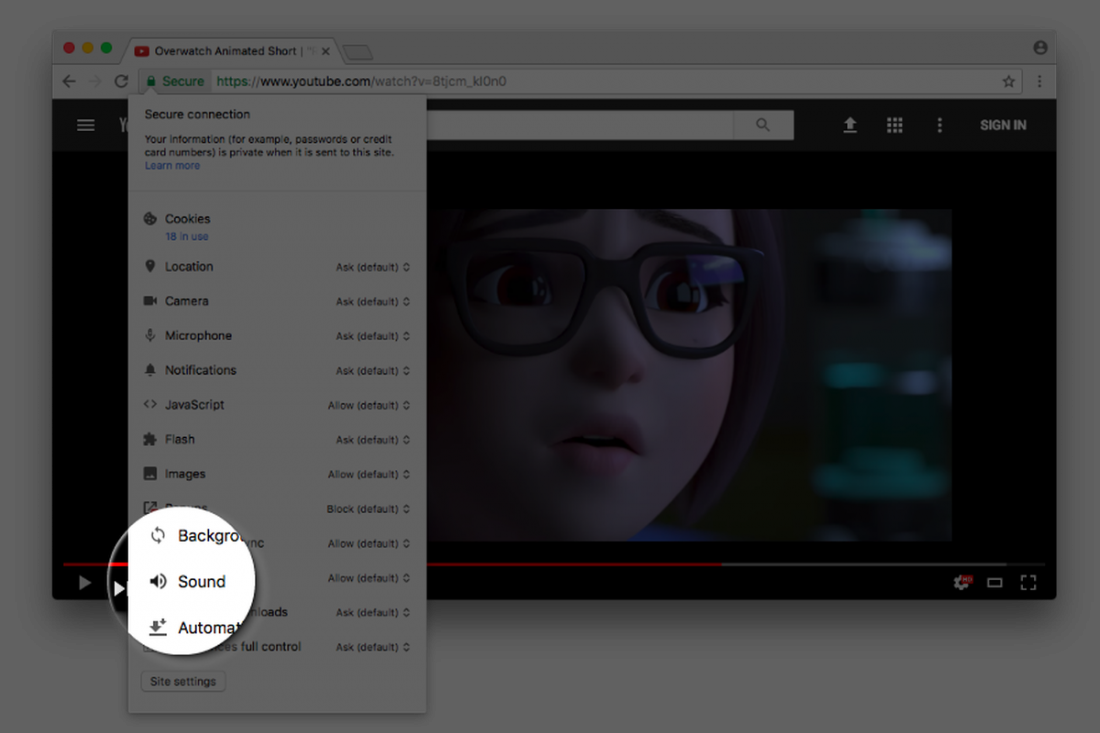
Google Chrome will soon allow users to permanently mute websites, a long awaited feature that will cheer millions who suffer from auto-playing videos on websites. According to a report, the feature is currently available in the experimental Canary build of the browser and will soon roll out with future Google Chrome update. For those of you who want to give this feature a try, run it with the –enable-features=SoundContentSetting switch, as the feature is off by default.
Google’s François Beaufort announced on his Google Plus account, that the Chrome team is still “experimenting with a setting to mute/unmute a website directly from the Page Info bubble.” explaining that “This will give you more control about which website is allowed to throw sound at you automatically.”
As of now, a user can mute tabs in Chrome by right clicking on them, but the process is canceled out once you close the tab or the Chrome window. But with this feature, a user will be able to permanently block sound on a particular domain. In short, websites on which you disable sound will remain disabled or muted until you turn them back on.
Google Chrome already has various toggles for Flash, JavaScript, notifications, etc. and the soon-to-be-added sound toggle will work in a similar way.
According to the update given by François Beaufort, it might be a few weeks or months before we see the feature on Google Chrome.
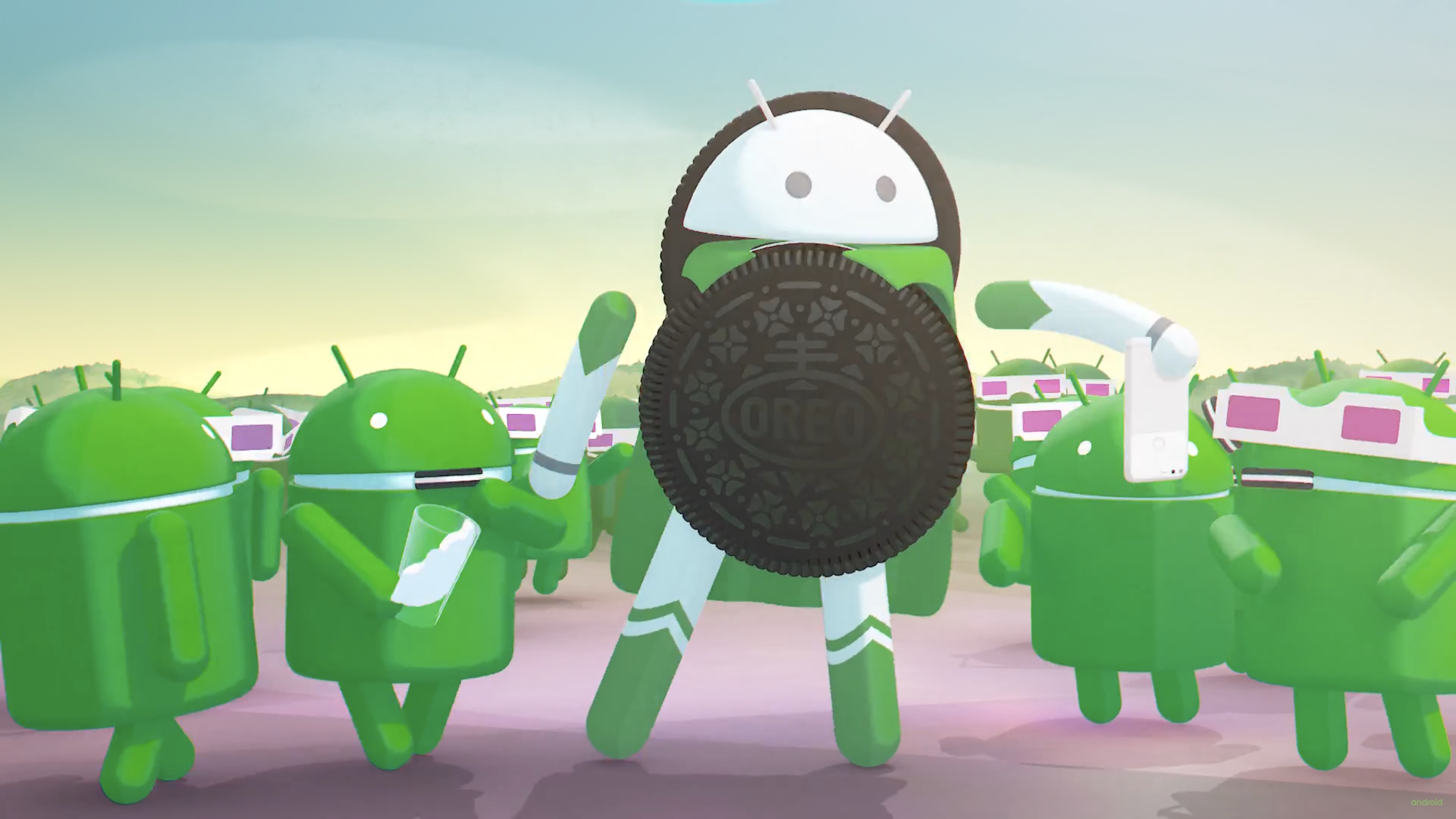
Google officially launched its latest Android OS, 8.0 Oreo during an event that ‘eclipsed’ the Solar Eclipse on August 21. Developers have had access to a preview version of Google’s latest mobile operating system since mid-March, with updated versions releasing in May, June, and July.
The new OS comes with a lot of new features and under the hood upgrades for better user experience. Highlights of new features in Android 8.0 Oreo
A new picture-in-picture feature allows users to continue operating the device without interruptions for things like watching a video.
Users can now organise notifications into custom channels and modify the alerts for the entire channel.
An auto fill framework in the operating system makes the repeated filling of forms easy for the user.
Original Equipment Manufacturers (OEM) can specify a look and feel for the UI by choosing between various icon shapes by using Adaptive Icons
Smart sharing feature allows the operating system to guess the context of a photo, and pick the best application to hand the image over to.
There are also background execution limits, which ensures that applications running in the background don’t use up a lot of system resources.
A lot of you must be wondering whether your Android device will be updated to 8.0 Oreo or not. Let’s find out
Google Devices
This is a no-brainer. If you own the Nexus 5X, 6P or the Google Pixel or the Pixel XL, an Android O update isn’t far away. Google Pixel 2 and Pixel XL 2 will be the first devices running Android 8.0 Oreo when they’re launched and an update to the Nexus devices and previous gen Pixel smartphones will follow soon.
Samsung
Samsung launched the Galaxy Note 8 running Android 7.1.1 Nougat and promised an update to Android Oreo in the coming months. This suggests that the Samsung Galaxy S8 and S8+ may also receive an update before the mid-2018 launch of the Galaxy S9. Samsung’s mid-range devices may also receive an Android Oreo update but later next year.
HTC
HTC has officially announced that the HTC 10, U Ultra and the new flagship U11 will receive the Android Oreo update in the coming months.
OnePlus
Carl Pei has announced that Oneplus 5, 3T and 3will all receive Android 8.0 Oreo update. However, it was also announced that this update will be the last Android OS update for last year’s OnePlus 3 and 3T.
Motorola
Moto Z2 Force, Z2 Play, G5S, G5S Plus, G5 and G5 Plus are all in line to receive an upgrade to Android 8.0 Oreo keeping up with Lenovo-owned Motorola’s promise.
Lenovo
Lenovo recently dropped its custom VibePure UI for pure Android skin and promised that the K8 Note and other K Note devices will receive the Android Oreo update. The timeline though is not confirmed.
LG
LG is on the verge of launching its late 2017 flagship, the LG V30 on August 31. The phone will most likely run Android 7.1 Nougat and will be updated to Android Oreo later on. Along with the LG V30, LG G6, LG V20, and V10 might also receive the update in the coming months.
Google Pixel and Pixel XL launched last year on October 4th to great anticipation. A new leak claims that the second generation Pixel phones will debut exactly one year after their older siblings, on October 5th. The tweet sheds light on another component of the device which is heavily rumoured, but, with no real evidence.
Google's second-generation Pixel handsets, powered by Snapdragon 836 SoC's, will be unveiled on October 5th.
In his tweet, Evan Blass claims that both the devices will have the Qualcomm Snapdragon 836 chipset, instead of the much-anticipated Qualcomm Snapdragon 835 chipset. More details about the new Pixel devices were leaked through an FCC filing by HTC confirming that the Taiwanese smartphone maker will be handling the smaller of the two variants, the Pixel 2.
Also, back in March, Bharat Nagpal had posted on his official Facebook account sharing information about the same chipset (Snapdragon 836), and that it will first show up in Pixel devices.
An interesting detail revealed by the filing was a feature called “Active Edge”, which is similar to the squeezable frame feature on the HTC U11. The difference here is that the squeeze will be programmed to launch the Google Assistant. In the filing, the “8998” in the baseband revealed that the device would either have a Snapdragon 835 or the updated, as-of-yet unreleased 836. There have been renders of the Google Pixel 2 suggesting that the 2017 flagship will ditch the headphone jack. The device will also sport a design similar to its predecessor’s with big bezels around the screen and a smaller glass window at the back.
The smaller Pixel 2 will reportedly sport a 5 inch 2560 x 1440 px AMOLED display and still have large bezels around the screen, unlike many flagships of 2017. The Pixel XL 2, on the other hand, will feature a more “2017 flagship design” with thin bezels around a 6 inch 2560 x 1440 px AMOLED display. The devices will run on 3,ooo mAh battery and 3,500 mAh battery respectively.
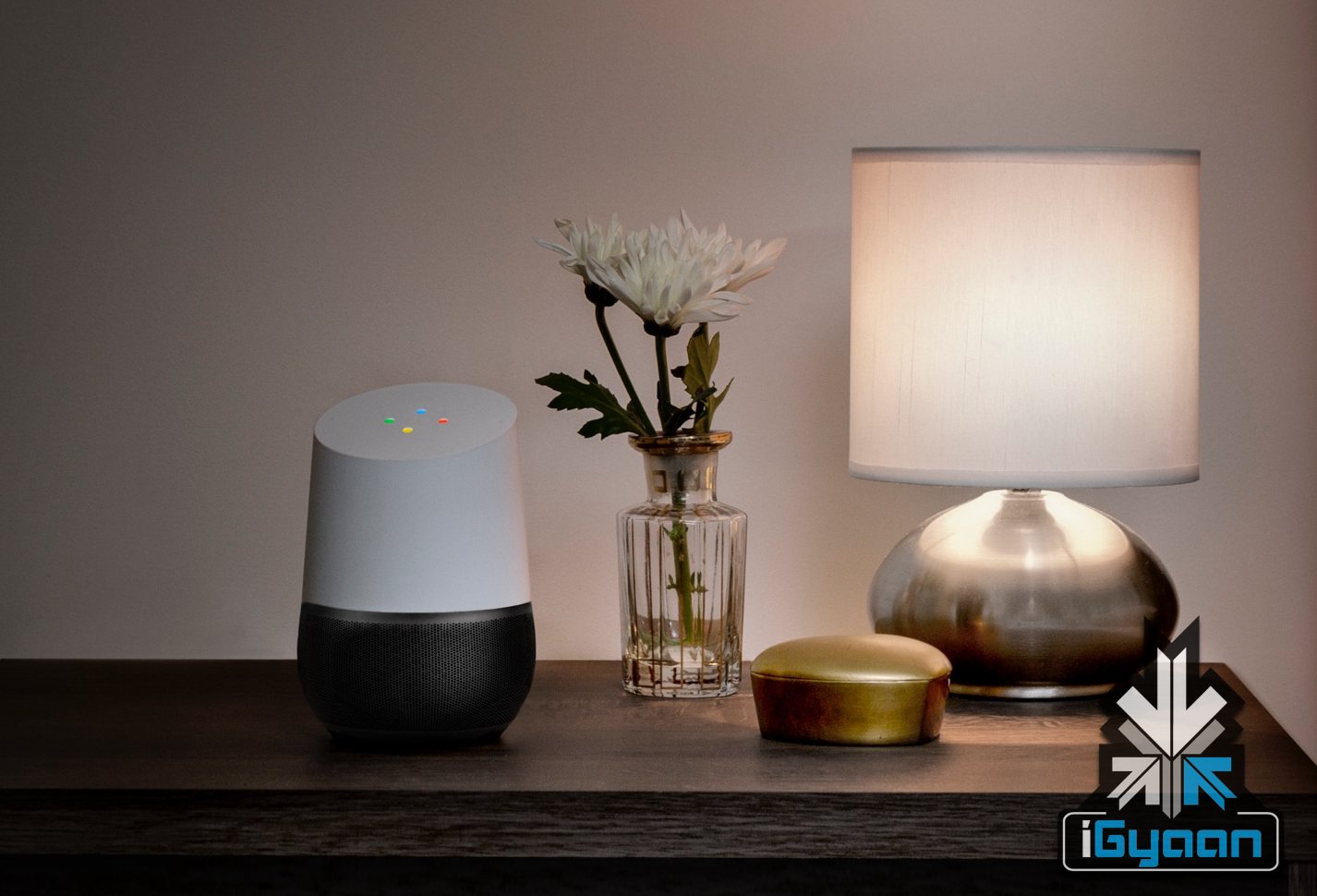
Google is reportedly planning to compete with the Amazon’s smart speaker, Echo Dot by releasing a miniature version of its own Home smart speaker. The unveiling of the miniaturised Google Home is expected to be at a hardware event planned for the upcoming Pixel sequel.
Planning to rival the Amazon’s Echo Dot, the Google Assistant powered smart speaker will allow you to access voice command interfaces for audio systems, connecting multiple Home units, playing music etc.
It is still unclear as to what all features Google’s smaller Home Speaker will come with but we are hoping that the voice-activated Assistant hub will host the similar features like its sibling. Some of which are expected to be hands free calling, accessing smart home devices, personalised experience by disguised voice feature, getting real-time answers related to traffic, weather reports etc.
No specific details about the mini Home speaker’s pricing, dimensions and feature set have been spilled yet. But given the massive popularity of Amazon’s Echo Dot which is priced at $50, a smaller, cheaper version of Google Home makes much more sense, as the original Google Home costs $129.
It has also been reported that Google will also launch the new Pixel-branded Chromebook at the Pixel event. This will be the first Chromebook after the launch of the original Chromebook Pixel in 2015. At present, no information about the specifications for this laptop has surfaced. It has been widely reported that the new Pixel Chromebook is a byproduct of Google’s Project Bison, but, it appears not to be the case . Google may be planning to target the higher-end notebook market once again. It is safe to say that the new Pixel-branded Chromebook is intended to be a serious contender to Apple’s MacBook lineup and Microsoft’s Surface Pro.
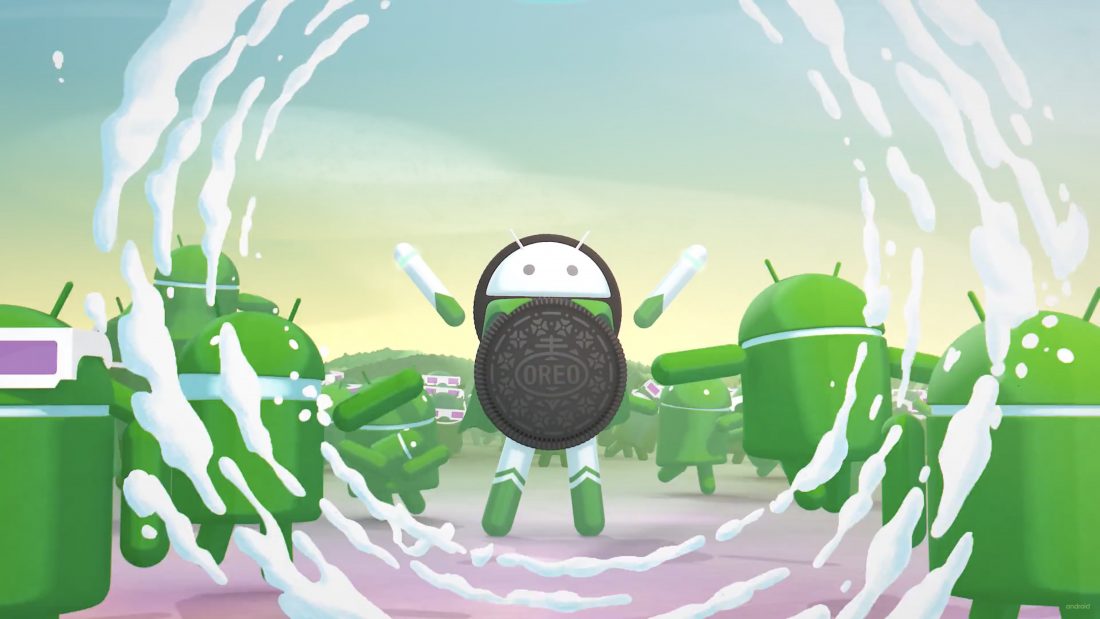
Google officially launched the next generation of its Android OS, 8.0 Oreo during the first Solar Eclipse in the USA since 1917. Developers have had access to a preview version of Google’s latest mobile operating system since mid-March, with updated versions releasing in May, June, and July. Rumours of the new version being named Oatmeal Cookie were put to rest when Google launched Android 8.0 Oreo through a live stream.
So, what has changed from Android 7.0 Nougat to 8.0 Oreo? Let’s take a look
User Interface
Users can now organise notifications into custom channels and modify the alerts for the entire channel. This can be specifying the sounds if the notification triggers a vibration, and if the notification is allowed to override the do not disturb setting. An autofill framework in the operating system makes the repeated filling of forms easy for the user. This can range from sign up information to a new service, or credit card information to make a payment. The feature will prevent frustration and repetitiveness by allowing users to quickly fill in a form. Users will have to opt-in for the Autofill framework, after which new and existing applications can make use of the feature.
Picture-In-Picture Mode and New Notifications
A new picture-in-picture feature allows users to continue operating the device without interruptions for things like watching a video. Another interesting change in the UI this time around is Adaptive Icons. Original Equipment Manufacturers (OEM) can specify a look and feel for the UI by choosing between various icon shapes. Different shapes can be used on some models. The feat is achieved by applying masks over a base layer. The supported shapes are Circle, Squircle, Rounded Square and Square. Adaptive icons can be created using Android Studio.
Behind The Screen
Each application is now allocated a cache budget. When the system is low on resources, the applications that exceed the cache budget the most will be the first to have their cached files deleted. Content refreshing is now a more streamline experienced. Also, there is now an easier way for applications to check if they are displaying the latest content on the screen. Developers can also set custom triggers to update the content when it is stale or outdated, even without a specific request from the user. There are also background execution limits, which ensures that applications running in the background don’t use up a lot of system resources.
Media playback should be significantly improved for users, as now there is fine-grained control to scrub to a particular frame in a video. Applications can also now mix multiple audio and video tracks at once, for streaming purposes. This can be useful in gameplay videos where users can capture the screen, themselves through the front-facing camera, the audio from a game, and any commentary from the user.
A smart sharing feature allows the operating system to guess the context of a photo, and pick the best application to hand the image over to. For example, if you click a selfie, social networking applications are pulled up but, if you click a photo of a receipt, expense tracking applications will open up. The more you use your phone, the more your smartphone will learn about your behaviour and act accordingly. A smart copy feature enables similar functionality but for text, where the smartphone recognises if the text copied is an address, a phone number or name of an entity, and suggest opening a relevant app. For example, if you copy a phone number, a floating bar will suggest opening up the Dialer app or the Contacts app.
Connectivity
Android 8.0 Oreo has support for Wi-Fi Aware, an energy-efficient way by which supported hardware can discover and chat with each other without a Wi-Fi hotspot or an internet connection. There is also a support for the new Bluetooth Low-Energy (BLE) 5.0 standard.
It is expected that the first smartphone to run Android 8.0 Oreo will be the new Pixel 2 and Pixel XL 2 while the Pixel and Pixel XL will get an update soon after the launch.
Expected devices to receive Android 8.0 Oreo update
Nexus
Nexus 5X
Nexus 6P
Samsung
Samsung will push out the Android 8.0 update when it launches the Samsung Galaxy S9 next year. Devices expected to receive the update are-
New details leaked through an FCC filing by HTC, all but confirm that HTC will indeed be the maker of at least one of the new Pixel smartphones, while LG will be handling the larger variant, the Pixel XL 2. It is also worth noting that the FCC filing comes exactly a year after the commission received similar documentation for the Pixel and Pixel XL phones suggesting that the new smartphones will indeed launch in or around October.
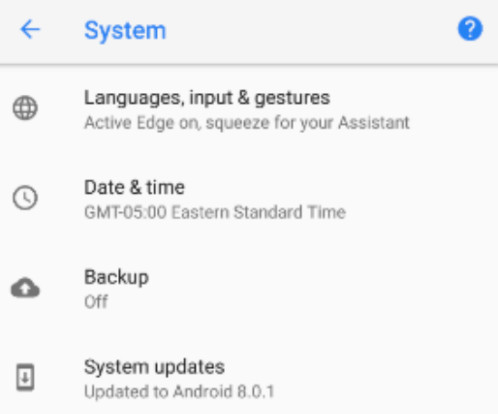
An interesting detail revealed by the filing is a feature called “Active Edge”, which is similar to the squeezable frame feature on the HTC U11. The difference here is that the squeeze will be programmed to launch the Google Assistant. The filing has also revealed that the Pixel 2 will be powered by the Qualcomm Snapdragon 835 Chipset and have 64GB of onboard storage. As expected, the smartphone will run on Android 8.0.1 which is rumoured to be officially unveiled on August 21.
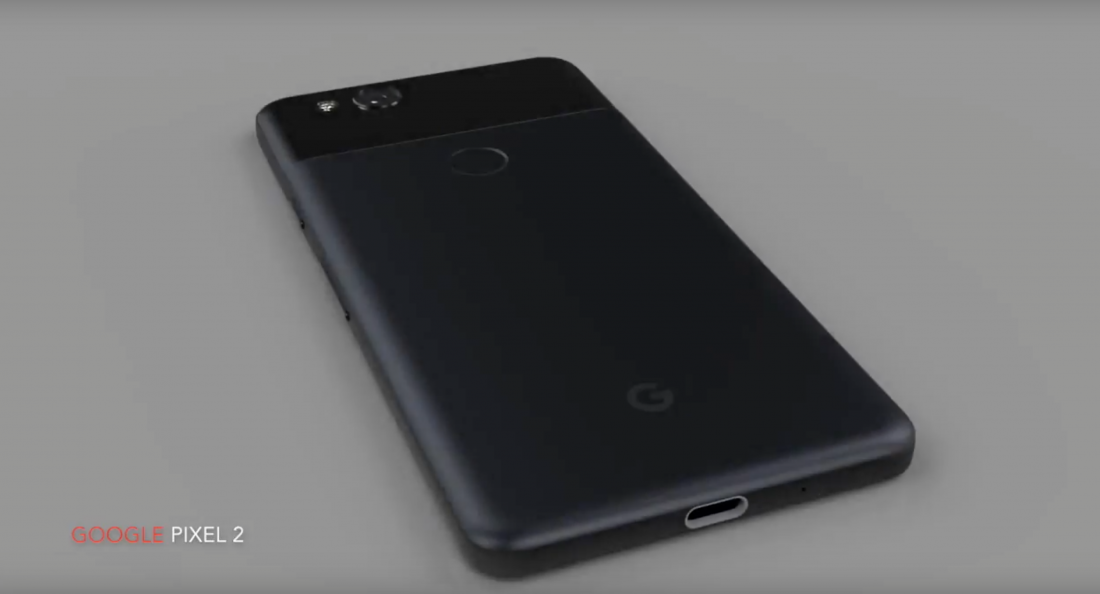
There have been renders of the Google Pixel 2 suggesting that the 2017 flagship will ditch the headphone jack. The device will also sport a design similar to its predecessor’s with big bezels around the screen and a smaller glass window at the back.
The first-gen Pixel smartphones were launched at a premium price and the Pixel 2 and Pixel XL 2 will be no different. The main difference between the two variants apart from the screen and battery size will be the design. The smaller Pixel 2 will reportedly sport a 5 inch 2560 x 1440 px AMOLED display and still have large bezels around the screen, unlike many flagships of 2017. The Pixel XL 2, on the other hand, will feature a more “2017 flagship design” with thin bezels around a 6 inch 2560 x 1440 px AMOLED display. The devices will run on 3,ooo mAh battery and 3,500 mAh battery respectively.
Although, the Google Pixel and Pixel XL received a lot of flak for their design, the software and camera performance was appreciated by a lot of people. The new Pixel lineup seems to be following the same design pattern and will have to up their camera game and software performance to compete with the likes of the Apple iPhone 8, Samsung Galaxy Note 8 and the LG V30, all slated to be launched around the same time as the Pixel 2 and Pixel XL 2.
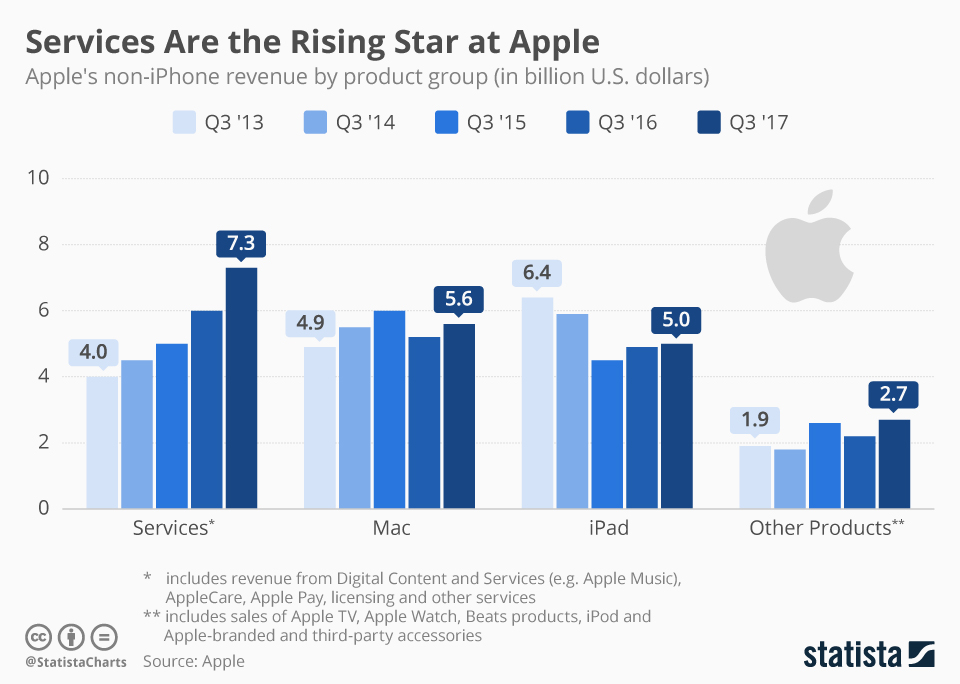
A US-based research and brokerage firm, Bernstein has said that Google will pay Apple USD 3 billion to remain the default search engine on iOS devices. According to a note to investors, Google has increased the payment from $1 billion three years ago to $3 billion for 2017. Google’s licensing fee makes up a large bulk of Apple’s service business. In fact, this license fee from Google comprises about 5% of Apple’s total operations profit.
Apple has stated that its services business is growing at a fast pace and that the profit from the services sector will help the company get listed in the Fortune 500 companies. An analyst from Bernstein also says that iOS devices also contribute 50% profit to Google’s mobile search revenues. This shows that Google will pay any amount to get unfettered access to all iOS devices. Thus, both the companies are dependent on each other for revenue. Since Google is earning a lot of profit from this arrangement, it has decided to increase the payment from $1 billion to $3 billion this year so that the license is not cancelled.
Revenue of Services sector
Apple has identified the services sector as an important source of profit, which a lot of investors believe is because of Apple Music and iTunes. But, a look at the revenue model shows that this licensing fee will become the largest revenue source in this sector. Mobile Ad revenue is central to Google’s revenue model and the growing importance of the mobile internet has now shifted the ad revenue focus from desktop to mobile devices. In fact, Google is expected to generate nearly $50 billion in revenue from mobile ads in CY 2017.
Although lucrative, the mutually beneficial deal between Apple and Google may be numbered. According to some estimates, if Google can retain 80% of their iOS search volume, then it would be financially more viable for them to break off this deal with Apple.
The official name of Google’s latest version of Android OS may be unveiled on 21 August. Android O was announced during Google I/O 2017 and the developer’s preview started rolling out after that. According to a series of tweets by David Ruddock from Android Police, Android O will receive its official name on the day of the Solar Eclipse. Last year, Google officially announced Android 7.0 Nougat on August 22, so based on continuity alone, the August 21 date seems quite likely.
The tweets also suggest that Google will make a big deal out of the unveiling and is “planning a spectacle.” He also mentioned that the name won’t be random and publishing the name right now would be a spoiler.
Android 8.0 brings new features such as Notification Dots, Autofill, Smart text selection and Picture-In-Picture. Google has also said to improve the security and increased the booting speed in the new OS. Notification Dots show the notification of an app after a long press.
A small notification bar pops up at the top right corner of the app and shows the notification of the particular app. The Autofill feature helps in filling forms inside an app. Smart Selection feature is a machine learning based features that select only important text to be copied. Android O also comes with a multitude of back-end improvements such as better battery management algorithms, app optimisations, audio enhancements like improved Bluetooth audio and more.
Earlier rumours claimed that Android O will be named after the popular cookies, Oreo. A few weeks ago, developers found references to the term “oatmeal_cookie” in a sample code that was used in a presentation slide at Google I/O indicating that ‘Oatmeal Cookie’ could very well be Android O’s name.
With the soon-to-be-launched Google Pixel 2 and Pixel XL 2 tipped to be the first smartphones running the new Android O, it seems highly likely that these reports are true and that Google will indeed announce the official name of the new operating system. When Android O officially starts to roll out, it is likely that the Pixel and Nexus devices will be first in line to receive the update and other smartphones will follow suit.
Google’s next in the Pixel lineup, the Pixel 2 and the Pixel XL 2 are set to release later this year. Google’s 2017 Pixel smartphones have been at the centre of various rumours for a while now. Though no official announcements have been made yet, the speculations and leaks have offered a good enough idea about how the next flagship devices will turn out to be.
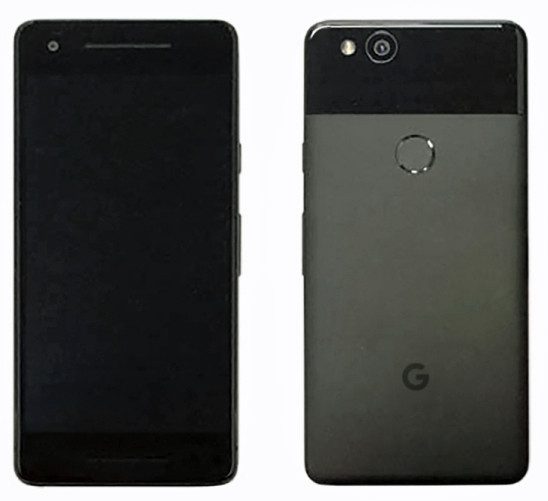
New reports have surfaced, offering further insight to the Pixel 2. The current updates confirm few of the earlier speculations, like the lack of a headphone jack and offer the first live image of the device.
Google Pixel 2 Leaked Image
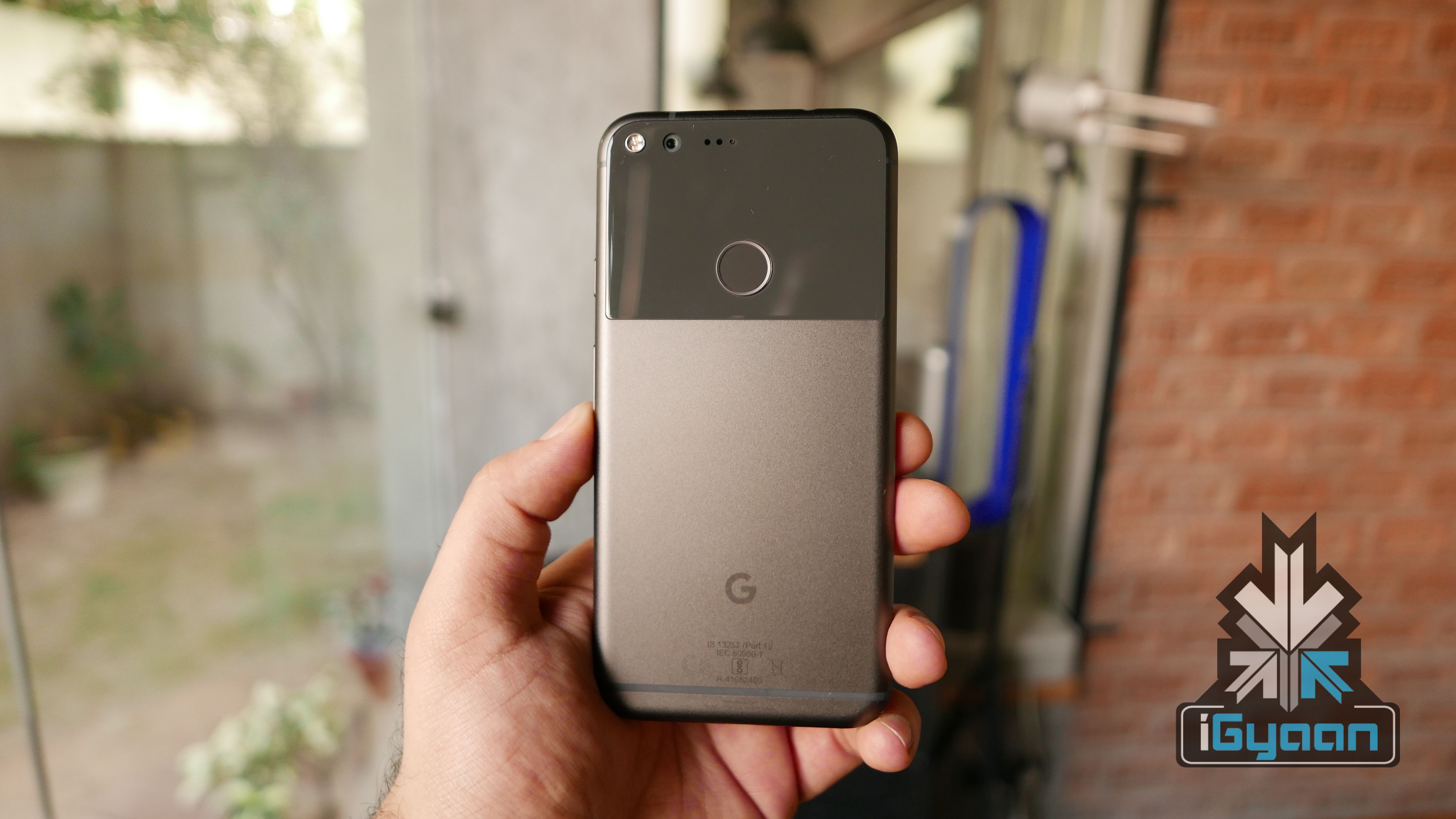
The image shows that the Pixel 2, contrary to the past leaks, will adopt a similar design of its predecessor. The top and bottom bezels on the front side remain just as large as last year’s Pixel. Whereas, its larger sibling, the Pixel XL 2 is reported will have have the top bezel cut-out similar to the iPhone 8.
Apart from that, both the Pixel 2 and the Pixel XL 2 are expected to feature a 5-inch and a 6-inch curved glass around the flat OLED display. Speculated to have an improved processor and a single-lens, dual-flash rear camera setup, both the devices will most likely be water resistant and are expected to run on Snapdragon 835 chipset and with 4GB RAM and 64GB onboard storage.
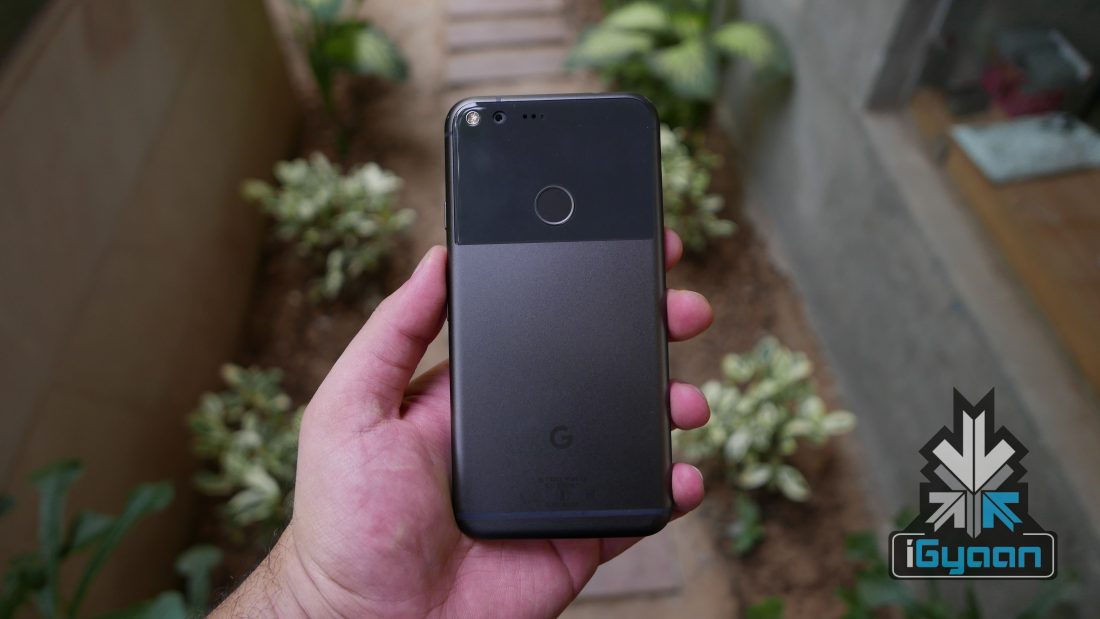
On the design front, the smartphones will have the back panel similar to the Pixel. However, this time the rear has been redesigned to match the Pixel XL’s shorter glass frame that no longer encompasses the fingerprint sensor.
According to the reports, Google’s Pixel 2 and Pixel XL 2 will be manufactured by LG, whereas, the last year’s Pixel lineup was manufactured by HTC. Despite the change of hands, the upcoming Pixel 2 and Pixel XL 2 will feature HTC’s squeezable frame. And though the reports of Google ditching the 3.5mm headphone jack seem to be in tandem with the current speculation, the recent image also showcase front-facing stereo speakers in both the devices.