Tag: kickstarter

  • Kickstarter Launches India Operations With Amazon And HAX

    Kickstarter Launches India Operations With Amazon And HAX

    Kickstarter, one of the largest crowdfunding platform in the world is entering India in association with Amazon Launchpad and HAX. Together, the three global entities will launch Startup C-Cube, a multi-level challenge for Indian start-ups that flags off in Bangalore on the 5th of December 2017.

    HAX is a hardware accelerator that invests in select startups in their early stages and provides guidance and resources in exchange for equity. Kickstarter is a platform for entrepreneurs to showcase their products and start a crowdfunding program. Amazon Launchpad is a global program that curates, showcases and delivers all kinds of products from startups to Amazon customers.

    Amazon Launchpad In India

    The Startup C-Cube challenge will be officially flagged off by Amazon Launchpad, HAX and Kickstarter at an event in Bangalore on the 5th of December. This will also mark Amazon Launchpad’s one year anniversary in the Indian market. The winning start-up will be supported by the three companies through the entire “concept-to-customer” journey and the joint program will also provide resources to the winner for launch, both in India and in Europe/US, depending on the scalability of the idea.

    Manish Tiwary, VP of Category Management at Amazon India said:

    Business growth of some of the start-ups on Amazon Launchpad has elicited interest in these start-ups from VCs as well as other funding agencies in the last one year.
    We are very happy to bring Kickstarter and HAX to India to give Indian start-ups an opportunity to get their ideas noticed at the global stage and arm them with resources to convert these into real business opportunities.
    If you think you have the idea and the planning to win The Startup C-Cube challenge, then you can enter the competition by clicking here.
  • Awesome Tech: An Old School DIY 35mm Pinhole Camera

    Awesome Tech: An Old School DIY 35mm Pinhole Camera

    Smartphones have upped their camera game in the past few years resulting in a steep rise of interest in photography. The ease with which you can click beautiful pictures with these immensely spec’d out smartphone cameras is bound to make anyone a “photography buff.” 4K video recording, dual-lens camera setups and whatnot, smartphones of the present age are judged based on what they offer in the camera department, such is the essence of cameras nowadays. Don’t get us wrong, the DSLR’s of the world are here and will live on in the foreseeable future, and that’s the reality. But the need to go old- school in tech has become a strong phenomenon these days. From the resurgence of vinyl records to people resorting to B&W filters on apps like Instagram. That is where this Kickstarter program comes into play, the space of old school tech winning people’s hearts.

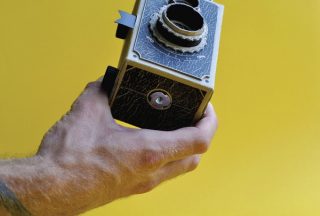
    No, we’re not talking about polaroids, we are talking pinhole cameras. Now before you leave this tab and head over to Google to know what this is, give us a chance to tell you about it. A pinhole camera uses a single small aperture – a pinhole – instead of a lens. The ingenious process of pinhole photography involves exposure of film using light filtered through a small hole in a light-proof box. It strips photography into its bare bones- Light. As light passes through this hole, an image is exposed on the film loaded inside the camera. Due to such a small size of the aperture, it may take anything between a few seconds to a couple of hours to expose a photograph.

    Sounds tedious, no? But, the pleasure of handling a camera that uses a process dating back to the 1880s is unparalleled. The whole purpose of this camera is to give you a chance to travel back in time and experience photography before there were filters and touch screens. The new pinhole camera by London-based designer Kelly is an improvement in many aspects over her 2013 version of the pinhole camera.

    Unlike the 2013 model, the new VIDERE pinhole camera shoots on 35mm film which is easily accessible even in today’s all-things-digital world. It also has a tripod thread for stability along with a new ultra-hardwearing shutter. As per the DIY process, it goes from a flat pack to shooting mode within an hour! The VIDERE 35mm pinhole camera packs a punch with stability options, an easily accessible 35mm film process and a good ol’ throwback!

    It’ll be interesting to get our hands on a piece of tech like this and experience photography from the simpler times. You can check out the product below on Kickstarter and tell us your thoughts on old-school gadgets making their way into our lives at this point in time!

    [button type=”link” link=”https://www.kickstarter.com/projects/kellyangood/kickstarter-gold-videre-35mm-diy-pinhole-camera-ki?ref=category_popular” variation=”btn-info”]Check Out The VIDERE 35mm Pinhole Camera[/button]


  • Nextbit Robin ‘Cloud Phone’ to Start Shipping in February

    Nextbit Robin ‘Cloud Phone’ to Start Shipping in February

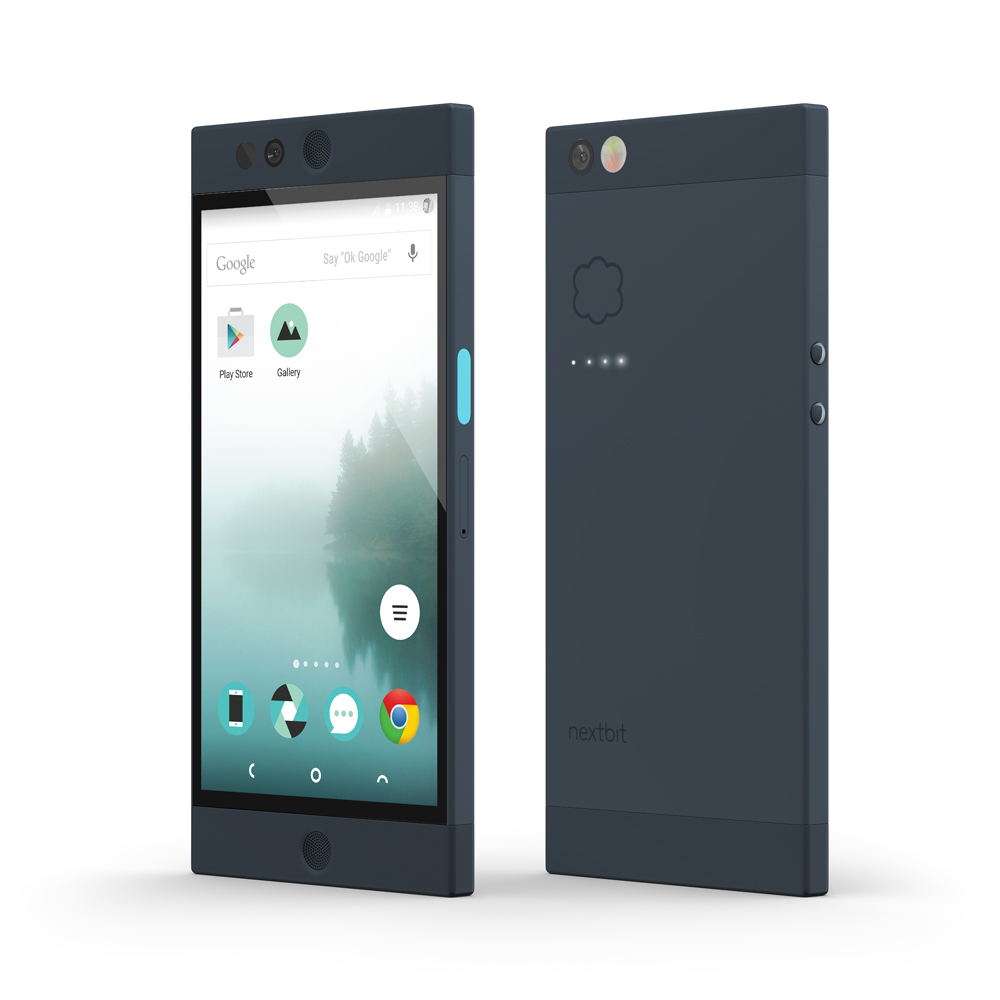
    Back in September, we brought you news that Nextbit Robin – the first smartphone to offer cloud storage, which was started as a Kickstarter campaign, had begun pre-orders in India along with a bunch of other regions. The price of the phone is Rs. 26,000 ($399), which excludes shipping charges of Rs. 4,600 ($70).

    Now, two months later word is that the startup will start shipping of the devices in February. Nextbit has announced that it will deliver the Robins to the first 1000 people who backed the project on February 16. The initial deliveries, however, will be of the GSM versions, while the CDMA models will ship later this year.

    Nextbit Robin Midnight
    Nextbit Robin Midnight

    Nextbit Robin is equipped with features sure to woo customers, the highlight of which is the cloud-based storage option. The phone promises no more storage woes by automatically backing up your data to the cloud, and therefore emptying the phone’s inherent storage.

    Robin was initially put up as a Kickstarter project from where it received an immense response of $1,362,000 (about Rs. 8.9 crores) in terms of funding. The company’s goal had been no more than $500,000 or about Rs. 3.26 crores.

    Nextbit Robin

    The specifications of Nexbit Robin include a 5.2 inch HD screen along with 1080×1920 p resolution. The plastic body of the phone has Qualcomm hexa-core Snapdragon 808 processor on the inside. 3 GB RAM and 32 GB of in-built non-expandable storage are some of its other specs. The phone also boasts of a fingerprint sensor.

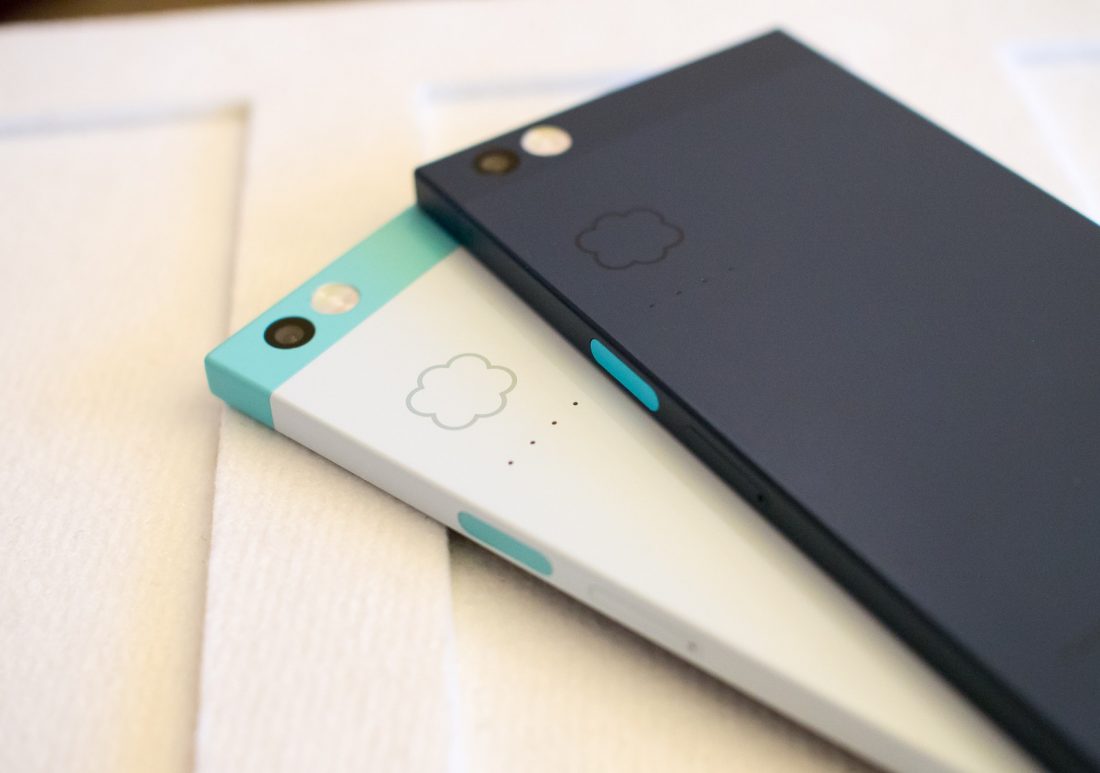
    In terms of the two cameras, the phone packs a 13 MP for the main camera and a 5 MP for the front camera. The battery is marked at a 2,689 mAh, and it has a USB Type-C port. The operating system is Android 6.0 Marshmallow. There are two colour variants for the handset: Mint and Midnight.

  • Facebook To Start Their Own Crowdfunding Platform

    Facebook To Start Their Own Crowdfunding Platform

    Facebook is really trying to spread itself, in order to reach every corner of the Internet. It’s latest addition to the internet take-over is a new crowdfunding feature. The company released a new Fundraiser product that allows non-profit organizations to set up a campaign page to raise funds. They can share a video portraying their goals, they can collect the money and let people share News Feed posts with buttons so that their friends can contribute without clicking on a new page.

    Facebook Fundraiser

    Facebook has been focused on non-profit organizations for some time now, starting with the introduction of their ‘Donate’ button in 2013 and then later on launched a ‘Buy’ button for shopping. However, Facebook could probably also use this same idea of catering to the non-profits and build on a profitable future. Crowdfunding does seem to be the new in-thing in the social media circle especially with Kickstarter and Indigogo rising. However, these companies rely mainly on the re-sharing statistics on sites like Facebook for their own social graphs.

    Facebook Fundraiser

    Apart from the fact that they rely heavily on exterior websites for their popularity and reach, it is also a very time consuming process for the pledger to support or fund any particular project. One usually has to leave Facebook to visit the campaign’s page, maybe enter another exterior credit card and billing window, and then sharing the campaign back on Facebook. Therefore, Facebook is basically trying to save peoples’ time by creating their own crowdfunding platform.

    Facebook Fundraiser

    The platform on Facebook will allow users to discover new projects, make payments all within the same platform. The Fundraiser feature also allows people who would like to show their support towards a project without having to make monetary payments via a “Join” button. This button will allow the supporter to receive updates about the project; they’ll also be able to post on the page and invite friends to join the campaign.

    This project could also lure people into a more one-time set-up flow payment system and thereby attract more pledges. Apart from this advertisements for the website’s own pages could contribute to socializing and browsing within their own website, since these ads will only lead you to another page within the website.

    Facebook Fundraiser

    Facebook seems to have really caught on to a major consumer attraction concept of how to save time. This new project does seem like it has a lot of potential and with Facebook’s already vast expanse, nothing seems impossible for the social networking website.

  • Beddi is a Smartphone Alarm Dock that is Really Affordable

    Beddi is a Smartphone Alarm Dock that is Really Affordable

    There have been many smartphone alarm docs over the years. Most of them haven’t found too many buyers for reasons related to limited functionality and an expensive price tag. But Kickstarter and Indiegogo are trying to bring back the smart alarm clock and make it fun and affordable again.

    Beddi Dock

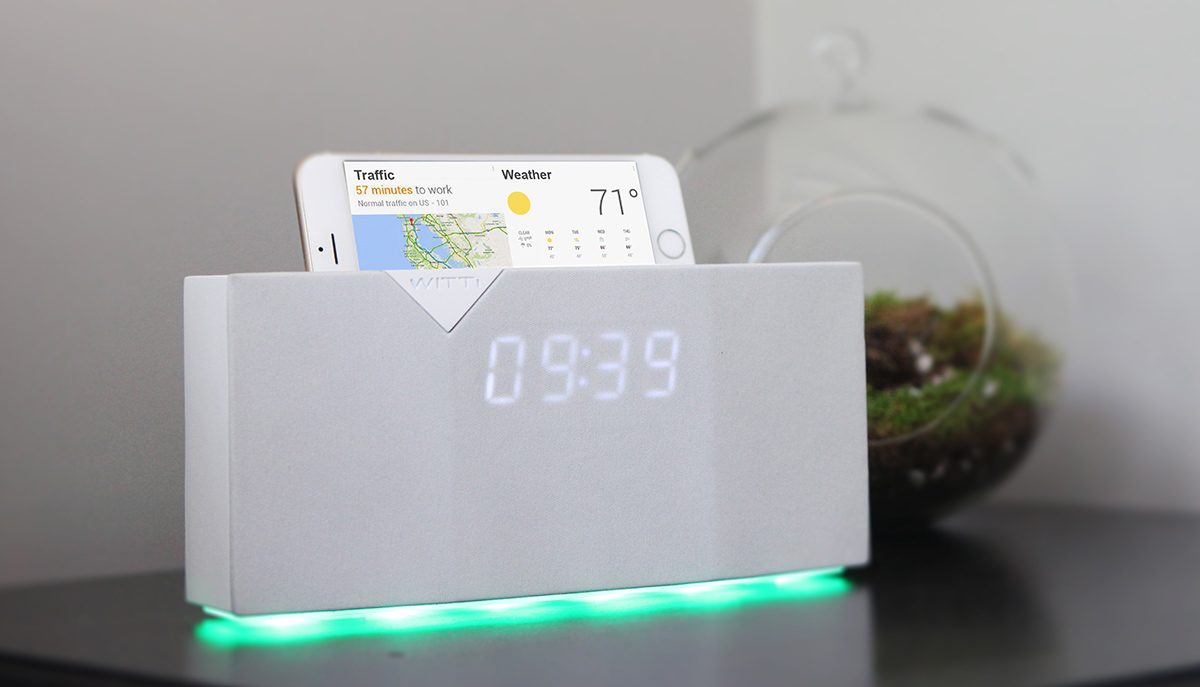
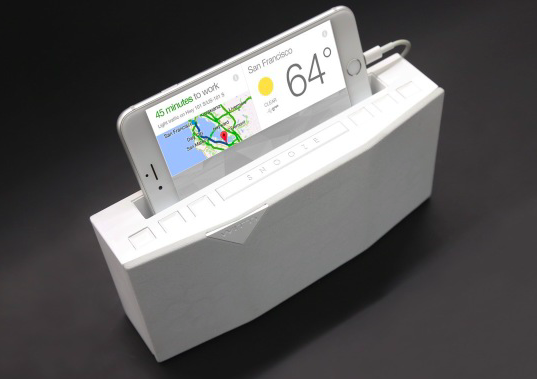
    Witti is the company behind the new Beddi smart alarm clock, backed by Kickstarter and Indiegogo. Beddi is a bedside alarm that also works as a Bluetooth speaker, and a lot more. The dock can also hook up to Uber, Spotify and Nest as well. Once your phone is paired over Bluetooth, you can set three presets in Beddi to either call an Uber taxi, toggle a Spotify playlist, control the temperature on your Nest or switch on a Philips Hue light.

    Beddi Dock 01

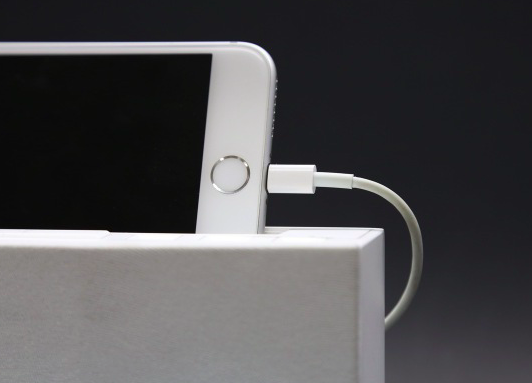
    Firstly, the dock houses your iOS or Android phone in landscape mode on top. The dock also serves as a charging hub for your devices with two USB ports. The system gives you morning traffic updates using Google Maps, FM radio, and even has a built-in white noise generator for a good night’s sleep.

    The Kickstarter project has doubled its funding goal, and if you purchase the dock through Kickstarter, you’ll get it at just $75 a piece or at $115 for two. The actual price of the dock stands at $100, which is highly affordable considering what the dock has to offer. Beddi will begin shipping worldwide in June 2016. Have a look at the Beddi in the video below.

    Source: [tw-button size=”medium” background=”#07ABE2″ color=”” target=”_self” link=”https://www.kickstarter.com/projects/26398080/beddi-intelligent-alarm-clock-the-smartest-way-to”]Kickstarter[/tw-button]

  • G-RO – The First Suitcase To Come With a 23,000 mAh Battery Source

    G-RO – The First Suitcase To Come With a 23,000 mAh Battery Source

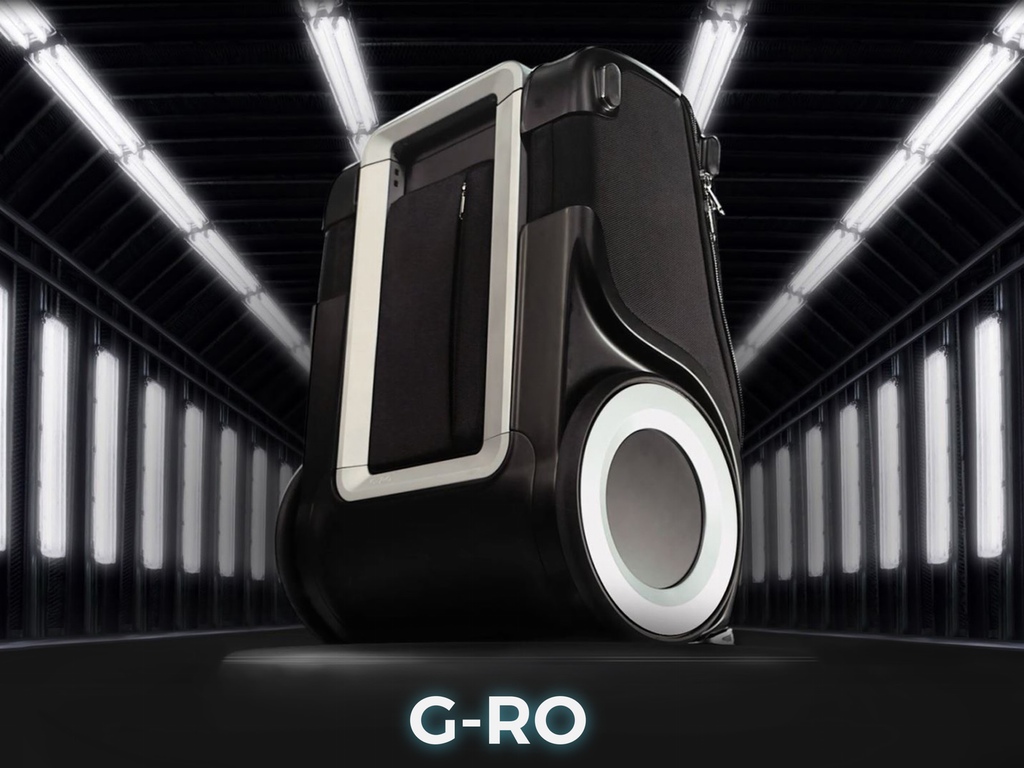
    If you’re a frequent flyer who never seems to get over travel anxiety because of your luggage, Kickstarter might just have the answer for you. G-RO, the first carry-on luggage of its kind is flying off the charts on the website. It has already reached the mark of $360,000 in pledges. The goal fixed by the G-RO team was $125,000 which was reached within a day of the product being put up on the website. There are another 58 days to go before the campaign ends.G-RO

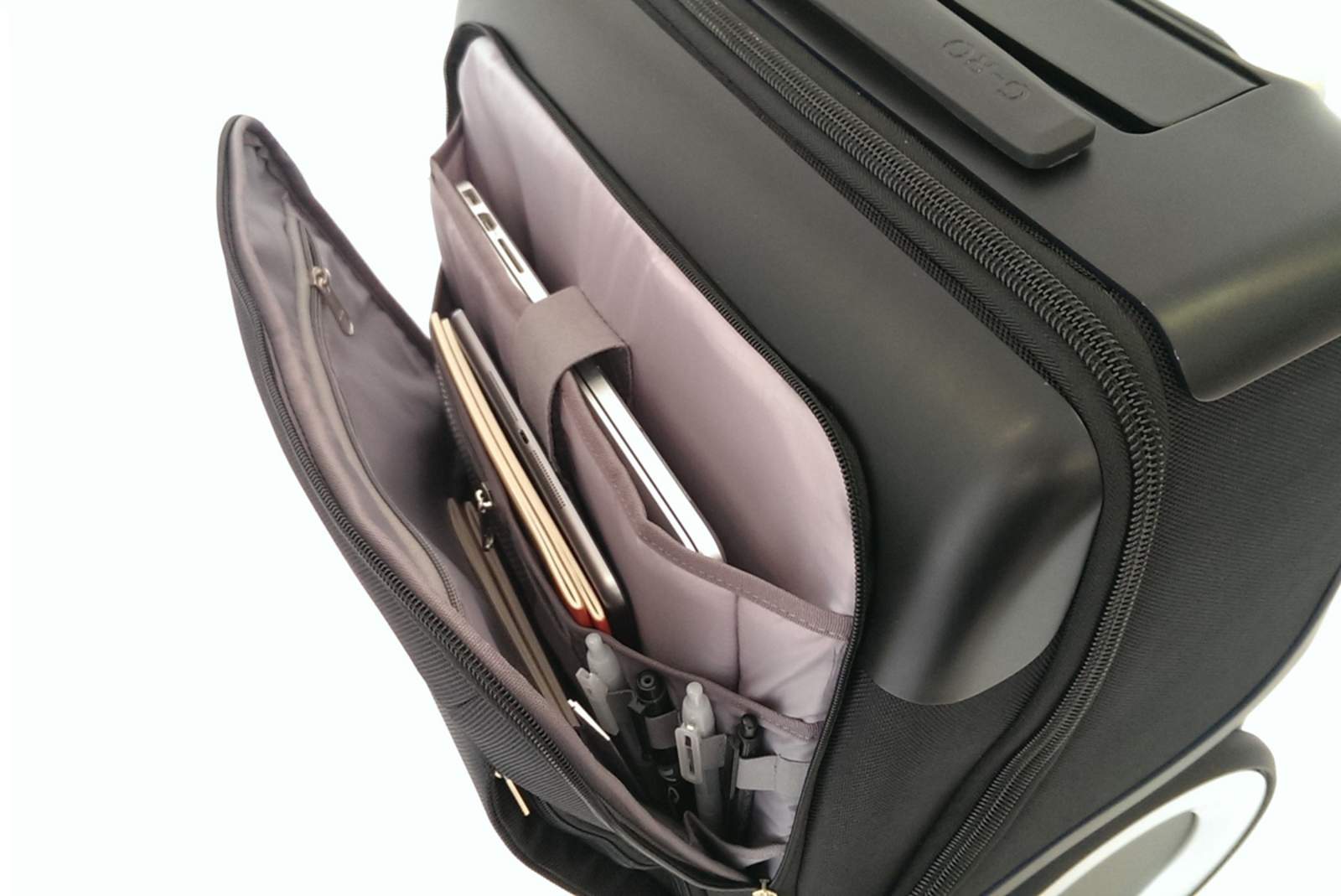
    The suitcase comes with especial features to make the whole travel experience much more convenient and hassle free. It has huge all-terrain wheels that allows G-RO to be taken anywhere comfortably irrespective of the surface. There are distinct, neat compartments for personal belongings as well as for gadgets and stationery, along with a separate section for keeping liquids.

    The G-RO Team
    The G-RO Team

    G-RO has been designed keeping in mind international travel regulations, along with compliance with TSA and FAA. Just when you thought this suitcase is too cool to be true, it gets better. The carry on luggage also comes in an electronic module which offers a 23,000 mAh battery that can charge phones, tablets and laptops, a universal power outlet, a location tracker and a wireless proximity tracker. Check out the video below to find out how this beauty was put together and everything that it’s capable of.
    https://www.youtube.com/watch?v=lwO_li6aNi4
    The cheapest G-RO model is priced at a $279 (having an expected $499 retail price) while the optional electronic module cost an extra $99. It will be ready for shipping in August next year.

  • Five Amazing KickStarter Projects That Need To Be Crowd Funded Right Now

    Five Amazing KickStarter Projects That Need To Be Crowd Funded Right Now

    Crowdfunding has transformed the way people do business. Now, inventors do not have to hunt down big time investors or established companies to create life to their ideas. Now they can turn to the wisdom (and wallets) of the general populace to get started. Namely, sites like KickStarter, where the crowd are the inventor’s financial help.

    Kickstarter allows ideas to be funded via crowd-funding. Members ‘pledge’ amounts of money in return for a creative award from the inventor.

    Let us see some of the KickStarter projects that definitely need crowd-funding:

    The Light Phone

    The Light Phone

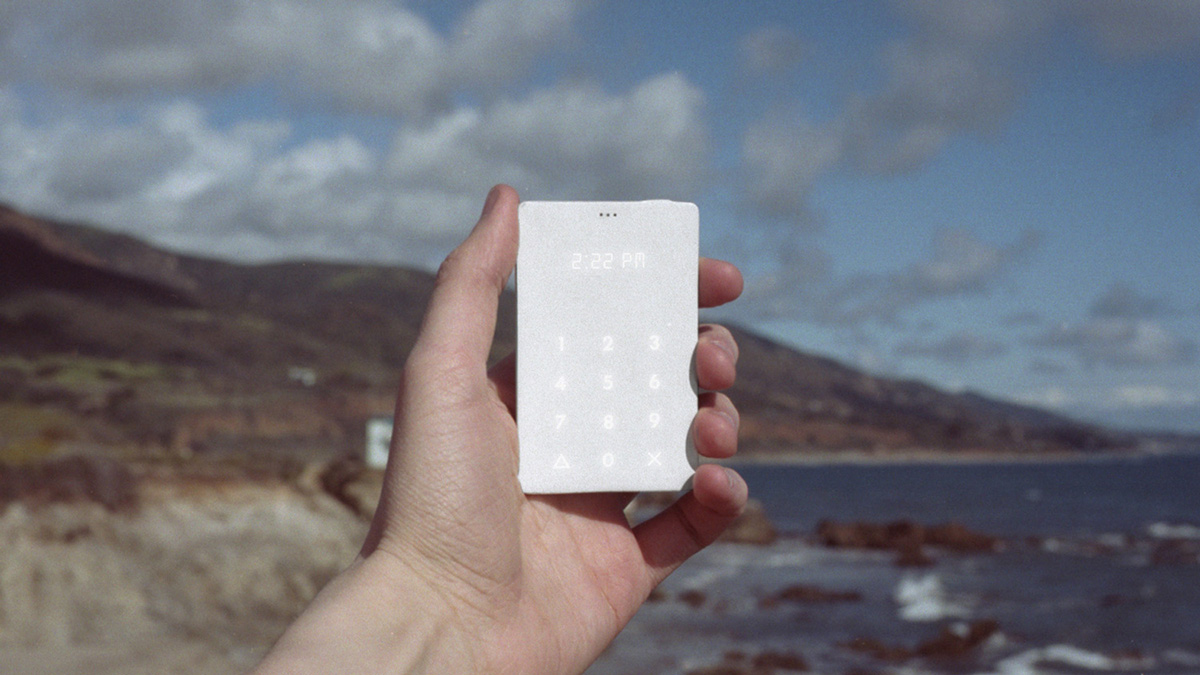
    It’s difficult to assume anything that comes close to how swiftly humans have completely fallen for their mobile devices. If you have a separate smartphone just for work, why not have another just for life?

    You can now leave your distracting device at home and take your credit card­sized cell phone out for work. The Light Phone uses the simple call­forwarding function of the phone to connect calls from your smartphone.

    It’s what a phone was always meant to be – it receive and makes calls. You have no Wi-­Fi, Bluetooth, texting or apps. There won’t be any voicemails or missed ­call display as a reason for you to keep checking your Light Phone. And yes, it can also make a great first phone for a child too. No selfies or texting! Sounds great!

    Kickstart the Light Phone here

    Phree

    Phree

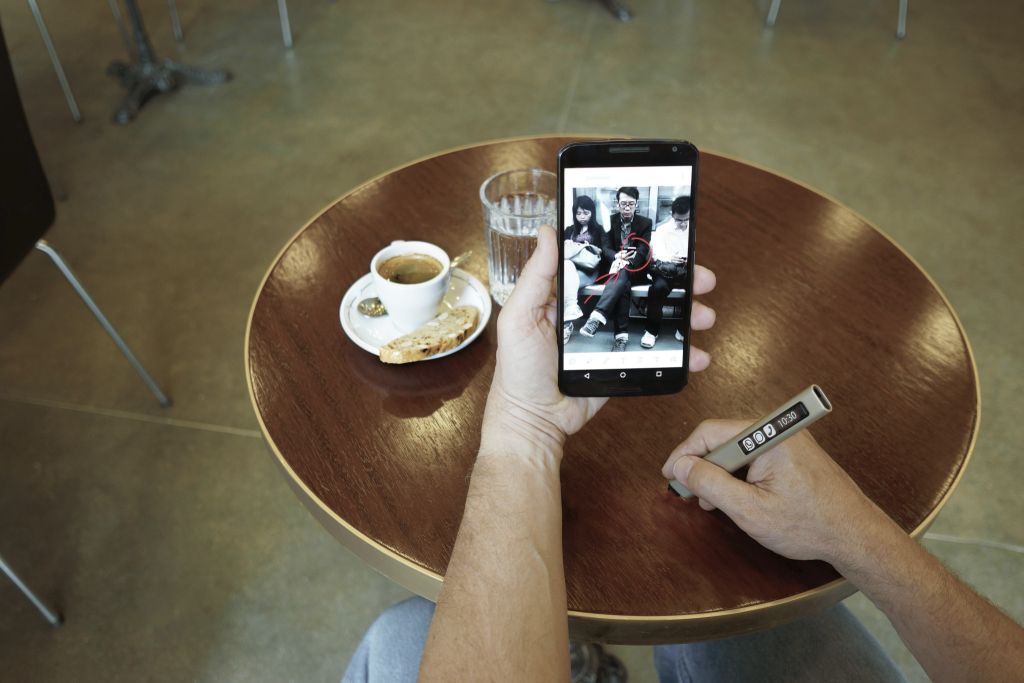
    Yes, we all have stylus in some of our phones, but there’s just something about writing on a smartphone screen that feels very out of this world. And, of course, there is always the­ reliable paper­ and ­pen option too, but, a soft­ copy is most reliable and easy when it comes to conveying messages these days.

    Presenting Phree, the world’s first unrestricted, high ­resolution, write­virtually­-anywhere mobile input device. Be it on the wall, or the elbow of your sofa or your hand, Phree connects to all your media devices via Bluetooth and is compatible with software and apps, such as Office, OneNote, Acrobat, Viber and more. Just jot down notes and numbers immediately, or doodle on the spot. The whole world is your paper!

    Kickstart Phree here

    CHIP

    CHIP

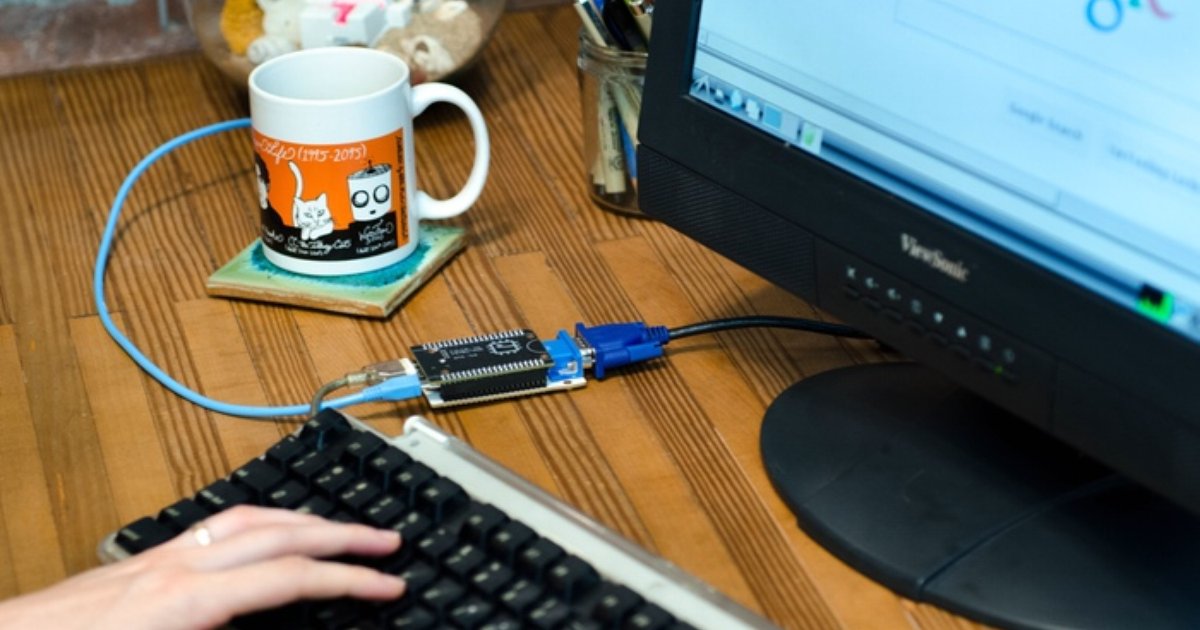
    CHIP is the tiniest and the cheapest computer ever made. We are talking $9, and the size of two AA batteries here.

    For all the tech geeks, it sports a 1GHz processor, 512MB ram and 4GB storage. It has built-­in Wi-­Fi and Bluetooth, so you can connect to the Internet and can also attach a keyboard and a mouse wirelessly. It runs Linux, and works with any screen too!

    It comes pre-installed with applications such as LibreOffice to edit spreadsheets, create word documents, or craft presentations. Or Scratch for easy-­to-­learn programming and coding lessons. Hook up Bluetooth­-enabled controllers for games, or a MIDI keyboard for jamming music. CHIP is a little guy ready for bigger things the moment you power it on.

    Kickstart CHIP here

    Trago

    Trago

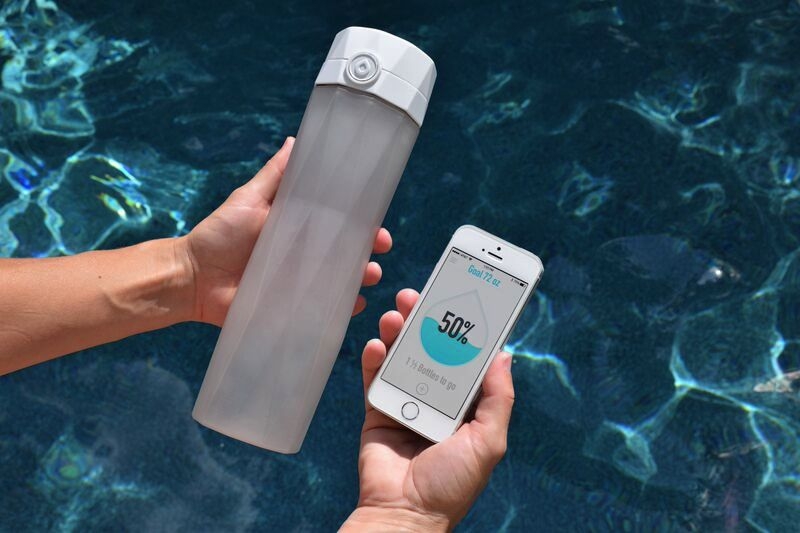
    When you hear the words ‘water’ and ‘phones’ together, “get it away from my electronics!” is usually the first sentence that springs to mind. But Trago wants to bring in water and technology together in the world’s first intelligent water bottle.

    We all know the value of water to our health, but most of us do not keep track of how much water we should be drinking. It is important because optimal hydration levels are different for everyone, Trago follows your precise needs through simple inputs in an app, through your smartphone. Ultrasonic technology situated in its cap measures your water consumption and encourages you to complete your daily water requirement, via periodical reminders.

    Kickstart Trago here

    SensorWake

    There is nothing more excruciating and painful than the sharp­ screech of the alarm clock in the morning. Most people start their day repeatedly hitting the snooze button and still wake up drowsy.

    But what if you have the option of waking up to the heavenly aroma of coffee? SensorWake, the world’s first olfactory alarm clock, spreads a perfect amount of scent that can wake you up faster than you can say, “Not a morning person.” Plus, it is a scientifically proven theorem.

    Kickstart SensorWake here

  • Podo is a Tiny Camera That You Can Stick Anywhere for a Photo Booth Experience

    Podo is a Tiny Camera That You Can Stick Anywhere for a Photo Booth Experience

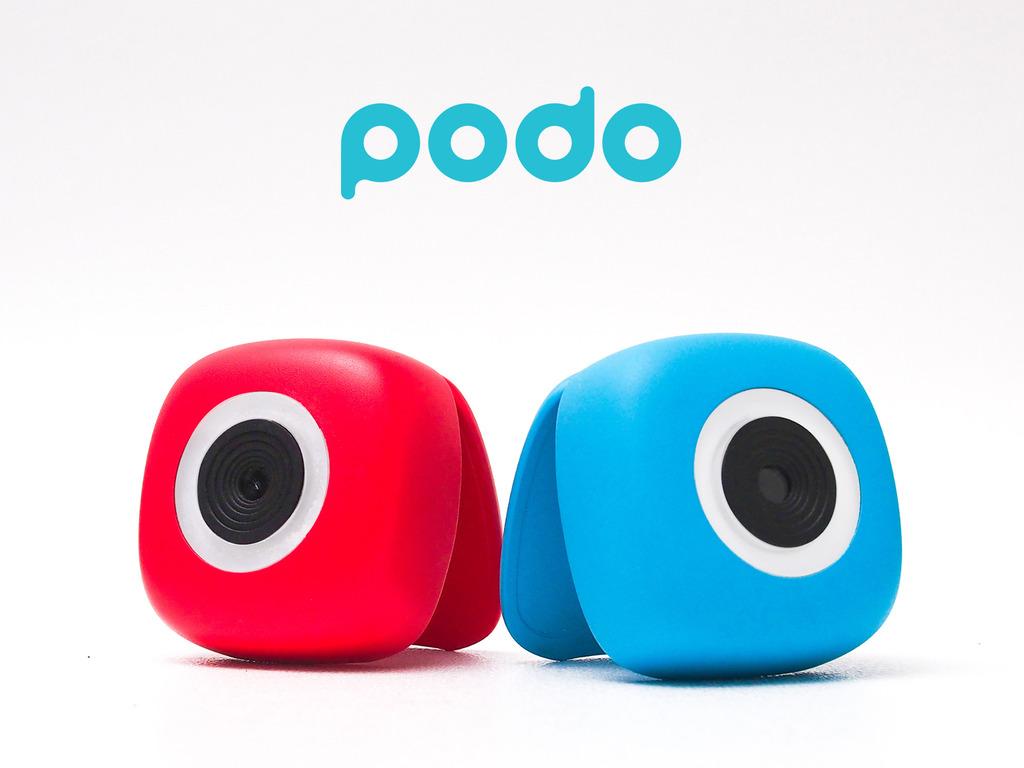
    The Selfie culture refuses to die down. Every major pop culture personality has posted a selfie of their moment in time, even the Pope found himself in selfie. There has been a barrage of accessories in the market such as cameras, selfie sticks, drones and other products whose sole purpose is to give you that perfect self-portrait. A new Kickstarter project called Podo is a tiny camera that you can stick anywhere and use it to click selfies.

    Podo

    Podo is a tiny square camera that is easy to carry around and is ready to get clicking at a moment’s notice. It can take 8-megapixel photos and video at 720p/30 fps. It has 4 GB of internal storage and has a 600 mAh battery that the company says will be good enough for shooting two hours of video. The device can be controlled with an Android or iOS smartphone through Bluetooth and the companion app. It also has a ring flash with 8 LED’s which lights the scenes better than the conventional flash.

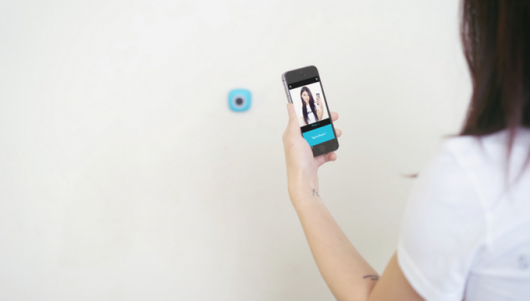
    The camera offers multiple shooting options. You can set it to click single snaps, double exposure and burst sequences. You can also use the video mode that records 15-second clips for your Instagram feed. Podo also lets you shoot timelapse in Auto Mode and exports it in the form of video or animated GIF.

    podo1

    The USP of the device, of course, is that it can be stuck on any solid surface, as claimed by the developers. The stickable back is attached to a hinge that lets you adjust the tilt of the camera which will be convenient for the users to frame their images.

    On Kickstarter, Podo has managed to generate a lot of buzz. As of now, It has gathered $93,708 against its goal of $50,000 with 47 more days to go. Early backers will get to own the device for $79 which is fairly pocket-friendly. So if you are a selfie maniac, this device looks like a must have for you.

  • Pebble Time is the First Coloured e-Paper Smartwatch with 7-Day Battery Support

    Pebble Time is the First Coloured e-Paper Smartwatch with 7-Day Battery Support

    Smartwatches are the current hottest trend everyone wants to cash in on. The biggest problem with certain wearables is that they are only compatible with particular handsets. Meet the new smartwatch by Pebble Technologies that is smart in a real sense and can adjust with any smartphone, whether iOS or Android.

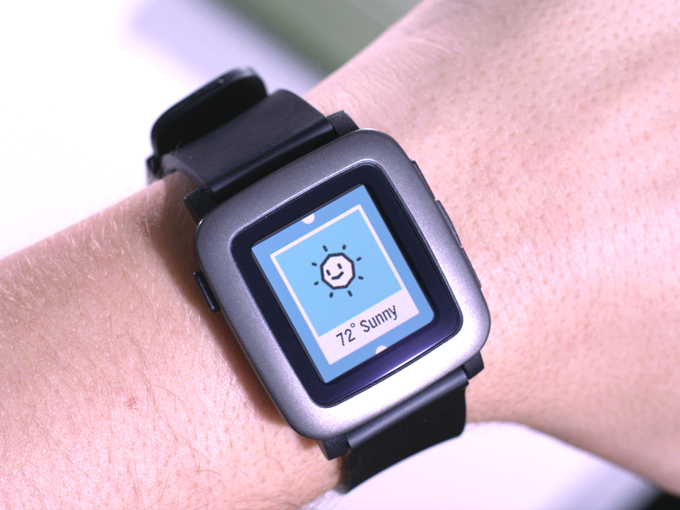
    With Pebble Time, users don’t have compromise, and the watch itself adjusts meeting the needs of the user. The screen of Pebble Time is an e-paper display, just like new YotaPhone 2 and Kindle – a first for any smartwatch. The screen is covered with Gorilla Glass, and the coloured display enhances the overall appeal of the smartwatch. Pebble claims that the battery of the smartwatch can last up to 7 days. However, there’s a catch, and that is that the Pebble timepiece is not touchscreen.

    pebble time3

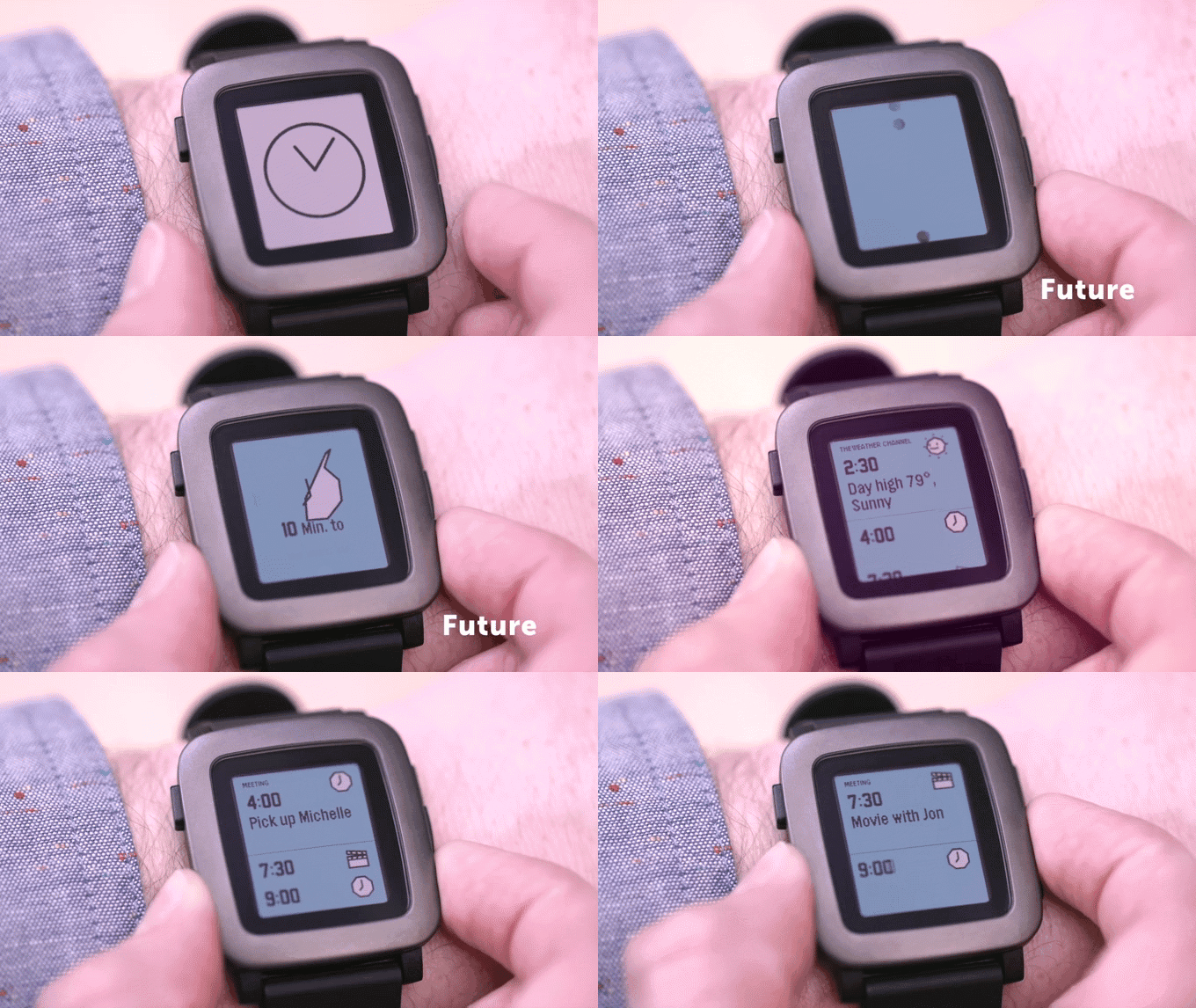
    So how do you operate the device? There is a microphone onboard making it convenient to have a phone-like conversation. Users can reply to the messages by pushing  keys, and there’s also a gyroscope for motion sensing. The new user interface (UI) is focused on a timeline that highlights what’s important over the course of the day. There’s a new app menu, which loads and cache apps as required. You can connect these apps to the timeline, organising all relevant information.

    pebble

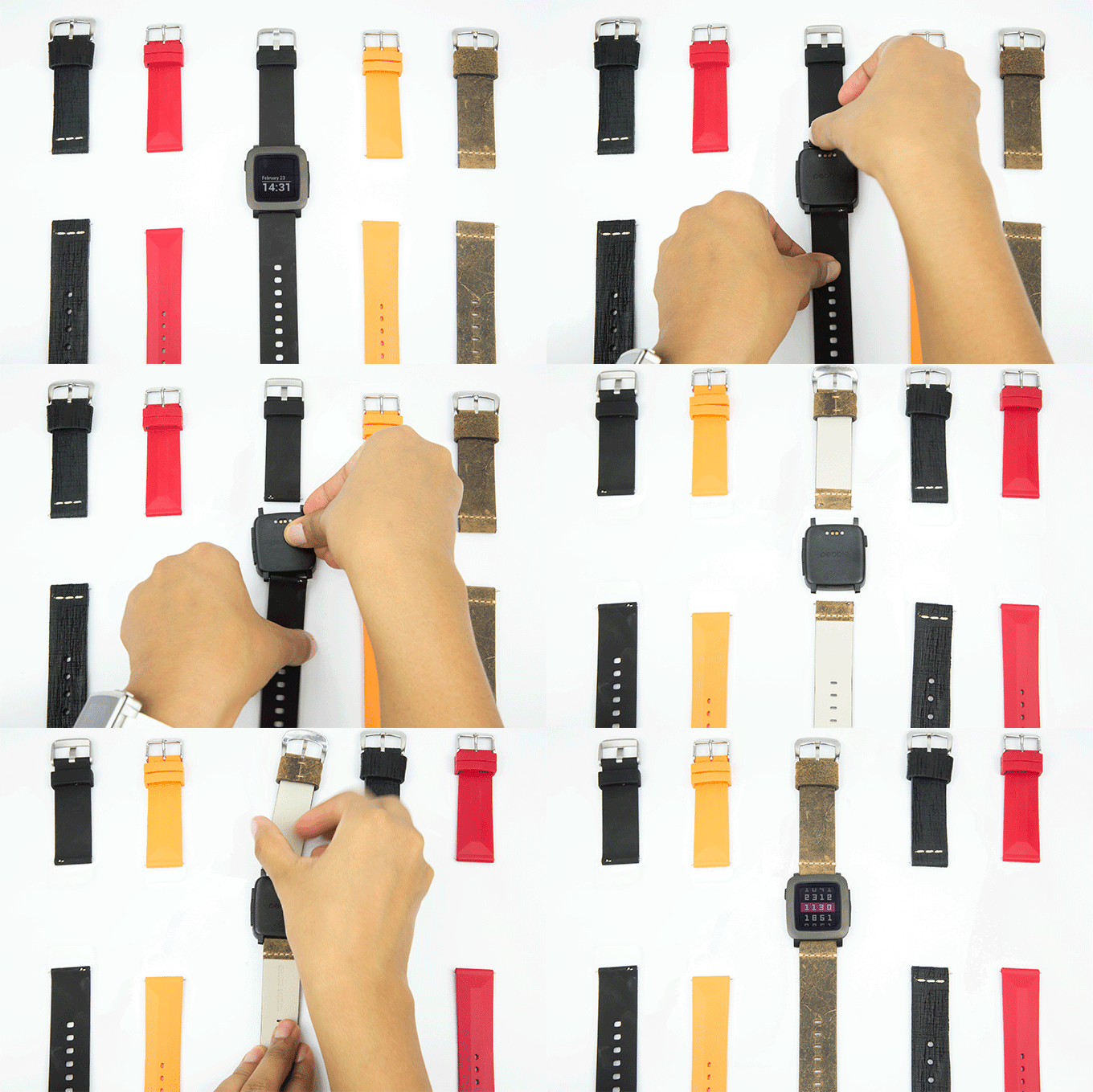
    There are three buttons on the right-hand side of the screen and one on the left. The buttons have been adjusted to easy grip, and one can push each of them effortlessly without any unintentional pressing of the other ones. The top button is for check past events, the middle for present and the third one refers to the future. The smartwatch offers hassle-free customization options, and one can affix any band to the core machinery having 22mm pin.

    pebble time1

    Pebble Time is a $179 smartwatch that is on Kickstarter as of now. It is the fastest project to raise $1 million on Kickstarter in approximately 30 minutes.

    There are many good smartwatches out there, but the Time stands apart. It’s affordable, and the USP is its cross-platform functionality that would have attracted the numerous backers. Early investors can get the Time for $159, but the concession is for supporters only. The watch will retail at a price of $199 once the campaign completes.

  • The Personal Robot Of Your Dreams is About to Land in Your Home

    The Personal Robot Of Your Dreams is About to Land in Your Home

    You may have seen Robots in movies and wondered about how awesome it might be to have a mechanised friend of your own. In the real world you’ve seen Asimo, which has some really awesome features but is still in the prototype stage. There are many companies who are working towards making a good personal assistant endowed with Artificial Intelligence(AI). Well, it seems like the wait for a personal robot is about to come to an end thanks to the efforts of a New York-based company.

    Robotbase is made up of a team of engineers based in New York who unveiled an AI robot at CES 2015 to kick-off its Kickstarter campaign. They call it the ‘Personal Robot’ and are keen on putting a robot in every home. The company touts its Personal Robot to be a multi-talented personal assistant. She’s a hands-free helper, an awesome photographer, a reliable security guard, a wonderful storyteller, and much more.

    It’s apparently the world’s first Artificial Intelligence based Personal Robot with the ability to detect faces, recognise emotions and everyday objects. According to the company, this PERSONAL ROBOT does everything for you from understanding what’re you’re saying and then replying back to you. She can even navigate around the house by herself with navigation and mapping algorithms. In addition, the device comes equipped with sensors to detect the outside environment and can communicate via your connected devices.

    On the design front, the Personal Robot looks like the Mobile Virtual Presence Device that Sheldon Cooper created on the popular sitcom Big Bang Theory. A giant oval display is attached to a movable platform. The avatar on the display looks like one of the characters from a Japanese anime show. It might feel a bit creepy at first to interact with a cartoon who knows everything about you before you even ask.

    Barring all that, she’s got a few special talents too, she can place food orders, act as a personal assistant and can even be a storyteller for your kids. It’s also an emotionally responsive personal assistant and can remind you about appointments. As of now, the company’s primary focus is the consumer version of the Personal Robot, however they are also getting keen interest from businesses as well, especially department stores.

    The campaign seems quite promising, the company has already scooped up around $25,000 and promises that early takers can get the device for $995, delivery for which will begin by late 2015. You can head over to the Kickstarter campaign for more information. Check out the video below to find what this innovative device can do for you.

    https://www.youtube.com/watch?v=8pSkPgBrcTA

  • Revisiting 2014: 10 Epic Kickstarter Campaigns of Last Year

    Revisiting 2014: 10 Epic Kickstarter Campaigns of Last Year

    The independent tech community went big last year. Websites like Kickstarter.com have given the opportunity to millions of people to become venture capitalists and investors in new products. Such websites have given common people the power to see their ideas changing millions of lives.

    We are listing top 10 brilliant Kickstarter campaigns which made this tech year so fun.

    1. MIYO
    770c90e2eac694f2525c532eb9126aee_large

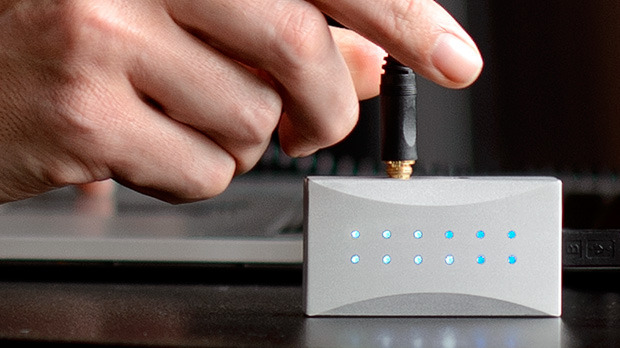
    This small piece of hardware is the revolution  in the audio tech industry. Still running its campaign, MIYO is a digital-to-analog converter which lets you rediscover your favorite music as though it were high-quality vinyl. MIYO delivers the same amazing sound quality you would expect from that track, at a fraction of the size and cost.

    2. Powerlace P-One
    POWERLACE

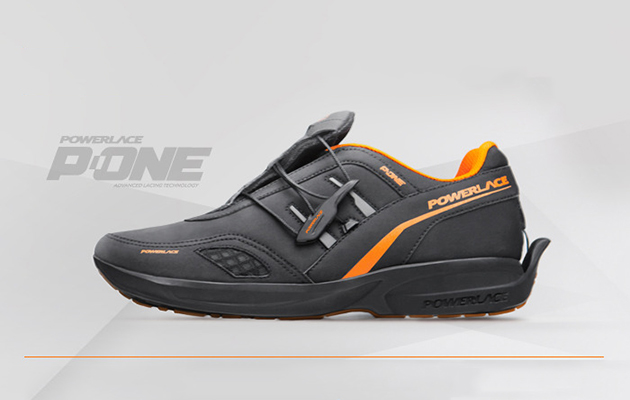
    This Kickstarter campaign has made all ‘Back To Future’ fans go gaga. The company created the first shoes with auto-lacing capabilities that McFly made popular back in 80s. The shoes named Powerlace P-One don’t look similar to the sneakers in the movie, however, they certainly get the job done. The Powerlace shoes have a simple mechanism for auto-lacing that doesn’t involve any voice commands, complex chips, apps, batteries or motors.

    3. Biofueled Triplane

    triplane4-690x359

    It’s the world’s first eco-friendly plane powered by biofuel and has been named Bio-Electric-Hybrid-Aircraft or BEHA. This prototype is almost silent and cancels out night flight restrictions and pollution concerns. The six-seat aircraft could be a revolution in the field of aviation. Meanwhile, the BEHA prototype is in its initial phases of development. The developers claim that it is likely to take to the skies post 2020.

    4. Pico
    pico

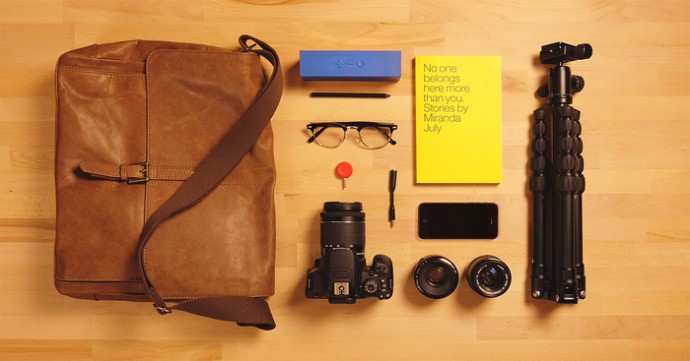
    Pico is a tiny trigger that you can program through your smartphone and then easily use the programming to shoot time-lapse videos. The accompanying app gives you multiple shooting options such as HDR, speed ramping, and bulb ramping. With these in your hand, you can easily create professional looking visuals to enthrall your audience.

    5. Reeljuice
    8842de5195a6b0165c98b3a3f7e53f7f_large

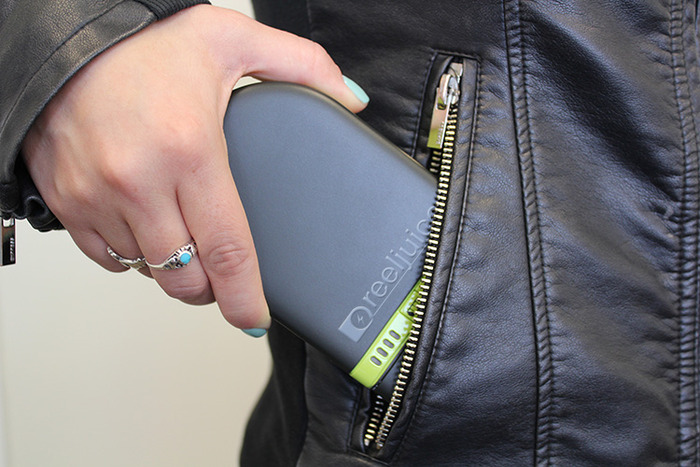
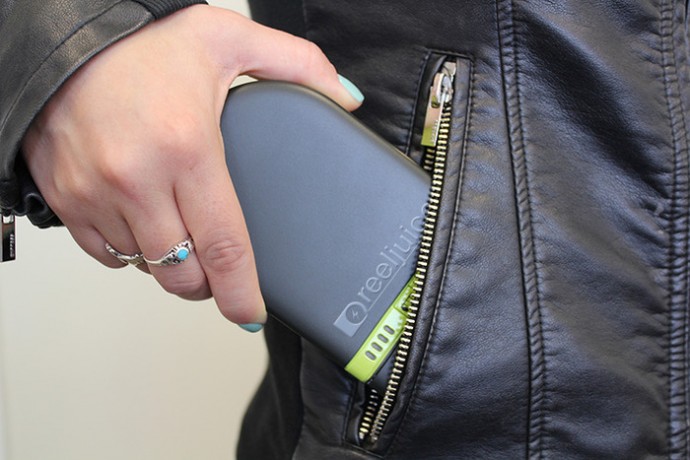
    Reeljuice is the world’s first backup battery pack with built-in universal charging cable, so you’ll always be prepared to recharge your phone or tablet. It features a 48-inch long, retractable charging cable which can be used to charge an array of popular devices available in the market. Reeljuice is the only portable power solution in the world that integrates patented, retractable, cord reel technology. It is created by a team of designers and engineers, who have received worldwide acclaim for their innovative products.

    6. Pryntcase
    Pryntcase

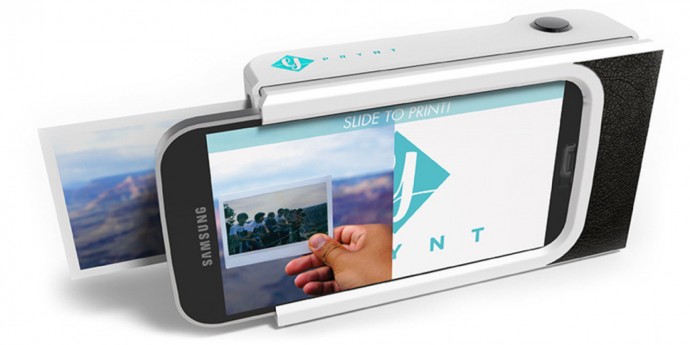
    A French startup, Pryntcases, has introduced a phone case that converts your phone to a Polaroid camera. Presently, the device can only take one polaroid film at a time and takes a minute to print the image, but it is still a great case to have. The appeal of physically holding a photograph can’t be matched with the tons of electronic images. The case comes with an accompanying camera app, which has a cool feature. It takes video while you are taking a picture. Then, when you hold the developed picture in front of the case, it will start playing the video.

    7. Everykey
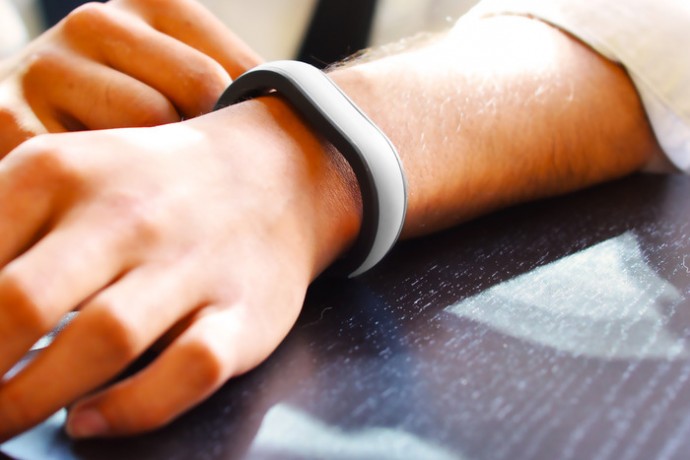
    455c8e7ea0cc8593a486c1c7ebe5a5b4_large

    Available in a multitude of colors, Everykey is an innovative universal access device for everything that requires a physical key or password. It allows immediate access to a user’s password-protected electronics such as a smartphone, tablet, or computer, as well as physically locked items including doors, car doors, bike locks, and other access devices that need to be controlled.

    8. Modbook Pro X
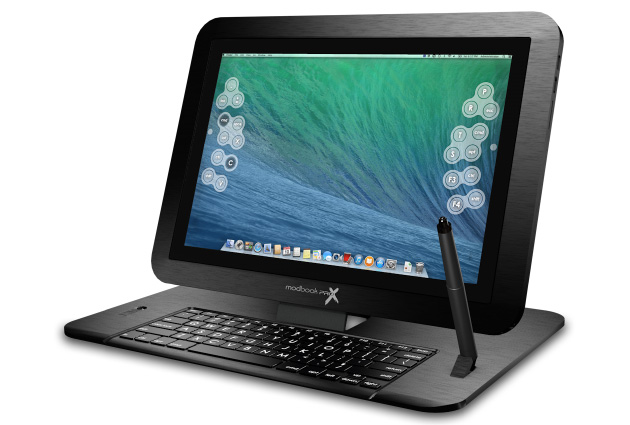
    modbook1

    The company, famous for turning Apple’s MacBook Pro into an iPad-like tablet, launched a Kickstarter campaign to fund its project, the Modbook Pro X, back in August. The Modbook has been around for about seven years, when Axiotron and Other World Computing teamed up to deliver the first Mac tablet at Macworld. At the time, 331 backers converted their own Retina MacBook Pros into a tablet. The conversion incorporates the laptop’s original hardware, with components shifted from the lower half of the computer to just behind the 15.4-inch 2,880 x 1,800-pixel LCD.

    9. ZUtA Pocket Printer
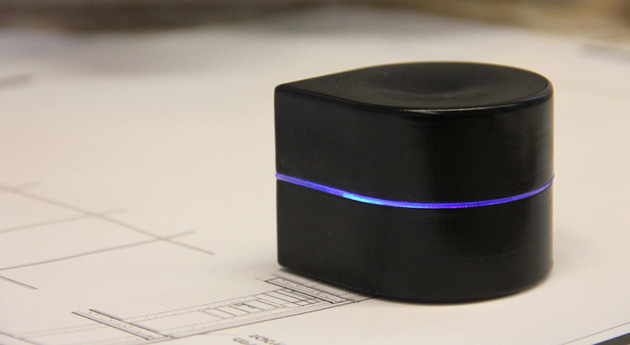
    zuta-labs-robot-printer

    ZUtA Pocket Printer is simple, softball-sized and compatible with any electronic device. It can be used anywhere, anytime. Since it doesn’t necessitate any special drivers, it can be accessed via computers, smartphones or tablets, by using the traditional print function or an app. It works with paper of any size and will print roughly 1,000 sheets of paper on a standard, disposable ink cartridge. The printer lasts for up to an hour on full battery and can be recharged via a USB cable.

    10. Hendo hoverboard
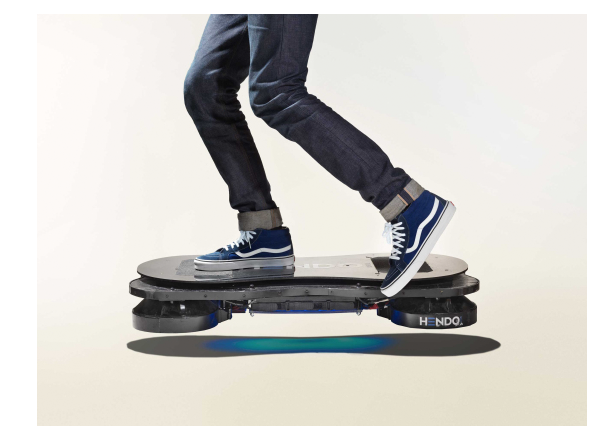
    hoverboard

    Inventor Greg Henderson has created hovering technology that he calls Magnetic Field Architecture (MFA). Using the technology, you can practically get everything hovering and a hoverboard is the bare minimum that MFA can achieve. The Hendo hoverboard uses magnetic levitation principle, similar to the one used in Maglev trains. The device hovers 1-inch above the ground, that is good for a start. The board looks bulky, but its design is sleek and sexy. The device is capable of integrating with the natural movement of the rider.


  • ‘Back To the Future’ Style Auto-Lacing Shoes are Here, Finally!

    ‘Back To the Future’ Style Auto-Lacing Shoes are Here, Finally!

    Well, Michael J. Fox made them popular in 1980s, even though they were pure science fiction. If you are ‘Back to the Future’ fan, you must be knowing what I’m talking about. Yes, someone has finally built McFly’s auto-lacing shoes.

    Interestingly, as we’re closer to 2015 when McFly arrives in the future, a company is set to launch the first shoes with auto-lacing capabilities. The shoes named as Powerlace P-One doesn’t look similar to the sneakers in the movie, however, they certainly get the job done.

    11b5753f08f02e45dff86775b4bb945c_large

    The company has launched a Kickstarter campaign to launch its first auto-lacing shoes and they are looking to raise some $577,000 to make the project a reality. A pair of Powerlace P-One costs around $155 under the early bird deal and its market price will go to $170 when it will be released.

    The Kickstarter page explains, “The mere insertion of the foot automatically engages the lacing system’s mechanism. The activation of the small lever found at the lower rear end of the shoe unlocks the power system. It’s really that simple! The total energy required for the lacing system’s mechanism is provided for by the weight of one’s body.  The Powerlace shoe has been extensively tested in laboratories and has been subject to the wear and tear conditions when in actual use.”

    With 56 days left to reach its goal, the team has already raised over $19,500 and should start shipping the shoes in May 2015 if the funding is successful. The Powerlace shoes have a simple mechanism for auto-lacing that doesn’t involve any voice commands, complex chips, apps, batteries or motors.

  • Everykey: A Single Wristband That Would Replace All Your Keys and Passwords

    Everykey: A Single Wristband That Would Replace All Your Keys and Passwords

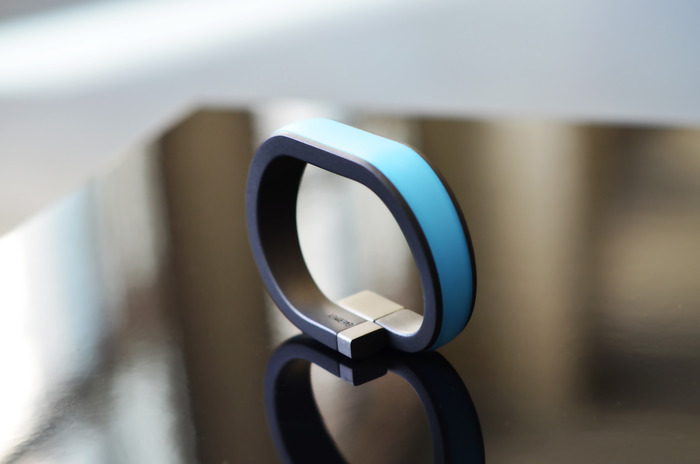
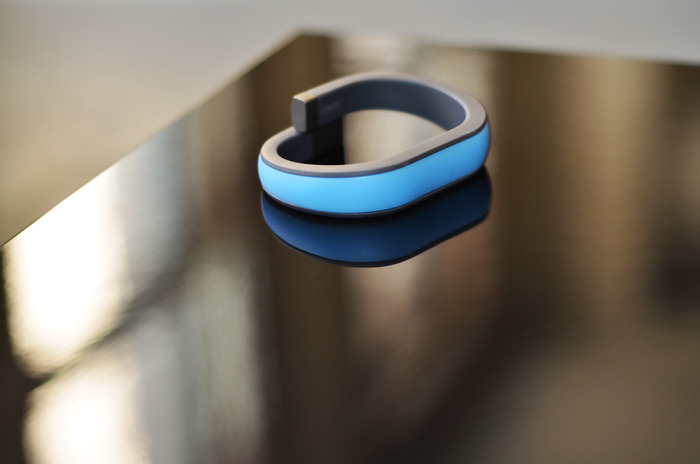
    A new start-up called Everykey launched a Kickstarter campaign to fund production of its stylish wristband that replaces keys and passwords with one easy-to-use device. A month old fundraiser started on 29th October and the company has pledged to raise $100,000 in this one month.

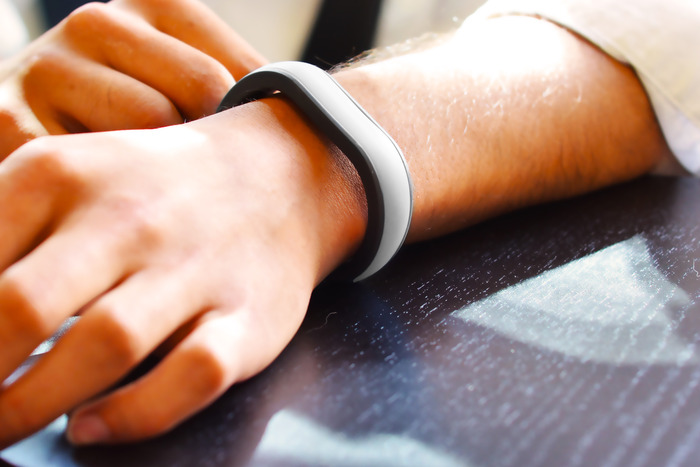
    The Everykey wristband is designed to store your passwords and keys securely for easy access. Available in a multitude of fashion-forward colors, Everykey is an innovative universal access device for everything that requires a physical key or password. It allows immediate access to a user’s password-protected electronics such as a smartphone, tablet, or computer, as well as physically locked items including doors, car doors, bike locks, and other access devices that need to be controlled.

    455c8e7ea0cc8593a486c1c7ebe5a5b4_large

    “When the Everykey wristband is within the range of a user’s device, the wristband will allow the user to bypass that device’s password or physically unlock it automatically, eliminating the need for complicated passwords and cumbersome keys. Everykey also manages a password keychain, which can be used to seamlessly log users into their online accounts when they’re close to one of their devices. When the wristband goes out of range, the device automatically re-enables security mechanisms so it is safe and secure when out of trusted hands.” reads Everykey’s Kickstarter page.

    c2ed16db7be4d830209b53e1000fea38_large

    “We just came up with a conceptual idea, we didn’t think it was our place to develop it because its hardware would take a lot of money to develop,” Chris Wentz, Co-Founder of Everykey, said in an interview. “But at the end of the class, the professor shook our hands and said, ‘You guys should consider doing this as a real business.’ And he offered to invest his own money. We realized, ‘Oh, this could potentially be a big idea.’”

    Everykey uses military grade encryption, allowing only you to access your personal property and accounts. Like a credit card, you can instantly disable your Everykey if it ever gets lost or stolen.

  • From Fish Poop to Plant, Right in Your Drawing Room with Ecofarm

    From Fish Poop to Plant, Right in Your Drawing Room with Ecofarm

    The human population is massive. It is currently estimated to stand at 7 billion. Environmentalists state that the optimum number of humans on the planet should have been 2 billion; we are a resource intensive species. Unlike the animals, we are used to a regular supply of food and water apart from clothing and other resources. Providing food for all of us is a massive affair. Our fertilizer induced lands have lost most of their natural nutrients, and they are overburdened. In these times, it is necessary to find farming alternatives that can help to bring a sustainable change in our food production mechanisms. One such method is Hydroponics.

    Hydroponics is a plant growing technique which produces plants using limited water. The technique is so efficient that it saves almost 90% water in comparison to traditional farming methods. It is also space saving so you can get maximum growing potential out of a tiny place.

    The makers of Ecofarm
    The makers of Ecofarm

    Now a Dutch startup called Ecobird has brought a Kickstarter campaign for their Ecofarm. Ecofarm is a mini-loop ecosystem in which the nutrients from a Goldfish’s excrements are used to grow plants in the grow tank above. As the fish poop is extracted from the water, the water is cleaned too. All that needs to be done for the fish is to feed it.

    The triangular shaped Ecofarm’s grow tank will allow you to grow small herbs like basil and thyme. You can also grow small tomatoes in the Ecofarm. The makers claim that the Ecofarm is capable of providing enough nutrients for these plants to grow.

    This is a good start and hopefully will engage more people to come up with similar products that will expand their capacity. Hopefully, someday your septic tank will be capable of fueling your food garden making you self-sufficient as well as saving you money for important things in life like beer.

    The campaign has a goal of 125,000 Euros which is a big sum. The developers have gotten 13,520 Euros till the writing of this article with 16 days to spare. The idea of the Ecofarm is great, it also shows how a symbiotic relation with nature can help us clean the evil from the world that is hunger. As Charlie Chaplin said in The Great Dictator, “In this world there is room for everyone. And the good earth is rich and can provide for everyone. The way of life can be free and beautiful.”

    Inventions like the Ecofarm if supported and taken further by the people will help to make a society free from menace like world hunger. It will also help us concentrate on undertaking more intellectual adventures like a self-sustained space colony.

  • OnBeat Solar Headphones Will Charge Your Phone While You’re Out In The Sun

    OnBeat Solar Headphones Will Charge Your Phone While You’re Out In The Sun

    For music aficionados, it should be made clear that the importance of headphones cannot be overestimated. While some of us are content to walk around with ear-buds, there are more than a few that need to have a massive pair of phones pumping the jams into their ears.

    A Glaswegian family-run business has come up with an innovative solution to smartphone battery life using headphones: OnBeat Solar headphones that recharge your phone on the go.

    How it works

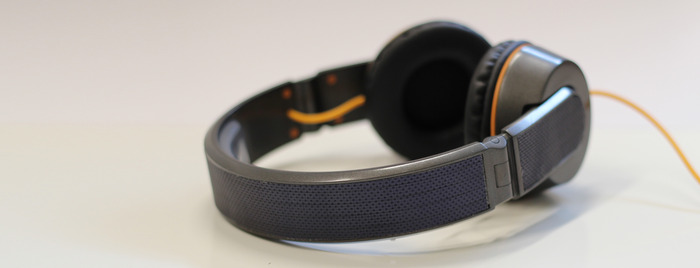
    The OnBeat Solar Headphones have an integrated flexible solar cell that covers the full headband which capture solar energy whilst out and about. The solar cell has a surface area of 55cm3 with a charge capacity of approximately 0.55W. The energy is stored in two light-weight Lithium Ion batteries held within the two ear cups for a balanced weight and fit on the head. For those rainy days they have also developed the headphones to be able to be charged via USB directly from your computer or mains socket.

    onbeat solar headphones

    The OnBeat Solar headphones feature a lightweight and fully adjustable folding headband with custom developed ear-pads to ensure a comfortable fit for hours of gaming and music.

    It can also be charged up at home via mains, making the device like a solar-powered battery pack rolled into a pair of headphones.

    But Andrew Anderson, who is also a music producer, hasn’t scrimped on audio quality. “We don’t want to create a novelty [product],” he says. “We want to create a good quality set of headphones”.

    Their KickStarter page reads : We have been working hard for the last year to develop a set of headphones that not only provides excellent sound quality, but simultaneously re-charges your mobile devices on the go. The integration of rechargeable batteries and a full headband solar panel means that wherever you go you will be able to keep your devices running all day.

    onbeat solar headphones

    The OnBeat Solar headphones have 40mm audio drivers, an impedance of 32 +/- 10% Ohms, frequency response of 20hz to 20,000Khz and sensitivity of 100 +/- 3dB.

    At the moment you can donate to the Kickstarter (the company is seeking £200,000), which actually bodes well for you in the long run. You can reserve a pair on Kickstarter for the early bird price of £69 plus £20 shipping, with an expected delivery date in February next year.

    The OnBeat Solar headphones might not be such a bad idea for us in India, as we are mostly exposed to ample sunlight!

iGyaan Network
Privacy Overview

This website uses cookies so that we can provide you with the best user experience possible. Cookie information is stored in your browser and performs functions such as recognising you when you return to our website and helping our team to understand which sections of the website you find most interesting and useful.