Tag: launch

  • Battlefield V Firestorm Aims Towards Taking Over The Battle Royale Genre

    Battlefield V Firestorm Aims Towards Taking Over The Battle Royale Genre

    In a never-ending clash of being the best battle royale game in the world, major game developers are entering the arena with their own Battle Royale versions of popular games. Call of Duty introduced the survival game mode to their franchise with Blackout in October 2018, and now there is another contender on the line. Battlefield V is adding Firestorm mode to the game which introduces some insane Battle Royale elements to the game.

    Firestorm Features

    While Battlefield may be late to the Battle Royale party, it sure did so in style. The trailer showcases all the necessary characteristics of a Battle Royale Game, and so much more. For starters, the game mode sports a map which is almost 10 times bigger than the BFV (Battlefield V) multiplayer map, Hamana. And Hamana as a map is very huge. The map is just one part of the whole experience.

    Throughout the massive map, players will be able to contest objectives such as resupply points and upon successfully doing so, they will be rewarded with special safes that will contain upgraded equipment. Another intriguing feature added to the game includes the ability to use a pistol when a player is knocked down. Using the pistol, the downed player can defend himself/herself against approaching enemies and can even kill them off if they are low on health points.

    Paying attention to the fact that the map takes forever to traverse, the developers have included a total of 17 different vehicles in the game, some of which are, let’s just say, “unconventional”. Players can find prototype helicopters with inbuilt miniguns, Schwimmwagens (which can function on the ground as well as in the water) and the bright coloured tractor which captured a lot of attention, and for the right reasons. Players can explore rare vehicle lockups to discover tanks on the battlefield, which are nearly unstoppable except for the fact that players can use anti-tank weaponry to tear them down

    Price And Availability

    Also Read: Call Of Duty Battle Royale Launching Soon For Android & iOS

    Battle Royale is a hot genre right now, as mentioned before, so it will not be very difficult to turn attention towards this game. Battlefield already has a loyal player base, and those players will be more than eager to play the Firestorm game mode and show off their skills. As of now, it is not confirmed whether the game is free-to-play or not, but it will face some serious competition from games like PUBG, Fortnite and the recently released Apex Legends (which is also published by EA). Microsoft is giving away a free copy of the game with the purchase of the Xbox One Console. The game will be available on March 25.

     

  • Oculus Announces Rift S VR Headset For US$ 399

    Oculus Announces Rift S VR Headset For US$ 399

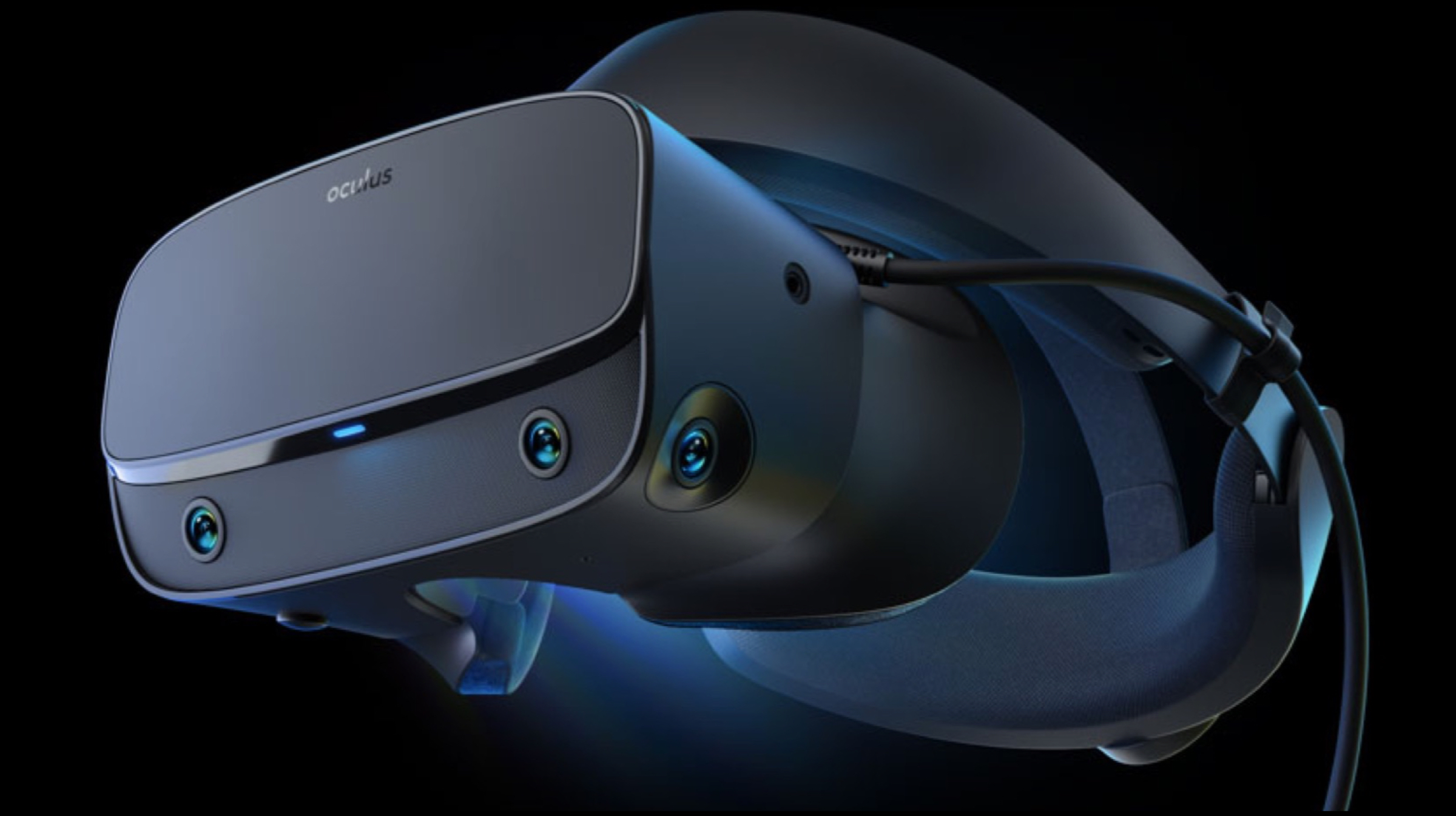
    Alongside the release of Stadia, Google’s new cloud based game streaming service, Oculus unveiled its new VR headset, named the Rift S at the GDC (Game Developer’s Conference) in San Francisco. As per the company, the Rift S provides gamers and tech enthusiasts with access to immersive content. The headset uses Oculus Insight Tracking technology for convenient user experience. The Oculus Rift S has an upgraded 2560×1440 px high-resolution display and a host of other new features.

    Oculus Rift Features

    The Rift S is compatible with all the titles that were present on its predecessor. The company also announced support for upcoming games like Asgard’s Wrath, Defector, and Stormland. As stated, the Oculus Rift S sports improved optics and display in order to deliver sharper images with high pixel density. The company believes that all these factors will greatly boost the quality of virtual reality gaming.

    Interestingly, Oculus has teamed up with Lenovo in order to formulate the design of the Rift S. The American technology company states that its new VR headset features better weight distribution around the head and improved light blocking. Furthermore, the Rift S is connected via a single cable to reduce clutter while using the headset. Users can use the integrated audio system on the Rift S, or connect their preferred headphones via the 3.5 mm headphone jack.
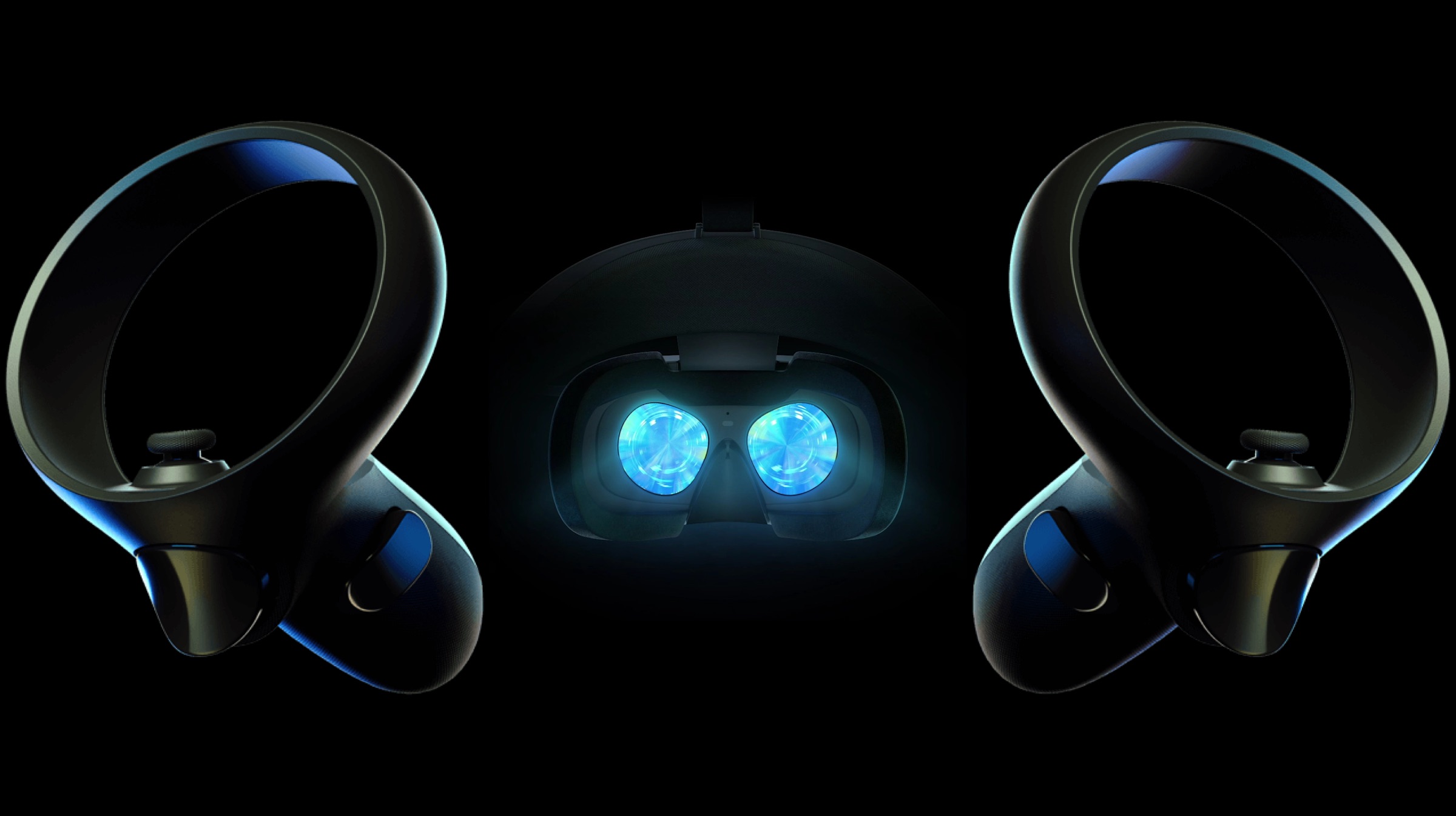
    Additional features include Oculus Insight, which promises inside-out tracking for an improved experience. The company claims that the feature uses computer vision algorithms to help the headset capture, trace and navigate physical spaces in real time. All this is done with the help of five sensors. Moreover, Oculus has redesigned its Touch controllers for better gesture controls. Another interesting feature that Oculus has introduced is Passthrough+, which utilizes core runtime advancements to provide a comfortable session with the least amount of performance impact. This may help users when they see or step out of their playing space all of a sudden.

    Price And Availability

    Also Read: Motorola One Vision To Have A 3500mAh Battery With 18W Fast Charging

    The company stated that the Oculus Rift S will be released in Spring 2019 (April-May), and will be priced at US$ 399, which roughly translates to INR 27,380. The company also assured its Rift customers that they will keep receiving software updates without any hiccups ahead of the release of the new headset.


  • Apple Launches Updated AirPods With New H1 Chip & Wireless Charging

    Apple Launches Updated AirPods With New H1 Chip & Wireless Charging

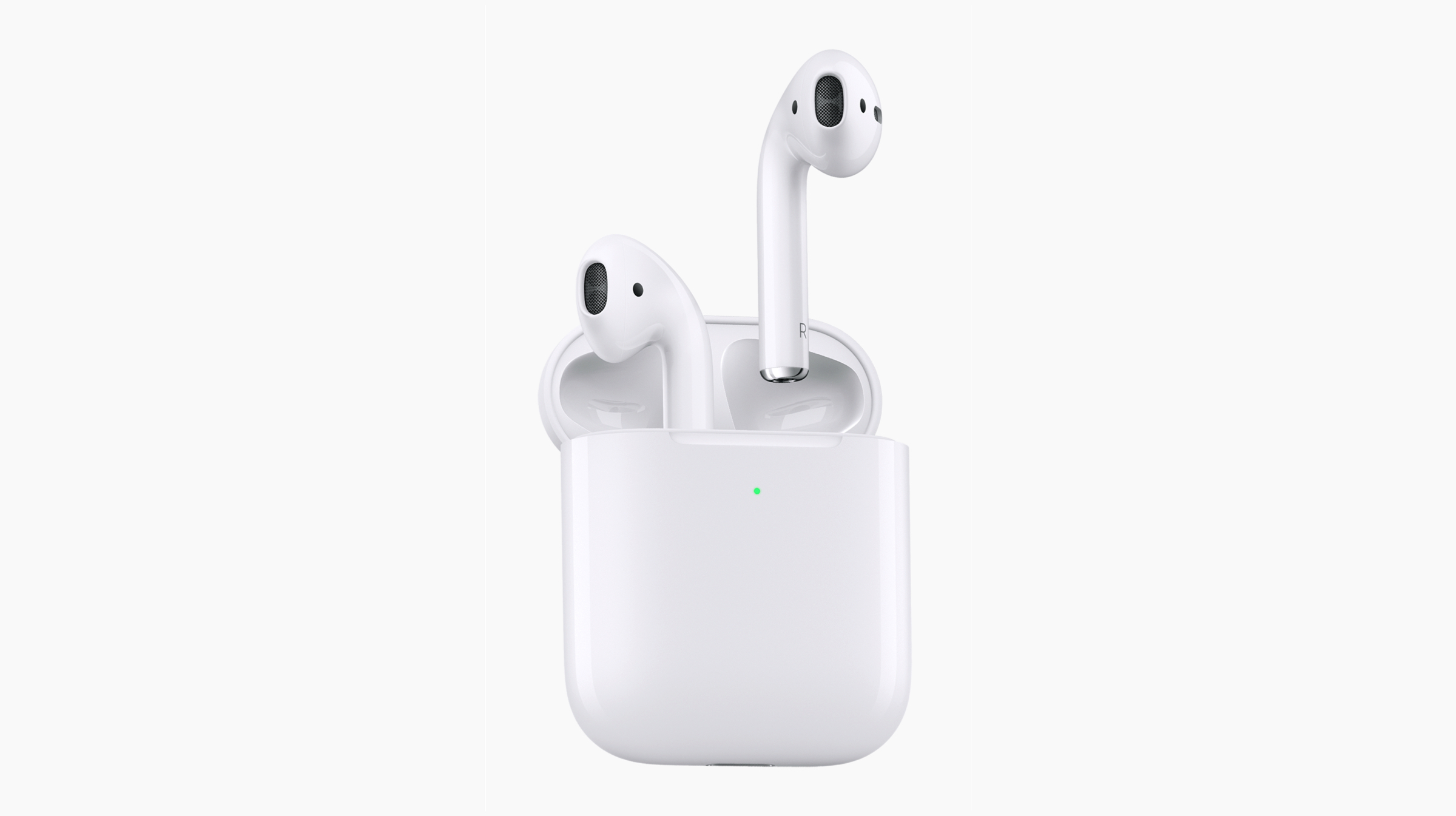
    Apple continues the streak of its surprise announcements by unveiling its newest AirPods, which are an updated version of the revolutionary 2016 AirPods. The wireless earphones promise an improved wireless experience and almost 50 percent more talk time than the previous model.

    Features

    The new AirPods feature the Apple-designed H1 chip with boosted power efficiency and much faster connection sequence. The AirPods also sport the hands-free “Hey Siri” feature to launch the Apple voice assistant, a characteristic that was missing in the previous generation. The new AirPods are available with a new wireless charging case in addition to the standard charging case. The new charging case will cater to the user’s convenience while charging the AirPods.


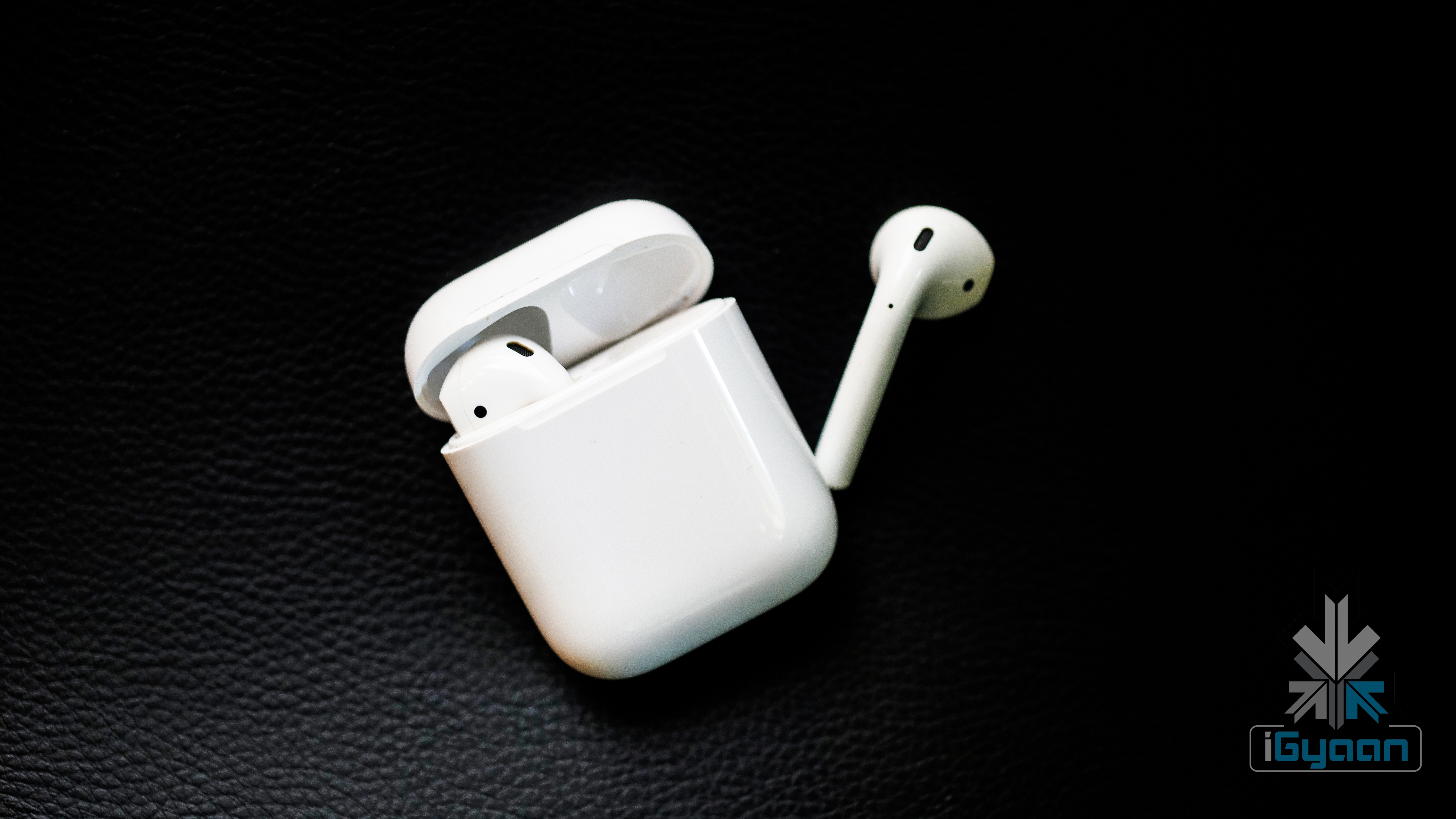
    The company states that the new H1 chip has a custom audio architecture for better synchronization with Apple devices. Faster connect times will ensure that the AirPod’s connectivity will be seamlessly transferrable between different Apple devices like the MacBooks, iMacs or the iPhones. For changing music and making calls, users won’t even need to access their phones anymore owing to the previously mentioned hands-free “Hey Siri” feature.

    Both the wireless and standard charging cases hold charging power for more than 24 hours of total listening time, the company claims. The newly-launched charging case runs on the Qi wireless charging technology. The new wireless charging case also features an external LED indicator on the front, which is an update from the internally placed LED indicator in the non-wireless charging case. The American technology company also stated that existing AirPod users can separately purchase the Wireless charging case. 

    Pricing And Availability

    Also Read: Apple Upgrades The iMac With New Processors And GPU

    The new AirPods with the standard charging case have been priced at US$ 159 (Rs. 14,900 in India). The wireless charging case, along with the AirPods will cost US$ 199 (Rs. 18,900 in India). For the users of the first generation AirPods, the wireless charging case is sold separately for a price of US$ 79 (Rs 7,500 in India). They will be available later this spring, reportedly in the month of May or June in India.


  • Nokia 9 PureView To Launch In India Soon

    Nokia 9 PureView To Launch In India Soon

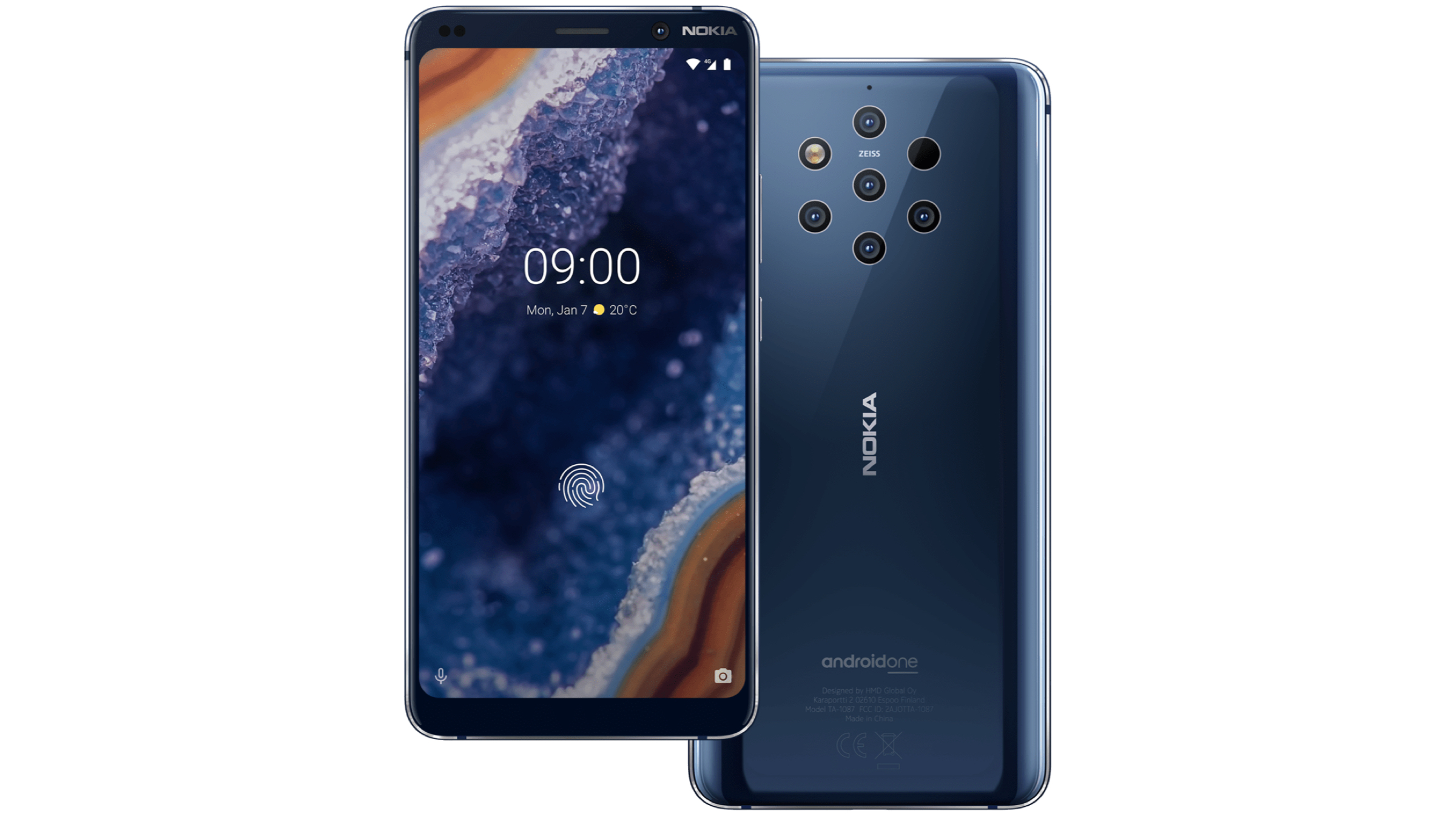
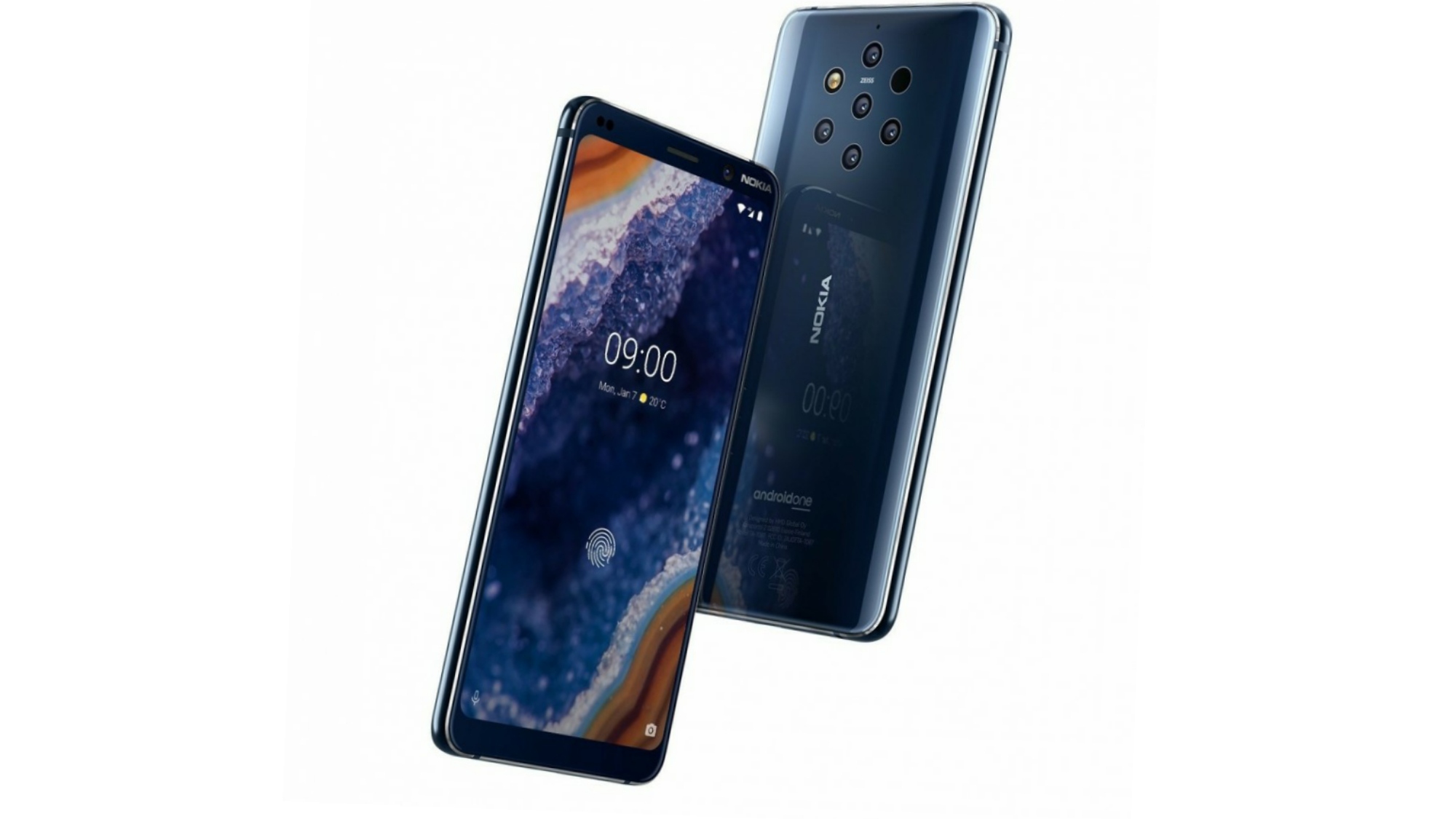
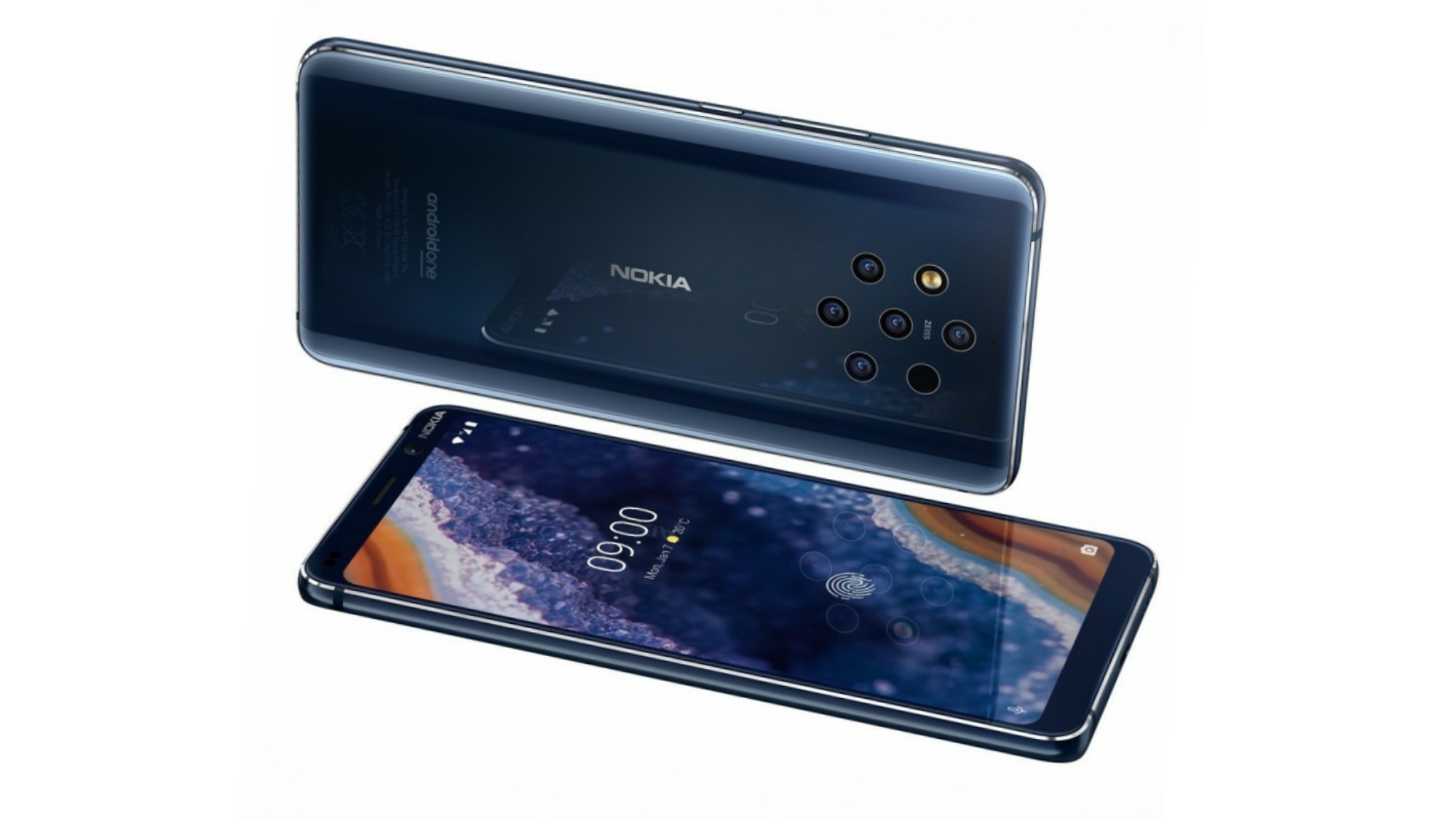
    Nokia launched its latest flagship smartphone, the Nokia 9 PureView on February 24. It is the first device to feature a Penta-rear camera setup. It was also expected that the company will launch the handset in the Indian market soon after the launch. A new teaser posted by the official account of Nokia India hints at what could be the launch of the flagship smartphone in the country. The text shared along with the video on social networking website Facebook reads “Get ready to capture the most breathtaking pictures with the all new Nokia 9. Stay tuned!” This suggests that the launch of the device is imminent.

    Nokia 9 PureView

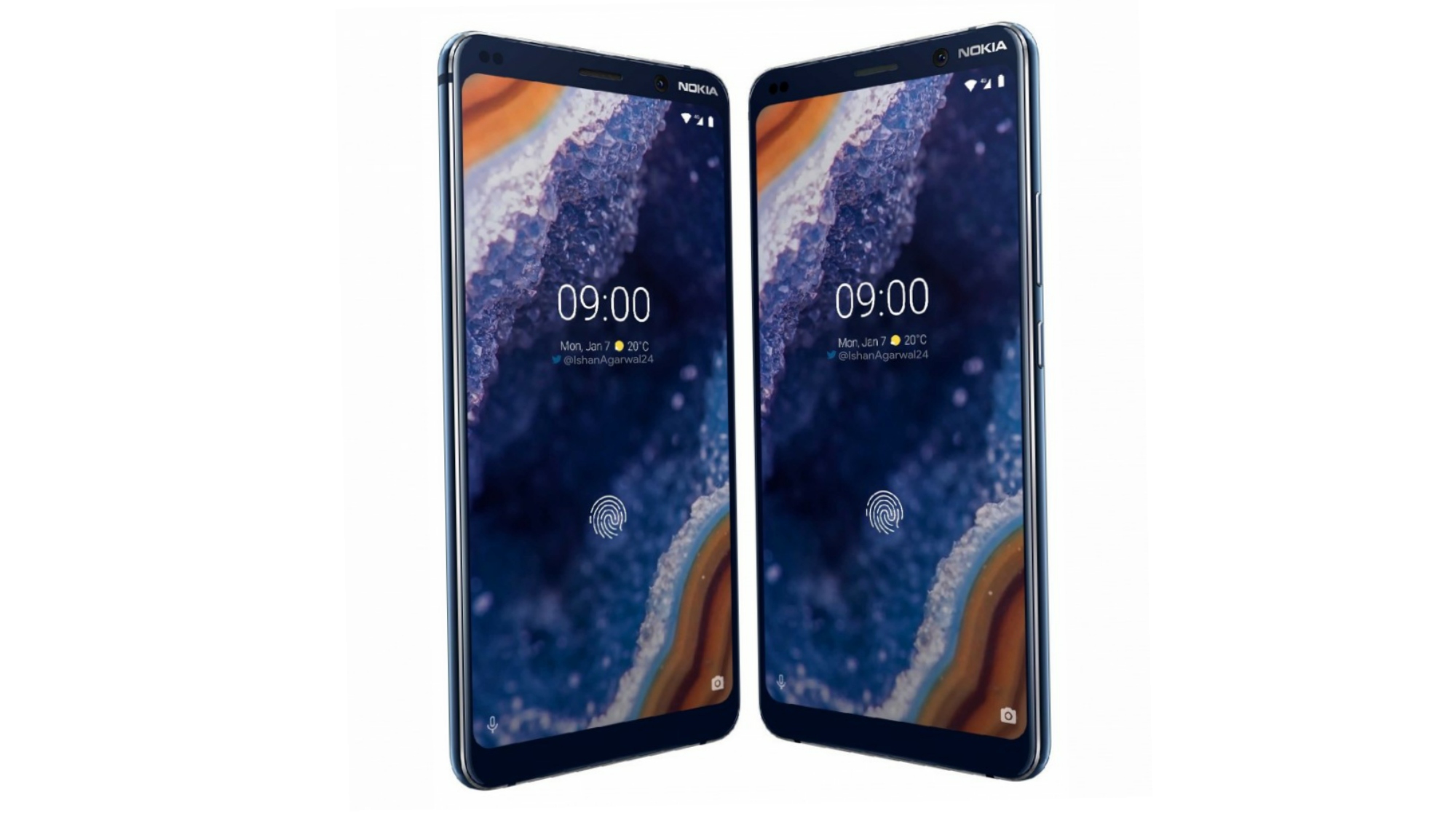
    On the front of the device sits a 5.99 inch POLED display with a resolution of 2880 x 1440 px. The display panel has an 18:9 aspect ratio and pixel density of 538 ppi. It has minimal bezels on the sides with a significant forehead and chin bezel. For biometrics, the Nokia 9 Pureview has an in-display fingerprint scanner.

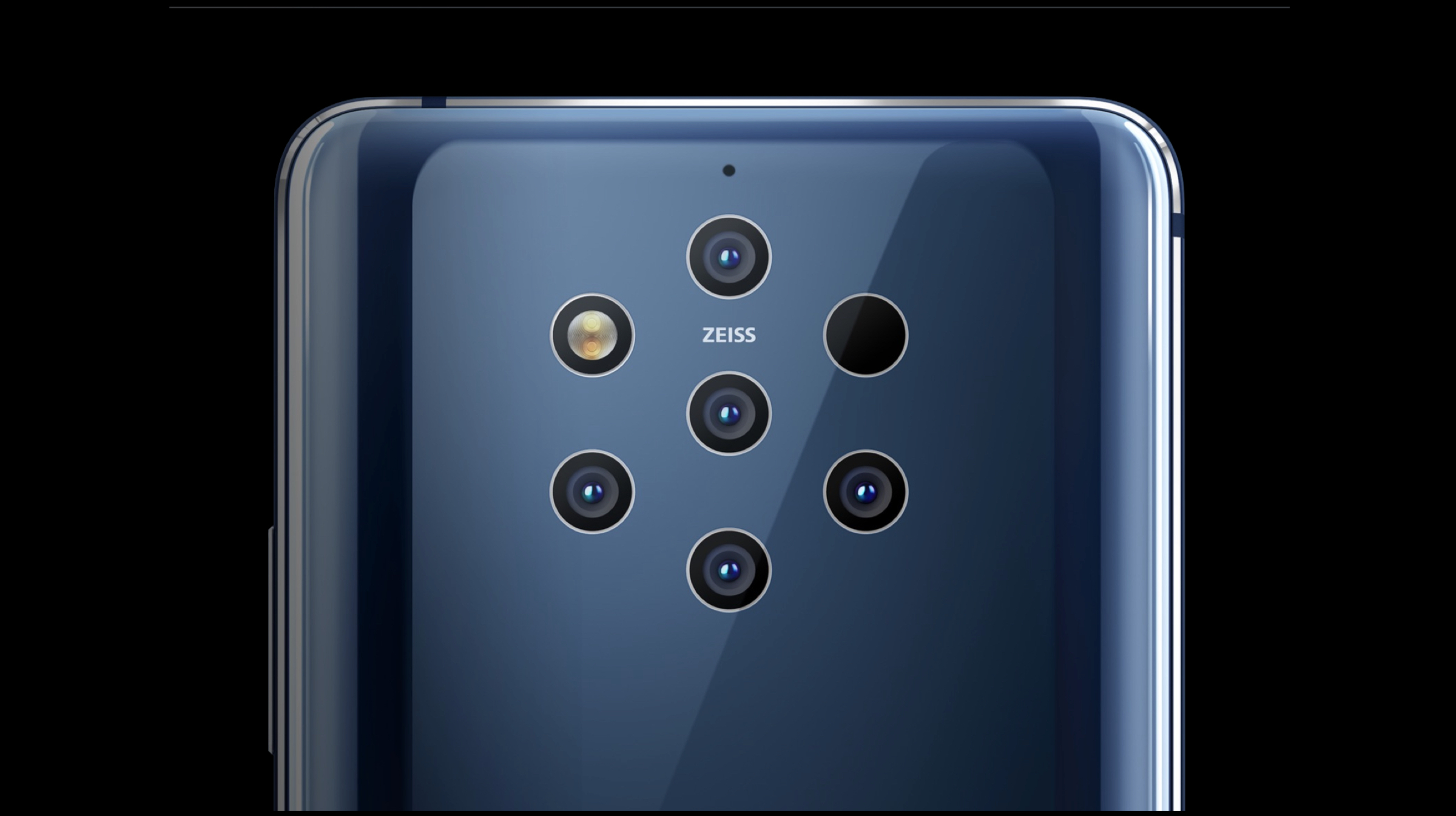
    Under the hood, the Nokia 9 PureView runs on yesteryear’s 10nm Snapdragon 845 SoC. The chipset has an Octa-core CPU and Adreno 630 GPU. The highlight of the smartphone is its optics. The rear camera setup consists of five 12 MP sensor and an LED flash. Out of the five cameras, two are RGB sensors while the remaining three are mono sensors. For selfies, the device has a 20MP front-facing camera. 

    The Nokia 9 PureView is powered by a 3320mAh battery with wireless charging support. The smartphone runs on the latest Android 9 Pie and is Android One certified which implies it will receive software updates for at least two years. 

    Pricing & Availability

    Also read: Motorola To Launch The Moto G7 In India On March 25

    The Nokia 9 PureView is expected to be unveiled in India in the month of April. While no information on what the device will be priced is known, the United States price of US $ 699 (Rs. 48,112) would insinuate it would be priced under the Rs. 50,000 mark.

  • Motorola To Launch The Moto G7 In India On March 25

    Motorola To Launch The Moto G7 In India On March 25

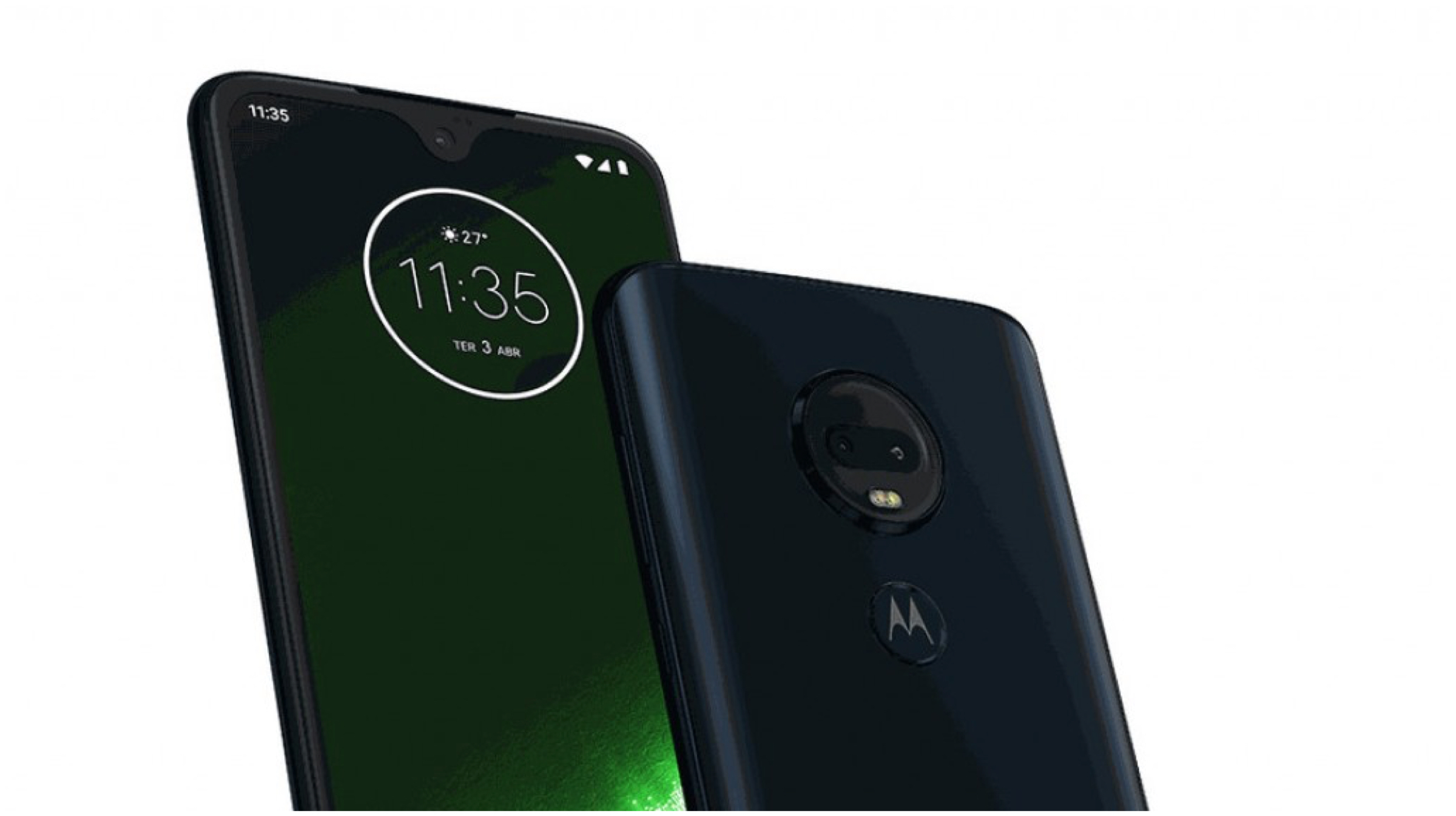
    Motorola launched the four latest smartphones in the Moto G7 lineup in February. The devices were launched in Brazil and included the Moto G7 Play, G7 Power, G7 and G7 Plus. While the Moto G7 Power has been available in India for a price of Rs. 13,999 since last month, there was no other smartphone of the range in sight. The company has now confirmed that the Moto G7 will launch in India on March 25. 

    Features & Specifications

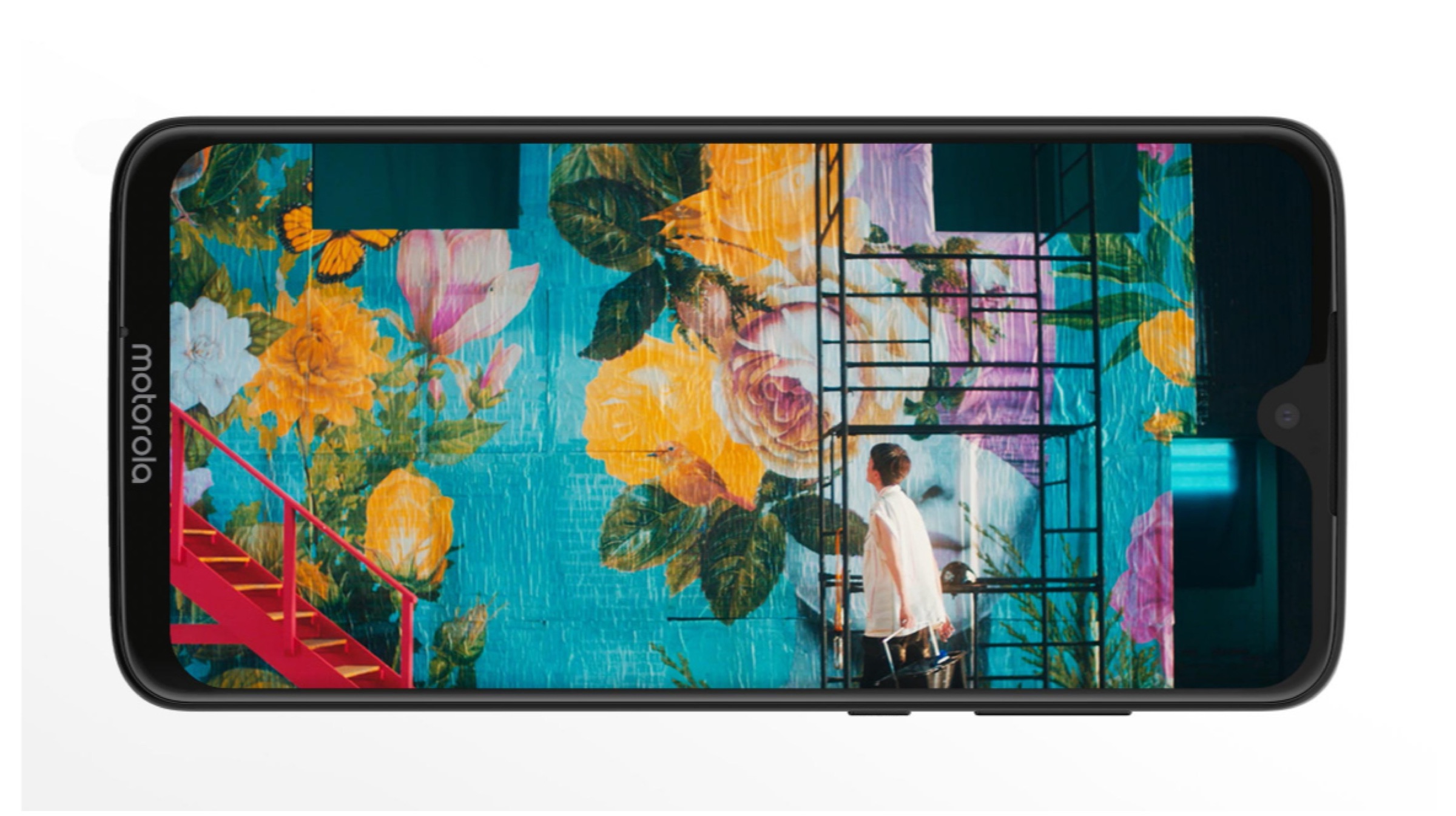
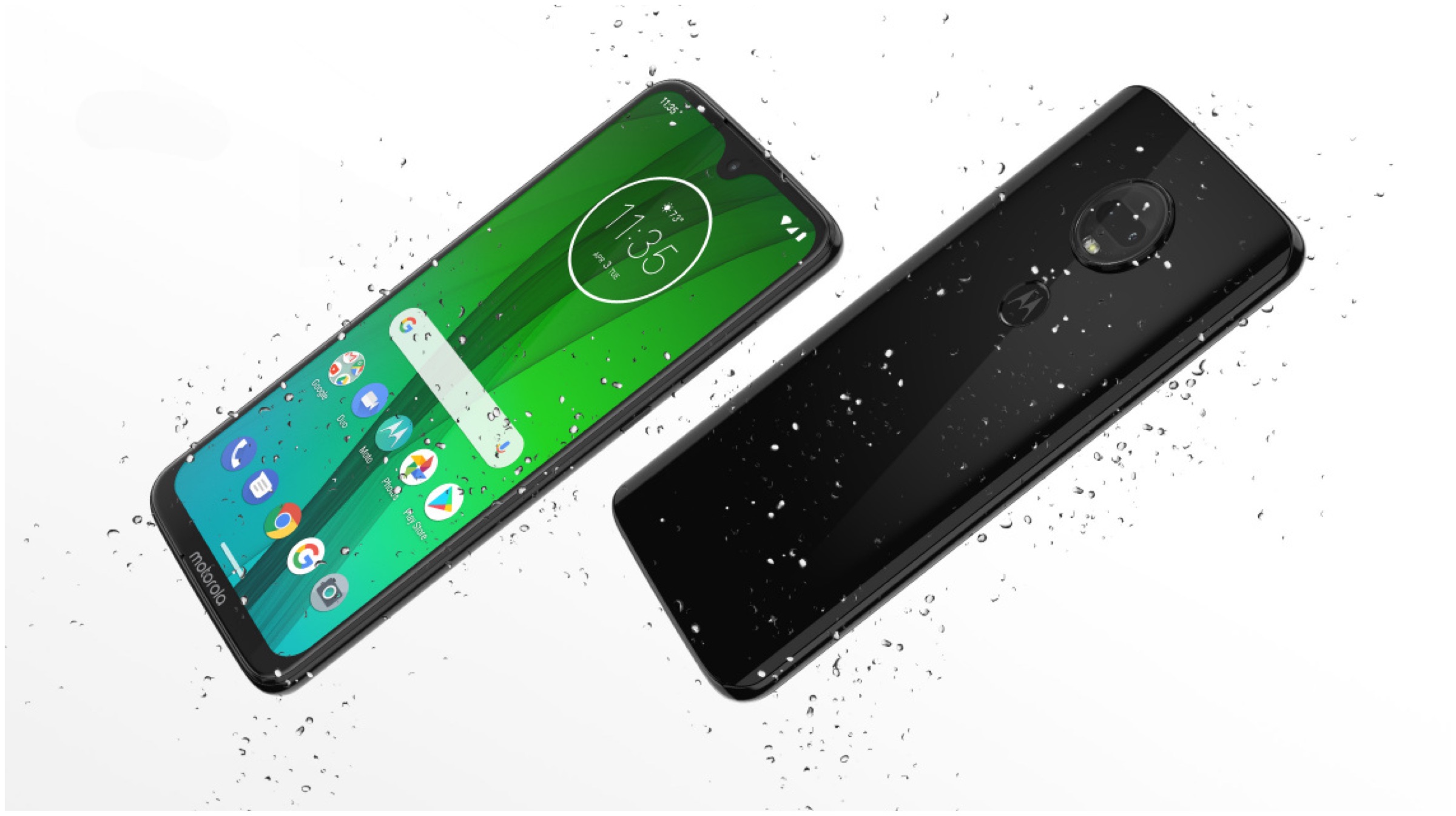
    The Moto G7 measures 157 × 75.3 × 7.92mm and weighs in at 174 grams. Design-wise, it has glass on both the front and back of the handset. The smartphone has a 6.2-inch IPS LCD display with 2270 x 1080 px resolution and a waterdrop notch up top. The device has a rear-mounted fingerprint scanner and supports face unlock technology.

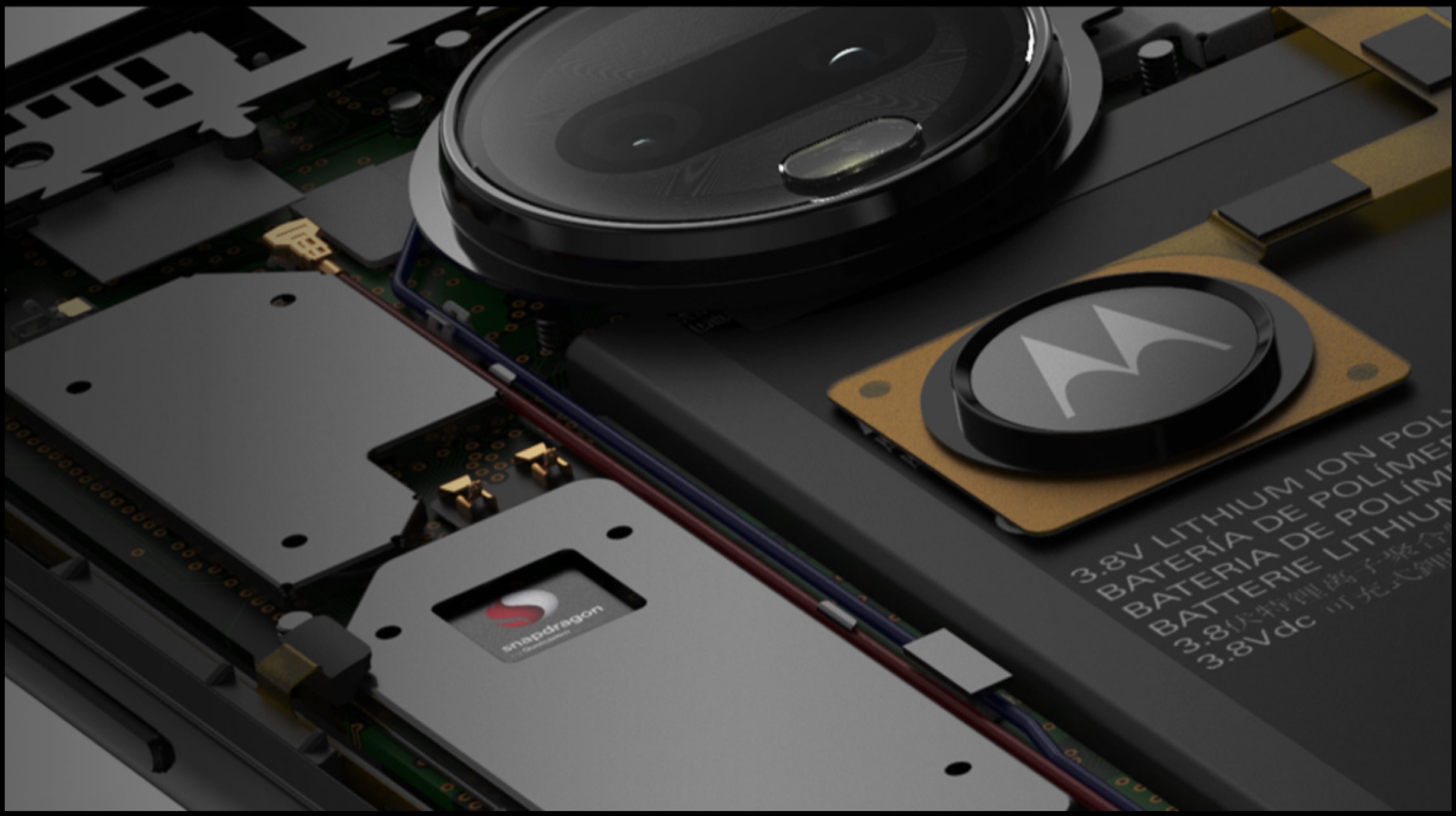
    Under the hood, the Moto G7 runs on the 14nm Snapdragon 632 SoC which consists of an Octa-Core CPU and Adreno 506 GPU. The rear of the smartphone has the dual rear camera setup which is comprised of a 12 MP sensor with an f/1.8 aperture and 5 MP secondary sensor. For selfies, the handset has an 8MP camera housed in the notch on the top of the display.

    The Moto G7 is powered by a 3,000 mAh battery which supports fast charging up to 15W with the bottom mounted USB Type-C port and runs on the latest Android 9.0 Pie. The handset also has P2i nano-coating which is certified to protect against liquid spills. Connectivity options include 4G VoLTE, 802.11 ac Wi-Fi, Bluetooth 4.2. The device is available in two colour options namely Clear White and Ceramic Black.

    Pricing & Availability

    Also read: Moto Z4 Play Passes Through FCC, Launch Imminent

    The Moto G7 will launch in India on March 25 and is expected to go on sale soon after from major online and offline carriers. While the pricing of the smartphone isn’t known yet, it costs US$ 299 (Rs. 20,585) in the United States. It is expected that the device is priced similarly in the country. 

  • Qualcomm Announces QCS400 SoCs series For Smart Speakers And Soundbars

    Qualcomm Announces QCS400 SoCs series For Smart Speakers And Soundbars

    The market for smart speakers and audio devices is gradually picking up the pace. Products ranging from Amazon Alexa to Google Home and Apple HomePod are in high demand due to their smart capabilities including voice-guided commands. The American chipmaker Qualcomm, on the 19th of March 2019 launched a new lineup of SoCs, the QCS400 which are developed to provide a unified and simplified user experience across a wide variety of audio devices. According to the company, the QCS400 SoCs are designed to underpin smart audio devices which can range from portable smart speakers to home assistants to a high-end audio/visual receiver (AVR). 

    Benefits Of The QCS400 SoCs

    It is obvious that a common chipset across several smart audio products will uncomplicate the process of its usage and operation. As per Qualcomm, the following are the reasons that lay the foundation of the QCS400 lineup of chipsets:

    • Improvement in the voice-guided user interface (UI) that has faster response times and enhanced sound pickup even in loud environments. 
    • Support for multiple channels- As the name suggests, this would allow users to connect various speakers together with extensive control over audio playback. The chipsets are designed to be highly power efficient and deliver reliable performance. 
    • Providing a cinema-like experience- The newly launched chipsets have built-in support for Dolby Atmos and DTS:X that help in providing high-quality audio output from any device that incorporates the chips. 
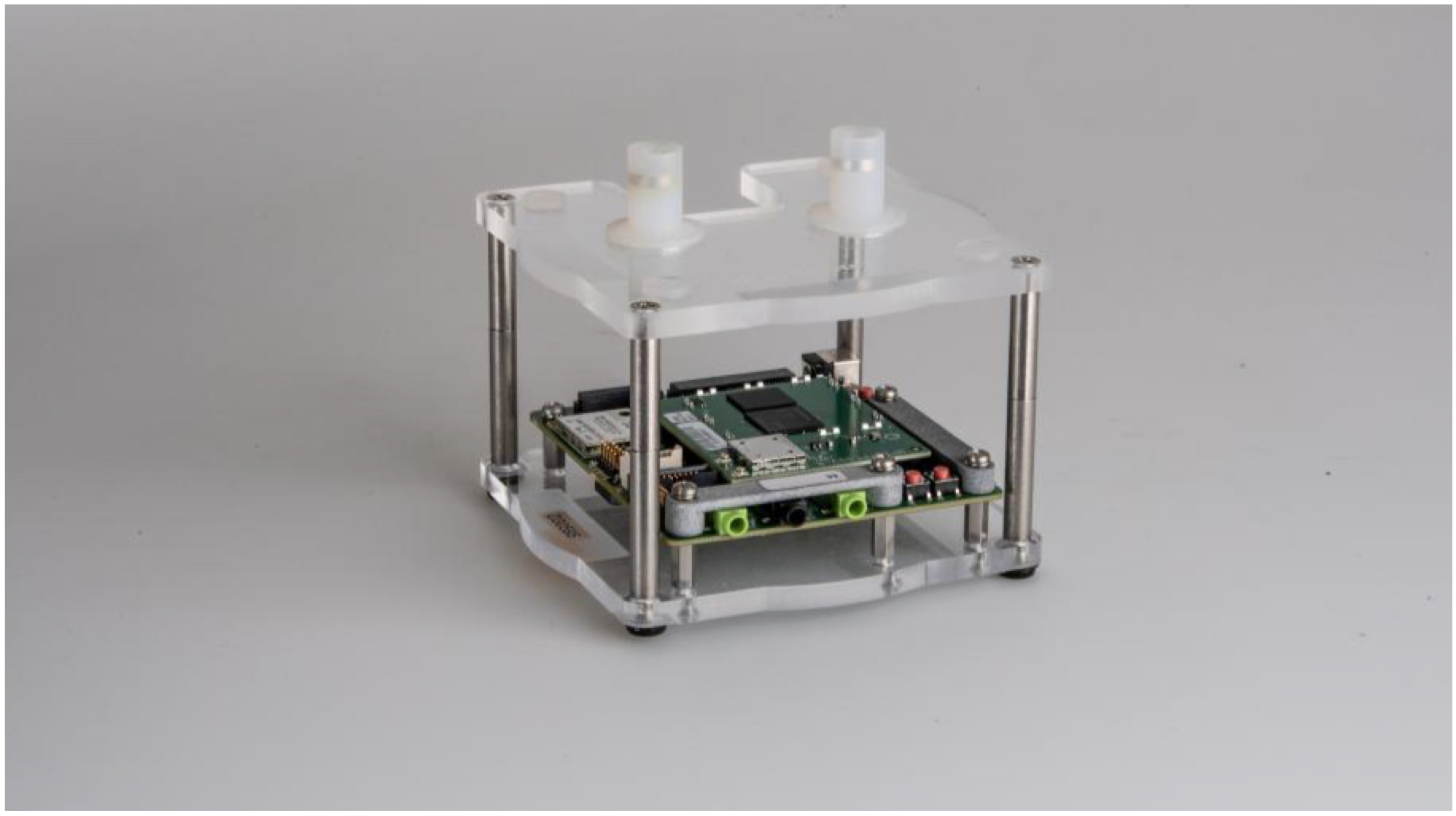
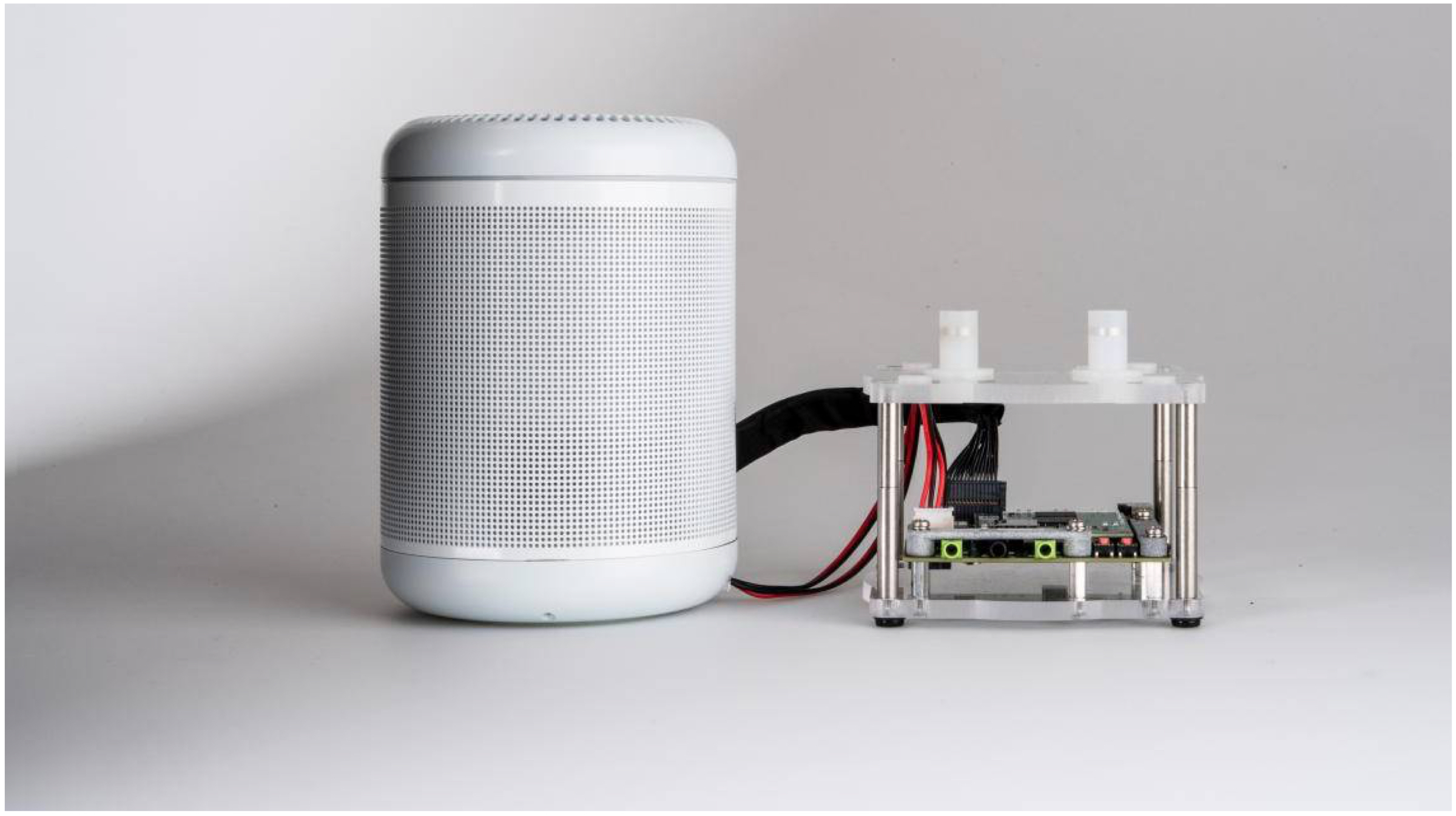
    QCS400 Developer Board

    Initially, Qualcomm has launched four chipsets all of which fit the needs of distinct modern day audio products. The QCS403 and QCS404 chipsets are developed for smart speakers and smart assistant. Both the chipsets use Bluetooth 5.1 for connection and support Zigbee which is a high-level communication protocol developed by IEEE. Notably, the former comprises a dual-core CPU while the latter comprises of a quad-core CPU. Irrespective of the chipsets, CPU cores on the both are clocked at 1.4 GHz that. 

    Also Read: Redmi Note 7, Note 7 Pro To Go On Sale In India Once Again Today

    The QCS405 chipset is developed for soundbars and home theatres while the QCS407 is developed for AVRs (audio/video receivers). Both the chipsets have quad AIE CPU cores and Adreno 306 GPU. Another distinctive feature of these chipsets is the 2x Qualcomm Hexagon DSPs. Prominently, the QCS 407 is the only chipset out of the bunch that supports up to 32 audio channels while the rest max out at 12.

  • Google Unveils Stadia Cloud Gaming Platform And GamePad At GDC 2019

    Google Unveils Stadia Cloud Gaming Platform And GamePad At GDC 2019

    At a much-awaited event on March 19, Google launched a cloud gaming platform at the Game Developers Conference in San Francisco, which is named Stadia. Hints were being dropped by the company previously which had indicated that the company wants to enter the US$ 140 billion gaming industry. The newly launched platform will allow gamers to stream their games to all types of devices, including Chrome, Chromecasts and other Pixel devices.

    What Is Stadia?

    Stadia will launch in the latter part of 2019, with only four major countries targeted as of now: UK, Canada, US and Europe. The company will take advantage of the huge viewer base of Youtube to help improve Stadia and mainstream the service into streaming and gaming. Gamers will be able to play any game they want directly from Google’s data centres, without actually downloading the game. According to the company, it has successfully tested the high resource-demanding Assassin’s Creed Odyssey on Chrome Streaming with flawless results.
    Google’s new platform is not limited to a single game, rather, players will be able to purchase games from a variety of stores affiliated with it. Amongst other interesting features, Stadia will allow users to share gaming clips from their favourite moments during the gameplay which other users can just click on the game to instantly play it. The platform makes use of Virtualization and Advanced Cloud computing to make this possible.

    As mentioned previously, the games will be streamable across a multitude of devices. Laptops, desktops, TVs and smartphones will be able to run the games without any glitches, Google says. Moreover, the company claims that the gameplay can be transferred “seamlessly” across various Google devices as well. Of course, latency and data centre availability will play a huge role in keeping the experience smooth and stutter-free.
    The Stadia Controller

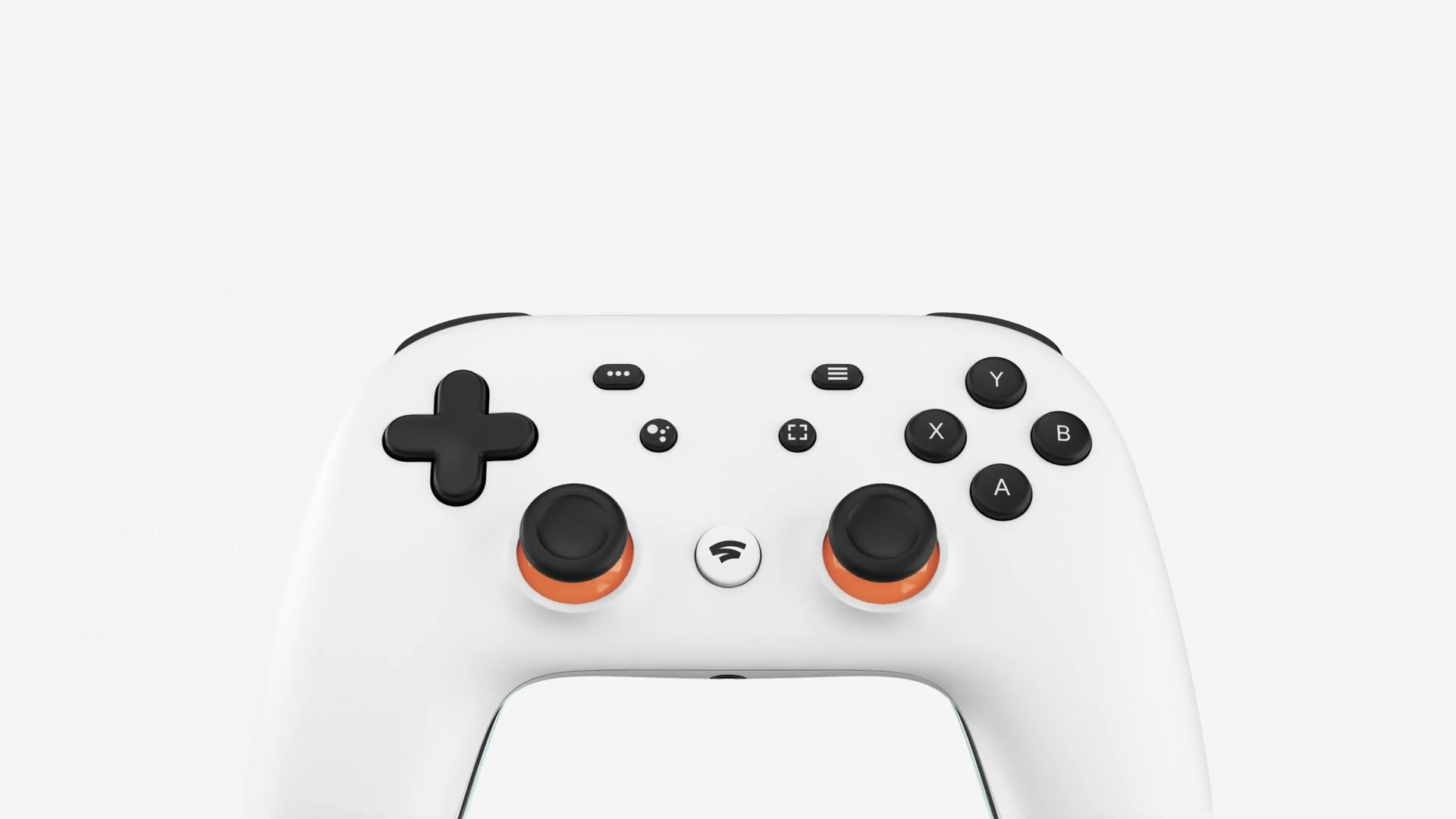
    Following the software, Google also launched its new controller, known as the Stadia Controller. The controller sports Google’s signature minimalistic design and connects directly via Wi-Fi to the game that the user is playing, not to the device he/she’s playing it on. Google states that by doing so, it will eliminate response delays between the hardware and the software, thereby ensuring lag-free gameplay.
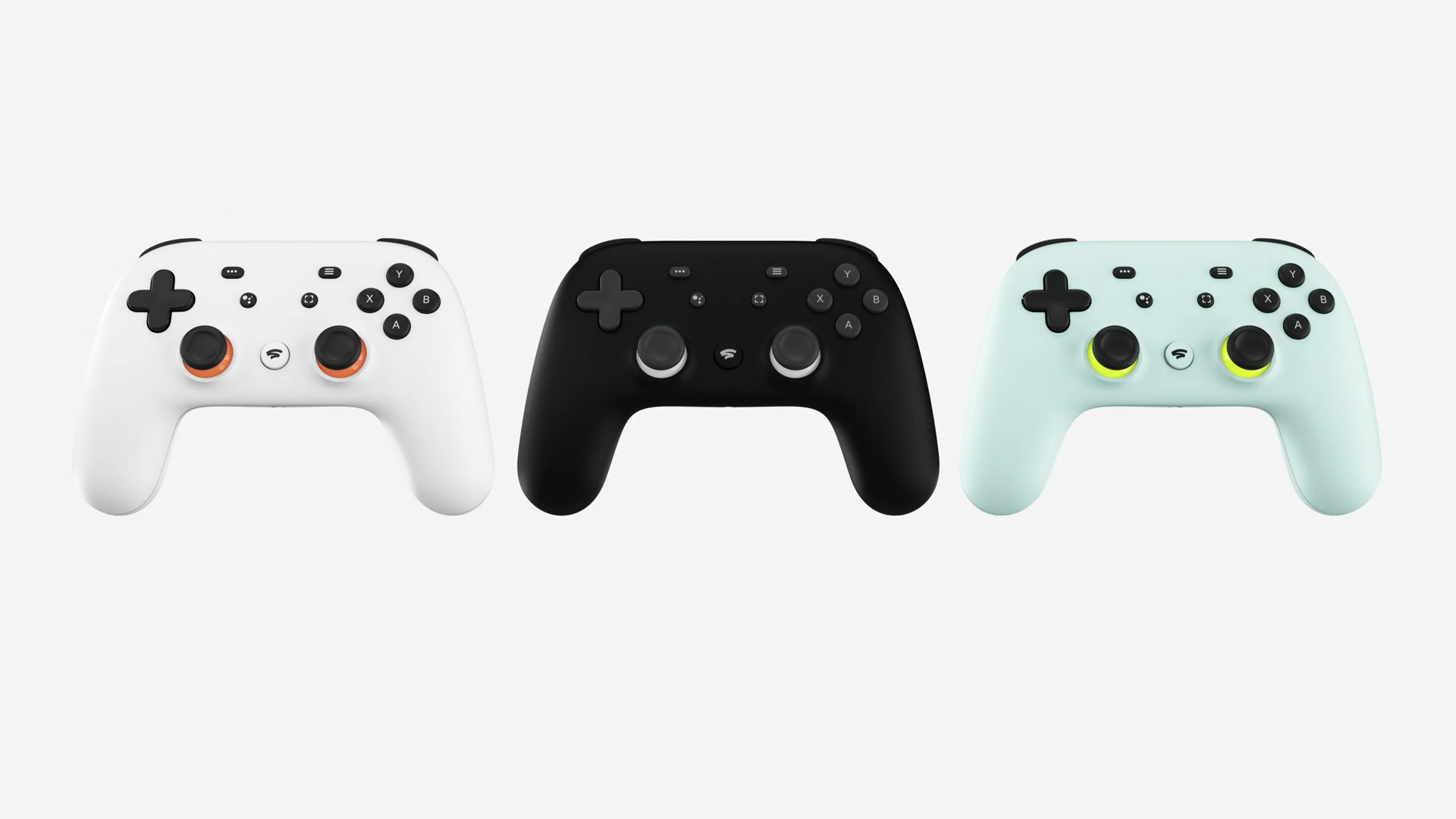
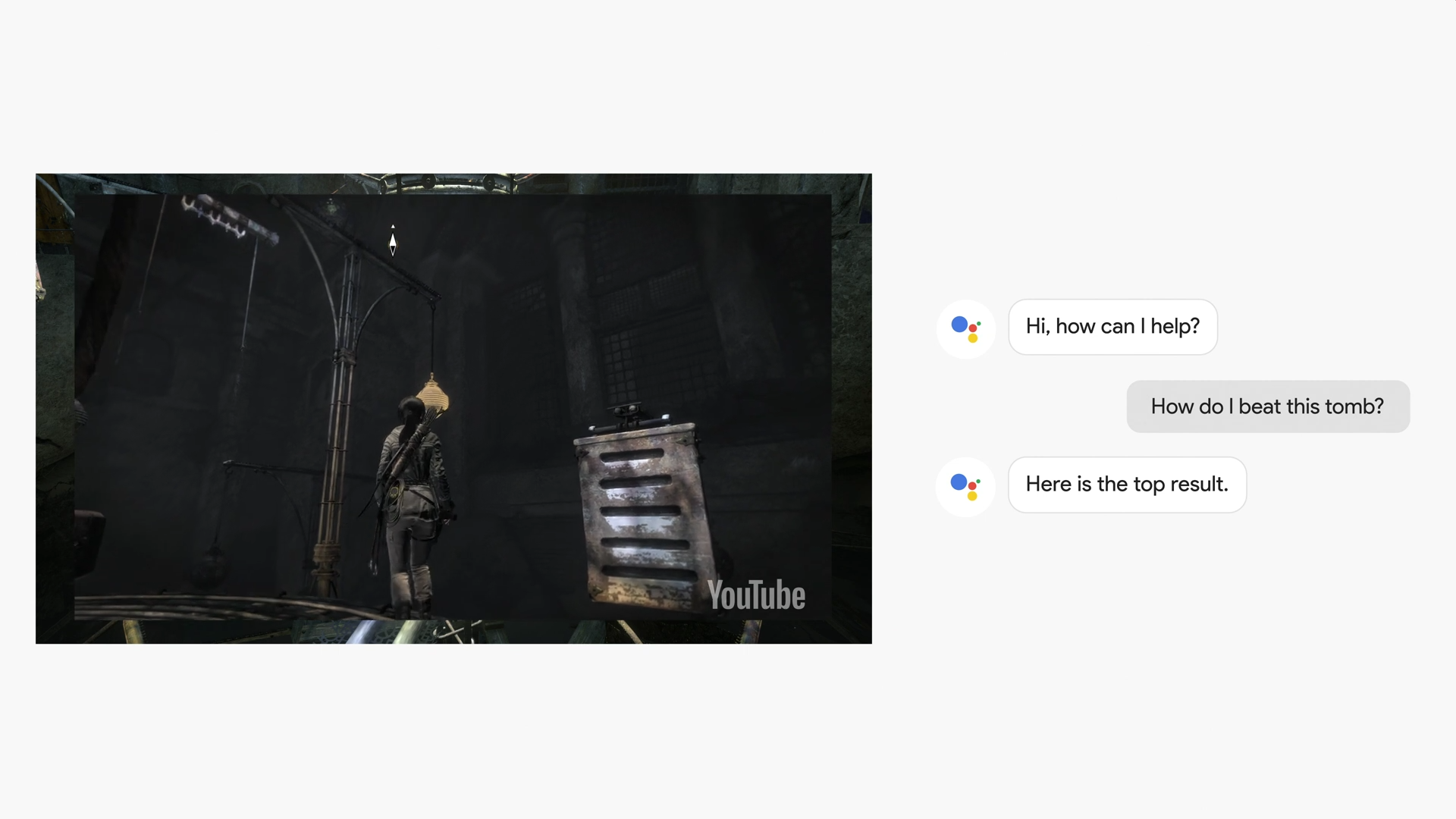
    The controller also features a “Google Assistant” button, which lets users pull up the voice assistant during the game itself and ask it relevant questions. For instance, if the gamer is stuck on a level and needs some help, he/she can directly ask the assistant regarding the level and get instant tips to complete it. The other special button on the controller is the Capture button, which lets the user capture a screenshot or a gameplay video for personal use or sharing purposes. 

    Google Data Centres

    Regarding computing, Google stated that it is continuously updating its Data Centres for better ping across all areas. Gamers were ecstatic when the company announced that upon launch, Stadia will support 4K games at 60 fps, with support for 8K/120 fps in the future. For achieving this milestone, Google will partner with AMD to build custom GPUs which will deliver 10.7 TeraFlops of power to each machine. Each module of Stadia will run on a 2.7 GHz x86 processor with 16 GB of RAM. Furthermore, Google also announced that one of the first games supported by Stadia would be Doom: Eternal, which is a first-person shooter with a huge fanbase.
    Other Features

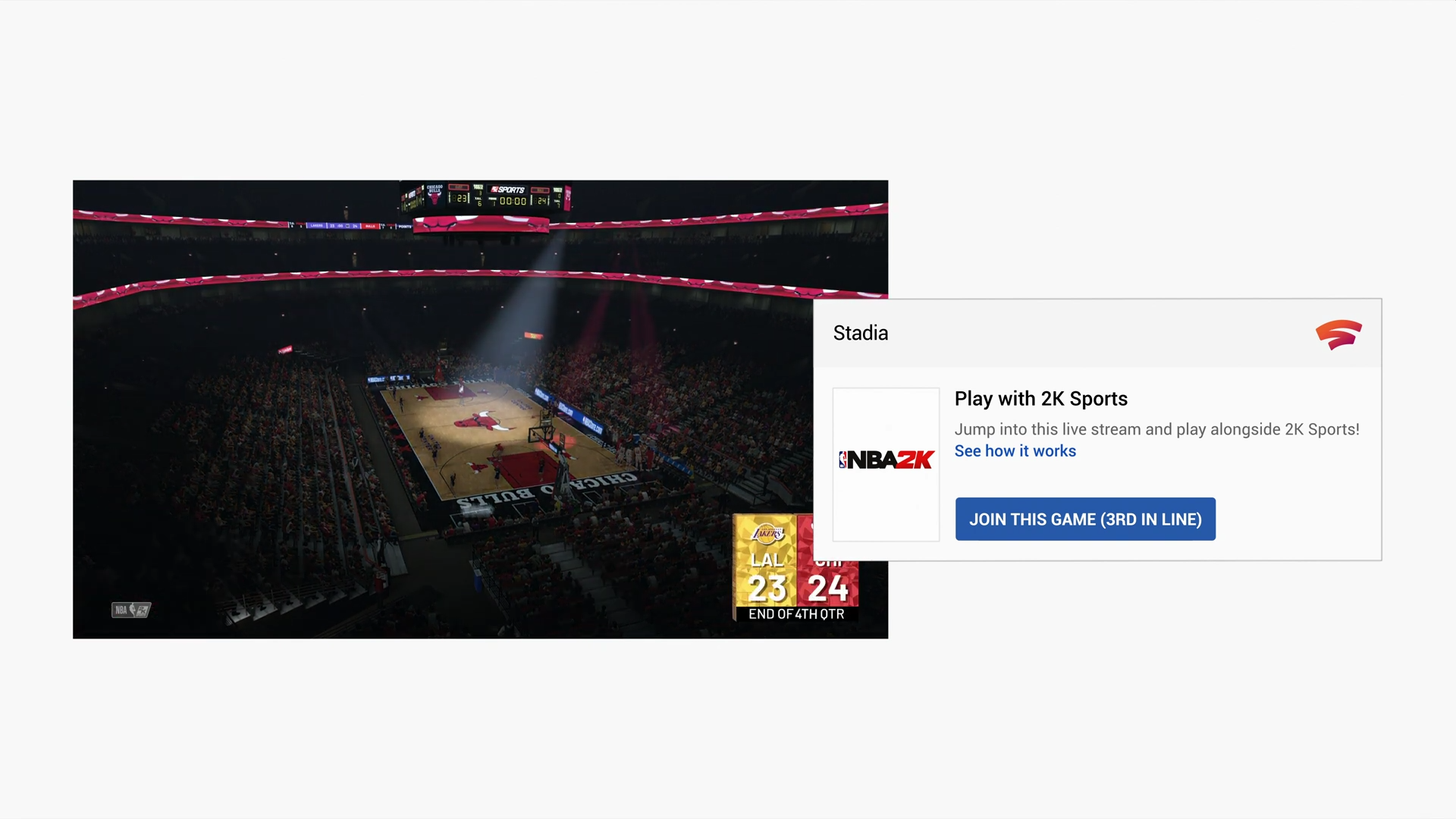
    It also includes support for cross-play, where gamers can play the same game across different platforms. Stadia offers game developers a chance to use its machine-learning based transfer tool, which will let developers drop an image into each frame of the video/game to transform the entire game into the image’s style. Moreover, State Share will let gamers share the exact state of their game via a URL, which can be clicked by users to launch a similar instance of the game on their own device. For streamers, Google introduced Crowd Play, where an advanced lobby system will let viewers play with or against their favourite streamers/content creators on YouTube.

    Towards the end, Google announced its new Stadia Games and Entertainment Studio to develop and design new games for the community. The American company also stated that more than 100 renowned studios already have devkits for Stadia, so more games should be added to the library really soon.

    https://www.youtube.com/watch?v=HikAuH40fHc

    Also Read 5 Best Battle Royale Alternatives To PUBG Mobile

    As of now, Google has not come forward with a precise launch date for the platform, but rest assured that it will launch sometime during the end of 2019. Similarly, no pricing for the same was unveiled at the event. Google Stadia may face some serious competition from Microsoft’s upcoming XCloud Service, which will let users stream games directly via the Xbox and Steam’s upcoming game streaming service.

  • Apple Upgrades The iMac With New Processors And GPU

    Apple Upgrades The iMac With New Processors And GPU

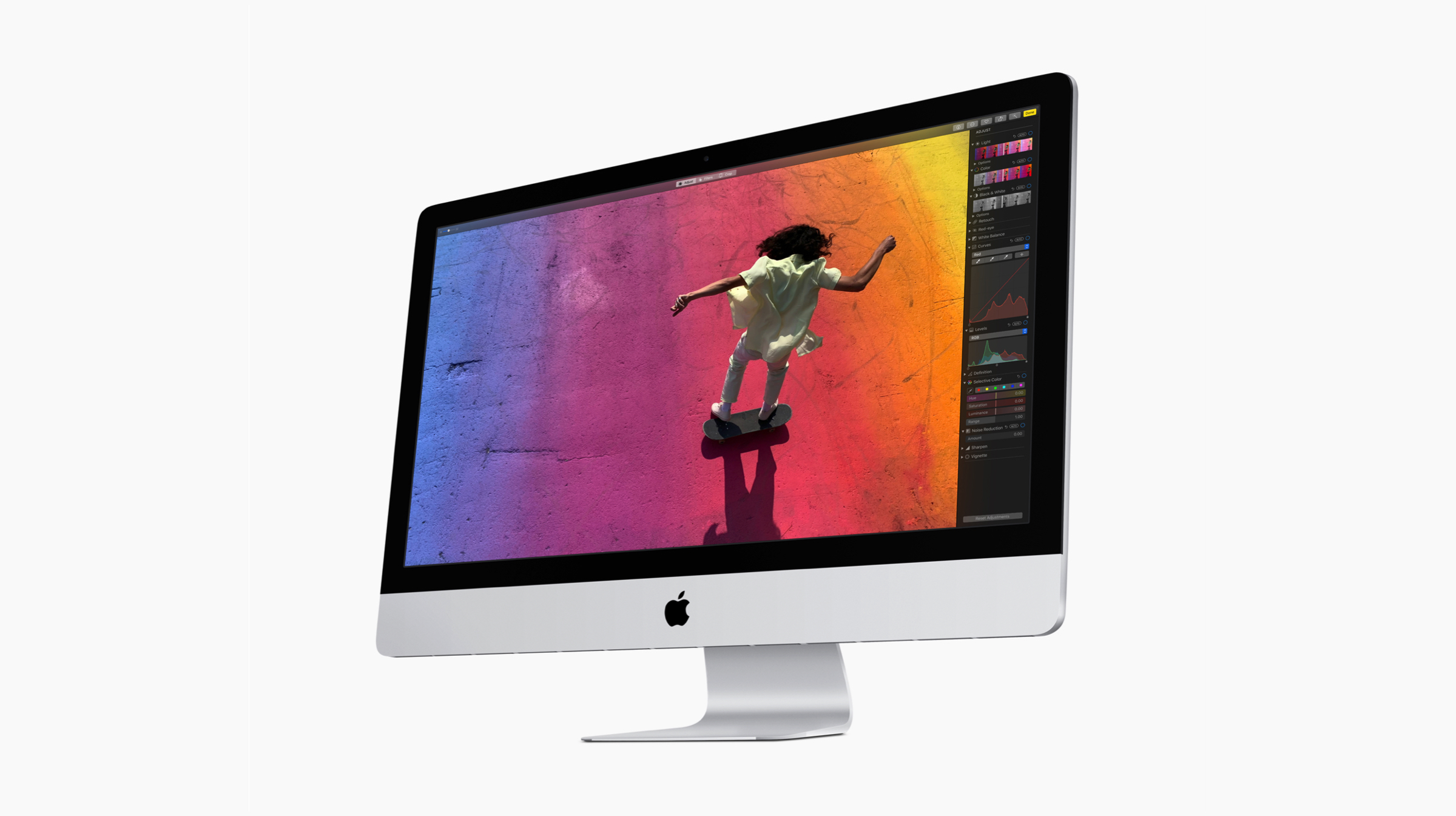
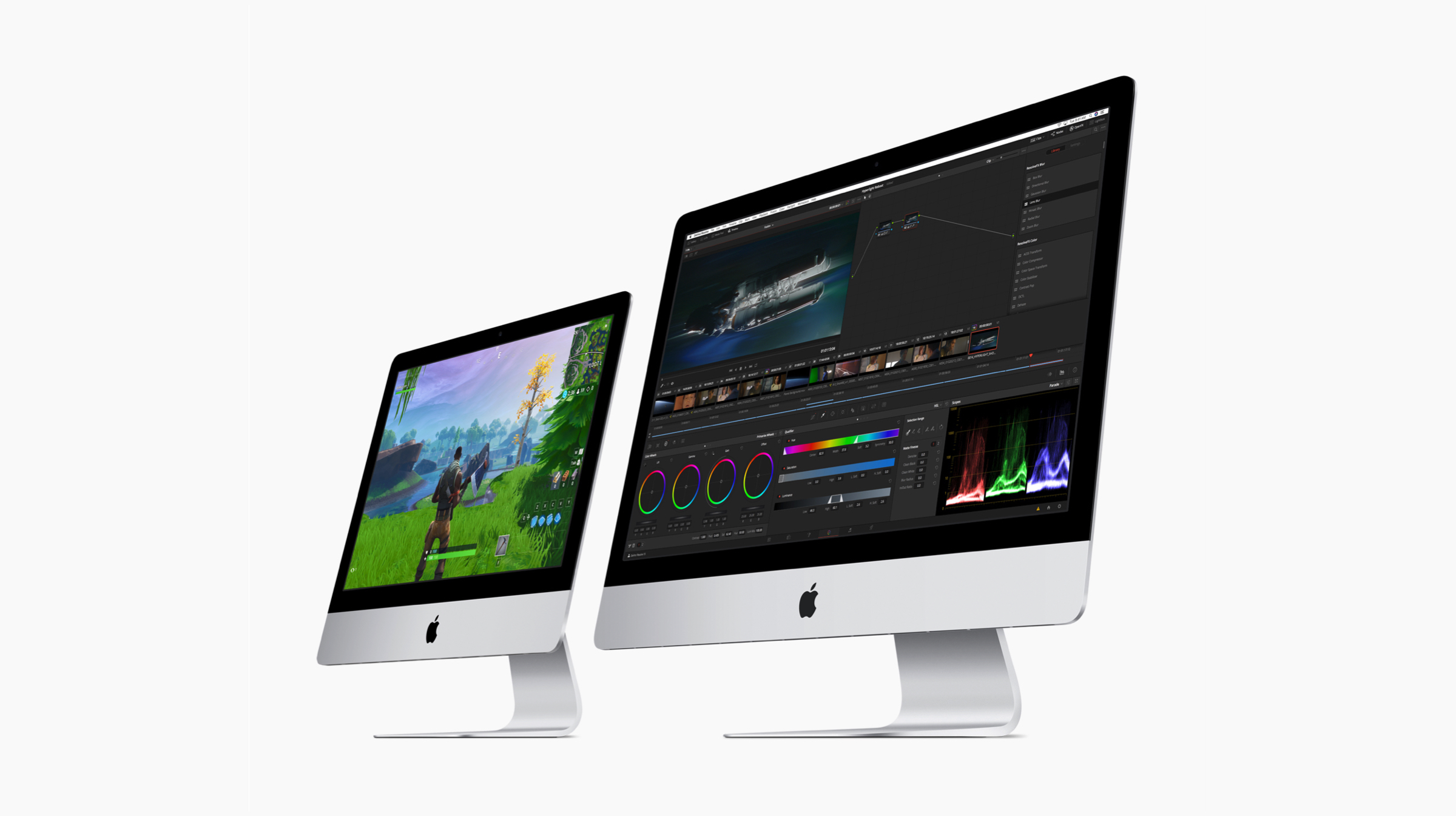
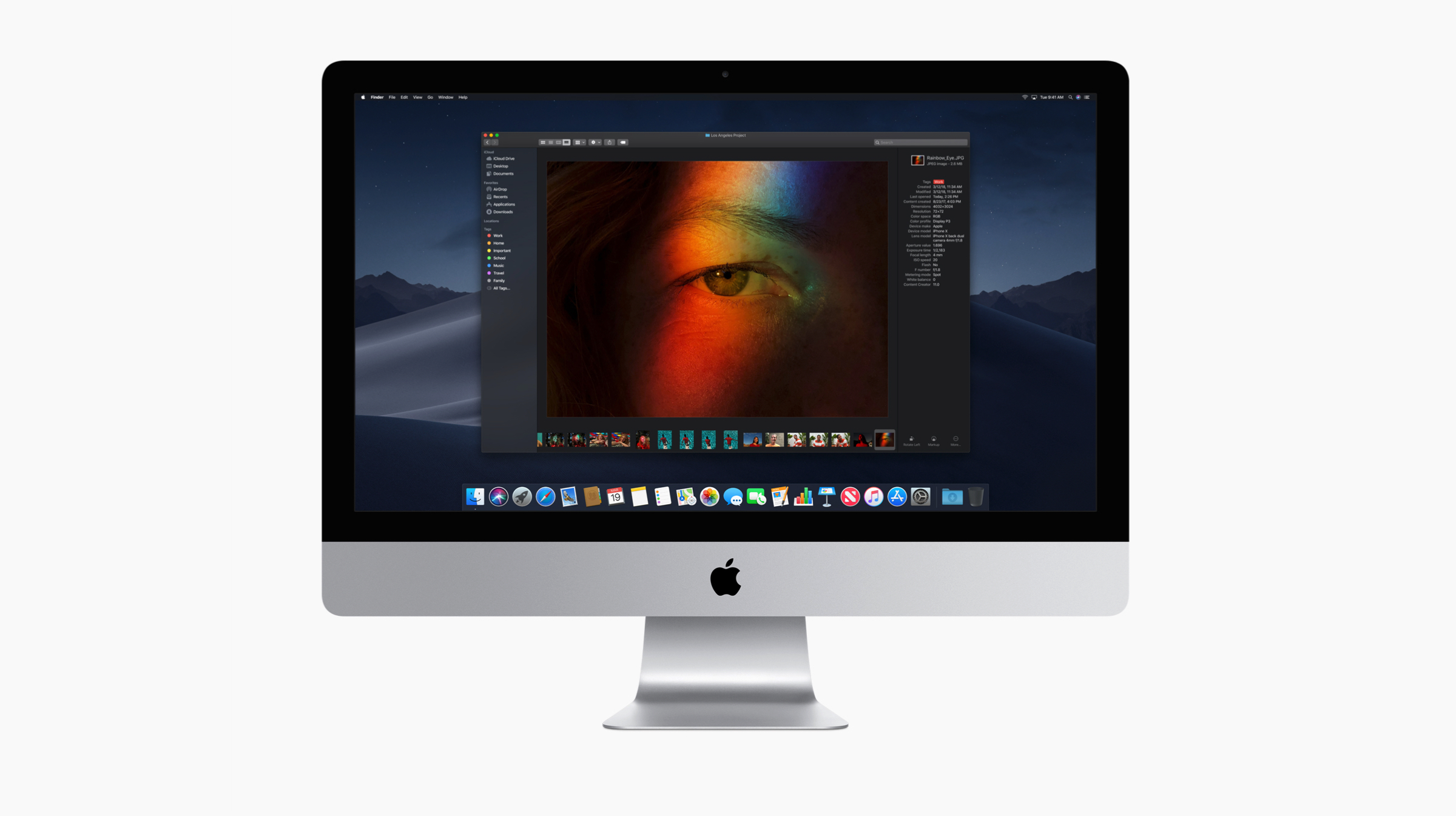
    Apple has released an update to the existing lineup of its iMacs. These computers have been upgraded with up to Intel Core 9th Generation processors and AMD GPUs. Notably, this update is applicable to the 21.5 inch and 27 inch iMacs across all models. This update arrives after they were last updated in 2017, nearly two years ago.

    Updated Apple iMacs


    The new iMacs have substantial hardware upgrades from the inside. The 21.5 inch iMac now has the 8th Generation Intel Quad-core i3 or the six core i5 CPU. In terms of graphics, the computer has either a Radeon Pro 555X GPU or a Radeon Pro 560X by default. There is also a configurable custom model with up to a six-core Intel i7 processor, 32GB RAM and AMD Radeon Pro Vega 20 GPU with 4GB memory. Notably, the specifications options of the 21.5 inch iMac are the same what Apple did with the refreshed Mac Mini.

    The 27 inch iMac gets an even more significant upgrade, with a default six-core Intel i5 processor. There is also an option to upgrade to the latest 9th Gen Intel processors which have a six and eight core CPU variant. Apple claims that this will provide up to 2.4 times faster performance than the previous generation. GPU options include a Radeon Pro 570X, 575X and 580X for prebuilt variants. For the custom configuration build, there is an option of the AMD Radeon Pro Vega 48 GPU with 8GB of memory. The graphics performance of the 27 inch iMac is claimed to be 50 percent faster than the previous generation.

    Both the sizes of the new iMacs have the macOS Mojave preinstalled. It is the latest version of the operating system by Apple. Both sizes also retain the display with a 4K resolution. These displays have support for the P3 wide colour gamut and have a peak brightness of 500 nits.

    Pricing & Availability

    Also read: What Are VPNs, And Should You Use One?

    The new 21.5-inch iMac with Retina 4K display starts at US$1,299 (INR 119,900 in India) and the new 27-inch iMac with Retina 5K display starts at US$1,799 (INR 169,900 in India). Both will be available starting next week, through Apple Authorised Resellers in the country.

  • Samsung Galaxy A20 Launched In Russia

    Samsung Galaxy A20 Launched In Russia

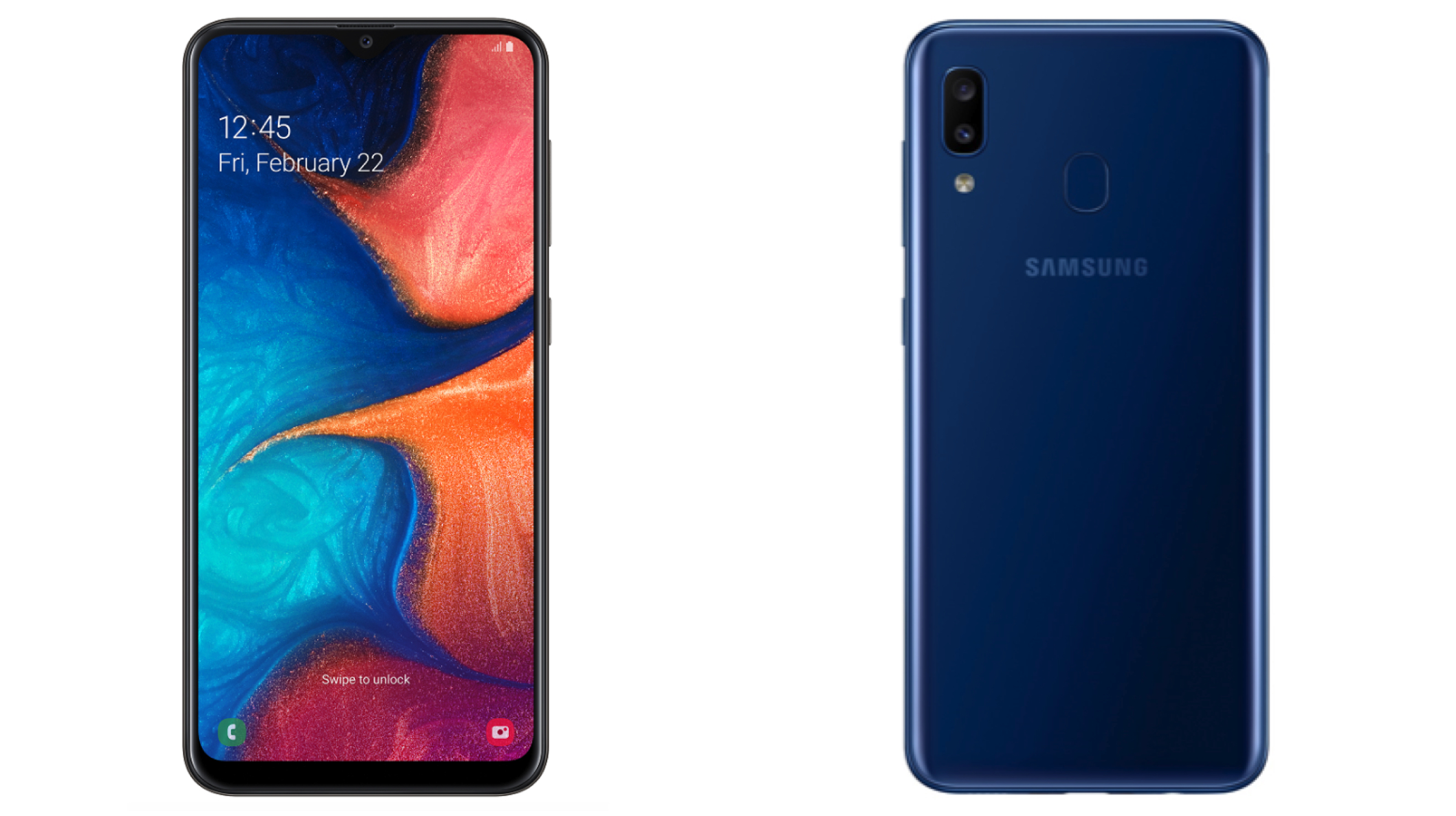
    Samsung has launched a new member in the Galaxy A series of smartphones, the Galaxy A20 in Russia. The device was launched alongside the Galaxy A30 and Galaxy A50 in the country. Interestingly, the two latter handsets have already been launched in India last month. The Galaxy A20 has been announced courtesy Samsung Russia’s press release.

    Galaxy A20: Design & Features

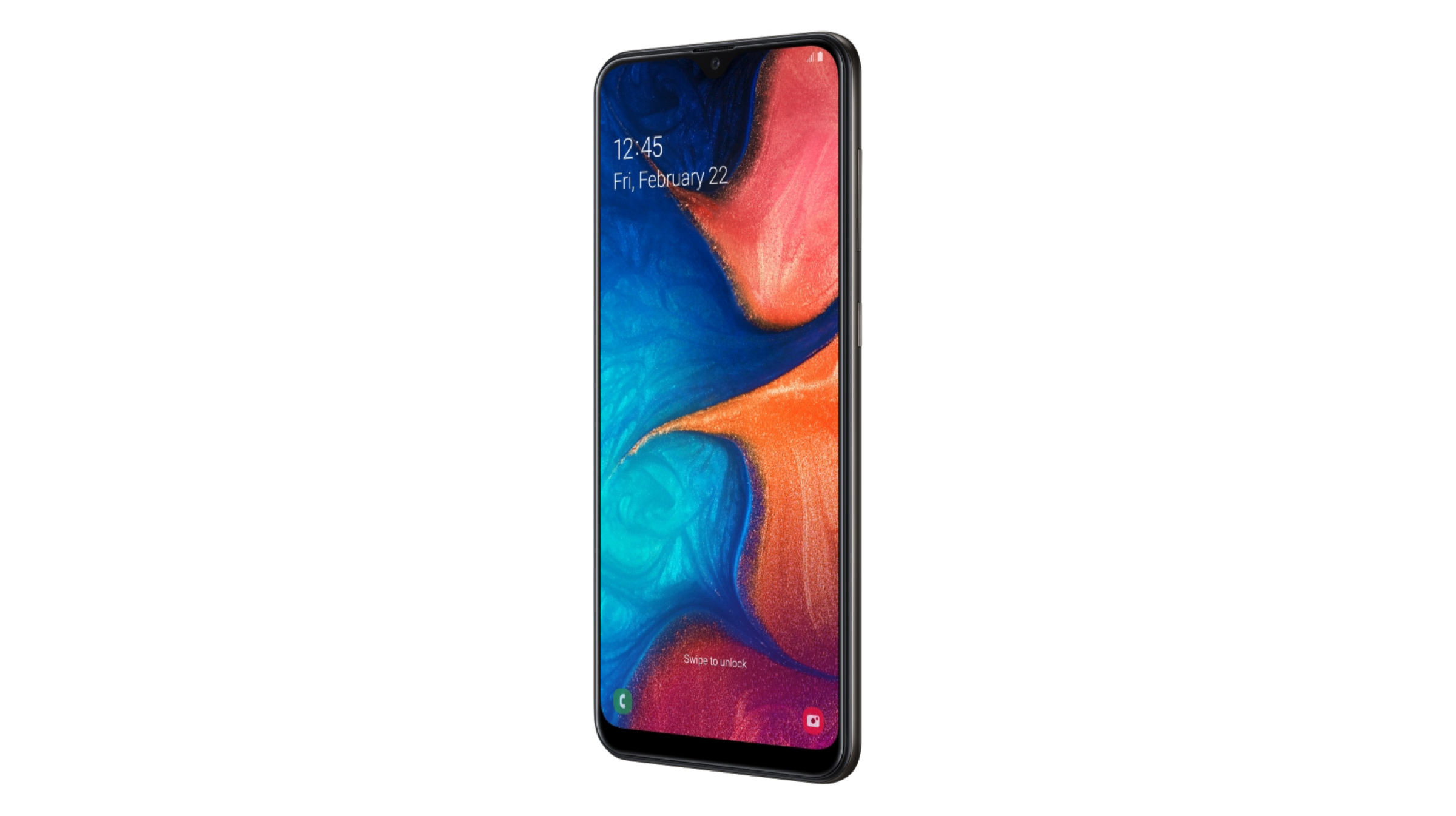
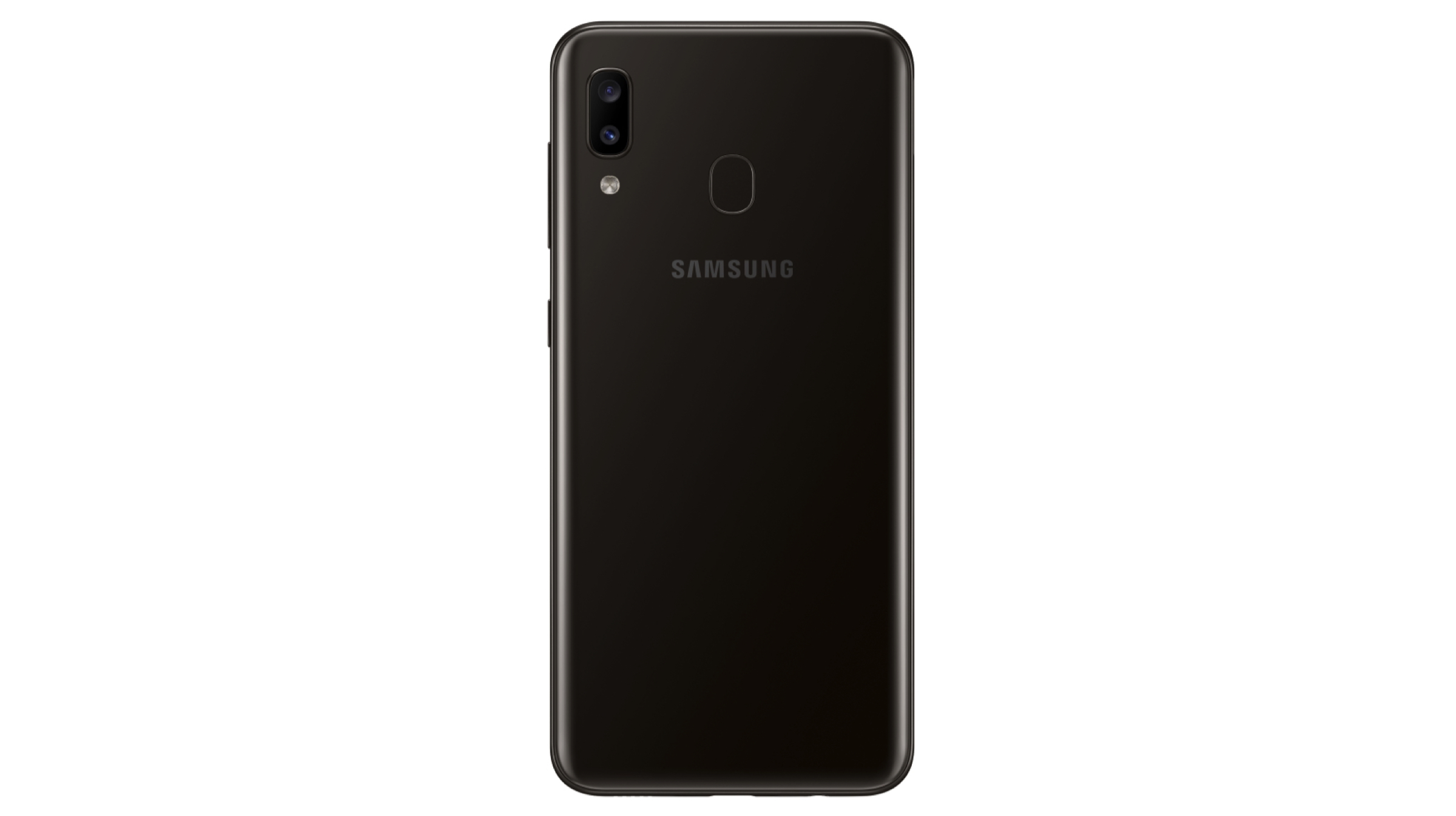
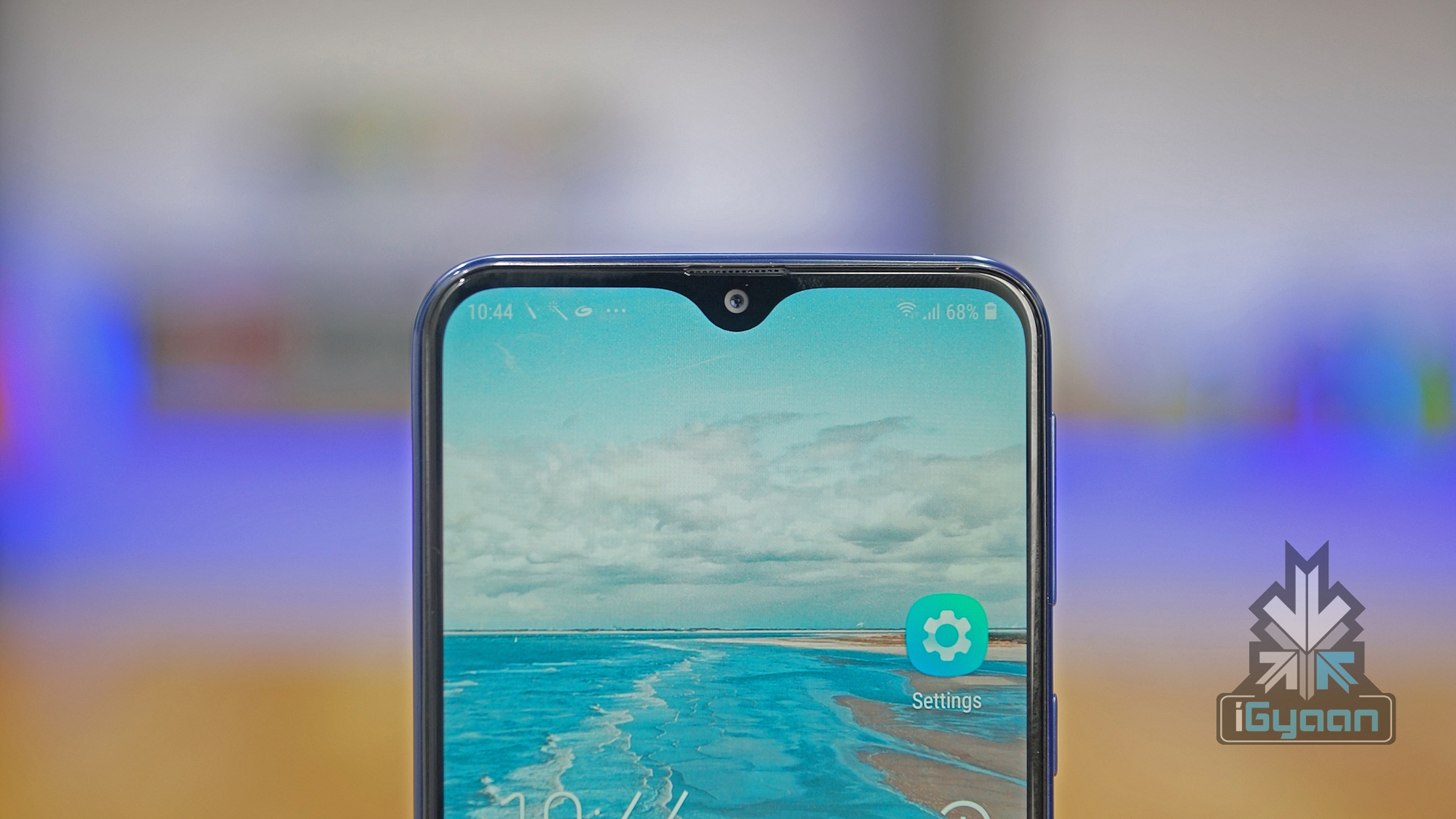
    The Galaxy A20 features a polycarbonate body with a similar design language to the Galaxy A10 and the Galaxy A30. While the front of the smartphone resembles the former handset, the back is similar to the latter. The device measures 158.4 x 74.7 x 7.8 mm and has a 6.4-inch Super AMOLED display with a resolution of 1560 x 720 px. The front has minimal bezels all around the display with a small Infinity-V style waterdrop notch on top. The rear of the smartphone houses a fingerprint sensor which allows it to securely unlocked. Additionally, it also supports face unlock technology.

    Under the hood, the Galaxy A20 is kitted with the Exynos 7884 SoC which consists of an Octa-core CPU. The device has a dual rear camera setup comprised of a 13MP sensor with an aperture of f/1.9 and a 5MP sensor with an f/2.2 aperture. For selfies, it has an 8MP camera with f/2.0 aperture housed in the notch on top of the display. The smartphone is available with 3GB of RAM and 32GB of internal storage which is further expandable by up to 512GB with microSD support. The Galaxy A20 is powered by a 4000mAh battery, which is an upgrade over the 3400mAh found on the Galaxy A10. 

    Pricing & Availability

    Also read: NVIDIA Announces $99 Jetson Nano CUDA-X AI Computer

    The Galaxy A20 has been launched in Russia for the price of RUB 13,990 (Rs. 14,999) and is already up for sale from Samsung Russia’s official website. The smartphone may be launched in global markets soon.


  • NVIDIA Announces $99 Jetson Nano CUDA-X AI Computer

    NVIDIA Announces $99 Jetson Nano CUDA-X AI Computer

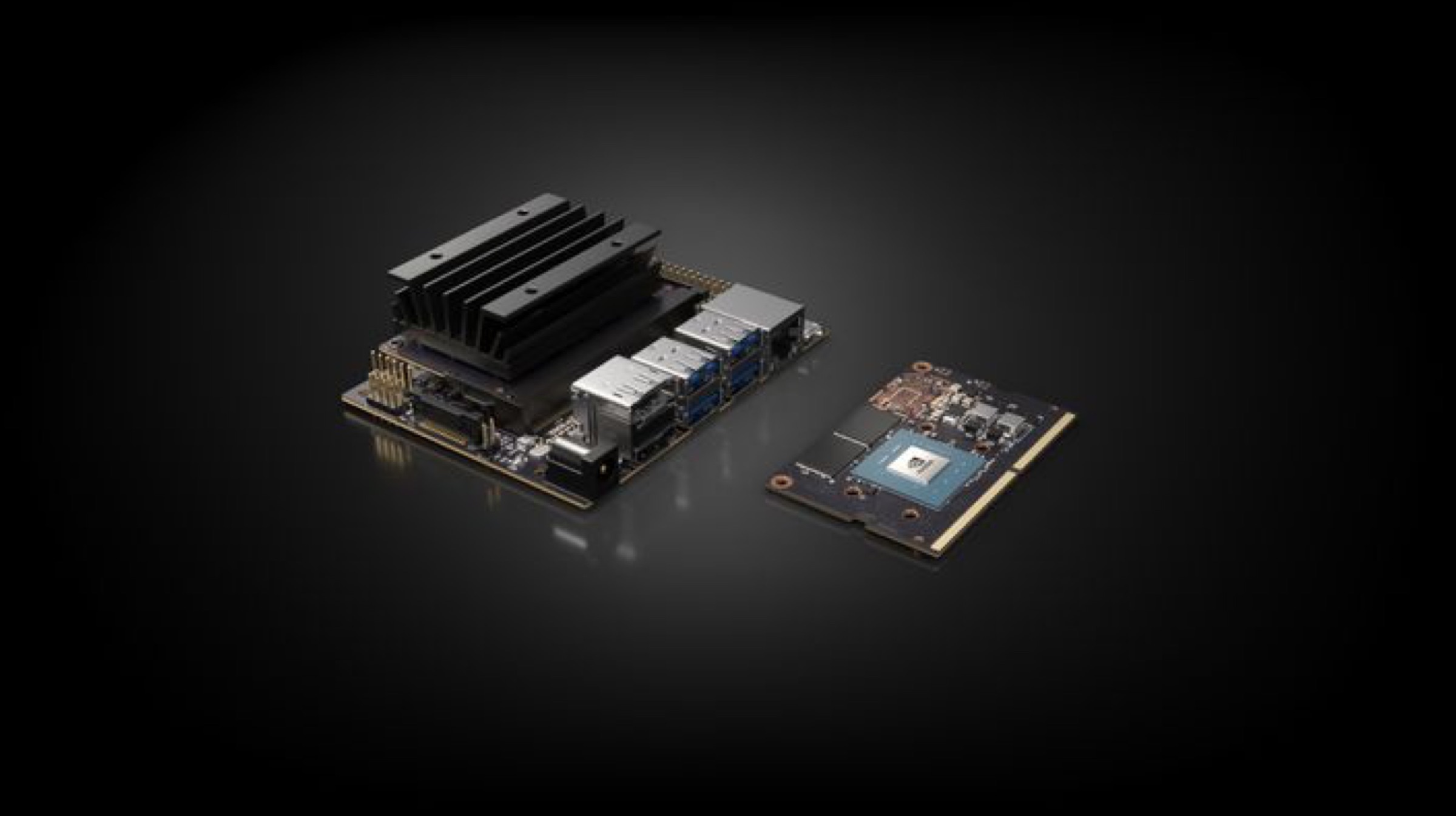
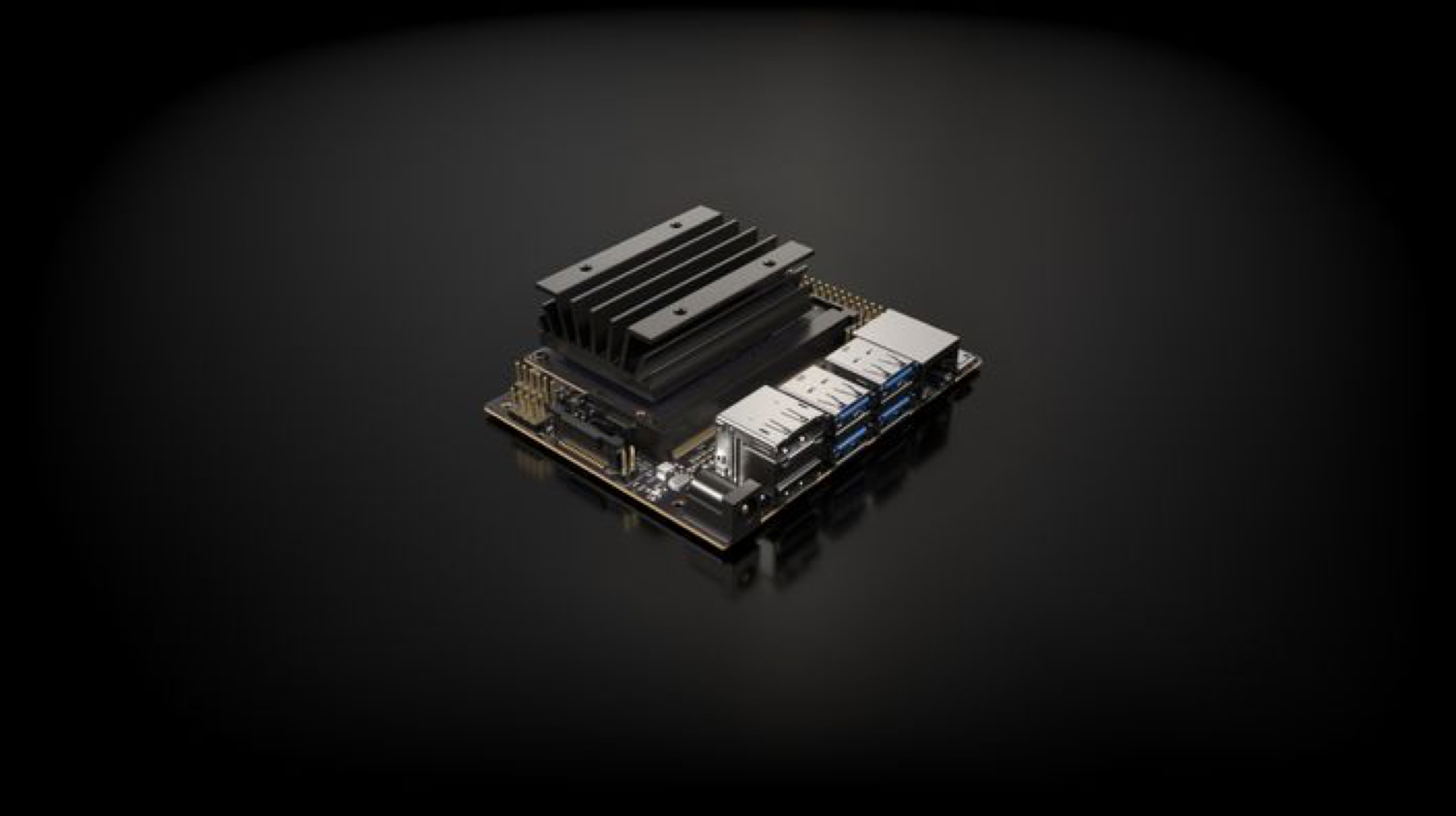
    At the GPU Technology Conference in California, NVIDIA unveiled the Jetson Nano AI computer which can be used to draft AI-based systems with ease. On March 18, the company announced that the Jetson Nano will be available in two kit options, listed below

    • Devkit for developers, makers and enthusiasts
    • Production ready module for companies
    Jetson Nano Features

    The Jetson Nano sports the CUDA-X AI computer, which brings accelerated computing to the platform. CUDA-X AI is a collection of software acceleration libraries designed on the NVIDIA’s programming model. The company claims that it delivers 472 GFLOPS of performance for AI-based computing. Remarkably, the CUDA-X consumes only 5 watts of power for operation.
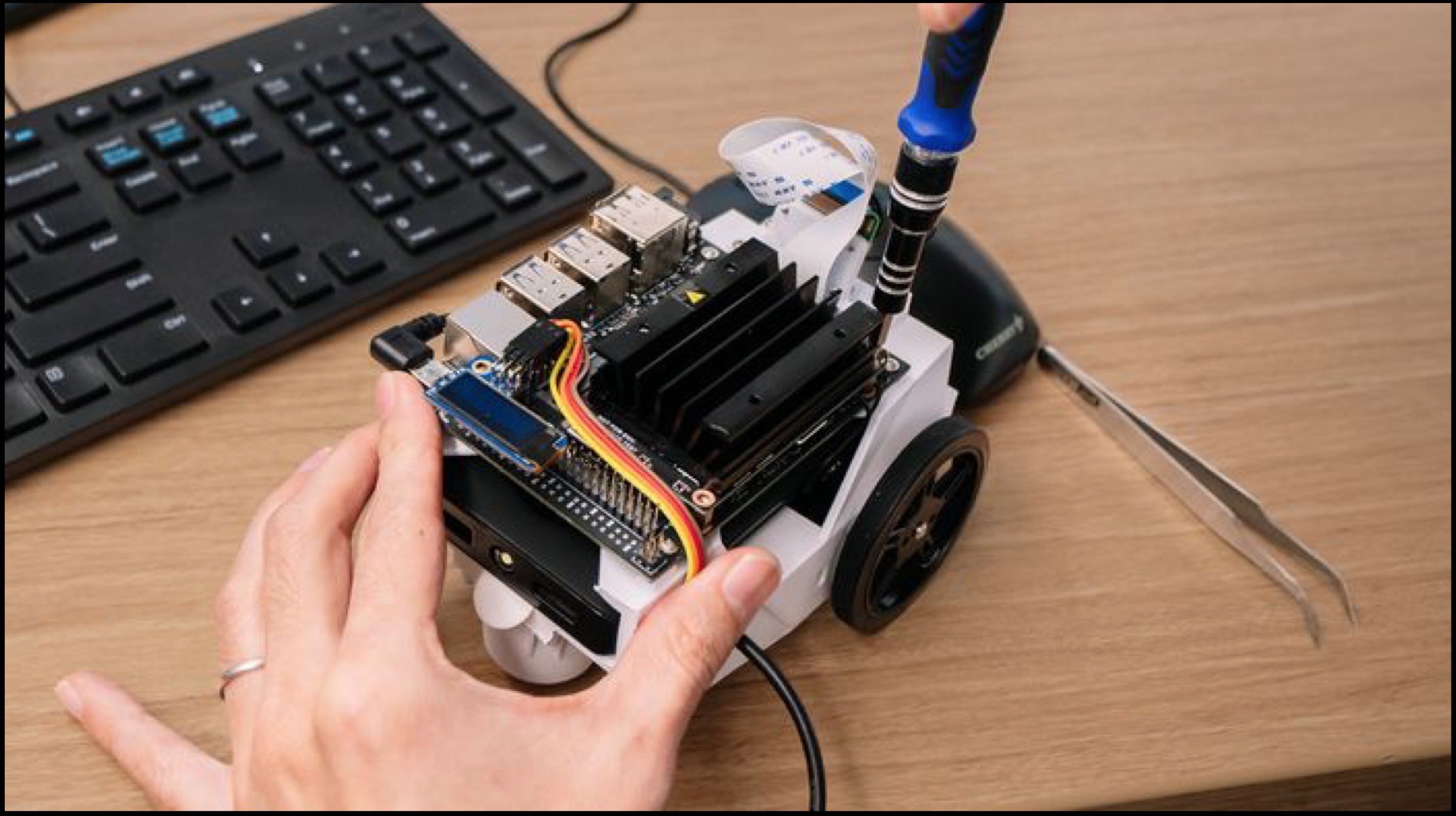
    The company previously released the Jetson AGX Xavier and the TX2 for autonomous machines and AI respectively. The latest Jetson Nano sports high resolution sensors that can process data parallelly. NVIDIA claims that it supports major AI frameworks to make it easy for developers to integrate their preferred models with the chip. It will enable users to create projects like drones and digital assistants with a framework of their choice. 

    The company also states that the chip has upgraded power management, clocking, memory and accessible input/outputs. It features Jetpack SDK, which is also designed on CUDA-X and has libraries for deep learning, computer vision, graphics and multimedia processing. It runs the Linux OS, which is fully compatible with NVIDIA’s AI platform. Moreover, NVIDIA includes a reference platform called JetBot to reduce the time taken for initial hardware assembly. All of the aforementioned source codes are available on Github, the company says.
    Jetson Nano Specifications

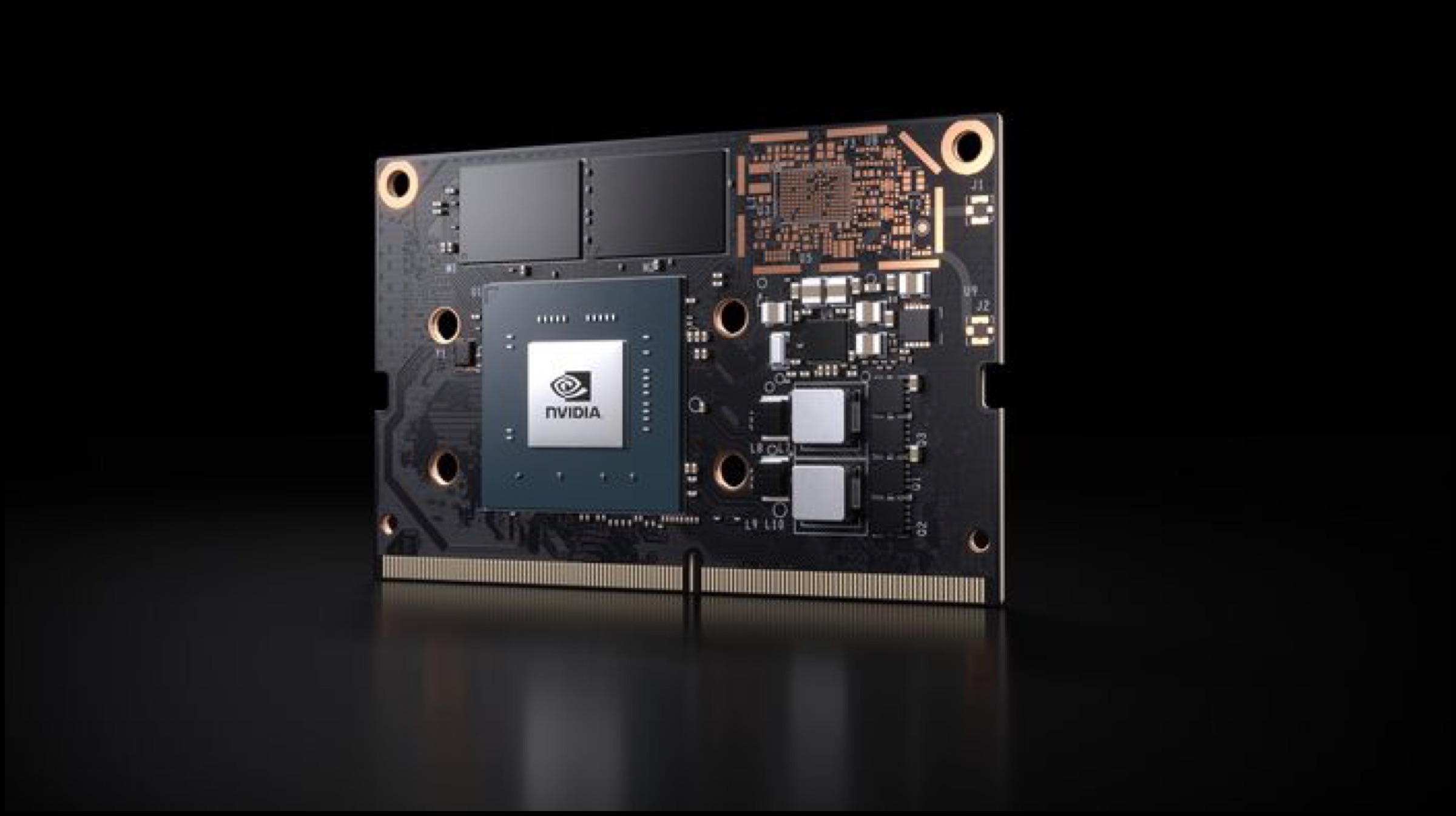
    The Jetson Nano runs on the quad-core ARM A57 CPU and a 128 core NVIDIA Maxwell based GPU. It supports 4K/60fps video modules. It has support for 4GB LPDDR4 memory with transfer rates of up to 25.6 Gbps, and a Gigabit Ethernet port for connectivity. As mentioned before, it runs Linux for Tegra. The module measures at 70mm x 45mm, whereas the whole devkit measures at 100mm x 80mm. 
    Price And Availability

    Also Read: Key Features Of Nubia’s Upcoming Red Magic 3 Gaming Smartphone Confirmed

    The NVIDIA Jetson Nano Developer Kit is available for US$ 99, whereas the Production ready module for the same can be purchased for US$ 129. The Jetson Nano will be available for purchase June onwards and will be retailed at NVIDIA’s global distributors.

  • Xiaomi Redmi Go Launched In India

    Xiaomi Redmi Go Launched In India

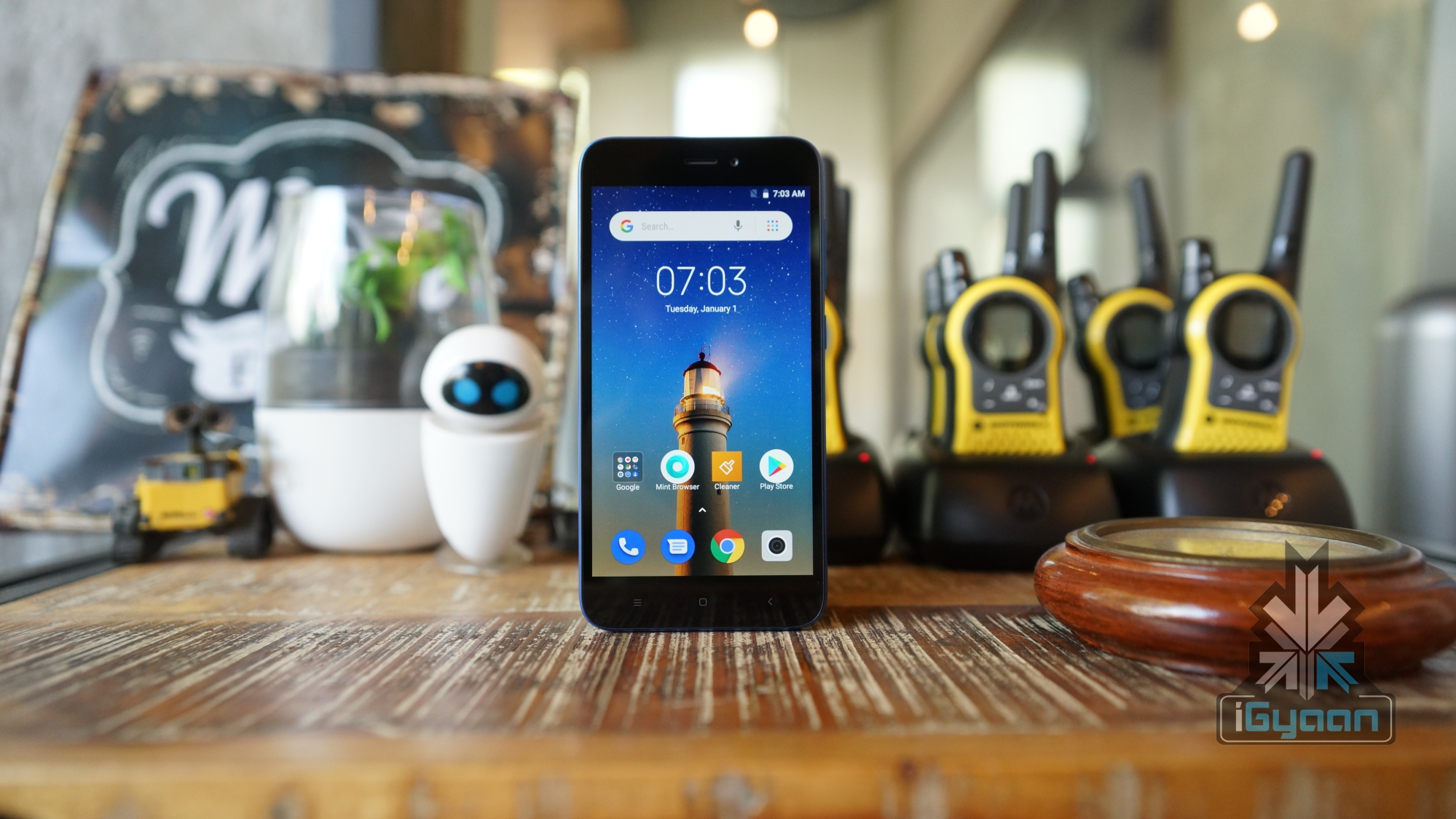
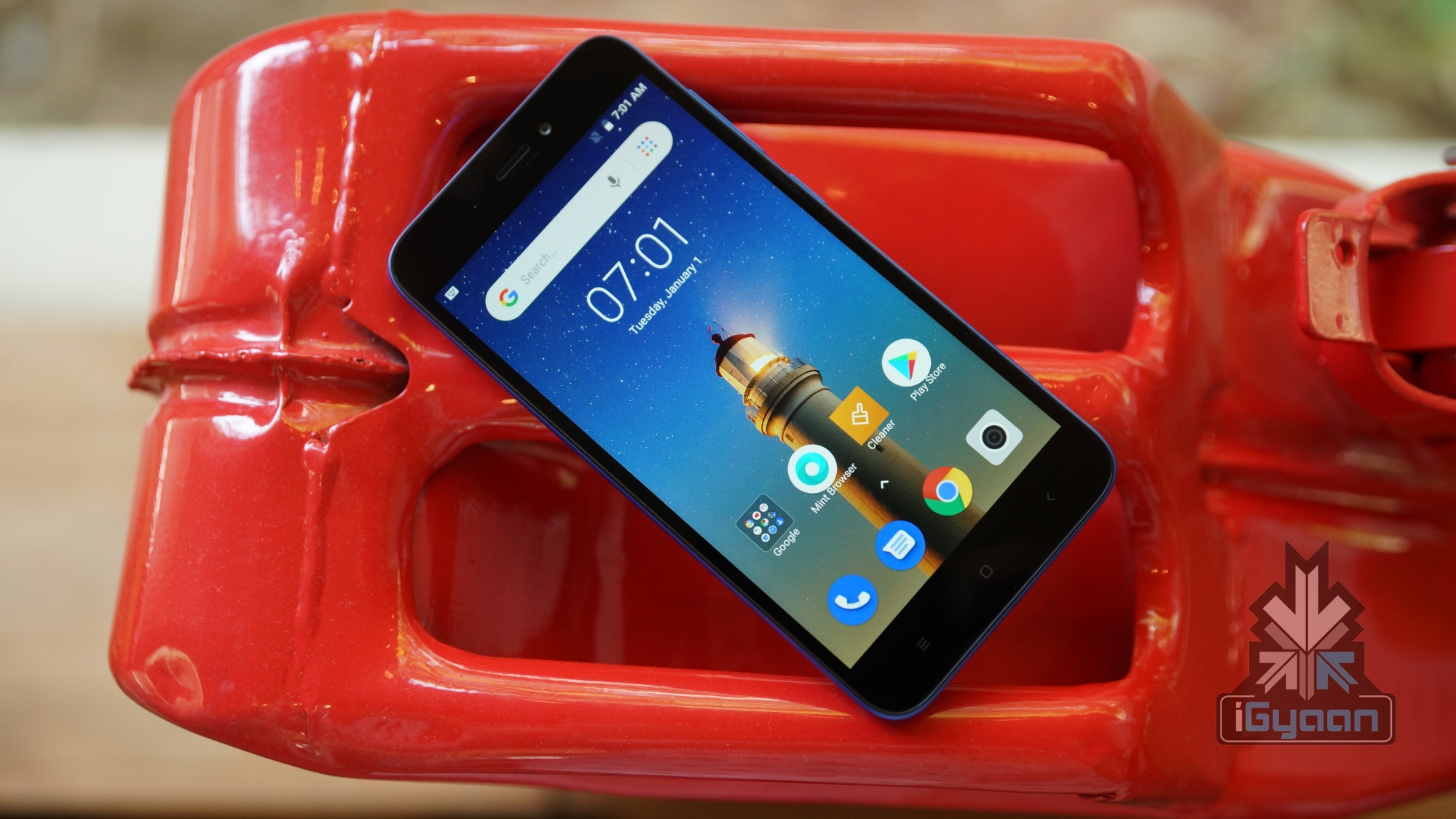
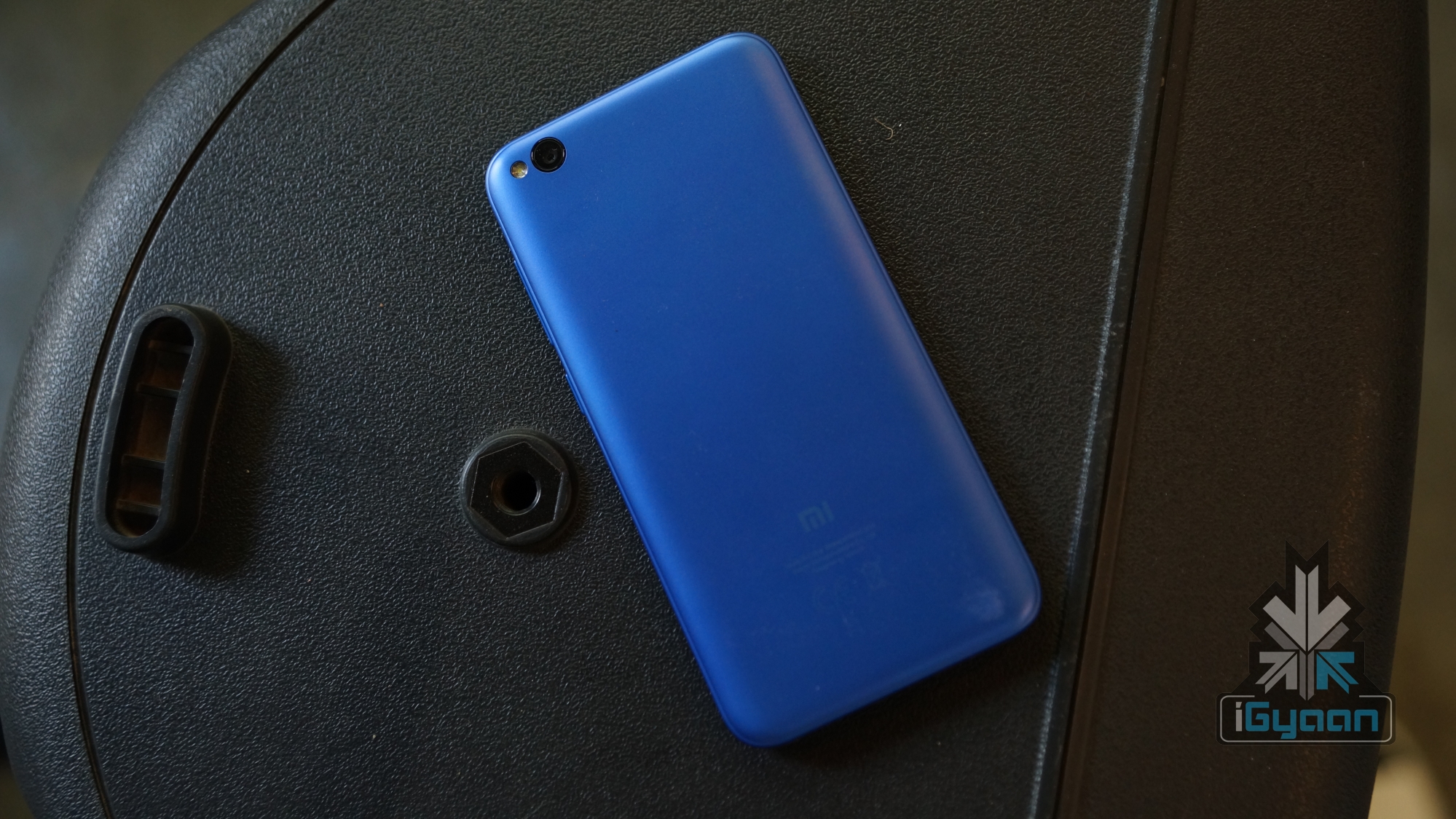
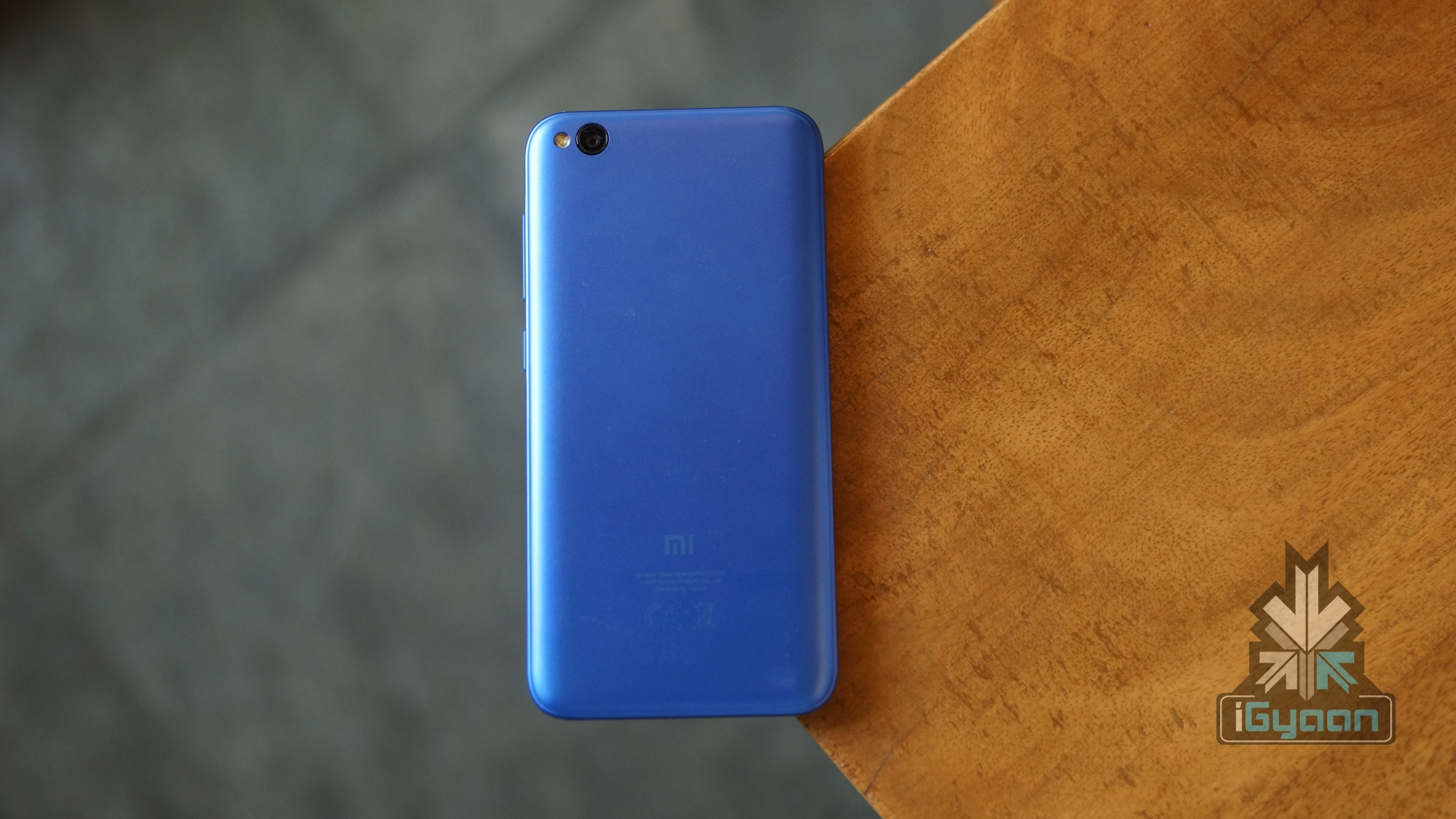
    Xiaomi at an event has launched the Android Go based smartphone, Redmi Go in India. It is the first smartphone from the company to run on the Android Go platform from Google. The devices under the initiative generally have low-end hardware and a skimmed down variant of the Android operating system which provides an optimised performance. Notably, the Redmi Go was first launched back in February in the Philippines.

    Design & Features

    The Redmi Go is the most affordable smartphone in the company’s portfolio. It has a polycarbonate body with significant bezels on the front. It measures 40.4 x 70.1 x 8.35mm and weighs 137g. It has a 5 inch IPS LCD display with a resolution of 1280 x 720. The display has a pixel density of 296 ppi and a maximum brightness of 380 nits. 

    Under the hood, the Redmi Go has been kitted with the Snapdragon 425 SoC which is manufactured using the 28nm fabrication process. The chipset has a Quad-core CPU and Adreno 308 GPU. In terms of optics, the smartphone has an 8MP primary camera at the back with an aperture of f/2.0. For selfies, there is a 5MP camera with an f/2.2 aperture on the front. For memory and storage, the Redmi Go is available with 1GB RAM and 8GB internal storage.

    The Redmi Go packs in a 3000mAh battery with support for 5W charging. The smartphone runs on the Android 8.1 Oreo Go edition out of the box. It also has a dedicated microSD support for memory expansion up to 256GB. The Redmi Go also supports more than 20 regional languages and supports the Google Assistant in Hindi.

    Pricing & Availability

    Also read: PC Gamers Will Get To Test Out Halo: The Master Chief Collection Pre-Release

    The Redmi Go has been launched at a price of Rs. 4,499. The smartphone will be available starting March 22 online on Flipkart and Mi.com. Offline sales will be handled by the company’s Mi Home outlets.


  • Xiaomi Launches The Black Shark 2 Gaming Smartphone With Snapdragon 855 SoC

    Xiaomi Launches The Black Shark 2 Gaming Smartphone With Snapdragon 855 SoC

    Xiaomi launched the Black Shark gaming smartphone in the month of April last year which was followed up by the slightly specced up Black Shark Helo. After teasing its successor for a long time, the Black Shark 2 has been officially announced. The newly launched device has proper gaming pedigree with up to date features from the year 2019. 

    Black Shark 2 Design and Specifications

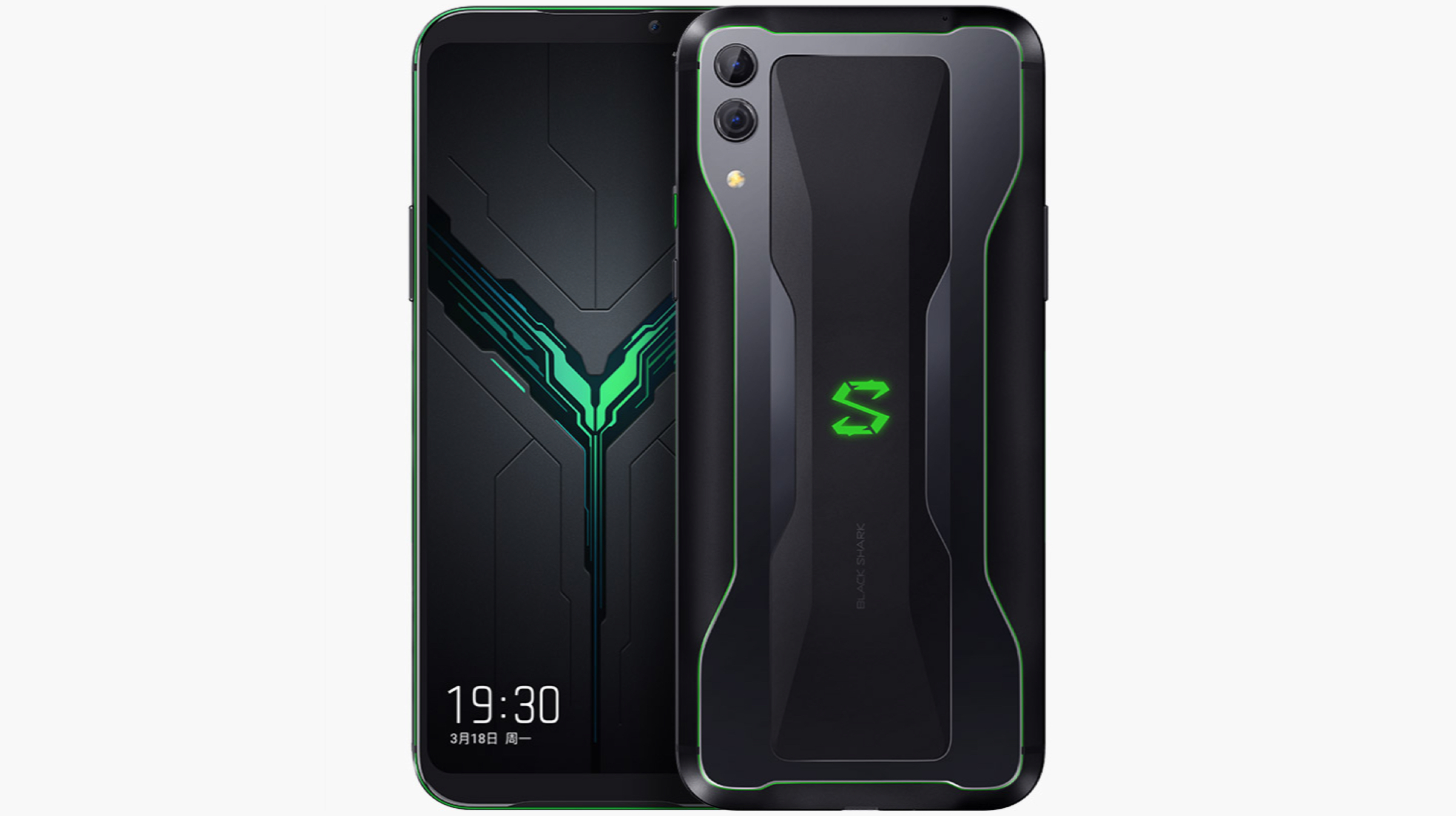
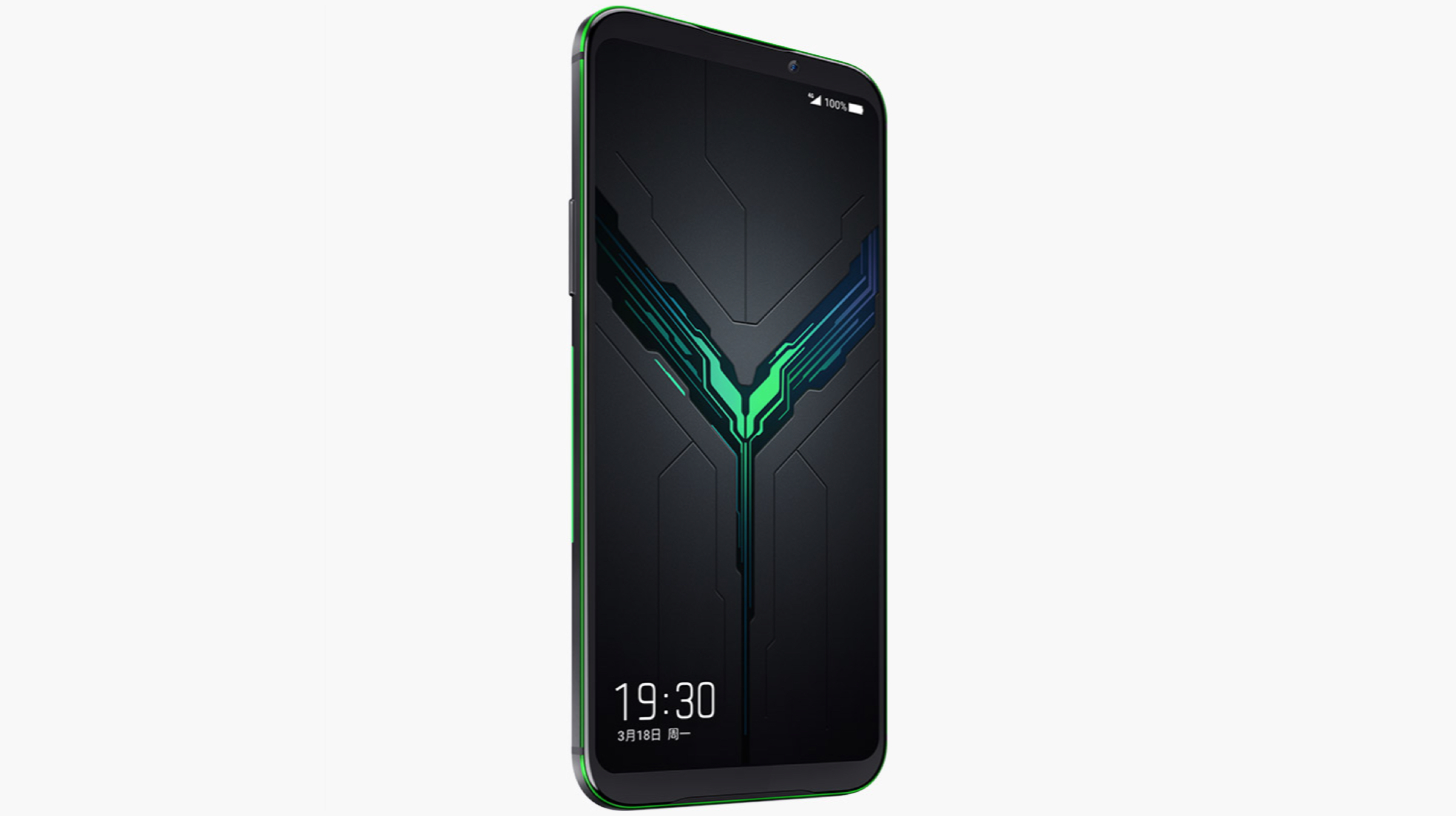
    The Black Shark 2 like its predecessors has an unconventional design with a distinctive design on the rear and a large screen display on the front. The smartphone measures 163.61 x 75.01 x 8.77 mm and weighs in at a hefty 205 grams. It sports a 6.39 inch AMOLED display which is surrounded by thin bezels on all sides. The smartphone’s display has a resolution of 2340 x 1080 px and a pixel density of 403 ppi. The display panel can reach brightness levels of upto 430 nits and has an aspect ratio of 19.5:9.


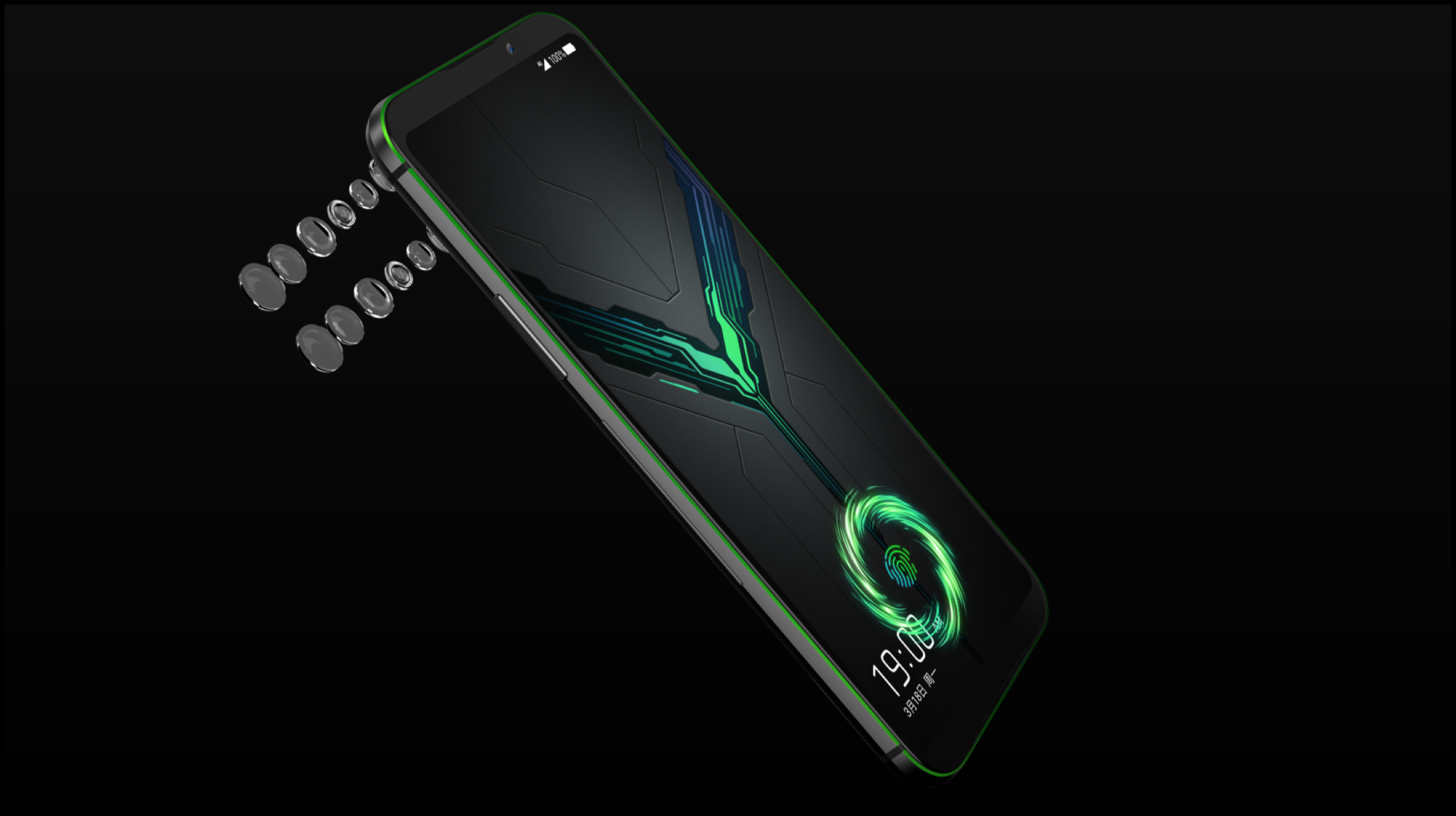
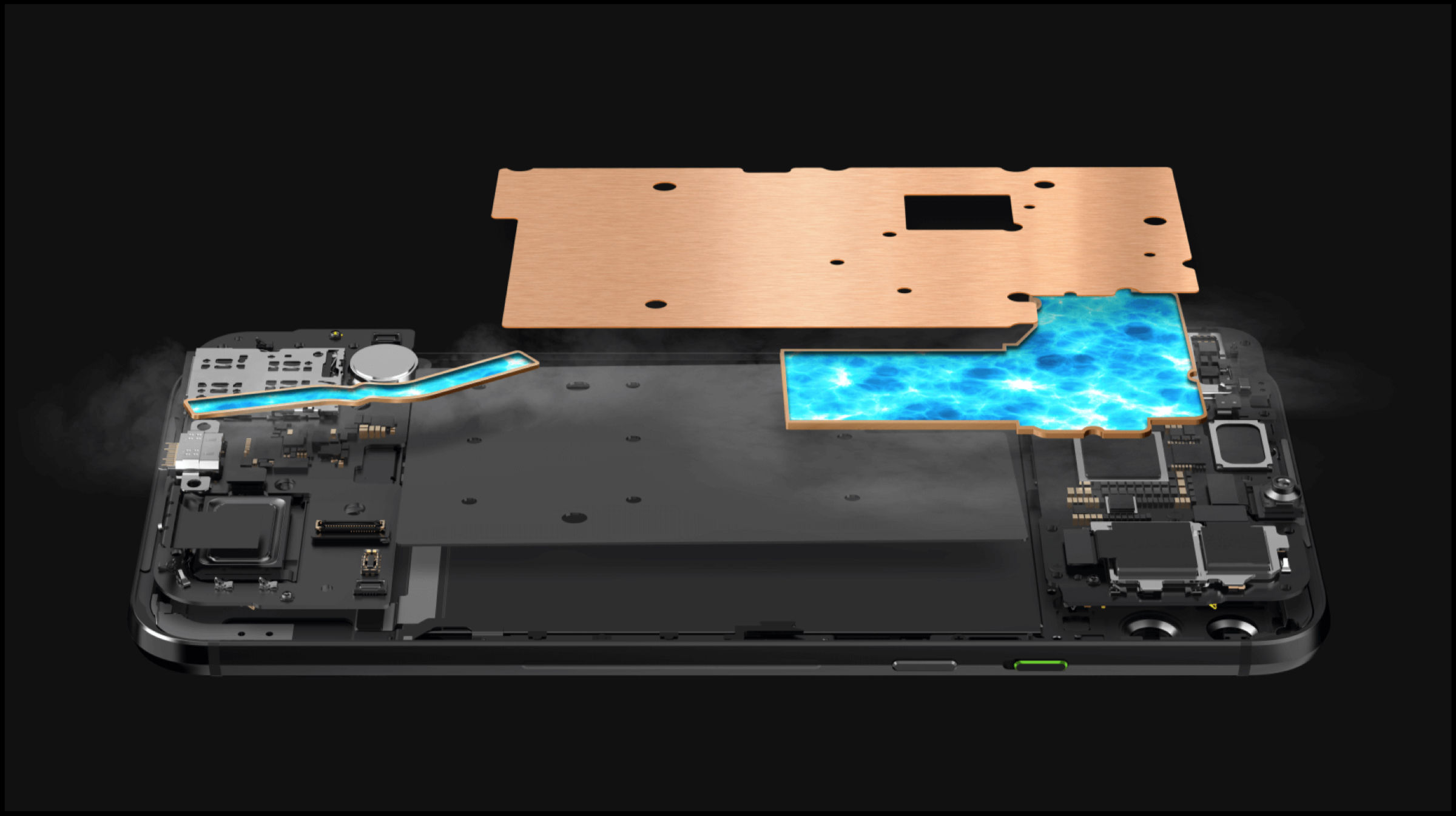
    Noteworthy, the AMOLED display also supports pressure sensitive controls which means the amount of pressure applied to the screen while playing games would affect the on-screen controls. For securely and swiftly unlocking the device it also features an on display fingerprint sensor. Talking further about the design of the Black Shark 2, its right side houses the power button and a shark slider which when toggled turns on gaming mode for optimised performance while the left side houses the volume rockers. The bottom of the device houses the USB Type-C port that can be used for charging and data transfer. To keep the temperature of the device under check while running heavy gaming it also has a vapour cooling chamber.

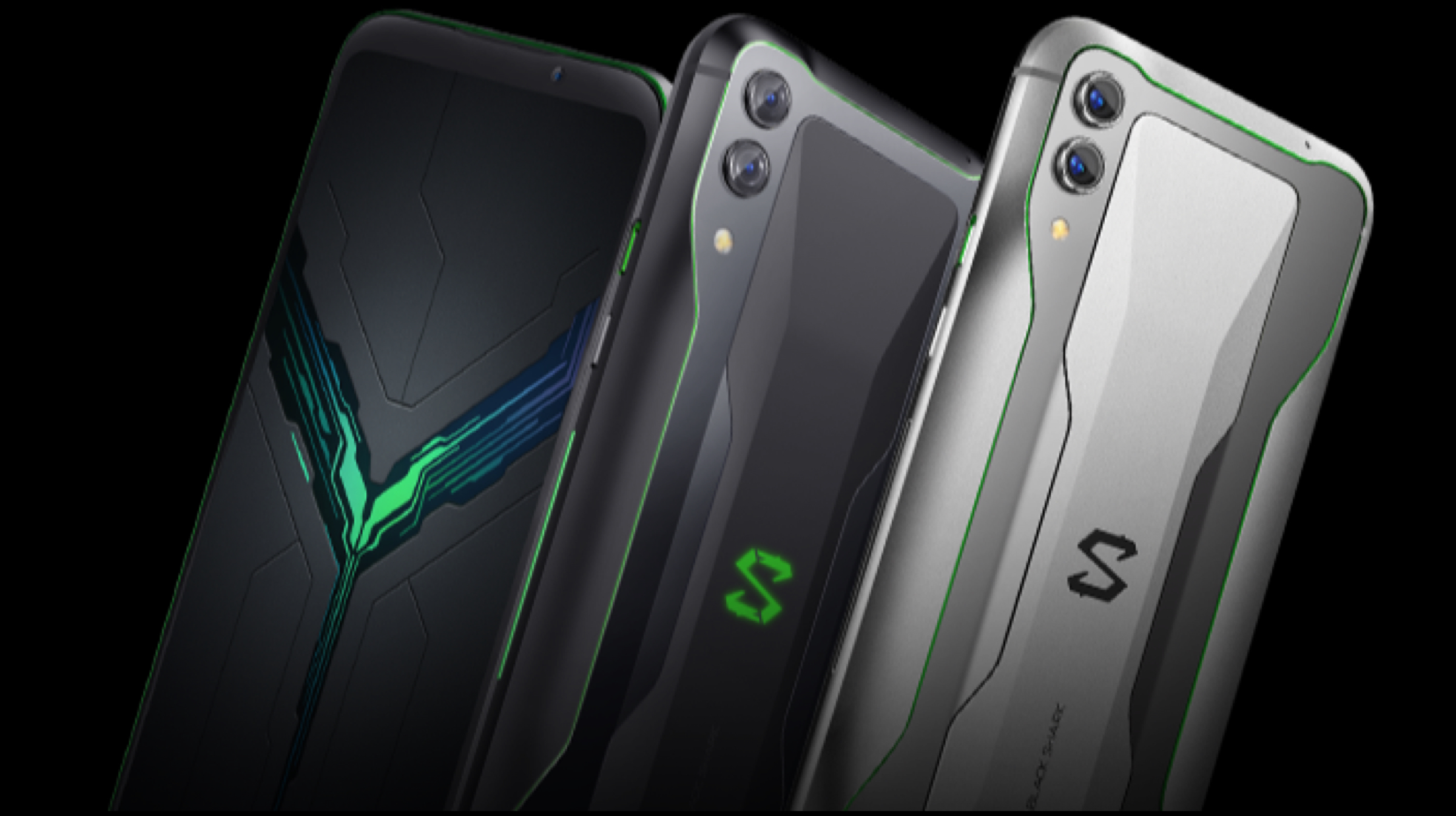
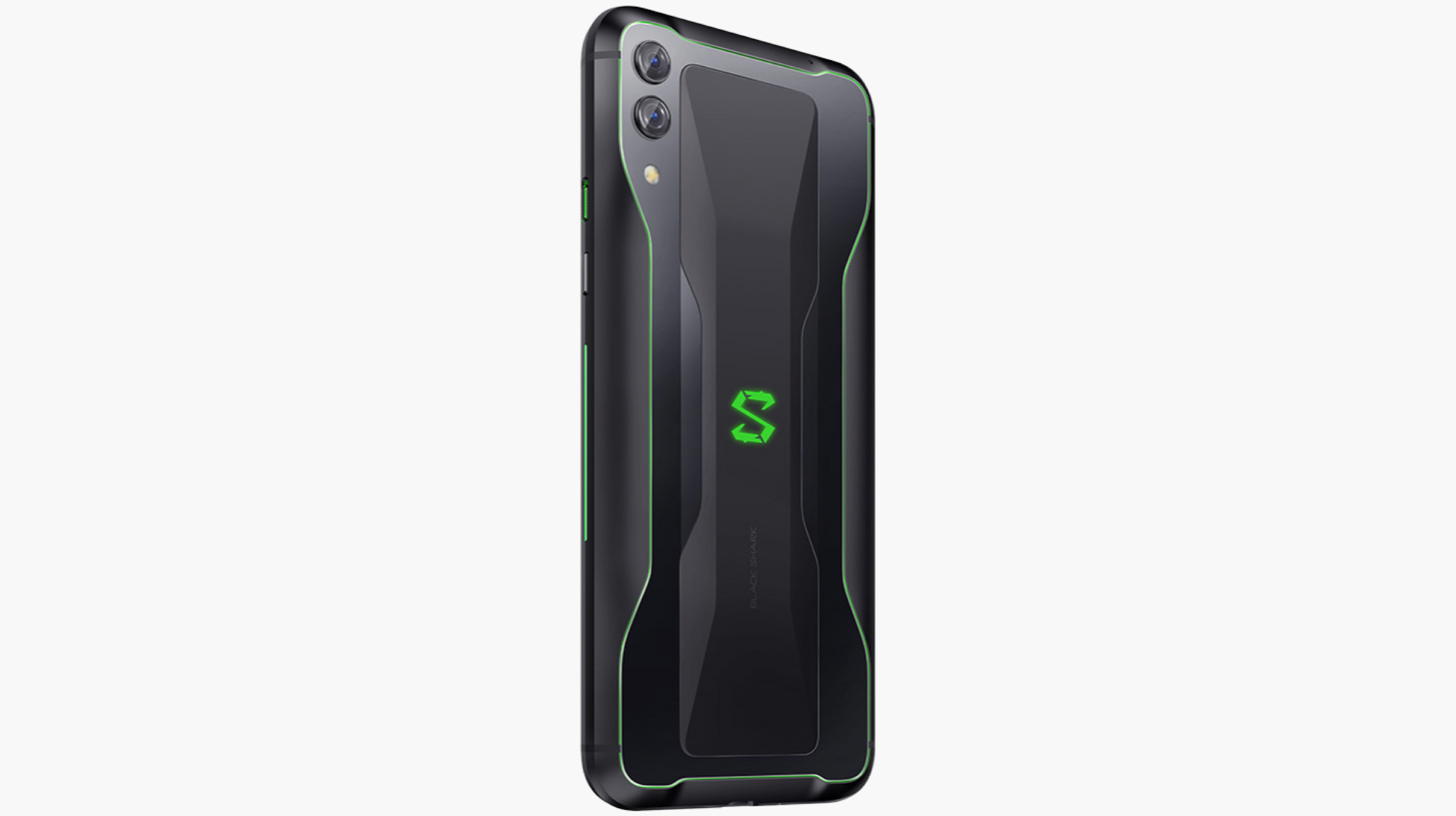
    The rear of the Black Shark 2 has a unique design with green coloured lines that run along the sides. The rear panel also harbours the company logo and dual camera setup. The dual camera setup consists of a 48 MP sensor, 12 MP sensor and an LED Flash which can also capture 2160p videos at 30 fps. It also has a 20 MP front-facing selfie camera which is placed in the bezel above the display. The front camera can also capture 1080p videos at 30 fps. 

    Under the hood, the Black Shark 2 features the Snapdragon 855 SoC which consists of an Octa-Core CPU along Adreno 640 GPU. The smartphone is powered by a 4,000 mAh battery which supports fast charging upto 27 W. Connectivity options on the device include 802.11 ac Wi-Fi, Bluetooth 5.0, Dual 4G VoLTE and GPS.

    Black Shark 2 Price, Colours and Storage Options

    Also Read: Apple Launches iPad Air 10.5 & 5th Gen iPad Mini

    The Black Shark 2 is available in two colour options which include Frozen Silver and Shadow Black. The price for different variants of the smartphone are as follows:

    • 6 GB + 128 GB – ¥3199 (Rs 32,600)
    • 8 GB + 128 GB – ¥3499 (Rs 35,700)
    • 12 GB + 256 GB – ¥4199 (Rs 42,800)

    Even though the company has not shared any details about its launch in India, it is likely to be launched soon in the country.


  • Apple Launches iPad Air 10.5 & 5th Gen iPad Mini

    Apple Launches iPad Air 10.5 & 5th Gen iPad Mini

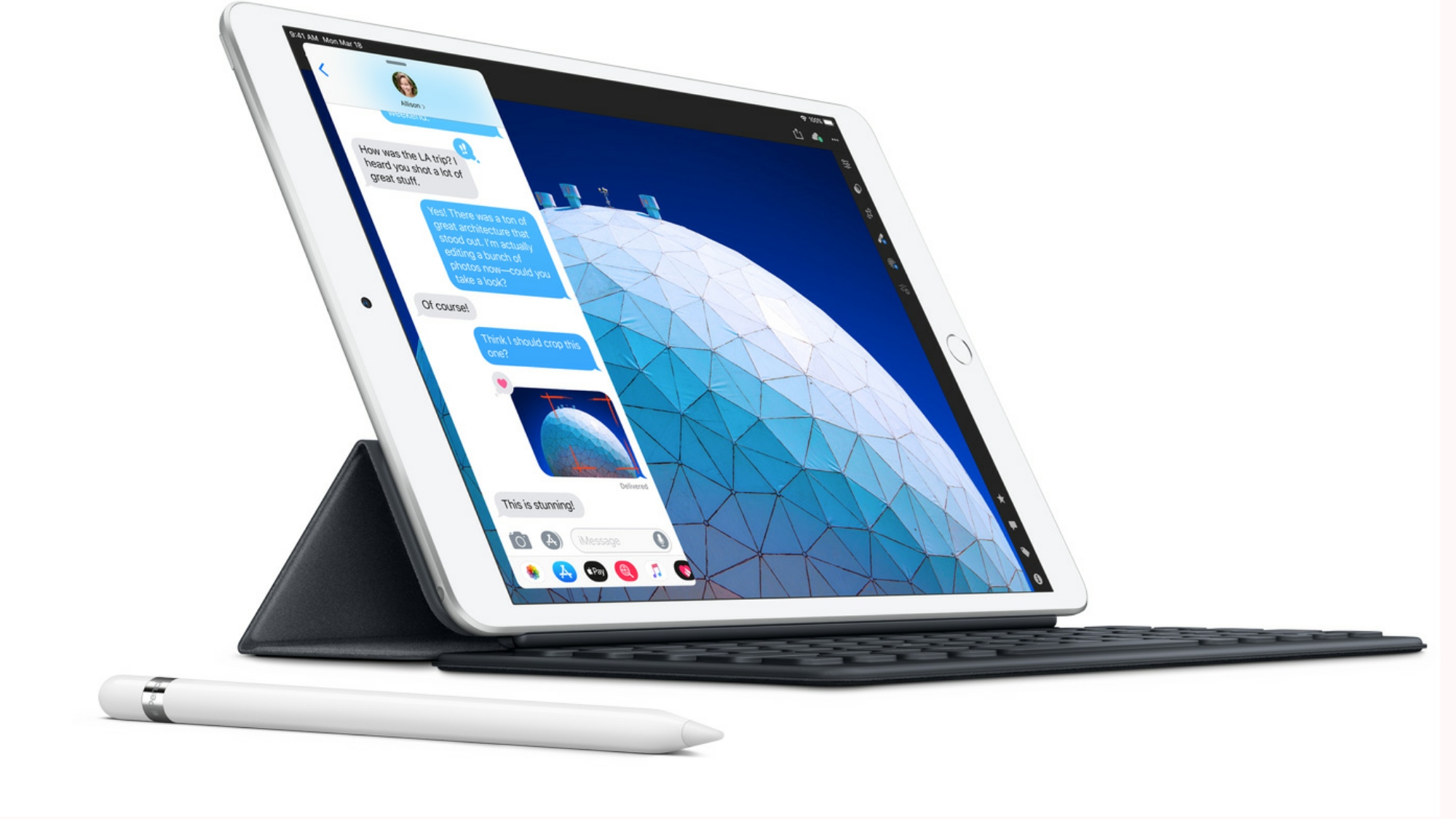
    Apple has silently launched the iPad Air and the iPad Mini 5th Gen tablets. The company has sent out a press release that details about the newly launched tablet duo.   

    Features

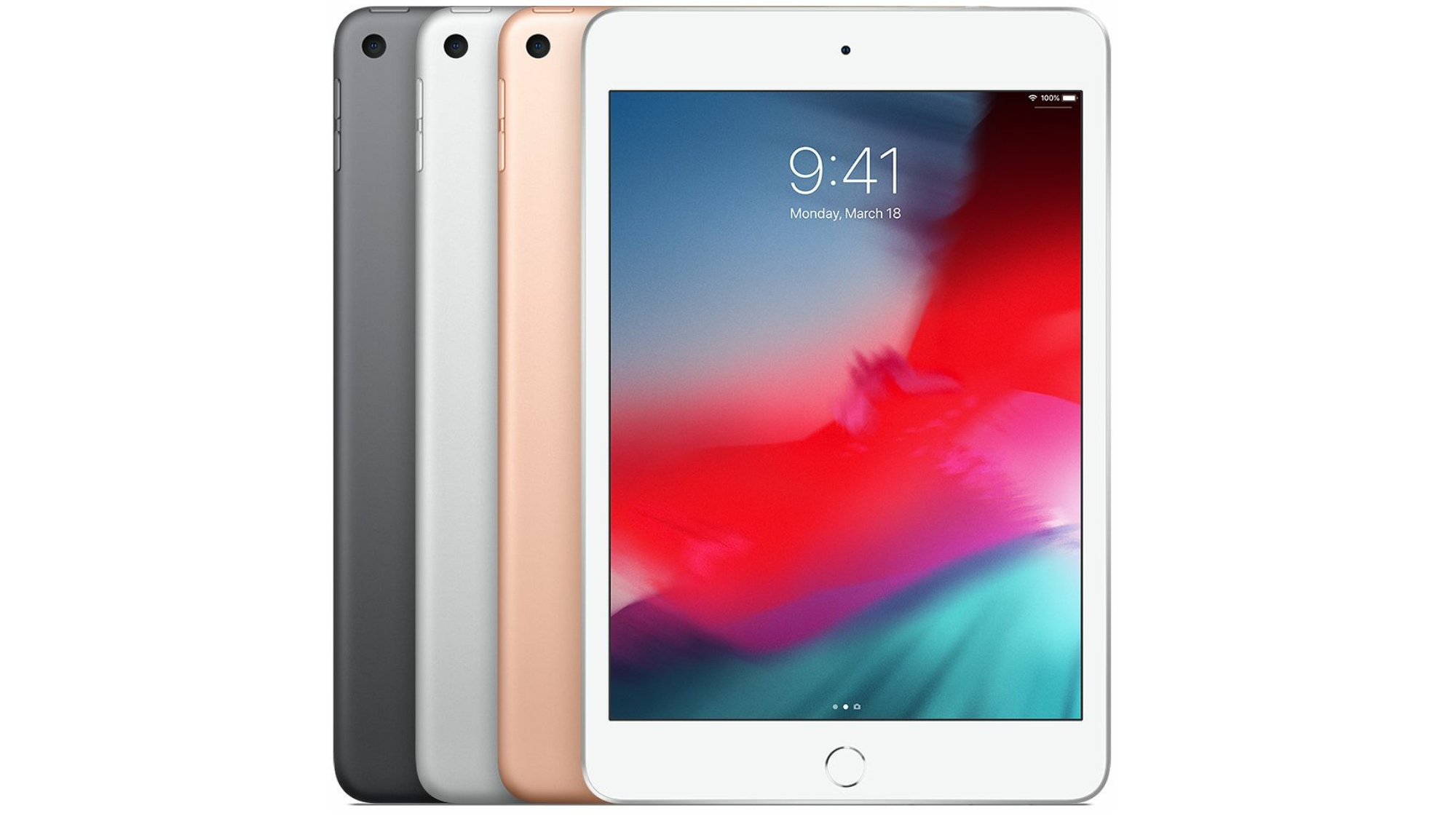
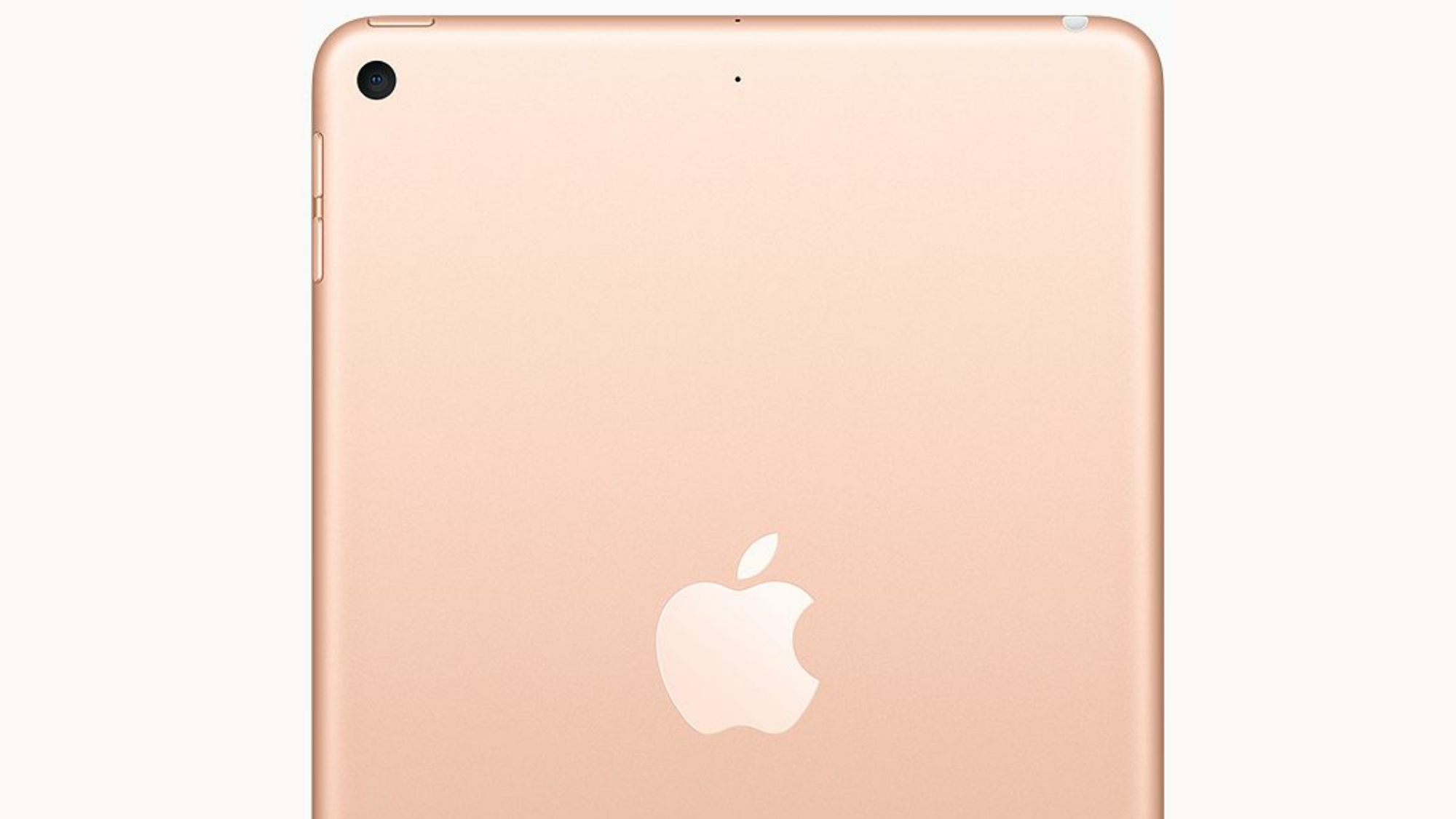
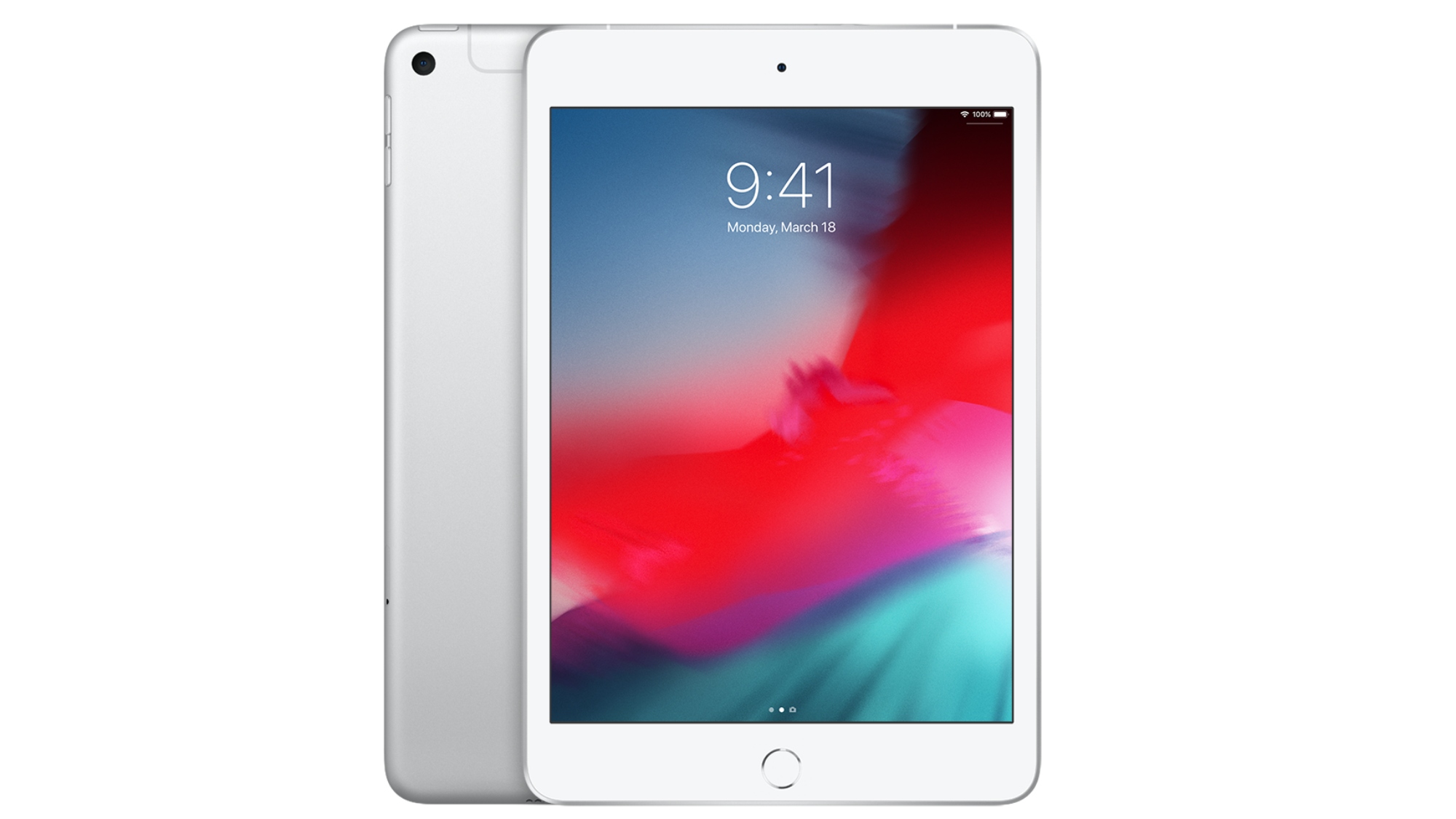
    Both the iPad Air and iPad Mini have an aluminium clad design with curved edges which are similar to previous iPad models. The bottom side of both the tablets is occupied by the lightning port which is flanked by dual stereo speakers while the top side houses the power button and the 3.5 mm audio jack. The right side of the devices house the volume rockers and the SIM card slot on the LTE variants. The front of the tablets has thin left and right bezels while the top and bottom bezels are quite prominent. The bezel above the display on both devices house the selfie camera while the bottom below the display houses the home button which also doubles as the TouchID fingerprint sensor.

    Apple iPad 2018

    The iPad Mini sports a 7.9 inch display while the elder iPad Air sports a 10.5 inch display. The display panel on the former has a pixel density of 326 ppi whereas the display panel on the latter has a pixel density of 264 ppi. The display on both the devices have a brightness level of 500 nits and are covered with an oleophobic coating which minimises the appearance of fingerprint marks and smudges on them.

    Both the tablets run on the Apple A12 Bionic chipset which was introduced with the current iPhone models including the iPhone XS, iPhone XS Max and the iPhone XR. The chipset is manufactured using 7 nm architecture which helps in boosting the battery backup of the device. The chipset also consists of a neural engine and an M12 coprocessor. The neural engine helps in boosting AI operations on the tablet while the coprocessor collects data from the sensors including the accelerometer, compass and gyroscope which are further sent to the CPU for additional calculation.

    The iPad Air and the iPad Mini also share the common camera sensors on both the front and the back. The front camera on both tablets has an f/2.2 aperture equipped 7 MP sensor while the rear camera sensor is an f/2.4 aperture equipped 8 MP sensor. The tablet duo can also capture 1080 HD videos from both the front and rear facing camera. Noteworthy, the rear cameras can also capture slo-mo videos at 120 fps and time-lapse video. Additional camera features on the devices include Live Photos, HDR for photos, burst mode and auto image stabilisation.

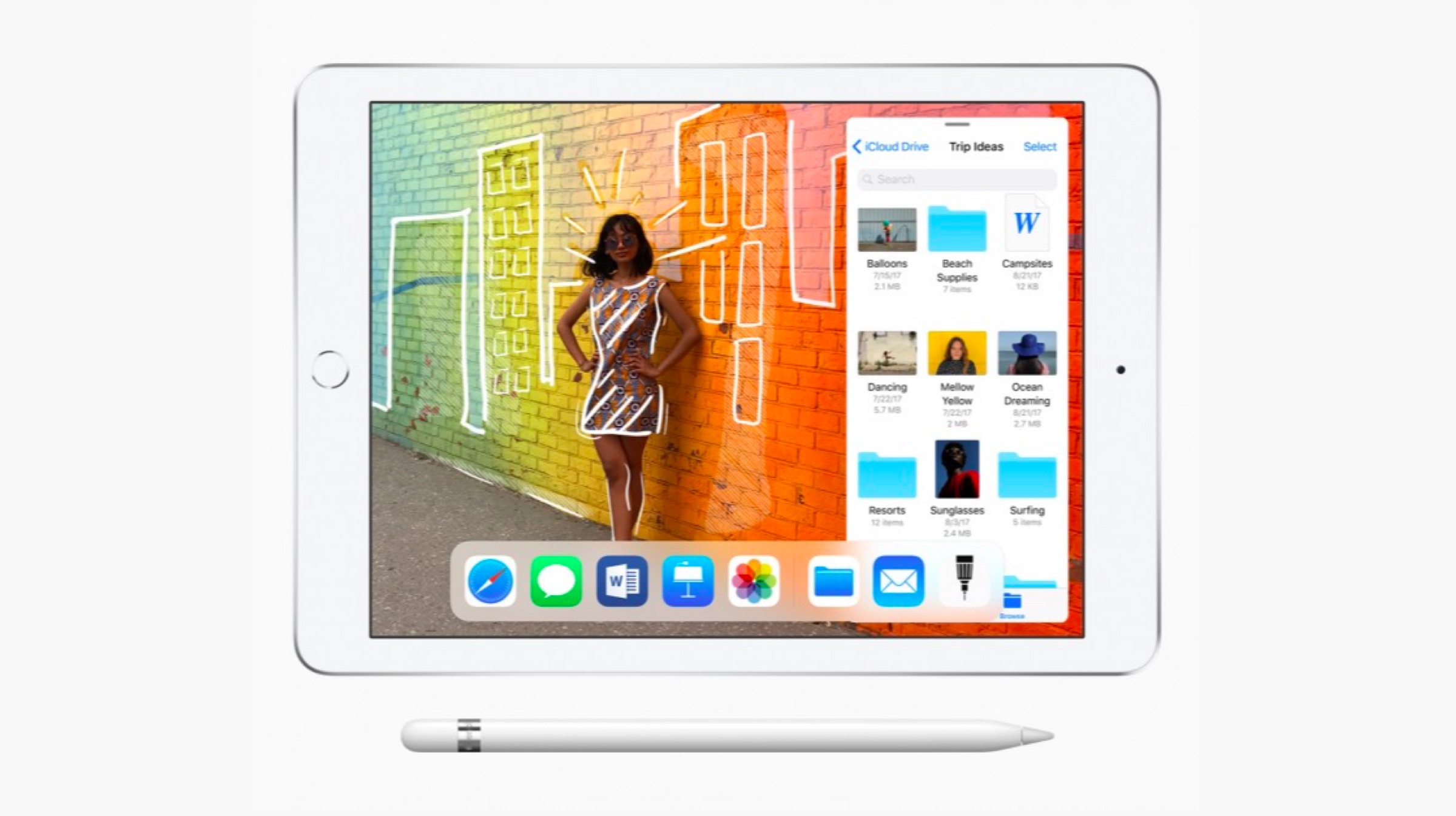
    The iPad Mini is powered by a 19.1 watt hour battery while the elder iPad Air is powered by a 30.2 watt hour battery. Apple claims a battery backup upwards of 10 hours on both the tablets. The tablets run on the latest iOS 12 and have a host of sensors which include three axis gyroscope, accelerometer, barometer and ambient light sensor. Exceptionally, the new devices also support the Apple pencil (sold separately). Therefore, taking notes and drawing masterpieces is now possible on the smaller iPad models other than the iPad Pro. The iPad Air 10.5 inch also supports the folio-style Bluetooth keyboard which is again sold separately.

    Price, Colour, Storage Options and Connectivity Variants

    Also Read: Dell Launches The Alienware Area 51m Gaming Laptop In India

    Both the iPad Mini 5th generation and the iPad Air 10.5 are available in three colour options which include Gold, Silver and Space Gray. The price for different variants of the newly launched tablets are as follows: 

    iPad Air 10.5 iPad Mini 5th Generation
    64 GB Wi-Fi – $ 499 (Rs 44,900) 64 GB Wi-Fi – $ 399 (Rs 34,900)
    64 GB Wi-Fi +Cellular – $ 629 (Rs 55,900) 64 GB Wi-Fi +Cellular – $ 529 (Rs 45,900)
    256 GB Wi-Fi – $ 649 (Rs 58,900) 256 GB Wi-Fi – $ 549 (Rs 48,900) 
    256 GB Wi-Fi +Cellular – $ 779 (Rs 69,900) 256 GB Wi-Fi +Cellular – $ 679 (Rs 59,900) 

    Apple Pencil (1st generation) is available for purchase separately for INR 8500. The Smart Keyboard for the 10.5-inch iPad Air is available for purchase separately for INR 13900 with layouts for over 30 languages, including simplified Chinese, French, German, Japanese and Spanish.

    iPad Mini 5th Gen Specifications

    • Display: 7.9-inch Retina LED,  2048 × 1536 pixels, 326 ppi
    • Operating System: iOS 12
    • Processor: Apple A12 Bionic
    • RAM: 2 GB
    • Storage: 64 GB/256 GB 
    • Rear Cameras: 8 MP, f/2.4
    • Selfie Camera: 7 MP, f/2.2 
    • Security: TouchID, Screen Lock
    • Connectivity: 4G VoLTE, Wi-Fi 802.11 ac, Bluetooth 5.0, GPS, Lightning Connector  
    • Battery: 19.1 Wh
    • Dimensions: 203.2 × 134.8 × 6.1 mm 
    • Weight: 300 G (Wi-FI), 308 G (WiFi + LTE)
  • Redmi 7 With Snapdragon 632 SoC Launched In China

    Redmi 7 With Snapdragon 632 SoC Launched In China

    At an event held in China, Xiaomi’s subsidiary Redmi has launched its latest smartphone, the Redmi 7. It was announced alongside the Redmi Note 7 Pro which was launched in India last month. The newly launched Redmi 7 features a modern design, competitive specifications and a lucrative price.

    Redmi 7 Design & Features

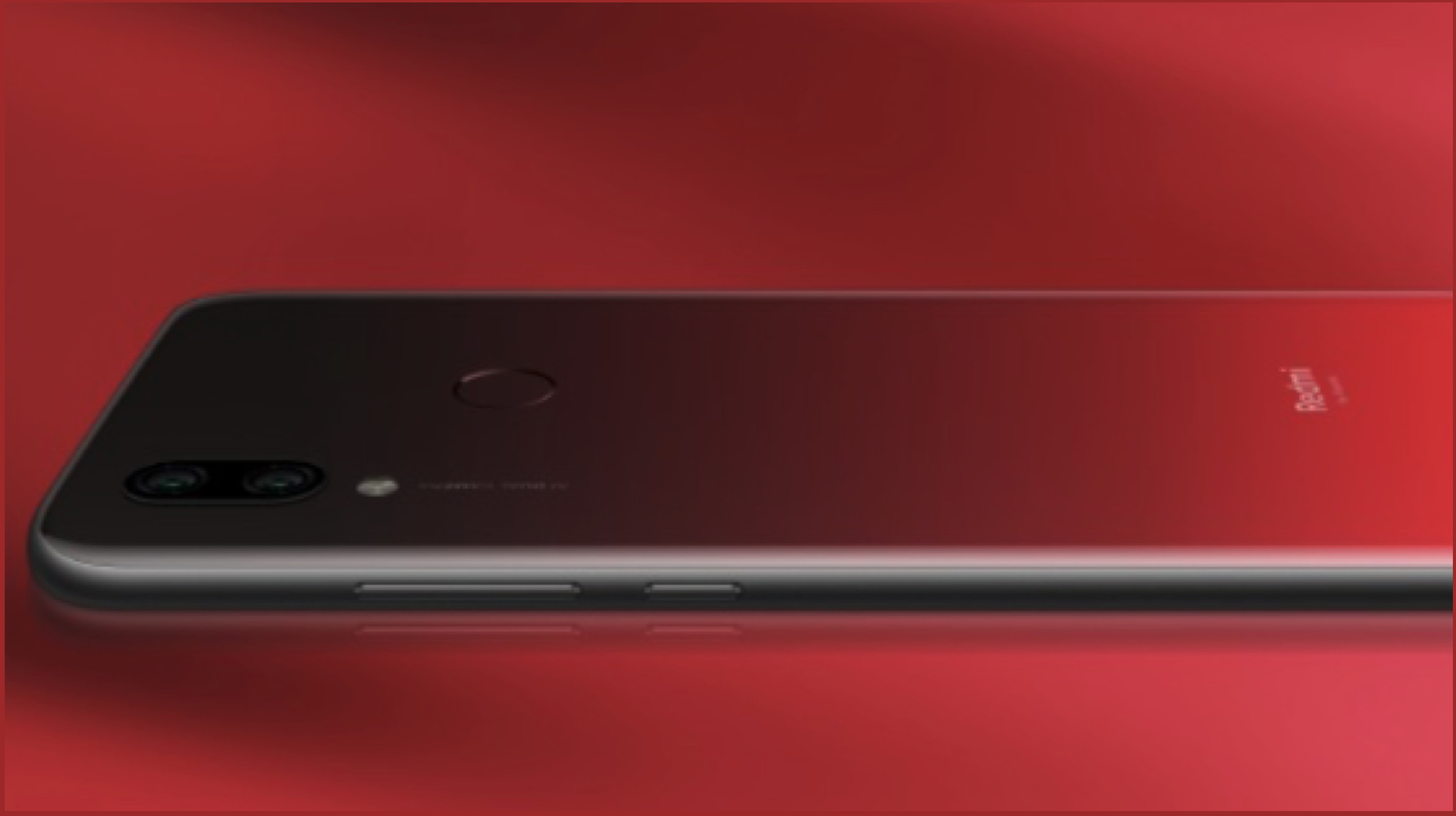
    The Redmi 7 measures 158.65 × 76.43 × 8.47mm and weighs 180g. The smartphone has a 3D gradient design at the back and minimal bezels on the front and a waterdrop notch which the company calls ‘Dot Notch’. It has a 6.26-inch display with a resolution of 1520 x 720 px. The device runs on the latest MIUI 10 based on top of Android 9 Pie. There is a rear-mounted fingerprint sensor with support for face unlock technology.

    Under the hood, the Redmi 7 is kitted with the Snapdragon 632 SoC which is manufactured using 14 nm fabrication process. The chipset is comprised of an octa-core CPU and Adreno 506 GPU. For optics, the smartphone features dual-rear cameras consisting of a 12MP sensor with an aperture of f/2.2; combined with a 2MP depth sensor for taking portrait mode photos. For selfies, there is an 8MP camera housed in the waterdrop notch on top of the display. As far as memory and storage are concerned, the Redmi 7 will arrive in the following variants:

    • 2GB RAM and 16GB ROM
    • 3GB RAM and 32GB ROM
    • 4GB RAM and 64GB ROM

    The Redmi 7 is powered by a 4000mAh battery with support for 10W fast charging. The smartphone also supports memory expansion up to 256GB via a microSD card. The device also has a P2i coating for protection against accidental liquid splashes.

    Redmi 7 Price

    Also read: 5 Helpful Tricks To Earn A Chicken Dinner In PUBG Mobile

    The Redmi 7 will start at CNY 699 (Rs. 7,148) for the base variant with 2GB of RAM and 16GB of Internal Storage. The version with 3GB of RAM and 32GB of Internal Storage is priced at CNY 799 (Rs. 8,170). The top end variant with 4GB of RAM and 64GB of onboard storage is priced at CNY 999 (Rs. 10,216).

  • Tesla Launches The Model Y Electric SUV

    Tesla Launches The Model Y Electric SUV

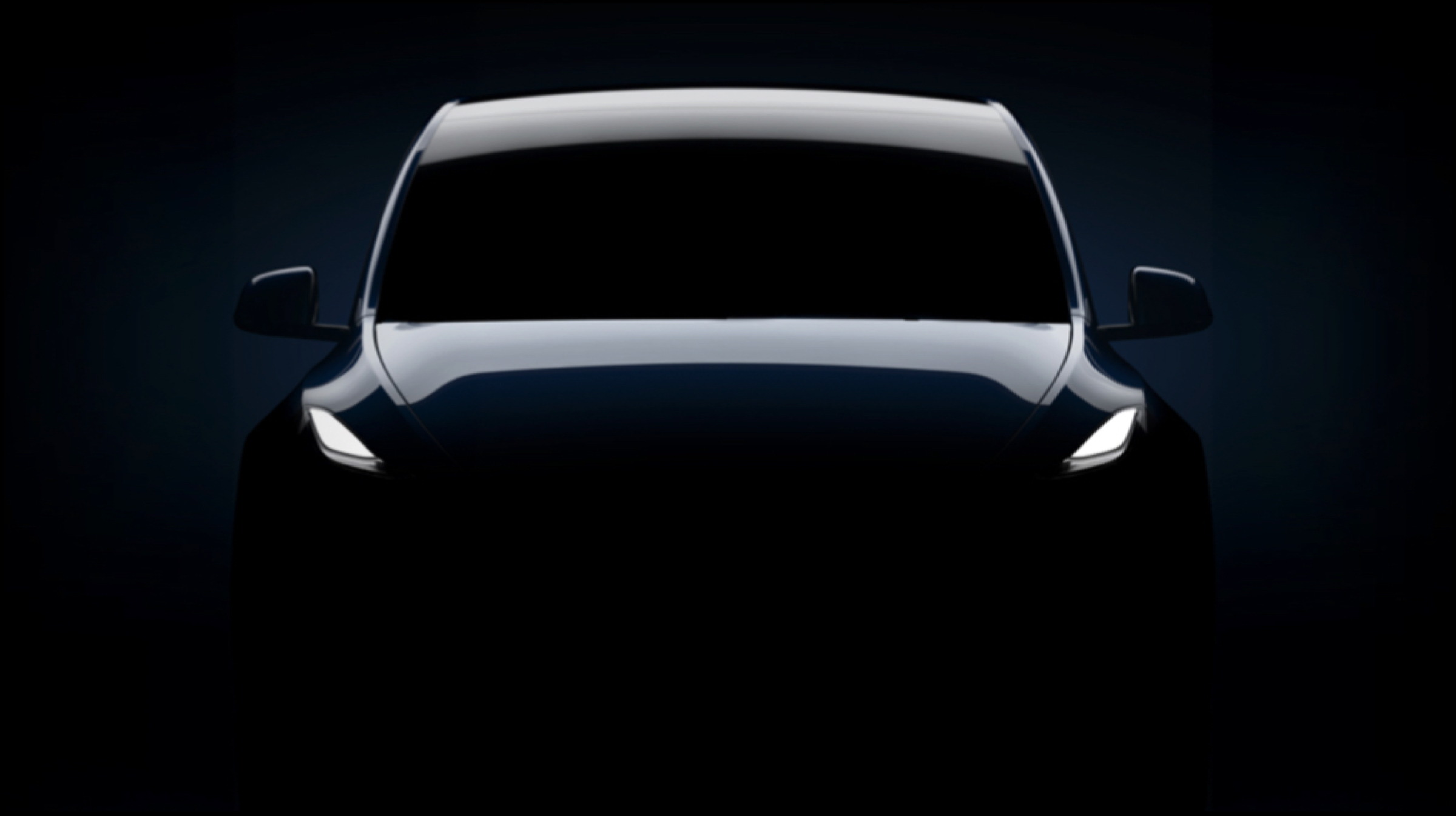
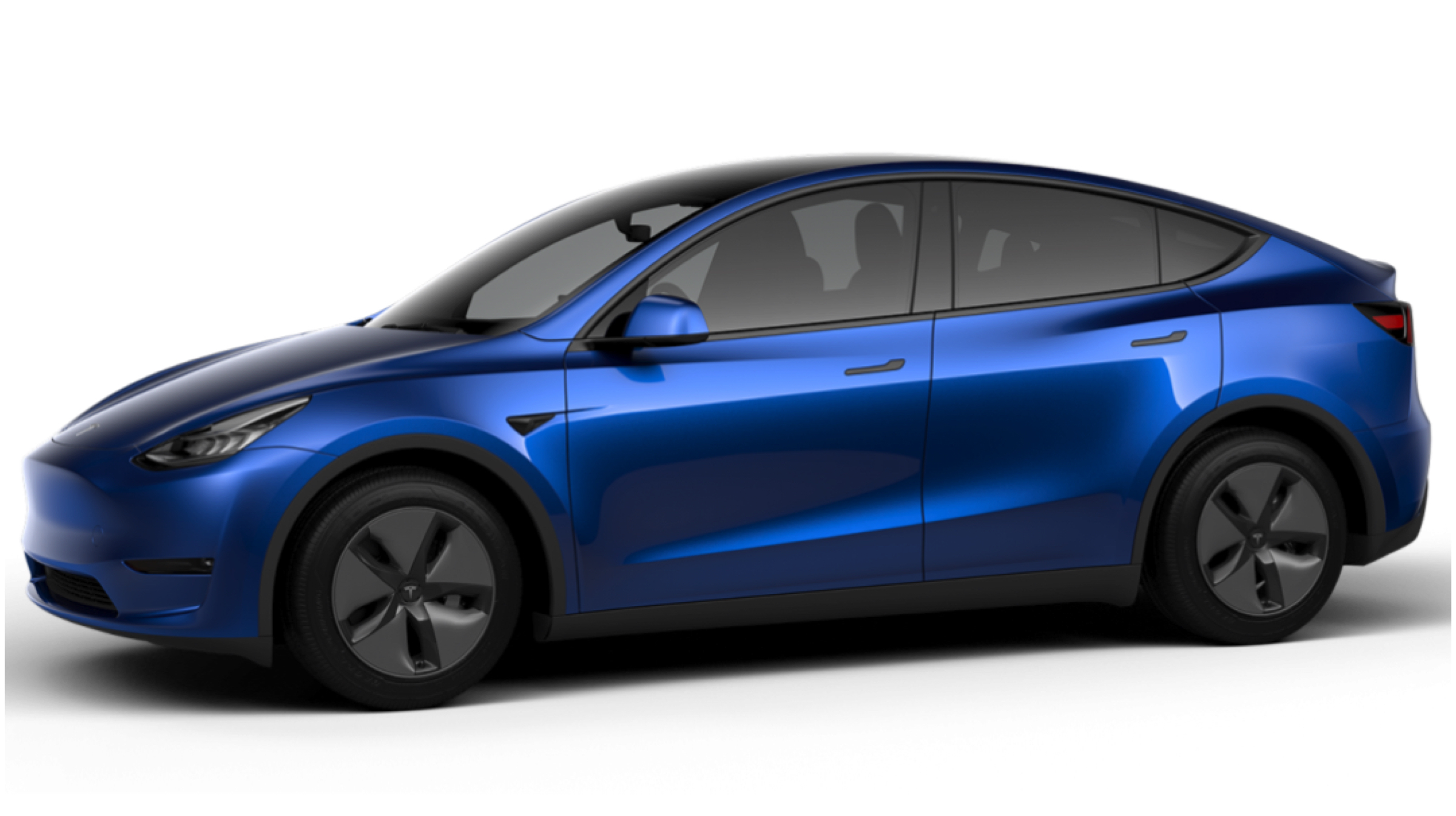
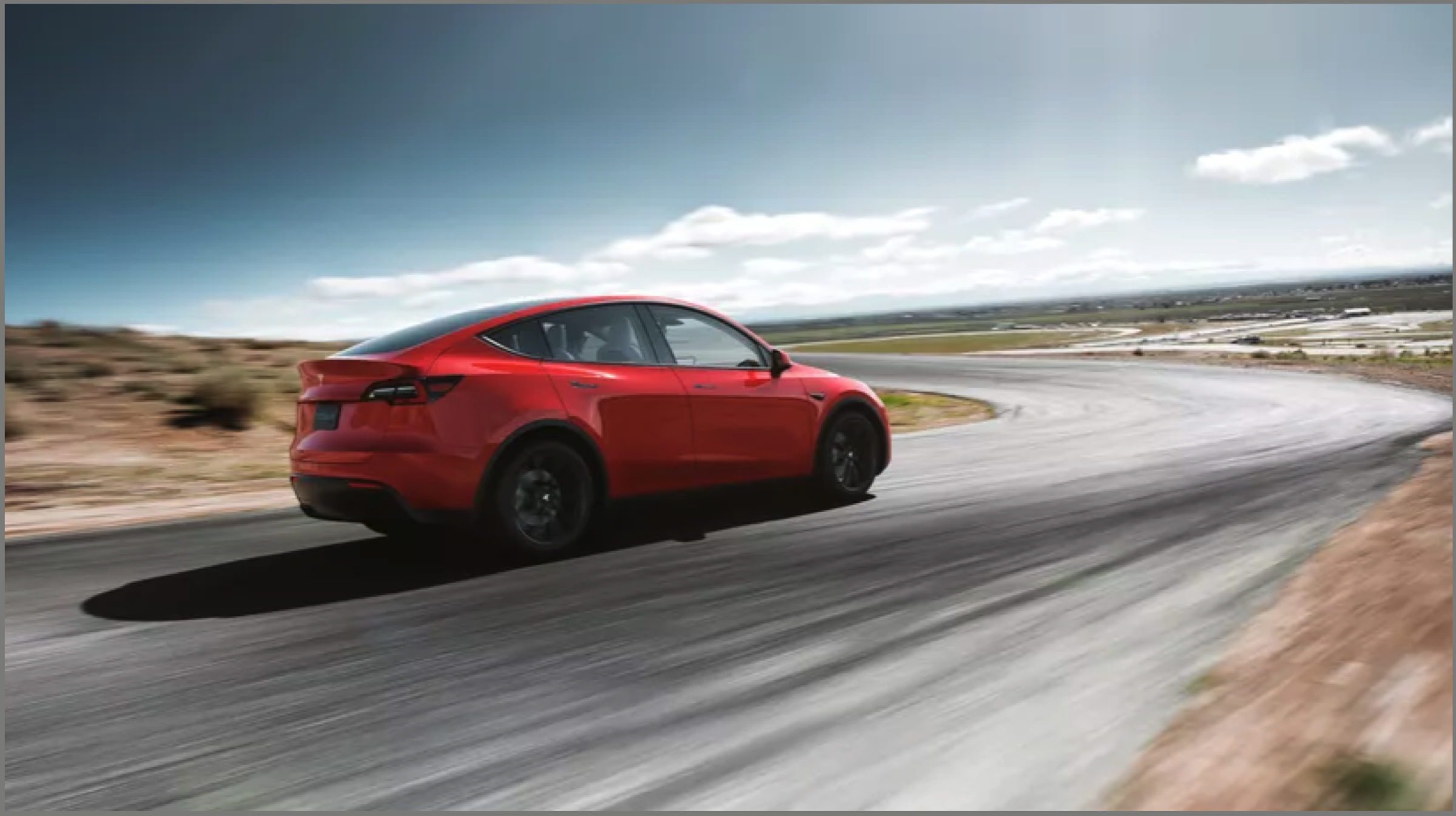
    After much hype and speculation, reputed electric carmaker Tesla has launched the Model Y, its newest electric Sports Utility Vehicle (SUV) on the 14th of March. It is the fifth car ever launched from the company and is only the second mass-market electric vehicle by the company since it was founded in the year 2003. The first one being the Tesla Model 3 which was introduced in the year 2017. Tesla Model Y was launched at the company’s design studio in Los Angeles, USA. 

    Tesla Model Y: Design & Safety

    The Tesla Model Y is the second SUV from the company, the first one, Tesla Model X was launched in the year 2015. The car shares many of its characteristics with the Model 3, which is the company’s most affordable car yet. Although the Tesla Model Y has the same design language as the Model 3, the cargo space has gone up from 15 cubic feet in the latter to a whopping 66 cubic feet in the latest SUV. The company promises a low centre of gravity, rigid body structure and large crumple zones which will protect the driver in case of accidents. Seating options have gone up from 5 in the Model 3 to 7 in the Model Y if the buyers choose to install a third seating row.

    Tesla Model Y: Performance & Driving

    While the two base models of the Tesla Model Y are rear wheel drive, there is an optional All-Wheel Drive (AWD) Dual motors in the more premium models. These motors provide the car with a digitally controlled torque to the front and rear wheels. Like other vehicles in the company’s portfolio, the Model Y has the Autopilot feature which allows for a partially autonomous driving experience. The car has a total of 12 ultrasonic sensors and cameras around the sides which, according to the company will detect nearby cars, prevent potential collisions and assist with parking. 

    Tesla Model Y: Interiors & Pricing

    Also read: Facebook Mobile Application Update Introduces Dedicated Gaming Section

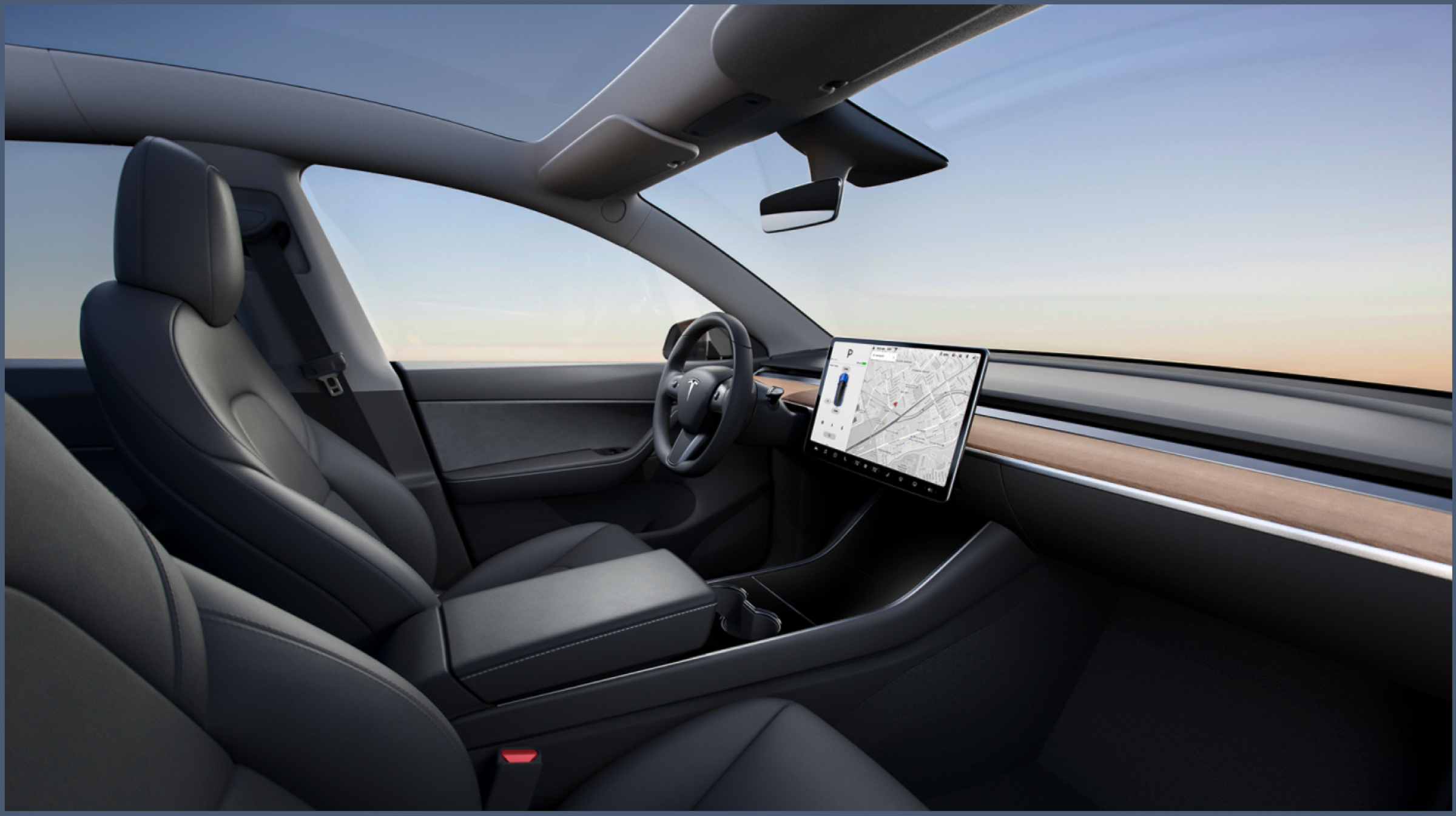
    The interiors of the Tesla Model Y resemble the one found in Model 3, with a minimalistic theme and an all-glass roof. There is a 15-inch touchscreen which doubles as the central console of the car. Over-The-Air (OTA) software updates for the car are also displayed and installed from the touchscreen console. Tesla will soon begin the production  of the Model Y and its deliveries will commence in the year 2020. The company has announced a total of four variants which along with their acceleration, top speed and price are mentioned below.

    Model Standard Range Long Range Dual Motor AWD Performance
    Range

    230 miles

    (370 km)

    300 miles

    (482 km)

    280 miles

    (450 km)

    280 miles

    (450 km)

    Top Speed

    120 mph

    (193 kmph)


    130 mph

    (209 kmph)

    130 mph

    (209 kmph)

    150 mph

    (241 kmph)

    0-60 mph

    (0-100 kmph)

    5.9 seconds 5.5 seconds 4.8 seconds 3.5 seconds
    Price

    US$ 39,000

    (Rs. 27,00,262)

    US$ 47,000

    (Rs. 32,54,162 )

    US$ 51,000

    (Rs. 35,31,112)

    US$ 60,000

    (Rs. 41,54,250)

    Deliveries Spring 2021 Fall 2020 Fall 2020 Fall 2020
iGyaan Network
Privacy Overview

This website uses cookies so that we can provide you with the best user experience possible. Cookie information is stored in your browser and performs functions such as recognising you when you return to our website and helping our team to understand which sections of the website you find most interesting and useful.