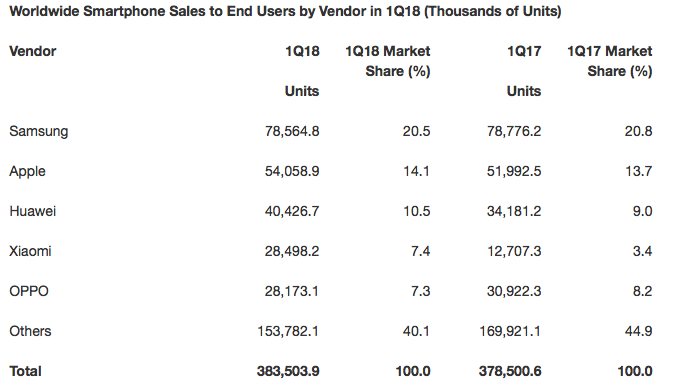
Chinese smartphone manufacturer Huawei has surpassed Apple to grab the second position in the smartphone market. A report by Gartner revealed the sales made by each company in the second quarter of 2018. According to the report, Huawei sold 49,846 units in Q2 2018 compared to 35,964 units in Q2 2017. At the same time, Apple sold only 44,715 Units in Q2 2018.
Via Videoblocks
Another report, published by IDC a month ago had also put Huawei at the no 2 spot, ahead of Apple. However, as this report ranked the manufacturers according to shipments made rather than sales, it didn’t paint quite a clear picture. The rise of sales for Huawei can be entirely credited to its fast growing Honor sub-brand. Huawei continues to bring innovative features into its smartphones and expand its smartphone portfolio to cover larger consumer segments.
Huawei is growing at such a fast pace as it continues to bring innovative features which the customers like. It is also constantly working to expand its smartphone portfolio, covering larger customer segments, according to executives at Gartner.
The rankings were different back in May this year with Apple holding 14.1 % share in the smartphone market and Huawei with 10.1 %. The dynamic has reversed now, with Huawei holding 13.3 % of the market share and Apple down to 11.9 %. Samsung still holds the top spot in the market share, however its market share has actually declined. With 20.8 % market share in Q1 of 2018, Samsung has dropped to 19.3 % in Q2 of 2018. Regardless, it still holds the top spot by a great margin.
Apple has seen quite a downfall with Q2 of 2018. The interest generated by iPhone X and the iPhone 8 seemed to be short-lived and didn’t help much in terms of sales. Xiamo and Oppo come in at 3rd and 4th place respectively, this quarter. Xiaomi, who flew past Oppo this quarter, has also shown tremendous growth with the implementation of its online and retail strategy.
The report also shows the share held by iOS and Android devices in the market. Android still dominates the market share at 88 % while iOS makes a slight mark with 11.9%.
The multi-rate Goods and Services Tax (GST) tax which was meant to unify the nation, went into effect on 1 July 2017. The nationwide sales tax is said to have affected various sectors. Before you switch to Google for answers, here’s a brief about the new tax system.
It is a value-added tax levied on most goods and services sold for domestic consumption, ridding the consumer of different levels of taxes which were paid earlier. All different levels of taxes will be replaced by a single tax – GST.
Over 1200 goods and 500 services were categorised by the GST Council under four different tax slabs – 5%, 12%, 18% and 28%. For those of you wondering which slab the tech world falls under, here’s how the GST will impact your tech life.
Smartphones, Tablets and Accessories
Smartphones are now be cheaper, thanks to the Goods and Services Tax. The smartphones were earlier taxed at 13.5 % or higher, after the new tax categorisation, they fall under the 12% tax slab. The new tax system reduced the smartphone prices by 1.5%. GST is also levied on products made under the “Make In India” initiative, hence, the smartphones manufactured in India are bound to get more expensive. Manufacturers currently pay around 7.5-8% duty, but with GST, phone parts will fall under the 12% slab, increasing the manufacturing cost.
Taxed at 12%
Smartphones
Accessories like Smartwatches, Headphones, Chargers, Batteries, etc.
Tablets
Phablets
Featured Phones
Mobile Parts like Processors, RAMs, Motherboards, Displays
Gaming Consoles and Gadgets
The gaming gadgets and games which were previously at 28.5% duty will now be placed under the highest slab which is 28%. Thus the prices won’t waver much on the gaming front except from the slight 0.5% decrease in the tax rate. Utility gadgets, storage devices like hard drives etc. will attract a levy of 18%.
Taxed at 28%
Taxed at 18%
Gaming consoles like Xbox, Playstation, Nintendo
Utility Gadgets
Controllers, Games
Storage Devices like Hard-drives, Memory Cards
Fitness Trackers
Gaming Accessories like VR headsets
TV, Laptops, Desktops, Cameras
Digital cameras, video cameras, televisions, recorders, speakers, etc will fall under the 28% tax bracket. Monitors and projectors will also attract a GST rate of 28% which was earlier up to 18.5%. Whereas Laptops, desktops will attract a tax rate of 18% which was earlier 14-15%. IT accessories such as LAN and data cable will be 28% which was earlier 17.5%. Since the implementation of GST, PCs and laptops along with Televisions all fall under the 28% tax bracket.
Taxed at 28%
Taxed at 18%
DSLRs, Digital Cameras, Video Cameras, Recorders
Laptops, Netbooks and Notebooks
Televisions
Desktops
Computer Peripherals
IT Accessories
Consumer Durables, Electronics
The prices of consumer durables like AC, washing machine, refrigerators, vacuum cleaner, shavers have also gone up by 4% by categorising them in the 28% bracket. Other electronic items like water heaters, hair dryers, curlers printers, photocopiers, fax machines, ink cartridges, etc. are to levy 28% GST instead of 18% duty. This category consists of
Taxed at 28%
Personal Care Products like Trimmers, Curlers, Hair Dryers
Household Electronics like AC, Washing Machine, Refrigerators
Electrical Appliances like Printers, Photocopiers, Fax Machines
Automobiles
Cars
With the implementation of Goods and Services Tax, luxury car buyers will benefit the most. Before the tax implementation, luxury cars were taxed between 52-55 %, after GST and cess, taxes have reduced to 43%, making them relatively cheaper. Hatchbacks and sedans which attracted a tax of 29%, will now charge 28% GST + 1% cess, keeping the price unchanged.
Motorcycles
All 350cc and under motorbikes are set to attract a tax of 28%, whereas bikes above 350cc will levy a 31% tax.
Taxed at 43%
Taxed at 29%
Taxed at 28%
Taxed at 31%
Luxury Cars
Non-Luxury Cars like Hatchbacks and Sedans
MotorBikes at and under 350cc
MotorBikes above 350cc
Car Accessories like Stereos, Speakers, Alloy Wheels
Car Parts like Tyres, Radiators, Thermostats
Though GST has said to bring major changes in other sectors, the tech industry does not seem be affected by the new tax implementation. The Goods and Service Tax seems to benefit the customers of smartphones, and high end cars, other things remain either unchanged or heavily taxed. Though the gaming industry remains more or less unaffected, devices like laptops, desktops, television etc have seen a high rise in prices.
Category
Before GST
After GST
Smartphones
13.5%
12%
TV, Cameras, Computer Peripherals and IT Accessories
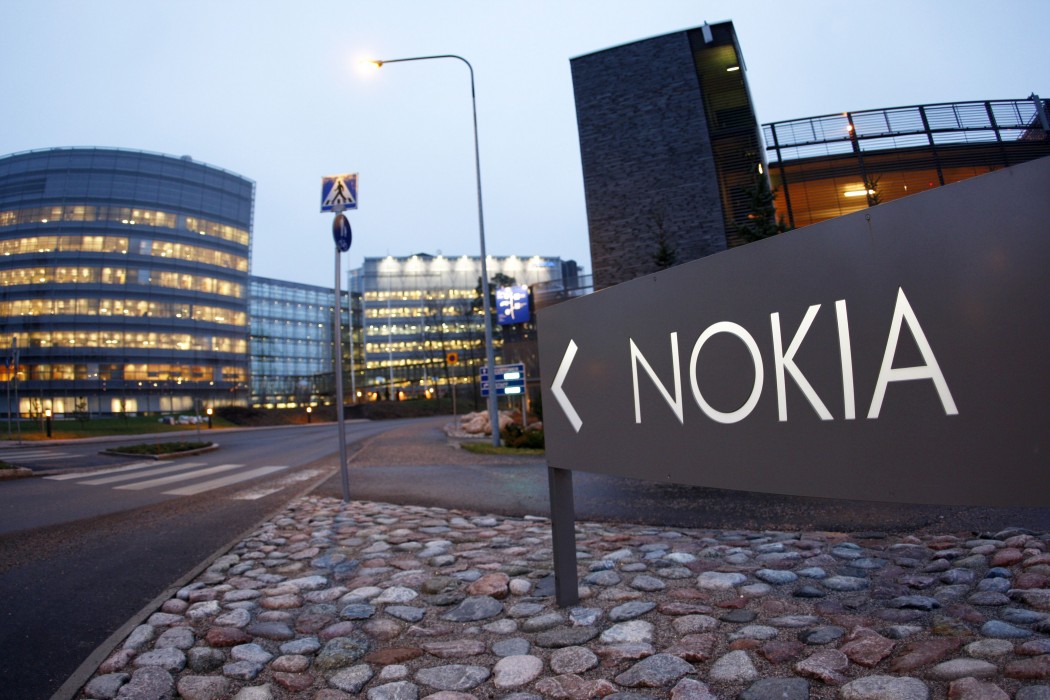
This is news a lot of people have been waiting to hear. Nokia Smartphones will make a mega comeback in a brand licensing deal made by the Finnish company with HMD Global Ltd. to manufacture Android based Nokia branded handsets for the next 10 years.
HMD Global and its Taiwanese partner, FIH Mobile of FoxConn Technology Group, will take over Microsoft’s feature phone business for $350 million, which Microsoft had bought from Nokia in 2014.
When Microsoft bought over Nokia,in 2014, for US $7.2 Billion, the Redmond based computing giant dropped the name “Nokia” and continued to use the name Lumia. Microsoft had acquired rights to use the Nokia brand in smartphones for two years which the company let go of much earlier.
The new venture “Nokia” will now manufacture Android OS based handsets along with Tablets and will also continue to manufacture feature phones under the brand and expertise of Nokia.
Nokia has a big market to penetrate with veterans like Samsung and HTC, and many new Chinese companies ruling the eco-system.
The Nokia brand still has a strong legacy and is sure to get the attention it deserves at comeback.
This Video by iGyaan Talks about All things Nokia:
The Mobile World Congress 2016 will kick off in Barcelona in just a few hours. One of the biggest mobile trade shows in the world will play host to a number of brands who will unveil their new smartphones – some flagships, some not so flagship – that will set the standard for 2016. Here are the phones that will be unveiled at the MWC 2016.
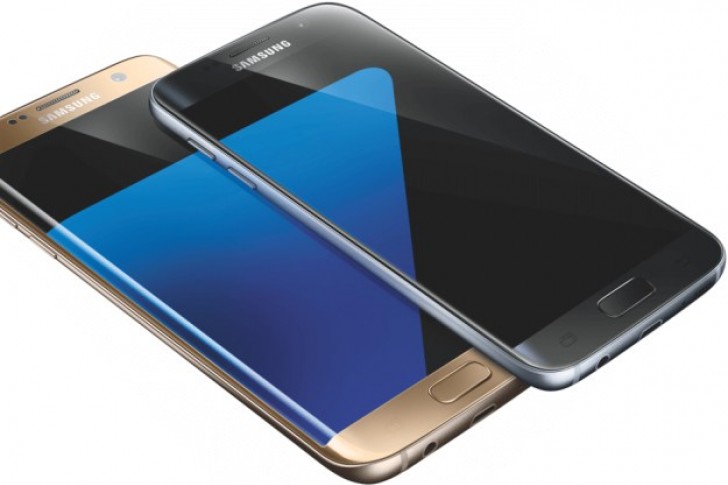
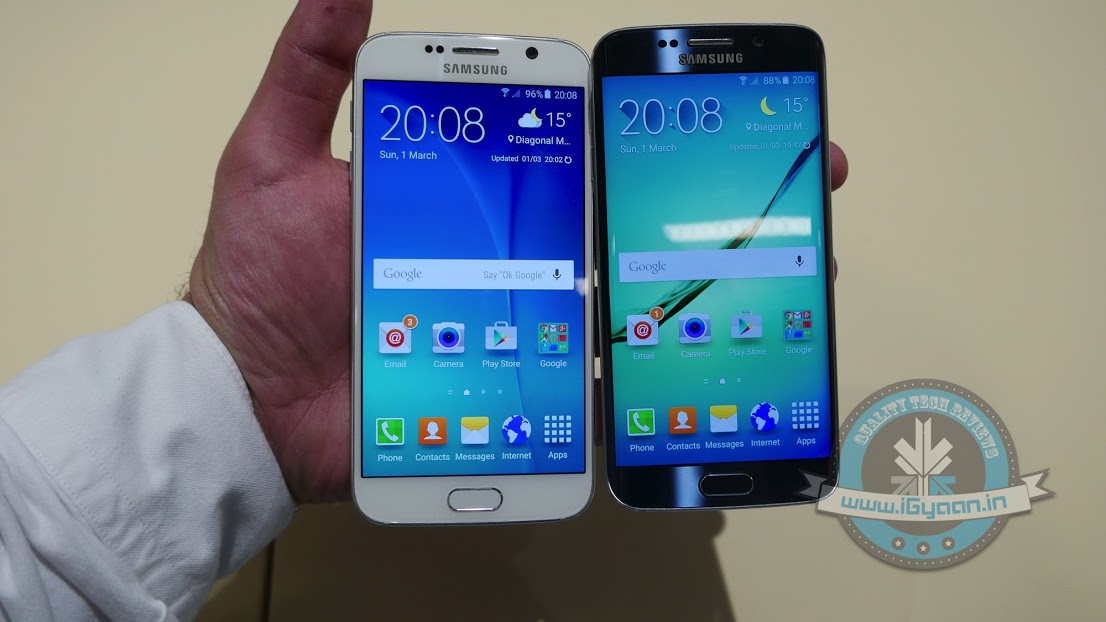
Samsung Galaxy S7 and S7 Edge
There have been a lot of rumours and a lot of questions regarding the launch and specs of Samsung’s upcoming flagship Galaxy S7 devices. What everyone is expecting is Samsung to pull out another stunning flagship that pushes the boundaries of design and power, like it did with the Galaxy S6 series.
It’s almost confirmed that the Galaxy S7 will arrive in two variants – one powered by the new Snapdragon 820 chipset and the other by Exynos 8890.
Among the many rumours that have been making the rounds, some that have caught our attention is that the S7 devices will feature Apple’s 3D Touch-like pressure sensitive display called ClearForce that’s being developed by Synaptics. Additionally, the Galaxy S7 will have a Type C USB Port which means the device will charge significantly faster.
The standard Galaxy S7 will likely sport a 5.2-inch Super AMOLED display while the ‘Edge’ variant will come with a 5.5-inch display of the same kind. In terms of design, Samsung is sticking to the S6 design language only upgrading the specs, which we’re not complaining about. The flagship devices are slated to be unveiled today at the MWC ‘Unpacked’ event.
LG G5
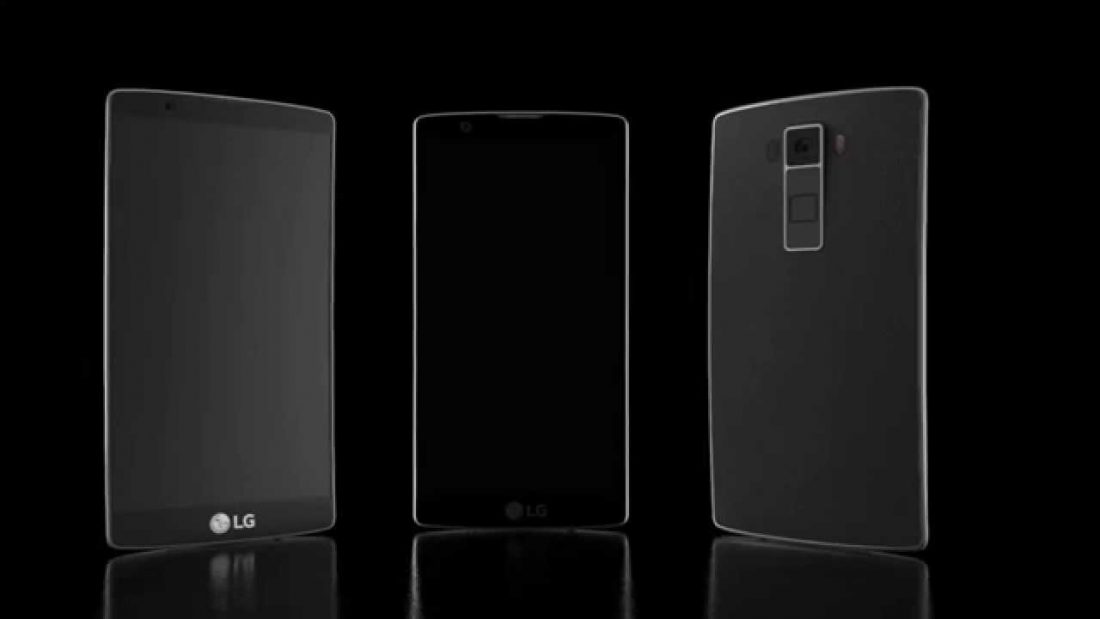
The device will sport a 5.3-inch Quad HD display, powered by the new Snapdragon 820 SoC with 3 GB of RAM and an 8 MP front camera. Other specs include a full metal body, SIM and MicroSD slot, heart rate sensor that’s under the camera module, a fingerprint sensor embedded in the power button, a USB Type-C port, bottom firing speaker and an IR blaster on top.
Some recent rumours have suggested a modular design for the LG G5 where the bottom is detachable so as to easily remove the battery pack. This, however, is still a long shot and nothing has been confirmed on that front.
A leaked image also suggests that the LG G5 will sport a dual camera set-up at the back – 16 MP and 8 MP. LG will launch the G5 flagship smartphone today as well. In fact, LG and Huawei will kick off the MWC with their flagships in just a short while from now.
Xiaomi Mi 5
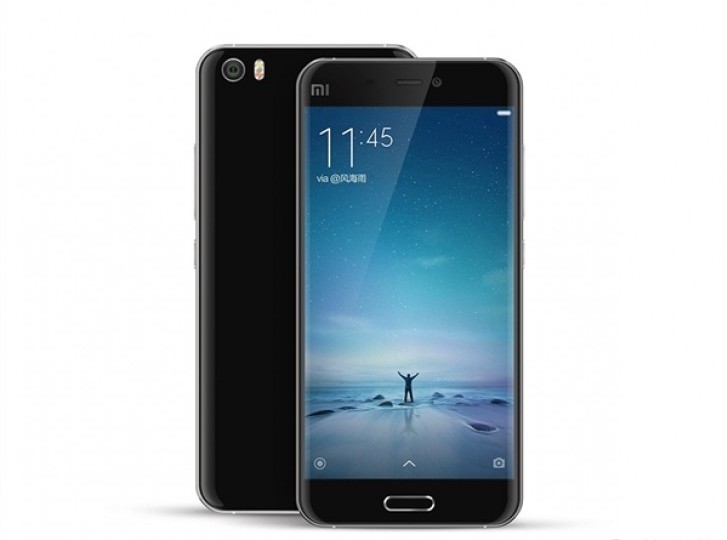
Xiaomi fans have been eagerly awaiting the Mi 5 flagship smartphone, which has been delayed due to the launch of the Snapdragon 820 chipset.
Recent rumours about the specs of the Mi 5 are contradictory with some claiming the Mi 5 will sport a 5.5-inch screen with quad HD (2560×1440) display and the others pointing to a 5.7-inch with Full HD display. What’s almost confirmed is a Snapdragon 820 chipset, 20MP primary camera and an 8MP front cameras. The device will also come with 3,800mAh battery and 4G LTE support. RAM is set at 4GB and the phone will offer 16GB/64GB/128GB storage options.
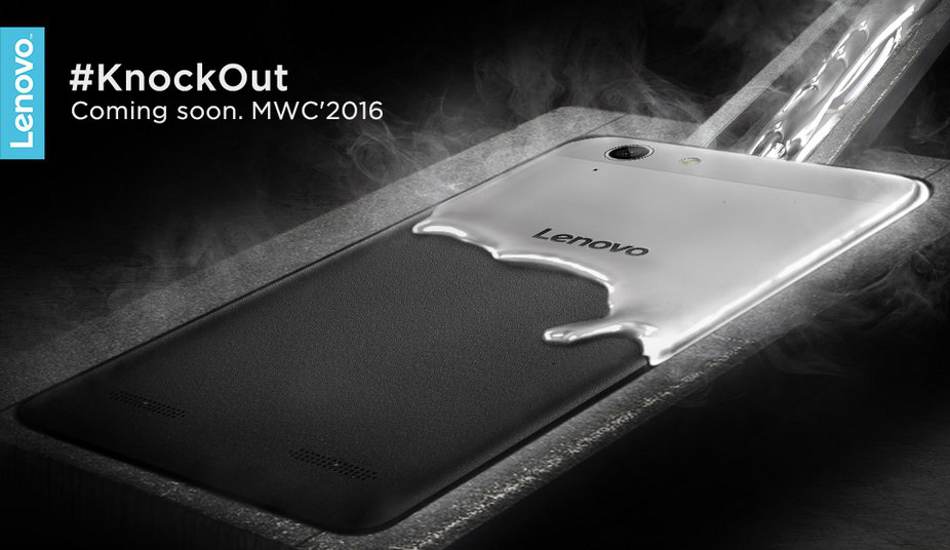
Lenovo Lemon Plus
Lemon 3 Plus is expected to come with a 5.5-inch Full HD IPS display and a1.5 GH octa-core Qualcomm Snapdragon 616 processor. It will be paired with 3GB of RAM and Adreno 405 GPU, and will be ship with Android 5.1 Lollipop operating system out of the box.
It will be equipped with 16GB of internal storage, further expandable up-to 128GB via a micro SD card.The cameras on the phone will see a 13-megapixel rear camera with LED flash and a 5-megapixel selfie snapper. It will also include 4G LTE, Bluetooth, Wi-Fi, USB 2.0 and GPS for connectivity.
Cat S60
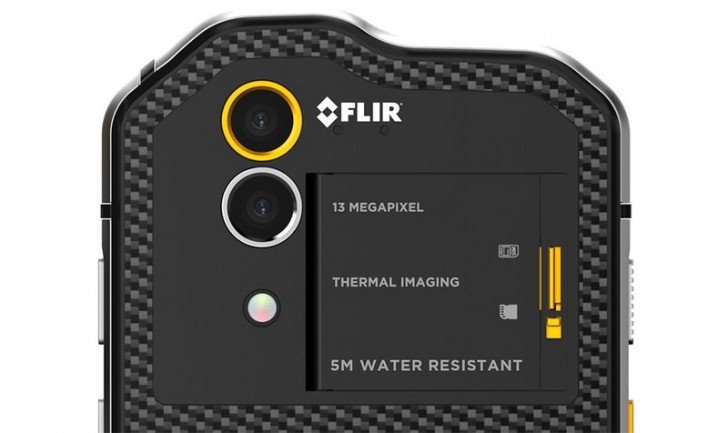
Cat’s new S60 is the latest in the line of rugged smartphones from the United Kingdom based brand, and it comes with two very unique features. Cat has added a FLIR thermal imaging camera and the first waterproof rating to a depth of 5 meters for up to an hour on this rugged phone.
The Cat S60 features a military-grade thermal imaging C2 camera module from FLIR. This is the same technology used in the Intel-powered Daqri smart helmet, enabling the Cat S60 to show temperature changes.
Other specs of the phone include a 4.7-inch 720p display, Snapdragon 617 with 3GB of RAM and 32GB storage. The phone runs Android 6.0 Marshmallow and offers 4G LTE connectivity. It also comes with a 13MP main camera, 5MP front camera. A massive 3,800mAh battery powers the device.
HP Elite X3
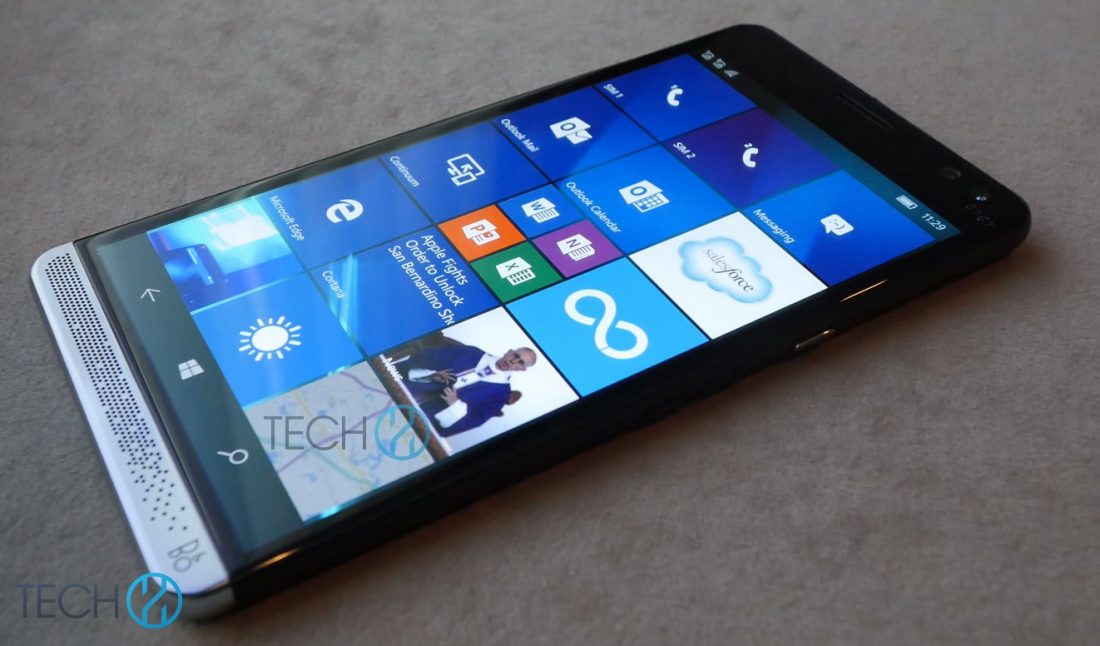
HP is expected to announce the Elite x3 at MWC next week, and as such, it’s not too big of a surprise images and specs of the device have leaked today. The Elite x3 which will be a Windows phone will pit itself against the Microsoft’s Lumia 950 XL in the Windows 10 mobile ecosystem, as it packs some very high-end innards.
The phone will come with a 5.96-inch QHD touchscreen, a 16-megapixel camera at the back, an 8-megapixel camera at the front for clicking selfies. It will be powered by Qualcomm’s Snapdragon 820 SoC paired with 4GB of RAM and 32GB of expandable storage. It will also come with support for USB Type-C and will also support USB 3.0, Qi wireless charging.
The Elite x3 will also house a fingerprint scanner, a fancy iris sensor, a special docking connection, IP67 certification for water and dust resistance, as well as MIL-STD-810G rating for withstanding drops from 1 meter or less. It will also support Microsoft’s Continuum feature. Pretty impressive we say.
Huawei P9
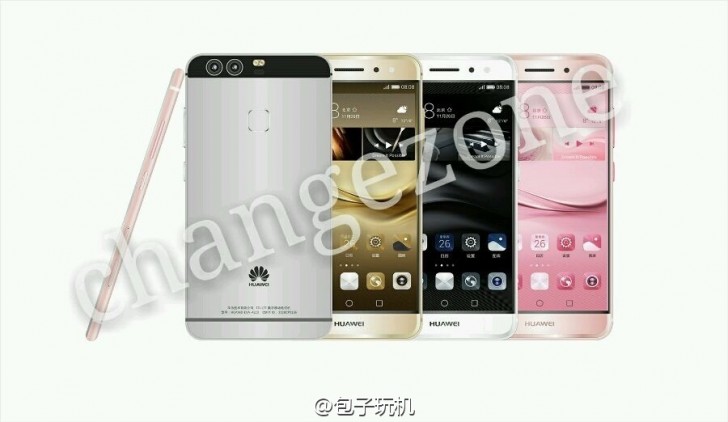
If rumours are to be believed, Huawei will also be present at the event and will be unveiling the Huawei P9 today. We have some renders that tell us what might be the look of the device as well as hints at some new features.
The renders reveal an all-metal design for the Huawei P9. What the images also show us is a dual rear camera setup and a fingerprint scanner at the back. If you look close enough, you’ll also notice a 2.5D curved screen on the front of the device. The bezels look pretty thin on the front while the power button and volume controls fall to the right side. The renders also show possible color options for the P9 in gold, white, pink and gray.
On the specs front, the P9 is likely to come with a Kirin 950 SoC, 4GB of RAM and a 5.2-inch display, none of which have been confirmed yet, of course. Late last month, there were also rumours that the P9 will come in multiple variants. What is expected is that Huawei besides launching its top of the line P9, will also come out with a cheaper P9 Lite, and a phablet the P9 MAX.
The last variant which Huawei plans to bring to the market as a treat for all its fans will be a beefed up variant of the P9, and will come with premium features.
The fourth model is set to offer a display whose size would lie between the P9, and the P9 MAX, with QHD resolution output. It will also feature additional RAM and storage. The fourth variant on top of this will feature an improved camera: a dual lens, dual (12 MP) sensor configuration described as a second-generation technology.
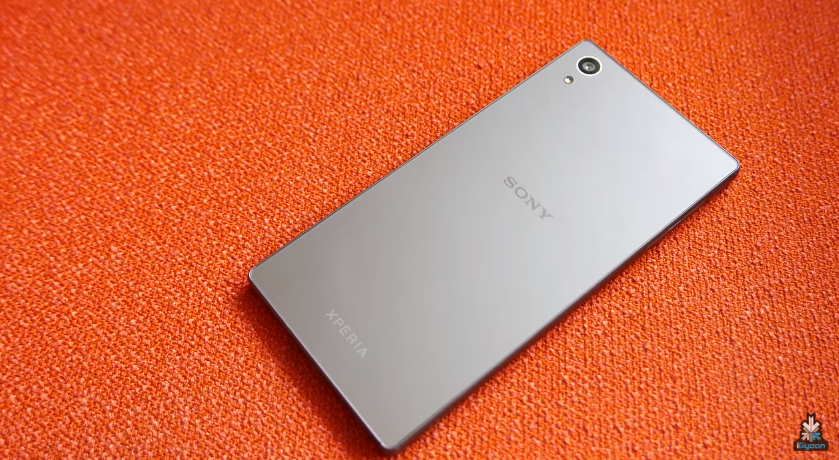
Sony Xperia Z6
Sony Xperia Z5
This last one is the least likely to make an appearance at the MWC since Sony launched the Xperia Z5 only 6 months ago. However, some rumours have suggested that Sony may just unveil the Z6 or may talk about the phone(s) a little.
It is rumoured that a total of six Z6 devices will be launched this year: a 4-inch Xperia Z6 Mini, a 4.6-inch Xperia Z6 Compact, a 5.2-inch Xperia Z6, a 5.8-inch Xperia Z6 Plus, a 6.4-inch Xperia Z6 Ultra, and a 5-inch Z6 Lite. Now, Sony is yet to confirm the rumours, but you can expect some, if not all, to be true.
What you can expect from the Xperia Z6 is a build that’ll reflect the Z5 with a squarer, flatter design rather than the traditional rounded edges that Sony had previously stuck to with the older models. The Z6 will also come with a fingerprint scanner added to the power side button.
The burning question is whether Sony will go for a 2K display with the 5.2-inch Xperia Z6 or will it continue with a Full HD display as it has with the Z5. Doing the former would mean having to sacrifice battery life, which Sony isn’t all too fond of doing at the moment.
Last year saw some incredible smartphones that pushed the boundaries of design and specification, making it difficult to pick out just one favourite. This year promises to do the same. We take a look at some of the most anticipated smartphone launches expected in 2016 and what we know about them so far.
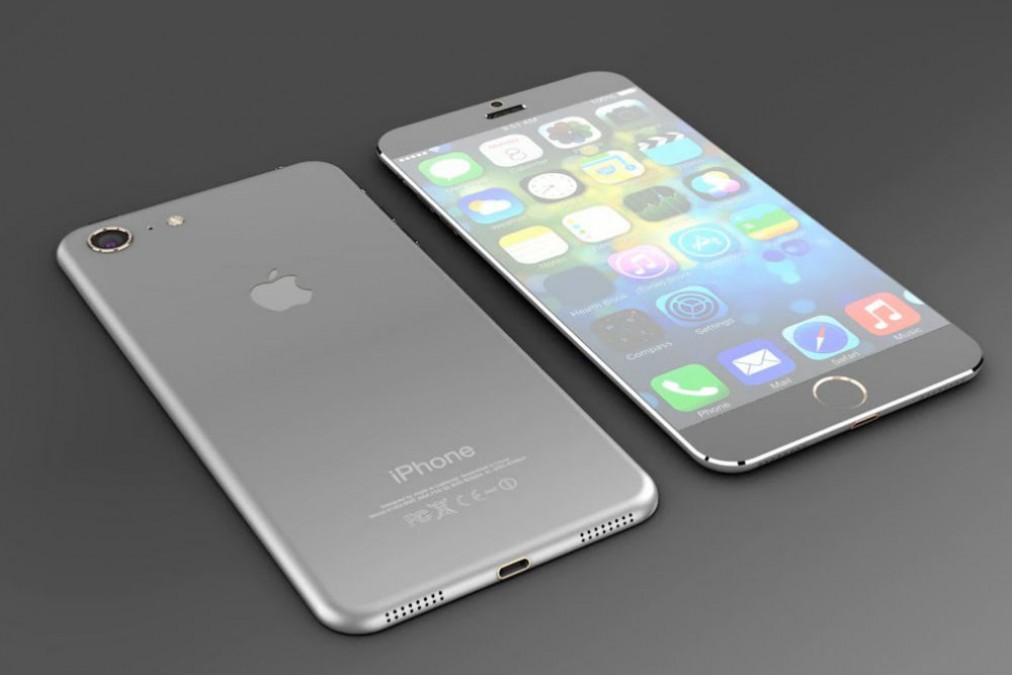
iPhone 7
Apple’s iPhone 7 and Samsung’ Galaxy S7 are perhaps the most talked about flagship devices today. There’s just a lot of anticipation attached to the upcoming handsets and along with it a lot of rumours as well. The first round of rumours a few months ago suggested that the iPhone 7 will lose the home button and will sport an OLED display thereby giving up on LCD display that it has relied on so far. Apple followers will know that the Apple Watch is the only Apple device to sport an OLED display currently. Furthermore, the OLED display will either be supplied by LG or Samsung, or both.
Next up, the iPhone 7 is rumoured to be waterproof and will feature 3 GB of RAM. More recently, there have been talks related to Apple’s decision to ditch the headphone jack. This is part of Apple’s plan to improve the quality of music streaming. Furthermore, the loss of a headphone jack means more space for Apple to add a larger battery to the iPhone 7, as well as make the device thinner. We’ll just have to wait and see how this strategy plays out.
Samsung Galaxy S7 and S7 Edge
There have been a lot of rumours and a lot of questions regarding the launch and specs of Samsung’s upcoming flagship Galaxy S7 devices. What everyone is expecting is Samsung to pull out another stunning flagship that pushes the boundaries of design and power, like it did with the Galaxy S6 series.
It’s almost confirmed that the Galaxy S7 will arrive in two variants – one powered by the new Snapdragon 820 chipset and the other by Exynos 8890.
Among the many rumours that have been making the rounds, some that have caught our attention is that the S7 devices will feature Apple’s 3D Touch-like pressure sensitive display called ClearForce that’s being developed by Synaptics. Additionally, the Galaxy S7 will have a Type C USB Port which means the device will charge significantly faster.
The flat Galaxy S7 will likely sport a 5.2-inch Super AMOLED display while the ‘Edge’ variant will come with a 5.5-inch display of the same kind. In terms of design, Samsung is sticking to the S6 design language only upgrading the specs, which we’re not complaining about. The flagship devices are slated to be unveiled on February 21 at the MWC ‘Unpacked’ event.
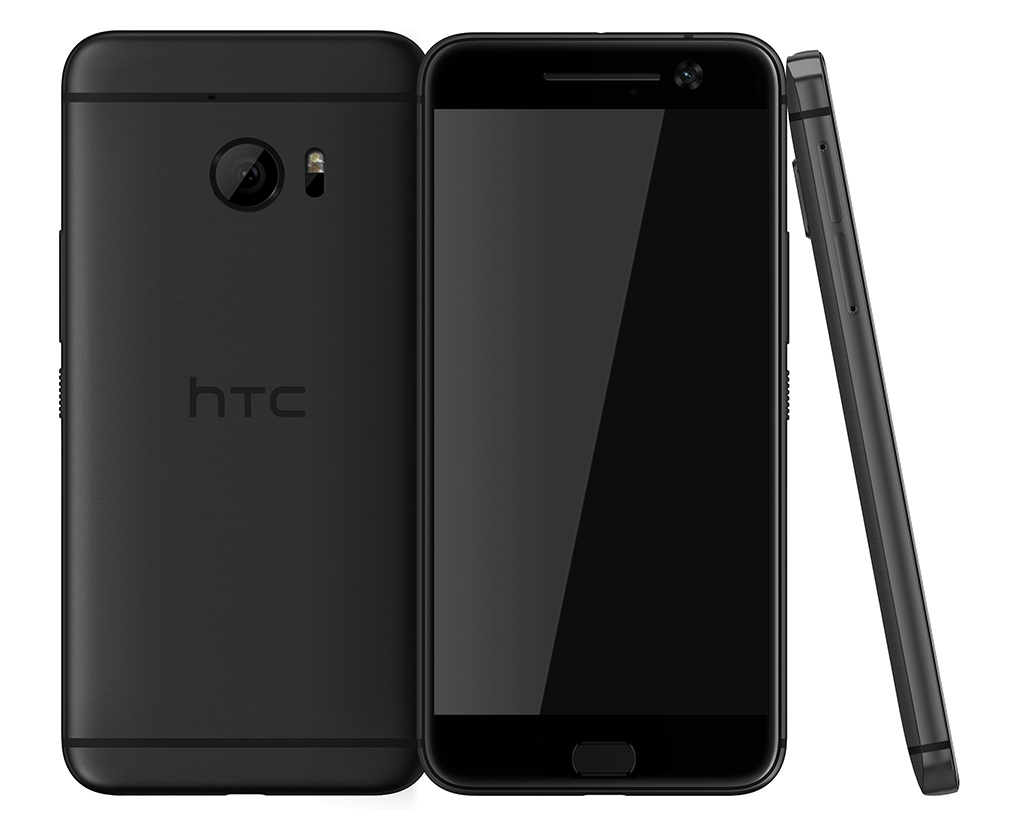
HTC One M10
Being a successor to the One M9, the HTC One M10 will look to improve on specs wherever it can. The new iteration is said to come with a 5.5-inch QHD display. You can expect some bright, crisp colours under a Gorilla Glass 4 protection.
On the design front, the device will have the all-metal, unibody form associated with HTC flagships, along with curved edges and bezels to give it an attractive look. The One M10 will look a lot more like the One A9 than the One M9. From what recent renders tell us, HTC is ditching the BoomSound front speakers as well as the much-hated logo on the front that was found on the One M10. The HTC One M10 will sport a Snapdragon 820 chipset under the hood along with a powerful graphics card.
Other features include a Touch ID fingerprint scanner housed inside the home button, 4 GB of RAM with 16 GB and 32 GB internal storage variants, and a battery capacity of 3,500 mAh. The device is expected to come out sometime in March.
Xiaomi Mi 5
Xiaomi fans have been eagerly awaiting the Mi 5 flagship smartphone, which has been delayed due to the launch of the Snapdragon 820 chipset. Since Samsung has claimed exclusivity of the new chipset for the first quarter, the Mi 5 along with any other device sporting the new, powerful processor will all likely see a post-March release.
Recent rumours about the specs of the Mi 5 are contradictory with some claiming the Mi 5 will sport a 5.5-inch screen with quad HD (2560×1440) display and the others pointing to a 5.7-inch with Full HD display. What’s almost confirmed is a Snapdragon 820 chipset, 20MP primary camera and an 8MP front cameras. The device will also come with 3,800mAh battery and 4G LTE support. RAM is set at 4GB and the phone will offer 16GB/64GB/128GB storage options.
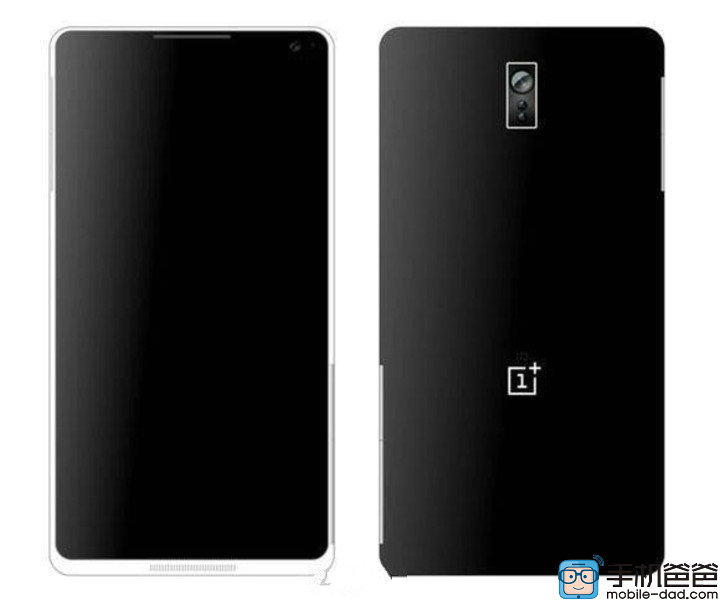
OnePlus 3
OnePlus 3 Render
OnePlus has done so much in so little time. The company, still in its infancy, has already released 3 spectacular devices -OnePlus One, OnePlus 2 and OnePlus X in the span of two years. This year, OnePlus will look to reclaim the title of the ‘flagship killer’ with the upcoming OnePlus 3 smartphone. Not much is known about the third flagship device, and only a couple of leaked renders have appeared giving rise to possible hardware specs.
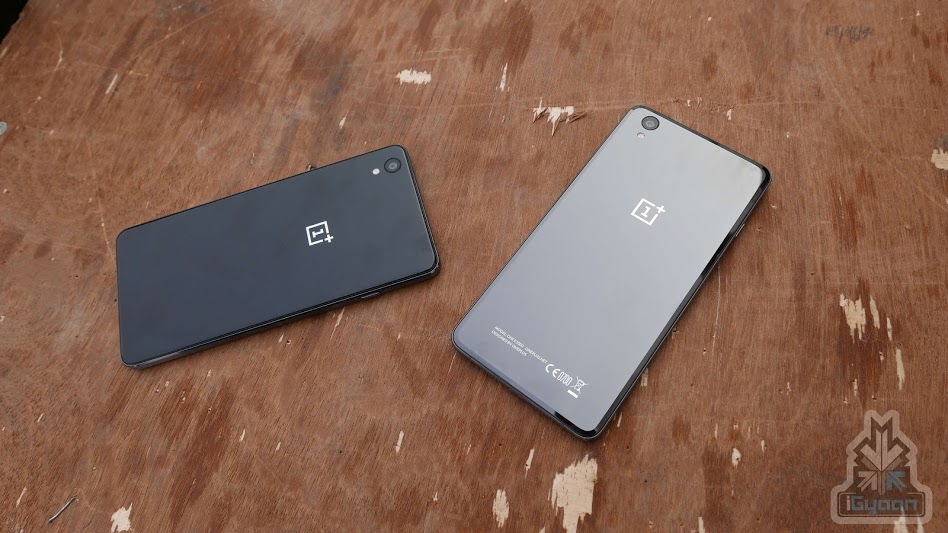
The image above shows a brushed metal back instead of the usual sandstone panels. The new OnePlus might also feature a front speaker. The render shows that the handset could possibly come in two different colours.
From what we’ve heard so far, the new OnePlus device will sport a 5.5-inch UHD display with 5GB RAM. Sources also reveal a little about the hardware and display citing that the handset could arrive with the Snapdragon 820 chipset and a 1080p display resolution.
LG G5
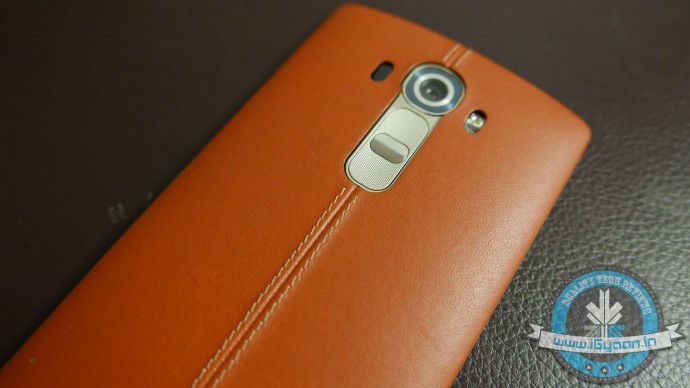
LG G4
A Redditor recently leaked some specs and images of the LG G5. The device will sport a 5.3-inch Quad HD display, powered by the new Snapdragon 820 SoC with 3 GB of RAM and an 8 MP front camera. Other specs include a full metal body, SIM and MicroSD slot, heart rate sensor that’s under the camera module, a fingerprint sensor embedded in the power button, a USB Type-C port, bottom firing speaker and an IR blaster on top.
Some recent rumours have suggested a modular design for the LG G5 where the bottom is detachable so as to easily remove the battery pack. This, however, is still a long shot and nothing has been confirmed on that front.
A leaked image also suggests that the LG G5 will sport a dual camera set-up at the back – 16 MP and 8 MP. LG will launch the G5 flagship smartphone at the MWC next week.
Sony Xperia Z6
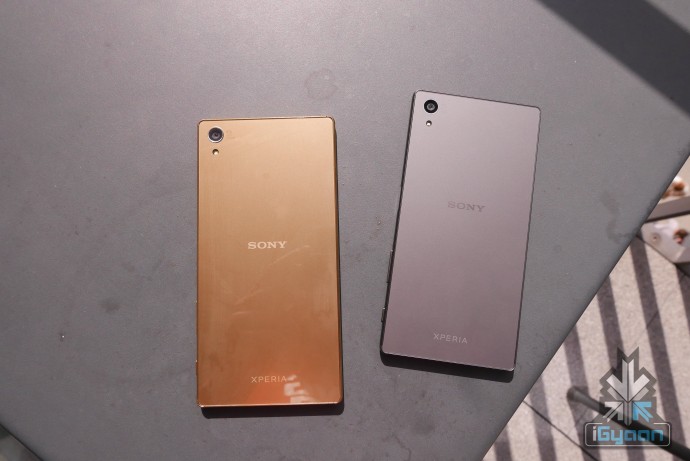
Sony Xperia Z5 Premium
It looks like Sony is planning to launch a slew of devices under the Z6 line. It is rumoured that a total of six Z6 devices will be launched this year: a 4-inch Xperia Z6 Mini, a 4.6-inch Xperia Z6 Compact, a 5.2-inch Xperia Z6, a 5.8-inch Xperia Z6 Plus, a 6.4-inch Xperia Z6 Ultra, and a 5-inch Z6 Lite. Now, Sony is yet to confirm the rumours, but you can expect some, if not all, to be true.
What you can expect from the Xperia Z6 is a build that’ll reflect the Z5 with a squarer, flatter design rather than the traditional rounded edges that Sony had previously stuck to with the older models. The Z6 will also come with a fingerprint scanner added to the power side button.
The burning question is whether Sony will go for a 2K display with the 5.2-inch Xperia Z6 or will it continue with a Full HD display as it has with the Z5. Doing the former would mean having to sacrifice battery life, which Sony isn’t all too fond of doing at the moment.
Nokia C1
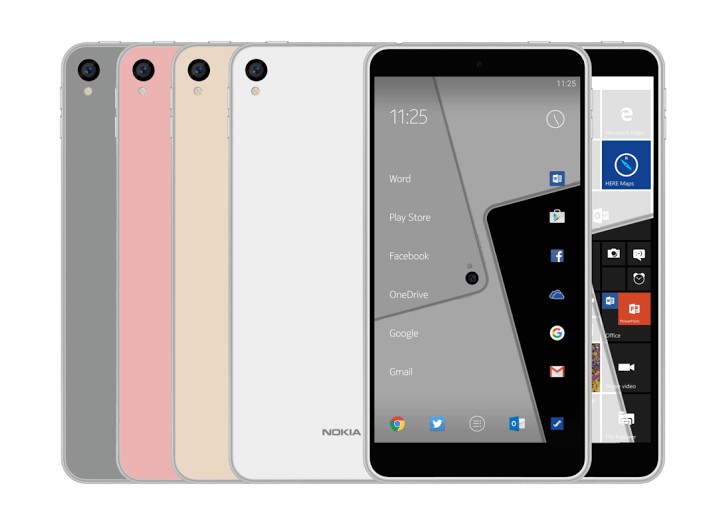
Nokia C1 Render
Nokia is all set to make a comeback with a new smartphone. This new device, allegedly called the C1, will be the first flagship device to bear the Nokia logo since the Finnish company was sold to Microsoft a few years ago.
There have been a number of leaked renders that claim the design of the C1, though each source has leaked different designs. One of the more recent renders show a very minimalist and sleek design, which actually looks pretty good, if confirmed as legit. The C1 is also depicted running both Android and well as Windows 10 OS.
Rumours suggest that the Nokia C1 will come in two variants. The first one will sport a 5.5-inch Full HD display and a 13 MP rear camera and 5 MP front camera. The device will also come with 3 GB of RAM and 64 GB of internal memory expandable via microSD card slot.
The second variant will have a 5-inch Full HD display and will sport an 8 MP rear camera and 5 MP front camera, 2 GB of RAM and 32 GB of memory.
We’re bang in the middle of the golden age of smartphones it seems. Almost like a ritual, phone makers every couple of months offer to eager audiences for their consumption new mobile devices with vastly improved tech.
Over the past couple of years, we have been witness to the industry churning out new processors, RAM, cameras and more used for making these marvels of modern day technology, each smaller in size than its predecessors, and yet gaining in power with every upgrade. End product being thinner, faster phones and laptops for the end consumer year after year.
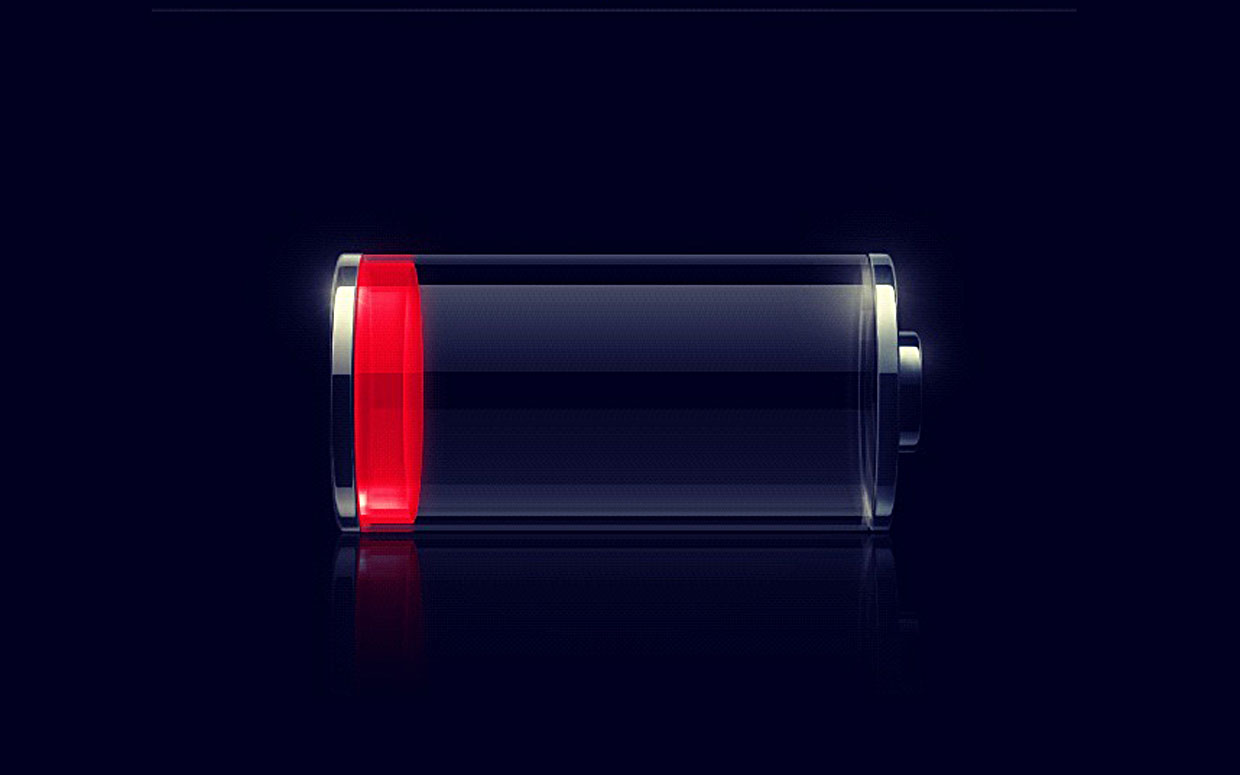
But one thing that the tech industry has still to find a good enough answer to is the lust for more and more energy for these devices! Agreed, battery technology has come a long way and even though the batteries in our mobile devices are bigger and better than they have ever been before, they still aren’t the solution we have been looking for. Because of technological constraints, these oversized batteries are far from being good enough fix for mankind’s never ending ‘battery woes.’
With an abundance of apps and services that require a significant amount of juice to run, we all have at some point of the other felt the pain of our mobile devices dying on us in the time of need. And to pacify us the tech industry for all its tall claims of advancements has only been able to come up with portable chargers, and at best the promise of fast charging battery packs.
In all honesty, the battery hasn’t advanced in decades as it should have. But looks like we’re on the verge of a revolution.Things are about to change. Scientists world over are working on battery technology advancements, and a breakthrough is just right the corner.
The team at MIT in collaboration with Samsung, have discovered Solid-State Batteries that are better than current lithium-ion packs. These batteries should be safer, last longer and offers slightly better power capacity.
According to reports, these new batteries could be charged for hundreds of thousands of cycles before degrading. They are expected to also provide a 20 to 30 percent improvement in power density simply translating into much more charge for whatever they are powering.
Another interesting prospect is the introduction of Nano Yolk Batteries which will not only power up in a fraction of the time it takes to charge current generation Lithium-Ion Batteries, but will also provide almost double the power capacity of the battery packs that we use in our mobile devices today.
But one crucial thing holding back both these technologies is the cost involved in migrating to them. The industry has so far chosen to stick to the trusted infrastructure in place and find ways to fine tune the existing technology which not only feeds our phones but also helps feed millions of families through the ecosystem that has been created around the manufacturing of Lithium-based batteries.
To keep everyone happy, the industry is fast working on a concept of a new generation Lithium based batteries which promises to store five times the amount of energy you find in the lithium-ion battery in your mobiles and laptops. The brains behind it call it the Lithium-Air Battery because it releases oxygen when it discharges.
The idea which has been in the works for quite some time now faces difficulties in the form of an unwanted buildup of lithium peroxide on the electrode which hampers this type of battery’s performance, but a workaround has been found to avoid this.
Instead of using lithium peroxide the new battery will use lithium superoxide to store energy to provide improved battery life with greater efficiency.
These batteries are similar to lithium-ion batteries since they use a closed system, which would mean no extra intake of oxygen or any components to be removed. By doing away with clunky internal oxidizers these batteries will be leaner and simply charge up like the lithium based batteries we use in our current devices.
The prospect of using a thinner phone with five times the battery life of our current devices sounds amazing. This long overdue upgrade to arguably the most important component of a mobile device could well see the light of the day before the year’s end. If, and when it does happen, there’s no denying how big of an impact it will have on the way we use mobile devices.
CES, short of Consumer Electronics Show, is the place where new and shiny gadgets are revealed that sets the tone for the technology that year. CES 2016 will be no different. The event will take place at in Las Vegas from Wednesday, January 6 to Saturday, January 9, 2016. Here are some of the many technologies that will be unveiled at the four-day conference.
Samsung
Samsung is likely to draw a lot of attention at CES 2016. Or perhaps that may have been the case when it was expected that the company would launch its next flagship Galaxy S7 devices at the event. However, this rumour has been almost completely denied. Samsung’s invitation puts highlight TVs and home appliances as their main showcases.
But this doesn’t rule out a phone launch by the company. It may not be the Galaxy S7, but Samsung has many other handsets in its pockets that are just waiting to come out. It is likely that the Korean-based company will reveal some mid-range devices – possibly the Galaxy A4 and A7 smartphones, or perhaps the new Galaxy Tab Pro and Note Pro tablets. On the TV front, you can expect some 4K and 8K products in the offing.
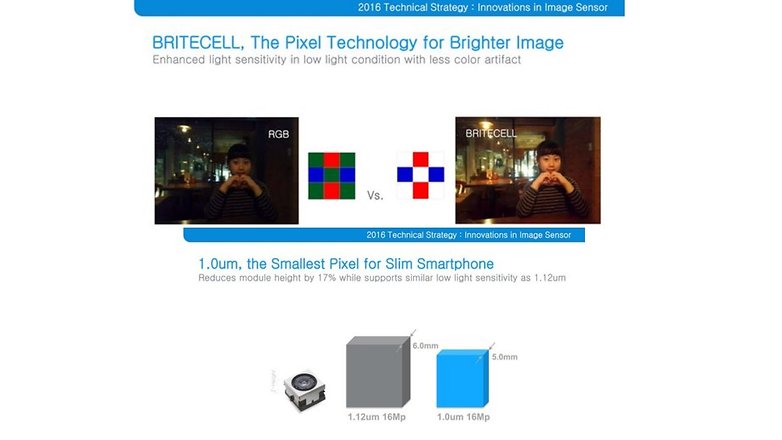
Camera Tech – BRITECELL
BRITECELL is Samsung’s new camera technology that IS expected in the upcoming Galaxy S7. The technology will be showcased at CES and viewers will get a sneak peek into what they can expect from the flagship handset, at least on the camera front.
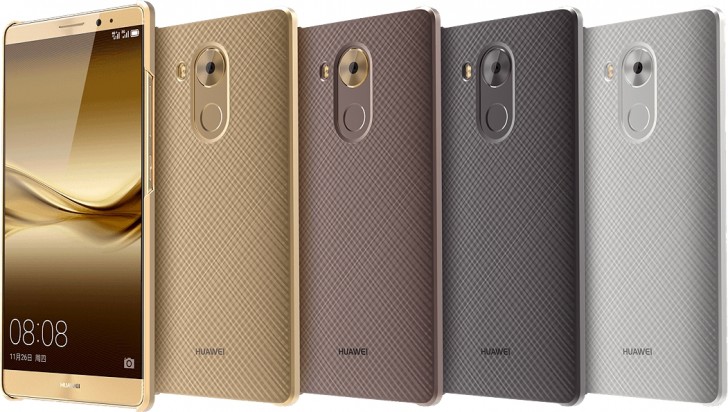
Huawei Mate 8
Huawei has been eager to launch the Mate 8 in the U.S and has received the green light for it. The device has already passed FCC and will be unveiled at CES 2016.
For those of you unaware about the Mate 8, the device sports a 6-inch 1080p touchscreen display and will be powered by Huawei’s new Kirin 950 chipset and an ARM Mali-T880 GPU. Furthermore, the handset will be available in 3GB and 4GB of RAM with 32GB and 64GB and 128GB storage variants. The Mate 8 has a large 4,000 mAh battery and will run on Android 6.0 Marshmallow.
HTC One M10
There’s a lot of uncertainty surrounding the launch of HTC’s next flagship device. The HTC One M10 has been floating between CES and MWC for a while. HTC is still enjoying the launch of the One A9, but fans have already been asking about the One M10, and HTC is likely to reveal the device soon enough.
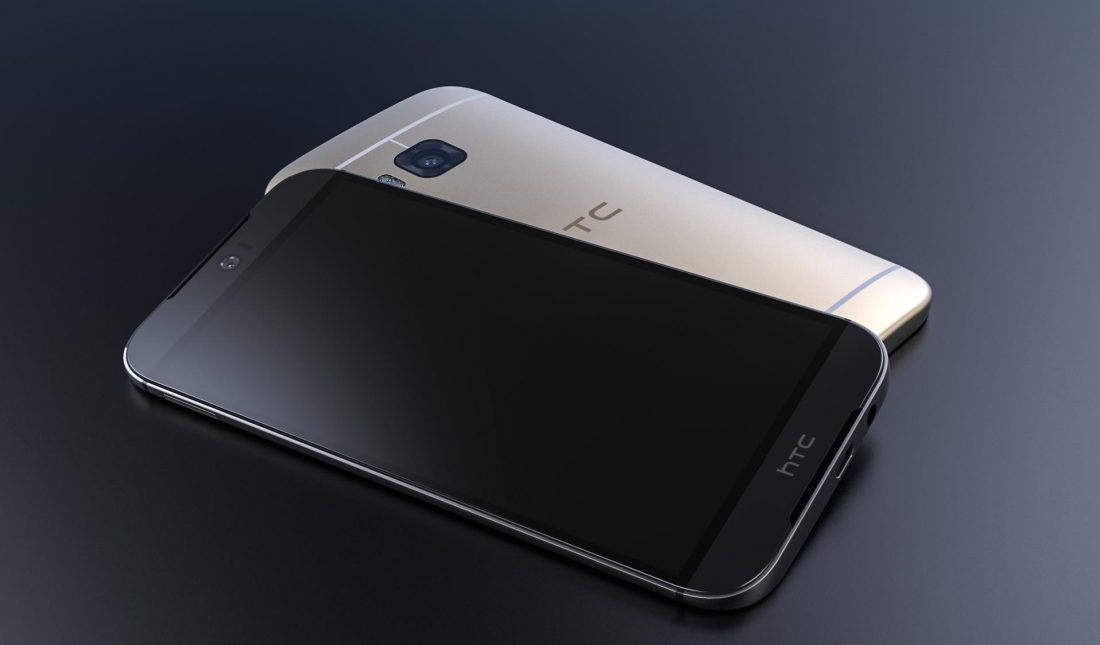
HTC One M10 Concept
What we know so far about the One M10 is that the handset will likely sport a 5.5-inch screen with 2 GB of RAM and 16 GB storage. The device will come pre-installed with Android 6.1, which is a good piece if information. More details will be known as we get closer to the unveiling.
VR
Smartphones and other technology aside, it in VR and autonomous cars that the CES 2016 will revolve around. The two technologies are set to be the highlights at the press conference. We’re slowly moving towards an age of wearable technology and virtual reality is the next big leap. 2015 has already seen the the Oculus Rift and in action, but 2016 will see the official launch of the headgear in the first quarter.
The Oculus Rift will not be the only VR headgear at the CES. Sony’s Project Morpheus, now known as Playstation VR, will also be at the event. Furthermore, Samsung may also reveal a second version of the Gear VR, though nothing has been confirmed on that front. Lastly, HTC is also likely to present a developer version of the Vive VR at CES 2016.
While these were the major names in the department let it be known that there are more than 40 companies presenting VR gear at CES. If that doesn’t tell you how the future of technology looks, nothing will.
Autonomous Cars
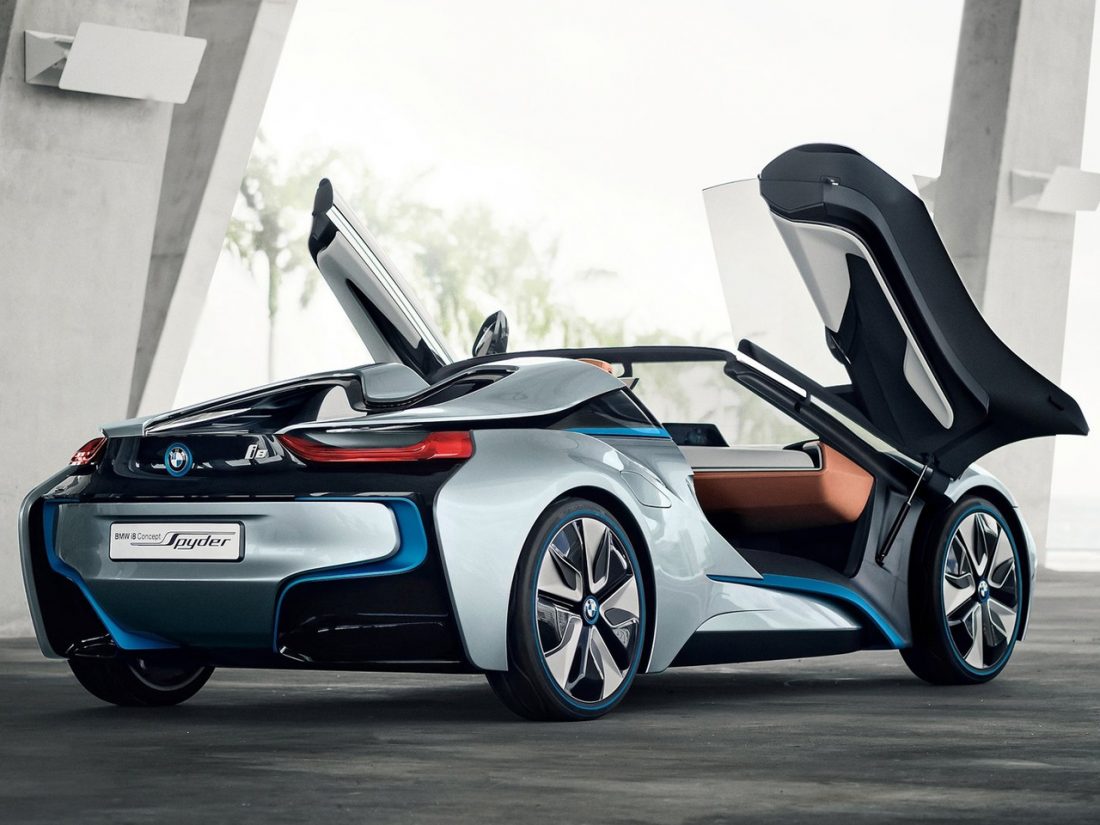
Finally, the other major focus at CES 2016 will be on smart cars. A number of players in the automobile industry are set to unveil autonomous or self-driving vehicles. Some of the speculated names include BMW’s i8 Spyder and the Apple Car. Volkswagen is also keen on shifting people’s attention from the the dieselgate scam, which is why the company is also ready to unveil its first all-electric autonomous vehicle. A teaser revealed earlier this month showing a boxy shape front has raised suspicion that VW is ready with its much-talked about microbus revival.
In this list, we pick our favourite smartphones that fall between Rs. 15,000 to Rs. 20,000. Be sure to let us know your favourite in the comments below.
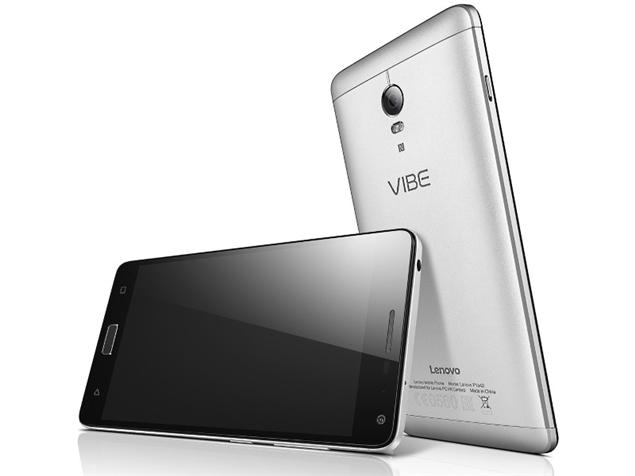
Lenovo Vibe P1
The Vibe P1 features a 5.5-inch full-HD (1080×1920 pixels) IPS display with Corning Gorilla Glass 3. It is powered by a Snapdragon 615 octa-core processor clocked at 1.5GHz with Adreno 405 GPU; 2GB of RAM and 32GB storage with expandable storage via microSD card. The device features a 13-megapixel rear camera and a 5-megapixel front; dual-SIM with dual 4G LTE support.
The Vibe P1 is available at a price of Rs. 15,999 exclusively on Flipkart.
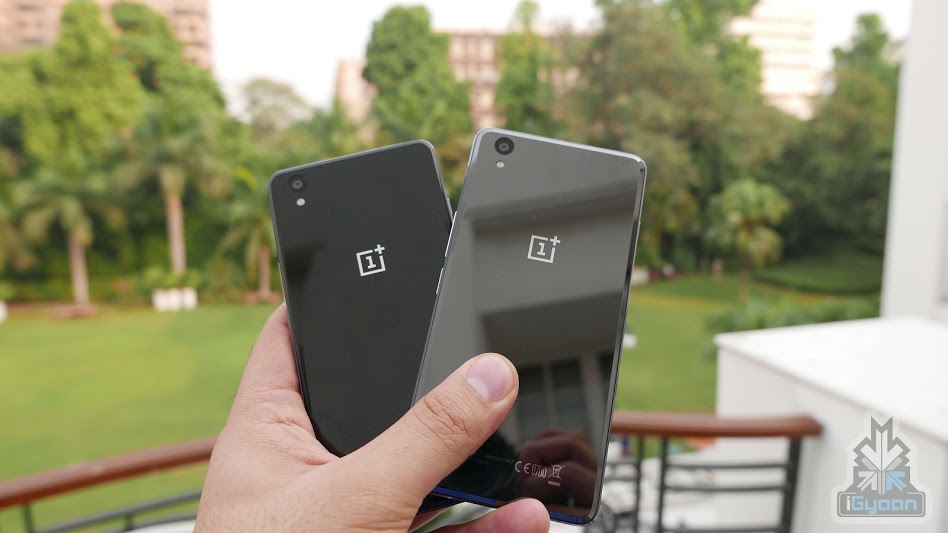
OnePlus X
The OnePlus X sports a 5-inch AMOLED display (1920×1080), with a primary camera of 13 MP and a 8 MP front. The device runs on a 2.1 GHz Snapdragon 801 chipset. It features a 3 GB RAM with 16 GB internal storage and is expandable up to 128 via MicroSD card slot. The phone includes an alert slider, like the one found on OnePlus 2. The OnePlus X weighs around 138 gm for the onyx variant and a heavier 160 gm for the ceramic variant.
The Onyx variant of the OnePlus X is priced at Rs. 16,999 and as is available via invite system only. Check out our review of the OnePlus X here.
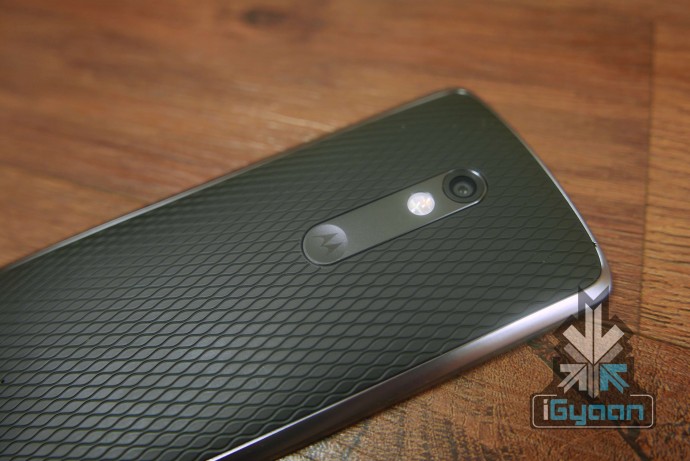
Moto X Play
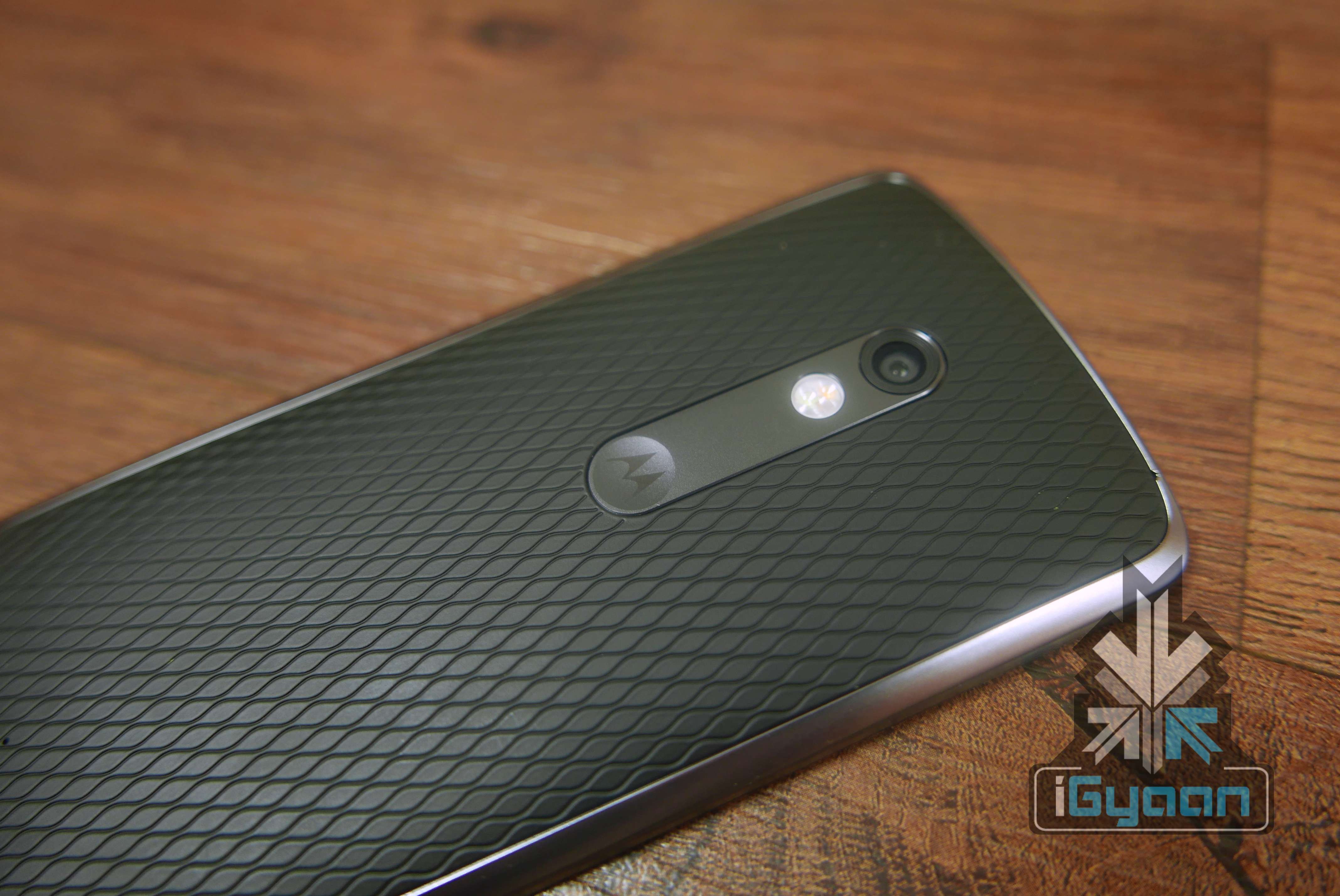
The Moto X Play boasts of features that are sure to excite the masses. With a 21 MP camera, 3630 mAh battery, and expandable memory up to 128 GB, the Moto X Play is definitely worth its price. Other features include a 5.5 inch screen with Corning Gorilla Glass 3, Snapdragon 615, and an Octa-core 1.7 GHz Cortex-A53 CPU.
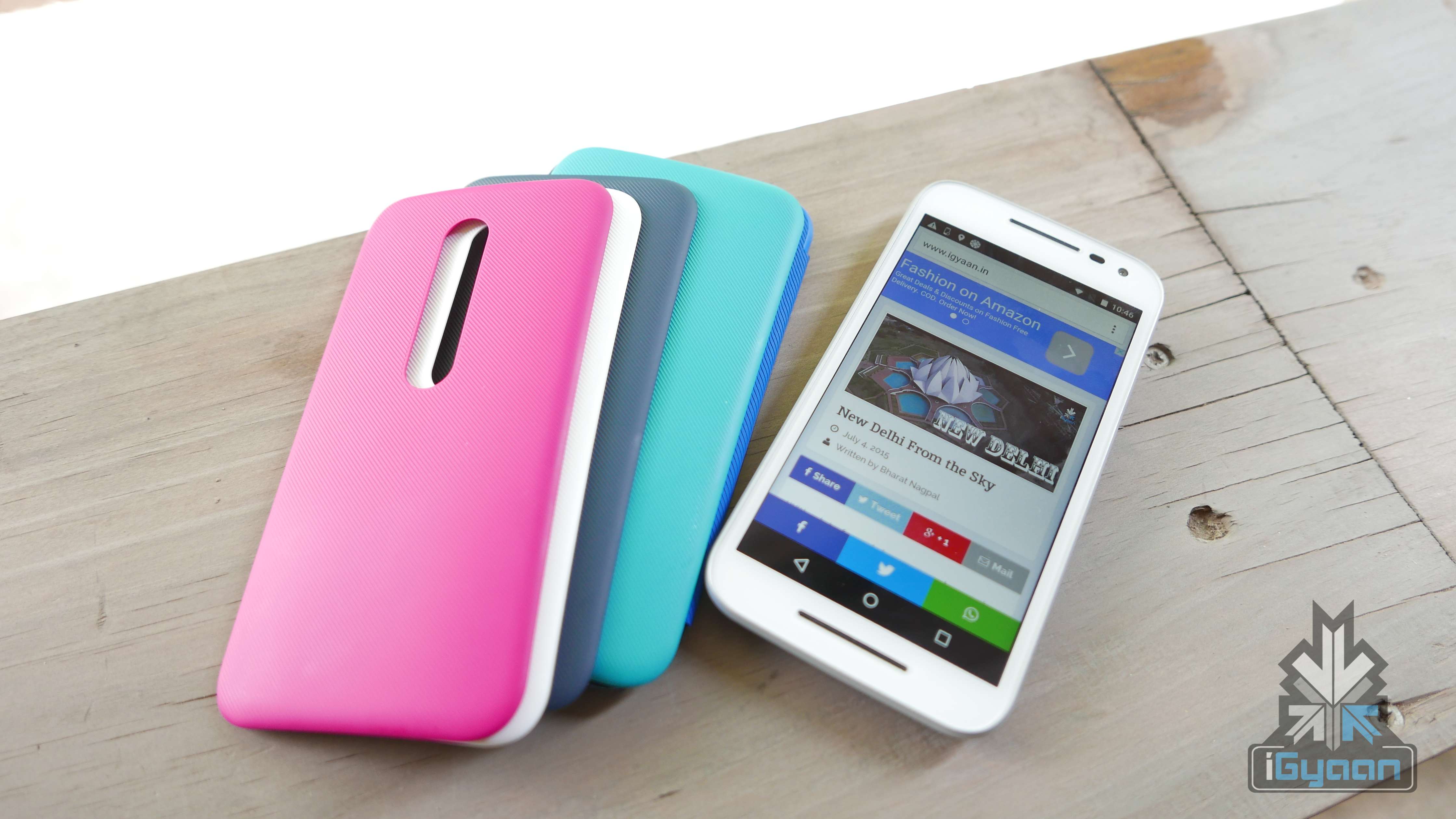
The Moto X Play starts at a price of Rs 18,499, and offers a variety of changeable colored back covers. You can check out our hands on with the Moto X Play to know more about the device.
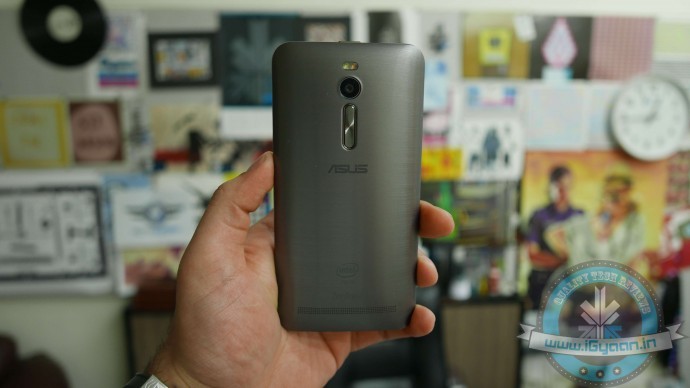
Asus Zenfone 2
The 32 GB Zenfone 2 is priced at Rs. 17,999 and comes with a 5.5-inch 1920x1080p IPS Display, protected by Gorilla Glass 3. It is powered by an Intel Atom 23580 Quadcore processor with 2.3 GHz CPU and 4GB of RAM. The juice is supplied by an adequate 3000mAh non-removable battery and the smartphone comes pre-loaded with Android 5.0 Lollipop.
Asus Zenfone 2 has a 13MP primary camera and a 5MP front camera. The dual LED flash paired with the rear camera, comes in two colours, to help you get the right white balance. Both the microphones consist of the noise cancellation feature, thus enabling you to talk with least hassle. Check out our exclusive unboxing and hands on of the Vibe P1 for more.
HTC Desire 828
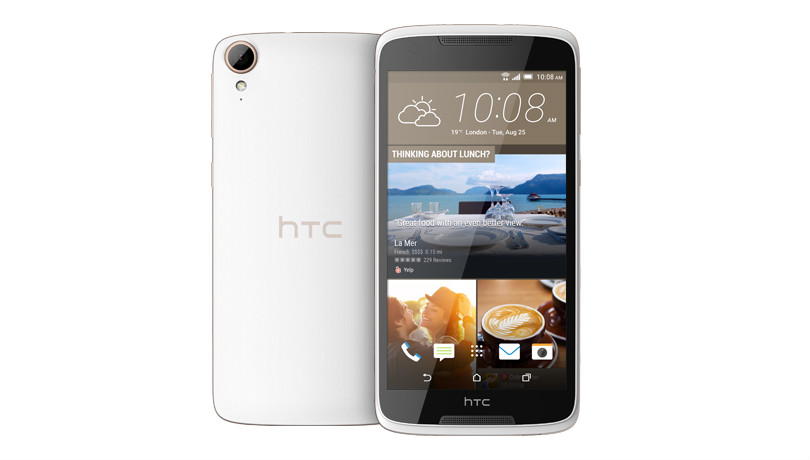
The HTC Desire 828 arrived in India on the 14th of December. Priced at Rs. 19,990, the model comes with a 5.5 inch display with 1080 x 1920 pixels resolution and is powered by the Mediatek MT6753. It is run on the Android OS, v5.1 (Lollipop) and has a dual SIM (Nano-SIM, dual stand-by) connectivity.
It also comes with a storage of 16GB that is expandable up to 2 TB along with 2GB of RAM. On the camera front, the Desire 828 features a 13 MP rear camera and HTC UltraPixel front. The Desire 828 is the first model in the Desire lineup to. The device is packed with a Li-Ion 2800 mAh battery and supports a micro USB v2.0.
OnePlus One
Even though OnePlus’ debut handset came to India towards the end of 2014, the OnePlus One with 64 GB storage is still a great option today. The device sports a 5.5-inch LTPS display with a 1920 x 1080p resolution and Gorilla Glass 3. On the hardware front the device features a Qualcomm Snapdragon 801 SoC with Adreno 330 GPU, 3GB of RAM and 64 GB storage.
The OnePlus One also features a 13 MP primary camera with 4K video, a 5 MP front-facing shooter, and 3,100mAh battery. All in all the once touted ‘flagship killer’ is still worth your money. The device is available for Rs. 19,999 on Amazon India. Check out our review of the OnePlus One for more.
Continuing with our 2015 roundup, here’s our pick of some of the best smartphones launched this year priced between Rs. 10,000 to Rs. 15,000. Let us know your favourites in the comments below.
Samsung Galaxy On7
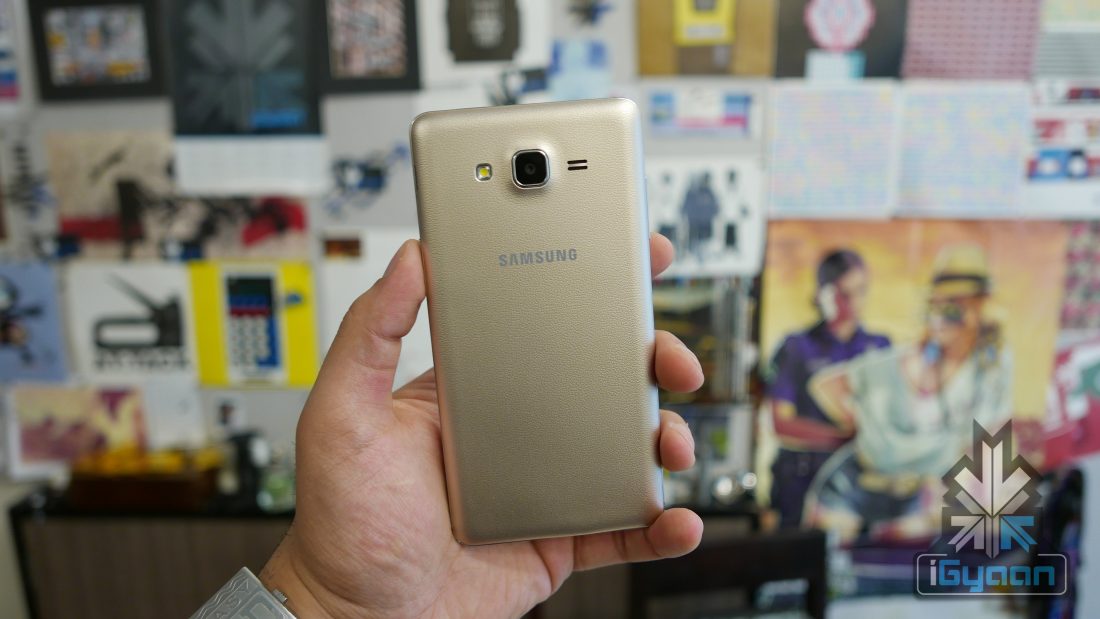
The Samsung Galaxy On7 sports a 5.5-inch (138.6mm) HD display. It runs on a 1.2GHz quad core Sanpdragon 410 processor and a 1.5GB RAM. The storage is the same as the On5 at 8GB and both are expandable up to 128GB via MicroSD card slot. Bith the devices are dual SIM. The On7 houses a 13MP primary camera with auto-focus and a 5MP front.
The device is touted as youth friendly and comes an Ultra Data Saving mode that compresses data and saves up to 50% data charges for greater networking and browsing. The devices also come with RadioMix which is an Apple Music-like streaming service that lets you stream millions of songs and also offers curated music based on your preference. The Galaxy On7 is available at a price of Rs. 10,990. Check out our unboxing and hands on with the Galaxy On7 to know more about the handset.
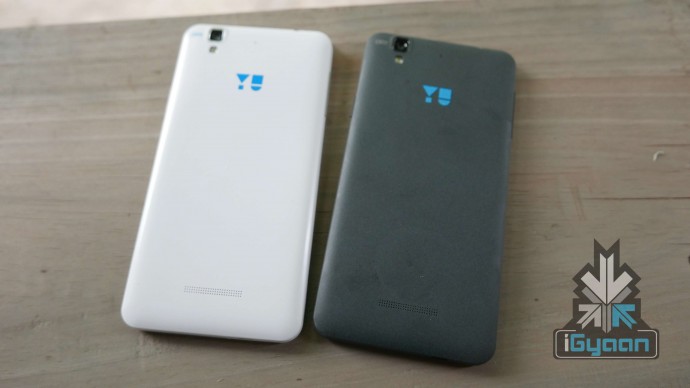
Yu Yureka Plus
The Yureka Plus comes with a 1920x1080px display vs the 720px on the original Yureka. The Plus version also gets the Corning Gorilla Glass 3 protection layer added to the top of the display. All this is on the same size 5.5-inch display which bumps up the pixel density to 400 ppi.
The device is powered by a 1.5GHz octa-core processor with 2 GB of RAM and 16 GB internal storage. The device was originally priced at Rs. 9,999 and was the phone that started it all in that price bracket, but is now available for Rs. 11, 278 on Flipkart.
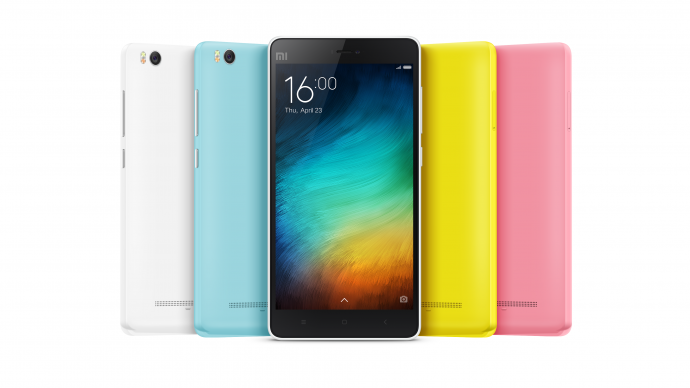
Xiaomi Mi 4i
Xiaomi applied its powerful design and engineering capabilities to create the Mi 4i, which was launched globally at a premiere in New Delhi in April this year. The Xiaomi Mi 4i has a 5-inch Full HD OGS IPS display with 441ppi pixel density. The processor powering the phone is a 64-bit octa-core Cortex-A53; the four cores clocked at 1.7 GHz and the other four at 1.1 GHz. It features 2GB of RAM and 16GB of non-expandable storage space. The Mi 4i runs on Android 5.0 Lollipop with the company’s MIUI 6 on top.
Other features include a 13MP rear and a 5MP shooter. The dual-SIM device is powered by a 3120mAh battery. Connectivity options include Micro-USB 2.0, Bluetooth 4.0 and Wi-Fi. The device is available at a price of Rs. 11,999 for the 16 GB variant.
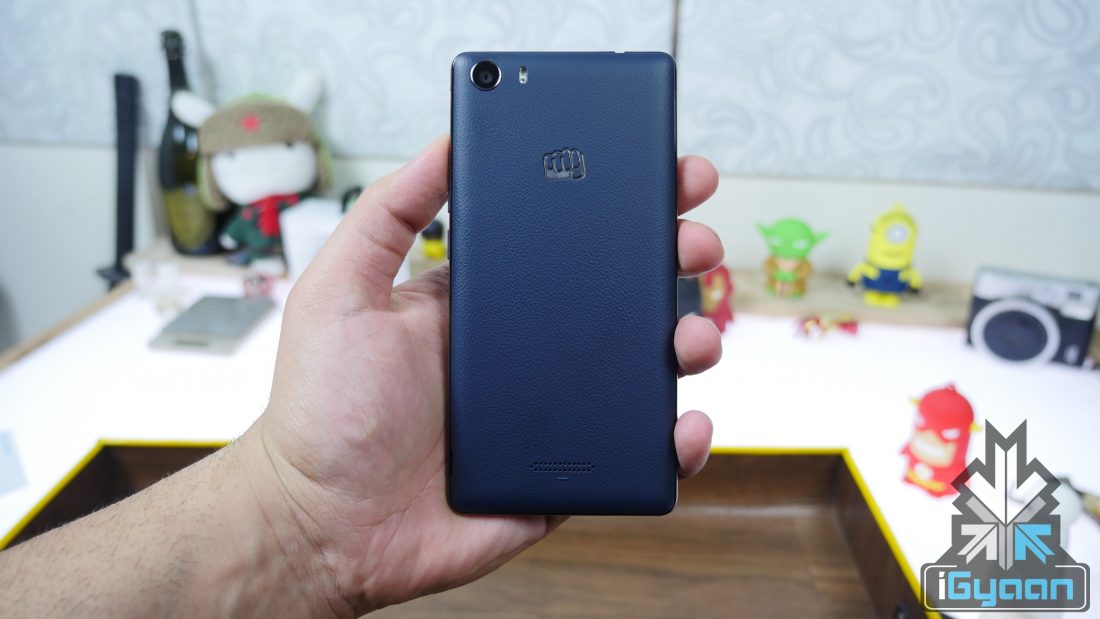
Micromax Canvas 5
Micromax’s latest flagship device, Canvas 5, is priced at Rs. 11,999 and sports a 5.2-inch FHD screen with 480ppi. It is powered by a 1.3GHz octa core MediaTek MT6753 ARM Cortex-A53 chipset. It also features 3 GB RAM and 11 GB internal storage expandable up to 128 GB via MicroSD card slot.
The device features a 13MP rear camera and a 5MP front with flash. The images taken by the primary camera are fairly decent and is quick at capturing images. The added professional modes like ISO, exposure compensations and white balance help you take that perfect shot. Have a look at our full review of the Canvas 5 for a better look at the device and specs.
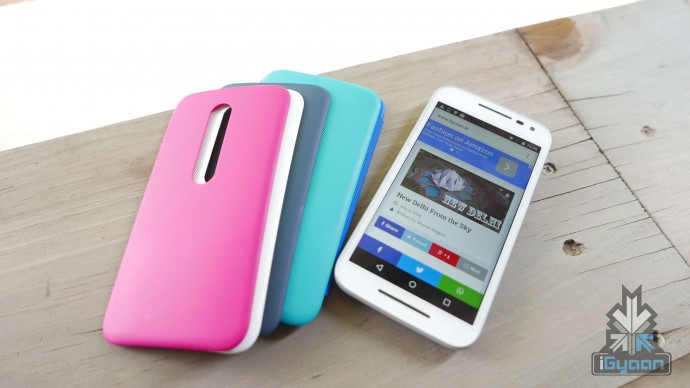
Moto G (3rd Gen)
The Moto G (3rd Gen) It comes with the Android Lollipop 5.1.1, a Qualcomm Snapdragon 410 (MSM8916) processor with 1.4 GHz quad-core CPU, Adreno 306 with 400 MHz GPU.
The display boasts of a 5-inch, 720p HD (1280 x 720), 294 ppi with a battery of 2,470 mAh, mixed usage up to 24 hours. It provides a 4G LTE network connection with a rear camera of up to13MP f/2.0, Field of view (FOV) 76 degree, and a front camera of 5 MP f/2.2, Field v (FOV) 72 degrees Display flash with fixed focus.
The Moto G (Gen 3) Turbo went on sale in the country last week and is exclusively available on Flipkart for order, at a price of Rs. 14,499. The phone comes in two variants, namely, Black with Deep Sea Blue back and White with Slate.
On the specs front, the Moto G Turbo comes with a different chipset, Qualcomm MSM8939 Snapdragon 615, with Adreno 405 and a quick charge capability that Motorola calls a turbo charge. Everything else remains identical to the 16GB storage variant of the Moto G 3rd Gen which comes with 2GB RAM.
Xiaomi Mi 4
A device from last year still continues to draw the attention of smartphone buyers today. Xiaomi’s Mi 4 comes with stainless steel styling elements which sets it apart from its predecessor, the Mi 3. The 5-inch 1080p smartphone gets its processing powers from the 2.5GHz quad-core Snapdragon 801 SoC. The phone has 3GB of RAM and comes with 16/64 GB internal storage options.
The camera on the phone is a 13 megapixel rear with a wide f/1.8 aperture. The selfie camera is a massive 8 MP; a major upgrade in the MI series. The phone also gets an LTE radio and is juiced up by a 3080 mAh battery. Xiaomi fans may still prefer this over the rest, so if you’re in the market for the Mi 4, hit the link below and ready your wallet.
Samsung Galaxy J7
Samsung’s Galaxy J7 runs on 1.5 GHz Octa-Core Exynos processor. It has 16GB of storage which can be expanded upto 128 GB and sports a 5.5 inch HD AMOLED display.
It is a dual-SIM device that supports 4G LTE. It features a 13 MP rear camera with LED Flash and a 5 MP front camera with LED Flash. The phone are capable of full HD recording. It runs on Android 5.1 Lollipop and features 1.5 GB of RAM. The device is available at a price of Rs. 14,999.
Huawei Honor 6
Another 2014 device worth adding to the list is the Huawei Honor 6. The device may be average in terms of design but does have hardware to boast of. It’s the first smartphone with the HiSilicon Kirin 920 SoC, an octa core processor coupled with 3GB RAM and 3100 mAh battery. The handset features an octa-core processor made of four Cortex A 15 cores and similar number of Cortex A7 cores.
The Huawei Honor 6 offers a 13 MP rear shooter with a Sony BSI sensor along with a F2.0 28mm wide angle lens and a dual LED flash, and a 5 MP front. The handset is available at a price of Rs. 14,999 of Flipkart. Check out our review of the Honor 6 for more on the device.
Smartphone is one of the best things to have happened to the realm of technology. With an endless list of features that make it such an amazing gift of technology to mankind, here’s a list of some of our favourite features:
Identifying Songs:
Apps like Shazam and SoundHound have made life so much better for music lovers. Remember that gnawing, annoying feeling of trying to identify a song you happen to hear at a restaurant? Yes, you don’t because your smartphone identifies songs for you and saves you the torture of obsessing over a tune or rhythm.
Navigation:
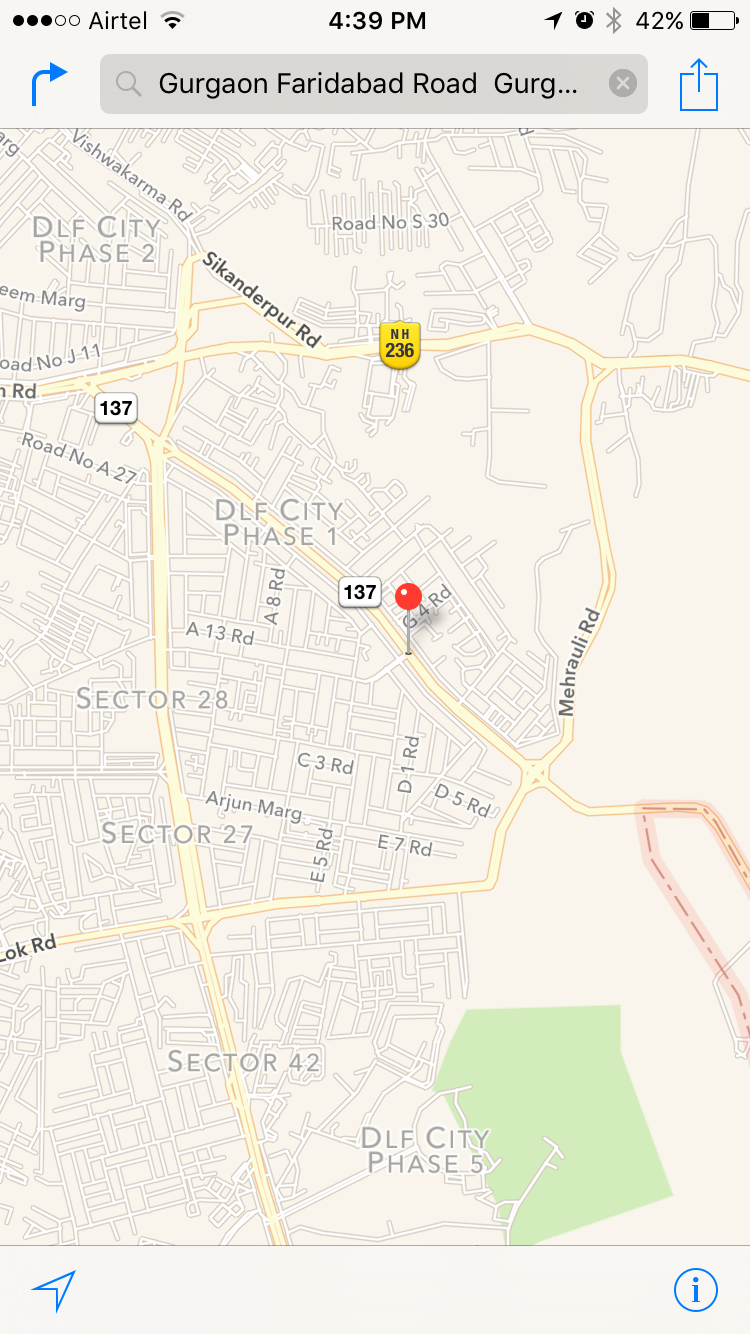
Any geographically-challenged smartphone user would agree about how wonderful life has been ever since the introduction of apps like Google Maps and Apple Maps. Navigation has never been easier. Whether or not geography has been a source of bother for you, smartphone navigation has come to the rescue of many lost travellers more than once.
Fitness Tracker:
Hello, fitter bodies and healthier minds. Nike+, Daily Yoga and many such apps help users maintain a fitness regime with regular updates about their progress and motivation in the form of points earned or badges won. Water Drink Reminder and Waterlogged are examples of two other fitness-related apps -they remind you to drink water at regular intervals and keep your body hydrated.
Fake Calls:This is by far one of the coolest features of smartphones. Ever tried getting out of an awkward situation by pretending to be busy with your phone? There, there -we have all done that. Fake Call is an app which takes it a step further to help you be a better liar in situations that require an immediate exit. We wonder what awkward situations looked like before smartphones.
Diwali is right around the corner and we are all receiving and sending gifts to one another. However, picking the right gift is always a very tricky affair. So, in order to make it slightly easier for you, we bring you a list of smartphones in different ranges that could help you pick your Diwali present.
Low-Range Smartphones (Rs.5,000 – Rs.10,000)
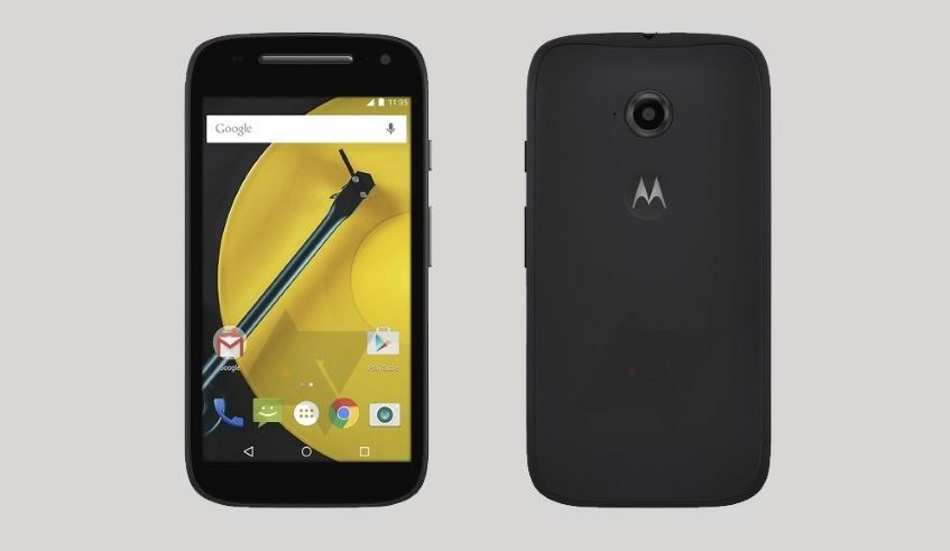
1. Moto E 2nd Generation: Motorola has been doing quite well this year with its budget smartphones and the Moto E 2nd Gen is definitely one worth sending out as a Diwali present.
This phone boasts a:
5MP primary camera with auto focus, HDR and 0.3MP front facing camera
4.5-inch (11.43 centimeters) quarter HD IPS capacitive touchscreen with 960 x 540 pixels resolution
Android v5 Lollipop operating system with 1.2GHz Qualcomm Snapdragon 200 quad core processor, 400MHz Adreno 302 GPU, 1GB RAM, 8GB internal memory expandable up to 32GB and dual SIM (GSM+UMTS)
2390mAH lithium-ion battery
You can buy this phone on Amazon India for Rs.4,999.
2. YU Yuphoria: This smartphone from Micromax’s YU comes with:
8MP primary camera and 5MP front facing camera
5-inch (12.7 centimeters) HD IPS capacitive touchscreen with 1280 x 720 pixels resolution and 294 ppi pixel density
Android v5.1.1 Lollipop operating system with Snapdragon 410 quad core processor, 2GB RAM, 16GB internal memory expandable up to 32GB and dual SIM (GSM+GSM)
2230mAH lithium-ion battery providing talk-time of 7 hours and standby time of 160 hours
Android Lollipop with CyanogenOS 12 and OxygenOS – 2.5GHz Qualcomm Snapdragon 801 quad core processor, 578MHz Adreno-330 GPU, 3GB RAM, 64GB internal memory and single Micro SIM
Multi-touch IPS 5.5″ (13.97 cm) Corning Gorilla Glass 3 (full HD 1080 x 1920 pixels @ 401 PPI) touch-screen by JDI with LTPS technology
Long lasting 3,100 mAh Li-Po battery and best-in-class camera (13MP Sony IMX214 rear with dual LED flash & 5MP front with 1080p@30fps); 6 lenses to avoid distortion and color aberration, 4K resolution video with stereo recording
4G LTE, Bluetooth v4.1, GPRS, NFC, Wi-Fi 802.11 a/b/g/n/ac with Miracast
This phone is exclusively available on Amazon India at a Diwali price of Rs.17,999 instead of Rs.19,999.
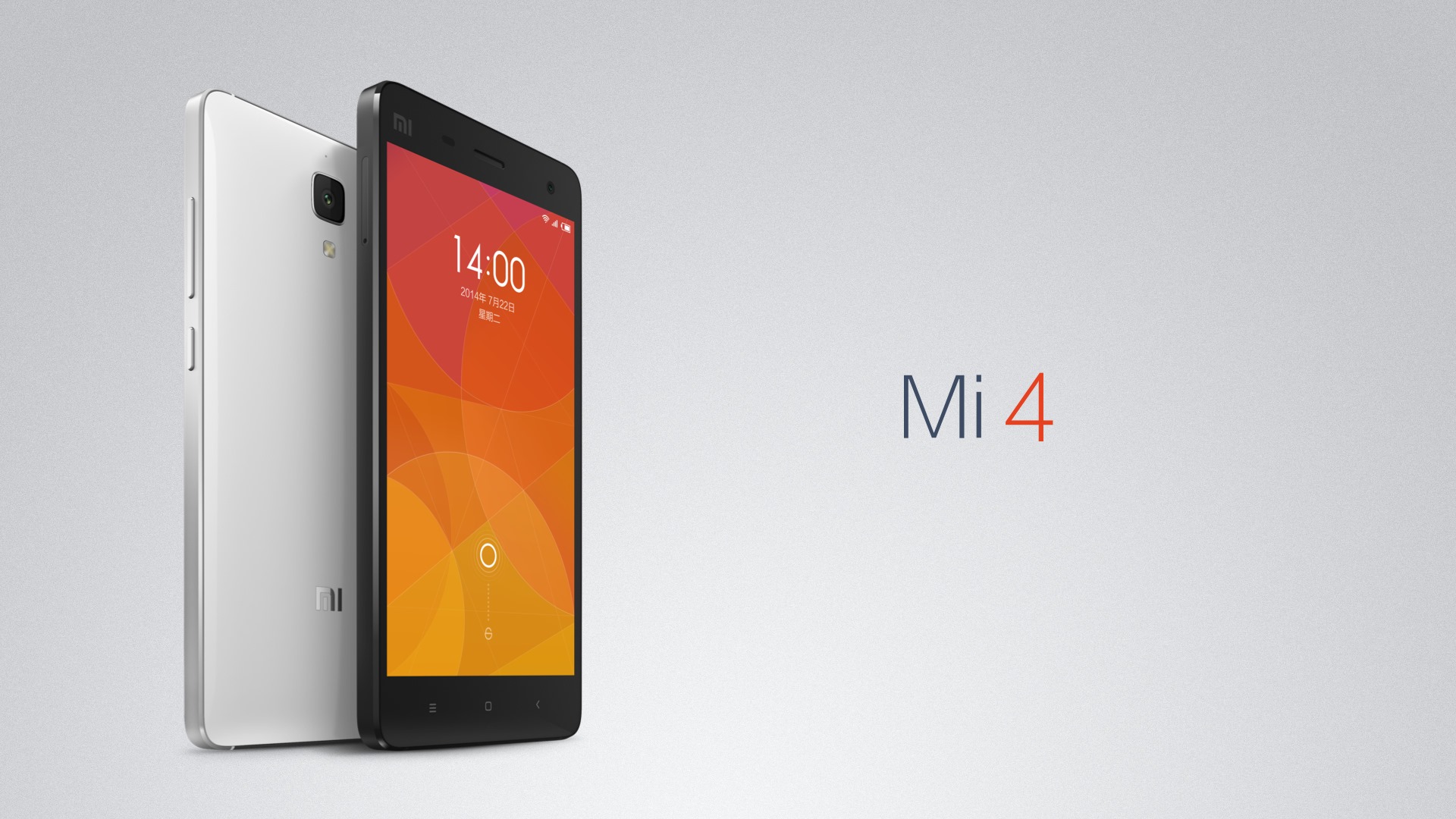
2. Mi 4 (16GB):
13MP primary camera with 4K UHD video recording and 8MP front facing camera
5-inch (12.7 centimeters) IPS HD capacitive touchscreen with 1080 x 1920 pixels resolution and 441 ppi pixel density
Android v4.4.4 KitKat operating system with 2.5GHz Qualcomm Snapdragon 801 processor, Adreno 330 GPU, 3GB RAM, 16GB internal memory and single SIM
3080mAH lithium-polymer battery
The Mi 4 which was originally priced at Rs.14,999 will now be available on Amazon India at Rs.12,999.
3.Micromax Canvas Knight 2 E471:
13MP primary camera and 5MP front facing camera
5-inch (12.7 centimeters) AMOLED capacitive touchscreen with 1280 x 720 pixels resolution
Android v5 Lollipop operating system with 1.5GHz Qualcomm Snapdragon 615 octa core processor, 2GB RAM, 16GB internal memory expandable up to 32GB and dual SIM (GSM+GSM)
2260mAH lithium-ion battery providing talk-time of 7 hours 45 minutes and standby time of 335 hours.
High-Range Phones (Rs.20,000 and above)
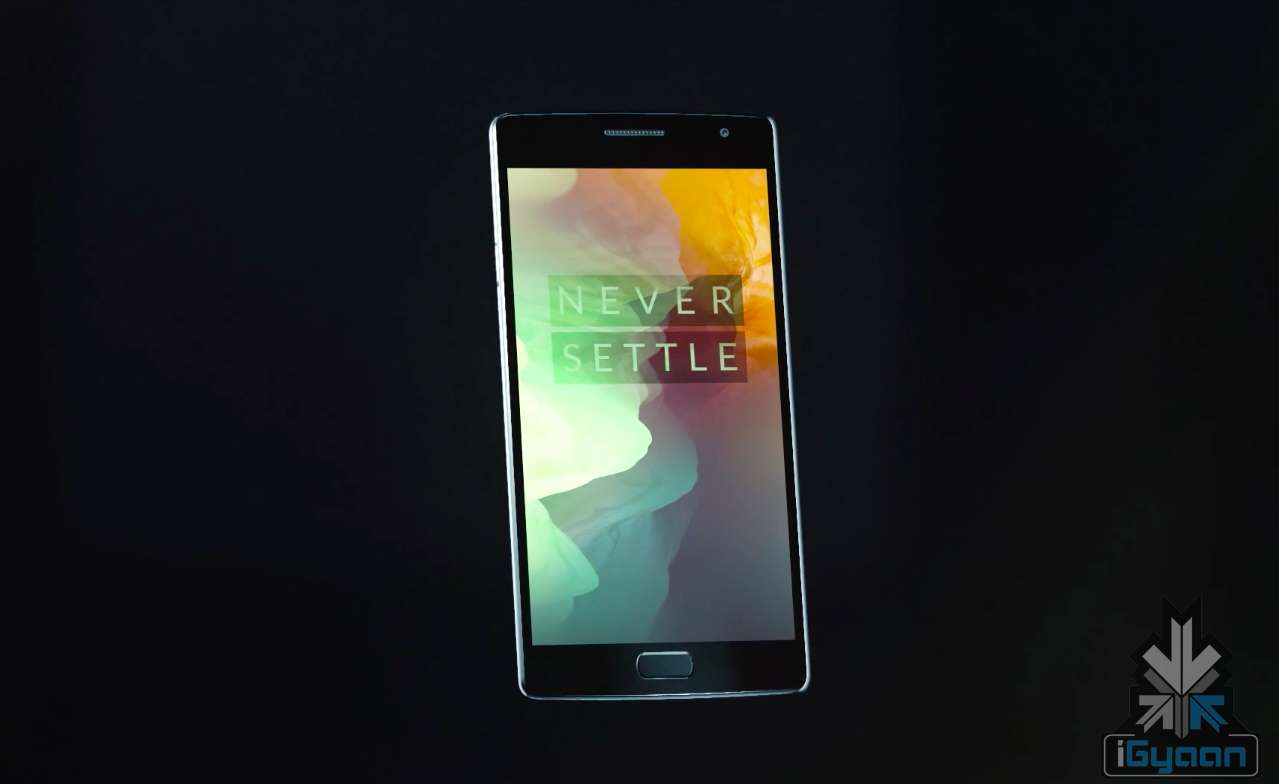
1. OnePlus Two:
The star smartphone of the year comes with –
13MP primary camera with f/2.0 Aperture, 1.3 µm Pixels, 6-lenses, Dual LED Flash, advanced Laser Autofocus with Optical Image Stabilisation (OIS) and 5MP front facing camera
Designed with premium stainless steel frame and multi-touch IPS 5.5″ Corning Gorilla Glass IPS LCD (full HD 1080 x 1920 pixels @ 401 PPI, 1500:1 contrast ratio; 178 degrees viewing angle)
OxygenOS based on Android Lollipop 5.1.1 with Qualcomm Snapdragon 810 (64 bit with 1.8GHz Octa-core SoC) featuring 4G LTE, Adreno 430 GPU; 4GB LPDDR4 RAM; 64GB eMMC5 storage
3,300 mAh Li-Po battery; Dual Nano SIM, Fingerprint sensor, USB Type-C port and 3-way physical alert toggle switch
It is now available on Amazon India at Rs.24,999.
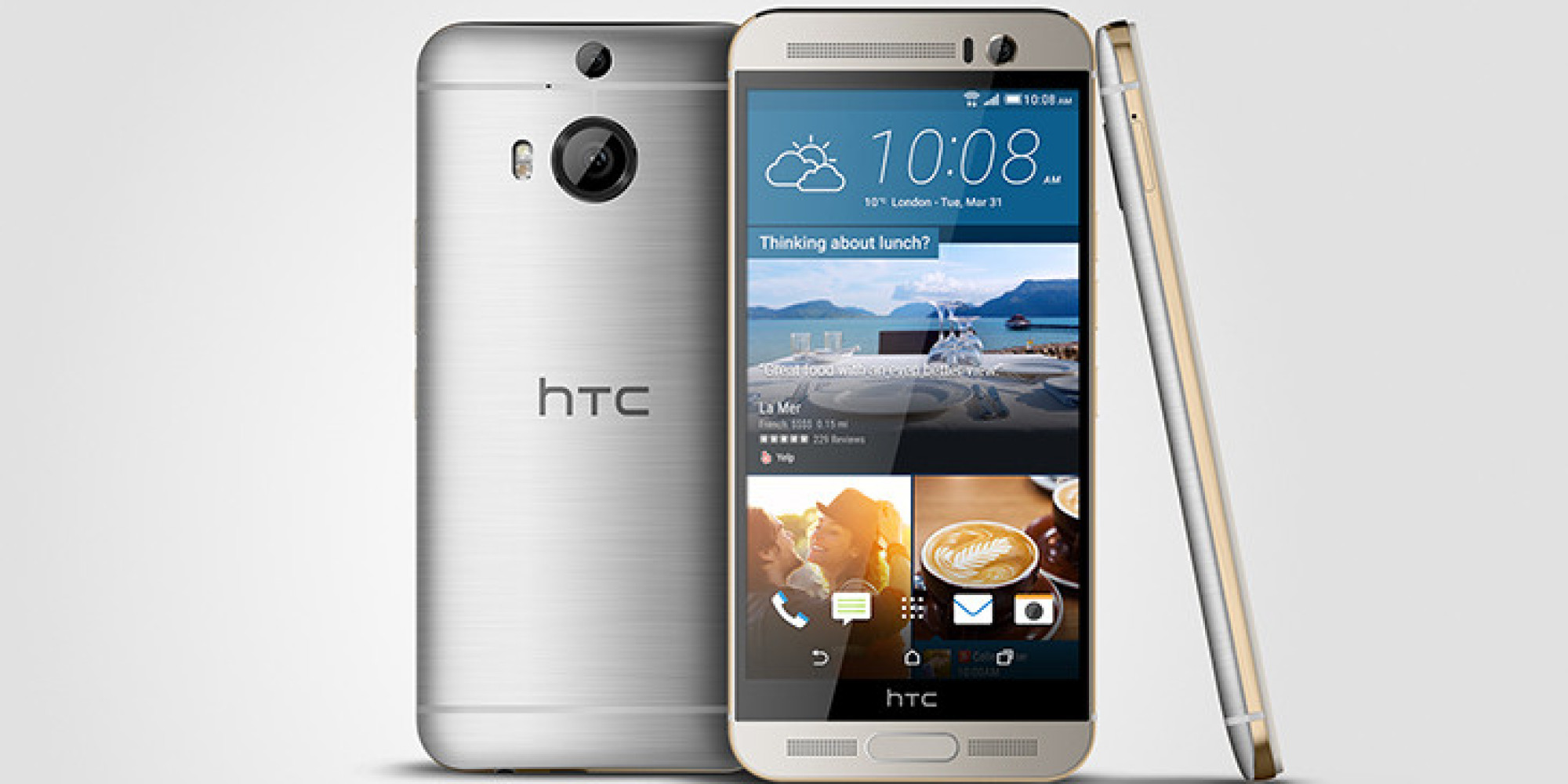
2. HTC One M9 Plus (Gold-Silver, 32GB):
20MP primary camera with sapphire cover lens, auto focus, BSI sensor and ultrapixel front facing camera
5.2-inch (13.2 centimeters) capacitive touchscreen with 1440 x 2560 pixels resolution
Android operating system with 2.2GHz,Mediatek MT6795T helio X10 octa core processor, 3GB RAM, 32GB internal memory expandable up to 2TB and single SIM
2840mAH lithium-ion battery providing talk-time of 23 hours on 2G, 13 hours on 3G networks and standby time of 598 hours on 2G, 626 hours on 3G networks
The HTC One M9 Plus is available at Rs.39,705, which originally would have been Rs.53,900.
16 MP, 2988 x 5312 pixels, optical image stabilization, autofocus, LED flash
This phone that is originally priced at Rs.58,699 will now come at Rs.39,990 this Diwali 2015.
4. iPhone 6:
This list would be incomplete without the iPhone, the iPhone 6 comes with –
4.7-inch (diagonal) Retina HD display with 1334-by-750 resolution
A8 chip with M8 motion coprocessor
8-megapixel iSight camera with Focus Pixels and True Tone flash
1080p HD video recording at 60 fps and slo-mo video recording at 240 fps
FaceTime HD camera
Touch ID fingerprint sensor
LTE1 and 802.11ac Wi-Fi
We hope this list solves at least one-quarter of your problems (all offers and prices are subject to vary as they are applicable only for limited periods of time). Until then Happy Diwali from us! Have a safe one.
Allowing you to take laziness to the next level, Google’s new email app will come up with responses for emails and thereby saving your brain cells the extra effort. The Smart Reply feature of the Inbox by Gmail app was unveiled on Tuesday and offers three responses that can be customised by the user.
Smart Reply, Google’s smartphone app, uses deep learning, a modified version of Artificial intelligence to make the appropriate replies. Over time, the app would study the pattern of responses to emails, and suggest responses based on the most and least often used ones.
The president of the Google for Work program, Amit Singh commented on this, “The possibilities of machine learning are endless.”
Users tend to keep replies short on mobile phones and it was precisely this style of emailing on phones which led to the development of Google’s newest app. Google has also made sure to include or exclude responses which are more commonly used or steered cleared of. This ensures no private replies get mixed with business emails and vice versa. Smart Reply is expected to be available by the end of this week as part of the Inbox app that is compatible with both Android and iOS devices.
By now you’re probably aware that the latest Android 6.0 Marshmallow update has begun rolling out. You might also have an idea of what the new update offers such as the Now on Tap and Doze features, among other things. But what’s really making everyone wonder is whether or not their Android devices are eligible for the update.
Well, you don’t have to wonder anymore. We have a list of devices of major smartphone companies that will receive the Marshmallow update in due time. The Nexus phones are the first devices eligible for the updates, as it has usually been the case. Google’s recently launched Nexus 5X and 6P come pre-installed with the Android 6.0 OS, also called Android M. Other OEMs will soon be releasing it for their smartphones as well.
Major flagships will first receive the update followed by the second batch of phones. Here is the list of smartphones from Samsung, LG, Motorola, HTC, Xiaomi, Asus and other brands that are scheduled to get the update. Check it out to see if your phone made the cut.
Samsung
Galaxy Note 5
Galaxy S6
Galaxy S6 Edge and Edge+
Galaxy S5
Galaxy Note 4
Galaxy Alpha
Galaxy A7, A8 (A3, A5 and Galaxy E series to receive it later on)
Motorola is removing bloatware in a big way, keeping its current lineup of smartphones something special for Android enthusiasts. The company plans to keep the phones light and clean without stuffing them with their own software and application. In an attempt to make the phones more Android pure, Motorola has announced which of its devices will be getting the Marshmallow upgrade and also announced that it would be deleting a few of its own software.
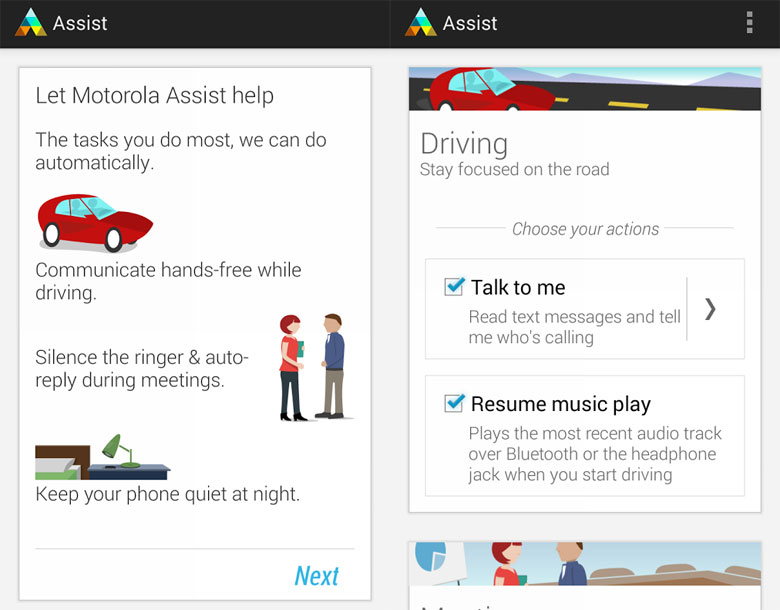
Specifically, Motorola will be removing in-house apps and services like Moto Assist, Motorola Migrate and the Motorola Connect (Chrome extension) and won’t preload them onto devices anymore.
Here’s why this is a good thing – Bloatware takes up a lot of storage space and resources. The extra weight causes slower upgrade process. Many OEMs have taken advantage of Android’s wide scope of applications and have generally stuffed their phones with applications that not only take up space but also don’t particularly enhance user experience since most of the apps are hardly ever used.
Motorola senior VP of software engineering Seang Chau understands why the company doesn’t need to add bloatware to its phone – because if users want an extra application, they can download it from the Google Play, that likely does better than what OEMs offer.
“The release of a new Android version is a great time to take a fresh look at our signature Moto Enhancements to ensure we’re complementing Android (not competing with it),” Motorola explains. “Both of these products were valuable in their time but the world has moved on and they no longer add enough value to justify taking up space in your device.”
This is how Motorola is finding acceptance among Android fans. Not many companies out there would accept that their own services don’t actually improve the overall user experience. Motorola has come to stand out as one of the very best Android OEMs when it comes to not taking up storage space and resources with its own applications.
For existing Motorola users, here’s a full list of devices that will be getting the upgrade to Android 6.0 Marshmallow with the deleted bloatware:
2015 Moto X Pure Edition (3rd gen)
2015 Moto X Style (3rd gen)
2015 Moto X Play
2015 Moto G (3rd gen)
2014 Moto X Pure Edition in the US (2nd gen)
2014 Moto X in Latin America, Europe and Asia2 (2nd gen)
2014 Moto G and Moto G with 4G LTE2 (2nd gen)
DROID Turbo
2014 Moto MAXX
2014 Moto Turbo
Nexus 6
The company will be releasing more information on the timing of these phone upgrades in the coming weeks.
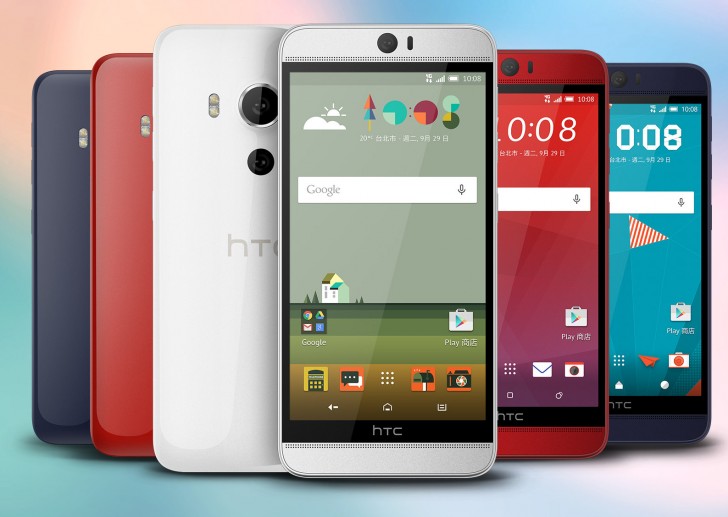
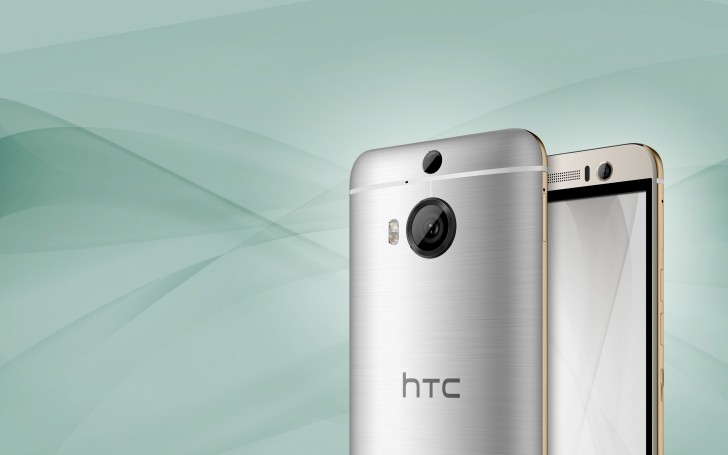
HTC unveiled the Butterfly 3 and the HTC One M9+ Supreme Camera (Aurora Edition) smartphones on Tuesday. While the HTC Butterfly 3 is essentially the same as the J Butterfly that was launched in May, the HTC One M9+ Supreme Camera is almost identical to the One M9+ but with an upgraded rear camera.
The HTC Butterfly 3 comes with a 5.2-inch QHD LCD display, Snapdragon 810 chipset, and 3GB of RAM. It runs on Android 5.0 Lollipop and come with a 32 GB built in storage which can be expandable via microSD card up to 2 TB, theoretically speaking of course.
The Butterfly 3 also sports a massive 20.2 megapixel rear camera with dual-LED. The front is a 13-megapixel camera which has a fast f/2.0 aperture and can shoot 1080p videos.
HTC One M9+ Supreme Camera
The HTC One M9+ Supreme Camera edition now has a new laser autofocus system and better rear camera at 21-megapixels and an f/2.2 aperture. The rest of the specs are similar to the M9+ with 5.2-inch Quad-HD (1440×2560 pixels) display and powered by 2.2GHz octa-core MediaTek Helio X10 processor with 3 GB of RAM. It is available in 32 GB inbuilt storage with up to 128 GB expandability via microSD card.
Here’s a detailed look at the specs for both the Butterfly 3 and the One M9+ Supreme Camera. Global availability and price details are yet to be disclosed.