Tag: USB Type-C

  • iOS 13 Beta Reveals iPhone 2019 May Ship With USB Type-C To Lightning Cable

    iOS 13 Beta Reveals iPhone 2019 May Ship With USB Type-C To Lightning Cable

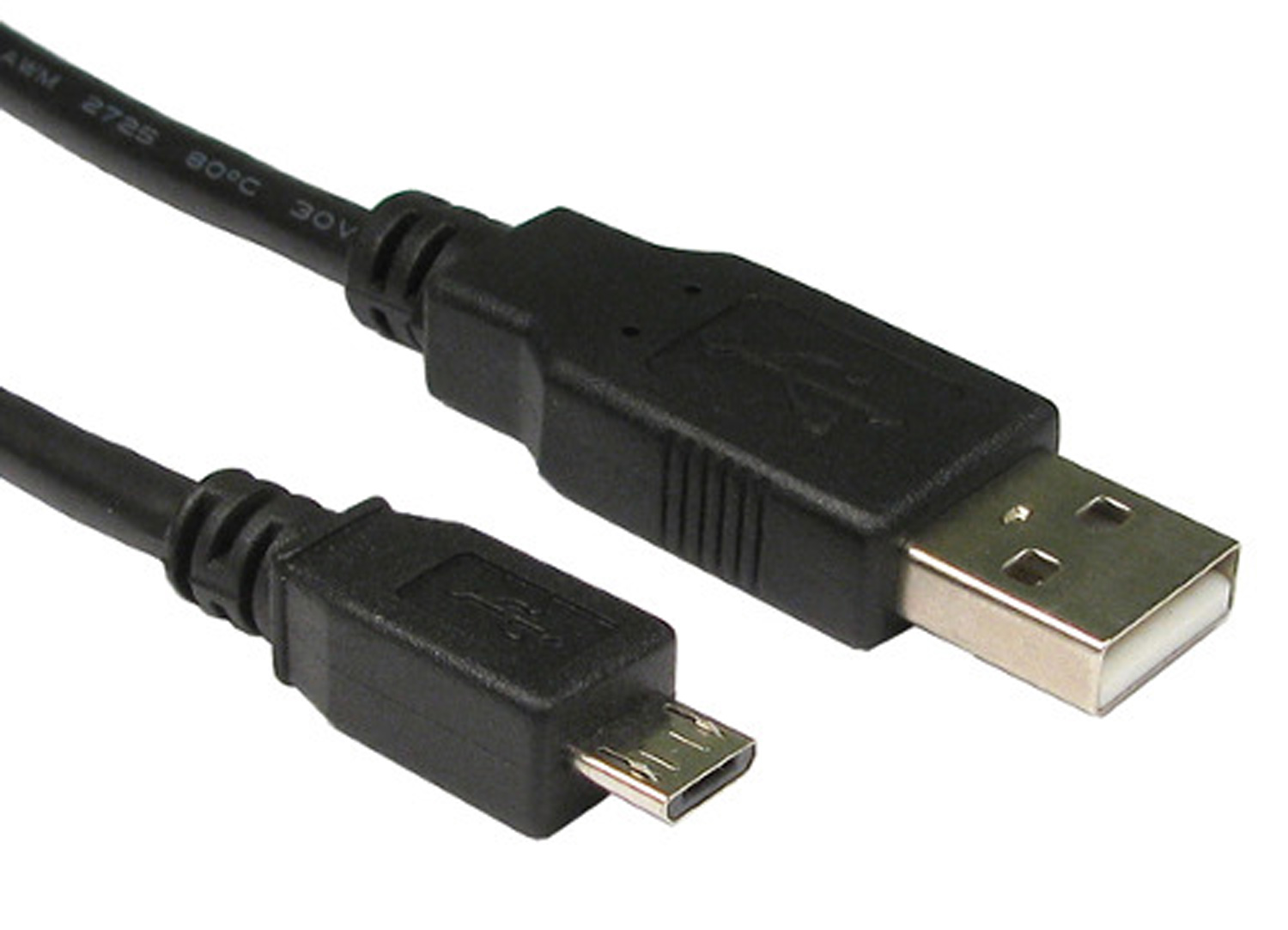
    Apple iPhones are the major buzz around this time each year, right before the launch of its flagship smartphones. The company is rumoured to ship the upcoming iPhones with an 18W charger with USB Type-C to Lightning cable. Apple has already moved the iPad Pro over to USB-C for its faster-charging capabilities and compatibility with a lot more accessories. 
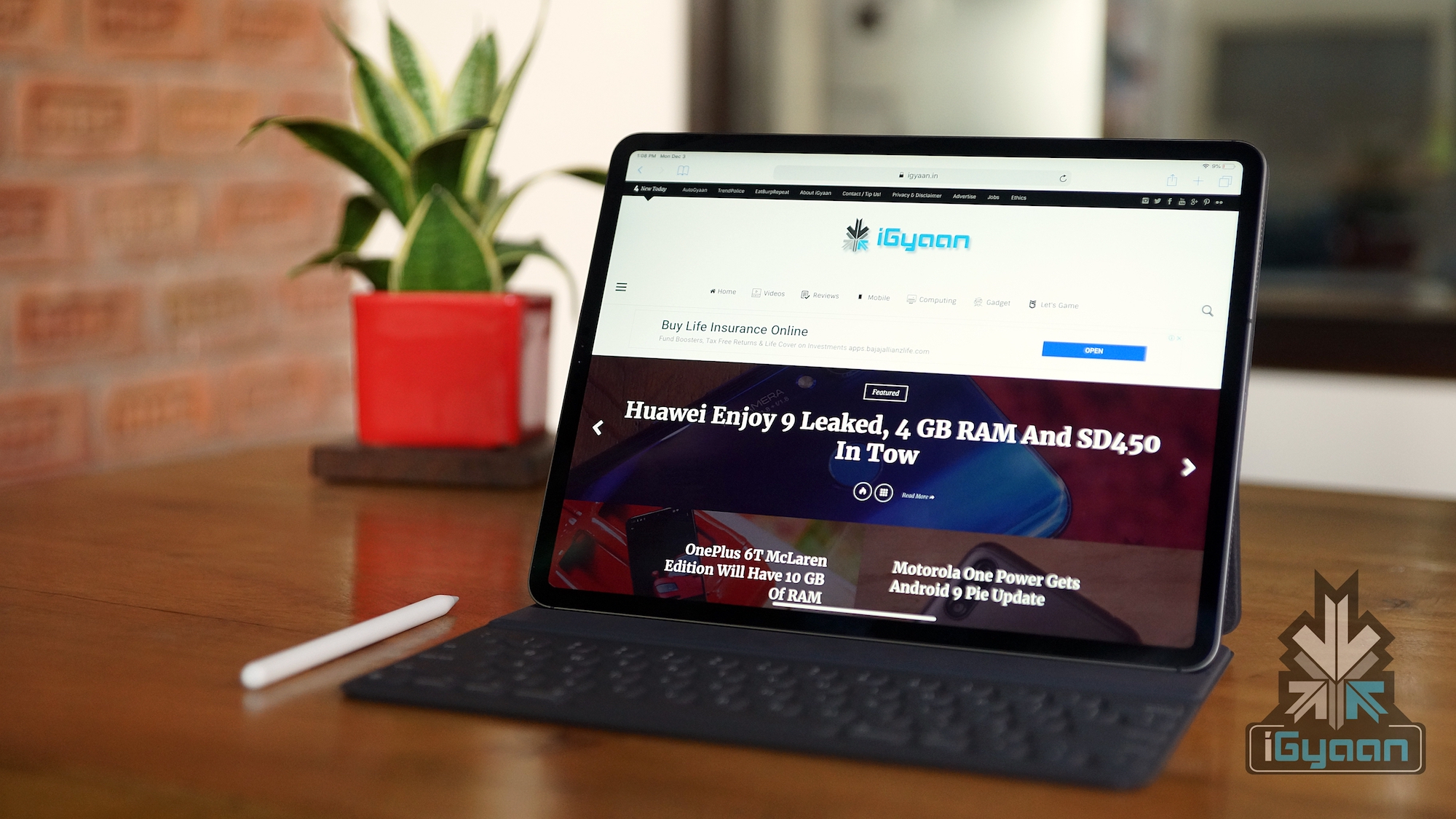
    Apple iPad Pro

    It is unlikely that Apple would shift its entire lineup to USB type-C as it still generates considerable revenue by selling Lightning cables to its third-party accessory makers. The USB-C to Lightning cable adapter is one of the highest selling accessories from Apple. Hence, the complete shift would cause the company to rethink its revenue strategy and might only ship the iPhone XI and XI Max with the port, skipping the XIR. Since the iPhone 5 launched in the year 2012, the American company has used its proprietary connector dubbed the Lightning port.

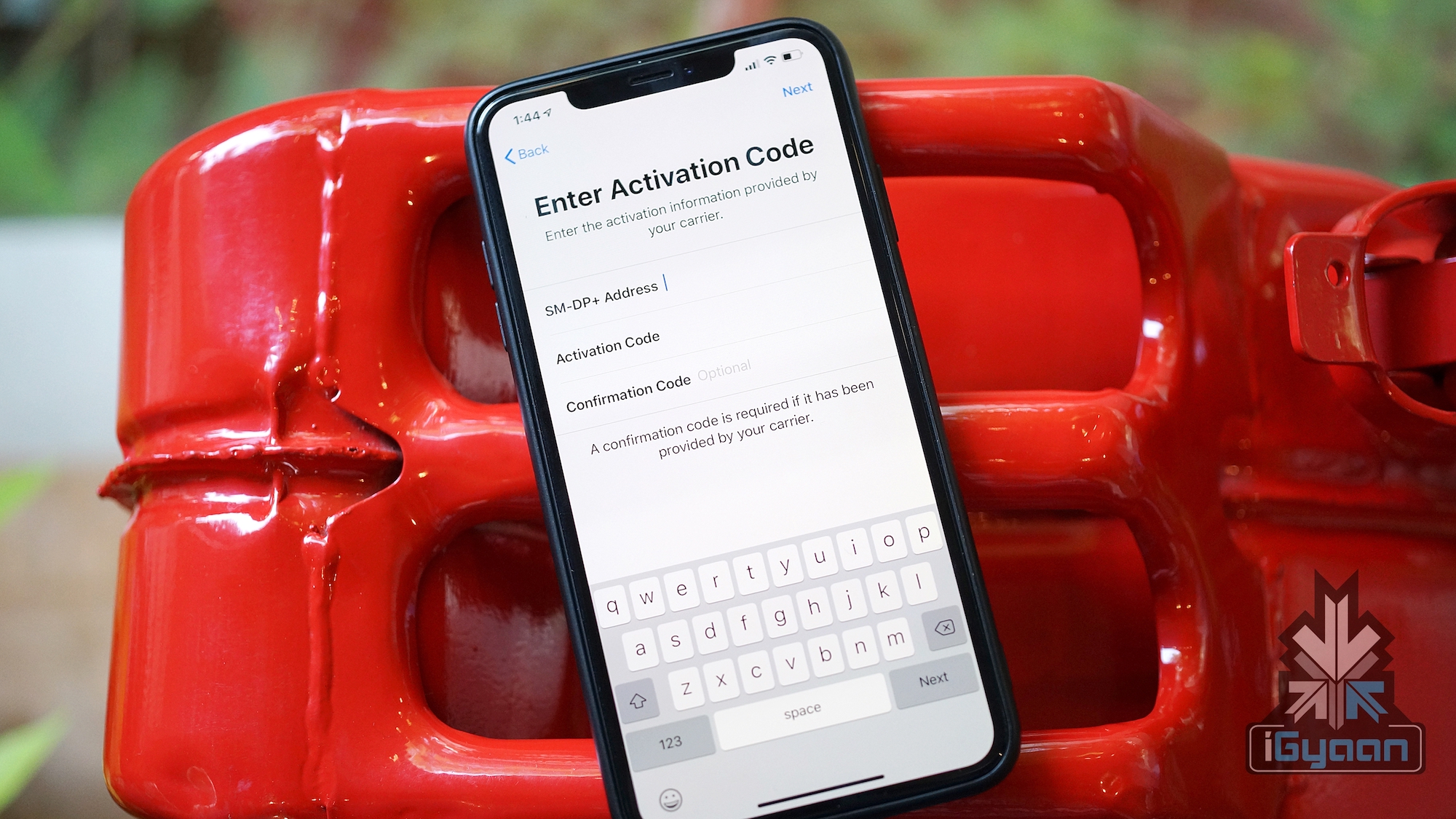
    The switch to USB Type-C to Lightning cable will also allow connecting the upcoming iPhones to a MacBook much easier; Negating the need for purchasing a separate cable to make the connection. The latest leak showcases a recovery screen from the iOS 13 Beta that shows a USB-C cable pointing towards a computer. The past iterations of this mode had a Lightning cable pointing at iTunes. However, due to the discontinuation of the iTunes platform, Apple may have decided to change the icon with the latest update.
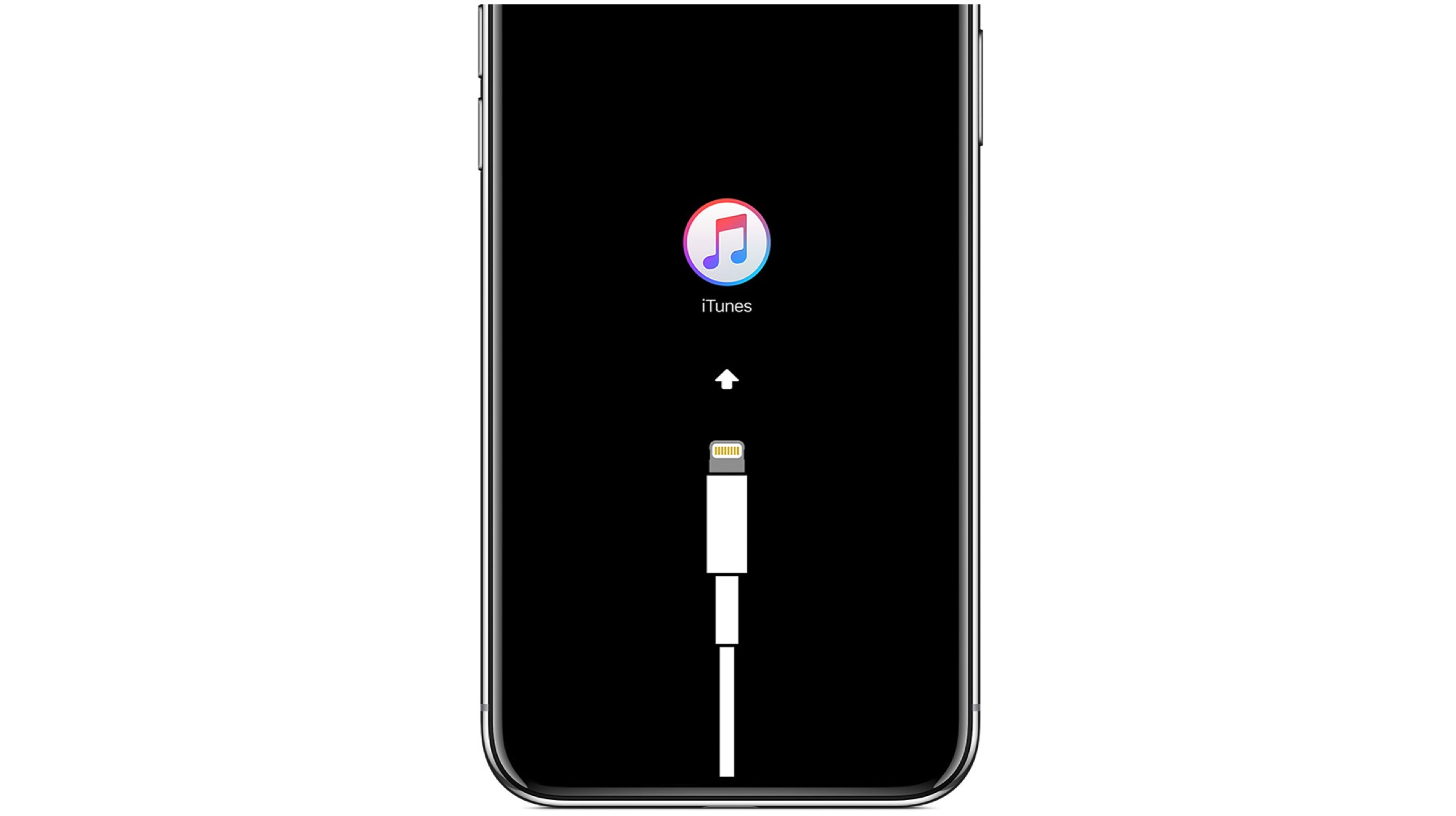
    iPhones

    The company has made fast charging feature available in its smartphone lineups since 2017s iPhone 8. However, the devices were never bundled with the fast charger but had to be separately purchased. Apple has since bundled the 18W fast charger along with the iPad Pro in late 2018, a first for the company. This move might be mirrored in the newer releases in Q3 2019.

    Also ReadEverything We Know About The Samsung Galaxy M40

    The faster charging rates and better port compatibility in the future iPhones might take away from exclusivity but provide a healthy addition to the lineup. Although considering Apple’s tendency for a smooth and steady transition, it may entirely skip the USB-C to lightning cable for the new iPhones but instead offer the USB Type C port as a standard going forward in future iPhones.
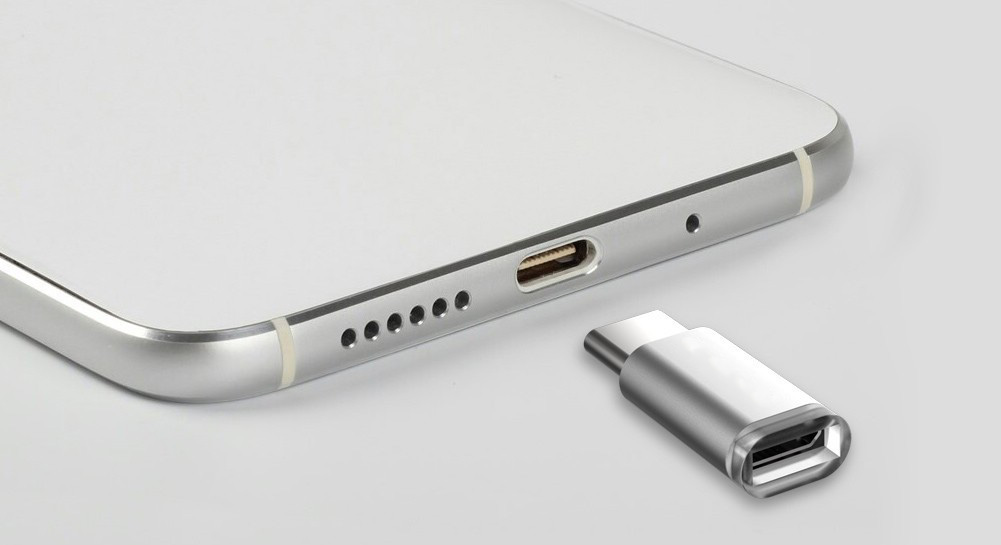
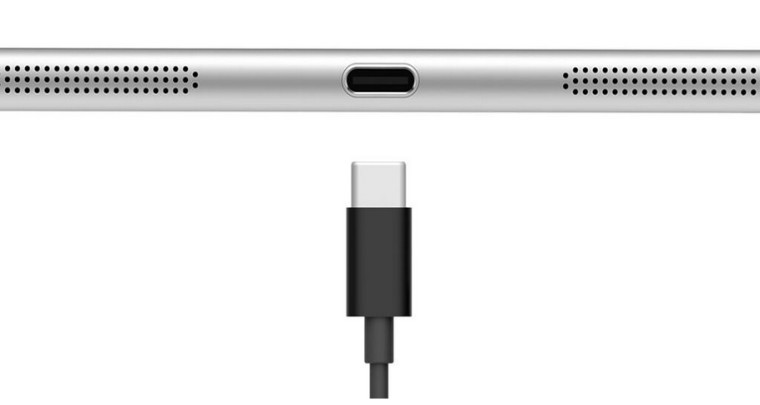
  • USB 3.2 : Double The Speed Using Existing USB Type C Connectors

    USB 3.2 : Double The Speed Using Existing USB Type C Connectors

    When Apple removed all the ports in its new MacBook and replaced them with USB Type-C ports, the world anticipated that we’re moving towards devices with a universal port for everything. However, with different voltage requirements, specifications for data transfer and power, and more make it complicated to ensure that one port will satisfy all needs in any part of the world.

    The USB 3.0 Promoter Group, which consists of Apple, HP, Intel, Microsoft, Texas Instruments, and others of its members has announced a new USB Type C specification, the USB 3.2. USB 3.1 or, to be accurate, USB 3.1 Gen 2 Superspeed+ sports up to 10Gbps. This is made possible by combining two individual 5Gbps lanes. USB 3.2 will now double these two lanes to 10Gbps each, resulting in a whopping 20Gbps transfer speed. Assuming the host and recipient devices are compatible with USB 3.2, even older USB 3.0 cables will see faster speeds of up to 2oGbps. So, even if you don’t upgrade all your tech from USB 3.0 to 3.2, you may see an increase in transfer speeds if the manufacturers start to support it.

    It is also worth noting that not every USB Type C cable is capable of transferring these 2 lanes of 10Gbps, so even though different USB Type C cables might look the same, it doesn’t necessarily mean that they are the same. In order for it to support these new transfer speeds, the cable needs to be Superspeed+ certified.

    The USB 3.2 is not expected to be finalised until later this year, which means it’ll probably be a while before we see a standard roll out to devices. The USB Developer Days event is scheduled for September 2017 and a lot of other announcements are anticipated to happen in Vancouver, Canada.

  • New Apple Macs, MacBooks and Peripherals Launching Oct 27th

    New Apple Macs, MacBooks and Peripherals Launching Oct 27th

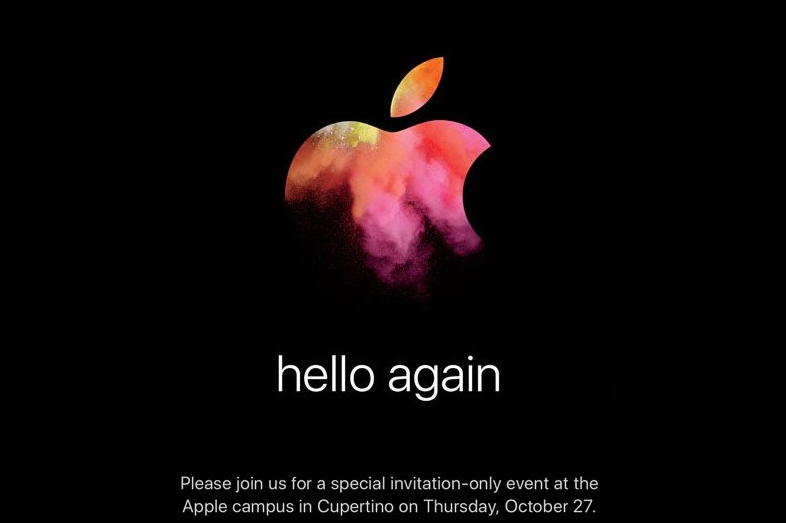
    Apple will be holding an event on the 27th of October to launch the new revised and refreshed lineup of iMacs MacBooks and possibly new Peripherals like a new Airport Express and Extreme. The October 27 launch will start at 10:30PM IST, and will be available to watch via live streaming.

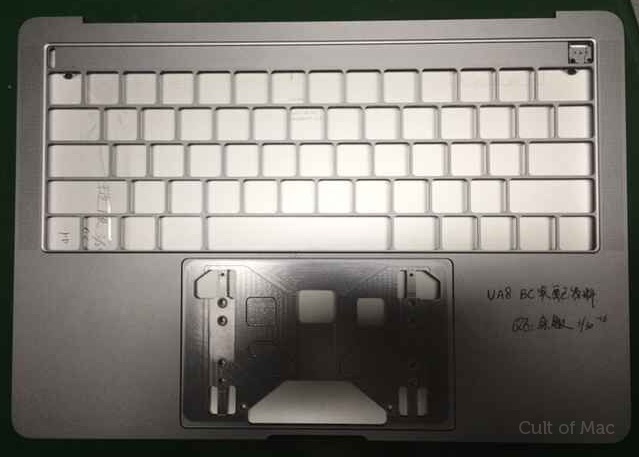
    Rumours have pointed to a new design MacBook pro with a customisable OLED touch panel above the keyboard. Along with new hardware to match up with the latest est offerings from Intel. The new power button on the new Macs, will supposedly have a Touch ID sensor for added security. It is also speculated that the new Macs will ditch the 3.5mm headphone jack in order to make them extremely slim.

    macbook_pro_2016_case_top
    Leaked Macbook Case

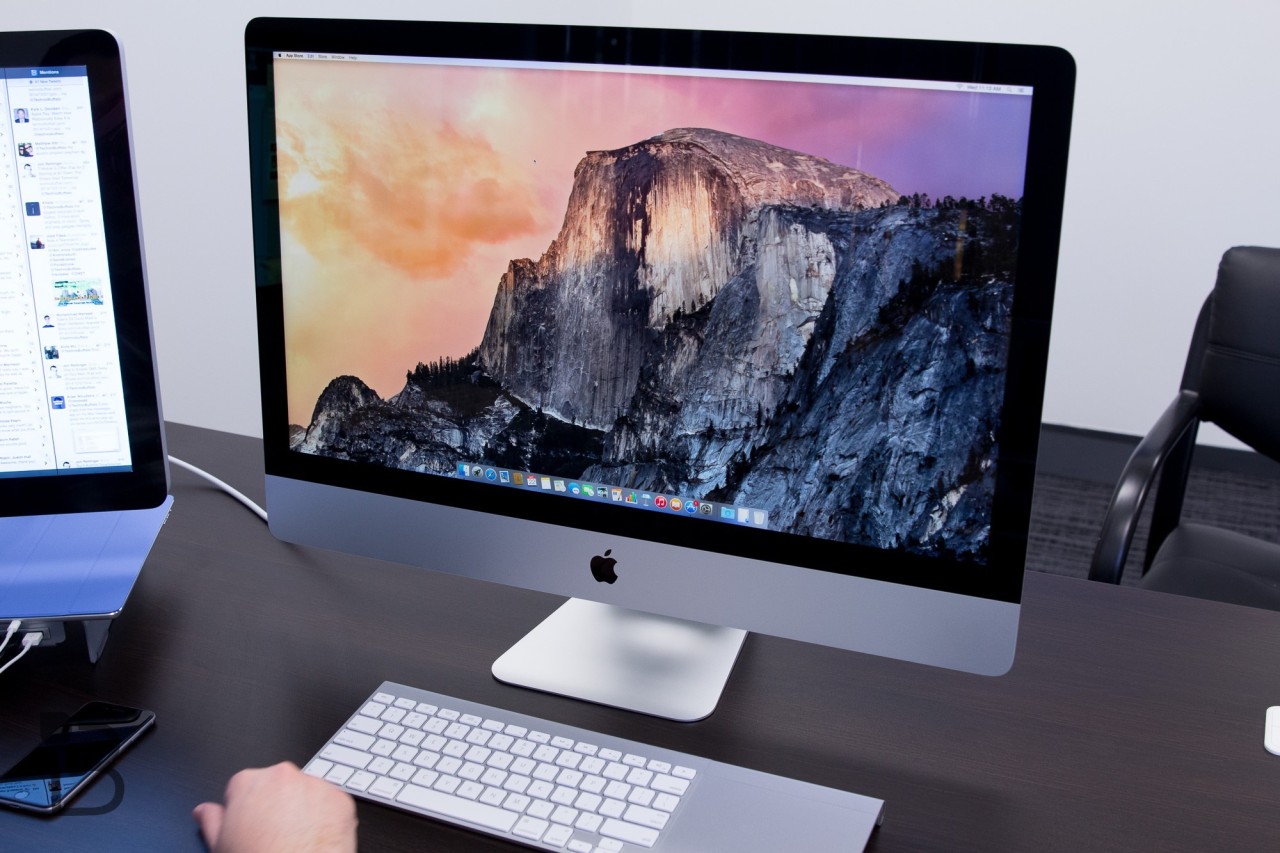
    There are also reports of a iMac Retina refresh with added Thunderbolt 3 ( USB Type C) with the newer hardware and added performance capability, Apple plans to remove the 11 inch MacBook Air from it’s lineup and add a new 13 inch model with USB Type C ports. Apple may also launch the new Apple TV which is expected to enable Apple Video, much like Apple Music a subscription service to take on the likes of Netflix and Amazon Prime Video.


    mac


    Apple is also said to finally refresh it’s dying Thunderbolt Display with a new refreshed 5K monitor which will have an integrated GPU. All refreshes will be covered on iGyaan so mark your calendars for Oct 27th.


  • OnePlus is Offering Refunds for Flawed USB Type-C Cable

    OnePlus is Offering Refunds for Flawed USB Type-C Cable

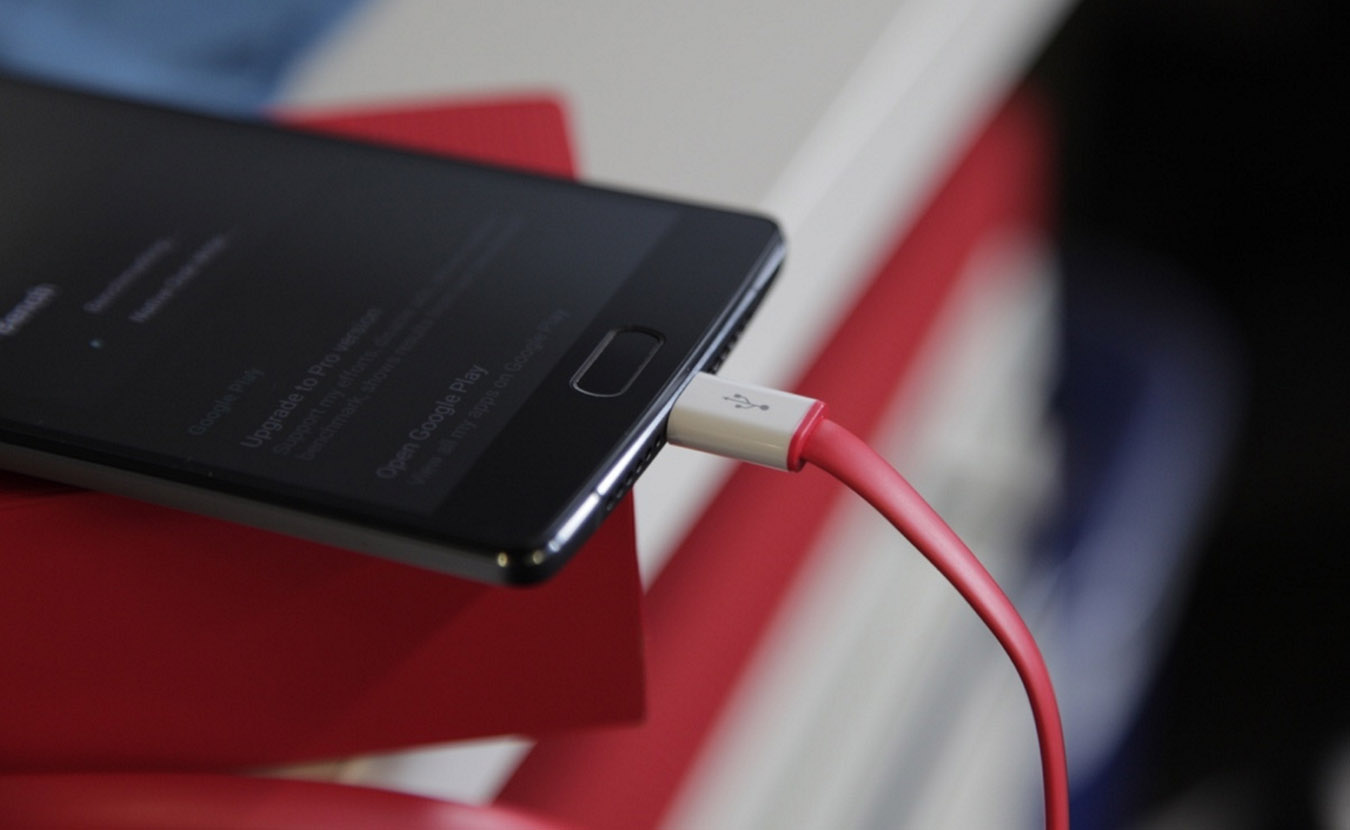
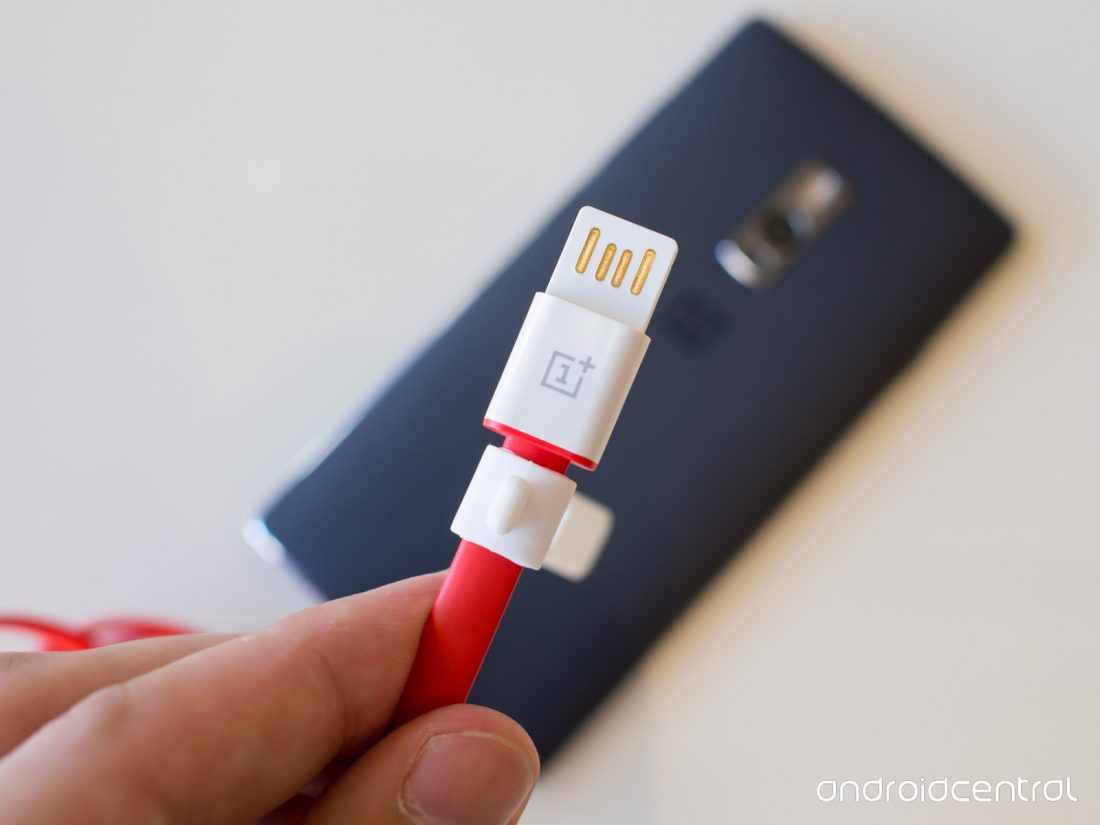
    OnePlus recently admitted that the USB Type-C cable for the OnePlus 2 does not conform to the USB Type-C 1.1 spec, and has agreed to give refunds. This admission comes after a Google engineer, Benson Leung, tested the OnePlus 2’s USB Type-C cable and concluded that it “may cause damage to your charger, hub or PC USB port” if used on a fast-charging device.

    However, there’s a condition to the refund. Since the cable won’t cause any damage to the device itself, those who own the handset will not receive the refund or replacement cable. Instead, OnePlus will only refund those who purchased the cable separately. The company is of the opinion that the cable works fine for its intended purpose, that is to charge the OnePlus 2. However, someone who is unaware of the issue may just grab the cable and use it to charge some other handset or a laptop like Google’s Chromebook Pixel.

    “If you’ve purchased these products to use with devices other than the OnePlus 2, we are going to offer an opportunity to apply for a refund on those products purchased through the OnePlus website. Please note that cables that were included in the box with your OnePlus 2 are not eligible for a refund, since they are safe to use with the OnePlus 2.”

    oneplus-2-usb-c-cable-2

    The device could draw more power than the charger itself is able to support, since it has the wrong resistor for the USB Type-C 1.1 specification (10 k-ohms instead of 56 k-ohms). A good USB charger will cut off power without any damage, but a bad one could fry, or worse, catch on fire. Ideally, recalling all the faulty cables and replacing them would be the right thing to do, but those planning to keep them should “mark it with a tag so you don’t forget it’s special,” according to Leung.

    Source

  • The USB-C Cable of Nexus 5X is Incompatible With Most Computers

    The USB-C Cable of Nexus 5X is Incompatible With Most Computers

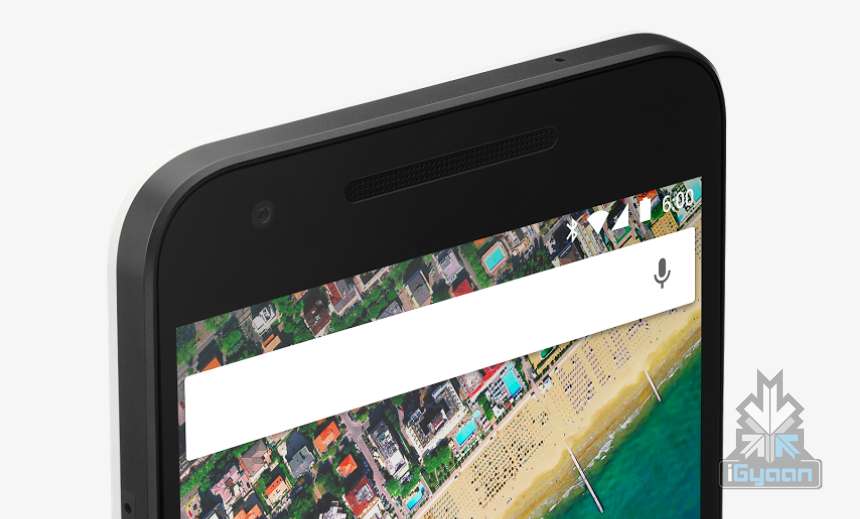
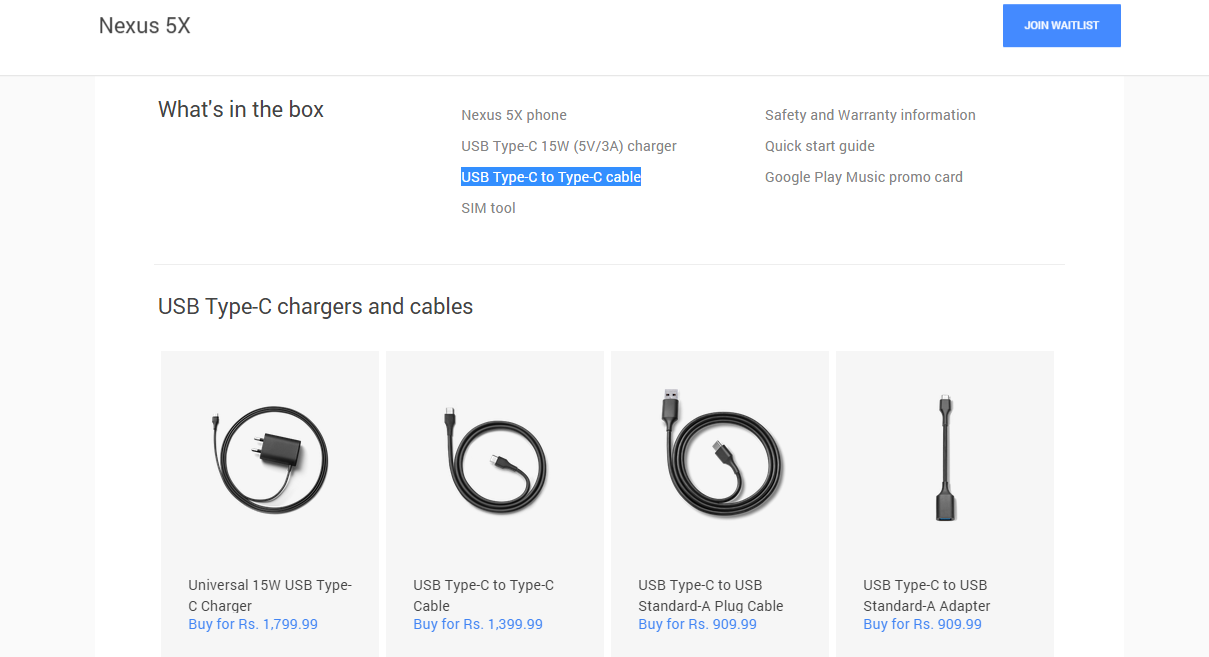
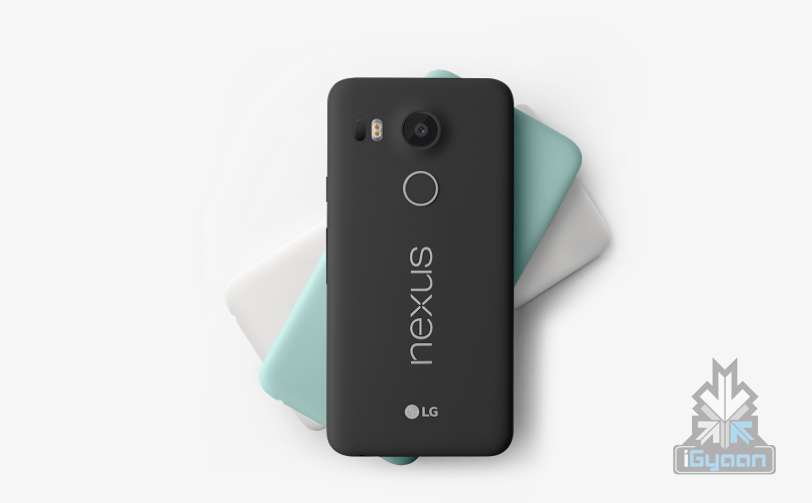
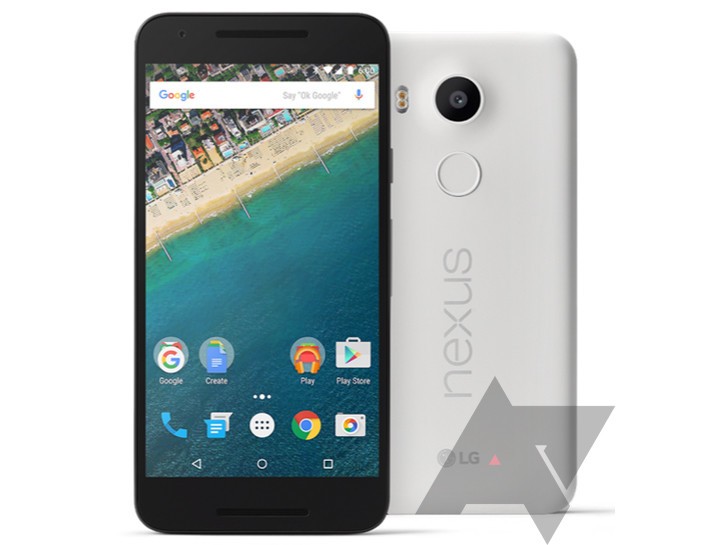
    Earlier this week Google launched two new phones at the official event in San Francisco – Nexus 5X and Nexus 6P. As retailers and buyers gear up for the pre-order of these new devices, what comes as a wet blanket is the connectivity problem of 5X – it comes with a USB cable that is not compatible with most computers.Nexus 5X USB cable1The Google website shows that Nexus 5X comes containing a USB Type-C 15W charger and a USB Type-C to Type-C cable. This implies the user would have to spend an extra $13 (about Rs. 900) approximately for a USB Type-C to UBS Standard cable in order to be able to connect the phone to an average computer.

    Nexus 5x 2015 0

    However, buyers of Nexus 6P won’t have to face this problem as it comes with a cable that lets you connect to all standard USB ports.

  • Xiaomi’s Upcoming Mi 4c to Come With a USB Type C

    Xiaomi’s Upcoming Mi 4c to Come With a USB Type C

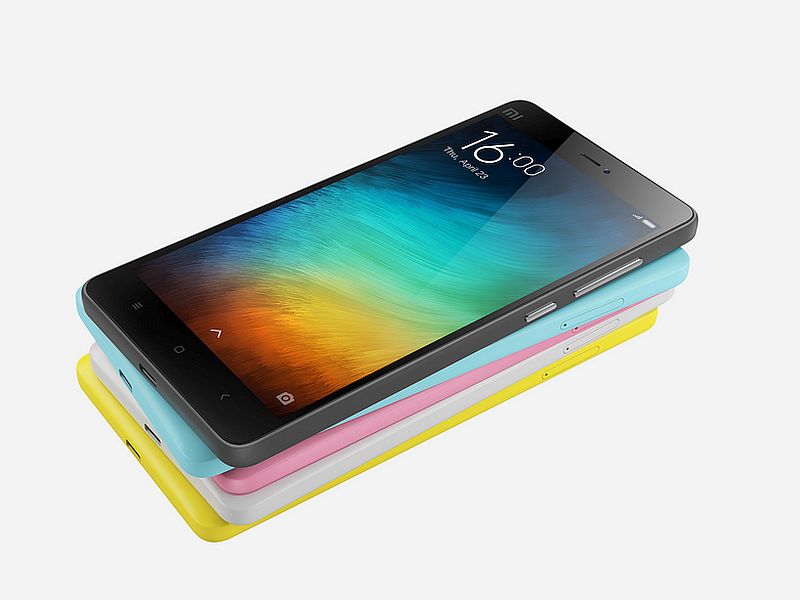
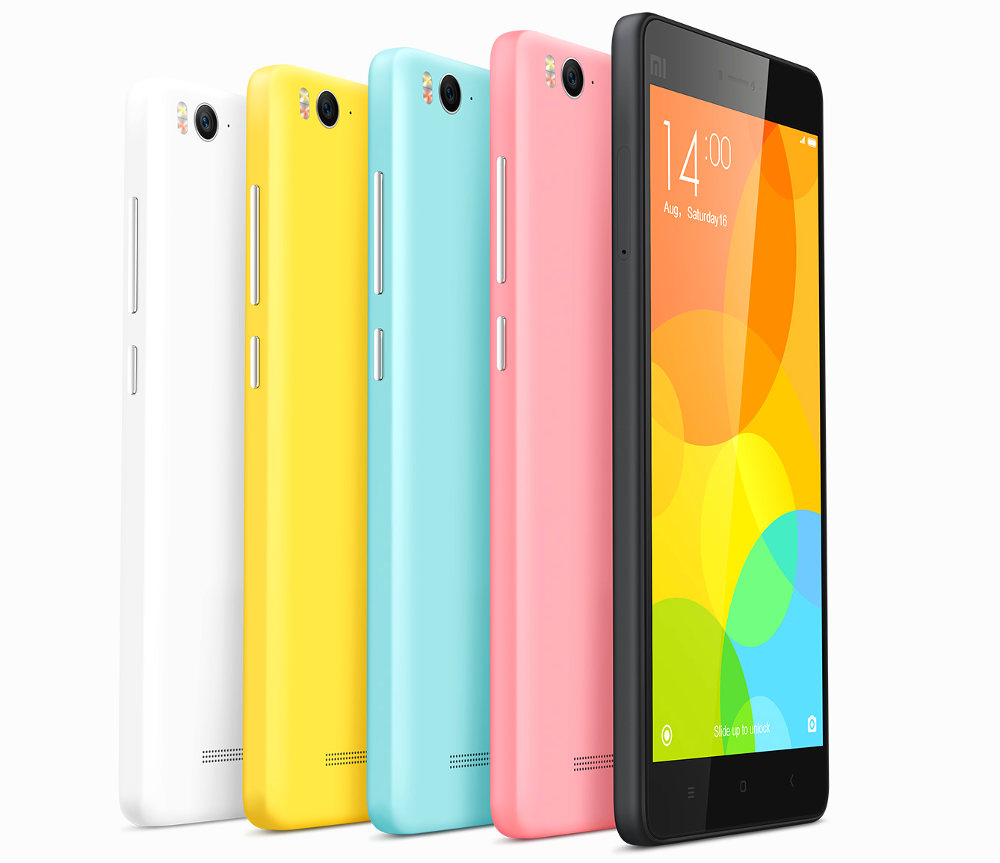
    The Chinese vendors have been super proactive this year. OnePlus took the lead in producing a USB Type C supported smartphone – OnePlus 2. This time it’s Xiaomi who’s challenging that product with its own variation of the Mi 4c that will now support a USB Type C. The smartphone will launch on the 22nd of September 2015.

    Xiaomi Mi 4i

    The Mi 4c is a new phone in the Mi 4 line up and will come in two variants – a 16GB one with 2GB of RAM and 32GB with 3GB of RAM space. It is expected to have a 5-inch full HD display and will run on Qualcomm’s Snapdragon 808 SoC with a hexa-core processor.

    On the camera front, it might come with a 13MP primary camera and a 5MP front camera, while the entire phone will be fueled by a 3,080mAh battery. The expected dimensions are 138.1 x 69.6 x 7.8 mm and 130 grams. The connectivity according to leaks, suggest that it will come with a 3G, GPRS/ EDGE and 4G LTE support.

    The Mi 4c could be priced at around Rs.15,500 for the 16GB variant, while the 32GB variant will obviously be higher.

    Here are its speculated specifications:

    Features

    Mi 4c

    Display 5-inch full HD
    Processor Snapdragon 808 SoC
    OS
    Storage 13GB/32GB
    RAM 2GB/3GB
    USB Type C
    Dimensions 138.1 x 69.6 x 7.8 mm and 130 grams
    Battery 3,080mAh
    Connectivity 3G, GPRS/ EDGE and 4G LTE
    Price Rs.15,500 approx.

  • OnePlus Embraces the Future, Announces OnePlus 2 Will Use USB Type-C

    OnePlus Embraces the Future, Announces OnePlus 2 Will Use USB Type-C

    OnePlus has been building anticipation about its new smartphone, OnePlus Two, for quite a few weeks. Earlier this week, we reported that OnePlus Two will come with the Qualcomm Snapdragon 810 v2.1 processor, allowing the phone to function faster. Today, the company announced in a tweet that OnePlus Two will use Type-C USB port.

    OnePlus Two will become the first flagship phone from a mainstream company to use Type-C USB port. However, OnePlus is not the first company to incorporate the Type-C USB port in its phone – the title goes to LeTV’s One Max. We were expecting Apple, which is currently working on the iPhone 6s, to incorporate it in its next smartphone.

    In March, Apple announced that the MacBook will use a single Type-C USB port. Google also accommodated the support for Type-C in the second Chrombook Pixel.

    Apple Macbook 4
    The latest Apple MacBook incorporates only a USB Type C Port

    The USB-C connector is one reversible port that takes care of power, data transfers, and display output. It is slim and compatible with almost every device with standard USB ports. This relieves customers of four or six connecting ports that demand your system’s space and gives manufacturers freedom to trim down the size of machines and, hence, weight. A USB-C connector is the one standard solution to asymmetrical USB jacks, except for audio. It’s convenient to use and has the potential to replace all jacks.

    This announcement by OnePlus is a latest addition to what we already know about OnePlus Two – that it is priced at around Rs. 25, 000 and will run on Qualcomm Snapdragon 810 v2.1 processor, making the phone capable of streaming 4K Ultra HD videos and more. The company is expected to announce the launch date for the phone soon.

  • Why USB Type-C Might be the Way of the Future

    Why USB Type-C Might be the Way of the Future

    When Apple presented to the world its cutting-edge Macbook with a universal USB Type-C port, some of the tech critics were suspicion about its usability on present computers and renounced it as technology of the future. However, the tech biggies set their eyes on it and discovering its wide approach, installed the same on its forthcoming products. Now, we see Google Chromebooks, and many other manufacturers like Asus getting on board the revolutionary connector USB-C on its laptops. So, how valuable is USB-C really?

    As many of us know, the USB-C connector is one reversible port that takes care of power, data transfers, and display output. It is slim and compatible with almost every device with standard USB ports. This rids customers of four or six connecting ports that demand your system’s side space and gives manufacturers freedom to trim down the size of machines and, hence, weight. There were speculations that USB-C could outdo Lightning and Thunderbolt connectors, but Thunderbolt has shown its confidence in USB-C connector and unveiled Thunderbolt 3.

    usb-c

    Thunderbolt 3 is a computer port that uses USB-C. The port delivers two 4K displays, fast data transfer, quick charging, and up to 40 Gbps speed over Thunderbolt, which is double the speed of the previous generation, USB 3.1 10Gbps, and DisplayPort 1. With faster connection, users can transfer a 4K movie in just a few seconds. Two 4K displays can be connected that will give astonishing picture quality than an HDTV, nearly 16 million more pixels. As it offers superior viewing experience, gamers can “connect plug ‘n’ play external graphics to a notebook.” But there is a limitation; only the devices with lightning-bolt logo on the USB port will be able to access its blazing speed. Products with Thunderbolt 3 are expected to begin shipping before the end of this year.

    usb-c 1

    According to Intel, the new 12-inch MacBook, Asus Transformer Book, and Chromebook PixelProducts will not work with upcoming Thunderbolt 3 products. Devices with Thunderbolt 3 are expected to begin shipping before the end of this year.

    A USB-C connector is the one standard solution to asymmetrical USB jacks, except for audio. It’s convenient to use and has the potential to replace all jacks. The cross-platform connector of the next-generation will omit all kinds of jacks from future devices and would be a fundamental addition that every producer has to embrace. Nokia has caught up with the trend and its tablet Nokia N1 boasts the reversible USB-C connector. More tablets and even smartphones are expected to hold this tool. The future seems compact and fast, and soon people would prefer to buy devices with a USB-C port already embedded.

  • New Apple MacBook Marks the Beginning of the Next-Gen Reversible USB-C

    New Apple MacBook Marks the Beginning of the Next-Gen Reversible USB-C

    There were several major announcements today at Apple’s Mega Event held in San Francisco. We found out the Apple Watch’s pricing, availability, and battery life. The company also announced its new ResearchKit. And then, there was the arrival of the Apple MacBook.

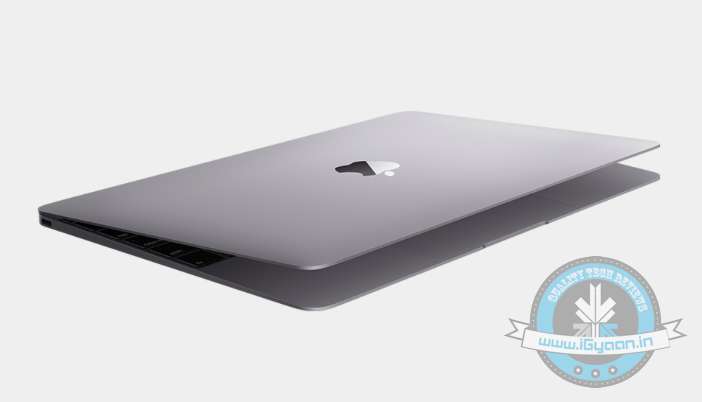
    Apple’s new notebook sounds like an amazing product. It’s the thinnest and lightest MacBook ever. It is their first fanless notebook and also the first to include Force Touch in its keypad. Most importantly, it is the first one to incorporate the coveted USB Type C.

    We’re certain that this marks the beginning of a new era; the next line of products are sure to add-on this feature. iPhone 6 leaks had indicated that Apple was working on its own USB-C, but we weren’t quite expecting it to arrive today.

    Apple Macbook 0

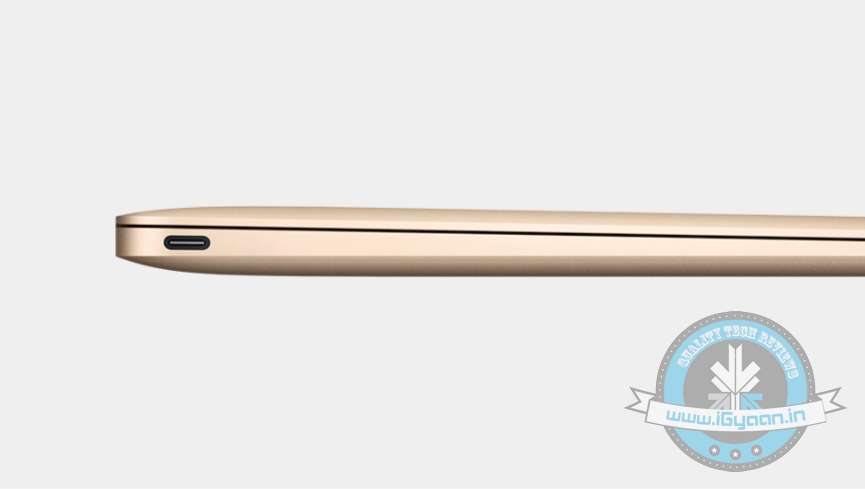
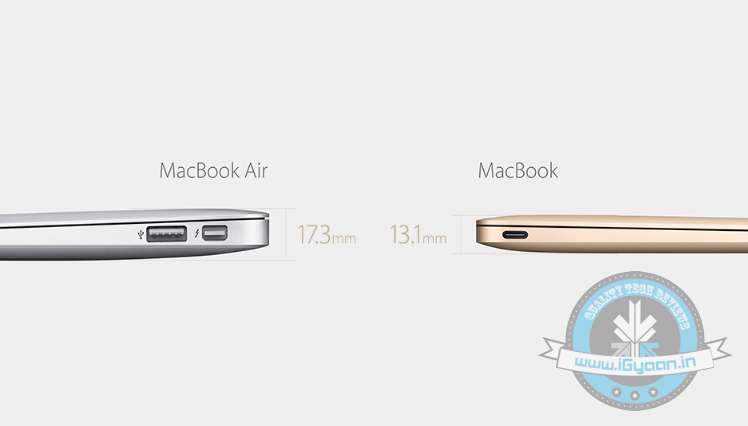
    Apple’s USB-C supports higher wattage charging, USB 3.1 Gen 1 (5Gbps) data transfer and DisplayPort 1.2 all in a single connector that’s one-third the size of a traditional USB port. Since the MacBook is the thinnest notebook ever (24% thinner than the Air,)slimmed down ports were also necessary to bring in.

    Not only that, this new connectivity standard gives you five ports in one – power, USB data transfer, DisplayPort, HDMI, and VGA capabilities.

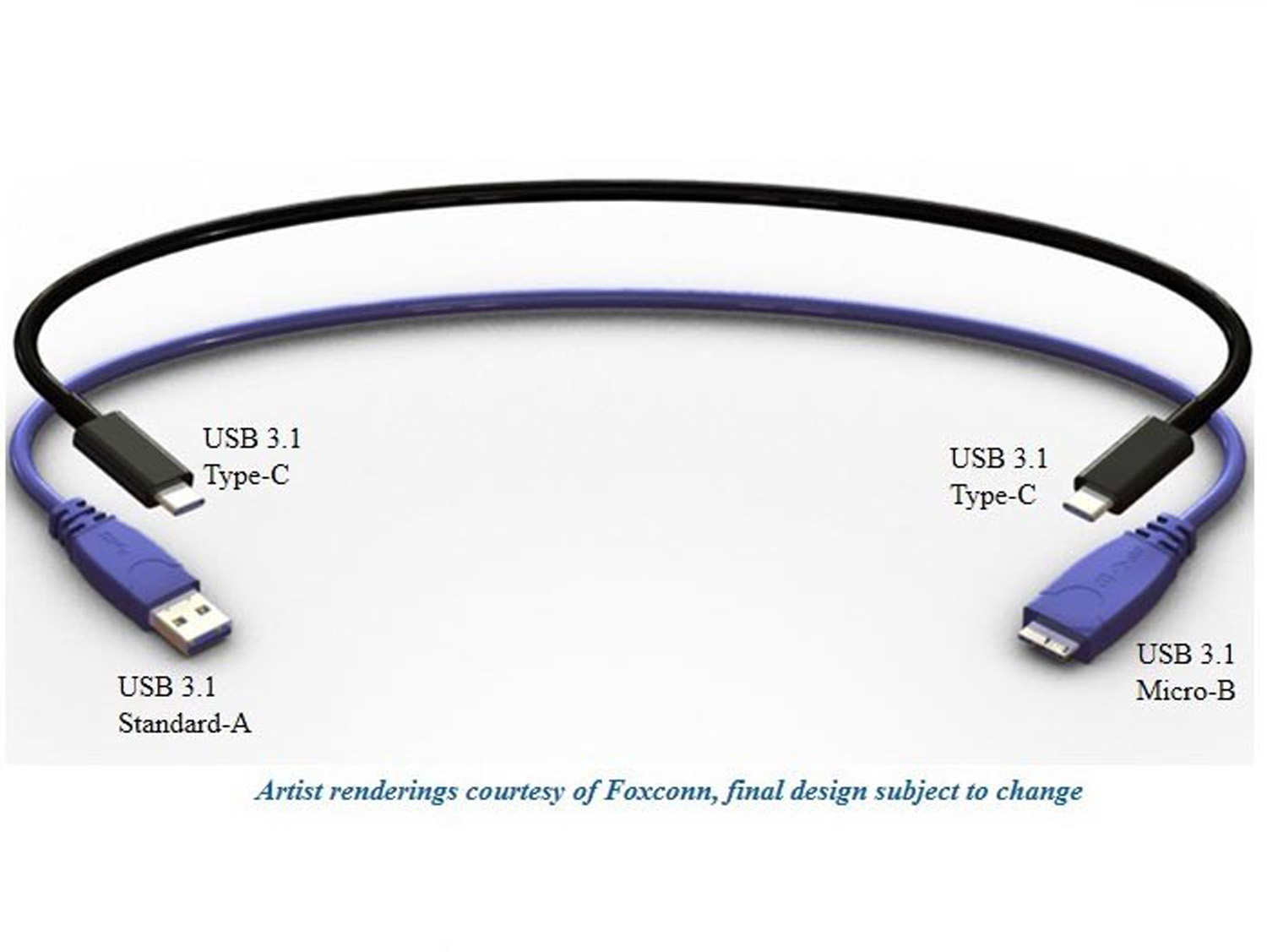
    What makes the Type-C a revolutionary technology is that it is going to replace all the form factors and unlike the other standards which target different classes of device, Type-C form factor will be a universal USB standard. The reversible Type-C connector is roughly the same size as the existing Micro-USB connector at the bottom of your smartphone, but it’s reversible.

    To understand the reversible USB Type-C better, click here for an in-depth explanation.

  • All You Need To Know About the Reversible Type-C USB

    All You Need To Know About the Reversible Type-C USB

    Universal Serial Bus or the name you’re more likely to be aware of, USB, is an industry standard that defines the cables, connectors and communications protocols used for connecting and power supply between computers and electronic devices. USB Type-C is one of the biggest technological advancement in recent years as it comes with more speed, convenience and power. Recent iPhone 6 leaks show Apple is working on its own form of reversible USB standard.

    Well, before we go any further, let’s have a quick look at the existing USB standards.

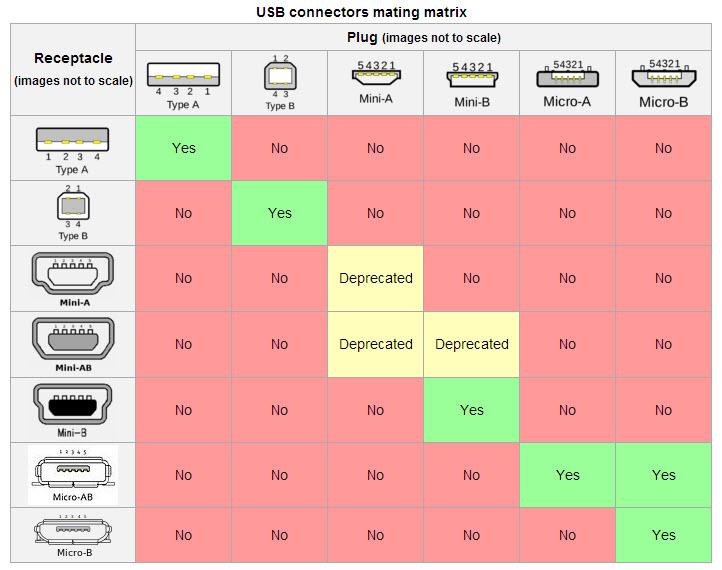
    There are basically 4 types USB standard used these days: Type-A, Type-B, Micro USB and Mini USB. Type-A is the most widely used USB standard, used in pen drives, standard USB jacks on your laptops and computers and practically on every electronic device. Type-B is fairly less used or used in combination with Type-A standard to reduce the risk of electrical overloads. Micro USB is the tiny, near-universal form factor used by smartphones and tablets for connections and power supply. And the last one is Mini USB, the larger predecessor of Micro USB used at the device end of things like GPS units and some external hard drives, but like USB Type-B, it is also fast fading from use.

    USB Form factors
    Each type has a different form factor and the same is true for USB Type-C.

    What makes the Type-C a revolutionary technology is that it is going to replace all the form factors and unlike the other standards which target different classes of device, Type-C form factor will be a universal USB standard. The reversible Type-C connector is roughly the same size as the existing Micro-USB connector at the bottom of your smartphone, but it’s reversible.

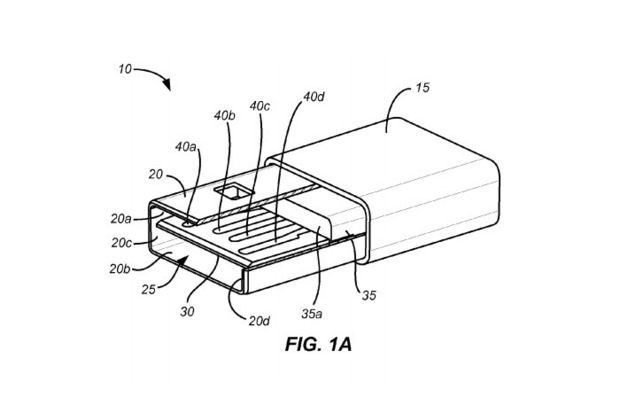
    Reversible USB patent Design by Apple
    Reversible USB patent Design by Apple

    Advantages

    Speed

    USB Type-C standard can go as fast as 10Mbps, which is double when compared to USB 3.0’s 5Mbps speed. This means you can transfer 1,250MB of data in one second with USB Type-C.

    Power

    USB Type-C will also compliment the USB 3.1 in terms of power. USB 2.0 can handle the current of up to 500 milliamps (mA) for up to 2.5W of power and USB 3.0 upped that to 900mA for up to 4.5W of power, USB 3.1 can offer 5amps (5000mA) and up to 100W of power. This means not only will devices charge far faster, but almost anything can be powered via USB 3.1 and the tiny USB Type-C connector.

    Reversible

    Apple Macbook 4
    The new MacBook with a single slot


    The Type-C connector, which has 18 pins, is essentially two USB 3.1 SuperSpeed connectors (which have the standard four pins, plus five more to enable 10Gbps connections). If you plug in the connector one way, the top set of pins are used; if you plug it in the other way, the bottom set of pins are used and hence, making it reversible.

    Official confirmation

    The USB Promoter Group announced earlier this month that the reversible Type-C USB connector is ready for mass production. That means it will be an official standard just like USB Type-A, Type-B, Mini and Micro USB. It is also backwards compatible with each USB standard, though the USB 3.1 speed and power benefits it can deliver will only come when connecting to other USB 3.1 compliant ports.

    Downsides

    Physical compatibility

    As mentioned above, USB Type-C is backwards compatible with each USB standard, but they are not physically compatible. Which means you need to buy adapters to fit into existing slots.

    Apple

    Apple Event 2
    Old vs New

    The recently launched Apple MacBook, is the first Apple product to incorporate the new-gen USB.  Apple’s USB-C supports higher wattage charging, USB 3.1 Gen 1 (5Gbps) data transfer and DisplayPort 1.2 all in a single connector that’s one-third the size of a traditional USB port. Since the MacBook is the thinnest notebook ever (24% thinner than the Air,) slimmed down ports were also necessary to bring in.

    Not only that, this new connectivity standard gives you five ports in one – power, USB data transfer, DisplayPort, HDMI, and VGA capabilities.

    Well, even with these downsides, Type-C USB standard is one of the best thing happened in the technology-sphere since ages. With combined power of USB 3.1 and Type-C USB standard, our gadgets will never be the same again. With the ease and the power that comes with this technology, we expect that it will be adopted by consumers quickly. However, it is possible it will create some confusion among the consumers. But taking in account the amount of convenience it comes with, it will be worth it.

  • Next Generation Reversible Type-C USB Ports Ready to Hit the Market

    Next Generation Reversible Type-C USB Ports Ready to Hit the Market

    Universal Serial Buses (USB’s) have changed the way we interact with our computing devices. Before their massive use, computer peripherals had different sockets for each kind. With the advent of the USB, it all changed, and we had the luxury of multiple devices following similar connection protocols. The USB was capable of taking care of almost all the gizmos we wanted to connect to our computers and gave birth to a whole new market of USB devices.

    Fast forward to the mobile revolution. The mobile ecosystem got a major boost, first from the mini USB and then from micro USB, which virtually replaced all other propriety connectors. The standard micro USB gave immense convenience to folks who could just juice up their devices using their friends chargers instead of finding the adapter made for their phone.

    Being reversible Type-C will be lot more convenient than the present USB
    The reversible Type-C will be a lot more convenient than the present USB

    The new Type-C USB intends to take convenience to the next level. Its makers say that they’ve completed work on this innovation and this USB can be incorporated in mobiles as well as bigger devices. The shining glory of Type-C is its reversibility. Which means that you don’t have to keep turning the USB around till the planets align in the exact positions for it to go into the slot.

    The only issue with this next generation USB is that it can’t directly function with the older design. But the problem can be easily fixed using adapters. And the folks who now grumble that it’ll take long to integrate this new USB into devices, just remember the times when every company had their own propriety connector. When the market demanded a standard cable, all these companies had to oblige and then the micro USB became a standard across almost all devices. The connectors are also capable of 10 Gbps of bandwidth so they’ll definitely be welcomed by the users. The technical details of the Type-C USB will be unveiled soon.

iGyaan Network
Privacy Overview

This website uses cookies so that we can provide you with the best user experience possible. Cookie information is stored in your browser and performs functions such as recognising you when you return to our website and helping our team to understand which sections of the website you find most interesting and useful.