
Computex 2019 is just around the corner, and brands are gearing up to showcase some of the best products and developments in computing. It is apparent that the PC market is unlikely to dwindle anytime soon which a few reports from the past claimed. Popular brands are innovating with newer products and techniques that bump up performance levels of machines while curbing the prices at the same time. Amidst all this, American chip manufacturer NVIDIA has posted a teaser on its YouTube channel, which hints at something “Super” making its way to the Computex 2019 event being held in Taiwan from 28 May to 1 June.
NVIDIA At Computex 2019: What To Expect?
As per reports, the company is already planning a press conference at the said event. There is a chance that the “Super” announcement is AI/Software related since NVIDIA RTX and 16-series cards are still fairly new to the market. However, the company can unveil a significant upgrade to one of its older cards to bring them at par with the competition looming up ahead. And talking of competition, AMD’s Navi GPUs are also set to make a debut in the not-so-distant future, which might shift NVIDIA in its seat a little.
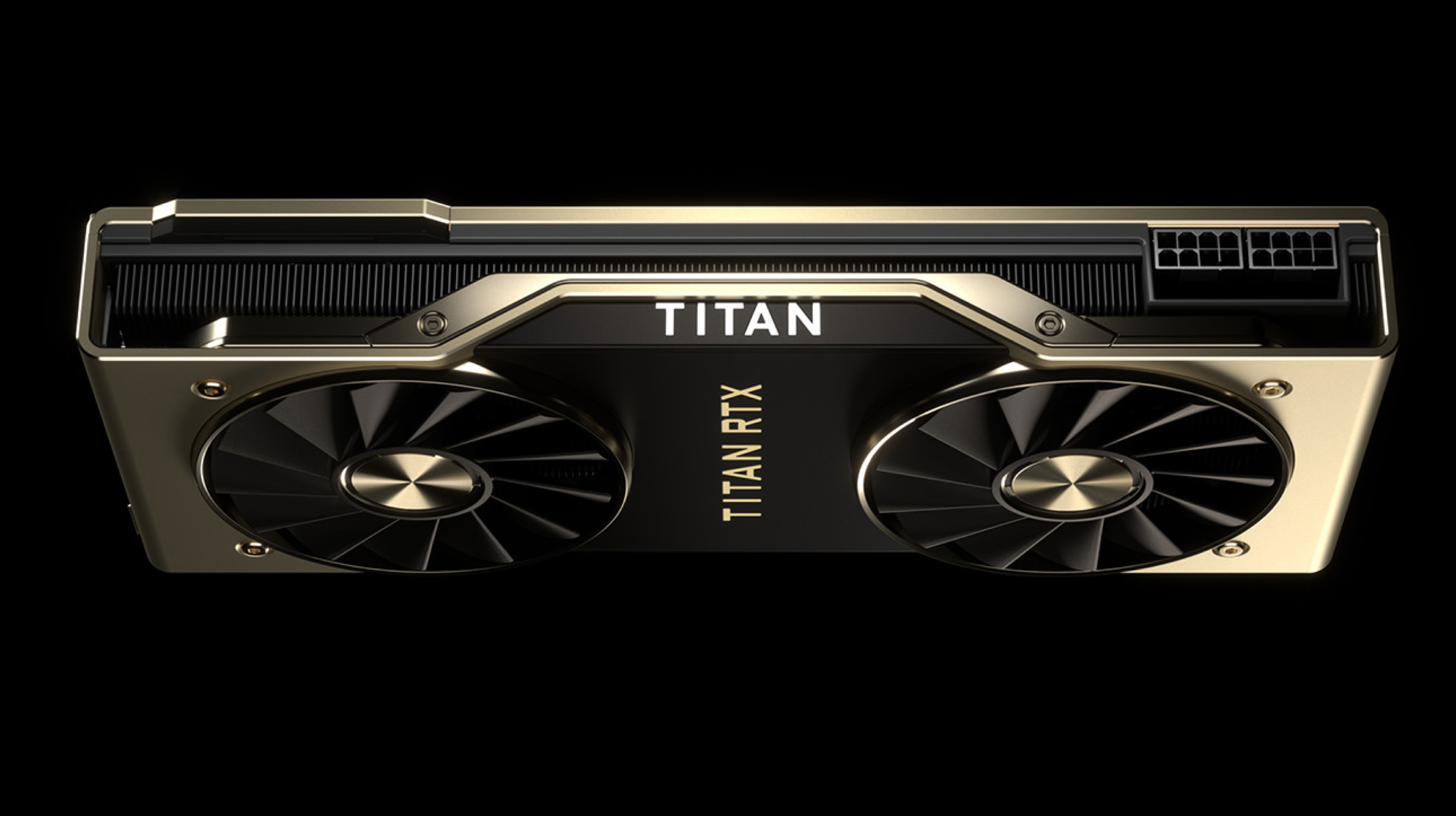
As per sources, NVIDIA is planning to incorporate a faster 16Gbps memory standard in its existing RTX series of GPUs. This will be a significant boost from the previous 14Gbps memory in the GPUs. A 2Gbps memory improvement is expected to provide almost 14 percent of performance boost if and when it is implemented. However, the question of price still takes the podium. Will NVIDIA charge a hefty price for such an upgrade in the future?
Also Read: Google Is Reimbursing Pixel 1 Owners In The US, But What About India?
Since the teaser shows nothing except the embossed metal super logo (from a variety of angles), fans are only left with the option of taking wild guesses and waiting for the press conference at the event itself. As mentioned before, AMD’s price point for the upcoming Navi-based graphics chips may (severely) affect NVIDIA’s flagship lineup. But since the company has emerged unscathed time and again, we can expect NVIDIA to have a neat trick up its sleeve for Computex 2019.
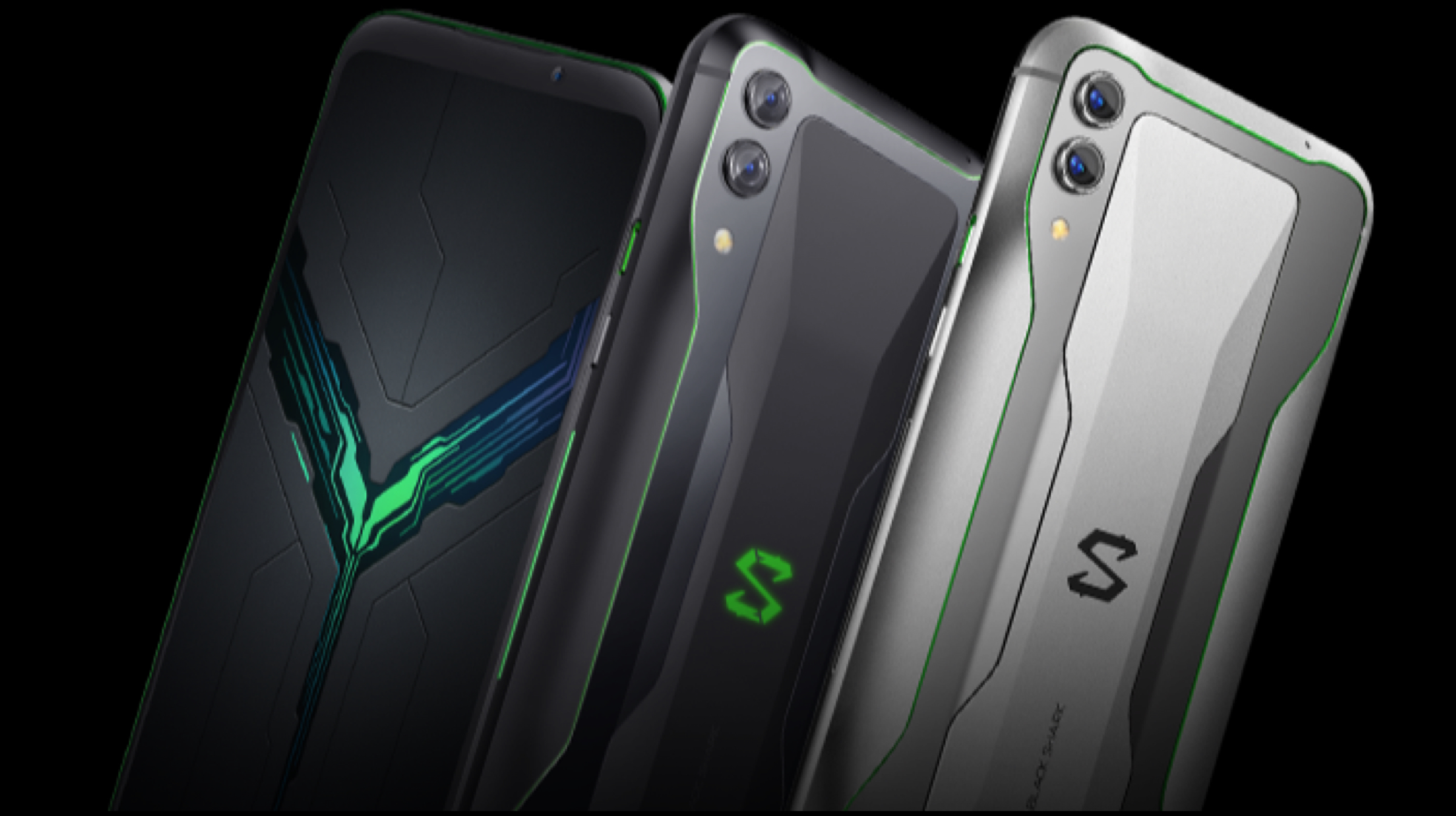
 The Black Shark 2 has a modern design with a distinctive design on the rear and a large screen display on the front. The smartphone measures 163.61 x 75.01 x 8.77 mm and weighs in at 205 grams. It sports a 6.39 inch AMOLED display which is surrounded by thin bezels on all sides. The smartphone’s display has a resolution of 2340 x 1080 px and a pixel density of 403 ppi. The display panel can reach brightness levels of upto 430 nits and has an aspect ratio of 19.5:9.
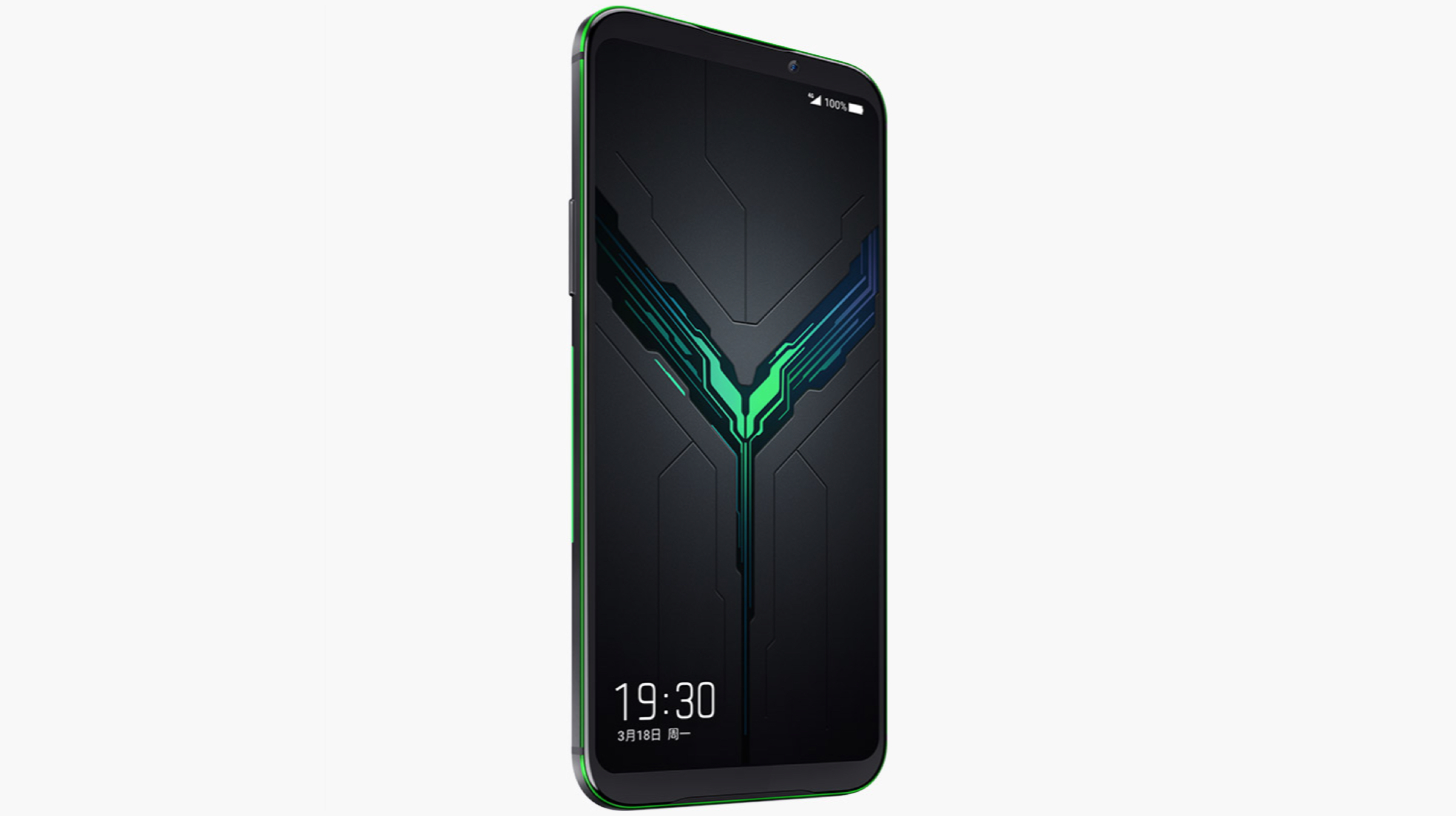 Noteworthy, the AMOLED display also supports pressure sensitive controls which means the amount of pressure applied to the screen while playing games would affect the on-screen controls. For securely and swiftly unlocking the device it also features an on display fingerprint sensor. Talking further about the design of the Xiaomi Black Shark 2, its right side houses the power button and a shark slider which when toggled turns on gaming mode for optimized performance while the left side houses the volume rockers. The bottom of the device accommodates the USB Type-C port. To keep the temperature of the device under check during game-intensive sessions, it also has a vapour cooling chamber.
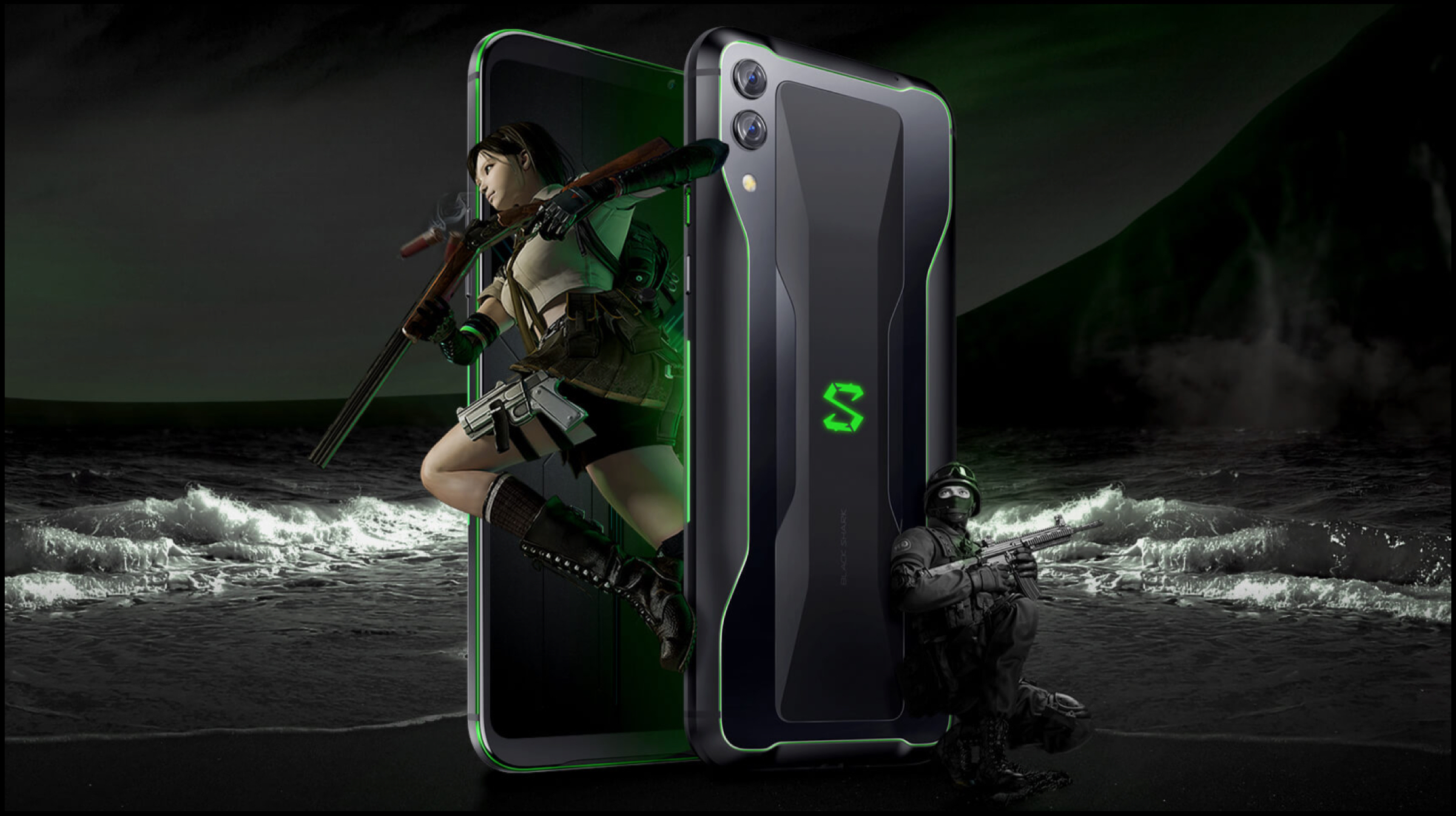 As mentioned before, the rear of the Xiaomi Black Shark 2 has a unique design with green coloured decals that run along the sides of the smartphone. The rear panel also harbours the company logo and dual camera setup. The dual camera setup consists of a 48 MP sensor, 12 MP sensor and an LED Flash which can also capture 2160p videos at 30 fps. It also has a 20 MP front-facing selfie camera which is placed in the bezel above the display. The front camera can also capture 1080p videos at 30 fps.
 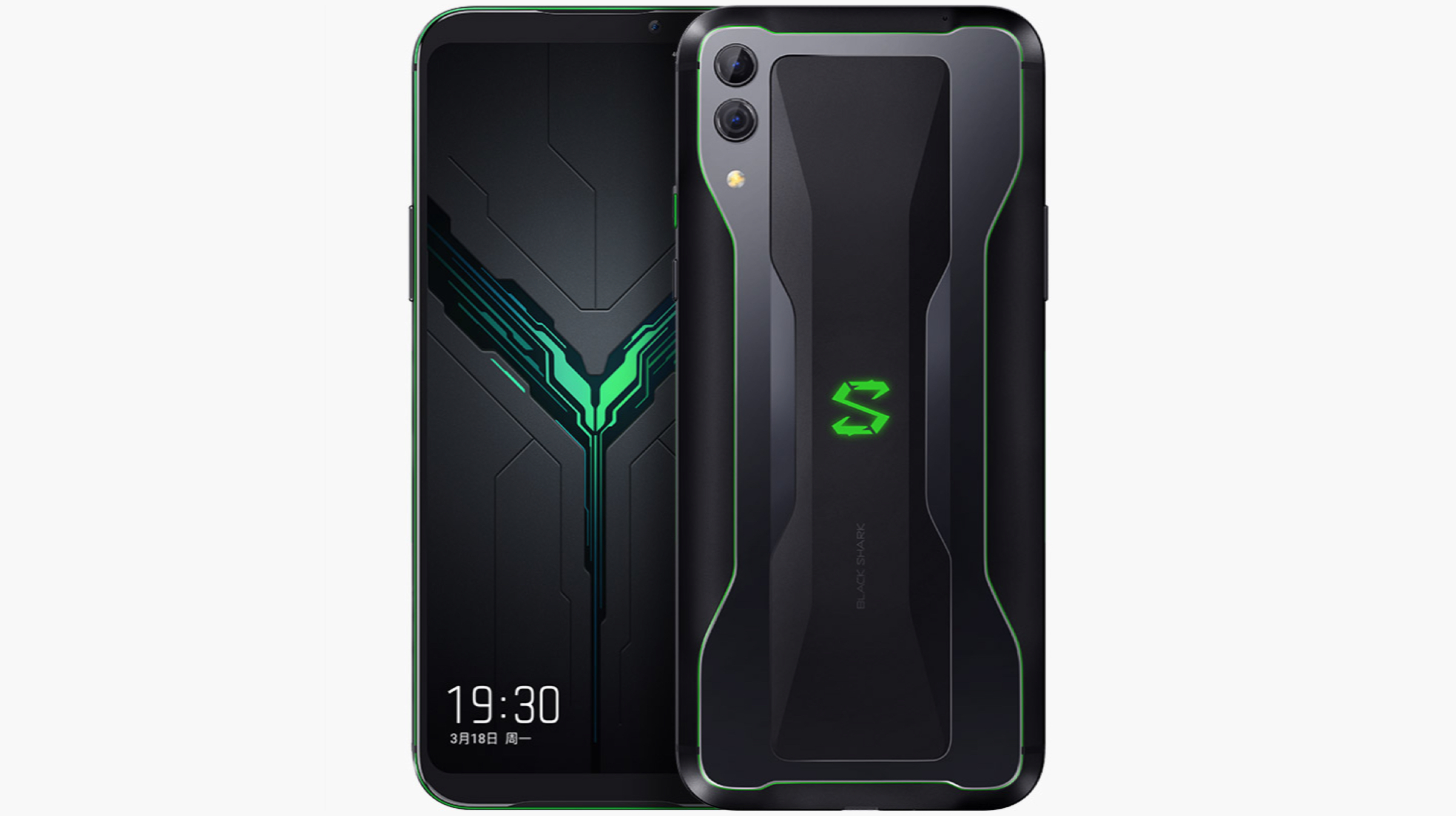 Under the hood, the Black Shark 2 runs on the Snapdragon 855 SoC which consists of an octa-Core CPU with the Adreno 640 GPU. The smartphone is powered by a huge 4,000 mAh battery which supports fast charging upto 27 W. Connectivity options on the device include 802.11 ac Wi-Fi, Bluetooth 5.0, Dual 4G VoLTE and GPS.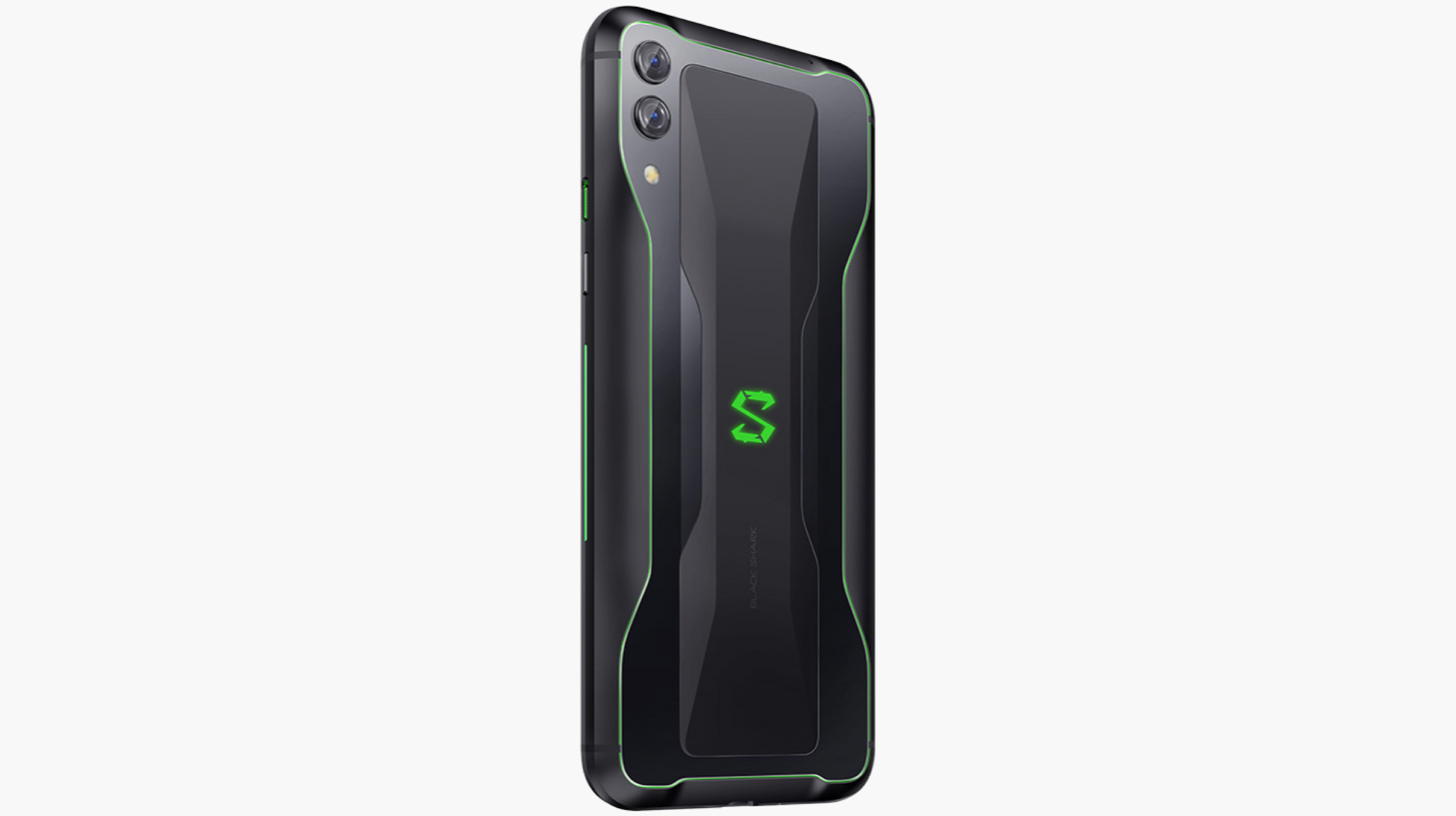

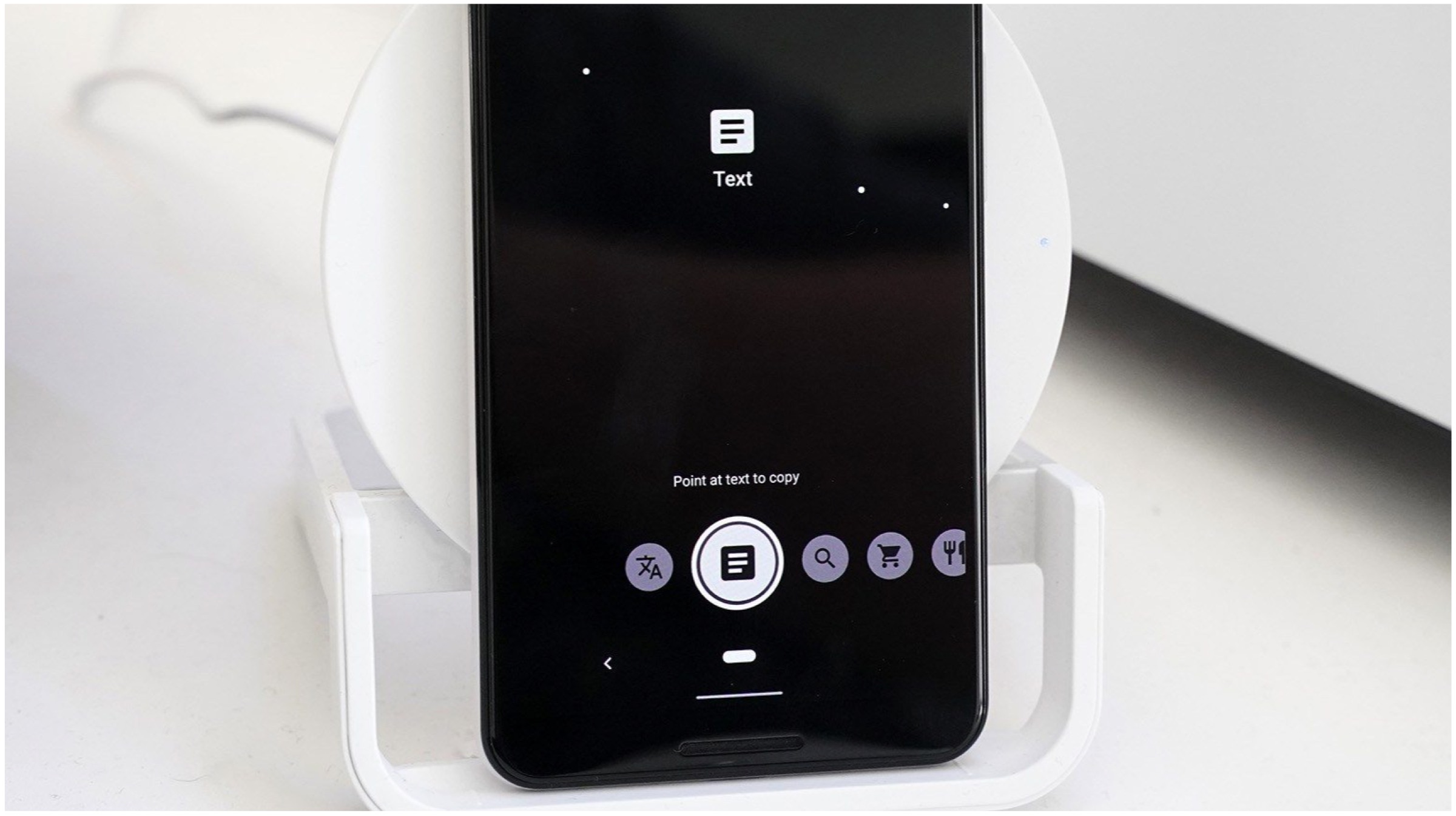
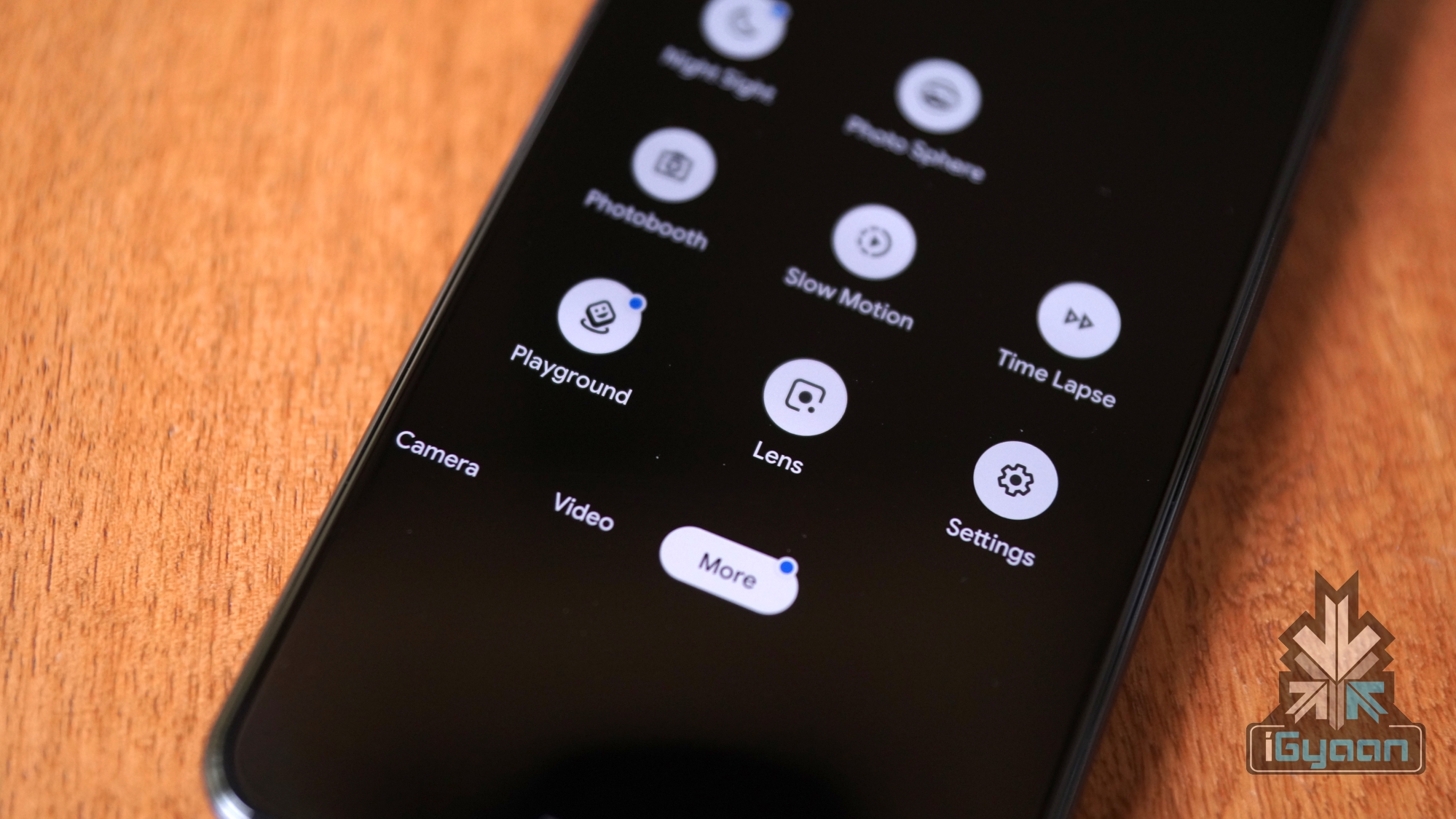 The updated Google lens has a new slide-up menu that houses circular buttons with a variety of functionalities. The older buttons that were previously used to scan barcodes/QR codes and Copy Text have been sacrificed to bring in new buttons. The first button will allow the user to directly overlay the translated text in their own language, without opening the Translate application. The second button is again familiar to a lot of users, which allows them to copy the text in an image and paste it elsewhere.
 Also Read:
 G Suite is the business/corporate version of Google’s Gmail and other Google related applications. Reportedly the bug was born out of a feature that was made specifically for companies, namely the Administrators to reset any user passwords or accounts for newly recruited employees. This process had the Admin console store the passwords in plain text instead of being encrypted. Google has since removed this function for Administrators.
 Google has a relatively good track record of detecting bugs and glitches in their system, but this bug points a finger towards a myriad of tech giants and social media companies as well such as
 Zen Mode is a feature that basically locks a user out of his/her device for 20 minutes. The user will not see/hear any notifications on the device, and at the same time, applications will be unusable as well. The only two features that are accessible is the call application and the camera. In case users decide to turn off Zen Mode before the time period of 20 minutes, they are out of luck, since no workaround will disable Zen Mode. Even restarting the OnePlus 7 Pro doesn’t help, as the Zen Mode timer continues from the same point you left it on.
 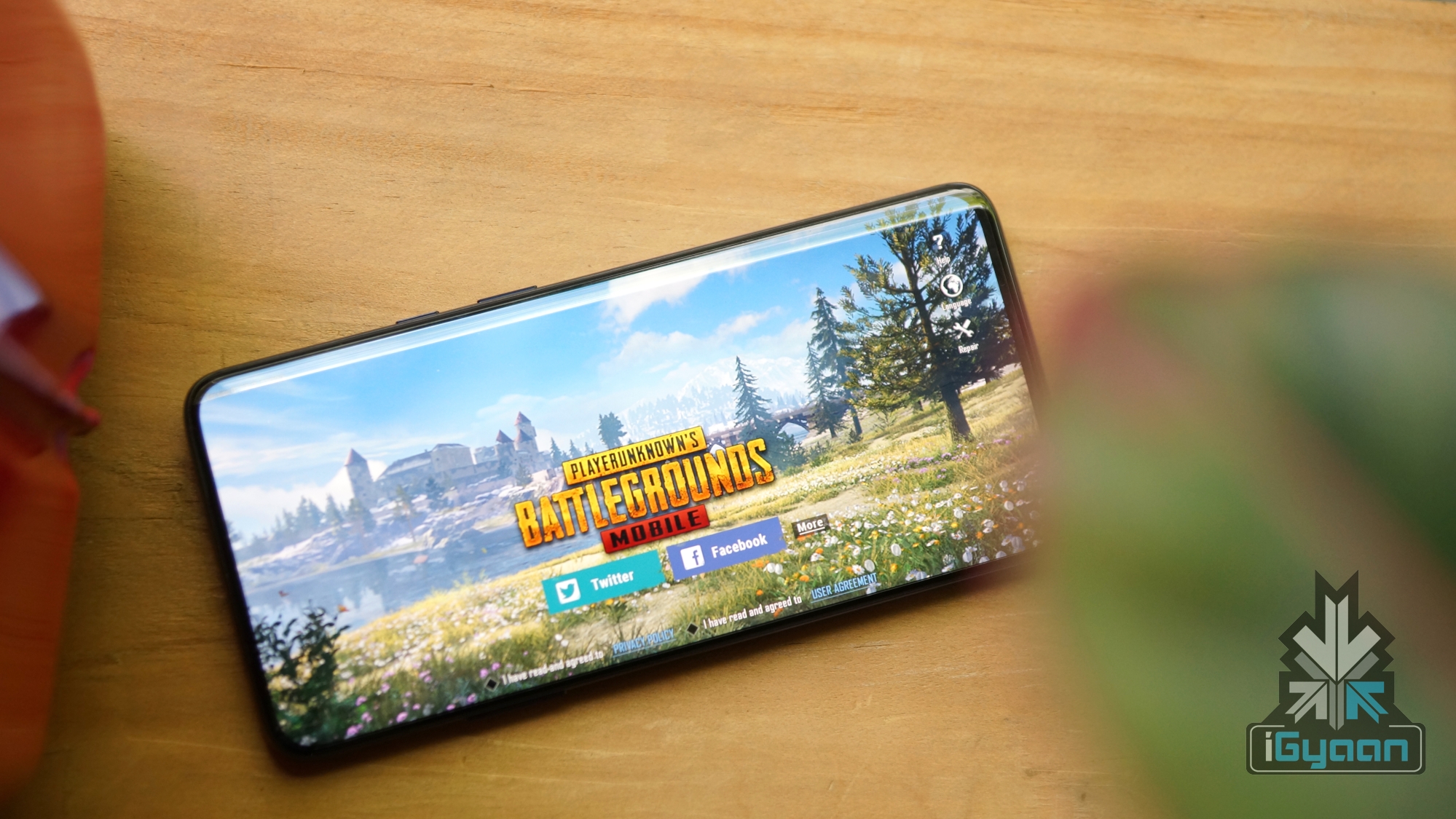 The screen recorder, on the other hand, allows native recording (in the same number of frames per second) of the screen’s display without any overlay or watermark. Gamers can record their gaming sessions and export them, or users can create how-to videos for conveying specific information. As per reports, some OnePlus users side loaded these two applications into their older devices, which didn’t function as desired. For instance, sound capture was disabled during screen recording and Zen Mode was still allowing notifications to push through.

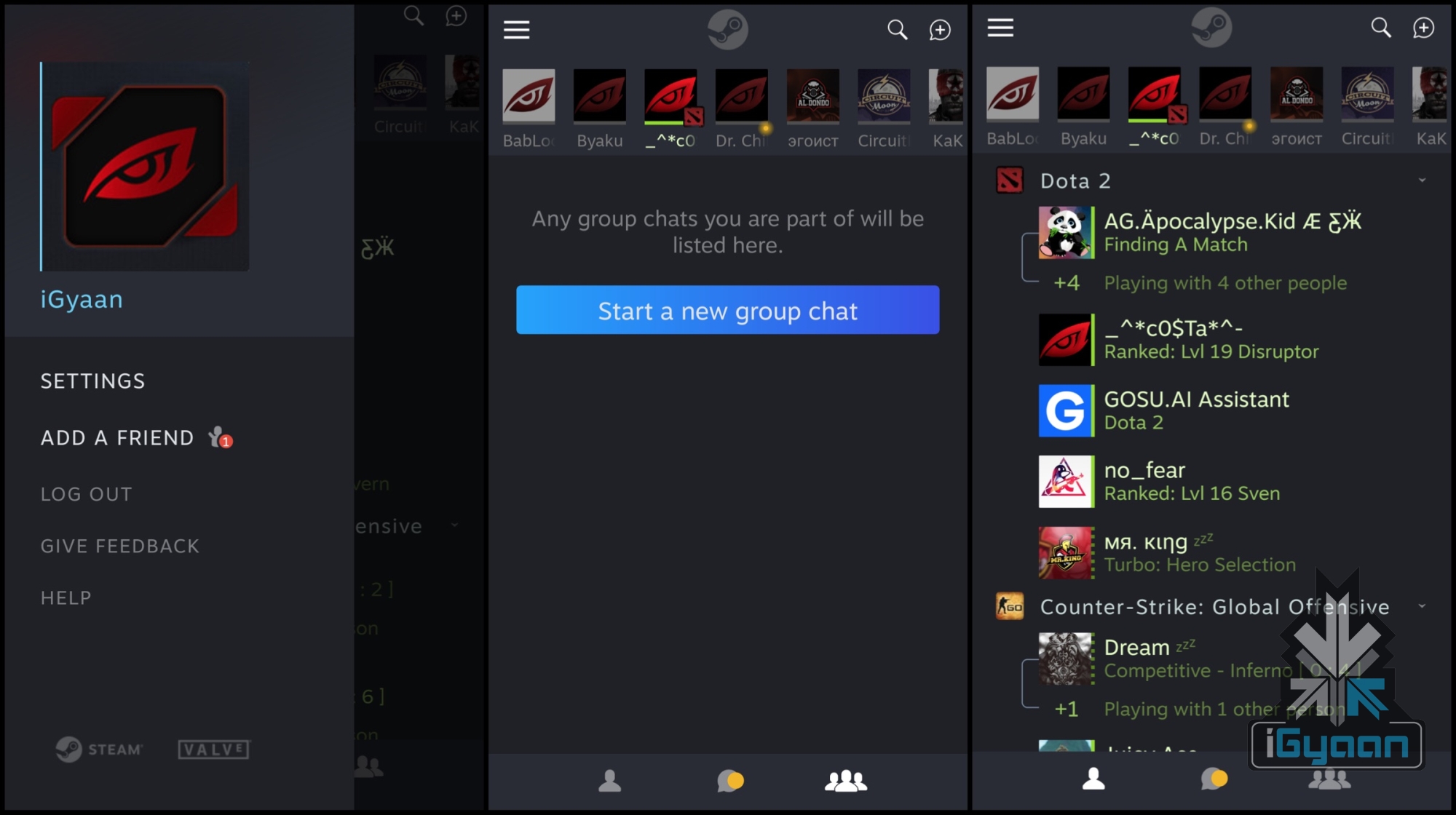 The mobile version of Steam chat retains many features that the desktop application offers. Notably, the desktop application had a major overhaul in its design and functionality in the year 2018. Steam Chat does include the same Group chat functionality along with the smartphone tweaks like customizable notifications. As of now, the application does not support voice chat functionality. However, the developer states the feature will soon make its way to the application with future updates.
 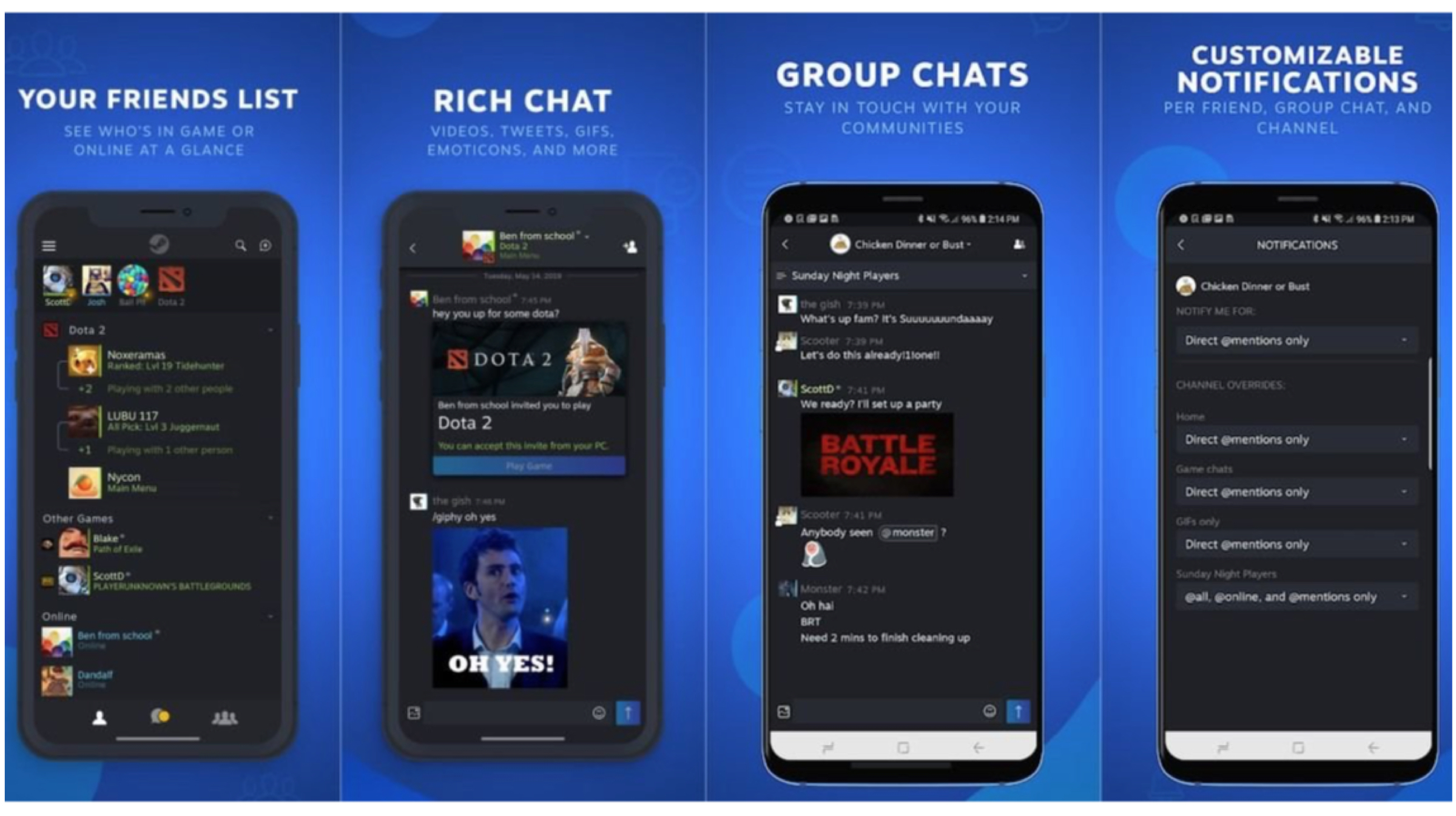 Not something that’ll whisk away Gamers from their adored Discord Voice Chat App, but a Steam Chat is an interesting take on the same formula of
 Also Read:
 The company claims that the new MacBooks deliver 40 percent more performance than the last generation hexa-core MacBooks and almost twice the performance of quad-core CPU equipped MacBooks. The 6-core and 8-core Intel Processors present in the 15-inch MacBook Pro can provide speeds of up to 5.0 GHz. On the other hand, the smaller 13-inch version with a quad-core CPU supports Turbo Boost upto 4.7 GHz. Content creators, researchers and music producers can experience huge productivity boost accrediting to the aforementioned CPU upgrades, the company says.
 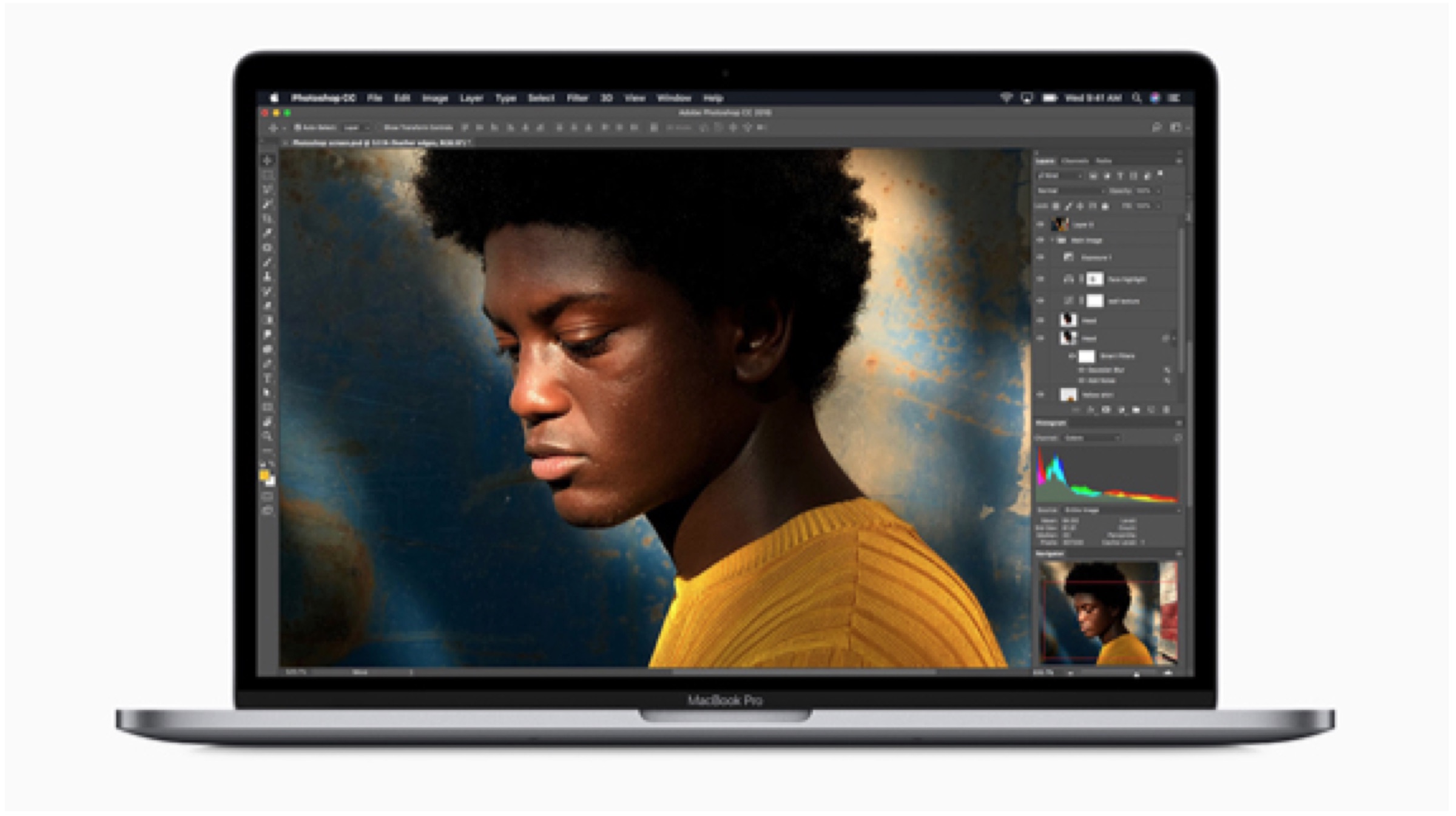 In terms of display, the new Apple notebooks have an upgraded Retina display with 500 nits of brightness. They also have support for the P3 wide colour gamut and True Tone technology. Regarding audio, the MacBook Pro has stereo speakers with wide-stereo sound. Other features include Touch ID, the TouchBar and a large Force Touch Trackpad.
 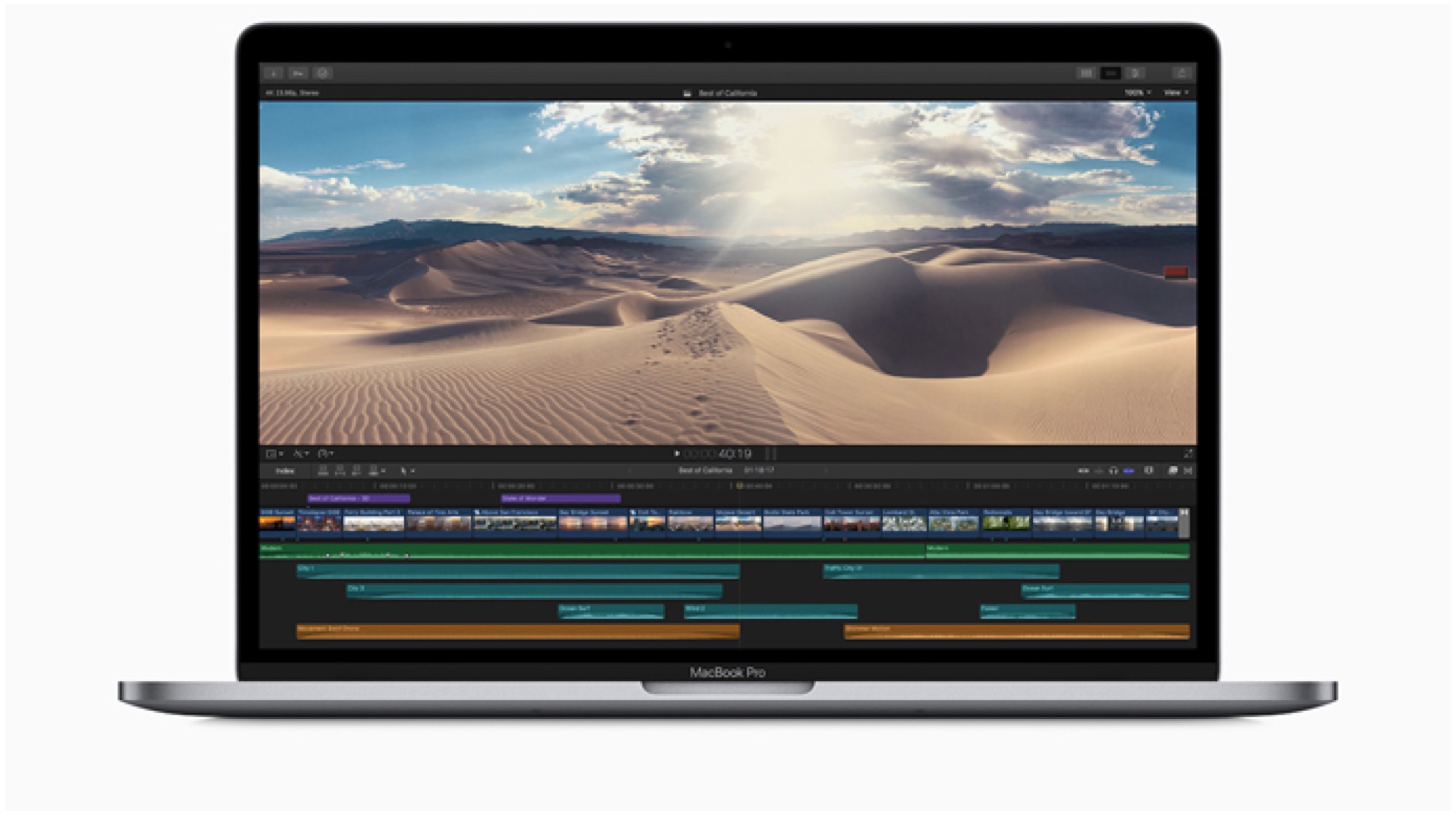 The MacBook Pro packs the Apple T2 security chip and a total number of 3 Thunderbolt 3 ports that can be used for fast data transfer, plugging in 4 external GPUs and connecting two 5K resolution displays. The T2 security chip is an encrypted safehouse that stores sensitive user data like TouchID information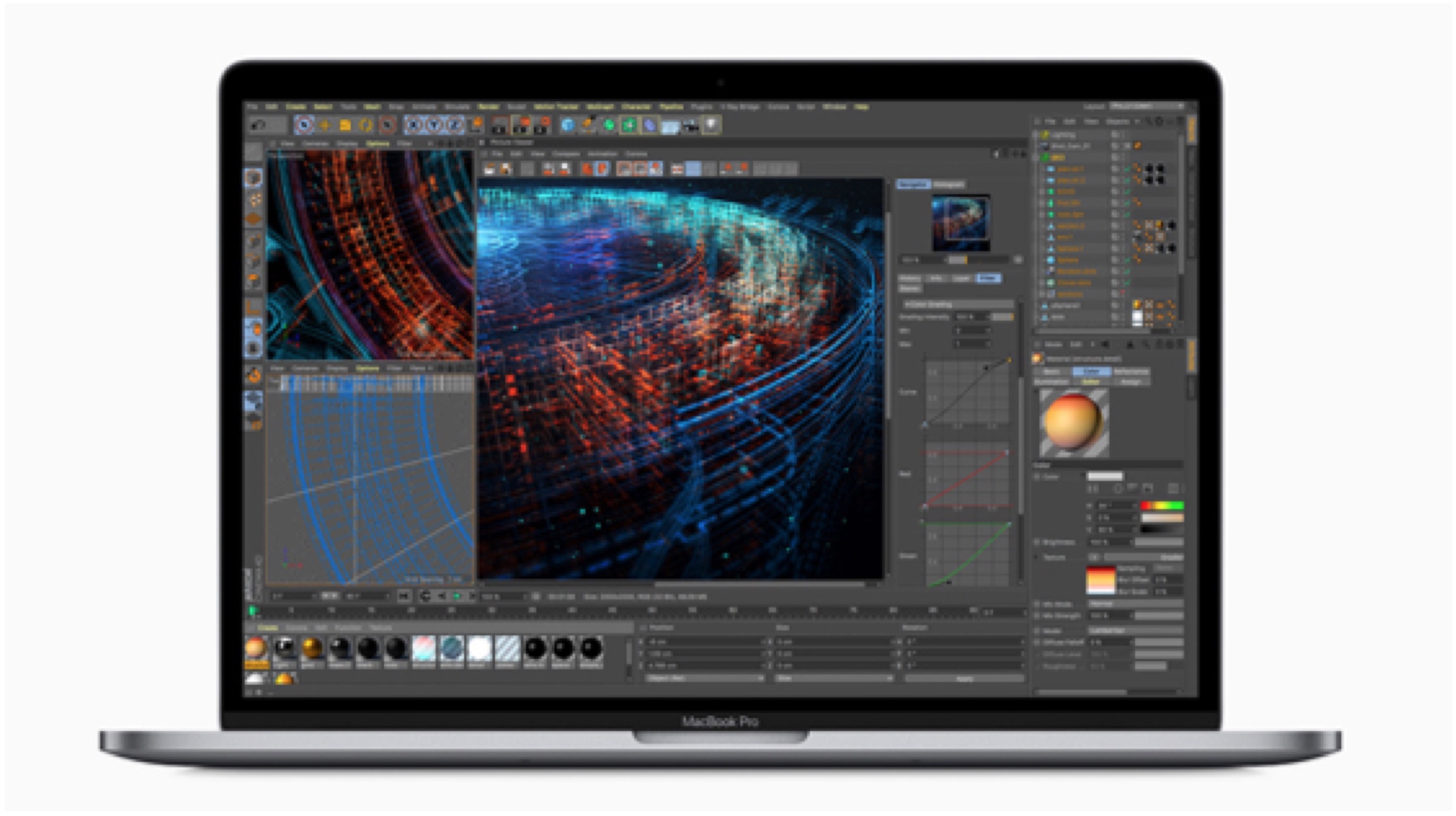
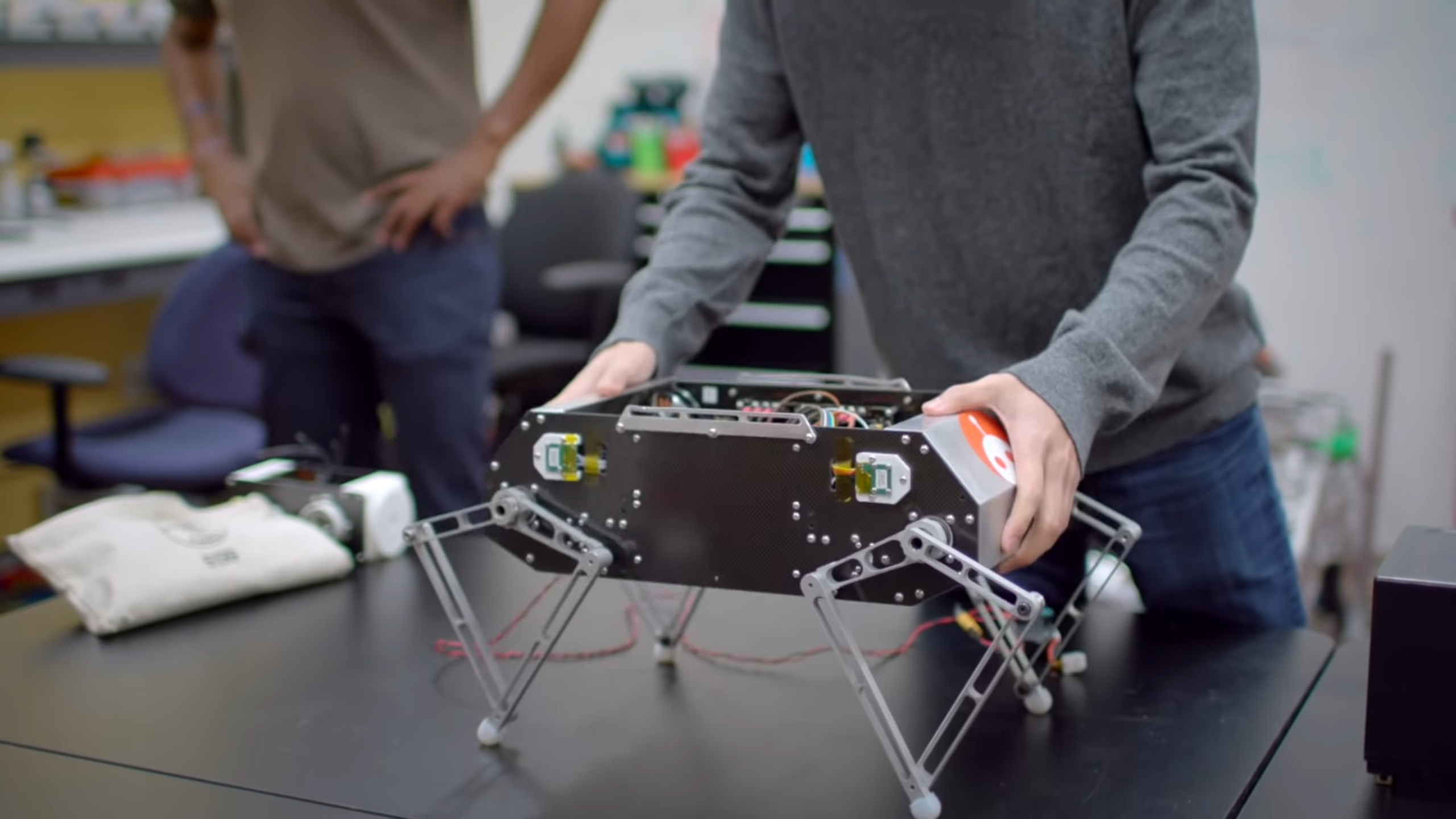
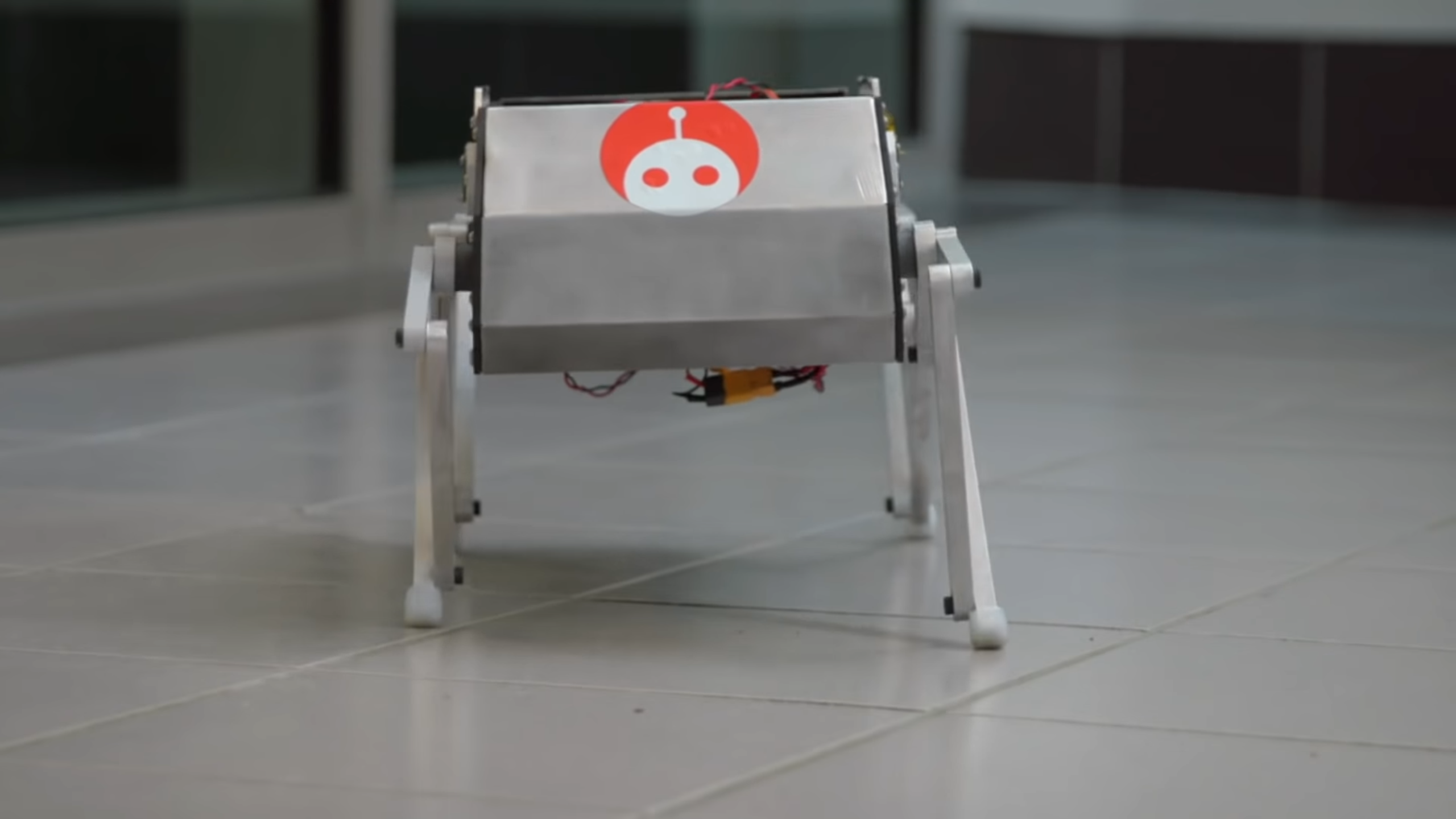 As per the Stanford Student Robotics Club’s Extreme Mobility Team, the cost of developing conventional robots can range anywhere between tens to hundreds of thousands of dollars. On the other hand, the Stanford Doggo can be manufactured under US$ 3000, and this includes manufacturing and shipping costs. Almost all the components required for manufacturing the Doggo can be purchased online. The students expect that this will enable researchers and robotics enthusiasts to develop innovative projects the way they want.
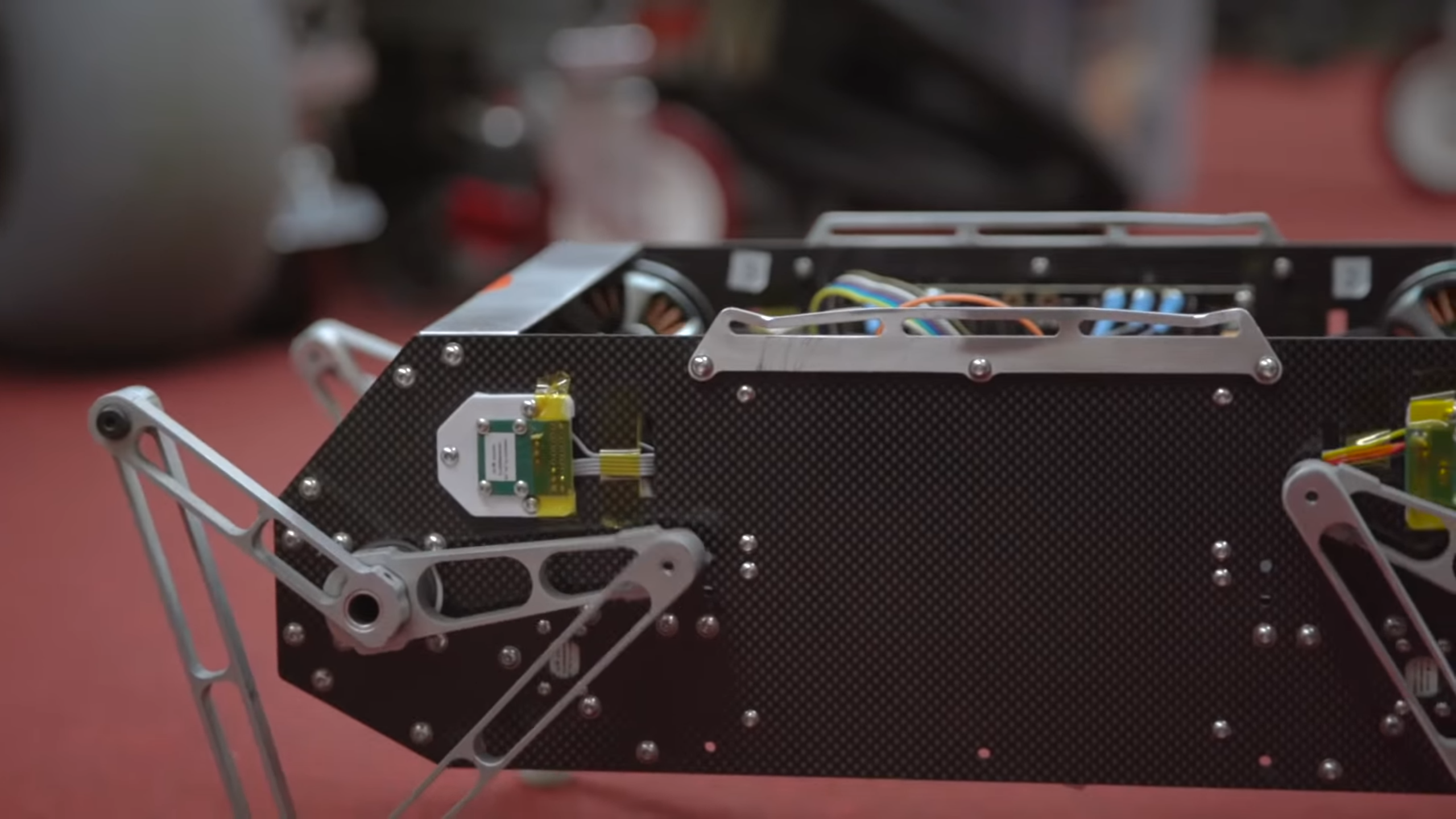
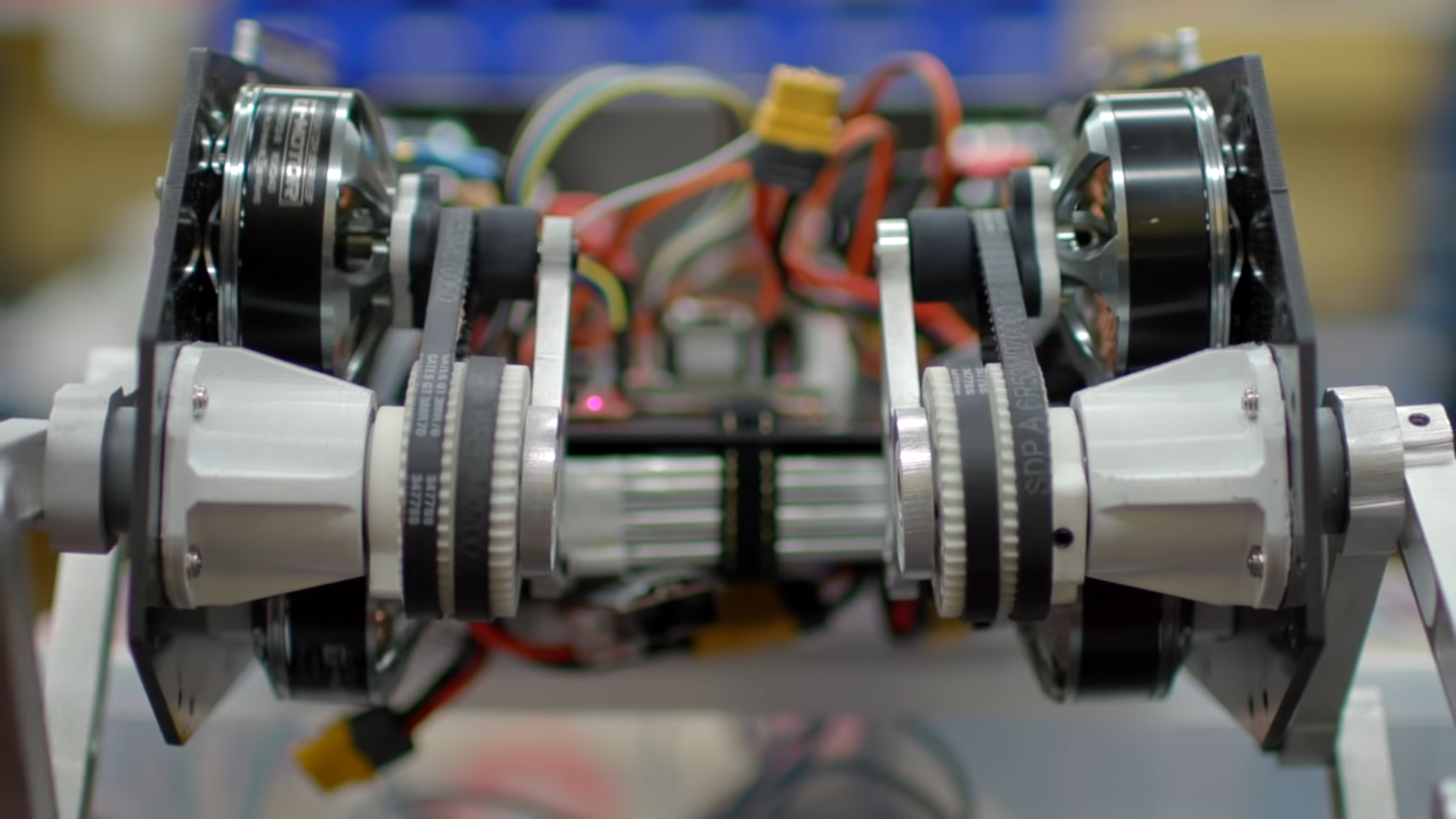 The Stanford Doggo is similar to a regular-sized Beagle in terms of size, and it can walk, trot and dance with ease. More complex actions include jumping, hopping and performing backflips. Since the students built up the robotic dog from scratch, a lot of time had to be devoted in order to test each part of the Doggo. Moreover, the students did not rely on any form of simulations during the development of the robot, making it even more difficult to predict results.
  Also Read:
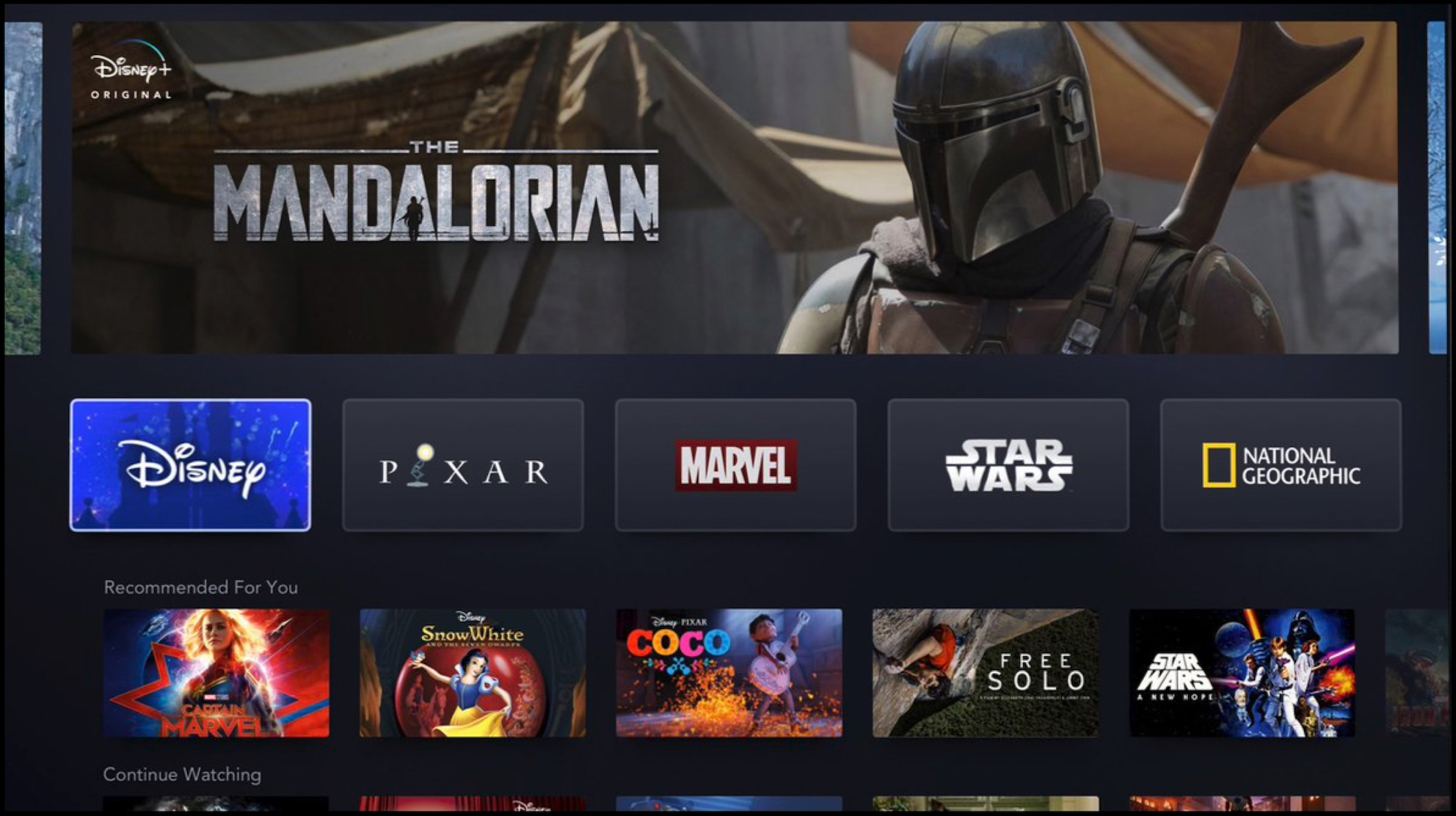
 The series will be directed by Kari Skogland and will be produced by Marvel Studios’ Kevin Feige. The series is expected to pick up from where Captain American gives his shield to the Falcon at the end of Avengers: Endgame. Previously, Disney had released a statement that The Falcon and The Winter Soldier will release in the first year of Disney+, Disney’s upcoming streaming service. The director of the series has previously worked on movies like Fifty Dead Man Walking, which starred Ben Kingsley and Jim Sturgess and won the Canadian screen award for the Best Screenplay.
  Also Read:
 The marketing firm pays Instagram and other social media influencers to post sponsored (ad-revenue generating) content on their feeds. The data stored in the database included the total number of followers per account, engagement, reach, likes, shares and other sensitive information such as private contact information. Using this information, the firm calculated the net worth of the account and then determined how much it can pay an Instagram celebrity to post an advertisement.
  Sources state that the database contained info about high-profile influencers, including popular food bloggers and celebrities. When sources contacted some influencers present in the list, some of them responded saying that it was indeed the same contact number and email address that they used while signing up for the Instagram account. Also, they did not have any involvement with Chtrbox either, which confirmed that the aforementioned information was being used without the consent of the user.
  Also Read: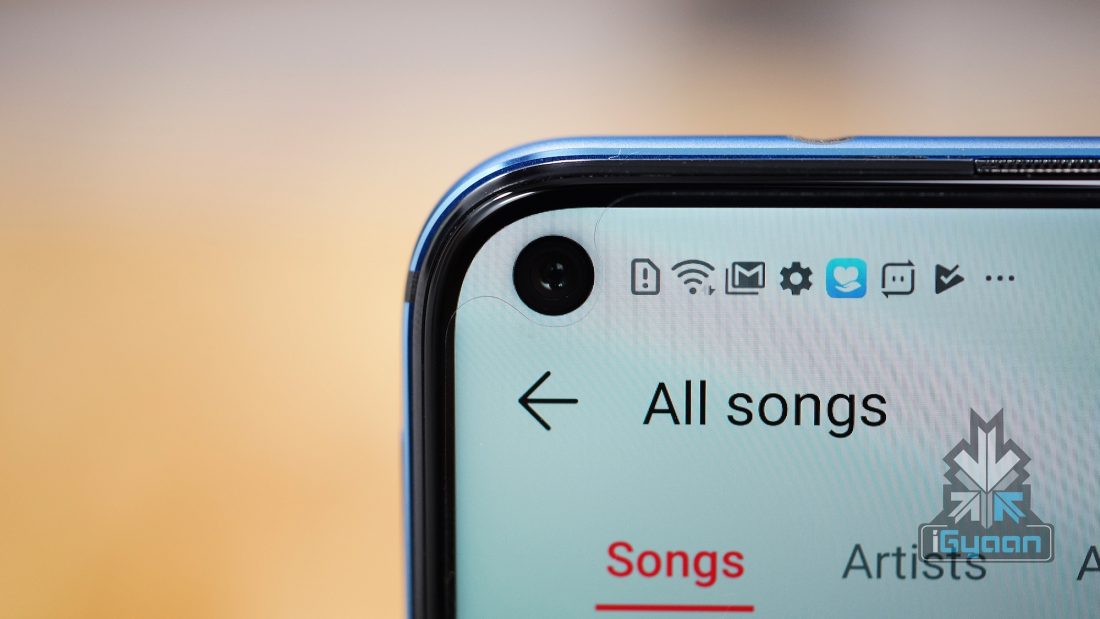
 Leaks suggest that the design language of the smartphone is expected to be similar to its predecessor. It will have a glass sandwich design which will be reinforced on top of a metal chassis. Previous reports state that the Honor 20 Pro will have a 6.26 inch LCD display with a Full HD+ resolution. To maximize the screen to body ratio, the device will feature a punch-hole display. In terms of biometrics and security, the handset will have a side mounted fingerprint scanner with additional support for face unlock technology.
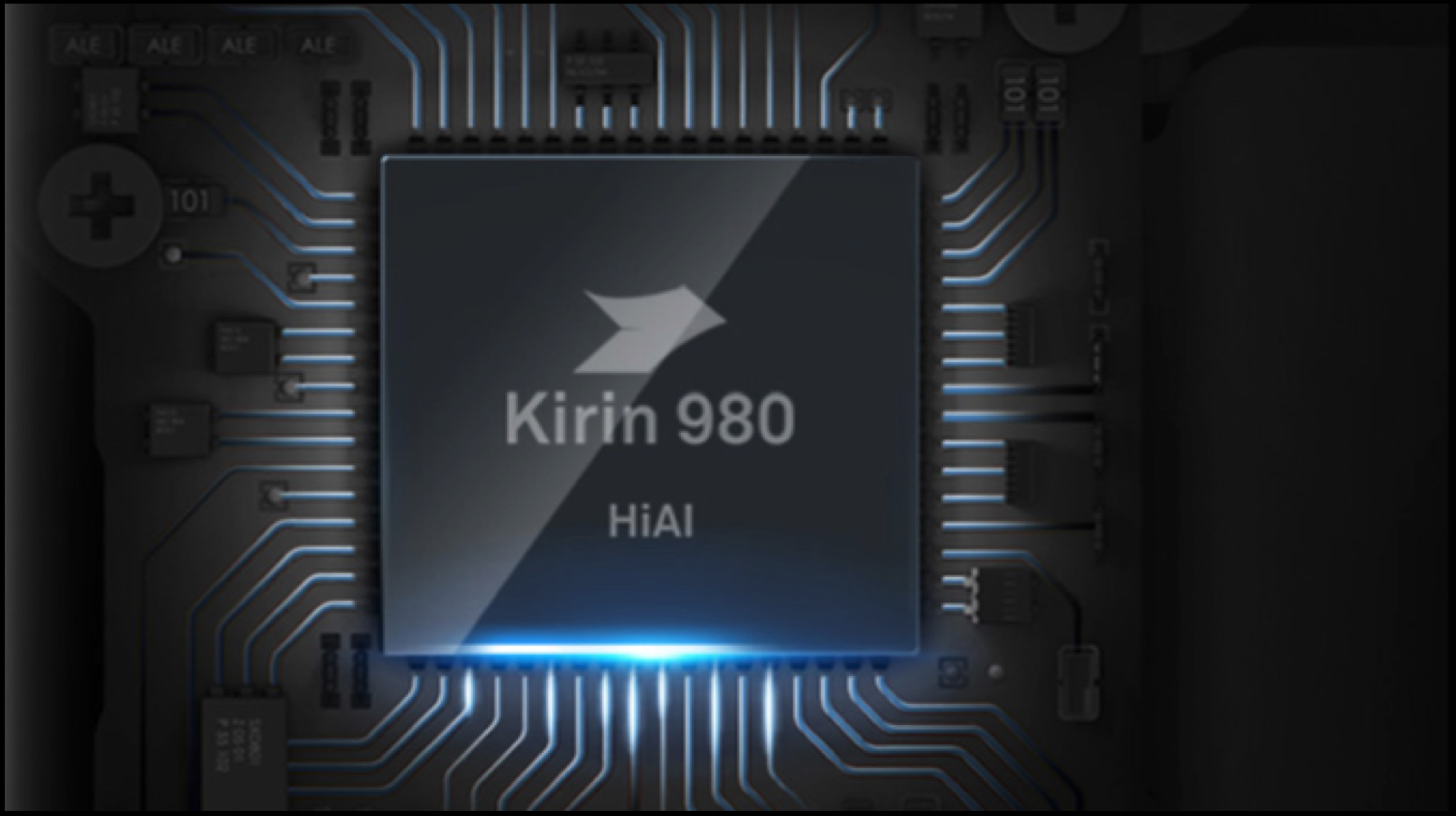
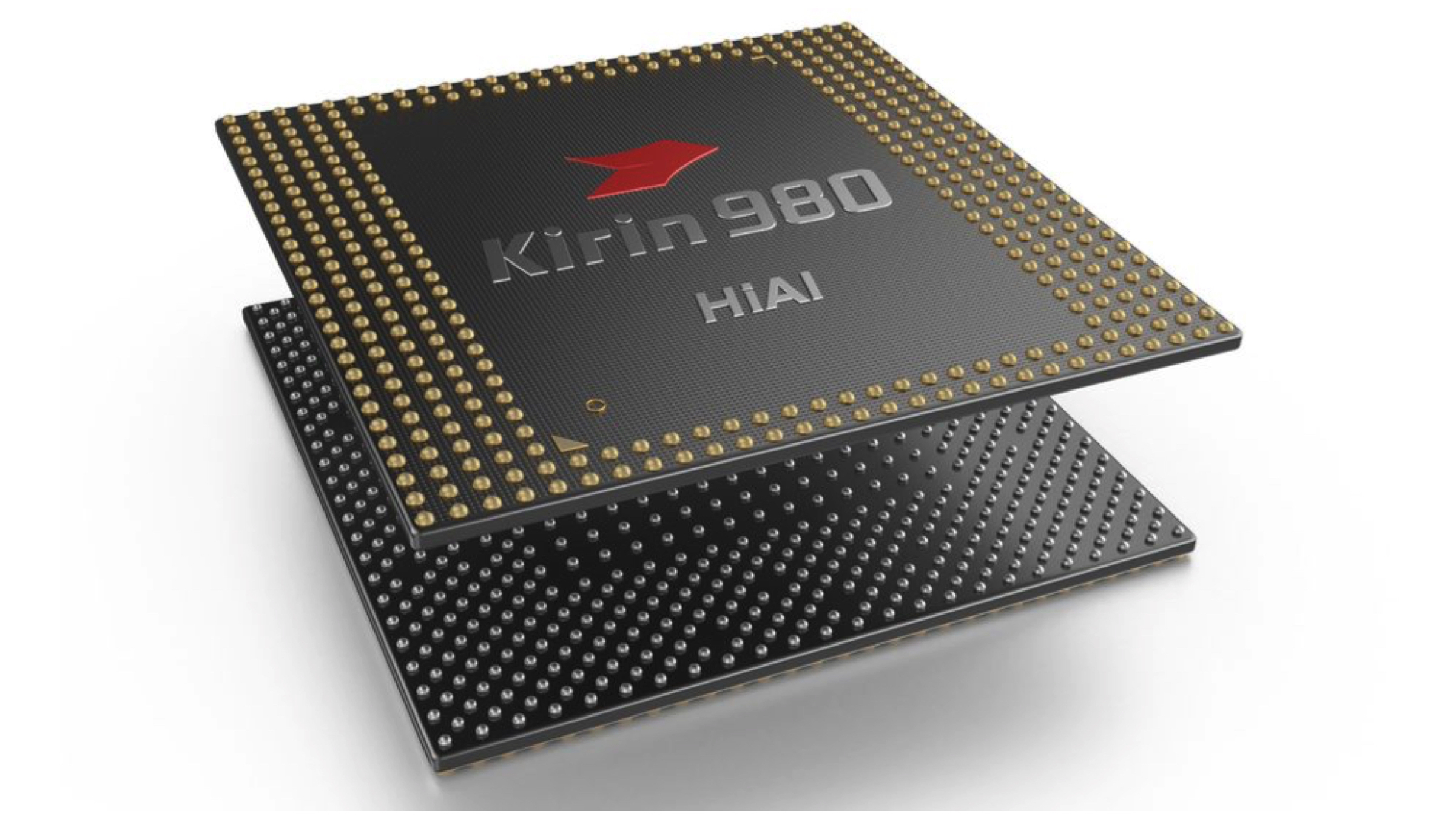
  Under the hood, the Honor 20 Pro will run on the 7nm Kirin 980 SoC. The chipset has an octa-core CPU and Mali G76 GPU. Talking about optics, the smartphone will boast of a rear quad-camera setup with a 48MP primary sensor, a 16MP ultra-wide sensor and two 2MP sensors. For selfies, it will have a 32MP (f/2.0) camera accommodated in the punch-hole up front. It will be powered by a 3750 mAh battery with 22.5W fast charging support The Honor 20 Pro is expected to launch in the following variants:
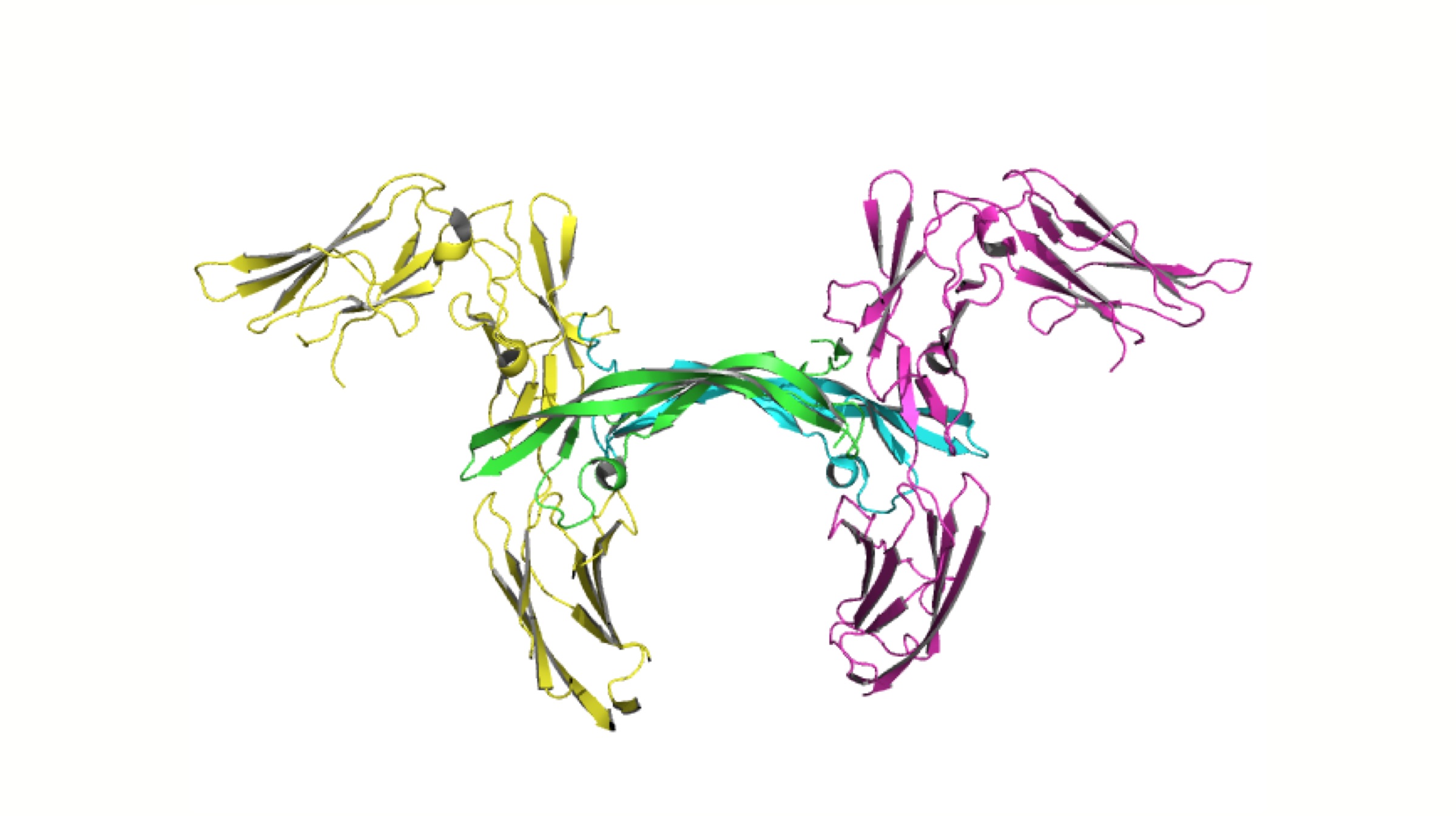 Scientists from the University of Sussex worked in a collaboration with researchers from the University of Washington School of Medicine in Seattle, USA. The treatment involves the usage of ‘Receptor tyrosine kinase inhibitors’; which is a class of drug currently being used to treat cancer. A number of complex DNA sequencing techniques were implemented, and a new genetic basis of a brain aneurysm form was identified. Manuel Ferreira states that the mutations in the aforementioned gene were completely different from the ones that were previously detected in brain aneurysms.
 Also Read:
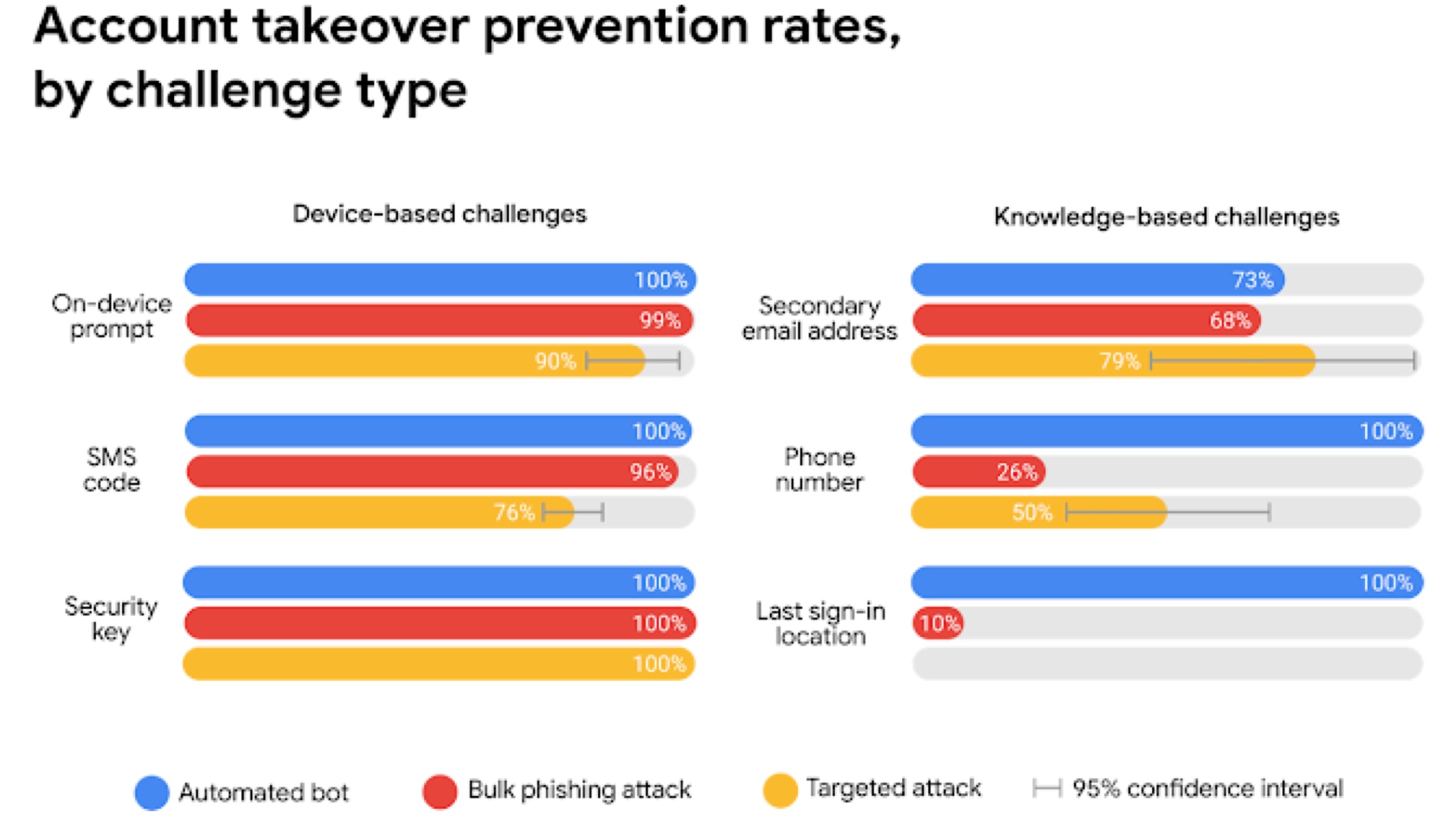 The year long study on security attacks was presented by the company at a gathering of experts and policy-makers, called the Web conference. Google’s research stated that adding a recovery phone number can block up to 100% of all automated bots, 99% of all bulk phishing attacks and 66% of targeted security attacks. This study was carried out with researchers from New York University and the University of California, San Diego primarily to highlight how basic “account hygiene” can keep accounts safe.
 Also Read: