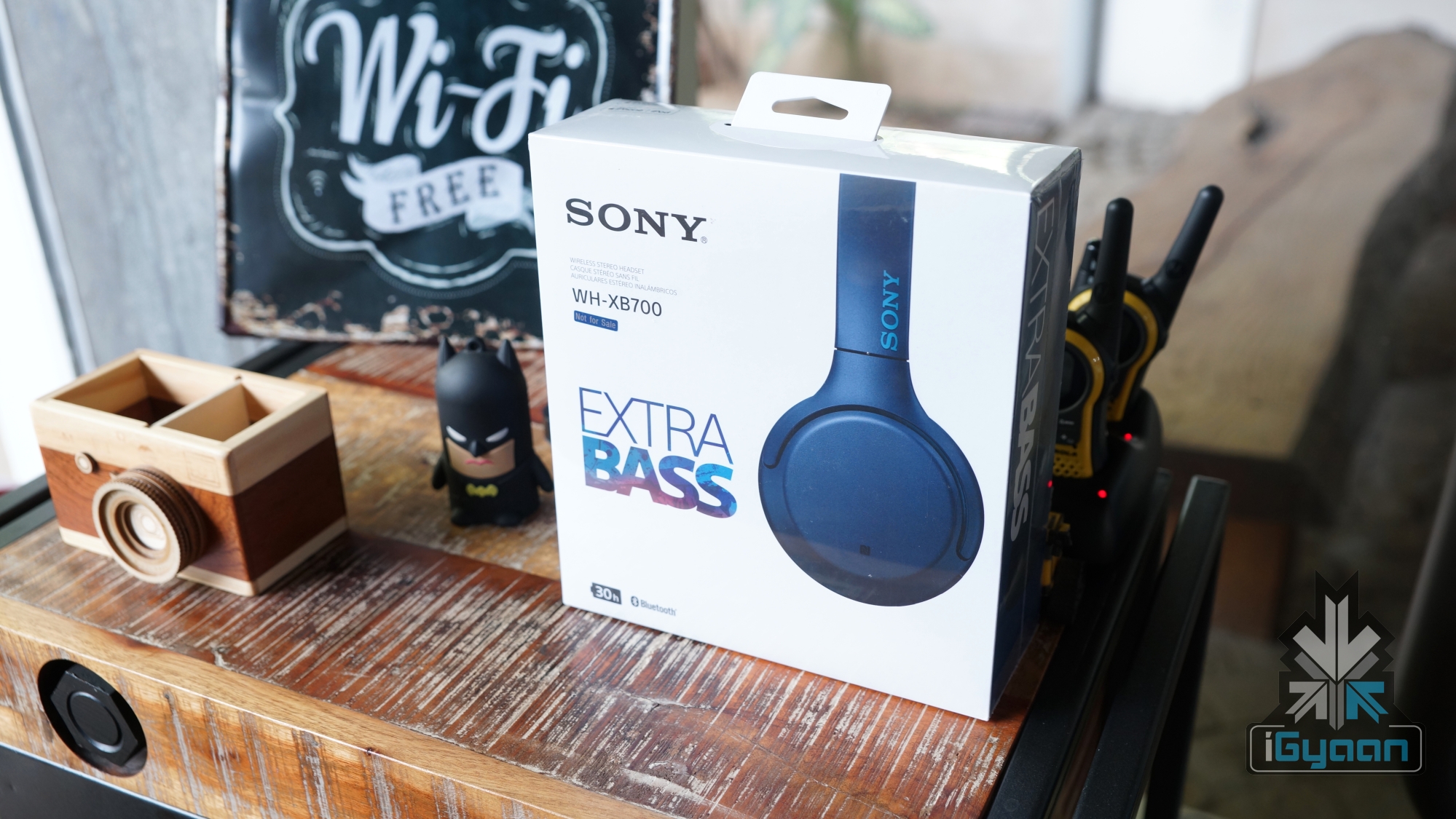
The WH-XB700 are the latest addition to Sony’s wireless headphones family. For audiophiles, the Sony WH-XB700 provide a good set of features at a competitive price. One of the highlighting features of these headphones is Extra Bass, and that is an aspect most “regular” headphone users are willing to bet their money on. Let’s deduce where the Sony WH-XB700 delivers and where it could’ve done better.
Inside The Box
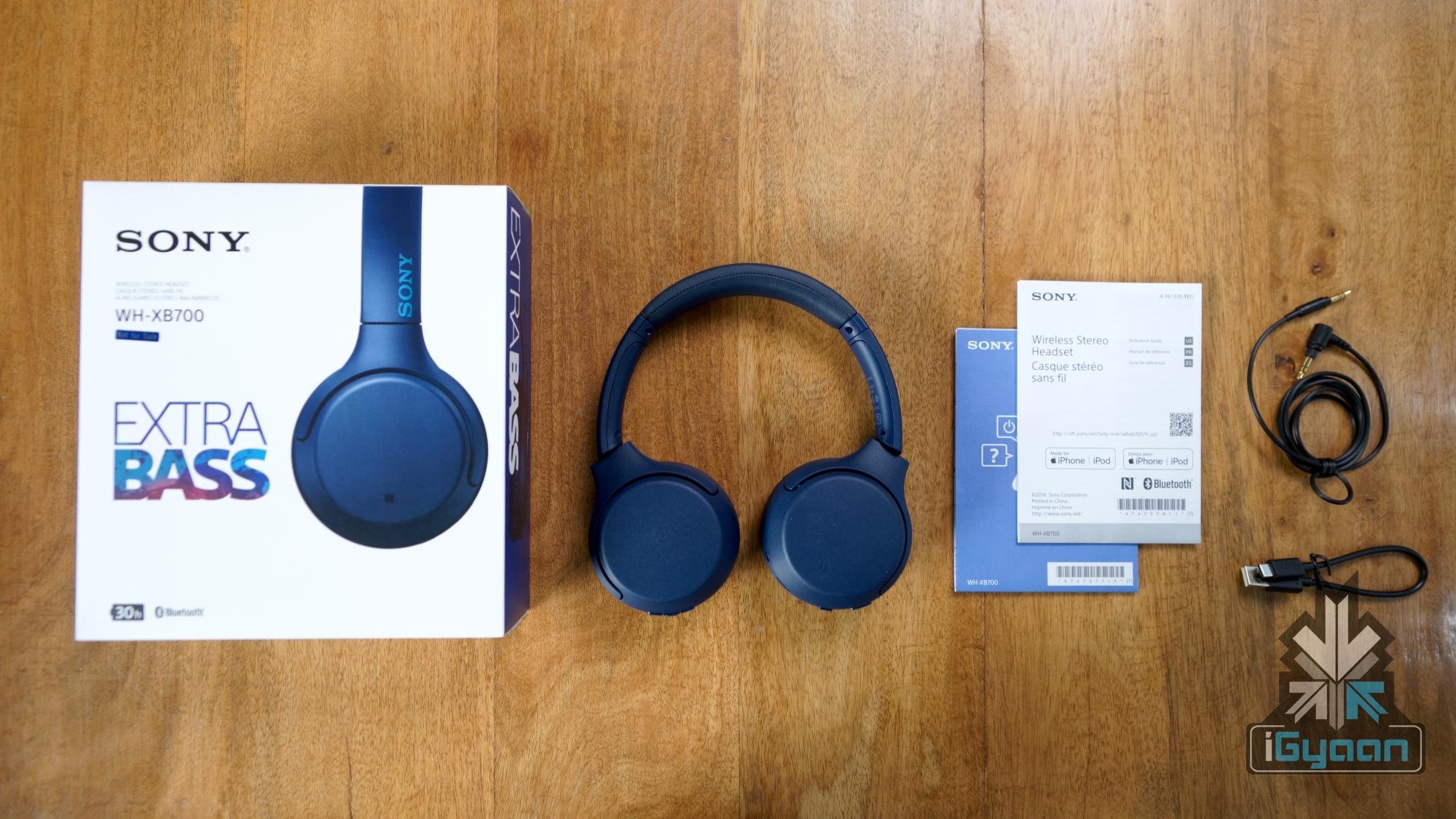
- Sony WH-XB700 Headphones
- Instruction Manual and Warranty/Safety Guide
- 3.5mm AUX cable
- USB Type-C cable
Build Quality And Design
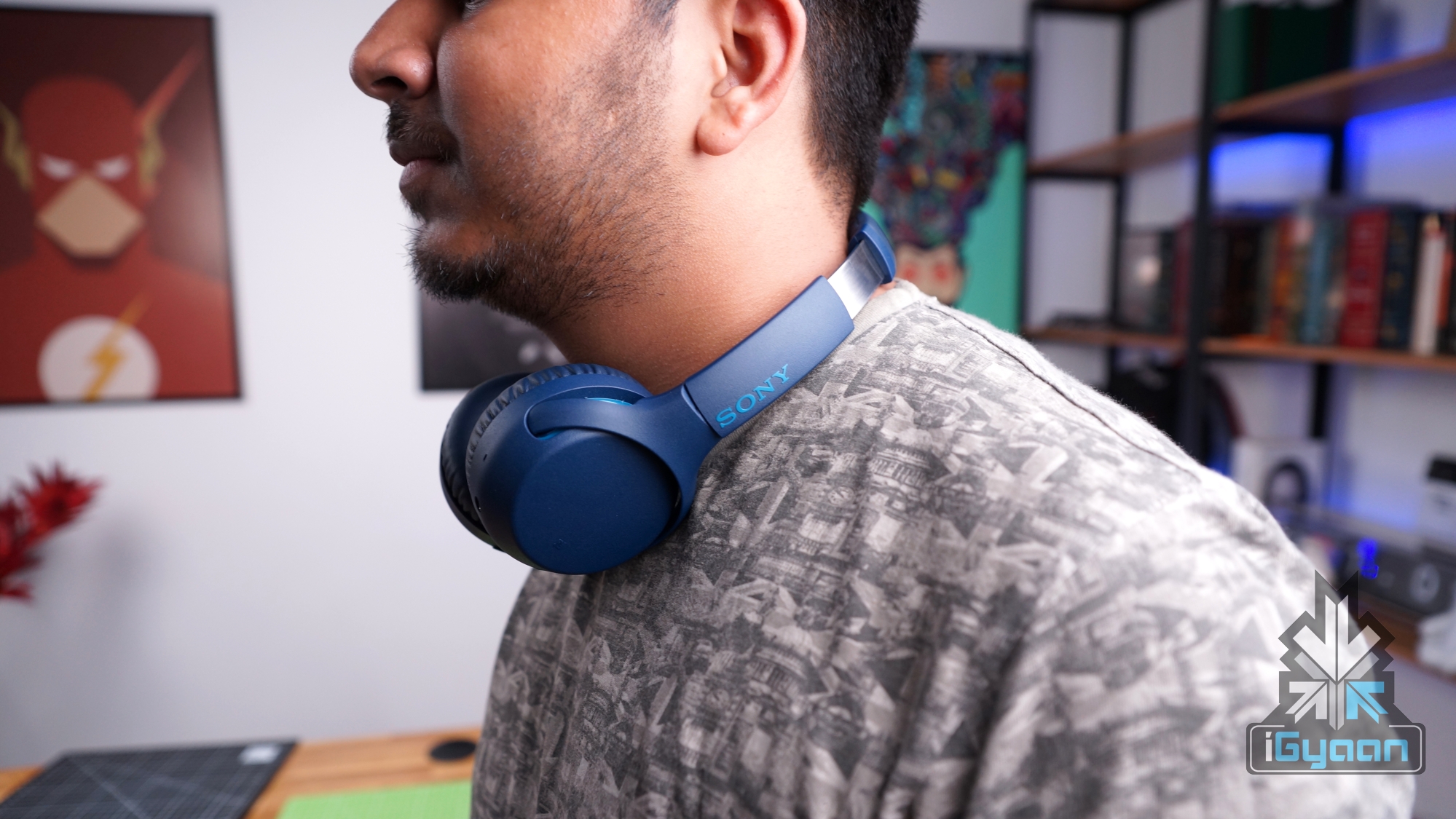
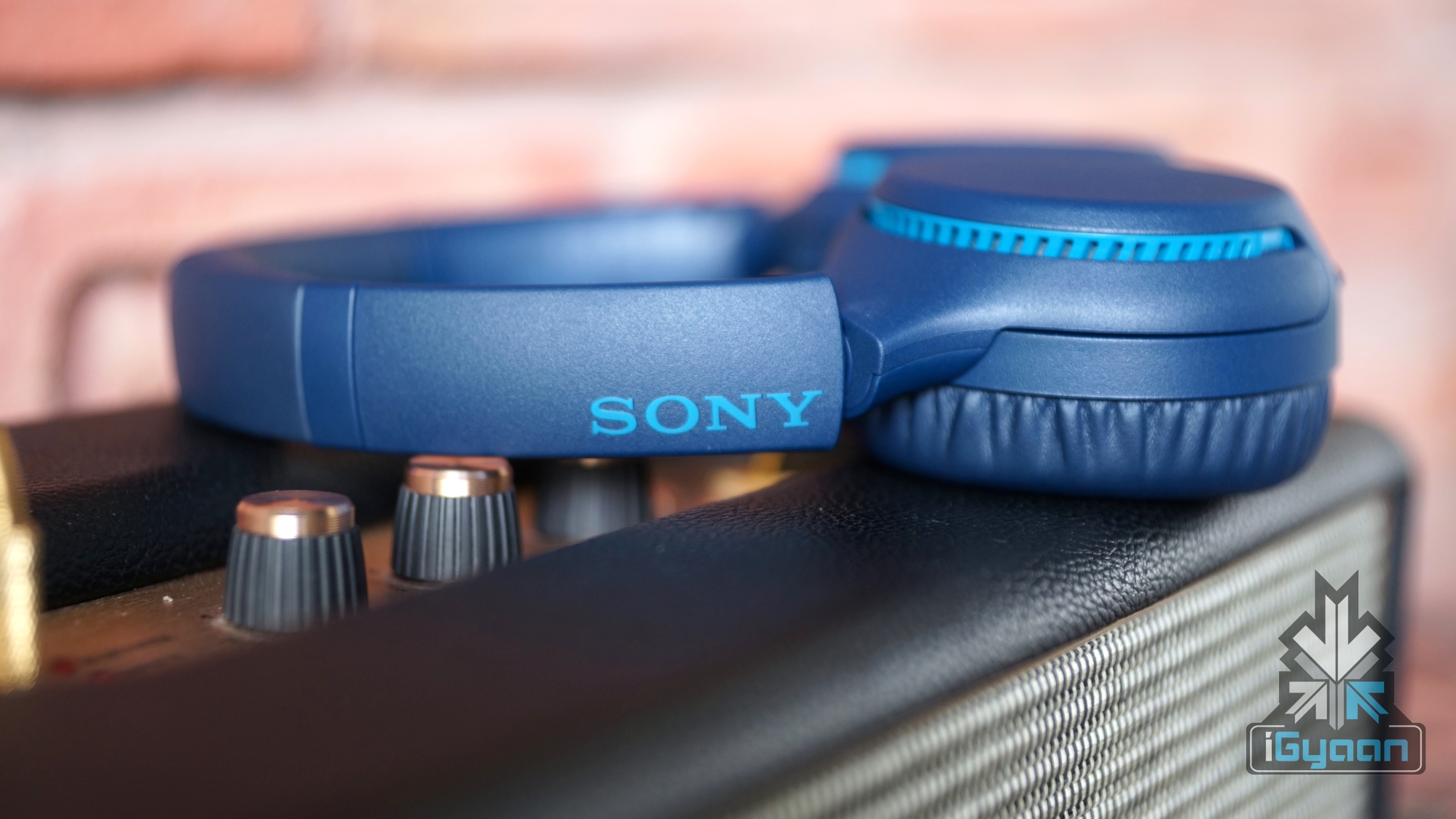
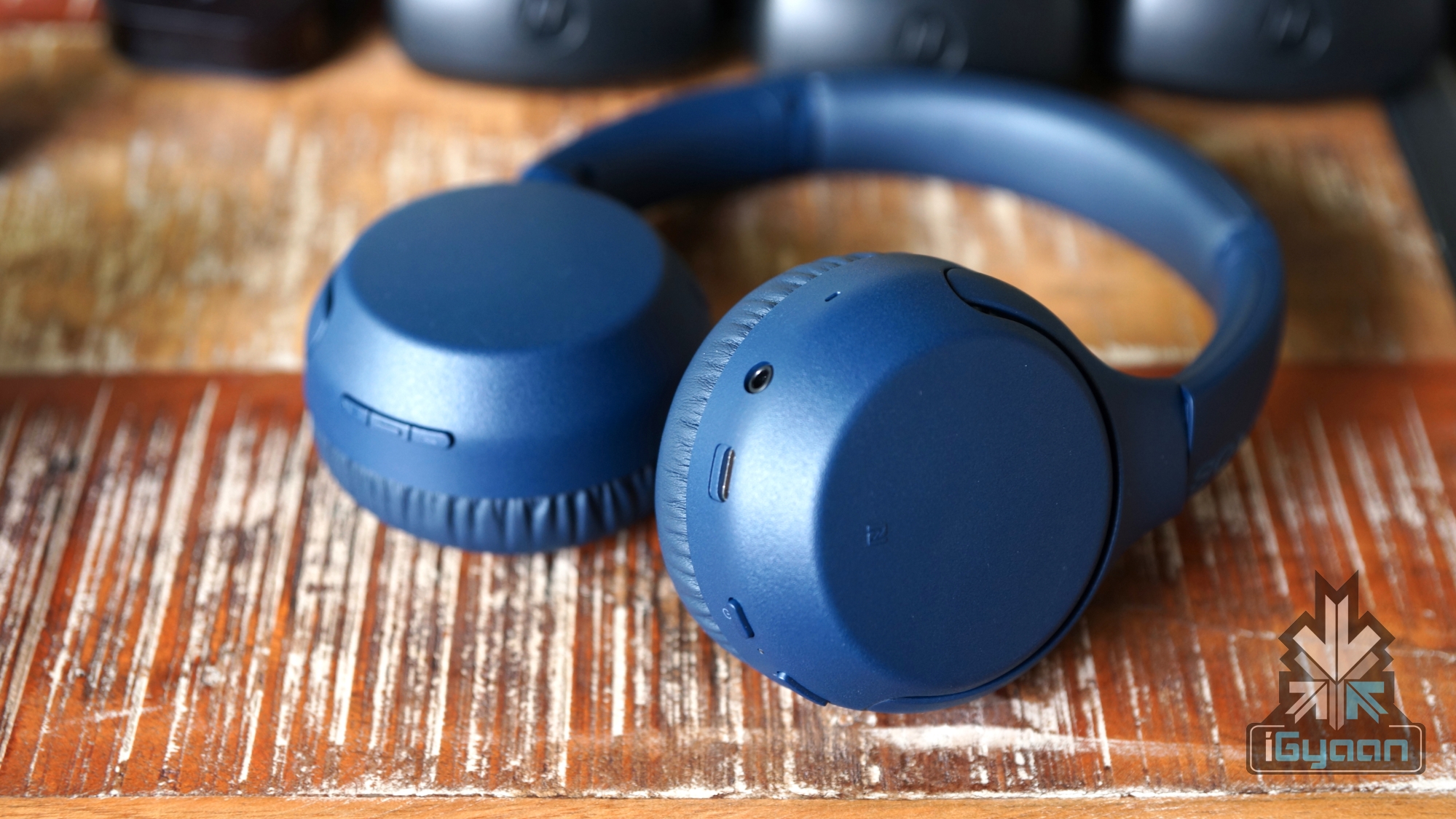 The Sony WH-XB700 are fabricated from high grade plastic with a smooth matte finish. The framework of the headphones is made of metal though. More metal would have been appreciated in the build of the WH-XB700. The ear cups have a swivel design, implying that the Earcups can rotate around the pivot. This will make it convenient for users to slip these headphones inside their backpacks . Weighing at just around 195 grams, these may be one of the lightest headphones in this segment
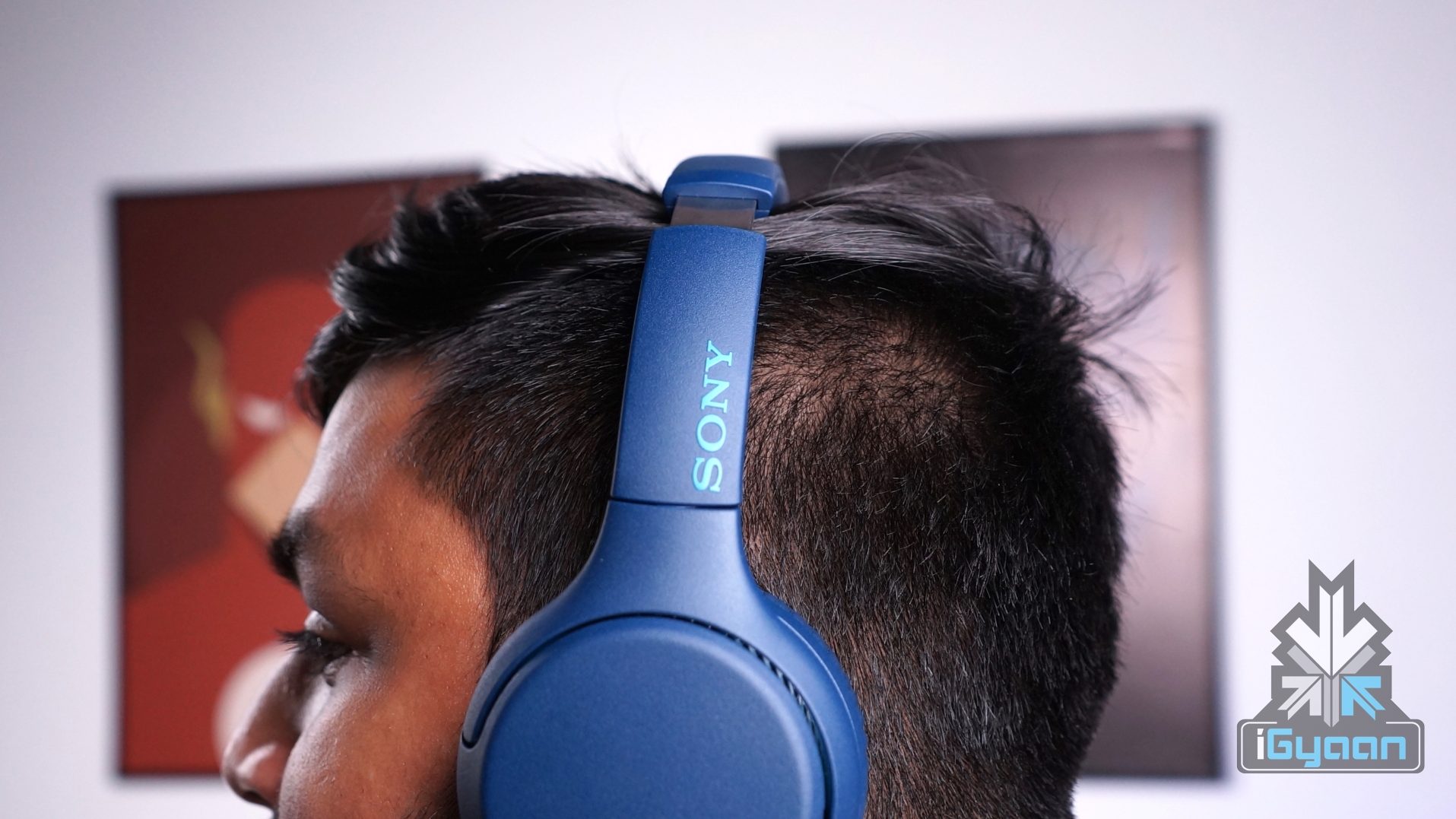
The Sony Logo is neatly embossed above both the earcups. The headphones look good enough to make a style statement. The headphones have an on-the-ear, or supra-aural design, implying that they rest on the ears rather over them.

The earcup’s pads, as well as the headband’s cushioning, are made out of memory foam. This material feels very premium and comfortable even when used for longer periods of time. The extending strips along with the framework are designed out of metal, which allows for considerable freedom of movement. Even upon stretching the ear cups apart, they seemed to retain their original shape upon restoring. Noteworthy, owing to the light weight of the Sony WH-XB700, they tend to sway “dangerously” when you move around while wearing these, so you might want to be careful when you take them out for a run.
The left earcup houses the power button (which also doubles up as the pairing button). In addition, it accommodates the 3.5mm audio jack, USB Type-C port, the notification LED and a “Custom” button, which will be discussed in detail later. On the other hand, the right earcup houses the volume rockers and the play/pause/answer calls button.
Audio Quality
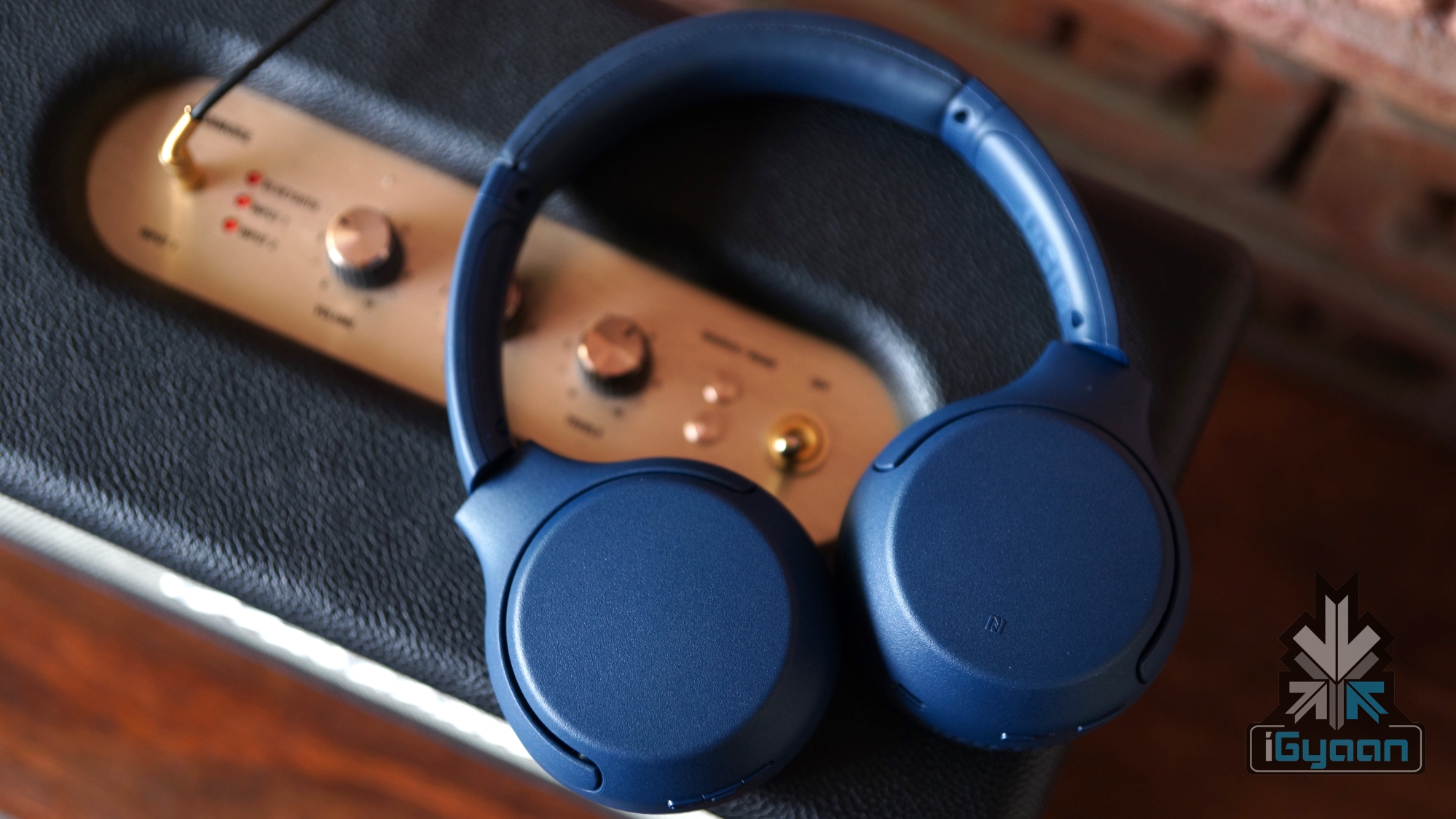 The primary defining feature of any headphones is its audio quality. The Sony WH-XB700 operate within a frequency range of 20-20,000 Hz with 44.1 kHz Sampling and have an impedance of 37 ? (ohms). The headphones are quite loud, clocking in at a loudness level of 103 decibels. The 30mm Neodymium driver churns out evenly distributed frequencies, but it’s really the lows where the headphones excel. At higher volumes, negligible distortion in the sound is present. Even though Sony has laid emphasis on the lower frequencies here, there is a profound focus on the highs as well, which make them a pleasure to listen to.
 The headphones are advertised with “Extra-Bass”, and they live up to their name. The ample amount of bass goes easy on the ears, delivering a rich experience. Plus, the headphones sport the “Vocal Clarity” feature, which enhances the experience if you are listening to a podcast or watching a lecture. Noise isolation is not that great, but that is expected considering the supra-aural design of the headphones.
Audio is captured via the microphone present on the right earcup, and in the course of usage, the microphone quality is mediocre when it comes to answering calls indoors. Furthermore, the audio doesn’t bleed a lot when you have the headphones on. Advanced tweaking of the sound quality and bass levels can be done via the Smart Headphone Connect app, which is available for both Android and iOS devices. Firmware updates are also pushed to the WH-XB700 via the same app.
Connectivity Options
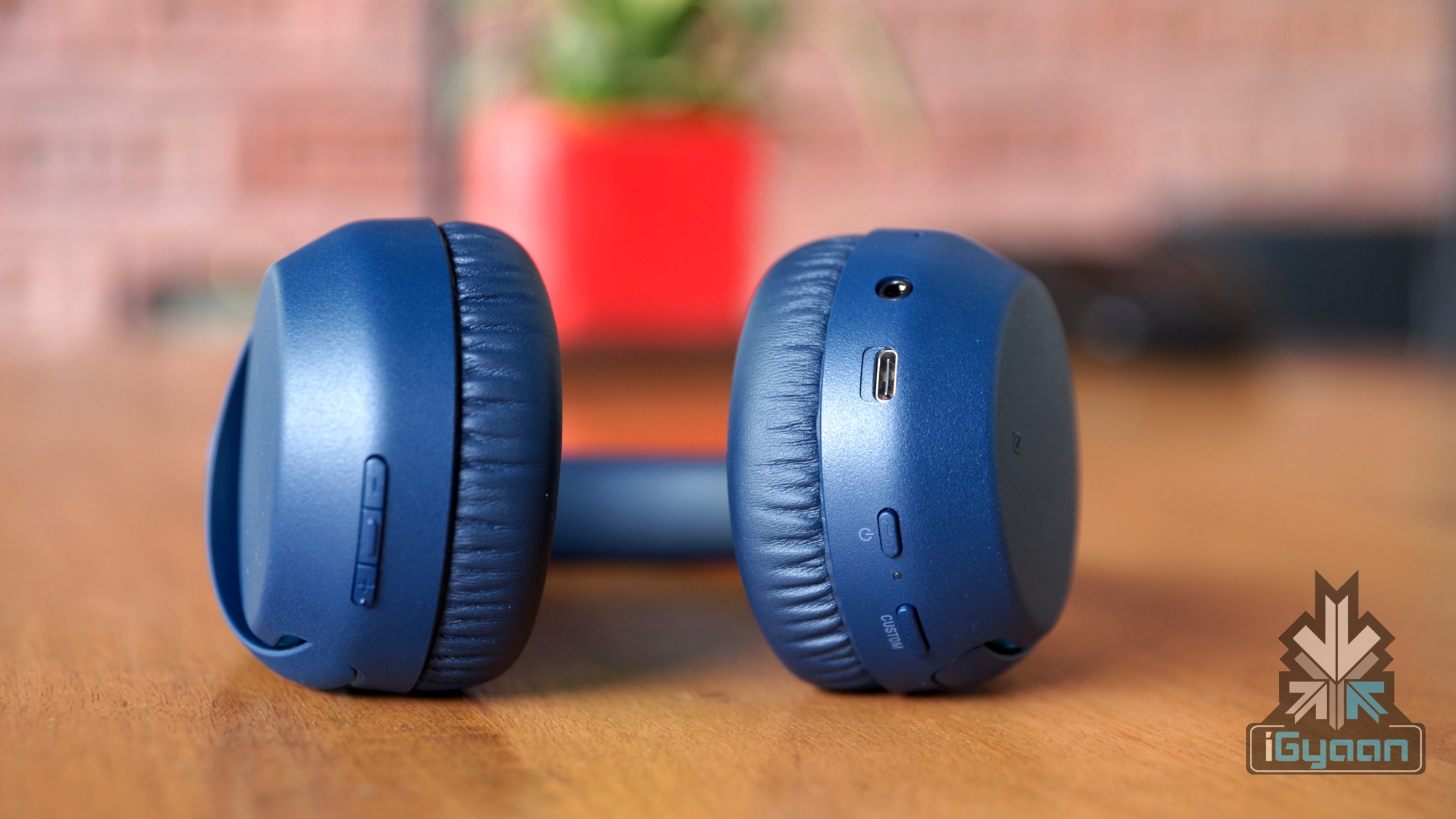 In terms of connectivity, the Sony WH-XB700 features Bluetooth v4.2, NFC (Near Field Communication), a USB Type-C port and a 3.5mm headphone jack for those times where you run out of battery. To pair the headphones with your smartphone via Bluetooth, the user needs to simply hold down the power button and the headphones will pop-up on your smartphone’s Bluetooth devices list. Like other headphones in this range, the Sony WH-XB700 cannot be connected to multiple devices simultaneously. They have to be disconnected from one device in order to connect to another one.
The WH-XB700 also supports one-touch NFC pairing, where users can just stream music to their headphones by touching their NFC-enabled devices with the headphones. One thing to note is that there is a significant loss in audio quality when the headphones are connected via the 3.5mm AUX cable. Similarly, all the buttons present on the headphones stop functioning when the headphones are connected passively.
Battery Life And Additional Features
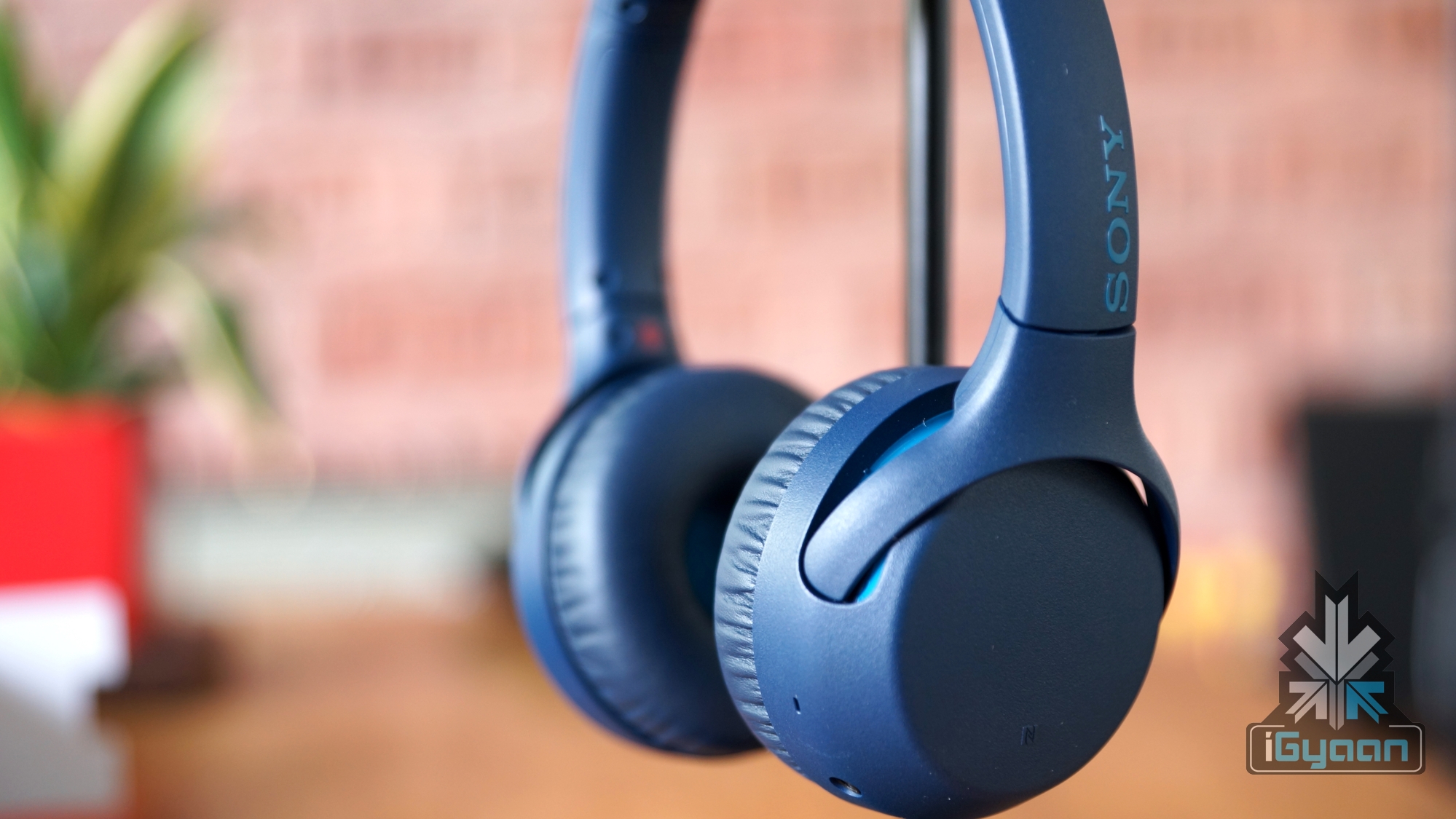 The Sony WH-XB700 features a Li-ion battery, which promises a battery life of 30 hours, and we tested that out. Interestingly, on the maximum value and bass levels, the headphones were able to churn out the aforementioned time with ease. The headphones can be charged via the USB-Type C port which is mounted on the left earcup. They also provide a 90-minute playback time after a 10-minute charge time, which can be helpful for users who are on-the-go. Overall, the headphones take a bit more than 4 hours to attain maximum charging capacity. And if you do manage to run out of battery, you always have the option to use them with the 3.5mm AUX cable.
 As previously mentioned, the Sony WH-XB700 headphones have a “Custom” button on the left earcup which can be mapped to either Alexa or Google Assistant dependent on user preferences. We noticed that the button was very responsive, as it immediately launched Google Assistant on our device in all instances. However, as mentioned previously, the Custom button only works in wireless mode. Nonetheless, we found the custom Assistant button very convenient and is welcoming addition.
Conclusion
Also Read: OnePlus 7 Pro Screen Protector Leaks, Reveals Front Design
In a nutshell, the Sony WH-XB700 is a pretty good deal considering it checks most of the boxes in the list. Rich and punchy bass, low distortion levels, rich highs and lows, and that’s just the audio quality. The headphones have a good battery life, support a host of connectivity options and look good on the ears.
The only drawbacks that are worth mentioning are some aspects of the build quality, such as the lack of any metal accents. The fact that the headphones tend not to be very stable while wearing them might be a bit pesky for those who like to listen to music while running. Noteworthy, the Sony WH-XB700 don’t ship with a carrying pouch or hard case in-the-box. Although not a deal breaker it is worth taking into consideration.
Another worthy option in the same segment is the JBL Tune 600, which provides passive noise cancellation and deep, punchy bass. For almost INR 1,500 less, you can also try out the Sennheiser HD 4.40 Bluetooth headphones, which are a good buy considering its price. The Sony WH-XB700 is a pair of good sounding headphones, and audiophiles who want a set of portable cans should definitely go for them.

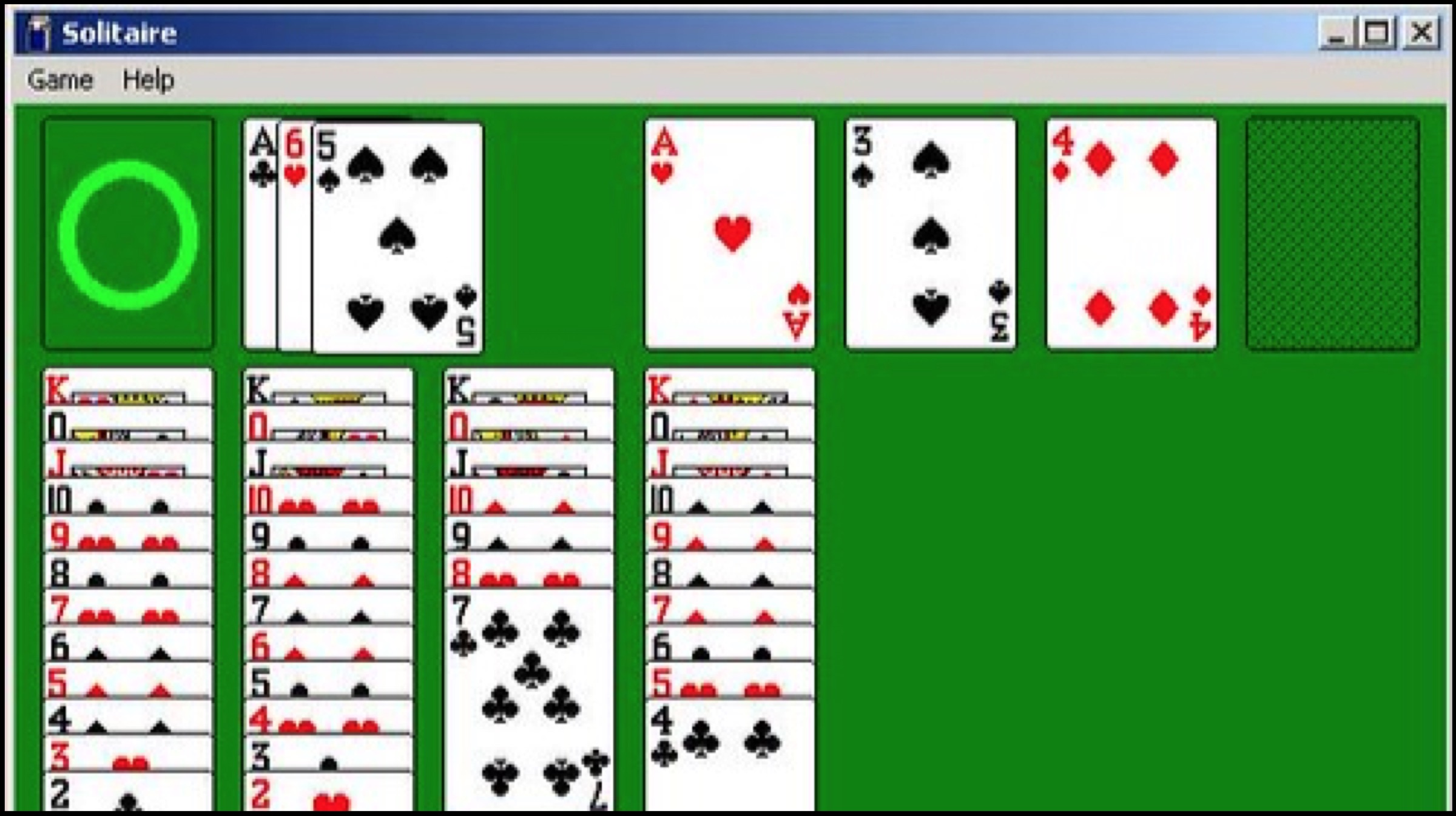 The game has now been inducted into the World Video Game Hall of Fame. In doing so, it has joined some really landmark-setting games, such as Doom, Tetris, World of Warcraft, Pac Man and Sonic The Hedgehog. The World Video Game Hall Of Fame judges various games based on the following criteria
 Also Read: OnePlus 7 and 7 Pro Will Be Water Resistant, But Won’t Have An Official IP Rating
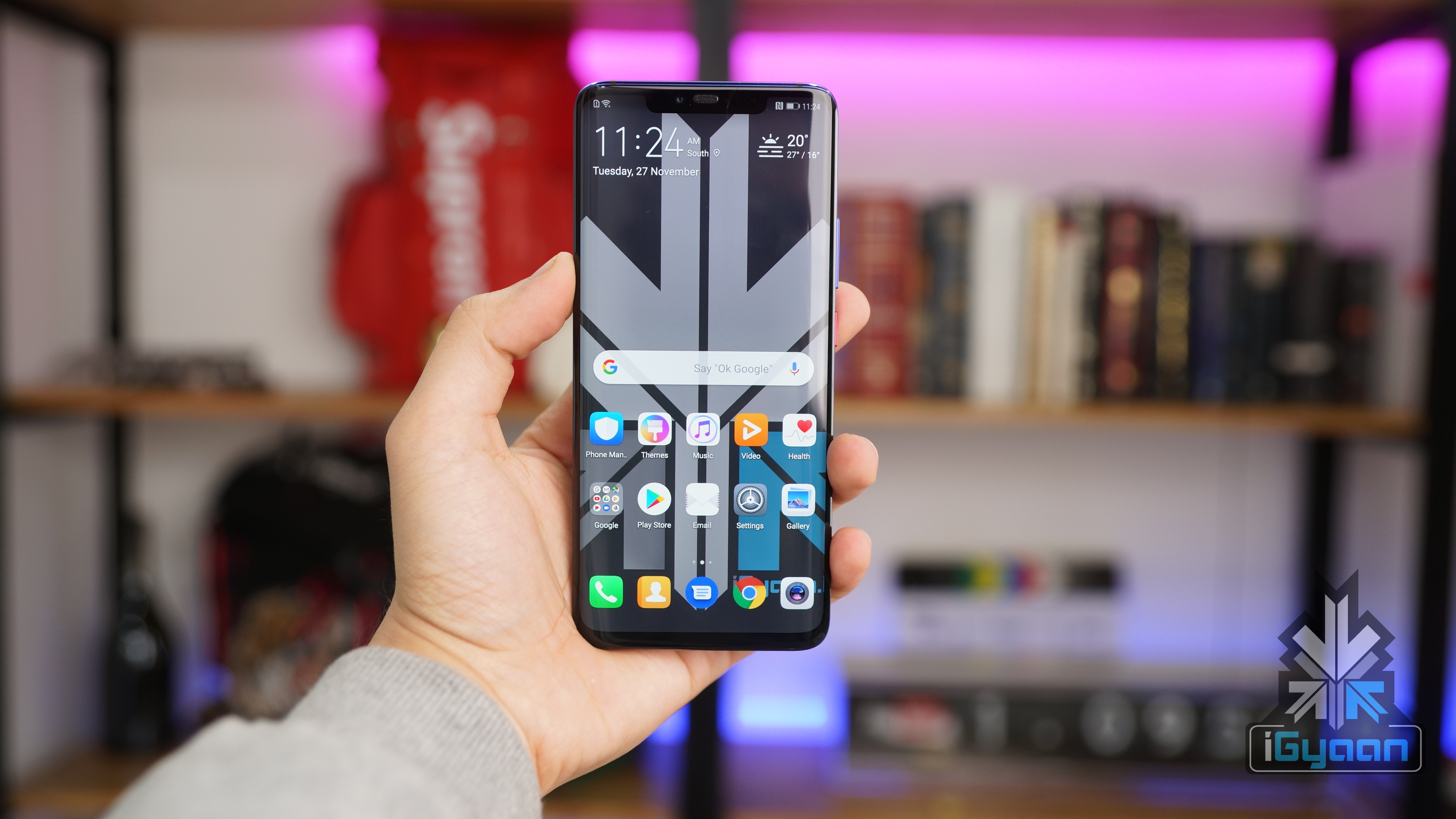
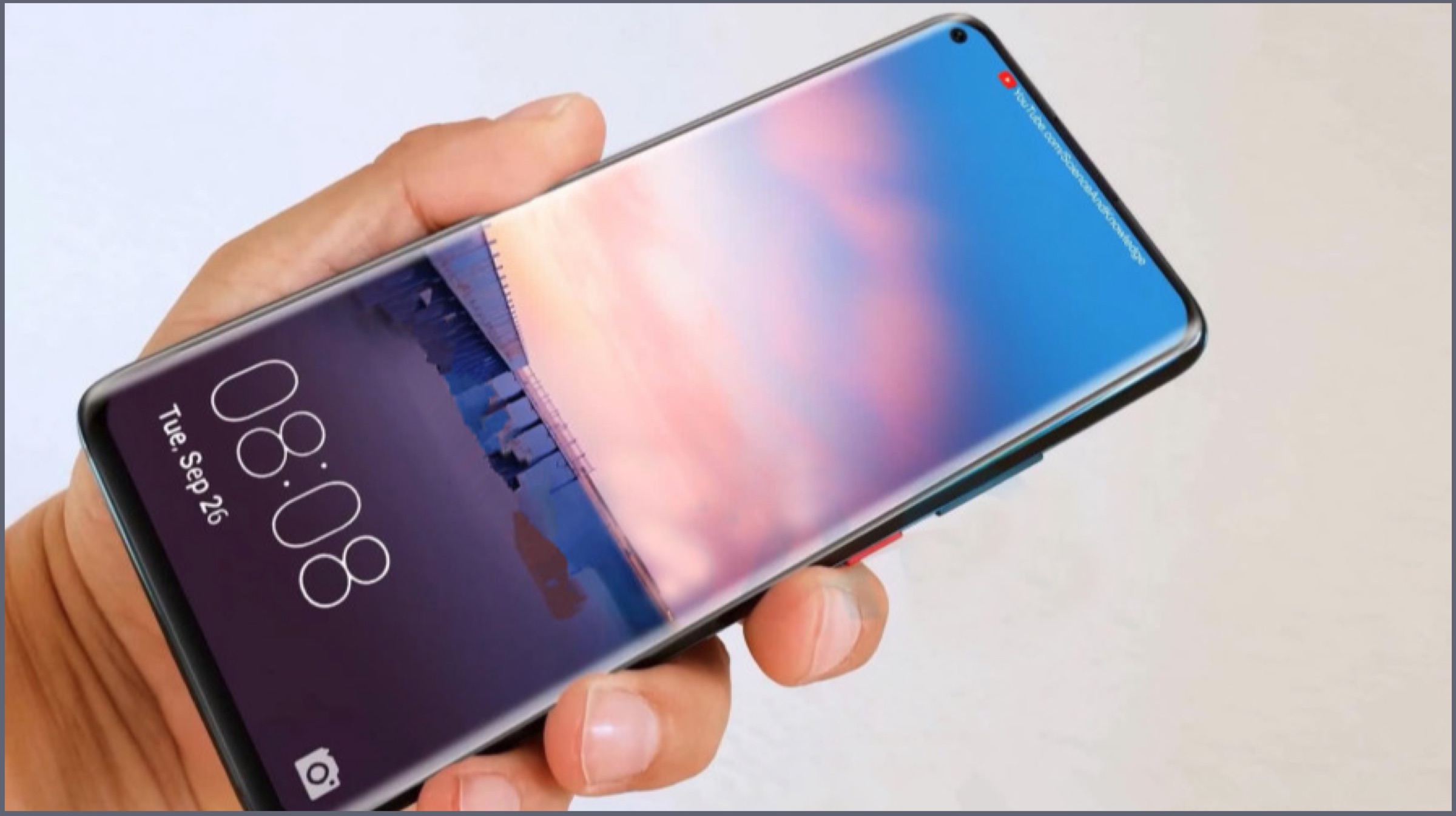
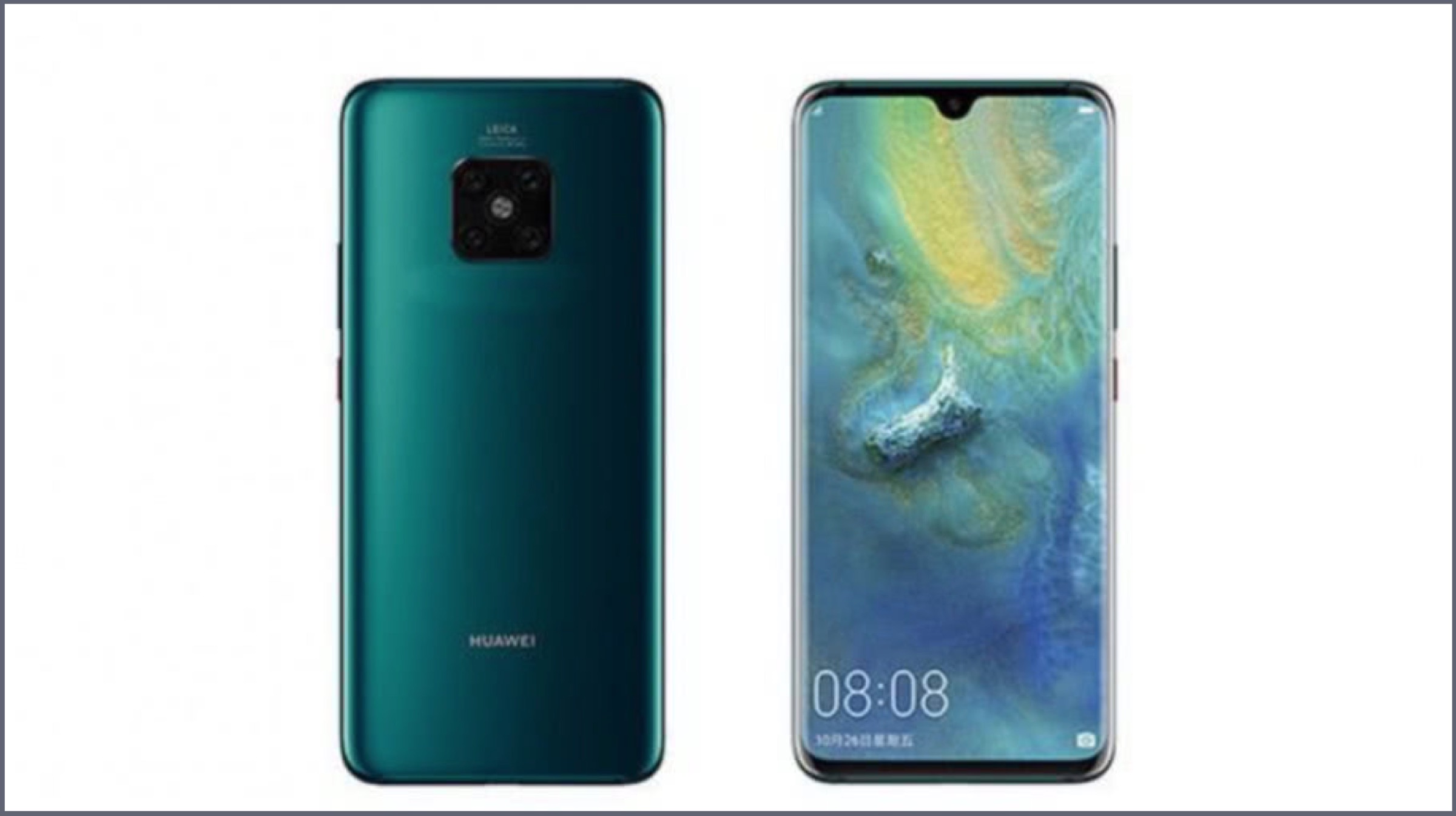
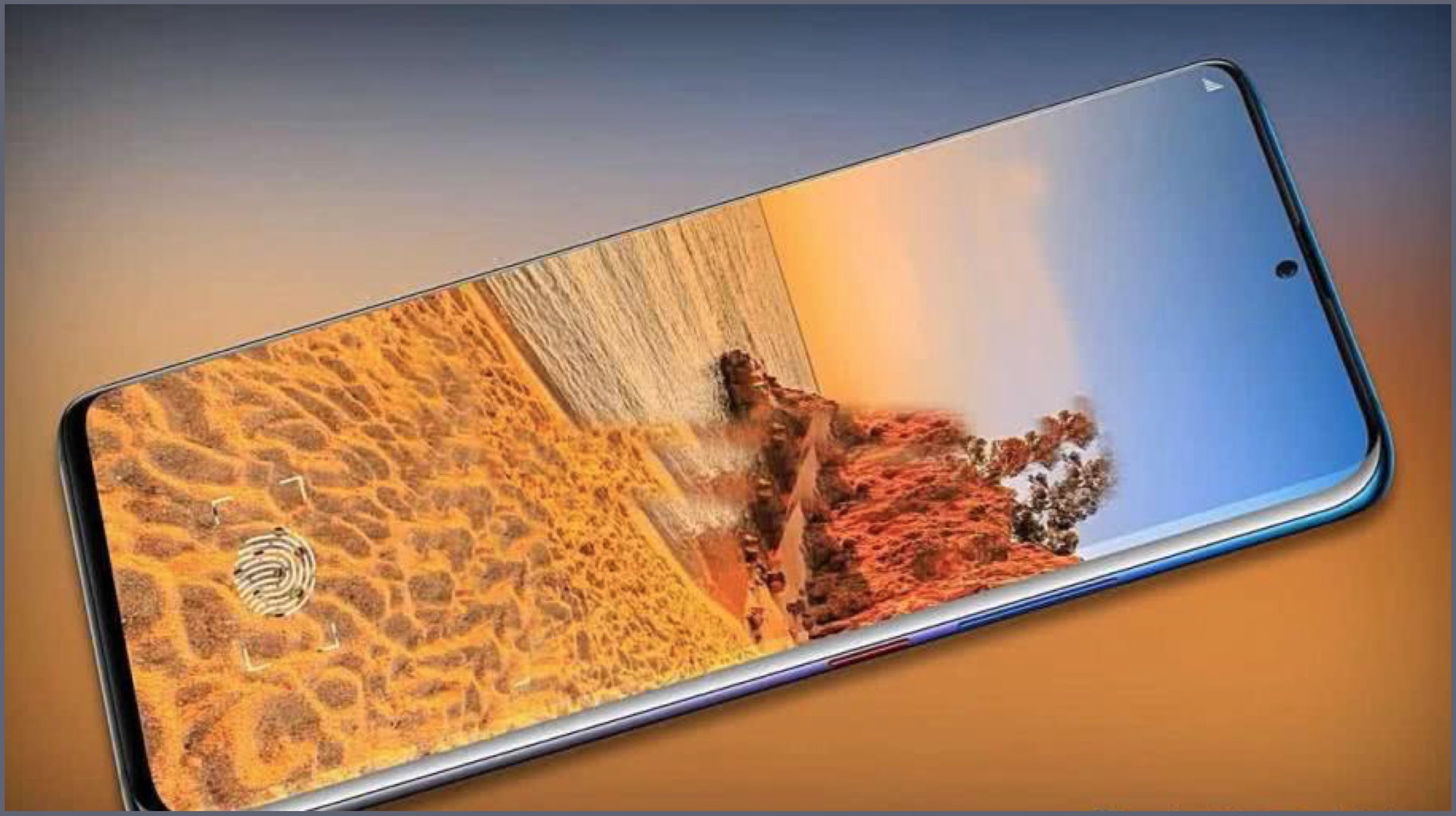 In terms of optics, reports state that the upcoming flagship will have a quad-lens design on the rear panel, which will interestingly resemble the Mate 20 Pro’s triple camera setup. The in-depth details of the camera sensors is unknown, but the module will be equipped with a ToF sensor. Instead of the persicope camera lens (featured in the P30 Pro), the Mate 30 Pro will feature a rectangular-design camera setup, as per sources. Furthermore, the LED flash will be placed at the centre of the module. The details of the selfie camera, unfortunately, are unknown as of now.
 Also Read: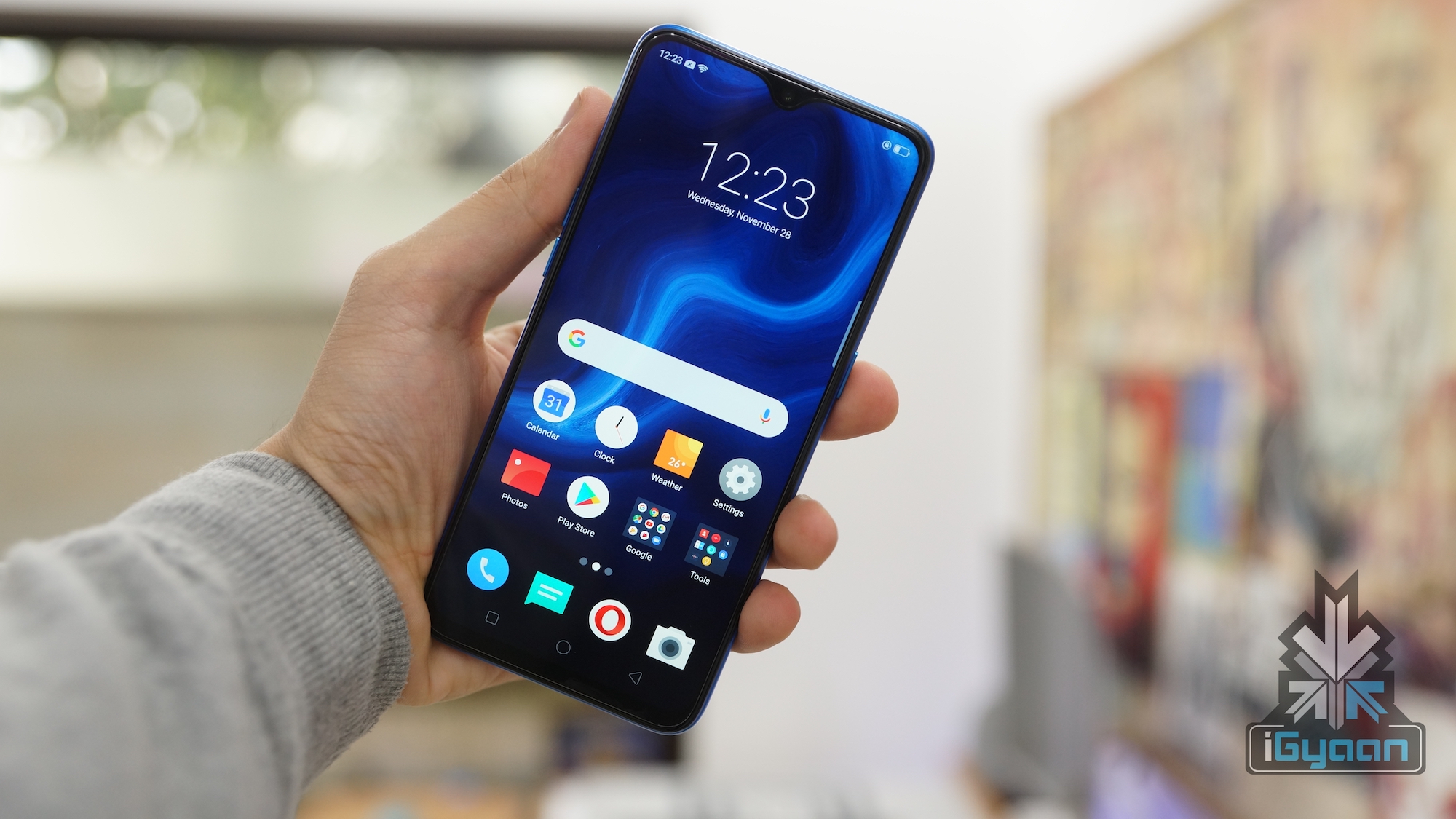
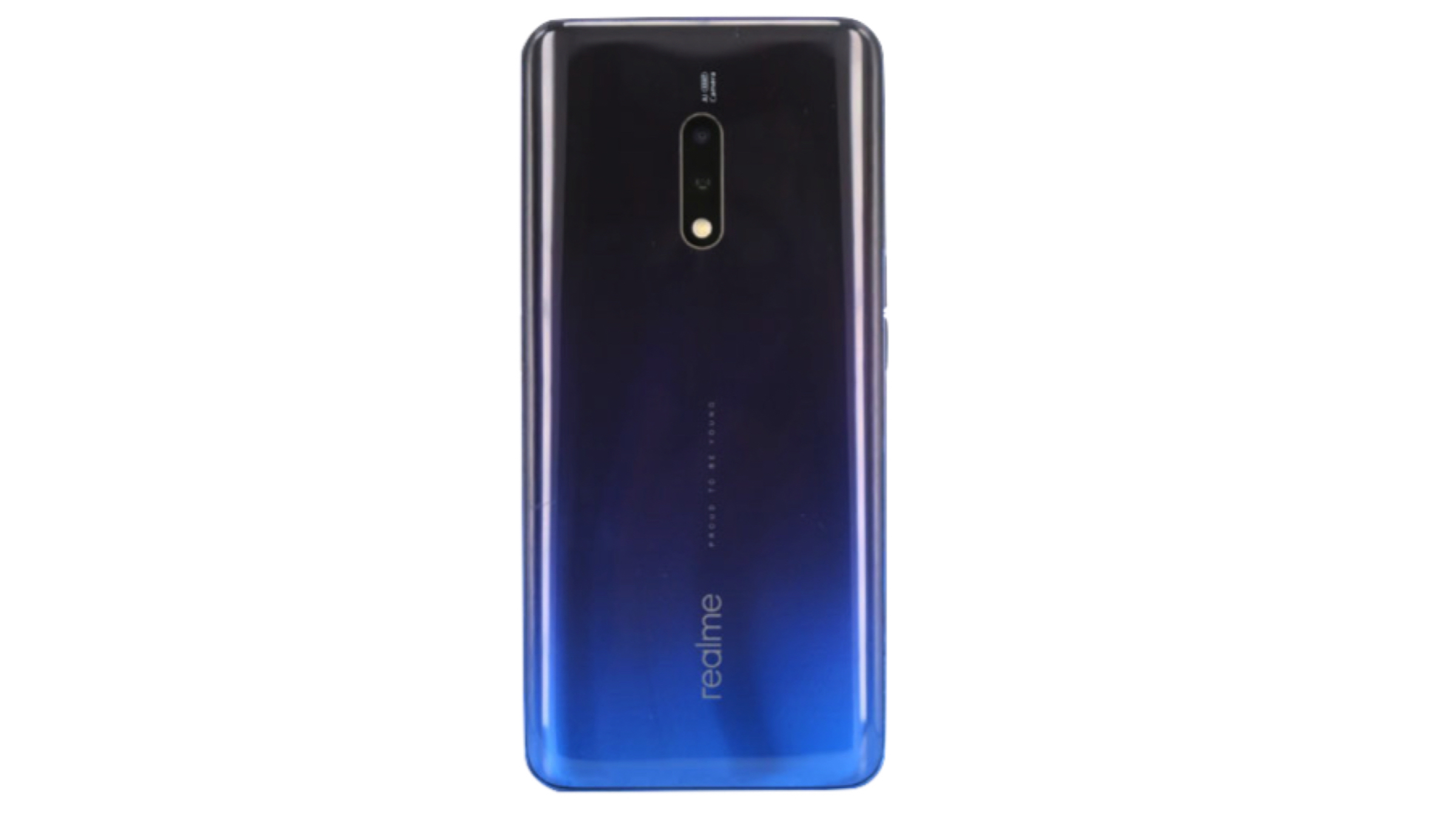
 The design of the smartphone falls in line with the previously leaked images for the same. As per past leaks, the upcoming device will feature a 6.5 inch OLED display with FHD+ resolution. The absence of a notch suggests that the Realme X will sport a pop-up camera mechanism for the front camera. The back panel of the device will be expectedly made out of a polycarbonate material, and will have a gradient colour pattern. As per reports, it will measure 161.2 x 76 x 9.4 mm.
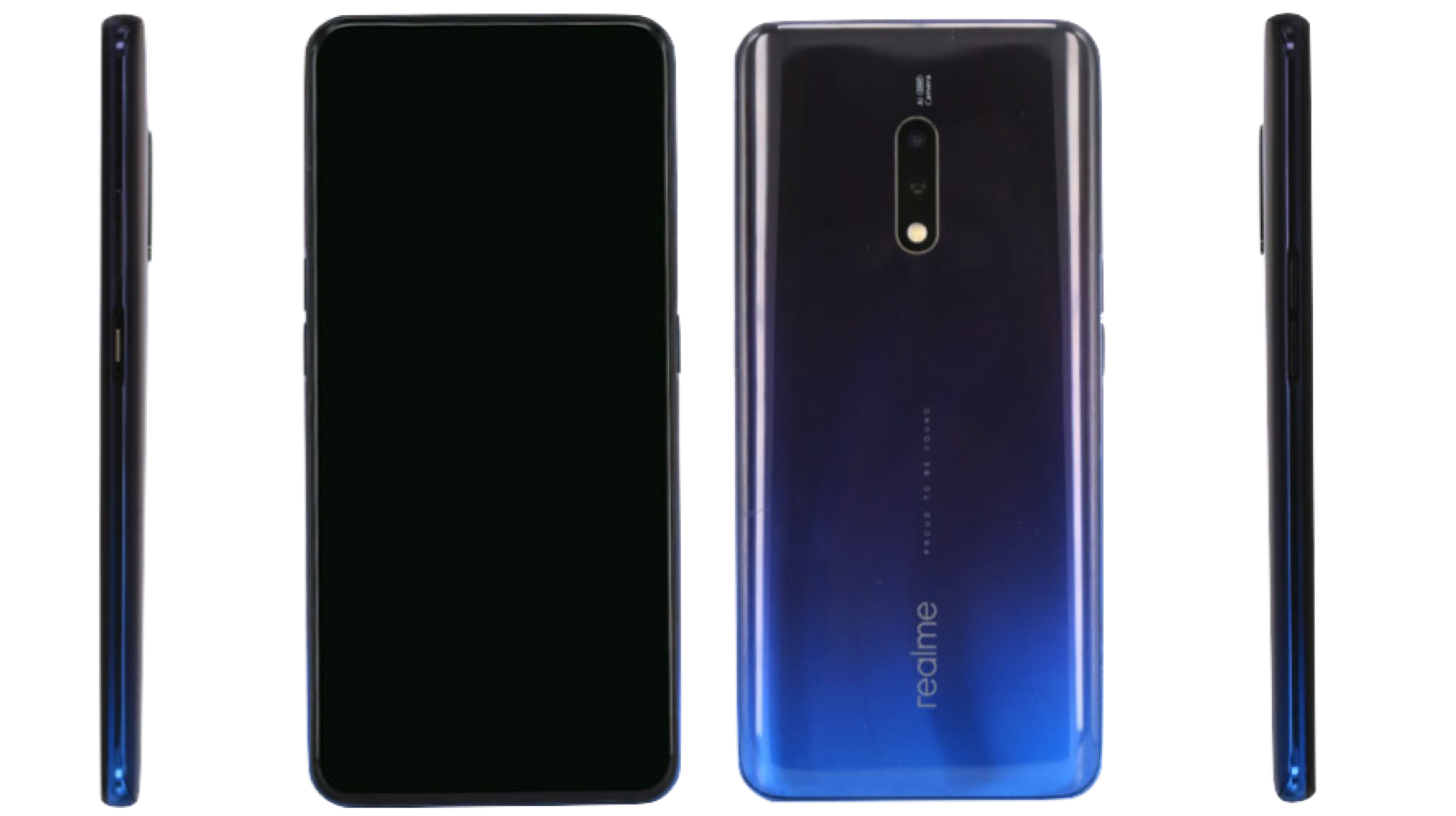 Under the hood, the upcoming flagship is expected to run on the 7nm based Snapdragon 855 chipset. The SoC is one of the most powerful chipsets in the market right now, comprising of a Kryo 485 octa-core CPU and the Adreno 640 GPU. Previous reports claim that the Realme X will boast of vertically placed dual rear cameras. As of now, specifications of the same are unknown as an official statement from the company is awaited. The pop-up camera mechanism discussed above will house the selfie camera.
  Also Read:
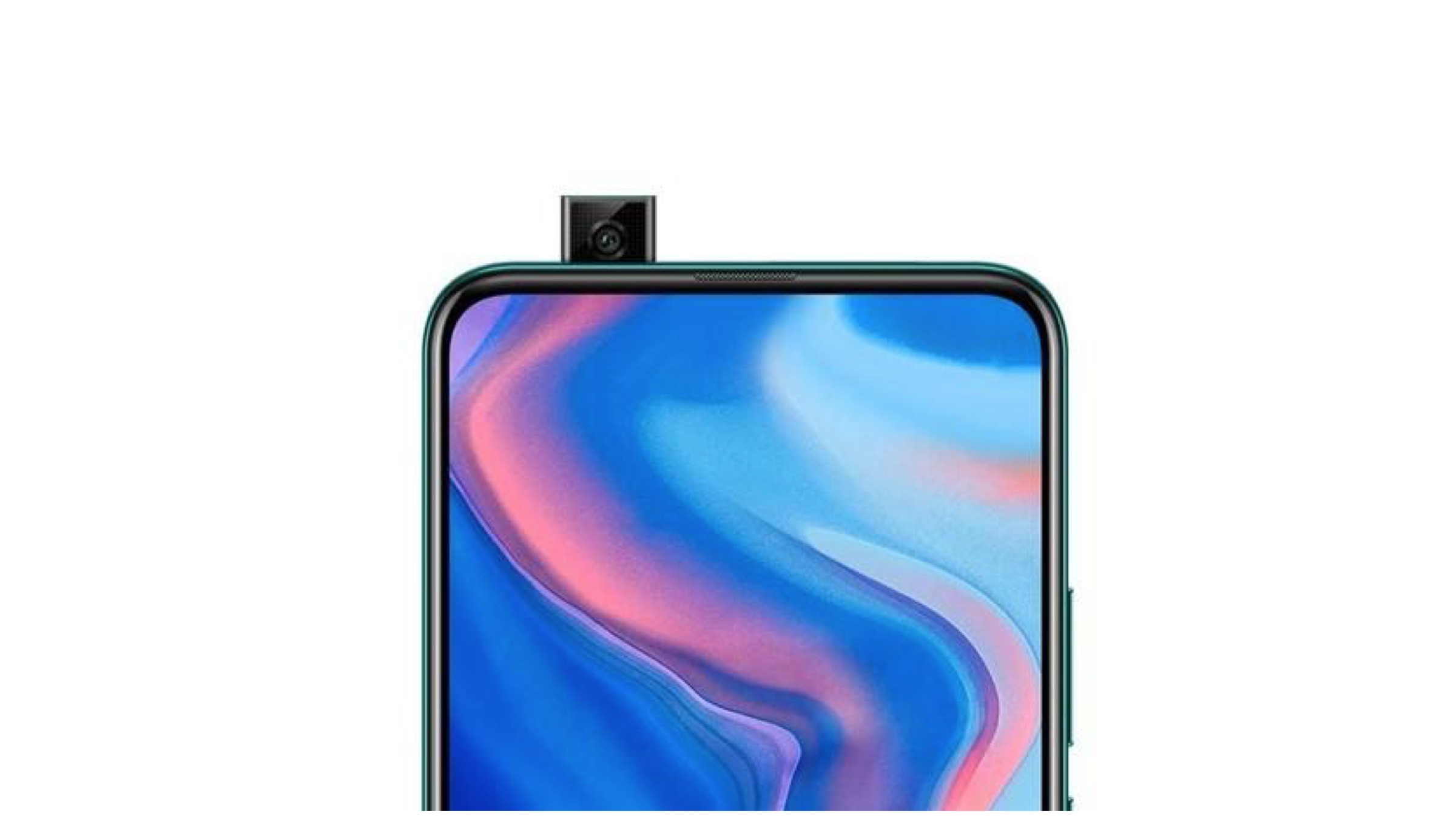
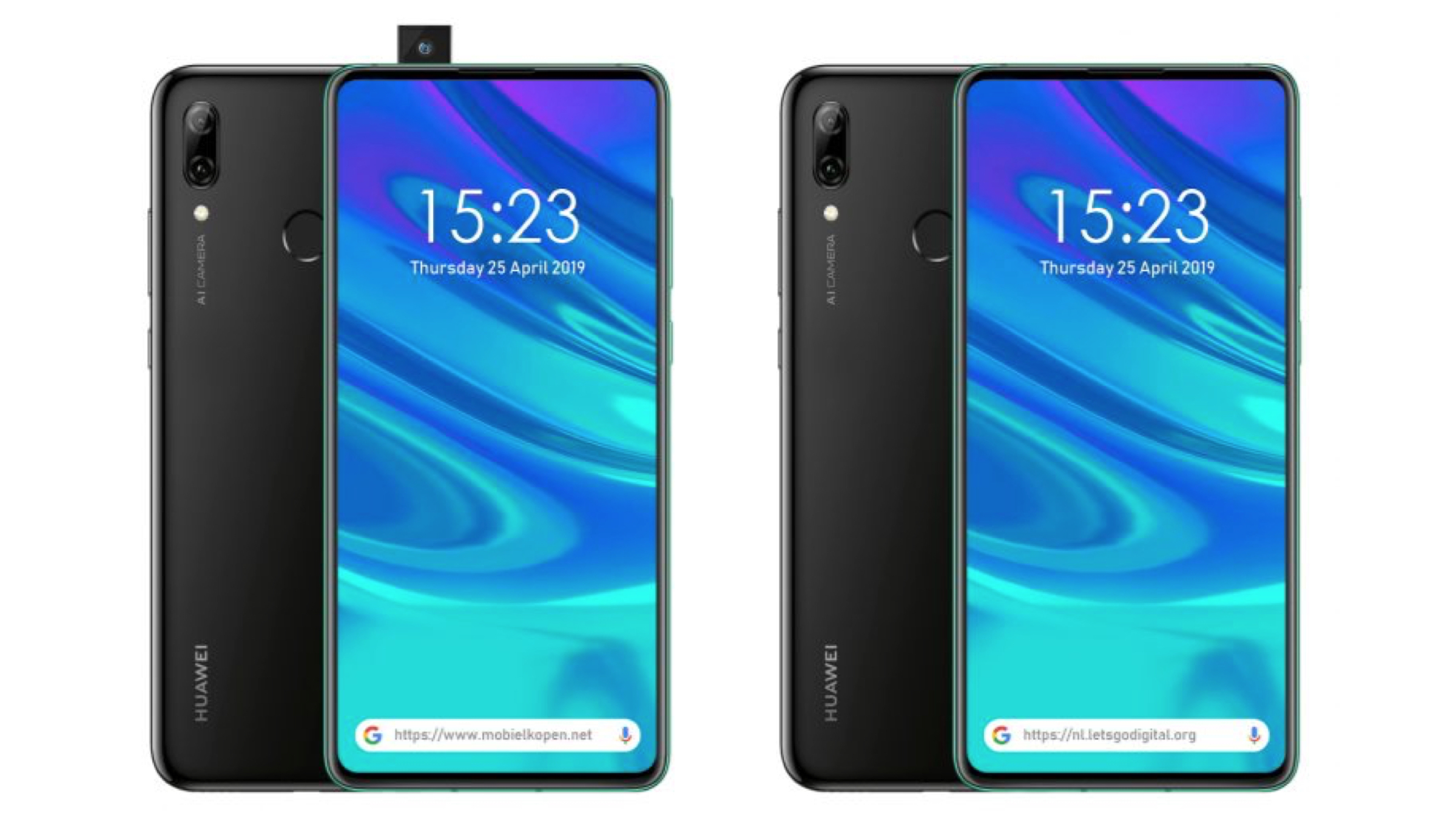
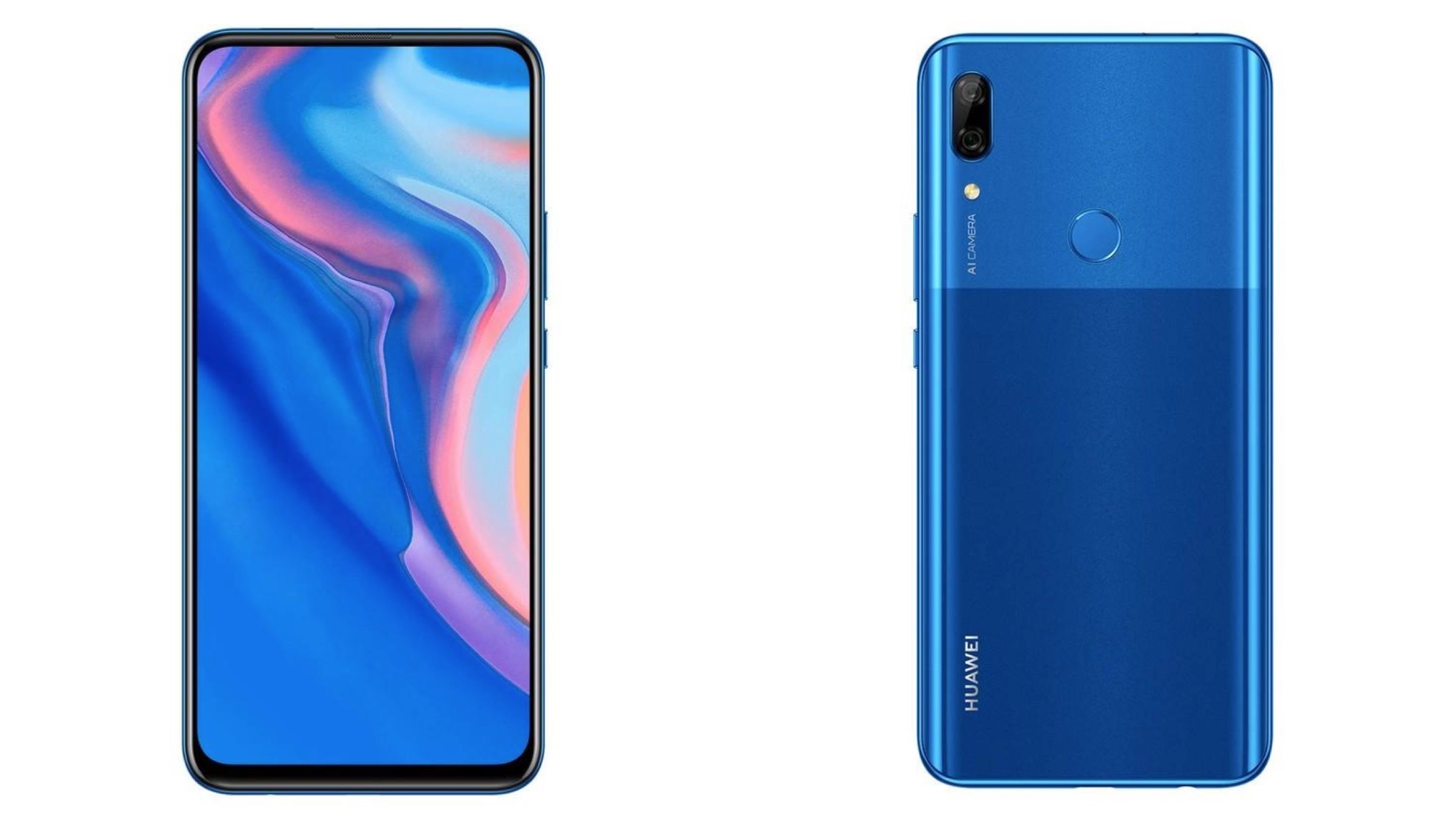 The P Smart Z features a large 6.59 inch display with a FullHD+ resolution. The renders exhibit a device with a high screen-to-body ratio which is achieved due to the pop-up camera mechanism. Similar to Chinese competitors Oppo and Vivo, Huawei seems to be following the trend of a smartphone sans a notch. The leaks further state that its display panel has a resolution of 2340 x 1080 px and pixel density of 391 ppi.
  Under the hood, the Huawei P Smart Z is kitted with the 14nm HiSilicon Kirin 710 chipset, which consists of an octa-core CPU and the
  Also Read:
 Although the disease is not fatal, it’s symptoms may lead to incidents that may be fatal in the long run. As per recent reports, researchers from
  Also Read:
 Previously, similar experiments were hosted to figure out the same question, but the difference was that they used real images. Instead, Harvard investigators overcame this hurdle using synthetic images that were custom tailored to each specific neuron’s preference. Where real images are limited to stimuli present in the real world, AI-generated images changes the whole scenario.
  Also Read:
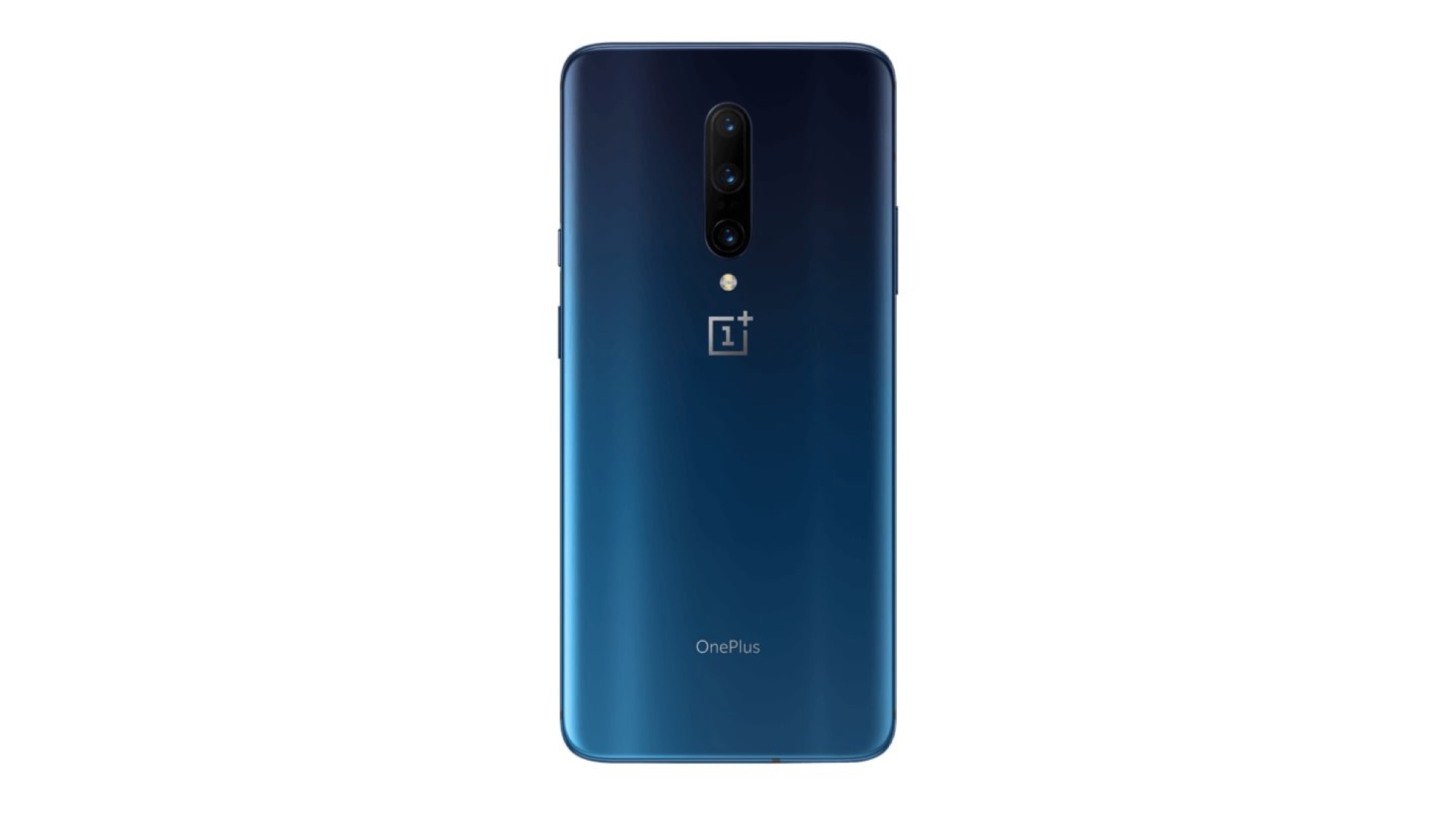
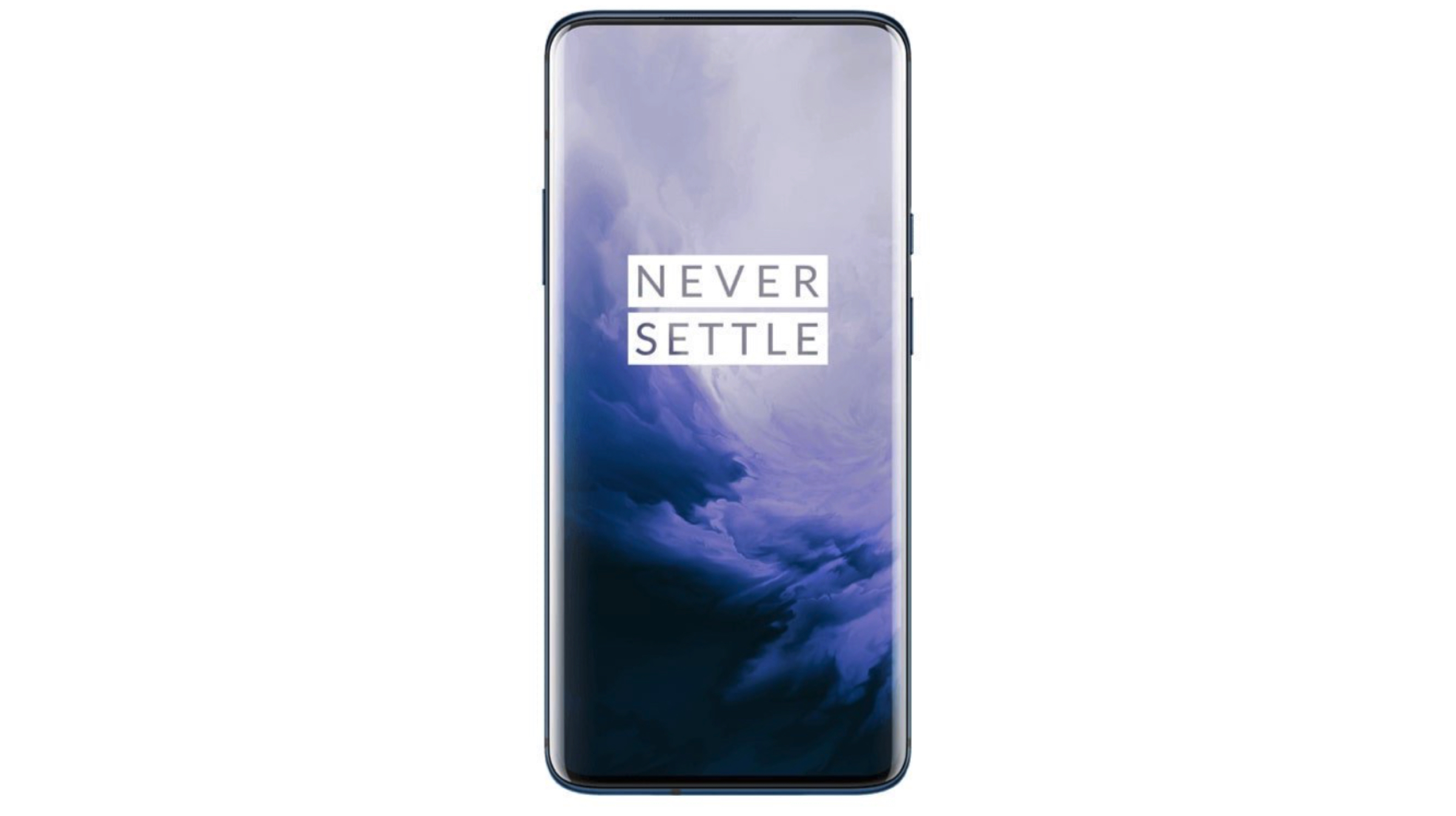 As the name suggests, the OnePlus 7 Pro will be the specced up variant of the regular OnePlus 7. It will sport an all glass design on the front and back with a metal chassis to provide reinforcement. According to the source, the smartphone will have a 6.7-inch Optic AMOLED display with a resolution 3120 x 1440 px and a refresh rate of 90Hz. The OnePlus 7 Pro will use a pop-up camera mechanism, similar to the one seen in the
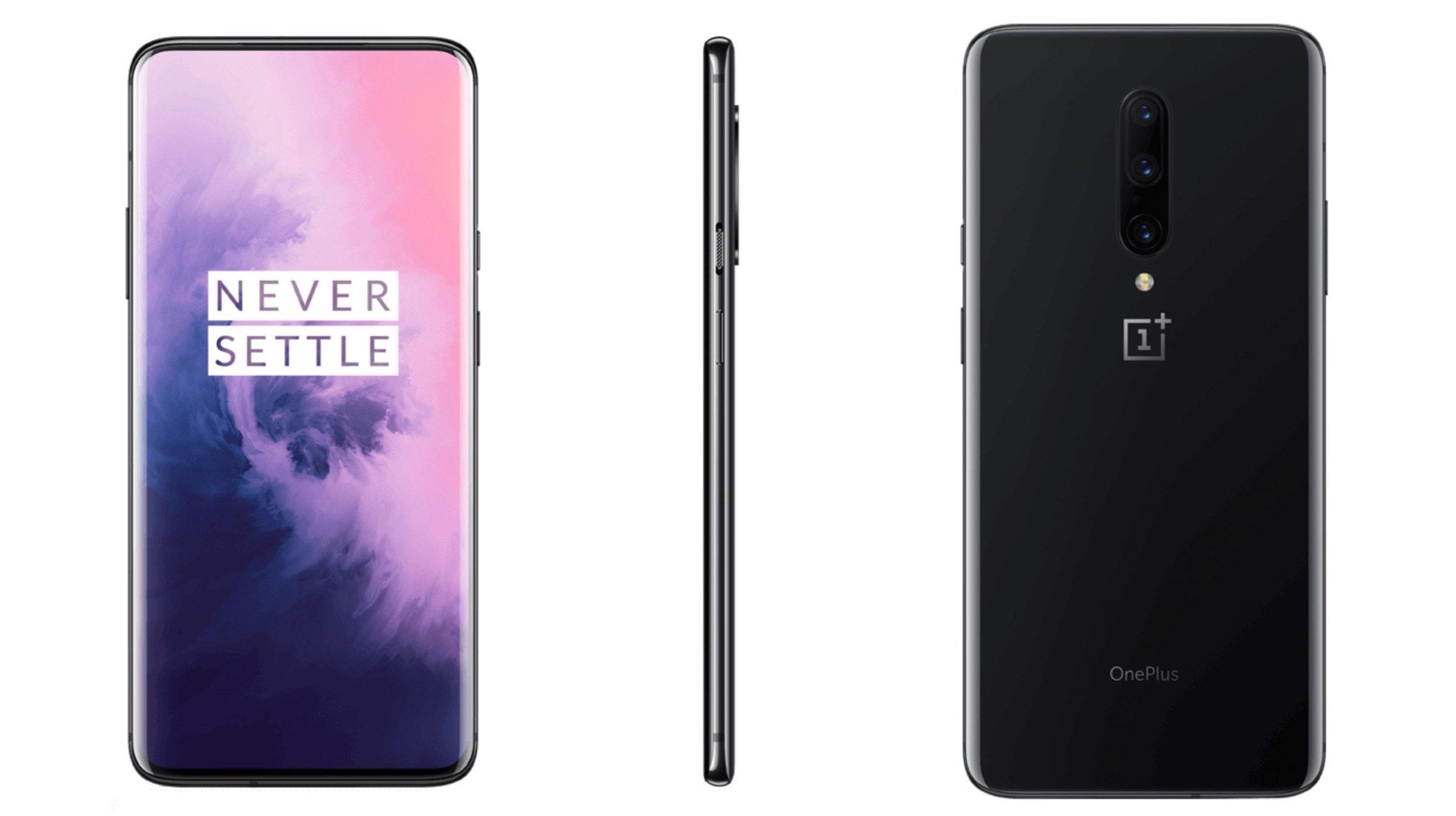 The OnePlus 7 Pro will run on the 7nm Snapdragon 855 SoC. As observed above, the smartphone will have a triple rear camera module, comprised of an f/1.7 aperture equipped 48 MP sensor, an f/2.2 aperture equipped 16 MP ultra wide sensor and an f/ 2.4 aperture equipped 8 MP sensor. It will also feature an f/2.0 aperture equipped 16 MP camera housed in the aforementioned pop-up mechanism. Reportedly, the device will have Ultra Fast Storage (UFS) 3.0 standard and will be available in the following memory variants.

 Due to hardware limitations, the GTA 6 will reportedly not support any current generation gaming consoles which include the PS4 and the Xbox One. The game will most likely run on the latest-gen consoles of that time, which is most likely to be the PlayStation 5.
  If any gamers are familiar with the key terms “Liberty City” and “Vice City”, be prepared to hear them a lot more times. Reports suggest that GTA 6 will be set against the picturesque sunsets of Liberty City and Vice City in Miami. And this is good news since it will give gamers a chance to re-live the legacy that built the game we love today. The game is likely to have some sort of “quick travel” mechanic that would enable the player to transition between different cities. If this leak is legitimate, Grand Theft Auto fans have a huge treat waiting for them.
  The protagonist of the game will lead an empire business, starting out small time and then reaching the big ranks. Or that’s what the leaks suggest. The player will be tasked to look after a business in Liberty City, following which he will become the “drug lord” of Vice City. Oh, and the 2004 San Andreas map from the company may also be included in the upcoming iteration. Fans will be elated if something of this sort happens. Having the best three maps till date in one single game? Nothing comes closer to gaming nostalgia than this.
  Also Read: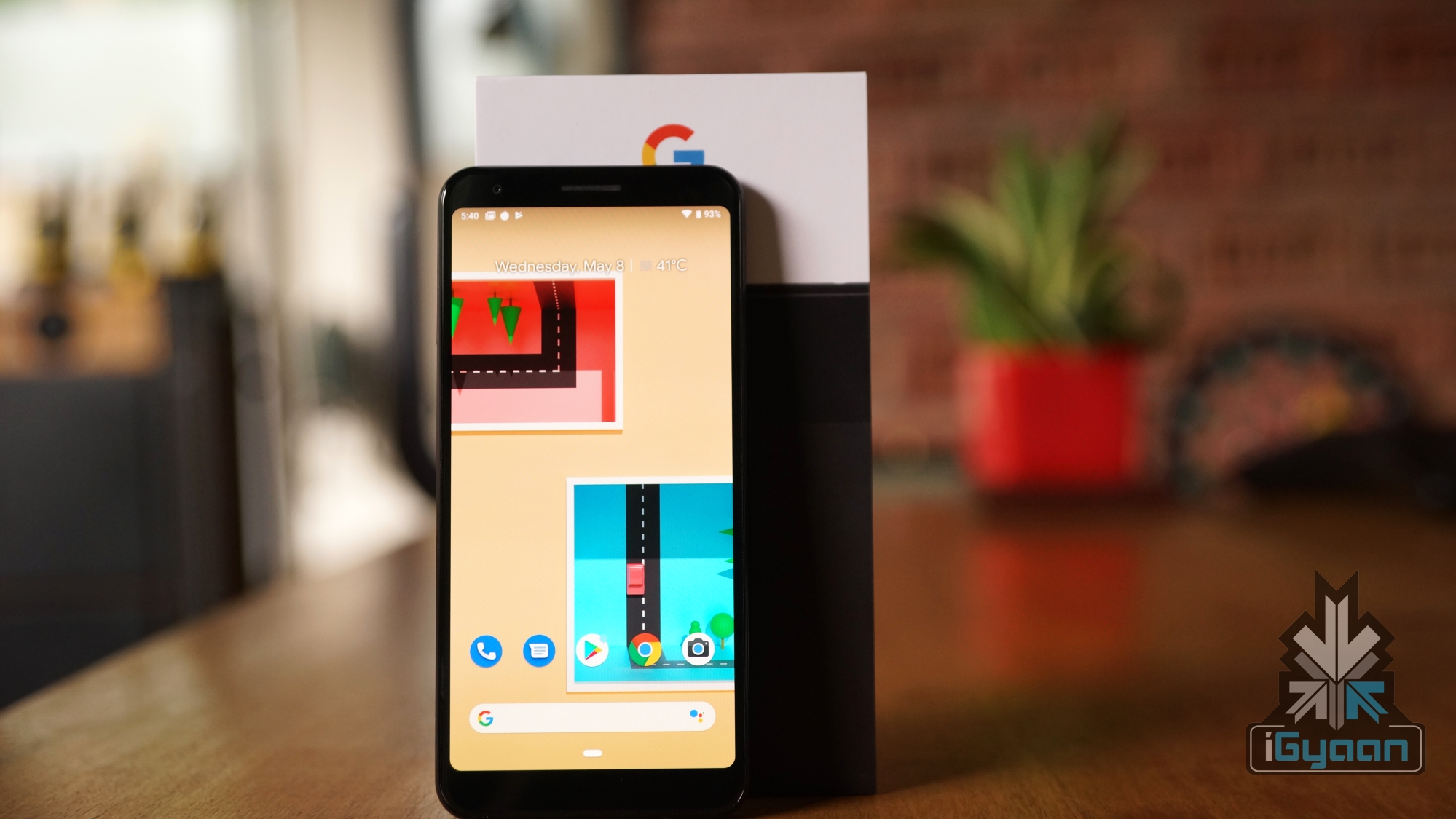
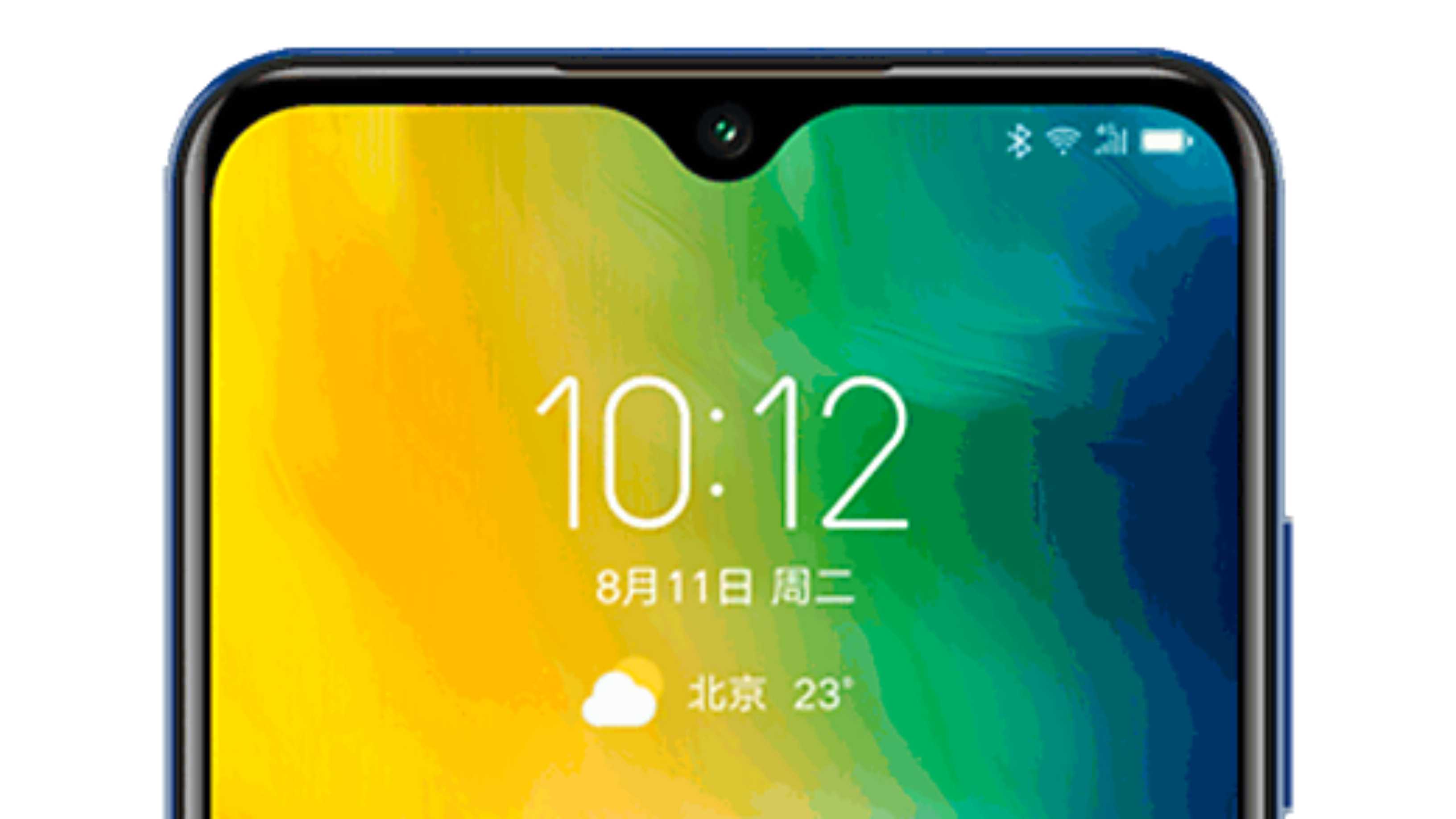
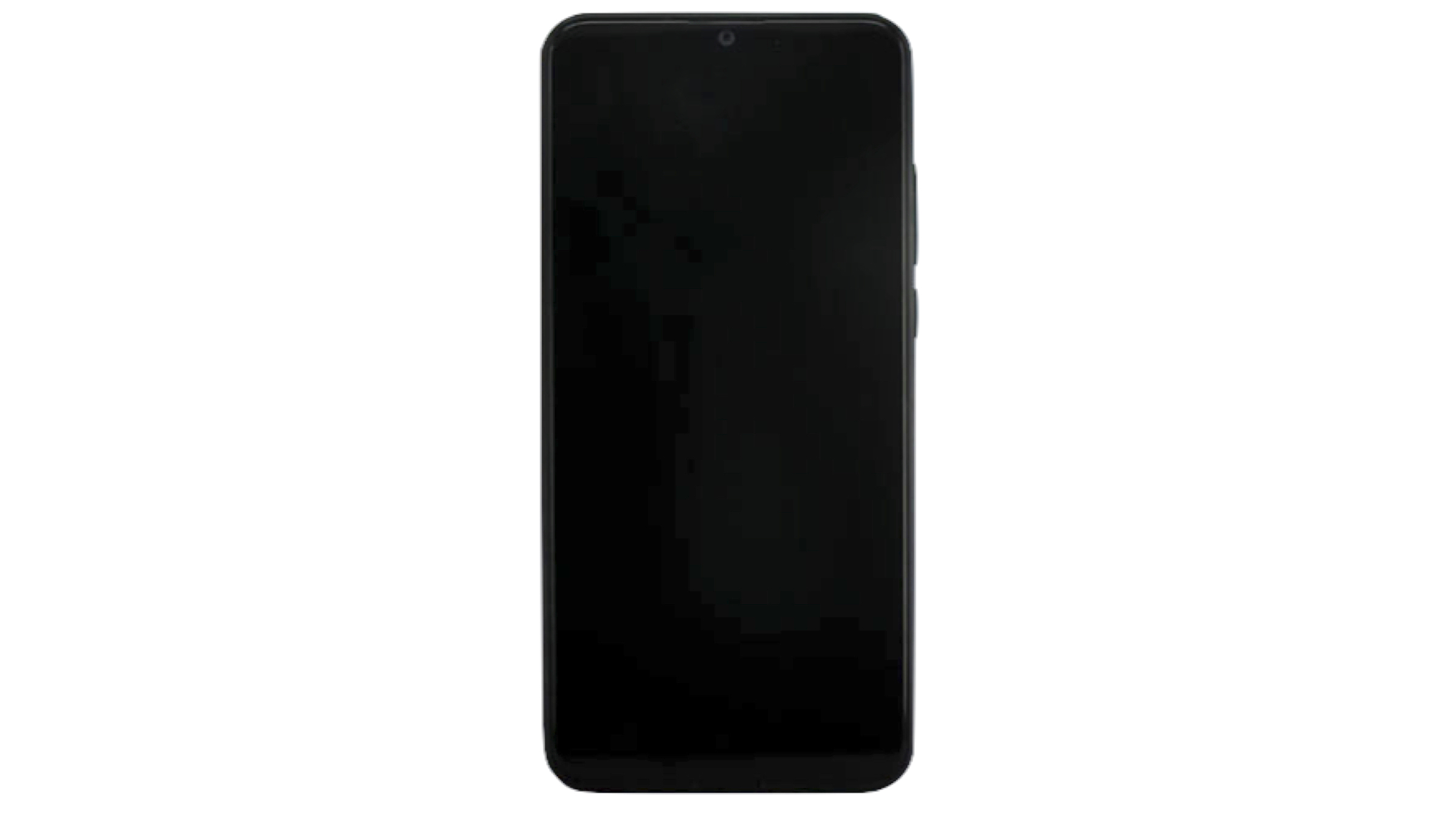 The TENAA certification reveals that the Lenovo L38111 measures at 156.4 x 74.4 x 7.9 mm and weighs 163 grams. The smartphone has a 6.3 inch FHD+ IPS LCD display with a resolution of 2340 x 1080 px. It has a waterdrop style notch up front that houses the selfie camera. The smartphone’s back panel appears to be made out of a glossy plastic material.
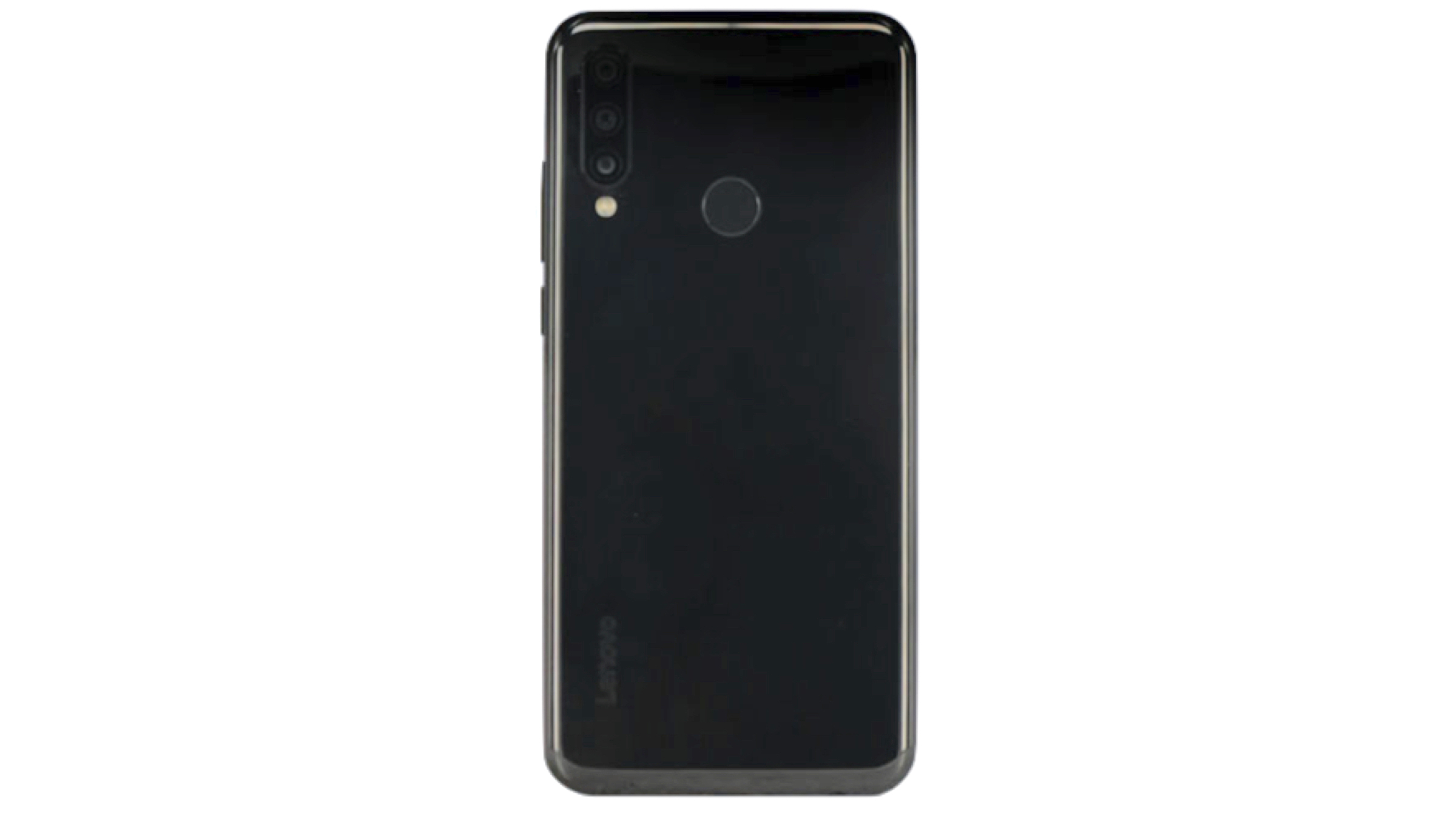
 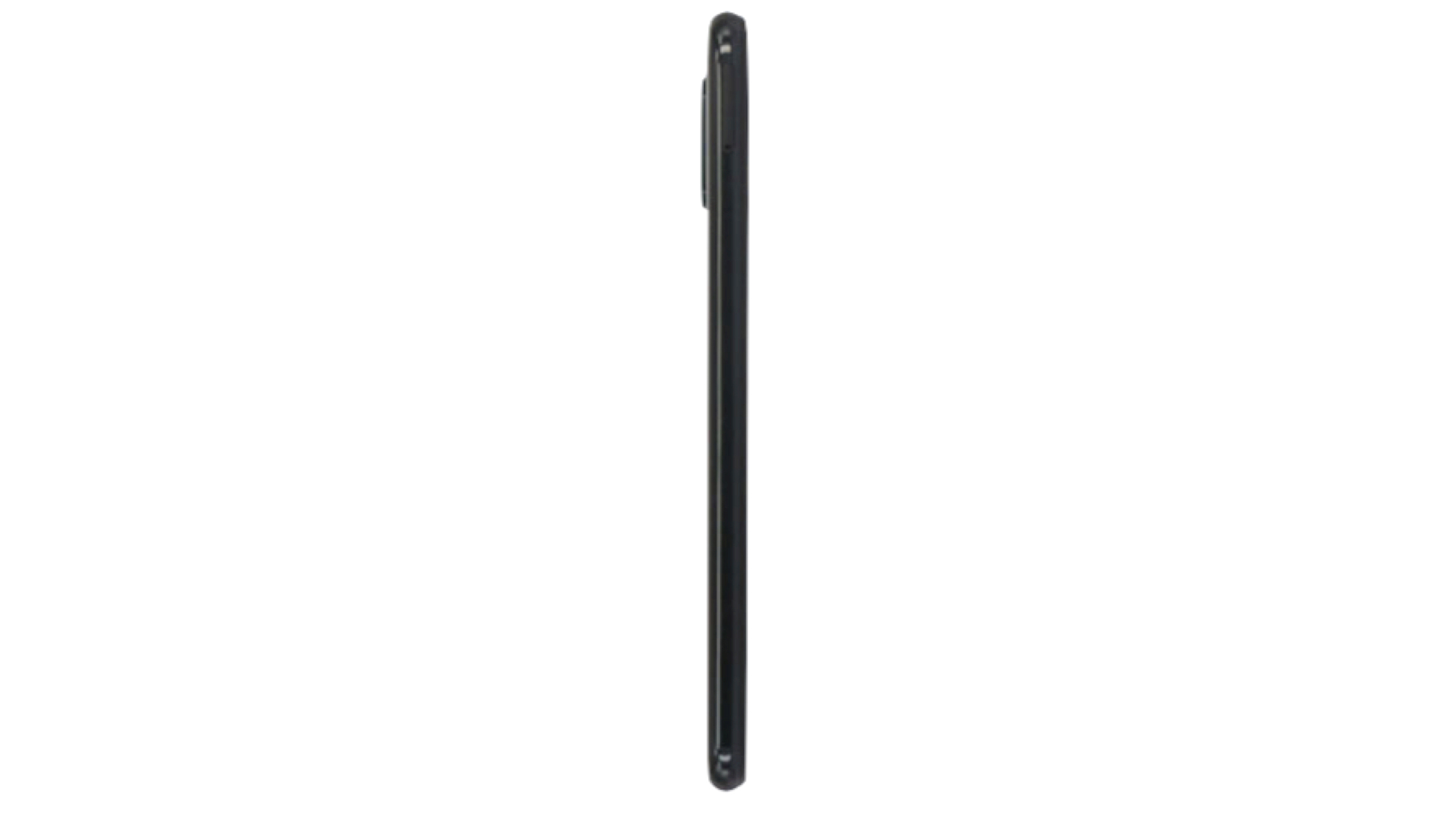 In terms of optics, the smartphone has a triple rear camera setup, which accommodates a 16MP primary sensor. Any information about the other two sensors is not known as of now. For selfies, the smartphone packs a 8MP front camera. The Lenovo L38111 runs on the Android 9 Pie operating system.
 Also Read:
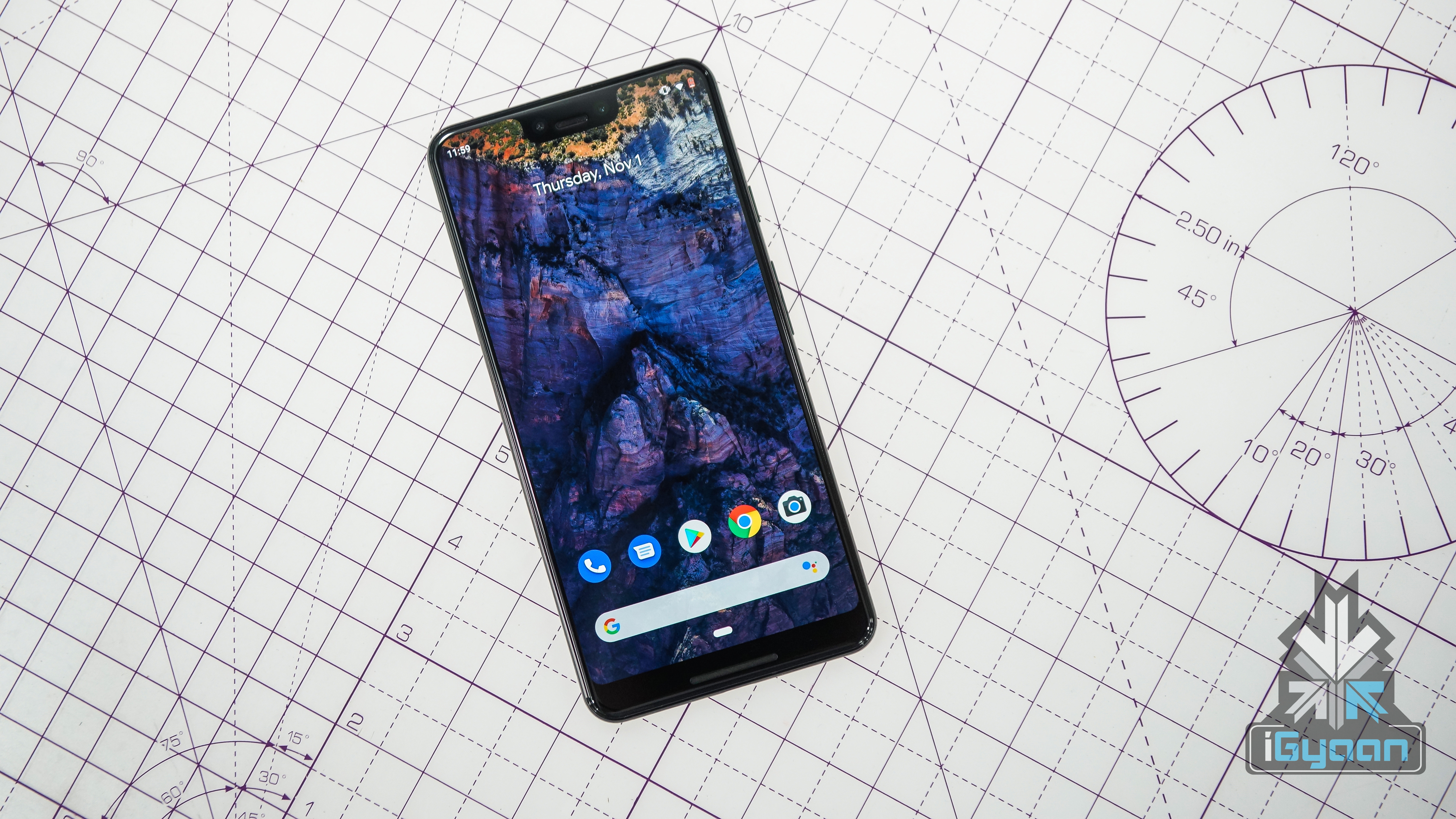
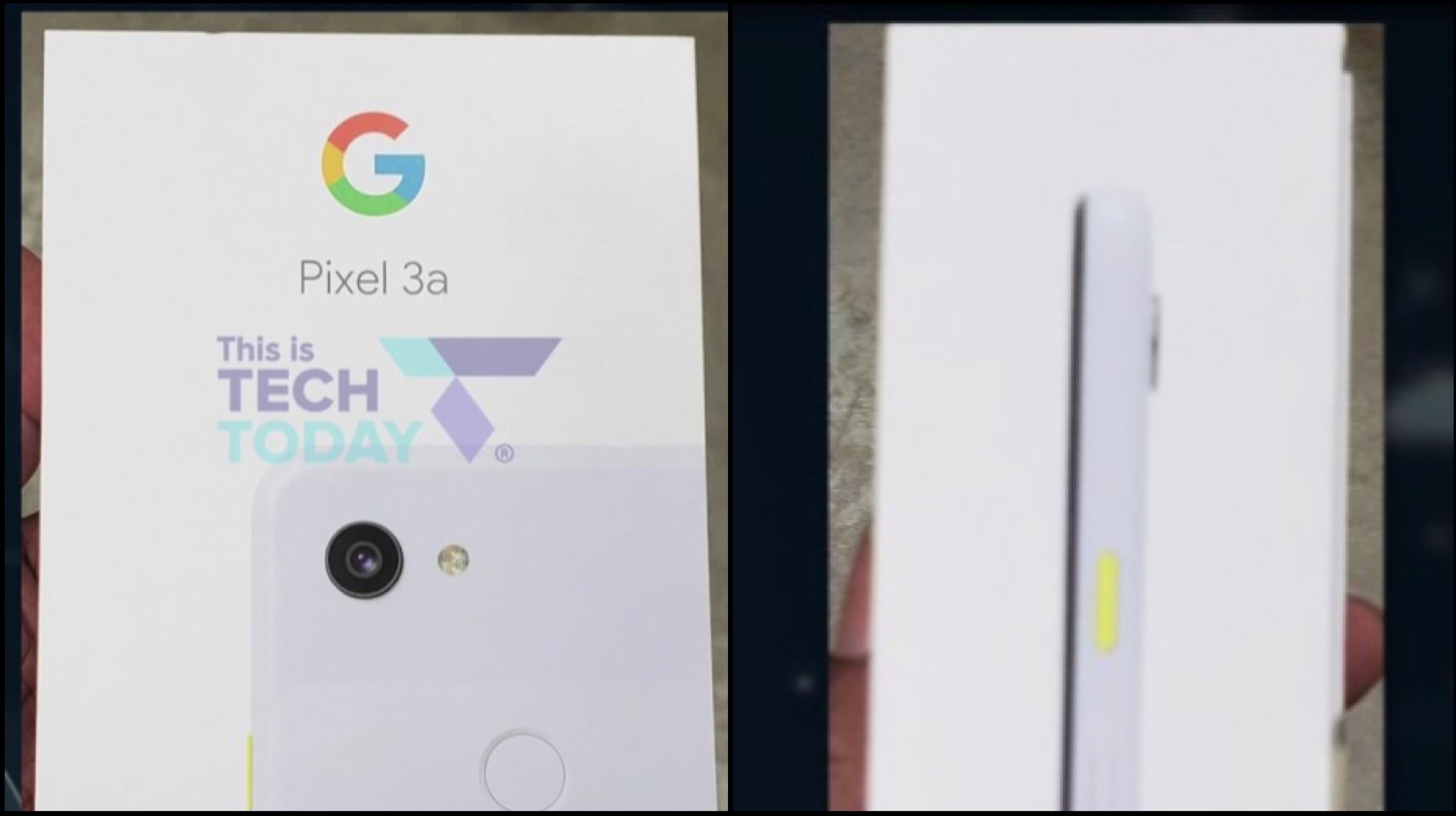 As per the leaked retail packaging images, the Pixel 3a will be available in a purple colour option apart from the Just Black and Clearly White variants, which will be named as “Purple-ish”. The retail packaging further affirms that the device will be available in two variants, one with 64GB and the other with 128GB of internal storage. Moreover, reports say that the Pixel 3a will be priced at US$ 399 (~INR 28,000) onwards, whereas the Pixel 3a XL will be placed at a price point of US$ 479 (~INR 33,000) onwards. A multitude of other details was also leaked regarding the upcoming Google devices, which are listed below.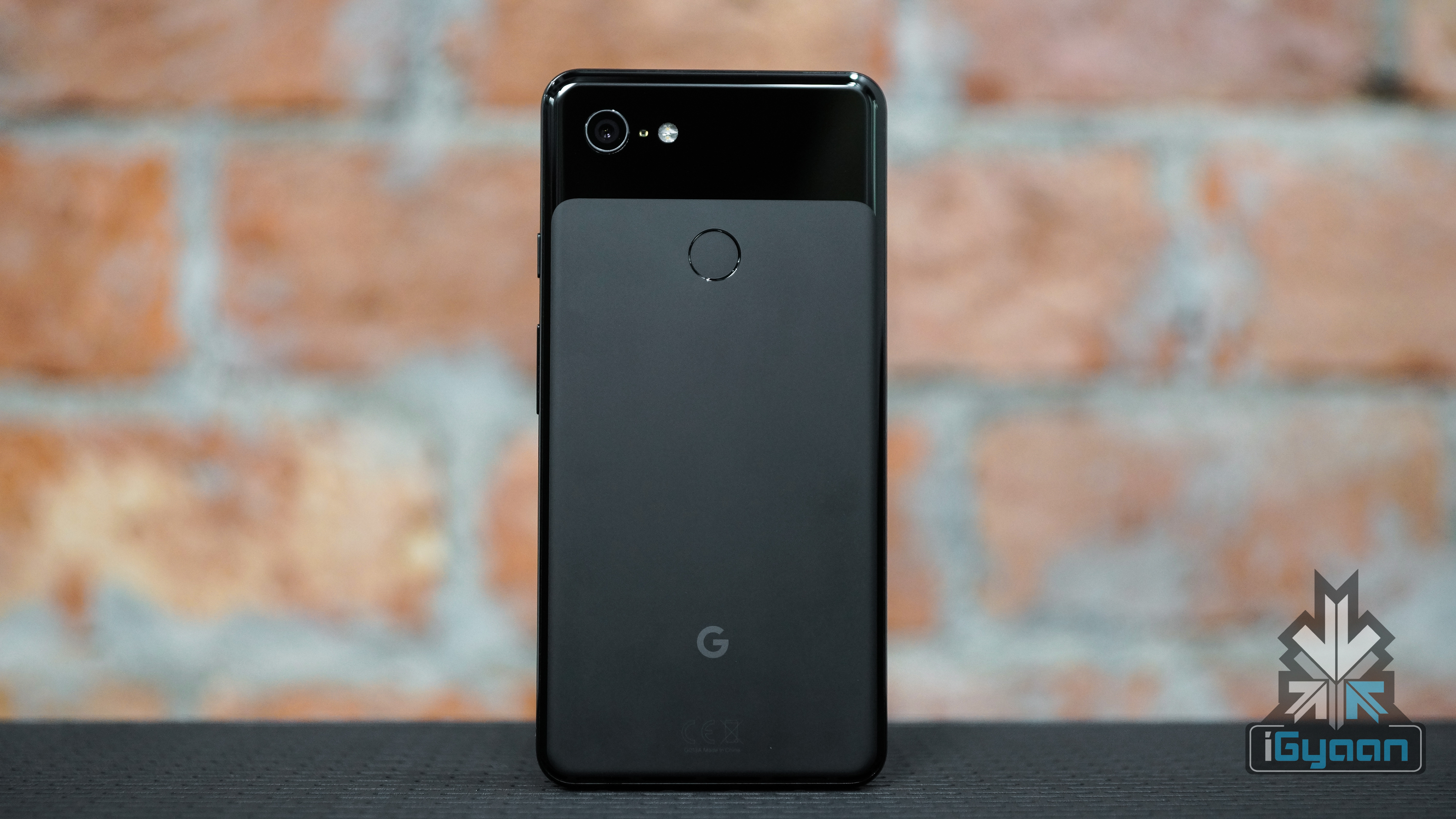
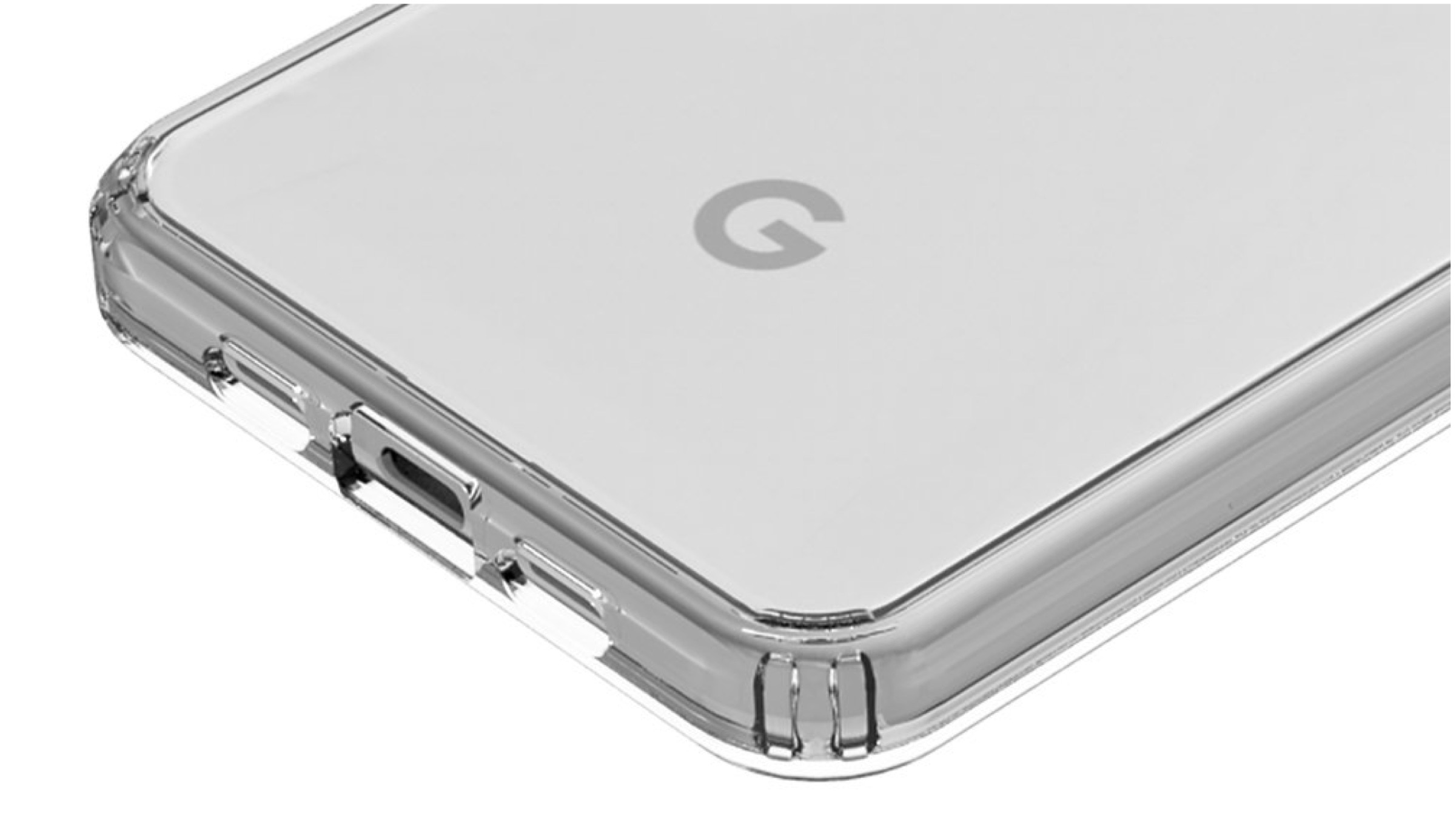

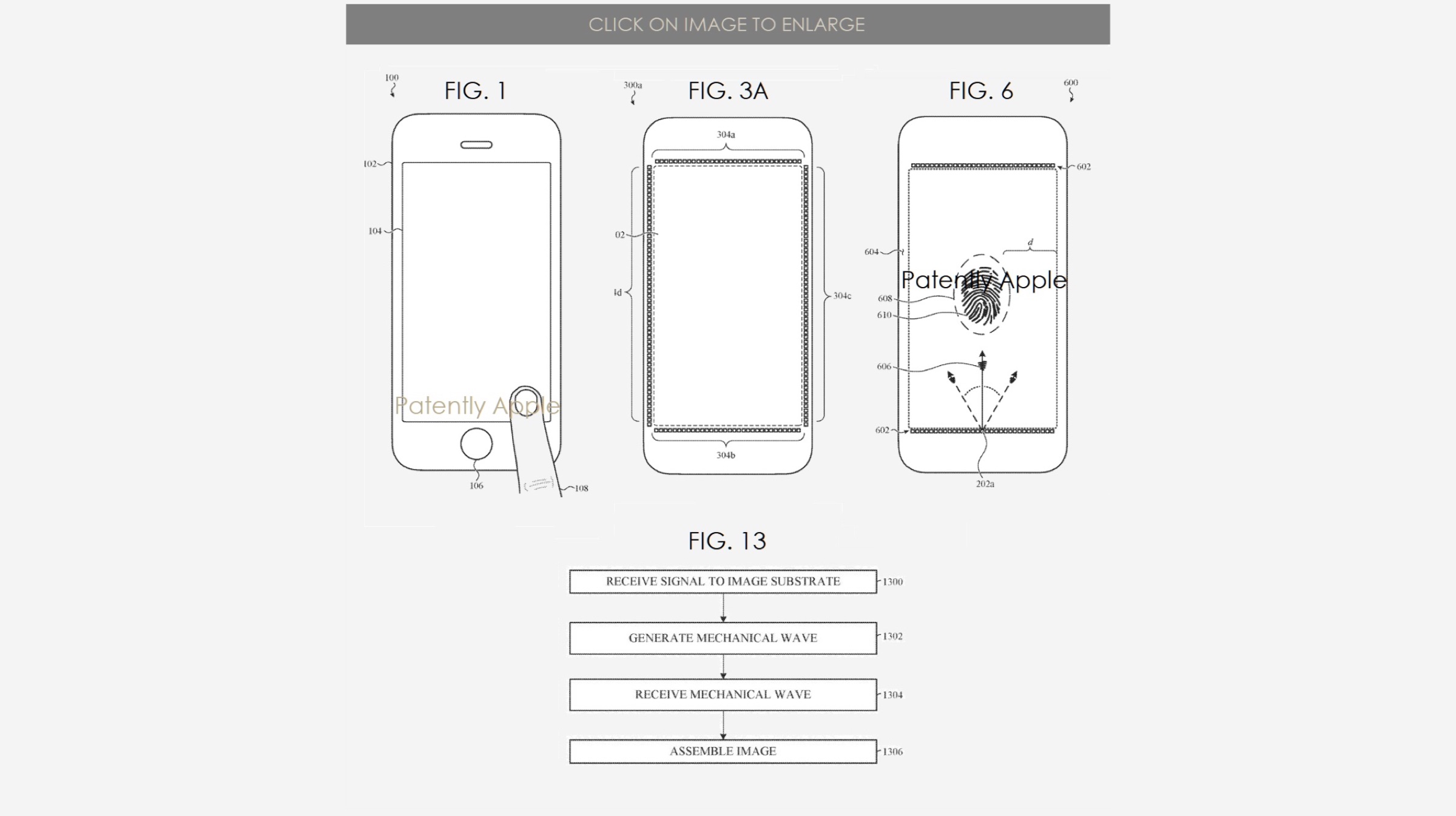 The patent showcases “methods of biometric imaging of input surfaces”, which directly relate to an acoustic imaging system. Using the aforementioned technique, a high-resolution image of the object can be mapped, in this case, a fingerprint. Since Apple has never used an in-display fingerprint scanner in any of its devices yet, this patent getting published may be a start for the company.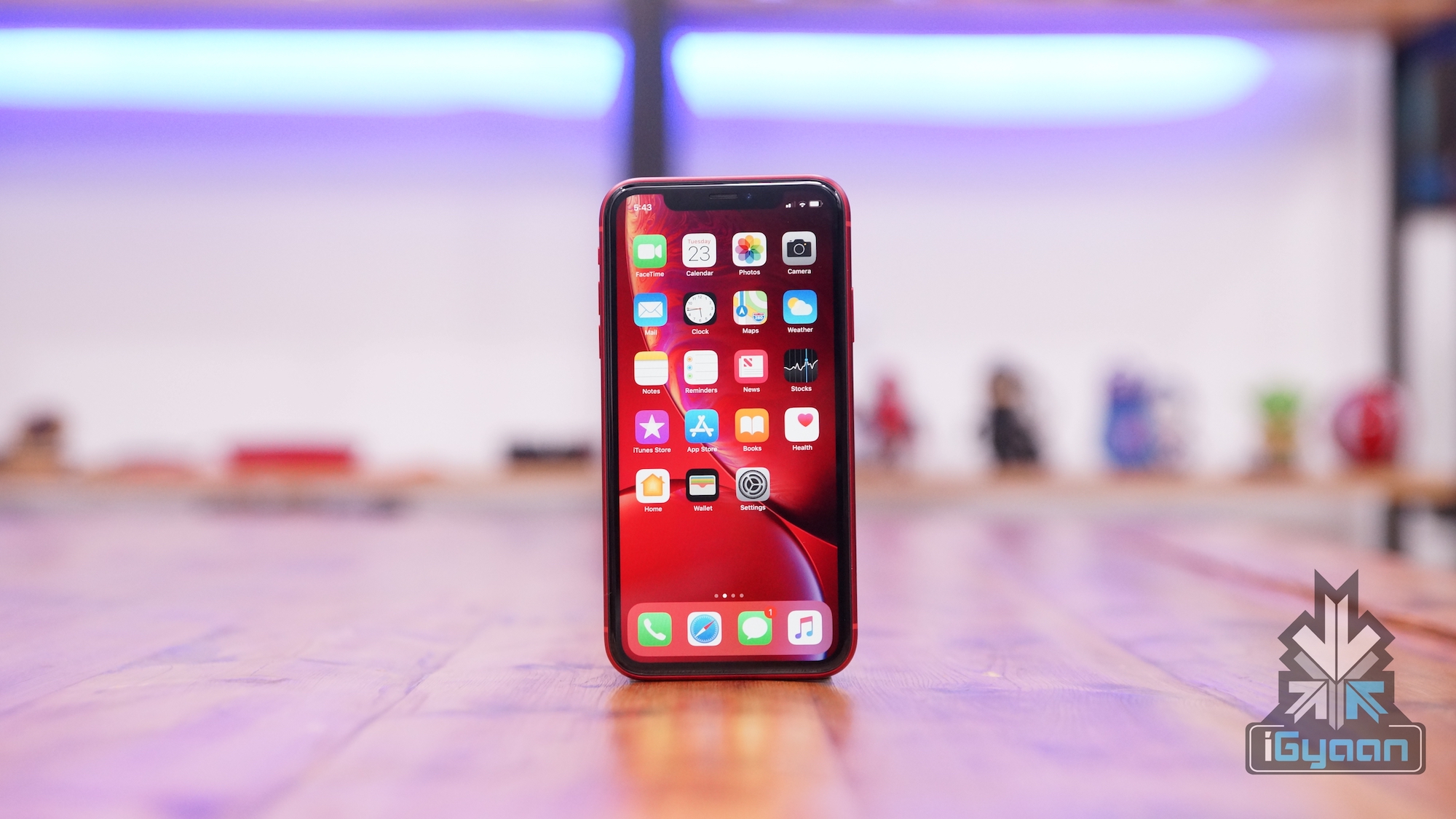
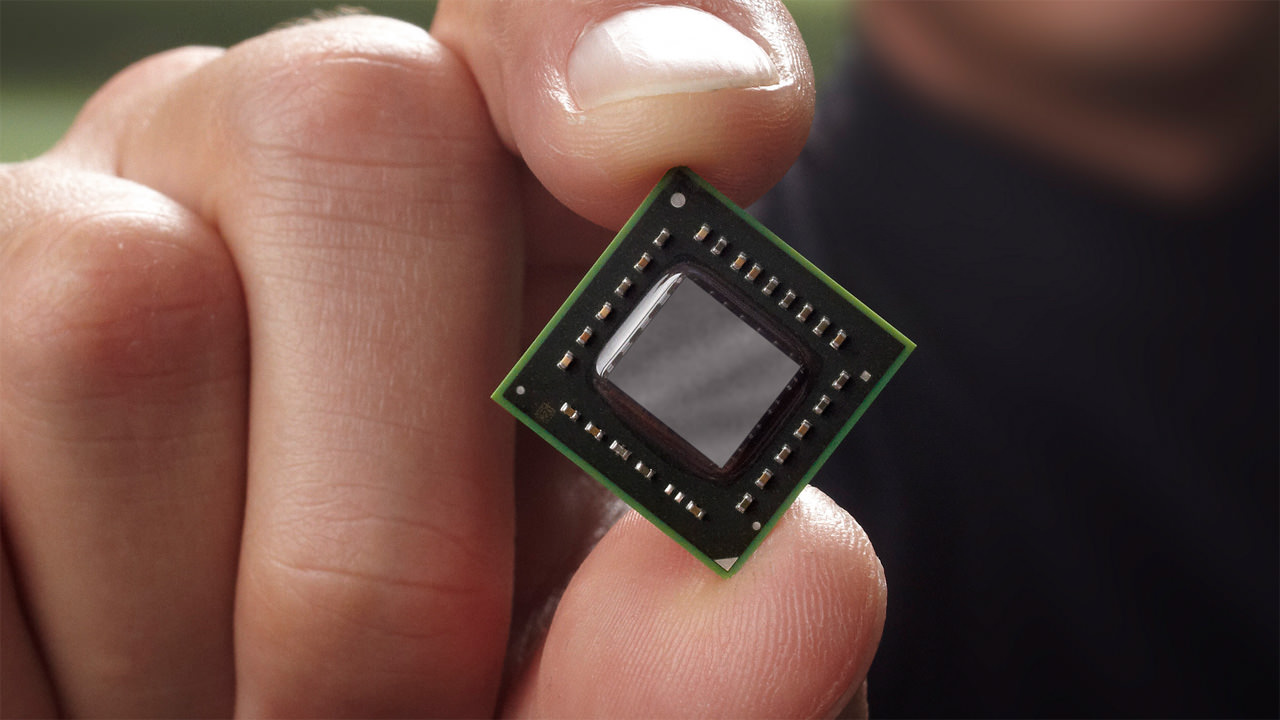
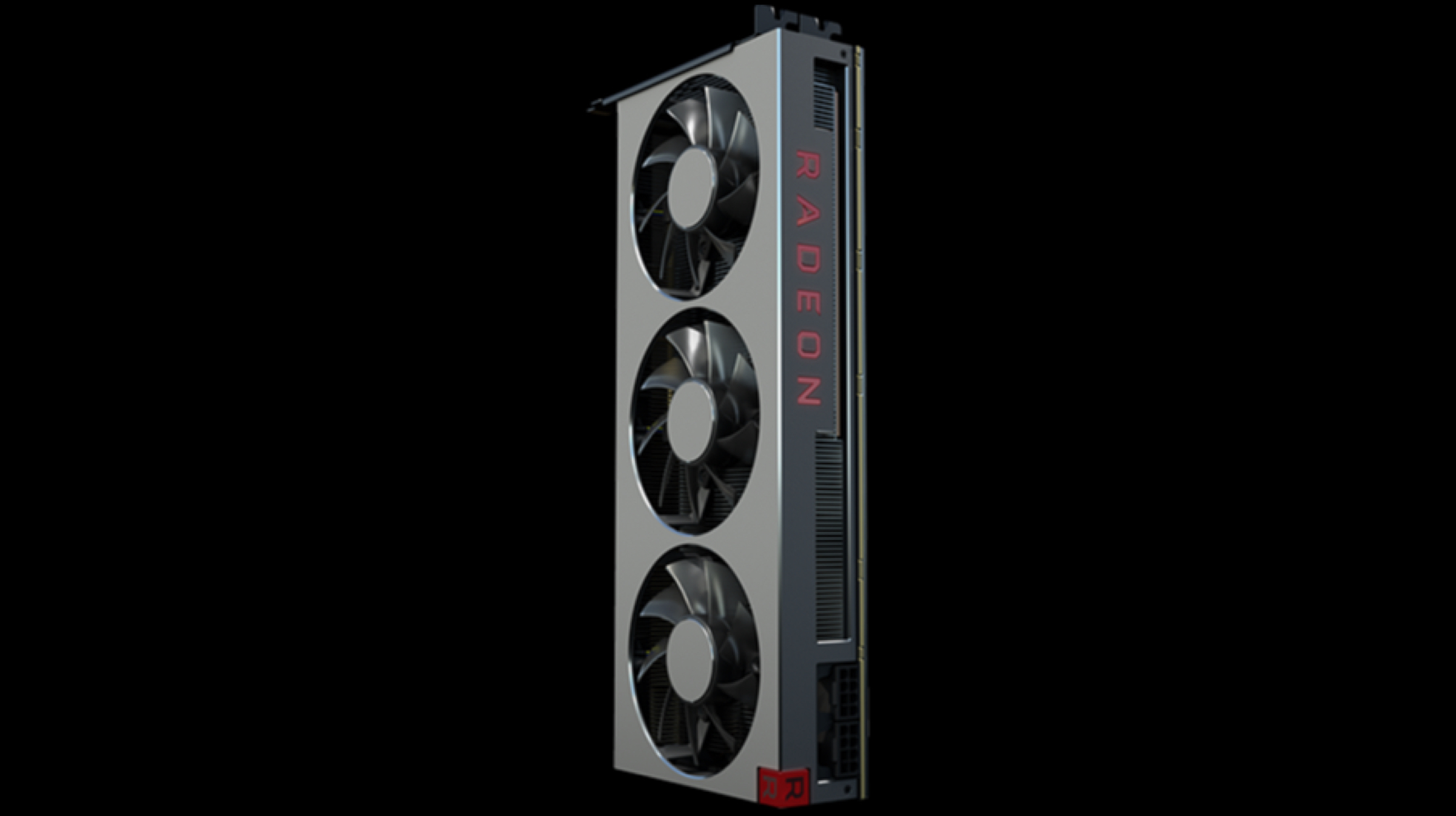
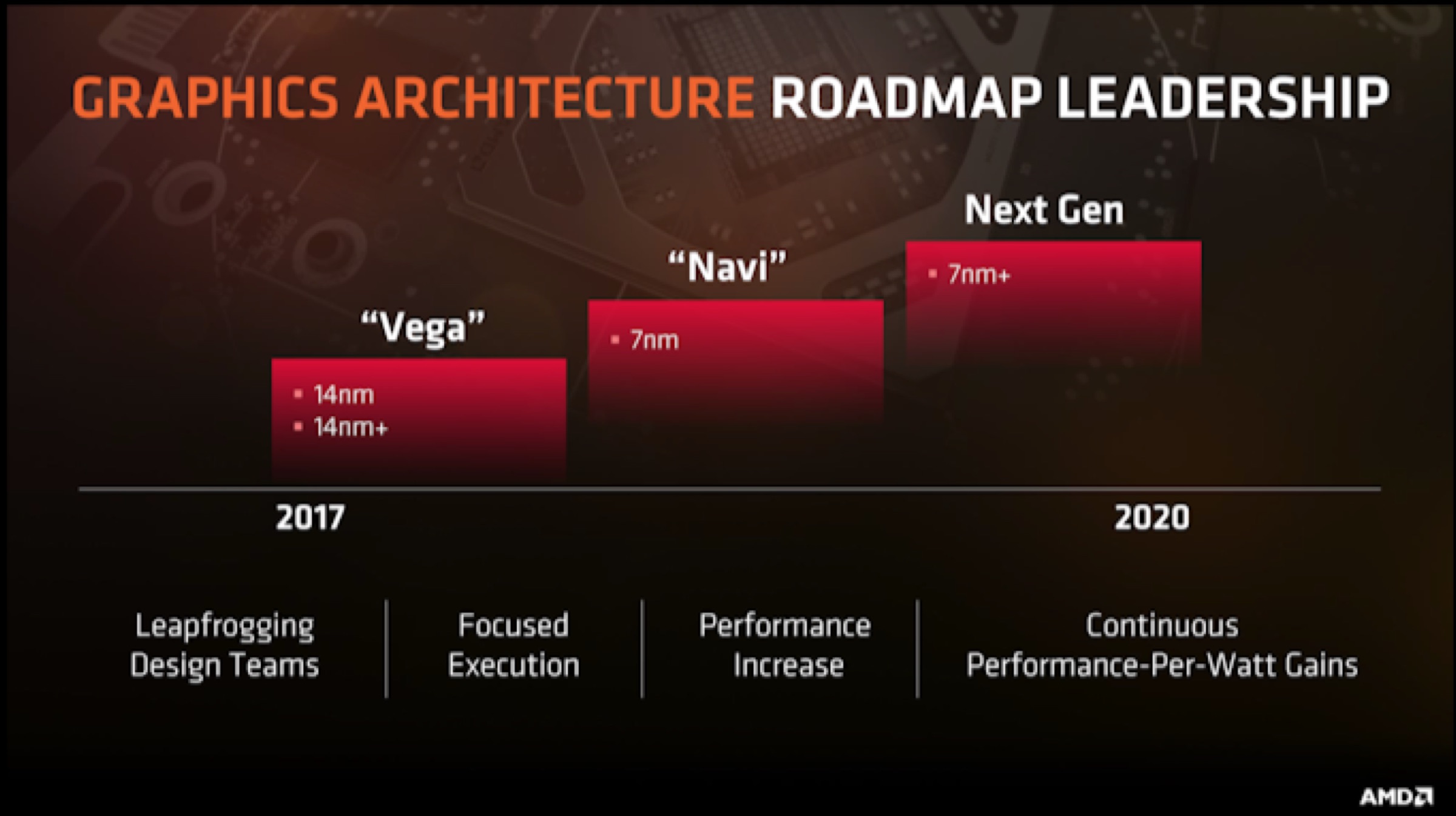 The Navi GPU chip will be manufactured using 7nm fabrication technology. AMD will initially release mid-range models for the same, which are speculated to be the Navi 10 GPUs. Further iterations, including the more powerful Navi 20 graphics cards will be launched later in the year 2020, reports state. The Navi 20 series graphics cards will go up against NVIDIA’s more powerful GPUs, such as the RTX 2080 and RTX 2070.
 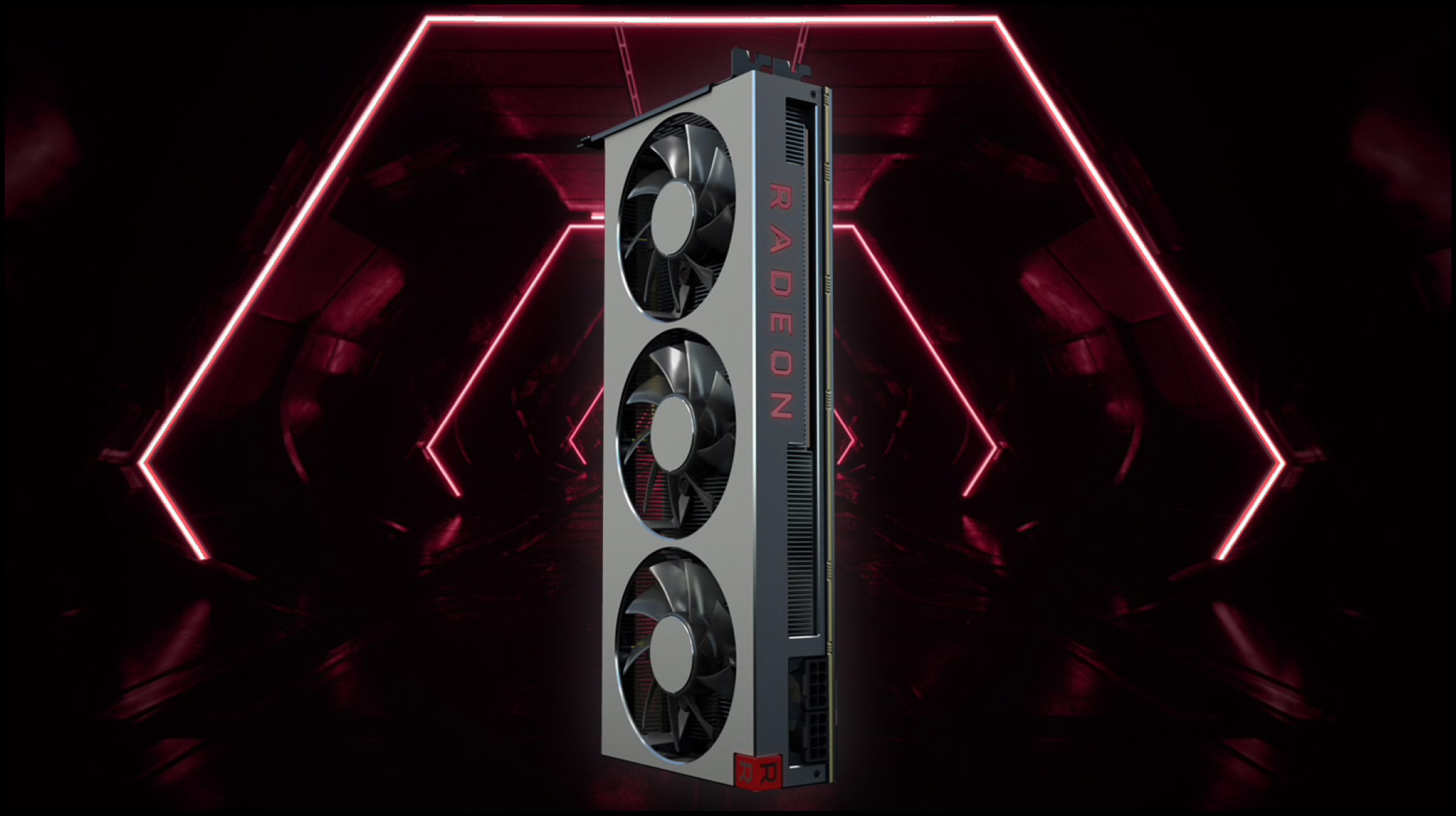 The company has also hinted towards some big chunks of information regarding the upcoming GPUs that will be revealed at the Computex Keynote in May 2019. However, since rumours are stating that the 7nm Graphics Cards will be launched on 7/7, or the 7th Of July, AMD might just limit the information reveal to a tease regarding the GPUs. This falls in line with their recent announcement of the Navi Cards release in the third quarter.
  Also Read: