Until now, the 3D technology was entirely dependent on the supporting glass. Now an effort has been put by Australian researchers that eliminates the need for 3D glasses. A team of researchers have created a new kind of display that produces 3D effect without the need for the special glasses.
According to the scientists, the technology uses a sophisticated laser system that throws laser beams in different directions. These scattered laser beams form an angular resolution in a way that the left eye sees a whole different picture from the right one. The technology leads to a 3D effect and allows viewing from various angles.
Researchers have successfully tested the first prototype of this 3D technology together with the start-up firm TriLite Technologies. It has the modest resolution of five by three pixels. Now, the team is heading towards the second prototype to get a clearer picture of the same. A professor of the research team Jorg Reitterer stated about their innovation, “We are creating a second prototype, which will display colour pictures with a higher resolution. But the crucial point is that the individual laser pixels work. Scaling it up to a display with many pixels is not a problem.”
The present 3D movies use the same trick of exhibiting two different pictures for both eyes. However, with the newly-developed display, users can experience the same effect with multiple images. The research team says that to encounter 3D effect, there should be a certain gap between the screen and the viewer. If the display is positioned to close or too far, viewers will only get a standard 2D image.
Research team says that the new video format required for the particular display is ready, and they are waiting for the second prototype to finish successfully. The gadget is scheduled to launch in 2016.
This newly-developed display is a sign of advancements in 3D technology. With the screen coming to consumers, entertainment will become more wholesome.
Microsoft’s former version Windows 7 is an addictive one. It has all the necessary features and most important of all, it’s user-friendly. Even after the roll out of Windows 8 a couple of years ago, there are many people across the globe who still rely on updates and support for Windows 7. However, Microsoft seems to think otherwise. The US-based company has decided to retire the 5-year-old operating system still prominent on more than half of the desktop population running Windows.
The announcement read that Windows 7 users will neither get new updates nor any help related to the OS. Nevertheless, according to a publishing daily, the company will continue to patch security vulnerabilities until 2020. The suspension of support to Windows 7 will make way for the forthcoming Windows 10.
A sustainable, high-speed internet is the demand of the digital era. The world has entered into the 4G zone, but the need for speed never dies. There’s still a need for improved, high-speed global Internet access which can be offered to people at cheap rates. Qualcomm, a semiconductor manufacturer, has moved ahead in this direction and is venturing with British multinational brand Virgin Group to build a structure that would offer global internet access at express speed.
The top giants are aiming to fly a constellation which will have a total of 648 satellites. Some of the satellites will be launched by the Virgin’s own spaceflight unit, Virgin Galactic. The company is presently developing a satellite delivery service called LauncherOne, along with some vehicles that will revolve in the sub-orbit of Earth. These vehicles have been named SpaceSpace Two.
The fleet of satellites will cost somewhat between $1.5 billion and $2 billion. The telecom brand is saying that these satellites will not only facilitate users with lightening speed Internet, but will also provide the world with an option of superior telephone services. Presently, the proposal is under review with OneWeb and the company will soon come up with its verdict. The OneWeb system will build a spacecraft that will be positioned in the orbit of Earth. Both companies, Virgin Mobiles and Qualcomm, plan to fund the project with an undisclosed amount.
OneWeb said that the forthcoming project will extend the networks of mobile operators globally through which they can reach around 3 billion people in far-flung areas.
Following year, Google started a research and development project called Project Loon, under which the internet search engine sent balloons 20 miles up in the air. Through these, users of the service could connect to the balloon network using a special Internet antenna attached. These signals travel from one balloon to another and then to the base stations and later circulate to the global Internet. Project Loon was well received, but at times, the balloons witnessed some crash incidents.
If OneWeb accepts the investment proposals of the producers, Qualcomm and Virgin will be the front runners in the race of top Internet providers. With the satellite-based internet, accessing broadband will be fast and hassle-free.
Indian roads always remain packed with vehicles. These busy roads notice honking and screaming on working days as well as on weekends. People have to leave home half an hour or an hour in advance to counter traffic. Not any more! Now Indians don’t have to freak out in the traffic jam as Google Maps has launched a lane advisory system in India.
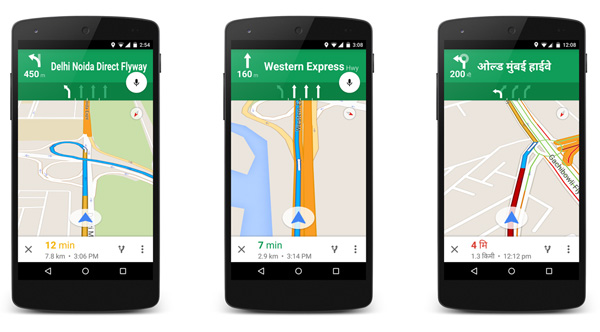
With this new feature, Google Maps gives voice guidance to the users, enabling them to see and hear voice-guided instructions about the alternate lane they should take to avoid traffic. The app is compatible with both Android and iOS and gives lane guidance in around 20 major cities. Google aims to make the app handy and more useful for regular travellers. Director, Producer and Program Management of Google Suren Ruhela clarified the main motive behind updating the app saying –
With the Google Maps app for iPhone/iPad and Android, users will now be able to see and hear voice-guided instructions, signalling which lane they should stay in or move to while in navigation mode.
She further said that the company will continue to upgrade Google Maps for mobile to make it a handy travel companion.
The 20 cities included in the lane guidance feature are Ahmedabad, Bengaluru, Bhopal, Chandigarh, Chennai, Coimbatore, Delhi, Hyderabad, Indore, Jaipur, Kolkata, Lucknow, Mumbai, Mysore, Nagpur, Pune, Surat, Thiruvananthapuram, Vadodara and Visakhapatnam. Drivers in this cities will be able to choose on lane option for easy commute in their mother tongue. The app added Hindi as a default accent last year in July.
The app added a couple of other features as well like turn-by-turn voice guidance, which user’s can get in preferred language. Drivers can change the language from the ‘Language and input’ option. The added feature is a really supportive addition to improving search experience for Indian users.
With traffic the way it is, even in the smallest towns in India, this is quite an initiative by Google Maps to help the hapless stuck in everyday traffic!
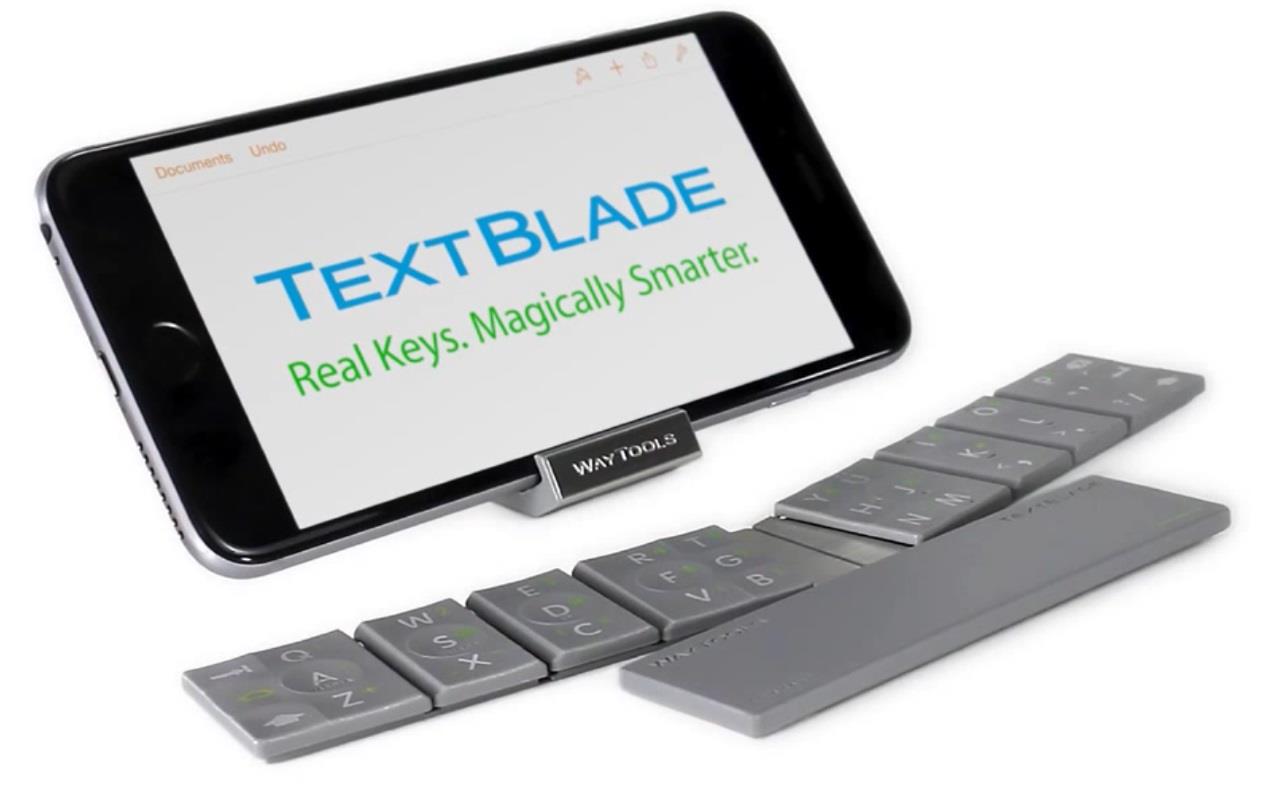
Slowly and steadily, with the evolution in technology, gadgets are becoming more compact by the day. WayTools has developed a keyboard called TextBlade, which is made keeping in mind the travelling group. The TextBlade works exactly like a normal keyboard but is ultra-portable and has only eight keys.
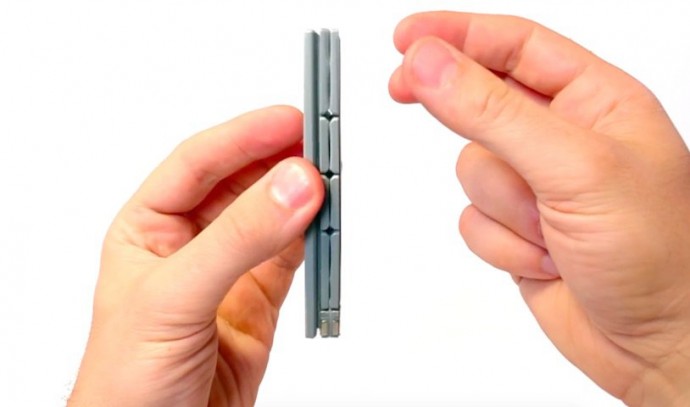
The TextBlade is one-third the size of an iPhone and is super slim. It weighs only 1.5 ounces and can be carried like a pen drive in your pocket. The rectangle-shaped keyboard opens up to form three magnetic stripes. These magnetic stripes attach automatically to create a stripped-down keyboard, once drawn closer. The device is compatible with both iOS and Android devices and gets connected through Bluetooth. The company has patented its technology and calls it ‘MultiTouch Key technology.’
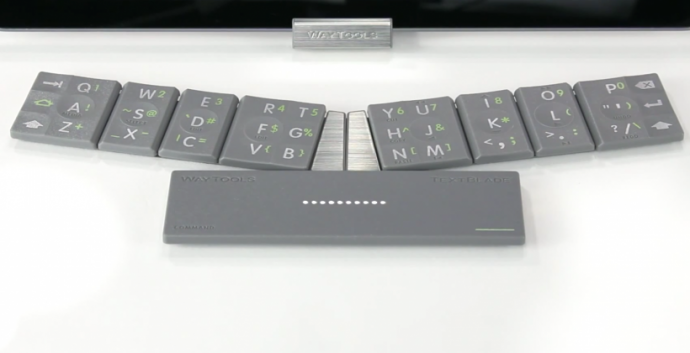
The eight keys embrace all the alphabets, numbers and other special characters of a regular keyboard, in a way that most of keys hold more than one identity. All the keys are given appropriate space and the format is kept the same to eliminate the inconvenience. The device houses a rechargeable battery that can last for a month on a full charge. The gadget is priced at $99, which is a little below Rs. 6,000.
The company says that the keyboard provides spacing as of the desktop keyboard and is aimed at giving a seamless transition to touch users from full-size keyboards to a travel keyboard.
Meanwhile, you can watch the video below to get a better idea of how it works.
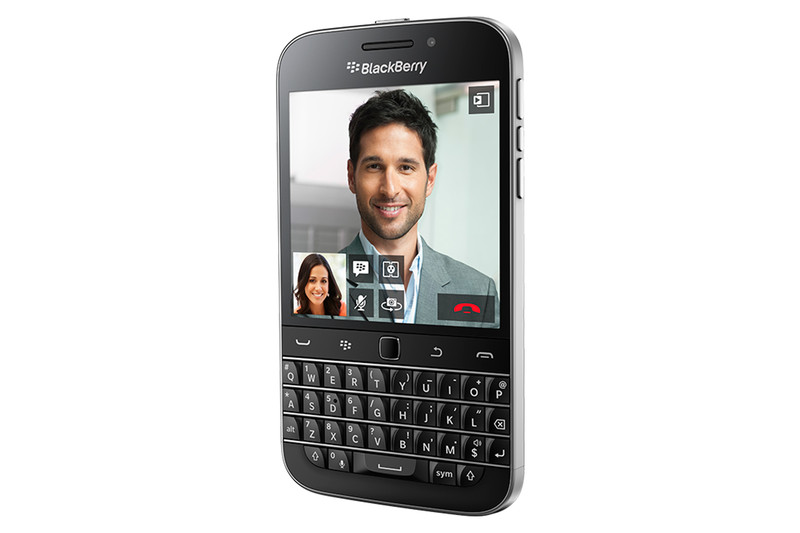
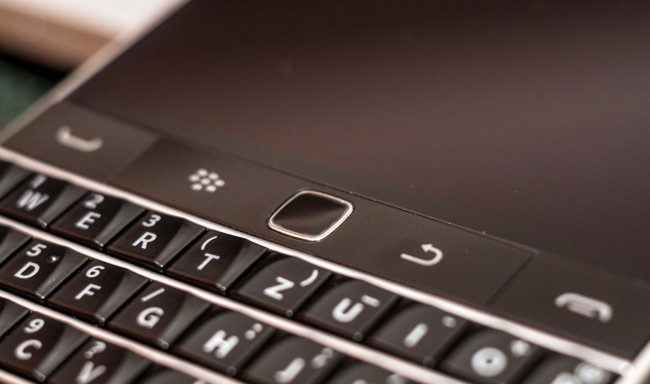
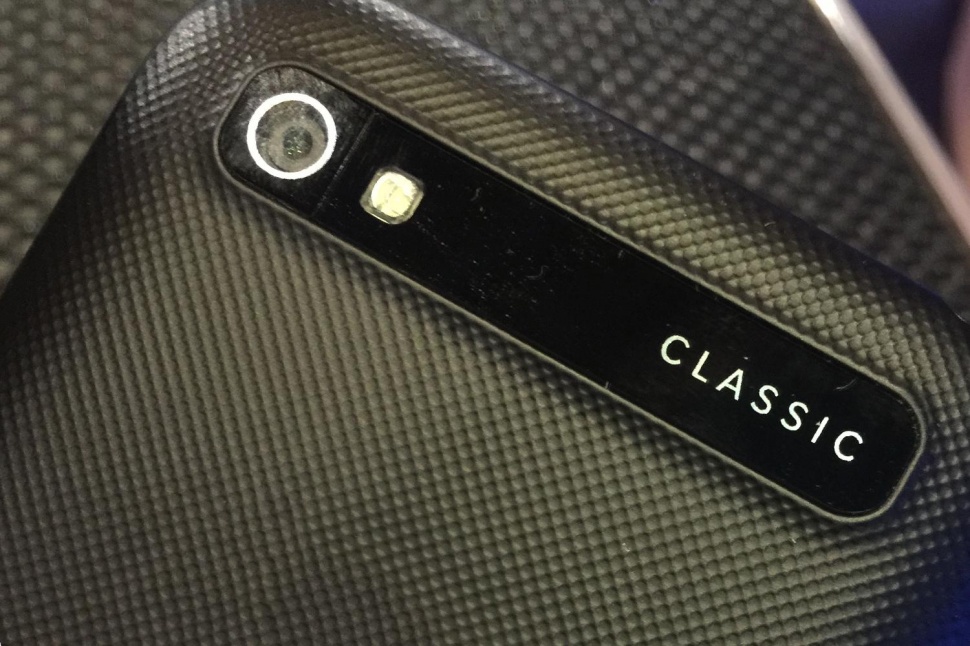
BlackBerry has launched the Classic in India. The device is available for purchase at BlackBerry stores and Snapdeal exclusively. It comes with a hefty price tag of Rs. 31,990.
BlackBerry Classic boasts its aesthetic QWERTY keypad which will make it a definite choice of the BlackBerry followers. The brand has restored its style and decided against using a touch screen.
Coming to its specs, the phone has a capacitive touchscreen display of 3.5-inch, which is secured by Corning Gorilla Glass 3 protection. The handset is powered by a 1.5GHz Snapdragon S4 dual-core processor paired with 2 GB of RAM. It features 16 GB of internal storage capacity that can be expanded up to 128 GB via MicroSD card.
Taking the camera into consideration, the Classic sports an 8MP shooter with the added features like autofocus and LED flash, along with a 2MP snapper at the front to take selfies. The device runs on company’s own BB OS 10.3.1 and houses a non-removable 2,512mAh battery.
The e-commerce website has released a buyback offer to lure customers. As per the deal, the existing BlackBerry Bold holders will get a rebate of up to Rs. 4,500 on the purchase of the Classic. The device comes with some in-built features like Blackberry Hub, BBM Meetings and BlackBerry Blend.
Earlier today, Reuters broke an exclusive news saying that Samsung is planning to buy BlackBerry. According to the international news agency, the South Korean electronics producer offered BlackBerry as much as $7.5 billion in view of its valuable patents.
As per the inside source of the agency, Samsung proposed to buy individual shares of the Canadian equipment manufacturer at a price of $13.35 to $15.49 per share, which is 22 percent higher than the current trading price of BlackBerry. Samsung is not the first company who has showed interest in acquiring BlackBerry. Back in 2014, Lenovo and few other firms were in rumours of the same buyout.
Meanwhile, both Samsung and BlackBerry have declined the ongoing acquisition reports. A spokesperson from Samsung simply commented:
Media reports of the acquisition are groundless.
BlackBerry also replied in the same tune and said that it had not engaged in any such discussions with Samsung with respect to purchase offer.
The news is no surprise and there are chances of these cries to be true as both are companies have reasons to sign this deal. BlackBerry is going through a rough patch and needs financial backing, whereas if Samsung cracks this deal, it might help it rebrand its image.
There are major reasons for these rumours to be true. First, if Samsung takes over BlackBerry, they would acquire the world’s best smartphone security systems. Secondly, we know that Samsung has shut dow its IM service ChatOn as it failed drastically to connect Samsung users.Meanwhile, BBM has 85 million monthly active users and Samsung could integrate the IM service to its devices to get hold of this large user base.
The third and the most vital cause of this could be the robust patent portfolio of BlackBerry. If Samsung succeeds in purchasing the Canadian star, it will get a hold of its networking, security and other important patents. Well, as of now, these are just rumours and nothing can be said until and unless these electronics giants stamp on these reports.
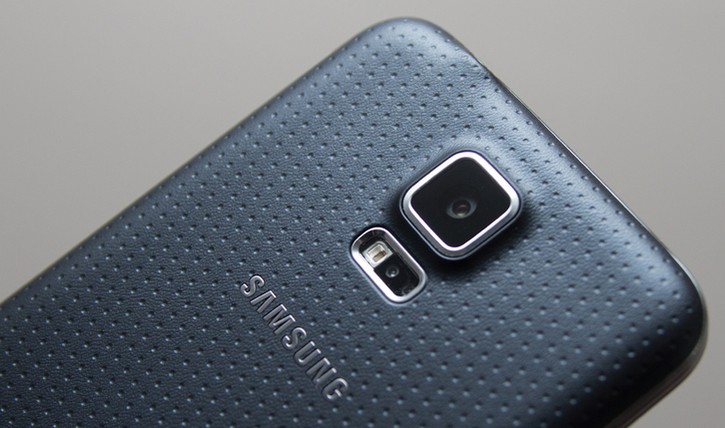
Even with all the competition, Samsung still holds the top position as the world’s largest smartphone manufacturer, but the passing year didn’t go so well for the company. Samsung is quite aware of the ground reality and it seems like the maker is working on restoring its lost authority in the smartphone market. According to an exclusive by SamMobile, Samsung is working on a line of four tablets, that might be the successors of Galaxy Tab 4 7.0 and the Galaxy Tab 4 10.1.
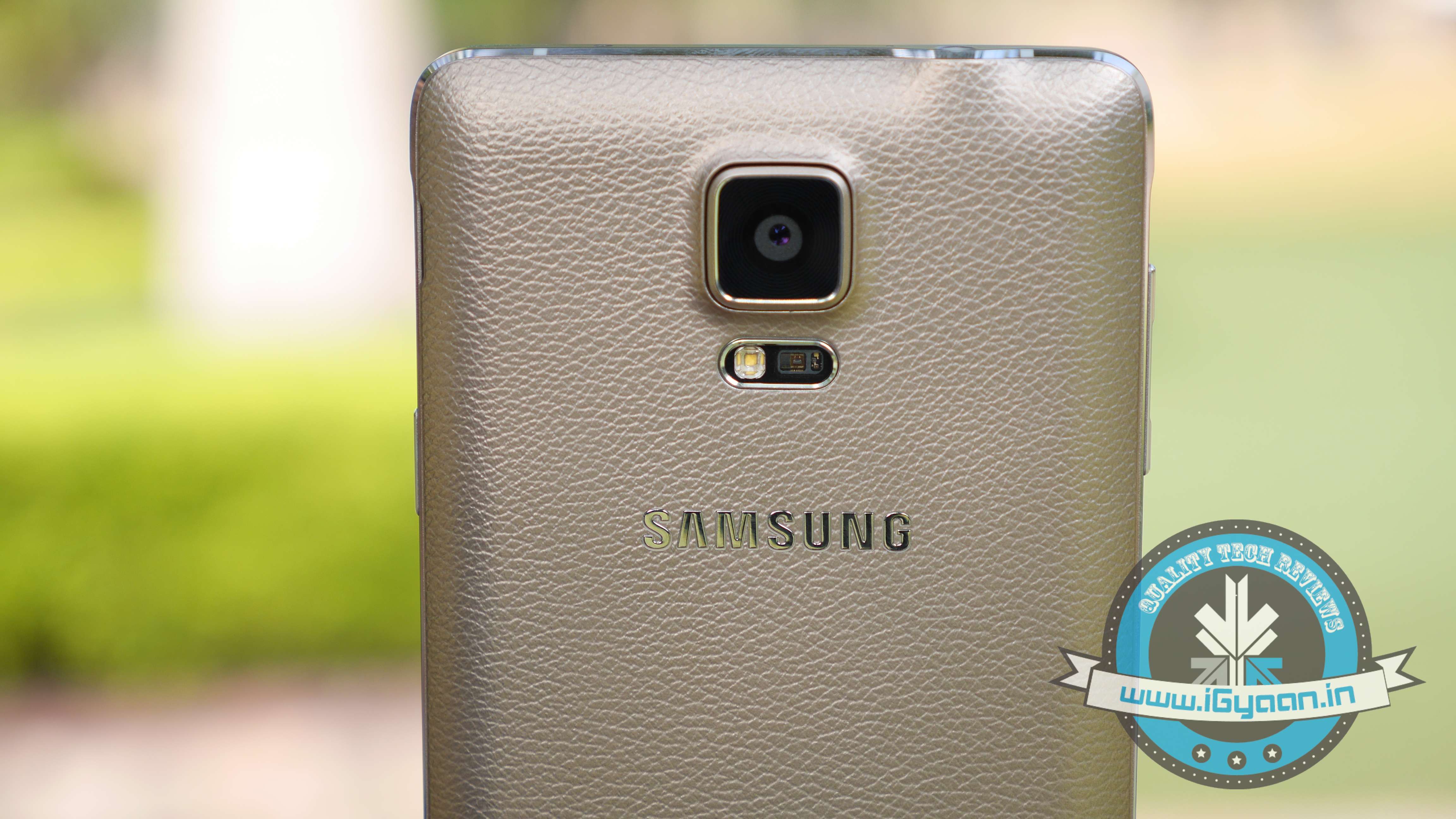
According to the report, the company might release four or more tablets. These offerings will be a part of the Galaxy Tab and Galaxy Note line-up. The Galaxy Tab AS (SM-T350/351) will be small and a successor of Galaxy Tab 4 7.0, while the larger Galaxy Tab AL (SM-T550/T551) will be a sibling of Galaxy Tab 4 10.1.
The other two speculated tablets, SM-P350/351 (Wi-Fi/Cellular) and SM-P550/551 (Wi-Fi/Cellular), may be the successors of Galaxy Note and Galaxy Note Pro series. The SM-P350/351 will flaunt a display of 7-inch or 8-inch and, on the other hand, the SM-P550/551 might sport a screen of 10 or 12 inches. The tablets will have the latest version of Google’s OS, Android 5.0 Lollipop, onboard.
The source states that the tablets are in its early stages and consumers can expect to get their hands on them by the second or fourth quarter of this year. No other details have been provided regarding their hardware, software or any other specifications. For now, we believe that Samsung will leave no stone unturned in appealing its mass audience and will bring out the devices in metallic finish, just as the Galaxy Note 4. With sales figures showing a negative graph, the company is expected to pack the devices with something really extravagant.
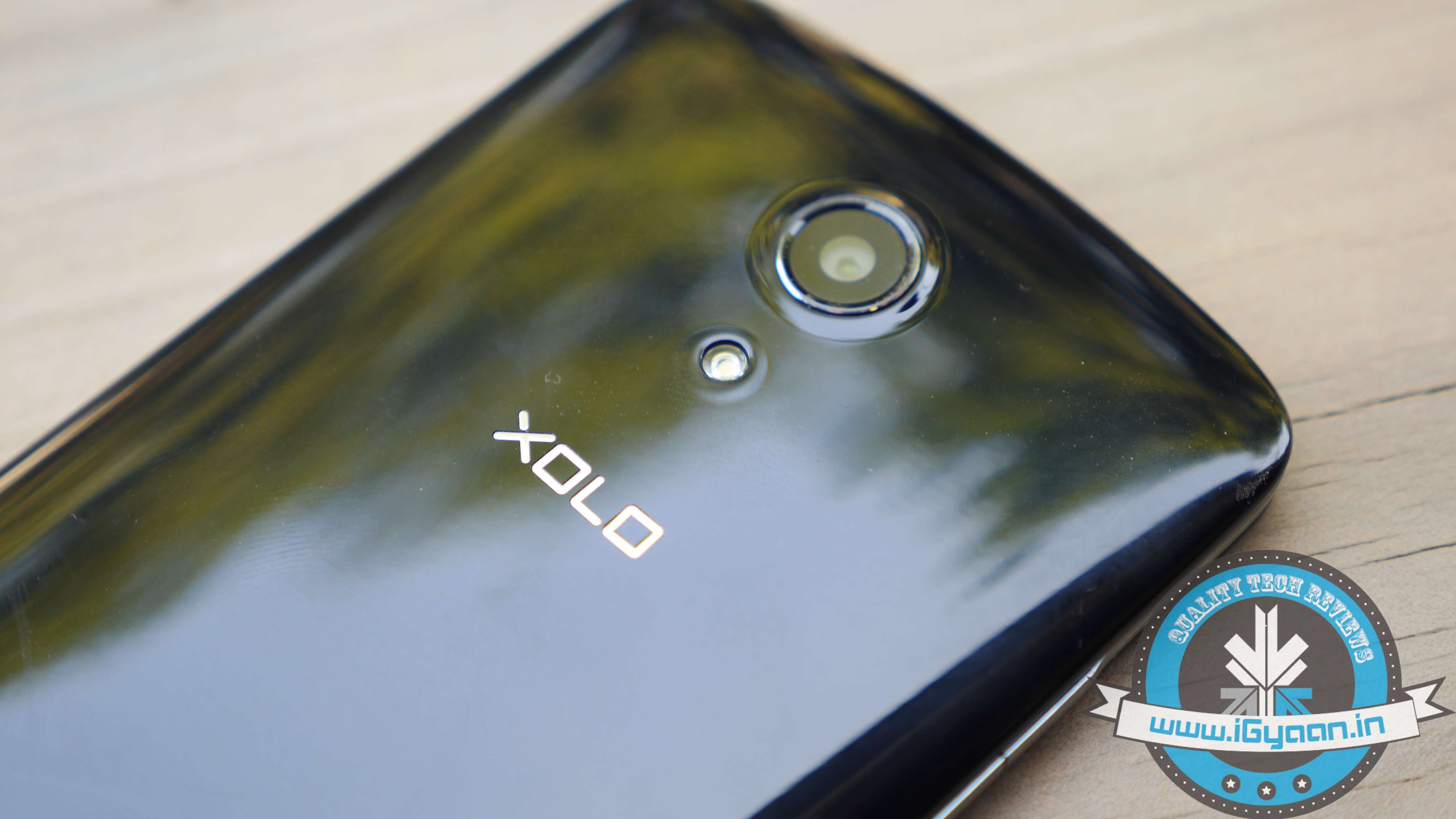
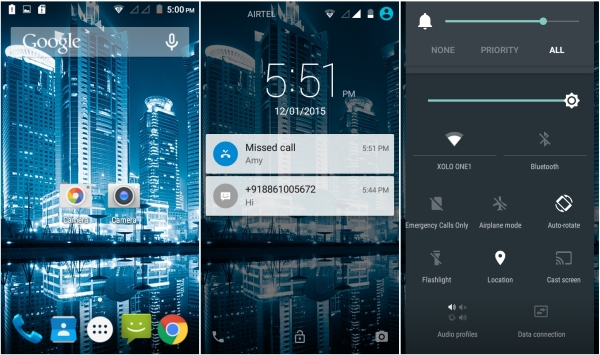
Even though it has been a while since Google officially brought out the Android 5.0 Lollipop Update, barely 50% devices have received the update. Many smartphone manufacturers are still struggling to update their devices. Now XOLO has has made an announcement that its budget device XOLO One will be getting the Lollipop update. According to the company, the update will officially roll out on the 16th of this month.
XOLO One flaunts a 4.5-inch LCD display and is powered by a quad-core Cortex-A7 processor clocked at 1.3 GHz. In terms of memory, the device features 2 GB of RAM along with 8 GB of internal storage capacity that can be expanded up to 32 GB via MicroSD card. It has a 5 MP rear camera and houses a 1700mAh battery.
XOLO One is priced for Rs. 6,599 in India. Motorola too announced of its devices getting the Lollipop update today. All the handsets released in 2013 and 2014 are said to get the upgrade really soon.
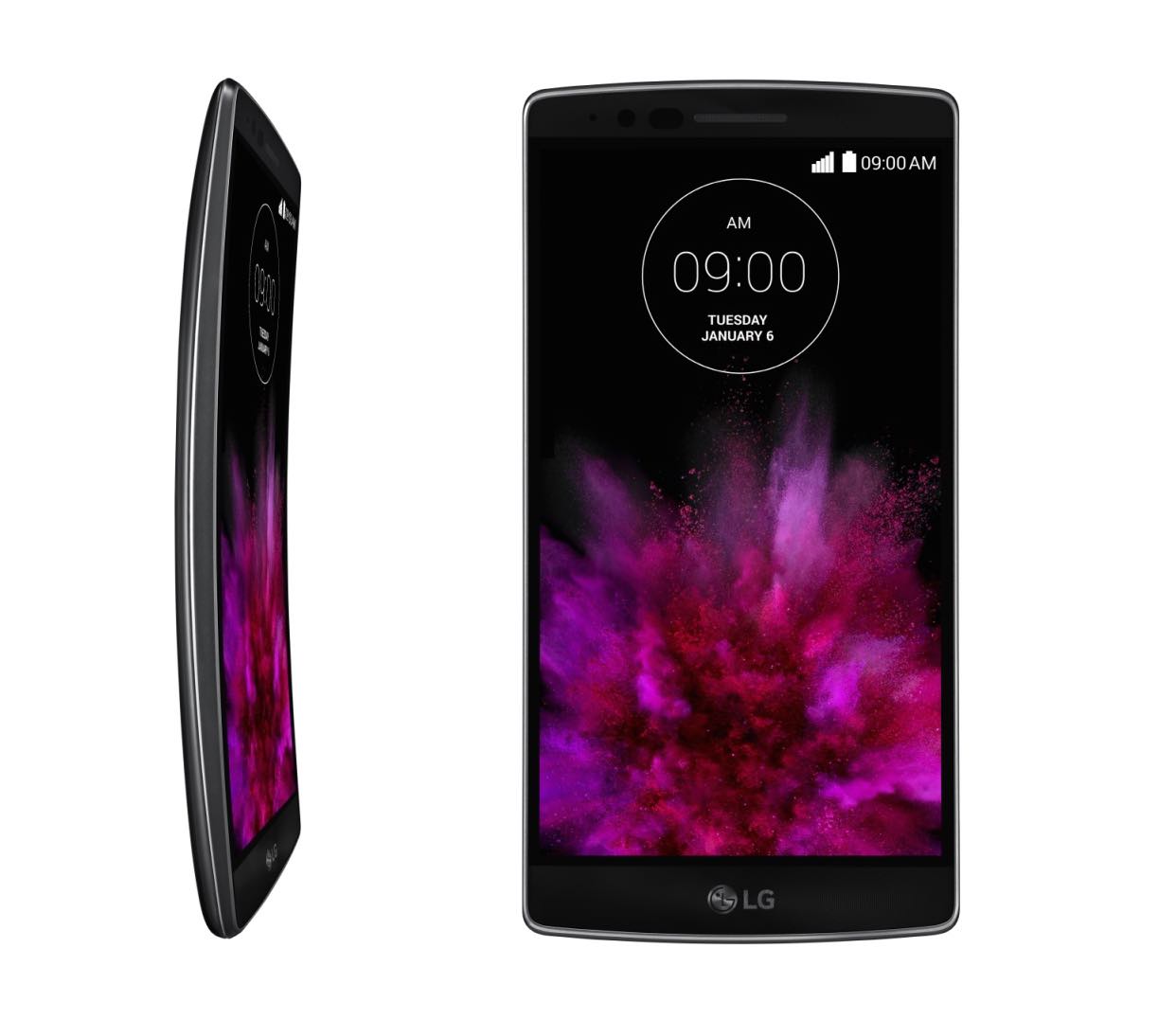
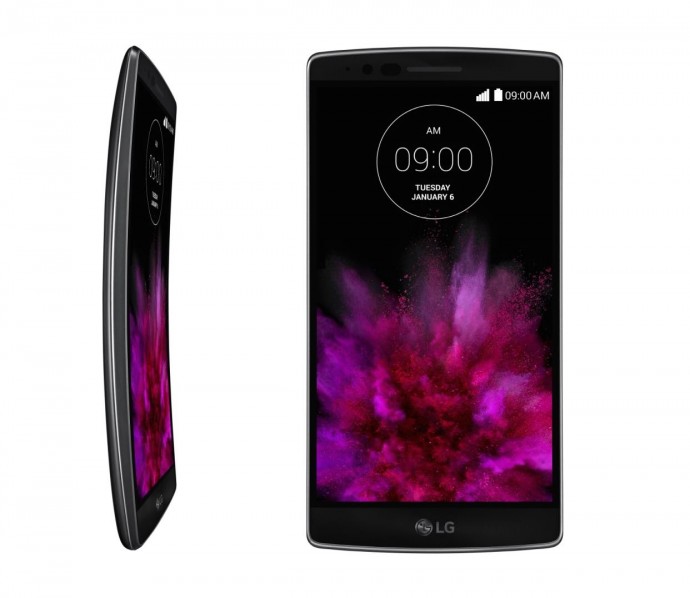
The Consumer Electronic Show (CES) saw some really interesting innovations this year. One such innovation was the LG G Flex 2, which is an enhanced version of the original LG G Flex released last year. The device made a cameo at the event; only its specifications were released, while the price was kept under wraps. Now, the South Korean smartphone manufacturer has come up with a price tag, which is a bit lower than the launch price of its predecessor.
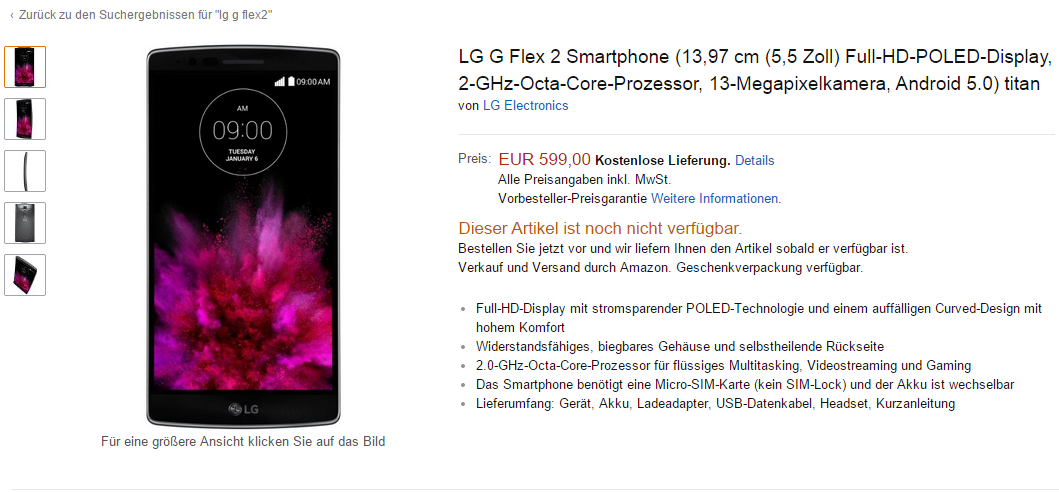
The device is listed on Amazon, where it is priced for €599. This translates to somewhere around Rs. 44,000. The original LG G Flex was a little pricey and came at an introductory cost of €850. For now, the phone is available for purchase in Germany only and the shipping date of the same is not yet specified.
The major tweak in the device is its fast restoring capacity. The phone retrieves its original position in just 10 seconds whereas the G Flex took around three minutes to heal. Briefing its specs, then LG G Flex 2 boasts a 5.5-inch full HD Curved POLED display, with a resolution of 1920×1080 pixels. It is powered by a Snapdragon 810 octa-core processor with 64-bit capability, becoming the first device to pack the latest and powerful processing system. The G Flex 2 sports 2 GB of RAM and runs on Android 5.0 Lollipop.
Coming onto the camera front, the G Flex 2 has a 13MP rear shooter along with OIS+ and laser auto focus capacity and a 2.1MP front snapper for your selfie needs. Furthermore, the phone features both 16 GB and 32 GB of internal storage and has a microSD card support.
As of now, there is no official announcement about its launch in India, but it is speculated to release soon.
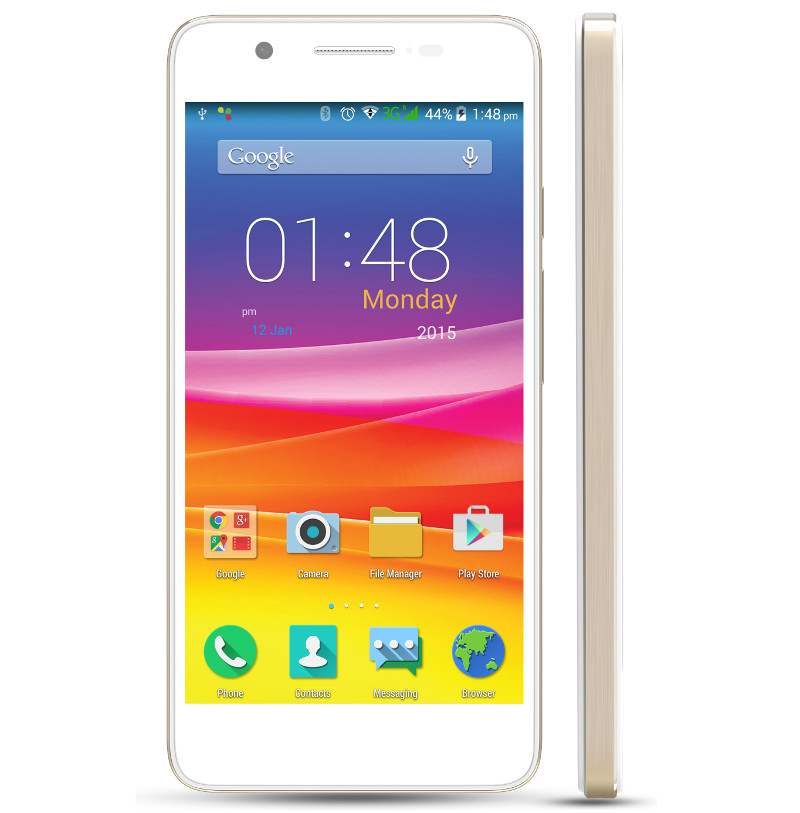
India-based company Micromax is the top choice of many smartphone users. The latest offering by its subsidiary, Yu, recently released a device that houses an exceptional set of specs at a super low price. Now, Micromax has added one more handset to its portfolio, the Canvas Hue. The company claims that the device can last up to 30 days on a single charge, which seems a bit far-fetched if you ask us.
As far as the specifications are concerned, Micromax Canvas Hue has a 5-inch HD AMOLED display of 1280×720 pixels resolution. The Corning Gorilla Glass 3 protection prevents the display from breakage and makes it scratch-resistant. The device is powered by a 1.3GHz quad-core processor paired with 1GB of RAM. The handset runs on Android 4.4.4 KitKat as of now, but it is expected to get the Android 5.0 Lollipop update soon.
Talking about the camera specification, the device has an 8MP primary camera along with a 2MP shooter at front. Canvas Hue houses a powerful 3,000mAh battery and has a support for super power saving mode, which extends the battery life of the phone. The handset features a storage capacity of 8 GB, which can be further expanded via MicroSD card.
The Chief Executive Officer of Micromax Vineet Taneja said in a statement:
With an AMOLED HD screen, users are guaranteed of a life-like viewing experience through more vivid colours and a crystal clear display. The Canvas Hue is a perfect blend of premium design, seamless efficiency and superior technology that supports the needs of the ever evolving consumers.
Priced at Rs. 10,999, Canvas Hue will go on sale on 16th January. The device is relatively cheap and can compete with big contenders in the market like Xiaomi Redmi Note 4G, Gionee Marathon M3 and Yu Yureka, which pack somewhat similar set of specs.
Samsung has been ruling the smartphone market with its high-end Android devices, but it has recently been learnt that the company is keen on including Windows-based phones in its smartphone line-up. According to a report by Korean Times, the South Korean multinational giant is interested in making an affordable Windows Phone.
According to their source, the company is testing a “pilot programs on the stability of Windows 8.1 software on devices.” However, it cannot embed Windows onto the devices until the company settle down on the previous dispute with Microsoft. For those who don’t remember the story; Microsoft sued Samsung in August saying that the company had failed to make payments as per the signed contract.
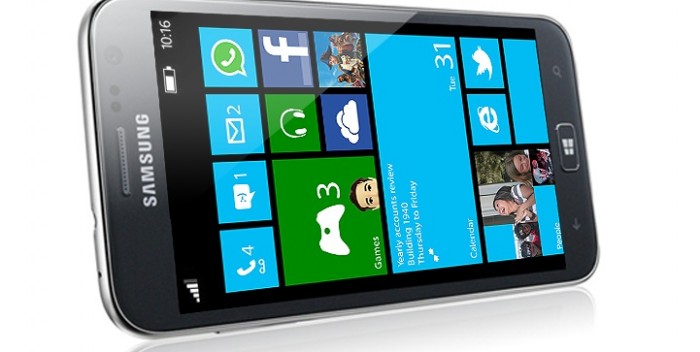
Samsung ATIV SE, The Last Windows Phone by Samsung
It seems like the firm is reducing its dependability on Google’s Android and is prepping to get a stronghold on the Windows platform.
If the report turns out to be true, then customers can expect a Windows-based device as early as this fall. It might run on Windows 8.1 or the upcoming Windows 10. We’ll still emphasise the fact that it’s just a report and neither Samsung nor Microsoft have confirmed the story. The last Windows Phone by Samsung was Samsung ATIV SE, a Verizon Wireless exclusive based on Windows 8. The firm hasn’t released any Windows devices since.
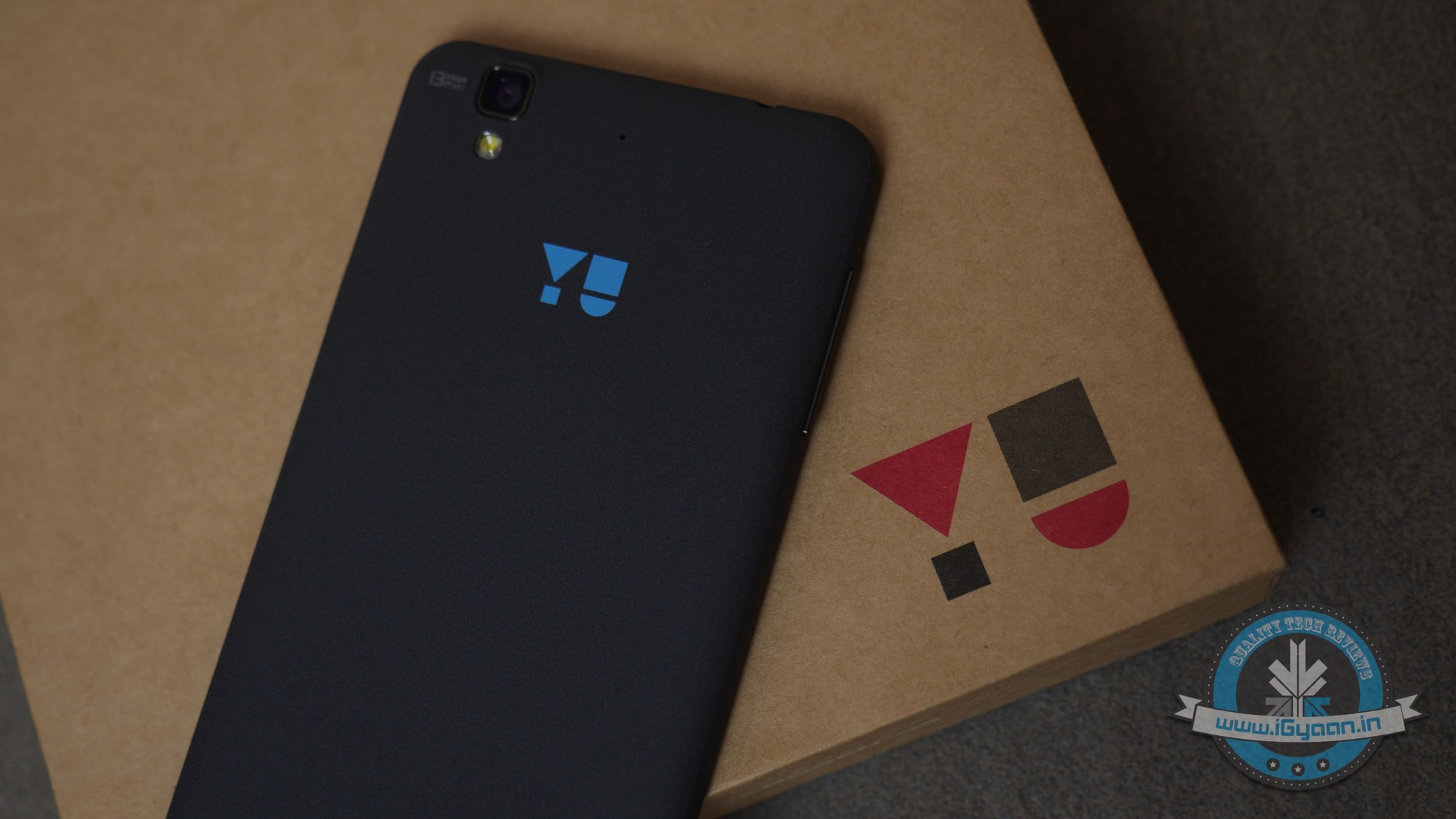
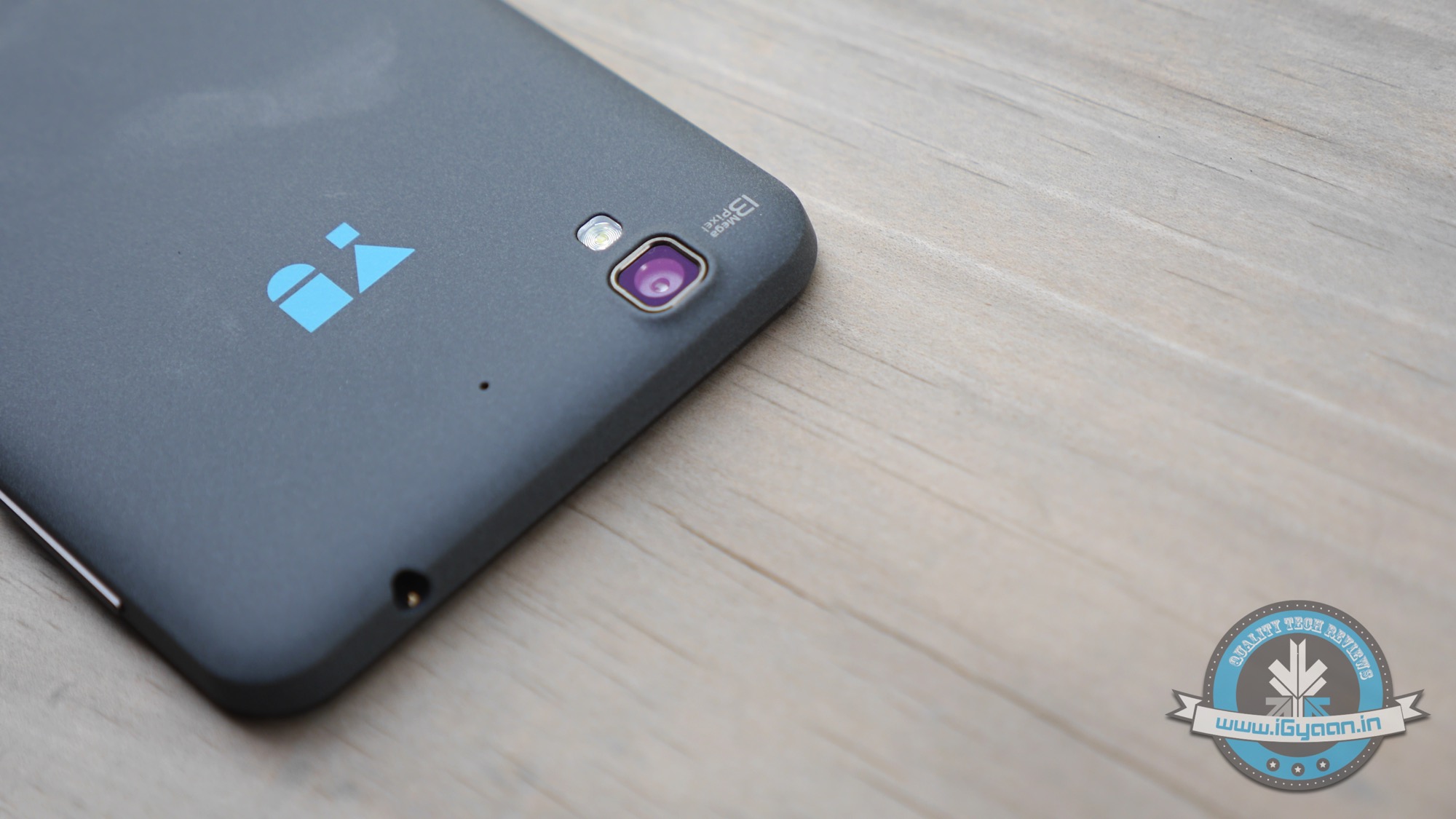
The most anticipated device of the year, Yu Yureka, will go up for sale tomorrow. In spite of the huge registrations, the company said that, for now, they will be putting only 10,000 units of its 4G device on Amazon. The smartphone, unveiled last month, boasts a set of specs seen on many high-end devices while it comes at a price of Rs. 8,999.
[quote text_size=”medium” author=”Rahul Sharma” author_title=”Co-Founder of Micromax”]
We saw unprecedented response with over three lakh registrations. Registrations were to be open till 25th December. However, owing to the mega response they had to be closed a day earlier.
[/quote]
If we talk about its specifications, the Yu Yureka has a 5.5-inch display with 1280 x 720p resolution. The screen is protected by Gorilla Glass 3. It is powered by Snapdragon 615 CPU along with Adreno 405 GPU. The device features 2 GB of RAM and 16 GB of internal storage capacity, out of which 12 GB is free. The phone gets its juice from the 2500mAh battery.
On the camera front, the handset has a 13MP rear snapper along with a 5MP shooter on the front. The most significant feature of the device is the attractive Cyanogen OS 11.
Rahul further talked about the phone units, “We are working on ramping our capacities. Given the kind of enthusiasm that we have seen, we will increase the number of units put out for sale gradually.” It was also learnt that Cash-on-Delivery System will be available to Yureka buyers. Do read the full review of the Yu Yureka here.
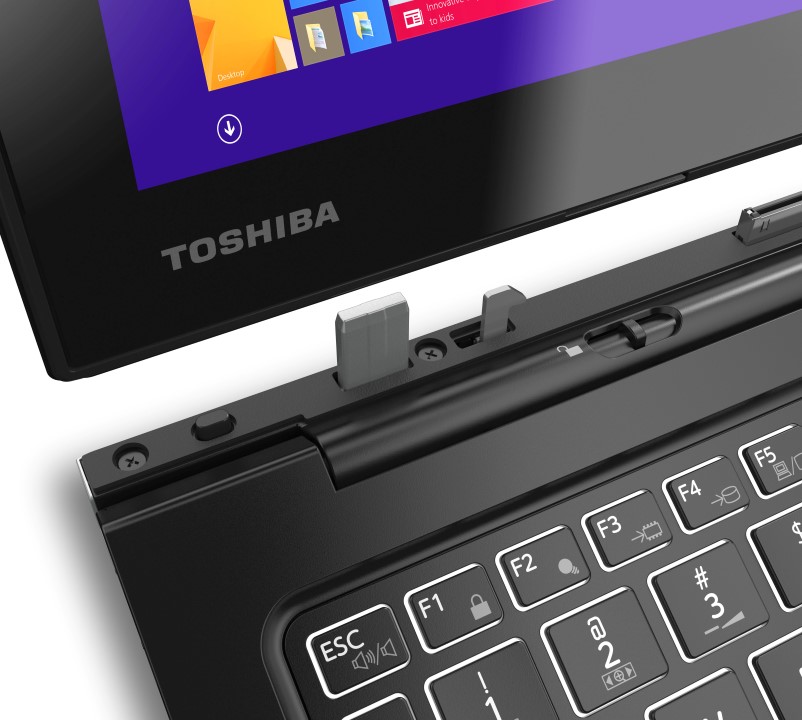
At a time when other companies are bidding CES goodbye, Toshiba still has some offerings left in stock. The Japanese multinational company rolled out a trio of Windows devices at CES 2015 that puts to use the rarely-used digital stylus. The launched devices include a Portege Z20t Ultrabook and a pair of Encore 2 Write tablets.
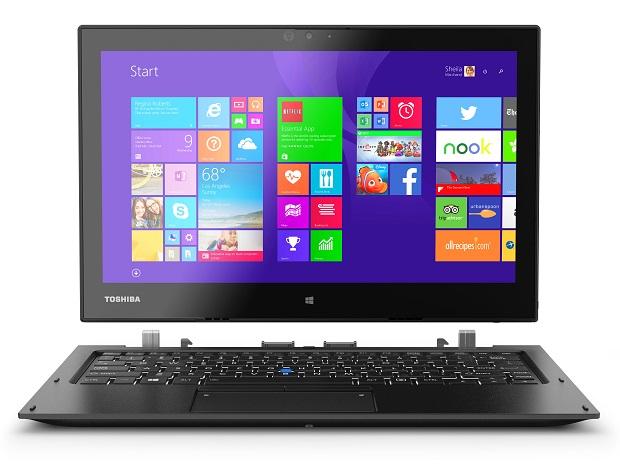
The Portege Z20t Ultrabook by Toshiba is a hybrid laptop that detaches to transform into a tablet. The device features a 12.5-inch display with 1920×1080 (1080p HD) resolution and is powered by an Intel Core M-5Y51 processor paired with up to 8 GB of RAM. The SSD of the Ultrabook is capable of storing as much as 256 GB of data. It comes preloaded with either Windows 8.1 or an upgradable Windows 7 Professional version. On the hardware front, the Portege Z20t has a spill-proof keyboard and weighs a mere 3.3 pounds, which includes the keyboard. Even though it’s a detachable gadget, the hinges don’t bother as they turn to switch the screen into presentation mode.
Toshiba claims that the Z20t can last 17.4 hours on one full charge. The ultrabook adds Toshiba’s key input device Digitizer Pen together with an Eraser. Coming to its price, this Toshiba ultrabook will cost you $1,399.99, for 4 GB of RAM and 128 GB SSD.
The Encore 2 Write series tablets comes with the same set of specs and varies just in price and display size. The 8-inch Encore 2 Write comes at a cost of $349.99, while the 10.1-inch variant of the Encore 2 can be purchased at $399.99. The devices hold a display resolution of 1,280x800p and are powered by Atom Z3735F processor from Intel. They pack 2 GB of RAM, 64 GB of solid-state storage and come preloaded with Windows 8.1. Along with that, the tablets make use of Active Electrostatics pen technology through the company’s innovative product TruPen that has 2,048 points of sensitivity.
The Consumer Electronic Show (CES) has been a podium of futuristic innovations for years. Almost all big tech giants take part in this 3-day long event to showcase their prototypes.
This year’s CES also saw some really amazing gadgets; from Samsung to HTC, from mobiles, TVs to wearables, from devices to concepts, we have summed up the CES 2015 in this list of top 15 gadgets. The below listed technologies gathered the limelight at this year’s CES:
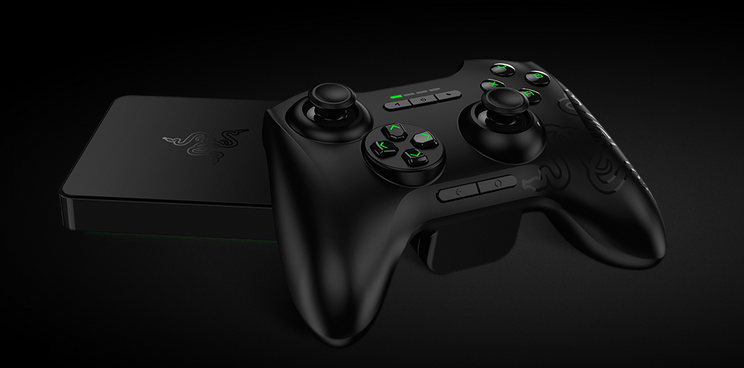
The one that tops the list is Forge TV by Razer that has won the People’s Choice Award for Best of CES 2015. It’s an Android-powered console for hardcore gamers. Its compact size brings gaming to your living room. The console is powered by a Snapdragon 805 processor, quad-core Krait 450 CPU, and Adreno 420 GPU. The device has 2 GB of RAM along with 16 GB of internal storage capacity and runs on Android 5.0 Lollipop.
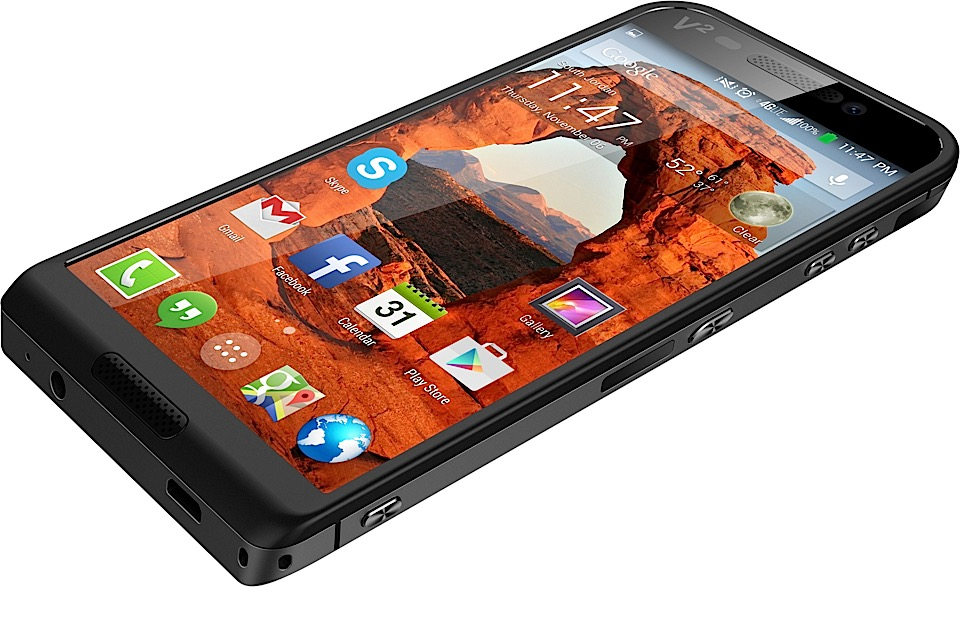
This one nearly broke the internet. Saygus took the centre stage at the event with its V2. The device has a mammoth storage capacity of 320 GB. It has 64 GB of in-built storage capacity and comes with support to two MicroSD cards that can store 128 GB each. The V2 is an Android-based handset with a 5-inch 1080p display, 2.5 GHz Snapdragon 801 quadcore processor and 3 GB of RAM. It runs on Android 4.4.4 KitKat with a 21 MP primary camera together with dual LED flash and a 13MP selfie snapper upfront.
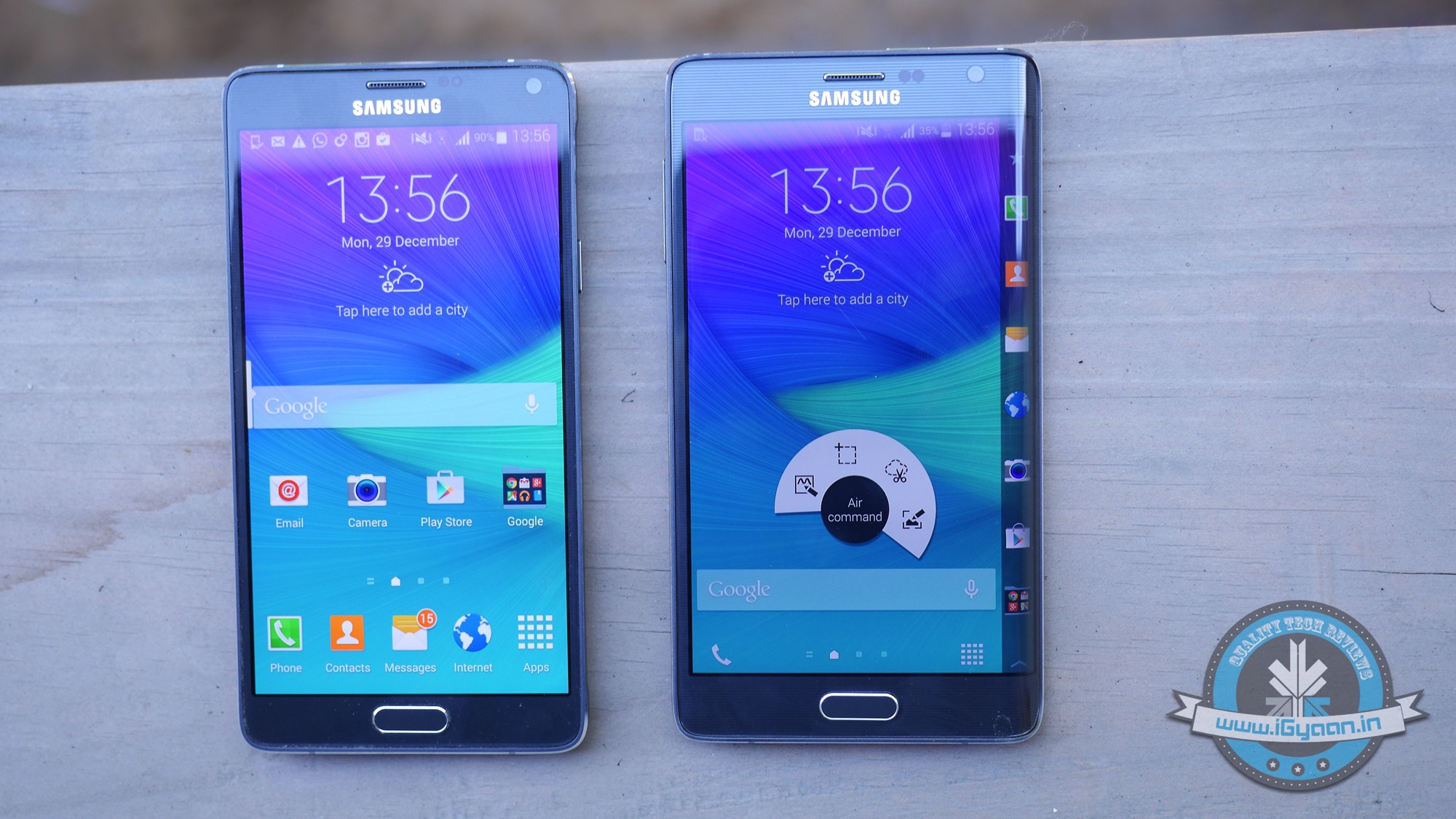
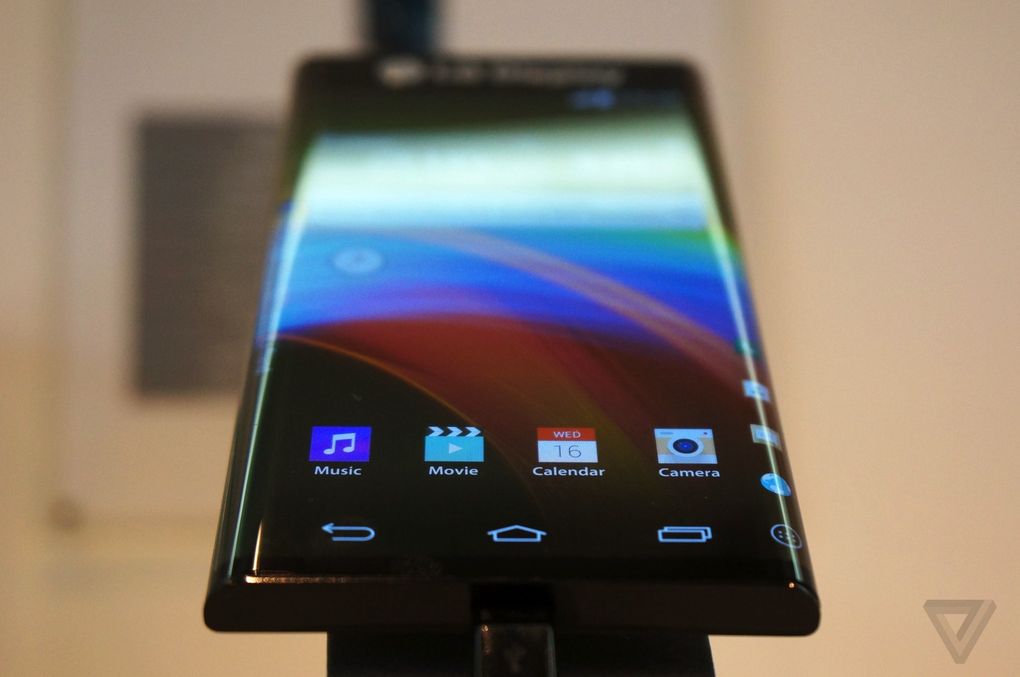
LG released a smartphone, which can takes a step further from the Galaxy Note Edge. LG’s new phone has a sloping display on both sides of the screen. It flaunts a 6-inch display with 1280x720p resolution and is 0.7 mm thick. It has extra peril on the side screen that will help users navigate their way through the phone without accidental tapping.
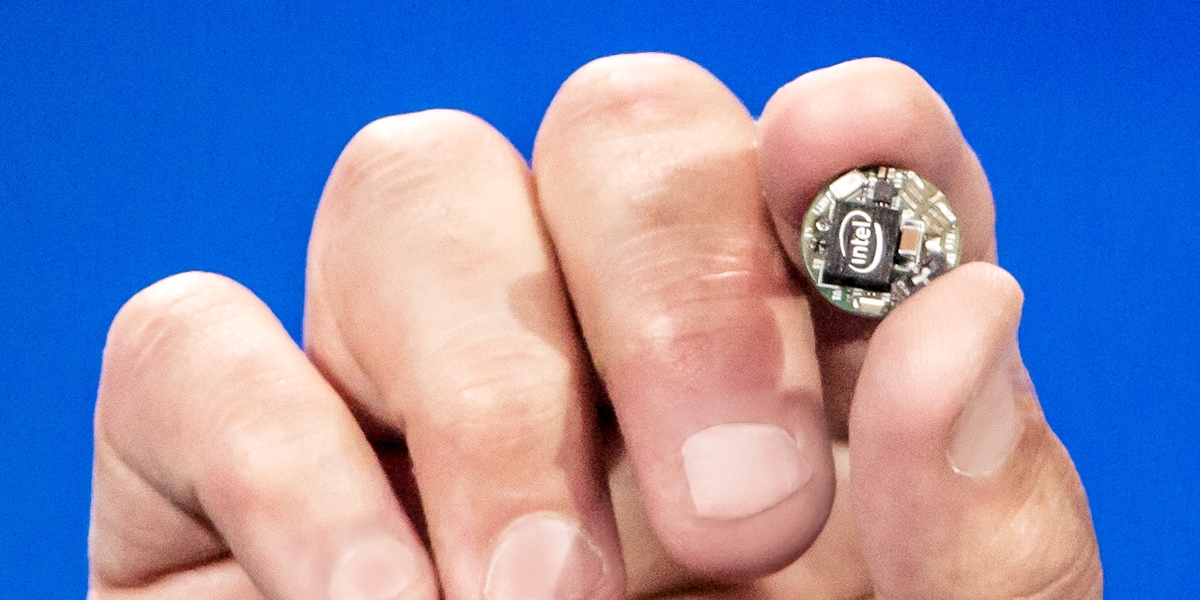
Intel announced a new tiny chipset for wearable devices which is the size of a coat button. It’s a low power 32-bit micro-controller called the Quark SE, which has 384 KB of flash memory and 80 KB SRAM. In addition to that, the chipset comprises a plethora of sensors including accelerometer, gyroscope and Bluetooth LE support. The company claimed that one could build a wearable device out of anything from rings to handbags, pendants and even glasses through this chip.
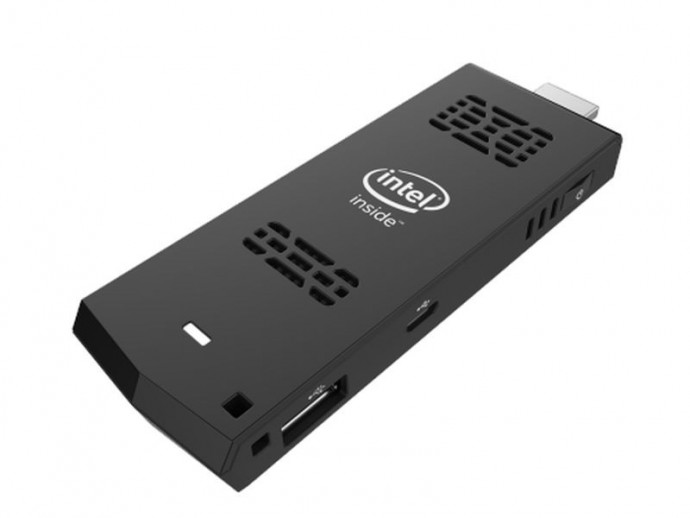
The Compute Stick by Intel is a piece of brilliant innovation. It can turn your regular TV into a computer. It is available in Windows and Linux variants. The stick sports a USB port, micro USB port, and supports Bluetooth 4.0, and 802.11b/g/n Wi-Fi. You can connect a Bluetooth keyboard and mouse and begin your task where ever you go. The Windows version comes with 2 GB RAM and 32 GB Flash storage, while the Linux version comes with 1 GB RAM and 8GB storage. Both the devices are powered by a quad-core Atom CPU. The Linux variant comes at a price of $89.
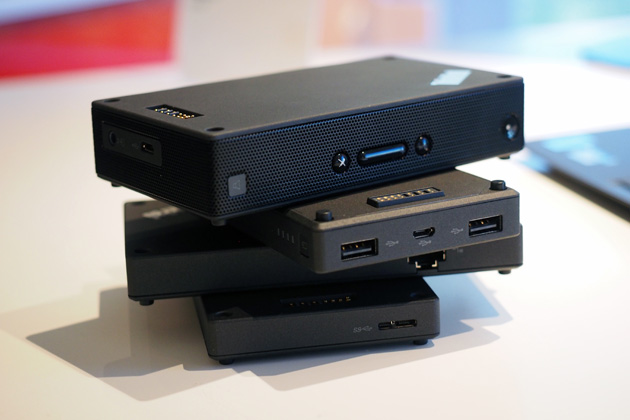
Lenovo ThinkPad Stack is yet another useful and compact accessory released at CES. This device is a compilation of many accessories that demand extra space in your laptop bag. It’s best for frequent commuters. The list of peripherals includes a 10,000mAh battery pack, a 1TB USB 3.0 hard drive, a Bluetooth speaker and an LTE data hotspot. The modules are piled one over another and they share power and data.
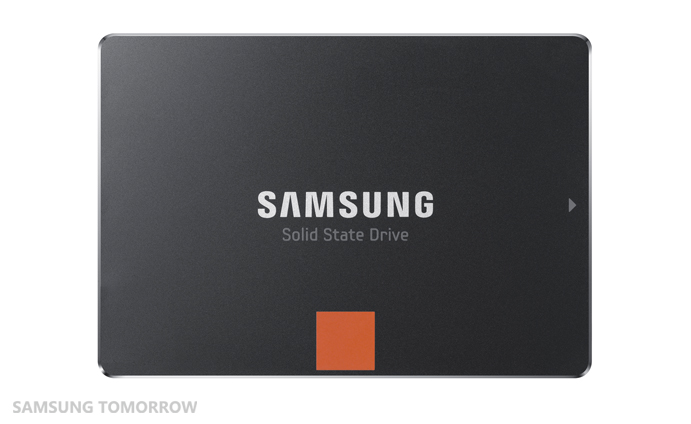
Samsung has released three new versions of SSD T1. Available in 250GB, 500GB and 1TB variants, the drives measure a mere 71×53.2×9.2 mm, which is smaller than a business card. It supports AES 256-bit encryption, USB 2.0 and USB 3.0 along with transfer speeds of up to 450MB/s. The SSD T1 models will be made available later this year.
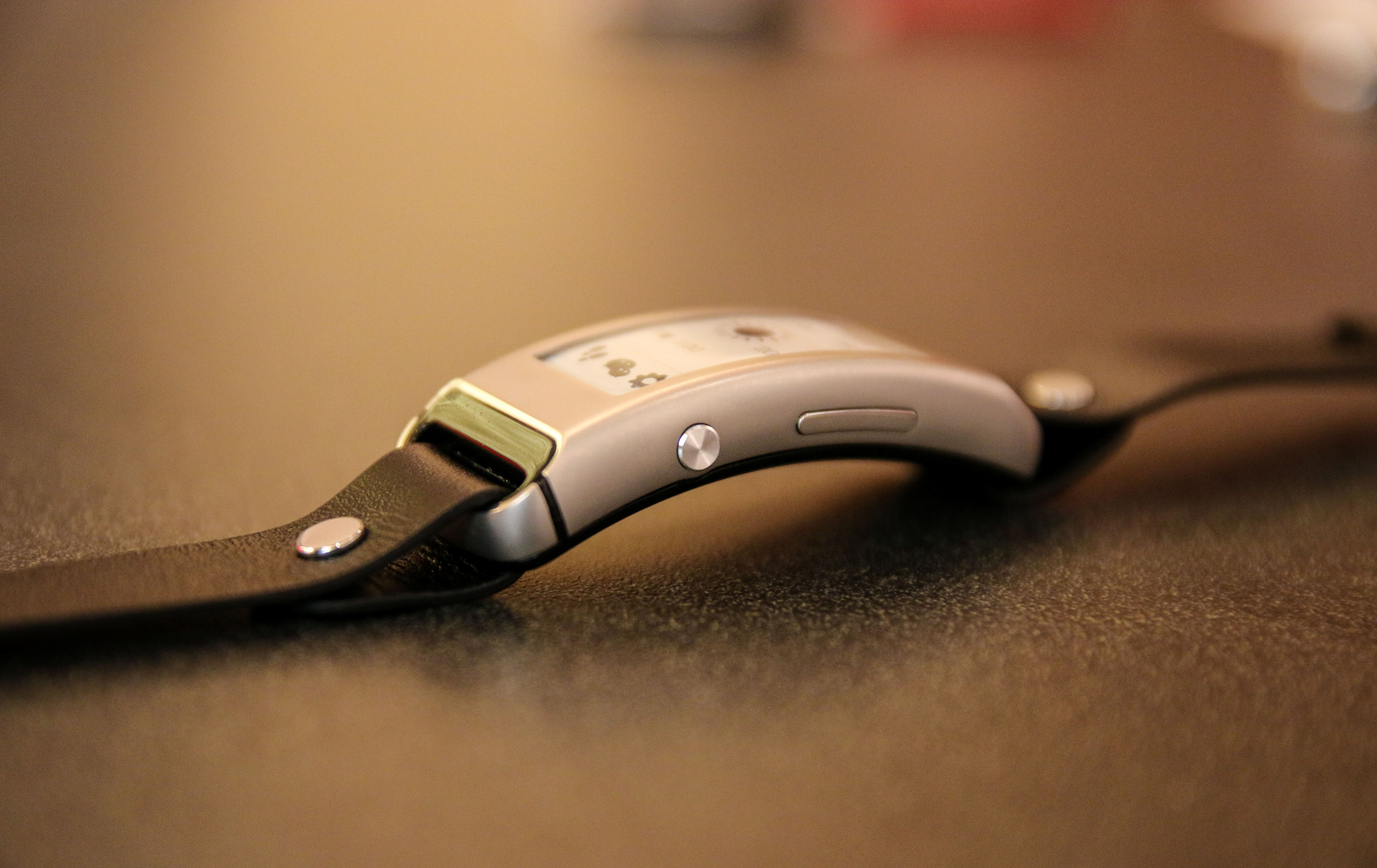
The VB10 Band by Lenovo is a fitness track with good battery life. It sports an E-ink display and its battery can last more than a week on a single charge. The Band features full fitness tracking functions and works with a phone via always-on Bluetooth. It warns you when the phone moves too far away from the Band. The Vibe Band will be available in April 2015 for $89, making it one of the cheaper wearables in the market.
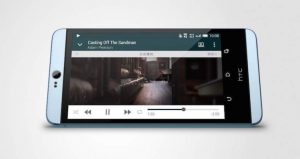
HTC Desire 826 with a 5.5-inch display, Qualcomm Snapdragon 615 octa-core processor and 2 GB RAM
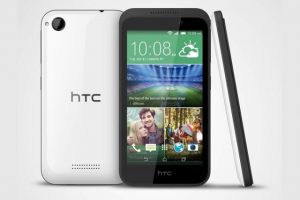
HTC Desire 320 with 4.5-inch LCD display and 1.3 GHz quad-core MediaTek processor.
Both the devices by the company are amazing. While Desire 826 is a selfie-friendly handset, the Desire 320 is a device that’s affordable. The Desire 826 sports a 5.5-inch 1080p display, 64-bit Qualcomm Snapdragon 615 octa-core processor, 2GB of RAM and 16 GB of internal storage capacity. Running on Android 5.0 Lollipop, the device has 13MP of rear camera and 4-UltraPixel upfront.
On the other hand, Desire 320 has a 4.5-inch LCD display, 1.3 GHz quad-core MediaTek processor, Android 4.4 KitKat, 4 GB or 8 GB internal storage and 2,100mAh battery. It has a 5 MP rear camera and 0.3MP secondary shooter.
Sony revived its music player with the launch of NW-ZX2 Walkman. It boasts 128 GB of storage space with up to 60 hours of battery life. The company claims that the device gives better sound output than other conventional smartphones. It supports high-quality audio codecs like DSD, WAV, AIFF, FLAC, Apple Lossless, and more. The Walkman also provides you with a Micro SD slot which lets you extend the storage beyond 128 GB. It also supports Bluetooth and NFC output, making this a full-package entertainment device.
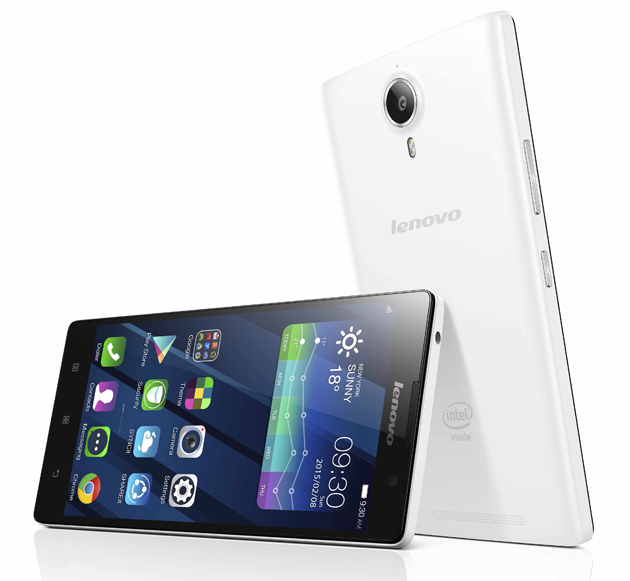
Lenovo refreshed its smartphone list with two new devices; the Lenovo P90 and Vibe X2 Pro. The first sports a 5.5-inch 1920×1080 IPS display, 2 GB of RAM, 32 GB of internal storage, 13 MP rear camera with OIS (optical image stabilization), front-facing 5 MP camera and a massive 4,000mAh battery. The latter is a limited edition offering by the company. The X2 Pro comes with a 5.3-inch display, a 64-bit 1.5GHz Snapdragon octa-core processor, a 13MP rear camera with optical image stabilisation along with a matching 13MP front facing camera.
LG brought out the next installment in the G Flex series, the LG G Flex 2. It retrieves its original position in seconds compared to the original G Flex which takes around three minutes to heal. The device boasts a 5.5-inch full HD Curved P-OLED 1920×1080p display, a 64-bit Snapdragon 810 Octa-core processor, 2 GB of RAM and Android 5.0 Lollipop. Its camera specs include a 13MP rear shooter along with OIS+ and laser auto focus capacity and a 2.1MP front snapper for your selfie needs.
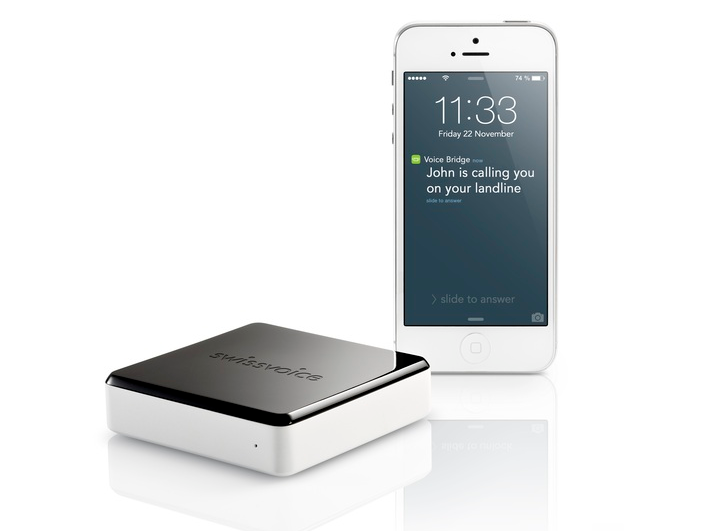
SwissVoice came up with a new device called Voice Bridge, through which you can make and receive calls on their mobile devices using their existing fixed line. This doesn’t charge any additional cost. The device has a box-like structure that can connect your landlines to smartphones and tablets. It can connect up to 5 devices to a fixed line. Through this, multiple users can have a conversation in conference mode. The device uses PSTN line and acts like a standard PSTN line, so there’s no need to modify the home setup. There is no need for Wi-Fi pairing or setting up a user account and also, it’s really easy to setup.
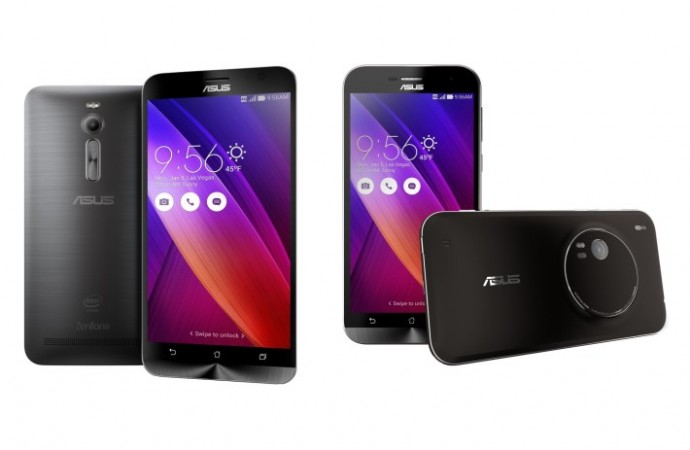
The Taiwanese smartphone maker Asus released two new variants at the show. The Zenfone 2 flaunts a 5.5-inch full HD (1920×1080 pixels) IPS display, 64-bit Atom Z3580 quad-core processor clocked at 2.3GHz, 4GB of RAM, Android 5.0 Lollipop and a 3,000mAh battery. It features 13 MP of primary camera, which is said to be the world’s best HDR technology and a 5MP of front snapper.
The Zenfone Zoom packs the same set of specs as of Zenfone 2, but it has a superior camera. The Zoom sports a 13MP camera that has 10-element lens, 3X optical zoom, and Optical Image Stabilisation.
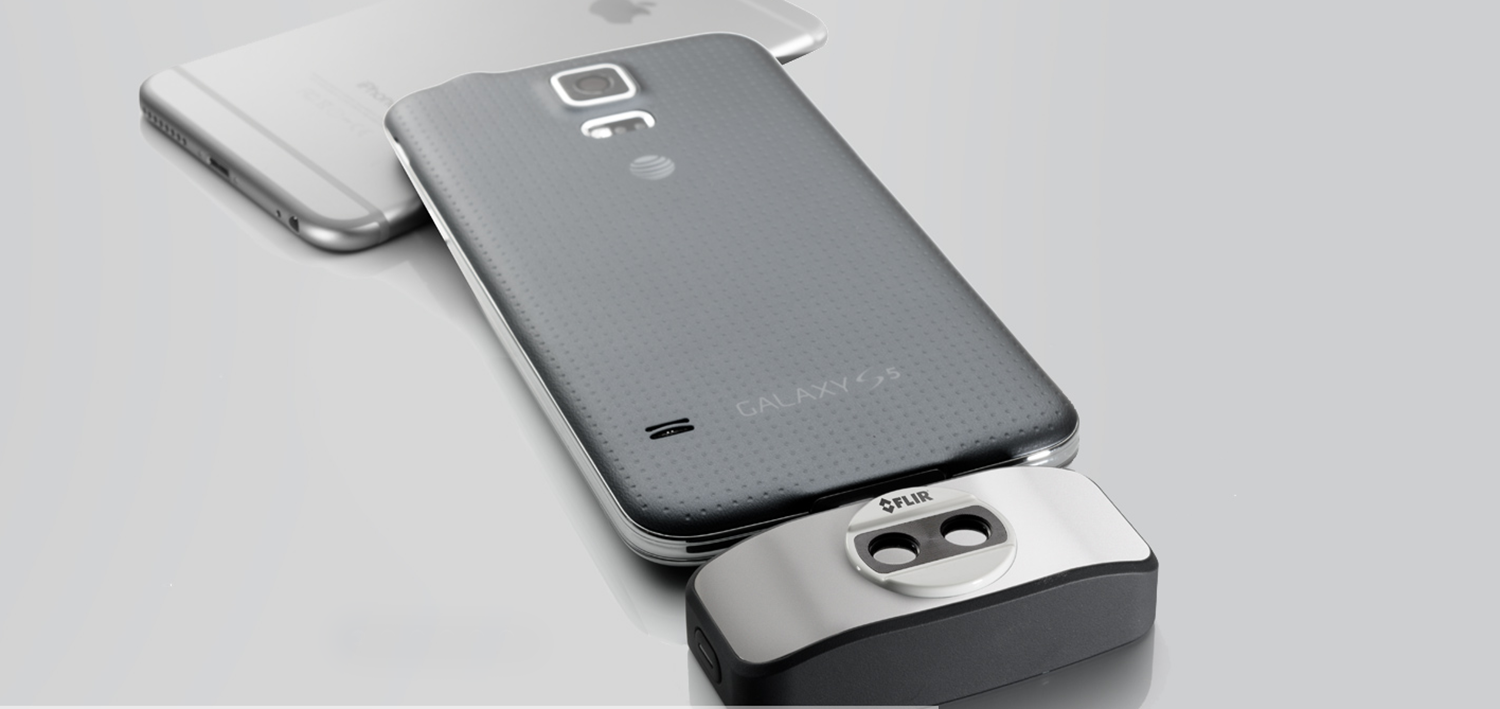
FLIR specialises in making thermal image sensors. Now the company has come up with a gadget that works with just about any smartphone. Titled FLIR One, the attachment can be plugged into a lighting port for Apple devices and the micro USB port for the Android devices. The device comes with two cameras and an internal battery. One camera called Lepton camera shoots thermal images while a standard camera shoots a normal image. Both the images are blended together to give a better thermal image output. The FLIR One is expected to come into the market by the mid-2015.