Author: Mukund Krishna Kumar

  • Xiaomi Redmi Note 6 Pro’s First Sale Today At Special Black Friday Price

    Xiaomi Redmi Note 6 Pro’s First Sale Today At Special Black Friday Price

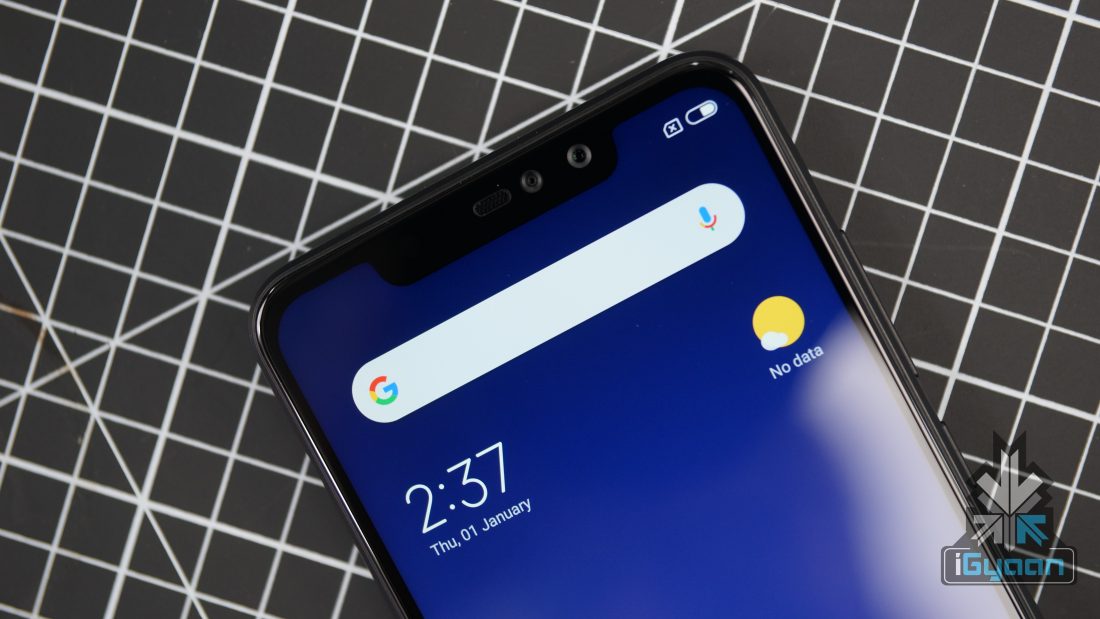
    The Xiaomi Redmi Note 6 Pro has been launched in India at an event held in New Delhi. It is the successor to the popular Redmi Note 5 Pro and is the latest in Xiaomi’s Redmi Note series. The Note Series is known for bringing some of the most attractive features in a budget. These include a large display, massive battery and the latest in technology. The company also announced that the phone will have its first sale today at 12 PM. The first sale also includes special Black Friday deals for the phone, which will not be available on other days. 

    Click here to buy the Redmi Note 6 Pro

    Black Friday Deals

    Xiaomi has announced the Redmi Note 6 Pro at a price of Rs 13,999 for its 4 GB + 64 GB variant and Rs 15,999 for its 6 GB + 64 GB variant. But the company has announced a special Black Friday price for the phone as well. For today’s sale, the phone will be available at a price of Rs 12,999 for the 4 GB + 64 GB variant and Rs 14,999 for the 6 GB + 64 GB variant. Additionally, HDFC card holders will get an instant cash back of Rs 500. This makes the effective starting price for the device Rs 12,500. 

    As mentioned before, the sale starts at 12 PM today and the phone will be available on Flipkart and Mi.com.

    Redmi Note 6 Pro Specs

    The Xiaomi Redmi Note 6 Pro has  a 6.26 inch FHD+ display with a notch. It runs on the Qualcomm Snapdragon 636 SoC and has 4 GB and 6 GB RAM options. Both these variants have 64 GB of internal storage, which can be expanded up to 256 GB using a microSD card. It has a 12 MP + 5 MP dual rear camera and a 20 MP + 2 MP dual front camera. The phone packs a 4,000 mAh battery and runs Android 9 Pie based MIUI 10 out of the box. You can read about the Redmi Note 6 Pro in detail by clicking here.

    Click here to buy the Redmi Note 6 Pro

  • Samsung Galaxy S10’s Screen Protector Hints At Possible Bezel-Less Display

    Samsung Galaxy S10’s Screen Protector Hints At Possible Bezel-Less Display

    Bezel-less displays have been all the rage ever since the infamous notch has been introduced. Smartphone manufacturers have been looking for ways to decrease the screen-to-body-ratios on their devices. A few companies introduced pop-up cameras, some shifted the front camera to the chin and the latest trend has been of the sliding camera panels. But, Samsung has never committed to any of these trends and maintained a very traditional look across all its smartphones. However, the South Korean giant is now looking to change that with the introduction of its new style of displays and the Galaxy S10.

    The Infinity DisplaysSamsung Galaxy S10

    Samsung has recently shown off a set of displays. These include an Infinity V, an Infinity U and an Infinity O display. The Infinity U and Infinity V are pretty similar to the water-drop notch and house the front camera in a U and V shaped notch respectively. The Infinity O design has a unique, camera cut-out in the display. More interestingly, the camera cut-out might not even be in the centre of the display. This could be a possibility as shown by renders of the Galaxy A8s.

    The Samsung Galaxy S10 is however, expected to be totally different. Multiple reports speak of only one thing, a totally bezel-less screen. This means it won’t have a V notch, U notch or even a camera cut-out. A recent Samsung patent had shown off plans for an in-display camera, which at this point of time is the only way to achieve this. While the company has not made any official announcement about the use of this technology, it is expected that the upcoming flagship will carry it.

    Also ReadRealme U1 Benchmark Score Blows Competition Away

    Strengthening this claim, are the latest leaks surrounding the Galaxy S10. These are of alleged screen protectors of the device. As expected, the screen protectors do not have any cut-outs or space for any notch. These screen protectors do give us hope that the upcoming Samsung flagship will actually be the pinnacle of innovation and will bring something new to the smartphone market.

    You can read all about the Galaxy S10 by clicking here.

  • Google Starts Rolling Out Duplex Service For Select Pixel Devices

    Google Starts Rolling Out Duplex Service For Select Pixel Devices

    Earlier this year, Google demonstrated various abilities of the Google Assistant at its developer conference. One of these, was the Duplex service. The Duplex service consists of an AI bot which calls up restaurants and salons, to book you appointments and make reservations for you. Although the idea seemed a bit far fetched at the point, the demo by Google really put everyone’s doubts to rest. And now, the service is rolling out to select Pixel devices in the US.

    What’s Duplex

    The Duplex service by Google was created in order to bridge the gap between those services which are listed online and those which are not. Google stated that more than 60 percent of businesses do not have an online booking service, which would mean that Google Assistant cannot make those appointments for you. Instead, Duplex will set up an appointment by actually calling up the service.

    The demo demonstrated by Google was both awesome and scary at the same time. With Duplex perfectly interacting with the human on the other end of the line and successfully booking an appointment, it seems like something out of a sci-fi movie. Not only does this tell us about the immense capabilities that AI has, but it also demonstrates as to how far technology can reach into our lives. 

    However, the service is not as easy to use as it sounds. First, you need to ask your Google Assistant to make a reservation for you at a specific restaurant. If you do not have a specific place in mind, you need to narrow it down by talking about the locality or cuisine you would like. It will then confirm a few more details such as the number of people, date and time and then go ahead to make the call. It will then continue to make the booking which you can view or cancel from the ‘My Reservations’ screen.

    The AI Future

    While this does sound ideal, and Google’s demo was also a bit dreamy, a video by VentureBeat shows that it is far more tedious. The service takes a good amount of time to gather information from you and you might as well make the call yourself in that much time.

    Also ReadChromecast Now Syncs With Google Home Speakers For Multi-Room Playback

    It will be interesting to see how many people actually find this useful and whether it picks up in terms of popularity. Another AI based service from Google, that of ‘call screening’ seems to be more practical than this. Call Screening lets you chose an option for the phone to ‘talk’ to someone who is calling you and presents that information on your screen. This will let you know who is calling in busy situations or help you avoid telemarketers.


  • LG Registers Trademark For Three Foldable Phones

    LG Registers Trademark For Three Foldable Phones

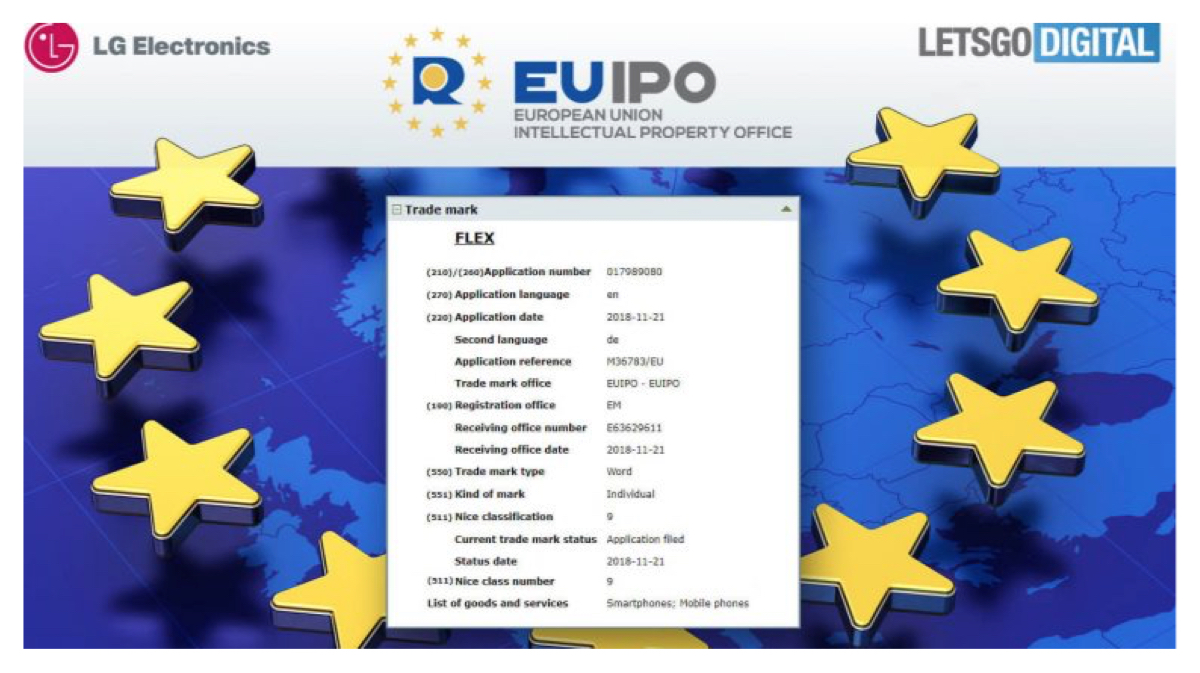
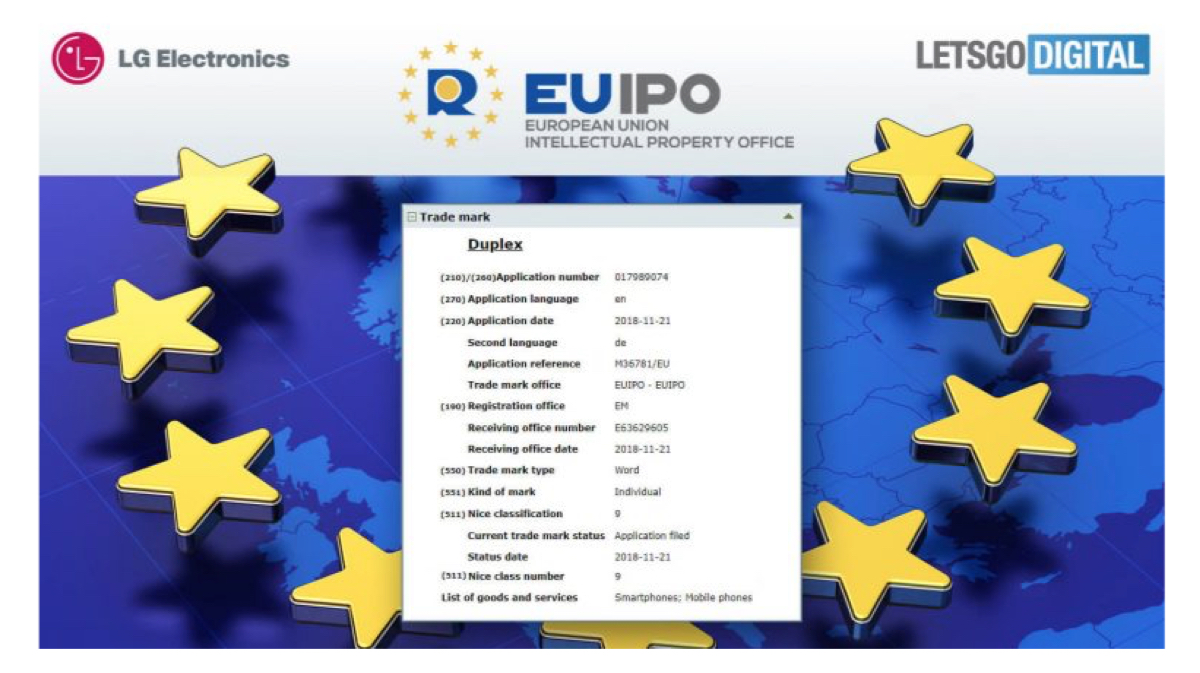
    With the race to launch foldable smartphones underway, LG has also made its first definitive move to join the same. Earlier, a Chinese company, Rouyu had revealed its folding smartphone and Samsung announced its folding phone earlier this month. Now, LG has requested trademarks for three names, which are Flex, Foldi and Duplex. From the names, it is obvious that these belong to foldable phones and nothing else.

    Folding Smartphones

    Reports about LG showcasing its folding phone at the upcoming CES 2019 and been doing rounds for a long time. Finally, it seems like this device from LG will become a reality as the company has applied for these trademarks. This was done at the European Union Intellectual Property Office. What is more noteworthy is the fact that the application also includes the fact that the devices fall under Class 9. Class 9 also includes smartphones and is different from the ‘display for smartphones’ category. A display for smartphones category would have meant that this is just a prototype for a display, but Class 9 confirmed the fact that this is intact for a smartphone.

    While the company has applied for trademarks for three names, it is still not clear whether they are working on three devices. It is a high possibility that they are just developing a single phone and will choose out of the three names in the end.

    Earlier, patents for the foldable phones from LG had popped up, each showing different design. This included a device with a double display. The double display smartphone could be the ‘Duplex’ mentioned before. On the other hand, Flex and Foldi seem like names that would be used for a folding smartphone. Whether they are two different devices or just options to name the same devices, will be seen.

    Also Read : Redmi Note 6 Pro With Dual Front Cameras Launched In India

    LG’s addition to the folding phone race makes it even more exciting. Recently, Android had announced support for folding displays through its new UI. All these new innovations have us all excited about the future of mobile technology.

  • Samsung Galaxy A8s Renders Show Infinity O Display

    Samsung Galaxy A8s Renders Show Infinity O Display

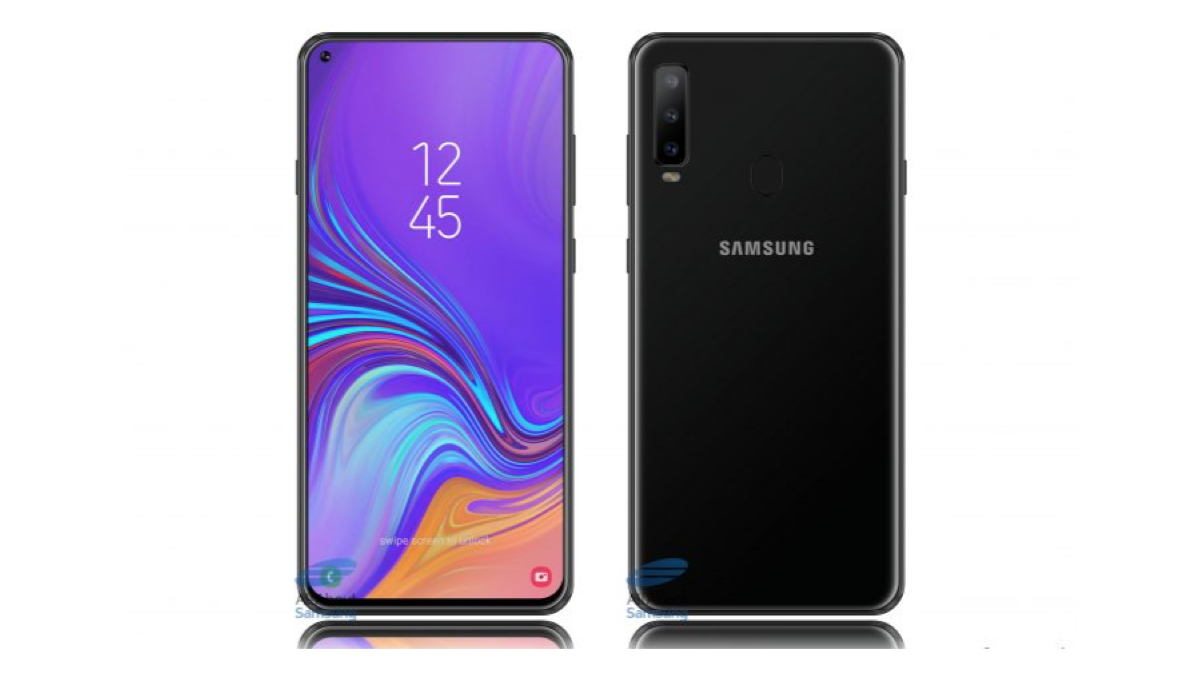
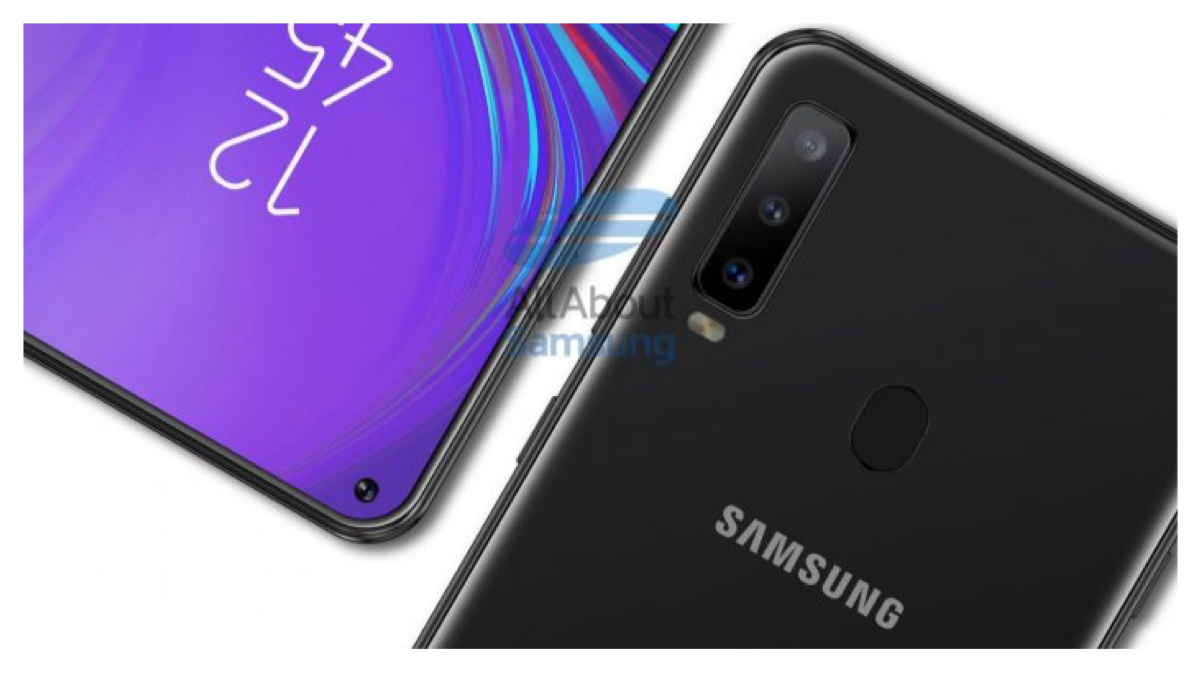
    At the launch of the Galaxy A6s and the Galaxy A9s a few weeks back, Samsung had also shown-off an exciting new smartphone. A glimpse of the Galaxy A8s was seen, and the phone bears an almost bezel-less display. This was without any notches, sliders or pop-up cameras. It was later revealed that this is the new Infinity O display by Samsung and it features a camera cut-out. Now, AllAboutSamsung has developed a few renders to give us a better look at what the smartphone will look like.

    Infinity O

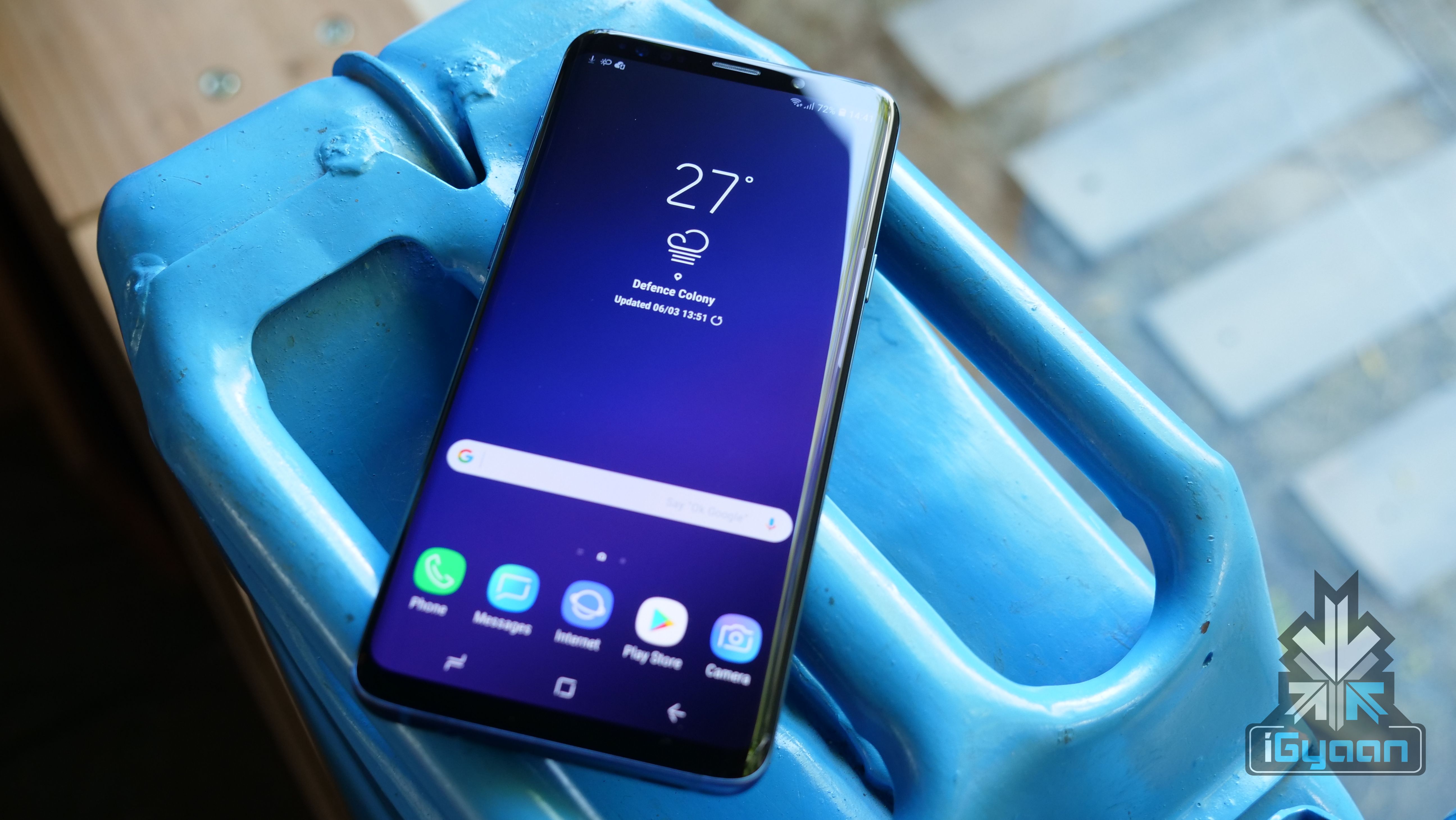
    Right off the bat, we can see that the design features a camera cut-out on the display. It has extremely thin bezels, with those on the top almost reaching the edge. The bottom chin is slightly thicker when compared to the top bezels, but it seems to be similar to what we see on the Galaxy S9.

    The camera cut-out is placed off-centre, on the right-top side of the phone. This is an unconventional position for the front camera and might bring with itself some issues. For example, people might have to get used to clicking selfies with a camera sensor that is not positioned in the middle. While this is not such a major issue, doing so every time can be irritating. Again, it is possible that Samsung has worked its way around this issue and has introduced some software or hardware improvements to ensure this does not happen. 

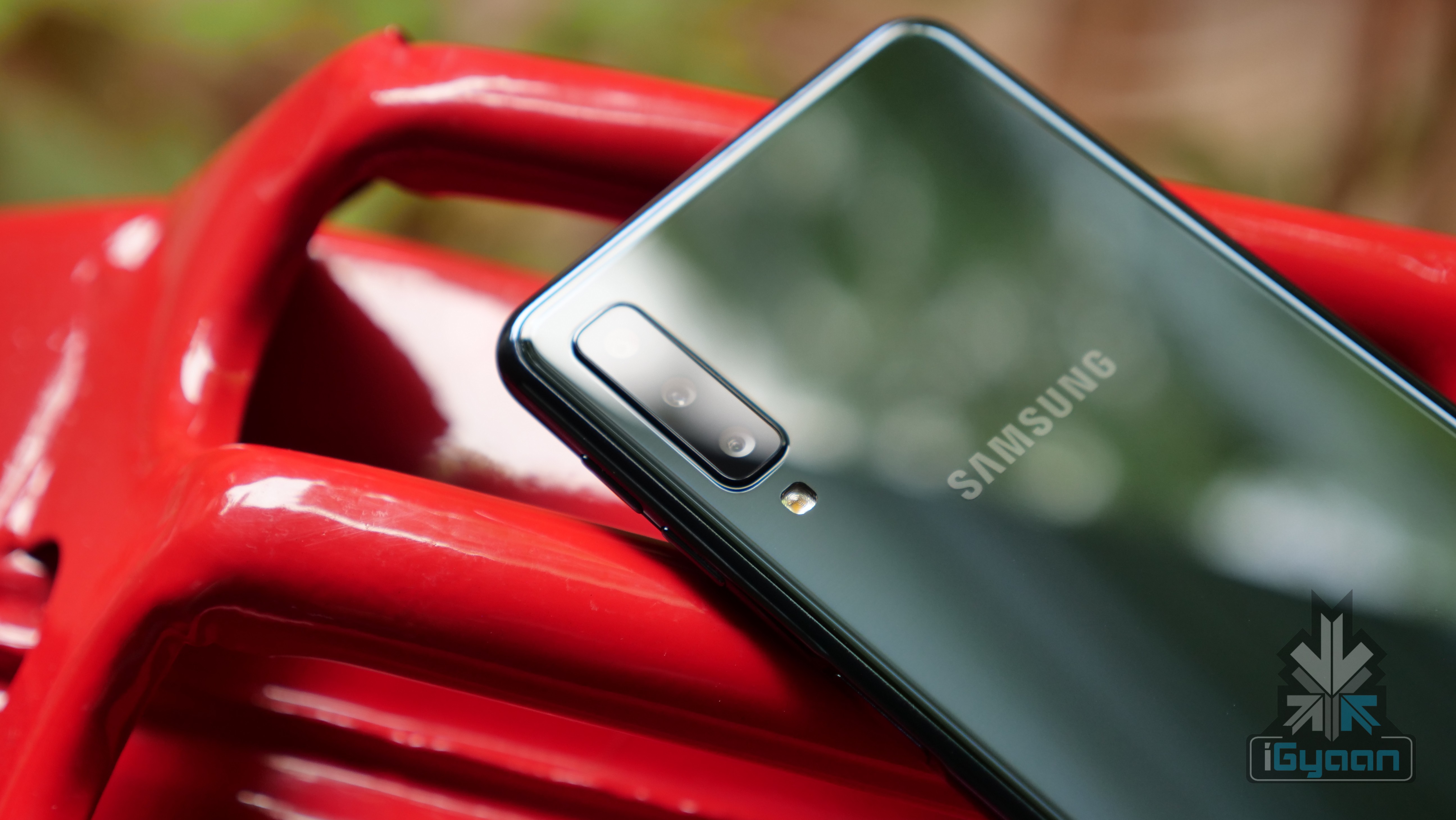
    Other than the camera cut-out, the phone is pretty much consistent with Samsung’s regular design language. It sports a triple camera setup at the back, much like the Galaxy A7. The fingerprint sensor is bit different, with a more elliptical shape, rather than a rectangular sensor. Sources also claim that the phone will be available in Gradient colours, like the Galaxy A9.

    Also ReadHuawei Mate 20 Pro To Launch In India On November 27

    The camera cut-out sure looks unique, to say the least. But this does quash any dreams about the in-display camera technology that Samsung was developing. However, it is possible that we may say this technology on the upcoming Galaxy S10. However, all will be known as we get closer to the launch of the Galaxy A8s, which is reported to be in January 2019.

  • Google Pixel 3 XL Running Android Q Spotted On Geekbench

    Google Pixel 3 XL Running Android Q Spotted On Geekbench

    With the smartphone cycle for 2018 almost coming to an end, all that we can look forward to as of now is software updates. Possibly the biggest software update in the mobile industry is that of the Android OS. Each year, users wait for the lates version of their beloved OS to see what changes it brings. And now, a Google Pixel 3 XL running on Android Q has been spotted on Geekbench.

    Android  Pie was announced back in June this year and starting rolling out to devices only around October. Even almost a month after the rollout started, few devices run the latest Android version. In fact, most of the new phones do not run Android 9 Pie out of the box, which is also very surprising. 

    Geekbench Scores

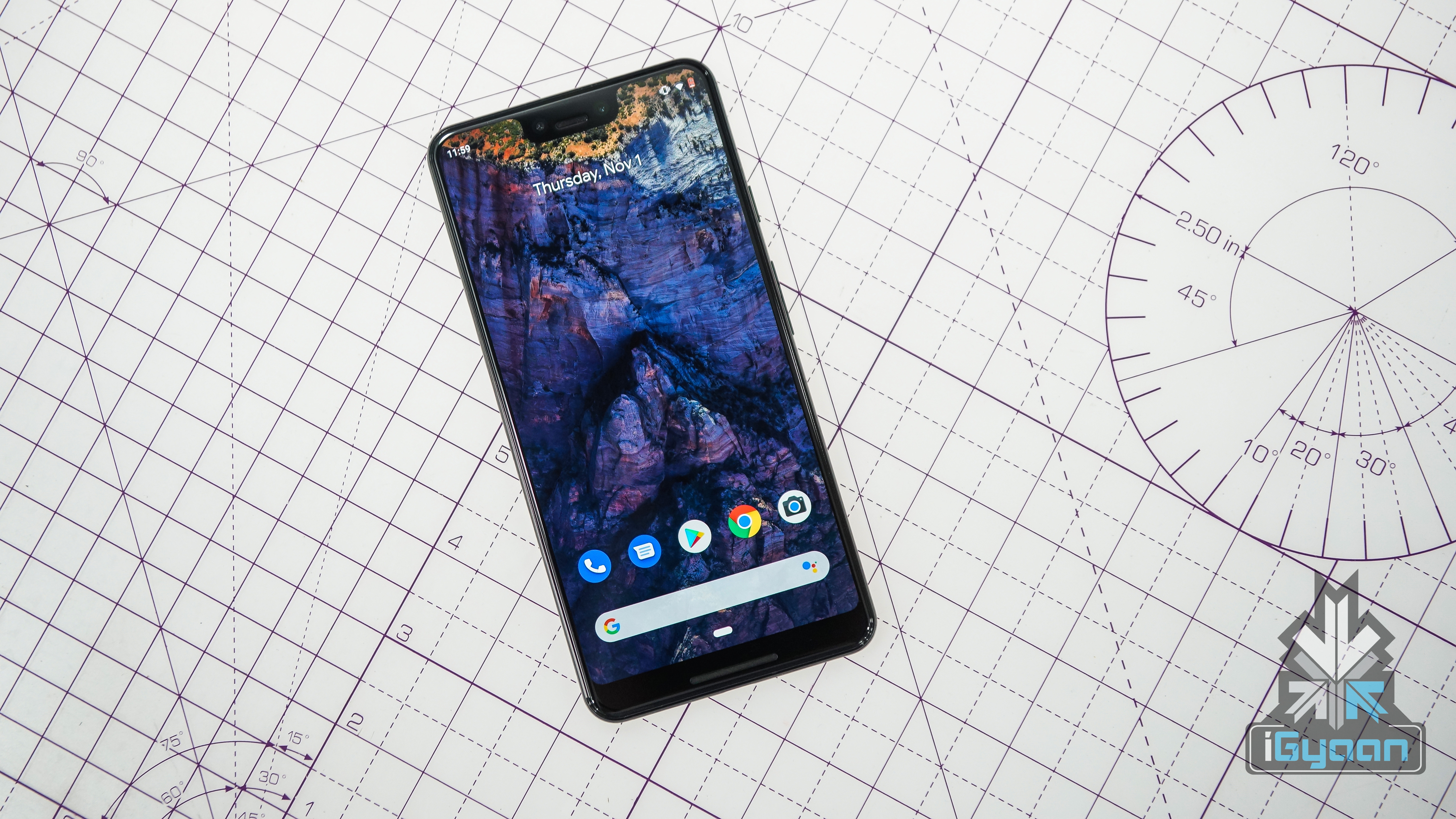
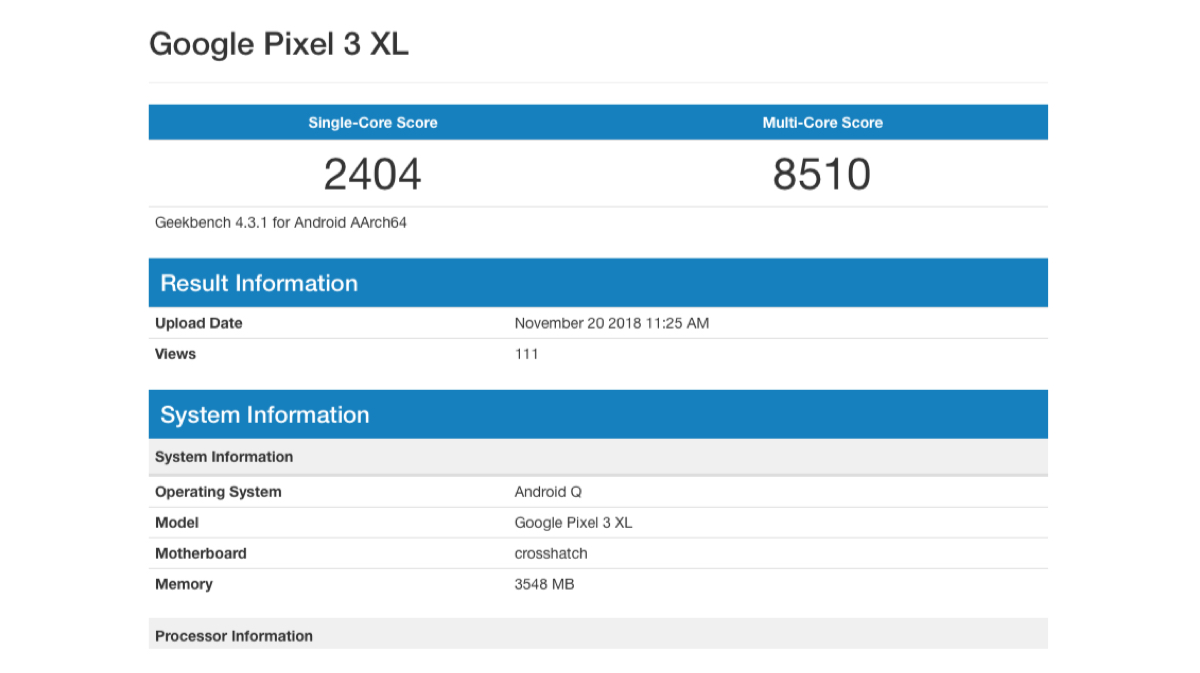
    The Geekbench listing revealed that a Google Pixel 3 XL device is being tested. Running the latest Android Q version with other regular specs. These include the Qualcomm Snapdragon 845 SoC and 4 GB of RAM. The device has a single core score of 2404 and a multi core score of 8510, which is a slight improvement over the scores with the previous OS.

    While nothing more about the OS is known as of now, it is expected that users with devices that were shipped with Android Pie will receive the update first. Reports also say that Google is considering letting users test Android Q before its Android Open Source Project release.

    Also Read: Huawei Mate 20 Pro To Launch In India On November 27

    This means that this version will not have any additional features which are meant for specific devices. Therefore, users will be able to use the OS as it is, and give better feedback. This also falls under the umbrella of project Treble which had promised access to future versions of Android.

  • Huawei Mate 20 Pro To Launch In India On November 27

    Huawei Mate 20 Pro To Launch In India On November 27

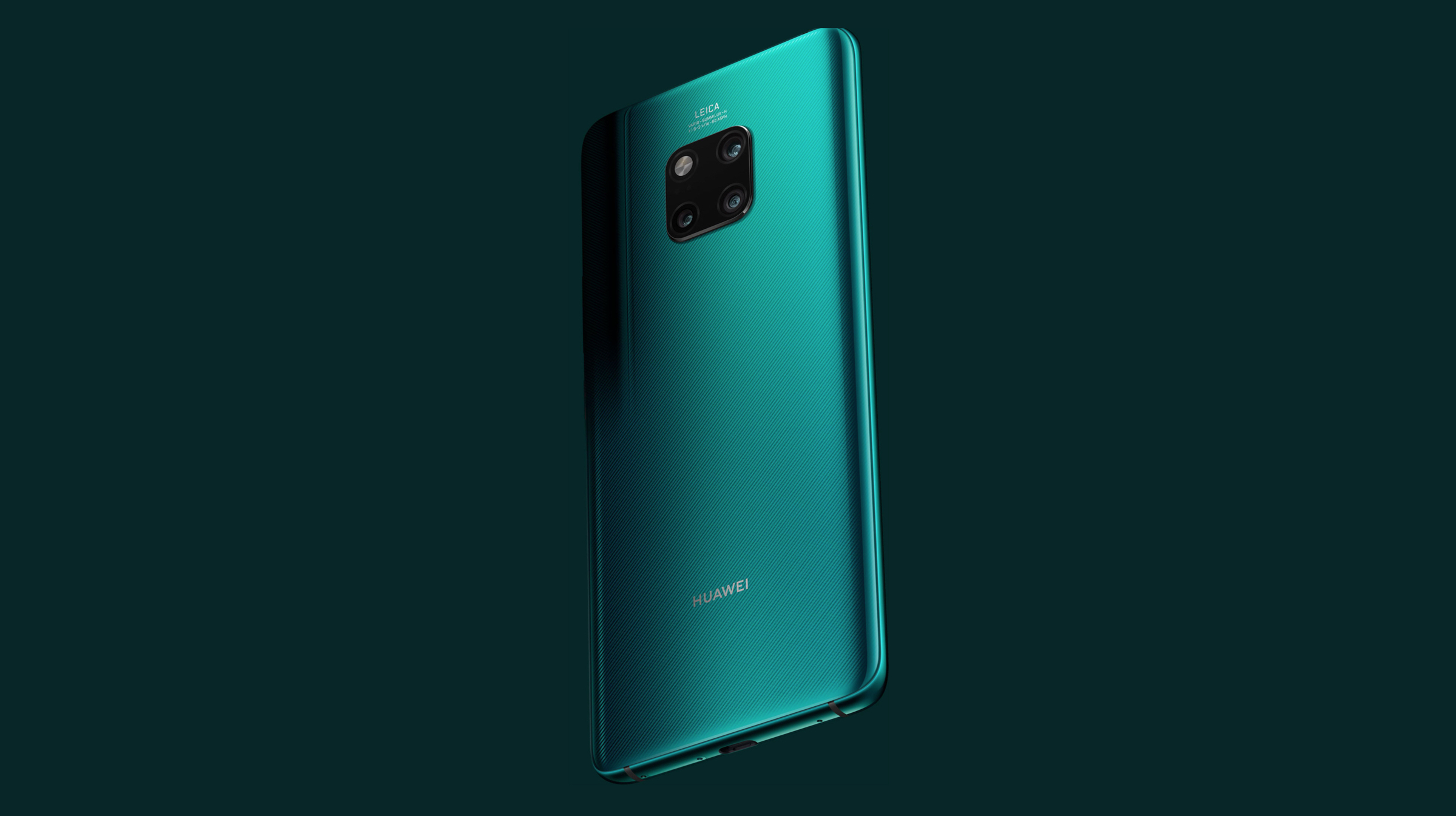
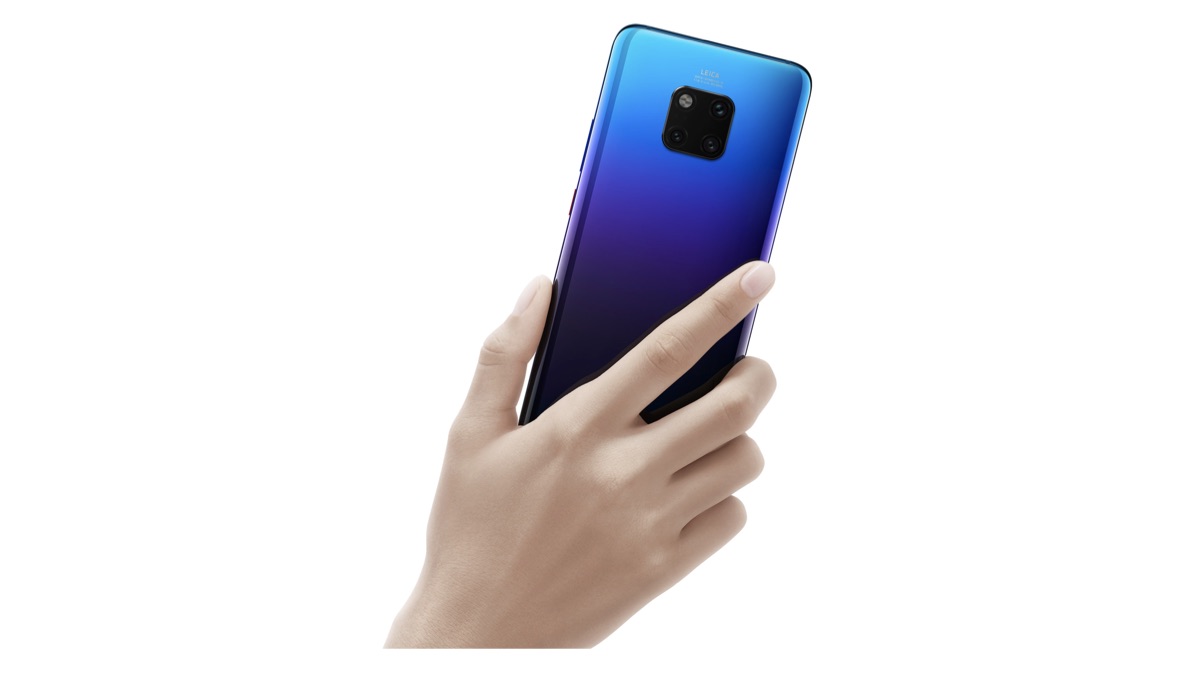
    The Huawei Mate 20 Pro was launched in an event held by the company last month. The event also saw the launch of the Mate 20 and the Mate 20 X. Along with this, the company launched the Huawei Watch GT. Now, after what seems to be a long wait, the devices are finally heading to India. Invites reading “A Higher Intelligence Is Coming” have been sent out. The text is accompanied by an image of the unique triple camera setup on the Mate 20 Pro. The invite details the launch of the device on 27th November. 

    While it is not clear as to what all products will see their launch at the event, we can be sure that the Mate 20 Pro will be one of them. Being the flagship phone of the company, whose sub-brand Honor is already raking up a lot of sales in India, the Mate 20 Pro will probably see an aggressive campaign in India. Judging by the pricing at the launch, the Indian price will start somewhere around the Rs 85,000 mark.

    Huawei Mate 20 Pro Specs

    The Huawei Mate 20 Pro has a 6.39 inch curved OLED display. It has a 3120 x 1440 px resolution and a 538 ppi pixel density. The display sports a notch and has Corning Gorilla Glass for protection against falls and scratches. The phone is also available along with an underwater case, which can be fitted to use the phone for underwater photography. 

    The highlight of the phone is the newly introduced Hisilicon Kirin 980 chipset. This is the first Android chipset to be built using the 7 nm process. The only other mobile chipset made from this process is Apple’s A12 Bionic, which powers its latest phones. Qualcomm is also set to launch a 7nm chipset soon. The 7nm process of manufacturing ensures that more transistors can be fitted into a smaller area, ensuring better performance and lower battery consumption. The phone also has Dual NPUs for AI integration in the camera and other apps. 

    Camera Performance

    The camera is another interesting part of the phone. Huawei has made the camera setup in collaboration with Leica and the results show. The Mate 20 Pro has one of the best camera performance of all the smartphones out there. It has a 40 MP f/1.8 wide lens along with a 20 MP ultra-wide and an 8 MP telephoto lens. These give it a wide range, even in terms of ISO, with values ranging up to 102,400. It also has macro capability, and can shoot objects as close as 2.5cm. 

    Under the hood, it packs a 4,200 mAh battery with fast charging and wireless charging capabilities. Another great feature on the phone is the ‘Reverse Wireless’ charging. With this, you can use the Mate 20 Pro to charge another wireless charging enables smartphone. The Mate 20 Pro also has an in-display fingerprint sensor and 3D Face Unlock along with an IR flood illuminator.

    Also ReadGoogle Pixel 3 Lite Camera Samples Posted Before Official Launch

    Price And Availability

    The Huawei Mate 20 Pro was launched in London at EUR 1049 for its 6 GB RAM and 128 GB storage variant. This roughly translates to Rs 85,000. The Indian pricing of the device is still now known and will be unveiled at its launch in India which will be held on 27th November.

    You can read all about the Mate 20 Pro here.


  • Google Starts Rolling Out Its Neighbourly App Across India

    Google Starts Rolling Out Its Neighbourly App Across India

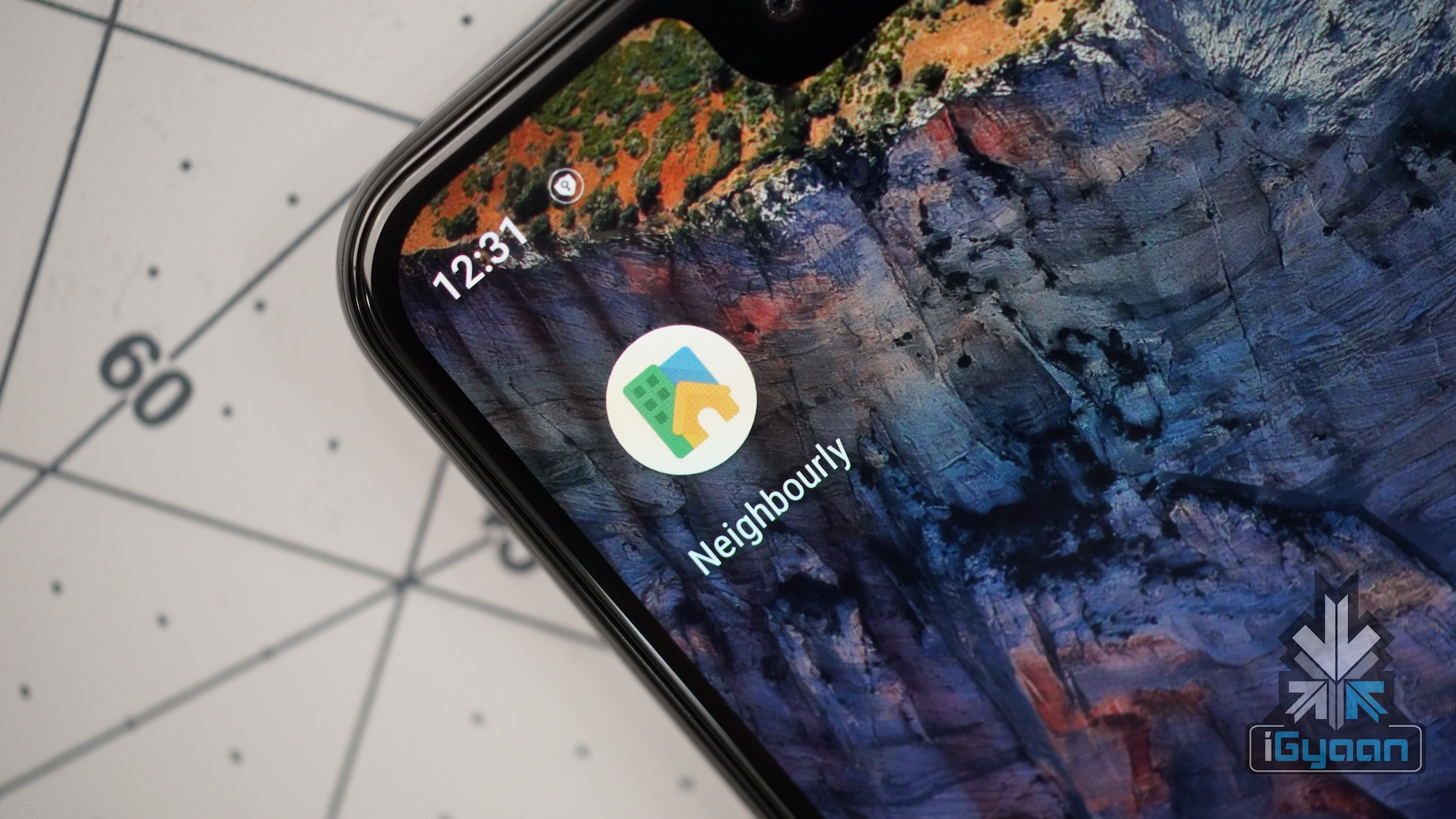
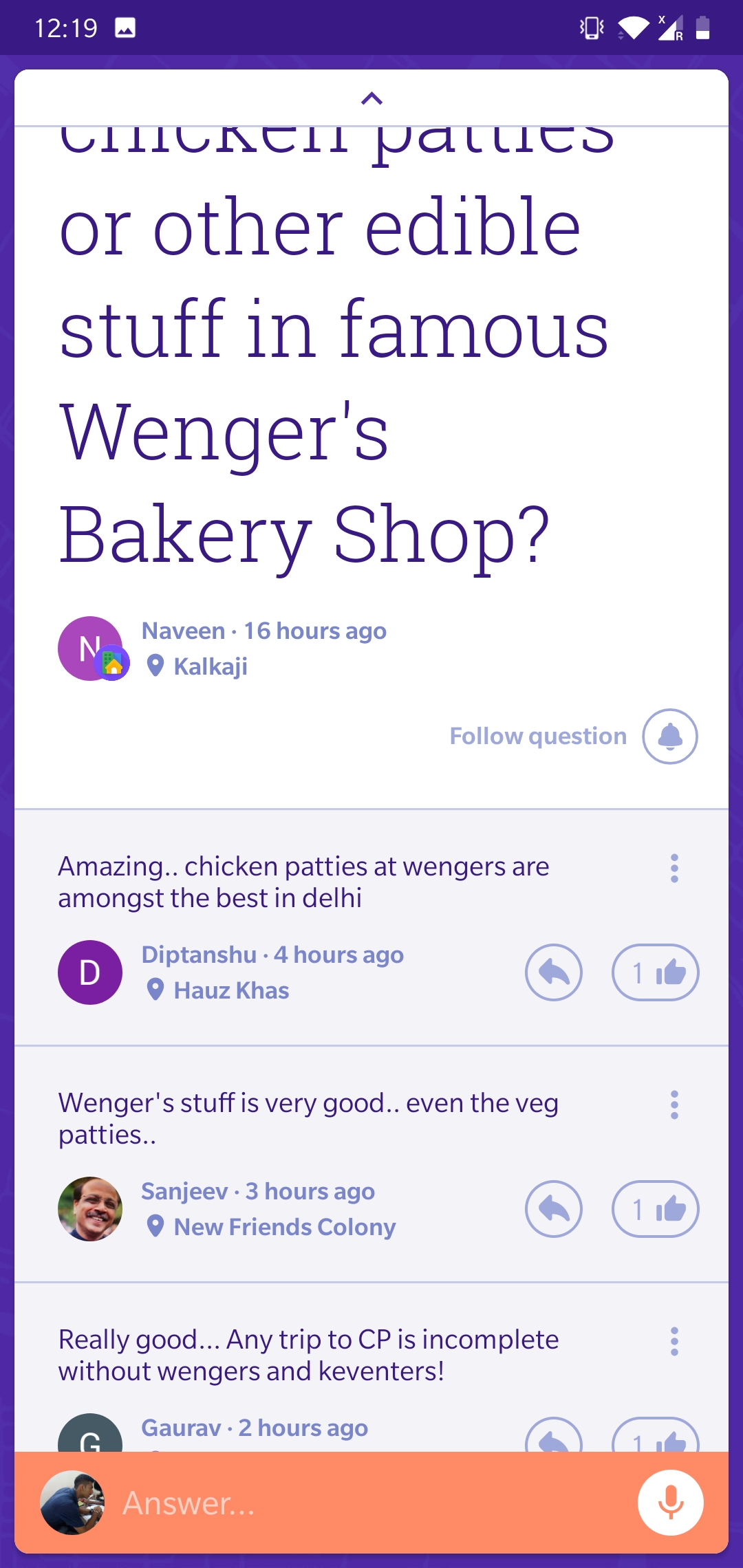
    The Neighbourly App by Google is meant to make your life easier, by just answering your questions. The app lets you post any question you would have, which would then be answered by people living in your locality. These could include questions regarding a good eating joint, a super market or guitar classes. Earlier, the app was only available in select cities, but now Google has started rolling out the app across India.

    The Rollout

    The neighbourly app was first introduced in Mumbai in May this year. Google then expanded it to cities such as Jaipur, Ahmedabad, Coimbatore and Mysore. By the start of this month, the app had more than 1.5 million downloads on the Play Store and had almost half a million people on the waitlist. Now, the app is being rolled out to all cities across India, starting with Delhi and Bengaluru, since these two cities topped the number of users on the waiting list.

    The Neighbourly app is Google’s way of bridging the ‘hyper-local’ information gap. Even with most of the services and providers listing themselves on Google or being listed, it is still difficult to find things specific to a certain need. This might include things like where one could find good books for a certain subject and the quality of food at a restaurant and its service.

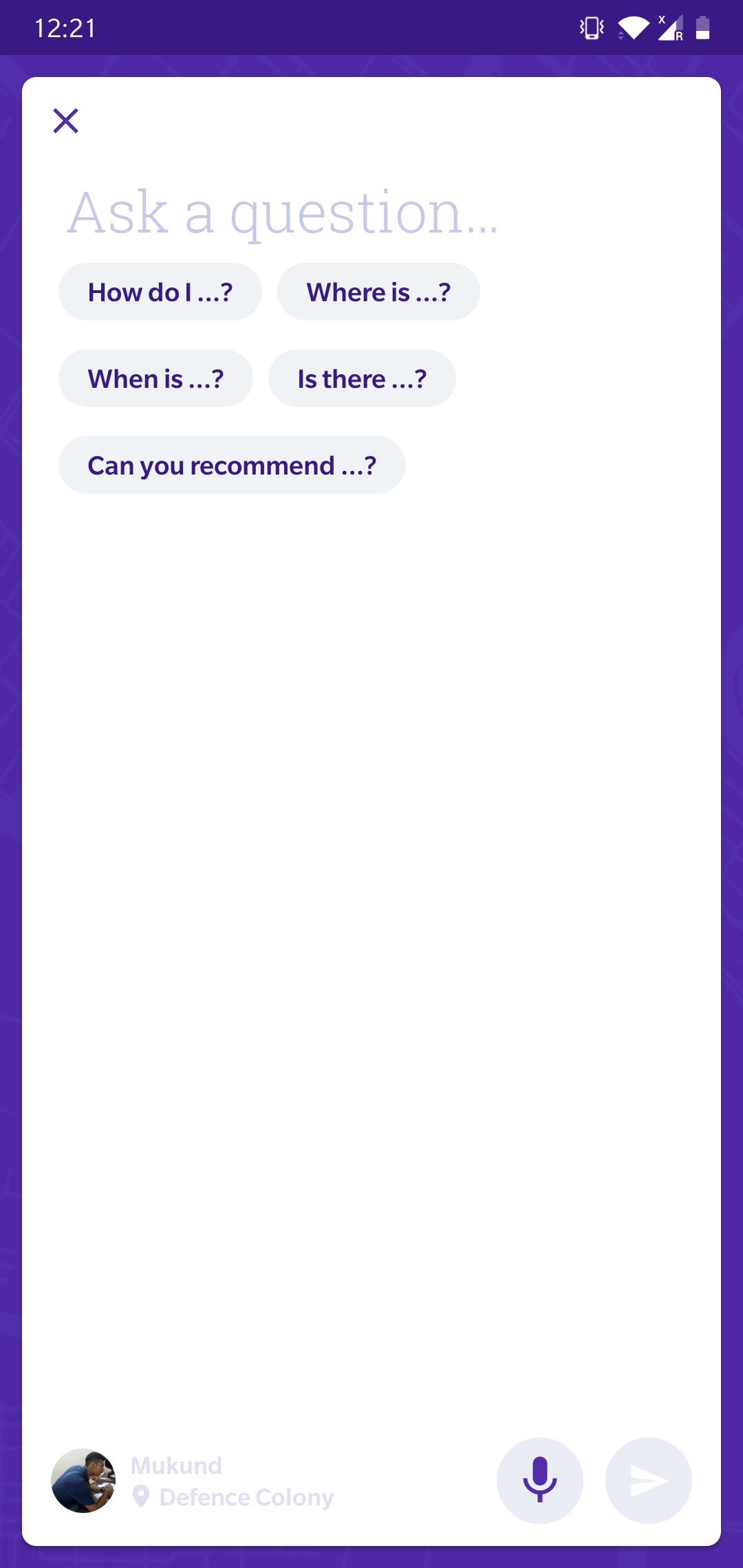
    The app does so by creating a very simple interface. You ask a question on the app, and based on their location, Google presents this location to people around you. Knowing the locality well, they would ideally provide the answers to your questions. Conversely, you can also view and answer other people’s queries. The app has a simple interface and you can also add multiple neighbourhoods, depending on where you use the app. You can also join other neighbourhoods. The app also has certain guidelines to ensure that a certain decorum is maintained within the app.

    Also Read:  Samsung Is Developing A Fourth, 6.7 Inch Galaxy S10 Variant

    While the app is a welcome change, we are yet to see how useful it actually will be. It most probably will be a pretty useful app and is a step towards integrating technology with our daily lives.

  • Samsung Is Developing A Fourth, 6.7 Inch Galaxy S10 Variant

    Samsung Is Developing A Fourth, 6.7 Inch Galaxy S10 Variant

    The Samsung Galaxy S10 is the upcoming flagship from Samsung and is expected to be the star of the Galaxy lineup. The Galaxy S10 also marks the ten-year anniversary of the Galaxy S series, making it all the more special. Samsung is also hoping that the Galaxy S10 will be Samsung’s big ticket to get back to the top of the smartphone market once again. With so much riding on the next phone, it seems like Samsung is not holding back in terms of innovations. While we thought that we almost knew what all to expect from the phone, a report surfaced, claiming the existence of a fourth variant of the Galaxy S10.

    That’s  A Lot Of GalaxiesSamsung Galaxy S10

    Earlier, a flagship phone defined the standard set by a smartphone company. Obviously, your best would just be one. Now, that has evolved to at least two models, which vary in size, specifications and price. However, four variants to the same phone is a bit too much. Considering the alleged specifications of this device, Samsung might have been better off making it an entirely new phone. 

    The report details that a fourth Galaxy S10 variant will be available, featuring a massive, 6.7 inch display. This is other than the two 5.8 inch variants (one with a flat display) and one 6.4 inch variant (which was supposed to be the S10+). What’s even more amusing, is the addition of of four rear cameras and dual front-facing cameras. That makes for a total of six cameras on a smartphone. Whether the number of cameras will do the phone any good in terms of performance is still a major question. A prime example of this is the Google Pixel 3. The Pixel 3, despite having just a single lens, beats most of the smartphone cameras out there.

    Also Read : Realme U1 With Helio P70 To Launch On 28th November

    Apart from this, the report also suggests that Samsung is thinking about bringing the reverse wireless charging technology, which was recently seen on the Huawei Mate 20 pro, to the galaxy S10. Sources also say that the phone is known by the name “Beyond X” in the company circles. The 6.7 inch Beyond X will also have 5G support.

    Additionally, you can read all there is to know about the Samsung Galaxy S10 by clicking here.


  • Chromecast Now Syncs With Google Home Speakers For Multi-Room Playback

    Chromecast Now Syncs With Google Home Speakers For Multi-Room Playback

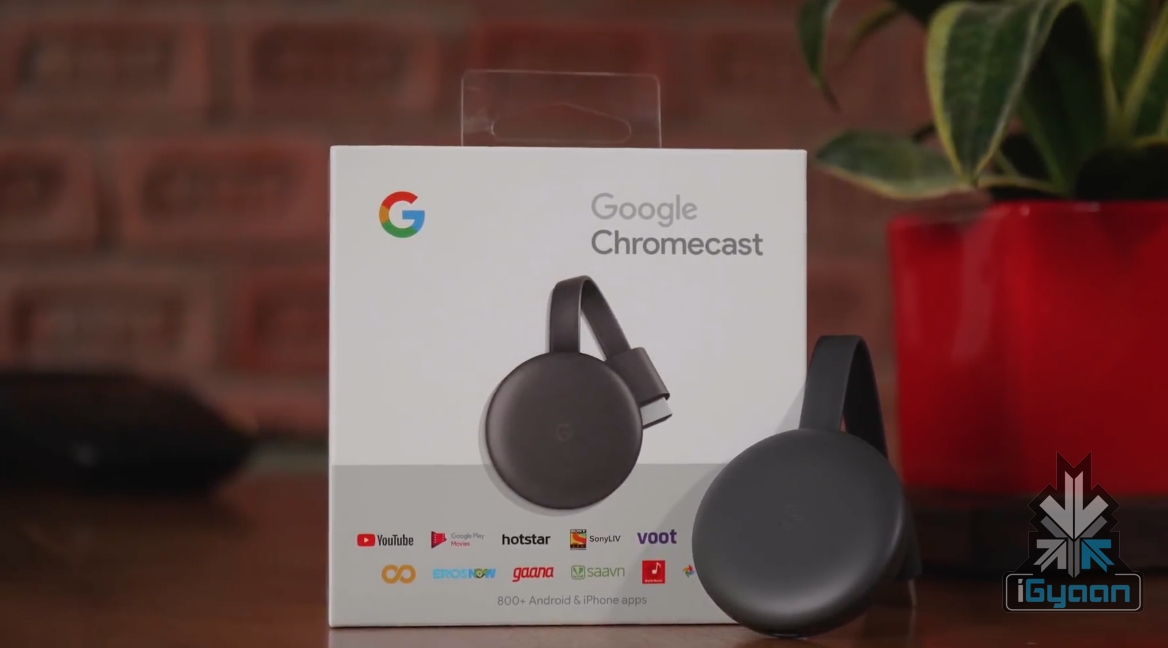
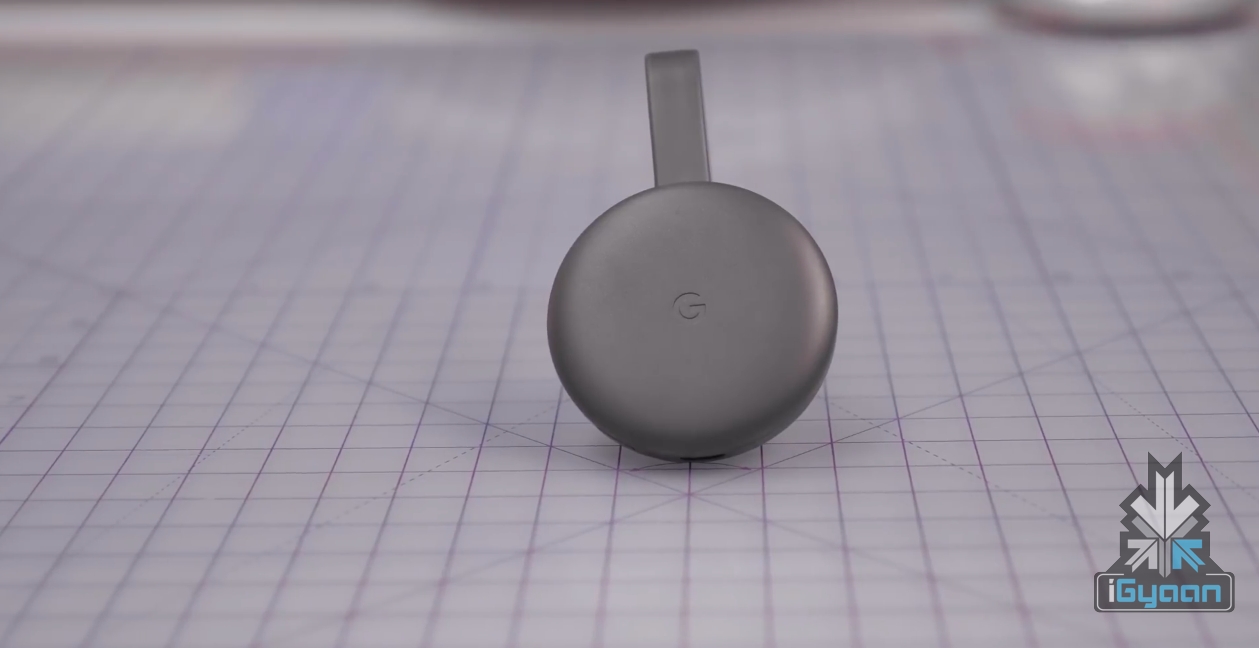
    With the latest update, which is already rolling out, Google has added multi-room playback support for the Chromecast, when it is paired with Google Home speakers. This will add the Chromecast to the Home ecosystem and allow you to play a song, a playlist, a podcast or even an audiobook. The Chromecast will then let you play it across all speakers and other Chromecast-connected devices in your house.

    Earlier, the Home ecosystem only allowed for speaker groups to be made with audio devices. Obviously, this did not include the Chromecast. The speaker support for Chromecast had been announced by Google way back in October. The feature is already available for users who are a part of google’s preview program. Working on all the generations of Chromecast, the update is expected to reach almost every device soon. Some users reported that there were not able to see the option even after the update. It was later found out that this issue will be resolved after rebooting the device. 

    The speaker group can be setup through the Google Home app. The speaker group also includes televisions, which can now be aded to the groups. For example, when a TV, which is connected to a Chromecast is synced to a speaker group, you can view the song information on the screen. This is displayed against a background of rotating images.

    Also Read : Motorola’s Next Flagship Will Have Snapdragon 8150 And 5G Moto Mod Support

    The new grouping also includes smart displays including the Google Home Hub and the recently launched LG Xboom WK9.  Along with this, Google had also added support to pair bluetooth speakers with the Home App. This was done earlier this year and enables users to add voice control to the sound system.

  • The Galaxy S10 Will Bring Back Flat Displays To Samsung Flagships

    The Galaxy S10 Will Bring Back Flat Displays To Samsung Flagships

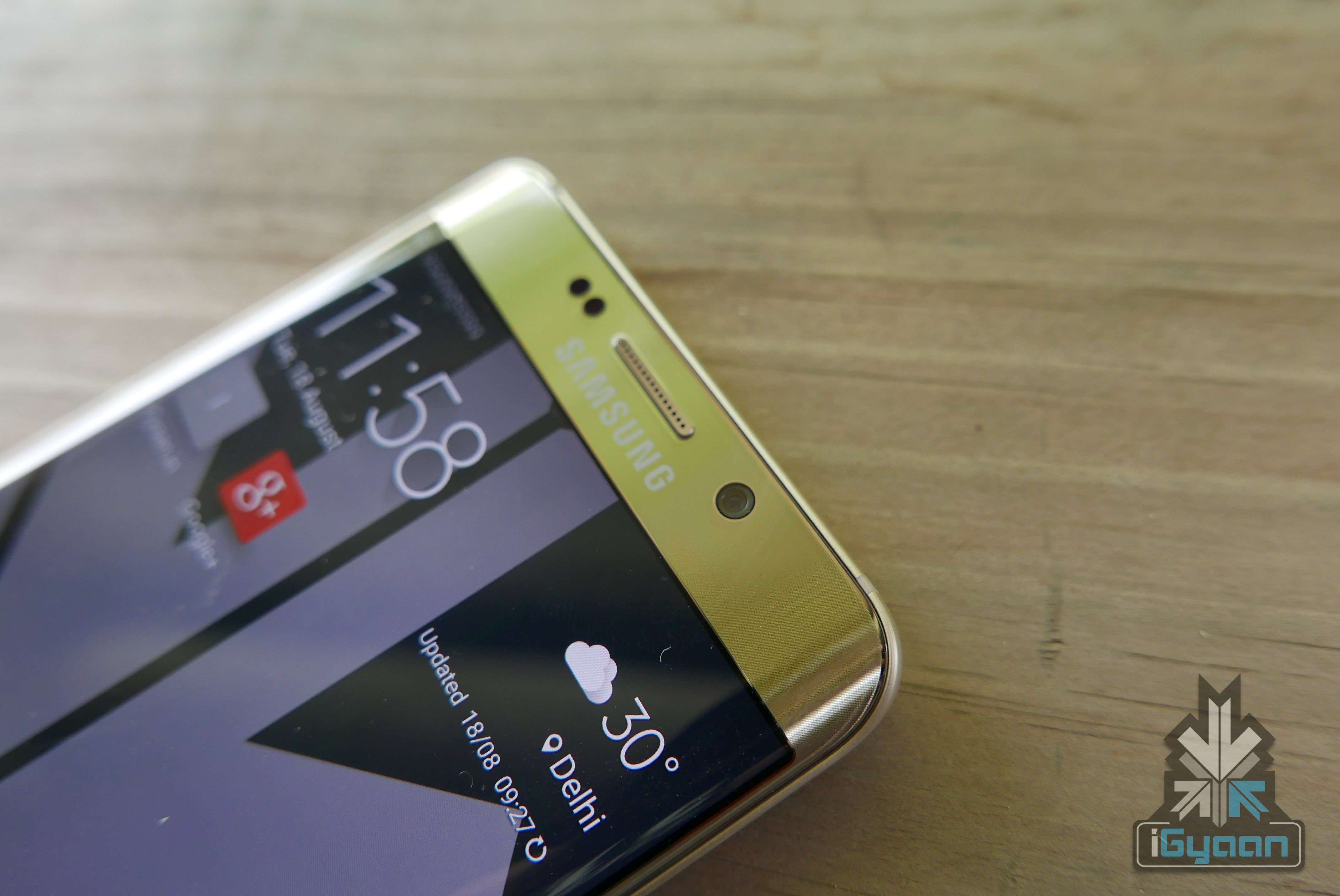
    There is no doubt about the fact that Samsung phones feature some of the best displays, whether they are flagship devices or even mid-range and budget phones. The bit about the mid-range and budget phones might change soon. But the flagships will continue to receive the best-in-class displays. Samsung had introduced the curved, Infinity display with its edge series way back with the Galaxy S6. Soon, the S8 and S9 were only available with curved displays and the flat display option was removed. According to the latest report, this option might be making a comeback with the latest Samsung Galaxy S10. 

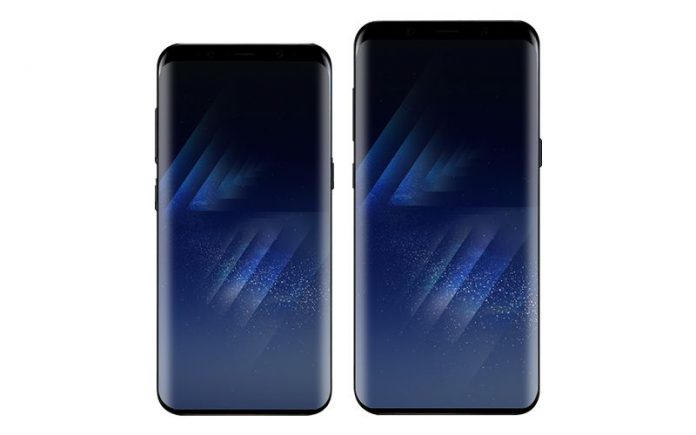
    It is well known by now that the Samsung Galaxy S10 will launch in three different variants. While the only difference between these variants up till now was the size difference and some other unconfirmed specifications, the new report also details the type of displays that they may use. The cheapest variant of the Galaxy S10, which will also be the smallest, is said to have a 5.8 inch flat display. The second model will have a 5.8 inch screen as well, but this one will be curved. The third, tipped to be the Galaxy S10+ will have a 6.2 inch curved display. 

    The details surface from, a report about the changes in chemical suppliers for the displays. The new suppliers now use organic chemicals for the Red, Green and Blue sub pixels. These will replace the M8 chemicals used in the S9 and Note 9 with M9 chemicals. The report also details that the phones will ‘appear’ in the first half of 2019 and the production for the panels is already underway.

    Galaxy S10Samsung Galaxy S10

    While most of us are familiar with the numerous leaks surrounding the Galaxy S10, here is a quick recap for those who aren’t. The Galaxy S10 is Samsung’s next flagship smartphone. The launch of the S10 will also mark the 10th anniversary of the Galaxy S devices, making the smartphone all the more special. Some reports also suggest that it is for this very reason that the company had held back on some of the innovations during the production of the galaxy S9, saving it for the S10.

    The Galaxy S10 is as mentioned before, expected to launch in three variants. This includes a cheaper version, dubbed as the Galaxy S10 Lite, the Galaxy S10 and the Galaxy S10+. Other interesting details about the phone include an in-display fingerprint sensor, a notch-less display (with a camera cut-out or an in-display front camera) and 5G connectivity on the Galaxy S10+. Additionally, this will also be the first phone from Samsung to run on the brand new One UI, out of the box. This will allow for a lot more customisations and a better user experience.

    Also Read : Samsung Galaxy A9 With 5 Cameras Launched In India

    For those with an extra bit of inquisitiveness, and a fair idea of Korean (or just access to Google Translate), you can read the full report here.


  • Motorola’s Next Flagship Will Have Snapdragon 8150 And 5G Moto Mod Support

    Motorola’s Next Flagship Will Have Snapdragon 8150 And 5G Moto Mod Support

    Motorola hasn’t really had an ideal year in 2018. Lower sales and a diminishing fan base have put the Lenovo owned company in a tight spot and they are trying hard to get out of it. The company is looking to ‘mod-ify’ this with its next phone, quiet literally. According to a website, the company is working on a new flagship smartphone and has codenamed it the Moto Odin.

    The Mighty Odin And Snapdragon 8150

    The Odin smartphone is set to be the next flagship from Motorola, and it is shaping up to be a very exciting one, to say the least. It runs on the Qualcomm Snapdragon 8150 SoC, which is the latest processor from Qualcomm. Even though the chipset has not officially been unveiled by Qualcomm, a foldable phone running on the chipset has already been made public. Additionally, AnTuTu scores of an unknown device running the chipset have placed it above every other Android device till date. The report also tells us that the Odin has a 4 GB RAM and 32 GB storage configuration. But this might get a bump considering that these are just the initial stages of manufacturing.

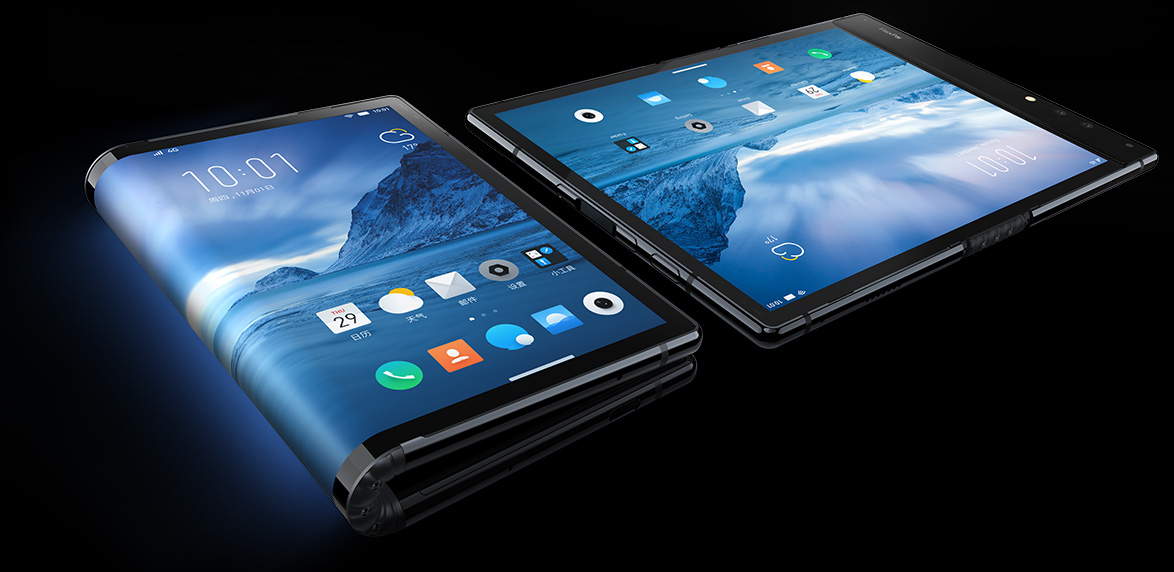
    The Rouyu FlexPai Running On The Snapdragon 8150

    The Snapdragon 8150 is based on the 7 nm manufacturing process which is used by Apple’s A12 Bionic and Huawei’s Kirin 980. This manufacturing process allows for more transmitters to be fitted in a lesser space, making the chipset more powerful and battery efficient at the same time. Additionally, it is also said to feature a dedicated NPU which will make AI based problem solving faster.

    5G Moto Mod

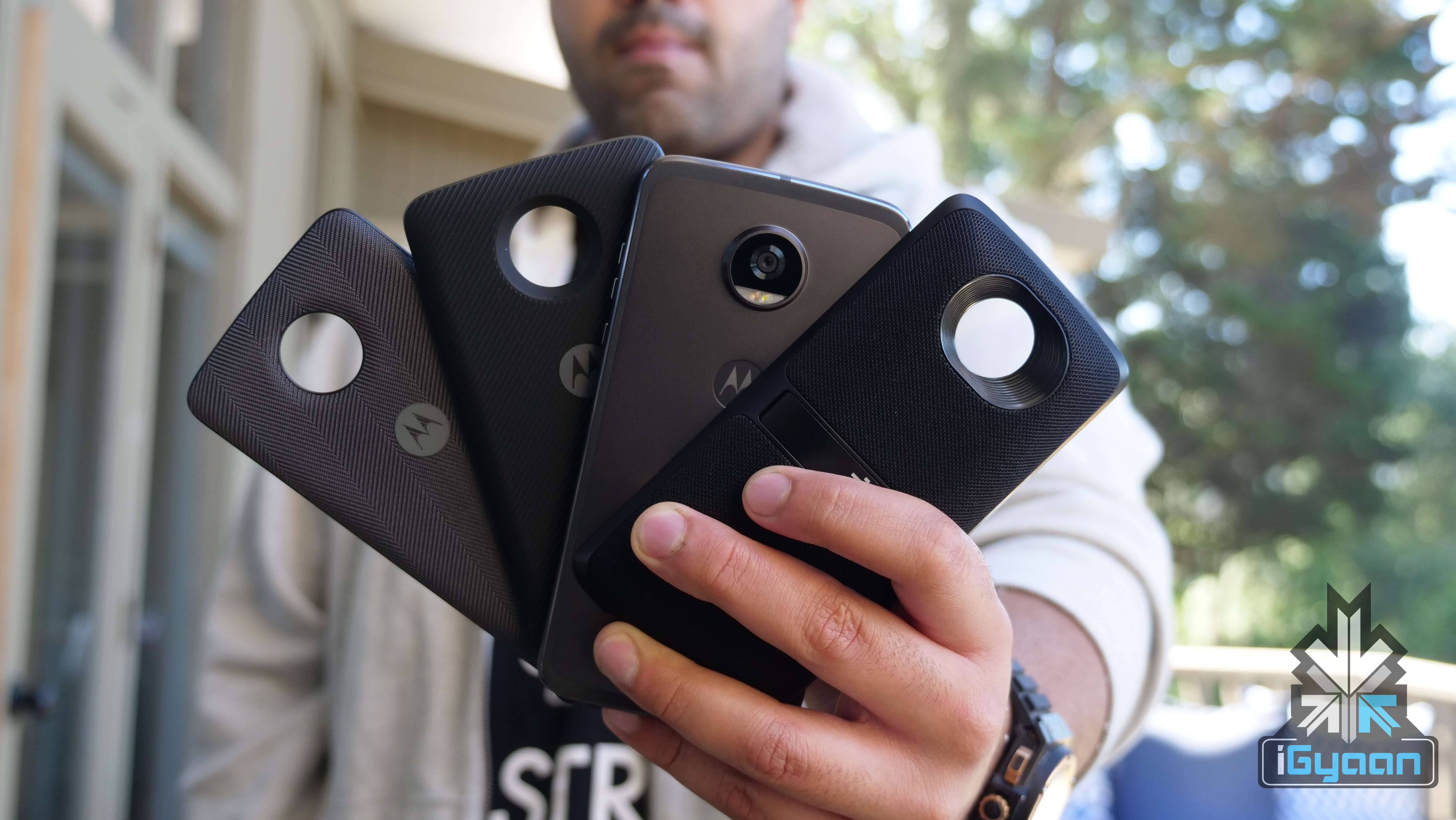
    The next big thing is the continued Moto Mod support, especially that of a 5G Mod. We still do not know if Motorola will offer support for the previously released Moto Mods. Or whether this will feature an entirely new lineup of Mods. However, it is said to have support for a 5G Mod. The 5G Mod was seen earlier this year when Verizon used the same for its first 5G data transmission. This was done with the Moto Z3, which was a Verizon exclusive. As of now, the Moto Odin is said to be a North-American exclusive. But we might see that change with the introduction of the phone in other markets. 

    Another interesting aspect is talks of an in-display fingerprint sensor. While it is too early to say whether Odin would have this, reports confirm that Motorola is working on this technology for sure. The company won’t use the technology on their mid-range phones. So, it is safe to assume that Odin, being the flagship will carry this feature. Most importantly because it is now a staple feature in most Android flagship these days.

    Also ReadNokia 9 PureView And Nokia 8.1 Cases Get Listed, Might Launch In December

    One thing is for sure, we will get to see the phone only sometime towards the middle of 2019. With the pace at which technology is growing, we’re wondering if these few features will be enough to make the Odin a great flagship by the time it is out. Also considering the fact that Motorola has named the device after the mighty Odin, expectations are quite high.

  • Nokia 9 PureView And Nokia 8.1 Cases Get Listed, Might Launch In December

    Nokia 9 PureView And Nokia 8.1 Cases Get Listed, Might Launch In December

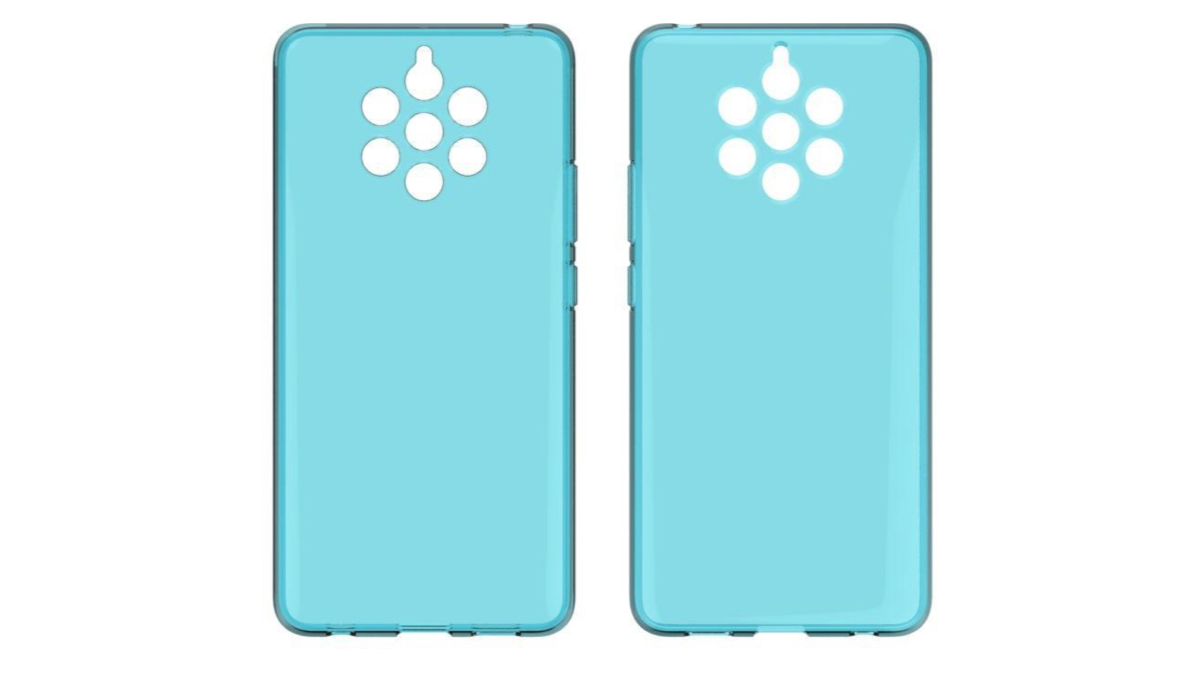
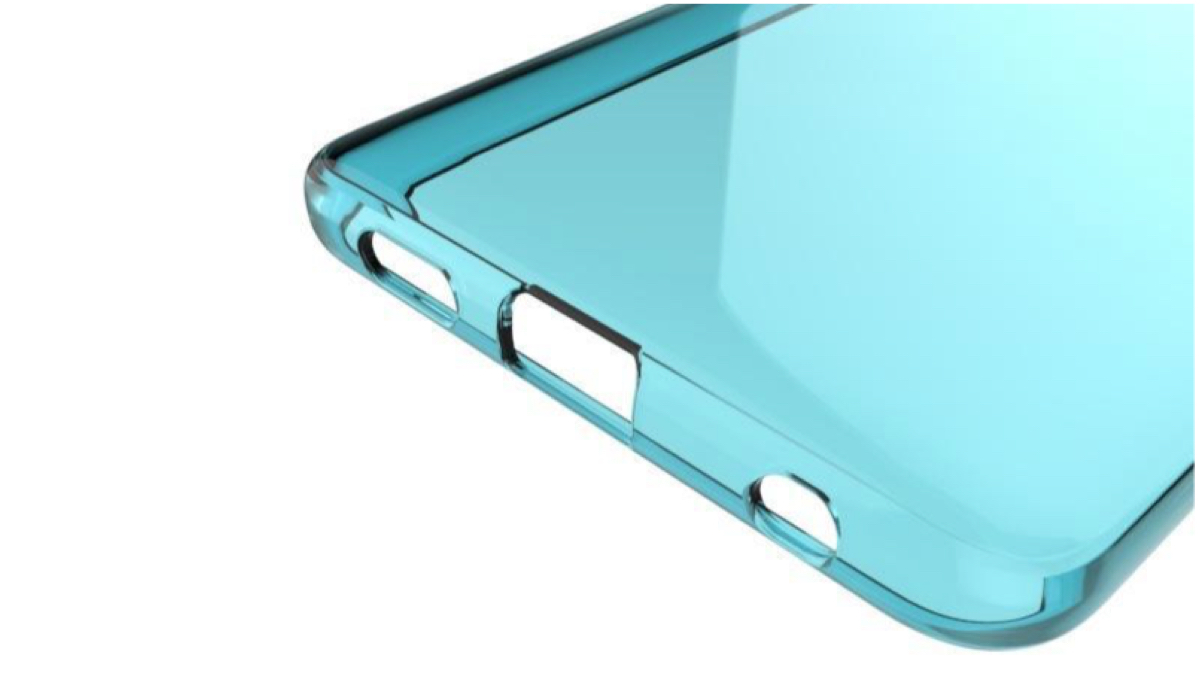
    HMD Global has teased the launch of three of its smartphones at its ‘Expect More’ event scheduled for December 5th. The event will most probably see the launch of the Nokia 2.1 Plus, the Nokia 8.1 and the Nokia 9 PureView. A recent leak has shown the covers for the Nokia 9 and the Nokia 8.1 listed online. This mostly confirms that we will see these two devices launching at the event.

    Nokia 9 PureView

    The Nokia 9 PureView is one of the most anticipated phones this year. This is so because of its unique penta camera setup and a host of flagship features. These features include an in-display fingerprint sensor, a large display and a huge battery. The icing on the cake is obviously the penta camera setup, which is a patented technology by Zeiss.

    The leaked case of the Nokia 9 shows slots for the penta camera setup on the back. The lack of a cutout for the fingerprint sensor on the back of the case makes it clear that the phone will indeed have an in-display fingerprint sensor. At the bottom of the case, we can see slots for what appear to be a USB Type-C port, speakers and a 3.5 mm headphone jack. The headphone jack is a pretty sensitive topic these days. The inclusion of one will surely win over some more fans fro HMD.

    Some more of the rumoured specs of the Nokia 9.1 include a 5.9 inch OLED display with a QHD resolution and 3D glass. The device is expected to run on the Qualcomm Snapdragon 845 SoC. You can read everything we know about the Nokia 9 here.

    Nokia 8.1  Specs & Price

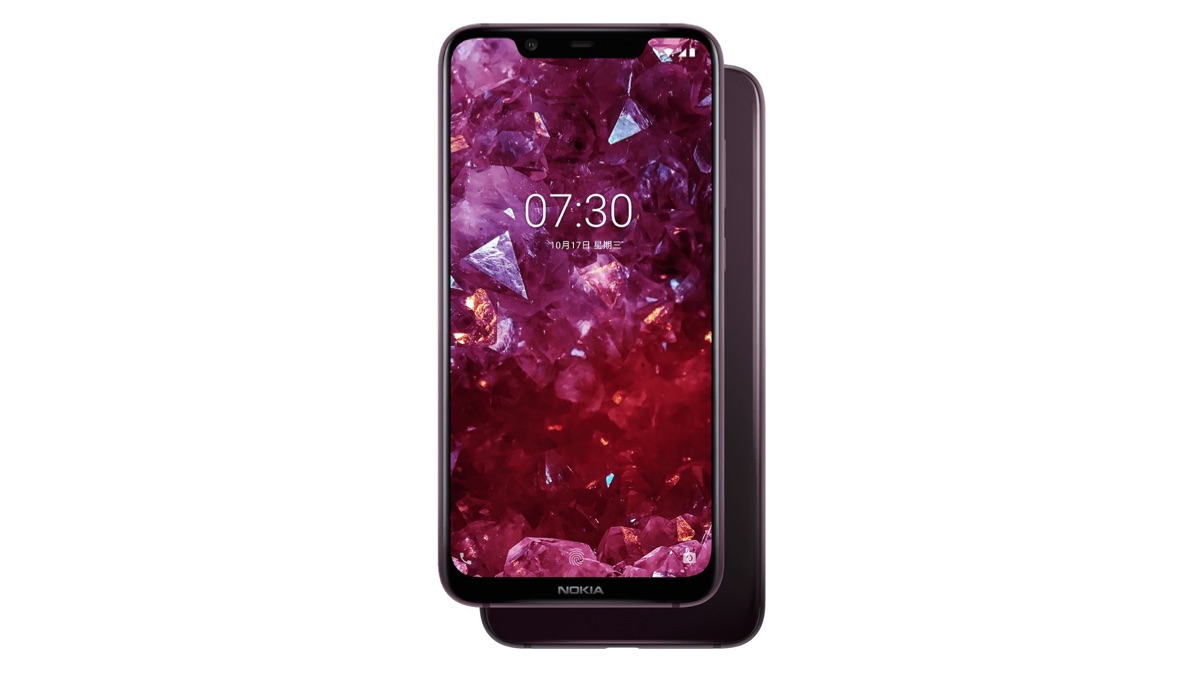
    The Nokia 8.1 is said to be the global version of the Nokia X7 which was launched in China last month. The device is a mid-range phone and packs great features along with a solid design. Based on the specs of the Nokia X7, we can predict what the Nokia 8.1 will have. The Nokia 8.1 has a 6.18 inch FHD+ LCD display. It runs on the Qualcomm Snapdragon 710 SoC with the Adreno 616 GPU with 4 GB and 6 GB RAM variants. Along with this, it has 64 GB and 128 GB storage options, which can be expanded up tp 400 GB using a microSD card.

    Also ReadGoogle Pixel 3 Lite Pictures And Specifications Leaked

    The phone has a 12 MP + 12 MP dual rear camera and a 20 MP front camera. Under the hood, it packs a 3,500 mAh battery. According to earlier reports, the phone will be launched in India at a price of Rs 23,999.

  • Xiaomi Redmi Note 6 Pro Unboxing And First Look

    Xiaomi Redmi Note 6 Pro Unboxing And First Look

    The Xiaomi Redmi Note 6 Pro is the long awaited successor  to the extremely popular Redmi Note 5 Pro. The Redmi Note 5 Pro was launched in February this year, and the company has already rolled out the next iteration of the device. Being from the Redmi Note series, it retains the same values as its predecessor. These include a large display, a big battery and great camera performance. While the device was launched in Thailand almost a month back, it did take some time to come to India. The official launch of the device will be held on 22nd November in an event in New Delhi, where the price and availability of the device will be announced.

    The Redmi Note 6 Pro: What’s New
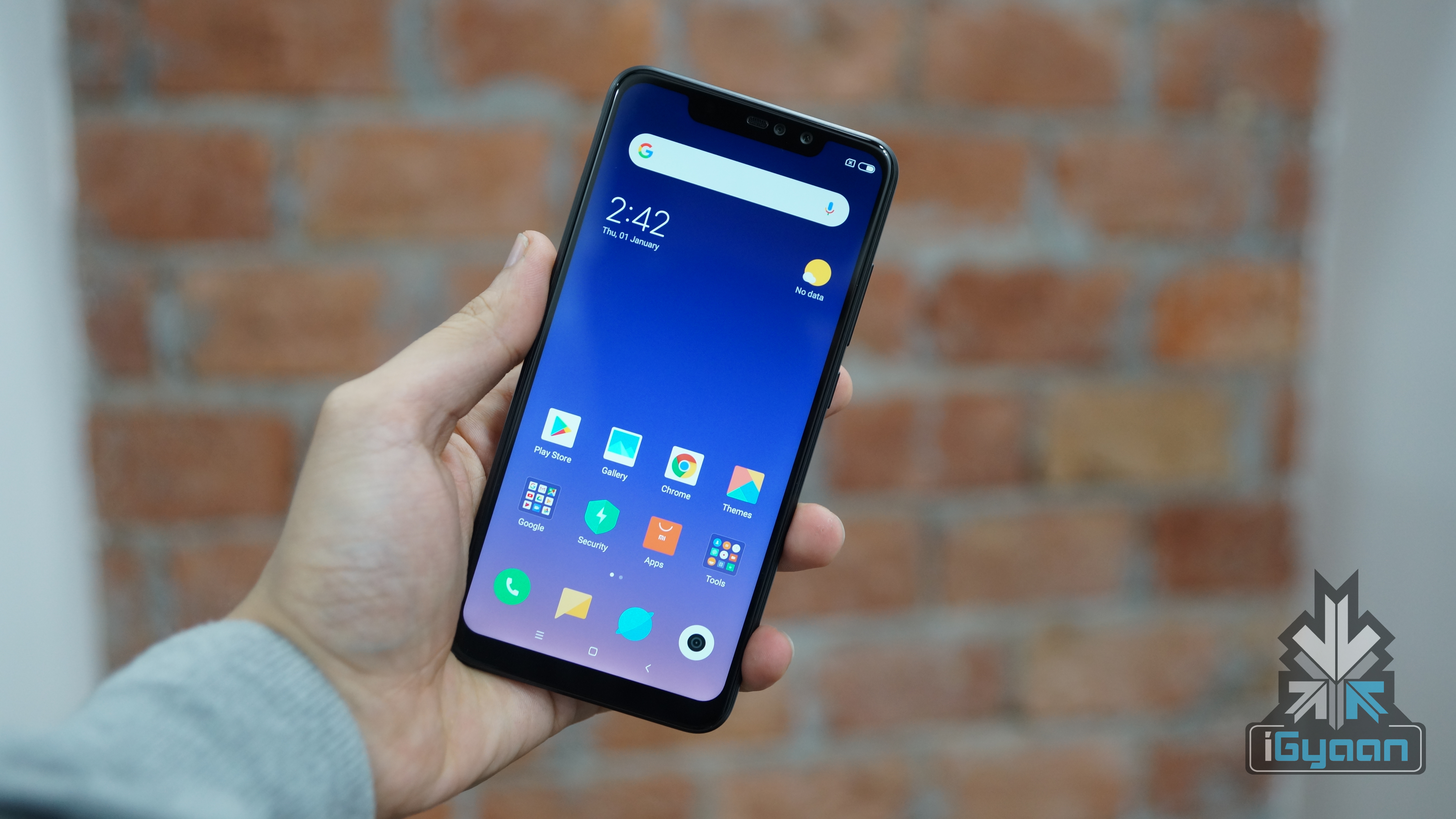
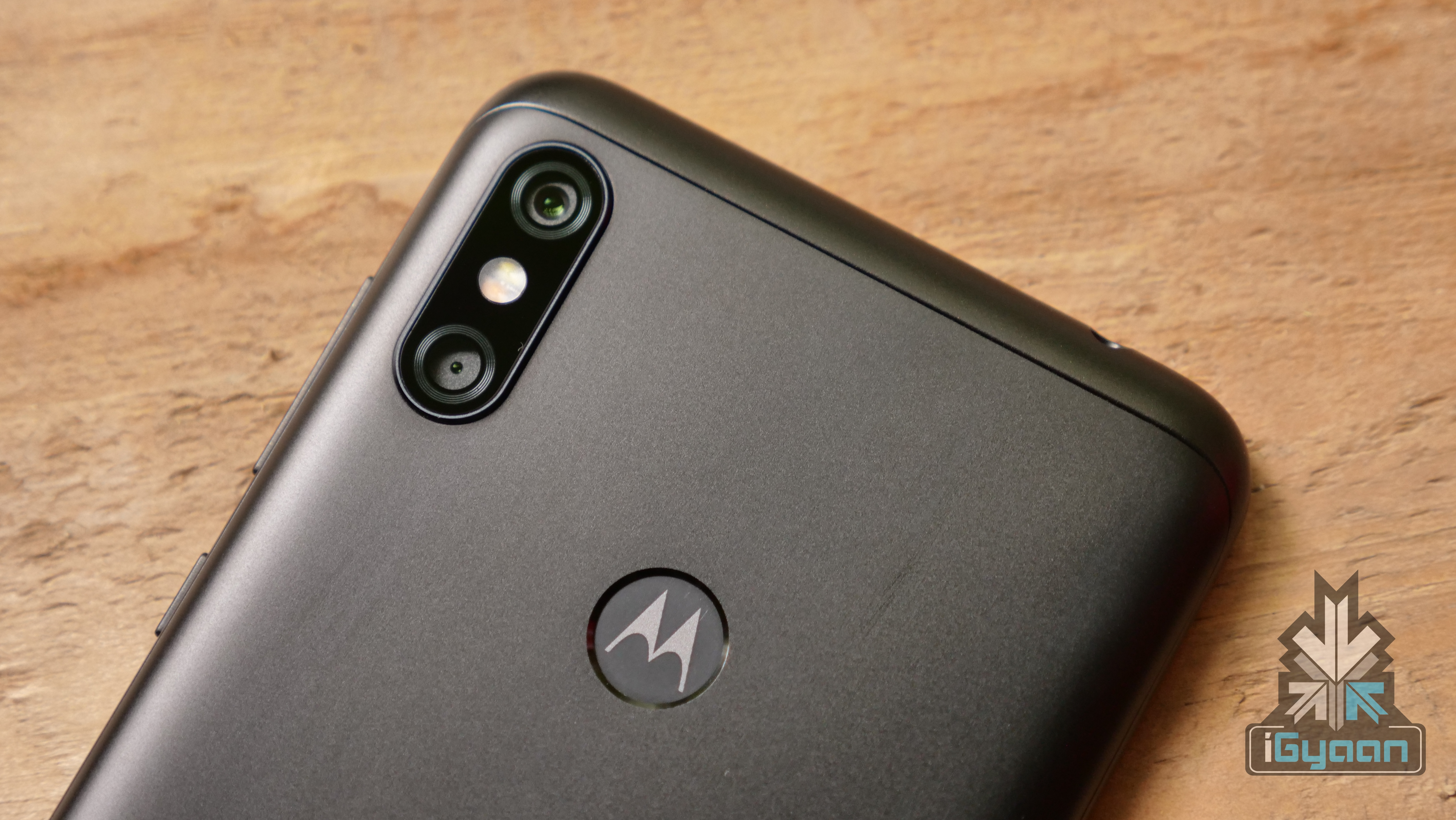
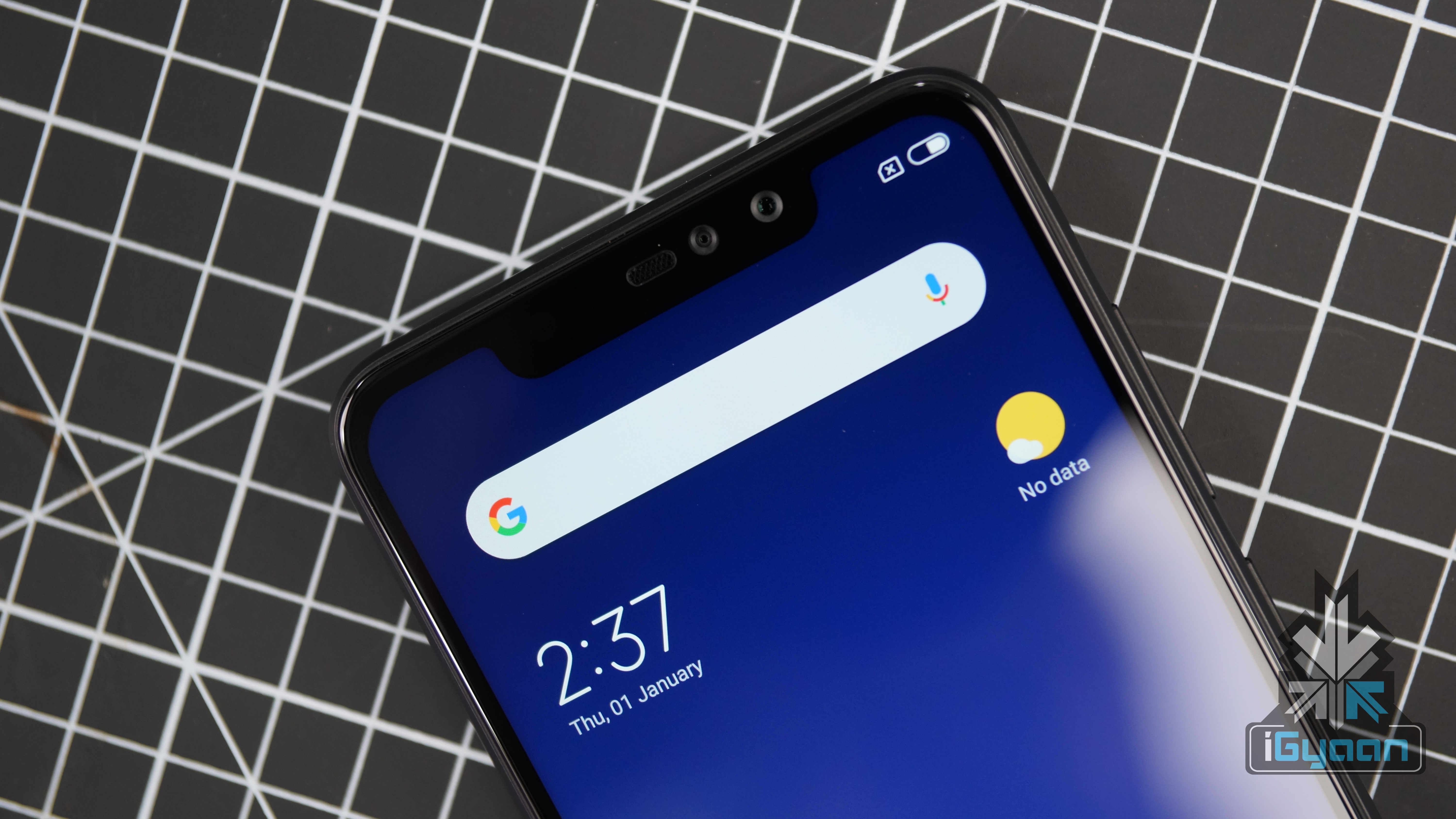
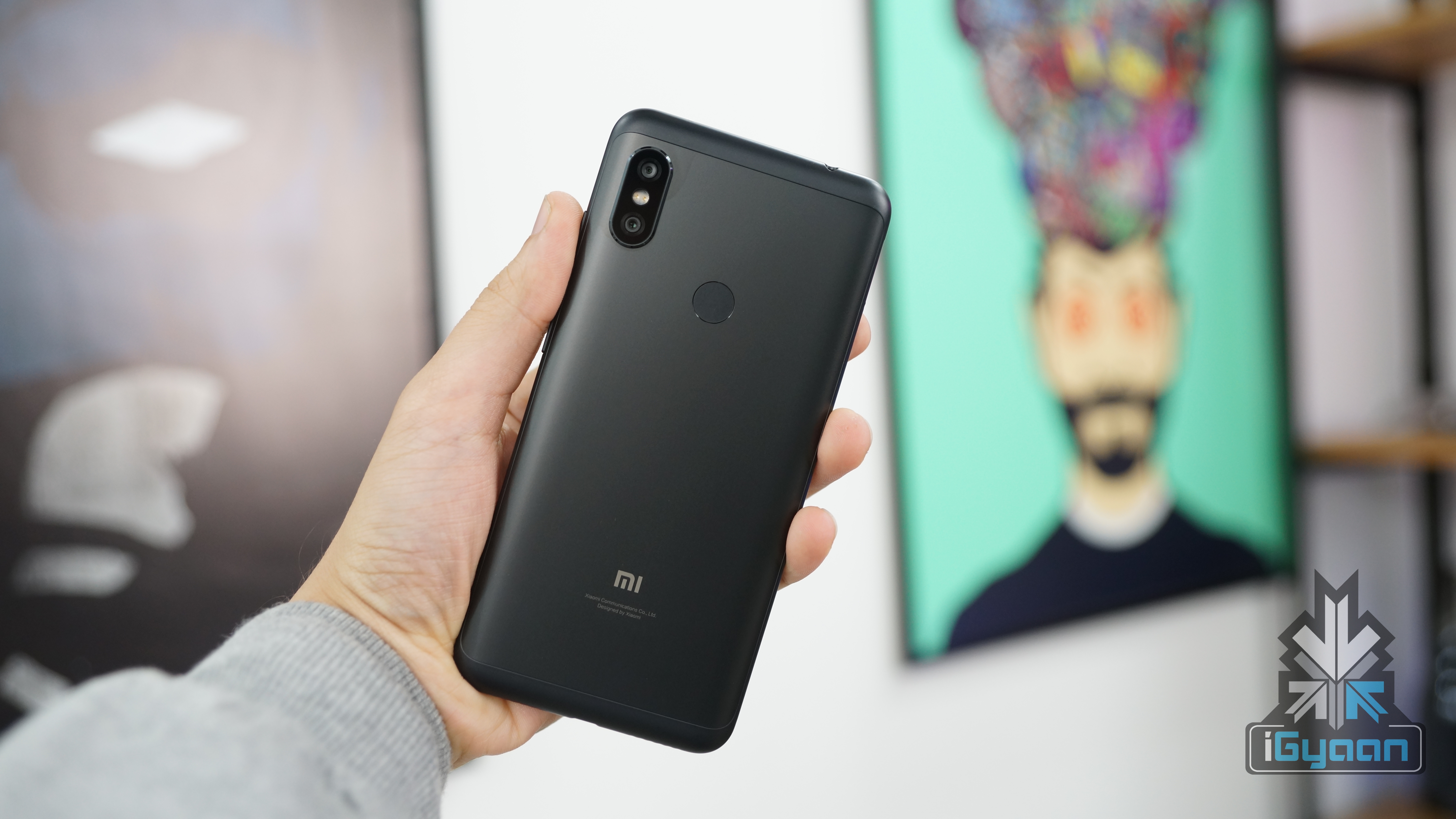
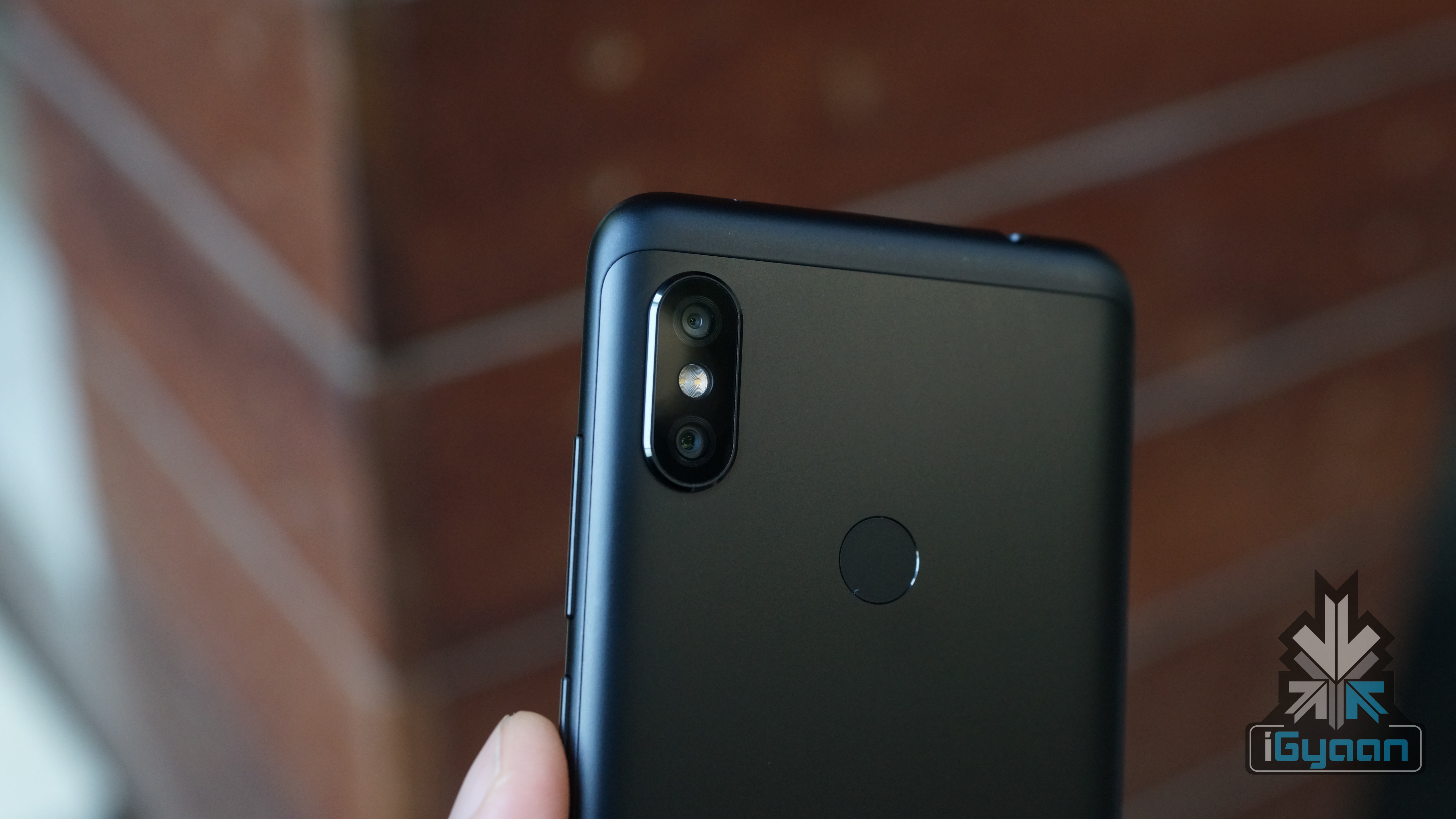
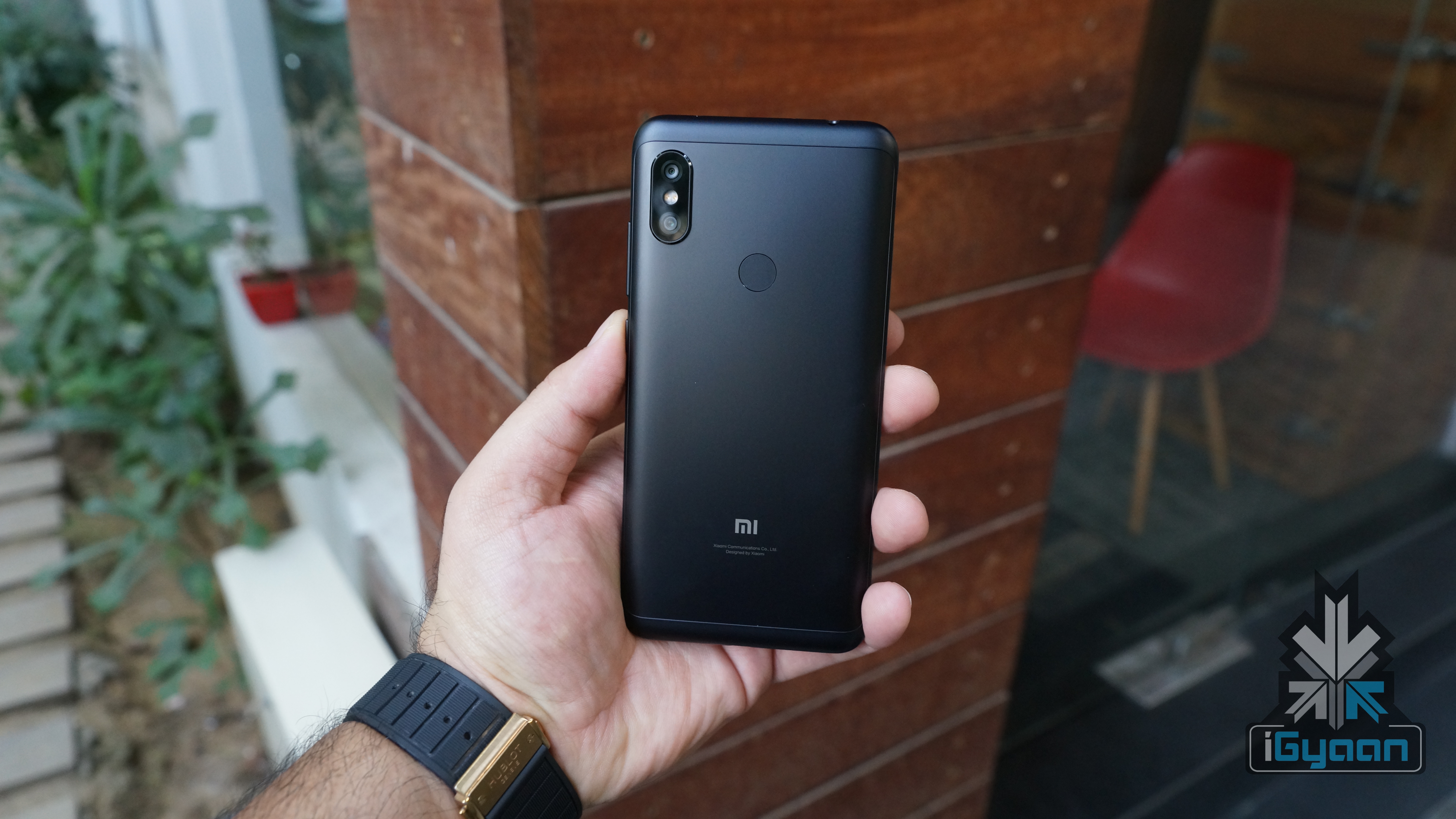
    In terms of looks, the Redmi Note 6 Pro does look a lot like its predecessor. It has a big notch on its display, and a dual camera setup on the back, with a fingerprint scanner. There are however, many differences when you look closer. In terms of ergonomics, it has more rounded edged all around its body, giving it a better grip and feel in your hand. The Note 6 Pro has a bigger, 6.26 inch display, as compared to the 5.99 inch display from the Note 5 Pro. The FHD+ display has a 2280 x 1080 px resolution and a brightness of 500 nit.
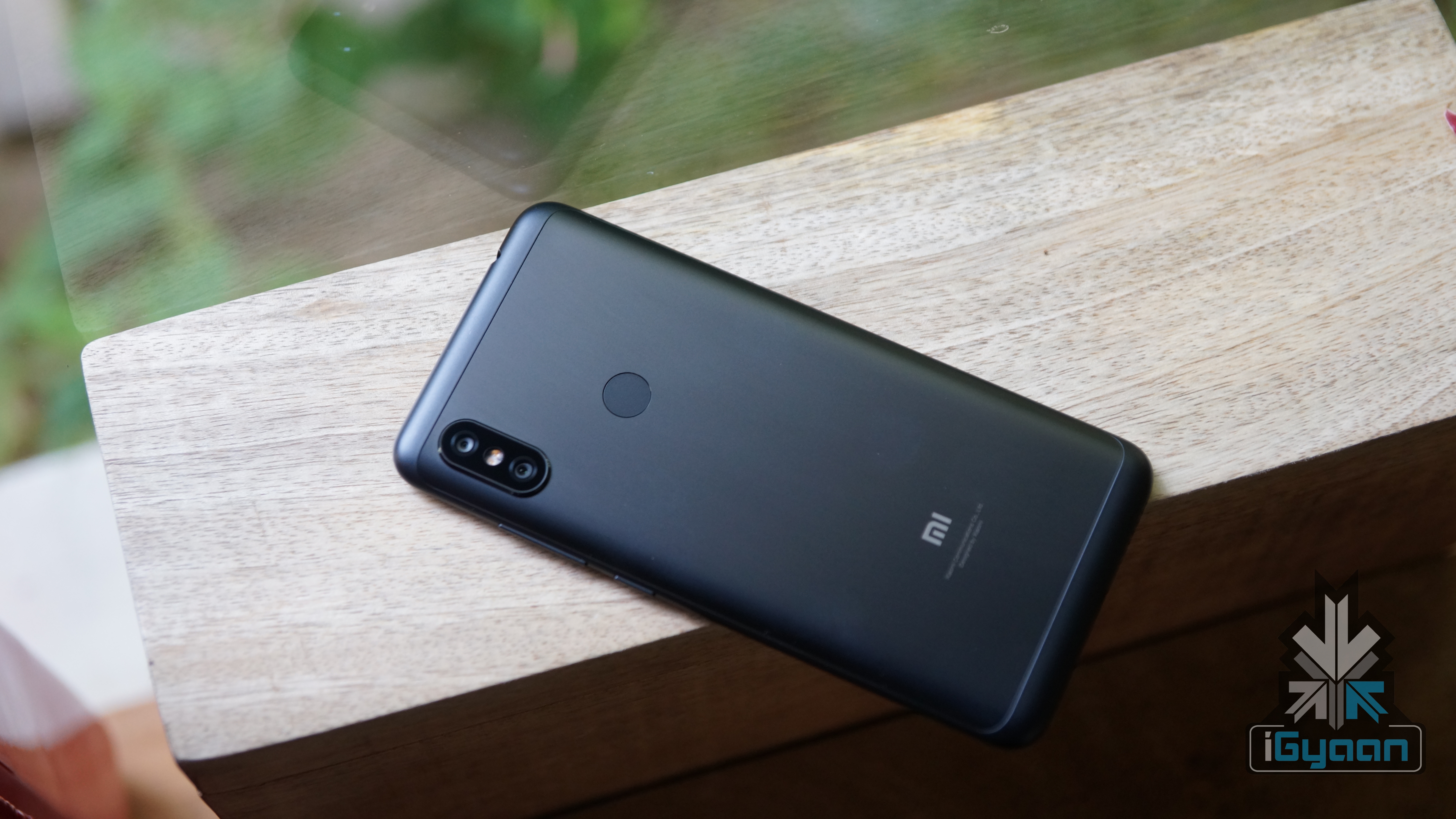
    The display also features Corning Gorilla Glass for protection, though the company has not specified the version. The notch on the Redmi Note 6 Pro is large when compared to other devices as it houses two cameras. But the bezels and the chin on the device are thinner than that on its predecessor.
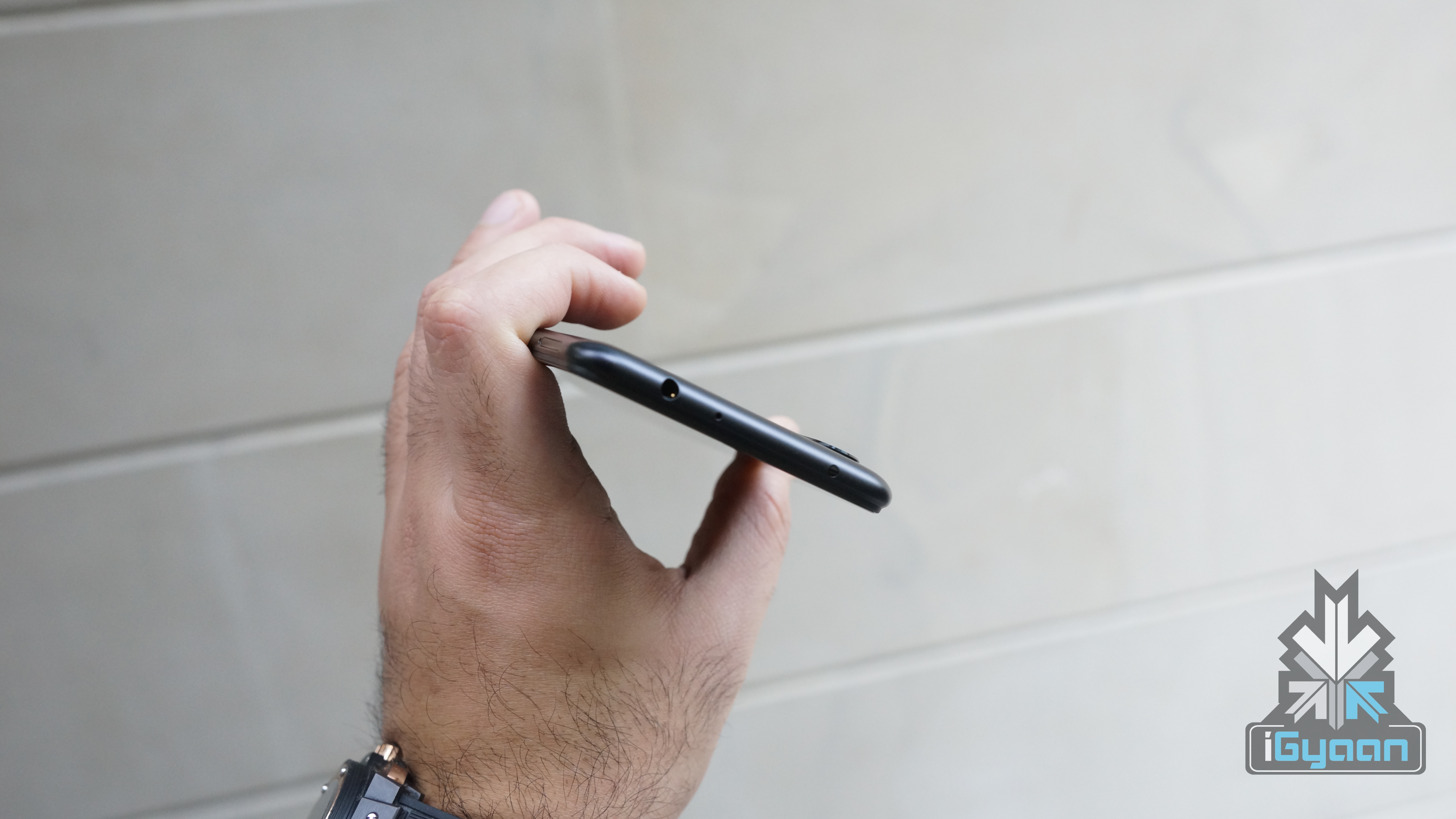
    Xiaomi has also made considerable improvements in terms of build quality. The ports now use a new alloy, which do not corrode that easily. This move came in after the company received a lot of issues with phones dying out early in coastal areas. Xiaomi later found out that the cause for this was the corrosion of the elements in the ports. Hopefully, this step will ensure a better longevity for the device. Another great addition is a P21 coating. This is basically a water repellant coating. This coating is present on the externals as well as the internals of the phone as well. However, this is not to be confused with water resistance and this is just meant to save your phone from minor, accidental spillage or water contact.

    What’s More

    Another big jump is in the camera department. While on paper, the specs for the camera remain the same, the Redmi Note 6 Pro brings along both hardware and software improvements. The 12 MP main sensor on the back now has a larger, 1.4 micron pixel size, resulting in better photo quality and improvements in low-light performance. It also features a wider, f/1.9 aperture. The secondary sensor is a 5 MP depth sensor. Additionally, the Note 6 Pro has an impressive portrait mode. The portrait mode now features studio lighting options and also a ‘light flare’ feature.
    It also has AI scene detection which detects 32 scenes, including scenes optimised for India such as weddings and motorbikes. The rear camera also features a new AI adjustable bokeh feature. This lets you choose the amount of blur you want in the background, even after you have clicked the picture. The front camera us a 20 MP + 2 MP set up. This features an AI portrait mode with AI scene detection of upto 12 scenes. The dual front cameras also help in the Face Unlock technology to unlock your phone.

    Inside The Phone
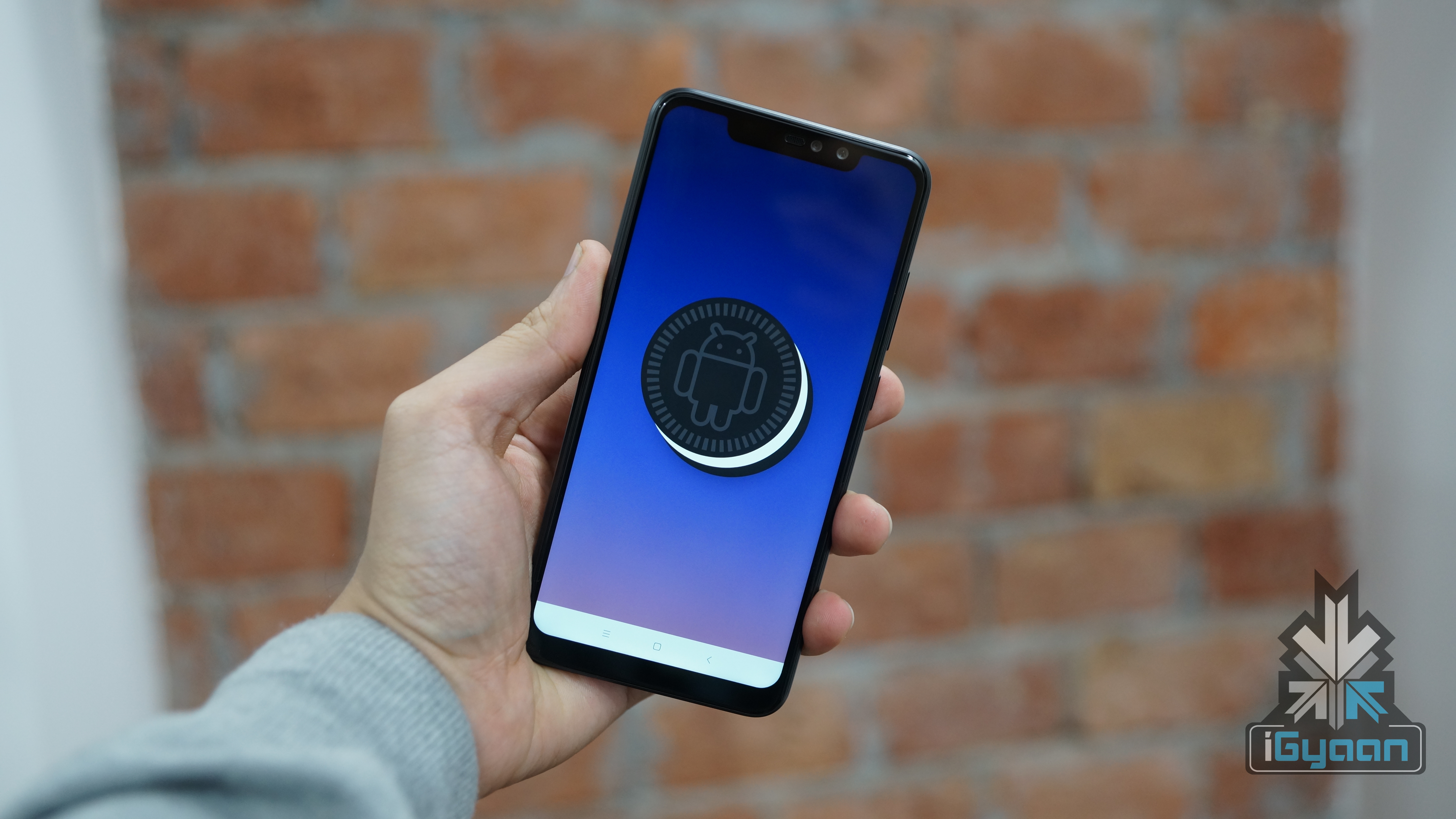
    The phone runs MIUI 10 out of the box, which brings in advanced gesture navigation. It packs a 4,000 mAh battery which supports Quick Charge 3.0. While the Note 6 Pro supports fast charging, the company does not provide a fast charger in the box, and it has to be purchased separately. It runs on the Qualcomm Snapdragon 636 SoC and has 4 GB and 6 GB RAM options. In terms of storage, it has one option with 64 GB of internal storage, which is expandable up to 256 GB via  a microSD card.
    The phone also features an auto data switch feature. When you are on a call, the phone switches your data from that SIM to your secondary SIM, so that neither of the operations are interrupted. The phone has dual VoLTE support but does not have a dedicated microSD card slot. It also has a new Wi-F- pass through feature. Using this feature, you can connect to a Wi-Fi network and use that Wi-Fi network to create a hotspot.
    At first look, the phone does seem like a big and thoughtful improvement. We are yet to check it out fully and see what it is capable of. As mentioned before, the price and availability of the phone will be revealed only after its launch on 22nd November.

    Don’t forget to check out our unboxing video:

    https://youtu.be/B0t4seoqHIQ


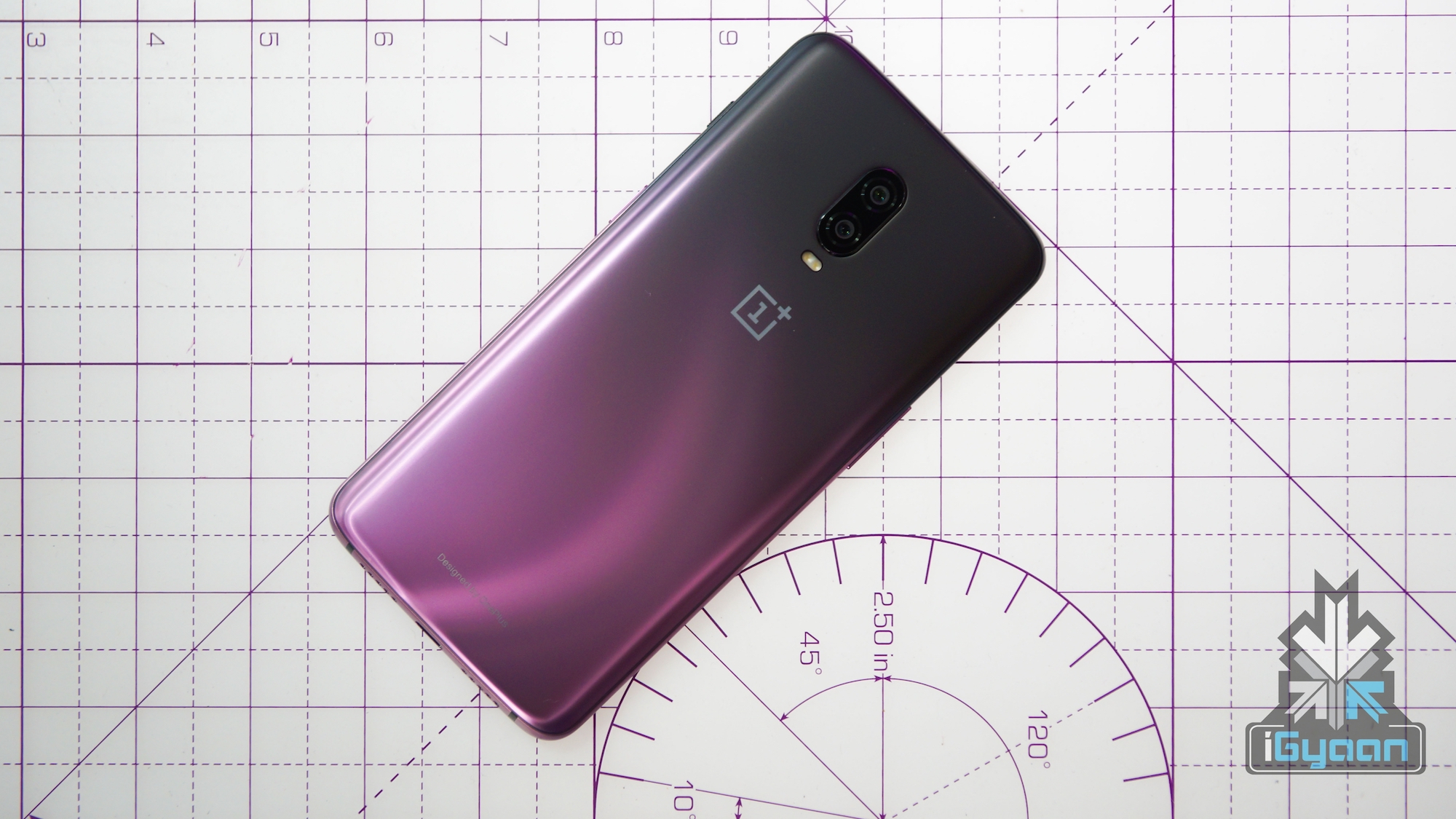
  • OnePlus 6T Thunder Purple Unboxing And First Look

    OnePlus 6T Thunder Purple Unboxing And First Look

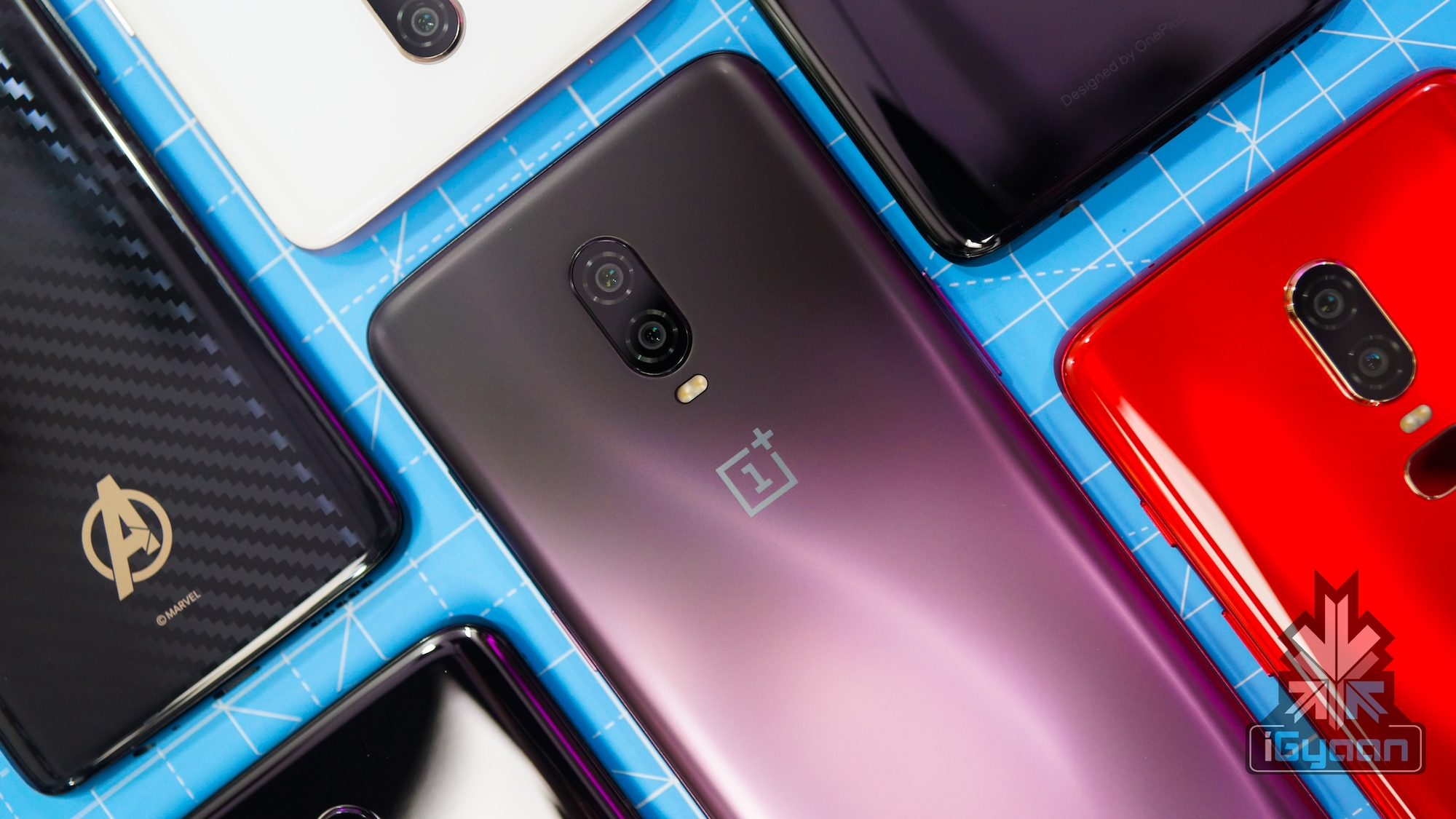
    The OnePlus 6T was launched in India on the 30th of October. The phone is the latest flagship from OnePlus. It has an array of new features including a bigger display, water-drop notch, in-display fingerprint sensor and more. However, at the time of the launch, the device was available in only two colours; midnight black and mirror black. But, keeping in mind the trend that OnePlus follows, we were sure that more colour options were on the way.

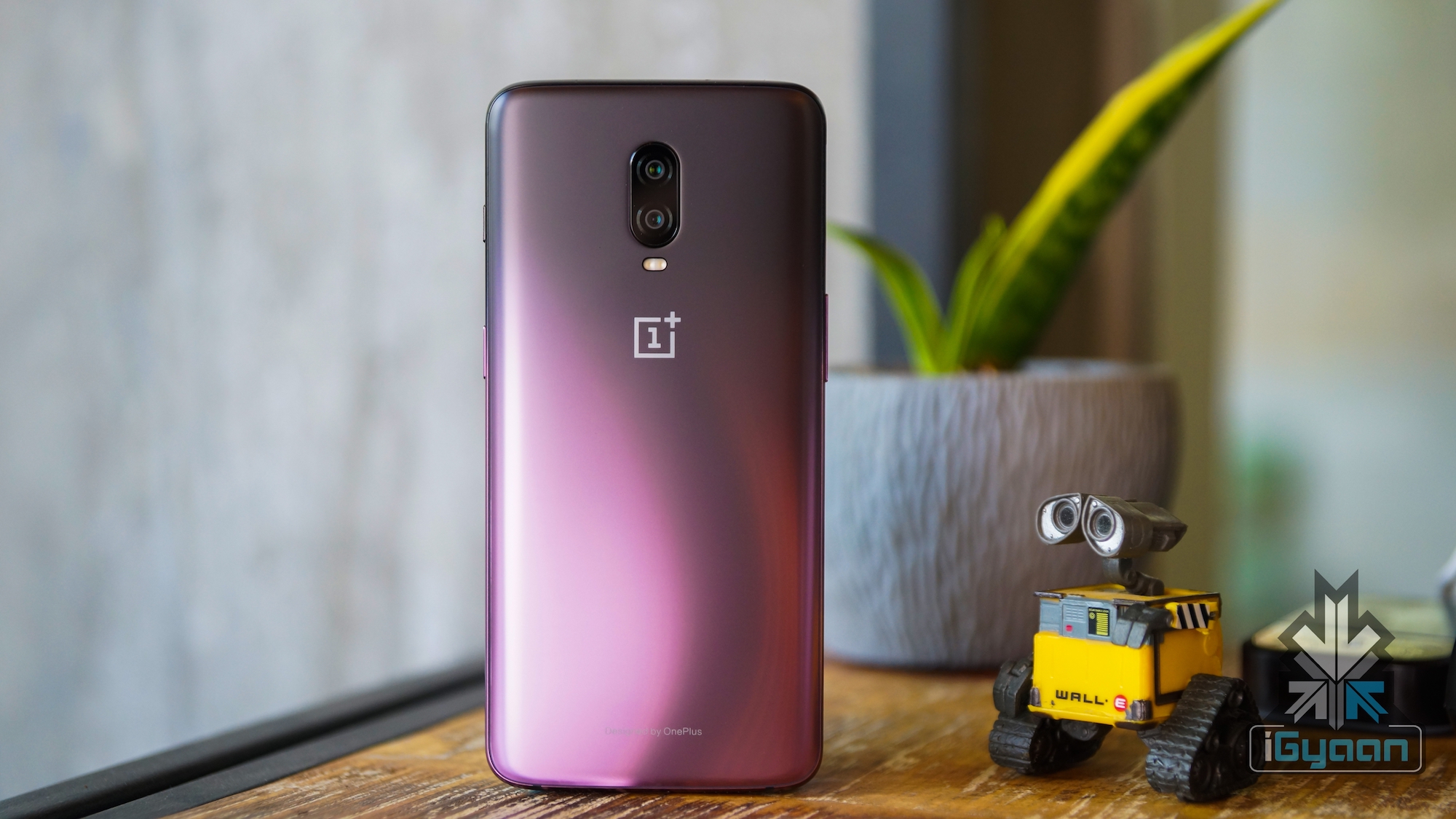
    As expected, OnePlus is now set to launch a limited edition Thunder Purple variant of the phone.  The Thunder Purple variant will be available in a  8 GB RAM + 128 GB Storage variant, and will go on sale starting November 16th. The phone is priced at Rs 41,999.

    As mentioned before, keeping in mind the trend that OnePlus follows with the launch of its devices, we can expect to see a few more colour options for the OnePlus 6T in the future. This may include a limited edition which was earlier leaked. Another possibility is a special edition device representing  a movie, like the OnePlus 5T Star Wars edition and the OnePlus 6 Avengers edition.

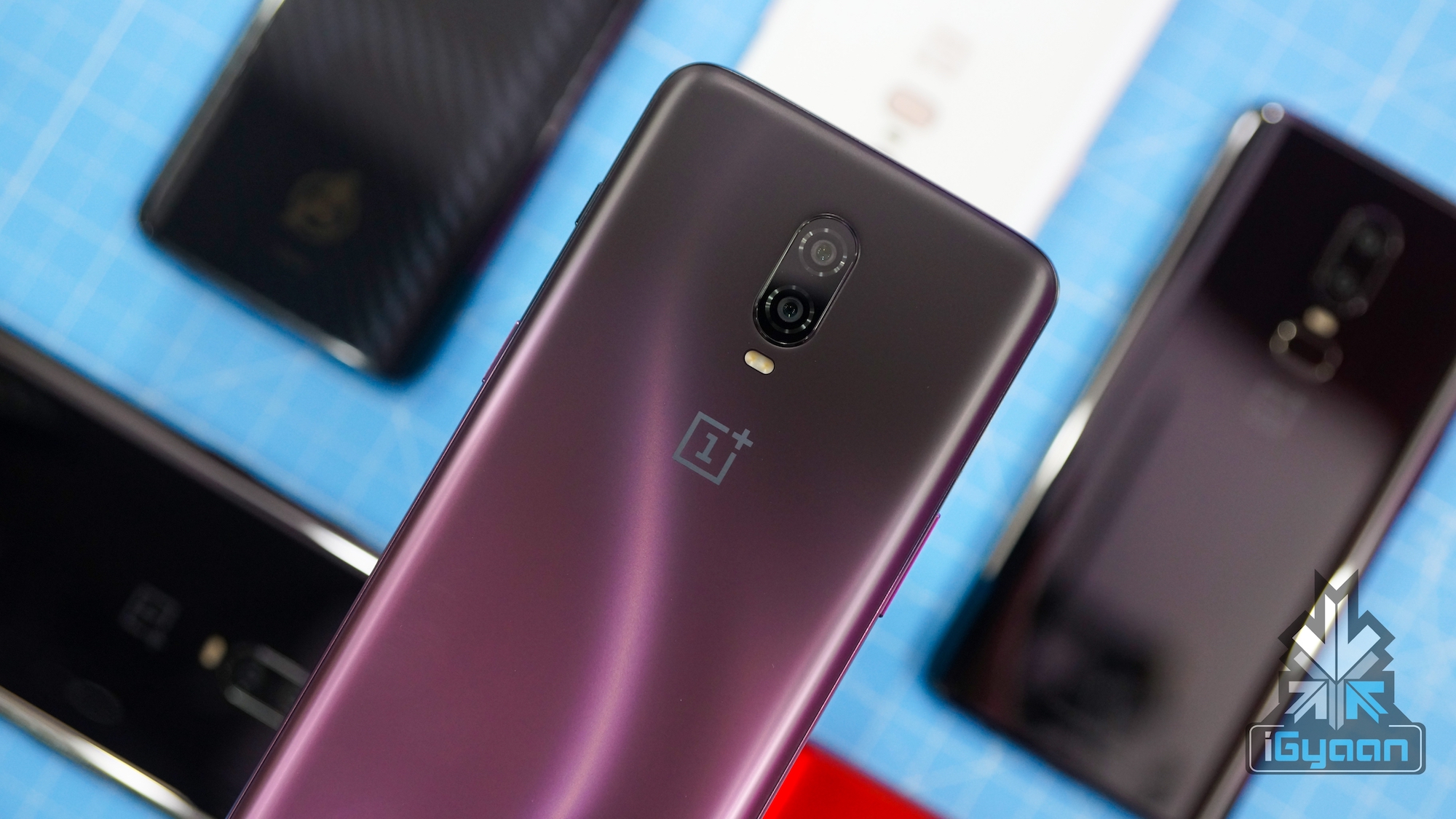
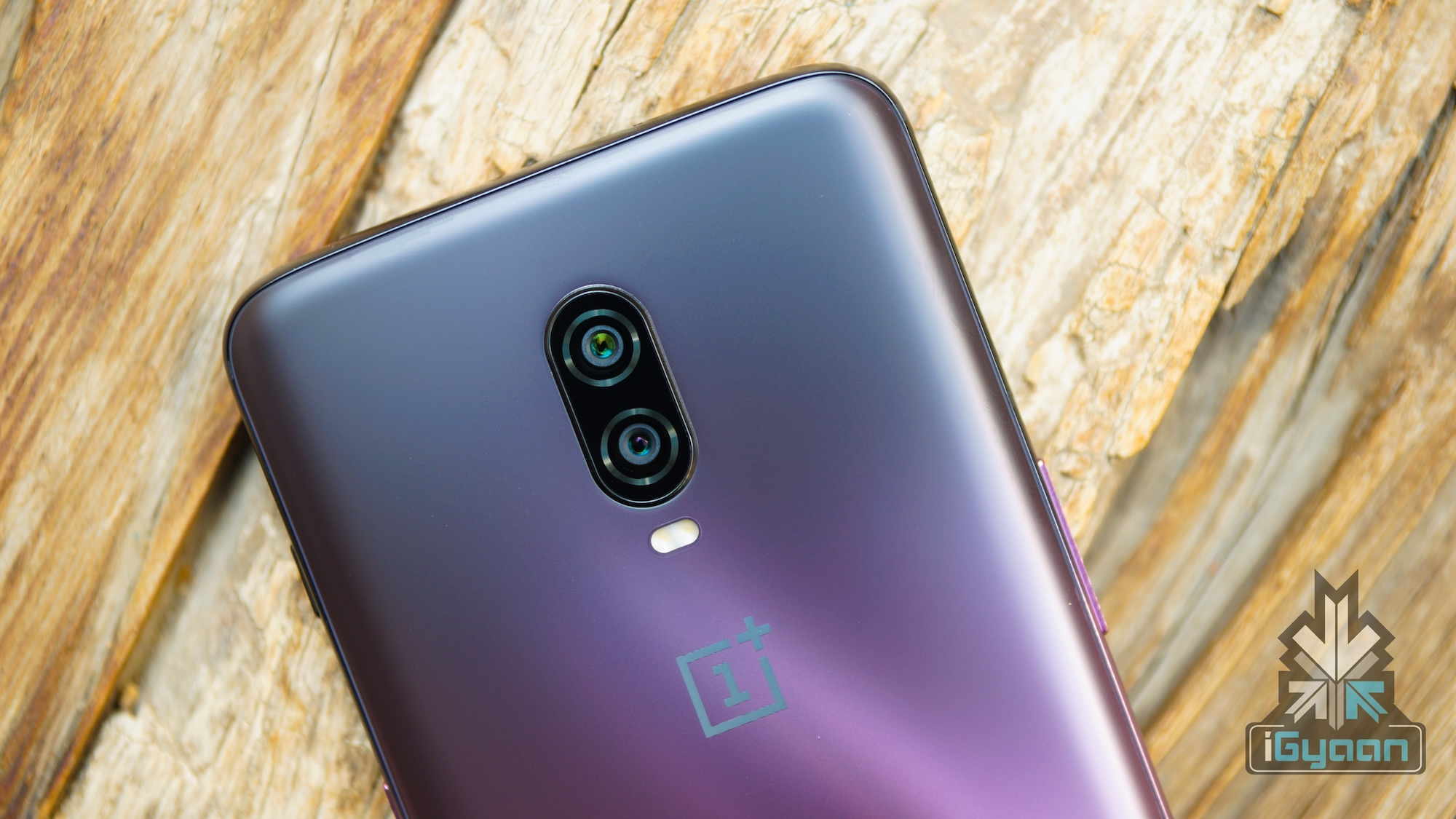
    What is really impressive on the OnePlus 6T Thunder Purple is the almost metallic finish that the company has achieved on the glass back. This, along with the smooth gradient really gives the device a ‘thunderous’ look.

    OnePlus 6T Thunder Purple Specifications

    The OnePlus 6T Thunder Purple has a 6.41 inch AMOLED display with a 2340 x 1080 px resolution and a pixel density of 402 ppi. The display has a water-drop notch, which gives the phone more screen real estate than the OnePlus 6.

    One of the most attractive features is the in-display fingerprint sensor. It uses a  fourth generation in-display fingerprint sensor, which is extremely fast and responsive. It is one of the best in-display fingerprint sensors out there right now. What’s more, the fingerprint sensor gets more accustomed to your fingerprint every time you use it. This results in faster unlock speeds every time.

    Under the hood, the Thunder Purple 6T packs a 3,700 mAh battery and has Dash Charging support. The phone runs on the Qualcomm Snapdragon 845 SoC and has 8 GB of RAM along with 128 GB of storage. The phone uses Oxygen OS based on Android 9 Pie. This features advanced gestures and faster app cold start speeds.

    In terms of photography, it has a dual 16 MP + 20 MP rear camera with software improvements such as portrait lighting and Night Scape. The front facing camera is a 16 MP sensor with an f/2.0 aperture. The phone has bluetooth 5.0, Wi-Fi, NFC and a USB Type-C port for connectivity. Other than the in-display fingerprint sensor, it also features Face Unlock for securely unlocking the device.

    Price & Availability

    The OnePlus 6T Thunder Purple limited edition will go on sale starting November 16th and will be available both online an offline. The phone is priced at Rs 41,999. We can expect a few more variants of the OnePlus 6T to be launched in the future. While this does add to the excitement around the device, some may be a bit upset about having to wait for such a long time to see all the options available. What do you think about OnePlus’s strategy to launch colours over a period of time? Tell us in the comments below!

    Don’t forget to check out our unboxing video:

iGyaan Network
Privacy Overview

This website uses cookies so that we can provide you with the best user experience possible. Cookie information is stored in your browser and performs functions such as recognising you when you return to our website and helping our team to understand which sections of the website you find most interesting and useful.