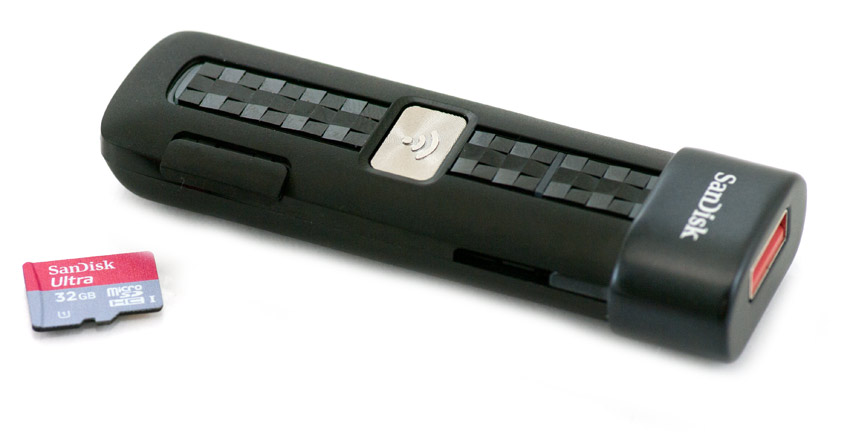
Flash drives, or more commonly known to us as USB drives, are a really useful component in the world of computing. Transferring data from one machine to another has become so simple and easy. Otherwise, earlier, copying data onto a CD was such a pain. But, some computer systems like the 12-inch Retina Macbook lacks USB ports. So, how will one transfer files to the Mac? SanDisk brings the answer in the form of the SanDisk Connect Wireless Stick.
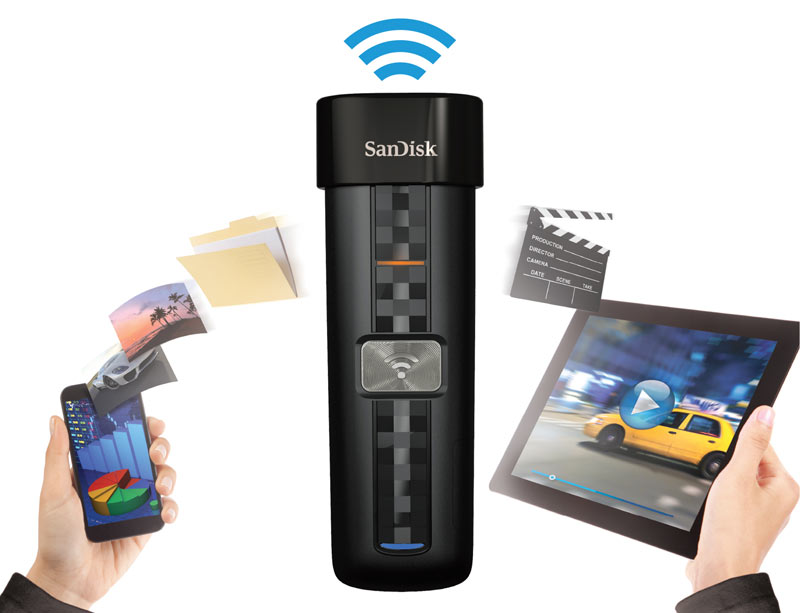
The SanDisk Connect has a full-size USB port that can be utilized to load content like videos, music or photos from your computer to your smartphone, tablet or Mac. You just need to press the big wireless button, and the drive will activate a WiFi hotspot. You will need the SanDisk Connect Flash Drive app on your phone or tablet.
This device is the solution to two problems: the chore of moving files between devices, and the internal storage limitations of modern smartphones. Movies and high-resolution images work out just fine on a desktop computer, but when we try to transfer them in a smartphone, it is either challenging or nearly impossible, especially since most mobile phones have a maximum of 16GB of storage.
The Connect Wireless Stick, however, holds up to 128GB, thus allowing you to stream data on a single charge, lasting for 4.5 hours. It will also enable users to back up photos and videos automatically using the camera roll on your phone.
The device comes in 4 different capacities, starting at 16GB till 128GB. To manage all the content dashing around, SanDisk has developed a Connect app that is compatible with Android, iOS, Mac, and PC platforms. You can find the Connect Wireless Stick right now on Amazon.
The OnePlus 2 launch event is promised to be a grand affair. The Chinese company is gearing up for the launch of the OnePlus 2 in a very different way than most of its competitors. The live streaming of the event will take place in Virtual Reality, starting at 7 pm PDT on 27th July. For this occasion, OnePlus has engineered its own ‘cardboard’ VR headgears that allow you to slip in your mobile handset inside of the little box.
There were two ways of obtaining the cardboard VR headset; one was to participate, and the winners would be chosen at random, whose results are yet to be revealed, and the other was to purchase them from Amazon for a cheap price of Rs 99. Basically, you are being charged only for the delivery, not the headgear.
The VR headgear is up for sale on Amazon from today. The cardboard has been perfectly tailored to fit the OnePlus 2 smartphone and can be assembled quickly.
Most of the spec details will be revealed at the launch event. Till then, as per the revelation by the company CEO Liu Zuohu, OnePlus 2 will run on Snapdragon 810 chipset along with 4GB RAM. A 5.5-inch 2K display will improve the viewing experience of the user. The OnePlus 2 will also have a USB C-Type, the first in a flagship device by a major manufacturer.
The company has already announced that the price of the OnePlus 2 will not be above Rs 28,500. With the launch next month, there is a huge possibility that users will, again, be required to have an invite to buy the phone. But this time, the company says it is ready to meet the demands.
Update:
The VR headsets are currently sold out on Amazon. We will keep you updated as soon as it is back in stock.
Marshall is a famed company that is known worldwide to music geeks and guitar pros as one of the best guitar amp companies. With nearly 50 years of wisdom and experience in the audio world, the company is now moving on to the world of mobiles.
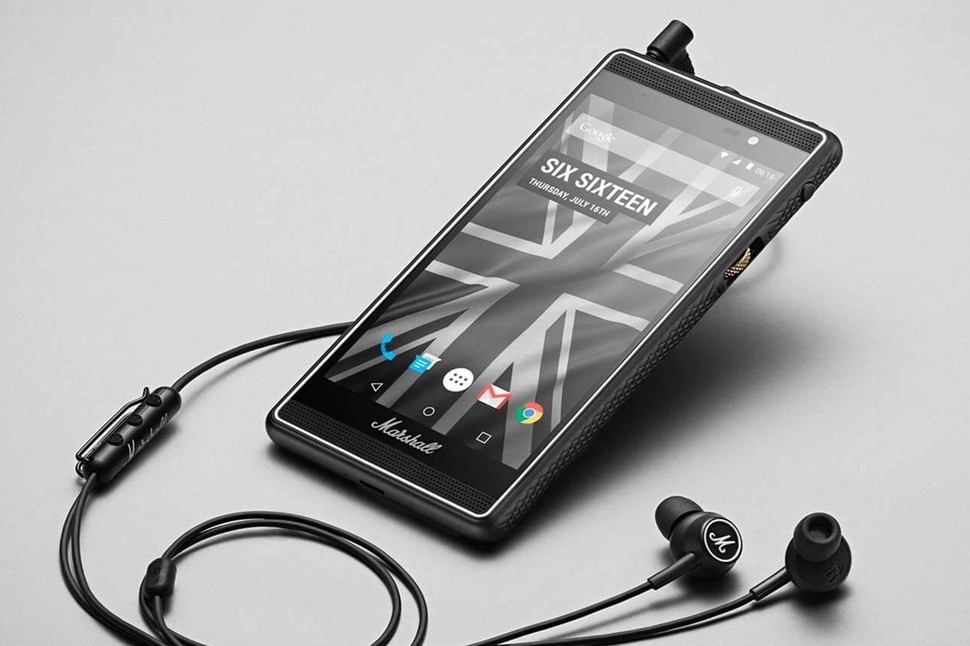
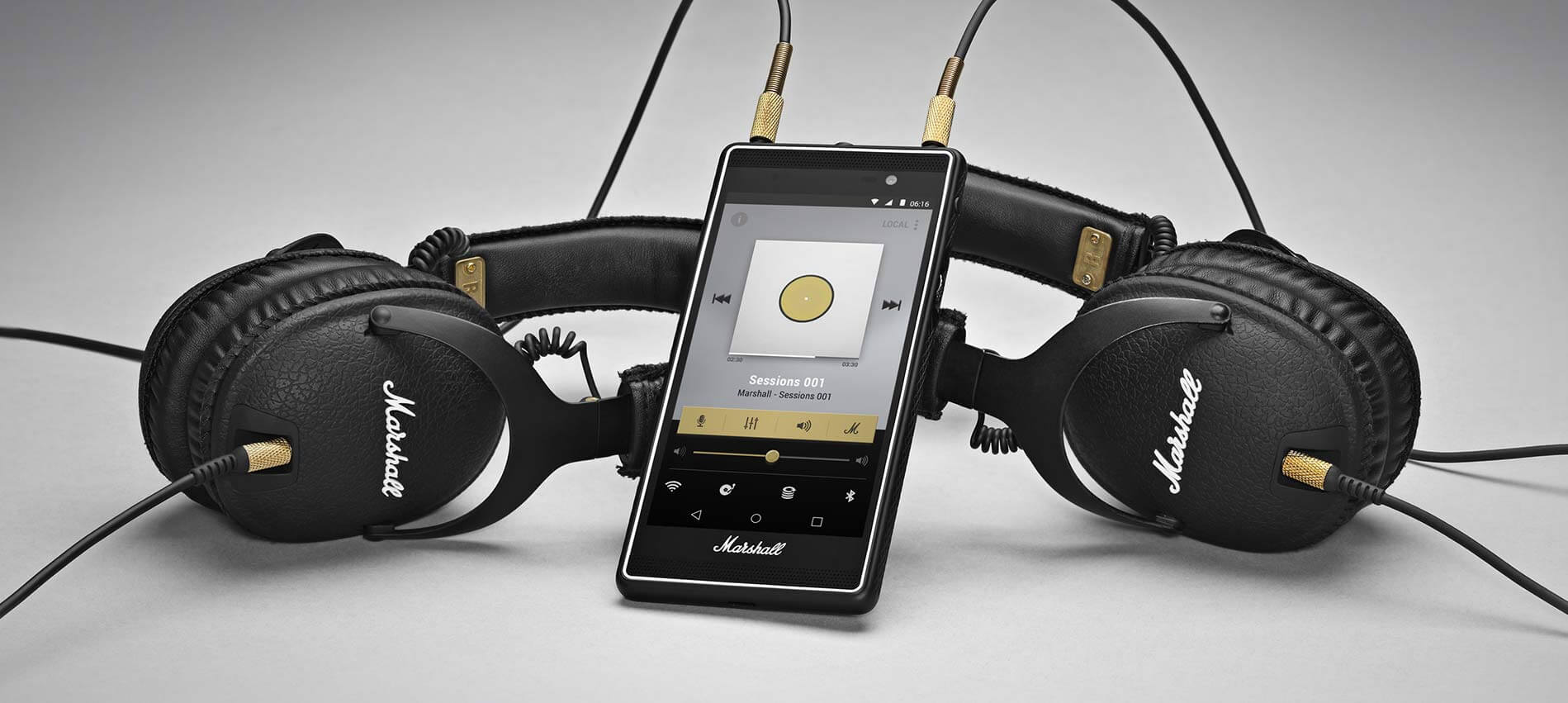
The new Marshall smartphone is an Android handset that is specially designed for music lovers. The device has been installed with very simple specs, including a 4.7-inches 720p display with Gorilla Glass 3, 2GB RAM, a removable 2,500mAh battery and a Snapdragon 410 processor and a Qualcomm MSM8916 with Wolfson WM8281 Audio Hub chipset. Moto E uses the same processor to power their system. The Marshall phone also has LTE connectivity. Camera details include an 8MP rear camera with flash and 2MP front camera. It offers 16GB of internal storage that can be expanded to 128GB via a microSD card.
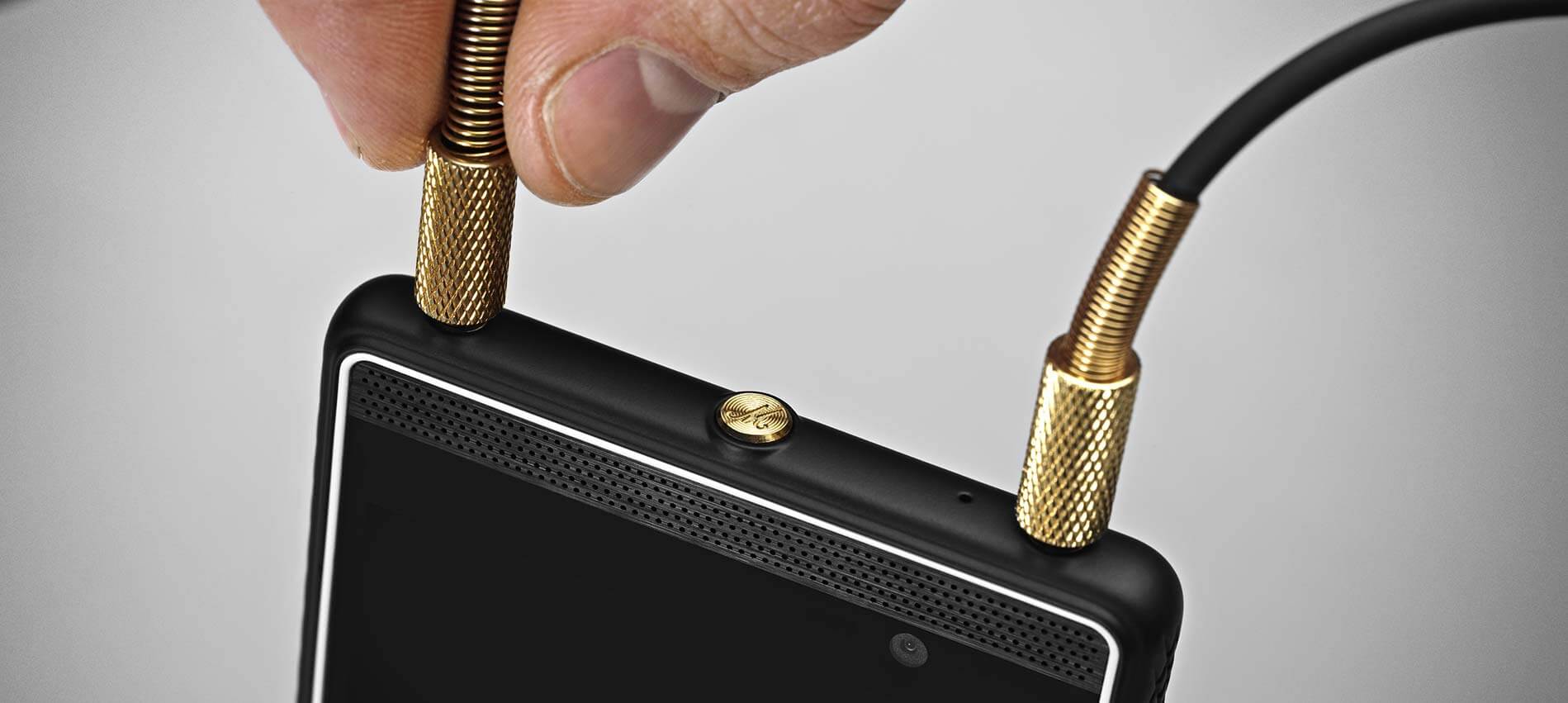
But Marshall is all about music. It has an additional processor that is dedicated to high-resolution FLAC music files. It has two pairs of headphone jacks and a pair of good-looking Marshall Earphones. The button mounted on top of the device fires up the phone’s music UI, a 5-band global equalizer and a scroll wheel for adjusting the volume, without needing to take the phone out of your pocket.
The phone has not been officially announced in the U.S. yet—it will be in a few hours according to the Marshall Swedish site’s countdown clock. There is no pricing information on the U.S. version of the site, as yet.
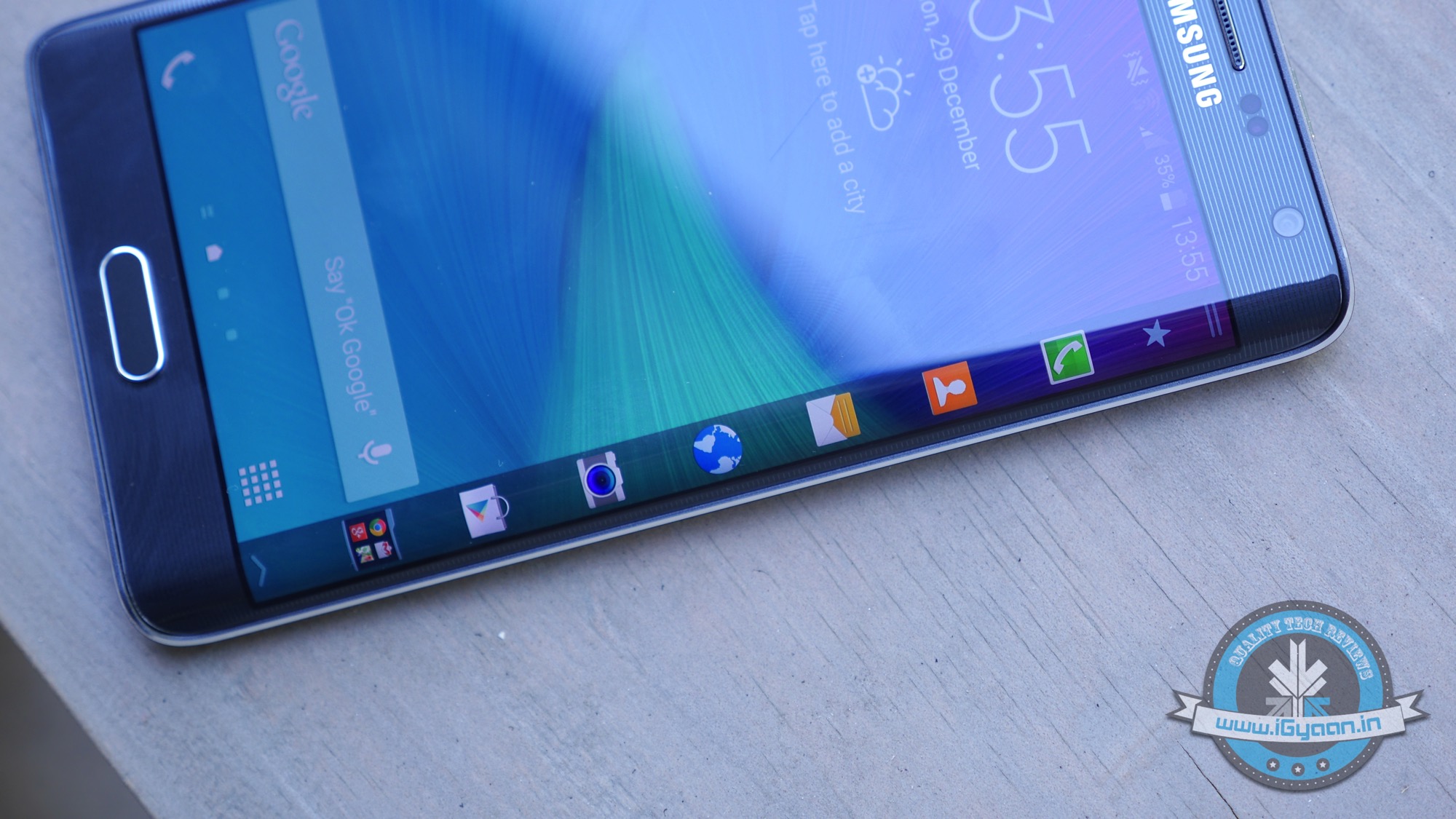
Hardware differentiation and specialization are evolving trends in the smartphone universe—we have “luxury” phones from Vertu and Lamborghini, a smartphone with a large image sensor from Panasonic, and Samsung’s wrap-around Edge screen Dual headphone jacks and hi-res audio capabilities seem like features that may become mainstream, soon.
Samsung has been doing rounds in the news feed for some time. After advancing its launch dates from September to August, Samsung, according to blog site SamMobile, will be launching the Galaxy S6 Edge Plus along with the big-screened Galaxy Note 5. Looks like Samsung has got a lot of work for the month of August.
SamMobile confirmed that the Galaxy Note 5 will be announced on 12th August and will officially be launched later on 21st August. Later, the source also learnt that the Samsung Galaxy S6 Plus will follow the same announcement and launch plan.
But, why has Samsung decided to launch both the devices together? Won’t it risk one device eating the sales of the other? It is viewed that advancing the launch dates may work exponentially in Samsung’s favour, as the new handset is not ready to go up against Apple’s iPhone 6S, which will be launching on September. Samsung’s plan to launch both of the new phones at the same time came from Korean press leaks, according to SamMobile.
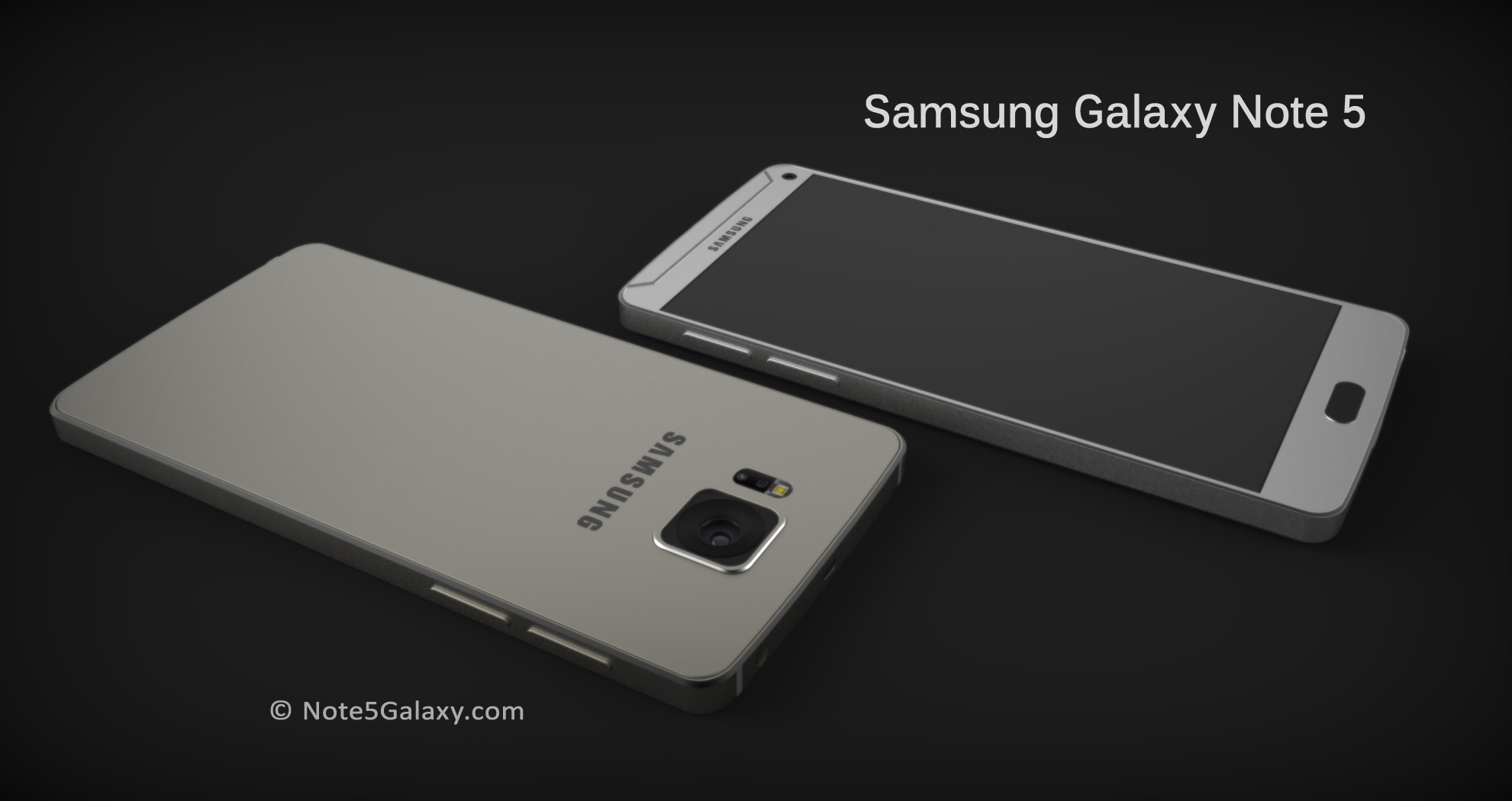
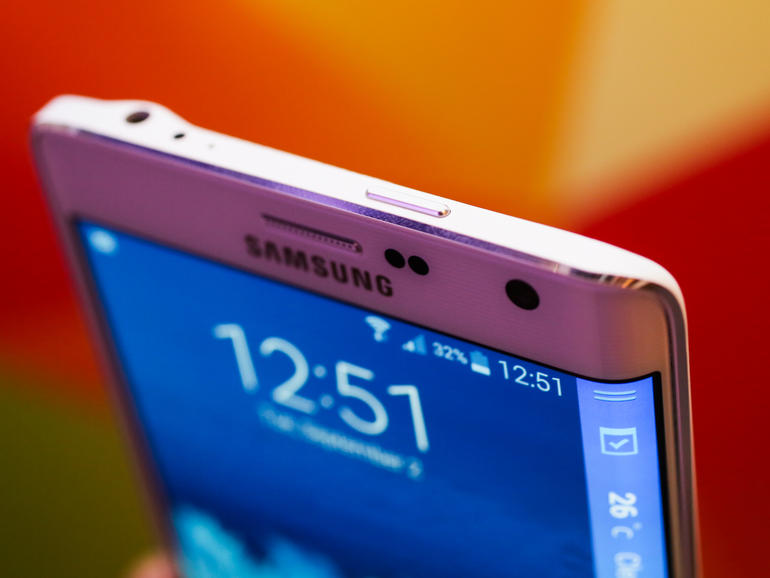
The Samsung Galaxy Note 5 is likely to feature a 5.4-inch or 5.5-inch Super AMOLED display with curves on both the edges. The display is likely also to feature a 4K resolution. According to reports, the Note 5 will feature a 32GB of eMMC (embedded multimedia card) along with a controller. The phone may also feature a 16MP rear camera, 8MP secondary shooter, 4GB RAM and 16GB internal storage. The Note 5 might even be powered by an enormous battery of 4,100mAh, which is important for a phablet with these specifications. The Note 5 should pack Samsung’s trademark S Pen in a new form.
The Samsung Galaxy S6 Edge Plus is basically the phablet version of the Galaxy S6 Edge. The device is assumed to have a curved display and run on Exynos 7420 processor with 3GB, instead of the Snapdragon 808. It is also highly possible that the device may be available in the same colour options as the Note 5.
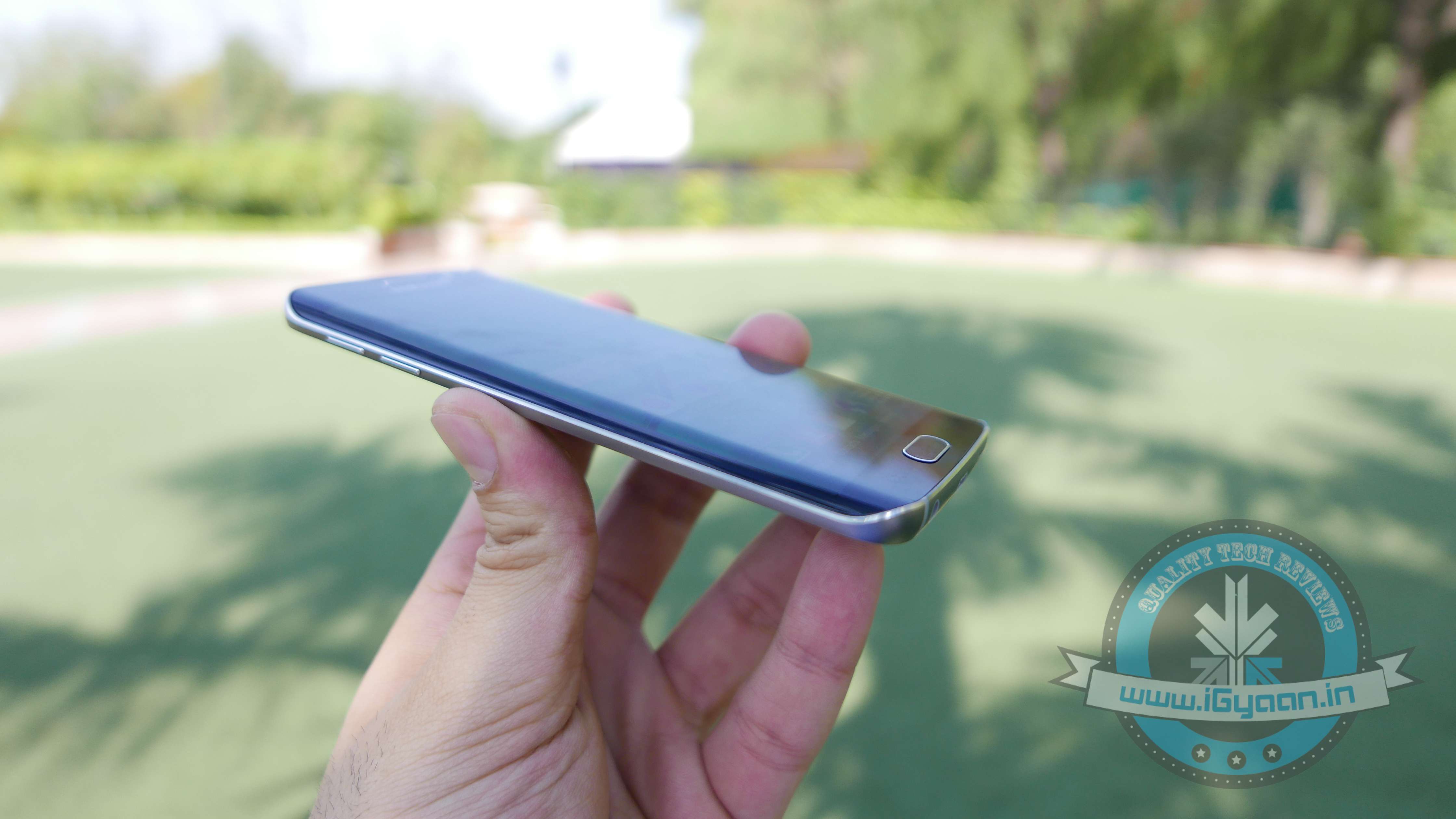
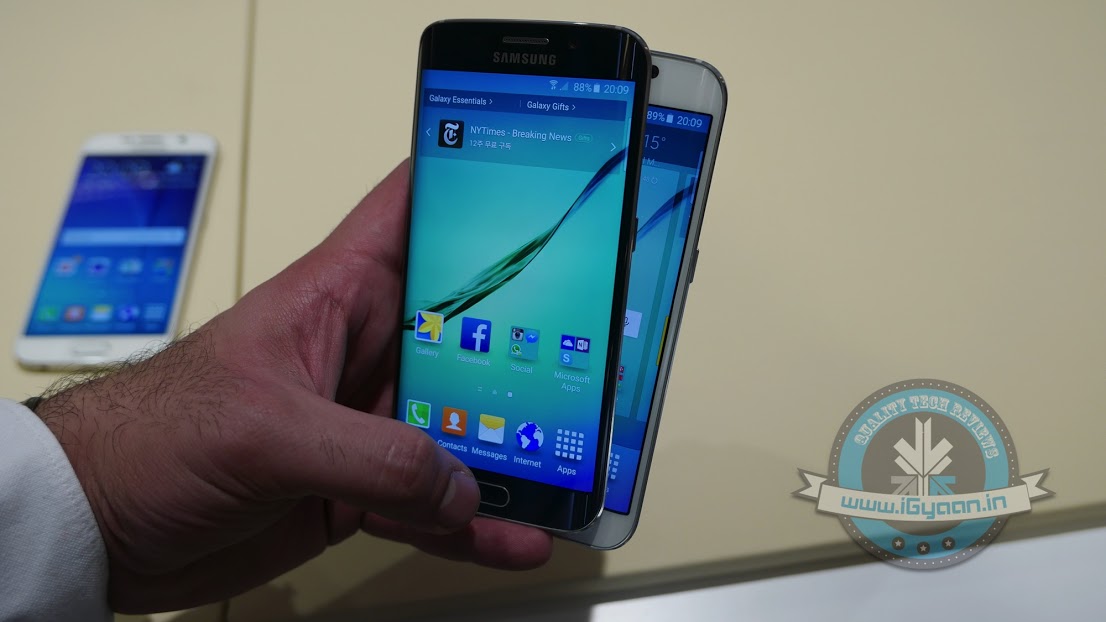
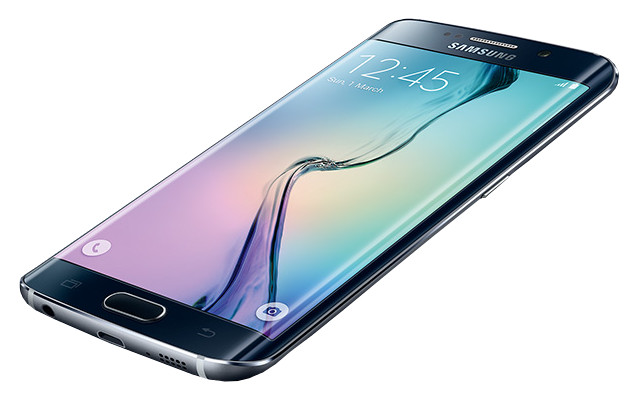
Samsung Galaxy S6 and S6 Edge
Samsung’s event will be the highlight event of August with the launch of these two handsets. What are your opinions about the Samsung Galaxy Note 5 and S6 Edge Plus specification leaks? Comment below.
Back in April, Xiaomi unveiled its new smartphone, the Mi 4i, at a grand event in New Delhi. One lakh registrations went up, and 40,000 units were sold out within 15 seconds. Rumours had that the company would be launching two more devices in the lineup later between June and July. The two anticipated devices were the Mi5 and Mi5 Plus.
Today, it is unveiled that the Chinese tech giant Xiaomi on Saturday teased an event that is scheduled to be held on 16 July, a social networking site Weibo said. The device that may come in the market is speculated to Xiaomi Mi 5.
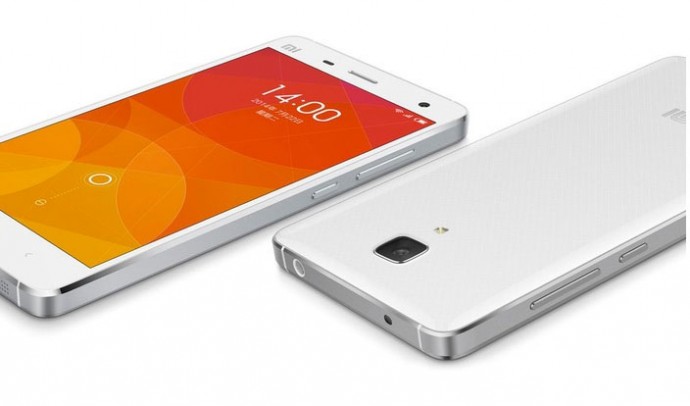
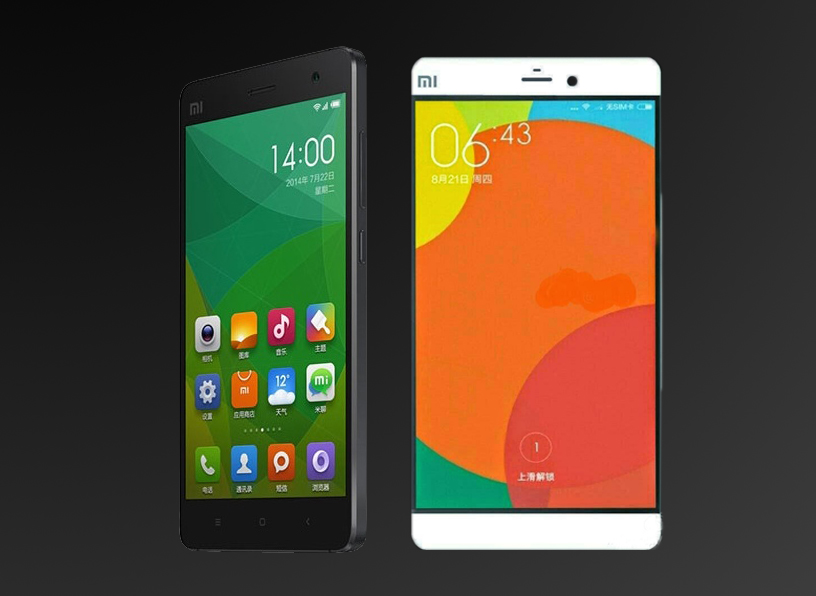
As we can see in the picture revealed online, it could be Mi 5 with a metal body that is looking thin with curved corners.
The claimed specs of the devices were leaked on the Chinese social media site, Weibo. The Mi 5 is lauded to have a 5.2-inch display with a resolution of 1440×2560 pixels. It is held it will be powered by the latest Qualcomm Snapdragon 810 chipset with either 3GB or 4GB RAM and will be juiced by a 3,000mAh battery. Its camera specification includes a 16MP primary camera.The device will also be infused with fingerprint technology.
The leaks also suggested that the Mi5 will be priced at CNY 2,399 (approximately Rs. 24,500).
News and reports of its larger cousin, the Mi5 Plus is yet to be announced. Going by the specs, the Mi 5 Plus will feature a 6-inch screen with 4GB RAM, 32GB internal memory and a 16MP primary camera.
Meanwhile, another of Xiaomi’s smartphones expected to be launched in 2015 is the Redmi Note 2, the successor to the popular Redmi Note of 2014. Acknowledging the fact that the Redmi Note was launched in July 2014, there is a good chance that its successor could be unveiled during the 16 July event. But, let us wait till Thursday to find out.
A few days ago, we did a story on how HTC ultimately become one of the biggest mobile phone manufacturers known for its design, OEM branded devices and its trademarked user interface in the world, all thanks to Cher Mi Wang, H T Cho and Peter Chou, who collectively established the company.
HTC, which stands for High Tech Computer, has been making smartphones longer than almost anyone. Years ago, it HTC was known for creating Windows Mobile devices that were rebranded by AT&T, O2 and other companies. But thanks to its early embrace of Android with the T-Mobile G1 and Google Nexus One, HTC has risen to stardom, becoming a brand of its own and holding its own against mobile industry veterans like Motorola and Samsung.
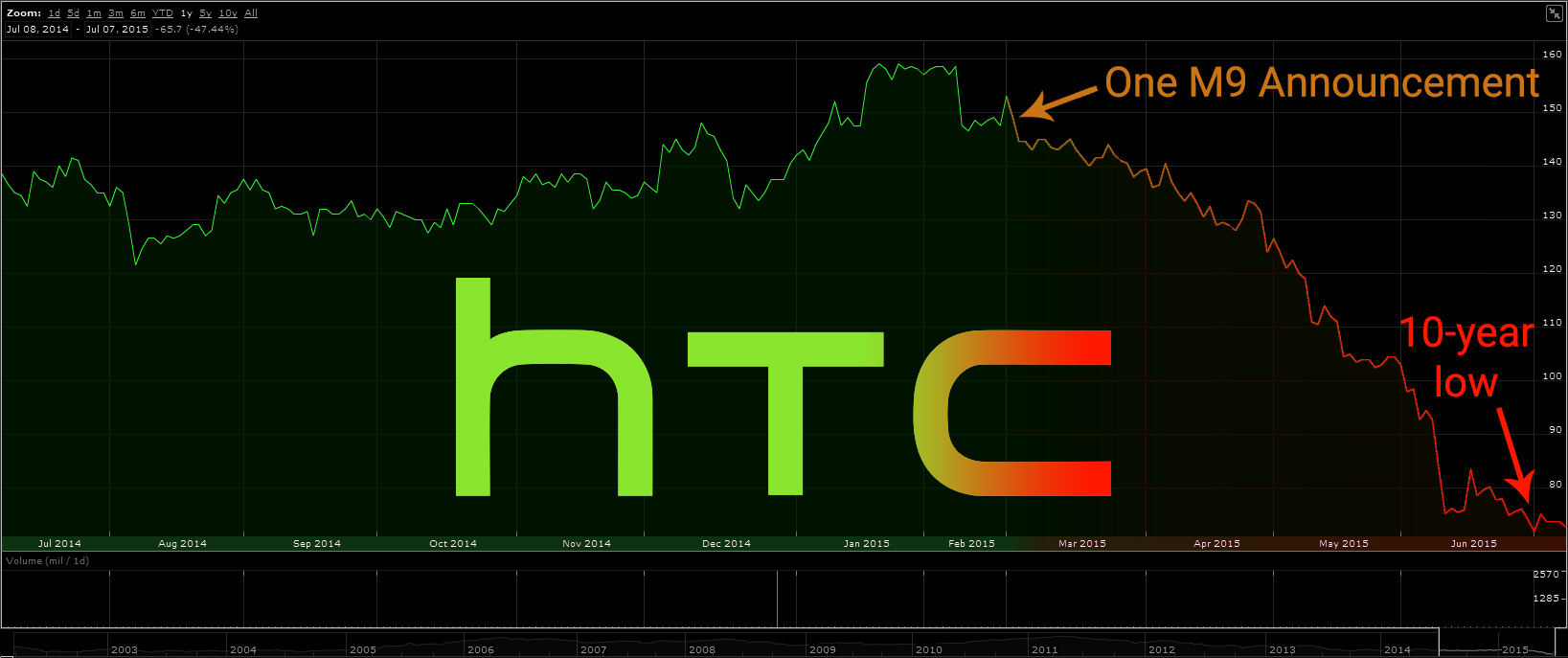
It seems 2015 has not really been a good year for HTC. HTC says their financial figures for its second quarter of 2015 lost 24 cents (or pence) for every dollar (or pound) of revenue it took. After four quarters of thin profits, the business just fell rolling off a cliff. In March, the company had a market cap of $4.06 billion, and today—only a few months later—it is worth less than half of that. The trend is downwards — year over year, HTC’s monthly revenue was down 38% in April, 48% in May, and 60% in June.
We can see in the graph that the HTC One M8 was the last peak of the HTC growth rate before starting to dwindle. The HTC One inspired an emotional connection, unusual in a generic market. The mobile won lots of phone-of-the-year awards. It joined a striking design to the smartest and most polished of all the leading user-interface skins. Surely, you would think this would turn into sales? It did, but only up to a point.
In the past few years, HTC chose to concentrate on the high-margin end of a cut-throat market, and outsourced manufacture of cheaper models to cut costs. Without an active portfolio, it couldn’t capitalize on any “halo effect” from all the rave reviews of the M8.
Also, the trademark design of the flagship didn’t change to the plastic E8 while the One Mini 2 married the One’s high-quality body and design to an underpowered engine. Neither screamed “buy me.”
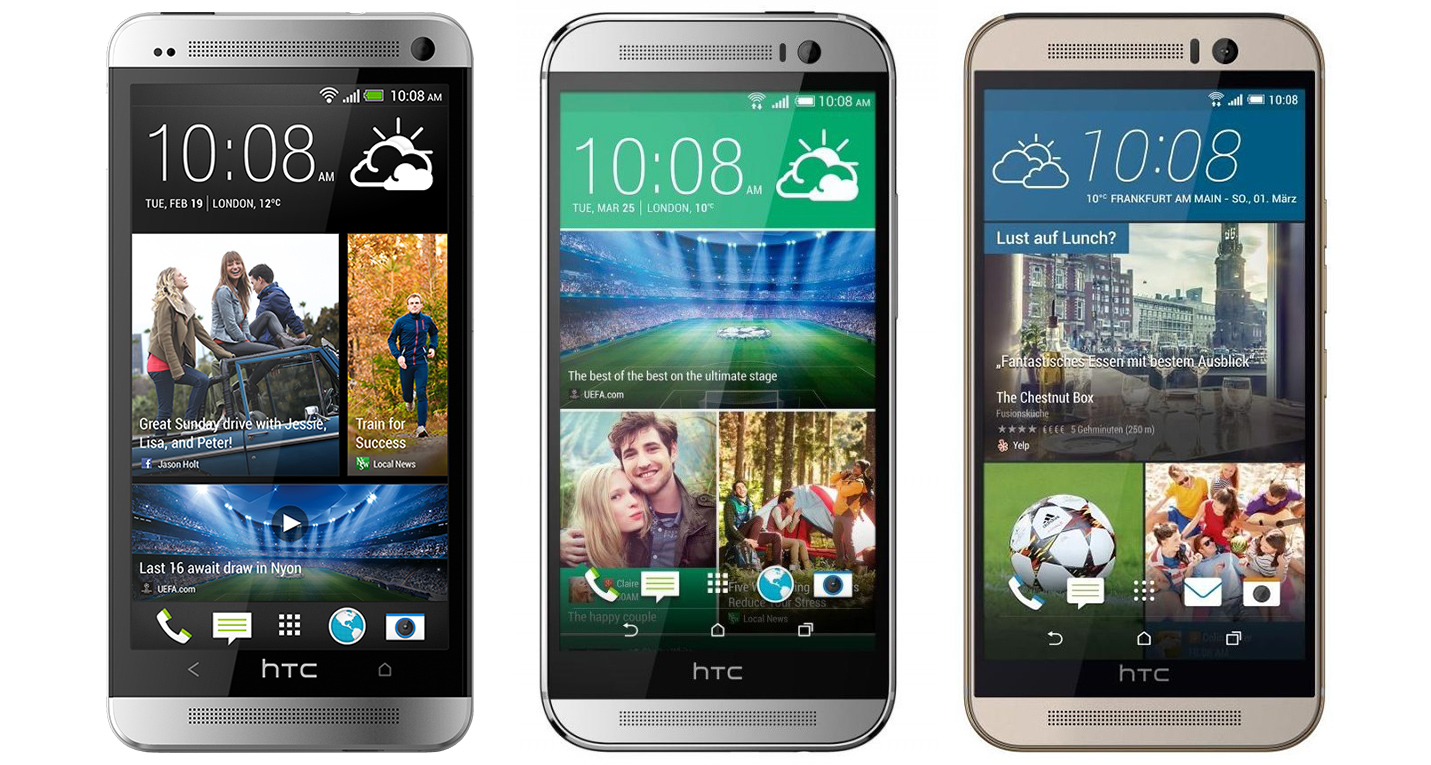
The last three years of HTC flagships: The One M7, M8, and M9.
Samsung “recovered” in 2015 because it had used years spending a vast amount of debt on marketing and advertising. HTC had underinvested in marketing and hardly made a few good advertisements. HTC never published sales numbers for the M9, but our guess is they were never good. Reports from the supply chain suggest that HTC could cut component orders for the M9 by 30 percent. One major US carrier even left out the M9 from its lineup due to “lackluster sales.” The M9 flagship is not the reason of all of HTC’s woes, but it’s a good indicator of the company’s problems. In its Q2 guidance revision, HTC accused its economic problems on “slower demand for high-end Android devices and weaker than forecast sales in China.” The only other high-profile device the company makes is the Nexus 9, which ended up being an overpriced tablet with inferior build quality.
So will HTC survive or manage a comeback? We will never know for sure, not up until something changes. However, things are not looking great for the Taiwanese brand at the moment.
The smartphone train keeps on moving forward as time passes by. With almost half of the year gone by, we’ve seen many new devices like Samsung Galaxy S6 and S6 Edge and HTC One M9. But the year is far from ending, and many companies have given out hints of their new unnamed devices. Let us check them out below
Apple iPhone 6s
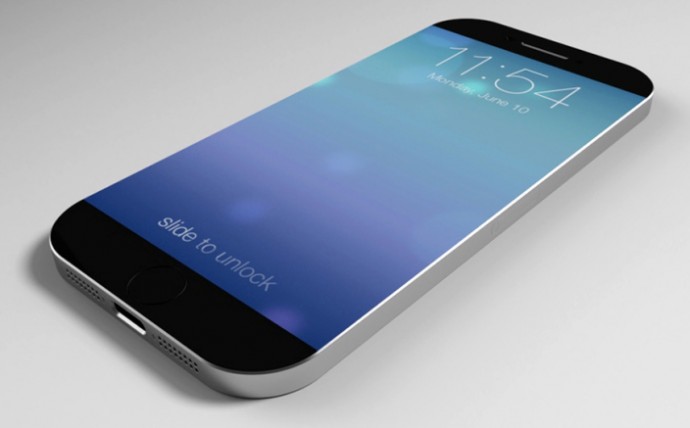
The iPhone 6 and 6 Plus were released in September, and in the months leading up to that, the gossip mill went mental. Be ready for more of the same with the iPhone 6S, which will launch in September 2015 running iOS 9. As always, we’re presuming a faster processor and some upgraded specs, but little change to the design. According to rumours, the new devices will have a faster A9 processor, 2GB of RAM, a 12-megapixel camera, an additional microphone to enhance voice quality, and a new interior mechanical design to address some bending issues users experienced with the iPhone 6 and iPhone 6 Plus.
OnePlus Two
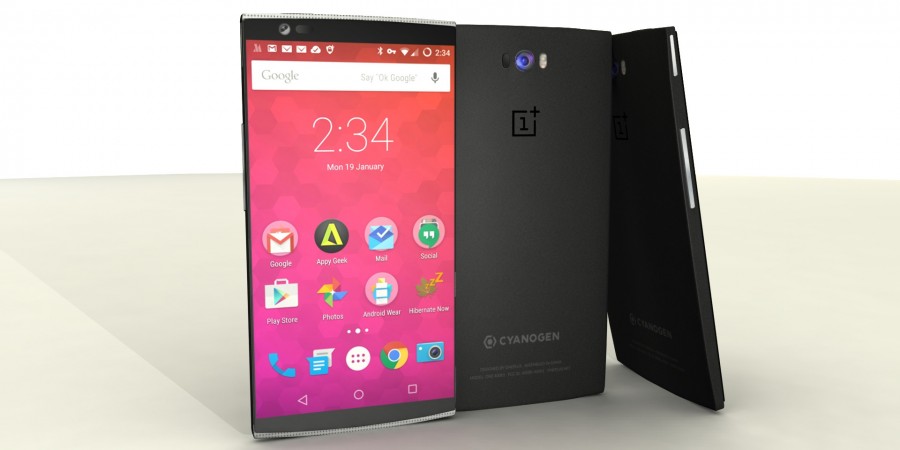
OnePlus One was one of the most successful Chinese electronic startup stories of 2014. This handset captured an enormous chunk of the mid-segment smartphone market. OnePlus announced a new device on June, which is expected to be the next OnePlus handset. According to OnePlus co-founder Carl Pei, the OnePlus 2 will surprise us, and is likely to focus on flagship-rivalling design rather than specs. The OnePlus 2 launches on 27 July, and will be the first product ever to do so in virtual reality. We already know it will feature OxygenOS, an upgraded Snapdragon 810 processor, USB Type-C and a fingerprint scanner; also expect 4GB of RAM, a 3300mAh battery and a 5.5in 2K screen.
Samsung Galaxy Note 5
Everyone always brags on about Samsung’s Galaxy S lineup, but it’s the Note series that really impresses. The Note 4 was unveiled at a Samsung Unpacked event prior to September’s IFA trade show (3 September 2014), and right now sits at the top of our fastest smartphone and best phablet charts. Traditionally Samsung’s Note launches are held at IFA in September, but rumours suggest we might see the Samsung Galaxy Note 5 as early as July to give it a headstart on the new iPhones.
Mi5 and Mi5 Plus
Reports from Gizmochina claim two more devices will be joining Xiaomi’s line-up later in June 2015. These devices are larger copies of the Mi 4, expected to be named Mi 5 and Mi 5 Plus. The claimed specs of the devices were leaked on the Chinese social media site, Weibo. The Mi 5 is touted to have a 5.2-inch display with a resolution of 1440×2560 pixels. It is believed to be powered by the latest Qualcomm Snapdragon 810 chipset with either 3GB or 4GB RAM and will be juiced by a 3,000mAh battery. Its camera specification includes a 16MP primary camera.The device will also be infused with fingerprint technology. Its larger cousin, named as Mi 5 Plus, will feature a 6-inch screen with 4GB RAM, 32GB internal memory and a 16MP primary camera. While nothing has been mentioned about the price, some rumors claim that Mi5 is slated to be priced around Rs. 23,900. Should the rumor turn out to be true, Mi5 will become one of the strongest performing phones in the market. We hope Xiaomi announces Mi5 as early as possible.
LG G5
Rumours say that LG is now working on the successor of the G4, and will be bringing iris recognition system into play. Reports from Korean publications state that LG has teamed up with local biometrics specialist Irience to implement this feature in its next smartphone. Reports also indicate that the phone will be released in the last quarter of 2015. For now, this is the only information we have found out.
Samsung Galaxy S6 Mini and Galaxy S6 Plus
Samsung Galaxy S6 Mini
It seems like Samsung is on the move to expand its range of Galaxy lineups. The Korean company is reportedly working on a smaller version and a larger version of the Galaxy S6 and S6 Edge, namely, Galaxy S6 Mini and Galaxy S6 Plus respectively. Both the rumours emerged this week.
According to GSMArena, the smaller version, Galaxy S6 Mini, or ‘SM-G9198′, the device will be an iPhone 6 competitor. It will have a 4.6-inch HD display and run on Snapdragon 808 chip with 2GB of RAM. It will be equipped with a 15MP primary camera and a 4.7MP front camera.
Galaxy S6 Plus
Meanwhile, Italy’s HDBlog revealed that the company is working on a bigger version, possibly a phablet, on the Galaxy S6 line. For now, the device has been codenamed as ‘Project Zero 2?. Interestingly, the S6 and S6 Edge were codenamed ‘Project Zero’. According to the rumours, the device will just be like the Galaxy S6, only bigger and with a more powerful battery.
Microsoft Lumia 940XL
Microsoft had launched the Lumia 930 almost a year ago, and now, the company is back with its newest smartphone, the Microsoft Lumia 940XL. According to NokiaPowerUser, the device is a larger version of the Lumia 940. The device is expected to have a bigger 5.7-inch display with a slim design and a metal frame. The processor will feature a Qualcomm Snapdragon 810 processor paired with 3GB of RAM and 32GB of internal storage, a microSD card slot for expandable storage, a 5MP front-facing camera, a 20MP main PureView camera for photos and videos, and will feature native pen support as well.Further, it will also support USB C-Type and an Iris Scanner too. The specs sound very exciting, but the company has not officially confirmed the existence of such a device.
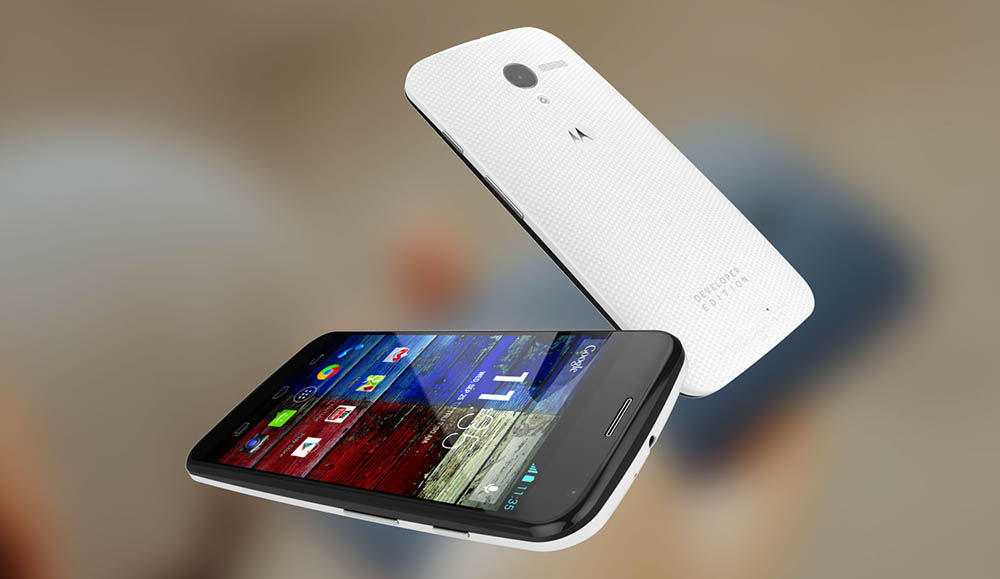
Motorola Moto X (third-gen)
Motorola may launch the third generation of its flagship Moto X smartphones in the coming few months. According to STJS Gadgets, the third-generation Moto X is leaked by a Motorola insider, who claims to have a hold of details about the next Moto X. The upcoming smartphone on the Moto X series will sport a 5.2-inch QHD AMOLED display, used on the Droid Turbo. Under the hood will be a Snapdragon 808 chipset bundled with a massive 4GB RAM. The device will come pre-installed with Android 5.1.1 Lollipop.The front camera will be 5MP while the back will house a 16MP snapper with Clear Pixel Technology. The battery powering the device will also be mammoth at 3280mAh. The device will come in two storage variants – 32GB and 64GB.
Bonus
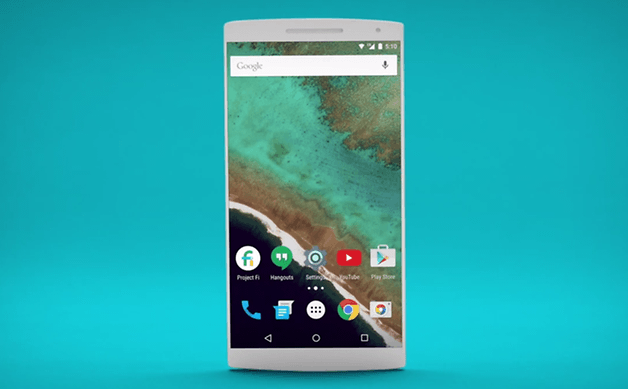
Nexus 5 2015
New reports have emerged that after months of speculation about with whom will Google team up with for its next Nexus device, it seems that LG could be the one to build the next, temporarily named, Nexus 5 2015. According to Android Pit, rather than basing the Nexus 5 2015 on the LG G4, LG will be creating the new handset from the scratch. The device would sport a 5.2-inch screen display, six-core Snapdragon 808 processor by Qualcomm, and 2,700 mAh battery pack, according to the rumours. It may also come in 64 GB and 128 GB variants and have a 16-megapixel rear camera and a five-megapixel wide-angle camera in front.
However, for now, neither Google nor LG has confirmed the news. Also, Google’s next mobile OS, Android M is set for an August release date. Hence, details regarding how many Nexus devices are going to be released and who would be building them will be out really soon.
Keep on checking iGyaan for more updates regarding these future devices!
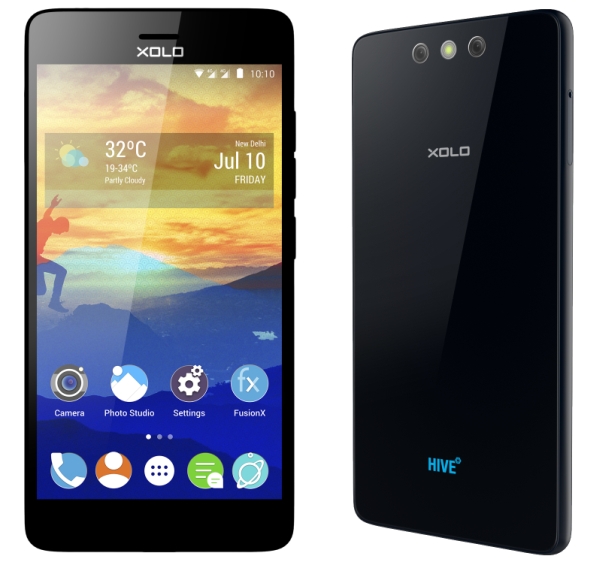
Since its launch in 2012, XOLO has tried but never been able to achieve the level of popularity like its rivals Motorola and Xiaomi have. XOLO hopes to change that through its upcoming phone “Black”, which will be exclusively sold on Flipkart from today.
The Xolo Black is equipped with a 5.5-inch screen carrying 1080 x 1920 resolution. That works out to a 401ppi pixel density. Gorilla Glass 3 protects the display from scratches and is also found on the phone’s glass back. The Snapdragon 615 SoC powers the handset, featuring an octa core CPU and the Adreno 405 GPU. 2GB of RAM is inside along with 16GB of expandable storage. On the back, you will find a dual camera set up with 13MP and 2MP cameras on board. The latter is used to change the focal point of an image, Lytro-style. On the front, a 5MP snapper is ready to snap your selfies. Keeping the phone running is the job given to the 3200mAh battery inside, and Android 5.0 is pre-installed with HIVE UI 1.5 running on top.
The phone supports 4G LTE connectivity and measures a slim 7.3mm thick. The Black is treated with an oleophobic coating to prevent fingerprints from marring the device’s finish. And the power button lights up in different colors to alert the user of certain notifications.
Xolo is adopting the online business model considering how it has expanded fanbase for companies like Xiaomi, OnePlus, Yu and even Motorola, which was struggling until it launched Moto X, in India. The device is priced at Rs 12,999.
Facebook acquired Whatsapp last year for a whooping price of $19 billion. After the acquisition, Zuckerberg has been slowly been remodelling Whatsapp to the likes of Facebook. Both have been exchanging features with each other like Facebook is slowly turning its independent Messenger app into Whatsapp, integration of the ‘Seen’ blue tick on Whatsapp, and many more. Now, there are rumours about Whatsapp’s adoption of Facebook’s unique features, the ‘Like’ and ‘Mark as Read’ options.
According to reports from WhatsApp beta tester Ilhan Pektas, WhatsApp could get characteristics such as “Like” and “Mark as unread” in a forthcoming update. The Like feature is exciting though we are not sure at this point how it will operate. Perhaps it will act in a similar manner as the thumbs up button on Facebook Messenger or like the photos being exchanged.
The Thumbs up feature will allow users to send a fast and concise reply to simple questions without having to type it out. It could also be executed in group chats where photos and videos are shared and group chat members can “Like” it, which once again does away with the need to type out a comment if it isn’t required.
The “Mark as unread” feature is impressive since this allows users to avoid the dreaded blue ticks to indicate a message has been read. However given that the blue ticks feature can be disabled, we are not sure if this feature is indeed necessary, but given that this is a rumored feature for now, do consider it for now.
If this comes out to be true, the Facebook’s ‘Like’ button, which is a highlight trait of the social platform, will be an unique attachment to the most popularly used instant messaging service worldwide while the ‘mark as unread’ feature would also come handy similarly as seen in mail services.
Samsung has formed a niche in the smartphone segment with the unique, Galaxy S6 and S6 Edge. The firm recaptured its name and market share because of the latest series and Samsung fans are now anticipating for the next high-end product to hit the market.
Here is everything we know about the Samsung Galaxy Note 5 till now:
As the rounds of reports suggest, the Note 5 will come with a model number SM-N920F. It is likely to feature 5.4-inch or 5.5-inch Super AMOLED display with curves on both the edges. Let us recall you that the Note 4 was the first smartphone with which the curved edge display was included. Other talks speak of a 5.9-inch screen with 4K resolution. The company has been preparing to venture into the 4K technology and the forthcoming Galaxy Note 5 may be the first to implant it.
Needless to say, the bar of prospects has been raised higher for the next phablet. Users may see a dominant processor fitted for computing tasks and sufficient in-built memory to store content. An upgraded version of Samsung’s Exynos 7422 is speculated to govern the computing operations. If we go by reports, the Note 5 will feature 3GB LPDDR3 DRAM, 32GB of eMMC (embedded multimedia card) along with a controller. Other buzz hints of a 16MP rear camera and a 8MP secondary shooter.
A latest report also suggests that the Note 4 heir might sport a USB Type-C, which we recently saw incorporated on the Apple MacBook. The Note 5 might even be powered by an enormous battery of 4,100mAh, which is important for a phablet with these specifications.
Sources close to iGyaan have verified that the device will be launching in India in the 3rd week of September. The source also disclosed the pricing of the new device saying that it will cost Rs 64,999 for the 32GB variant. For now, it is anticipated the device will arrive in 64GB and 128GB variants as well. The same pattern Samsung followed with the Galaxy S6 series. Samsung will also bring out an ‘Edge’ variant, which will cost Rs. 9,000 above the regular edged one.
But, as per Whowired, the next flagship model by Samsung will be unveiled at the end of July, much before the expected time in September. Galaxy Note 5’s early launch seems to be a strategic plan to eclipse the market of iPhone, who’s sales exceed 50 million per quarter. However, the source claims that it is due to the early development of the handset.
Summing up all the considerations and rumours, the Galaxy Note 5 appears to be a major update from the Note 4. It will have advanced features, higher specs and an upgraded S-pen for better user experience. With the iPhone 6s launch scheduled for the same month, we’re now impatiently waiting for September to arrive.
IBM has just made a breakthrough in chip manufacturing technology. The company, working with GlobalFoundries, Samsung, SUNY, and various equipment suppliers, has created the world’s first 7nm chip with working semiconductors. This would be the first time a chip maker has succeeded to achieve such a feat. Normally, the smaller the transistor gate, the better the performance of the chip. As a result, reducing it to just 7nm will drastically increase the power to performance proportion of the chipset.
While it should be emphasized that commercial 7nm chips remain at least two years away, this experimental chip from IBM and its partners is remarkably significant for three purposes: it is a functional sub-10nm chip; it is the first commercially viable sub-10nm FinFET logic chip that uses silicon-germanium as the channel material and feasible design produced with extreme ultraviolet (EUV) lithography.
IBM’s 7nm chips use a FinFET transistor configuration that differs from existing FinFETs in that the transistor’s channel is made from silicon-germanium alloy, rather than plain silicon. This is because silicon by itself has problems with electron mobility below 10nm, which restricts current flow and hampers smooth performance. Adding germanium to the mix has been found to resolve these issues.
IBM has managed to pack transistors incredibly tightly on their 7nm chips, achieving a conductor pitch of just 30nm. This leads to the surface area reduction of around 50% matched to bleeding-edge 10nm chips, which IBM believes can result in performance and power improvements of “at least” 50%.
Enabling the first 7nm node transistors is a notable breakthrough for the entire semiconductor industry as we continue to push beyond the limitations of our current capabilities,” said Michael Liehr, the university’s vice president of innovation and research.
Although the company has succeeded in creating a working transistor using 7nm, although, it is still in the prototype stage, and may take at least a few years for such chips to end up in the market. So, this tech will probably make it to final products only after the 10nm chips have been widely used.
It is said ‘Behind a successful man is a successful woman.’ Well, in this case, the saying is changed a little bit to ‘Behind a successful company is a successful woman.’ The story of High Tech Computer Corporation revolves around a damsel as well. Her name is Cher Mi Wang, daughter of one of the richest family in Taiwan. In 1997, she entered into a partnership with H T Cho and Peter Chou, who collectively established the company that would eventually become one of the biggest mobile phone manufacturers known for its design, OEM branded equipment and its trademarked user interface in the world. Yes, HTC.
History
The project was not successful at first which led to the consumption of large amount of capital. Disaster was almost inevitable. But, the family riches came to rescue for Cher Wang. Cher Mi Wang had to pour in a lot of her own wealth into the company to develop a solid engineering and designing team. Also, a new course was set, and HTC agreed to develop products for other brands. This bet paid off and today, the company boasts of an innovative and productive team that comes up with mobile devices that are refined, sophisticated, contemporary and practical. HTC has always been different from other mobile device manufacturing companies.
Cher Wang
Rather than resorting to flashy promotion campaigns, HTC quietly edged out its competition by adopting a new slogan. The masterstroke came with the motto – Quietly Brilliant – which bestowed the image of a simple yet excellent company. This transit gave birth to the new and more successful HTC!
Later on through the years, the company is attributed with creating the first Android smartphone, the first Microsoft-powered smartphone (2002), and the first Microsoft 3G phone (2005). Their first major product, one of the world’s first touch-screen smartphones, arrived in 2000.
First of the First
HTC is credited with releasing some of the first techs that are now being used by a majority of the world population now. Some of which are
Introduces first Microsoft Smart Music Phone (2004): Pocketable phone, business tool, PDA, WiFi hotspot surfing buddy and MP3 player, camera phone, streaming video player and GSM world phone. Yes, the phone fitted all of this into a device of reasonably modest proportions, and it weighs only 3.74 ounces. Like most PDA phones and Smartphones that ran Windows Mobile 5.0, the SDA came from ODM HTC in Taiwan and codenamed to the HTC Tornado. The first of its kind!
First Microsoft Windows Mobile 5.0 Smartphone made by HTC (2005): It was the first 3G/UMTS-enabled Pocket PC phone, and also the first to come with Windows Mobile 5.0 pre-installed. The most eye-catching feature of this device was the 180-degree swivel screen, allowing a swift interchange between portrait mode and landscape mode. The GUI automatically adjusts screen orientation accordingly.
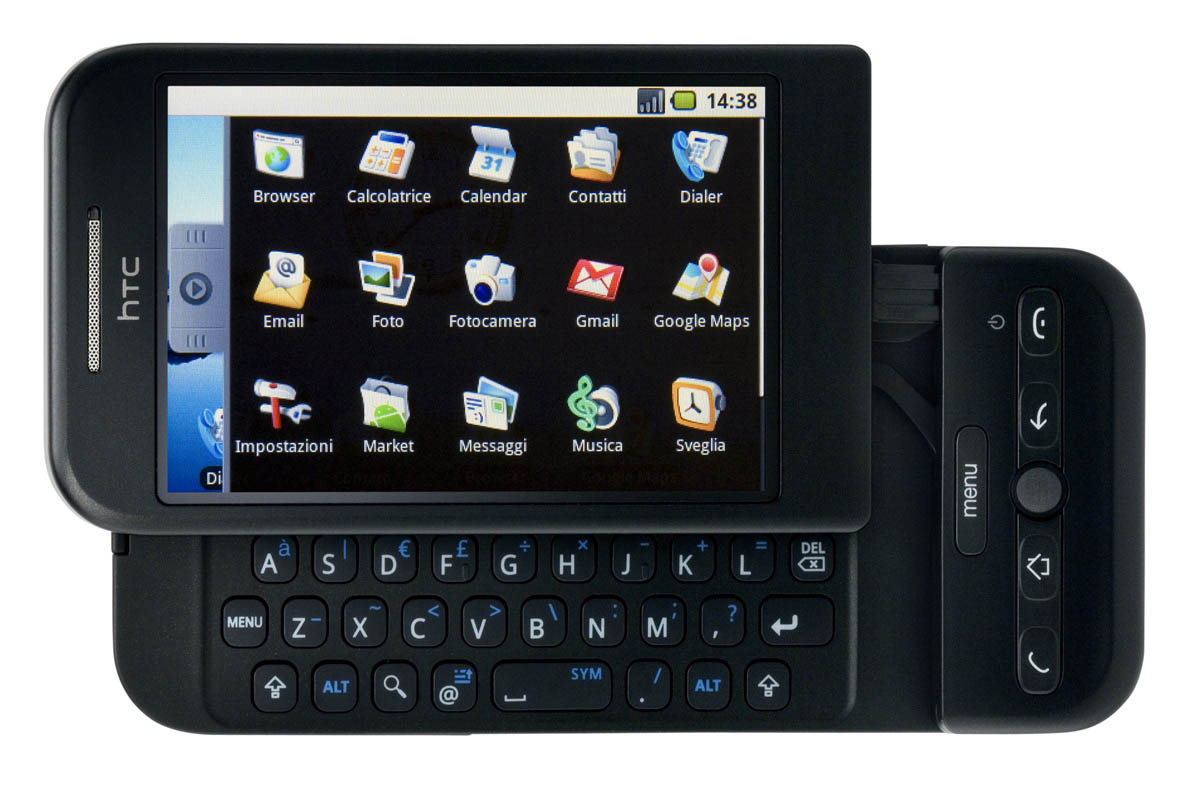
Releases world’s first Android phone, the HTC Dream (2008): First released in October 2008, the Dream was the first commercially released device to used the Linux-based Android operating system, which was purchased and further improved by Google.
The operating system offered a customizable graphical user interface, integration with Google services such as Gmail, a notification system that showed a list of recent messages pushed from apps, and Android Market for downloading additional apps. While the Dream was commended for its solid and robust hardware design, the introduction of the Android operating system was met with objection for its lack of specific functionality and third-party software in comparison to more established platforms. But, in spite of its shortcomings, Android OS was still considered to be innovative due to its open nature, notifications system and massive integration with Google’s services.
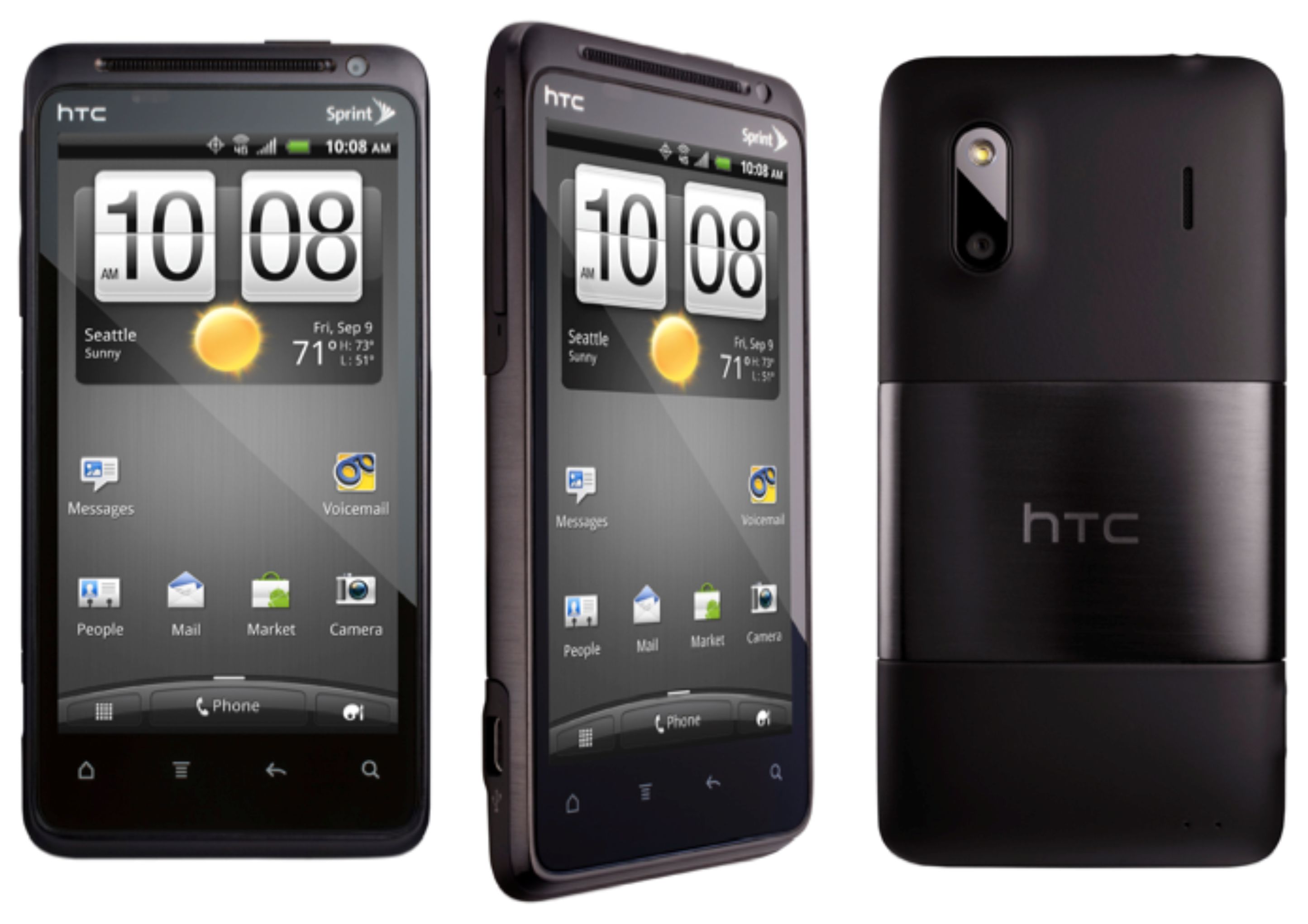
Launches the HTC Evo 4G- the first 4G phone in the US (2010): The HTC Evo 4G was a smartphone developed by HTC Corporation and was marketed as Sprint’s flagship Android smartphone, which ran on its WiMAX network. The smartphone was released on June 4, 2010 and was the first 4G enabled smartphone released in the United States.
Controversies and Legal Affairs
In March 2010, Apple filed a complaint with the US International Trade Commission claiming infringement of 20 of its patents including features of the iPhone user interface and hardware by HTC. HTC objected with Apple’s actions and restated its commitment to creating innovative smartphones. HTC also filed a charge against Apple for infringing on 5 of its patents and tried to ban the import of Apple products into the US from manufacturing plants in Asia. Apple extended its original complaint by adding two more patents.
On November 10, 2012, Apple and HTC arrived at a 10-year license agreement covering current and future patents held by the two companies. The terms of the agreement remain classified.
In February 2013, HTC decided with the U.S. Federal Trade Commission concerning lax security on more than 18 million smartphones and tablets it had shipped to customers and agreed to security patches.
Products
HTC, which stands for High Tech Company, has been making smartphones longer than almost anyone. Years ago, it made a business out of creating Windows Mobile devices that were rebranded by AT&T and other companies, but thanks to its early support of Android with the T-Mobile G1 and Google Nexus One, HTC has risen to stardom, becoming a brand of its own and rivaling mobile industry veterans like Motorola and Samsung.
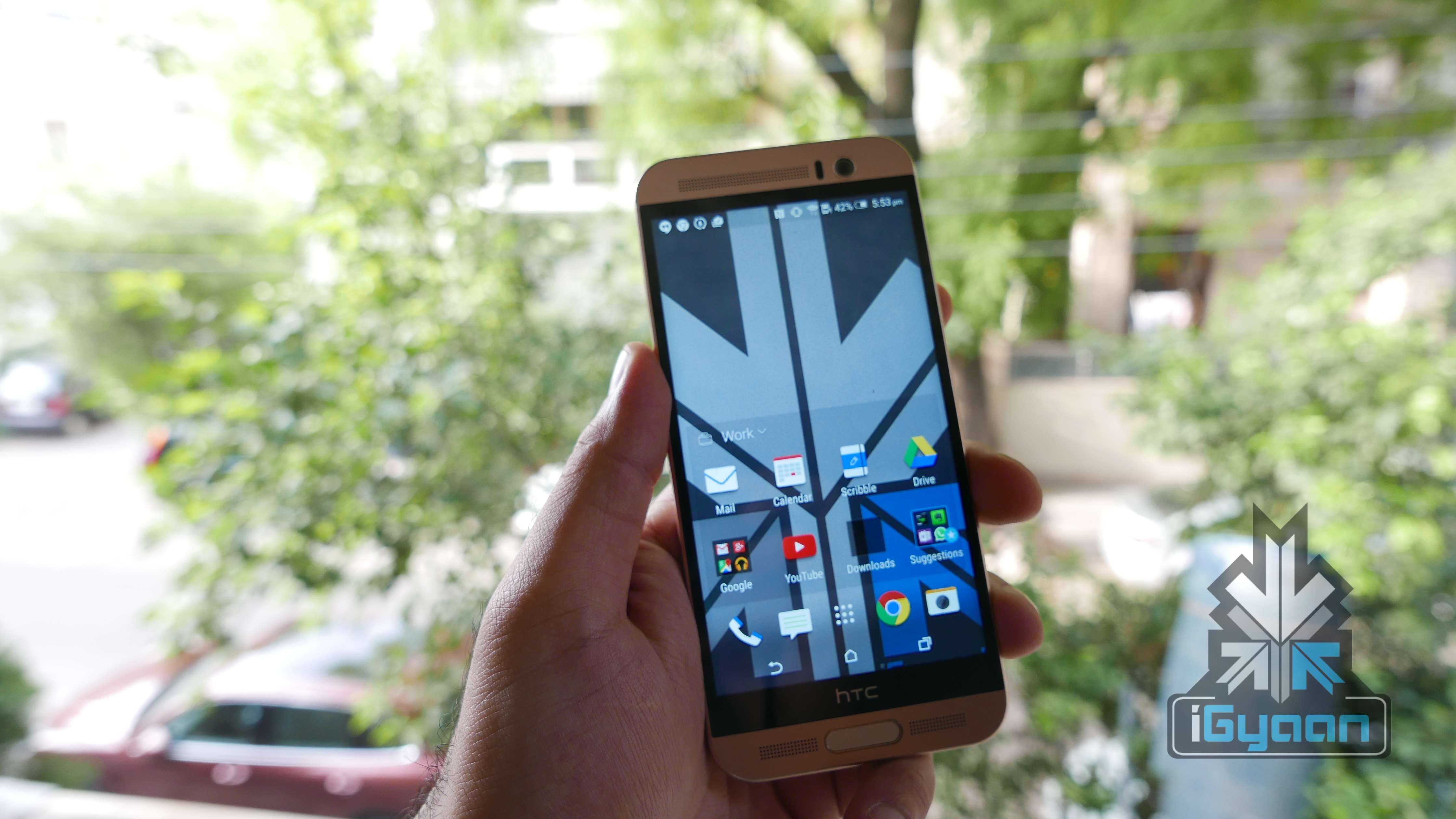
This year, HTC came out with a variety of products like HTC One M9+, HTC One ME, Desire 826, and much more. Each phone has different features and appeals to its masses effectively.
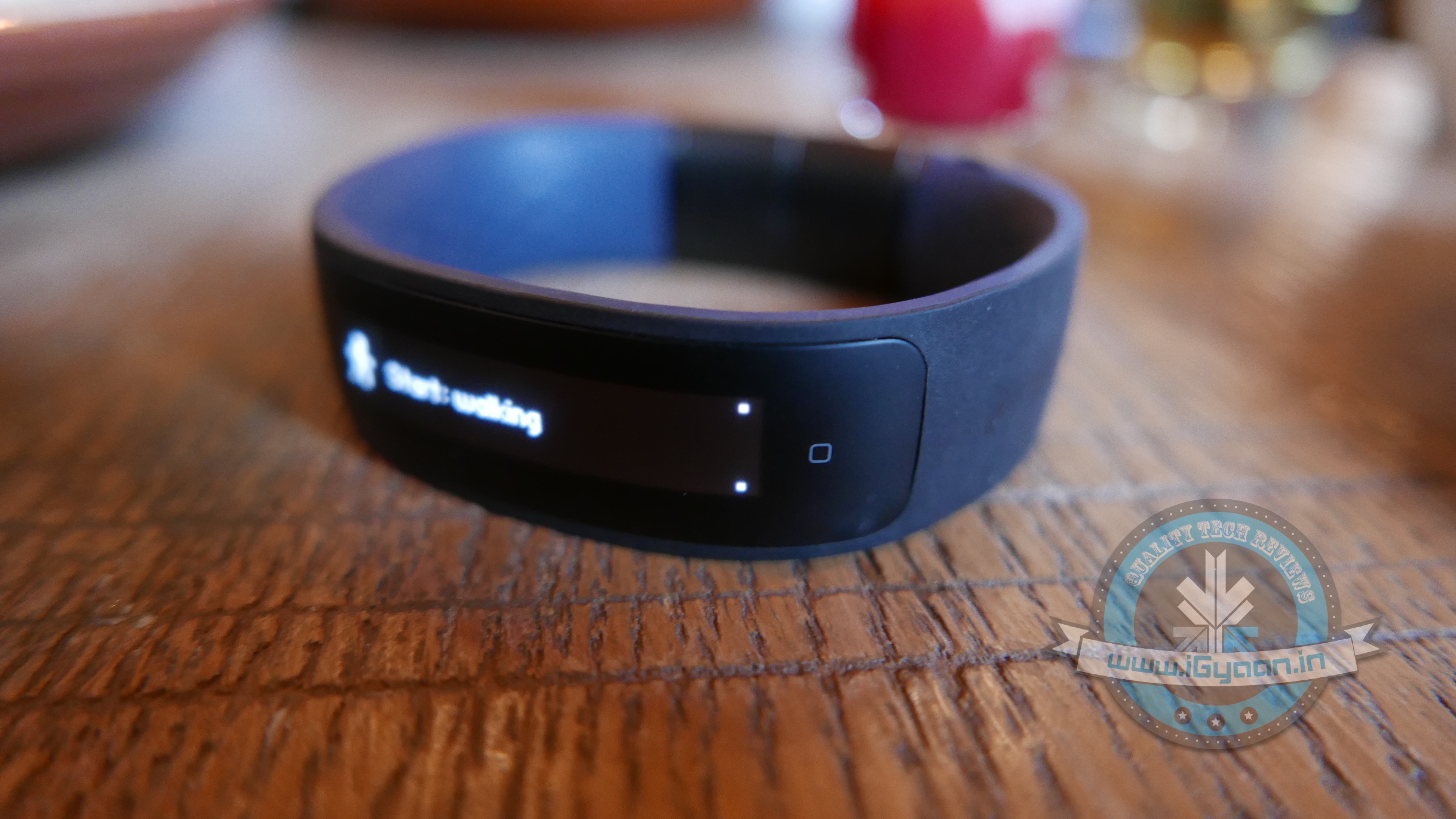
HTC unveiled its first high-performance, smart fitness tracker, the GPS-enabled HTC Grip™ in March.
Powered by UA Record, the new health and fitness network from Under Armour designed for athletes and fitness enthusiasts, Grip fuses HTC’s renowned design with powerful, accurate tracking across a range of sports and activities, allowing athletes to set personal goals, then smash them. Indeed, a different innovation by HTC!
Now
HTC’s brilliance and excellence are further strengthened by its long-standing partnership with Microsoft. HTC has been slowly but surely helping Microsoft capture the mobile telecommunication industry by advancing to unique and efficient operating systems. Today, HTC is seamlessly poised to overhaul other Chinese mobile telecom device manufacturing companies, including Lenovo and Haier. HTC concentrates on value-addition and modification. The company has demonstrated time and again that self-confidence, ambition and drive are what make it different and unique. These have been the stepping stones to international repute.
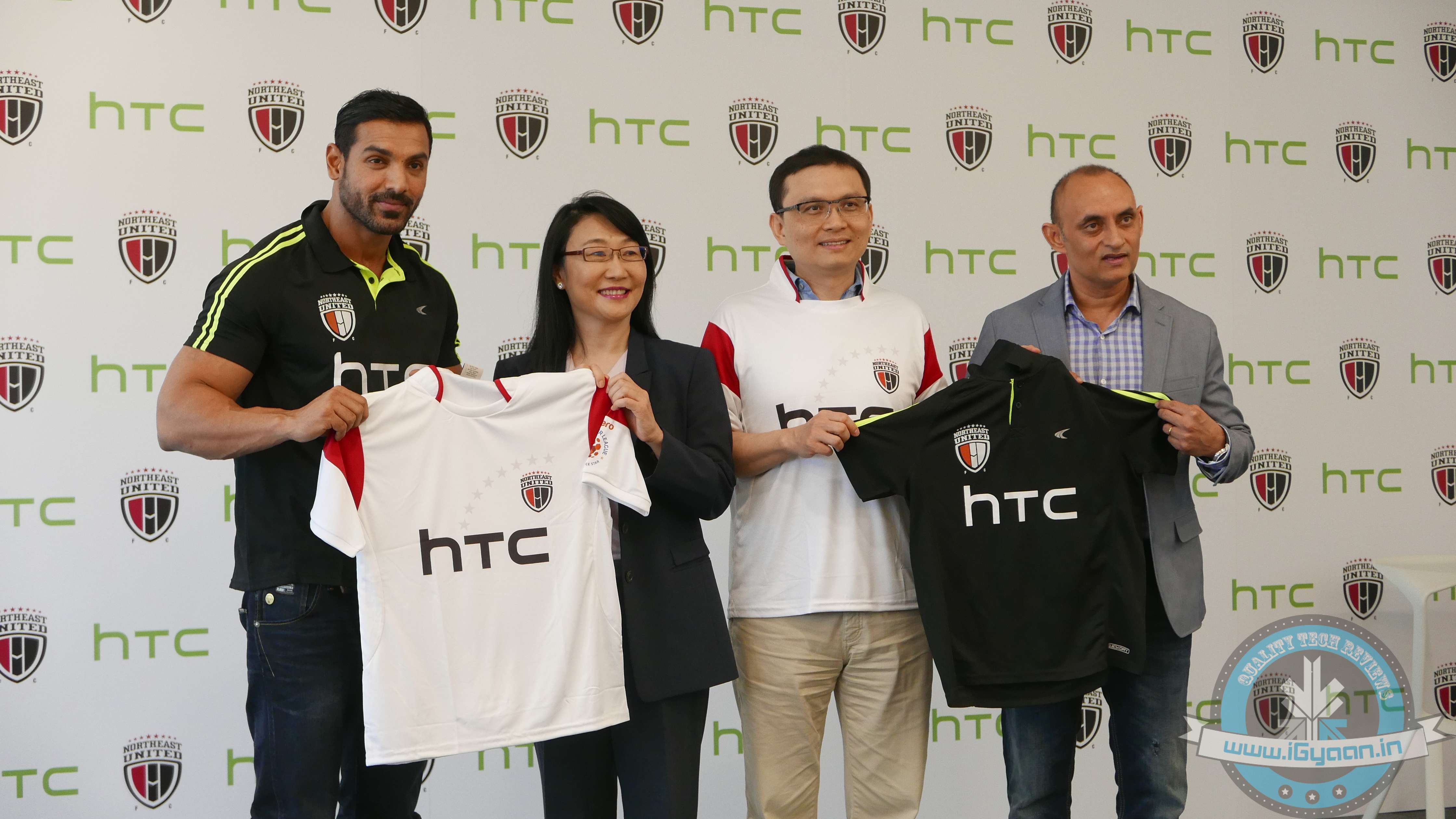
John Abraham Becomes HTC’s Brand Evangelist
HTC shines by the power of innovation. It built HTC’s Magic Labs, a Center for developing innovative breakthrough outcomes guaranteed to improve the world of technology in the years to come. HTC understands that success starts where it ends – with the customer. Even today, every device is worked to suit customer’s multiple needs. This is truly inspirational for companies that want to make customer service an art form. The first successful step in this endeavor was becoming the leader in the production of the more and more popular Windows Mobile smartphones.
It is impossible to overlook the fact that mobile cameras have changed a lot in the last few years. Far before the now memorialized words of “Let me take a Selfie,” having a camera in your back pocket or purse was something most of us took for granted. But just how far have mobile cameras actually come, and where are they headed in the future?
The first instant camera was made back in 1923. But, it wasn’t until 1948 that these devices gained popularity when the Polaroid camera came out, enabling the user to print instantly a photo in less than a minute.
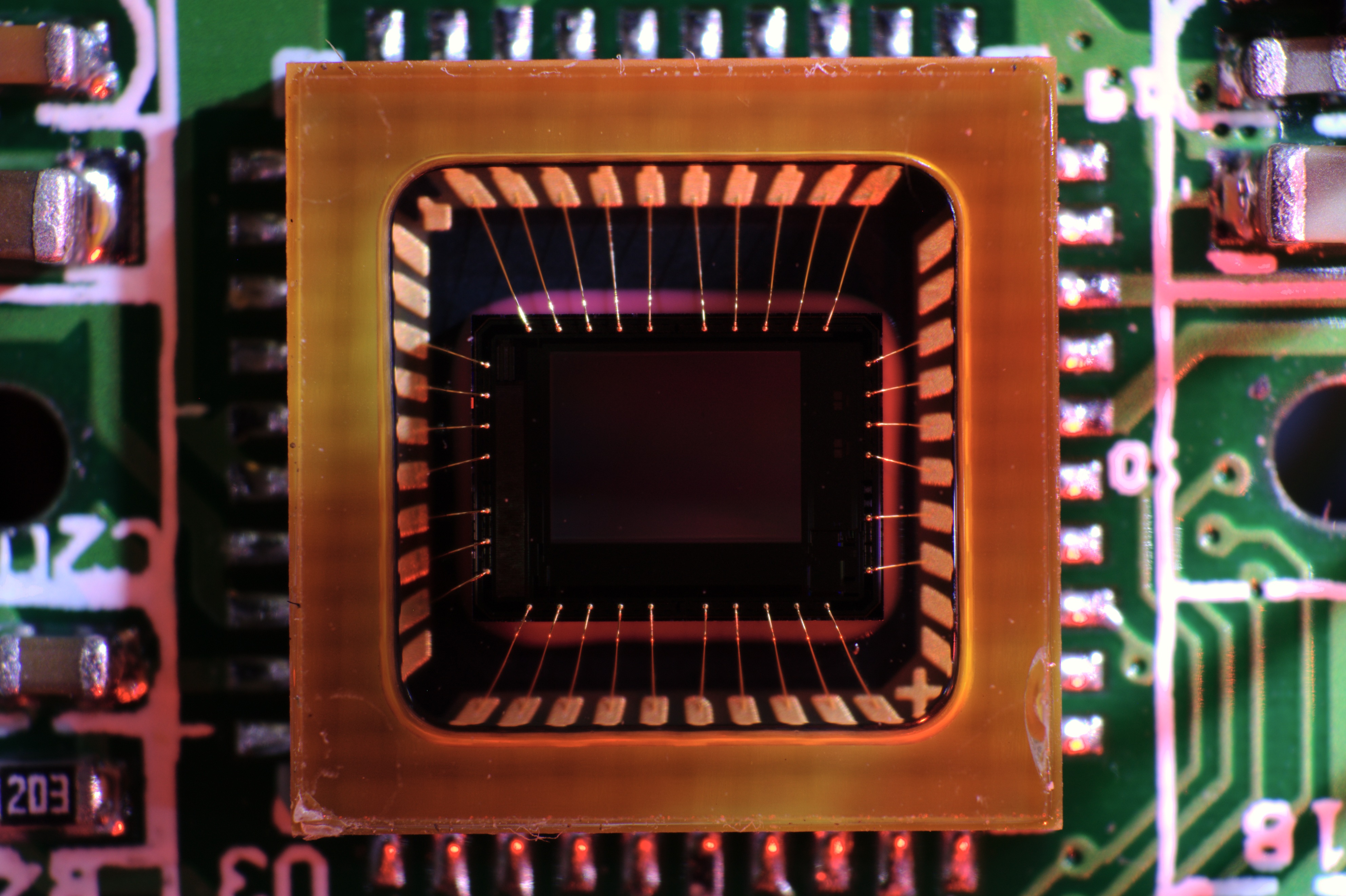
But that was just it. Enter Willard Boyle and George Smith, who invented the CCD Chip (Charge-Coupled Device Chip), which paved the way for digital cameras in 1969.
CCD Chip
However, it wasn’t until 1981 that a commercially available version would hit the market in the form of the Sony Mavica. This monster of a camera let users save up to 50 images on a video floppy disk and view them on a television screen. It paved the way for digital cameras to go mainstream, and it changed how photography would be perceived both literally and metaphorically.
The First Camera Phone
Just as digital cameras began to rise in popularity, cell phone manufacturers could not help but notice the rising trend. In 2000, Sharp produced the J-SH04, the very first phone with an inbuilt camera. It was a 0.1MP camera and was priced at $500.
Sharp J-SH04
This device became so popular that within two years, Sharp’s device served 40% of J-Phone users around the world. American phone businesses took note of the phone’s success and brought the technology to the U.S. in 2002, in the form Sanyo 5300 flip phones. The camera phone wars had officially begun.
The Second Camera Phone
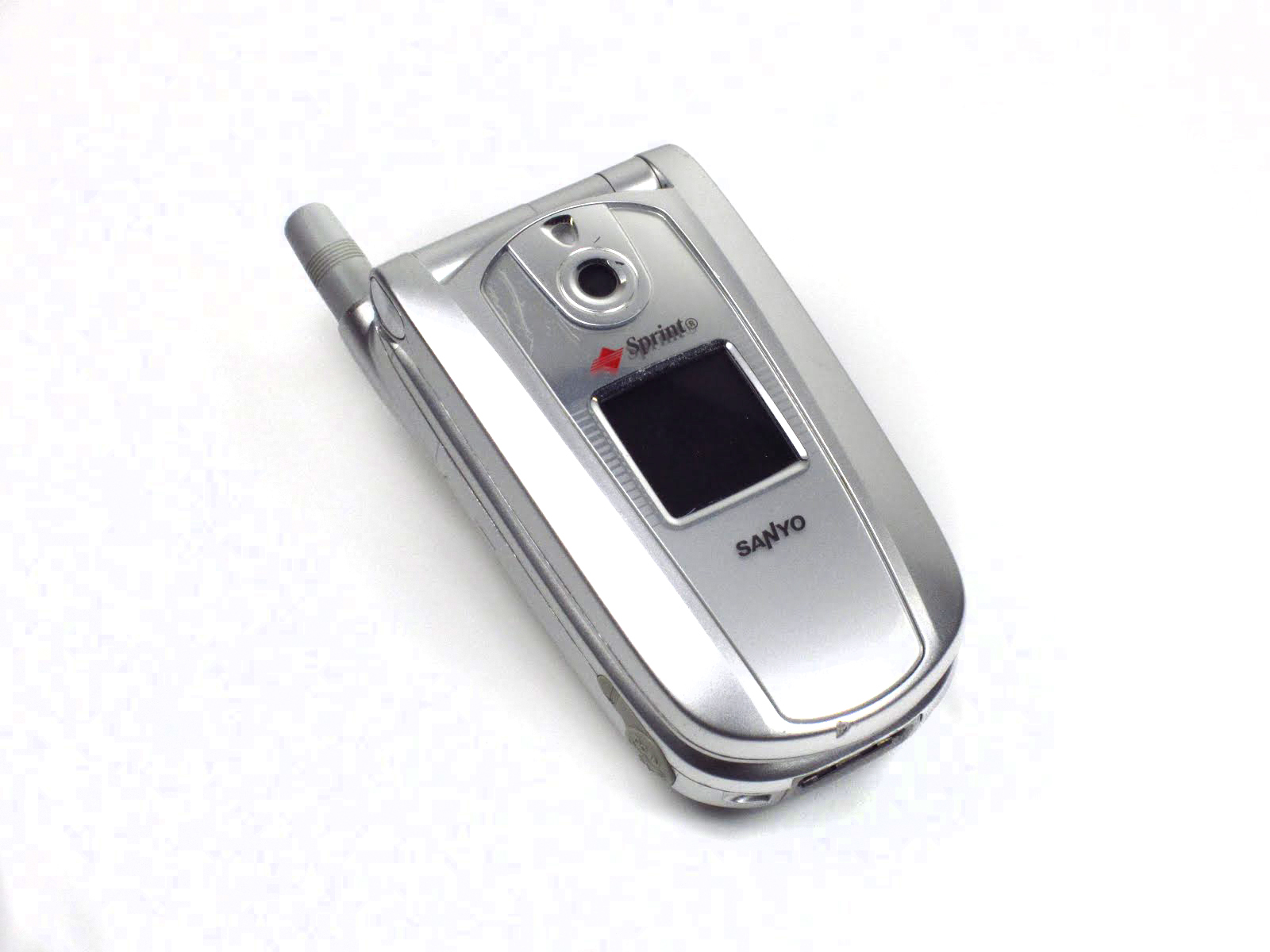
It was November 2002 before the U.S. embraced the crazy Japanese trend with the Sanyo SCP-5300 handset. It costed $400, and it highlighted a chunky clamshell design.
Sanyo SCP-5300
With a 0.3MP capability, it could capture shots at 640 x 480 pixels.The Sanyo SCP-5300 also had a basic flash, white balance control, self-timer, digital zoom, and several filter effects like sepia, black and white, and negative colors.
By the end of 2004 the camera phone was riding high. Over half of the phones sold worldwide had cameras in them in the first nine months of 2004, and two-thirds of all the phones shipped in the third quarter were camera phones. Leading the way was the Finnish manufacturer, Nokia.
Nokia Battles Its Way To The Top
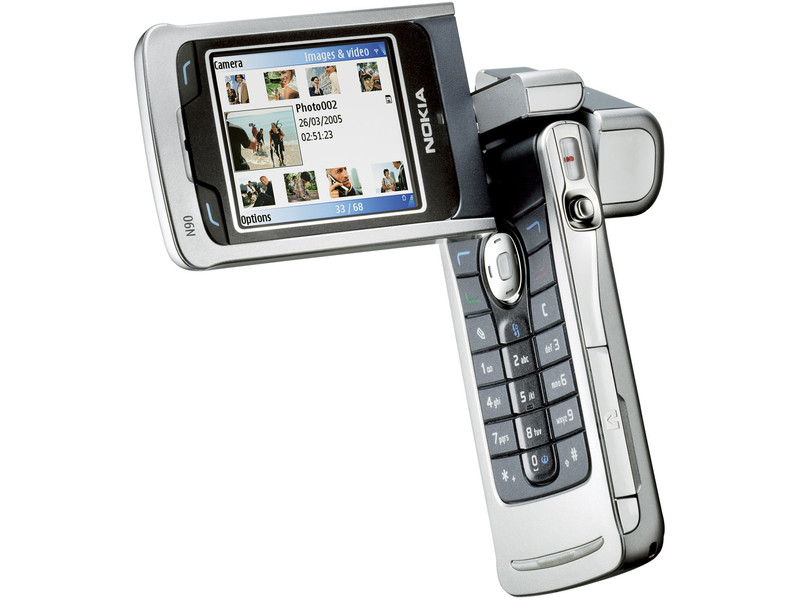
Nokia released the N90 in 2005, thus landing the camera phones to new heights. It featured a 2MP camera, along with Carl Zeiss optics, autofocus, and an LED flash. It instantly became famous because the rotating screen gave a feel of a camcorder.
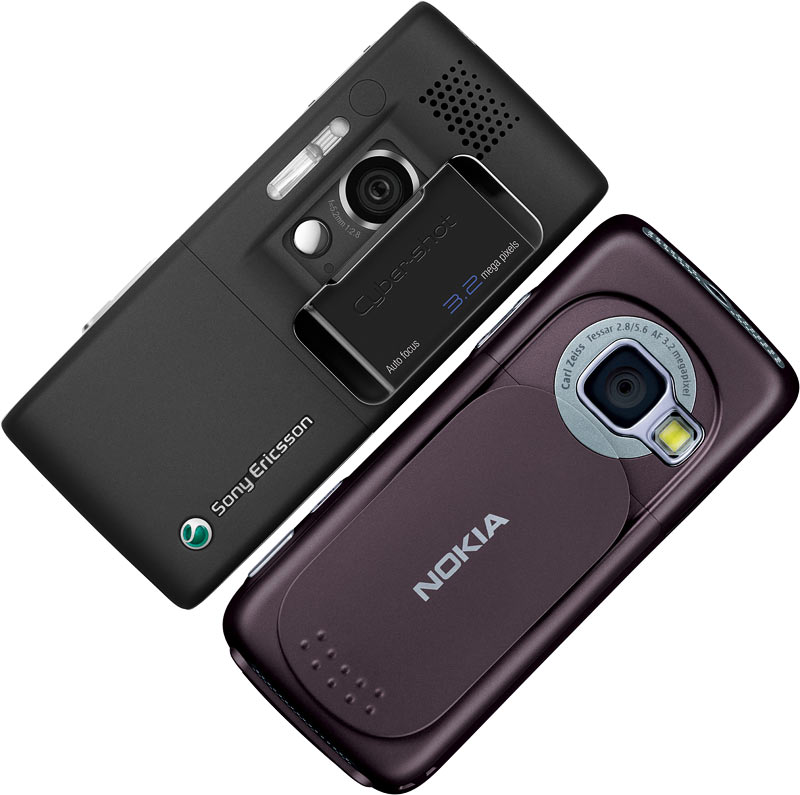
But, Nokia was not the only one who was reaching new heights of mobile cameras. Sony Ericsson’s K800i that was released in 2006 had a 3.2MP camera with auto-focus, image stabilization, and a Xenon flash. Naturally, Nokia countered with models like the 3.2MP N73, but in 2007 the feature phone reached its zenith.
Sony Ericsson’s K800i that was released in 2006 had a 3.2MP camera. Later, Nokia countered with models like the 3.2MP N73.
Nokia 95 was the first phone to feature a 5MP camera with the Carl Zeiss lens. It took excellent photos, and it could record video at 30 frames-per-second. In fact, 5MP remained as a high-end standard for several years. Sadly for Nokia, the smartphone debacle was just around the corner, and a good camera would not be adequate to keep Nokia on the rise.
Next In Line, Samsung and LG
In 2008, the Samsung i8510, also known as the INNOV8, held the first 8MP camera to hit the market, but in design terms, it looked like part of Nokia’s N range, which were getting steadily less popular.
Sample Photo using a Samsung i8510
Nokia followed suit with the N86, but it was LG that released the first touchscreen camera phone with an 8MP camera. It was called the LG Renoir.
The competition for megapixels proceeded, and Samsung hit 12MP first with the M8910 Pixon12 in 2009. It was soon surpassed by Nokia’s N8 in 2010 and the 16MP Sony Ericsson S006 at the end of the year.
The Rise Of Software Features For Cameras
Google gave Photosphere; Apple came out with Panorama mode, even BlackBerry came out with TimeShift. We have seen a lot of filters and effects mixed into various mobile platforms and are proving great for people who click photos in a not-so-normal perspective.
Shot by David K. in Dubai, United Arab Emirates as a part of Shot on iPhone 6 campaign
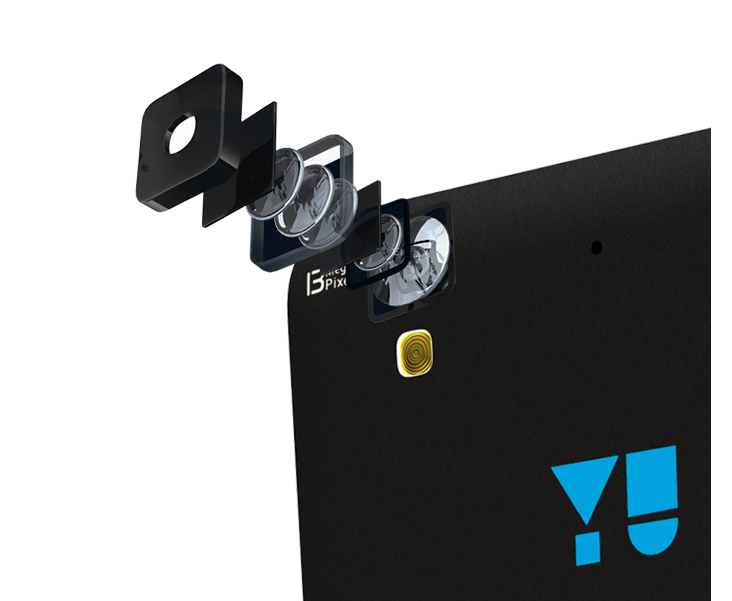
Camera Phones are not just developing the sensors and resolutions. They are also improving on the lenses, flashes, focussing capabilities and zooming capabilities too.
Apple’s Autofocus feature
We are observing today the acceptance of xenon flash, Dual-LED flash, Carl-Zeiss lens on camera phones. Camera phone hardware is bettering the hardware specs of stand-alone digital cameras. With the improved availability of raw processing power, location-awareness and the brilliant touchscreen displays, today’s camera phone’s are equipped to manipulate blink-detection, face-detection, smile-detection, touch-focus (sheer ability to focus on a particular spot on the frame by just tapping the touch-screen), Geo-tagging (thanks to GPS capabilities), Image stabilizer, Video Stabilizer, HD image resolutions, 4K Video Recording and much more.
We should talk about the full-HD Video recording capabilities that are made possible now. Optical Zoom and stand-alone camera capability (using a camera while the phone is switched off) are getting upgraded as well. In a new experiment, we mounted the Moto Turbo on a drone and got phenomenal results.
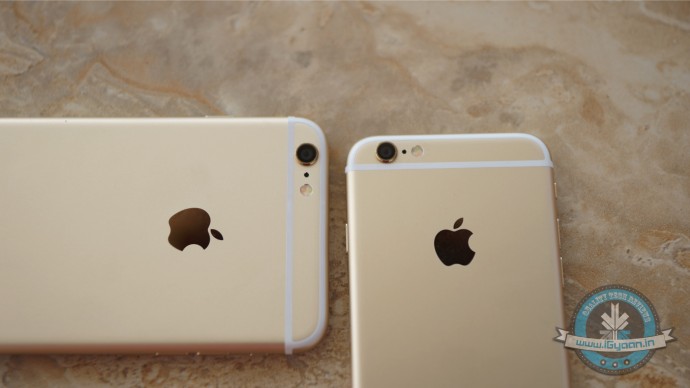
As smartphones become universal, they are quickly replacing traditional point-and-shoot cameras as the go-to devices for capturing quick photos. But not all smartphone cameras are designed equally. The iPhone 6 Plus, for example, has extremely fast autofocus and a dual-LED flash, and the Samsung Galaxy S5 Active can withstand dunks underwater and drops to the ground. In a high-tech world driven by steady consumer demand for bigger and better, it will be exciting to see where our tech will take us next!
Let us look at some of the brilliant iPhone photography that may give professional photographers a run for their money.
Shot by Brendan Ó. in Copenhagen, Denmark
Shot by Renee M. in Union City, CaliforniaShot by Satoshi H. in Tokyo, JapanShot by Dudley W. in Glen Etive, ScotlandShot by Robyn W. in Corvallis, Oregon
You can check out more of these amazing photographs here.
If another round of rumours is to be believed, it looks like Apple is planning on something big for the next iPhone. Apparently, according to WSJ, the tech giant has immense ambitions and has assigned the task of assembling 85-90 million handsets-complete with Force Touch- to its manufacturing partners. WSJ predicted that Apple’s sales growth approximates to 10% each year. The company ordered between 70 million and 80 million iPhone 6 and 6 Plus units for launch in 2014.
So far, we’ve learnt that the next iPhones will include Force Touch and a new casing to make the iPhone 6S wider, taller and stronger. The new model will run on iOS 9 and have an enhanced processor. Samsung might provide chipsets and displays for Apple’s forthcoming products, and iPhone 6S will be powered by a next-gen A9 processor and come with 2GB of RAM. The new model will run on iOS 9 and have an enhanced processor, as Apple announced at the WWDC this year.
It is also possible that Apple may release two variants of the iPhone, the smaller 6s variant, and a larger 6s ‘Plus’ version.
The upcoming iPhone 6s is rumored to be available in stores from 25th September this year. According to the source, pre-orders will start on 18th September, and it will go live physically on 25th September.
One of the biggest triumph stories of 2014, OnePlus, conquered the mid-segment smartphone market with its feature-rich phone with top-notch specs with a reasonable price tag. With several enhancements and revisions compared to its predecessor, the OnePlus One, the OnePlus 2 is probably one of the most expected Android devices of the year.
Today, OnePlus has announced the upcoming smartphone will sport a 4GB RAM. It will sport the next-generation LPDDR4 memory chips, which are also packed with Samsung Galaxy S6 and S6 Edge only, for now. No other smartphone, apart from the Asus Zenfone, in the Indian market comes with 4GB of RAM, which is required to make use of the 64-bit processor for faster operations of the next generation of apps.
So far we know that OnePlus 2 will run on Snapdragon 810 chipset along with 4GB RAM. The phone will sport a 5.5-inch 2K display that will improve the viewing experience of the user. The OnePlus 2 will also have a USB C-Type, the first in a flagship device by a major manufacturer. Just a few days back, the company revealed that the phone will come with a built-in fingerprint scanner.
The company has confirmed its price Will Not Cross More Than Rs 28,500. OnePlus ruled out all the rumors of the temporarily titled OnePlus 2 and stated that the much-awaited device will make a debut in the third quarter of this year. Let’s wait and watch.